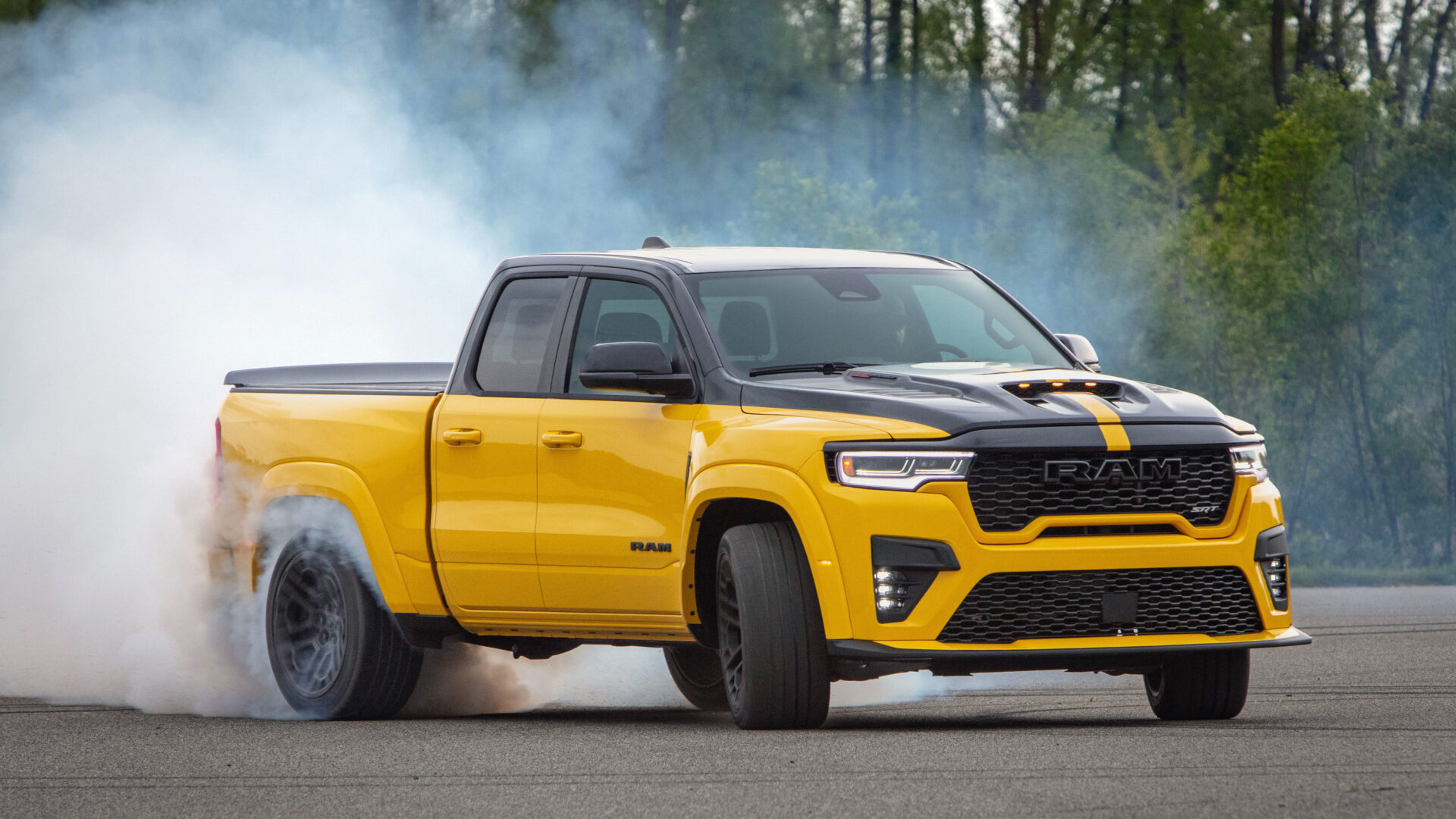
Ram has revealed a range of muscle trucks for the 2027 model year, topped by a new 1500 Rumble Bee SRT with an outregeous 777 horsepower.
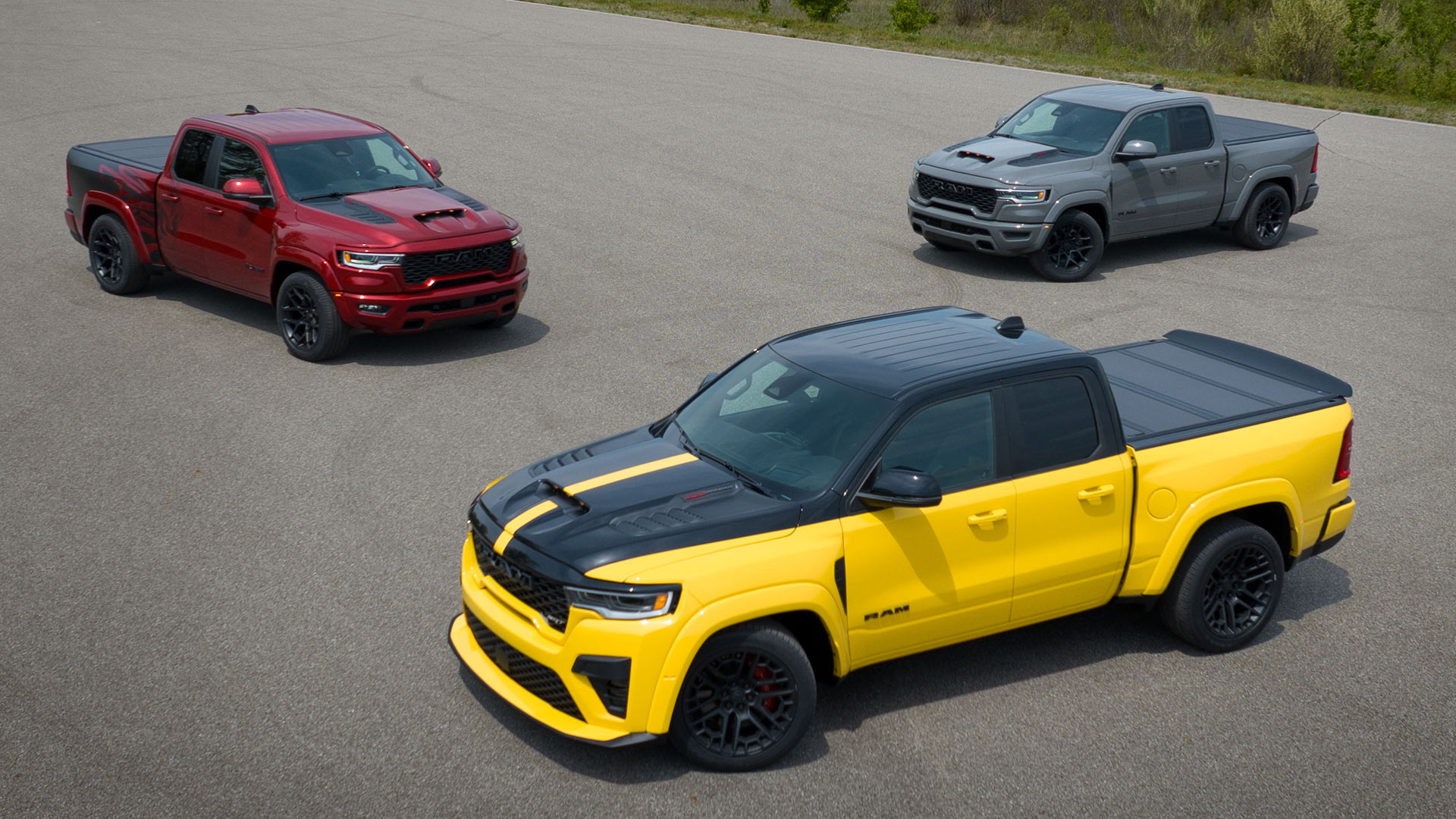
A total of four trucks will form the new Ram 1500 Rumble Bee lineup, pitched at muscle car owners who want a pickup with all-American V-8 performance.
Inspiration for the Rumble Bee range came from Ram’s participation in the NASCAR Craftsman Truck Series, following its return to the championship for the 2026 season.
It also comes 20 years after production of the Ram 1500 SRT10 came to an end. The legendary truck was powered by a Dodge Viper-sourced 8.3-liter V-10.
Although Ram has offered rapid trucks since the SRT10, none have quite matched the same level of status amongst Mopar enthusiasts.
This could all change with the 2027 Rumble Bee range, however, as Ram looks to push the limits of pickup performance yet again.
NASCAR-inspired performance
Starting the Ram 1500 Rumble Bee lineup is the base model, powered by a 345-cubic inch (5.7-liter) Hemi V-8 that delivers 395 horsepower and 410 lb-ft of torque.
This Ram is capable of 0-60 mph in 6.1 seconds, plus a quarter-mile time of 14.6 seconds.
A TorqueFlite eight-speed automatic transmission is fitted and, as with all Rumble Bee models, four-wheel drive is standard. A button next to the transmission can disconnect the front axle to deliver a true rear-wheel-drive experience.
Next in the lineup is the Ram 1500 Rumble Bee 392, using a 392-cubic inch (6.4-liter) Hemi V-8. Based on the smaller 5.7-liter unit, it generates 470 horsepower and 455 lb-ft of torque.
The extra horsepower cuts the 0-60 mph time to 5.2 seconds, with 13.2 seconds needed for the quarter-mile sprint.
A Rumble Bee 392 Track Pack version deploys an electronic spool differential, which can lock the rear axle. This allows for an even torque split between both of the rear tires, with drag racing in mind.
‘Going all-in’ for enthusiasts
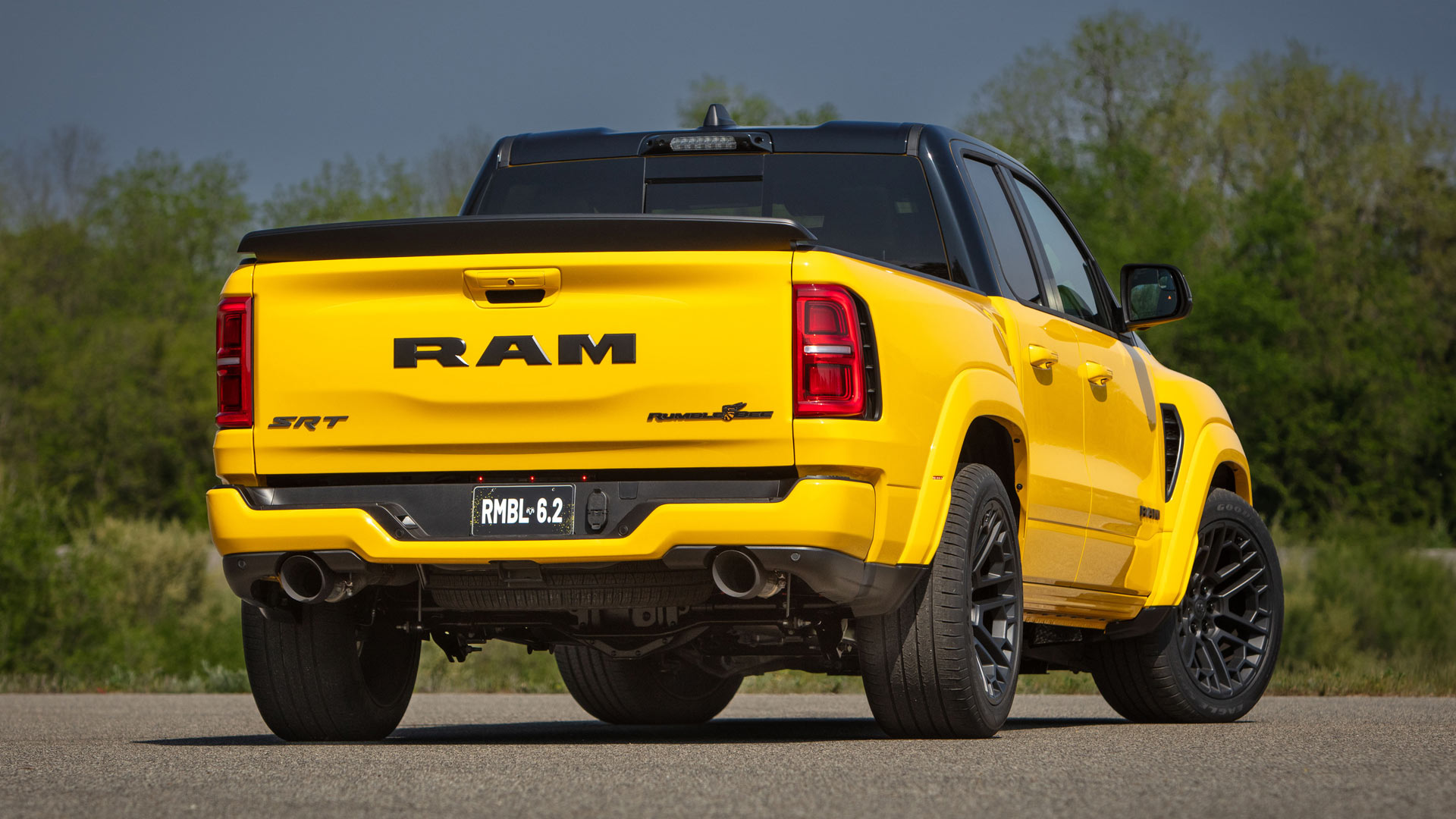
Topping the range is the Ram 1500 Rumble Bee SRT, using the Hellcat supercharged 6.2-liter Hemi V-8. Here, it generates a mighty 777 horsepower, with an accompanying 680 lb-ft of torque.
Such power allows for a 0-60 mph time of only 3.4 seconds, with Ram targeting a top speed of 170 mph. These figures mean it comfortably outperforms the famous Ram SRT10.
Air suspension and huge Brembo brakes are standard on the Rumble Bee SRT, along with aerodynamic tweaks that enable it to reach 170 mph.
Sales of the base Rumble Bee will begin in late 2026, with the other versions due at the start of 2027.
“Somehow, the idea of muscle trucks was labeled unnecessary, but that describes so many products that captivated enthusiasts’ hearts, minds and wallets,” said Tim Kuniskis, head of marketing for SRT Performance. “Ram is going all-in, pushing for the last 10th with a full-range of Rumble Bee muscle trucks.”
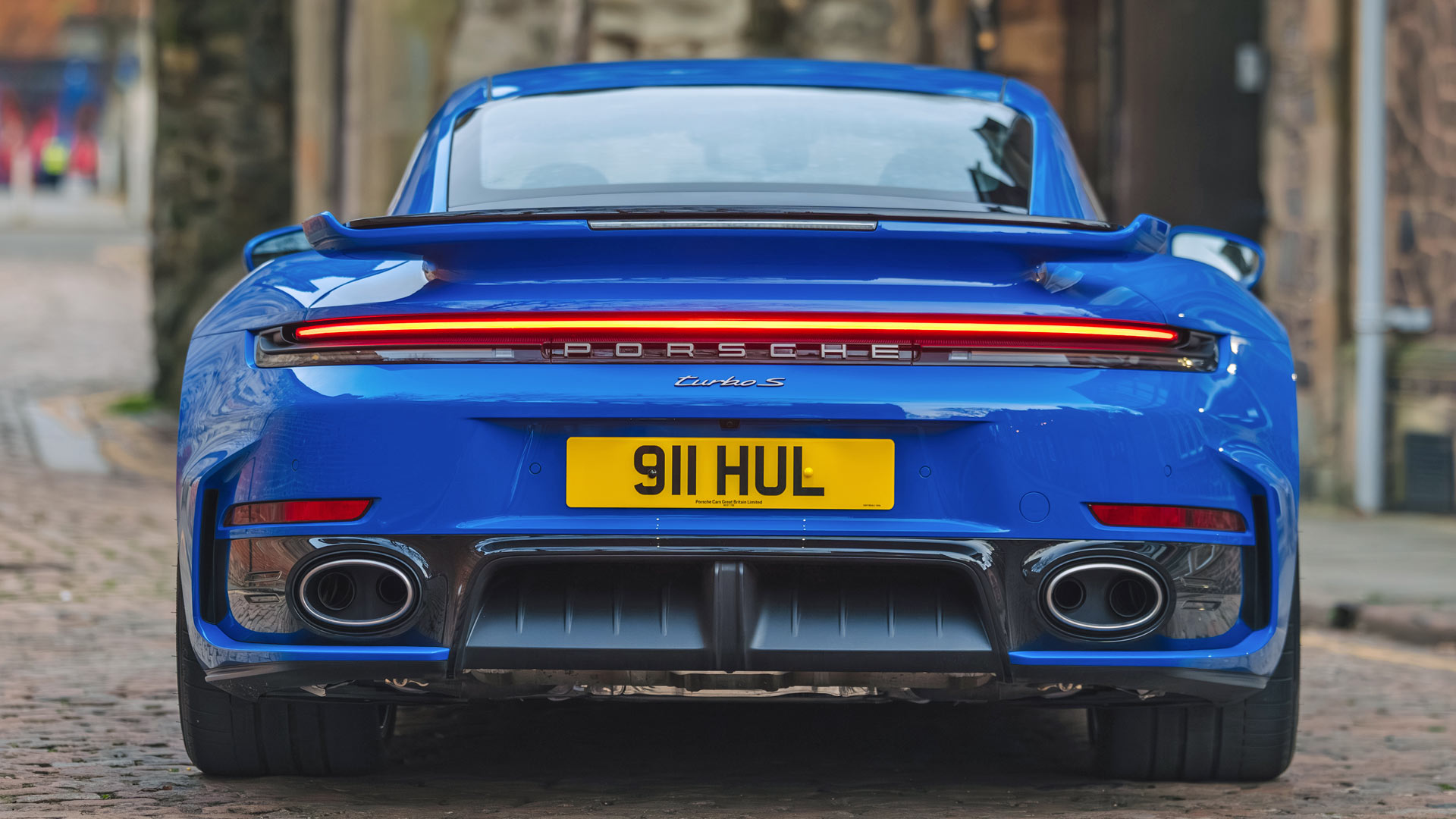
Demand for personalised number plates continues to grow in the UK, with the market now worth nearly £290 million per year.
According to figures from the Driver and Vehicle Licensing Agency (DVLA), revenue has increased in all three areas of the private number plate marketplace.
Dealership group Stratstone, which obtained the DVLA data via a Freedom of Information (FOI) request, says there are now enough personalised plates for almost one-in-seven of the UK population.
And with nine of the top 20 highest-value personalised registrations sold during the 2020s, the market appears to be hotter than ever.
An upwardly mobile marketplace
Stratstone’s analysis examined the three main channels for selling personalised number plates: auctions, fixed-price sales and transfers between private individuals.
The volume of personalised number plates being sold at auction has increased dramatically in recent years. Some 12,977 sales were recorded in 2015/16, but this jumped by 35 percent to 17,527 sales in 2024/25.
Revenue from auctions increased still further in the same period, from £24.7 million to £44 million – a 78 percent uplift.
By comparison, the DVLA’s own online fixed-price sales are more tightly controlled, with a set ceiling for the maximum price.
However, even these have witnessed a 41 percent increase in revenue between 2015/16 and 2024/25, rising from £77.5 million to £111 million.
Lockdown boosted personal plate trend
The transfer fee channel, used by private individuals to sell a number plate between themselves, has also seen a sharp rise in revenue.
Thanks to a buoyant secondary market for private plates in the UK, revenues from transfer fees have grown by 41 percent, from £94.8 million in 2015/16 to £133.6 million in 2024/25.
Interest in personalised number plates has accelerated in recent years, with the coronavirus pandemic driving the biggest spike in private sales.
DVLA data shows that the start of lockdown coincided with the biggest year-on-year movement for its fixed-price online sales channel.
Revenue from fixed-price sales soared by 55 percent, from 393,237 sales in 2019/20 to 608,313 sales in 2020/21.
Auction sales and transfer fee transactions also increased substantially during lockdown.
‘An asset and a statement’
The ever-growing strength of the personalised number plate market means nine of the top 20 most expensive registrations were sold this decade.
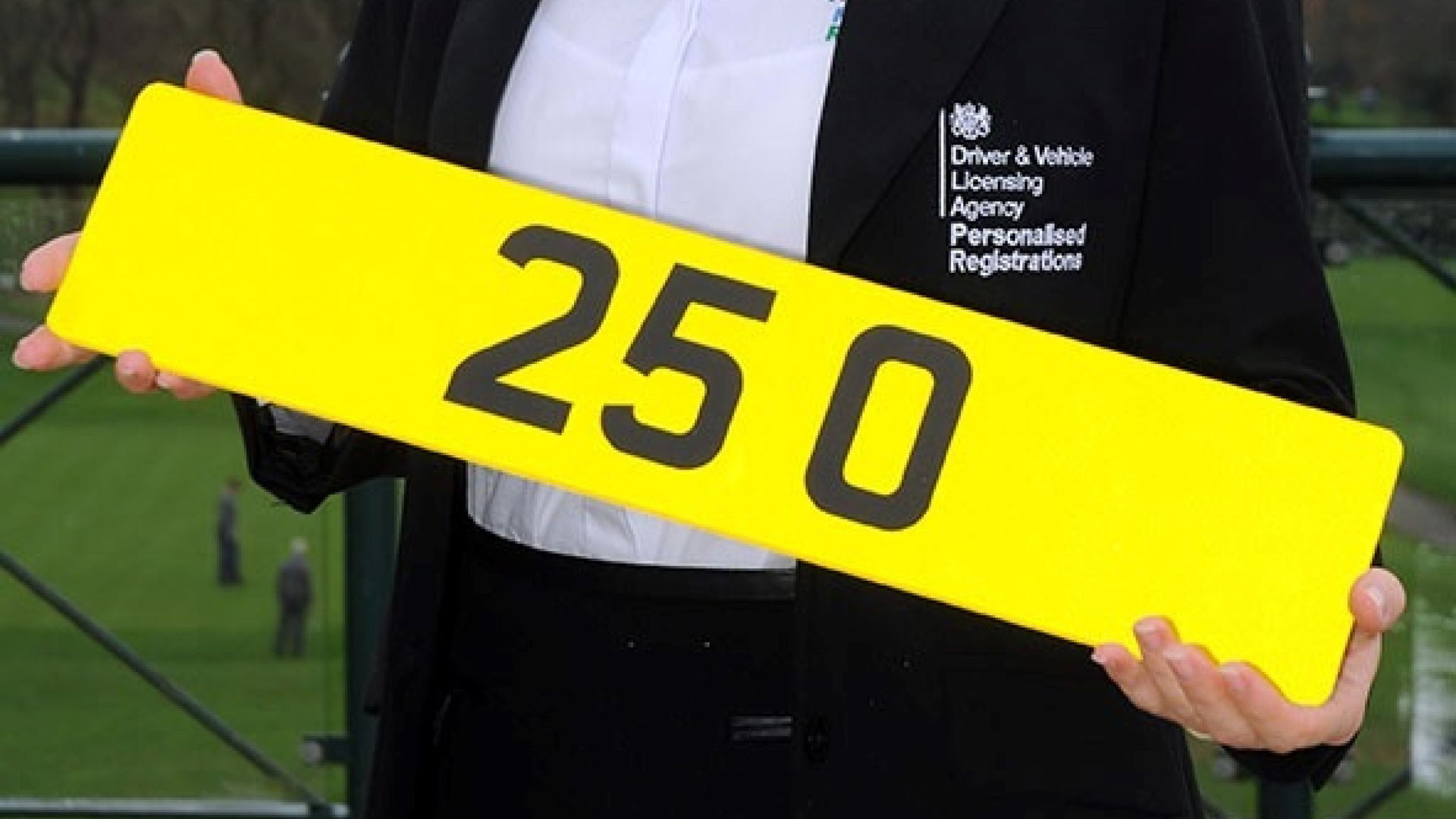
However, the most expensive sale of all occurred in 2014, with £400,000 paid for ‘25 O’ by John Collins, the owner of the Talacrest classic Ferrari dealership. With auction fees and VAT applied, the total cost came to £518,000.
A Stratstone spokesperson commented: “The data shows that the UK’s obsession with personalised plates is not just cultural – it’s a serious and growing market that’s quickly closing in on 10 million private plates.
“The buoyant secondary resale market also tells you that for many buyers, a personalised plate is an appreciating asset that’s as much an investment as it is a statement.”
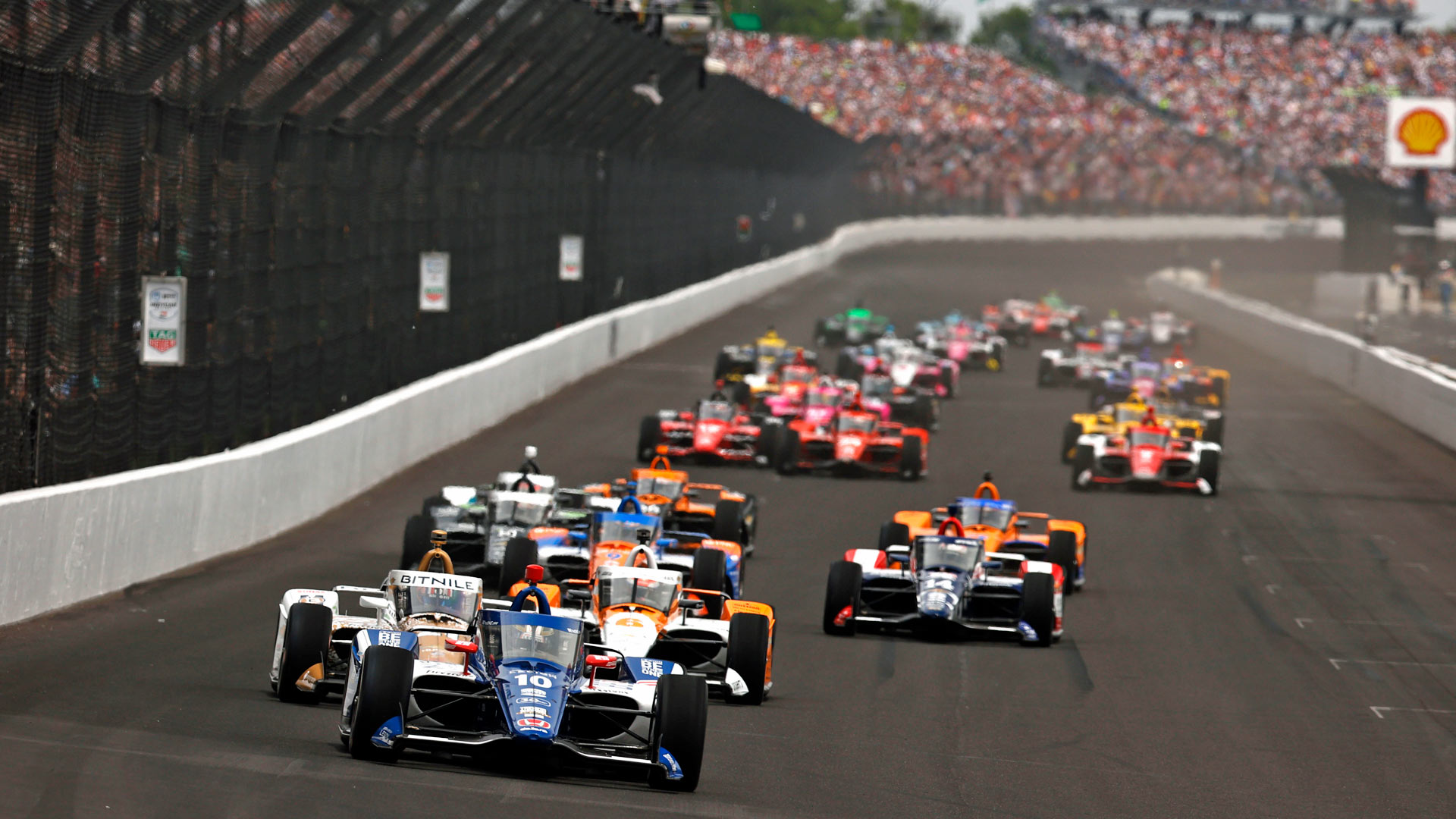
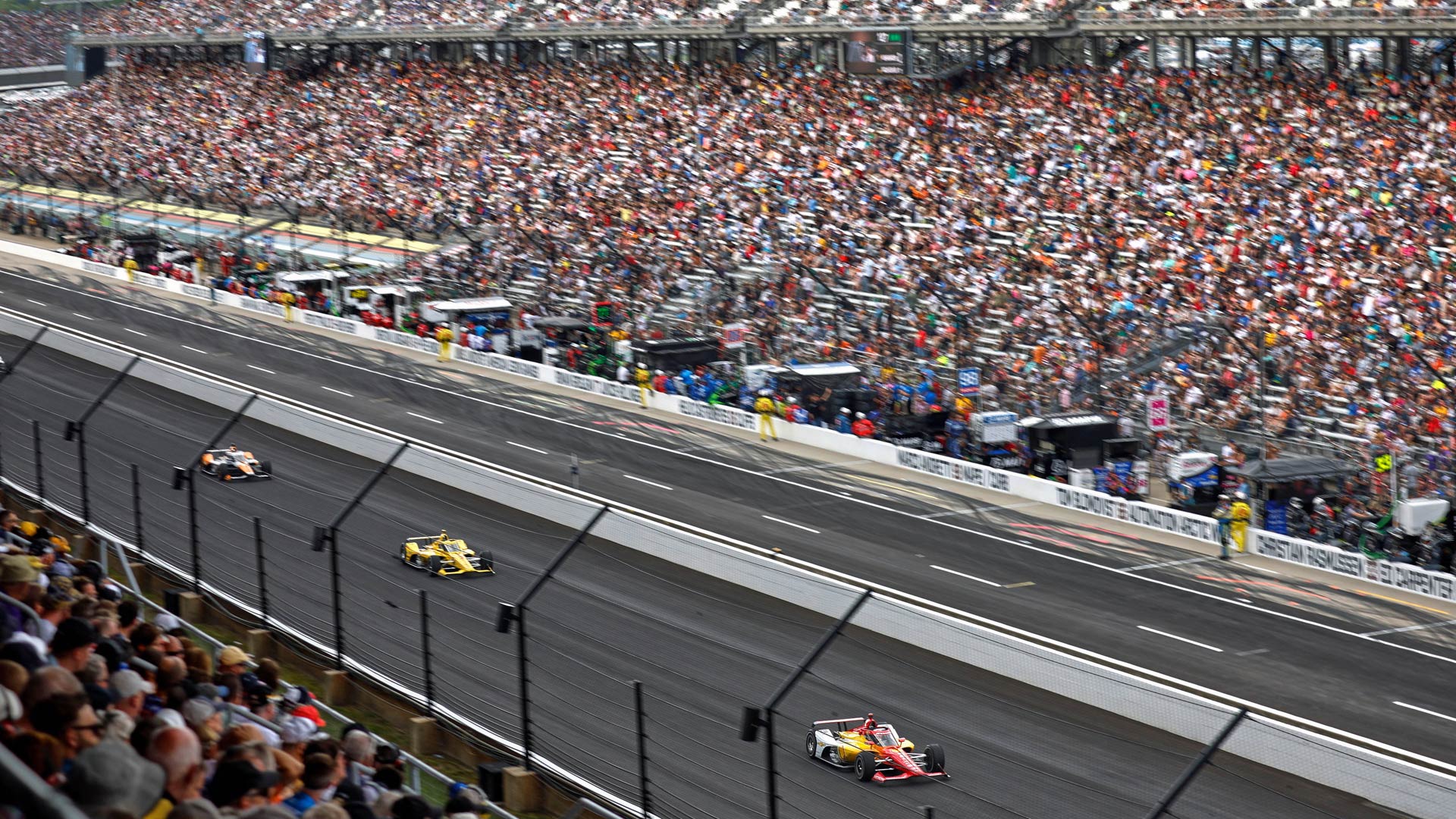
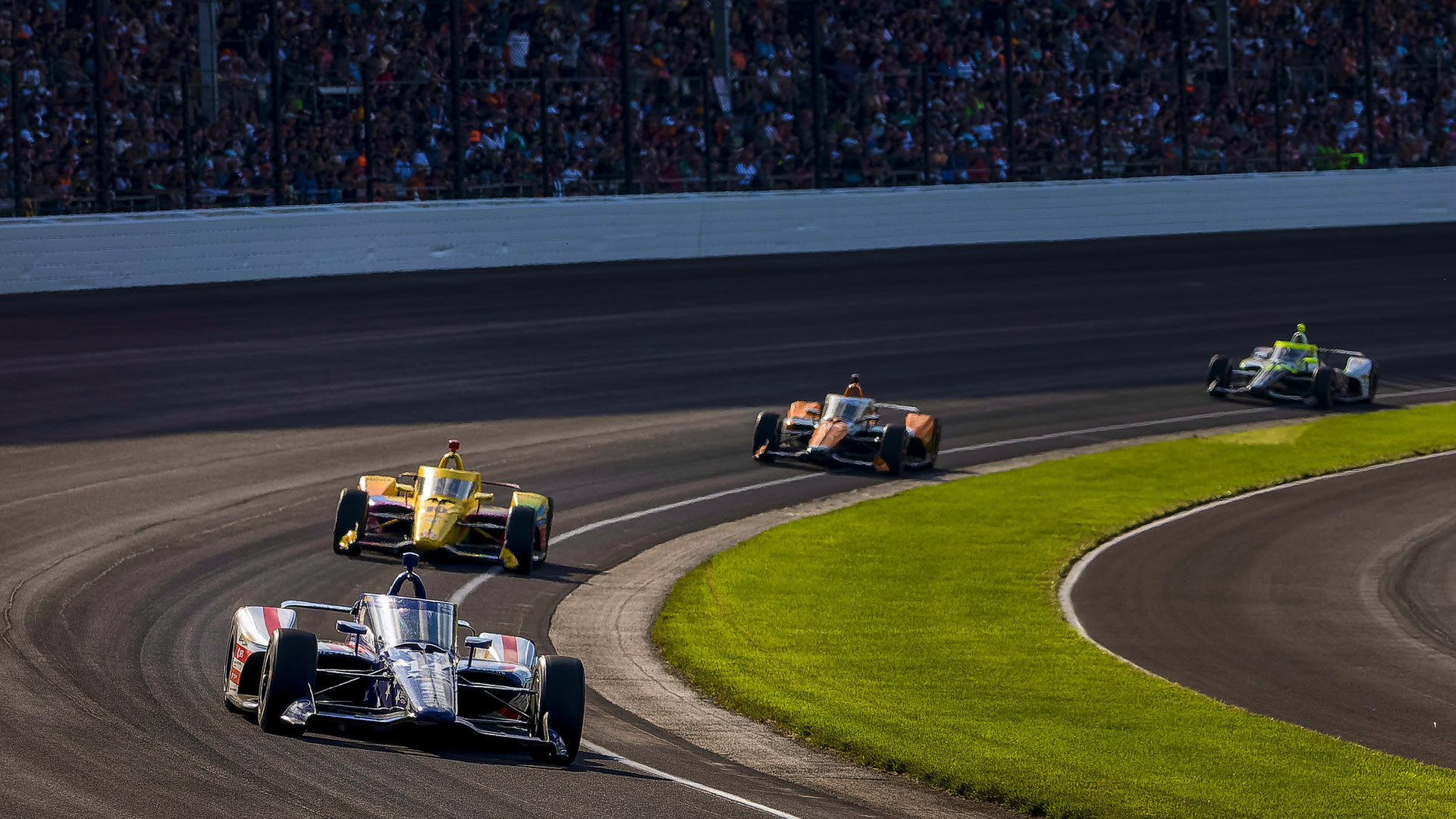
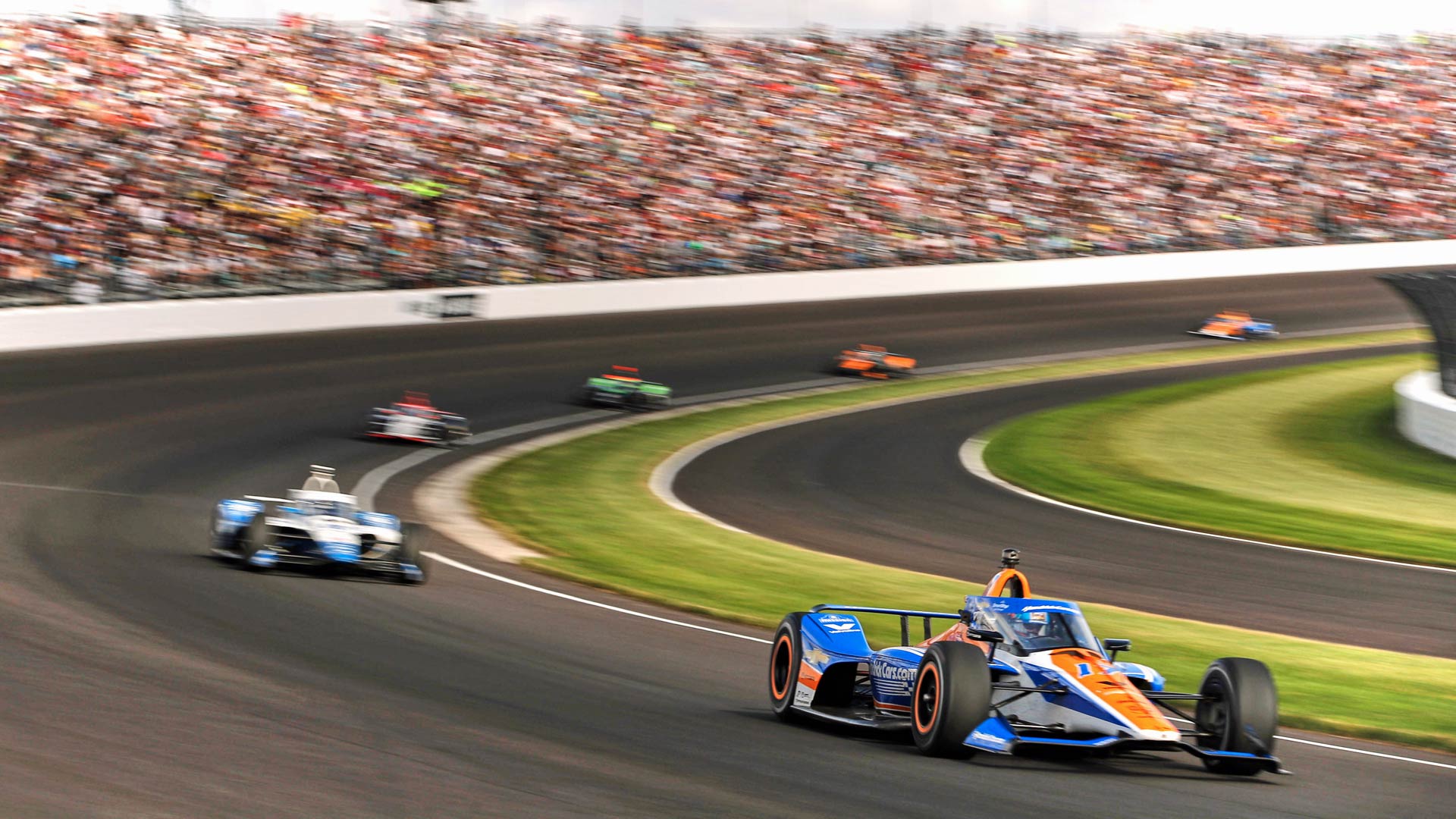
Described by American enthusiasts as ‘the greatest spectacle in racing’, the 110th Indianapolis 500 takes place on Sunday 24 May 2026.
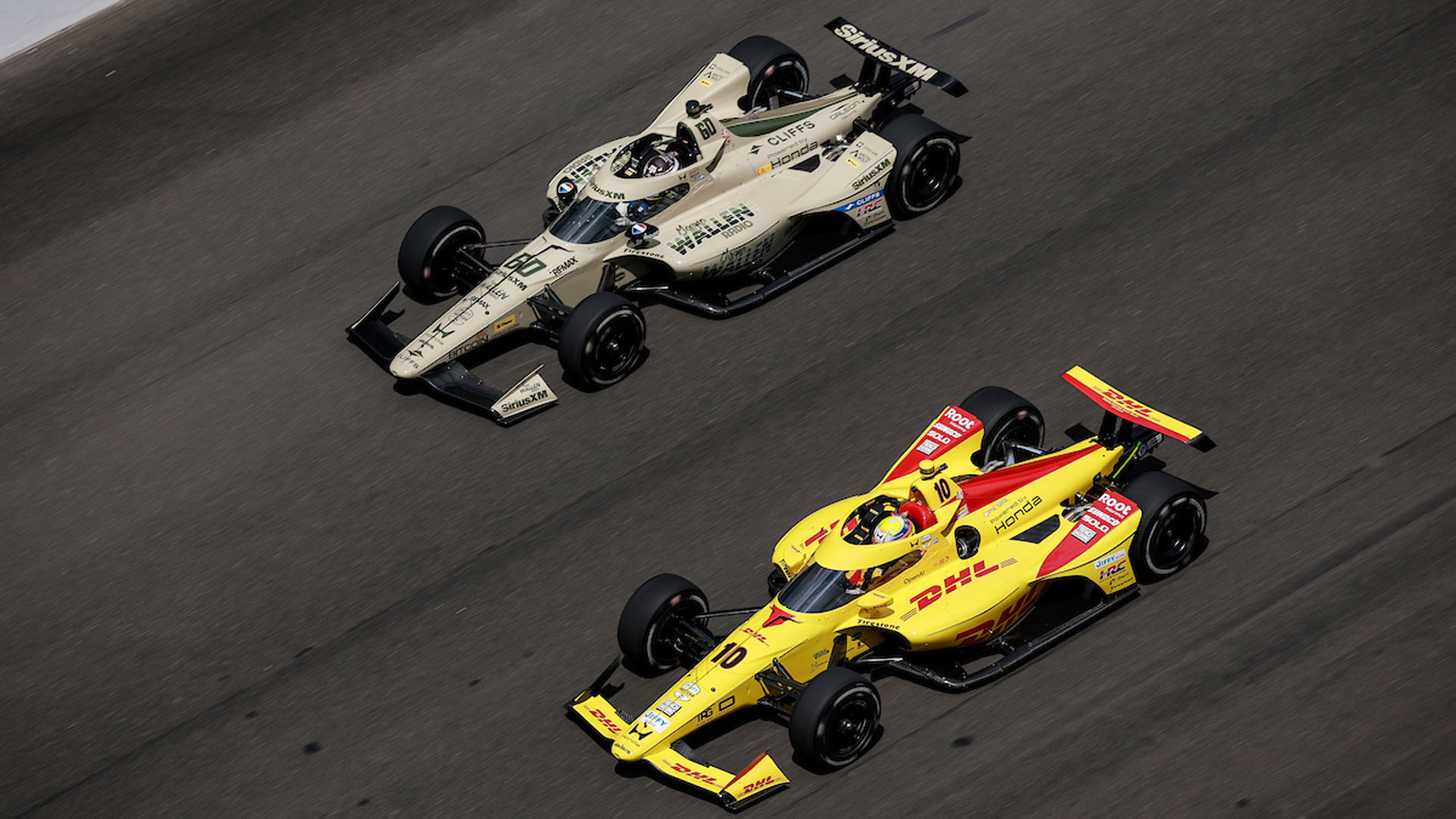
Marking the culmination of a month-long battle to make the grid, some 33 IndyCar drivers will fight it out over 500 miles for one of the top prizes in motorsport.
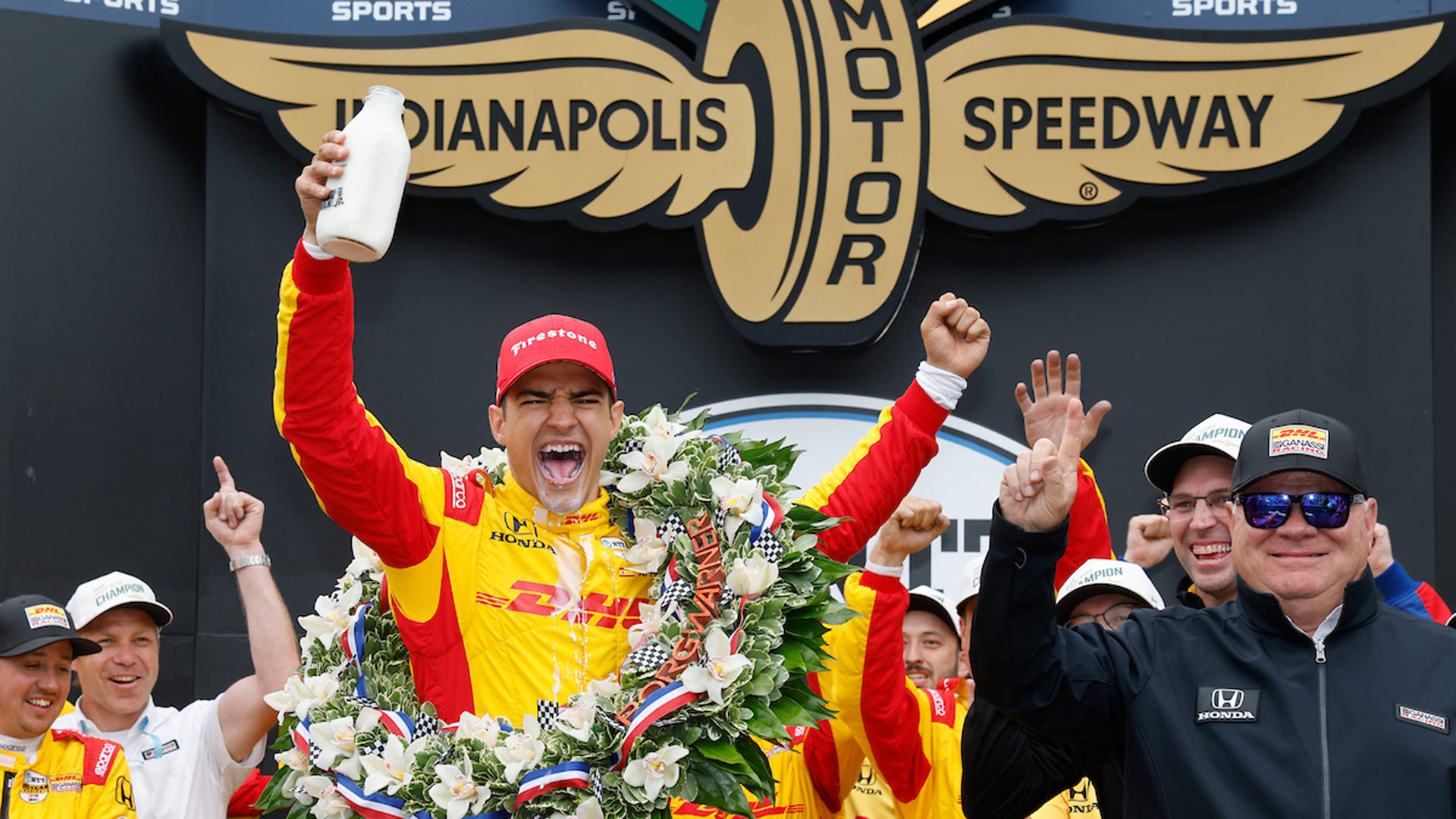
Expect plenty of high-speed drama and close competition, along with a celebratory bottle of milk for the winner.
With the race available to watch through Sky Sports, our full guide contains all the key information you need to watch the Indy 500. Get ready to enjoy a big slice of American racing from the comfort of home in the UK.
What is the Indy 500?
First held in 1911, the Indy 500 (or Indianapolis 500, to use its full title) is one of the biggest motorsport events on the planet. Steeped in tradition, with huge speeds and close racing on offer, it is easy to see why the Indy 500 has become so revered.
The modern race features as part of the NTT IndyCar Series, but such is its appeal that drivers make one-off entries just to compete in the Indy 500.
The Indy 500 forms one part of the ‘Triple Crown of Motorsport’ along with the Monaco Grand Prix and the 24 Hours of Le Mans. Only the late Graham Hill has so far achieved a victory in all three races.
However, even winning the Indy 500 alone will propel a driver into motorsport history, which is what the 33 racers taking part in this year’s event are hoping for.
How can I watch the 2026 Indy 500 in the UK?
Sky Sports has the sole UK broadcast rights for the 2026 Indianapolis 500. This has included almost 40 hours of IndyCar coverage throughout the month of May, airing practice sessions and the all-important qualifying.
Sky Sports subscribers will be able to watch live, with coverage split across the Sky Sports F1 and Sky Sports Mix channels. Non-subscribers can purchase a Now TV Sky Sports day pass to watch the race.
Commentary will be provided by the (pictured) Fox Sports team of Will Buxton, James Hinchcliffe and Townsend Bell. Additional coverage in the UK will be provided by Tom Gaymor from Sky Sports.
Is there a live stream for the 2026 Indy 500?
Sadly, there is no official internet livestream for those wanting to watch the Indy 500 in the UK. However, Sky subscribers can make use of the SkyGo app to stream the race to a smartphone or mobile device.
Free live timing is available to UK fans through the official IndyCar smartphone app, though. This also features onboard camera feeds from the race.
What time does the 2026 Indy 500 start in the UK?
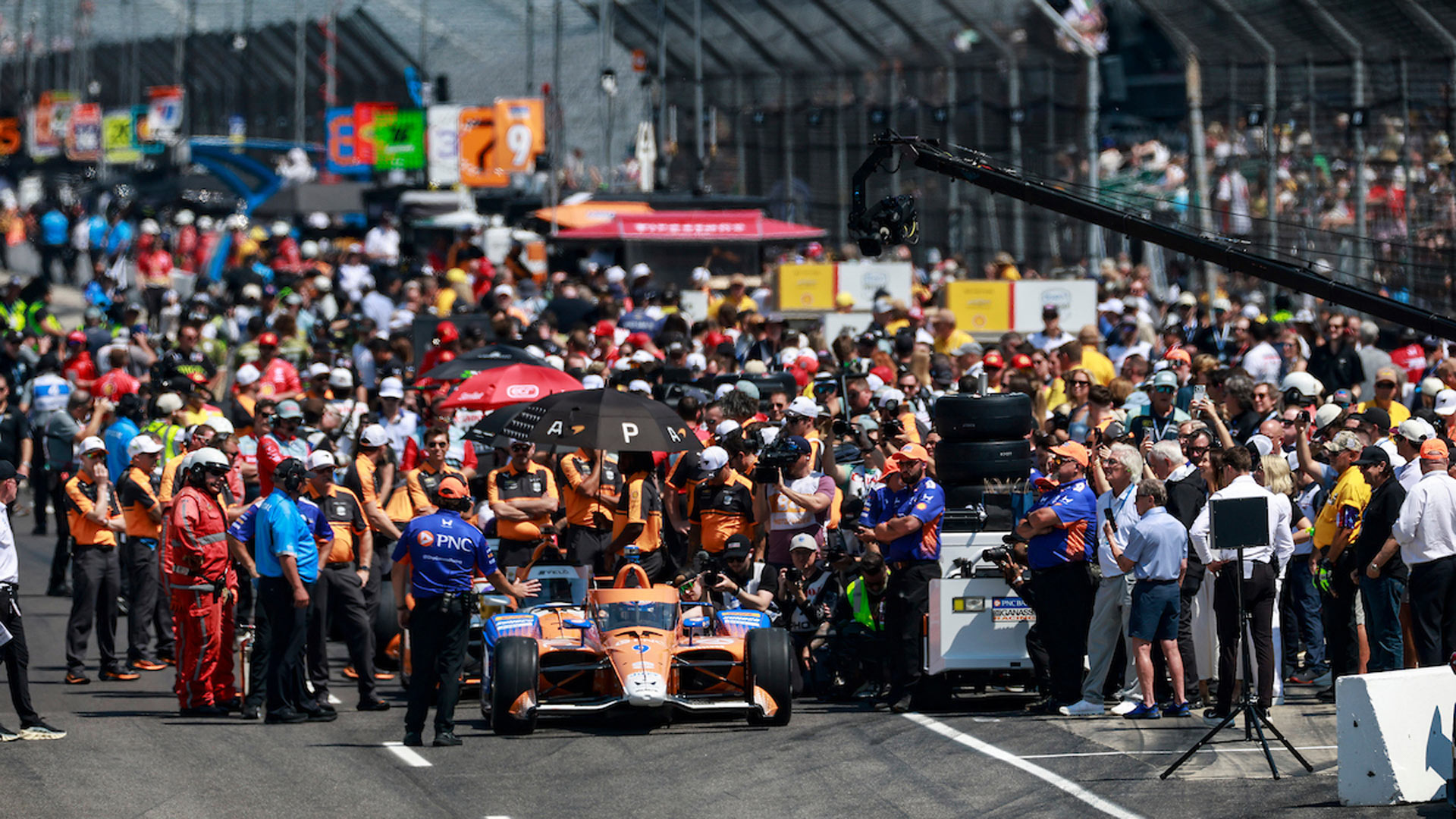
The Indy 500 starts relatively early in the United States, with race day traditions beginning at 9am local time on Sunday in Indianapolis. Cars will start appearing on the grid at around 10:30am – equivalent to 3:30pm British Summer Time (BST) in the UK.
Coverage of the build-up to the race will begin on Sky Sports F1 from 3:00pm BST.
After all the elaborate processions and ceremonies have taken place, the racing should finally begin at 12.45pm local time, or 5.45pm BST.
How many fans will be at the 2026 Indy 500?
The Indianapolis Motor Speedway lays claim to being the world’s highest-capacity sporting venue, with permanent seating for an incredible 257,325 fans on race day. All the grandstands have sold out ahead of the 2026 race.
This means that, with temporary seating and other hospitality arrangements, an estimated 350,000 people are expected to attend the Indy 500 this year.
Last year’s event saw more than seven million watching on TV in the United States alone, too.
Who won the Indy 500 in 2025?
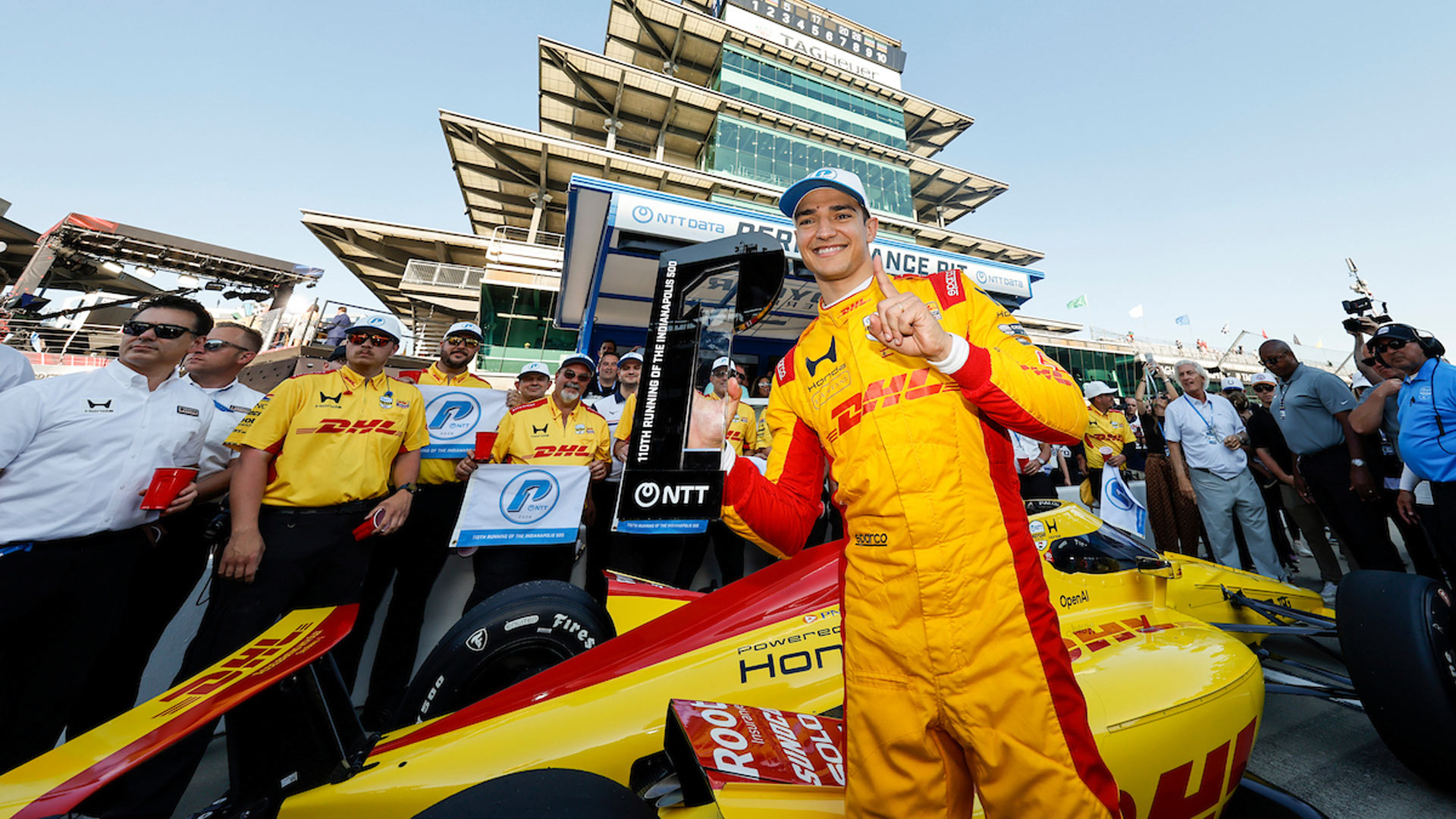
Last year, Chip Gannassi Racing’s Alex Palou claimed his first Indy 500 victory.
Despite the incredibly talented Spanish driver already being a three-time NTT IndyCar Series champion ahead of last year’s race, he had never won on an oval circuit before.
With a mix of strategy and talent, Palau moved himself to the front of the field by lap 187, and was able to fend off his rivals for the remaining 13 laps.
Winning the Indy 500 cemented Palou’s position as an all-time IndyCar great, and helped him on his way to winning his fourth championship.
Who is on pole position for the 2026 Indy 500?
Everything is bigger at the Indy 500, including a qualifying process that is usually scheduled to take place over two days. Only 33 cars are able to start the race, but with just 33 entrants for 2026 there was no risk of anyone not making the grid.
Heavy rain on the first day of qualifying meant the process was condensed to just one day, adding to the pressure.
Drivers get four laps in each qualifying run, with an average speed then calculated. The fastest 12 drivers get to run again, fighting it out for a place in the final six, and the chance to claim pole position.
For 2026, the all-conquering Alex Palou claimed pole position, setting an average speed of 232.248mph across his final four-lap run.
It had looked like Sweden’s Felix Rosenqvist was on course to take the top starting position, but Palou proved his talent once again.
Are there any British drivers in the 2026 Indy 500?
The 2026 Indy 500 sees three British competitors hoping to take victory in the classic American race.
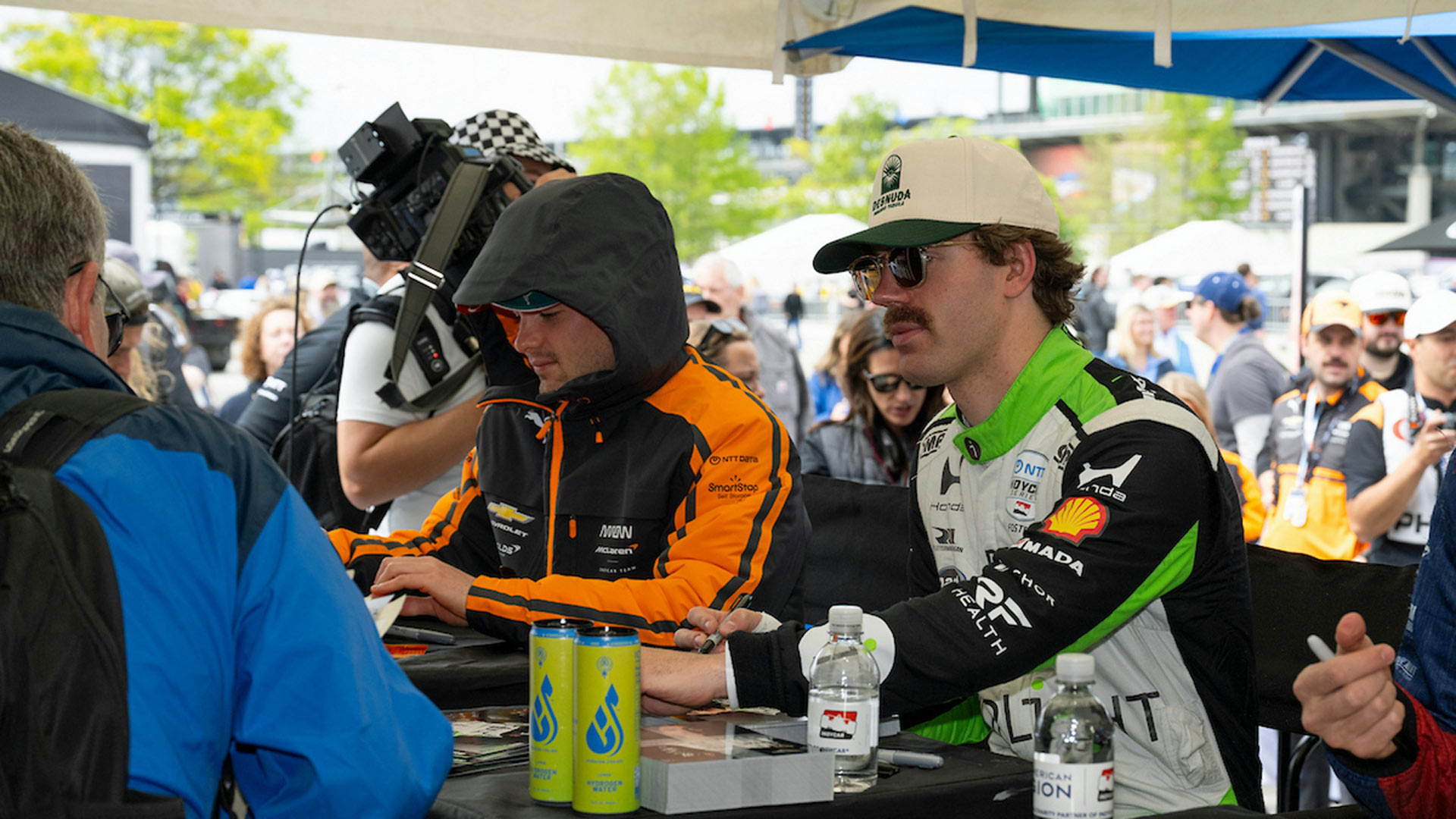
Taking his place as the top British driver in the 2026 Indy 500 is Hampshire’s very own Louis Foster, driving again for the Rahal Letterman Lanigan team. He starts in 21st position on the grid.
Last year, Louis finished a very respectable 12th in his first attempt on the Indy 500. He will be hoping his newly grown moustache brings him even more luck in 2026.
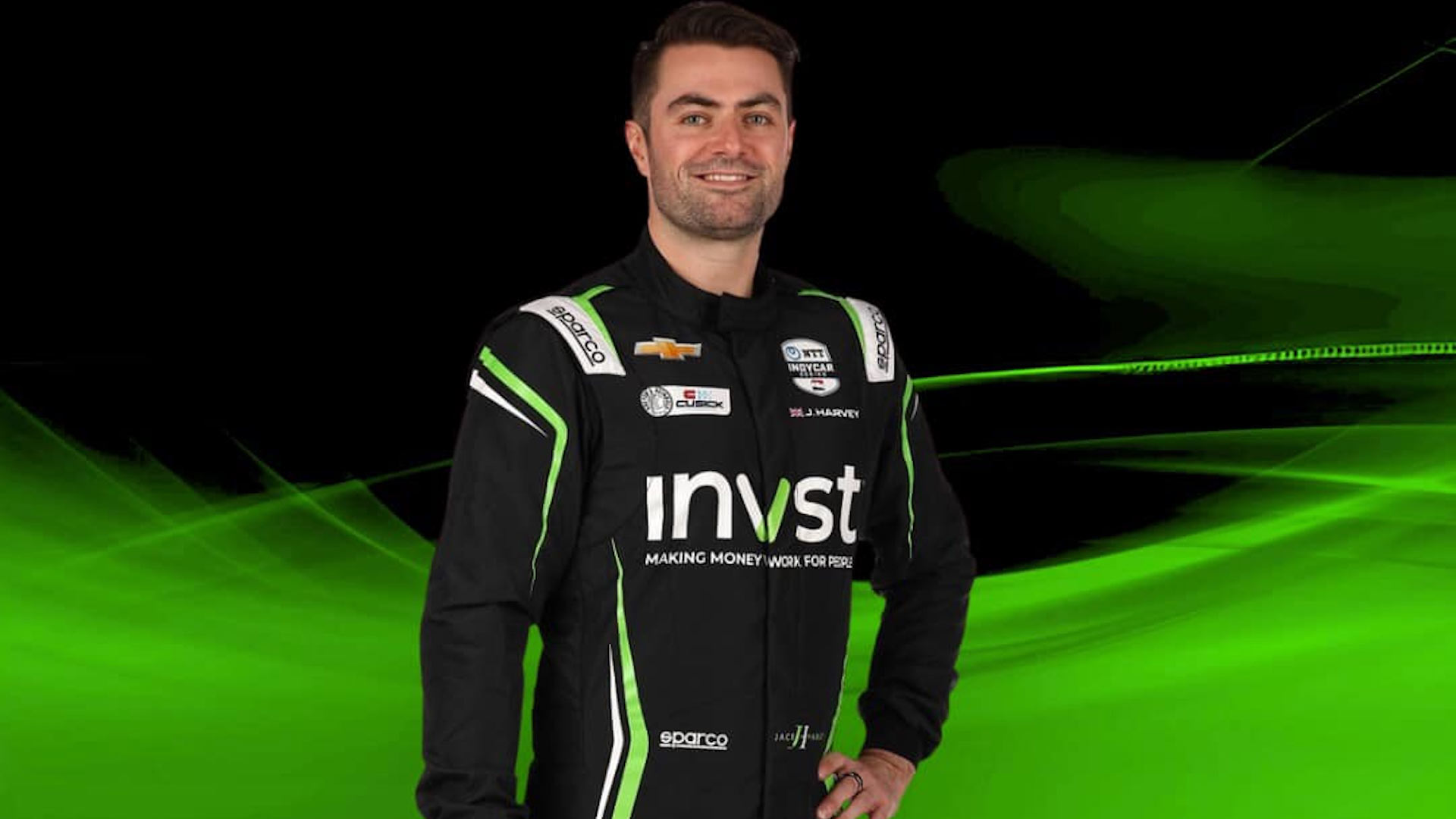
Jack Harvey
The second British driver on the grid for the 2026 Indy 500 is Lincolnshire-born Jack ‘Hollywood’ Harvey.
A veteran of 93 IndyCar races over eight seasons, Harvey stepped back from running a full-time programme for this year to work as a TV analyst for Fox Sports instead.
However, he is back to compete with Dreyer & Reinbold Racing in the 2026 Indy 500. Although Harvey qualified in 29th position, he was demoted to the back of the field for technical infringements, and will start the race in last position.
Katherine Legge
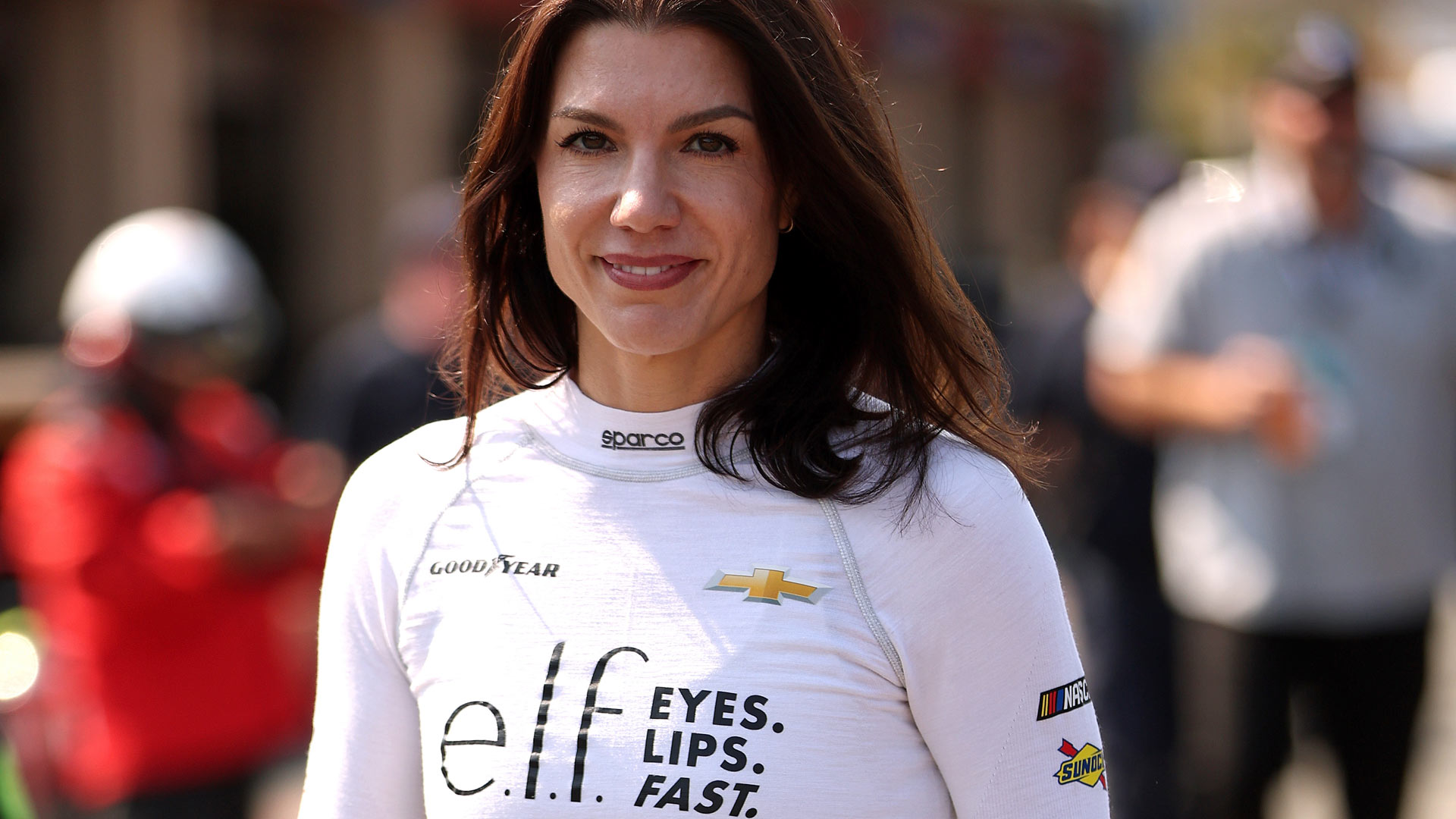
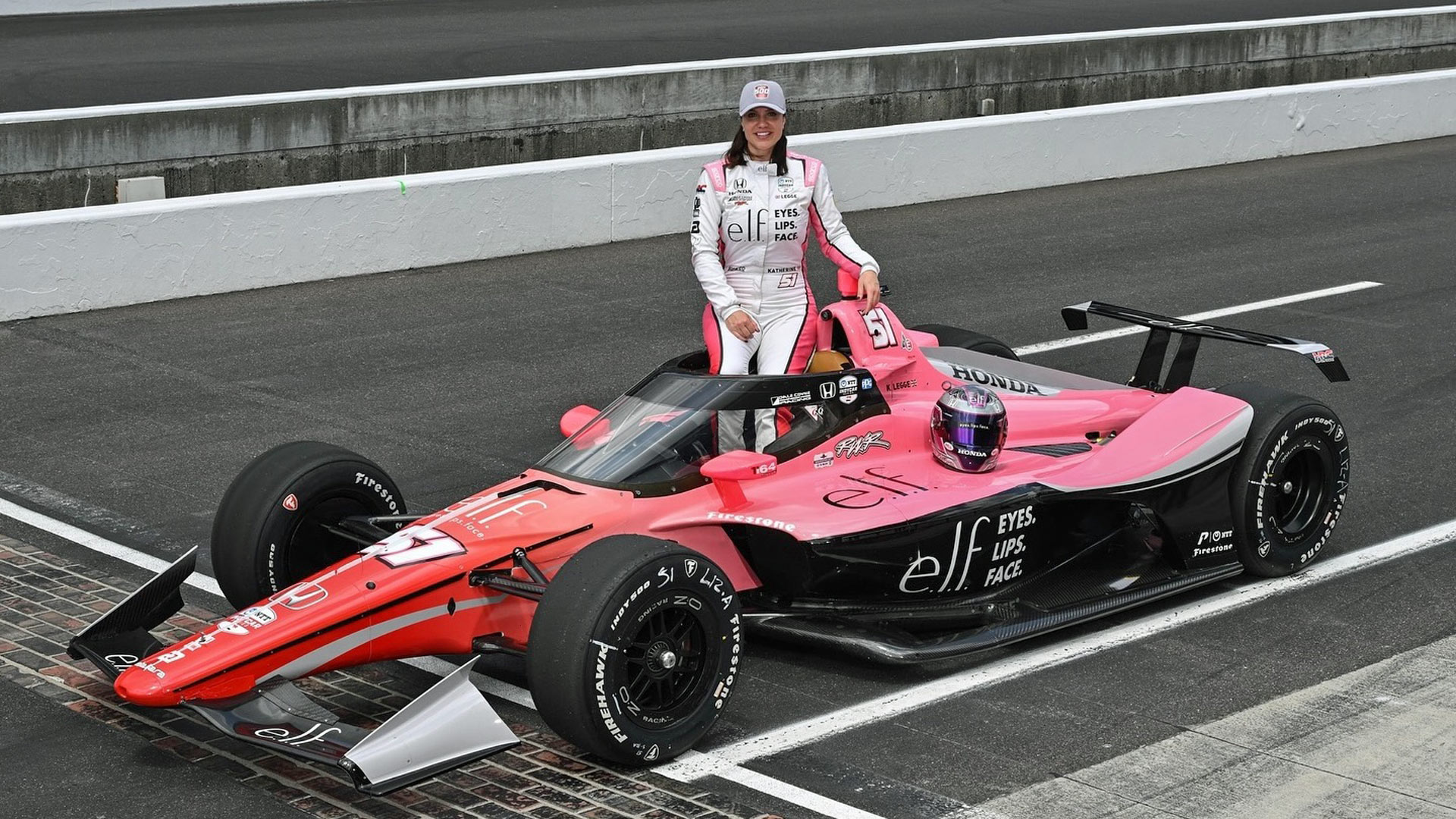
Guildford-born Katherine Legge has been one of very few female entrants in the Indy 500 during recent years, and is back again for 2026.
A last-minute deal between HMD Motorsports and AJ Foyt Racing saw Katherine able to make an entry to the Indy 500, featuring substantial support and sponsorship from E.L.F. Cosmetics.
Despite having to undertake the very last qualifying run, when the track was at its hottest, Katherine managed to place a very respectable 27th.
Significantly, Legge still holds the record of the fastest qualifying speed set by a female driver at the Indy 500.
This will mark Katherine’s fifth attempt at the great race, but it is not the only motorsport event she will be involved in this weekend…
Why is Katherine Legge pulling ‘double duty’?
Katherine Legge has made the incredible decision to attempt both the IndyCar Indy 500 and the NASCAR Coca Cola 600 race on the same day.
Known as ‘The Double” or doing ‘Double Duty’, the feat has only been attempted by five other drivers. Just one, Tony Steart, managed to complete both events, racking up 1,100 racing miles in one day.
Katherine is the first woman to attempt ‘The Double’ and, at 45, also the oldest driver to embark on the epic challenge,
Katherine will start her day in Indianapolis by driving the Indy 500. Once finished, she will be flown by private jet to North Carolina, then helicoptered to the infield of the Charlotte Motor Speedway to start the Coca Cola 600.
All of this relies on precise timings, with no weather delays, to allow Katherine the chance to cement herself in motorsport history.
Which other big-name drivers are in the 2026 Indy 500?
What makes the Indy 500 special is that experienced drivers will frequently make a return to racing, just to compete in this event. Teams can also field extra cars to accommodate them.
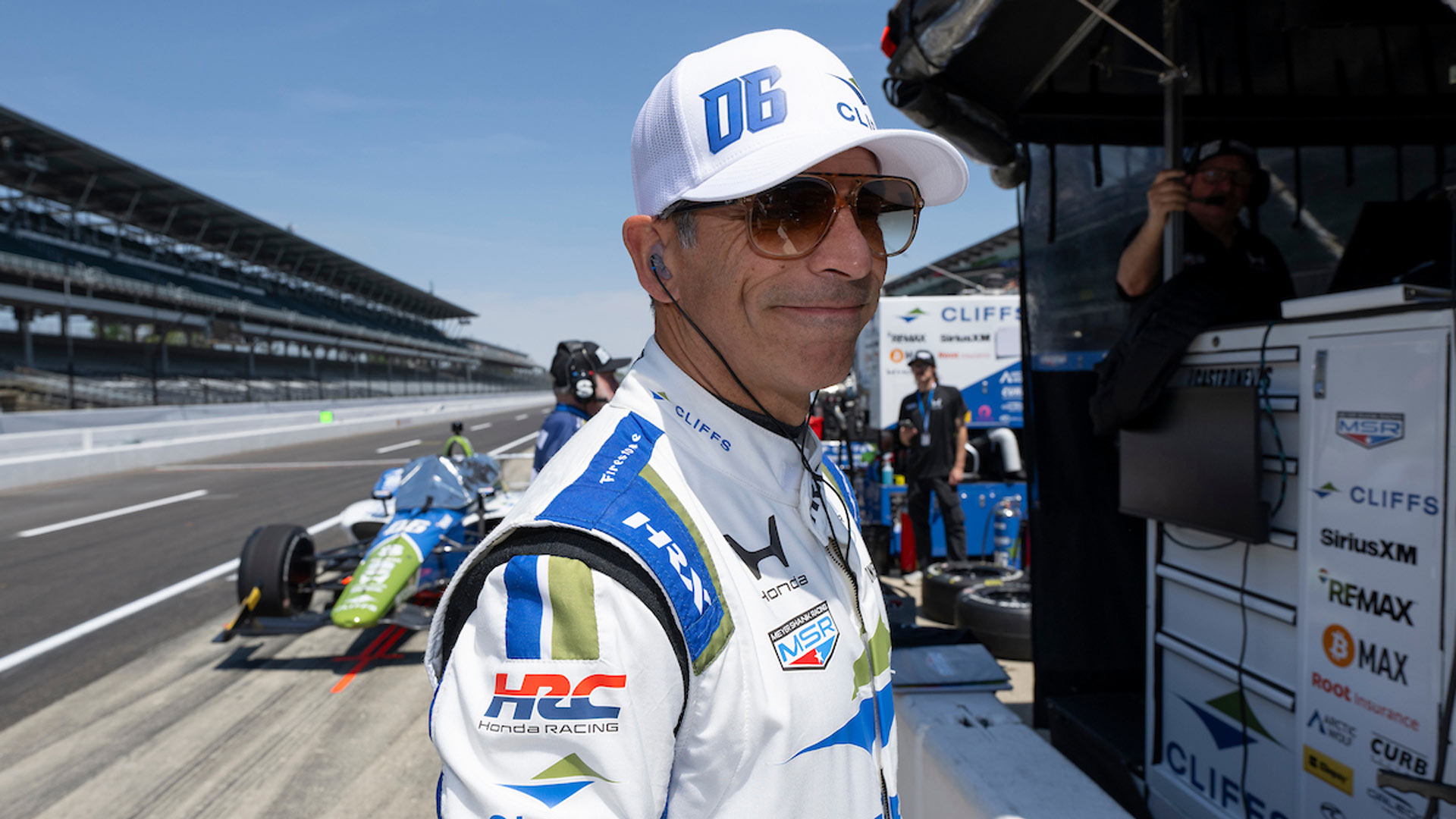
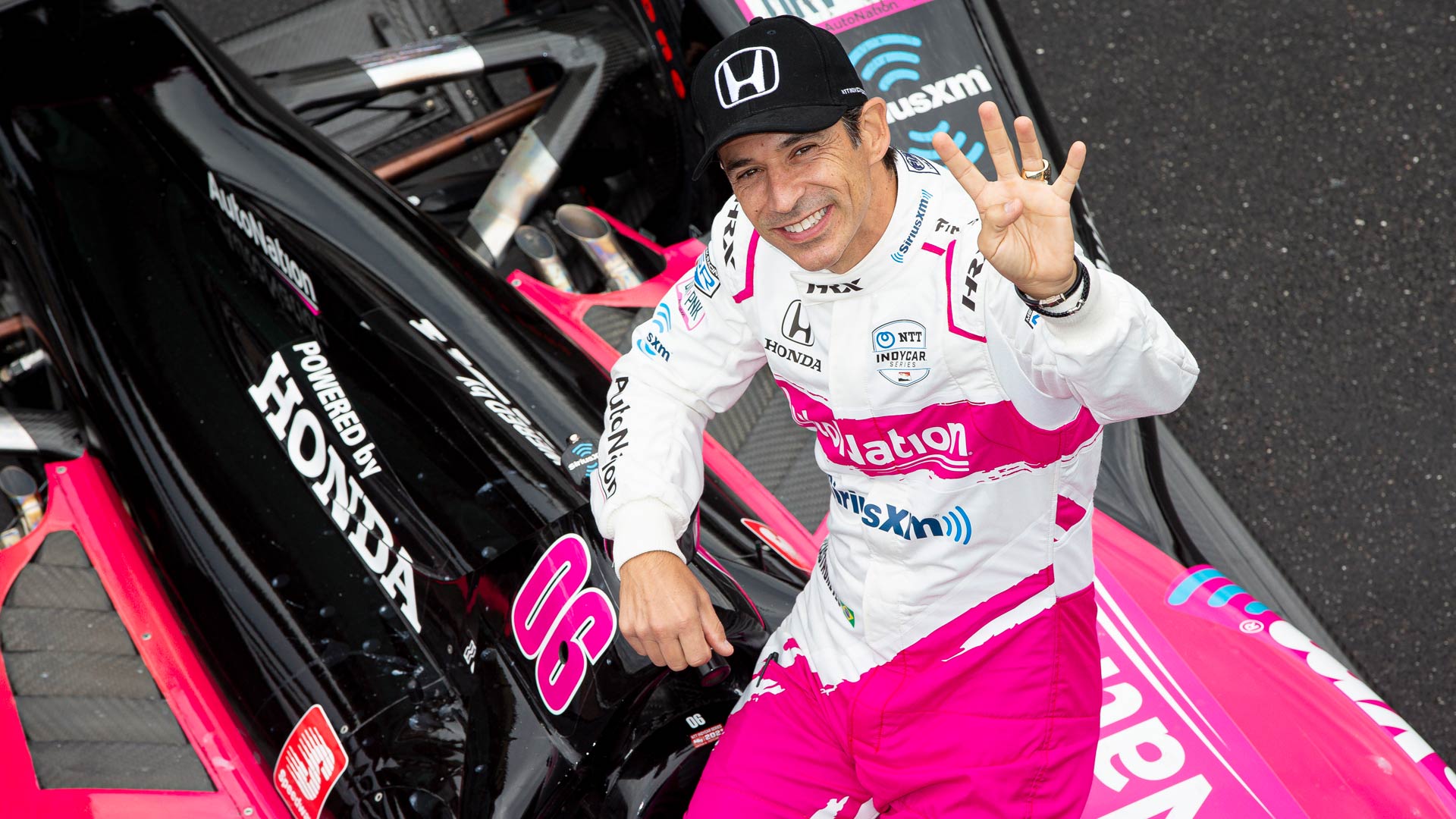
Brazilian driver Helio Castroneves, pictured here, is one of the heroes returning to the Indy 500 grid for 2026, doing so as a four-time winner of the race. Helio last won the Indy 500 in 2021, and will look to use his talent and experience to do so again this year. The 51-year-old is driving for the Meyer Shank Racing team, and will start from 14th position.
Takuma Sato was the winner of the Indy 500 in 2017 and 2020. The 49-year-old Japanese driver has a storied motorsport history, most famously having raced in Formula 1 between 2002 and 2008.
Driving for the Rahal Letterman Lanigan team, Sato shows no sign of slowing down. He only just missed out on a place in the top 12 and, thanks to Caio Collet being demoted to the back of the grid, will start the race from 12th place.
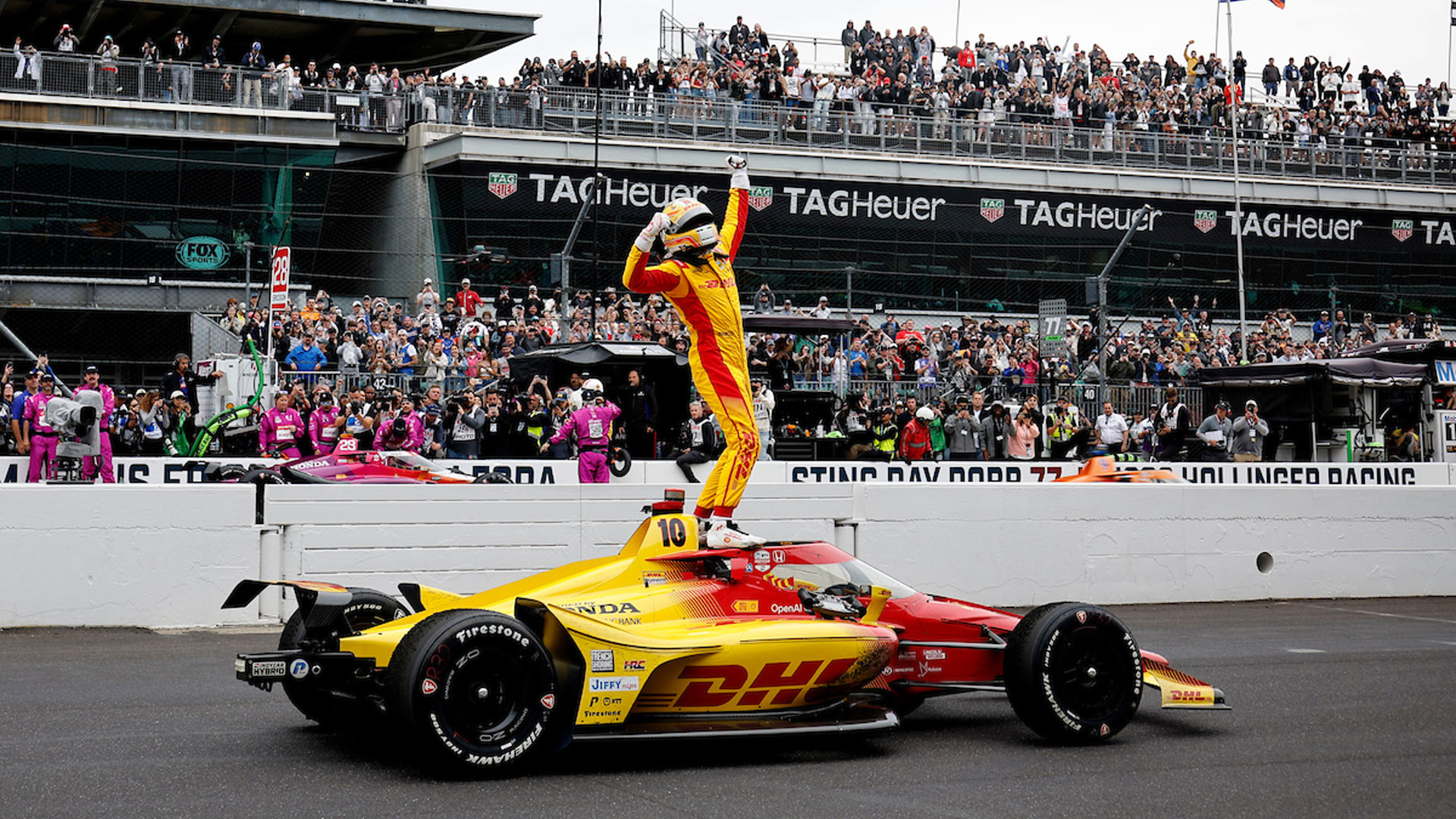
Ryan Hunter-Reay, nicknamed Captain America, is contesting this year’s Indy 500 with the Arrow McLaren team. The winner of the 2014 Indy 500 will start in 22nd position.
Who is the most successful driver at the Indy 500?
Four drivers share the title of the most wins at the Indy 500, each tied on four victories.
Al Unser, A.J. Foyt, Rick Mears and Helio Castroneves have all had their faces added to the huge Borg Warner Trophy on four occasions.
With Castroneves competing in the 2026 Indy 500, he has the chance to become the most successful driver of all time, should he manage a fifth win.
Which cars do they use for the Indy 500?
The cars used at the Indy 500 are the same as those featured in the regular IndyCar Series.
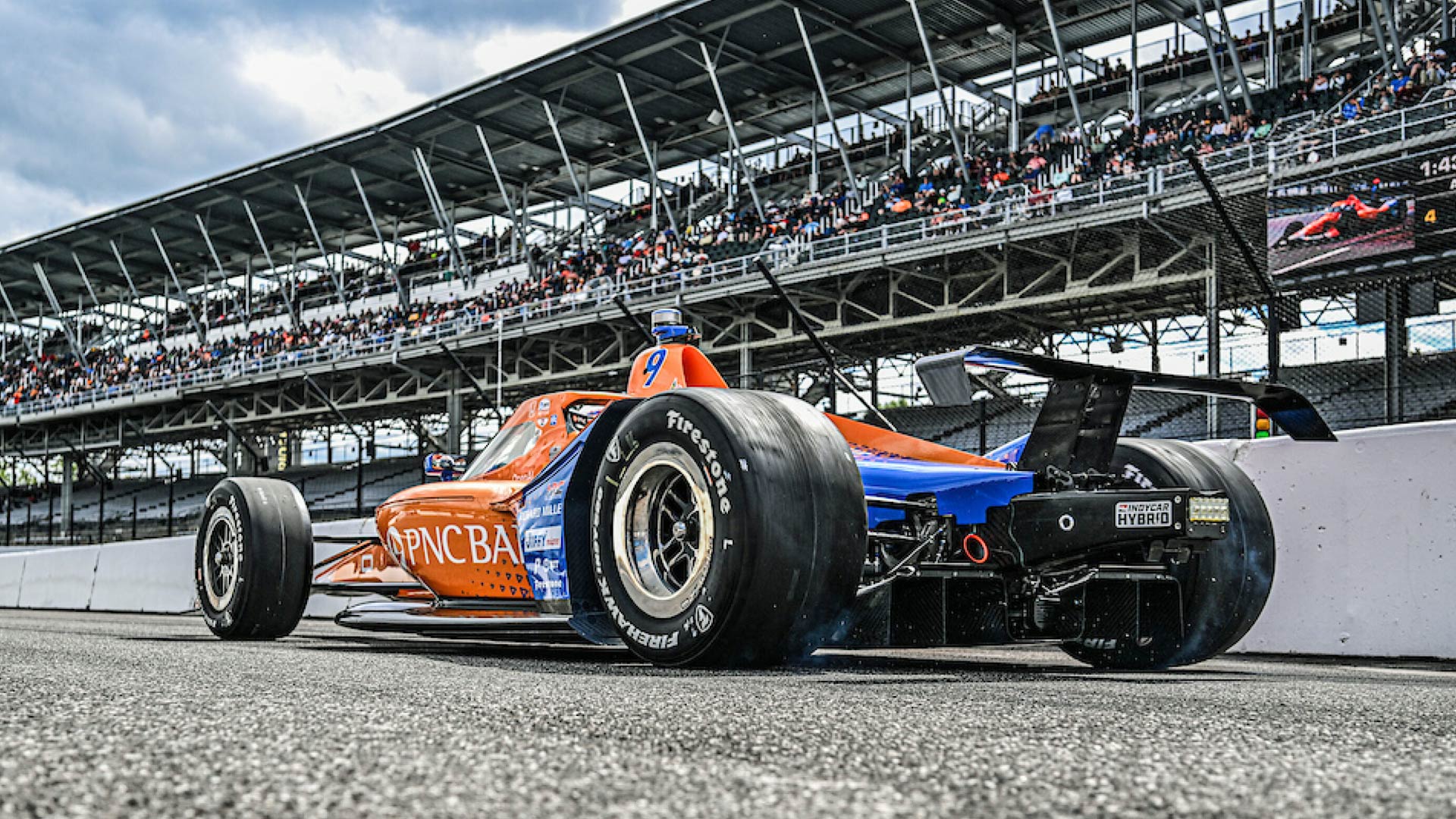
All IndyCar teams use the Dallara DW12 chassis, while Honda and Chevrolet provide a choice of 2.2-litre twin-turbocharged V6 engines. A six-speed paddle-shift sequential gearbox is supplied by Xtrac, with tyres made by Firestone.
The IndyCar organisers supply a standard aero kit for the Dallara DW12 chassis, placing as much emphasis as possible on driver talent instead of building the fastest car.
All of this allows the potential for IndyCar racers to reach speeds of more than 240mph.
Do Indy 500 cars use hybrid power?
IndyCar announced plans to begin using turbocharged V6 engines with hybrid technology back in 2019. The new engines were initially planned for introduction at the start of the 2024 NTT IndyCar Series, but organisers opted to delay this.
Following extensive testing, the first IndyCar race with hybrid power was the Honda Indy 200 at Mid-Ohio in July 2024.
This year will be the second Indy 500 to feature hybrid powertrains, allowing drivers to deploy a combined output of up to 900hp.
Which pace car is being used for the 2026 Indy 500?
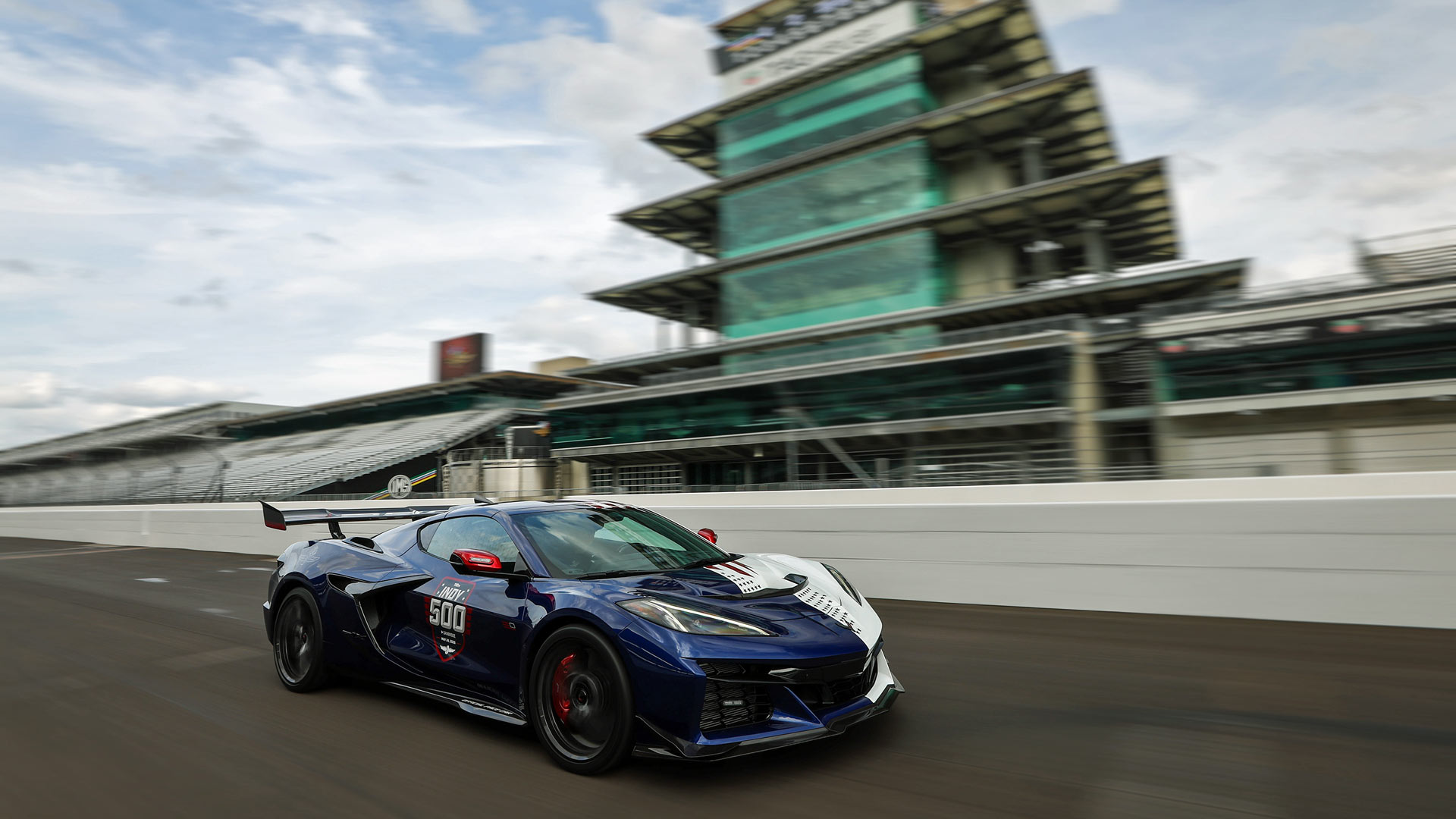
The official pace car for the 2026 Indy 500 is the phenomenal mid-engined Chevrolet Corvette ZR1X, equipped with a 5.5-litre twin-turbocharged V8 and hybrid powertrain.
With combined output of 1,250hp, the Corvette ZR1X is capable of reaching a top speed of 233mph – even faster than the qualifying speed set by Alex Palou. It can also accelerate from 0-60mph in less than 2.0 seconds.
It marks the 23rd time a Corvette has been used as a pace car for the event, and the 37th for a Chevrolet. The Bowtie brand first led the field in 1948, and has held a monopoly on the pace car role since 2002.
Award-winning college football coach Curt Cignetti will be the honorary pace car driver for 2026.
Why does the Indy 500 circuit feature a yard of bricks?
When the Indianapolis Motor Speedway first opened in 1909, the track surface was a combination of soil, gravel and limestone covered in tar. Fatal accidents after only the first three days of racing led to the need for a new track surface.
Bricks were chosen as offering the best traction, with 3.2 million bricks used to pave the 2.5-mile circuit. This resulted in the nickname of ‘The Brickyard’, with the bricks remaining until 1961.
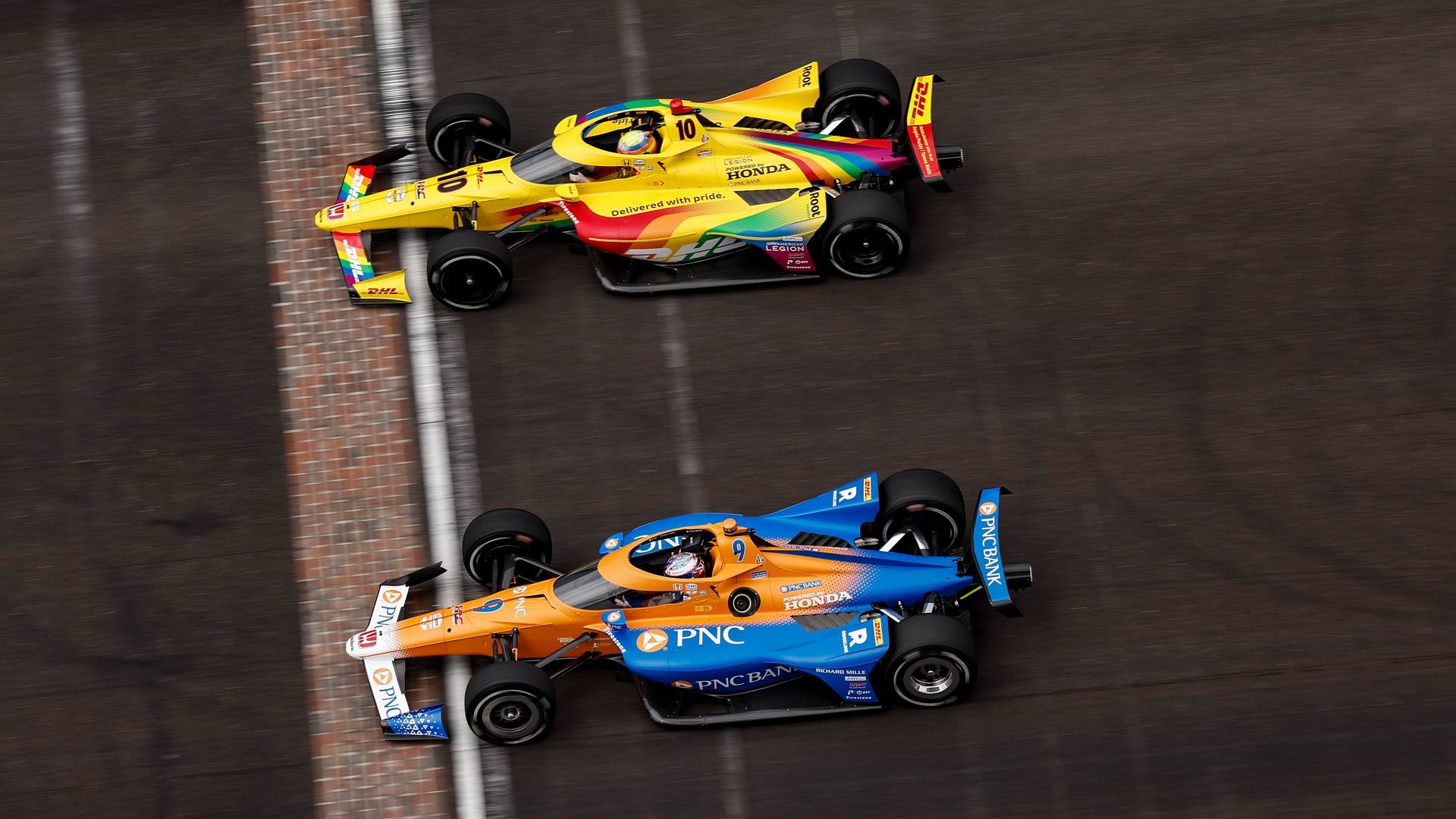
With the track now covered with asphalt, a symbolic yard of bricks was left to mark the finish line. Race winners now kiss the bricks to celebrate victory.
Why does the Indy 500 winner drink a bottle of milk?
Arguably one of the strangest traditions in the Indianapolis 500 is the winning driver drinking a bottle of milk to celebrate.
The tradition began in 1933, after Louis Meyer took his second Indy 500 victory. Meyer chose to drink buttermilk after the race, believing it would be refreshing on a hot day. He did the same again after his third Indy win in 1936.
A dairy company executive saw a photo of Meyer drinking milk, leading to the beverage being offered to future Indy 500 winners. Today, the Indiana Dairy association gives the winning driver $10,000 for choosing to drink milk as part of their post-race celebration.
What on earth is the Wienie 500?
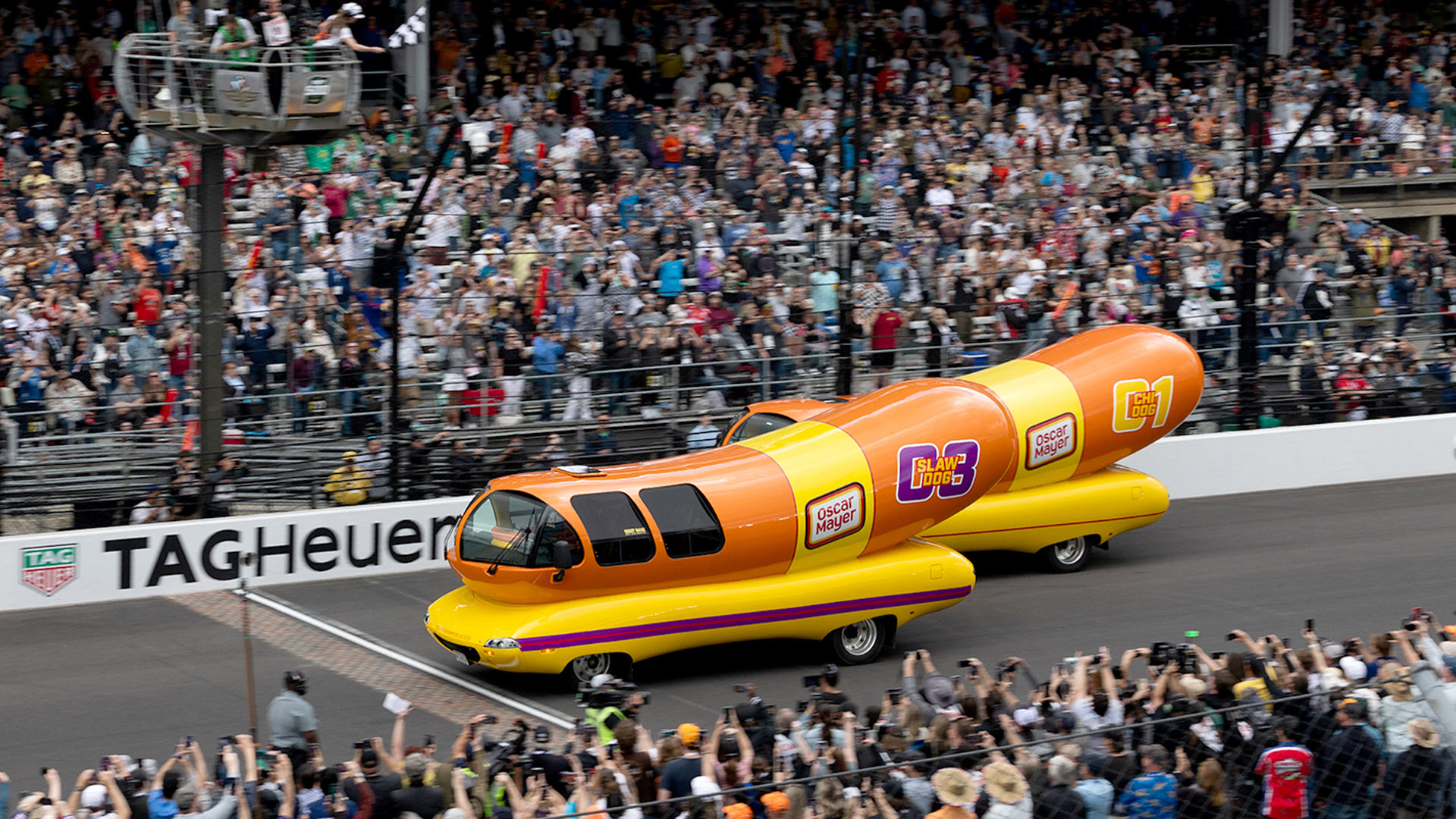
Perhaps the most important race of 2026 takes place on Friday 22 May, with the second running of the Oscar Mayer Wienie 500.
The famed American hot dog brand has used a fleet of sausage-shaped ‘Wienermobiles’ to promote its products across the United States since 1936.
A fleet of six Wienermobiles operate throughout the USA and, on the Friday before the 2025 Indy 500, all of them took part in a famous race around the Indianapolis Motor Speedway. Some 85,000 fans watched the Wienie 500 in person, with another eight million streaming it through the Fox App.
Such success means the Wienie 500 is back for 2026, combining America’s love of motorsport and grilled meat in one bizarre event.
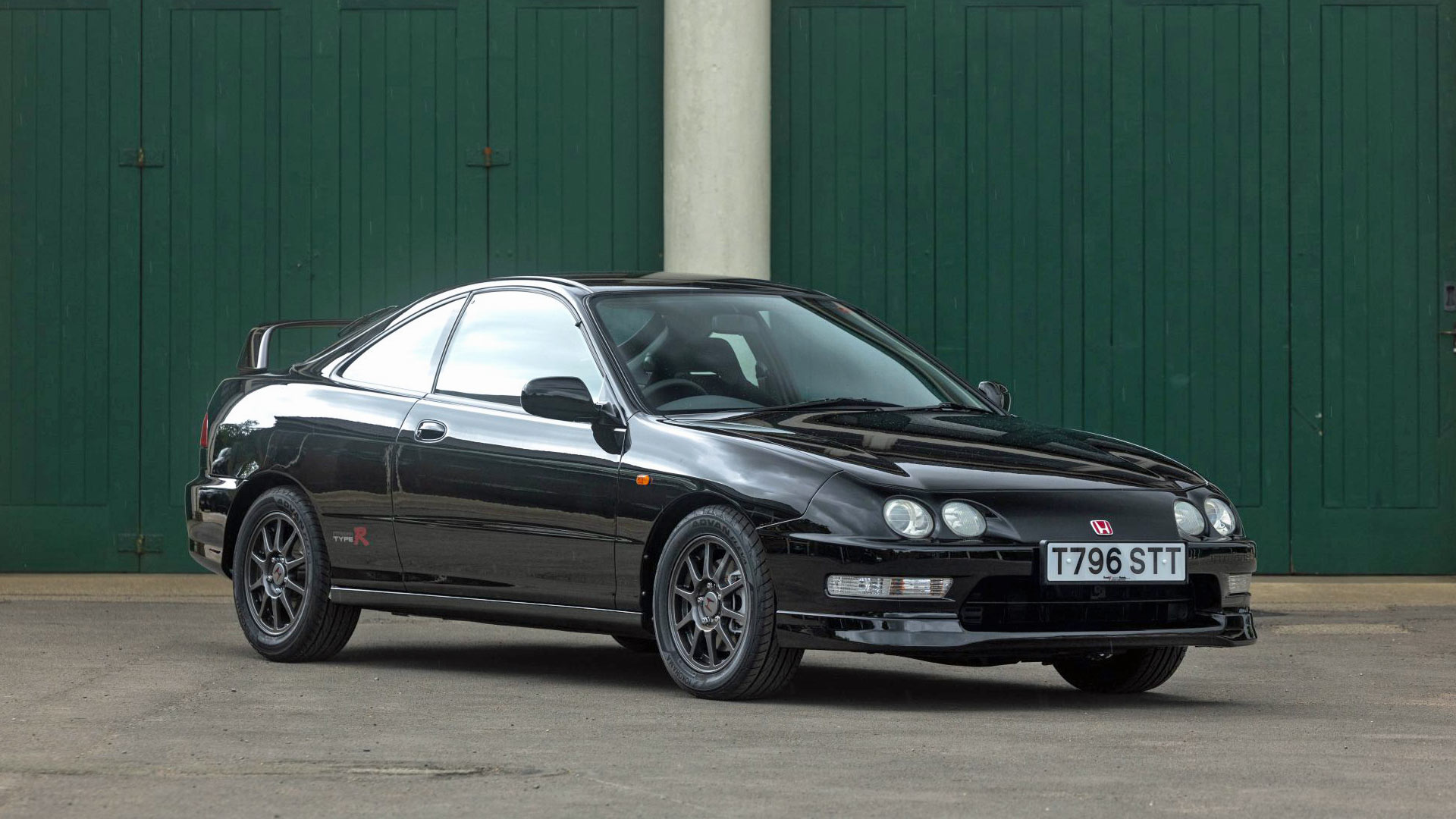
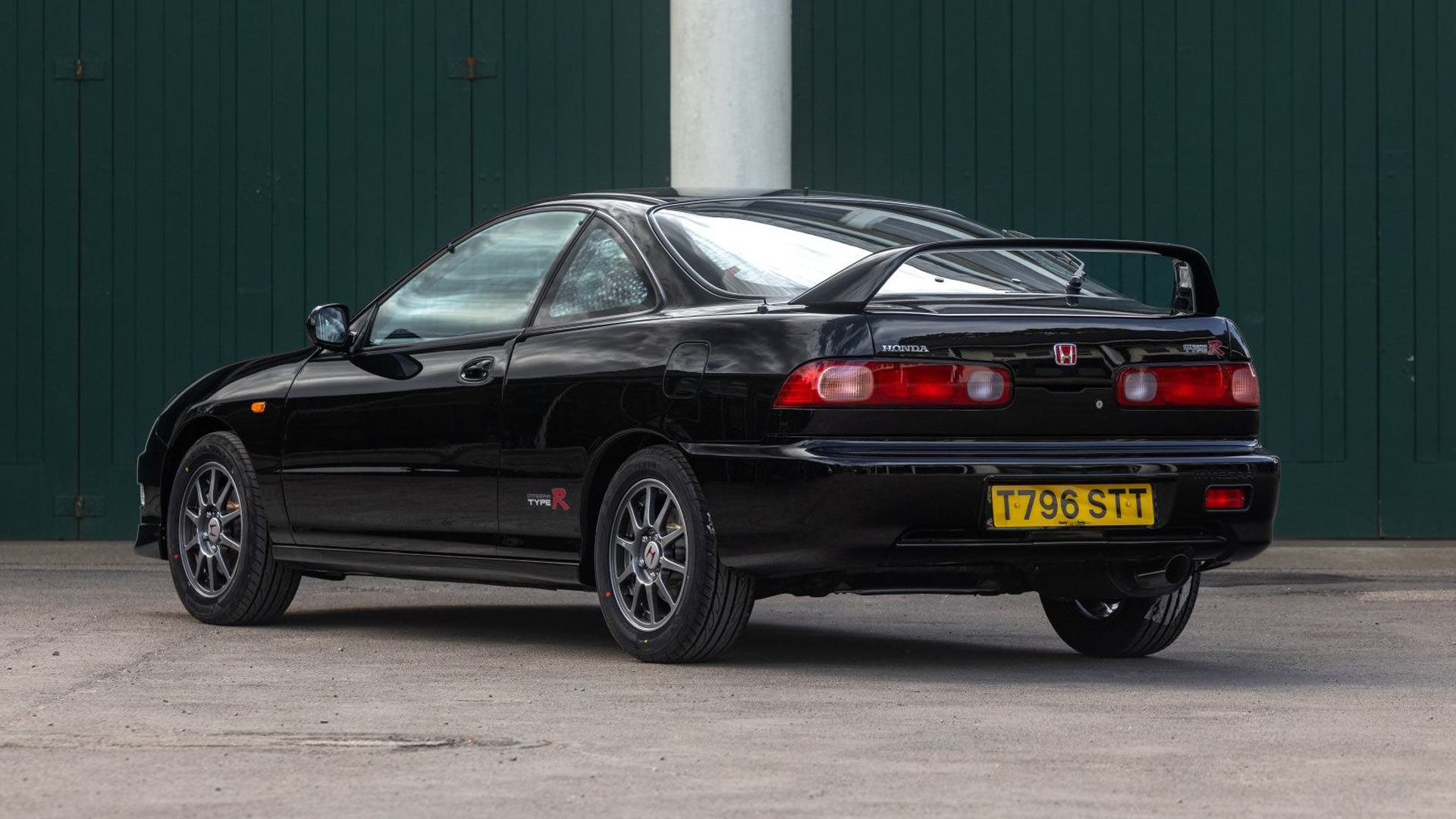
A highly collectible example of the Honda Integra Type R is listed for auction with Bring a Trailer (BaT).
Only 500 examples of the DC2-generation Integra Type R were produced for the UK market, and the car has become a rare and desirable modern classic.
The Honda listed with Bring a Trailer UK also comes with an incredibly low mileage, with just 12,000 miles recorded on its odometer from new.
The current vendor of the Integra Type R purchased it in 2016, and has covered less than 200 miles since, taking the total mileage to 12,330.
Regarded as one of the definitive front-wheel-drive performance cars, opportunities to own such a well-preserved example of a UK-specification Integra Type R are few and far-between.
High-revving VTEC power
Originally launched for the Japanese market in 1995, the DC2 Honda Integra Type R was also sold in the United States wearing an Acura badge.
Swept along by the late 1990s enthusiasm for Japanese performance cars, Honda opted to bring the Integra Type R to Britain in 1997.
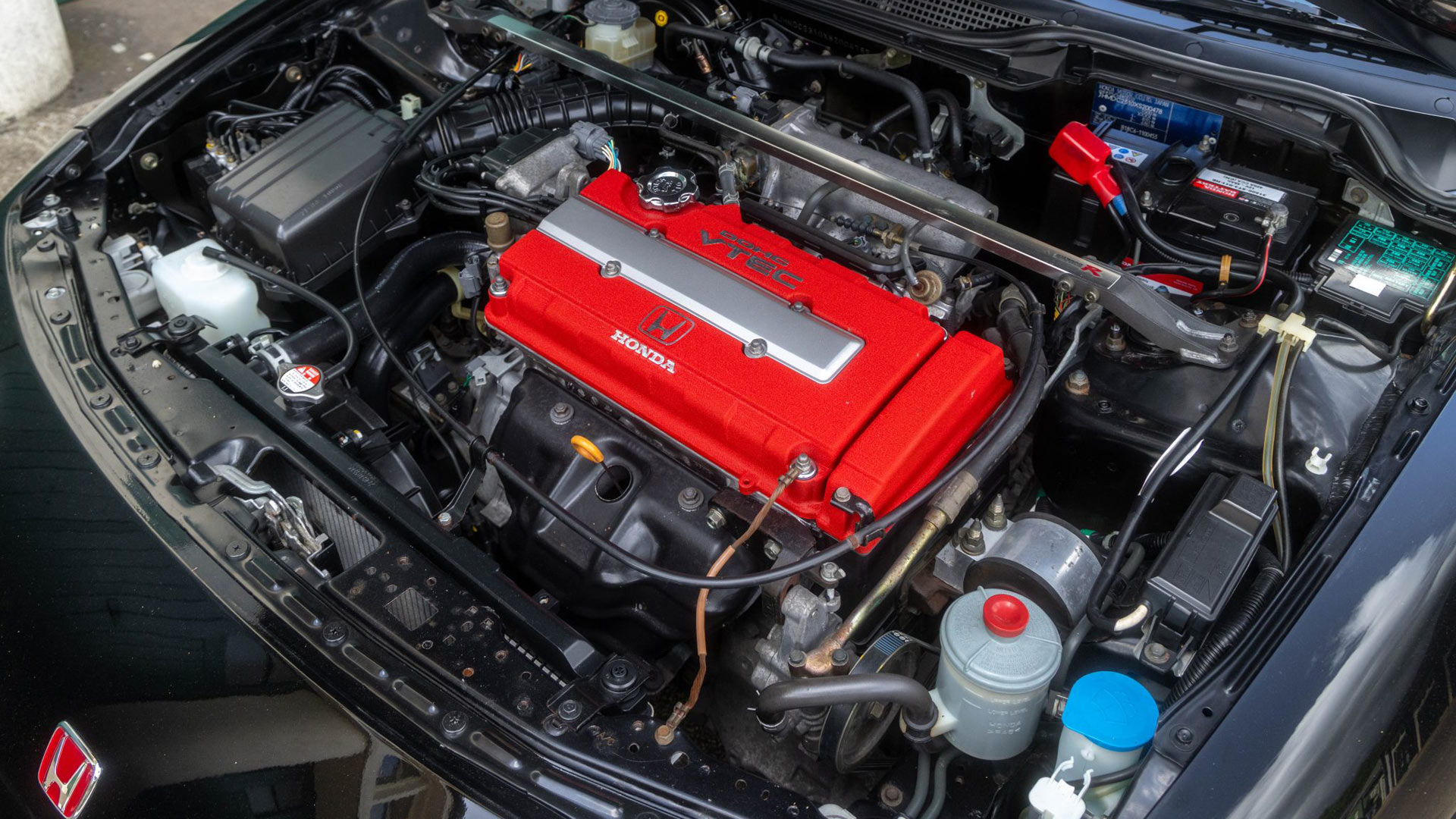
Star of the show was its naturally aspirated ‘B18C5’ 1.8-litre four-cylinder engine, producing 187hp and 131lb ft of torque. Maximum power arrived at a dizzying 8,000rpm, accompanied by the intoxicating sound of Honda’s VTEC variable valve timing.
Sending its power to the front wheels through a five-speed manual gearbox and a limited-slip differential, the Integra Type R could accelerate from 0-62mph in 6.7 seconds.
However, a low kerb weight of just 1,200kg, combined with an ultra-stiff body and upgraded suspension, meant the Type R was about more than straight-line performance figures.
A well-preserved modern classic
Originally purchased from Hendy Honda in Exeter, the Integra Type R up for auction on BaT is painted in Starlight Black, and wears its standard 15-inch 10-spoke alloy wheels.
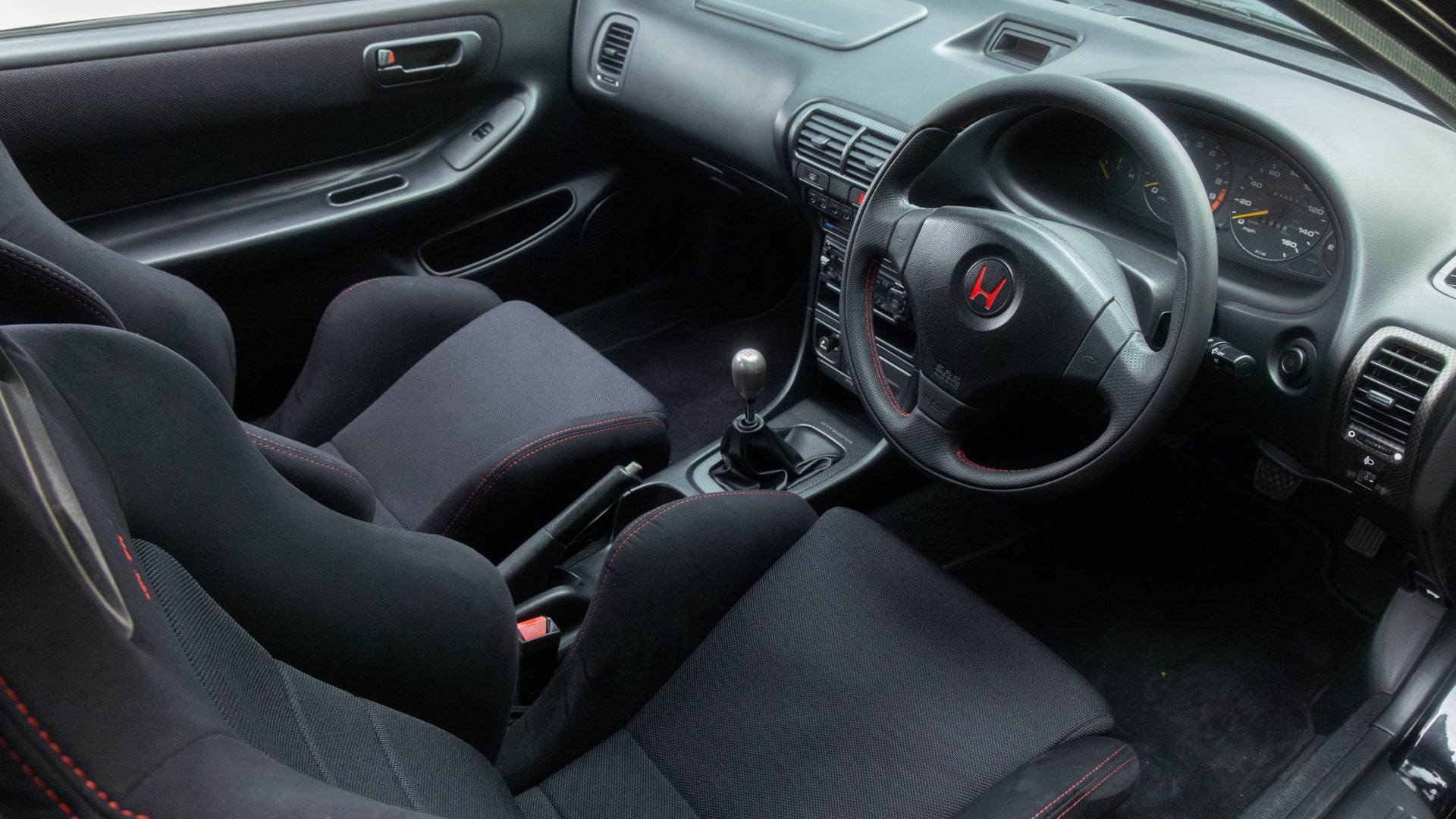
The inside features a pair of Recaro bucket seats, along with a leather-wrapped Momo steering wheel and a lightweight billet aluminium gear knob.
A comprehensive service history shows the Integra Type R had major work in 2023, including a timing belt replacement and spark plug adjustment. More recently, an oil service and fresh MOT were undertaken, ready for the car to be sold.
Accompanying the Honda is a substantial maintenance record, along with original items such as the factory-fitted radio, Honda Accident Assistance pack, spare key, Type R carpet mats and even a UK sales brochures.
‘A focused performance icon’
With such a limited number of DC2s sold by Honda in the UK, these high-revving sports cars are already highly desirable. Such a low mileage only adds to the appeal of this particular vehicle.
In addition, this Type R would be eligible for export to the United States, where Integras have achieved record prices – some in excess of six figures.
Randy Nonnenberg, Bring a Trailer’s co-founder and president, said: “The Integra Type R has always stood apart from the crowd; a totally focused performance icon that delivers one of the best driving experiences available at any price.
“It’s a true enthusiasts’ car that those ‘in the know’ appreciate as one of the greats, with collector interest and values now reflecting this. An example with this low a mileage, this level of history and in this condition is a genuinely rare thing.”
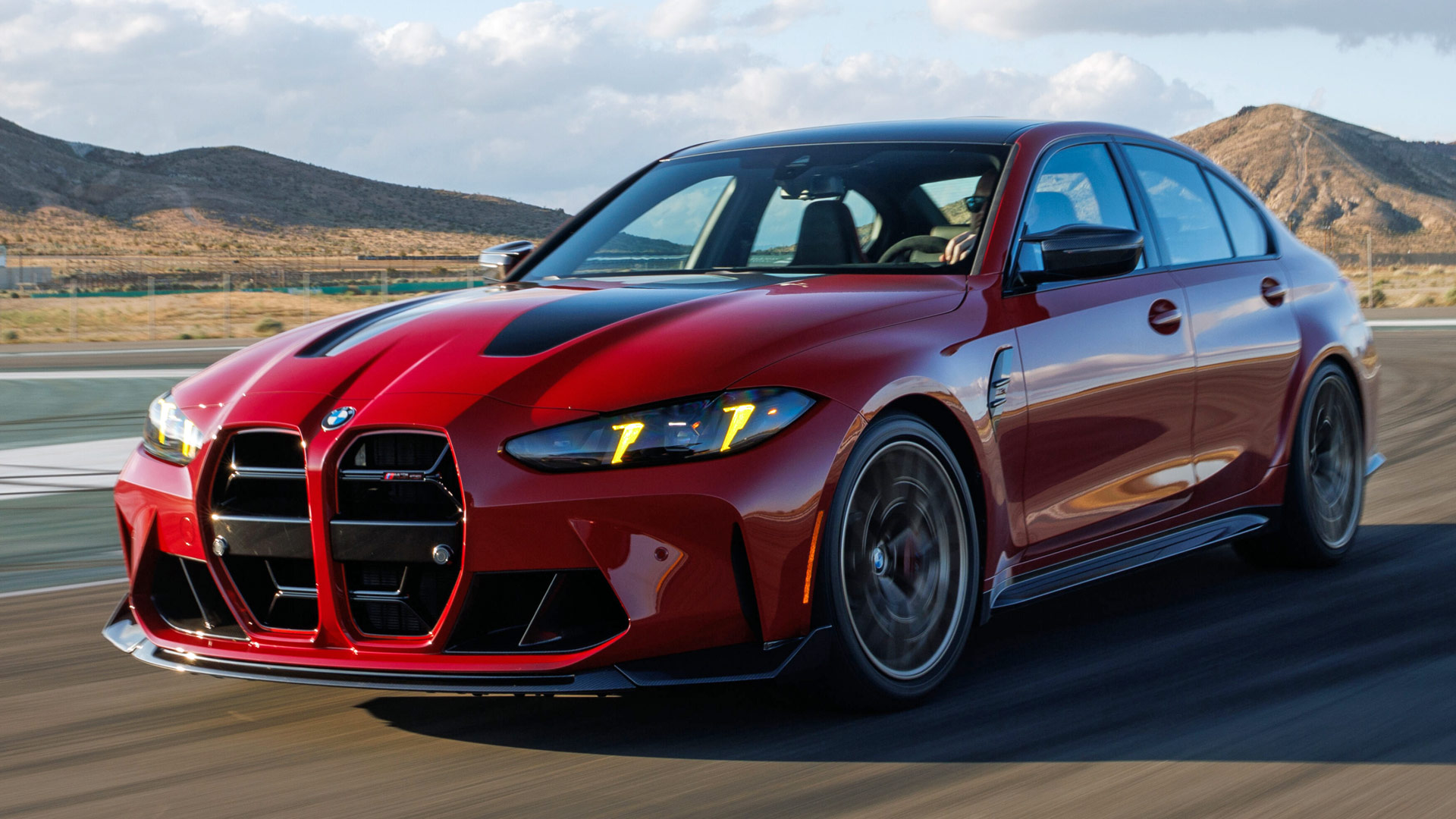
BMW will mark the end of sixth-generation M3 production with a lightweight, limited-edition version of its sports sedan.
The M3 CS tips the scales at 75 pounds less than a stock M3 sedan, thanks to the extensive use of weight-saving materials, plus the option of carbon-ceramic brakes.
However, the run-out M3 CS Handschalter (German for ‘hand shift’) elevates the level of driver involvement still further.
Instead of the all-wheel drive and eight-speed automatic transmission found in a regular M3 CS, the Handschalter opts for rear-drive and a six-speed manual gearbox.
When combined with a 473 horsepower twin-turbocharged 3.0-liter six-cylinder engine, BMW says the result is ‘an unmistakably direct connection between driver and machine’.
A new level of driver engagement
BMW has form for offering cars with its Handschalter package, having previously added it to the Z4 roadster for the 2025 model year. This followed years of pleas from enthusiasts for the German marque to deliver more cars with a stick shift.
Originally launched at the 2023 24 Hours of Daytona, the BMW M3 CS was available in extremely limited numbers for North American buyers. Its twin-turbocharged 3.0-liter six-cylinder engine was boosted to 543 horsepower, and combined with all-wheel drive.
In order to make the M3 CS Handschalter a manual, BMW has needed to return the engine to standard specification.
This means a 0-60 mph time of 4.1 seconds, equal to a stock rear-wheel drive M3. However, the M3 CS Handschalter has been designed to maximise driver engagement, rather than deliver outright performance.
Bespoke steering and suspension settings position the M3 CS Handschalter 0.2 inches closer to the ground. It also features shock absorbers previously found on the hardcore BMW M4 CSL coupe.
Ready for the racetrack
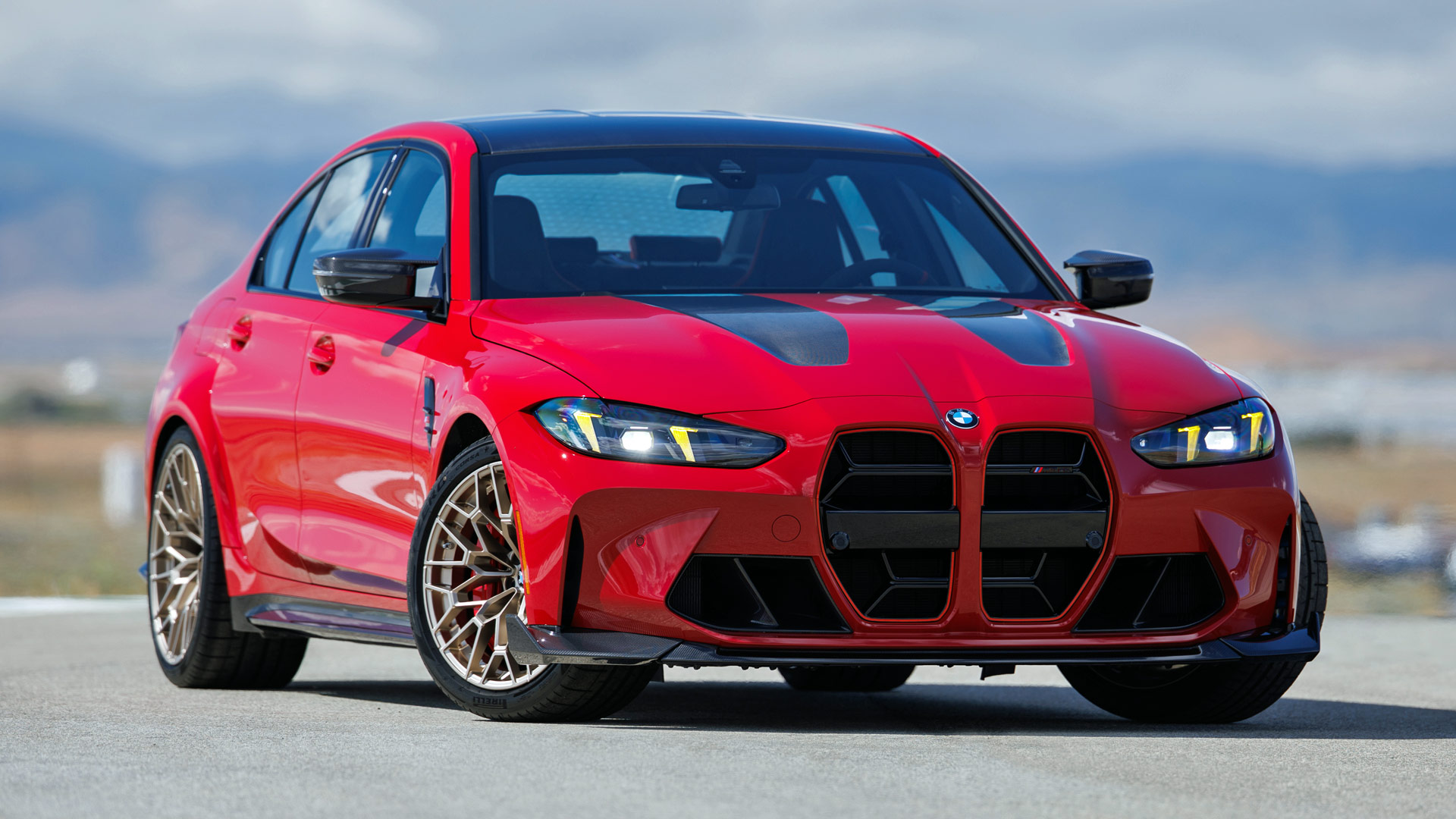
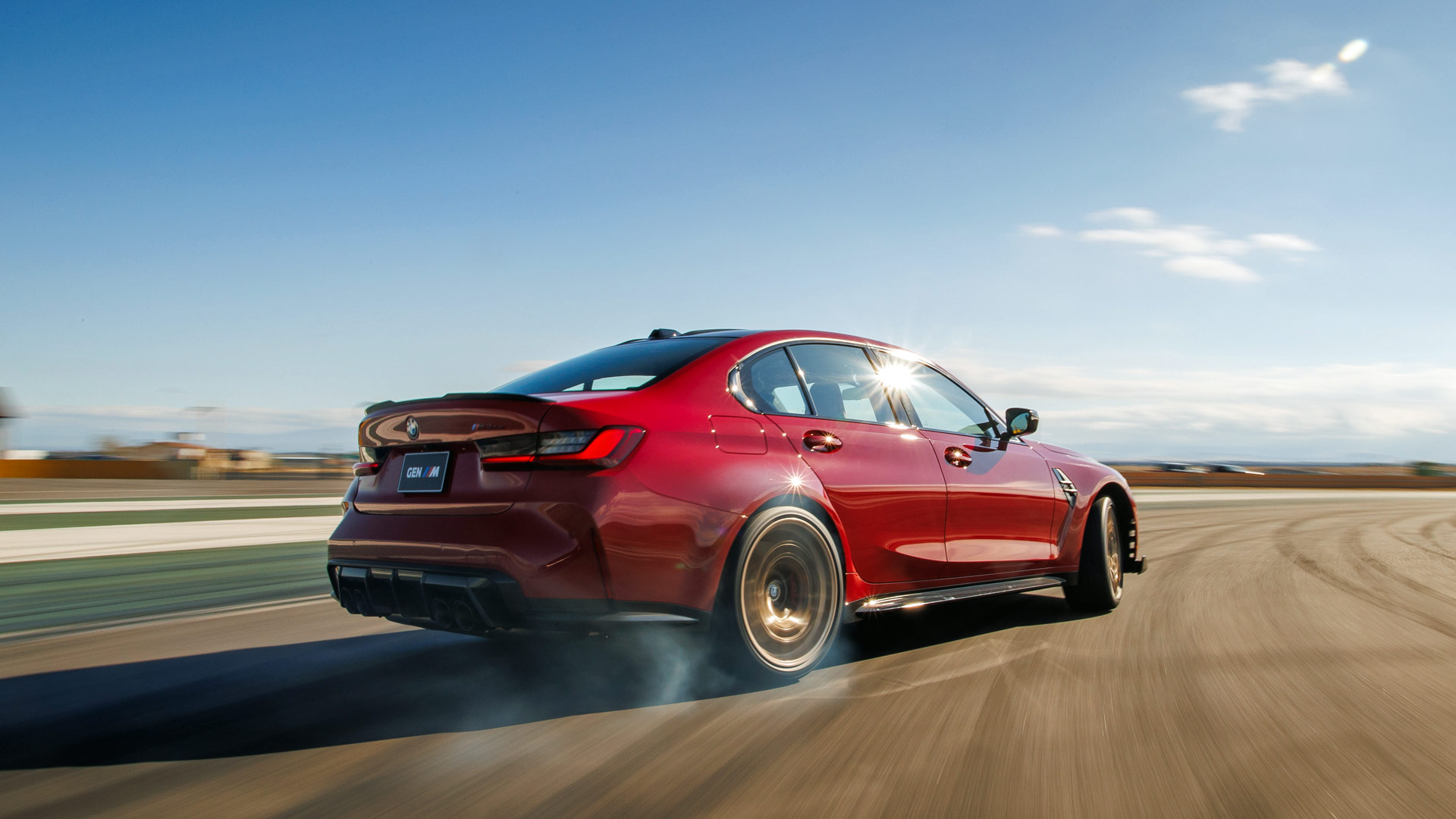
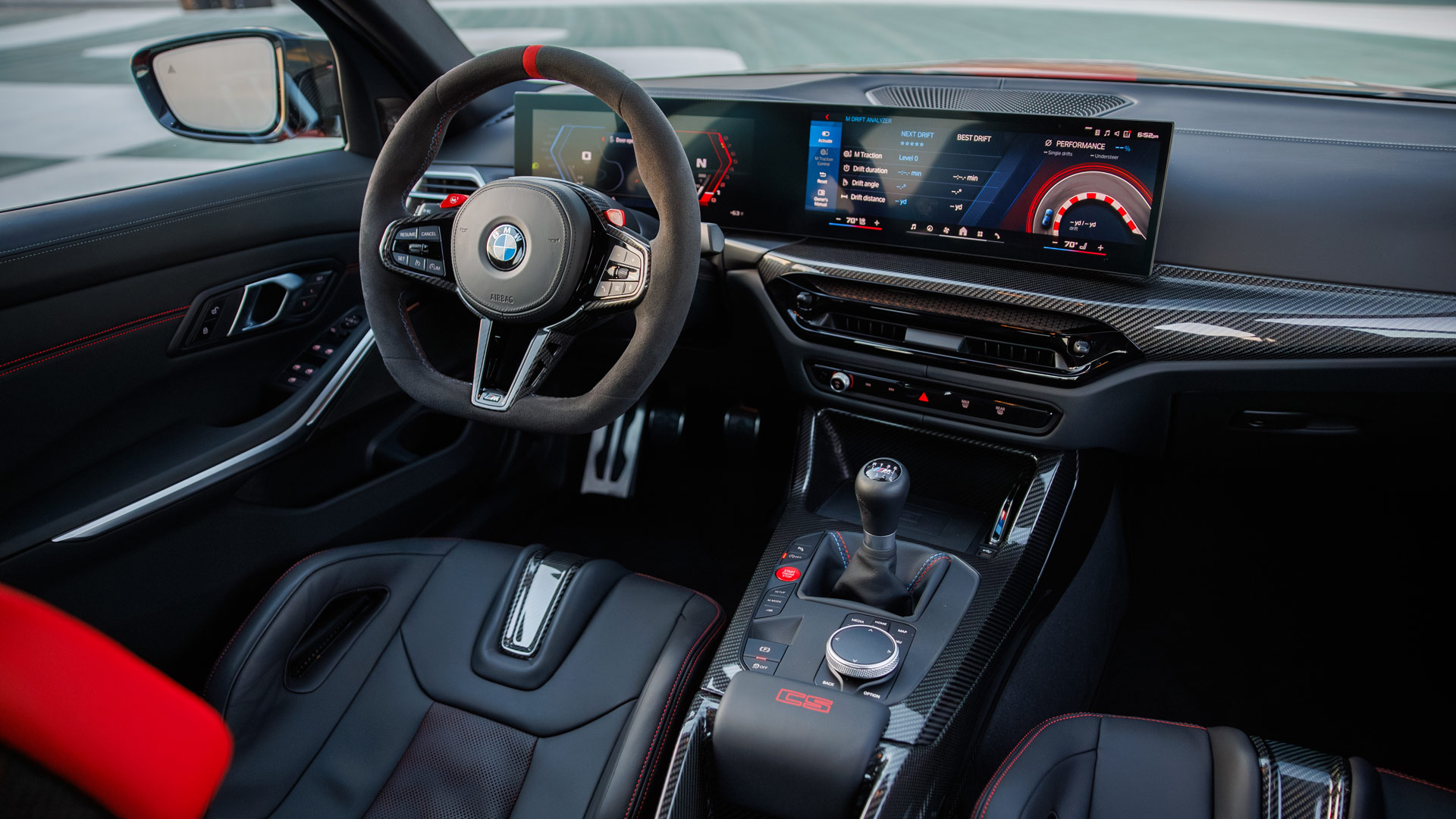
Carbon fiber reinforced plastic (CFRP) is central to the M3 CS Handschalter’s diet, with the lightweight material used for the roof, hood, front splitter, rear diffuser, and rear spoiler.
More carbon fiber can be found inside, covering the center console and forming the lightweight M Carbon bucket seats.
When combined with a standard titanium exhaust system, this saves 42 pounds compared to a regular six-speed M3. Ticking the box for M Carbon Ceramic brakes saves another 31.5 pounds.
Track fans can also add an M Front Strut Brace to the M3 CS Handschalter, priced at $1,100. Forged alloy wheels, in either black or the Gold Bronze seen here, can be wrapped in ultra-sticky track tires for a further $600.
See the M3 CS Handschalter in LA
Prices for the 2027 BMW M3 CS Handschalter start from $107,100, plus $1,350 for destination and handling fees. This makes the manual M3 cheaper than the outgoing all-wheel-drive CS.
Buyers can select Isle of Man Green metallic or Black Sapphire metallic paint colors as standard, with retro-inspired Imola Red and Techno Violet metallic available for $4,500.
The MS CS Handschalter will make its public debut this weekend, during the All-BMW Petersen Cruise-In 2026 at the Petersen Automotive Museum in Los Angeles.
Taking place on Saturday 23 May, the event will celebrate 40 years of the M3 sports sedan. It runs from 9am until midday, with the M3 CS reveal scheduled for 10am.
Now that BMW has created a manual M3 CS sedan, perhaps the next step could be giving North American enthusiasts access to the M3 Touring wagon. Here’s hoping…
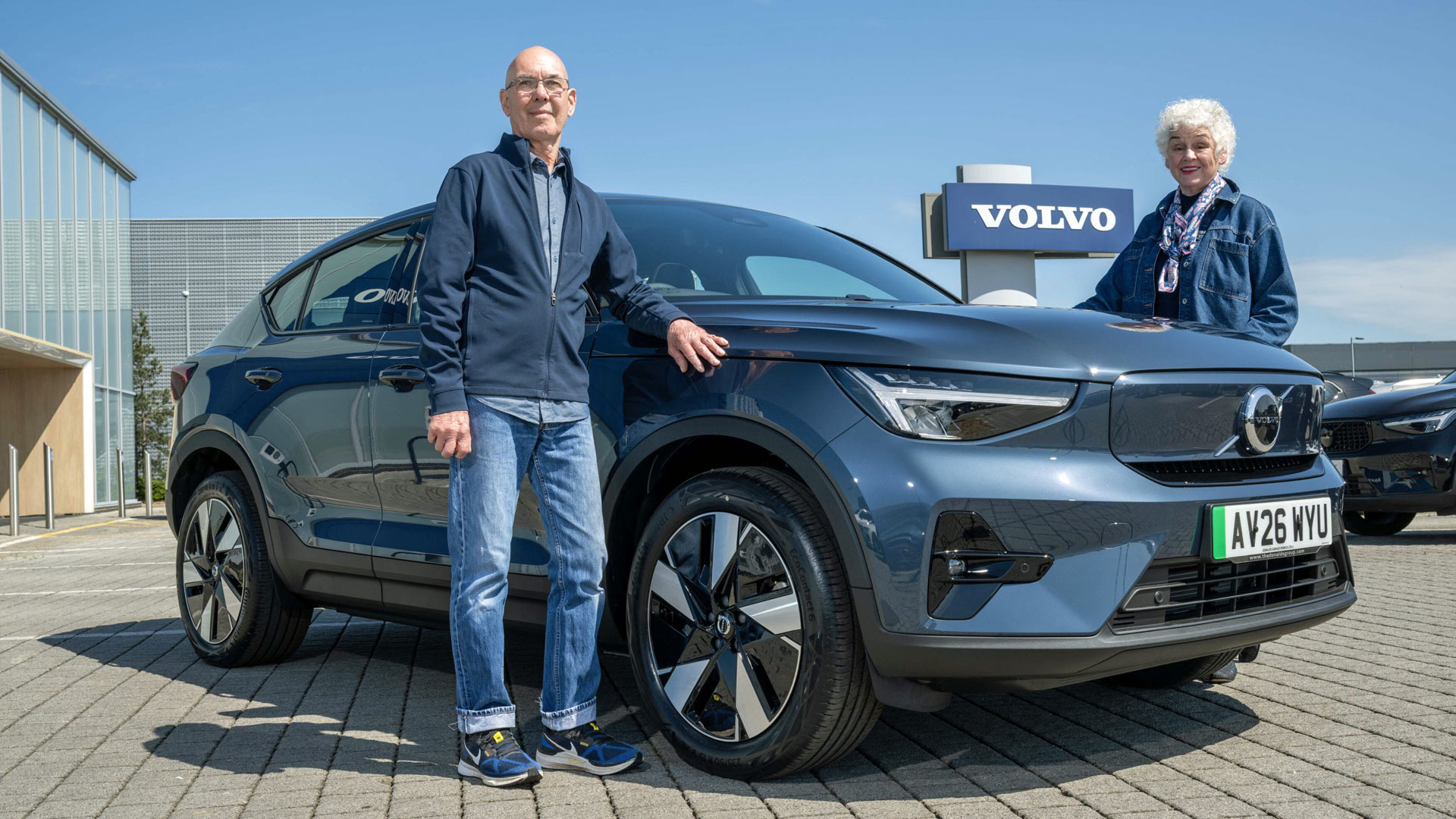
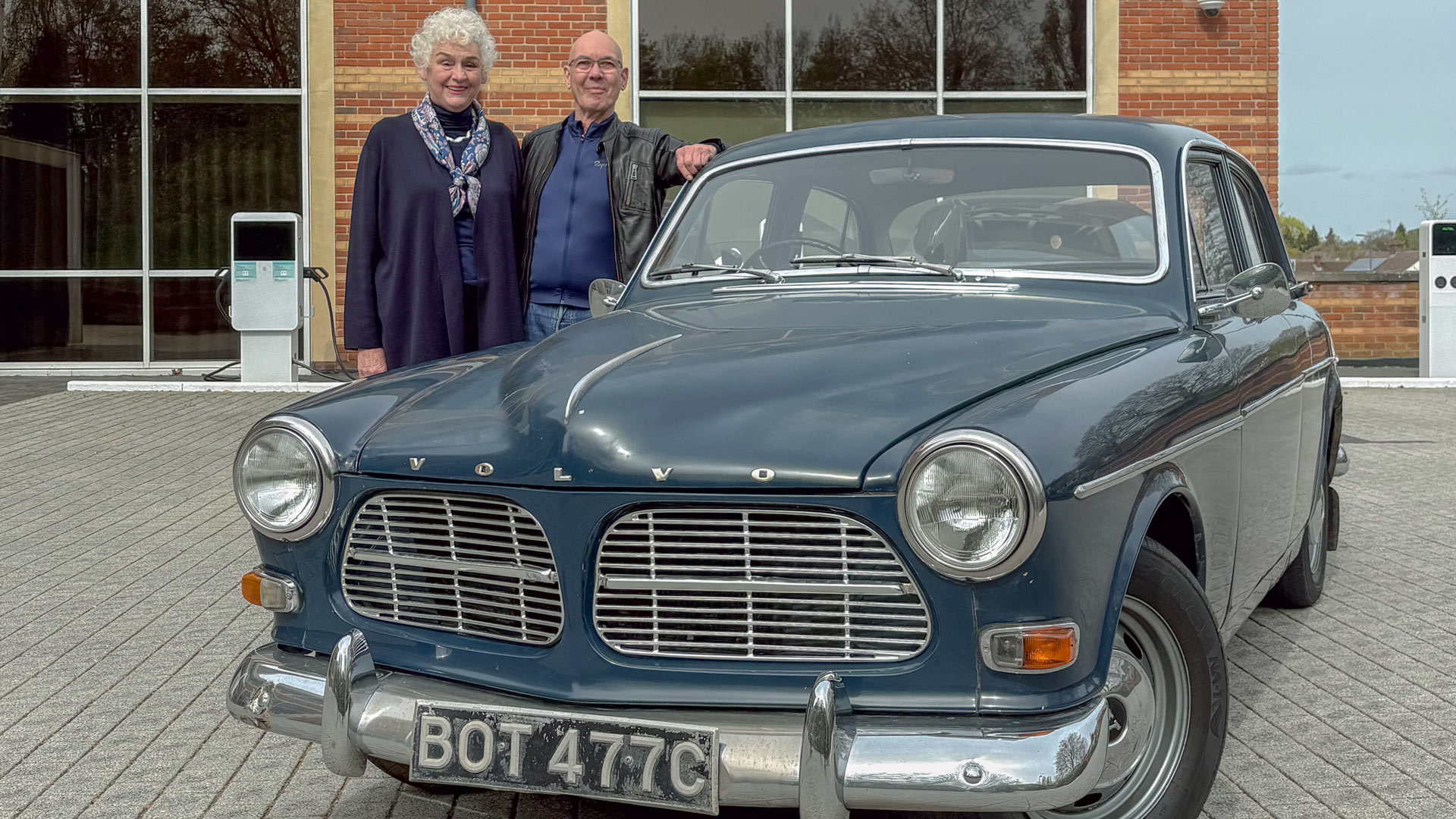
After 46 years of ownership, a couple have traded in their classic Volvo Amazon 122S for a new electric model.
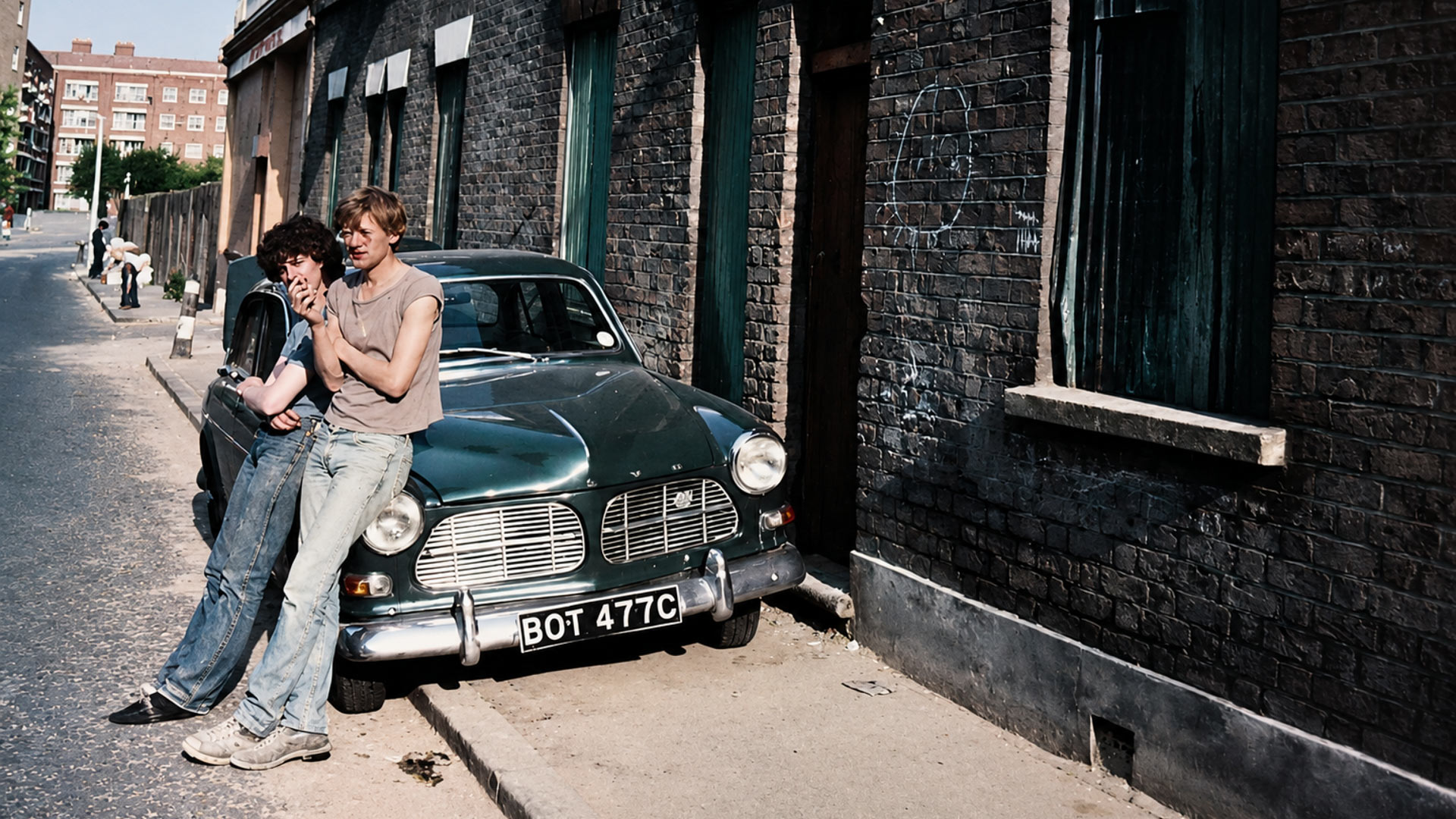
Bohdan and Marian Antoniw purchased their four-door Amazon 122S in December 1980. The Volvo subsequently became a part of their family life for almost five decades.
The 1965 Amazon was used to bring their two children safely home from hospital, and later towed the couple’s micro-caravan on extended holidays. Throughout the Antoniw’s ownership, the classic Volvo proved to be a reliable travel companion.
Now, Bohdan and Marian have decided it is finally time to move on. However, their loyalty to the Volvo brand looks set to continue.
Five decades of loyal service
Following a recent trip to New York City to visit their son, Thomas, the couple were inspired by experiencing his modern Volvo.
As Bohdan and Marian planned to embark on some longer journeys in the near future, they felt the time was right to consider a new Volvo instead.
The Antoniw family chose the electric Volvo EC40 as a replacement for their beloved Amazon 122S, buying the car from Donalds Volvo in Ipswich.
With a battery range of up to 350 miles, the EC40 SUV coupe should be more than capable of supporting Bohdan and Marian on their next adventure.
Standard features such as a panoramic sunroof, heated steering wheel and power-adjustable seats should make it more comfortable than their classic Amazon, too.
An ongoing Volvo story
There is a happy ending for the family’s loyal 1965 Amazon 122S, too. With the classic saloon being well-maintained and still in good mechanical condition, Volvo UK decided to purchase the car directly from Bohdan and Marian.
It will now undergo a sympathetic restoration, before joining Volvo UK’s heritage fleet ahead of the marque celebrating its 100th anniversary in 2027.
Nicole Melillo Shaw, managing director of Volvo Car UK, said: “Affection for Volvo is deep-rooted for families up and down the UK, so we have been delighted to hear the wonderful stories from the Antoniw family about their beloved car. I am so proud to hear that the qualities they love about Volvo remain the same, and that moving to the EC40 feels like a natural next step for them.
“We were also very touched that they have trusted us to restore their Amazon, and it will be a pleasure to welcome it into our UK heritage fleet.”
Bohdan Antoniw added: “We will miss the Amazon because it has been part of our family for so long and is fun to drive. But it feels like the right time for a change and to embrace electric. If cars have a spirit, we like to think it would be happy knowing a new generation has taken its place.”
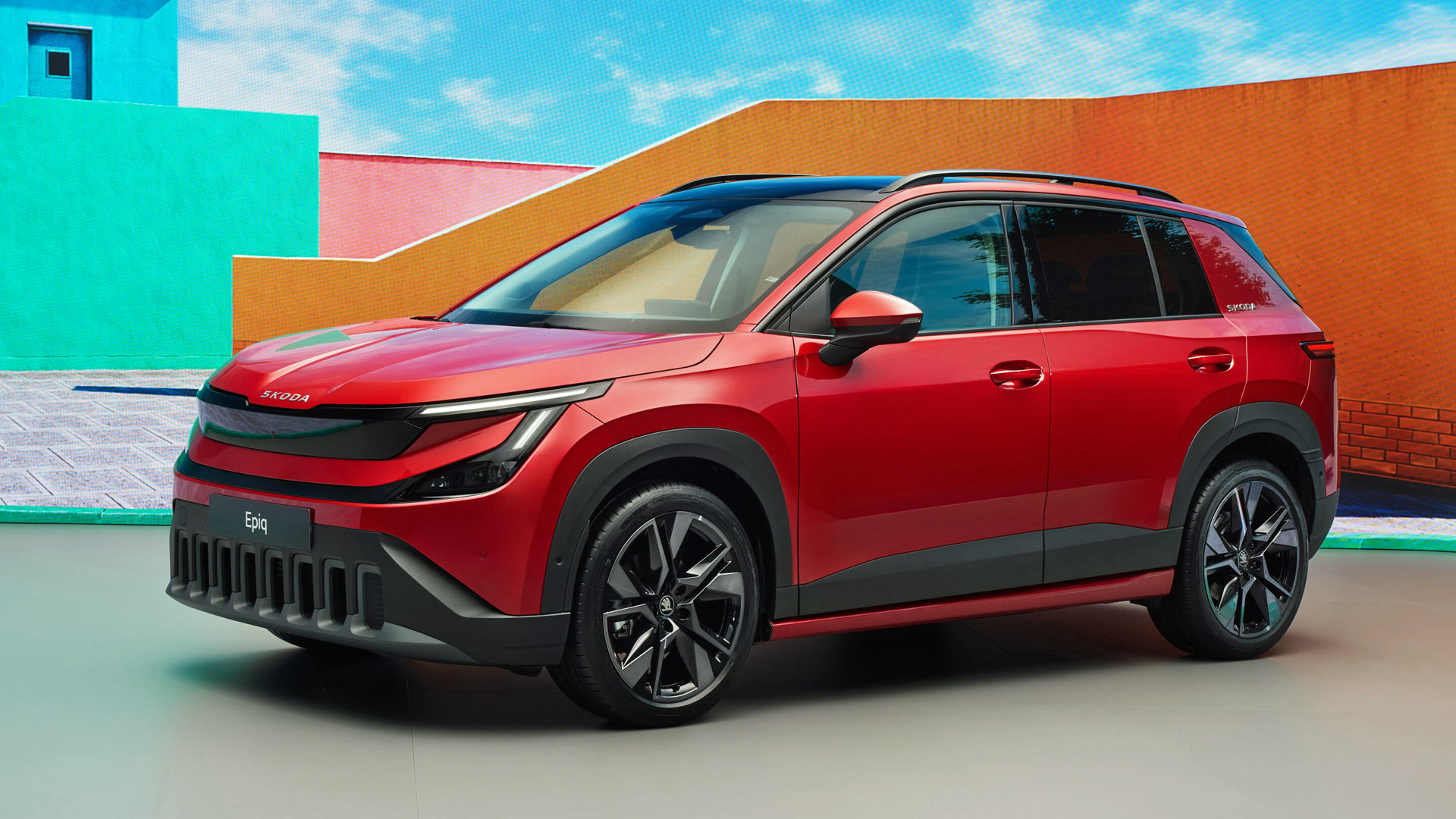
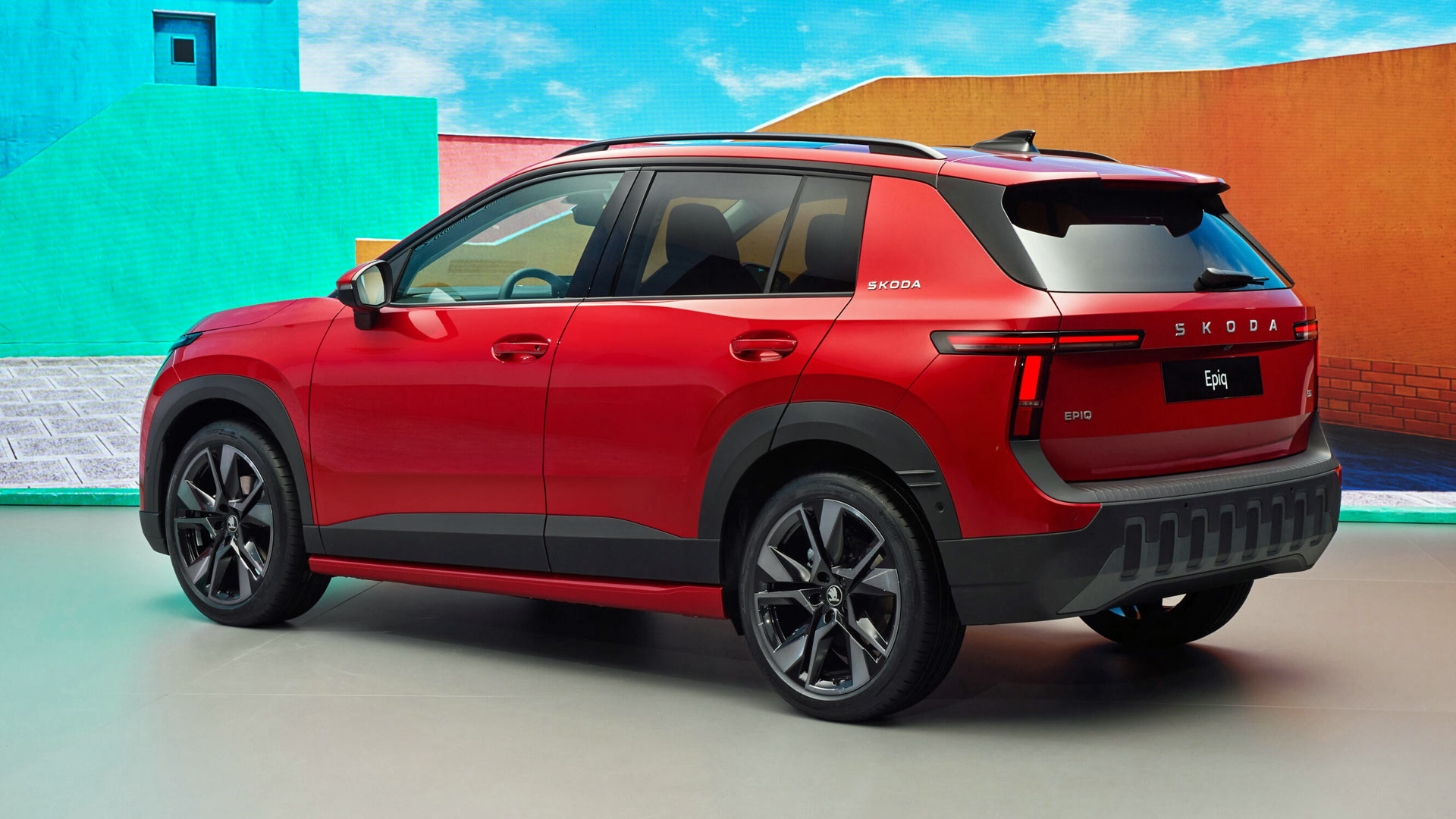
Skoda has confirmed UK prices and specification details for its new Epiq electric SUV.Here’s what you need to know…
Due on sale in July 2026, the Epiq will become the smallest EV in the Czech manufacturer’s 2026 model range. It sits below the existing Elroq and Enyaq SUVs.
Skoda wants to position the new Epiq as the electric alternative to its petrol-powered Kamiq. This includes matching the Kamiq as closely as possible on pricing.
However, UK prices from £24,090 mean the electric Epiq will actually undercut the Kamiq when the order books open.
Two versions of Epiq available at launch
The Epiq shares a platform with the forthcoming Volkswagen ID. Cross, a high-riding version of the recently announced ID. Polo. Other rivals include the Renault 4 E-Tech and Kia Niro EV.
Two battery options are available for UK customers at launch. The Epiq 40 has a 37kWh battery and a 135hp electric motor, while the Epiq 55 uses a larger 52kWh pack and a more powerful 211hp motor.
Choosing the Epiq 40 means a range of up to 190 miles. The Epiq 55 is capable of over 270 miles, making it better suited for life beyond the city.
Recharging the Epiq 55 from 10 to 80 percent can take 25 minutes when connected to a DC charger that supports speeds of up to 105kW.
Real buttons are back inside
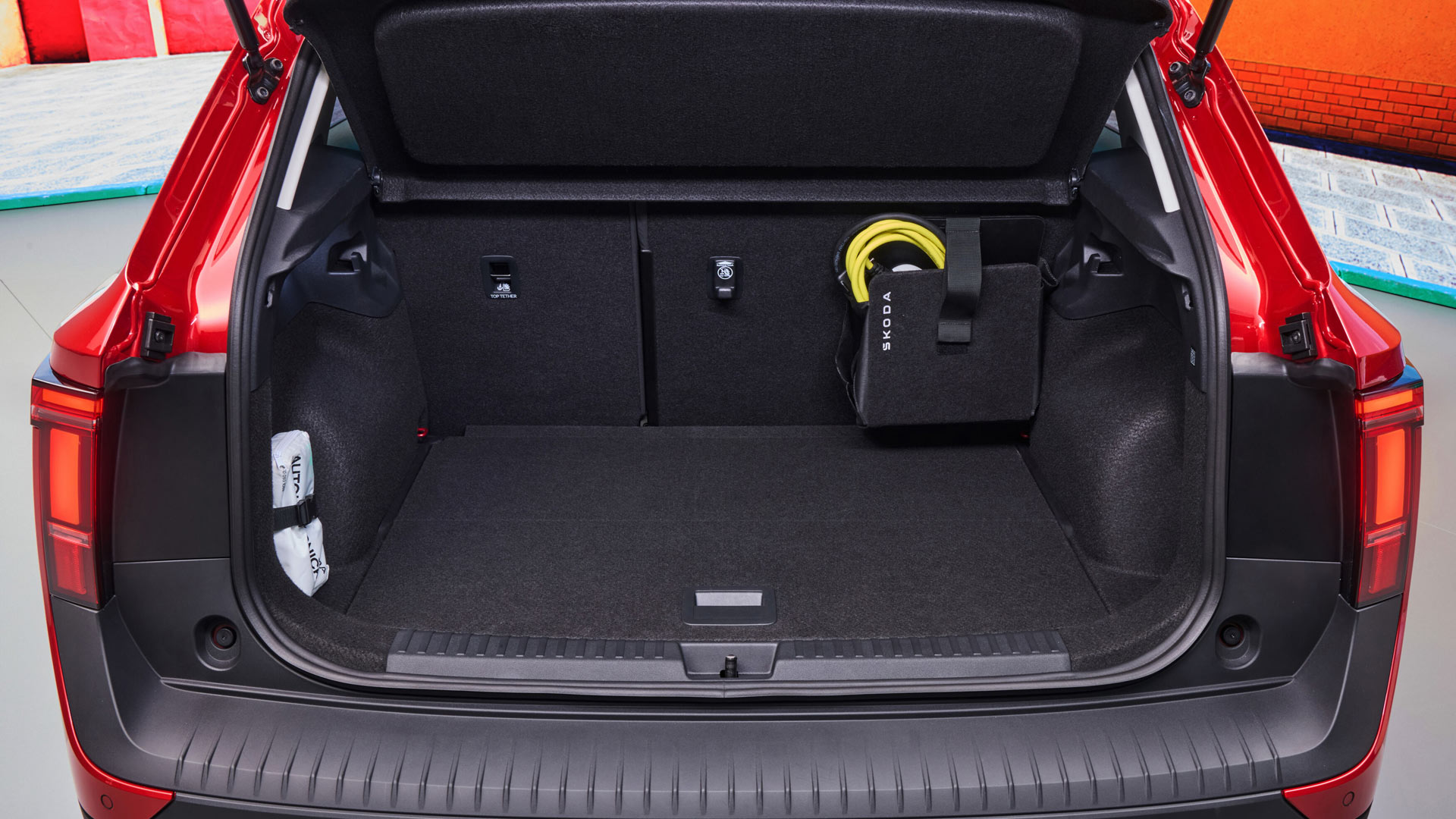
Skoda has designed the Epiq with practicality in mind. Its boot can accommodate 475 litres of luggage, while the 25-litre ‘frunk’ offers enough space to store charging cables.
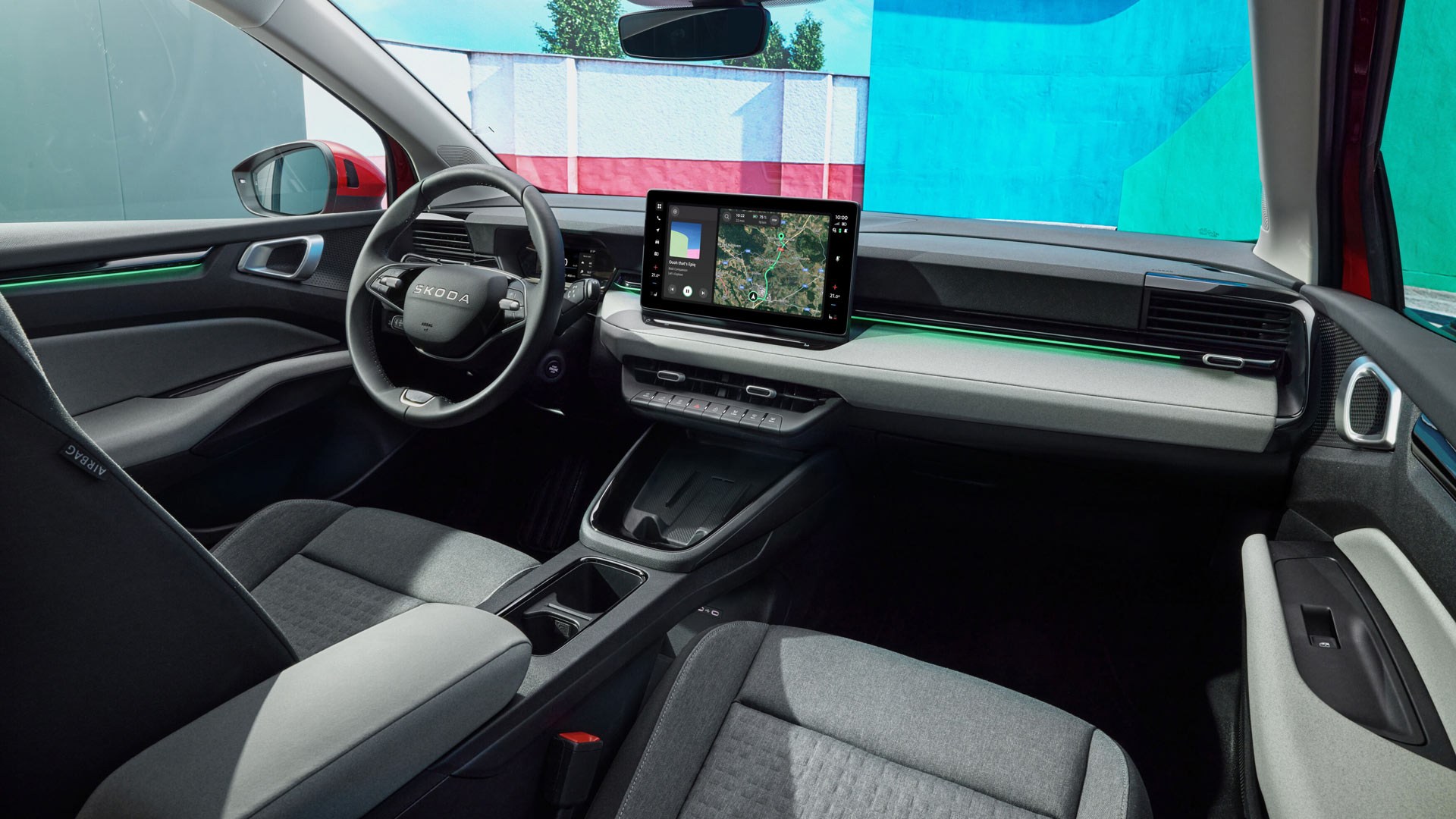
Pleasingly, the interior of the Epiq features a row of ‘proper’ buttons, in addition to a standard touchscreen. UK customers can specify the Skoda Epiq in SE L or Edition trim levels at launch, along with a special First Edition.
Opting for SE L specification sees the Epiq cost from £24,950. Standard equipment includes 18-inch alloy wheels, LED headlights, a 13-inch central infotainment screen, a 5.0-inch digital instrumental panel, keyless start and rear parking sensors.
In Edition trim, the Epiq gains electrically folding door mirrors, satellite navigation, front parking sensors, a rear-view camera, wireless smartphone charging, heated front seats and a heated steering wheel. Prices start from £27,700.
Skoda Epiq ready to order from July
A flagship solely for the launch of the Skoda Epiq, the First Edition costs £31,450 and is only available with the bigger 55 battery.
Special features include Navajo Orange exterior accents, two-tone paint with a black roof, 20-inch alloy wheels and a black First Edition badge. On the inside, sports seats, a three-spoke steering wheel, black headlining and orange seatbelts are fitted for good measure.
The Epiq will be manufactured in Pamplona, Spain, making it the first Skoda aimed at European customers to be produced outside of Eastern Europe.
Order books for the Skoda Epiq will open in July 2026, with the first deliveries to customers expected in early 2027.
Last year, the UK government announced its Electric Car Grant (ECG) scheme, designed to help motorists save up to £3,750 off the price of a new EV.
Now, some 10 months since the ECG was announced, more than 50 different cars and SUVs are eligible to receive a discount.
The ECG only applies to brand new electric cars priced at less than £37,000 to begin with. They must also be capable of covering at least 100 miles when fully charged. Car manufacturers need to meet warranty rules and conform to standards for sustainable manufacturing, too.
The government assesses whether a car meets the eligibility criteria for the ECG, meaning there is no additional paperwork for buyers. Instead, they can simply take advantage of the discount: either £1,500 or £3,750, depending on which band the car qualifies for.
More cars continue to be added to the ECG scheme. As of now (May 2026), however, these are all the vehicles that have qualified.
Electric Car Grant Band 1: £3,750 discount
Band 1 of the ECG offers the biggest discount of £3,750, but also comes with more stringent requirements around sustainability.
As a result, the number of cars and SUVs that have qualified for Band 1 remains low in comparison to those offered the smaller Band 2 grant.
There is still a range of vehicles available, though, including everything from a compact hot hatchback to sizeable SUVs – all with a healthy £3,750 deducted from their list prices.
Be aware that certain cars do appear on both lists, with battery capacity typically the differentiating factor between the bands.
Here are the models currently eligible for Band 1 of the ECG, listed in alphabetical order.
Citroen e-C5 Aircross Long Range
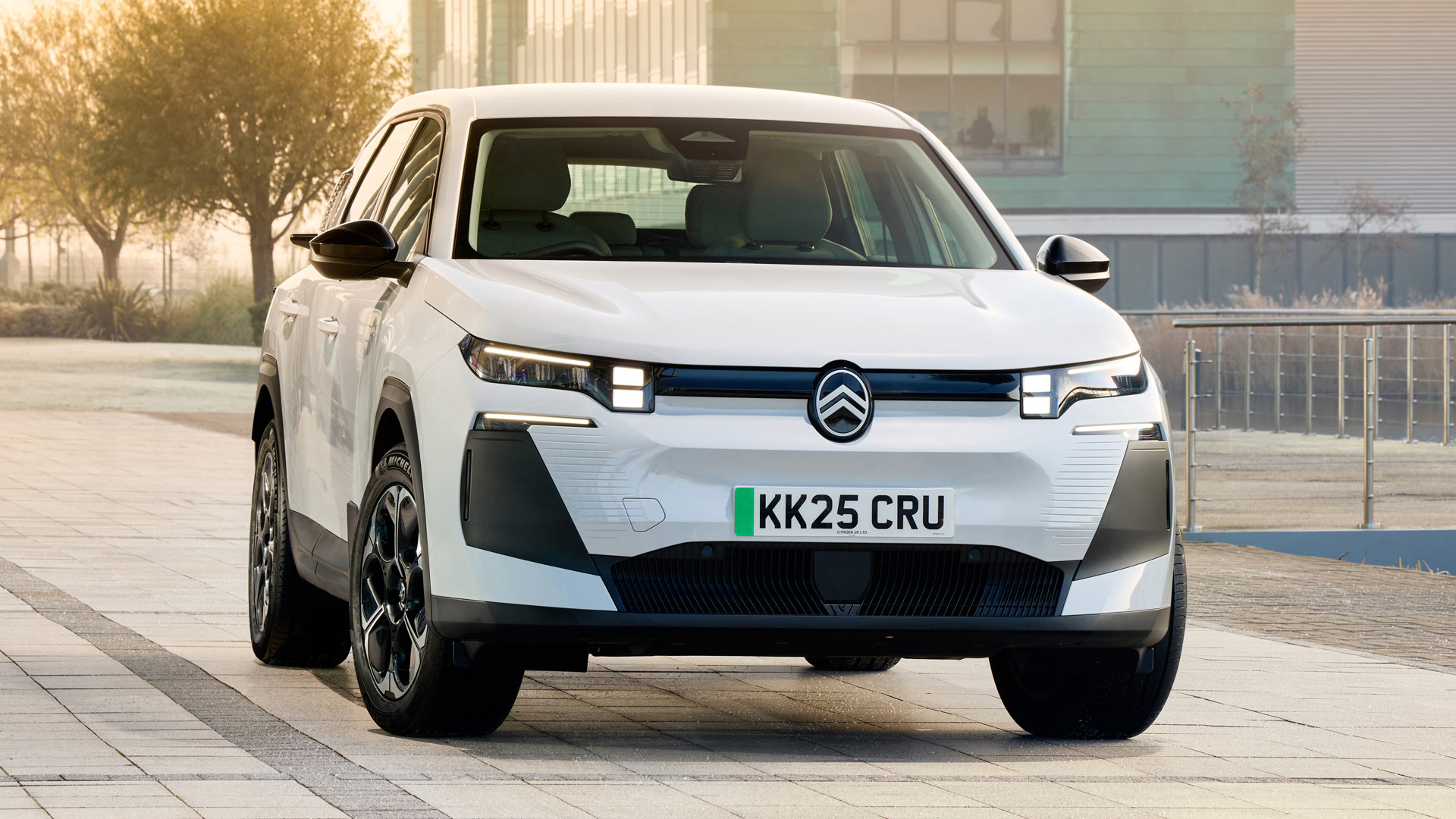
Citroen was one of the first manufacturers to announce its eligibility for the Electric Car Grant scheme, having a number of models qualify for Band 2 funding.
Only one Citroen has so far gained £3,750 Band 1 status, with the Long Range version of the e-C5 Aircross eligible for the maximum discount.
The Citroen e-C5 Aircross features a 97kWh battery, which can see this versatile electric SUV cover up to 421 miles on a full charge.
However, while the Citroen e-C5 Aircross Long Range was briefly available to buy at the end of 2025, the French brand is currently not accepting orders until later this year.
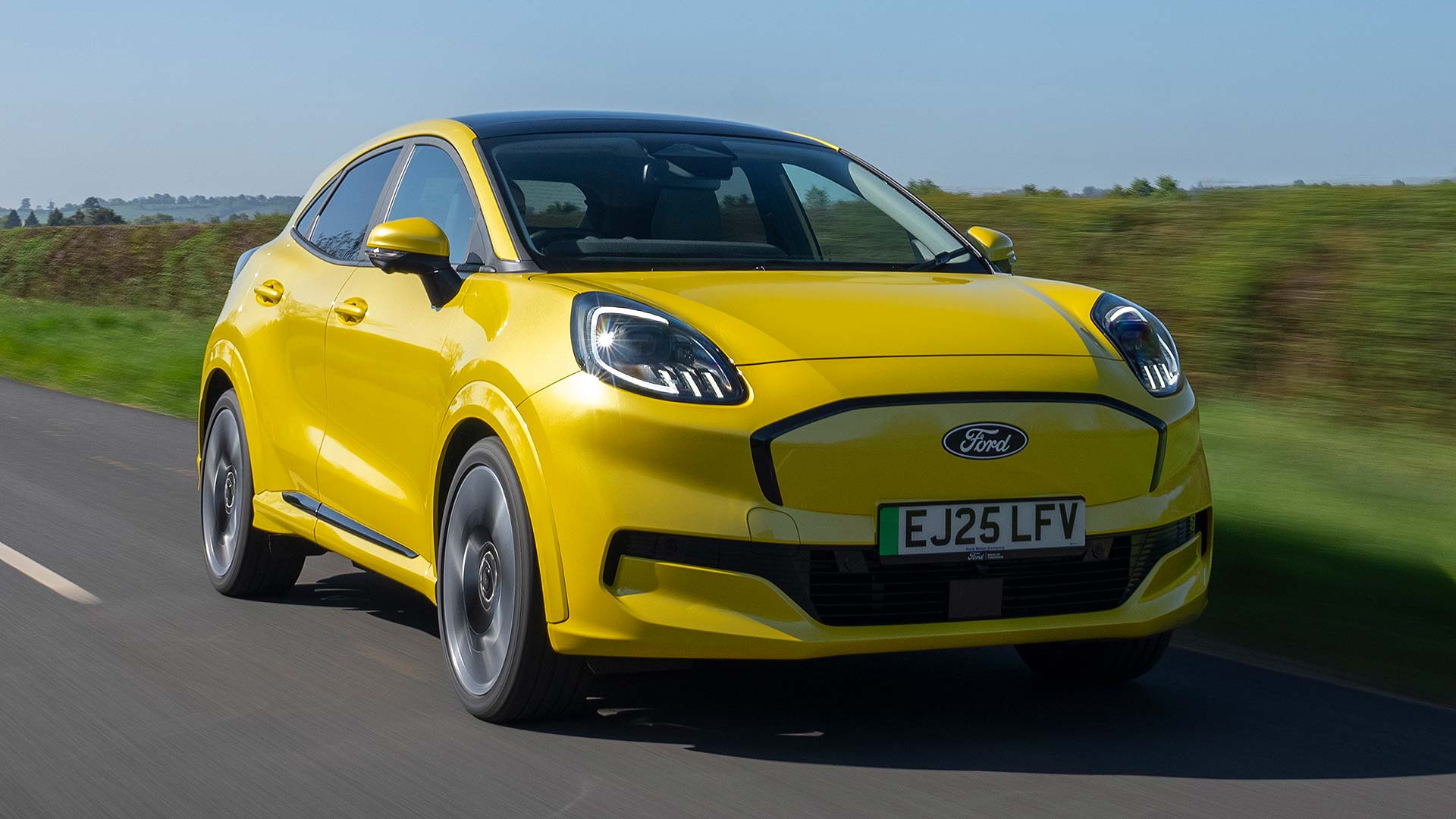
Ford Puma Gen-E
Ford has announced bold plans to bring a host of new vehicles to the European market. Until then, the popular Puma Gen-E is likely to remain a mainstay of the Blue Oval’s range.
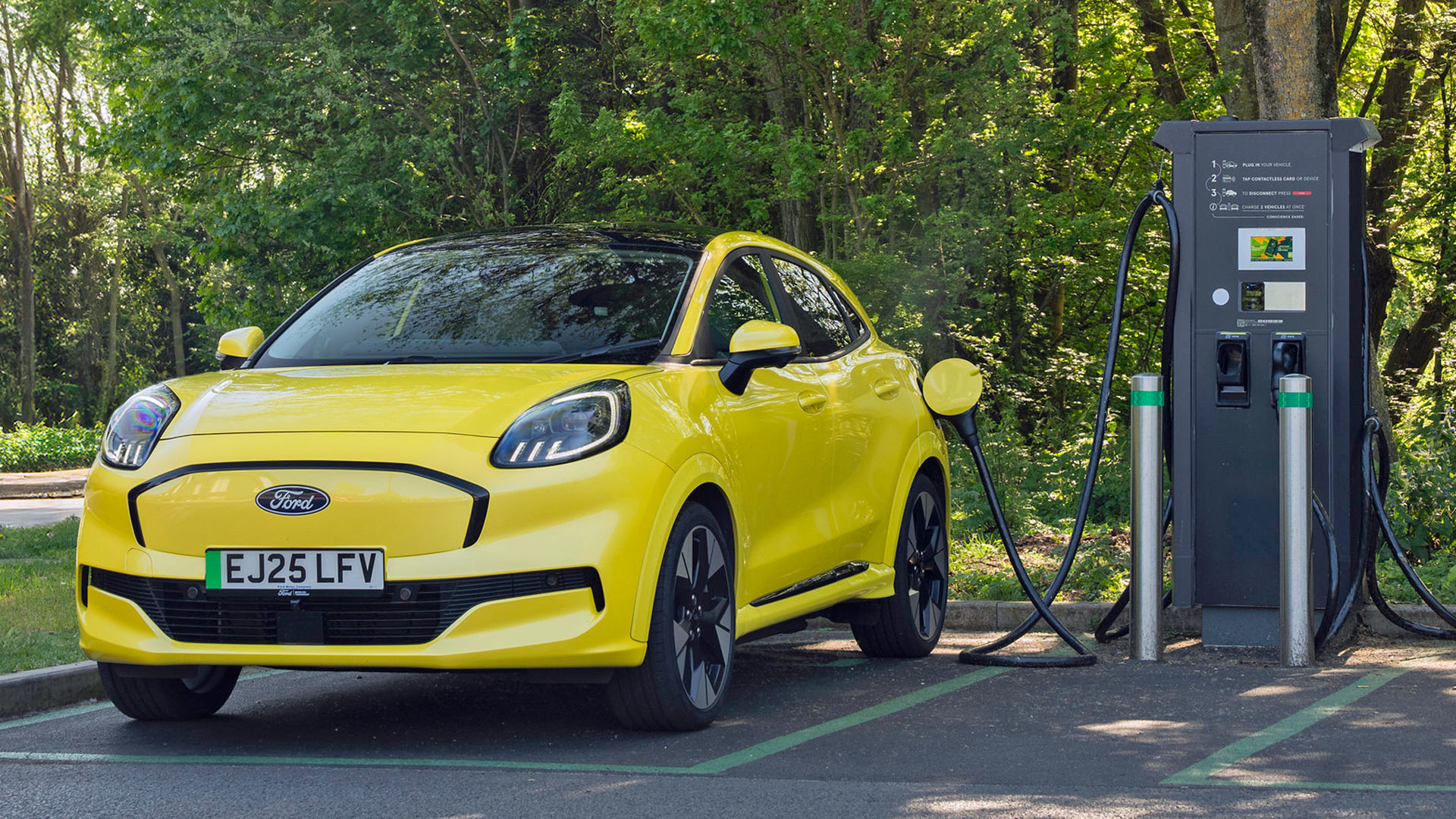
The Ford Puma Gen-E was actually the first car to gain eligibility for Band 1 of the Electric Car Grant scheme. With this being one of the UK’s best-selling cars of recent years, a £3,750 discount on its list price is big news.
Offered in a number of trim levels, the Puma Gen-E has a 43kWh battery that provides an official range of 234 miles. Used solely around town, this can increase to 325 miles.
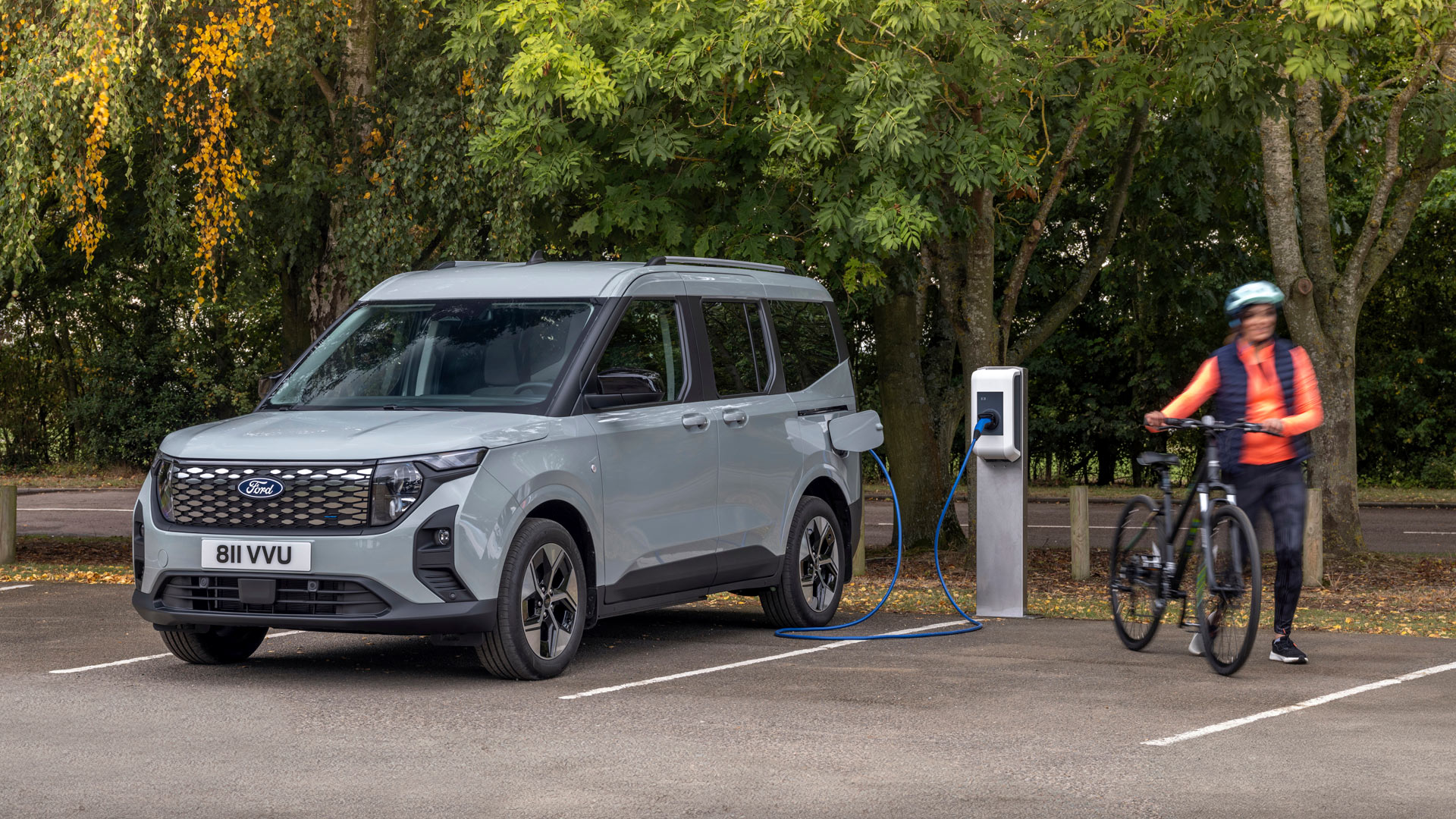
Ford E-Tourneo Courier
You may not think it from looking at them, but the Ford E-Tourneo Courier (a van-based compact MPV) and Ford Puma Gen-E are actually related. Both use the same platform, and are manufactured in the same factory in Romania.
Helping both the E-Tourneo Courier and Puma Gen-E qualify for Band 1 of the Electric Car Grant are their electric motors, which are sustainably produced at Ford’s factory in Halewood, Merseyside.
The E-Tourneo Courier’s boxier shape is less forgiving than the Puma Gen-E when it comes to battery range, with an official combined figure of 177 miles. On the plus side, it is considerably more practical, with flexible seating to maximise space for passengers or luggage.
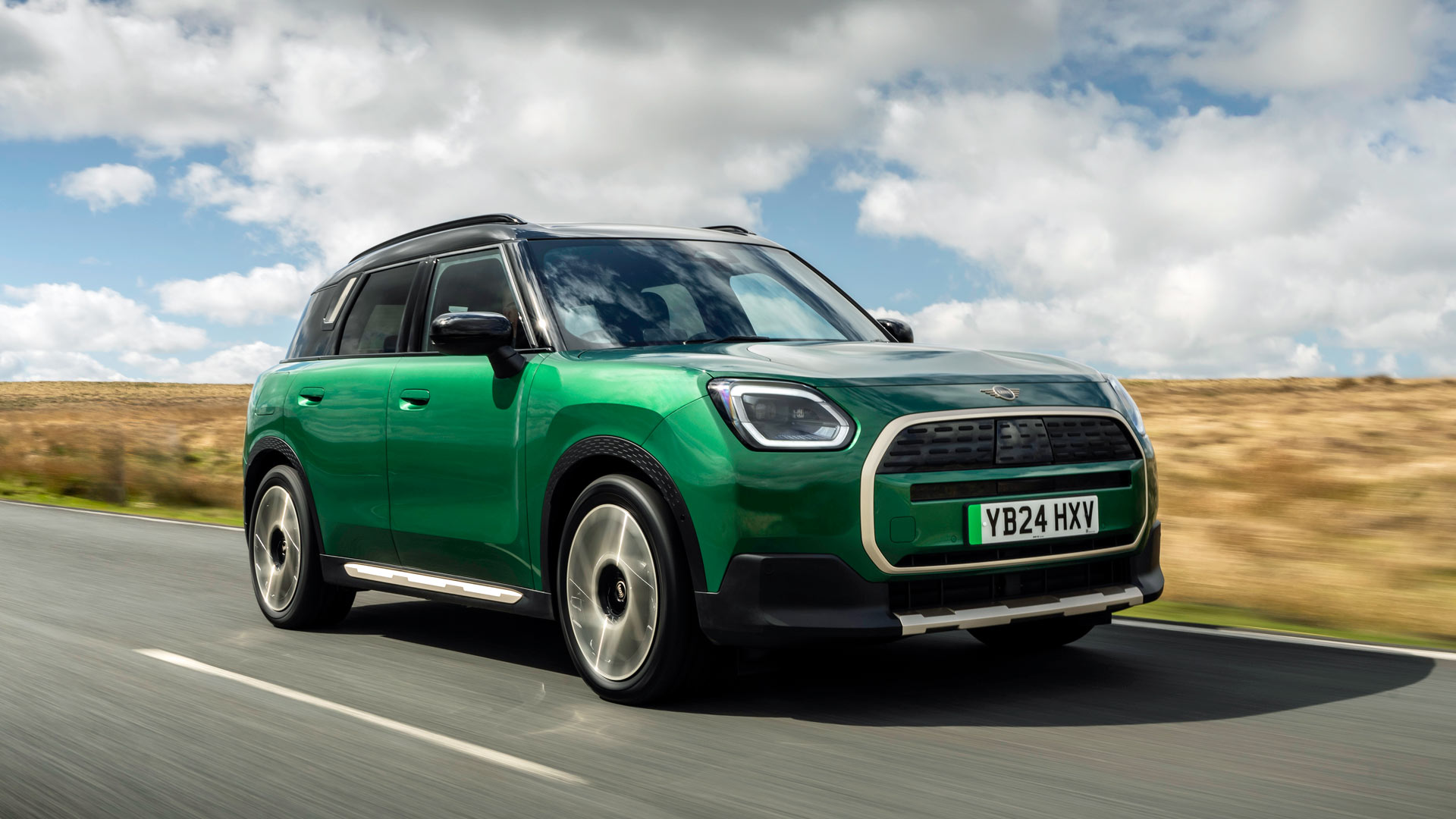
Mini Countryman Electric
The third-generation Mini Countryman was the first model from the British marque to be manufactured in Germany – and the first version of the compact SUV with the option of a battery-electric powertrain.
Two versions of the Mini Countryman Electric qualify for the Electric Car Grant Band 1 discount of £3,750, which applies to models recently updated for 2026 with a 65.2kWh battery.
Buyers can choose the front-wheel-drive Countryman E, with 201hp and a range of 307 miles, or the all-wheel-drive Countryman SE All4. The latter boasts an impressive 313hp, albeit with a reduced battery range of 287 miles.
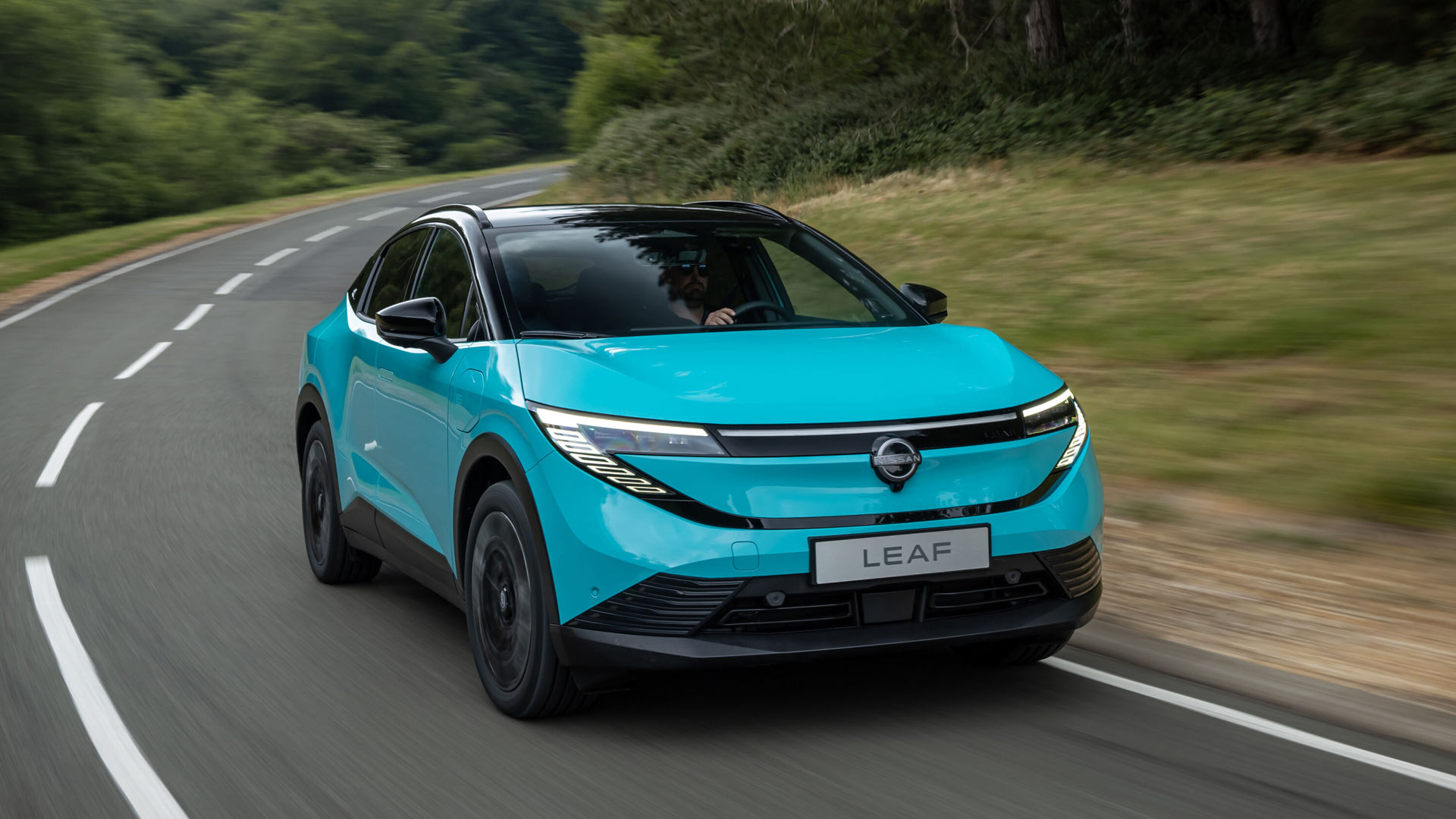
Nissan Leaf
The Nissan Leaf was one of the first vehicles to prove an electric car could be an everyday proposition, and is now into its third generation.
Proudly built in Sunderland, the latest Leaf was launched with a 75kWh battery. Although a smaller battery is due to join the lineup in future, it is this current that qualifies the Leaf for a £3,750 ECG discount.
Prices for the Nissan Leaf start from £32,249 in entry level Engage trim with the Electric Car Grant applied. At the top of the range, the Leaf Evolve packs a Bose sound system and 19-inch alloy wheels, and costs from £36,249.
With the 75kWh battery, the Nissan Leaf can cover up to 381 miles when fully charged.
Nissan Micra 52kWh
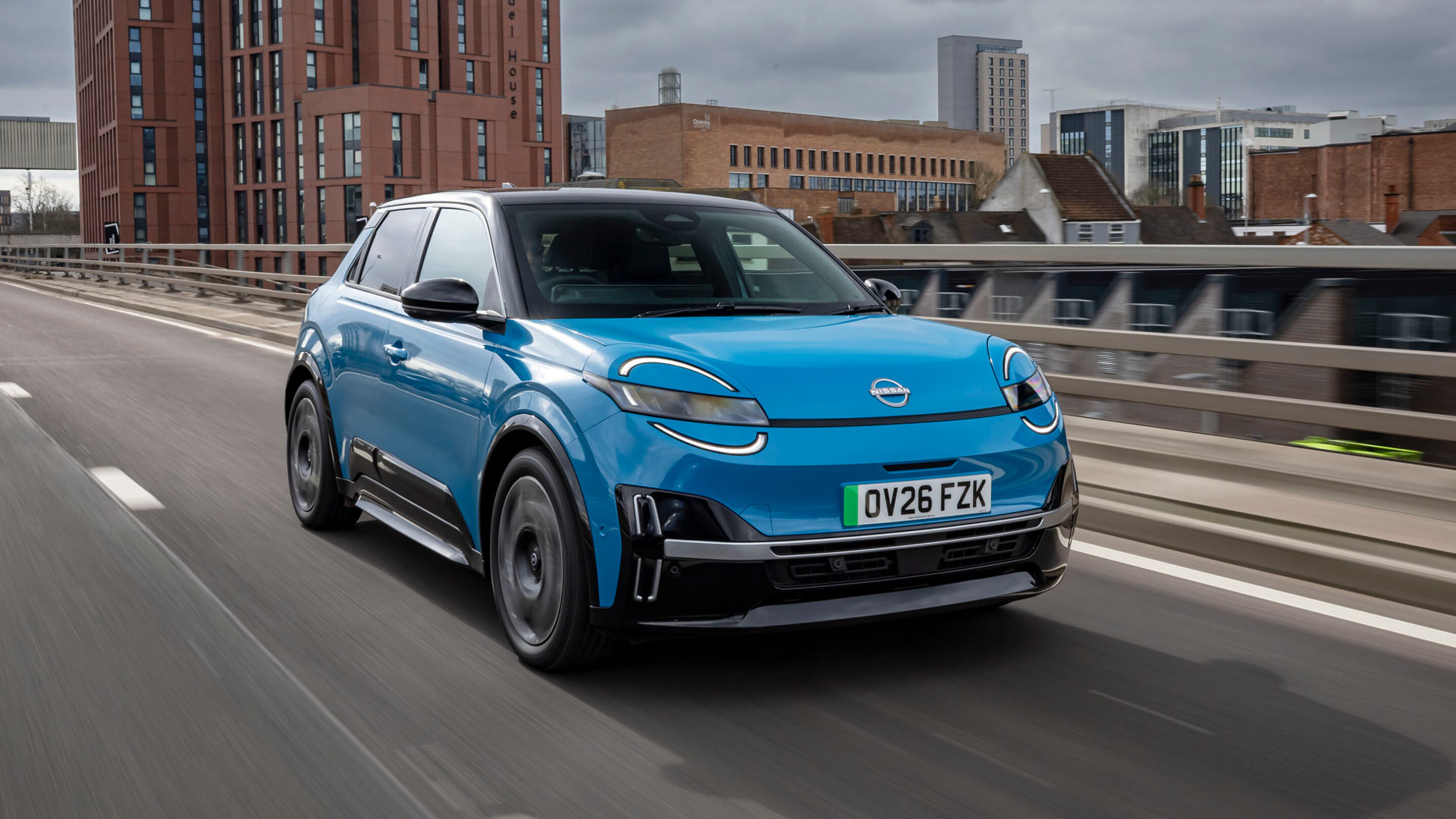
The Nissan Micra has returned as a fully electric supermini, sharing a platform with the Renault 5 E-Tech. Nissan has used distinctive design to set the Micra apart from its French cousin, although the EV powertrain is shared between them.
This is a good thing, however, as the Nissan Micra equipped with the larger 52kWh battery pack qualifies for Band 1 of the Electric Car Grant.
In long-range form, the Nissan Micra can cover up to 260 miles between charges, and is available in either Advance or flagship Evolve trim levels.
A smaller 40kWh version of the Micra is eligible for the Band 2 £1,500 discount. However, thanks to the ECG, the 52kWh model now has a lower starting price than the 40kWh version.
Renault 5 E-Tech 52kWh
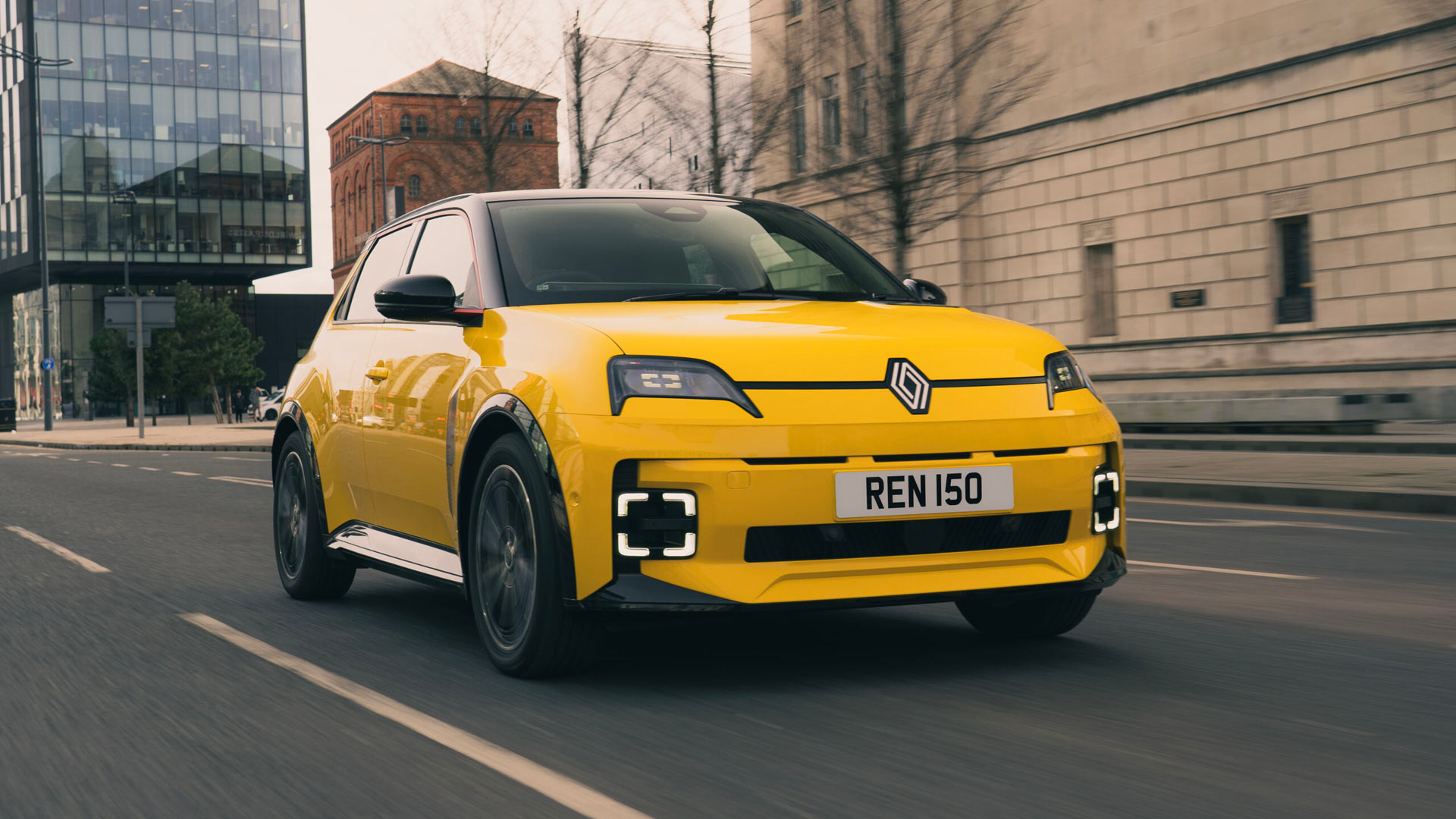
The Renault 5 E-Tech has been a huge success, with its retro-inspired styling helping to win an array of fans. It has also given Renault a bulging trophy cabinet, including the UK Car of the Year 2026 award.
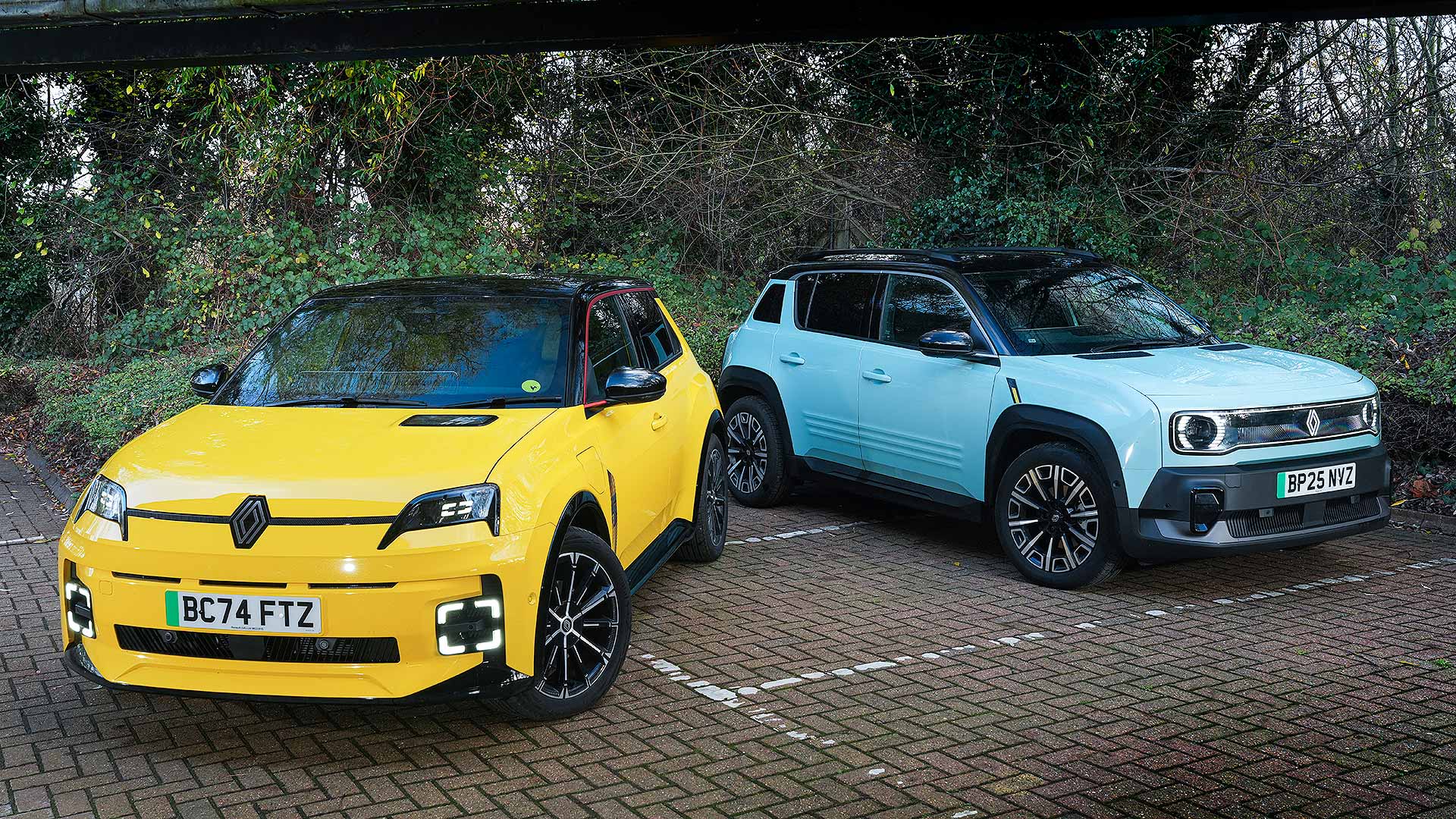
Renault’s electric supermini was one of the first to qualify for the Electric Car Grant in Band 1, although (as with the related Nissan Micra) the £3,750 discount only applies to cars with the larger 52kWh battery pack.
When equipped with this battery, prices for the Renault 5 E-Tech start from £23,495 with the ECG applied. The car’s battery range is up to 250 miles.
Alpine A290
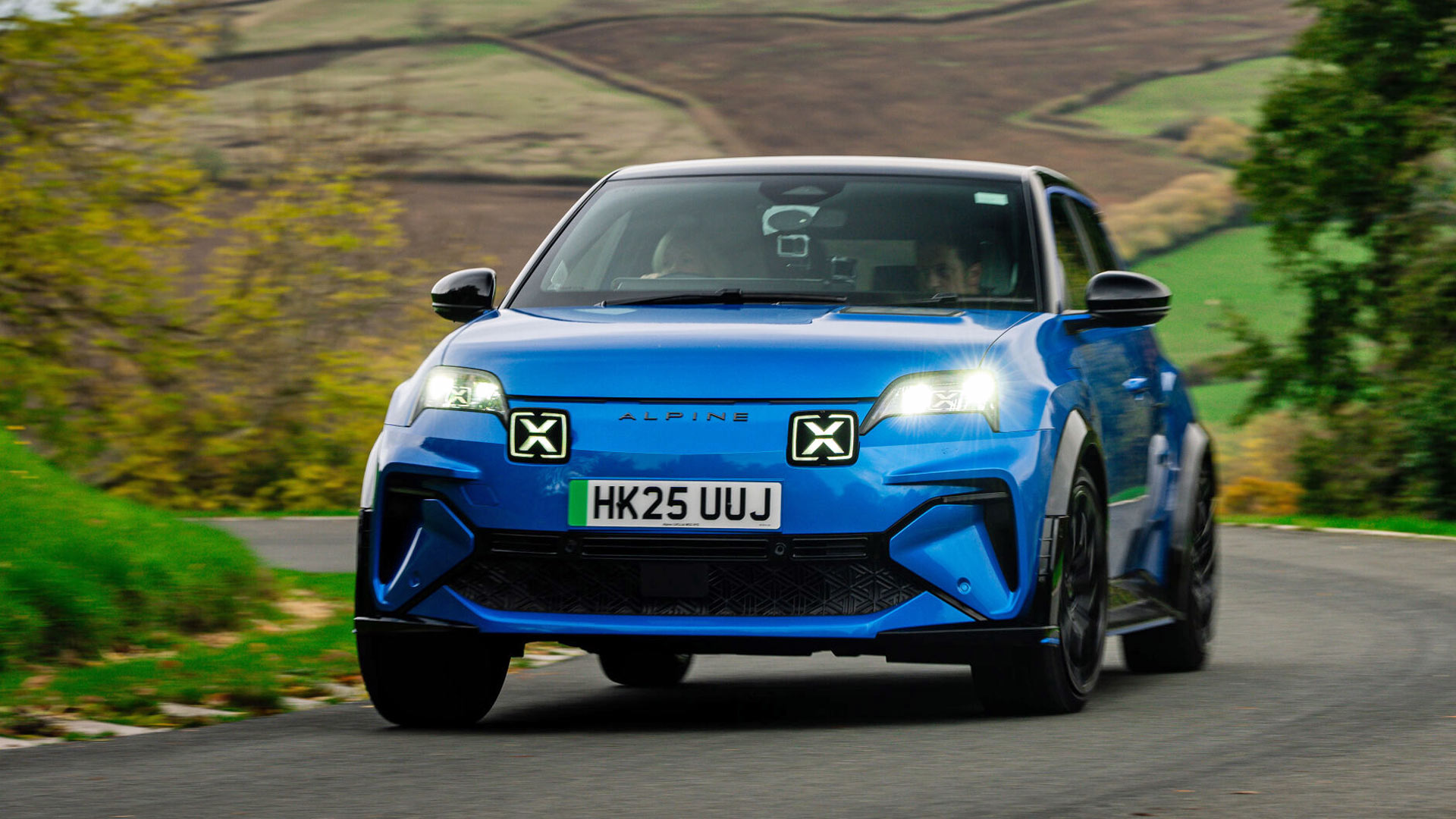
The Alpine A290 is the Renault 5 E-Tech’s sportier cousin, and utilising the same platform means it gains eligibility for the Band 1 ECG discount of £3,750.
It makes the electric hot hatchback even more desirable, with the discount applicable to all versions of the A290. This means a choice of 180hp or 220hp power outputs, both combined with the 52kWh battery pack.
In its most powerful 220hp form, the Alpine A290 GTS can accelerate from 0-62mph in just 6.4 seconds. As a result, the A290 is a genuine performance car that the government will subsidise you to buy.
Renault 4 E-Tech Electric
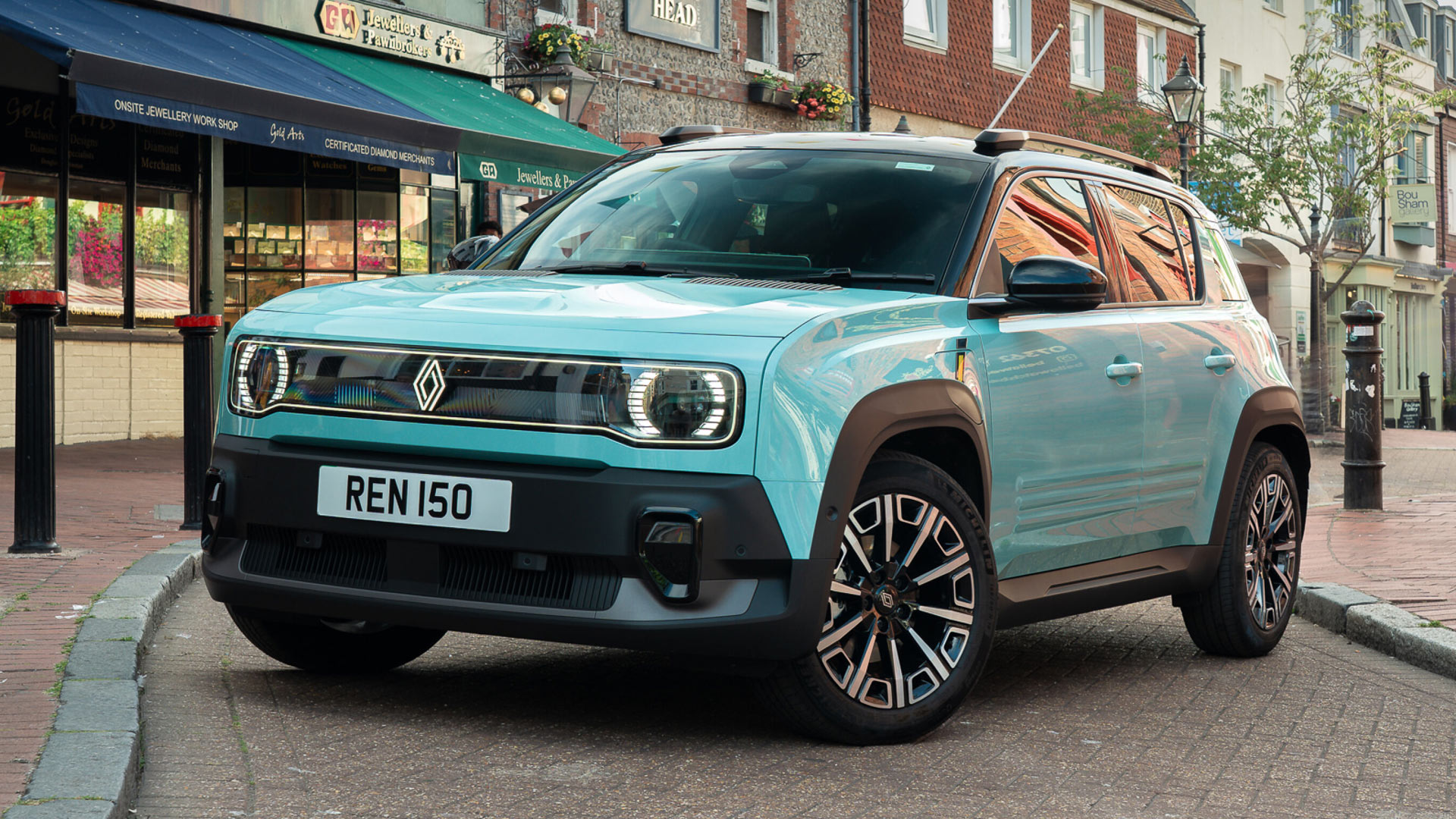
For those wanting a more practical EV, the Renault 4 E-Tech has also qualified for the maximum Electric Car Grant of £3,750.
Inspired by the classic Renault 4, the new electric version boasts practicality and charm in equal measure. As with the related Renault 5 E-Tech, the battery powered SUV has been busy collecting awards, including the trophy for AUTOBEST Best Buy Car of Europe 2026.
All versions of the Renault 4 E-Tech feature a 52kWh battery pack, which is built in France, securing it Band 1 eligibility for sustainable production.
The Electric Car Grant applies across the full Renault 4 E-Tech range, including the recently launched ‘Plein Sud’ model with its full-length canvas roof.
Renault Scenic E-Tech Electric
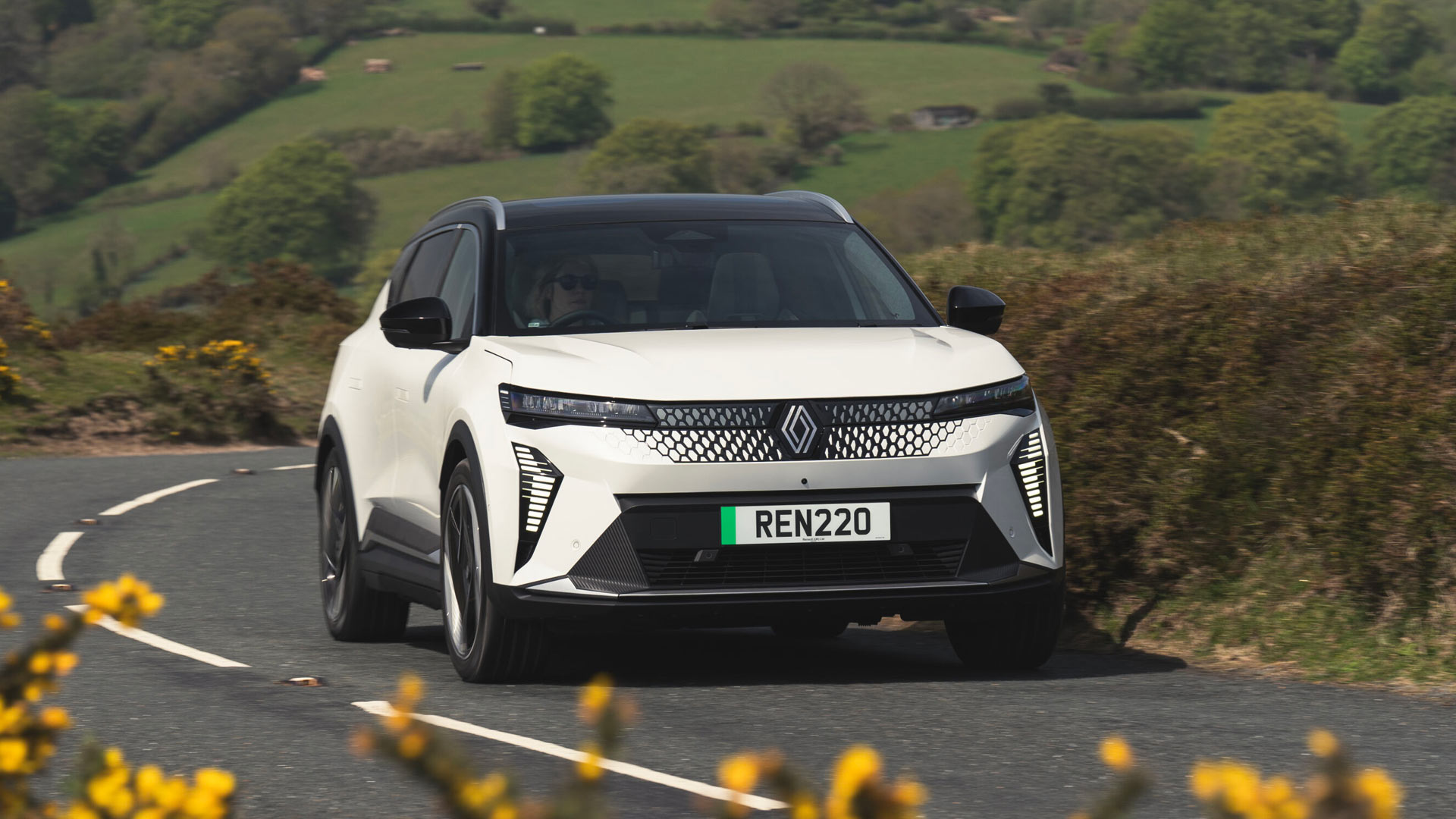
The Renault Scenic E-Tech is the latest model from the French manufacturer to gain eligibility for the Electric Car Grant, securing the top Band 1 discount of £3,750.
Helping the Renault Scenic E-Tech qualify for Band 1 is a factory located in Europe, plus an 89 percent recyclable design. Featuring an 87kWh battery pack and a 220hp electric motor, the Scenic can officially cover up to 379 miles when fully charged.
Securing the Electric Car Grant is another success for the Renault Scenic E-Tech, which previously collected the European Car of the Year award in 2024.
Electric Car Grant Band 2 cars: £1,500 discount
Being eligible for Band 2 of the Electric Car Grant means lower benchmarks for sustainable design and production. However, it still requires vehicles to meet the same rules on pricing, warranty and battery range.
Needing to satisfy these less stringent requirements means there are far more vehicles eligible for the £1,500 Band 2 discount. And more are being added all the time.
At present, the cars and SUVs eligible for Band 2 of the Electric Car Grant include:
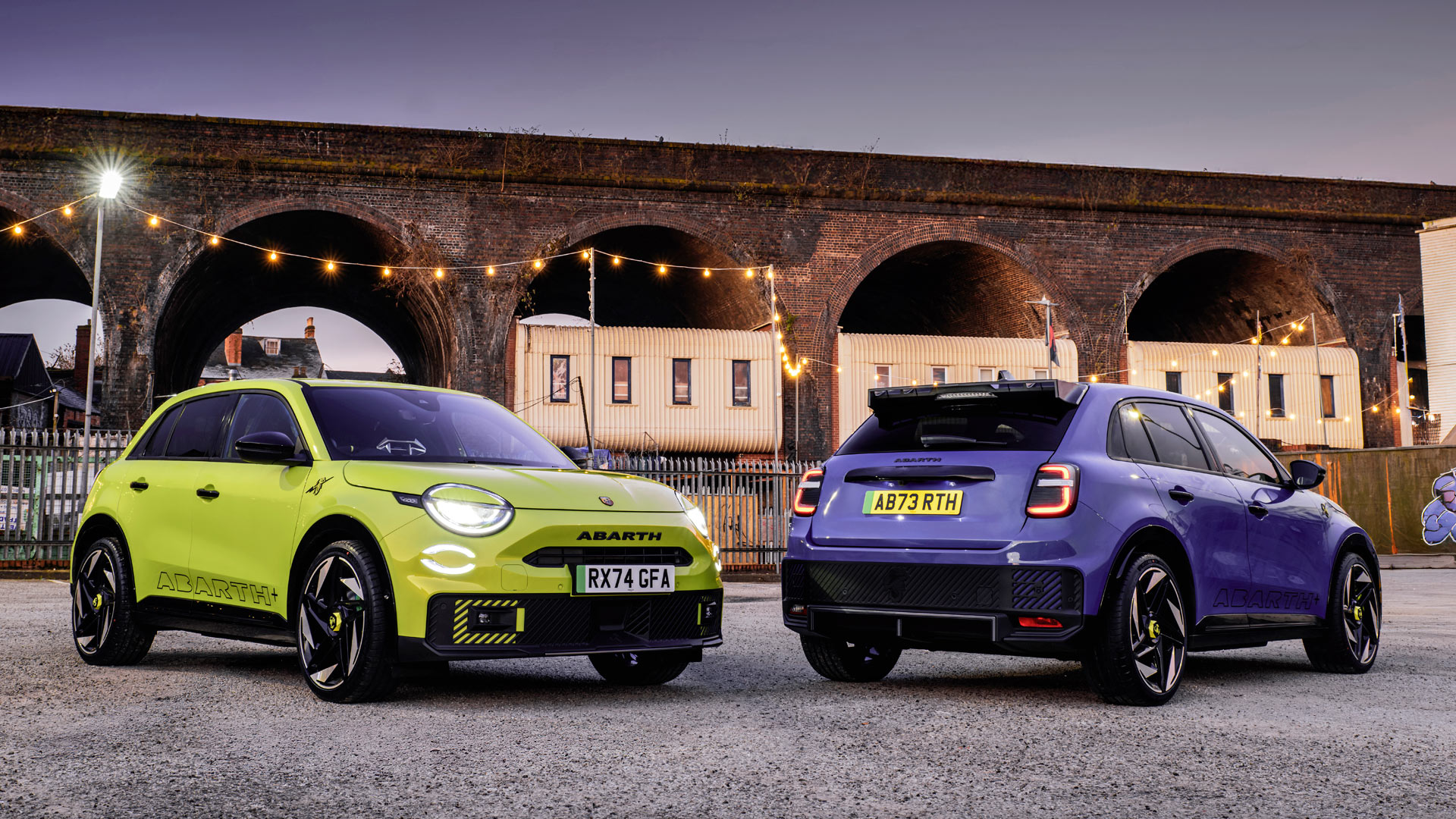
Abarth 600e
Alfa Romeo Junior Elettrica
Citroen e-C3, Citroen e-C3 Aircross and Citroen e-C3 Urban Range
Citroen e-C4 and Citroen e-C4 X
Citroen e-C5 Aircross Comfort Range
Citroen e-Berlingo
Citroen e-SpaceTourer
Cupra Born
DS DS3
DS No4
Fiat 600e
Ford Capri
Ford Explorer
Hyundai Kona Electric
Jeep Avenger
Kia EV2
Kia EV3
Kia EV4
Kia PV5 Passenger
Nissan Ariya
Nissan Micra (40kWh)
Peugeot e-208
Peugeot e-2008
Peugeot e-308
Peugeot e-408
Peugeot e-Rifter
Peugeot e-Traveller
Renault 5 (40kWh)
Renault Megane E-Tech
Skoda Elroq
Skoda Enyaq
Toyota C-HR+
Toyota Proace City Verso
Vauxhall Astra Electric
Vauxhall Combo Life Electric
Vauxhall Corsa Electric
Vauxhall Frontera Electric
Vauxhall Grandland Electric
Vauxhall Mokka Electric
Vauxhall Vivaro Life Electric
Volkswagen ID. 3
Volkswagen ID. 4
Volkswagen ID. 5
As the government continues to approve more applications for the Electric Car Grant scheme, the list of eligible cars will continue to expand. if you need more advice on buying and running an EV, follow the link to our sister Motoring Electric website below.
ManyUK motorists don’t realise that having just one beer could push them over the legal drink-drive limit.
With the approaching Bank Holiday weekend set to deliver warm temperatures, encouraging many people to break out their barbeques, drivers might be tempted to relax with a drink.
However, even those who limit themselves to a single pint could find it contains enough alcohol to tip them over the legal limit, depending on the beer they choose.
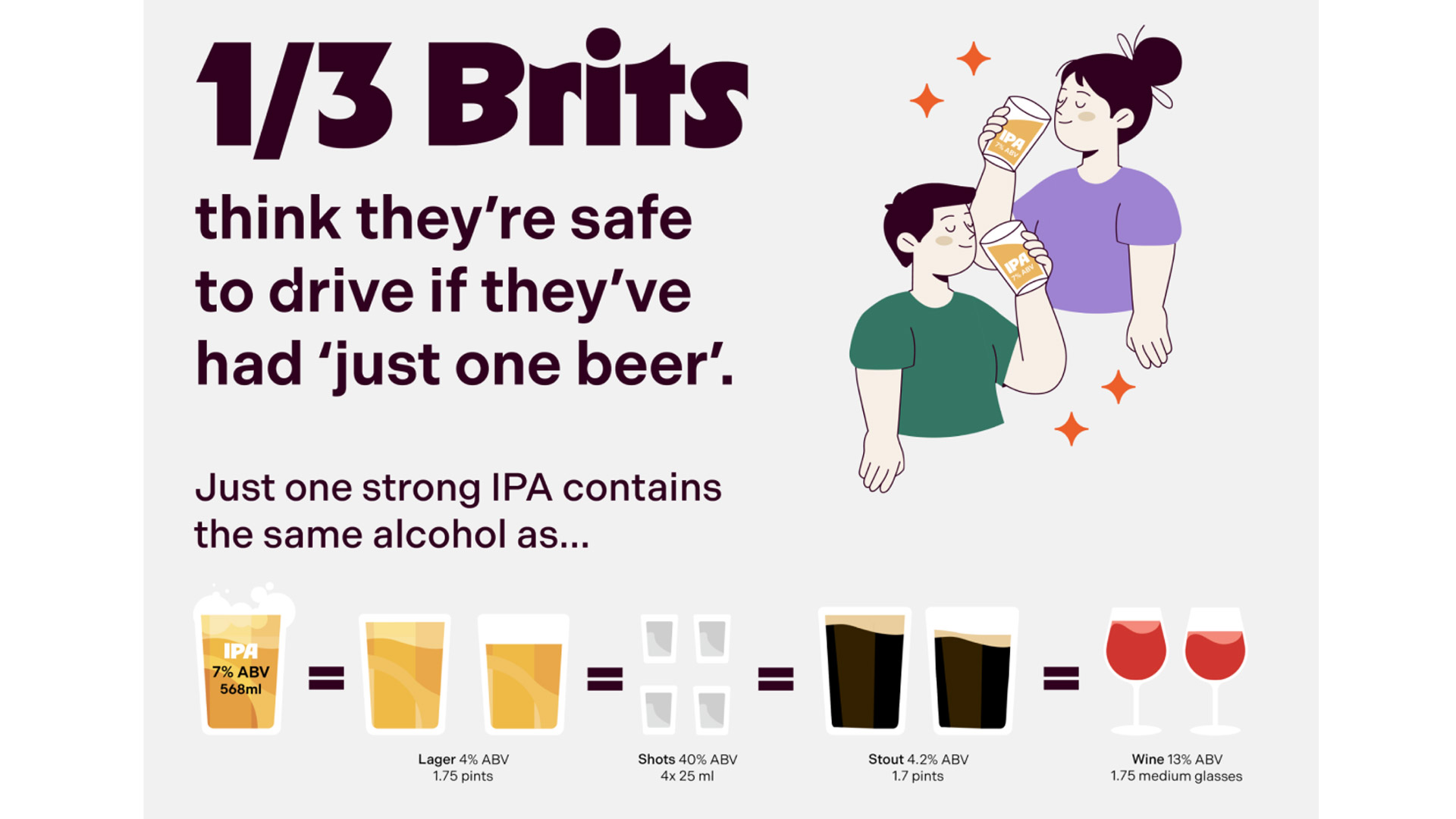
The growth of IPA-style craft beers in particular can cause problems for motorists, as they potentially contain twice the amount of alcohol found in a traditional lager or bitter.
New research by temporary insurance provider Tempcover has found more than half (55 percent) of UK motorists have ‘no idea’ about the potential strength of IPAs, and how this can affect their driving.
Beware the IPA drink-driving trap
Unsplash / Markus Spiske
IPA craft beers have become the most-preferred style of beer in the UK, being the top choice for 52 percent of drinkers.
However, the wide range of offerings in the IPA market means drivers can’t simply assume one beer is the same as another when it comes to alcohol content.
While traditional English-style IPAs can span from 3.7 percent to 7.0 percent ABV (alcohol by volume), American Double Hopped IPAs can push this to between 7.5 and 9.5 percent ABV.
Tempcover points out that while a pint of 4.0 percent lager contains 2.3 units of alcohol, opting for a 7.0 percent IPA would be almost four units.
Despite this, close to a third (28 percent) of motorists surveyed said they believed they were safe to drive after ‘just one beer’.
Young drivers are more alcohol-aware
According to Tempcover’s research, younger generations are better equipped to identify the risks from higher-strength beers. Some 70 percent of Gen Z motorists correctly identified that a single strong IPA would put them over the limit.
By contrast, just 36 percent of Gen X and 35 percent of Baby Boomer motorists were able to do the same, suggesting that older drivers are still wedded to the ‘one-pint’ myth.
Claire Wills-McKissick of Tempcover, said: “It’s vital that drivers are alert to the ABV of their drinks, not just the number of glasses. Drinking culture has evolved rapidly, and the ‘one-pint’ myth of the past is even riskier with today’s high-strength IPAs.
“Even under current laws of 80mg of alcohol per 100ml of blood, the penalties for being caught out are severe. A conviction can instantly invalidate your insurance and leave you with a long-term financial burden. If you’re not monitoring the ABV, you’re not monitoring your ability to drive legally.”
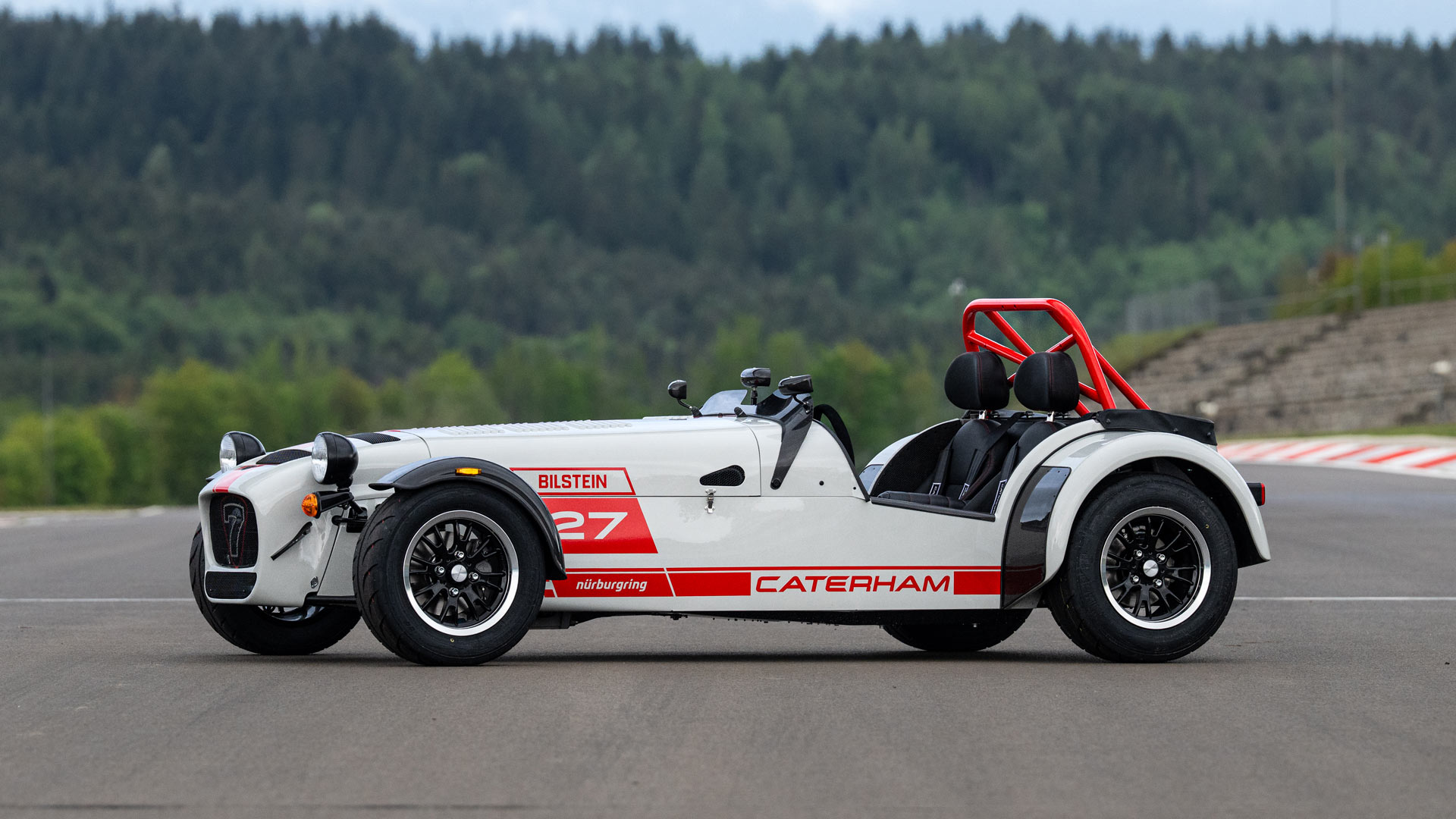
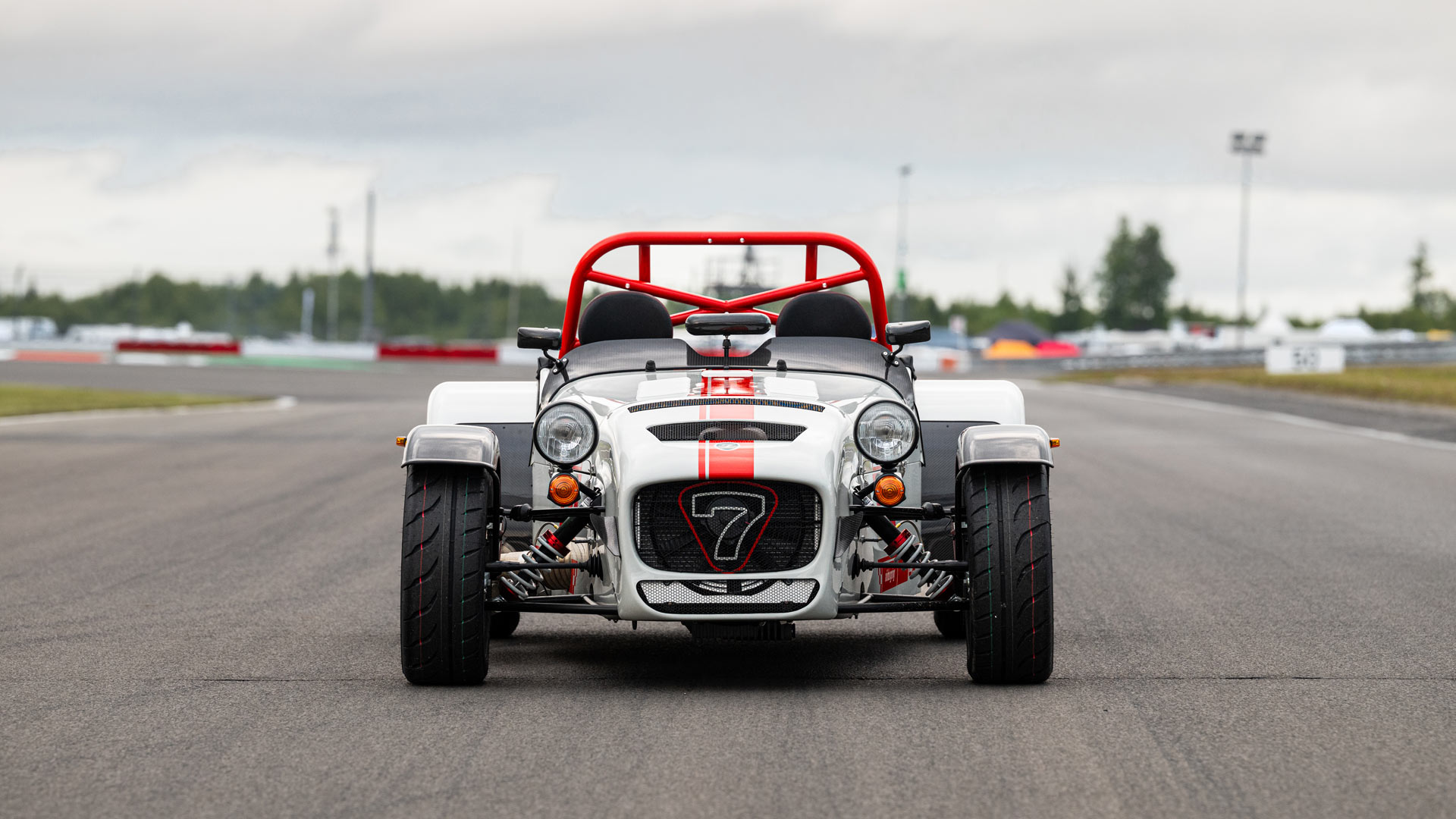
Caterham has launched a new limited-edition version of its Seven sports car, commemorating 100 years of the Nurburgring circuit in Germany.
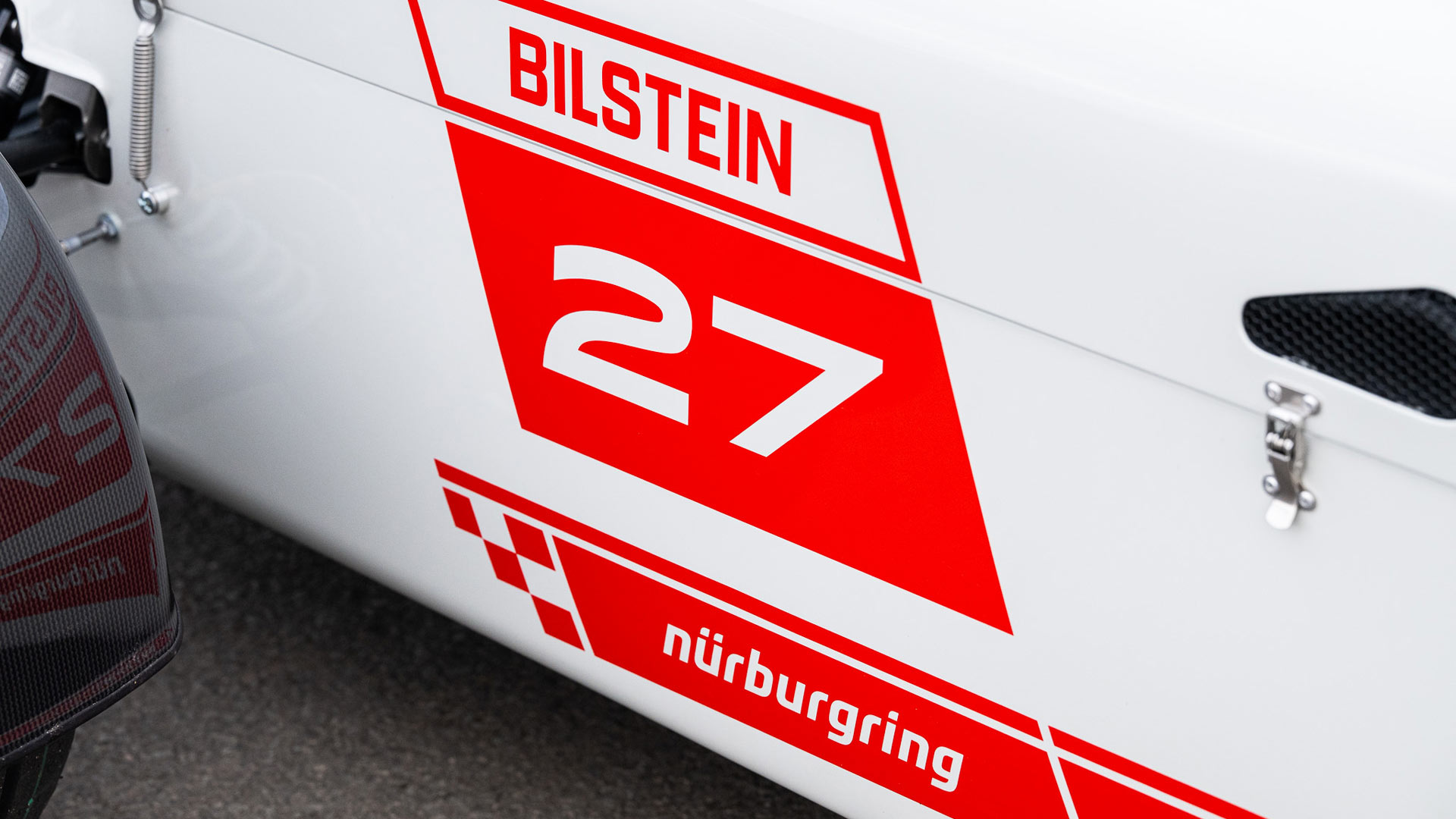
The USP of the new Caterham Seven Nürburgring Edition is a bespoke Bilstein suspension setup, engineered especially for the demands of the famous Nordschleife.
The iconic German racetrack isn’t the first to inspire a special Caterham. The Seven Miami Edition was launched last month ahead of the Miami Grand Prix.
Fully licensed by the Nurburgring, the new Seven features a host of special details. A commemorative run of 100 cars is planned.
Honed to perform on the Nordschleife
Caterham will base the Nurburgring Edition on either a Seven 340R or 420R, depending on the market where it is sold.
A naturally aspirated 2.0-litre Ford Duratec four-cylinder engine delivers 210hp in the UK-spec 420R, and is matched with a five-speed manual gearbox. With a power-to-weight ratio of 375hp per tonne, the lightweight roadster sprints from 0-60mph in 3.8 seconds, and can reach 136mph.
The racing-style suspension was honed by Bilstein on its advanced vertical dynamics test rig. Caterham says it has been engineered to maximise performance around the Nordschleife, but remain usable on the road.
Exterior upgrades include a roll bar in ‘Nurburgring red’, along with a bespoke mesh front grille and exposed carbon fibre details.
Three colours to celebrate the ‘Green Hell’
Three special paint colours of Verkehrsrot (Traffic Red), Achatgrau (Agate Grey) and Basaltgrau (Basalt Grey) are available, and matched with more bold red detailing.
The leather seats have Nurburgring embroidery and red stitching, with the dashboard featuring an individually numbered plaque for each of the 100 cars produced.
Prices in the UK will start from £48,995, with orders open now through Caterham’s global dealership network.
Trevor Steel, senior vice president of operations at Caterham Cars, said: “For a century, this track has championed values that are at the heart of what the Seven is all about – balance, precision and an unmatched driving experience.
“We set out to capture the spirit of the ‘Ring, with every element of the car being honed to reflect the track’s unique demands and character. Designed both for use on the track and the road, the Seven Nurburgring Edition is a unique vehicle that perfectly pays tribute to this famous, globally renowned circuit”.