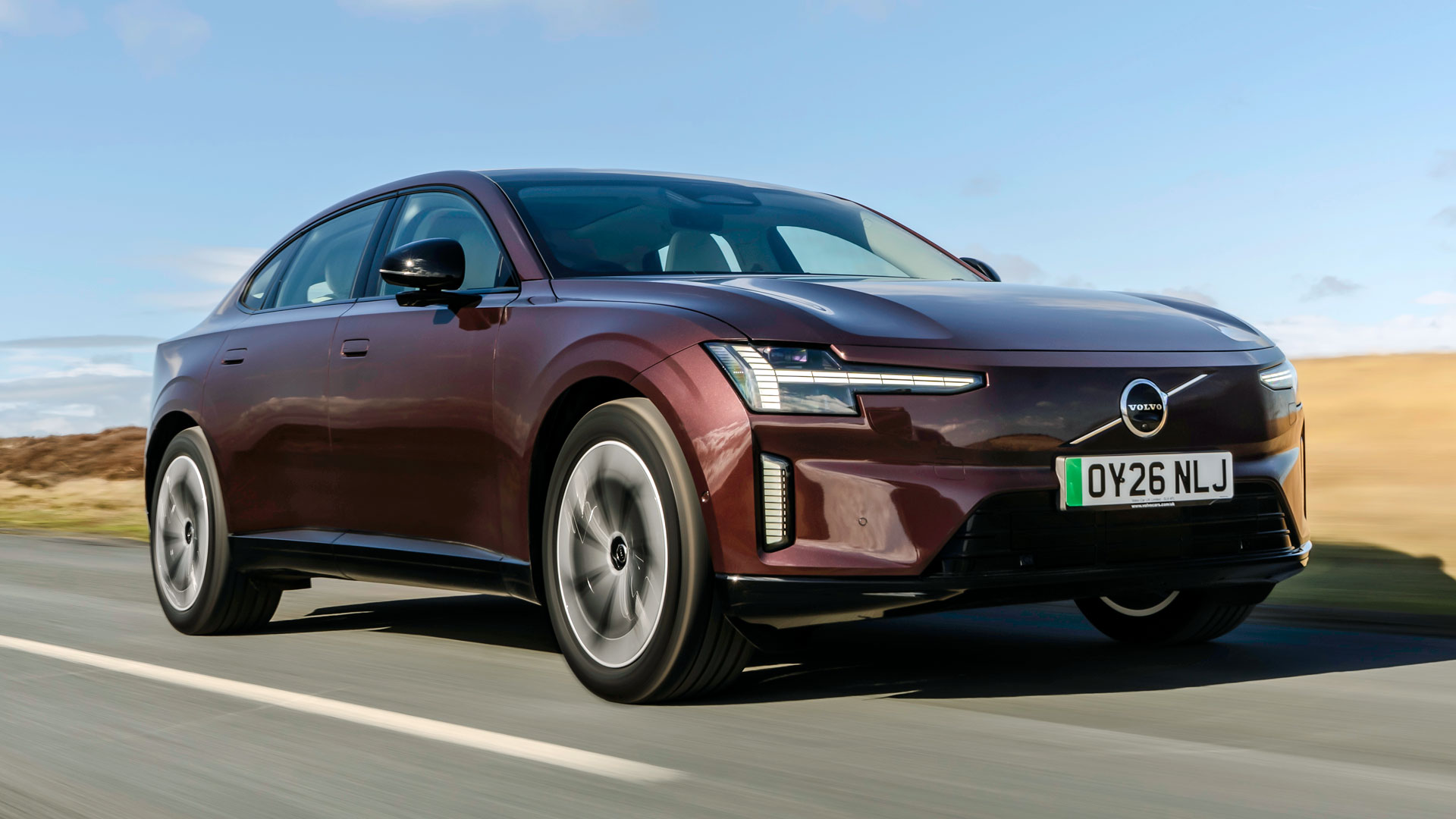
Volvo is back in the luxury saloon game, with the fully electric ES90 offering an alternative to its range of SUVs. John Redfern discovers how it measures up.
During the past decade, Volvo has made SUVs central to its model lineup. It makes the new ES90 something of an outlier – and a reminder of the Swedish marque’s classic saloon cars, such as the 900 Series.
The ES90 is thoroughly modern, however, and aimed at attracting company car drivers who have become used to the benefits of running an EV.
As Jack Munford, head of fleet at Volvo Car UK explained to us, the marque is seeing business users who are now onto their third or fourth electric company car. He says the ES90 “offers something for everyone”, bringing a combination of “safety, technology, practicality and drivability”.
The big new Volvo does face strong competition, though, chiefly from the German premium brands. The BMW i5, Audi A6 E-Tron and Mercedes-Benz EQE are all in the ES90’s crosshairs, along with the Genesis Electrified G80.
The Volvo saloon rebooted
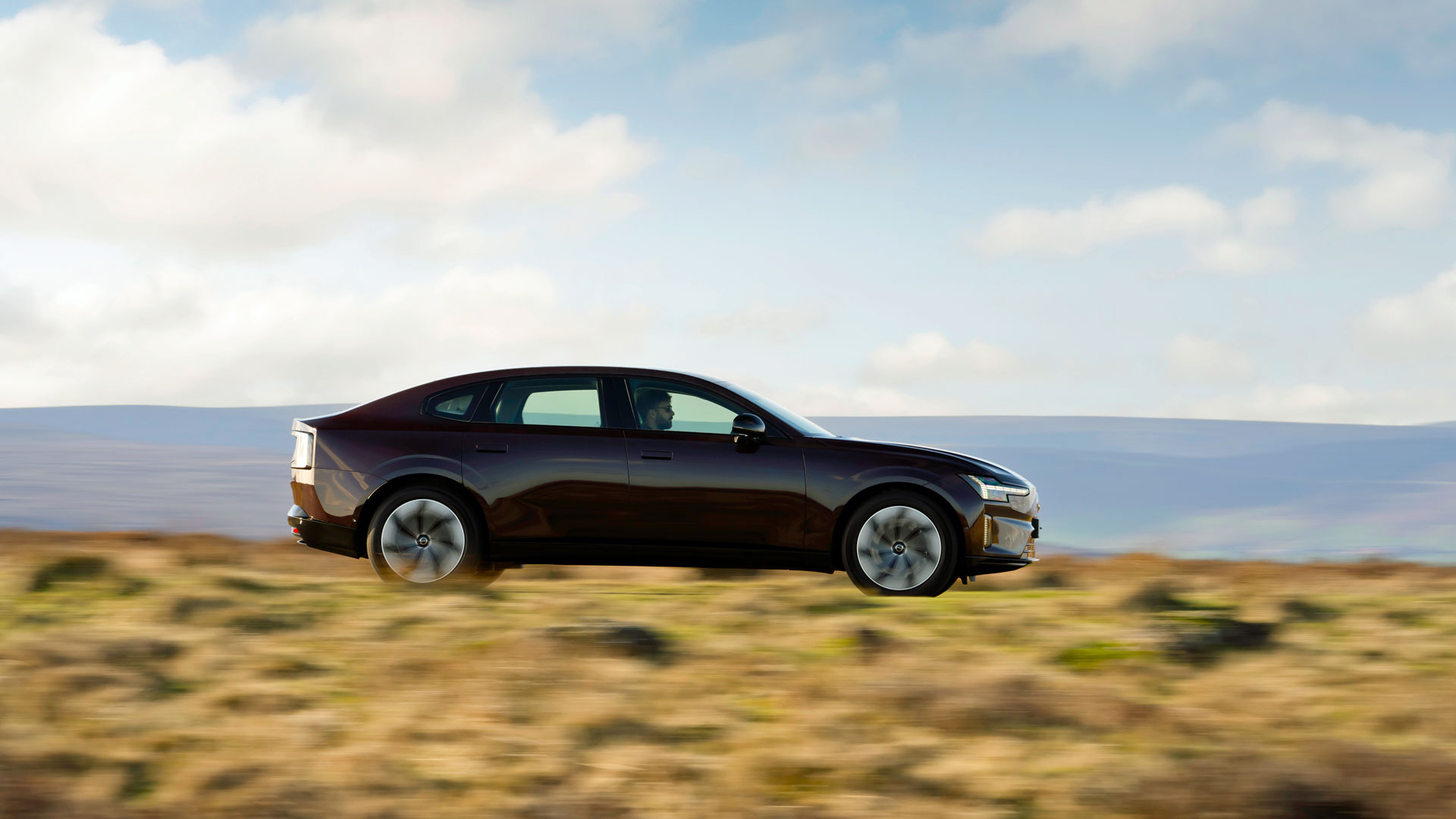
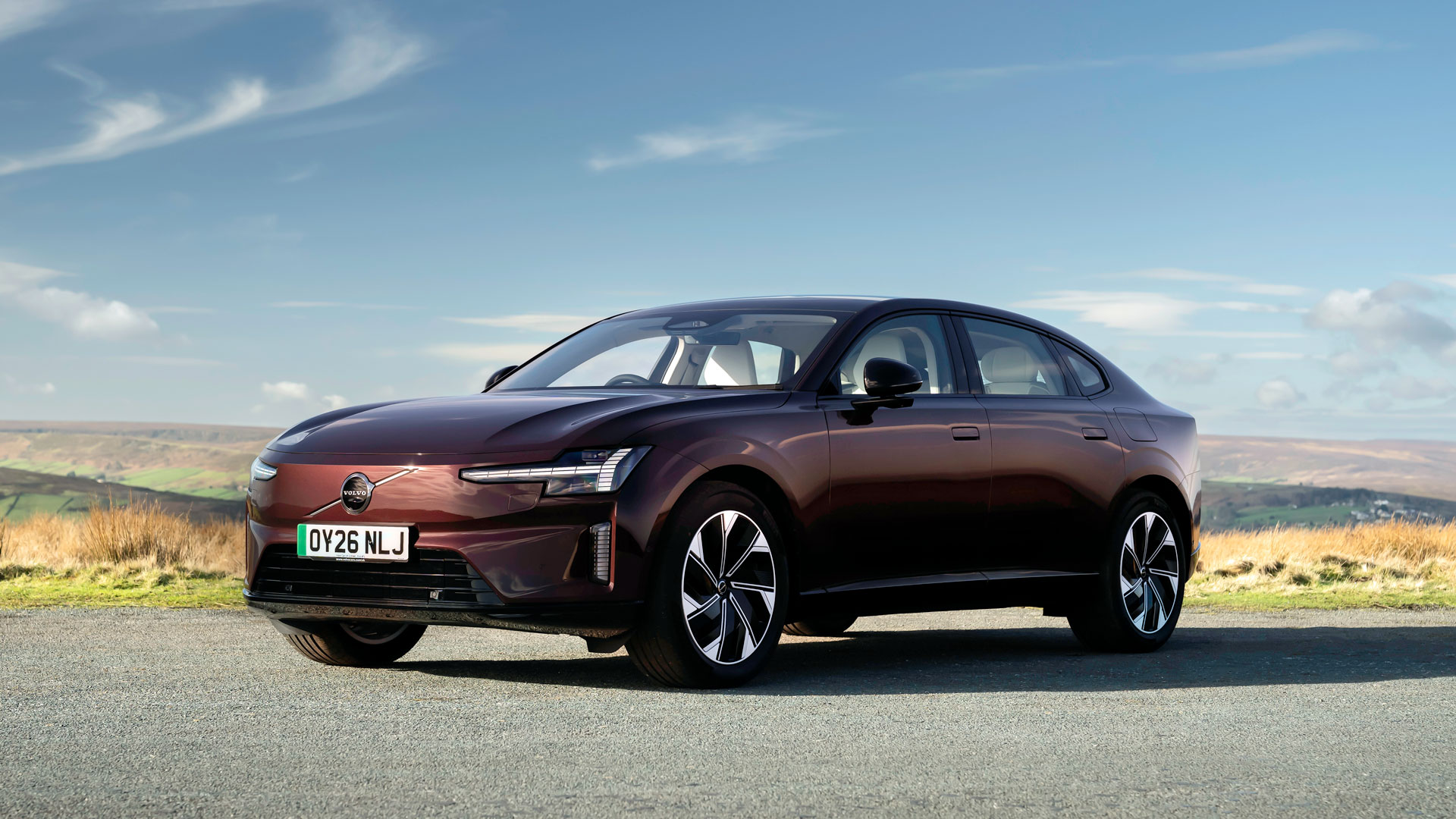
Volvo has built the ES90 on its ‘SPA2’ platform, which is also used by the EX90 SUV and related Polestar 3. These SUV relatives are evident from the ES90’s stance, with a ride height that looks loftier than a traditional executive saloon.
There is even an ‘Off Road’ mode, best deployed for slow-speed use on the unpaved roads up to your country cottage.
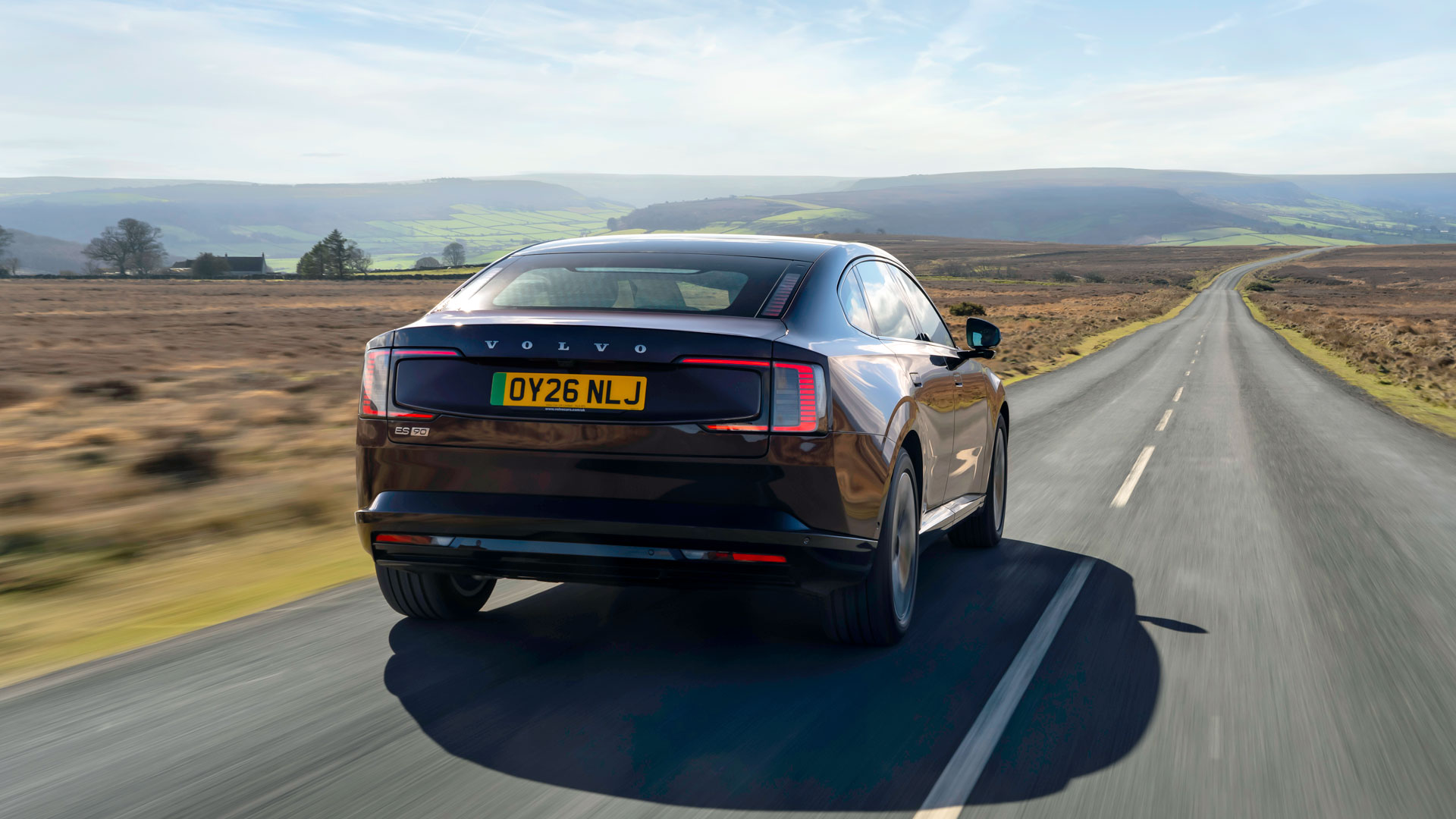
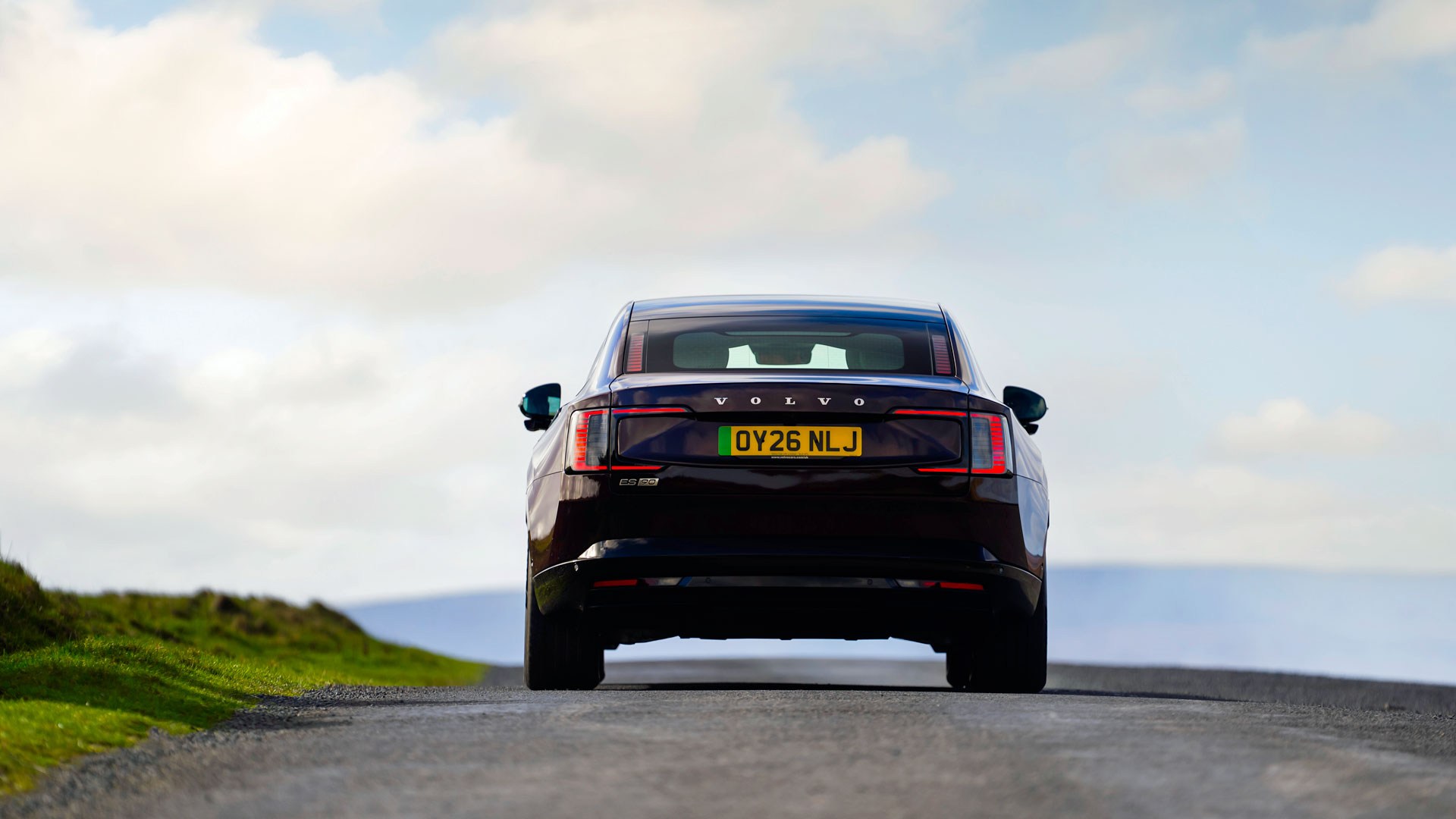
The five-metre long ES90 looks sleek, with drag coefficient of 0.25 helping it cut cleanly through the air. At the rear, you’ll find a practical fastback-style hatch instead of a traditional saloon boot.
You may notice the lack of a London taxi-style hump above the windscreen on these UK models, which previously housed a LIDAR laser scanner. Volvo has ended its partnership with US-based Lumineer for LIDAR tech, meaning the ES90 will rely solely on cameras for safety monitoring.
Single Motor versions of the ES90 have an 88kWh (usable) battery pack, with an official range of 411 miles. Our real-world experience suggests this will be closer to 340 miles.
More impressively, Volvo’s 800-volt technology allows the ES90 to use DC charging devices at speeds of up to 350kW. This potentially means a 10 to 80 percent charge in 22 minutes, making it well-suited to the busy executive on the open road.
Driving the Volvo ES90
We were only able to sample the Single Motor version, but its 333hp output seems more than sufficient. Accelerating from 0-62mph requires 6.6 seconds, with just a mild hesitation before the full 354lb ft of torque sweeps in.
In reality, it makes the Twin Motor versions – with 449hp as standard, or 680hp in Performance guise – seem somewhat unnecessary for the ES90’s target audience.
What makes the ES90 really stand out is how it tackled the pothole-strewn roads along our test route. Even with the Plus model’s standard suspension and 20-inch wheels, the big Volvo kept things very calm inside the cabin.
Fancier Ultra versions come with air suspension, which should make the ES90’s ride quality even more refined.
The steering is light, regardless of which two firmness settings are picked, although this matters less here than in, say, a BMW i5. Volvo is very clear that this is not intended a sporty EV, yet it handles neatly enough.
That the test route for the ES90 included a section of motorway was perhaps no surprise, as it allowed the big Volvo to demonstrate just how easy and relaxing it would be to cover big miles behind its wheel.
Inside the Volvo ES90
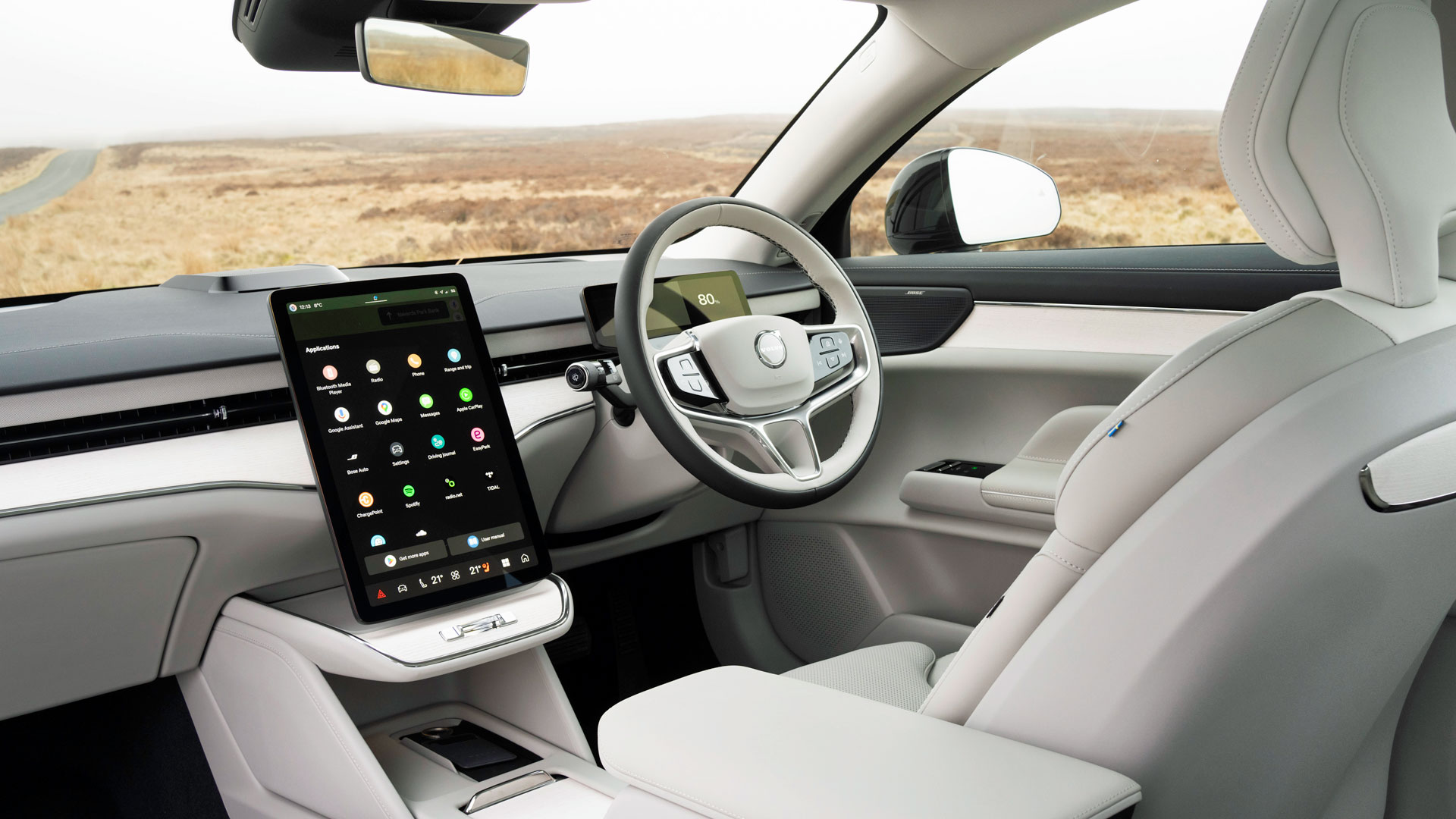
There is no doubt Volvo is targeting high-end executive customers when you step inside the ES90. Scandi-minimalism is the obvious design theme, but with a deep sense of luxury and material quality.
Buttons are scarce, as per recent Volvo tradition, with almost everything controlled through a 14.5-inch central touchscreen. A separate 9.0-inch digital display is behind the steering wheel, although key information such as speed is shown on a head-up display.
The ES90 uses built-in Google software, incorporating Google Maps and other software directly into the car’s operating system. It makes the touchscreen quicker to use, and the climate control settings are always on display.
There is, however, still a nagging doubt that just a few more buttons and switches would be helpful. Having to adjust the wing mirrors or steering wheel position via touchscreen menus feels like digital overkill.
The standard Bose sound system offers 14 speakers, but the phenomenal Bowers & Wilkins 25-speaker 1,610-watt setup, offered on Ultra models, is on a whole different level. It’s worth stretching your budget for.
Simple Scandinavian design
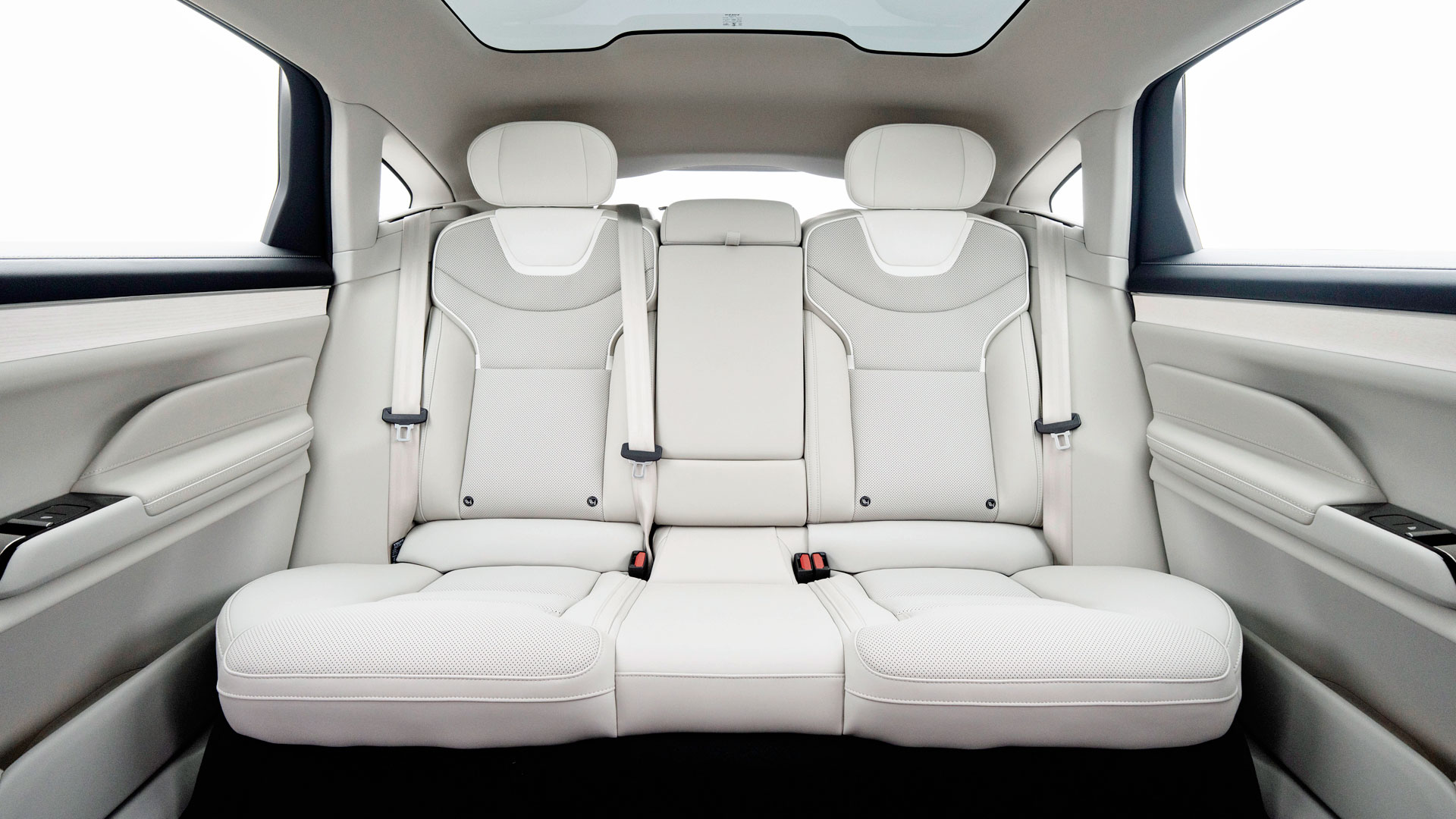
Given the intended audience for the ES90, the rear seats are likely to be chauffeuring executives and VIPs to important meetings.
Space in the front is generous, with a high, SUV-like seating position that provides a commanding view out. There is also plenty of light, thanks to the standard panoramic sunroof, plus enough cabin width that you won’t be bashing elbows with your front passenger.
The seats are clad in Nordico artificial leather on Plus trim cars, with Ultra models gaining the option of full Nappa leather or even a wool blend.
At first glance, space in the rear looks generous, with loads of legroom. However, the back seats themselves feel too close to the floor, pushing your knees upwards into an unnatural position. Headroom is more than adequate, though.
Opening the hatchback-style boot reveals 424 litres of luggage capacity, which is less than found in rivals such as the BMW i5 or Audi A6 E-Tron. The back seats do fold flat, though, providing a maximum 1,424 litres of useful cargo space with them dropped down.
The front ‘frunk’ carries a total of 27 litres, or can be used to store your charging cable.
Luxury as standard
Volvo has kept the ES90 model range refreshingly simple, with customers able to choose solely between Plus or Ultra trim levels. Both are suitably plush, as you’d expect for an executive car.
Plus specification includes 20-inch alloy wheels, four-zone climate control with an air purifier, heated seats front and rear, a heated steering wheel, a panoramic sunroof, birch wood interior trim and a host of ambient lighting modes.
Opting for the ES90 Ultra brings 21-inch alloy wheels, adaptive air suspension, seats with massage functions and the all-important Bowers and Wilkins audio system.
Prices start at £67,560 for the ES90 Plus, which is only available in Single Motor layout, and costs almost exactly the same as the rival BMW i5.
Opting for an ES90 in Ultra trim takes the price to £77,260, while Twin Motor versions start from £81,460. The Performance model kicks off at £86,060.
As nice as the added luxuries on Ultra trim are, the ES90 Single Motor in Plus specification is all the Volvo you really need.
Verdict: Volvo ES90
Volvo deserves praise for continuing to build comfortable and luxurious cars, instead of trying to be overtly sporty. As an alternative to the usual German options, the ES90 is easy to recommend, particularly for drivers who want a relaxing way to cover long distances.
It also proves that an SUV doesn’t have to be the default choice for luxury motoring, even though many Volvo customers will likely flock to the EX90 rather than its saloon sibling.
Other than the usual frustrations of an interior overly reliant on a touchscreen instead of physical buttons, driving an ES90 is a hassle-free way to travel.
Within a market and model range packed with SUVs, Volvo has demonstrated that it still knows how to make a genuinely great saloon. Consider this one a successful reboot.
ALSO READ:
