The Australian driver confirmed his retirement from motorsport earlier this month, and has seemingly started to sell off his most valuable toys.
Ricciardo had been linked to the fledgling Cadillac Formula 1 Team ahead of its debut for the 2026 season. However, Sergio Perez and Valtteri Bottas were named as drivers for the new American outfit, with Colton Herta taking the reserve spot.
F1-style performance
Developed as a joint project between Red Bull Racing and Aston Martin, the team’s title sponsor at the time, the Valkyrie featured design input from legendary F1 engineer, Adrian Newey.
A lightweight carbon fibre monocoque chassis was combined with a mid-mounted and naturally aspirated 6.5-litre V12. The Cosworth-built engine featured an F1-style KERS hybrid boost system, pushing its total output to 1,176hp.
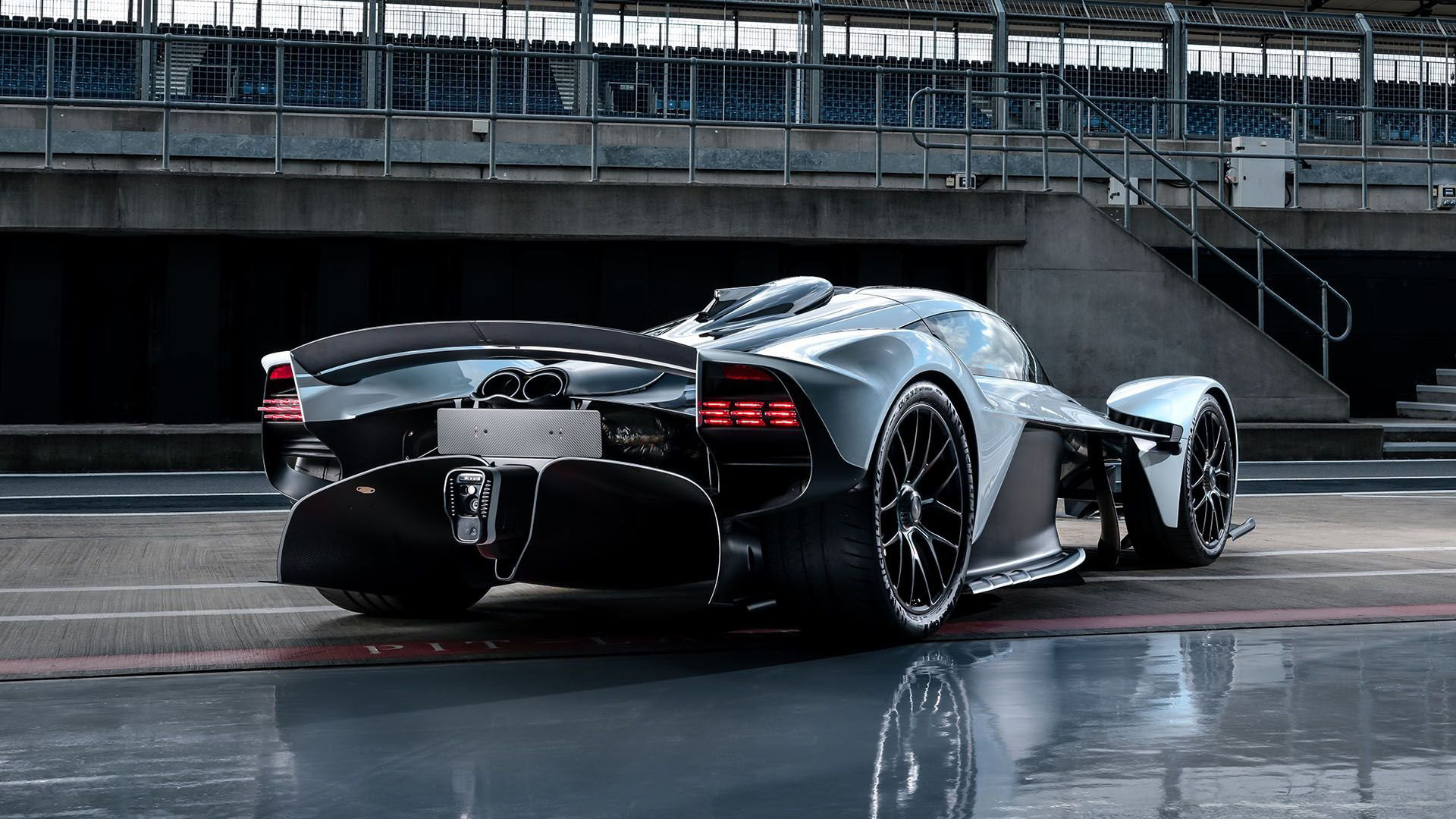
With advanced aerodynamics, the Valkyrie can generate up to 1,800kg of downforce – around 500kg more than the weight of the car itself.
Limited to a top speed of 220mph, the Valkyrie is likely to feel quick even compared to some of Ricciardo’s previous company cars.
Tailored for the ‘Honey Badger’
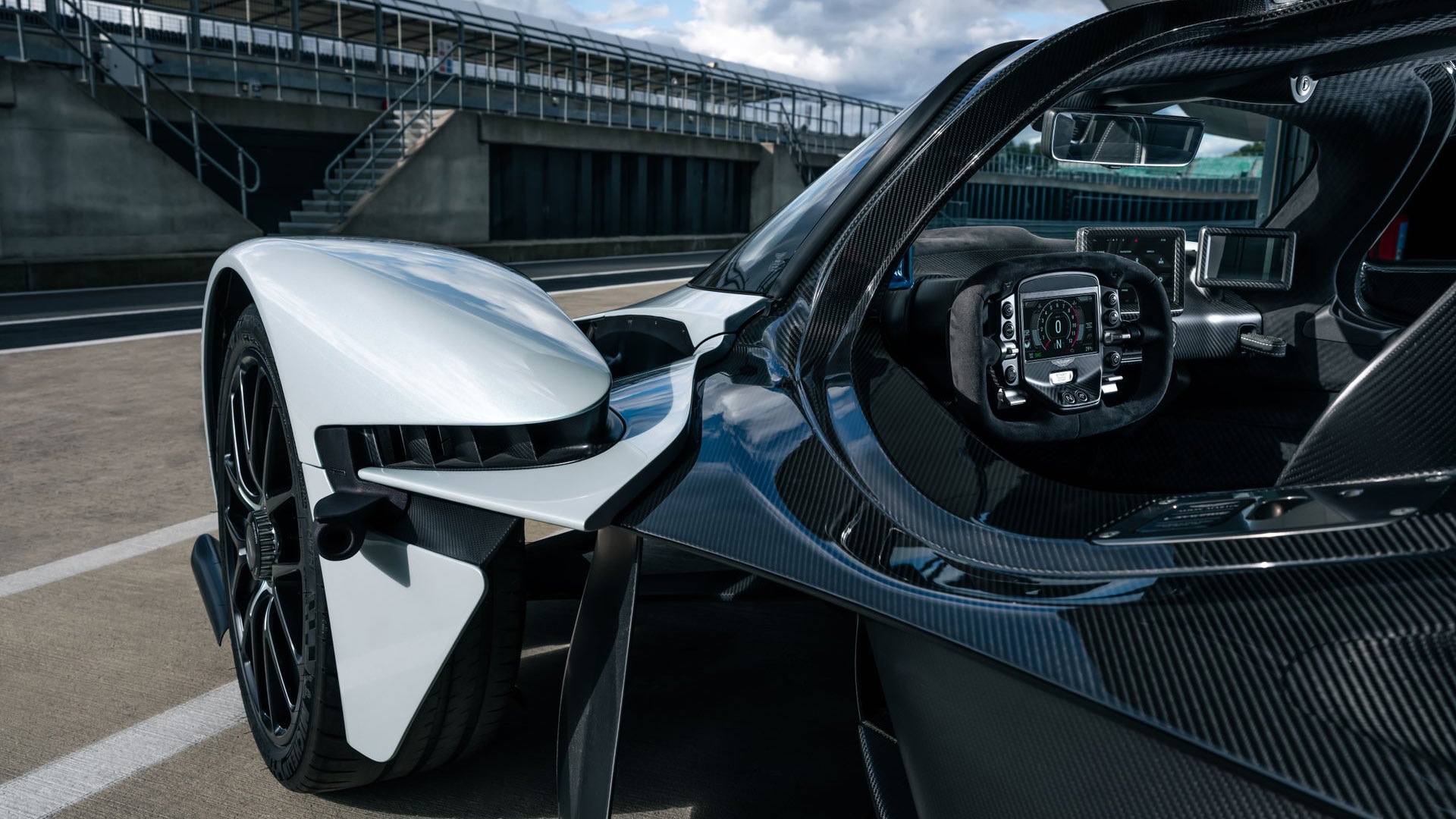
Ricciardo commissioned Valkyrie number 089 in European specification and left-hand drive. A Q by Aston Martin Dichroic Dawn paint finish was chosen for the exterior, costing £30,000 alone.
The special hue was branded ‘Badger Blue’ in honour of Ricciardo’s nickname. It also appears on the roof strakes and painted wheel centres. Elsewhere, the Valkyrie’s bodywork is exposed, unpainted carbon fibre.
Some £40,000 was spent on a set of ultra-lightweight Magnesium Performance Wheels, with a centre-lock fitment aimed at track-day use.
On the inside, Ricciardo chose Pure Black Debossed Alcantara for the upholstery, matched with satin carbon fibre trim at a cost of £10,000. Further bespoke touches include silver-anodised toggle switches on the steering wheel, plus silver stitching for the carbon fibre seats.
Service plan included
Delivered to Ricciardo by Aston Martin Monaco, the Valkyrie has hardly been used, logging just 160km on its odometer.
A new owner will benefit from the Valkyrie’s recent 24-month service, along with the £62,000 ‘Intensified’ Valkyrie service plan, which is valid until 2027.
Ahead of the auction, Broad Arrow has given the Valkyrie a guide price of between £2.1 million and £2.45 million. We only have to wait until Friday 10 October to see how much Ricciardo’s Valkyrie sells for in Belgium.
Land Rover-based restomods have become a familiar part of the automotive landscape, but one company can lay claim to being the first.
Overfinch was founded in 1975 under the name of Shuler Presses. Based in Farnham, Surrey, it built modified Land Rovers in small volumes.
By 1985, the company had adopted the Overfinch name, and became the tuner of choice for those wanting a more powerful Range Rover. This typically included fitting a General Motors-supplied 5.7-litre V8 engine, with later versions in the 1990s boasting up to 400hp.
The company entered administration in 2010, but has since bounced back and entered new markets. Now, Overfinch is preparing to celebrate its 50th anniversary.
Five decades of performance
Part of the plan for Overfinch’s 50th birthday is a return for the company’s best-known vehicles, via a partnership with gunmaker Holland & Holland.
Last year saw the announcement of a five-year collaboration between the two companies. A new Overfinch Range Rover Holland & Holland Edition will be revealed this October.
Overfinch says the new Holland & Holland Edition will be ‘the most luxuriously enhanced Range Rover ever built’, with production limited to only 25 examples.
A new Overfinch Heritage line, aimed at restoring and enhancing classic models, will include the launch of the reborn Range Rover next year. It could become the ‘most valuable Range Rover by Overfinch to date, if not the most expensive ever sold’.
Overfinch goes global
In recent years, Overfinch has opened showrooms and retail partnerships in North America, Europe and the Middle East. Earlier in 2025, the company added a new showroom in Abu Dhabi.
Despite its global expansion, Overfinch’s headquarters remain in St. John’s Wood, London. The company’s production and technical development takes place in Wetherby, West Yorkshire.
Overfinch CEO Kevin Sloane said: “As proud custodians of the Overfinch brand for the past two decades, we are delighted to mark 50 years as the original customisers of the world’s most iconic SUVs. As we enter the last quarter of 2025, we report stellar business performance and growth for the last financial year.
“We’ve achieved healthy profits and continue to invest in product development, in our Heritage business and in developing international sales channels in key regions such as North America and the Middle East.”
Mattel and Hot Wheels have added two new Audi models to the Brick Shop construction range, aimed at grown-up model car collectors.
Two icons from Audi’s back catalogue have been rendered in brick form, with plenty of detail and customisable features
Announced earlier this year, the Brick Shop range has multiple pricing tiers determined by the scale and accuracy of each model.
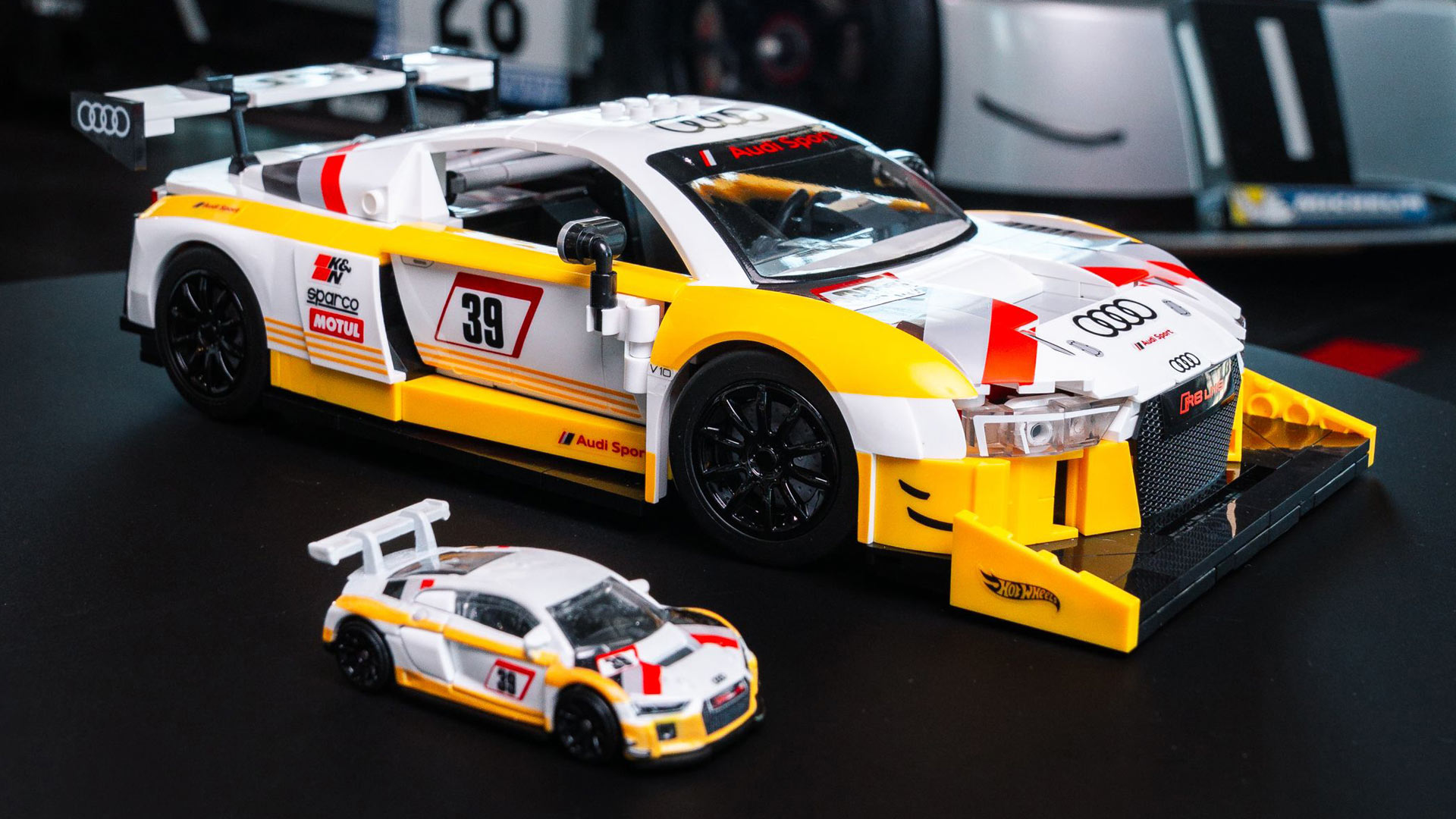
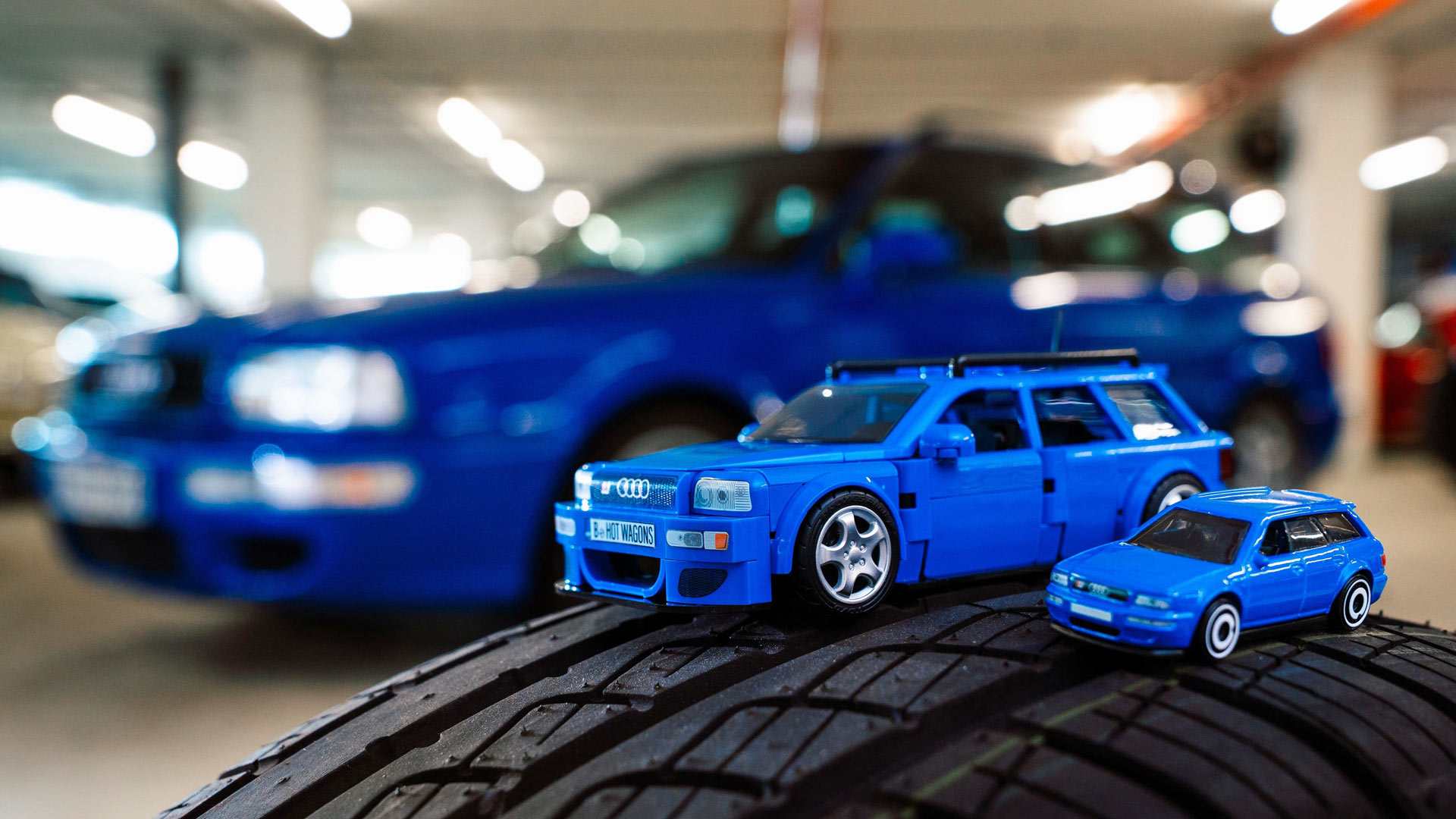
The first new addition is a 1:16-scale ‘Elite Series’ version of the Audi R8 LMS race car. It is joined by the Audi RS2 Avant, which is recreated in 1:32 ‘Speed Series’ guise.
Customise as you build
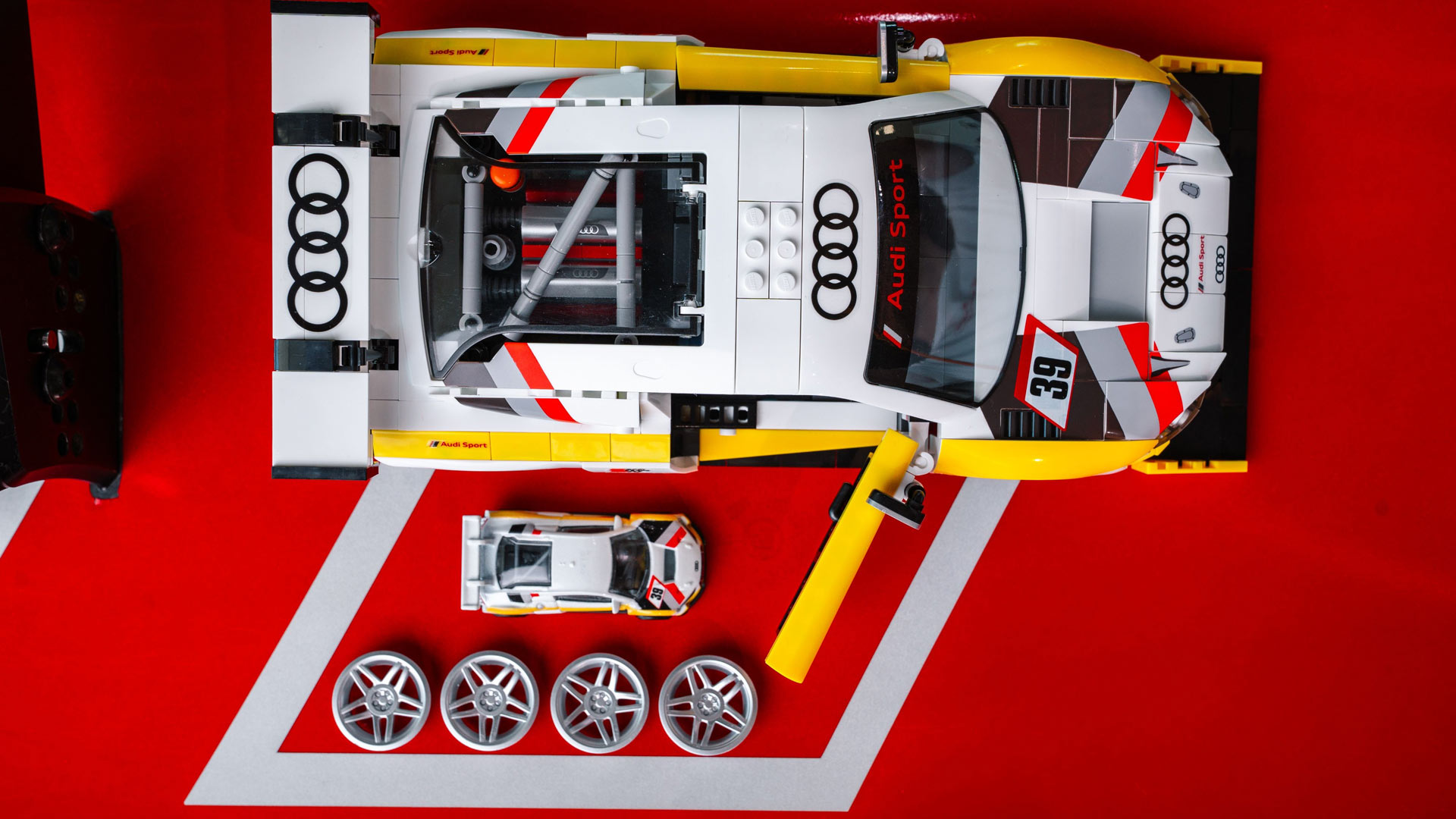
Made from 820 pieces, the R8 LMS model wears a retro Audi Sport livery, as seen at the Nurburgring 24 Hours race.
Extra parts mean the alloy wheels of the R8 LMS can be changed for a different design. A gigantic front splitter can be added, too. A removable roof provides access to the detailed cockpit, which features a working steering wheel.
For the smaller Audi RS2 Avant, all four doors open and the alloy wheels can also be swapped. The hot estate car rides on scale Toyo Proxes R888R tyres.
Models priced from £24.99
Both Audi Brick Shop kits come with a 1:64-scale Hot Wheels model included, along with a Hot Wheels signature metal plate.
The Audi RS2 Avant can be ordered now and is priced at £24.99. The larger R8 LMS model is due on sale soon.
“Mattel Brick Shop and Hot Wheels brand collaborations provide adult collectors and auto enthusiasts alike with the ability to interact with their favourite vehicles in an entirely new way – by building them,” said Ted Wu, head of vehicles at Mattel.
“Hot Wheels and Audi first partnered for the first official casting in 1993, and we’re proud to expand that relationship into one of the company’s newest brands in the building category: Mattel Brick Shop.”
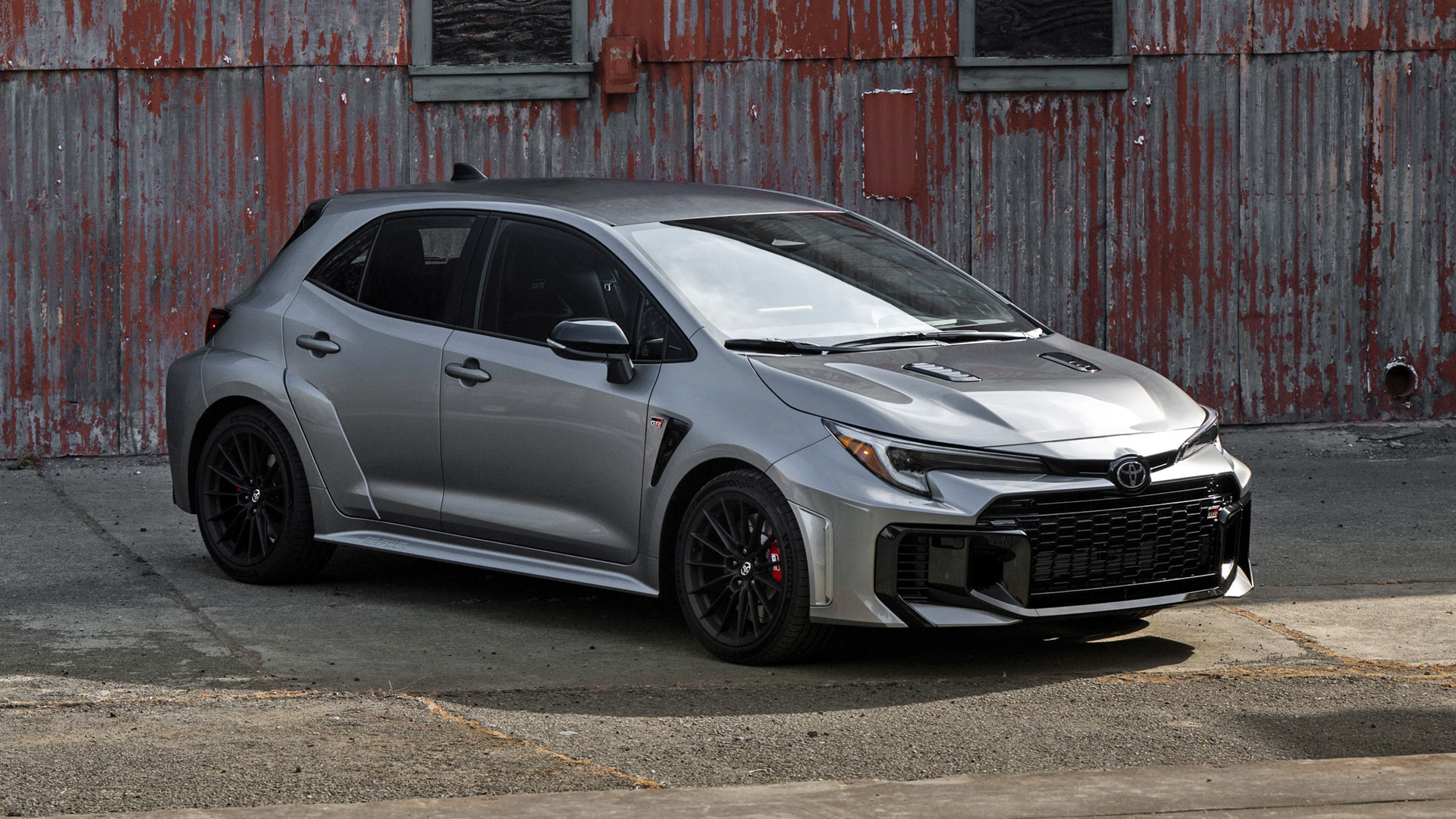
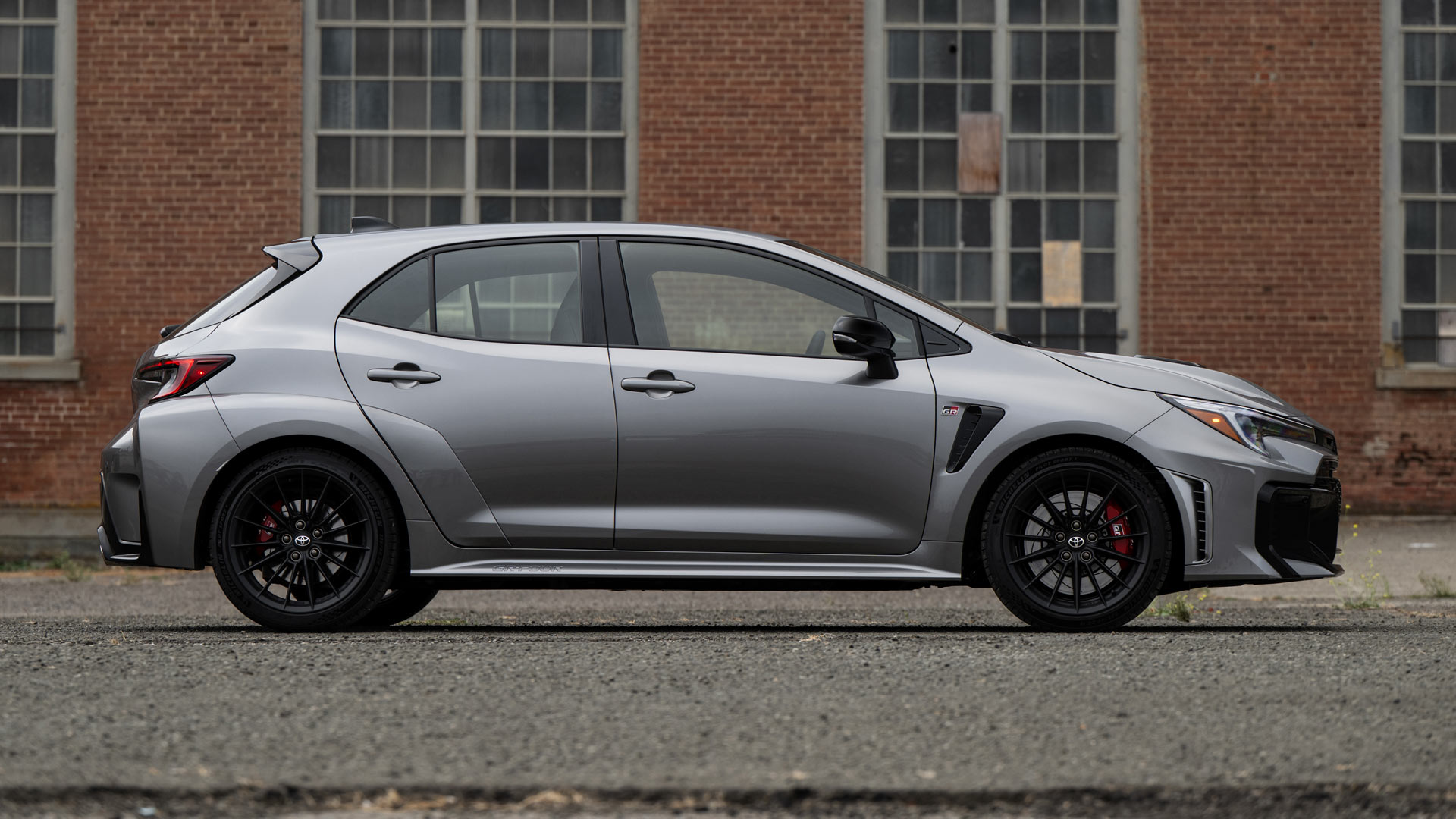
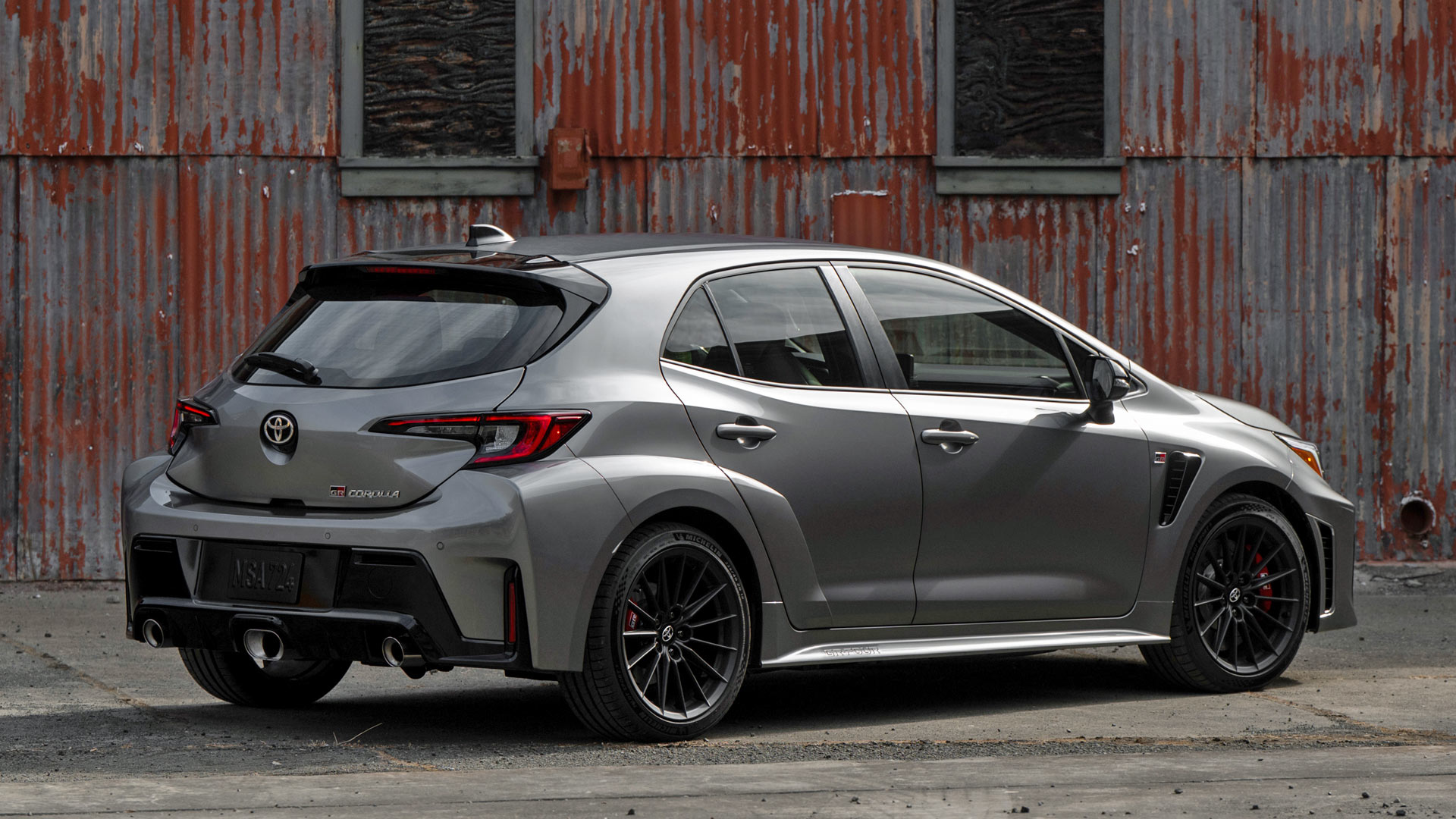
Toyota has announced updates for the raucous GR Corolla sport compact, aimed at making it even better to drive.
Lessons learned from racing in the Japanese Super Taikyu Series, along with days spent pounding the Nurburging Nordschleife circuit in Germany, have all contributed to the revised 2026 GR Corolla.
Toyota has also rationalized the GR Corolla model range, leaving just the base trim level and Premium Plus version.
Sales of the revised 2026 GR Corolla will start soon, with the first deliveries expected to take place this fall.
Racing improves the breed
Demonstrating the level of detail Toyota Gazoo Racing engineers went to, the 2026 GR Corolla has gained 45.6 feet of new structural adhesive in the front and rear sections of its body.
This is said to increase rigidity for sharper handling, along with improving grip at the rear of the hot hatchback.
Toyota says the extra strengthening has a minimal impact on curb weight, but brings more consistent steering feel and stable cornering.
Another important technical change is the installation of a high-rev-activated air duct for the secondary air intake. Drawing cold air directly from the front grille, it should reduce engine temperatures on extended track drives.
The rest of the turbocharged 2.0-liter three-cylinder engine remains unchanged, with outputs of 300 horsepower and 295 lb-ft of torque.
GR Corolla buyers can choose between a six-speed manual transmission or an eight-speed automatic. All versions come with the rally-developed GR-Four all-wheel-drive system, combined with front and rear Torsen limited-slip differentials.
In dealerships this fall
A further change for the 2026 model year is the addition of a subwoofer for the JBL Premium sound system.
Standard on the GR Corolla Premium Plus model, the nine-speaker setup also comes with Active Sound Control. This produces “sporty sounds”, depending on the level of acceleration.
Prices for the base 2026 GR Corolla start at $39,920 for the six-speed manual, with the automatic version commanding an extra $2,000.
The top-level GR Corolla Premium Plus costs $45,965 in manual guise, or $47,965 with an automatic transmission.
Britain’s motorways are rarely out of the news, whether it’s the controversy surrounding smart motorways or endless reports about roadworks, accidents and tailbacks.
Millions of drivers use the motorways, but many misunderstand the particular rules that apply to these unique – and statistically very safe – roads. Motorway use isn’t included in the UK practical driving test, after all.
Here, with help from LeasePlan UK, we have busted 12 common motorway myths. How many of these facts are news to you?
1. Any vehicle can drive in the right-hand lane
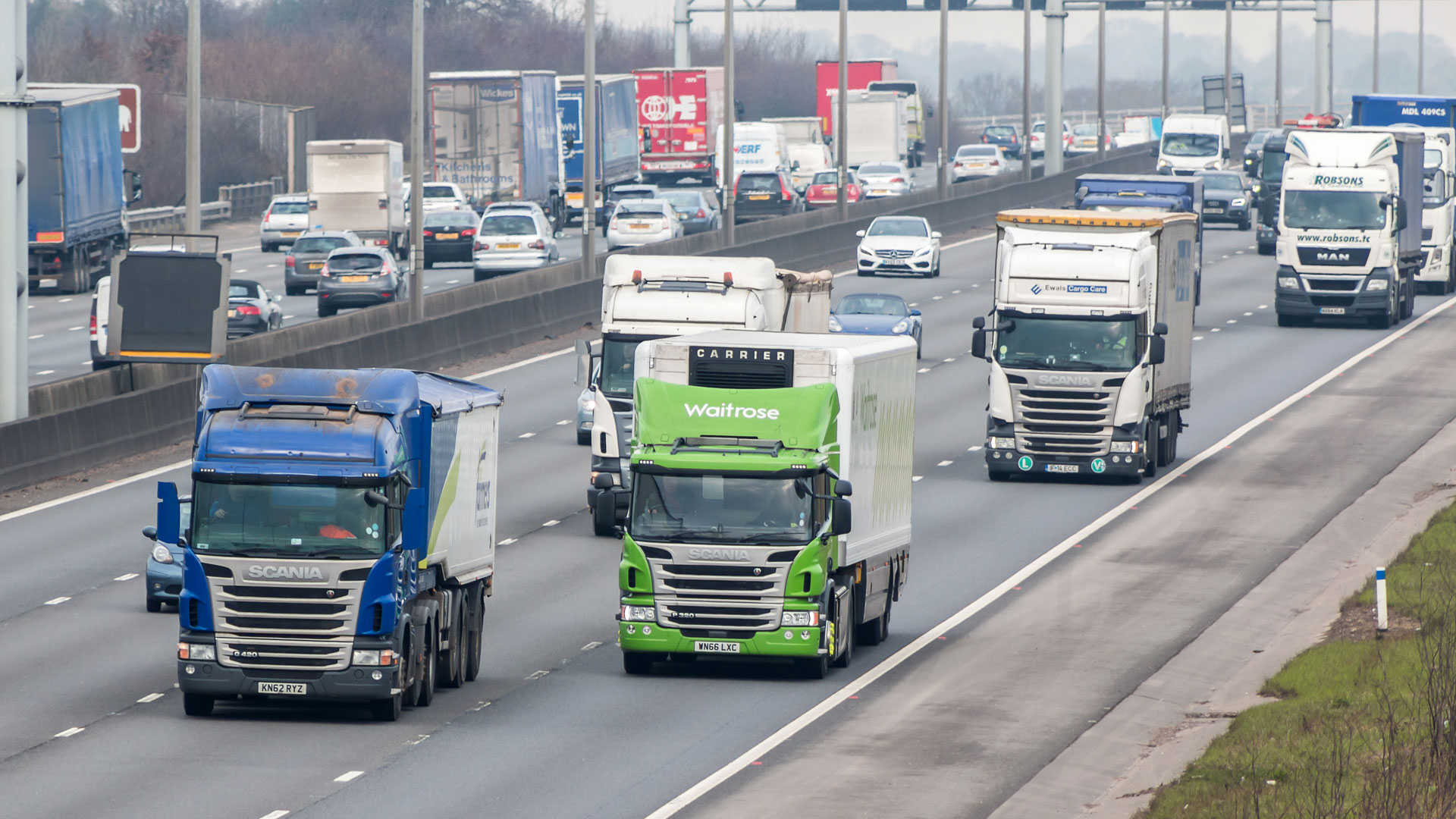
On a three-lane motorway, it’s against the law to drive a goods vehicle with a maximum laden weight of more than 7.5 tonnes in the outside lane.
This same weight limit applies to vehicles pulling a trailer, including caravans, so don’t use the ‘fast lane’ to get to the campsite more quickly. You could be docked three points on your driving licence and fined up to £2,500.
2. The left-hand lane is the lorry lane
Similarly, the inside lane of the motorway can be (and should be) used by any vehicle. Worryingly, a survey by the AA found nearly one in 10 young drivers described the left-hand lane as the ‘lorry lane’, only to be used by those driving HGVs.
Drivers who use the middle or outside lanes when the inside lane is empty can be hit with an on-the-spot fine. Keep left where possible.
3. There is no national speed limit on the motorway
We all know there is a speed limit on the motorway, but many drivers think they can get away with travelling at 80mph or 90mph. While speed cameras typically stick to the ’10 percent plus 2mph’ rule – so they’re unlikely to issue a fine for speeds up to 79mph on a motorway – traffic officers are within their rights to penalise you for driving at anything beyond 70mph.
You should note, too, that a lower 60mph limit applies to vehicles over 7.5 tonnes, or those towing a trailer (including caravans). If your car has cruise control, this can be a useful tool to avoid your speed drifting beyond the limit.
4. If you break down, you can remove any animals from your car
If you have to pull over onto the hard shoulder, it’s important for you and your passengers to safely leave the vehicle and stand behind the crash barrier. Accidents involving cars stopped on the hard shoulder are fairly common, and the damage can be devastating if a lorry takes out a broken-down car.
However, you should not take out any animals you have in the car. We all love our pets, but removing them at the side of the motorway is too dangerous. You don’t know how they will react – they might panic and run into the road, causing a pile-up. It’s safer to leave them inside the vehicle.
5. You can stop on the hard shoulder if you are ill or need the toilet
A motorist stopped on the hard shoulder for a ‘comfort break’ is still a worryingly common sight. The hard shoulder is for emergency use only – and that doesn’t include a passenger feeling travel sick, needing the toilet or reading a map.
Keep going until you can leave the motorway to find somewhere safe and legal to stop. There are regular signs showing the distance to the next motorway services, too.
6. Fog lights should be used in poor visibility
The Highway Code states: ‘You MUST use headlights when visibility is seriously reduced, generally when you cannot see for more than 100 metres (328 feet). You may also use front or rear fog lights but you MUST switch them off when visibility improves’.
Some drivers switch on their car fog lights at the slightest hint of rain, snow or mist – then forget to turn them off. They can be blinding to other drivers and may even obscure your brake lights.
If you can see the rear lights of the car ahead comfortably, you probably don’t need your fog lights switched on.
7. Motorway traffic should move over for joining vehicles
If there’s a lot of traffic heading down a slip road and you’re in the inside lane, it might be helpful to indicate and move outwards to create space. Ultimately, though, it’s the job of joining traffic to give way to cars already on the motorway.
Some people are overly cautious when joining the motorway. Joining at low speeds can be very dangerous. If you’ve got a queue of traffic behind, you could put other drivers in a tricky situation. It’s easier to lose speed than gain it, so build up your speed on the slip road then slot into traffic when you join the motorway.
8. Lorry drivers can see everything
However many mirrors and cameras are fitted to lorries, drivers will always have blind-spots. This is particularly true for drivers of left-hand-drive lorries on British motorways, who might struggle to see cars or motorbikes alongside them. If you are overtaking a lorry, spend the minimum amount of time alongside it.
Also, be careful not to change lanes into a lorry’s blind-spot when the driver might be about to pull out and overtake a slower vehicle.
9. You should slow down for speed cameras
Average speed cameras are increasingly common in areas with roadworks and on smart motorways. These time how long a vehicle takes to travel between cameras. You can be issued a fine, and receive points on your licence, if your average speed is above the variable limit.
Unlike with normal speed cameras, slowing down when passing below gantries before speeding up again could still land you with a ticket. It will also annoy other drivers. Keep it steady and your journey will be safer and less stressful.
10. Traffic officers can stop you for speeding
You will sometimes see drivers sitting in line behind a Highways Agency traffic officer doing 68mph. Yet while their liveried vehicles might look similar to police cars, they have no powers to pull you over or prosecute you for speeding.
Traffic officers are there to help in emergency situations – and have the authority to close the motorway when required.
11. Smart motorway cameras aren’t always on
On smart motorways, the overhead display screens aren’t always illuminated. However, that doesn’t mean the speed cameras are switched off.
If no speed is displayed, you can assume the standard 70mph limit applies. Exceed that, though, and you risk a flash and a fine.
12. Smart motorway speed limits are advisory
If the motorway ahead looks clear and a 40mph, 50mph or 60mph speed limit is displayed, many drivers assume this is advisory. In fact, that’s only the case if orange lights are flashing.
If the speed limit is ringed by a red circle, it is compulsory – so you could face points and a fine if you exceed it. You have been warned.
Fuel is one of the biggest regular bills when it comes to running a car. If you fill up with £50 of petrol or diesel each week, for example, it adds up to £2,600 a year – probably more than you will spend on insurance, tax or maintenance during the same period.
Thankfully, using less fuel in your car isn’t difficult. Our easy-to-follow advice could keep you going ‒ and save you hundreds of pounds in the process. Read on for our 14 top tips.
Check your tyre pressures
Admit it, it’s been a while since you checked your car’s tyre pressures. Michelin recommends you should measure them at least once month and before long journeys.
Ignoring this advice could damage your tyres, and have a negative effect on the way your car handles or stops in an emergency. It will also impact your fuel consumption.
Tyres under-inflated by 15psi (one bar) will lead to around six percent greater fuel use. That’s the equivalent of 47mpg instead of 50mpg. Most petrol stations will have a tyre inflater and some are free to use. Alternatively, you could invest in a good quality tyre pump, allowing you to check your pressures at home.
Remember, the correct tyre pressures will be listed in your car’s handbook, as well as somewhere on the car itself. You can often find them inside the fuel filler cap.
Turn off the air conditioning
At low speeds, using the air conditioning can increase fuel consumption by between five and seven percent. That’s according to research by the Millbrook Proving Ground. At higher speeds, air conditioning has less of an impact.
If possible, turn off the air-con when driving through town or when stuck in traffic, opening the car windows instead. When travelling on faster roads, close the windows and switch on the air conditioning, as driving with the sunroof or windows open will increase drag and thus fuel use.
Remember to use your air conditioning at least once a month to maintain its efficiency and avoid problems with the system.
Reduce weight
The more your car is carrying, the harder the engine is having to work, which uses more fuel. In simple terms, if you don’t need it, don’t carry it.
This doesn’t mean you can dump your mother-in-law at the bus stop and tell her to walk, but it does mean you can remove all the rubbish piled up in the footwells and the garden waste you’ve been hauling about for the past few weeks.
You should also remove your set of golf clubs from the boot, unless of course you’re intending to bowl a few overs after work. Or whatever it is you do on a golf course.
Reduce drag
Roof racks and roof boxes will seriously damage your car’s aerodynamic properties, rendering the hours that engineers spent in the wind tunnel well and truly wasted.
Now, we’re not saying you should leave your mountain bikes at home when heading off for a cycling holiday. And we’re also not suggesting emptying the contents of your roof box into the boot and leaving the dog at home.
However, once you’ve arrived at your destination, you should remove the roof box or anything else you plonked on the roof rack. Oh, and if possible, remove the roof rack as well.
Change up earlier
Develop a smooth driving style, accelerating gently and reading the road ahead to avoid any unnecessary braking.
Don’t let the engine labour, but aim to change up a gear at around 2,500rpm in a petrol-engined car or 2,000rpm in a diesel. If your car has a gear-shift indicator to aid economy, use it.
When possible, change up into fifth or sixth gear, which should see fuel consumption drop to its lowest level. But don’t speed, because that’s illegal and it could hurt your wallet. More on this shortly.
Stop braking. No, really…
Strange as it may sound, we urge you to stop braking. Don’t worry, we haven’t taken leave of our senses, it’s just that using your brakes is seriously bad for your wealth.
However, before you go careering off into a wall or the back of that Honda Jazz, hear us out…
If you can keep the car moving all the time, you’ll use less fuel. This is because the act of stopping then starting again uses more fuel than simply rolling along. Read the road ahead and anticipate the flow of traffic, especially when approaching roundabouts. Maintain a steady speed without stopping and you’ll save money over time.
Reduce your speed
Speeding is the big no-no, but not only from a legal perspective. A car travelling at 80mph will consume 10 percent more fuel than the same car travelling at 70mph. If you spend most of your time on motorways, this could turn out to be a significant chunk of money.
Of course, it’s not a simple case of the slower you drive, the less fuel you’ll consume; there is a happy medium to be achieved. Driving at speeds of between 50mph and 60mph in fifth or sixth gear will maximise your returns. But we do appreciate you need to reach your destination at some point.
Whatever, don’t speed – a flash from a camera could result in a fine totalling the cost of a tank of fuel, or much more after penalty points and insurance are taken into account.
Service your car
A serviced engine is a happy engine. Well, that’s according to an oil-stained poster we saw hanging up in a garage, once upon a time.
The fact is that a well-maintained engine will run more efficiently and use less fuel. So you should really think about giving your car a long-overdue service.
Your car’s handbook will tell you when it should be serviced, and don’t ignore that persistent warning light on the dashboard. Remember to check your oil regularly and always use the correct grade for your engine. Again, consult your handbook or nearest dealer for advice.
Leave earlier
Sounds obvious, but you should think about leaving earlier for that very important meeting. If you’ve got a deadline to meet, leave home or the office with plenty of time to spare. Not only will you avoid speeding, you may arrive an hour early, giving you time to relax and prepare for that awfully important meeting.
Similarly, if you can combine numerous trips into one journey, you’ll save fuel. Clearly that’s not possible if you have to be in Skipton one day and St Ives the next, but with some basic planning, you could be able to cut down on there number of trips you make in a single month.
Avoid driving at peak times
Nobody likes getting stuck in a jam. A congested morning commute can set you off on the wrong foot, while a stop-start journey home means added stress before you reach your front door. So, why not avoid driving during peak times?
Setting off for work 30 minutes earlier could result in you missing the jams altogether, giving you time to go for a stroll or have a relaxing coffee before you face the working day. In fact, the money you save on fuel could mean you can afford a few extra lattes every month.
If you can’t avoid the rush hour, think about buying a hybrid car, which should use less fuel in traffic than a standard diesel or petrol model. At the very least, you should consider a car with stop-start technology, which will minimise the amount of fuel you’re wasting.
Shop around for fuel
The cost of fuel can vary from retailer to retailer and it’s not uncommon to find a different set of prices in two outlets next door to each other. So it pays to shop around, although we wouldn’t recommend taking a 20-mile journey to save 1p on a litre of fuel.
A general rule is that supermarket filling stations are cheaper than branded stops such as Shell, BP, Esso and so on. And stay well away from motorway service stations – they can be hugely more expensive.
PetrolPrices.com is an excellent fuel price comparison website and smartphone app (available for Apple and Android phones). It takes data from thousands of petrol stations across the UK, displaying prices at nearby outlets on an interactive map.
You can also find local fuel prices via the Waze navigation app and on the Confused.com cheapest fuel price finder tool.
If you have a relatively modern car, you may not even need an app. Some infotainment systems offer a ‘refuel for the best price’ option, directing you to the cheapest petrol station nearby via the sat-nav.
Finally, consider signing up to a supermarket or petrol station loyalty card. Points you earn can be converted into money-off vouchers.
Buy a more economical car
Some of the smallest and most economical new cars can be purchased on a PCP finance contract for less than £200 a month. If they offer twice the fuel economy of your current car, the maths could add up.
Work out how many miles you drive in a year and how much you’re currently spending on motoring. Then work out how much it would cost with a new car and go from there. Don’t be lured into a false economy.
If it won’t save you money, stick with what you’ve got and look at ways of driving more economically.
Go electric
Electric cars still have their detractors, but battery power has come a long way since the 1967 Ford Comuta (pictured above), which had a range of 37 miles and top speed of 37mph.
If you have the capacity to install a home charging point (i.e. a driveway or off-street parking), an EV is worth considering. Recharging via the mains is certainly cheaper than filling up with fuel, particularly if you charge overnight when electricity tariffs are cheaper. Maintenance and tax will cost less, too – even though road tax (VED) is no longer free.
However, electric cars are generally more expensive to buy. And if you have to rely on the public charging network, where prices can reach 90p per kWh, ‘refuelling’ an EV may be no cheaper than filling up with petrol. It all depends on how you’ll use the car. Check out our sister Motoring Electric website for answers to your EV questions.
Walk or use public transport
If all else fails, leave the car at home and go for a walk. Clearly this won’t work if you live in the country and have a 30-mile commute to contend with, but in some cases a walk, cycle ride or public transport could be the answer.
Alternatively, think about a car-share scheme. By pairing up with another commuter heading in the same direction, you could literally halve your cost of fuel. Hey, it worked for Peter Kay, so it can work for you…
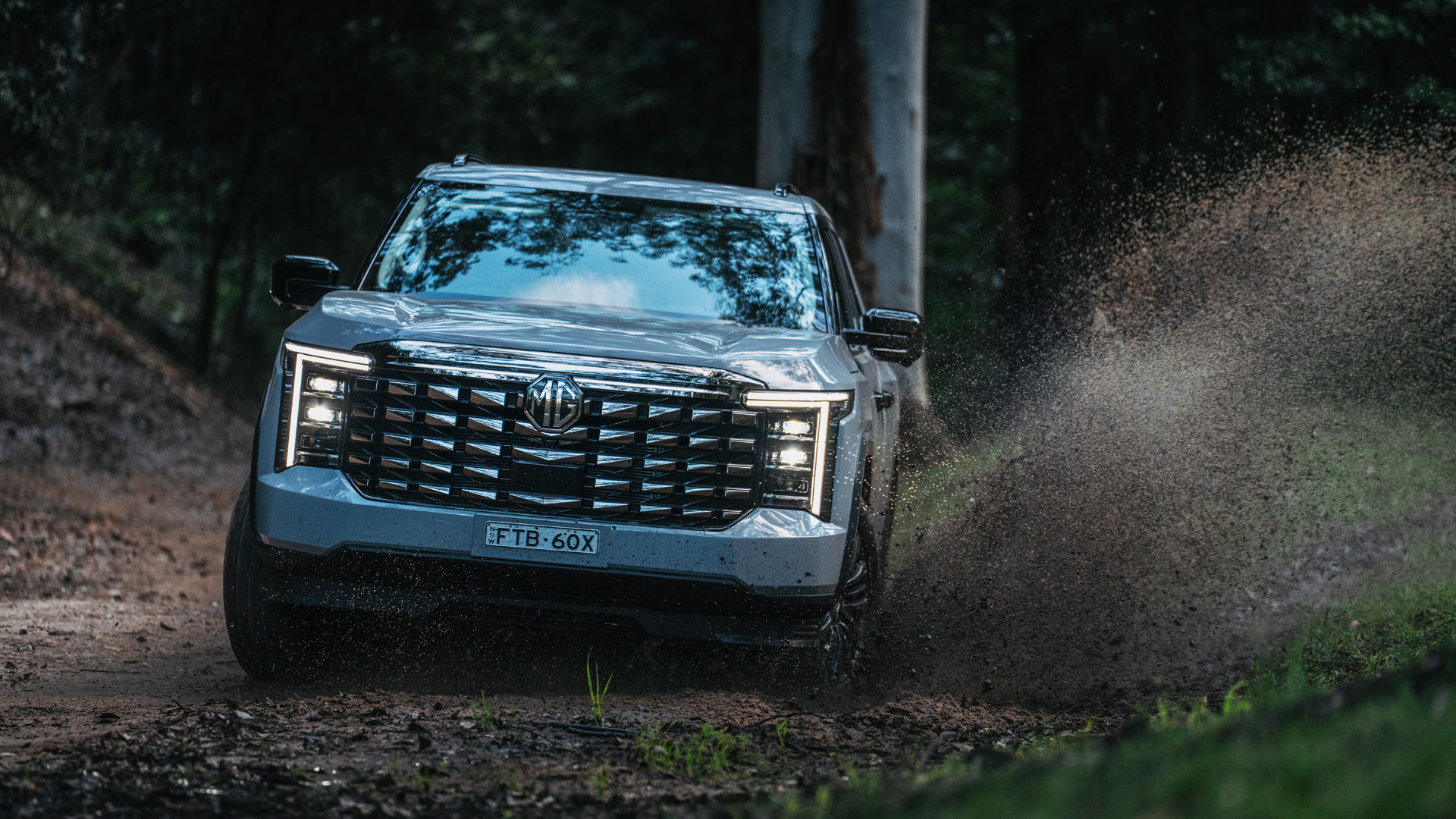
If the MG octagon still makes you think of classic British sports cars, the Chinese-built MGU9 pickup may come as something of a shock.
The reborn MG Motors marque, now owned by Chinese giant SAIC, will offer the new truck to buyers in Australia and New Zealand.
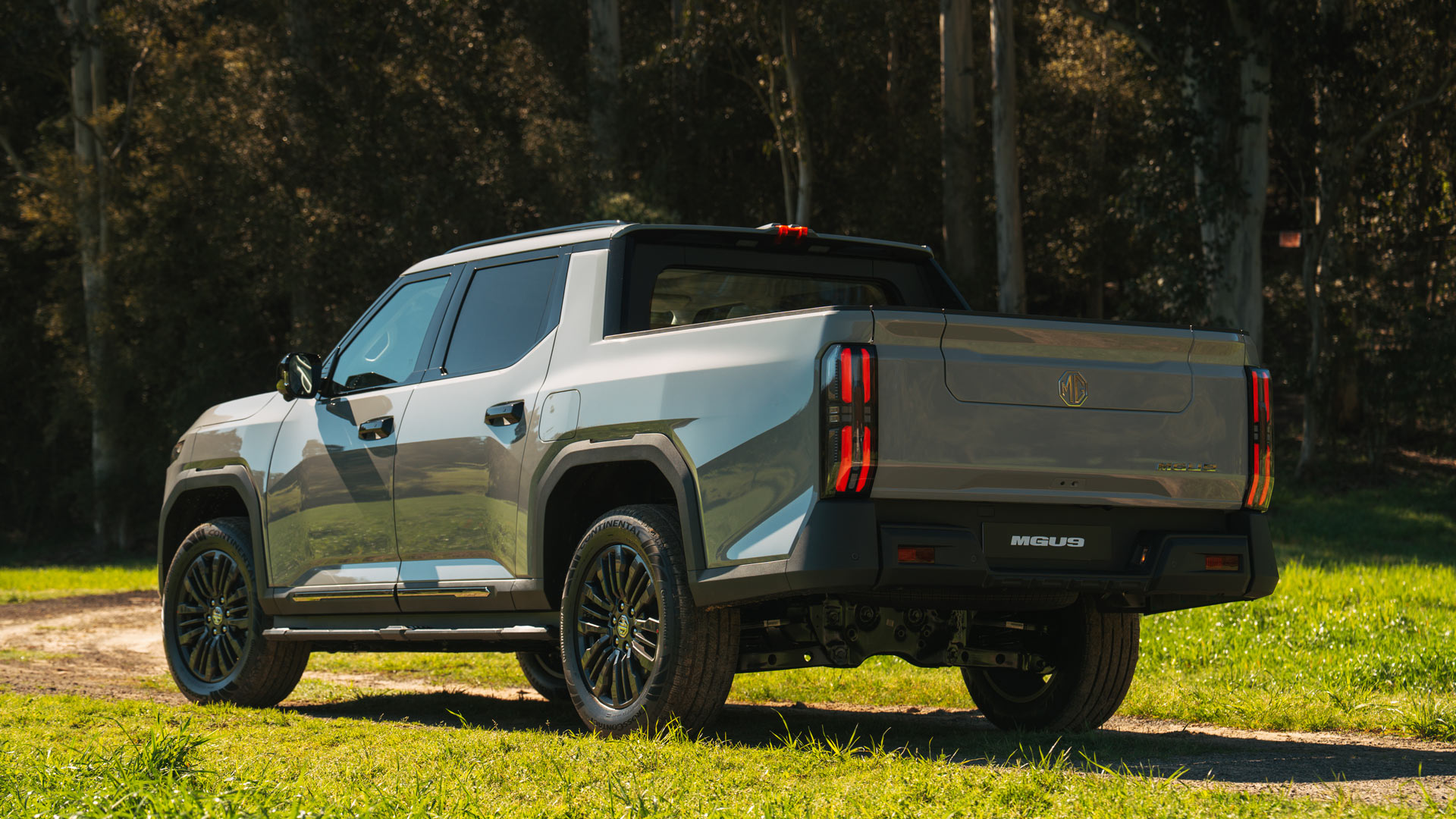
Said to offer the ‘robust strength of a ute’, combined with ‘the refinement of a modern SUV’, the MGU9 is the biggest vehicle ever to wear an MG badge.
Due on sale by the end of 2025, the MGU9 will be another player in the important ‘ute’ market, alongside the also-new Kia Tasman.
A global pickup truck
As has become common for SAIC, the MGU9 is a badge-engineered version of an existing truck in its brand range. Sold in China as the Maxus Interstellar X, the double-cab pickup is also marketed in Europe as the Maxus Terron 9.
The MG-branded version is intended to offer greater refinement and ride comfort, along with an electric-opening tailgate that incorporates a step for easy access to the load bed.
Powering the MGU9 is a 215hp 2.5-litre four-cylinder diesel engine, described by MG as being ‘robust’. An eight-speed automatic gearbox is standard, combined with a four-wheel-drive system that incorporates electronically controlled locking differentials.
The MGU9 can haul braked trailers weighing up to 3,500kg. It can also carry a payload of up to 870kg, depending on the trim level chosen.
A big step up for MG
A core part of the MGU9’s appeal in Australia and New Zealand will likely be its pricing. The entry-level Explore version costs from $52,990 – equivalent to just £26,000.
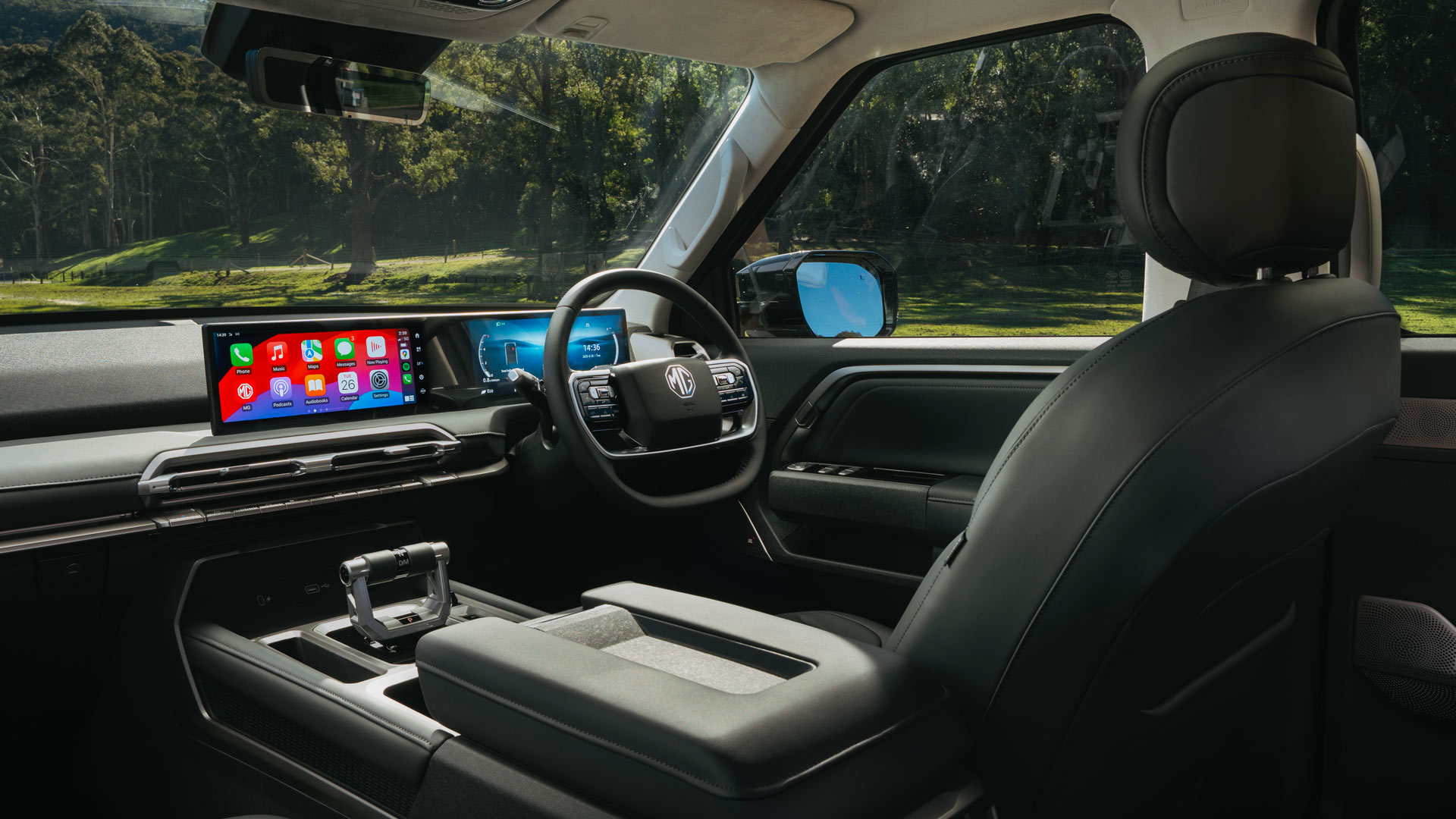
All models come with LED headlights, a host of safety equipment, parking sensors and a reversing camera. Infotainment is controlled by a 12.3-inch central touchscreen, combined with a 12.3-inch digital instrument panel. Wireless Apple CarPlay and Android Auto connectivity is included, too.
A seven-year warranty is part of the deal, provided the MGU9 is serviced within the MG dealership network.
Peter Ciao, CEO of MG Motor Australia and New Zealand, said: “Many Aussies and Kiwis have been a part of MG Motor’s journey from zero to a top 10 brand. The MG success story so far has been based on smaller cars and SUVs that Aussies fell in love with. But from today the MGU9 is our ‘big’ model step up.”
At present, there are no plans to launch the MGU9 in the UK. However, being made in right-hand drive does boost its chances.
Tired parents can spend 24 hours getting to know the Hyundai Kona Electric, thanks to a new test drive offer.
Hyundai’s new ‘Rest Drives’ initiative is designed with families in mind, as way to experience using the car in daily life.
A number of Hyundai dealerships throughout the UK will offer Rest Drives, which are available until 31 October 2025.
Families can put the Kona Electric SUV through its paces on the morning school run, or on late-evening drives aimed at helping youngsters get to sleep.
Driving in the pursuit of sleep
The Rest Drives programme was inspired by Hyundai research that found that almost three quarters (73 percent) of parents went driving just to get their kids to sleep.
These drivers spend an average of nine hours behind the wheel each month in pursuit of sleep. Some 95 percent of parents also they experience nap-time problems.
When attempting to lull their children to sleep, getting stuck in traffic was a problem for 42 percent of those surveyed. Engine noise was a challenge for 41 percent, while just over a third (36 percent) said fuel stops were a barrier to nap-time road trips.
By contrast, a comfortable ride was an important factor for two thirds (65 percent) of respondents, along with smooth acceleration (55 percent), quiet engines (48 percent) and eco-friendliness (29 percent).
Can an EV be part of the family?
Hyundai hopes that the Kona Electric will demonstrate all the qualities parents are looking for in the 24-hour Rest Drive.
As an added bonus, parents will also receive a Rest Drive baby box that includes a Jellycat soft toy, baby blanket, book and healthy snacks.
Ashley Andrew, president of Hyundai Motor UK, said: “Our wide EV range is designed to fit seamlessly into family life, and with the Hyundai Electric Grant offering up to £3,750 off a new Hyundai EV, switching has never been more affordable.
“The Kona Electric, with its whisper-quiet powertrain and refined driving experience, is the perfect partner for everything from school runs to nap-time drives, and through our ‘Rest Drives’ initiative parents can experience its calming, family-friendly benefits first-hand.”
Porsche has unveiled a unique version of the new 911 S/T, inspired by a historic 911 with an incredible backstory.
It all starts at the 1972 24 Hours of Le Mans, with a Porsche 911 2.5 S/T that claimed victory in the GTS 2500 class.
The classic 911 S/T continued racing until 1975, then passed through two more owners before it disappeared off the map.
Decades passed until the first clues to its location were uncovered in 2008. Five years later, a Swiss collector found the 911 S/T in a barn just outside San Francisco, then transported it back to Europe to begin a lengthy restoration.
Rescued and restored
Entrusted to the Porsche Exclusive Manufaktur department in Zuffenhausen, the original 911 2.5 S/T was given a complete bare-metal overhaul.
More than 1,000 hours were put into ensuring the bodywork was perfect. Porsche technicians were able to fabricate missing parts from scratch, working from original technical drawings and sheet metal gauges.
The Exclusive Manufaktur specialists sealed the bare body with a cathodic dip coating, the same process used for corrosion protection on modern production Porsches.
A complete respray in the original colour of Light Yellow was the finishing touch, which prompted the 911 S/T’s owner to embark on another Porsche project.
And it was all yellow
Porsche’s Sonderwunsch (‘special wishes’) department was commissioned to build a tribute based on the current 525hp 911 S/T.
The same Light Yellow paint was hand-applied to the new car, complete with replicas of the racing decals on the 1972 Le Mans winner.
Lightweight forged magnesium wheels are finished in Darksilver, and complemented by black brake calipers. The interior is entirely black, too.
Delivered to its owner in Switzerland, the modern 911 S/T now lives alongside the original Le Mans winner that inspired it. Which one would you jump into first?
Thefts of tools from vans increased again during 2024, with more than one in four drivers (28 percent) reporting the crime.
This compares to the 19 percent who said they had tools stolen in 2023. Volkswagen Commercial Vehicles, which undertook a survey of van drivers, found the value of thefts had also risen dramatically.
During 2023, the value of tools stolen from vans averaged £1,700. However, this jumped to the average value of £2,433 for tools stolen from a van in 2024 – a 40 percent increase.
More cost, more unplanned downtime
More than a quarter (27 percent) of tool thefts were valued at in excess of £3,500, compared to just 10 percent the year before.
Extrapolating the results of its survey of 1,000 drivers, Volkswagen Commercial Vehicles estimates the total cost of theft from vans to businesses now exceeds £3.5 billion every year.
In addition to the financial burden, the overwhelming majority (86 percent) of van drivers said they had to take unexpected downtime following a tool theft.
This resulted in an average of 3.97 days off work. And 20 percent of van drivers lost a whole week as they restocked and repaired their vehicle.
Piling the pressure on business
Increasing occurrences of tool thefts from vans, combined with the rising value of the items taken, is adding to the pressure being felt by businesses.
More than a third (36 percent) of survey respondents said the ongoing cost-of-living crisis was a stress factor, with van crime only making matters worse.
John Ricardo-Neto, head of product planning at Volkswagen Commercial Vehicles, said: “Tool theft remains a huge issue for van drivers and businesses in the UK, and it’s concerning to see the number of incidences and the scale of their impact continuing to rise.
“We encourage van drivers to take extra precautions – via our theft prevention technologies, ensuring tools are always well secured and vehicles parked in well-lit, CCTV-monitored areas – so that tradespeople can focus on what really matters.”