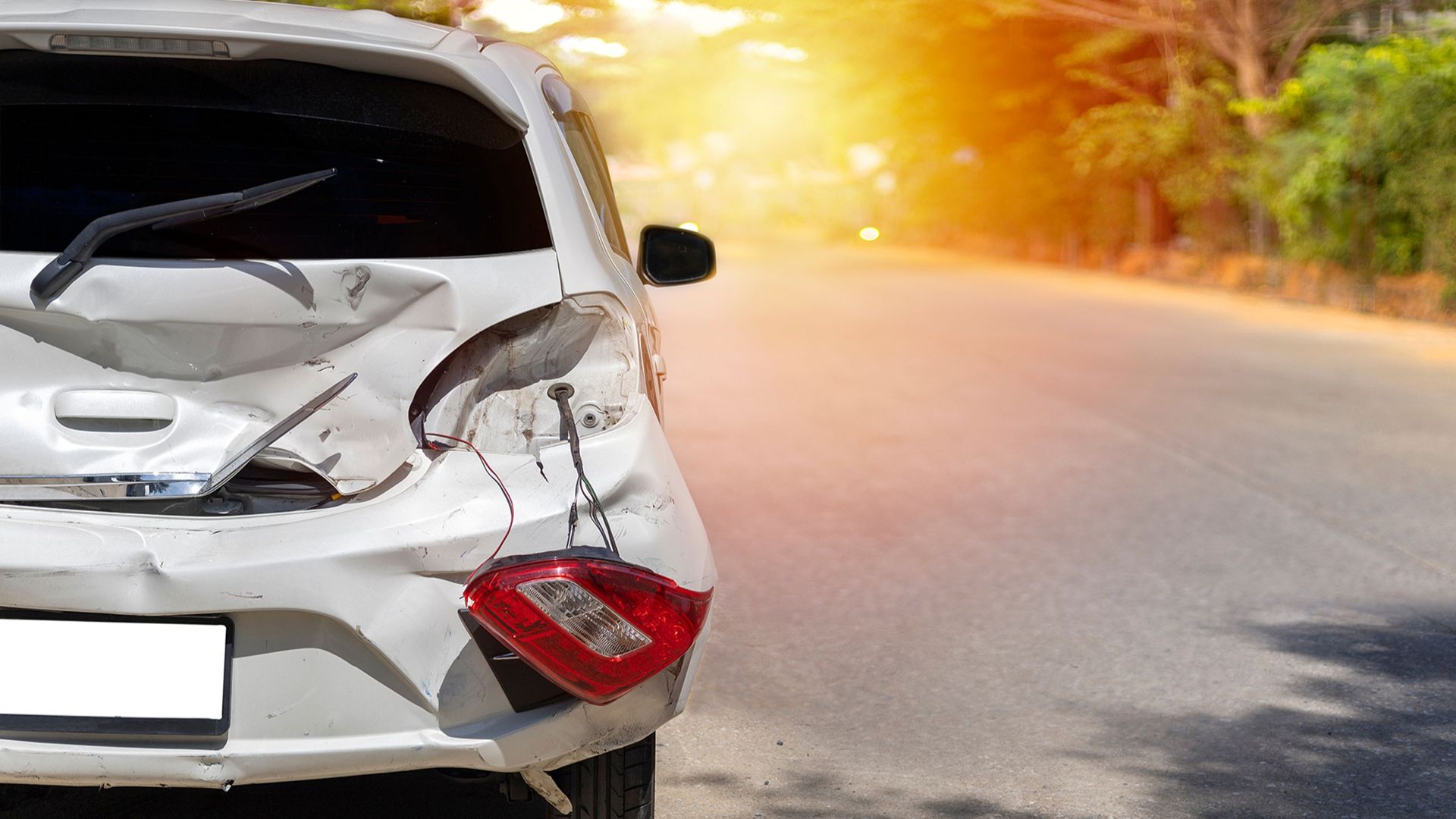
The UK car insurance industry estimates that more than 1,000 low-speed collisions occur on British roads every day. That’s an awful lot of potentially expensive bumps, dents, scratches and scrapes.
Indeed, despite the lack of speed typically involved when parking, the average repair bill for such incidents – when they are reported – exceeds £1,500.
The issue is partly to do with the size of parking spaces, and the increasingly large cars we try to squeeze into them. Legally, a parking space can be anywhere between 7ft 6in (around 2,300mm) and 8ft 10in wide (just under 2,500mm). However, most are closer to the minimum footprint.
Compare that to the width of a typical family hatchback – 5ft 9in, or 1,800mm – and you don’t have much room left either side of the car to work with, either for parking or opening the doors to get out. If you drive an SUV, as many British motorists now do, the spaces will feel even tighter.
Tips to prevent parking damage

We all want to avoid parking prangs, so read on for our quick guide – including some tips from GEM Motoring Assist. Following these could save you a lot of money and a massive headache…
Check your mirrors
The first thing you should do, when it comes to driving in general, is make sure your mirrors are set correctly. Maximise what you can see behind and you’ll be a better driver – and better at parking.
Spacial awareness
Cars come in all different shapes and sizes, so familiarise yourself with your vehicle. Know where its extremities are, and learn what it can do in terms of turning radius. Mainly, this comes with experience, so be especially cautious when driving a new or unfamiliar car.
Take your time
Parking safely is more important than doing so quickly. Plan your journey and allow enough time for parking. Aim to travel at times you know it won’t be busy. Have in your mind exactly where you’ll be able to park as easily as possible.
Don’t fight others for parking spaces, either. That’ll just put pressure on and increase the likelihood of tempers boiling over – not to mention an accident.
Use what you’ve got
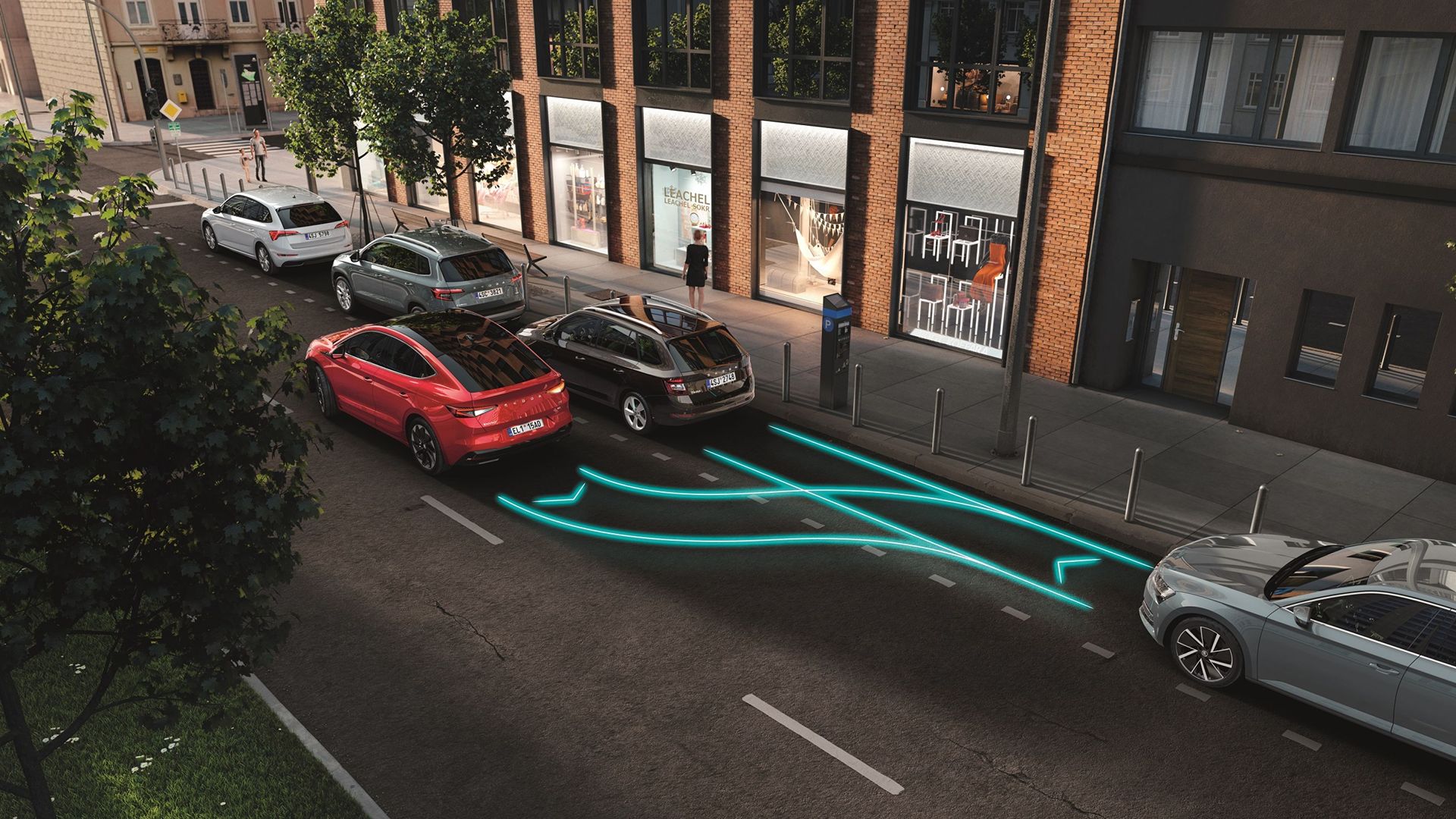
Driver aids, such parking sensors, cross-traffic alert and a reversing camera can be hugely helpful, particularly in larger vehicles. Make good use of them and you can turn from a parking pariah into a space-saver overnight. Some cars can even be parked by remote control in particularly tight spaces.
Clear view
Make sure all your windows, mirrors and parking cameras (if you have them) are clean, for ease of use. It’s no good having perfectly set-up mirrors if they are covered in a layer of road grime. The same goes for your lights if parking at night.

Reverse in, drive out
We suspect a great deal of those 1,000+ parking accidents each day are due to people are reversing out of spaces without due care or a clear view behind them.
Avoid this by doing the opposite of virtually every car pictured above – and reverse into your desired parking space. That way, you can simply look ahead when the time comes to leave. If you must reverse out of a spot, do so very slowly and carefully, ideally with the guidance of a passenger or passer-by. Again, some modern cars have a rear cross-traffic alert system to make this process safer.
ALSO READ:
How to keep cool when driving in summer heat