Home Blog Page 56

Toyota to build 300hp GR Corolla hot hatch in the UK

0
A red car drifts on a Toyota GR Corolla in UK

The raucous Toyota GR Corolla hot hatchback is to be produced in the UK, raising hopes the high-performance hot hatch could finally be sold here too. ย 

Toyotaโ€™s Burnaston plant in Derbyshire has been chosen as a new global production site for the 300hp Corolla, due to its โ€˜manufacturing capability and motorsport expertiseโ€™.ย 

Toyota Motor Manufacturing UK (TMUK) currently produces the regular Corolla in hatchback and Touring Sports estate versions. 

That makes it perfectly placed to start building the hot Gazoo Racing (GR) version. Preparations are already underway to see the first GR Corolla models leave the UK factory in 2026.

Derbyshireโ€™s Volkswagen Golf R rival

Toyota GR Corolla in UK

Demand for Toyotaโ€™s GR-badged performance products has been strong, starting with the launch of the fifth-generation Supra sports car in 2019. 

As the fourth model in the Gazoo Racing range, Toyota began producing the GR Corolla at its Motomachi plant in Japan during 2022. 

Powering the GR Corolla is the same turbocharged 1.6-litre three-cylinder engine as found in the smaller GR Yaris, but tuned to deliver 300hp and 295lb ft of torque. 

A modified version of the GR-Four all-wheel-drive system helps the GR Corolla accelerate from 0-60mph in less than five seconds, and produce lurid drifts on request.

Could it be sold in the UK?

Toyota GR Corolla in UK

European Toyota enthusiasts have so far been denied the GR Corolla, with the GR Yaris deemed enough to keep them happy. 

However, Toyota has hinted at expanding where the GR Corolla is sold, beyond the current markets in North America, Asia and Oceania. If the sportiest Corolla is being built in Derbyshire, its appearance on UK price lists seems more likely. 

Yoshihiro Nakata, president and CEO of Toyota Motor Europe, commented: โ€œWe are proud that TMUK, our first plant in Europe, has also been selected as the first overseas Toyota plant to produce GR vehicles, securing this expansion project for TGR worldwide. 

โ€œWe very much appreciate the historical support and recognition of the United Kingdom and would like to continue to contribute to UK society as a โ€˜Best in Townโ€™ company.โ€

ALSO READ:

New 2026 Toyota RAV4 revealed โ€“ including hot 300hp GR Sport

Toyota GR Yaris 2025 review

Best hot hatchbacks to buy in 2025

Advertisement

Limited edition BMW M2 CS debuts with 530hp and ยฃ87k price tag

0
2025 BMW M2 CS

BMW has stretched the potential of its compact M2 coupe with the launch of a limited edition CS version.

The BMW M2 CS offers a substantial power boost for the rear-wheel-drive machine, along with extensive use of carbon fibre to reduce weight.

The CS also gains a host of bespoke styling details, most notably a wild ducktail rear spoiler and a set of beautiful forged alloy wheels.

Set to be priced from ยฃ86,800 in the UK, BMW dealerships are already accepting orders for what could be one of the best M cars made to date.

Pushing the limits of M power

2025 BMW M2 CS

BMW treated the regular M2 coupe to a host of upgrades last year. These included tuning its 3.0-litre turbocharged straight-six to produce 480hp.ย 

For the second-generation M2 CS, this total climbs to 530hp โ€“ the same as the larger BMW M4 Competition. Maximum torque has also increased, now rated at 479lb ft.

A bespoke exhaust system is added to the M2 CS, with a lightweight titanium M Performance exhaust available as an option.

An eight-speed paddle-shift transmission is standard, sending power to the rear wheels only. Model-specific tuning for the M Sport differential assists with a 0-62mph time of 3.8 seconds. The top speed of the M3 CS is limited to 188mph.

Ready to hit the racetrack

2025 BMW M2 CS

The suspension of the CS is lowered by 8mm compared to the regular M2, and its brakes now come with red calipers. Track-ready carbon ceramic discs can be specified at extra cost.

Carbon fibre is used for the car’s roof and distinctive ducktail spoiler. The mirror caps and prominent rear diffuser are also made from the material, contributing to a 30kg weight saving over the standard M2.ย 

The forged alloy wheels are finished exclusively in matte Gold Bronze, and come with track-biased tyres as standard. Stickier โ€˜ultra-track tyresโ€™ are also available for those planning to use their CS on a race circuit.ย 

Buyers get a choice of four exterior paint colours for the M2 CS: Sapphire Black metallic, M Brooklyn Grey metallic, M Portimao Blue metallic and BMW Individual Velvet Blue metallic.

Arriving in the UK this summer

2025 BMW M2 CS

The carbon fibre theme continues inside the M2 CS, including for the entire centre console.ย 

More carbon fibre is used for the electrically adjustable sports seats, which feature an illuminated โ€˜CSโ€™ logo on their integrated headrests.ย 

A heated M steering wheel is clad in Alcantara, and has a red centre marker at the 12 oโ€™clock position, along with a pair of configurable red M buttons.ย 

BMW will build the M2 CS in limited numbers, with production taking place at the San Luis Potosรญ factory in Mexico. The first customer deliveries should reach the UK in late summer 2025.

ALSO READ:

The breadvan is back! New BMW V8 Speedtop revealed

BMW M5 2025 review

BMW 128ti 2024 review

Advertisement

Hot Wheels could recreate your car as a die-cast model

0
2025 Hot Wheels Legends Tour UK

Your car could become the next Hot Wheels die-cast scale model, as the Legends Tour returns for 2025.

Now into its eighth year, the Hot Wheels Legends Tour is a global search to find the most incredible vehicles, then recreate one of them in miniature form.

The overall winner will see their car reimagined as a 1:64 scale die-cast model, available in shops and sold to Hot Wheels enthusiasts around the world.ย 

As part of the global search, the Legends Tour will come to the United Kingdom in August 2025. It will form part of Slammed UKโ€™s Gravity Show at the NEC in Birmingham.

Searching for the UKโ€™s wildest cars

2025 Hot Wheels Legends Tour UK

Ahead of the UK leg of the Legends Tour, Hot Wheels is inviting drivers of the wildest and most unique cars to submit their entries now.ย 

Owners simply need to upload three photos of their vehicle, and give a short description of what makes it so special, on the dedicated Hot Wheels Legends Tour website.ย 

After an initial online selection process to whittle down the numbers, three finalists will be invited to attend the Gravity Show on 23 and 24 August.

The judging panel consists of Hot Wheels designer Craig Callum, YouTuber Mat Armstrong and presenter Nicola Hume. They will choose an overall winner to represent the UK in the European final.

The victorious vehicle from the European round will then head to the prestigious Global Grand Finale, held in El Segundo, California.

A history of compelling contenders

2025 Hot Wheels Legends Tour UK

โ€œWhat began as a series of US events has grown into a global tour for car and Hot Wheels enthusiasts around the world to share their passion projects, while competing for a chance to have their creations immortalised in 1:64 scale,โ€ said Ted Wu, global head of design for vehicles at Mattel.ย 

โ€œThe UK always provides compelling contenders to the competition. Entrants take huge pride in their vehicles, demonstrating ingenuity, charm and true garage spirit. We canโ€™t wait to see this yearโ€™s UK finalists.โ€

Last year, Dominic Whittleโ€™s Bentley-inspired Mini โ€˜Mentleyโ€™ (see top photo) beat 179 other cars to represent the UK in the Legends Tour.ย 

In 2021, a Volvo P1800 Gasser drag racer from the UK claimed the overall Hot Wheels crown, and became immortalised as a die-cast model.

ALSO READ:

The breadvan is back! BMW reveals limited-edition V8 Speedtop

Young Driver training tested: helping kids be safer on the road

Frontline MGA Factory Edition 2025 review

Advertisement

Praga Bohema is fastest ICE car around Top Gear test track

0
Praga Bohema Dunsfold Lap Time

The Praga Bohema has become the fastest car with a pure combustion (ICE) powertrain to lap the famous Top Gear test track.

Setting a time of 1min 9.8sec, the Bohema is also the second-quickest car overall around the Dunsfold Aerodrome circuit

Fittingly, the Czech-made hypercar was driven by Ben Collins, who served as the first โ€˜White Stigโ€™ on Top Gear between 2003 and 2010. 

Praga will soon be handing over three newly completed Bohema customer cars to their lucky owners, as part of the 2025 Goodwood Festival of Speed.

Extreme on-track performance

Praga Bohema Dunsfold Lap Time

Although aimed at track day use, the Praga Bohema is fully road-legal, and was equipped with standard road tyres for the Dunsfold Aerodrome lap time.

Made from a carbon fibre monocoque clothed in angular carbon bodywork, the mid-engined Bohema tips the scales at less than 1,000kg.

With a 710hp Litchfield-enhanced version of the 3.8-litre twin-turbocharged V6 from the Nissan GT-R, its power-to-weight ratio is truly in the realm of hypercars. 

Accelerating from 0-62mph takes less than 3.0 seconds, while top speed is nearly 200mph. The Bohema also boasts aerodynamics honed in a Formula One wind tunnel, generating 900kg of downforce at 155mph.

‘Lives and breathes downforce’

Praga Bohema Dunsfold Lap Time

Ben Collins, ex-Stig and now Praga’s test driver, drove the Bohema to the Dunsfold Aerodrome circuit, carrying his race suit and helmet in the carโ€™s side luggage pods. 

After his record run, Collins said: โ€œSetting such a fast time at Dunsfold on regular road tyres was such a thrill. I knew the Bohema would be fast, but Dunsfoldโ€™s tight turns and short straights are not ideal for a car that lives and breathes downforce. 

โ€œIt shows how potent the mix of lightweight engineering, great aerodynamics and pure combustion can be โ€“ even up against hybrid hypercars from established brands with more than 1,000 horsepower. The owners taking delivery of their Bohema at Goodwood are in for the time of their lives as their new cars take to the hill.โ€

The next challenge for Ben Collins and the Bohema will be the Goodwood Festival of Speed, which takes place between 10 and 13 July 2025. New owners of the Czech hypercar will be treated to thrilling rides up the challenging Goodwood hill course.

ALSO READ:

The breadvan is back! BMW reveals limited-edition V8 Speedtop

Fernando Alonso laps Monaco F1 circuit in Aston Martin Valhalla

Porsche 911 GT3 2025 review

  • From Barry Island to Beaulieu

    From Barry Island to Beaulieu

    © National Motor Museum

    Who doesnโ€™t love Gavin and Stacey? One of the most popular TV shows of recent years, the BBC sitcom stars Mathew Horne, Joanna Page, Ruth Jones, James Cordenโ€ฆ and an interesting cast of cars. The vehicles, including Gavinโ€™s Citroen Saxo VTS, pictured here, are now on display at the National Motor Museum in Beaulieu, Hampshire, as part of an exhibition called On Screen Cars. Hereโ€™s what you can expect to see.

  • Gavinโ€™s Citroen Saxo VTS

    Gavinโ€™s Citroen Saxo VTS

    © National Motor Museum

    This Saxo features heavily in the show, being driven back and forth between Essex and Barry Island by Gavin when he is courting Stacey. The 120hp 16-valve VTS was the hottest version of the Saxo, sitting above the 90hp 8-valve VTR, and was closely related to the Peugeot 106 GTI. Ubiquitous in the 1990s, they have now become a rare sight.

  • Smithyโ€™s Volvo 850 estate

    Smithyโ€™s Volvo 850 estate

    © National Motor Museum

    Roomy and reliable, a Volvo 850 estate served as ideal transport for Smithy (James Corden) in his job as a handyman. Notably, the car featured as the backdrop to his rendition of Band Aidโ€™s Do They Know It’s Christmas? in the 2008 Christmas special.

  • Smithyโ€™s Volvo 850 estate

    Smithyโ€™s Volvo 850 estate

    © National Motor Museum

    The Volvo also featured in a sketch for Comic Relief in 2011, when James Corden, playing the part of Smithy, drove Wham star George Michael to the studio in the first ever โ€˜Carpool Karaokeโ€™. His company slogan, โ€˜If your husband wonโ€™t do it โ€“ I willโ€™, works on more than one levelโ€ฆ

  • Uncle Brynโ€™s Citroen Xsara Picasso

    Uncle Brynโ€™s Citroen Xsara Picasso

    © National Motor Museum

    Played by Rob Brydon, Uncle Bryn drives a very sensible Citroen Xsara Picasso. Indeed, the ever-cheerful Bryn owned a total of three Picasso models during the show. The car on display in Beaulieu is from series three.

  • Uncle Brynโ€™s Citroen Xsara Picasso

    Uncle Brynโ€™s Citroen Xsara Picasso

    © National Motor Museum

    Clearly a fan of all things Picasso (the people carrier, not the Spanish artist), Uncle Bryn declares at one point that heโ€™ll continue driving this car until he dies. Or until it ends up in a museum, maybe?

  • On Screen Cars at the National Motor Museum

    On Screen Cars at the National Motor Museum

    © National Motor Museum

    In addition to the automotive stars of Gavin and Stacey, the On Screen Cars exhibition at Beaulieu also includes a Del Boyโ€™s Reliant van from Only Fools and Horses, a Ford Anglia from the Harry Potter films and James Bondโ€™s Jaguar XKR from Die Another Day. Visitors to the National Motor Museum can check out the new Icons of F1 exhibition, too.

  • A rewind to World of Top Gear

    A rewind to World of Top Gear

    © National Motor Museum

    Previously at the National Motor Museum, the World of Top Gear display brought together many of the wackiest challenge cars built by Jeremy Clarkson, Richard Hammond and James May โ€“ plus other presenters such as Matt LeBlanc and Chris Harris.

    However, following Freddie Flintoffโ€™s accident, which led to the BBC cancelling the show, World of Top Gear was closed. And while some of the cars were saved, others โ€“ such as Jeremy Clarksonโ€™s stretched Fiat Panda limousine, seen here โ€“ were deemed uneconomical to restore and sold as scrap. A rocket-powered Mini used to tackle a ski jump in the Winter Olympics special was another casualty of the closure.

    We visited the World of Top Gear exhibition in Beaulieu before it closed. Now join us for a trip down memory lane.

  • Lotus Escape to the Country

    Lotus Escape to the Country

    © National Motor Museum

    James Mayโ€™s โ€˜Lotus Escape to the Countryโ€™ was a motorhome based on the Excel Type 89. Featured in series 15, episode four of Top Gear, its sleek roof box contained a sleeping area, a barbeque grill and a potty. Telescopic poles elevated the roof box lid so May had enough space to sit on the loo.

  • Hammerhead Eagle i-Thrust

    Hammerhead Eagle i-Thrust

    © National Motor Museum

    โ€˜Hammerhead Eagle i-Thrustโ€™ sounds like a good name for a supercar, but the reality is anything but. The TG teamโ€™s riposte to the โ€“ equally rubbish โ€“ G-Wiz, this home-made electric car starred in series 14, episode two.

    The HEiT was subsequently road-tested by Autocar magazine, causing the generator to come off its mountings and slide around the cabin. โ€˜We failed to crack 60mph,โ€™ said the review. โ€˜In the end, it reached 50mph in 16.6sec and ran out of juice at 55mph, making it the slowest car we have tested this century.โ€™

  • Sinclair Ski-5

    Sinclair Ski-5

    © National Motor Museum

    It was 2006, and the worldโ€™s top athletes were heading to Turin for the Winter Olympics. Meanwhile, the TG team staged their own version of the winter games in Norway, with events including Suzuki Swift ice hockey, speed skating versus a Jaguar XK and โ€“ the showstopper โ€“ a Mini ski-jump.

    With the help of some rockets, the intrepid British saloon made the jump โ€“ as did the Stig on a snowmobile. Sadly, the Mini was one of the cars scrapped when the World of Top Gear exhibition was closed.

  • Nissan Leaf

    Nissan Leaf

    © National Motor Museum

    Driven by Paddy McGuiness, this modified Nissan Leaf features scissor doors, a wide-arched bodykit, a rear wing and a custom wrap. It was part of an entire episode of Top Gear dedicated to electric cars in 2019.

  • Hovervan

    Hovervan

    © National Motor Museum

    Top Gearโ€™s response to widespread UK flooding was the Hovervan: a Ford Transit that is also โ€“ you guessed it โ€“ a hovercraft. Featured in series 20, episode four, this is actually the second-generation Hovervan. The first sank on its maiden voyage.

    A 600hp Radical track-car engine helped keep the three amigos afloat on the River Avon, although the van proved noisy and difficult to steer. Flood-afflicted local people didnโ€™t seem overly impressed…

  • The TVG12

    The TVG12

    © National Motor Museum

    Itโ€™s tempting to say the TVG12 is half-car, half-train. But really itโ€™s just a Jaguar XJS convertible with a set of cast iron wheels. Nonetheless, Clarkson gamely connected the Jag to a โ€˜carriageโ€™ (OK, a caravan with the roof sawn off) and completed a rail journey from Leicester to Loughborough.

    With that huge makeshift wing on the back, we suspect this track car (sorry) will corner like itโ€™s on rails (sorry again).

  • The Nissank

    The Nissank

    © National Motor Museum

    Calling this modified 1996 Nissan D21 pick-up the โ€˜Nissankโ€™ was misleading. In fact, it was the only one of three TG amphibious vehicles to successfully cross the English Channel. Captained by Clarkson, it sailed from Dover to Sangatte, near Calais.

    In addition to empty barrels used as flotation devices, Jeremy installed a couple of fishing rods to pass time while he waited for James โ€˜Captain Slowโ€™ May. The Nissank stars in series 10, episode two.

  • Fiat Panda limo

    Fiat Panda limo

    © National Motor Museum

    Stretched limos are always a bit rubbish, but Top Gearโ€™s homemade effort goes further. This elongated Fiat Panda actually broke in half while ferrying DJ Chris Moyles across London to the Brit Awards.

    The Q-plated Panda lived on as a bench for visitors to the World of Top Gear exhibition… but unfortunately, it has now been scrapped.

  • The old peopleโ€™s car

    The old peopleโ€™s car

    © National Motor Museum

    This Fiat Multipla was thoughtfully converted into a car for old people (such as James) by Jeremy and Richard. Note its hearing-aid-beige paintwork, safety-conscious front bumper and Rover badges. Because oldies prefer to buy British, obviously.

    Step inside and youโ€™ll notice the large-print speedo, waterproof front seat and Shackletons easy chairs for passengers. Thereโ€™s also a supplementary boot: a shopping trolley hooked onto the rear bumper.

  • Double-decker cars

    Double-decker cars

    © National Motor Museum

    If you ask us, this looks like a sad waste of a Mk2 Volkswagen Golf GTI and a W124 Mercedes-Benz E-Class. Still, who are we to stand in the way of family entertainment?

    The double-decker cars challenge (series two, episode six) saw the TG team take on their counterparts from a German TV show. Unfortunately, while their rivals had the tank-like Merc and solidly-built VW, the Brits had to make do with Jaguar XJs carrying Rover Metros.

  • Reliant Robin space shuttle

    Reliant Robin space shuttle

    © National Motor Museum

    Now, this really was ambitious. With eight tonnes of thrust, the Reliant Robin space shuttle (seen in series nine, episode four) was Europeโ€™s largest non-commercial rocket launch ever. And it worked… sort of.

    The shuttle achieved lift-off, but failed to detach from the fuel tank, causing it to spin out of control and crash. Nonetheless, of all the Reliant Robins wrecked by Top Gear, this one went out with the biggest bang.

  • The Snowbine

    The Snowbine

    © National Motor Museum

    Top Gear giving something back? The surprisingly sensible Snowbine was a converted combine harvester, designed to remove snow from Norwegian roads.

    OK, so the flamethrower on the roof was perhaps slightly ill-advised, but thereโ€™s no question the Snowbine worked. Clarkson, Hammond and May helped clear an entire road โ€“ and all without a single arson charge.

  • The Vietnam challenge

    The Vietnam challenge

    © National Motor Museum

    Series 12, episode eight introduced one of Top Gearโ€™s famous challenges โ€“ a journey across Vietnam on motorcycles. Displayed here are Clarksonโ€™s Vespa scooter and the back-up motorcycle used by the TG production team. Note the stars-and-stripes stickers: controversial in a country that was once the target of US military might.

    Clarkson, Hammond and May didnโ€™t enjoy all of their Vietnam journey, but this remains one of the toughest and most memorable Top Gear road-trips.

  • The Dampervan

    The Dampervan

    © National Motor Museum

    The Dampervan was another vehicle designed to cross the English Channel โ€“ this time in the hands of Richard Hammond. Essentially a Volkswagen camper inside a boat hull, it offers tea-making facilities for up to four people, plus a top speed of seven knots.

    Hammond made it onto the high seas, but had to resort to an outboard motor after the Dampervanโ€™s engine failed. It eventually sank.

  • The Wall of Death Maserati

    The Wall of Death Maserati

    © National Motor Museum

    Ever-ambitious, the Top Gear production team built an enormous โ€˜Wall of Deathโ€™ inside Londonโ€™s Alexandra Palace. The sheer G-forces involved meant this Maserati Quattroporte was made as light as possible โ€“ to the point of being almost unrecognisable. By the end of the challenge, the carโ€™s steering system had totally collapsed.

  • The Kazakhstan road trip

    The Kazakhstan road trip

    © National Motor Museum

    Another epic road trip, this time in the hands of Top Gearโ€™s new presenters: Matt LeBlanc, Chris Harris (seen here at the official launch of World of Top Gear) and Rory Reid. The team drove three high-mileage cars into the mountains of Kazakhstan.

    Chrisโ€™s Volvo V70 had covered an epic 670,000 miles, but still wasnโ€™t the leggiest car of the trio. That honour went to Mattโ€™s Mercedes-Benz E-Class, which had more than 800,000 miles under its wheels.

  • Porsche 944 Turbo ambulance

    Porsche 944 Turbo ambulance

    © National Motor Museum

    Improving emergency response times? A Porsche 944 Turbo โ€˜sports ambulanceโ€™ is the obvious solution โ€“ provided your patient doesnโ€™t need a stretcher, of course. Jeremy built this Gulf-liveried lifesaver in series 22, episode three.

    James and Richard had rather different solutions to the problem. They chose a Ford Scorpio Cardinal hearse and an American Chevrolet G20 van respectively.

  • The ski-jumping Mini

    The ski-jumping Mini

    © National Motor Museum

    It was 2006, and the worldโ€™s top athletes were heading to Turin for the Winter Olympics. Meanwhile, the TG team staged their own version of the winter games in Norway, with events including Suzuki Swift ice hockey, speed skating versus a Jaguar XK and โ€“ the showstopper โ€“ a Mini ski-jump.

    With the help of some rockets, the intrepid Mini-on-skis made the jump โ€“ as did the Stig on a snowmobile.

  • The SsangYacht

    The SsangYacht

    © National Motor Museum

    Described by Eddie Jordan as โ€œthe worst thing to happen to boating since the icebergโ€, this project showed what happens when a SsangYong Rodius MPV meets a luxury yacht. Notable features include a fish tank and a keyboard for entertaining guests.

    The SsangYachtโ€™s finest moment was in glamorous Monte Carlo, where it traversed the harbour towing a water-skiing Chris Harris.

  • Triumph Herald amphibious car

    Triumph Herald amphibious car

    © National Motor Museum

    Series 10, episode two saw the second outing for Jamesโ€™s Triumph Herald amphibious car. And this time, it too would attempt a Channel crossing.

    James kept it simple (and slow) by relying on wind power alone. Unfortunately, he was unable to sail beyond Dover harbour and the Herald soon sank. A sorry end for this hapless hero.

  • The caravan airship

    The caravan airship

    © National Motor Museum

    Top Gear isnโ€™t known for its love of caravans. So James came up with an innovative idea: a hot-air balloon caravan that could eliminate traffic hold-ups โ€“ and enraged drivers โ€“ by flying from one campsite to the next. What could possibly go wrong?

    Quite a lot, actually. James drifted into restricted airspace and eventually crashed through a bush. The flying caravan thus ends its days at Beaulieu โ€“ minus the balloon itself.

  • Chevrolet Camaro

    Chevrolet Camaro

    © National Motor Museum

    Chris Harris and Rory Reid headed to Cuba in series 24, episode six โ€“ Harris driving a ropey Maserati Biturbo and Reid in the ยฃ5,000 Chevrolet Camaro seen here. Their road-trip took them from the Bay of Pigs to Havana, with several races along the way.

    Cuba has been starved of new cars for decades, so the highlights of this episode for us were the many classic American cars Chris and Rory spotted.

  • Maserati Biturbo

    Maserati Biturbo

    © National Motor Museum

    And hereโ€™s the Maserati Biturbo driven by Chris Harris in Cuba. A fine example of a car being very cool and also not very good. Most people bought a BMW instead.

  • Renault 4

    Renault 4

    © National Motor Museum

    The episode featuring this Renault 4 TL caused controversy when the carโ€™s handbrake failed, causing it to crash into a Peugeot 106 Rallye driven by Paddy McGuinness. We didnโ€™t mind so much when TG dropped pianos onto Morris Marinas, but cool French hatchbacks? Non merci.

  • Mercedes-AMG C 63 S Edition 1

    Mercedes-AMG C 63 S Edition 1

    © National Motor Museum

    We finish with a car that isnโ€™t part of the World of Top Gear. However, this (deep breath) Mercedes-AMG C 63 S Edition 1 was driven by Chris Harris at the launch of the exhibition. And when we say โ€˜drivenโ€™, we mean power-oversteered until its rear tyres were squealing for mercy.

    The World of Top Gear exhibition has now closed, but the National Motor Museum in Hampshire is open daily from 10am.

Advertisement

National Parking Platform is one app to pay for all car parks

0
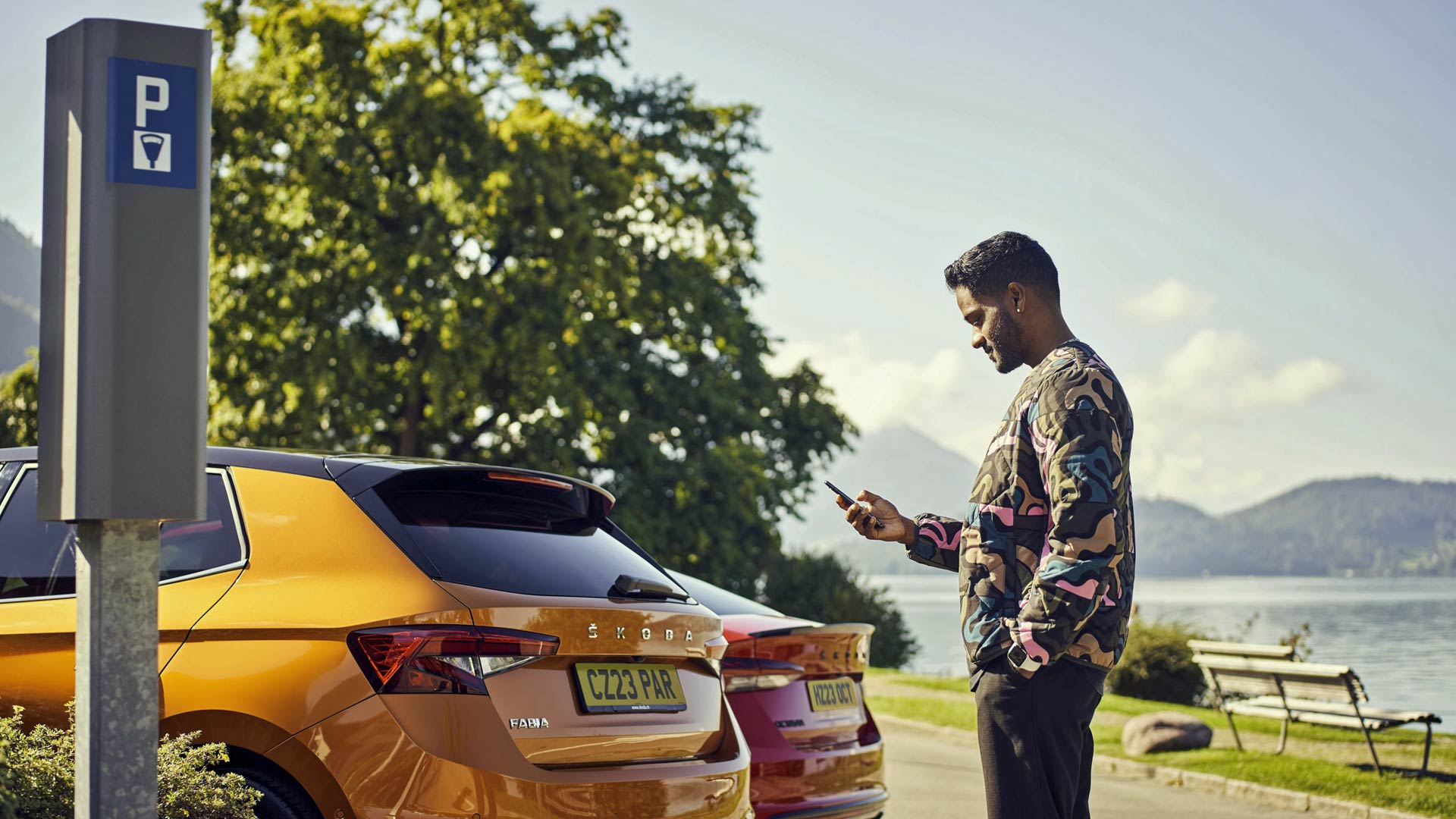
New National Parking Platform App

The UK Government has announced a new collaboration with the British Parking Association (BPA). Its aim is to provide a simpler way to pay for car parking

At present, drivers may need to download and install a variety of smartphone apps to make payments when parking. 

The new National Parking Platform aims to create a โ€˜one app fits allโ€™ solution, simplifying the process for Britain’s motorists. 

This follows successful government-backed trials, which will lead to the new platform being developed at no cost to the taxpayer.

A single-app parking solution

New National Parking Platform App

The BPA will be responsible for the development of the National Parking Platform, and also operate it when the app goes live.

Car parks that participate in the National Parking Platform will be connected through a shared system, meaning any approved smartphone app could be used to make payment.

This should avoid the need to download new apps, and also reduce the risk of drivers being fined for failing to pay.

Major smartphone parking apps including Ring Go. JustPark and PayByPhone are involved in the consortium of firms working with the BPA to develop the National Parking Platform.

‘Simpler, more flexible parking’

New National Parking Platform App

Minister for the Future of Roads, Lilian Greenwood, said: โ€œThis government is on the side of drivers and dedicated to giving everyone simpler, more flexible parking. Iโ€™m delighted that this fantastic project is being taken on by the parking sector with no extra cost to taxpayers.โ€

The new parking platform will be operated on a not-for-profit basis, and will also ensure clear terms to ensure transparency, sustainability and public value. As part of this, the government will maintain oversight of whether the parking sector is complying with these rules.

At present, the National Parking Platform has been rolled out to 10 local authorities across the country, and is handling more than 500,000 transactions each month.

To further the development of the new platform, the next steps in the project will see more UK local authorities added.

ALSO READ:

โ€˜Five-minute ruleโ€™ for new parking guidelines

Parking rules explained: all the places you CANNOT park your car

Car rental firm says EV demand up 139% in a year

Advertisement

The breadvan is back! BMW reveals limited-edition V8 Speedtop

0
BMW Concept Speedtop

BMW has wowed enthusiasts at the Villa dโ€™Este concours event in Italy by unveiling the glamorous Concept Speedtop.

Follow-up to the BMW Skytop roadster, revealed at Villa dโ€™Este last year, the Speedtop features a shooting brake-style body. 

With a hatchback opening at the rear, it gives a knowing nod to the BMW Z3 M Coupe, a cult classic affectionately known as the โ€˜breadvanโ€™ by enthusiasts.  

However, the Speedtop is a thoroughly modern BMW underneath, being based on the M8 grand tourer โ€“ including its powerful V8 engine.

An automotive exclamation mark

BMW Concept Speedtop

“A true BMW exudes dynamism and elegance even when itโ€™s standing still,” said Adrian van Hooydonk, head of design at BMW Group. 

“Thatโ€™s also the case with our new concept car. The BMW Concept Speedtop is characterised first of all by its profile. It is very unique in the automotive industry. In this way, we have created an exclamation mark for our entire lineup of vehicles, especially for the Touring models.”

Like the Skytop roadster, ultra-fine LED headlights flank an illuminated kidney grille, along with a central โ€˜spineโ€™ running along the bonnet. 

The paint finish flips from Floating Sunstone Maroon to Floating Sundown Silver. Elegant, 14-spoke alloy wheels complete the look.

Two seats and fitted luggage

BMW Concept Speedtop

Its BMW M8 origins are more obvious inside the Speedtop, including a dashboard that features plenty of traditional dials and buttons

A two-tone colour combination is used throughout the cabin, with Sundown Maroon leather on the dashboard, centre console and roof pillars. Contrasting Moonstone White covers the seats, along with the leather-lined boot.

The Speedtop is not just about aesthetics, though. While strictly a two-seat shooting brake, BMW wanted it to be usable for weekends away.  

A split-level boot allows small items to be carried on the top, with room for bulkier bags underneath. Extra space is found where the rear seats would usually be. Speedtop customers can also order a bespoke leather luggage set from Italian manufacturer, Schedoni.

Only 70 cars will be made

BMW Concept Speedtop

The Speedtop is powered by the twin-turbocharged 4.4-litre V8 engine from the M8 Competition. That means at least 625hp and 553lb ft of torque, although BMW has not quoted any performance figures. 

Following the success of the limited-production Skytop, 50 examples of which were sold, BMW will offer a total of 70 Speedtops to selected customers. 

Bernd Kรถrber, senior vice president for BMW product management, said: โ€œThis extraordinary vehicle is now available for order. โ€œWe are pleased to be able to offer collectors and enthusiasts another exclusive model.”

BMW has not confirmed a price for the Speedtop, but reckon on requiring around ยฃ500,000 for this very cool coupe.

ALSO READ:

BMW M5 2025 review

The 50-year history of BMW Art Cars

The best restomods to buy in 2025


  • The rise, fallโ€ฆ and potential return of the woodie wagon

    The rise, fallโ€ฆ and potential return of the woodie wagon

    © Ford

    As an icon of suburban family life, the wood-sided station wagon has occupied American driveways for more than six decades.

    From early bespoke creations to the mass-market models of the 1970s, the woodie wagon experienced a rapid increase in popularity, followed by a fall into unfashionable obscurity.

    With talk that rolling back fuel economy rules could pave the way for the station wagon to make a comeback, join us for a nostalgic look back at some of the most iconic woodie wagons ever made.

  • 1934 Plymouth Westchester Semi-Sedan Suburban

    1934 Plymouth Westchester Semi-Sedan Suburban

    © Stellantis

    Timber structures were used from the beginning of automobile manufacturing, so the earliest woodie wagons took advantage of body-on-frame construction. Traditionally built by third-party companies from a bare rolling chassis, in 1934 Plymouth began offering a finished woodie direct to customers.

    The Westchester featured luxurious leather upholstery and removable rear seats for increased practicality, pre-dating modern SUVs by decades. Just 35 examples were sold.

  • 1937 Ford Deluxe V8 Station Wagon

    1937 Ford Deluxe V8 Station Wagon

    © EngageSportMode

    With over 120,000 examples built between 1932 and 1948, early Ford woodie wagons were a relatively common sight on the roads of America. Three rows of seating offered the potential for up to eight passengers, with a split tailgate used as well.

    Deluxe models gained additional chrome trim, fancier woodgrain for the dashboard, plus extra tail lights over the Standard version. A choice of V-8 engines was offered, in either 136-cubic inch or 221-ci displacements.

  • 1941 Chrysler Town and Country

    1941 Chrysler Town and Country

    © Stellantis

    Sensing the growing station wagon market, Chrysler entered in 1941 with the steel-roofed Town & Country model. Pegged firmly as a luxury offering, the wooden exterior elements were used for styling rather than structural integrity.

    The modern, streamlined, design combined handsome looks and space for nine, with a six-cylinder engine and the option of a semi-automatic transmission. Chrysler would sell almost 2,000 Town & Countrys before WW2 cut production short.

  • 1949 Willys Jeep Station Wagon

    1949 Willys Jeep Station Wagon

    © Stellantis

    Arguably the first mass-production SUV when introduced in 1946, the Willys Jeep Station Wagon gave buyers off-road ability and a spacious interior not seen before. Unlike real woodies, the Jeep used an all-steel body designed to replicate timber-clad station wagons.

    This was done for reasons of strength, safety, and to lower the cost of production. A 4×4 version was introduced in 1949, with some 300,000 examples sold before the Station Wagon was replaced in 1965.

  • 1951 Ford Country Squire

    1951 Ford Country Squire

    © Ford

    Added to the full-size Ford model range in 1950, the Country Squire would be the embodiment of woodie wagons for four decades. The first versions were simple two-door station wagons, and the only Country Squire versions to feature genuine wood trim attached to a steel body.

    All subsequent generations would make use of woodgrain trim to lower cost and make maintenance easier. A 226-cubic inch inline-six engine was standard, with Fordโ€™s 239-ci Flathead V-8 optional.

  • 1953 Buick Roadmaster Estate

    1953 Buick Roadmaster Estate

    © Wikimedia โ€“ Rex Gray

    Along with striking good looks, the 1953 Buick Roadmaster Estate was most notable for being the last genuine wood-bodied station wagon to be mass-produced in the United States. Buick first began making the Roadmaster range in 1936, but a woodie station wagon version would not appear until 1947.

    The most expensive Buick on offer at the time, the original Roadmaster woodie came with an inline eight-cylinder Fireball engine. For 1953, Buick replaced the Fireball with a V-8, but still mated to a two-speed automatic gearbox. Just 670 examples of the last wooden woodie were sold in 1953.

  • 1959 Ford Country Squire

    1959 Ford Country Squire

    © Ford

    With woodgrain replacing genuine timber, the woodie moved away from being a coachbuilt creation into a lifestyle wagon. This particular Ford Country Squire was used to display a range of โ€˜push buttonโ€™ accessories. These included a roof-mounted boat with a tent beneath it.

    An electric fridge was mounted in the rear, whilst a shower attachment made this the ultimate outdoor estate. Like the Buick Roadmaster, Ford had ditched genuine wood trim for the Country Squire in 1953, with woodgrain trim used from then on.

  • 1964 Mercury Colony Park

    1964 Mercury Colony Park

    © Mercury

    The classier Mercury brand did not miss out on the woodie wagon action. Following the catastrophic failure of Edsel, full-size Mercury and Ford models would go on to share their bodyshells.

    It meant that the third-generation Colony Park, introduced for 1961, would use Ford bodywork and chassis components. However, Mercury boasted of the Colony Park featuring โ€œrich, mahogany-toned panellingโ€ and the option of seating for up to nine.

  • 1966 Ford Fairlane Squire Wagon

    1966 Ford Fairlane Squire Wagon

    © Ford

    Although the Country Squire would forever be Fordโ€™s main woodie wagon, the Squire name would also appear on other Blue Oval offerings.

    First used on the Fairlane wagon in 1963, the Squire badge was dropped after 1964. Ford then decided to bring it back in 1966 for the new fifth-generation Fairlane. The formula remained the same, with woodgrain vinyl and Fordโ€™s Magic Doorgate trick tailgate included.

  • 1966 Chevrolet Caprice Estate

    1966 Chevrolet Caprice Estate

    © Chevrolet

    Previously a trim level for the Chevrolet Impala, the Caprice became a model in its own right for 1966. With simulated woodgrain vinyl, the Caprice Estate was the first โ€˜woodieโ€™ to be offered by the brand since 1954.

    With a third row of seating an optional extra, the Caprice Estate may have looked to be all about family life. However, by 1968 performance was also part of the deal. A 307-cubic inch V-8 engine with 200 hp was standard, but buyers also had the option to specify the epic 427-ci Turbo-Jet V-8, with a huge 385 hp and 460 lb-ft of torque.

  • 1968 Oldsmobile Vista Cruiser

    1968 Oldsmobile Vista Cruiser

    © GM

    First launched for 1964, Oldsmobile set the Vista Cruiser apart from other wagons with a special split skylight above the second row of seating. A new second-generation model was introduced for 1968, with new bodywork and the skylight made a one-piece item.

    The 350-cubic inch Rocket V-8 would be the standard engine from 1968. Later models would gain the option of the huge 455-ci V-8, with a floor-mounted Hurst shifter available.

    In 1972, the Vista Cruiser would serve as a support car for the Indianapolis 500, albeit without the subtle woodgrain exterior trim.

  • 1968 Ford LTD Country Squire

    1968 Ford LTD Country Squire

    © Ford

    During an upsurge in woodie wagon interest, Ford made the Country Squire a derivative of the LTD. This meant LTD badging appeared on the hood, and the Country Squire gained the neat hidden headlight design seen on other models in the LTD range.

    Powered by engine vacuum, the hidden headlights would failsafe to โ€˜openโ€™ if vacuum pressure was lost. Buyers could opt for the performance 428-cubic inch V-8, bringing 345 hp to the family wagon.

  • 1969 International Harvester Travelall

    1969 International Harvester Travelall

    © International Harvester

    International had produced genuine wood-bodied station wagons until the 1950s, before introducing the Travelall. Based on a pickup truck body, the Travelall was arguably closer in spirit to modern SUVs than a station wagon.

    The fourth-generation D-Series, launched in 1969, had styling that clearly seemed inspired by the range of wagons on American roads. Adding the optional woodgrain exterior trim completed the look, with International marketing the Travelall as a truck-based station wagon.

    Towing RVs was a big part of the Travelallโ€™s appeal, helped by the option of a 401-cubic inch V-8 engine.

  • 1970 Dodge Monaco Station Wagon

    1970 Dodge Monaco Station Wagon

    © Stellantis

    Considered the flagship of the Dodge range, the full-size Monaco naturally could be ordered in a woodgrain-clad wagon variant.

    For 1970, the Monaco received a bold visual overhaul, with Dodgeโ€™s โ€˜Fuselageโ€™ styling taking full effect. A large wraparound front bumper, and a long sloping hood, marked the new model out.

    Early projector headlamps (branded as Super Lite) could be ordered, as could a 350 hp 440-cubic inch V-8.

  • 1971 Pontiac Grand Safari

    1971 Pontiac Grand Safari

    © GM

    In the style of the Ford Country Squire, Pontiac decided to make its flagship station wagon a standalone model for 1971. Enter the Bill Mitchell-designed Grand Safari, which would become one of the longest General Motors cars ever built.

    By 1974, the first-generation Grand Safari would measure 231.3 inches in length. All those acres of woodgrain vinyl, and a special Glide-Away Tailgate, would help push the curb weight to 5,300 lb.

    Naturally, such bulk required either a 400- or 455-cubic inch V-8 under the hood.

  • 1972 Oldsmobile Custom Cruiser

    1972 Oldsmobile Custom Cruiser

    © GM

    Sharing a platform with the Grand Safari, Oldsmobileโ€™s own range-topping woodie wagon appeared in 1971. Capable of accommodating eight passengers, the Custom Cruiser came close to matching the Grand Safari for sheer scale and bulk.

    With an overall length of 231.2 inches, the 1974 Custom Cruiser is close to matching its Pontiac relative.

  • 1973 Chevrolet C10 Suburban Estate

    1973 Chevrolet C10 Suburban Estate

    © GM

    Similar to the International Harvester Travelall, Chevrolet took the view that by calling something a station wagon, people would believe it was one.

    Enter the Estate Package for the seventh-generation Suburban, which brought woodgrain exterior trim and even an Estate badge to the pickup-based SUV.

  • 1974 Chrysler Town and Country

    1974 Chrysler Town and Country

    © Stellantis

    Launched just as American plunged into the chaos of the Arab Oil Embargo, the sixth-generation Chrysler Town & Country faced a troubled outlook. Based upon the giant New Yorker, the 1974 Town & Country was huge enough to transport a 4โ€™ x 8โ€™ sheet of plywood in the load area.

    However, it was the 440-cubic inch V-8 that proved to be the problem. When mated to a standard Torqueflite automatic gearbox, the 5,200 lb Town & Country guzzled fuel at a vast rate. Chrysler would introduce a smaller optional 400-ci V-8 in 1975, but the full-size Chrysler woodie was finished by 1978.

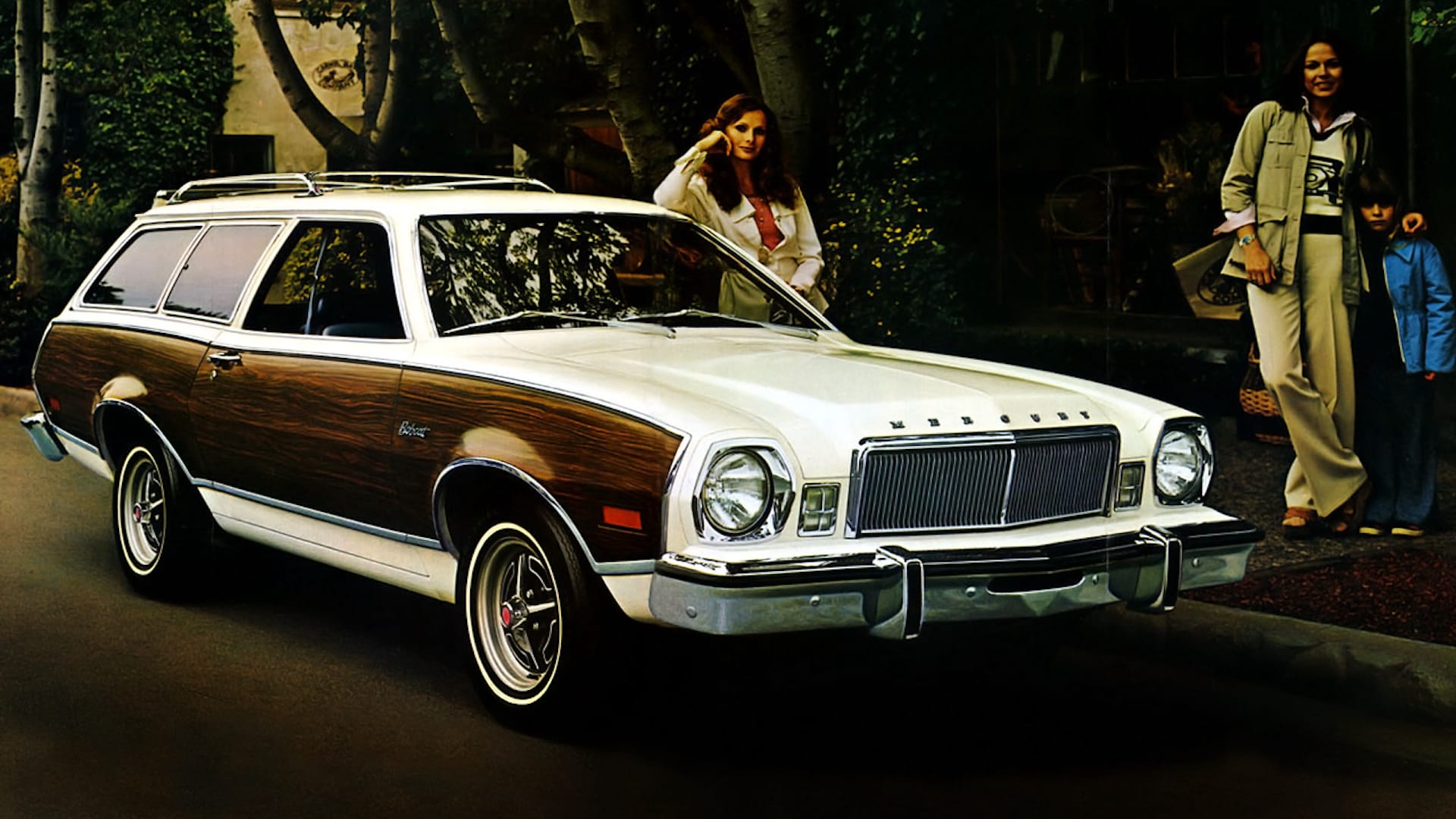
  • 1976 Mercury Bobcat Villager Wagon

    1976 Mercury Bobcat Villager Wagon

    © Mercury

    With the shock of the oil embargo on the car-buying public, the emergence of smaller woodie station wagons seemed perfectly placed to take advantage.

    Ford would offer a Squire version of the Pinto wagon, with Mercury selling the Villager model of the Bobcat. The faux woodgrain styling perhaps suited the Mercury image slightly better, although the Ford would be a much better seller.

    Both models would be affected by the infamous fires linked to the poor design of the Pintoโ€™s fuel system.

  • 1977 AMC Pacer Wagon

    1977 AMC Pacer Wagon

    © AMC

    Competing with the Ford Pinto and Mercury Bobcat in the compact market, AMC introduced a station wagon version of the Pacer in 1977. The wagon format removed some of the controversial styling of the regular model, along with adding extra luggage capacity.

    Opting for the D/L package would bring the all important exterior woodgrain trim.

  • 1977 Pontiac Astre Safari

    1977 Pontiac Astre Safari

    © GM

    General Motors fans were spoilt for choice when it came to small-scale woodie wagon offerings. Along with the Chevrolet Vega Estate Wagon, Pontiac had its own Safari version of the Astre.

    Compared to the Chevrolet Vega, paying a small premium gained Astre Safari buyers a premium interior experience. Although the Astre would be discontinued after 1977, it had shown the way for future compact woodie wagons.

  • 1978 Plymouth Fury Sport Suburban Wagon

    1978 Plymouth Fury Sport Suburban Wagon

    © Stellantis

    With the market moving away from the giant full-size station wagons, Plymouth had downsized the Fury Sport to the smaller B-Body platform. A key party trick for the Fury Sport Suburban was a three-way tailgate.

    Not only could the rear window be retracted, the door itself could either hinge sideways, or drop downwards. Being the late 1970s, options like a CB Radio or eight-track stereo were on offer. Shag pile carpeting and vinyl seats were standard, along with the woodgrain trim.

  • 1978 Ford Country Squire

    1978 Ford Country Squire

    © Ford

    Although other manufacturers had abandoned their full-size woodie wagons, Ford persevered with the Country Squire until 1979. This made the 1978 model the last giant wood-trimmed Ford estate, tipping the scales at some 4,881 lb and over 225.7 inches long.

    Hidden headlights marked out the Country Squire as the range-topping model, while a 400-cubic inch V-8 engine was needed to help shift the bulky estate.

  • 1978 Toyota Cressida Wagon

    1978 Toyota Cressida Wagon

    © Toyota

    Toyota had experienced considerable success in North America throughout the 1970s, but wanted to make further progress when replacing the Mark II. With European-influenced styling and a new name, Toyota hoped the Cressida would appeal to American consumers.

    Along with the rebranding, and an increase in scale, the most obvious way to attract new buyers was by making a station wagon model. This also meant the option of a woodgrain vinyl package.

    The updated Cressida was only sold for three model years, before a new model arrived for 1980. Even bigger in scale, this saw Toyota ditch the woodgrain trim.

  • 1980 Honda Civic Country

    1980 Honda Civic Country

    © Honda

    Despite the declining popularity of the woodie wagon, Honda sensed the need to launch a vinyl woodgrain-trimmed version of the second-generation Civic.

    With front-wheel drive and a small 1.5-liter four-cylinder engine, the Civic Country was a world away from the full-size domestic American offerings of the past. However, it would start a resurgent trend for compact woodies that homegrown manufacturers would follow.

  • 1981 Dodge Aries Wagon

    1981 Dodge Aries Wagon

    © Stellantis

    As part of Chryslerโ€™s infamous K-car range, the Dodge Aries and Plymouth Reliant marked the start of a downsized product range and even attracted a โ€˜Car of the Yearโ€™ award from Motor Trend magazine.

    While the Aries may not have had the same idyllic family image as woodies of the 1960s and โ€˜70s, it still attracted many buyers. Over 1.1 million examples of the Aries and Reliant were sold between 1981 and 1989, but the future was clear when woodgrain vinyl was a no-cost delete option.

  • 1981 Ford Escort Wagon

    1981 Ford Escort Wagon

    © Ford

    Although less well known than the European version, the US-market Ford Escort was launched in 1980 as a replacement for the infamous Pinto. With its predecessor suffering from a torrid image problem, almost anything the Escort did would be an improvement.

    Adding vinyl woodgrain to a compact wagon was a poor pastiche of Fordโ€™s former glories, while a 1.6-liter four-cylinder engine with just 68 hp was hardly worth getting excited about.

  • 1982 Chrysler LeBaron Town and Country Station Wagon

    1982 Chrysler LeBaron Town and Country Station Wagon

    © Stellantis

    After five decades of being a large rear-wheel-drive estate, the eighth-generation Chrysler Town & Country was reduced to a compact machine. With the same K-body platform as the Dodge Aries, the LeBaron Town & Country utilized front-wheel drive and a range of four-cylinder engines.

    Simulated woodgrain trim was still there, with a 3D effect intended to evoke the original Town & Country models. A limited-edition two-door convertible was also offered between 1983 and 1986. After 1989, the Town & Country name would be used for a range of minivans instead.

  • 1982 Mercury Cougar Villager

    1982 Mercury Cougar Villager

    © Mercury

    Forget the idea of the Mercury Cougar being an upmarket version of the classic Ford Mustang. By the early 1980s the Cougar had become a mid-sized range of coupe, sedan and station wagon using the Ford Fox platform.

    The Villager option reappeared, and added Rosewood vinyl to the side and rear panels, along with a chrome luggage rack. A 3.3-liter straight-six engine was standard, with a 3.8-liter V-6 offered as an option.

  • 1984 Dodge Caravan

    1984 Dodge Caravan

    © Stellantis

    This was the beginning of the end for the station wagon as a part of American family life; suburban dreams would shortly be all about the minivan. Chrysler minivans were designed to fit inside a standard garage, but also โ€“ just like the classic full-size wagons โ€“ to be able to carry a 4โ€™ x 8โ€™ sheet of plywood.

    Keen to help buyers maintain the link with the ideas of a classic woodie, higher-specification versions of the Caravan featured vinyl woodgrain exterior panelling.

  • 1985 AMC Eagle

    1985 AMC Eagle

    © AMC

    The crossover might seem like a modern creation, but AMC offered a range of different bodies mounted on a four-wheel-drive chassis as early as 1979. From a two-door coupe to a hatchback and sedan, the Eagle range also included a wagon with the option of woodgrain panels.

    Today, the Eagle has a degree of cult collectability, representing the crossover concept decades before it became commonplace.

  • 1985 Chevrolet Caprice Classic Estate

    1985 Chevrolet Caprice Classic Estate

    © Chevrolet

    Like all its key rivals, the Chevrolet Caprice had shrunk, but it still represented one of the biggest woodie wagons on offer. As an eight-seater, the Caprice Classic included a folding two-seat bench in the luggage compartment.

    Even Chevrolet boasted of the 4,067 lb curb weight, and the need for a 5.0-liter V-8 engine just to haul it around.

  • 1988 Ford LTD Crown Victoria Country Squire

    1988 Ford LTD Crown Victoria Country Squire

    © Ford

    Ford gave the Country Squire one final update in 1988. It marked the first time since 1979 that it had received changes, with bodywork from the LTD Crown Victoria sedan added.

    Four decades of history came to an end in 1991, as. Ford finally called time on the Country Squire. Sales of the wagon had declined from more than 130,000 in 1971 to just 13,000 by 1989. The rise of the minivan, including Fordโ€™s own Aerostar, had rendered the station wagon antiquated and uncool.

  • 1991 Jeep Cherokee Briarwood

    1991 Jeep Cherokee Briarwood

    © Stellantis

    Woodgrain trim remained a core part of the Jeep range throughout the 1980s, with the classic Grand Wagoneer being a notable example.

    Even as newer SUVs like the Cherokee hastened the demise of the family station wagon, Jeep continued to offer models with woodgrain exterior trim. The XJ Cherokee was initially sold with a Wagoneer woodgrain package, then replaced by the Briarwood in 1991.

    Sold for just two years, the Cherokee Briarwood came with faux maple trim inside, along with woodgrain exterior cladding.

  • 1996 Buick Roadmaster Estate

    1996 Buick Roadmaster Estate

    © Buick

    It had been the last woodie to use genuine timber components, so it seems only fitting that the very last American woodgrain wagon was the Buick Roadmaster. Reintroduced in 1991, the Roadmaster Estate was truly old-school, with a full-size rear-wheel-drive chassis and all the imitation woodgrain you could want.

    The optional third row of seats was still there, as was the 5.7-liter V-8 engine, but the reality was that the world had moved on. MPVs and SUVs were now the choice for cross-country family road trips, consigning the woodie to the history books.

  • 2002 Chrysler PT Cruiser Woodie Package

    2002 Chrysler PT Cruiser Woodie Package

    © Stellantis

    The PT Cruiser already came with throwback styling, but Chrysler was determined to up the nostalgia factor with a series of option packages.

    Available from 2002 to 2004, the Woodie Package added faux woodgrain panels to the side and trunk of the compact hatchback. In homage to the Town & Country wagons, light ash moldings surrounded oak vinyl.

    Essentially putting one retro-inspired hat on top of another, the Woodie Package was a cynical pastiche of the woodgrain glory days.

  • 2009 Ford Flex

    2009 Ford Flex

    © Ford

    Although Chrysler had been unable to give the woodie wagon a dignified send off, Ford tried harder with the Flex crossover SUV.

    Following on from the 2005 Ford Fairlane concept, the production Flex was styled by the late Peter Horbury. Horizontal grooves were included on the doors and trunk, intended to evoke the idea of classic woodie wagons.

    With three rows of seating on offer, the Flex brought the woodie wagon story full circle, harking back to the pre-WW2 Fords.

  • 2018 Buick Regal TourX

    2018 Buick Regal TourX

    © Buick

    By the late 2010s, the last American-badged station wagon was launched, but faux woodgrain was decidedly off the menu.

    Launched in 2018, the Buick Regal TourX was manufactured in Germany, as one of the final projects before the European Opel brand was sold by General Motors to Stellantis.

    Aimed at contemporary competitors such as the Subaru Outback, the Regal TourX was the first Buick wagon for almost two decades.

    Discontinued after the 2020 model year, this would be GMโ€™s final throw of the station wagon dice.

  • Could the woodie wagon be coming back?

    Could the woodie wagon be coming back?

    © Ford

    Woodie wagons received a mention at the launch of the โ€œFreedom Means Affordable Carsโ€ proposal, intended to change the National Highway Traffic Safety Administration (NHTSA)โ€™s corporate average fuel economy (CAFE) standards.

    U.S. Department of Transportation Secretary Sean P. Duffy was quoted as saying that the initiative could โ€œallow you to bring back the 1970s station wagon โ€“ maybe a little wood paneling on the sideโ€.

    The โ€œFreedom Means Affordable Carsโ€ proposal also makes direct reference to station wagons, suggesting that the American woodie could be set for a dramatic return.

Advertisement

The electric Vauxhall Mokka GSE is ready to go rallying

0
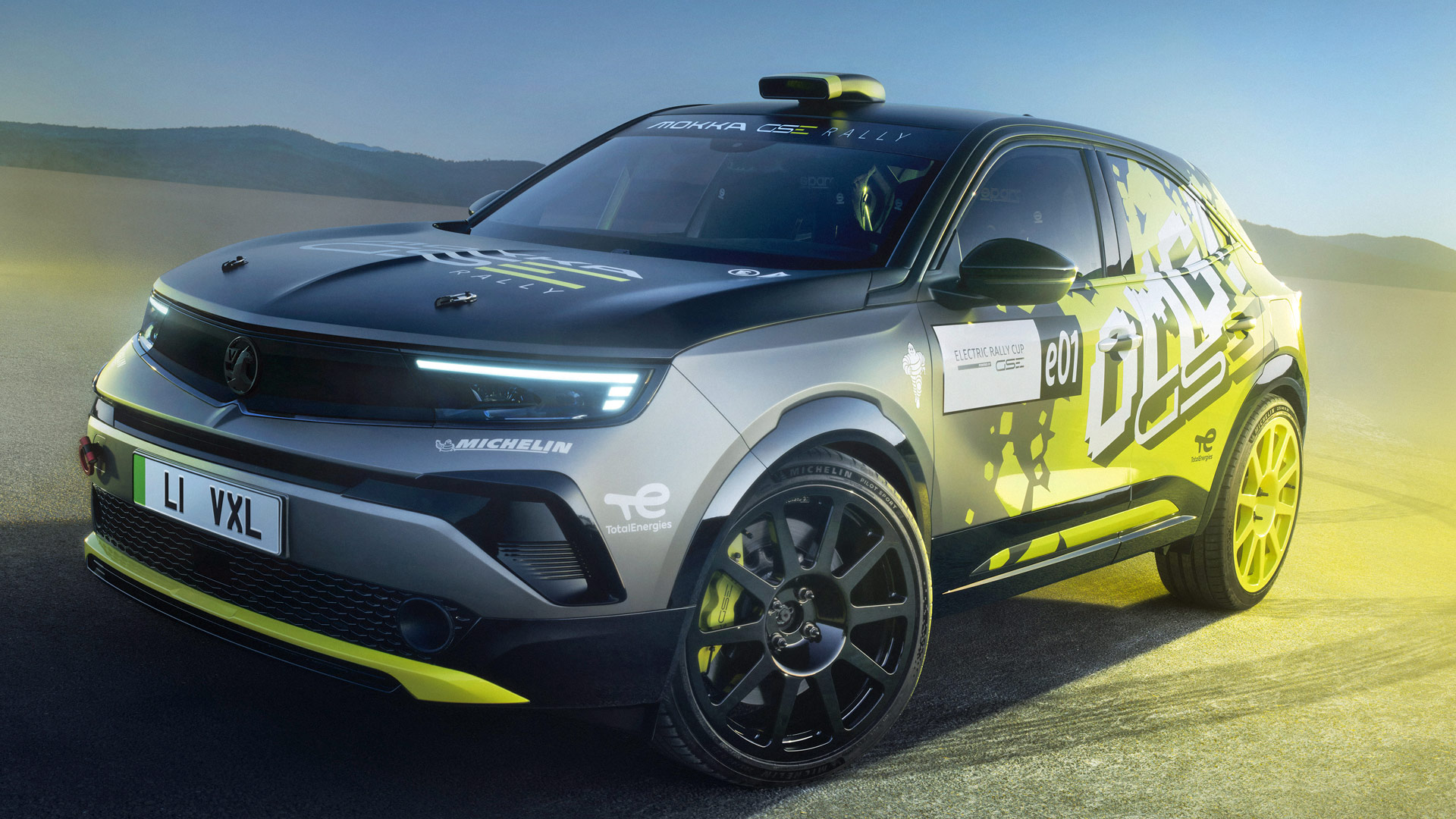
Vauxhall Mokka GSE Rally

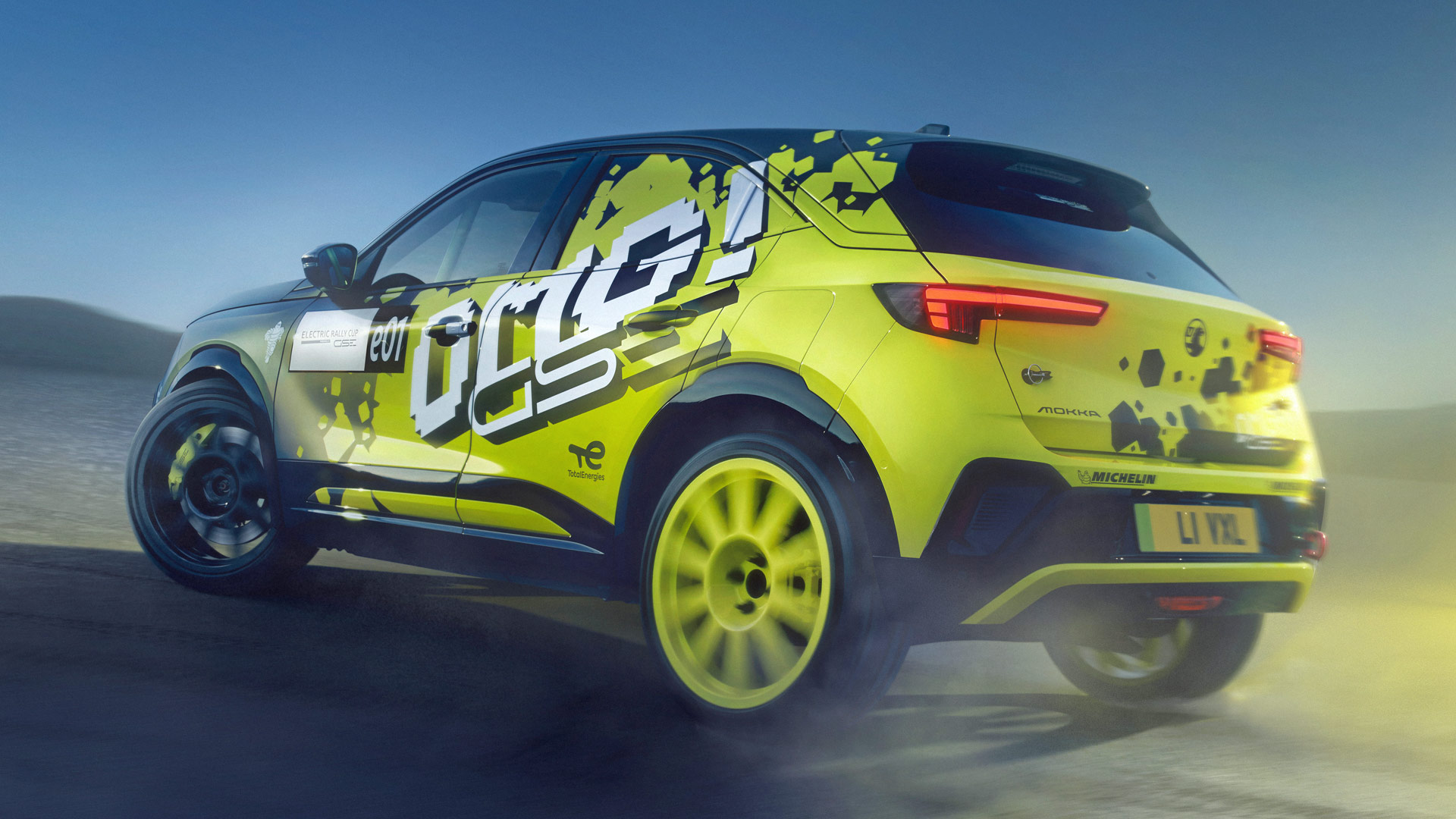
Vauxhall has revealed its take on the future of rallying, with the fully electric Mokka GSE.

Built to the FIAโ€™s new eRally5 specification by sister company Opel, the Mokka GSE will be on display at this weekendโ€™s ADAC Opel Electric Rally Cup in the Netherlands.

Electric versions of the Corsa supermini have been used in rallying for several years. However, the Mokka GSE is a more serious proposition โ€“ and we might see a Vauxhall-badged version competing in the near-future.

The rally-ready EV

Vauxhall Mokka GSE Rally

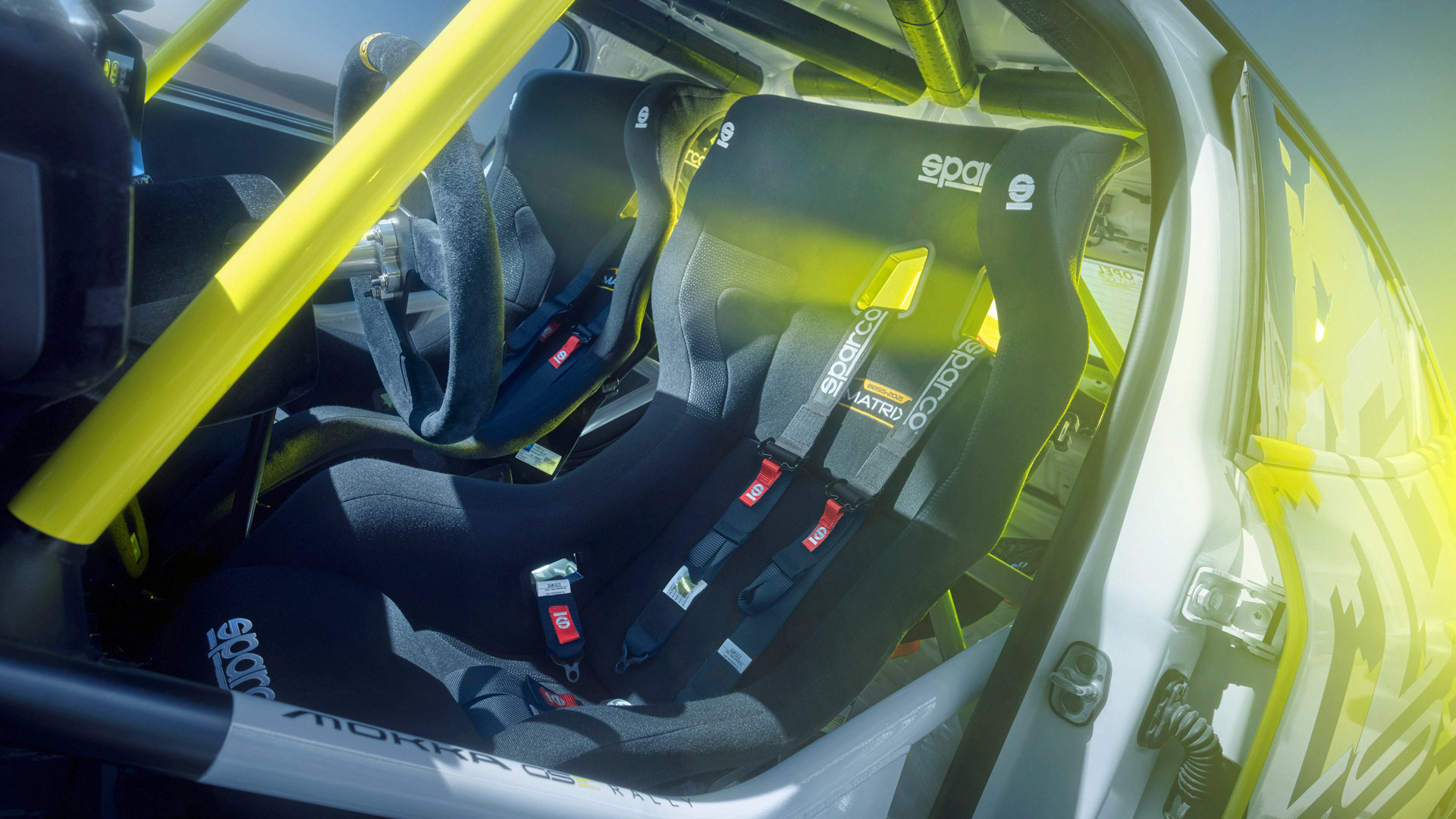
Powering the Mokka GSE rally car is a 280hp electric motor. This drives the front wheels through a multi-plate limited-slip differential and racing gearbox.

A 54kWh battery pack comes from the regular, road-going Mokka. However, it has been tuned for motorsport use, and is protected by an additional underbody guard. 

The 400-volt battery system is monitored constantly, and will automatically shut itself down in the event of a collision. A comprehensive fire extinguisher system, using an electrically non-conductive extinguishing agent, is ready just in case.

Bespoke rally suspension from Bilstein features modified springs and dampers. Performance brakes are also present, with bright yellow calipers tucked behind motorsport-spec alloy wheels.

OMG for a GSE return

Vauxhall Mokka GSE Rally

On the outside, the Mokka GSE wears an eye-catching โ€˜OMG GSEโ€™ livery, with its entire body covered in a yellow and black wrap. Prominent ‘GSE’ lettering is a deliberate move to highlight the return of a performance sub-brand

Rebecca Reinermann, vice president of marketing at Opel-Vauxhall, said: โ€œThe Mokka GSE Rally will set Vauxhall Motorsport fansโ€™ pulses racing and deliver real โ€˜OMG!โ€™ moments. 

โ€œThe electric rally prototype proves that our GSE sub-brand is going to the next level in 2025, with electric thrills and high-level performance true to our rich motorsport heritage.โ€

ALSO READ:

Vauxhall cuts EV prices to avoid new electric car tax

Hydrogen-powered Vauxhall Movano van to cost from ยฃ66,450

The greatest motorsport liveries of all time

Alpine A390 revealed: electric SUV targets the Porsche Macan

Mercedes-Benz has now built 5 million Sprinter vans

Lotus honours F1 champion Jim Clark with special edition Emira

Advertisement

New Renault 4 EV to cost ยฃ3,000 less than rival Ford Puma

0
Renault 4 E-Tech UK Pricing

Prices for the new Renault 4 E-Tech have been announced โ€“ and the electric crossover will undercut key rivals in a competitive market.

When order books open in July this year, the reborn, fully electric Renault 4 will cost from ยฃ26,995.

This starting price makes the retro-inspired Renault fully ยฃ3,000 cheaper than one of its main competitors: the new Ford Puma Gen-E.

Order books will open on 15 July 2025, but VIP customers with a ยฃ150 Renault R-Pass get priority treatment โ€“ being able to place an order from 1 July.

Going bold on pricing

Renault 4 E-Tech UK Pricing

Starting with the ยฃ26,995 Evolution model, the Renault 4 E-Tech offers a generous standard specification. Dual-zone climate control, 18-inch alloy wheels, a 10-inch central touchscreen, keyless entry, a rear-view camera and rear parking sensors are all included.ย 

Moving up to the ยฃ28,995 Techno spec adds built-in navigation to the central touchscreen, plus wireless smartphone charging, adaptive cruise control, privacy glass, front parking sensors and ambient interior lighting.ย 

At the top of the range, Iconic trim includes heated front seats, a heated steering wheel, a synthetic leather dashboard with an illuminated โ€˜4โ€™ logo, and a hands-free electric tailgate. The 4 Iconic is priced from ยฃ30,995.ย 

Renault says a retro-style โ€˜plein sudโ€™ electric canvas roof will be offered on the Techno and Iconic trim levels. Controlled by a button or voice command, the full-length opening roof will join the options list shortly after launch.

Big on equipment and space

Renault 4 E-Tech UK Pricing

Larger inside than the related Renault 5 E-Tech, the new 4 offers a 420-litre boot capacity, which grows to 1,405 litres with the rear seats folded down. Lashing points, bag hooks and rubber storage bands help to boost practicality.ย 

All launch versions of the Renault 4 will use a 150hp electric motor combined with a 52kWh battery pack. This provides a 0-62mph time of 8.2 seconds, plus a top speed of 93mph.ย 

Fully charged, the Renault 4 E-Tech has a potential range of up to 247 miles, depending on the options chosen. When connected to a 100kWh fast charger, the E-Techโ€™s battery can be replenished from 15 to 80 percent in 30 minutes.

R-Pass customers will receive three years of free servicing if a 4 E-Tech is purchased through Renault’s MFS finance scheme.

ALSO READ:

The Nissan Micra is back: now electric and based on the Renault 5

We go inside Renaultโ€™s secret classic car collection

Best electric cars to buy in 2025

Advertisement

Fernando Alonso laps Monaco F1 circuit in Aston Martin Valhalla

0
Aston Martin Valhalla in Monaco

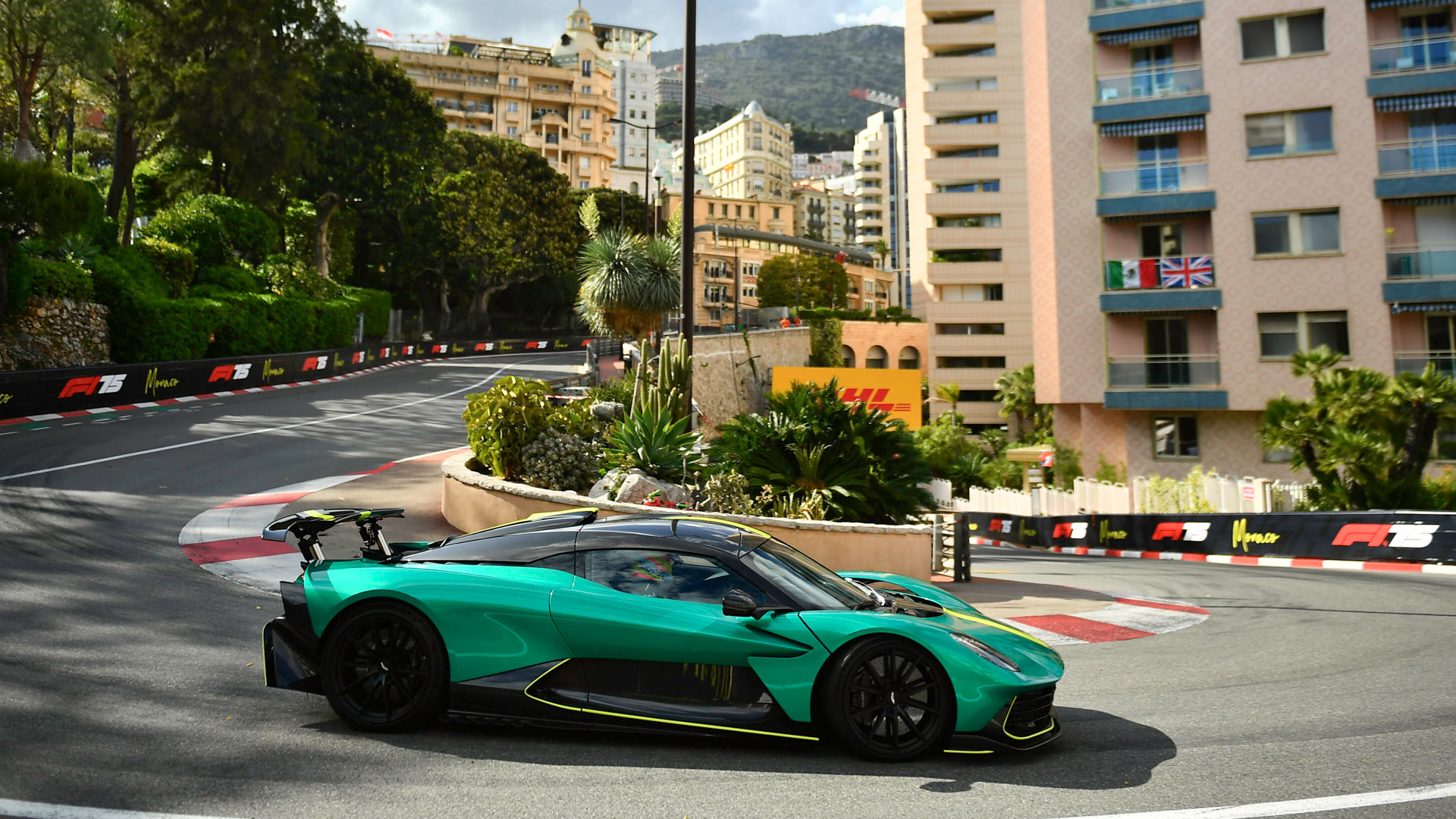
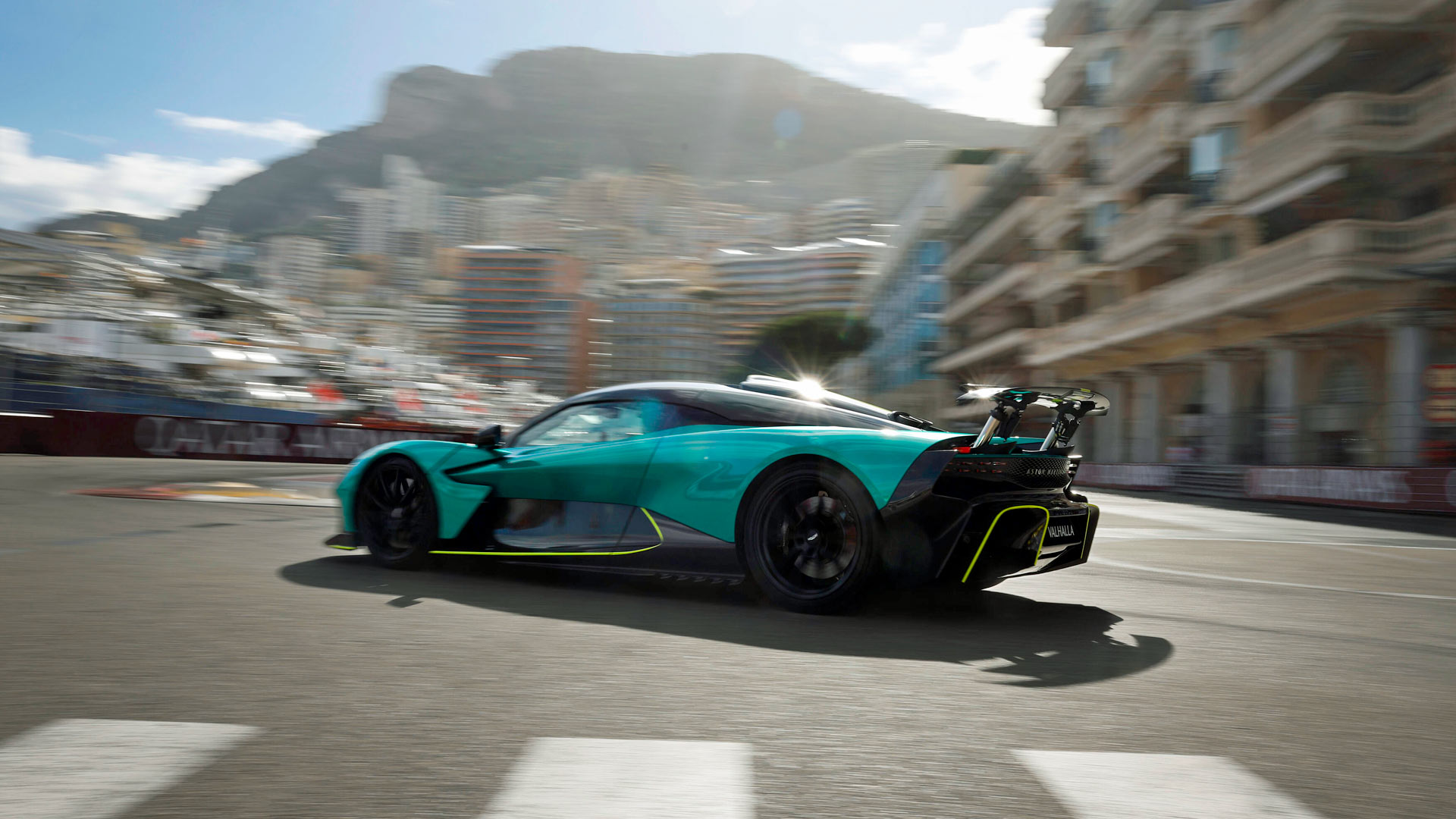
The Aston Martin Valhalla hypercar has made a dramatic public debut, being driven flat-out around the Monaco Grand Prix circuit. 

Aston Martin revealed full details of the mid-engined Valhalla in late 2024. However, this is the first time enthusiasts have seen the 217mph hypercar in action.

Wrangling the Valhalla around the streets of Monaco was no ordinary test pilot, but two-time Formula One World Champion, Fernando Alonso

The Aston Martin F1 team driver helped to develop the Valhalla, which goes into production later this year. A total of 999 cars will be made.

In the tyre tracks of heroes

Aston Martin Valhalla in Monaco

After his demonstration run, Fernando Alonso said: โ€œHaving followed this project closely for the past 18 months and working alongside the development team, unveiling Valhallaโ€™s dynamic capability to the world at the Monaco Grand Prix weekend is a fantastic moment for both myself and the brand. 

โ€œTaking Aston Martinโ€™s unmatched luxury credentials and adding cutting-edge F1-inspired technology and class-leading performance, I can confirm Valhalla is a true supercar both on road and on track. Outside of the outright power and dynamics, it delivers on all of the raw feelings and emotions you look for when behind the wheel of a car like Valhalla.โ€

The Valhalla used for the Monaco run was directly inspired by the Aston Martin Formula One teamโ€™s race cars, with Podium Green paint and Lime Green stripes. 

Aston Martin’s F1 team was closely involved with the Valhalla project, advising on its construction materials and aerodynamic package. The car evidences a motorsport connection that is more than skin-deep.

A high-performance hybrid

Aston Martin Valhalla in Monaco

The Valhalla utilises Aston Martinโ€™s first plug-in hybrid powertrain: an 828hp 4.0-litre twin-turbocharged V8 engine with a trio of electric motors to add a further 251hp.

A combined output of 1,079hp allows the flagship Valhalla to accelerate from 0-62mph in just 2.5 seconds. 

Adrian Hallmark, CEO of Aston Martin, said: โ€œThe extreme performance and unprecedented dynamic bandwidth that distinguishes Valhalla from its rivals presented many new opportunities to both the engineering and design teams throughout its development. 

โ€œTo witness the culmination of the tireless work from all teams involved, showcased on an iconic F1 circuit like Monaco and driven by an icon like Fernando is a significant moment in Aston Martinโ€™s rich history of both road cars and racing.โ€

ALSO READ:

Valhalla spec secrets: How to configure a hypercar

Aston Martin is first to offer next-gen Apple CarPlay Ultra tech

Aston Martin Vantage Roadster 2025 review

Advertisement

Alpine A390 revealed: electric SUV targets the Porsche Macan

0
Alpine A390 EV Fastback

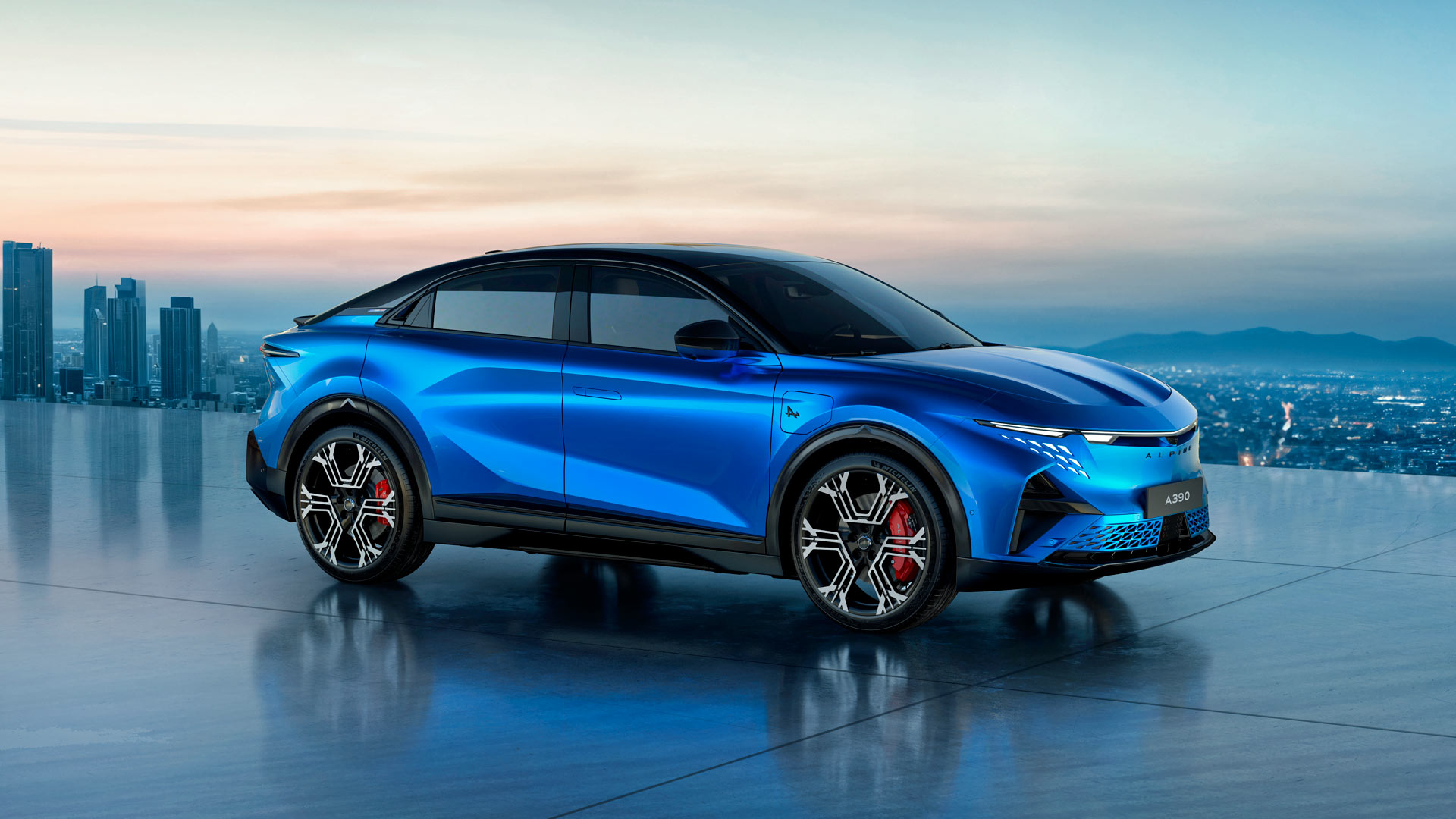
French performance car brand Alpine has revealed the third model in its โ€˜Dream Garageโ€™: the radical-looking A390 fastback SUV.ย 

The fully electric A390 is claimed to offer the โ€˜exhilarating driving experienceโ€™ of the Alpine A110 sports car, combined with rear seats and lots of luggage space.

With three electric motors, plus active torque vectoring to boost its cornering agility, the A390 will square up to premium SUVs such as the Porsche Macan EV and Maserati Grecale Folgore.ย 

It marks a dramatic pivot for the French marque, which has focused on lightweight sports cars for most of its seven decades so far. Alpine’s next chapter will include sales in the lucrative North American market, too.

โ€˜A racing car in a suitโ€™

Alpine A390 EV Fastback

Alpine CEO Phillip Krief said: “The Alpine A390 is how to reinvent the spirit of the A110 in a five-seat sport fastback. This is the quintessential Alpine, combining sportiness and performance with technology and refinement, all for a unique driving experience that is equally suited to everyday use and more spirited driving.โ€

The critically lauded Alpine A110 provided design inspiration for the A390 โ€“ and not merely in the tiny โ€˜Easter Eggโ€™ outline of the sports car found in the corner of its windscreen.

Racing helmet visors informed the shape of the rear window, while Alpineโ€™s Le Mans prototype influenced the A390โ€™s diffuser. A transverse bonnet ‘blade’ improves airflow across the carโ€™s body.

Six paint colours will be available, plus the option of a contrasting black roof. Buyers will be able to choose alloy wheels in 20- or 21-inch sizes, both wrapped in bespoke Michelin tyres.

Heavyweight performance

Alpine A390 EV Fastback

Underpinning the A390 is the ‘AmpR Medium’ platform, already used by the Renault Megane E-Tech and Nissan Ariya SUVs. Howver, Alpine has fitted a trio of electric motors, with two powering the back axle for a rear-biased feel.ย 

In standard GT form, the A390 develops 400hp, allowing this 2,121kg SUV to accelerate from 0-62mph in 4.8 seconds and reach a top speed of 124mph.

Opting for the A390 GTS lifts output to 470hp, with maximum torque of 596 lb ft. This cuts the 0-62mph time to 3.9 seconds, and increases maximum speed to 137mph.ย 

The five driving modes offer different settings for the torque vectoring system. Launch control and an overtaking boost button also enhance the A390’s performance.

Inside the Alpine A390

Alpine A390 EV Fastback

The A390โ€™s cabin is dominated by the combination of 12.3-inch and 12-inch high-definition screens, but Alpine has retained physical switches for climate control functions beneath the central display.

Alcantara-clad sports seats are standard in the GT, with the GTS gaining Sabelt buckets in grey and blue Nappa leather. A heated steering wheel features aluminium buttons inspired by Alpineโ€™s Formula One racing cars.

At launch, all versions of the A390 will feature an 89kWh battery pack, along with a heat pump to aid efficiency. A fully charged A390 GT is capable of covering up to 345 miles, with the GTS version managing 330 miles.

Compatibility with 190kW DC fast charging means the A390 can ‘refuel’ from 15 to 80 percent battery capacity in less than 25 minutes. Two-way, vehicle-to-load charging is possible, too.

Orders open later this year

Alpine A390 EV Fastback

Order books for the A390 will open in November 2025, with Alpine offering a VIP priority scheme โ€“ similar to the R-Pass for the Renault 4 E-Tech.ย 

Buying an Alpine A-Pass gives customers early access to ordering and news updates, plus a pair of exclusive Devialet Alpine edition earbuds. The first completed cars are expected to reach customers in the second quarter of 2026.

Alpine has yet to confirm how much the A390 will cost when it lands in the UK. However, reckon on a starting price of around ยฃ60,000 for the GT model, with the faster GTS costing in the region of ยฃ70,000.

ALSO READ:

Alpine A110 R review

In pictures: the story of Alpine cars

1990 Renault 5 GT Turbo review: Retro Road Test

Advertisement