Aston Martin has revealed bespoke versions of the Vanquish and DB12 to mark the 60th anniversary of the Volante nameplate.
The bespoke Q by Aston Martin department took the lead in creating the Volante Editions, which are said to offer the ‘ultimate open-top driving experience’.
The Volante story began in 1965 with one of the rarest Aston Martins ever made. Only 37 examples of the ‘Short Chassis Volante’ were produced during a single year. Nonetheless, the name stuck.
Aston Martin’s 60th Anniversary of Volante Editions are intended to commemorate six decades of convertible grand tourers.
Six decades of open-top driving
Both the 60th Anniversary of Volante Editions come with Pentland Green exterior paintwork, complemented by a Q Westminster Green folding roof.
Aston Martin’s classic front grille and side strakes are highlighted in anodised bronze. Bespoke 21-inch alloy wheels are finished in satin bronze, complete with diamond-turned edges.
On the inside, both Volante Editions feature a tri-tone colourway design that combines Centenary Saddle Tan, Ivory and Woven leather.
Dark Walnut open pore veneer is found on the dashboard and door panels. Owners will also discover tactile bronze touchpoints and bespoke 60th Anniversary embroidery on the seats.
An exclusive anniversary present
Aston Martin has left both cars mechanically unaltered. However with 835hp for the Vanquish Volante and 680hp for the DB12 Volante, performance was hardly in short supply.
Jolyon Nash, chief commercial officer at Aston Martin, said: “Volante is one of Aston Martin’s most evocative names, representing six decades of the ultimate open-top driving experience.
“With the 60th Anniversary of Volante Editions, we’ve created a truly exclusive celebration of that legacy – bringing together the raw power of Vanquish Volante and the refined versatility of DB12 Volante in a way that speaks directly to our most discerning customers. These cars are the embodiment of rarity, performance and craftsmanship that define Q by Aston Martin.”
Production of the 60th Anniversary of Volante Editions will be limited to 60 examples of each car. First deliveries are expected before the end of 2025.
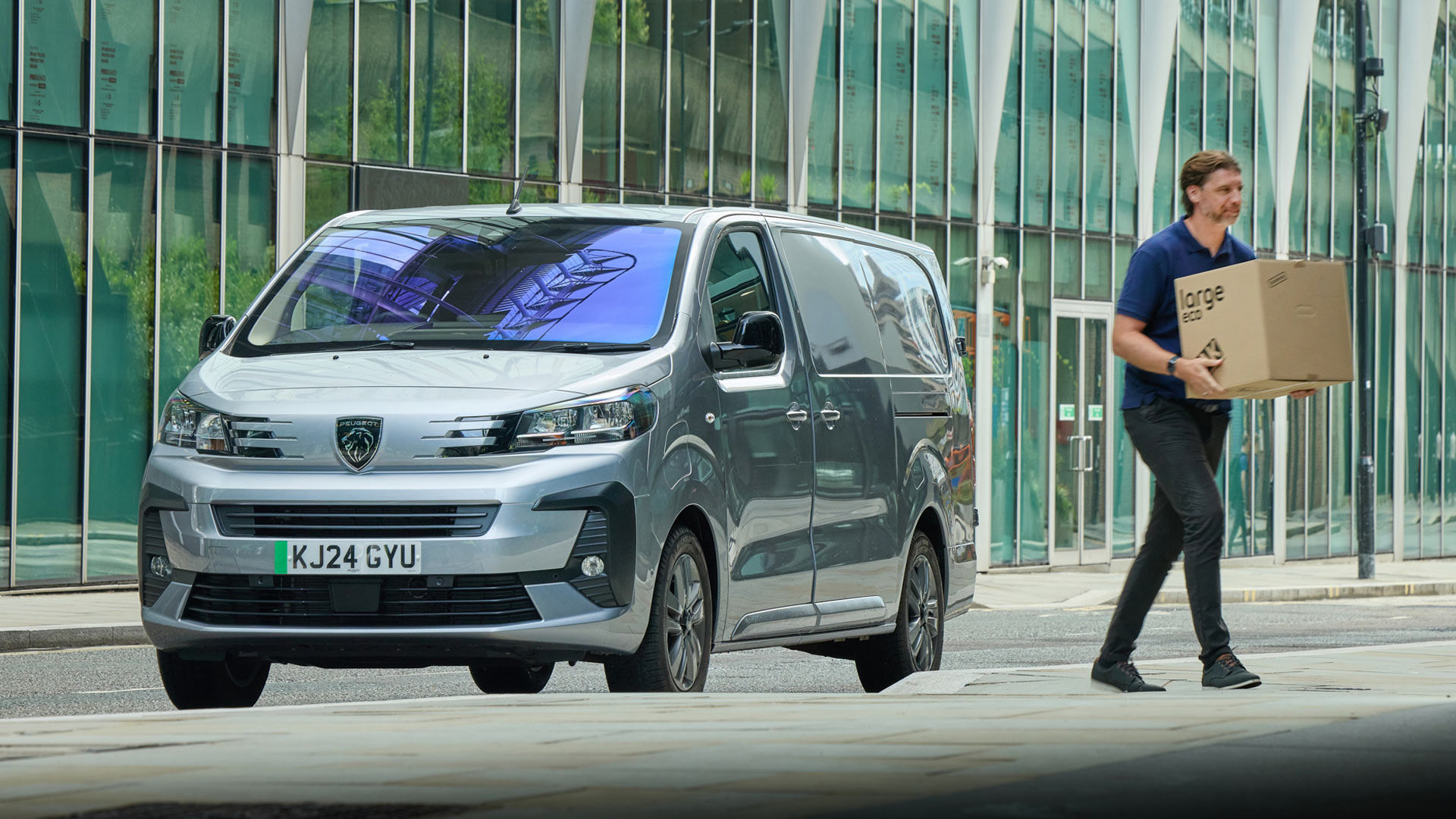
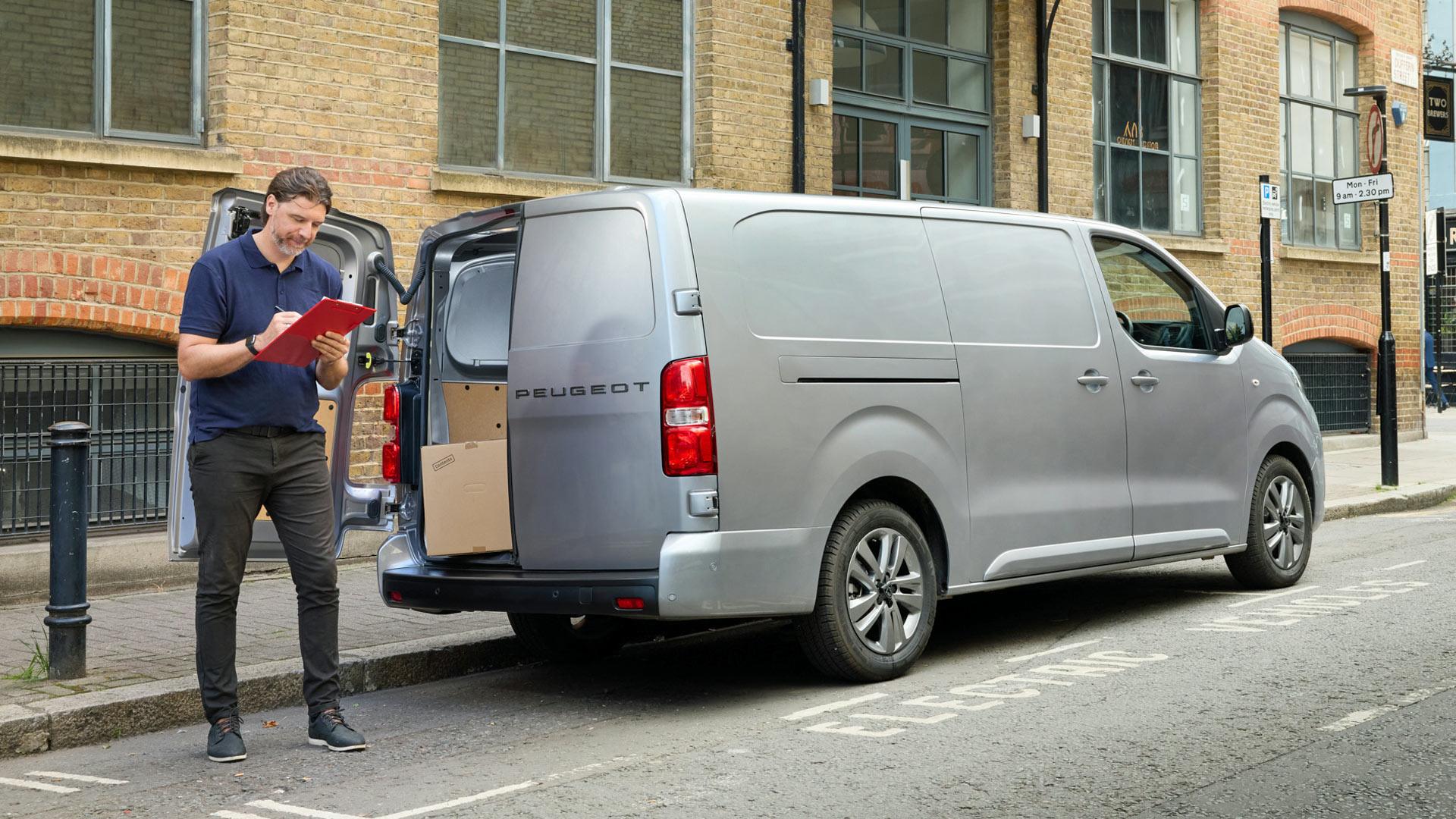
Van drivers have opened up about the amount of negative experiences they endure while using their vehicles on UK roads.
In a new survey commissioned by Peugeot, more than three quarters (78 percent) of van drivers said they had experienced negative behaviour when behind the wheel.
More than half (53 percent) said they had been cut up on the road, with 51 percent revealing they had been sworn at.
Worryingly, one in four drivers (26 percent) also said they had been threatened with physical violence.
Van drivers are just misunderstood
Some 79 percent of van drivers believe this behaviour is due to how they are perceived by other road users, with 73 percent saying they feel misunderstood.
Van drivers also believe they are frequently stereotyped by others. Nearly half (46 percent) say they are portrayed as being aggressive, and 43 percent as having poor driving ability.
This is despite around two thirds (67 percent) of van drivers claiming they make a point of being mindful of other road users.
In fact, 53 percent of van drivers think they are actually more competent than most motorists, due to the different skills required for driving a van.
Electric vans make a better impression
This negativity has an impact on the driving behaviour of van owners, with 71 percent feeling like they must defend themselves or prove they are a good driver when behind the wheel.
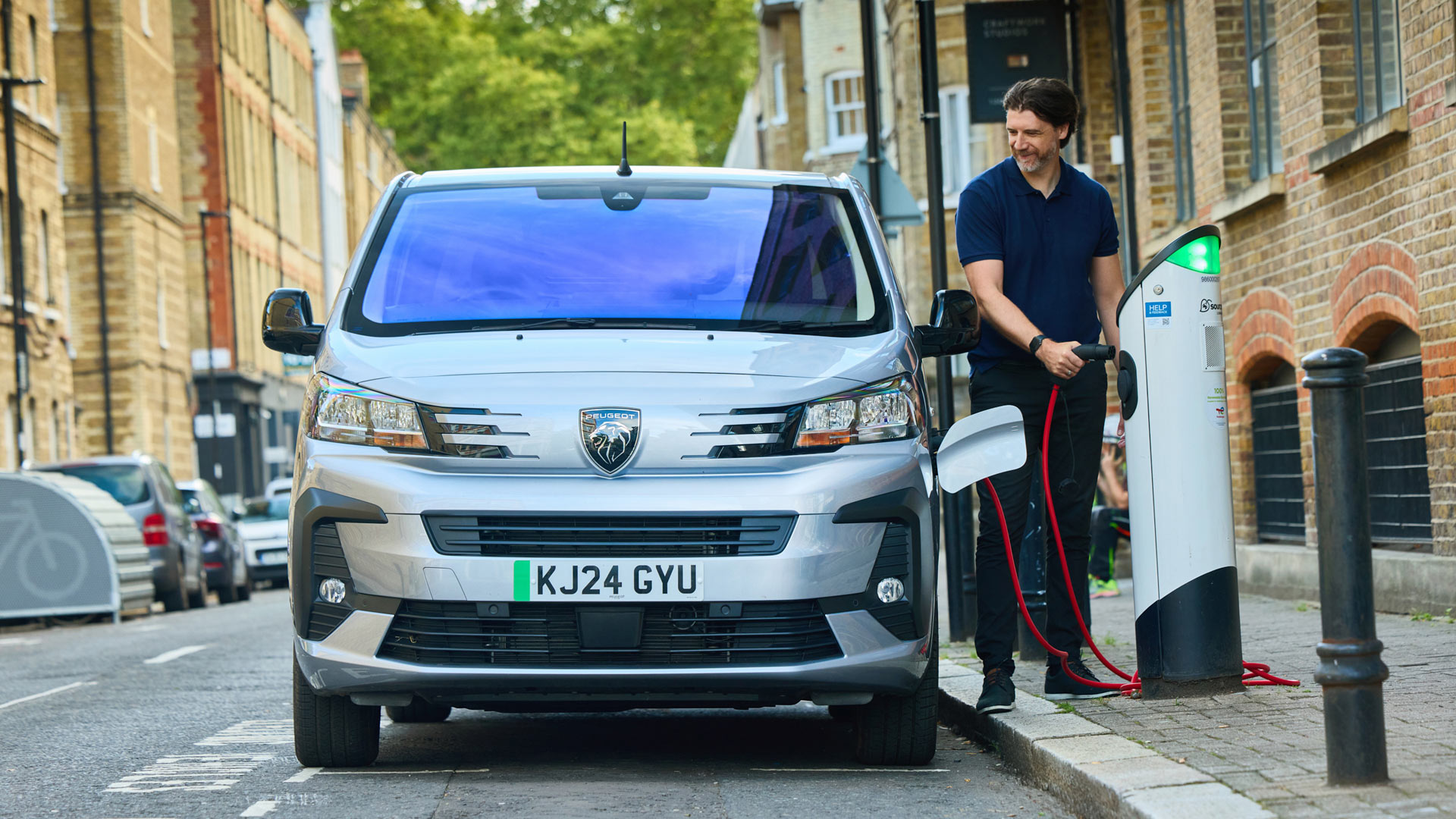
Interestingly, more than half (56 percent) of electric van drivers reported being perceived positively when charging their vehicle in public. And 64 percent say they have had better experiences after swapping from a petrol or diesel van to an electric one.
Nicola Dobson, managing director at Peugeot UK, said: “It’s time for the outdated stereotypes of van drivers to be re-evaluated. At Peugeot, we know the majority of van drivers take pride in their vehicle and are among the most skilled and considerate drivers on the road.
“As a leader in the electric van market, it’s encouraging to see electric van drivers reporting a positive shift in perceptions since going electric.”
More than 1.7 million UK motorists could be risking penalty points and a fine of up to £5,000 for not securing their pet safely inside a car.
That’s according to research by comparison website Go.Compare, which discovered that 15 percent of UK dog owners don’t harness their animals or carry them inside a crate when driving.
Securing a dog inside the car while driving is a legal requirement – and as important for your own safety as that of your pet.
In a separate survey by Ford, a quarter of those who admitted to allowing their dog ride unsecured also said their four-legged friend poked its head out of the window while on the move.
Some owners even said their pet had jumped free of the car. Others confessed that having a loose animal inside the vehicle had caused an accident.
Carrying an unrestrained animal could lead to a charge of Driving Without Due Care and Attention and up to nine penalty points if it results in a crash – or you are stopped by the police.
Driving with a dog inside the car
For carrying a dog – or indeed any larger pet – the best solution is a crate or carrier in the boot. This way, the animal is safely contained and isolated from passengers inside the car.
“If you have a pet, please think of its safety in the same way you would about any other member of the family,” explained dog training expert, Graeme Hall – known as ‘The Dogfather’.
“I always carry my dog Lily in the boot in her crate. She can comfortably move around and everyone’s safe. I believe that’s the best solution.”
If your car doesn’t have a large enough boot, the other solution is a dog seatbelt harness. Most plug into a seatbelt buckle on the rear bench, then can be adjusted to suit the size of your dog. Leashes that simply attach to your dog’s collar and the belt buckle are not a safe solution.
Don’t leave pets inside your car
This should go without saying, but it would be remiss of us not to offer a timely reminder: do not leave pets in a parked car, particularly in hot weather.
Whatever the temperature outside, however, abandoning your dog for a long period of time inside a car is cruel at best. At worst, it’s animal abuse.
Carry your pets safely and only leave them inside the car for a long as is strictly necessary.
Subaru is set to reveal two new special editions at this weekend’s Boxerfest show, which takes place in York, Pennsylvania.
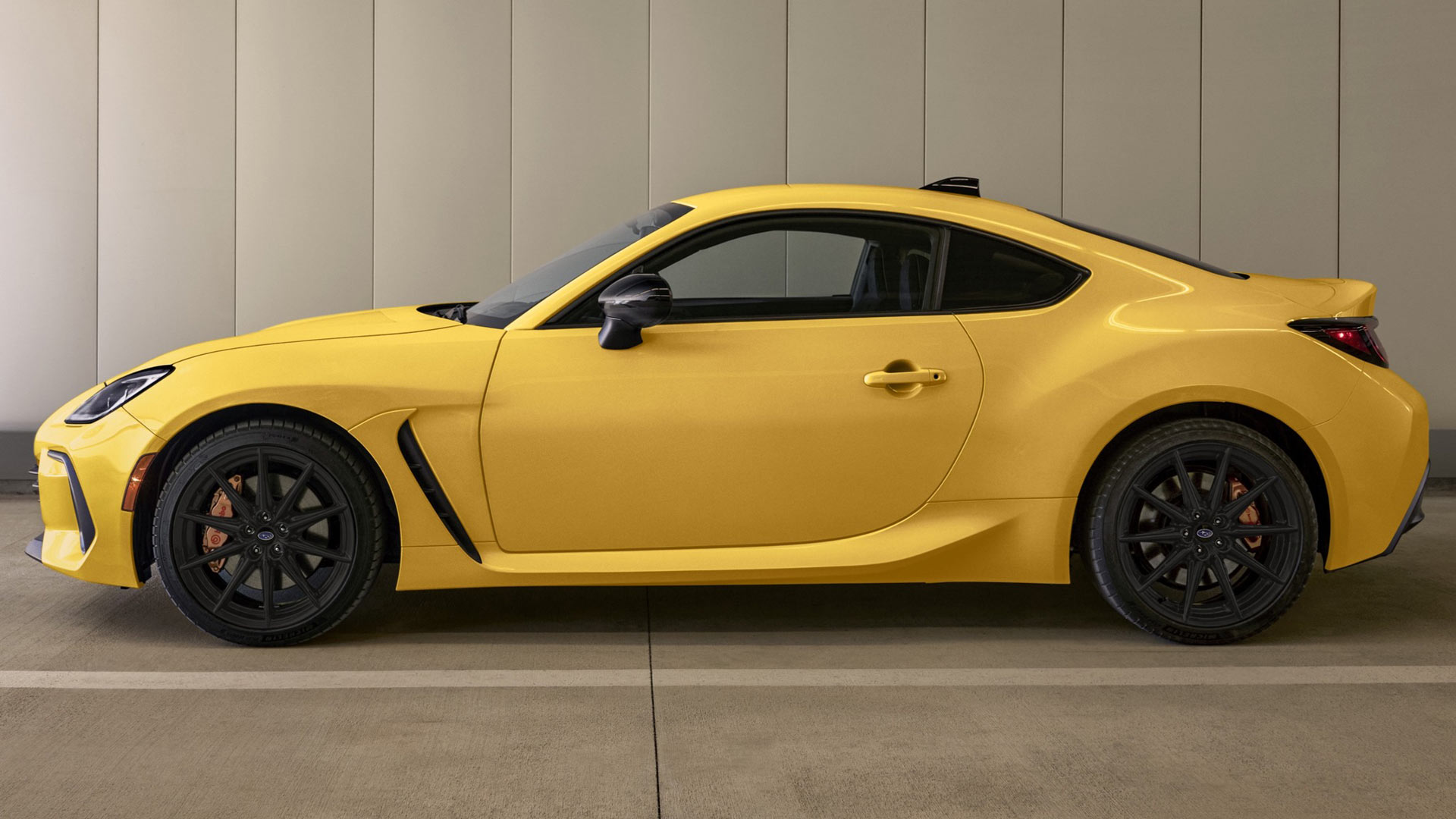
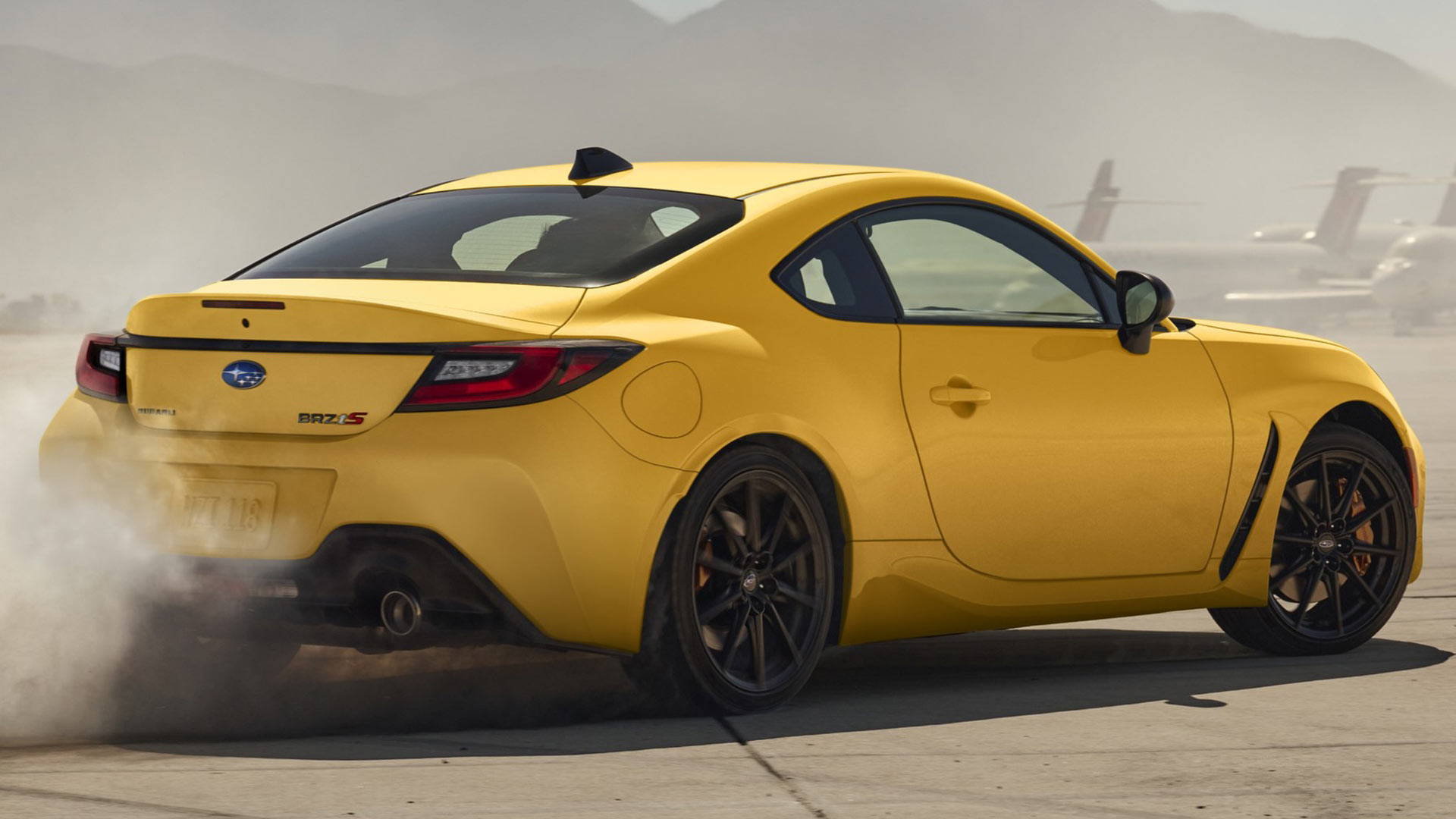
As their names suggest, the new ‘Series.Yellow’ versions of the BRZ coupe and WRX sedan introduce a rare paint color to the two Subaru models.
The Sunrise Yellow hue is often reserved for limited edition Subarus. It previously appeared on the XV Crosstrek Special Edition and WRX STI S207.
Enthusiasts can be among the first to see the new Series.Yellow cars on Sunday 14 September 2025, at the Mid-Atlantic region’s biggest Subaru celebration.
Bringing the sunshine
Based on the tS trim of the Subaru BRZ, the Series.Yellow edition comes equipped with 18-inch matt-black alloy wheels and Michelin Pilot Sport 4 tires.
STI-tuned front and rear Hitachi dampers are standard, along with Brembo brakes. A six-speed manual is the only transmission available with the 228 horsepower 2.4-liter ‘Boxer’ engine.
Inside, bright yellow contrast stitching is used on the sports seats, leather steering wheel, and gear lever.
The Series.Yellow WRX also starts life as a tS model, powered by a 271 horsepower Boxer engine. Subaru’s famed asymmetrical all-wheel-drive system is controlled via a six-speed manual gearbox.
New 19-inch alloy wheels are finished in matt-black, with STI-tuned electronically controlled suspension dampers also fitted.
The WRX’s interior benefits from Recaro bucket seats with yellow stitching and yellow perforated inserts.
Drifting back to 2017
This is not the first time Subaru of America has created a yellow version of the BRZ. For the facelifted first generation of the sports coupe, Subaru launched a Series.Yellow edition for the 2017 model year.
For the original Series.Yellow BRZ, Subaru used Charlesite Yellow as the exterior hue, combined with black exterior trim, Brembo brakes, and yellow detailing throughout the cabin.
Production of the 2026 Series.Yellow BRZ and WRX will be capped at 350 examples of each. This compares to the 500 cars sold in 2017.
Following the debut of the new Series.Yellow models at Boxerfest, Subaru will confirm prices for both the BRZ and WRX closer to their launch date.
A new limited edition JC96 version of the McLaren 750S has been revealed, aimed solely at Japanese enthusiasts.
The 750S JC96 is a tribute to the McLaren F1 GTR race cars that competed in the All Japan Grand Touring Car Championship (JGTC).
In 1996, a McLaren F1 GTR driven by John Neilsen and David Brabham won the JGTC GT500 Drivers’ Championship.
Its success eventually proved to be the inspiration for the very first limited-edition McLaren made for the Japanese market.
McLaren goes big in Japan
McLaren will cap production of the 750S JC96 to 61 examples: a reference to the racing number used by John Neilsen and David Brabham on their Team Goh F1 GTR.
Customers will be able to choose from McLaren’s extensive colour palette for the 750S JC96, including unique paint from McLaren Special Operations (MSO).
Four cars will be finished in a handpainted ‘JC96 Tribute Livery’, pictured above, with a red tiger stripe design across the bodywork.
All cars come with special exterior detailing on the front splitter, rear spoiler end-plates and door mirror casings. These will be available in Memphis Red, Titanium Silver, Ice White or Graphite Grey.
Racing-inspired JC96 design
Bespoke ultra-lightweight 15-spoke forged alloy wheels are fitted, along with an MSO High Downforce Kit. The latter is made available on the open-top 750S Spider for the first time.
The JC96’s brake calipers are painted in F1 Gold, while the central-exit exhaust for its 750hp twin-turbocharged 4.0-litre V8 has a natural titanium finish.
The interior of the British supercar is trimmed in grippy Alcantara, including deep bucket seats with red stitching. A JC96 logo is embroidered onto the headrests, with a gold JC96 dedicated plaque added for good measure.
Customers can dive deeper into the MSO options catalogue to further personalise their car’s interior, including an extended red tiger stripe design.
The new 2026 Nissan Z sports car has been revealed, complete with the option of a retro-inspired Heritage Edition package.
It forms part of a 2026 model year revision for the rear-wheel-drive coupe, which is offered in three trim levels: Sport, Performance, and Nismo.
Nissan launched the Heritage Edition at the 38th ZCON event – the International Z Car Convention hosted by the Z Car Club.
Available as an optional package for the Z Performance model, the Heritage Edition pays tribute to some of Nissan’s greatest hits.
Celebrating Z car classics
In particular, the Heritage Edition honors the Z32-generation Nissan 300ZX, which was produced between 1989 and 2000.
A set of 19-inch bronze Rays alloy wheels are fitted to the Heritage Edition, along with bronze “Twin Turbo” graphics on its body sides. The crowning glory is a carbon fiber rear spoiler, featuring another retro-look “Twin Turbo” badge.
Enhancements inside the new Nissan Z include unique door kick plates and exclusive floor mats.
As a finishing touch, Heritage Edition cars are painted in Midnight Purple – an iconic color used on the legendary Nissan Skyline GT-R.
On sale later this month
Nissan Z customers who don’t want the $2,490 Heritage Edition package can instead opt for a new Boulder Gray paint color. This is combined with a black-painted roof.
Nissan has left the Z mechanically unaltered for 2026. This means a 400 horsepower twin-turbocharged V-6 for Sport and Performance models, which is available with a six-speed manual transmission or a nine-speed automatic.
Opting for the range-topping Nismo sees the V-6’s output increased to 420 horsepower along with 384 lb-ft of torque. The Nismo has a faster-shifting automatic gearbox, too.
Reaching dealerships later this month, the Nissan Z Sport costs from $42,970, with the Performance version starting at $52,970. The Nismo is priced from $65,750.
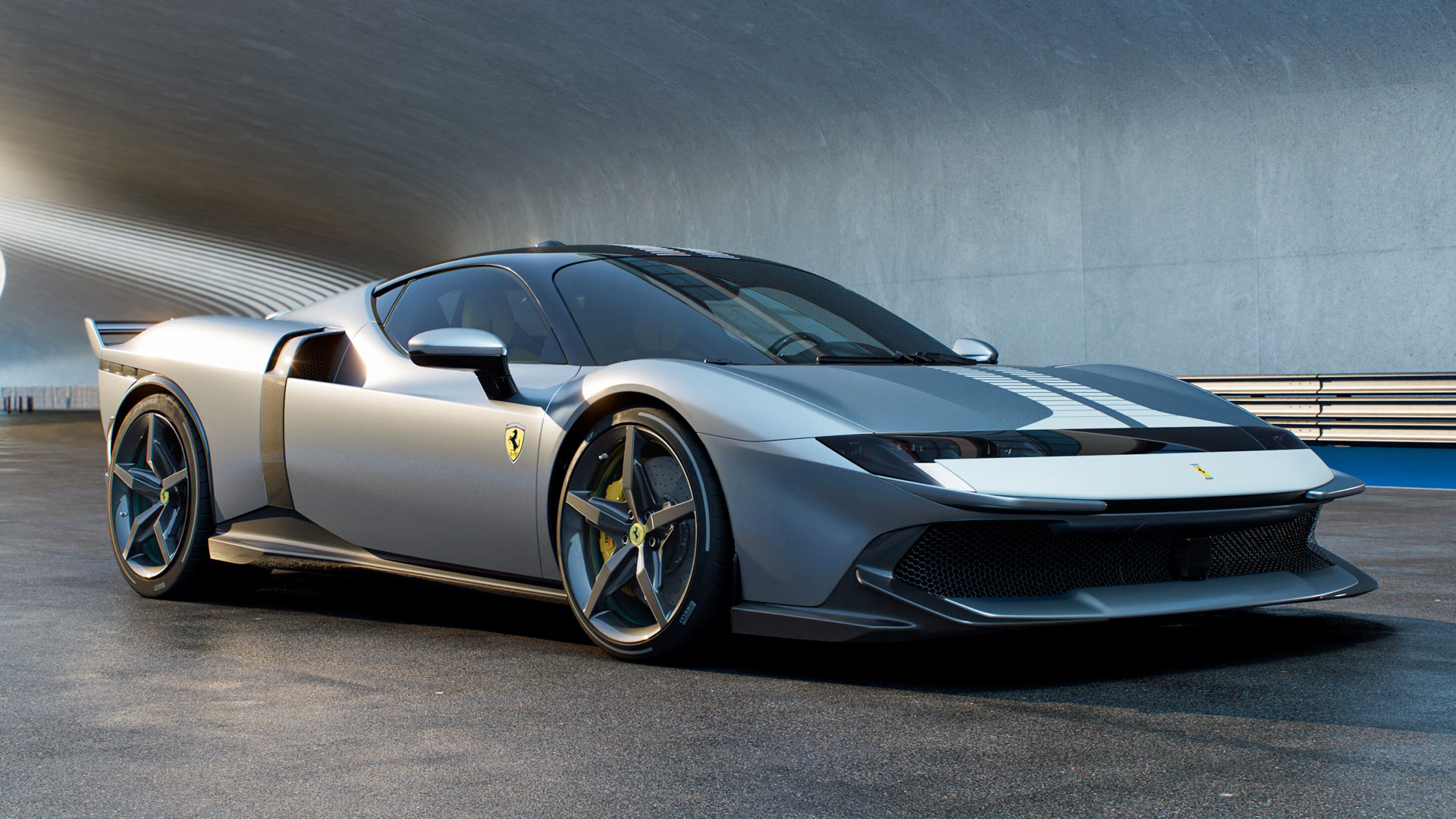
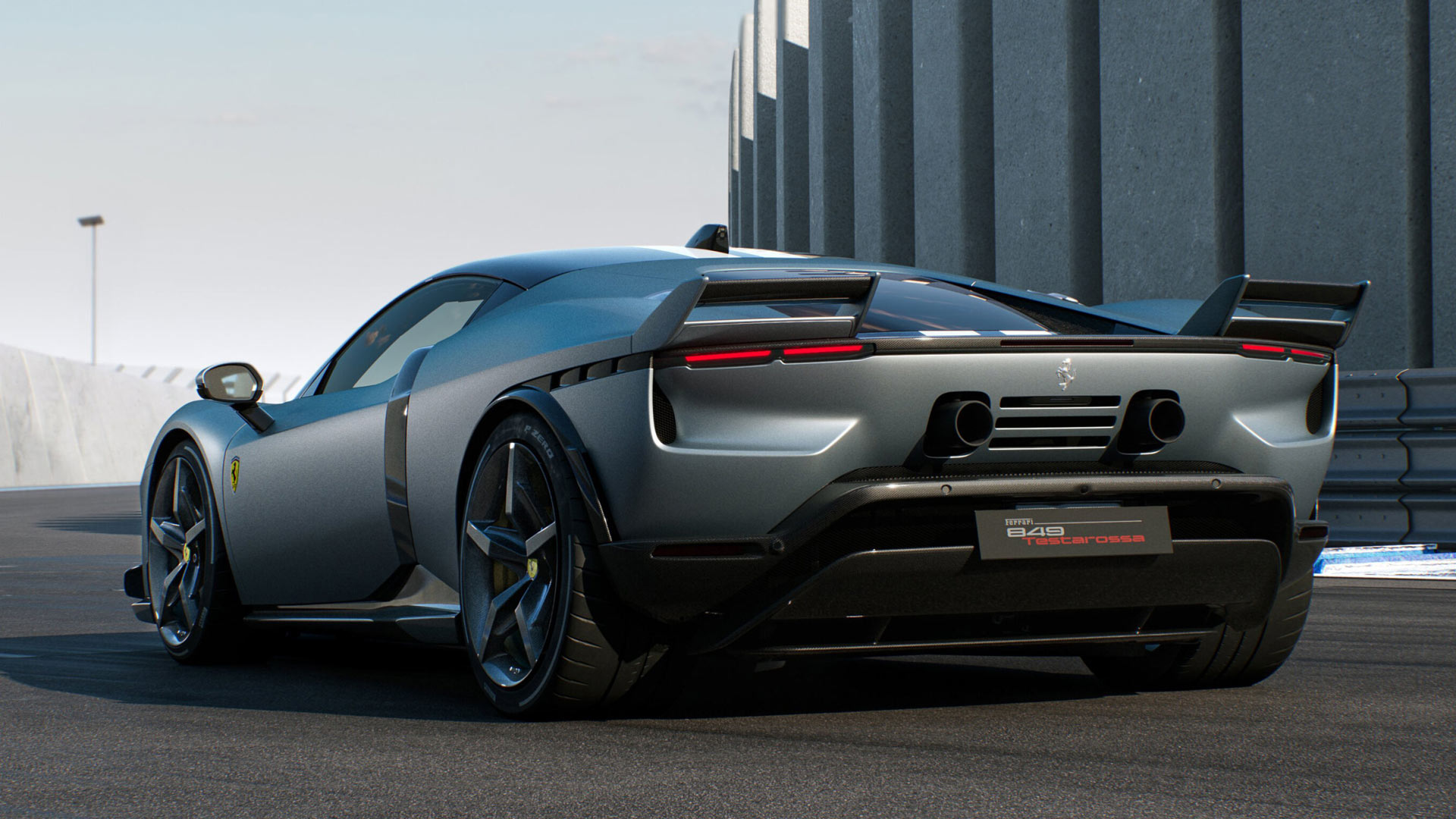
Ferrari has revealed a new mid-engined supercar: the 849 Testarossa, which honours one of the most famous names from the marque’s history.
The new Ferrari 849 Testarossa replaces the SF90 Stradale, which itself only went on sale in 2020. With fresh styling, more power and even the use of recycled materials for its engine block, the car represents a major evolution of its predecessor.
The 849 Testarossa is also the second Ferrari to receive a comprehensive update in 2025, following the launch of the new Amalfi GT earlier this year.
Return of the Testarossa
Powering the 849 Testarossa is an enhanced version of Ferrari’s 4.0-litre twin-turbocharged V8. The mid-mounted engine produces 830hp and 621 lb ft of torque by itself, before a trio of electric motors get involved.
Using a 7.45kWh battery pack, the e-motors give the plug-in hybrid 849 Testarossa a combined output of 1,050hp – some 50hp more than the SF90 Stradale.
This allows for a 0-62mph time of less than 2.3 seconds, plus a potential top speed in excess of 205mph.
A new aerodynamic design has been influenced by classic Ferrari models such as the 512 S, 512 M and even the FXX-K.
An active rear spoiler, developed from the one found on the SF90, can flick between high- and low-downforce settings in less than one second.
A total of 415kg of downforce can be produced by the 849 Testarossa: 25kg more than its predecessor.
FIVE alive for enhanced dynamics
One of the most significant changes for the 849 Testarossa is the new FIVE (Ferrari Integrated Vehicle Estimator) system.
Using a host of sensors, FIVE can create ‘a digital twin that replicates the behaviour of the car in real time’, allowing it to predict optimal braking and steering inputs.
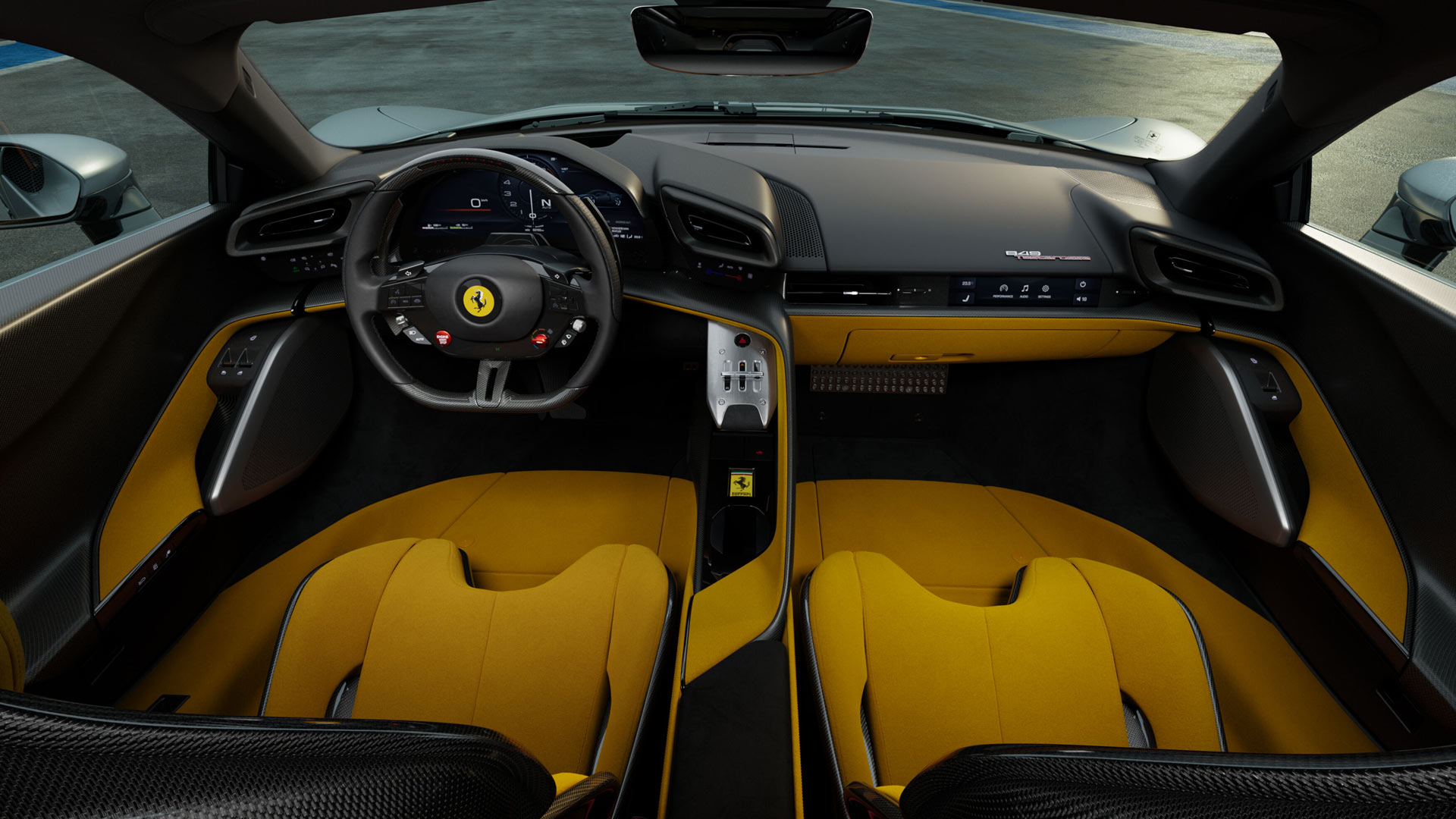
Changes inside the 849 Testarossa are less dramatic, but its cabin remains driver-focused. The steering wheel gains real switches, rather than haptic touch controls, including a physical start button for good measure.
Coupe and Spider from the outset
Customisation and personalisation will be a core part of the Ferrari 849 Testarossa experience, and buyers will need to add the Assetto Fiorano package for the highest performance.
With enhanced aerodynamics, Multimatic suspension and 30kg less weight, the Assetto Fiorano upgrades are intended primarily for track use.
Both the Ferrari 849 Testarossa coupe and the Spider version – the latter with a folding metal hard-top roof – will go on sale at the same time. UK prices haven’t been confirmed yet, but European models start at around £400,000 for the coupe and £435,000 for the Spider.
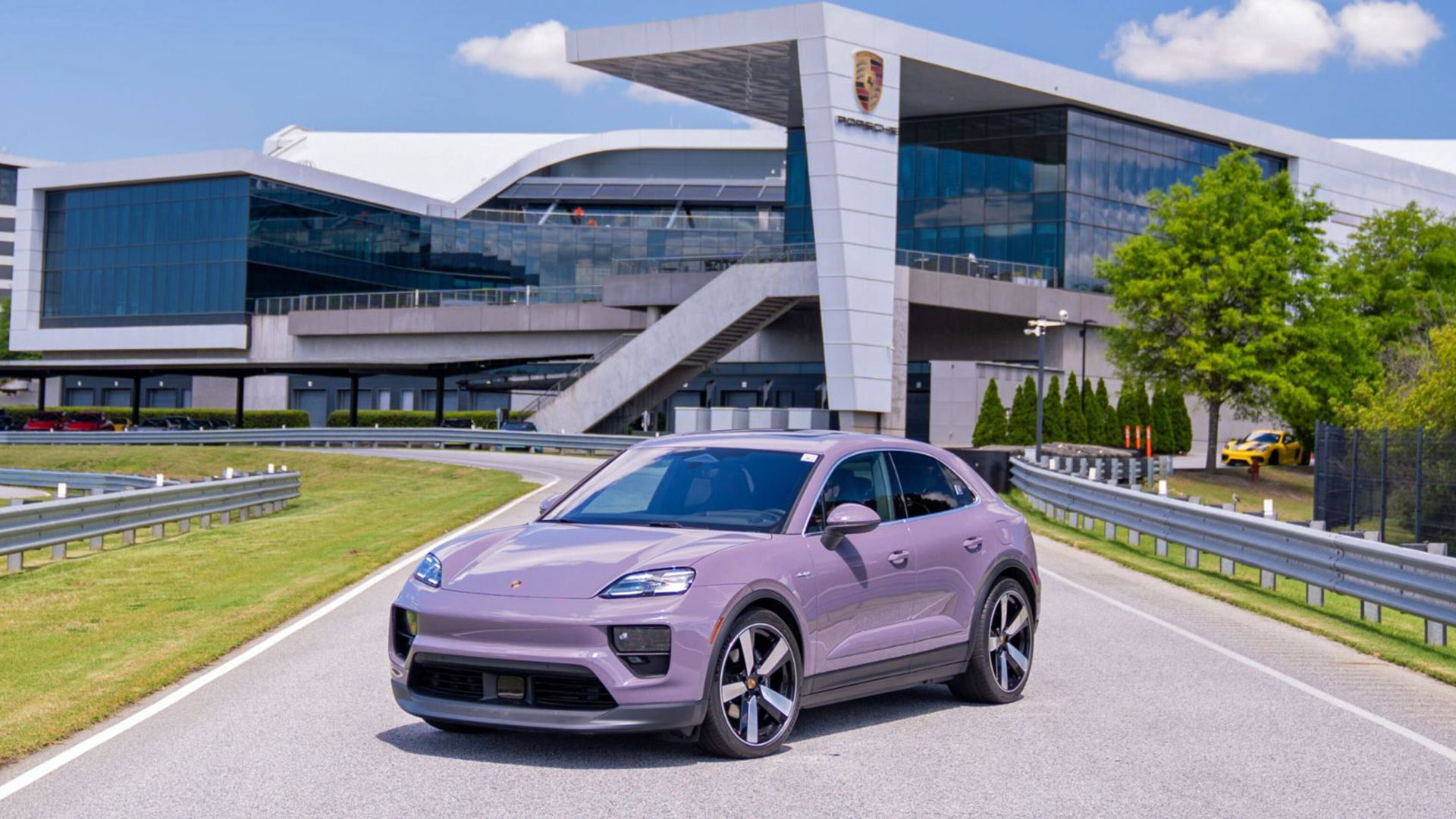
Porsche electric car owners will soon be able to make use of the Tesla Supercharger network throughout North America.
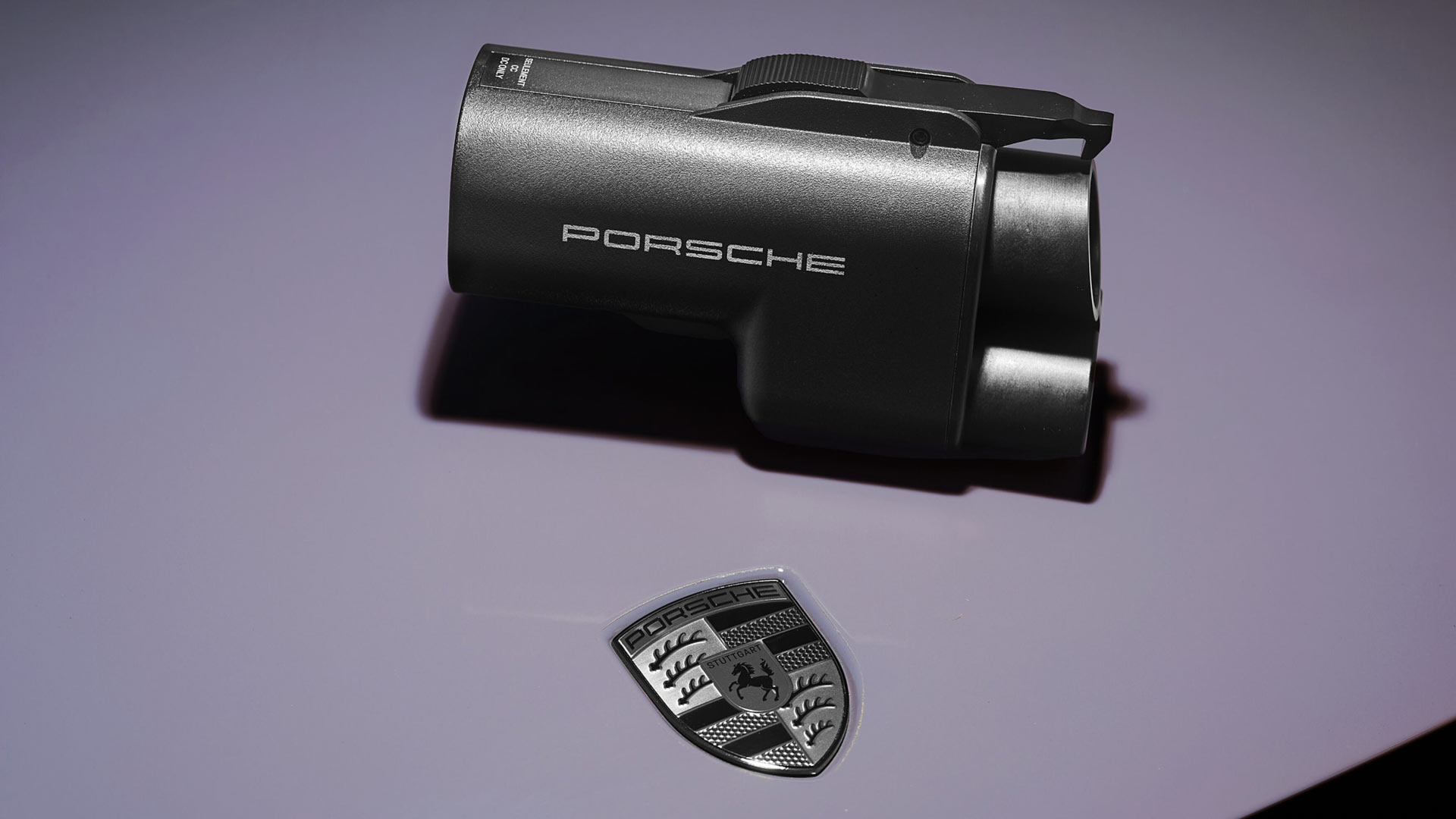
This will mean access to more than 23,500 additional charging devices – all thanks to a simple DC charging adapter that enables a connection with a Tesla Supercharger.
“We are continually working to make every aspect of Porsche ownership as convenient as possible for our customers – and this news represents a significant step for owners of our electrified cars,” said Timo Resch, CEO of Porsche Cars North America.
“As we launch this offering, in the coming months we will add more features to make the process even more seamless.”
More Porsche charging options
All new 2026 Porsche Taycan and Macan Electric models will be supplied as standard with the bespoke NACS DC adapter.
Owners of 2025 model-year Taycans, and all existing Macan Electric owners, can request a complimentary adapter. This group of owners will receive a notification via the My Porsche app to reserve their free NACS DC adapter shortly.
Those with 2024 model-year and older Taycans can purchase a Porsche NACS DC adapter at their own expense.
Available now through the Porsche Online Shop, and at Porsche Centers, the $185 adapter works with all DC fast charging stations equipped with NACS/J3400 compatible cables, including selected Tesla Superchargers.
Software updates to follow
Porsche is planning a “soft launch” of access to the Tesla Supercharger network from Tuesday 9 September 2025.
At first, this means Porsche drivers will need to make use of the Tesla smartphone app to find and enable compatible charging devices.
In the near-future, however, Porsche intends to incorporate Tesla chargers into the My Porsche app, making features such as “Plug & Charge” available.
All 2026 model-year electric Porsches will have the locations of Tesla Superchargers integrated into their navigation software. Updates will make this possible for older models later this year.
Porsche becomes the latest auto manufacturer to offer access to the Tesla charging network, following Acura and Honda earlier in 2025.
Today’s new cars are loaded with clever technology designed to make life easier and safer for drivers.
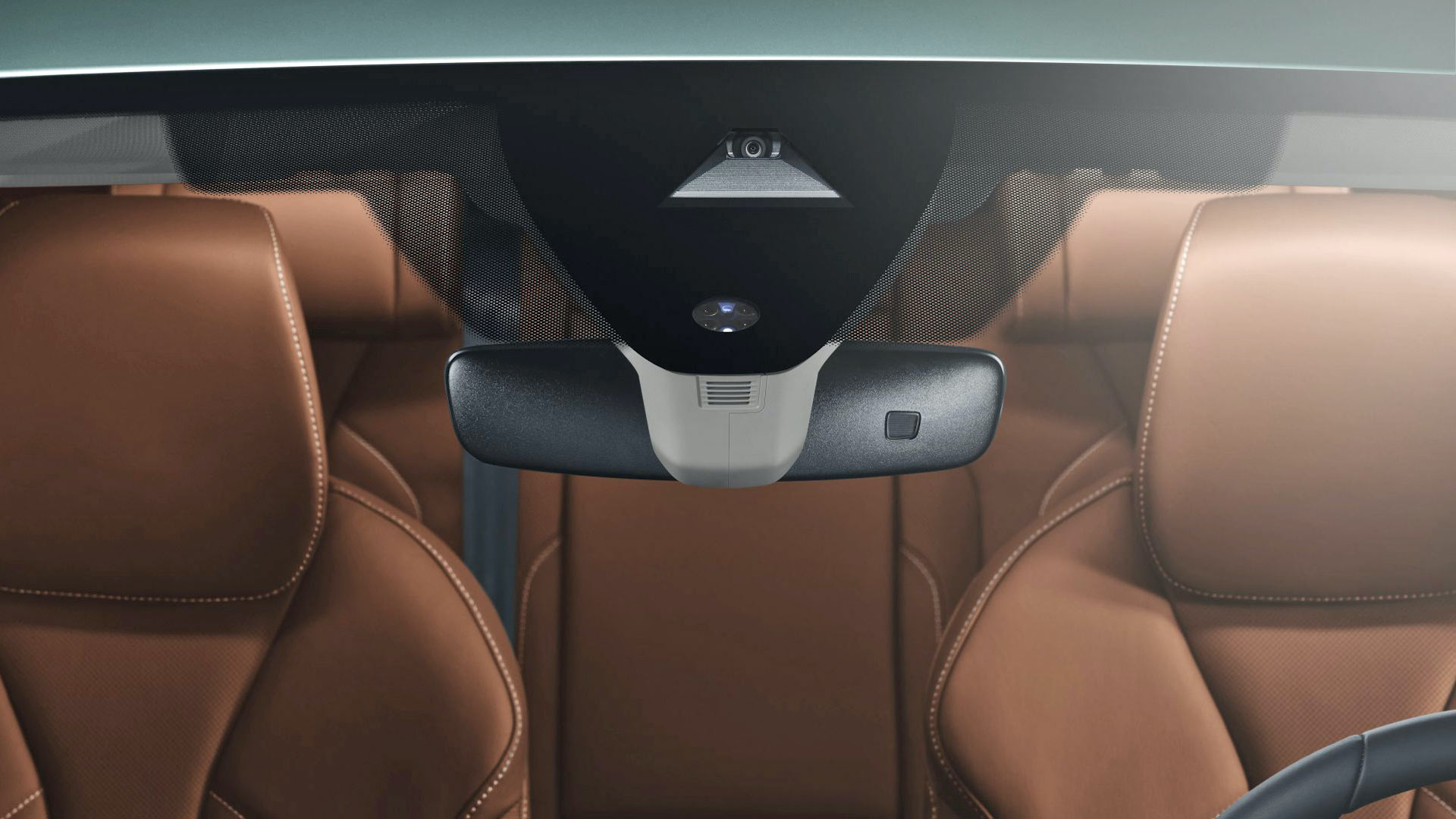
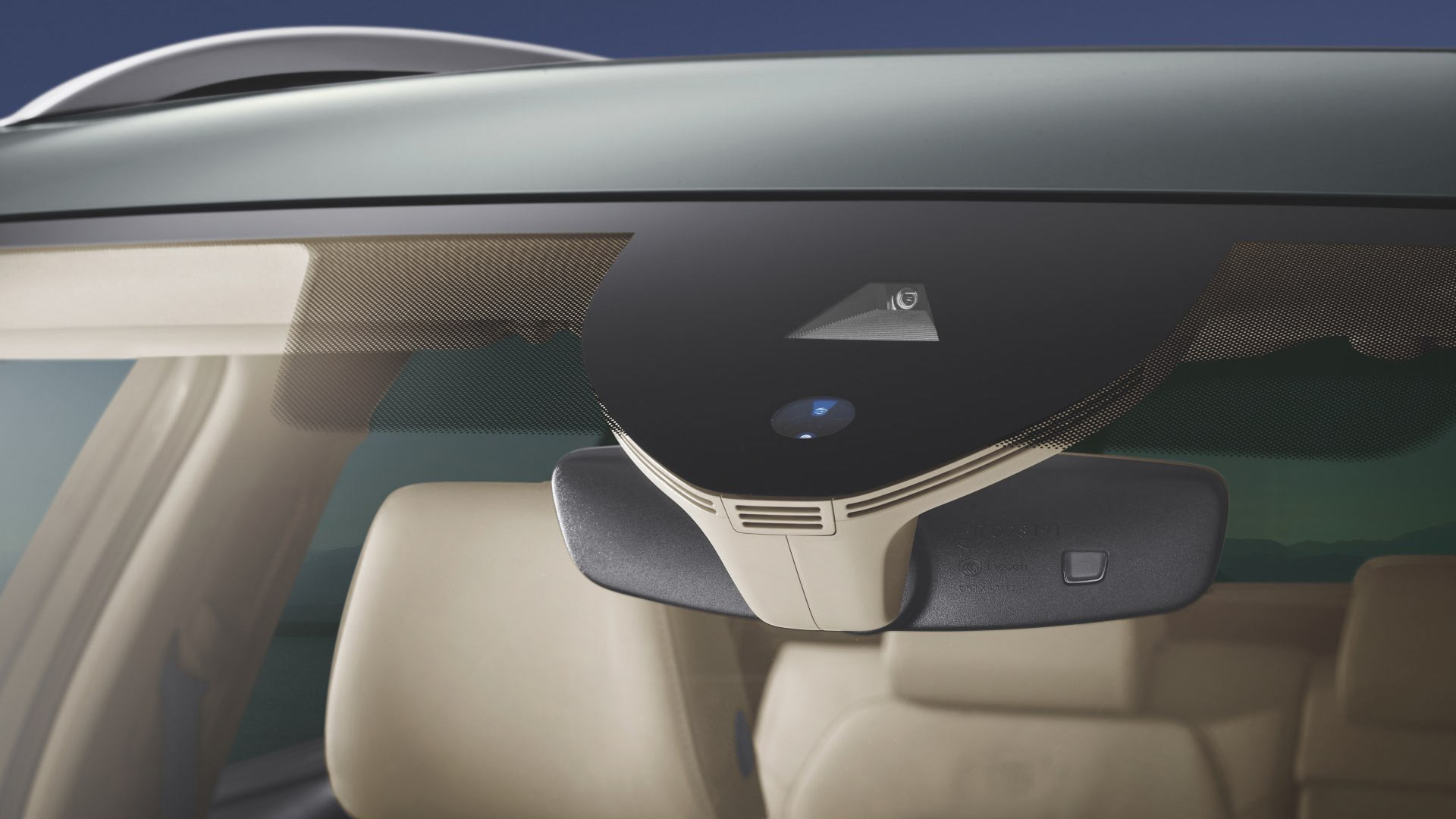
Many of a car’s sensors are mounted behind the windscreen, between the rear-view mirror and the glass. This gives them the perfect vantage point to keep an eye on the road and the weather conditions outside.
If you ever wondered what all those sensors are doing, and how they could benefit you, allow us to explain…
An enlightening lesson
They may seem like recent ideas, but sensors that react to weather or light conditions are actually nothing new.
General Motors pioneered automatically dipping main beam headlights as far back as 1952. The ominously named Autronic Eye sensor was made available for Oldsmobile and Cadillac models as an option.
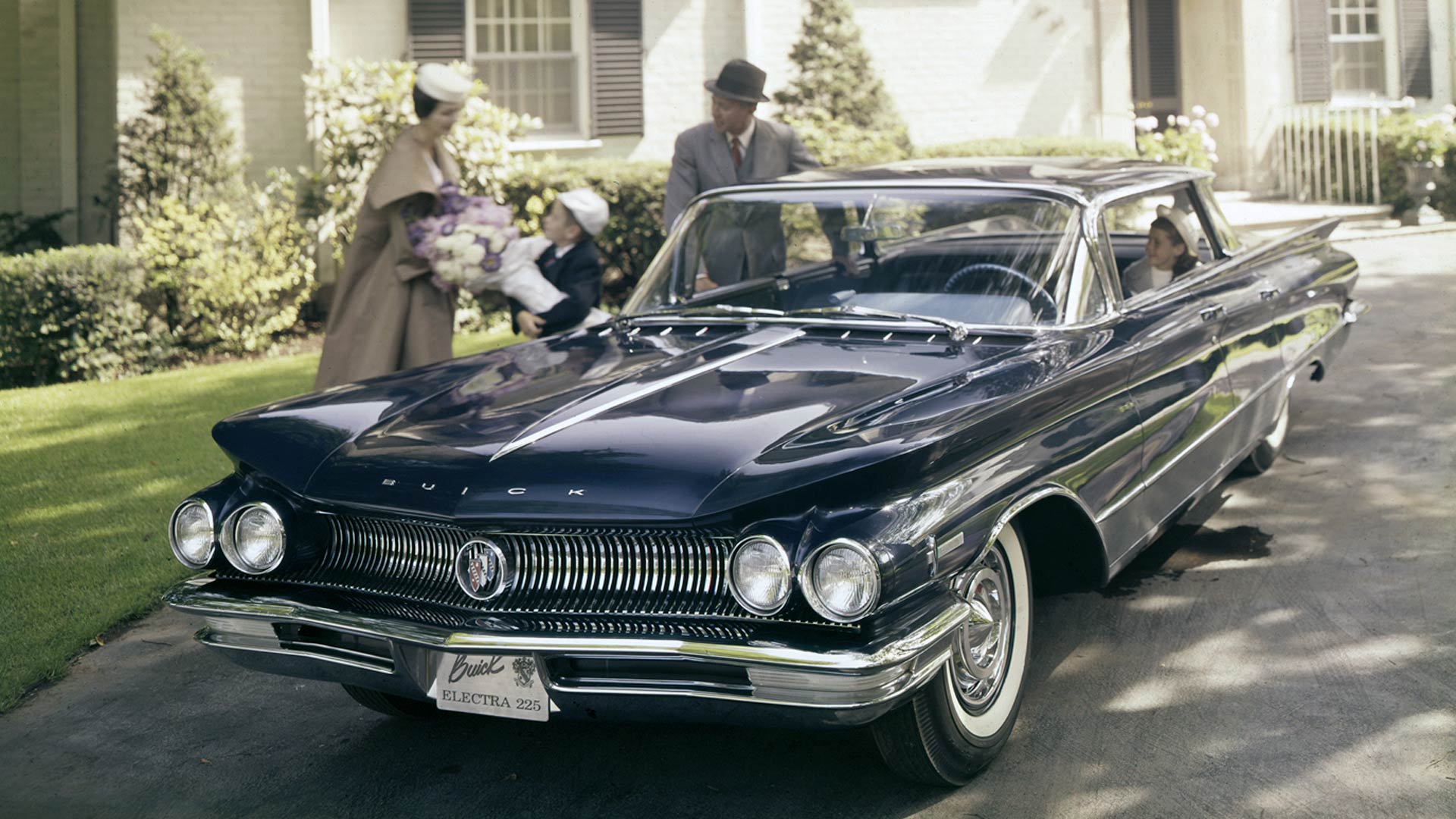
Buick continued the GM innovations with its Twilight Sentinel. This could detect darkness, then automatically turn on the car’s exterior lights.
Rain sensors are not a contemporary innovation either. Cadillac created a version of the luxurious 1958 Eldorado convertible that was able to sense raindrops and close its roof automatically.
Lights, camera, action
Although there are variations between individual manufacturers, the sensors used in most modern cars have a similar design.
For example, Skoda uses a sensor package officially known as the RLFS, which comes from the German wording Regen-Licht-Feuchte-Sonne.
This translates into English as ‘Rain-Light-Moisture-Sun’, giving a clue as to what the most common sensor modules can do.
Sensing the rain
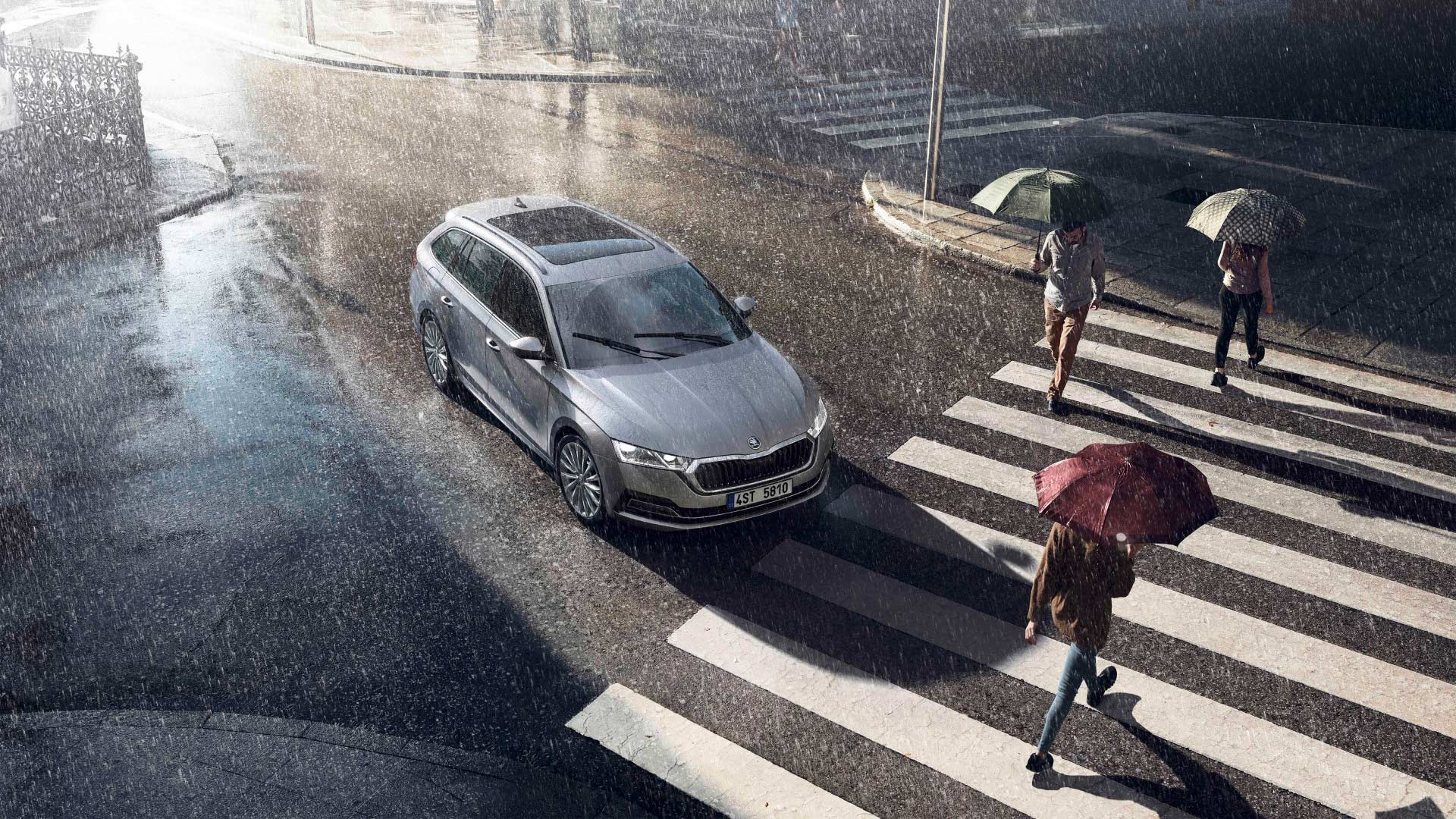
One of the most useful features offered by an RLFS module is the control of rain-sensing automatic windscreen wipers.
To do this, the sensors measure the amount of moisture on the windscreen. Too many raindrops mean a signal is sent to the wipers to start sweeping.
All the driver needs to do is leave the control stalk in the ‘Auto’ position. They can also adjust the level of sensitivity to rainfall that the sensor allows.
It’s getting hot in here…
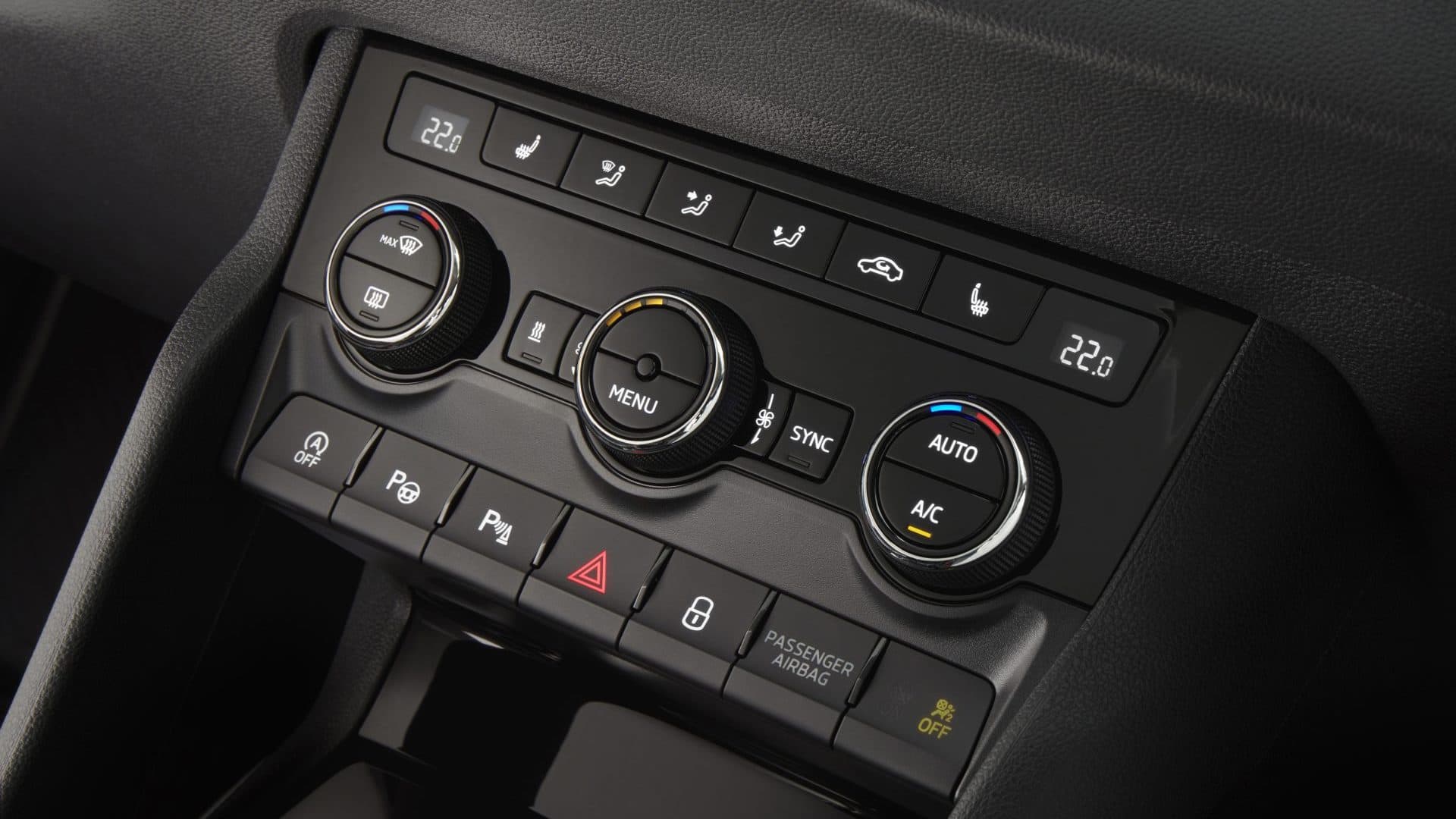
Another important part of the RLFS package is the ability to monitor the level of humidity inside the car.
The sensor does this along by monitoring the level of sunlight and interior temperature. This allows the climate control system to function as efficiently as possible.
The latest sensors can even tell which side of the car the sunlight is strongest on, then adjust the level of cooling between left and right sides of the cabin.
Lighting up the dark
From their origins in the 1950s, light sensors have progressed to become standard equipment in many modern cars.
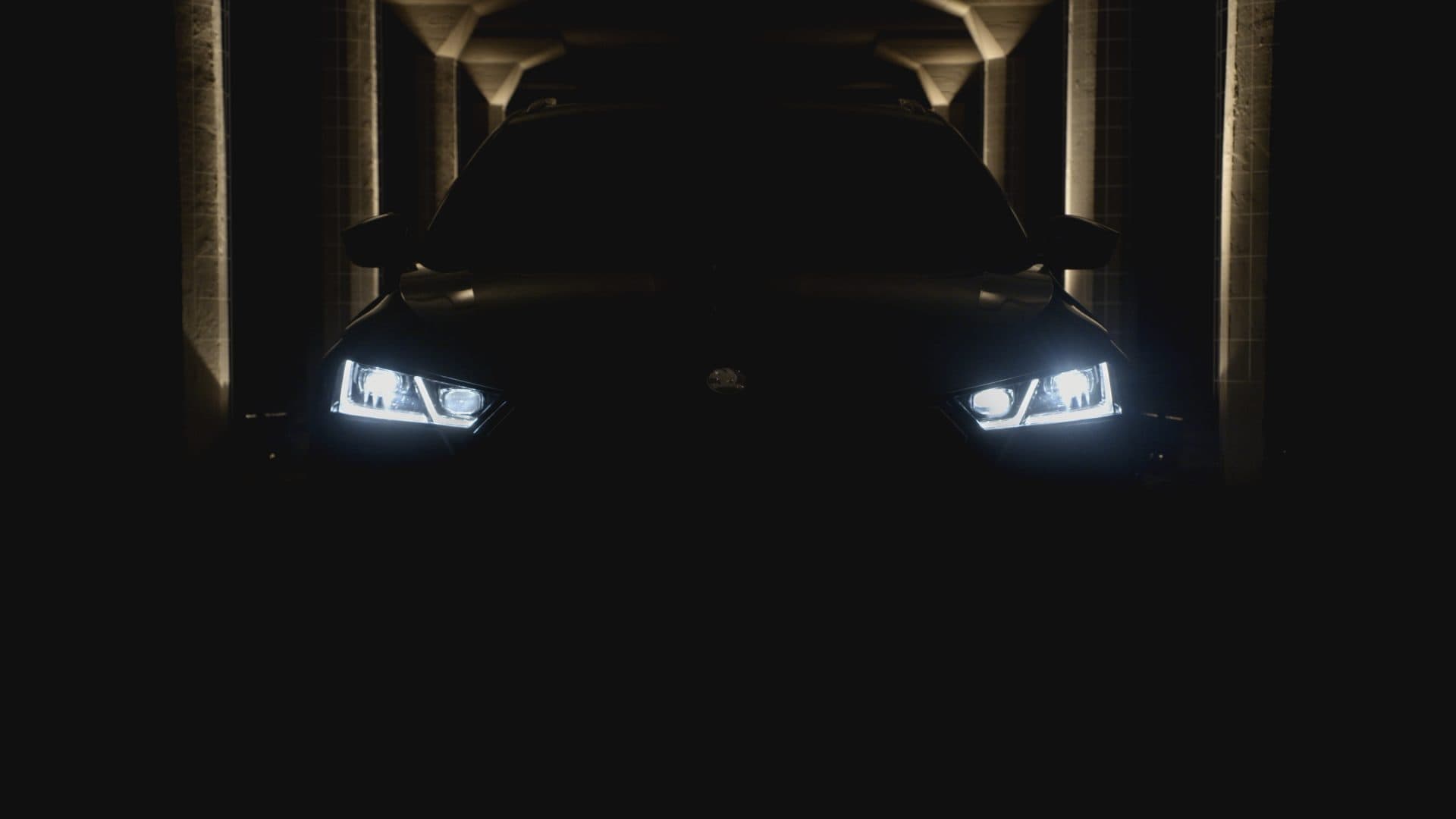
Monitoring the level of daylight, and turning the headlights on when it gets dark, can be a huge benefit to road safety. The latest RLFS sensors can differentiate between entering a tunnel and simply driving along a tree-lined road when deciding whether to turn on the headlights.
Emulating the Autronic Eye created by General Motors, such sensors can also control main-beam headlights. Cameras can spot oncoming traffic, then automatically dip the headlights to avoid dazzling others.
What else is behind the rear-view mirror?
The pace of innovation means manufacturers are incorporating more technology into the prime piece of real estate behind the interior mirror.
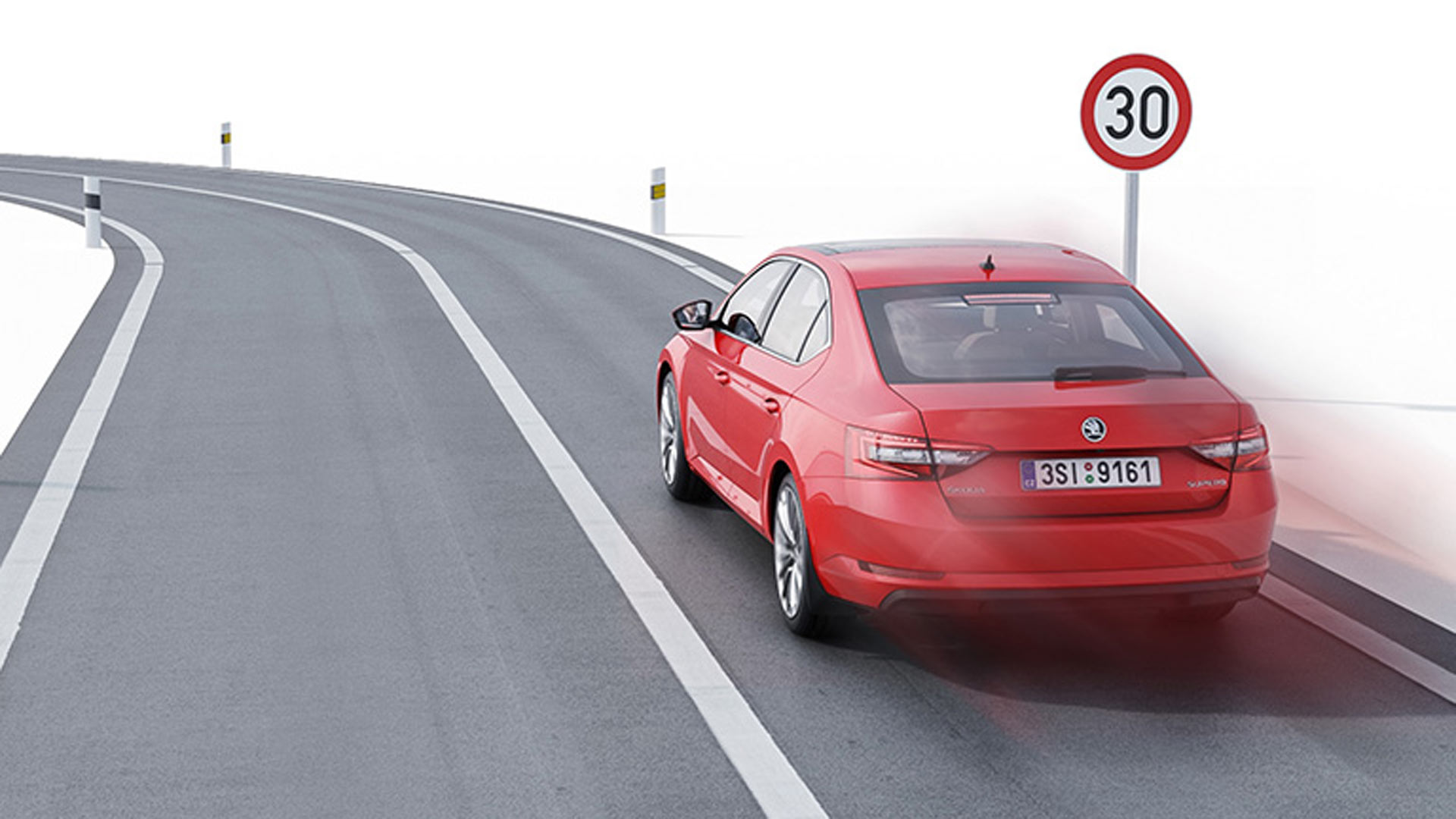
Forward-facing cameras are now frequently added to complement sensor packages, extending the range of functions. This includes using a camera to read road signs as you pass.
This can be used to update a speed limit setting for the automatic cruise control, or create a warning for pedestrian crossings. Sensors are often mounted within or alongside the car’s front grille, too.
Keeping an eye on safety
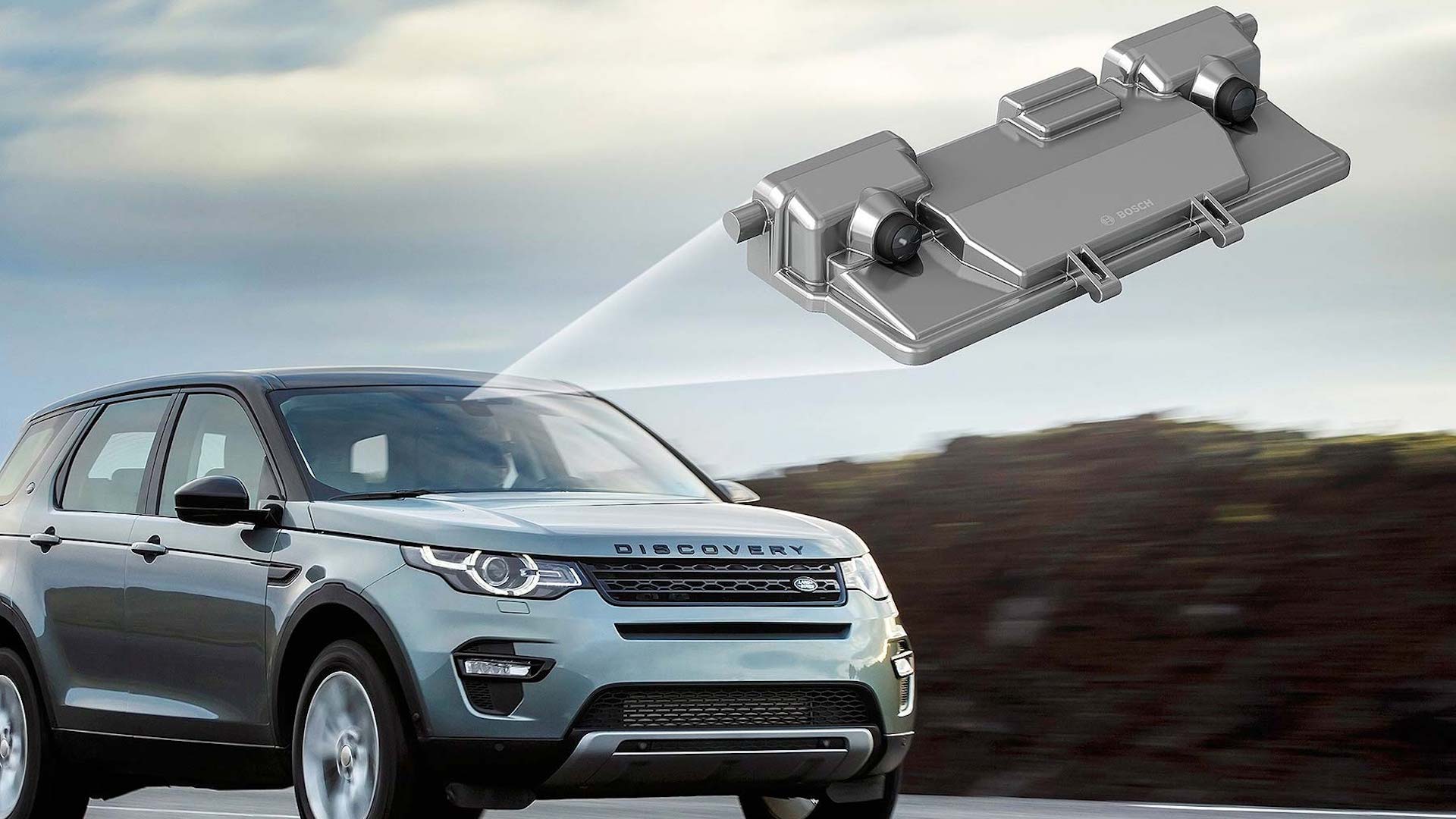
On certain cars, cameras are used to scan for potential collision hazards, and take action accordingly. This includes autonomous emergency braking systems, like the ‘stereo’ camera setup used by Jaguar Land Rover.
Subaru introduced a camera-based adaptive cruise control system in 1999. The company now incorporates emergency braking functionality as part of its EyeSight range.
Mercedes-Benz also offers camera technology to scan the road ahead for bumps and dips. On some models, it can preemptively adjust the air suspension to reduce body movement as much as possible.
What if my windscreen needs replacing?
Having so much complex technology crammed behind the windscreen means extra care must be taken if and when the glass needs replacing.
Before replacing or refitting a windscreen, companies should check whether the car has any special sensors installed.
A layer of gel separates the sensor components from the actual glass, and needs to be replaced with the windscreen.
More importantly, cars with features such as automatic emergency braking need to have the sensors and cameras recalibrated after new glass is fitted. This ensures they operate as intended, keeping the driver and other road users safe.
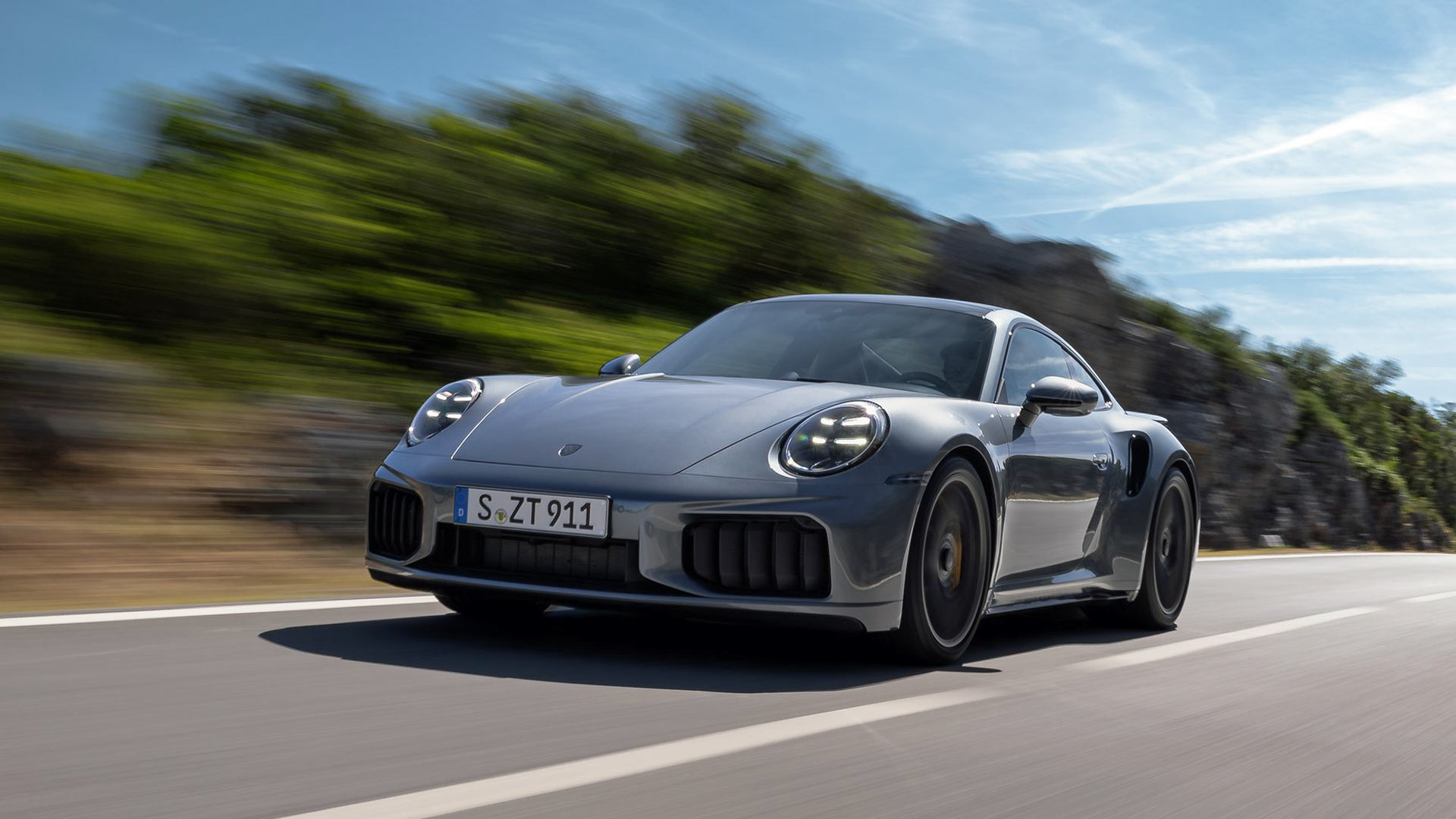
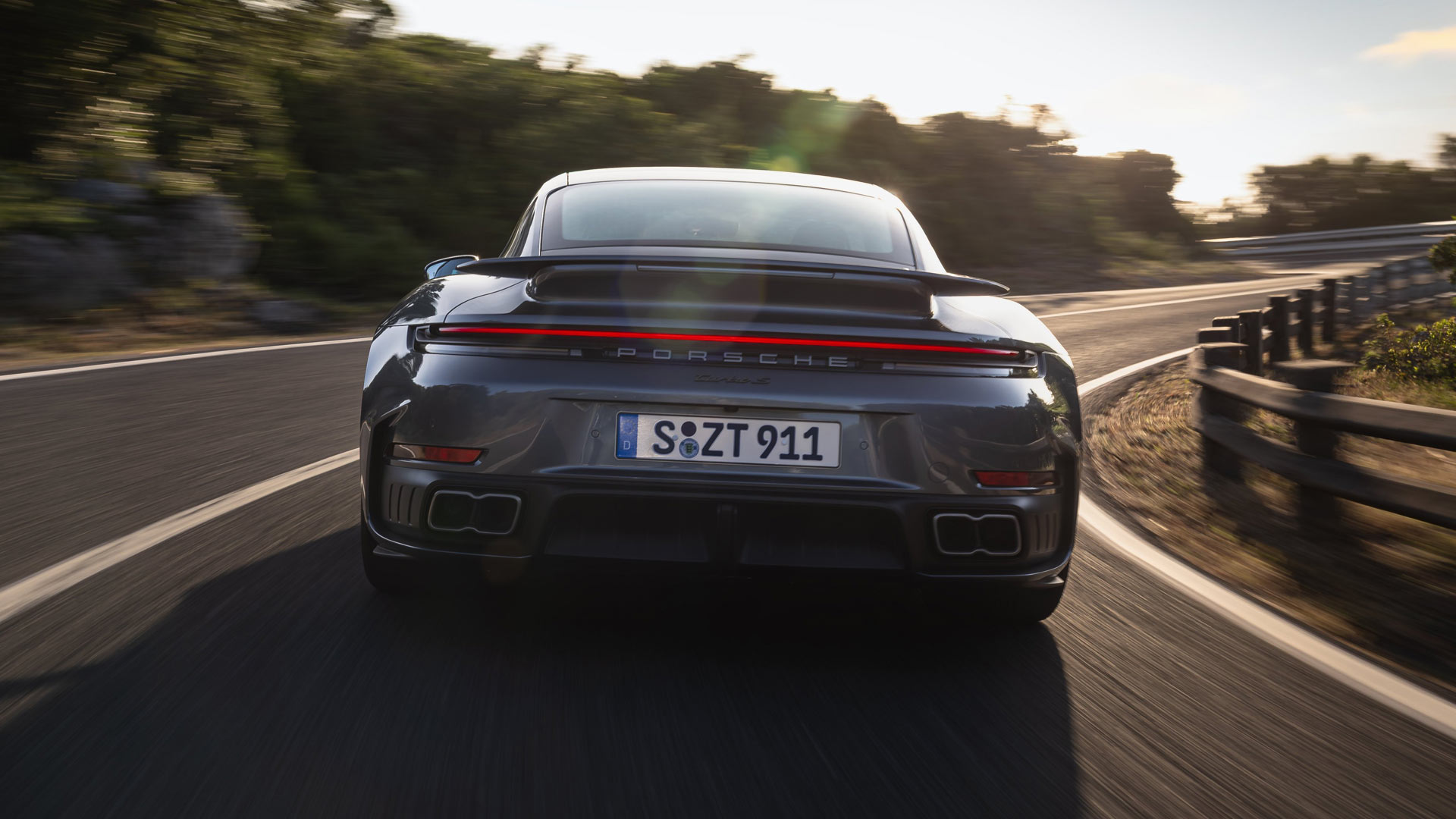
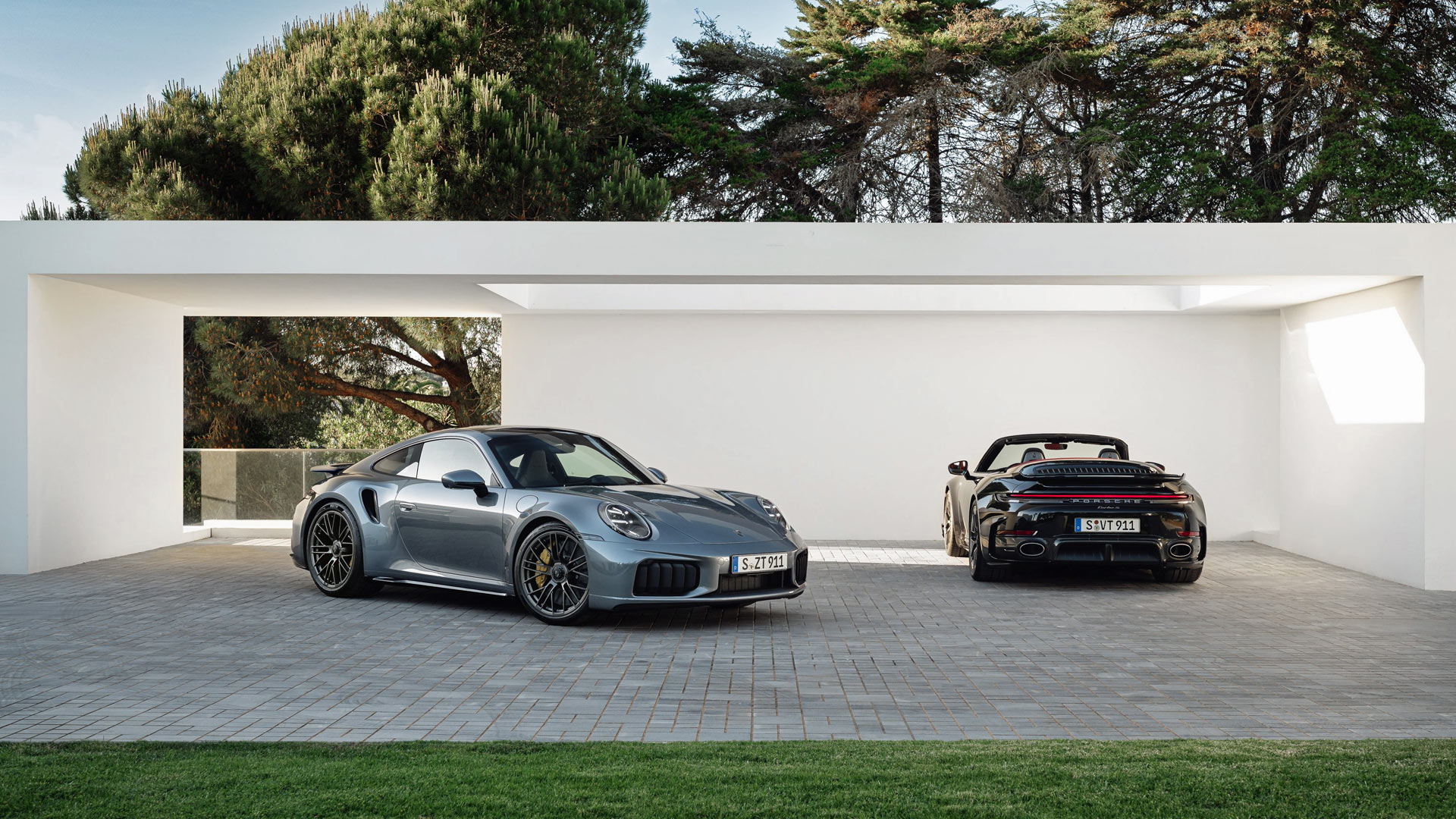
Porsche has revealed its most powerful production 911 to date, ahead of the car’s debut at the 2025 Munich Motor Show.
The new Porsche 911 Turbo S combines two electrically assisted turbochargers (eTurbos) with a water-cooled 3.6-litre flat-six engine. The mid-range 911 GTS T-Hybrid uses the same engine with a single turbo.
With a grand total of 711hp, combined with 590lb ft of torque from just 2,000rpm, the latest 911 Turbo S has gained 61hp over its predecessor.
Despite an extra 85kg in weight, the jump in power and instant response of the eTurbos mean this 992.2-generation of Turbo S is 14 seconds quicker around the Nürburgring circuit than the outgoing model.
A true bahnstormer
In terms of raw performance, the 911 Turbo S Coupe now accelerates from 0-62mph in 2.5 seconds – and requires only 8.4 seconds to hit 124mph. Find a quiet autobahn and a top speed of 200mph is possible.
Aiding performance is an eight-speed PDK dual-clutch auto transmission, including an extra electric motor, which is mated to Porsche’s all-wheel-drive system.
Active aerodynamics direct cooling air to the components that need it the most. The front diffuser flaps also close in wet weather to keep the huge carbon-ceramic brake discs dry.
Porsche has added a new titanium sports exhaust and – for a not-inconsiderable £1,078 – can even fit windscreen wipers with arms made from weight-saving carbon fibre.
The everyday supercar
Various exterior elements are finished in Porsche’s exclusive Turbonite colour, including the Stuttgart crest on the bonnet and Turbo S-specific inserts in the rear spoiler. Alloy wheel choices include centre-lock rims with a Turbonite finish.
More Turbonite trim can be found throughout the interior, including on the steering wheel, dashboard and centre console.
“The 911 Turbo S is the most complete and versatile way to drive a Porsche 911,” said Frank Moser, vice president of the 911 and 718 model lines. “Whether in daily use, on long motorway drives or on the racetrack – we have been able to make the new 911 Turbo S even more comfortable, more individual and significantly faster than its predecessor.”
Available to configure now on the Porsche website, UK prices for Porsche’s everyday supercar start at £199,100 for the 911 Turbo S coupe. The Turbo S Cabriolet costs from £209,100.