The Toyota Supra may be coming to the end of its life, but the Japanese marque already has a new supercar waiting in the wings.
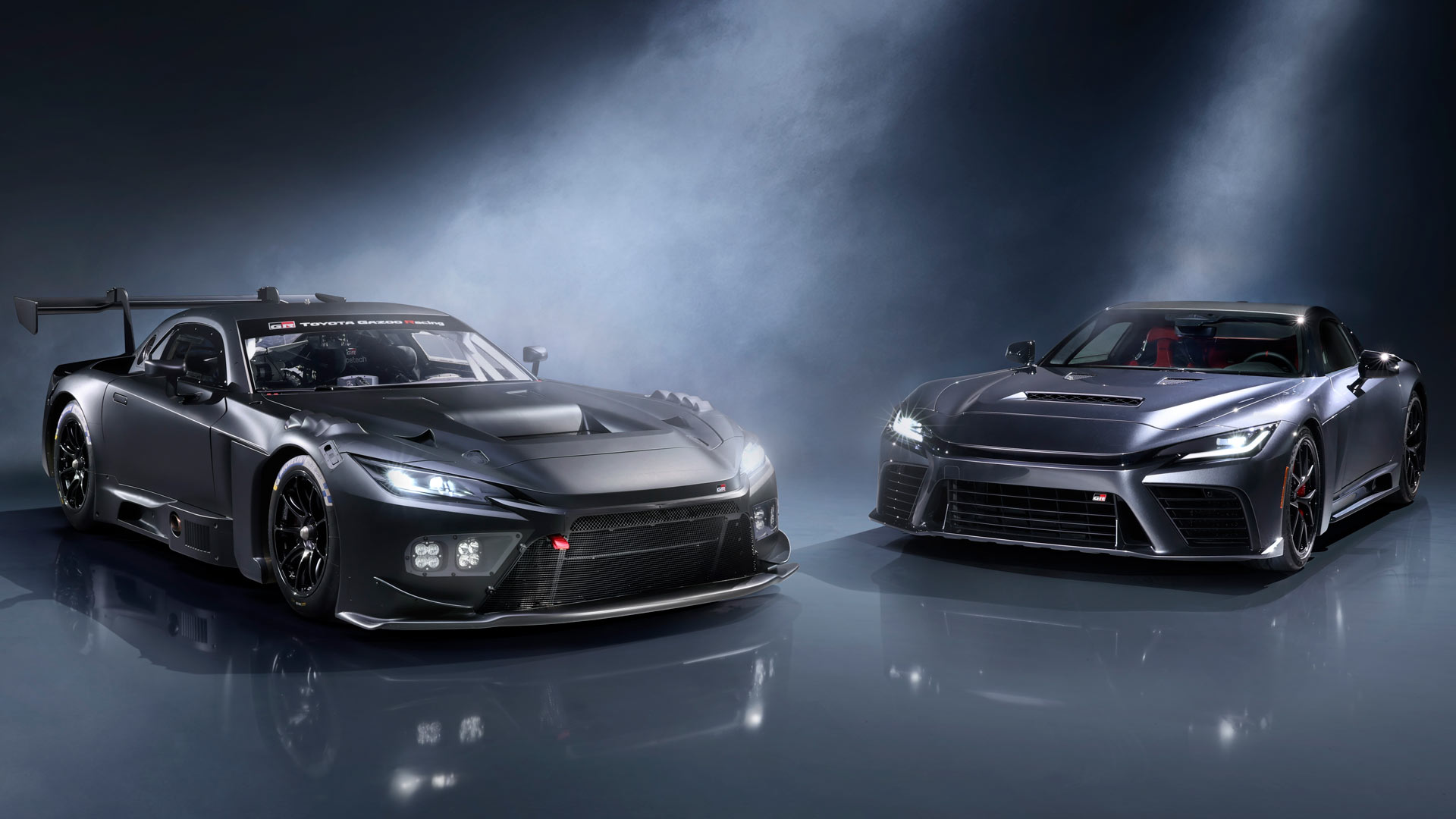
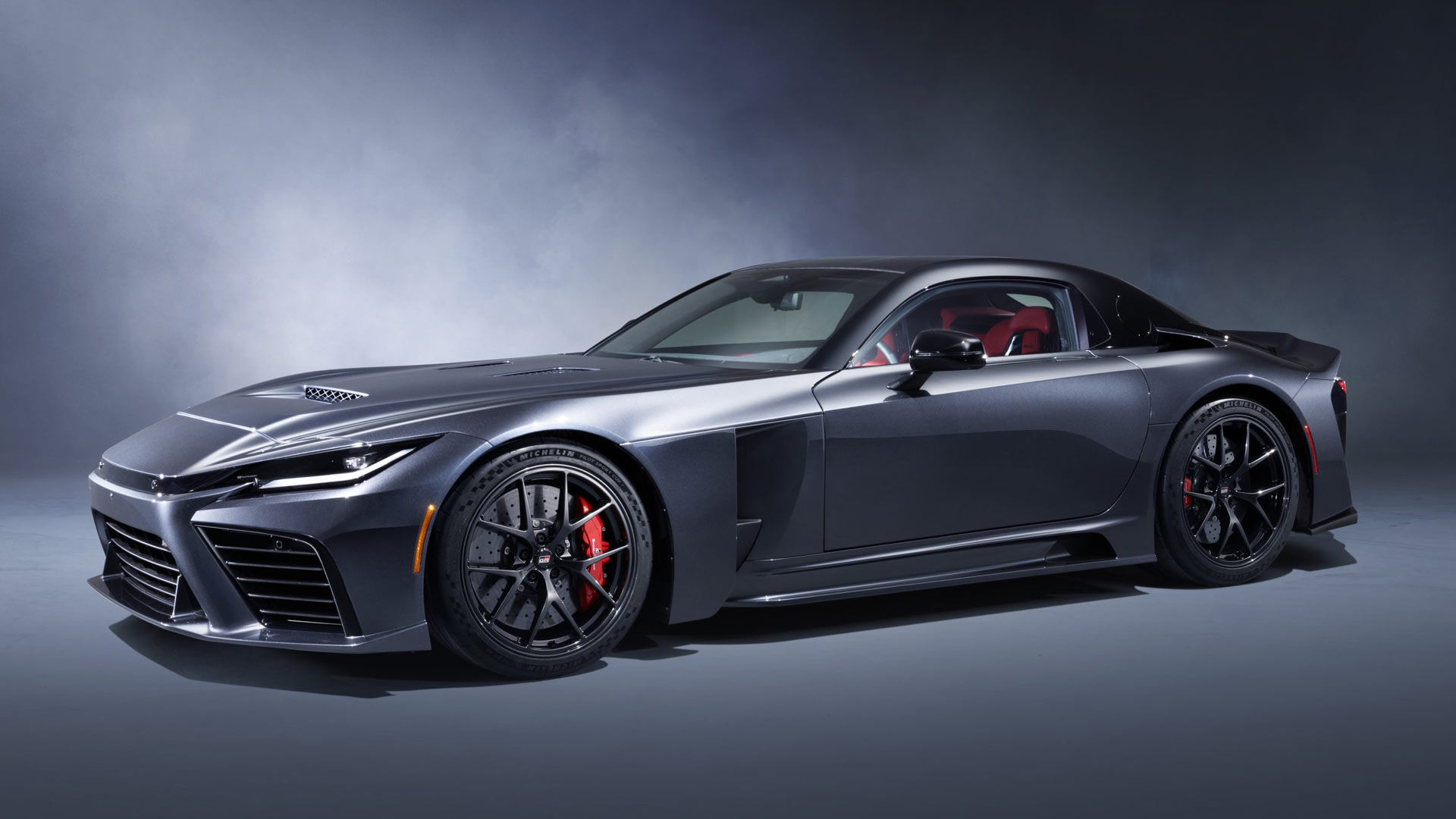
Designed and engineered by Toyota’s Gazoo Racing division, the wild GR GT will enter production in 2027.
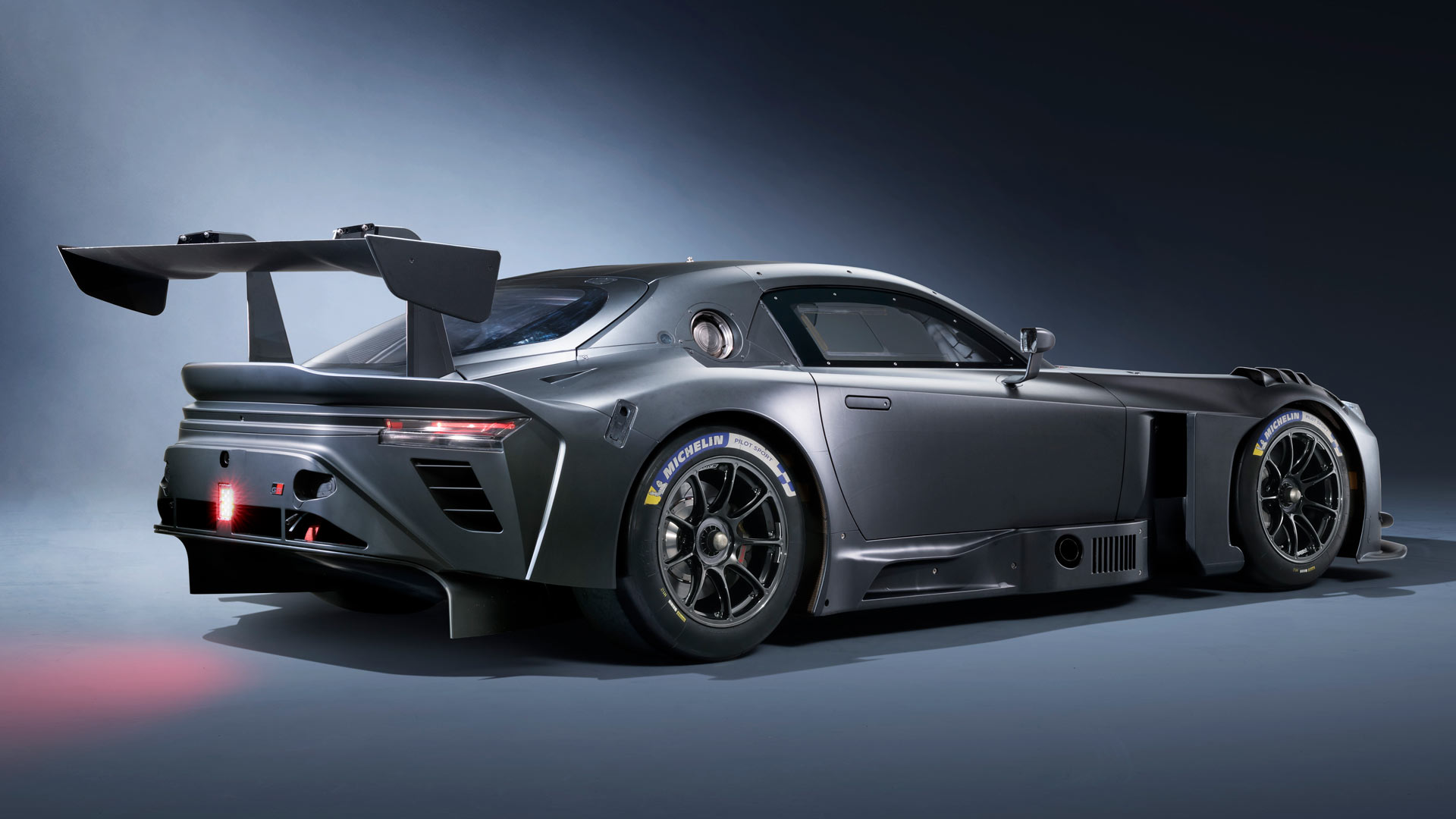
Intended as a flagship for the Toyota Gazoo Racing lineup, the road-going GR GT will be sold alongside an FIA GT3-spec version developed for motorsport customers.
The GR GT and GT3 are said to trace their roots back to the Lexus LFA. Both were partially developed by Toyota veterans responsible for the legendary Lexus, too.
V8 power and rear-wheel drive
Gazoo Racing created the GR GT around the idea of a ‘road-legal race car’, beginning with a high-performance powertrain.
Although there is no screaming naturally aspirated V10 like the Lexus LFA, Gazoo Racing has not – thankfully – built a fully electric supercar.
Instead, a 4.0-litre twin-turbocharged V8 engine is combined with a single electric motor. Toyota promises the hybrid powertrain will develop a minimum of 650hp and 627lb ft of torque.
Power will be sent directly to the rear wheels via an eight-speed automatic gearbox and a mechanical limited-slip differential.
Ensuring the GR GT sounds emotive has also been a top priority. Gazoo Racing has apparently tuned the exhaust system for an ‘enjoyable sound’.
Designed for the road and track
The GR GT will make use of an aluminium monocoque chassis, combined with carbon fibre body panels. Do not expect Toyota’s supercar to be super-light, though, with a targeted kerb weight of 1,750kg.
Aerodynamics have dictated the GR GT’s exterior design, with downforce and engine cooling prioritised. Engineers from Toyota’s World Endurance Championship programme lent their expertise to its development.
Although official performance figures may change before the GR GT arrives, a top speed of 199mph has already been suggested.
For the GT3 version, a more aggressive bodykit, including a towering rear spoiler, will provide maximum performance for the racetrack.
GR GT is coming in 2027
Other highlights included of the GR GT’s design include dual wishbone suspension with aluminium components, along with Brembo carbon-ceramic brakes.
Semi-slick Michelin Pilot Sport Cup 2 tyres will be fitted, plus a multi-stage stability control tested at the Nurburgring.
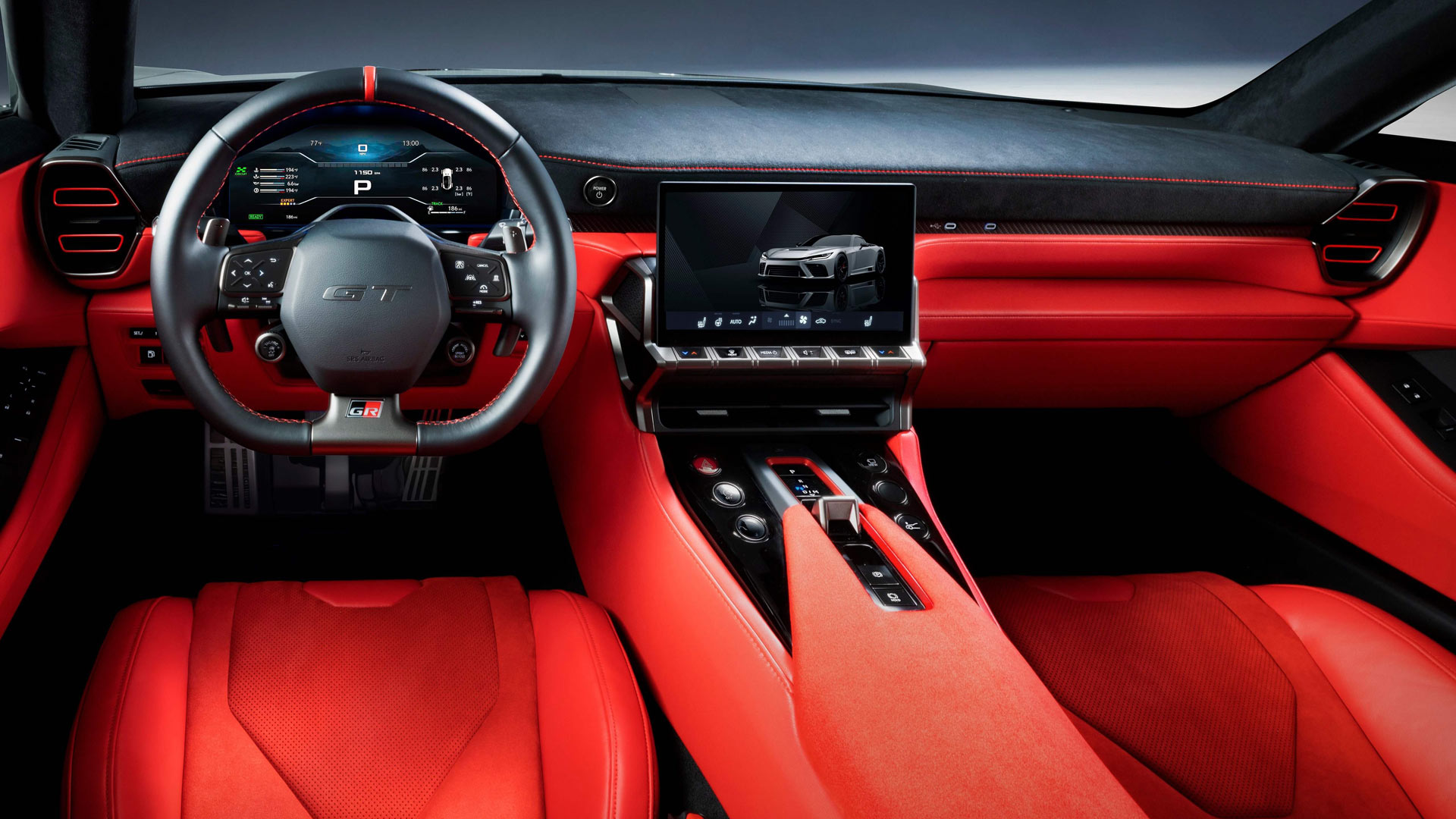
Gazoo Racing has given the GR GT a relatively simple interior, with a focus on clear displays and the large gear shift paddles mounted behind the steering wheel.
Expect more information about the GR GT, and its GT3 racer sibling, to emerge as development continues throughout 2026. We’re excited already.
The 2026 AUTOBEST Award Winners have been announced during the European ‘Best Buy Car’ organisation’s Ultimate Test in Austria.
BYD executive vice president Stella Li took one of the top prizes after being inducted into the MANBEST Hall of Fame for the car industry’s best managers and leaders.
The award acknowledges her pivotal role in BYD’s global expansion, including rapid growth here in the UK, which has seen the Chinese brand grab a 2.3 percent share of the new-car market so far in 2025.
BYD was also named TECHNOBEST 2026 winner for its Super e-Platform flash charging tech. This allows 1,000kW (1mW) DC rapid charging speeds – delivering 295 miles of range in just five minutes.
Meanwhile, Japanese giant Toyota has been named COMPANYBEST 2026 for an ‘exceptional performance’, with a multi-pathway strategy that includes hybrids, plug-in hybrids, fuel cell vehicles and EVs, as markets demand.
Toyota has also committed to a ‘full-lineup philosophy’, producing everything from sports cars to commercial vehicles. And the company is successful in motorsport, winning three FIA Constructors’ world championships in 2024.
SPORTBEST 2026 goes to Formula E CEO Jeff Dodds, and the SAFETYBEST 2026 winner is Pirelli’s clever Cyber Tire concept.
BMW Group chief designer Adrian van Hooydonk has been inducted into the DESIGNBEST hall of fame, for his decades of work at the Munich firm – recently culminating in the launch of the latest Neue Klasse design vision.
The Honda Prelude won the innovative ‘A Star Is Back’ Award, which honours retro favourites that have been successfully bought back to life.
All the winners will be presented with their prizes during an exclusive award ceremony in Vienna in March 2026.
AUTOBEST Conquest
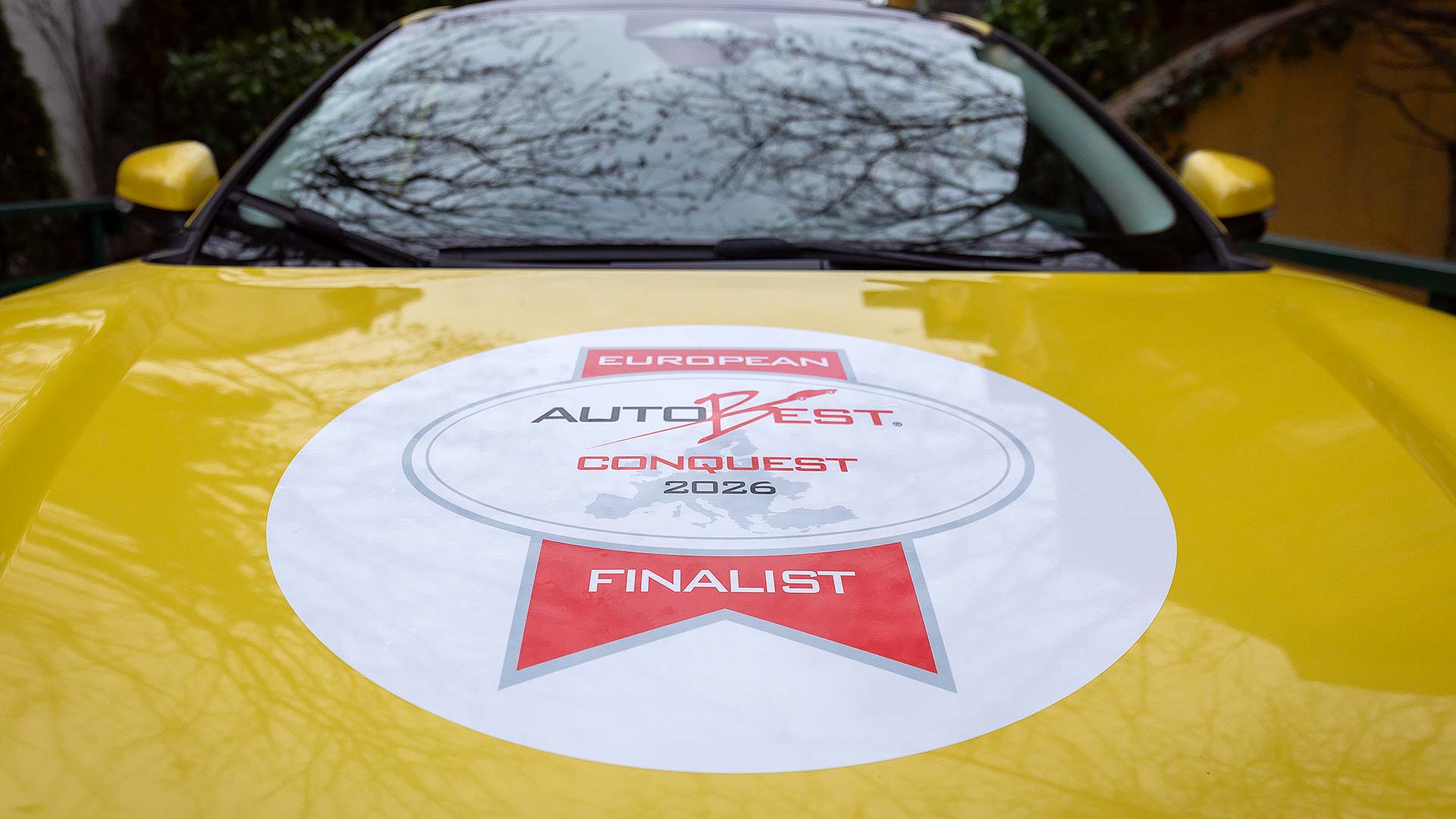
The AUTOBEST organisation, of which Motoring Research’s Richard Aucock (pictured above) is the UK juror, is also planning a noteworthy evolution in how the 2026 Best Buy Car of Europe is decided.
During the AUTOBEST Ultimate Test, six finalists were assessed by 32 expert jurors from across Europe.
The finalists were the BYD Dolphin Surf, Citroen C3 Aircross, Fiat Grande Panda, Ford Puma Gen-E, MG S5 EV and Renault 4.
Starting in January 2026, motorists from across Europe will be invited to ‘drive, test and vote for the best’, with all finalists open to a public vote. Public votes will count for 50 percent of the final result, with the jury accounting for the other 50 percent.
This will remain open until the Grand Finale, when the results will be revealed live during the AUTOBEST Conquest Show on 28 March 2026.
Motoring Research will be bringing you more news of the exciting developments for AUTOBEST – which remains the largest independent motoring media jury both in Europe and the world.
The UK’s best converted van has been chosen for 2025, following a nationwide competition.
Organised by online marketplace eBay, the Van Conversion of the Year Awards celebrate light commercial vehicles that have been transformed into amazing spaces.
Owned by Charlie Ding and Rosie Wells from Poynton in Cheshire, the winning van conversion saw the couple collect a £10,000 prize.
Apartment living on the move
Charlie and Rosie’s van was shortlisted for the overall Van Conversion of the Year Award, having been picked as the winner of the ‘Clever Camper’ category by eBay.
The victorious couple said the Sprinter conversion was inspired by their time spent travelling together in Vietnam.
Having enjoyed the experience, the couple wanted to build a vehicle that allowed their dog to come along for the ride.
Charlie and Rosie spent 18 months designing and building the apartment-inspired van, including sourcing parts through eBay. It features a bed that retracts into the roof to save space, along with a wardrobe that doubles as a shower cubicle.
A truly amazing space
Rosie Wells commented: “I can’t believe we’ve won! It is a great feeling to have our hard work recognised, especially by George Clarke and eBay. Our van is like travelling around in a little city apartment and it’s been perfect as we travel from country to country with our dog, little Rosie. This is the life for us, and I hope we show that anyone can make a van to go out and live in.”
Since completing the van conversion, Rosie and Charlie have already visited 13 countries across Europe, including France, Romania and Slovakia.
George Clarke said: “This year’s entries were truly next level, showcasing brilliant and inspiring examples of creativity. The entrants had clearly put so much effort into their builds, with our category winners talking so proudly about them in their entries.
“For me, Charlie and Rosie’s van encompassed everything that we’re looking for in the eBay Van Conversion of the Year Awards. I was genuinely impressed by their van’s seamless blend of engineering ingenuity and clean, cosy design. I could tell that the fit and finish was meticulously thought through – it’s such a smart and wonderfully inventive use of space.”
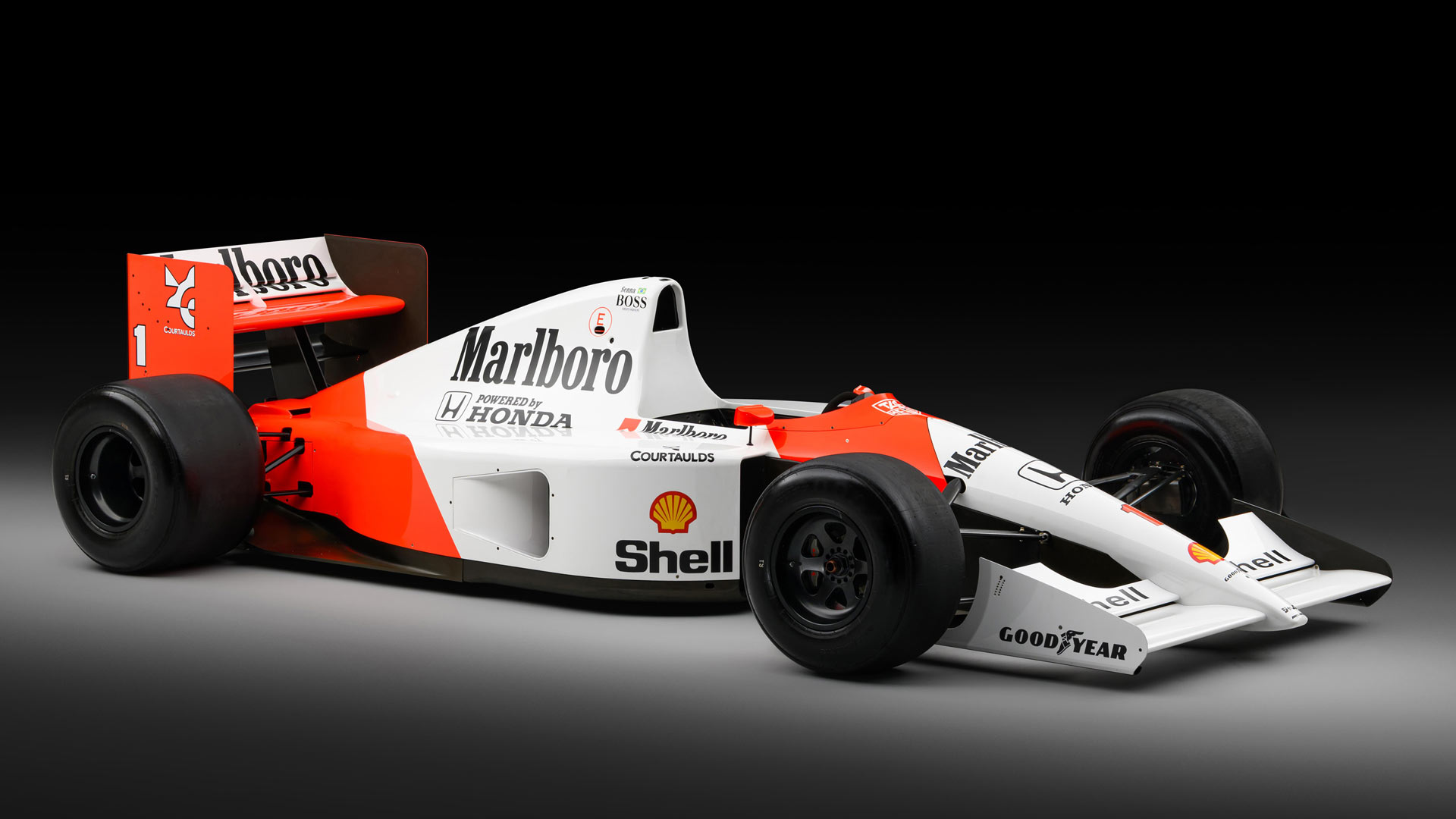
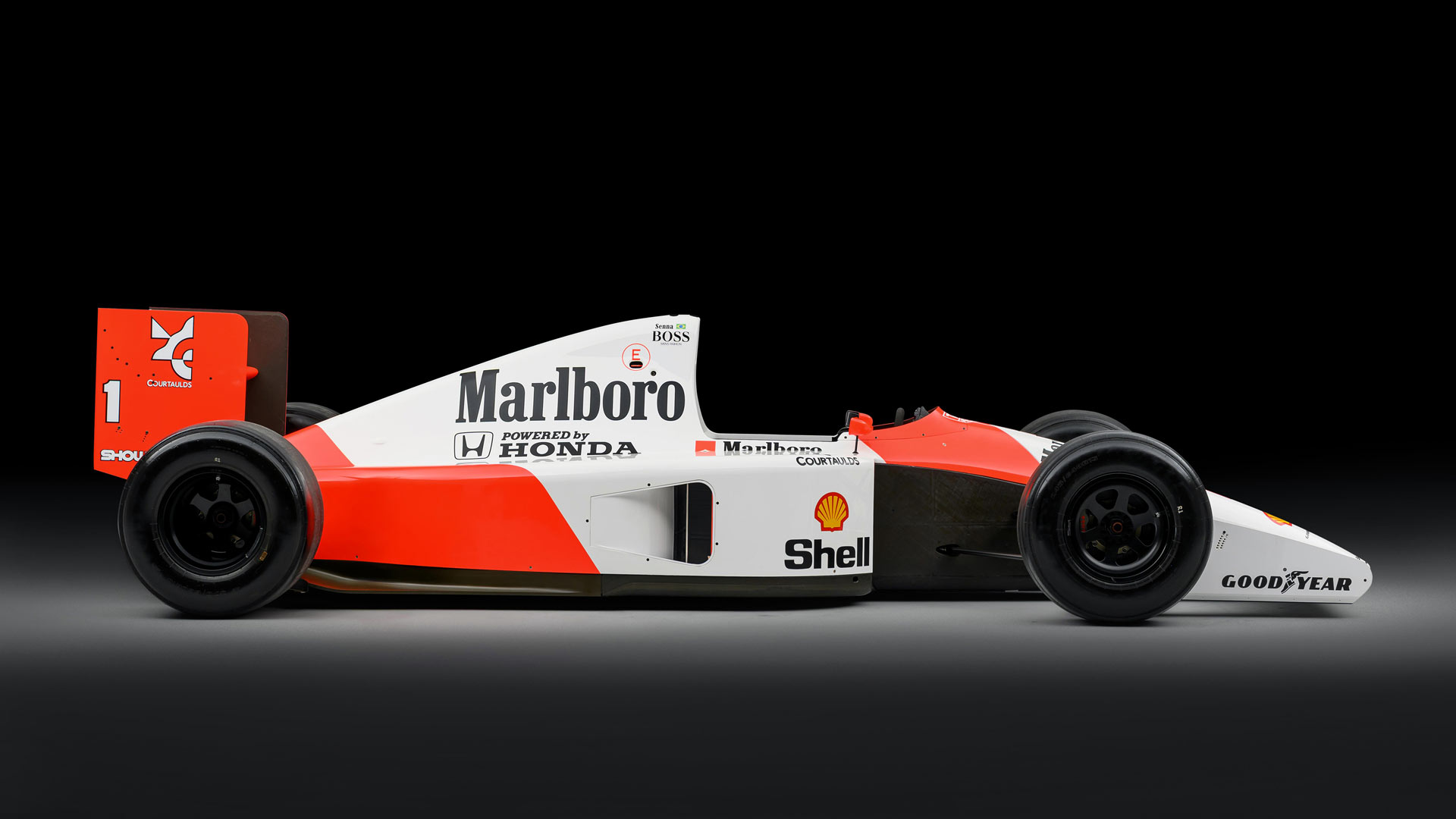
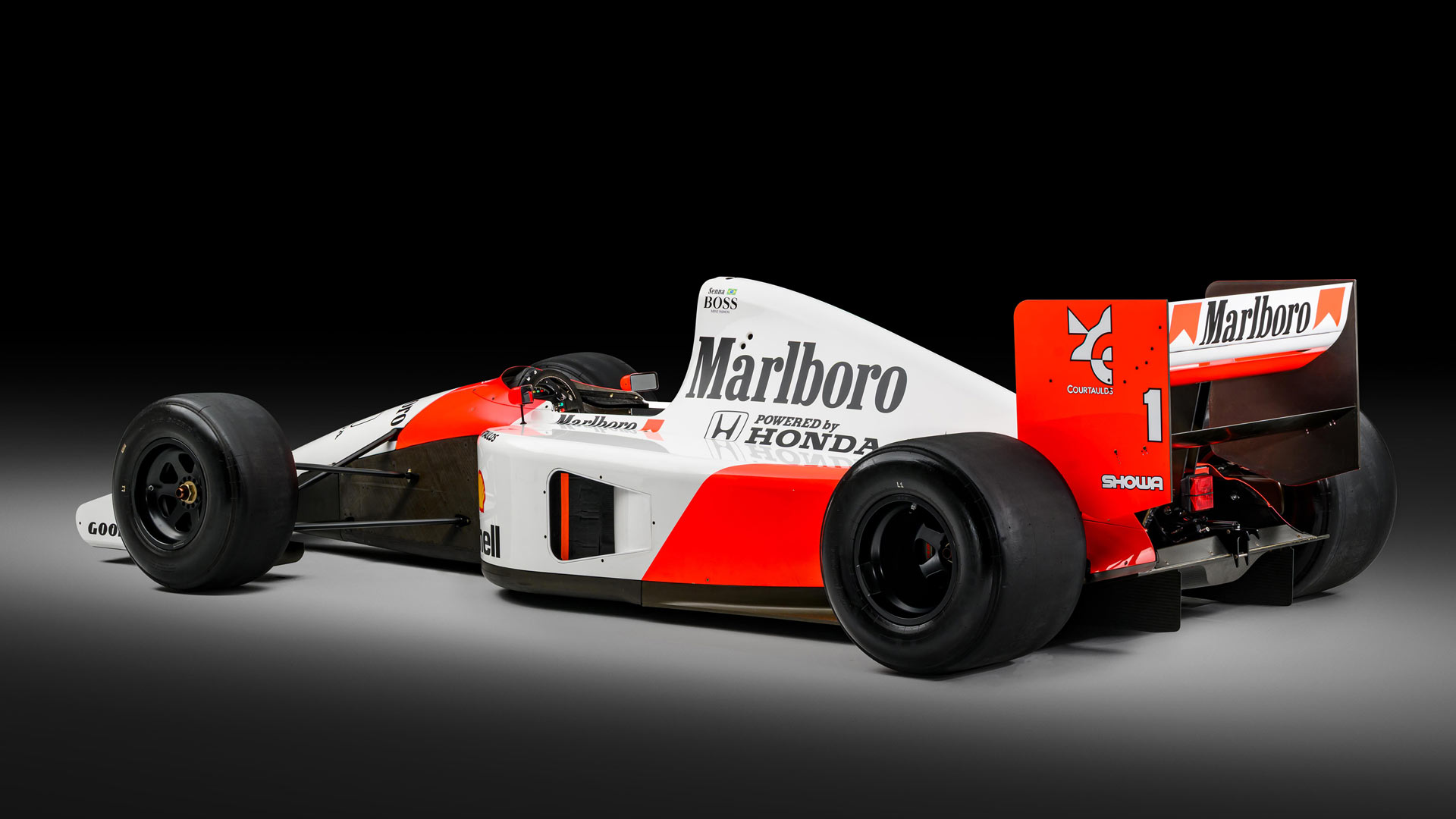
One of the most significant cars from Ayrton Senna’s illustrious Formula 1 career is being offered for auction online.
Used by the Brazilian driver during the 1991 season, the McLaren MP4/6 took Senna to his third and final Formula 1 World Championship.
The MP4/6 was also the final Formula 1 car with a V12 engine and a manual gearbox to win a title.
It is being offered for sale through RM Sotheby’s, having been displayed in Abu Dhabi before the Grand Prix weekend.
Responsible for a Senna masterclass
Chassis number MP4/6/1 was the first car built, initially tested by Senna and Gerhard Berger at Estoril in February 1991.
Created under the direction of McLaren design chief Neil Oatley, the MP4/6 is arguably the last ‘analogue’ Formula 1 car. Its naturally aspirated 3.5-litre Honda V12 engine generates 735hp, and is connected to a six-speed manual transmission.
It would be the manual gearbox that affected one of Senna’s most legendary drives, battling through the rain in Sao Paulo to win the Brazilian Grand Prix.
While leading the race, the MP4/6’s transmission began to fail, forcing Senna to stick with sixth gear for the remaining laps.
Senna’s immense talent saw him bring the car home ahead of Riccardo Patrese, sealing one of his most impressive victories.
A most significant McLaren
Senna went on to win the 1991 Formula 1 World Drivers’ Championship, with seven race victories and five other podium finishes. McLaren would also claim the Constructors’ title, ahead of Williams.
Following its successful season, MP4/6/1 was added to McLaren’s own collection, where it remained for three decades before being sold in 2020. The car will return to McLaren specialist Lanzante for final preparation before being delivered to its new owner.
Owning such an important piece of Formula 1 history does not come cheap, however. RM Sotheby’s has suggested a guide price of between £9 million and £11.5 million for the MP4/6.
For those looking to score a winning Christmas present, bidding will close on Thursday 11 December 2025.
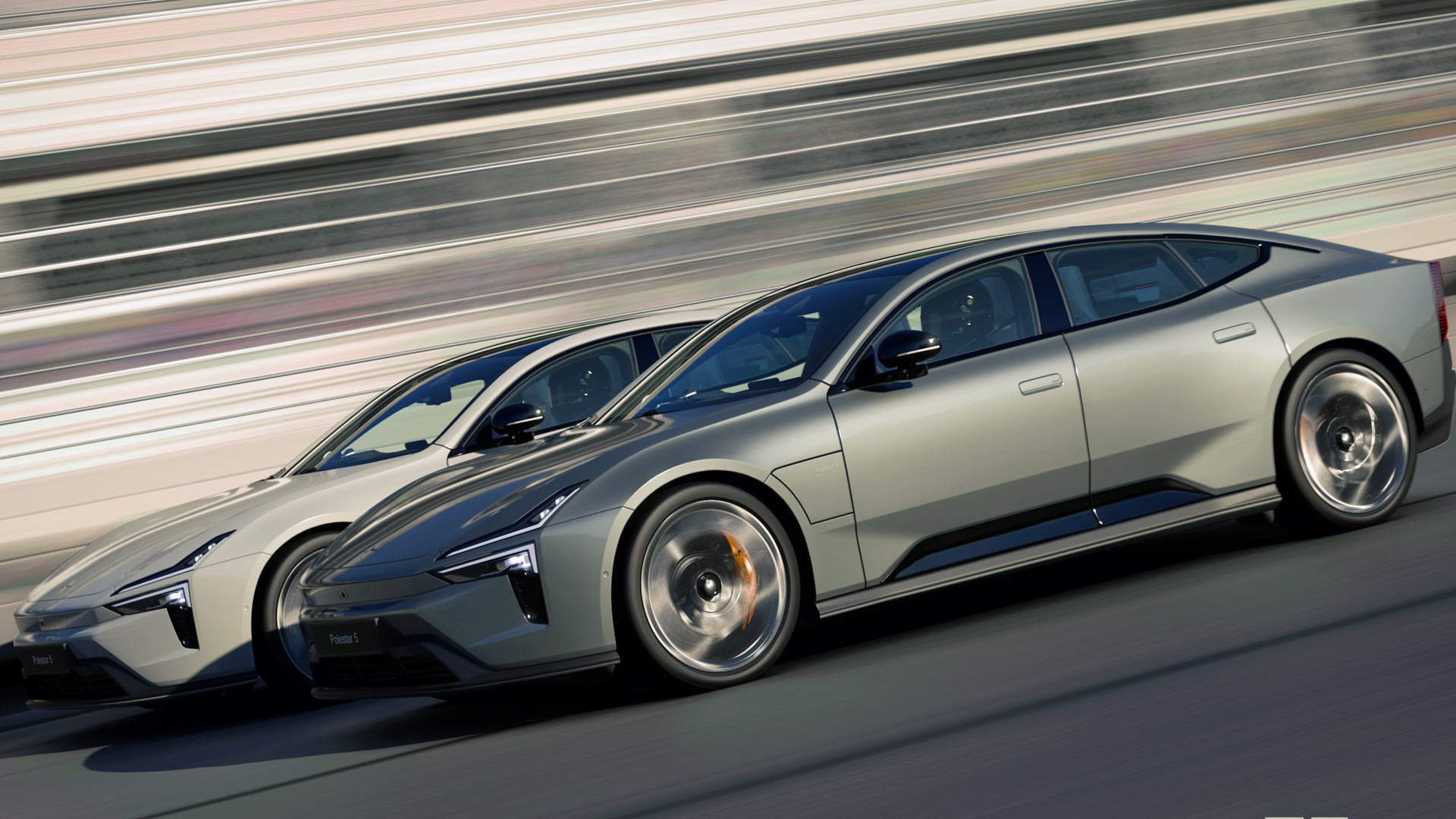
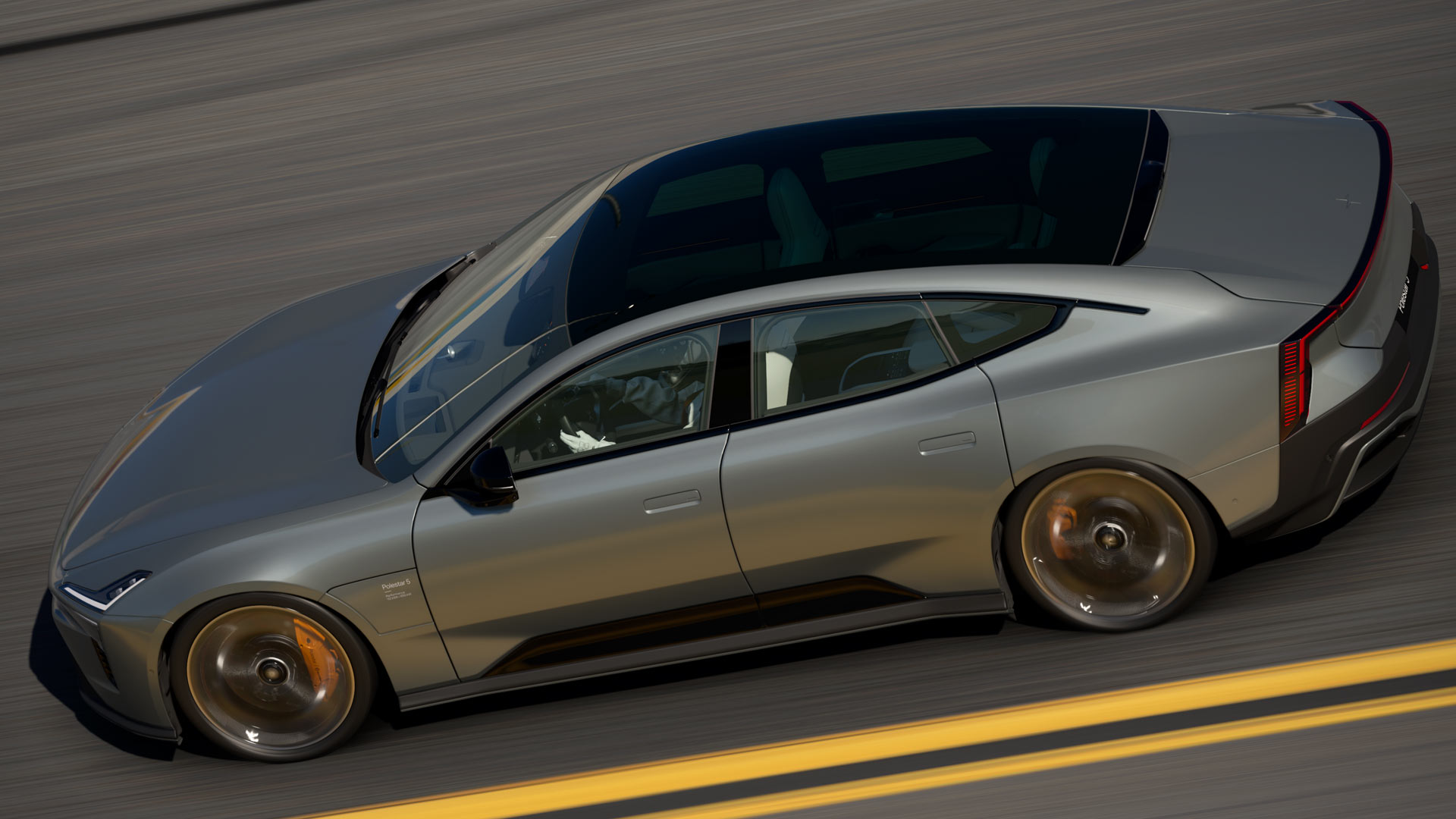
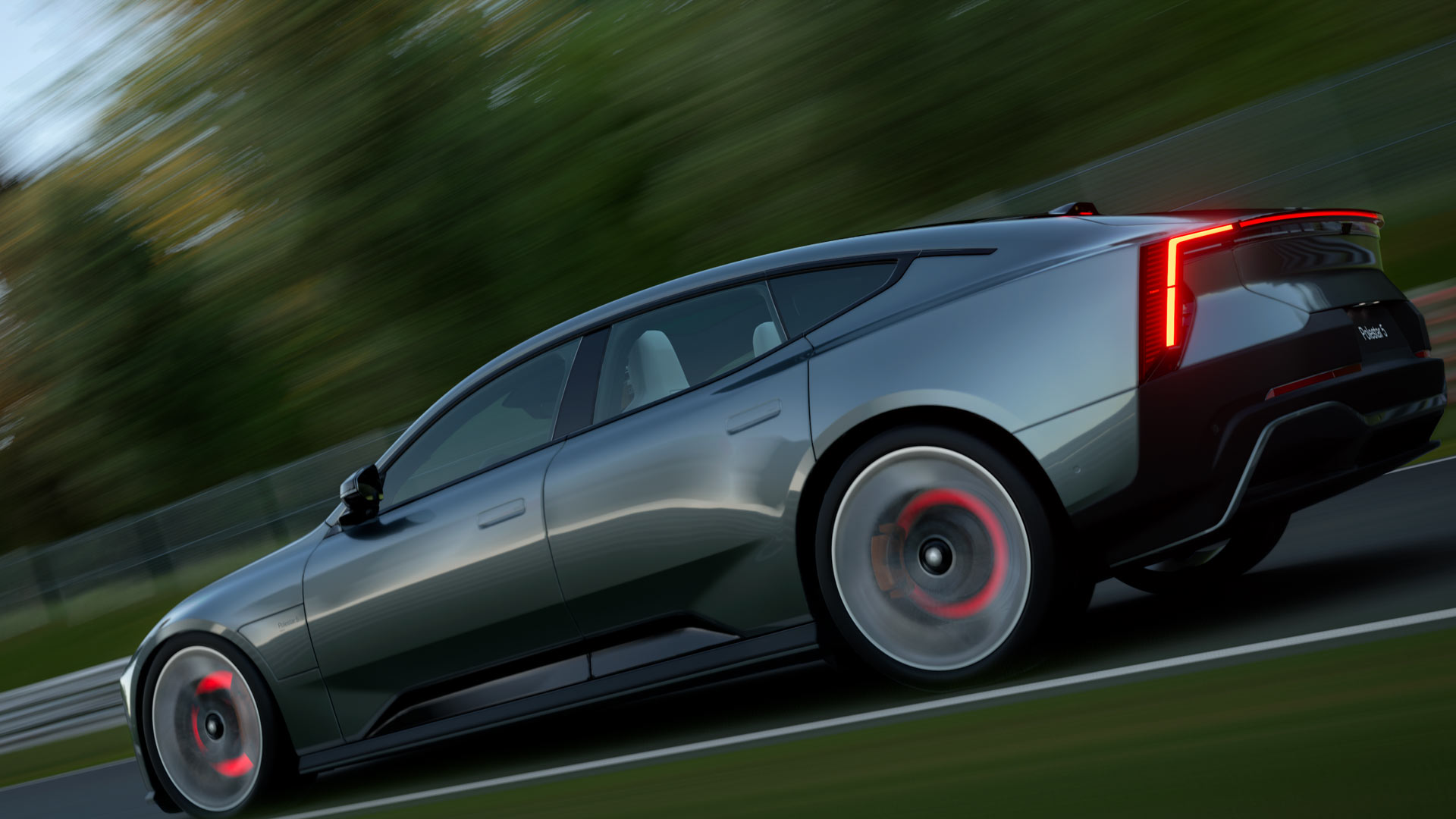
Video game enthusiasts will have the opportunity to win a trip to Sweden, simply by driving a digital Polestar 5.
Polestar Space retail locations across the UK will host Gran Turismo 7 simulators this winter, allowing fans to compete in the nationwide challenge.
The fastest drivers at each Polestar Space will be invited to a live grand final, where they can prove if they truly are the fastest virtual racer.
Whoever emerges as the top driver at the final – being held at the Polestar Space in Battersea Power Station, London – will receive an all-expenses-paid trip to the Swedish marque’s homeland.
A virtual drive of the Polestar 5
The competition follows the addition of the 871hp Polestar 5 electric grand tourer to the Gran Turismo 7 game. The car was previously revealed at the Gran Turismo World Series event in Los Angeles.
Polestar engineers worked with experts from Polyphony Digital, the creators of the Gran Turismo games, to ensure the car delivers a similar driving experience to the real thing.
Matt Galvin, managing director of Polestar UK said: “We’re excited to bring this Gran Turismo 7 competition to Polestar Spaces across the country and give customers a first taste of the Polestar 5 months before it arrives on UK roads.
“It’s a fun, accessible way for people to experience our new electric four-door GT in a completely different setting, while adding a bit of healthy competition along the way. We can’t wait to see who claims the crown as our very first Polestar 5 UK champion.”
Multiple chances to win
The full schedule for the Polestar Gran Turismo 7 simulators will include:
Polestar Sheffield: 11 December 2025 to 7 January 2026
Polestar Cribbs Causeway: 11 December 2025 to 7 January 2026
Polestar Battersea: 8 January 2026 to 3 February 2026
Polestar Solihull: 9 January to 3 February 2026
No booking is required; racing fans can simply turn up and set their fastest lap. Those unable to get to a Polestar Space will be able to experience the Polestar 5 in Gran Turismo 7 instead.
The game offers the option to take part in a worldwide time trial on a virtual Brands Hatch circuit. The overall winner will receive an exclusive trip to Fukuoka, Japan, to attend the World Finals of the Gran Turismo World Series.
Comfort, opulence, presence, performance and the latest technology. These are just some of the things we want, no expect, a luxury car to deliver. It should be as good to drive as to be driven in.
The luxury car market is changing, however. Once upon a time, a luxury car meant a four-door saloon with acres of space in the back and the most relaxing experience this side of a long weekend at a luxury spa.
Today, a luxury car is just as likely to be an SUV, from a Range Rover Sport to a Rolls-Royce Cullinan. If you prefer riding high, check out Motoring Research’s guide to the Best Luxury SUVs. We have even included one suggestion here, among the ‘traditional’ luxury cars.
Audi A8
At £85,000, the Audi A8 is one of the ‘cheapest’ cars on our list. Not that many A8s will leave a showroom at that price. Flagship models command a six-figure price tag, and that’s before you start perusing the options list.
You don’t need to splash out on a pricier model, though. Even the entry-level A8 Sport features the kind of equipment and technology that will delight the most demanding of gadget freaks. Petrol and plug-in hybrid powertrains are available, along with a 571hp twin-turbocharged 4.0-litre V8 in the sporty S8. Diesel options are still present on Audi’s price list, but who knows for how long…
We said: ‘The Audi A8 is a deeply impressive machine. It fulfils demands for luxury, space and discreet performance, and now has a statesman-like appearance that at least makes it the equal of its rivals – or a viable alternative to the Bentley Flying Spur. Whether all this will be enough to entice more buyers into the A8 fold, however, remains to be seen.’
Most luxury cars are best enjoyed from the sumptuous surroundings of the back seat. The advantage of the Bentley is that it’s just as great to drive. Whether you choose the Mulliner or the Flying Spur Speed, you may decide to give the chauffeur the weekend off.
If you’re doing the driving, you’ll want the Speed, which is the fastest and most powerful four-door Bentley ever built. Thanks to a twin-turbocharged V8 with plug-in hybrid tech, it serves up 782hp and 737lb ft of torque. The 0-62mph sprint takes 3.5 seconds, with a top speed of 177mph.
We said: ‘It’s voraciously fast and eagerly responsive, yet invariably smooth and unflustered – whether transitioning between power sources or swapping cogs within the eight-speed dual-clutch transmission. Unlike in some cars of this calibre, it’s also fun to change gear yourself using the paddles, revving out the V8 to enjoy its (authentic and unsynthesised) snarl.’
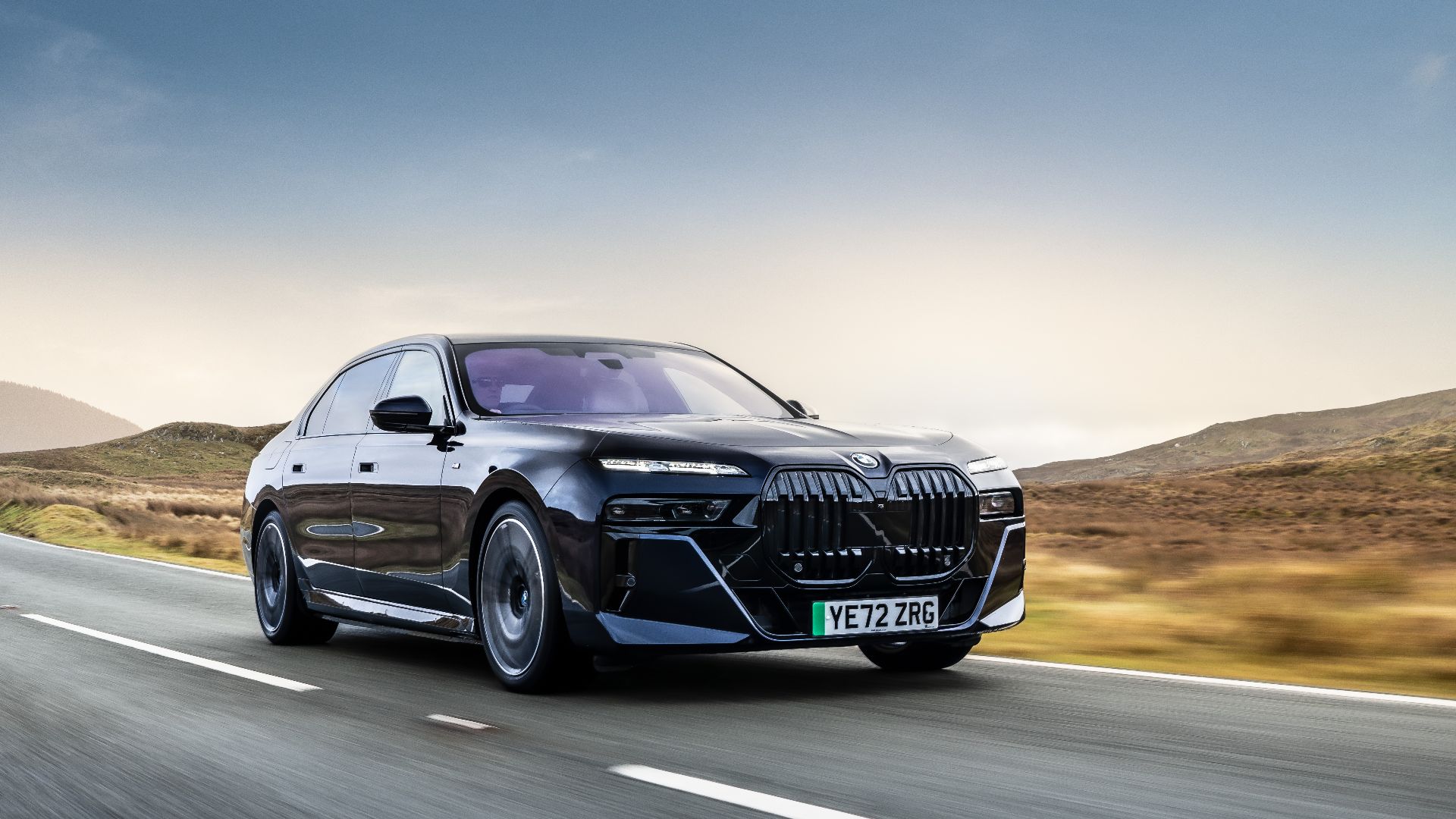
The most affordable 7 Series – the fully electric i7 – starts from £101,865 at the time of writing. For that, you get a limousine that offers up to 387 miles of range if you choose the xDrive60 version, plus one of the most technology-rich interiors available. If the 14.9-inch curved front display isn’t enough, rear-seat passengers can be treated to a 31.3-inch fold-down Theatre Screen and Sky Lounge panoramic sunroof.
The 7 Series is a more traditional alternative to the i7, albeit a thoroughly modern plug-in hybrid with up to 55 miles of electric range. Even the ‘entry-level’ 750e xDrive hits 62mph in 4.8 seconds, while the M760e xDrive manages the sprint in 4.3 seconds. Oh, and both the i7 and regular 7 Series are available in armoured ‘Protection’ guise, if you’re somebody who has made a few enemies…
We said: ‘From the moment you glide away in serene near-silence, the i7 feels utterly effortless. It doesn’t accelerate so much as gather speed, with calmly calibrated throttle response and progressive brakes that make it easy to drive smoothly. Its steering lacks the feel of smaller, more sporting BMWs, but this 2.7-tonne limousine comports itself well in corners – even in a car without the Executive Drive anti-roll technology fitted.’
Genesis is the luxury division of Hyundai and it’s been doing a grand job of muscling in on the premium and luxury establishment in South Korea and the US. It’s taking a little longer to grow in the UK, but on the evidence of cars like the G80, Genesis deserves to succeed.
It’s not the Korean brand’s largest luxury saloon – the G90 flagship isn’t available in the UK – but with Bentley-esque styling and a level of quality that’s more than a match for the Germans, the Genesis is worthy of your shortlist. The G80 was previously available with a 2.5-litre petrol engine, but is now electric-only. The headline numbers are 370hp, 0-62mph in 5.1 seconds and a fully charged range of 354 miles.
We said: ‘As a line-in-the-sand car, the Genesis G80 is a good introduction to this new premium brand. It’s got a lot of work ahead, to draw people from their BMWs and Mercedes-Benz – and to cement itself as a successful alternative (Lexus), rather than a pointless failure (Infiniti).’
Short of entering the lofty world of Bentley or Rolls-Royce, no other four-door saloon does luxury quite like the Mercedes-Benz S-Class. For generations, it has been accepted as the ‘best car in the world’ and a shop window for future technology.
The current S-Class is no exception. It’s based on an all-new platform and boasts next-generation infotainment and driver assistance tech. Prices start from around £98,000, with only long-wheelbase versions available new in 2026.
We said: ‘Whether you’re relaxing in the back or at the wheel, the Mercedes-Benz S-Class is one of the most comfortable cars on sale. Few vehicles offer such a delightful blend of quality, sophistication and dazzling technology.’
The days of AMG shoehorning V8 engines into every conceivable Mercedes-Benz product are, sadly, now behind us. But Affalterbach still has a handful of ways to deploy eight-cylinder firepower.
The four-door coupe version of the AMG GT 63 S E Performance combines a hybrid motor with its 4.0-litre twin-turbocharged V8, resulting in a grand total of 843hp. That makes it one of the most powerful AMG cars ever made, yet it still offers a luxurious, leather-lined interior and vast amounts of technology.
We said: ‘On paper, the results are quite something. This elongated ‘four-door coupe’ (to use M-B’s terminology) can blast to 62mph in 2.9 seconds and keep going to 196mph. On the road, the powertrain feels like the best of all worlds: effortless at low speeds, absurdly muscular in the mid-range and furiously intense as the revs rise.’
With a starting price of £89,500, the Porsche Panamera is one of the cheapest options on our list of the best luxury cars. But that’s just the beginning, because the flagship Turbo S E-Hybrid maxes out at around £175,000.
Yes, the Panamera is a hatchback, but this is as luxurious as a Porsche can get – on par with the Cayenne SUV. Some versions are as quick as a 911 Turbo, while others offer enough electric range to tackle the daily commute.
Reviewing the mid-range Panamera GTS, we called it ‘sports car in a saloon car suit’, adding that it ‘strikes a deft balance between luxury and performance’. We added ‘this isn’t a tyre-smoking hooligan’, praising its ‘refinement and sheer breadth of ability that make the Panamera easy to live with’.
Can a car be sporty and luxurious? It can when it’s a Porsche Taycan. Whether you opt for the standard saloon or the more practical (and cooler?) Sport Turismo and Cross Turismo estate models, the Taycan looks great, is brilliant to drive and boasts a beautifully appointed interior.
Choose a rear-wheel-drive Taycan with the now-standard 105kWh Performance Battery Plus and you can look forward to an official 421 miles of range between charges. Yet even the high-performance versions are knocking on the door of 350 miles. For maximum performance, the extreme Taycan Turbo GT delivers more than 1,100hp, and has set multiple lap records across the world.
Of the entry-level Taycan, we said: ‘Zero to 62mph in 4.8 seconds is hot hatch territory in 2026, yet the 435hp Taycan definitely feels faster. Perhaps it’s the – literally – electric throttle response or the smooth way it gathers speed, but my impression was of proper Porsche performance.’
Given how the new car market continues to shift ever more towards SUVs, the iconic Range Rover is likely to be a genuine alternative to many of the long and luxurious saloons listed here.
Pushed even further upmarket, the latest-generation Range Rover is one of the very best luxury SUVs around. Its interior design and quality is more than a match any rival, and it comes with the added ability to venture off-road – should you need to.
We said: ‘How does it drive? Oh, like a Range Rover: impeccably. The serenity and sense of wellbeing is all-encompassing. It’s not uncannily silent, like an electric car, but the background hum of the super-smooth engine merely seems to enhance the experience. A bit like the vibration-free noise of a car in the movies, when they are driving on a green screen.’
The Rolls-Royce Phantom takes luxury to a higher plane – and we’re not just talking about the executive jet that will likely form one of the owner’s stable of transport options.
As before, power is sourced from a 6.75-litre V12 engine, but the difference here is that the oomph is more likely to be enjoyed by the chauffeur. For those who prefer to enjoy driving their Rolls-Royce, the (marginally) smaller Ghost Series II Black Badge delivers tremendous power with greater involvement.
We said: ‘Bury your right brogue in the deep-pile lambswool and the V12 wakes up with a muted snarl, thrusting this 2,685kg leviathan to 62mph in 5.5 seconds. The Phantom is more agile than you might expect, helped by rear-wheel steering that tightens its turning circle in town and aids stability at speed.’
We could have included the Rolls-Royce Ghost as our final luxury car, but with the Phantom taking care of four-door duties, why not slip into something more elegant? Besides, the Spectre is the company’s first electric car, so it represents a vision of the future.
This isn’t your typical impractical coupe; it’s 432mm longer than a Range Rover with ample space for four people. Its 102kWh battery delivers 329 miles of a range, which is arguably the most underwhelming part of the car. In every other respect, the Spectre delivers a fabulous sense of occasion in near-silence.
We said: ‘The Spectre offers the comfort and craftsmanship of a traditional Rolls-Royce, but with electric power. Unlike most coupes, the Spectre can accommodate four adults in comfort, even if you’re sitting behind somebody tall. From behind the wheel, there’s little to suggest this is an EV: just the familiar mix of hand-crafted veneers, tactical analogue controls and slick, BMW-derived infotainment.’
The increasing use of electric cars is generating new road-trip debates, in particular about who should foot the bill for EV charging.
New research shows British motorists are split over EV charging etiquette, ahead of one of the year’s busiest travel periods.
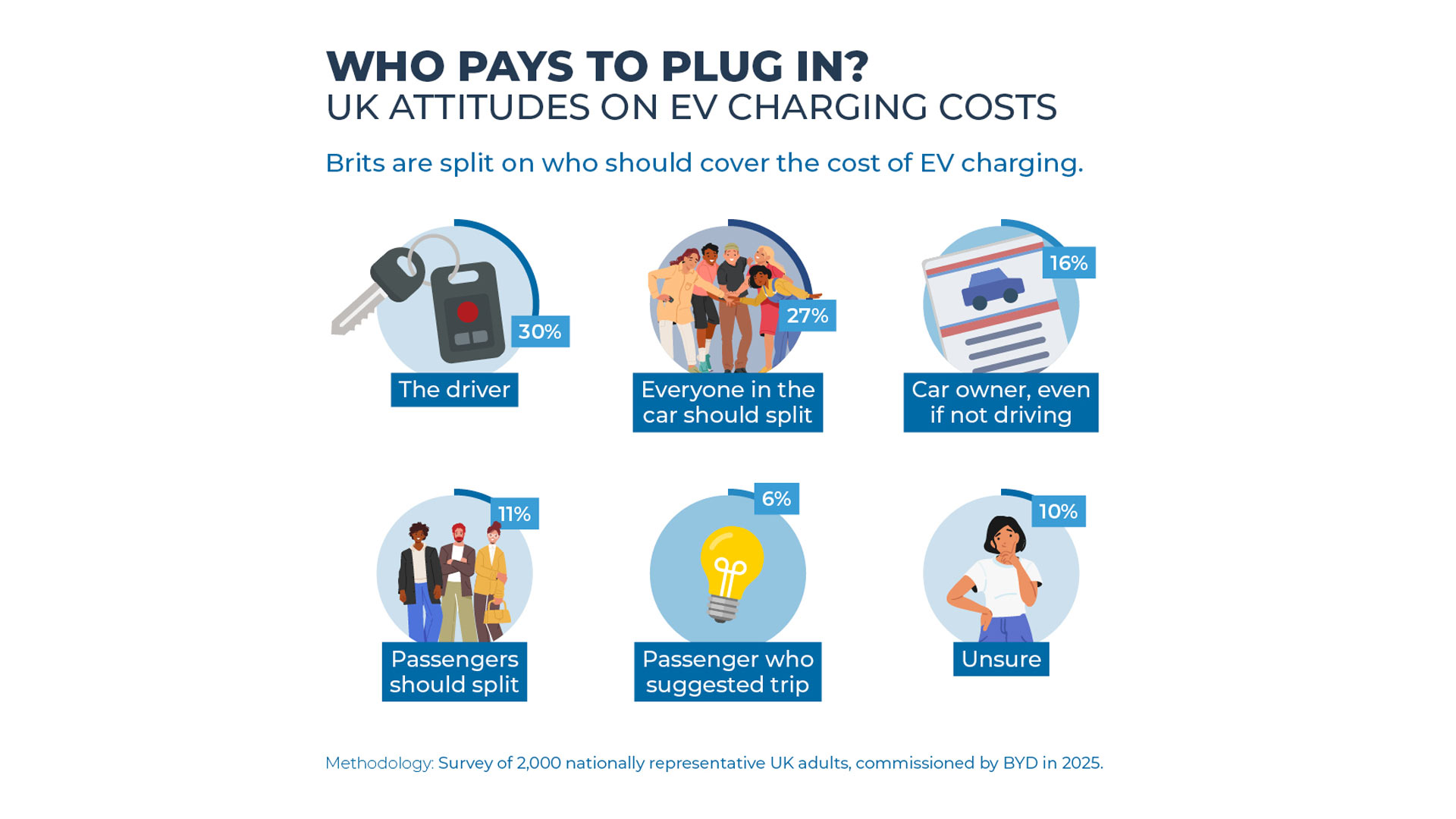
One in three (30 percent) of those surveyed by Chinese marque BYD said they believed the driver should be responsible for EV charging costs.
However, more than a quarter (27 percent) think that costs should be split evenly between everyone on the trip.
Some 16 percent argued that the car owner, not necessarily the driver, should pay for charging. And six percent said the passenger who suggested the journey should be responsible.
Younger generation say the driver should pay
Those aged between 18 and 24 were most likely to favour the driver paying, with 35 percent endorsing this option.
By comparison, 25 to 34 year olds (31 percent) and 35 to 44 year olds (30 percent) were the only age groups where most respondents thought the cost of electric car charging should be split between all passengers.
Overall, 10 percent admitted they simply don’t know the rules about sharing EV charging costs, with many navigating this issue for the first time.
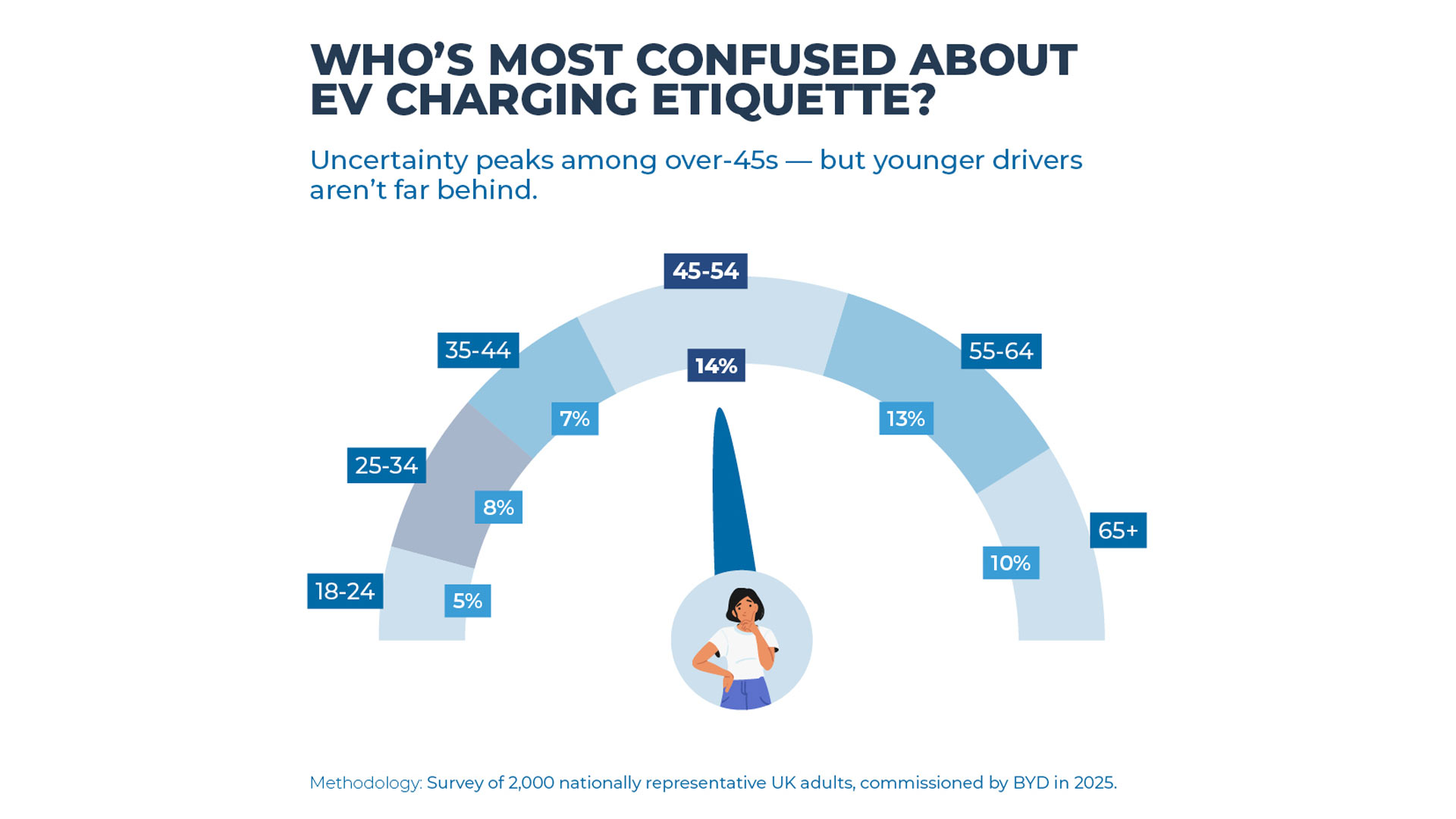
Survey respondents aged between 45 and 54 said they were most uncertain about the correct etiquette for electric car charging expenditure.
A new automotive cultural shift
BYD spoke to Laura Akano, an etiquette expert, who suggested: “The most polite way to raise the topic of EV charging costs with passengers is to propose splitting the cost equally, especially if you are the driver or owner of the vehicle.
“Drivers should let passengers know in advance if they are expected to chip in for charging costs. This helps to prevent any awkwardness or misunderstanding. It is in poor taste to retrospectively ask for a contribution towards charging after completing the journey.”
Steve Beattie, sales and marketing director at BYD UK, commented “We’re seeing a cultural shift play out in real time. As more people experience life in an electric vehicle, they’re questioning old assumptions about driving, including who pays, when and how.”
Choosing an electric car could potentially save UK drivers thousands of pounds – and thousands of calories – every year.
EV owners who recharge their car at home can avoid petrol station forecourts altogether, and avoid buying unnecessary snacks.
British EV charger brand Simpson & Partners highlighted YouGov research showing almost half (48 percent) of British drivers buy snacks and drinks when they stop to refuel.
With no need for petrol or diesel in the first place, electric car owners are less likely to submit to the temptation of a forecourt meal deal.
No unnecessary filling required
Simpson & Partners calculates that a weekly trip to refuel at a petrol station could result in close to 1,000 additional calories.
The company’s research found that a chicken and bacon sandwich, a smoothie and a chocolate bar typically equates to 801 calories.
There is also a substantial cost saving from not buying snacks when refuelling. YouGov’s data found that nearly two thirds (63 percent) of fuel stops saw expenditure of less than £5. However, 30 percent of drivers spend between £5 and £10 each visit.
Even at the lower end of the spending range, saving £5 each week equates to £260 over the course of a year.
Saving money, staying in shape
Mandy Simpson, co-founder of Simpson & Partners, said: “There’s so much talk in the media about weight loss drugs, how sugar isn’t healthy and how diabetes is on the rise.
“The hidden side benefit for EV drivers who home charge is that you don’t need to go to the petrol station and expose yourself to the temptations on the snack aisle. It’s like a passive benefit no one talks about.”
Home charging is generally the best option for electric car owners when possible, due to the lower cost of electricity compared to using public chargers. In addition, VAT is charged at 20 percent for public charging, instead of the five percent paid on domestic electricity.
“Once you experience the convenience of home charging, it’s hard to imagine going back,” adds Simpson. “You can top up your car while you sleep. It’s energy-efficient, time-saving and much less disruptive to your day. And turns out it’s kinder to your waistband too.”
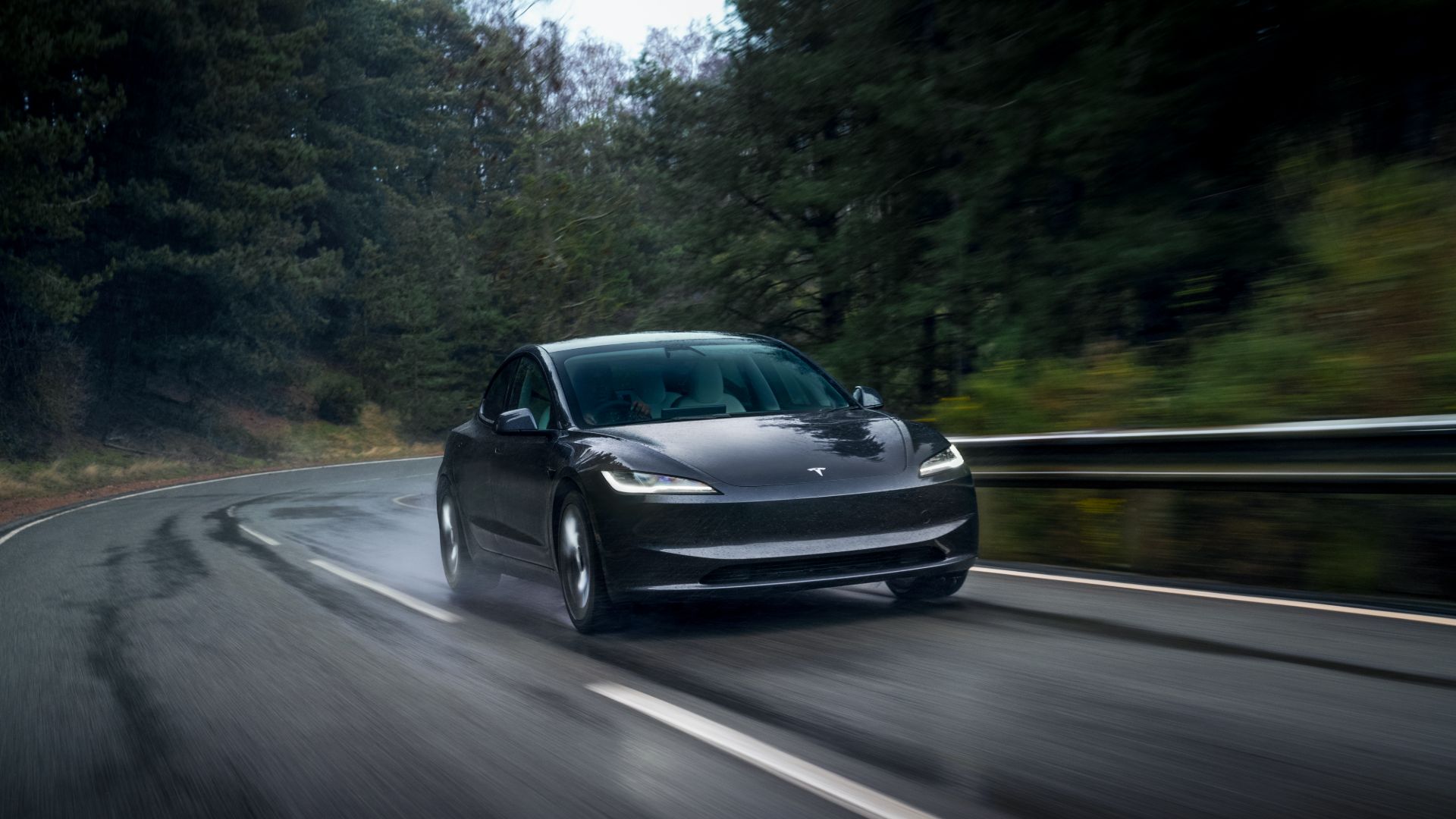
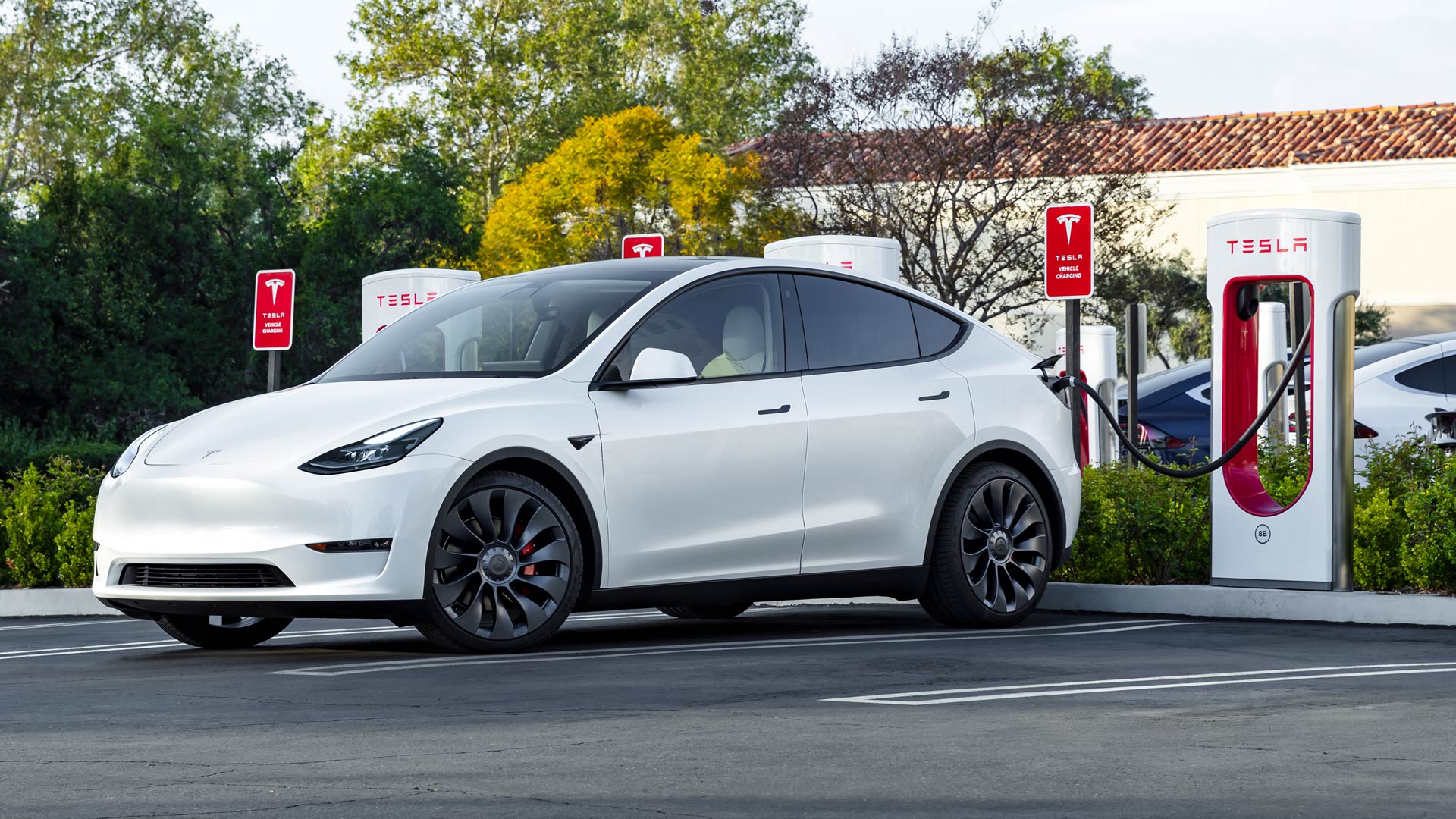
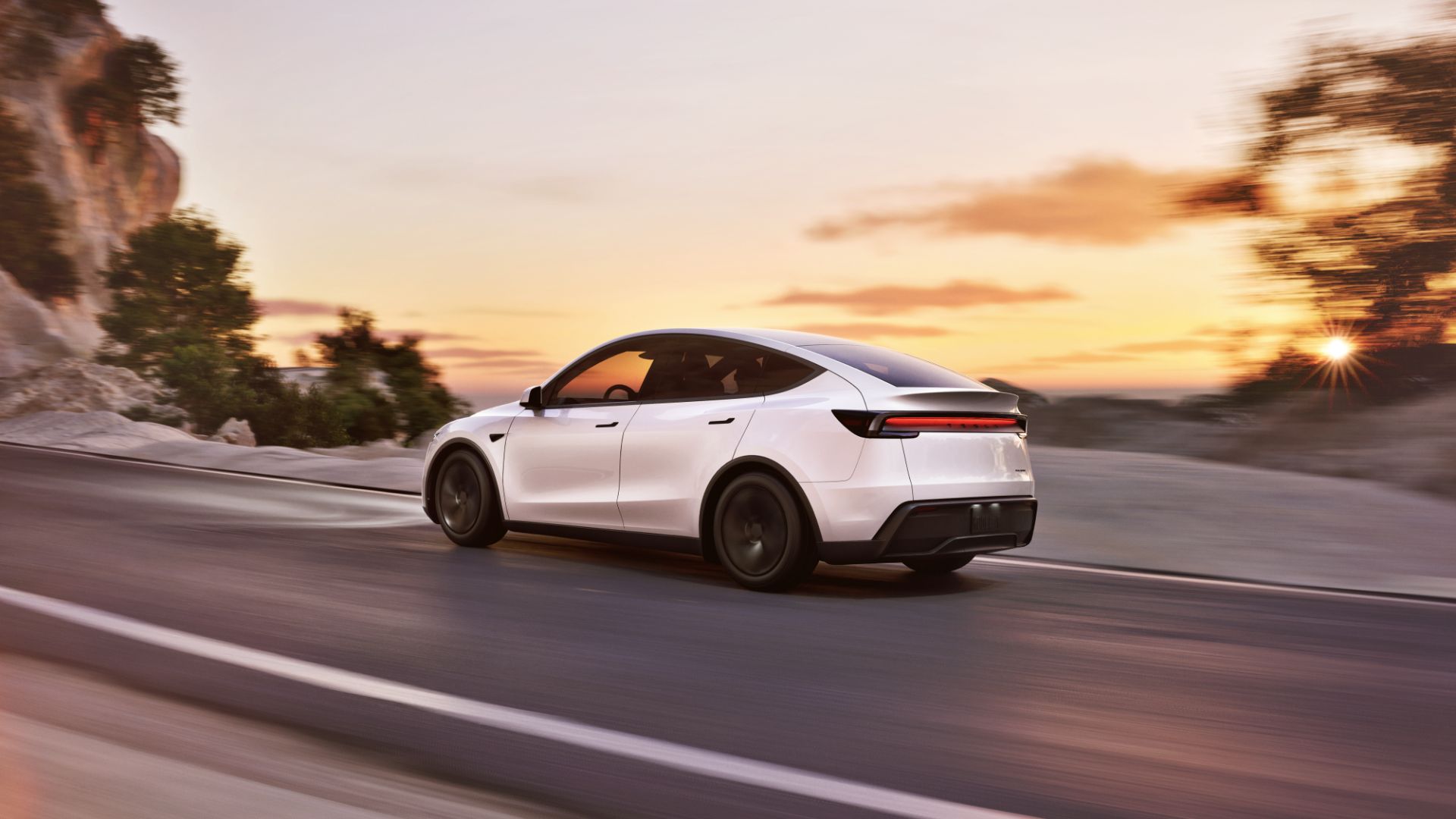
European car buyers increasingly feel turned off by Tesla, according to new market research.
Data analytics firm Escalent discovered that sentiment towards the American EV manufacturer is now more negative than positive.
More than a third (38 percent) of those surveyed across Europe said the Tesla brand’s novelty had now worn off.
In addition, close to half (44 percent) disagreed that the number of people they see driving a Tesla makes them more inclined to buy one.
Tesla no longer seen as a market leader
Escalent’s research revealed that consumers still rate Tesla for its charging infrastructure and charging speed. However, design quality and emotional appeal are no longer attracting buyers.
A third (33 percent) of those surveyed agreed that ‘compared to other brands, it is not as far ahead as it used to be’. A further quarter (26 percent) thought that Tesla’s product offerings are no longer as competitive.
Notably, one in three respondents believe that Tesla is no longer a premium brand, regarding it as mainstream instead.
At the same time as interest in Tesla wanes, Escalent has found that Chinese car brands are seeing a growing level of consumer trust and interest.
Chinese brands in the ascent
Although German manufacturers were a top consideration for 89 percent of those surveyed, Chinese brands were of interest to almost half (47 percent). This represents a 16 percent increase during the past year alone.
Curiously, Escalent found that when consumers realise established names such as Volvo, MG or Smart are Chinese-owned, their interest dips slightly. However, being told that new-to-Europe brands such as BYD or Zeekr are Chinese leads to consumer interest actually increasing.
Commenting on the research, Mark Carpenter, managing director of Automotive and Mobility Europe at Escalent, said: “Once a badge of progressiveness, the Tesla brand now risks being seen as uninspiring and faces the same complacency that it once disrupted”.
Still searching for the ultimate bespoke Christmas gift? May we suggest a unique ‘station wagon’ version of the Lamborghini LM002?
Commissioned by the Sultan of Brunei for his extensive and legendary car collection, this is believed to be the only factory-supported LM002 Wagon ever produced.
Even among the thousands of cars that made up the Sultan’s record-breaking collection, the LM002 Wagon is a true rarity.
Stockholm-based specialist Motikon has now listed the LM002 on the Bring a Trailer auction platform – and it is already attracting plenty of attention.
A truly bespoke Lamborghini
The ‘Rambo Lambo’ LM002 was hardly a vehicle for shy and retiring types. However, the modifications commissioned by the Sultan of Brunei make this Wagon model even harder to ignore.
Delivered new via the Hong Seh Company in Singapore, the Lamborghini was sent to Italian coachbuilder Autocostruzioni Salvatore Diomante in 1989.
Diomante undertook a range of modifications, including the raised roofline and extended, estate-style bodywork. A power-operated sunroof was added, too.
Originally finished black, like many vehicles in the Sultan’s car collection, the LM002 Wagon was later repainted in silver.
A blast from the past
The interior of the LM002 Wagon was no less dramatic, with its new rear bodywork accommodating a U-shaped lounge seating area. If your dream is to own a V12-powered sitting room, look no further.
Black leather was used extensively throughout the cabin, along with acres of wood trim, including a wood-rimmed steering wheel.
Retro entertainment features include a centre console that houses a Pioneer CRT television and DVD player, plus a CD player mounted in the roof.
Motikon notes that the TV currently does not work, and that the car’s headlining is now sagging in places.
Prestigious provenance included
Diomante left the Lamborghini unchanged mechanically, which means a 455hp 5.2-litre quad-cam V12 breathing through six Weber carburettors.
This is connected to a five-speed ZF manual gearbox, plus a four-wheel-drive system featuring three self-locking differentials. There is also a dual-range transfer case for serious off-road action.
Around 11,000km (6,700 miles) have been recorded on the LM002’s odometer, with just 500 miles added by the current owner.
Bolstering the LM002 Wagon’s intrigue is that, following its royal ownership, it was purchased by Bernd Pischetsrieder. The German engineer and executive previously served as CEO of both BMW and Volkswagen.
Time to place your bids
During Pischetsrieder’s ownership of the Lamborghini, he sought official factory verification for the LM002 Wagon. It means the special 4×4 now comes with a ‘Certificato di Iscrizione’, confirming its full history.
Extensive provenance, including invoices and historic photographs, will also be included in the sale of this one-off LM002.
Filip Larsson, CEO of Motikon, commented: “Cars from the Brunei collection almost never leave private hands – and the factory-supported LM002 wagon is one of the most elusive of them all. The fact that it later spent years doing Swedish school runs makes it a once-in-a-lifetime story, not just a sale. It’s the kind of vehicle that reshapes a collection.”
Bidding for the LM002 Wagon will be live on Bring a Trailer until Monday 8 December 2025. Just in time for Christmas delivery, then…