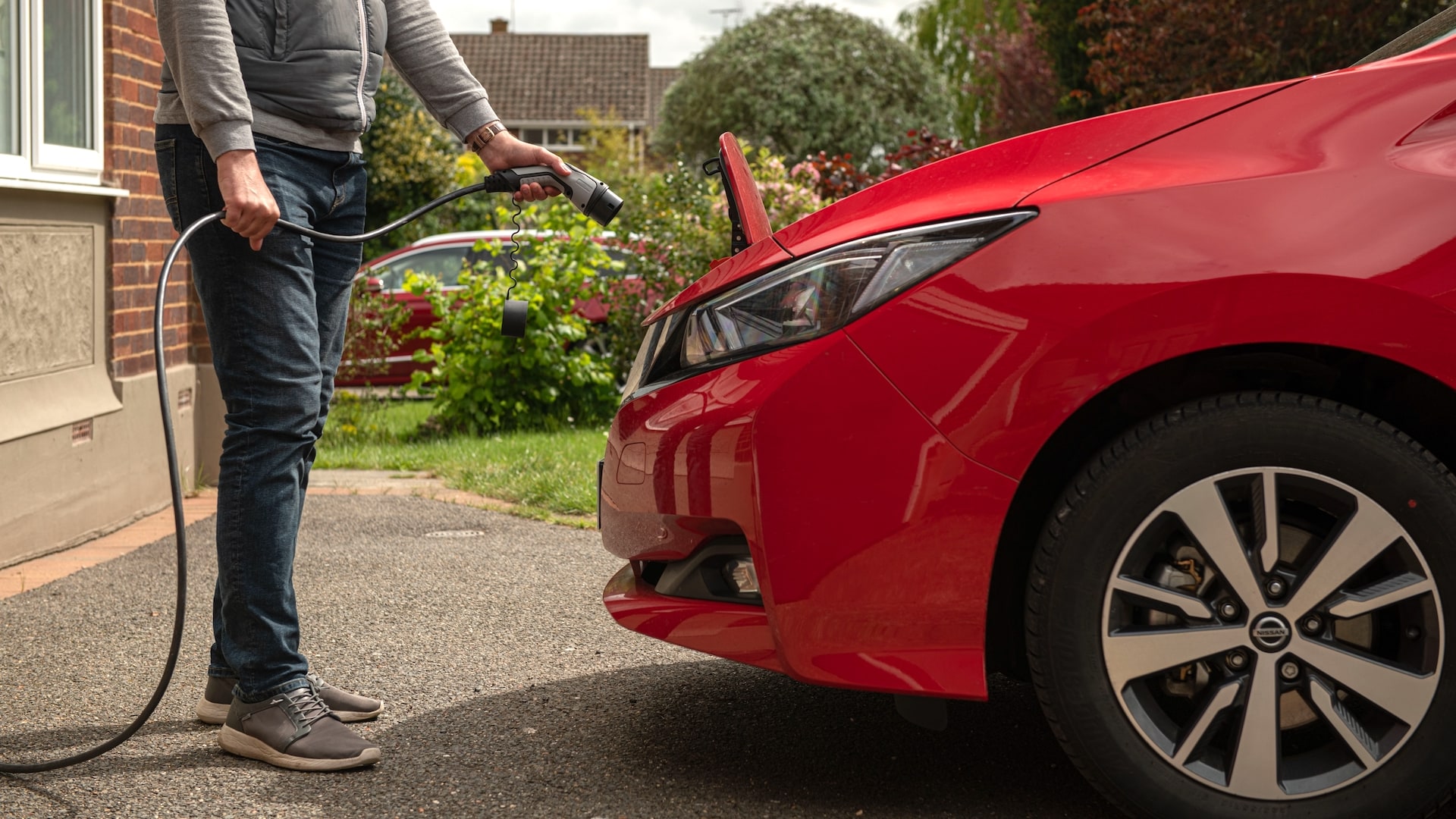
New data highlights the potential savings for drivers who are able to charge an electric vehicle (EV) at home.
AI technology company CrowdCharge has calculated the average cost of fuelling a petrol car for a full year as £1,205.
However, having the ability to replenish an EV via a home charging device could see this figure halved to £608.
Making use of the latest smart charging devices could lead to further savings in EV running costs, too.
The smarter option for EVs

The average driver in the UK covers 7,600 miles each year, leading to typical fuel costs of between 13p and 17p per mile for a petrol or diesel car.
By comparison, driving a medium-sized electric car, and having the ability to charge at home, reduces this cost to 8p per mile.
Those with a smart charging device, which allows the charger to operate primarily during off-peak electricity hours, could pay just £400 per year: equivalent to a third of the expenditure for a petrol car.
CrowdCharge notes that the use of off-peak smart charging could cut carbon emissions by up to 63 percent, too.
The argument for EVs
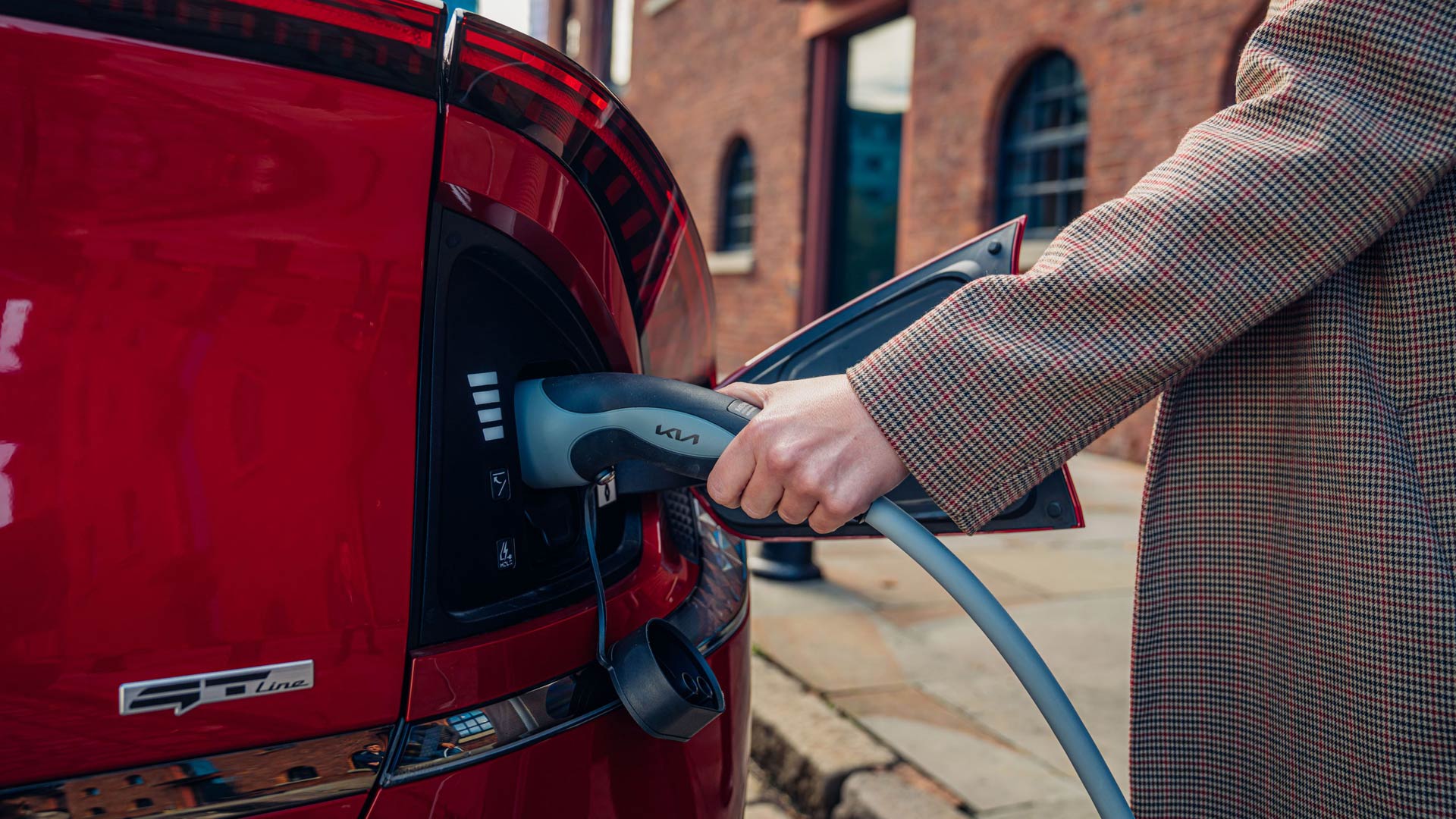
Where EVs are compatible with vehicle-to-grid (V2G) charging, the average cost for a year could decrease to £250, according to CrowdCharge’s research.
V2G allows owners of electric cars to sell power back to the grid when needed, making money in the process.
CrowdCharge is currently trialling V2G with AC technology for workplace charging, using software to dictate when cars charge or export energy to maximise savings.
Mike Potter, CEO of CrowdCharge, said “The current debate about the zero-emission vehicle mandate and electric car sales figures has resulted in a focus on what incentives should be offered to encourage people to buy EVs.
“EVs may be perceived to be more expensive than petrol cars based on their initial purchase price, but when you factor in the fuel price for EVs being either very low or potentially zero, the argument against EVs based on cost evaporates.”
ALSO READ:
What are the pros and cons of electric cars?
What is preconditioning and how can it boost your EV’s range?