Choosing an electric car could potentially save UK drivers thousands of pounds – and thousands of calories – every year.
EV owners who recharge their car at home can avoid petrol station forecourts altogether, and avoid buying unnecessary snacks.
British EV charger brand Simpson & Partners highlighted YouGov research showing almost half (48 percent) of British drivers buy snacks and drinks when they stop to refuel.
With no need for petrol or diesel in the first place, electric car owners are less likely to submit to the temptation of a forecourt meal deal.
No unnecessary filling required
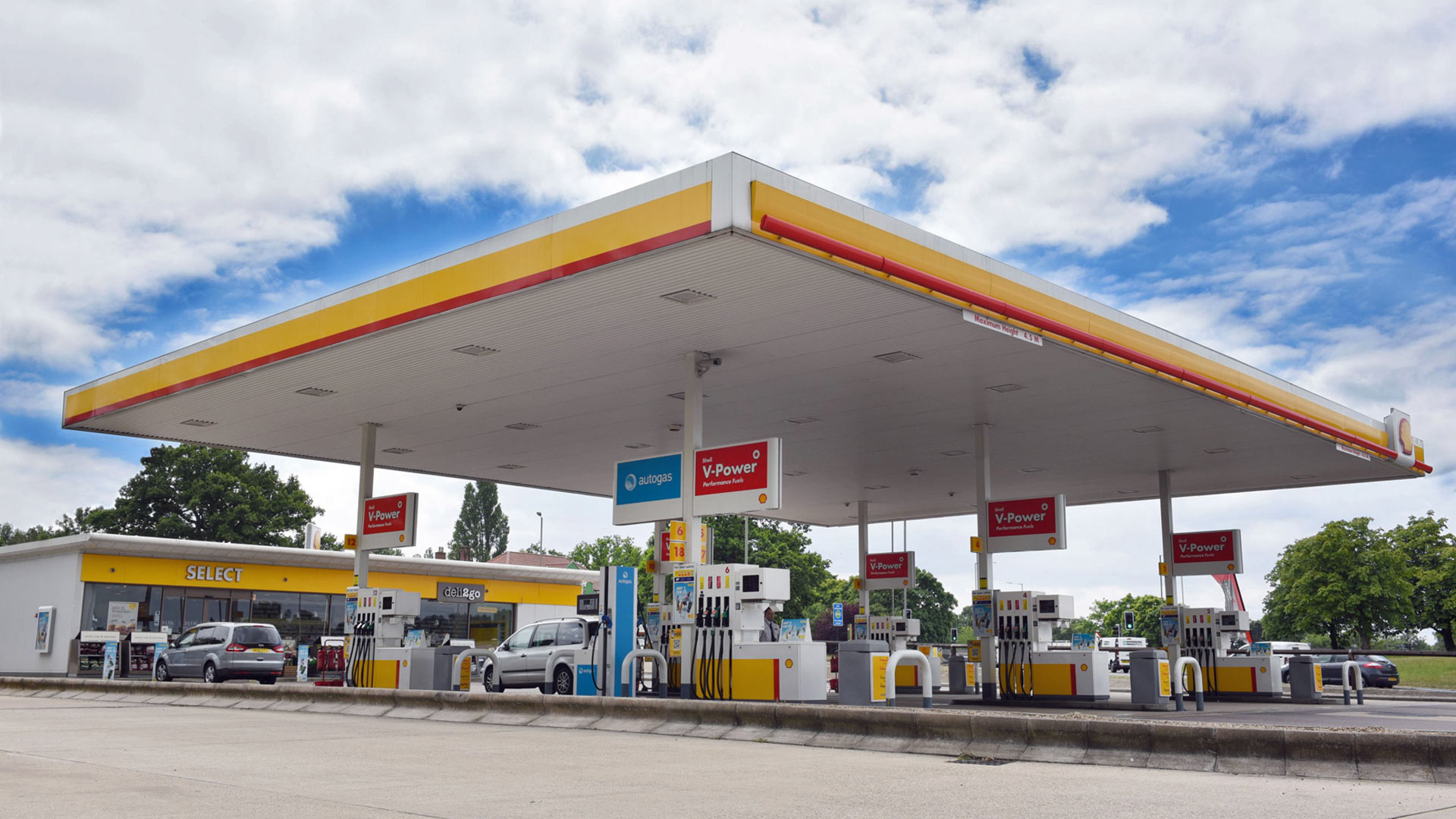
Simpson & Partners calculates that a weekly trip to refuel at a petrol station could result in close to 1,000 additional calories.
The company’s research found that a chicken and bacon sandwich, a smoothie and a chocolate bar typically equates to 801 calories.
There is also a substantial cost saving from not buying snacks when refuelling. YouGov’s data found that nearly two thirds (63 percent) of fuel stops saw expenditure of less than £5. However, 30 percent of drivers spend between £5 and £10 each visit.
Even at the lower end of the spending range, saving £5 each week equates to £260 over the course of a year.
Saving money, staying in shape
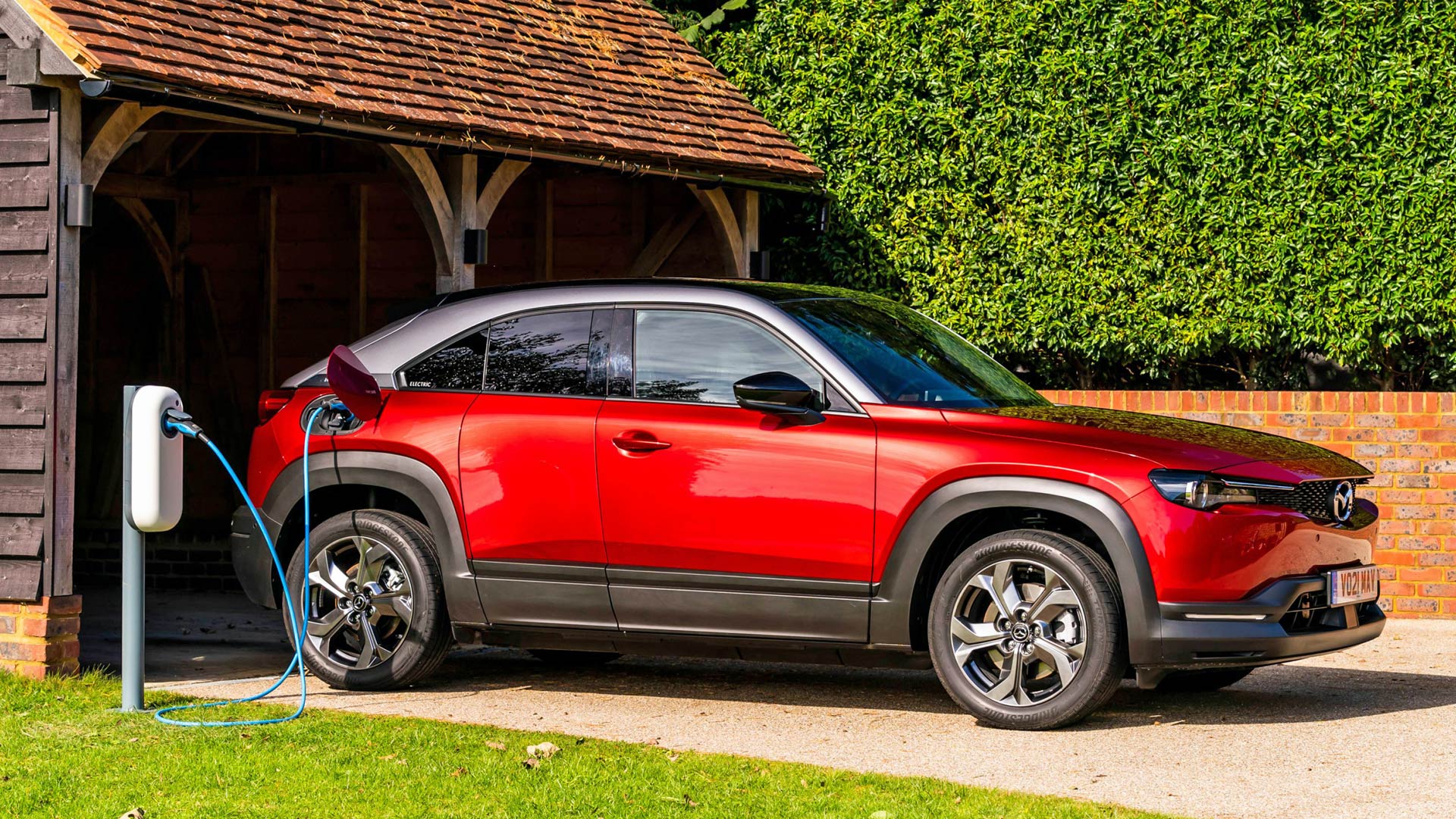
Mandy Simpson, co-founder of Simpson & Partners, said: “There’s so much talk in the media about weight loss drugs, how sugar isn’t healthy and how diabetes is on the rise.
“The hidden side benefit for EV drivers who home charge is that you don’t need to go to the petrol station and expose yourself to the temptations on the snack aisle. It’s like a passive benefit no one talks about.”
Home charging is generally the best option for electric car owners when possible, due to the lower cost of electricity compared to using public chargers. In addition, VAT is charged at 20 percent for public charging, instead of the five percent paid on domestic electricity.
“Once you experience the convenience of home charging, it’s hard to imagine going back,” adds Simpson. “You can top up your car while you sleep. It’s energy-efficient, time-saving and much less disruptive to your day. And turns out it’s kinder to your waistband too.”
ALSO READ:
Chinese car brands gain ground as buyers turn away from Tesla