Home Blog

HMRC will fight ruling to cut VAT on public EV chargers

0
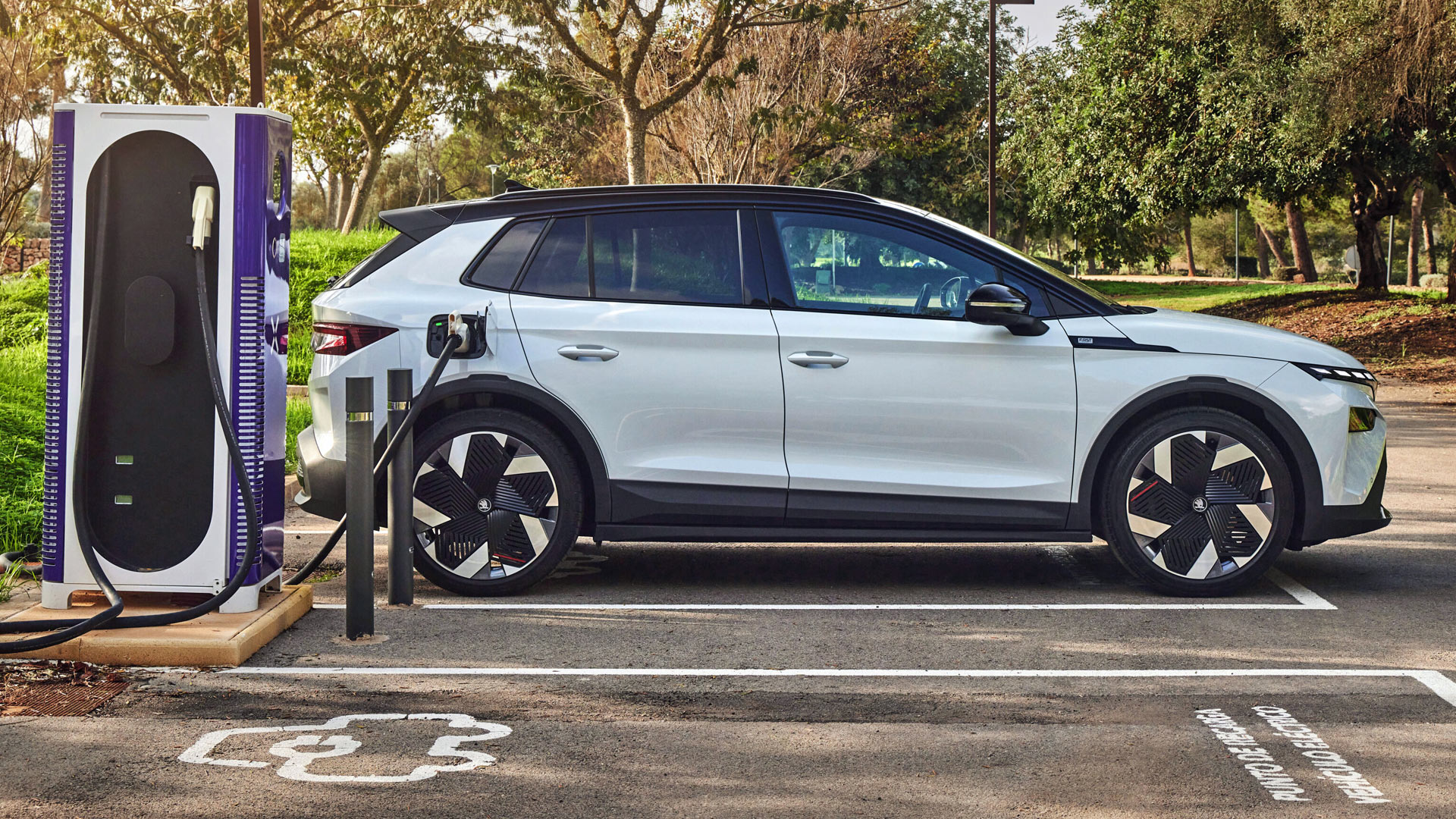
At present VAT on public electric car charging is levied at 20 percent, adding an extra cost for those unable to charge at home

A reduction in the level of VAT levied on public EV charging is being challenged by HM Revenue and Customs (HMRC), following a recent legal case.

Last year, a First-Tier Tribunal (FTT) heard an appeal from a not-for-profit charging company, Charge My Street, about the way in which VAT is applied to EV chargers. 

At present, using a public charger means electric car drivers must pay VAT at the commercial rate of 20 percent. Those using their own charger at home only see VAT levied at five percent. 

Charge My Street successfully argued to the FTT that this disparity should be removed, and that public electric vehicle charging should only attract VAT at the five percent domestic rate. 

Now, HMRC has announced it will seek to appeal the FTT’s decision, potentially denying cheaper charging to UK motorists.

Removing the EV charging disparity
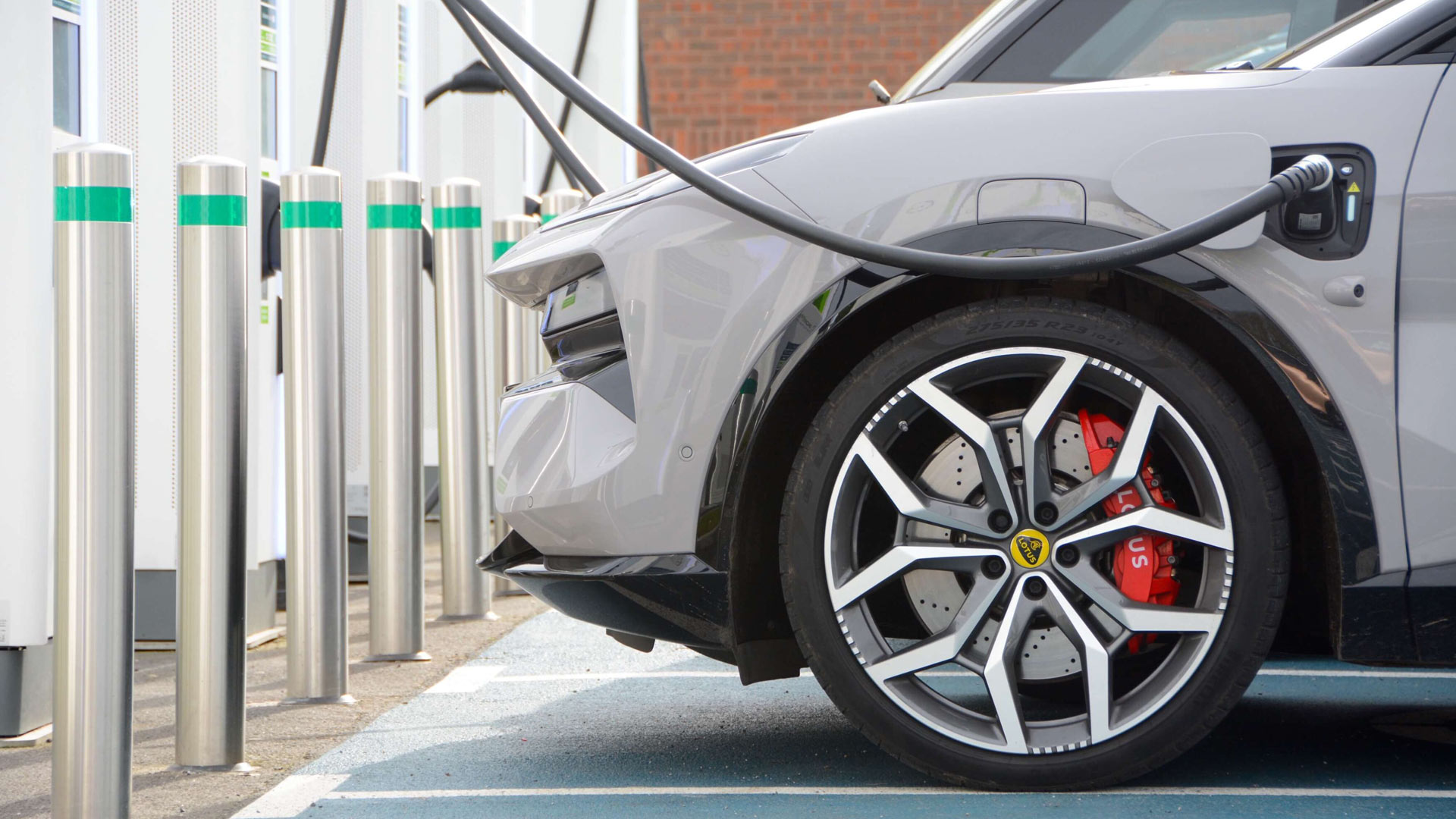
HMRC EV VAT Charging Appeal

The arguments in Charge My Street Limited v HMRC hinged upon highly technical legal interpretations of the UK’s VAT legislation. 

In particular, Charge My Street argued that exceptions in the Value Added Tax Act 1994 applied to public EV charging, as it provides premises where drivers can charge their cars

This interpretation of public EV charging points as ‘premises’ was accepted by the FTT, meaning the five percent VAT rate would be applicable instead of 20 percent. 

Under the wording of the current tax legislation, the five percent rate would apply to the first 1,000kWh of electricity supplied to a customer at a specific charging location each month. 

Exceeding the 1,000kWh limit in a single month would mean fully recharging a typical electric car more than 15 times.

Savings for drivers, lost revenue for HMRC
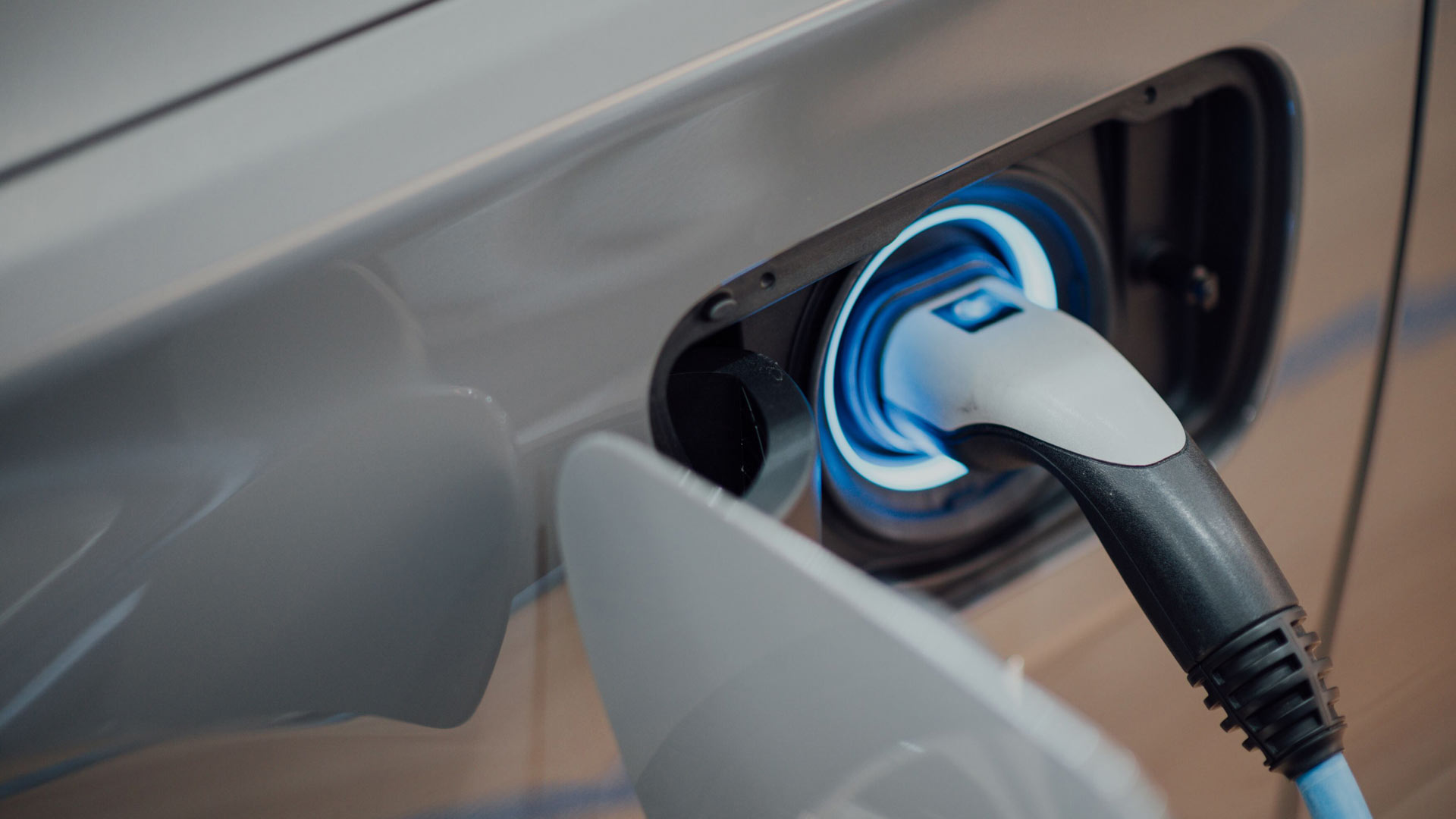
HMRC EV VAT Charging Appeal

Various groups have long campaigned for the rate of VAT on public EV charging to be cut to five percent, arguing that it unfairly penalises those without access to off-street parking at home.

Previous analysis by Zapmap has found that reducing the level of VAT would typically save EV drivers without a home charger up to £145 per year. 

However, such a reduction could see HMRC losing revenue of £143 million in 2027, increasing to £315 million by 2030, according to Zapmap’s calculations.

The decision would also mean HMRC having to repay charging operators the overpaid level of VAT levied in previous years. 

However, as the Charge My Street matter was the lead case against HMRC, other UK charging point operators may now choose to bring their own challenges to the rules on VAT.

ALSO READ:

Will fully charging your electric car damage its battery?

Best electric cars to buy in 2026

Your EV questions answered on Motoring Electric
Advertisement

The new electric Mercedes C-Class has been certified as vegan

0
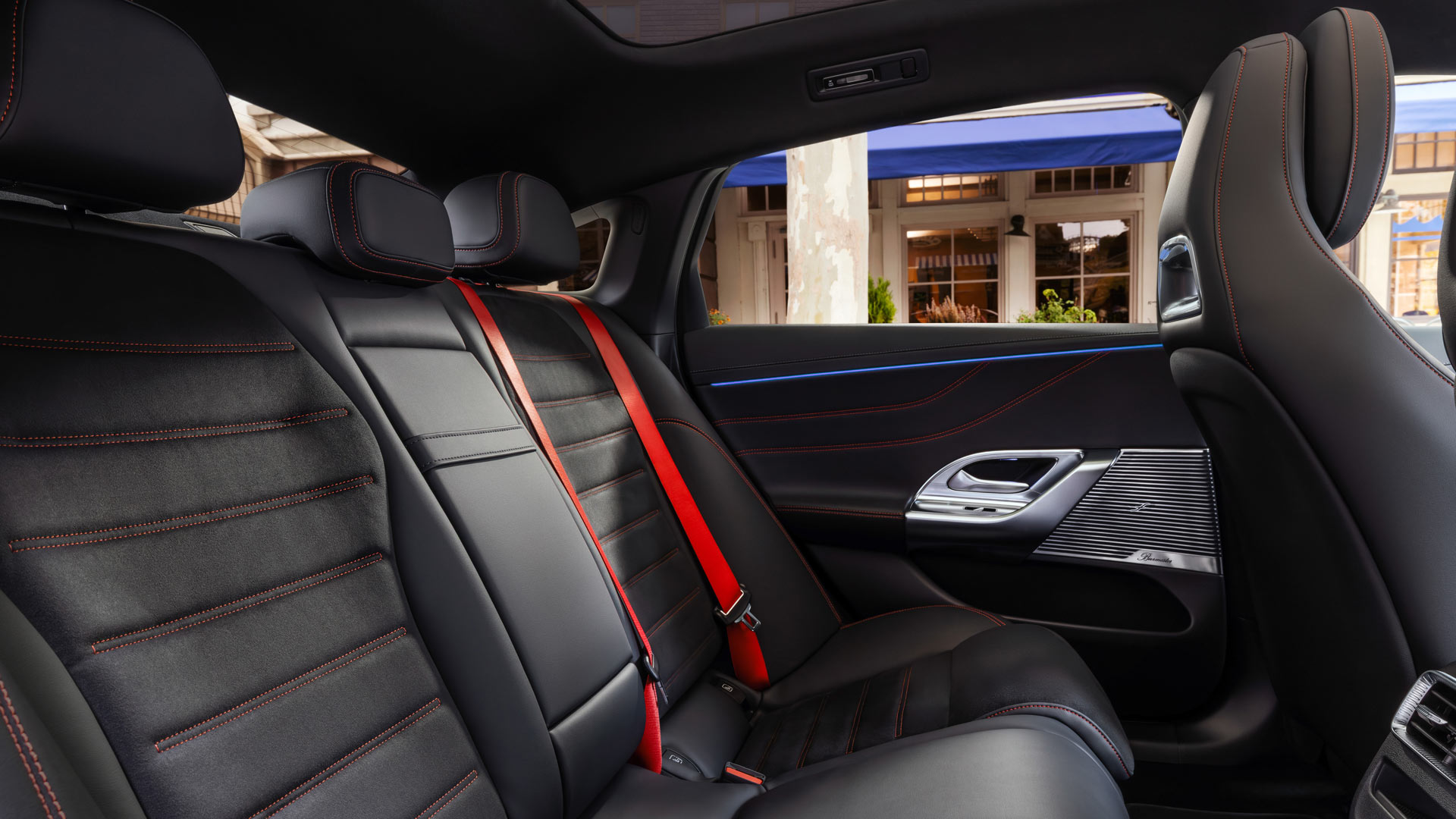
Choosing the Artico artificial leather upholstery option for the new C-Class will see the complete interior certified as being vegan

The 2026 Mercedes-Benz C-Class saloon has been officially certified to have a vegan interior.

Continuing a partnership with the Vegan Society, the latest C-Class becomes the second Mercedes-Benz model to receive the Vegan Trademark.

Last year, the related GLC with EQ Technology gained vegan certification, earning the title of the world’s first production car with an interior free from animal products, by-products or derivatives. 

By offering the same Artico artificial leather upholstery in the C-Class, the new four-door saloon has been awarded the same certification.

Along with its faux-leather seats, the steering wheel, centre console trim and all other upholstery inside the vehicle are made without any animal products.

No animal products inside

Mercedes-Benz C-Class Vegan Interior

Assessing the inside of the C-Class as being fully vegan is no small task for the Vegan Society.

All materials and components inside the car, along with the methods used to produce them, had to be audited by the Vegan Society. These included soft-touch surfaces such as artificial leather, microfibre fleece and other textiles.

Where there was any doubt about the origins of a material, a second step involved consulting with the manufacturer of the component. Parts were then replaced with confirmed animal-free items if needed.

This certification process saw almost 100 different interior parts tested in accordance with the requirements of the Vegan Trademark process. 

The Mercedes-Benz vehicle configurator will be clearly labelled with the Vegan Trademark sunflower logo when a vegan interior combination is selected for the new C-Class.

More Mercedes vegan interiors to follow

Mercedes-Benz C-Class Vegan Interior

Karen Spinner, marketing manager at the Vegan Trademark, commented: “The Vegan Trademark team is delighted to continue its relationship with Mercedes-Benz and it’s fantastic to see this beautiful new all-electric model launched with the option of a vegan certified interior.

“We have been impressed throughout the certification process by Mercedes-Benz’s commitment to offering a vegan alternative to their customers and we hope other automotive brands will be inspired to follow their lead.”

After both the GLC and electric C-Class, expect Mercedes-Benz to continue adding vegan options to future models.

However, for those who still want a traditional finish, the latest C-Class is also available with distinctive ‘Twisted Diamond’ Nappa leather upholstery.

ALSO READ:

First look at Hyundai’s new Ioniq 3 electric hatchback

Why ‘pump anxiety’ is boosting EV car company Polestar

New manual-only Porsche 911 GT3 S/C is lean and roofless

Advertisement

New Isuzu D-Max EV pickup debuts at Commercial Vehicle Show

0
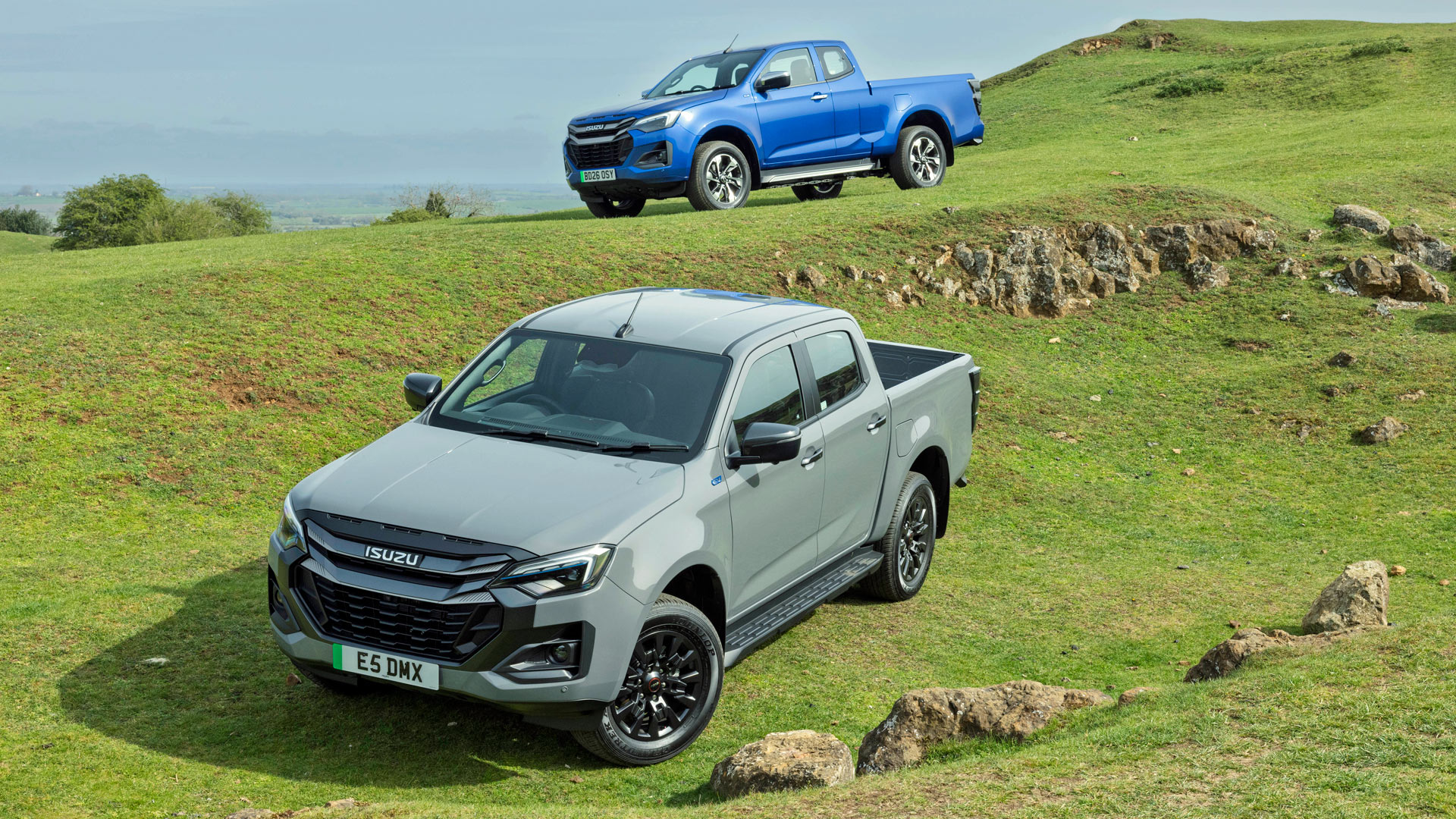
Prices for the all-new Isuzu D-Max EV will begin from £59,995 excluding VAT, in Extended Cab form

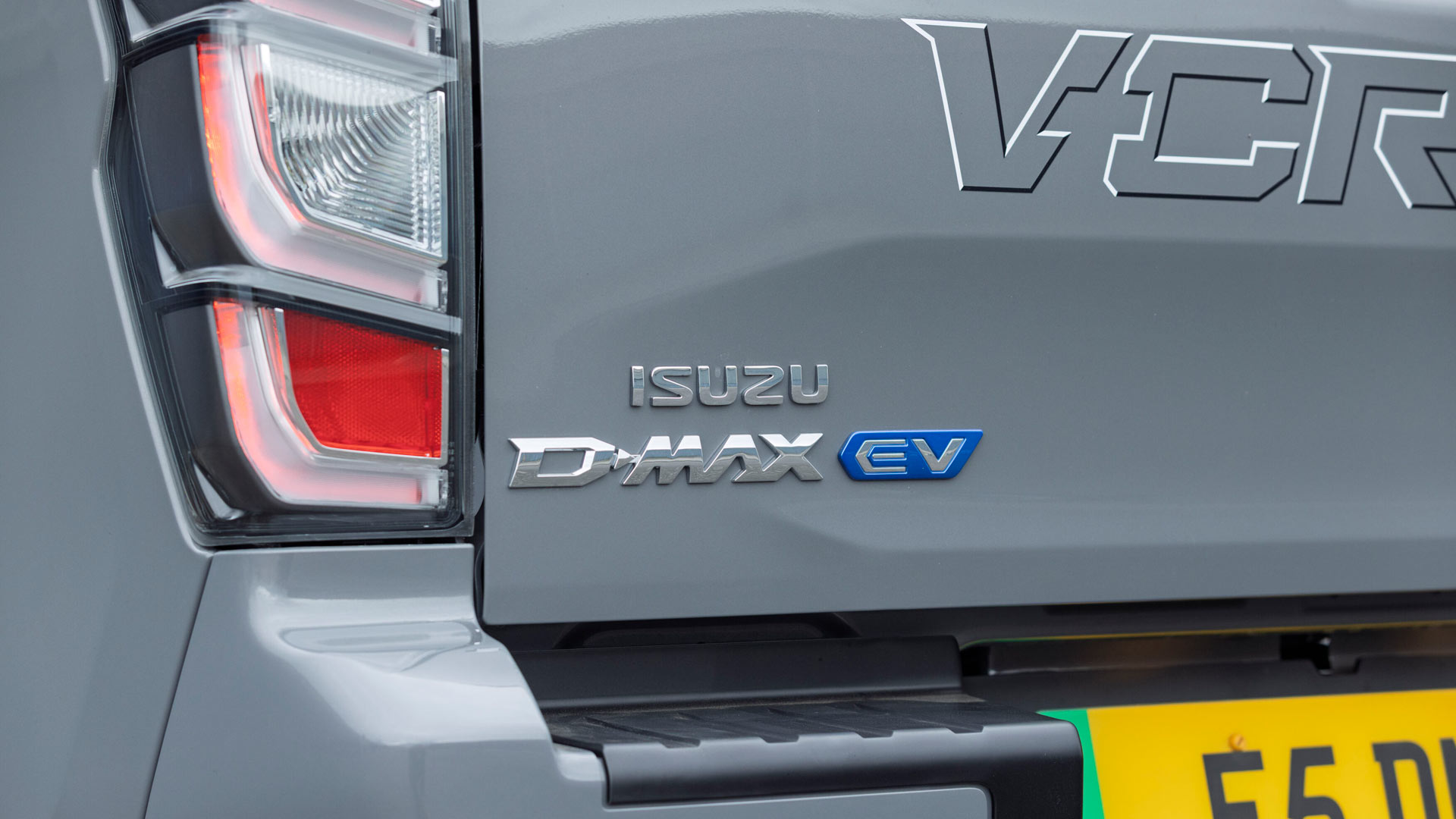
Isuzu has launched its first fully electric pickup truck, with the D-Max EV revealed at the Commercial Vehicle Show 2026.

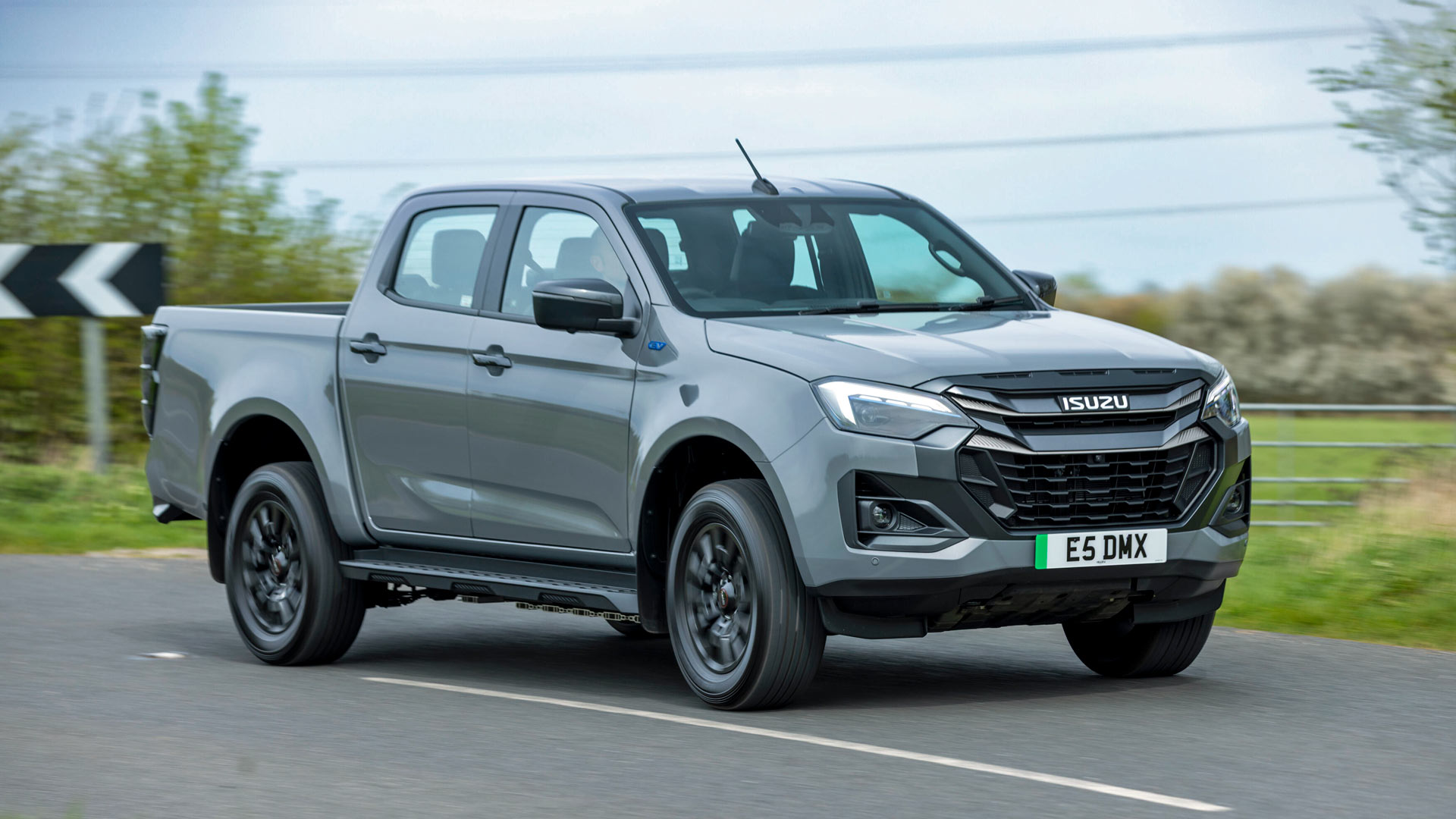
The new Isuzu D-Max EV is the first electric pickup on sale in the UK with a one-tonne payload capacity. It also has the ability to tow up to 3.5 tonnes, and features permanent all-wheel drive. 

Two versions of the D-Max EV will be offered from the outset. Customers can choose between the two-door Extended Cab and four-door Double Cab.

Designed to equal the off-road capability of the existing, diesel-powered D-Max, Isuzu has equipped the EV with a strengthened ladder chassis. This allows for wading depths of up to 600mm. Maximum ground clearance is 210mm.

Ahead of its right-hand-drive launch, the D-Max EV has been tested (in LHD guise) by National Grid Electricity Distribution. The network engineers evaluated how the truck performed in the toughest working conditions.

One-tonne payload for D-Max EV

2026 Isuzu D-Max EV

To create permanent all-wheel drive, the D-Max EV uses an individual electric motor for each axle. Together, they deliver 200hp, along with a muscular 256lb ft of torque. 

This allows the electric D-Max to accelerate from 0-62mph in 10.1 seconds, making it notably quicker than the regular diesel version. It will also be quieter than its rather agricultural sibling, too.

Powering the D-Max EV is a 66.9kWh lithium-ion battery pack, which allows for a modest official range of 163.2 miles in WLTP tests. However, the off-road bias of the D-Max means it is likely to be used for local duties, rather than racking up motorway miles. 

Charging speeds are limited to only 50kW on DC devices, which can replenish the battery from 20 to 80 percent in an hour. Using an 11kW home wallbox, you will need six hours for a complete recharge.

Electric pickup is ready to order

2026 Isuzu D-Max EV

Prices for the Isuzu D-Max EV will start from £59,995 (excluding VAT) for an Extended Cab in eLD40 trim. 

This includes chrome exterior styling, an 8.0-inch infotainment screen, a 7.0-inch digital driver’s display, heated front seats, LED headlights, leather upholstery, dual-zone climate control and front and rear parking sensors. All versions get a dedicated Rough Terrain Mode, too.

Double Cabs will start at £60,995 (also excluding VAT) in eLD40 specification, with a fancier eV-Cross model costing from £62,495 + VAT. 

Opting for eV-Cross trim brings dark grey styling details, a larger 9.0-inch central touchscreen, an auto-dimming rear-view mirror and an improved sound system. 

Every D-Max comes with a five-year, 125,000-mile vehicle warranty, plus UK and EU roadside breakdown cover. 

Deliveries of the first right-hand-drive examples of the Isuzu D-Max EV are due to begin in May 2026.

ALSO READ:

Ford Ranger pickup becomes a two-seater to save tax

Isuzu D-Max V-Cross 2025 review

Isuzu D-Max AT35 2024 review

Advertisement

Mercedes-Benz C-Class gets bold new look and electric power

0
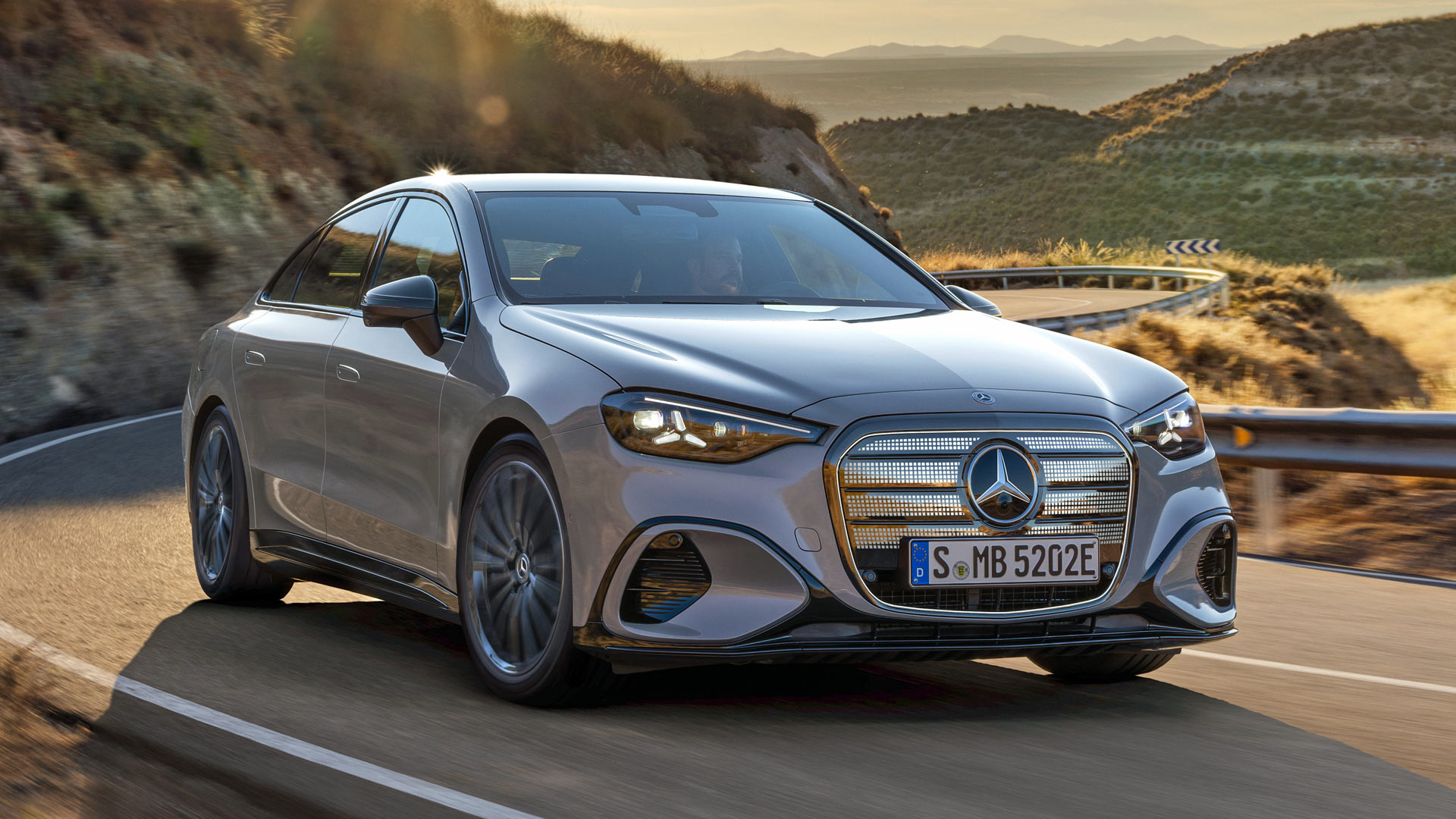
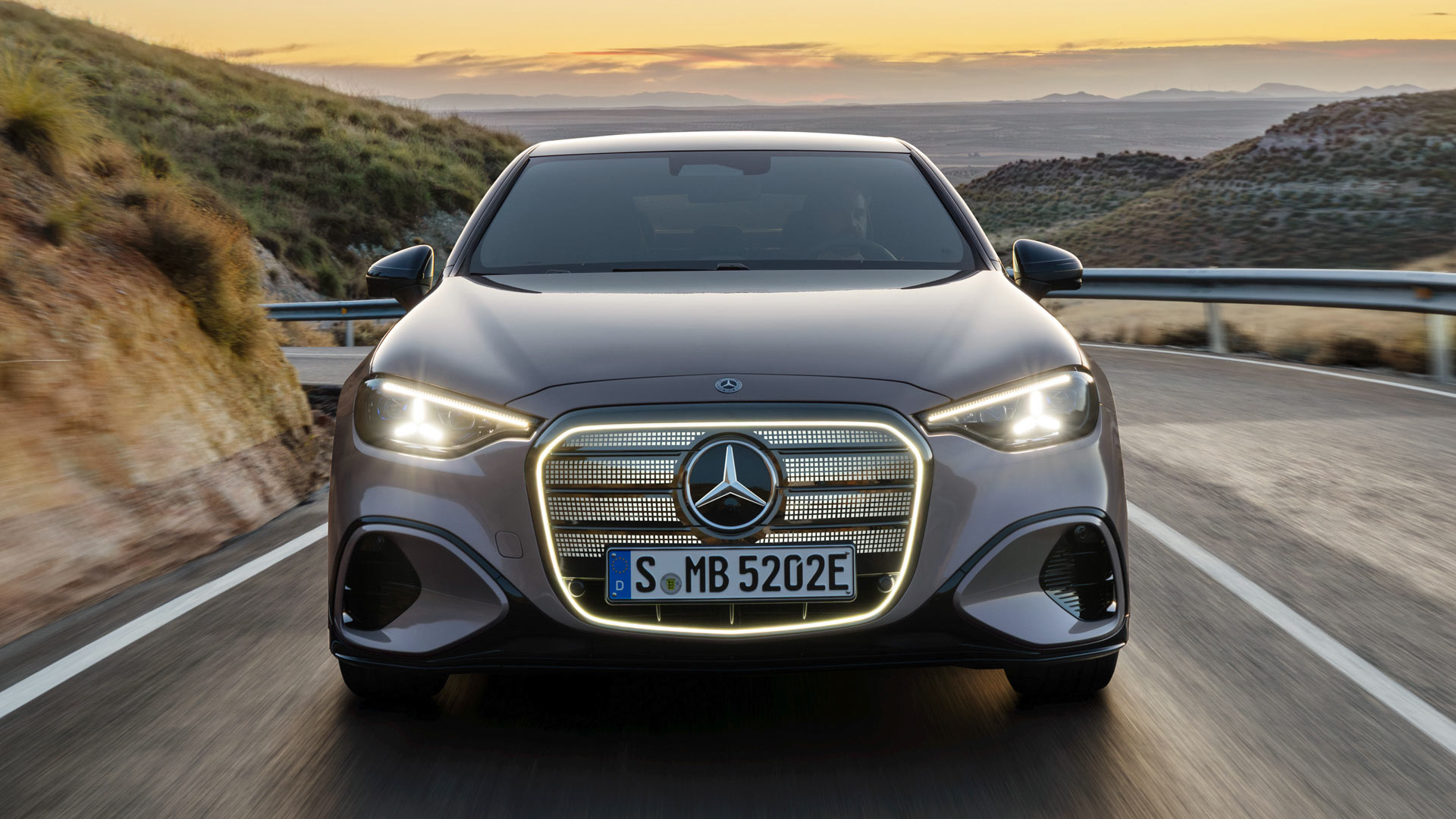
The distinctive front grille of the new Mercedes-Benz C-Class features more than 1,000 individual illuminated LED dots

Mercedes-Benz has revealed its first fully electric version of the compact C-Class.

The 2026 C-Class becomes the latest entrant to a growing premium electric saloon sector, following the recent unveiling of the rival BMW i3

With 800-volt technology and an eye-catching aerodynamic design, the new C-Class will offer a range of up to 473 miles when fully charged. It should make for a talking point in the company car park, given the new BMW can achieve more than 550 miles…  

However, Mercedes-Benz will look to win over business drivers with an interior packed with technology, plus the promise of an engaging driving experience

Ola Källenius, chairman of Mercedes-Benz Group AG, said this will be the “most powerful and sportiest C-Class we’ve ever built, offering pure driving pleasure and outstanding real-world range – all while being the perfect sanctuary for our customer.”

The sportiest C-Class so far

2026 Mercedes-Benz C-Class Electric

Mercedes has given the new C-Class what is described as a ‘coupe-like’ profile, along with a front grille reminiscent of the latest GLC electric SUV. The latter incorporates no less than 1,050 individual LEDs for illumination.

In C400 4Matic guise, the new C-Class will come with all-wheel drive as standard, along with 483hp and 590lb ft of torque. This sees the new compact saloon accelerate from 0-62mph in 4.0 seconds and reach a top speed of 130mph.

A new 94kWh battery can be charged at speeds of up to 330kW. This means it can add more than 200 miles of range in 10 minutes, with a charge from 10 to 80 percent requiring 22 minutes.

Air suspension with live predictive damping, along with rear-wheel steering, are said to make the new Mercedes ‘as smooth as an S-Class on long journeys’, while remaining agile on a twisty road.

As seen on screen

2026 Mercedes-Benz C-Class Electric

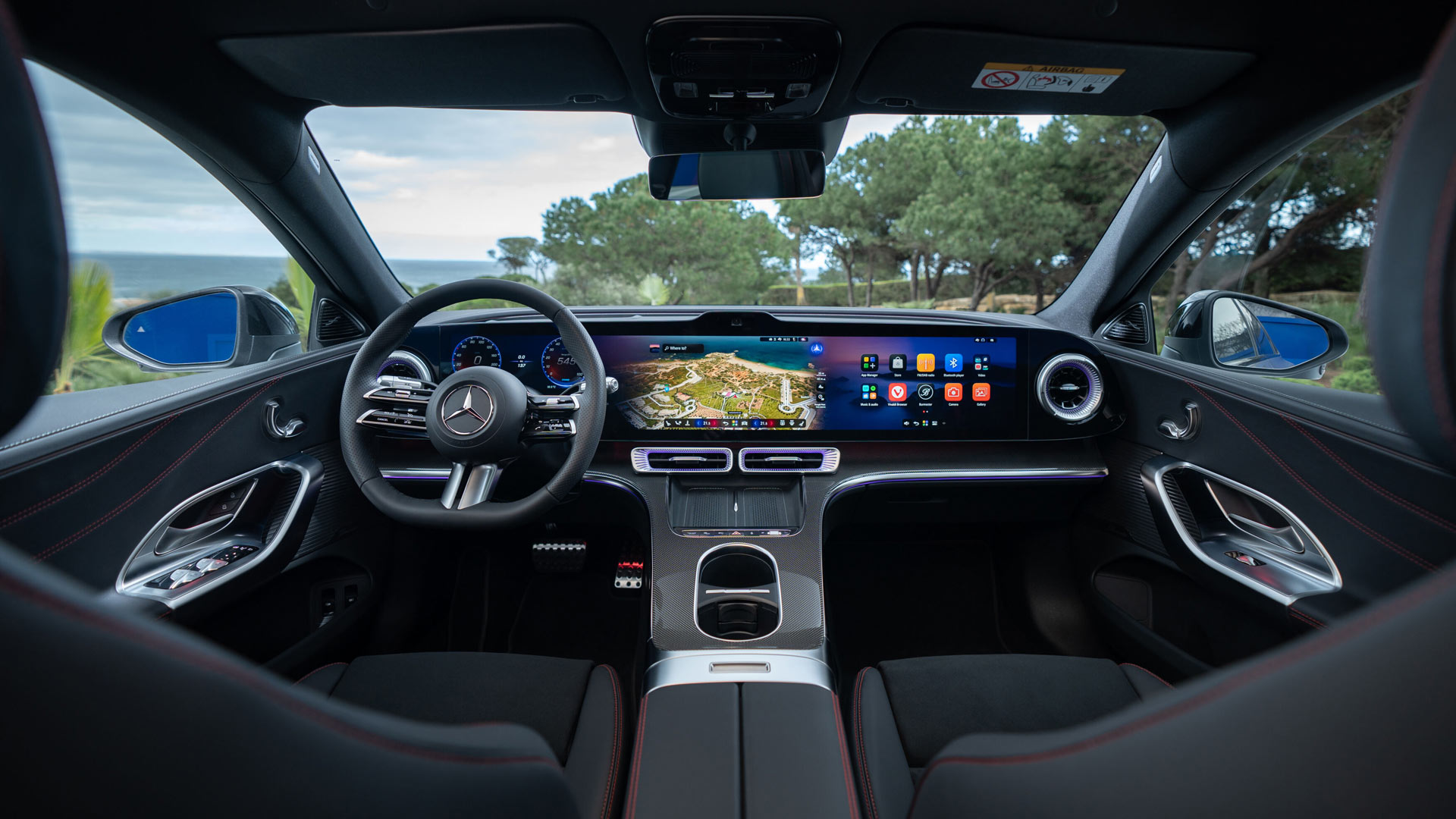
The interior of the new C-Class is likely to impress, depending on the options chosen. This includes the ability to specify an enormous 39.1-inch MBUX Hyperscreen.

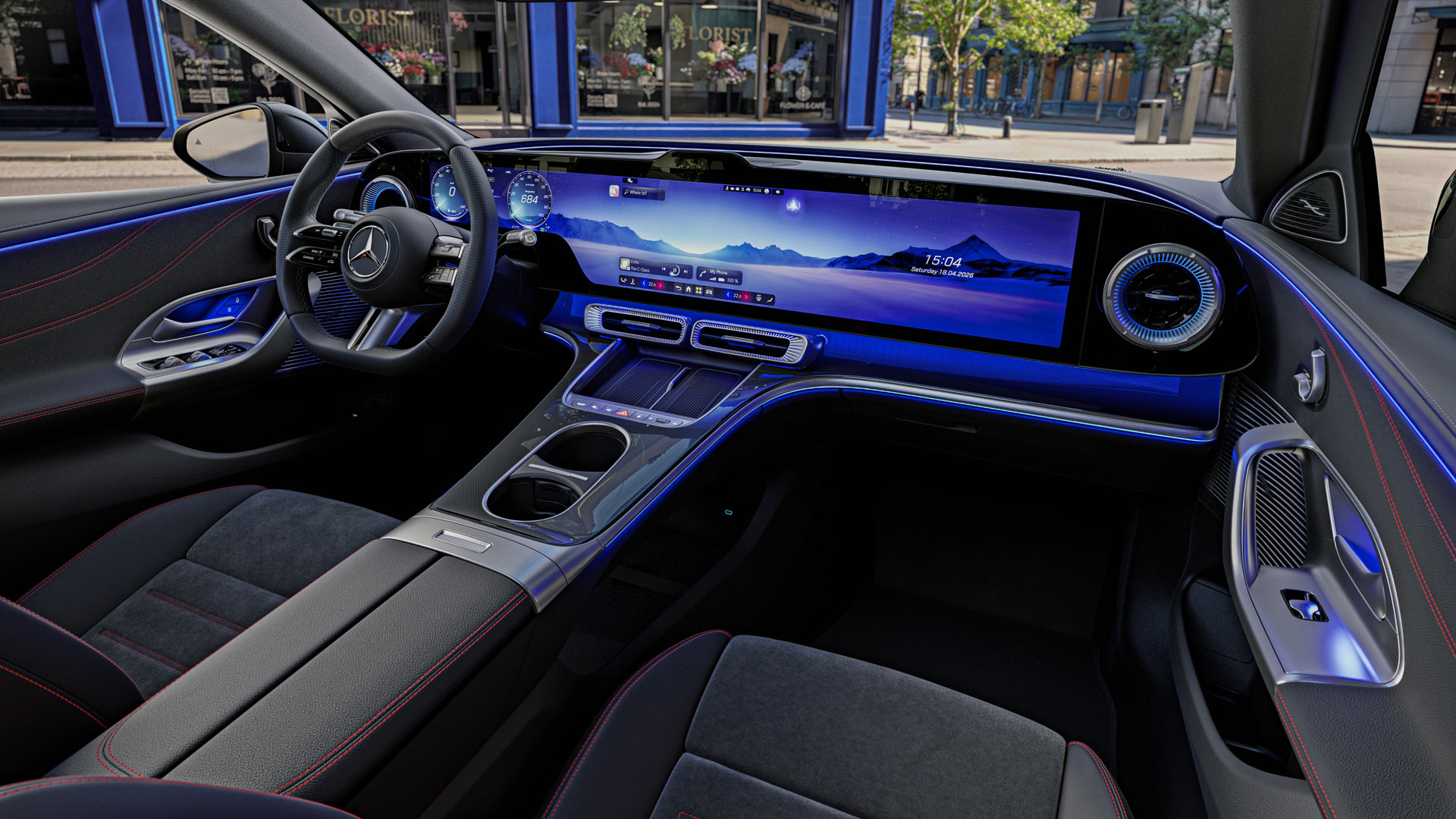
Spanning the entire width of the dashboard, it’s the largest display ever fitted to a C-Class. More than 1,000 LEDs are used to create it, with individual sections that can be dimmed as required.

A further 162 LEDs are found on the ‘Sky Control’ panoramic roof, which mimics the colour chosen for the ambient lighting throughout the cabin.

Other details include ‘Twisted Nappa’ leather upholstery, a 470-litre luggage capacity combined with a 101-litre ‘frunk’, plus the ability to tow trailers weighing up to 1,800kg.

Production of the new Mercedes-Benz C-Class will begin later this year, with UK prices and specifications to be confirmed in the meantime. Come back to Motoring Research for more details soon.

ALSO READ:

First look at Hyundai’s new Ioniq 3 electric hatchback

New manual-only Porsche 911 GT3 S/C is lean and roofless

New BMW i3 revealed: electric 3 Series offers 559 miles of range

Advertisement

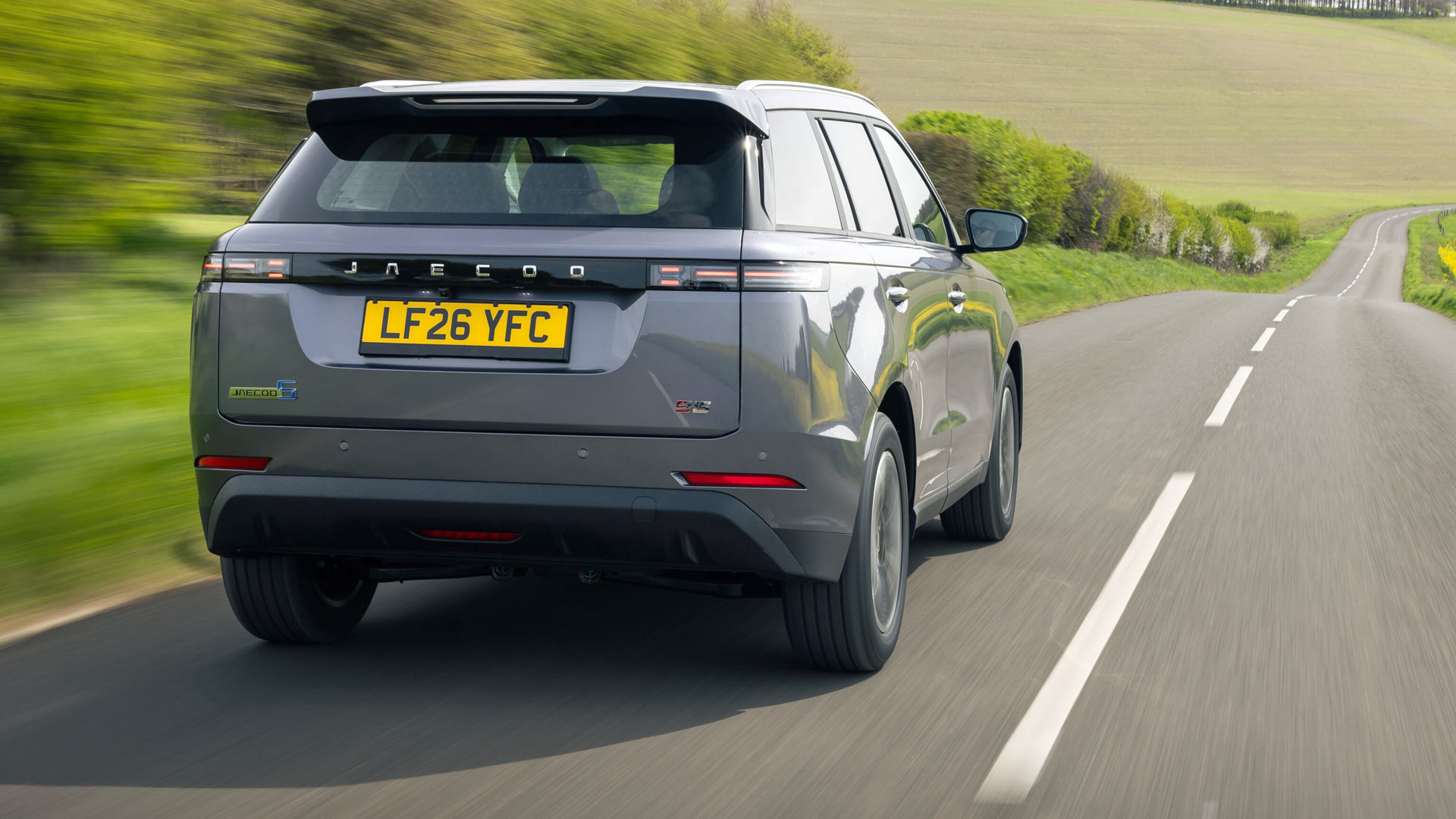
New Jaecoo 5 SHS-H adds hybrid option to bargain SUV lineup

0
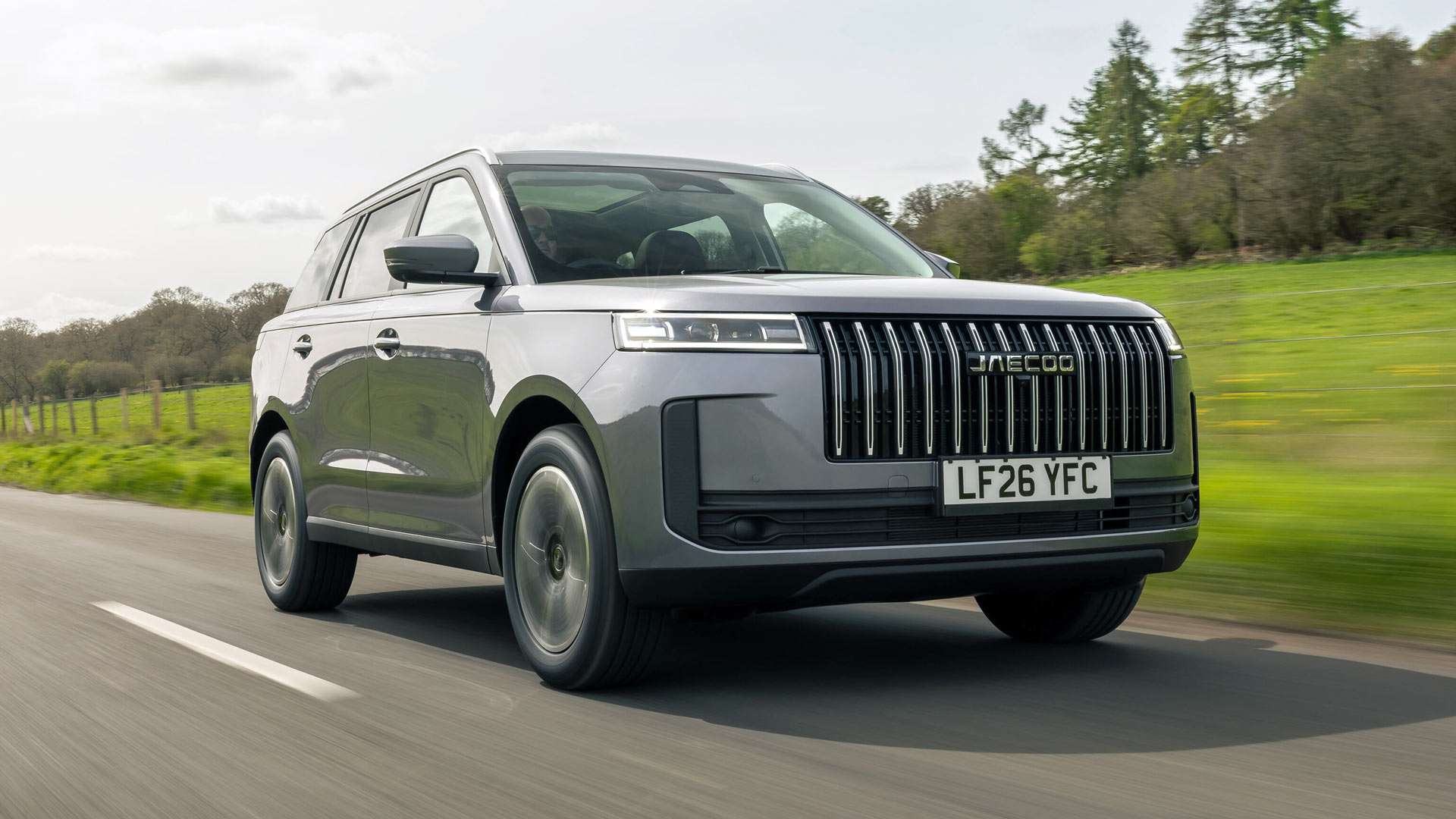
Prices for the new Jaecoo 5 SHS-H will begin from £26,270 in Pure trim, with the top Luxury model starting at £29,765

Chinese brand Jaecoo has added another model to its growing UK range: a full hybrid version of the 5 SUV. 

The new 5 SHS-H fills a gap between existing petrol-powered and fully electric SUVs in the Jaecoo 5 lineup.

It follows the launch of a full (i.e. non-plug-in) hybrid version of the larger Jaecoo 7 SUV earlier this year. Notably, last month the Jaecoo 7 became the UK’s most popular new car, with more than 10,000 examples registered in March alone. 

Like the rest of the Jaecoo 5 range, the new SHS-H will be priced to undercut established hybrid family SUVs, including the Kia Sportage and Hyundai Tuscson.

Indeed, prices for the SHS-H start at just £26,270 – a saving of more than £8,000 compared to a Sportage. 

Victor Zhang, deputy CEO of Chery International UK, said: “The Jaecoo 5 has always been about being easy to live with day to day – practical, comfortable, and capable when you need it. Adding a full hybrid option just builds on that and provides more options to our customers”.

Hybrid range of over 650 miles

Jaecoo 5 SHS-H Hybrid

The Jaecoo 5 SHS-H features a hybrid system used by parent company Chery across a host of different vehicles. These include the related Omoda 5 SHS-H.

It comprises a 1.5-litre turbocharged four-cylinder petrol engine, combined with an electric motor and a 1.83kW battery. With a combined output of 221hp, the Jaecoo 5 SHS-H can accelerate from 0-62mph in 7.9 seconds. 

Jaecoo says the Super Hybrid System has been ‘calibrated to provide a smooth and predictable driving experience’, and has been ‘optimised for efficiency’. 

Being a ‘self-charging’ hybrid means there is no need to plug in the Jaecoo 5 SHS-H. Instead, the battery is recharged via regenerative braking, much like a Toyota Prius. 

With the battery fully charged, and 51-litre petrol tank brimmed, the Jaecoo 5 SHS-H has more than 650 miles of range. The hybrid system helps towards an official fuel consumption figure of 53mpg.

Jaecoo 5 SHS-H ready to order now

Jaecoo 5 SHS-H Hybrid

The hybrid version of the Jaecoo 5 looks the same on the outside as its petrol-powered sibling. Five exterior colours – Granite White, Graphite Grey, Basalt Black, Copper Green and Lazuli Blue – are on offer, with two-tone combinations also available. 

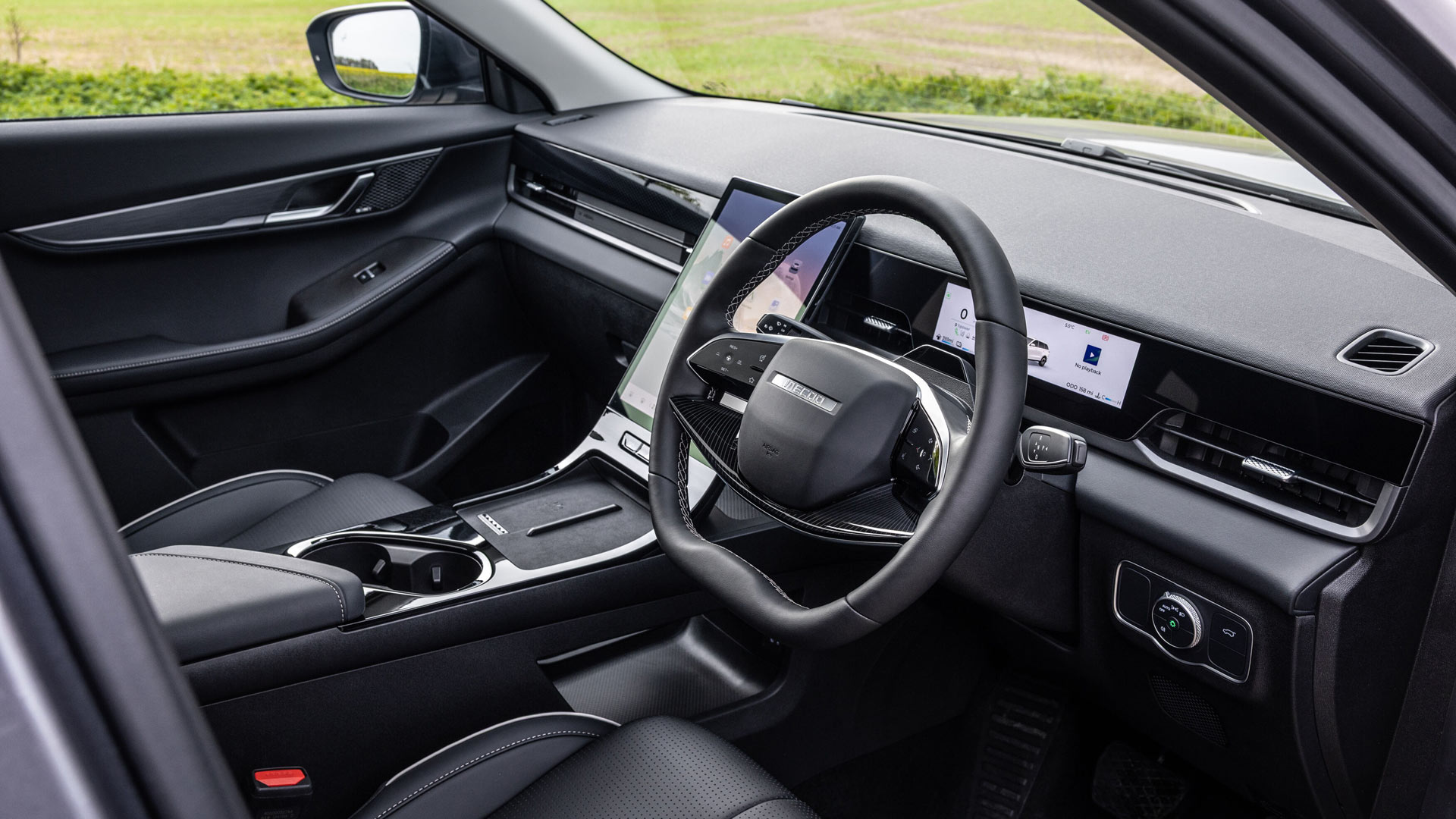
In entry-level Pure specification, priced from £26,270, the Jaecoo 5 SHS-H comes equipped with a 13.2-inch portrait-format touchscreen, six-speaker Sony audio system and wireless Apple CarPlay and Android Auto connectivity, plus a host of driver assistance systems. 

Opting for range-topping Luxury spec ups the price to £29,765. This brings dual-zone climate control, an eight-speaker Sony sound system, a sunroof, ambient lighting and front seats with heating and massage functions. 

As with other models in the Jaecoo range, the new Jaecoo 5 SHS-H comes as standard with a seven-year, 100,000-mile warranty, alongside an eight-year, 100,000-mile battery warranty.

Orders can be placed at Jaecoo dealers now, with the first cars expected to arrive in autumn 2026.

ALSO READ:

Flagship Jaecoo 8 plug-in hybrid SUV makes UK debut

Jaecoo 7 SHS 2025 review

Best family SUVs to buy in 2026

Advertisement

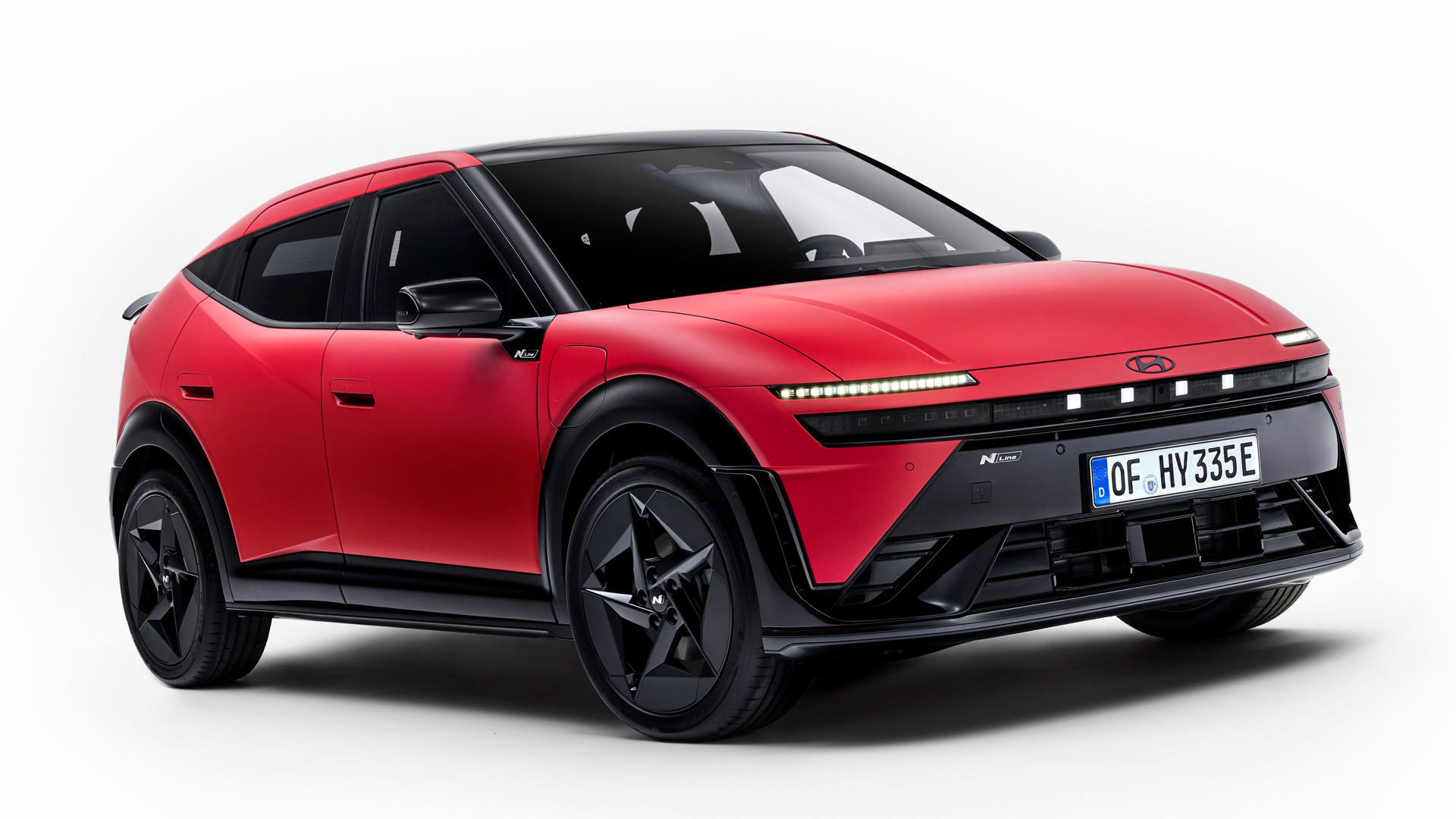
First look at Hyundai’s new Ioniq 3 electric hatchback

0
Set to rival the Volkswagen ID. 3 Neo, UK pricing and specifications for the Hyundai Ioniq 3 are yet to be announced

Hyundai has revealed the latest model in its electric Ioniq lineup, ready to take on the upcpming Volkswagen ID. Polo.

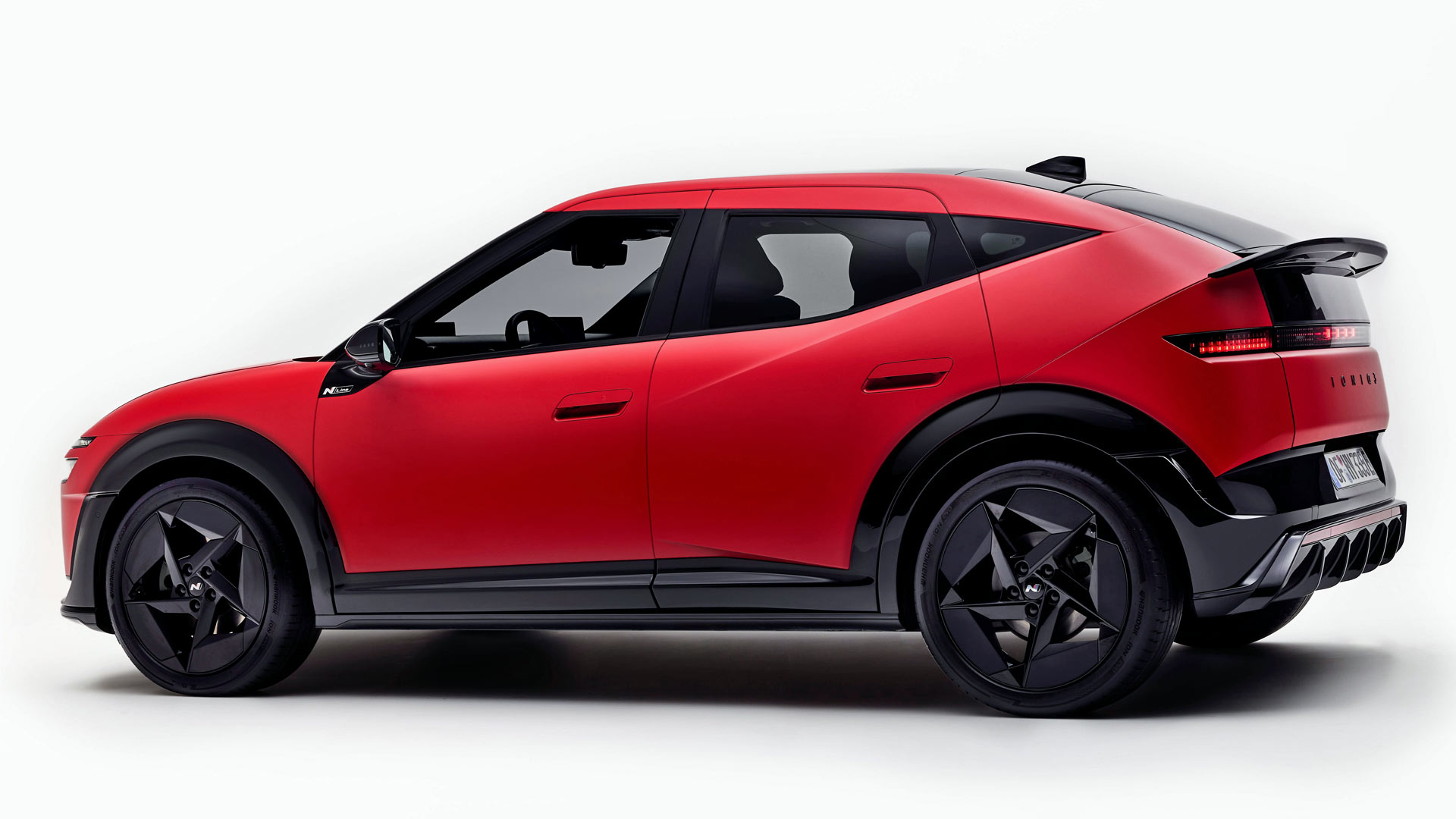
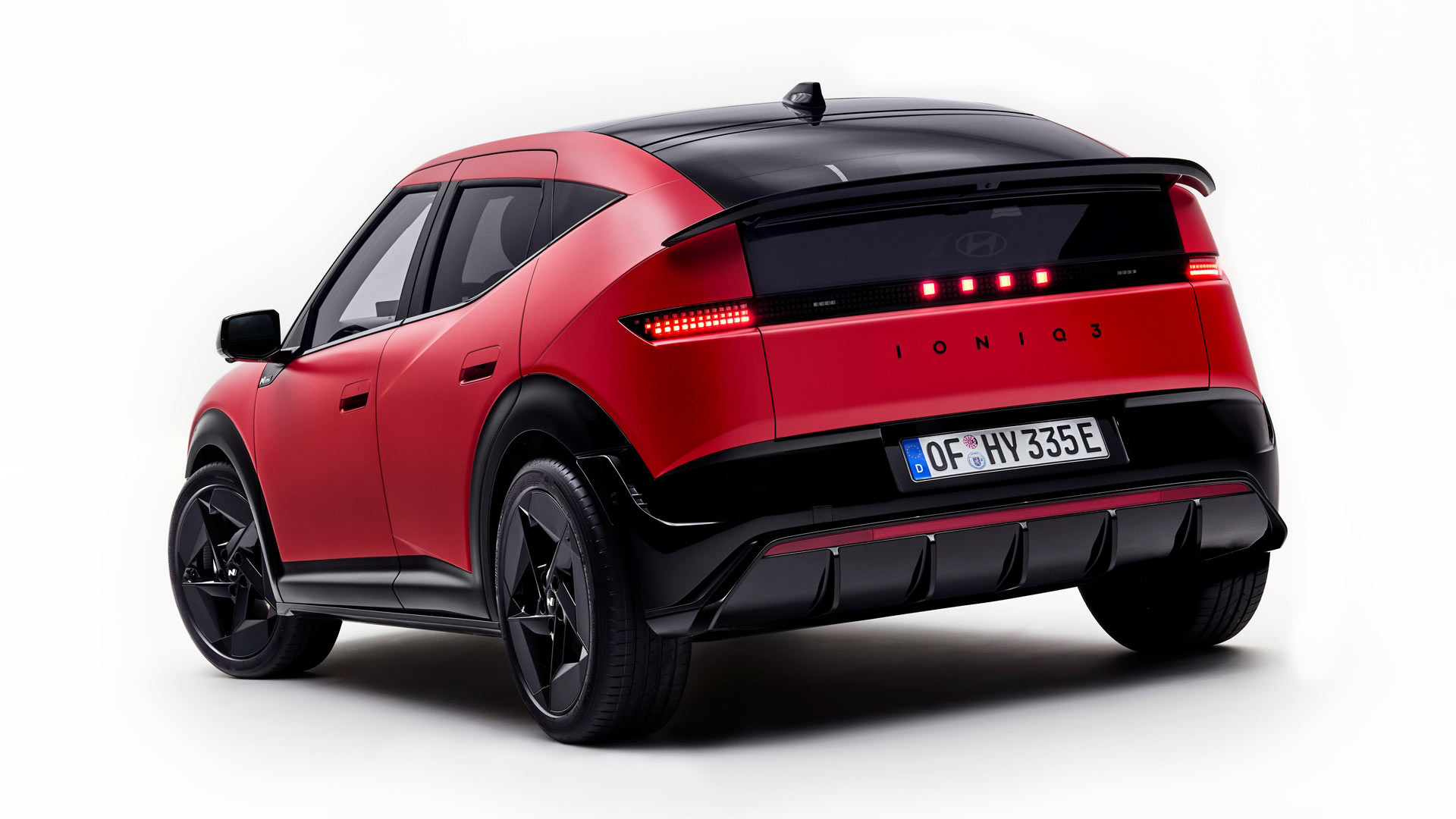
Described as an ‘Aero Hatch’, the new Ioniq 3 was first displayed as a concept car at the 2025 Munich Motor Show

The concept’s dramatic styling has been carried over relatively unchanged to the production Ioniq 3. Hyundai quotes an expected class-leading drag coefficient of just 0.263Cd.

Beneath the aerodynamic bodywork is space for five people, along with a boot that rivals most traditional family hatchbacks

Xavier Martinet, president and CEO of Hyundai Motor Europe, said: “With Ioniq 3, we are bringing the bold design, driving enjoyment and advanced features of the Ioniq brand to a broader range of customers across Europe”.

More than 300 miles of range

2026 Hyundai Ioniq 3

Hyundai has used the 400-volt version of its E-GMP platform, which is shared with various electric Kia models such as the EV4 hatchback and new EV2 compact SUV.

With a front-wheel-drive layout, the Ioniq 3 has an electric motor that develops either 147hp in Standard Range form or 135hp in Long Range guise. The more powerful version takes 9.0 seconds to accelerate from 0-62mph, while the Long Range needs 9.6 seconds. 

The Ioniq 3 Standard Range will feature a 42.2kWh battery to deliver an official WLTP-tested range of 214 miles. For those who regularly travel further afield, the Long Range model will offer up to 308 miles.

Hyundai’s 400-volt battery technology means a charge from 10 to 80 percent should require less than 30 minutes when connected to a DC rapid-charging device.

Room for five people inside

2026 Hyundai Ioniq 3

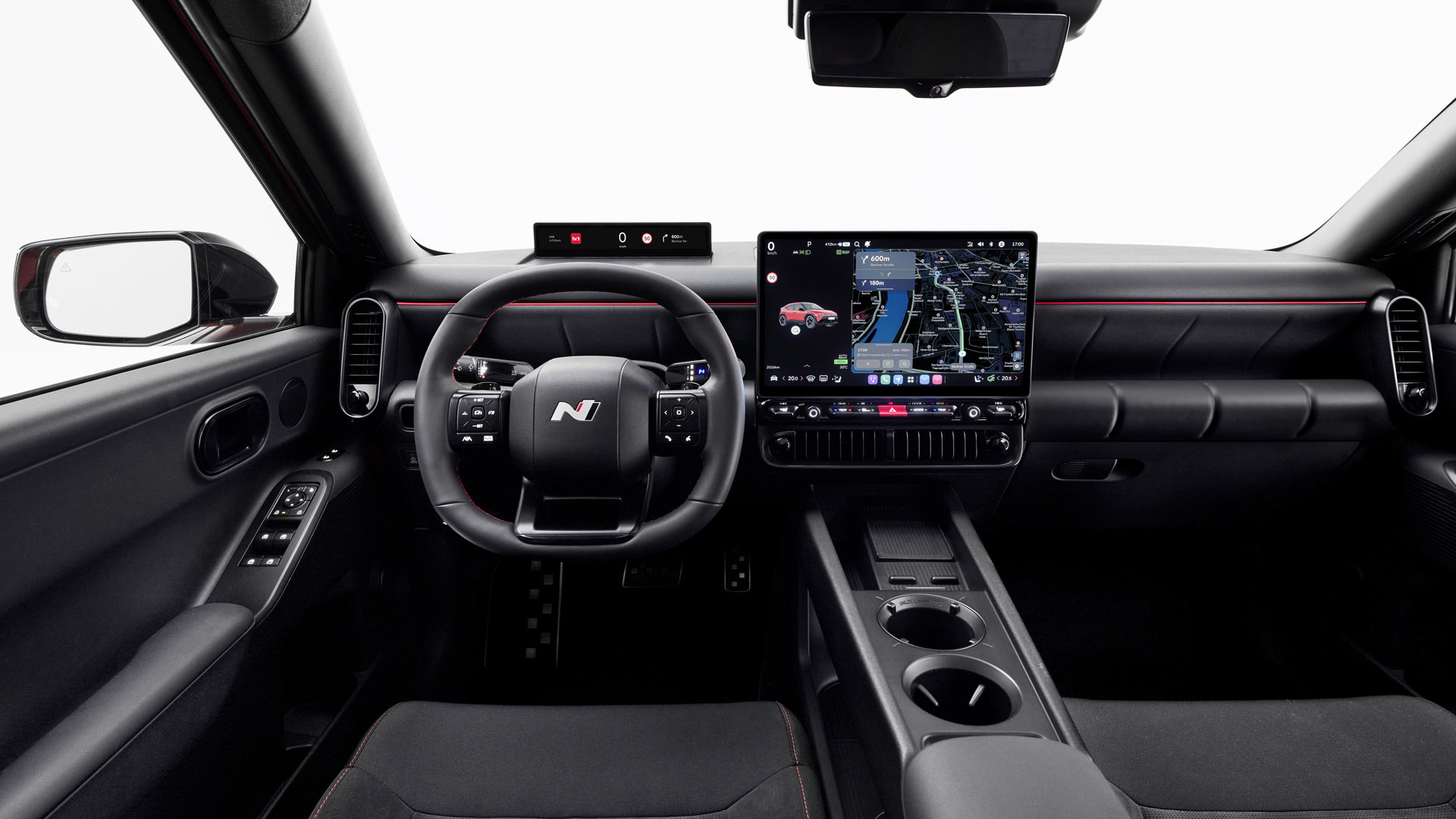
The Ioniq 3 is first European vehicle to feature Hyundai’s new Pleos Connect infotainment setup, which is based on the Android Automotive operating system

This will feature either a 12.9-inch or 14.6-inch central touchscreen, plus a slimline digital instrument panel mounted within the driver’s eyeline. Hyundai has also included a row of physical buttons for important functions.

With a long wheelbase and a completely flat floor, Hyundai says the Ioniq 3 will deliver ‘genuine five-seat comfort’, along with the ability to carry three adults in comfort on the rear bench.

The Ioniq 3 has a boot capacity of 441 litres, putting it ahead of alternatives such as the Volkswagen ID.3 Neo and Renault 5 E-Tech. Some 119 litres of this space comes from a Ford Puma-style box beneath the boot floor.

Made in Europe for European drivers

2026 Hyundai Ioniq 3

Hyundai has not announced trim levels for the Ioniq 3 yet, but there will be a sporty N Line version with a subtle bodykit. 

Certain models will feature ‘Relaxation Seats’, said to use ‘textile materials inspired by natural landscapes and 1970s Italian furniture design’. These incorporate heating and ventilation, too. 

A Bose sound system, dual-zone automatic climate control and ambient LED lighting can all be found inside the Ioniq 3, along with a host of safety equipment. 

Hyundai’s factory in Turkey will be responsible for building the Ioniq 3. UK prices and specifications will be confirmed when the electric hatchback goes on sale later in 2026.

What are your first thoughts on the radical design of the new Hyundai Ioniq 3? Let us know in the comments

Advertisement

Ford Ranger pickup becomes a two-seater to save tax

0
Ford Ranger 2-Seater Special

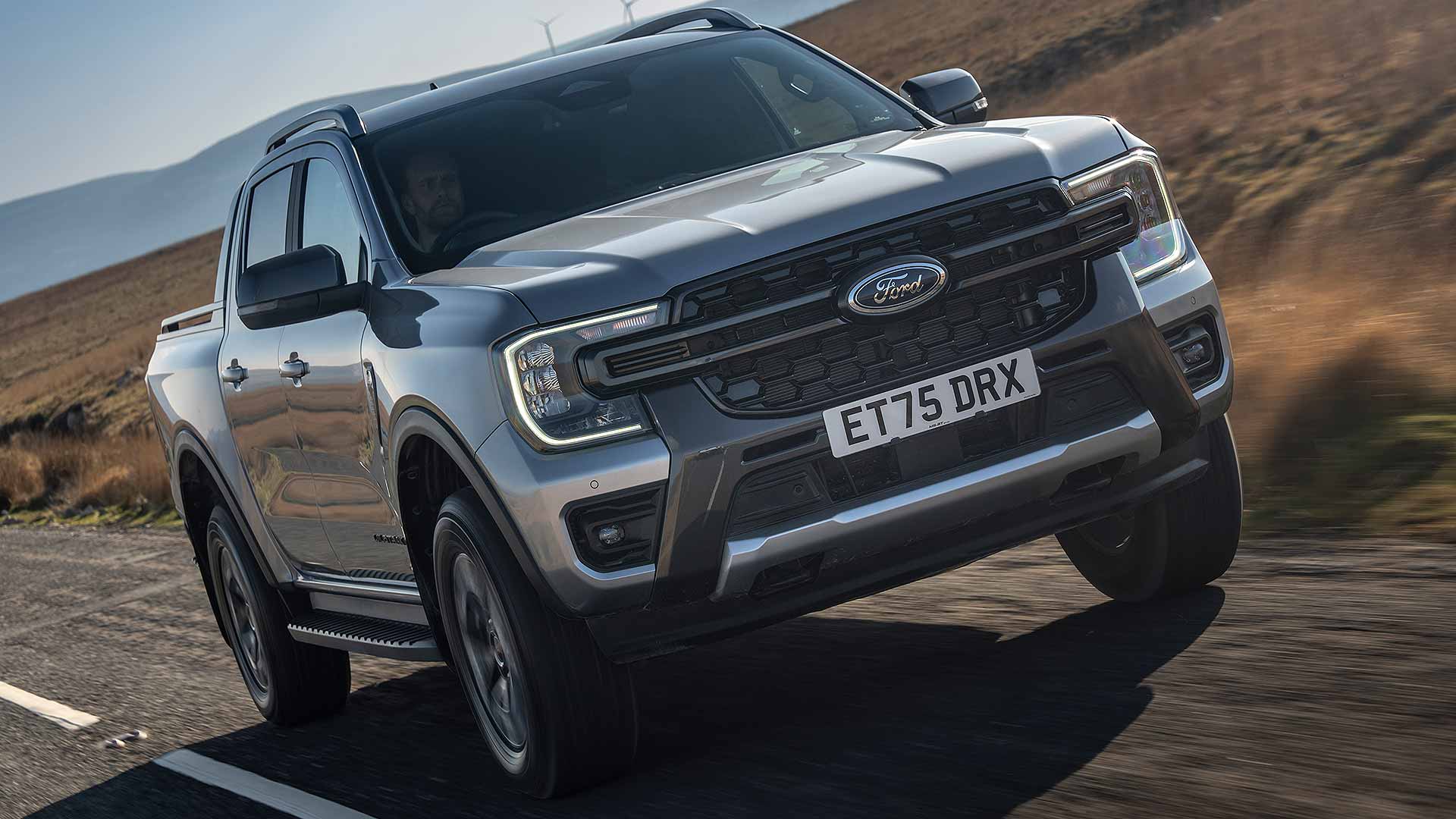
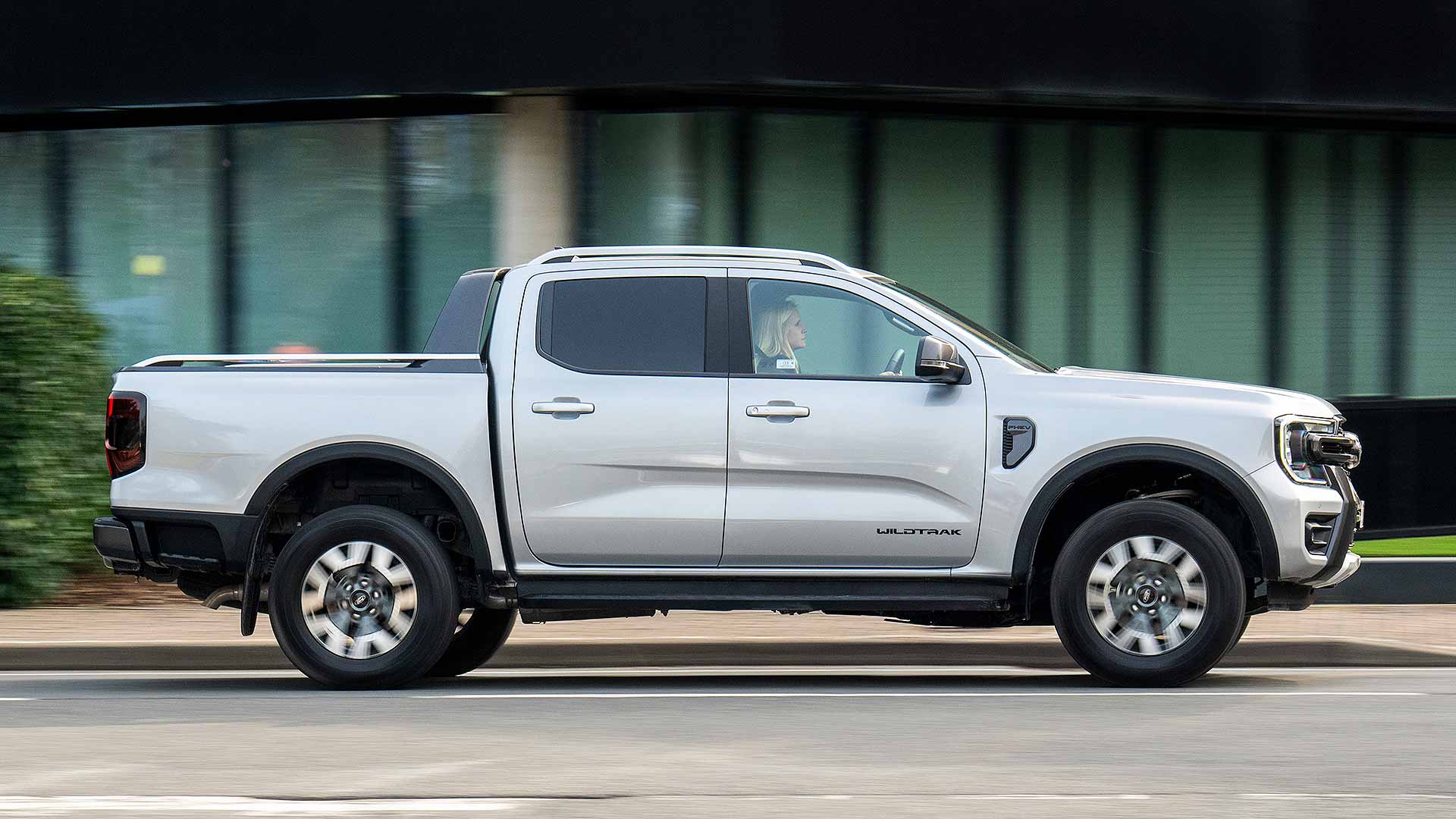
A new two-seat version of the Ford Ranger Double Cab has been introduced to boost practicality – and reduce owners’ tax bills.

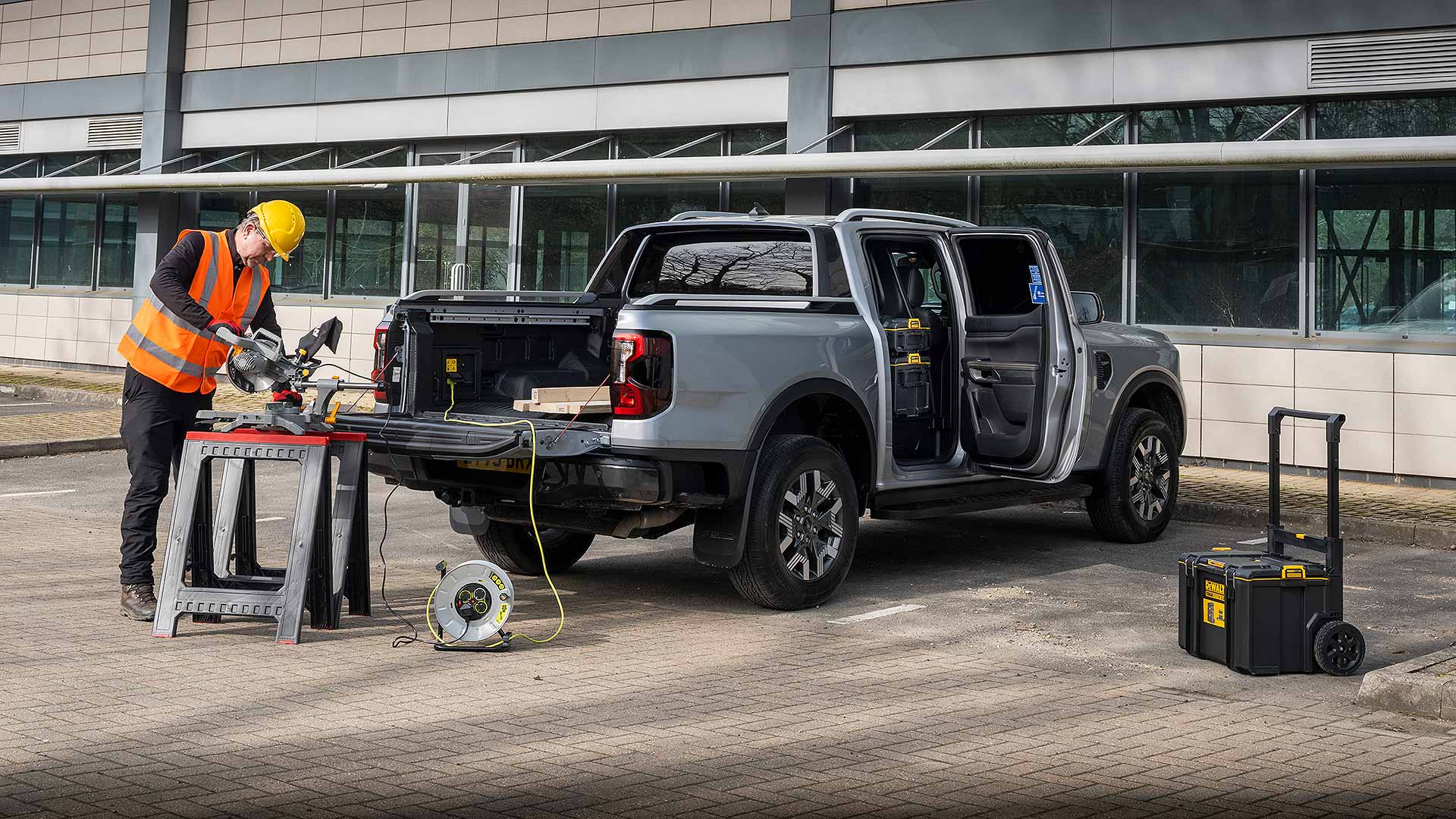
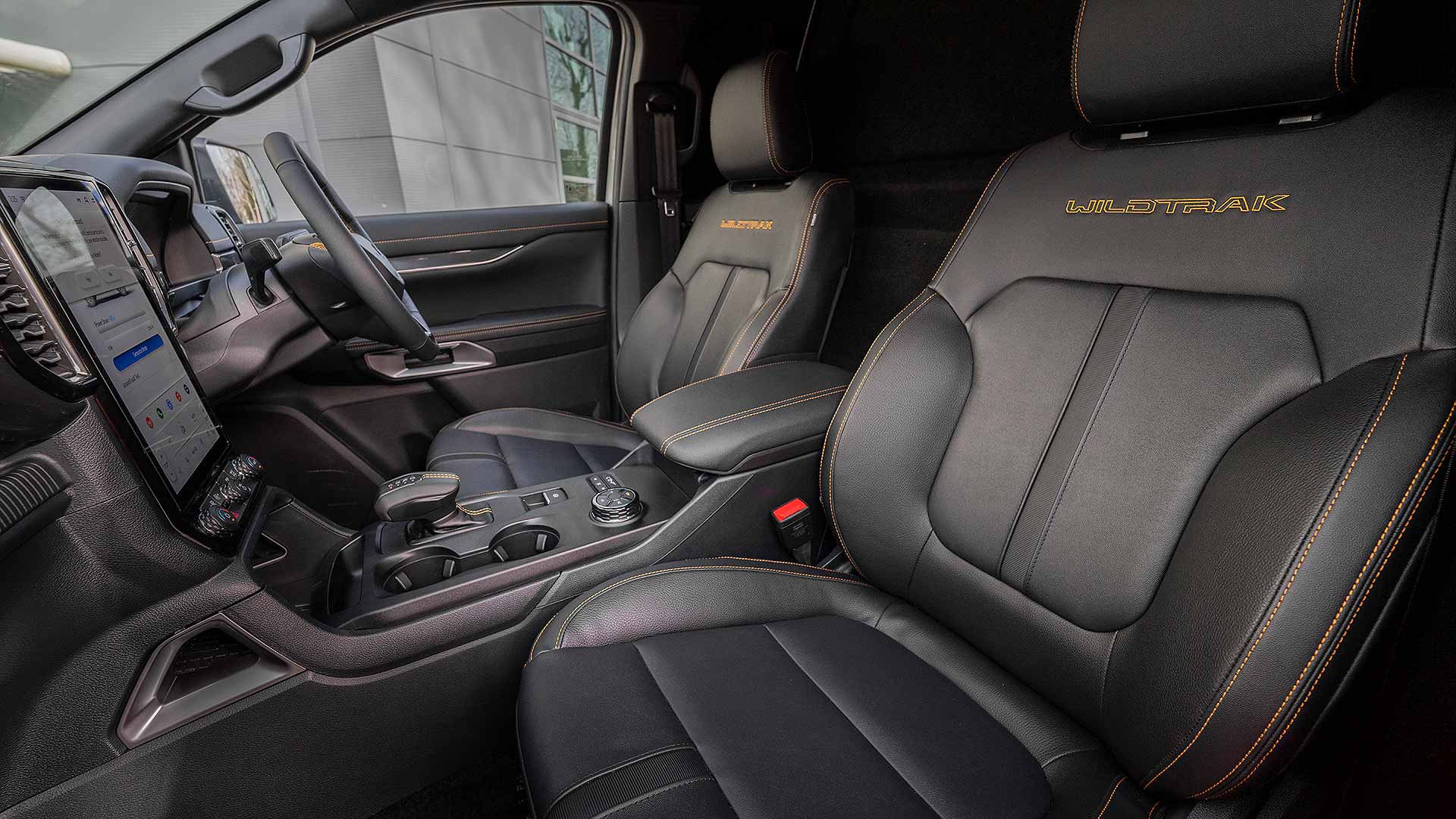
Instead of having a bench rear seat, the Ford Ranger 2-Seat has a dedicated rear storage area, which is separated from the main cabin by a reinforced bulkhead.

The Double Cab’s rear doors have been retained, to help with practicality, but with aluminium panels instead of glass windows for improved security.

Ford Ranger 2-Seater Special

Although the rear seats have been permanently removed, Ford has retained heating for this second load area to keep belongings warm and dry.

Ford says it can be used to store valuable equipment such as tools, or a change of clothes, or even food and snacks for long working days.

To further increase the Ranger’s versatility, Ford has fitted a new load liner, plus a heavy-duty floor with anchor points.

Ford Ranger 2-Seater Special

The Ford Ranger 2-Seat will initially be offered in high-spec Wildtrak guise, easily the most popular Ranger trim line.

Both plug-in hybrid (PHEV) and traditional diesel powertrains will be available, including the silky-smooth 3.0-litre V6 diesel.

Saving tax with a Ford Ranger 2-Seat

Ford Ranger 2-Seater Special

Because Ford has permanently removed the rear seats, and installed a bulkhead behind the driver and front passenger, the new Ranger 2-Seat is classed as commercial vehicle.

This means owners will be able to claim the 100 percent plant and machinery allowance, and benefit from the flat-rate road tax for commercial vehicles.

More importantly, it will also see the flat-rate company van Benefit-in-Kind (BiK) tax applied – something that was removed earlier this year for regular double-cab pickups.

Ford’s savvy way to get round this expensive rule change means that those who still use a double cab for work will not be penalised with tax hikes.

As such, the Ford Ranger Double Cab 2-Seat is likely to be a smart and popular solution to the government’s tax changes.

Ford says it will broaden the two-seat line-up later this year, after launching the new model at next week’s Commercial Vehicle Show 2026 at Birmingham’s NEC.

ALSO READ:

Volvo marks 70 years of the seatbelt

Renault Scenic E-Tech now benefits from £3,750 Electric Car Grant

Chevrolet offers first look at new 2027 Corvette Grand Sport

Advertisement

Speeding fines in the UK reach a four-year high

0
Outside of London, West Yorkshire, Devon and Cornwall, and Warwickshire reported issuing the most speeding fines

The number of speeding fines issued across the UK has hit a four-year high, according to new analysis of police data. 

Road safety technology firm Ooono made Freedom of Information (FOI) requests to police forces across the country, requesting details about the quantity of speeding fines recorded.

A total of 24 police forces responded to the FOI request, with 22 reporting the number of penalties for speeding in their area had increased during the period from 2024 to 2025.

Only Warwickshire Police and Durham Constabulary saw a fall in the volume of speeding fines. Despite this, Warwickshire remained inside the top five forces in the study, with 177,373 tickets issued.

Speeding tickets on the up

Speeding Fines Four Year High

West Yorkshire Police takes the ‘prize’ for issuing the greatest number of speeding fines outside London, with a total of 384,219 tickets between 2024 and 2025. This represents a 13 percent increase compared to the previous 12 months. 

Devon and Cornwall claimed second place, dishing out 184,242 fines to drivers: a substantial 40 percent rise. 

With Warwickshire in third, West Midlands Police were fourth with 147,070 fines issued. They were followed by Nottinghamshire Police, who collectively gave drivers 99,067 tickets.

However, no regional police force could match the number of speeding fines issued in the nation’s capital. A total of 778,600 tickets were sent to drivers across London.

Kensington and Chelsea saw an incredible 1,507 percent year-on-year increase, rising from 1,875 fines to 30,140.

There was also a 295 percent increase in the Lambeth area, which saw the number of fines jump from 9,488 up to 37,319.

London 20mph zones see record increases

Speeding Fines Four Year High

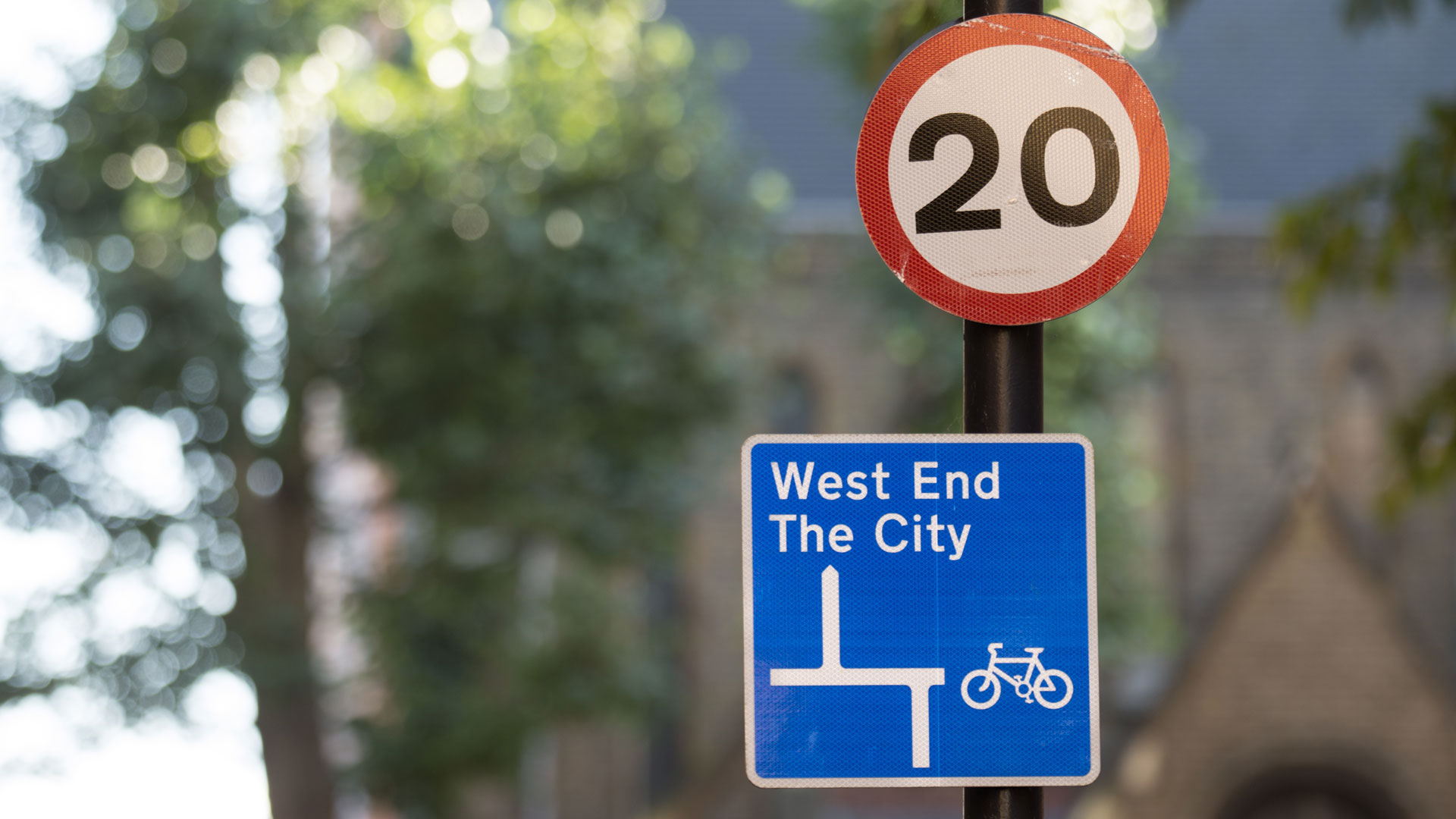
Ooono notes that half of all roads in London are now subject to 20mph zones, with 21 of the 33 boroughs making this the default limit. 

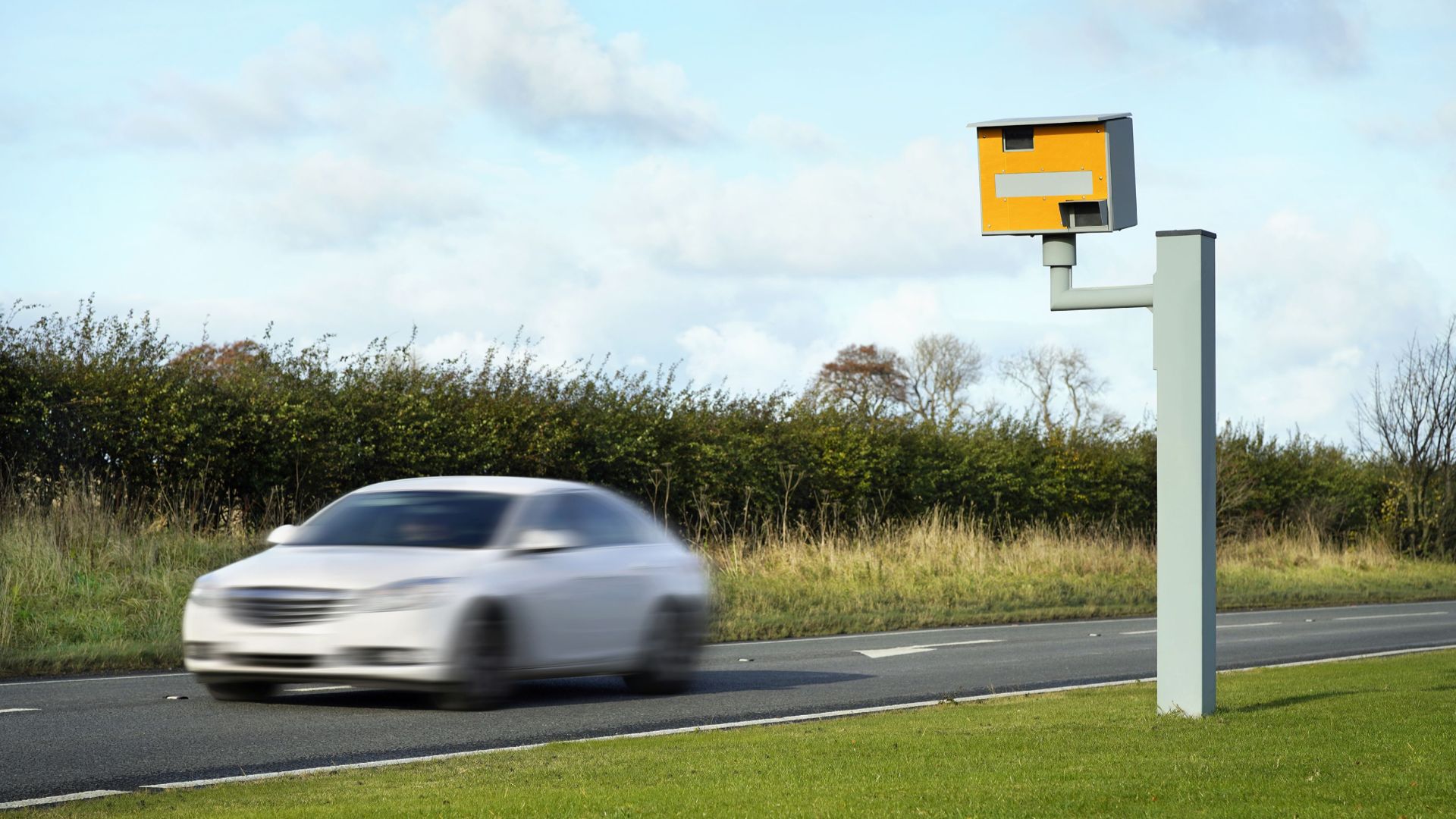
Speed cameras in urban areas have thus become a leading source of speeding fines. This is demonstrated by one camera on the King’s Road in Chelsea catching 851 drivers in a single day – believed to be a British record.

A single camera on the A40 in north-west London issued some 50,000 fines in 2024, meaning it could have potentially generated £5 million in revenue. 

Mike Skyte, spokesperson for Ooono, said: “Speeding enforcement is clearly on the rise, and many drivers may not realise just how costly certain roads have become. Our data shows that it’s not just motorways – everyday routes across towns and cities are becoming high-risk for fines.

“In London especially, the rapid expansion of 20mph zones is playing a major role in the increase. Many drivers simply haven’t adjusted yet. The aim of tools like our interactive map is to give drivers better awareness, helping them to make safer, more informed decisions on the road.”

Have you noticed more speed cameras in your local area recently? Let us know in the comments

Advertisement

Why ‘pump anxiety’ is boosting EV car company Polestar

0

‘Pump anxiety’ caused by conflict in the Middle East is leading to increased interest in electric cars across major car markets globally, says Polestar CEO Michael Lohscheller.

The trend first became apparent in Australia, Lohscheller explained. Fuel prices there have rocketed following the war in Iran, with the cost of diesel up a staggering 100 percent.

“We have seen sharply rising orders in Australia because of the whole energy situation now globally… I call this pump anxiety – people are nervous when they go to the gas station, and more and more people are changing to EVs.

“When I first saw the reports that we were improving so quickly in Australia, I asked my team, is this right? But it’s clear there is uncertainty, and EVs can benefit from this.”

Now, as pump anxiety overpowers charge anxiety, other markets are seeing interest in electric cars grow – including the UK.

UK’s fastest-growing premium brand

While Polestar sales are up in key markets such as Sweden, South Korea and Germany, the UK remains Polestar’s biggest global sales base, says Lohscheller. “The UK is a role model for me – what works in the UK will also work in other markets.”

Polestar is still the UK’s fastest-growing premium car brand, too. The firm has announced a record first quarter, with year-on-year sales up 12 percent. So far this year, Polestar is bigger than Lexus, Jeep, Fiat and Alfa Romeo, amongst others.

The Polestar 2 has defined the firm since its UK launch in 2020. However, the new Polestar 4 – the car that famously has no rear window – is also helping to drive growth, with sales up by almost half. “It’s like playing with two strikers now,” Lohscheller told us.

As part of this growth, Polestar wants to boost sales to private buyers, after years of success with company cars. “They are a key target for us… if you buy a Polestar, you tell all your friends about it, and this can help multiply awareness and sales.”

A next-generation Polestar 2 is due in 2027, with the new Polestar 7, a compact SUV set to compete in a very popular part of the market, arriving in 2028.

Used Polestar value

It’s not just new car sales that are on the up, either. Sales of used cars – known as pre-owned EVs within Polestar – are up a whopping 99 percent, as lower prices open up the brand to a whole new audience. Pump anxiety is again proving a catalyst here.

“Pre-owned is always the indicator of what happens next. People look at gas prices, start to get nervous, maybe look at used [electric] cars… we are seeing this in the growing increase for pre-owned cars.”

The Polestar 2 has been the firm’s core model since 2020, with around 200,000 sold. This means there is a growing number of used Polestar 2s coming to market as cars return from lease or PCP deals.

“There is a lot of management focus on pre-owned… you need to sell a car four times, not just the first three-year leasing period. It’s an important business – I can’t underestimate the importance of pre-owned,” added Lohscheller.

Just as with new cars, used Polestars benefit from ongoing over-the-air updates that improve the vehicles over time. There’s a residual value benefit to this, said Lohscheller, and it means Polestar can keep in constant dialogue with customers.

In-service statistics reveal no worries about long-term battery life either (every Polestar Pre-owned has a battery health certificate, along with a two-year warranty). EVs also require much less servicing “and when you get the electricity at a reasonable rate, you start to see – hey, this is fun financially, right? It’s actually cheaper.”

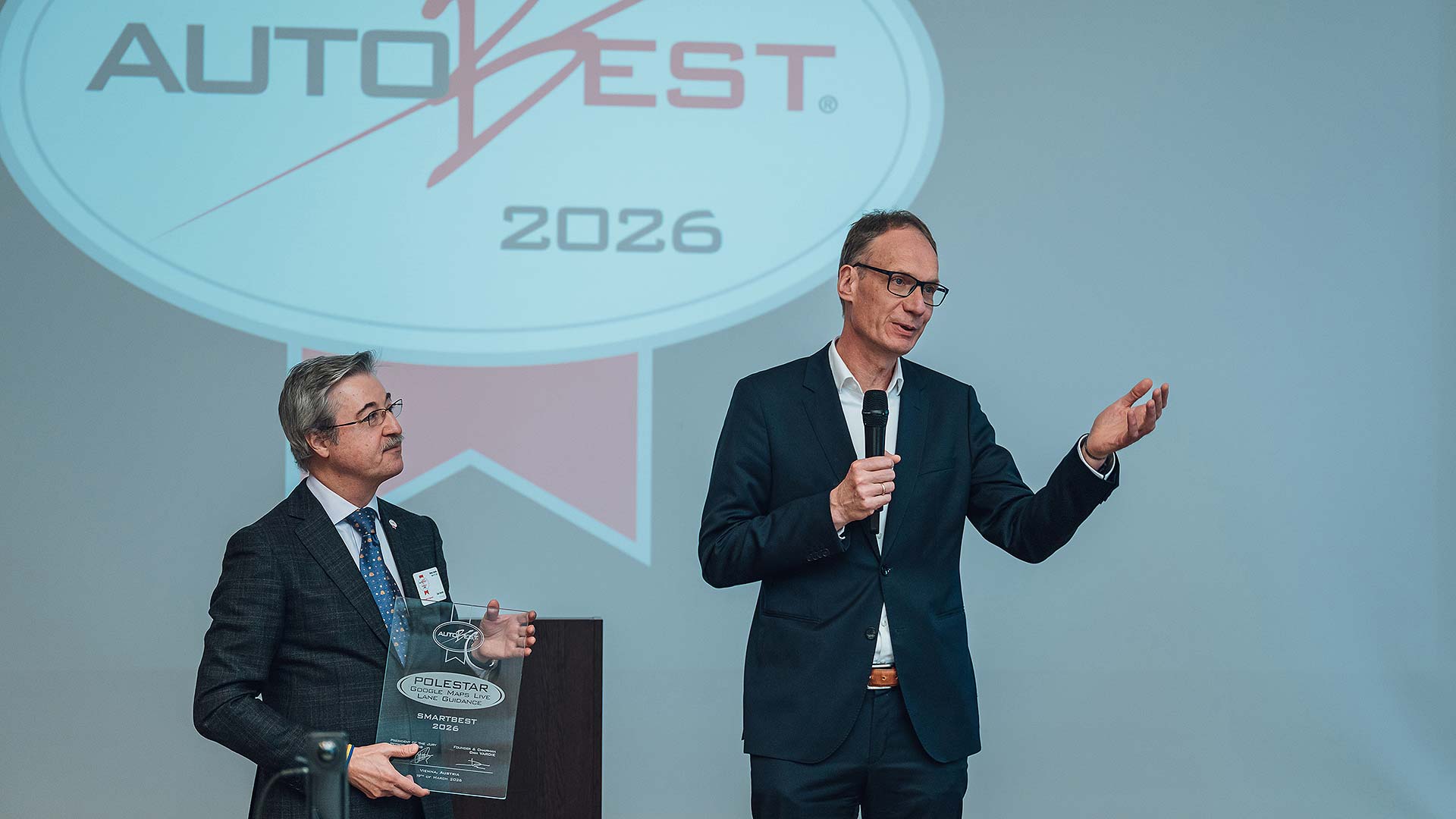
Polestar recently won the prized AUTOBEST Smartbest 2026 award, for the first integration of Google Maps’ clever live lane guidance into the Polestar 4. The AI-supported technology highlights all possible lanes for the chosen route, including which lane the car is in.

The aim is to help drivers change lanes in time, particularly around busy intersections.

“It’s important because we do this in partnership with Google,” said Lohsheller. “Everybody a few years ago said, ah, we need to do everything on our own. But no – we need to integrate things and customers love it.”

ALSO READ:

Polestars can now use Plug & Charge devices – including Tesla’s!

Polestar 2 2025 review

Your EV questions answered on Motoring Electric
Advertisement

How to avoid buying a stolen and cloned car

0
Cloned cars

Cloning a car is the four-wheeled equivalent of identity theft. Criminals will steal a car, then give it a new set of ID numbers. These are copied from a similar vehicle of the same make, model and colour that is already registered on the road.

Thieves disguise the 17-digit Vehicle Identification Number (also known as the VIN number, or chassis number) on the cloned car. They can then use a stolen V5C document (car log book) to legitimise its identity.

With help from vehicle history specialist Cap HPI, here are four straightforward ways you can avoid buying a cloned car. 

Check the history file

Always check through the car’s service and MOT history before you buy. Examine any bills and receipts supplied, and use the government’s online MOT checker tool to see if the car’s mileage tallies with that displayed on the dashboard.

Also, make sure you view the car at the registered keeper’s address, as shown on the V5C. Don’t be talked into meeting somebody in a petrol station or layby.

A black car drives along a rural road with a person inside. Surrounding fields and bushes under blue sky enhance the serene backdrop.

Buyers should ensure all the VIN numbers on the vehicle match each other. A Cap HPI history check will ensure these numbers tally with the details recorded by the DVLA, too.

Market value

Look at classified advert listings to get a feel for your chosen car’s market value. The Auto Trader website ranks cars into categories such as Good Price, Fair Price and Lower Price to give you some guidance. 

If the seller is asking less than 70 percent of the typical market price for a vehicle, be on your guard. There is rarely such a thing as a bargain, and certainly not if your car turns out to be a clone. 

Thief

Don’t pay with cash

Don’t make payment with cash, particularly if the car is costing you more than about £3,000. Some cloners will take a banker’s draft as part-payment, because the cash part is sufficient profit without ever cashing the draft.

Most crooks selling cloned cars would rather walk away from a sale than take a payment that could be traced back to them. If it doesn’t feel right to you, walk away. There will always be other cars you could buy.

Check the V5C document

Check the vehicle’s V5C, commonly known as the log book. Stolen V5C documents are still being used to accompany cloned vehicles. 

Is the vehicle advertised saying the owner has mislaid or lost the V5C? Then buyer beware! This is a red flag you should check very, very carefully. 

ALSO READ:

Spring cleaning: How to make your car look like new

UK speed limits and speeding penalties: a driver’s guide

Best electric cars to buy in 2026

Advertisement