
‘Pump anxiety’ caused by conflict in the Middle East is leading to increased interest in electric cars across major car markets globally, says Polestar CEO Michael Lohscheller.
The trend first became apparent in Australia, Lohscheller explained. Fuel prices there have rocketed following the war in Iran, with the cost of diesel up a staggering 100 percent.
“We have seen sharply rising orders in Australia because of the whole energy situation now globally… I call this pump anxiety – people are nervous when they go to the gas station, and more and more people are changing to EVs.
“When I first saw the reports that we were improving so quickly in Australia, I asked my team, is this right? But it’s clear there is uncertainty, and EVs can benefit from this.”
Now, as pump anxiety overpowers charge anxiety, other markets are seeing interest in electric cars grow – including the UK.
UK’s fastest-growing premium brand
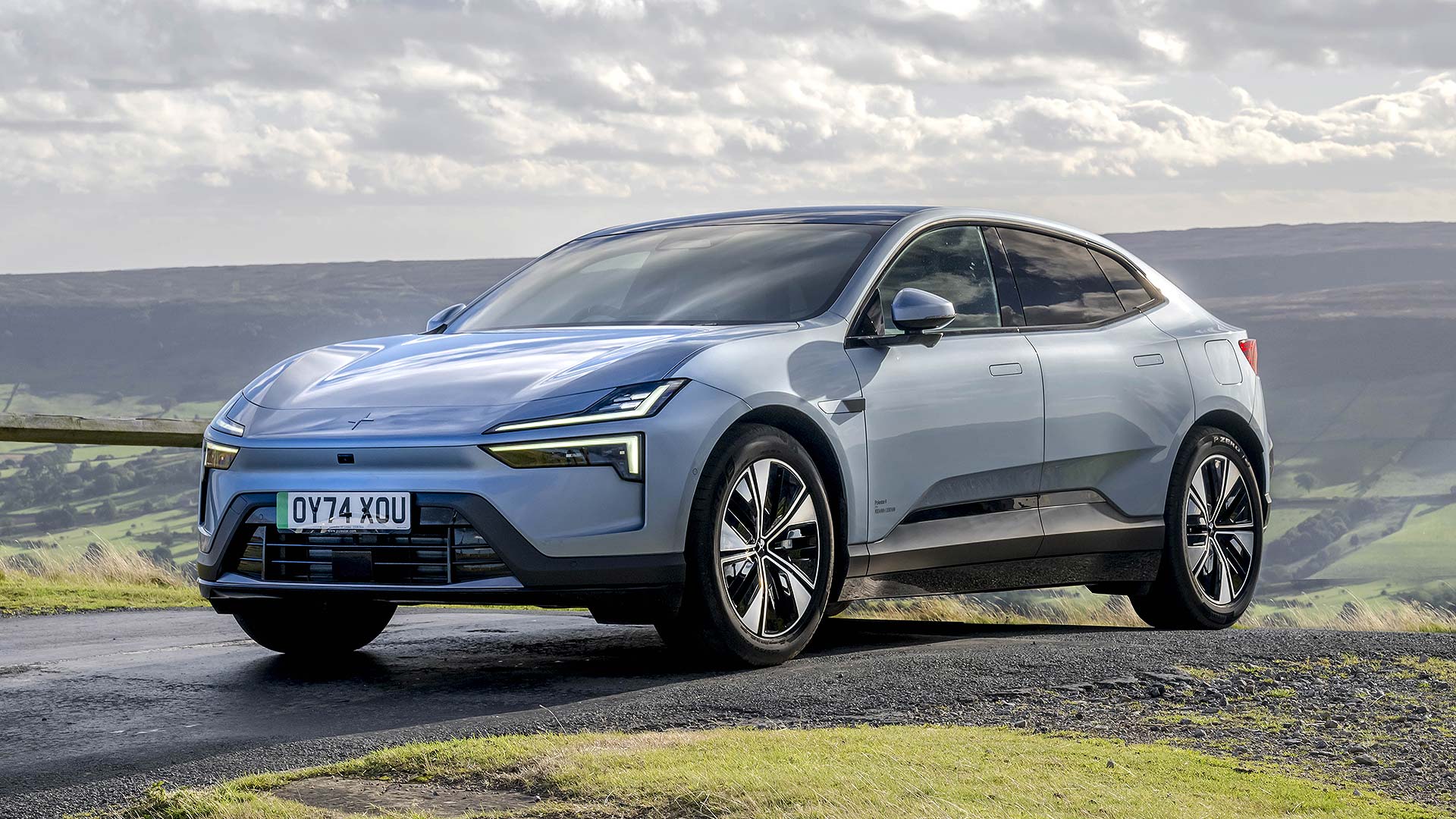
While Polestar sales are up in key markets such as Sweden, South Korea and Germany, the UK remains Polestar’s biggest global sales base, says Lohscheller. “The UK is a role model for me – what works in the UK will also work in other markets.”
Polestar is still the UK’s fastest-growing premium car brand, too. The firm has announced a record first quarter, with year-on-year sales up 12 percent. So far this year, Polestar is bigger than Lexus, Jeep, Fiat and Alfa Romeo, amongst others.
The Polestar 2 has defined the firm since its UK launch in 2020. However, the new Polestar 4 – the car that famously has no rear window – is also helping to drive growth, with sales up by almost half. “It’s like playing with two strikers now,” Lohscheller told us.
As part of this growth, Polestar wants to boost sales to private buyers, after years of success with company cars. “They are a key target for us… if you buy a Polestar, you tell all your friends about it, and this can help multiply awareness and sales.”
A next-generation Polestar 2 is due in 2027, with the new Polestar 7, a compact SUV set to compete in a very popular part of the market, arriving in 2028.
Used Polestar value
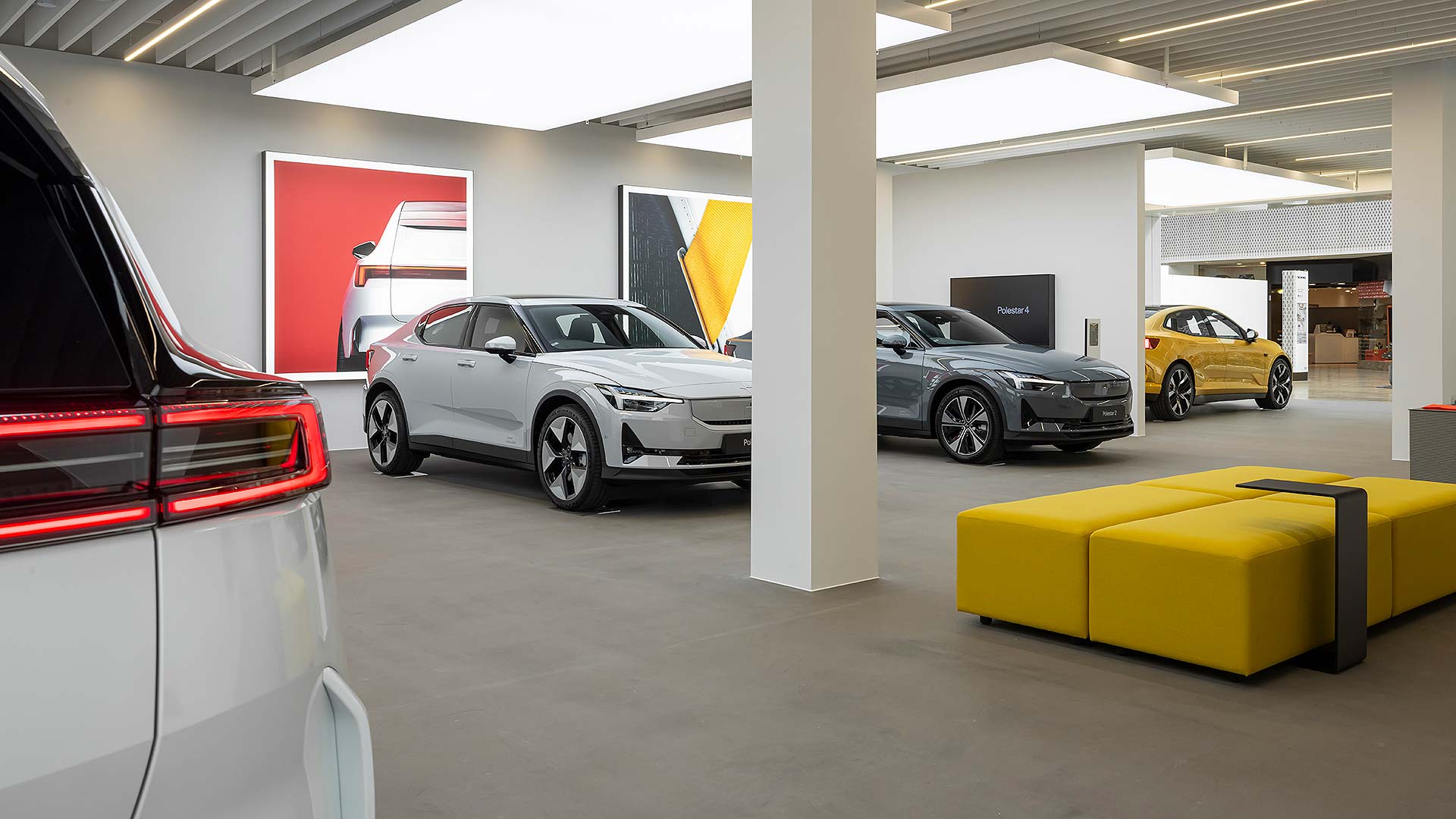
It’s not just new car sales that are on the up, either. Sales of used cars – known as pre-owned EVs within Polestar – are up a whopping 99 percent, as lower prices open up the brand to a whole new audience. Pump anxiety is again proving a catalyst here.
“Pre-owned is always the indicator of what happens next. People look at gas prices, start to get nervous, maybe look at used [electric] cars… we are seeing this in the growing increase for pre-owned cars.”
The Polestar 2 has been the firm’s core model since 2020, with around 200,000 sold. This means there is a growing number of used Polestar 2s coming to market as cars return from lease or PCP deals.
“There is a lot of management focus on pre-owned… you need to sell a car four times, not just the first three-year leasing period. It’s an important business – I can’t underestimate the importance of pre-owned,” added Lohscheller.
Polestar technology trends

Just as with new cars, used Polestars benefit from ongoing over-the-air updates that improve the vehicles over time. There’s a residual value benefit to this, said Lohscheller, and it means Polestar can keep in constant dialogue with customers.
In-service statistics reveal no worries about long-term battery life either (every Polestar Pre-owned has a battery health certificate, along with a two-year warranty). EVs also require much less servicing “and when you get the electricity at a reasonable rate, you start to see – hey, this is fun financially, right? It’s actually cheaper.”
Polestar recently won the prized AUTOBEST Smartbest 2026 award, for the first integration of Google Maps’ clever live lane guidance into the Polestar 4. The AI-supported technology highlights all possible lanes for the chosen route, including which lane the car is in.
The aim is to help drivers change lanes in time, particularly around busy intersections.
“It’s important because we do this in partnership with Google,” said Lohsheller. “Everybody a few years ago said, ah, we need to do everything on our own. But no – we need to integrate things and customers love it.”
ALSO READ:
Polestars can now use Plug & Charge devices – including Tesla’s!