Home Blog Page 31

Meet the Rolls-Royce inspired by vintage video games

0
A bespoke commission, the Rolls-Royce Black Badge Ghost Gamer has been made for an arcade-loving enthusiast

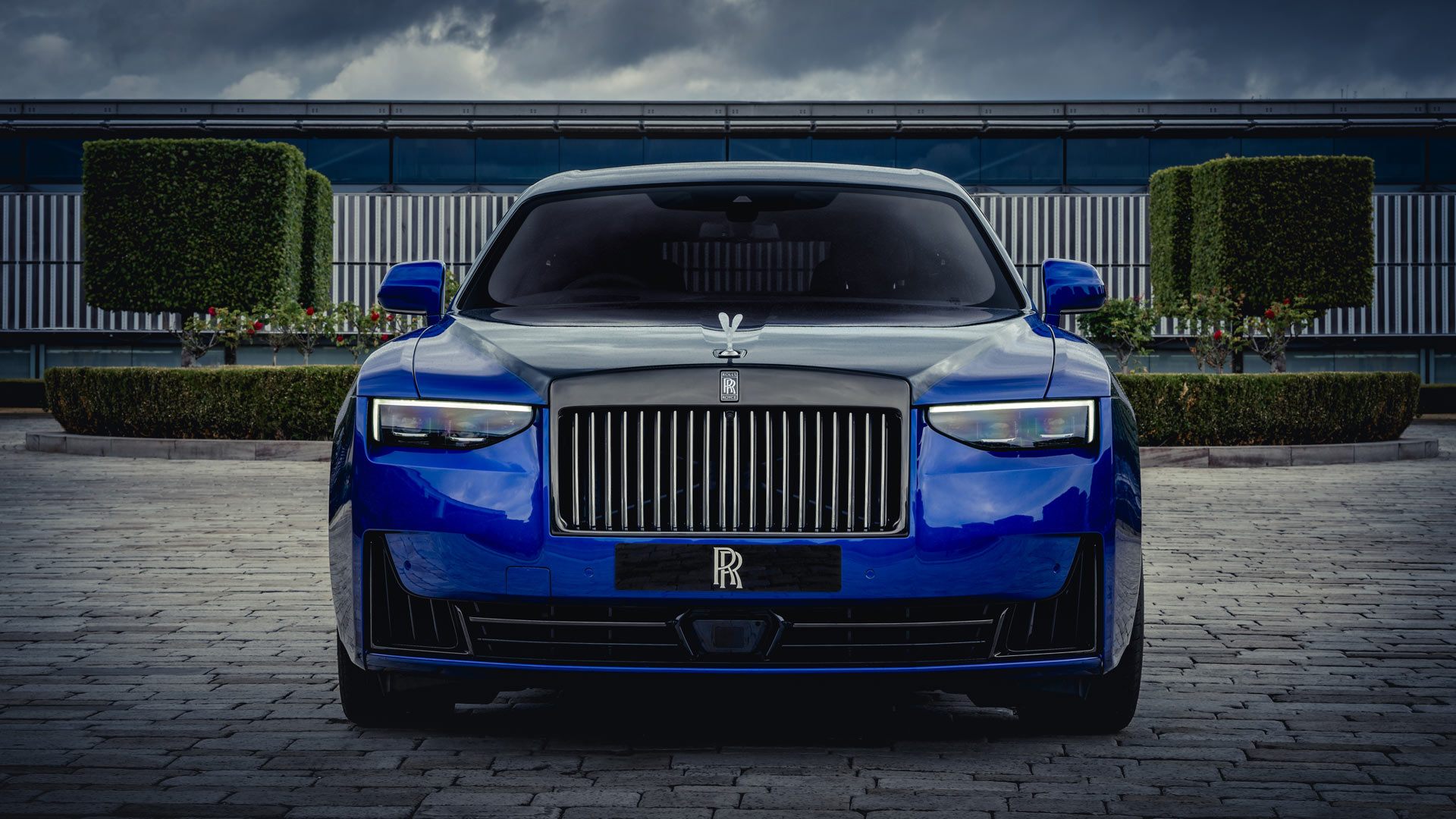
Rolls-Royce has revealed a one-off Ghost inspired by classic video games. Commissioned by a customer with a passion for retro arcade action, the Black Badge Ghost Gamer was customised by the British marque’s Bespoke Design division

“Over the course of a month, we immersed ourselves in the 8-bit aesthetic that defined late 70s and early 80s gaming – from the games themselves and archive imagery of arcade halls, to original promotional and cabinet artwork”, said Joshua McCandless, a designer at Rolls-Royce.

Now complete, the Black Badge Ghost Gamer should strike a chord with anyone who has ever played Space Invaders or Pac-Man.

Aliens are included

Rolls-Royce Black Badge Ghost Gamer

The Black Badge Ghost Gamer has a two-tone exterior finish, with its main body in Salamanca Blue and upper body in deep-shimmer Crystal over Diamond Black.

The combination of colours is said to pay homage to the ‘neon-lit aesthetic’ of classic arcade consoles

A ‘cheeky alien’ graphic made up of 89 individual ‘pixels’ sits atop the exterior coachline, rendered in simple 8-bit graphics. Both the Spirit of Ecstasy bonnet mascot and front grille are illuminated.

The Ghost Gamer rides on 22-inch Black Badge forged alloy wheels, with gloss black brake calipers visible behind.

Ready, player one?
Rolls-Royce Black Badge Ghost Gamer

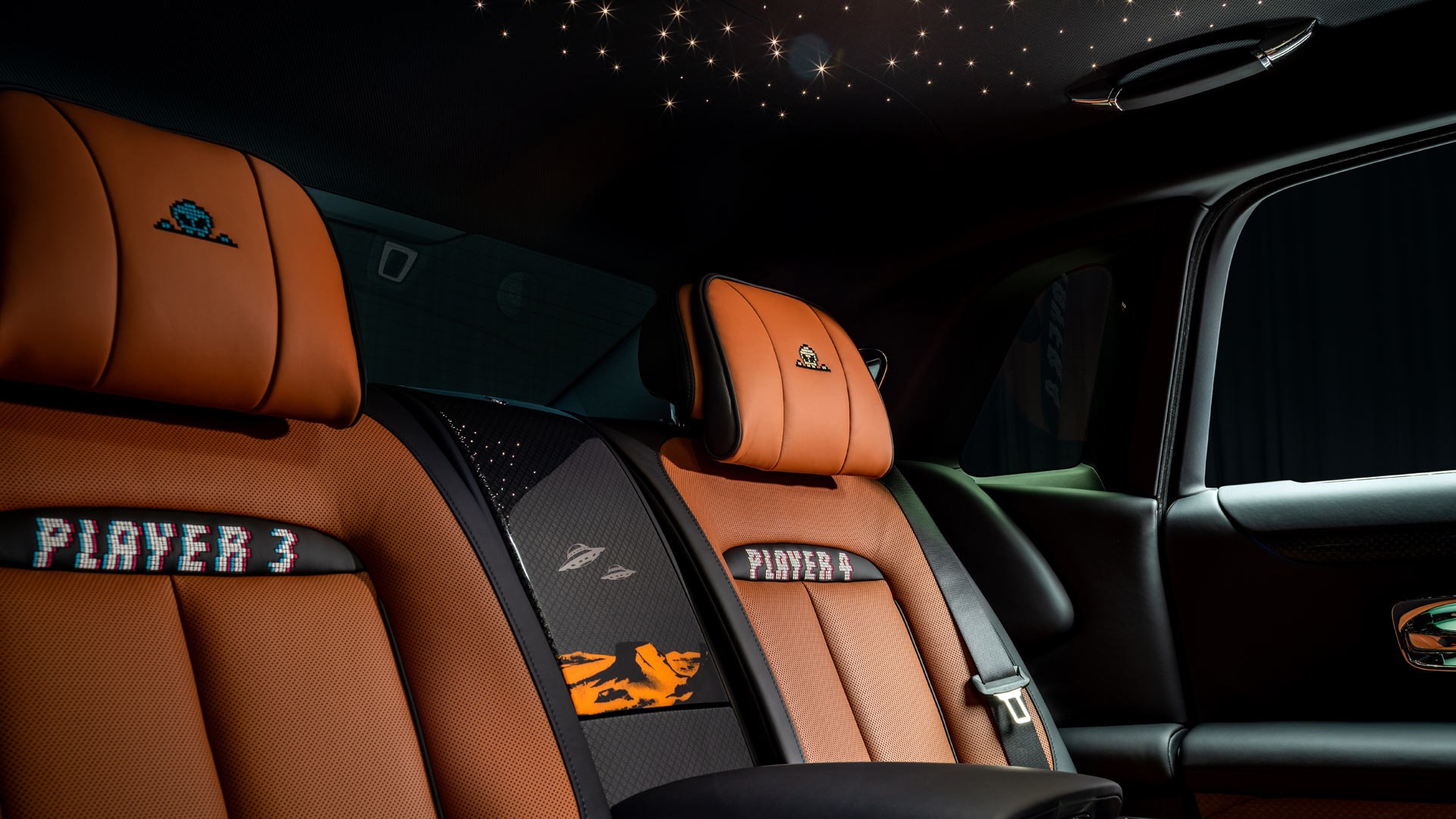
Inside, the Ghost Gamer features a combination of Casden Tan and black leather. ‘Player 1’ and ‘Player 2’ are embroidered into the front seats, with (you guessed it) ‘Player 3’ and ‘Player 4’ in the back.

Between the rear seats is a bespoke artwork for the ‘Waterfall’ panel, showing hand-painted flying saucers on a starscape background

The crowning glory, though, is the ‘Pixel Blaster’ Starlight Headliner. A formation of 80 bitmapped spaceships is illuminated above the occupants’ heads using fibre optics. These can simulate pulsing laser fire, just like in a classic arcade game. 

Other gaming ‘Easter eggs’ include 8-bit inspired illuminated sill covers, plus a metal ‘cheeky alien’ inlay on the fold-down picnic tables. 

ALSO READ:

Rolls-Royce Phantom Centenary celebrates 100 years of luxury

Rolls-Royce Ghost Black Badge Series II 2025 review

Best luxury cars to buy in 2025

Advertisement

Mitsubishi cars make a surprise return to the UK

0
Mitsubishi vehicles were sold in the UK from 1974 to 2021, when the brand decided to cease British sales

Mitsubishi cars will soon be on sale again, four years after the Japanese marque stopped selling cars in the UK. 

International Motors, which became responsible for Mitsubishi when it switched to being aftersales-only, will be the importer and distributor for new vehicles.  

It has announced its plans to introduce new Mitsubishi vehicles to the UK from summer 2026.

Sharon Townsend, head of Mitsubishi Motors in the UK, said: “We’re delighted to be introducing exciting new Mitsubishi vehicles to our loyal UK customers. 

“Over the past few years, we’ve continued to see enthusiasm for the brand, which has strongly influenced this decision. By building on our trusted aftersales network and dedicated retailer partners, we are committed to providing an exceptional ownership experience.”

Evolutionary progression

Mitsubishi 2026 UK Return

No specific information has been released by International Motors on which Mitsubishi vehicles will come to the UK in 2026. 

However, it does say the models will be ‘drawn from Mitsubishi Motors’ global lineup’, and celebrate ‘advancements in innovation and four-wheel-drive technologies’.

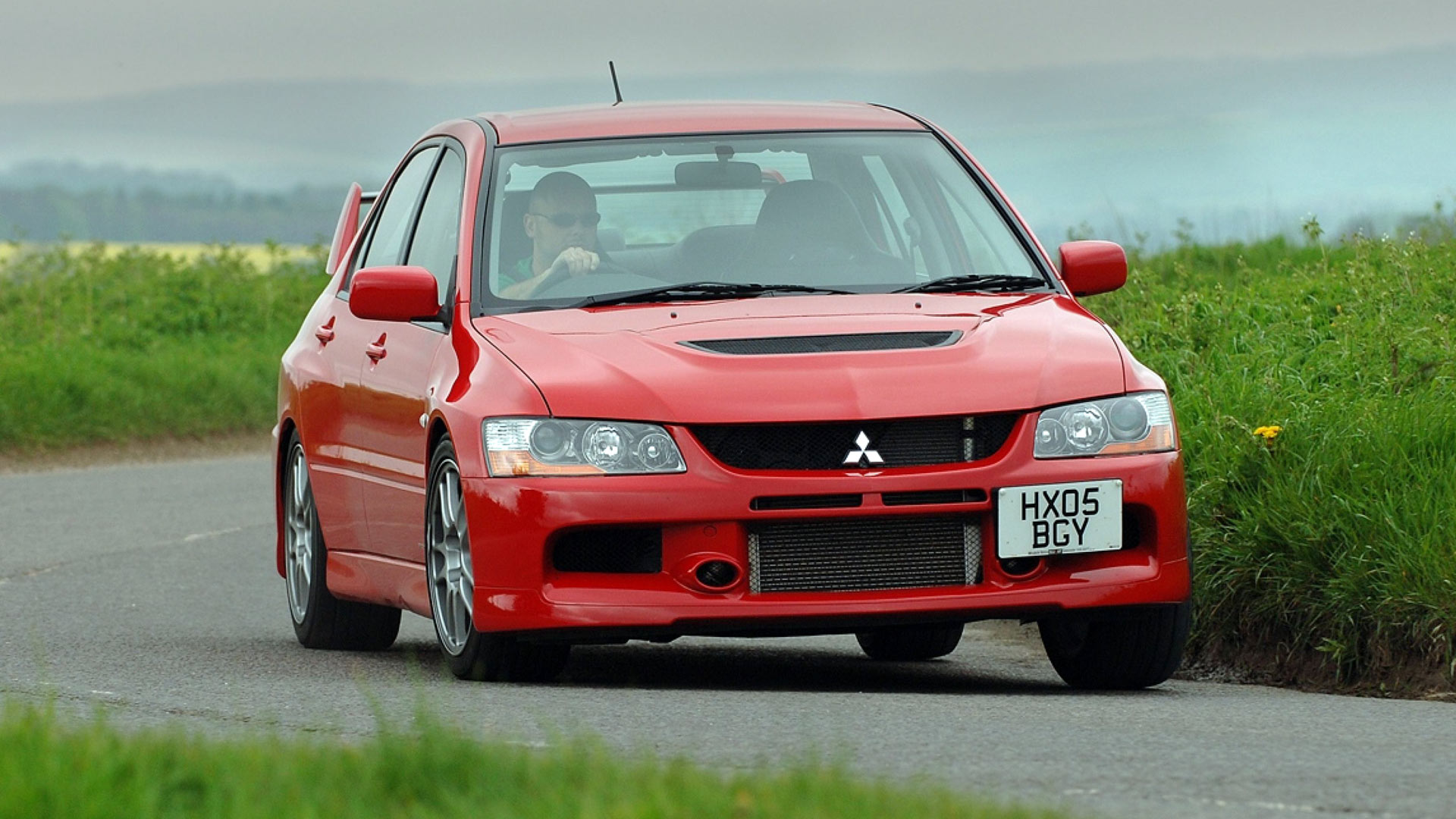
Before any British enthusiasts get excited at the thought of the Lancer Evolution making a return, the road-going rally car hasn’t been part of the Mitsubishi range since 2016. Sorry. 

Nor are UK motorists likely to be offered one of the brand’s diminutive kei city cars, such as the award-winning eK and Delica models.

‘A deep emotional connection’

Mitsubishi 2026 UK Return

Instead, the smart money is on the latest, fourth-generation Mitsubishi Outlander SUV. This shares a platform with the current Nissan X-Trail, and has the option of a plug-in hybrid powertrain.

The Triton pickup truck, previously sold here under the L200 badge, could be another contender. However, International Motors is also the UK distributor for Isuzu, so is unlikely to want too much competition for the popular D-Max pickup

Frank Krol, CEO of Mitsubishi Motors Europe, said: “Our upcoming models represent the very best of Mitsubishi Motors’ core technologies in performance, four-wheel drive and much more. We look forward to a successful introduction in the UK – a market where our brand continues to have a deep emotional connection with loyal customers.”

ALSO READ:

British battery tech could slash EV charging times to 10 minutes

New Omoda 7 family SUV to cost from under £30,000

The best new cars to buy in 2025
Advertisement

New 666hp Supersports is the lightest Bentley for 85 years

0
2026 Bentley Continental GT Supersports

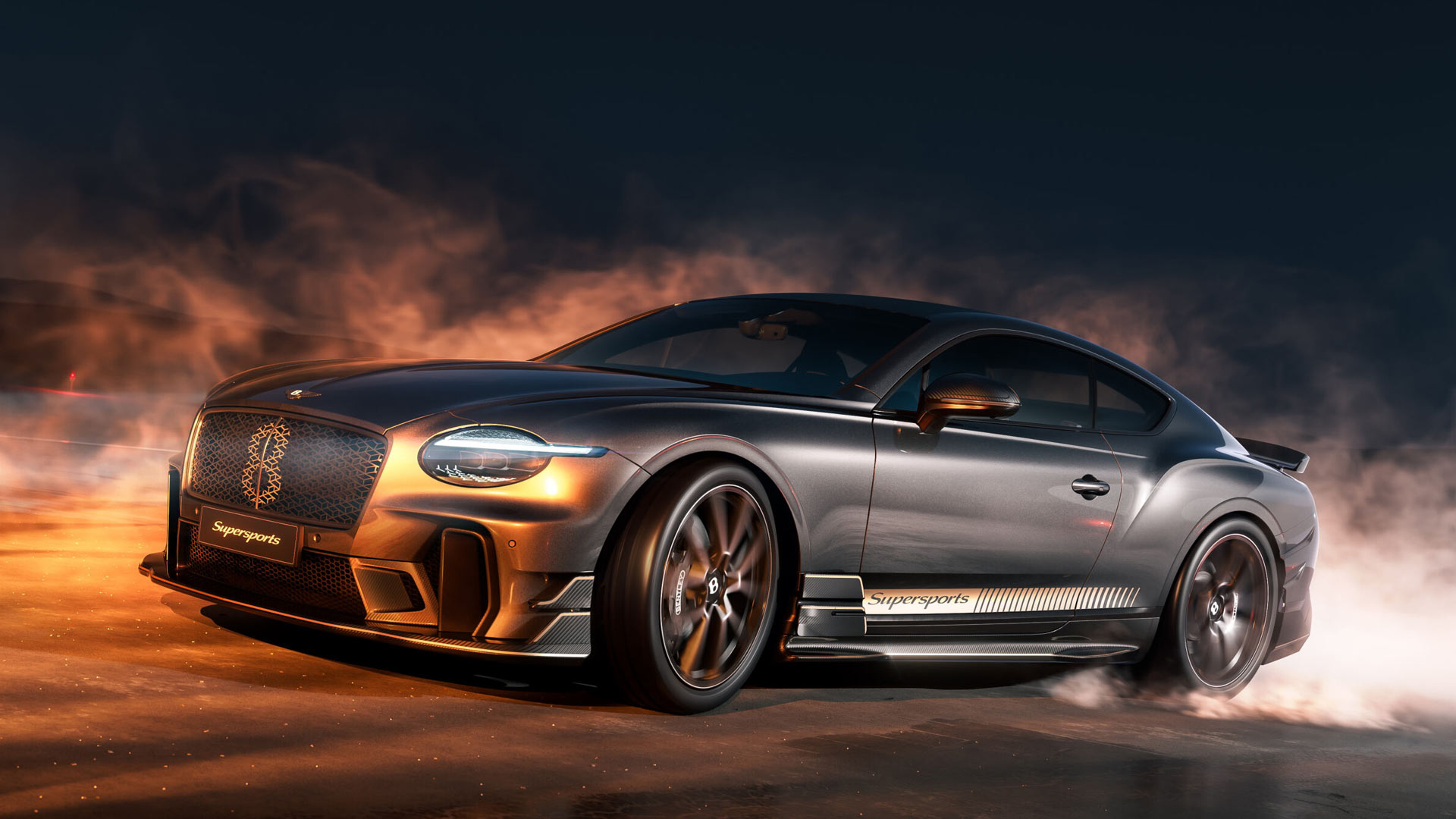
The wraps are off the Bentley Continental GT Supersports: the British marque’s new 666hp performance flagship.

The rear-wheel-drive Supersports has been subjected to an extreme weight-loss programme. This included removing the rear seats, along with the plug-in hybrid hardware from its twin-turbocharged V8 engine

The result is the lightest road-going Bentley for 85 years, with a kerb weight of less than 2,000kg. 

In a world of electrification and ever-heavier cars, Bentley has bucked the trend. The fourth model in its history to wear the Supersports badge is a bit of an old-school hot rod – and what’s not to like about that?

Bentley gets bold

2026 Bentley Continental GT Supersports

The 4.0-litre V8 gains larger turbochargers and a new crankshaft, resulting in a devilish 666hp and 590lb ft of torque. Using an eight-speed dual-clutch transmission, the Supersports can sprint to 62mph in 3.7 seconds. Top speed is 192mph.

However, Bentley engineers were more focused on how the Supersports feels to drive than on outright pace. Apart from racing versions, no Continental GT in the model’s 20-year history has been rear-driven.

A new carbon fibre aero kit, including a fixed rear wing, generates more than 300kg in downforce. Carbon-ceramic brakes, a set of 22-inch forged Manthey alloy wheels and an Akrapovic titanium exhaust are also part of the package. 

With sticky Pirelli Trofeo RS rubber fitted, the Supersports delivers 30 percent faster cornering speeds than the regular Continental GT. Provided you don’t use all that torque to shred the tyres first, that is…

On sale in March 2026

2026 Bentley Continental GT Supersports

Inside, the Supersports has two lightweight bucket seats, although they still feature 11-way electric adjustment. The rear chairs have been replaced by a carbon fibre tub trimmed in plush leather. 

Carbon fibre and Dinamica (man-made suede) are also used extensively throughout the cabin. Bentley’s bespoke Mulliner division can customise the interior and exterior of the Supersports to each buyer’s personal taste.

Production of the Continental GT Supersports will be capped at 500 examples, and orders open in March 2026. The first completed cars should leave the factory in Crewe, Cheshire, later next year. 

Pricing for the Continental GT Supersports hasn’t been confirmed. However, budget on at least £300,000 to own one of the most extreme and exclusive Bentleys ever made.

ALSO READ:

Bentley Flying Spur Speed 2025 review

Bentley Batur 2023 review

Best supercars to buy in 2025
Advertisement

Just 6% of UK drivers attempt to fix their own car

0
Younger drivers are most likely to be hands-on when it comes to tackling car problems instead of using a mechanic

With colder weather on the way, new research revealeds which motorists are most likely to seek help with mechanical issues. 

More than half (56 percent) of drivers would turn to someone else, including a mechanic, to tackle issues with their car.

Just six percent of those surveyed said they would be willing to fix something themselves. And 22 percent said it would depend on the particular automotive problem. 

The study found differences between different demographic groups, and across regions of the UK, in terms of which drivers are most likely to rely on others for car repairs.

Time to call a mechanic

Warrantywise Winter Research

Aftermarket warranty provider Warrantywise undertook the new research, putting its questions to 2,000 UK drivers. 

It discovered that almost two thirds (65 percent) of women drivers normally get someone else to repair their vehicle. More than three quarters (77 percent) admitted they would not feel comfortable changing a tyre.

Drivers aged between 45 and 54 are the most dependent on others for repairs, at 63 percent. Just three percent of those over 65 would fix a car themselves. 

In comparison, younger drivers aged from 18 to 24 are the most likely to get hands-on, with 15 percent saying they do their own maintenance – more than twice the national average.

Winter takes its toll

Warrantywise Winter Research

Across the UK, drivers in Northern Ireland are most willing to fix their own cars, with 27 percent saying they would attempt a repair. 

In the South East of England, 64 percent of respondents said they would rely on others for vehicle repairs. 

Antony Diggins, managing director at Warrantywise, said: “Winter is the hardest season for cars – cold starts, dead batteries, and slippery conditions all take their toll. But with modern vehicles packed full of sensors, computers and hybrid components, even a small issue can require specialist tools or software to diagnose.

“Our research shows that most UK drivers – especially older motorists and female drivers – simply don’t feel equipped to handle these repairs themselves. That’s why having a reliable warranty plan and roadside support is more important than ever in the colder months.”

ALSO READ:

New Omoda 7 family SUV to cost from under £30,000

Majority of UK drivers now say safety tech has helped avoid collisions

Buying a used car: 10 things to check

Advertisement

British sports car brand TVR to make a comeback (again)

0
Originally revealed at the 2017 Goodwood Revival, the reborn TVR Griffith could finally be set to become a reality

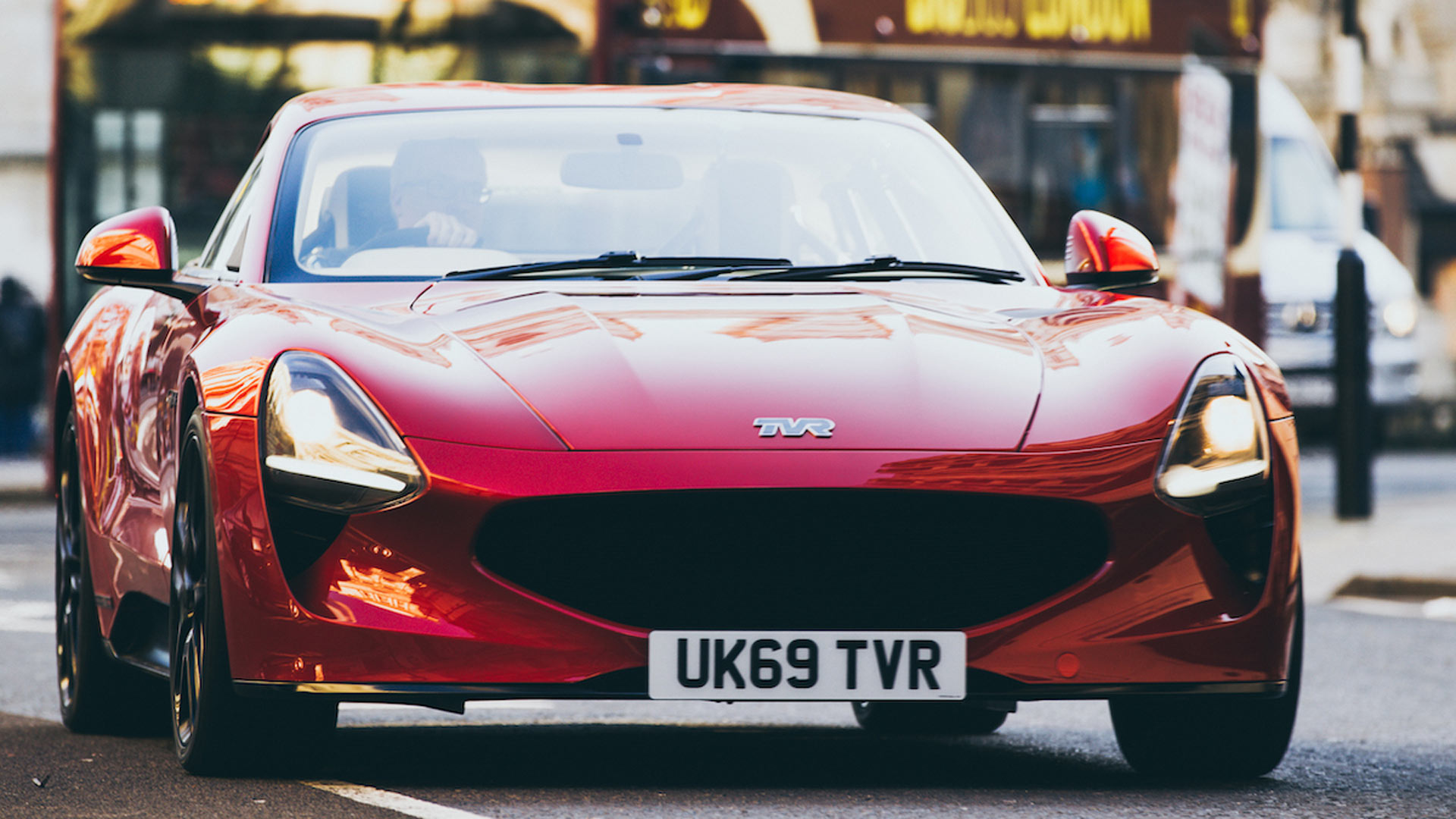
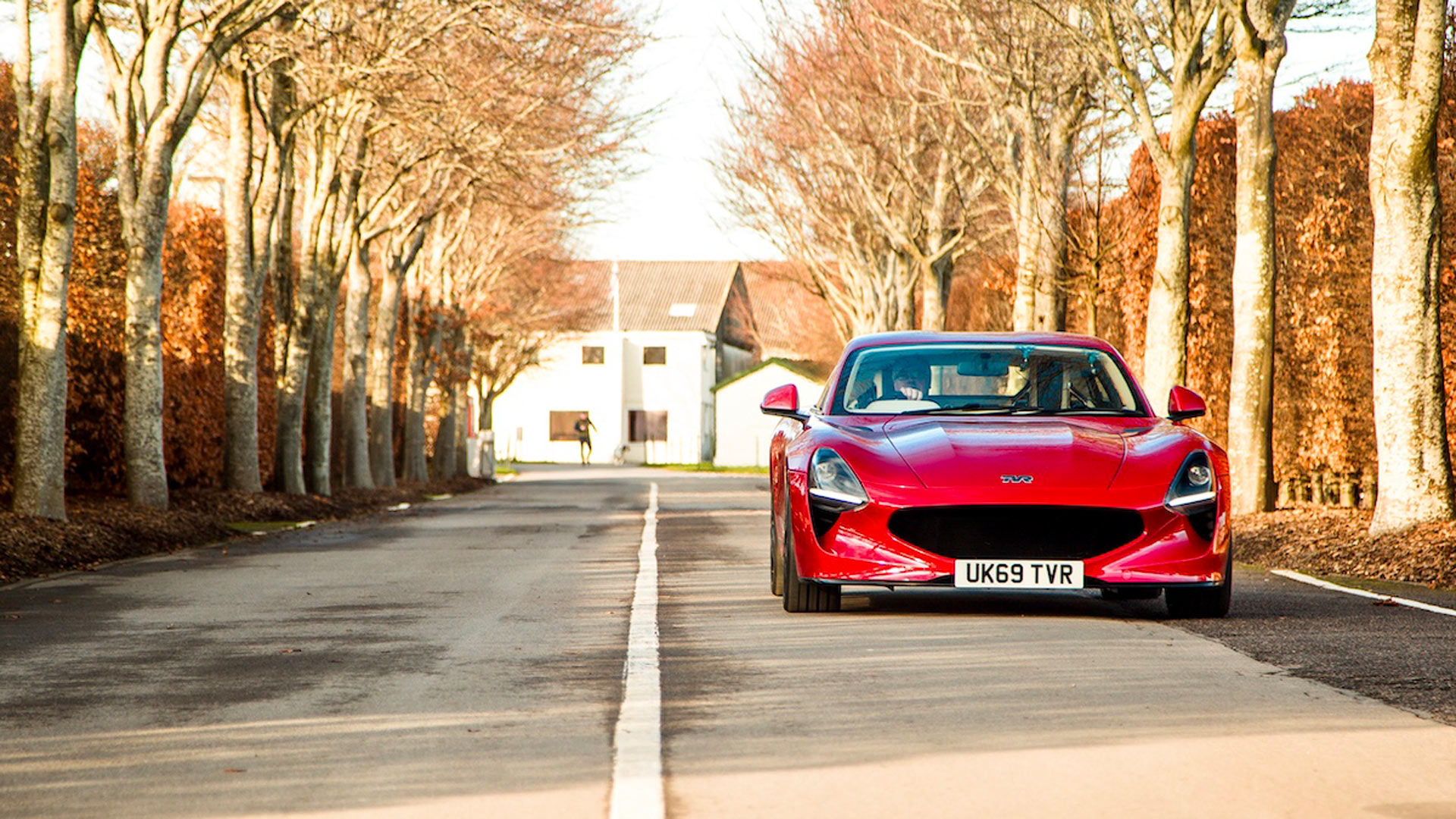
Just when it seemed that TVR was gone for good, the famous British sports car manufacturer looks set for a dramatic comeback. 

TVR Automotive has agreed a ‘strategic framework for merger’ with Charge Holdings. The deal will include production of the new Griffith

Originally announced at the 2017 Goodwood Revival, the reborn TVR Griffith was expected to go on sale in 2018. 

However, the sports car project, and the latest iteration of the TVR company itself, have been beset by difficulties over the past eight years.

New TVR Griffith could return

TVR Charge Holdings Merger

Created with input from Gordon Murray Design, and powered by a Cosworth-developed 5.0-litre V8 engine, the TVR Griffith was predicted to have a top speed of 200mph. 

A price of £90,000 was mooted for the Griffith Launch Edition, which had motorsport-inspired features such as adjustable coilover suspension and bespoke Avon ZZ5 tyres. 

Investment from the Welsh Government included major plans for TVR to build cars in Ebbw Vale, although the company later abandoned this idea. 

Production of the new Griffith was further delayed by the coronavirus pandemic, with the most recent news being the opening of a new ‘brand centre’ at Thruxton race circuit.

Electric TVRs on the horizon?

TVR Charge Holdings Merger

Paul Abercrombie, CEO of Charge Holdings, stated: “Charge Holdings’ mission is to bring together iconic performance brands and world-class manufacturing expertise. 

“This strategic merger with TVR is set to unite heritage with innovation, creating a new leader in the low-volume luxury automotive sector. More details will be announced in early 2026.”

Charge Holdings includes the Charge Cars brand, which previously demonstrated an electric version of the classic Ford Mustang, known as the ‘67, at the Goodwood Festival of Speed. 

Given the experience of Charge Holdings, the merger between the two companies could lead to ‘expanding into electrified platforms in the future’. Yes, even TVR could end up building an EV.

ALSO READ:

Bespoke engine for reborn Ford Escort Mk1 RS revs to 10,000rpm

Lamborghini Temerario 2025 review

Best sports cars to buy in 2025
Advertisement

British battery tech could slash EV charging times to 10 minutes

1
The Hydrohertz Dectravalve could reduce electric car fast charging times by 68 percent, by keeping battery cells cooler

Radical new British-designed battery technology could see dramatic reductions in charging times for electric cars.

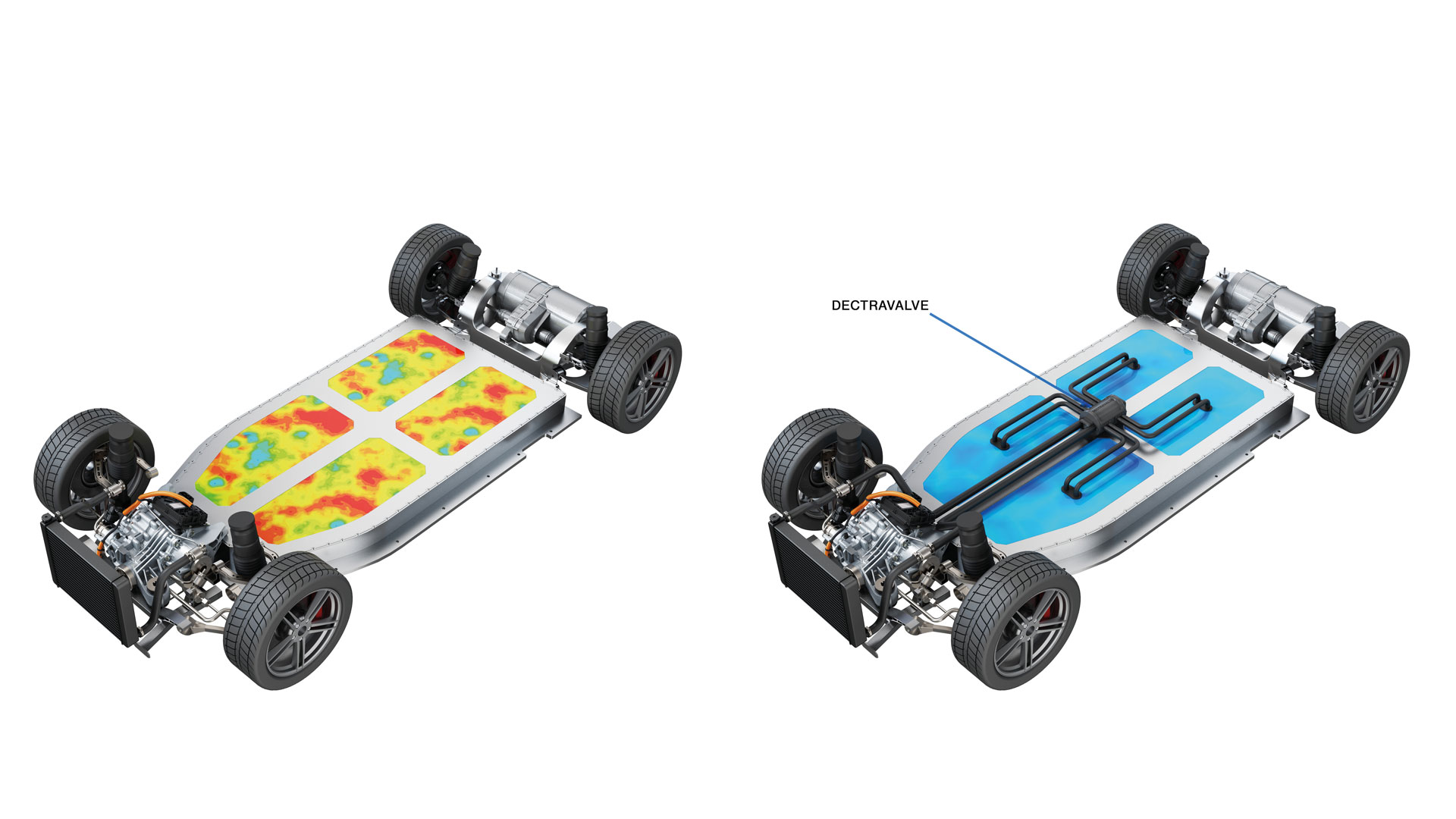
Nottingham-based company Hydrohertz has developed the new ‘Dectravalve’. The innovation is designed to regulate EV battery temperature, keeping the cells cooler. 

Current electric car technology means fast charging can increase battery temperature to 56°C. Once above 50°C, chargers have to reduce their speed to avoid damaging the battery. This inevitably results in longer charging times.

However, in testing, the Dectravalve kept battery cells to a maximum of 44.5°C. It also ensured a smaller variation in temperature across the battery pack.

Longer range, shorter charging times

Hydrohertz Dectravalve Battery

By keeping every cell below 50°C, and with no thermal hotspots across the pack, a Dectravalve-equipped battery can maintain peak charging performance

Hydrohertz tests demonstrated that charging times for electric car batteries could be reduced by 68 percent. 

When connected to a 350kW fast charger, this means a 10 to 80 percent charge could require just 10 minutes instead of 30 minutes. As a result, recharging an electric car could be almost as quick as refuelling a petrol or diesel vehicle. 

The Dectravalve also keeps EV battery cells cooler in all conditions, meaning driving efficiency is improved by up to 10 percent. Depending on the battery size and electric car in question, this could mean an extra 30 or 40 miles of range.

British battery innovation

Hydrohertz Dectravalve Battery

Founded in 2020 by Martyn Talbot, Hydrohertz has received three consecutive nominations for the Earthshot Prize. 

CTO Talbot explained: “The Dectravalve solves a fundamental problem of EV battery thermal management systems – how to achieve true independent zone control of temperature without the complexity, weight and energy waste of multiple valve arrays.” 

Paul Arkesden, CEO of Hydrohertz, was previously senior vice president of engineering at Singer Vehicle Design. Prior to that, he worked as head of engineering at McLaren Automotive, where he led development of the powertrain in the P1 hypercar

Arkesden commented: “The automotive industry has been waiting for battery technology to catch up with consumer expectations, but progress has been slow and expensive. A new chemistry can take a decade to develop and require billions in investment. What we’ve done is take a different approach – we’ve dramatically improved how existing batteries perform by perfecting the thermal management of them.”

ALSO READ:

McLaren W1 unwrapped: tech secrets of new hybrid hypercar

EV sceptic? You can try an electric Volkswagen for 100 days

Your EV questions answered on Motoring Electric

Advertisement

New Polestar 5 launched in Gran Turismo racing game

0
With 871hp and 749lb ft of torque, the Polestar 5 is the Swedish marque’s grand touring electric flagship

The new Polestar 5 electric GT car will be available to drive in Gran Turismo 7 from December 2025.

After being revealed at the recent Gran Turismo World Series in Los Angeles, the Polestar 5 will make its virtual debut in the long-running racing game.

A close collaboration between the Swedish manufacturer and Gran Turismo developer Polyphony has transferred the dynamics of the Polestar EV into the digital world. 

It means that PlayStation 4 and 5 gamers will be able to experience ‘driving’ the 871hp electric hatchback.

Perfecting the digital feel

Polestar 5 in Gran Turismo 7

To ensure the virtual Polestar 5 matched the real-world model, Polyphony Digital sought help from racing driver and sim-racer Igor Fraga. 

Known for his experience and competitive lap times in Gran Turismo games, Fraga was given special access to prototype Polestar 5 vehicles. He also met with Polestar engineers in Sweden. 

A final sign-off process was undertaken at the Brands Hatch circuit in Kent. This ensured the Polestar 5’s on-track performance would be matched by the digital model. 

Joakim Rydholm, head of driving dynamics at Polestar, said: “Working with the Gran Turismo team to ensure the digital ‘feel’ of the Polestar 5 was as close as possible to the real thing was a really important step for us. The end result means the digital car 100 percent replicates the behind-the-wheel experience of the real Polestar 5, meaning GT racers will have just as much fun as buyers of the actual cars.”

The start of a real-world collaboration

Polestar 5 in Gran Turismo 7

Such was the level of effort put into modelling the real-world Polestar 5, Polyphony Digital says lap times in-game and in real life are directly comparable. With the right driver or player behind the wheel, of course…

Kazunori Yamauchi, Gran Turismo Series producer, said: “I have long been impressed by Polestar cars for their advanced, clean and elegant designs, and so I am delighted to collaborate with them to bring the Polestar 5 to Gran Turismo

“It is the first time we have worked together, and it has been a very positive experience. The development team at Polestar put a great deal of care into crafting the car’s driving experience, and so I am sure the players will enjoy the experience of driving it in Gran Turismo.”

An update for Gran Turismo 7 will add the Polestar 5 to the game in December 2025. However, this marks only the start of the collaboration. 

A special Polestar time trial event will also take place in the game, with the winner receiving an exclusive trip to Fukuoka, Japan to attend the World Finals of the 2025 GT World Series.

ALSO READ:

Polestar sets new world record with 581-mile electric road trip

Polestar 2 2025 review

Your EV questions answered on Motoring Electric

Advertisement

Bespoke engine for reborn Ford Escort Mk1 RS revs to 10,000rpm

0
The new Boreham TEN-K engine is destined for both road and track use with the company’s continuation Ford Escort Mk1 RS

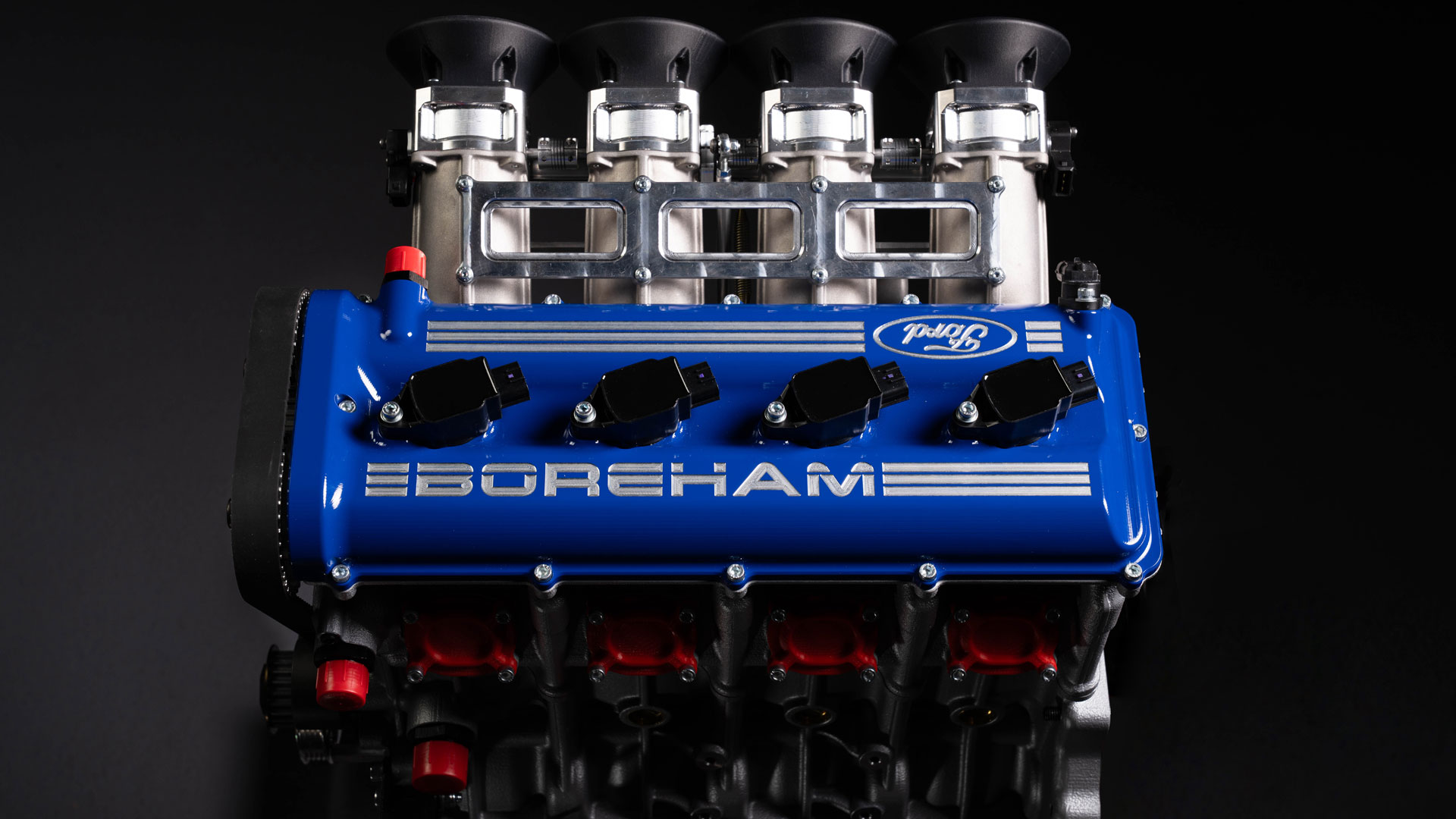
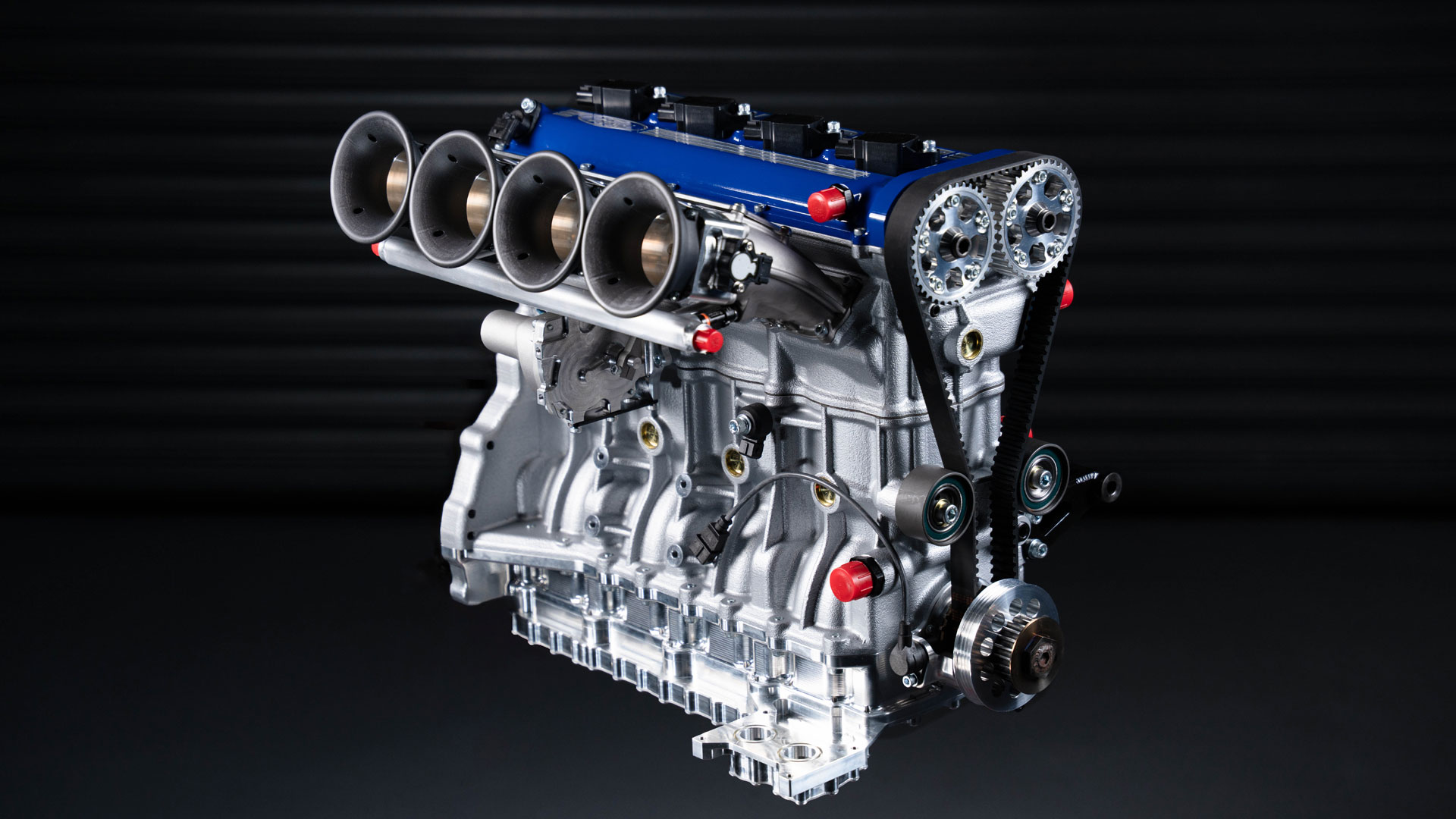
Restomod Ford specialist Boreham Motorworks has unveiled a stunning new high-revving engine. 

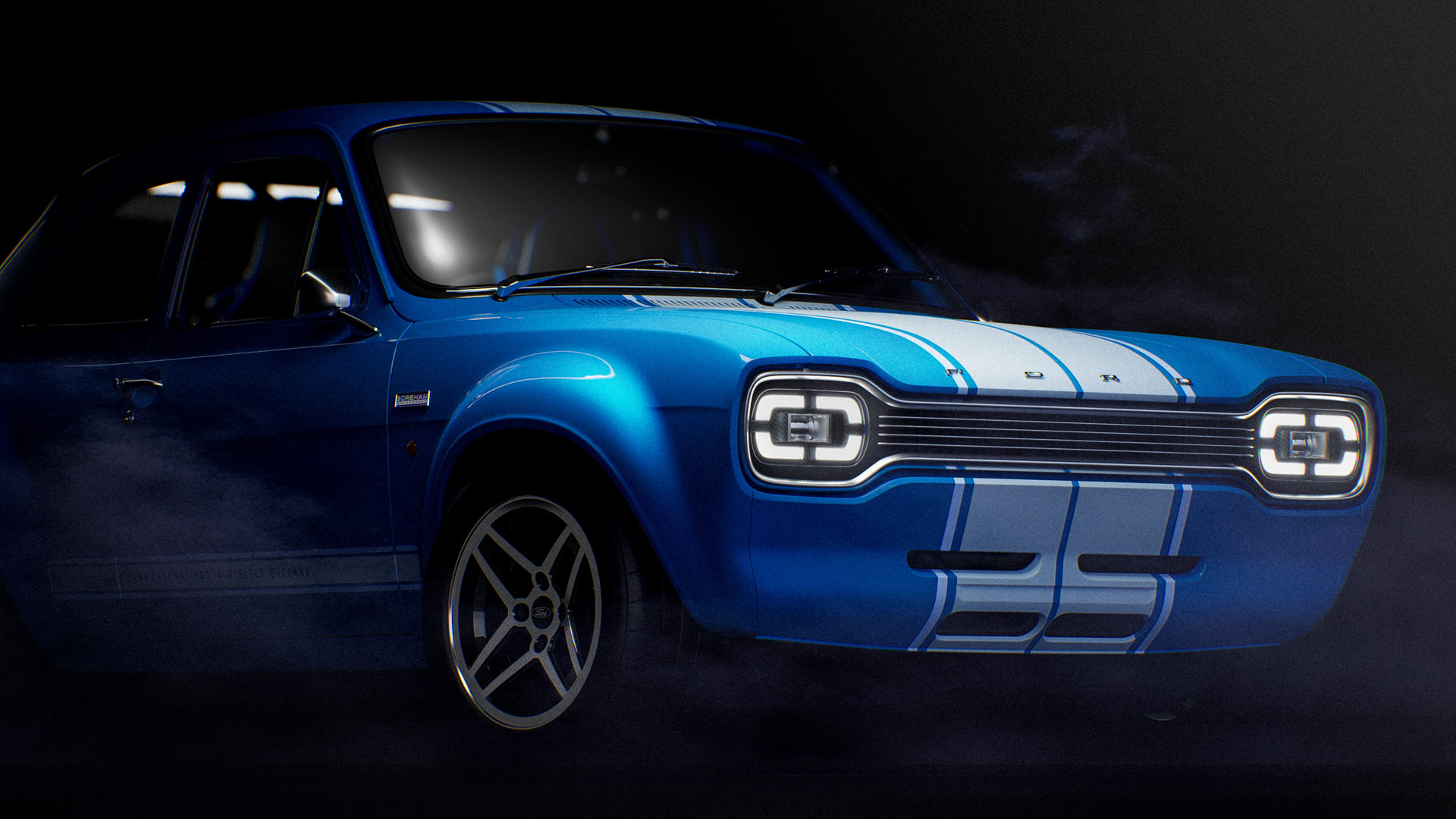
The ‘Ten-K’ four-cylinder engine is destined for life in Boreham Motorworks’ Ford Escort Mk1 RS continuation car.

Producing 330hp at a frenetic 10,000rpm, the naturally aspirated Ten-K features F1-inspired technology

The engineering team behind the Ten-K has more than 30 years of experience in Ford powertrain development. Boreham Motorworks promises ‘razor-sharp response’ and a linear power delivery.

Big power and light weight

Boreham Ten K Ford Engine

Boreham Motorworks has built the Ten-K with lightweight internal components and parts made from billet aluminium. The crankshaft, dry sump and cam covers are designed for maximum performance.

The 2.1-litre engine uses a 16-valve head combined with individual throttle bodies. Port geometry influenced by Formula 1 racing should deliver optimal gas flow.

Boreham Motorworks has worked to keep the weight of the Ten-K to the minimum. This extends to using thin-wall 3D-printed casting technology for the engine block.

As a result, the high-performance motor tips the scales at just 85kg, which should aid the power-to-weight ratio of the forthcoming Ford Escort Mk1 RS ‘Continumod’.

Drive the Escort Mk1 RS at Thruxton

Boreham Ten K Ford Engine

During the past six months, Boreham Motorworks has undertaken dynamometer testing of the Ten-K, along with calibration work. 

The new engine is said to already exceed its development goals, including for its rev limit and power output. Installing the Ten-K in the Escort Mk1 RS will be the next stage in the process. 

“We’ve reached a hugely important milestone in the Mk1 RS programme,” said Iain Muir, CEO of DRVN Automotive. 

“The Boreham Ten-K is the result of relentless effort from our engine development team – a demonstration of what can be achieved when passion and precision come together. With the engine being currently installed in the car and mated to the bespoke, all-new, ultra-lightweight fully floating rear axle, I can’t wait to see it fired up for its first test run.”

As part of the DRVN Automotive Group, Boreham Motorworks will enjoy exclusive access to Thruxton race circuit – allowing potential customers to test the Ten-K engine and new Escort RS on-track.

ALSO READ:

Boreham Motorworks Ford Escort Mk1 68 Edition review

Ford Escort: how Britain’s best-seller blew it

Best restomods to buy in 2025
Advertisement

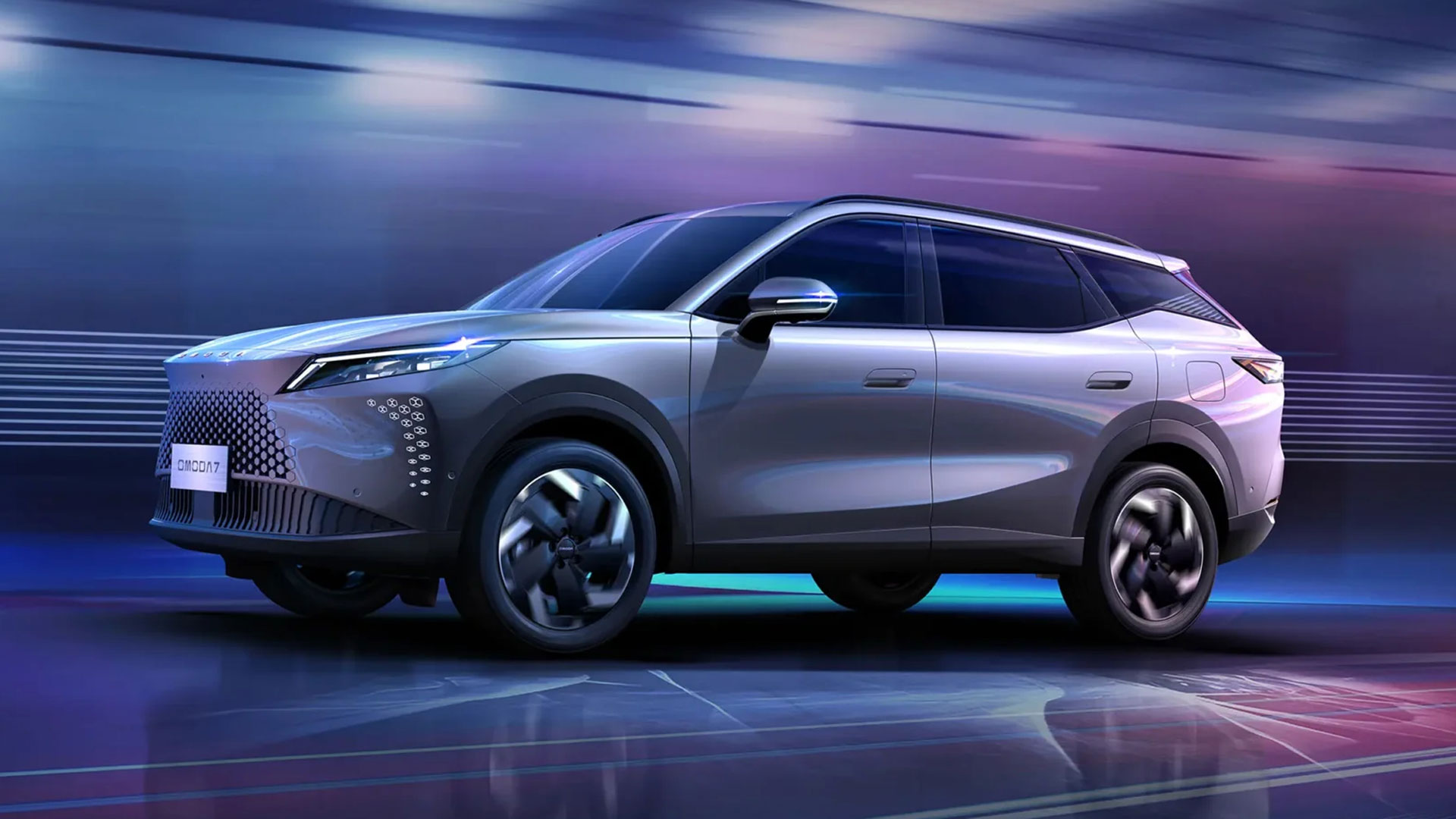
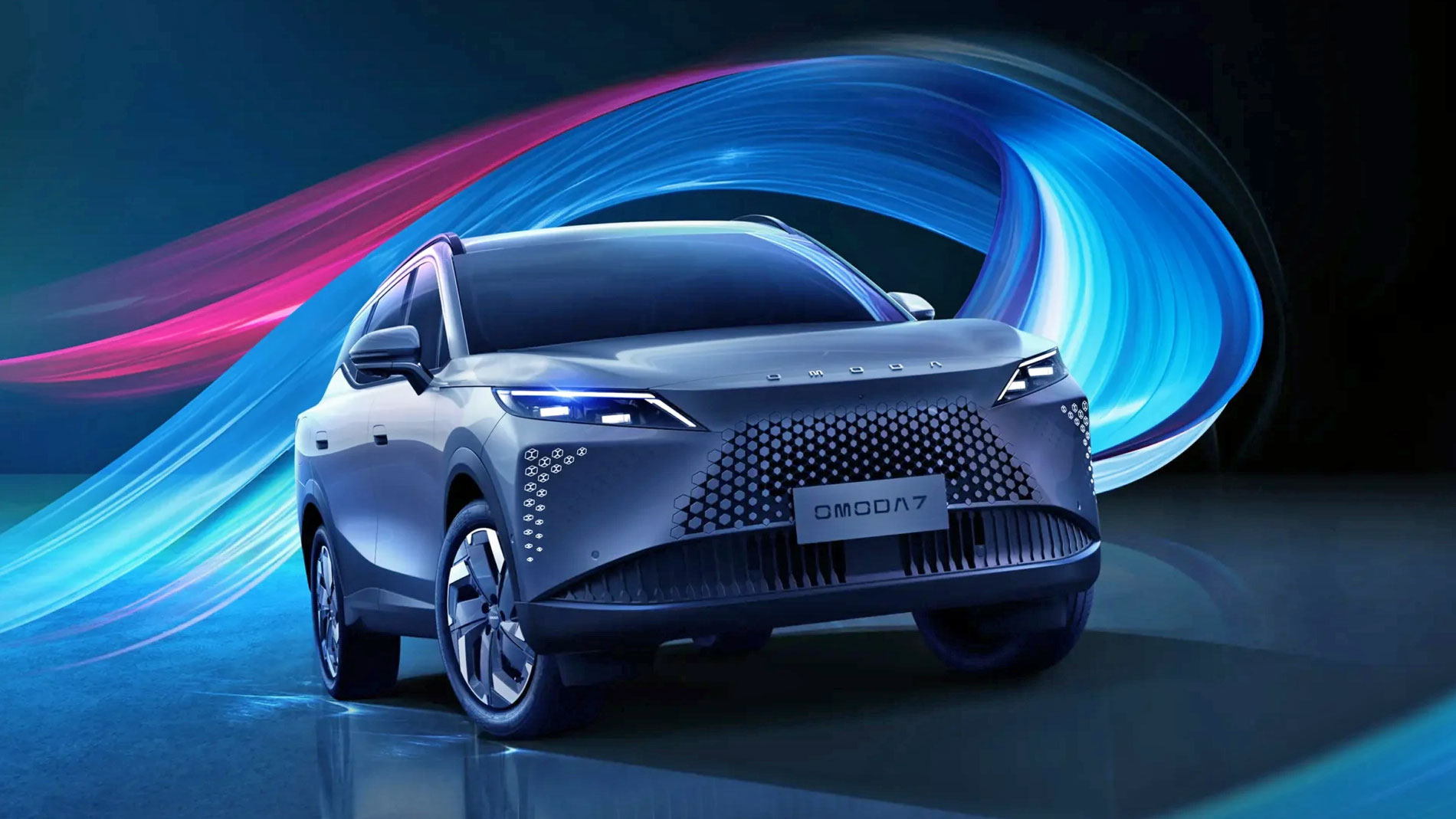
New Omoda 7 family SUV to cost from under £30,000

0
Prices for the Omoda 7 will begin from £29,915 in petrol-engine form, with a hybrid version costing £32,000

Chinese brand Omoda has confirmed prices for its latest car – and it will undercut most European rivals.

The Omoda 7 becomes the marque’s new mid-range SUV, slotting into its lineup between the compact Omoda 5 and flagship Omoda 9.

Two trim levels will be available in the UK, along with a choice of turbocharged petrol or plug-in hybrid powertrains for the five-seat family SUV.

Arriving in dealerships from January 2026, all versions of the Omoda 7 will come with a seven-year or 100,000-mile warranty as standard.

Turbo petrol or hybrid options

Omoda 7 UK Pricing Confirmed

A 1.6-litre turbocharged four-cylinder petrol engine is the starting point for the Omoda 7 range, offering up 147hp and 203lb ft of torque. With a seven-speed dual-clutch transmission, the 0-62mph sprint takes 10.4 seconds and top speed is 118mph.

Also available will be the ‘Super Hybrid System’ (SHS) powertrain, as used in the related Jaecoo 7 SUV. Combining a 1.5-litre engine with a 18.3kWh battery pack, the SHS setup delivers 204hp and 269lb ft. 

The plug-in hybrid can also travel up to 56 miles in EV mode, giving the Omoda 7 a total range of around 700 miles. Replenishing the battery from 30 to 80 percent requires 20 minutes using a rapid charger. 

Opting for the Omoda 7 SHS brings more performance, too, with the 0-62mph time cut to 8.4 seconds. Top speed is 112mph.

Lots of standard equipment

Omoda 7 UK Pricing Confirmed

The Omoda 7 model range starts with Knight specification, which includes 19-inch alloy wheels, dual-zone climate control, a six-speaker Sony audio system and a heated eco-leather steering wheel. 

Noble trim adds extra equipment, such as 20-inch alloy wheels, electrically adjustable front seats with heating and ventilation functions, a powered tailgate and a 12-speaker Sony sound system.  

This top trim level also offers a fragrance system for the climate control, along with four-zone voice control and a panoramic sunroof.

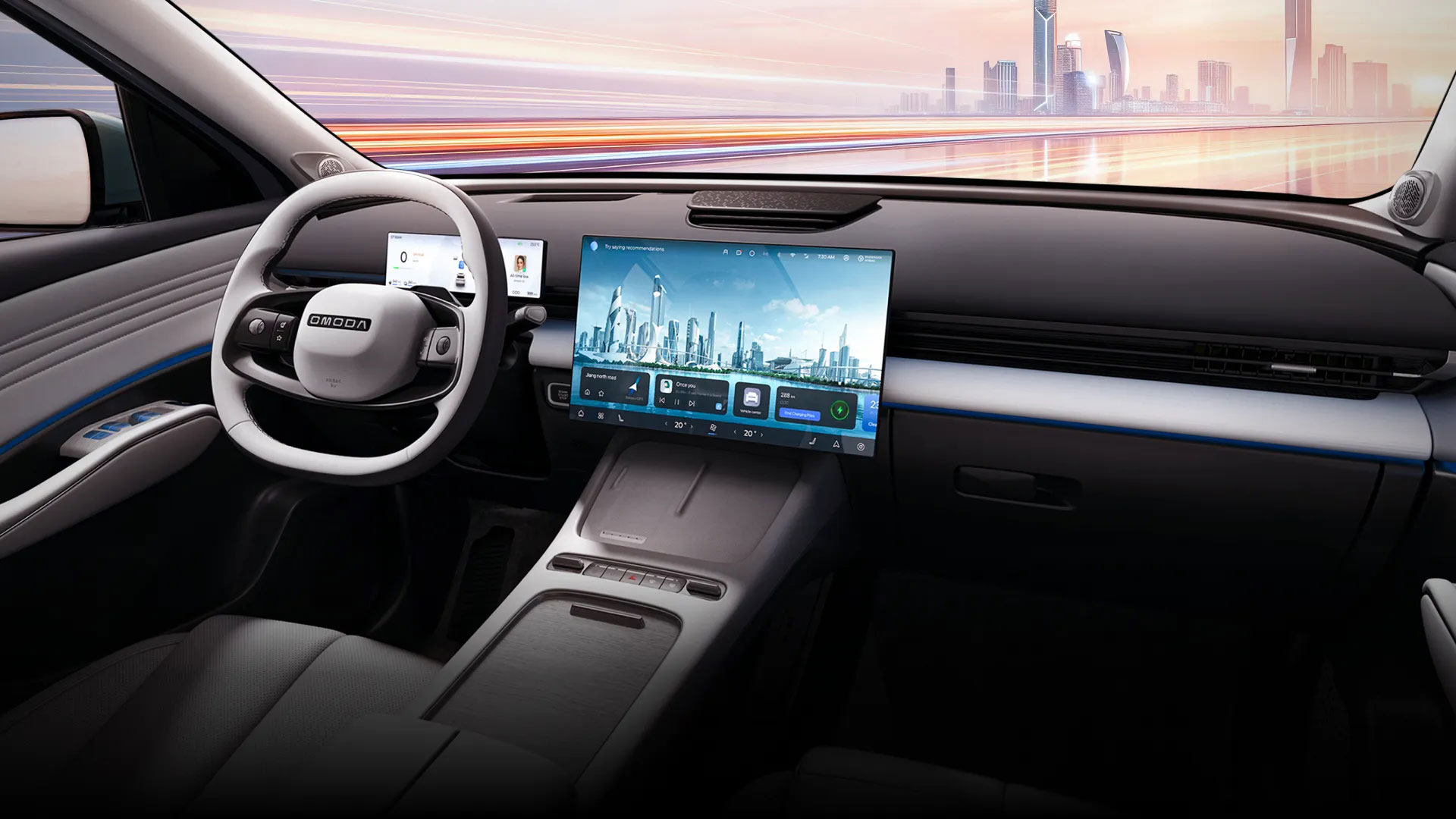
Both versions come equipped with a 10.25-inch digital instrument panel, which is combined with a sliding 15.6-inch central touchscreen. Wireless Apple CarPlay and Android Auto connectivity is included, along with a cooled wireless smartphone charger.

Developed with UK drivers in mind

Omoda 7 UK Pricing Confirmed

On sale in January 2026, prices for the Omoda 7 will start from £29,915 with the turbocharged petrol engine. Choosing the plug-in hybrid SHS ups the cost to £32,000.

Victor Zhang, UK country director for Omoda, said: “The Omoda 7 has been developed for the way people in the UK live and drive – it’s practical, dynamic and refined, yet still delivers that expressive, art-driven design language that defines our brand. 

“With a choice between pure petrol and advanced super hybrid technology, the Omoda 7 represents our continued commitment to offering accessible premium SUV options to British drivers.”

ALSO READ:

New Omoda SUVs come with 7 years of RAC breakdown cover

New Chery Tiggo 9: seven-seat hybrid SUV to cost £499 a month

Your EV questions answered on Motoring Electric

Advertisement

Only 1 in 6 emergency vehicles is hybrid or electric

0
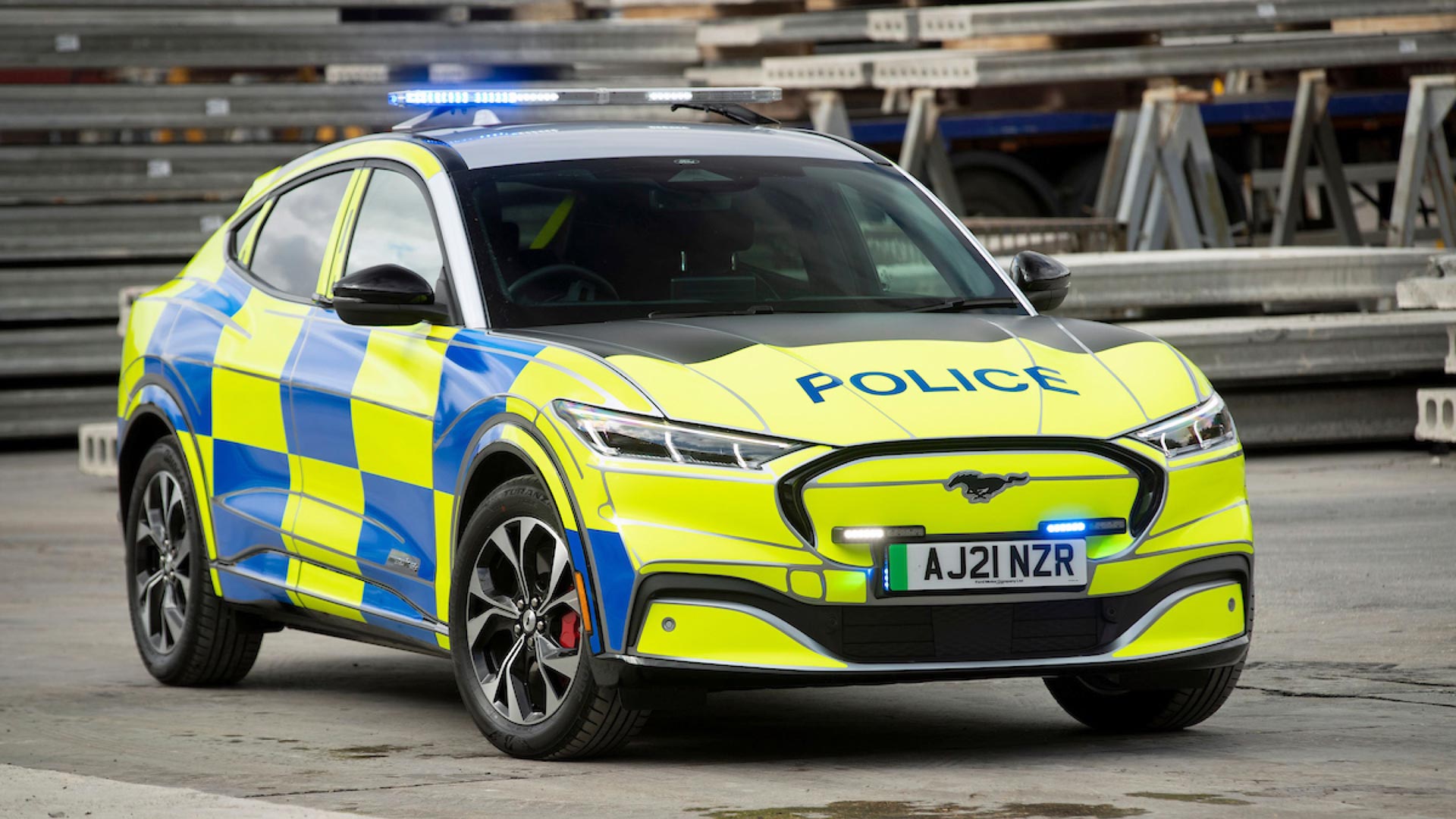
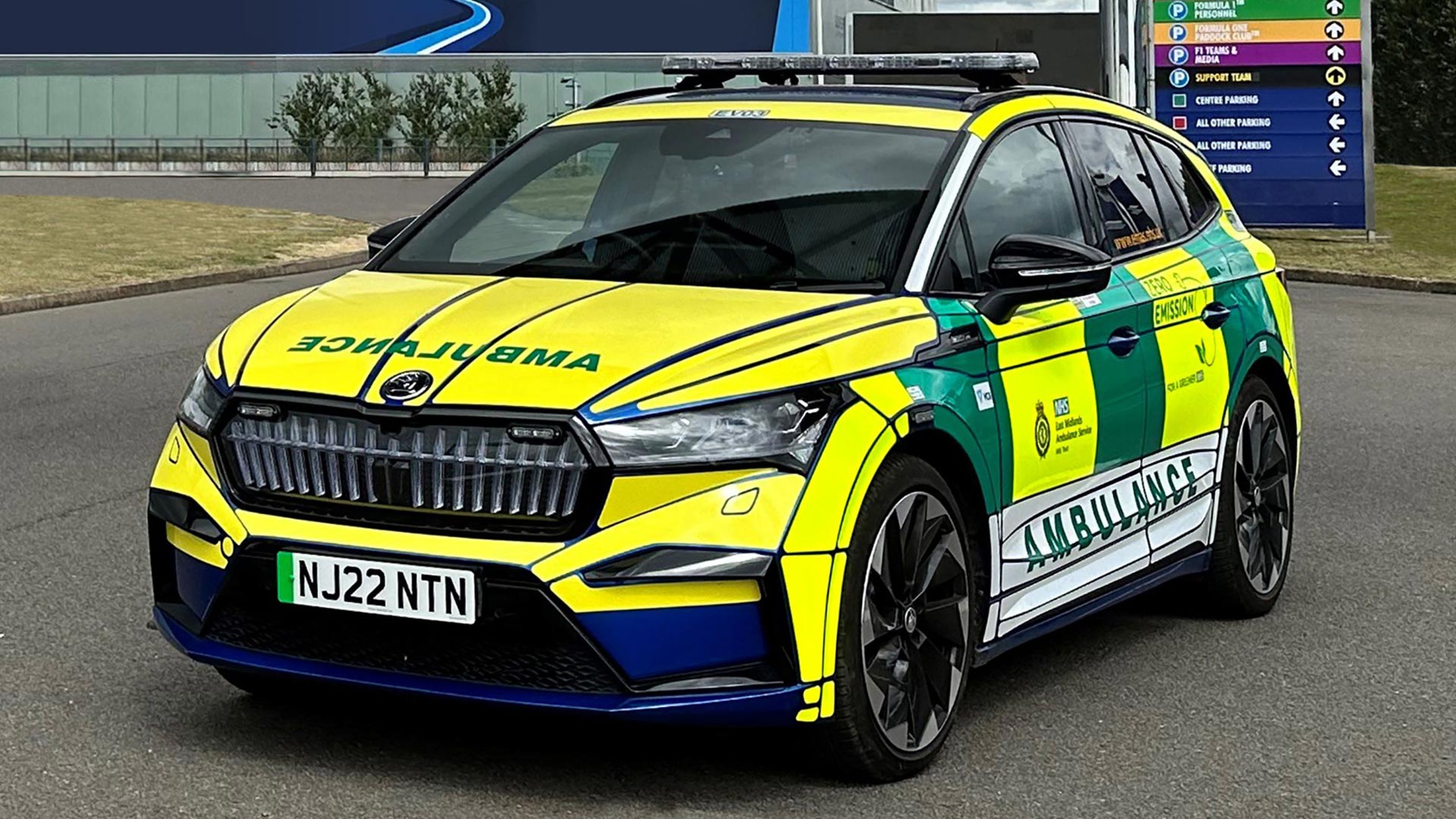
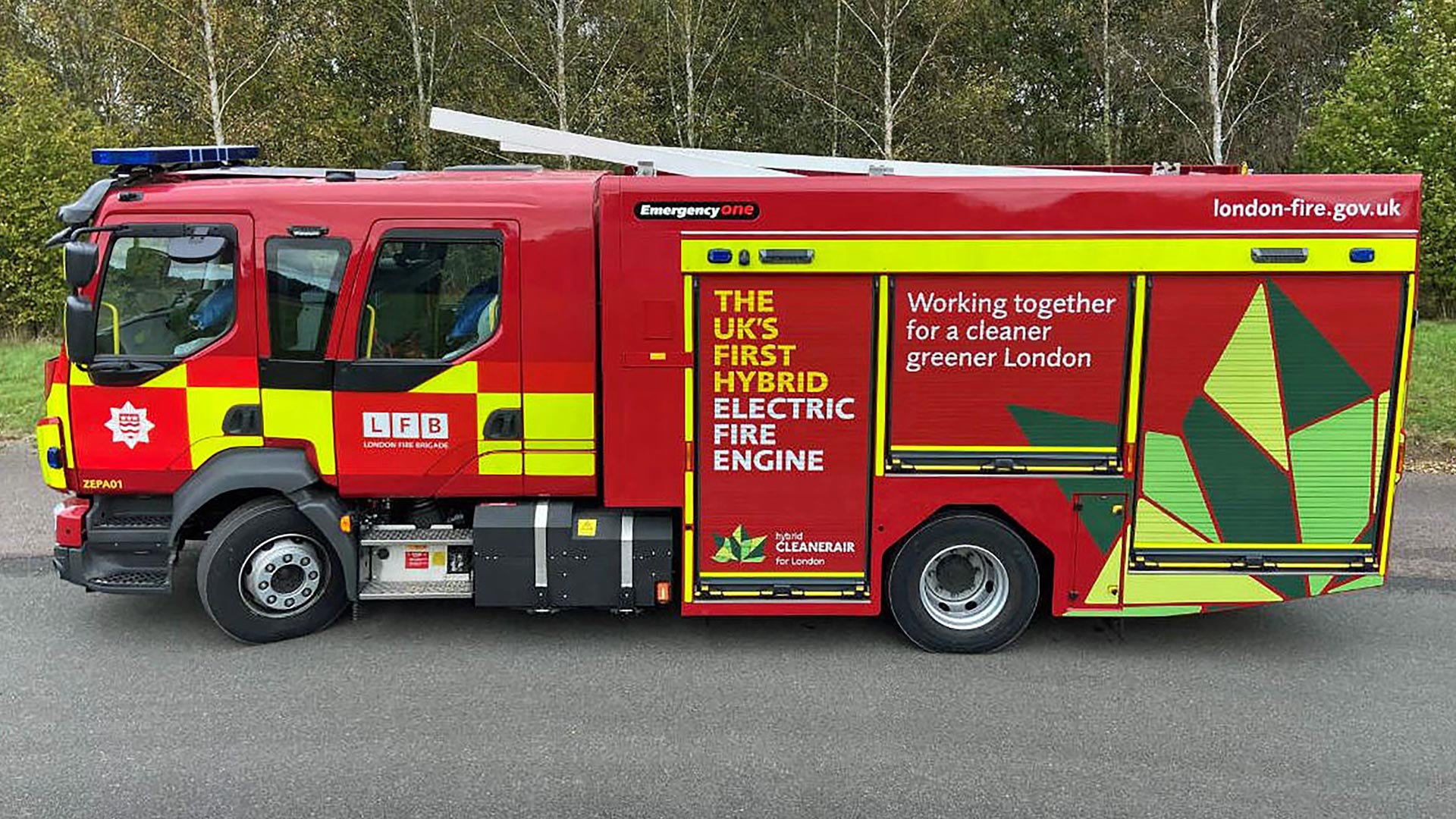
Police forces are leading the way on low emissions, with Gloucestershire Constabulary making the biggest change

Emergency vehicle fleets are slowly making the transition to low-emissions vehicles, according to new research. 

Of the almost 41,000 emergency vehicles in use throughout the UK, just 15 percent currently use hybrid or fully electric powertrains

At present, there are 2,347 electric vehicles in use by the emergency services. Hybrids are better represented on fleets, with a total of 3,703.

There is a clear disparity in the use of low-emissions vehicles between the different emergency services, along with significant regional variations.

Police forces lead the way

Low Emissions Emergency Vehicles

The research was undertaken by Leasing.com, using Freedom of Information (FOI) requests for the UK’s 104 emergency services. Of the 90 who responded, police forces emerged slightly in front for the use of low-emissions vehicles. 

Some 16.3 percent of all police vehicles are now classified as ‘low emissions’. Gloucestershire Constabulary comes top, with almost half (46 percent) of its fleet now either hybrid or electric. 

The fire and rescue service is just behind, with 16.1 percent of all its vehicles now low emissions. Both Shropshire and Suffolk have now converted 100 percent of their fleets to hybrid or electric. 

NHS Trust ambulance services are some way behind, however. Of the 7,627 vehicles used by NHS Trusts, just one in 10 (9.7 percent) is hybrid or electric. With 16 percent of its ambulances now low emissions, the South Central region is the current leader.

Decarbonising emergency fleets

Low Emissions Emergency Vehicles

Across the regions, Scotland has made the biggest overall effort to convert its emergency services to low emissions. 

One in three (33 percent) of emergency vehicles in Scotland is low emissions, with 24 percent of them fully electric. 

In comparison, Northern Ireland has switched only one percent of its emergency fleet to hybrid or electric. This equates to eight vehicles across the region. 

Mike Fazal, motoring expert and CEO of Leasing.com, said: “Emergency fleets are at the frontline of public service, but when it comes to decarbonisation the picture is mixed. Some forces and regions are making significant strides, while others face real barriers to change.

“This isn’t simply about switching vehicles – it’s about matching technology to day-to-day needs, securing the right infrastructure, and having a long-term plan that balances performance, cost and sustainability. That’s the challenge if we want to create a greener future for blue-light fleets.”

ALSO READ:

How to pull over safely for emergency vehicles

New Skoda Octavia Scout revealed – for emergency services only

Driving the detectives: the coolest TV police cars

Toyota connects windscreen wipers to The Weather Channel

This new treatment could mean the end of icy windscreens

Advertisement