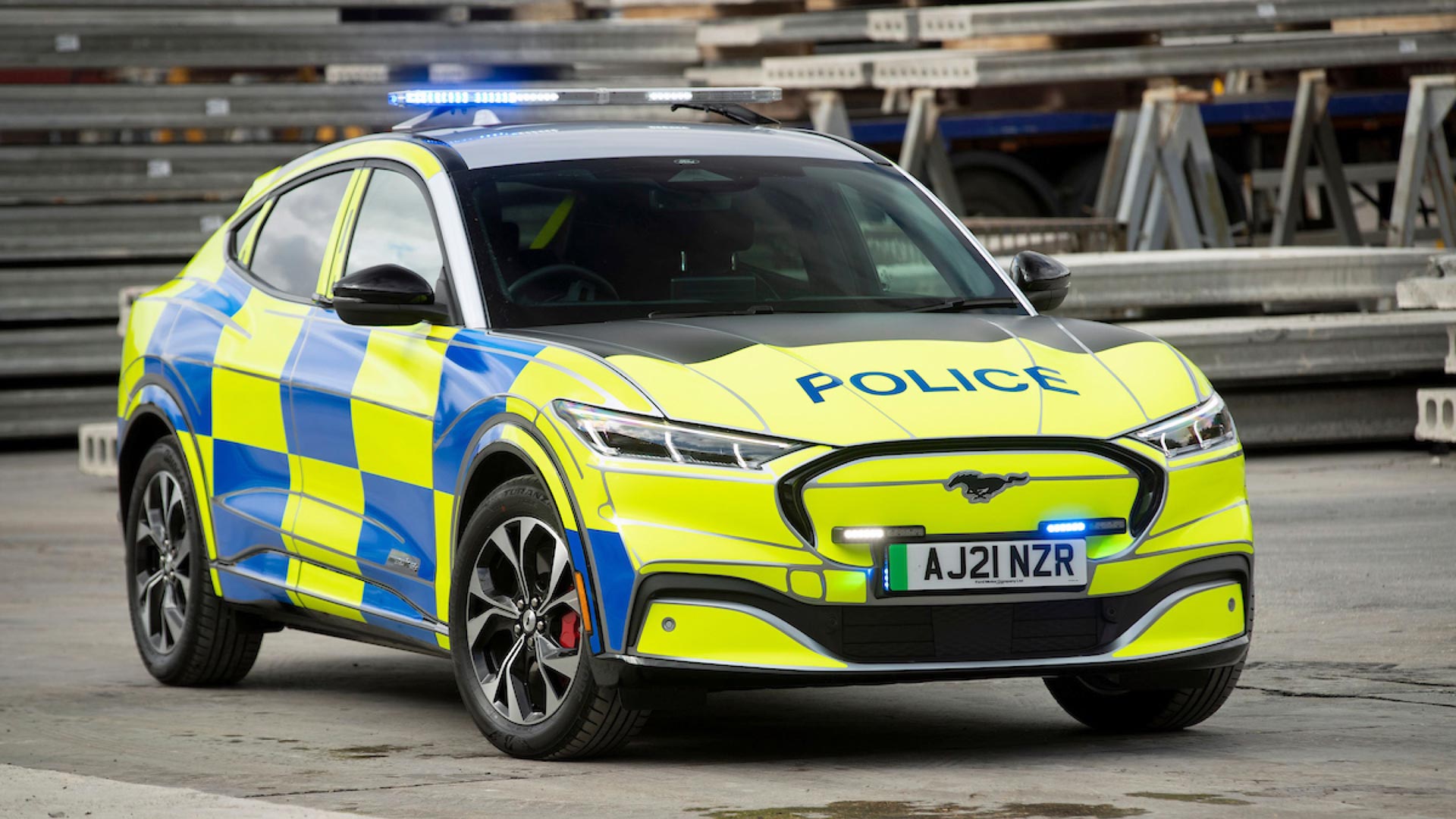
Emergency vehicle fleets are slowly making the transition to low-emissions vehicles, according to new research.
Of the almost 41,000 emergency vehicles in use throughout the UK, just 15 percent currently use hybrid or fully electric powertrains.
At present, there are 2,347 electric vehicles in use by the emergency services. Hybrids are better represented on fleets, with a total of 3,703.
There is a clear disparity in the use of low-emissions vehicles between the different emergency services, along with significant regional variations.
Police forces lead the way
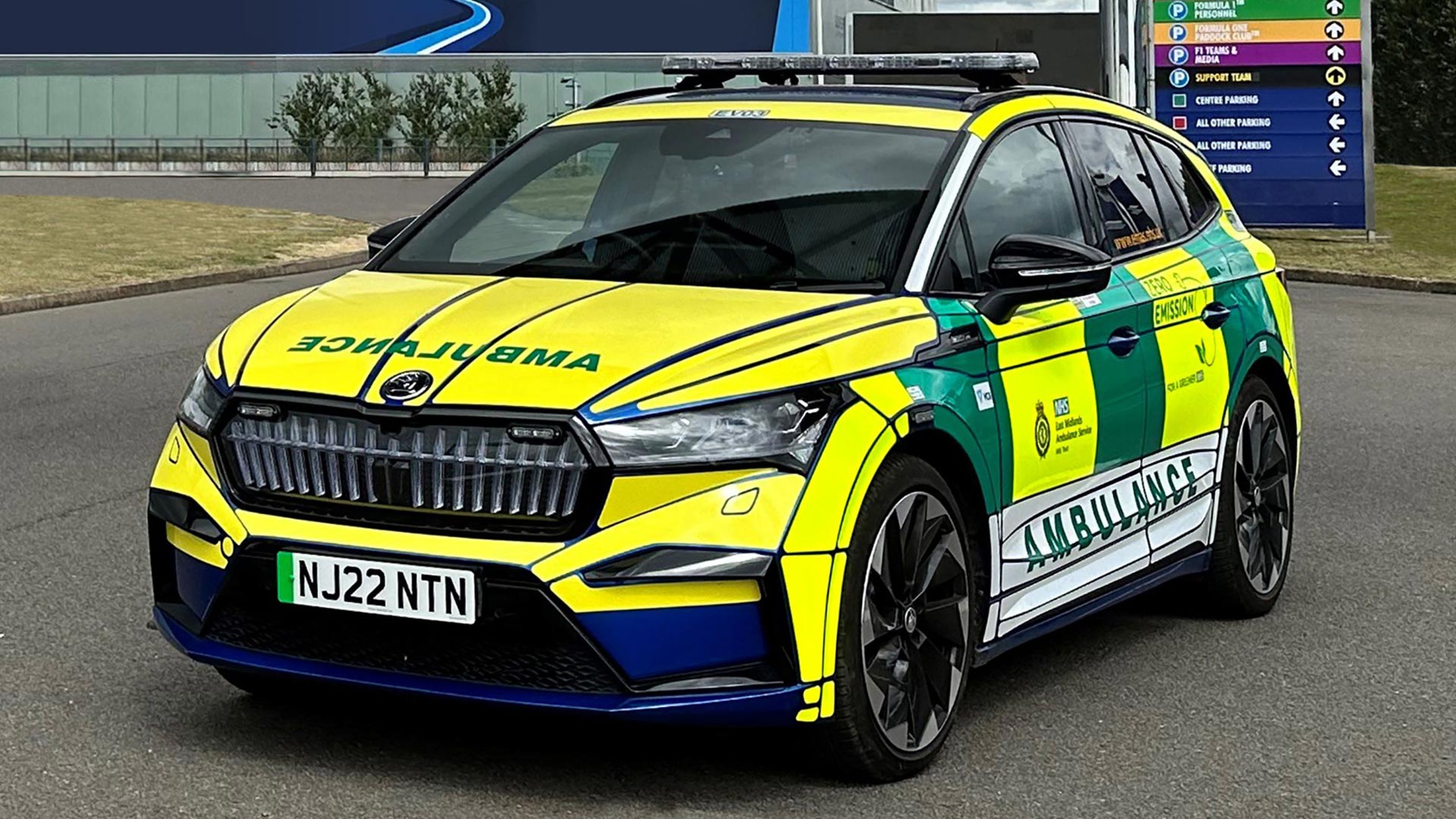
The research was undertaken by Leasing.com, using Freedom of Information (FOI) requests for the UK’s 104 emergency services. Of the 90 who responded, police forces emerged slightly in front for the use of low-emissions vehicles.
Some 16.3 percent of all police vehicles are now classified as ‘low emissions’. Gloucestershire Constabulary comes top, with almost half (46 percent) of its fleet now either hybrid or electric.
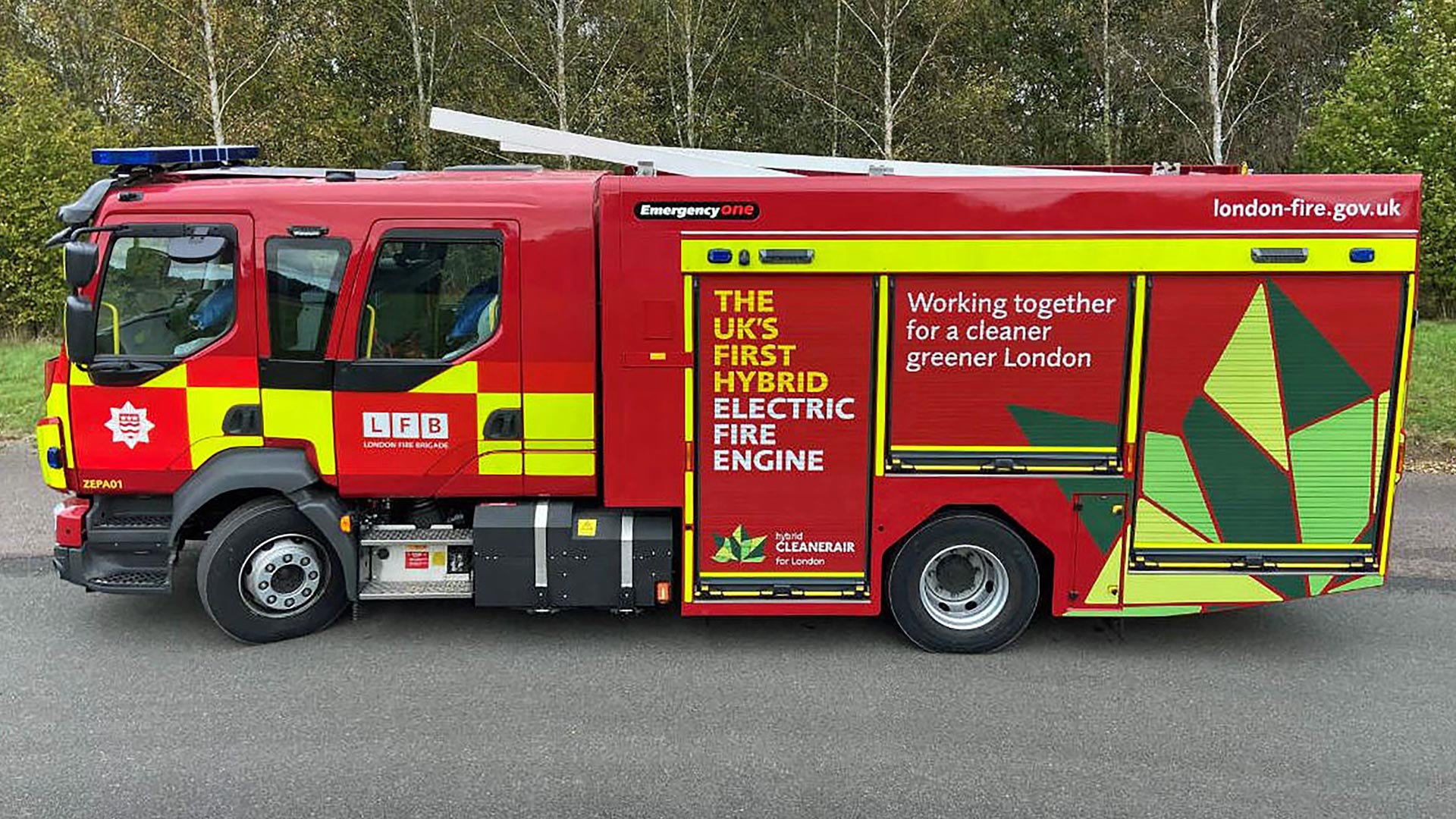
The fire and rescue service is just behind, with 16.1 percent of all its vehicles now low emissions. Both Shropshire and Suffolk have now converted 100 percent of their fleets to hybrid or electric.
NHS Trust ambulance services are some way behind, however. Of the 7,627 vehicles used by NHS Trusts, just one in 10 (9.7 percent) is hybrid or electric. With 16 percent of its ambulances now low emissions, the South Central region is the current leader.
Decarbonising emergency fleets
Across the regions, Scotland has made the biggest overall effort to convert its emergency services to low emissions.
One in three (33 percent) of emergency vehicles in Scotland is low emissions, with 24 percent of them fully electric.
In comparison, Northern Ireland has switched only one percent of its emergency fleet to hybrid or electric. This equates to eight vehicles across the region.
Mike Fazal, motoring expert and CEO of Leasing.com, said: “Emergency fleets are at the frontline of public service, but when it comes to decarbonisation the picture is mixed. Some forces and regions are making significant strides, while others face real barriers to change.
“This isn’t simply about switching vehicles – it’s about matching technology to day-to-day needs, securing the right infrastructure, and having a long-term plan that balances performance, cost and sustainability. That’s the challenge if we want to create a greener future for blue-light fleets.”
ALSO READ:
How to pull over safely for emergency vehicles
New Skoda Octavia Scout revealed – for emergency services only
Driving the detectives: the coolest TV police cars