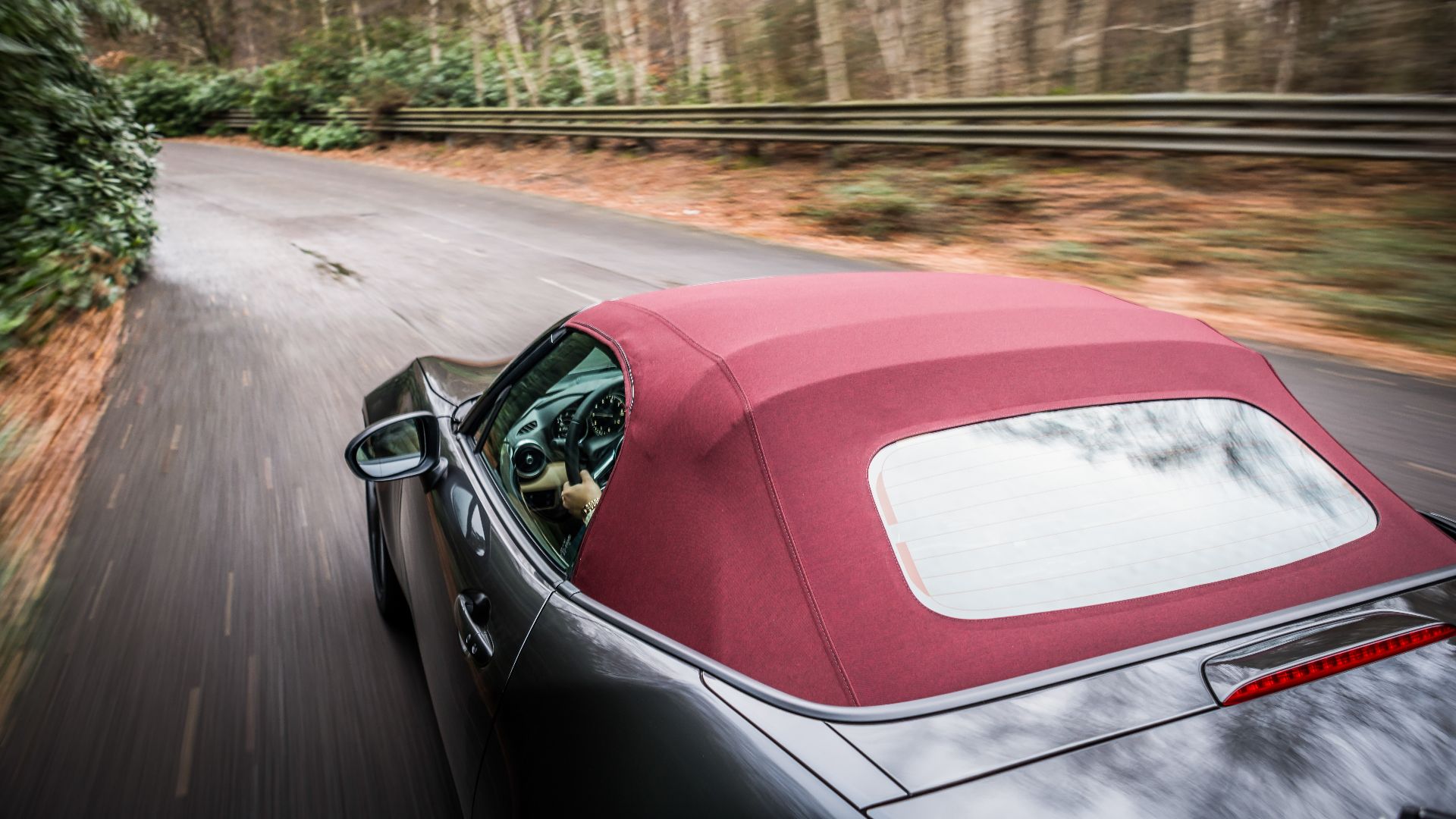
More than four in five drivers say they feel safer driving cars fitted with Advanced Driver Assistance Systems (ADAS) and 55 percent say it has helped prevent a collision.
The new survey, conducted by the Centre for Economics and Business Research (CEBR), has found that drivers most value blind-spot information systems (BLIS) and driver drowsiness protection.
However, it also found that one in four drivers find some ADAS tech distracting, irritating or intrusive.
Thatcham Research commissioned the survey to validate ADAS tech, which can be controversial due to its intrusive nature and ‘default-on’ status.
Even if drivers disable ADAS on one trip, regulations require it to be re-enabled at the start of every new journey.
“When more than half of drivers report that these systems have actively prevented collisions, it reinforces what we see in our testing,” said Thatcham Research principal ADAS engineer Yousif Al-Ani.
“ADAS is reducing collisions and improving road safety, despite early implementation challenges leading to driver dissatisfaction.”
More ADAS testing needed, says Thatcham
Al-Ani says he wants to help car firms develop ADAS that doesn’t just tick regulatory compliance boxes, but will be genuinely beneficial to consumers.
“This survey data shows that we’re on the right track, but also highlights the importance of our continued work with car manufacturers to refine these systems and reduce false activations that can frustrate drivers.”
He called for car firms to “go beyond controlled testing environments to understand how safety systems behave in real-world conditions, so the technology works when it matters most, without causing unnecessary frustration”.
Sam Miley, head of forecasting and thought leadership at CEBR, observed the research “highlighted the generally positive sentiment held by drivers towards ADAS.
“Drivers not only report feeling safer, but a majority have actively avoided collisions. Nevertheless, there is still scope for improvement… Continued refinement will be essential to reach mass adoption and fully realise the benefits of these technologies.”
Used car sales grew 2.8 percent in Q3 of 2025, topping two million transactions for the first time since 2021.
With 2,021,265 second-hand cars changing hands, it means the used market has now grown for 11 quarters in a row.
This, says the SMMT, is thanks to improved new car supply as post-pandemic shortages eased. It’s also a result of cash-strapped motorists switching to used cars to offset rising new car prices.
More than 1.1 million used cars sold in Q3 had a petrol engine, making this the most popular fuel type. Sales grew 1.9 percent, while diesel fell 2.8 percent to 658,000 cars.
Hybrids are on the up, with sales rising 30.7 percent to 107,000 cars, while plug-in hybrids grew two percent to 23,480 cars.
The biggest improvement was in used electric car sales, which were up 44.4 percent to 80,614 cars. A record used electric car market share of four percent means one in 25 second-hand buyers made the switch to electric.
Most popular used cars
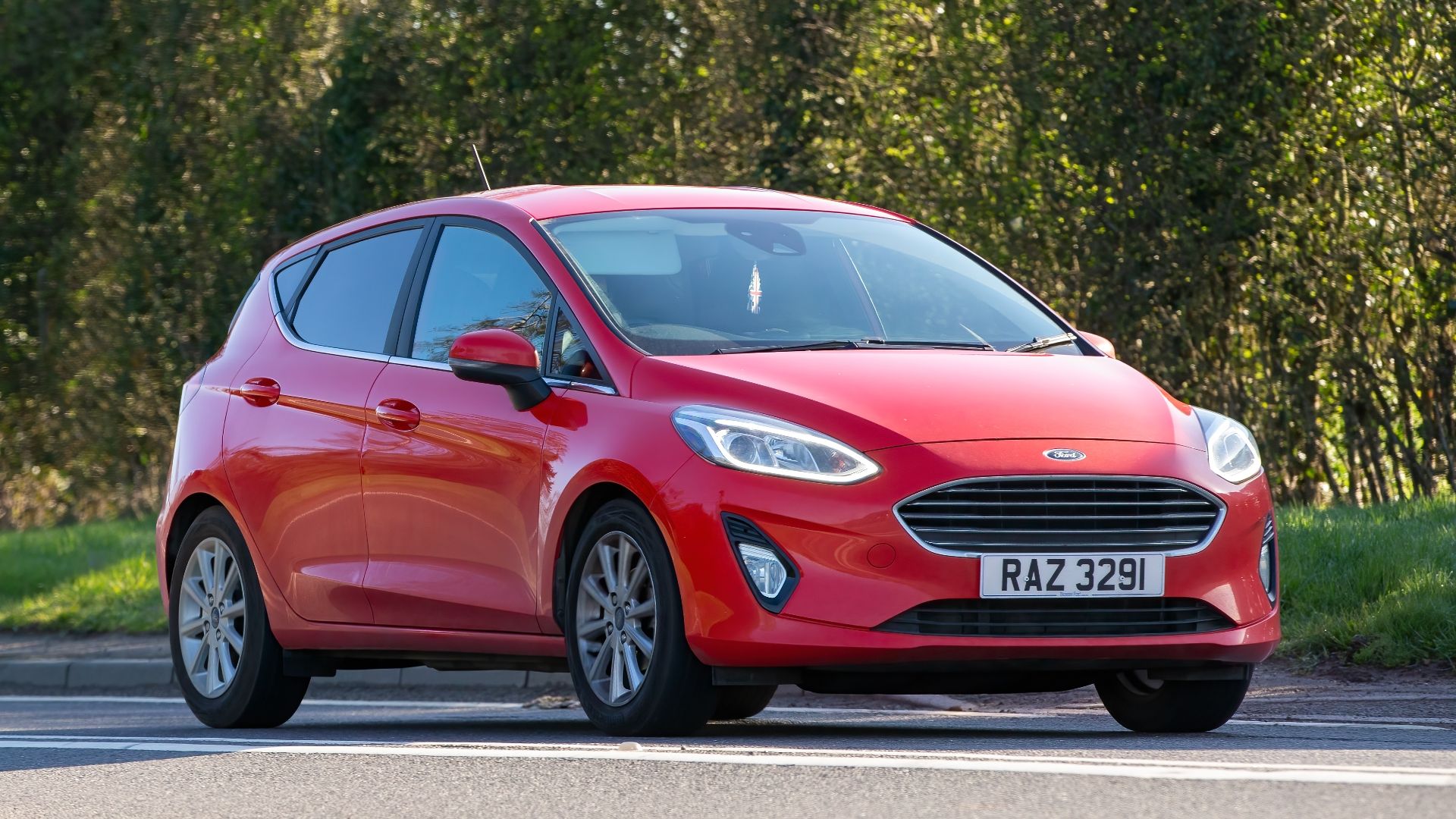
The Ford Fiesta remains Britain’s most popular used car, with more than 78,000 transactions in Q3. This is despite Ford’s increasingly baffling decision to stop production of the Fiesta.
The Vauxhall Corsa is gaining ground, with 64,000 transactions, while the Volkswagen Golf was in third, a few thousand units ahead of the Ford Focus.
Easily the most popular used car colour in Q3 was black, well ahead of grey and white. Meanwhile, the most transactions took place in the South East of England, followed by the North West and then the West Midlands.
The SMMT’s data also showed that the average age of a car in the UK continues to increase. It now stands at 9.5 years, up from eight years in 2019. Again, this indicates motorists are holding on to their cars for longer rather than buying new ones.
While the switch to electric is admirable, the need to get older, dirtier cars off the road is just as pressing if the UK is to hit its climate change goals.
The Citroen e-C5 Aircross Long Range has become the latest car to qualify for the UK Government’s full £3,750 Electric Car Grant.
The family-sized electric SUV, which has a range of up to 421 miles, earns the grant thanks to its large 97kWh battery being produced in France.
This, says the firm, helps ‘lower the environmental footprint of the vehicle thanks to reduced emissions in the production process’. It therefore meets the strict environmental criteria required for the full £3,750 Electric Car Grant.
Being eligible for the ECG makes the Citroen e-C5 Aircross Long Range something of a bargain. The entry-level ‘You’ version starts from £32,935 after the grant is applied.
Higher-spec Plus models cost from £35,575, while even the range-topping e-C5 Aircross Max starts from £38,215 – well below the £40,000 ‘expensive car supplement’.
Intriguingly, it means the Citroen e-C5 Aircross Comfort Range, which can travel 322 miles between charges, is only £370 cheaper than the Long Range version. Spending that extra £370 will get you 99 miles more range, making it something of a no-brainer.
‘Technology, comfort and range’
Greg Taylor, MD of Citroen UK, said: “Long Range variants of e-C5 Aircross offer outstanding technology, comfort and range.
“At Citroen, we firmly believe that technology, comfort and electrification can and should be accessible to as many people as possible. The e-C5 Aircross Long Range is the latest example of a vehicle that embodies that philosophy and I look forward to seeing many of them on UK roads.”
The Citroen e-C5 Aircross is a rival to vehicles such as the Peugeot e-3008, Vauxhall Grandland Electric and even the Tesla Model Y. It is also available in hybrid and plug-in hybrid guises.
There are a steadily growing number of cars that qualify for the government’s Electric Car Grant, but most are only eligible for the lower £1,500 sum.
The Ford Puma Gen-E was the first car to qualify for the full £3,750 amount. It is now reportedly sold out until 2026 as a result.
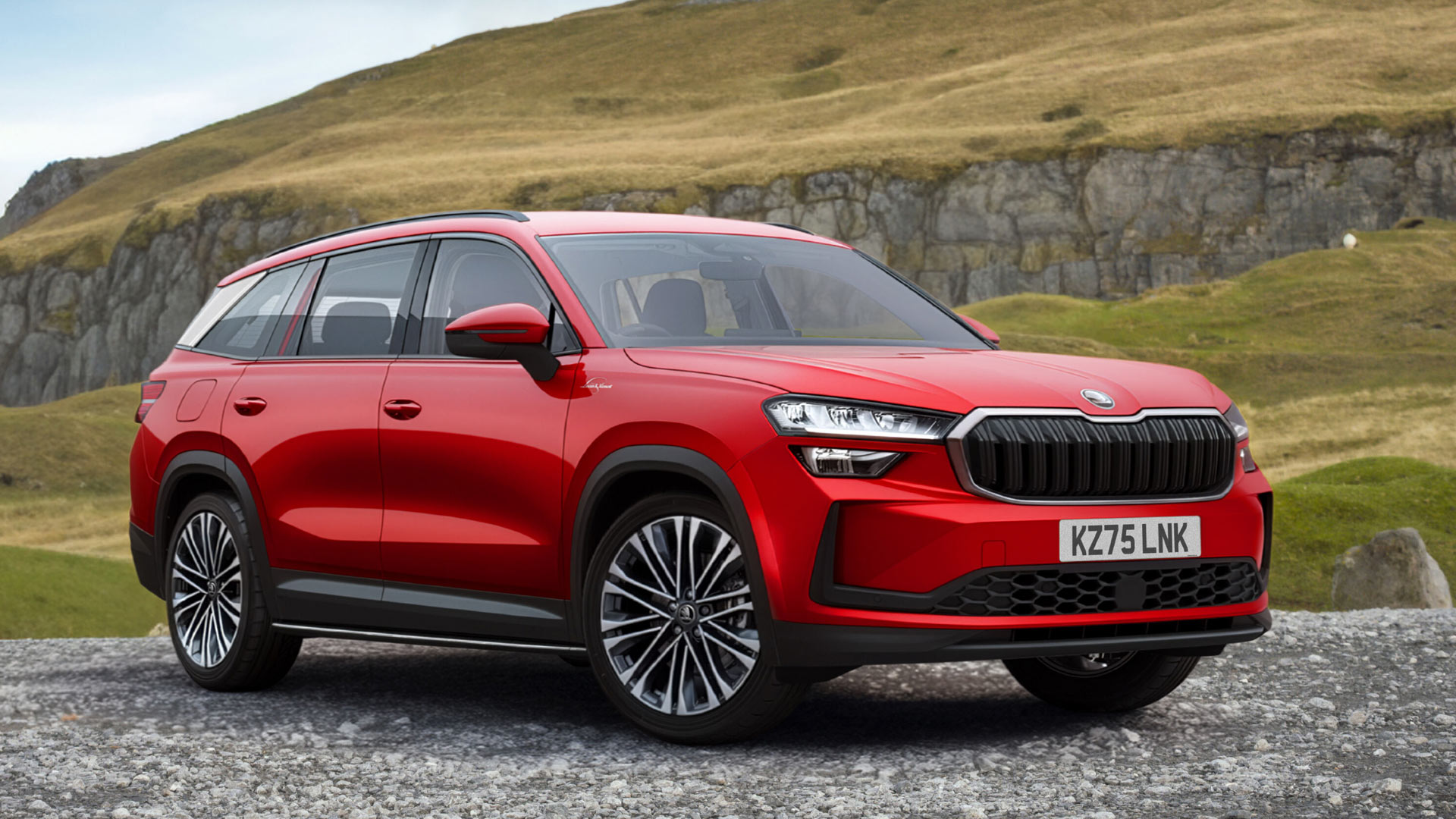
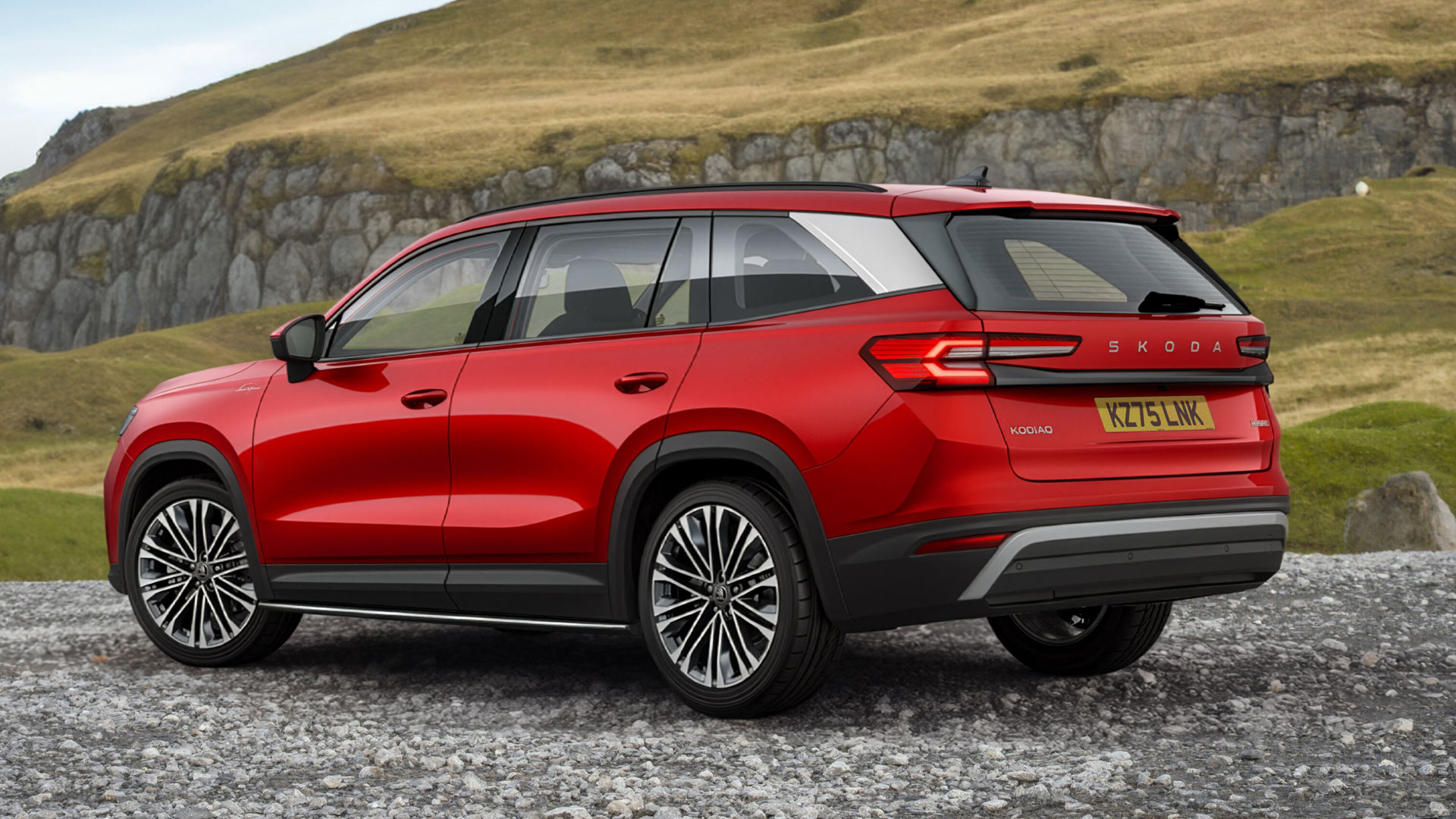
Skoda has revealed details of its new range-topping Kodiaq SUV, which goes on sale next month.
The Kodiaq L&K is named after Skoda founders Vaclav Laurin and Vaclav Klement. The flagship Laurin & Klement trim level is a longstanding part of the Czech brand’s lineup.
Seating for up to seven people is included, depending on which of the three powertrain options you choose for the family SUV.
The new Kodiaq L&K will start from £48,985. Skoda promises a comprehensive level of standard equipment to justify the higher price tag.
Leather and luxury inside
Marking out the Kodiaq L&K from the rest of the range will be a set of 20-inch ‘Venus’ alloy wheels, along with exterior running boards and metallic paint. Bespoke L&K badging ensures that everyone knows you have bought the classiest Kodiaq.
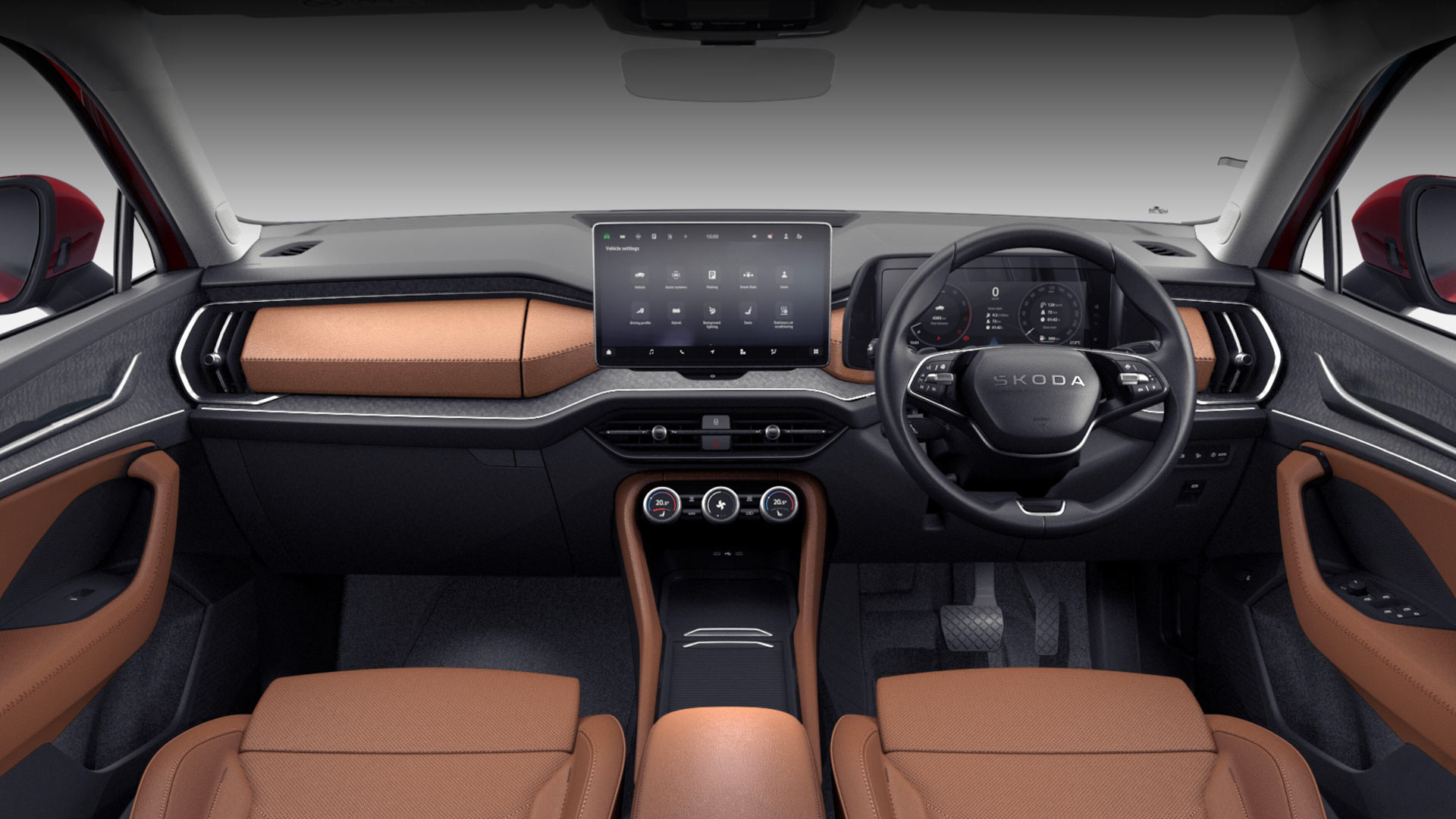
On the inside, the seats are upholstered in plush Cognac leather, with those in the front benefiting from electric adjustment, heating, ventilation and a massage function. The rear seats are heated, too.
Exclusive floor mats, aluminium pedals, a variable boot floor and a heated front windscreen are also part of the L&K’s standard specification.
Other key features include a head-up display, adaptive cruise control, a surround-view camera, remote parking assist and a ‘Virtual Pedal’ to open the boot electrically. A Canton premium sound system is the finishing touch.
Orders open from December
For the first time, the Kodiaq L&K is offered with a plug-in hybrid powertrain. This allows a range of up to 71 miles on battery power, but does limit the SUV to carrying five people.
Both the 204hp 2.0-litre turbocharged petrol and 193hp 2.0-litre diesel versions come with all-wheel drive and the option of seven seats. A seven-speed DSG automatic gearbox is standard, too.
The plug-in hybrid Kodiaq L&K will be the cheapest option, at £48,895. Opting for the turbocharged petrol engine requires £51,460, with the diesel most expensive at £53,230.
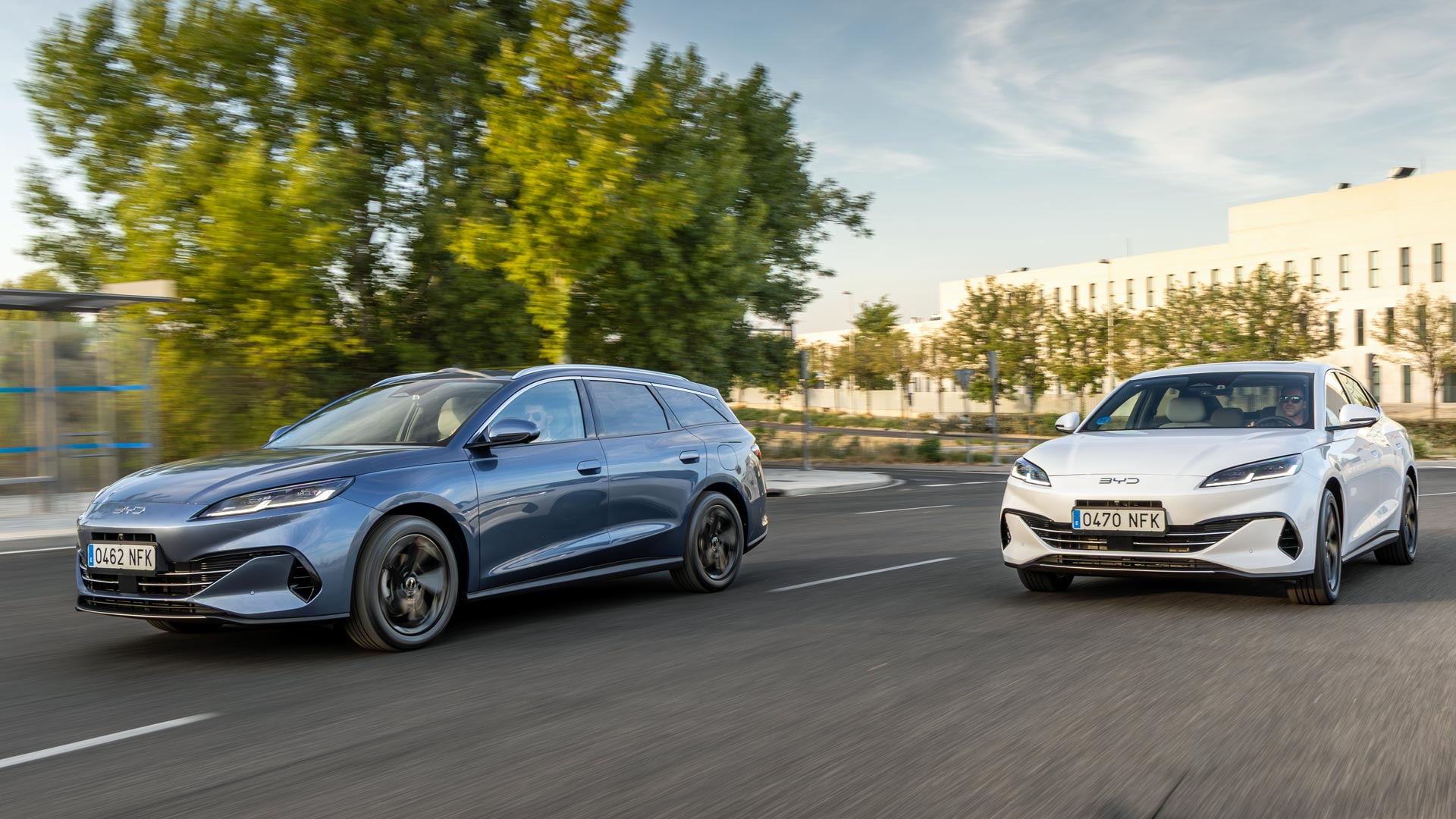
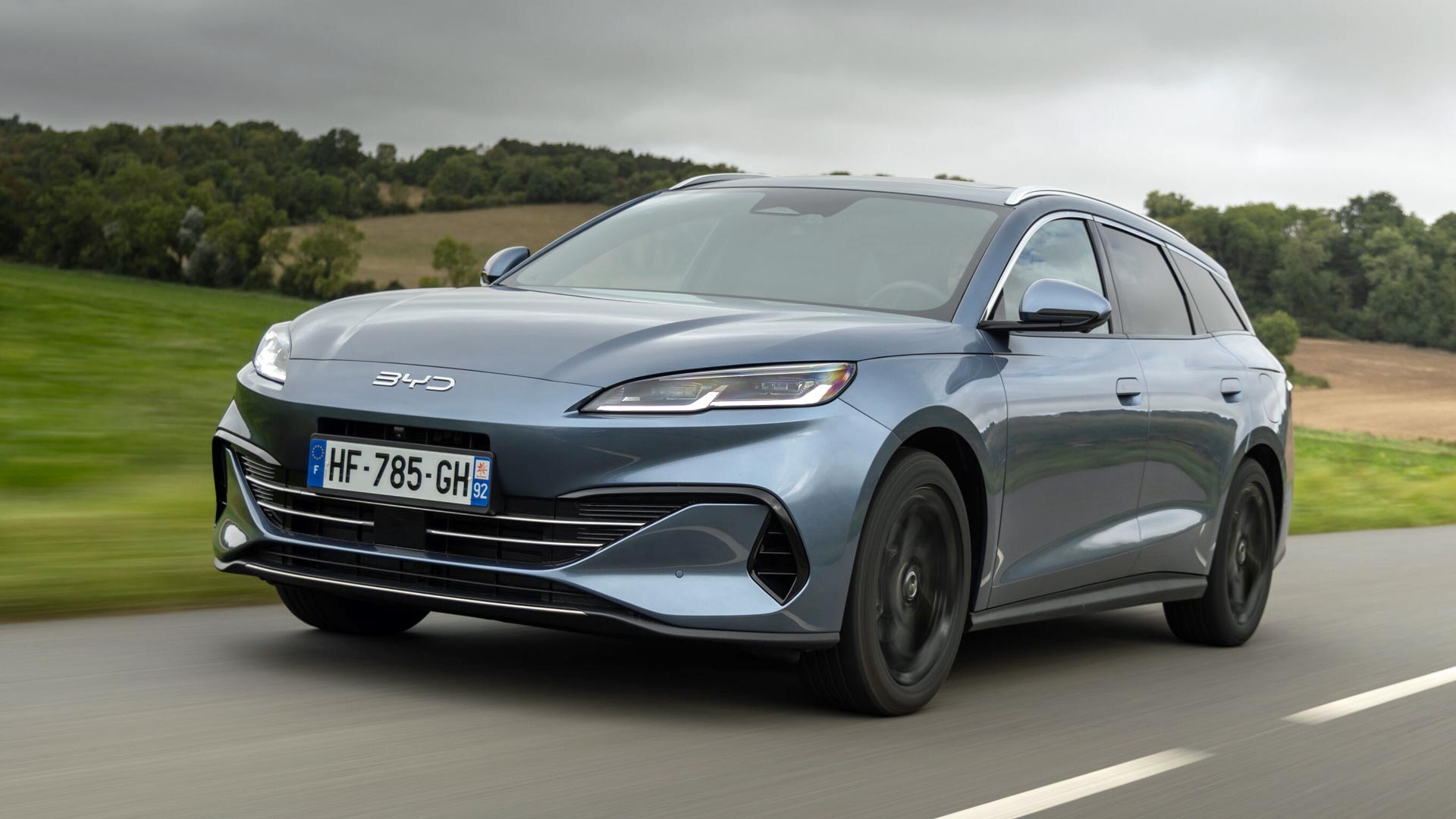
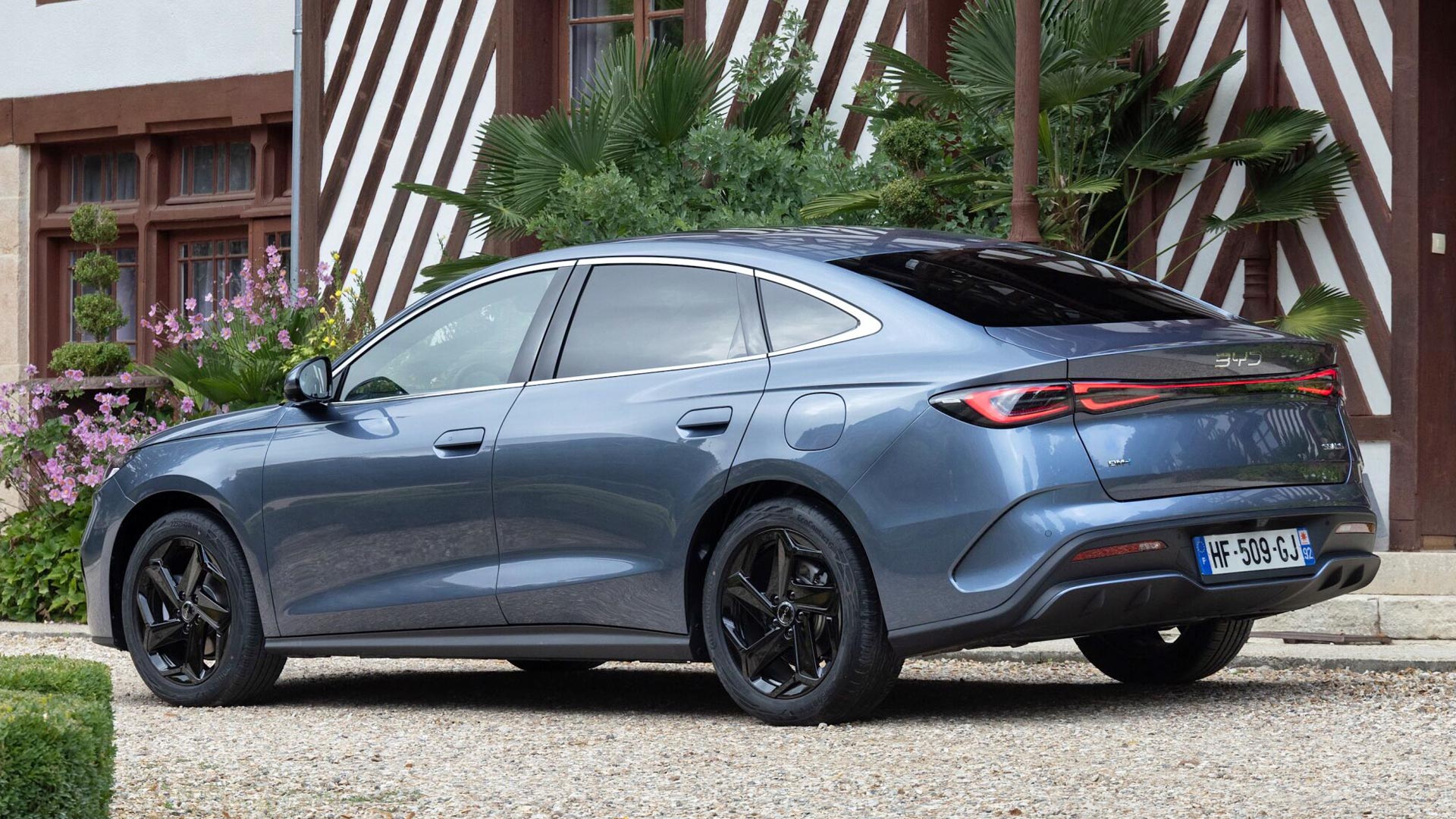
Both versions of the plug-in hybrid Seal 6 DM-i feature a 1.5-litre petrol engine combined with an electric motor. Power output and battery capacity are determined by the trim level chosen.
In entry-level Boost specification, the Seal 6 DM-i offers 181hp, although the Comfort model ups this to 209hp. Maximum range for the saloon peaks at 935 miles, with up to 65 miles possible on battery power alone in Comfort spec.
Opting for the Touring version reduces maximum range to 839 miles, with a pure EV range of up to 62 miles.
What sets the BYD Seal 6 DM-i Touring apart is its practicality. The estate has 500 litres of luggage space with the rear seats in place. Folding them down increases capacity to a whopping 1,535 litres.
Ready to order now
Predicted to be the best-selling version, the BYD Seal 6 DM-i Boost comes with 17-inch alloy wheels, automatic windscreen wipers and headlights, vegan leather upholstery, power-adjustable seats and a six-speaker audio system.
Standard tech includes a 12.8-inch central touchscreen with Apple CarPlay and Android Auto smartphone integration.
Comfort grade sees the touchscreen’s size increased to 15.6 inches, and adds 18-inch alloy wheels, rear privacy glass, a wireless smartphone charger, a 360-degree camera and a panoramic sunroof.
Prices for the BYD Seal 6 DM-i saloon start at £33,990 in Boost trim, with the Comfort model requiring £36,990. The Touring commands a £1,000 premium on top.
Both Seal 6 DM-i saloon and Touring can be ordered now, with the first deliveries to UK customers expected in December 2025.
Research has found that a majority of British motorists would support making owners of large SUVs pay more to park.
In fact, 61 percent of those surveyed would be in favour of tripling the amount charged for parking an SUV.
This follows the decision taken by Parisians last year, who voted in favour of a threefold increase in parking costs for vehicles weighing more than 1,600kg.
Just over a quarter (28 percent) of the UK drivers questioned said they felt all vehicles should be treated the same, regardless of their size.
From Paris with love?
The research was carried out for Startline Used Car Tracker. It found only 13 percent of respondents thought motorists should be able to enter cities in whatever vehicle they choose.
Some 10 percent believe that SUVs are now being unfairly targeted. But 41 percent of those surveyed said they believe SUVs cause unnecessary congestion, with close to a third (31 percent) saying they excessively contribute to air pollution.
Last month, Cardiff Council voted in favour of additional surcharges on parking permits for those who own the heaviest vehicles.
This followed an earlier consultation where two thirds (66 percent) of Cardiff residents voted in favour of making owners of large SUVs pay more for parking.
Growing concerns about SUV size
Following the introduction of higher parking charges in Paris for SUVs, Le Parisien newspaper reported a substantial decline in the number of large SUVs parking on the streets.
Paul Burgess, CEO at Startline Motor Finance, said: “Our findings show there is a pretty strong majority of people who want to discourage big SUVs in their cities because of their impact on the environment, traffic and pedestrian safety. They would like to see action taken that actively discourages their owners from bringing them into these areas.
“We have asked other questions about SUVs in our research and it does appear there are general concerns about them. For example, 37 percent said in July that there are too many on UK roads following research showing they are more likely to cause pedestrian deaths.
“The number of people who are willing to defend this kind of vehicle also appears to be low – just 10 percent in this month’s Tracker believe SUVs are being unfairly targeted.”
Are you planning to buy a used car? Read this guide first to make sure you purchase the right vehicle at the right price.
With help from Limvirak Chea, CEO of car maintenance and MOT booking service Fixter, we have pulled together 10 tips for purchasing a second-hand vehicle, from servicing to shopping around, and timing to tyres.
If you have any further questions about buying a used car, please let us know in the comments and we’ll do our best to answer them.
Before buying a second-hand car, you need to know how many miles the vehicle has done during its lifetime. This will likely impact the amount of maintenance work needed in the future.
As a rule of thumb, a used car with a high mileage should have a lower price tag than a similar used car with fewer miles on the clock.
2. Shop around before you buy
Shopping around different car dealerships and online marketplaces before you buy a used car is essential. You wouldn’t just buy the first house you see, so why buy the first car?
Searching for the best deals can take time, but by looking in multiple places you can make price comparisons and check vehicle conditions to ensure you are choosing the best used car for you. Moreover, having knowledge of the used car market gives you better negotiating skills on the final price, which could save you serious money.
3. Go for a test drive
Being able to test drive your secondhand car before purchasing is also imperative. Some issues might not become apparent until you start the engine and hit the road.
Taking a test drive also allows you to compare the car’s performance to other vehicles – and gives you a general feel for the car before you hand over any money.
4. Check the dashboard for warning lights
Dashboard warning lights are intended to highlight potential problems. They are a key indicator that something might be wrong with a car before you buy.
Warning lights can also flag up potential repairs needed in the future, so they may be useful when it comes to negotiating the final cost of the car. Alternatively, you could ask the current owner to fix any issues with the car before the sale, then reflect this in the price paid.
5. Check the tyres
Used cars with a higher mileage will usually display more wear and tear. To avoid extra costs, it is worth checking the tyres are in good condition and do not have a tread depth below 3mm.
A quick method is to insert a 20p coin into the grooves in your tyre. If you can’t see the outside band on the coin, your tyres are within the legal limit. If the outside band is visible, the tyres need to be replaced soon after purchasing the vehicle. You may be able to negotiate a discount to cover this.
6. Make sure the car has been serviced correctly
Before purchasing a used car, it is important to ask the seller for the vehicle’s service history. A lack of service records could indicate neglect by previous owners, meaning more maintenance – and expense – will be needed in the future.
If you have already purchased a second-hand car, you should keep it serviced according to the manufacturer’s schedule. This could be through a franchised dealer or, as the car gets older and outside its warranty period, an independent garage.
7. Check the car’s history
A vehicle’s MOT history is easy to check online for free simply by using the registration plate. This gives you insight into maintenance that might be due soon (check if there were any advisories at the previous MOT) and the number of previous owners.
The MOT history can also reveal past accidents that may have caused structural damage to the car, and can help you to evaluate general wear and tear.
8. Work out insurance costs
Insurance quotes are based on a number of factors, including where you live, your profession and the performance of the car in question. So checking the cost of cover before you purchase could save an unpleasant surprise later on.
For example, where older cars may have a lower cost of repair, they could also be considered a higher risk – all of which feeds into your annual insurance premium. Read our guide to saving money on car insurance for further advice.
9. Think about the purpose of the car
When most people think of buying a new car, their mind automatically wanders to their ideal set of wheels. As nice as it would be to own a sports car, can you really afford it? And will it actually suit your lifestyle?
Before splurging on the car you think you want, take a step back and pull together your list of ‘must haves’. What is essential in your new car? And what will you use it for?
For example, larger cars come at a higher cost, including for fuel and maintenance, so choosing the correct car for your needs can save you money.
10. Buy at the right time for the best deals
If you are purchasing a used car from a private seller, there is not necessarily a ‘right’ time to buy. However, the start of each quarter (March, June, September and December) is usually a good time to shop around for second-hand vehicles at dealerships, as car dealers aren’t worried about hitting their sales quota for the quarter. This means they are less likely to rush your deal, giving you more time to negotiate a fair price.
You’re also far better off shopping at a dealership during the working week, rather than at weekends, as fewer customers means fewer deals being made, giving you more haggling power.
Lastly, it is worth noting that if a dealer-owned car has been on the market for between 60 and 90 days, it will probably be sent to auction soon – giving you the chance to grab a better deal.
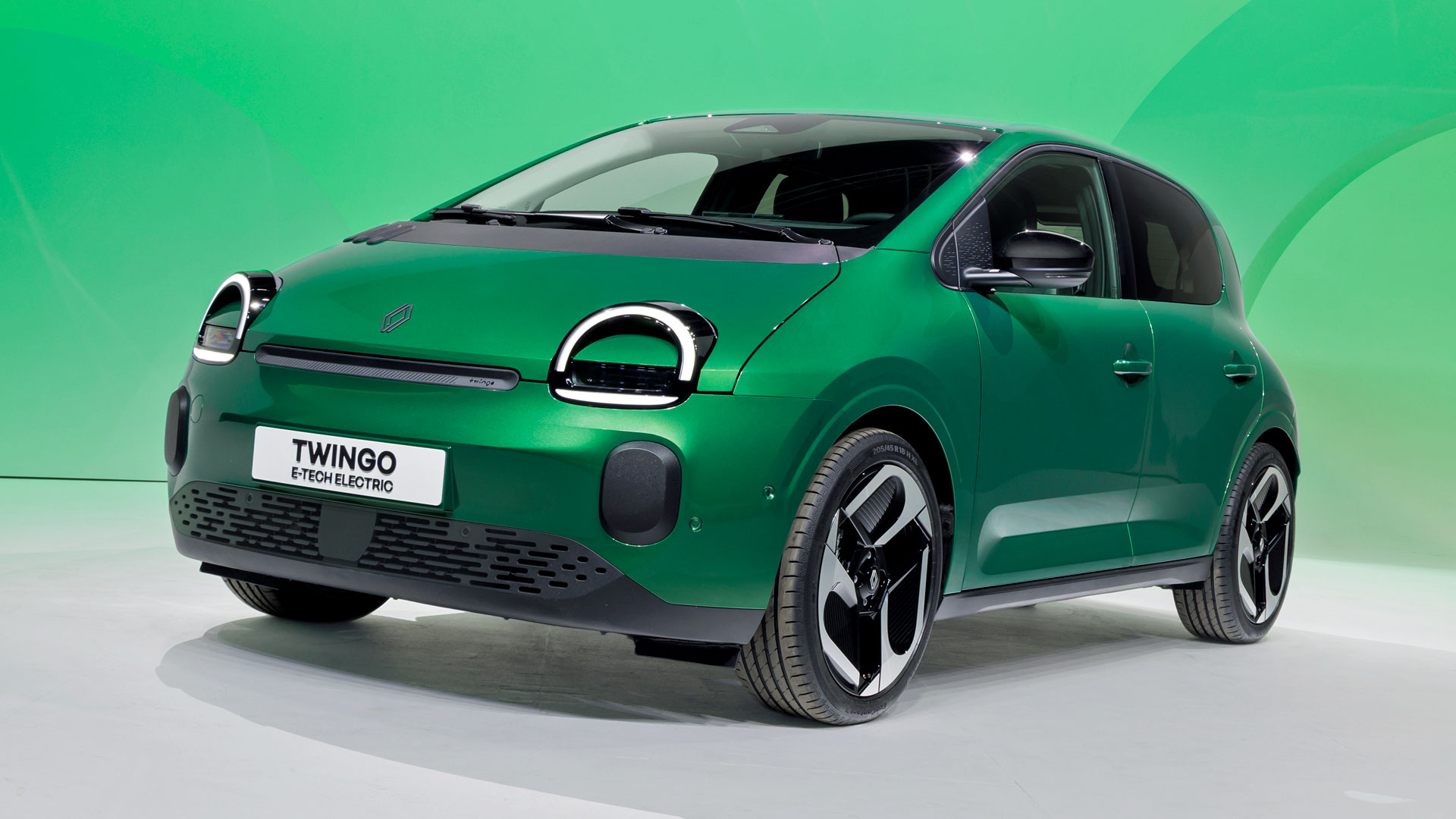
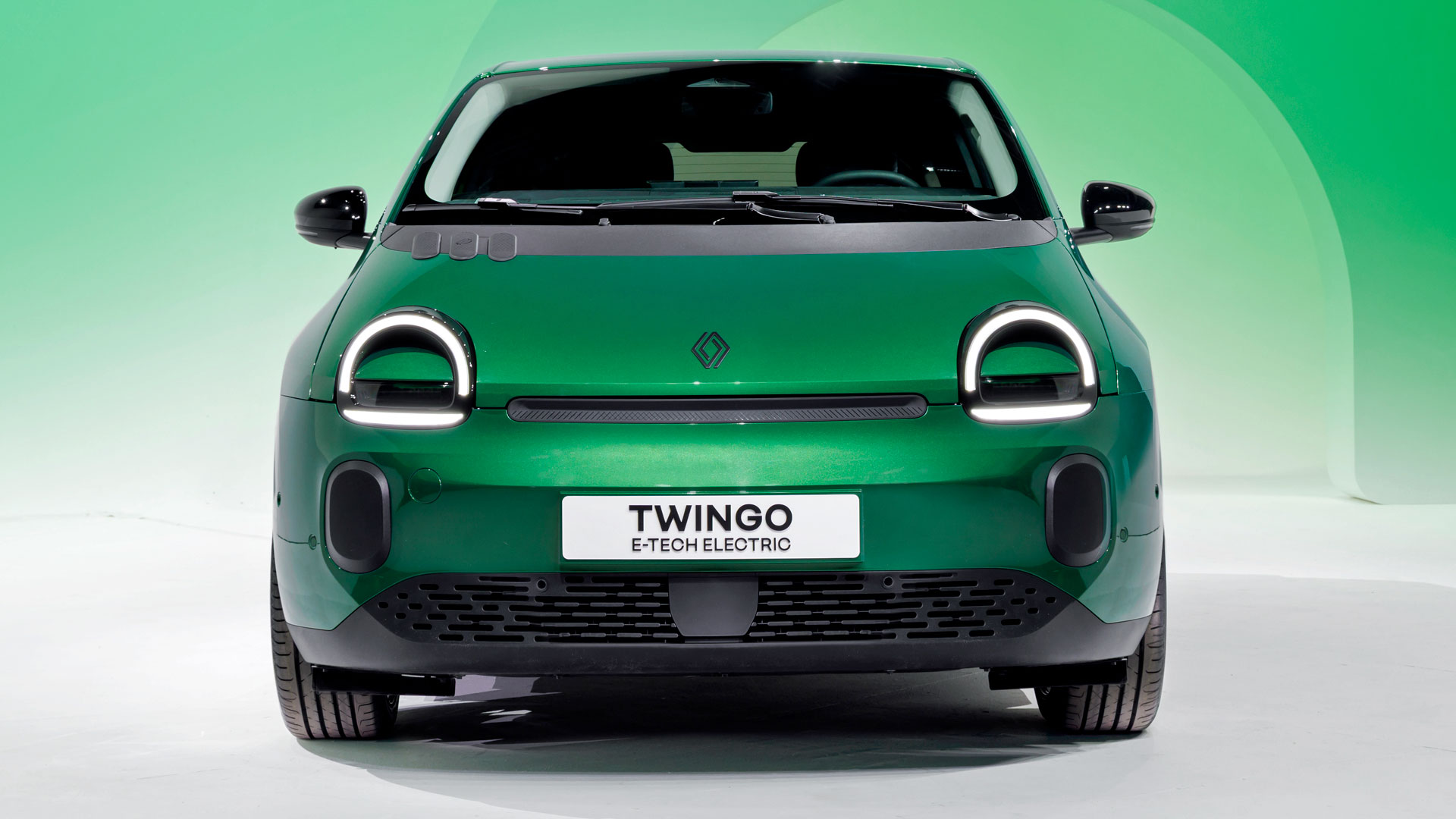
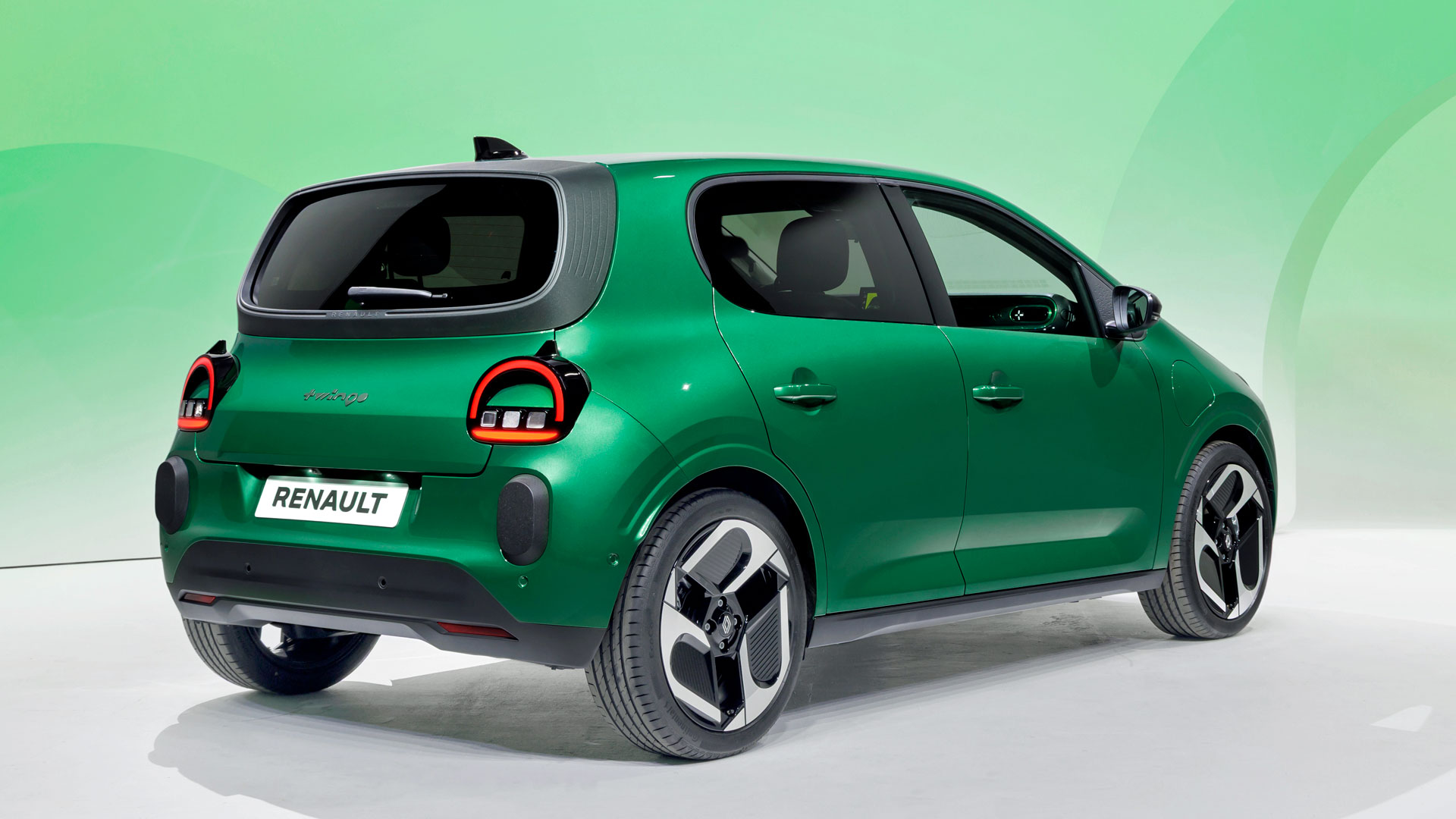
Renault has revealed an electric recreation of its original Twingo, set to go on sale in 2027.
The new Renault Twingo E-Tech mimics the style of the classic city car on the outside, and boasts plenty of practicality within.
The first-generation Twingo sold more than 4.1 million examples between 1993 and 2007, so the new model faces a high bar.
However, being priced from less than £20,000 should make the Twingo E-Tech competitive when it hits the market – and pitch it directly against the forthcoming Volkswagen ID.EVERY1.
Classic looks, modern tech
For the new Twingo E-Tech, Renault went from the process of initial design to a completed vehicle in just 100 weeks.
The French marque’s ‘Leap 100’ programme saw design work undertaken in France, then honed in its Shanghai studio. Renault’s plant in Novo Mesto, Slovenia, will produce the finished vehicle.
Measuring just 3.79 metres in length, the Twingo E-Tech has a relatively long wheelbase to maximise interior space, much like the original car.
Round daytime running lights, a subtle ‘smile’ in the front grille and three vents on the bonnet are all reminders of the classic Twingo.
Space and style included
Just like the first-generation Twingo, the new EV features a robust and spacious interior. Boot capacity is up to 360 litres, with class-leading shoulder room for rear-seat passengers.
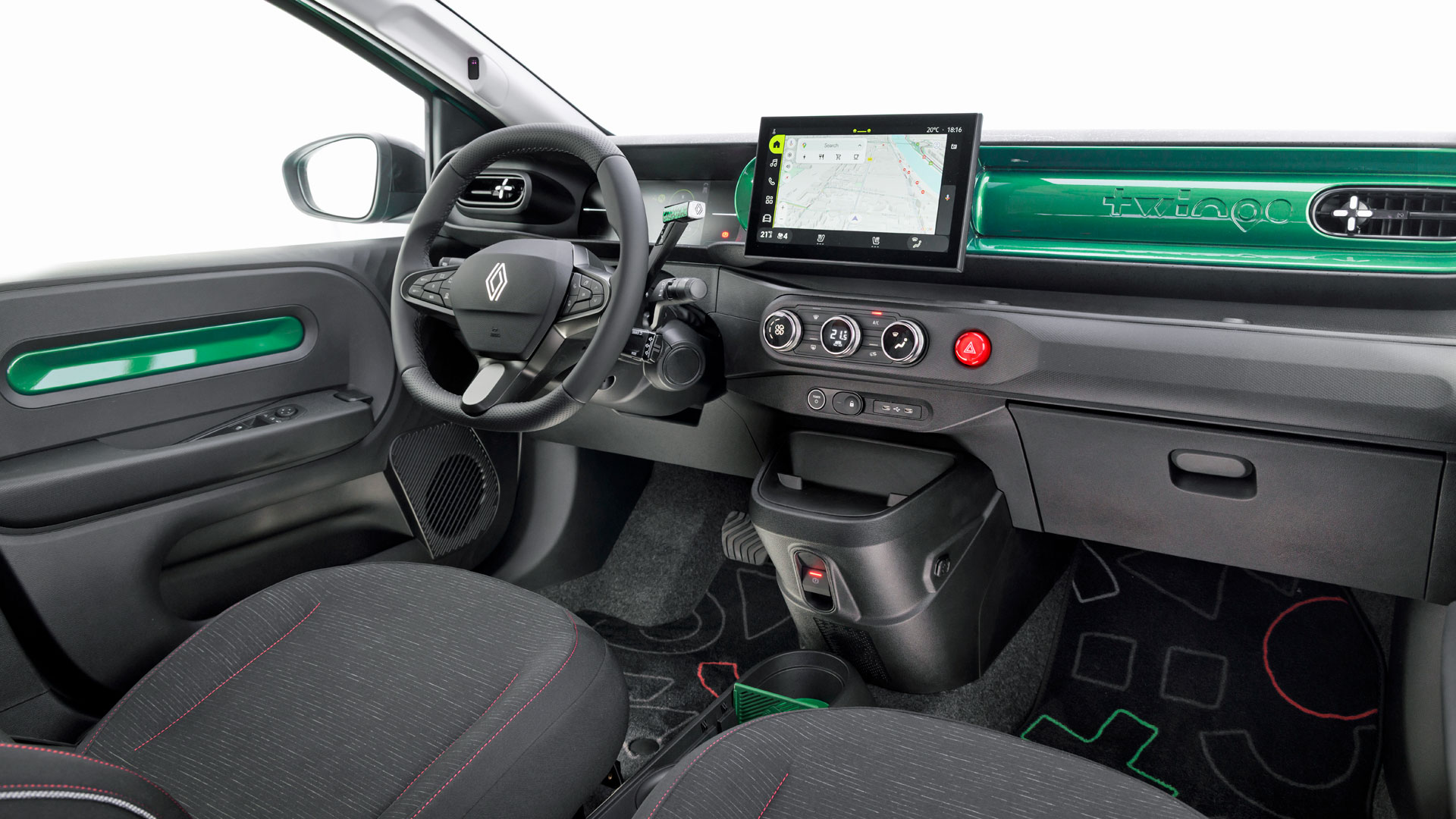
The simple dashboard incorporates a splash of body-coloured trim. The Twingo’s trademark bright-red hazard warning button also gains a new transparent case.
Other highlights include the original Twingo slogan: A vous d’inventer la vie qui va avec (‘it’s up to you to invent the life to go with it’), which can be seen on the straps used to slide and fold the two individual rear seats. The words Ouvert d’esprit (‘open-minded’) are visible on the inside of the tailgate, too.
A 7.0-inch digital instrument panel is combined with a 10.0-inch central touchscreen. There is even a soundtrack created by French electronic musician Jean-Michel Jarre to welcome you aboard.
New Twingo on sale in 2027
The Renault Twingo E-Tech will be available in a host of retro colours, including Absolute Red, Absolute Green and Mango Yellow.
Two trim levels will be offered, starting with the Evolution model. This will feature 16-inch wheels, manual climate control, rear parking sensors and a host of standard safety technology.
Upgrade to the Techno version and you get 16-inch wheels with two-tone covers, a multimedia system with built-in Google navigation, one-pedal driving and a rear-view camera.
Final UK prices and specifications will be confirmed closer to the Twingo E-Tech’s launch date in 2027.
A wild Subaru Brat pickup truck will be the star of the next Gymkhana film, with Travis Pastrana at the wheel.
Unveiled at the 2025 SEMA Show in Las Vegas, the Subaru ‘Brataroo 9500 Turbo’ features active aerodynamics and a screaming 670 horsepower engine.
Built as a collaboration between Subaru of America and the Vermont SportsCar company (VSC), the Brataroo has undergone a dramatic transformation.
This prepared the modified Subaru for its trip to Australia, where the latest instalment in the Gymkhana series – titled Aussie Shred – will be filmed.
Complete control, even in the air
VSC has replaced the bodywork of the 1978 Subaru truck with lightweight carbon fiber panels, plus a roll cage constructed to FIA World Rally Championship standards.
Even more impressive are the active aerodynamics. The front fender louvers can be adjusted in real time, to control the car in the air or on the ground.
Pastrana had a choice of two rear wings to use during filming, both with adjustable elements to ensure the perfect balance between speed and grip.
It all helps to control the 670 horsepower and 680 lb-ft of torque from the Brataroo’s turbocharged 2.0-liter engine. Capable of hitting 9,500 rpm, it’s the highest-revving car used in the Gymkhana series to date.
Inside, the dashboard is made from carbon fiber, with flax-composite wood-grain accents. A restored OEM stereo, a period-correct Uniden CB radio, and heater controls repurposed to adjust the active aero are also included.
“This Brat is completely unhinged – in the best way possible,” said Pastrana. “It’s got the soul of a vintage Subaru with the tech to do things no Gymkhana car has ever done. Every part of it is designed to take abuse, fly big, and come back for more. It’s hands-down the craziest Gymkhana car we’ve ever built.”
The new Aussie Shred film will go live in early December 2025 on the Hoonigan YouTube channel.
Muscle car enthusiasts can now place an order for the 550 horsepower Dodge Charger Scat Pack in four-door form.
Featuring a high-output version of twin-turbocharged 3.0-liter “Hurricane” straight-six engine, the Charger Scat Pack is the most powerful sedan for less than $60,000.
With a starting price of $56,995 (excluding fees and destination charges), the Charger Scat Pack sedan comes with all-wheel drive as standard.
However, rear-wheel drive is also available, allowing the Charger’s 531 lb-ft of torque to be used for drifting or burnouts.
Burning rubber with four doors
Included as part of Scat Pack specification are launch control, line lock, and Brembo brakes, plus a two-stage active exhaust system.
The Dodge Charger Scat Pack can accelerate from 0-60 mph in 3.9 seconds, with a top speed of 177 mph. Covering a quarter-mile takes 12.2 seconds.
“This is Dodge doing what Dodge does best: building muscle, pushing boundaries and giving customers real choices,” said Dodge CEO Matt McAlear.
“Whether it’s high output, two doors or four, Sixpack or Daytona, we’re delivering a lineup that’s as powerful and diverse as our fans. And with 550 horsepower in a four-door sedan priced at $56,995, we’re proving that practicality doesn’t have to be boring – it can burn rubber.”
New Hemi-powered Charger Hustle Stuff
The Dodge Charger Scat Pack can be ordered now, with the first deliveries to customers expected in early 2026.
For those who insist on Hemi power under the hood, Dodge has also unveiled the Charger Hustle Stuff Drag Pack by Direct Connection at the 2025 SEMA Show.
Sadly, the Charger Hustle Stuff and its 354-cubic-inch Hemi V-8 engine are solely intended for drag racing. Aimed at NHRA Sportsman racers, the 50 cars planned will be approved for Factory Stock Showdown competition.
Such is Dodge’s confidence in the new Charger Hustle Stuff, it will pay $26,000 to the first driver who wins a Factory Stock Showdown event using one.
It suggests the return of a Hemi-powered street-legal Charger could be getting closer. Let’s hope so.