A 1977 Volkswagen T2 microbus that defied the odds and survived the Palisades Fire in California has been restored to its former glory.
Unveiled at the 2025 Los Angeles Auto Show, Volkswagen of America celebrated the classic microbus as a symbol of resilience and survival.
The Los Angeles reveal marked the Volkswagen’s first public outing since it miraculously appeared to have avoided damage while parked in a Malibu neighborhood devastated by wildfires.
Affectionately known as “Azul” by owner Megan Weinraubhe, the bright blue bus was famously photographed by Mark J. Terrill of the Associated Press in January 2025.
A symbol of hope
After Terrill’s image went viral around the world, Volkswagen of America worked with the microbus community to identify the owner of Azul.
Having liaised with Megan Weinraub, and gained permission to enter the Malibu neighborhood, Volkswagen transported the bus directly to the its Oxnard Facility.
As the home of Volkswagen of America’s extensive heritage collection, this was the perfect location to assess and repair the now-legendary T2 bus.
An inspection revealed that significant mechanical and body repairs were needed to make Azul roadworthy again. This included making use of specialists, such as the team at GE Kundensport – renowned for its restorations of historic Porsche vehicles.
“Keeping the soul intact”
“From the moment we first saw Azul, our goal was to ensure the story of the vehicle wasn’t erased by the fires, but brought back to life by restoring it, reuniting it with its owner, and returning it to the road,” said Gunnar Wynarski, vehicle technician at Volkswagen Group of America’s Oxnard Facility.
“While this special restoration project was a technical challenge, what mattered most was keeping the soul of the vehicle intact.”
Azul will be on display in the Volkswagen booth at the 2025 Los Angeles Auto Show until Sunday, November 30. Following that, the bus will be shown at the Petersen Automotive Museum in LA.
Along with the restoration project, Volkswagen of America also made a donation to the California Fire Foundation, a 501(c)(3) non-profit organization, to support first responders and their families across the state.
Your chance to bid on a Porsche 911 Carrera S owned since new by TV presenter James May – the former star of Top Gear and The Grand Tour – is counting down fast.
For sale through the Collecting Cars online auction platform, the 2010 911 Carrera S has already attracted plenty of bids.
Described as being in ‘Porsche purist specification’, the ownership story behind the rear-engined sports car only adds to its appeal.
With the auction due to end on the evening of Tuesday 25 November 2025, don’t delay when it comes to placing a bid…
Made for Porsche enthusiasts
Despite the ‘Captain Slow’ persona he cultivated on Top Gear, James May is a true enthusiast when it comes to his personal vehicles – as this Carrara White 997-generation Porsche makes clear.
Carrera S specification means a 3.8-litre naturally aspirated flat-six engine that delivers 380hp and 310lb ft of torque. It’s combined with a six-speed manual gearbox and the optional limited-slip differential.
Other equipment includes 19-inch Carrera Classic alloy wheels with 5mm spacers, plus red-painted brake calipers and Porsche Active Suspension Management (PASM).
The interior is finished in Ocean Blue leather with aluminium-look trim. A Bose audio system, cruise control and extended navigation for the Porsche Communication Management (PCM) system are included, too.
‘Too many cars, not enough space’
With 31,294 miles recorded on its odometer, the Carrera S has been serviced by Porsche Centre West London and marque specialist Number 5 Garage.
Accompanying the car will be the owner’s manual, a collection of MOT test certificates, maintenance invoices and the original order form.
James May commented: “I’ve had this 911 from new, and I’ve loved every mile of its life with me. I’m only parting with it because I have too many cars and not enough space – a common issue when you love cars.
“It’s a wonderful thing: fast enough, beautifully balanced, and with that lovely manual gearbox that reminds you why Porsche gets these cars so right. I hope its next custodian enjoys it as much as I have.”
To learn practical skills for saving fuel, we took part in The WLTP Challenge. This driving event is designed to show that cars can meet – or even exceed – their official fuel economy test figures. Speed wasn’t important; the sole aim was to use as little petrol or diesel as possible.
Our car for the 250-mile challenge was an Alfa Romeo Giulia Quadrifoglio, a performance saloon capable (in pre-facelift guise) of achieving 27.2mpg. That’s if your willpower is strong enough to resist unleashing the full fury of its Ferrari-derived 2.9-litre engine.
We shared the drive with a representative from the RAC, who provided fuel-saving tips as we made our way from Bristol to Birmingham, then back again via the Cotswolds. When you’re hypermiling a 510hp Alfa Romeo, every little helps.
You can discover if we exceeded the WLTP figure by clicking here. Alternatively, read on for eight ways to save fuel – and money – courtesy of the RAC.
1. Look after your car
Regular maintenance will ensure your car works at optimum efficiency, which will improve its fuel economy. Stick to the manufacturer’s recommended service schedule, including regular oil and filter changes, and be sure to fix any issues as they arise.
You also need to ensure the tyres are inflated to the correct pressures. Consult the car’s handbook for these, or use one of the many online guides for help. Remember to adjust the tyre pressures depending on the load you are carrying, too.
2. Go easy on the right pedal
If our WLTP Challenge experience taught us anything, it’s that feathering the throttle can make a huge difference to your fuel consumption. Slow and gentle acceleration is the key to efficient driving, so avoid any traffic light Grand Prix antics.
Change up a gear as soon as possible, but don’t allow the engine to labour. Experience will tell you when your car is ready for a higher gear – there’s no fixed rule.
While 56mph is often referenced as the optimum speed for fuel economy, the RAC says cars are typically most efficient at 45-50mph.
3. Maintain momentum
Momentum is the difference between good and excellent fuel economy. During the WLTP Challenge, we found that roundabouts, roadworks, hills and the actions of other drivers took a serious chunk out of efficiency.
The key is to read the road ahead. If you’re approaching a roundabout, ease off the throttle and see if you can tackle it without stopping. Equally, on a motorway, maintaining a safe distance to the car in front will allow you to react to sudden braking.
Hills are the hypermiler’s worst enemy. Watching the Alfa Romeo’s economy gauge drop to zero was frustrating and almost unavoidable. The RAC says you should accelerate a little before approaching a hill, then ease off as you drive up. Just make sure you’re not creating congestion behind you.
4. Use cruise control at the right time
Cruise control will only improve fuel economy on a flat surface, so is best reserved for motorways. On the WLTP Challenge, we found that cruise control is slower to react to gradient changes, which means you miss out on some valuable throttle lift-off opportunities.
Motorways offer the best opportunity to maximise fuel economy. On the M5 stretch of our route, the Alfa Romeo was showing a claimed 44mpg on its digital display. By the time we had completed a mixture of urban and rural roads, however, we had lost around 10mpg.
5. Reduce aerodynamic drag
According to the Energy Saving Trust, an empty roof rack adds 16 percent drag when driving at 75mph, while a roof box adds 39 percent. Neither of these were fitted to the Giulia, but make sure you remove them from your car when you return home from holiday.
Opening a window will have a similar effect, especially at higher speeds. In town, at lower speeds, an open window is actually more efficient than using air conditioning. Speaking of which…
6. Turn off the air conditioning
Air conditioning uses engine power and therefore increases fuel consumption. If you’re hoping to maximise fuel economy, use it sparingly and when necessary, but be realistic.
Make sure you switch on the air conditioning at least once a month, as this keeps the refrigerant flowing and the system lubricated. Failure to do so will result in an expensive repair bill further down the line.
During the WLTP Challenge, we managed to avoid using air conditioning for the majority of the trip, but the system was forced into action when the heavens opened and the windows started to mist up. Saving fuel is one thing, but safety comes first.
7. Avoid short trips
An engine will operate at its most efficient when warm, so cold starts will increase fuel consumption. Is it possible to combine several short trips into one? Could you cycle, walk or use public transport instead?
8. Reduce weight
The heavier your vehicle, the more fuel it will use. This is one reason why many manufacturers have removed full-size spare wheels from their cars.
Take out unnecessary items from the boot, as this will improve your fuel economy. You could also use it as an excuse to leave your mother-in-law at home. Possibly.
Click here to find out what the industry-standard WLTP (Worldwide Harmonised Light Vehicle Test Procedure) fuel economy test means for you.
Many classic car owners put their vehicle into hibernation over the winter months. However, even a car stored in a garage can degrade in damp, winter air. That’s where using a dehumidifier comes in.
Used correctly, a dehumidifier will minimise the effects of rust on body panels, stop mildew growing on the seats and prevent carpets and other trim from getting soggy.
A dehumidifier is equally beneficial if you are storing a motorcycle, machinery or tools in a garage. So how do you choose the right one? Read on for our quick guide.
Which type of dehumidifier to buy
Winter takes its toll on classic cars – even those that are safely locked away until the spring. But a dehumidifier can help. It could save you money in the long run, too.
For unheated garages, a desiccant system is preferable to a compressor unit, as they operate at lower temperatures. They also tend to be lighter, which could be a factor if you intend to move the dehumidifier.
Crucially, from a classic car perspective, desiccant dehumidifiers have the ability to reduce the relative humidity to 40 percent or lower – below the rusting point of metal.
A basic compressor unit will be ineffective at temperatures below 15ºC, so isn’t well suited to winter use in the UK.
Choosing a unit with an automatic restart function means the dehumidifier will kick back in after a power outage, rather than going into standby mode. Meanwhile, a unit with continuous drain-off means you have the option to feed a hose into a sink, drain point or separate holding tank.
How to get the best from a dehumidifier
Dehumidifier manufacturer Meaco has the following advice for motorists storing a car in a garage:
Place the dehumidifier on a level surface
Drain the water using a hose, preferably into a sink, to avoid the unit going into standby mode when the tank is full
Use as little hose as possible, as too much will create negative air pressure
Don’t use a plug-in timer, as desiccant dehumidifiers have a cool-down facility to prolong the life of the unit
Seal the garage the best you can to prevent external air from getting in
Leave the doors of the vehicle open, so that damp air can migrate to the dehumidifier
Cleaning the filter will increase the lifespan of the dehumidifier and maintain efficiency
Desiccant dehumidifiers are available from around £150. Needless to say, that’s a significantly cheaper option than repairing a rusty vehicle or replacing a set of damp carpets in the spring…
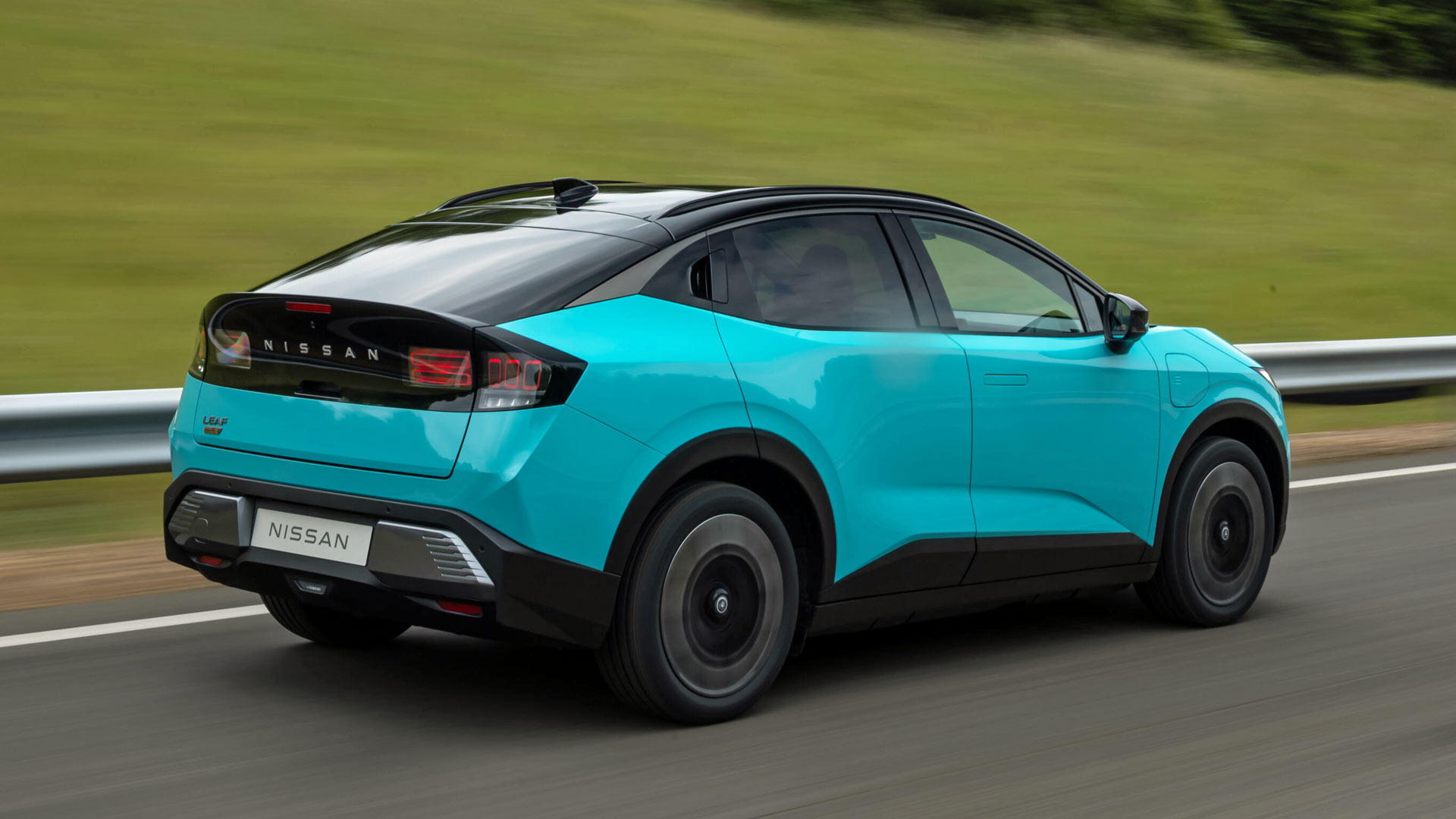
At launch, the new Nissan Leaf will only be available with a 75kWh battery that drives a 215hp electric motor.
Accelerating from 0-62mph takes 7.8 seconds – or 7.6 seconds with Sport Mode engaged – with the Leaf able to reach a top speed of 100mph.
Compatible with fast chargers with speeds of up to 150kW, the Leaf can be replenished from 20 to 80 percent charge in 30 minutes. When fully charged, it has an official range of 386 miles.
A smaller 52kWh battery model, with an estimated range of 271 miles, will join the Leaf lineup in due course.
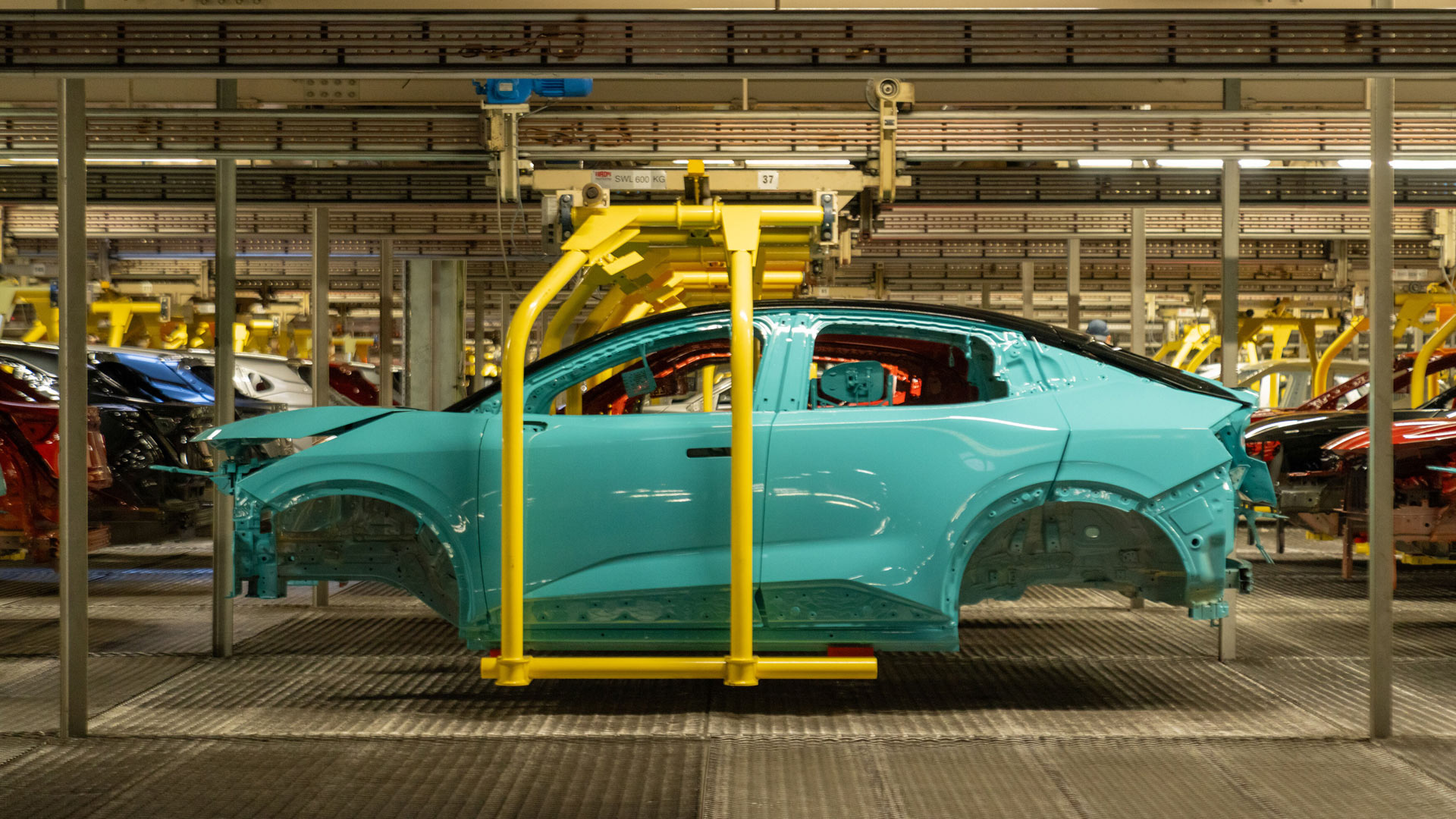
Still made in Sunderland
The entry-level £32,249 Engage version of the Leaf comes with 18-inch alloy wheels, a heat pump and dual 12.3-inch display screens.
Moving up to the £33,149 Engage+ adds heated front seats, a heated steering wheel, wireless phone charging and larger infotainment screens.
For £34,249, Advance specification brings a dimming panoramic sunroof, an electrically powered tailgate, privacy glass and part-synthetic leather upholstery.
Topping the range is the Leaf Evolve, with a Bose sound system, 19-inch alloy wheels and power-adjustable front seats. It’s priced at £36,249.
Production of the new Nissan Leaf is expected to begin in December 2025, with the first deliveries to customers planned for February 2026.
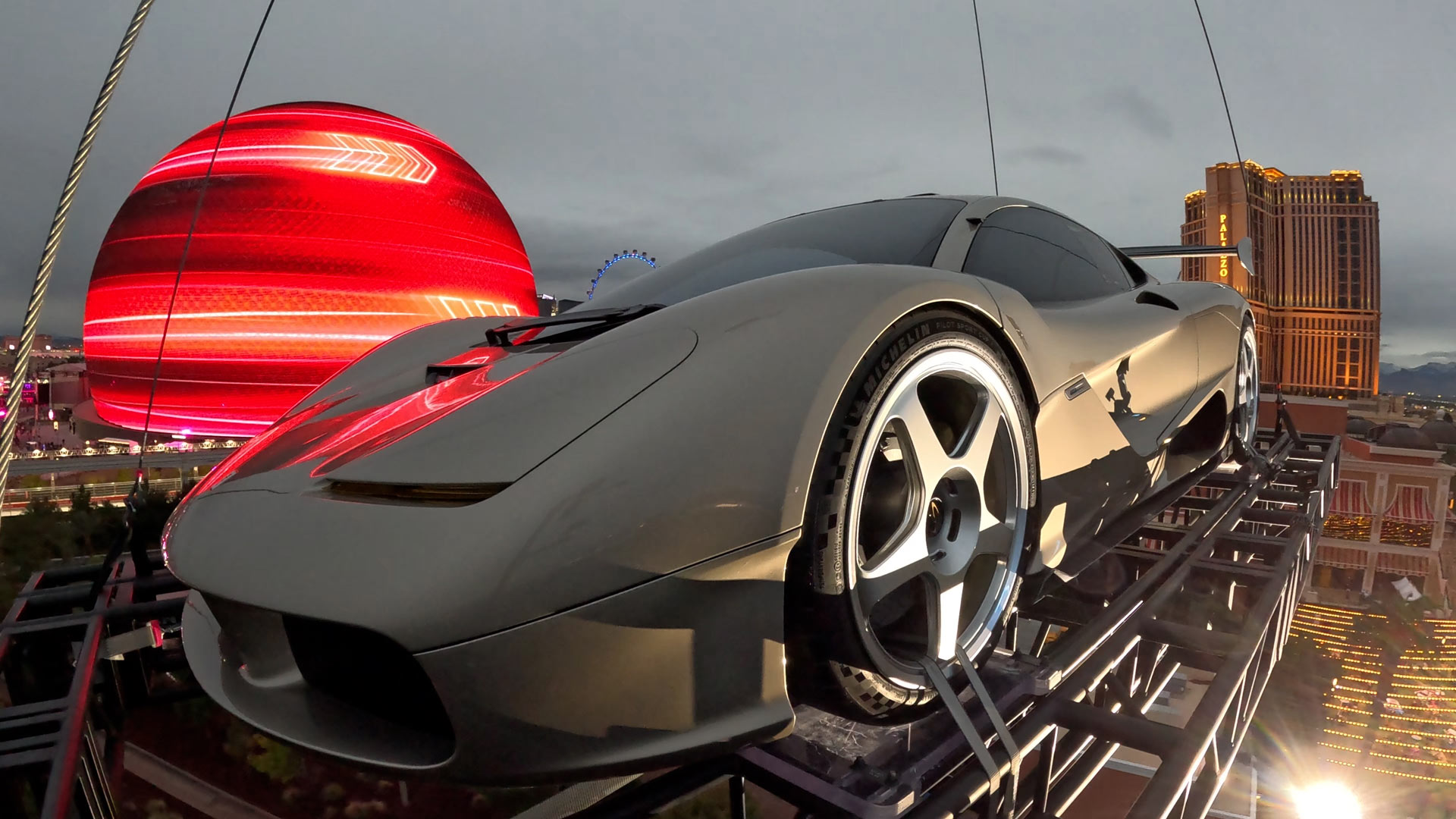
The first example of the new Gordon Murray Special Vehicles S1 LM hypercar has achieved a record sale price in Las Vegas.
Auctioned as part of the Las Vegas Grand Prix weekend, chassis no.1 from the five-car run sold for $20,630,000 (£15,773,000).
Excluding charity sales, this makes the S1 LM the most expensive new car to ever be sold at auction.
The record price seems fitting for a car known as the ‘Special One’ – and makes it more valuable than the McLaren F1 LM it pays tribute to.
S1 LM breaks auction record
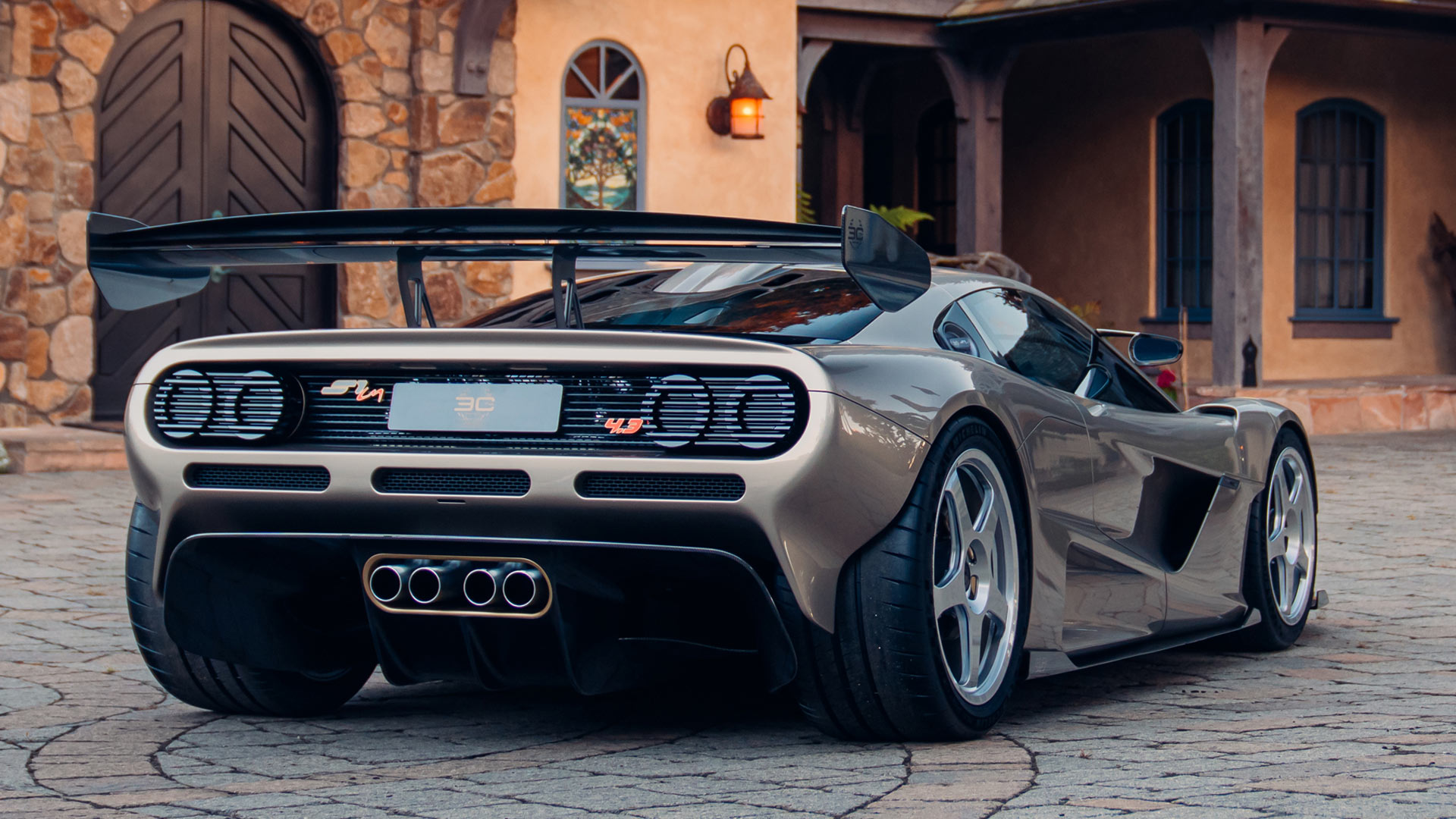
Revealed earlier this year at Monterey Car Week, the S1 LM is the first product from the bespoke Gordon Murray Special Vehicles division.
Using the Gordon Murray T.50 supercar as its starting point, the S1 LM has styling influenced by the legendary McLaren F1. Climb inside and you’ll discover an F1-style central seating position, too.
Notably, all five cars from the planned production run were bought by a single car collector, who has not been named.
‘A pure expression of driving perfection’
The winning bidder in Las Vegas has not only secured the final example of the S1 LM; they will also spend time with Professor Gordon Murray CBE to shape every detail of their vehicle.
Driving sessions alongside four-time IndyCar champion and three-time Indy 500 winner Dario Franchitti will be included, too.
The lucky buyer will also receive a unique 500-page book that details the S1 LM’s creation. This includes original sketches and notes from Gordon Murray’s own design notebook.
Following the sale, Gordon Murray said: “This world record auction result is a defining moment for our entire team and for the automotive world.
“The S1 LM represents everything I have learned in six decades of design – a pure expression of driving perfection, engineering art and a true return to beauty. To see it achieve this scale of appreciation is truly humbling.”
An all-new Kia Telluride has been revealed at the 2025 LA Auto Show, with bold new styling and an available hybrid powertrain capable of up to 35mpg for the US-designed and built vehicle.
The second-generation of Kia’s popular three-row flagship SUV, the new Telluride offers even more space inside, plus next-gen infotainment tech including YouTube, Disney+ and Netflix streaming.
There is also a rugged Kia Telluride X-Pro version with longer-travel suspension, an electronic limited-slip differential, all-terrain tyres, 9.1 inches of ground clearance and multiple drive modes.
“With the launch of the second-generation Telluride, our design and product planning team had an incredible challenge: develop an all-new SUV that was its own, unique product, while encapsulating many of the elements that made the original Telluride a historic success,” said SeungKyu (Sean) Yoon, president and CEO of Kia North America and Kia America.
“The 2027 Telluride is a capable and sophisticated SUV that embodies our approach to bringing innovative, consumer-focused products to market.”
The new Kia Telluride follows on from the hugely successful 2019 original, which made global headlines when it scooped the 2020 World Car of the Year Award – Kia’s first overall success in the number one automotive awards program.
Bigger and bolder
A striking new design gives the Telluride a cleaner, more modern and premium appearance. Its bold lines are shaped with luxury car-like attention to detail. There’s also a new take on the Telluride’s distinctive vertical headlamps, which frame a high-gloss grille.
It doesn’t just look smoother, either – the wind tunnel confirms this, with a drag coefficient improved from 0.33 to 0.30.
Kia Telluride X-Line and X-Pro versions also have blacked-out wheelarches, side mirrors, rear pillars and other trim.
The interior follows trends seen in other modern Kias, with a freestanding digital display and wood-based textures. Indirect ambient LED lighting is also available, as are front ‘relaxation’ seats with leg rests, dual wireless phone chargers, and smartphone or smart watch vehicle access.
The new Kia Telluride is now bigger all round. At 199.2 inches overall, it is 2.3 inches longer than before, which creates more legroom in both the second and third rows. Indeed, second-row space is now class-leading.
As before, there are both seven-seat and eight-seat versions of the Telluride. Kia has improved access to the third row – and delivered more cargo space behind the seats, too.
Captain’s chairs are a new option for the second row. With both heating and ventilation, they are claimed to offer “first-class” comfort.
Turbo and hybrid power
The standard Kia Telluride has a more powerful turbocharged engine producing 274 hp and 311 lb ft of torque. An eight-speed automatic transmission is standard, with a choice of front- or all-wheel drive. An optional tow hitch allows it to haul up to 5,000 pounds.
The new Telluride Hybrid combines a 2.5-liter turbo powertrain with a 1.65-kWh lithium-ion battery and electric motors. Total output of 329 hp is combined with 339 lb ft of torque. A clever six-speed automatic transmission should help it deliver up to 35mpg.
Kia has introduced a clever ‘Stay Mode’ for the Telluride Hybrid. This allows the hybrid battery to power the climate control, cabin lighting, stereo and other systems for around 20 minutes without activating the combustion engine.
There’s also a brace of advanced driver assistance systems (ADAS), along with 10 airbags – including a front center airbag.
The new Kia Telluride will go on sale in the U.S. in Q1 of 2026. It will be made at Kia’s Georgia plant. Details of prices, specific availability, spec levels and EPA-rated fuel economy will follow later.
Annual sales of the original Telluride have doubled since its 2019 introduction, to around 120,000 vehicles a year – and despite its imminent replacement, 2025 is expected to be another record year for Telluride volumes.
A unique modified Fiat 126B has been named the winner of the 2025 Hot Wheels Legends Tour.
Created by Paweł Czarnecki from Poland, the diminutive Fiat has been transformed into a tribute to icons of Group B rallying.
Czarnecki’s vision, combined with more than 2,500 hours of hard graft, saw the Fiat beat thousands of other cars from around the world to be crowned the new Hot Wheels champion.
Now, the 126B will be added to the ‘Hot Wheels Garage of Legends’, and transformed into a 1:64-scale die-cast model to be sold worldwide.
Demonstrating true ‘garage spirit’
Despite its tiny dimensions, Czarnecki’s 126 is big on design details, including the addition of a mid-mounted 1.4-litre engine from a Fiat Uno Turbo. A larger turbocharger, taken from a Nissan 200SX, results in a 200hp output.
The Fiat’s bodywork was widened by 47cm (18.5 inches). It features a huge rear wing, along with a bonnet that flips forward. More than 800 hours were spent on 3D printing custom parts for the 126.
Bespoke coilover suspension allows for the perfect stance, riding on period-correct HTN Motorsport three-piece alloy wheels.
Larger brakes taken from a Fiat Uno, a full roll cage and a motorsport-style interior were the finishing touches for Czarnecki’s miniature rally hero.
A global celebration of creativity
This year, the Hot Wheels Legends Tour visited 16 different countries. Contenders for the overall title first had to win local and regional finals.
Three cars then progressed to the Global Grand Final, where they had to impress judges such as broadcaster and famous car enthusiast, Jay Leno.
“From its roots in the US to stops across 16 countries, the Hot Wheels Legends Tour has grown into a truly global celebration of creativity and the automotive community,” said Ted Wu, head of vehicles and building sets at Mattel.
“Car enthusiasts in Poland have shown incredible support for the Tour over the years and Paweł Czarnecki’s custom Fiat exemplifies the talent and imagination that fans from Poland — and around the world — bring to the Hot Wheels Legends Tour.”
Paweł Czarnecki’s Fiat 126 joins past winners of the Hot Wheels Legends Tour, including the UK’s overall winner from 2021: the Volvo P1800 ‘Gasser’.
Porsche has fully revealed the first Cayenne Electric. Two versions of the luxury SUV will be offered at launch, with the new Cayenne Turbo becoming the most powerful road-going Porsche ever sold.
With a mighty 1,156hp and 1,106lb ft of torque when using launch control, the Cayenne Turbo Electric can accelerate from 0-62mph in just 2.5 seconds.
The German marque also promises ‘Formula E levels’ of brake recuperation, aiding a battery range of up to 398 miles – depending on the model chosen.
Hypercar power and performance
Larger than its combustion-engined counterpart, Porsche has given the Cayenne Electric its own unique look. The result is a drag coefficient of 0.25, making it one of the most aerodynamic SUVs on sale.
Both versions of the Cayenne Electric come with all-wheel drive as standard. The base model produces 408hp in normal driving, or 442hp when launch control is activated. This results in a 0-62mph time of 4.8 seconds and a top speed of 143mph.
The Cayenne Turbo Electric has 857hp in ‘normal’ mode, with an extra shot of 176hp available for 10 seconds using its ‘push-to-pass’ function. The flagship model can reach 163mph flat-out.
Powering all Cayenne Electric models is a 113kWh battery with 800-volt technology. This can rapid-charge at speeds of up to 400kW, allowing the Cayenne to go from 10 to 80 percent battery capacity in less than 16 minutes.
Using a floor-mounted 11kW charging plate, drivers simply need to park the Cayenne Electric above the plate (see photo above) to replenish its battery pack.
Fully charged, the Cayenne Electric has a tested range of 398 miles. The more powerful Cayenne Turbo is not far behind, with 387 miles.
Acres of digital real estate
Porsche promises the Cayenne Electric will be the most customisable version of its SUV to date. Customers can pick from 13 standard paint colours, five alloy wheel designs and 12 different interior combinations.
Thanks to Porsche Exclusive Manufaktur, the extended Paint to Sample exterior colour range, along with the bespoke Sonderwunsch programme, is available for even greater personalisation.
Inside, Porsche has fitted the Cayenne Electric with the largest digital display in the company’s history. A curved OLED ‘Flow Display’ is combined with a 14.25-inch digital instrument panel, plus the option of a 14.9-inch touchscreen for the front-seat passenger.
There is also a new head-up display with augmented reality, which creates an 87-inch infographic 10 metres in front of the vehicle.
Orders open for 2026 Cayenne Electric
Earlier this year, Porsche announced a ‘realignment of its product strategy’ that will delay the release of further electric vehicles.
Speaking at the launch of the Cayenne Electric, Matthias Becker, member of the board for sales and marketing, said Porsche will ensure that customers “will in future have the choice between fully electric and combustion-engine powertrains”.
Available to order now, UK prices for the Porsche Cayenne Electric start at £83,200. Opting for the Turbo elevates the cost of entry to £130,900.
Having an ugly electric vehicle charger at home is a concern for many of Britain’s younger drivers.
New research reveals that more than half (56 percent) of those aged between 25 and 35 worry that a visually unappealing EV charger could devalue their property.
Some 70 percent of Millennials (born between 1981 and 1996) and Gen-Zers (born between 1997 and 2012) say the look of a home charging device is important to them.
By contrast, only 15 percent believe the aesthetics of a wallbox charger do not matter.
EV chargers help to sell houses
Premium EV home charger manufacturer Andersen was responsible for the survey of 1,010 UK motorists.
Across all age groups, exactly half of survey respondents thought the design of a home wallbox would make a difference.
Older drivers were less likely to be concerned about the looks of a home charger, with only 39 percent of those aged over 65 saying it was important.
A 79 percent majority of those aged between 25 and 34 said they would be more likely to buy a home that already has a charging wallbox fitted.
Need for ‘aesthetics and technology’
However, an unappealing home charging device could dissuade younger buyers, potentially impacting a property’s value.
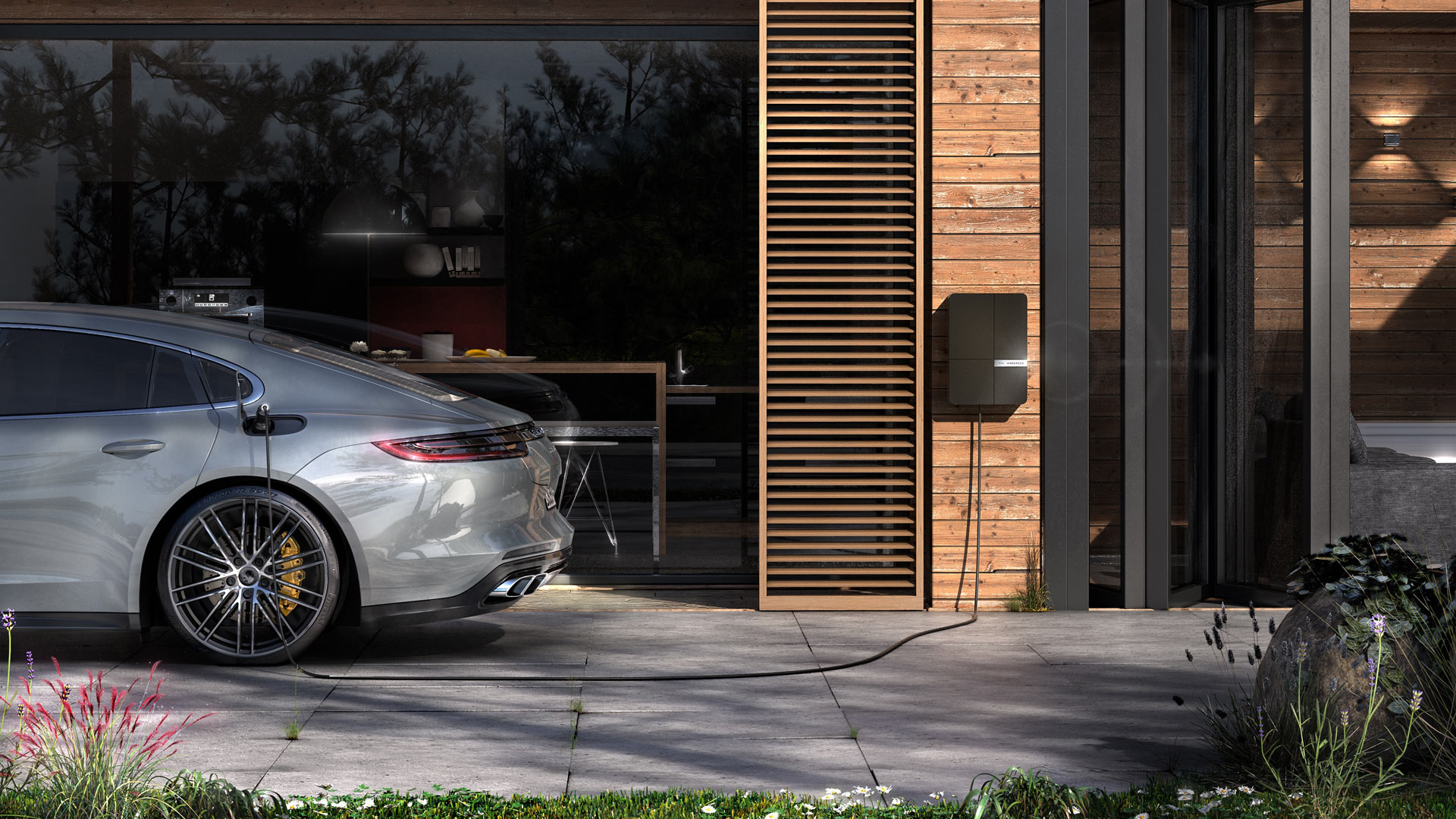
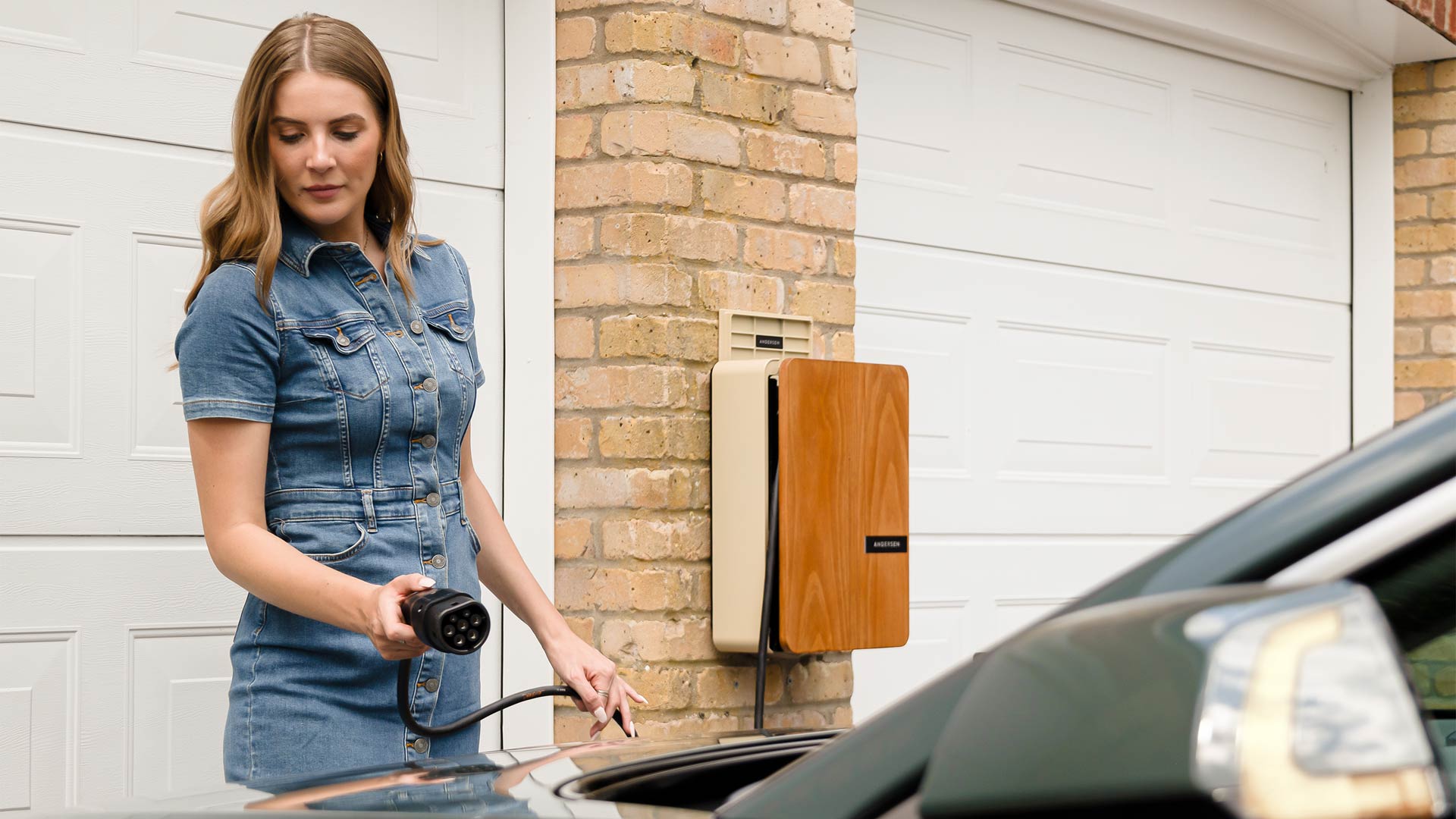
Andersen highlights that it offers more than 200 different colour combinations across its range of charging wallboxes. These include metal and wooden finishes, with hidden cables included.
“As EV adoption accelerates, it’s clear that the next generation of homeowners care deeply about design and kerb appeal,” said David Martell, CEO of Andersen.
“Millennial and Gen-Z motorists don’t just want a charger that performs well, they want one that enhances the appearance and value of their home. That’s why the industry must raise its game, focusing on aesthetics as much as technology.”