Lotus has confirmed that a plug-in hybrid version of its Eletre SUV will be sold in the UK and Europe later this year.
The Chinese-owned marque, part of the Geely conglomerate, has suffered a downturn in sales as consumers turn away from fully electric luxury cars.
Last year, Lotus laid off 42 percent of its UK workforce amid mounting losses, compounded by the US tariffs introduced on imported cars.
Lotus had previously stated that vehicles such as the Eletre SUV and Emeya saloon heralded an all-electric future. However, the company has swiftly re-engineered the Eletre as a plug-in hybrid.
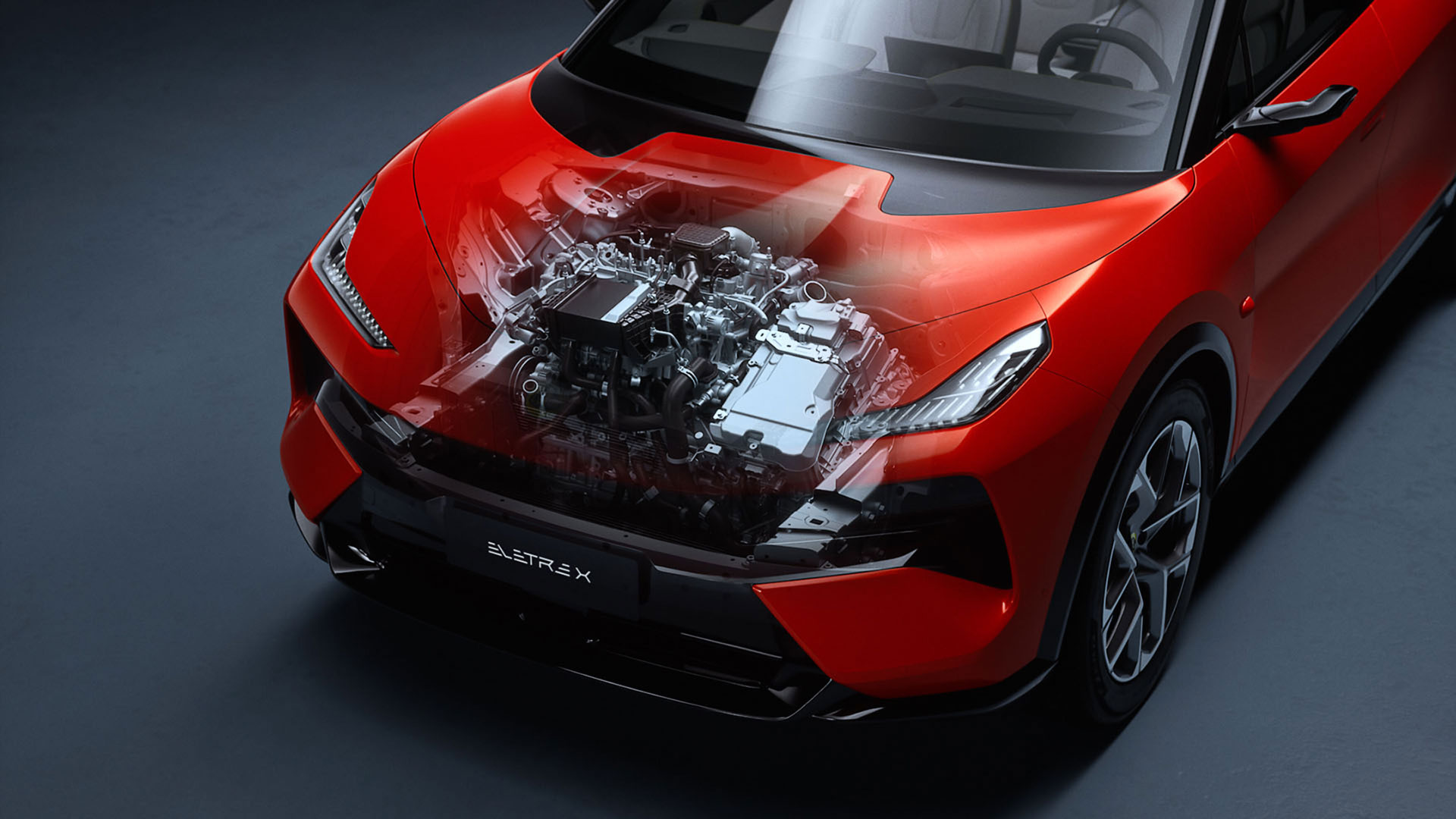
The new Eletre X combines a 2.0-litre four-cylinder turbocharged engine with multiple electric motors. The result is an enormous combined output of 952hp.
A new heavyweight champion?
Setting the Eletre X apart from the electric Eletre is an entirely different platform – sourced from within the Geely family.
Although the Eletre X looks almost identical to its EV counterpart, its underpinnings are shared with the Zeekr 9X luxury SUV. That particular model weighs between 2,800kg and 3,095kg, so let’s hope Lotus has found a way to ‘add lightness’ to the Eletre X…
Whatever it weighs, the Eletre X won’t be short on performance, however, thanks to its new hybrid powertrain.
Acting chiefly to drive a 150kW generator and extend the range from a 70kWh battery pack, the car’s 2.0-litre turbocharged engine can also be used to drive the front wheels.
With all power units delivering maximum output, the Eletre X should be able to accelerate from 0-62mph in just 3.3 seconds.
Rapid performance, rapid charging
Despite adding a combustion engine beneath the bonnet, Lotus has not held back on the Eletre X’s electric capability.
An advanced 900-volt architecture allows its battery to be replenished from 20 to 80 percent charge in just nine minutes. It also has the potential to cover almost 220 miles on battery power alone.
With the battery fully charged, and the 52-litre fuel tank brimmed, Lotus says the Eletre X can cover more than 745 miles without needing to stop.
This claim is based on the Chinese-market version, branded as a ‘Lotus For Me’, which is already on sale. However, it still points to a highly usable long-distance SUV when the Eletre X arrives in Europe.
European launch this summer
Technology on the Eletre X will include 48-volt active anti-roll bars, dual-chamber air suspension and bespoke Lotus-developed tyres to ensure maximum grip.
An active rear spoiler features four different positions. It can generate up to 120kg of downforce, or help the huge Brembo brakes with stopping.
Expect the hybrid to deliver a similar level of luxury to the existing Eletre, with options such as a full Nappa leather interior and a 23-speaker KEF audio system.
European specifications and prices for Eletre X will be published by Lotus closer to the official launch date – currently set as June 2026. The first Eletre X deliveries to UK customers are expected in early 2027.
The latest Home Office data reveals that the number of roadside breath tests declined during 2024.
Figures supplied by 26 police forces across England and Wales show that, from January to December 2024, a total of 167,095 roadside breath tests took place.
By comparison, 167,384 tests were performed during 2023, representing a 0.2 percent decrease from the previous year.
Information included in the Home Office Police Powers and Procedures report does not include all police forces across Britain. Notably, it excludes those where concerns have been raised about the accuracy and completeness of breath test recording.
However, even without major forces such as the Metropolitan Police and Greater Manchester Police included, the decrease is a concern for road safety campaigners.
Sending the wrong message to drivers
The Home Office data shows that almost 25,000 drivers included in these latest statistics failed a breath test, or refused to take one. This means around 15 percent of tests could potentially lead to a prosecution.
Department for Transport data reveals that an estimated 260 people were killed in collisions where at least one driver was over the drink-drive limit.
Hunter Abbott, managing director of breathalyser firm AlcoSense, said the level of testing is worrying, given the scale of drink driving on Britain’s roads.
“A reduction in breath tests, however slight, sends exactly the wrong message to motorists,” said Abbott, a former British Touring Car Championship star. “Drink driving continues to kill far too many people every year, yet police are carrying out considerably fewer tests than they did in the past.”
Other countries lead the way
Although Home Office data on roadside breath test figures for years before 2023 is not directly comparable, a peak of 647,380 tests was recorded in 2009.
However, even this is far below the number of roadside breath tests undertaken by police forces in other countries.
During 2024, police forces in Australia performed almost 10.3 million random breath tests, while 4.1 million were undertaken by New Zealand Police.
Testing levels in England and Wales also lag far behind many European countries, with just five breath tests per 1,000 inhabitants. This compares to 18 tests per 1,000 people in Ireland and 109 in France.
Abbott says the drop in traffic police numbers is likely to be a key factor in the figures recorded across England and Wales. The number of dedicated traffic officers has fallen from 5,005 in 2015 to 3,889 in 2025 – a 22 percent decrease.
Nine years from now, EVs could be the only type of car sold new in the UK. Electric cars are the future, then – but they’re also a force to be reckoned with in the present.
The latest monthly sales figures from the Society of Motor Manufacturers and Traders (SMMT) show EVs secured a 24.2 percent share of the UK new car market. For context, that is nearly 18,000 more registrations than diesel cars, which claimed a mere 4.5 percent share.
The popularity of electric cars is expected to increase as the charging network grows and the number of petrol/diesel alternatives shrinks. EVs are steadily becoming more affordable, too.
We’ve rounded up the best electric cars on sale right now, from the stoutly sensible Kia EV3 to the brilliantly bonkers Lotus Evija. Our choices are presented in alphabetical order.
Audi RS E-Tron GT
First launched in 2020, the Audi RS E-Tron GT received a midlife makeover in 2023, mirroring updates to the closely related Porsche Taycan. Highlights included a bigger 105kWh battery, faster charging (up to 320kW) and new two-chamber air suspension. The three-tier range comprises the 680hp S E-Tron GT, 856hp RS and 925hp RS Performance.
The RS Performance is the quickest and most powerful production car Audi has ever built, with the ability to hit 62mph in 2.5 seconds using launch control, along with a WLTP range of 364 miles.
We said: ‘It has more power than you really need, but the E-Tron GT Performance combines long-distance range and comfort with handling poise and nuanced feedback – plus a generous helping of futuristic style. If EVs leave you cold, driving this one might change your mind.’
BMW’s electric flagship is a luxury saloon to rival the Mercedes-Benz S-Class and EQS. The i7 has a huge 101.7kWh battery, which offers up to 372 miles of range in the XDrive 60 model we tested. Its styling will divide opinion (to put it politely), but the big BMW is wonderfully refined, comfortable and relaxing to drive. It’s even better in the back seats, where passengers can recline and enjoy a widescreen movie experience.
Even the entry-level i7 exceeds £100,000 and the range-topping M70 xDrive (pictured above) will set you back £165,000. However, consider that much of its technology is shared with the £350,000 Rolls-Royce Spectre and suddenly the BMW doesn’t look so expensive after all.
We said: ‘Your field of vision is filled by a 31.3-inch 8K ‘Theatre Screen’ that folds down from the roof. Bolstered by 36 speakers and 1,965 watts of Bowers & Wilkins surround-sound, it’s hands-down the best in-car entertainment system on the market.’
It’s hard to overstate the importance of the iX3 to BMW. As the first vehicle in the German company’s ‘Neue Klasse’ range of electric cars, it needs to be a standard-setter and a sales success. Thankfully, early indications suggest it will be both.
For starters, the iX3 has the longest range of any EV currently on sale – at up to 500 miles in the official WLTP test. It’s also comfortable, spacious and packed with technology, including a new Panoramic iDrive display that helps you keep your eyes on the road. Best of all, despite being a 2,360kg family SUV, the iX3 still drives with the finesse and feedback of a ‘proper’ BMW.
We said: ‘I wasn’t alone in thinking BMW had lost its way in recent years, straying too far from the values of the original Neue Klasse – particularly in terms of design and technical complexity. The brilliant iX3 is a hard reset, and one that bodes well for the future. It’s a car that goes straight to the top of a very crowded class. ‘
The Ford Puma Gen-E is a significant EV for British car buyers. The regular Ford Puma has been the UK’s best-seller for several years now, so the much-anticipated electric Gen-E will introduce thousands to owning their first electric car.
Keen prices are an immediate advantage, starting from a little over £26,000 after the UK Government’s full £3,750 Electric Car Grant is deducted. The Gen-E has all the regular Puma’s head-turning style and its recently-refreshed interior. Also, instead of the usual ‘MegaBox’ boot, the Puma Gen-E has an even bigger ‘GigaBox’ beneath the boot floor. You’ll be amazed at how much space is in there.
Ford has worked hard to retain the dynamics of the existing Puma, making this a neat and nimble drive. And while a 43kWh battery sounds a bit on the small side, it still has a range of over 230 miles in the official WLTP test. There’s growing evidence that the Ford Puma Gen-E’s real-world battery efficiency is noteworthy too, delivering more ‘miles per kWh‘ than many of its direct rivals.
The former World Car of the Year looks like nothing else on the road – and its lounge-like interior is pretty radical, too. Choose the reclining ‘relaxation’ seat and it’s a restful spot to have a nap while you charge. There’s also no shortage of space; the Ioniq 5 might resemble a hatchback, but its proportions are more like an SUV.
Buyers can choose between a 63kWh battery with a 238-mile range, or an 84kWh model that will manage up to 354 miles. Just don’t expect a sporty driving experience – unless you choose the riotously entertaining Ioniq 5 N (pictured at the top of this page), that is. The hot Hyundai is one of the most surprising cars we’ve driven this decade.
We said: ‘A killer feature in the Ioniq 5’s armoury is the ability to charge at 800 volts. It’s the way forward, until now only possible on high-end electric cars from the likes of Audi and Porsche. It will revolutionise roadside charging with its sheer speed. Unfortunately, a widespread network of suitable chargers is not available quite yet.’
The Kia EV3 is one of the best – and best value – electric SUVs on the market. Choose one with a 58.3kWh Standard Range battery and you can look forward to 270 miles of range. This rises to an impressive 375 miles in the 81.4kWh Long Range version.
As usual, you benefit from Kia’s seven-year/100,000-mile warranty, but there’s much more to the EV3 than an extended guarantee. It looks funky, has a practical and spacious interior, and comes with all the tech you’d expect. If you need more space, you could also consider the larger, seven-seat Kia EV9.
We said: ‘The Kia EV3 is a likeable, practical and affordable electric SUV that rarely puts a foot wrong. We’re slightly lost for words when trying to articulate how the EV3 drives. For journalists, that isn’t ideal, but Kia should take it as a compliment. It calmly and competently gets on with the job.’
The £2.4 million Evija is the ultimate, money-no-object EV. It’s also the world’s most powerful production car, with a total of 2,039hp from its 93kWh battery pack and four electric motors. Lotus doesn’t supply performance figures, but in Autocar’s road test the Evija rocketed to 100mph in 4.8 seconds and 200mph in 13.0 seconds.
It’s no secret that Evija sales have been slow, and it looks unlikely that Lotus will build the 130 cars planned. At the same time, any hypercar with a traditional V12 engine seems to sell out straight away. However, for buyers in this rarefied section of the market, it isn’t a case choosing one car or another – they can invariably afford both. And the Evija offers a visceral and physical experience like nothing else we’ve driven.
We said: ‘At lower speeds, the electric motors are limited by traction, but more torque is fed forwards as you go faster, so the dizzying, disorientating rush just keeps on building. Throttle response and acceleration at three-figure speeds are otherworldly: the Lotus seems to laugh in the face of physics.’
The MG4 EV is proof that you needn’t spend a fortune to drive a thoroughly good electric car. With prices starting from around £27,000, the MG makes a mockery of EVs costing twice that amount. Granted, that’s for the entry-level SE, which offers 218 miles of range, but even the top-spec EV Trophy Extended Range costs less than £37,000 – and can muster 323 miles of range.
Like many of the new breed of Chinese EVs, the MG has a simple interior with few physical controls and a large touchscreen display. It’s genuinely enjoyable to drive, with precise steering and brisk performance. Only its rather firm suspension lets the side down.
We said: ‘The MG4 EV is a value-priced alternative to the Volkswagen ID.3. It all makes for a very well-rounded family EV. Beyond some cheap interior materials, the MG4 is hard to fault. It’s also a true bargain in a world where everything suddenly seems very expensive. Time to believe the hype.’
The Polestar 2 sprinkles some Scandinavian style over the electric car segment. It’s a sophisticated, technologically advanced and aethetically appealing rival to the Tesla Model 3 (see below). The Scandi-noir drama to the Hollywood blockbuster.
The lineup now consists of a choice between Single Motor variants in Standard or Long Range trim, or a Dual Motor version with the option of a Performance Pack. Range figures are anything between 343 and 408 miles, with prices starting from £45,000.
We said: ‘The Polestar 2 has evolved substantially during its lifetime, and it remains one of the best EVs on sale. Being able to drive more than 400 miles on one charge is the best tonic for range anxiety, and it’s all wrapped-up with a premium ownership experience.’
The Taycan was Porsche’s first EV, and the company was determined it should drive like a ‘proper Porsche’. Mission accomplished, we’d say. The saloon arrived in 2019, with (road-focused) Sport Turismo and (SUV-style) Cross Turismo estates added to the lineup later.
The basic, rear-wheel-drive Taycan is really all you need (435hp, 0-62mph in 4.8 seconds, 416 miles of range), although the sportier GTS version is also a compelling package. At the top of the tree, the bonkers 1,108hp Taycan Turbo GT is one of the quickest cars we’ve ever experienced.
We said: ‘Unlike the majority of EVs, this is a car that keen drivers can enjoy. Porsche hasn’t completely overcome all that weight, which you sense most when braking, but it has done a mighty impressive job.’
The Renault 5 E-Tech was an instant hit with both critics and the car-buying public. Cute styling and strong value for money (prices start at less than £22,000 at the time of writing) both help the retro Renault’s cause, while a smart interior and good road manners add to its appeal. Much like the original R5, it’s rather small for a family car, but the design and quality are hard to fault.
If you want more va-va-voom, the Renault has a sportier sibling in the shape of the Alpine A290. One of the first convincing electric hot hatchbacks, the A290 has livelier handling and up to 220hp in GTS guise. It’s proof that affordable EVs can be fast and fun to drive.
We said: ‘Prod the D-for-drive button and the A290 feels instantly up for it. With 221lb ft going through its front tyres, this GTS version can break traction if you’re hard on the throttle out of corners. Yet it mostly feels smooth and eager, with enough punch to make swift progress.’
Arguably the most sensible electric car you can buy, the Enyaq is near-flawless family transport. Better value and better executed than its sister Volkswagen ID.4, it is practical and painless to live with. There’s a choice of 63kWh or 82kWh batteries, the latter offering up to 365 miles of range.
A flat floor means plenty of space for passengers, while the boot holds a massive 1,710 litres with all the seats folded flat. Skoda’s neat ‘Simply Clever’ touches, such as an umbrella hidden in the driver’s door, make life easier as well.
We said: ‘The interior of the Skoda Enyaq has a sleek, minimalist design. Many functions are accessed via the 13-inch central touchscreen, but it’s cleanly presented and generally easy to use. Thankfully, the glitchy, touch-sensitive controls of the ID.4 are nowhere to be seen.’
Tesla Model 3
The Tesla Model 3 is approaching middle-age, but it shows no signs of slowing down. It isn’t just one of Britain’s best-selling EVs – it has topped the overall car sales chart several times as well. It boasts outrageous performance and clever tech, plus the USP of the extensive Tesla Supercharger network. If you can’t charge your EV at home, it’s the obvious choice.
We do have a few gripes, including Tesla’s less-than-perfect build quality and the Model 3’s rather aloof dynamics. You’d be foolish to rule it out, though.
We said: ‘Acceleration is so rapid it squelches your internal organs and scrambles your synapses. You go from zero to warp factor 10 almost instantly, and with a lack of noise that’s entirely alien. No wonder Elon Musk was drawn to space travel.’
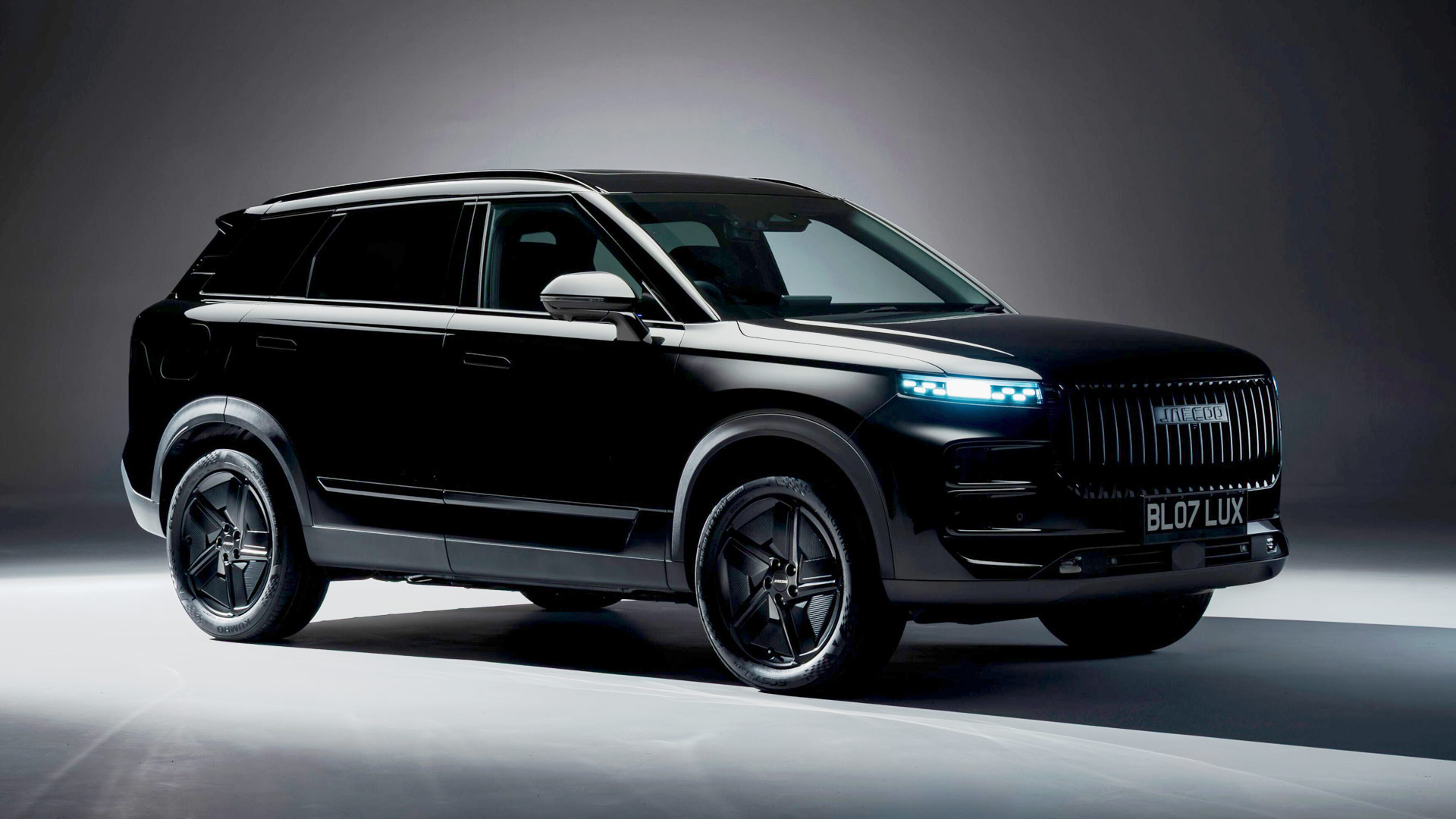
Fast-growing Chinese car brand Jaecoo has revealed its largest and most luxurious SUV to date.
The Jaecoo 8 SHS-P will become the marque’s flagship family SUV. Capable of seating seven, it takes on the Kia Sportage and Hyundai Santa Fe.
The car slots into the UK range above the popular Jaecoo 7, with a name that reflects the number 8’s association in Chinese culture with prosperity and success.
Two distinctive versions of the Jaecoo 8 will be offered to UK customers, aimed either at transporting larger families or executive guests.
Both will feature all-wheel drive and make use of Jaecoo’s SHS-P plug-in hybrid powertrain. The latter combines a turbocharged 1.5-litre petrol engine with an electric motor.
Real off-road ability included
When the petrol engine and electric motor are working together, the Jaecoo 8’s plug-in powertrain has a combined output of 428hp, along with 428lb ft of torque. Zero to 62mph takes a brisk 5.8 seconds.
The Jaecoo 8’s battery pack offers an official electric range of up to 83 miles, and can recharge from 30 to 80 percent in 20 minutes. With a full battery and the petrol tank brimmed, it can cover up to 700 miles without needing to stop.
A three-speed DHT hybrid transmission is combined with Jaecoo’s first use of lockable differentials, aimed at maximising the SUV’s off-road ability.
For the truly adventurous, there is even a wading depth of 600mm, with adaptive suspension also fitted as standard.
Choose six or seven seats
Opting for Luxury trim brings seven-passenger capacity to the Jaecoo 8, along with multiple Isofix attachments for child car seats. Luggage capacity is up to 2,021 litres with the rear seats folded flat.
Power-adjustable front seats with heating and ventilation are fitted, with five massage modes and headrest-integrated speakers.
The Jaecoo 8 Executive model brings Nappa leather upholstery and a six-seat layout designed for optimum passenger comfort. Four heated, ventilated and massaging captain’s chairs are combined with an additional pair of folding seats in the boot area.
Choosing the Executive model also adds a ‘zero-gravity’ front passenger seat, providing extended legroom and a dedicated ‘Boss Button’ for passenger-side control.
Jaecoo 8 orders now open
Standard specification for the Jaecoo 8 includes wireless Apple CarPlay and Android Auto connectivity, wireless smartphone charging, dual 12.3-inch display screens and a 14-speaker Sony audio system.
The choice of exterior colours will include Amazonite Blue, Basalt Black, Granite White, Iced Slate Grey and Pearl Silver, with two-tone options available for the Luxury model. The Executive version has two-tone paint as standard.
Prices for the Jaecoo 8 SHS-P Luxury will start from £45,500, with the six-seat Executive requiring £47,500. A seven-year, 100,000-mile warranty is also part of the package.
Orders for the Jaecoo 8 can be placed now, with the first deliveries to UK customers expected in May 2026.
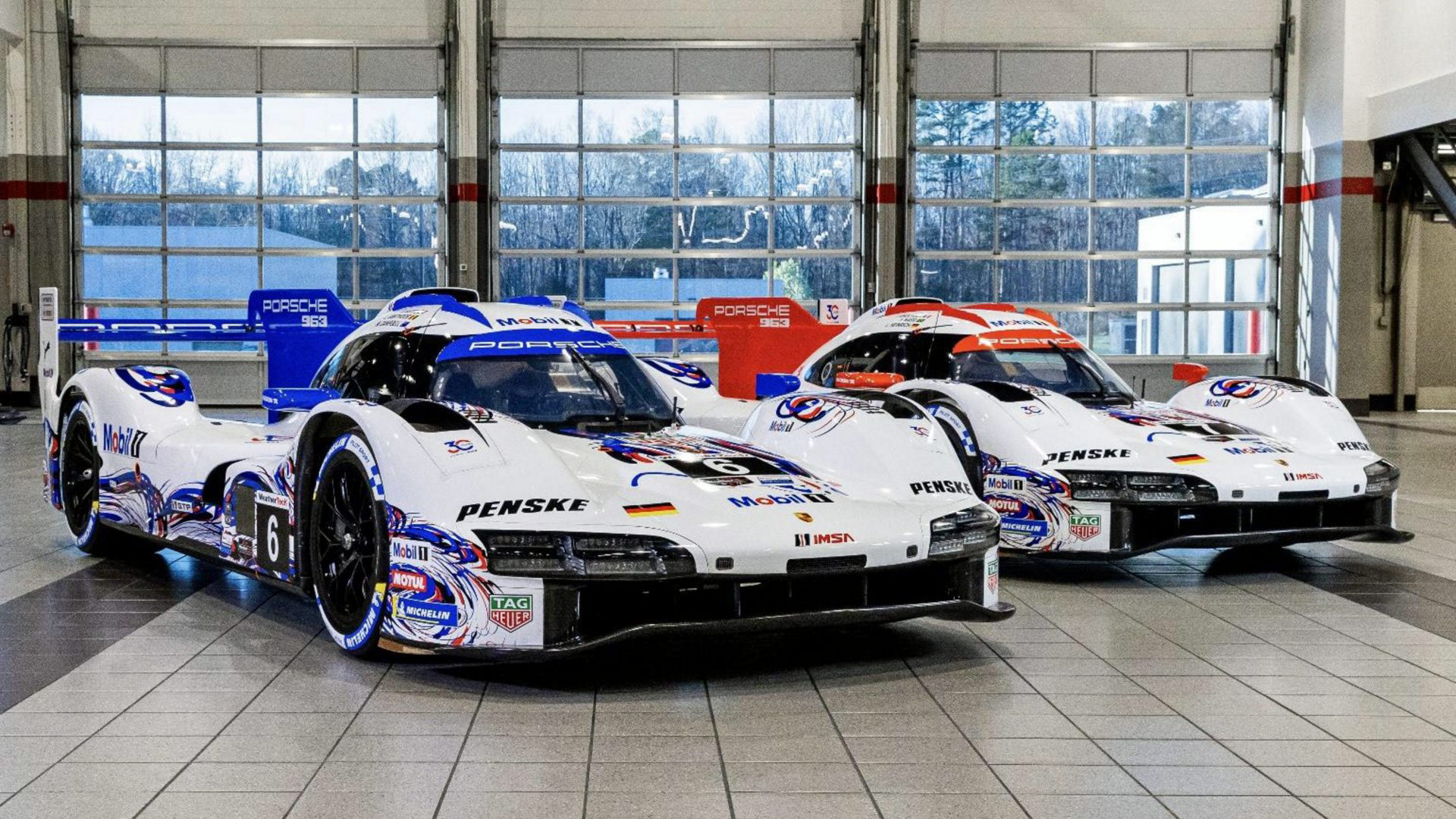
For this weekend’s 12 Hours of Sebring endurance event, Porsche Penske Motorsport has given its race cars a retro makeover.
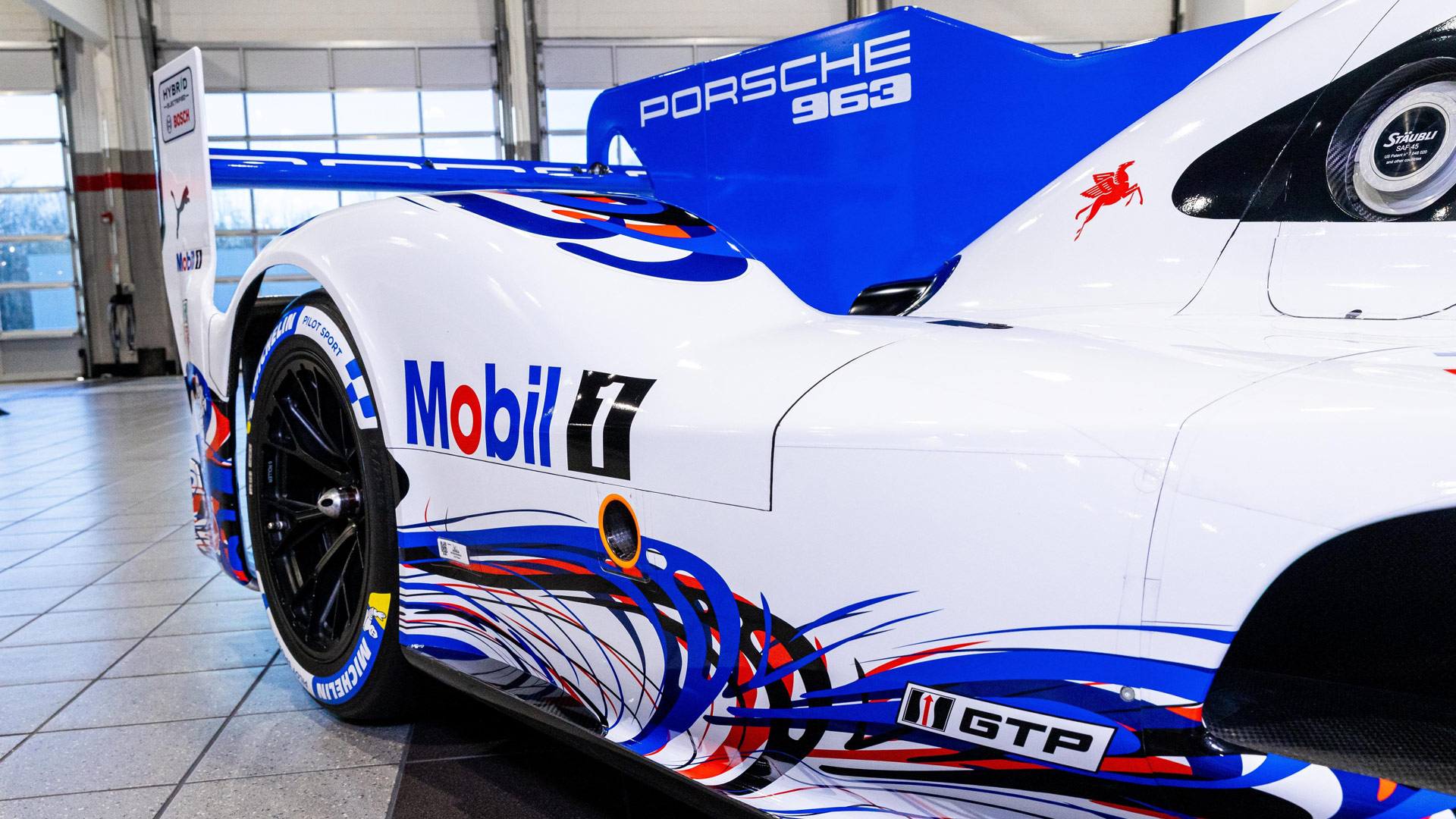
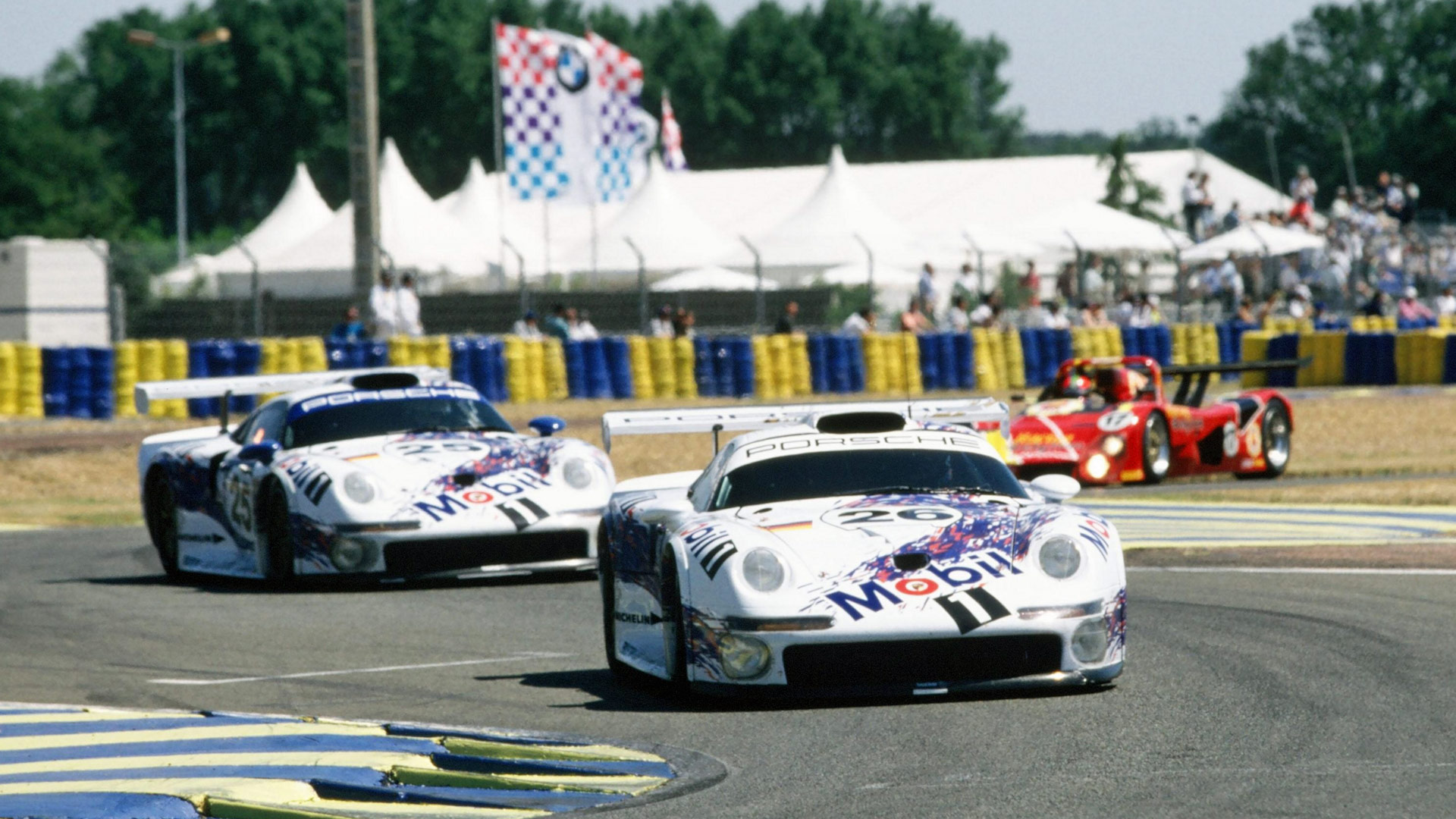
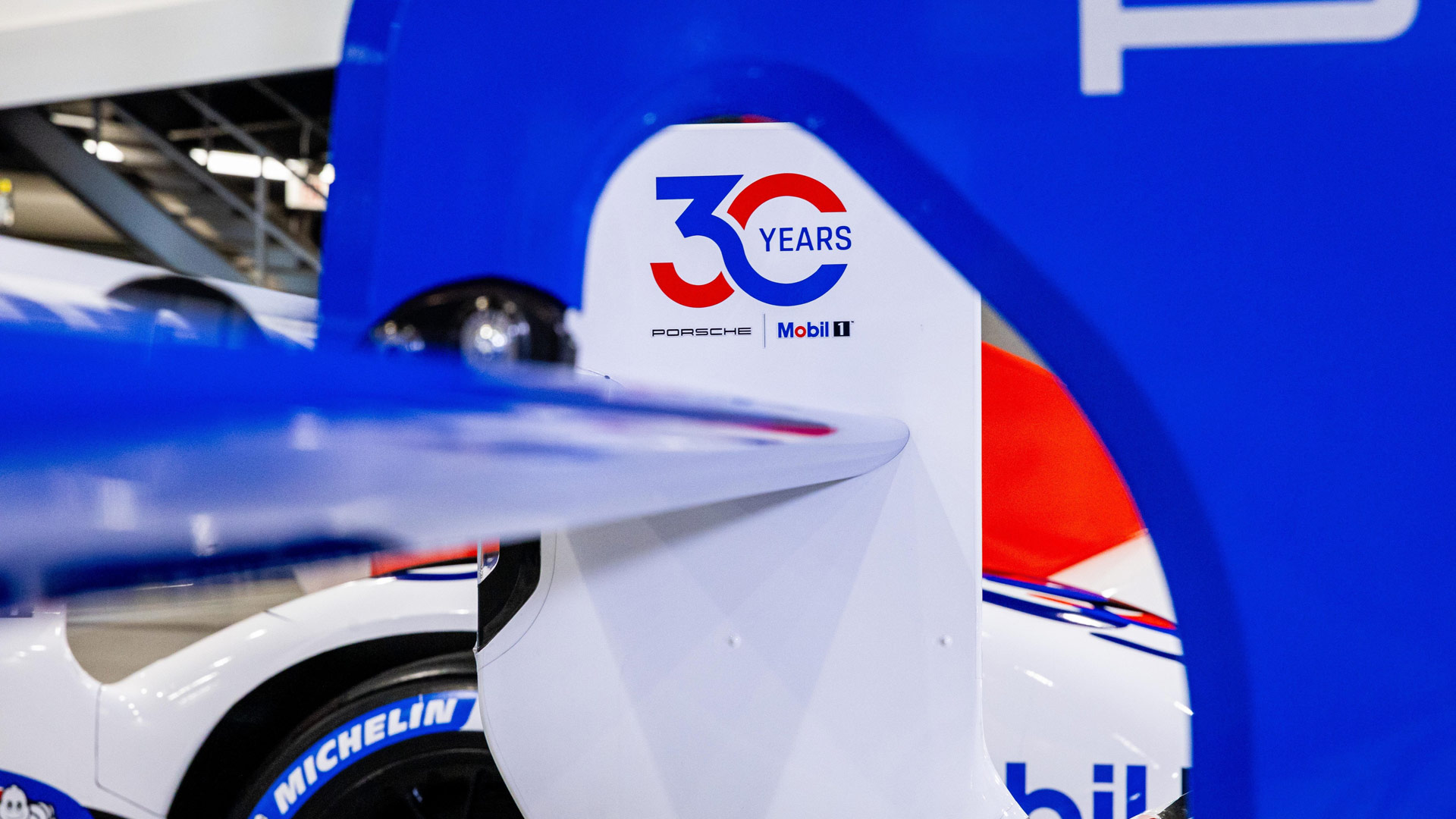
Both the Porsche 963 LMDh prototypes will wear a special Mobil 1 livery, paying tribute to one of the German marque’s most recognizable endurance racers.
The color scheme celebrates three decades of collaboration between Porsche and Mobil 1, and honors an important motorsport victory for the historic 911 GT1.
Porsche will hope the bespoke livery brings the Penske Motorsport team good luck this weekend, allowing the 963 to repeat its 1-2 finish in the 12 Hours of Sebring last year.
Remembering the 911 GT1
The Mobil 1 colors were used on the 993-based Porsche 911 GT1 racing car, which first competed in the 1996 BPR Global GT Series.
FIA GT1 rules of the time were designed to see racing cars developed from street-legal production vehicles. However, Porsche stretched the regulations to their limits with the extreme 911 GT1.
A rear subframe from the legendary Porsche 962 Group C prototype was combined with the front end of a contemporary 911 sports car. The result was a mid-engined racer powered by a twin-turbocharged 3.2-liter flat-six that delivered 600 horsepower.
Porsche then produced a pair of street-legal 911 GT1 Strassenversion (road version) cars to comply with homologation rules.
The start of a successful partnership
Along with entering the BPR Global GT Series, which later became the FIA GT Championship, the Porsche 911 GT1 also entered the 24 Hours of Le Mans for the first time in 1996.
Despite the 911 GT1 being in its first season of competition, it proved highly effective during qualifying for the French endurance race. Finishing in second and third place further demonstrated the potential, and the reliability, of the Mobil 1-liveried GT1.
What made the Mobil 1 color scheme more significant that weekend was the signing of an agreement between the sports car manufacturer and the US energy company. This ensured Mobil 1 would provide the factory-fill lubricants for all new Porsche vehicles.
Aiming for a 30th anniversary win
These 30 years of collaboration will be marked by the throwback Mobil 1 livery, as Porsche aims for further success at Sebring.
“Even with the current Porsche 963, we benefit in many areas from Mobil 1’s innovations and expertise,” said Urs Kuratle, director of Porsche’s LMDh program.
“In the tightly contested IMSA series, the smallest details make the difference – and recently we have consistently been at the front. The championship titles in the past two years and another victory at the 24 Hours of Daytona in January underline this. Together with all our partners, we want to keep winning in this anniversary year.”
This is not the first time Porsche has brought back its famed Mobil 1 colors. For the brand’s 70th anniversary in 2018, it used a later 1998 version of the 911 GT1 livery for the Petit Le Mans race.
BYD has confirmed UK prices and specifications for its Atto 3 Evo, following the new electric SUV‘s debut last month.
The first model sold in the UK by the fast-growing Chinese brand, the original BYD Atto 3 was launched in 2023.
Three years on, the Atto 3 Evo has received a comprehensive update, improving its performance and battery range, and adding 50 litres of boot capacity.
Faster charging capability and extra equipment are also included with the revamped Atto 3 Evo. Indeed, BYD has used entirely new underpinnings for its electric family SUV, which is now based on its latest ‘E-Platform 3.0’.
The biggest difference is that the new Atto 3 is either rear- or all-wheel drive – rather than front-driven, as previously.
More power and more battery range
Prices for the BYD Atto 3 Evo will start from £38,990 for entry-level Design specification, representing a £1,260 increase over the most affordable current model.
Design trim sees the Atto 3 Evo come in rear-wheel drive, with a single motor delivering 313hp and 280lb ft of torque. This can accelerate the Evo from 0-62mph in 5.5 seconds. When fully charged, it has an official, WLTP-tested range of up to 316 miles.
Included with Design trim will be 18-inch alloy wheels, front and rear parking sensors, a 360-degree surround-view camera and vehicle-to-load power capability.
Inside, a new 8.8-inch digital instrument panel is combined with a 15.6-inch central touchscreen. Google Maps navigation, wireless smartphone charging, four USB-C charging ports and electrically adjustable heated front seats are all part of the package, too.
Ready to order from April 2026
The BYD Atto 3 Evo Excellence costs from £42,730, and comes with a dual-motor all-wheel-drive layout. Total outputs of 449hp and 413lb ft make for a hot hatch-rivalling 0-62mph time of 3.9 seconds, plus a top speed of 124mph.
Sharing the same 78.4kWh Blade Battery as the Design version, the more powerful Atto 3 Evo still manages an official range of up to 292 miles. Charging speeds for the Atto 3 Evo have also doubled, with a 220kW DC connection meaning a 10 to 80 percent fill-up can take just 25 minutes.
Opting for Excellence specification also brings a head-up display, heated rear seats and a panoramic sunroof with an electric sunshade.
Available to order from 2 April 2026, all BYD Atto 3 Evo models come with a six-year, 93,000-mile warranty. There is also separate cover for eight years or 155,000 miles for the car’s Blade Battery.
SUVs now dominate the UK sales chart, accounting for eight out of the top 10 best-selling cars last year. Indeed, the top three in 2025 – the Ford Puma, Kia Sportage and Nissan Qashqai – were all streets ahead of the rest.
It’s not hard to see why; a family SUV can offer a practical interior, high driving position and running costs that won’t be much different to a mid-sized hatchback such as a Volkswagen Golf.
To help you choose the best family SUV for you in 2026, we have created a list of our favourites. Our choices are presented in alphabetical order, rather than in order of preference.
Note that we’ve also included some electric cars here, along with more traditional petrol and diesel models. Interested in buying an EV? Check out our dedicated Motoring Electric website to have your questions answered.
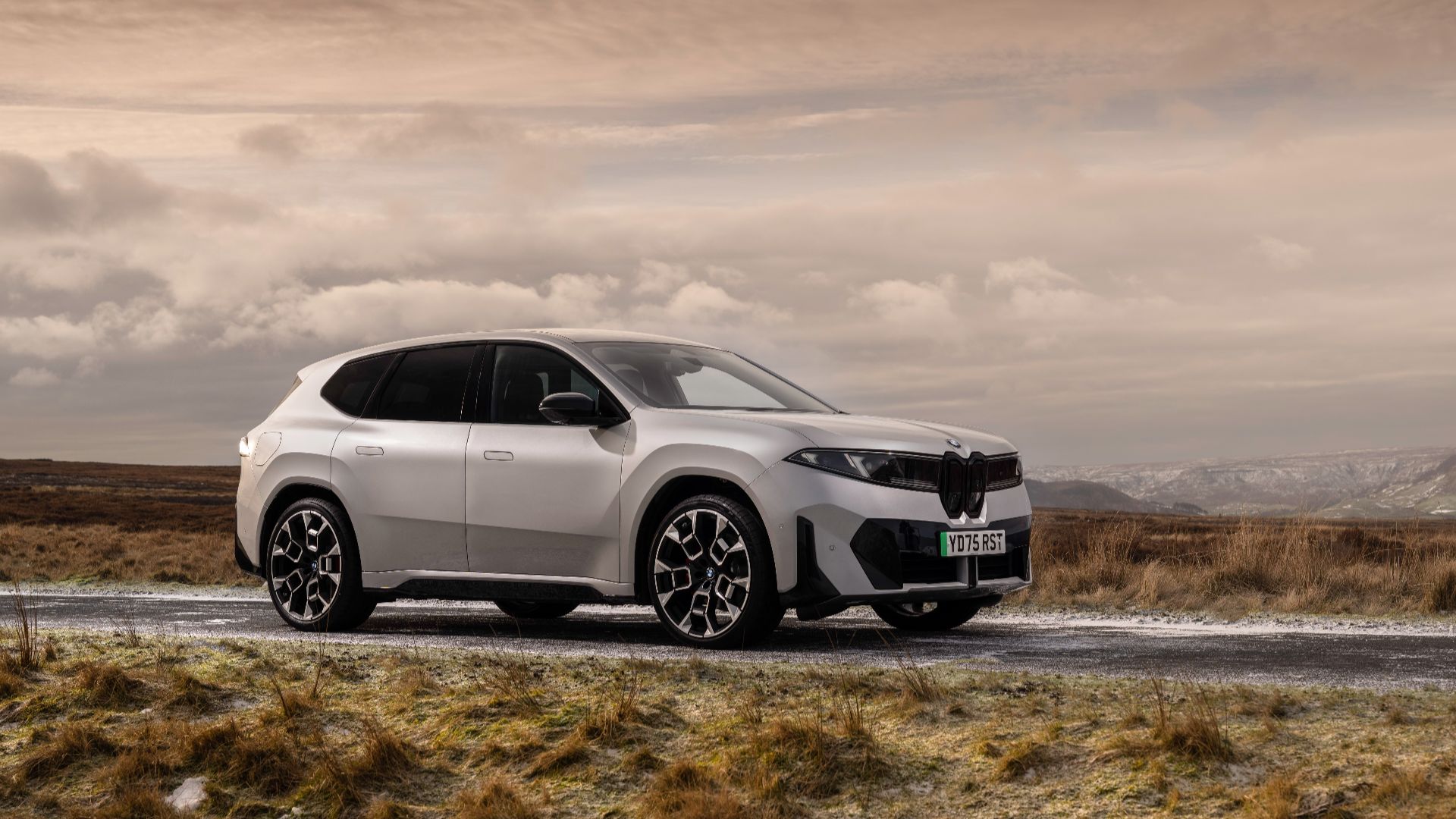
BMW iX3
With an official battery range of 500 miles – the longest of any EV currently on sale – the BMW iX3 could slot into your life as easily as a petrol-powered family SUV. The first of BMW’s ‘Neue Klasse’ range of electric cars, it’s an accomplished all-rounder, with as much passenger space as the larger BMW X5 (although there is no seven-seat option).
The iX3 is easy to drive, yet engaging enough to keep you interested. Unlike many cars in this category, it offers more than just forgettable A-to-B transport. We particularly like the new Panoramic iDrive display, which means you aren’t always glancing downwards at the touchscreen. BMW’s self-parking technology is genuinely useful, too. At the time of writing, there is just the one 469hp 50 xDrive version of the iX3 available, priced from £58,755, but more affordable derivatives are on the way.
We said: ‘Ride comfort is impressive, despite the iX3’s hefty 2,360kg kerb weight and my car’s 22-inch rims (the largest size available). Lord knows, Hampshire contains its fair share of brutal potholes, but the BMW took them in its stride. Unless you switch into Sport mode, it does its best to soothe your stress levels, with sure-footed 4WD traction and well-calibrated driver aids that don’t constantly beep and bong at you.’
The X3 sits in the middle of an extensive range of BMW SUVs, bookended by the small X1 and enormous X7. In many ways, it’s the best of the crop, offering the usability and low running costs of the X1, but quality and comfort to rival the X5 and X7. Prices are roughly in line with the Audi Q5, so the choice comes down to badge and driver appeal. If you enjoy driving, there’s a clear winner: the X3.
On the move, the X3 feels like a high-riding BMW 3 Series. Petrol and diesel engines are available, with the separate iX3 available for those who want to go fully electric.
Now into its fourth generation, the current ‘G45’ X3 is bigger than before, with angular styling that divides opinion. The sporty X3 M50 is a particular highlight, with its 3.0-litre turbocharged petrol straight-six generating almost 400hp. Acceleration from 0-62mph takes just 4.6 seconds.
We said: ‘Look beyond the fact that the X3 M50 is not a full-fat BMW M-car, and it makes a strong argument for itself. This is a rapid SUV with very few compromises. It may not be the last word in driver engagement, but it delivers considerable cross-country pace, along with a practical interior.’
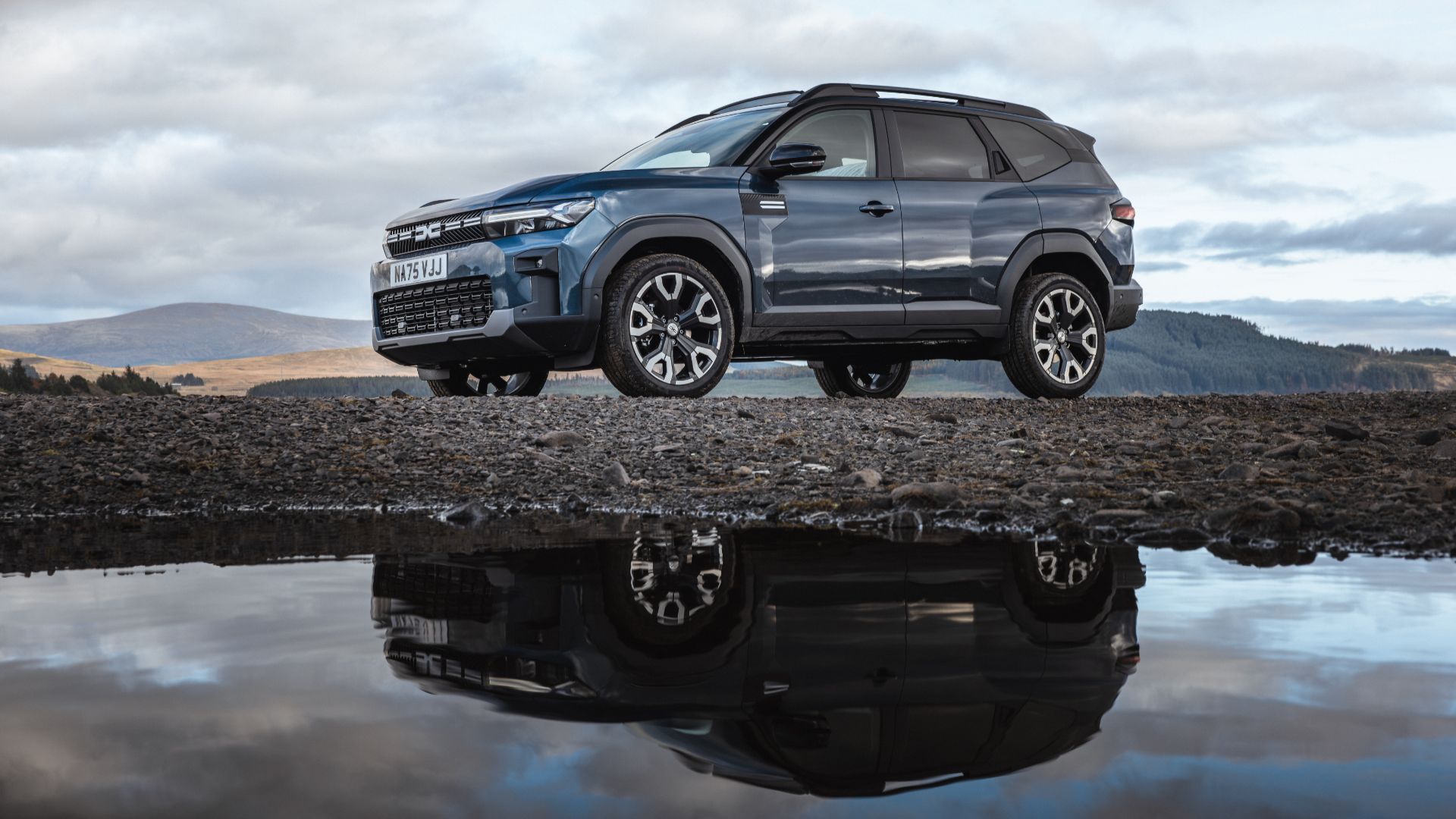
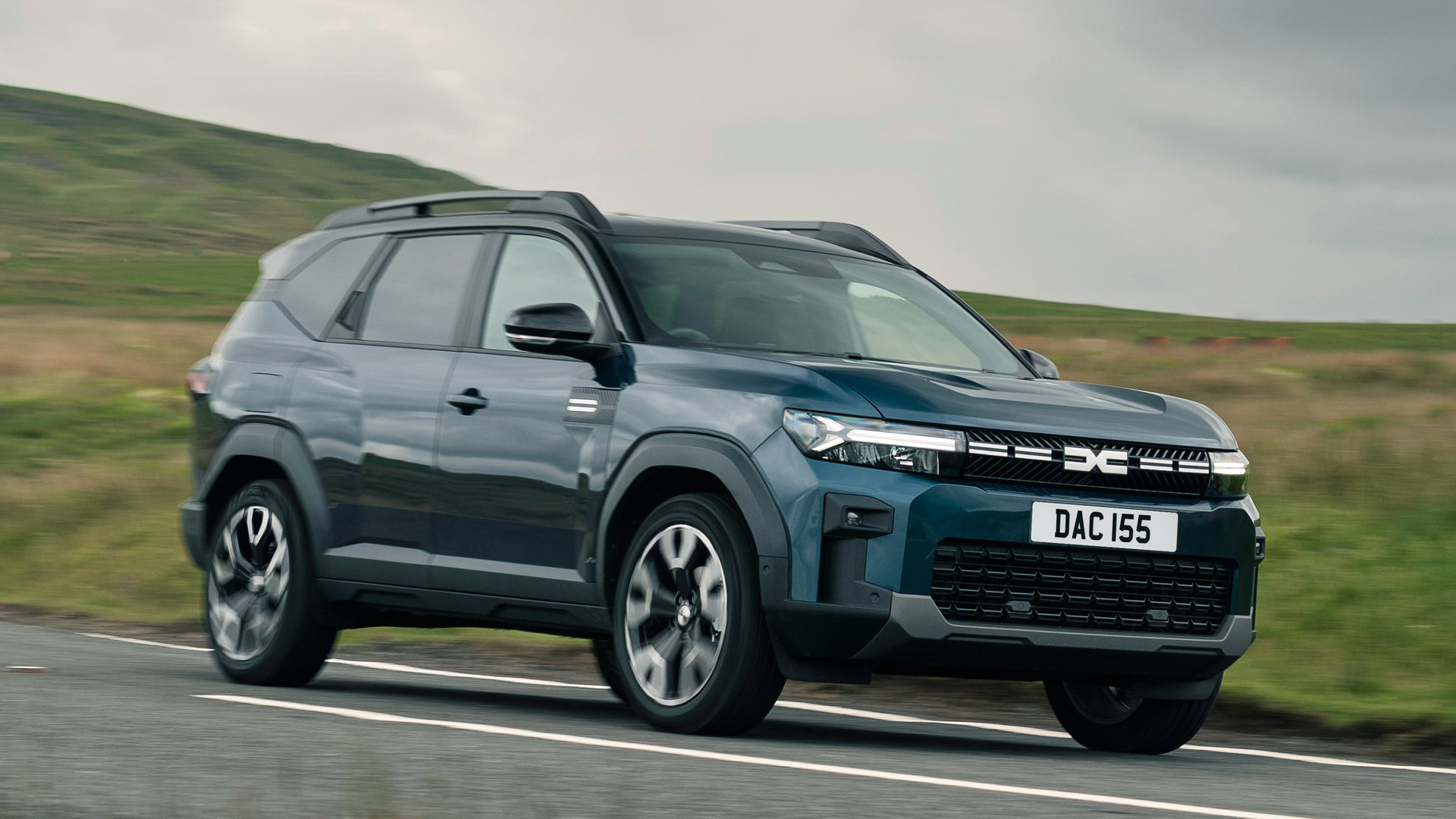
From humble Romanian origins, Dacia has blossomed into a genuine automotive success story. It’s now one of the biggest-selling brands across Europe. The Bigster could be, ahem, Dacia’s biggest hit to date, tapping into the mid-size ‘C-SUV’ sector that makes up nearly a quarter of Europe’s car market.
Priced from just over £25,000, the Bigster undercuts most other SUVs on sale, offering space for five and a substantial 677-litre boot. There is a choice of two petrol engines, plus a petrol-electric hybrid that achieves up to 60mpg.
We said: ‘Dacia’s SUV rivals – and there are many of them – should be worried. By adding a dash of style and desirability to a well-proven formula of sensible motoring at affordable prices, the Bigster looks like a winner.
‘Are you really willing to pay £10,000+ more for a comparable car without a “budget” badge? As with the all-conquering Sandero, we suspect many Europeans will reject brand snobbery and vote with their wallets.’
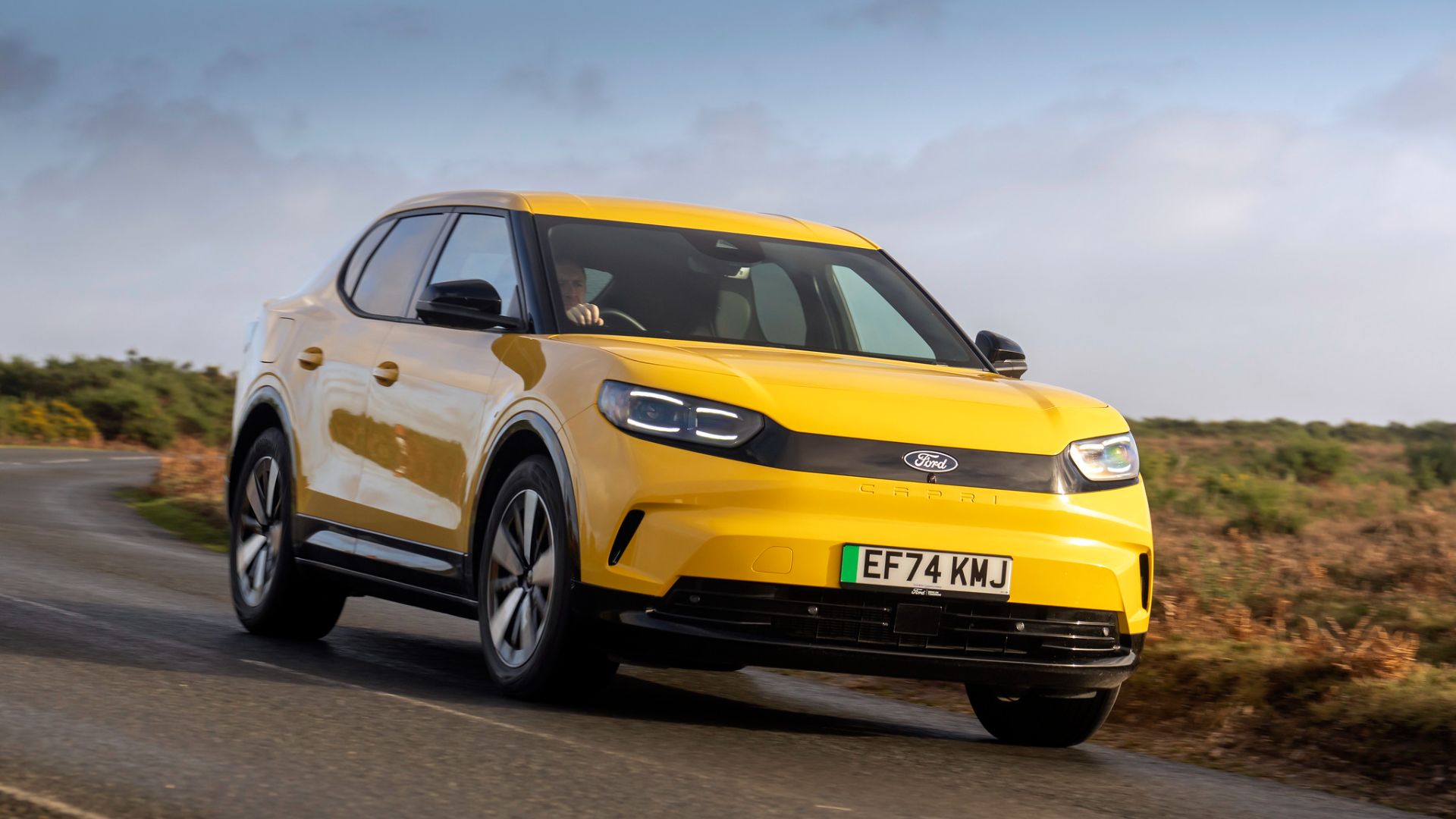
It may share a name with Ford’s classic coupe, but the reborn Capri is a thoroughly modern electric SUV. So, let’s forget any ideas of a direct comparison and focus instead on how the Capri stacks up against family EV rivals.
Beneath that tapering roofline is the same platform that underpins a host of Volkswagen Group products, including the ID.4 and ID.5. However, Ford has given the Capri its own unique character on the road.
The new Capri is pricier than many of its rivals, and commands a premium over the closely related Explorer. Ford will hope the car’s evocative name, sportier handling and shapelier styling will justify the markup.
We said: ‘Like 95 percent of today’s SUVs, the Capri has absolutely no intention of ever going off-road. However, this taller, bulkier body style does have its advantages, as anyone who has squeezed into the ‘+2’ rear seats of a classic Capri will confirm. This time around, the Ford is a full-sized family car, with enough space for lanky teenagers on the rear bench and several suitcases in the boot.’
This one is a bit of a wildcard. It looks like a hot hatchback, but in reality the Hyundai Ioniq 5 N is very much SUV-sized. With two electric motors developing a total of 650hp, plus a price tag of around £65,000, it’s hardly the most sensible family holdall on sale. However, if your heart says ‘sports car’ and your head (or your accountant, perhaps) says ‘electric SUV’, the Ioniq 5 N is a brilliant way to tick both boxes. It was the most surprising car we drove last year.
How so? Primarily because of Hyundai’s N e-Shift system, which does a remarkably good impression of a feisty four-cylinder engine linked to a modern dual-clutch auto transmission. The ‘engine’ spins to 8,000rpm in each of the eight ‘gears’, then you change up with the thud of a clutch engaging – or feel the car bounce off its artificial rev limiter. It serves no practical purpose apart from being laugh-out-loud fun: a digital simulation of an analogue driving experience. Don’t knock it until you’ve tried it; the Ioniq 5 N might change the way you think about electric cars.
We said: ‘Factor in the simulated sounds of a turbocharged four-cylinder engine – complete with raspy rev-matched downshifts – and the result is far more convincing than I’d expected. Shut your eyes (actually, don’t) and you could almost be driving a Toyota GR Yaris or the now-departed Hyundai i20 N.’
We’re back at the more sensible end of the Hyundai range now, although the Tucson is one of the most distinctive family SUVs on sale. You might not love its bold look, but you can’t accuse the adventurous Hyundai of playing it safe. Make no mistake, your neighbours will know you’ve bought a new car.
It’s not the bargain family SUV it was previously, but the Tucson comes with a five-year unlimited mileage warranty and a generous level of standard equipment. The entry-level Advance gets 17-inch alloy wheels, dual-zone climate control, rear parking sensors, a reversing camera, a 12.3-inch touchscreen media system with sat-nav, a 12.3-inch digital instrument cluster and front/rear parking sensors.
Upgrading to Premium trim adds more kit, while Ultimate spec nudges the Tucson into luxury territory. Look out for the N Line and N Line S, with styling inspired by Hyundai’s N performance models. A 1.6-litre petrol engine is available in a choice of outputs, and with mild-hybrid or full hybrid technology.
For even lower running costs, check out the plug-in hybrid Tucson, which offers up to 43 miles of electric range – if you remember to plug it in.
The Kia EV3 is one of the latest and best electric SUVs to hit the market. All versions use a single 204hp motor to drive the front wheels, with a choice of 58kWh or 81kWh battery sizes. They offer official ranges of 270 and 375 miles, respectively.
Those are impressive figures, especially for an SUV that costs £33,000 in base trim, although the flagship GT-Line S with an 81kWh battery is just shy of £44,000. All models come with Kia’s seven-year/100,000-mile warranty, backed up by an excellent reputation for reliability.
We said: ‘The Kia EV3 is an accessible and thoroughly well-rounded car that could slot effortlessly into family life. And as such vehicles are now increasingly SUV-shaped, it has become the electric benchmark to beat. It is capable, competent and easy to drive, with a smooth and comfortable ride.’
No other car manufacturer offers such a bewildering array of SUVs as Mercedes-Benz, so it could be tricky to choose the right one. We’ll cut to the chase: the GLB is one of the most practical and family-friendly SUVs in the range. It also offers better value for money than the pricier Mercedes-Benz GLC.
Squint and it looks a bit like the chunky Mercedes-Benz G-Class, which helps the GLB stand out in a crowded market. It’s actually shorter and narrower than the GLC, but its lofty stance creates an interior that is spacious enough for five adults. You even get a pair of extra seats in the third row. Quality isn’t quite up to the high standards of the GLC, but the price reflects this.
There are four trim levels: Sport Executive, AMG Line Executive, AMG Line Premium and AMG Line Premium Plus. All come with a pair of 10.25-inch screens, which blend together to create one seamless display across the dashboard. Take into account the fact that the entry-level GLB undercuts the basic GLC by around £20,000, and you’ll see why we consider it good value.
The Renault Scenic is back, but not as we know it. Gone are the modest petrol and diesel engines you might remember from your youth – ‘Are we nearly there yet?’ – the current Scenic E-Tech uses a 170hp or 220hp electric powertrain. The former has a 60kWh battery for 260 miles of range, while the latter boasts a 87kWh battery and can travel up to 379 miles between charges.
The three trim levels are labelled Techno, Esprit Alpine and Iconic. Prices range from £37,500 to £45,500, and while that might seem like a lot for a Renault, quality is excellent and you get an impressive amount of equipment for your money.
Thanks to the Scenic’s flat floor, its interior feels incredibly spacious, with enough room for five adults to sit in comfort. There is also 545 litres of luggage space, which is better than many of its rivals. It’s a great electric SUV, but don’t take our word for it; the Scenic E-Tech was good enough to win the European Car of the Year award in 2024, before the new Renault 5 E-Tech stole its crown in 2025.
We could mount a strong case for the Skoda Kodiaq being the best family SUV you can buy. Available with a choice of five or seven seats, even the most basic version offers a long list of standard equipment.
It shares a platform with the Volkswagen Tiguan, and although the level of finish isn’t as polished as the VW, you get more goodies for your money. Prices start from around £39,000, while the flagship vRS with a 265hp 2.0-litre petrol engine costs £54,575.
Don’t be fooled by the evolutionary styling, because the new Kodiaq is a major upgrade on the old model (which also happened to be one of our favourite SUVs). It’s bigger and more practical, and you’ll notice a significant step up in terms of quality.
There are four versions to choose from: SE, SE L, SportLine and vRS. As for powertrains, the pick of the bunch is the plug-in hybrid, which offers an impressive 71 miles of electric range
The Volkswagen Tiguan is one of the most popular family SUVs in Europe, with many buyers prepared to pay a small premium for the VW badge and build quality. It feels a class above its mainstream rivals, even if it can’t quite reach the high standards set by the Audi Q5 and BMW X3.
Don’t be fooled by the attractive price of the entry-level Tiguan; it lacks the kind of creature comforts you’ll want over a three-year PCP finance deal. The Life trim level is more appealing, while Match and Elegance add more luxury to the mix. For more aggressive styling, check out the R-Line and Black Edition models. For seven seats, you’ll need to upgrade to the versatile Tiguan Allspace.
As well as diesel and mild-hybrid petrol engines, the Tiguan is available as a plug-in hybrid for extremely low running costs. The Tiguan eHybrid pairs a 1.5-litre petrol with an electric motor to deliver either 204hp or 272hp. A fully charged battery should provide 71-77 miles of electric range, while CO2 emissions from 9g/km will be great news for company car drivers.
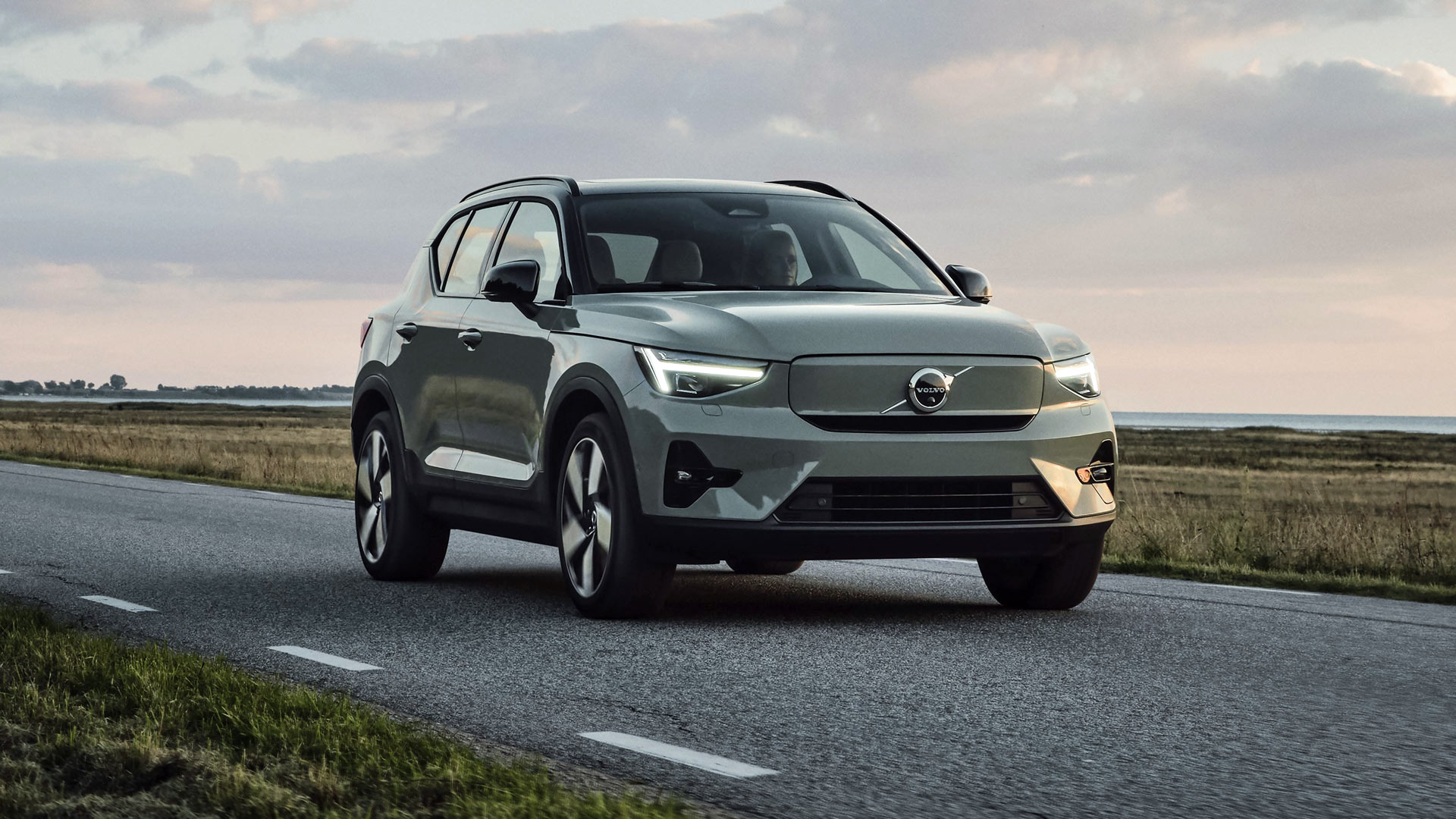
Not many family SUVs are as appealing as the Volvo XC40. It might be the smallest SUV in the Volvo range, but it’s arguably the most charming and attractive of them all. Its chunky styling sets it apart from German rivals, while its interior exudes sophisticated Scandinavian cool.
Despite being on sale since 2017, the XC40 still has plenty going for it. Buyers can pick from mild-hybrid petrol versions with up to 197hp, along with the electric EX40 model, which offers a potential range of 355 miles.
Perhaps the biggest challenge for the XC40, and indeed EX40, comes from within. Volvo’s smaller EX30 electric SUV has proven very popular. We are currently running a long-term test EX30 to discover what it is like to live with.
We said: ‘The Volvo XC40 has deservedly won a string of awards and a legion of admirers. It looks the absolute business, in our opinion, and the interior is brilliantly Swedish. It’s not quite as plush as the XC60 and XC90, but it still feels premium and interesting in a “definitely not German” kind of way’.
Following a successful first 12 months on sale, the Jaecoo 7 range is gaining two new additions.
On sale from May 2026, the popular Chinese-made SUV will be available in new Black Luxury guise, along with as Jaecoo’s first full hybrid.
During the past year, Jaecoo has registered more than 35,000 vehicles in the UK. The existing 7 SHS-P plug-in hybrid makes up more than 70 percent of this total.
The SHS-P is also the basis for the Jaecoo 7 Black Luxury edition, which introduces bespoke styling and interior trim to the family SUV.
Moody makeover for Jaecoo 7
Starting with the range-topping Luxury trim level, the Jaecoo 7 Black Luxury model follows the established ‘black edition’ route to a moody cosmetic makeover.
Changes include a black front grille with a black Jaecoo badge. All other logos also receive the noir treatment, along with the alloy wheels, door mirrors, roof and roof rails.
On the inside, the standard black leather upholstery is matched with a black headlining and black sun visors.
Prices for the Jaecoo 7 SHS-P Black Luxury will start from £36,500: a modest increase over the £35,165 asked for a regular Jaecoo 7 SHS-P Luxury.
SHS Hybrid offers up to 53mpg
The new SHS introduces a full hybrid powertrain to the Jaecoo 7 lineup, providing electrified efficiency without the need to plug in.
A 1.5-litre turbocharged petrol engine is matched with the hybrid system, resulting in a combined output of 224hp. Accelerating from 0-62mph takes 8.4 seconds, with a top speed of 112mph.
Sharing the same powertrain as the Omoda 5 SHS-H, introduced earlier this year, a host of intelligent systems are said to result in world-leading efficiency.
According to the official WLTP fuel economy test, the hybrid Jaecoo 7 SHS achieves 53mpg in mixed driving condistions.
Giving UK drivers more choice
Pure trim marks the starting point for the Jaecoo 7 SHS. Priced from £29,125, the model comes with tweed cloth upholstery, a 13.2-inch infotainment screen, wireless Apple CarPlay and Android Auto connectivity, dual-zone climate control and parking sensors.
The £32,795 Deluxe version adds eco-leather upholstery, a larger 14.8-inch touchscreen and an upgraded eight-speaker audio system.
Victor Zhang, managing director of Jaecoo UK, said: “After such a strong first year, it’s crucial that we keep evolving. The Jaecoo 7 SHS-P Black Luxury gives our customers even more visual impact and exclusivity, while the full hybrid SHS-H opens up electrified performance at an extremely competitive price point.
“Together, these new additions reaffirm our commitment to giving UK drivers more choice, more value and more of what they want from a modern SUV.”
BMW has revealed the new 2026 i3 saloon – undoubtedly one the most significant models in the German marque’s long history.
Inspired by the original ‘Neue Klasse’ (New Class) range of cars launched in 1961, the i3 is described by BMW as the ‘first all-electric 3 Series’.
Although not a direct replacement for the 3 Series, which will continue with petrol power for now, the electric i3 has similar dimensions to the classic compact saloon.
Sharing a platform with the recently launched BMW iX3, which our Tim Pitt gave a full five stars in his review, should ensure the i3 delivers an engaging driving experience, along with innovative technology.
The new i3 will be launched in 50 xDrive form, with the potential to cover more than 550 miles when fully charged. Still want that Tesla Model 3?
Classic BMW design is back
BMW’s design department has had notably more lows than highs in recent years, but the i3 is a real return to form. Despite its name, you can also forget any resemblance to the pioneering first-generation i3 hatchback.
A neat 2.5-box design channels classic BMW proportions, with a long wheelbase and short overhangs. At 4,760mm in length, the i3 is a fraction longer than the current 3 Series saloon, and almost 40mm wider.
Its front grille mimics the kidney design found on previous BMW models, flanked by headlights that resemble the ‘four eyes’ used on numerous generations of 3 Series. An illuminated ‘Iconic Glow’ version of the front grille is available, too.
Flush door handles, a neat ‘Hofmeister kink’ in the rear door and a set of aerodynamic 21-inch alloy wheels give the i3 real presence when viewed in profile.
The rear of the i3 is neat and chiselled, with full-width 3D lights that mimic the L-shape found on older BMWs. A sizeable diffuser (seen here) is part of the M Sport aero kit, which helps emphasise the extra width from the flared wheelarches.
Eleven different paint colours will be offered for the i3, including BMW’s ‘frozen’ matte finishes. In the new ‘M Le Castellet Blue’ metallic paint in these photos, we reckon it’s the best-looking BMW in years.
Up to 559 mileson a full charge
Underneath its retro-modern body, the new i3 is fully futuristic, featuring BMW’s ‘Heart of Joy’ supercomputer that controls all the dynamic systems.
As we discovered in the iX3, despite its slightly cringe-worthy name, the Heart of Joy can transform a 2,400kg electric SUV into a genuinely engaging car to drive. It bodes well for the i3 to meet the standards set by numerous generations of the 3 Series saloon.
At launch, the i3 will be available solely in 50 xDrive dual-motor guise, with 469hp and 475lb ft of torque. BMW has not released performance figures yet, but the iX3 SUV takes 4.9 seconds to accelerate from 0-62mph with the same powertrain.
Perhaps the biggest selling point of the BMW i3 is a range of up to 559 miles when fully charged. This will make it the longest-range electric car on sale, capable of travelling far further than any Tesla Model 3.
Although BMW has not mentioned the exact battery size used in the i3, the related iX3 is equipped with a 108.7kWh NMC lithium-ion pack. Expect the saloon to use a similar setup, featuring BMW’s latest sixth-generation battery tech.
An 800-volt electrical system allows the i3 to use DC charging devices with speeds of up to 400kW. This could mean adding nearly 250 miles of range in only 10 minutes.
Inside the 2026 BMW i3
On the inside, the i3 features the radical Panoramic iDrive system, with a digital display spanning the entire width of the dashboard just beneath the windscreen.
Information such as speed and navigation directions are shown directly in front of the driver. The remainder of the display can be customised with multiple widgets. A central 17.9-inch touchscreen is used to manipulate the Panoramic iDrive, while other functions can be controlled through the steering wheel.
BMW has incorporated its Intelligent Personal Assistant into the i3, which allows for voice commands by saying “Hey BMW”. Amazon Alexa AI technology will be introduced as well, starting with cars sold in Germany and the United States.
Production starts in August 2026
Multiple interior finishes will be available for the i3. The entry-level Essential trim uses Econeer composite fabric in Vivid Grey, Agave Green, Digital White, Castanea (brown/tan) or Black.
M Sport seats will be on the options list, along with an M Sport package that adds a sports steering wheel, blue-painted brake calipers and an M logo projected from the door mirrors.
BMW will build the new i3 at its factory in Munich, which currently assembles the 3 Series and M3. Next year, the site will switch exclusively to manufacturing electric Neue Klasse models.
Full UK prices and specifications will be confirmed closer to when the i3 enters production in August 2026.
Charging an electric car could soon be as quick as filling up with petrol, as BYD looks to expand its ultra-rapid Flash technology.
BYD has already installed more than 4,200 Flash Chargers, which offer speeds of up to 1,500kW, across its native China. Now the company is looking to create a public charging network across Europe.
Cold weather, which typically has a notable effect on EV charging, is said to have a minimal impact on BYD’s latest technology. Even in temperatures as cold as -30 deg C, the Blade Battery 2.0 still only requires 12 minutes to charge from 20 to 97 percent.
The Flash Charger’s T-shaped design is also designed to stop charging cables getting wet and dirty, by lifting them away from the ground.
Pushing EV charging speed to the limit
The roll-out of Flash Charging technology to Europe will to support the launch of BYD’s flagship Denza Z9GT shooting brake (pictured above).
Making use of BYD’s e3 platform, the Denza Z9GT comes with a triple-motor drivetrain that generates 965hp: good for 0-62mph in less than three seconds.
Equipped with a 122kWh Blade Battery, the Z9GT is said to be capable of almost 500 miles when fully charged.
An opera house-inspired sound system, developed with French audio specialists Devialet, also brings Dolby Atmos tech to the Z9GT.
Are Flash Chargers the future?
Fittingly, BYD will launch the Denza Z9GT to European customers on 8 April at the Palais Garnier opera house in Paris.
Stella Li, BYD executive vice president, commented: “The introduction of the Denza Z9GT in Europe marks a very important milestone for our brand. The Z9GT represents the true spirit of Denza — where advanced technology, beautiful design and emotional driving come together.”
BYD will also provide further updates on the roll-out of its first wave of Flash Charging devices in Europe.
The company aims to install 20,000 Flash Chargers across China by the end of this year, giving an indication as to how bold its ambitions are to make EV charging quicker and easier.