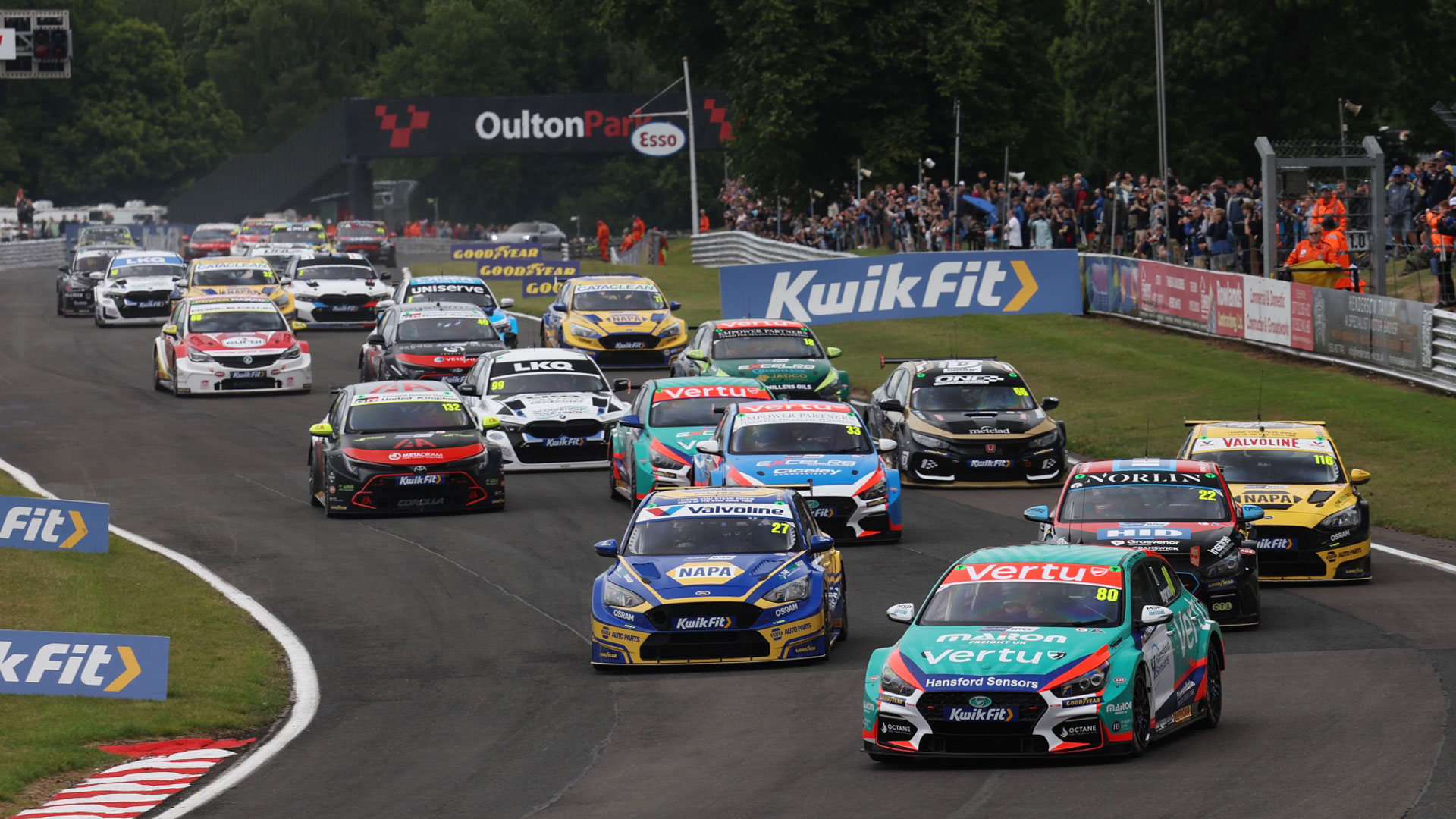
The British Touring Car Championship (BTCC) has confirmed new technical regulations to start from 2027.
Although the Next Generation Touring Car (NGTC) specification will continue to be used, the BTCC hopes to make it easier for new teams to enter the championship.
A loosening of the current engine rules should also help race teams to share development costs and enable greater performance parity.
Taking effect for the 2027 season, the revised NGTC rules will be in place for five years until the end of 2031.
More variety of cars on-track

At present, the BTCC limits teams to car models that have been sold in the UK. However rule changes will broaden this to cover solely the vehicle brand from 2027.
It means that, providing a brand sells cars in the UK, teams can race with any model made by that marque around the world. Size guidelines and the requirement to have an internal combustion engine will remain.
With the UK vehicle market now dominated by sales of SUVs, the retreat of hatchbacks and saloons from the marketplace has affected BTCC teams, reducing the range of vehicles suitable for racing.
Championship organisers believe this change will provide ‘teams with greater flexibility and availability in choosing models that fit their goals’, along with allowing fans to watch new vehicles compete.
A British motorsport success story

The new 2027 NGTC rules will also unlink cars and engines, permitting greater choice amongst teams. A team racing a Hyundai car could, for example, use an engine originally developed for a BMW.
Registered BTCC engine builders will also be bound to supply any team with engines when asked, albeit capped at 50 percent of the grid. The TOCA customer engine will remain available uncapped to all teams.
The BTCC ditched its use of hybrid assisted engines for the 2025 season, switching to sustainable fuel instead.
Alan Gow, chief executive of the BTCC, said: “We’re pleased to announce the BTCC’s technical regulations for the next five-year cycle, to commence in 2027. I thank all our teams for their invaluable input over the last two years to bring them to fruition.
“We value these successful regulations, which will have largely been in place for almost 20 years at the conclusion of this next cycle. The BTCC technical regulations, like the BTCC itself, is a true British success story.”
ALSO READ:
Nic Hamilton makes an inspiring return to the BTCC
Car makers launch their own EV grants to save buyers money now