Home Blog Page 4

BMW M3 Touring GT: from April Fools’ Day joke to racing reality

0
First created as an April Fools’ Day joke in 2025, huge social media engagement made BMW make a real M3 Touring racer

Forget the clichés about Germans not having a sense of humour. BMW begs to differ – and has built a real GT3-specification M3 Touring to prove it. 

First shown in 2025 as an April Fools’ Day joke, BMW M Motorsport was overwhelmed by the positive reaction to the imaginary car on social media. 

More than one million users saw images of the ‘joke’ BMW M3 Touring GT racer, with the post generating an impressive 1.6 million views. 

This was several times higher than the typical engagement for anything shared by BMW M Motorsport, leading the German manufacturer to consider a real, race-spec version of the M3 Touring.

A few months later, BMW M Motorsport embarked on an audacious plan to enter the unique M3 Touring into the gruelling Nurburgring 24 Hours race.

Who’s laughing now?

BMW M3 Touring 24H

BMW’s engineers took just eight months to design and build the new M3 Touring 24H, using the existing M4 GT3 Evo race car as a starting point. 

However, the upright Touring bodyshell created a number of aerodynamic challenges compared to the curvaceous M4 coupe, demanding some special modifications.

The rear spoiler from the BMW M4 GT3 Evo is also used for the Touring 24H, but with a new swan-neck mount. This shifts the wing 200mm further back, and 32mm higher, to create the optimum level of downforce. It also happens to look outrageously cool. 

Almost every panel of the M3 Touring has been reworked to create the GT3-style racer, but don’t try to open the rear doors. Non-functioning carbon fibre panels have been fitted, with the space behind the driver occupied by a complex roll cage.

Still room for the shopping?

BMW M3 Touring 24H

Beneath the wild estate bodywork, the BMW M3 Touring 24H is mechanically similar to the M4 GT3 Evo. 

This means a 590hp turbocharged 3.0-litre straight-six engine, which sends power to the rear wheels via an X-Trac six-speed paddle-shift transmission. 

Despite being closely related to the M4 GT3 Evo, the M3 Touring model will have to race in the experimental ‘SPX’ class in this year’s Nurburging 24 Hours

As a result, the driving team of Jens Klingmann, Ugo de Wilde, Connor De Phillippi and Neil Verhagen will not be eligible for outright victory.

However, this is unlikely to matter much. BMW has already won the hearts of motorsport enthusiasts before the race even starts.

A unique BMW project

BMW M3 Touring 24H

Andreas Roos, head of BMW M Motorsport, said: “A project like the BMW M3 Touring 24H has never existed at BMW M Motorsport before. Many thanks to everyone who put their heart and soul into this unique car and brought it to life.

“I am thrilled – and at the same time, I am certain that our fans, who are never closer to us than at our second home on the Nurburgring, will be just as excited. I promise all fans a great show and look forward to an event of superlatives.”

The BMW M3 Touring 24H has already undergone testing, and will make its competitive debut in the second round of the Nurburgring Langstrecken-Serie (NLS) this weekend. 

This will be important preparation for the main event, with the 2026 Nurburgring 24 Hours race taking place across the weekend of 16 to 17 May.

With four-time F1 world drivers’ champion Max Verstappen already confirmed to drive a Mercedes-AMG, the BMW M3 Touring’s entry into the Nurburgring 24 Hours could make it the hottest motorsport event of 2026.

ALSO READ:

Max Verstappen to race at the Nurburgring with Red Bull backing

BMW M3 CS Touring 2025 review

BMW iX3 2026 review

Advertisement

New Zealand’s Rodin is planning its first road-legal supercar

0
Launched in 2023, the incredible track-only Rodin FZero is powered by a hybrid-assisted turbocharged 4.0-litre V10

New Zealand-based Rodin Cars already has a formidable reputation in the world of motorsport and dedicated track cars. Now, for the first time in its 27-year history, Rodin will venture off the race track and onto the road.  

Given the codename ‘Off-Track’, Rodin’s new project aims to build on experience gained from the extreme FZed and FZero track cars (FZero pictured above).

Both of these vehicles are uncompromising in their pursuit of speed around a circuit – and unencumbered by the need to meet road-legality rules.

Details of how the Off-Track might look have yet to be revealed. However, it should remain true to Rodin founder David Dicker’s philosophy of creating cars with unrivalled performance.

Single-track dedication

Rodin First Road Car

First envisaged by Dicker in 1999, Rodin has built a dedicated test track and production facility on New Zealand’s South Island. 

In 2016, the company acquired several examples of the F1-inspired Lotus T125 track car, after the British marque abandoned the project.

Rodin took the T125 and improved it, adding bespoke 3D-printed components, along with a new titanium exhaust system. The result was the FZed (pictured above). 

Powered by a 640hp 3.8-litre Cosworth V8, the FZed is capable of lap times close to contemporary Formula 1 cars. Rodin also proposed a one-make racing series using the FZed, intended as a UK-based rival to the Japanese Super Formula championship.

The ultimate track experience

Rodin First Road Car

In 2022, Rodin revealed plans for its track-only FZero hypercar, designed to be even quicker and more capable than modern Formula 1 machines.

Featuring a carbon fibre monocoque chassis, the single-seater FZero’s radical, aero-sculpted body features an enormous rear spoiler and flat underfloor. It can generate up to 4,000kg of downforce, yet weighs less than 700kg.

The FZero’s mid-mounted engine is equally unhinged. Purpose-built in collaboration with Neil Brown Engineering, the twin-turbocharged 4.0-litre hybrid-assisted RC.Ten V10 revs to more than 10,000rpm and produces 1,160hp. Top speed is around 220mph.

Carbon-ceramic brakes, an eight-speed paddle-shift transmission and motorsport-style suspension ensure the FZero could be pushed to the absolute limit on-track.

Made in Middle Earth

Rodin First Road Car

Both the FZed and FZero were created at Rodin’s purpose-built facility at Mt Lyford in North Canterbury, New Zealand. 

Nestled amongst the dramatic Southern Alps, best known as the filming location for The Lord of the Rings movie trilogy, Rodin has three dedicated test tracks on which to develop the new car. 

Emma Duncan, managing director of Rodin Cars and Rodin Motorsport, said: “This next step in Rodin’s journey will fuse the passion and emotion of driving with our data-driven focus on ultimate driving satisfaction. 

“Rodin has established itself as a key player in performance driving, and this has been several years in the making. We’re excited to share what we’ve been working on in the coming months. We’re just getting started.”

More information about the Off-Track project will be revealed by Rodin later in 2026.

ALSO READ:

Radical SR10 XXR review

RML GT Hypercar review

Best supercars to buy in 2026

Advertisement

Millions of drivers are illegally skipping MOTs

0
Some 1.5 million cars being driven without a valid MOT certificate were found to actually not be roadworthy

New data reveals that millions of drivers are risking a fine of up to £1,000 by delaying their car’s MOT test.

Kwik Fit, the UK’s largest MOT provider, has looked in detail at its own bookings during 2025.

It found that one in six (16 percent) of appointments for an MOT test were made after the car’s existing certificate had expired. 

Kwik Fit’s data showed 4.3 million cars had an MOT appointment made, then underwent a test, when their previous certificate was no longer valid. 

Of these cars, 50 percent took a new test within 10 days of the certificate expiring. However, many were tested much later, with the average time between expiry and test being 33.7 days.

Expired MOTs and unroadworthy cars

Drivers illegally missing MOTs

The analysis of Kwik Fit’s data also found 1.7 million cars were tested after their MOT had expired, despite an appointment being made before it ran out.

Given some six million cars were tested with an expired MOT, this could leave potentially 1.5 million being driven in an unroadworthy condition. 

This presumption is based on recent Driver & Vehicle Standards Agency (DVSA) statistics, which show more than a quarter (27 percent) of vehicles fail the MOT test.

It means drivers run the risk of using a vehicle in a dangerous condition. They could also face a fine of up to £1,000 for not having an MOT.

Remember to book your MOT

Drivers illegally missing MOTs

Kwik Fit operations director, Dan Joyce, is responsible for the company’s MOT programme. He said: “The MOT test may sometimes feel like a chore for drivers, but it is essential in ensuring a car is safe and roadworthy. 

“We all lead very busy lives and it is all too easy for the MOT to slip down the to-do list. That’s why we have a free reminder service and also allow people to book their MOT at Kwik Fit up to six months in advance.

“Drivers can book at their own convenience, secure their appointment slot, and be assured that their car will be tested well before their current MOT expires. That way, should the MOT reveal any defects which need to be fixed, drivers can plan their repairs and not have to panic at the last minute.”

Drivers can also sign up to a free GOV.UK reminder service, receiving an email or text message 30 days before their car’s current MOT certificate expires.

ALSO READ:

Three-quarters of UK drivers have suffered pothole damage

Long-range Nissan Micra now gets full £3,750 Electric Car Grant

The best new cars to buy in 2026

Advertisement

Spring cleaning: How to make your car look like new

0
How to spring clean your car

In common with many of us, cars don’t particularly enjoy the winter months. When it wasn’t getting rained on from above, your car was being attacked by road salt from below. And we can hardly blame you for not venturing outside to wash it on a weekly basis.

However, as the days get longer and temperatures start to rise, it’s time to start showing your car some TLC. Next time there is a warm weekend, why not set time aside for spring cleaning?

Read on for our step-by-step guide to restoring your car to its former gleaming glory.

Vacuum the interior

It might be tempting to begin with the exterior, but you should probably start on the inside. Winter will have left its mark on the car’s cabin, which will definitely benefit from a spring makeover.

Remove the floor mats and give the carpet a thorough vacuuming. Any stains or mud can be removed with the help of a carpet cleaner, or indeed soap and water. Leave the windows open to give the carpets time to dry out. Rubber mats can be washed separately and given time to dry in the sun. Carpet mats can be vacuumed and washed as appropriate.

Make sure you vacuum between the seats, along with the storage bins and centre console. The remnants of all those takeaway coffees and packets of crisps will not only look unsightly, they’ll also start to whiff. And don’t think dangling an air freshener on the rear-view mirror will make the smell go away. It will simply mask the problem.

Clean the interior

Clean the interior

Use a specialist interior cleaner to remove dirt and give your car that as-new look again. Clean the dashboard, the door cards and all storage bins to remove any stains or unwelcome smells. While you’re there, use a specialist seat cleaner – or leather cleaner, if appropriate – to spruce up the upholstery.

Similarly, clean the gear lever, handbrake, steering wheel and door handles to remove grease and sticky fingerprints. Take care not to use anything that will leave these feeling slippery. Only use cleaners designed specifically for automotive use.

Wash the exterior

With the interior looking like new, it’s time to work on the exterior. Start by using a hose or pressure washer to remove grime and salt from the underside of the car. Road salt will have a corrosive effect, so should be washed off at the earliest possible opportunity.

Use the pressure washer to blast away all the mud and salt that will have built up under the wheelarches, along with the sills and under the bumpers.

Clean the alloy wheels using a specialist wheel cleaner, removing a build-up of brake dust with the help of a wheel brush or even a soft-bristle toothbrush. Once clean and dry, adding a layer of wax will help keep your wheels clean for longer, while making them easier to wash in the future.

Wash the exterior

Now you can hand-wash the car’s bodywork and make it look beautiful again. But before you do, take the time to consider the following points:

1. Don’t use washing-up liquid. This contains a small amount of salt, which can damage your car’s paintwork.

2. Use a car shampoo. This comes down to personal preference, but a car shampoo will always be preferable to washing-up liquid.

3. Avoid using a traditional sponge. Tiny pieces of dirt and grit will get stuck in the sponge, which will be spread across the paint as you wash it. This will leave little scratches and swirl marks.

4. Use a wash mitt. These have been specifically developed to get around the problem associated with sponges by absorbing the pieces of grit, keeping them away from the car’s paintwork.

5. Use the two-bucket method. Sorry, but you’re going to need a second bucket. One bucket should contain the washing solution, with the other holding fresh water. Soak the mitt in the first bucket and wash the car. Then rinse it out in the fresh water, before dunking it in the wash liquid again.

Taking all that into account, you should finish by rinsing away the bubbles using a hose or a light pressure washer. You should then dry the car using a chamois leather or, better still, a specialist drying towel.

Wash the exterior

Oh, and avoid using a roadside hand car wash or an automatic car wash for your spring clean. Not only is this an opportunity to give your car a post-winter inspection, you’ll also get a better result.

Some hand-wash companies use harsh chemicals that, while quicker to apply, can strip away any wax or paint protection applied to your car’s bodywork. And automatic car washes are best avoided if you value your paintwork.

Clean the windows

The windows and windscreen are often overlooked when washing a car. While a simple wash and dry will be good, you should spend some extra time giving the car’s glass a thorough clean.

You can buy specialist car glass cleaners, but the combination of a traditional window cleaner and old newspapers works just as well. Clean the windows and door mirrors, taking care to remove smears. These can be problematic when driving into low spring sunshine.

Clean the windows

Also give the inside of the windows a good clean, once again ensuring you remove any smears. It’s also a good idea to give the windscreen wipers a clean, replacing damaged or worn blades as appropriate.

Wax the bodywork

With the car looking clean and fresh, it’s time to add a layer of protective wax.

Again, the choice of wax comes down to personal preference, but using a specialist car wax will ensure your paintwork looks better for longer. It will also make the car easier to wash next time.

Housekeeping

With the car no longer resembling a mobile skip, you should take the opportunity to do some general housekeeping. Look for any stone chips that have appeared over the winter and get them filled in using touch-up paint. This should be available from your car dealer or motoring parts store.

Housekeeping

Lubricate all the locks and hinges, as well as clearing any drainage channels or holes. A build-up of leaves or grime can lead to water ingress problems later down the line, so a little time spent now could save a whole lot of bother – and money – later on.

Top-up your washer fluid bottle with some good quality screenwash and take advantage of your super-clean valve caps by checking the pressure of the tyres.

All that’s left to do now is enjoy your clean and sparkling car. At least until it rains again…

ALSO READ:

How to deep-clean the inside of your car

A third of Brits judge others on the cleanliness of their car

The best new cars to buy in 2026

Advertisement

Max Verstappen to race at the Nurburgring with Red Bull backing

0
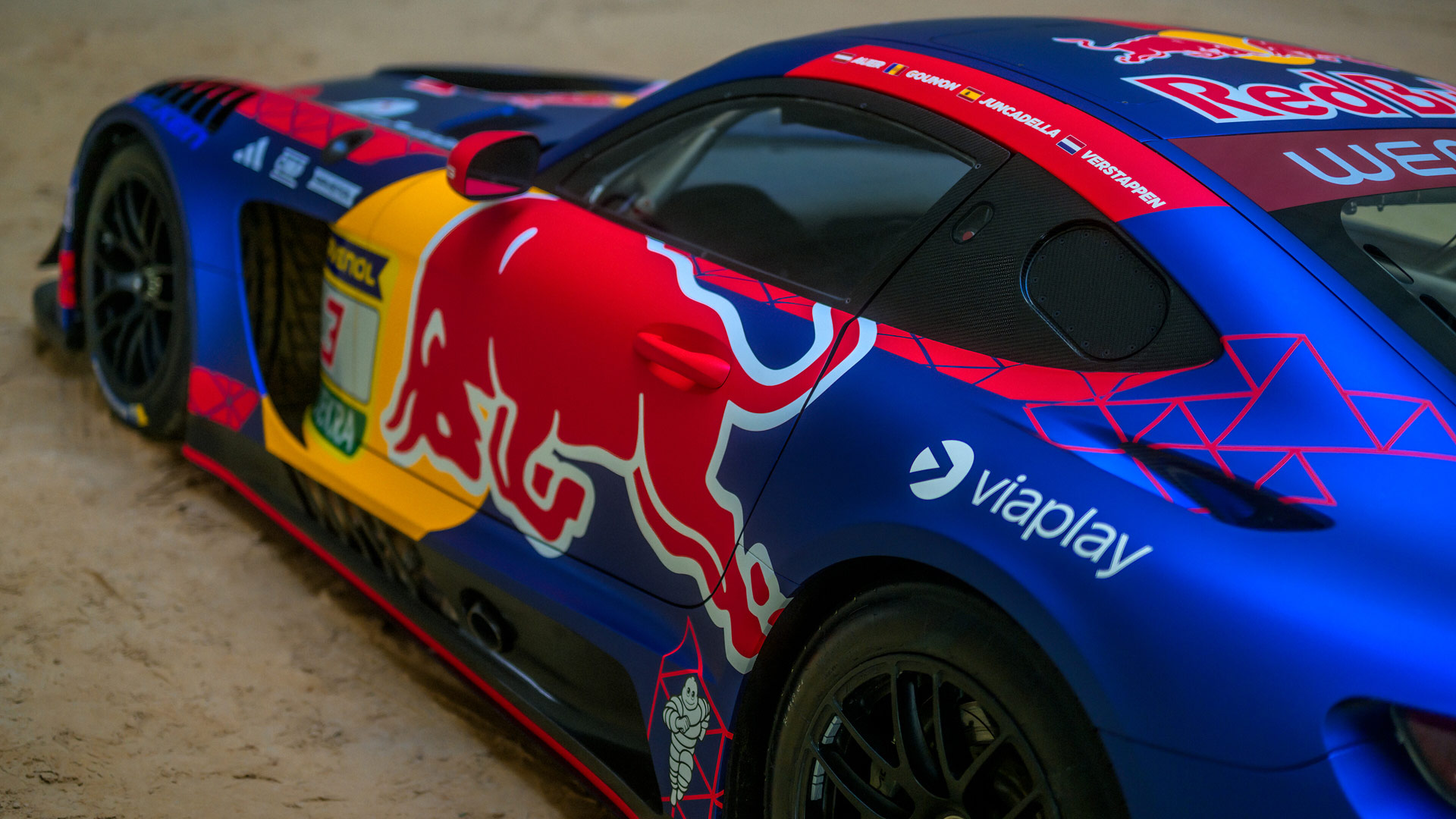
The Red Bull livery for the Verstappen Racing Mercedes-AMG GT3 Evo was launched with a spectacular BASE jump stunt

Formula 1 champion Max Verstappen has announced he will compete in the 2026 Nurburgring 24 Hours race, driving a Red Bull-sponsored Mercedes-AMG GT3 Evo

The four-time world drivers’ champion has made no secret of his desire to race outside of his single-seater career. Verstappen has also expressed his unhappiness with the new F1 regulations

Having founded the eponymous Verstappen Racing team in 2022, Max Verstappen has since supported drivers in the ADAC GT Masters and GT World Challenge Europe competitions. 

In May 2025, Verstappen had his first test session at the Nurburgring Nordschleife, driving an Emil Frey Racing Ferrari 296 GT3 – and using the pseudonym ‘Franz Hermann’ to avoid attention. 

Perhaps unsurprisingly, the F1 ace broke the Nordschleife circuit’s GT3 car lap record during this first test.

Ready to set more records on the ‘Ring

Max Verstappen Red Bull Nurburgring

In September 2025, Verstappen returned to the Nordschleife for his first race there. Starting from third place, Verstappen and teammate Chris Lulham claimed victory in the Nurburgring Endurance Series event.

The 2026 Nurburgring 24 Hours race will present Verstappen with an even greater challenge, however: the Nordschleife’s demanding 15.79-mile loop, plus multiple classes of competitors also on-track.

The Red Bull-sponsored Verstappen Racing team will include Dani Juncadella, Jules Gounon and Lucas Auer alongside Max Verstappen himself. 

To prepare for the 24-hour race, the team will enter the NLS1 and NLS2 four-hour events, plus the 24 Hour Nurburgring Qualifiers. 

Verstappen will get behind the wheel of the Mercedes-AMG GT3 Evo to compete in the NLS2 race, which takes place on 21 March 2026.

Completing a bucket list event

Max Verstappen Red Bull Nurburgring

The 2026 Nurburgring 24 Hours race is scheduled for the weekend of 16-17 May, a week before the 2026 Canadian Grand Prix. 

Revealing the AMG GT3’s Red Bull livery, Max Verstappen said: “The Nurburgring is a special place. There’s no other track like it. The 24h Nurburgring is a race that’s been on my bucket list for a long time, so I’m really thrilled we can make it happen now. 

“Last year, I was able to get my DMSB Permit Nordschleife and participate in NLS9, which we won. That preparation is very valuable, as we have learned a lot that we can take into our programme this year with NLS2 and the 24-hour race. 

“We’ve got a strong line-up with Dani, Jules and Lucas, and great support from Red Bull and Mercedes-AMG Motorsport. Now it’s about putting in the right preparations before the events, so we can maximise everything in the races.”

Max Verstappen will be driving for a significantly shorter time during this weekend’s 2026 Chinese Grand Prix.

ALSO READ:

This infamous Aston Martin Vantage F1 safety car is for sale

Australian airline celebrates the famous Brabham BT19 F1 car

Best supercars to buy in 2026

Advertisement

EV price premium halves in two years

0
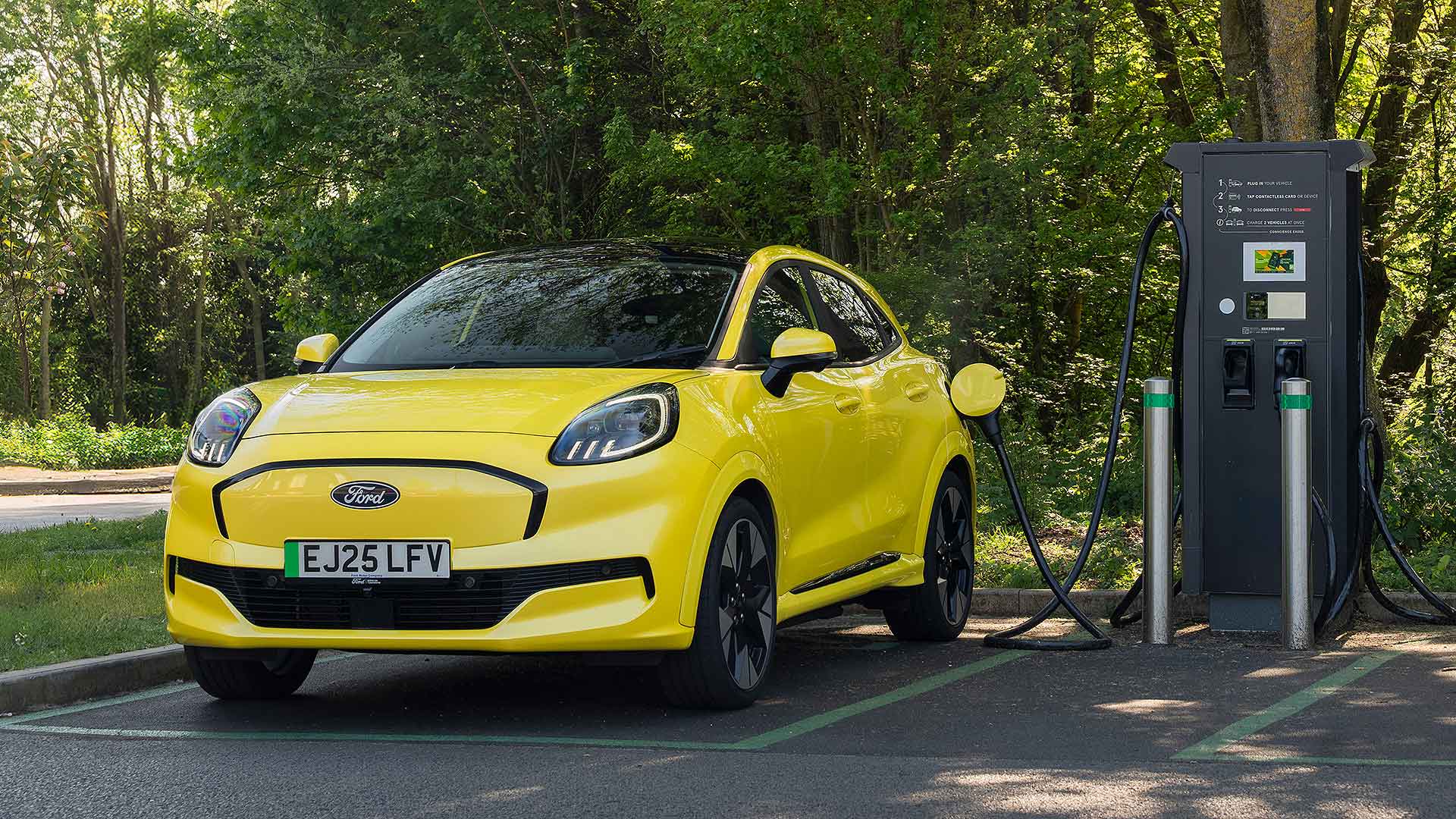
Ford Puma Gen-e

New research by Autotrader has found the price difference between electric cars and a comparable petrol model has more than halved in just two years.

The upfront RRP price gap has narrowed to 15 percent between EV and ICE models. Two years ago, it was 34 percent.

What’s more, six of the top 10 best-selling electric cars in January and February 2026 all carried a price premium of less than 10 percent versus their petrol counterpart.

Autotrader says the savings for consumers could be even greater. Its research looked only at official RRPs, not discounted prices paid by customers.

The Electric Car Grant also wasn’t included in its calculations – with models such as the Ford Puma Gen-E and 2026 UK Car of the Year Award-winning Renault 5 currently boasting a huge £3,750 saving.

Increasing openness to EVs

Ford Puma Gen-E EV

“The price barrier is being broken down repeatedly thanks to industry investment and technical innovations,” said Autotrader chief customer officer, Ian Plummer.

“Consumers are responding. Our research shows 62 percent would consider an EV for their next car, which is incredibly positive.

“It’s not just that cheap equals good, it’s about what your money can get you in each segment. When consumers compare similar cars and the electric option is no longer a third more expensive, it’s becoming a much more appealing choice.”

Autotrader also looked at six months of finance quotes on its platform to produce average monthly costs per fuel type.

For EVs, the average was £475, whereas for ICE it was £483 – meaning electric cars are already £8 a month cheaper to finance. Add in running costs and the savings compound further.

With March being a crucial month for the UK car industry, which has to meet a ZEV Mandate target of 33 percent EV sales this year, an under-pressure car industry will be studying the Autotrader research with interest.

ALSO READ:

Car industry calls for urgent review of electric car ZEV Mandate

New 666hp Porsche Cayenne S joins electric SUV range

IndyCar reveals circuit for Freedom 250 in Washington D.C.

Advertisement

Three-quarters of UK drivers have suffered pothole damage

0
An incredible 98 percent of 1,200 drivers surveyed said they believe roads in the UK to now be in a state of disrepair

A new survey suggests car enthusiasts have become nervous about driving their vehicles, due to the risk of damage from potholes. 

Insurance specialist Hagerty conducted research with 1,200 motorists to reveal their thoughts on the state of road maintenance in the UK – and the effect it has on driving habits.

Of those questioned, almost all (98 percent) said they now believed the UK’s roads to ‘be in a state of disrepair’.

Some 90 percent said they thought the condition of the country’s roads had deteriorated during the last 12 months. 

One of the survey respondents commented: “I’ve never seen our roads in such a state. It doesn’t matter if it’s a country road or a carriageway. There’s potholes everywhere and clearly it’s not just one district.“

UK drivers anxious about potholes

Hagerty Pothole Survey 2026

Almost three-quarters (73 percent) of those surveyed said they had suffered damage to their car due to hitting a pothole.

Owners of both modern and classic cars were equally concerned about potholes on British roads. 

However, those with older or rare vehicles were particularly worried, with 93 percent of classic car owners saying they were nervous about driving with the roads in their current condition. 

More than half (54 percent) of respondents said they felt ‘anxious’ about driving because of potholes, with 78 percent admitting they were ‘frustrated’ by the situation.  

With 50 percent saying they were often distracted when driving by trying to avoid potholes, the vast majority said they now used navigation apps to warn them in advance of damaged roads.

Local authorities fail to take action

Hagerty Pothole Survey 2026

Mark Roper, managing director of Hagerty UK, commented: “Our survey shows that Britain’s drivers are now fed up with the condition of our roads, with many expressing their frustrations in a very clear manner. Households are having to find money to fix damage to their cars, sometimes extensive and expensive. 

“As a company that champions cars being used and cherished by enthusiasts, it’s very concerning to hear that the state of disrepair is making owners nervous to even take their cars out”.

More than half of the drivers surveyed said they had reported potholes and damaged roads to their local council. 

Disappointingly, only seven percent said that quick action had been taken to deal with the pothole, if at all. 

Dale Keller, CEO of the Historic and Classic Vehicles Alliance, added: “Road safety matters to us all, yet Britain’s deteriorating road network suggests it is slipping down the list of safety priorities. 

“The Department for Transport has a Road Maintenance Ratings map intended to name and shame local authorities into improving road maintenance. However, this reactive approach misses the bigger picture. Britain must move away from a ‘fix it when it fails’ mindset.”

ALSO READ:

What causes potholes on the roads?

How to claim compensation for pothole damage to your car

Best family SUVs to buy in 2026

Advertisement

Car industry calls for urgent review of electric car ZEV Mandate

0

The electric car transition is not happening as quickly as expected and a review of the ZEV Mandate, currently scheduled for 2027, is urgently required, says trade body the Society of Motor Manufacturers and Traders (SMMT).

It comes as discounts on new electric vehicles offered by car manufacturers to boost customer uptake have topped £10 billion in just two years.

“The destination has not changed and will not change,” said SMMT chief executive Mike Hawes, speaking at the annual SMMT Electrified event in Westminster. The UK is currently required to achieve 100 percent new electric car sales by 2035 (with hybrid sales now permitted between 2030 and 2035).

Hawes likened it to a sat-nav rerouting – the same goal but a different route to reach it.

“The UK’s EV transition pathway was conceived with the best of intentions – but the assumptions behind it have proved over-ambitious,” he explained.

SMMT research shows that EV battery costs are 30 percent higher than anticipated, energy costs are 80 percent higher and the cost of electric cars is 17 percent higher.  

Today, the ZEV Mandate is proving “just too far ahead of the market and the consumer”.

Other major markets such as the EU, Canada and US have already altered their electric car transition plans, said Hawes.

“Recognising the world of 2026 is not the one envisaged five years ago is not a retreat from ambition. It is a necessary step to achieving it.”

ZEV Mandate misses

Kia EV3

While the SMMT is not questioning the ultimate move to electric, it is the pace of transition dictated by the ZEV Mandate that it wants action on.

The ZEV Mandate requires car firms to achieve an ever-growing proportion of new electric car sales. In 2025, the target was 28 percent – which was missed.

This year, the target is 33 percent. However, in the first two months of 2026, electric cars took a 22 percent UK market share.

In 2027, the target rises to 38 percent. Then a real cliff-edge comes in 2028, when it jumps to 52 percent.

Car firms who miss the target are fined £12,000 for every car they sell over it. In reality, none are paying fines – rather, they are heavily incentivising electric car sales. The £10 billion figure equates to a staggering £11,000 per electric car sold.

Car firms also have flexibilities based on reducing overall CO2 emissions, and can buy EV ‘credits’ from rival car companies that have a surplus – such as fully electric brands like Tesla.

However, these flexibilities are set to tail off in the coming years, with the targets becoming “unsustainable and undeliverable,” says the SMMT.

Aims for a ZEV Mandate review include easing the pace at which electric car targets increase each year, maintaining flexibilities and considering the role hybrids and plug-in hybrids can play in helping car buyers transition to fully electric cars.

Government ‘recognises challenges’

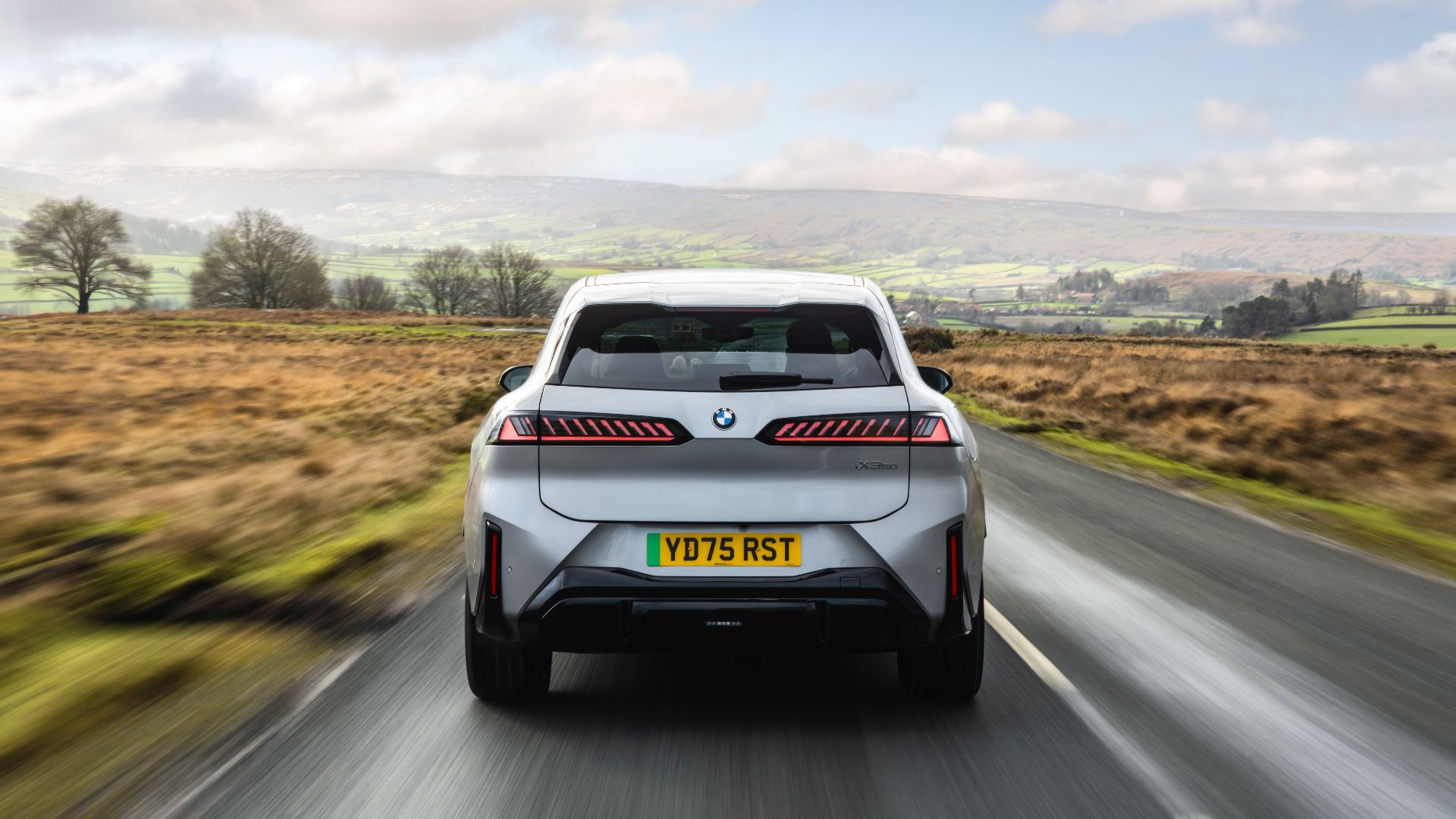
BMW iX3

Also speaking at SMMT Electrified, Keir Mather, the minister for maritime, aviation and decarbonisation, said the government “recognises the challenges” car firms are facing in meeting the ZEV Mandate.

“While the end goal remains clear, we acknowledge the need to listen to you and to be pragmatic. We’ve committed to publish a review of the Mandate early next year and we are listening and engaging with stakeholders across the industry.

“Is it ambitious? Yes, of course it is. And we as a government are committed to giving you the tools you need to make it happen.”

The work towards the review will begin this year, he confirmed, “but early 2027, we feel, is the right point to make sure that we can test properly where the pressure points lie… and make sure that it continues to work for manufacturers”.

“I’m not sure that’s exactly the response they wanted to hear,” said the SMMT Electrified host.

ALSO READ:

Long-range Nissan Micra now gets full £3,750 Electric Car Grant

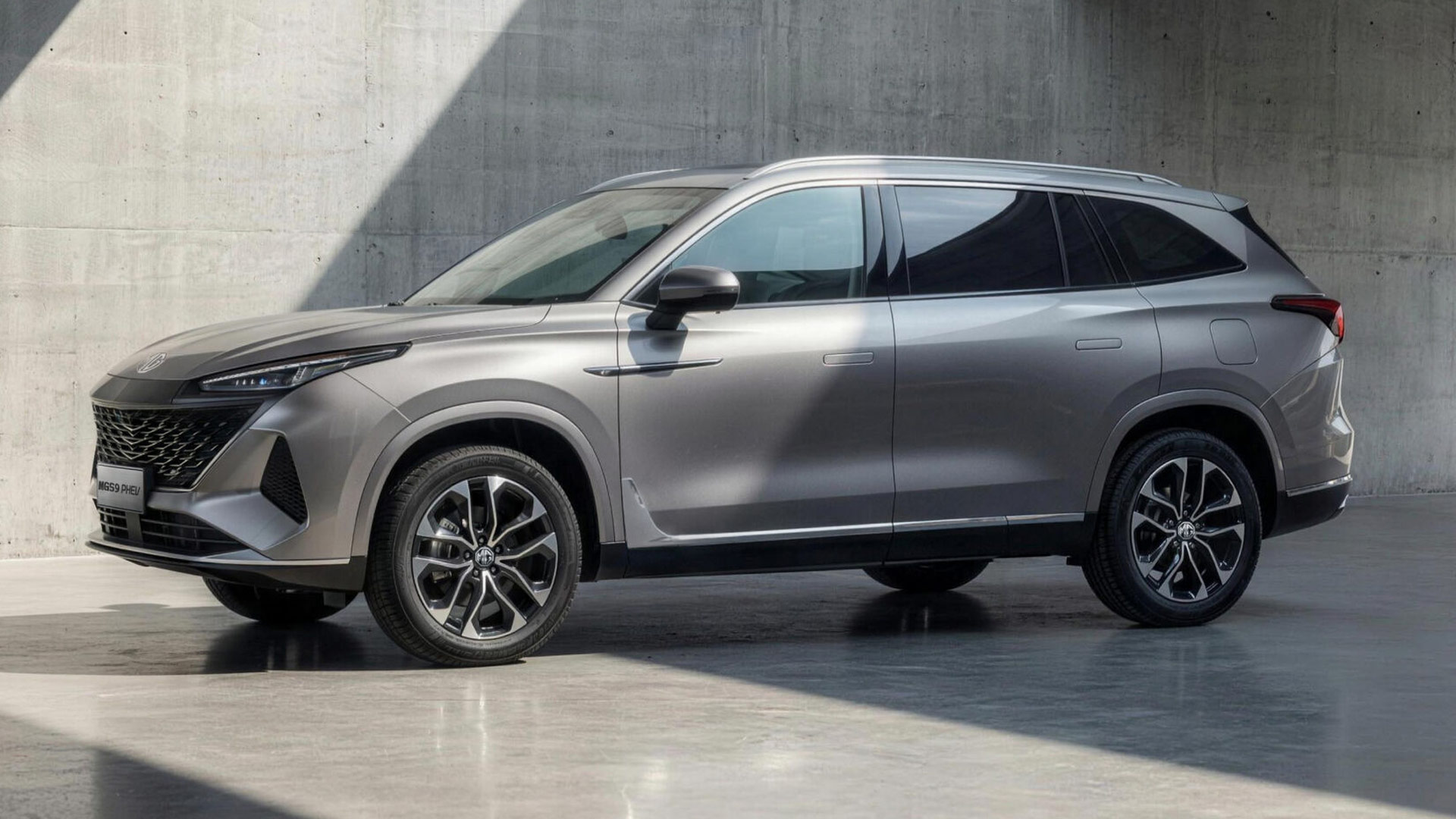
New MGS9 is a bargain-priced SUV with 7 seats

Ferrari number plate rockets in value from £900 to £205,500

Advertisement

New MGS9 is a bargain-priced SUV with 7 seats

0
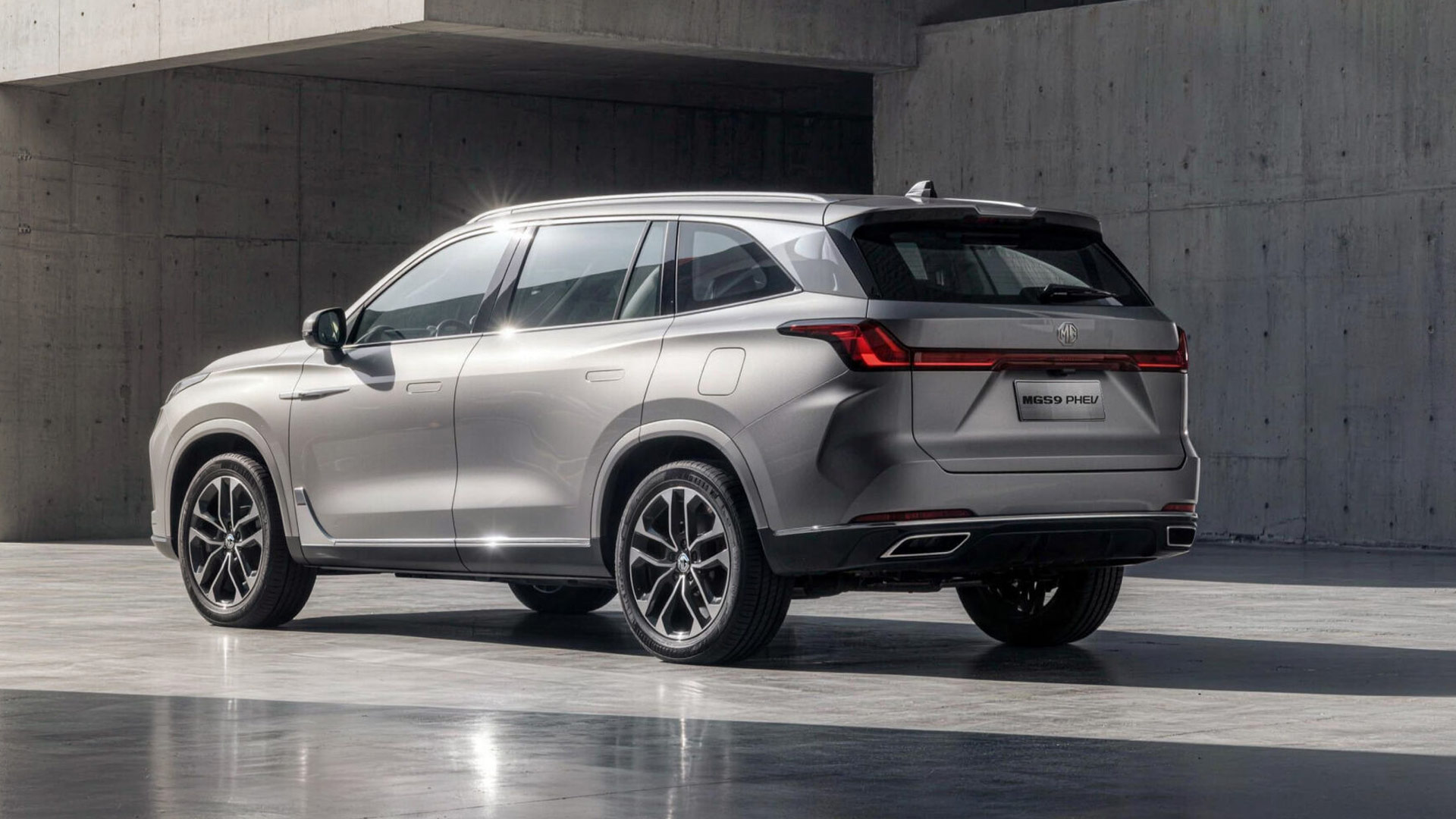
Available to order now, prices for the MGS9 PHEV begin from £34,205, with the first examples arriving in the UK soon

MG has announced a new seven-seat SUV for the UK market, with the launch of the plug-in hybrid MGS9. 

The car is already available to order, with the first examples expected in MG dealerships later this month. 

The MGS9 joins the growing ranks of Chinese-made three-row SUVs, taking on the recently announced Jaecoo 8 SHS-P, along with the Chery Tiggo 8 and Tiggo 9. 

Representing MG’s first seven-seat family SUV, prices for the new MGS9 will start from £34,205, rising to £36,945. 

MG has yet to confirm specifications for the UK market, but it promises a comprehensive level of equipment.

Seven seats and a big boot

2026 MGS9 PHEV SUV

Included as standard on the MGS9 are leather upholstery, a panoramic sunroof, three-zone climate control and seats with heating, ventilation and massage functions.

Full details of the MGS9’s interior are still to be revealed. However, the related Australian-market MG QS boasts a pair of 12.3-inch display screens, along with physical buttons for key infotainment functions.

With all three rows of seats in place, the MGS9 provides 332 litres of luggage space – equivalent to a typical family hatchback

Folding down all the rear seats increases cargo capacity to more than 1,000 litres, which MG says is ideal for ‘luggage, pets, pushchairs or anything else that family life demands’.

The MGS9 makes use of the same plug-in hybrid powertrain as the existing MG HS. This combines a turbocharged 1.5-litre petrol engine with an electric motor, drawing power from a 27.4kWh battery.

Fully charged, MG claims the MGS9 can cover 62 miles on electric power alone.

MGS9 brings ‘innovation and exceptional value’

2026 MGS9 PHEV SUV

David Allison, MG UK director of product and planning, said: “The launch of the MGS9 PHEV represents a significant milestone for MG, marking our entry into the seven-seat SUV segment and further strengthening our position in the large SUV market.

“As a vehicle that is both longer and taller than the MG HS, the all-new MGS9 PHEV delivers enhanced presence and versatility, offering the flexibility of a third row to meet the evolving needs of modern families and lifestyle-driven customers.

“Combining an excellent electric range and strong efficiency with an elevated level of specification and refinement, the all-new MGS9 PHEV continues MG’s commitment to delivering accessible innovation and exceptional value within a highly competitive seven-seat SUV segment.”

Full UK specifications will be confirmed later this month, when the MGS9 PHEV becomes available in dealerships.

ALSO READ:

Flagship Jaecoo 8 plug-in hybrid SUV makes UK debut

New Lotus Eletre X is re-engineered from EV to 952hp hybrid

Best family SUVs to buy in 2026

Advertisement

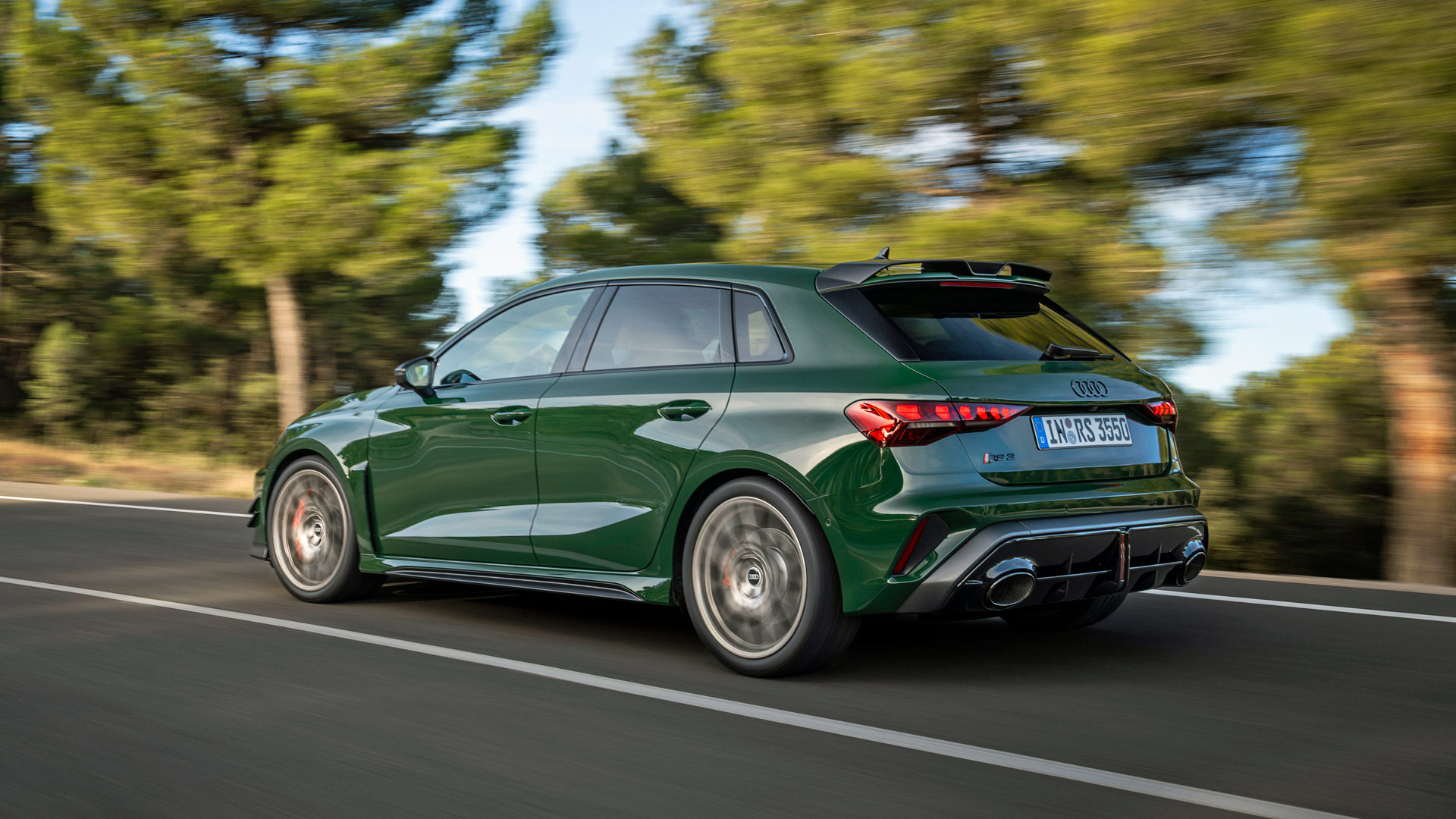
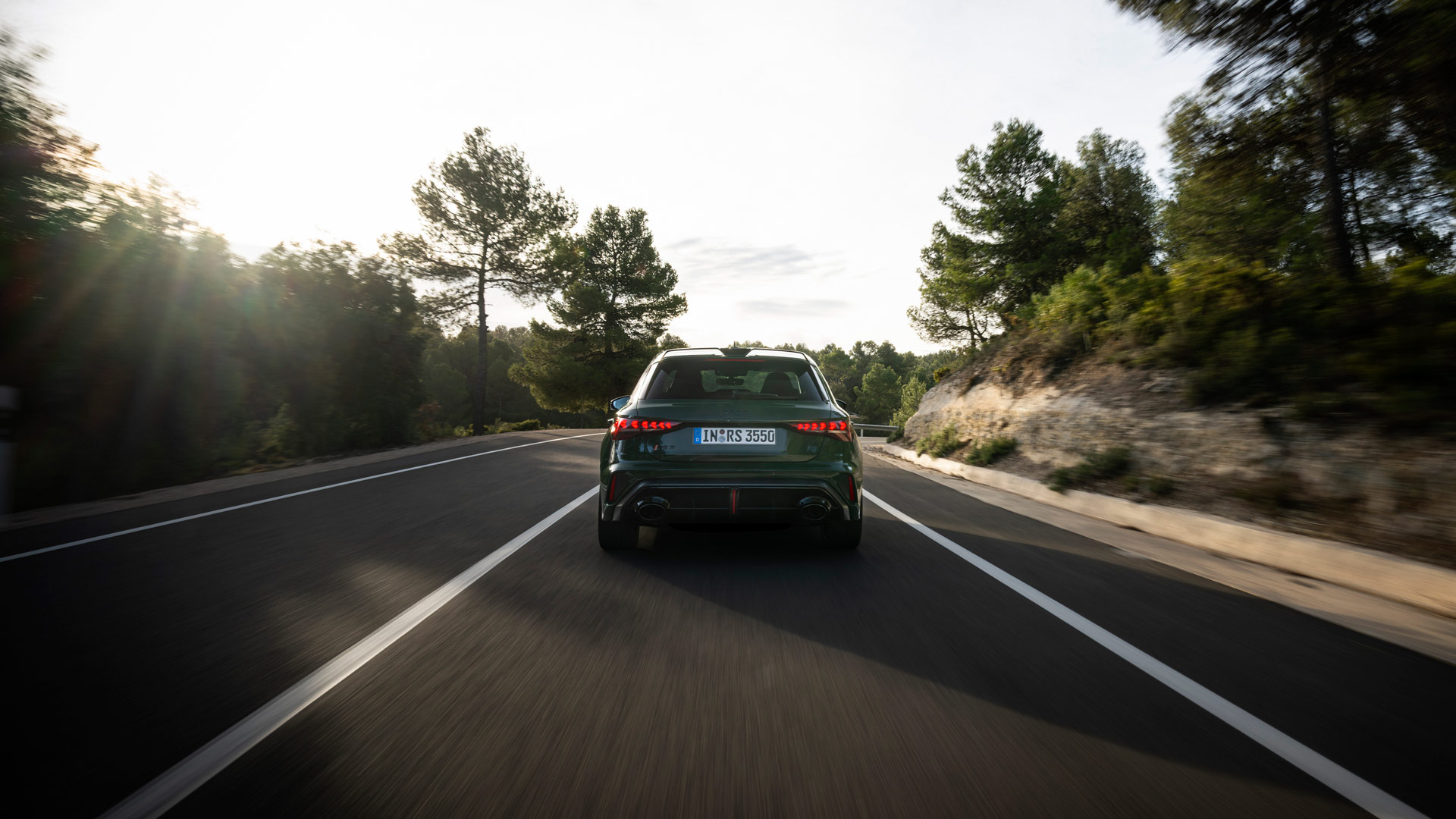
New Audi RS3 Competition Limited is a £93,000 hot hatch

0
The Audi RS3 Sportback Competition Limited can deliver a top speed of 180mph, thanks to the 400hp five-cylinder turbo engine

Audi is commemorating five decades of its famous five-cylinder engine with arguably the ultimate hot hatchback

The Audi RS3 Competition Limited is, as its name suggests, a limited edition. A total of 750 examples will be sold globally, with the UK allocated just 11 cars. 

Also, while other markets will be offered the 400hp RS3 Competition Limited in saloon guise, British enthusiasts can only order the Sportback (hatchback) version. 

New suspension, additional carbon fibre bodywork and a host of bespoke details all help mark out this celebratory Audi special.

The price to own a tribute to one of Audi’s most revered engines? A not-inconsiderable £92,855 – or over £20,000 more than the most expensive ‘standard’ RS3.

Five decades of five cylinders

2026 Audi RS3 Competition Limited

Audi first fitted its five-cylinder engine in the second-generation 100 saloon. Its unusual design was chosen as a best-of-both-worlds solution between the usual four or six cylinders. 

The addition of a five-cylinder engine to the original Quattro created a legendary combination, powering Audi to multiple World Rally Championship victories. 

Audi is well aware of the emotional connection enthusiasts have with the five-cylinder engine, so the RS3 Competition Limited comes with a variable RS sports exhaust system. Reduced insulation on the firewall allows more engine sound into the cabin, too. 

There is no extra power compared to a standard RS3, meaning the Competition Limited serves up 400hp and 369lb ft of torque. That is sufficient for 0-62mph in 3.8 seconds, plus a top speed raised to 180mph.

Suspension spanners included

2026 Audi RS3 Competition Limited

Most notably, the RS3 Competition Limited gains motorsport-style coilover suspension. This features twin-tube dampers, with the front pair using external reservoirs. A special tool kit will be provided to adjust the car’s damping to suit the driver’s preference – or indeed the road/track conditions.

A stiffer rear anti-roll bar is added to make this hottest hatchback even more agile, complemented by standard torque-vectoring Quattro all-wheel drive.

Carbon-ceramic brakes with red calipers nestle behind 19-inch multi-spoke alloy wheels, which are painted in matte Neodymium Gold. 

Matte-finished carbon fibre is used for a new set of front bumper canards, along with the larger rear spoiler, side skirts and rear diffuser trim.

When locking or unlocking the car, the Matrix LED headlights’ segments illuminate in a 1-2-4-5-3 pattern – a nerdy nod to the five-cylinder engine’s firing order.

A £93,000 anniversary present

2026 Audi RS3 Competition Limited

All 11 cars destined for the UK will be painted in Malachite Green, a hue used on the classic Audi Sport Quattro, combined with retro-style Audi Sport exterior badges. 

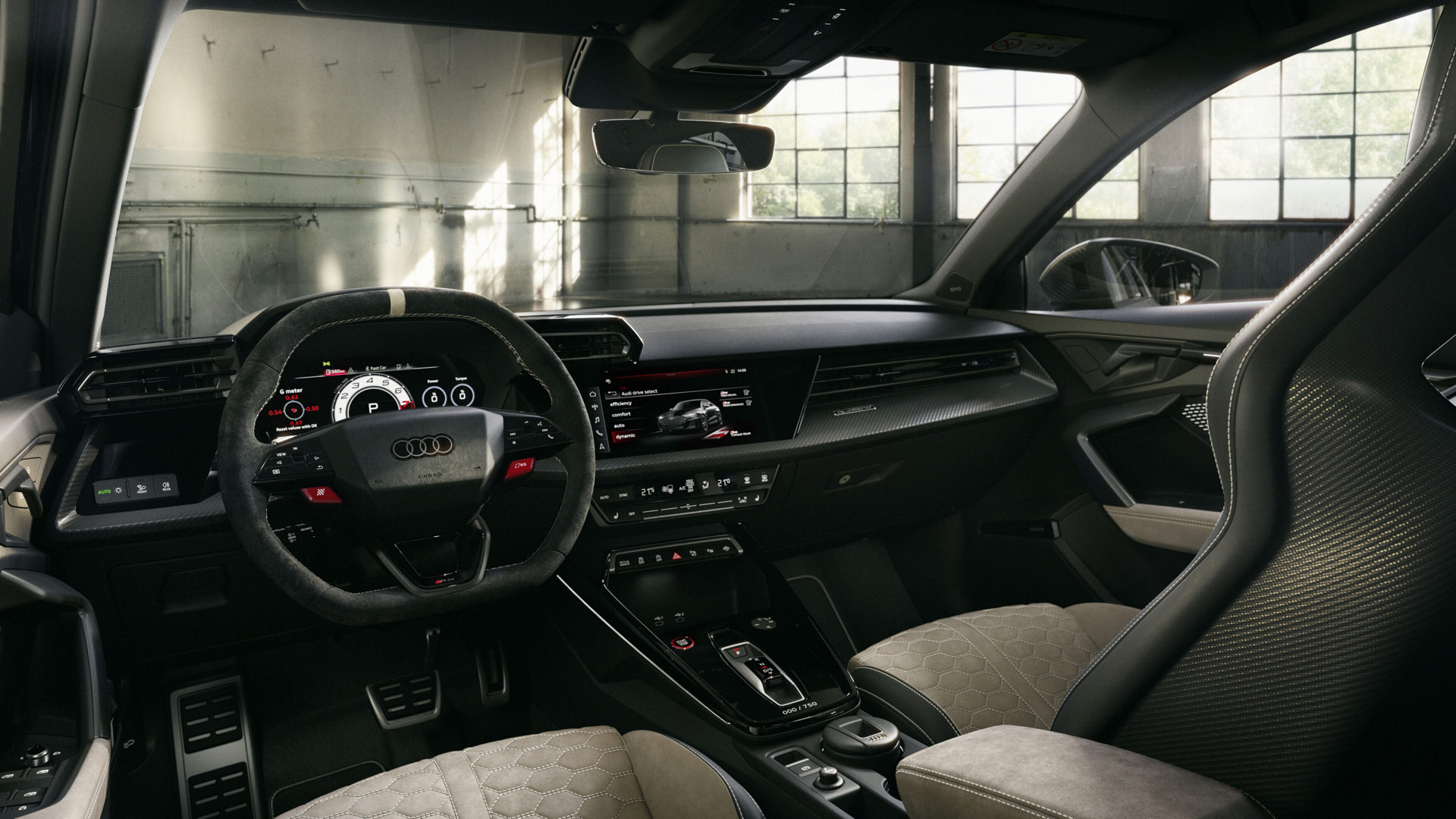
The RS3’s interior is finished in a combination of black, Neodymium Gold and Ginger White, with RS bucket seats clad in Dinamica microfibre upholstery. Rear passengers can admire the matte carbon fibre shells of the front seats.

Other special features include a limited edition serial number on the centre console, along with white digital instrument dials – inspired by the classic Audi RS2 Avant.

With the substantial price tag, the RS3 Competition Limited is clearly for ardent Audi Sport fans only. Orders for one of the 11 cars are open now, with deliveries expected before the end of 2026.

ALSO READ:

Audi RS5: First look at 639hp plug-in hybrid ‘new era’

Audi R8 V10 GT RWD review

Best hot hatchbacks to buy in 2026

Advertisement