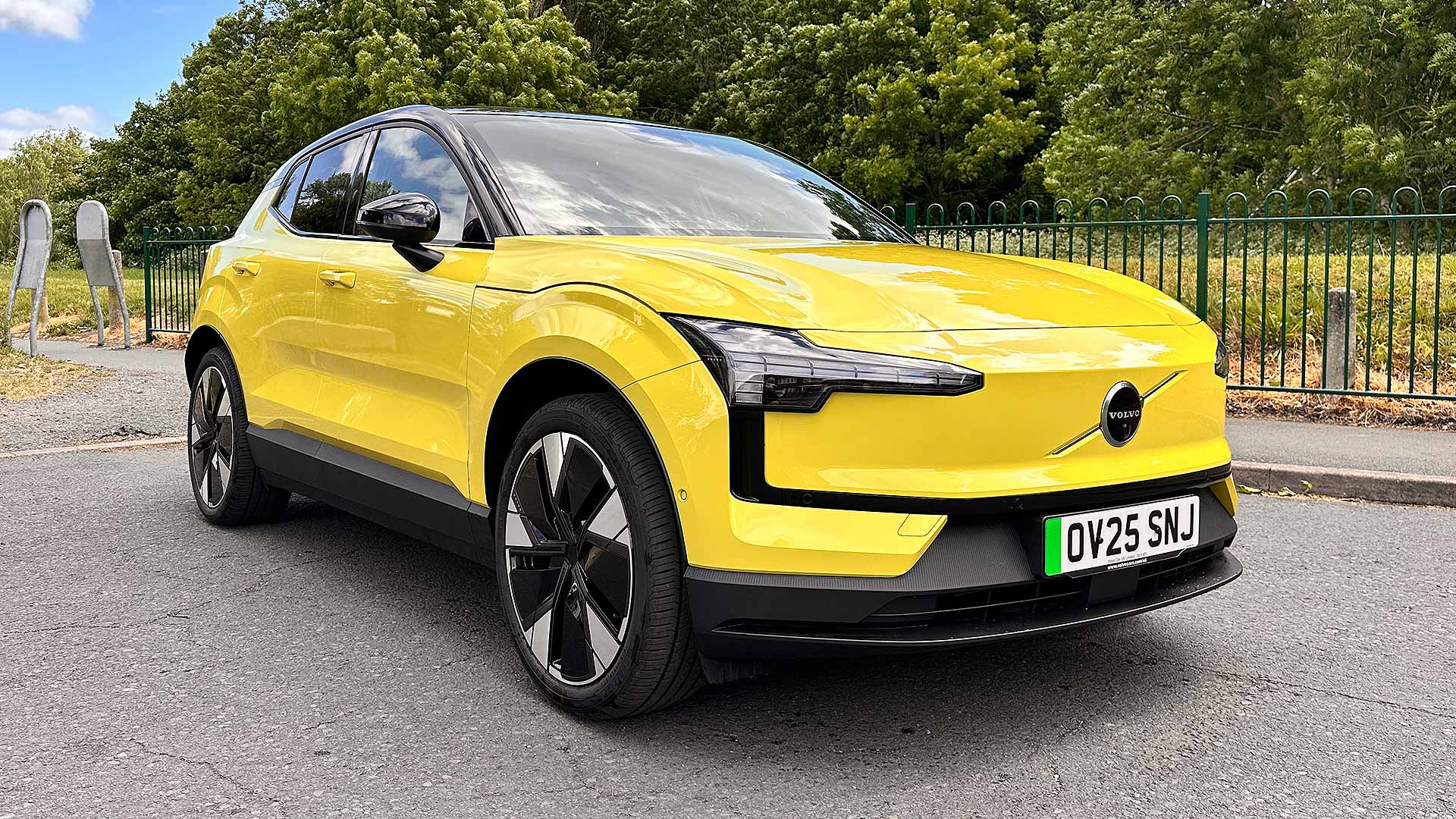
The Volvo EX30 is the Swedish firm’s smallest new car: a fully electric SUV that sits below the established and well-liked Volvo XC40 hybrid and EX40 EV.
Unlike its larger siblings, the Volvo EX30 is only available as an EV – hence the name: ‘EX’ rather than ‘XC’. Its rivals include the 2025 World Car of the Year, the Kia EV3 (the EX30 was a top three finalist in 2024), along with the Jeep Avenger, Smart #1, Hyundai Kona Electric, Mini Aceman and many others.
We are running a new EX30 for six months to discover what it’s like to live with. Keep reading for our regular updates – the newest reports are at the top.
Volvo EX30: final report
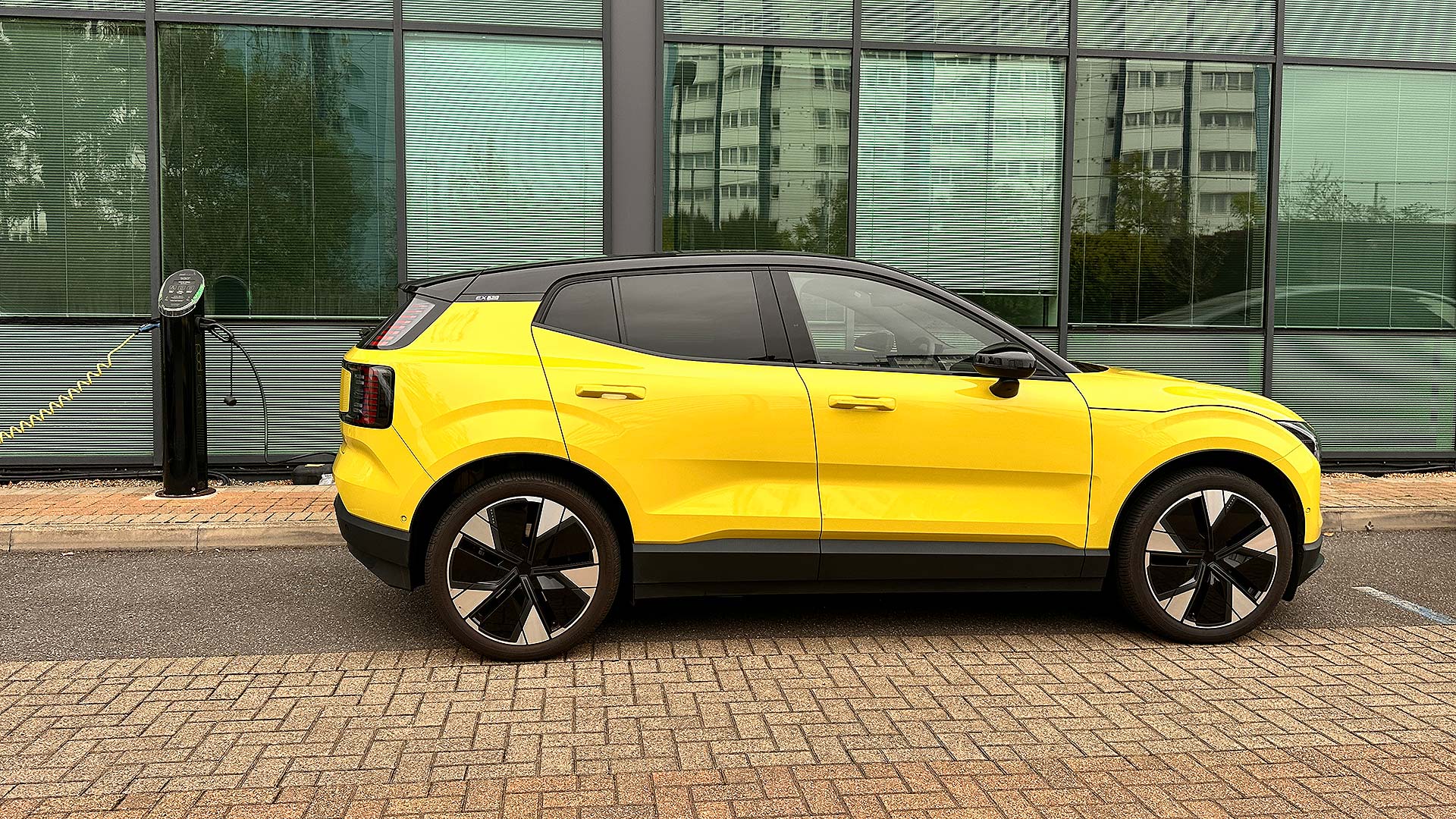
After six months living with the EX30, it’s gone back home to Volvo HQ. So, what did I make of it? Well, one aspect that caused such a stir at launch proved to be… really rather fine.
The touchscreen technology, perhaps the Volvo EX30’s most-discussed feature, simply didn’t bother me as much as in many other cars. I found it burdensome at first, but then became familiar with it, got used to the contextual shortcuts, and found it quite intuitive to live with.
Having Google built-in helps here, particularly the mapping, which sync’d seamlessly with both my phone and desktop searches. Its ability to factor in charges en route – even down to how many minutes I needed to charge for – never failed to impress. It’s technology like this that can makes living with an EV painless.
It’s a good job, though, as the Volvo’s range didn’t live up to expectations. The official, WLTP-tested figure of 295 miles was never realistic, but you’d hope to regularly see 250 miles. Instead, I saw a real-world 225-mile maximum, which becomes a usable 200 miles once you’ve added the safety factor. Premium SUVs, even compact ones like the EX30, really should be delivering a genuine 300 miles by now.
It’s not because the battery was particularly small, either. A 69kWh capacity (64kWh of which is usable) means it’s efficiency, rather than capacity, that is below par. Remember, this was the regular, rear-wheel-drive model, rather than the (even) less efficient all-wheel-drive EX30. I averaged just over 3.0 miles per kWh, which is inefficient by today’s standards. The Ford Puma Gen-E, for example, claims over 4.7 miles per kWh, and I found it easy to achieve 4.0 miles per kWh in real-world driving.
Oh, and Volvo hardly makes it easy to monitor efficiency by hiding average consumption in a sub-menu – and then only displaying it as kWh per 100 miles. This isn’t the industry standard, Volvo (although Tesla is guilty of using the even more awkward Wh per mile standard).
Driving the Volvo EX30
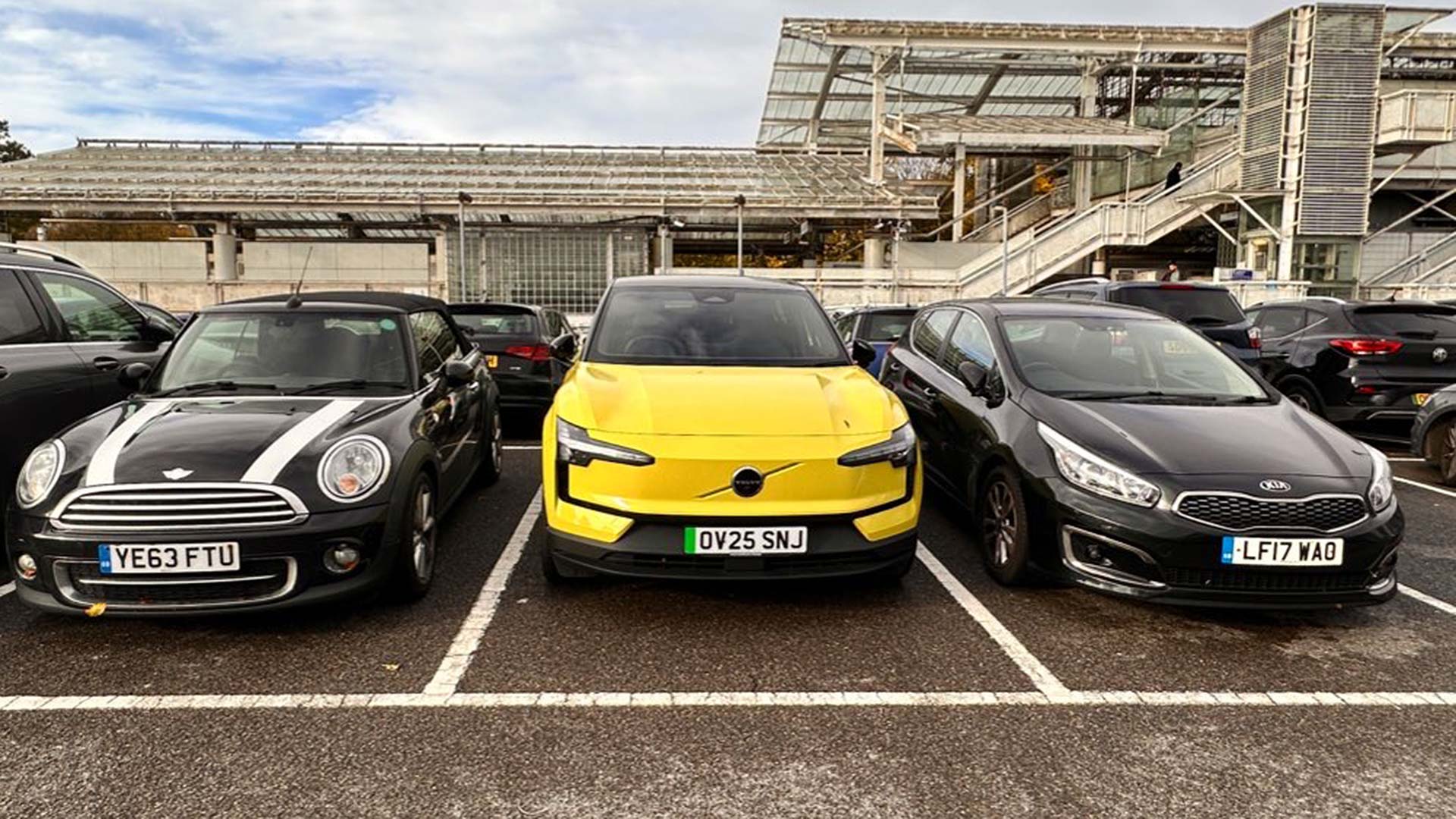
The Volvo EX30’s lovely driving dynamics helped take the sting out of this. It’s a really nice place to spend many hours behind the wheel. The ride is plush and absorbent, steering is light and accurate, and the electric motor delivers its power smoothly. It also has a tremendous amount in reserve when you need it.
It’s easy to forget this is a 272hp car, until you floor the accelerator pedal and feel the surge of 0-62mph in 5.3 seconds. The Twin Motor version is even faster, with 428hp giving 0-62mph in 3.6 seconds. However, this EX30 offers more than enough.
The Volvo is also a particularly quiet car, proving hushed in town and nicely refined even when cruising at speed. I really noticed the difference when stepping into other new cars with lesser refinement.
Volvo EX30 audio system
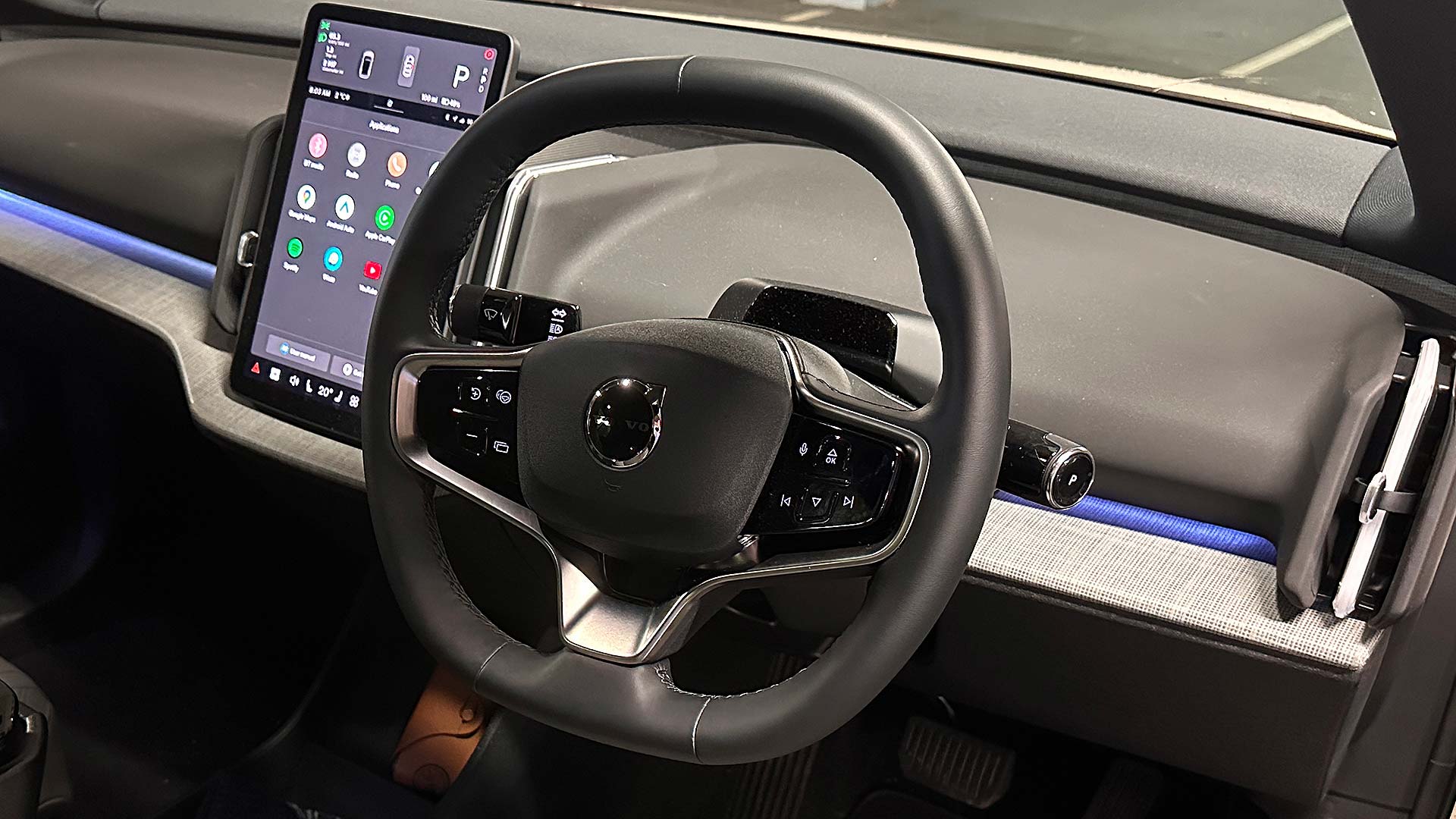
The fancy stereo could have made more of this refinement. Instead of having speakers in the doors, Volvo has centralised the audio system into a sound bar running the width of the dashboard. My long-term test car, in Ultra specification, benefited from the Harman Kardon premium sound upgrade.
Crisp as the sound was, it doesn’t envelop you as a system with all-round speakers can. Volvo’s argument is that rejecting door speakers saves money and makes production simpler, but the resulting audio is not as rich as it could be. Quality is fine, but it could be more experiential in a car whose overall refinement is so impressive.
By the way, this quest for simplicity is why the electric window switches are on the centre console, rather than in the doors. I never fully got used to it. As I’ve mentioned time and again, I also cursed the lack of physical door mirror controls almost daily. And no, Volvo still hasn’t added an auto-dip function for the passenger door mirror when engaging reverse.
Volvo EX30 practicality
Practicality proved strong, apart from a few glaring oversights. Those electronics-free doors have full-length bins at the bottom, swallowing everything a driver could need, and the central stowage area is even larger. The pop-out cupholder remained a fun touch, and it placed drinks perfectly within reach.
Pity those in the rear don’t get their own cupholders – not even via a fold-down centre armrest. There weren’t any central air vents in the rear either, so if the children were chilly, the climate control in the front had to be cranked up. Volvo, you’re a safety-focused company; drivers need cool air on long journeys to remain alert.
There was a driver alert monitor, of course, which wasn’t too intrusive. More annoying was the lane-keep assist, which I found overly aggressive on the motorway. The speed limit warning was frequently annoying too, although easy to turn off via a button on the steering wheel.
As for practicality elsewhere, the boot was perfectly shaped, so although it doesn’t sound the largest on paper, it proved very useful in practice. The underfloor stowage area was huge, too – so much so, I didn’t once use the ‘frunk’. It sounds a bit of a waste, but it’s just easier to open the electric tailgate rather than pulling a handle in the footwell, feeling under the bonnet for a release handle and manually lifting it up, getting your fingers grubby in the process.
Overall thoughts on the Volvo EX30
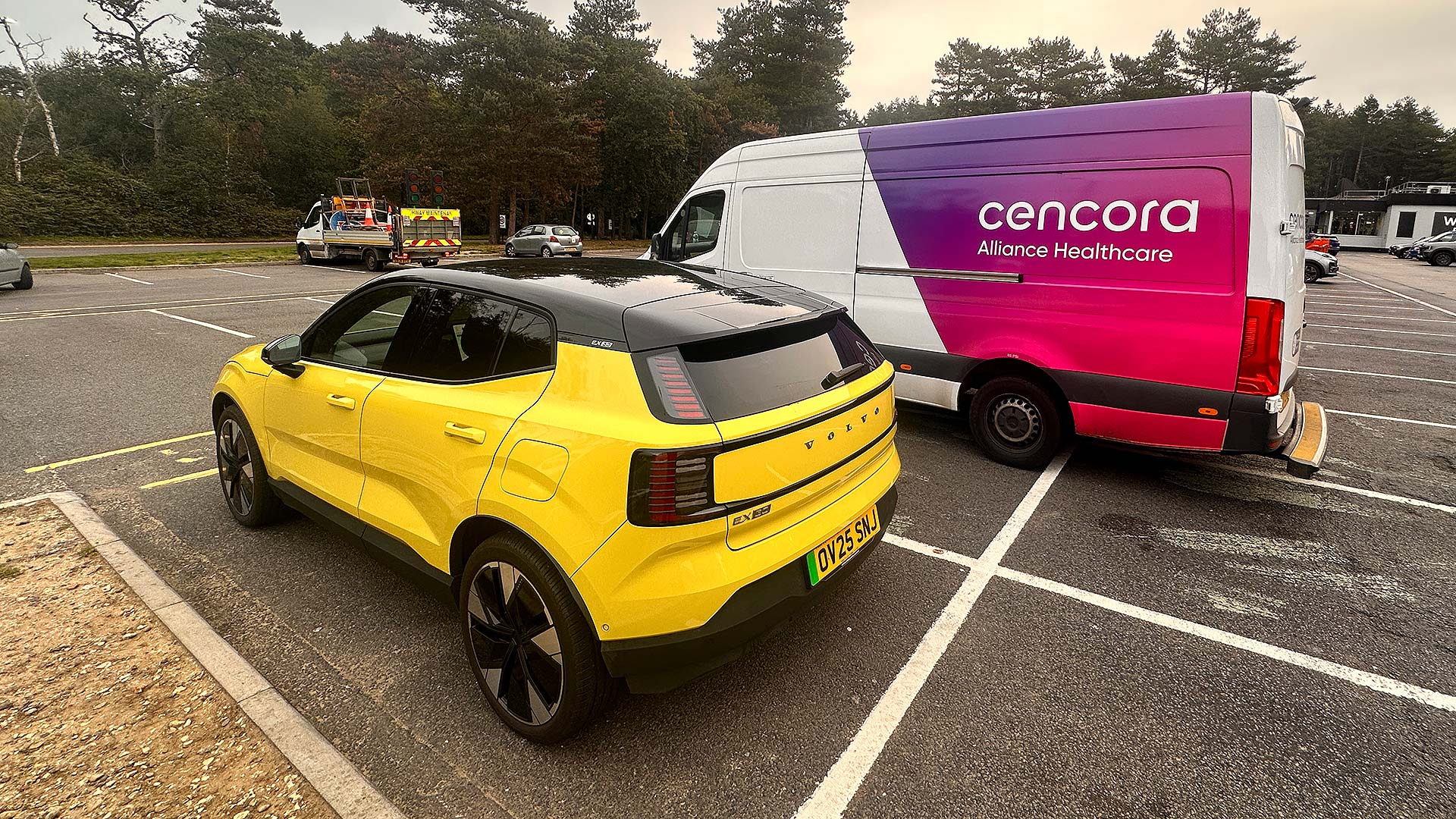
So, overall, do I miss the Volvo EX30? Yes, I do. It’s a lovely-looking car (in a wonderful paint colour sadly no longer available) that’s a pleasure to live with, thanks to its premium refinement and superb Google-based infotainment tech. It was relaxing, satisfying, safe and secure.
It’s just a pity the one major irritation cropped up pretty much every time I got in. Or, attempted to. Yes, the keyless entry system mentioned below. It needs reinforcing: it rarely opened the doors at the first pull of the handle. Or the second, or the eighth. The car simply failed to recognise the key, even if I waved it around the NFC-style symbol on the driver’s door pillar. I could be standing there 10 seconds or more – which, when it’s raining, and the kids are getting soaked, and you’re about to drop the stuff you’re carrying, is infuriating.
If you’re a woman, alone in a dark car park late at night, those seconds could feel like an eternity. This is an unacceptable safety issue, Volvo, and you desperately need to resolve it.
Otherwise, while the car’s EV range could be better, the stereo more emotive and rear-seat creature comforts more inclusive, the Volvo EX30 proved a fine car to live with. It just needs the niggles fixed. A car this good overall shouldn’t be let down by such silly irritations.
Volvo EX30: report four
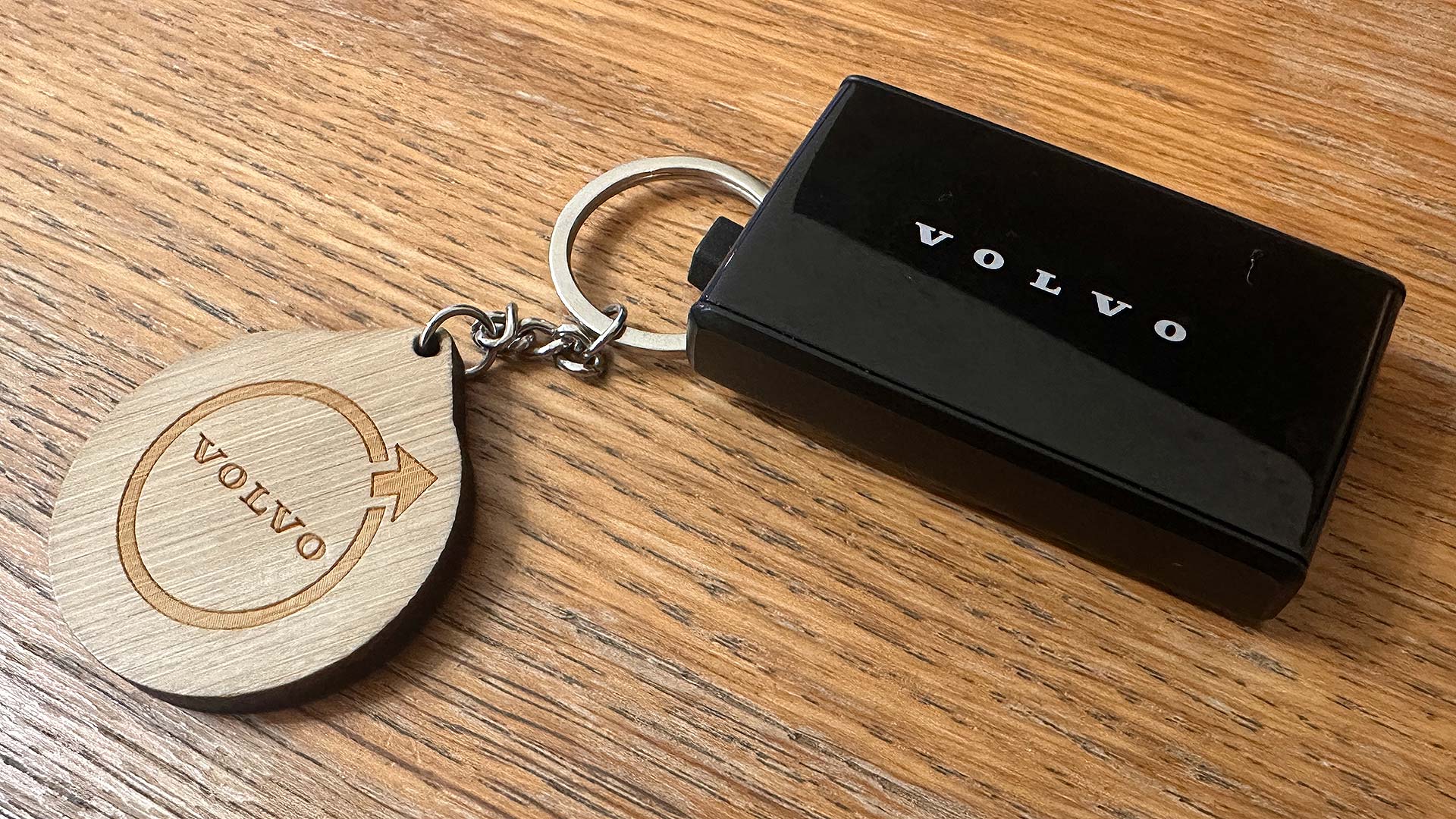
One thing that Volvo’s recent software update didn’t fix is the EX30’s pitiful (and aforementioned – see Report 2 below) keyless entry system. I’ve now ditched the unreliable mobile key and resorted to the physical key. But instead of a key fob with buttons, the ‘key’ itself is simply a matchbox-sized rectangle. The idea being that as you approach, the car will unlock itself.
Now, this is something Renault has cracked for two decades: a system that works reliably and never fails to either lock or unlock. But Volvo? As with the mobile, key, consistently awful. Almost without fail, I can leave my house, walk up to the car and tug away at the door handle, all with the car remaining in its slumber.
Waving the key around doesn’t do anything, and trying different door handles doesn’t either. Even placing the ‘key’ on a symbol on the driver’s door pillar – presumably a hotspot for key reception – doesn’t wake it up. Only after a consistent eternity does it decide to respond, whirr out the folding door mirrors and unlock the doors.
Now, if only I had a key with buttons, I could at least manually unlock it. This would be ideal for when, say, I’m doing the school run and the kids dash ahead of me as I’m locking the house up. But no, they’re left standing, invariably in the rain, waiting for me – and then waiting some more as I do the handle-pulling, arm-waving routine to try and unlock the doors.
I’m not alone in this, according to the internet. And I thought (hoped) the last software update would have cured it. But no.
Frustratingly, once it’s done the initial refusal to unlock, it can then work fine for the rest of the day. It’s just that early morning failure that jars. Although, I guess, at least it’s good for protecting against keyless entry theft.
Let there be light
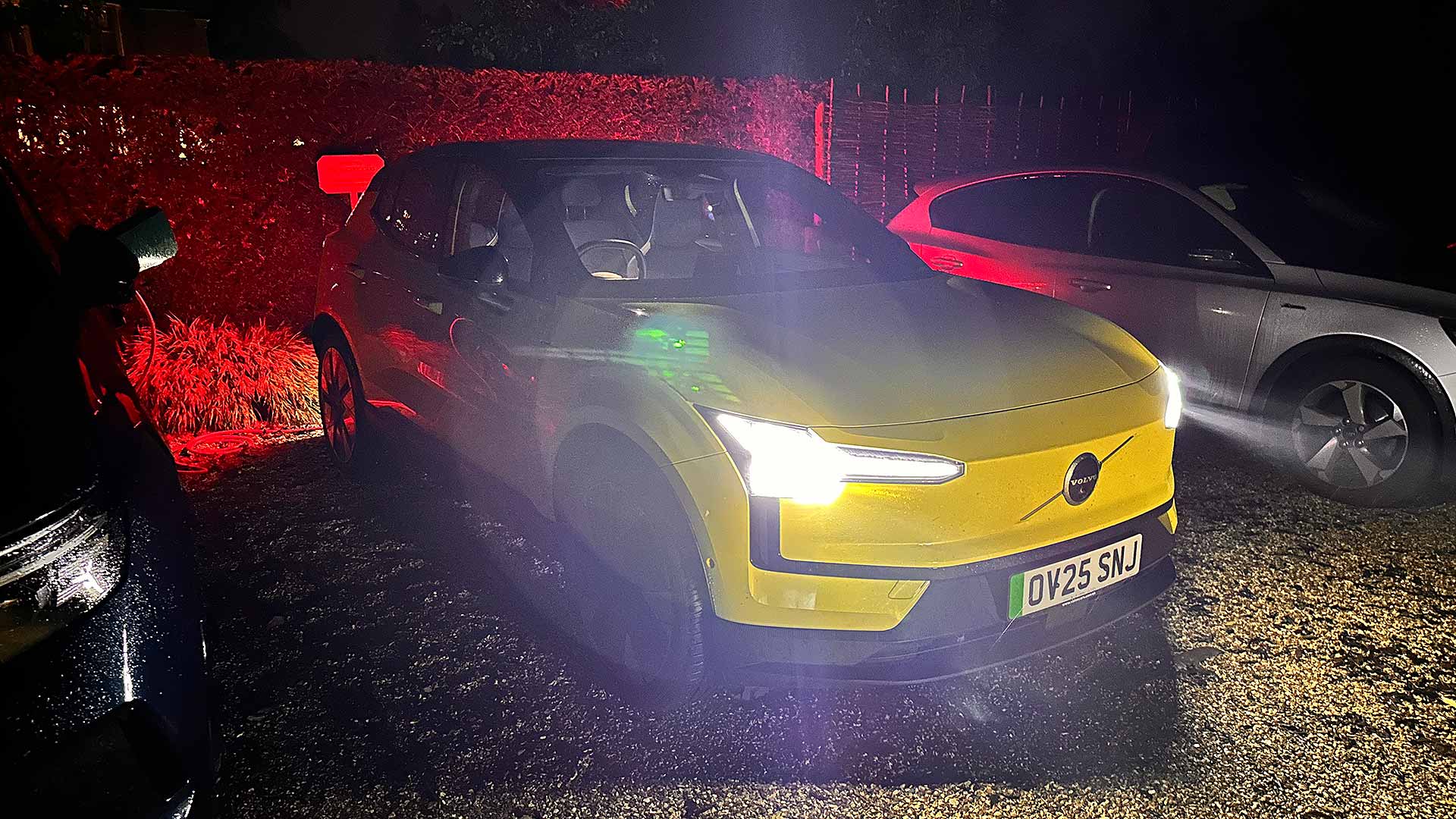
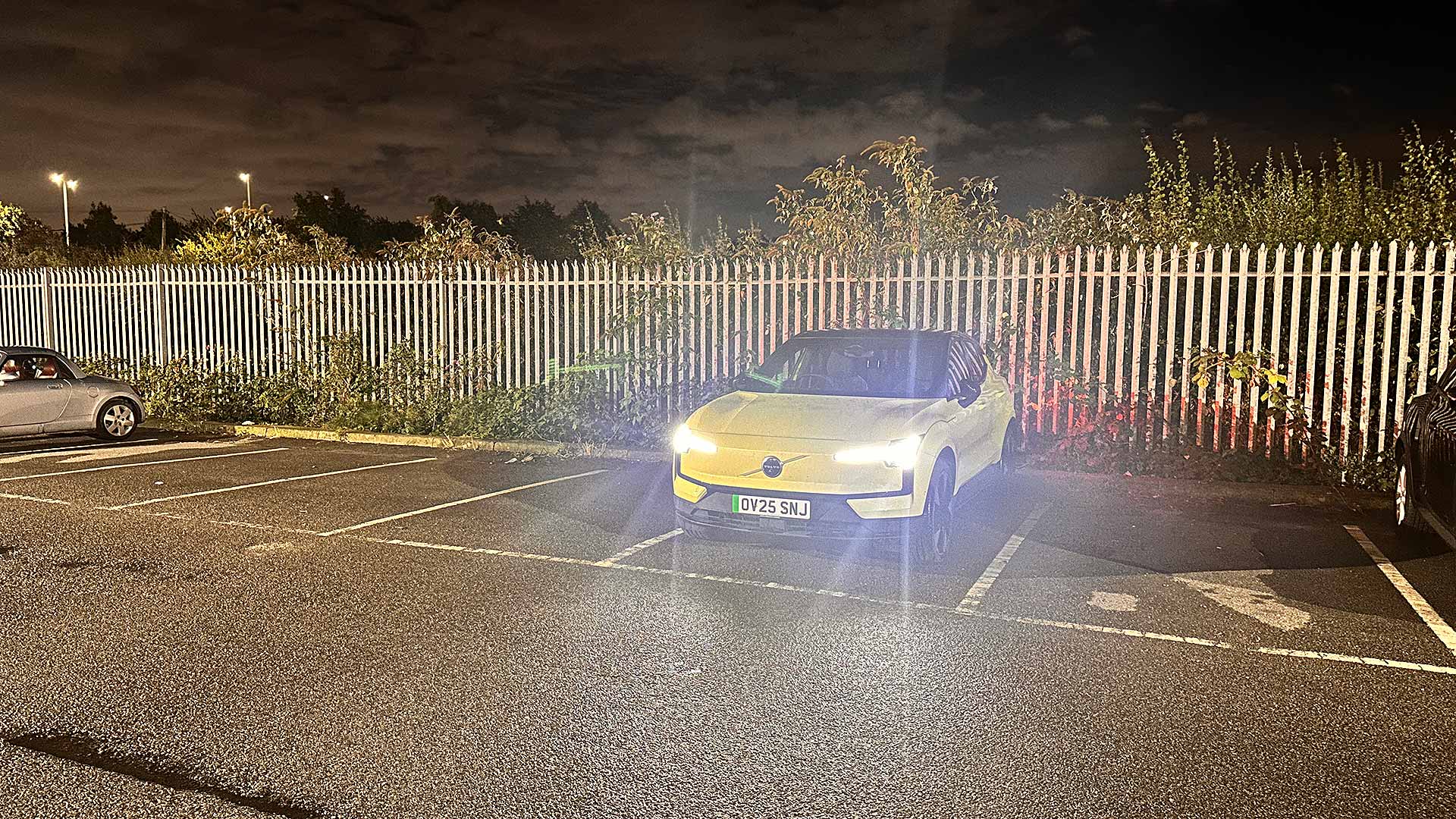
As winter bedded in, I found another unexpected issue with the Volvo: the lack of a light in the charging port.
I discovered this when plugging in one early evening at a countryside car launch venue. It was in the countryside, and pitch black all around. The hotel had charging points, which was great… but actually plugging the car in was another matter.
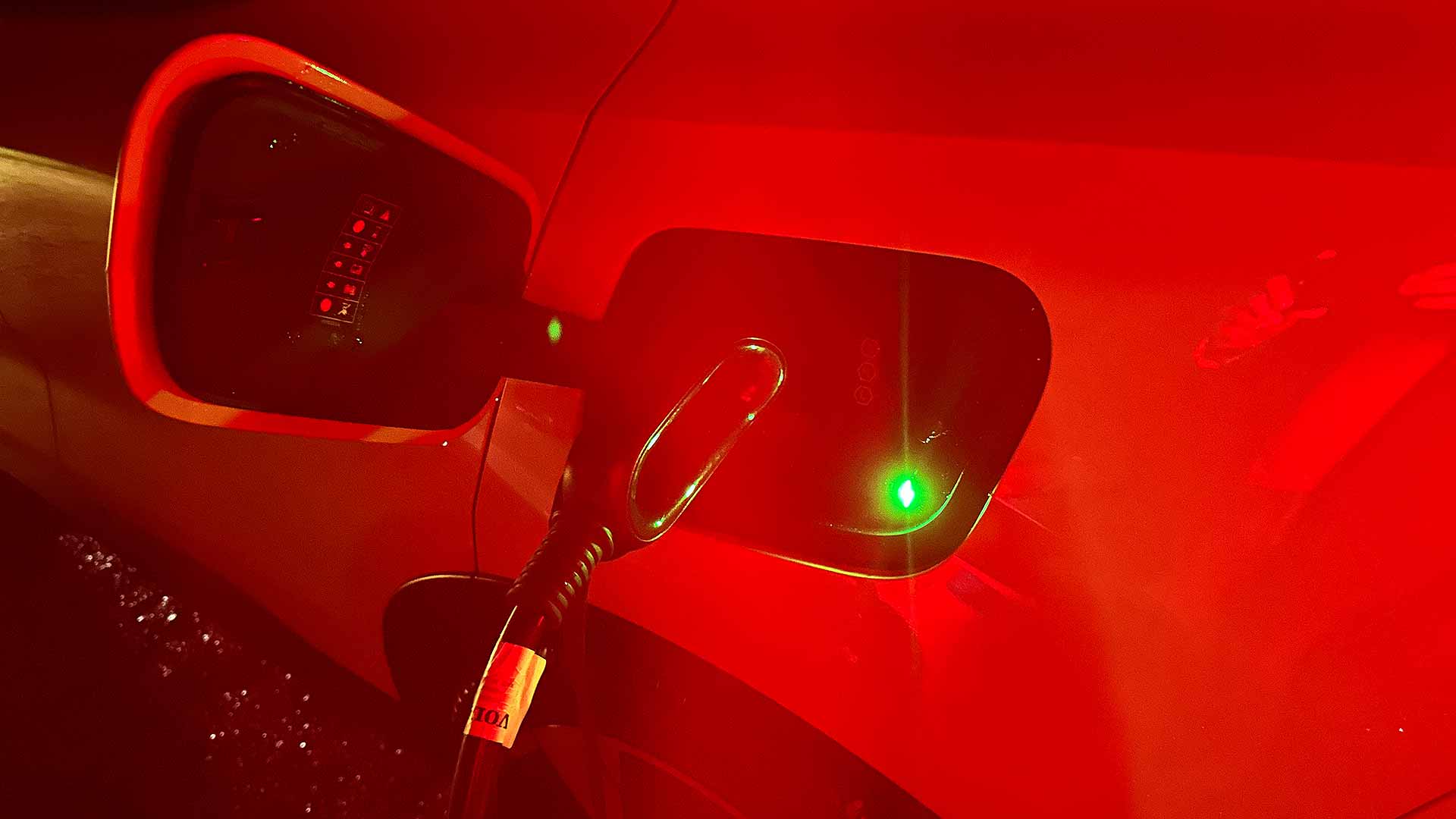
It was raining (again), which didn’t help; cue me getting soaking while feeling around the charging port, unplugging the rubber covers and eventually slotting in the charger.
It’s harder than you’d think (the image above shows how iPhones have far better night vision than me). I now appreciate every electric car that has an LED light behind its charging flap.
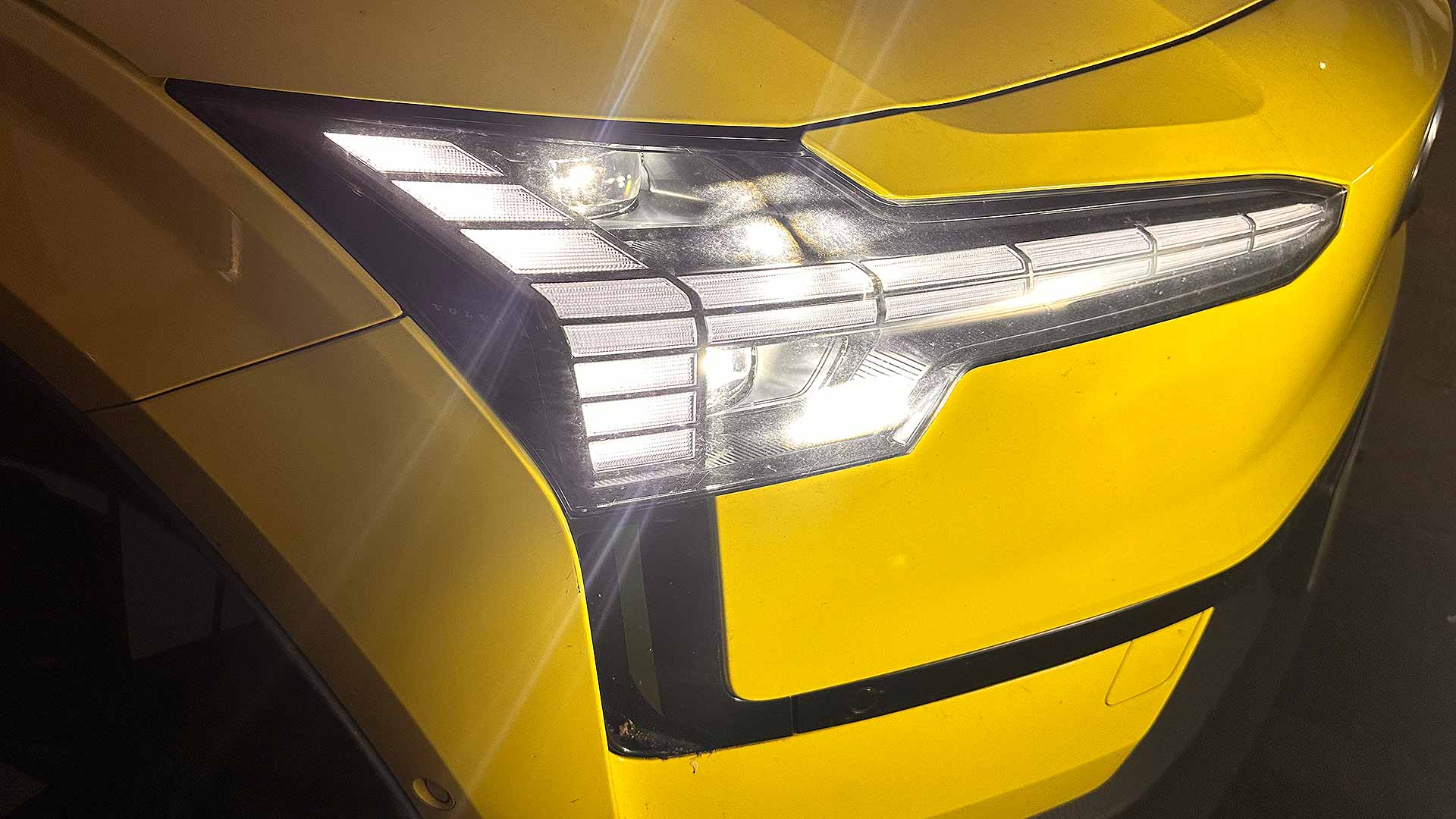
The dark winter months have made be appreciate the Volvo EX30’s pretty LED lights, though. As you approach – if it decides to recognise you, that is – both front and rear LED lights will flicker, flashing through a fun wake-up routine.
In the rear lights, there’s even a little Volvo logo that lights up in red LED; a properly premium detail touch.
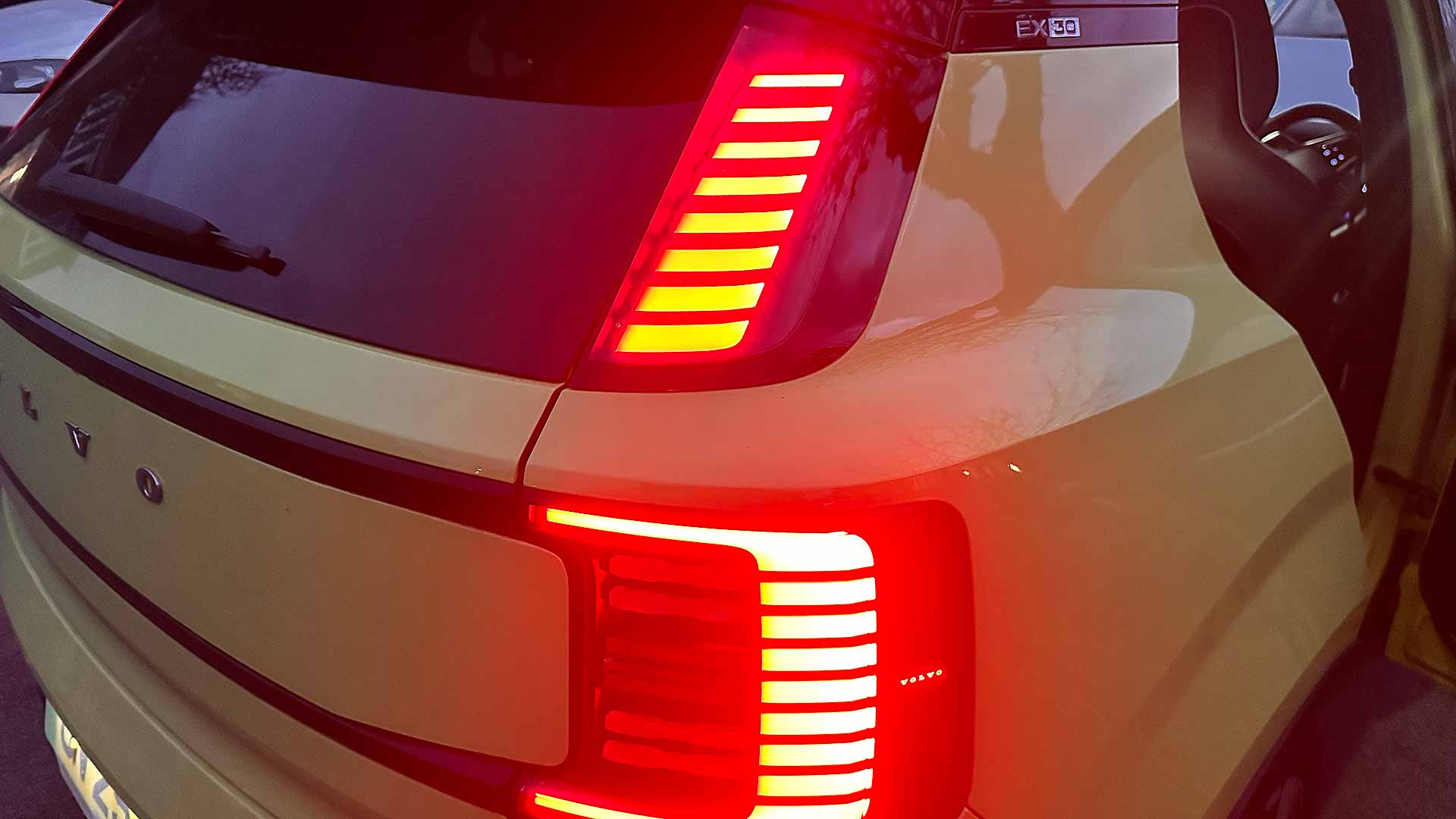
It never fails to cheer, and has added safety benefits in pitch-black car parks, too.
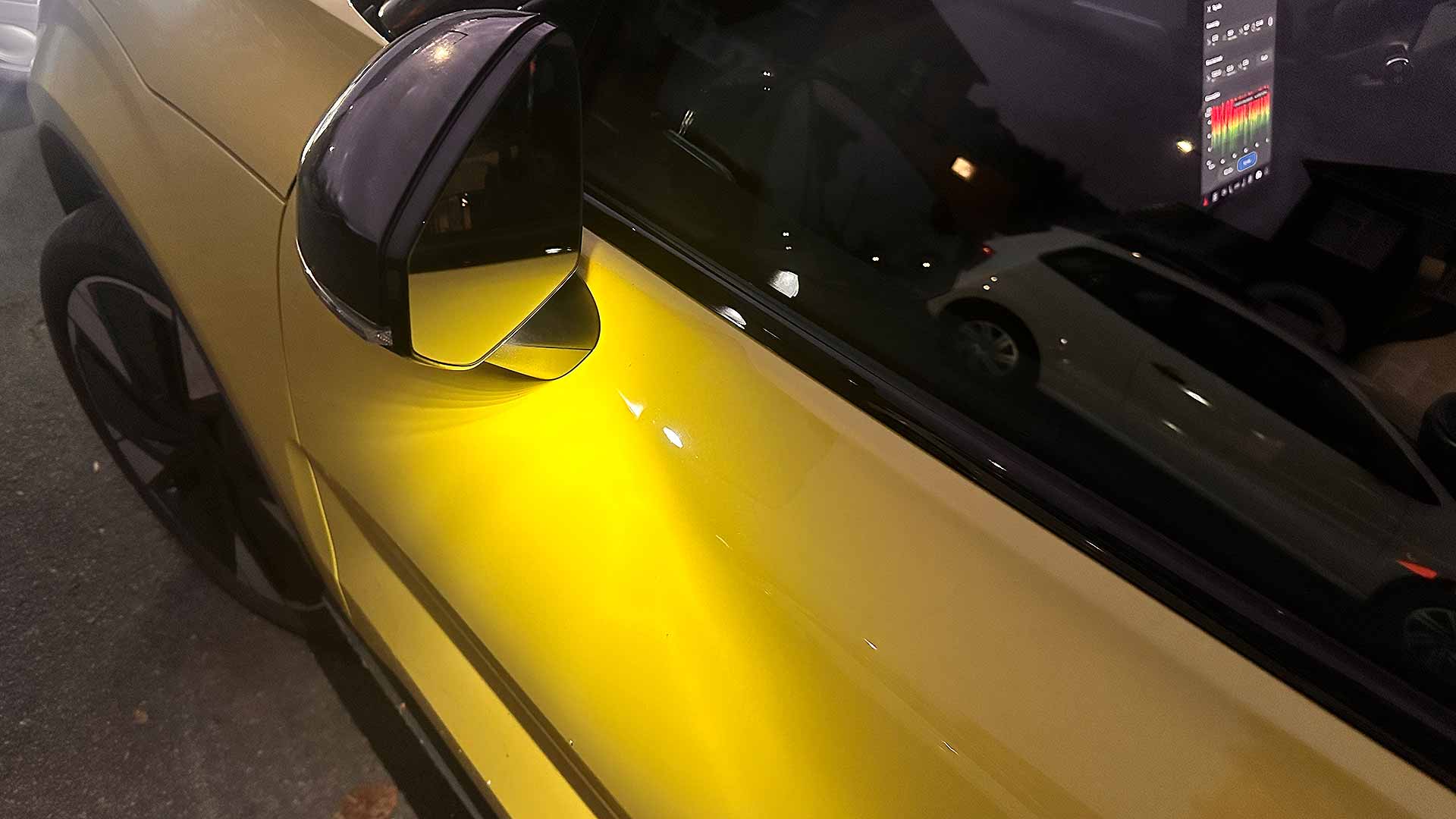
Even the LED lights in the door mirrors are useful, brilliantly lighting up the space to the side of the car. These tiny details make all the difference.
That is, if you can get into it in the first place. Going button-free is all well and good, but need it extend to the damn key itself? Even Renault’s hands-free key cards have buttons…
Volvo EX30: report three
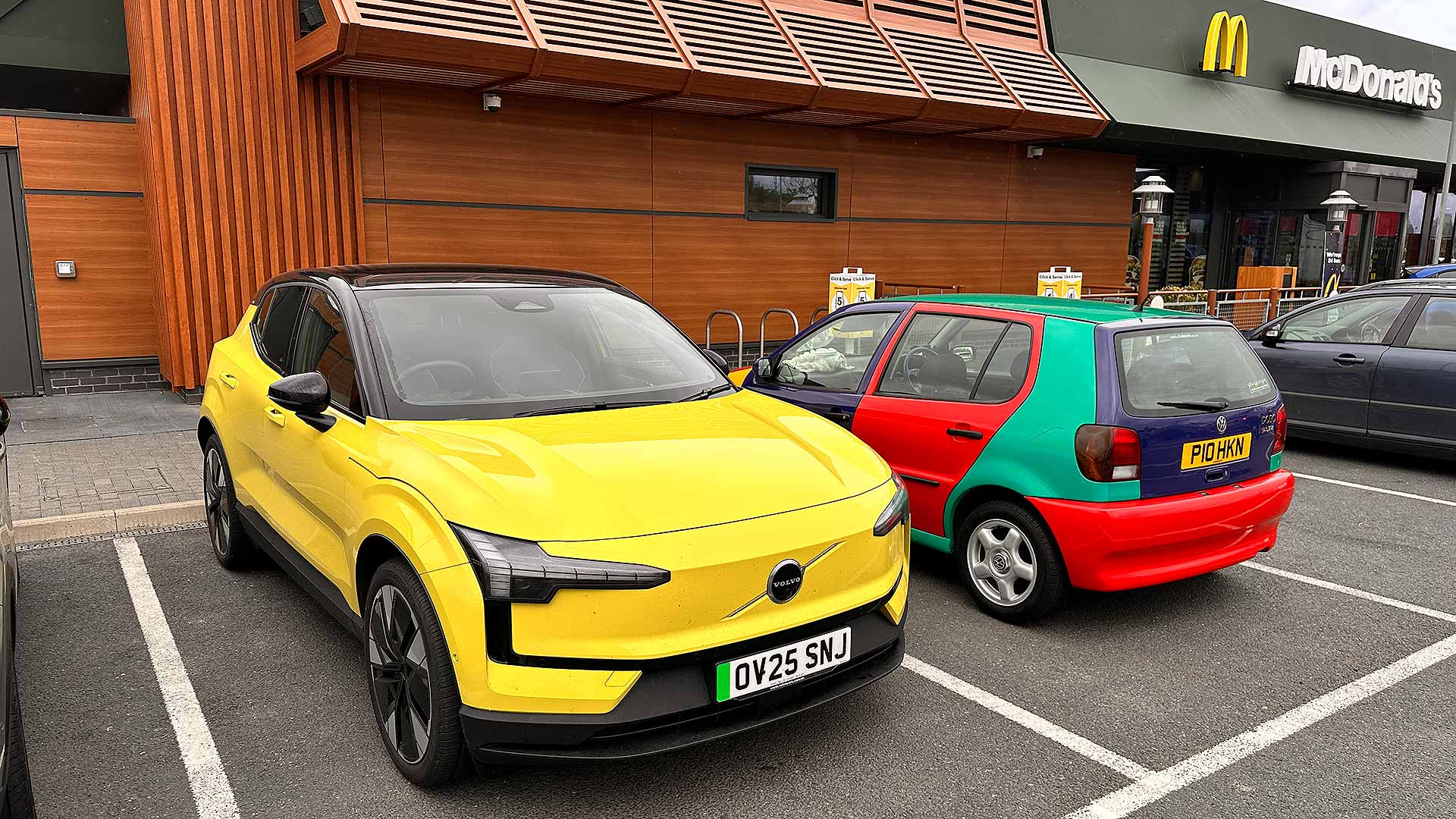
The Volvo EX30 software update has landed. For tech fans like me, it’s as exciting as getting a software update for your smartphone; what has changed? What new features are waiting? Will my life change by downloading it?
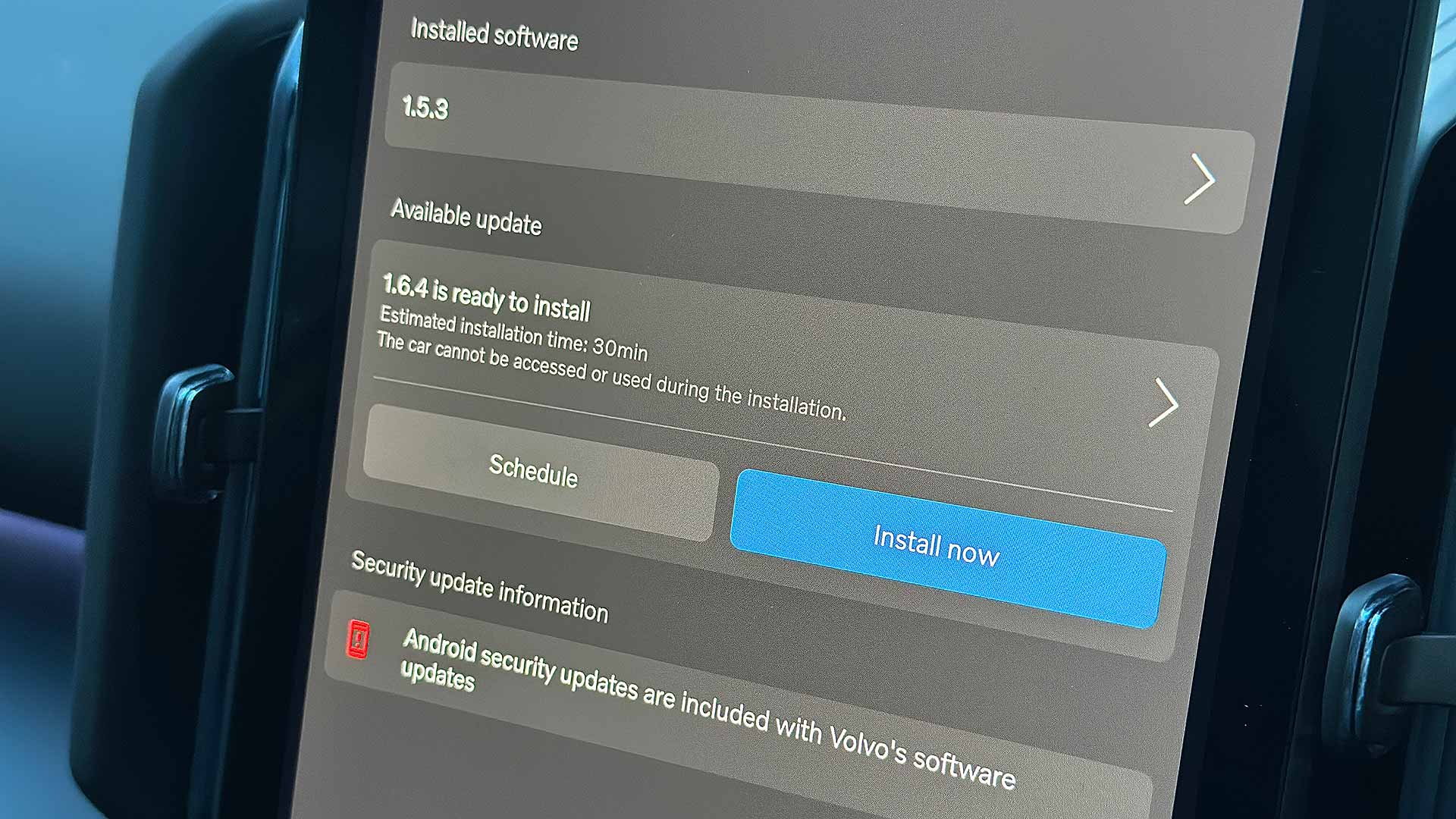
Software update 1.6.4 flashed up on screen and, at the end of a busy day, I clicked ‘install now’. It warned me the update would take 30 minutes, and the car could not be accessed or used during the installation. It also advised me to make sure there were no people or pets left in the car; not sure why.
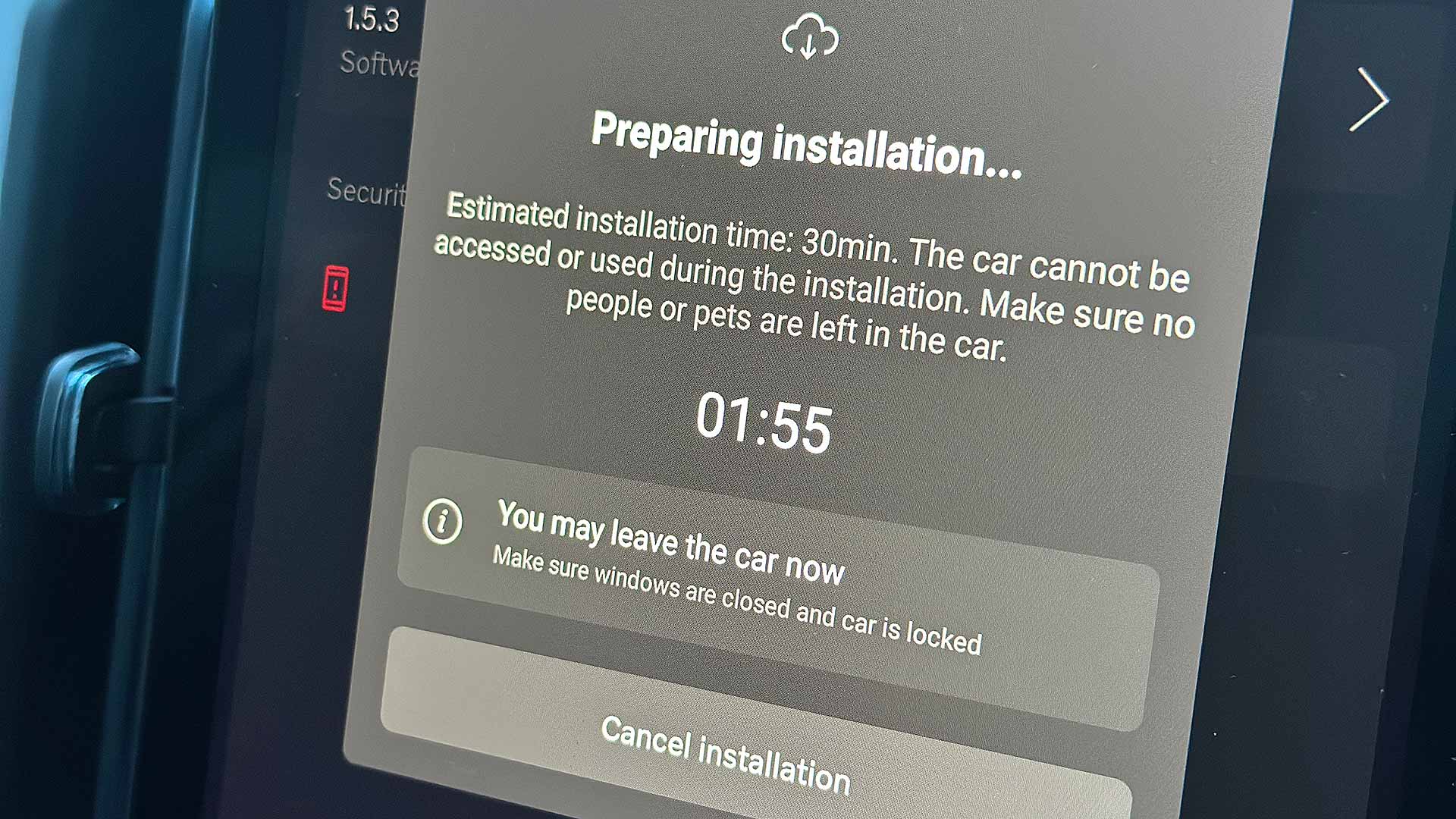
In reality, the update took less than 30 minutes. The car alerted me it was complete via the Volvo smartphone app – which also listed the improvements and extra features I’d now enjoy… for free!
A snazzy new feature is an automatic setting for the heated seats and steering wheel. When the exterior temperature drops below a certain level, they’ll turn on as if by magic. There are more battery charge level warnings too – popping up when it reaches 15 percent, 10 percent, 5 percent and (something I hope never to see) 0 percent.
Volvo has added a real-time energy consumption readout in the top left of the screen, but hasn’t changed the units to anything meaningful, so it’s useless for those of us who think in miles per kWh. Interestingly, the auto-lock noise when you walk away has changed, from a deep bleep to a higher-pitched one. It’s easier to hear over the ambient noise of a city street.
Praise be, Volvo has also updated the regenerative braking force. It now has low and high settings, along with an ‘off’ setting. This has transformed the car. When you lift off the accelerator, it now glides along beautifully, rather than slowing down; some like one-pedal driving, but I despise it, and the previous half-way house was infuriating. My EX30 is now an infinitely more relaxing drive as a result of this change.
And it’s all thanks to an over-the-air software update. I didn’t have to visit a dealer, or fiddle around with any other settings; the car was updated at the press of a button. This is the exciting part of software-defined vehicles and, just like I look forward to the next smartphone OS update, so too will I be relishing the next Volvo update. It’s a shame I probably won’t still have it by the time it lands…
Enjoying the Volvo EX30
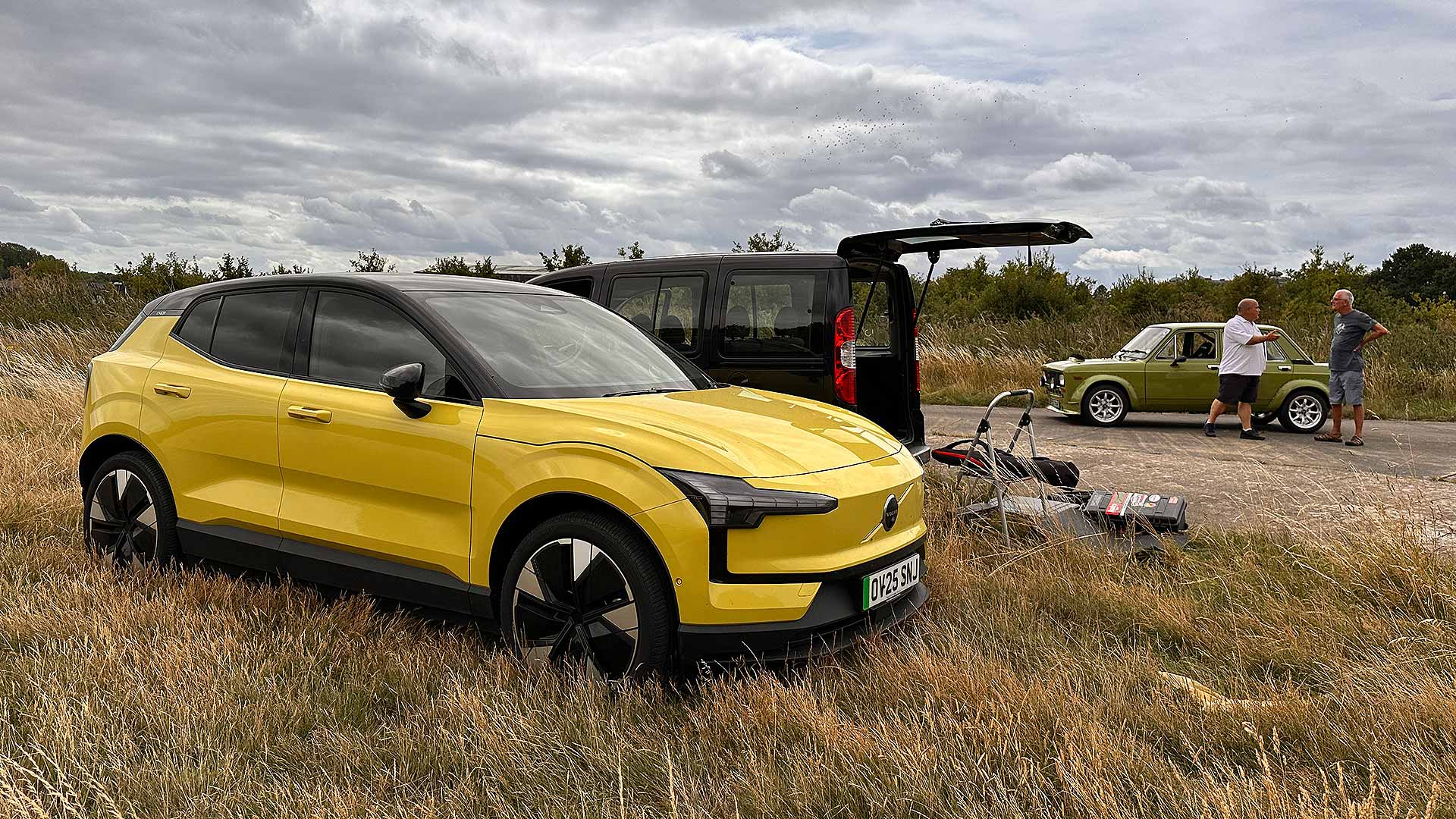
A busy launch diary means I’ve driven plenty of cars, mainly electric, and increasingly from China. At the end of every launch, I’ve been happy to get back into the Volvo EX30. What strikes me every time is its premium feel, its measured yet potent power delivery, its smooth and quiet ride, the stable and accurate steering plus the clear and reassuring infotainment.
I’ve talked at length about the latter, and it does have its usability flaws, but from an everyday perspective, it’s a delight to use. Turning off lane-keep assist is a breeze, built-in Google maps is sheer brilliance and the ability to add apps such as YouTube means it gets four thumbs up from the kids.
My only ongoing gripe, and this is not Volvo’s fault, is the Spotify app. It’s great, having it as a native app; what’s not so great is the lack of a ‘new episodes’ menu for podcasts. It’s there in the Apple CarPlay menu, which is now my default, but not in the built-in Spotify alternative. If you’re following regular podcasts, or a series, why make it so hard to find the episodes you haven’t listened to? It’s an oversight others have mentioned too; Spotify, are you listening?
Tesla says no
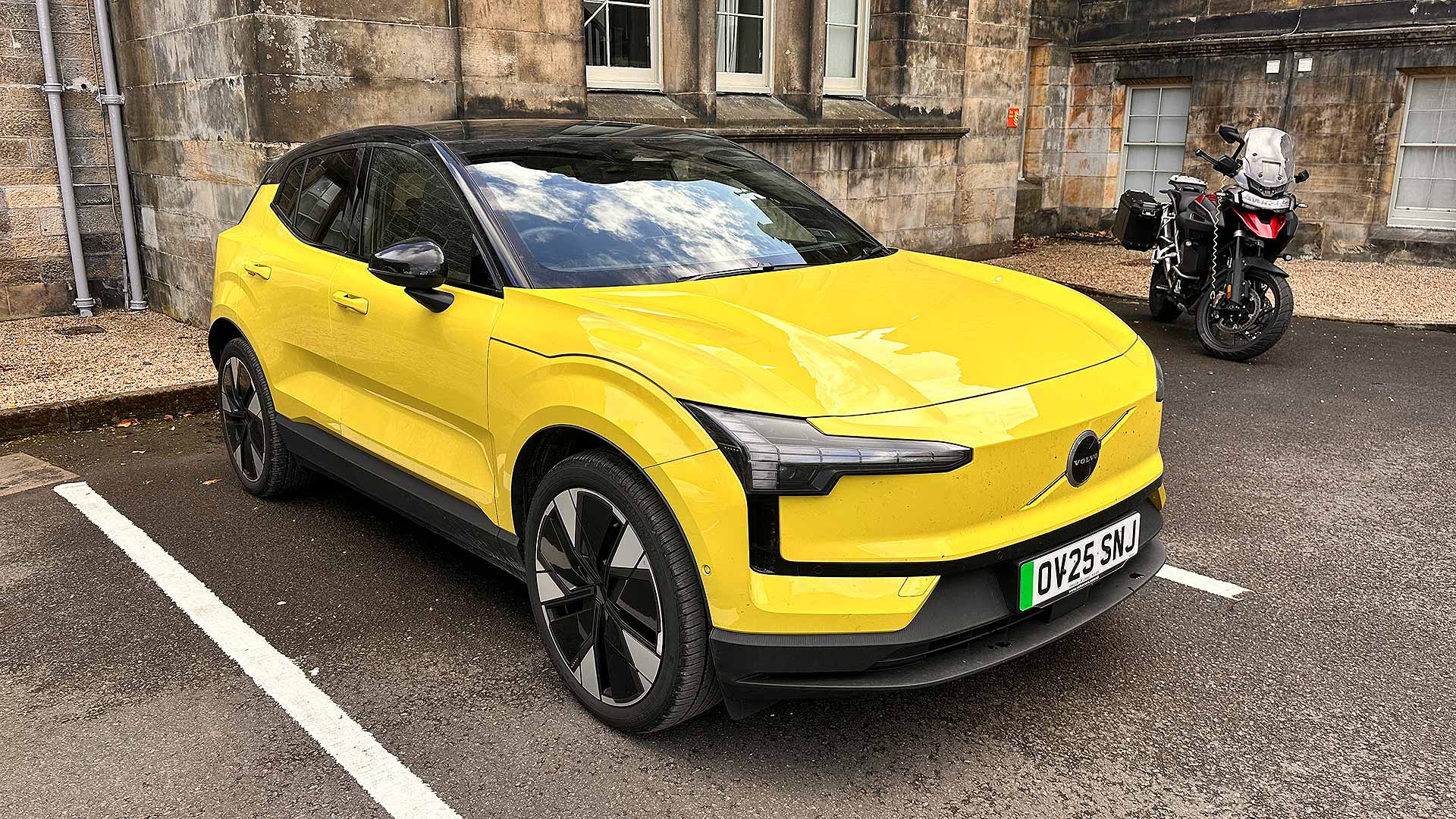
I mentioned last month my drive from Birmingham to Glasgow and back, via Leeds. All went swimmingly. Long distances in an EV really aren’t an issue these days. I used some perfectly-placed rapid chargers on the M6 motorway, and destination charging in Glasgow saw me right for the trek home.
The only stumble was on the way back, where Google Maps directed me to a Tesla Supercharger. I assumed it was one of the firm’s open-access areas, but no; it was only open to Tesla drivers. After a few puzzled looks from Model 3 and Model Y owners, I realised the error and searched for the next charger en route. No drama; I got to it with plenty left in the tank, and even had a nice spot of lunch. It’s one to be aware of, though – I have Google Maps set to include Tesla Superchargers, but perhaps it isn’t yet granular enough to exclude the ones non-Teslas are unable to use.
Now autumn is here, I’m happy to say there’s no discernible reduction in EV range yet. It’s still delivering a reliable 220 miles or so per full charge. Yes, that’s shy of the claimed 295-mile WLTP figure, but I can work around it, and the near-160kW DC rapid charge means that I can literally stop for 10 minutes or so and have enough charge to get me home (they’re so expensive these days, you don’t want to hang around for longer than necessary).
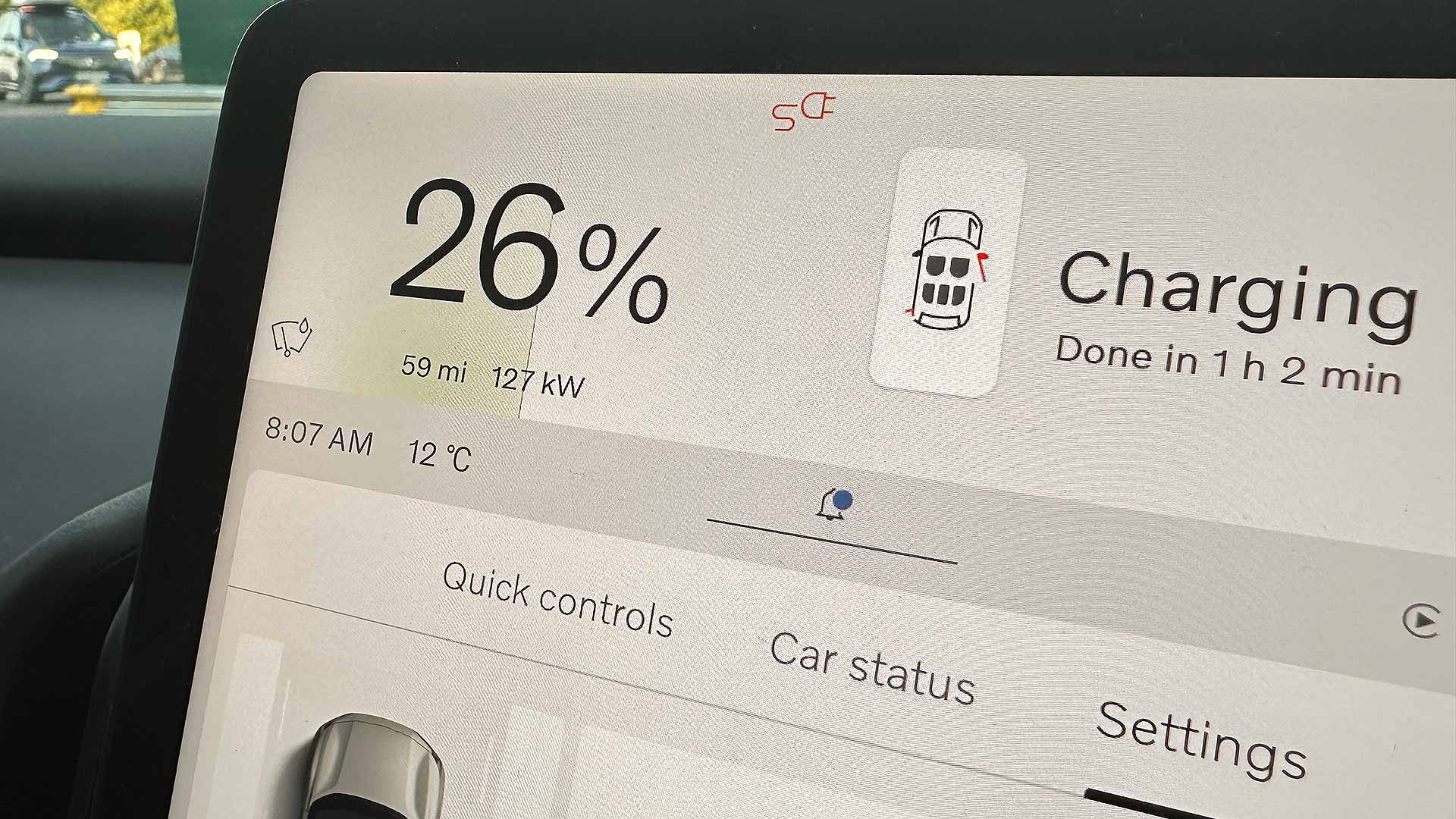
And how do I find these rapid chargers? Why, through using native Google Maps. I’ve mentioned it before, but it deserves repeating how seamless it all is. Linking the battery status to Google Maps helps make motorway trips a breeze, and I’ve never had any battery-related dramas. Famous last words, perhaps, but also a measure of how smart Volvo’s solution is.
Looking at the calendar, there are plenty more long trips coming up, so come back next month to see if it continues to be flawless…
Volvo EX30: report two
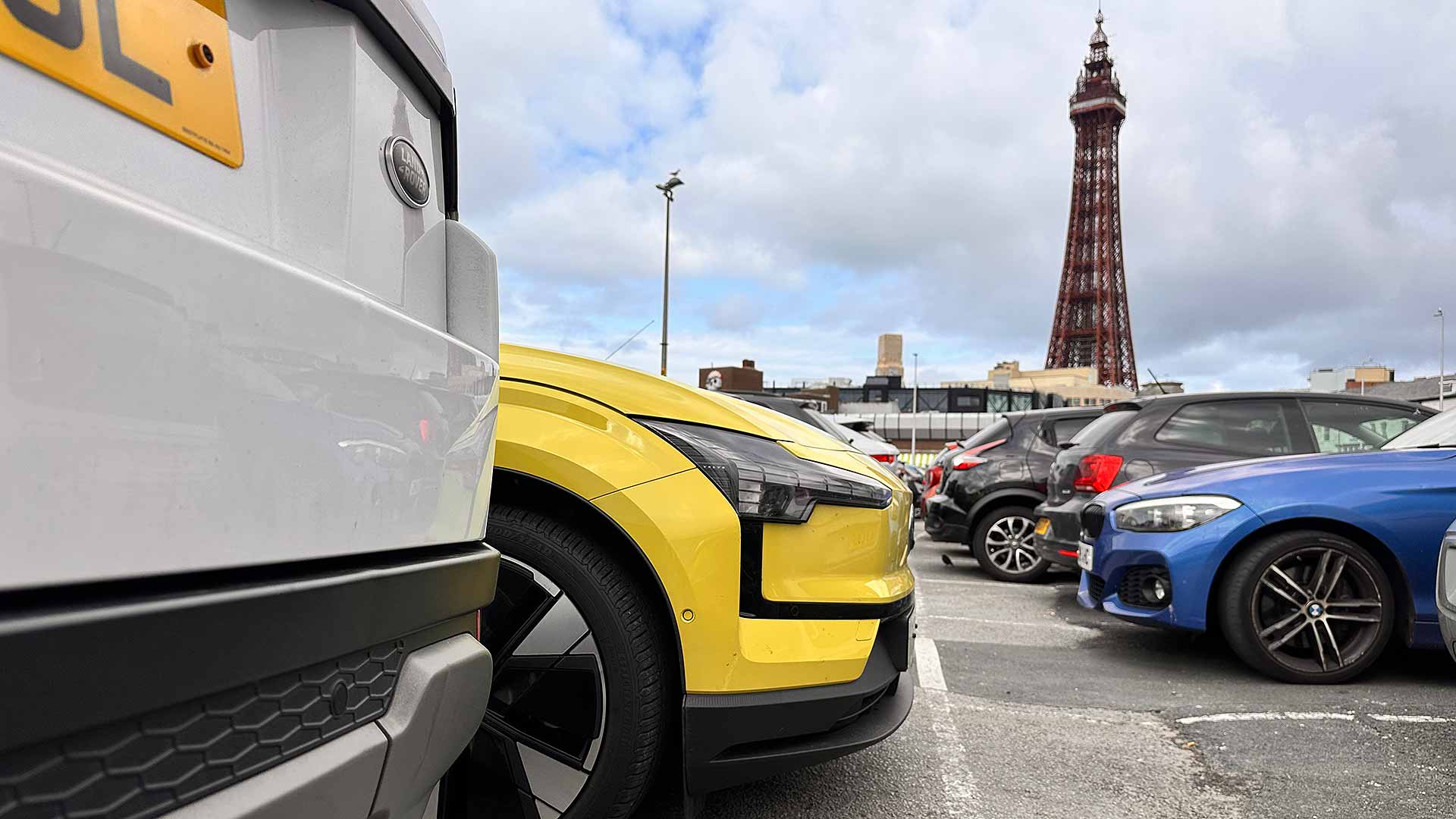
The Volvo EX30 is proving to be a very appealing long-distance car. Its ride is comfortable, proving calm and quiet even when dealing with bumps in the road. The seats are decent, too – at first, I thought they lacked a bit of under-thigh support, but work with the multi-function electric seat adjuster (press a button on the side to cycle through its various options) has perfected my driving position.
I worried that the kids might find it cramped in the back, but there haven’t been any complaints. I recently got to sit in the back too and, while legroom was a touch tight, it was still comfy enough. The standard panoramic roof made it feel light and airy, too.
A trip to Blackpool highlighted the brilliantly-designed boot. One large and two carry-on suitcases fitted perfectly – the space has clearly been designed with them in mind. Details like this show the thought and care that has gone into the EX30’s design.
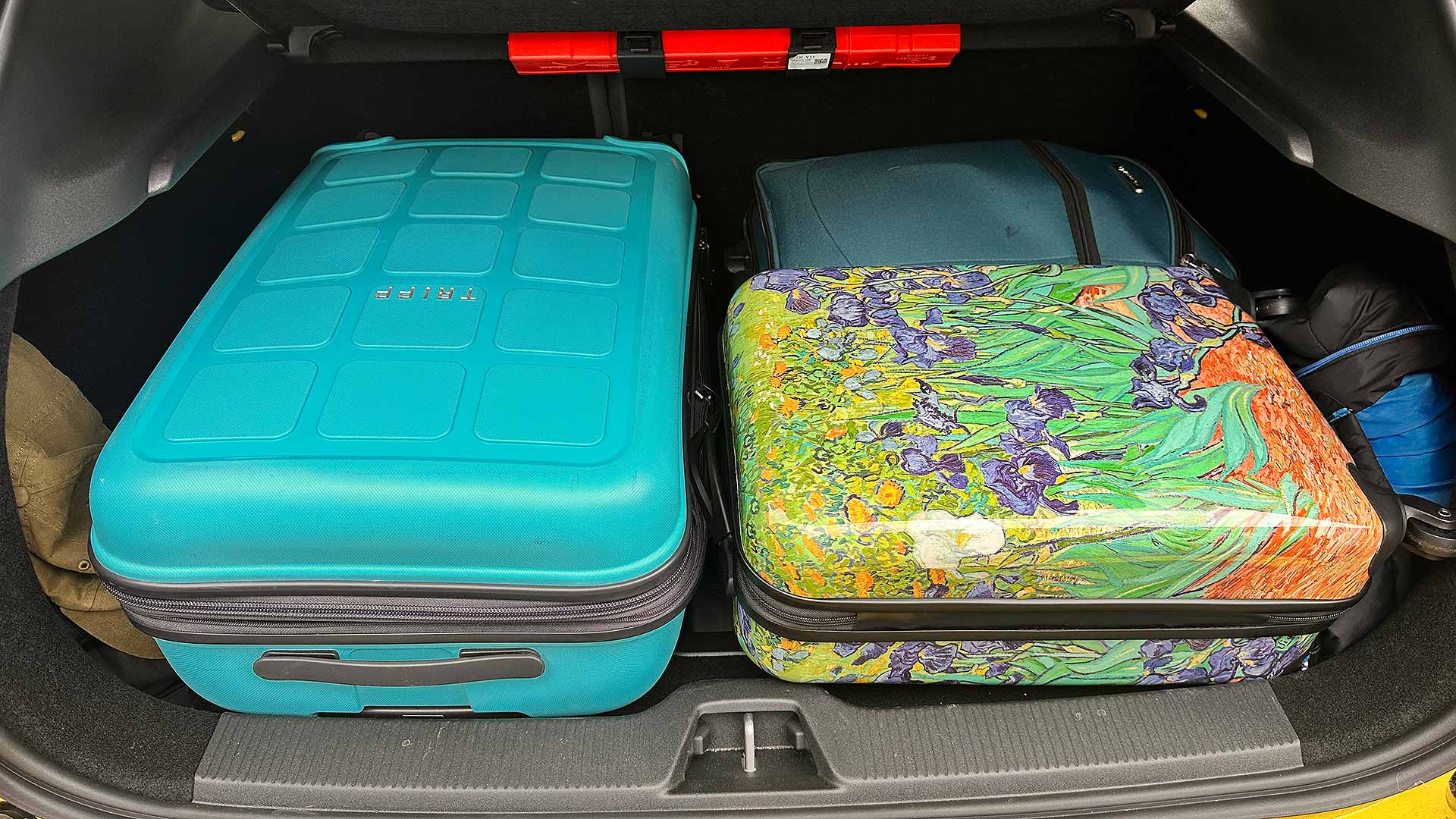
It feels pleasingly compact to drive, in contrast to many of today’s large and cumbersome cars. The high seating position means it still feels safe and authoritative, but it’s refreshing to have something so wieldy, particularly in supermarket car parks.
I’ve got used to the light steering, and started to appreciate its precision, but I wish the car didn’t default into a touch of brake energy regeneration when you lift the accelerator. It feels oddly jerky when coming on and off the pedal, even on the motorway, and takes away the free-wheeling effect I like so much in EVs.
As for efficiency, 3.3 miles per kWh is OK, although a little more – say, 3.5 – would be nice. We’ll see how this changes now autumn is here…
Volvo EX30 infotainment
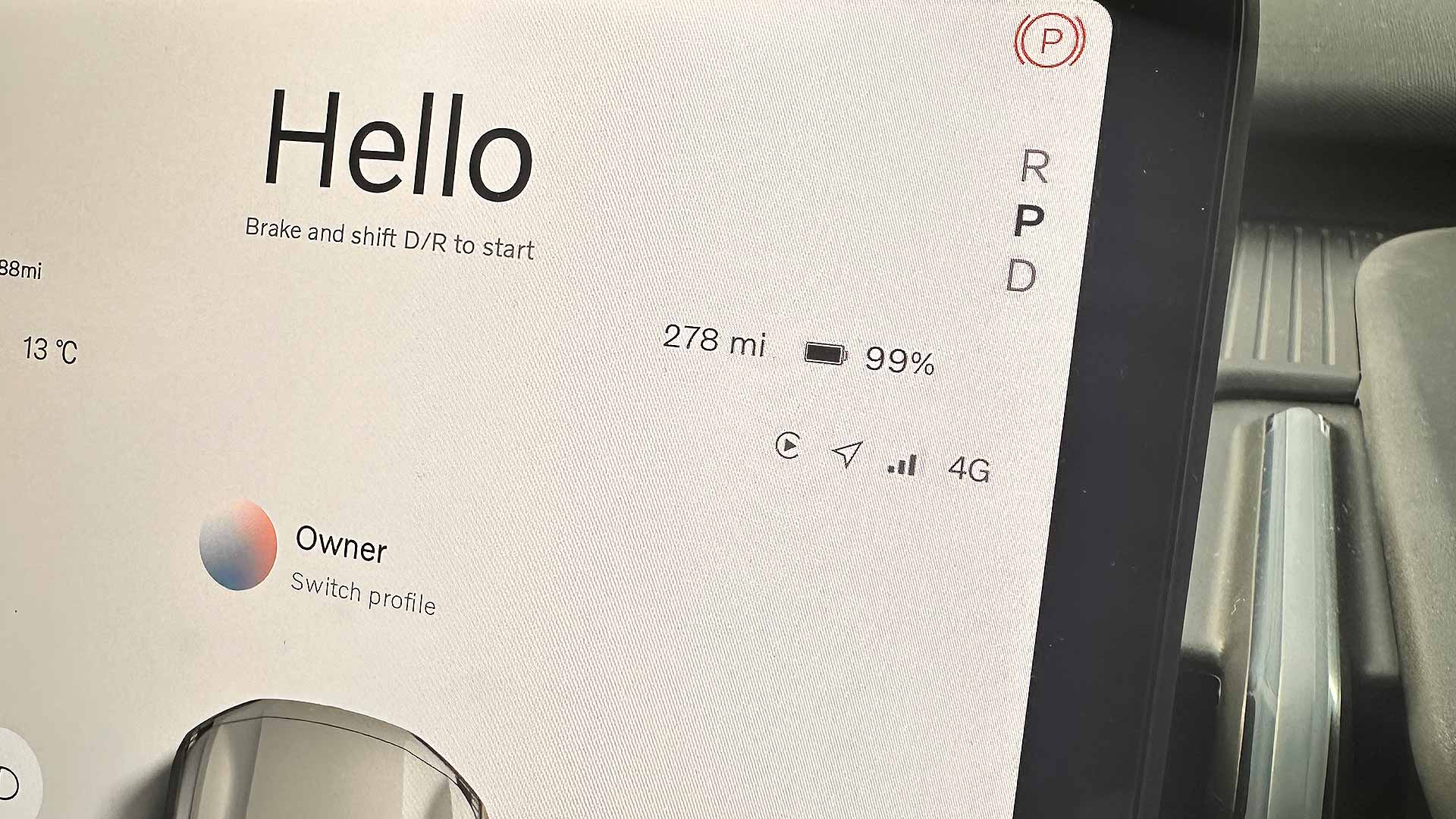
The aspect most people comment on when looking at my Volvo is the infotainment. For petrolheads, its idiosyncrasies seem to be somewhat notorious. For those fresh to it, there’s a combination of the wow-factor followed by befuddlement when they dig deeper.
Yes, the tech is easier to use than it perhaps has a reputation for, but it’s still not perfect. Why is the EV range readout so small, for example? And the clock, and the temperature readout? Surely the battery percentage should be bigger as well (at least it changes from grey to yellow when the remaining percentage starts to get low – a bit like your mobile phone).
There’s more. Why is calling up the trip computer so counter-intuitive? Why can’t you easily display the fancy air quality screen? And why is the air recirculation button so well hidden?
Using the Volvo’s system is largely straightforward, but there’s still work to be done, and it could be smarter with some of the colourful contextual shortcut icons. They’re a clever idea, but I reckon they could be cleverer still.
As mentioned earlier, I still curse it every time I get home and try to drop that passenger-side door mirror, too…
Mobile key maladies
Issues with the mobile key continue as well. For starters, while it works well in, say, a supermarket car park – turning on the lights and unlocking as I approach – it rarely works on my driveway.
I don’t know if this is because I walk up to the car from behind, although that doesn’t seem to be an issue elsewhere. But every time I want to enter, it’s a matter of waving my mobile around the driver’s door area and pulling on the handle until it unlocks. This can be a few seconds, or 10 seconds, or more. Which, in a hailstorm, feels like an eternity.
Also, when I have parked close to my home office – a few metres away from where I sit – so I can plug it in and charge, my mobile seems to go into connection overdrive.
It frequently disconnects itself from the home wi-fi and connects to the Volvo via wireless Apple CarPlay. Which seems to disable internet connectivity and, crucially, also cuts off phone calls. This has now happened several times during phone interviews, which is far from ideal. I’ve now bought a longer charging cable so I can plug the Volvo in further away from home, which seems to have fixed things (and saved any professional embarrassment).
It’s a weird one, though. Have any of you suffered the same? And if so, do you have a diagnosis?
Volvo public charging
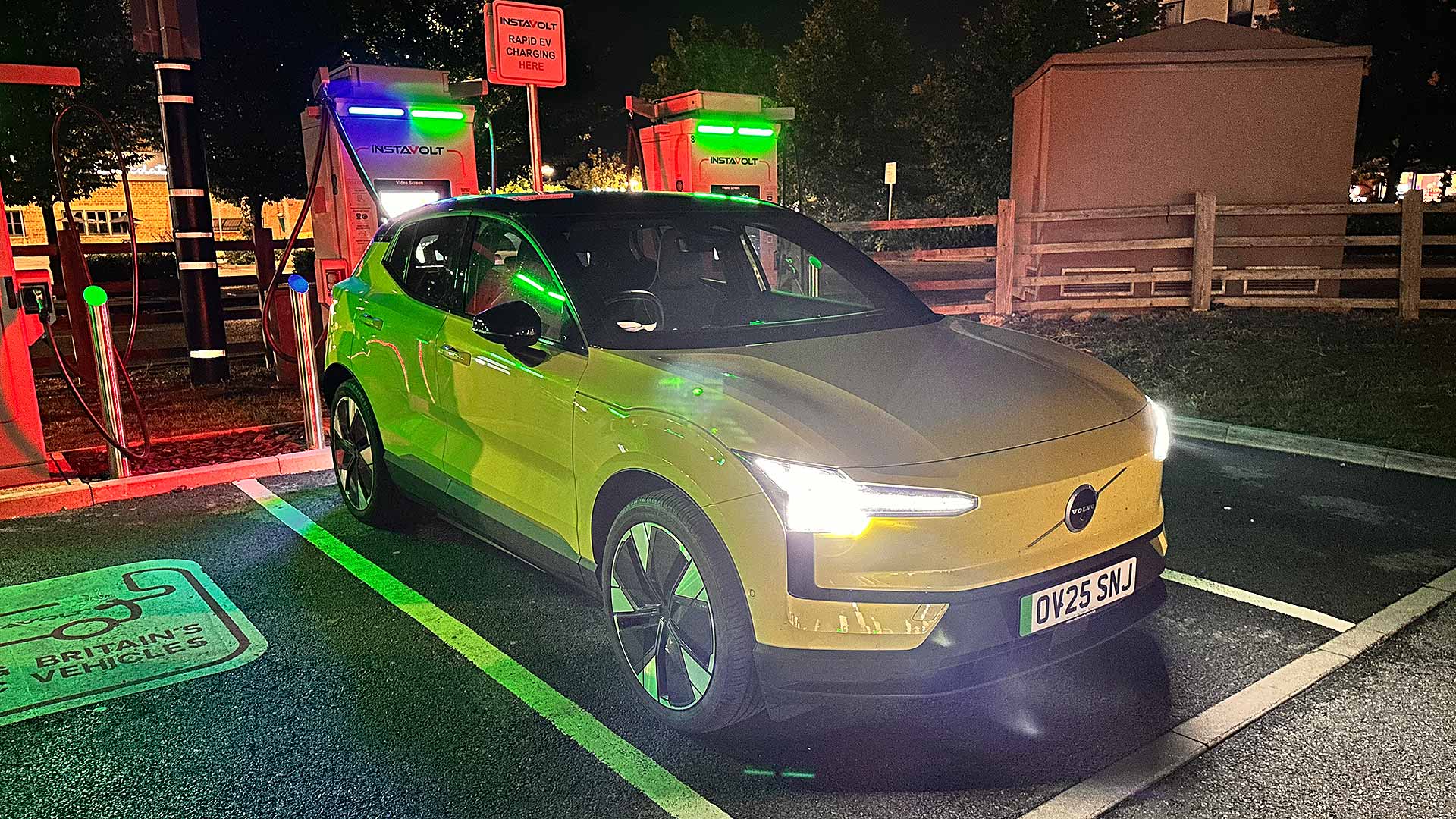
I’ve signed up for the Volvo public charging service. In the smartphone app, there is a ‘subscriptions’ tab; you click there to sign up (oddly, it takes you to a separate platform, but the two are linked once you’ve completed it).
There are two options, ‘small tariff’ and ‘large tariff’. Small tariff is free; large tariff is £9.99 a month and brings lower costs per kWh via preferred charging partners. So far, these are BP Pulse and Ionity, and the current rates are 49p and 59p per kWh respectively (with a £5 per hour overstay charge after 90 minutes at Ionity).
I’ve chosen the small tariff for now. Apparently, it will give ‘plug and charge’ functionality at Ionity. Instead of faffing with apps or cards, you simply plug in to begin charging. We’ll find out as soon as I come across an Ionity hub, as they are hardly commonplace. If it doesn’t work, I have also been sent a handy Volvo public charging service RFID card.
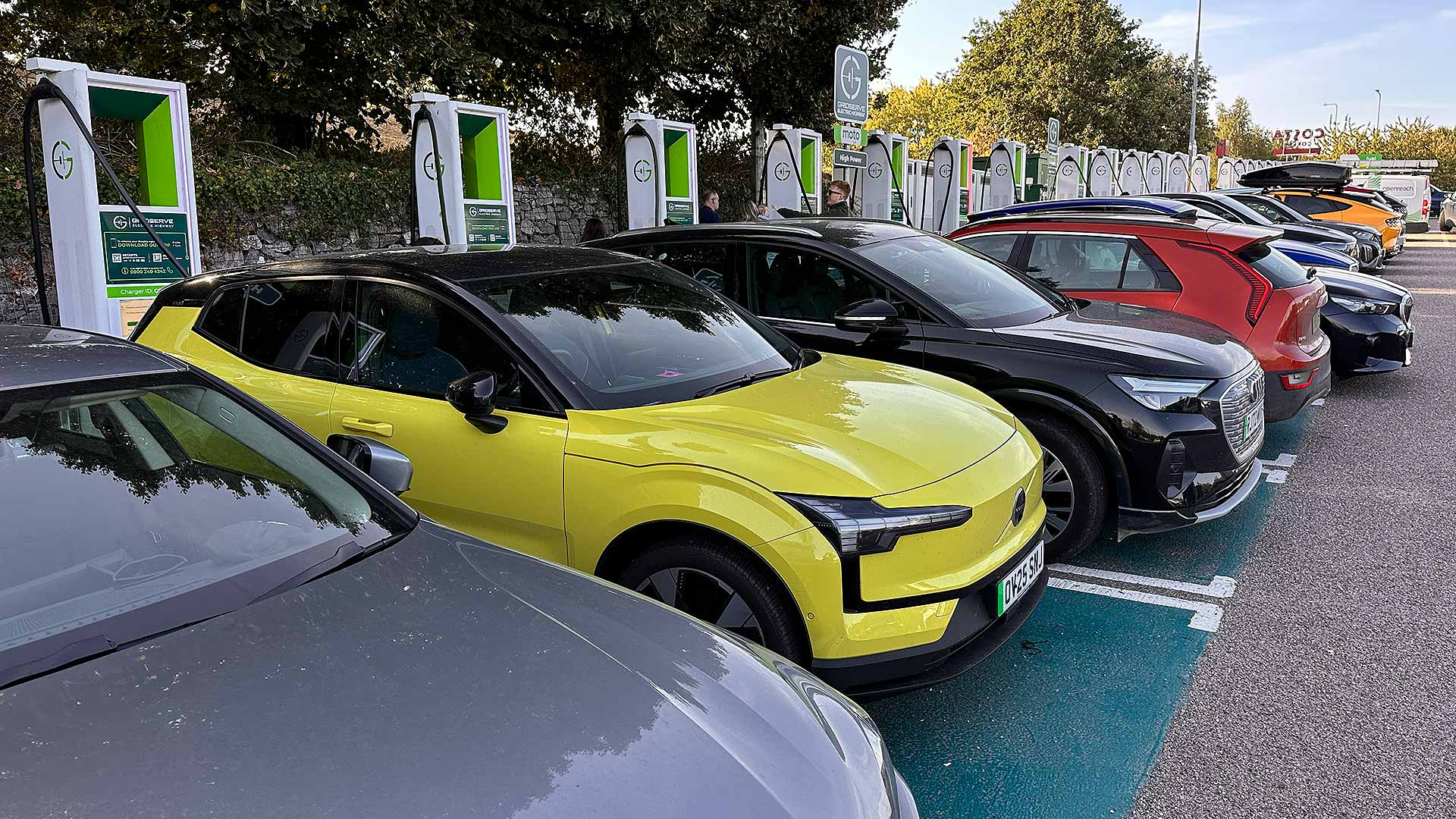
I’ve already put the latter into practice with everyday public charging, and can report it has been faultless. It seems to work with every charging point I’ve tried, and green-lights the process in a quick and snappy manner.
When you charge on the road a lot, those seconds spent waiting for a card to register really add up (and become very infuriating), so all due credit to Volvo’s slick system.
Coming next month
If all this sounds like a lot of commentary on the car’s technology, you’d be right, because there is a lot of it. And frankly, it doesn’t all work as smoothly as it should.
Nonetheless, the Volvo is a very nice thing to live with, which is why I’m looking forward to a planned drive from Birmingham to Glasgow, then back home via Leeds. Even with public charging, it’s considerably cheaper than taking the train, and I’m quite looking forward to the adventure.
I’m also waiting for the first over-the-air software update with anticipation. Will it fix some of the niggles I have mentioned here? I will report back soon…
Volvo EX30: report one
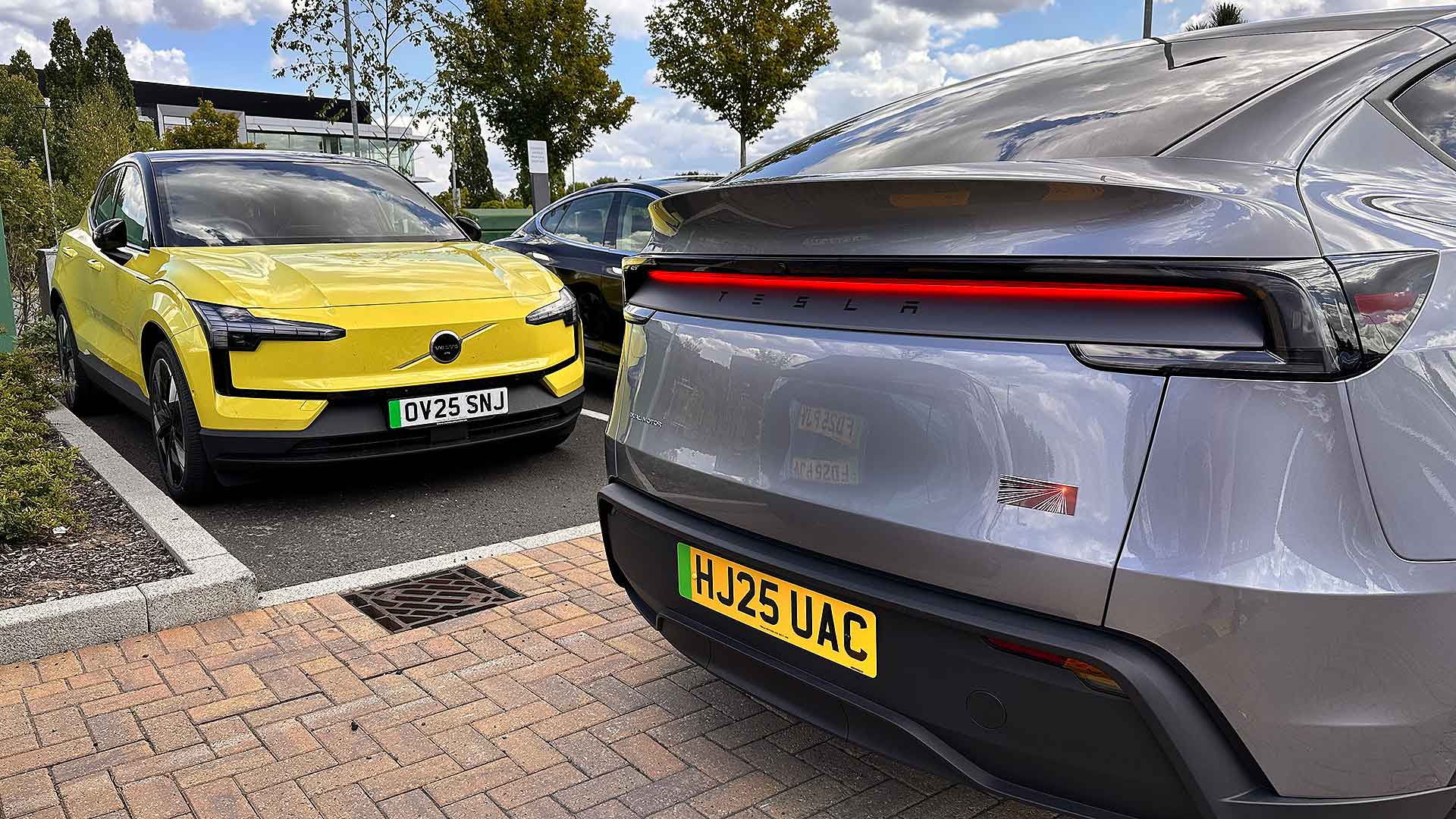
Coming from the generally very impressive new Tesla Model Y, which I drove recently, I was pleased to return to the Volvo EX30 for one key reason: its easy-to-use infotainment.
Compared to the menu-packed Tesla, which required both guesswork and plenty of scrolling to do things like disable the lane-keep assist, doing the same in the Volvo was simplicity itself: press the shortcut on the ‘car’ homescreen, confirm, and you’re away.
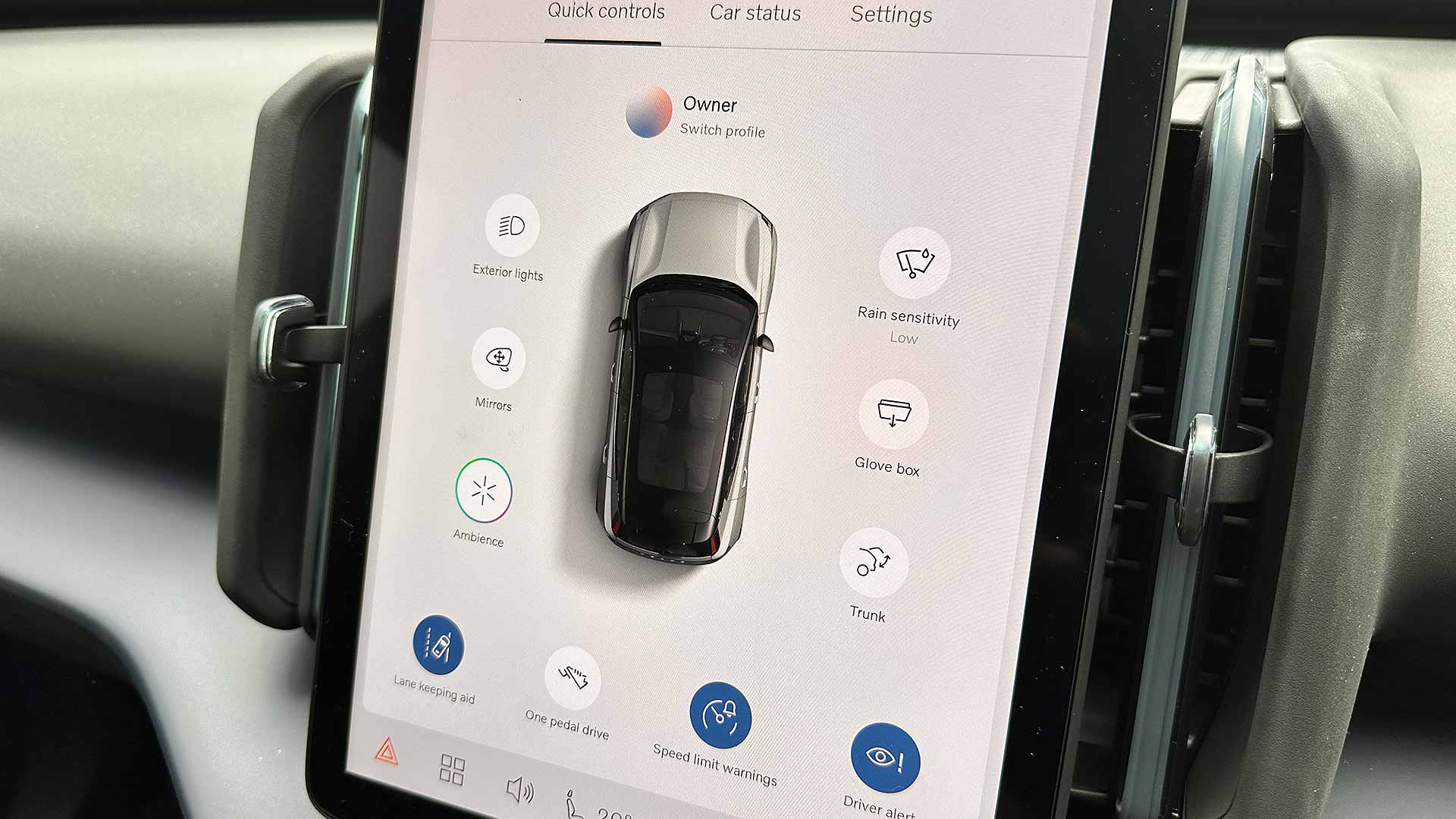
You can even disable speed limit warnings with one touch of the programmable shortcut key on the steering wheel.
Oh, sure, the Volvo’s not perfect (we’ll come to that), but in terms of at-a-glance usage, it’s a stark contrast to the Tesla.
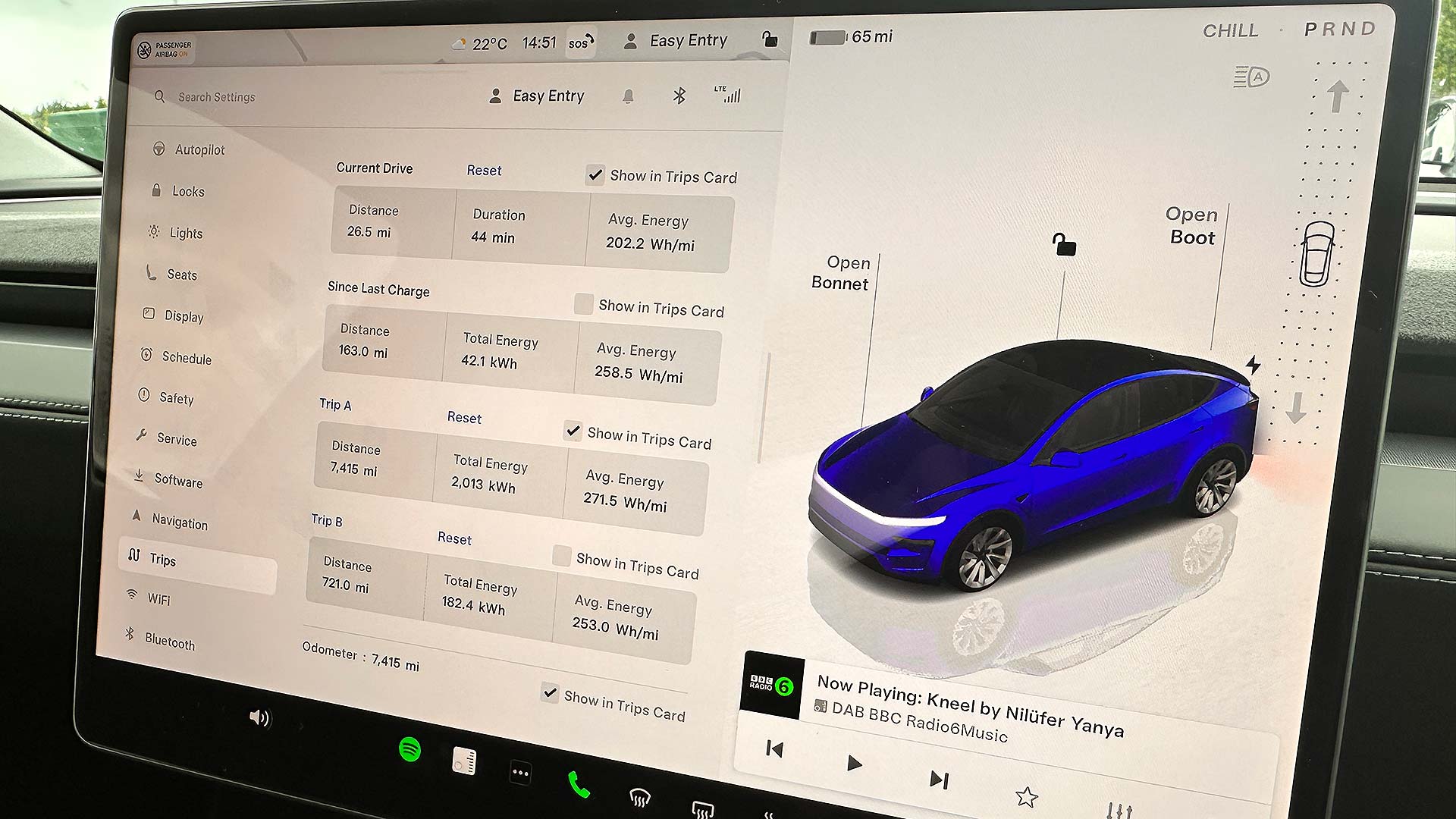
Yet it’s the poor little Volvo whose infotainment is pilloried for being burdensome.
What’s more, ever since the Tesla Model 3 launched back in 2019 there’s also been barely a peep about how it packs everything into a single screen, including the speedo. The Volvo, however, has been much criticised for doing the same.
When I first drove it, I honestly didn’t have an issue with it. And if we’re starting to criticise central speedos, why not go back to 1959 and pillory Sir Alec Issogonis for doing the same with the original Mini?
It could be better still – could you make the readout for the battery range a bit bigger, Volvo? – but I don’t think the EX30’s UX is anything like as compromised as some do.
Obvious oversights
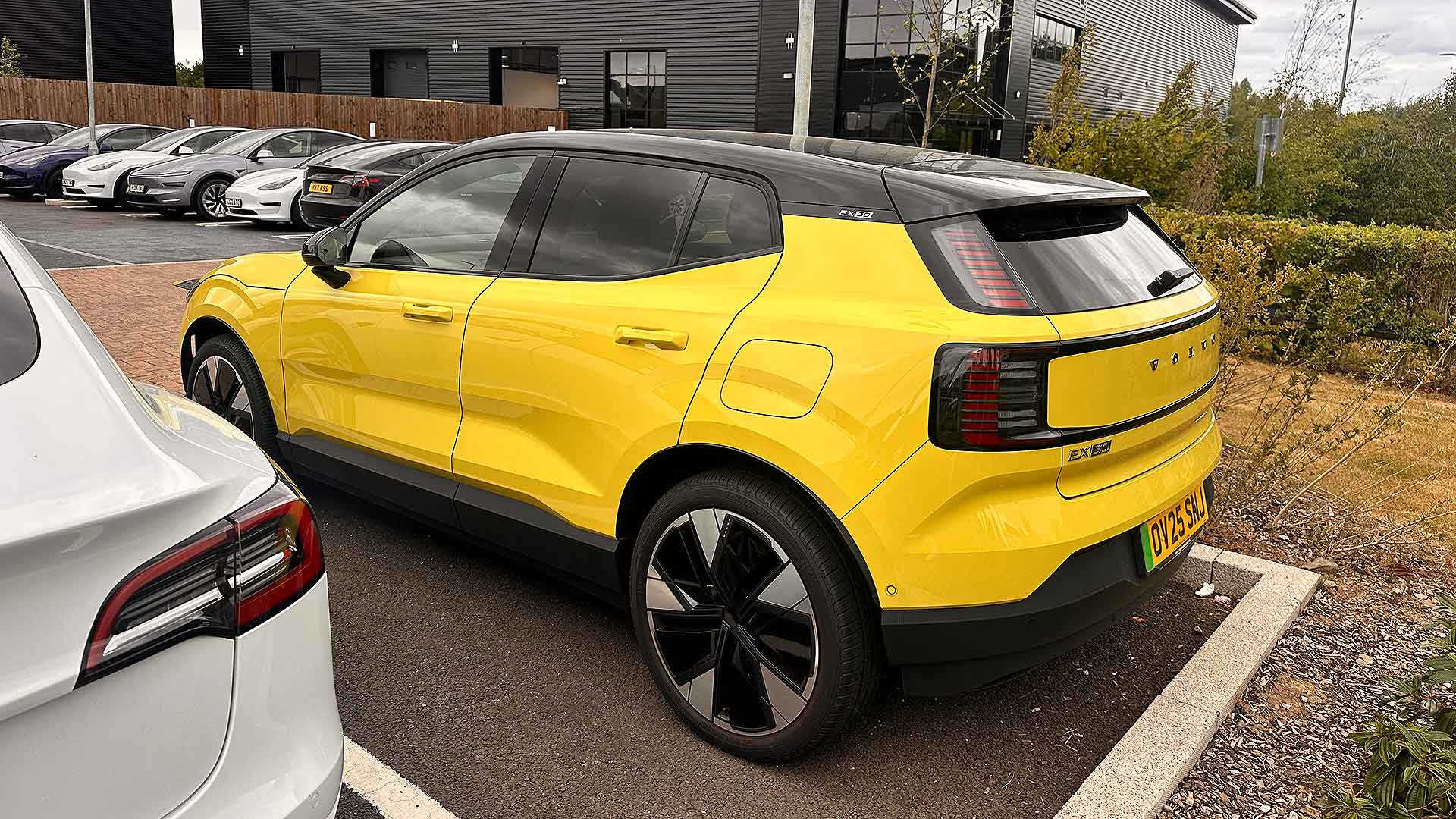
Where the Volvo does let itself down is in a couple of obvious oversights. Adjusting the door mirrors is a right faff; like a Tesla, you have to call up a setting in the touchscreen, then use the steering wheel buttons to adjust left and right.
The thinking is that you only do it once, so it’s not an everyday hindrance. That’s fair enough. But what about reversing? The Tesla auto-dips the passenger side door mirror when you engage reverse. The Volvo? No such luck. So you have to call up the menu and do it yourself before reversing.
And what if you’ve already engaged reverse? Because the reverse camera pops up, you can’t then access the shortcut until you engage park again. Then, in a flap, try to find the shortcut and then, invariably, straighten the steering wheel so you can work out which buttons to press. By which time, car horns will already be beeping because of the time you’re taking.
All for the sake of an automatic mirror dip when engaging reverse. A pretty glaring omission, no?
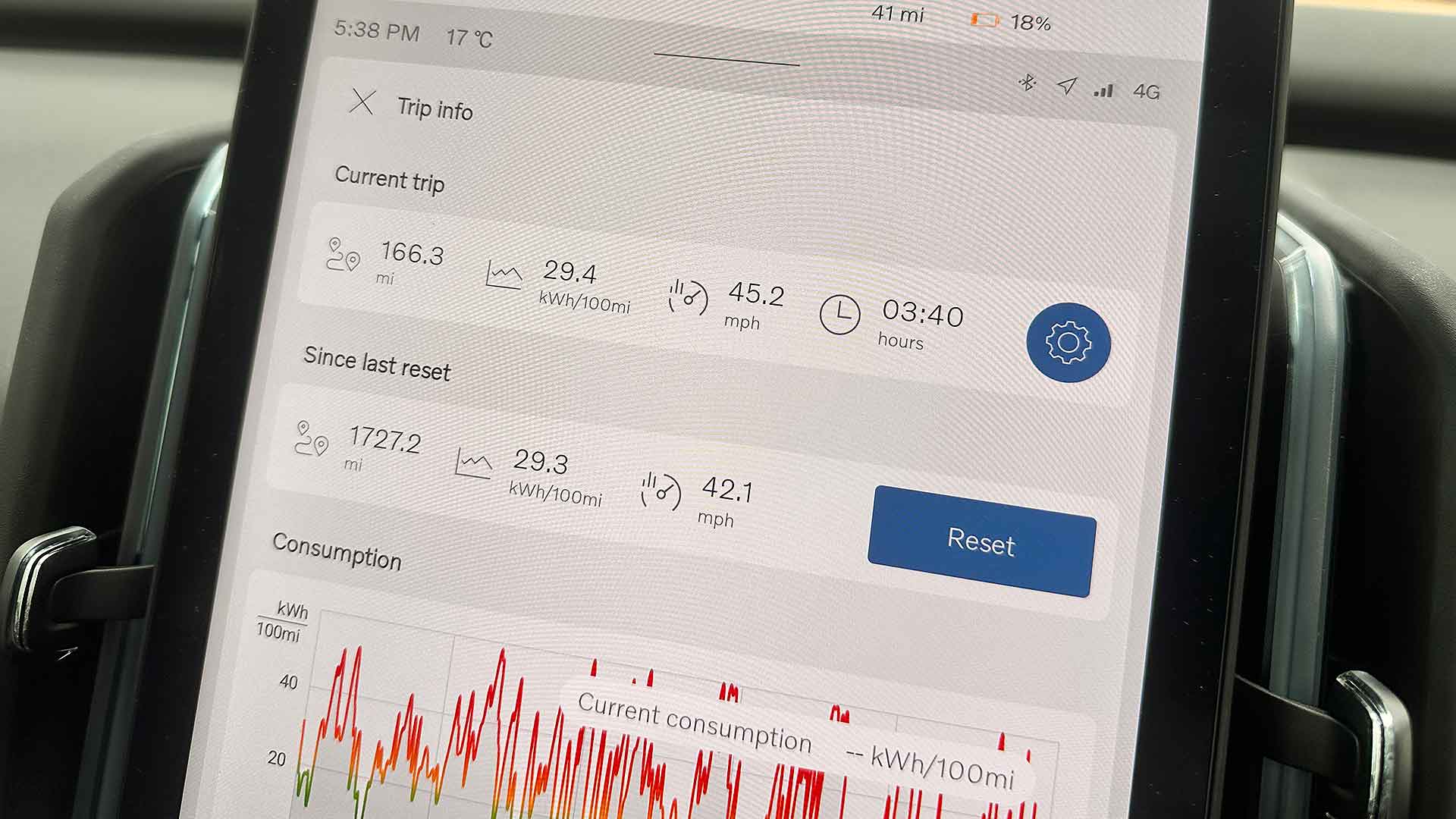
Another obvious oversight is keeping the car’s efficiency well hidden. Now this, I’ll grant you, is a hidden menu issue as mentioned above. Most cars let you see your average energy consumption constantly; it’s great for altering your driving style to eke out extra miles. The Volvo EX30, however, hides it several layers deep – and you can’t view the sat-nav or Spotify while also monitoring current consumption.
And, come to mention it, why is electricity consumption measured in the somewhat useless kWh per 100 miles, rather than the standard miles per kWh? It’s easy to convert – but why should I have to do it back at home on my laptop, when the car could easily do it for me?
Other gremlins
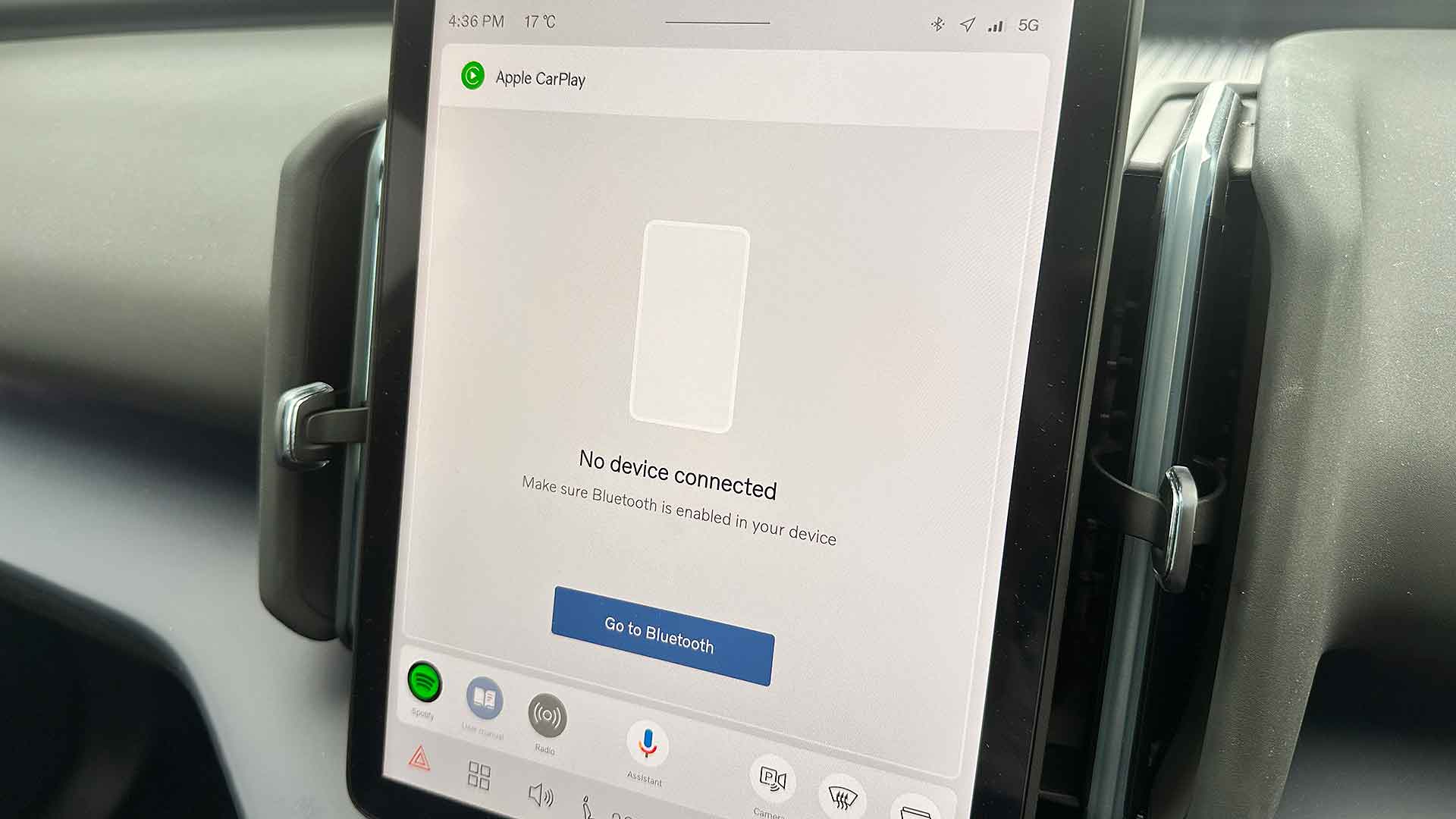
Other niggles are evident. I’ve got my phone hooked up to wireless Apple CarPlay, which has a roughly 40 percent success rate. Time and again, I go to select CarPlay while driving, and it tells me there is no device connected.
It can see my phone in the Bluetooth menu, but selecting it doesn’t work. Thanks to native Spotify and Google Maps, it’s not the disaster it could be, but is hugely frustrating all the same. Particularly given how it is seemingly random whether a connection is made or not.
I’m also using the digital key which, via the Volvo app, adds a wireless key to my iPhone Wallet. Again, very clever – but now, if I simply walk past the car – even if I’m not going anywhere – the lights illuminate and it unlocks. Believe me, if you park your car on the driveway outside your house, you’ll be walking past it surprisingly often…
The irony is, when I was using the regular key, it often failed to unlock when I walked up to it. Time and again, I was tugging on the door handle waiting for it to wake up – note, the keyfob doesn’t have any buttons, so there’s no way of doing it manually.
Maybe all this will settle down but, four weeks in, it’s yet to become fully seamless. That’s modern cars for you: they can sometimes be too clever and tech-packed for their own good.
Introducing the Volvo EX30
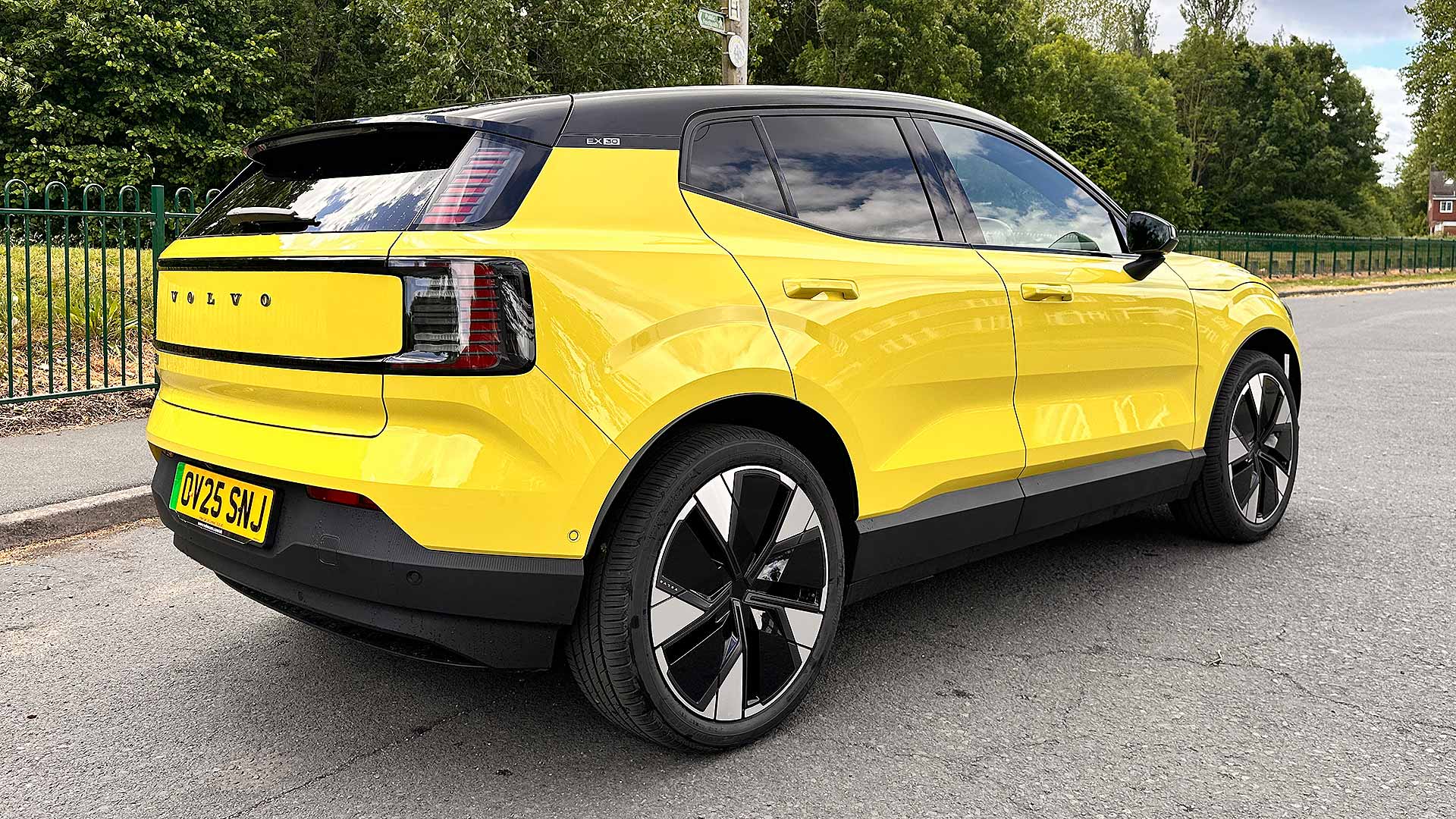
The Volvo EX30 offers a simple model line-up. You choose from one of three trims: Core, Plus or Ultra. Beyond that, you need to select either a standard or Extended Range battery, plus a Single Motor or Twin Motor Performance drivetrain.
Most electric cars are fast enough anyway (with 272hp, our EX30 does 0-62mph in a rapid 5.3 seconds), so we’ve gone for the Single Motor Extended Range version in fancy Ultra spec. It’s a £3,500 jump up from Plus, and brings posher interior trim, a panoramic glass roof, 20-inch alloy wheels and a 360-degree parking camera.
Frankly we’d have been happy with the Plus. Even that model boasts a Harman Kardon sound system, climate control with PM2.5 purification, a powered tailgate and wireless smartphone charging. The 19-inch wheels may also offer a better range – but boy, do these 20-inch rims look good.
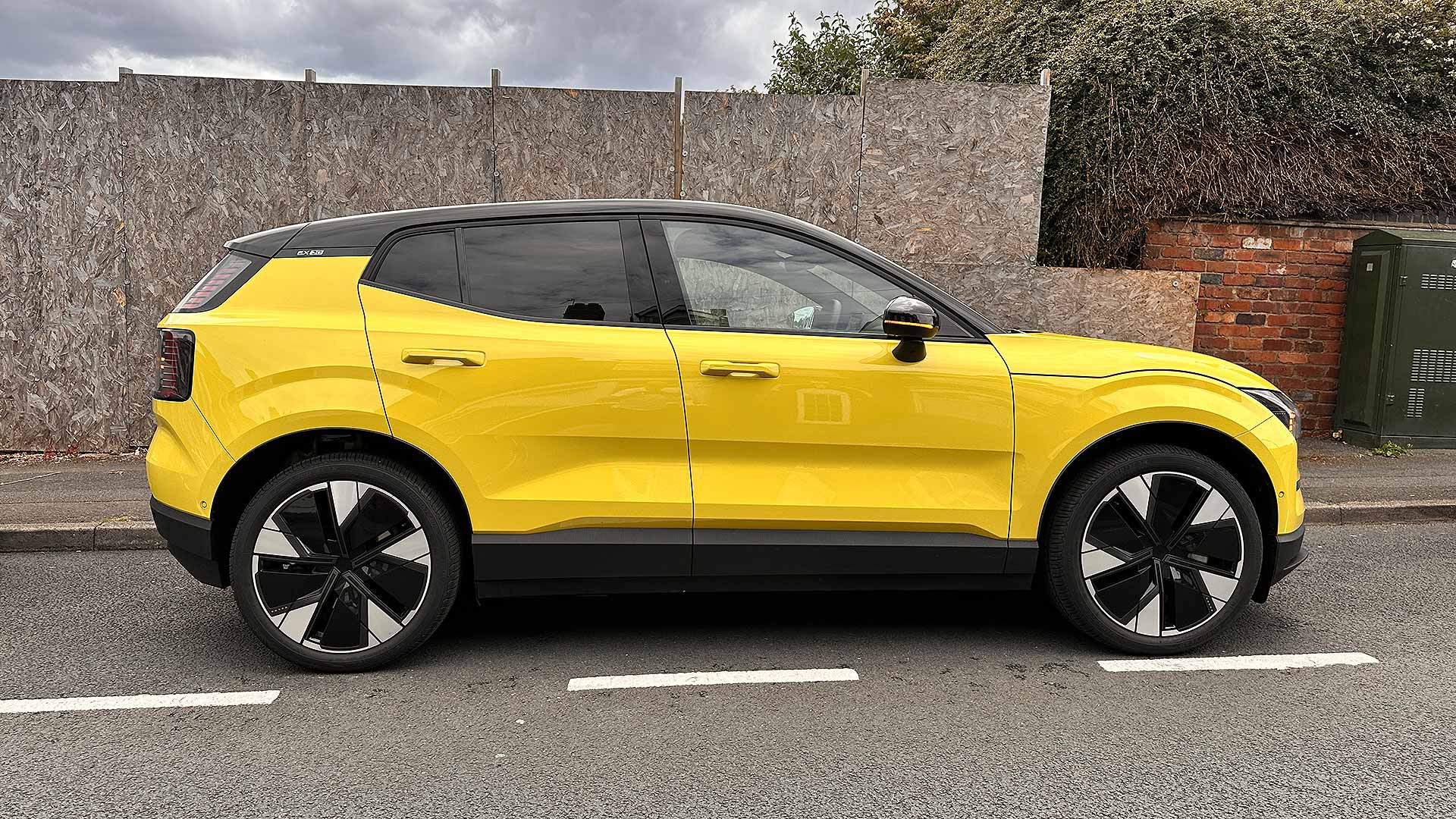
Speaking of range, the Extended Range battery has 65kWh of usable capacity, with WLTP figures suggesting anything from 287-295 miles of range. Official efficiency is around 3.6-3.7 miles per kWh of charge. Interestingly, the Extended Range battery is a little better here than the standard 49kWh battery, which offers a much smaller range of 201-209 miles.
Add in Moss Yellow paint and we reckon we’ve picked the peak Volvo EX30. Sadly, while you won’t miss the colour out on the road, you will if you try to order it new – Volvo no longer offers it.
We’ve previously ran a Volvo XC40 Recharge, so are no strangers to day-to-day life with an electric Volvo. The EX30 is a smaller, more modern machine that immediately feels a generation on, not least due to its software-first interior.
And this is one of the key reasons why we’re running a Volvo EX30…
A software-defined Volvo
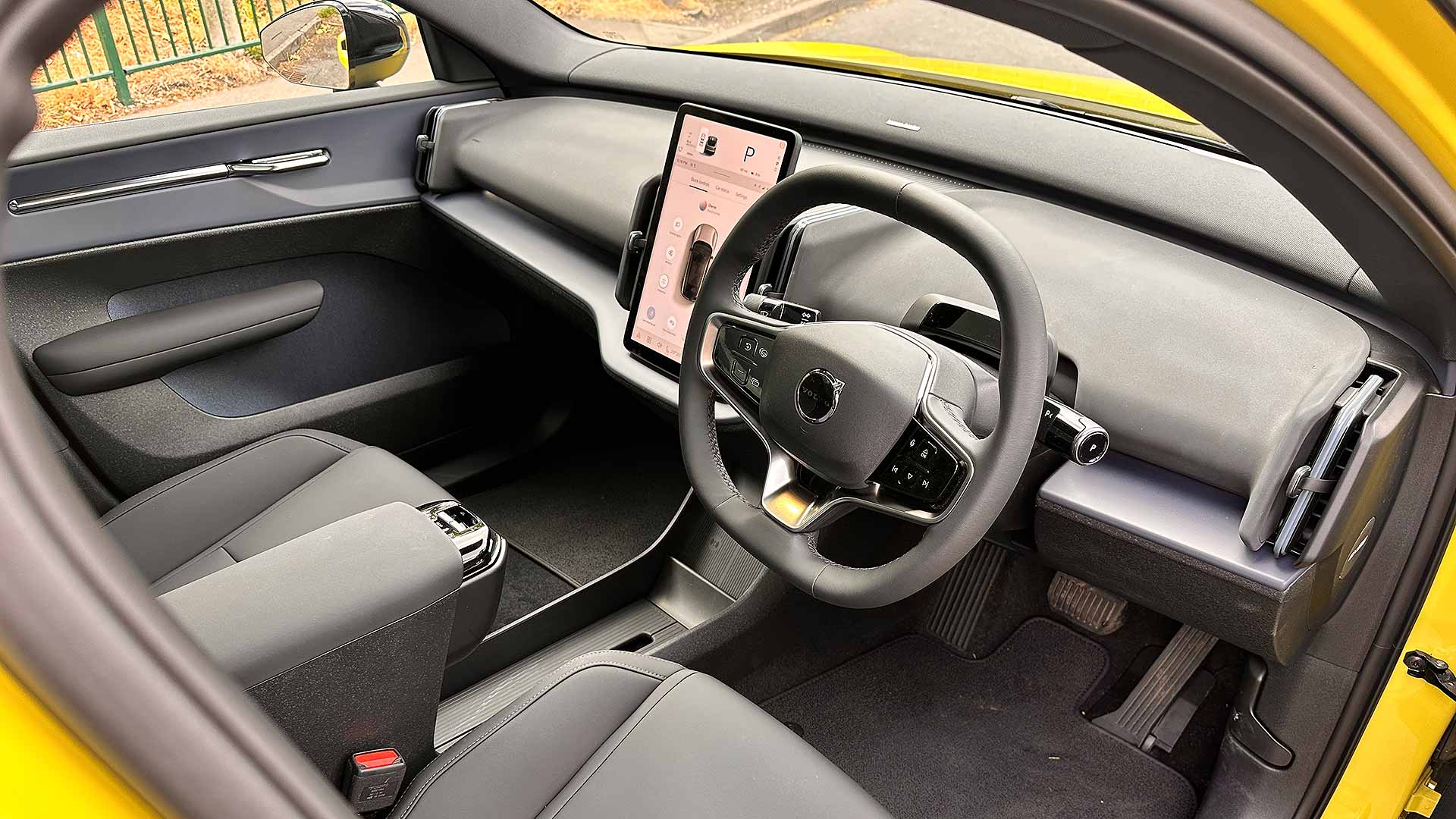
At launch, the Volvo EX30 was largely well-received… apart from its futuristic interior layout. This saw nearly all the buttons ditched, along with the screen in front of the driver, with pretty much every control now located in the central touchscreen. You know, like Tesla has been doing for years.
Many were critical, bemoaning the sharp tech turn. We were less so, as the system seemed logical, straightforward and fairly easy to use. But we admitted there were some obvious flaws.
Such as? Not having a physical control to adjust the door mirrors. Some of the readouts on the display being a bit small. The climate control settings being a bit hard to hit when on the move.
We thought there were positives, too. The ‘quick controls’ section is a smart shortcut page, making it easy to disable safety assistance systems in one go. The contextual shortcut strip on the bottom of the display is clever, too.
So, what’s it actually like to live with day-to-day? We thought we’d find out. And also, see how Volvo’s promised ‘over-the-air updates’, which a product expert told us will address feedback and improve the system over time, actually pan out in reality.
If you like the idea of a Volvo EX30, but are put off by the bamboozling infotainment, stick with us. All will be explained over the coming months.
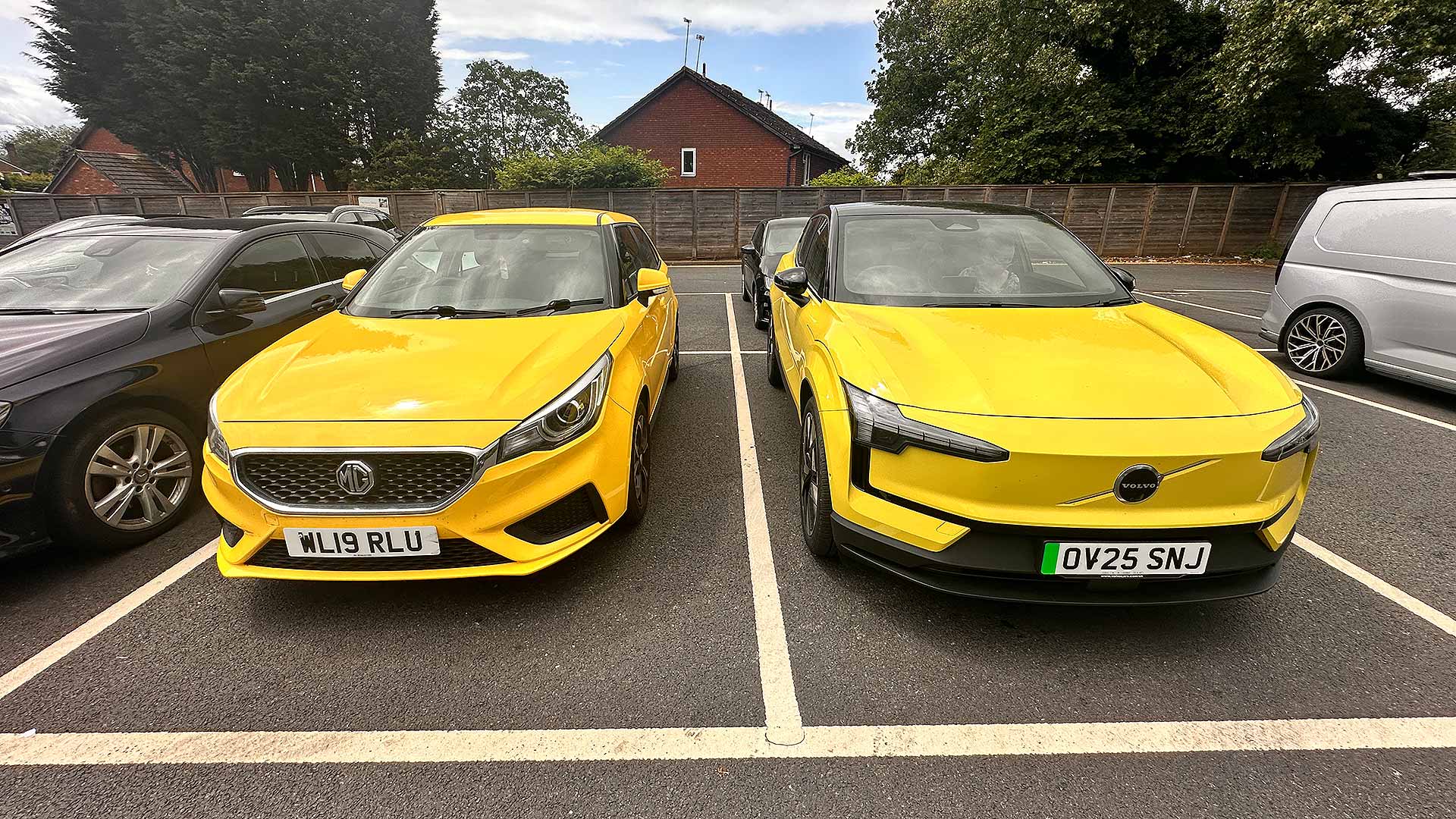
Our first miles in the EX30 are reminding us of other positives from our launch drive. These include the ‘modern Volvo’ styling, refreshingly open-plan interior, clever design details outside and in, a plush and quiet ride, and an overall feeling of quality.
The range is more of a concern. Even though it’s summer, we’ve yet to see more than 220 miles indicated with a full charge. Maybe it needs to get used to us? Good job we have hundreds of miles of driving lined up in the next few weeks…
ALSO READ:
Volvo gives EX30 electric SUV the Cross Country treatment
