Home Blog Page 244

Gocycle GX (2020) review: the supercar of electric bicycles

0

Gocycle GX

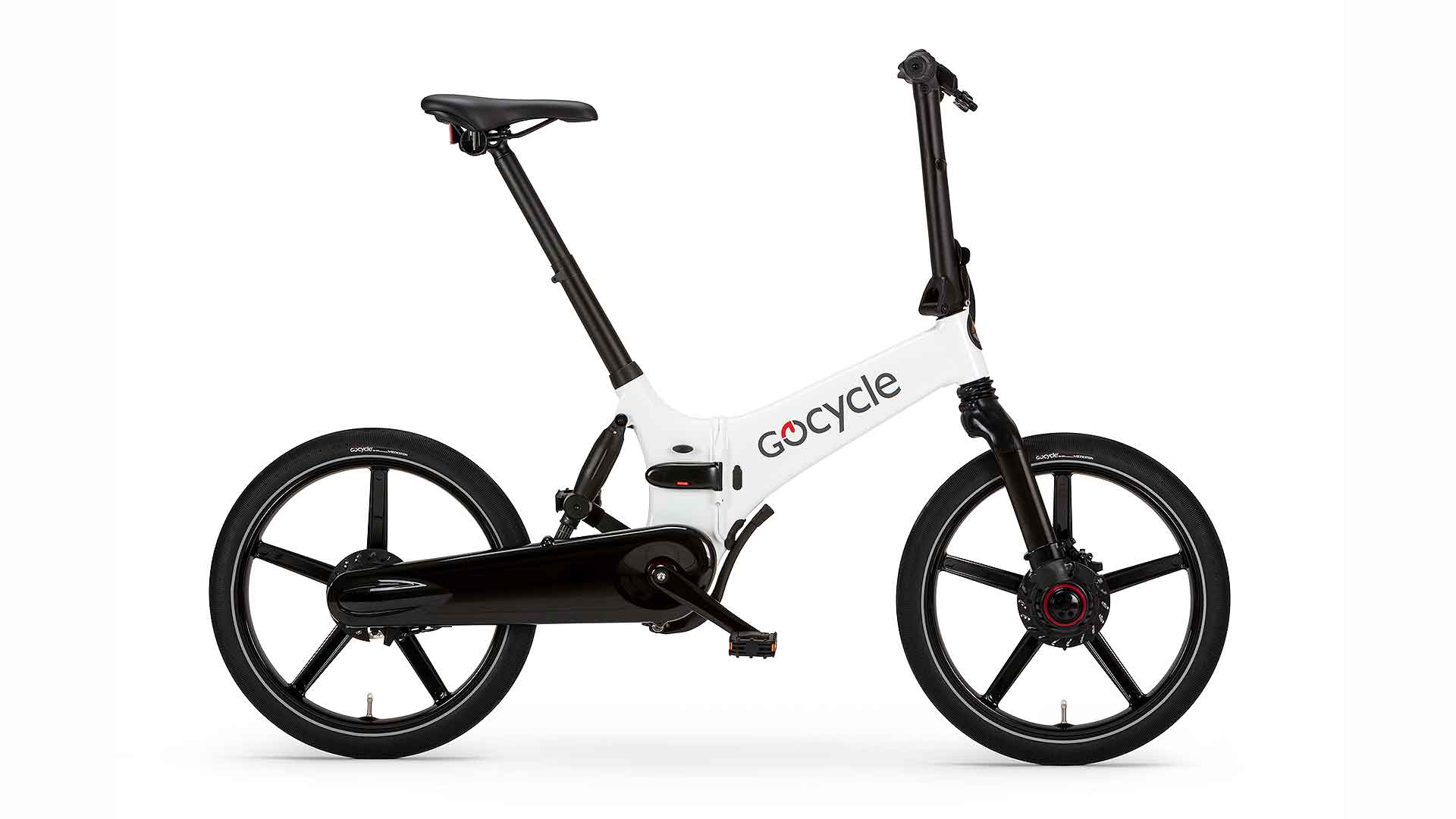
Gocycle is a British electric bicycle manufacturer founded by a former designer of McLaren racing cars. It has produced several bikes since being founded in 2002, but the Gocycle GX, introduced in 2019, is easily its fastest-seller.

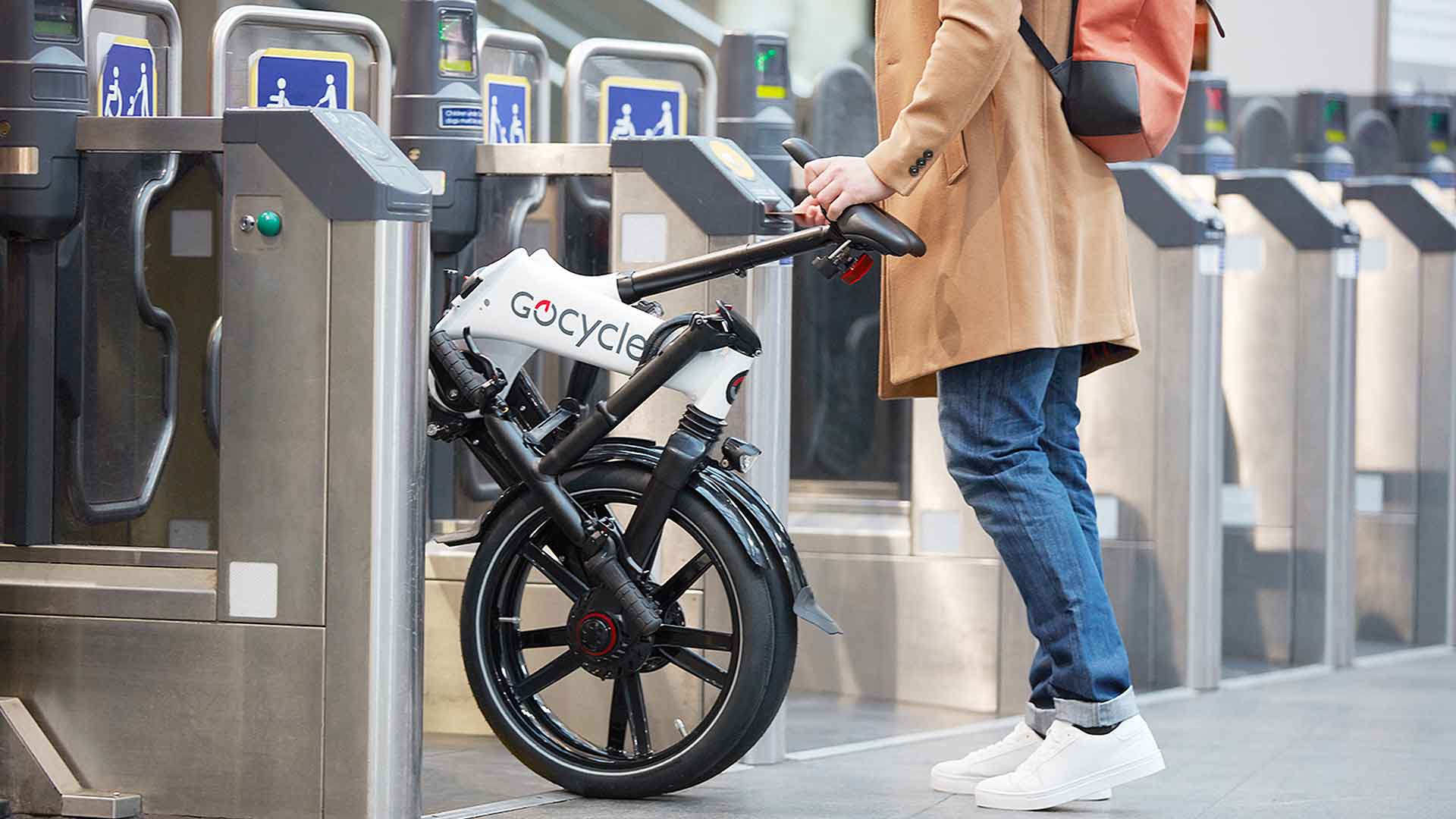
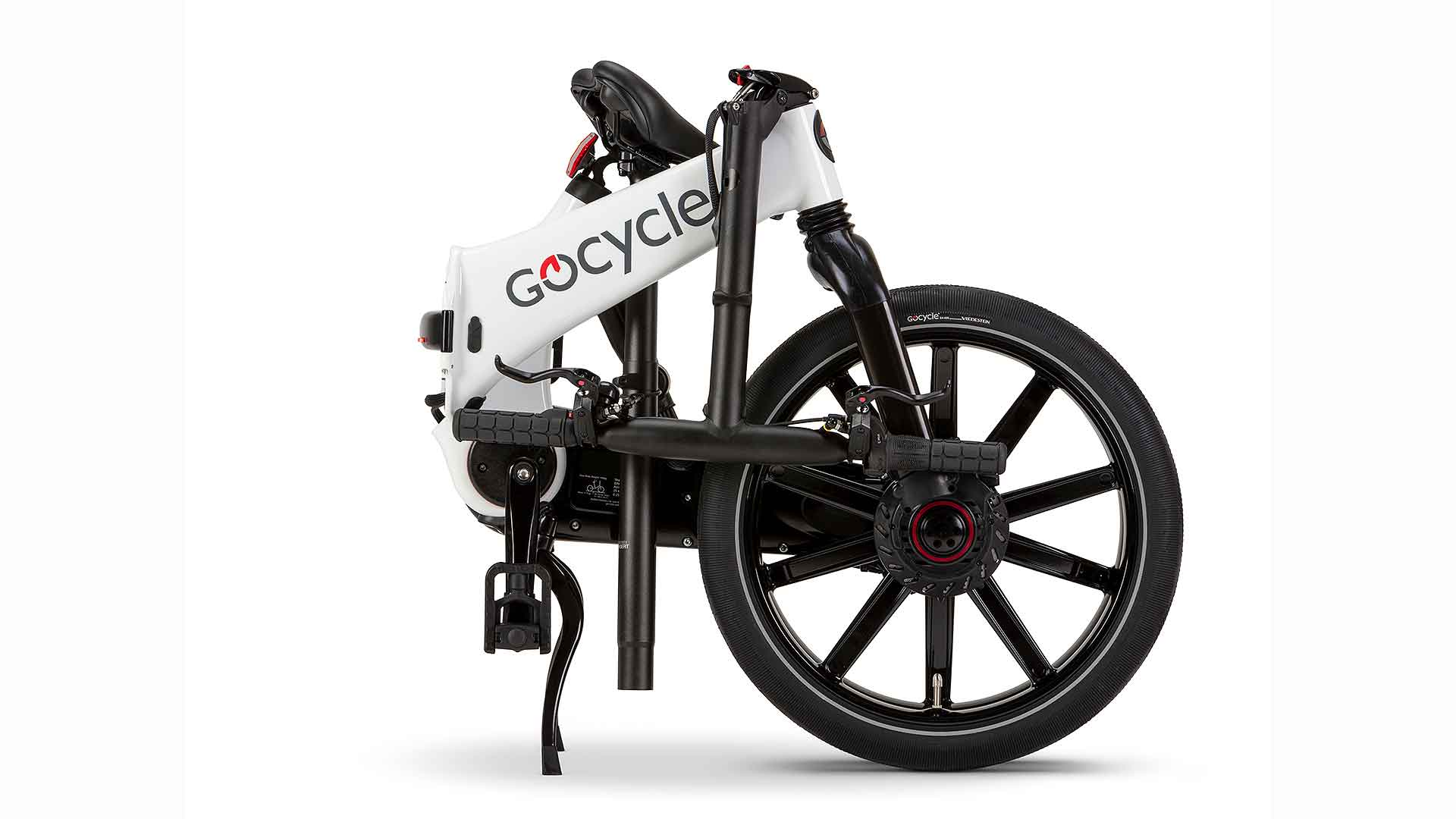
The GX’s secret is a commuter-friendly fast-folding design. You could fold older Gocycles, but the process took several minutes. With the GX, it takes as little as 10 seconds. Then, simply grab the saddle and wheel it away.
Gocycle GX

Now, with the post-coronavirus world potentially leading to a boom in commuting (or part-commuting) by bicycle, many will consider riding a bike for the first time in years – perhaps ever.

An electric bike, or e-bike, could be the answer these rusty riders are looking for.

Added bonus of electric assist? The potential for businesspeople to avoid buses, trains and the underground without getting sweaty. It’s a genuine barrier to cycling for some.

To find out what commuting by electric bicycle is like, we have been living with a Gocycle GX for the past few weeks. Here’s what we discovered.

What is the 2020 Gocycle GX?
Gocycle GX

The Gocycle GX costs £2,899 (a Brompton Electric, a rival premium electric bicycle, costs from £2,595). It is driven by a custom-designed front hub motor, producing 250 watts. There are three Shimano Nexus gears sealed in a patented Cleandrive transmission – so your trousers won’t get covered in oil.

Top speed before the electric assist cuts out is 15.5mph (or 25kph), limited by European law. It is powered by a 300 Watt-hour lithium-ion battery hidden in the frame. This gives a range of up to 40 miles, depending on pedal input. Charging time is seven hours. Gocycle says it costs 4p per charge.

A simple five-LED display indicates battery charge, but the Gocycle GX also connects via Bluetooth to a comprehensive smartphone app.

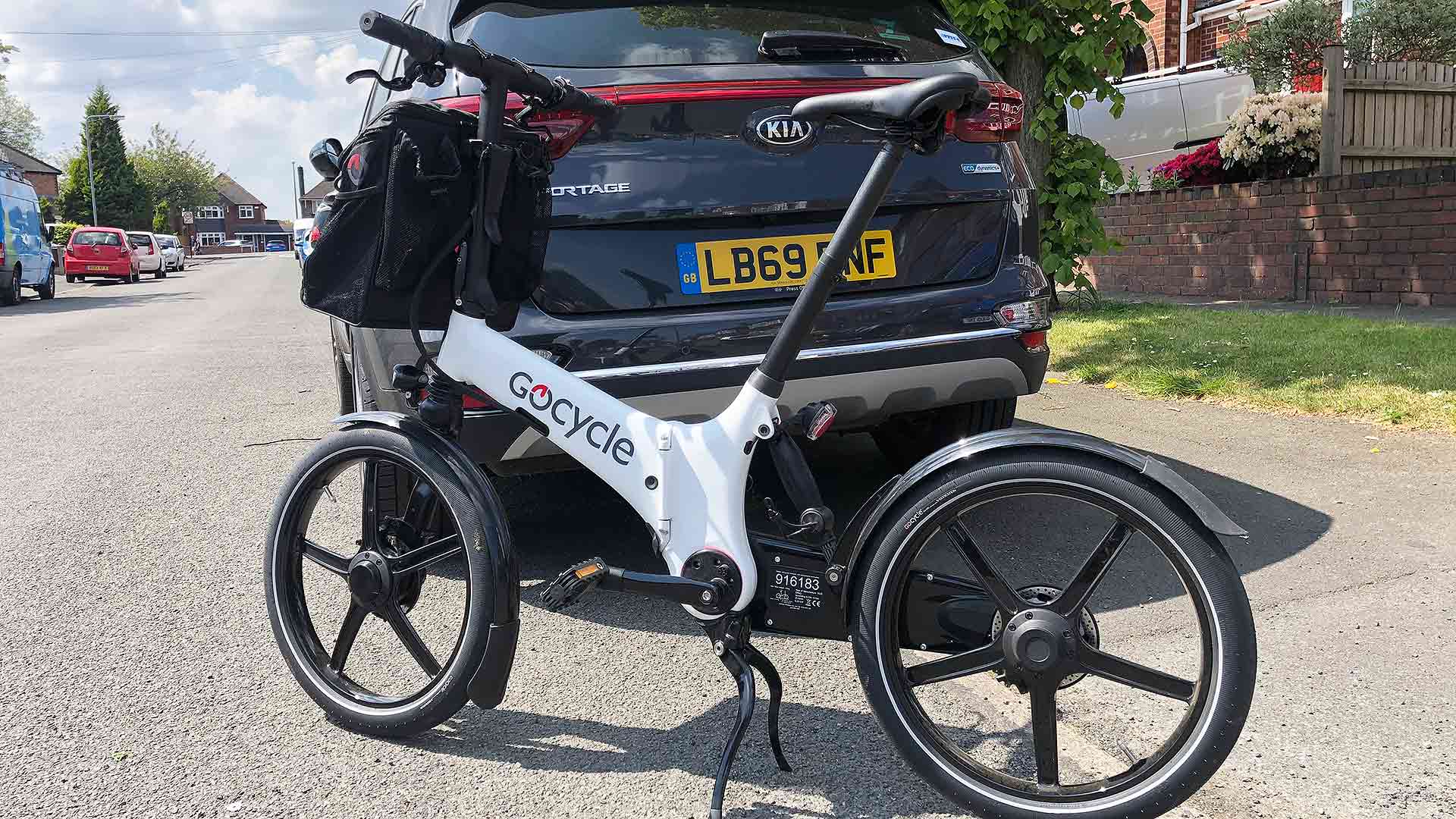
The 2020 GX model has improvements over 2019 bikes. There is a new front fork design that makes it easier to ride and (along with changes to the frame) saves 0.4kg. The whole bike now weighs 17.4kg: light enough to lift into a car boot with one or two hands without tweaking your back.
Gocycle GX commuting

The folding mechanism is also smoother, and Gocycle has reduced external cabling down to one thin cable, making it easier to fold and stow away, as well as cleaner-looking.

It is a genuinely stylish and head-turning bike, as modern-looking as a Brompton is traditional. 

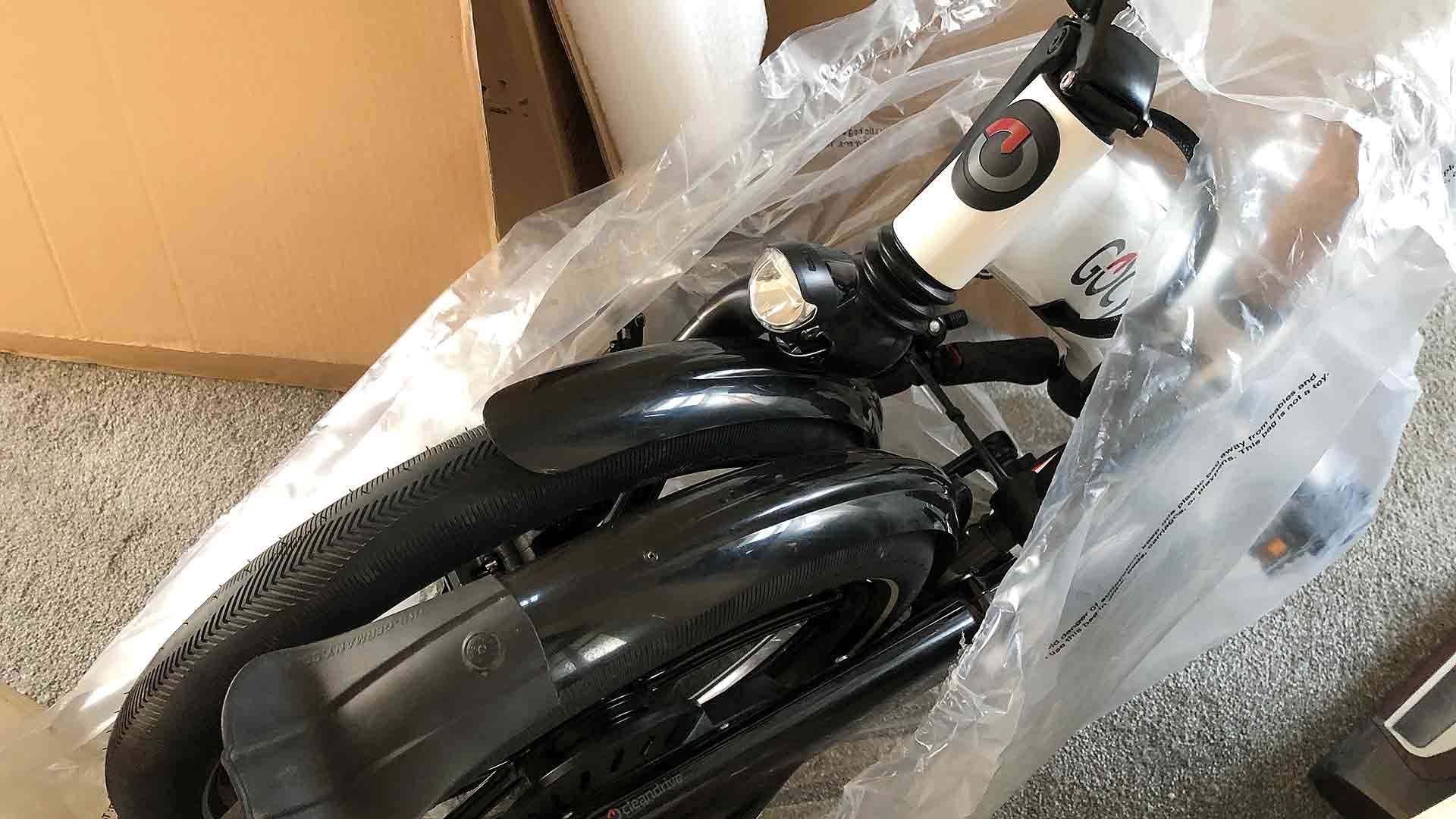
Unboxing the Gocycle GX
Gocycle GX unboxing

Buyers can order a Gocycle from a local dealer or online. Our test model was delivered, and unboxing it was a fun process in itself.

Importantly, it was fully assembled. We simply opened the box, folded back the protective padding and lifted out the GX. The folding mechanism is so intuitive, we didn’t need instructions: flip the frame sideways and click the clasp, then lift up the handlebars and do the same.

We slotted in the saddle and tightened the clasp using the slightly fiddly thumb wheel, then adjusted it for height with an Allen key. If you want to let someone else ride it, you need the Allen key, which isn’t the smoothest solution, although there is a stowage slot for it beneath the saddle.

The bike arrived fully charged. Once we found the ‘on’ button – a black rubber pad on the other side of the folding clasp – we were ready to go. 

Riding the Gocycle GX
Gocycle GX

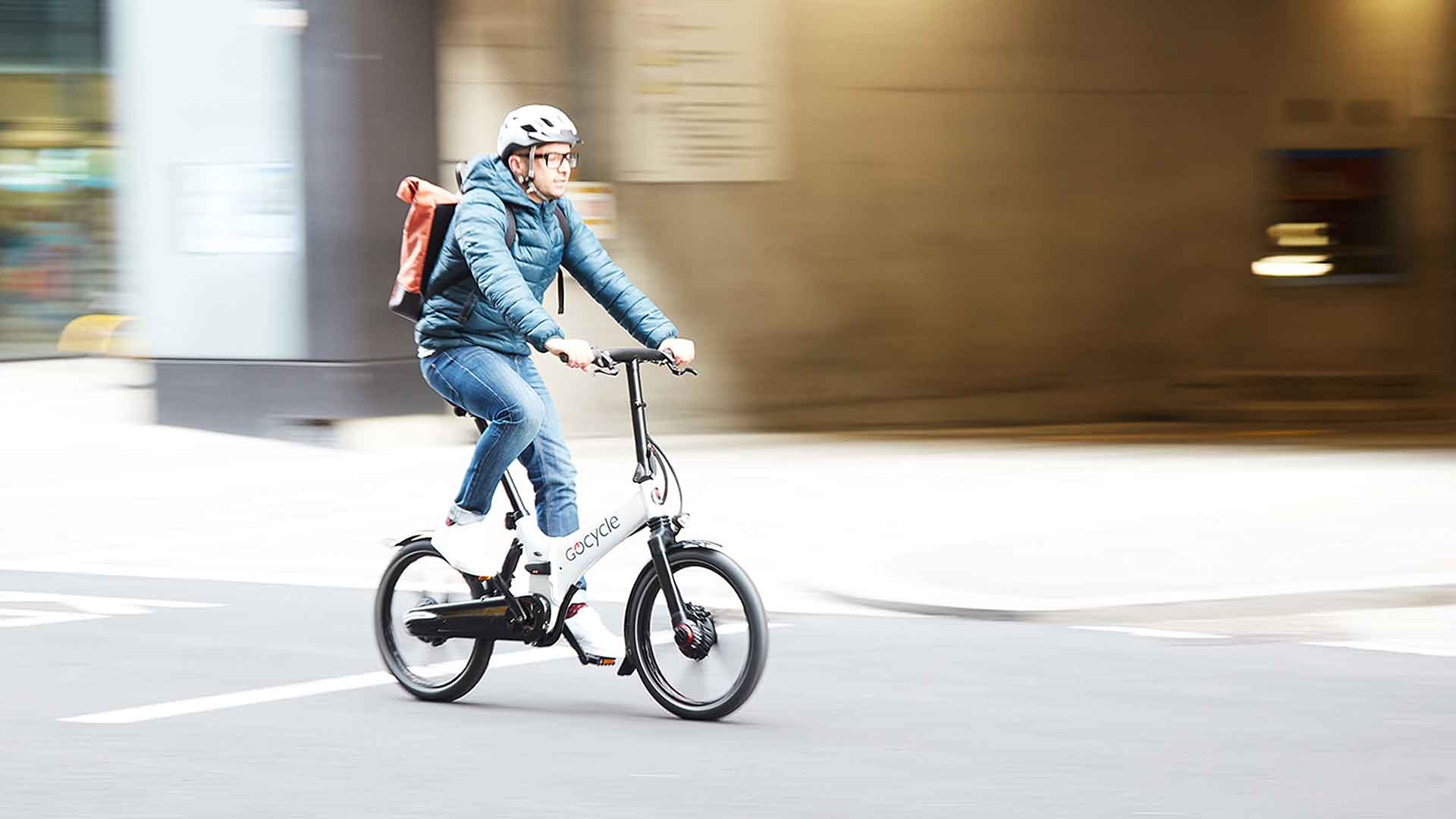
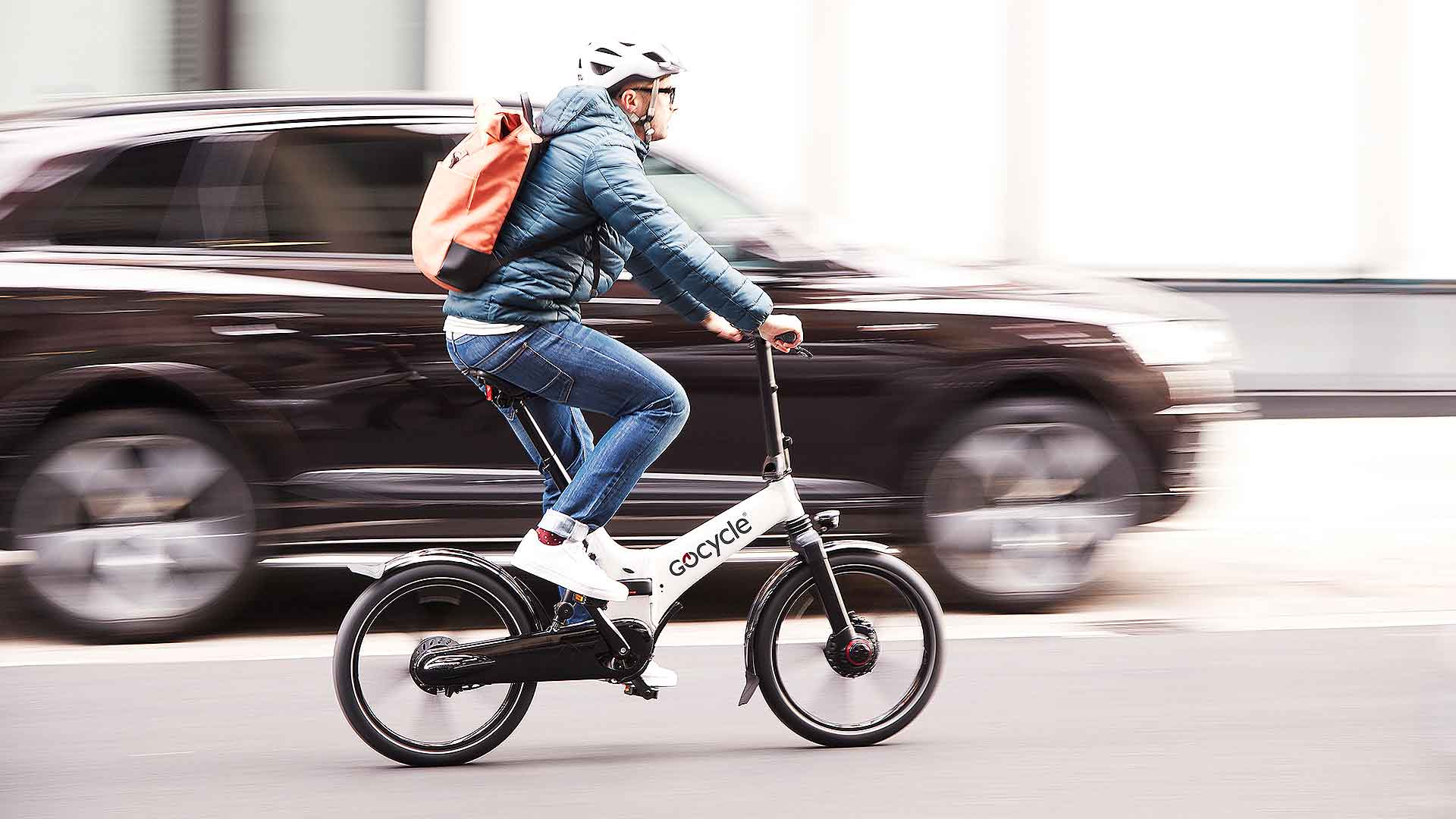
This is a premium bicycle to ride. It is smooth, sturdy and stable. Unlike some folding bicycles, you barely feel any trace of flex, and it rolls along serenely.

It’s child’s play to ride. Simply step over the low frame and push away on the pedals. It’s exceedingly easy to roll along wobble-free. Those who haven’t ridden a bike in decades should have no trouble – proven by a willing volunteer.

It has a firm but absorbent ride, taking the edge off broken roads without shaking the rider or causing any instability. In fact, it has a similar rolling feel to a McLaren supercar, with the same feeling of controlled accuracy. The disc brakes are also superb, and a tactile pleasure to use.
Gocycle GX

But what about the electric part? To be clear, this is not a pure electric bike where you press a button and sit back: you still have to pedal. Indeed, you don’t actually get any electric assist for the first couple of pedal rotations after pulling away – Gocycle believes human legs are best for getting going.

However, you soon feel the assist kick in. This takes the load off your legs and makes acceleration much easier. There are several modes, allowing you to vary the amount of assist given, and it eases out at 15.5mph (you can legally go faster in America, though).

Even without assistance, this is an inertia-free ride. The really clever bit comes when you reach a hill. As your speed drops, you’ll feel the electric assist kick back in, easing you up the hill without making you out of breath. A little button on the left handlebar grip gives you an on-demand e-boost, provided your speed is below 15.5mph.

On faster roads, more gears would be nice, so you could go more quickly. But then, this is a city commuter bicycle, so perhaps that’s not so relevant. Certainly, first gear is low enough to help you pull away easily even before the electric assist starts up.

Oh, and being electric is no cop-out. You still pedal, still get fit, still burn calories. What the electric assist does is take away the spikes in effort that put many off cycling, and make it too much of a burden in everyday use for others.

The Gocycle takes away the excuses and fear factor of cycling, opening it up to many more people. That’s not such a bad thing, is it?

No sweat
Gocycle GX review

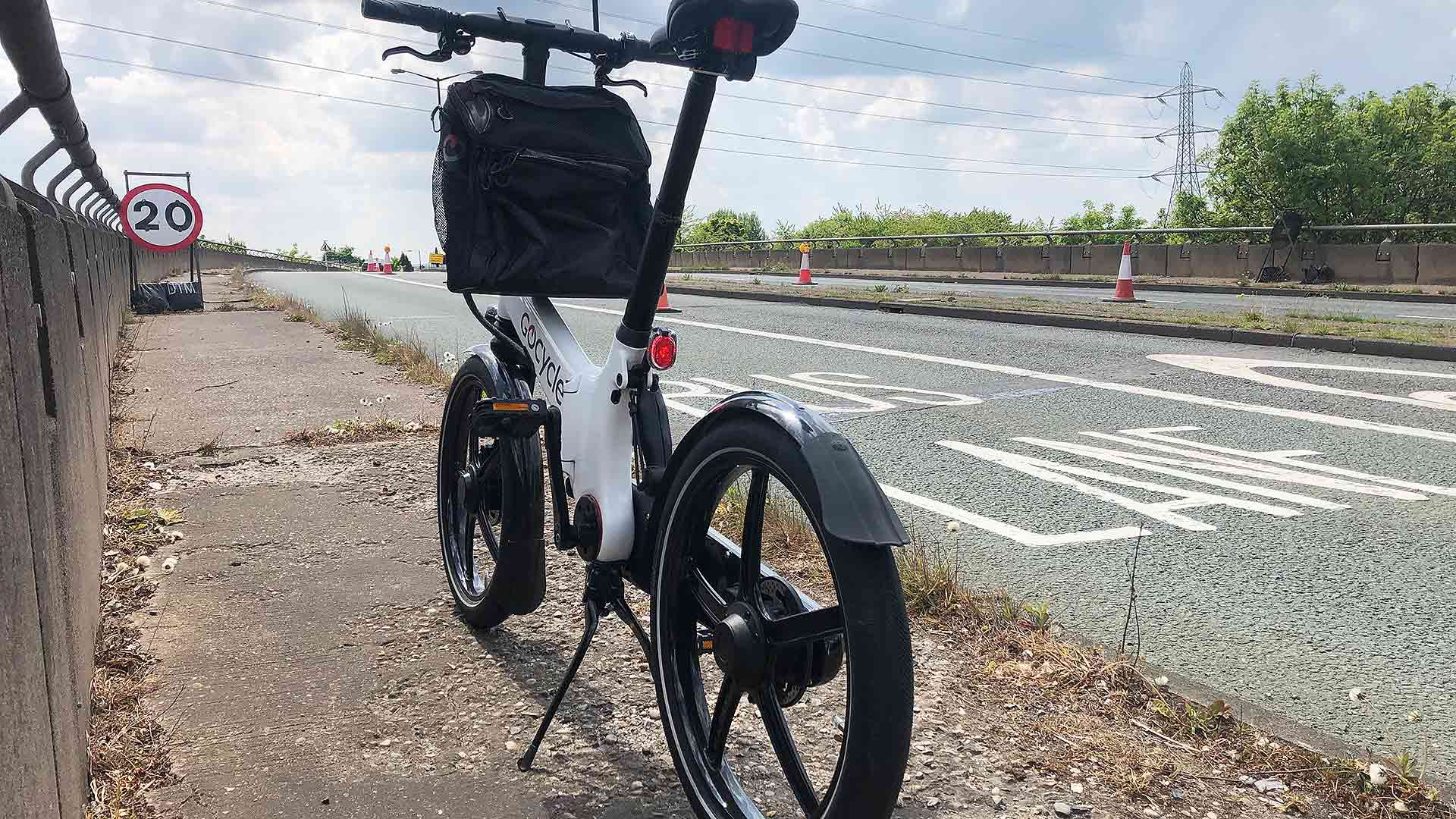
What about the sweat aspect? I put on jeans and a shirt, then went for a 13-mile ride. It was a hot day, too.

Verdict? Barely a trace of sweat – and I was putting the bike through its paces. This is the secret of cycling: once you’re up to speed, the wind keeps you beautifully fresh and cool, while the Gocycle’s e-assist means you don’t have to ramp up the effort going up hills.

I would not think twice about using it to zip around the city between meetings while suited up for work. Don’t forget the added bonus of relieving stress while out cycling, either: it’s far preferable to catching a busy tube – or, indeed, getting anxious in traffic.

The folding aspect is crucial here. The GX collapses in seconds to be popped into a car boot, meaning you can do the long-distance stuff by road, then last-mile it into the city by bicycle. When things get back to normal, this is absolutely what I’ll be doing.

2020 Gocycle GX: Verdict

Many commuters will now be investigating bicycles as an alternative to public transport. The Gocycle brand aims to capitalise on this by easing them into something that could transform their daily routine.

Yes, it’s expensive. But electric bicycles do cost more, and premium machines cost more on top. This is a quality item, the British supercar of electric bicycles, with a head-turning design and impeccable riding characteristics.

There’s also the government Cycle to Work scheme (of which Cyclescheme is the biggest provider). This now allows bicycles costing more than £1,000 to be purchased. It works by employers buying the bicycle and employees ‘hiring’ it via a salary sacrifice scheme. After 12 months, employees can then buy the bicycle at a ‘fair market value’. It’s a tax friendly-way of buying a Gocycle without forking out upfront costs.

It saves you between 25 percent and 39 percent on the price of a bicycle: on a Gocycle GX, that’s many hundreds of pounds. You can calculate here how much you could save

You might not be able to commute in a supercar in this world of staying alert for coronavirus. But the Gocycle GX means you can certainly ride one. Swap that public transport season ticket for one of these instead. It’s one of the easiest ways to finally make cycling one of your main forms of transport. 

ALSO READ

How to use the Dartford Crossing on a bicycle

Bicycles should be fitted with indicators say safety experts

Drive a diesel in London? This council now charges extra for parking
Advertisement

Call to end 6-month MOT extension ‘as soon as possible’

0

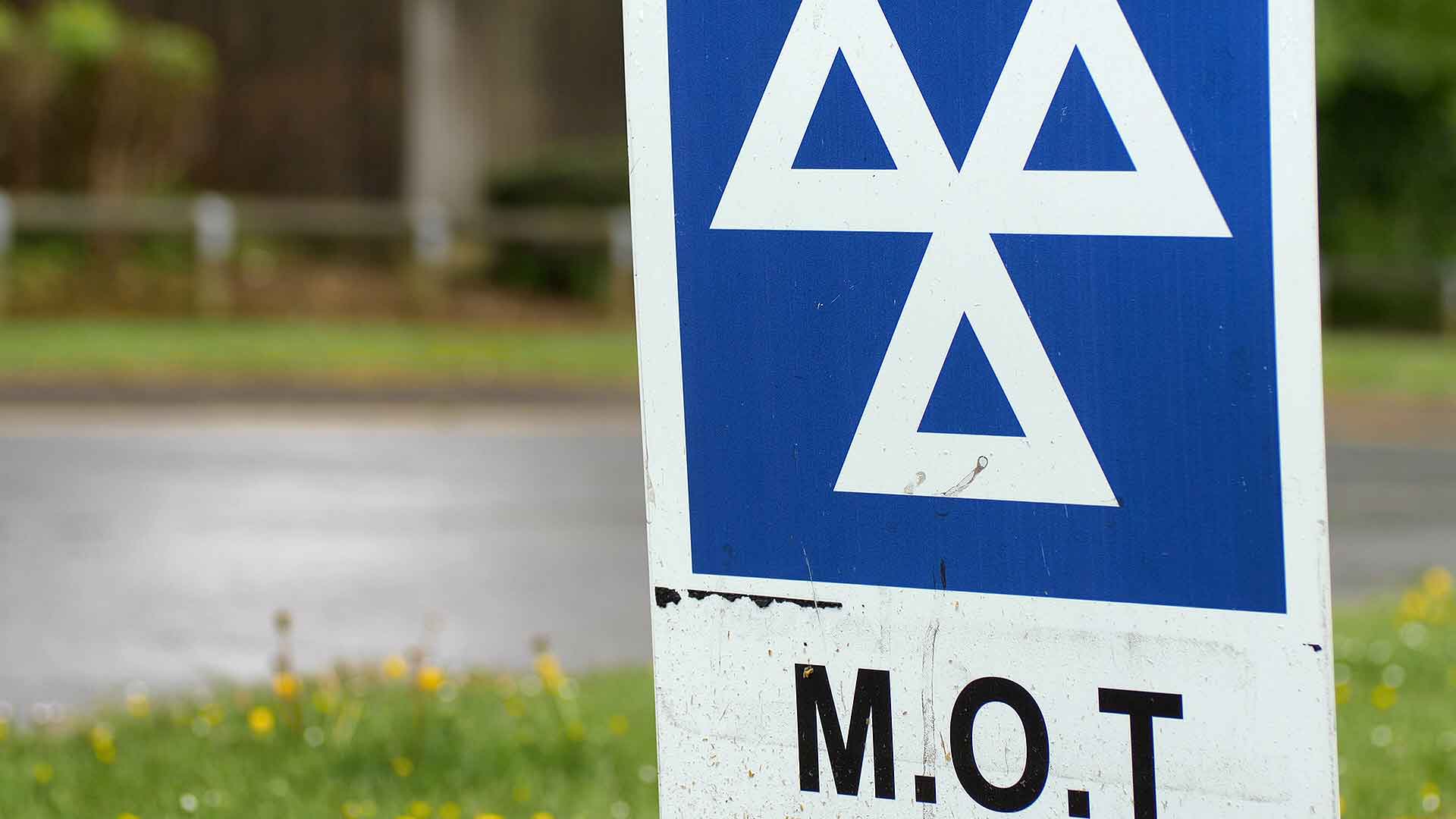
MOT sign

The six-month MOT extension brought in to help keep key workers mobile during the coronavirus lockdown should be ended as soon as possible, says trade body the Society of Motor Manufacturers and Traders (SMMT).

“With government advice stating that works should avoid public transport when returning to work,” said chief executive Mike Hawes, “the use of private cars is likely to rise.

“Given many of these vehicles have been idle for weeks, a reconsideration of the six-month MOT extension neds to be made as soon as possible.”

The extension saw MOTs that expired during the lockdown automatically extended by six months.

The rule change was introduced on 30 March and is currently in force until March 2021. This means that any MOT expiring until then will be granted an automatic six-month extension.

In the interests of safety and vehicle reliability, the SMMT believes the regular annual MOT check needs to recommence quickly. This would see the current emergency legislation withdrawn again. 

Roadworthiness risks

Steve Nash, CEO of the Institute of the Motor Industry, echoed the SMMT’s call.

“Whilst the motives for the initiative were sound at that time, there are serious risks in the extension remaining in place now.

“First and foremost, if vehicles are coming back onto the roads in volume, it is vital for all road users’ safety that they are roadworthy.

“The other issue is that if all motorists wait up to 6 months from when their MOT expired to get their vehicle tested, there is going to be a big backlog of tests in the autumn and winter, which could significantly overwhelm the sector.”

Mr Hawes said the sector has now introduced coronavirus safety guidance to minimise the risk of Covid-19 transmission.

“It is timely that the aftermarket can assure customers and colleagues that it is ready to reopen safely to ensure workers’ vehicles remain roadworthy.”

The sector is ready to cope with a “significant ramp-up in demand,” he added.

ALSO READ

How the 6-month MOT extension works

When are McDonald’s drive-thru restaurants reopening?

Half of vans on British roads officially deemend ‘unsafe’

Advertisement

When are McDonald’s drive-thru restaurants opening?

0

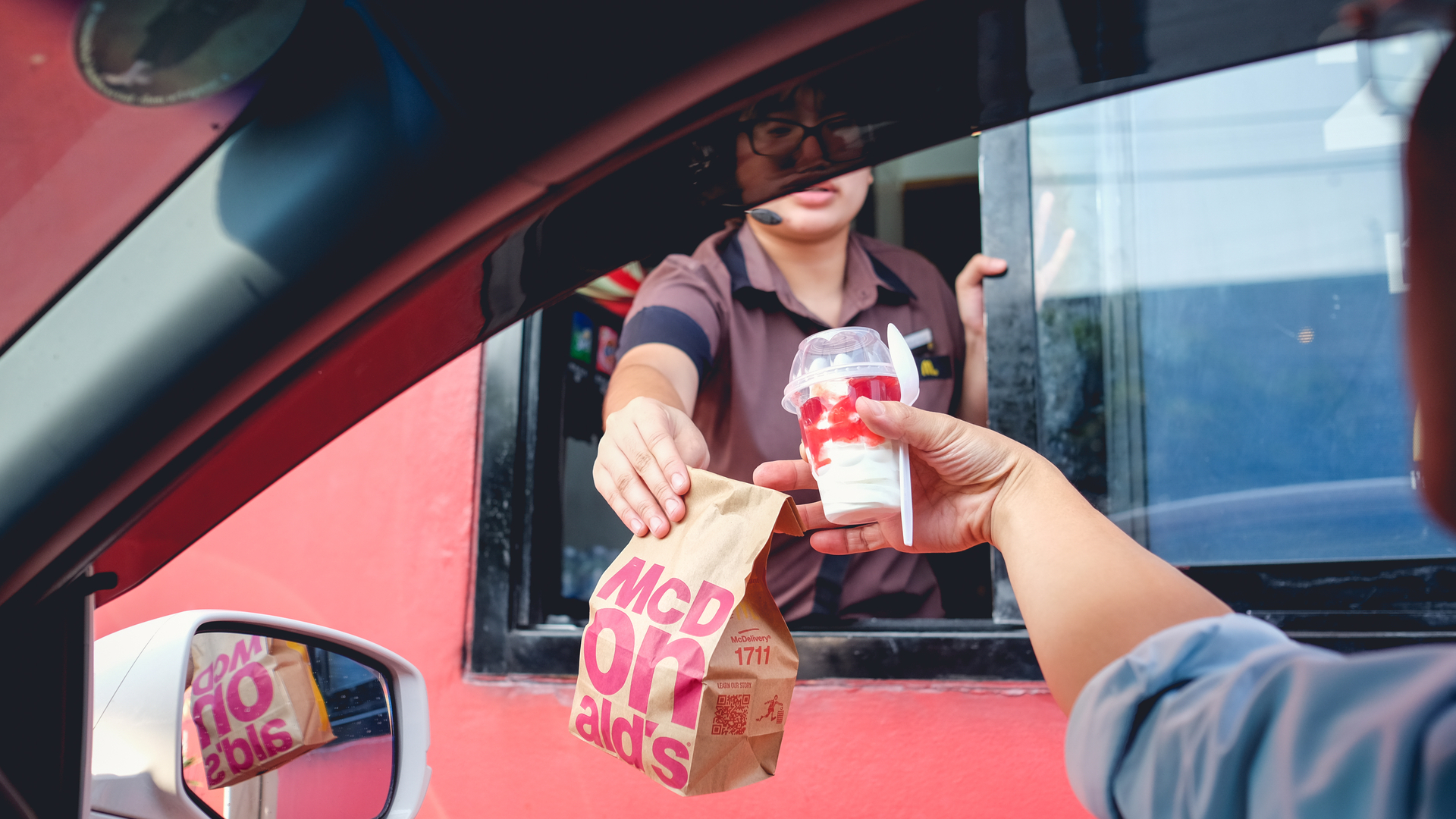
McDonald's drive-thruMcDonald’s has announced plans to reopen its UK restaurants – including the drive-thru service.
All McDonald’s in the UK and Ireland were closed down two months ago in response to the coronavirus pandemic. From today (Wednesday 13 May), the company begins a gradual return to business. 

The process begins with 15 pilot sites in the south-east of England, which will offer delivery via Uber Eats. There will be a £25 order cap (to support smaller teams and social distancing), while seating areas, car parks and drive-thrus will remain closed.

McDonald’s plans to add a further 30 outlets from Wednesday 20 May – the date drive-thru lanes will also start to reopen. 

“Moving in step with government guidelines, we plan to reopen all our drive-thrus by early June,” says the company. “We will keep the restaurant locator on our website updated as our drive-thrus reopen over the coming weeks.”

McDonald's drive-thruFrom 20 May, there will also be a £25 spending limit for drive-thru customers, with customers encouraged to use contactless payment.
However, it’s worth noting that paying via your smartphone in a drive-thru is illegal – and could land you with six penalty points and a £200 fine. Police advice is to switch off your car’s engine and engage the handbrake if you wish to pay via Apple Pay or Google Pay.

Paul Pomroy, CEO of McDonald’s in the UK and Ireland, said: “When your local drive-thru does reopen, it will be different. Our service will not be as quick as you might be used to. We expect there will be some queues for some of our busier sites and our restaurants will look different, with Perspex screens at our drive-thru windows and employees wearing protective equipment.”

As McDonald’s sites – usually at motorway services – are the unofficial offices of Motoring Research, we look forward to decent coffee and wi-fi again. But the point where restuaurants fully reopen is still some months away…

ALSO READ

Is it illegal to use Apple Pay or Google Pay at a drive-thru?

Busted: 12 common myths about motorway driving

How to protect your car during the COVID-19 lockdown

Advertisement

Both Steve McQueen AND Carroll Shelby owned this classic Chrysler

0

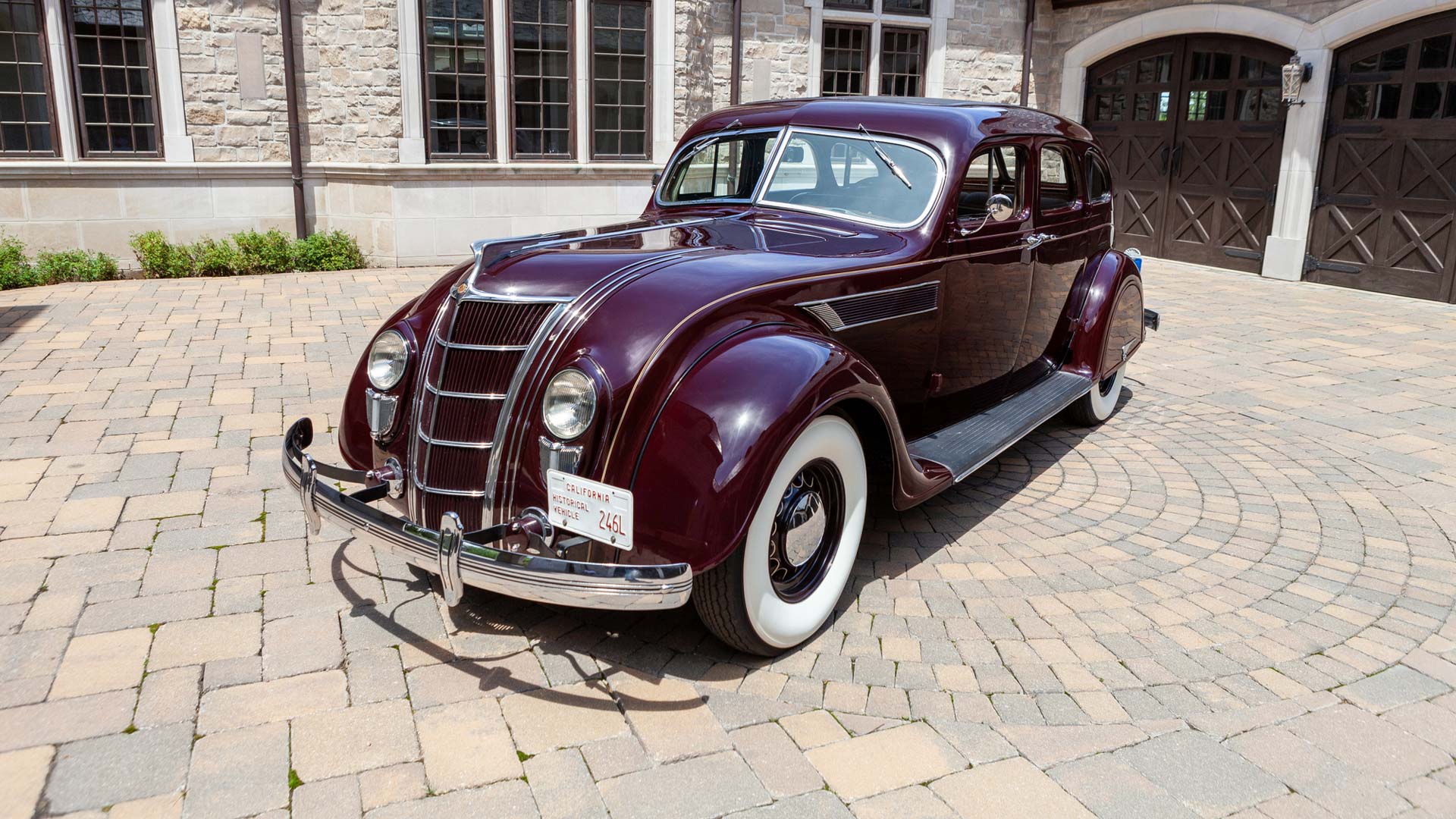
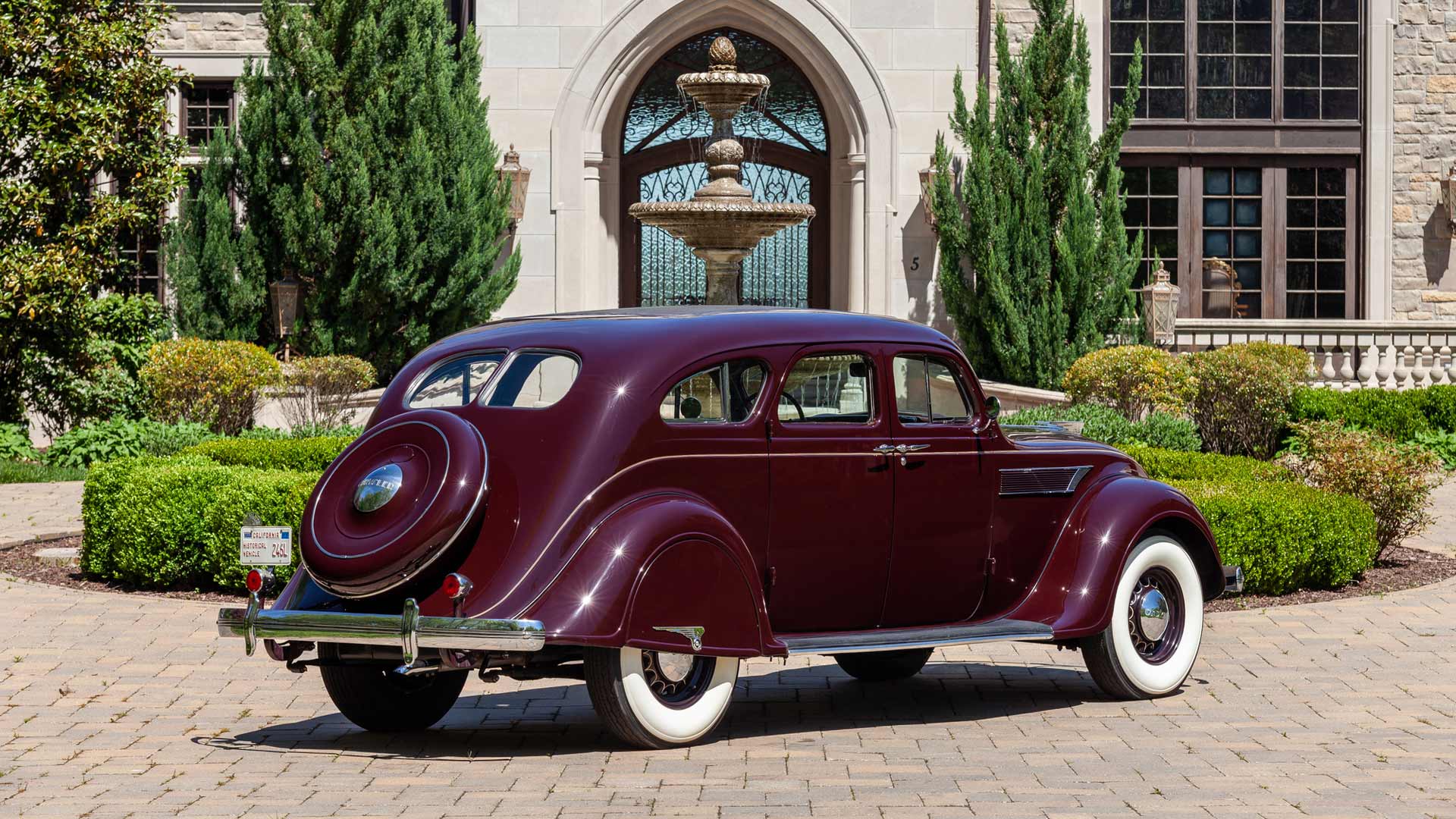
Carroll Shelby Steve McQueen Chrysler

When it comes to the vehicles that could possibly link Carroll Shelby and Steve McQueen, a 1935 Chrysler might not be the first one that springs to mind. 

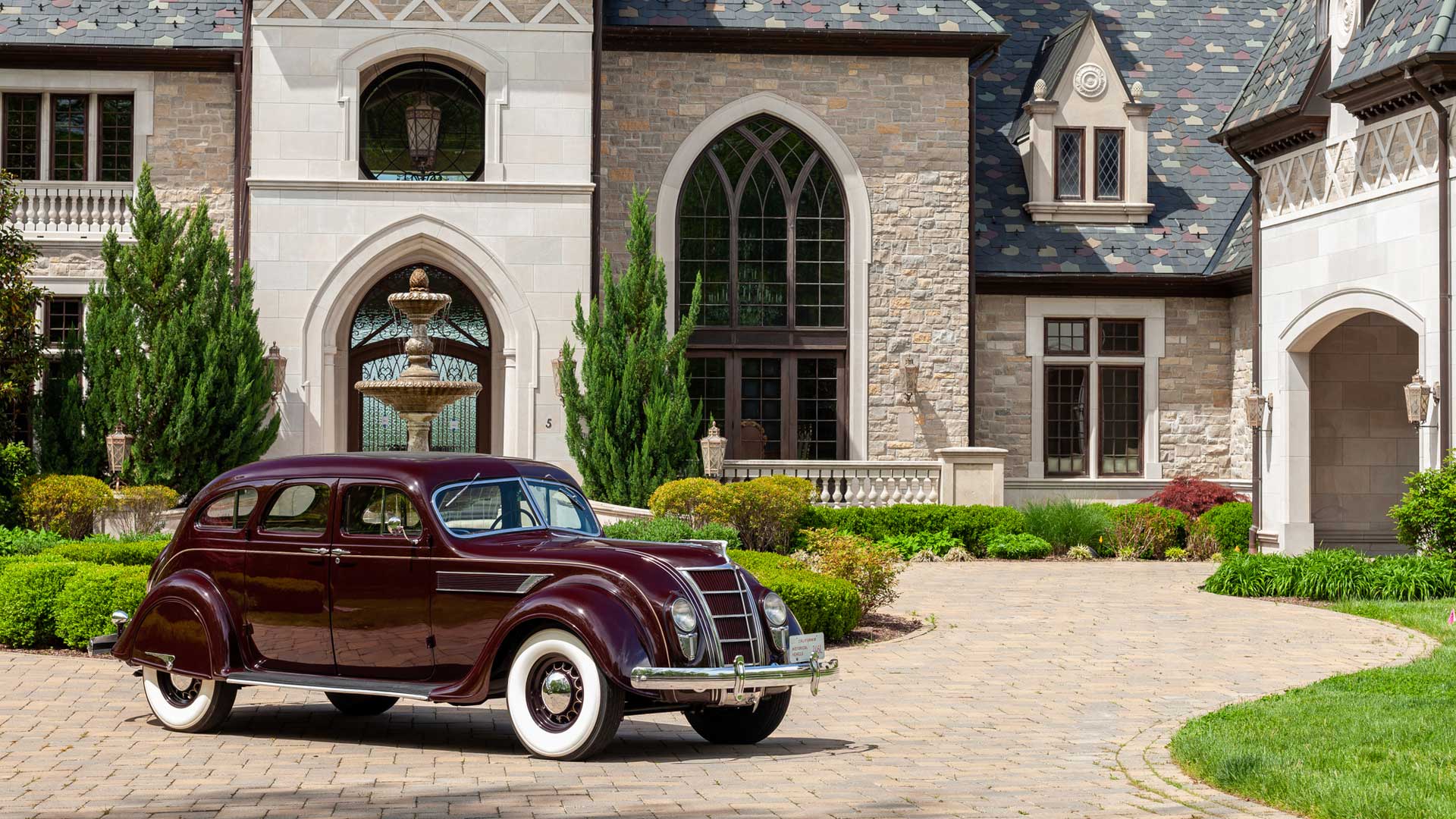
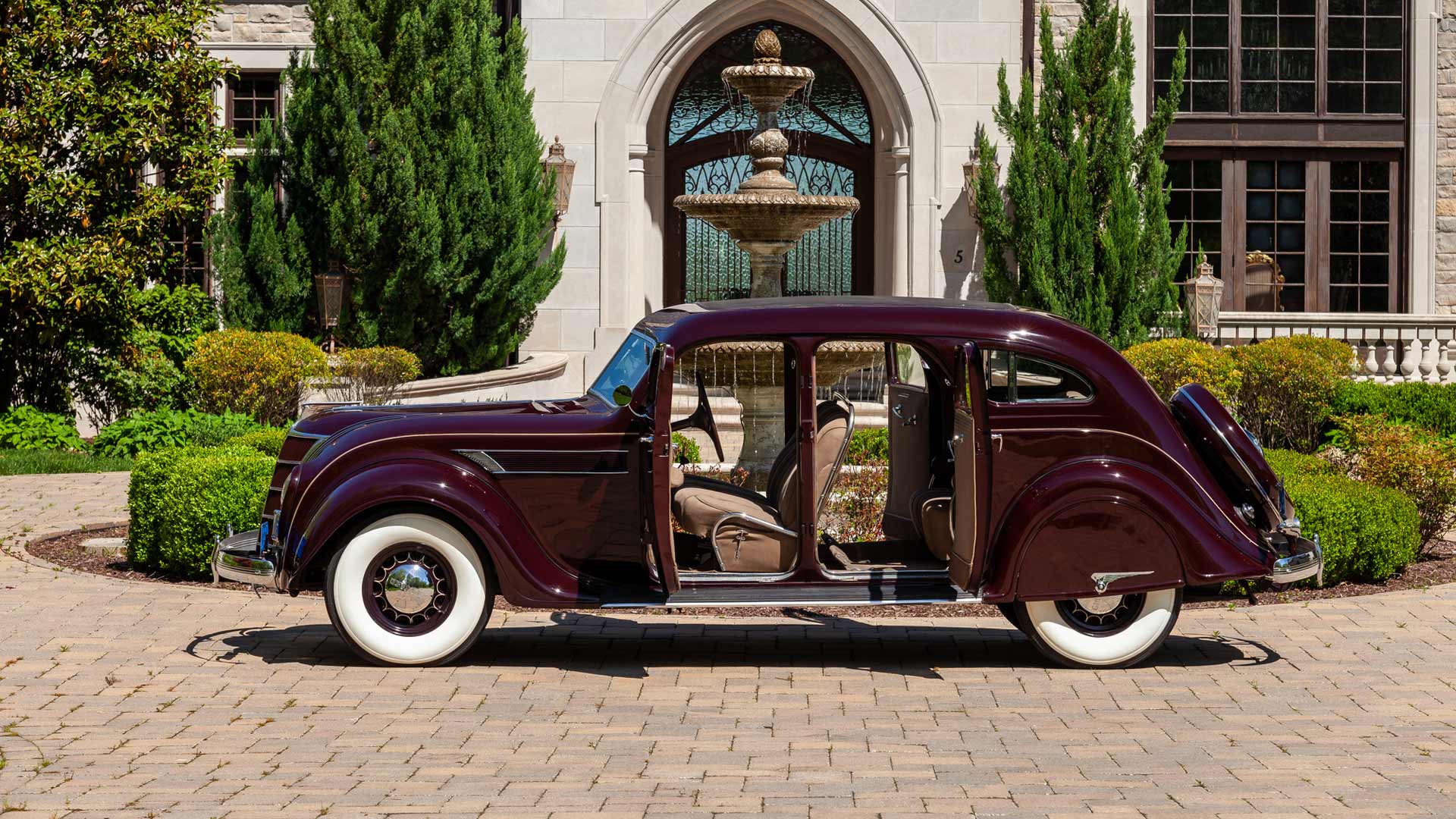
Yet this rare Chrysler Imperial Airflow sedan boasts having been owned by two motoring greats, and is now available for auction on Bring a Trailer

A groundbreaking design when new, contemporary customers shunned the radical Airflow design. Time has been kinder to these models, attracting passionate owners and collectors. 

Too radical for the 1930s

Carroll Shelby Steve McQueen Chrysler

What made the Airflow range of cars so divisive was their styling. One of the very first road cars to be designed in a wind tunnel, streamlined looks upset the conservative buyers of the time. 

Other innovations included ditching the traditional body-on-frame construction for an advanced semi-unibody build. This improved stiffness, aiding handling and refinement. 

Chrysler engineers also pushed the wheels to the corners, placing the passenger compartment inside the wheelbase. Along with improved leg room, this also gave the benefit of a smoother ride for passengers. 

Carroll Shelby Steve McQueen Chrysler

Chrysler marketed the Airflow in various versions, with the DeSoto brand selling nothing but the radical sedan in 1934. The upmarket Chrysler Imperial marque also had the Airflow to sell, like the one being auctioned here. 

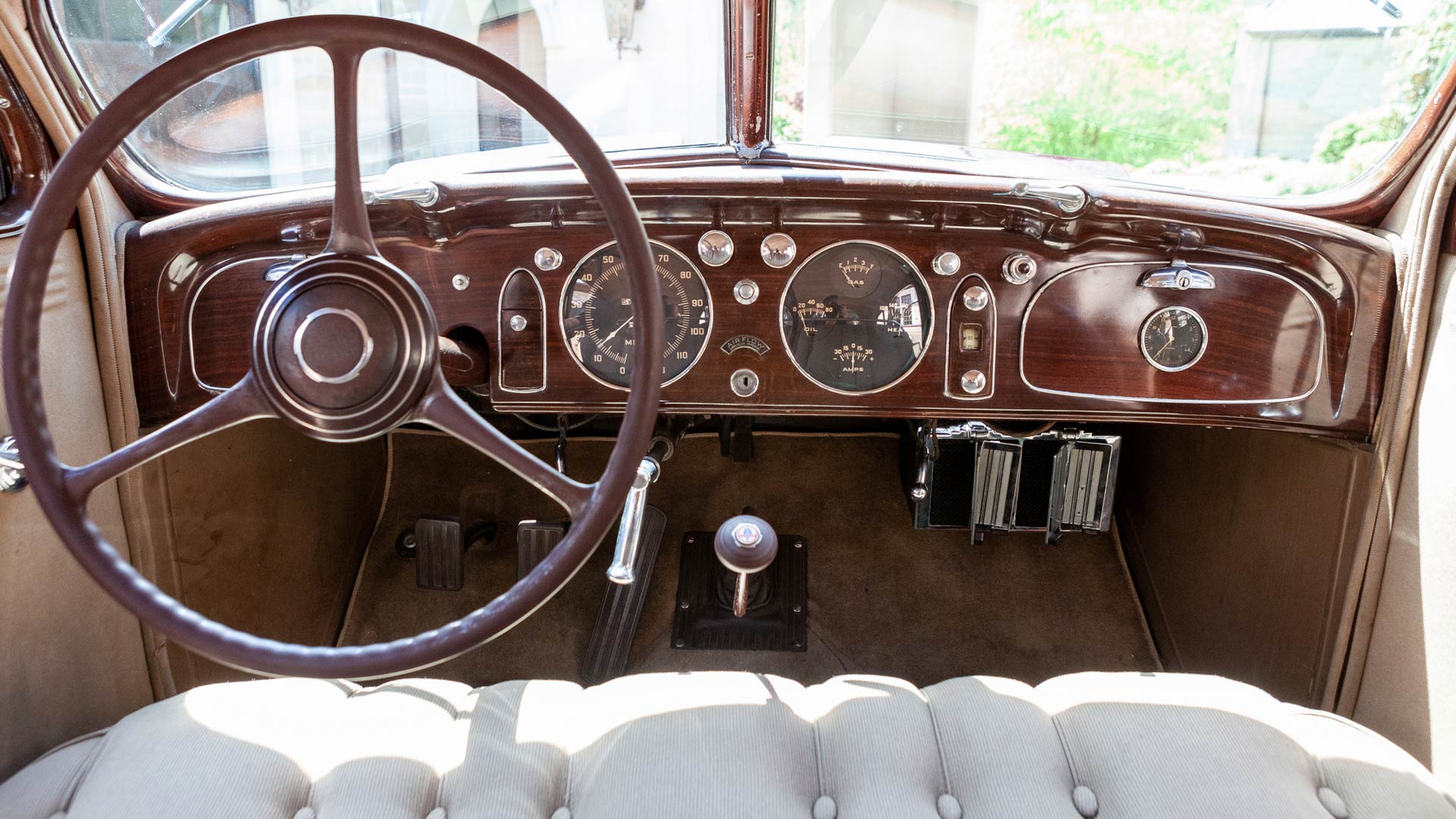
Finished in Envoy Red with a tan mohair interior, 1935 Imperial Airflows received a less radical front grille following customer feedback. Rear fender skirts, and a curvaceous rear body shape, continued over from the early 1934 Airflow models. 

Power comes from a 323.5-cubic inch straight-eight engine, producing 130 horsepower and 250 lb-ft of torque. A three-speed manual transmission sends power to the rear wheels, whilst power drum brakes provide stopping power. 

The first famous owner

Carroll Shelby Steve McQueen Chrysler

Legendary actor Steve McQueen is said to have acquired the car during the 1970s, making it a part of his extensive personal collection. 

As an avid fan of both cars and motorbikes, McQueen amassed an eclectic garage of vehicles. This included the Ford GT40 used in his 1971 film Le Mans, along with Ferraris and even a GMC pickup truck. 

Following his death in 1980, McQueen’s estate was auctioned in 1984. It was at this sale that the Imperial Airflow was purchased by the Imperial Palace Auto Collection in Las Vegas, Nevada.

Enter another famous keeper

Carroll Shelby Steve McQueen Chrysler

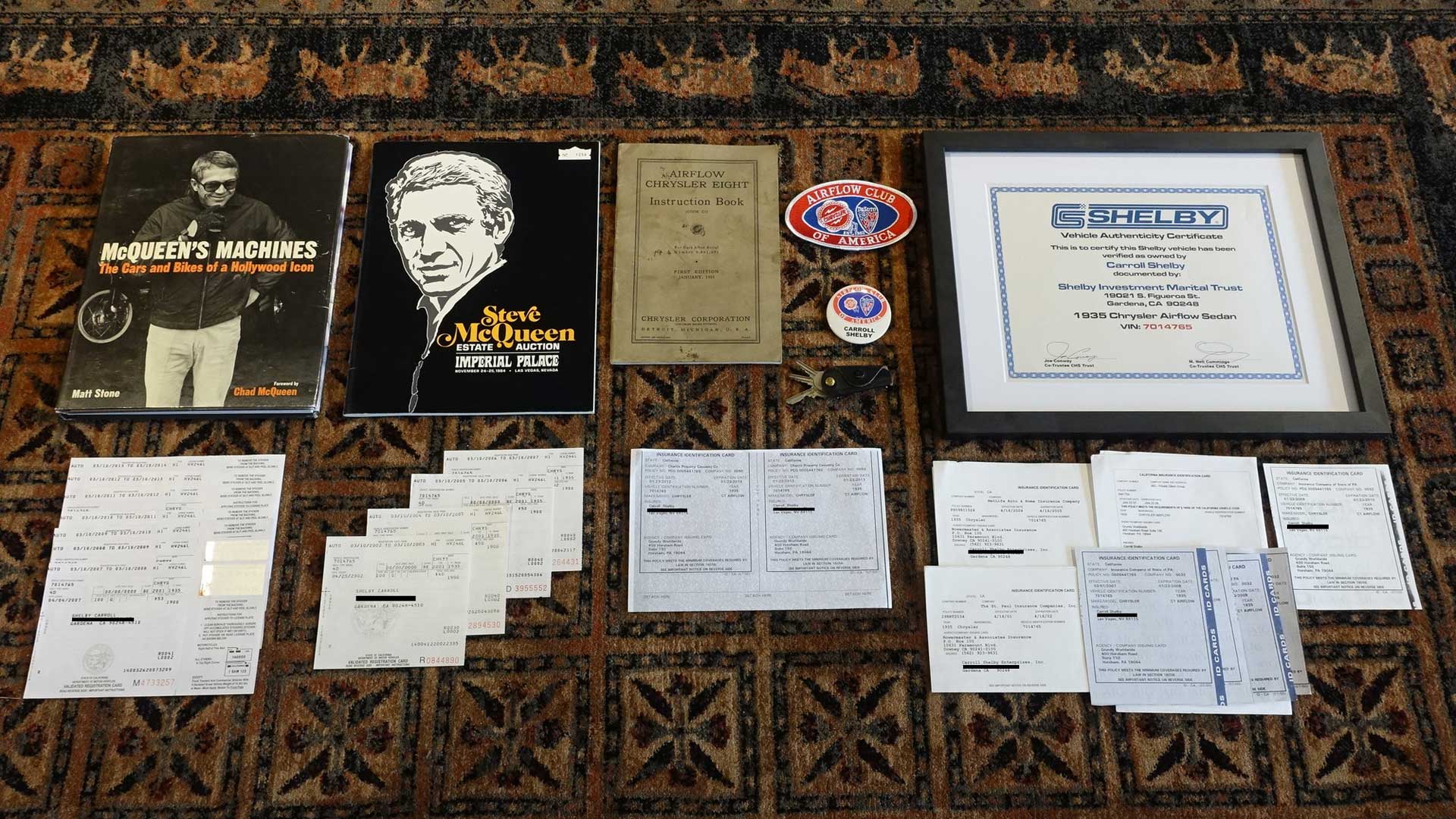
After time in the Imperial Palace collection, the car was bought by Caroll Shelby in 1998. Documentation provided includes insurance and registration cards in Shelby’s name, along with certification from the Shelby Marital Investment Trust.

More recently the car was sold at the 2018 Greenwich Concours d’Elegance Auction, alongside a collection of Shelby’s personal vehicles. Including relevant fees, the Airflow achieved $50,400 on crossing the block.

Use of the Airflow seems to have been limited, with the odometer showing only 59,000 miles. Service work has included a replacement cylinder head, along with new spark plugs being fitted. 

Carroll Shelby Steve McQueen Chrysler

Being owned by Carroll Shelby or Steve McQueen is typically enough to drive car collectors into a frenzy. Being owned by both is something of a serious rarity, and makes this Chrysler Airflow a unique proposition. 

Chrysler designed the Airflow to be a comfortable everyday car. It means a new owner could enjoy driving this classic to shows, rather than simply leaving it on static display. 

Bidding for the Airflow closes on Tuesday, May 19th, which should be just enough time to check out the numerous photos and videos supplied with the Bring a Trailer advert.

ALSO READ

Famous British marque finally finishes cars after 50 years

World’s wildest supercars make waves in Monaco

A tour of Fiat’s amazing classic car collection

Advertisement

Is it illegal to use Apple Pay or Google Pay at a drive-thru?

0

Queuing at the drive-thru

It’s never been easier to pay for fast food on the move. If you left home without a wallet, no problem: simply arrive at the drive-thru and use Apple Pay on your iPhone or Google Pay on your Android device.

However, before you splash the cash on a burger, fries and a soft drink, be warned that you could be handed six penalty points and a £200 fine.

Worse still, if the matter goes to court, you can be banned from driving and told to pay a maximum fine of £1,000.

It turns out that a Happy Meal might result in an unhappy day.

The law is quite clear on the subject of using a phone at the wheel, stating: ‘It’s illegal to hold a phone or sat nav while driving or riding a motorcycle’.

You must have hands-free access using a Bluetooth headset, voice control, a dashboard holder or mat, a windscreen mount or a built-in sat nav. The law still applies if you’re stopped at traffic lights, queuing in traffic or supervising a learner driver.

A hand-held phone can only be used when you are safely parked with the engine switched off and the handbrake engaged. The only exception to this rule is in an emergency if you need to call 999 or 112.

But does smartphone payment at a drive-thru create a potential grey area? The Ask The Police website urges caution, advising motorists to leave their vehicle before paying. In response to question number 955, it says:

‘Potentially there could be legal issues with using a smartwatch/phone to scan/pay for goods services whilst driving riding, e.g. at a takeaway food retailer or car park, but it would be a matter for a court to decide.

‘To avoid any problems, we would suggest that if you wish to pay in this way you stop, turn the engine off and get out of the vehicle to scan your watch/phone.’

Engine off, handbrake on

A tweet sent by Greater Manchester Police in February is more conclusive, saying you cannot use Apple Pay when the engine is switched on.

To avoid an unhappy meal, either park up and walk into the restaurant, use contactless or pay with the means of good, old-fashioned cash. Do you want fries with that?

ALSO READ

Could driving on hay fever tablets get you banned?

Every different type and body style of car: explained

Busted: 12 common myths about motorway driving

Advertisement

Morrisons cuts UK petrol price to 99.7p a litre

0

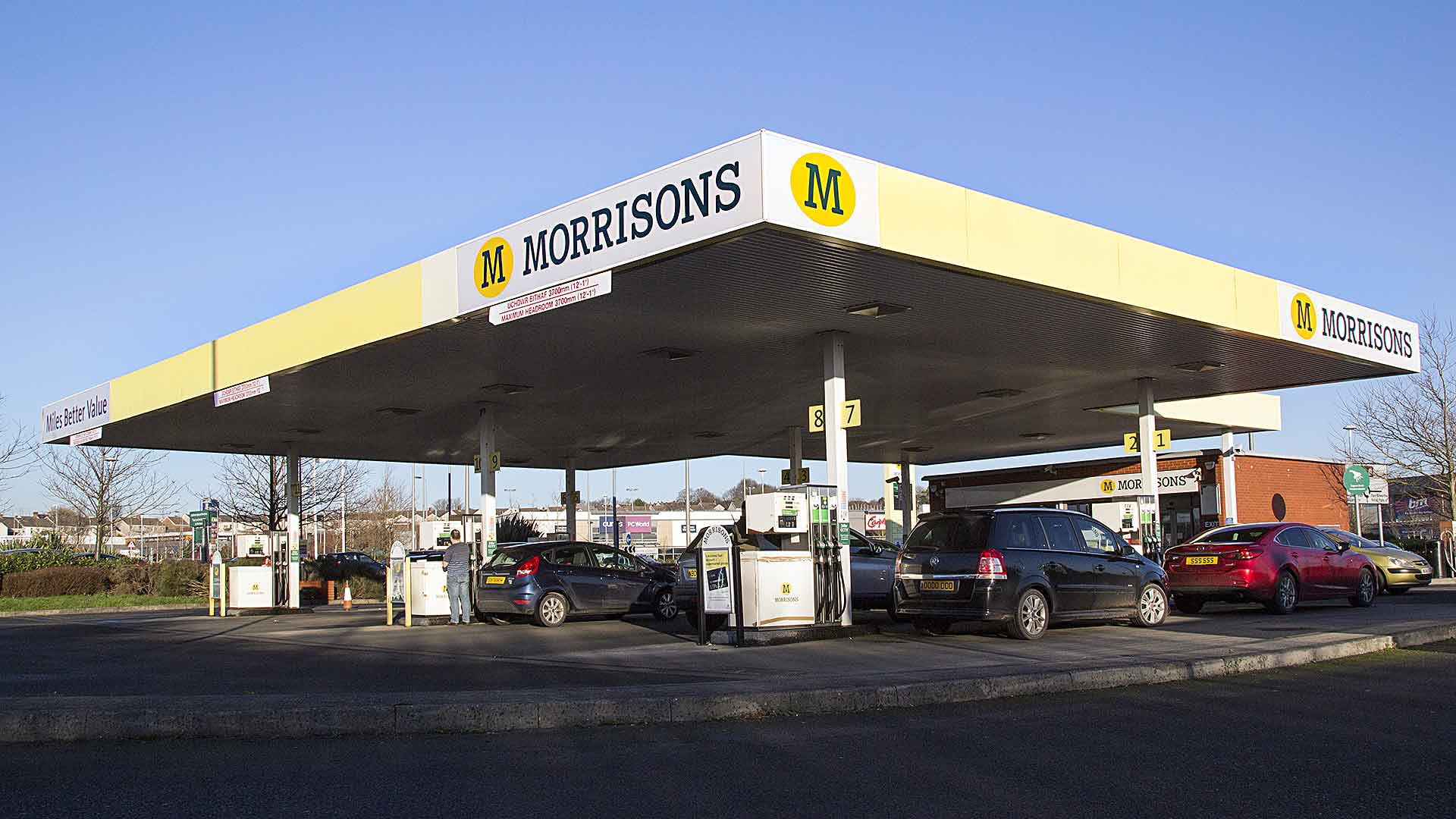
Morrisons UK filling station

The price of petrol at Morrisons filling stations has dropped below £1 a litre for the first time in more than four years.

The nationwide petrol price at Morrisons filling stations is now 99.7p a litre.

This is 9p a litre cheaper than the UK national average.

Diesel prices have also been cut, to 104.7p a litre – compared to the national average of 114.2p.

“This cut will help people who are travelling to work, those shopping for essentials, and those assisting the elderly and vulnerable,” said Morrisons’ head of fuel, Ashley Myers.

For the average 50-litre fill-up, Morrisons’ latest price cut will save £4.50, he added.

The fuel retailer says its headline-grabbing new petrol price makes it only the second time since the 2008-09 financial crisis that petrol prices have fallen below £1 a litre.

The price cut is now live as of 11 May 2019 at all of Morrisons’ 337 filling stations across the UK.

ALSO READ

How to find the cheapest petrol and diesel near you

Toyota Highlander 7-seat SUV confirmed for 2021 UK launch

Why the London car scrappage scheme won’t work

Advertisement

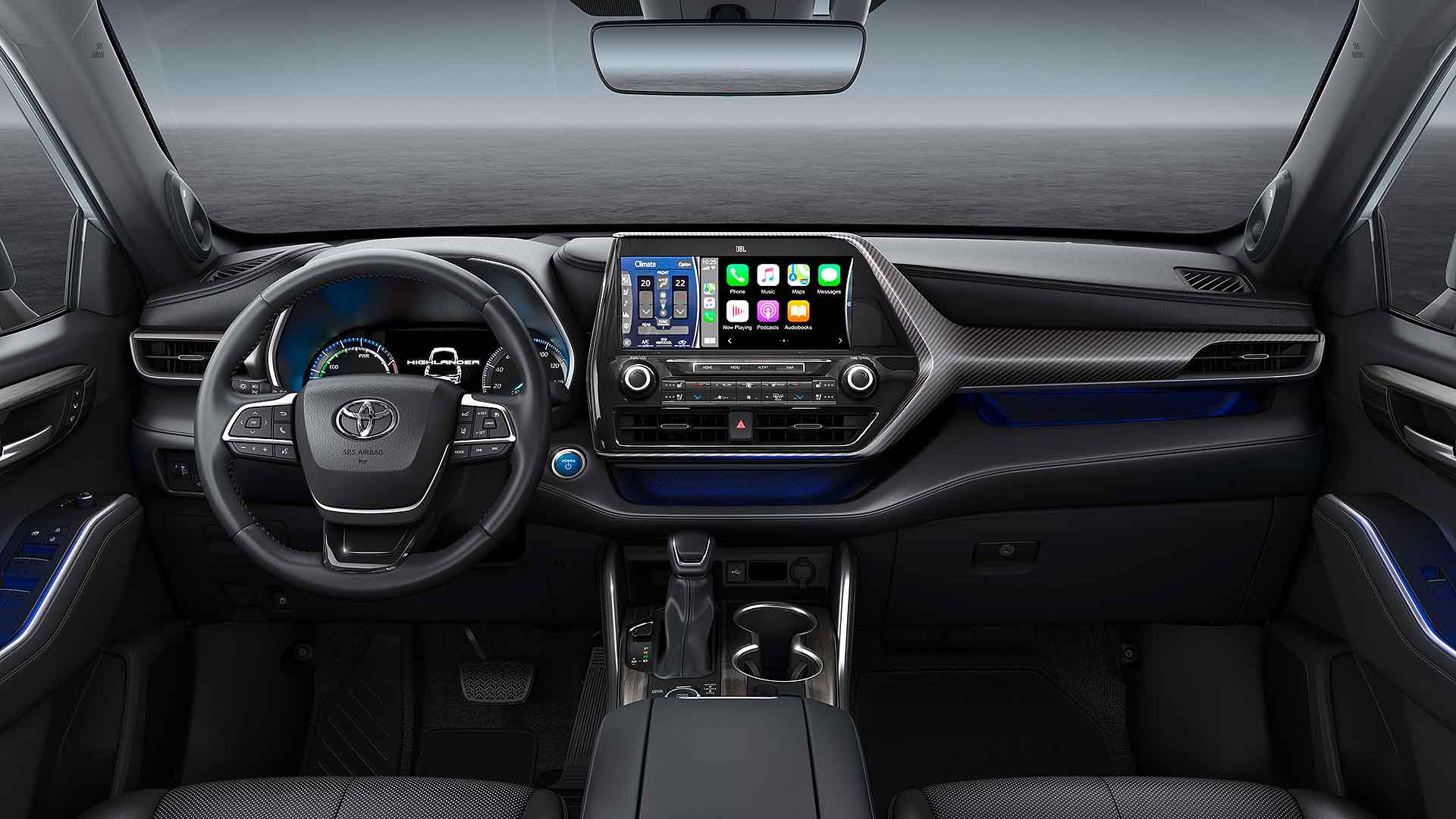
Toyota Highlander 7-seat SUV confirmed for 2021 UK launch

0

Toyota Highlander

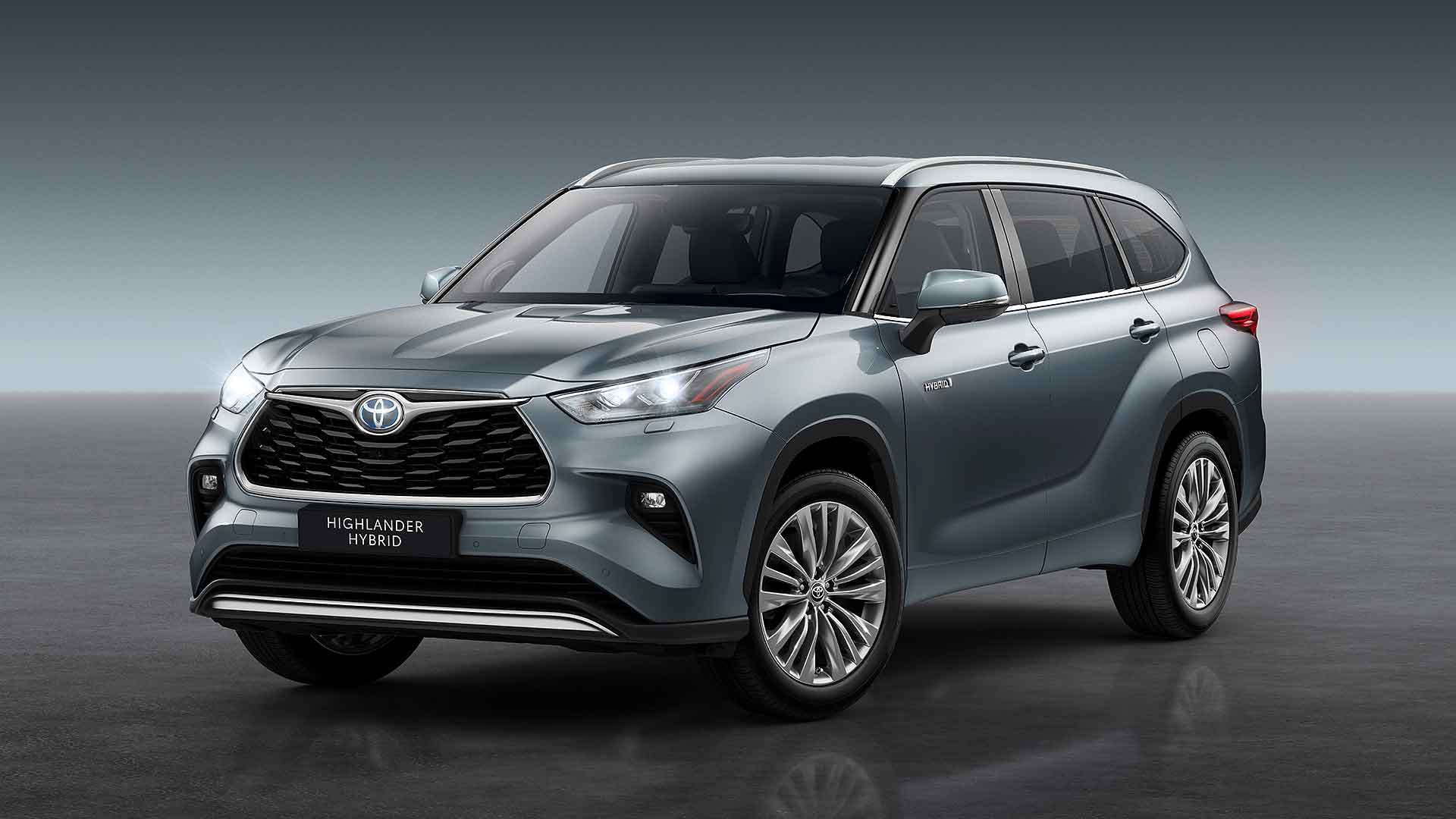
Toyota is expanding its SUV range in early 2021 with the UK launch of the seven-seat Highlander.

Already on sale in North America, where it is a best-seller, it will be the first time the Highlander has been offered in Europe.

Toyota will sell it in full hybrid guise, pairing a 2.5-litre petrol engine with front and rear electric motors.

Toyota Highlander

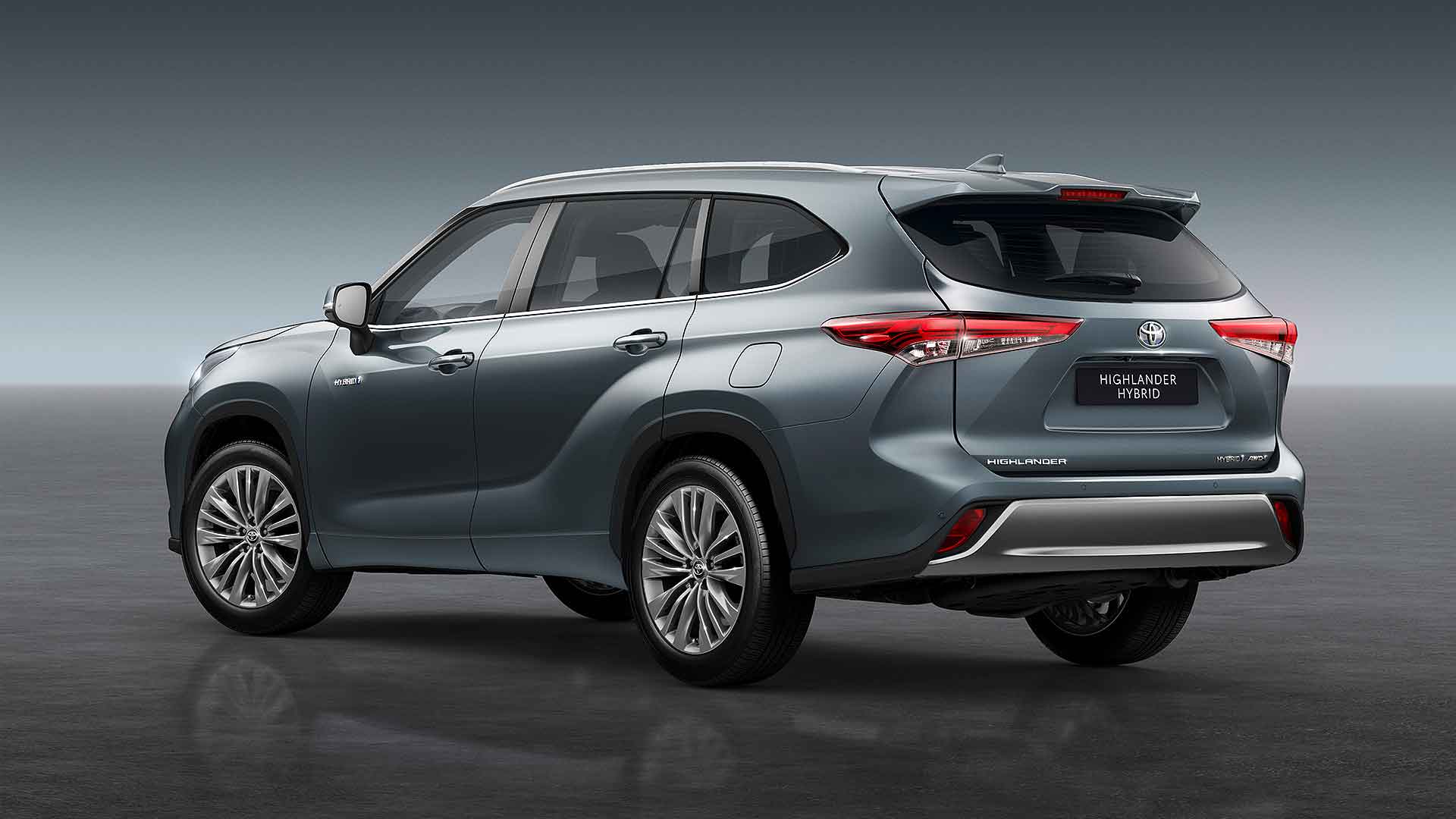
It produces 241hp, averages 42.8mpg and emits 146g/km of CO2 – a best-in-class combination, reckons Toyota.

Space is likely to be the Highlander’s biggest draw, though. It measures 4,950mm in length, which is as long as a Land Rover Discovery.

It has a rugged two-tonne towing capacity, too.  

Toyota Highlander

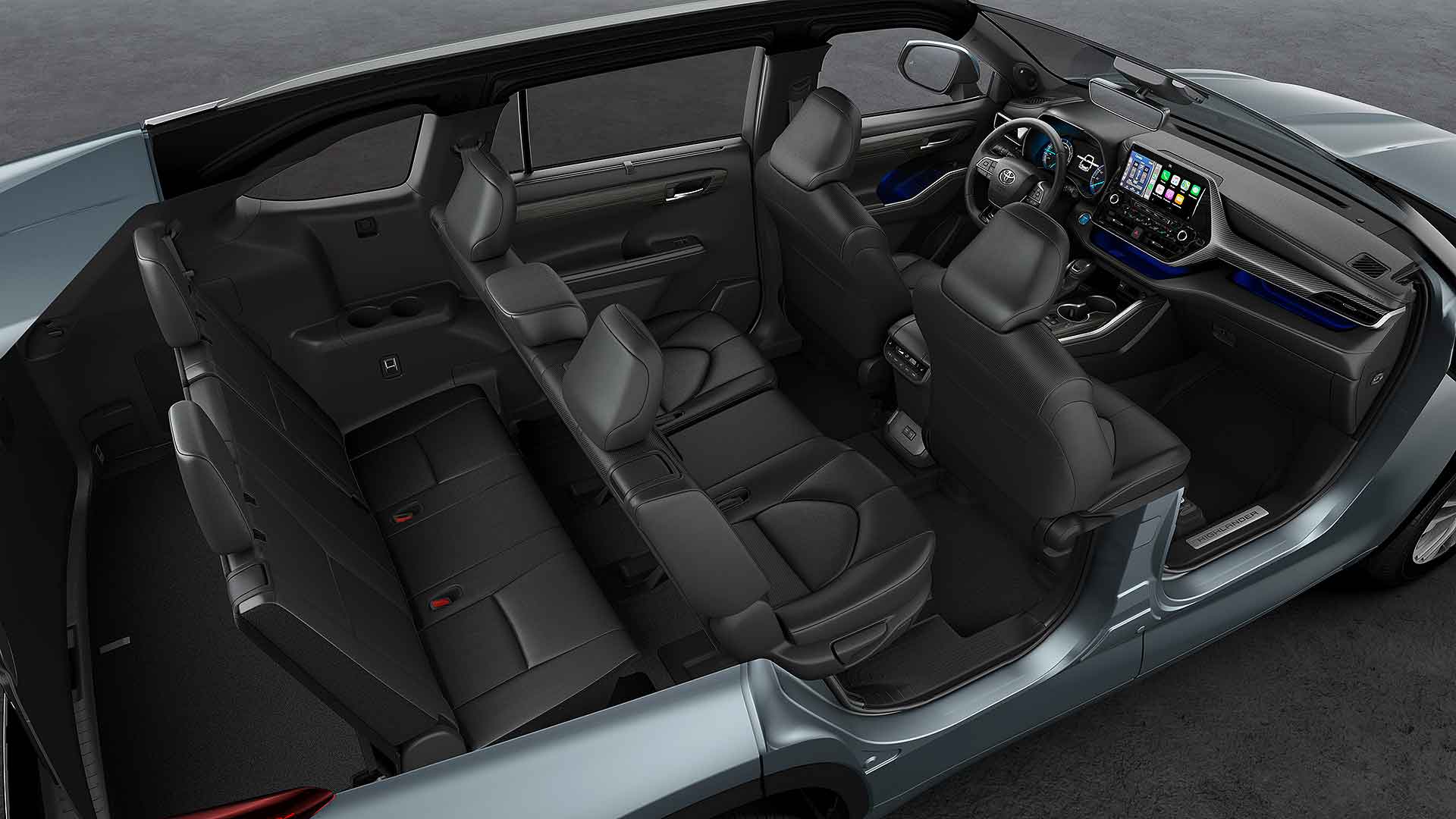
Inside, it has three rows of seats, and even the third row is said to be adult-sized.

There is an impressive 658-litre boot even with all seven seats in place. Fold them flat and it expands to 1,909 litres.

Toyota hasn’t worked out what UK cars will get as standard yet, but does suggest goodies such as head-up display, ventilated front seats and a ‘clearview’ rear view mirror will be included.

Toyota Highlander

Prices are also still to be confirmed, and will be revealed nearer to its early 2021 UK launch.

A rival to the 2020 World Car of the Year-winning Kia Telluride, the Highlander sits above alternatives such as the Kia Sorento and Hyundai Santa Fe.

A list price of around £40,000 thus seems feasible, making it a good-value alternative to a Land Rover Discovery, which costs from £46,000.

Toyota recently announced another SUV addition at the other end of its range, too: the new Yaris Cross.

This is also scheduled for a 2021 launch. 

ALSO READ

Toyota builds the 10 millionth Land Cruiser

The most popular car brands among millennials

The cars that died in 2019

Advertisement

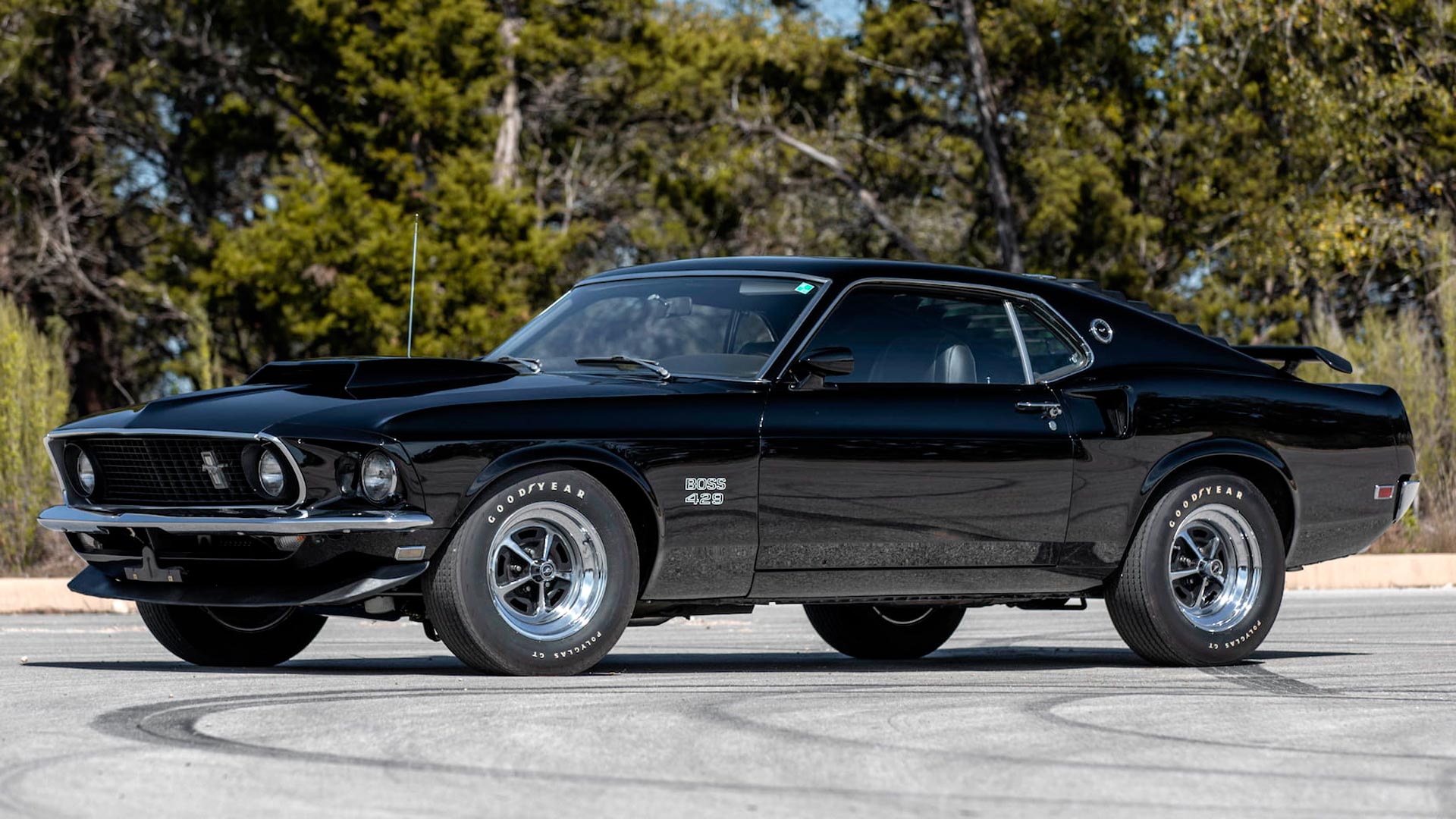
1969 Ford Mustang Boss 429 once owned by Paul Walker is going to auction

0

Paul Walker Mustang Boss 429

One of the 2,500 cars set to star at the Mecum Indy 2020 auction is a black Mustang Boss 429 with a notable past. 

The late Paul Walker, star of the Fast & Furious movie franchise, was the former owner of this particular car. Off-screen, Walker was known for his substantial car collection. 

With Boss Mustangs already in demand, having a famed car aficionado as a former keeper should only increase the interest in this model.

Homologation hero

Paul Walker Mustang Boss 429

Squeezing a NASCAR-spec engine into a road car might seem mad today, but that was exactly what the Boss 429 version of the first-generation Mustang offered. 

In order for Ford to use the 429-cubic inch V-8 engine in the NASCAR Grand National Series, at least 500 road-going cars had to be sold to the public.

Despite Ford using the Torino for NASCAR competition, the Mustang was chosen to host the semi-hemi 429 engine.

Due to the sheer size of the engine, modifications to the Mustang’s engine bay were needed to make it fit. Kar Kraft, responsible for helping develop the GT40, was used to build the muscular Mustangs. 

A car collector at heart

Paul Walker Mustang Boss 429

The Fast & Furious movie franchise pushed Paul Walker into major stardom, and allowed him to amass a serious collection of cars before his death in 2013. 

Walker’s collecting habits spanned a diverse portfolio. His garage ranged from modern BMWs and Porsches, to classic muscle cars including Saleen and Shelby Mustangs.

Earlier this year, a total of 21 cars from his personal collection were sold at the Barrett-Jackson Scottsdale 2020 auction. This sale included seven BMW M3s alone, along with a Nissan 350Z from the 2011 film Fast Five

Who’s the Boss?

Paul Walker Mustang Boss 429

What made the Boss 429 Mustang such a prize for collectors such as Paul Walker is the huge engine, and the rarity factor. 

The 429-cubic inch V-8 was officially rated at producing 375 horsepower and 450 lb-ft of torque. This was connected to a four-speed Toploader manual transmission, with a Traction-Lok rear differential fitted. 

Records show that a total of 1,359 Boss 429 Mustangs were made between 1969 and 1970. The first 1969 cars like this one were built in slightly higher numbers, but the overall rarity makes them all attractive to collectors.

Fastback and furious

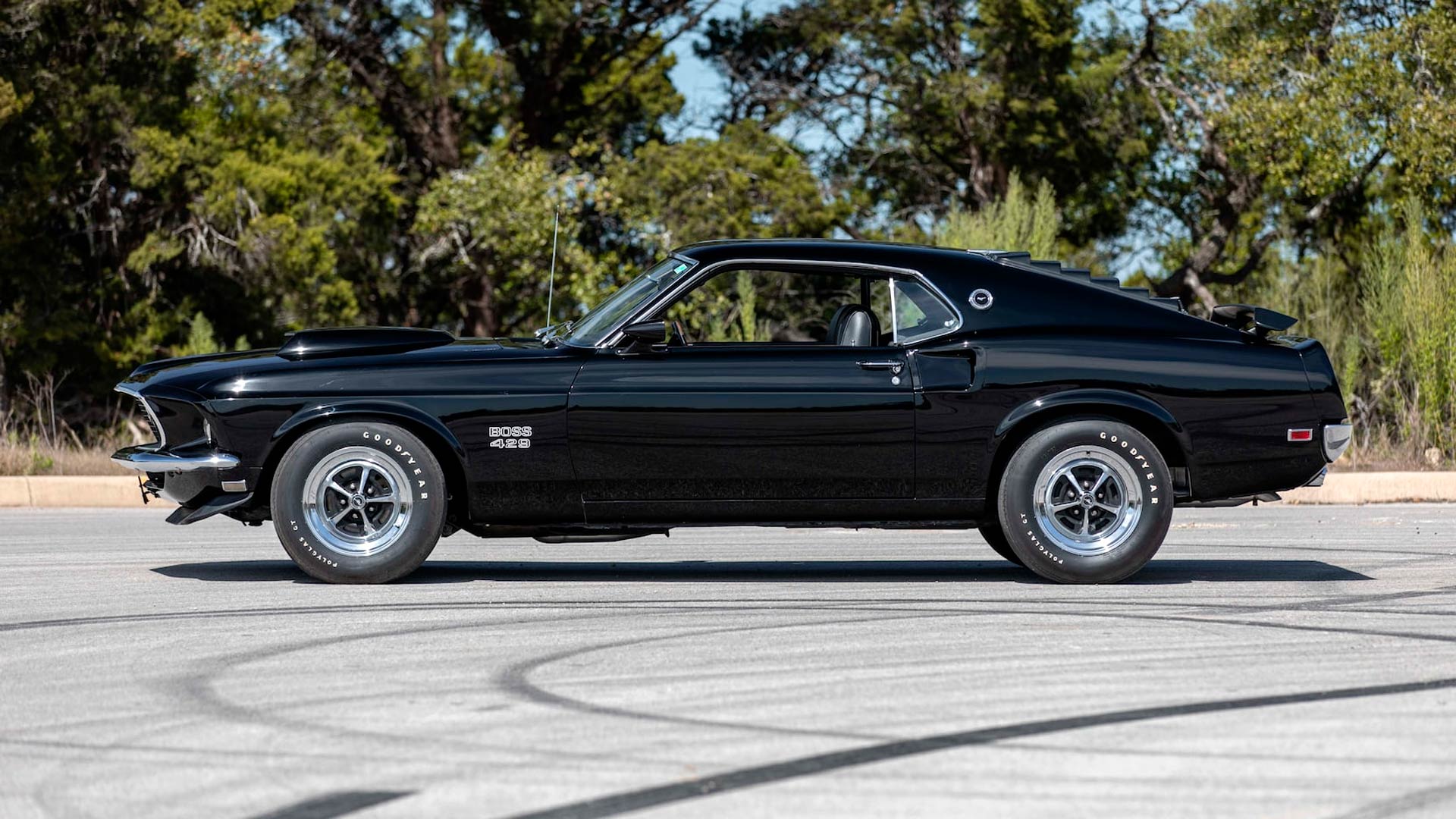
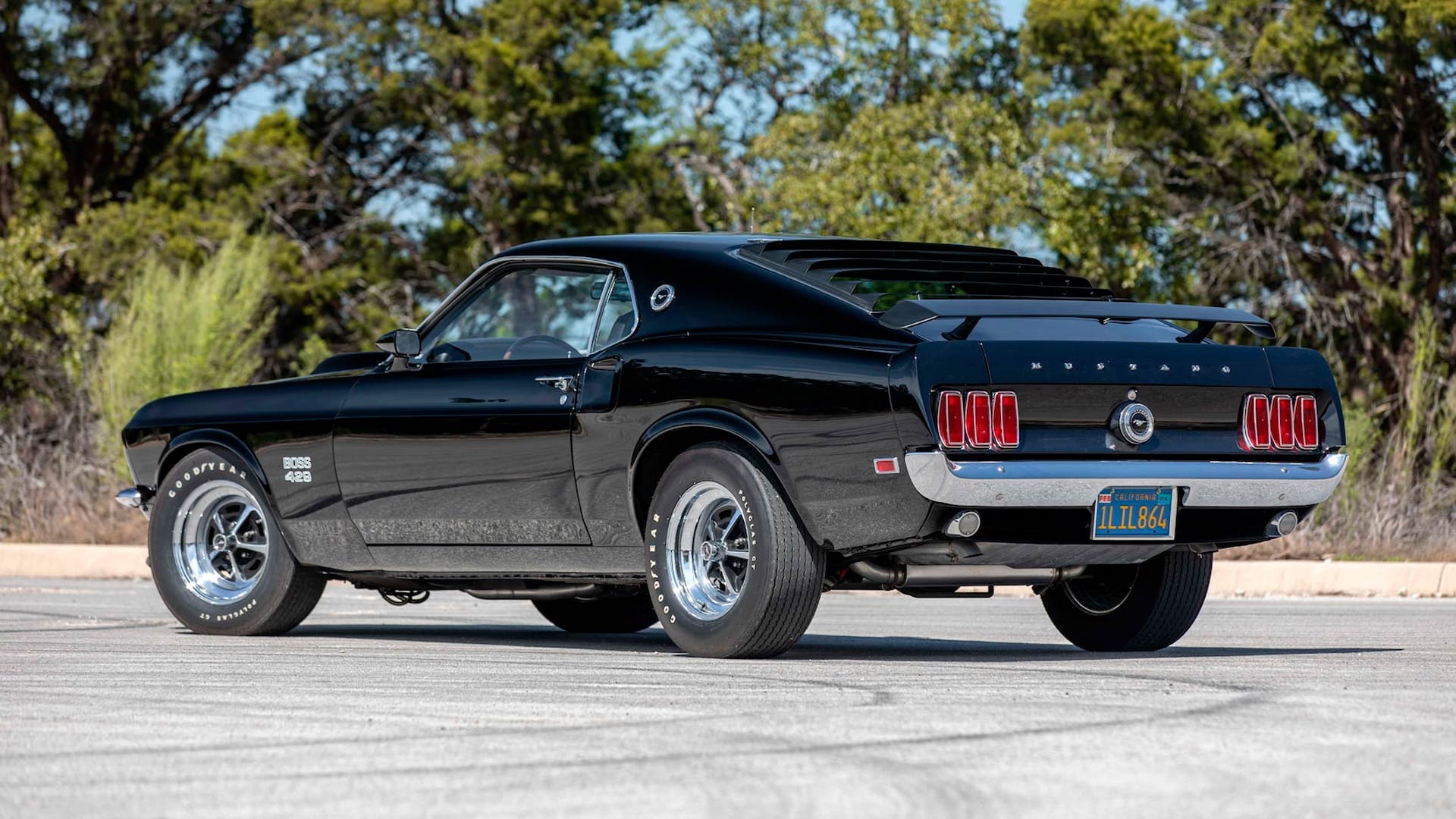
Paul Walker Mustang Boss 429

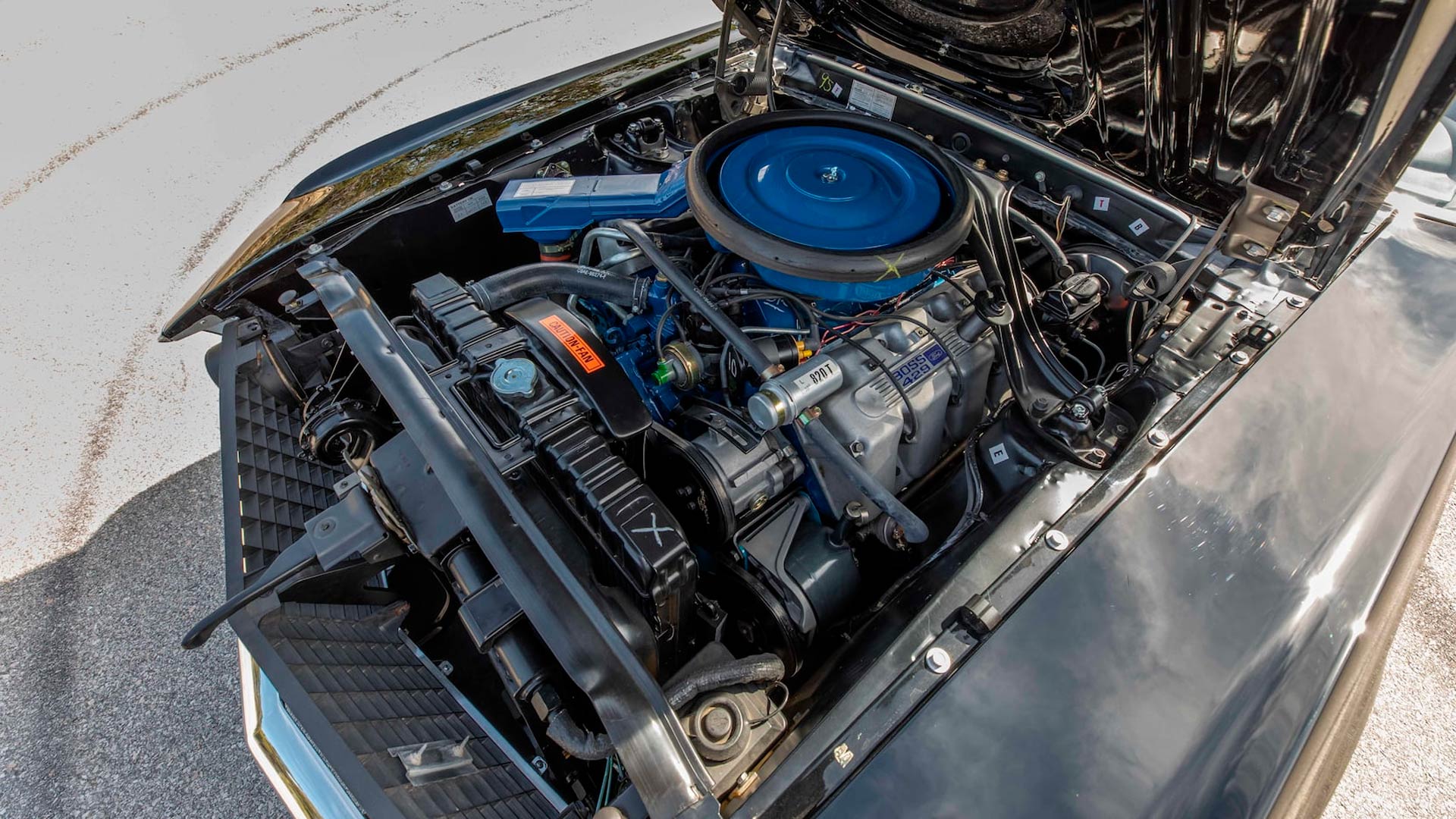
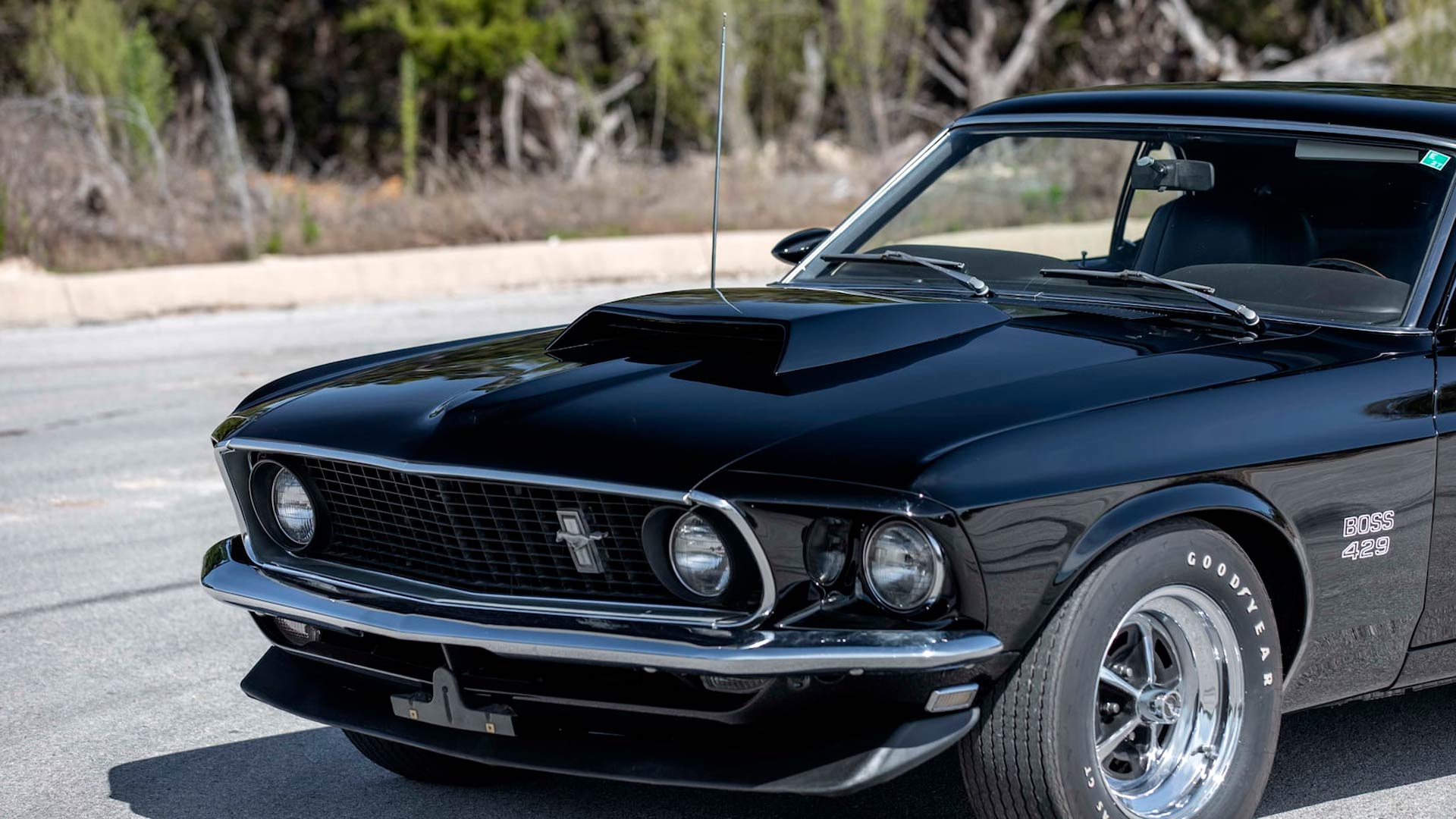
The Boss 429 formerly owned by Walker is distinctive for the bodywork beneath the Raven Black paintwork being entirely original. The engine and transmission are also the matching items fitted when the car was built. 

Ford’s functional hood scoop, only used for 1969 models, is present, as are the rear window slats and spoiler. The front spoiler was reshaped to meet the widened fenders, accommodating the Boss 429-specific Black Magnum 500 wheels. 

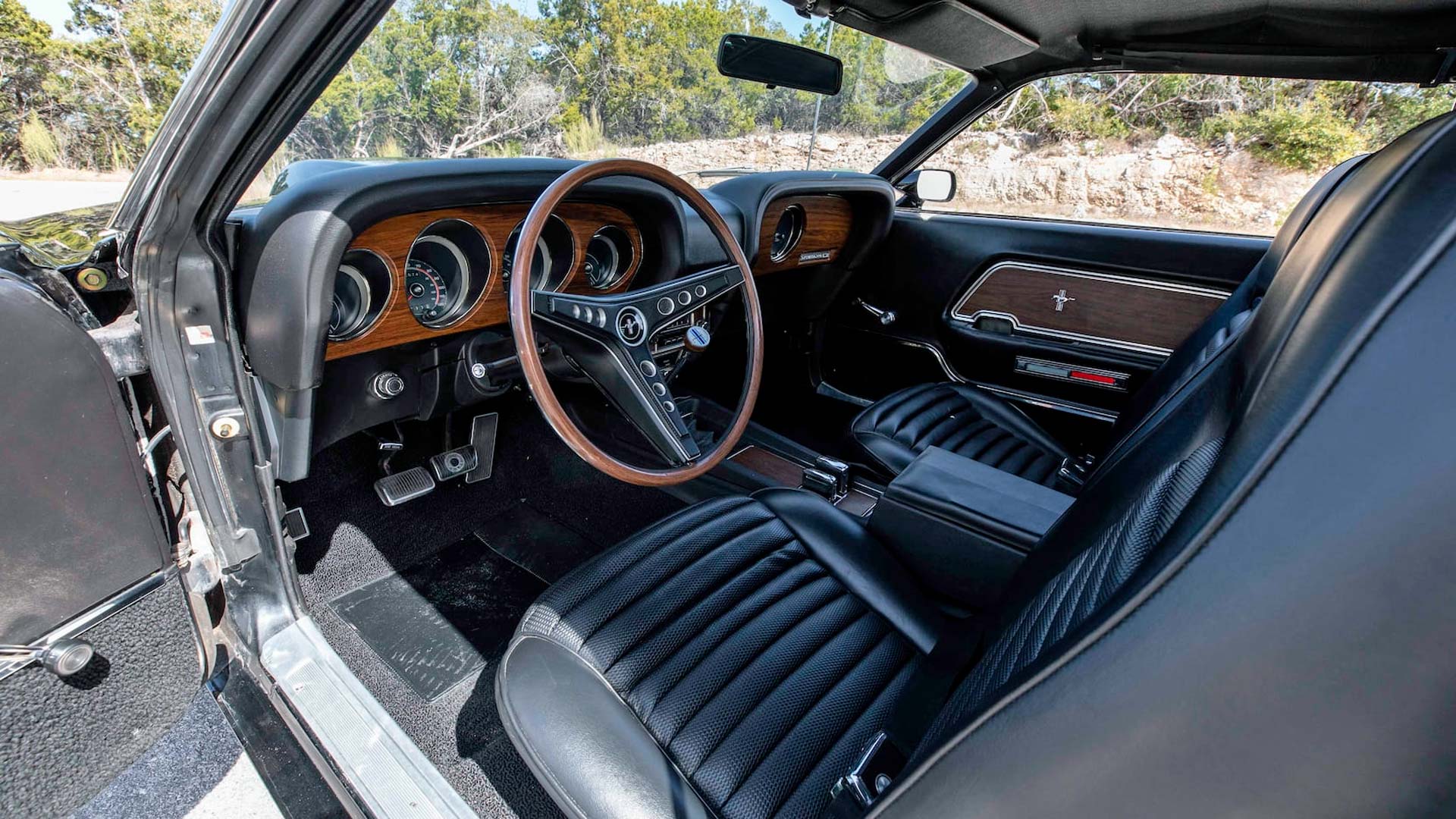
Along with being in original condition, Walker’s Boss 429 has covered just 14,575 miles from new. It means the black vinyl interior with wood grain dashboard looks as new as the exterior.

Mustangs and more for Mecum Spring Classic

Paul Walker Mustang Boss 429

Being a low-mileage Boss 429 Mustang with a former celebrity owner will undoubtedly bring plenty of bids to this car.

Rare Mustangs make up a substantial portion of the Mecum Spring Classic docket. The John Atzbach Collection includes the very first Shelby GT350R, noted to be the most historically significant Shelby ‘Stang. 

Rescheduled from May due to COVID-19, the Mecum Indy 2020 sale begins on July 10th, and spans an impressive nine days.

ALSO READ

Jaguar website teaches you how to drive electric

2020 Evora GT is North America’s fastest Lotus ever

Porsche Speedster replica firm is saved – and it’s going ELECTRIC

Advertisement

1 in 3 motorists admit lockdown driving is increasing

0

M6 motorway

Motorists are starting to use their cars more, and drive more miles per trip, despite lockdown restrictions remaining unchanged, new figures show.

RAC black box car insurance driving data shows there were 11 percent more cars on the road last week than at the beginning of lockdown.

Daily driven miles also increased 23 percent.

In a separate survey by the RAC, more than 1 in 3 motorists admitted they are using their vehicles more.

Even usage of the RAC Routeplanner tool is increasing, with planned journeys rising 16 percent in a week.

“There is now mounting evidence that people are venturing back out in their vehicles,” said RAC head of roads policy Nicholas Lyes.

“Until anything concrete is confirmed, the current advice remains to only go out when necessary for essential purposes, or where you cannot work from home.

“The question drivers should ask themselves before venturing out is, ‘do I really need to?”

Why are motorists driving more in lockdown?

When asked, a quarter of motorists said they were using a car more for grocery shopping. 1 in 10 said it was to pick up essential supplies or visit a pharmacy.

However, 5 percent admitted it was to visit a DIY store, and another 5 percent said it was to buy alcohol.

4 percent said they were driving more for work purposes.

A tiny 1 percent said it was to visit a beauty spot, and 1 percent said it was to simply give their car a lockdown run.

ALSO READ

Police cancel speeding fines ‘due to coronavirus’

Holland slashes speed limit to cut air pollution

New cameras catch 100,000 drivers using phones

Advertisement

Buying a classic Porsche 911: what you need to know

0

Porsche 911 Carrera 3.2

Jeremy Clarkson once said “you can’t be a true petrolhead until you’ve owned an Alfa Romeo”.

Not for the first time, though, Jezza was wrong.

With a few recent exceptions, modern Alfas are just fancy Fiats. And the classics, while bursting with brio, are less dependable than the 07:56 to London Bridge.

No, if there’s one car every enthusiast should aspire to own, it’s a Porsche 911. This quirky, rear-engined coupe has evolved – and occasionally revolved – over more nearly six decades.

Fast, fun and engineered with Teutonic thoroughness, it’s an automotive cult all its own: witness the number of dedicated 911 magazines in newsagents.

And it’s still going strong: the millionth example left Stuttgart in 2017, and spicier versions, such as the GT2 RS, sell out before they even reach showrooms.

Video: classic Porsche 911 on the road

Convinced? Now for the bad news. Used 911 prices may have peaked around 2018, but they have risen hugely over the past decade. That said, even if a COVID-19 recession lies ahead, good examples – particularly the earlier, air-cooled cars – should remain sought-after.

If you want the original 911 experience, you need a pre-1989 model – and they don’t come much better than the last-hurrah Carrera 3.2, now available from around £40,000. The lovely 1989 example tested here was kindly supplied by Canford Classics.

Porsche 911 Carrera 3.2: How does it drive?

Porsche 911 Carrera 3.2

The classic Carrera isn’t an easy car to drive, but that’s key to its appeal. You need to engage your brain, exploit its strengths and work around its weaknesses. And learning those takes time.

Despite being shorter and narrower than a new Porsche Cayman, the original 911’s cabin doesn’t feel short on space. Well, not unless you’re squeezed into the toddler-sized rear seats. It’s comically sparse by 2020 standards, though, with controls scattered seemingly at random and floor-hinged pedals skewed towards the centre of the car.

Ergonomic eccentricities are soon forgotten when you fire up that trademark flat-six. It whirrs, rumbles and churns: not musical, but deliciously mechanical. And the howl it makes at high revs reverberates around your ribcage.

The 911’s unassisted steering and spindly gearlever demand measured, deliberate inputs, yet fizz with constant feedback. It feels lively and light-footed, effervescent even. Those characteristic front wings follow the contours of the road, while the all-round disc brakes offer confidence-inspiring bite.

You never forget this is a rear-engined, rear-wheel-drive car – one with no electronic safety aids – but the Porsche is hardly the ‘widowmaker’ of urban legend. It simply requires respect and a certain degree of restraint, especially when it rains. Your friend in his Golf R will be quicker whatever the weather, but you’ll be more involved.

Porsche 911 Carrera 3.2: Tell me about buying one

Porsche 911 Carrera 3.2

Chris Lowe, lead technician at Canford Classics, is a big fan of the Carrera 3.2: “It has better brakes and a more powerful engine than the 911 SC it replaced, and larger wheels make it more drivable day-to-day,” he explains. “Plus, it’s still air-cooled, so it doesn’t stray too far from the original formula. Overall, they’re just super-cool cars.”

The 3.2 was sold in three body styles: coupe, convertible and Targa. Coupes are generally considered most desirable, although the removable-roof Targa is now back in fashion. A ‘tea tray’ rear wing was optional as part of the Sport pack, along with stiffer dampers and shapelier seats. Alternatively, buyers could go the whole nine yards with the 911 Supersport: a 3.2 with the stretched wheelarches and beefed-up brakes of the 930 Turbo. 

Rust is the fatal foe of any classic 911, so Chris advises checking bodywork carefully: the roof pillars and sills are the main trouble-spots.

Take a fine-tooth comb to the paperwork, too. “Originality is key to value,” says Chris, “so ask for the Certificate of Authenticity from Porsche, which details the original specification – including any options fitted.” Also, be prepared to budget for mechanical maintenance: “Many 3.2s are due engine or gearbox rebuilds, and the same goes for suspension. Bushes will usually need to be replaced.”

It’s also worth noting that the post-1987 ‘G50’ gearbox – as fitted here – is slicker and more user-friendly than the original ‘915’ unit. As such, G50-equipped cars tend to be worth more.

Porsche 911 Carrera 3.2

Porsche 911 Carrera 3.2: Verdict

Is the Carrera 3.2 the ultimate retro daily-driver? Perhaps, even if the aforementioned rise in values means most owners now reserve their cars for sunny Sundays and special occasions. 

In truth, the G-Series 911 felt a little dated by the mid-1980s, yet it has aged remarkably well. To drive, it feels raw, and vital, while its essential robustness stands in marked contrast to the flimsy over-complication of many modern cars.

Three decades hence, when scores of present-day ‘992’ 911s are written off due to software gremlins, one suspects the classic Carrera will still be going strong. It’s a sports car icon: both of its time and timeless. Buy one now while you still can.

Many thanks to Canford Classics (01929 472221) for the loan of this immaculate 1989 911. 

Porsche 911 Carrera 3.2

ALSO READ:

The cars that doomed the company

Ultra-rare classic BMW restored after 43 years

Mini announces parkrun partnership

Advertisement