Every new Volvo now has a top speed electronically limited to 112mph as part of the Swedish brand’s quest for zero fatalities and serious injuries in its cars.
The firm admits the move has proven controversial, with some questioning the right of car makers to impose such limitations.
Volvo, however, insists it is the right move – even if it means losing potential customers.
“Above certain speeds, in-car safety technology and smart infrastructure design are no longer enough to avoid severe injuries and fatalities in the event of an accident.
“People have poor understanding of the dangers around speeding. As a result, many people often drive too fast.”
Volvo’s 112mph speed limiter – 180kmh – is how the firm aims to stop excessive speeding.
Volvo Care Key
The Volvo Care Key has also been standardised on all new models.
This allows Volvo motorists to set further limitations on their vehicle’s top speed – before, for example, lending it to younger or more inexperienced drivers.
Volvo adds that millions of motorists still get speeding tickets each year – and that it is one of the most common reasons for fatalities in traffic.
The firm indicates that apart from speeding, intoxication and distraction are two other primary areas of concern for traffic safety and “constitute the remaining gap towards Volvo Cars’ vision of a future with zero traffic fatalities and serious injuries”.
Volvo will be taking action to address “all three elements of human behaviours in its safety work, with more features to be introduced in future cars”.
ALSO READ
Ireland may ban import of ‘dirty diesel’ cars from UK
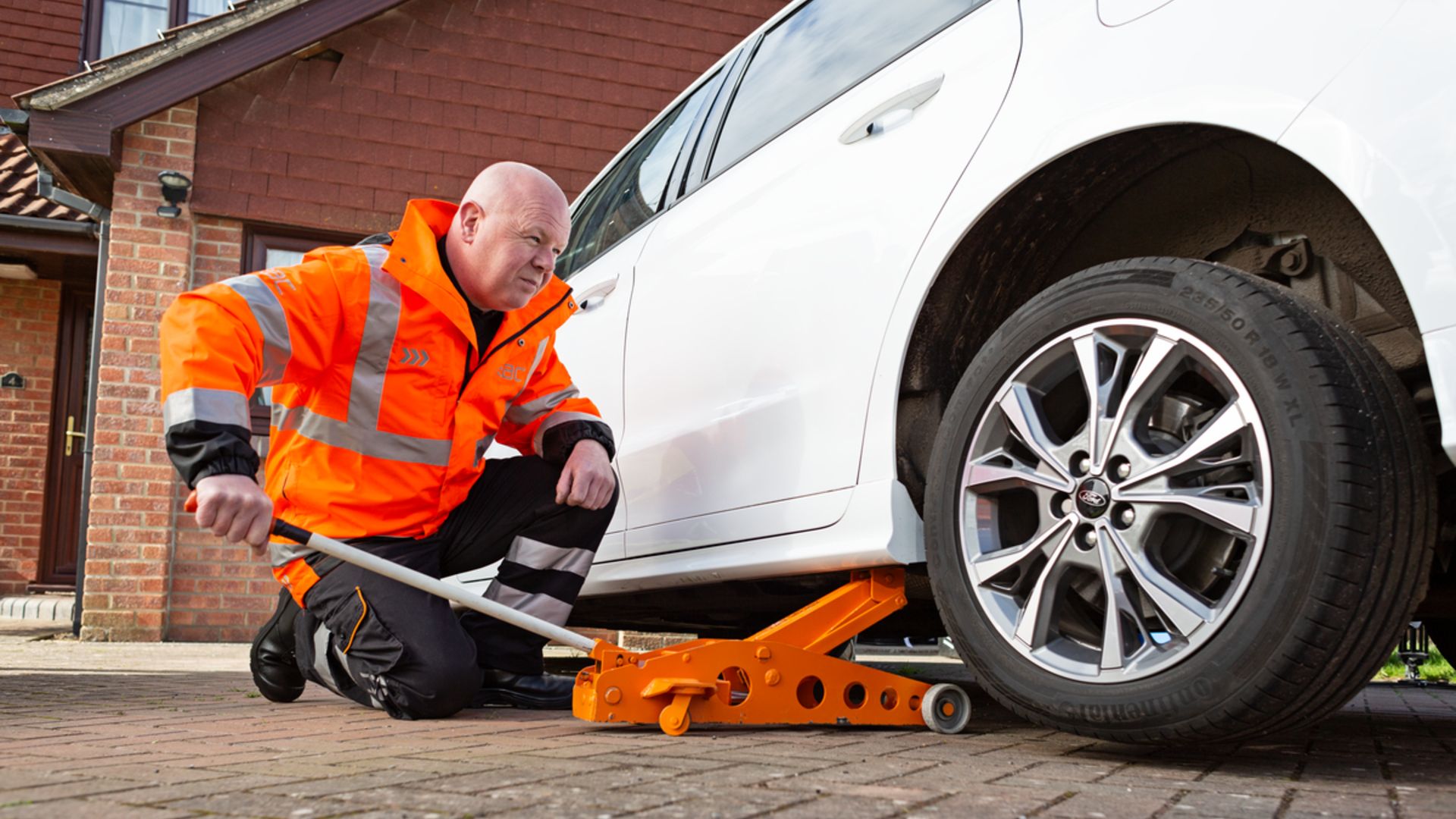
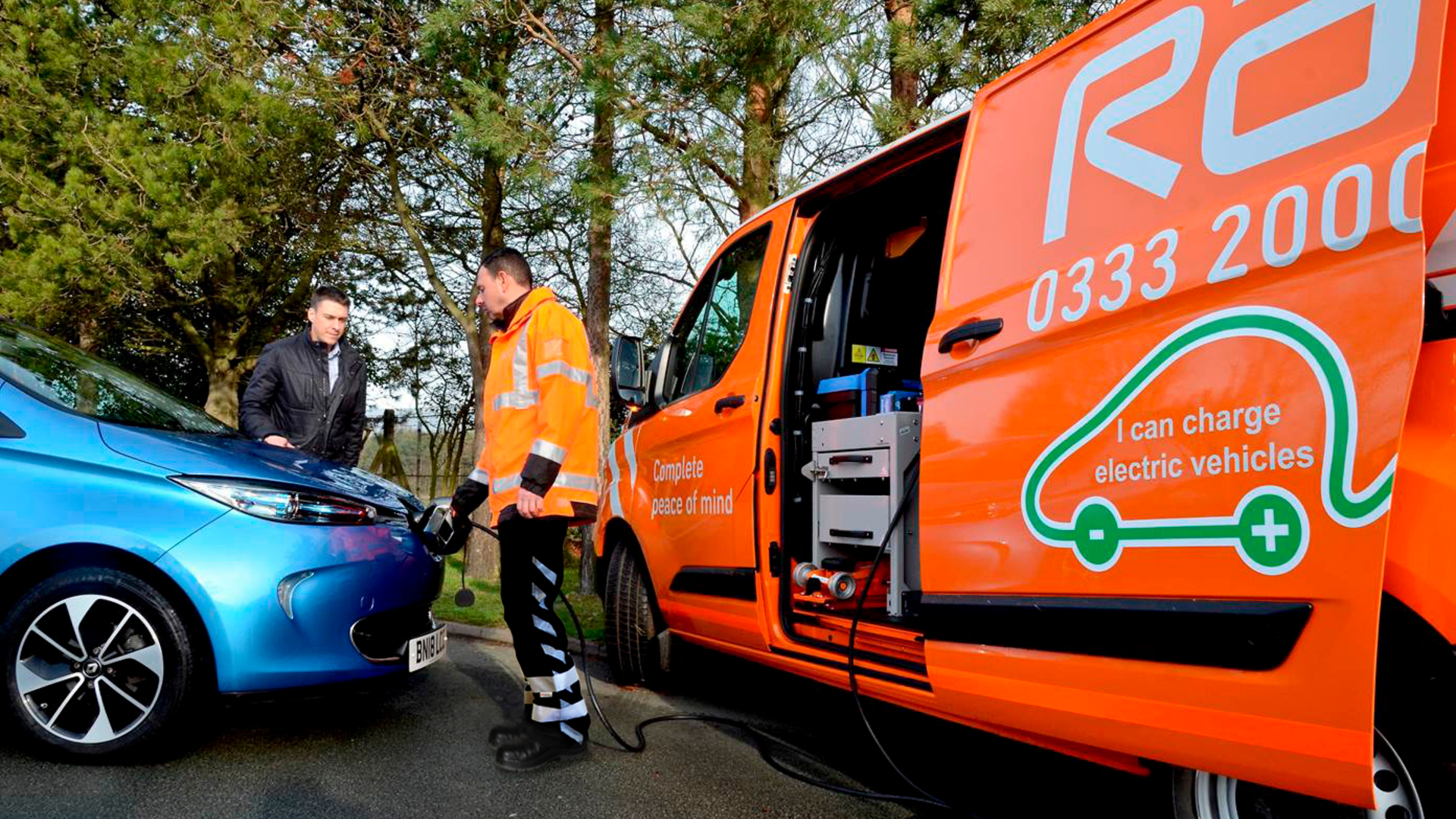
Car insurance company NFU Mutual is providing free RAC recovery and home breakdown cover as the lockdown lifts.
The offer applies to more than 600,000 of NFU’s car and light van customers. It remains valid until 31 August, even if UK lockdown restrictions are fully lifted before that date.
RAC data shows a 78 percent increase in home breakdowns between 23 March and 11 May, with a record number of call-outs due to flat batteries.
This number is expected to increase in the coming months.
Battery breakdowns at record level
The NFU offer includes national recovery and home start (normally an addition to standard RAC breakdown cover).
To quote the small print: ‘The cover will include emergency roadside assistance, recovery of the vehicle, driver and passengers to any UK destination if the vehicle cannot be repaired at the roadside, accidental mis-fuelling cover, unlimited call outs and no call-out charges, and small hire car for 48 hours if the vehicle needs a longer repair and the repair cannot be done the same day.’
Motorcycles and larger commercial vehicles (e.g. tractors and lorries over 3.5 tonnes) aren’t covered, but the vast majority of NFU Mutual policyholders will be eligible.
There is no need to activate the offer. If you are insured with NFU Mutual and need RAC assistance, simply call 0800 282 652 and select ‘breakdown’ when prompted, quoting your vehicle registration.
After nine years fronting the BBC Radio 2 breakfast show, car-mad Chris Evans has launched his new Virgin Radio show.
“I say, this is very exciting,” Evans said as he greeted his new listeners.
Over the years, he has owned a tremendous collection of cars, with many of his multi-million-pound purchases ranking among the rarest cars in the world. Here, we look at some of the cars Chris Evans can list on his CV.
Chitty Chitty Bang Bang
Evan’s most unusual acquisition was the only working car built for the original Chitty Chitty Bang Bang film. It features a Ford Racing 3.0-litre V6, a dashboard plate from a first world war British fighter plane, a polished aluminium bonnet, a red and white cedar boat deck and brass fittings lifted from Edwardian motor vehicles.
Shortly after buying it, Evans explained how the purchase came about. “My pal had bought the car on his birthday before he went skiing, not realising she is over 17 feet long. Garage problem. No money lost or gained.
“Chitty is now officially part of the Berkshire Automotive Massive. She is indeed Truly Scrumptious. She’s also gone into the workshop for some much-needed road legalisation.”
Ferrari 365 GTS/4 Daytona Spider
Chris Evans clearly has no intention of scaling back his car collection. In 2014, he spent £2.27 million on a 1971 Ferrari 365 GTS/4 Daytona Spyder – believed to be a world-record price. It looks stunning in black – a marked contrast to the yellow paint worn by the 1969 Frankfurt Motor show car.
Mk1 Ford Escort Mexico
Chris may have a taste for rare and exotic Ferraris, but that doesn’t mean he can’t mix it with the rest of us. Here we see him about to set off from Radio 2 at the wheel of a Ford Escort Mexico. Values of good MK1 Escorts are on the rise, but there’s still a way to go before they catch up with expensive Fezzas.
Bentley
And here’s Chris Evans leaving Radio 2 again, this time at the wheel of a Bentley. Looks a bit tight there, Chris. You may want to consider driving something a little smaller.
Daimler SP250 Dart
In 2014, Chris Evans had a run in with the law and paid a high price. He bought one of the very last Daimler SP250 ‘Dart’ police cars for a little over £50,000 at auction. The ex-Scotland Yard Dart came complete with all law-enforcing accoutrements, with Chris adding ‘the kids love it; the big kids love it even more.’ Well quite.
James Hunt’s Hesketh 308
£230,000 doesn’t seem like a lot of money for one of F1’s most famous cars. But that’s the price Chris Evans paid for the Works Hesketh 308, driven by James Hunt before his title winning season in 1976.
LaFerrari
You have to be invited to purchase cars like the LaFerrari. Fortunately for this chap, he’s owned enough Ferraris in his time to be considered a key client. We’re talking about Chris Evans, not Pudsey Bear.
Ferrari 328 GTS
This Ferrari 328 GTS was formerly owned by Chris Evans. In 1985, the 308 GTB and GTS were updated with a new V8 engine, hence the new 328 GTB and GTS denominations. Over 6,000 GTS roadsters were built, far more than the 1,345 hardtops.
Ferrari 458 Italia
This is the 2010 Ferrari 458 Italia that, a few years ago, Chris Evans put up for sale at £189,950 via Auto Trader. It had covered only 5,559 miles since new.
1972 Volkswagen Beetle
A somewhat impulsive buy, Evans saw this slightly beaten up 1972 sky blue VW Beetle with a for sale note stuck in its window on his way home from work. After a quick telephone conversation the owner met Evans at the car 10 minutes later and the deal was sealed.
Ferrari GTO
Evans lusted after a Ferrari 250 GTO for years before he finally bought one similar to this for a staggering £12 million in 2010. One of only 36,250 GTOs ever manufactured, this Ferrari has been called the Leonardo da Vinci of motoring. Evans describes it as the beauty and the beast rolled into one.
Mercedes-Benz S-Class
Evans drove and was chauffeur-driven in his W220 S600 in equal measure. This was also the car he chose for his entrance at the Staines magistrates’ court in 2001, where Evans was banned from driving for 56 days for clocking 105mph in a 70mph zone with his Ferrari 550 Maranello.
1961 Ferrari California Spyder
In 2010 Evans made history when he bought the most expensive car sold in Britain – paying a cool £12 million for a 1963 Ferrari 250 GTO. This 1961 California Spyder, once owned by Hollywood hard man James Coburn, is the convertible cousin of that car and set the DJ back a not insignificant £5.6 million in 2008.
1965 Mercedes-Benz 230SL
Keen to capitalise on the massive success of the 1950s 300SL, Mercedes-Benz launched the more affordable but equally beautiful 190SL in 1955. Evans sold his classic 1965 Merc in 2004 and it went under the hammer again four years later, fetching its owner at the time a handsome £32,347.
1964 Daimler V8 Vicarage Convertible
This is Chris Evans’ 1964 Daimler V8 Vicarage Convertible. The car is rumoured to have cost Chris £135,000 but it sold for just £73,500 when he auctioned it at the Bonhams Goodwood Festival of Speed sale in 2007.
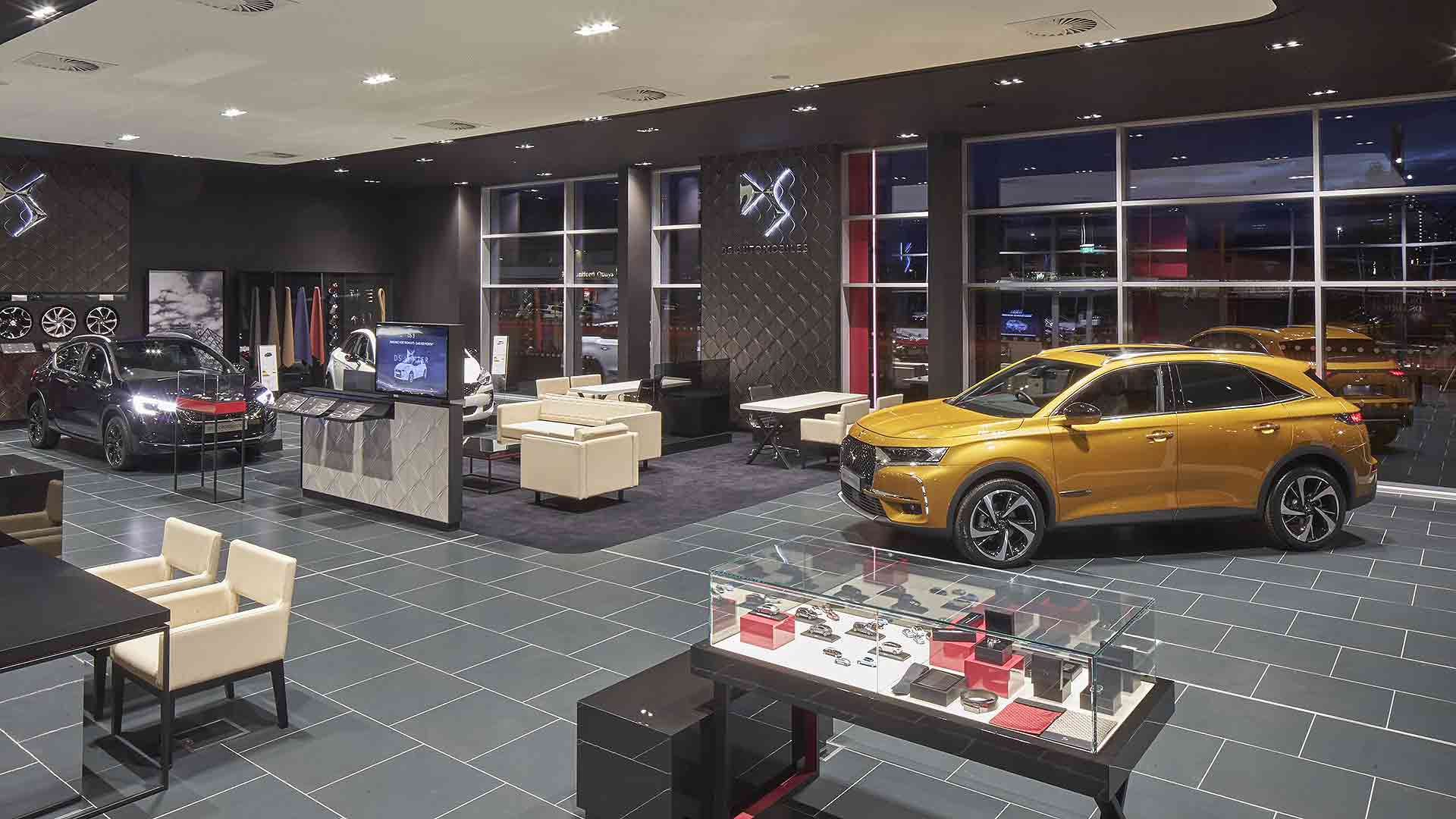
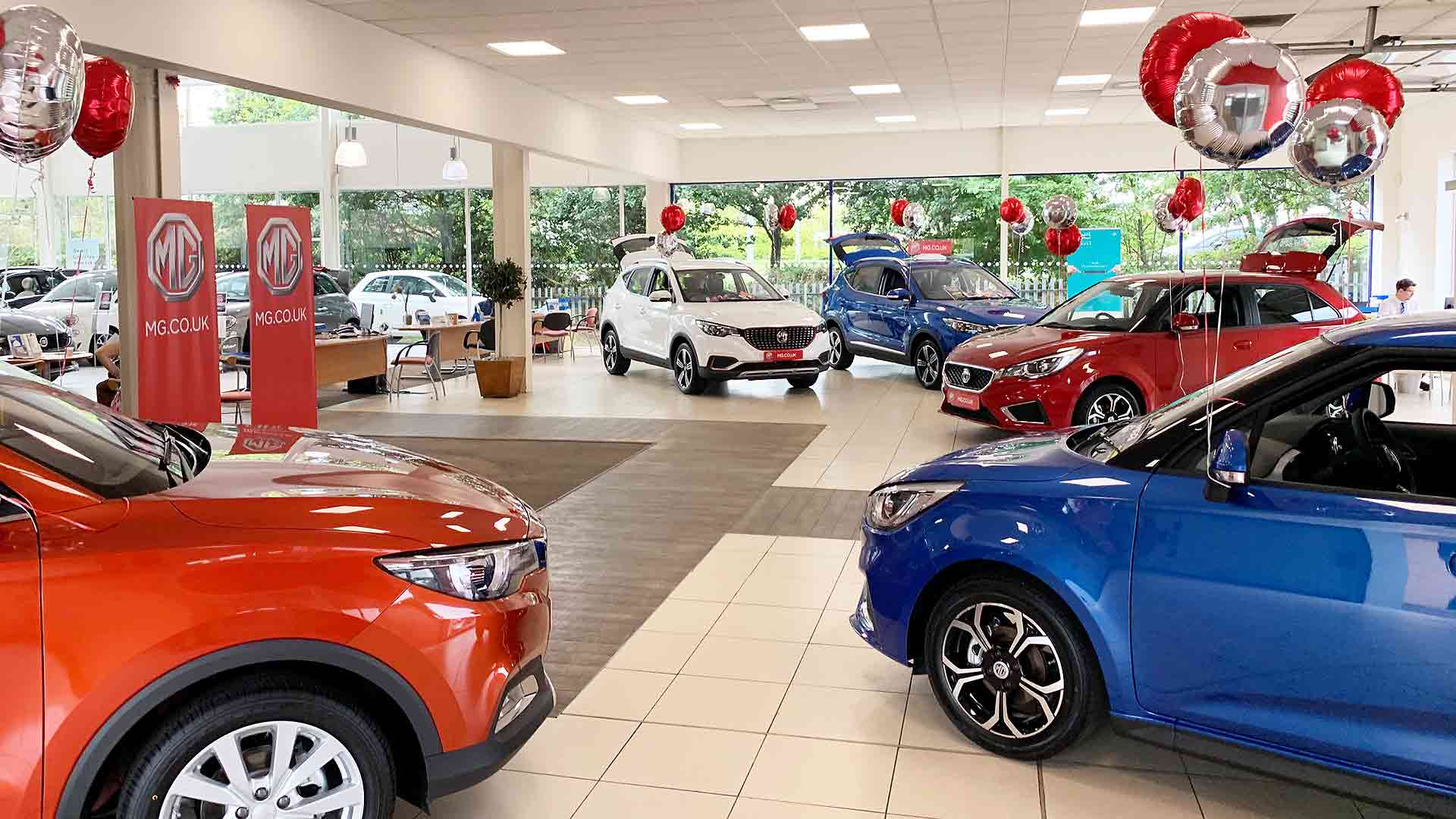
Trade body the Society of Motor Manufacturers and Traders says auto retailers are ready to go back to work with social distancing and hygiene measures already in place.
It calculates the daily cost of car showrooms remaining closed to be £61 million, due to lost VAT income and furlough payments for almost 600,000 employees.
“The sector is now ready to return to work,” said SMMT chief executive Mike Hawes.
“Car showrooms, just like garden centres, are spacious and can accommodate social distancing easily, making them some of the UK’s safest retail premises.”
Mr Hawes said a green light to reopen would stimulate consumer confidence and restart the sale of new cars.
The SMMT is backing its call with a campaign called ’10 reasons to #unlockukauto’, highlighting the importance of reopening car showrooms.
This is aimed at encouraging ministers to clear car dealers to reopen, and outlines some of the measures retailers have put in place during the past few weeks.
These include one-way walkways, shielding, contactless transactions, cleaning and test-drive processes, appointment systems and revised showroom layouts.
Many retailers are already offering ‘click and collect’ facilities.
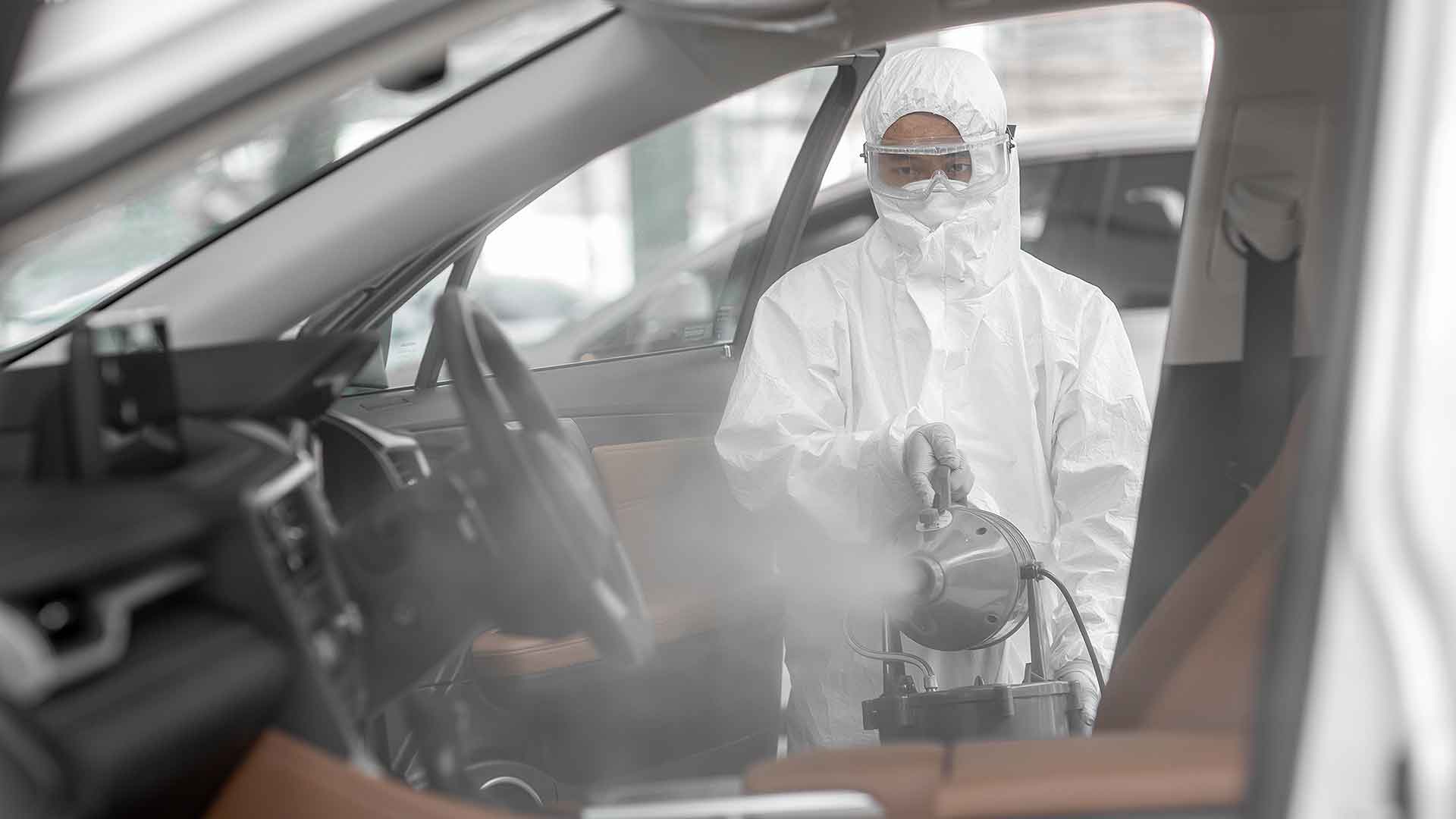
Peugeot, Citroen, DS and Vauxhall dealers have introduced a new service to give cars an anti-bacterial clean to help stop the spread of COVID-19.
The Complete Anti-Bacterial Refresh service includes a full clean of the air conditioning system to both remove bugs and lockdown-induced odours.
Pollen filters in the vehicles will also be replaced: these cleanse the air and remove dust, as well as keeping pollen at bay.
Technicians will carry out a 29-point vehicle health check, including tyres, battery condition, brakes and engine drive belts.
At the end of the service, cars will be fully disinfected before handover, both outside and in.
The service costs £99 and Peugeot, Citroen, DS and Vauxhall owners can book their car in to their local retailer online.
Groupe PSA, the parent company behind the brands, says it is offering the service as travel restrictions begin to lift.
The aim is to ensure cars left stationary during lockdown are safe, and also that occupants can travel in the safest possible environment.
All Group PSA technicians follow social distancing guidelines, adds the firm. Contactless vehicle drop-offs can be arranged, plus a car collection and delivery service from home or work.
The four firms have all set up dedicated pages for owners keen to take up the Complete Anti-Bacterial Refresh service:
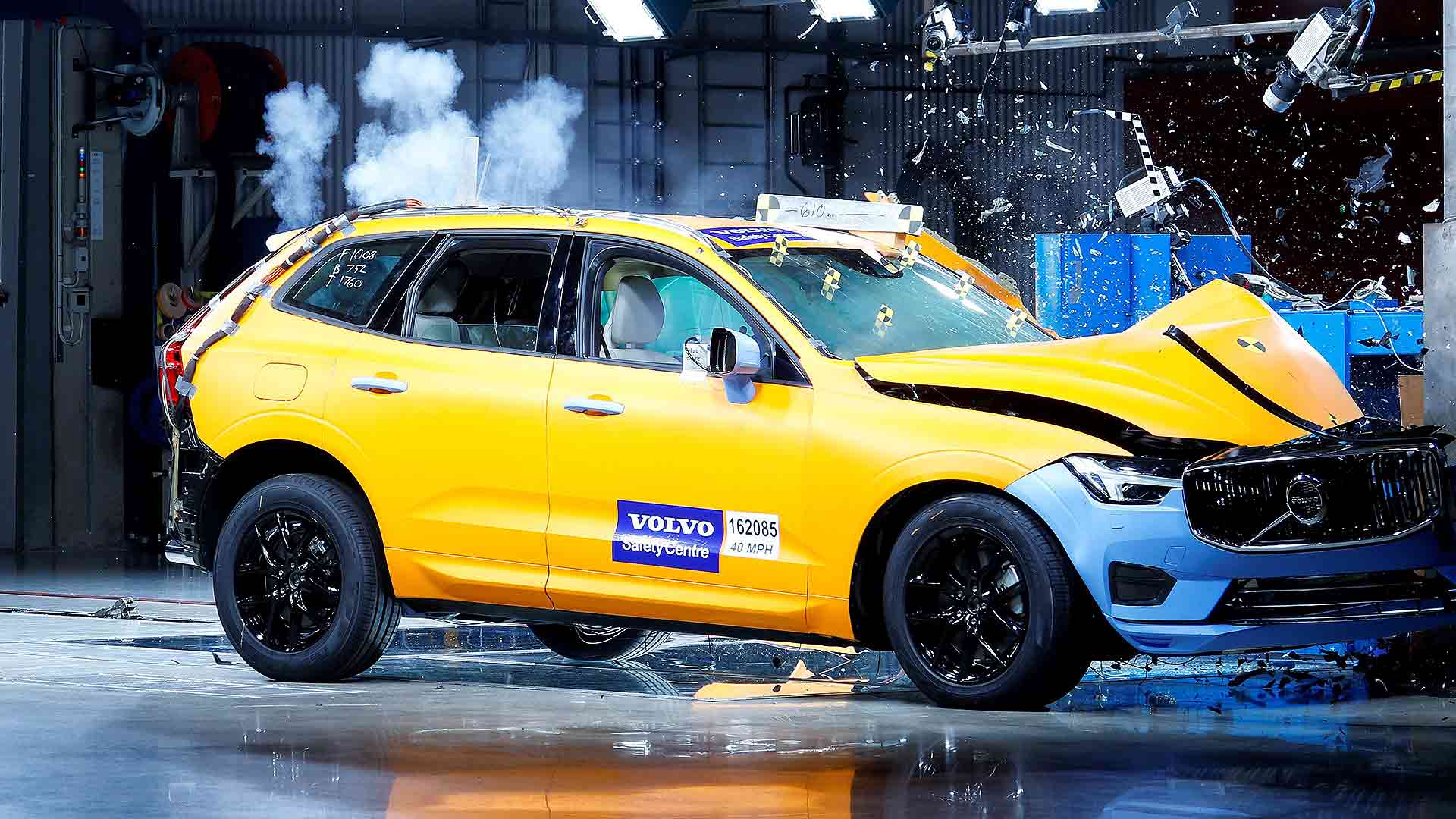
Safety organisation Euro NCAP has announced stringent new standards for crash tests from 2020 which include assessing the impact of big vehicles on smaller ones.
It replaces a ‘static’ barrier test used by Euro NCAP for the past 23 years and allows testers to judge how the test vehicle contributes to injuries in the other vehicle.
Called the compatibility test, the UK’s Thatcham Research has been a lead partner in creating the new regime.
“However, the smaller vehicles they sometimes crash into can fare less well.”
“In the new compatibility test, if the larger vehicle is too stiff in an impact scenario, it will be penalised accordingly. This levels the playing field for all vehicle sizes, which is a win-win for road safety.”
Euro NCAP 2020
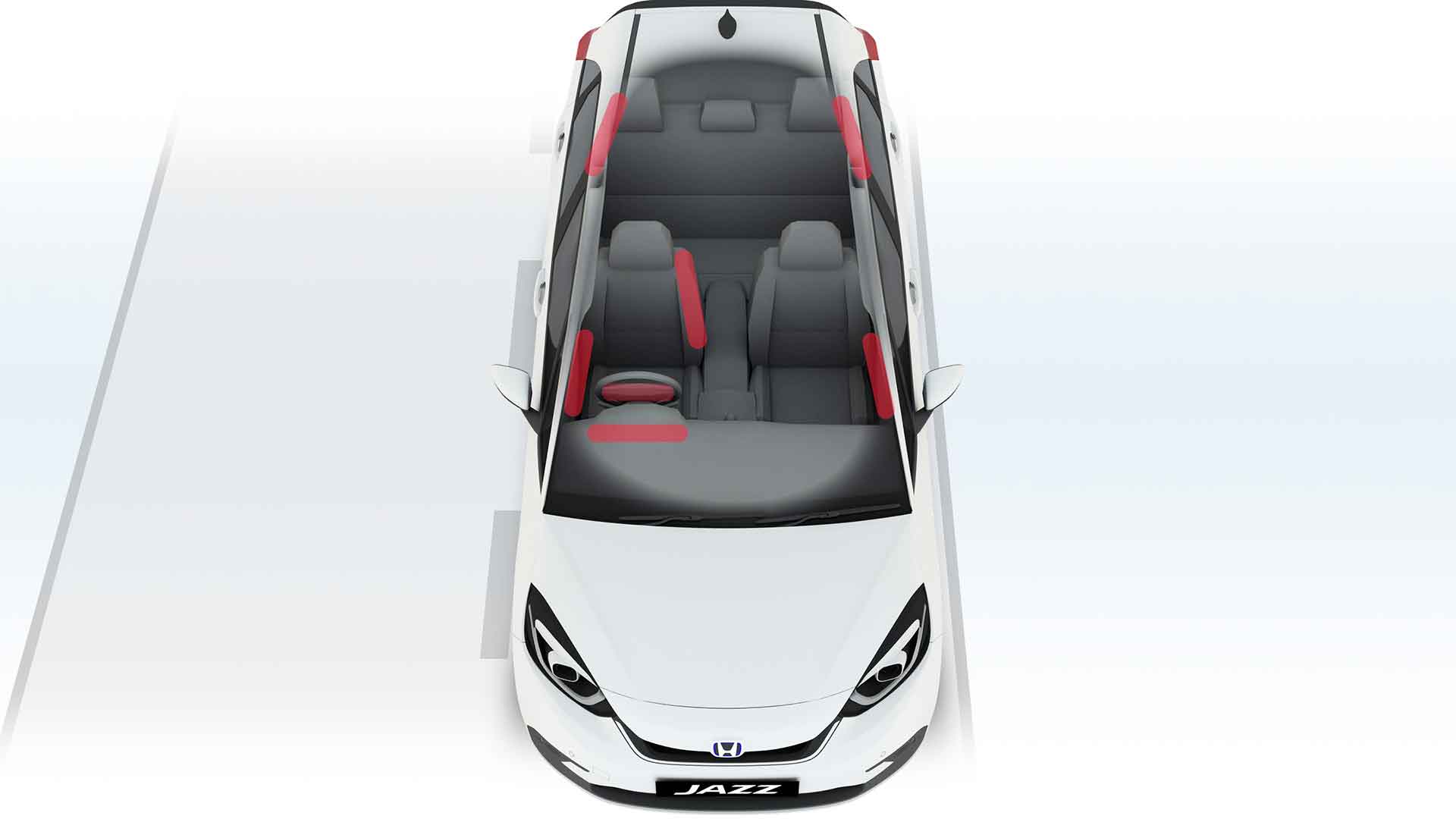
Other changes include a new test to assess centre airbags, which are designed to protect interaction between driver and passenger in side impact tests.
Side impacts cause the second-highest rate of death or serious injury in vehicle collisions.
The new 2020 Honda Jazz, pictured above, is one of the first mainstream cars to be available with a centre airbag.
The standards for assessing AEB autonomous emergency braking systems are raised, and Euro NCAP is to carry out the first assessments of driver alert systems.
“We believe that driver monitoring is the next big thing in active safety technology,” said Mr Avery.
Post-crash safety will be rated too, including how accurately e-call systems send rescue information to emergency services, and how easy it is to get occupants out of a crashed vehicle – this includes rating aspects such as electric door handles.
Carmakers will also be rewarded for making information on where it’s safe to cut a vehicle should extraction be required easily available.
The first tests to the new standards will be announced later this summer, after Euro NCAP testing was put on hold due to the coronavirus crisis.
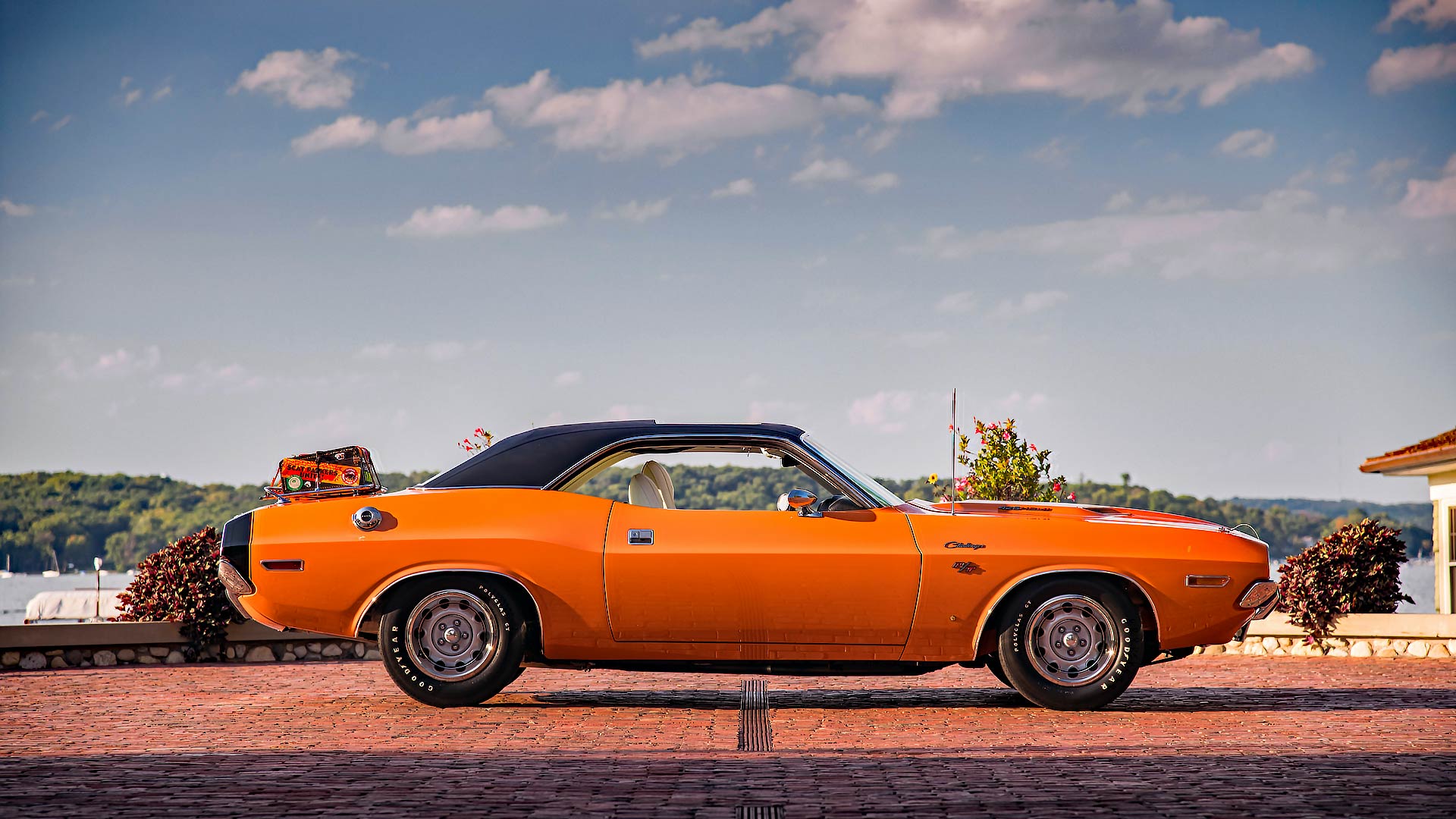
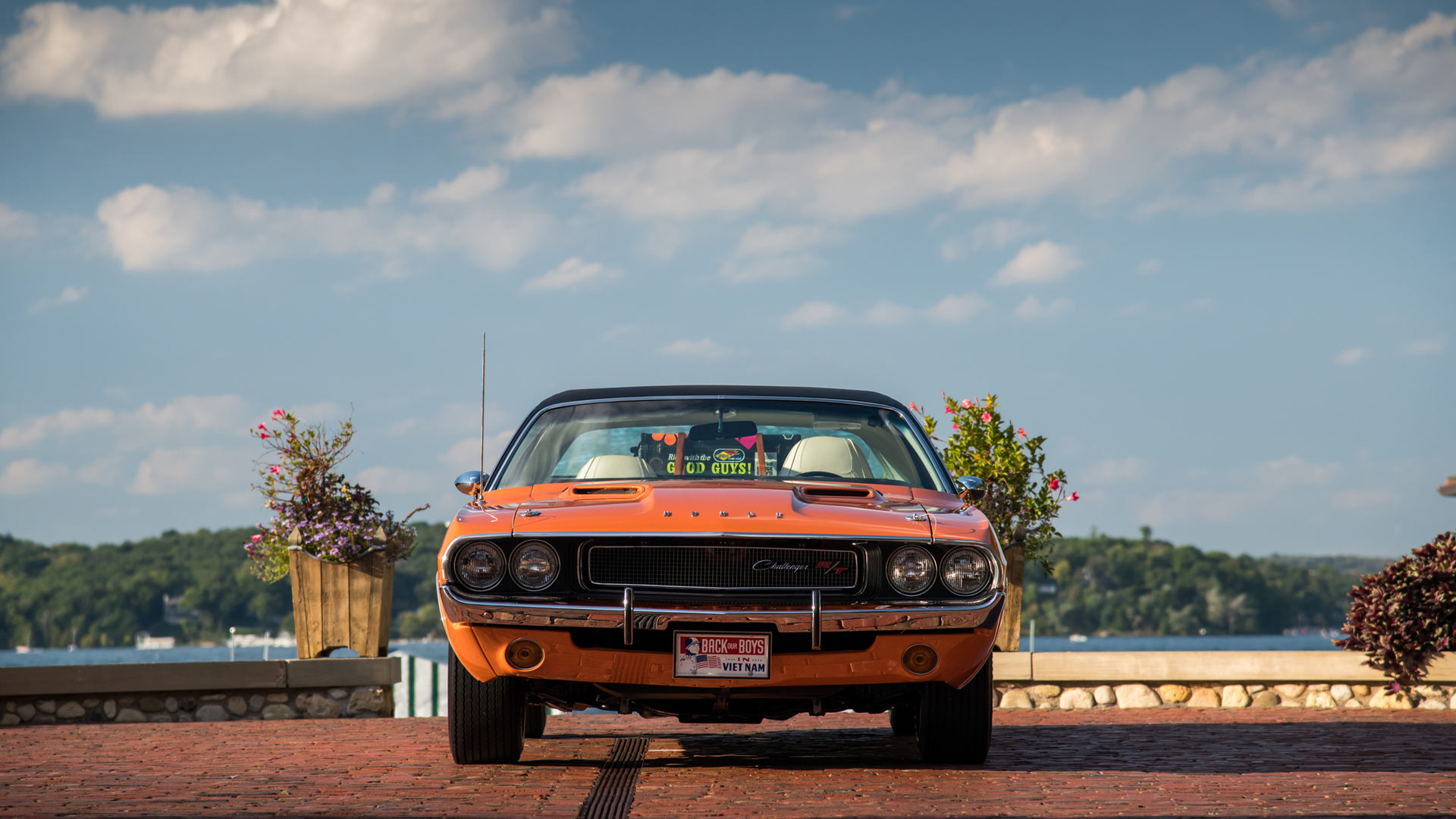
Original Dodge Challengers powered by Hemi engines are already close to the peak of muscle car collectibility.
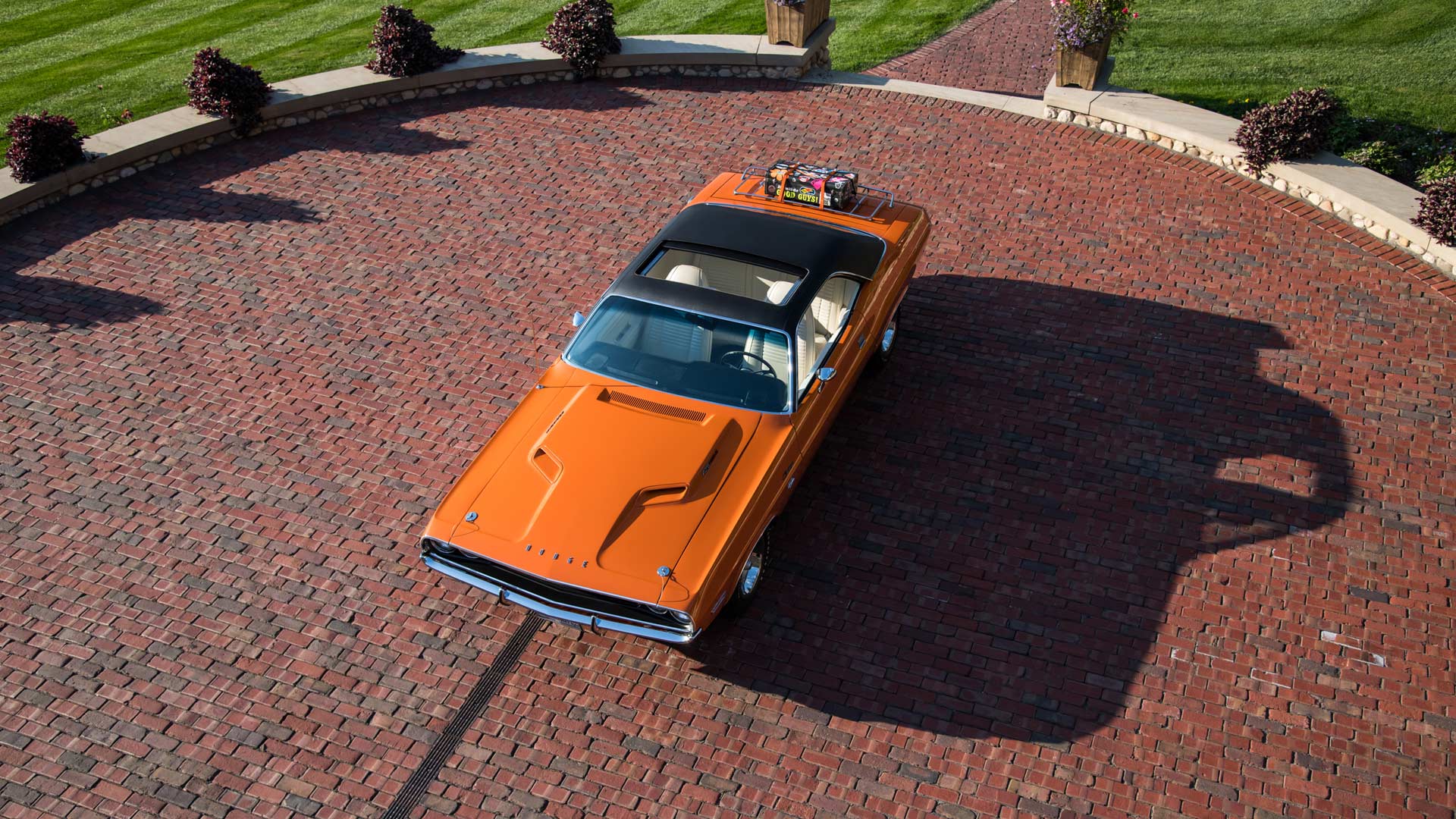
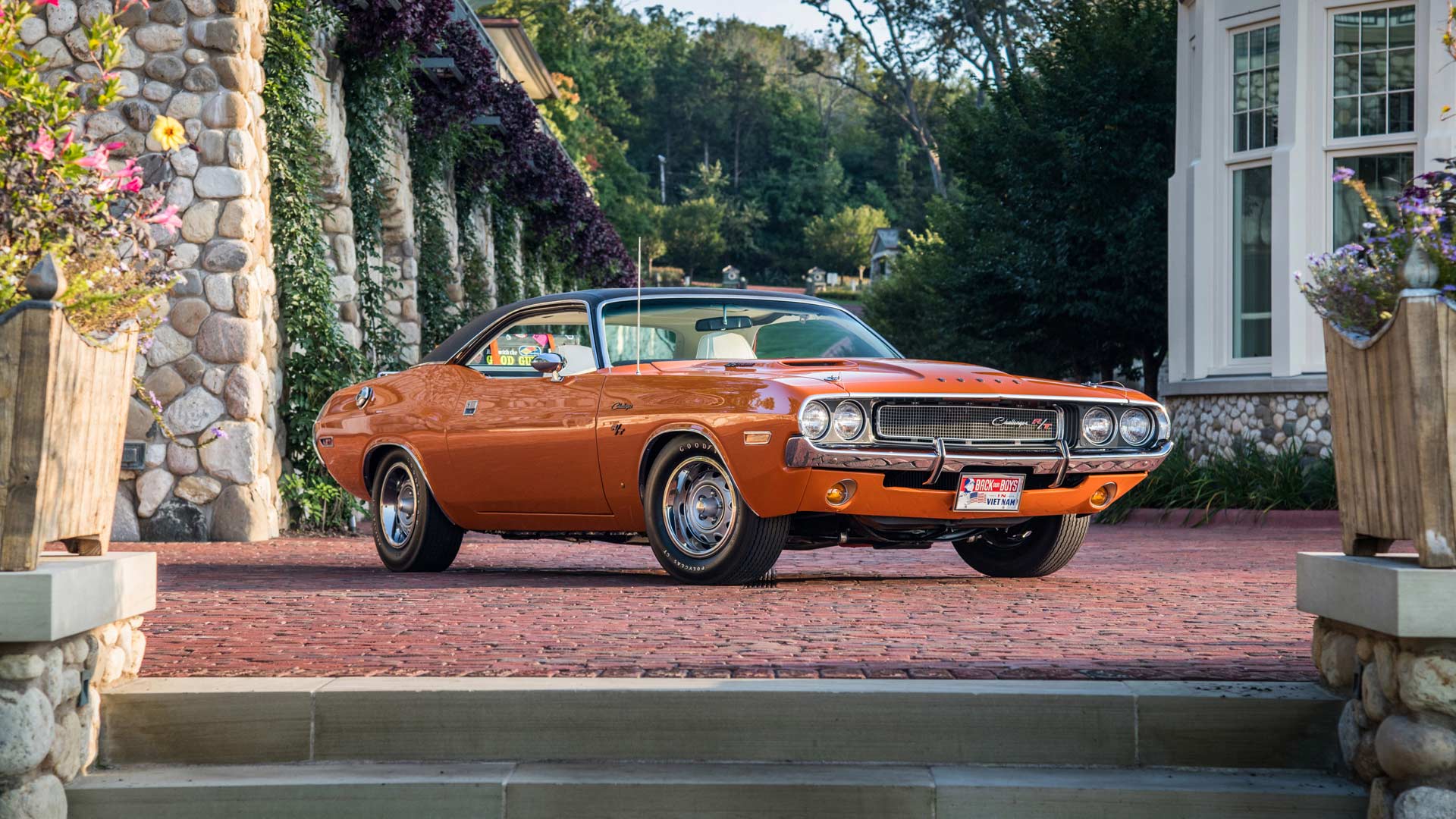
However, a bright orange Challenger coupe could possibly be the holy grail for Mopar enthusiasts.
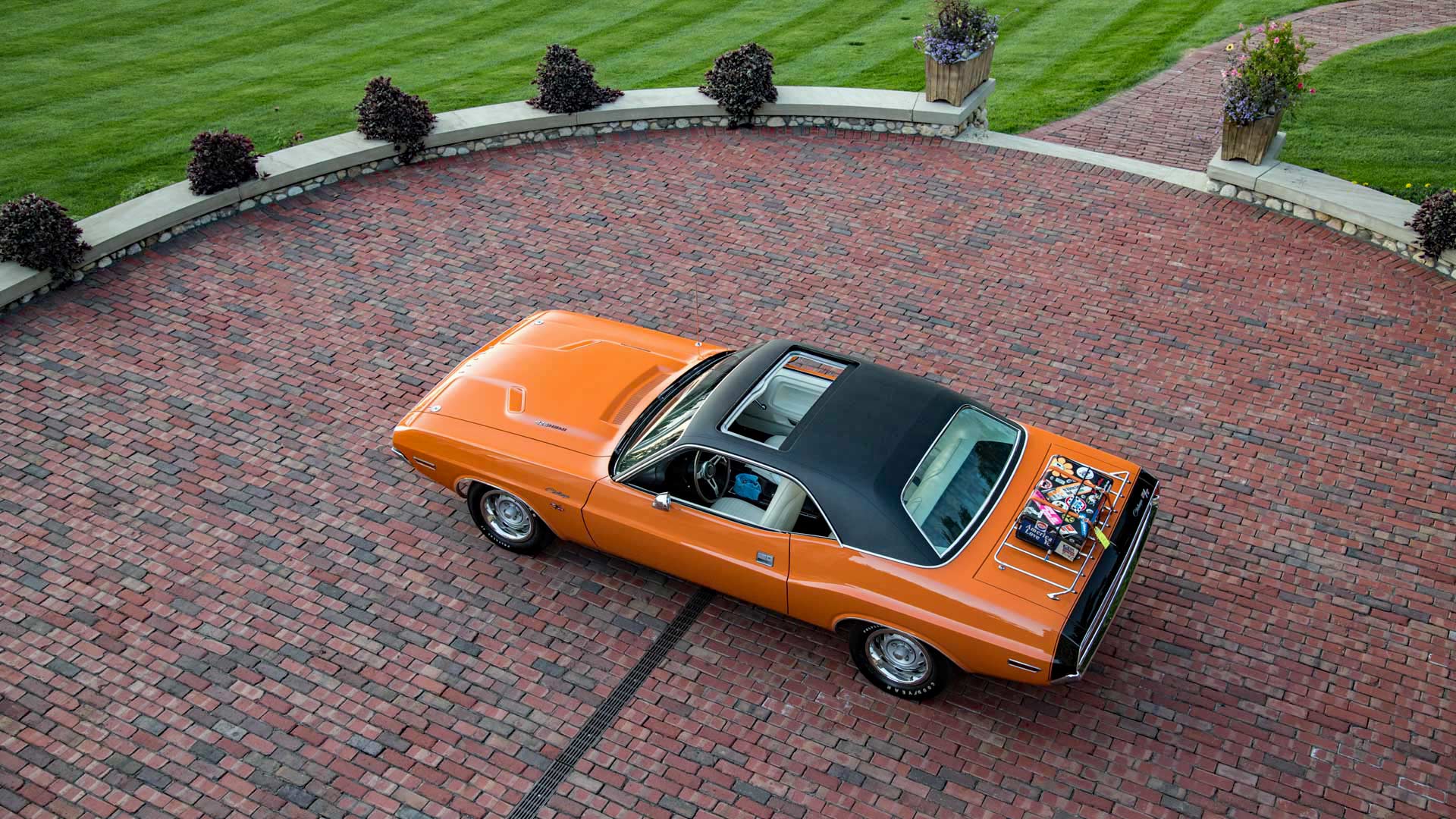
Thoroughly restored to immaculate condition, this is the only 1970 Hemi Challenger R/T that was made with a factory sunroof
From the track to the street
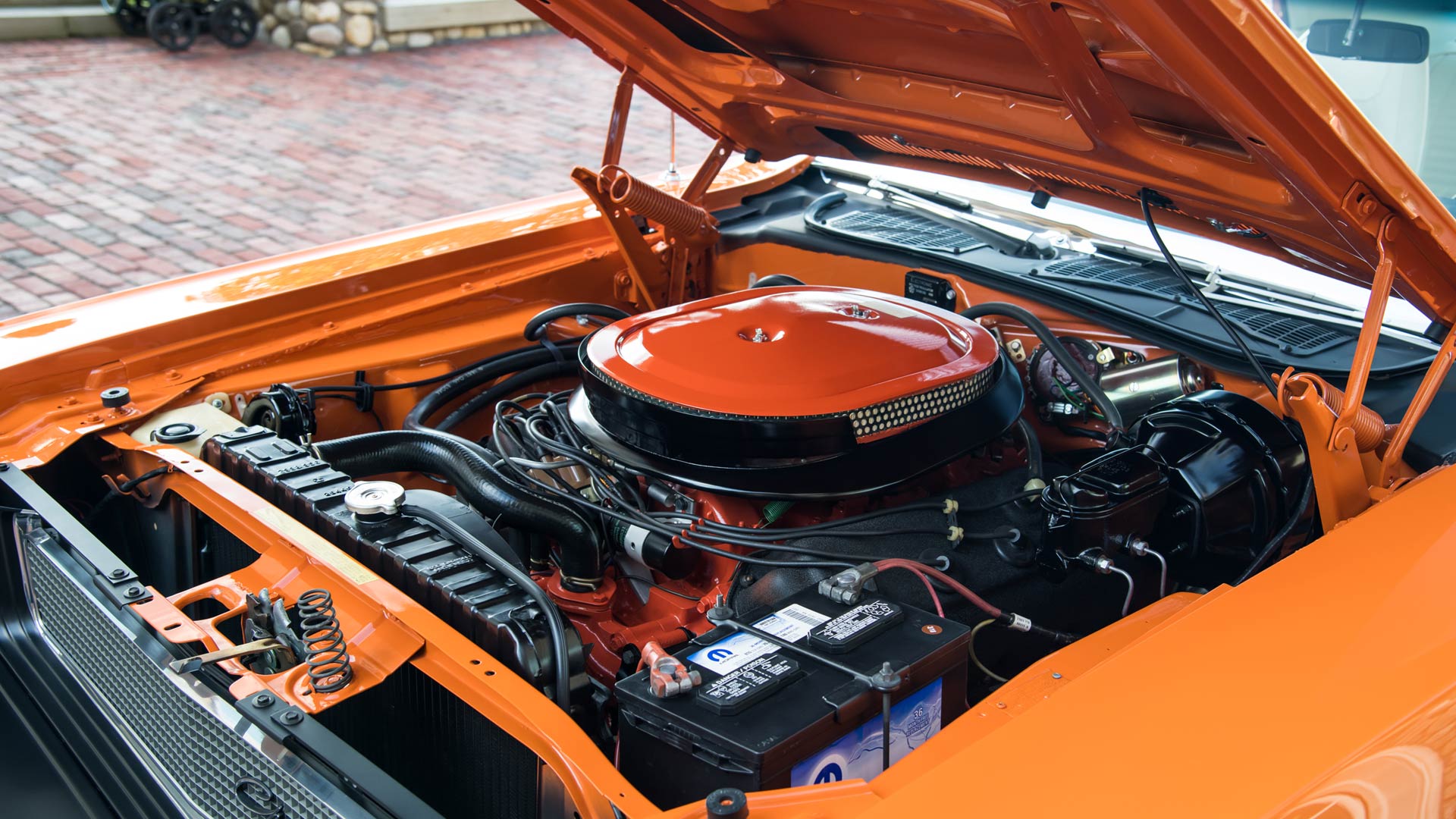
The significance of the 426-cubic inch Street Hemi engine on the muscle car world is just as great today as it was when new. Originally designed to dominate on NASCAR ovals, the “Elephant Engine” became available in Dodge road cars to help homologate it.
Producing 425 horsepower and 490 lb-ft of torque, the 426 Hemi was sold for just five years between 1966 and 1971. Fewer than 11,000 cars were sold with the giant block, in part due to the substantial cost.
A 1970 Challenger R/T buyer would have needed to spend an extra $779 to get the Hemi, adding almost 25 percent to the list price. It perhaps explains why fewer than 200 Challenger Hemi coupes were sold that year.
Fully loaded with options
Whoever originally bought this Challenger R/T was clearly not worried about the price tag. Along with the monster Hemi engine, this also dived deep into the extensive options list for the brand-new Challenger.
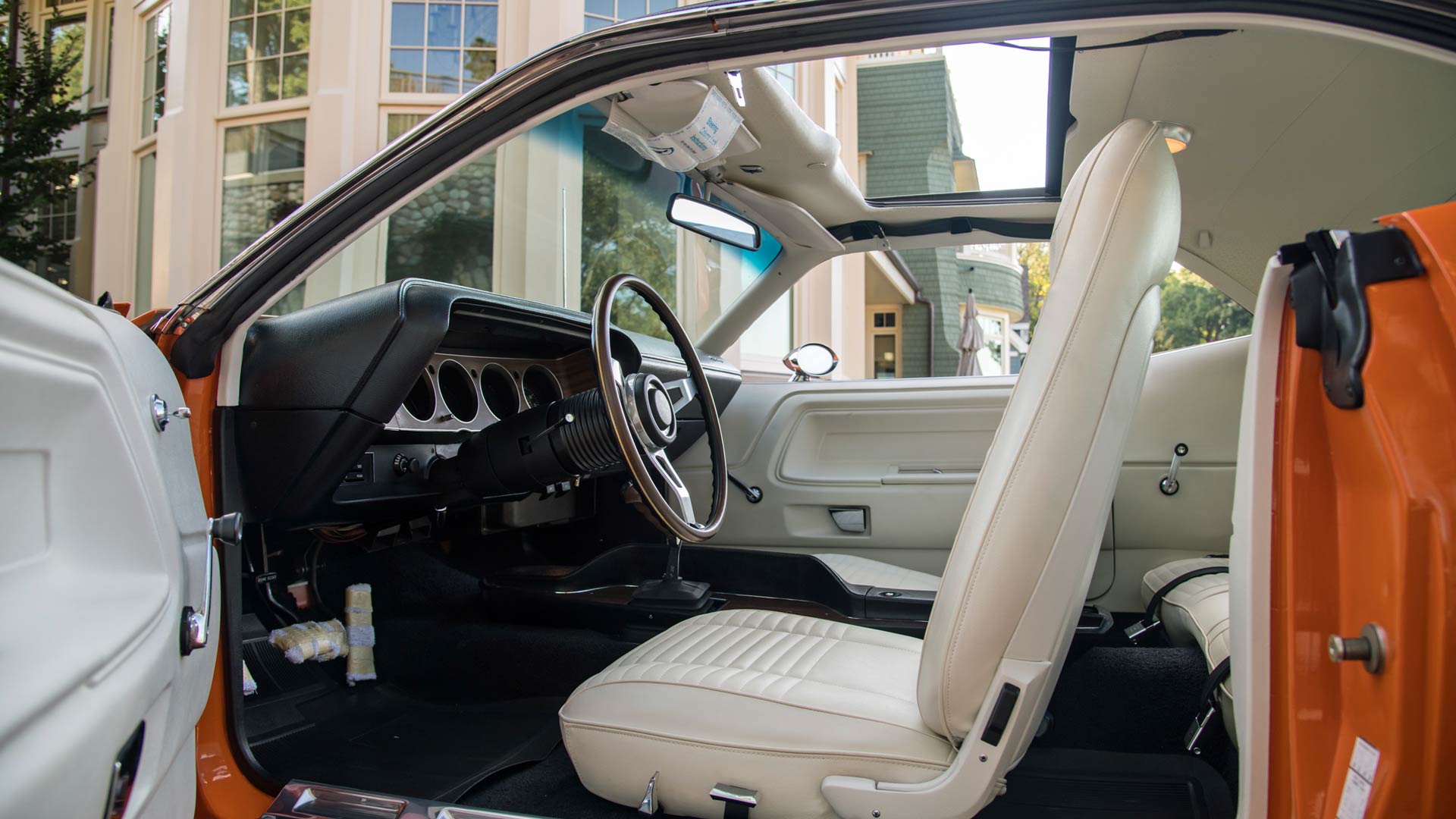
The impressive Go Mango exterior paint was complemented by optional 15-inch Rallye wheels. A white interior features six-way power bucket seats, along with a AM radio and 8-track player.
A four-speed manual transmission came as part of the Super Track Pak, along with a 4.10 Dana rear axle. Power steering and power brakes were included due to the Hemi engine being equipped.
A truly unique machine
The option that makes this car unique is the sunroof. Mopar historians believe that this was the only 1970 Challenger R/T to combine the monster Hemi engine with the M51 sunroof option.
Ticking this box meant the Challenger would be taken from the production line in October 1969 and handed to Detroit-based ASC. The company would complete the official sunroof conversion, before the car went on to its life in California.
Steve Juliano, the late car collector and restorer, would come to acquire the car. The unique sunroof Challenger R/T would be the final restoration project completed by him.
Restored to original condition
Juliano spent more than thirty years creating an extensive collection of cars and motoring memorabilia, including restorations made in painstaking detail.
This Hemi Challenger R/T still wears its original bodywork, and has the same Hemi engine it left the factory with. Inside, the dashboard is original, whilst the optional Rim Blow steering wheel is a new old stock item.
The Rallye wheels wear period-correct Goodyear Polyglas tires, serving as a reminder of just how much attention was paid by Juliano.
Just how expensive is a unicorn?
Trying to place a value on this unique Mopar machine is not an easy task.
Examples of the nine Hemi-powered Challenger R/T convertible frequently top more than $1.5 million at auction, like this car sold in 2019.
A closer comparison might be the 1971 Plymouth ‘Cuda convertible, of which only two exist with a Hemi engine and manual transmission. Mecum’s 2014 Seattle sale saw one of these cars sell for an incredible $3.5 million.
No silence needed in this gallery
Mecum is also currently advertising the sunroof Hemi Challenger R/T as part of its Gallery sales platform. This allows buyers to deal directly with the company to buy a car, rather than through the traditional auction route.
The car was featured at the Mecum 2020 Glendale event earlier in the year, but for now remains unsold. No price is listed, leaving serious buyers free to negotiate.
Whatever the cost, this sunroof Hemi is likely to be worth the price for the muscle car collector who already has everything.
ALSO READ
Petersen Museum transforms 2020 Monterey Car Week into virtual event
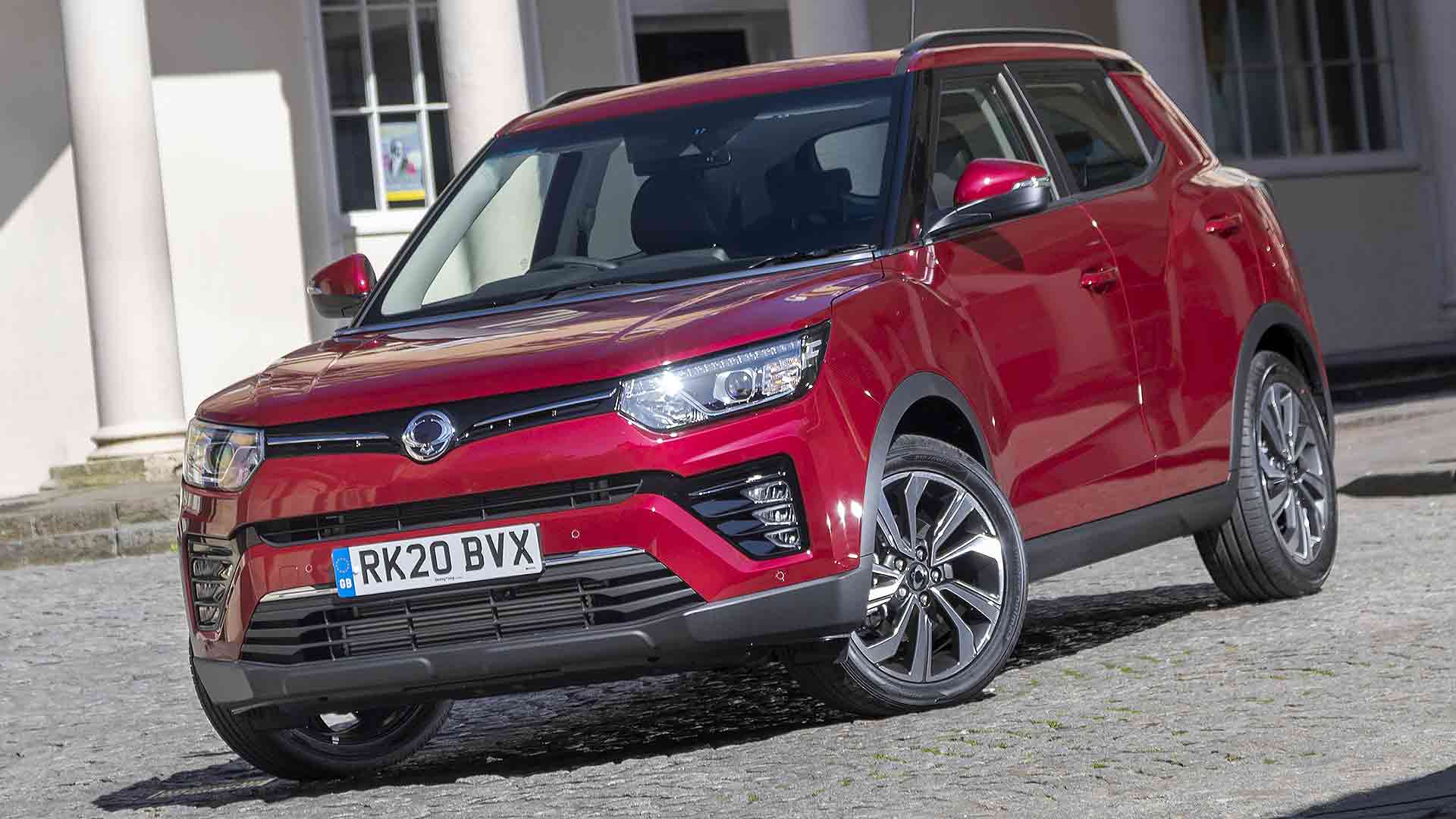
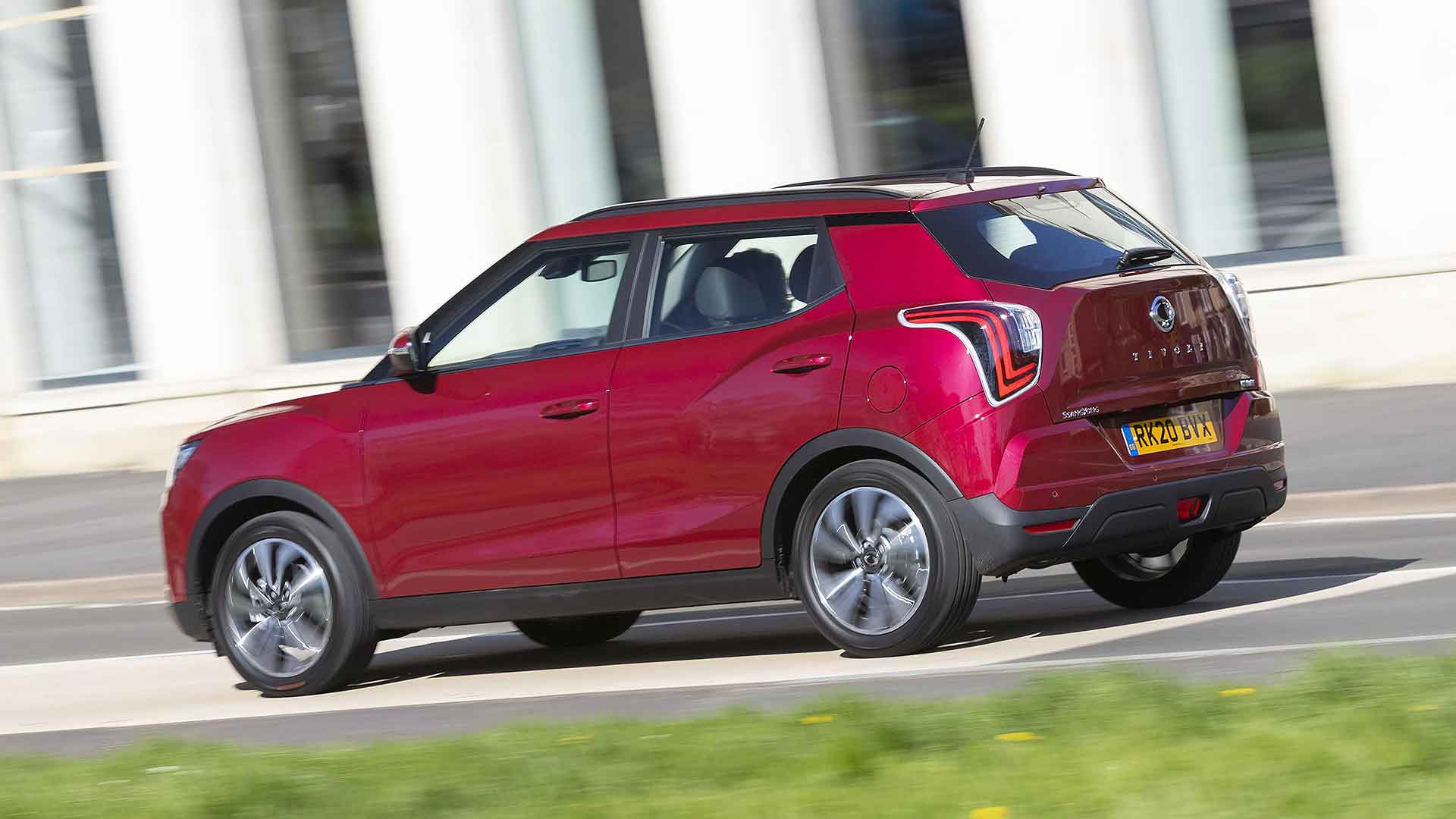
The updated 2020 SsangYong Tivoli has opened for ordering with prices starting from £13,995.
The improved model has new engines, a better spec and styling tweaks outside and in.
First launched in June 2015, the 20-model-year Tivoli comes with two new petrol engines, a 1.2-litre turbo and 1.5-litre turbo.
The 1.2-litre GDi-T is a three-cylinder motor producing 128hp. It comes with a six-speed manual gearbox and averages 40.4mpg.
The 1.5-litre GDi-T is a four-cylinder engine producing 163hp. It has a standard manual gearbox and an optional automatic. Fuel economy isn’t far behind the 1.2 GDi-T at up to 39.2mpg.
SsangYong has also improved the existing 136hp 1.6-litre turbodiesel. It averages up to 50.4mpg.
Those who tow will prefer the diesel: it can haul 1.5 tonnes, rather than the 1.0 tonnes of the two petrol versions.
Styling front and rear includes a new set of rear lights, and there’s a full set of digital instruments on the range-topping variant.
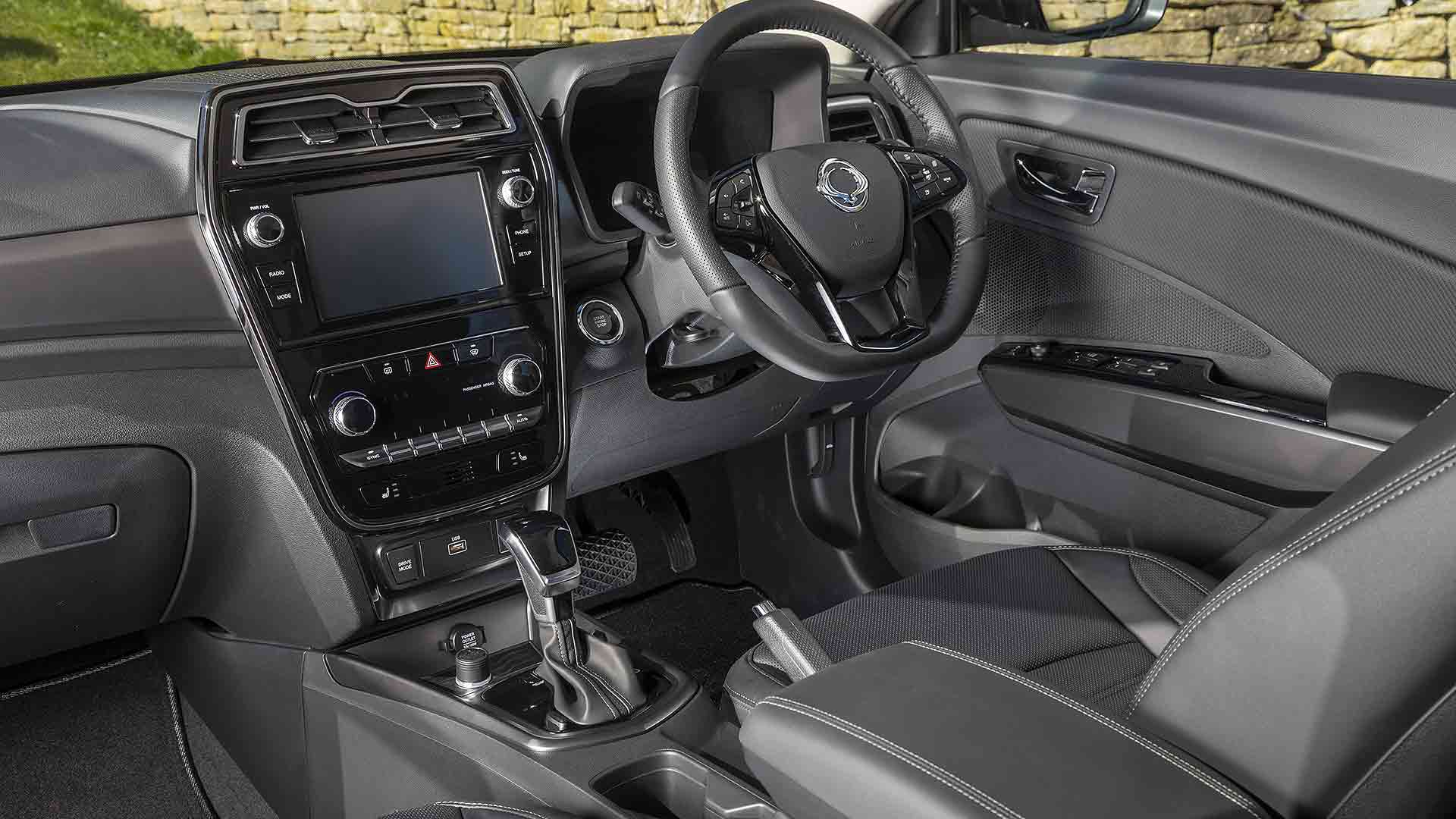
Infotainment systems have been improved, with a 7.0-inch screen and standard Apple CarPlay and Android Auto.
SsangYong offers three trim lines on the 2020 Tivoli, called EX, Ventura and Ultimate.
EX only uses the 1.2 GDi-T engine and costs £13,995.
Standard equipment includes air conditioning, cruise control, remote locking, DAB radio with Bluetooth and a safety assist pack including autonomous emergency braking, lane-keep assist, traffic sign recognition and a driver attention alert.
Ventura also only comes with the 1.2 GDi-T and costs £16,995. The basic steel wheels become 16-inch alloys, and it gains heated part-leather seats (although the leather is fake).
The stereo is upgraded to the 7.0-inch touchscreen and other luxuries include a heated steering wheel, automatic headlights, all-round parking sensors, rear parking camera and a luggage cover.
Ultimate offers either the 1.5 GDi-T or 1.6-litre diesel. It costs from £19,995 for a petrol manual, up to £22,995 for a diesel auto.
The wheels are upgraded to 18-inch alloys, interior upholstery becomes full (real) leather, dual-zone climate control is included and the new 10.25-inch smart LED instrument pack is added.
Deciding the fuel type of your new car used to be simple. Diesels were workhorses that sounded like black cabs, hybrids were the choice of the open-minded (or open-toe sandaled), and petrol was for performance.
Today, those lines have become blurred. You can buy refined diesels, highly efficient petrol engines and performance-oriented hybrids – along with plug-in hybrids that function like electric cars when their batteries are charged.
To help you choose the right fuel/engine type, we’ve listed some key points to consider before you buy.
Purchase price
Whatever your budget, purchase cost is an important consideration. It can vary enormously within a model range, with fuel type being a major factor.
As a general rule, the more advanced or economical the car’s powertrain becomes, the more expensive it will be to buy.
So a diesel car usually costs at least £1,000 more than its petrol-engined equivalent – and the clever technology in a hybrid costs more again. But your outgoings don’t end there, of course…
Fuel economy
While weighing up list prices on dealer forecourts or used car prices in the classifieds, you also need to consider how many miles you drive each month.
A diesel is typically around 30 percent more economical than a petrol engine of similar output, with that advantage being greater the larger and heavier the car.
Hybrids can be even more thrifty, but it very much depends on how you use them. Regular hybrids such as the Toyota Prius (also known as ‘self-charging’ hybrids) are most efficient around town.
And plug-in hybrids, such as the Mitsubishi Outlander PHEV, only deliver optimum economy if you recharge them before every journey.
The price of fuel differs as well – with diesel currently costing around 5p per litre more than petrol at the pumps. So you need to gauge your likely mileage first.
Better still, come up with an annual cost comparison, as we’ve done below with three derivatives of the Volkswagen Golf.
Note: we used the outgoing Mk7 model as the Mk8 Golf GTE hybrid hasn’t been tested yet. Fuel prices are averages in April 2020, according to the AA.
Costs
VW Golf petrol: 1.4 TSI (5dr) DSG SE Nav
VW Golf diesel: 2.0 TDI (5dr) DSG SE Nav
VW Golf GTE hybrid: 1.4 TSI (5dr) DSG Advance
List price
£22,865
£25,515
£32,600
Average fuel cost*
110.4 per litre
115.6 per litre
110.4 per litre
Combined mpg
54.3mpg
64.2mpg
156.9mpg
Annual fuel cost (10,000 miles)
£924.29
£818.58
£319.88
This illustrates the diesel-powered Golf will only save you around £106 a year in fuel, assuming like-for-like driving styles over 10,000 miles. Given that the car itself cost £2,650 more to buy, it would take 25 years to claw back that initial outlay.
By contrast, the hybrid costs nearly £10,000 more than the petrol to buy, but (theoretically) uses around one-third of the fuel. With a £604 annual saving at the pumps, it will take 16 years to break even. That said, if you plug in to charge every day and mostly do short journeys, you could recoup the difference much sooner.
Longevity
Car technology is developing fast in the motor industry – but how long will it last? That’s of particular concern to buyers of hybrid cars, which place huge reliance on battery power. How many years or miles will the cell last? And how much will it cost to replace?
Renault has a battery leasing scheme to help alleviate those concerns. So, if the item fails, owners can automatically swap it for a new one. Other brands cover the hybrid and battery components under a separate warranty (typically five to eight years).
As for traditional fuel types, diesels have always been regarded as more durable. However, all modern engines should be capable of clocking up at least 200,000 miles if serviced regularly. In reality, it’s body corrosion and the failure of high-cost parts (often elecrronics) that usually end an old car’s life.
Tax
Road tax has been dictated almost entirely by carbon dioxide (CO2) emissions since 2001.
If you buy a new car now, your annual VED (Vehicle Excise Duty, the official name for road tax) will be based on CO2. If the car fails to meet the Real Driving Emissions 2 (RDE2) standard, you will pay slightly more.
For cars registered between 1 April 2017 and 31 March 2020, the first payment will have been higher – known as ‘showroom tax’ – particularly if the car’s list price was over £40,000. Thereafter, the rate is based on fuel type and CO2 emissions.
If your car dates from before 1 March 2001, VED is based on engine size. And cars over 40 years old pay no road tax at all.
The picture is far from clear, then, and our best advice is to use the government tax tables and calculate your annual costs before you buy.
The environment
The most recent technology is almost certainly going to be the ‘greenest’. But the government’s ever-changing stance on what is bad for the environment, and the levies that accompany that, make choosing a car difficult.
Plug-in hybrids – and even pure electric cars – aren’t totally in the clear, as the electricity used to charge their batteries often comes from polluting power stations.
Petrol power was long considered the dirtiest option, and slammed for its higher CO2 emissions. Thus businesses were incentivised to stock their fleets with diesels. However, diesel cars have recently been stripped of their eco-credentials, and local authorities are implementing ways to restrict their use – particularly in urban areas.
Carmakers are at pains, though, to stress that the latest Euro 6 diesels are virtually as clean as petrol cars in all measurable tailpipe emissions.
ALSO READ
How to find the cheapest petrol and diesel near you
York is planning a bold bid to become Britain’s first 100 percent zero emissions city centre.
UK Transport Secretary Grant Shapps has called for at least one zero-emissions city in the coming months.And the York Labour group has contacted council leaders asking them to go ahead with a bid.
Local newspaper the York Press reports that City of York deputy leader Andy D’Agorne indicated he would support a bid.
The move would ban petrol and diesel cars, plus buses and trucks, from York city centre.
It would see York become a ‘showpiece zero-emissions city’, and benefit from millions of pounds of investment from the government.
Mr Shapps has earmarked £2 billion to encourage cycling and walking.
“Over the next few months, we will set out further measures to make a ‘once in a generation’ change to the way people travel in Britain.”
These include plans for zero-emissions cities where the centre is restricted to bicycles and electric vehicles.
The £2 billion package, he said, “represents the most significant package of cycling, walking and green travel by any British government”.
Speaking to the York Press, Labour councillor Jonny Crawshaw said: “Although Grant Shapps isn’t a natural ally of Labour, we were pleased to hear how much government thinking on future transport policy chimes with the steps York has already begun to take toward a lower-car, low-carbon, people-friendly city.”
Earlier this year, York became Britain’s city to introduce a voluntary Clean Air Zone.
It has since committed to banning private car journeys, excluding those by disabled people, by 2023.
To prepare for this, York plans to install electric car charging points in five percent of all council-owned parking spaces.
ALSO READ
Diesel car numbers down for first time in 25 years
London Congestion Charge and ULEZ return from Monday 18 May