Home Blog Page 245

2020 Kia Sportage update: prices, specs and ordering dates

0

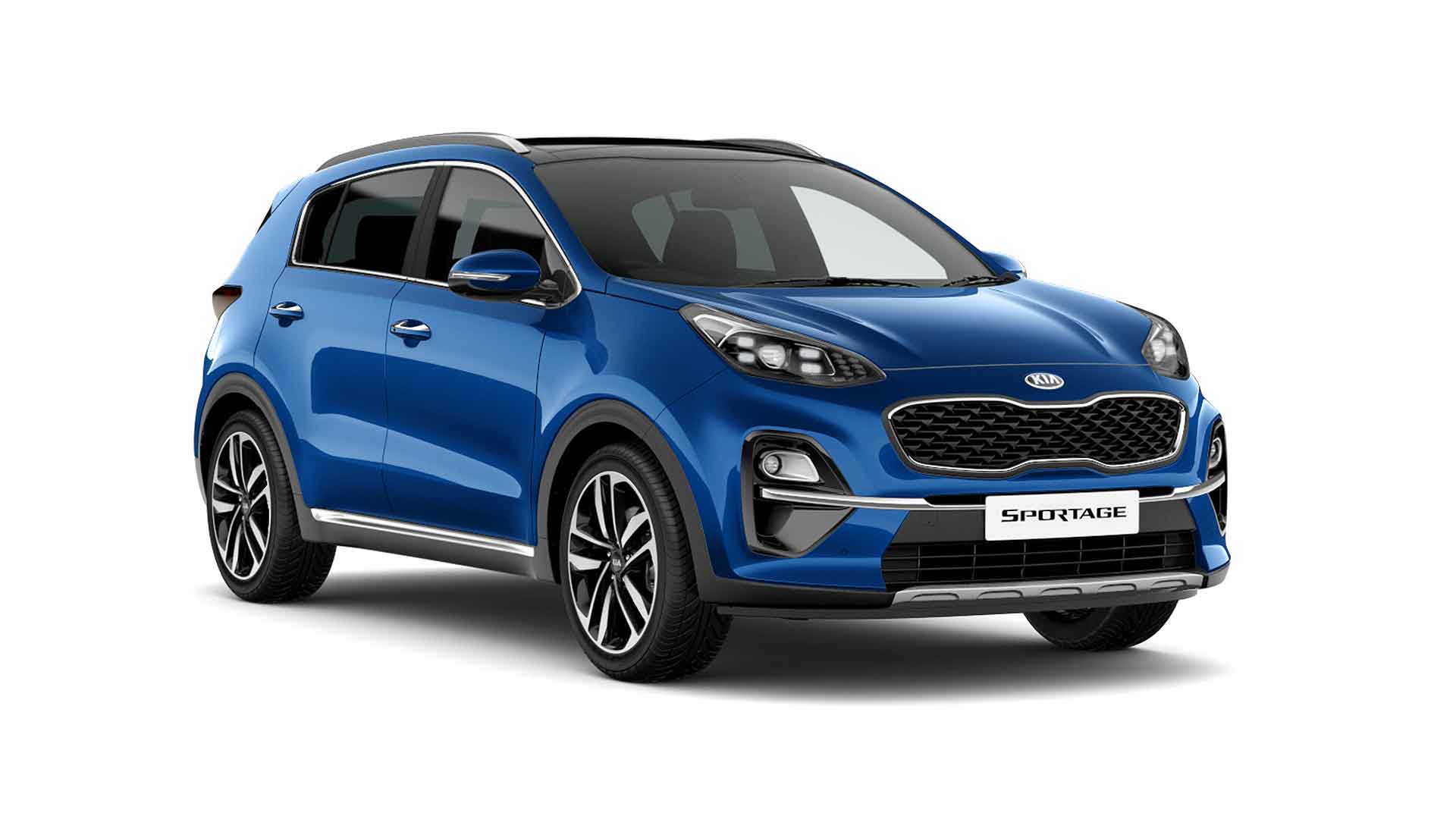
2020 Kia Sportage 3 in Blue Flame

Kia has updated the Sportage SUV for 2020 with a simplified model line-up, boosted standard equipment and a new ‘3’ spec offering added value.

First launched in 2016, the current Sportage was facelifted in 2018

The updated 2020 Sportage line-up now comprises 2, 3, GT-Line and GT-Line S. Prices start from £23,445.

Ordering is open now. 

2020 Kia Sportage: specs

2020 Kia Sportage GT-Line interior

Every model in the line-up gets a new 8.0-inch ‘frameless’ touchscreen. This includes Apple CarPlay and Android Auto, plus online services that can show fuel prices at nearby filling stations, real-time availability of parking spaces and live traffic updates.

Rear parking sensors and a reversing camera are standard, plus lane-keep assist, alloy wheels, dual zone climate control, rain-sensing wipers and cruise control.

The new 3 spec (the blue car pictured above) adds electric leather seats, panoramic roof, keyless entry, electric handbrake and a heated steering wheel.

Outside, it gets more chrome trim, front parking sensors, LED headlights and blind spot collision warning.

GT-Line models have a sporty make-over with features such as 19-inch alloys and silver mesh radiator grille.

GT-Line S versions go further with extra luxury features such as a JBL premium sound system, wireless smartphone charging and a hands-free power tailgate.

2020 Kia Sportage: engines

Kia has cut the Sportage engine range back to three motors. The basic petrol engine is a 130hp 1.6-litre GDi that averages 36.2mpg. 0-62mph acceleration takes 11.1 seconds.

A turbocharged version producing 174hp is available. The 1.6-litre T-GDI averages just 33.2mpg, although 0-62mph acceleration falls to 8.9 seconds.

The best all-rounder is the 1.6 CRDi 134 48v diesel. This is badged ‘EcoDynamics+’ on the bootlid.

The base six-speed manual version returns 52.3mpg while still accelerating from 0-62mph in 10.8 seconds.

The diesel has much more pulling power too, thanks to its 48v ‘mild hybrid’ system that gives an added boost from a self-charging lithium ion battery.

Motoring Research is living with a mild hybrid Sportage, to see if its claims of saving fuel bear scrutiny. 

Across the range, Kia offers both manual and DCT automatic Sportage, plus front-wheel drive and all-wheel drive (AWD) versions.

Ordering for the revised Sportage range is open now.

2020 Kia Sportage: prices

2

1.6 GDI 130: £23,445

1.6 T-GDI 174 AWD: £25,555

1.6 CRDi 134 48v: £25,150 (DCT auto: £26,630)

3

1.6 GDi 130: £26,445

1.6 T-GDI 174 AWD: £28,555

1.6 CRDi 134 48v: £28,455 (DCT auto: £29,660)

GT-Line

1.6 T-GDI 174: £29,660

1.6 T-GDI 174 AWD DCT: £29,480

1.6 CRDi 134 48v: £27,555 (DCT auto: £29,055)

1.6 CRDi 134 48v AWD DCT: £30,575

GT-Line S

1.6 T-GDI 174: £30,510

1.6 T-GDI 174 AWD DCT: £33,330

1.6 CRDi 134 48v: £31,315 (DCT auto: £32,805)

1.6 CRDi 134 48v DCT AWD: £34,325

ALSO READ

2020 Seat Leon prices, specs and ordering announced

Renault owners can now control their homes from their cars

The most common cars and brands on UK roads
Advertisement

Police cancel speeding fines ‘due to coronavirus’

0

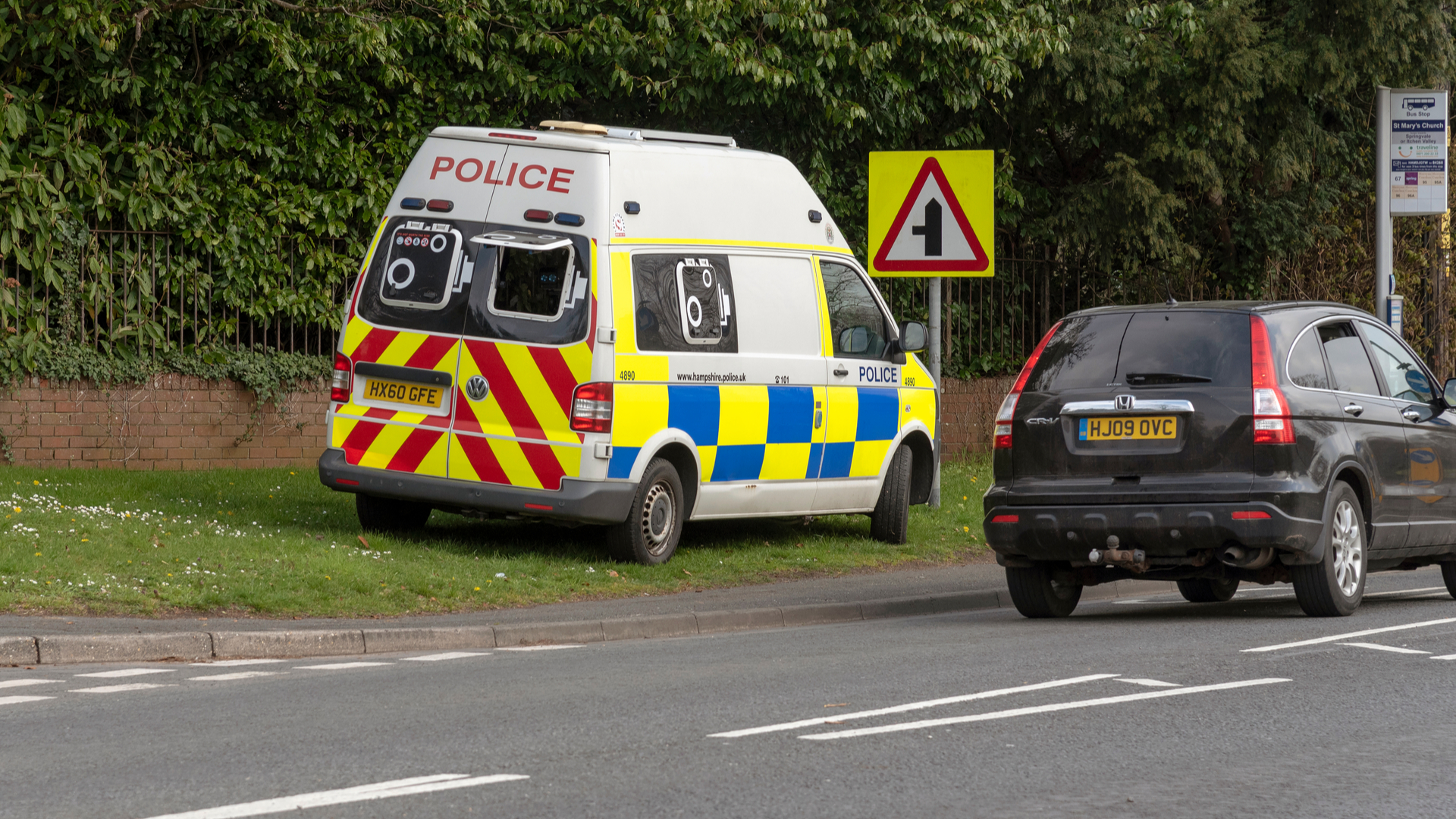
Police speed check

Following the announcement that speed awareness courses are suspended for three months, some speeding tickets have now been cancelled altogether.

As police forces struggle to cope with the COVID-19 crisis, drivers may simply be issued a written warning – with no fine or licence penalty points to follow.

The Times reports letters sent to motorists explaining it is ‘not in the public interest’ to prosecute minor speeding offences.

And one Motoring Research reader had his speed awareness course cancelled, and the fee refunded, ‘due to issues related to the coronavirus’. 

Fewer cars, greater speeds

The news comes against a backdrop of vastly reduced traffic and some high profile speeding cases during the coronavirus lockdown.

Further research by The Times showed journey times increased by 13 per cent in Belfast’s morning rush hour, versus 57 percent on a normal day. The RAC also reported a 40 percent reduction in traffic levels by the second week of lockdown. 

Meanwhile, a driver was filmed doing 151mph on the M1 over the Easter weekend, while another clocked at 130mph on the M25 told police he was speeding to “avoid catching coronavirus”.

Speed camera

Courses may be cancelled

The usual yardstick for a speeding offence is 10 percent over the limit plus 2mph – so 46mph in a 40mph zone, for example.

Speed awareness courses are intended for drivers close to this threshold. The fee is around £100, but opting for the course means no Fixed Penalty Notice or points.

UK Road Offender Education, which operates speed awareness courses on behalf of the police, suspended all classroom-based courses for 12 weeks from Friday 20 March. However, many could now be cancelled altogether.

Officially, motorists have four months from the date on a speeding letter to complete a course (if offered) – or face further action. It seems likely some leeway will be afforded due to the lockdown, however, even if some courses are simply suspended for longer.

ALSO READ

These are the UK’s worst speeding hotspots

Revealed: Where you’re most likely to be caught speeding

The speeding loophole that could help you avoid a fine

Advertisement

2020 Seat Leon prices, specs and ordering announced

0

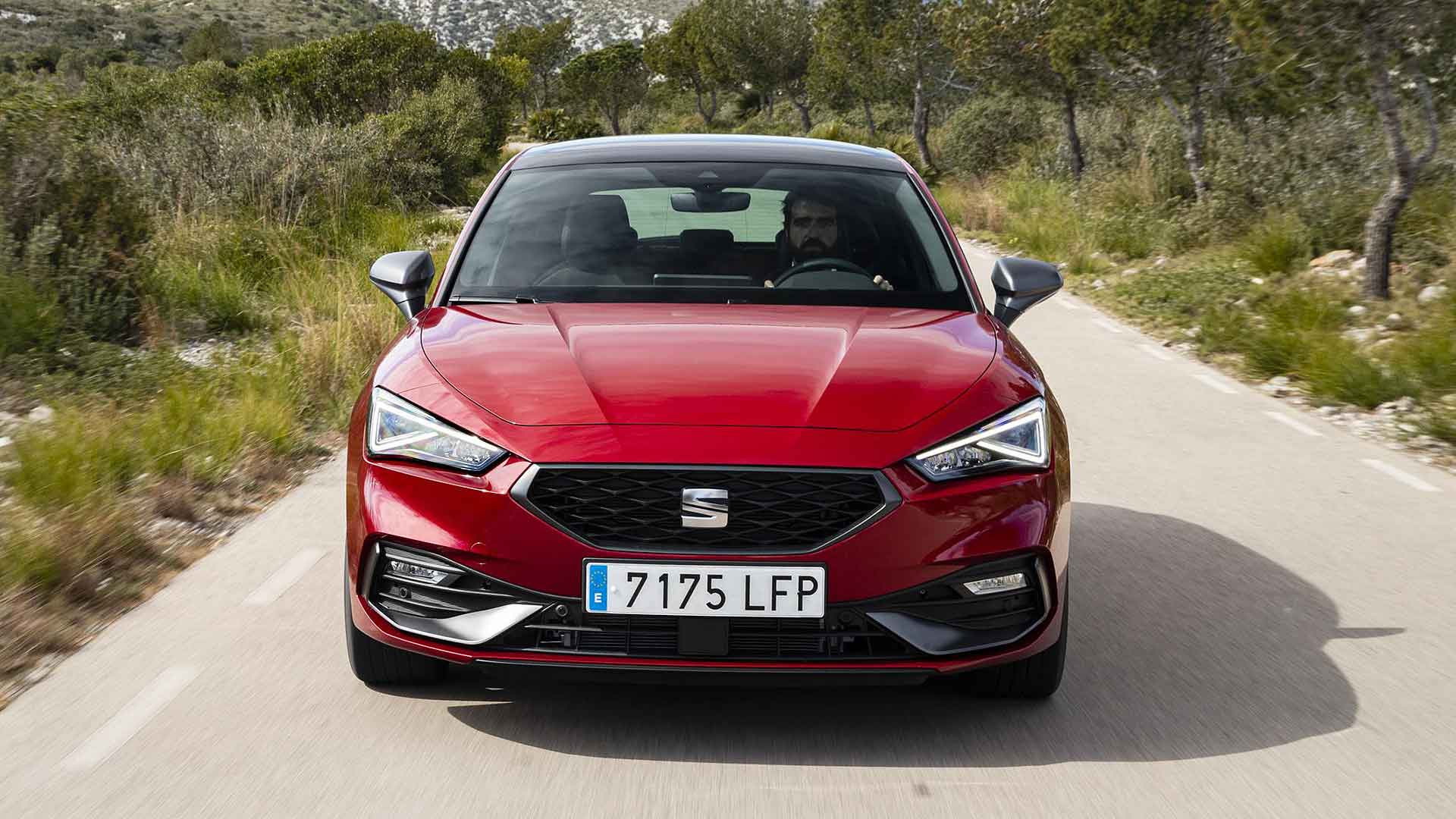
2020 Seat Leon driving

Ordering is now open for the new 2020 Seat Leon, with prices starting from £19,855.

The new five-door family hatchback is offered from launch with a choice of three trims and five different engines.

An estate version is also available from launch, priced from £22,455.

More variants will be available later in 2020, after deliveries begin in the summer.

Seat is pleased to have got prices for the entry-level 1.0 TSI 110 SE down below the £20k mark.

Even better, the entry-level version is offered on a four-year, 4.0 percent APR PCP for £195 a month: we’ve outlined details of the deal below.

Announcement of prices comes after the outgoing Seat Leon scored a rare top-10 place in the UK’s best-selling cars last month

2020 Seat Leon specs

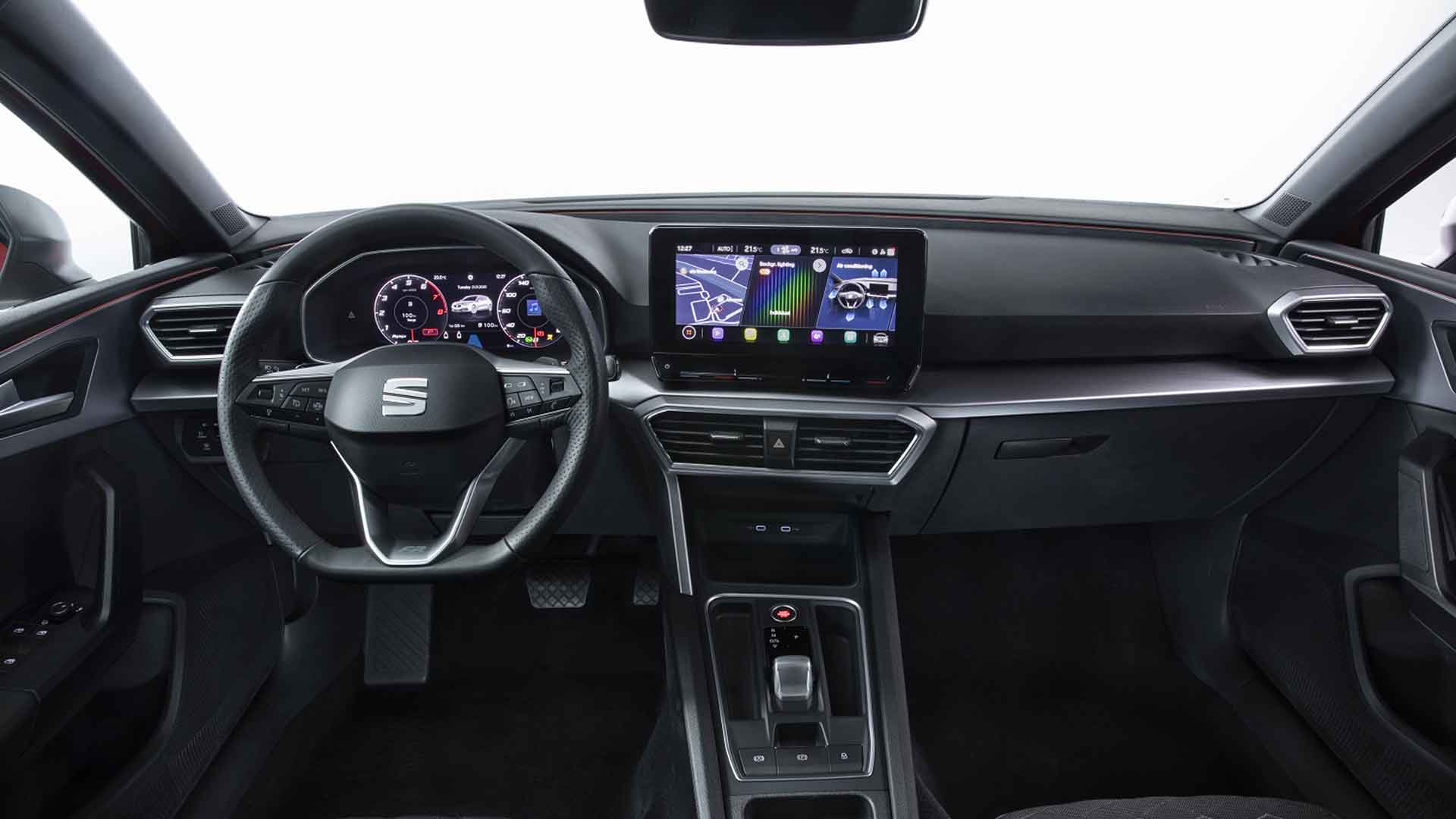
2020 Seat Leon interior

Seat is using its ‘easymove’ simplification strategy with the new Leon. This makes the range easier to understand.

SE grade gets 16-inch alloy wheels, LED headlights and an 8.0-inch touchscreen system as standard. Keyless go is also included.

Next up is SE Dynamic, which brings Seat Digital Cockpit electronic instruments, plus a bigger 10-inch infotainment screen with standard sat-nav (that’s the one pictured above.)

Rear glass is tinted, the wheels grow to 17 inches and all-round parking sensors are fitted.

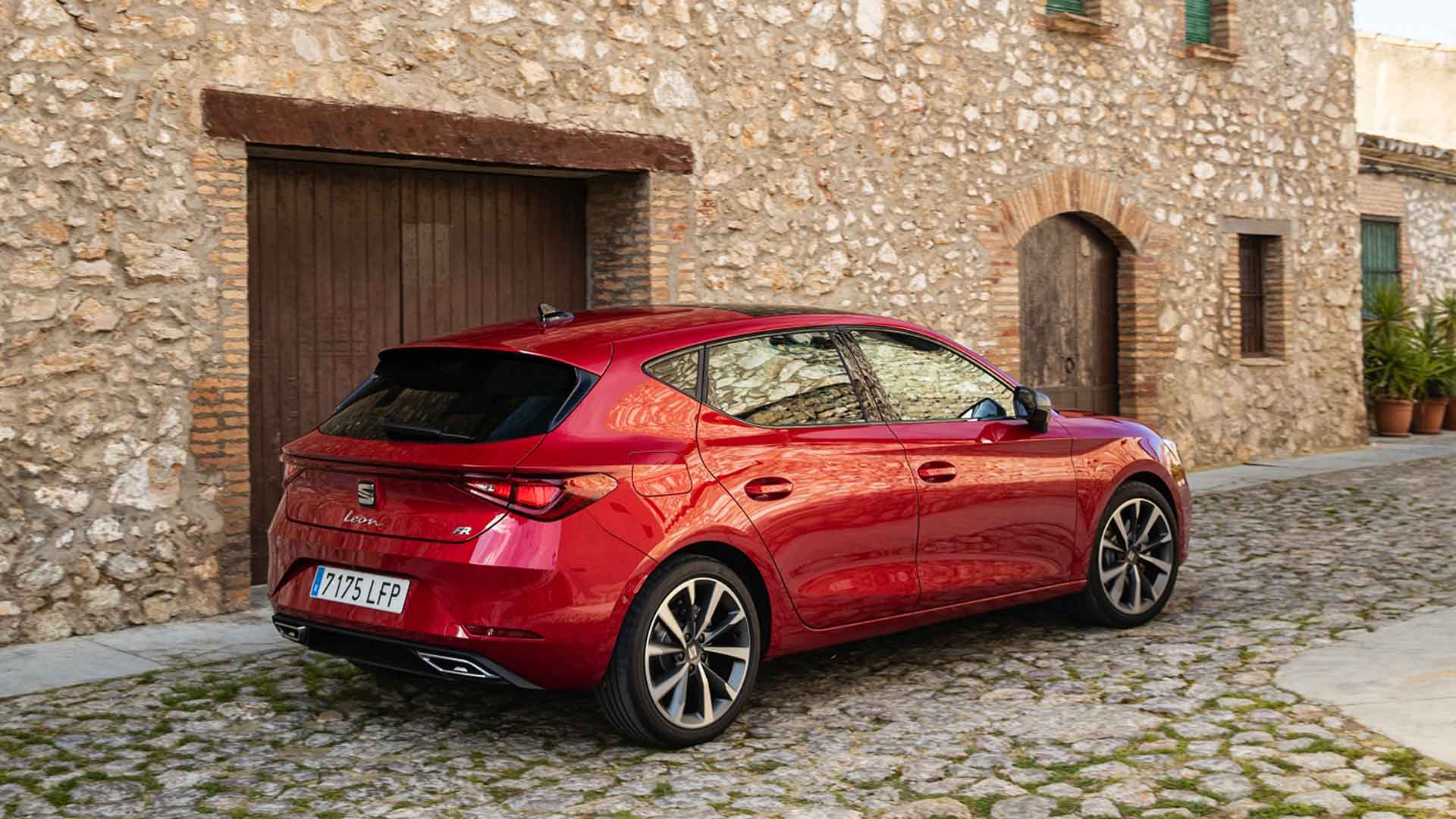
FR trim gets a racy makeover with bespoke front and rear bumpers, dual exhausts and 15mm lower sports suspension.

FR models also get contrast stitching, wireless smartphone charging, three-zone climate control and LED rear lights.

FR Sport, Xcellence and Xcellence Lux variants will follow later in the year.

2020 Seat Leon engines

2020 Seat Leon rear

Even at launch, Seat is offering a broad engine range with the new Leon, heavily biased towards petrol. 

The basic motor is the three-cylinder 1.0 TSI 110. Next up is the four-cylinder 1.5 TSI, which comes in either 130hp or 150hp guises.

There’s a high-tech mild hybrid version too, called the 1.5 eTSI MHEV 150, which uses a DSG automatic gearbox.

The sole diesel is a 2.0 TDI 115. Later in 2020, Seat will roll out a 2.0 TDI 150.

2020 Seat Leon prices

SE

Hatch

1.0 TSI 110: £19,855

1.5 TSI 130: £21,425

2.0 TDI 115: £22,835

Estate

1.5 TSI 130: £22,455

SE Dynamic

Hatch

1.0 TSI 110: £20,955

1.5 TSI 130: £22,525

2.0 TDI 115: £23,935

Estate

1.5 TSI 130: £23,555

FR

Hatch

1.0 TSI 110: £23,185

1.5 TSI 130: £23,515

1.5 TSI 150: £24,805

1.5 eTSI 150 DSG: £26,865

Estate

1.5 TSI 130: £24,545

1.5 TSI 150: £25,855

1.5 eTSI 150 DSG: £27,895

2020 Seat Leon finance offers

Seat Leon PCP finance prices start from £195 a month for the 1.0 TSI 110 SE.

A sporty Leon 1.5 TSI 130 FR, which Seat says will be the most popular model in the line-up, costs £249 a month.

The £195 a month Seat Solutions PCP deal on the 1.0 TSI 110 SE works out like this:

  • Duration: 48 months
  • Retail price: £19,855
  • Seat deposit contribution: £1,000 (and £500 more if you take a test drive)
  • Customer deposit: £4,000
  • Optional final payment: £6,882
  • Total amount payable by customer: £20,057
  • APR: 4.0 percent

ALSO READ:

2020 Skoda Octavia prices, specs and ordering confirmed

Ford 3D-printed wheel nuts could prevent theft

2020 Renault Clio and Captur gain hybrid tech

Advertisement

2020 Skoda Octavia prices, specs and ordering confirmed

0

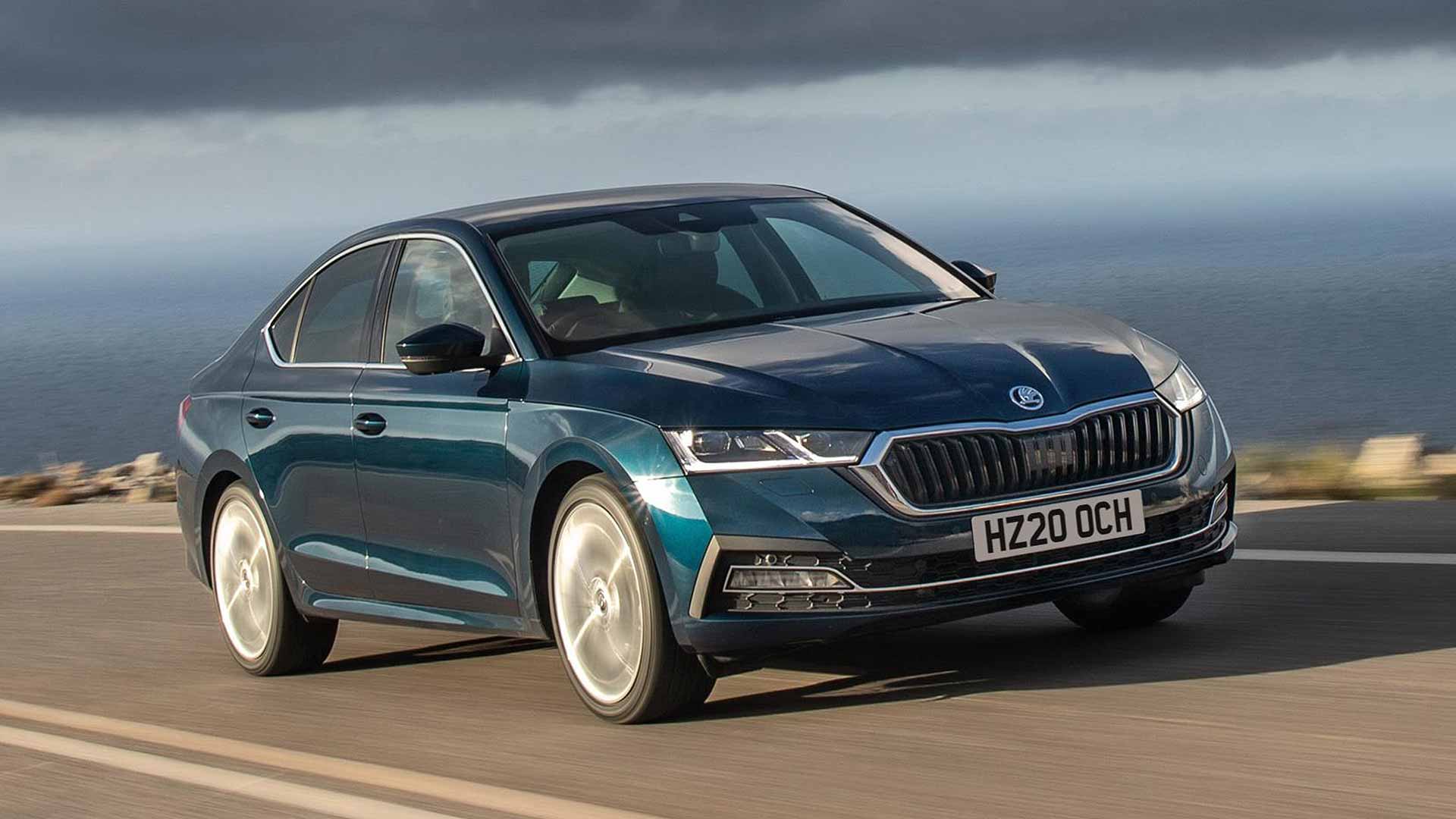
2020 Skoda Octavia hatch

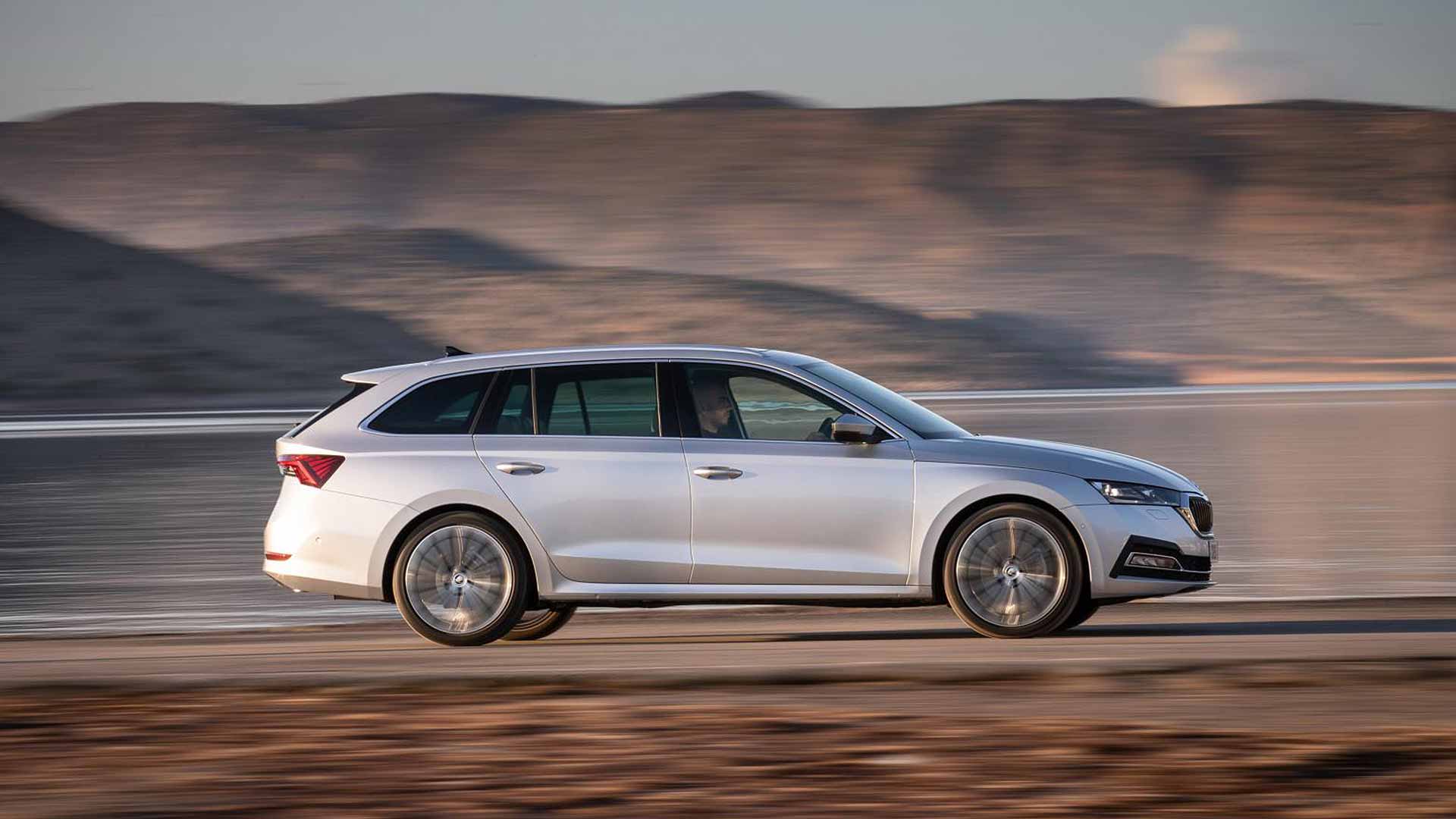
The new 2020 Skoda Octavia range opens for ordering in June with prices starting from £22,390.

Three specs will be available from launch: SE First Edition, SE Technology and SE L First Edition.

Skoda is loading up the standard features on the special First Edition variants to help the new fourth-generation large family hatchback hit the market running.

2020 Skoda Octavia estate

The new Octavia will be available in estate guise from launch, as well as the hatchback. Estate car prices start from £23,370.

2020 Skoda Octavia specs

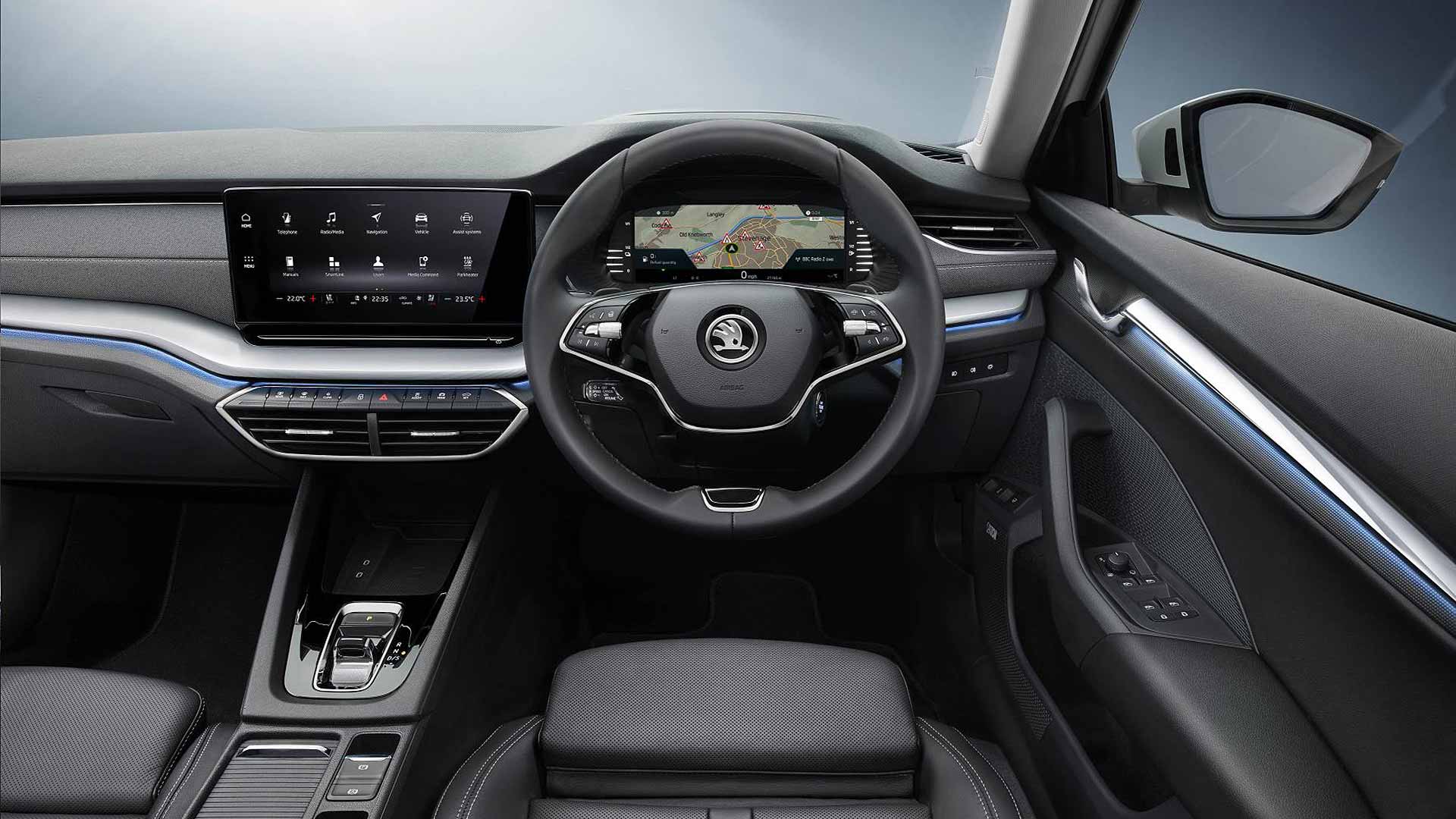
2020 Skoda Octavia interior

Entry-level SE First Edition grade will have more than enough standard equipment for many.

It includes climate control, an 8.25-inch touchscreen, five USB-C ports (including one in the rear-view mirror for connecting to a dashcam), LED headlights, ‘Virtual Cockpit’ electronic instruments and a safety pack that features lane-keeping assist and Autonomous Emergency Braking.

SE L First Edition costs from £25,150. These models get more chrome trim on the outside and bigger 17-inch alloys.

An enhanced Columbus infotainment system with 10-inch screen and online access is fitted, plus an electric driver’s seat, all-round parking sensors, keyless entry and adaptive cruise control.

SE Technology models are aimed at company car drivers. These have fuel-saving 16-inch aero alloy wheels, the Columbus infotainment system and ‘Laura’ voice control. Prices start from £22,640.

2020 Skoda Octavia engines

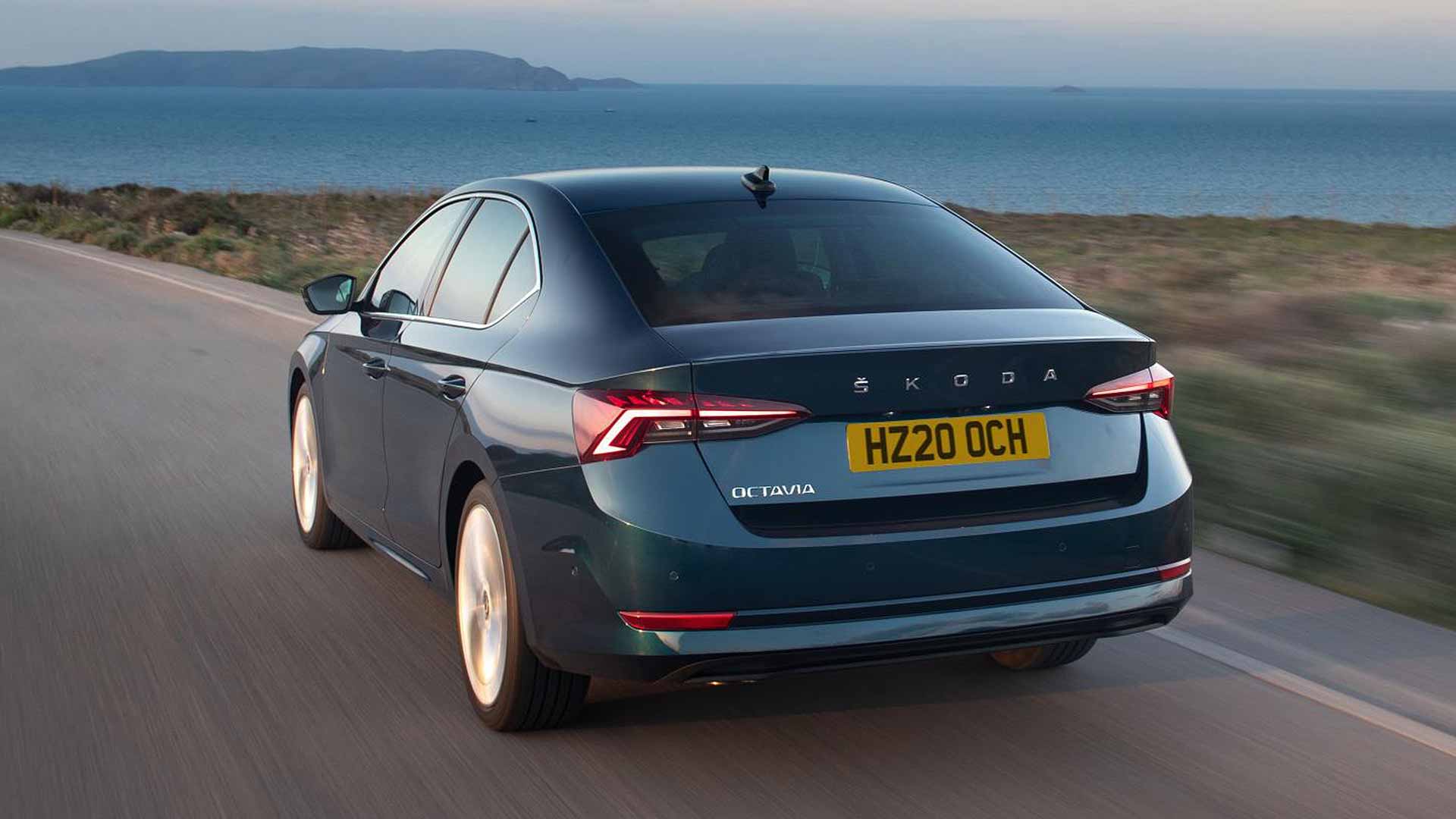
2020 Skoda Octavia hatch rear

Three engine choices are available at launch. Petrol buyers take a 1.5-litre TSI 150, while diesel customers have a choice of either 115hp or 150hp 2.0-litre TDI.

The 2.0 TDI 150 has a DSG automatic gearbox as standard: the other two are six-speed manual.

Skoda says it will broaden the engine range available on the new Octavia throughout 2020.

Ordering for the new 2020 Skoda Octavia range opens at retailers in June, with cars arriving for test drives and delivery from July.

2020 Skoda Octavia prices

SE First Edition

Hatch

1.5 TSI 150: £22,390

2.0 TDI 115: £23,300

Estate

1.5 TSI 150: £23,370

2.0 TSI 115: £24,280

SE L First Edition

Hatch

1.5 TSI 150: £25,150

2.0 TDI 115: £26,060

2.0 TDI 150 DSG: £28,460

Estate

1.5 TSI 150: £26,225

2.0 TDI 115: £27,405

2.0 TDI 150 DSG: £29,515

SE Technology

Hatch

1.5 TSI 150: £22,640

2.0 TDI 115: £23,550

Estate

1.5 TSI 150: £23,620

2.0 TSI 115: £24,530

ALSO READ

Skoda builds the 7 millionth Octavia

Dacia will give you £750 to buy a new Duster

Are roundabouts good for your health?

Advertisement

How to self-isolate your electric or plug-in hybrid car

0

Buy a car battery in lockdown

Road traffic levels are now ‘akin to those in the early 1970s’, as millions of motorists stay at home during the lockdown. As a result, many cars will be left unused for weeks on end.

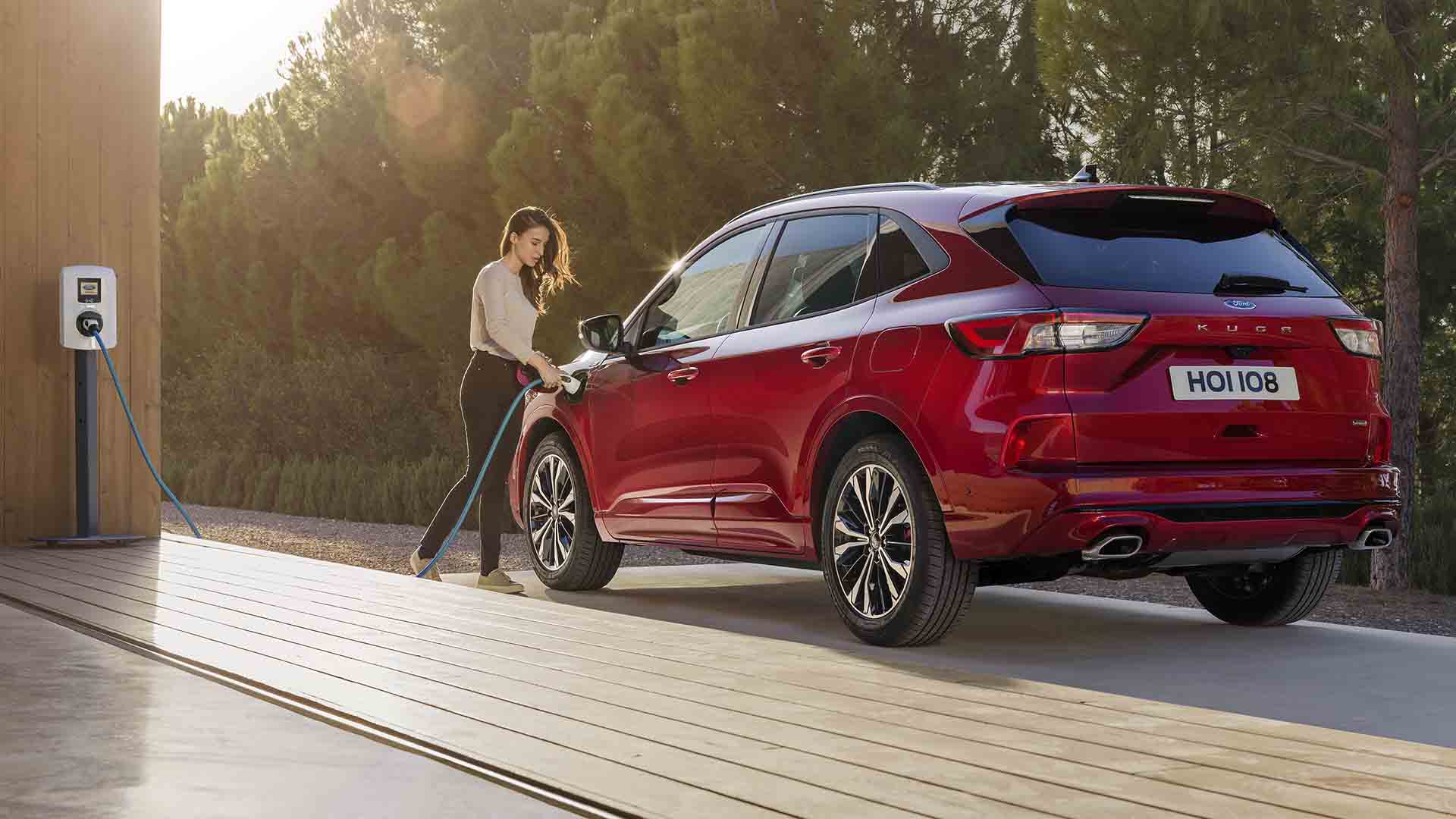
Leaving a car untouched can lead to problems with the battery, tyres, brakes and bodywork, but there is specific advice for electric and plug-in hybrid cars. Here, we reveal the tips for electrified vehicles when not in regular use.

The advice comes from Bob Taenaka, senior technical leader for battery and cell system development at Ford. He says the most important thing is to make sure your car’s 12-volt battery remains charged and the high-voltage battery has adequate charge. At least 10 percent is required to prevent it draining to zero.

If you have driven or had your electric/plug-in hybrid vehicle on charge for at least eight hours within the past month, the 12-volt battery should be adequately charged.

When storing a battery electric car for longer periods, a charge of between 10 percent and 80 percent is recommended. A high-voltage battery above 10 percent state of charge can go for more than six months without charging, but the 12-volt battery will drain much faster.

Ford Kuga plug-in hybrid

Taenaka recommends disconnecting the negative terminal of the 12-volt battery. Alternatively, leave the electrified vehicle plugged in and connect the 12-volt battery to a trickle charger.

 “If you are storing your vehicle for longer than 30 days without use, we recommend disconnecting the negative terminal of your 12-volt battery,” says Taenaka. “This avoids depletion and potential damage to the battery, which runs the internal systems such as heating – without the need for monthly maintenance.”

Disconnecting the 12-volt battery

Car battery

Remember the following points when disconnecting a 12-volt car battery:

  • Make sure you have the key fob outside of the car, because you may need to use the physical key to lock and unlock the vehicle.
  • If the vehicle is in a locked garage and the 12-volt battery is in the boot, leave the boot lid open.
  • Once the 12-volt battery is disconnected, use the key to unlock and lock the doors.
  • If the battery is in the boot and you’re not storing the car in a garage, you will require another 12-volt source. Follow the ‘jump start’ instructions in the owner’s manual to restore 12-volt power to the vehicle in order to open the boot.

ALSO READ:

Toyota invests £300m in electric air taxi company

Electric cars to make UK diplomats ‘greenest in the world’

Idris Elba to reveal Ford’s ‘Mustang-inspired’ electric SUV

Advertisement

New car sales collapse to 1946 levels – but Tesla Model 3 is UK number 1

0

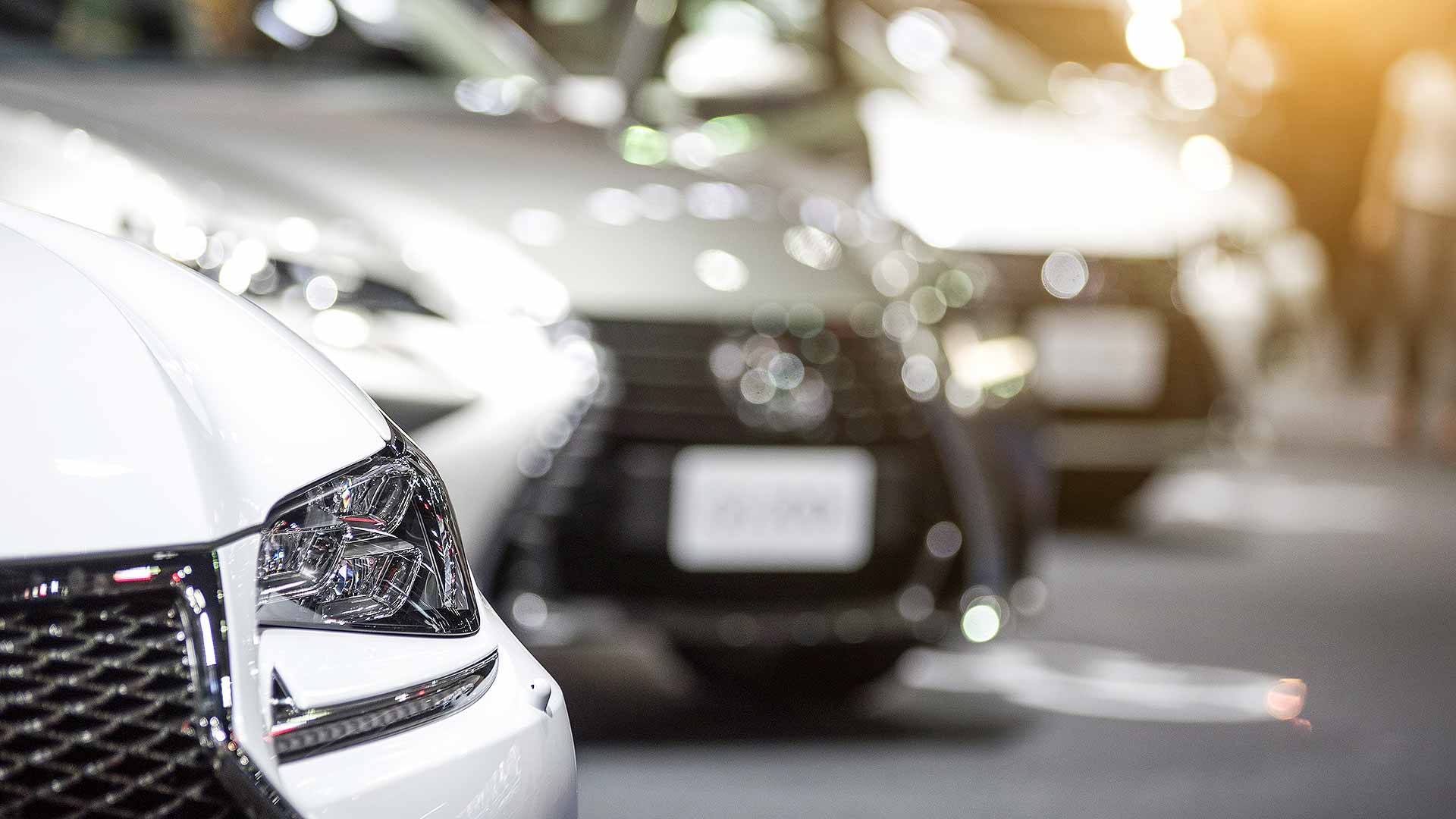
Line-up of new Lexus carsUK new car registrations plunged more than 97 percent in April 2020 to levels not seen since early 1946, official figures from the Society of Motor Manufacturers and Traders reveal. 
The UK lockdown announced on 23 March saw car dealers close their showrooms, effectively pausing registrations and deliveries for all but a handful. 

Companies accounted for 71.5 percent of the registrations, a much greater proportion than normal. This indicates most deliveries were bulk fleet car orders, arranged well before lockdown. 

SMMT chief executive Mike Hawes said the April 2020 figures were “hardly surprising”. 

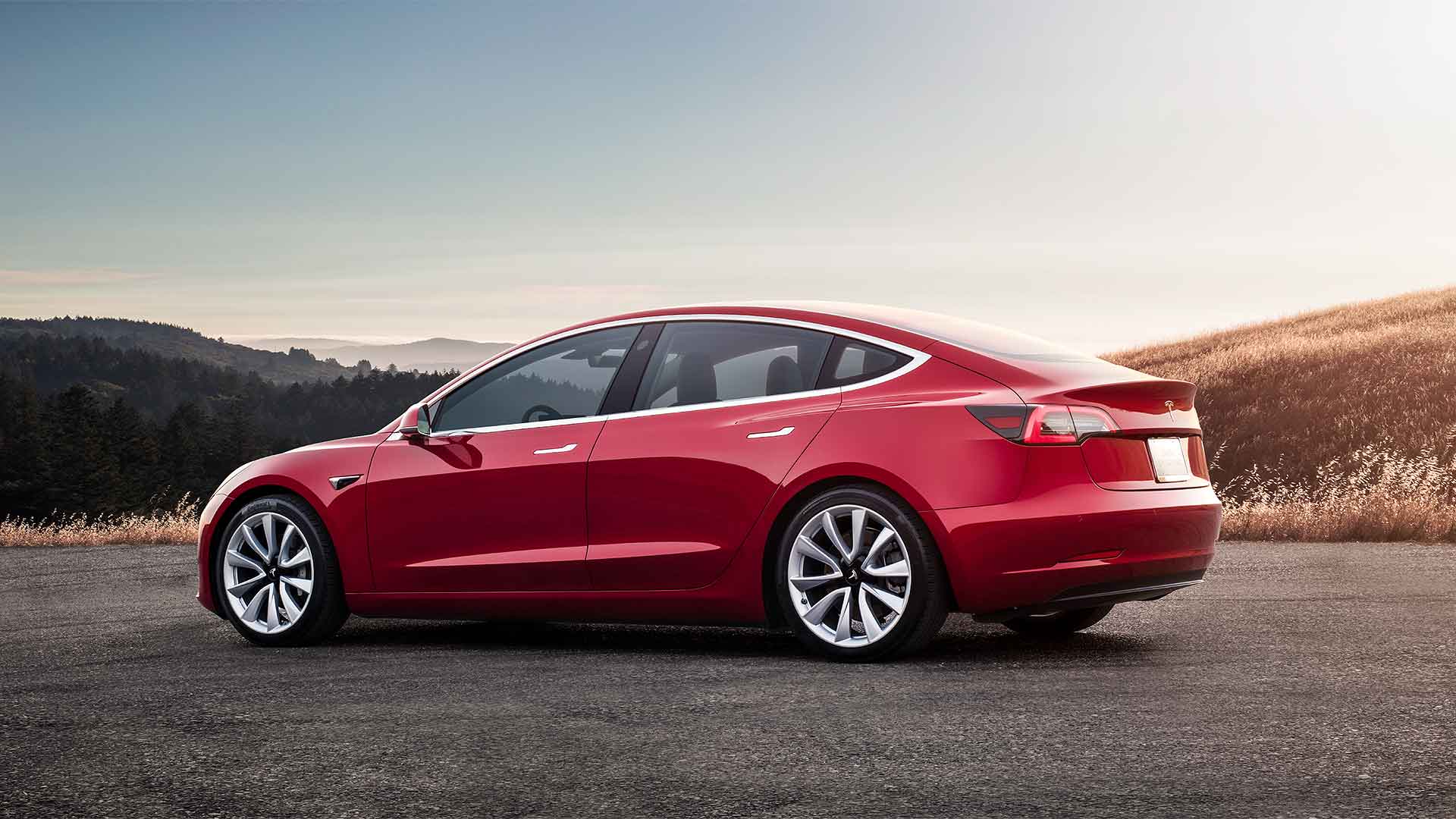
Tesla Model 3

Incredibly, the Tesla Model 3 electric car was the best-selling vehicle in April, well ahead of another all-electric car: the Jaguar I-Pace

In January, Jaguar signed a deal to supply 700 I-Paces to the NHS

Zero-emissions battery electric cars easily took their highest market share ever, accounting for almost 1 in 3 new cars sold. 

Vauxhall was third with the all-new Corsa, the AUTOBEST Best Buy Car of Europe 2020. Vauxhall also offers an all-electric version, the Corsa-e

New rules were introduced in April 2020 meaning EV company car drivers pay ZERO Benefit-in-Kind tax. 

In another first, there were two passenger vans in the top 10 best-sellers list as well, the Ford Tourneo Custom and Peugeot Rifter. 

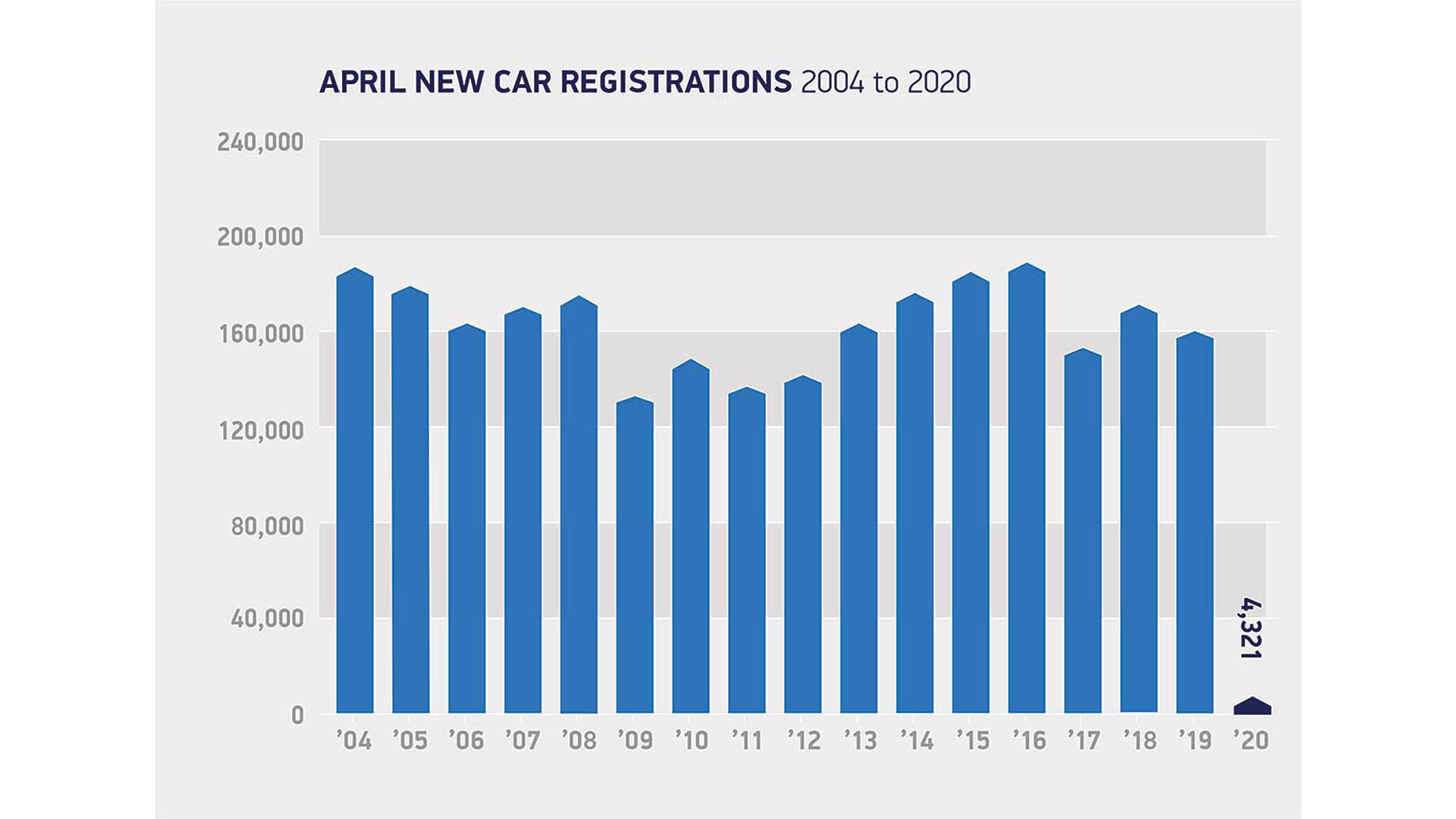
Just 4,321 cars

April new car registrations 2004 to 2020

A mere 4,321 new cars were registered in April 2020, a decline of 97.3 percent in a year.

In April 2019, more than 161,000 new cars were registered, illustrating the scale of the fall. 

That itself was the second-worst April for new car sales since 2012, due to a 10 percent decline in private buyer demand. 

The SMMT has responded by downgrading its full-year estimate for new car sales to 1.68 million vehicles. This would be a level last seen in 1992. 

Last year, 2.31 million new cars were sold

New car registrations had already fallen 44 percent in March. European registrations were down 55 percent

In February 1946, just months after the end of World War II, just 4,044 new cars were registered. 

Top 10 best-selling vehicles: April 2020

1: Tesla Model 3 (658 cars)

2: Jaguar I-Pace (367 cars)

3: Vauxhall Corsa (264 cars)

4: Vauxhall Crossland X (143 cars)

5: Ford Tourneo Custom (108 passenger vans)

6: Peugeot Rifter (94 passenger vans)

7: Seat Leon (80 cars)

8: Mercedes-Benz A-Class (72 cars)

9: Nissan Leaf (72 cars)

10: Peugeot 308 (67 cars)

‘Worst in living memory’

Mr Hawes from the SMMT said the market performance was the worst in living memory. 

“These figures… make for exceptionally grim reading, not least for the hundreds of thousands of people whose livelihoods depend on the sector.

“A strong new car market supports a healthy economy and as Britain starts to plan for recovery, we need car retail to be in the vanguard.”

April 2020 car sales: industry response

Auto Trader commercial director Ian Plummer said some brands had been able to sell remotely, but a lack of infrastructure meant only a few – most prominently, Tesla – were able to capitalise. 

The new car marketplace is still receiving 1 million visits a day, though. Mr Plummer says data shows only 2 percent of consumers say they will no longer be buying a new vehicle. 

“25 percent said they wanted to buy as soon as they could, and 57 percent said they’d still buy in 2020.”

Data suggests the market “has been paused, rather than stopped, and [is] ready to return to health quickly once restrictions have been lifted”. 

ALSO READ:

Car industry beats airlines, tech and fashion for reputation

Millennials have most trust in the car industry

Electric car uptake ‘not enough’ to improve air quality

Advertisement

Public invited to recreate famous Honda ‘Cog’ TV ad

0

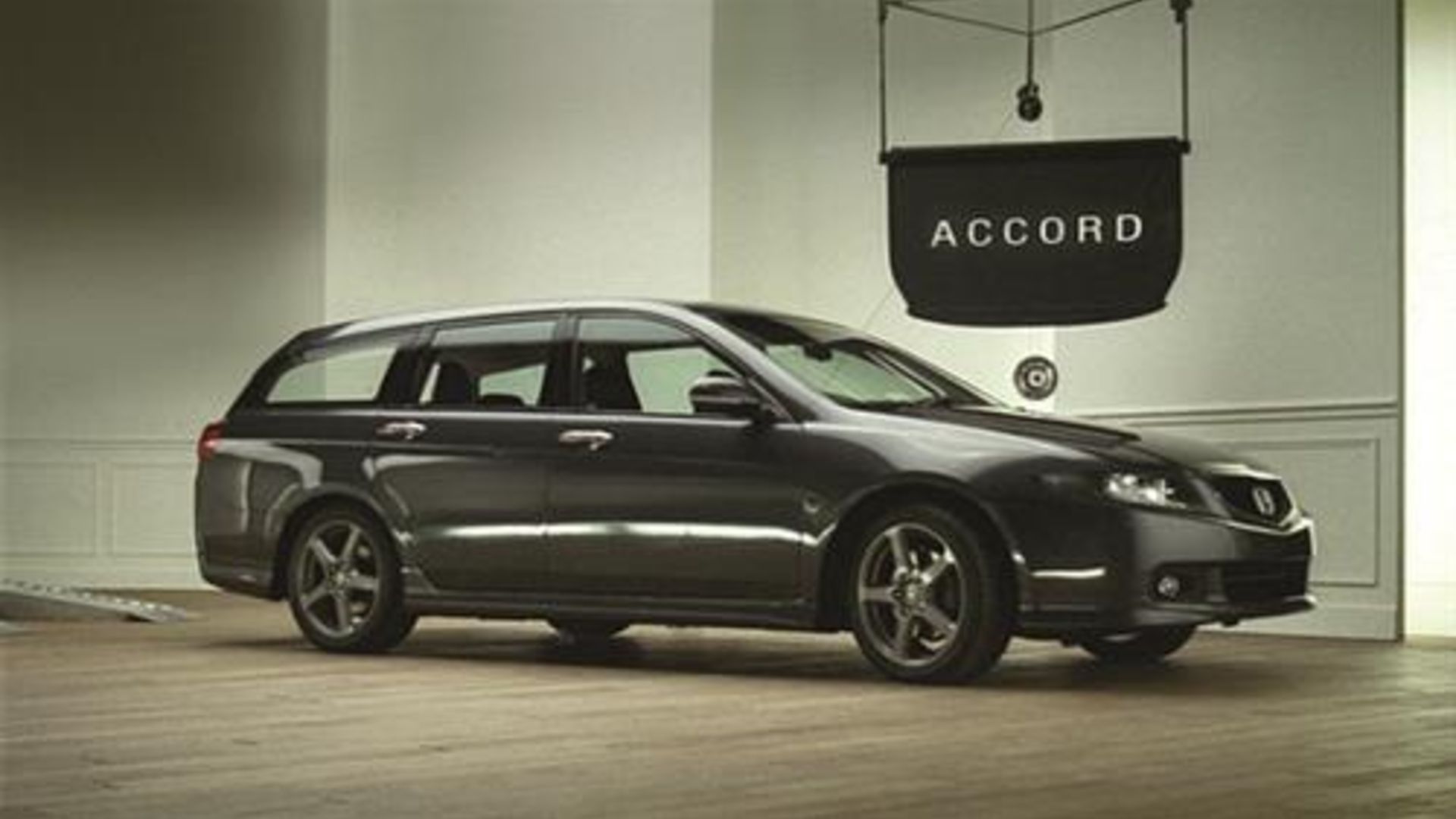
Honda 'Cog' advertHere’s a task to keep you occupied during lockdown: recreate Honda’s famous Cog television advert from 2003.


The challenge has been set by ITV programme The People’s Ad Break, which will air the best effort in a TV advertising spot on Saturday 23 May.

The original Cog film required 606 hours of testing and filming before the final cut, so let’s hope you’re feeling patient…

Honda 'Cog' advert

Cog was a carefully – and beautifully – orchestrated chain reaction between a series of car parts. It lasted two minutes and was broadcast just 10 times (due to the high cost of lengthy advertising slots) in April 2003.

Nonetheless, the car it promoted, the Honda Accord Tourer, remained something of a niche offering, despite public and critical acclaim for the commercial.

Cog was chosen alongside popular adverts from Aldi, Haribo, Walkers and Weetabix for viewers to remake at home.

Read the rules before you start filming (you must avoid other brand names on camera, for example), then submit your entry via the The People’s Ad Break website before 8 May.

The winners will be judged by a panel of senior ITV staff and broadcast during the break for Britain’s Got Talent – one of the channel’s most popular shows.

Honda 'Cog' advert

Jean-Marc Streng, president of Honda UK, said: “We are really looking forward to seeing how ITV’s viewers recreate Honda’s precision engineering in producing their version of our iconic Cog advert.  However, we would not recommend them taking their car apart to do so!”

You can share your ad-making progress on social media using the hashtag #HondaCog.

Advertisement

Can car air filters protect you from coronavirus?

0

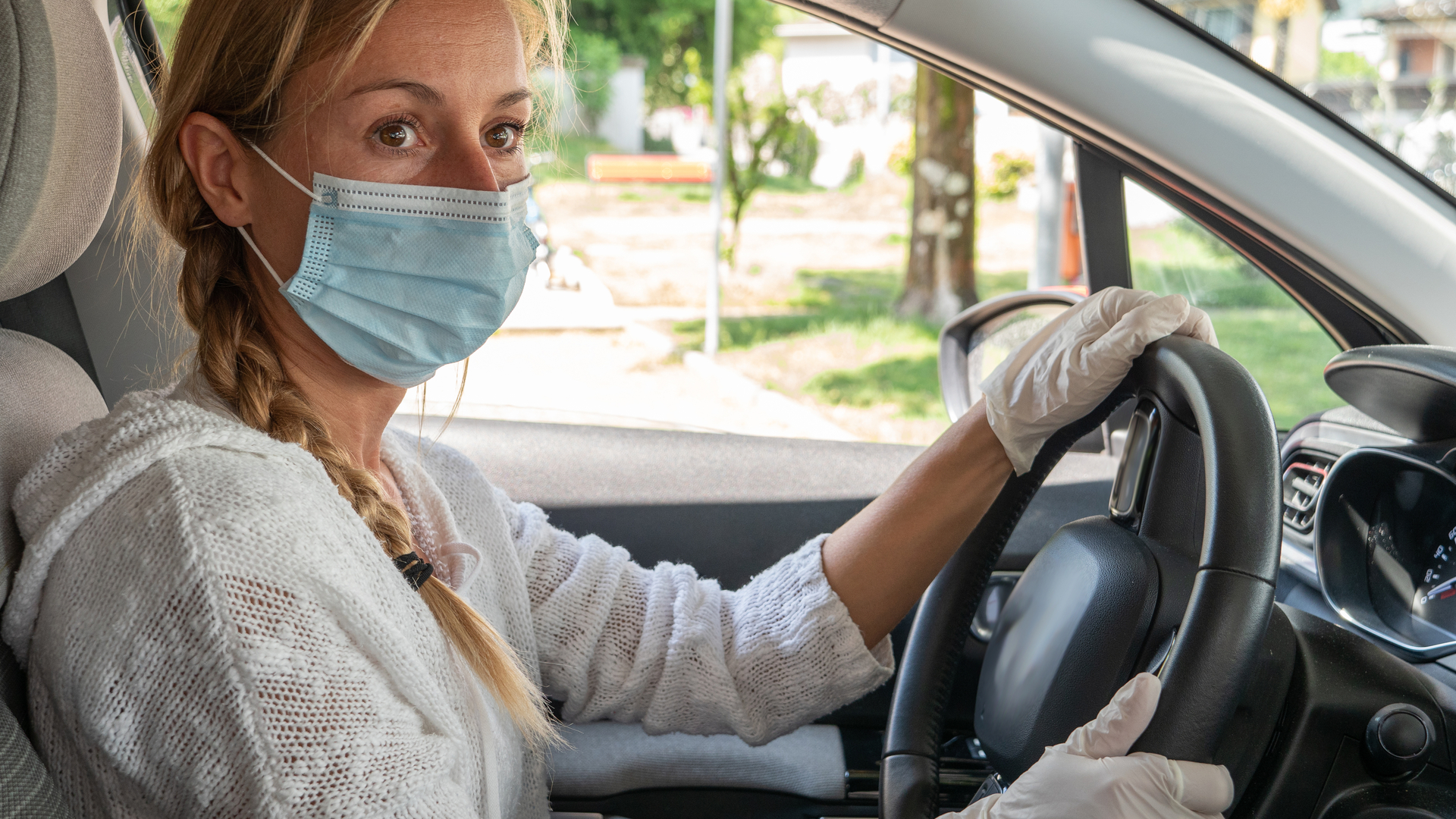
Driving with a mask on

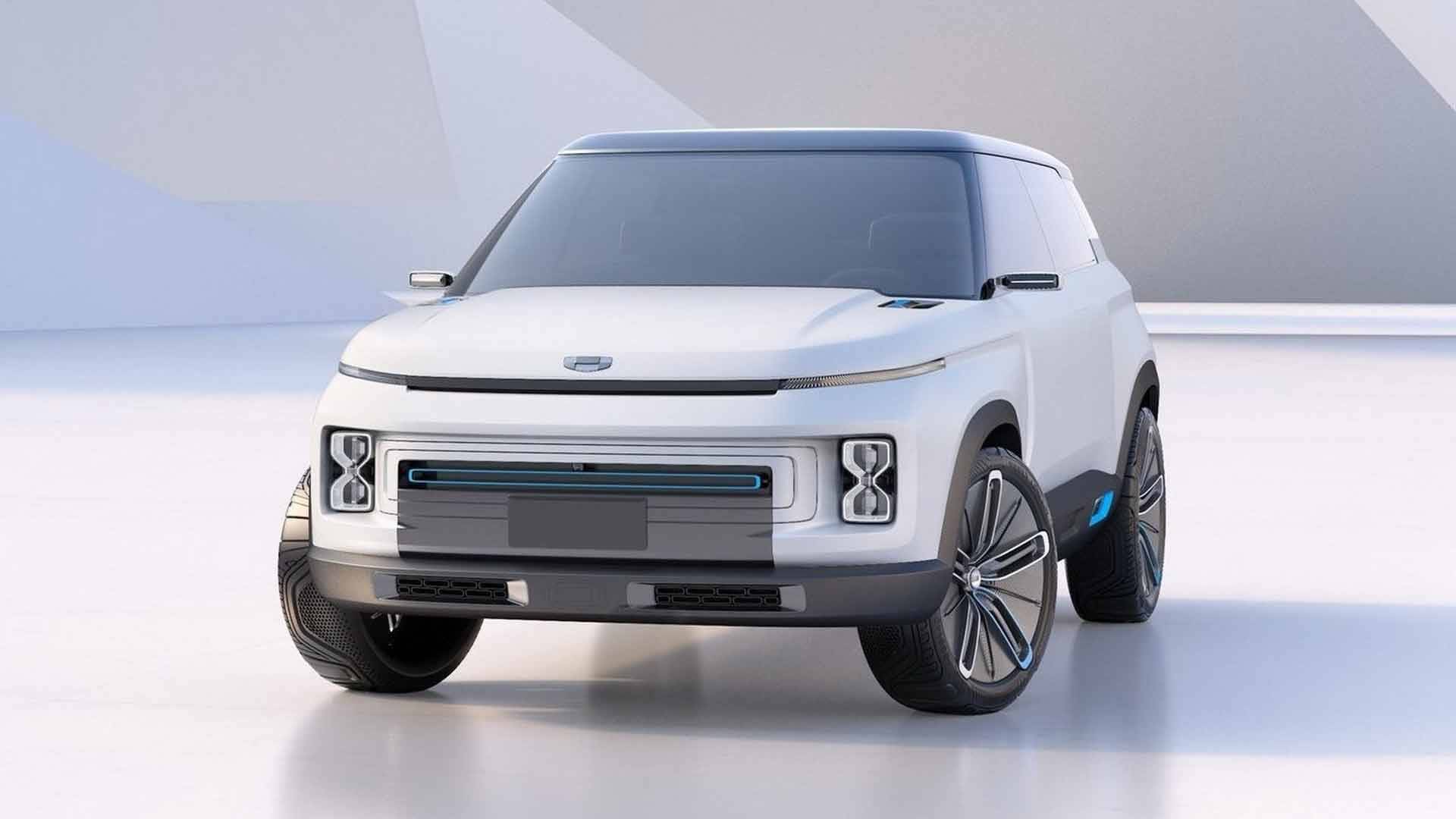
Chinese carmaker Geely recently unveiled its new Icon SUV. Its headline feature is an ability to ‘isolate and eliminate harmful elements in the cabin air, including bacteria and viruses.’ 

Geely’s claim centres on the Icon’s air purification system, which is certified to CN95 – or 95 percent filtration of particles down to 0.3 microns. A series of anti-bacterial filters then ‘kill the escaped virus’, says Geely. 

Other Chinese marques have followed suit, including SAIC, which owns the MG brand. Its solution includes an ultraviolet lamp to sterilise passing air. But are such claims merely a marketing ploy?

Sealing a car ‘almost impossible’

Geely Icon

Werner Bergman, research director at Aerosol Science, is sceptical. He told SAE International: ““I would be suspicious of any claims for effective ambient filtration that does not involve slightly pressurising the cabin with filtered air”.

However, “It is almost impossible to have a sufficiently sealed cabin or room,” he adds. 

Electric carmaker Tesla has also made bold claims about cabin filtration. Its Model X and Model S have a ‘Bioweapon Defence Mode’ that is claimed to remove ‘at least 99.97 per cent of fine particulate matter and gaseous pollutants, as well as bacteria, viruses, pollen and mould spores’.

Putting Tesla to the test

Tesla Model X

In reality, though, the protection Bioweapon Defence Mode offers from coronavirus may be limited.

Speaking to Gizmodo, Michael Buchmeier, deputy director of the Pacific Southwest Regional Center for Biodefense and Emerging Diseases at the University of California, said: “[Filtration to] 0.3 micrometre won’t hold back viruses. It will hold back most bacteria, but it won’t hold back viruses”.

The good news is that a corona-proof car probably isn’t necessary. “I can’t think of any circumstance where the outdoor COVID-19 concentration is so high that one needs a vehicle filtration system,” explained Bergman.

Time to buy that cheap summer convertible?

ALSO READ:

Does Tesla want to become a UK electricity provider?

Why hand sanitiser damages your car – and how to prevent it

The car brands that have NOT fixed keyless theft risks

Advertisement

The car brands that have NOT fixed keyless theft risks

0

keyless car theft

Fourteen car manufacturers have failed to tackle keyless car crime. That’s according to consumer group Which?.

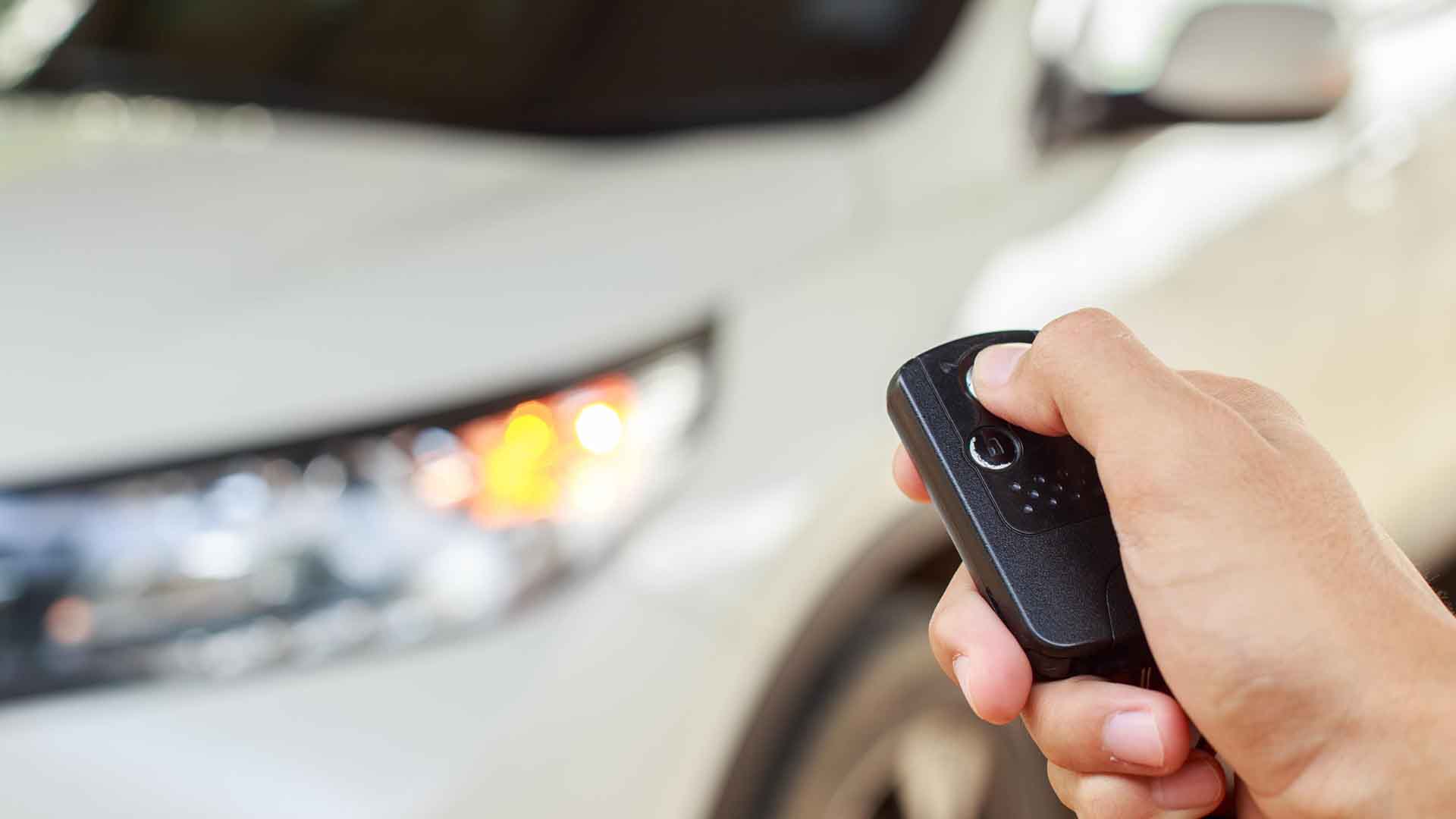
Keyless car theft involves two criminals working together using electronic signal relay devices to steal a vehicle. Typically, this takes place outside the owner’s home.

One criminal stands by the car, while the other one stands close enough to the house to pick up the signal from the key fob. This signal is transferred to a second box, effectively fooling the car into ‘thinking’ the key is present.

Only Tesla and Mercedes-Benz have fixed the problem across new and existing cars, says Which? A shocking 14 manufacturers have taken no action.

Citroen, DS, Honda, Hyundai, Kia, Lexus, Mazda, Mitsubishi, Nissan, Peugeot, Renault, SsangYong, Suzuki and Vauxhall/Open told the consumer group they have failed to tackle keyless car theft. Fiat Chrysler didn’t respond to the Which? questions.

The likes of Ford, Land Rover and Volvo have upgraded their security systems on newer models, but aren’t planning to roll this out for older vehicles.

‘Done nothing about it’

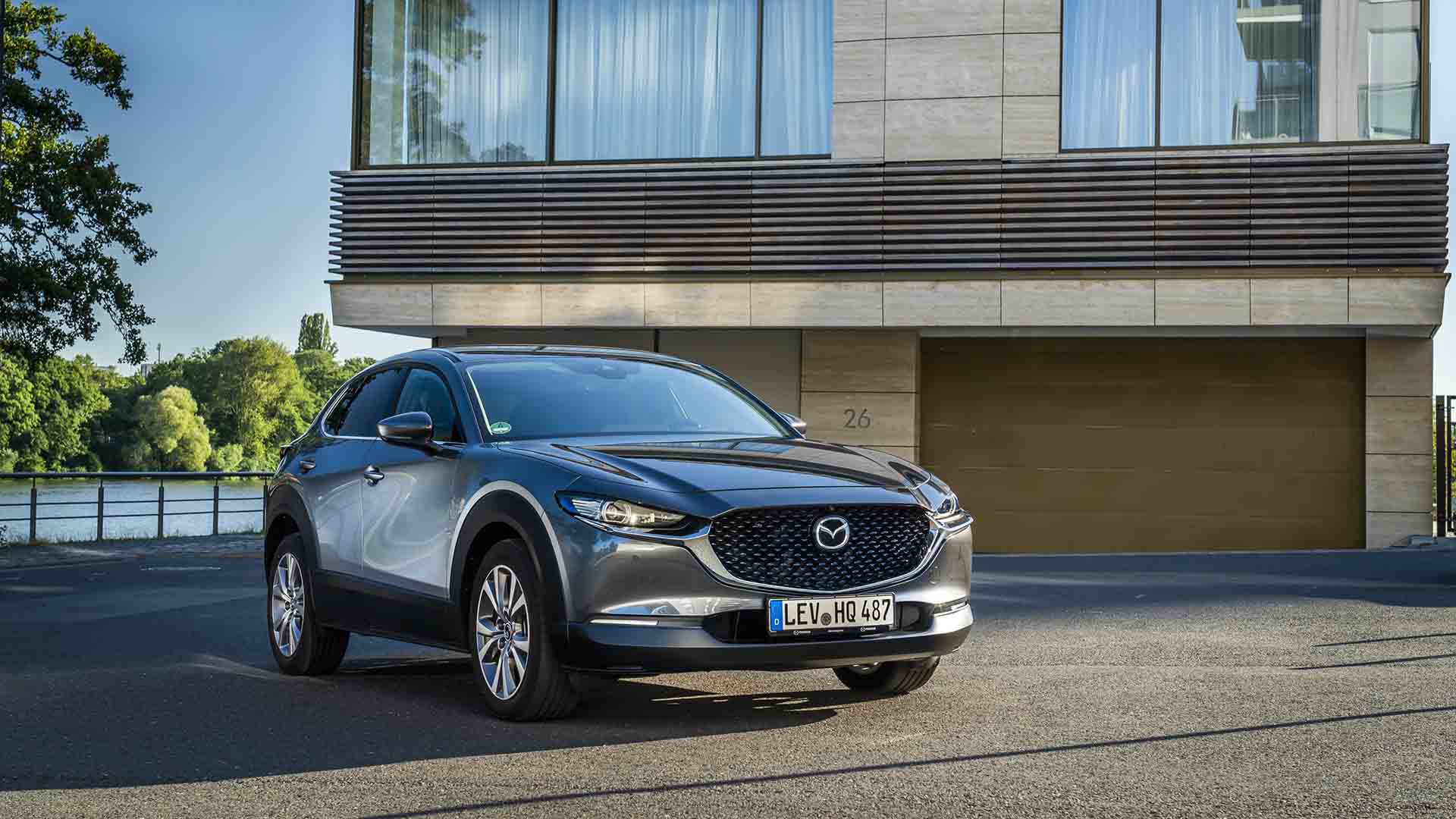
Mazda CX-30

Which? editor Lisa Barber said: “It’s unacceptable that several manufacturers have still done nothing about it. While we’re glad to see some are already implementing tougher security measures, too many are still ignoring the risks.

“More must be done to protect the thousands of insecure cars already on the road.”

Earlier this year, four cars were rated ‘poor’ in security assessments published by Thatcham Research. The Mazda CX-30, MG HS Excite T-GDI, Subaru Forester e-Boxer XE Premium and Vauxhall Corsa Ultimate Turbo 100 were slammed for having ‘inherent security vulnerabilities’.

Meanwhile, the Tesla Model 3 and Hyundai i10 Premium were rated ‘basic’.

There was better news for seven cars rated ‘superior’ by Thatcham. The BMW X6 M50d, BMW 218i Gran Coupe M Sport, Land Rover Discovery Sport D150, Mini Electric, Porsche Taycan Turbo, Skoda Superb and Toyota Supra were praised for their all-round security.

‘Missing commonly accepted security measures’

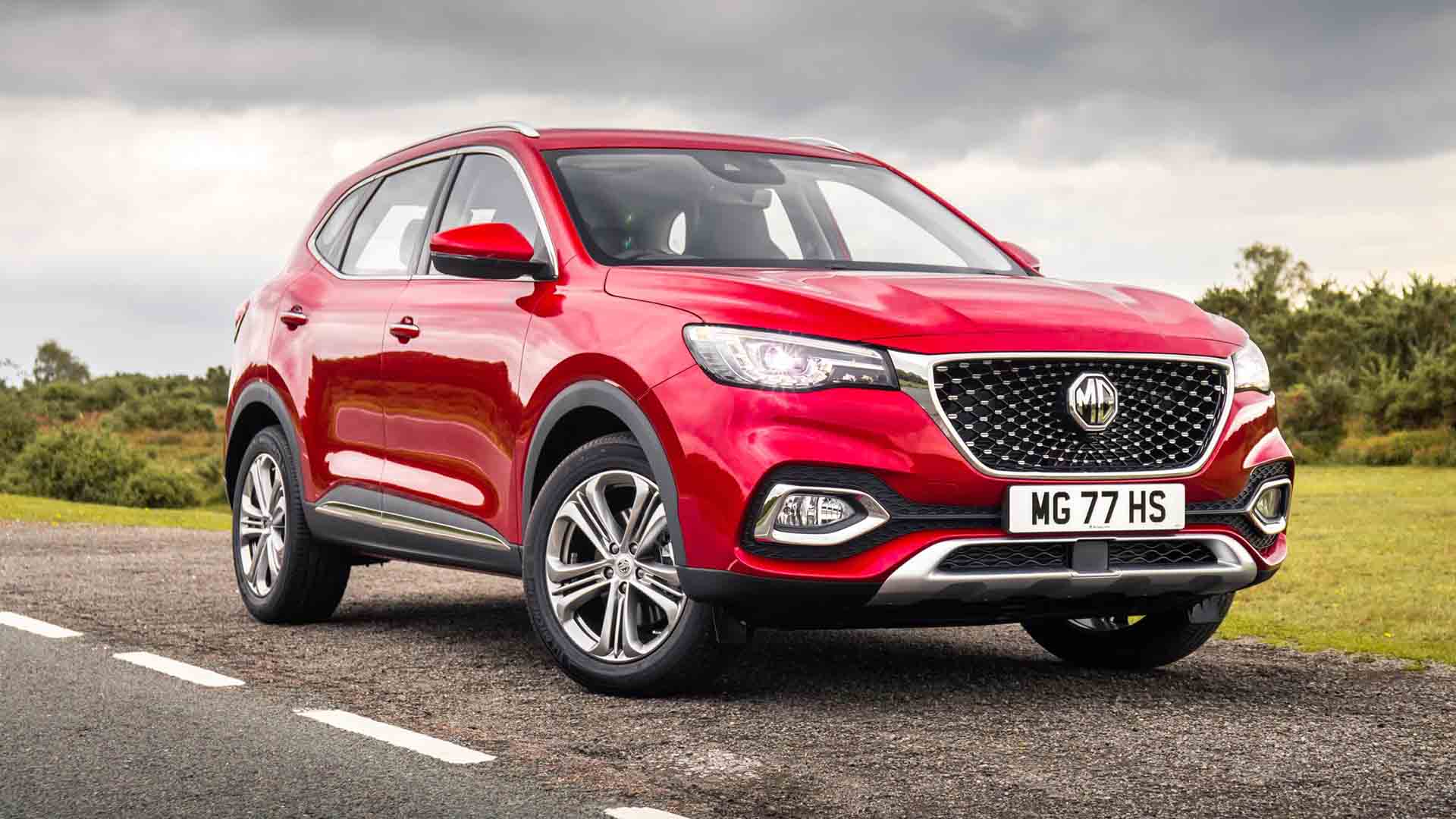
MG HS

Richard Billyeald, chief technical officer at Thatcham Research said: “The keyless vulnerability continues to be a concern to car owners. However, it is not the only factor behind recent increases in vehicle theft.

“Our assessment found that the rated Hyundai, MG and Tesla models are missing some commonly accepted security measures. These measures were introduced to improve core car security and represent the minimum today’s drivers should expect, whatever the vehicle price point.

“The number of carmakers now offering relay attack counter-measures with new vehicles is steadily increasing and should be applauded. However, all new cars with keyless systems ought to have a solution to this long-standing vulnerability in place.

“It’s also important to remember that the motion-sensor fob, while a good short-term fix, is not the ultimate solution to the keyless vulnerability, which should be designed-out of new vehicles completely in the future.”

ALSO READ:

Phone CarKey is coming to iPhone and Apple Watch

Van drivers ‘feel responsible’ for delivering Christmas

Revealed: Where your car is most likely to be stolen

Advertisement

Does Tesla want to become a UK electricity provider?

0

Tesla supercharger

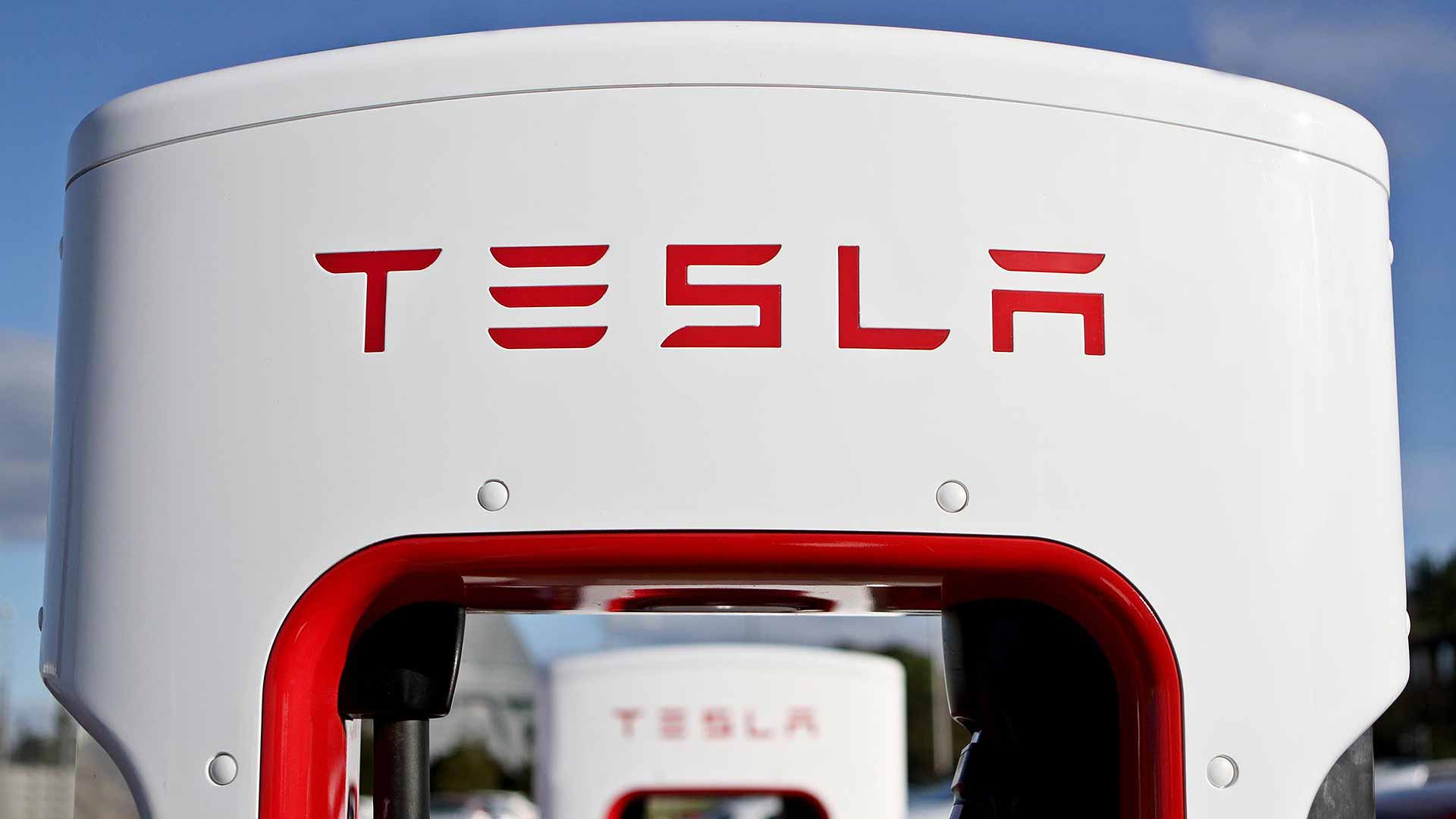
Tesla has applied to the British energy market governing body for a licence to generate electricity in the UK.

The electric car company filed the application on Tuesday 28 April.

Tesla is well known for its electric cars but also has a growing solar panel and battery energy storage business.

In North America, it even sells solar roof tiles.

Sky News revealed details of the application, adding it is not clear why Tesla applied to the Gas and Electricity Markets Authority for the licence.

Tesla has previously built a huge lithium ion battery for the Australian state grid, in response to blackouts in 2016.

Chief executive Elon Musk bet the company would install the battery within 100 days of the $50m contract being signed, or it would be given for free.

Mr Musk won the bet.

ALSO READ

Tesla tax win: Model 3 is finally VED free

Man criticises Elon Musk: Tesla cancels his order

You could buy this rare Tesla Roadster heading to auction

Advertisement