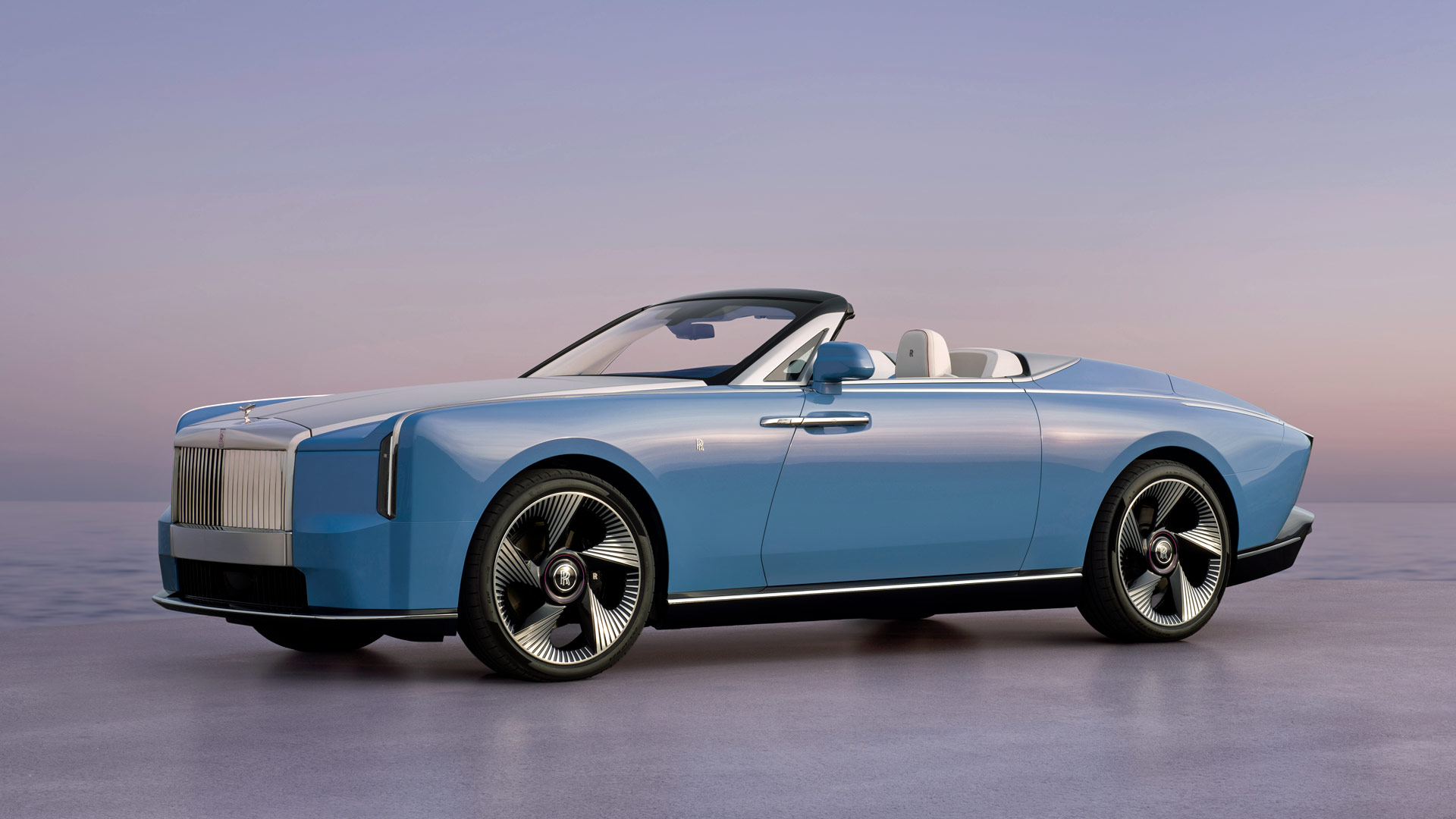
The first model in Rolls-Royce’s ultra-bespoke Coachbuild Collection has been revealed, taking the form of a dramatic drop-top.
Known as Project Nightingale, the car will be offered to 100 specially selected Rolls-Royce customers. Each buyer is then invited to become immersed in the design and production process.
Styling inspiration comes from classic Rolls-Royce vehicles, paying particular tribute to the high-speed experimental ‘EX’ cars from the 1920s.
Beneath its Art Deco era styling, however, Project Nightingale makes use of a thoroughly modern, Spectre-derived electric powertrain, which should provide a smooth and near-silent driving experience.
The car’s name is taken from Le Rossignol, French for ‘the nightingale’, also the name of a designers’ house near Henry Royce’s winter home on the Côte d’Azur.
‘A landmark Rolls-Royce’
Domagoj Dukec, director of design at Rolls-Royce Motor Cars, said: “Project Nightingale is built on the design principles that define this marque at its most compelling: grand proportions, absolute surface discipline, and a clarity of line that rewards the closest attention. And yet, it takes them somewhere entirely new.
“For me, this landmark motor car feels both inevitable and completely unexpected, and it will shape everything that follows.”
Project Nightingale is an imposing two-seat convertible. At 5.76 metres, it is almost exactly the same length as Rolls-Royce’s flagship Phantom saloon.
The design team has retained the classic ‘Pantheon Grille’, but the electric powertrain has allowed for a bold reinterpretation of it. Almost a metre wide, and seeming to be carved from a solid block of aluminium, the grille is topped by a Spirit of Ecstasy that appears to be gliding through water.
Art Deco nautical design
Project Nightingale will be fully homologated and road-legal, yet Rolls-Royce has sought to push boundaries in terms of its design.
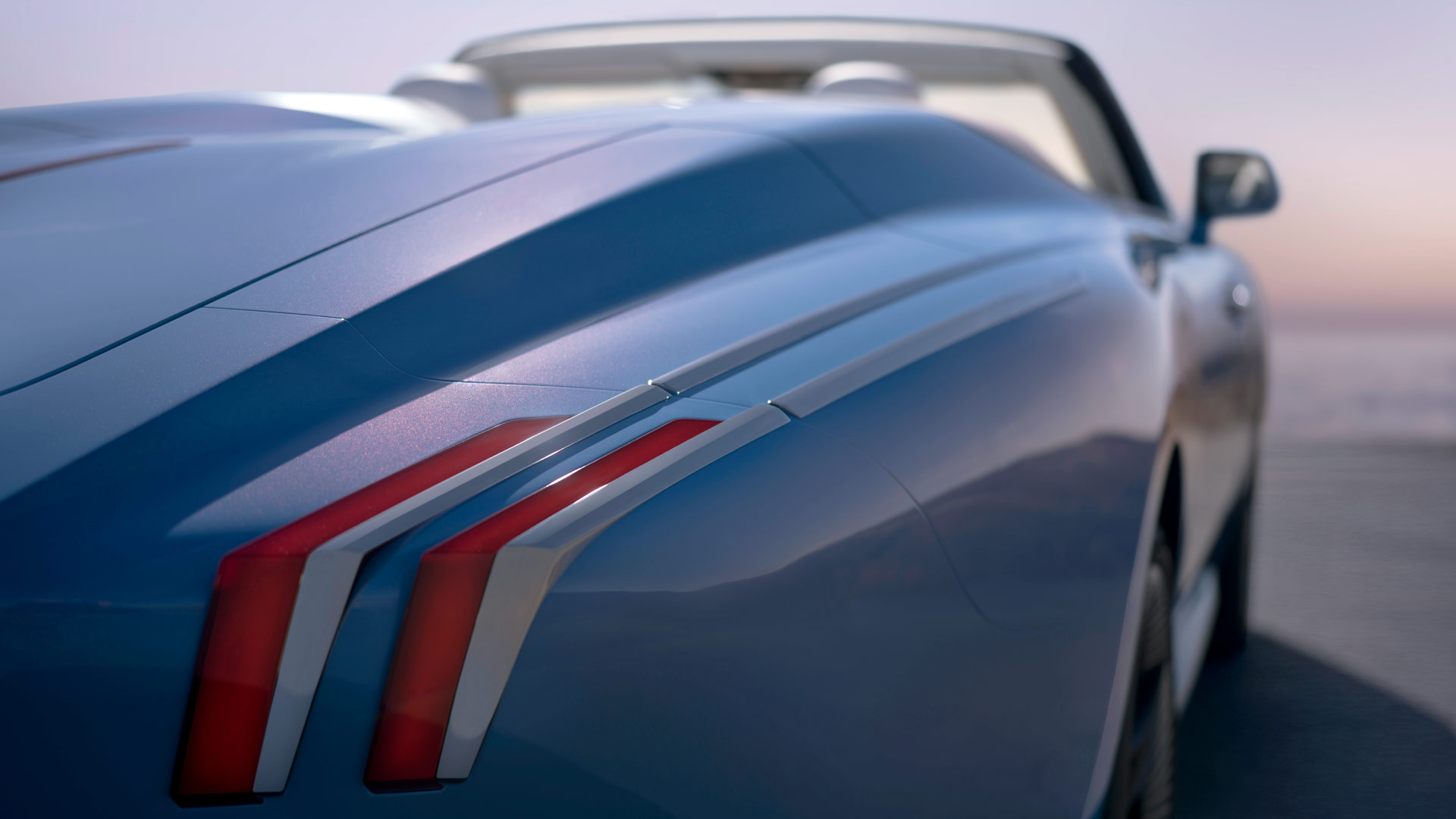
Ultra-slim vertical LED headlights continue the 1930s Art Deco theme, while a polished stainless-steel band runs the full length of the car, from beneath the front grille to the tail lights.
In profile, Project Nightingale is described as having a ‘torpedo-shaped central fuselage’. More nautical inspiration comes from the 24-inch alloy wheels, the largest ever fitted to a Rolls-Royce. These are said to appear like the propellers of a yacht when viewed from beneath the waterline.
The rear deck features a dramatic luggage compartment lid that cantilevers open like a grand piano. The absence of exhausts also allows for a full-width carbon fibre rear diffuser.
Surrounded by nightingalesong
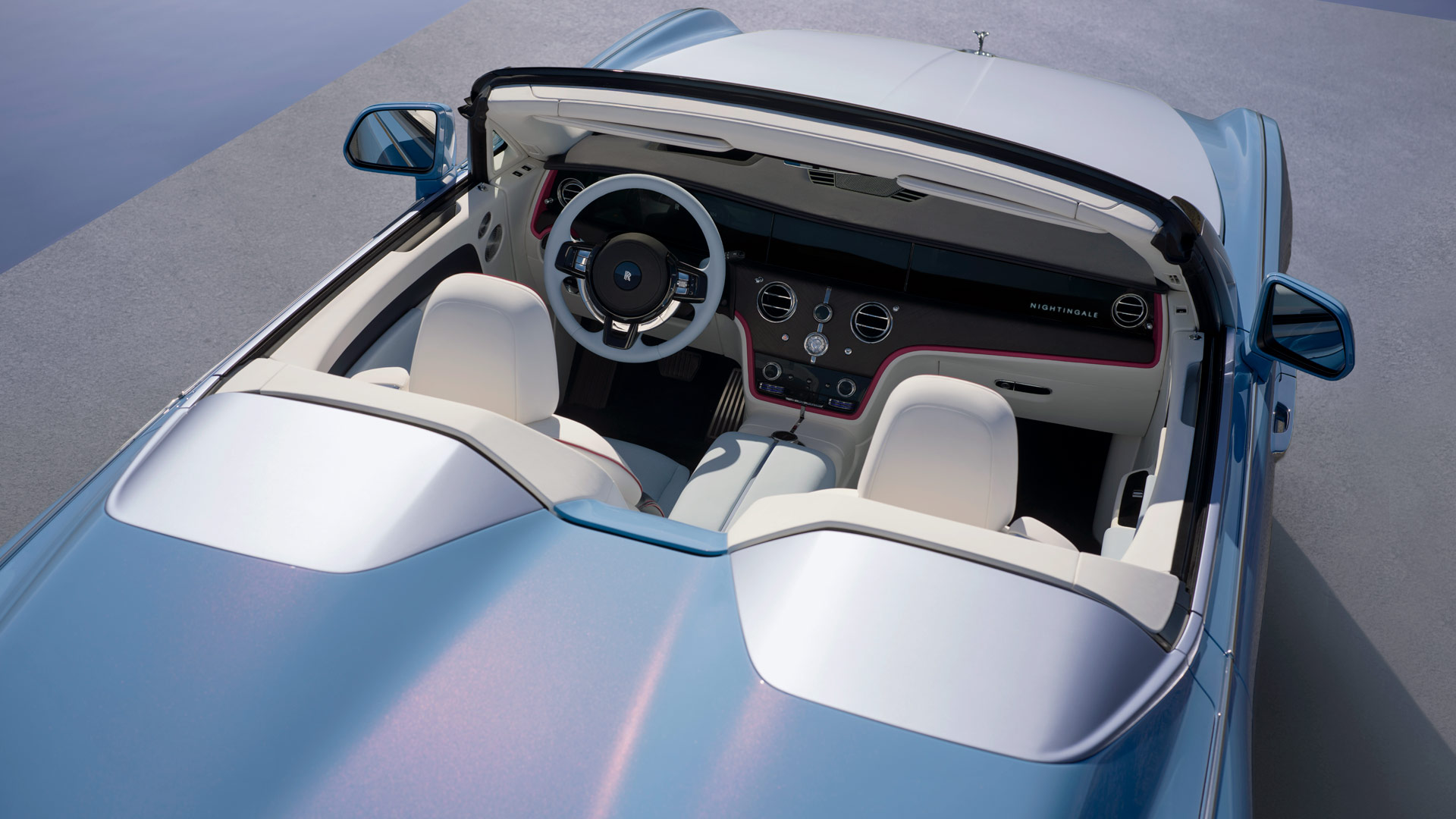
On the inside, Project Nightingale looks equally opulent, with ‘Starlight Breeze’ ambient illumination that incorporates 10,500 individual LED lights. The design of the lighting was modelled on soundwave patterns from nightingale song.
Open the rear-hinged coach door and the armrest automatically slides rearwards to reveal a Spirit of Ecstasy rotary controller made from polished and glass-blasted aluminium.
Billet aluminium is used for a pair of hidden cupholders, plus there is a hidden storage shelf behind the front seats to accommodate small items of luggage.
Coachbuilt production begins in 2028
The solid blue paint colour of the Project Nightingale seen here was inspired by the experimental Rolls-Royce 17EX of 1928. Within it are subtle red flakes, a nod to the red badges fitted to EX models.
Project Nightingale customers will have access to near-endless customisation, working closely with Rolls-Royce designers to shape their own vehicle.
Production gets underway at the marque’s Goodwood headquarters in 2028. Each of the 100 Project Nightingale cars will be hand-built. The price has not been disclosed, but is likely to stretch into seven figures.
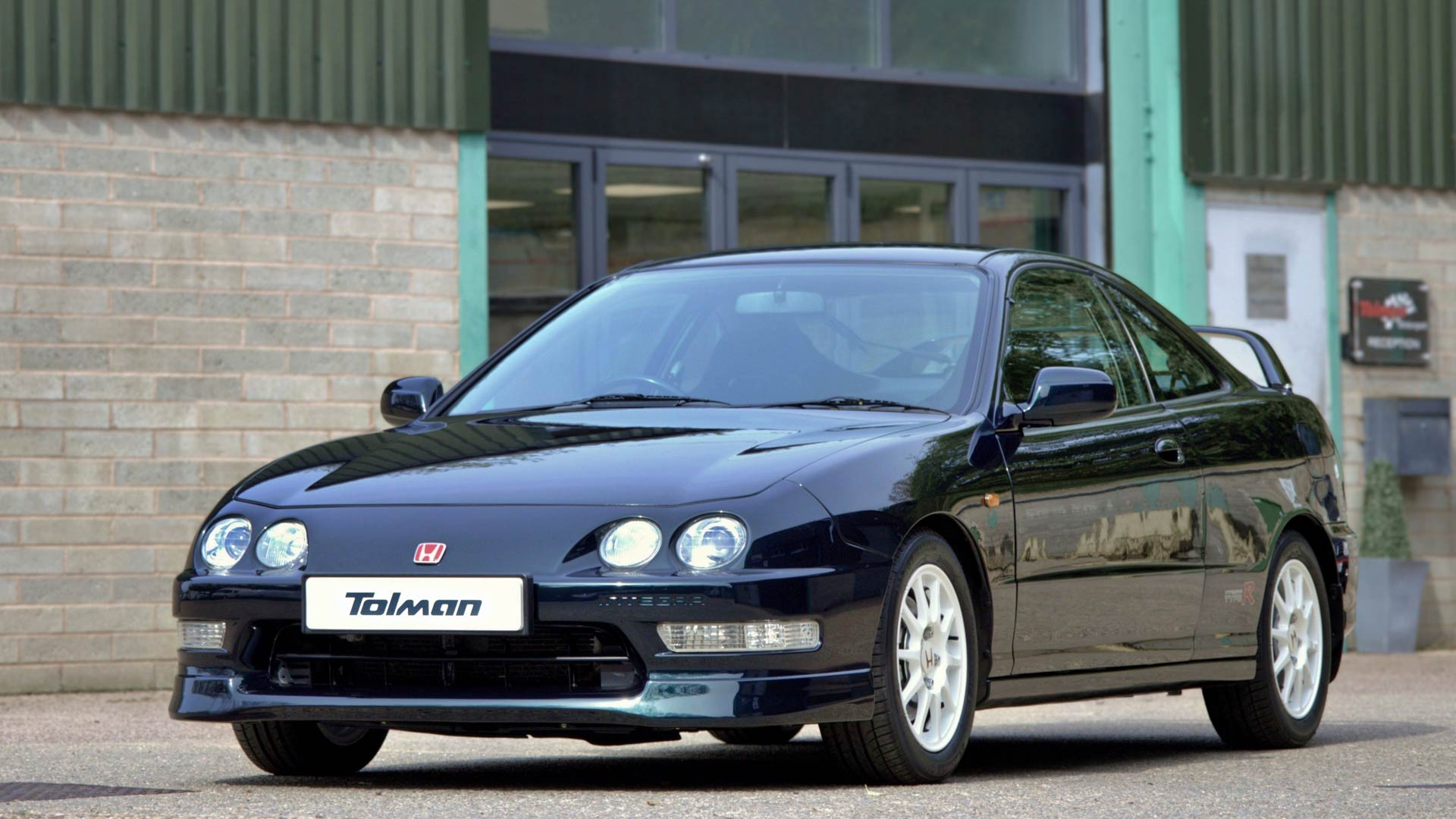
The Honda Integra Type R has become the latest modern classic to receive the restomod treatment from Tolman Motorsport.
Best known for its reimagined Peugeot 205 GTI, the Rugby-based company has turned its attention to the iconic DC2-generation Integra Type R.
The Honda is one of four unique customer cars due from Tolman Motorsport in 2026. It follows on from previous bespoke builds, including a Ford Escort XR3 and Mini Cooper S.
What began as a simple colour-change eventually became 740 man-hours of work, ensuring every aspect of the Integra Type R was in perfect, better-than-new condition.
The paint colour is the same Sorrento Green used on a Tolman Edition Peugeot 205 GTI (see below), which also belongs to the Integra’s owner.
Much more than just a paint job
On initial inspection, the Integra Type R appeared to be in good condition. However, digging deeper uncovered a history of MOT repairs made to mask corrosion. With the owner’s blessing, Tolman thus took the Honda’s body back to bare metal.
With replacement parts hard to come by, Tolman had to fabricate many new components. These included the rear quarter panel and wheelarch, where trapped mud had eaten away at the original steel bodywork.
Around 180 hours were spent on metalwork alone, given the importance of a rigid body shell to the intense Integra Type R driving experience.
Tasteful Sorrento Green replaced the original Championship White, with factory-spec seam sealer and cavity spray to protect the underside.
VTEC just kicked in
A naturally aspirated 1.8-litre B18C four-cylinder engine was the heart and soul of the DC2-generation Integra Type R when new.
When we drove an Integra Type R for our Retro Road Test, we said: ‘Up to 5,800rpm, the engine feels muted, even a bit gutless. Then Honda’s VTEC variable valve timing switches to a spikier cam profile and, with a feral snarl, all pretence of civility is shredded. The Integra reacts like it has swallowed a spoonful of wasabi.’
Paying homage to this iconic engine, Tolman has rebuilt the B18C to factory specification, meaning 190hp at a heady 8,000rpm.
The double wishbone suspension was refurbished, including the fitment of new Nitron dampers. Brake components and the fluid lines also received attention, contributing to a comprehensive mechanical overhaul.
Going the extra mile
Tolman refinished the Integra’s lightweight 15-inch Enkei alloy wheels, fitting modern Michelin Pilot Exalto 2 tyres to enhance all-round performance.
The interior of the Integra Type R also received attention, including its trademark Recaro seats. These were originally red when the Honda left the factory, but had faded to pink over time.
Instead of attempting to replicate the red upholstery, Tolman tracked down new-old-stock DC2 rear seat material from Australia. The front Recaros were then trimmed to match the rear bench.
Other improvements included a modern engine immobiliser, along with extra sound deadening to boost everyday usability.
Road-tested and ready to go
Once completed, the Integra Type R was treated to a 100-mile validation and setup road test by company founder Chris Tolman.
“The brief started with a colour change to sit alongside the owner’s Tolman Edition 205 GTI, but once we stripped the car we could see it deserved the full job done properly,” explained Tolman.
“When the panels are not available you either compromise or make them yourself. We’ll never compromise, so the answer was clear. The result is a build that stays true to the Integra, is sharp to drive and can be used with confidence.”
More projects from Tolman Motorsport will be revealed later this year. These continue alongside production of the Tolman Edition 205 GTI, which now has an order bank stretching into 2027.
Large SUVs can offer the comfort and prestige of a traditional luxury saloon, but with the potential to venture off-road. You also get a commanding driving position and enough space for passengers and luggage to rival a boutique hotel room.
Almost every upmarket car brand offers an SUV of some description in 2026. Love ’em or hate ’em, these high-riding heavyweights are here to stay. Even McLaren is rumoured to have one in development.
We’ve pulled together a list of the best new luxury SUVs on sale right now. From Aston Martin to Volvo, our choices are presented in alphabetical order – rather than order of preference.
Aston Martin DBX707 and DBX S
Developed from scratch, the DBX was a big gamble for a small company like Aston Martin. Thankfully, the St Athan-built DBX was the best thing to come out of Wales since the Manic Street Preachers.
Following a substantial update in 2024, the ‘standard’ DBX was dropped, leaving just the DBX707 with its thumping 707hp 4.0-litre twin-turbo V8. Aston Martin gave the DBX its own infotainment system, too – instantly solving the original model’s major shortcoming.
The DBX707 was joined last year by the DBX S, which brings less weight and even more power – plus exclusive options such as magnesium wheels. Aston Martin has also scored a major win by becoming the first car manufacturer to use Apple CarPlay Ultra infotainment software: now available in the DBX.
Of the DBX S, we said: ‘It deftly combines long-distance comfort with lucid feedback and taut body control. Whatever kind of road we threw at it, from motorways to mountain passes, the DBX S exuded confidence and capability. Despite its size and heft, it’s a car that relishes being driven with enthusiasm.’
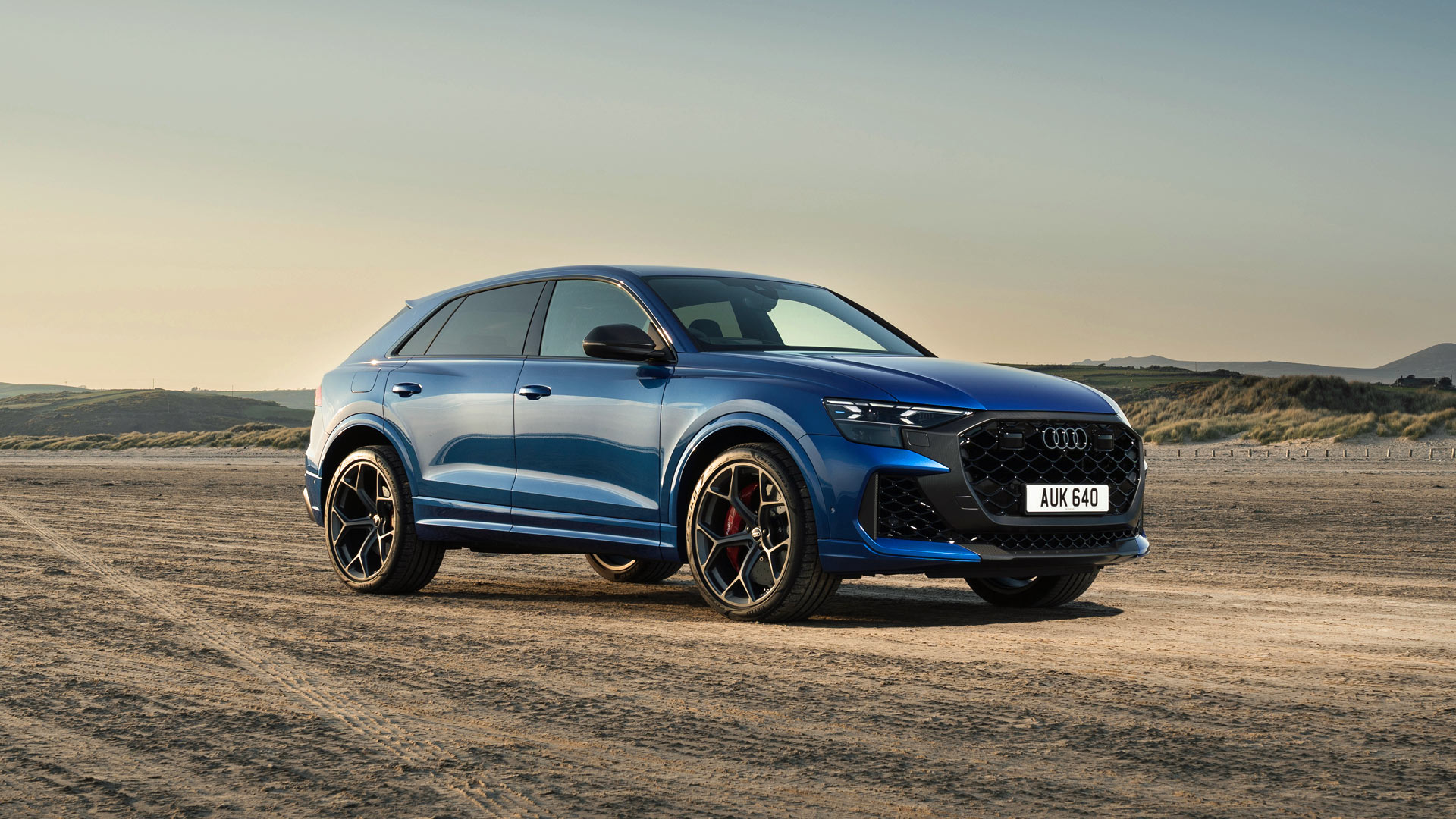
The RS Q8 is the combustion-powered SUV flagship in Audi’s range – and the hottest example of the Q8 SUV coupe. A close relative of the Lamborghini Urus, the RS Q8 serves up 600hp and handling that seems to defy the laws of physics.
In Performance specification, the RS Q8 is also one of the most powerful road-going Audis ever created. Its bombastic twin-turbocharged 4.0-litre V8 delivers 640hp. Even the most extreme version of the R8 supercar made do with ‘just’ 620hp.
We said: ‘With launch control engaged, the all-wheel-drive RS Q8 Performance will slingshot itself from 0-62mph in just 3.6 seconds. And it will keep ramming through its eight automatic ratios until a 174mph maximum. Experiencing the RS Q8 Performance at full throttle is truly visceral, your brain struggling to equate such aggressive acceleration with a high-riding SUV body. Or indeed the NASCAR-like soundtrack coming from the upgraded sports exhaust.’
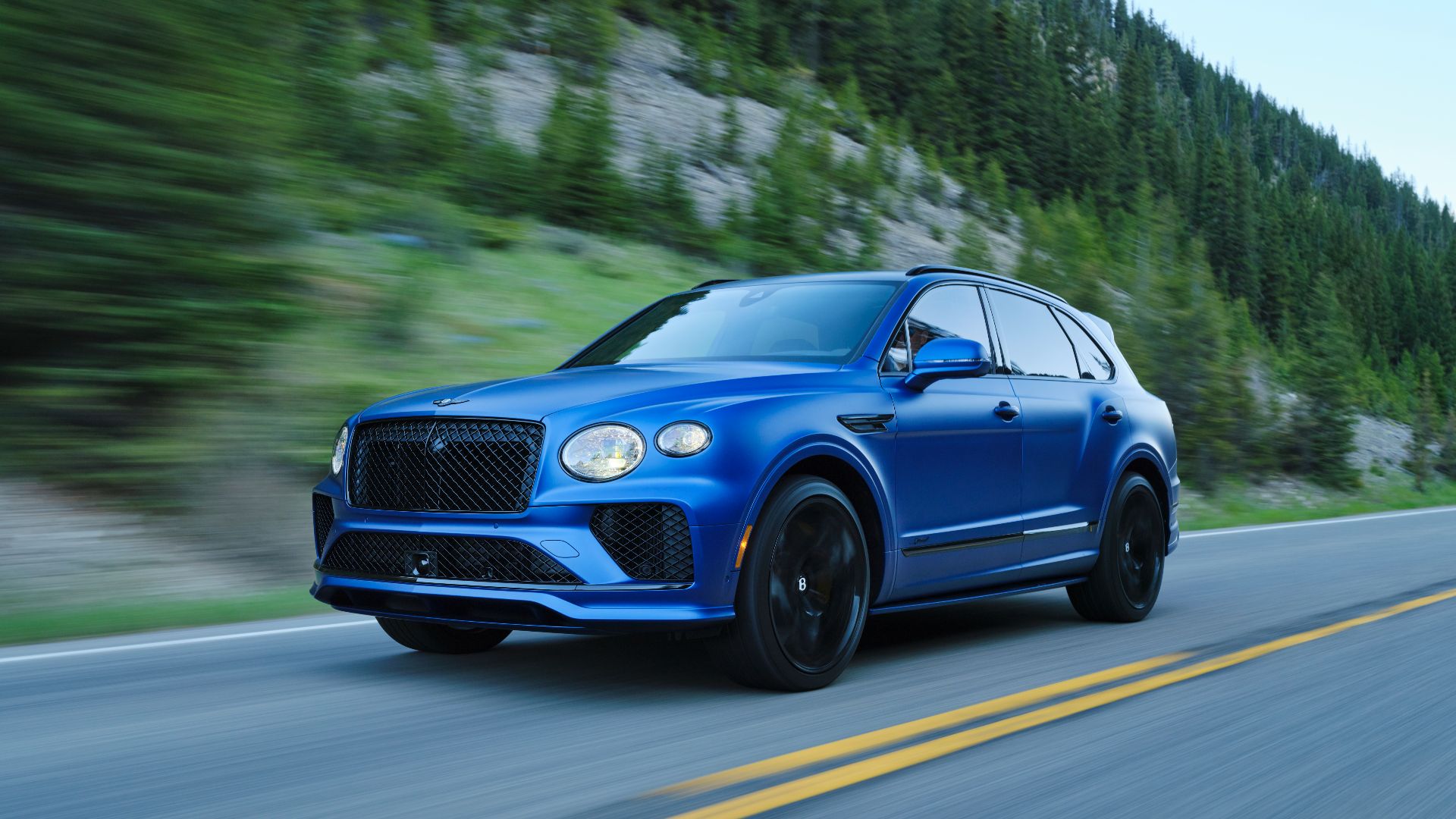
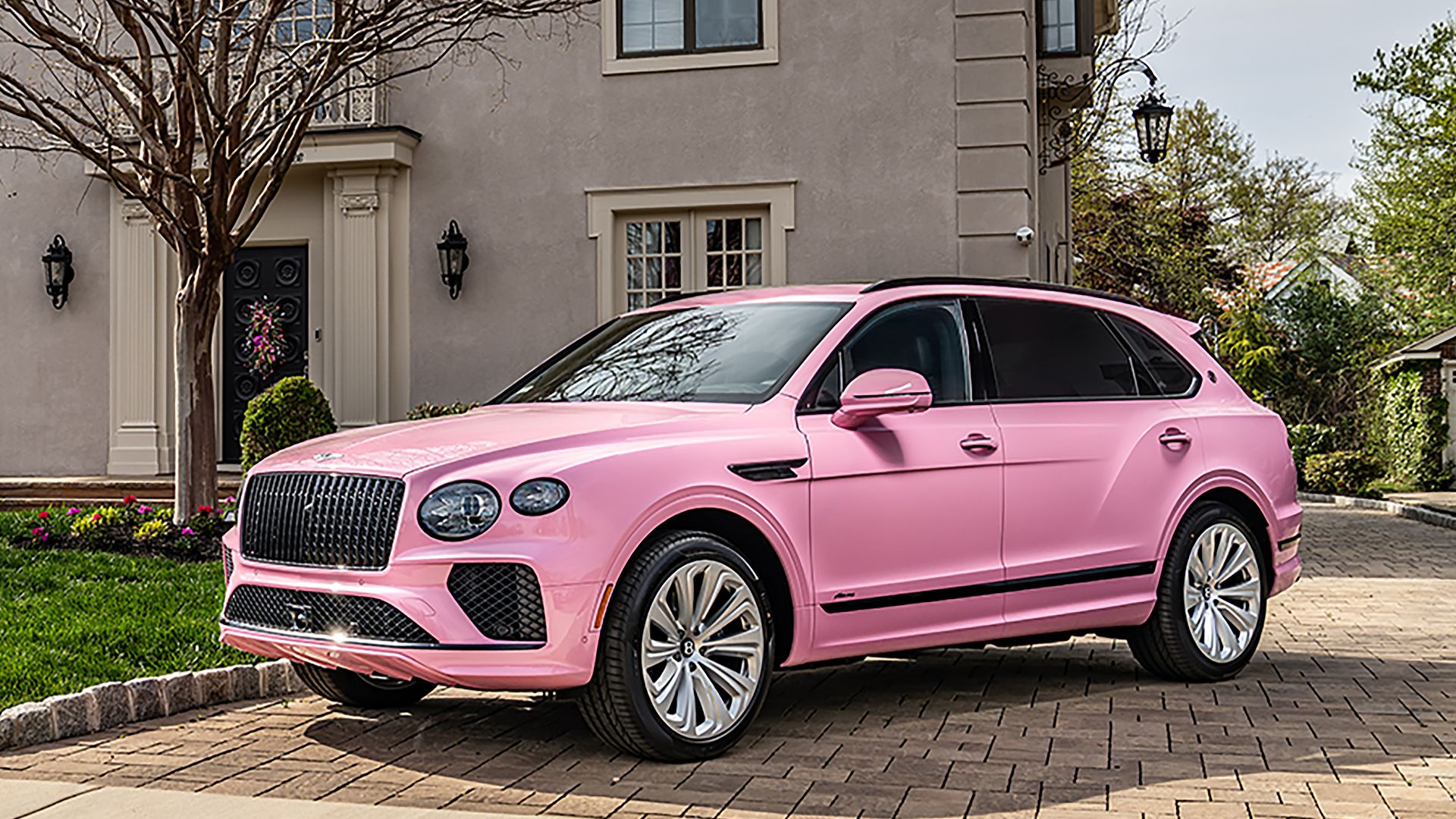
A few eyebrows were raised when Bentley launched an SUV back in 2015, but the Bentayga was a critic-silencing class act. It remains so following updates in 2020 and at the end of 2023. The latest tweaks improved the climate control, introduced a new ‘A’ trim level and updated the driver assistance systems.
The Bentayga offers a choice of V8 petrol and V6 hybrid powertrains, along with the option of an Extended Wheelbase (EWB) version – pictured above – which provides even more luxury for rear-seat passengers. The Barbie-spec paint job? That’s optional.
We said: ‘Bentley’s powerful active anti-roll system is standard, and clever tweaks to the torque vectoring system make it feel snappier and more like a hot hatchback through bends. Cornering isn’t something that comes naturally to heavy and high-riding SUVs, but the Bentayga S shows what can be done with a bit of nous.’
The X7 is a 7 Series saloon on stilts: a full-size SUV for buyers who demand more luxury than a BMW X5 can deliver. It’s the first time BMW has offered a genuine Range Rover rival, and it sure ain’t subtle. Prices start from £92,000, but you’ll pay almost £120,000 for the 530hp M60i xDrive version.
Still, it’s more affordable than the Bentayga, albeit without the extra layer of opulence. Seven seats come as standard, while the optional six-seat layout (£660) creates more room for passengers in the second row. The X7 is now something of a rarity on our list, still being offered with the option of a 352hp xDrive40d diesel engine.
We said: ‘The X7 is the antithesis of a compact crossover. It’s an unashamedly big, bold SUV that has much in common with the tech-laden BMW 7 Series.’
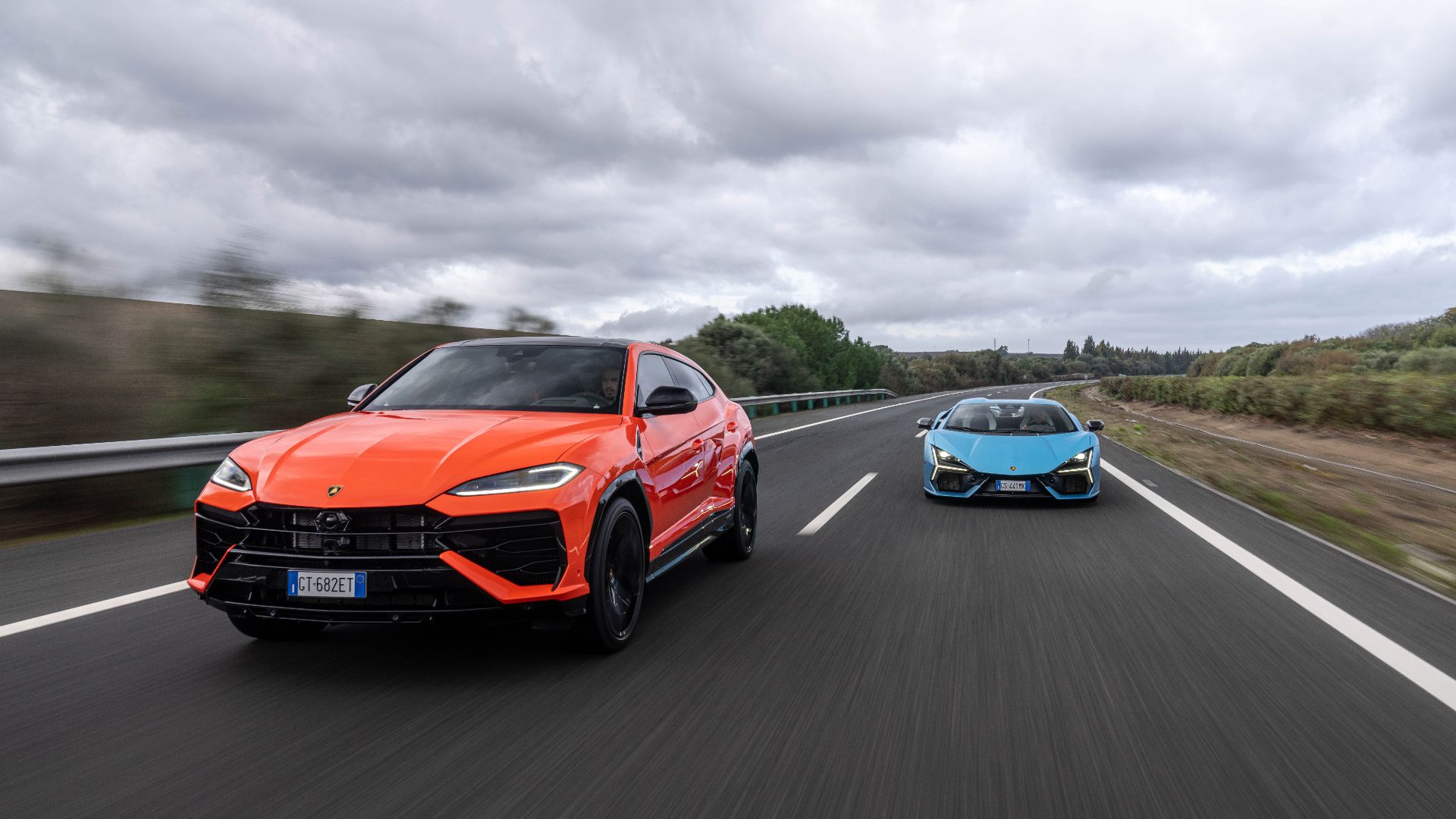
The idea of a Lamborghini SUV isn’t a new one. Car enthusiasts of a certain age will remember the ‘Rambo Lambo’ LM002 of the late 1980s and early 1990s. Despite this, the appearance of the Urus caused a major stir amongst Lamborghini fans. Yet the performance SUV has been a massive success for the Italian marque.
Lamborghini describes the Urus as a ‘Super Sport Utility Vehicle’, prioritising epic speed and acceleration. The latest Urus SE comes with a 611hp version of the 4.0-litre twin-turbocharged V8 shared with the Audi RS Q8, but adds a hybrid electric motor for incredible outputs of 800hp and 701lb ft of torque.
Experiencing the Urus SE alongside the company’s supercars at the Lamborghini World Finals event, we discovered this high-riding performance SUV is more than capable of holding its own.
We said: ‘With the electric motor all but eliminating turbo lag, plus all-wheel drive and a quick-witted eight-speed auto transmission, the Urus gathers speed like a runaway train. The small matter of 800hp – more than twice the power of the Countach LP500 S on my childhood bedroom wall – obviously helps here, too. When driven with brio, giving chase to a hard-charging Revuelto, it feels absolutely ballistic.’
When it comes to upsetting brand purists, forget about a Lamborghini SUV. Instead, consider the challenge faced by Land Rover in creating a new version of the iconic Defender.
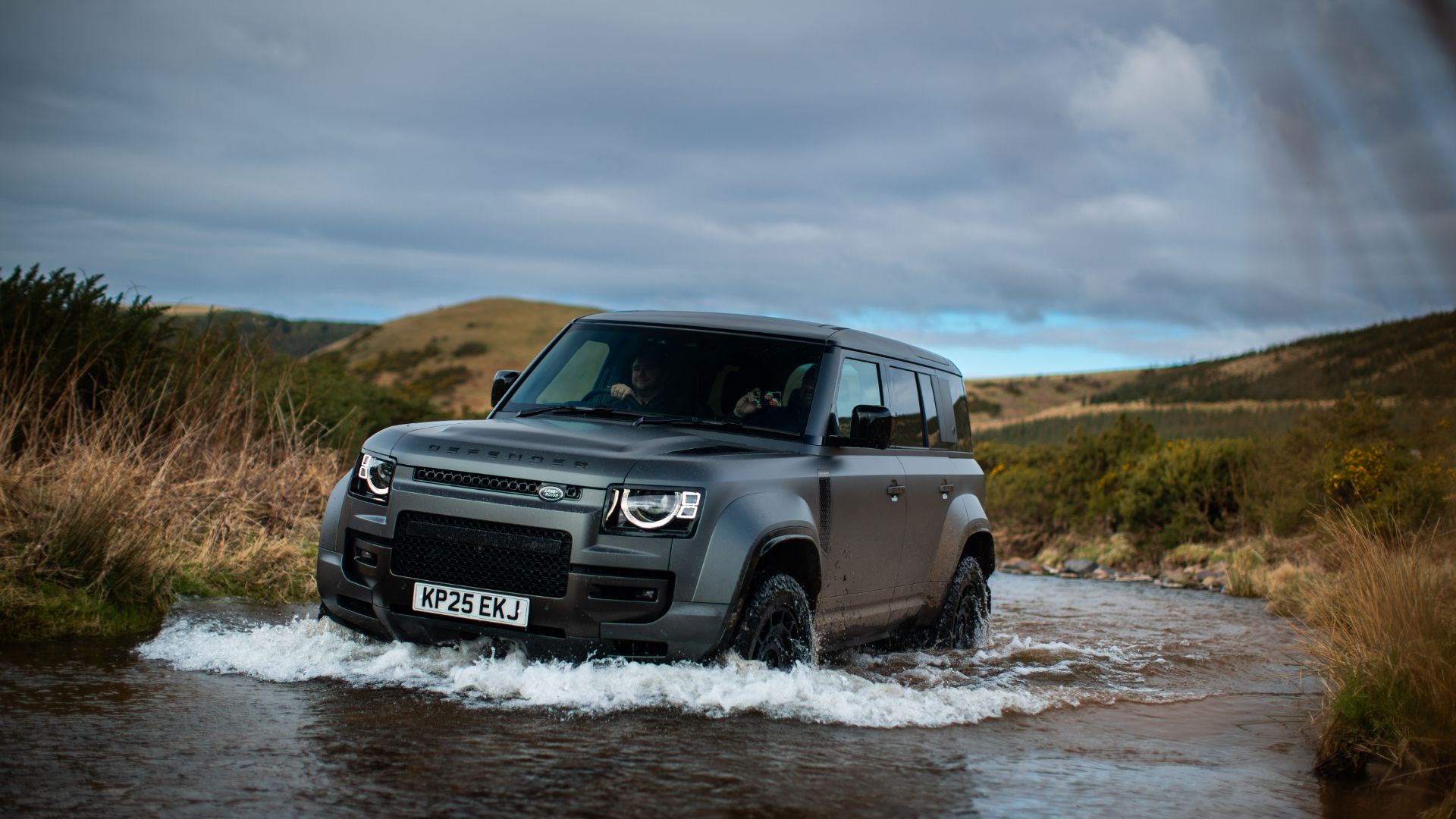
Yes, the modern Defender is an entirely different proposition to the original, adding the kind of luxury that Land Rover’s classic 4×4 might only have dreamed of. Despite this upmarket makeover, however, the reborn Defender still offers serious off-road capability, along with tremendous performance in 635hp V8 Octa guise.
With advanced ‘6D Dynamics’ air suspension, the unstoppable Octa lets you live out your dreams of competing in the Dakar rally. Albeit doing so in leather-lined luxury, with seats that offer six different massage programmes.
We said: ‘We have seen super SUVs before, of course, but nothing that rivals the Octa for sheer breadth of capability. You might argue that only a small percentage of owners will drive this car anywhere near its limits, particularly in the UK – and you’d be right. But the bombastic Defender Octa rides roughshod over dull logic. It’s impossible not to enjoy it.’
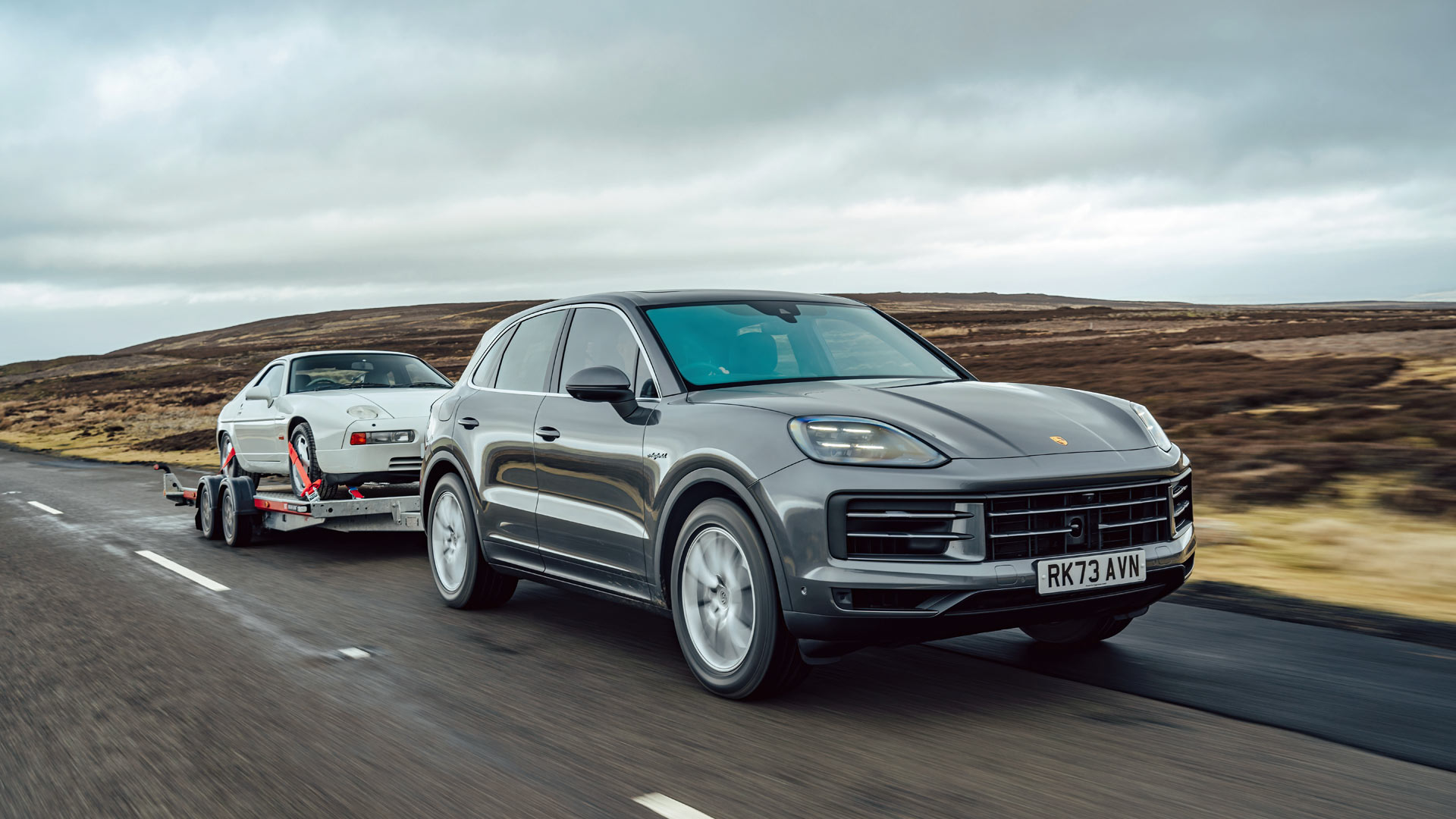
The Porsche Cayenne is credited with saving the German manufacturer from bankruptcy, with three generations of the luxury SUV ensuring sports cars such as the 911 can continue to be made. Far more than just a necessary evil, however, the Cayenne is a hugely accomplished Porsche in its own right.
Hybridisation has become a key part of the modern Cayenne experience, delivering a combination of speed and efficiency well suited to everyday use. In E-Hybrid form, the Cayenne delivers 470hp and 479lb ft of torque, with an electric-only range in excess of 45 miles.
Add to this a high-quality interior packed with technology, plus generous space for passengers and their luggage, and the Porsche manages to tick every box on the luxury SUV list. Even its looks have improved with time.
It’s worth adding that Porsche recently launched the battery-powered Cayenne Electric, too. You can read our preview here and our full review is due soon.
We said: ‘Used as a family wagon, the Cayenne is as comfortable and practical as you’d hope. You can cruise around in near-silent electric mode, enjoying the relaxed ride, luxurious interior and effortless electric torque. Communicative steering, crisp throttle response and taut body control are there as subtle reminders that you’re driving a Porsche, but the E-Hybrid doesn’t shout about its sportiness.’
The Range Rover has been the luxury SUV of choice since 1970. Although the latest incarnation is a world away from the wipe-clean and hose-down spec of the original, the Range Rover retains its unrivalled off-road capability and peerless image.
The latest, fifth-generation Range Rover is available with seven seats for the first time, plus a choice of petrol, diesel and plug-in hybrid powertrains (with a fully electric version coming soon). It still feels like the benchmark against which other luxury SUVs are judged.
We said: ‘How does it drive? Oh, like a Range Rover: impeccably. The serenity and sense of wellbeing is all-encompassing. It’s not uncannily silent, like an electric car, but the background hum of the super-smooth engine merely seems to enhance the experience. A bit like the vibration-free noise of a car in the movies, when they are driving on a green screen.’
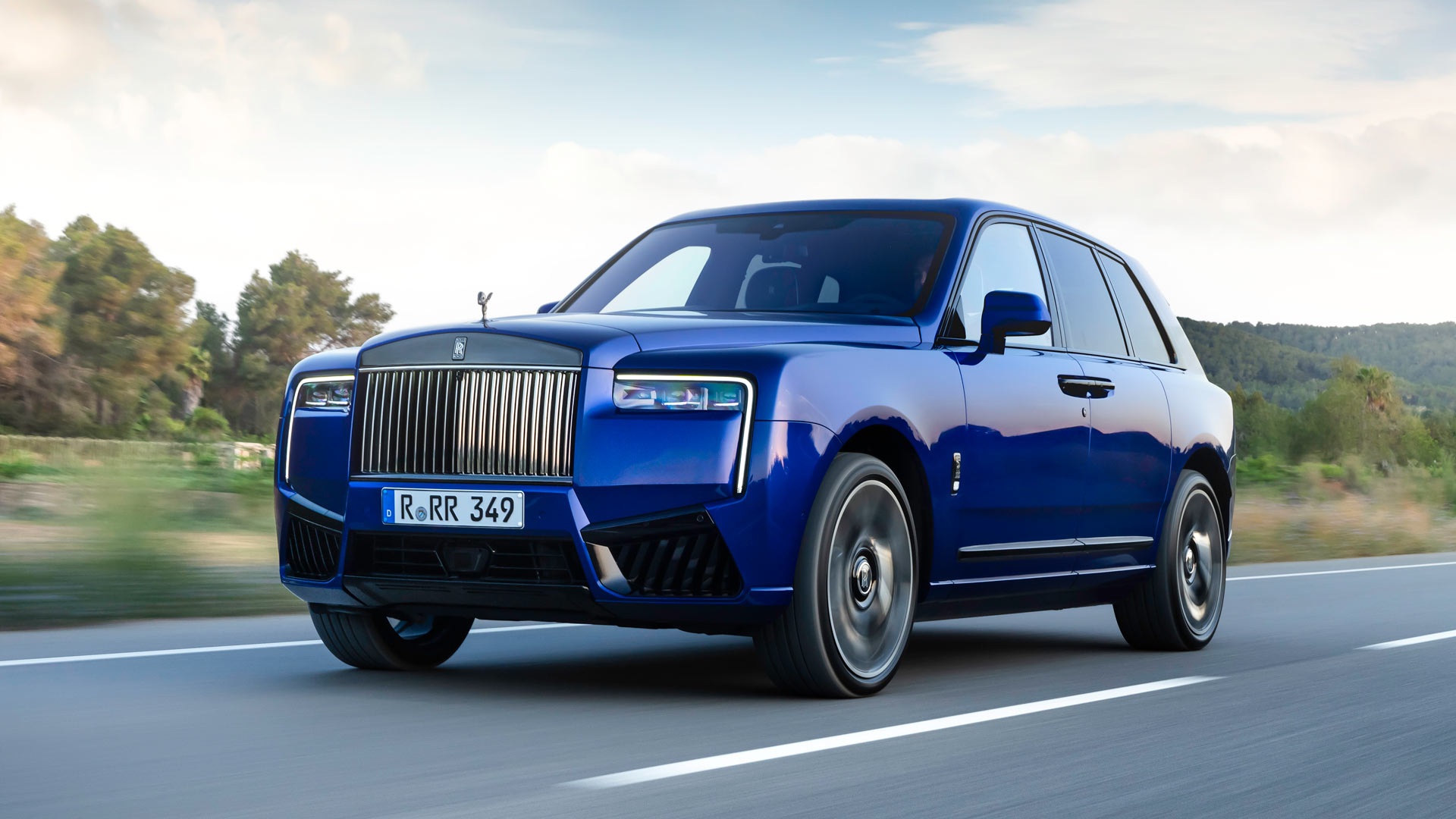
The Rolls-Royce Cullinan stands head and shoulders above other SUVs when it comes to luxury. Or indeed price. Costing close to £400,000 in Black Badge specification, the updated Cullinan Series II is reassuringly more expensive than alternatives such as the Bentley Bentayga or Range Rover.
The Series II makeover brings a number of cosmetic changes for the high-riding Rolls, including a reshaped and illuminated ‘Pantheon’ front grille. Inside, Rolls-Royce has given the Cullinan a new full-width, glass-fronted dashboard, along with a pleasing array of traditional switches and dials.
Black Badge specification sees the Cullinan’s 6.75-litre twin-turbocharged V12 massaged to deliver 600hp and 664lb ft of torque. Even with a kerb weight in excess of 2,700kg, it can accelerate from 0-62mph in 5.2 seconds.
We said: ‘If you want a super SUV to rival the Aston Martin DBX707 or Ferrari Purosangue, this isn’t it. Engaging Low mode gives the Cullinan a little extra attitude, but it’s still a calming experience rather than a shot of automotive adrenalin.’
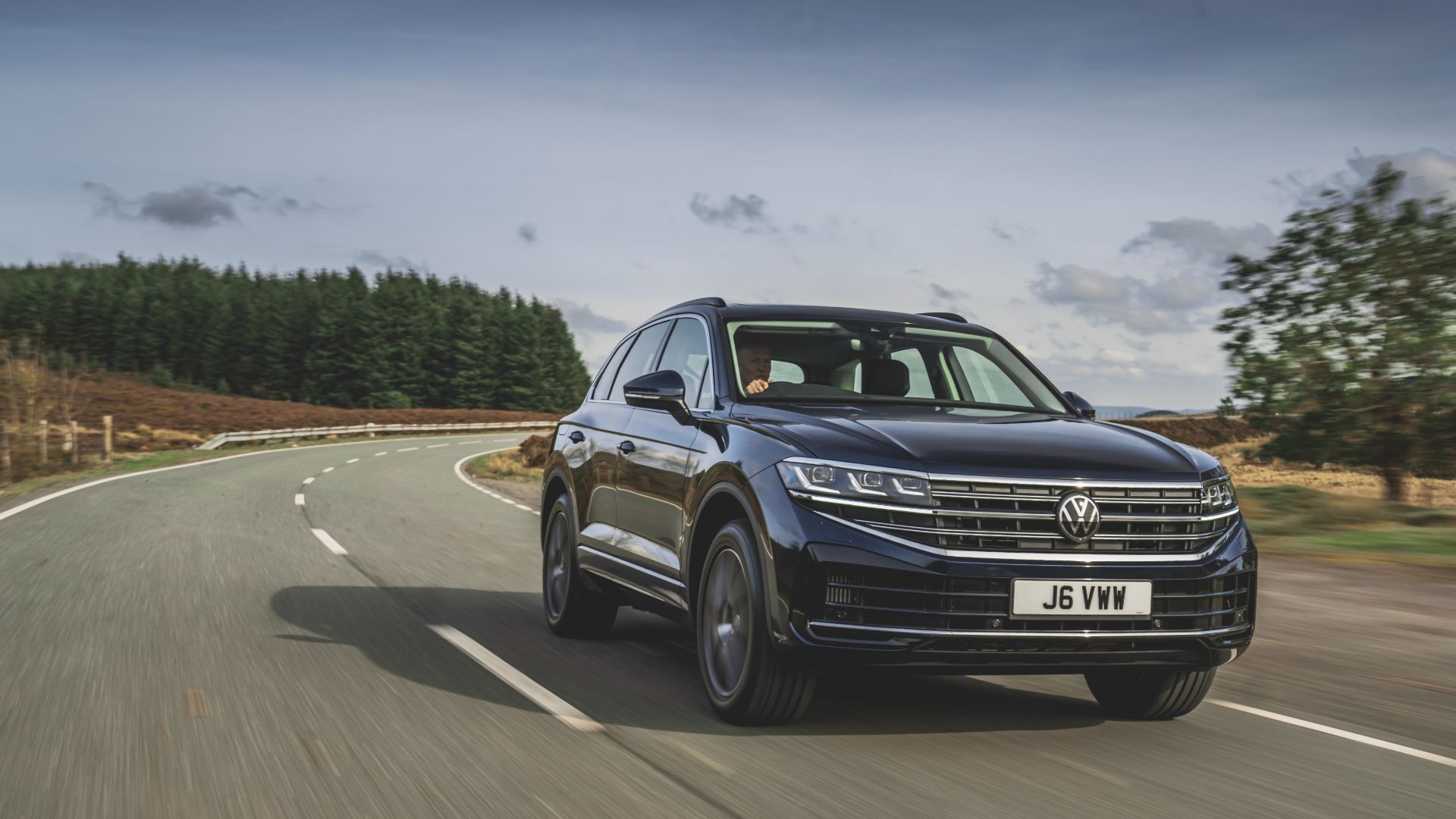
If the inclusion of a Volkswagen on this list seems a little odd, hear us out. The Touareg is based on the same platform as the Audi Q7, Bentley Bentayga, Lamborghini Urus and Porsche Cayenne, so it feels like a cut-price ticket into the world of posh SUVs. Prices range from £70,000 to £80,000.
For that, you get four-wheel-drive, an eight-speed transmission, an interior that feels a cut above its mainstream rivals and a choice of 3.0-litre V6 diesel or plug-in hybrid powertrains. Granted, it can’t match the other cars on this list in terms of opulence and a sense of occasion, but many will appreciate the understated styling. It’s also huge, with seating for five adults and a massive boot.
Your time to buy a Touareg is limited, though. The less luxurious Tayron will replace it as Volkswagen’s flagship SUV later this year.
We said: ‘The Touareg isn’t that most modern of oxymorons, a sporty SUV, and it’s all the better for that. Instead, it majors on calm, easygoing comfort. The light steering lacks feel and the ride on standard steel springs felt slightly firm over low-speed holes and humps (we’re told the optional air suspension improves matters). Still, the VW comports itself well for a 2,443kg SUV, dispatching long distances with minimal fuss.’
The XC90 was first launched in 2015, so it’s a credit to Volvo that this current version – fresh from a facelift in 2025 – still ranks among the best luxury SUVs. The range is now limited to two engines: 250hp B5 petrol and 406hp T8 plug-in hybrid. We tested the latter, which is capable of 43 miles on electric power alone. It’s effortlessly relaxing to drive.
Inside, the Volvo combines tasteful Scandinavian style with enough space for seven people to sit comfortably. Its infotainment system has obviously been upgraded since 2015, and now features Apple CarPlay and Android Auto smartphone connectivity.
We said: ‘The XC90 remains capable of seamlessly slipping into everyday duties. The level of space on offer, along with its comfort and refinement, are effective ways to cocoon yourself from the madness of modern life.’
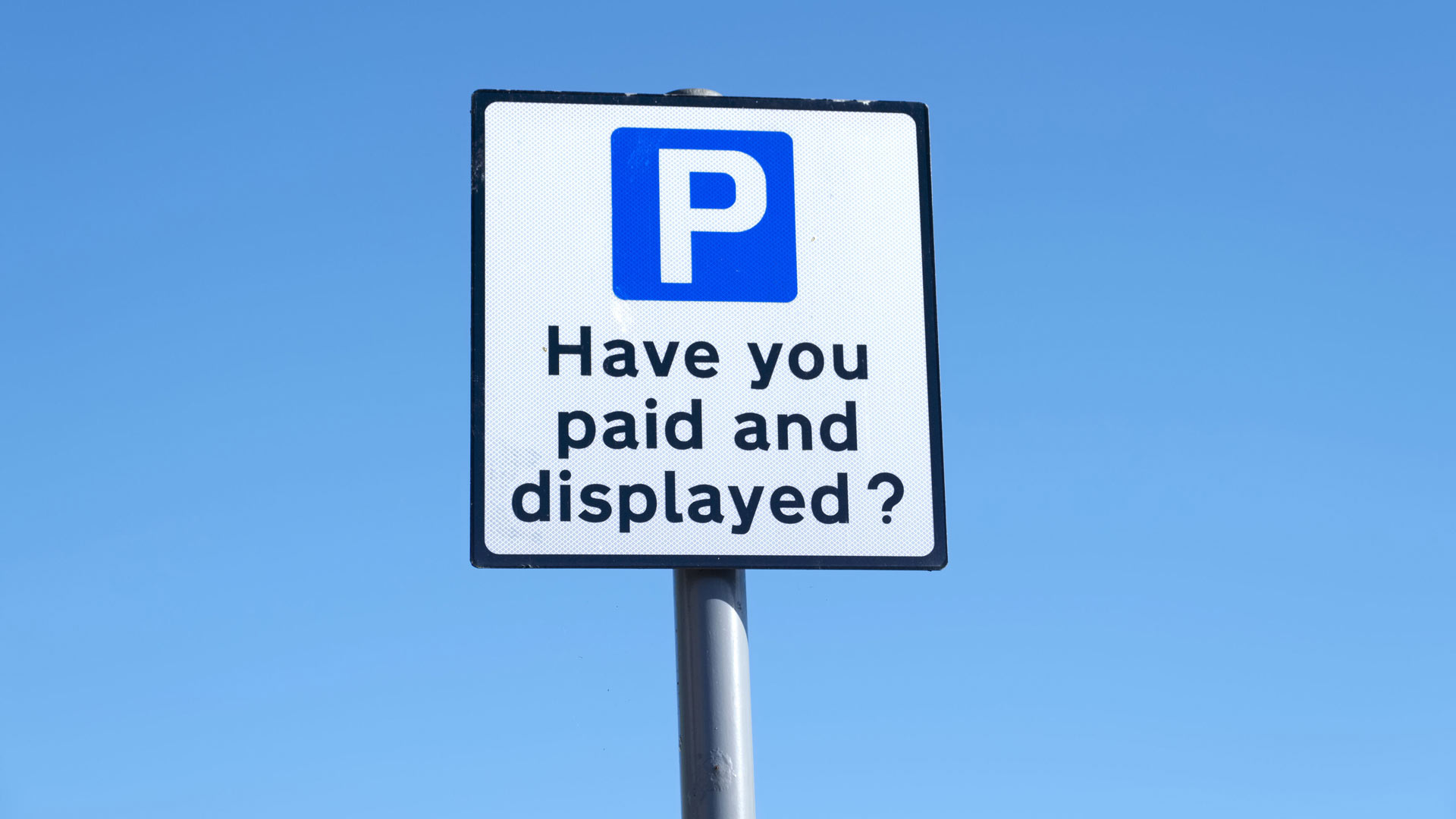
The adoption of a single ‘one app fits all’ solution to pay for car parking risks isolating older drivers, new data suggests.
The government is encouraging local authorities across the UK to collaborate with the National Parking Platform (NPP) for payment in public car parks.
A joint venture between the Department for Transport and the British Parking Association, the NPP is designed to allow drivers to pay for parking without the need to install multiple smartphone apps.
Car parks that participate in the National Parking Platform will be connected through a shared system. This means any approved smartphone app can be used to make payment.
The intention is to allow drivers to use their existing parking apps, rather than needing to download new ones, reducing the risk of a fine for failing to pay.
Older drivers excluded from parking apps
However, research by breakdown organisation Start Rescue finds that only 68 percent of those aged 65 or over use a smartphone to go online, potentially leaving millions unable to pay for parking.
Analysing Driver and Vehicle Licensing Agency (DVLA) data, this suggests up to 2.9 million older drivers could be left without access to the NPP-compatible smartphone apps.
“This is a fundamentally sound idea,” said Lee Puffett, managing director of Start Rescue. “But it has to recognise that many drivers, and particularly older drivers, prefer to pay with cash, bank card or their phone using the likes of Apple Pay.
“Weak phone signal, bad lighting and poor parking signage all contribute to making parking payments trickier for older drivers.”
Parking needs to work for all drivers
Start Rescue believes that being unable to use parking apps could see older drivers compelled to park further away, and possibly in more dangerous locations.
This concern is also shared by Rob Heard, chair of the Older Drivers Forum.“While we recognise the convenience and growing popularity of parking apps, it’s vital that councils and operators continue to provide alternative payment options,” said Heard.
“Not all drivers – particularly older motorists – use smartphones or feel comfortable relying solely on digital services. A fully inclusive approach ensures that everyone can park safely and conveniently, without being disadvantaged or forced to seek less suitable alternatives.”
Following a trial with 10 local authorities, the NPP is now in use across more than 1,200 locations in the UK.
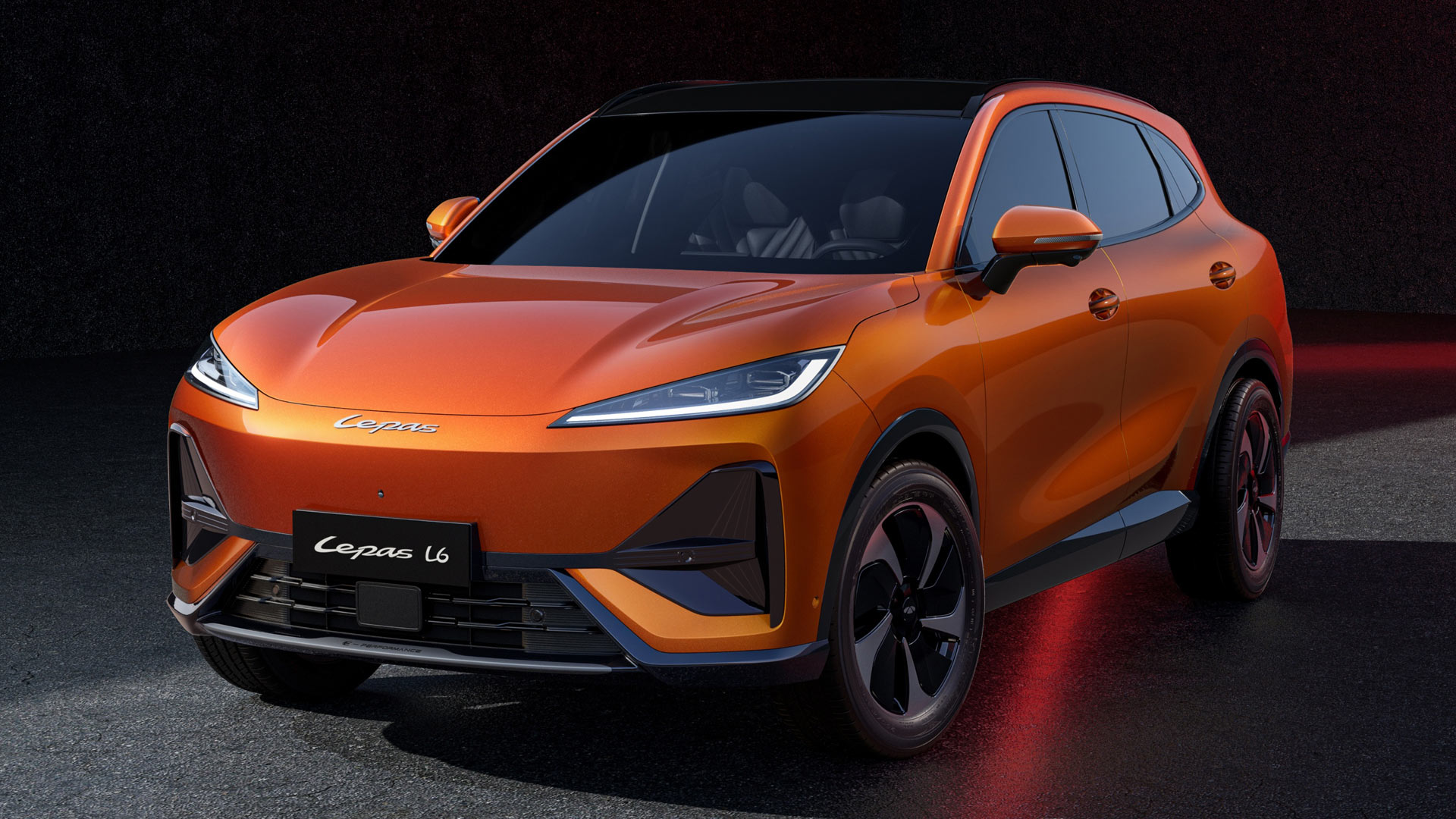
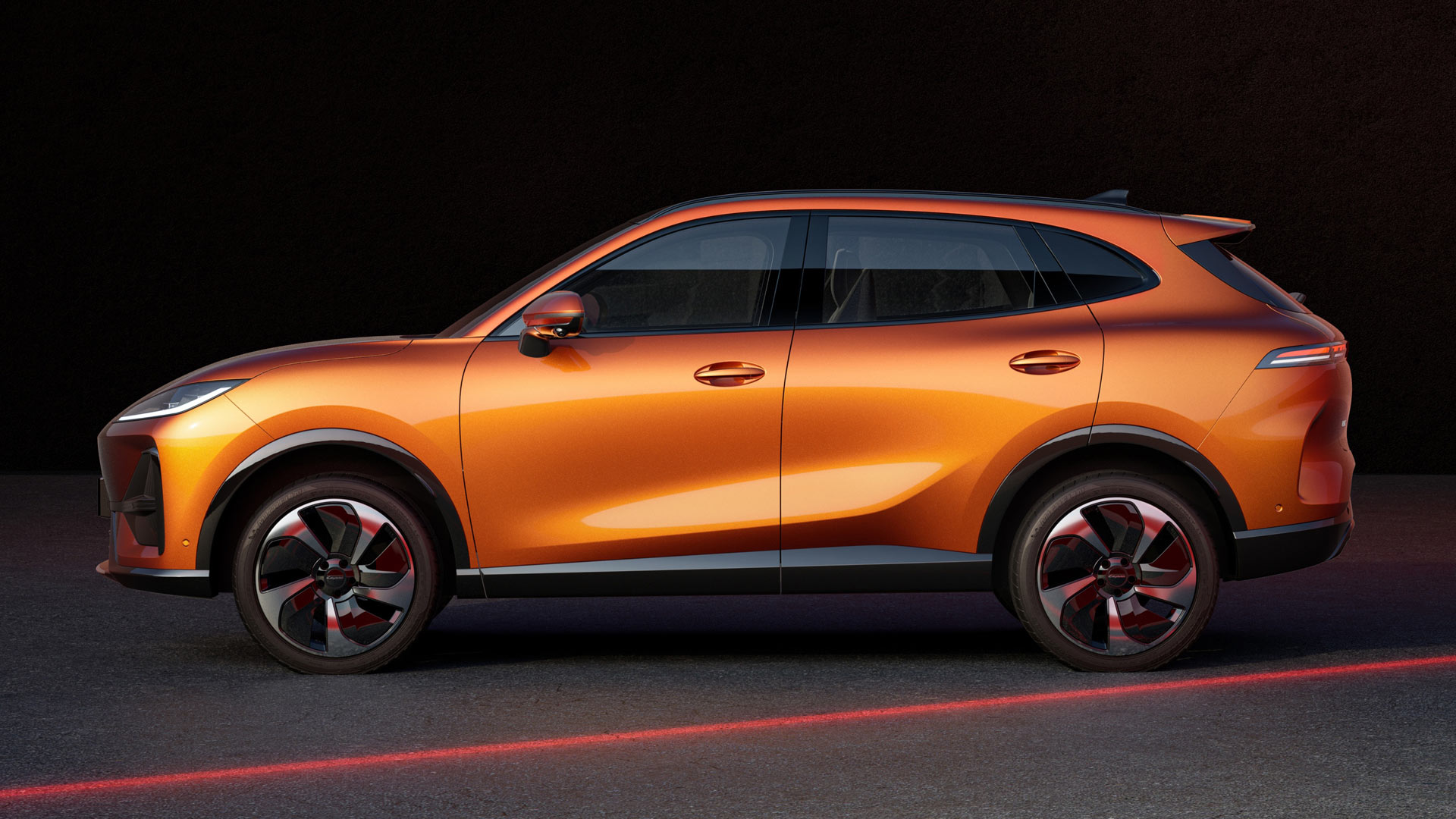
Chinese marque Lepas, part of the Chery automotive group, has confirmed its next vehicle for launch in the UK.
Making its debut at the prestigious Milan Design Week, the mid-size Lepas L6 SUV will be offered to British customers in both hybrid and fully electric guises.
Its arrival follows the announcement of the flagship Lepas L8 SUV earlier this year.
On sale in five-seat format at first, the L6 takes on an ever-growing roster of Chinese-made family SUVs. Its choice of powertrains potentially offers an advantage against established rivals such as the Volkswagen Tiguan and Hyundai Tucson.
Hybrid or EV power for Lepas L6
Although specific details about the Lepas L6 are still limited, the hybrid-powered version will combine a 1.5-litre petrol engine with an electric motor and battery pack.
This will allow the Lepas L6 Super Hybrid a range of up to 700 miles with its battery fully charged and petrol tank brimmed.
The electric Lepas L6 BEV uses a 67kWh battery pack, predicted to offer up to 270 miles of range in the official WLTP test. Recharging from 30 to 80 percent capacity takes as little as 20 minutes.
Both variants of the Lepas L6 are based on Chery’s New Energy Vehicle (NEV) modular platform. The company promises this will deliver ‘a seamless blend of performance, comfort and efficiency, tailored for European roads’.
The eye of the leopard
The Lepas name is a portmanteau of ‘leopard’ and ‘passion’. The L6’s LED daytime running lights are said to be modelled on the shape of a leopard’s eye, while its overall styling pays homage to ‘the elegance and agility of a running leopard’.
Commenting on the European launch of the L6, Ray Wang, managing director of Lepas UK, said: “The Lepas L6 marks an exciting step for our brand in Europe and, of course, the UK market – as we confirm this will be the second model sold.
“Combining our proprietary Lepas Super Hybrid and fully electric powertrains, the Lepas L6 delivers exceptional efficiency, impressive range and rapid charging.”
More information on the L6, including UK market prices, will be confirmed by Lepas closer to the on-sale date, likely to be late 2026.
Lepas is the fourth brand from Chery Group to enter the UK market in recent years. It follows Jaecoo, Omoda and Chery itself.
The new KGM Musso EV electric pickup has become the UK’s cheapest commercial vehicle for company car drivers to tax.
Benefiting from the full £5,000 Plug-in Van Grant, the double-cab pickup has a headline price of just £39,995 – and that includes VAT.
The electric Musso also attracts a low Benefit-in-Kind (BIK) company car tax rate of four percent, meaning it will cost fleet car drivers from just £30 a month to tax.
KGM – the new name for SsangYong – will showcase the Musso EV pickup at the Commercial Vehicle Show, which gets underway at Birmingham’s NEC later this month.
A 240-mile electric range
The electric version of the well-known Musso double-cab pickup, the new KGM Musso EV has an 80.6kWh battery supplied by EV giant BYD.
This provides it with a range of up to 240 miles. Rapid charging from 20-80 percent can take around half an hour.
The KGM Musso EV offers a 690kg payload and 2.3-tonne towing capacity – supported by load-sensitive self-levelling rear suspension. It also has full-time all-wheel drive, with its electric drivetrain serving up 207hp.
Orders for the new KGM Musso EV are open now, and UK dealers expect their first vehicles in May. Customer deliveries will start in the summer.
Any vehicle can suffer from a flat battery – even an electric car. Charging a car battery is a straightforward process, but there are some important points to consider first. This short guide will explain the process.
A car battery will typically last between three and five years before it needs replacing. There are many signs that a battery is getting old, but common symptoms include the engine cranking slower than normal, loss of power to the electronics and a warning light on the car’s dashboard.
Recharging a failing battery might get you home, but you should fit a replacement as soon as possible. A garage will usually be able to fit a new battery in a matter of minutes.
It’s also important to drive your car regularly to keep its battery in good health. Without use, even a relatively new battery might only last two weeks before it needs recharging. External factors such as cold weather or extreme heat could reduce this period to a few days.
Equally, the cause of a flat battery might be something as simple as an interior light left switched on.
Electric cars use a separate battery for starting the car and powering ancillaries such as the lights and air conditioning – so the same issues also apply to them.
Why has your car battery gone flat?
If you have ruled out the possibility that your car battery is simply old and needs replacing, you need to figure out why it has gone flat. Reasons may include:
Regular short journeys. As many motorists have discovered with increased working from home, the combination of infrequent use and short trips puts a strain on car batteries.
Leaving an interior light on. Also check the boot light, as this is harder to spot when you leave the vehicle.
Using the electrics when the car isn’t running. Did you listen to the radio while you spent the afternoon valeting the car?
Fitting the wrong battery. If it’s too small, the battery will lack the power required to crank the engine.
Extreme outdoor temperatures. Very hot or cold weather will have a detrimental effect on battery life.
How to charge a car battery
Once the car is running, a drive of around 30 minutes – preferably at a steady speed on the motorway – should be enough to return the battery to full health. Don’t stall the engine or you could end up stranded at the roadside.
If you find that the battery is flat or the car is slow to start at the next attempt, it’s almost certainly time to fit a new one. Prices range from around £50 to £200, depending on the size of battery your car requires.
A modern car with stop/start engine technology requires a different and more expensive AGM or EFB battery. You’ll also require a smart charger, rather than a conventional battery charger.
Here is the process for charging a car battery:
Check and clean the battery terminals. If they look dirty, rub them with a wire brush and remove any residue before charging.
On older cars, make a note of radio PIN codes or how to reset the clock BEFORE you disconnect the battery.
Disconnect the battery. Remove the negative terminal first, then the positive terminal, before opening the clamp holding the battery in place. Using a magnetic ratchet set or spanner will reduce the chances of important nuts and bolts dropping into the bowels of the engine. We’ve all been there.
Although it’s possible to charge a car battery in situ, we’d recommend removing it from the car. Position the battery on a flat surface in the garage or shed before connecting the positive cable to the positive terminal, then the negative cable to the negative terminal. Don’t recharge a car battery in the house – there’s a risk of explosion or fire.
With the cables secured, switch on the battery charger and wait for the battery to be charged. How long it takes depends on the size of the battery, but it could be up to 24 hours before the battery is fully topped up. Most chargers have a light or indicator to tell you when the battery is ready for use.
Unplug the charger, disconnect the cables, then position the battery in the car. Secure the battery by refitting the clamp, before fitting the positive terminal and then the negative terminal. Switch on the car’s ignition, check for any warning lights, then start the engine.
If your car spends a lot of time parked up, it’s probably worth investing in a trickle charger. These devices monitor the battery’s health and top it up gradually with electricity from the mains.
Owners of classic cars swear by them, as they ensure older, less frequently used vehicles are always charged and ready to be driven.
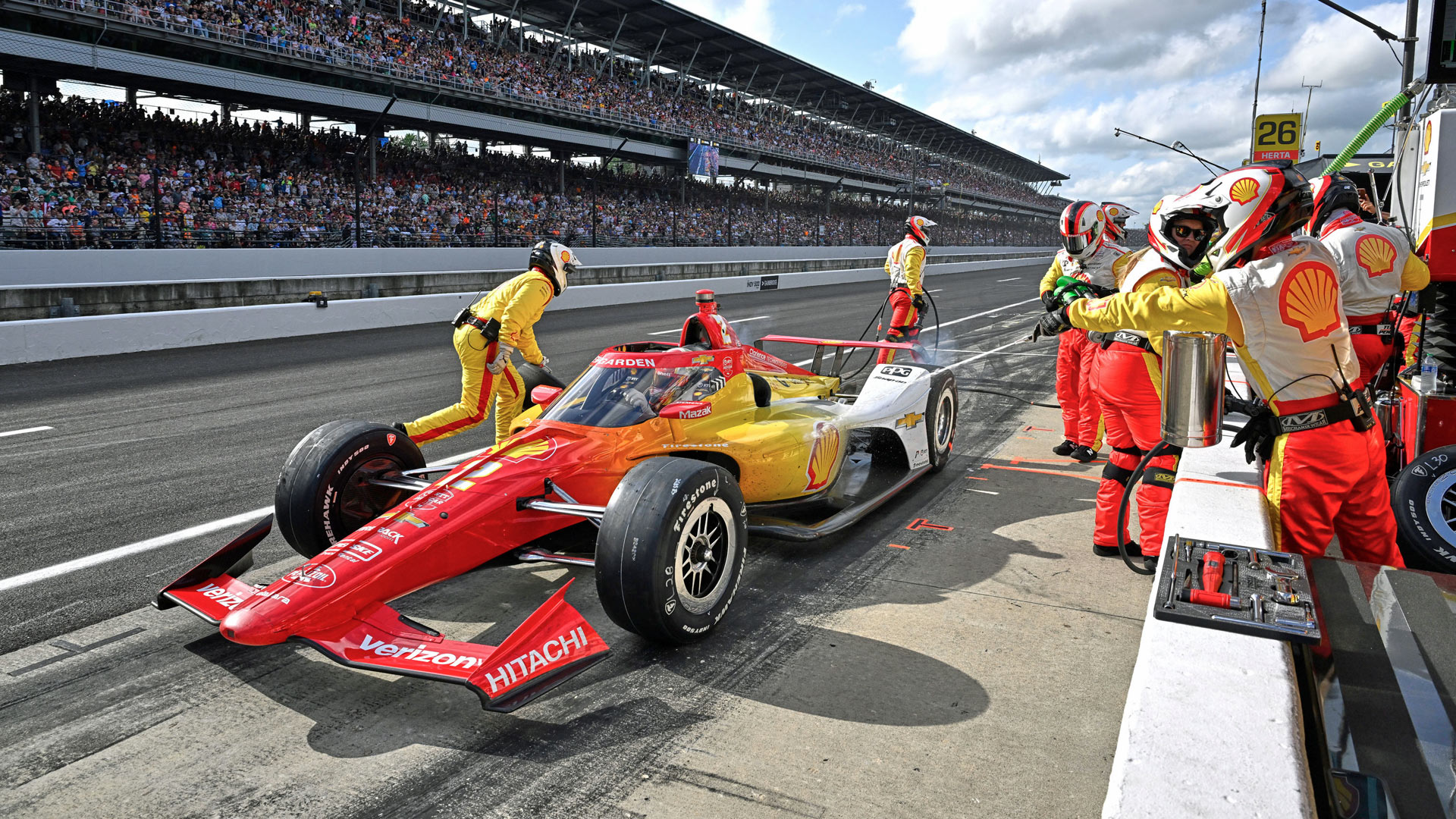
Penske Truck Rental has added a new vehicle option ahead of the 110th running of the Indianapolis 500. However, it isn’t the most practical choice.
Along with the variety of trucks and vans listed on the Penske website, a Dallara DW12 IndyCar racer is now available to “rent”.
Penske is keen to highlight the extreme performance offered by the IndyCar, which develops 800 horsepower and can reach 240 mph.
Thiat makes it substantially faster than any of the other rental vehicles. Having 0.026 cubic-feet of cargo capacity does limit its practicality, however.
Fast, but slightly impractical
Penske also notes the IndyCar will need to undergo seven seconds of maintenance every 40 to 50 miles.
Averaging four miles per gallon on E85 renewable fuel could also be a challenge. Having an IndyCar pit crew on hand could obviously help here.
Despite the sheer level of effort Penske Truck Rental has gone to with its wildly impractical IndyCar option, sadly there is no way to actually reserve a race car at your local depot.
Instead, Penske is using the IndyCar rental option to offer enthusiasts the chance to win a VIP trip to this year’s Indianapolis 500 race.
Fans can enter the “Rev Up Your Rental” contest now, detailing in 500 words what winning a trip to the Greatest Spectacle in Racing would mean to them.
Head to the ultimate fan destination
The two lucky winners of the Rev Up Your Rental competition will receive air travel, hotel accommodation, and VIP access to the Indianapolis Motor Speedway for the Indy 500.
This will include track-side hospitality, a behind-the-scenes tour of the Fox Sports TV compound, and even pre-race access to the starting grid of the hallowed circuit.
“Penske Truck Rental has always been about moving lives and businesses forward – and for true racing fans, the Indianapolis 500 is the ultimate fan destination,” said Kevin Malloy, senior vice president of rental at Penske.
“This new contest celebrates the stories that move us all, and we’re honored to help two passionate fans’ dreams come true of attending this legendary race and enjoying a VIP experience.”
The 110th Indianapolis 500 will take place on Sunday, May 24 2026. This weekend sees the 2026 IndyCar Series head to California for the Long Beach Grand Prix.
Parking is one of most stressful and least enjoyable aspects of driving a car. Whether it’s the price to park, a shortage of spaces or the risk of being clamped, the issue is never far from a motorist’s mind.
The topic of where you can park is more complicated than you might think. Indeed, if you haven’t read the Highway Code for a while (not since your driving test, perhaps), you may have forgotten where you can’t stop or park. Similarly, you could be confused when it comes to parking outside your own home.
Here, we reveal the places where it’s illegal to park your car, along with a few useful facts about parking in the UK.
Most drivers are aware that yellow lines relate to parking restrictions. Double yellow lines indicate a prohibition of waiting at ANY TIME, even if there are no upright signs. Basically, you cannot park on double yellow lines.
Things aren’t so clear when it comes to single yellow lines. You MUST NOT wait or park on yellow lines during the times of operation shown on the signs, or at the entrance to a Controlled Parking Zone.
Often, you will find that single-yellow line parking restrictions are lifted at quieter times, such as overnight or at weekends. Alternatively, they may only apply for a couple of hours a day – to deter people from parking in residential streets close to a train station, for example.
You also MUST NOT wait, park, set down or pick up on school entrance markings when upright signs indicate a prohibition of stopping.
Parking at the roadside
The Highway Code says you must use off-street parking areas or bays marked out by white lines whenever possible. If you have to stop at the roadside, you should adhere to the following rules:
Do not park facing against the traffic flow
Stop as close as you can to the side of the road
Do not stop too close to a vehicle displaying a Blue Badge
Do not park in spaces reserved for Blue Badge holders, residents or motorcycles
There are specific rules regarding parking partially or wholly on the pavement, depending on where you live. Currently, pavement parking is banned in London and Scotland, but there are moves to extend this policy to all of the UK. Visit Motoring Research for the latest parking news.
Where you MUST NOT stop or park
The Highway Code goes on to list the following places where you MUST NOT stop or park:
The carriageway or the hard shoulder of a motorway, except in an emergency
A road marked with double white lines in the middle, even when a broken white line is on your side of the road. The exception is to pick up or set down passengers, or to load and unload goods
A tram or cycle lane during its hours of operation
A cycle track
Red lines, unless otherwise indicated by signs
Other parking restrictions
Rule 243 of the Highway Code says DO NOT stop or park in the following places:
On the approach to a level crossing or tramway crossing
Opposite or within 10 metres (32 feet) of a junction, except in an authorised parking space
Near the brow of a hill or humpback bridge
Opposite a traffic island or another parked vehicle
Where you would force other traffic to enter a tram lane
Where the kerb has been lowered to help wheelchair users and powered mobility vehicles
In front of an entrance to a property
On a bend
Where you would obstruct cyclists’ use of cycle facilities
These rules apply at all times, EXCEPT when you are forced to stop by stationary traffic.
What if someone parks on your driveway?
Although you are not allowed to park across the entrance to a property, there is nothing to stop someone parking on the road outside your house.
A survey by Uswitch of 1,000 Brits found 60 percent thought they were legally entitled to park in the space outside their home. Yet a quarter of drivers would happily ‘steal’ the spot outside your house.
Hannah Parsons, a solicitor at DAS Law, says: “A homeowner has no special legal right to park directly outside their property. All road users have the same right to park anywhere on the public highway as long as they do not contravene parking restrictions.”
Things aren’t so clear cut when it comes to parking on a driveway. As Parsons explains, it’s not actually a criminal offence.
“If a vehicle is parked on your driveway without your permission, they are trespassing. As trespass is a civil and not criminal offence, the police will not always get involved. At most, they may send an officer to try and determine the owner of the vehicle and ask them to move it.”
Once the car is on a driveway, it’s technically on private property – where the local council has no jurisdiction. A council can remove an abandoned car from private or public property, but if the vehicle is taxed, insured and has a valid MOT they’re unlikely to touch it.
Florence Codjoe, a car insurance expert at Uswitch, said: “Whilst it’s really frustrating to find a vehicle parked outside your home for weeks or months, it’s the decision of your local council as to whether it’s removed. If the vehicle is damaged, causing an obstruction, uninsured and without road tax [Vehicle Excise Duty], it’s likely the council will remove it.”
Taking revenge by blocking the car in question isn’t recommended. Hannah Parsons says: “If someone has parked on your driveway and you were to block them in, your vehicle may be causing an obstruction to the public highway and this is a criminal offence. The owner of the vehicle could therefore call the police.”
This is a view shared by Paul Watters of the AA. He warns: “Frustrating though this may be, what you can’t do is pop a line of cones on the road outside. You’re then committing a criminal offence because they could cause an accident. This counts as obstruction and a penalty charge could be issued.”
Penalties for illegal parking
The Traffic Management Act 2004 was introduced to tackle congestion and disruption on the road network. It gives local authorities more power to manage parking policies, coordinate street works and enforce some moving traffic offences.
A Penalty Charge Notice (PCN, more commonly know as a parking ticket), might be enforced and issued through the civil rather than the criminal justice system. The fine can typically be up to £70 outside London, or up to £130 within the capital.
The PCN is discounted by 50 percent if paid within 14 days of receiving the ticket. If the fine is left unpaid, the local authority can pursue the debt through the County Court.
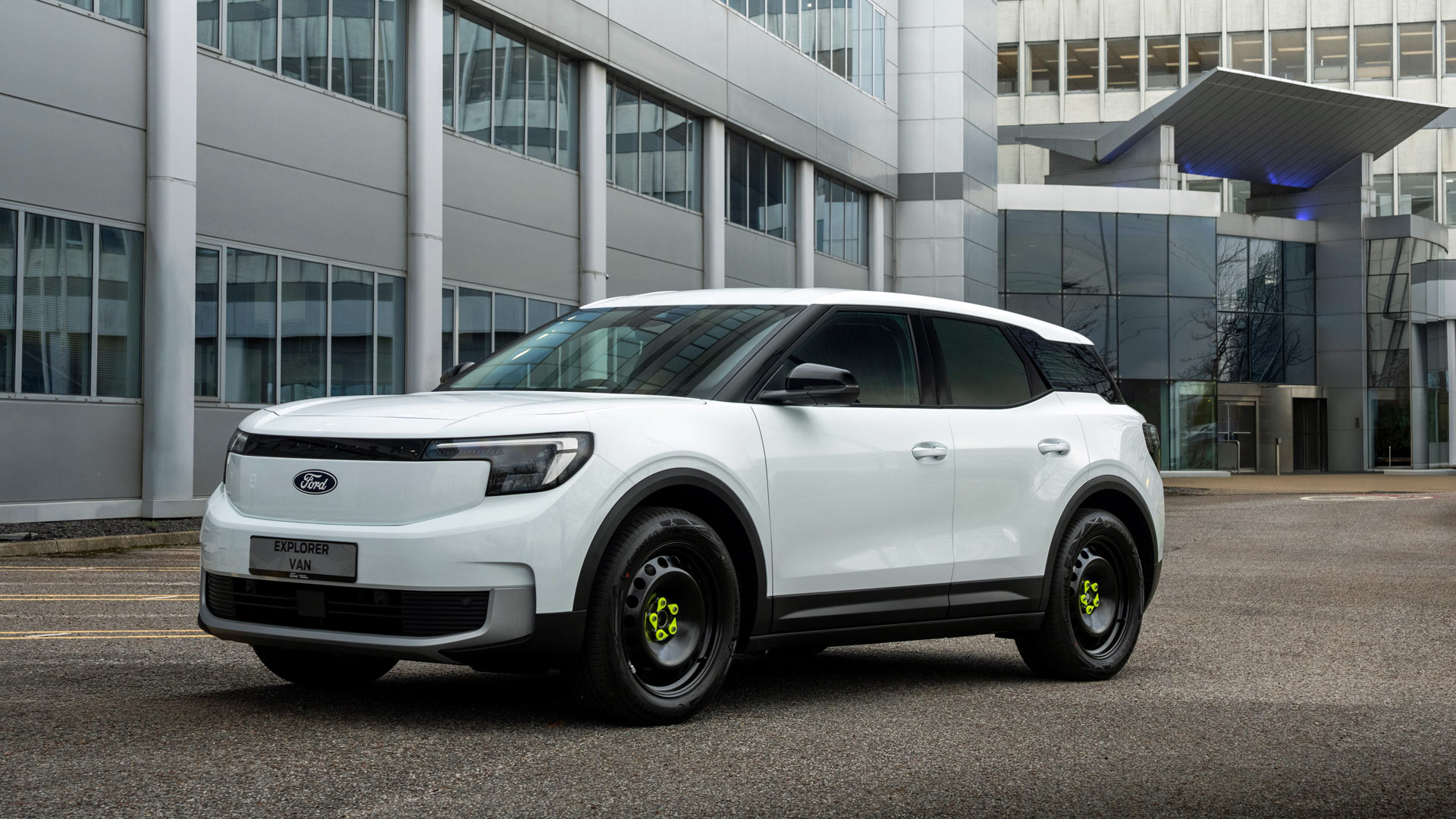
Ford has become the latest manufacturer to launch an electric car-based van in the UK, following the lead of Dacia and Volvo.
The new Ford Explorer Van converts the electric SUV into a practical commercial vehicle, aimed at moving ‘supervisors or inspection teams across multiple sites in the same day’.
Combined with these operational demands, there is pressure for some of Ford’s larger fleet customers to switch to electric vehicles – resulting in a need for models like the Explorer Van.
The company hopes the Explorer Van will replace existing company pool cars, or having to pay employees to use their own vehicles, in order to move people and specialist equipment.
Up to 374 miles of range
Discussions with Ford’s biggest fleet customers shaped the development of the Explorer Van, which will offer a choice of rear- or all-wheel drive.
The rear-wheel-drive Explorer Van serves up 285hp, plus the ability to tow up to 1,000kg. The all-wheel-drive version is boosted to 340hp, with an increased towing capacity of 1,200kg.
Opting for the RWD Explorer Van means the potential to cover up to 374 miles, with rapid-charging technology allowing the battery to be replenished from 10 to 80 percent in around 25 minutes.
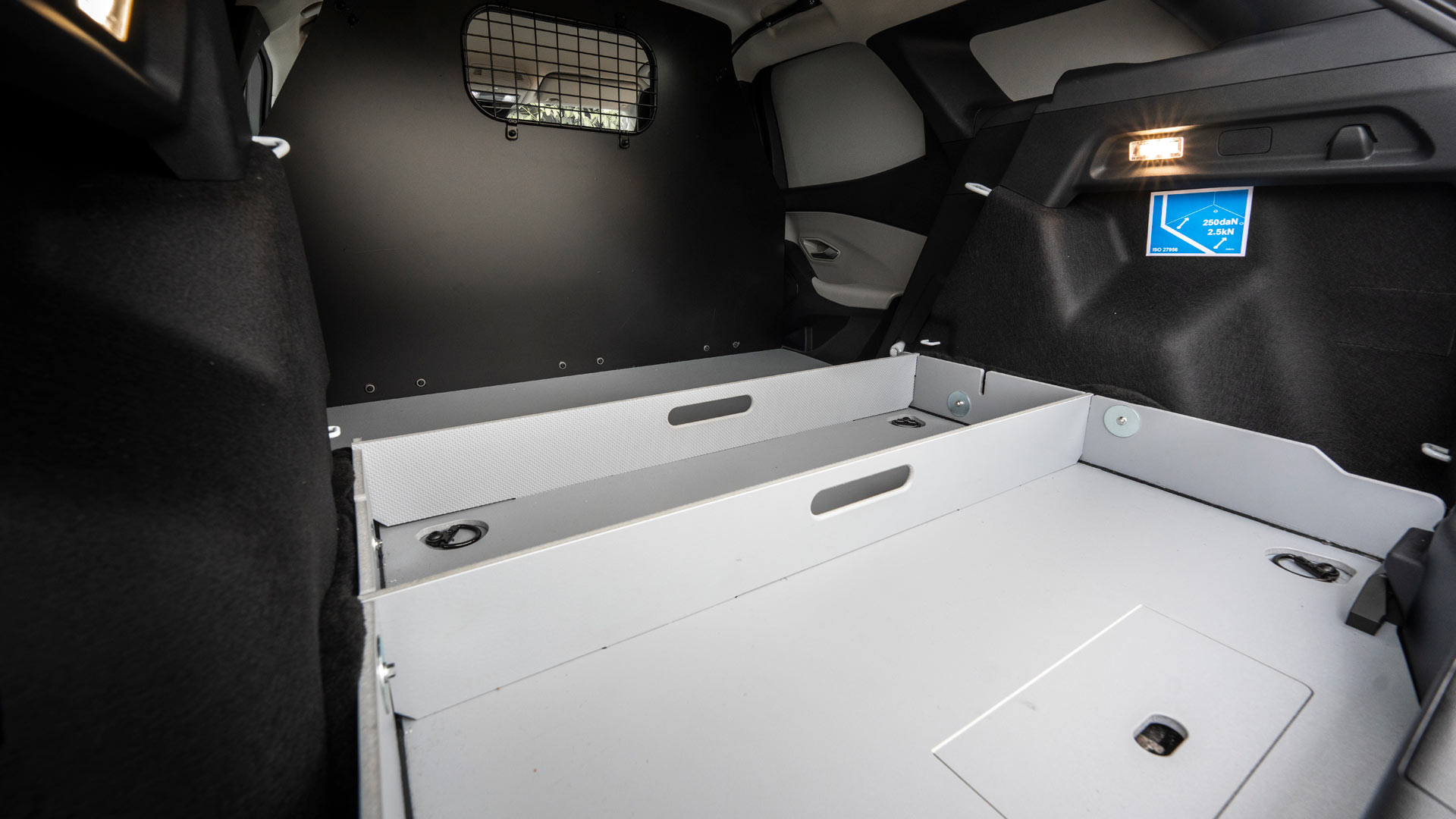
Ford’s Dagenham Conversion Centre is responsible for the commercial vehicle transformation, adding a new bulkhead behind the front seats, along with a flat load floor that uses innovative dividers.
Explorer Van on show this month
The rear side doors of the Ford Explorer Van remain operable, although the back windows have been replaced with solid panels. A maximum payload of 650kg can be carried.
Multiple option packs are offered for the Explorer, including stylish but utilitarian 19-inch steel wheels with hi-vis wheel nut indicators – as seen here.
The Explorer Van retains many of the same comforts as the SUV, including technology such as adaptive cruise control and a rear-view camera. A 17-litre ‘MegaConsole’ can be used to hide valuables, too.
Fully homologated as a commercial vehicle, Ford will supply the Explorer Van with a three-year, 60,000-mile warranty.
The new Ford Explorer Van will be on display at the CV Show in Birmingham later this month.