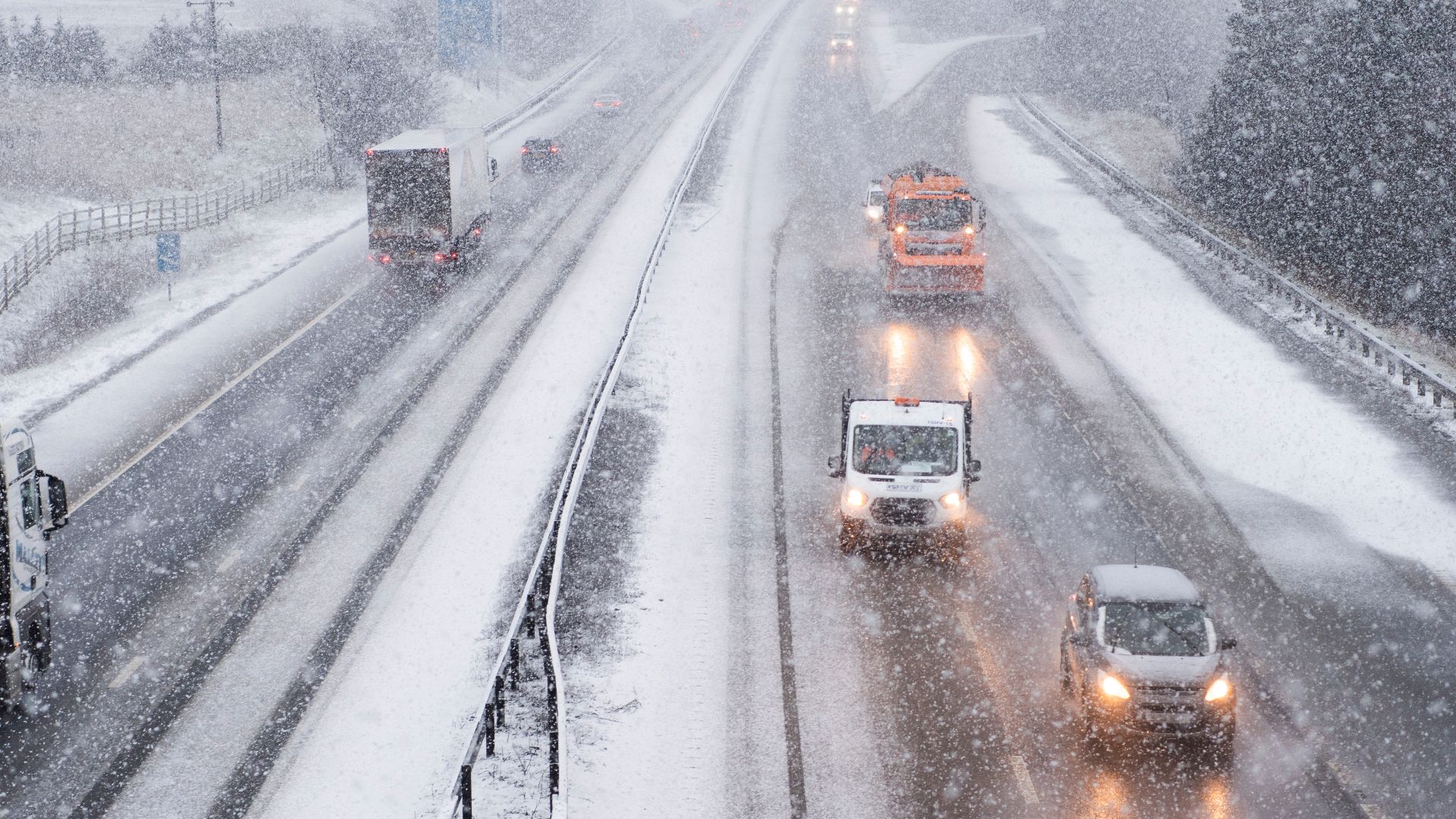
Temperatures have plummeted across the UK, as many parts of the country experience their first winter snow.
There are Met Office amber and yellow warnings for snow and ice over the coming days. Drivers in Scotland, Wales and Northern Ireland will be particularly affected.
The following tips deal with driving safely in the snow. For further reading, Motoring Research has also published guides on preparing your car for cold weather and whether UK drivers should fit winter tyres.
How to drive in the snow
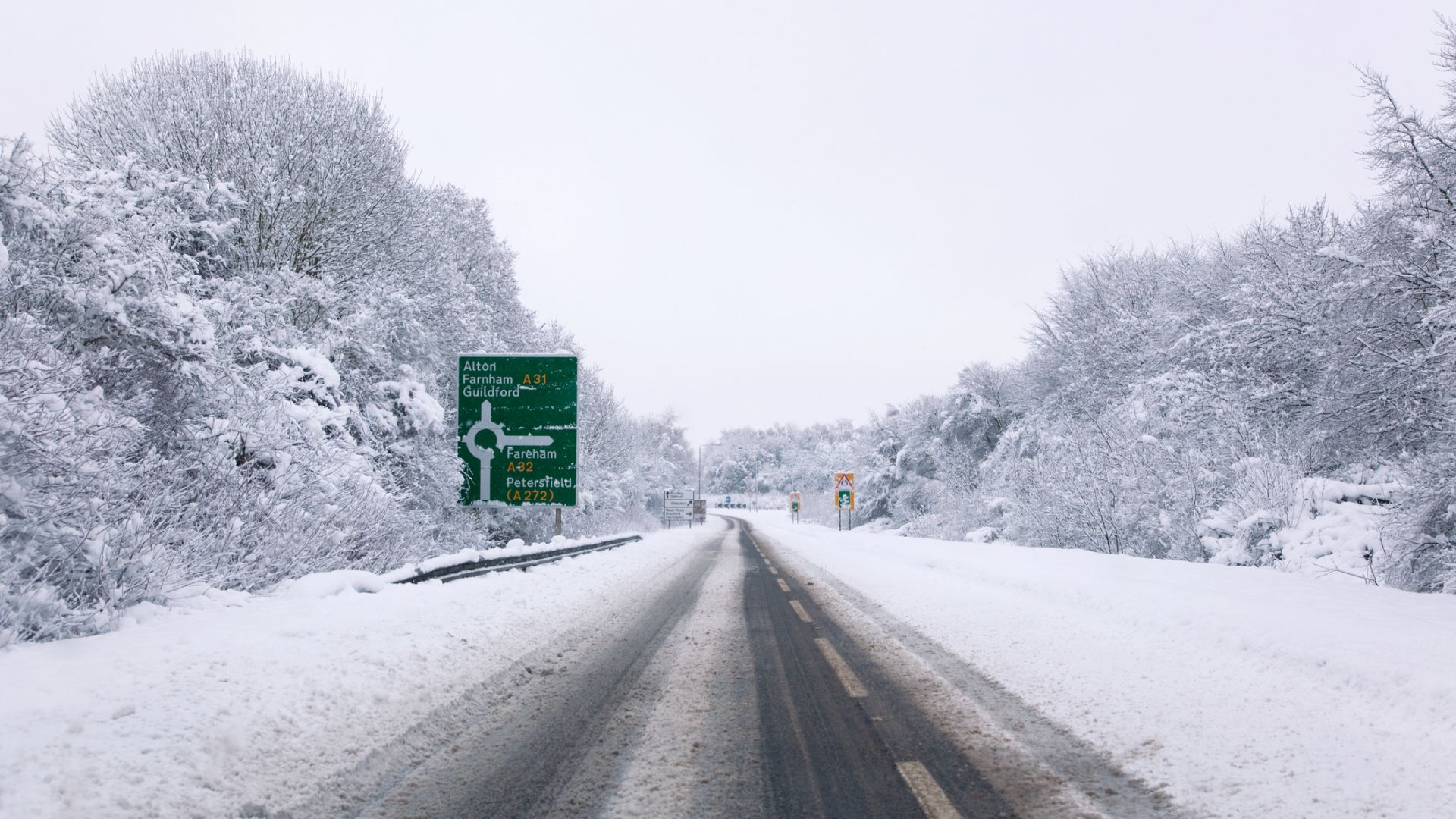
If you need to venture out in sub-zero conditions on the road, it’s vital to be prepared and drive accordingly. Here are our top 10 tips for driving safely in the snow:
- Be smooth. Sudden steering or sharp pedal inputs could result in a loss of traction – or loss of control.
- Keep your speed down. This will mean you can stop more quickly if necessary.
- Use higher gears when setting off and keep the engine revs low. Drop to a lower gear when slowing down or descending a hill to make use of engine braking.
- Look far ahead, leaving a large gap between your car and other vehicles. This will give you plenty of time to react to obstacles.
- Brake ahead of a corner, not once you start to turn. If you do experience a skid, steer into it.
- Use dipped headlights and switch on your fog lights if visibility drops below 100 metres. Remember to turn them off again once vision improves.
- Clear your car of snow before driving away. Not just the windows, but also the roof (excess snow could slide off, blocking your view).
- Check the condition and tread depth of your tyres. Worn tyres will provide less grip in the snow. Consider winter tyres if you regularly drive in cold temperatures.
- Be cautious of black ice. Just because the road looks clear, it doesn’t mean you won’t skid.
- Four-wheel drive will help you keep moving, but it won’t help you stop any sooner.
ALSO READ:
How to pass a road gritter without damaging your car