Home Blog Page 2

First look at Hyundai’s new Ioniq 3 electric hatchback

0
Set to rival the Volkswagen ID. 3 Neo, UK pricing and specifications for the Hyundai Ioniq 3 are yet to be announced

Hyundai has revealed the latest model in its electric Ioniq lineup, ready to take on the upcpming Volkswagen ID. Polo.

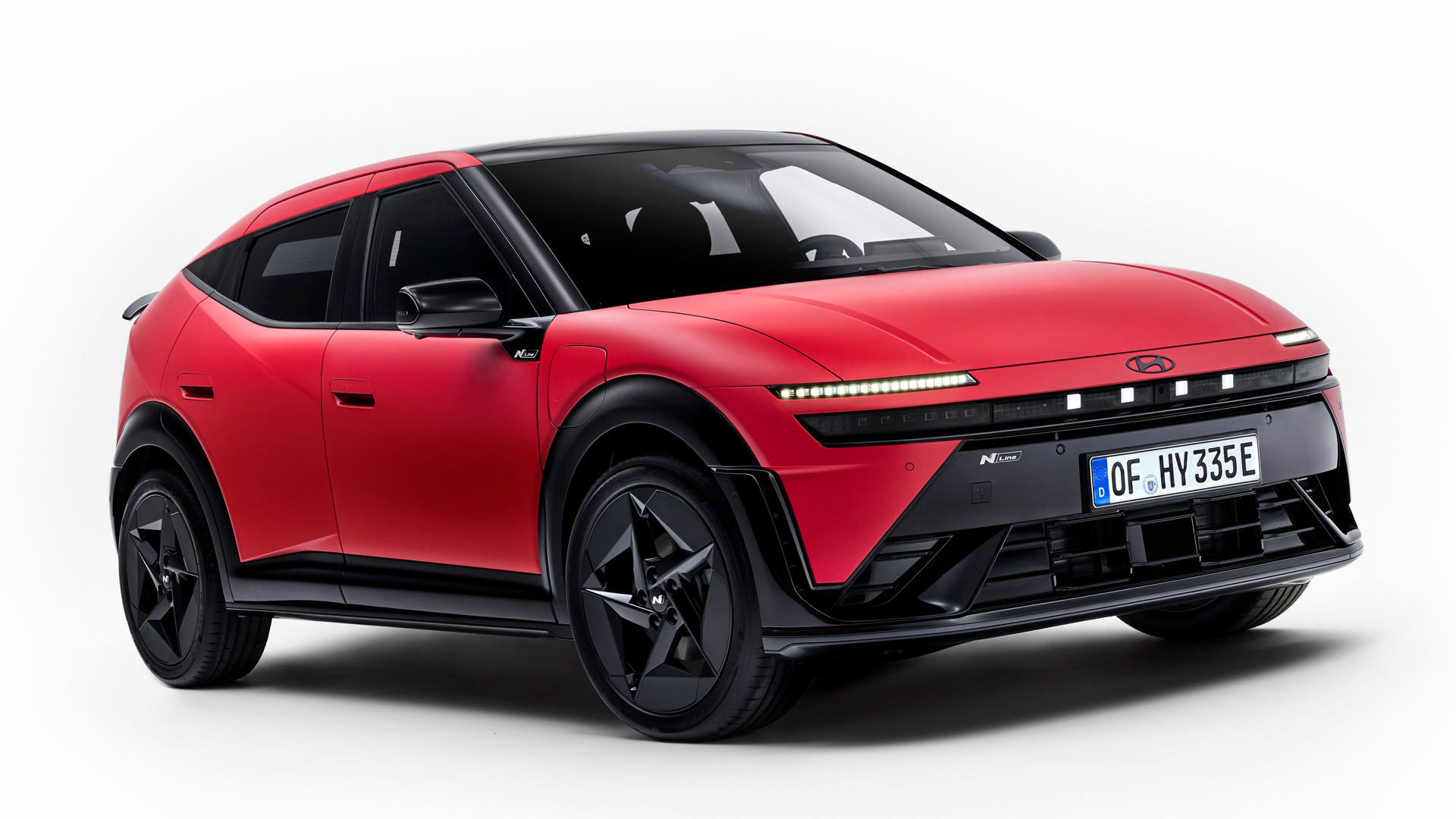
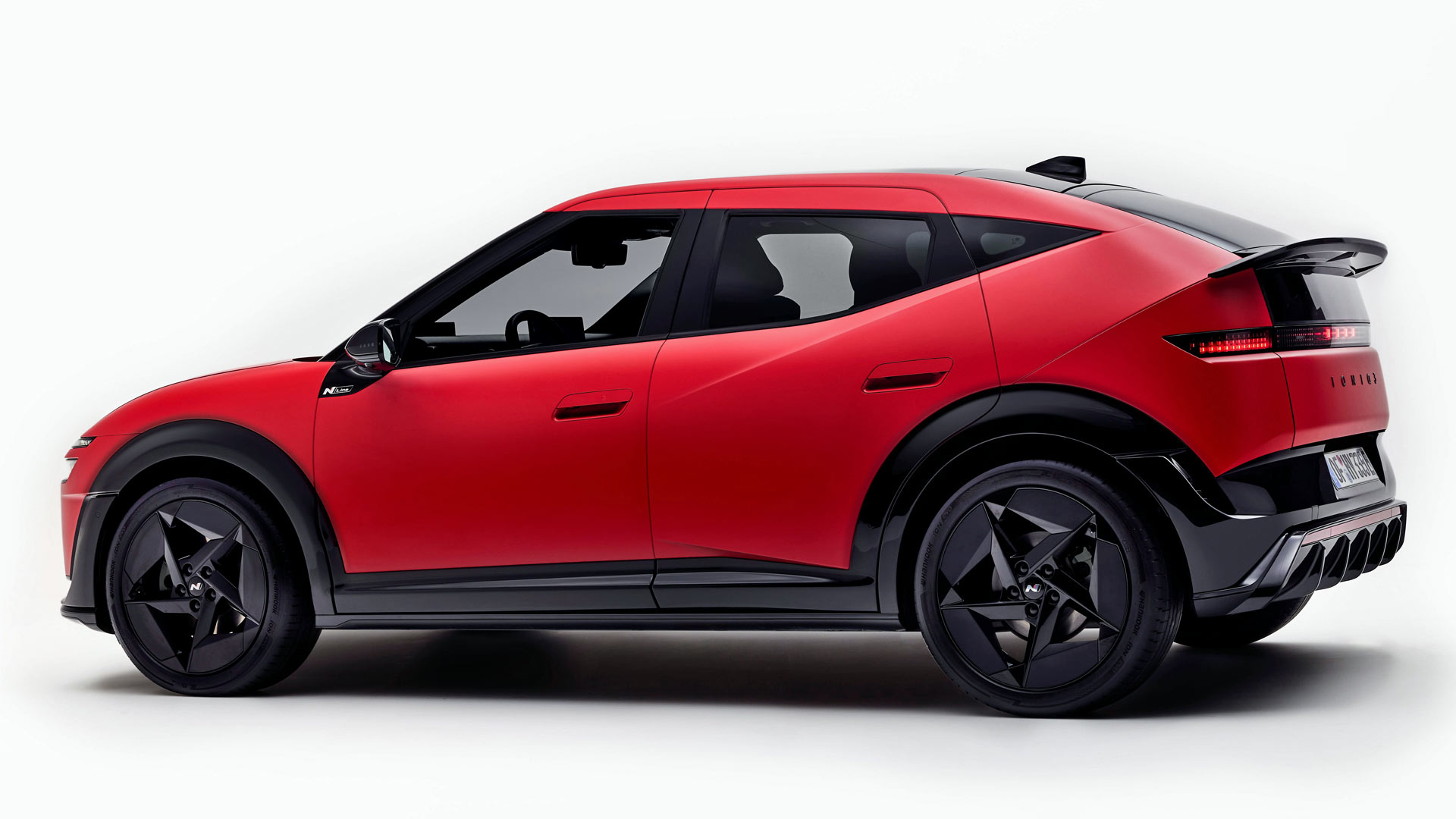
Described as an ‘Aero Hatch’, the new Ioniq 3 was first displayed as a concept car at the 2025 Munich Motor Show

The concept’s dramatic styling has been carried over relatively unchanged to the production Ioniq 3. Hyundai quotes an expected class-leading drag coefficient of just 0.263Cd.

Beneath the aerodynamic bodywork is space for five people, along with a boot that rivals most traditional family hatchbacks

Xavier Martinet, president and CEO of Hyundai Motor Europe, said: “With Ioniq 3, we are bringing the bold design, driving enjoyment and advanced features of the Ioniq brand to a broader range of customers across Europe”.

More than 300 miles of range
2026 Hyundai Ioniq 3

Hyundai has used the 400-volt version of its E-GMP platform, which is shared with various electric Kia models such as the EV4 hatchback and new EV2 compact SUV.

With a front-wheel-drive layout, the Ioniq 3 has an electric motor that develops either 147hp in Standard Range form or 135hp in Long Range guise. The more powerful version takes 9.0 seconds to accelerate from 0-62mph, while the Long Range needs 9.6 seconds. 

The Ioniq 3 Standard Range will feature a 42.2kWh battery to deliver an official WLTP-tested range of 214 miles. For those who regularly travel further afield, the Long Range model will offer up to 308 miles.

Hyundai’s 400-volt battery technology means a charge from 10 to 80 percent should require less than 30 minutes when connected to a DC rapid-charging device.

Room for five people inside
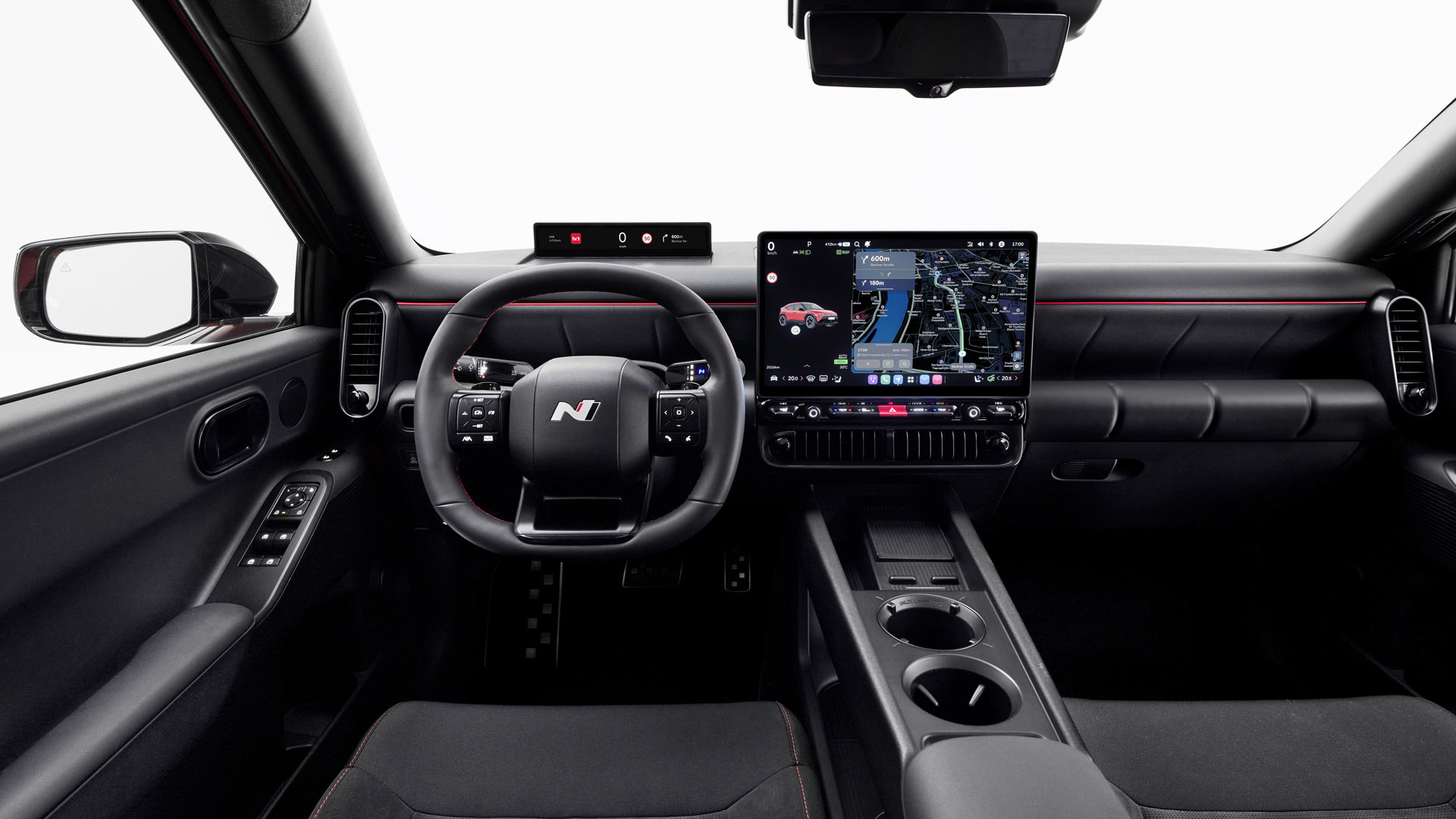
2026 Hyundai Ioniq 3

The Ioniq 3 is first European vehicle to feature Hyundai’s new Pleos Connect infotainment setup, which is based on the Android Automotive operating system

This will feature either a 12.9-inch or 14.6-inch central touchscreen, plus a slimline digital instrument panel mounted within the driver’s eyeline. Hyundai has also included a row of physical buttons for important functions.

With a long wheelbase and a completely flat floor, Hyundai says the Ioniq 3 will deliver ‘genuine five-seat comfort’, along with the ability to carry three adults in comfort on the rear bench.

The Ioniq 3 has a boot capacity of 441 litres, putting it ahead of alternatives such as the Volkswagen ID.3 Neo and Renault 5 E-Tech. Some 119 litres of this space comes from a Ford Puma-style box beneath the boot floor.

Made in Europe for European drivers
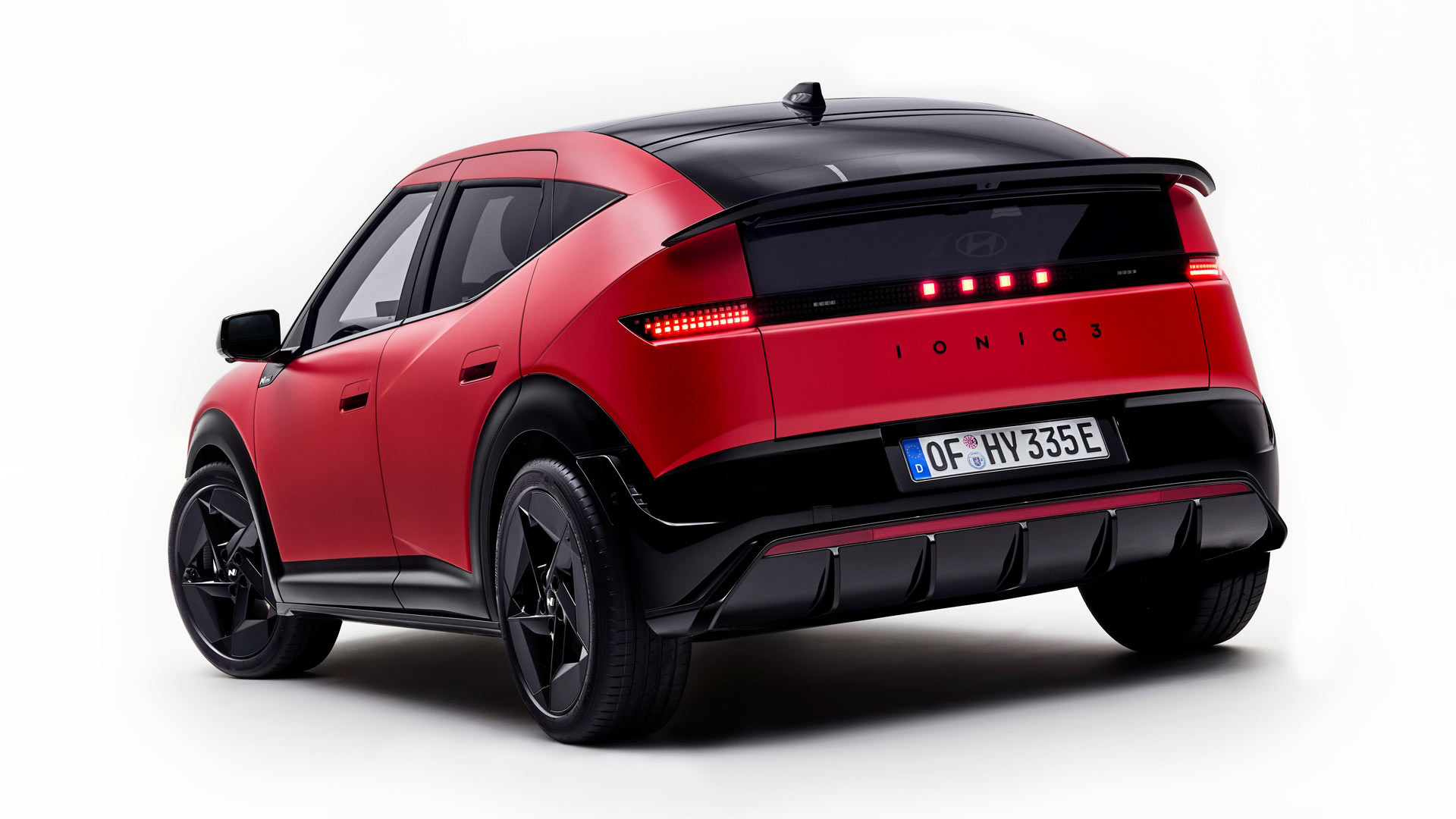
2026 Hyundai Ioniq 3

Hyundai has not announced trim levels for the Ioniq 3 yet, but there will be a sporty N Line version with a subtle bodykit. 

Certain models will feature ‘Relaxation Seats’, said to use ‘textile materials inspired by natural landscapes and 1970s Italian furniture design’. These incorporate heating and ventilation, too. 

A Bose sound system, dual-zone automatic climate control and ambient LED lighting can all be found inside the Ioniq 3, along with a host of safety equipment. 

Hyundai’s factory in Turkey will be responsible for building the Ioniq 3. UK prices and specifications will be confirmed when the electric hatchback goes on sale later in 2026.

What are your first thoughts on the radical design of the new Hyundai Ioniq 3? Let us know in the comments
Advertisement

Ford Ranger pickup becomes a two-seater to save tax

0
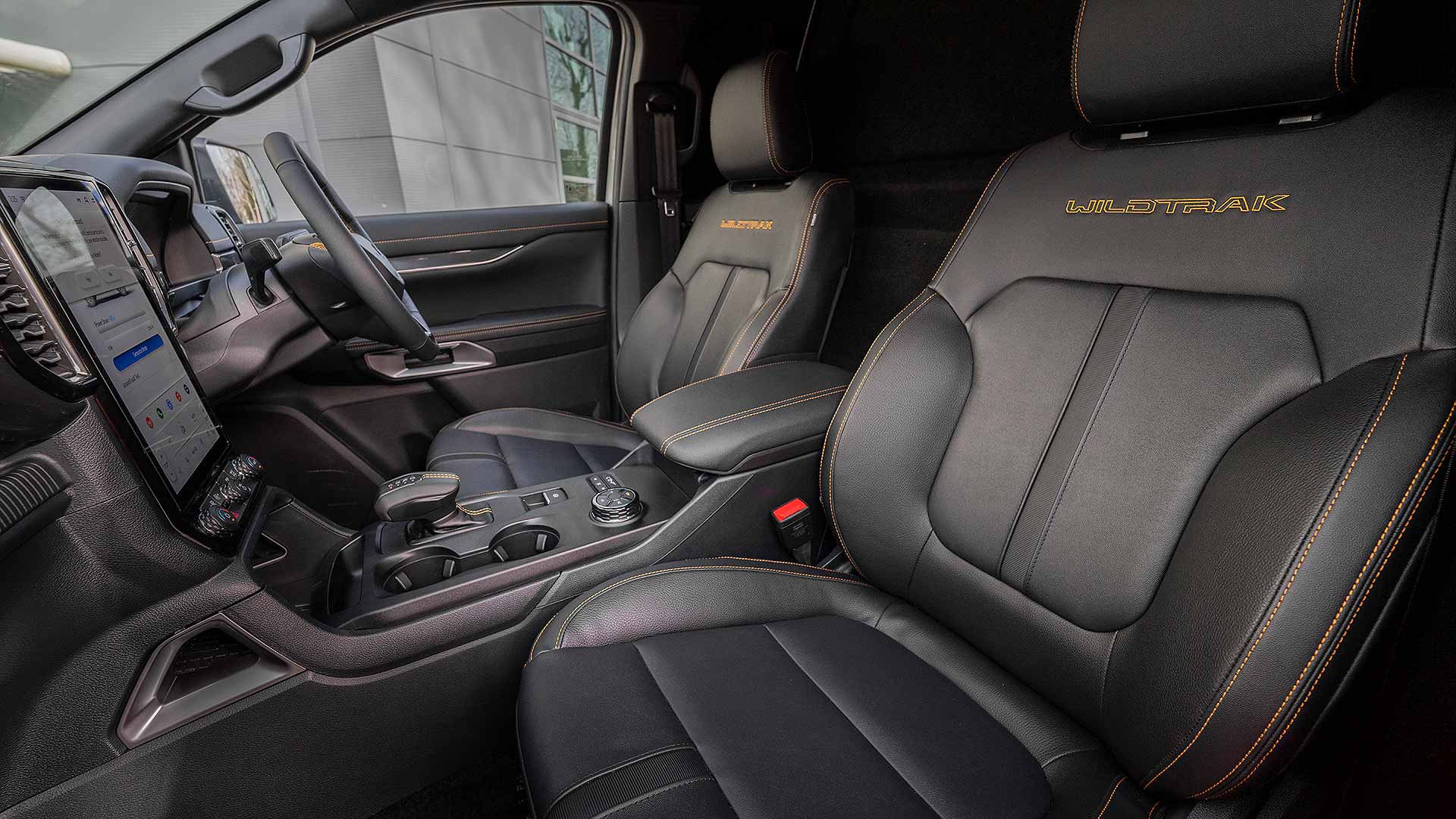
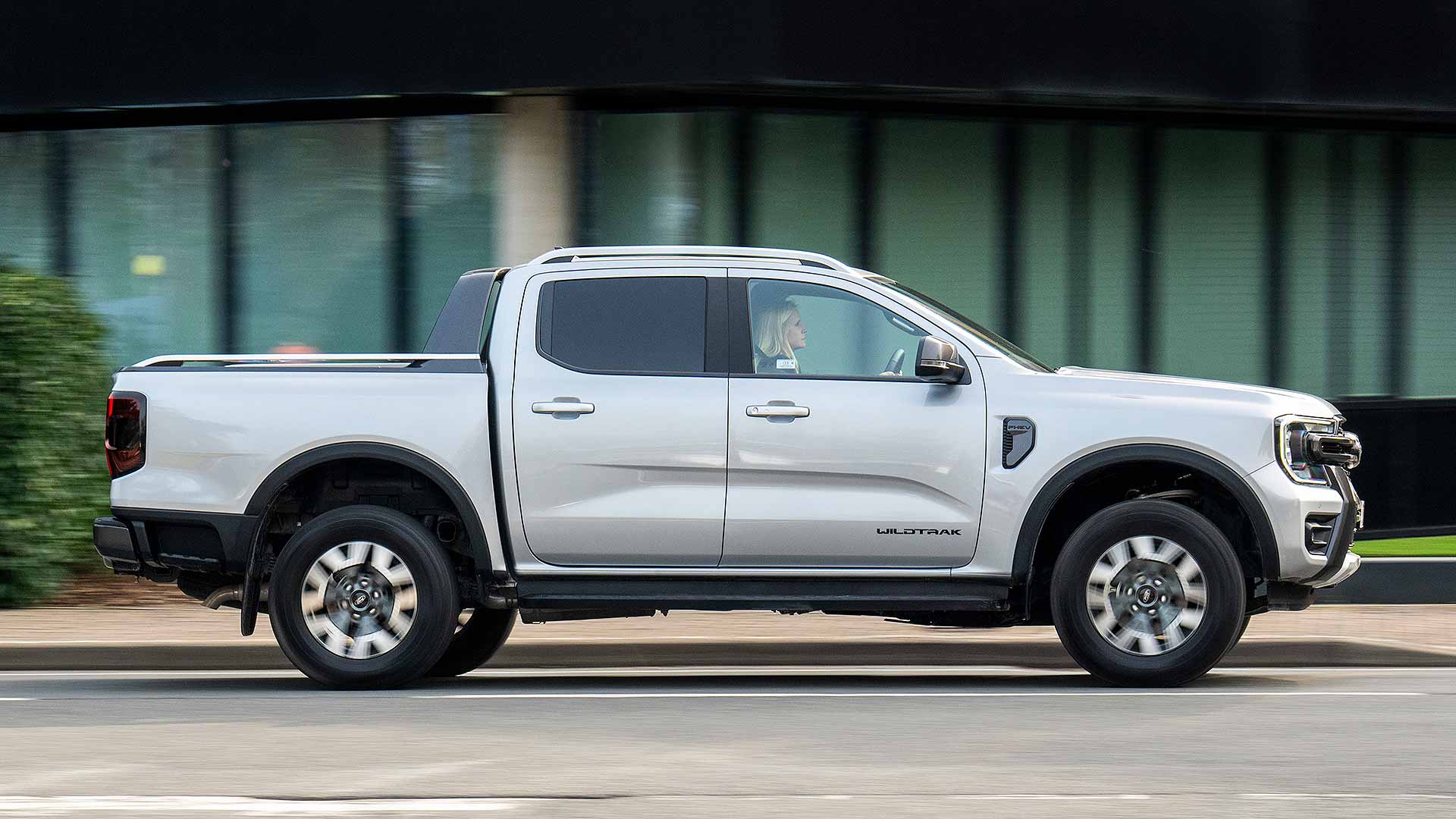
Ford Ranger 2-Seater Special

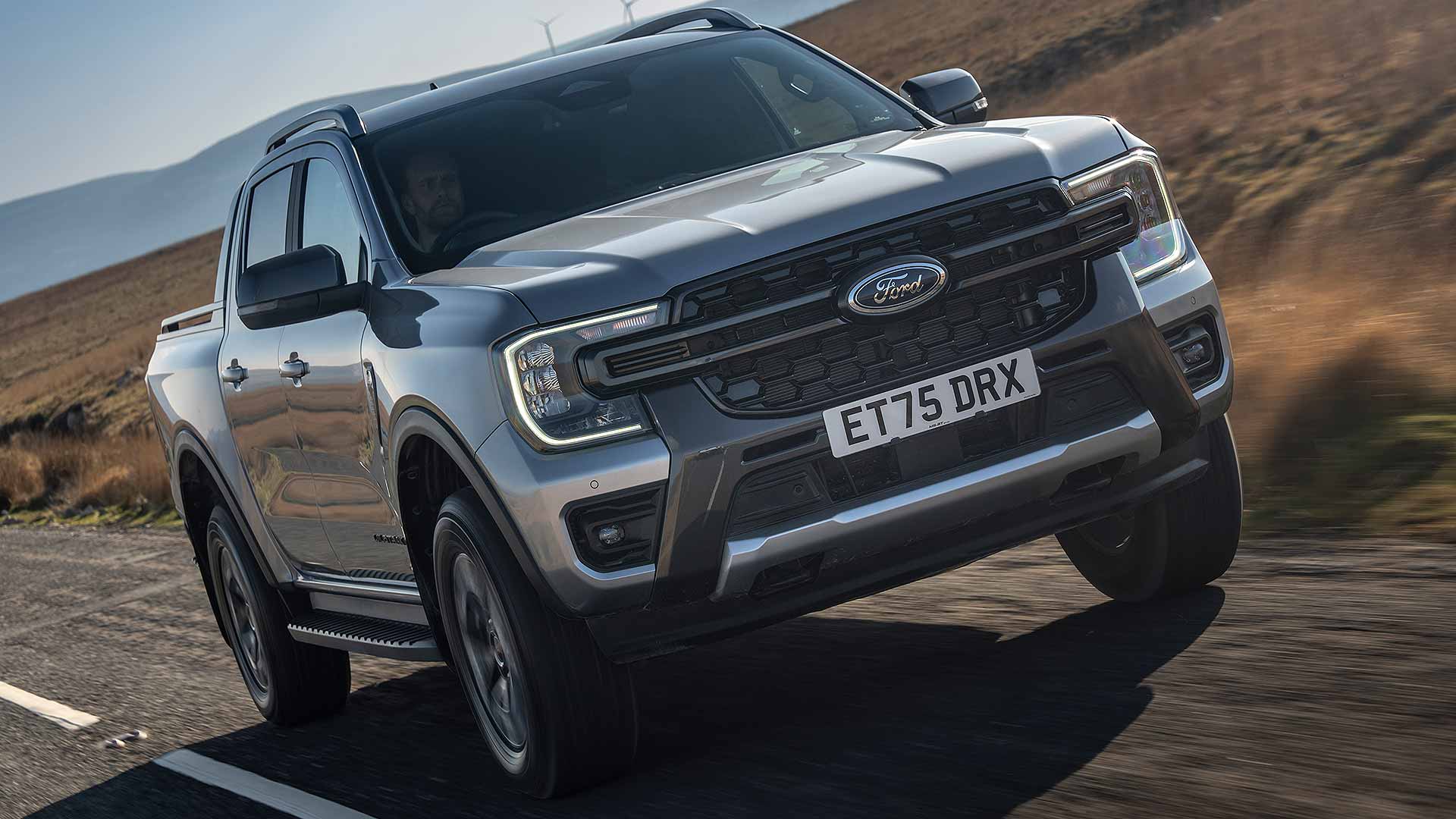
A new two-seat version of the Ford Ranger Double Cab has been introduced to boost practicality – and reduce owners’ tax bills.

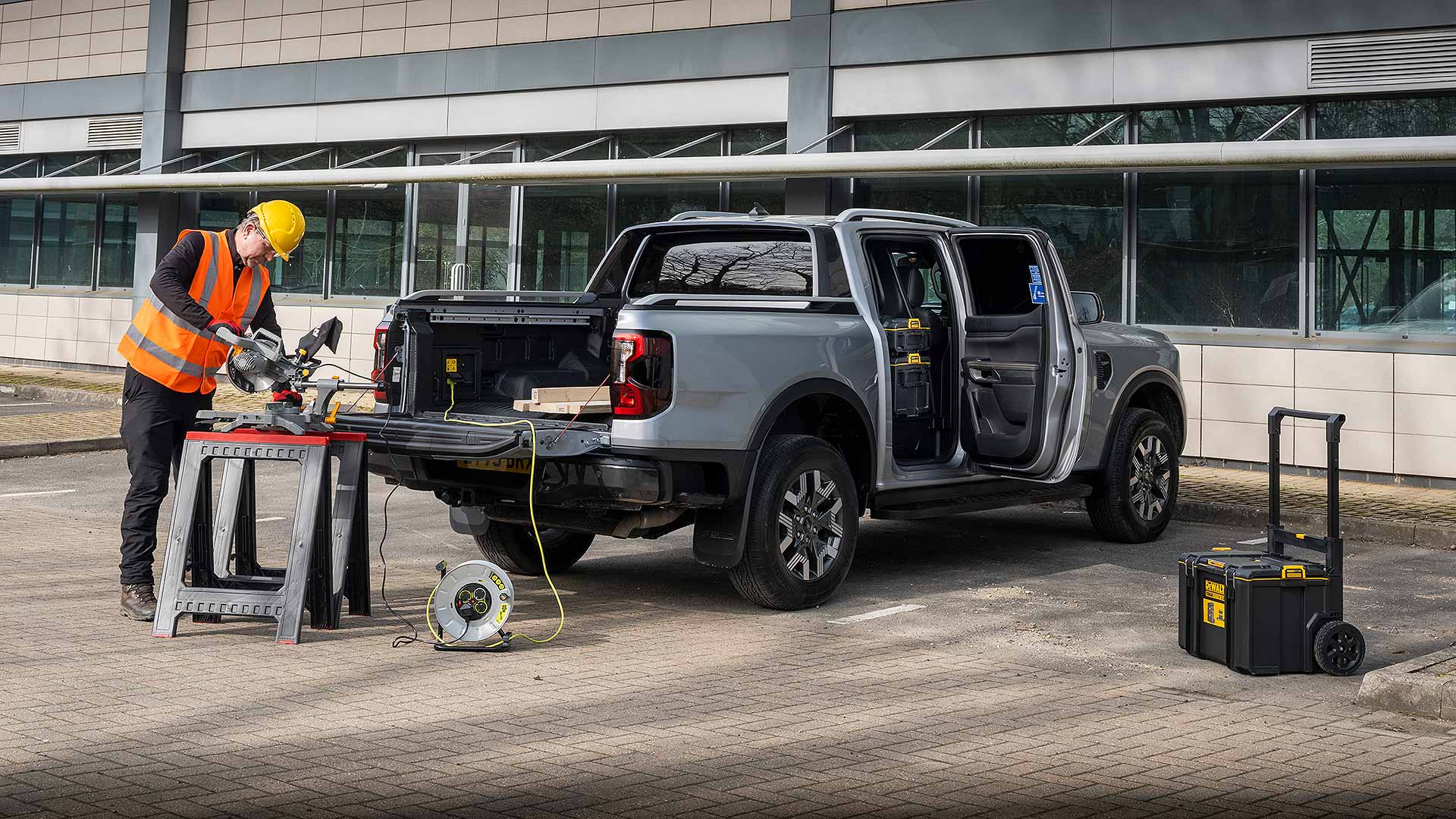
Instead of having a bench rear seat, the Ford Ranger 2-Seat has a dedicated rear storage area, which is separated from the main cabin by a reinforced bulkhead.

The Double Cab’s rear doors have been retained, to help with practicality, but with aluminium panels instead of glass windows for improved security.

Ford Ranger 2-Seater Special

Although the rear seats have been permanently removed, Ford has retained heating for this second load area to keep belongings warm and dry.

Ford says it can be used to store valuable equipment such as tools, or a change of clothes, or even food and snacks for long working days.

To further increase the Ranger’s versatility, Ford has fitted a new load liner, plus a heavy-duty floor with anchor points.

Ford Ranger 2-Seater Special

The Ford Ranger 2-Seat will initially be offered in high-spec Wildtrak guise, easily the most popular Ranger trim line.

Both plug-in hybrid (PHEV) and traditional diesel powertrains will be available, including the silky-smooth 3.0-litre V6 diesel.

Saving tax with a Ford Ranger 2-Seat

Ford Ranger 2-Seater Special

Because Ford has permanently removed the rear seats, and installed a bulkhead behind the driver and front passenger, the new Ranger 2-Seat is classed as commercial vehicle.

This means owners will be able to claim the 100 percent plant and machinery allowance, and benefit from the flat-rate road tax for commercial vehicles.

More importantly, it will also see the flat-rate company van Benefit-in-Kind (BiK) tax applied – something that was removed earlier this year for regular double-cab pickups.

Ford’s savvy way to get round this expensive rule change means that those who still use a double cab for work will not be penalised with tax hikes.

As such, the Ford Ranger Double Cab 2-Seat is likely to be a smart and popular solution to the government’s tax changes.

Ford says it will broaden the two-seat line-up later this year, after launching the new model at next week’s Commercial Vehicle Show 2026 at Birmingham’s NEC.

ALSO READ:

Volvo marks 70 years of the seatbelt

Renault Scenic E-Tech now benefits from £3,750 Electric Car Grant

Chevrolet offers first look at new 2027 Corvette Grand Sport

Advertisement

Speeding fines in the UK reach a four-year high

0
Outside of London, West Yorkshire, Devon and Cornwall, and Warwickshire reported issuing the most speeding fines

The number of speeding fines issued across the UK has hit a four-year high, according to new analysis of police data. 

Road safety technology firm Ooono made Freedom of Information (FOI) requests to police forces across the country, requesting details about the quantity of speeding fines recorded.

A total of 24 police forces responded to the FOI request, with 22 reporting the number of penalties for speeding in their area had increased during the period from 2024 to 2025.

Only Warwickshire Police and Durham Constabulary saw a fall in the volume of speeding fines. Despite this, Warwickshire remained inside the top five forces in the study, with 177,373 tickets issued.

Speeding tickets on the up

Speeding Fines Four Year High

West Yorkshire Police takes the ‘prize’ for issuing the greatest number of speeding fines outside London, with a total of 384,219 tickets between 2024 and 2025. This represents a 13 percent increase compared to the previous 12 months. 

Devon and Cornwall claimed second place, dishing out 184,242 fines to drivers: a substantial 40 percent rise. 

With Warwickshire in third, West Midlands Police were fourth with 147,070 fines issued. They were followed by Nottinghamshire Police, who collectively gave drivers 99,067 tickets.

However, no regional police force could match the number of speeding fines issued in the nation’s capital. A total of 778,600 tickets were sent to drivers across London.

Kensington and Chelsea saw an incredible 1,507 percent year-on-year increase, rising from 1,875 fines to 30,140.

There was also a 295 percent increase in the Lambeth area, which saw the number of fines jump from 9,488 up to 37,319.

London 20mph zones see record increases

Speeding Fines Four Year High

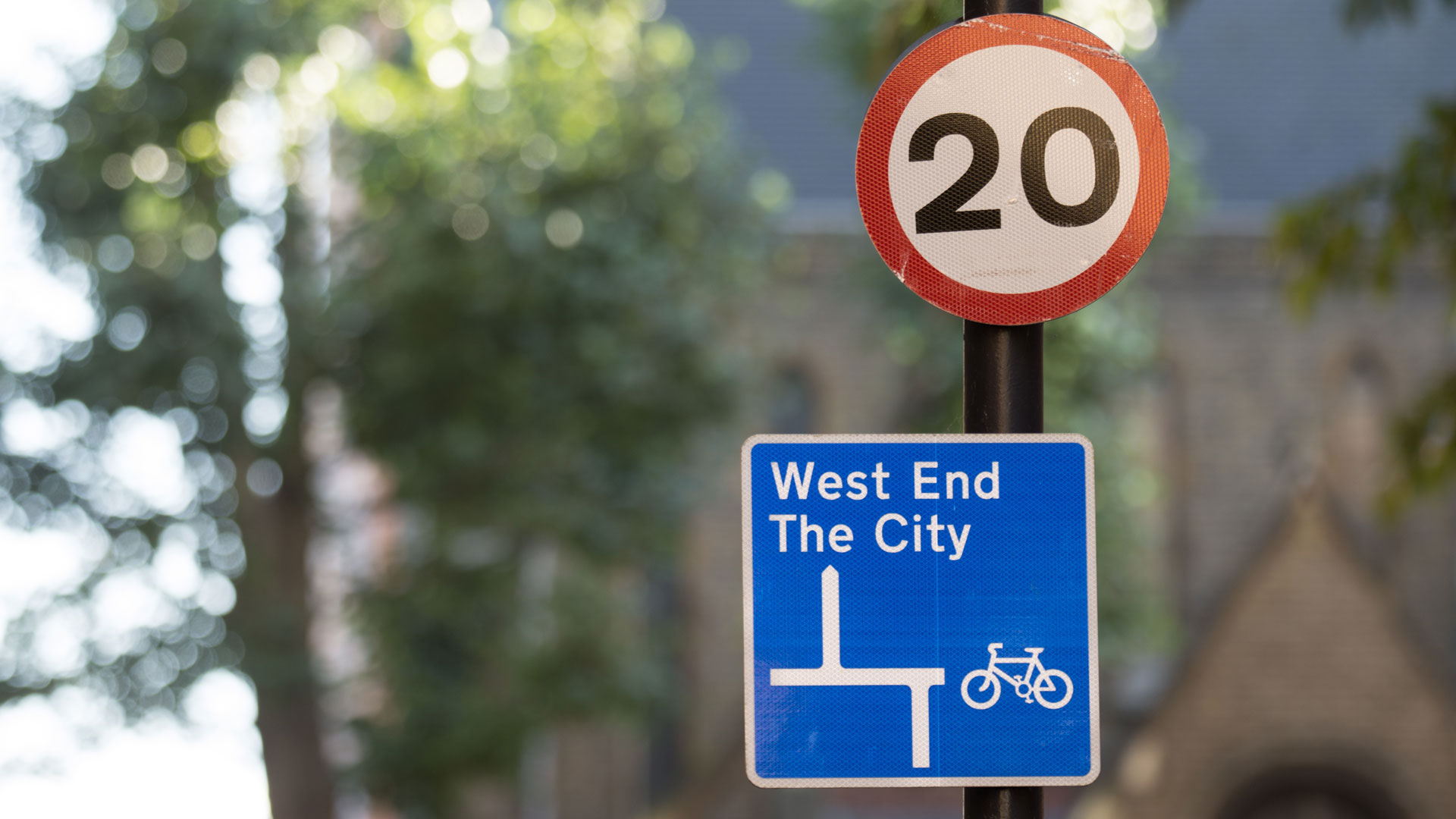
Ooono notes that half of all roads in London are now subject to 20mph zones, with 21 of the 33 boroughs making this the default limit. 

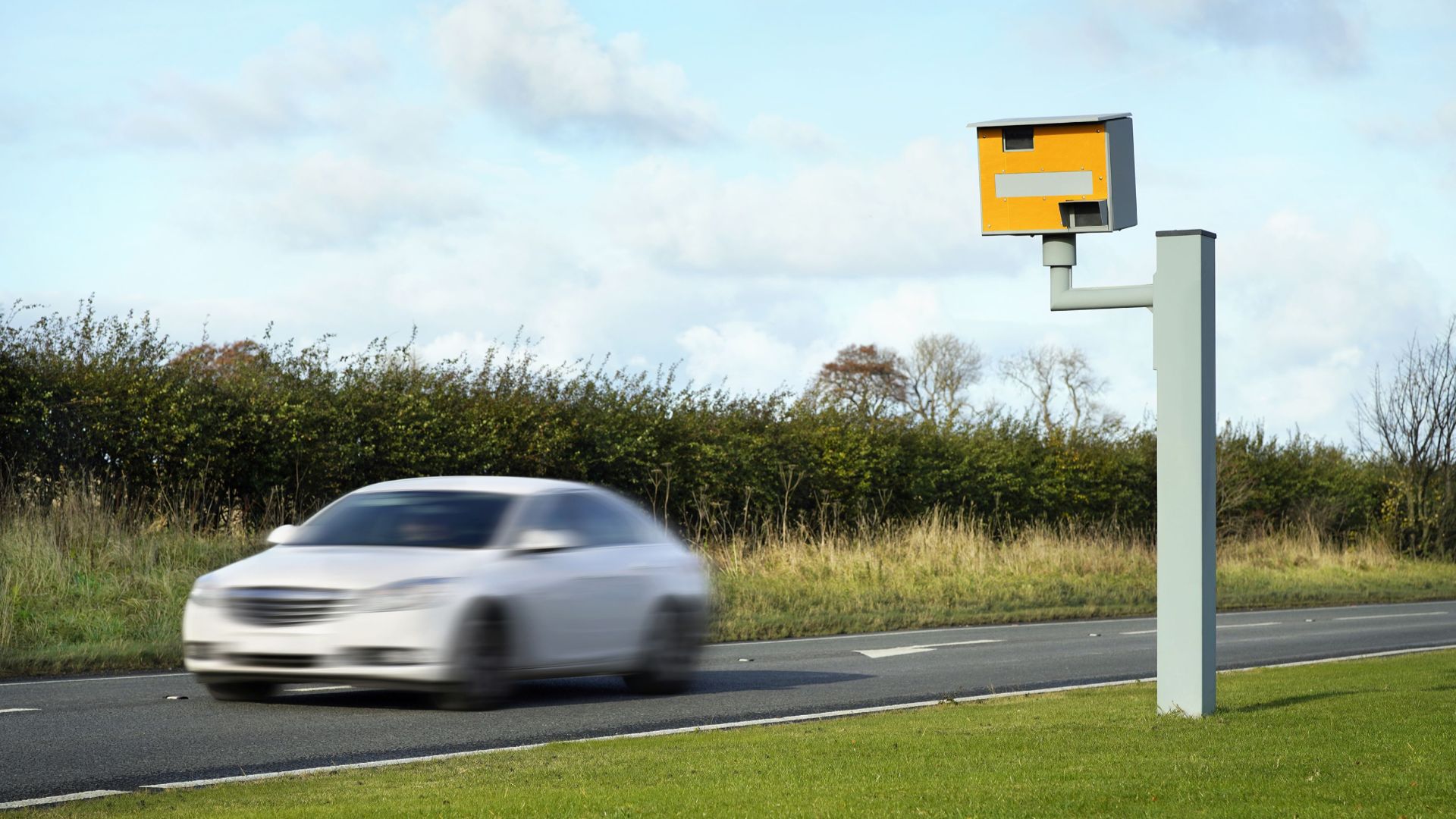
Speed cameras in urban areas have thus become a leading source of speeding fines. This is demonstrated by one camera on the King’s Road in Chelsea catching 851 drivers in a single day – believed to be a British record.

A single camera on the A40 in north-west London issued some 50,000 fines in 2024, meaning it could have potentially generated £5 million in revenue. 

Mike Skyte, spokesperson for Ooono, said: “Speeding enforcement is clearly on the rise, and many drivers may not realise just how costly certain roads have become. Our data shows that it’s not just motorways – everyday routes across towns and cities are becoming high-risk for fines.

“In London especially, the rapid expansion of 20mph zones is playing a major role in the increase. Many drivers simply haven’t adjusted yet. The aim of tools like our interactive map is to give drivers better awareness, helping them to make safer, more informed decisions on the road.”

Have you noticed more speed cameras in your local area recently? Let us know in the comments

Advertisement

Why ‘pump anxiety’ is boosting EV car company Polestar

0

‘Pump anxiety’ caused by conflict in the Middle East is leading to increased interest in electric cars across major car markets globally, says Polestar CEO Michael Lohscheller.

The trend first became apparent in Australia, Lohscheller explained. Fuel prices there have rocketed following the war in Iran, with the cost of diesel up a staggering 100 percent.

“We have seen sharply rising orders in Australia because of the whole energy situation now globally… I call this pump anxiety – people are nervous when they go to the gas station, and more and more people are changing to EVs.

“When I first saw the reports that we were improving so quickly in Australia, I asked my team, is this right? But it’s clear there is uncertainty, and EVs can benefit from this.”

Now, as pump anxiety overpowers charge anxiety, other markets are seeing interest in electric cars grow – including the UK.

UK’s fastest-growing premium brand

While Polestar sales are up in key markets such as Sweden, South Korea and Germany, the UK remains Polestar’s biggest global sales base, says Lohscheller. “The UK is a role model for me – what works in the UK will also work in other markets.”

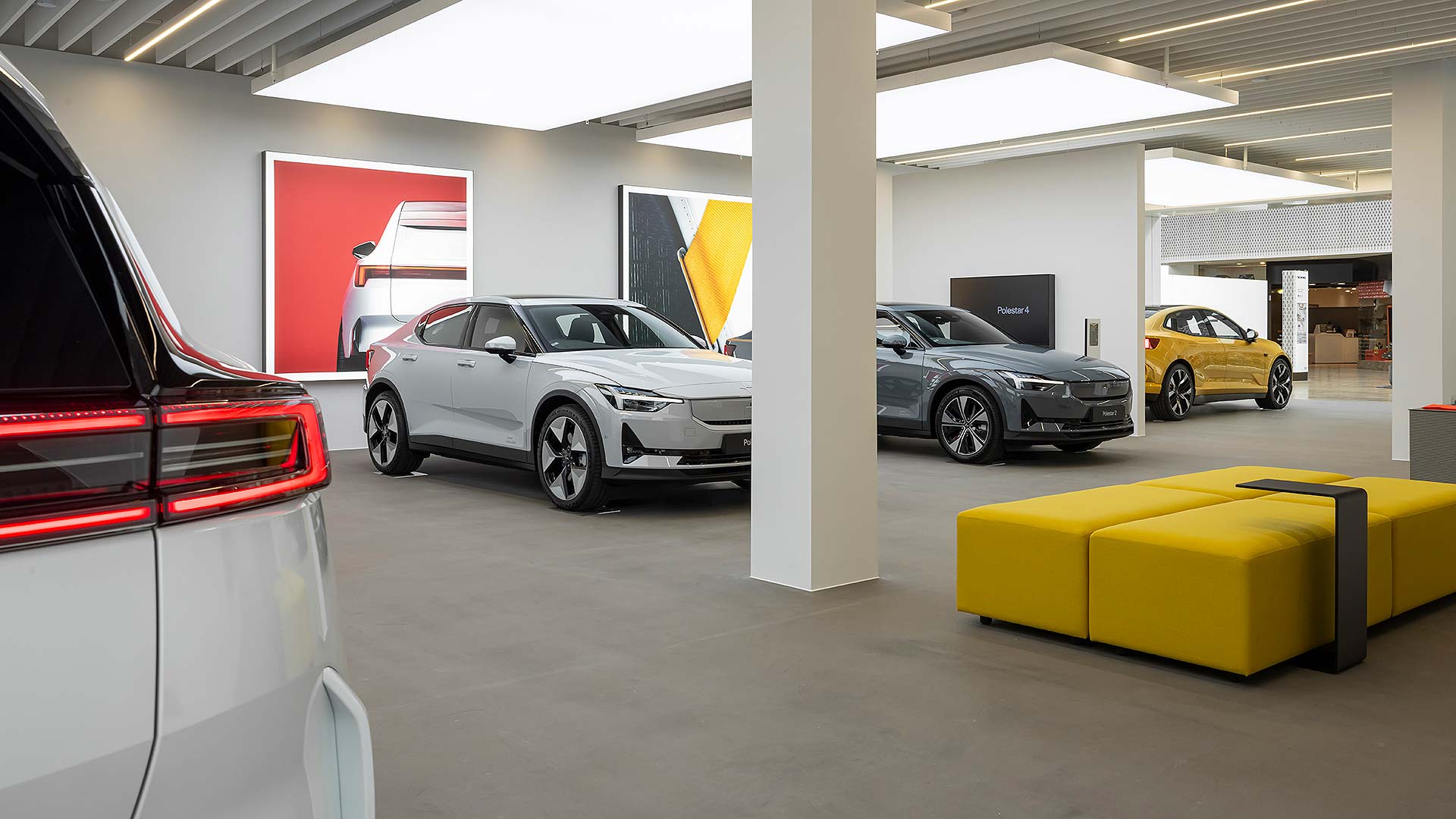
Polestar is still the UK’s fastest-growing premium car brand, too. The firm has announced a record first quarter, with year-on-year sales up 12 percent. So far this year, Polestar is bigger than Lexus, Jeep, Fiat and Alfa Romeo, amongst others.

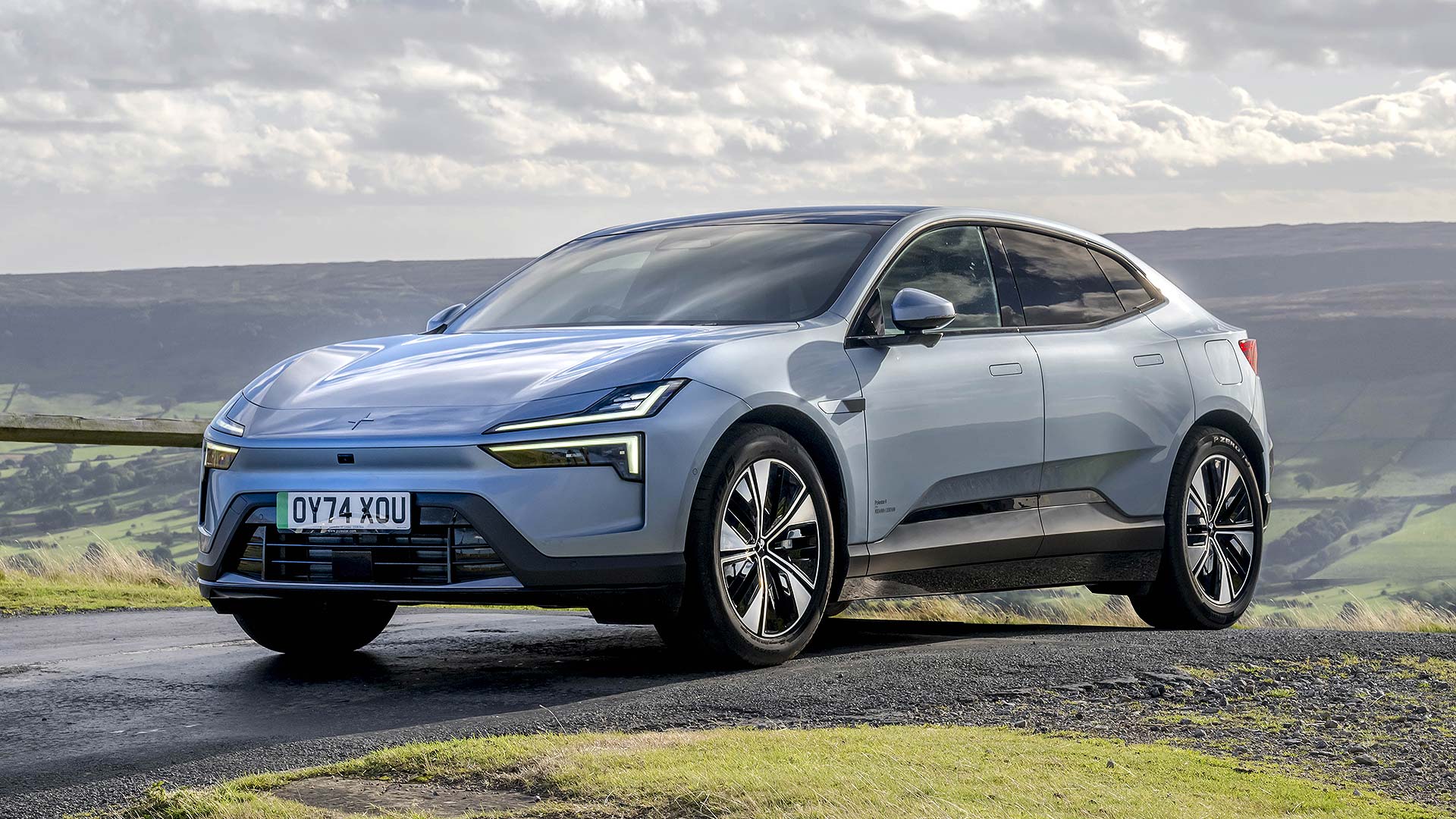
The Polestar 2 has defined the firm since its UK launch in 2020. However, the new Polestar 4 – the car that famously has no rear window – is also helping to drive growth, with sales up by almost half. “It’s like playing with two strikers now,” Lohscheller told us.

As part of this growth, Polestar wants to boost sales to private buyers, after years of success with company cars. “They are a key target for us… if you buy a Polestar, you tell all your friends about it, and this can help multiply awareness and sales.”

A next-generation Polestar 2 is due in 2027, with the new Polestar 7, a compact SUV set to compete in a very popular part of the market, arriving in 2028.

Used Polestar value

It’s not just new car sales that are on the up, either. Sales of used cars – known as pre-owned EVs within Polestar – are up a whopping 99 percent, as lower prices open up the brand to a whole new audience. Pump anxiety is again proving a catalyst here.

“Pre-owned is always the indicator of what happens next. People look at gas prices, start to get nervous, maybe look at used [electric] cars… we are seeing this in the growing increase for pre-owned cars.”

The Polestar 2 has been the firm’s core model since 2020, with around 200,000 sold. This means there is a growing number of used Polestar 2s coming to market as cars return from lease or PCP deals.

“There is a lot of management focus on pre-owned… you need to sell a car four times, not just the first three-year leasing period. It’s an important business – I can’t underestimate the importance of pre-owned,” added Lohscheller.

Just as with new cars, used Polestars benefit from ongoing over-the-air updates that improve the vehicles over time. There’s a residual value benefit to this, said Lohscheller, and it means Polestar can keep in constant dialogue with customers.

In-service statistics reveal no worries about long-term battery life either (every Polestar Pre-owned has a battery health certificate, along with a two-year warranty). EVs also require much less servicing “and when you get the electricity at a reasonable rate, you start to see – hey, this is fun financially, right? It’s actually cheaper.”

Polestar recently won the prized AUTOBEST Smartbest 2026 award, for the first integration of Google Maps’ clever live lane guidance into the Polestar 4. The AI-supported technology highlights all possible lanes for the chosen route, including which lane the car is in.

The aim is to help drivers change lanes in time, particularly around busy intersections.

“It’s important because we do this in partnership with Google,” said Lohsheller. “Everybody a few years ago said, ah, we need to do everything on our own. But no – we need to integrate things and customers love it.”

ALSO READ:

Polestars can now use Plug & Charge devices – including Tesla’s!

Polestar 2 2025 review

Your EV questions answered on Motoring Electric

Advertisement

How to avoid buying a stolen and cloned car

0
Cloned cars

Cloning a car is the four-wheeled equivalent of identity theft. Criminals will steal a car, then give it a new set of ID numbers. These are copied from a similar vehicle of the same make, model and colour that is already registered on the road.

Thieves disguise the 17-digit Vehicle Identification Number (also known as the VIN number, or chassis number) on the cloned car. They can then use a stolen V5C document (car log book) to legitimise its identity.

With help from vehicle history specialist Cap HPI, here are four straightforward ways you can avoid buying a cloned car. 

Check the history file

Always check through the car’s service and MOT history before you buy. Examine any bills and receipts supplied, and use the government’s online MOT checker tool to see if the car’s mileage tallies with that displayed on the dashboard.

Also, make sure you view the car at the registered keeper’s address, as shown on the V5C. Don’t be talked into meeting somebody in a petrol station or layby.

A black car drives along a rural road with a person inside. Surrounding fields and bushes under blue sky enhance the serene backdrop.

Buyers should ensure all the VIN numbers on the vehicle match each other. A Cap HPI history check will ensure these numbers tally with the details recorded by the DVLA, too.

Market value

Look at classified advert listings to get a feel for your chosen car’s market value. The Auto Trader website ranks cars into categories such as Good Price, Fair Price and Lower Price to give you some guidance. 

If the seller is asking less than 70 percent of the typical market price for a vehicle, be on your guard. There is rarely such a thing as a bargain, and certainly not if your car turns out to be a clone. 

Thief

Don’t pay with cash

Don’t make payment with cash, particularly if the car is costing you more than about £3,000. Some cloners will take a banker’s draft as part-payment, because the cash part is sufficient profit without ever cashing the draft.

Most crooks selling cloned cars would rather walk away from a sale than take a payment that could be traced back to them. If it doesn’t feel right to you, walk away. There will always be other cars you could buy.

Check the V5C document

Check the vehicle’s V5C, commonly known as the log book. Stolen V5C documents are still being used to accompany cloned vehicles. 

Is the vehicle advertised saying the owner has mislaid or lost the V5C? Then buyer beware! This is a red flag you should check very, very carefully. 

ALSO READ:

Spring cleaning: How to make your car look like new

UK speed limits and speeding penalties: a driver’s guide

Best electric cars to buy in 2026

Advertisement

4 in 10 UK councils to offer cross-pavement EV charging this year

0
Vauxhall Kerbo Charge cross-pavement charging

Cross-pavement charging for electric car owners who don’t have a driveway is accelerating rapidly in the UK, with 42 percent of councils across England, Scotland and Wales now on track to offer it by the end of this year.

A Freedom of Information request by Vauxhall found that 56 tier-one councils either currently offer cross-pavement charging, or will introduce it before 2026 is out.

Seven of the 134 councils that responded to the Freedom of Information request have it live in their constituencies. A further 21 are at the trial stage, with plans underway in 28 more.

However, Vauxhall also discovered a lack of consistency in how councils are approaching applications from residents for cross-pavement gullies.

Some charge upwards of £1,000

Vauxhall Kerbo Charge cross-pavement charging

Some councils will offer installation services for free, whereas others are asking more than £1,000.

There is also a lack of clarity about how to apply for cross-pavement charging, and how long people must wait before they find out if permission is granted.

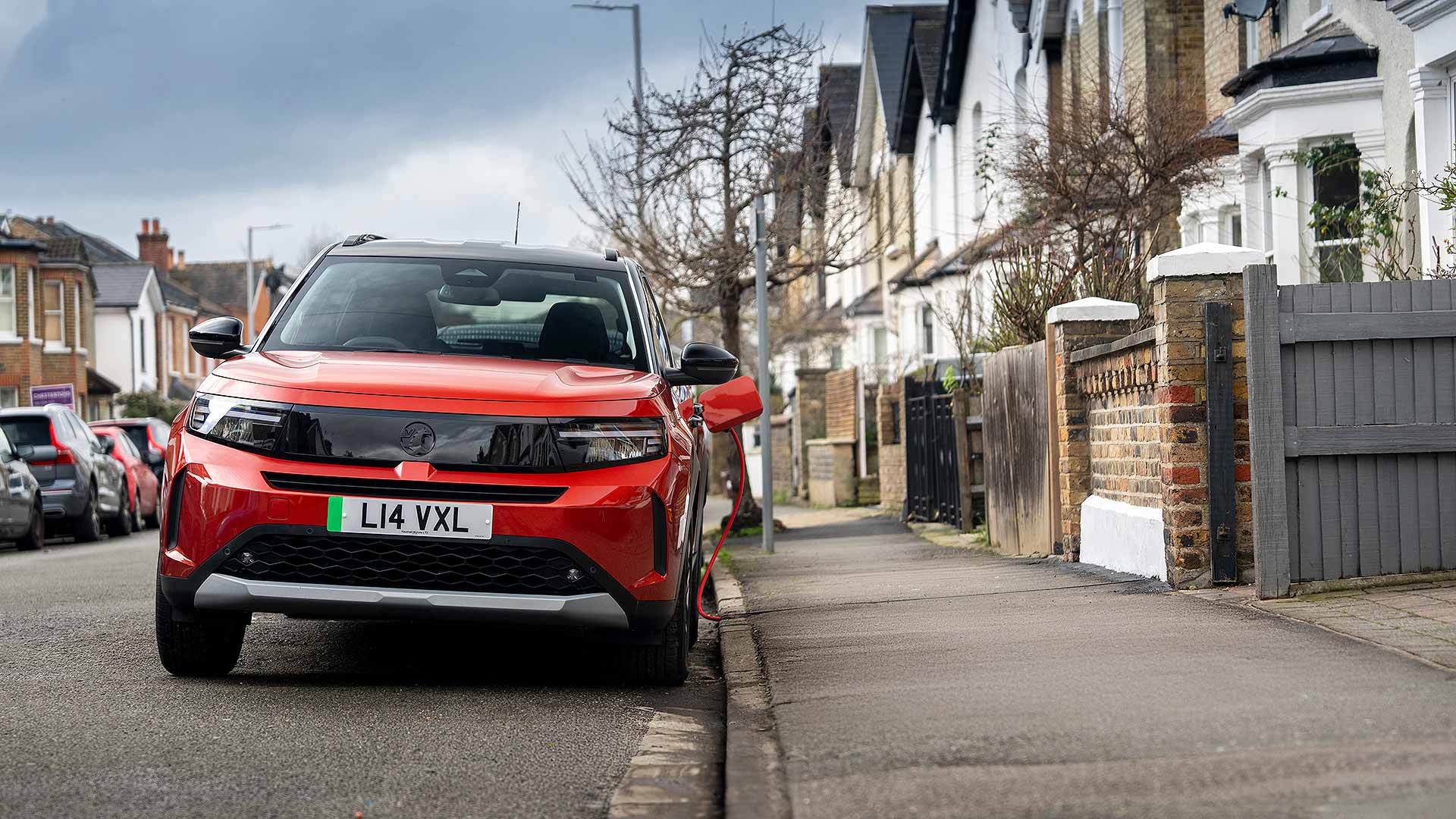
Separate Vauxhall research has found that four in 10 UK households do not have a driveway. This is a key barrier to electric car ownership, as it means residents cannot easily benefit from cut-price home EV charging. Cross-pavement charging is intended to solve this problem.

Council clarity is needed

Vauxhall Kerbo Charge cross-pavement charging

“To allow drivers across the country to feel confident going electric,” said Vauxhall MD Eurig Druce, “councils need to ensure they are providing drivers with as much clarity as possible about the options available to them, and how they can install EV charging outside their door.”

To help accelerate awareness of cross-pavement charging, Vauxhall has teamed up with leading provider Kerbo Charge on its Electric Streets of Britain campaign.

As part of the firm’s Electric All In offer, it will provide £500 off a Kerbo Charge installation to new EV buyers.

Vauxhall proudly adds that every electric car in its range costs less than £40,000, and is also eligible for the Electric Car Grant – saving customers £1,500.

What is Kerbo Charge?

Vauxhall Kerbo Charge cross-pavement charging

Kerbo Charge says it is the leading provider of cross-pavement charging channels in the UK. Some 34 local authorities are trialling it, and more than 1,000 channels have already been installed.

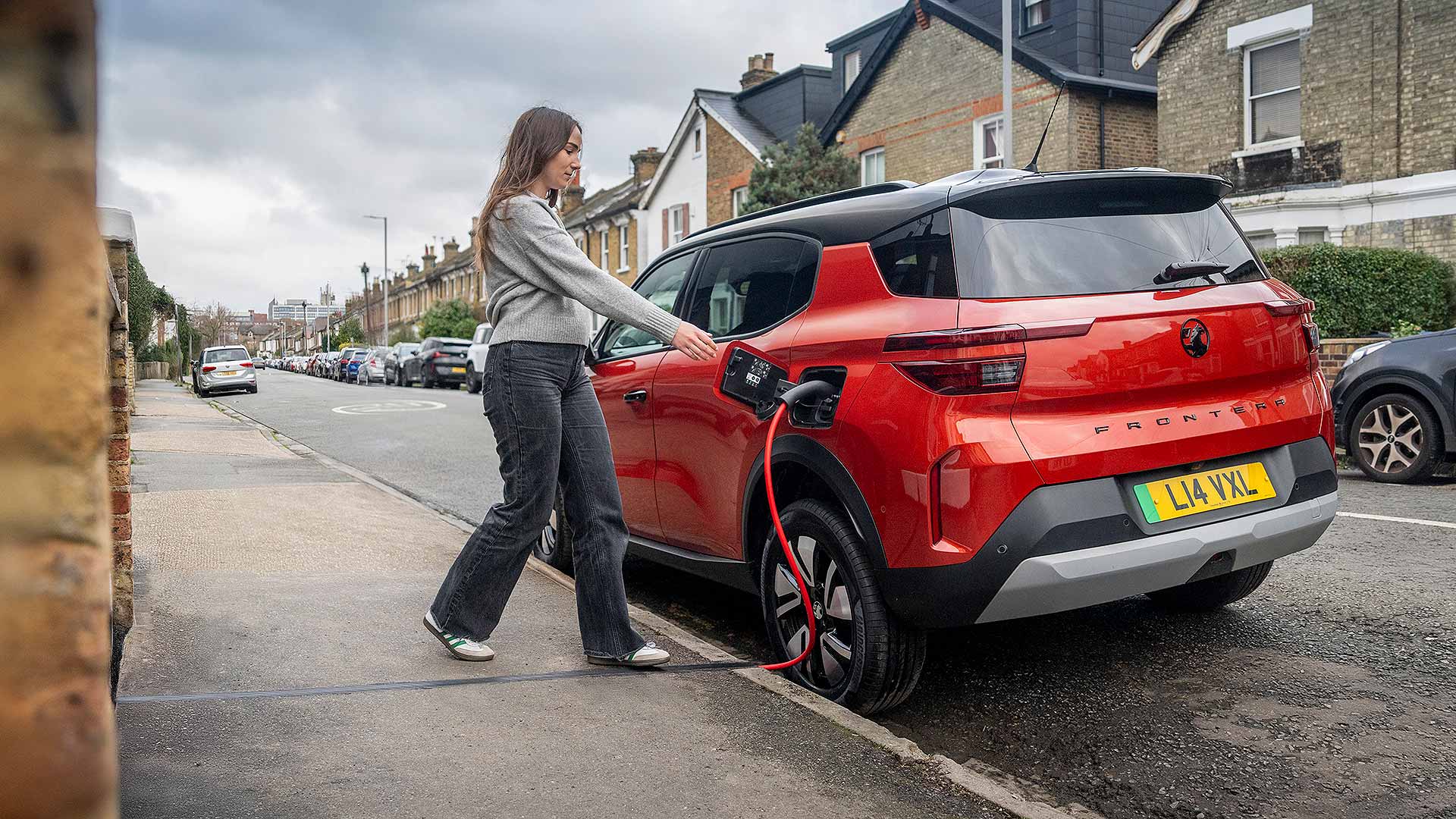
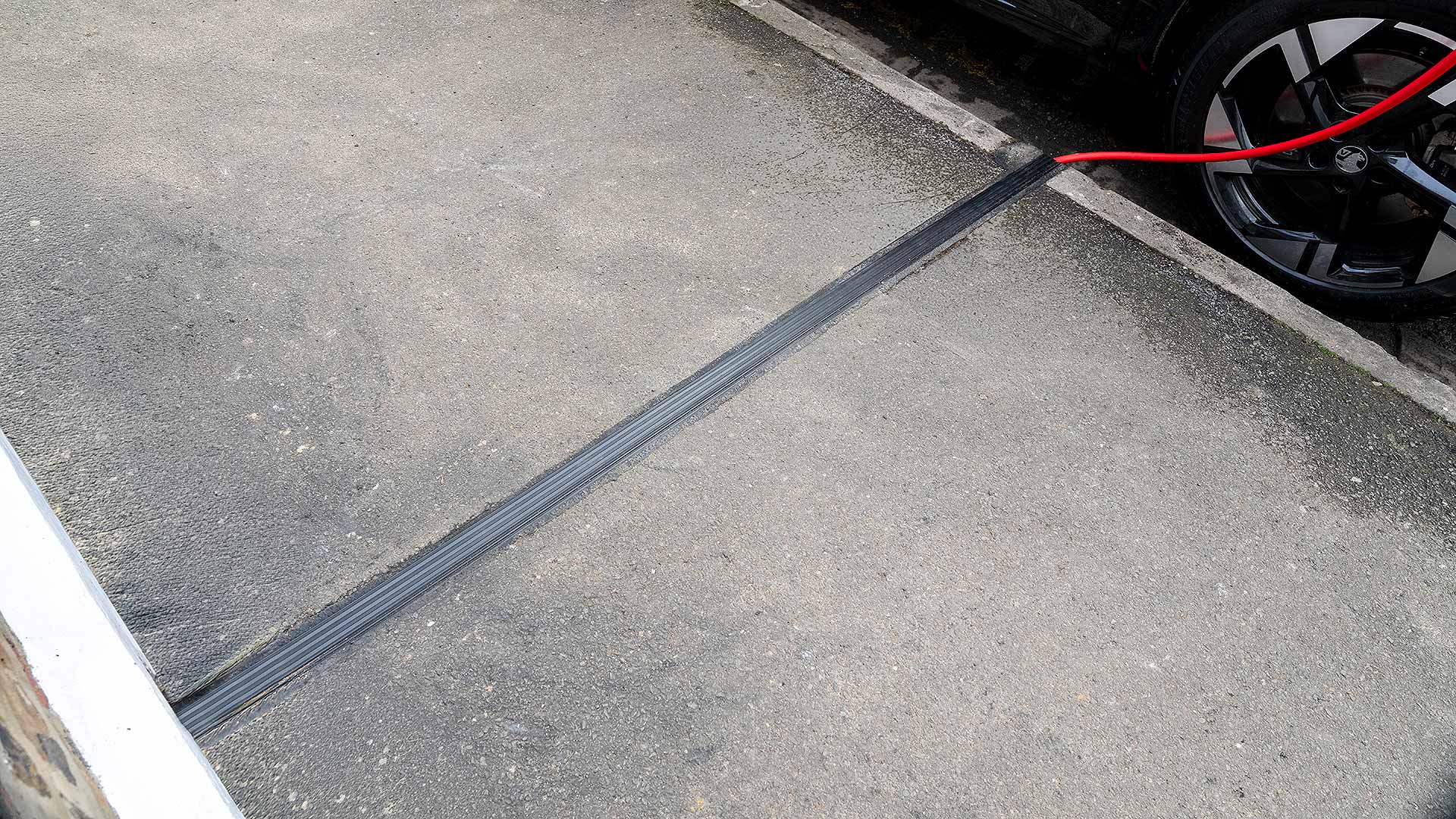
A narrow strip is cut into the pavement and kerbs, into which the channel is then installed.

EV owners then insert their own charging cable into the channel, and securely close a lid above it – just like a zip, says Kerbo Charge. It means no cables stretching across pavements, and no trip hazards for pedestrians.

The channels, made in Derbyshire, are unique to the UK and are able to bend with the pavement surface – which is important as most UK pavements are not flat, notes the firm. It also means that surrounding groundworks are not required.

Kerbo Charge was founded by Michael Goulden and Ben Whitaker, who pitched the business on the BBC’s Dragon’s Den. They received £50,000 from Deborah Meaden in 2024.

“The best inventions solve widespread problems with simple and cost-effective solutions,” said Meaden. “Kerbo Charge does just that.”

ALSO READ:

Radical new Nissan Juke goes fully electric for 2027

Tolman Motors builds Honda Integra Type R DC2 restomod

Volvo marks 70 years of the seatbelt

Advertisement

More details of reborn Jensen Interceptor GTX sports car revealed

0
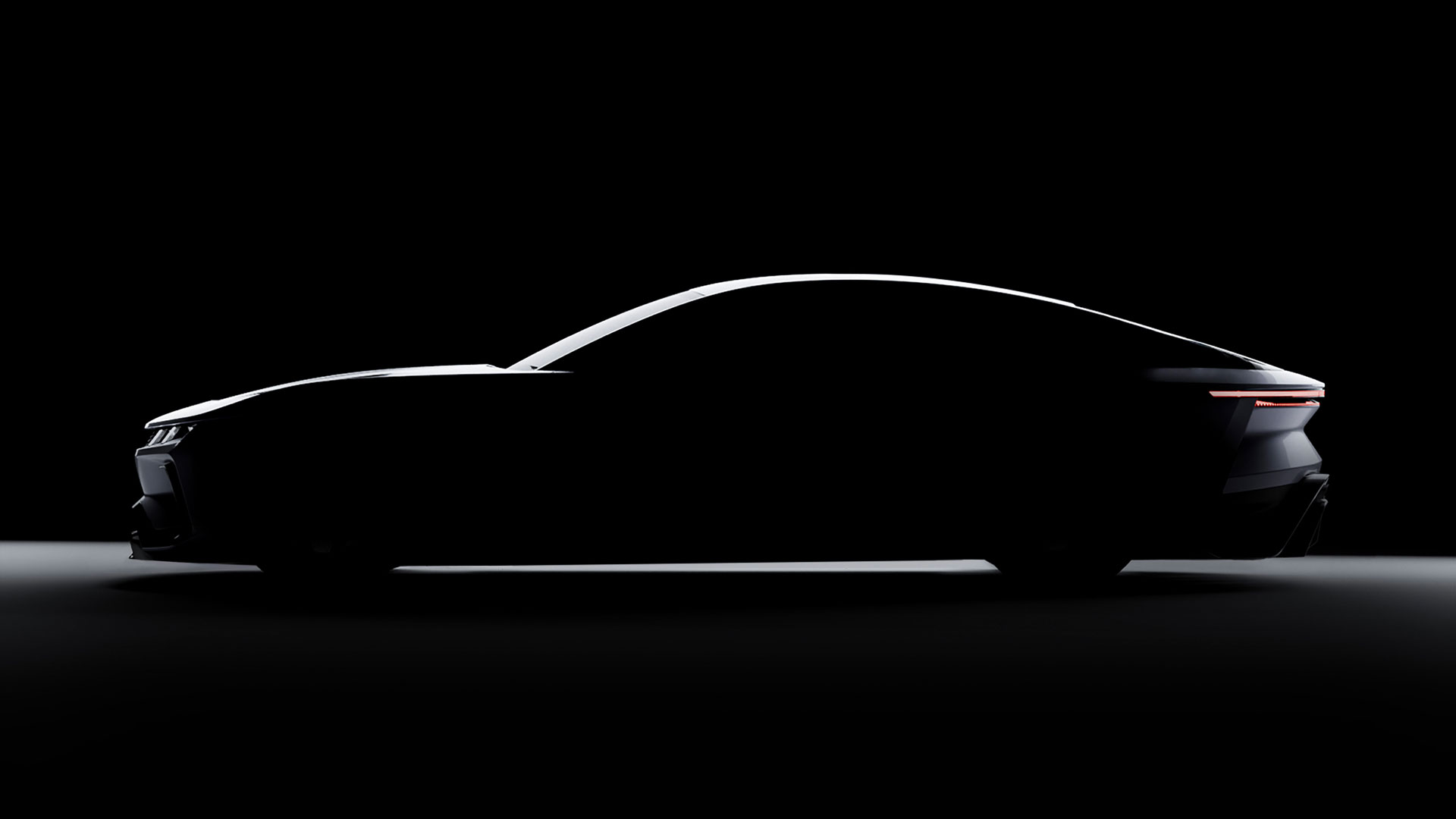
The Interceptor GTX represents Jensen International's first clean-sheet design, inspired by the classic model launched in 1966

Banbury-based Jensen International has announced more information about its forthcoming Interceptor GTX sports car. 

The company is keeping many details about the new model under wraps, but it has confirmed the Interceptor GTX name. 

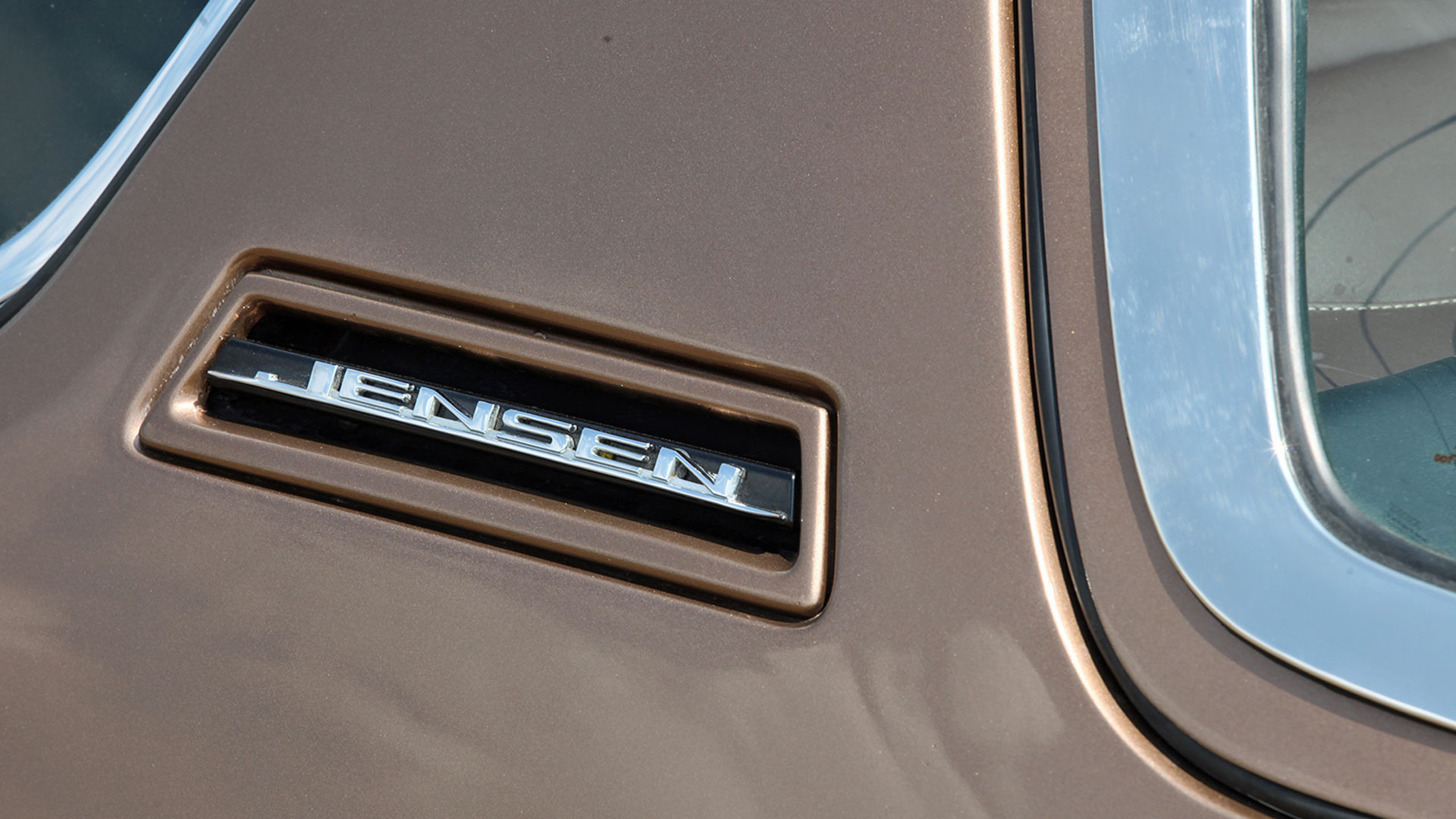
Jensen International is keen to stress that this will not be a continuation of the revered original Interceptor, a classic British coupe built between 1966 and 1976. 

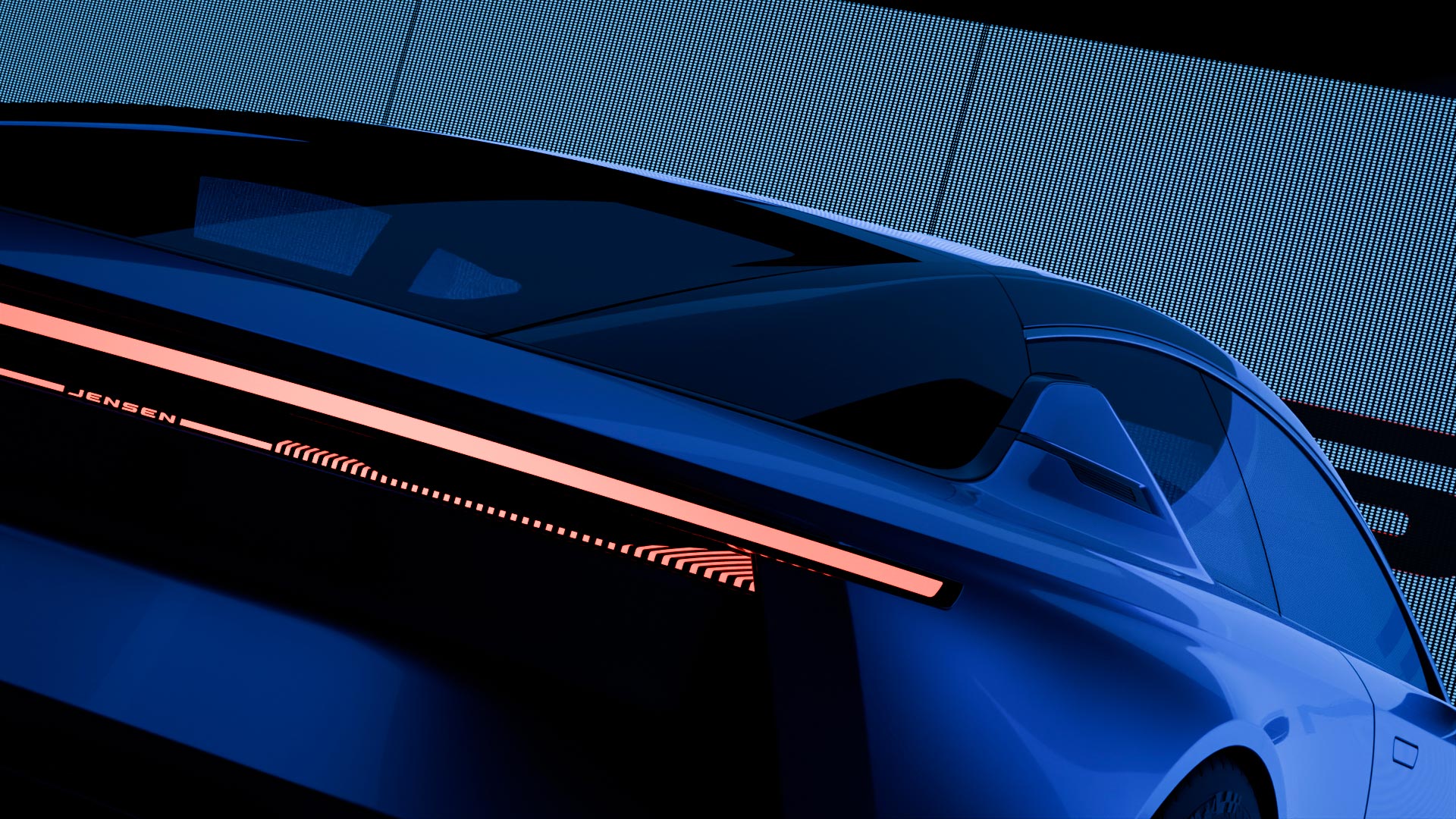
Instead, the Interceptor GTX will be a ‘clean-sheet design’ that is entirely new from the ground up, and featuring a hand-built aluminium body. 

It will also have an aluminium chassis and a bespoke V8 beneath its bonnet, paying homage to the big-block Chrysler engines found in the original.

A personal link to the Jensen story

JIA Jensen Interceptor GTX V8

Jensen International has also revealed that Jeff Qvale, son of the former owner of Jensen Motors, Kjell Qvale, has become a partner in the project.

The late Norwegian-American Kjell Qvale was instrumental in establishing the Jensen-Healey company, having previously been a leading importer of British sports cars to the United States.  

Qvale’s name later appeared on the Qvale Mangusta sports car, which subsequently evolved into the MG XPower SV.

Jeff Qvale can claim extensive experience in the North American automotive market, and also has fond memories of the Jensen Motors factory in the UK.

‘An ultra-analogue driving experience’

JIA Jensen Interceptor GTX V8

Following the announcement, Jeff Qvale commented: “For me, this project is very personal. Jensen was a big part of my father’s life and our family history. 

“Hand-built to the utmost quality, the Jensen Interceptor GTX will set new benchmarks and provide the pure, high-performance, ultra-analogue driving experience that discerning clientele are now demanding.”

David Duerden, managing director of Jensen International, added: “We are proud to reveal the name of our first, entirely new car and delighted to have Jeff Qvale on board. 

“He brings a deep understanding of the Jensen brand and exceptional expertise in the global automotive and investment sectors. As a key partner, he will play a crucial role in bringing the Jensen Interceptor GTX to market.”

Jensen International plans to reveal the Interceptor GTX in pre-production guise during the second quarter of 2026. Motoring Research will bring you more details very soon.

ALSO READ:

2026 Jaguar GT prototype review

Lotus Emira Turbo SE 2026 review

Classic car stories and reviews on Retro Motor

Advertisement

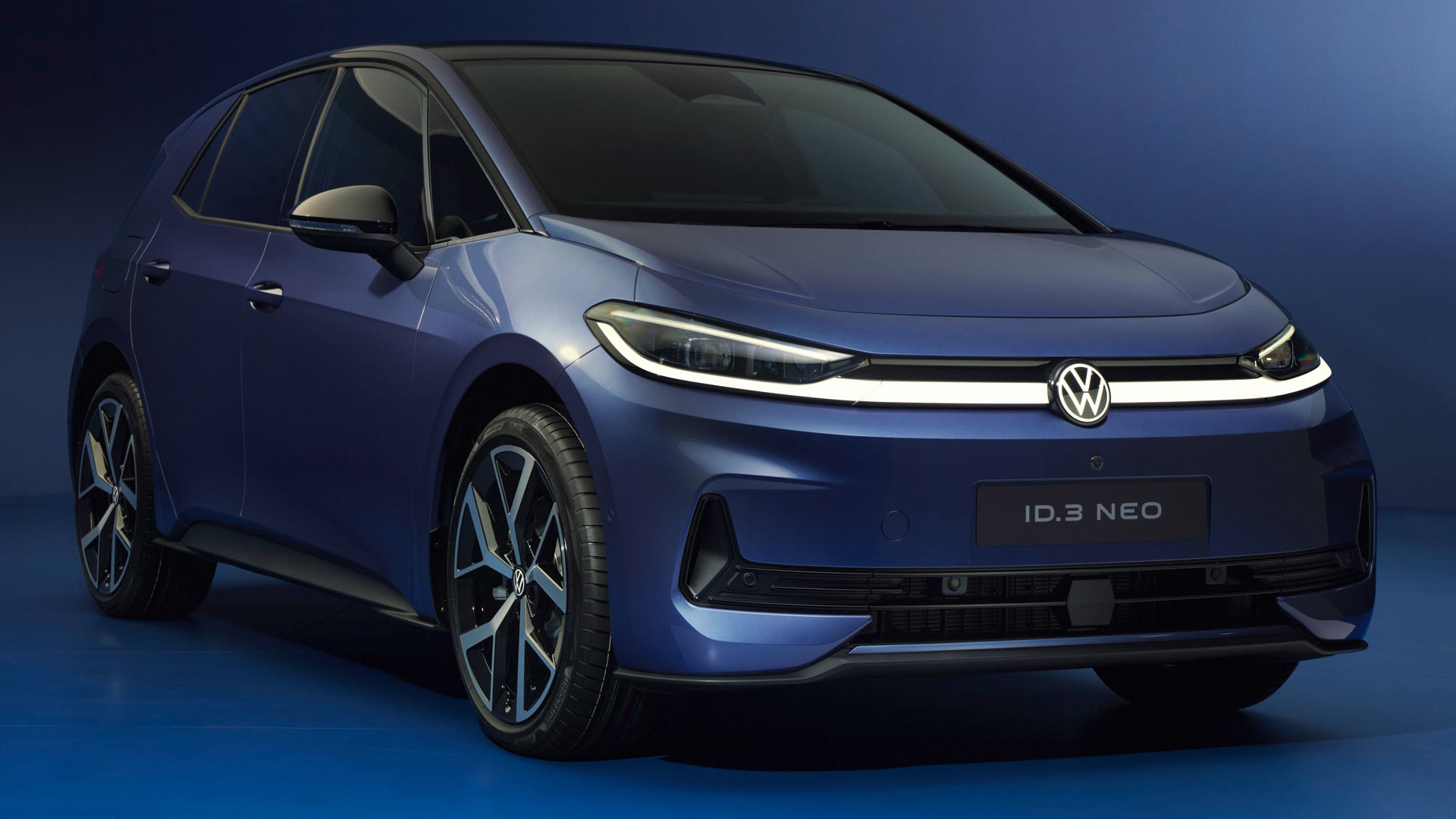
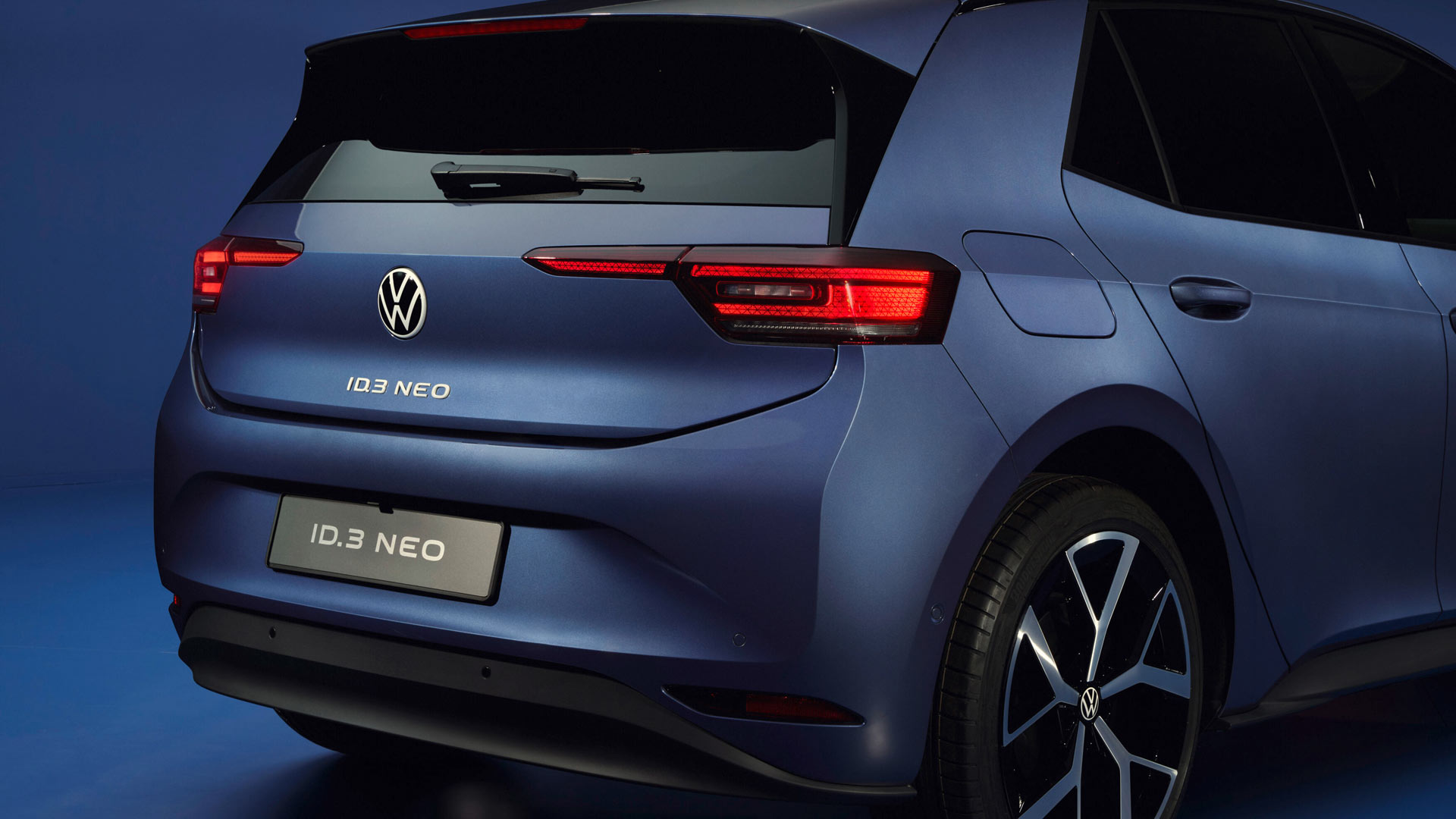
Volkswagen ID. 3 Neo has a new look and proper buttons inside

0
Along with an updated exterior, the Volkswagen ID. 3 Neo boasts an interior finally filled with physical buttons and switches

The Volkswagen ID. 3 has been given a substantial mid-life facelift, bringing a new look inside and out for the electric hatchback. 

Named the Volkswagen ID. 3 Neo, the revised EV features an updated exterior to bring it into line with the German marque’s new family identity. 

It represents the most significant overhaul of the ID. 3 since it was launched in 2019, following a minor update in 2023. 

Beneath the refreshed bodywork is a choice of powertrains, including three different battery sizes. The largest option enables the ID. 3 Neo to cover almost 400 miles before recharging, making it competitive with newer electric rivals.

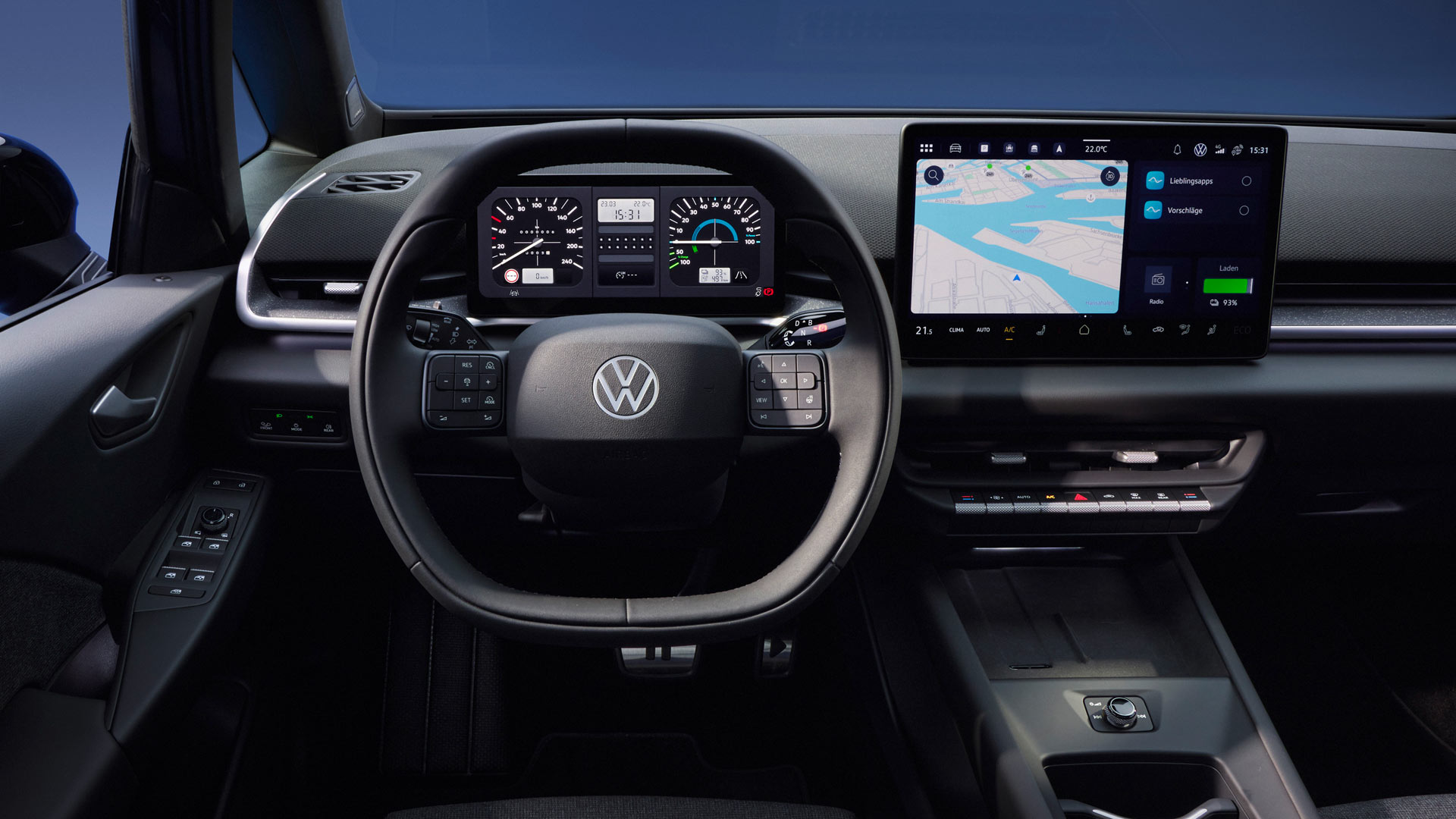
However, the most significant alteration is to the ID. 3 Neo’s interior, addressing the well-documented gripes about Volkswagen’s use of touchscreens and haptic controls.

More battery range for ID. 3 Neo

2026 Volkswagen ID. 3 Neo

Given it has been seven years since the original ID. 3 went on sale, the outgoing version was beginning to look out of step with the rest of the Volkswagen range

The ID. 3 Neo brings sharper front-end styling, new headlights and revised tail lights. The rear hatch is also now body-coloured, as are the roof and rear spoiler, rather than being painted black as on the previous ID. 3.

The ID. 3 Neo updates are more than just cosmetic, however, with Volkswagen offering increased power outputs for the three electric motor options. These now start at 170hp, progressing to 190hp and 231hp, although there is currently no mention of the performance GTX model.

Battery choices include 50kWh and 58kWh packs, with a long-range 79kWh version promising up to 391 miles when fully charged. This represents a gain of 50 miles versus the old ID.3.

A victory for real buttons and switches

2026 Volkswagen ID. 3 Neo

The biggest change for the ID. 3 Neo is, undoubtedly, its interior. Perhaps stung by the constant criticism from automotive pundits, Volkswagen has thoroughly redesigned the cabin to include buttons and switches

This includes a steering wheel with ‘proper’ physical buttons, instead of frustrating haptic touchpads, plus a row of switches to adjust the climate control without having to use the central touchscreen. 

It marks a win for common-sense interior design, and will leave car journalists searching for something new to complain about…

Volkswagen has also redesigned the graphics for the 12.9-inch touchscreen, while the 10.25-inch digital instrument panel gets a makeover. The latter includes an option for retro-style digital dials, first seen in the forthcoming ID. Polo, which provided inspiration for the ID. 3 Neo’s cabin. 

Trim quality is said to be improved, too, with Volkswagen taking on board feedback from customers and critics alike. 

European orders for the ID. 3 Neo are open now, with UK prices and specifications set to be confirmed by Volkswagen in the near-future.

ALSO READ:

Volkswagen Golf R 2026 long-term review – first report

Volkswagen Passat Estate 2026 review

Best electric cars to buy in 2026

Advertisement

Volvo marks 70 years of the seatbelt

0
Volvo 70 Years of Seatbelt Technology

Reaching a 70th birthday is an important milestone, but is especially noteworthy for one of Volvo’s life-saving safety innovations. 

A prototype version of the classic Volvo 120 Series, better known as the Amazon, made its debut in 1956. It featured a two-point cross-chest diagonal seatbelt: a major advancement from the lap belts available at the time. 

Later in 1956, when production of the Amazon got underway, Volvo offered its new seatbelt as an optional extra.

Although American car manufacturers had offered two-point seatbelts before, Volvo brought the conecpt to European drivers.

A road safety gift to the world

The new Volvo EX60 electric SUV incorporates the world’s first use of multi-adaptive seatbelt technology

However, Volvo’s greatest step forward was the launch of a three-point seatbelt – invented and developed by Swedish engineer, Nils Bohlin.

The design combined a lap belt and diagonal chest belt together, setting a template for seatbelts that continues some seven decades later

Volvo began fitting a three-point seatbelt to the Amazon by 1958. The following year, it became standard on all Volvos sold in the Swedish market.

Recognising the significance the seatbelt would play in improving road safety, Volvo made the patent for its three-point design available to other car manufacturers for free.

As a result, Nils Bohlin’s innovation was swiftly adopted across the globe. It is likely to have saved millions of lives.

The seatbelt also helped establish Volvo’s reputation for safety, demonstrated again when it introduced the first rear-facing child seat in 1972. The same year, the company also added three-point seatbelts to the rear of its vehicles.

Volvo still pioneers safety tech

Volvo 70 Years of Seatbelt Technology

Volvo continues to develop safety technology, with the latest EX60 electric SUV featuring a world-first use of multi-adaptive seatbelts.

These use multiple sensors inside and outside the EX60 to adjust the level of seatbelt tension. Factors taken into account include the size of the person in the seat, the way they are sitting, and the type of collision occurring.

Nicole Melillo Shaw, managing director of Volvo Car UK, said: “Volvo has always been at the forefront of safety evolution and innovation, and we’re pleased that we can continue to make new developments on such vital features like the seatbelt. 

“The latest multi-adaptive seatbelt in the new EX60 is a testament to our pioneering technology and approach to safety that is continued today.”

Volvo has already increased production capacity to meet worldwide demand for the EX60. The new electric SUV is capable of more than 500 miles on a single battery charge in range-topping P12 guise.

ALSO READ:

KGM Musso EV becomes UK’s lowest-tax pickup

Honda Super-N EV confirmed for UK – priced from under £20k

Less than one in four cars now available with a manual gearbox

Advertisement

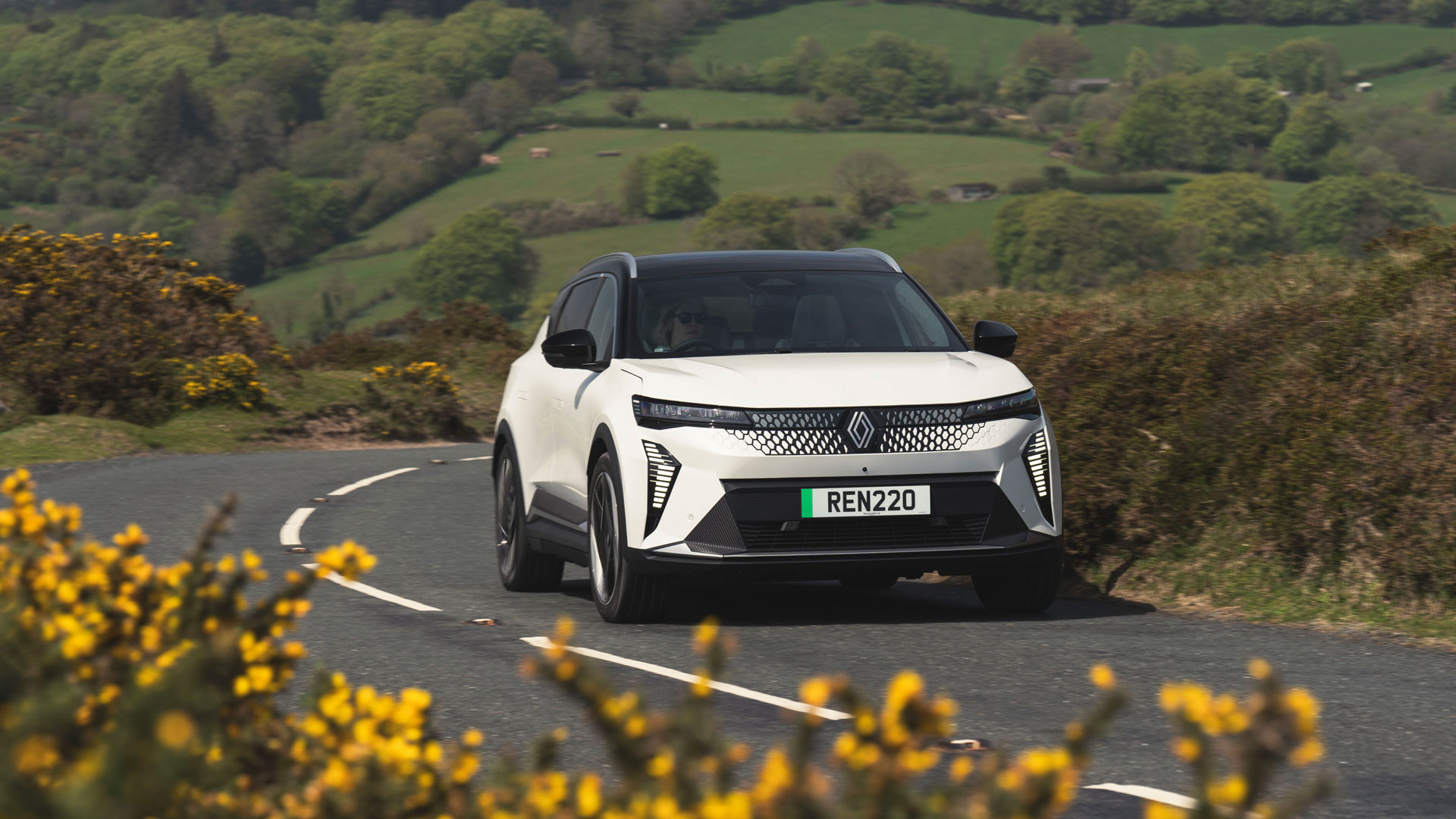
Renault Scenic E-Tech now qualifies for £3,750 Electric Car Grant

0
Becoming the third Renault model to qualify for the Electric Car Grant, the Scenic E-Tech won the 2024 European Car of the Year Award

The Scenic E-Tech SUV has become the latest model from Renault to gain full eligibility for the Electric Car Grant (ECG). 

Notably, the Renault Scenic E-Tech family SUV has been rewarded with the maximum £3,750 grant – available solely to EVs made to the ‘highest manufacturing sustainability standards’. 

It becomes the third Renault to qualify for the top-level ECG, following the Renault 4 and 5 models announced last year. Other vehicles from the French marque qualify for the smaller £1,500 grant.

As a result, the Scenic E-Tech now costs from £33,245 in entry-level Techno specification.

Scenic E-Tech ready to order now

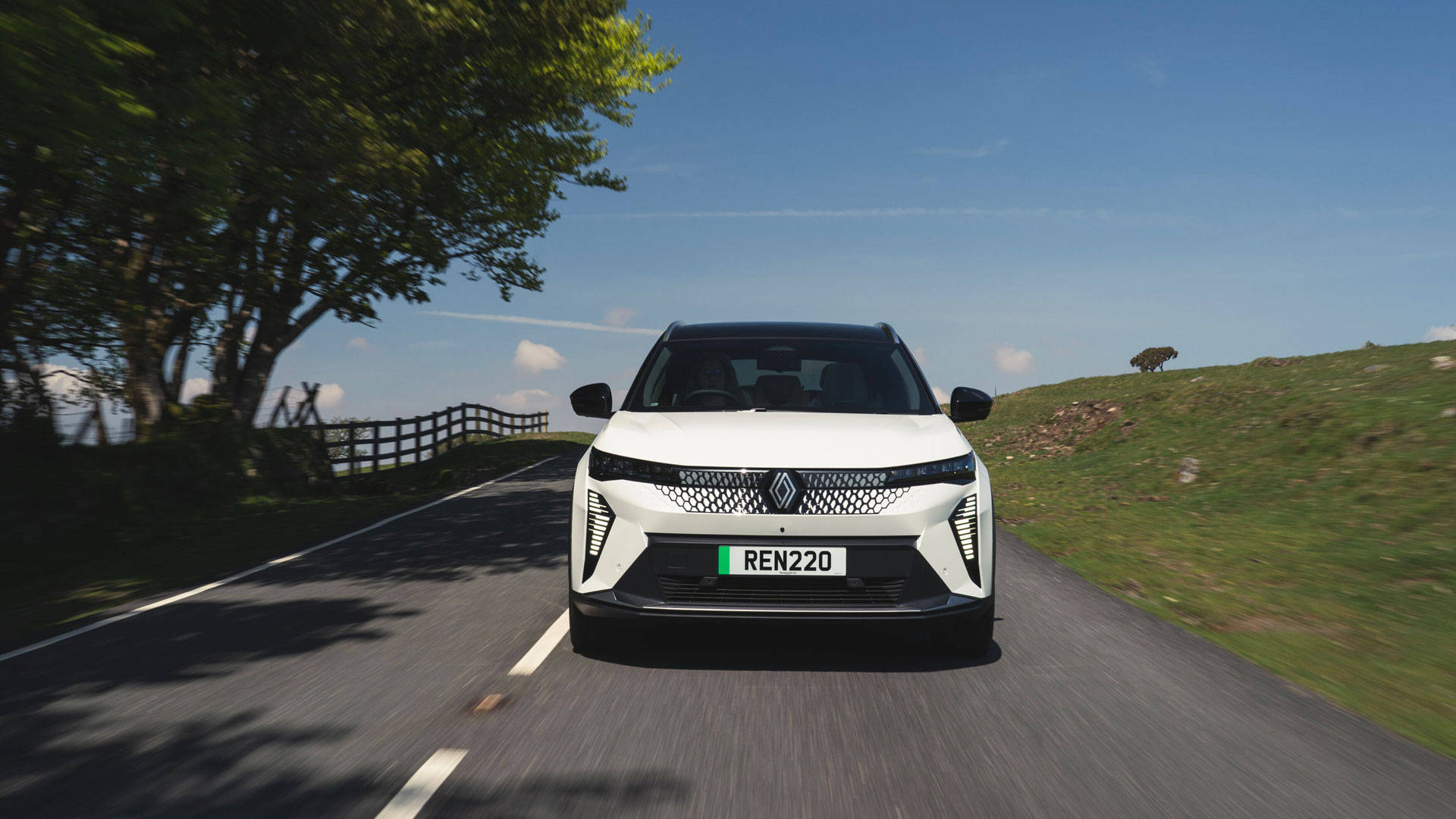
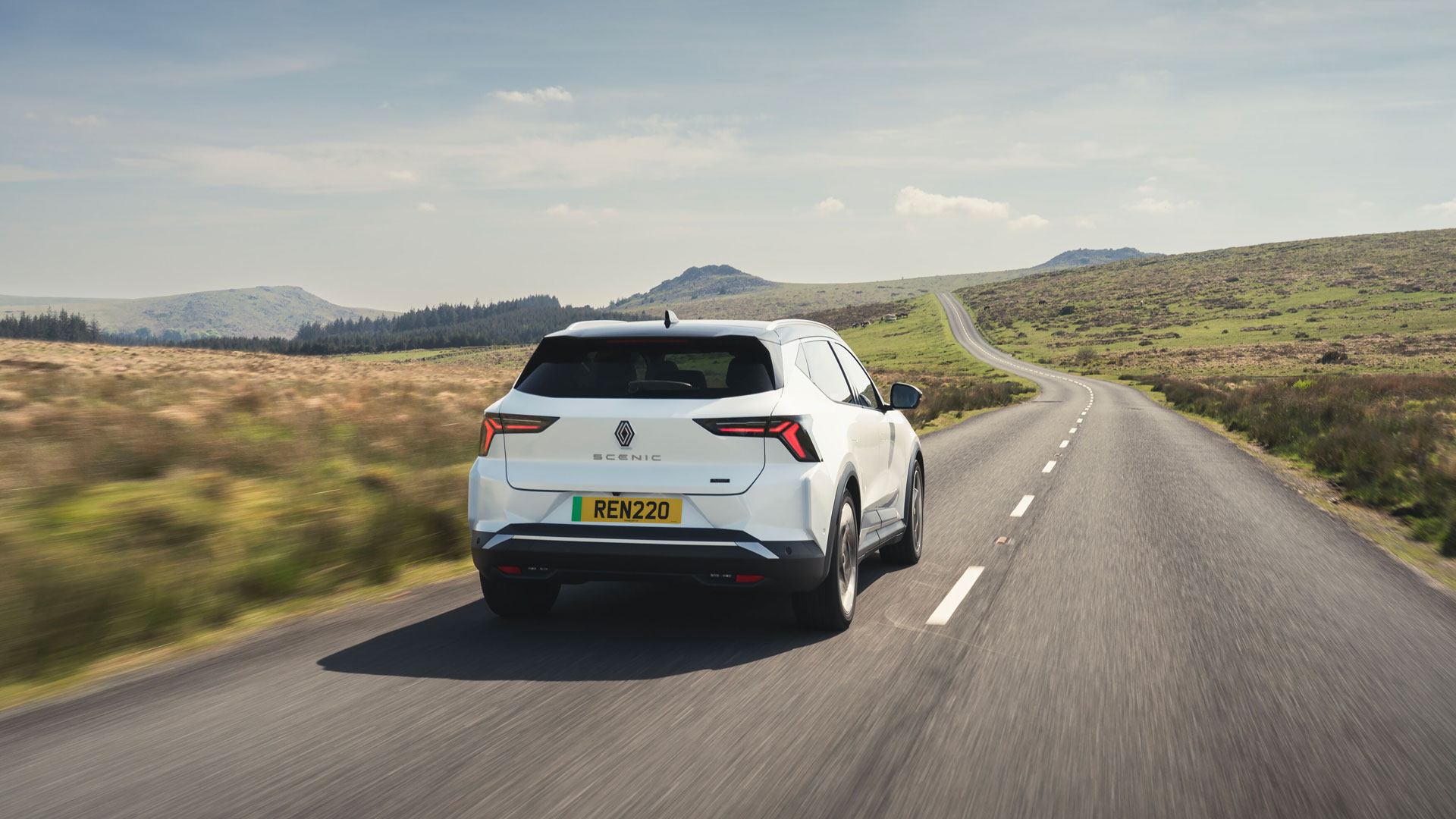
Renault Scenic E-Tech ECG

All versions of the Renault Scenic E-Tech sold in the UK use a 220hp electric motor, which is combined with an 87kWh ‘Long Range’ battery pack. 

Depending on the trim level chosen, the Scenic E-Tech is capable of up to 381 miles when fully charged. Replenishing its battery from 15 to 80 percent requires 32 minutes with a DC rapid-charger

The £33,345 Renault Scenic E-Tech in Techno trim features 19-inch alloy wheels, a 12.3-inch digital instrument panel, a 12-inch central touchscreen and wireless smartphone charging.

Opting for the Techno Esprit Alpine version now costs £36,245, adding 20-inch alloy wheels, heated sports seats, a heated steering wheel and blue carpets. 

Now priced at £38,245 thanks to the ECG, the Scenic E-Tech Iconic Esprit Alpine tops the range. It comes withb an electrically adjustable driver’s seat, Harman Kardon audio system and a panoramic sunroof.

One in three Renaults is now electric

Renault Scenic E-Tech ECG

Adam Wood, managing director of Renault UK, said: “Today’s confirmation of the maximum grant for Renault Scenic, as a result of its battery maker using 100 percent renewable energy at its plant, is another demonstration of how we have prioritised putting sustainability at the heart of our manufacturing processes.

“In the first three months of 2026, Renault’s EV registrations in the UK grew 87 percent year-on-year, powered by a combination of the launches of the award-winning Renault 4 and Renault 5 and the growing consumer confidence and momentum built by the government’s Electric Car Grant.  

“Now, one in three new Renault cars sold is electric, proving that there is a strong appetite for great electric cars that are brilliantly designed, fun to drive, packed with tech and affordably priced.”

Look out for our review of the Renault Scenic E-Tech – coming soon to Motoring Research.

ALSO READ:

New Lepas L6 hybrid and electric SUVs: here’s what we know

Honda Super-N EV confirmed for UK – priced from under £20k

Your EV questions answered on Motoring Electric

Advertisement