Reaching a 70th birthday is an important milestone, but is especially noteworthy for one of Volvo’s life-saving safety innovations.
A prototype version of the classic Volvo 120 Series, better known as the Amazon, made its debut in 1956. It featured a two-point cross-chest diagonal seatbelt: a major advancement from the lap belts available at the time.
Later in 1956, when production of the Amazon got underway, Volvo offered its new seatbelt as an optional extra.
Although American car manufacturers had offered two-point seatbelts before, Volvo brought the conecpt to European drivers.
A road safety gift to the world
However, Volvo’s greatest step forward was the launch of a three-point seatbelt – invented and developed by Swedish engineer, Nils Bohlin.
The design combined a lap belt and diagonal chest belt together, setting a template for seatbelts that continues some seven decades later.
Volvo began fitting a three-point seatbelt to the Amazon by 1958. The following year, it became standard on all Volvos sold in the Swedish market.
Recognising the significance the seatbelt would play in improving road safety, Volvo made the patent for its three-point design available to other car manufacturers for free.
As a result, Nils Bohlin’s innovation was swiftly adopted across the globe. It is likely to have saved millions of lives.
The seatbelt also helped establish Volvo’s reputation for safety, demonstrated again when it introduced the first rear-facing child seat in 1972. The same year, the company also added three-point seatbelts to the rear of its vehicles.
Volvo still pioneers safety tech
Volvo continues to develop safety technology, with the latest EX60 electric SUV featuring a world-first use of multi-adaptive seatbelts.
These use multiple sensors inside and outside the EX60 to adjust the level of seatbelt tension. Factors taken into account include the size of the person in the seat, the way they are sitting, and the type of collision occurring.
Nicole Melillo Shaw, managing director of Volvo Car UK, said: “Volvo has always been at the forefront of safety evolution and innovation, and we’re pleased that we can continue to make new developments on such vital features like the seatbelt.
“The latest multi-adaptive seatbelt in the new EX60 is a testament to our pioneering technology and approach to safety that is continued today.”
Volvo has already increased production capacity to meet worldwide demand for the EX60. The new electric SUV is capable of more than 500 miles on a single battery charge in range-topping P12 guise.
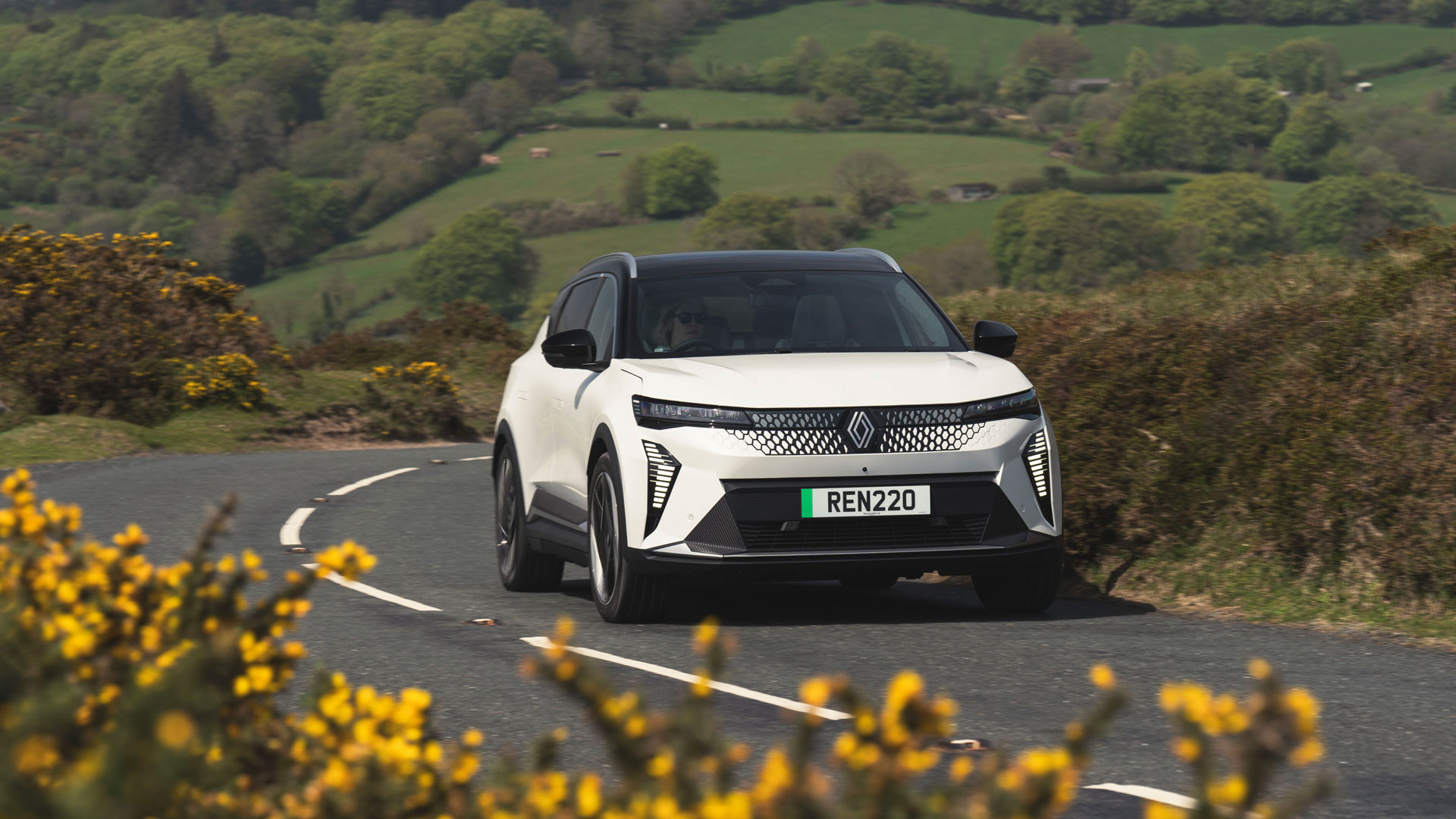
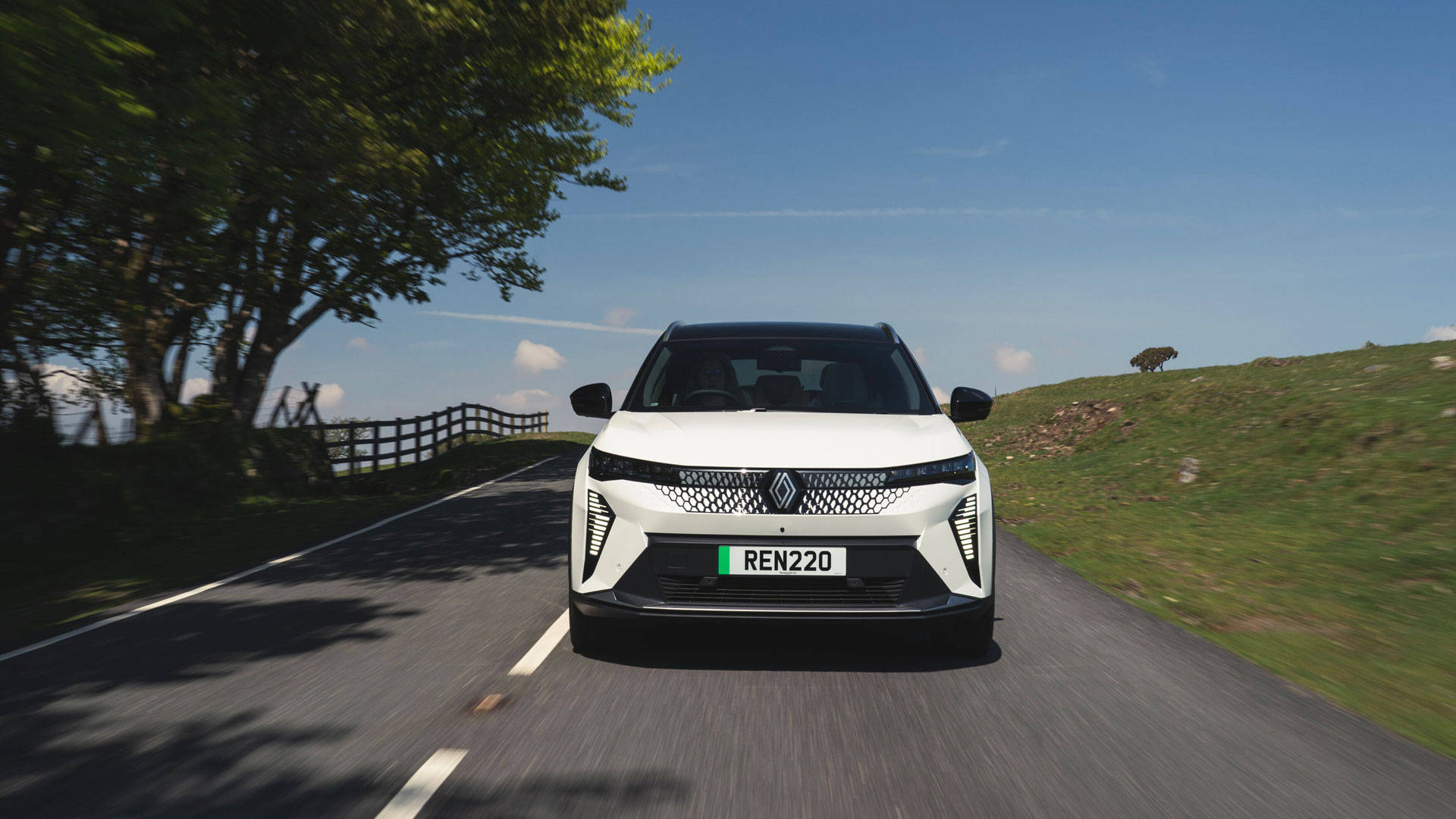
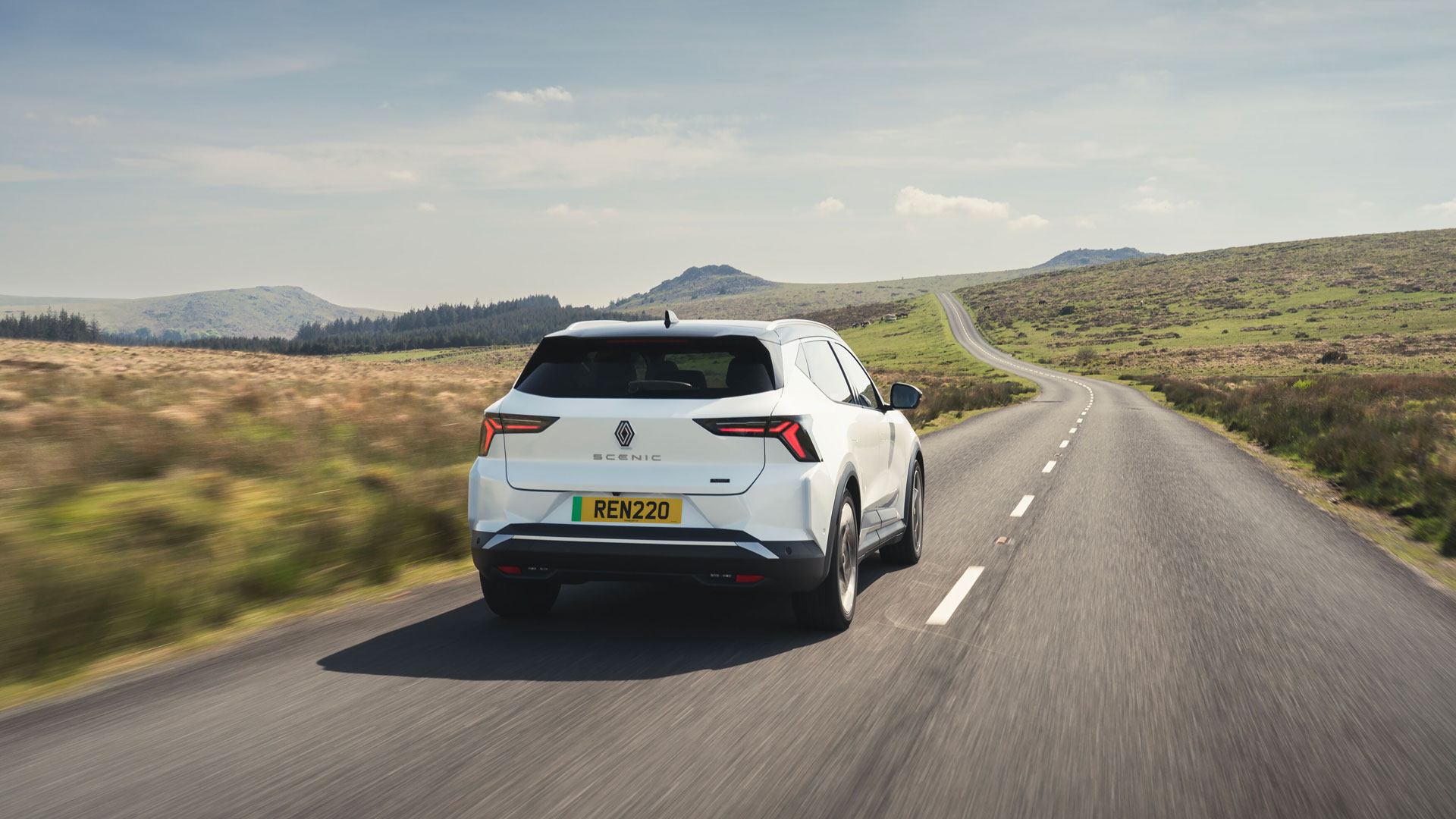
The Scenic E-Tech SUV has become the latest model from Renault to gain full eligibility for the Electric Car Grant (ECG).
Notably, the Renault Scenic E-Tech family SUV has been rewarded with the maximum £3,750 grant – available solely to EVs made to the ‘highest manufacturing sustainability standards’.
It becomes the third Renault to qualify for the top-level ECG, following the Renault 4 and 5 models announced last year. Other vehicles from the French marque qualify for the smaller £1,500 grant.
As a result, the Scenic E-Tech now costs from £33,245 in entry-level Techno specification.
Scenic E-Tech ready to order now
All versions of the Renault Scenic E-Tech sold in the UK use a 220hp electric motor, which is combined with an 87kWh ‘Long Range’ battery pack.
Depending on the trim level chosen, the Scenic E-Tech is capable of up to 381 miles when fully charged. Replenishing its battery from 15 to 80 percent requires 32 minutes with a DC rapid-charger.
The £33,345 Renault Scenic E-Tech in Techno trim features 19-inch alloy wheels, a 12.3-inch digital instrument panel, a 12-inch central touchscreen and wireless smartphone charging.
Opting for the Techno Esprit Alpine version now costs £36,245, adding 20-inch alloy wheels, heated sports seats, a heated steering wheel and blue carpets.
Now priced at £38,245 thanks to the ECG, the Scenic E-Tech Iconic Esprit Alpine tops the range. It comes withb an electrically adjustable driver’s seat, Harman Kardon audio system and a panoramic sunroof.
One in three Renaults is now electric
Adam Wood, managing director of Renault UK, said: “Today’s confirmation of the maximum grant for Renault Scenic, as a result of its battery maker using 100 percent renewable energy at its plant, is another demonstration of how we have prioritised putting sustainability at the heart of our manufacturing processes.
“In the first three months of 2026, Renault’s EV registrations in the UK grew 87 percent year-on-year, powered by a combination of the launches of the award-winning Renault 4 and Renault 5 and the growing consumer confidence and momentum built by the government’s Electric Car Grant.
“Now, one in three new Renault cars sold is electric, proving that there is a strong appetite for great electric cars that are brilliantly designed, fun to drive, packed with tech and affordably priced.”
Look out for our review of the Renault Scenic E-Tech – coming soon to Motoring Research.
Supercars are the preserve of the fortunate few, but we can all dream. Exotic and expensive, they deliver the ultimate in performance and driving excitement, alongside an unbeatable sense of occasion.
The best supercars of 2026 include some familiar names, such as Aston Martin, Ferrari and McLaren, but there’s also room for two high-end versions of the Porsche 911. All are currently available to buy – if you have the means and, in some cases, a place on the waiting list – and all will make you fall in love with driving again. Even the Monday morning commute seems brighter in a supercar.
Time is running out to buy a thunderous V8 or high-revving V12, with new petrol engines due to be outlawed from 2035, so don’t delay to live out your supercar dream. Our choices are presented in alphabetical order, rather than order of preference.
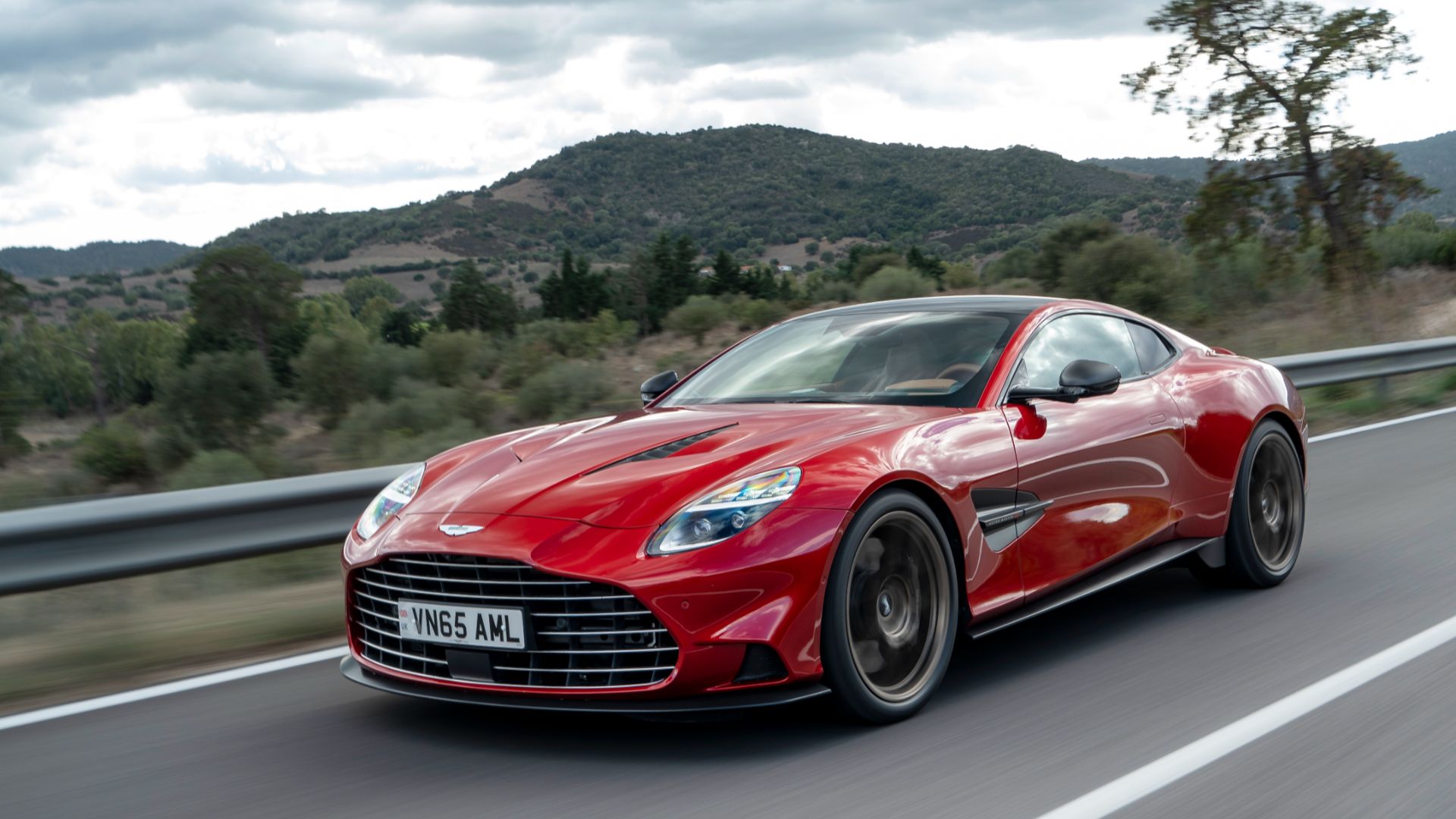
Aston Martin Vanquish
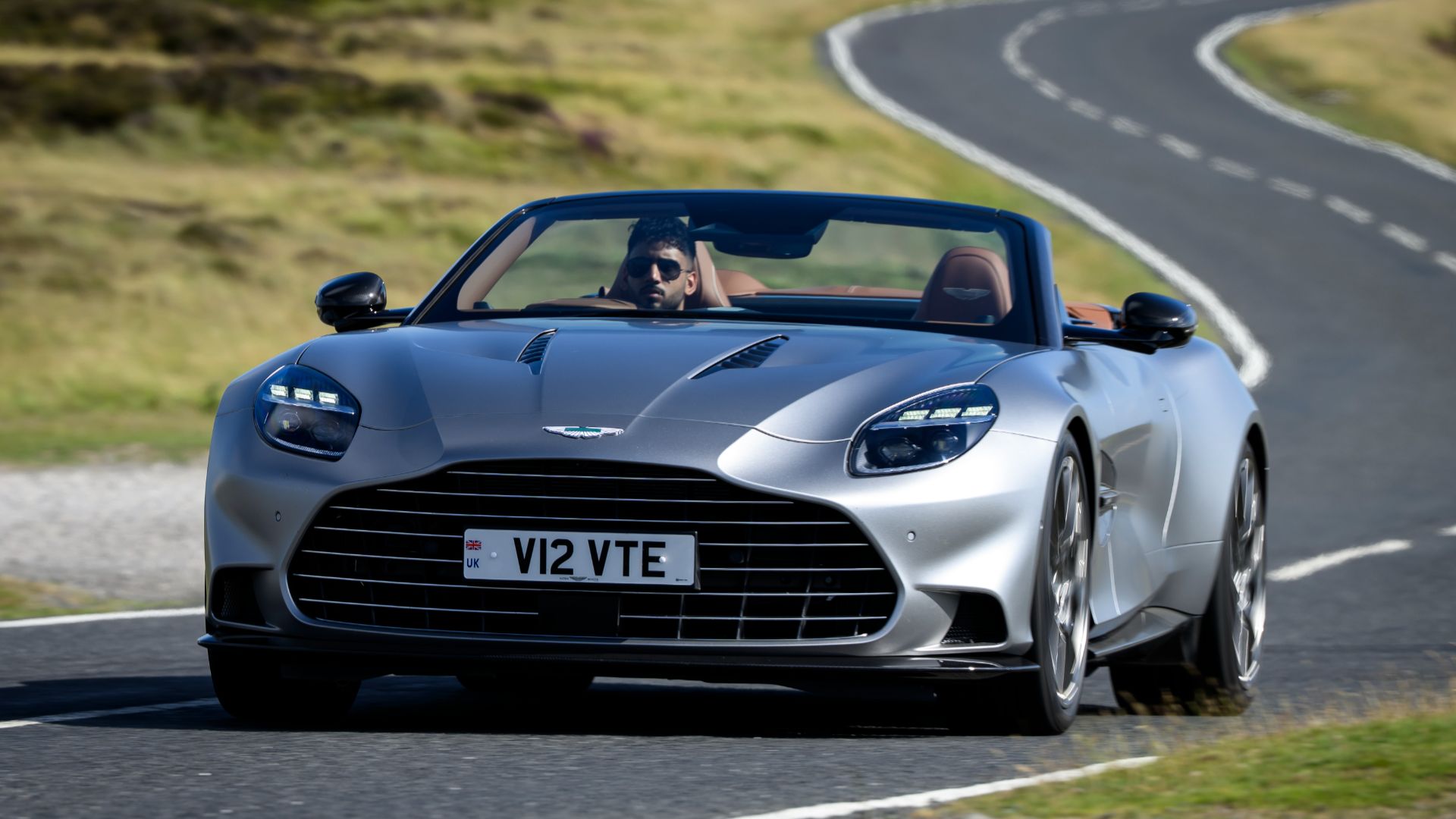
The radical, mid-engined Valhalla might be grabbing the headlines, but the Vanquish is an Aston Martin of the old-school – and absolutely no worse for that. It has a 5.2-litre twin-turbo V12 beneath its long bonnet, which sends all 835 horses and 738lb ft to the rear wheels. Zero to 62mph takes 3.3 seconds and top speed is 214mph.
You can have a coupe or the even more decadent Volante drop-top (pictured above). Either way, the Vanquish combines outrageous power with tailored luxury like few other cars. You could drive from Kensington to Cannes without breaking a sweat. The fuel bill would be substantial, but if you can afford the Vanquish’s £330,000+ asking price…
We said: ‘The poise and nuance of the Aston Martin’s chassis makes taking the reins of 835 horses far less intimidating than you might expect. And if you do get carried away, the huge carbon brakes are reassuringly powerful and progressive. The only slight demerit is reserved for the ride, which is on the firm side for a luxurious grand tourer.’
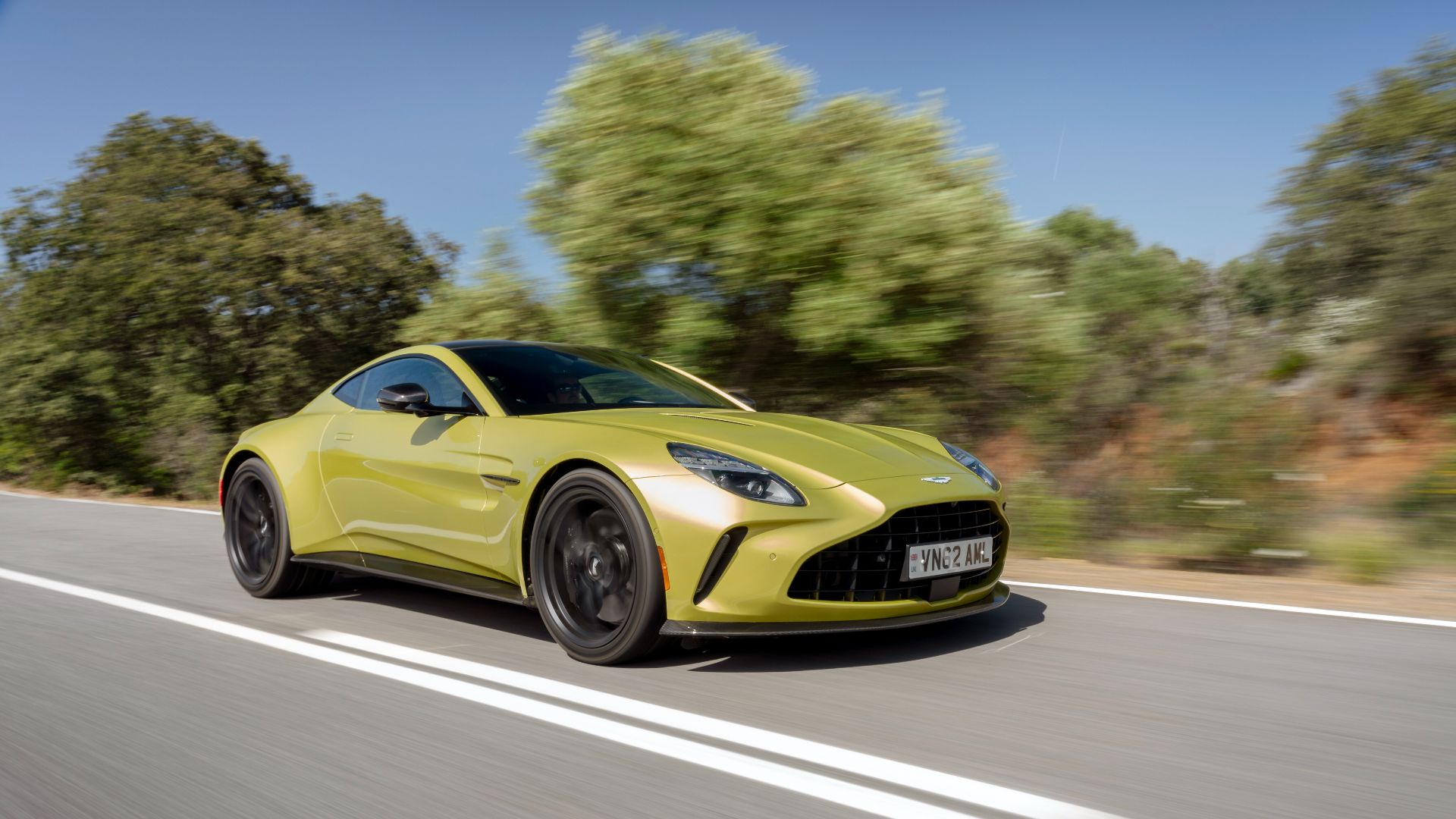
When the current Aston Martin Vantage was originally launched in 2018, a 510hp twin-turbocharged 4.0-litre V8 placed it towards the upper end of the sports car category. However, a substantial facelift for 2025 gave the Vantage a fresh look and a 30 percent boost in power.
With a turbocharged V8 that now musters 665hp, the Vantage has become a bona fidesupercar. Both the coupe and Vantage Roadster also feature a wider track, stiffer chassis and Bilstein dampers, which transform how they drive. The new Vantage S promises to take things further still – we’ll be driving it soon.
We said: ‘It isn’t perfect, of course. The Vantage’s ride feels firm even on smooth Spanish roads and its 325-section tires rumble relentlessly at speed. Then again, if you want a long-striding GT, the Aston Martin DB12 already answers that brief brilliantly. Unlike its bigger brother, the Vantage never totally relaxes. It’s alert, feisty and up on its toes – and it will keep you on your toes, too. It’s an unequivocal and unapologetic supercar. Job done.’
Eight hundred and thirty horsepower sounds an insane amount for Ferrari’s ‘entry-level’ supercar. Then again, in a world of 2,000hp electric hypercars, perhaps such head-scrambling numbers are becoming the norm. The 296 GTB and its drop-top GTS sibling (pictured) combine a high-revving 3.0-litre turbocharged V6 with a plug-in hybrid system. Driving the rear wheels only, the result is 0-62mph in 2.9 seconds and a 205mph maximum, along with 15.5 miles of zero-emissions electric range.
The 296 is so accomplished – and so ludicrously fast – it makes the pricier 849 Testarossa look somewhat redundant. So save yourself £150,000 and buy this one instead. There, you didn’t expect cool-headed consumer advice in a Ferrari review, did you? If you simply must have more performance, though, the 868hp 296 Speciale takes things up another notch.
We said: ‘Beyond the sound and the fury, the 296 is joyous at any speed. Its steering is lucid and precise, its electronic dampers seem to breathe with the road and the whole car feels progressive and keenly balanced. Underneath, an arsenal of electronic wizardry is analysing every split-second of your progress, but the combined effect is reassuringly analogue. And far more manageable than 830hp has any right to be.’
The Temerario replaced the long-lived Lamborghini Huracan, trading its naturally aspirated 5.2-litre V10 for a twin-turbocharged 4.0-litre V8 bolstered by three electric motors. The grand total is an explosive 920hp, delivered close to the engine’s searing 10,000rpm redline. With a 0-62mph time of 2.7 seconds, the new ‘baby’ Lamborghini outpaces the hypercars of a decade ago.
Despite its extreme performance and superbike soundtrack, the Temerario is easy to drive, more practical than its predecessor and usefully smaller than a Revuelto. More derivatives are on the way, including a drop-top Spyder and STO-style road racer – perhaps even an off-roader like the acclaimed Huracan Sterrato – but your main decision for now is whether to have the Alleggerita package. This reduces weight by up to 25kg and boosts downforce by 67 percent, helped by a carbon fibre ducktail spoiler (pictured above).
We said: ‘With enough space to explore the upper reaches of its rev range, the Temerario comes alive. The linear rush of acceleration gains a frenzied urgency beyond 7,000rpm, accompanied by a hard-edged metallic shriek. Changing up so late feels unnatural at first – I was instinctively pulling the right paddle at about 8,000rpm – but hold your nerve and the Temerario is as unhinged as you’d hope.‘
Not even Lamborghini’s flagship supercar can escape the need to embrace electrification. Successor to the long-serving Aventador, the Revuelto combines a naturally aspirated V12 with a plug-in hybrid system. It means that rather than resorting to downsizing or forced induction, the mid-engined Lamborghini continues to fire on all cylinders.
Adding three electric motors to proceedings results in a wild 1,015hp and 0-62mph in just 2.5 seconds. The Revuelto can also reach a top speed of 217mph, and cover up to six miles moving silently on battery power alone. Its dramatic ‘space ship’ styling features Lamborghini’s trademark scissor doors.
We said: ‘If outright speed is what matters, you may as well buy a Tesla. Like every mid-engined V12 Lamborghini since the Miura – which arguably invented the modern supercar in 1966 – the Revuelto stimulates all of your senses. From its shock-and-awe styling, to its thunderous soundtrack, to its nuanced steering and handling, it transforms even the most mundane journey into an event.’
The MC20 was the car that heralded Maserati’s comeback – and it was right on target. With a high-tech turbocharged V6 and a carbon fibre tub, it has the Lamborghini Huracan and McLaren Artura squarely in its sights. Yet this elegant, almost understated Italian also has a softer side, blurring the lines between supercar and super-GT.
A fully electric ‘Folgore’ version of the MC20 has now been abandoned. However, the 630hp of this car – capable of 0-62mph in 2.9 seconds and 202mph – seems quite sufficient. Maserati will release an updated version of its mid-engined supercar this year, branded the MCPura, but it keeps all of the best bits of the MC20 intact.
We said: ‘Like the child of 2004’s outrageous Maserati MC12 – itself an evolution of the Ferrari Enzo – the MC20 looks fabulous in the flesh. Its low, pointy nose flows elegantly into a domed cockpit flanked by hungry air intakes. An F40-style Lexan rear window shows off the low-mounted engine, with Trident-shaped vents to help expel heat. The MC20 Cielo convertible might be the prettiest supercar on sale.’
The Artura represented a hard reset for McLaren Automotive: the young company’s first completely new powertrain since the MP4-12C of 2011. Its plug-in hybrid system offers a future-proofed 18.6 miles of electric range, plus a combined 680hp once the 3.0-litre twin-turbo V6 joins the party. Zero to 62mph takes 3.0 seconds and top speed is 205mph.
Almost everything else about the Artura is new, too – including the carbon fibre chassis, rear e-differential and touchscreen tech. It’s a terrific ‘real world’ supercar (if such a thing exists) and a stong foundation for McLaren’s next decade, whatever that may bring. The Artura Spider is the no-compromise convertible version.
We said: ‘The Artura defaults to Electric mode on start-up, allowing you to glide away in near-silence – quite a contrast to the showy theatrics of most supercars. The 95hp e-motor offers ample oomph for urban driving and will stretch to 81mph beyond city limits. Sport mode is where things get exciting, though, with the engine always on and the motor providing ‘torque infill’ and razor-sharp throttle response.’
We declared the McLaren 720S ‘the new supercar benchmark’ when we first drove it in 2017. Now that car has evolved into the 750S, with more power, less weight and a sharper chassis. In the unlikely event we find £250,000 down the back of the sofa, it’s still the supercar we’d buy.
Granted, a Lamborghini Huracan offers more visceral drama, but the McLaren has a broader spread of talents. A fairly modest footprint makes it ideal for real roads (the kind with high hedges and oncoming tractors) while a 750hp 4.0-litre turbocharged V8 is plenty quick enough, thank you.
We said: ‘Within the first few hundred yards, the new car already feels more alert and intense. In middle-tier Sport mode, throttle response is voracious, the boost beyond 4,000rpm exponentially exciting. Gearshifts via the paddles are brutal and the steering – still hydraulic, now with a quicker ratio – is so precise you can almost think it around corners. Best of all, the beautifully damped ride of the 720S remains unspoiled.’
With the exception of the Le Mans-inspired GT1, this is the most extreme Porsche 911 ever sold in a showroom. Sculpted by the demands of downforce, the GT3 RS looks brutally uncompromising. However, the reality is rather different; incredible chassis configurability means it can be a supple road car one minute and a track weapon the next. You even get air conditioning and infotainment.
You also get one of the finest engines of the 21st century: a naturally aspirated 4.0-litre flat-six that keeps howling until 9,000rpm. Alternatively, if you prefer to fly slightly more under the radar, check out the next 911 on this list…
We said: ‘This particular GT3 RS has the £25,739 Weissach Package, including a carbon fibre rear rollcage. Settling into the 918-style seats, it otherwise feels quite familiar, but the difference is immediately apparent on the circuit. Where the GT3 Touring starts to slide, the RS feels locked onto the racing line. You can brake later, get on the power earlier and simply carry more speed.’
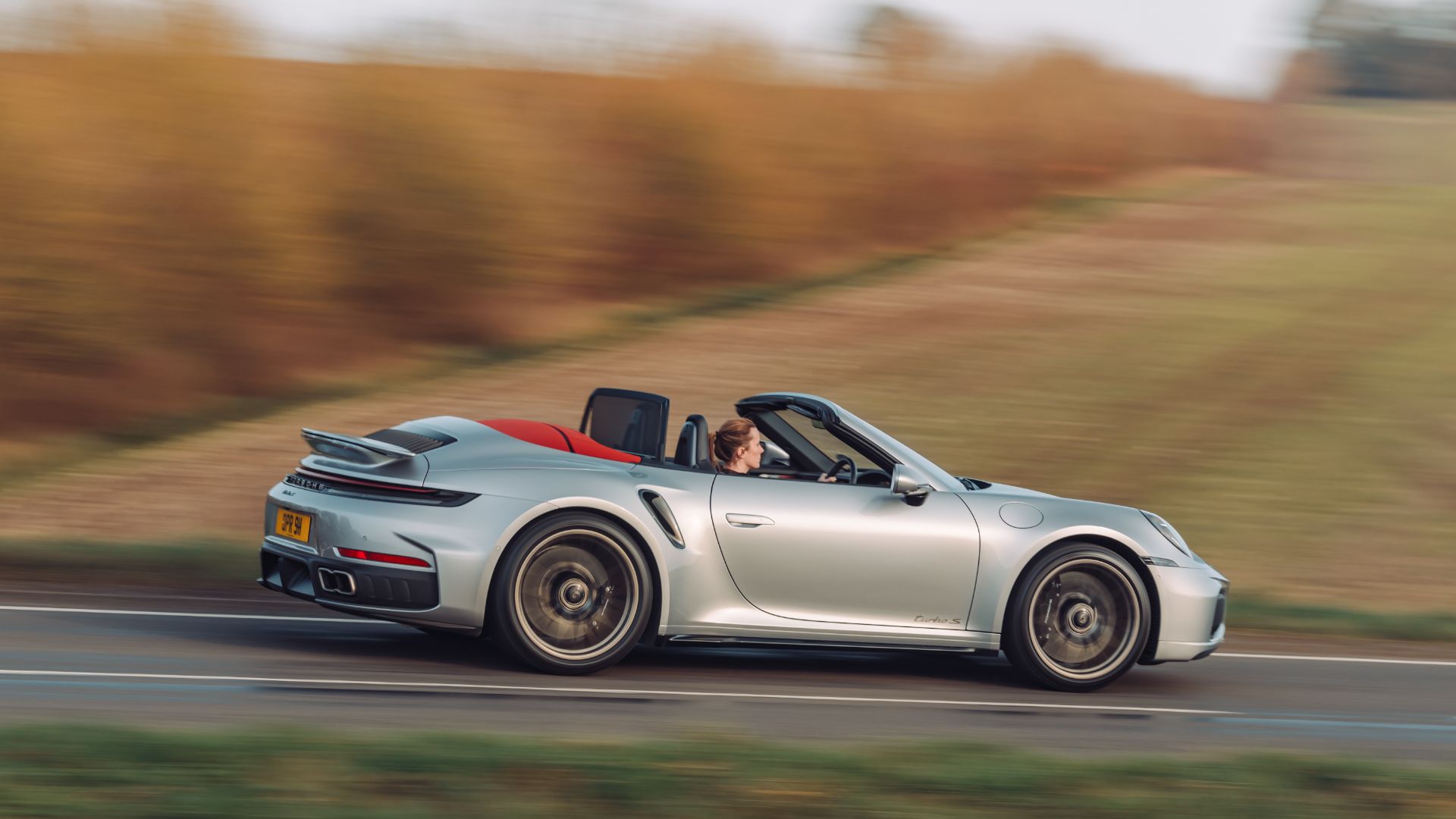
Is the Porsche 911 Turbo S a proper supercar? With 711 horsepower and a 0-62mph time of 2.5 seconds, how could it be anything else? The latest ‘992.2’ Turbo S (there is no longer a ‘base’ Turbo) is the first to go hybrid, combining a 3.6-litre flat-six with a 1.9kWh battery and 82hp electric motor. It’s blisteringly quick, yet also comfortable and refined enough to drive every day. Four-wheel-drive traction makes it capable in all weathers, too.
We recently drove the Turbo S Cabriolet (pictured above) and have the coupe booked in for next month. Both are heavy cars, at 1,810kg and 1,725kg respectively, but a new electro-hydraulic chassis control system ably disguises their weight. You’ll be glad of the enormous 10-piston carbon-ceramic brakes, too.
We said: ‘Given the original (930) 911 Turbo was famous for its waaaaait-for-it turbo lag, the contrast here couldn’t be greater. The electric eTurbos mean the throttle reacts with the wham-bam immediacy of a powerful EV. And the acceleration just keeps building from there.’
After more than 25 years, and eight generations, Porsche has finally made its track-focused 911 GT3 into a convertible.
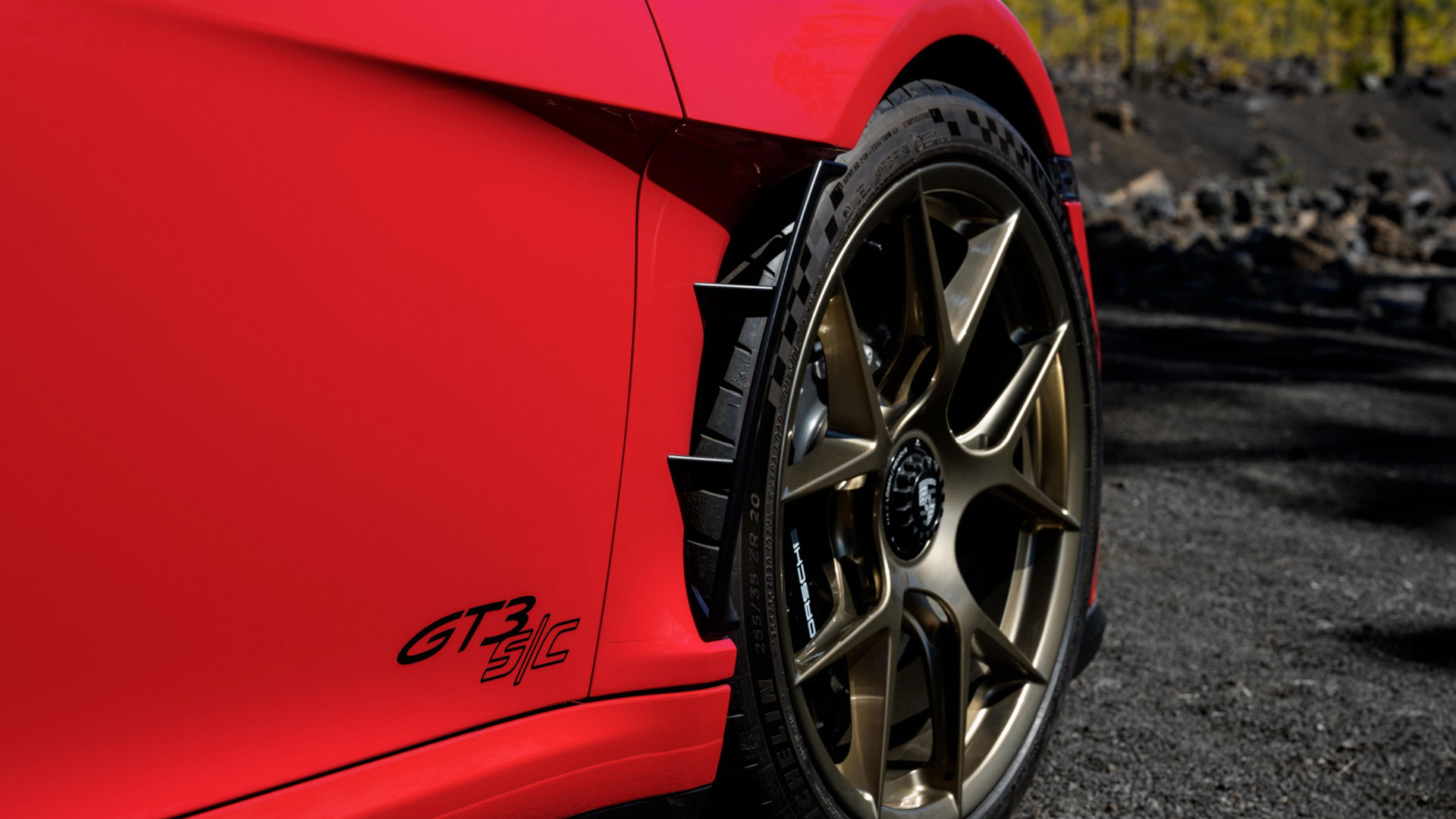
The new Porsche 911 GT3 S/C represents the first time the illustrious GT3 badge has been applied to a model without a fixed roof.
Driving the latest 992.2-generation 911 GT3 in the open air should make the wail of its naturally aspirated 4.0-litre flat-six even more visceral.
Frank Moser, head of the 911 and 718 model lines at Porsche, said: “The emotive powertrain of the 911 GT3 comes into its own even more emphatically when driving with the roof down on winding country roads”.
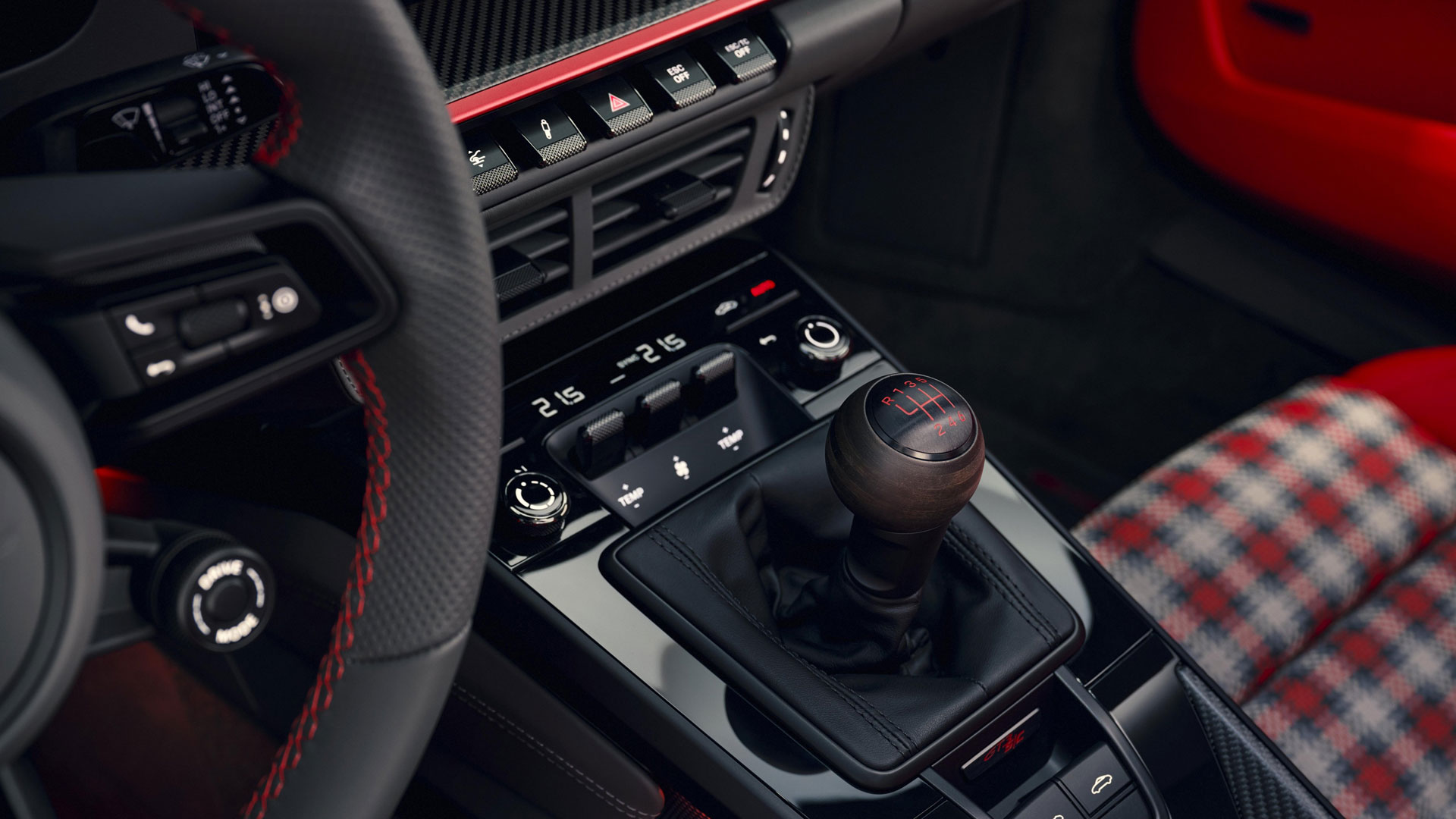
Maximising the level of driver involvement, the 911 GT3 S/C comes equipped solely with a short-ratio six-speed manual gearbox.
GT3 S/C is only 35kg heavier
Creating a convertible typically involves adding weight, which works against the established 911 GT3 ethos. To offset this, Porsche has used components from the limited edition 911 S/T, with the car’s bonnet, wings and doors all made of carbon fibre.
The 911 S/T also donates its carbon fibre anti-roll bars, with standard PCCB carbon-ceramic brakes helping to shave more weight. Magnesium centre-lock alloy wheels reduce rotating mass, plus there are magnesium components within the lightweight folding roof.
Porsche has even gone so far as fitting a compact 40Ah lithium-ion battery, which saves 4kg compared to the standard item.
All of these weight-saving efforts result in the 911 GT3 S/C tipping the scales at 1,497kg: only 35kg heavier than a 911 GT3 in coupe guise.
Open-air fun at 9,000rpm
The 4.0-litre flat-six engine is carried across directly from the 911 GT3 coupe, which means 510hp and 332lb ft of torque.
Despite the requirement for sound-stifling exhaust gas particulate filters to be fitted, Porsche promises the 911 GT3 S/C will deliver an ‘emotionally engaging soundscape that is significantly intensified when the roof is down’.
Working the six-speed manual ‘box can see the S/C accelerate from 0-62mph in 3.9 seconds – the same as its fixed-roof sibling. Top speed is a breezy 194mph.
“We have already learned with the 911 Speedster and the 718 Spyder RS just how well our high-revving naturally aspirated engine, a particularly dynamic chassis setup and thorough lightweight construction combine to create a true driver’s car without a roof,” said Andreas Preuninger, head of Porsche GT cars.
More lightweight materials inside
Unlike other high-performance 911 convertibles, such as the Speedster models, the GT3 S/C does not feature a ‘double bubble’ rear deck. As a result, Porsche has been able to fit the power-folding roof from the regular 911 convertible.
This can be opened or closed in 12 seconds, and operates at speeds of up to 31mph. There is also a power-operated wind deflector, which deploys in just two seconds when required.
More weight-saving can be found inside the 911 GT3 S/C, including lightweight carpets and carbon fibre door pulls. Four-way adjustable sports seats are fitted as standard, with carbon fibre buckets on the options list.
Black leather is used for the upholstery, with the steering wheel wrapped in perforated leather.
New GT3 S/C ready to order now
For those who want a more individual look, Porsche offers the 911 GT3 S/C Street Style Package. Priced at £24,110, it brings unique detailing for the exterior, including Pyro Red decals and wheels finished in Slate Grey Neo.
Four-tone braided leather is used for the sports seats, while the shift lever features an open-pore laminated wood gear knob with Pyro Red detailing.
As has become tradition, Porsche Design has also created a £10,600 chronograph wristwatch, which is available exclusively to owners of the 911 GT3 S/C.
UK prices for the 911 GT3 S/C start at £200,500, and Porsche dealerships will accept orders now. A driving day at Porsche’s Silverstone experience centre is included, too.
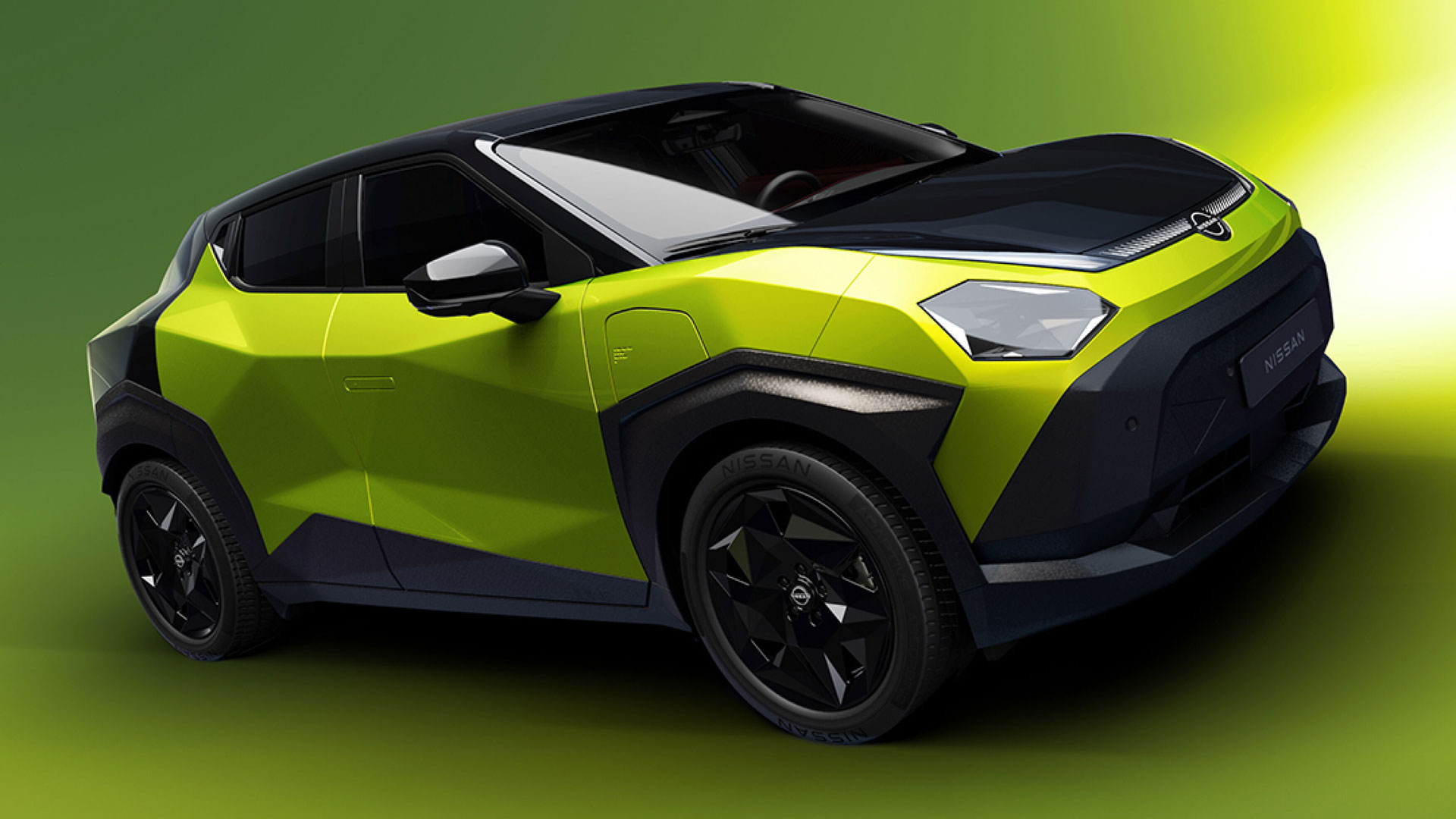
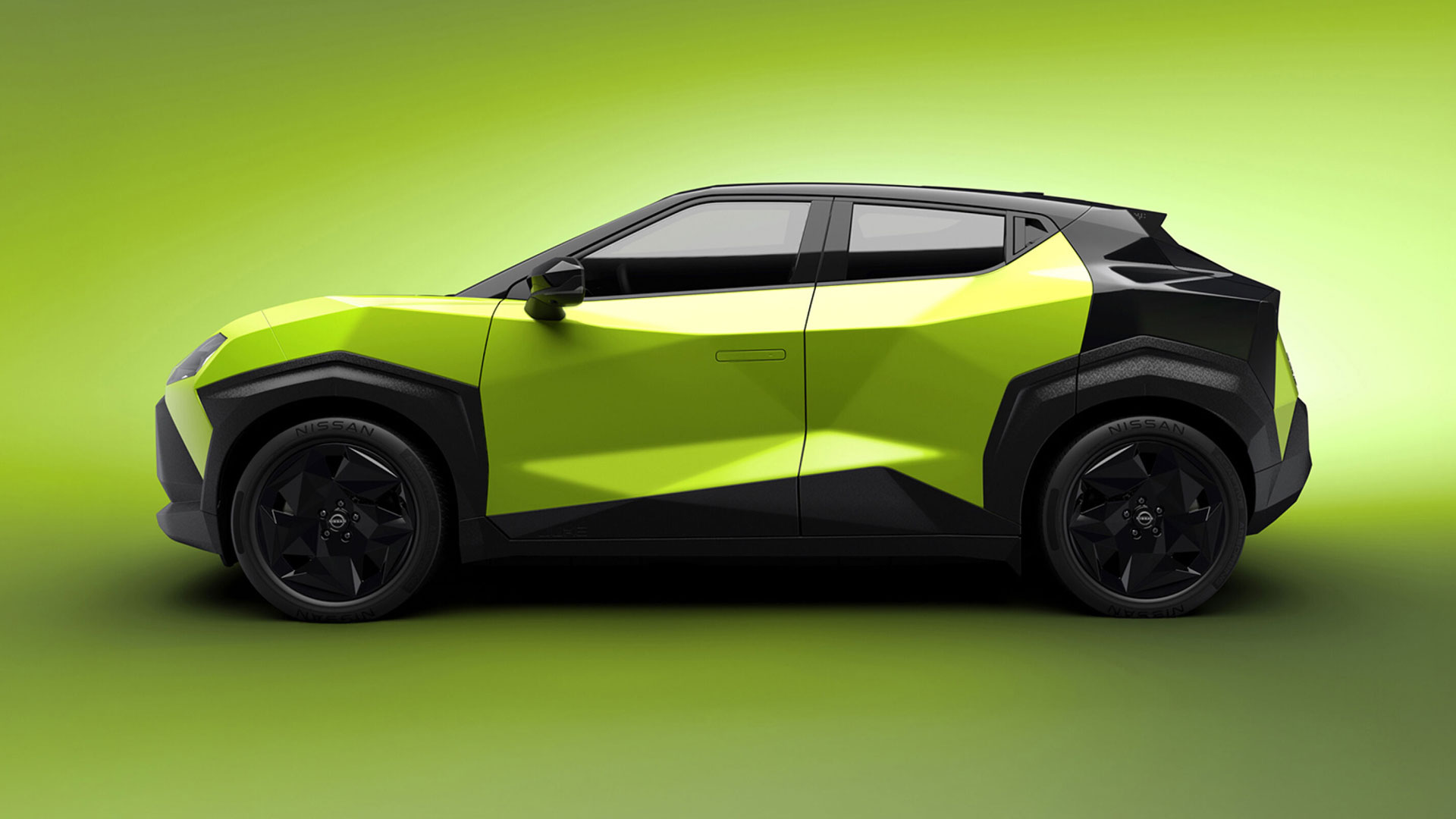
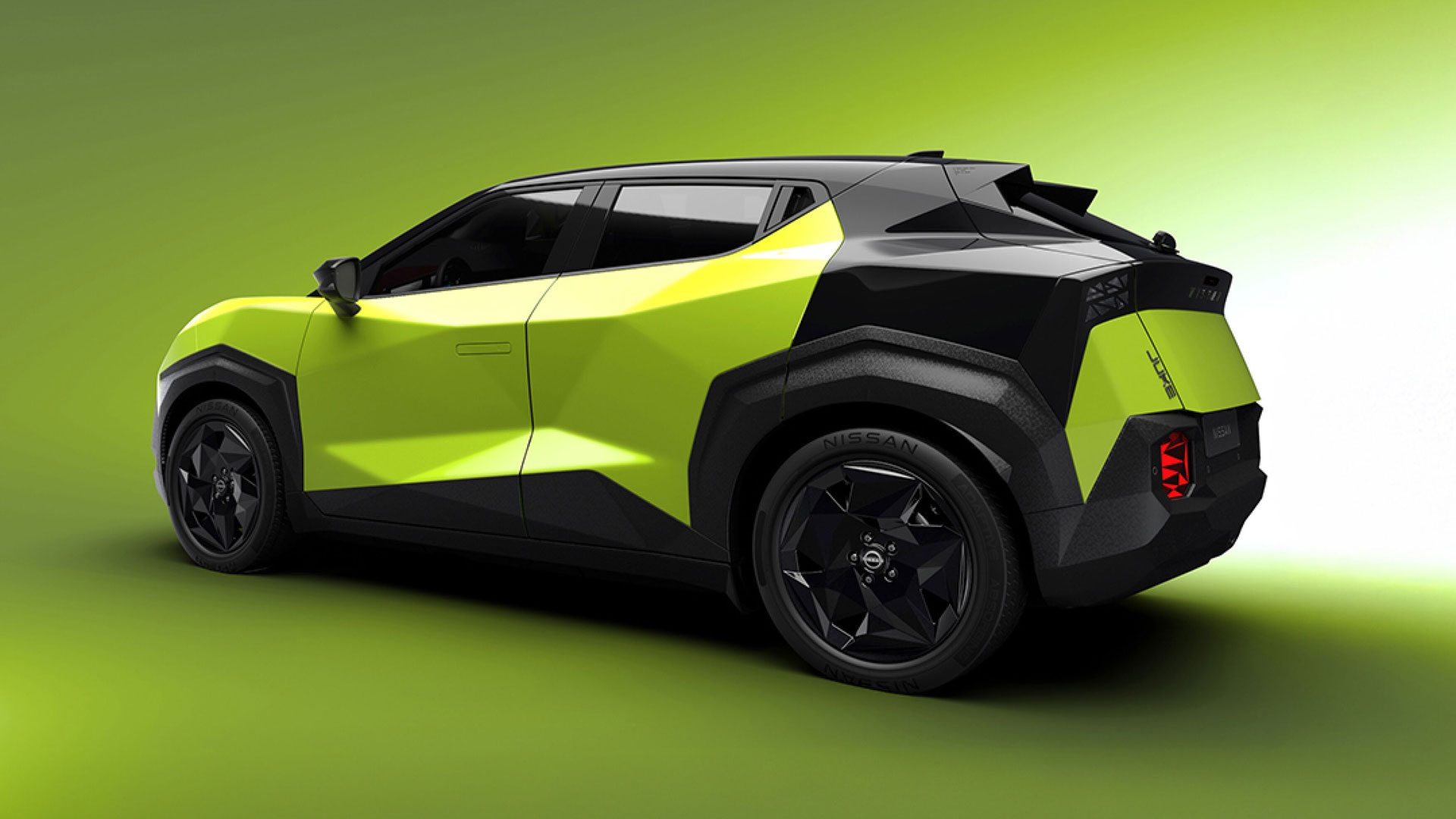
Nissan has unveiled the first images of its third-generation Juke compact SUV – and it looks bolder than ever.
When the original Juke hit the roads back in 2010, it caused a stir with its styling, resembling a radical concept car that had just been driven off the show stand.
It helped the Juke become one of Nissan’s best-selling models in the UK. However, the polarising styling of the original Juke was toned down for the second-generation car, introduced in 2019.
The radical Juke is back for this third incarnation, though, with design inspired by the Hyper Punk Concept car displayed at the 2023 Japan Mobility Show.
Even so, perhaps the biggest shock is that the Nissan Juke will now be fully electric when sales start in 2027.
Juke to be built in Sunderland
Although Nissan has offered hybrid-powered versions of the current, second-generation Juke, the switch to being entirely electric marks a major change for the crossover.
The new Nissan Juke will make use of the CMF-EV platform, which also underpins a host of vehicles from the Renault-Nissan-Mitsubishi alliance.
These include the third-generation Nissan Leaf, which will be built alongside the new Juke at the Japenese company’s factory in Sunderland.
Nissan has not shared details of the new Juke’s powertrain yet, but sharing the same 52kWh and 75kWh battery packs as the Leaf seems likely.
Continuing to build the Juke on Wearside is a strong endorsement of the Sunderland facility, which has assembled the two previous generations of the car.
The first trial phase of Juke EV production is expected to begin in the coming weeks.
‘Challenging convention’ in the EV age
Nissan chose its ‘Vision Event’ in Japan to reveal the first images of the third-generation Juke, presenting it as part of a long-term focus on technical innovation.
“Juke has always stood for bold design and a willingness to challenge convention. With this third generation, we are bringing that spirit into the electric age,” said Clíodhna Lyons, regional vice president for brand and marketing at Nissan.
“As our first fully electric Juke, it will help us reach new customers while expanding choice across our electrified range.”
The Juke will form part of Nissan’s expanded EV lineup, which includes the Micra supermini, third-generation Leaf, Ariya SUV and a forthcoming electric city car.
Following the start of production, the new Nissan Juke will officially be launched in spring 2027.
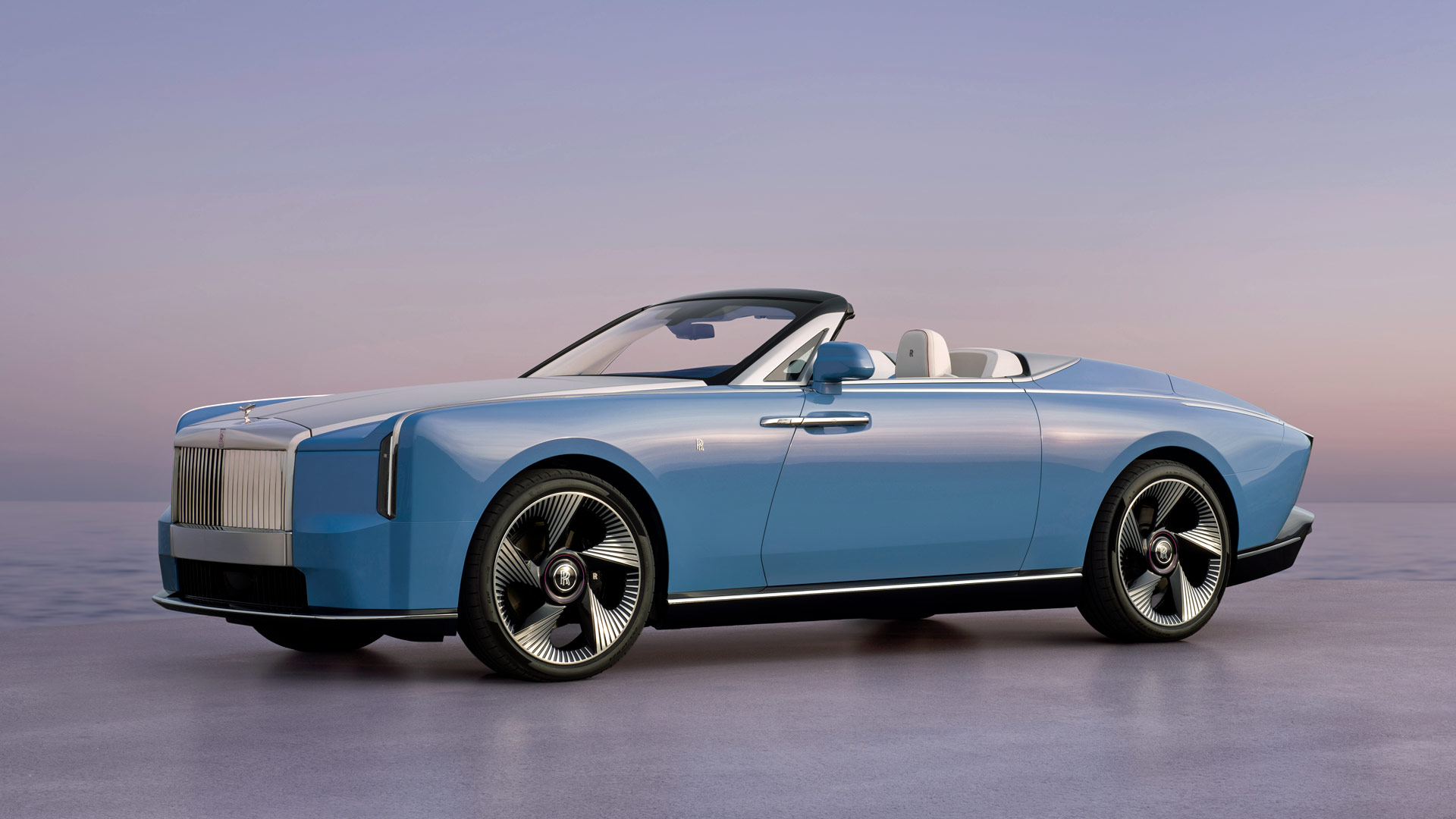
The first model in Rolls-Royce’s ultra-bespoke Coachbuild Collection has been revealed, taking the form of a dramatic drop-top.
Known as Project Nightingale, the car will be offered to 100 specially selected Rolls-Royce customers. Each buyer is then invited to become immersed in the design and production process.
Styling inspiration comes from classic Rolls-Royce vehicles, paying particular tribute to the high-speed experimental ‘EX’ cars from the 1920s.
Beneath its Art Deco era styling, however, Project Nightingale makes use of a thoroughly modern, Spectre-derived electric powertrain, which should provide a smooth and near-silent driving experience.
The car’s name is taken from Le Rossignol, French for ‘the nightingale’, also the name of a designers’ house near Henry Royce’s winter home on the Côte d’Azur.
‘A landmark Rolls-Royce’
Domagoj Dukec, director of design at Rolls-Royce Motor Cars, said: “Project Nightingale is built on the design principles that define this marque at its most compelling: grand proportions, absolute surface discipline, and a clarity of line that rewards the closest attention. And yet, it takes them somewhere entirely new.
“For me, this landmark motor car feels both inevitable and completely unexpected, and it will shape everything that follows.”
Project Nightingale is an imposing two-seat convertible. At 5.76 metres, it is almost exactly the same length as Rolls-Royce’s flagship Phantom saloon.
The design team has retained the classic ‘Pantheon Grille’, but the electric powertrain has allowed for a bold reinterpretation of it. Almost a metre wide, and seeming to be carved from a solid block of aluminium, the grille is topped by a Spirit of Ecstasy that appears to be gliding through water.
Art Deco nautical design
Project Nightingale will be fully homologated and road-legal, yet Rolls-Royce has sought to push boundaries in terms of its design.
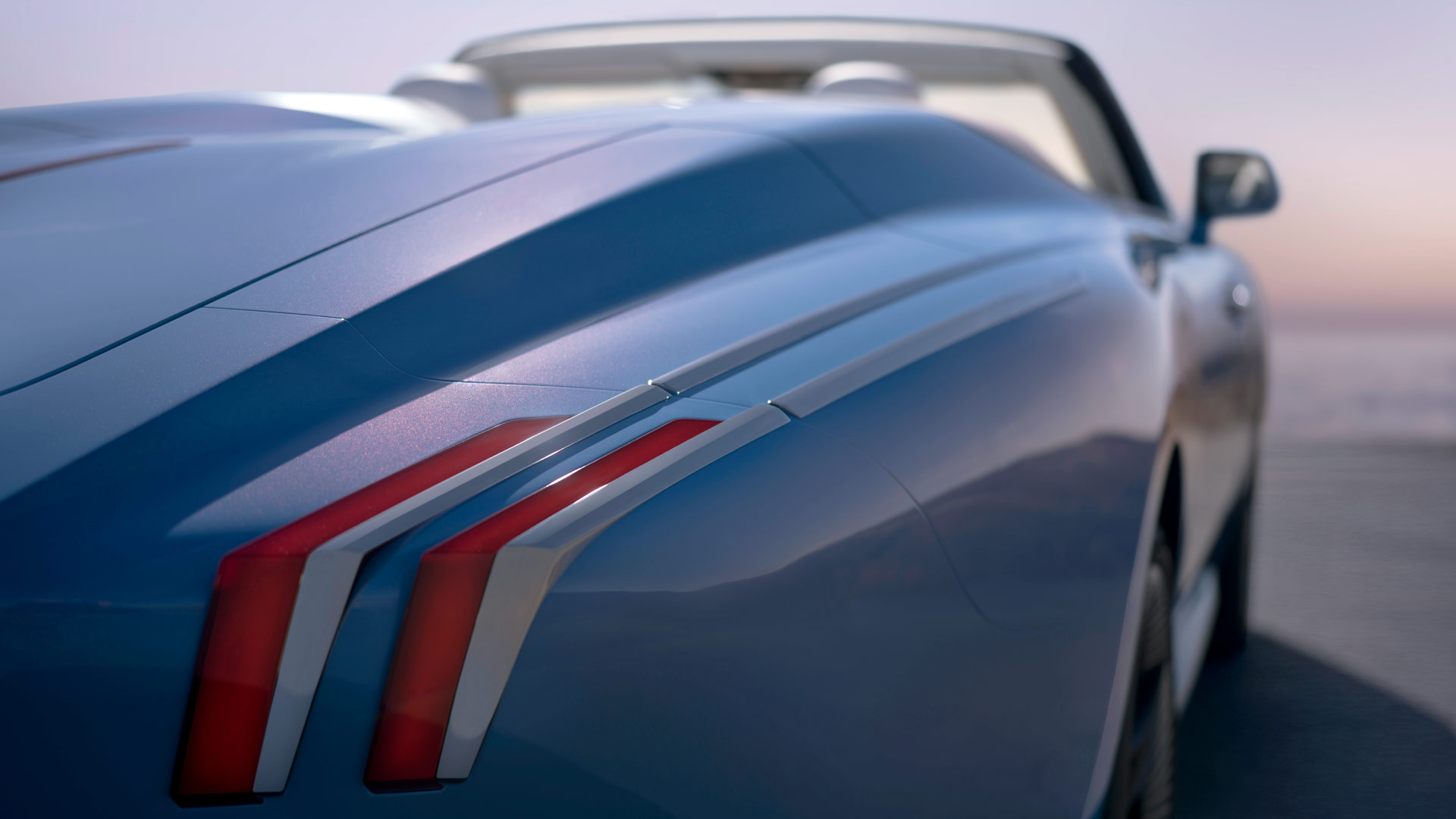
Ultra-slim vertical LED headlights continue the 1930s Art Deco theme, while a polished stainless-steel band runs the full length of the car, from beneath the front grille to the tail lights.
In profile, Project Nightingale is described as having a ‘torpedo-shaped central fuselage’. More nautical inspiration comes from the 24-inch alloy wheels, the largest ever fitted to a Rolls-Royce. These are said to appear like the propellers of a yacht when viewed from beneath the waterline.
The rear deck features a dramatic luggage compartment lid that cantilevers open like a grand piano. The absence of exhausts also allows for a full-width carbon fibre rear diffuser.
Surrounded by nightingalesong
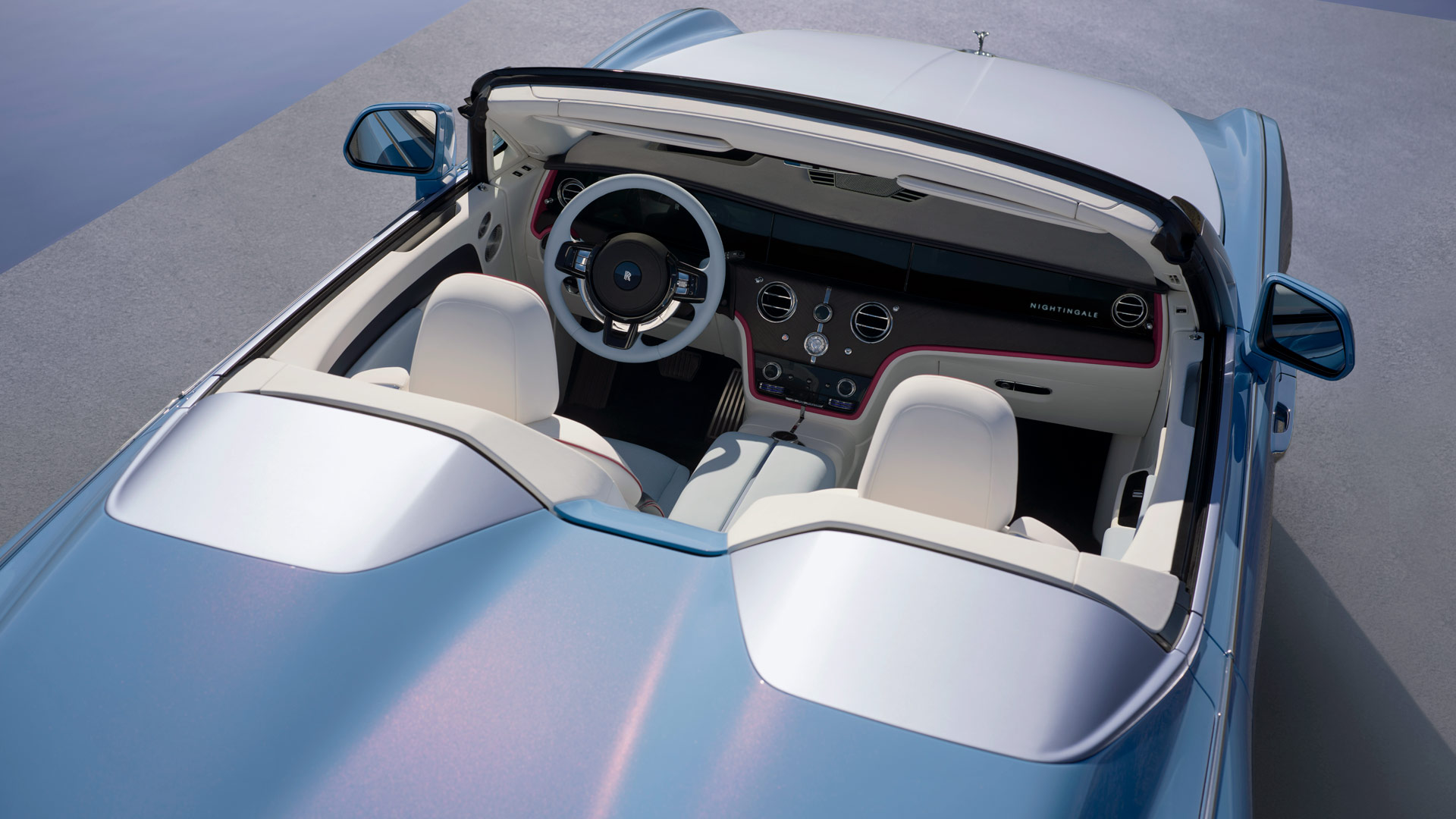
On the inside, Project Nightingale looks equally opulent, with ‘Starlight Breeze’ ambient illumination that incorporates 10,500 individual LED lights. The design of the lighting was modelled on soundwave patterns from nightingale song.
Open the rear-hinged coach door and the armrest automatically slides rearwards to reveal a Spirit of Ecstasy rotary controller made from polished and glass-blasted aluminium.
Billet aluminium is used for a pair of hidden cupholders, plus there is a hidden storage shelf behind the front seats to accommodate small items of luggage.
Coachbuilt production begins in 2028
The solid blue paint colour of the Project Nightingale seen here was inspired by the experimental Rolls-Royce 17EX of 1928. Within it are subtle red flakes, a nod to the red badges fitted to EX models.
Project Nightingale customers will have access to near-endless customisation, working closely with Rolls-Royce designers to shape their own vehicle.
Production gets underway at the marque’s Goodwood headquarters in 2028. Each of the 100 Project Nightingale cars will be hand-built. The price has not been disclosed, but is likely to stretch into seven figures.
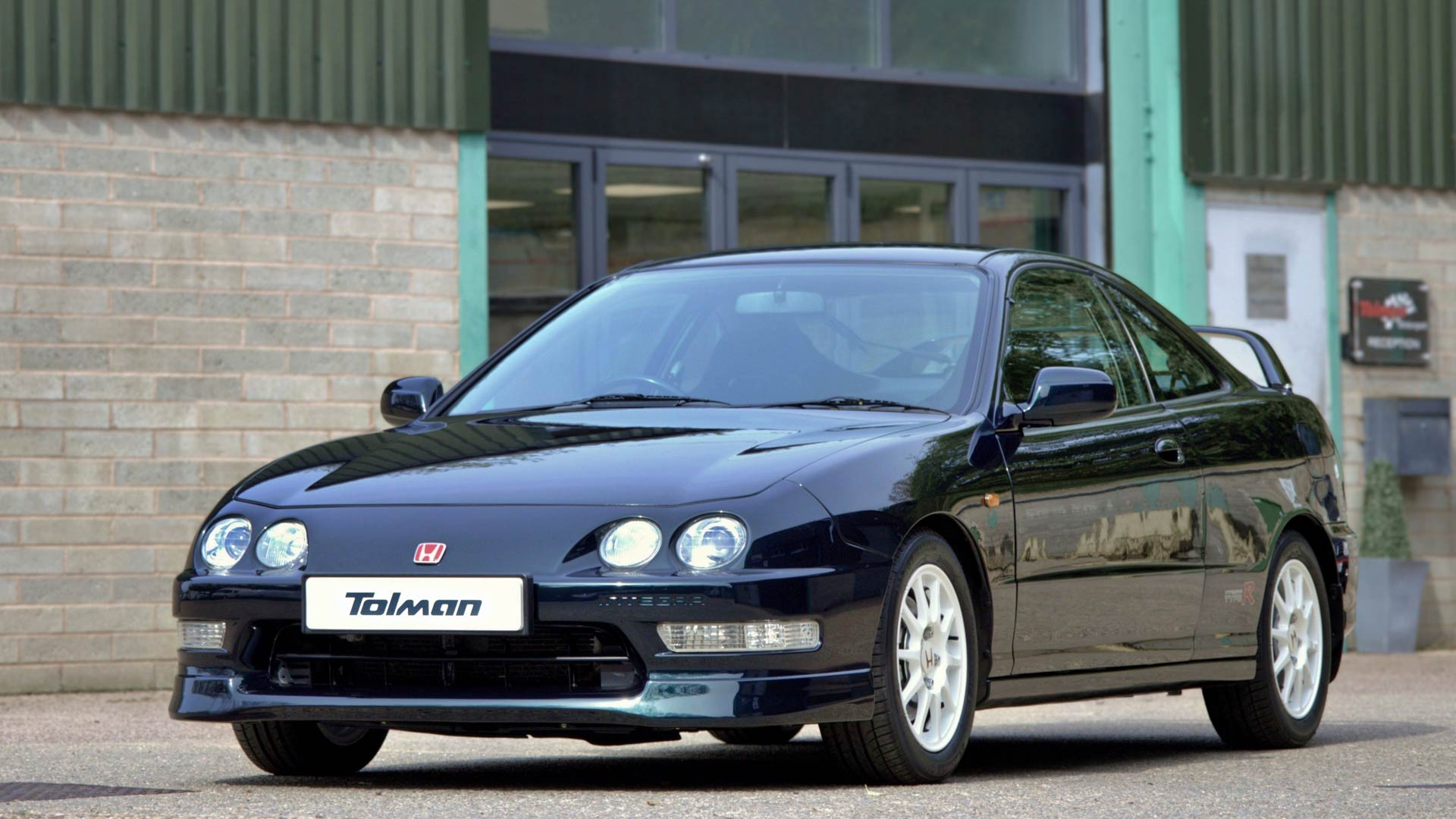
The Honda Integra Type R has become the latest modern classic to receive the restomod treatment from Tolman Motorsport.
Best known for its reimagined Peugeot 205 GTI, the Rugby-based company has turned its attention to the iconic DC2-generation Integra Type R.
The Honda is one of four unique customer cars due from Tolman Motorsport in 2026. It follows on from previous bespoke builds, including a Ford Escort XR3 and Mini Cooper S.
What began as a simple colour-change eventually became 740 man-hours of work, ensuring every aspect of the Integra Type R was in perfect, better-than-new condition.
The paint colour is the same Sorrento Green used on a Tolman Edition Peugeot 205 GTI (see below), which also belongs to the Integra’s owner.
Much more than just a paint job
On initial inspection, the Integra Type R appeared to be in good condition. However, digging deeper uncovered a history of MOT repairs made to mask corrosion. With the owner’s blessing, Tolman thus took the Honda’s body back to bare metal.
With replacement parts hard to come by, Tolman had to fabricate many new components. These included the rear quarter panel and wheelarch, where trapped mud had eaten away at the original steel bodywork.
Around 180 hours were spent on metalwork alone, given the importance of a rigid body shell to the intense Integra Type R driving experience.
Tasteful Sorrento Green replaced the original Championship White, with factory-spec seam sealer and cavity spray to protect the underside.
VTEC just kicked in
A naturally aspirated 1.8-litre B18C four-cylinder engine was the heart and soul of the DC2-generation Integra Type R when new.
When we drove an Integra Type R for our Retro Road Test, we said: ‘Up to 5,800rpm, the engine feels muted, even a bit gutless. Then Honda’s VTEC variable valve timing switches to a spikier cam profile and, with a feral snarl, all pretence of civility is shredded. The Integra reacts like it has swallowed a spoonful of wasabi.’
Paying homage to this iconic engine, Tolman has rebuilt the B18C to factory specification, meaning 190hp at a heady 8,000rpm.
The double wishbone suspension was refurbished, including the fitment of new Nitron dampers. Brake components and the fluid lines also received attention, contributing to a comprehensive mechanical overhaul.
Going the extra mile
Tolman refinished the Integra’s lightweight 15-inch Enkei alloy wheels, fitting modern Michelin Pilot Exalto 2 tyres to enhance all-round performance.
The interior of the Integra Type R also received attention, including its trademark Recaro seats. These were originally red when the Honda left the factory, but had faded to pink over time.
Instead of attempting to replicate the red upholstery, Tolman tracked down new-old-stock DC2 rear seat material from Australia. The front Recaros were then trimmed to match the rear bench.
Other improvements included a modern engine immobiliser, along with extra sound deadening to boost everyday usability.
Road-tested and ready to go
Once completed, the Integra Type R was treated to a 100-mile validation and setup road test by company founder Chris Tolman.
“The brief started with a colour change to sit alongside the owner’s Tolman Edition 205 GTI, but once we stripped the car we could see it deserved the full job done properly,” explained Tolman.
“When the panels are not available you either compromise or make them yourself. We’ll never compromise, so the answer was clear. The result is a build that stays true to the Integra, is sharp to drive and can be used with confidence.”
More projects from Tolman Motorsport will be revealed later this year. These continue alongside production of the Tolman Edition 205 GTI, which now has an order bank stretching into 2027.
Large SUVs can offer the comfort and prestige of a traditional luxury saloon, but with the potential to venture off-road. You also get a commanding driving position and enough space for passengers and luggage to rival a boutique hotel room.
Almost every upmarket car brand offers an SUV of some description in 2026. Love ’em or hate ’em, these high-riding heavyweights are here to stay. Even McLaren is rumoured to have one in development.
We’ve pulled together a list of the best new luxury SUVs on sale right now. From Aston Martin to Volvo, our choices are presented in alphabetical order – rather than order of preference.
Aston Martin DBX707 and DBX S
Developed from scratch, the DBX was a big gamble for a small company like Aston Martin. Thankfully, the St Athan-built DBX was the best thing to come out of Wales since the Manic Street Preachers.
Following a substantial update in 2024, the ‘standard’ DBX was dropped, leaving just the DBX707 with its thumping 707hp 4.0-litre twin-turbo V8. Aston Martin gave the DBX its own infotainment system, too – instantly solving the original model’s major shortcoming.
The DBX707 was joined last year by the DBX S, which brings less weight and even more power – plus exclusive options such as magnesium wheels. Aston Martin has also scored a major win by becoming the first car manufacturer to use Apple CarPlay Ultra infotainment software: now available in the DBX.
Of the DBX S, we said: ‘It deftly combines long-distance comfort with lucid feedback and taut body control. Whatever kind of road we threw at it, from motorways to mountain passes, the DBX S exuded confidence and capability. Despite its size and heft, it’s a car that relishes being driven with enthusiasm.’
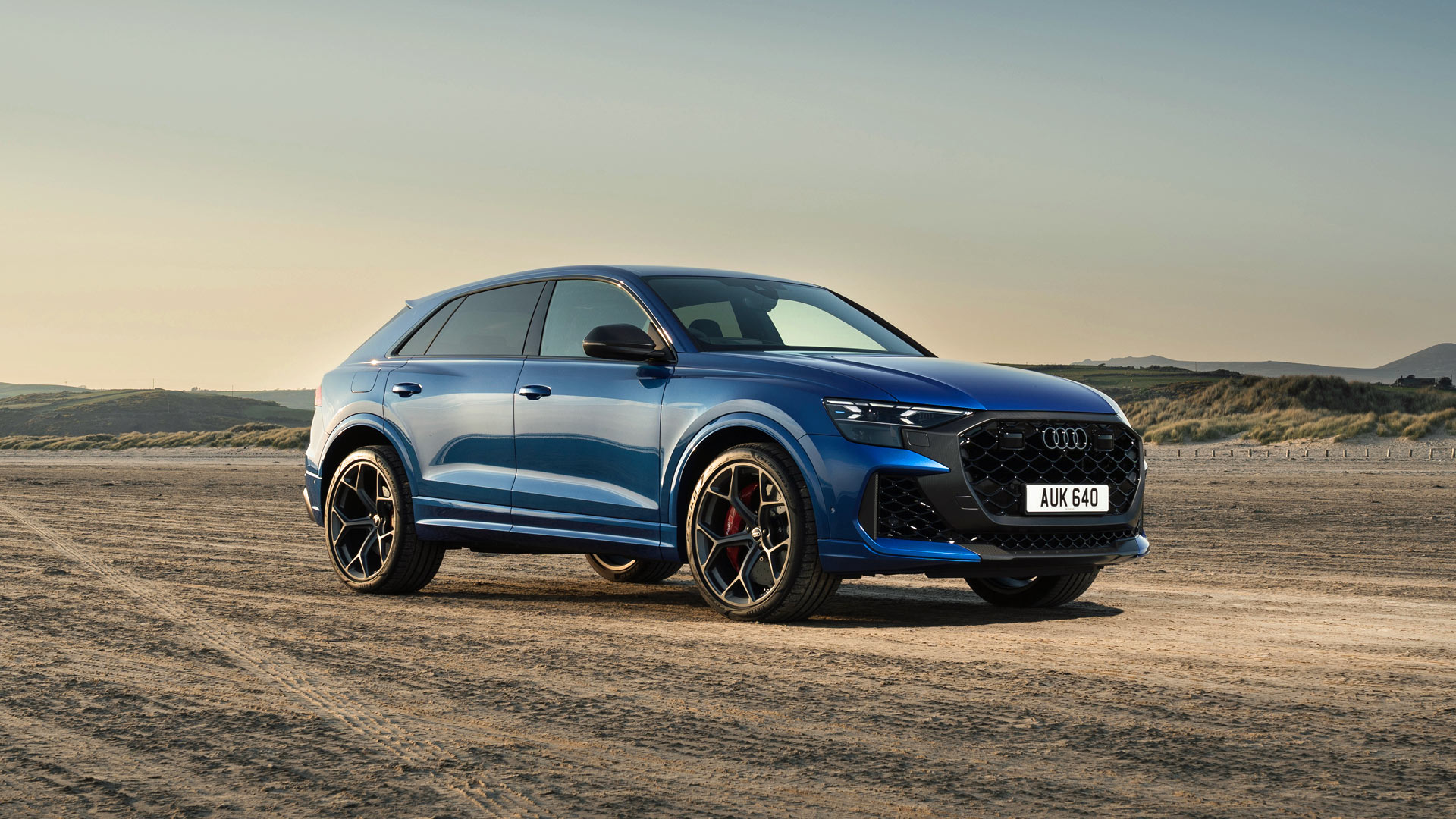
The RS Q8 is the combustion-powered SUV flagship in Audi’s range – and the hottest example of the Q8 SUV coupe. A close relative of the Lamborghini Urus, the RS Q8 serves up 600hp and handling that seems to defy the laws of physics.
In Performance specification, the RS Q8 is also one of the most powerful road-going Audis ever created. Its bombastic twin-turbocharged 4.0-litre V8 delivers 640hp. Even the most extreme version of the R8 supercar made do with ‘just’ 620hp.
We said: ‘With launch control engaged, the all-wheel-drive RS Q8 Performance will slingshot itself from 0-62mph in just 3.6 seconds. And it will keep ramming through its eight automatic ratios until a 174mph maximum. Experiencing the RS Q8 Performance at full throttle is truly visceral, your brain struggling to equate such aggressive acceleration with a high-riding SUV body. Or indeed the NASCAR-like soundtrack coming from the upgraded sports exhaust.’
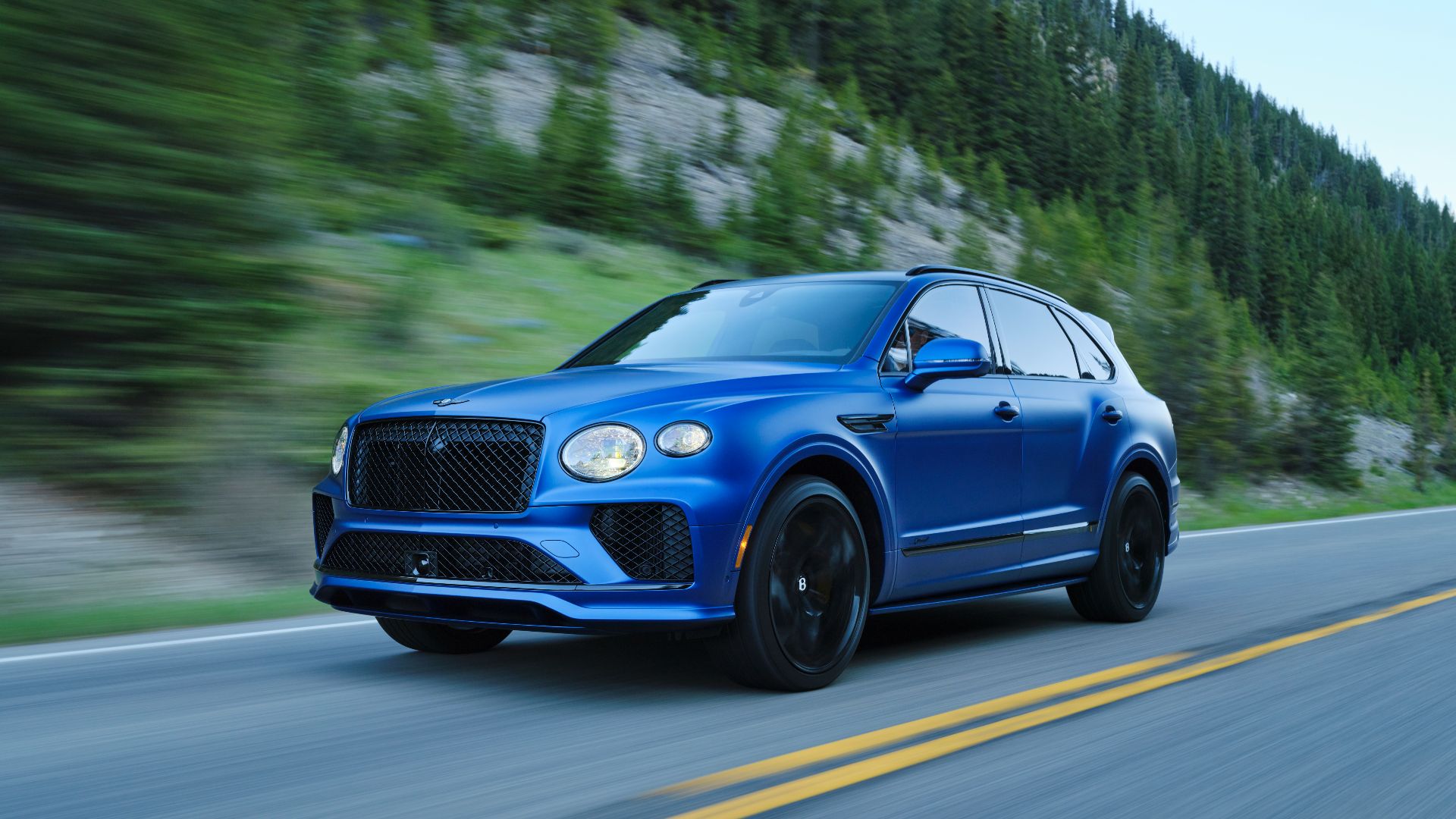
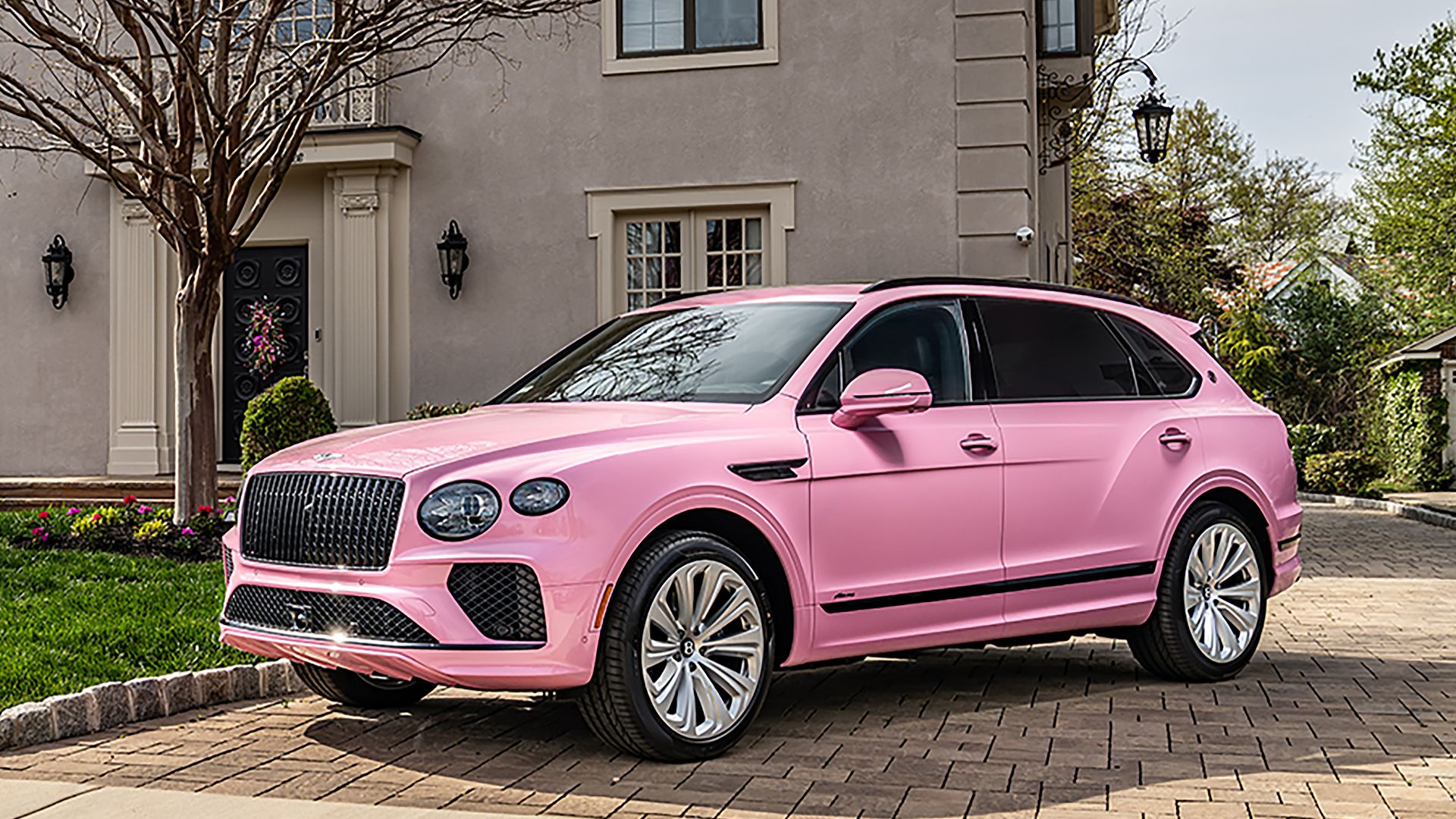
A few eyebrows were raised when Bentley launched an SUV back in 2015, but the Bentayga was a critic-silencing class act. It remains so following updates in 2020 and at the end of 2023. The latest tweaks improved the climate control, introduced a new ‘A’ trim level and updated the driver assistance systems.
The Bentayga offers a choice of V8 petrol and V6 hybrid powertrains, along with the option of an Extended Wheelbase (EWB) version – pictured above – which provides even more luxury for rear-seat passengers. The Barbie-spec paint job? That’s optional.
We said: ‘Bentley’s powerful active anti-roll system is standard, and clever tweaks to the torque vectoring system make it feel snappier and more like a hot hatchback through bends. Cornering isn’t something that comes naturally to heavy and high-riding SUVs, but the Bentayga S shows what can be done with a bit of nous.’
The X7 is a 7 Series saloon on stilts: a full-size SUV for buyers who demand more luxury than a BMW X5 can deliver. It’s the first time BMW has offered a genuine Range Rover rival, and it sure ain’t subtle. Prices start from £92,000, but you’ll pay almost £120,000 for the 530hp M60i xDrive version.
Still, it’s more affordable than the Bentayga, albeit without the extra layer of opulence. Seven seats come as standard, while the optional six-seat layout (£660) creates more room for passengers in the second row. The X7 is now something of a rarity on our list, still being offered with the option of a 352hp xDrive40d diesel engine.
We said: ‘The X7 is the antithesis of a compact crossover. It’s an unashamedly big, bold SUV that has much in common with the tech-laden BMW 7 Series.’
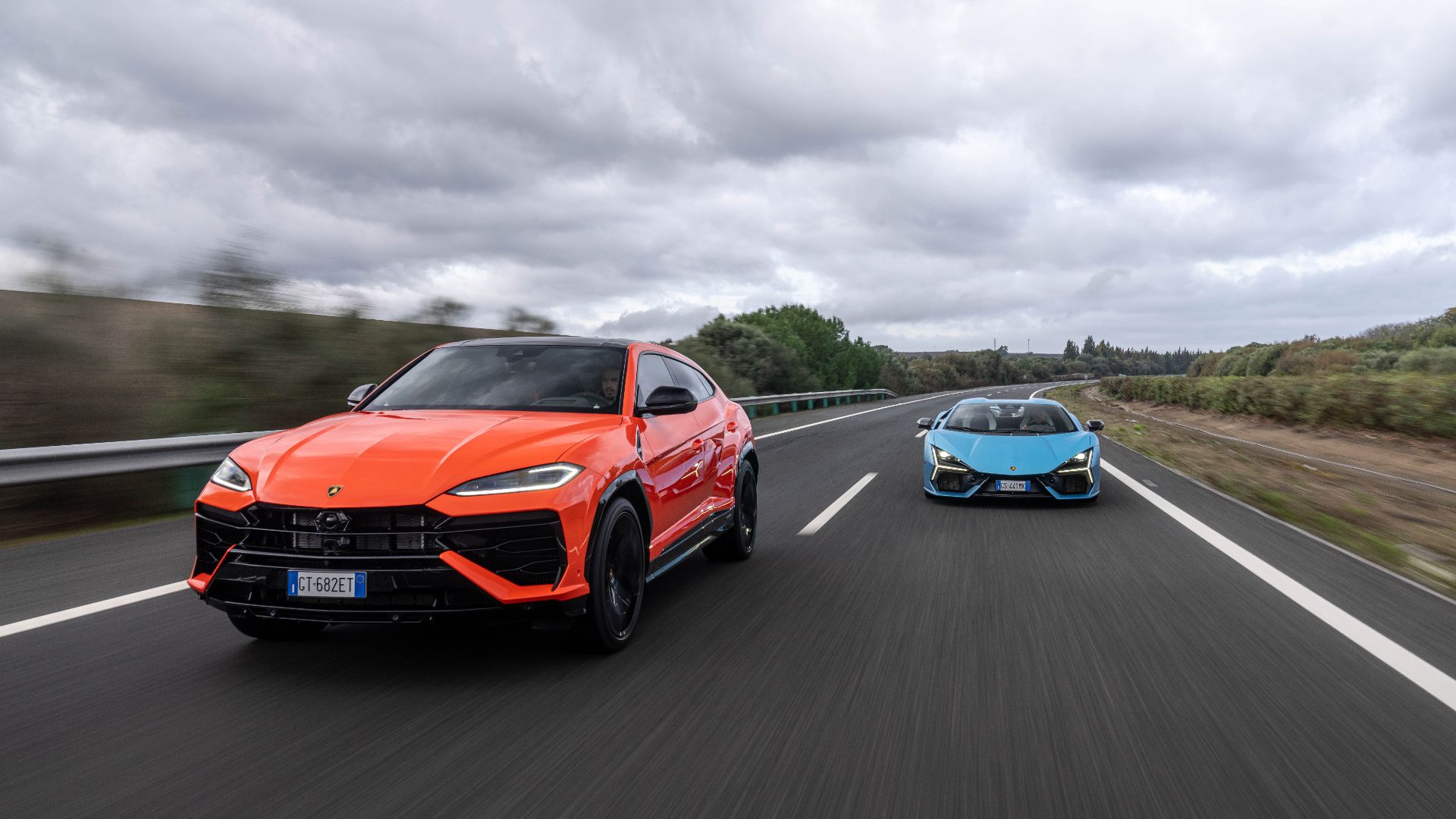
The idea of a Lamborghini SUV isn’t a new one. Car enthusiasts of a certain age will remember the ‘Rambo Lambo’ LM002 of the late 1980s and early 1990s. Despite this, the appearance of the Urus caused a major stir amongst Lamborghini fans. Yet the performance SUV has been a massive success for the Italian marque.
Lamborghini describes the Urus as a ‘Super Sport Utility Vehicle’, prioritising epic speed and acceleration. The latest Urus SE comes with a 611hp version of the 4.0-litre twin-turbocharged V8 shared with the Audi RS Q8, but adds a hybrid electric motor for incredible outputs of 800hp and 701lb ft of torque.
Experiencing the Urus SE alongside the company’s supercars at the Lamborghini World Finals event, we discovered this high-riding performance SUV is more than capable of holding its own.
We said: ‘With the electric motor all but eliminating turbo lag, plus all-wheel drive and a quick-witted eight-speed auto transmission, the Urus gathers speed like a runaway train. The small matter of 800hp – more than twice the power of the Countach LP500 S on my childhood bedroom wall – obviously helps here, too. When driven with brio, giving chase to a hard-charging Revuelto, it feels absolutely ballistic.’
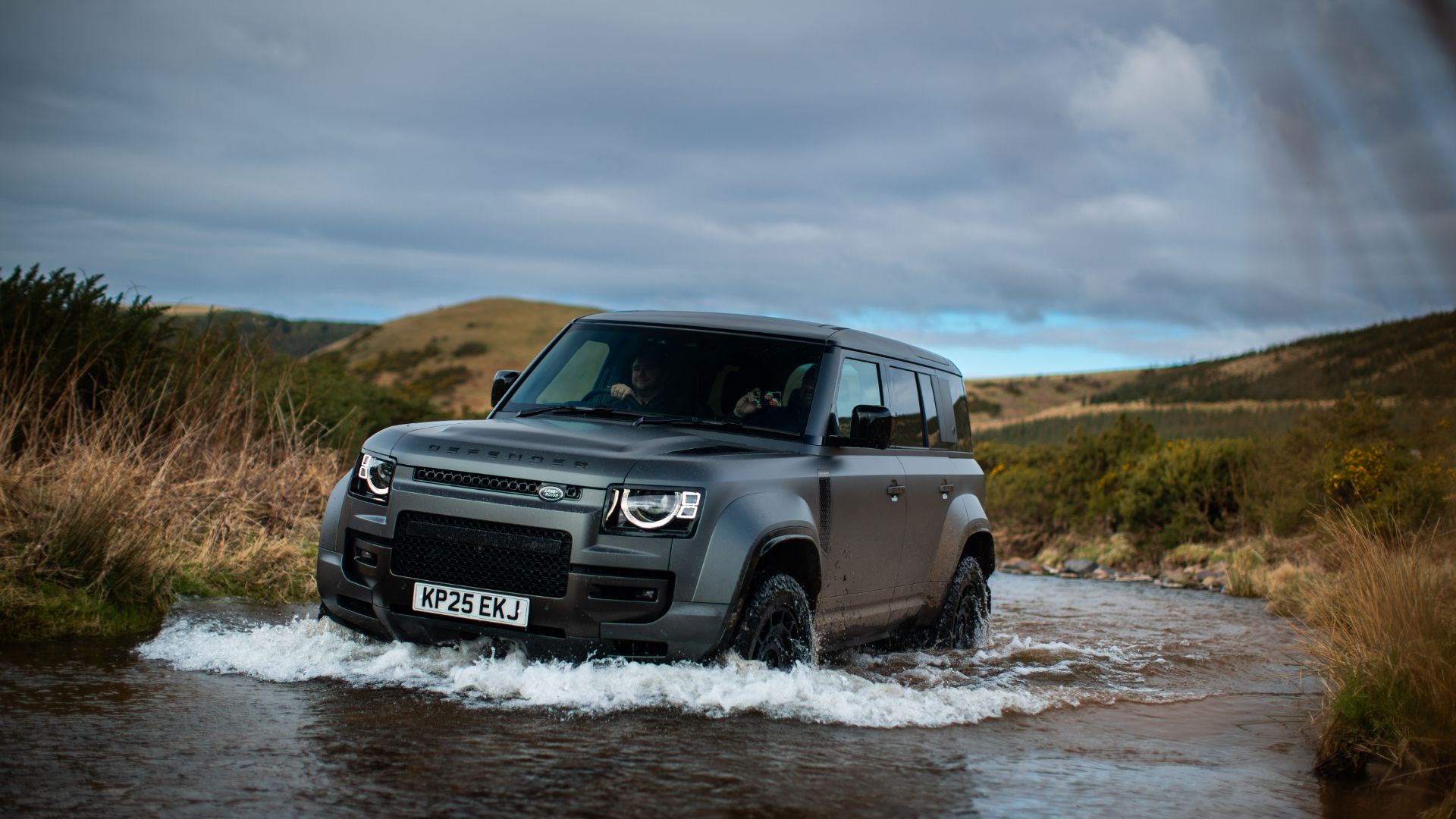
When it comes to upsetting brand purists, forget about a Lamborghini SUV. Instead, consider the challenge faced by Land Rover in creating a new version of the iconic Defender.
Yes, the modern Defender is an entirely different proposition to the original, adding the kind of luxury that Land Rover’s classic 4×4 might only have dreamed of. Despite this upmarket makeover, however, the reborn Defender still offers serious off-road capability, along with tremendous performance in 635hp V8 Octa guise.
With advanced ‘6D Dynamics’ air suspension, the unstoppable Octa lets you live out your dreams of competing in the Dakar rally. Albeit doing so in leather-lined luxury, with seats that offer six different massage programmes.
We said: ‘We have seen super SUVs before, of course, but nothing that rivals the Octa for sheer breadth of capability. You might argue that only a small percentage of owners will drive this car anywhere near its limits, particularly in the UK – and you’d be right. But the bombastic Defender Octa rides roughshod over dull logic. It’s impossible not to enjoy it.’
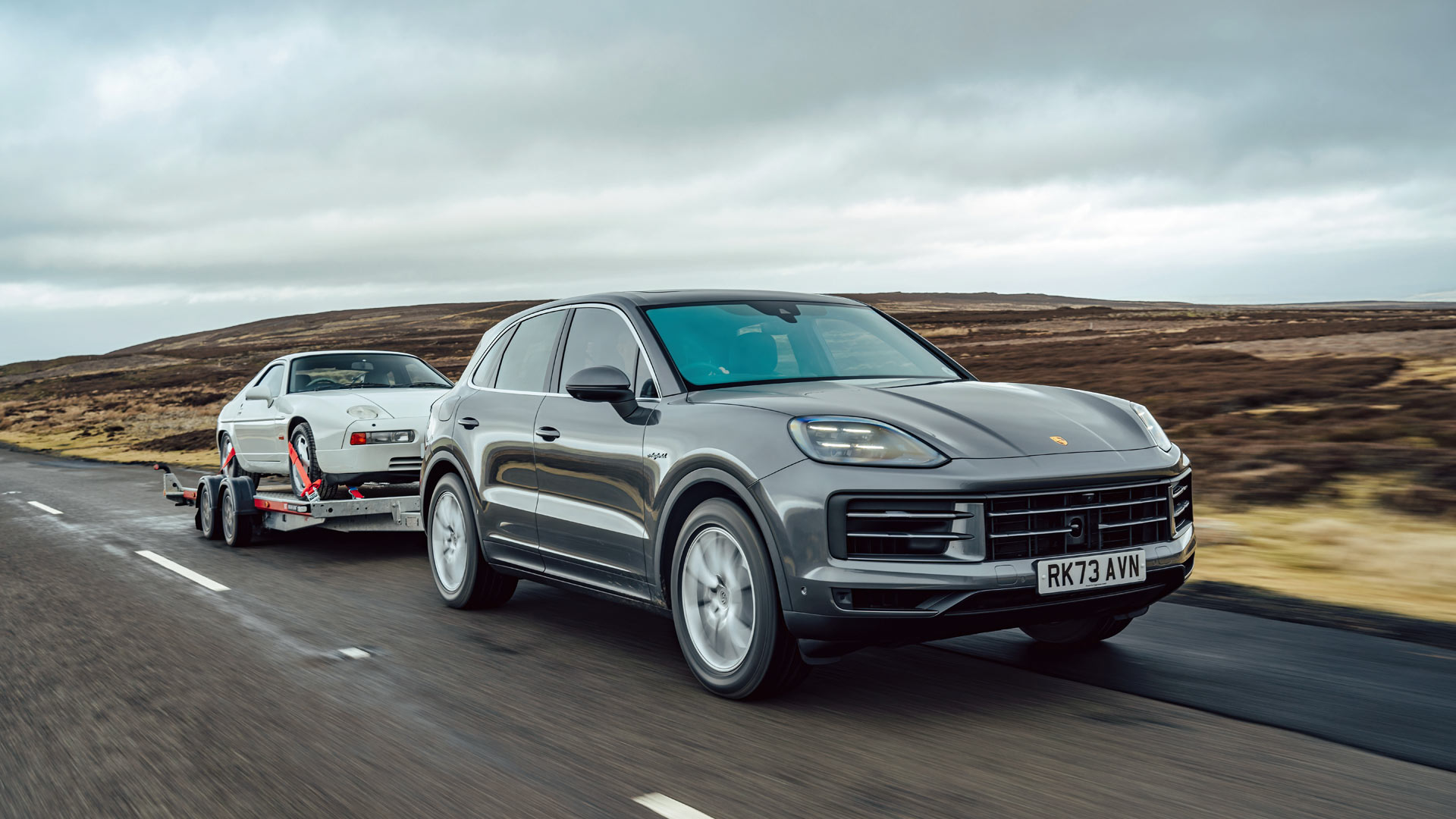
The Porsche Cayenne is credited with saving the German manufacturer from bankruptcy, with three generations of the luxury SUV ensuring sports cars such as the 911 can continue to be made. Far more than just a necessary evil, however, the Cayenne is a hugely accomplished Porsche in its own right.
Hybridisation has become a key part of the modern Cayenne experience, delivering a combination of speed and efficiency well suited to everyday use. In E-Hybrid form, the Cayenne delivers 470hp and 479lb ft of torque, with an electric-only range in excess of 45 miles.
Add to this a high-quality interior packed with technology, plus generous space for passengers and their luggage, and the Porsche manages to tick every box on the luxury SUV list. Even its looks have improved with time.
It’s worth adding that Porsche recently launched the battery-powered Cayenne Electric, too. You can read our preview here and our full review is due soon.
We said: ‘Used as a family wagon, the Cayenne is as comfortable and practical as you’d hope. You can cruise around in near-silent electric mode, enjoying the relaxed ride, luxurious interior and effortless electric torque. Communicative steering, crisp throttle response and taut body control are there as subtle reminders that you’re driving a Porsche, but the E-Hybrid doesn’t shout about its sportiness.’
The Range Rover has been the luxury SUV of choice since 1970. Although the latest incarnation is a world away from the wipe-clean and hose-down spec of the original, the Range Rover retains its unrivalled off-road capability and peerless image.
The latest, fifth-generation Range Rover is available with seven seats for the first time, plus a choice of petrol, diesel and plug-in hybrid powertrains (with a fully electric version coming soon). It still feels like the benchmark against which other luxury SUVs are judged.
We said: ‘How does it drive? Oh, like a Range Rover: impeccably. The serenity and sense of wellbeing is all-encompassing. It’s not uncannily silent, like an electric car, but the background hum of the super-smooth engine merely seems to enhance the experience. A bit like the vibration-free noise of a car in the movies, when they are driving on a green screen.’
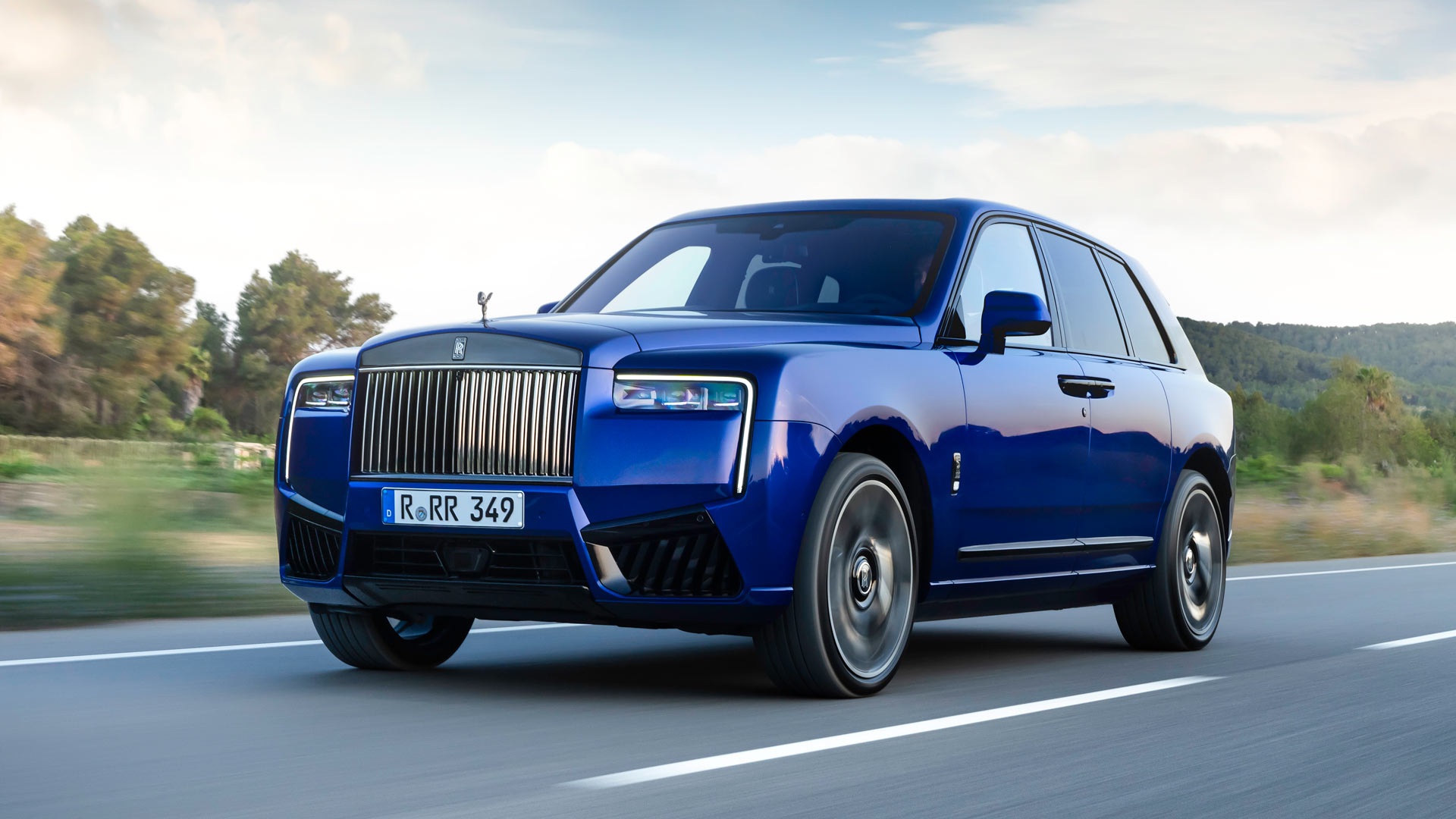
The Rolls-Royce Cullinan stands head and shoulders above other SUVs when it comes to luxury. Or indeed price. Costing close to £400,000 in Black Badge specification, the updated Cullinan Series II is reassuringly more expensive than alternatives such as the Bentley Bentayga or Range Rover.
The Series II makeover brings a number of cosmetic changes for the high-riding Rolls, including a reshaped and illuminated ‘Pantheon’ front grille. Inside, Rolls-Royce has given the Cullinan a new full-width, glass-fronted dashboard, along with a pleasing array of traditional switches and dials.
Black Badge specification sees the Cullinan’s 6.75-litre twin-turbocharged V12 massaged to deliver 600hp and 664lb ft of torque. Even with a kerb weight in excess of 2,700kg, it can accelerate from 0-62mph in 5.2 seconds.
We said: ‘If you want a super SUV to rival the Aston Martin DBX707 or Ferrari Purosangue, this isn’t it. Engaging Low mode gives the Cullinan a little extra attitude, but it’s still a calming experience rather than a shot of automotive adrenalin.’
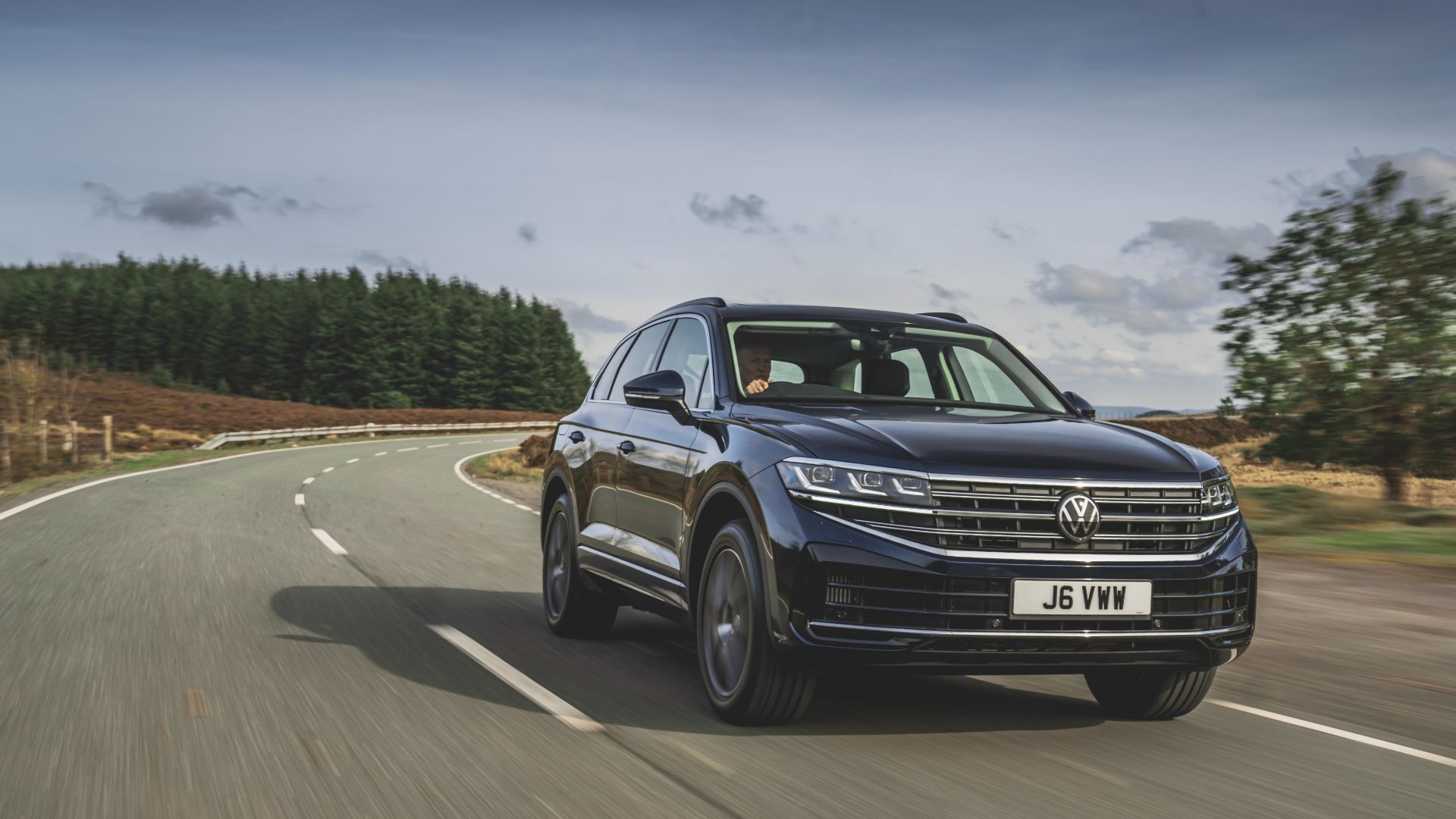
If the inclusion of a Volkswagen on this list seems a little odd, hear us out. The Touareg is based on the same platform as the Audi Q7, Bentley Bentayga, Lamborghini Urus and Porsche Cayenne, so it feels like a cut-price ticket into the world of posh SUVs. Prices range from £70,000 to £80,000.
For that, you get four-wheel-drive, an eight-speed transmission, an interior that feels a cut above its mainstream rivals and a choice of 3.0-litre V6 diesel or plug-in hybrid powertrains. Granted, it can’t match the other cars on this list in terms of opulence and a sense of occasion, but many will appreciate the understated styling. It’s also huge, with seating for five adults and a massive boot.
Your time to buy a Touareg is limited, though. The less luxurious Tayron will replace it as Volkswagen’s flagship SUV later this year.
We said: ‘The Touareg isn’t that most modern of oxymorons, a sporty SUV, and it’s all the better for that. Instead, it majors on calm, easygoing comfort. The light steering lacks feel and the ride on standard steel springs felt slightly firm over low-speed holes and humps (we’re told the optional air suspension improves matters). Still, the VW comports itself well for a 2,443kg SUV, dispatching long distances with minimal fuss.’
The XC90 was first launched in 2015, so it’s a credit to Volvo that this current version – fresh from a facelift in 2025 – still ranks among the best luxury SUVs. The range is now limited to two engines: 250hp B5 petrol and 406hp T8 plug-in hybrid. We tested the latter, which is capable of 43 miles on electric power alone. It’s effortlessly relaxing to drive.
Inside, the Volvo combines tasteful Scandinavian style with enough space for seven people to sit comfortably. Its infotainment system has obviously been upgraded since 2015, and now features Apple CarPlay and Android Auto smartphone connectivity.
We said: ‘The XC90 remains capable of seamlessly slipping into everyday duties. The level of space on offer, along with its comfort and refinement, are effective ways to cocoon yourself from the madness of modern life.’
The adoption of a single ‘one app fits all’ solution to pay for car parking risks isolating older drivers, new data suggests.
The government is encouraging local authorities across the UK to collaborate with the National Parking Platform (NPP) for payment in public car parks.
A joint venture between the Department for Transport and the British Parking Association, the NPP is designed to allow drivers to pay for parking without the need to install multiple smartphone apps.
Car parks that participate in the National Parking Platform will be connected through a shared system. This means any approved smartphone app can be used to make payment.
The intention is to allow drivers to use their existing parking apps, rather than needing to download new ones, reducing the risk of a fine for failing to pay.
Older drivers excluded from parking apps
However, research by breakdown organisation Start Rescue finds that only 68 percent of those aged 65 or over use a smartphone to go online, potentially leaving millions unable to pay for parking.
Analysing Driver and Vehicle Licensing Agency (DVLA) data, this suggests up to 2.9 million older drivers could be left without access to the NPP-compatible smartphone apps.
“This is a fundamentally sound idea,” said Lee Puffett, managing director of Start Rescue. “But it has to recognise that many drivers, and particularly older drivers, prefer to pay with cash, bank card or their phone using the likes of Apple Pay.
“Weak phone signal, bad lighting and poor parking signage all contribute to making parking payments trickier for older drivers.”
Parking needs to work for all drivers
Start Rescue believes that being unable to use parking apps could see older drivers compelled to park further away, and possibly in more dangerous locations.
This concern is also shared by Rob Heard, chair of the Older Drivers Forum.“While we recognise the convenience and growing popularity of parking apps, it’s vital that councils and operators continue to provide alternative payment options,” said Heard.
“Not all drivers – particularly older motorists – use smartphones or feel comfortable relying solely on digital services. A fully inclusive approach ensures that everyone can park safely and conveniently, without being disadvantaged or forced to seek less suitable alternatives.”
Following a trial with 10 local authorities, the NPP is now in use across more than 1,200 locations in the UK.
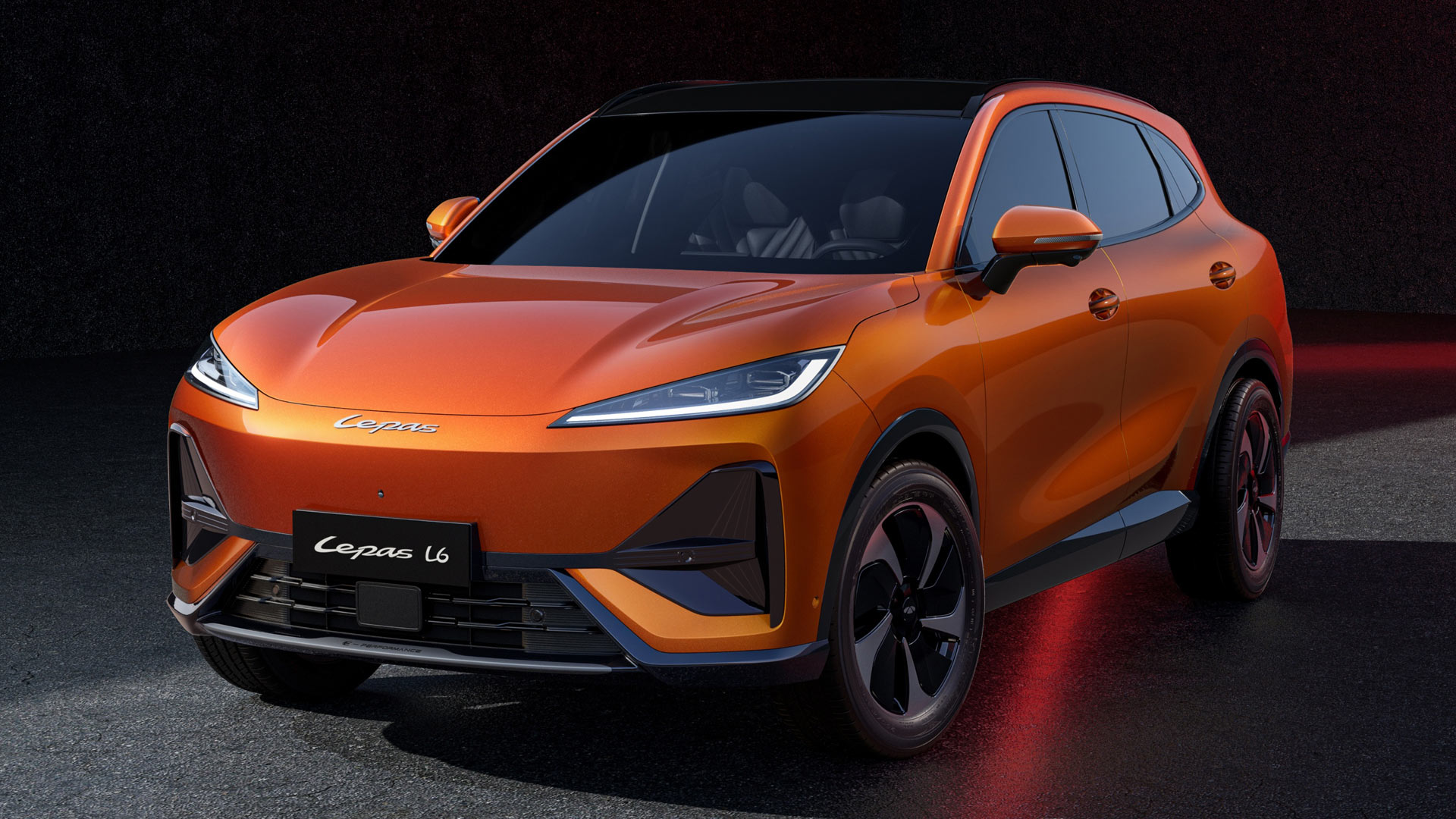
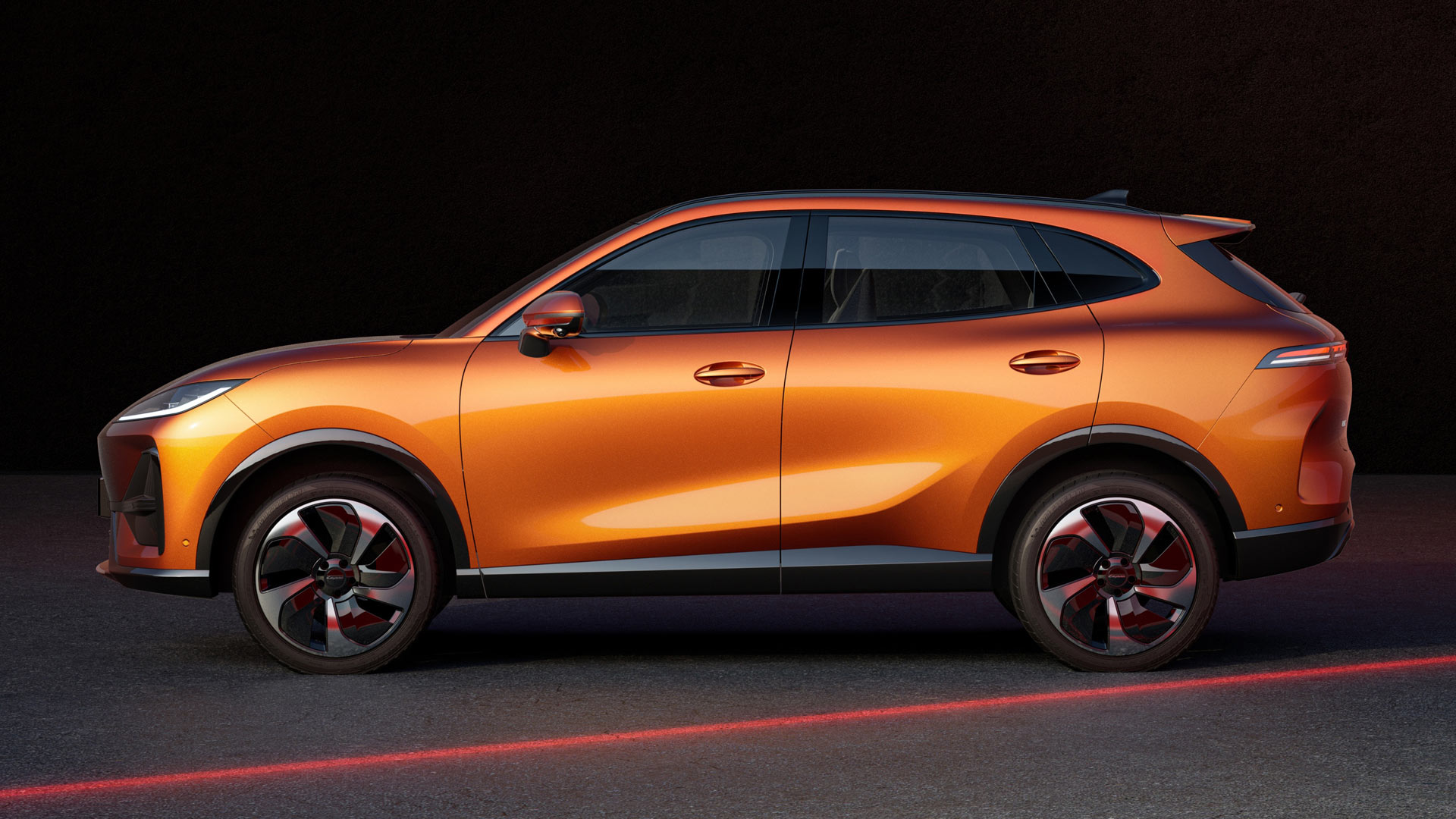
Chinese marque Lepas, part of the Chery automotive group, has confirmed its next vehicle for launch in the UK.
Making its debut at the prestigious Milan Design Week, the mid-size Lepas L6 SUV will be offered to British customers in both hybrid and fully electric guises.
Its arrival follows the announcement of the flagship Lepas L8 SUV earlier this year.
On sale in five-seat format at first, the L6 takes on an ever-growing roster of Chinese-made family SUVs. Its choice of powertrains potentially offers an advantage against established rivals such as the Volkswagen Tiguan and Hyundai Tucson.
Hybrid or EV power for Lepas L6
Although specific details about the Lepas L6 are still limited, the hybrid-powered version will combine a 1.5-litre petrol engine with an electric motor and battery pack.
This will allow the Lepas L6 Super Hybrid a range of up to 700 miles with its battery fully charged and petrol tank brimmed.
The electric Lepas L6 BEV uses a 67kWh battery pack, predicted to offer up to 270 miles of range in the official WLTP test. Recharging from 30 to 80 percent capacity takes as little as 20 minutes.
Both variants of the Lepas L6 are based on Chery’s New Energy Vehicle (NEV) modular platform. The company promises this will deliver ‘a seamless blend of performance, comfort and efficiency, tailored for European roads’.
The eye of the leopard
The Lepas name is a portmanteau of ‘leopard’ and ‘passion’. The L6’s LED daytime running lights are said to be modelled on the shape of a leopard’s eye, while its overall styling pays homage to ‘the elegance and agility of a running leopard’.
Commenting on the European launch of the L6, Ray Wang, managing director of Lepas UK, said: “The Lepas L6 marks an exciting step for our brand in Europe and, of course, the UK market – as we confirm this will be the second model sold.
“Combining our proprietary Lepas Super Hybrid and fully electric powertrains, the Lepas L6 delivers exceptional efficiency, impressive range and rapid charging.”
More information on the L6, including UK market prices, will be confirmed by Lepas closer to the on-sale date, likely to be late 2026.
Lepas is the fourth brand from Chery Group to enter the UK market in recent years. It follows Jaecoo, Omoda and Chery itself.