Citroen has issued a ‘stop drive’ order for owners of the C3 and DS3 supermini built between 2009 and 2019. The company has taken the drastic action because of dangerous Takata-branded airbags.
The ‘stop drive’ instruction means owners will be notified to immediately stop using their vehicles and contact a Citroen dealer. A free repair will be arranged.
The recall covers the second-generation C3, which was launched in 2009. It was replaced by the third generation in 2016, which is not covered by this recall.
The ‘stop drive’ order also involves the first-generation Citroen DS3, later simply named DS3, which was sold between 2009-2019.
The immediate action follows a recent incident in France where a woman died from injuries involving Takata airbags fitted to her 2014 Citroen C3.
There have been no reported incidents in the UK.
Recall covers whole of Europe
Because the order to stop driving has been implemented so quickly in the interest of safety, Citroen says all of those affected will receive additional information in due course.
‘Customers can also check if their cars are concerned by this action using the VIN check tool on the Citroen website, contacting their local dealer or calling the customer care hotline [0800 917 9285],’ the company explains.
Citroen adds that it is ‘of paramount importance that owners of vehicles who have changed addresses or contacts keep their information updated… to be reached in a timely and efficient manner’.
Parent company Stellantis is ‘mobilising its full network of suppliers, dealers and manufacturing plants to support this action and ensure the fastest, safest and most convenient solution for each customer’.
The Citroen C3 and DS3 ‘stop drive’ action is Europe-wide. Along with the UK, the countries involved include France, Germany, the Netherlands, Belgium, Denmark, Switzerland, Poland, Austria, Sweden, the Czech Republic, Norway, Slovakia, Finland, Hungary, Ireland, Ukraine, Lithuania, Estonia, Iceland, Belarus, Latvia, Moldova and Romania.
The summer holidays will soon be upon us, and thousands of Brits will be boarding ferries or the Channel Tunnel to take their cars abroad.
Driving in Europe is an adventure, but there are also different rules and safety precautions to be aware of. It pays to be prepared.
Hopefully, our easy-to-follow advice guide will help. It covers the basics for driving abroad, from speed limits to tyres.
Driving on the right
It sounds obvious, right? But you’d be surprised just how many drivers forget to drive on the right-hand side of the road when travelling in Europe.
The danger of pulling out into the path of oncoming traffic can be particularly acute when leaving the ferry or Channel Tunnel terminal. Or indeed after a night’s sleep.
Take your time and give yourself plenty of space, especially if you are driving a motorhome or towing a caravan.
Car insurance
Many car insurance companies offer European cover as standard, but comprehensive policies will often be reduced, offering just the minimum level of cover available.
Check with your insurer before you travel, and consider arranging temporary comprehensive cover if required. It could save you a lot of headaches and expense later.
Speed limits
Speed limits vary from country to country, so do your homework before travelling. Most nations display speed limits at border crossings, but look out for weather-related restrictions – such as lower limits when it rains. This is the case on autoroutes in France, for example.
If you’re not careful, you might find a speeding ticket waiting for you when you get home. You won’t get points on your licence, but you could receive a hefty fine.
Using a sat-nav
A sat-nav could be essential if you’re driving through Europe, but some countries prohibit the use of systems that alert you to the presence of speed cameras.
You could also use a smartphone app such as Google Maps or Apple Maps for navigation purposes. But be wary of potentially costly roaming charges, though – including within the EU. Thank you, Brexit…
Documents
In most European countries you will be expected to carry your car ownership document (also known as the log book, or V5C). You could receive an on-the-spot fine if you’re caught without it.
Also, don’t forget to pack your driving licence. It’s a useful source of identification, as well as proving that you passed your test.
Safety equipment
Did you know that you must carry a spare pair of glasses – if you need to wear them – in Portugal, Spain and Switzerland? You’re also required to keep a rope in the car in Serbia.
Do your homework before you travel. Start by downloading the European Union’s ‘Going Abroad’ app, which explains the important road safety rules in the different countries.
Toll roads
Some European countries, such as France and Spain, are renowned for the excellent quality of their toll roads.
However, they can be expensive way to cross the continent, while some countries require you to buy a pre-loaded card. Plan your route carefully to avoid a fine.
Tyres
There are around 58,000 reported tyre-related incidents on UK roads every year, according to Goodyear. So check that you have enough tyre tread before venturing abroad.
Also, ensure that tyres are inflated to the correct pressure, especially if your vehicle is loaded up with passengers and luggage. Simple checks could prevent a serious accident.
Lastly, while this advice is focused on driving abroad in the summer, remember it’s a legal requirement for vehicles to be fitted with winter tyres or all-season tyres in some countries during the colder months.
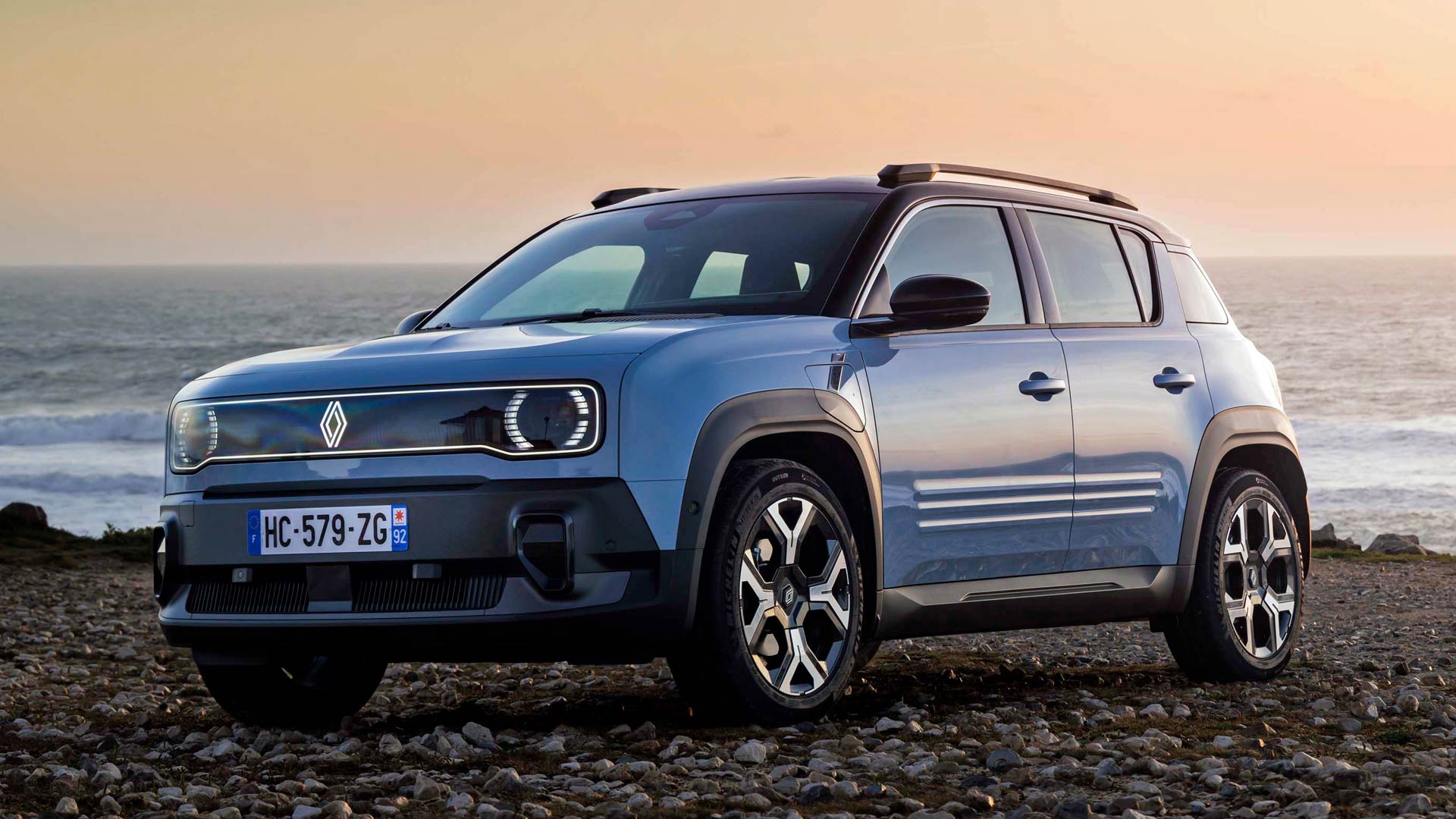
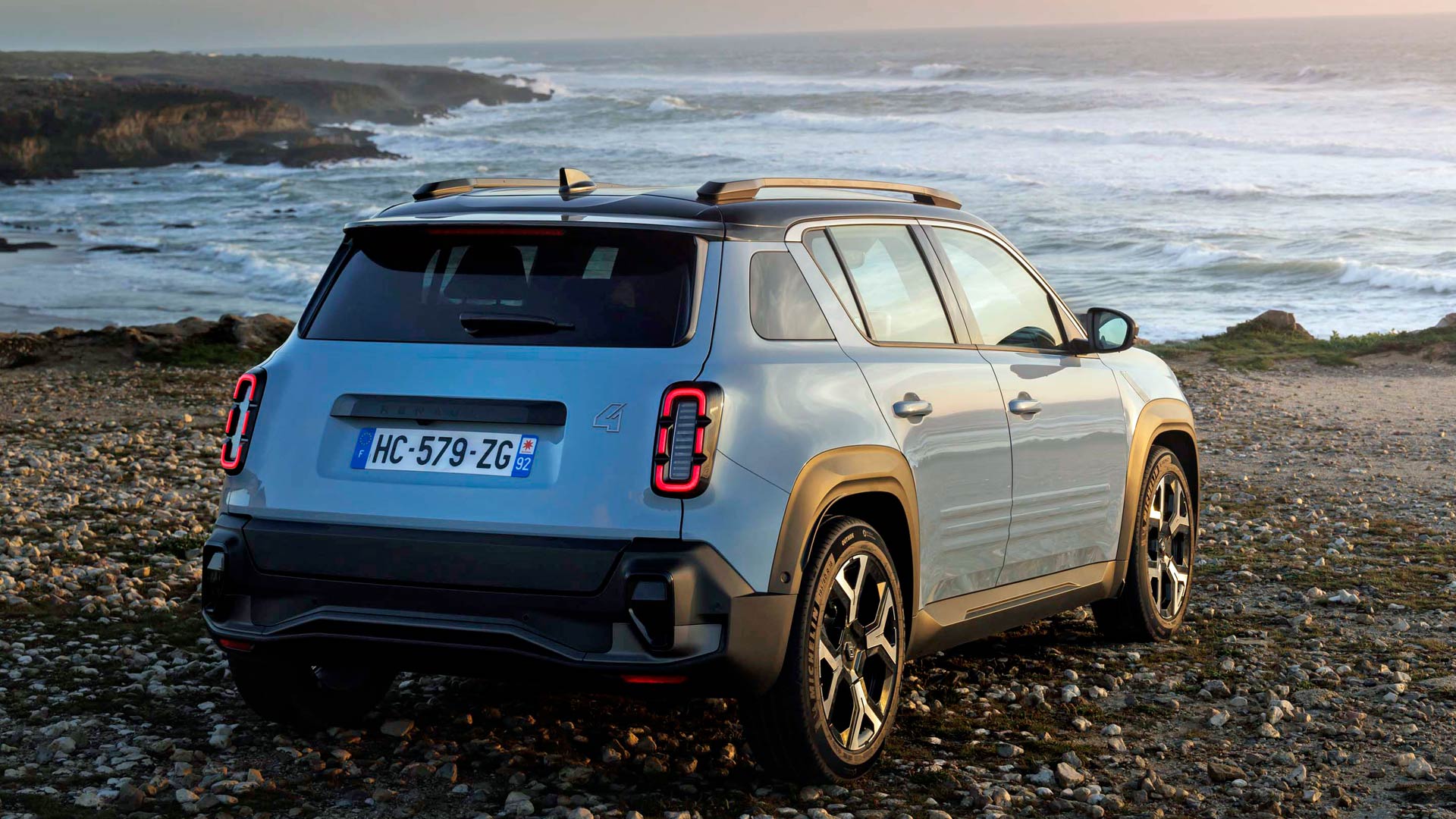
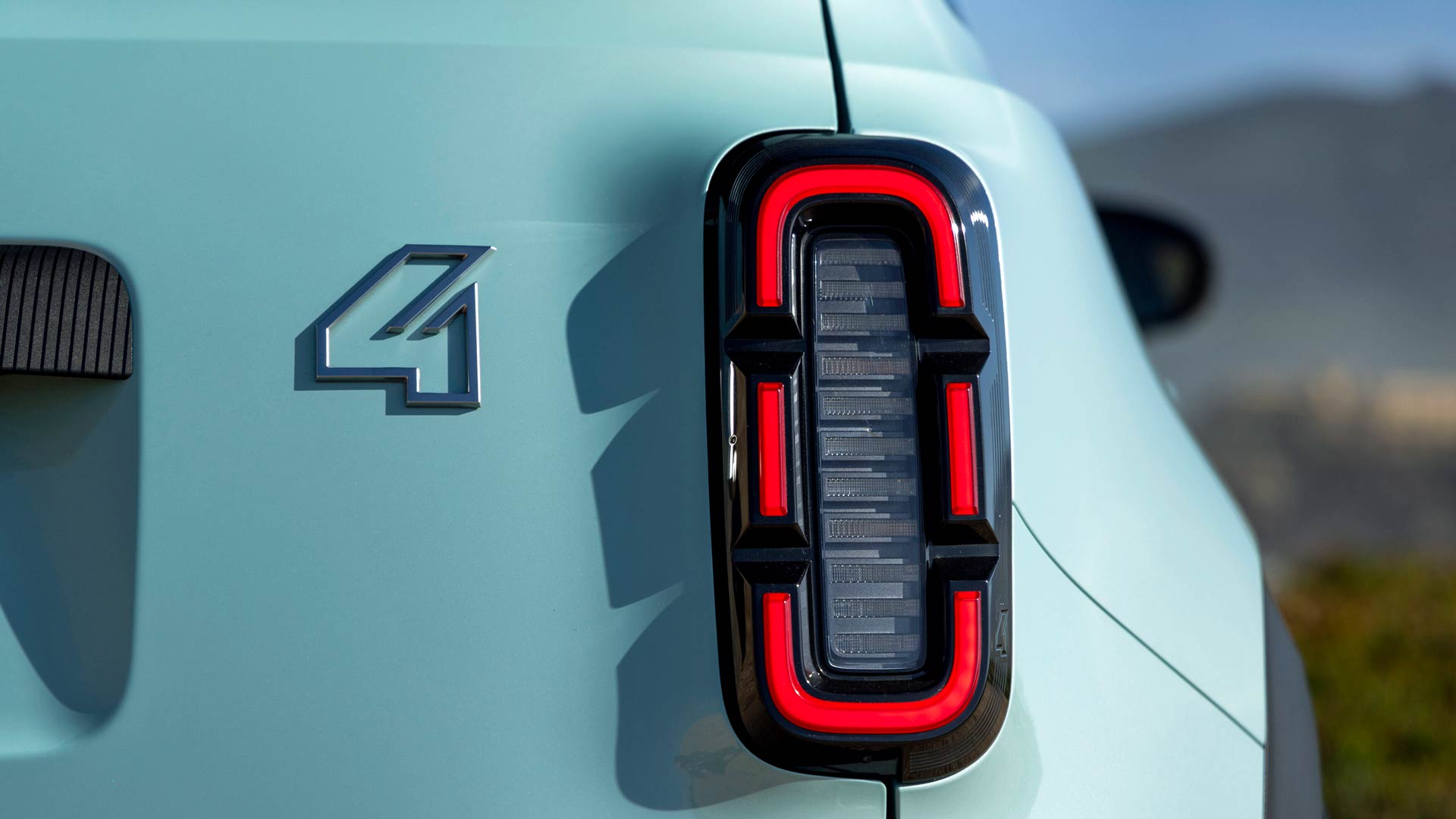
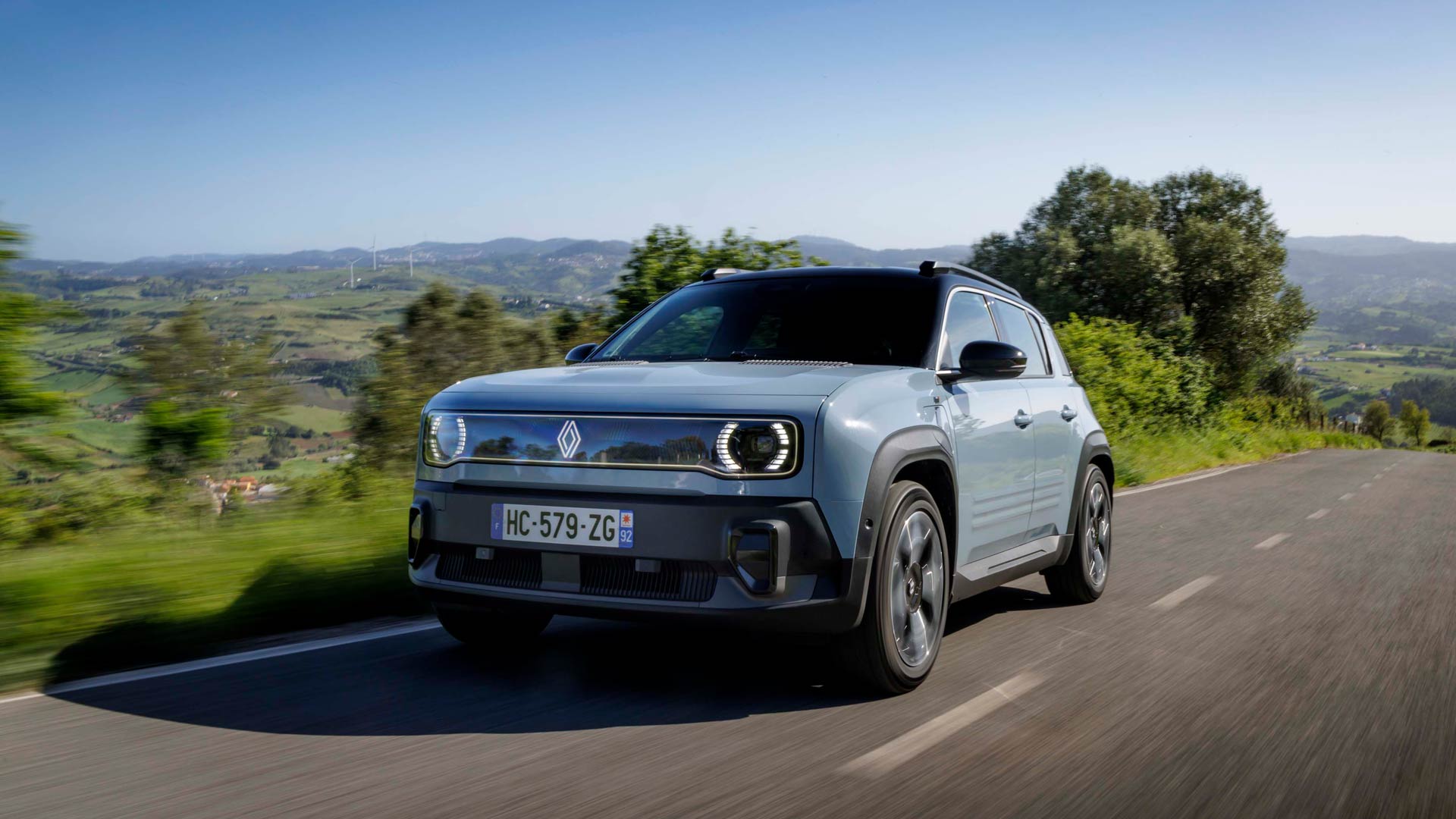
The new Renault 4 E-Tech SUV is now available to order, with a host of manufacturer-backed finance deals on offer.
For now, only customers with a Renault R Pass are able to place an order. This allows priority access over the wider public between 1 and 14 July 2025.
Those without a £150 R Pass will therefore need to wait until 15 July to order the retro-styled electric SUV.
As an added bonus for R Pass customers, ordering a 4 E-Tech using one of Renault’s finance deals will include three years of free servicing.
Retro looks, modern technology
The Renault 4 E-Tech comes with just one powertrain setup. This combines a 150hp electric motor with a 52kWh battery pack.
When fully charged, it gives the Renault 4 E-Tech a potential range of up to 247 miles. Using a 100kWh fast charger, the battery pack can be recharged from 15 to 80 percent capacity in 30 minutes.
Three trim levels are available from launch, although Renault has fitted all versions with a generous level of standard equipment.
The entry-level Renault 4 Evolution comes with 18-inch alloy wheels, keyless entry, rear parking sensors, a rear-view camera, dual-zone climate control and a 10-inch central touchscreen.
Techno specification adds front parking sensors, privacy glass, wireless smartphone charging and built-in satellite navigation. Topping the range is Iconic trim, with heated front seats, a heated steering wheel and synthetic leather dashboard trim.
R4 finance deals available now
Two Personal Contract Purchase (PCP) options will be available from Renault, with zero percent and 5.9 percent APR finance deals on offer.
Opting for the zero percent deal for the Renault 4 Evolution means finding a substantial £8,099 customer deposit. For a two-year agreement, customers will pay £210 per month, with mileage capped at 6,000 miles per year.
For the same Evolution model, the 5.9 percent APR agreement offers a deposit of just £400. This is followed by payments of £400 a month over a period of four years, with annual use again limited to 6,000 miles.
Increase the deposit to £4,289 for the same 5.9 percent APR deal on an R4 Evolution, and monthly payments will reduce to £250.
The Ferrari Roma has only been on sale since 2020, but the Italian marque has already revealed the grand tourer that will replace it.
Meet the Amalfi: the new entry point to the Ferrari range, and very much an evolution of its Roma predecessor.
We described the Roma as being ‘both a glamorous GT and a scintillating supercar’. If you need a Ferrari to tick all boxes, our review concluded, ‘all roads lead to Roma’.
Replacing the Roma is therefore no small order. So perhaps it isn’t surprising to see Ferrari take an evolutionary approach with the Amalfi.
Sharper and more aerodynamic
The Ferrari Styling Centre, led by Flavio Manzoni, has tightened the Roma’s flowing curves, giving the Amalfi a sharper front end. Inspiration from the Purosangue and 12Cilindri models is obvious, with no traditional front grille and slimline headlights.
The design changes have not been made solely for cosmetic reasons, though. Ferrari has also kept a clear eye on aerodynamics.
A new bypass duct between the headlights helps channel air to cool the engine bay. The three-stage adjustable rear spoiler can also generate 110kg of downforce at 155mph.
Ferrari has chosen Verde Costiera – described as a ‘brilliant teal green’ – as the Amalfi’s launch colour. It’s said to be inspired by the reflections of the sea along the Amalfi coast in Italy, which gives the new car its name.
Minor tweaks have added 20hp to the V8’s output, resulting in a new peak of 640hp, plus a revised redline of 7,600rpm.
An eight-speed dual-clutch auto transmission still sends power to the rear wheels. The Amalfi can accelerate from 0-62mph in 3.3 seconds and reach a top speed of nearly 200mph.
Ferrari has adjusted the Manettino settings for the Amalfi, so that Wet and Comfort modes are now more forgiving – given the car is aimed at Ferrari newcomers.
Bringing back buttons
The 2+2 cabin of the Amalfi represents a more dramatic change compared to the Roma, including an all-new dashboard design.
In particular, the Roma’s portrait-oriented infotainment touchscreen has been swapped for a 10.25-inch landscape display.
Physical buttons on the steering wheel have also replaced the fiddly haptic touchpads found in the Roma, likely due to customer feedback. A physical red aluminium starter button is back on the steering wheel, too.
UK prices for the new Ferrari Amalfi have yet to be confirmed. Italian customers will pay upwards of €240,000 (£206,000), with the first cars due for delivery in early 2026.
Both Emanuel Colombini and yours truly had a poster of a Lamborghini Diablo on our respective bedroom walls. However, only one of us made that childhood dream come true: not just by owning a Diablo, but also by hauling this wild Italian wedge abruptly out of retirement. Frankly, if I could still Blu Tack supercars to my wall, the Eccentrica Diablo would be going straight up there.
A successful entrepreneur and amateur racing driver with a passion for all things Lamborghini, Colombini established Eccentrica Cars to build the ultimate Diablo. The result is a carbon-bodied tribute with a tuned V12 engine, six-speed manual gearbox and beautifully bespoke interior. Only 19 examples will be made, so if you can afford the £1 million asking price – plus the cost of a donor Diablo – this is a rarer, arguably more exotic alternative to a Singer Porsche 911.
I spoke to Colombini about the design and engineering behind the project, how it drives, the state of the supercar market and where Eccentrica might go next. Better the devil you know? Not in this case, it seems.
How did Eccentrica get started? And why choose the Diablo as your first project?
I am the president of Colombini Group, one of Europe’s leading furniture companies, but I also have a deep passion for cars – especially Lamborghini. The Diablo was my dream car as a kid. I remember reading about it in Quattroroute, an Italian car magazine. I fell in love from that first moment.
Years later, I had the opportunity to buy an early Diablo, along with a [limited edition, track-focused] Diablo GT. Those two cars were the points of reference for the Eccentrica restomod project.
How important was it to bring [former Lamborghini CTO] Maurizio Reggiani out of retirement?
I got to know Maurizio through being a Lamborghini customer, specifically when I bought a new Countach LPI 800-4 and an Essenza SCV12 for my collection. His experience spans decades at Lamborghini, including an important role in engineering the Murcielago, Aventador and Urus.
Maurizio is a tremendous asset to Eccentrica; his involvement validates the technical ambitions of the project. Our goal is to build a restomod to a very high standard, and his support helps us to realise that vision.
Tell us about the Eccentrica Diablo’s design.
We collaborated with the BorromeodeSilva design studio in Milan. The goal was to amplify the car’s aggressiveness, but with subtle enhancements that might only be visible to a true Lamborghini connoisseur.
We’ve added sculpted carbon fibre panels, flared wheelarches and new aero elements, all without betraying the car’s original form or Gandini heritage.
What changes have you made to the V12 engine and manual gearbox?
We start with the naturally aspirated 5.7-litre V12, then upgrade it with new valves and camshafts, an electric flywheel and electronic throttle bodies.
Maximum power is increased to 550hp, combined with 443lb ft of torque. A new engine management system means we can program three drive modes: Acqua [Wet], Strada [Street] and Pista [Track] – all selected via a dial on the centre console. It’s a new approach for a car from the 1990s, which wasn’t possible at the time.
Our bespoke six-speed manual transmission has shorter ratios than Lamborghini’s original five-speeder, with an open gate and an electric reverse gear. We wanted to enhance performance, but also to make the power delivery less brutal and more precise. This is now a car you can drive safely in all conditions.
How about the interior? What inspired the digital dashboard?
The cabin is a blend of retro-futuristic elements: minimalistic and more modern. The digital display is intended to resemble the first electronic dashboards. It’s nostalgic, but with a level of functionality far beyond the original Diablo.
Everything is hand-crafted, and designed for clarity and good ergonomics. Our 14-speaker Marantz audio system is exclusive to Eccentrica, too.
So, the big question: how will the Eccentrica Diablo drive?
We worked a lot on the driving experience. It had to remain analogue, but with added configurability. The chassis is reinforced with carbon fibre composite and we fitted TracTive semi-active dampers that adjust to suit the drive mode. The Brembo brakes are more powerful, plus there is a new traction control system. The Pirelli P Zero Trofeo R tyres also far out-perform those fitted to the original Diablo – both for road and track use.
Power steering and a nose-lift kit enhance the everyday usability of the car, too. It’s much more flexible to suit your mood and driving style.
You have competed in the Lamborghini Super Trofeo championship. Will Eccentrica go racing?
Yes, I competed in the Super Trofeo last year, and this year I have been racing a Huracan GT3 in the Italian GT Endurance Championship.
The Eccentrica Diablo is certainly a car you can enjoy driving on a circuit, but it’s not homologated for any particular race series. Every car is a one-of-a-kind commission and highly personalised.
Can you tell us anything about future projects? Will Eccentrica’s focus widen to other brands?
For the moment, we want to focus on Lamborghini, but not solely on the Diablo – we’ll consider other models in the future. Eccentica is a small company, so we need to build our profile and become recognised in the automotive market. Lamborghini is a brand I have always loved, and it’s a big part of our brand identity.
Does the rise of the restomod show enthusiasts are losing interest in modern supercars?
That’s a good question, and it’s at the heart of why I started this project. Modern supercars are incredibly fast, but they’re too digital for me. Electronics have made them feel less tactile and emotional. They have ironed out all the defects that give a car character. It can feel more like you are playing a computer game.
The best restomods offer a different experience. They bring back a sense of connection with the car. For that reason, I think this market will continue to thrive. Just look at the success of companies such as Singer Vehicle Design, Gunther Werks and Ruf in the Porsche sphere.
Do you think the internal combustion engine has a future?
Almost all projects to build fully electric supercars are coming to a halt. There is so little demand for them. Going forward, I think – and I hope – that the market will split in two different directions: electric power for most everyday cars, but the internal combustion engine living on in sports cars. These might be restomods or vehicles from established marques such as Lamborghini and Ferrari.
Let’s also remember the close connection between sports cars and motorsport, which is a massive industry around the world. I don’t believe there is much demand for electric racing cars. And if traditional engines can continue to exist in motorsport, they could have a future on the road.
Lastly, what’s in your dream garage? You can pick five cars, with no limit on budget.
I already have a Miura P400 S in my collection, but I’d love to add a Miura SV – it’s the ultimate example of Lamborghini’s first supercar. Then I’d add a Lamborghini Countach LP5000 Quattrovalvole, the carburettor version, which was launched in 1985. And for track driving, I’d choose a Lamborghini Murcielago R-GT race car. They just sound incredible.
Away from Lamborghini, my dream garage would have to allow space for a Pagani Zonda. And I’ll round off my top five with a Mercedes-Benz 300 SL ‘Gullwing’. It’s a true classic and a masterpiece of automotive design.
Watch and listen to the Eccentrica Lamborghini Diablo going up the hill at Goodwood Festival of Speed from 10-13 July.
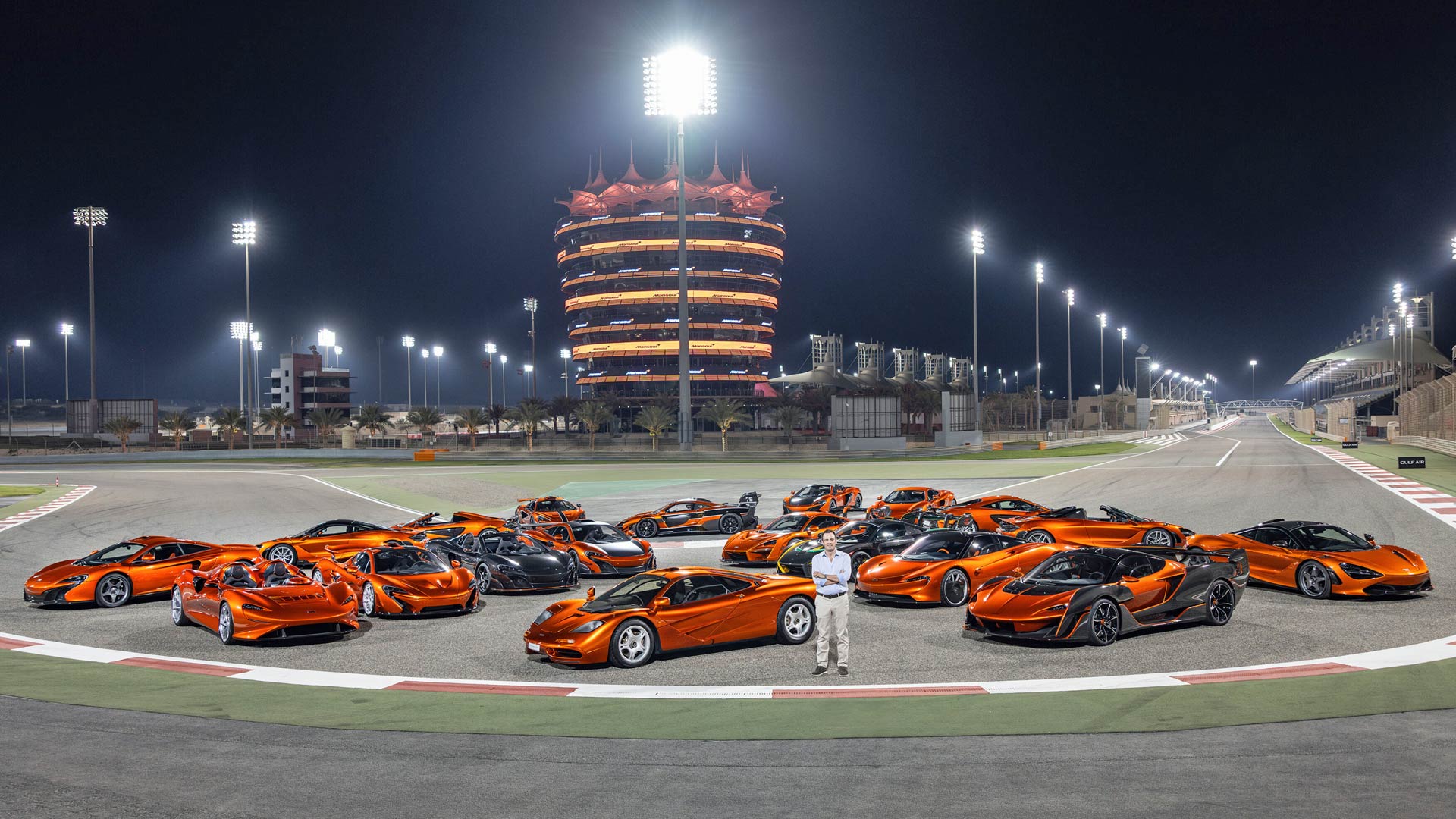
An incredible collection of 20 McLaren road cars, formerly owned by entrepreneur Mansour Ojjeh, will head to sale soon.
Before his death in 2021, Ojjeh amassed a sprawling stable of McLaren supercars, helped by his long involvement with the Woking-based manufacturer.
Now the Ojjeh family has appointed classic and supercar specialist Tom Hartley Jnr to handle the sale of this exclusive collection.
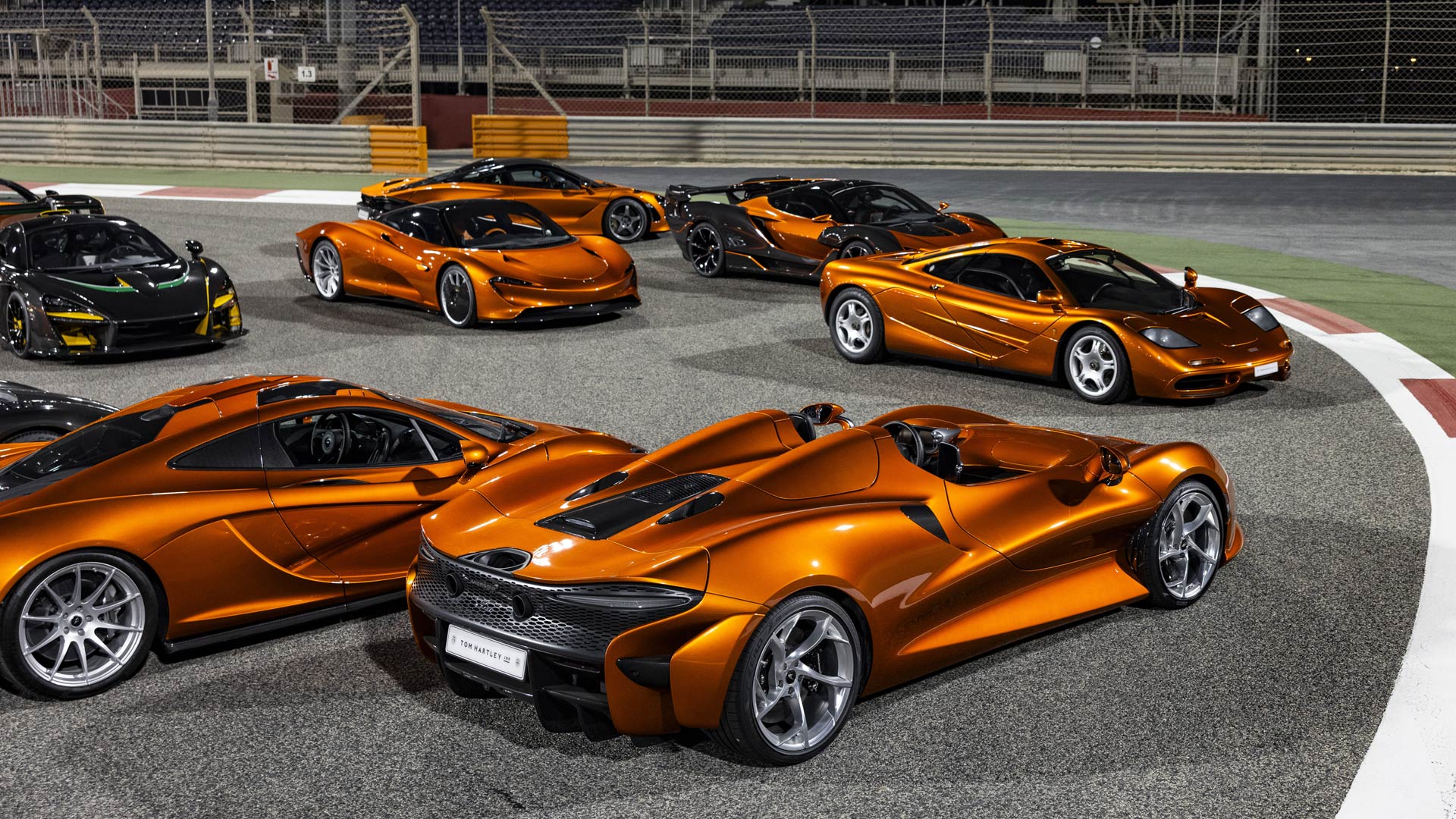
All 20 cars share a common feature, being the final chassis number of each model made. Ojjeh did this to ensure each car would be the very best available, having received all the technical updates during its lifecycle.
A true McLaren icon
Mansour Ojjeh was an important part of McLaren’s rise to Formula One racing dominance during the 1980s. Following a meeting with Ron Dennis, Ojjeh became the majority shareholder in the McLaren Group.
In addition, his Techniques d’Avant Garde (TAG) company name was seen on the Porsche-supplied turbocharged engines fitted to McLaren Formula One cars. These engines would power the team to three Drivers’ World Championships, along with two Constructors’ titles during the 1980s.
Ojjeh’s involvement with McLaren continued beyond the TAG era. He took a lead in establishing the company’s Applied Technologies division, and its road car operation.
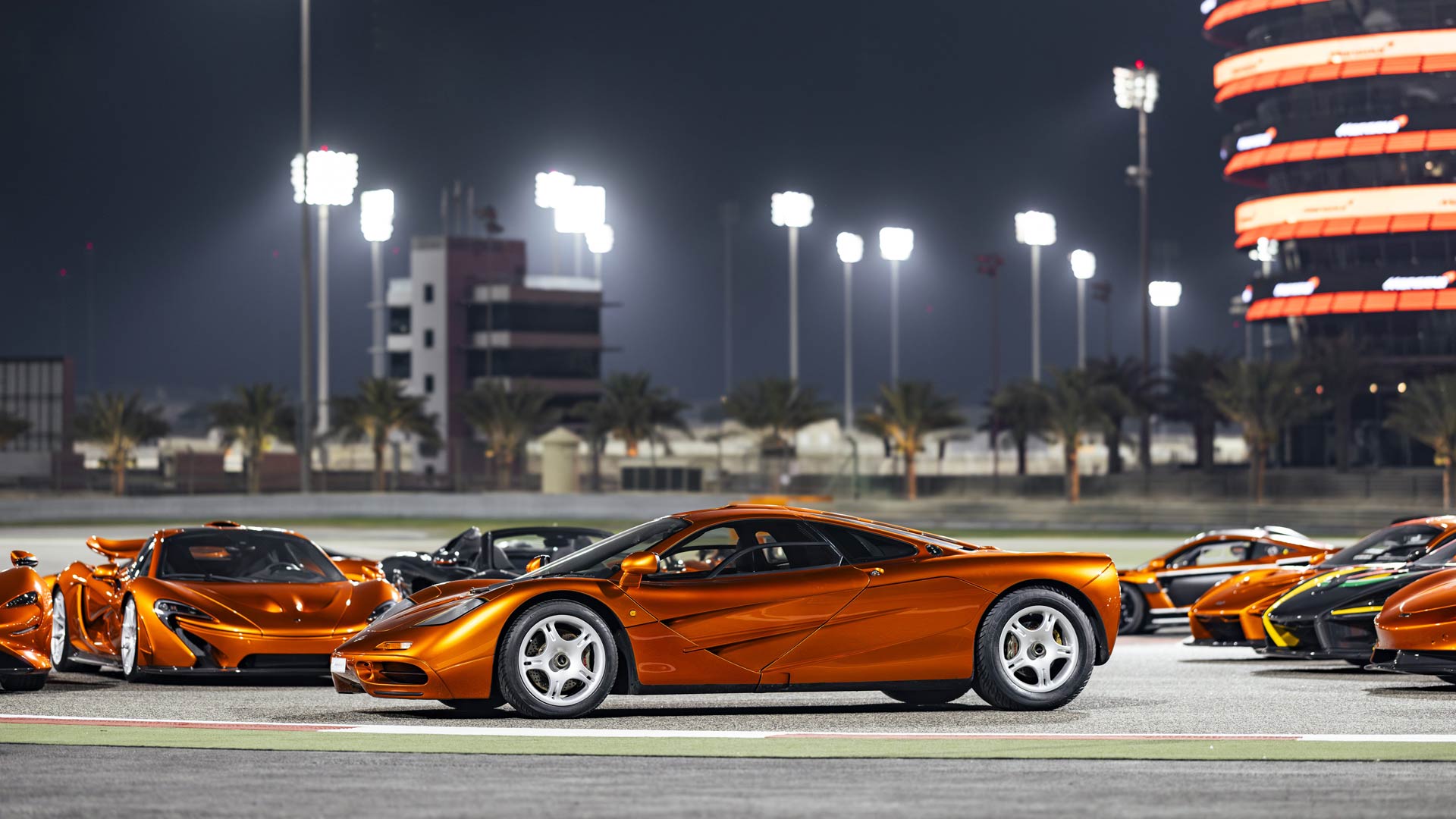
The latter started with the McLaren F1: the ‘jewel in the crown’ of the collection. The F1 is finished in a unique ‘Yquem’ paint colour, named after a rare dessert wine. McLaren later renamed it ‘Mansour Orange’. The custom hue was reserved exclusively for use on Ojjeh’s cars.
A truly unique collection
Along with the F1, the collection acts as a reminder of what McLaren Automotive has accomplished since 2010. It includes several limited-edition Ultimate cars, including an Elva, Senna and Speedtail.
Only the F1, with 1,800km on its odometer, and the P1 GTR, driven on McLaren track days, have seen any use.
All other cars in the collection remain undriven. They have been kept in factory-delivered condition, and maintained under direct instruction by McLaren themselves.
Announcing the upcoming sale, Tom Hartley Jnr commented: “I’m truly humbled that the Ojjeh family has entrusted my business with the sale of their incredible collection. I had the privilege of meeting Mansour on a few occasions, and his attention to detail and appreciation for the finer things in life are clearly reflected in the collection that remains today.
“Offering this collection for sale would be extraordinary in its own right, but the fact that it comes from the home of one of McLaren Automotive’s founding figures, a man so instrumental in McLaren’s Formula One success, makes it truly unrepeatable.”
The Volvo XC60 has reached an important milestone, becoming the best-selling vehicle ever sold by the Swedish marque.
Around the world, the XC60 SUV has now achieved more than 2.7 million sales, nudging it ahead of the now-second-placed Volvo 240.
Positioned as the mid-sized model in the Volvo SUV range, the XC60 slots between the compact XC40 and flagship XC90.
Being the ‘Goldilocks’ model in the lineup has helped the XC60 to achieve success – and surpass one of the Volvo’s legendary cars.
The first truly global Volvo
Volvo revealed the first-generation XC60 at the Geneva Motor Show in 2008. It was designed at a time when Ford still owned both Volvo and Land Rover.
This led to the XC60 sharing a platform with the second-generation Land Rover Freelander. Engine and drivetrain components were common to both SUVs.
Significantly, the original XC60 became the first Volvo built for the local market in China. This followed the purchase of the Volvo brand by the Chinese Geely conglomerate in 2010.
With the launch of the second-generation XC60 in 2017, the mid-size SUV has become a global success story, consistently topping the charts as Volvo’s best-selling model.
Updates for the 2026 model year have seen the XC60 receive a refreshed exterior design, along with an improved infotainment system.
Surpassing a Swedish legend
Surpassing the classic Volvo 240 is a significant moment; the boxy saloon and estate car remains one of the marque’s most recognisable products.
Made between 1974 and 1993, the Volvo 240 pioneered safety technology such as side-impact protection. A total of 2,685,171 examples were built.
That a luxury SUV has transcended a saloon/estate is an obvious reminder of the trends in the new car market.
“Growing up in Sweden in the 1980s, the Volvo 240 was the iconic family car – you could spot one in almost every driveway,” said Susanne Hägglund of Volvo Cars.
“Today, the XC60 has taken over that position in two ways. Not only as the family favourite, but also becoming our all-time top-seller, which in itself is the ultimate proof point of a successful car. And now, with the latest updates, it gets even better.”
Research by energy company Shell has found that electric car owners are growing in confidence around the world – but petrol and diesel owners are, worryingly, becoming increasingly resistant to making the shift to electric.
More than 15,000 drivers from the UK, Europe, United States and China took part in the 2025 Shell Recharge Driver Survey.
Covering electric vehicle ownership, the survey found 61 percent of EV drivers are less worried about running out of battery charge than they were a year ago.
Almost three quarters (72 percent) say the availability of public charging points has improved during the same time period, too.
High costs prevent more EV switching
However, Shell’s survey also found interest from drivers of petrol or diesel cars in switching to an EV is falling.
In Europe, only 41 percent of ICE (internal combustion engine) car drivers were interested in owning an electric car in 2025, compared to 48 percent the previous yea. The United States saw a slightly smaller decline, down from 34 percent to 31 percent.
The cost of buying an electric car was cited as the key barrier for close to half (43 percent) of non-EV drivers in the European marketplace.
For those who have made the transition to electrified driving, the chance of them going back seems remote. More than 90 percent of current electric car drivers said they would consider another EV as their next vehicle.
More EV owners were also relying solely on their electric car, rather than having an ICE ‘backup car’ as well.
European drivers missing out
European drivers were less satisfied with their charging experiences, with just half (51 percent) saying the reliability of public chargers has improved in the last 12 months.
By contrast, three quarters (74 percent) of Chinese respondents, and 80 percent of those in America, said public charging was now better. European EV owners were the least likely to believe public chargers represent value for money, too.
David Bunch, executive vice president for Shell Mobility, said: “Shell has established strong public charging networks in key markets worldwide, and this research reinforces what we hear from our customers: there’s a growing disparity in the transition to electric vehicles.
“While current EV drivers are feeling more confident, the relatively high cost of owning an electric vehicle, combined with broader economic pressures, are making it a difficult decision for new consumers.”
Do you welcome in the summer months with a sneeze? If you suffer with hay fever, bear in mind that taking medication could mean you risk prosecution or even a driving ban. You have been warned.
The same traffic laws apply to over-the-counter drugs as illegal substances. If your driving is impaired by the hay fever medicine, you could end up with a criminal record. Ann there’s the risk of causing an accident, too.
Neil Worth, road safety officer at GEM Motoring Assist, explained: “Some medicines, including those used to treat hay fever, can have an effect on your ability to drive safely. They could make you tired, dizzy or groggy, and they can compromise your vision and reaction time.
“That’s why it’s so important to check with your GP or pharmacist, and to read any warnings on the labels of the medicines you plan to take.
Advice for hay fever sufferers
Here’s a quick safety checklist for drivers who take hay fever medicine:
Ask your doctor or pharmacist if a medicine might affect your ability to drive. Be particularly careful if you are using a medicine for the first time.
If you experience potentially dangerous side effects from a medicine, don’t drive. Organise a taxi or a lift from a friend if you need to travel.
If you find a medicine is making you tired, ask if there is a non-sedating alternative available. Studies have shown feeling sleepy at the wheel can impair your judgement as much as drinking alcohol.
It’s not just prescription medicines that can cause drowsiness and other potentially dangerous side-effects. Check with your pharmacist if you plan to use an over-the-counter drug, too.
Ask your doctor or pharmacist to explain any risks first. If you’re unsure about any warnings on the medicine label, don’t drive.
A study by Confused.com found 58 percent of drivers who suffer from hay fever said they had driven a car shortly after taking medication, even though many remedies can impair performance behind the wheel. A worrying 10 percent said they had noticed adverse effects of taking prescription drugs.
It is illegal to drive if you’re unfit to do so because you’ve taken legal or illegal drugs, or you have certain levels of illegal drugs in your blood.
Legal medication is covered by the same drug-driving laws as substances such as cocaine and cannabis. Drivers are advised to consult the government website for a list of prescription medicines affected by the legislation.
‘Check the medication thoroughly’
Richard Gladman, head of driving and riding standards at IAM RoadSmart, warned: “If you are stopped by the police after taking a hay fever remedy and driving whilst impaired you could find yourself falling foul of drug driving regulations.
“Be sure to check the medication thoroughly and see if it is suitable. But most importantly, concentrate on your route to recovery so you can get back onto the road sooner rather than later.”
IAM RoadSmart has the following advice for hay fever sufferers:
Ensure your car is clean and dust-free and that you operate the air conditioning or ventilation to your advantage. Changing the pollen filter regularly is important, too.
Arrange to see your GP if you feel under the weather. If you haven’t been diagnosed with hay fever but need medication, avoid driving.
Blurred vision and drowsiness can be side-effects of over-the-counter medicines. Popular remedies for a runny nose and sneezing symptoms can also affect your driving.
If you need anti-histamine, take non-drowsy ones. If you’re unsure, read the leaflet or speak to your pharmacy.
When you sneeze at the wheel, you travel up to 50ft with your eyes closed. If you need to get somewhere but don’t feel well enough to drive, ask somebody else to help. The risk simply isn’t worth it
If in doubt, talk to your pharmacist and always read the label when taking medicines.
Smart motorways use technology to control the flow of traffic, reduce congestion and improve journey times. However, these roads have proved highly controversial in recent years.
The rollout of smart motorways across the UK was paused in 2022, then halted altogether a year later. The then-prime minister, Rishi Sunak, cited a lack of public confidence in the roads, which have been blamed for a number of road accidents and deaths, as one reason for his decision.
However, are still 375 miles of smart motorways in the UK, so understanding how they work is important – both for your own safety and that of others.
These are the three types of smart motorway that you may encounter:
Dynamic hard shoulder: where the hard shoulder is temporarily opened up to traffic
All-lane running: where the full width of the road is usable, with emergency refuge areas alongside
Controlled motorway: with three or more lanes, a hard shoulder and variable speed limits
National Highways, which manages the motorway and A-road network in England, has the following advice for motorists driving on a smart motorway:
Never drive in a lane closed by a red ‘X’. Not only is it illegal, you will endanger the lives of other motorists and anyone who might be working in the closed lane.
Keep to the speed limits shown on the signs. National Highways uses sensors and cameras to monitor traffic volumes, with limits set accordingly.
A hard shoulder is always identified by a solid white unbroken line. If there’s no speed limit displayed above it or a red ‘X’ is displayed, do not use it except in emergency.
A broken white line indicates a normal running lane.
If the hard shoulder is being used as an extra lane, use the designated emergency areas for emergencies.
If your vehicle experiences difficulties, exit the motorway immediately.
If you break down, put your hazard lights on.
Most breakdowns are preventable. Keep your car maintained, check your tyres and ensure you have enough fuel for your journey.
In an emergency or breakdown
If you are unable to exit the motorway, follow these steps:
Use an emergency area. These are marked with blue signs with an orange SOS telephone symbol.
If you can leave your vehicle safely, contact National Highways using an emergency telephone at the roadside. Alternatively, call 0300 123 5000 from your mobile phone.
If you can’t get to an emergency area, move to the hard shoulder (where available) or as close to the nearside of the road as possible.
Consider exiting the vehicle via the nearside door and waiting behind the safety barrier.
Switch on your hazard lights and side lights. Do not use a warning triangle.
Contact your breakdown provider, such as the AA or RAC.
What does the red ‘X’ mean?
A red ‘X’ means you must stay out of a lane that is closed to traffic. It might be displayed on an overhead gantry or on large signs next to the motorway.
It’s illegal to drive in a lane closed by a red ‘X’ sign. You could receive a fixed penalty of up to £100 and three points on your driving licence. More severe penalties and a court appearance could follow in some cases.
What about variable speed limits?
National Highways might impose a variable speed limit at busy times, but these can also be automatically triggered by sensors that monitor traffic flow.
The speed limit is displayed inside a red circle and is legally enforceable. If no limit is displayed, the national speed limit of 70mph on a motorway applies.
Speed cameras are in operation on the smart motorway network and the police are responsible for enforcing speeding offences.