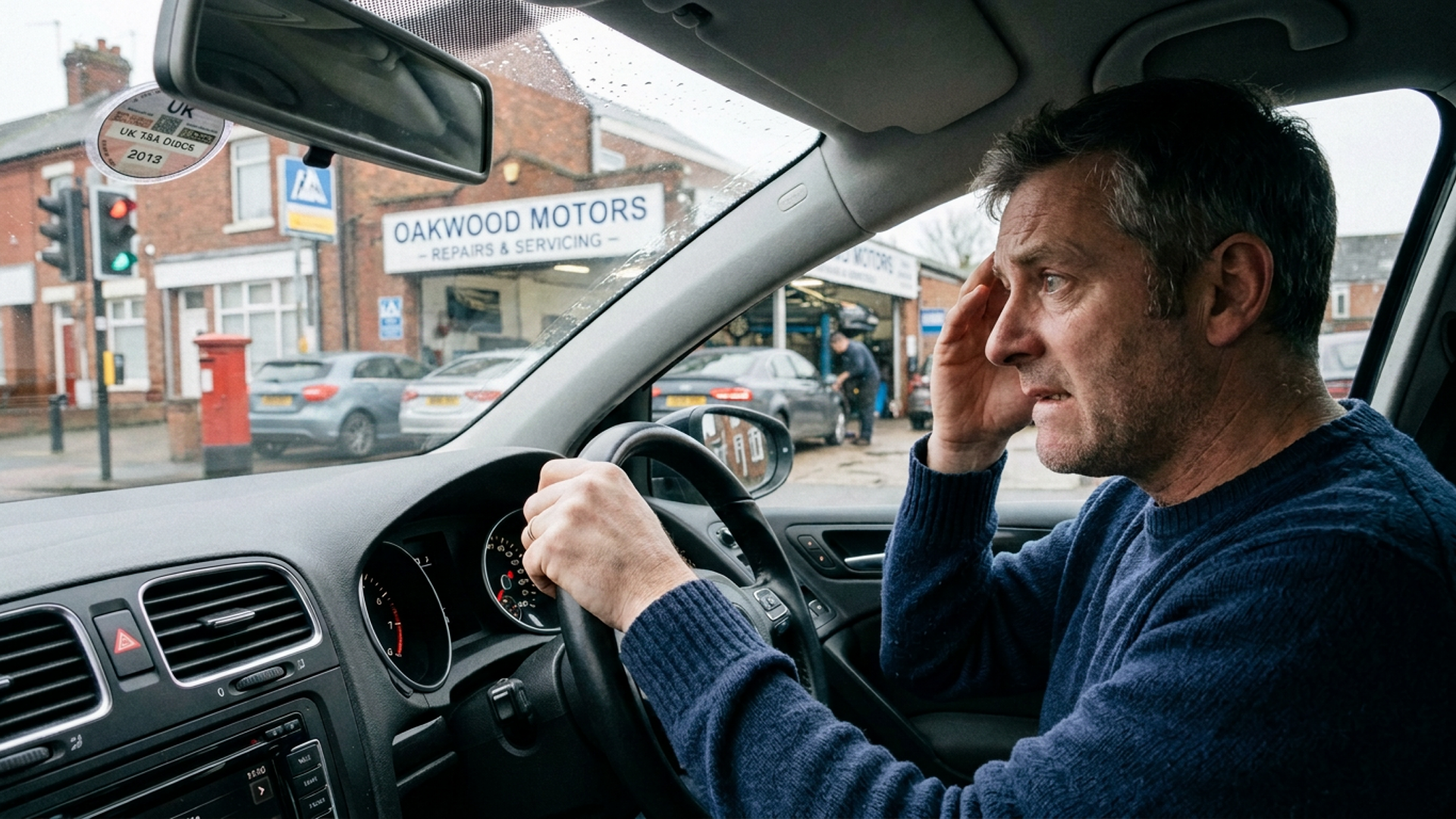
Driving your car after it has failed an MOT could lead to three penalty points on your driving licence, a £2,500 fine and even a driving ban. That said, it is permitted in certain circumstances.
Guidelines from the UK’s Driver and Vehicle Standards Agency (DVSA) on this topic have changed over the years. However, the current rules are as follows.
If your car fails the MOT test before its previous MOT certificate has elapsed, you can drive it away – but only if the none of the faults are classed as ‘dangerous’ and the minimum standards of roadworthiness are met.
The GOV.UK website explains these minimum standards. They include requirements that all lights are working, the brakes are fully functional and all tyres have a minimum legal tread depth of 1.6mm. Incidentally, the car’s windscreen, windows and mirrors must also be clean.
An MOT station can’t keep your car
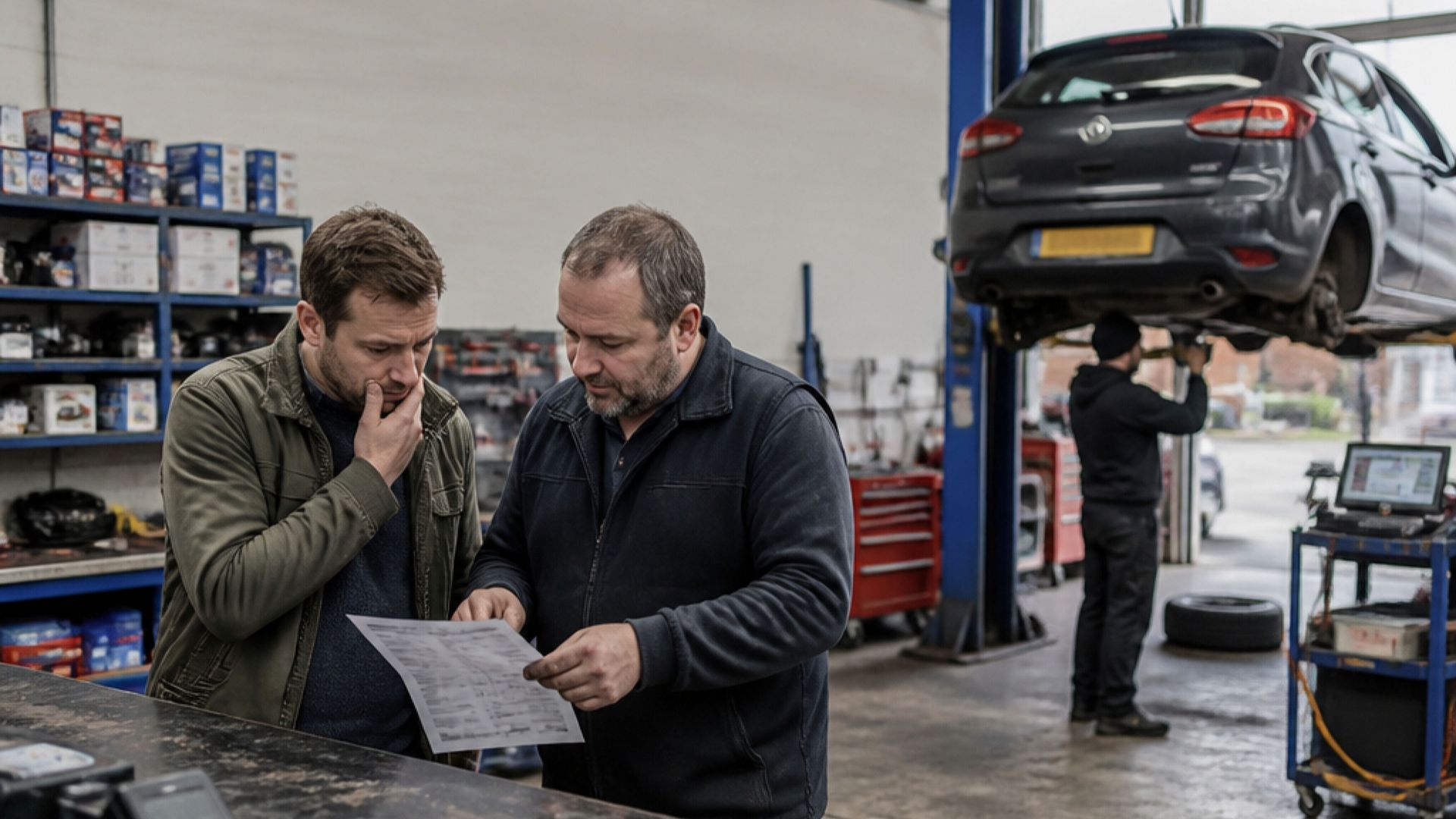
Whether your car passes or fails the MOT, the testing garage or dealership has no right to detain the vehicle, even if it has failed on a dangerous fault.
Speaking with an operative at the DVSA, we were told: “No MOT station can impound a car, even if they find a dangerous defect. You are within rights to get the car towed elsewhere for work”.
However the DVSA spokesperson went on to stress that: “It’s a grey area regarding dangerous and non-dangerous defects. Ultimately, if you drive the car away and something happens, you are still liable”.
Don’t drive with dangerous defects
Just to reiterate, the DVSA website states: ‘You can be fined up to £2,500, be banned from driving and get three penalty points for driving a vehicle that has failed its MOT because of a “dangerous” problem’. A dangerous fault could be anything from a fuel leak to a broken seatbelt.
Our advice, if possible, is to get any remedial MOT work done there and then at the same garage that performed the test.
Alternatively, you could have your car towed elsewhere – rather than driving it – if there is any doubt about its legality.
ALSO READ:
How to avoid damage to your car when parking
Where are the UK’s Clean Air Zones and how do they affect you?