Home Blog Page 4

Custom paintwork adds £338 to cost of car insurance

0
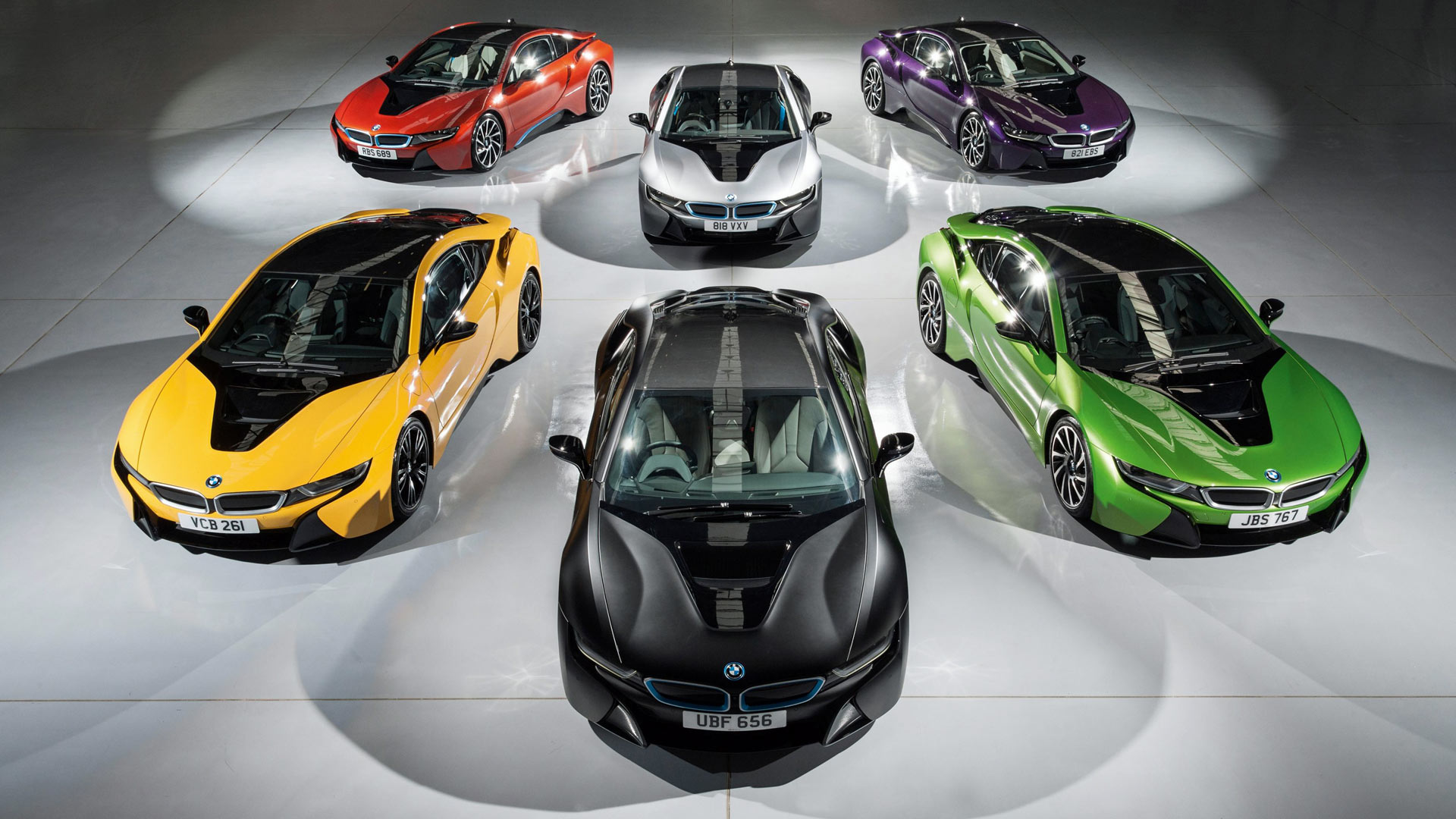
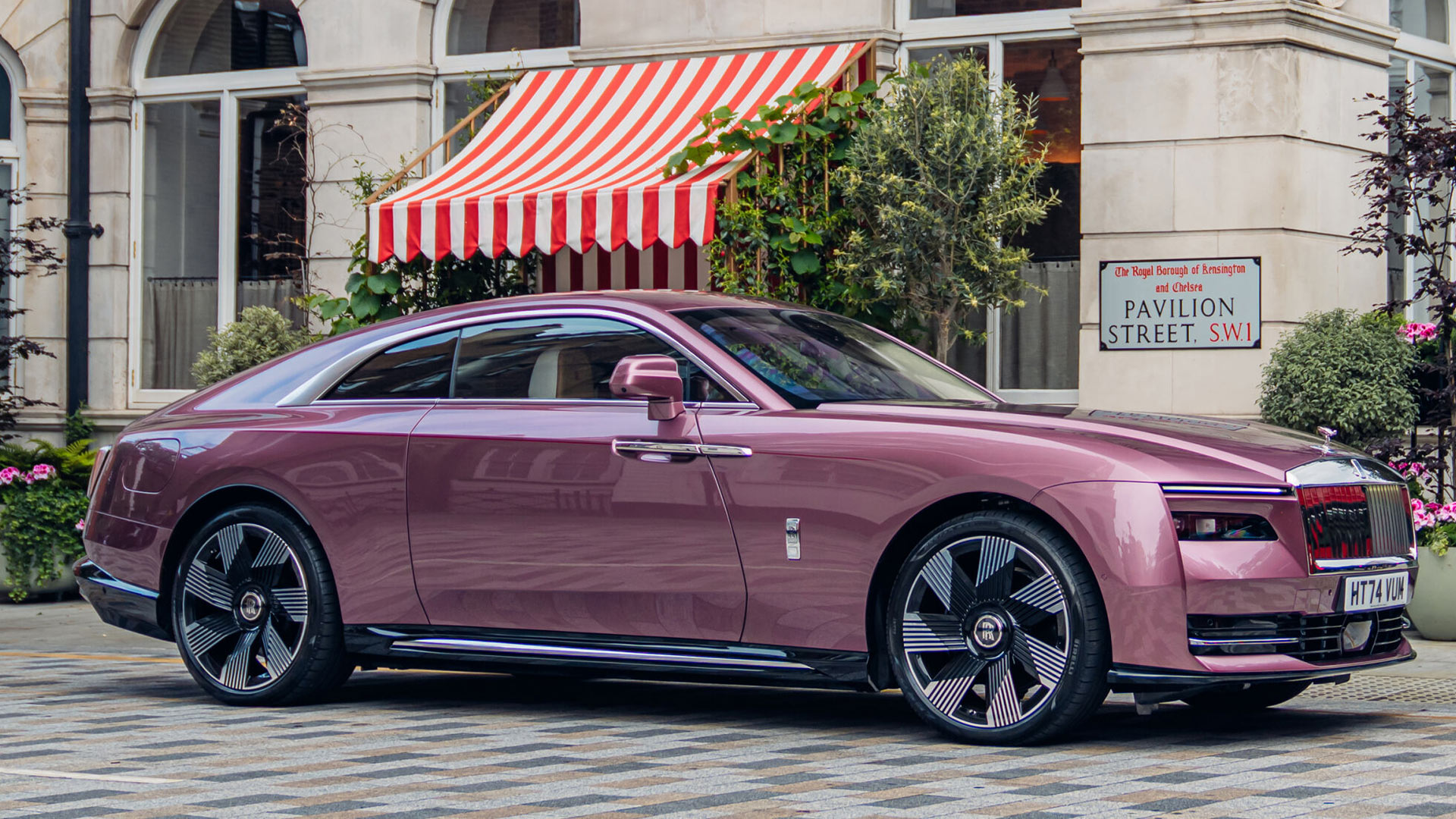
Car manufacturers have increased their range of bespoke colours available, but paint jobs and vinyl wraps remain popular

Choosing to personalise your car with a bespoke paint job can come at a cost to more than just good taste, reveals new research.

On average, having a custom car colour sees UK drivers hit with an extra £338 on their annual car insurance premium.

The finding comes from analysis of data by insurance comparison website Compare the Market, which scrutinised the premiums paid by customers. 

Across all British drivers, the current median annual car insurance premium stands at £598. 

Opting for non-standard paintwork adds an average of £338 to this figure, with drivers paying a total of £936. 

It acts as a reminder that even modifications that don’t boost a car’s performance can have a significant impact on premiums.

Visual flair brings bigger bills
Custom Paint Colour Car Insurance

According to Compare the Market, there are numerous potential reasons for insurers to make cover for cars with aesthetic modifications more expensive. 

At its simplest, a bespoke paint job can mean greater repair costs following an accident. It could also add extra complexity to replacing a vehicle like-for-like, should it be written off.

With a fancy colour attracting more attention, it may increase the risk of the car being stolen, too.

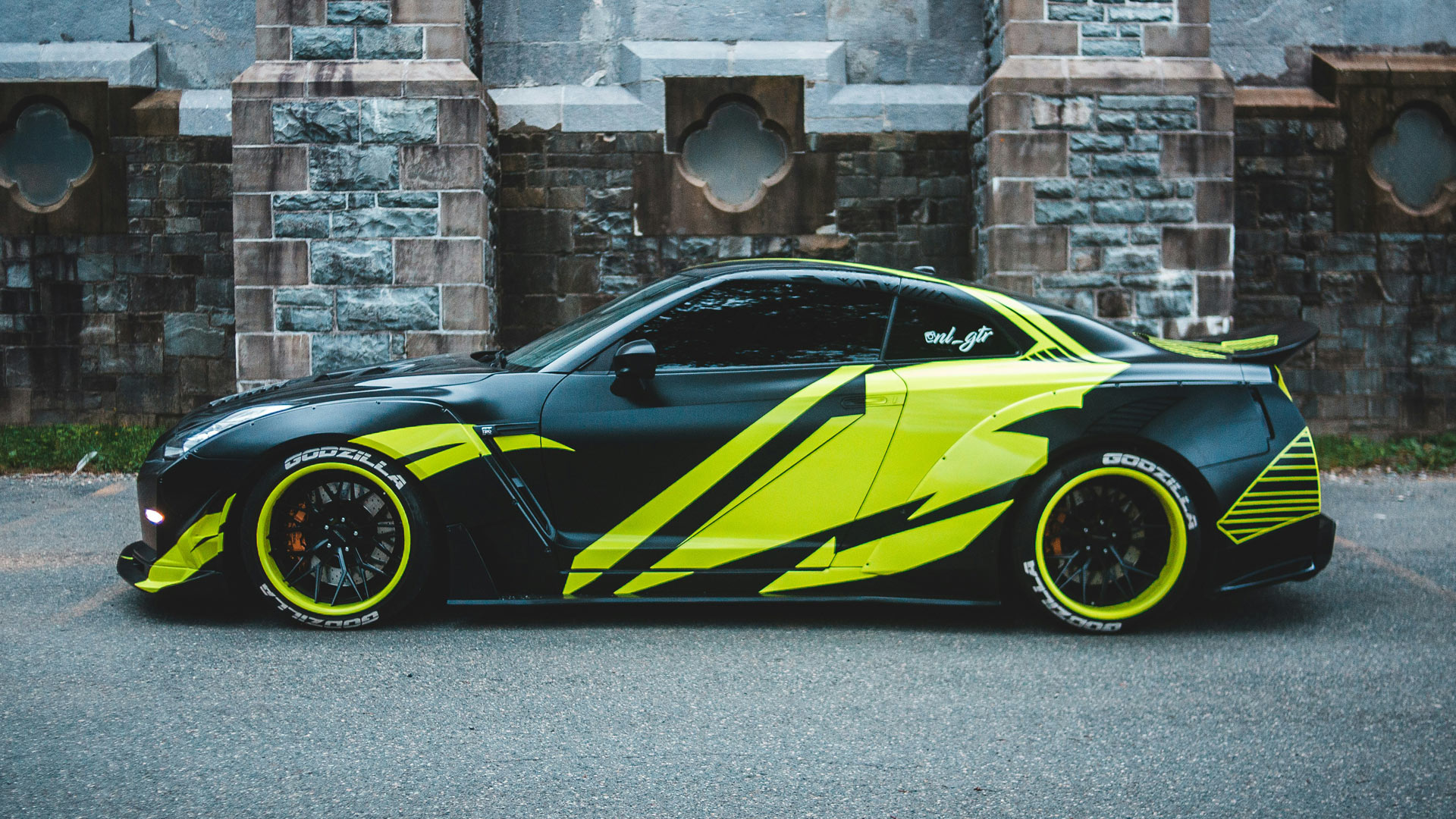
Even simple exterior modifications can increase the cost of insurance. Additional driving lights add an average of £209 to an annual premium, while murals and exterior artwork typically boost costs by £125.

Even something as simple as non-standard stickers or decals can be viewed as a modification by an insurance company. These resulted in drivers paying an average of £135 more each year.

Insurance rules remain black and white
Custom Paint Colour Car Insurance
Unsplash / Erik Mclean

However, the cost of not informing your insurer about even simple visual modifications could be much more expensive than the increased premium. 

Insurance companies take a dim view of not being notified about modifications, which could leave drivers without cover if they try to make a claim. 

In addition, not all insurers provide cover for vehicles with modifications, meaning you should always check your policy before embarking on an automotive makeover. 

Amy Rootham, insurance expert at Compare the Market, commented: “Many drivers may assume only performance-enhancing modifications affect the price of insurance, but our analysis shows that cosmetic upgrades can also be costly. Something as simple as choosing a unique paint colour or fitting custom lights could add hundreds of pounds to your annual insurance premium. 

“Before making any changes to your car, it’s worth informing your insurer. Failure to do so could invalidate your policy, which could be detrimental in the event of a claim. If you’re still considering which modifications to get, consider comparing insurance quotes in advance to  understand the full cost implications attached before making any changes.”

ALSO READ:

Your vote could make this Lego Renault 5 Turbo 3E a reality

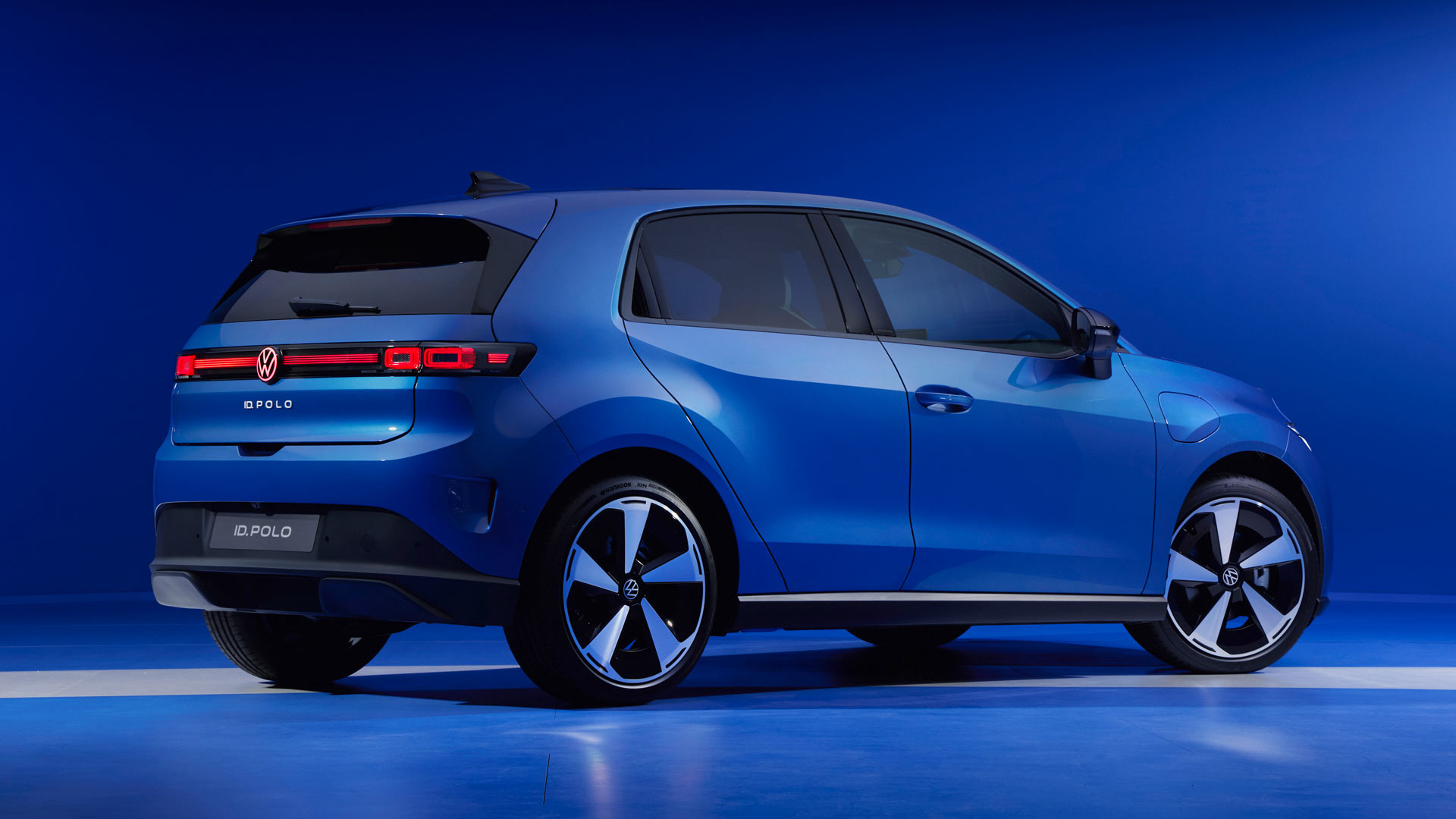
Volkswagen ID. Polo revealed: First look at new electric VW

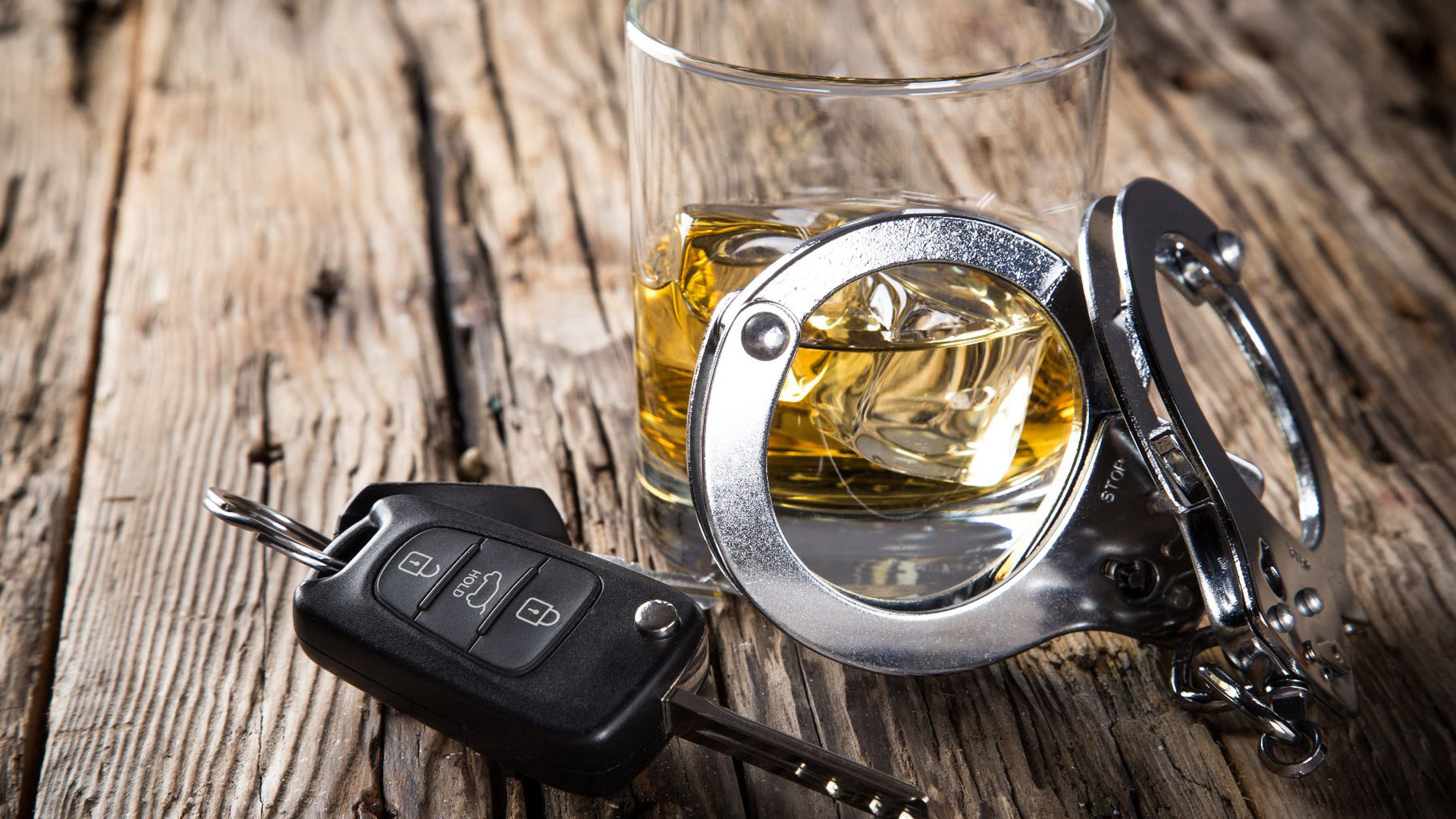
Public support revealed for lowering drink-drive limit
Advertisement

Your vote could make this Lego Renault 5 Turbo 3E a reality

0
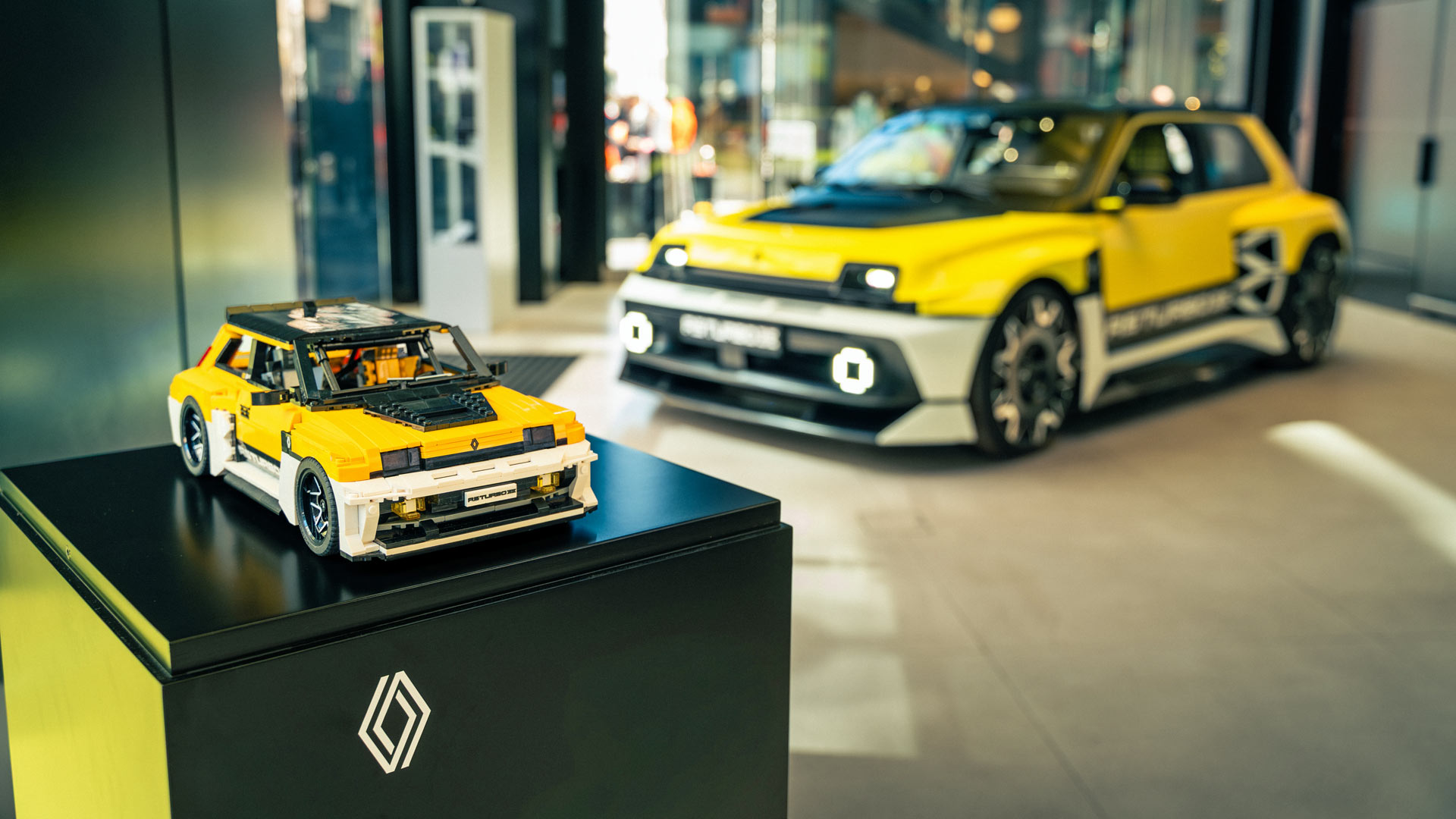
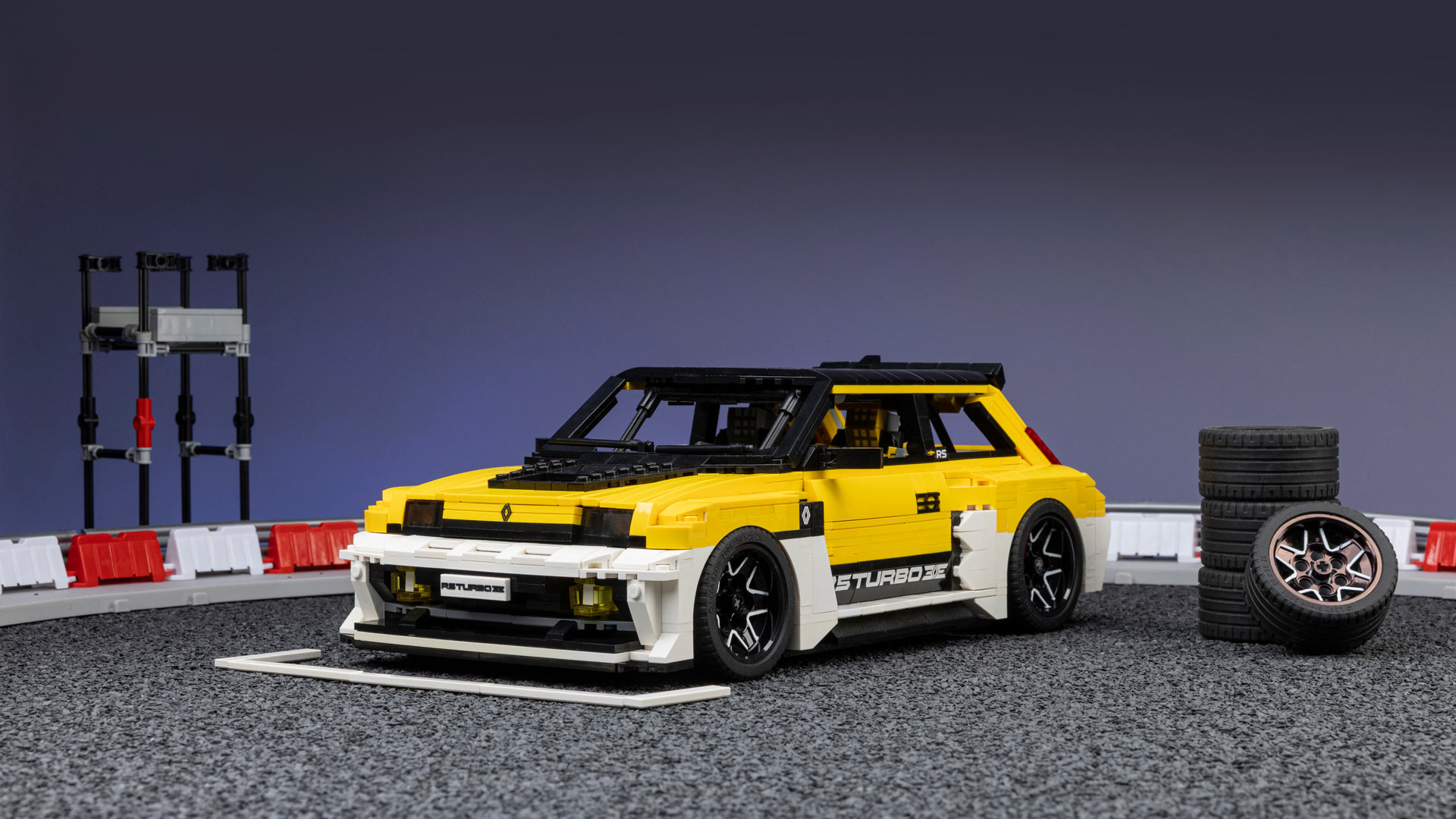
British Lego enthusiast Dave Collins used 1,200 pieces to create the scale replica of the £140,000 Renault 5 Turbo 3E

A fan-created Lego version of the forthcoming Renault 5 Turbo 3E is being backed by the French car company. 

Created by British enthusiast Dave Collins, the scale replica of the extreme hot hatchback has been submitted to Lego for consideration. 

However, the block-based Renault 5 Turbo 3E needs 10,000 votes of support to progress to the next stage, where Lego investigates making it a production reality. 

Renault has asked the public to get involved, urging fans of the original Renault 5, and the new electric E-Tech version, to register their interest in the Lego model.

Since being added to the Lego Ideas website on 15 April 2026, the Renault 5 Turbo 3E has already attracted more than 2,300 supporters.

Renault needs your help now

Lego Renault 5 Turbo 3E

An engineer from Newton Abbot in Devon, Dave Collins grew up playing with Lego. He rediscovered his love for the hobby during lockdown in 2020, and has since designed several of his own bespoke Lego vehicles

“I had Lego and Technic as a kid, and as an engineer I have an inherent need to design. I love getting details right,” said Collins.

“Angular cars are easier to do in Lego, so the R5 was a natural choice. Plus it looks great, and it’s immediately recognisable as an update of the eighties classic. I’ve certainly tried to race a few off the lights in my youth.”

The Renault 5 Turbo 3E is the fourth Lego MOC (My Own Creation) by Collins, and features more than 1,200 pieces to create the 1:12-scale replica. 

Collins spent three months refining the design to ensure it accurately matched the 555hp miniature supercar. This included using AutoCAD to create the bespoke exterior decals.

An icon of the 1980s in miniature

Lego Renault 5 Turbo 3E

The possibility of his design becoming a reality would be a dream come true for Collins. “If Lego were to consider it, that would be a great boost… and who knows where that might lead,” he explained. “If they actually made a set, I think that would be great for Lego, Renault and for me.

“The car is iconic with people who grew up in the eighties, and the look and power of the electric R5 appeal to all ages now. So I truly believe it would be a success.”

Having the weight of Renault behind it can only add to the chances of the 5 Turbo 3E being made. However, first it will need to accrue the all-important 10,000 votes. 

Supporters need to sign up for a free Lego account, and then place their vote by visiting Dave’s creator page on the website.

Should it become a reality, the Lego version will certainly cost less than the £140,000 required for a full-size Renault 5 Turbo 3E.

ALSO READ:

Lego reveals new kit of Michael Schumacher’s Ferrari F1 car

The best Lego cars – and their real life rivals

Lando Norris laps Silverstone in a McLaren P1 made of Lego

Advertisement

InstaVolt slashes overnight EV charging cost to 55p per kWh

0
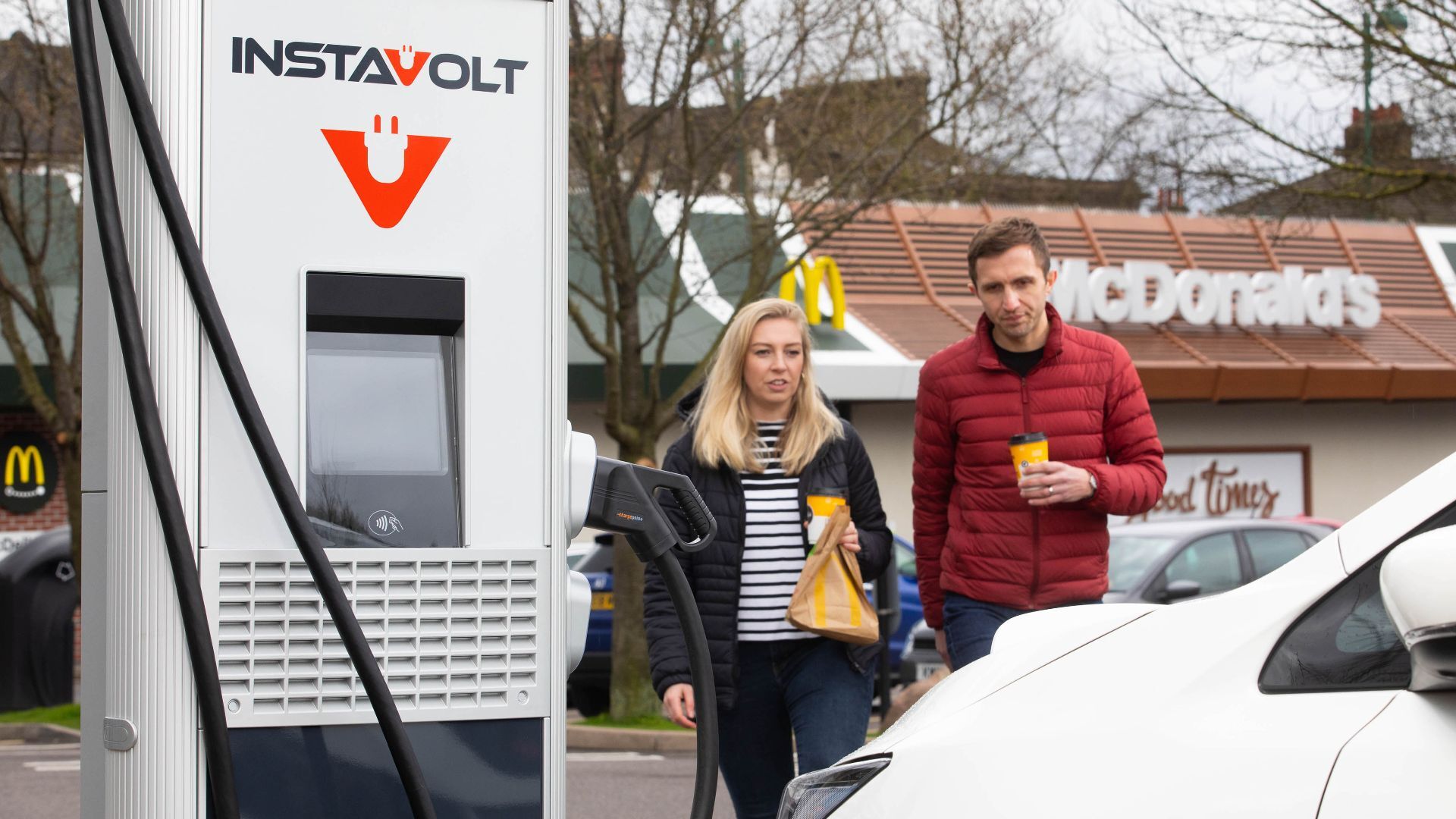
McDonalds InstaVolt Milestone

Electric car charging network InstaVolt has cut off-peak rapid charging prices to 55p per kWh for InstaVolt app users – and drivers don’t need a membership to access the cut-price rates.

Between 8pm and 7am, EV drivers will automatically unlock the lower rates. They need to charge via the InstaVolt app, however, rather than swiping their contactless bank card.

Downloading the app is free and InstaVolt says there’ is no subscription, no membership fee and ‘no strings attached’.

The lower overnight rate of 55p per kWh compares to the standard InstaVolt peak rate of 92p per kWh between 7am and 8pm.

At 55p per kWh, a typical 40kW charge for an electric car will cost around £22. That compares to nearly £37 at the daytime 92p per kWh rate.

11 hours of cheap EV charging

HMRC EV VAT Charging Appeal

“We believe that public charging should be as affordable and accessible as possible,” said InstaVolt CEO Delvin Lane. “Our off-peak rate is a direct expression of that commitment.

“It costs 55p per kWh, for 11 hours a day, available to any driver through our app: no membership, no catch.”

The firm says the lower rate has been made possible through investments in battery storage technology.

“By storing energy overnight – when non-commodity costs are lower and grid demand is received – InstaVolt is able to buy power more cheaply and pass these savings directly on to consumers,” added Lane.

Go to the Winchester

Instavolt is stepping up its EV charger tech in the UK

At the flagship InstaVolt Winchester site, drivers can also benefit from a flat rate of 70p per kWh, available 24 hours a day.

The offer runs throughout the summer. App users will pay 55p per kWh for off-peak charges, or 65p per kWh during the day.

The Winchester InstaVolt Superhub features extensive battery storage. It is run on 100 percent renewable energy and houses a total of 44 160kW charging bays.

Will InstaVolt’s 55p per kWh rapid-charge rate encourage you to use its EV chargers at night? What do you think about public EV charging prices in general? Let us know in the comments.

Advertisement

Volkswagen ID. Polo revealed: First look at new electric VW

0
Three powertrain options will be offered for the new ID. Polo, with Volkswagen to add a sporty GTI-badged version next year

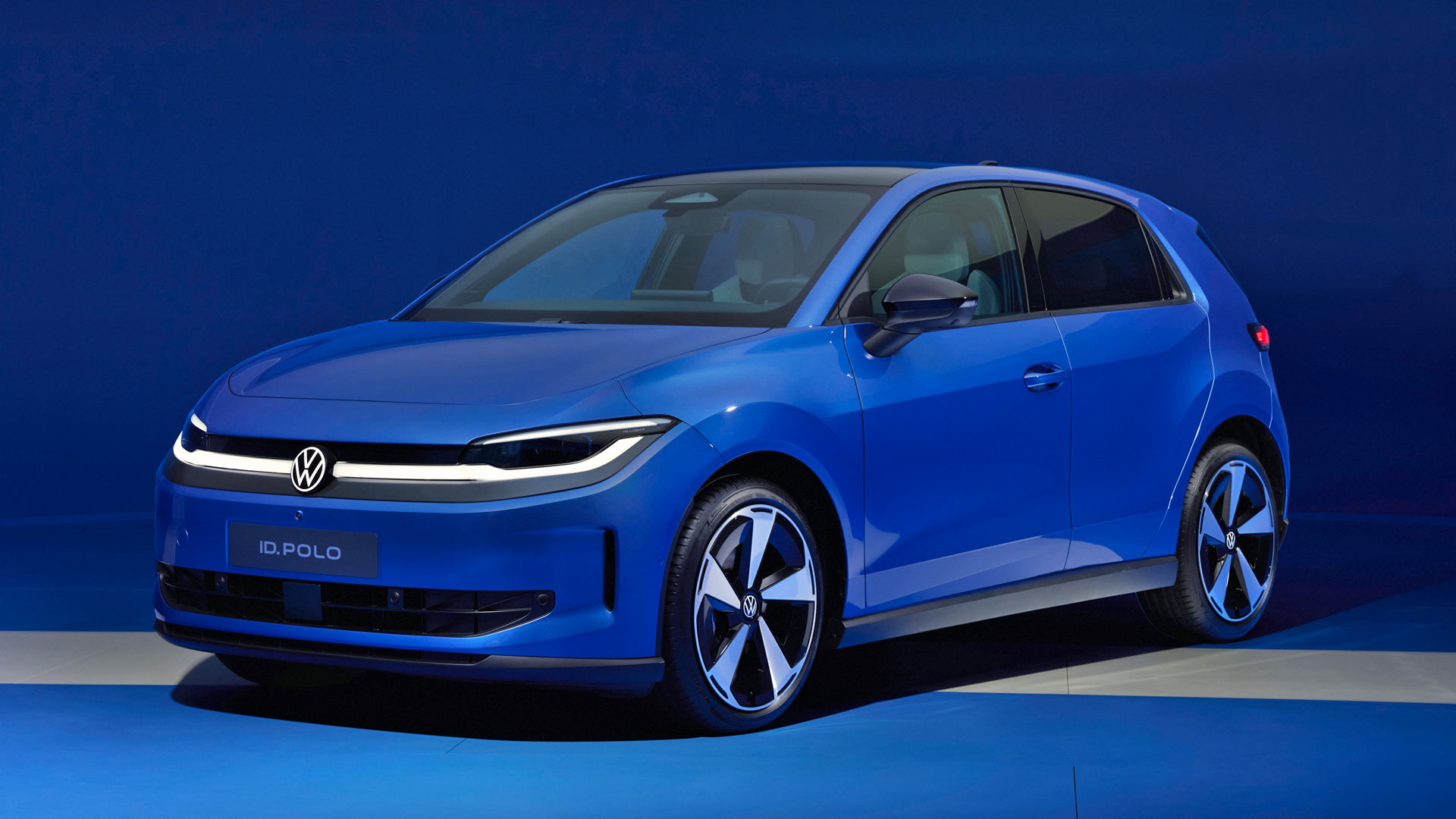
After several concept cars and teasers, Volkswagen has finally revealed the production ID. Polo electric supermini. 

Intended to sit alongside the petrol-powered version of the perennial Polo hatchback, the new ID. Polo introduces Volkswagen’s new EV naming strategy. 

Going forward, electric models will simply add an ‘ID.’ prefix to the name of familiar favourites. The aim is to make the VW range easier for customers to understand. 

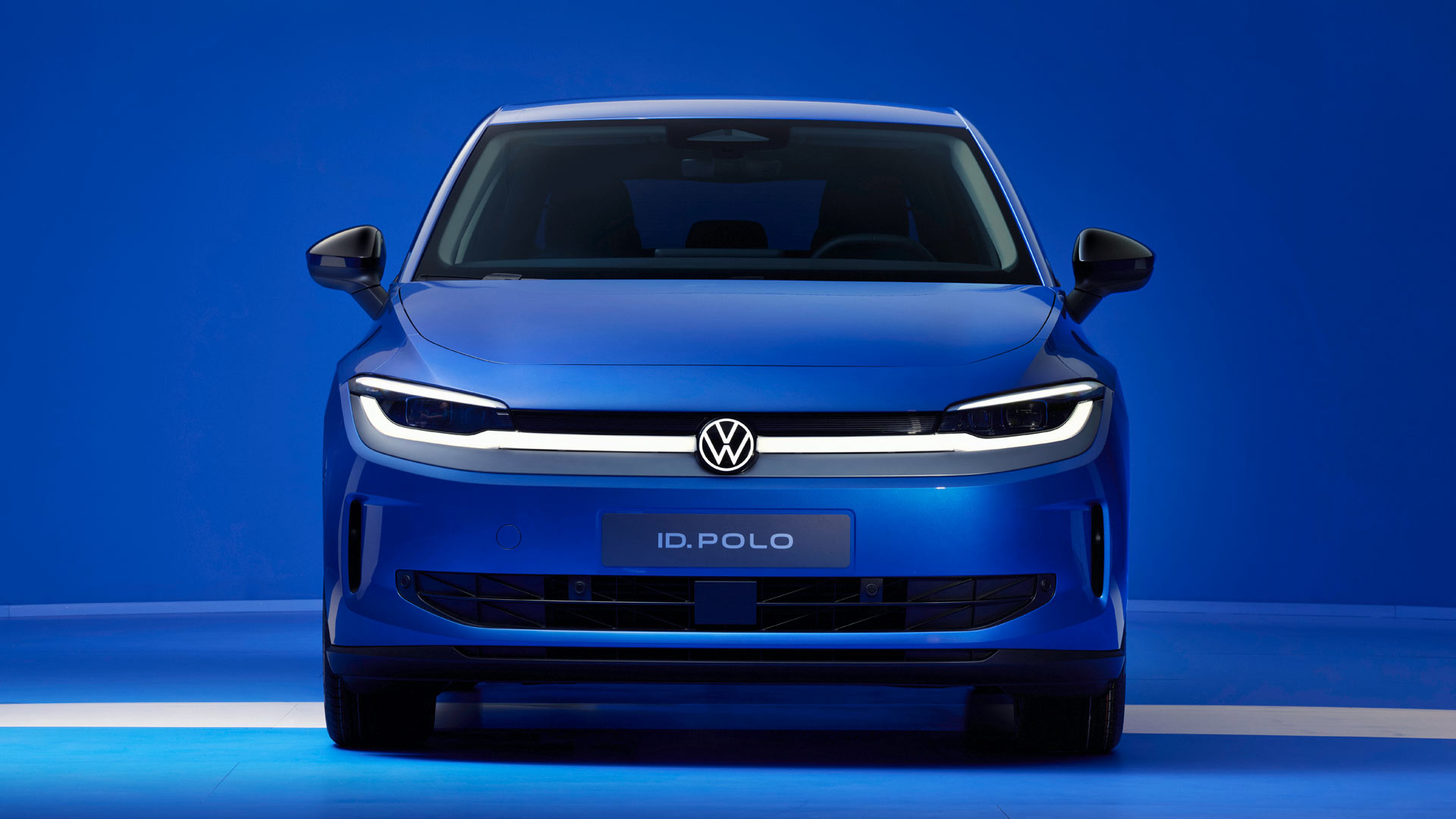
Even without the Polo branding, the new compact EV is unmistakably a junior Volkswagen hatchback, with obvious nods to the seven generations of Polo that have come before it. 

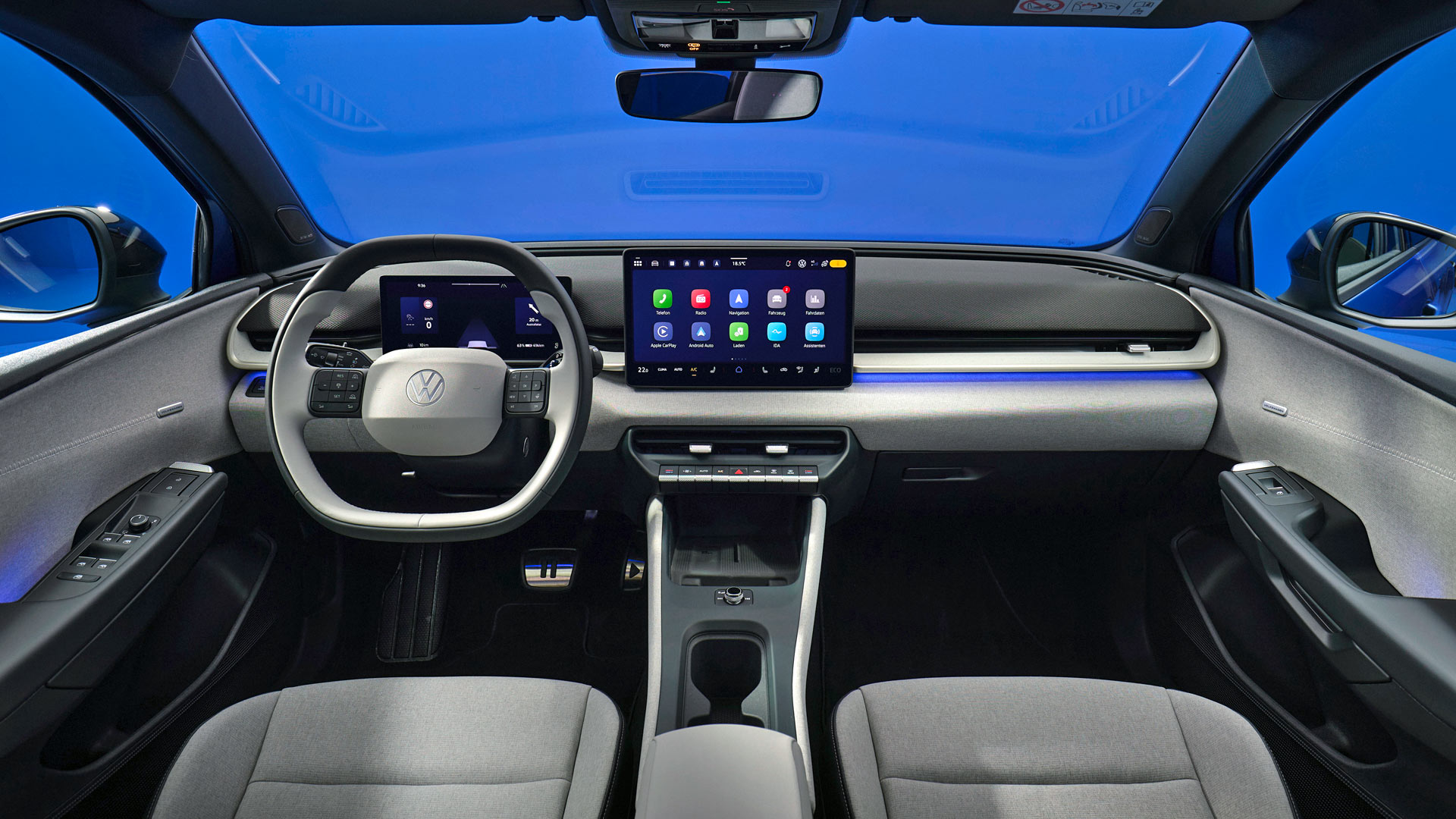
Alongside a confident exterior design, Volkswagen has given the ID. Polo an interior that aims to reinforce the brand’s high-quality image. Pleasingly, this includes swapping the much-criticised touchscreen controls for physical buttons

It should position the ID. Polo as a strong rival for existing small EVs such as the Renault 5 E-Tech and Peugeot e-208.

Classic Volkswagen design

2026 Volkswagen ID. Polo Launch

Andreas Mindt, chief designer at Volkswagen, says the ID. Polo embodies the brand’s “new, crystal-clear Pure Positive design language”. Elements of the styling pay tribute to classic Volkswagen models such as the Golf and Beetle. 

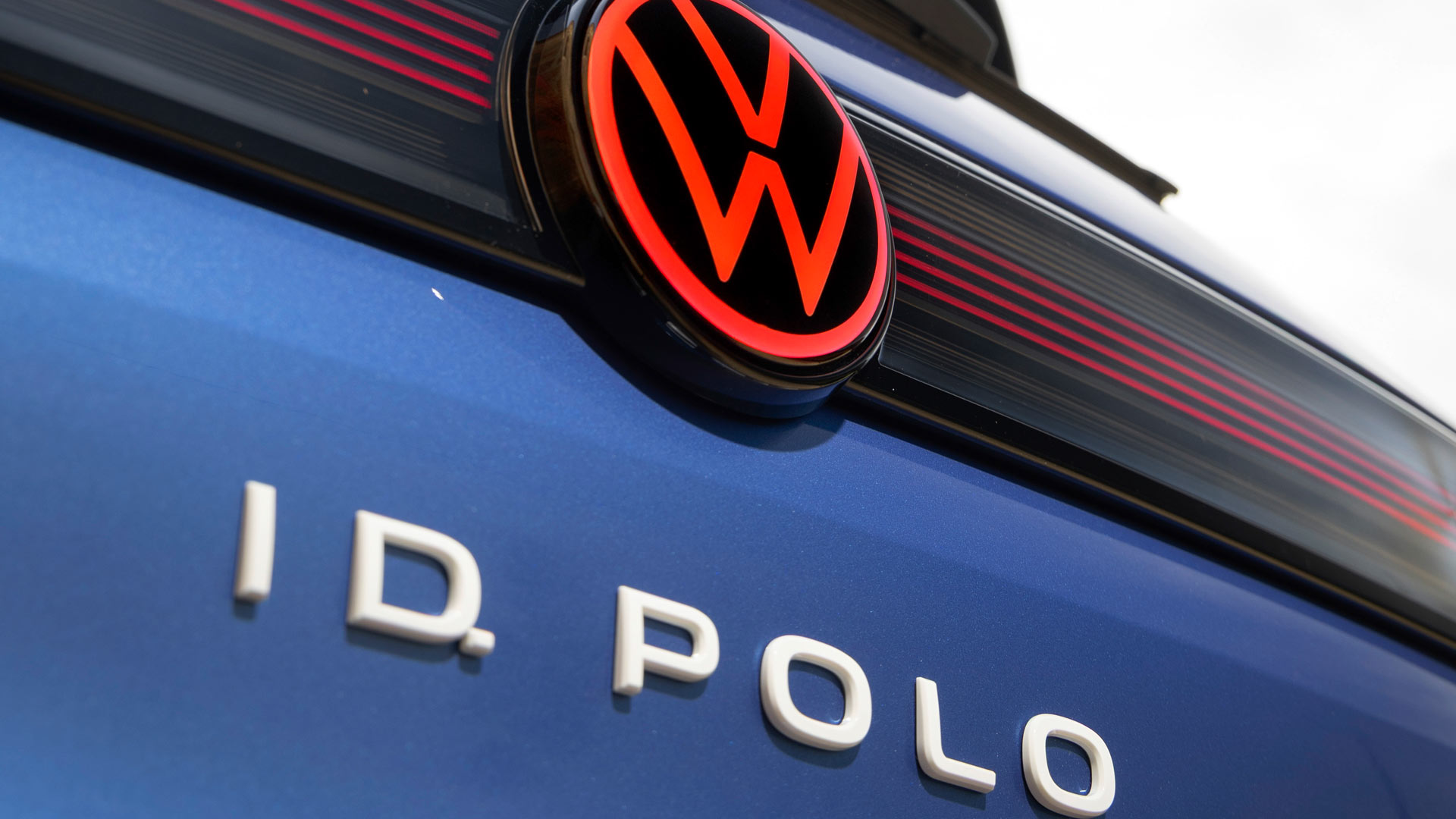
Following a more modern trend, the front and rear ends can feature illuminated VW badges, depending on the trim level chosen. 

Measuring just over 4.0 metres in length, the ID. Polo is slightly shorter than its petrol-powered sibling. However, a front-wheel-drive layout and EV packaging mean it can seat five people inside. Boot capacity is a very useful 441 litres, too.

To suit the ID. Polo’s compact supermini dimensions, Volkswagen will offer two battery options: 37kWh or 52kWh. 

The smaller lithium-iron phosphate battery is available with either 116hp or 135hp power outputs. The larger nickel manganese cobalt pack will be paired with a 211hp electric motor.

More than 280 miles of range

2026 Volkswagen ID. Polo Launch

Aided by the ID. Polo’s impressive aerodynamics, including a drag coefficient (Cd) of 0.26, the smaller 37kWh battery delivers an official range of up to 204 miles.

Opting for the bigger 52kWh battery sees this extended to 283 miles, meaning the ID. Polo should be more than capable of dealing with everyday life. 

The 37kWh battery can handle DC charging speeds of 90kWh, with the 52kWh pack supporting up to 105kWh. Using a suitable device should see a 10-80 percent charge requiring 27 or 24 minutes respectively. 

All versions can reach a top speed of 99mph, with 0-62mph times yet to be revealed. For those in search of maximum performance, the forthcoming ID. Polo GTI will deliver 226hp. Expect more details on the new hot hatchback soon.

Electric propulsion should not prevent the regular car driving in a way Polo customers will be familiar with. According to Volkswagen, the ID. Polo will deliver ‘clear and reliable handling characteristics’, with a ‘a balanced blend of comfort and agility’.

Tipping the scales at less than 1,600kg – relatively light for an EV – should help the ID. Polo feel more engaging to drive, too.

A quality interior with real buttons

2026 Volkswagen ID. Polo Launch

According to Andreas Mindt, Volkswagen wanted to “create an interior that feels like a friend from the very first encounter”. In particular, this means the very obvious return of “clear physical buttons” that “promote a feeling of stability and confidence”.

The ID. Polo does feature a 13-inch central touchscreen, but a row of switches beneath it can be used to operate the climate control settings, as recently seen in the larger ID.3 Neo.

The haptic pads used on recent Volkswagen steering wheels have also been banished, with physical controls making a return. 

There has been a deliberate use of higher quality materials throughout the ID. Polo’s cabin. Drivers can also configure the 10-inch digital instrument display to resemble the dashboard of a classic VW Golf.

German-market sales to start straight away

2026 Volkswagen ID. Polo Launch

In entry-level Trend trim, the ID. Polo comes equipped with LED headlights with automatic main beam, a multi-function steering wheel and climate control air-con. Mid-tier Life trim adds adaptive cruise control, front and rear parking sensors, a rear-view camera and wireless smartphone charging. 

Topping the range, Style specification brings heated seats and a heated steering wheel, 3D LED tail lights and ambient interior lighting. 

Upmarket options will include a 12-speaker Harman Kardon sound system, a panoramic sunroof, and front seats with a massage function.

Volkswagen will begin accepting pre-orders of the ID. Polo almost immediately, with German-market pricing starting at just €24,995 (equivalent to £21,500) for the Trend model. 

Full UK prices and specifications will be confirmed by Volkswagen in the near-future.

ALSO READ:

50 years of the VW Polo and other great German cars

Volkswagen Golf R 2026 long-term review – second report

Best electric cars to buy in 2026

Advertisement

Public support revealed for lowering drink-drive limit
0
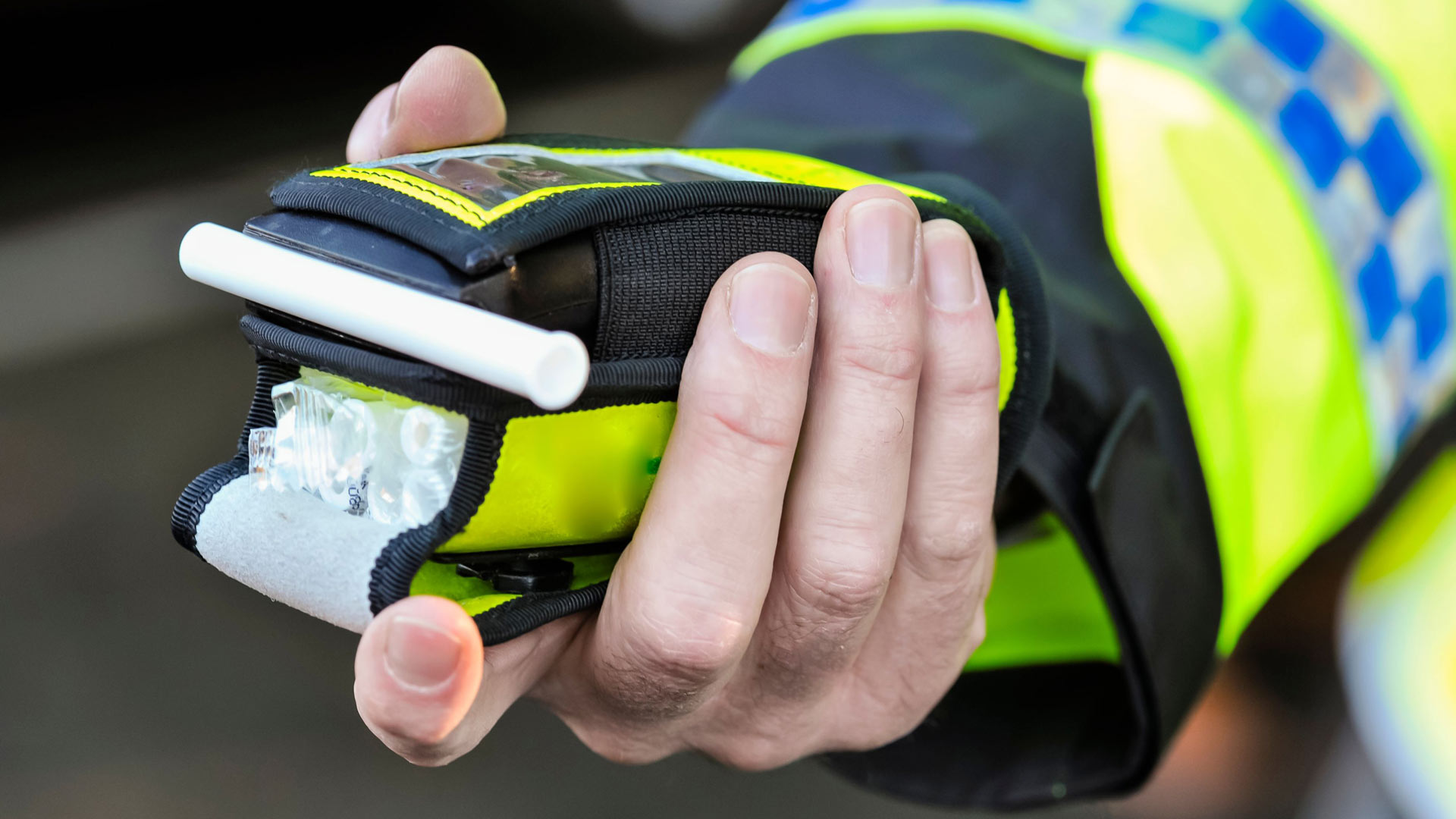
The current drink-drive limit in England and Wales is the highest level in Europe, with Scotland’s limit already lower

New research has uncovered substantial public support from UK motorists to reduce the drink-drive limit in England and Wales.
At present, England and Wales have a limit of 80mg per 100ml of blood, or 35mcg per 100ml of breath, which is the joint-highest level in the world. 

Scotland opted to lower its drink-drive limit in 2014, reducing this to 50mg per 100ml of blood, or 22mcg per 100ml of breath. 
Now, a survey of 2,000 motorists has found that almost nine-in-ten (87 percent) of respondents believe stricter penalties are needed to deter people from driving whilst intoxicated. 

Some 78 percent said they would support lowering the current drink-drive limit in England and Wales, leaving just 12 percent believing that the current rules should remain in place.
Support to lower the drink-drive limit
Lower Drink Drive Limit

The release of the new research, conducted by personal breathalyser firm AlcoSense, comes ahead of the Government’s Road Safety Strategy consultation deadline of 11 May 2026. 

Exactly half of those surveyed (50 percent) said that the drink-drive limit should be slashed as low as 20mg per 100ml of blood, or even down to zero. 
In addition, a further 28 percent said they believed the limit in England and Wales should be reduced to match the one used in Scotland. 

For those classed as being ‘high-risk’ road users, such as commercial drivers and new motorists, some two-thirds of respondents suggested a 20mg or zero limit. 

Importantly, only a small minority believed lower drink-drive limits would impact their social behaviour. Just 13 percent said they thought reducing the limit would make them visit licensed pubs and restaurants less frequently.

The public expects action on drink-driving

Lower Drink Drive Limit

More than half (58 percent) of respondents believed lower limits needed to be combined with tougher punishment for offenders. 

Three-quarters were in favour of the police being able to suspend a driver’s licence at the roadside if they test over the limit or refuse to provide a sample.

Hunter Abbott, AlcoSense’s managing director and former British Touring Car Championship driver, commented: “People are saying the current system is not tough enough.”

“There is staunch support not only for lowering the alcohol limit, but also for giving police the powers they need to deal with offenders quickly and effectively”.

“With the consultation closing soon, this is a clear signal that the public expects meaningful Government action to improve road safety and prevent avoidable deaths and injuries”, added Abbott.

Would you support a lower drink-drive limit? Let us know in the comments

Advertisement

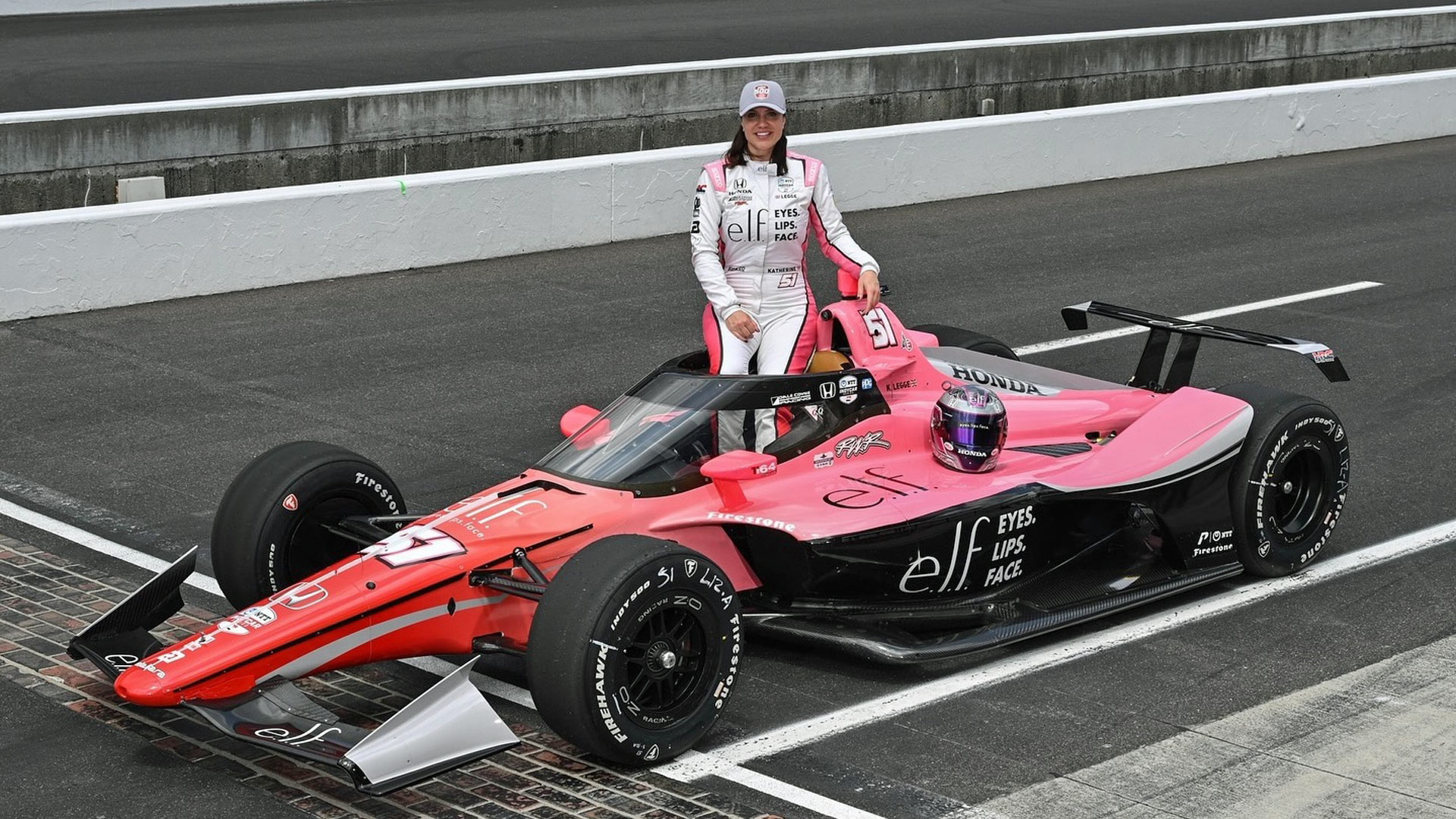
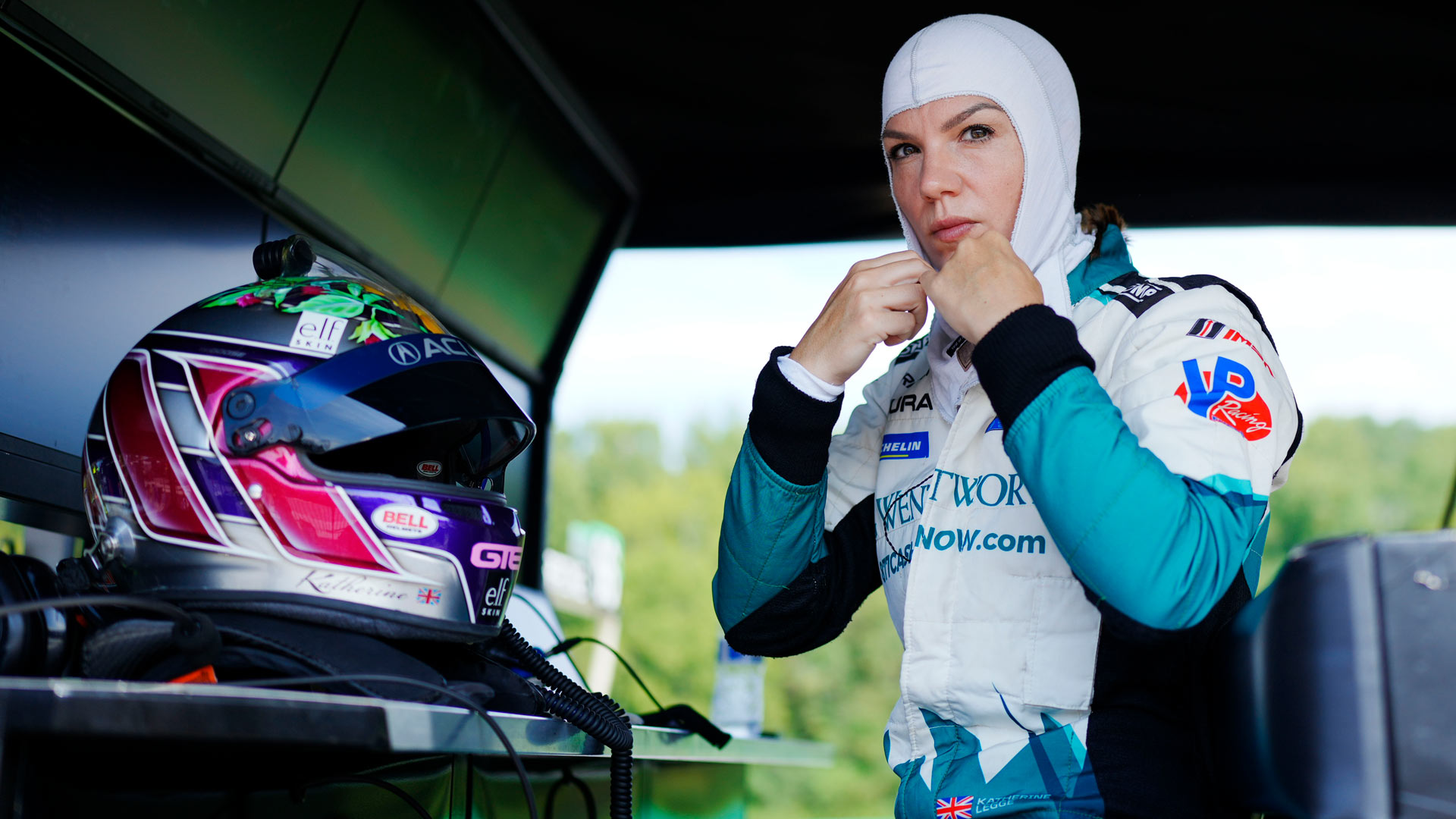
Katherine Legge confirmed to race in 2026 Indy 500

0
This will be British-born Katherine Legge’s fifth Indy 500 entry, having last competed in 2024 with Dale Coyne Racing

The ‘Greatest Spectacle in Motorsport’ has another driver confirmed, with Katherine Legge taking her place in the 2026 Indy 500. 

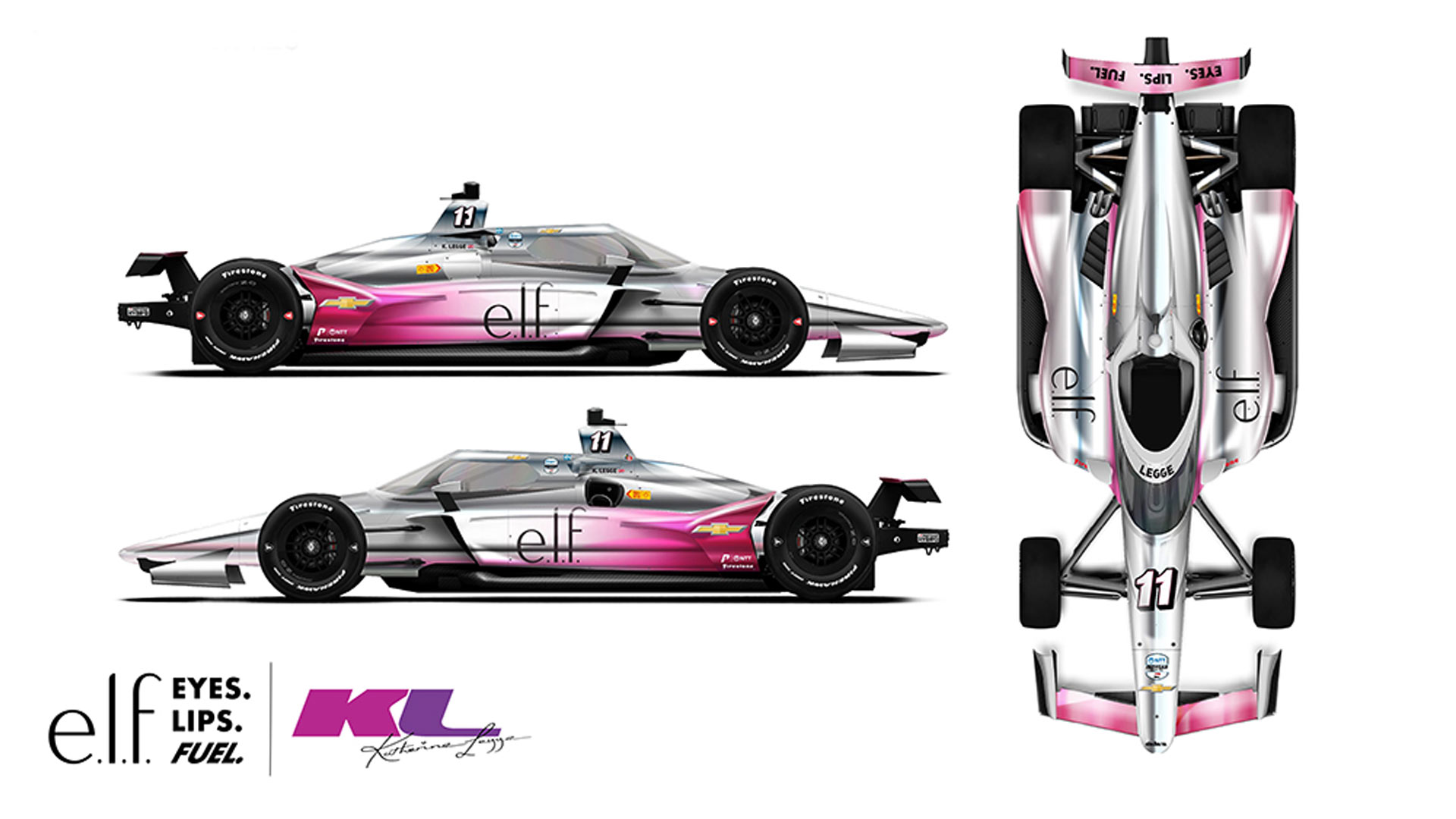
An official entry from HMD Motorsports, in partnership with AJ Foyt Racing, will see Legge driving the No.11 Chevrolet-powered Dallara car

British-born Legge has secured primary sponsorship from E.L.F. Cosmetics for her latest attempt at the epic 500-mile IndyCar race.

Set to be the only female driver in the 2026 event, Legge’s entry comes exactly 50 years after Janet Guthrie became the first woman to attempt qualifying for the Indy 500. 

Rather fittingly, Guthrie’s ground-breaking entry into the 1976 race saw her behind the wheel of a backup car supplied by AJ Foyt himself.

Pushing boundaries in motorsport

Katherine Legge Indy 500 2026

Legge is one of the most accomplished female racing drivers in global motorsport. She holds the record for being the first woman to win a major open-wheel race in North America, and the first to lead laps in the Champ Car series.

This year marks Legge’s fifth entry into the Indy 500. The 45-year old driver last competed in 2024 with Dale Coyne Racing.

Since then, Legge has tackled the fearsome Pikes Peak International Hill Climb with Acura, along with racing in the NASCAR Sprint Cup and the Xfinity Series. 

A key part of securing entry for the Indy 500 was her continued sponsorship from E.L.F. Cosmetics. Legge became the first woman athlete backed by the company, noting that just one percent of sports sponsorship money goes to female competitors. 

This year’s Indy 500 will see E.L.F. Cosmetics bring a reimagined garage to the Indianapolis Motor Speedway, including a museum-style showcase of artifacts from Legge’s career. These include her first racing helmet and early karting trophies.

Ready to keep making history

Katherine Legge Indy 500 2026

Following the announcement of her Indy 500 entry, Katherine Legge commented: “We worked incredibly hard to be back at this year’s Indianapolis 500, and I don’t take a single moment of it for granted. I’m beyond grateful to E.L.F. Cosmetics for believing that women deserve to take up space in every arena – including this one. Together, we’re proving that when you invest in a woman’s dream, there’s no limit to what she can achieve. 

“It honestly feels like Christmas being back at the 500. Every time I return, I gain a deeper appreciation for what it takes – not just to compete here, but to earn the opportunity to be here in the first place. I’m reminded that I’m a small part of this enormously storied event.”

Legge joining the entry list for the 2026 Indy 500 brings the total number of drivers committed to the annual event to 33. 

The news follows last week’s announcement that Jacob Abel will make a one-off return to IndyCar with the Abel Motorsports team.

ALSO READ:

Your guide to the 2026 IndyCar Series

Penske offers IndyCar racer rentals and a trip to the Indy 500

IndyCar reveals circuit layout for Freedom 250 in Washington D.C.

Advertisement

Is it illegal to run out of fuel on a motorway?

0
Fuel light roulette

We can answer this question straight away: no, it isn’t actually illegal to run out of fuel on a motorway. However, given the inconvenience, potential cost and real risk of danger, we certainly wouldn’t recommend it.

The Motorways Traffic (England and Wales) Regulations 1982 permit stopping on the hard shoulder ‘by reason of a breakdown or mechanical defect or lack of fuel, oil or water, required for the vehicle’.

The legislation goes on to say that a vehicle should be ‘allowed to remain at rest on that hard shoulder in such a position only that no part of it or of the load carried thereby shall obstruct or be a cause of danger to vehicles using the carriageway’.

Crucially, stopping on the hard shoulder is permitted only if the emergency arose after entering the motorway. So, does that make it illegal to enter a motorway with insufficient fuel? Solicitor Martin Langan says not, but the situation is far from clear:

“The regulations in relation to fuel state simply that stopping on the hard shoulder is permissible if you run out of fuel. There might, however, be a case for saying that where you knew you did not have enough fuel when you entered the motorway, then you are guilty of either driving without due care and attention or driving without reasonable consideration for other road users.

Langan continues: “Certainly, if running out of fuel caused an accident due to your sudden slowing down or stopping on the motorway, you could not rely on running out of fuel as a defence to a charge of careless driving if you knew or ought to have known that you were low on fuel.”

‘The risks are huge’

Accident on M25 motorway

This is an important point. It means that, while running out of fuel on a motorway isn’t illegal, there could be implications if it risks the safety of you, your passengers and fellow road users.

The fixed penalty for careless driving is £100 with three points on your driver’s licence. For more serious cases, a court can impose a fine of up to £5,000 and disqualification from driving.

A few years ago, a motorist was fined for running out of fuel and stopping on the M1 motorway. A spokesperson for Derbyshire Police said at the time: “Motorways are obviously high-volume, high-speed roads and the risks posed by coming to an avoidable stop are huge. Luckily there were no injuries, but the potential for a serious collision was clear.”

‘Very little sympathy’

Fuel gauge arrow and light

Nicholas Lyes, director of policy at IAM RoadSmart, said: “We have very little sympathy for drivers who run out of fuel on the motorway. There is no excuse for entering a motorway with low fuel or if you know something is wrong with your car.

“A breakdown puts you and your passengers at very high risk – many fatal crashes on a motorway involve a stationary vehicle.”

Even if you have sufficient fuel to reach a service, filling up on a motorway will be expensive. Read our guide to finding the cheapest fuel near you and brim your tank beforehand.

What if I run out of fuel on a motorway?

Motorway speed limit 80

Along with the risk of a fine, running out of fuel on the motorway also means you need to either refuel at the roadside or have your vehicle towed.

AA and RAC patrols carry jerry cans with enough fuel to get you to the nearest petrol station. Some patrol vans also have an on-board EV charger in case your electric car’s battery runs flat.

If you aren’t a member of a breakdown organisation, use one of the orange emergency telephones – located at one-mile intervals along the motorway – and call for recovery. But you can expect to pay a hefty fee for the privilege.

Overall, the message is clear: if you plan to drive on the motorway, be sure to fill up first.

ALSO READ:

How to drive safely on smart motorways

The 12 most common myths about motorway driving

The best new cars to buy in 2026

Advertisement

The number of ‘ghost MOTs’ has doubled in 12 months

0
A ghost MOT occurs when a pass certificate is generated for a vehicle that has never actually been tested

Fraudulent MOT certificates are a growing problem in the UK, with a dramatic increase in the number of so-called ‘ghost MOTs’. 

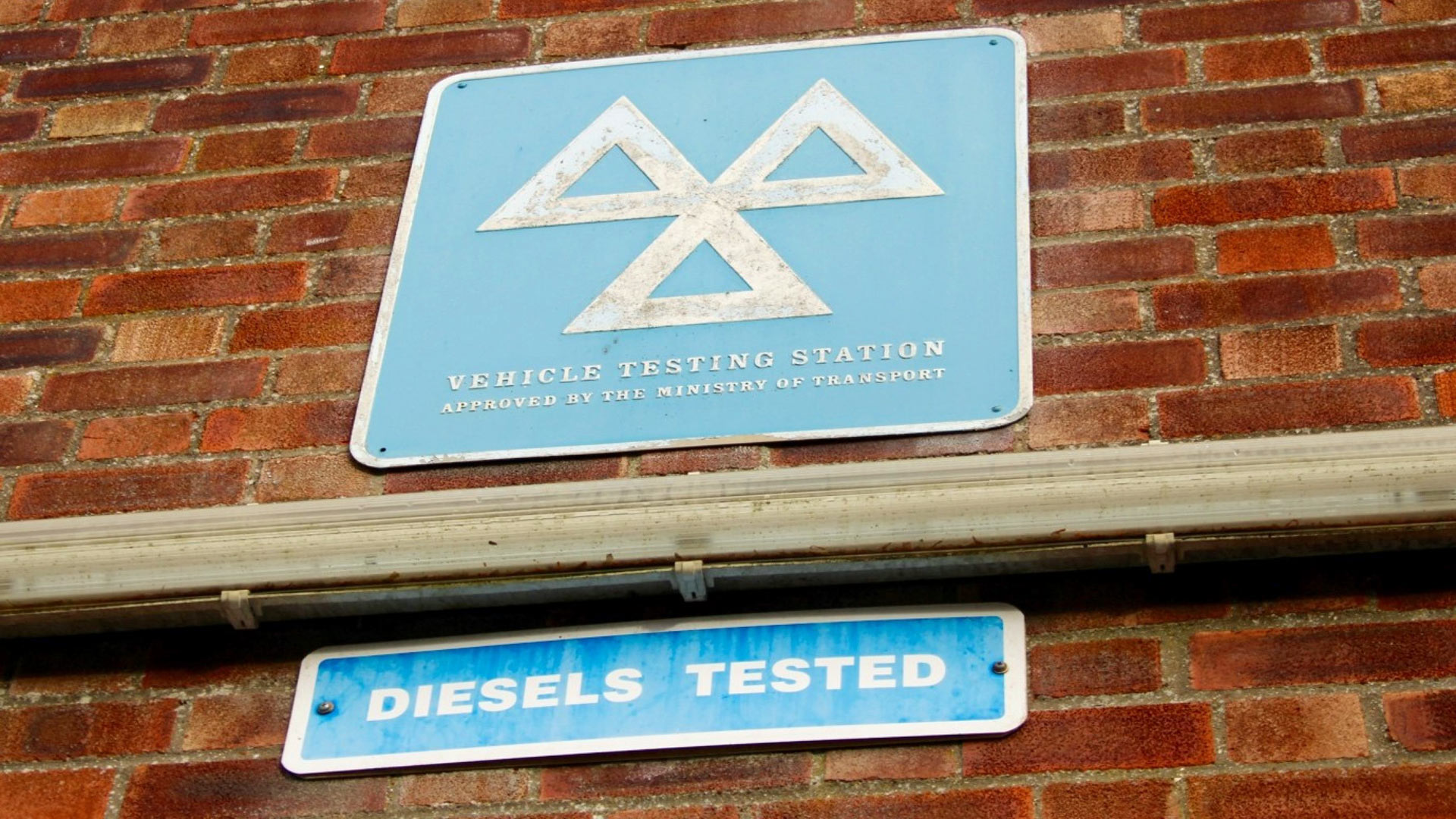
A ghost MOT occurs when an MOT test pass certificate is created without the vehicle it applies to having been tested. 

This allows rogue MOT testers to charge for issuing a certificate without actually making an inspection. 

Whether done with the owner’s knowledge or not, issuing a ghost MOT now accounts for some 80 percent of all fraudulent test certificates according to the DVSA (Driver and Vehicle Standards Agency).

Research by Halfords found the number of ghost MOT cases recorded by the DVSA has doubled, from 976 to 1,809 during the past 12 months.

Phantom MOT certificates

Ghost MOT Numbers Double

However, Halfords believes that such numbers barely ‘scratch the surface’ of the ghost MOT problem, in part due to the way that issues are reported to the DVSA. 

Identifying rogue MOT testers relies on members of the public raising an appeal about a test certificate, or from analysing data supplied by the DVSA’s own MOT Testing System software. 

The latter can potentially identify individual testers with unusually high levels of MOT pass rates. It may also spot inspections being completed unfeasibly quickly, or an unrealistic number of certificates being issued. 

Such reporting cannot cover all instances of ghost MOTs, but is able to highlight the most dramatic instances. These include one single tester found to have issued 233 ghost MOTs alone. 

Fraud reporting saw the DVSA take action to stop 156 garages and 335 individuals from undertaking MOT testing during the latest 12-month period. In addition, 32 were prosecuted for MOT malpractice between 2024 and 2025. 

However, potential collusion between vehicle owners and testers to obtain test certificates without an inspection could mask the problem.

A ‘huge impact’ on road safety

Ghost MOT Numbers Double

Last year saw the DVSA trial a system that requires testers to photograph a car during the MOT process to prove the vehicle was actually present. 

Where there is suspicion of a ghost MOT certificate being issued, ANPR cameras can also be checked to see if a vehicle was in the vicinity of the testing location at the right time.

Andy Turbefield, MOT expert at Halfords said: “Ghost MOTs are a clear example of rogue garages and MOT Testers taking advantage of the system. The only way to be 100 percent sure an MOT has been conducted is to do another one via the DVSA appeal process. This difficulty in spotting if a car has had a ghost MOT means the official figures likely only scratch the surface. 

“However, the impact on motorists can be huge in terms of safety. MOTs check key safety components like tyres and brakes. It’s a matter of time until someone is killed. The reality is that we may have already had accidents and deaths as a result of ghost MOTs and we simply don’t know.” 

Have you been affected by fraudulent MOT activity? Let us know in the comments below.

Advertisement

New Supersport 400 is the most powerful Morgan sports car ever

0
Powered by a BMW-sourced turbocharged 3.0-litre straight-six engine, the Morgan comes with 402hp and 396lb ft of torque

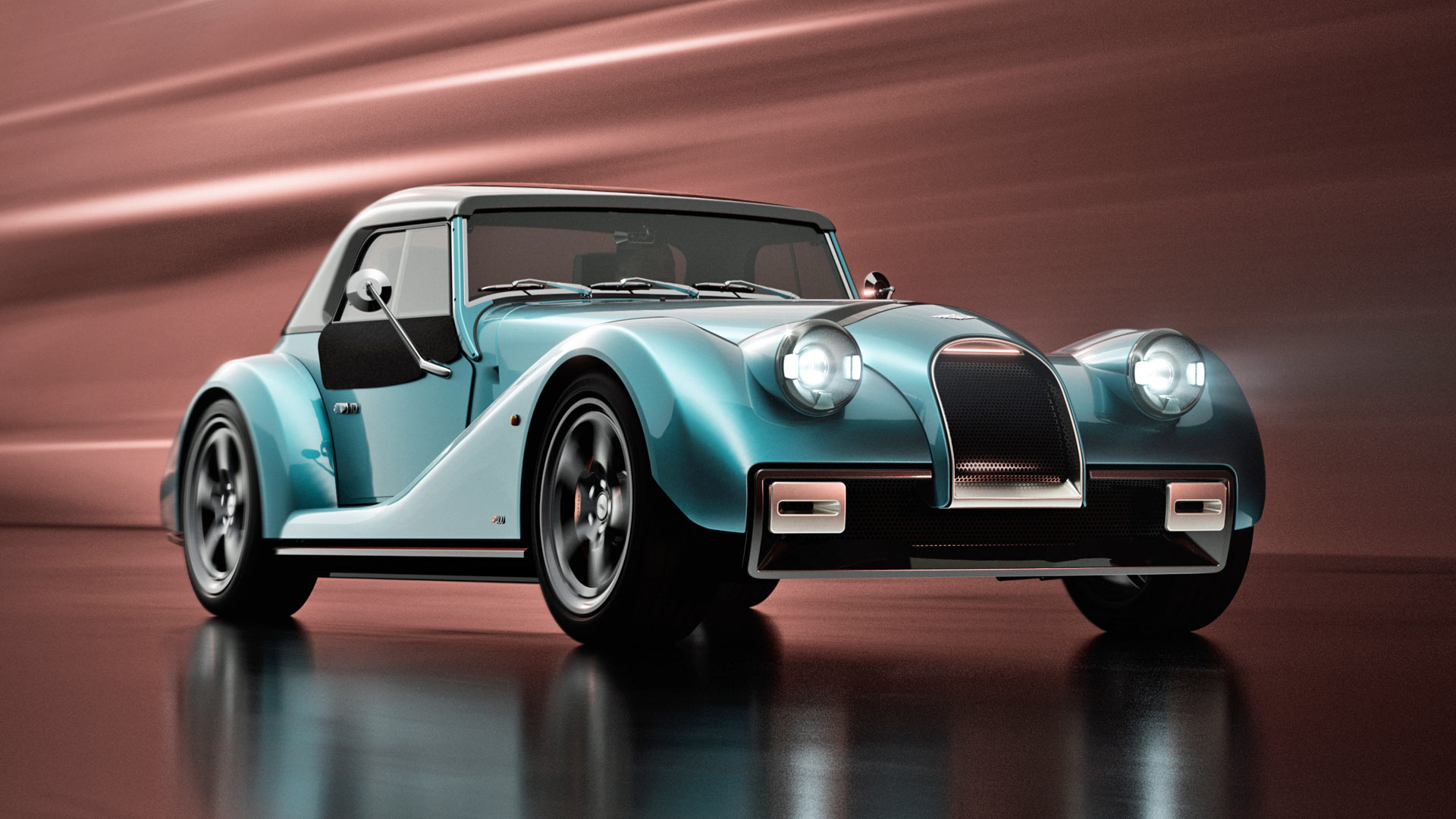
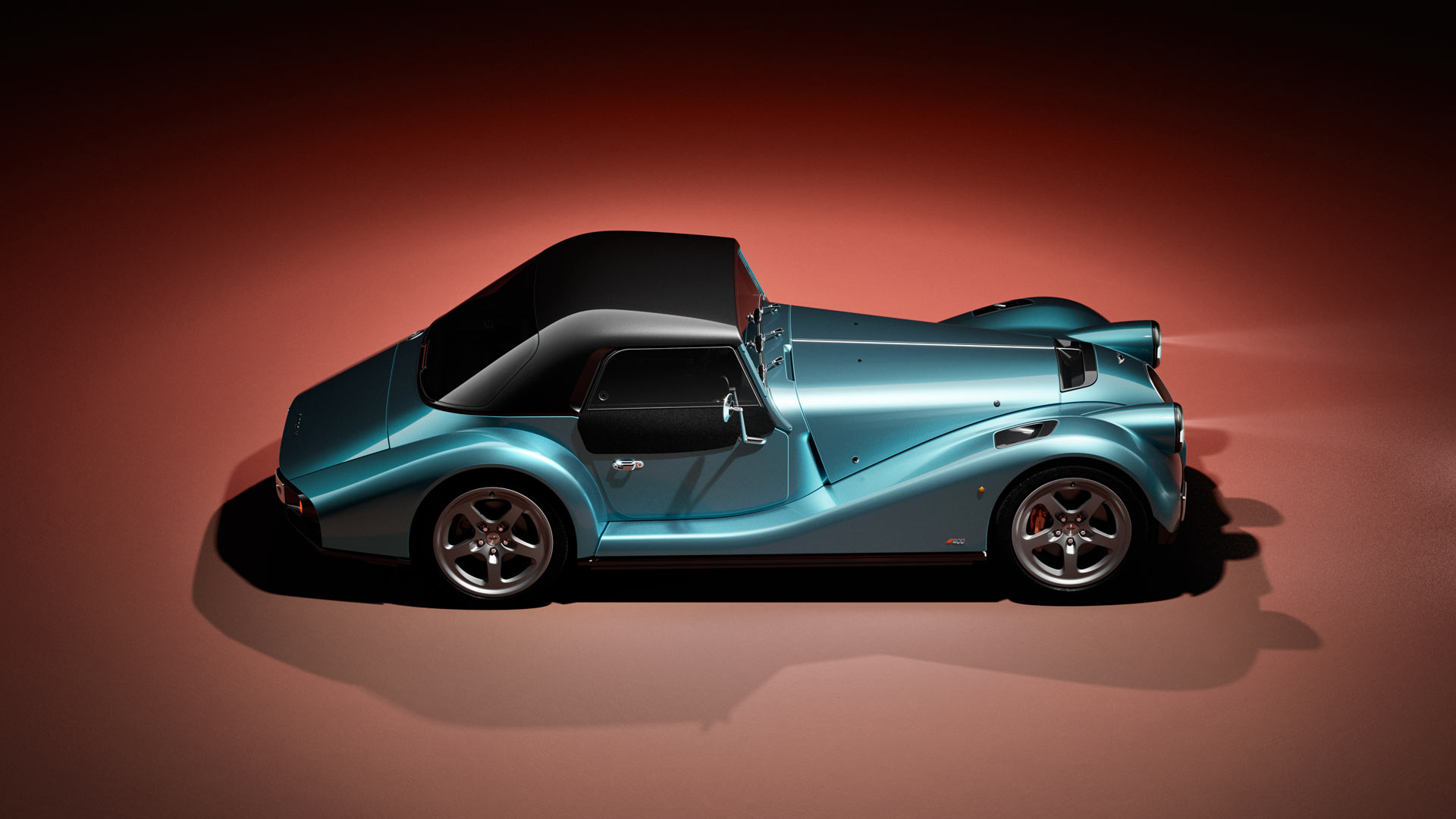
Morgan has revealed its most powerful production car to date: the new Supersport 400.

Launched as the new flagship for the British marque’s model range, the Supersport 400 is intended to signal a new era for Morgan.

Along with traditional sports cars, Morgan plans to build a series of bespoke and limited-production vehicles.

Launched last year, the Supersport is Malvern’s answer to mainstream sports cars such as the Porsche 911. This new model arguably pushes the company upwards into supercar territory.

More power and performance

2026 Morgan Supersport 400

The Morgan’s turbocharged 3.0-litre straight-six BMW engine now develops 402hp and 369lb ft of torque. This 67hp gain over the regular Supersport, combined with a low kerb weight of 1,170kg, results in explosive performance.

Accelerating from 0-62mph takes 3.6 seconds, with a top speed of 180mph. Drive goes to the rear wheels via an eight-speed automatic gearbox. A limited-slip differential is on the options list. 

Morgan has equipped the Supersport 400 with its Dynamic Handling Pack as standard, featuring Nitron dampers front and rear. These have been tuned specifically for the 400, with 24 different levels of adjustment. A new high-flow active exhaust system is fitted, too. 

Bespoke styling for Supersport 400

2026 Morgan Supersport 400

Compared to a ‘standard’ Supersport, Morgan has treated the 400 to several bespoke design touches to emphasise its performance. 

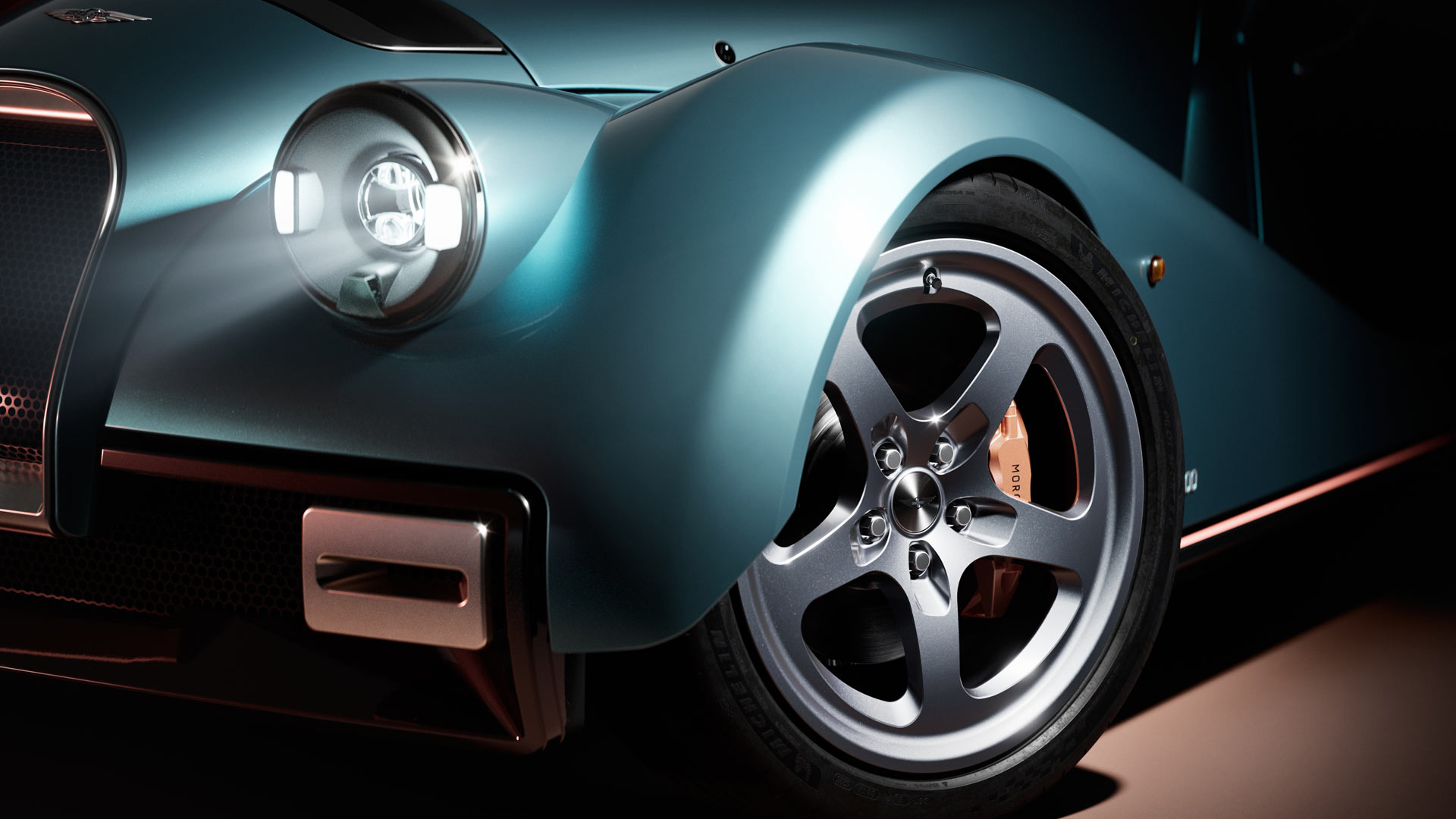
New vents in the front wings aid airflow and cooling, also giving the Supersport 400 a more purposeful appearance. 

A set of 19-inch Sportlite alloy wheels help reduce unsprung mass, and come in a silver finish with Michelin Pilot Sport 5 tyres. Buyers can specify Dark Bronze wheels as an option. 

Rather than the satin grey used for the lower bodywork on the Supersport, a gloss finish is chosen for the 400. Morgan says this reinforces ‘the relationship between design and engineering’ on the new car.

Four new satin-effect paint colours have also been created, expanding the already extensive palette on offer. Cars will be tailored to the individual requirements of each customer.

Banish the BMW gear selector!

2026 Morgan Supersport 400

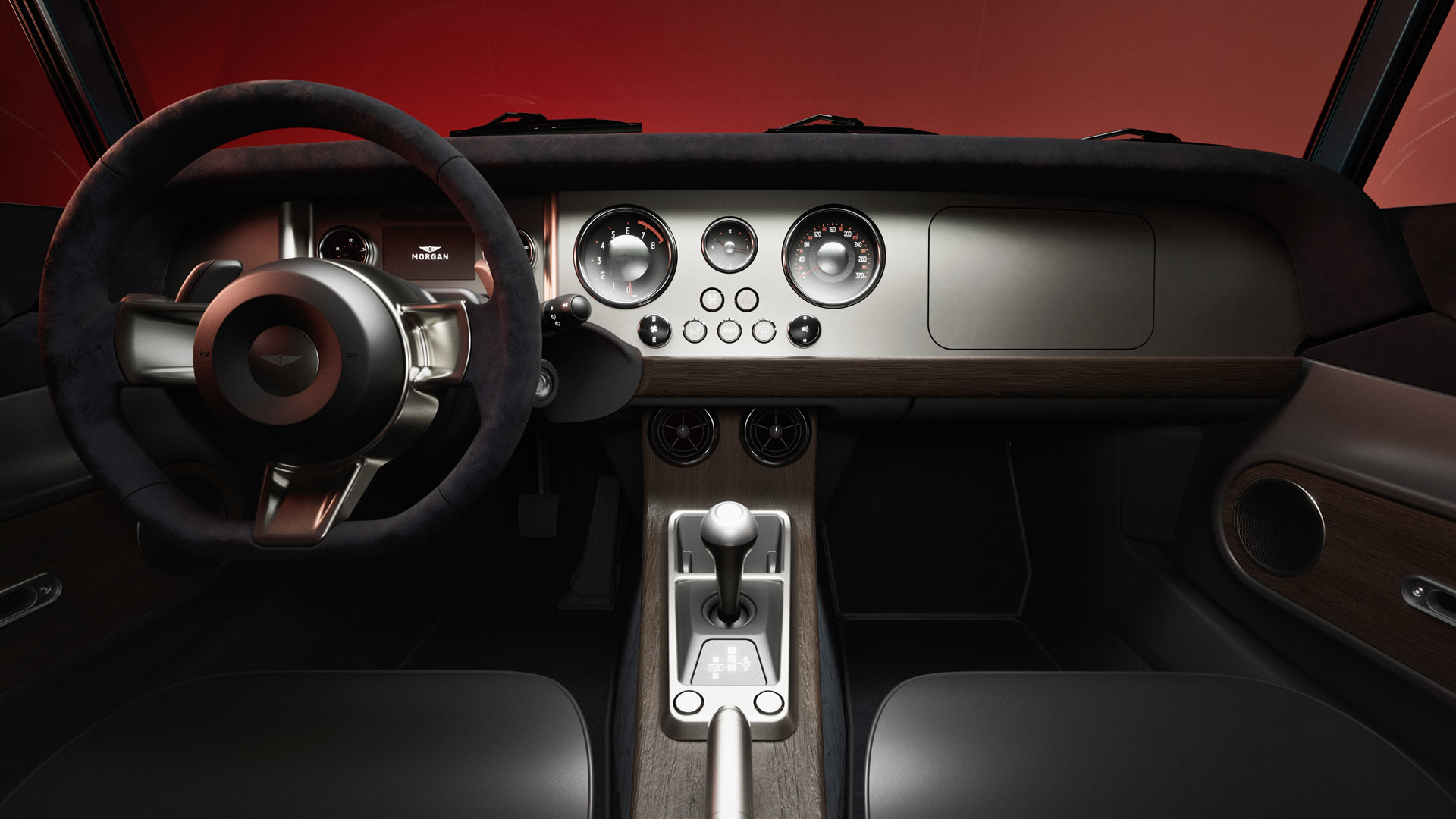
The interior of Supersport 400 gains the option of an Alcantara finish on the seats and steering wheel, with single- or two-tone colour schemes in combination with the standard leather. 

For the first time on a new ‘CX-Generation’ Morgan, customers can specify a bespoke gear selector instead of the standard plastic BMW item. Finished in anodised grey aluminium, Morgan’s own gear lever costs £1,746, and looks far more befitting of a British sports car. 

Orders for the Supersport 400 can be placed with Morgan now, with prices starting at £135,558 before you delve into the array of customisation options. 

Production of the flagship Morgan will commence in May 2026, with the first deliveries to follow later this year.

ALSO READ:

Morgan Supersport 2025 review

Morgan Midsummer is a coachbuilt project with Pininfarina

Best sports cars to buy in 2026

Advertisement

Car wheels keep getting bigger – leading to increased tyre costs

0
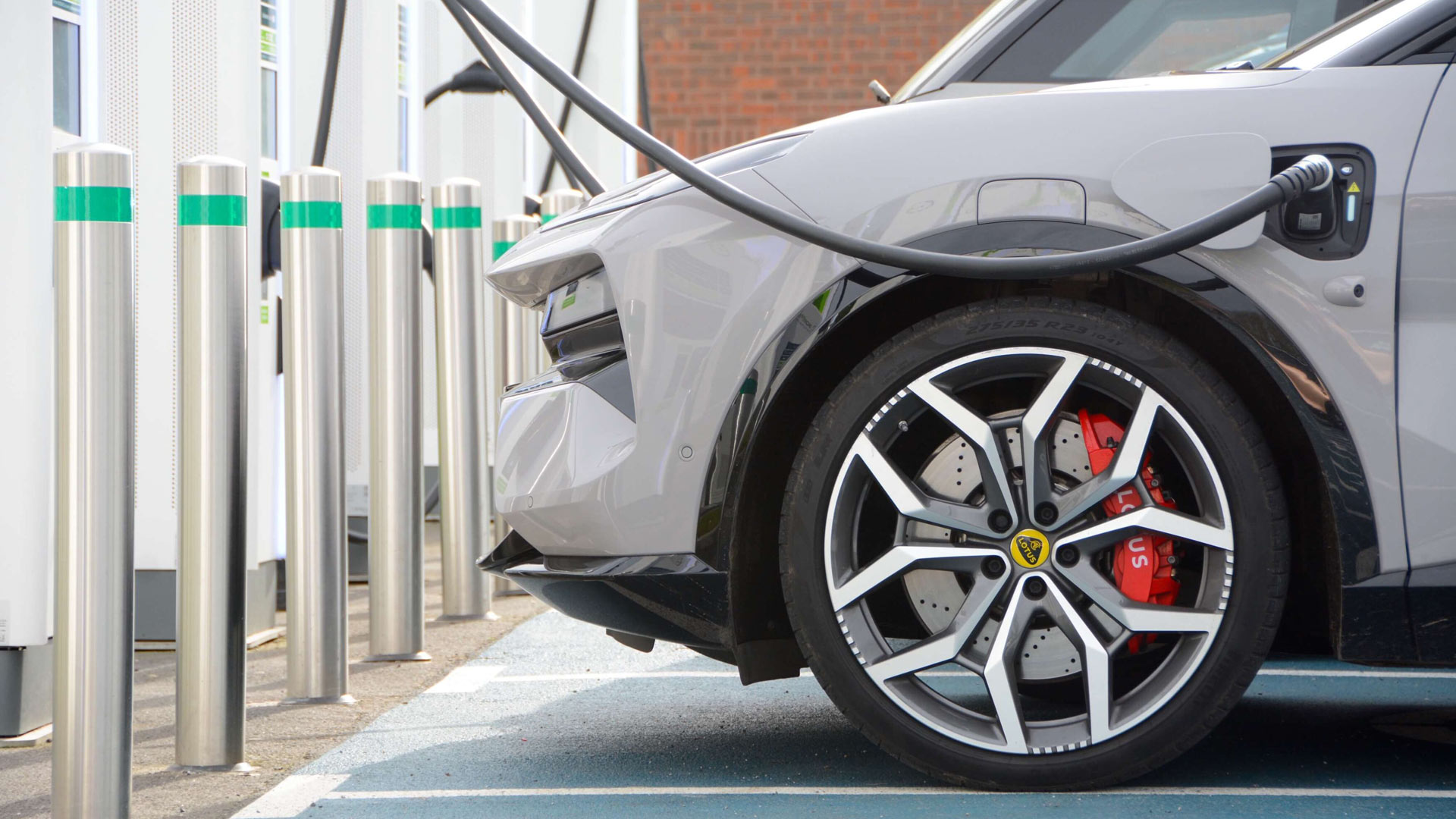
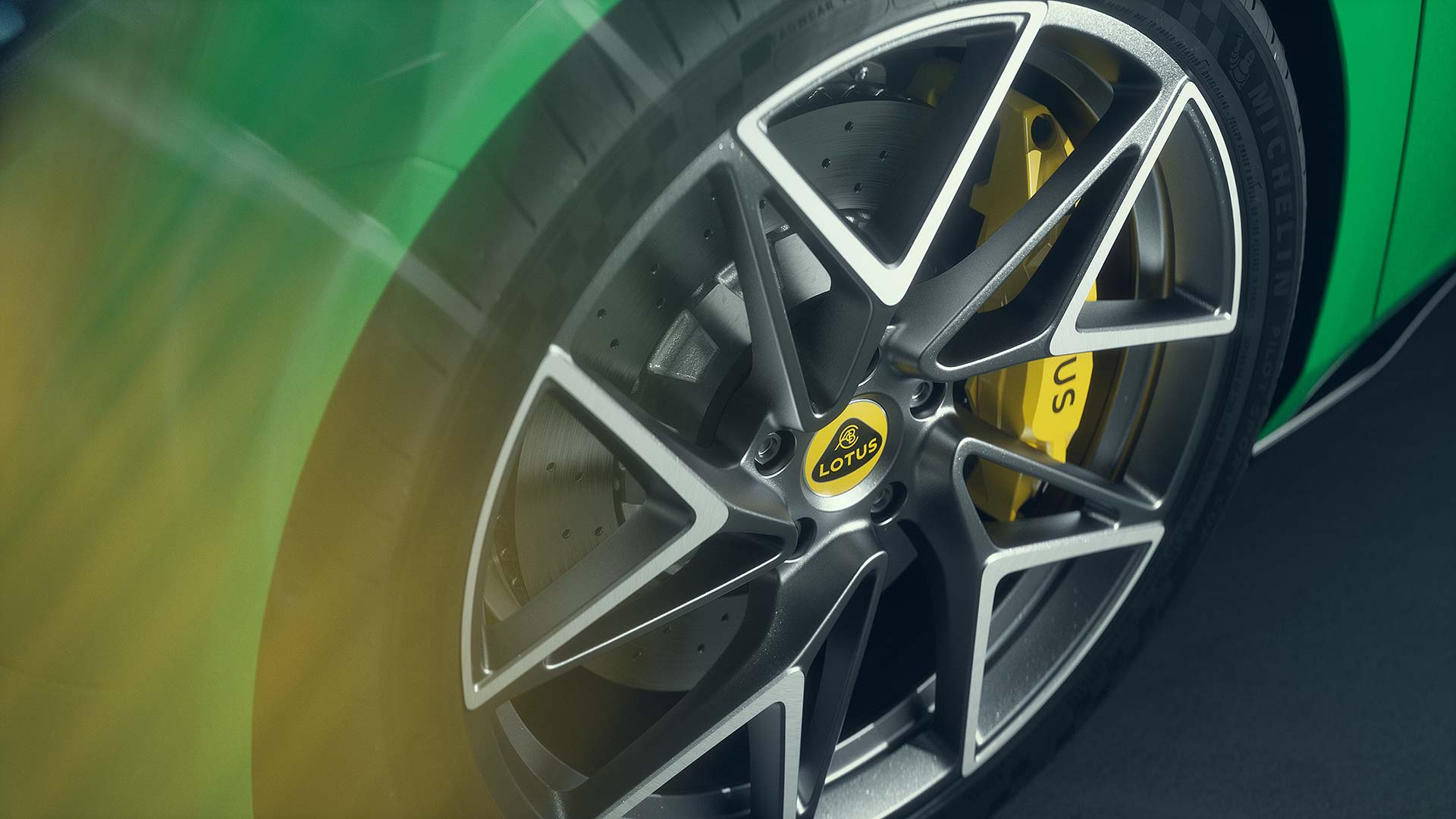
Lotus wheel and tyre

The average petrol or diesel company car now rides on 18-inch alloy wheels and tyres – an inch larger than just two years ago.

Electric company cars in the UK have even larger wheels, with the average size growing from 18 to 19 inches since 2023.

The new data from automotive tech firm Epyx reveals the cost of replacing a single EV tyre now exceeds £200.

The average electric car tyre cost £190 in 2023 – now it’s up to £214. Tyres for combustion (ICE) cars are also pricier, rising from £109 to £122.

Britain’s big wheel bias

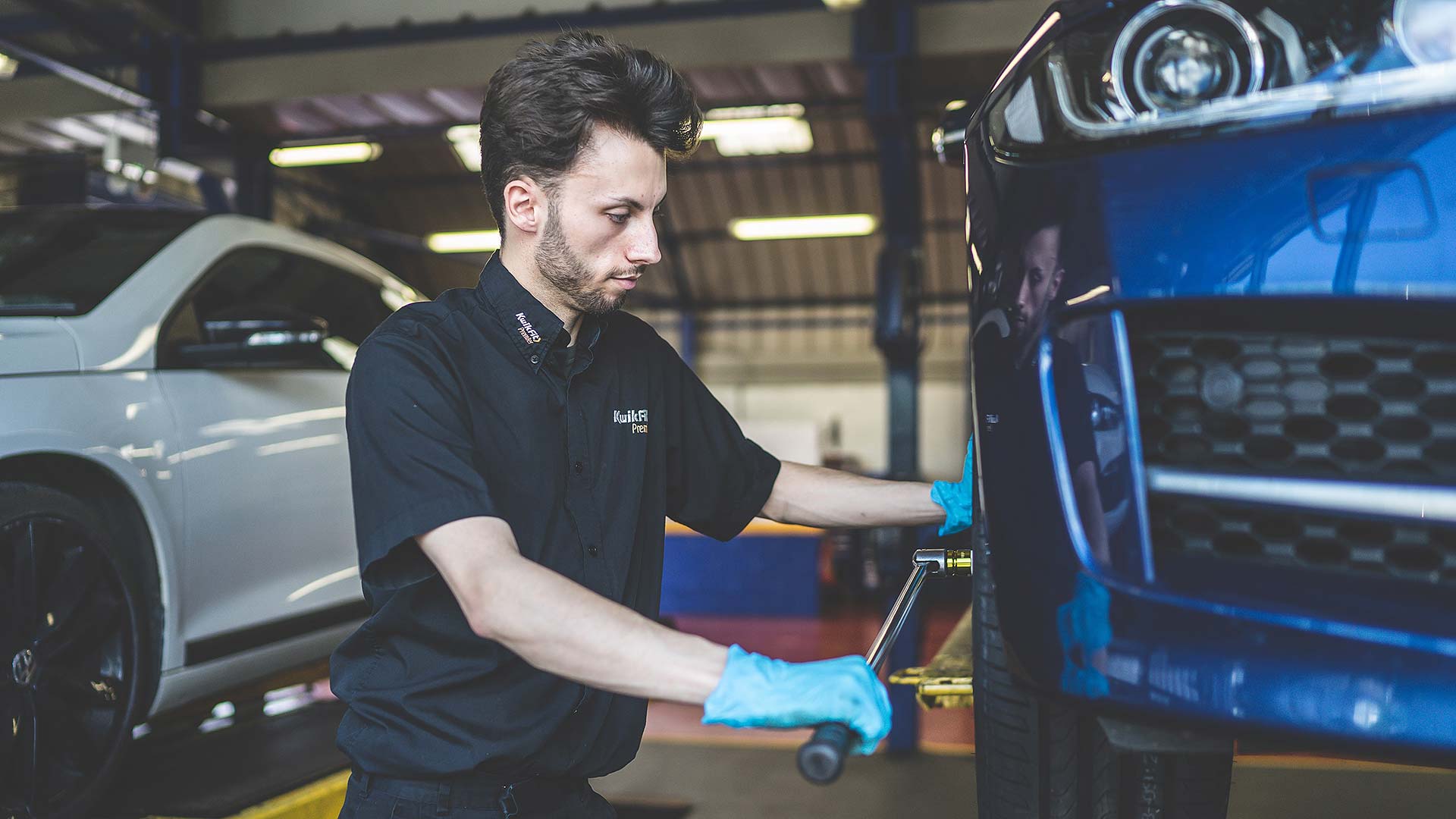
Kwik-Fit technician fitting a new tyre

“There are several ongoing trends here,” explained Tim Meadows, CCO of Epyx’s 1link service network.

“Most cars are getting bigger, SUVs are becoming more popular and larger wheels are preferred for cosmetic reasons.

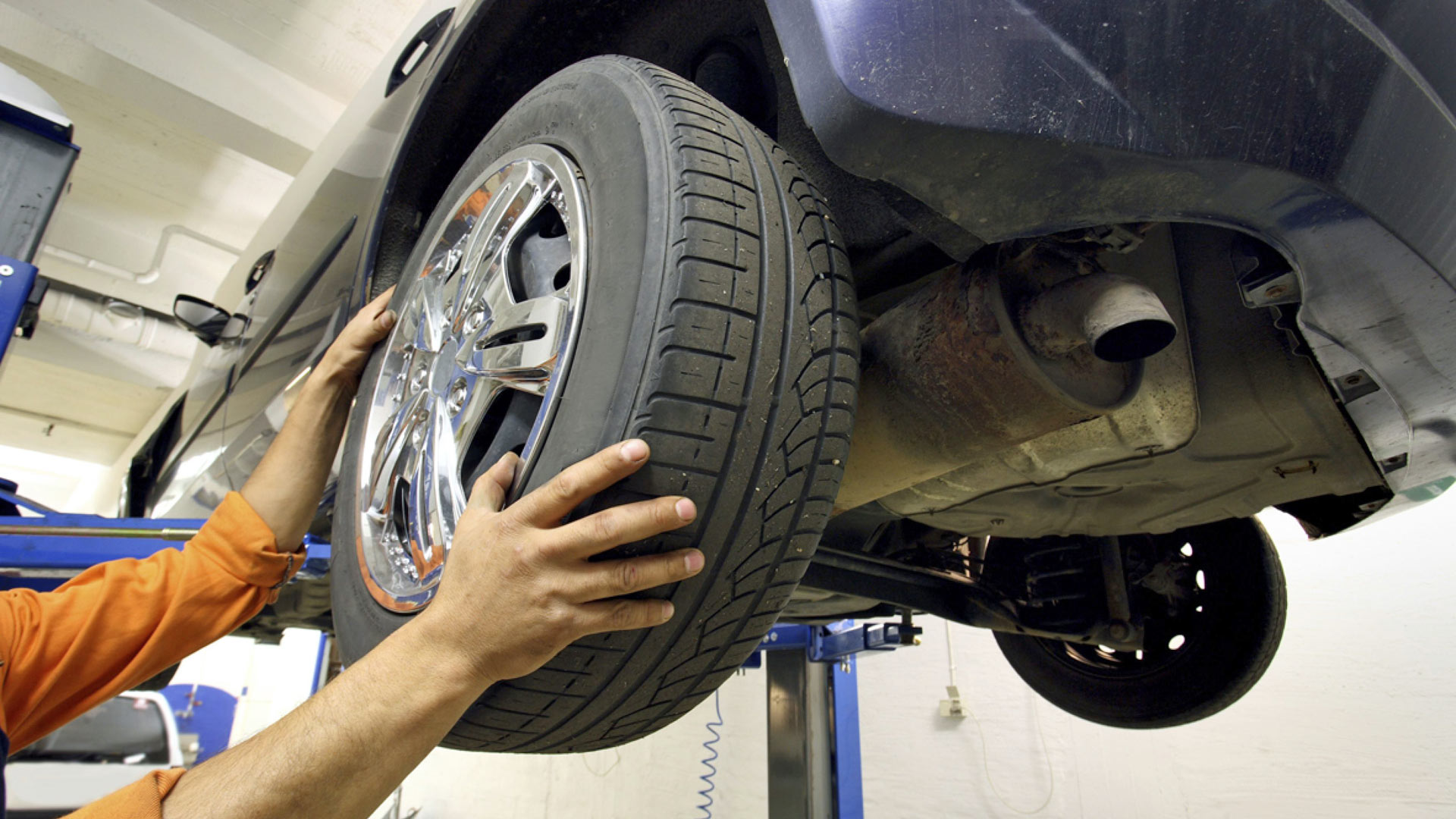
“However, there’s no real upside for businesses operating cars. Not only do bigger wheels have a direct impact on tyre prices, but also on replacement – larger, wider tyres tend to be more susceptible to punctures and kerb damage.”

This, said Meadows, leaves automotive fleets in a position where they are spending ever more on tyres over time.

Only hybrids buck the trend

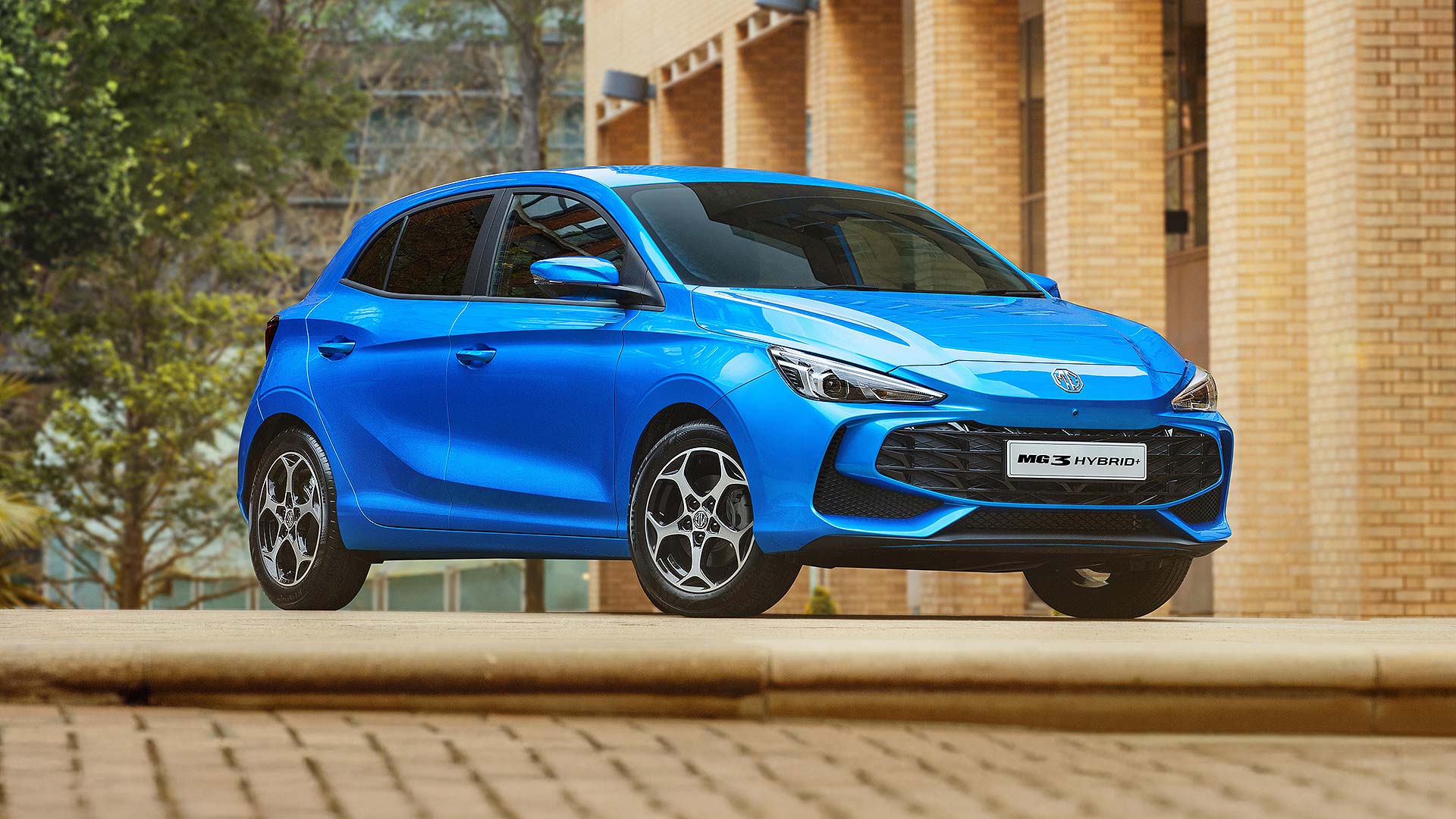
MG3 Hybrid+

Interestingly, it’s only tyre sizes for hybrid cars that have remained stable: at 18 inches since 2023. What’s more, there has been a reduction in average prices for hybrid tyres, from £181 to £166.

“There’s no obvious reason why hybrids should be less susceptible to tyre size growth,” said Meadows, “but it is reasonable to suggest these models are quite often more practical choices than electric cars – which still tend to be larger and more expensive – and petrol cars, which are sometimes bought for their performance.

“What is clear from the platform is that fleets operating hybrids are making savings on tyres.”

What size wheels does your car have? Are they bigger than your previous car – and have you suffered more punctures in recent years? Let us know in the comments.

Advertisement