Home Blog Page 240

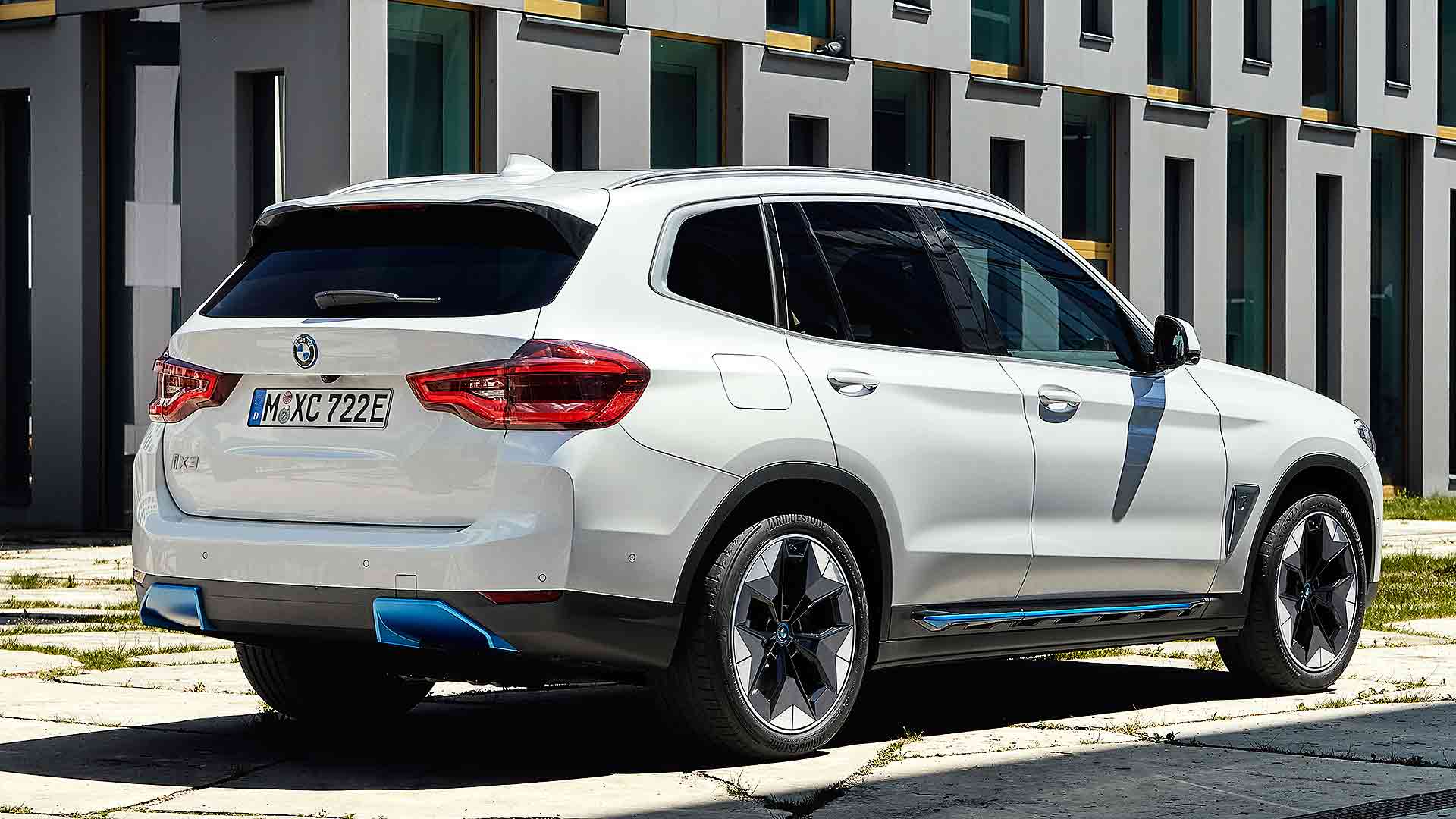
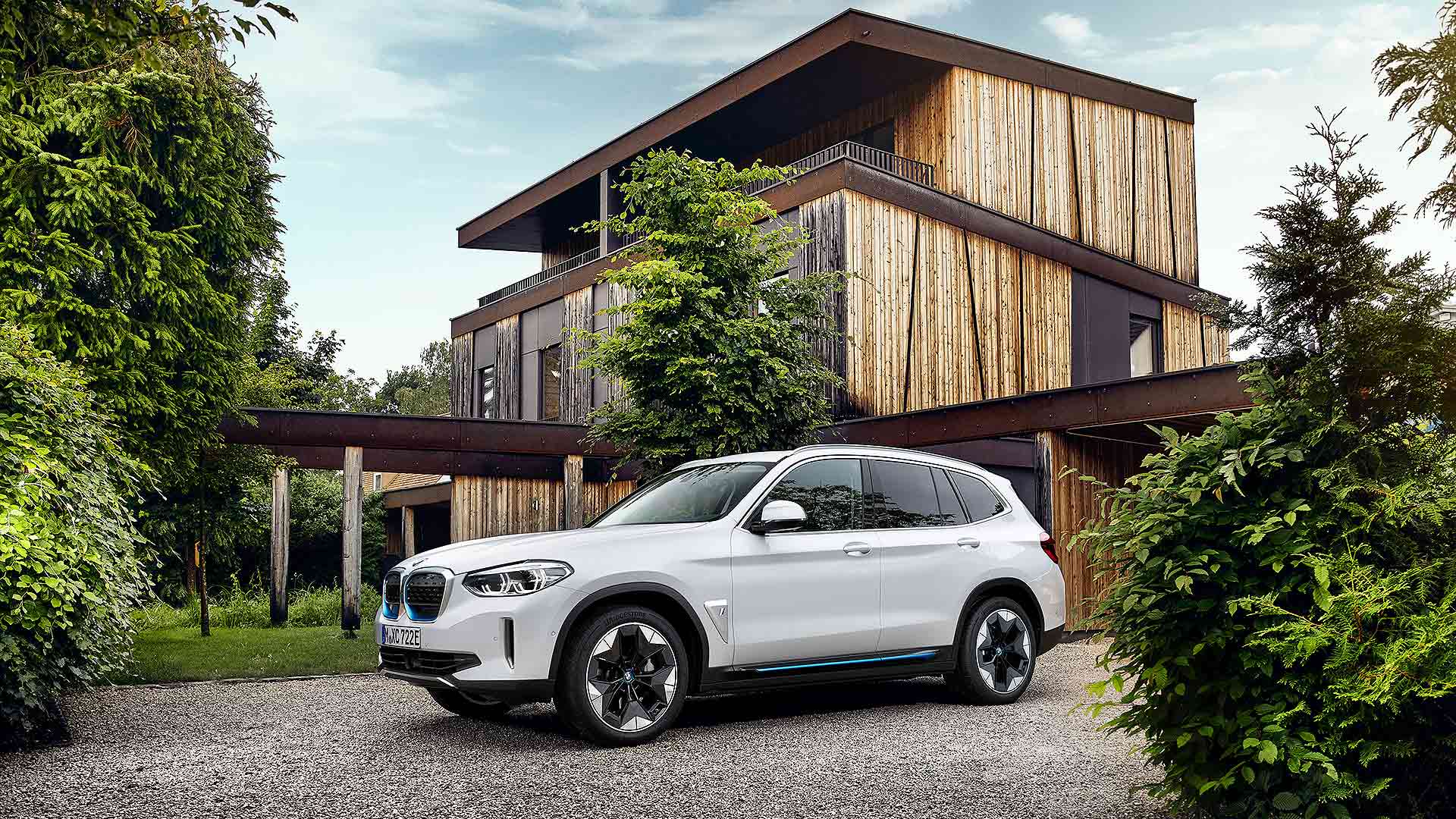
New electric BMW iX3 revealed – but it’s not coming to the UK for a YEAR

0

New BMW ix3 electric SUV

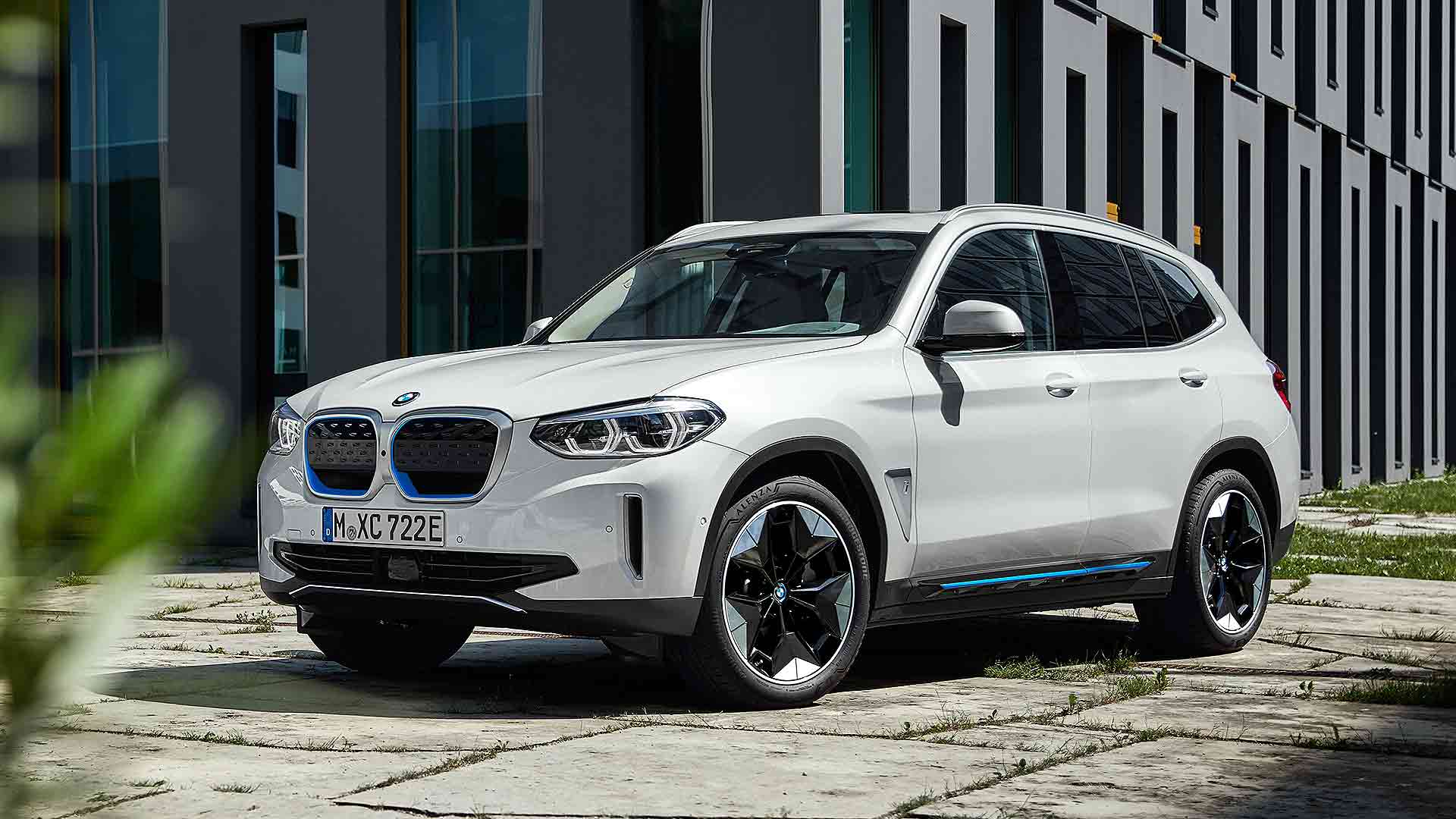
The new BMW iX3 is the firm’s first all-electric X-branded SUV. It boasts an 80kWh battery, 285-mile range and 0-62mph in 6.8 seconds.

However, Brits still have quite a wait for the Chinese-built machine as it doesn’t launch in the UK until summer 2021.

The launch car will be the Premier edition. Pricing and spec details, along with the opening of pre-ordering, are coming in autumn 2020.
New BMW ix3 electric SUV

BMW says the iX3 uses the fifth generation of its eDrive technology. This builds on the experience of the i3 electric car and power density is said to have jumped 30 percent.

The same electric drive components will be used in 2021’s BMW iNEXT and BMW i4.

The iX3 is a rear-wheel-drive SUV, with 286hp making its performance comparable with the existing X3 xDrive30i.

However, whereas a petrol engine is less than 40 percent efficient, the iX3’s electric motor is 93 percent efficient.
New BMW ix3 electric SUV

Handling is said to be more dynamic than a regular version too, thanks to a centre of gravity lowered by a full 75mm.

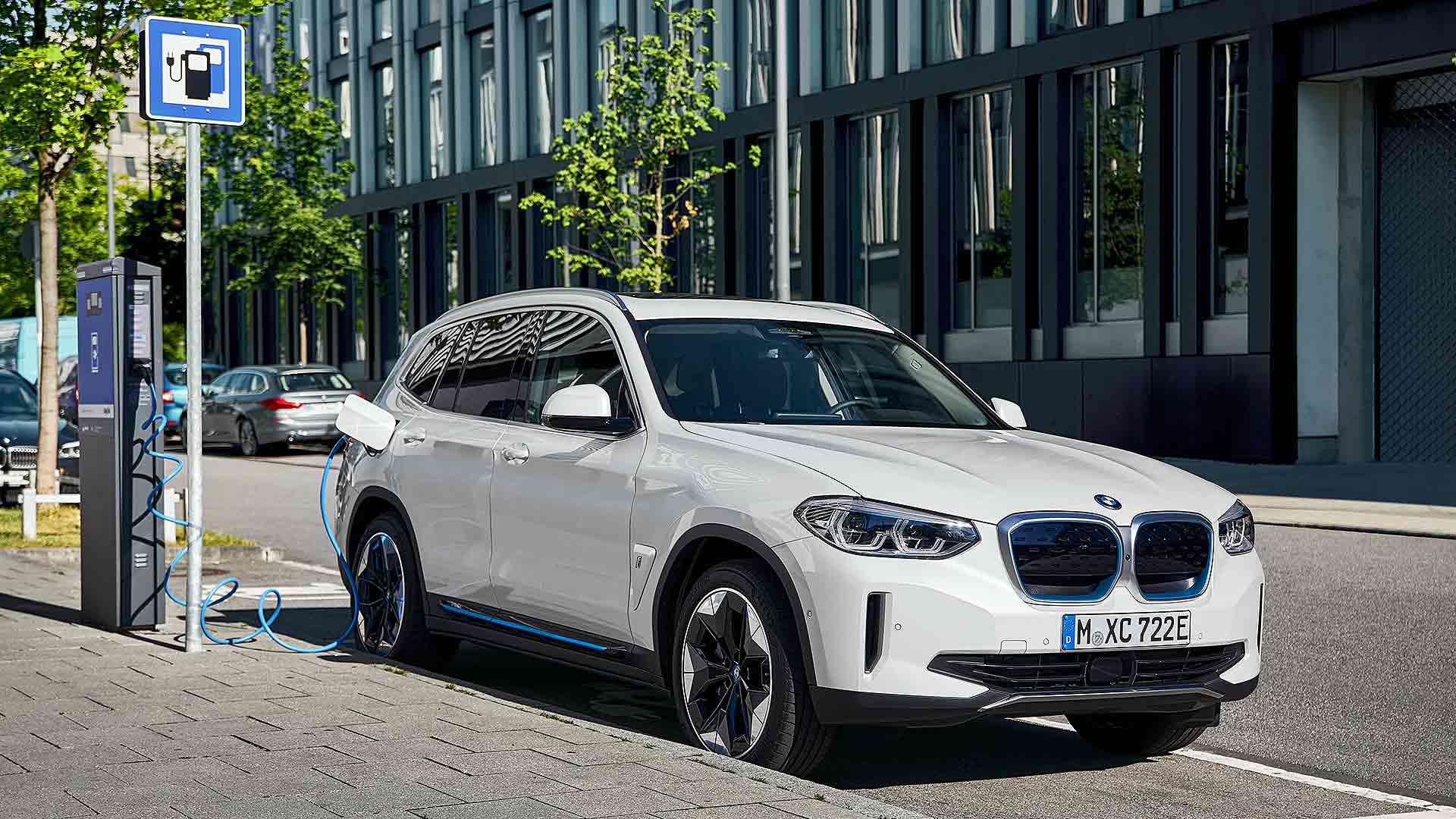
Differentiating the iX3 from a regular BMW X3 are the almost fully-closed kidney grille and front bumper, and a more sculpted and lower-drag rear.
New BMW ix3 electric SUV

Even the wheels are more five percent more aerodynamic than regular alloys, adding six miles of range all by themselves.

Electric blue accent panels mark out the iX3, which otherwise looks broadly the same as a regular car.

Because it’s silent-running, BMW has fitted an acoustic alert system – using a soundtrack created by film score composer Hans Zimmer.

For more all-electric motoring news, visit our sister site MotoringElectric.com.

ALSO READ

BMW is joining the e-scooter trend

BMW i3 gets a battery boost and a longer range

BMW ranked as world’s most innovative car brand

Advertisement

How to build your own Nissan Kidster

0

Nissan Kidster

Nissan defined the popular electric car with the Leaf, then failed to build on that momentum. All that is set to change this week when Nissan unveils the all-new Ariya SUV.

Although details won’t be released until 15 July, we know that it will be Nissan’s second all-electric car. It will also draw heavily on the 2019 concept car, showcasing a new design direction for the company. The Ariya is likely to influence the design of the next Qashqai.

In the meantime, here’s another Nissan – and this is one you can build at home.

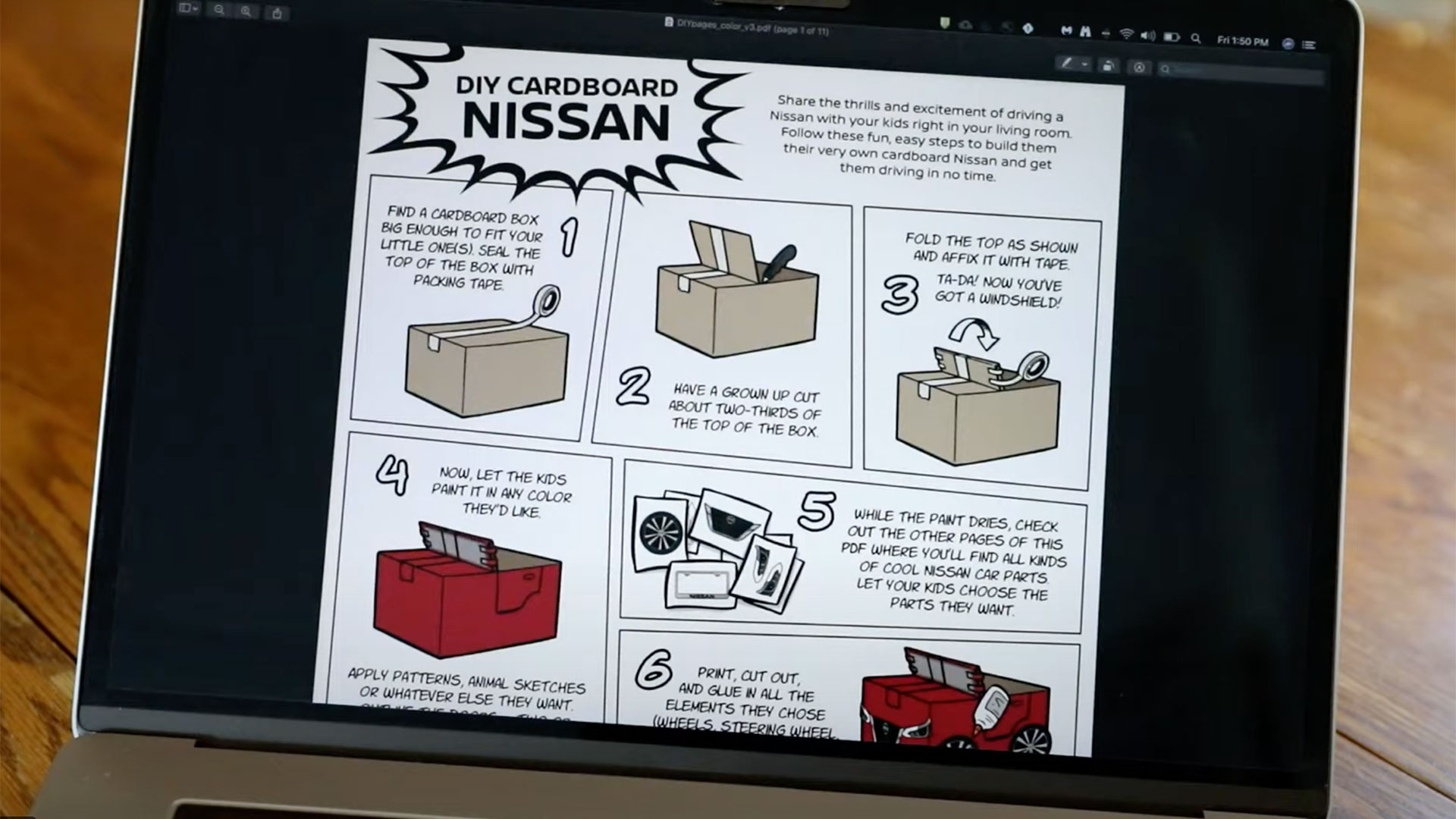
It’s called the Kidster. Like the Leaf and Ariya, it’s 100 percent zero emissions. In fact, it’s a good demonstration of reusing and recycling.

https://twitter.com/NissanUSA/status/1281921913607073798?s=20

Although the Kidster is a product of Nissan USA, you’re free to make it a right-hand-drive vehicle for UK living rooms. Alternatively, you could place the steering wheel in the centre of the car, McLaren F1 style.

Once complete, the Nissan Kidster will sprint to 60mph (that’s metres per hour) in as fast as a parent or willing sibling is able to push.

There are zero emissions at the tailpipe – primarily because the Kidster doesn’t feature a tailpipe. Recharging takes a couple of minutes – the equivalent of refuelling at the kitchen table.

Nissan Kidster: just add child

Build your own Nissan Kidster

Along with some imagination, you will need a cardboard box, packing tape, colouring materials, paper, printer, scissors, utility knife, glue, a paper plate, cork or pencil, tacks and aluminium foil.

Once the Kidster is complete, just add child. Big kids are also welcome

Some pretty cool ‘print and paste’ parts are available on line, including a steering wheel, lights, badges and wheels. You have a choice of two badges: Rogue or Altima. The Nissan Rogue is the U.S. equivalent of the Nissan Qashqai.

We reckon it would be more fun to build a cardboard Nissan GT-R. Alternatively, maybe you should build your own Ariya ahead of the launch on Wednesday.

ALSO READ

World’s fastest gamer to race in 2020 British GT Championship

Car industry says new car scrappage scheme now ‘critical’

Volvo dubs plug-in hybrids ‘part-time electric cars’

Advertisement

Car industry says new car scrappage-style stimulus now ‘critical’

0

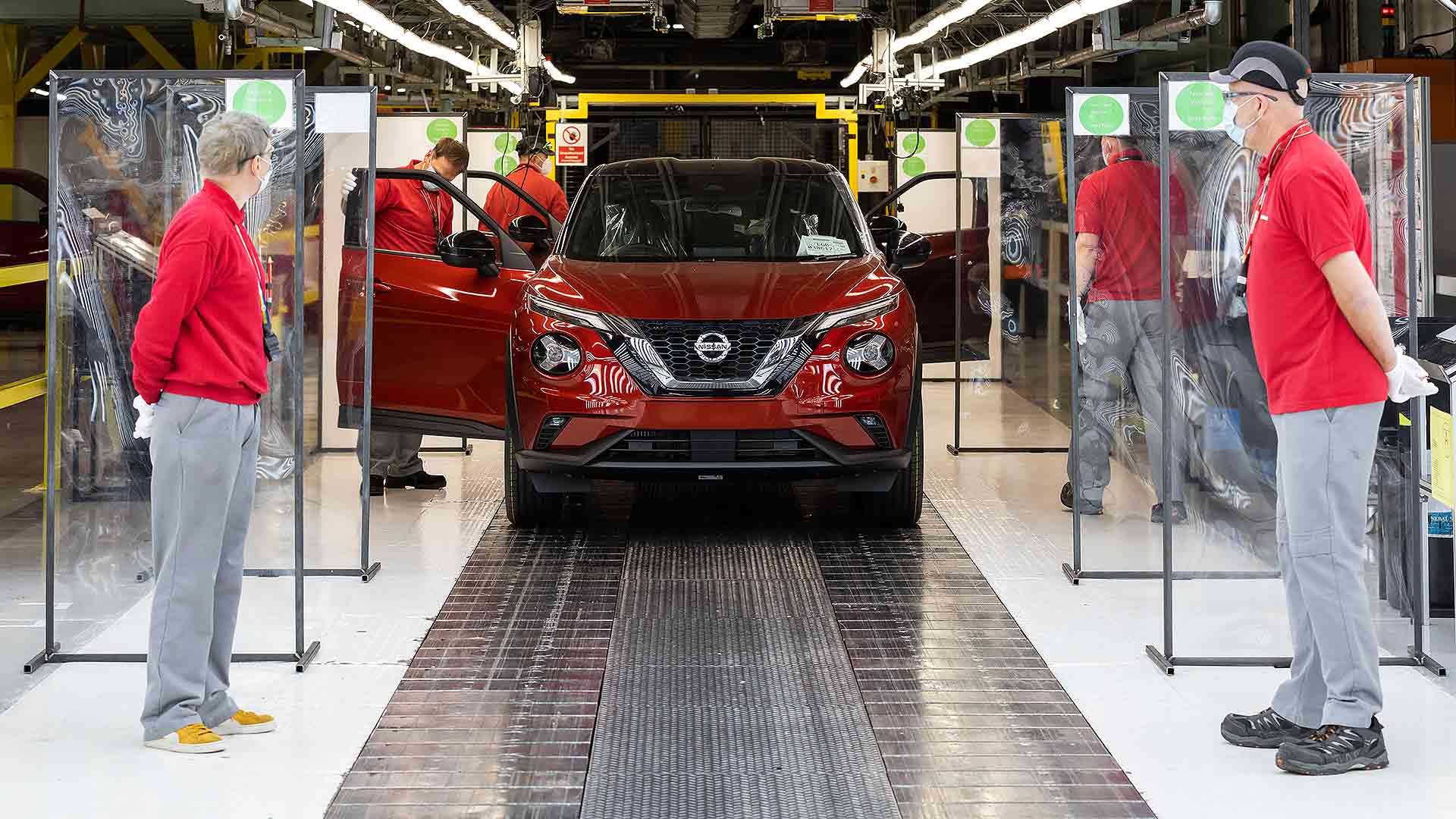
Car production restarts at Nissan Sunderland

The UK automotive industry has called the lack of specific support from chancellor Rishi Sunak “bitterly disappointing” and says a dedicated support package is now “critical”.

Sector-specific support for the automotive industry is needed “urgently” says the Society of Motor Manufacturers and Traders.

The UK, it says, is the only country of Europe’s ‘big five’ economies not to provide a support package for the automotive sector.

It is something the SMMT has “been calling for repeatedly over the last three months,” said chief executive Mike Hawes.

In a leaked letter seen by the Guardian last month, a possible £1.5bn scrappage scheme or ‘market stimulus package’ was outlined.

This would give new car buyers £2,500 off and help put 600,000 cars on the road.

It would not be restricted just to electric vehicles, and include regular diesel and petrol models. It “must support the entire market” said the letter.

The scheme would make money, said the SMMT: the UK economy would see a net benefit of £3 for every £1 spent, through VAT and VED car tax.

An earlier, more generous £6,000 scrappage scheme focused on pure electric cars was reportedly rejected by the government

‘Biggest challenge in living memory’

Mr Hawes warned that overseas investment could be deterred by the lack of dedicated support for the automotive sector.

Germany, he said, has proposed a €5bn package of incentives, while France has revealed an €8bn support package, including a scrappage scheme.

In the first month of the scheme going live, French new car sales grew 1.2 percent; in contrast, June 2020 car sales in the UK were down 35 percent.

“The industry is already facing its biggest challenge in living memory and until critical industries such as automotive recover, the UK’s economic recovery will be stuck in low gear,” said Mr Hawes.

“Year to date registrations are now down 48.5 percent, representing the lowest level since 1971 and resulting in an estimated £1.1 billion loss to the Treasury in VAT receipts alone.

“This is clear evidence as to why we need policies that provide broader support for consumer confidence to boost big-ticket spending, which in turn will help drive manufacturing.”

ALSO READ

Motorists warned about obscured road signs

DS is the only premium brand to escape EU emissions fines

British Gas places UK’s largest electric van order with Vauxhall

Advertisement

Volvo calls plug-in hybrids ‘part-time electric cars’

0

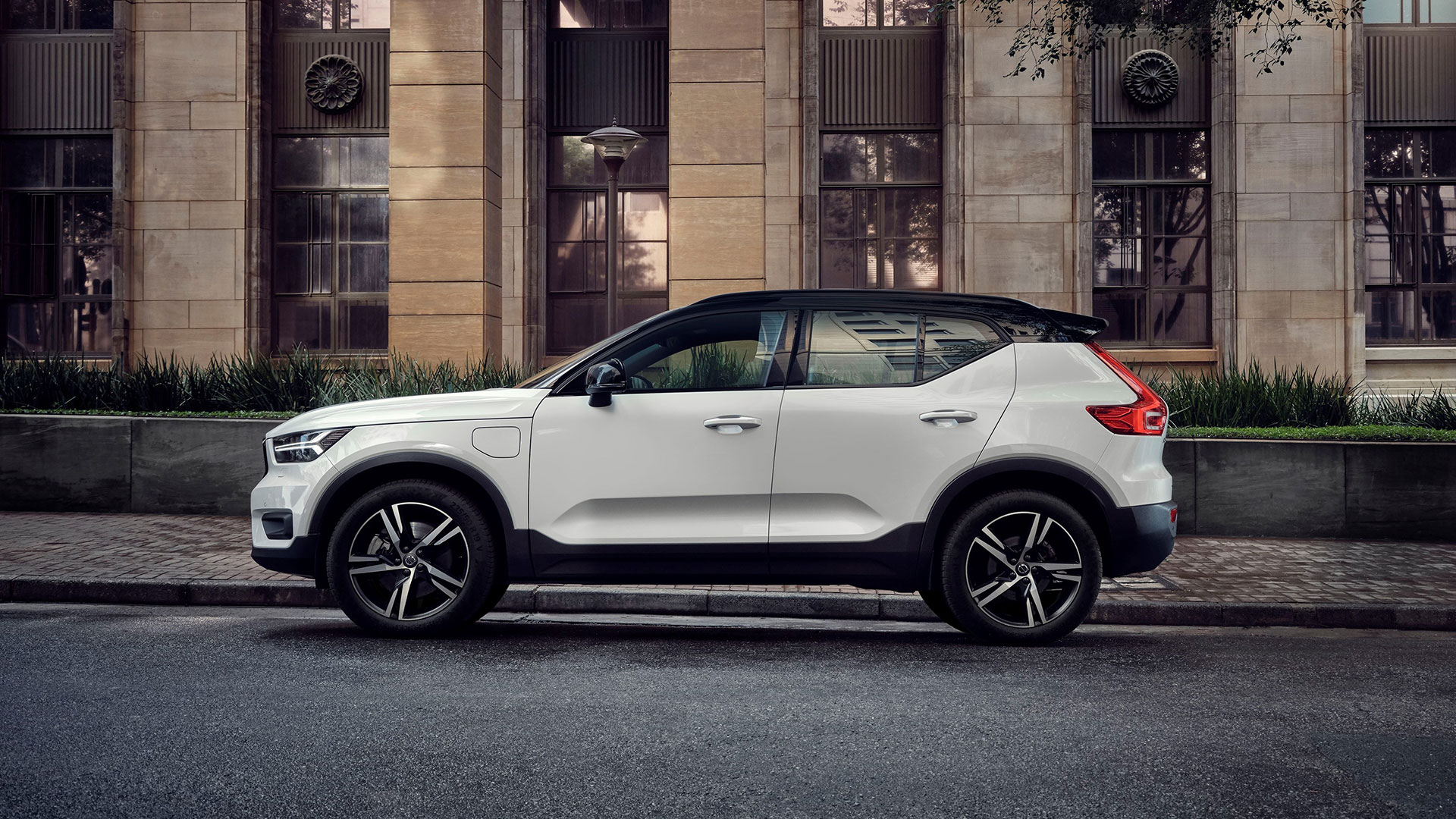
Volvo XC40 part-time electric car

Some people see a plug-in hybrid vehicle as a ‘stepping stone’ to all-electric motoring. A chance to test the viability of life with an electric car before going ‘all in’.

Volvo agrees.

It has now started referring to plug-in hybrids as ‘part-time electric cars’ – vehicles that ‘pave the way’ for a fully electric future.

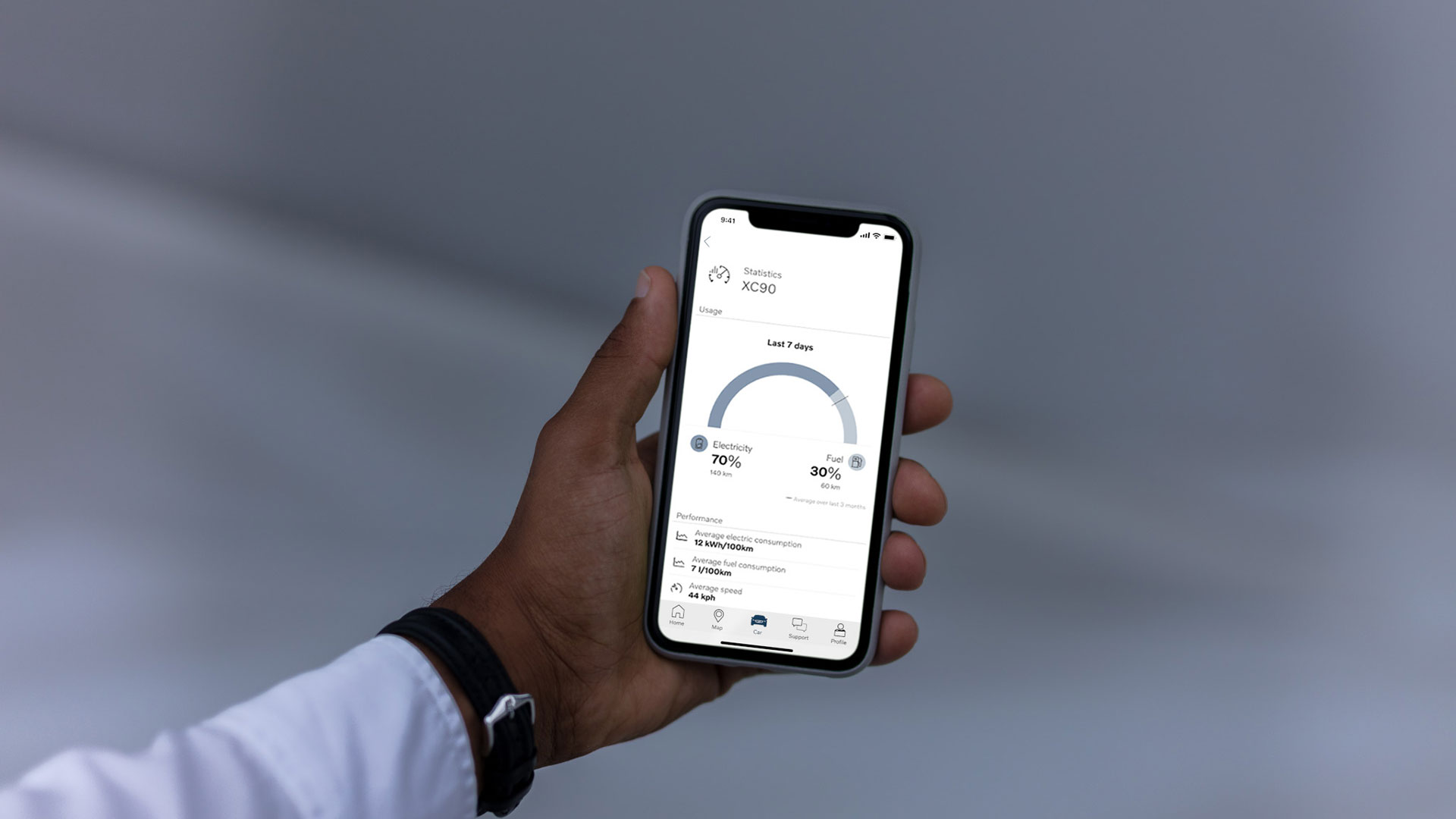
This news comes as Volvo launches a range of new features for its Volvo On Call smartphone app. The aim: to encourage drivers to charge and drive fully electric as often as possible.

Using the app, drivers can see how far they have driven in all-electric mode, along with their electricity and fuel consumption.

Crucially, the app will also reveal how much has been saved by driving in electric mode.

‘Personal experience’

Volvo plug-in hybrid app

“We want the Volvo On Call app to make life easier for you as a user and create a more personal experience,” said Ödgärd Andersson, chief digital officer at Volvo Cars.

“As the car becomes ever more connected, the potential of the app increases and we intend over time for it to be as much a part of the Volvo as the car itself.”

Volvo’s range of plug-in hybrid vehicles consists of seven cars: XC90, XC60, XC40, V90, V60, S90 and S60. They are sold under the ‘Recharge‘ banner, which also includes the all-electric Volvo XC40.

Plug-in hybrid sales account for almost 25 percent of the company’s total volume in Europe. More electrified cars will follow, as Volvo pushes towards making all-electric cars account for 50 percent of global sales by 2025.

‘Part-time electric cars’

“Just like a step counter helps people exercise more, I believe that by giving people better insight into their driving patterns, it will help them to drive in a more sustainable way,” said Björn Annwall, head of EMEA at Volvo Cars.

“We see plug-in hybrids as ‘part-time electric cars’ that encourage changes in people’s behaviour and help pave the way for a transition towards fully electric cars.”

Last year, the Advertising Standards Authority (ASA) rejected complaints about Lexus and its ‘self-charging hybrid’ adverts.

Twenty-five people complained that the term was misleading because it misrepresents the way in which the battery is charged.

The ASA rejected the complaints, saying: “Because the ads did not misrepresent the way in which the electric battery was recharged by using the petrol engine, we concluded they were not misleading.”

For more all-electric motoring news, visit our sister site MotoringElectric.com.

ALSO READ

Volvo XC40 Recharge all-electric SUV ordering opens

Volvo 480: remembering the Euro wedge that wasn’t sensible or square

Volvo could slash UK car range after Brexit

Advertisement

Motorists warned about obscured road signs

0

Obscured Stop sign on a rural road

Motorists are being warned to take care not to miss a road sign hidden by overgrown roadside vegetation, which is currently particularly hazardous thanks to recent rain.  

Many local authorities are already stretched due to the coronavirus crisis and the maintenance of road signs might not be a priority.

Hidden road signs are not only an inconvenience, they could also be misleading and even dangerous.

“If you can’t see a sign,” said GEM Motoring Assist chief executive Neil Worth, “then your ability to make safe decisions is compromised, especially if you’re on unfamiliar roads.”

As Brits plan staycations instead of overseas holidays this year, motorists may find themselves driving on unfamiliar roads more frequently.

It’s not just local roads, either. A 2019 survey by Transport Focus revealed that one in three drivers had missed a motorway exit due to concealed road signs.

Report road signs

Mr Worth advises motorists to report hidden road signs to the local authority responsible.

In England and Wales, there is a dedicated page to sort street signs: enter a postcode and it takes you to the local authority responsible for that road sign.

In Northern Ireland, there is also a dedicated page to report road signs – and if it’s already been reported, you can add your name to the list of people reporting it.

Scottish motorists can report road signs via Transport Scotland.

Meanwhile, on motorways and A-roads, TransportFocus has a ‘Sort My Sign’ hub: enter the location, road name or postcode, detail the problem, and the report will be sent straight to Highways England.

Top tips for road sign safety

Knowing the shape of road signs can be enough: ‘Stop’ is the only octagonal road sign, for example

‘Give Way’ is the only upside-down triangular sign – if you see it, there is a junction ahead

Anticipate speed limit changes: if you’re on a country road approaching a built-up area, expect a speed limit change to 30mph

Many new cars come with road sign displays in the instrument panel. They are a useful reminder – but if the road sign is hidden, do remember that the camera won’t be able to read it either.

ALSO READ

Vehicle thefts rise 56% in four years

Motorists warned about MOT delays in predicted October peak

Scooter sales boom as commuters avoid public transport

Advertisement

World’s fastest gamer to compete in 2020 British GT Championship

0

James Baldwin WFG British GT Championship

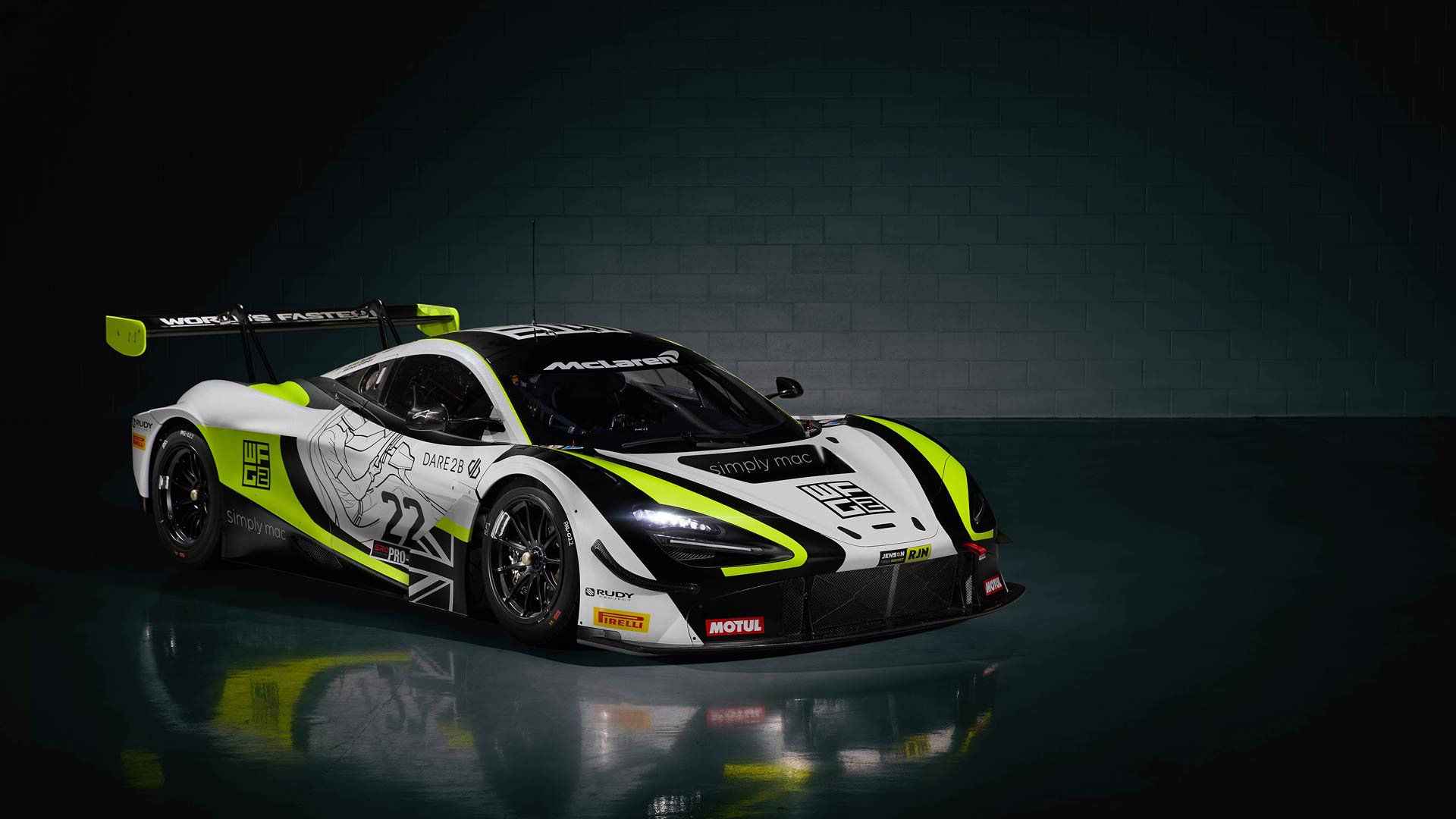
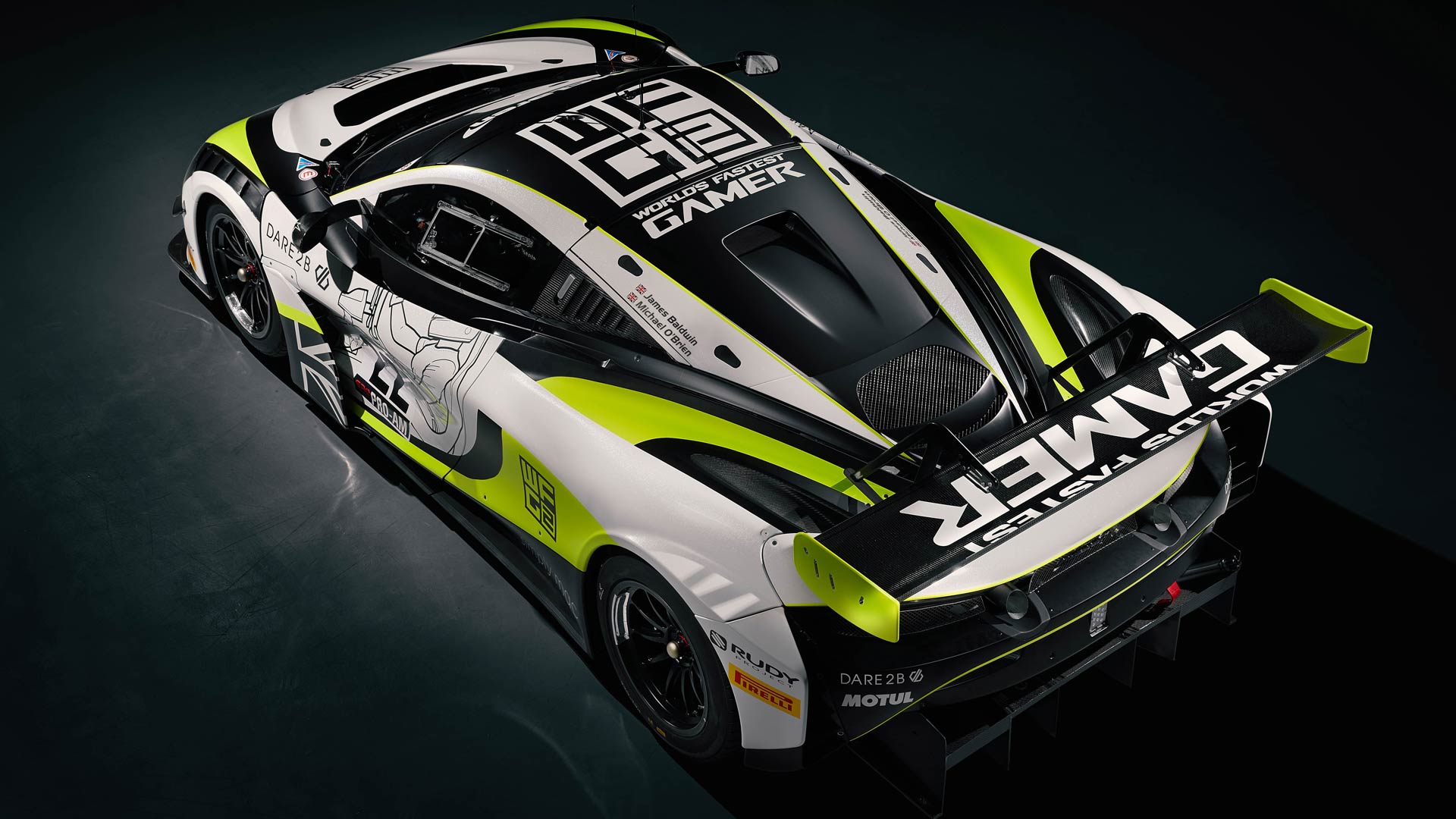
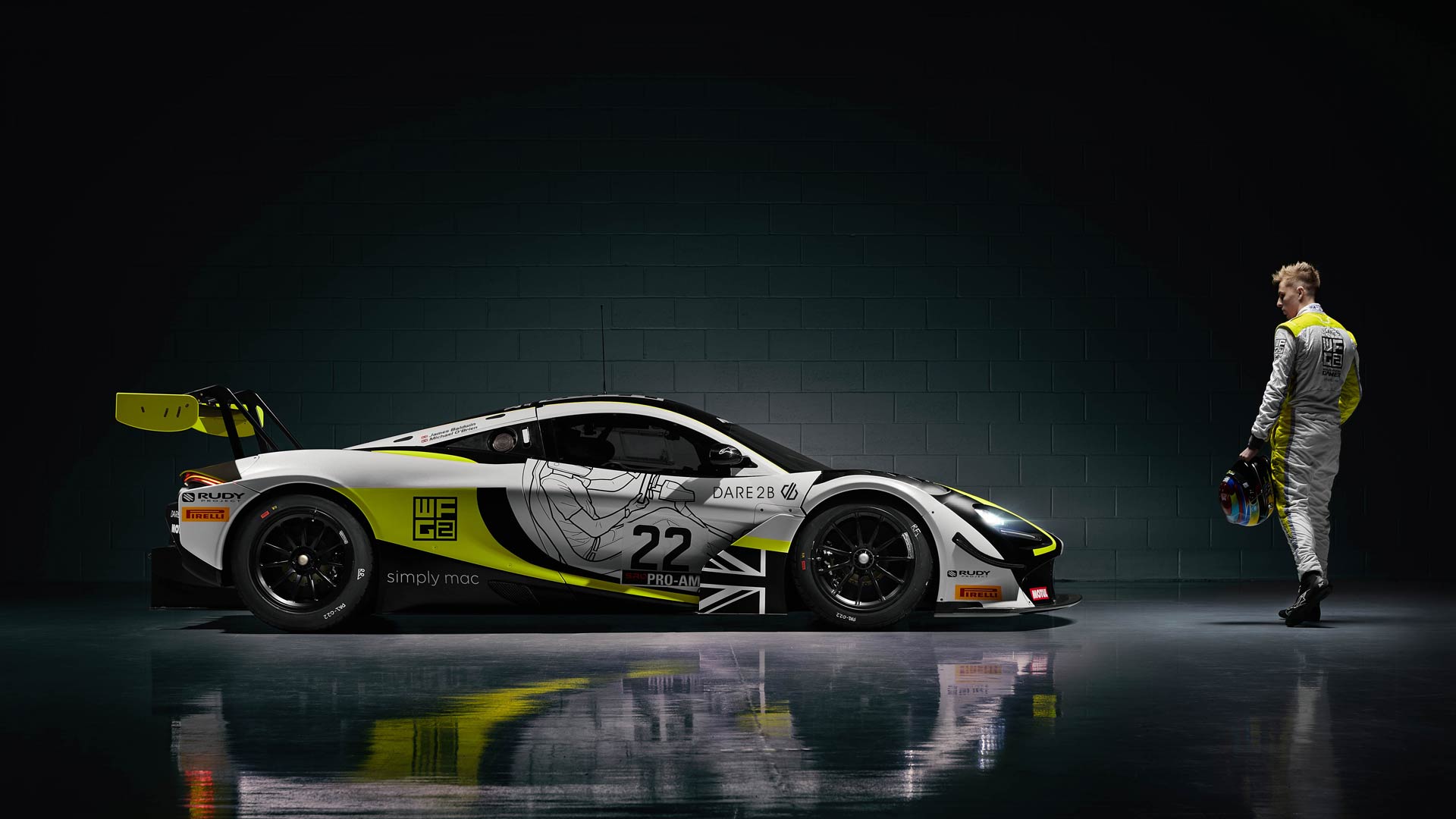
Video game superstar James Baldwin is ready to make the leap to real-world racer in this year’s British GT Championship.

The 22-year-old British driver had seen his motorsport debut delayed due to COVID-19. However, the changes have worked in his favour, with an expanded calendar for his first season.

Baldwin will now compete in six races during 2020, whereas his previous plans would have seen him enter just five events in the GT World Challenge Europe.

Playing the waiting game

James Baldwin WFG British GT Championship

The Intelligent Money British GT Championship will be the first opportunity for Baldwin to demonstrate the skills he showed to win the 2019 World’s Fastest Gamer competition. 

Last year saw Baldwin beat nine other finalists in the World’s Fastest Gamer event. He had to battle through an intense combination of real-word and virtual racing challenges.

Victory netted him an impressive $1 million race contract, and a seat with the Jenson Team Rocket RJN outfit driving a McLaren 720S GT3

Two-player mode enabled

James Baldwin WFG British GT Championship

Jenson Team Rocket RJN is co-owned by Jenson Button, the 2009 Formula 1 World Champion. Baldwin will be partnered by McLaren junior driver Mike O’Brien for the British GT series.

O’Brien has previously competed in the GT4 category of the British GT Championship, so bring his own experience to the pairing. 

Baldwin has not let the COVID-19 delay affect his enthusiasm to go racing. He commented that: “I should have already completed three races so far this year, but when I look at my new schedule, I’m massively excited.

“I’m going to get so many more race laps under my belt, which will fast track my development this year.

Become your own racing hero

James Baldwin WFG British GT Championship

His first race outing the McLaren 720S GT3 will come at Oulton Park on the 1st to 2nd August.

The revised 2020 calendar will see Baldwin competing in five other races, with the season finale at Silverstone on the 7th to 8th November.

For those who want to try and emulate Baldwin’s success, qualification for the latest edition of World’s Fastest Gamer is currently live. Entrants can use the Gear Club mobile racing game to demonstrate their skills in the hope of motorsport glory. 

ALSO READ

Video gamers rate themselves as the best drivers

Gran Turismo racers, think you’re fast? Prove it, says Nissan

Revealed: the UK’s most common driving offences

Advertisement

Vehicle theft rises 56% in four years

0

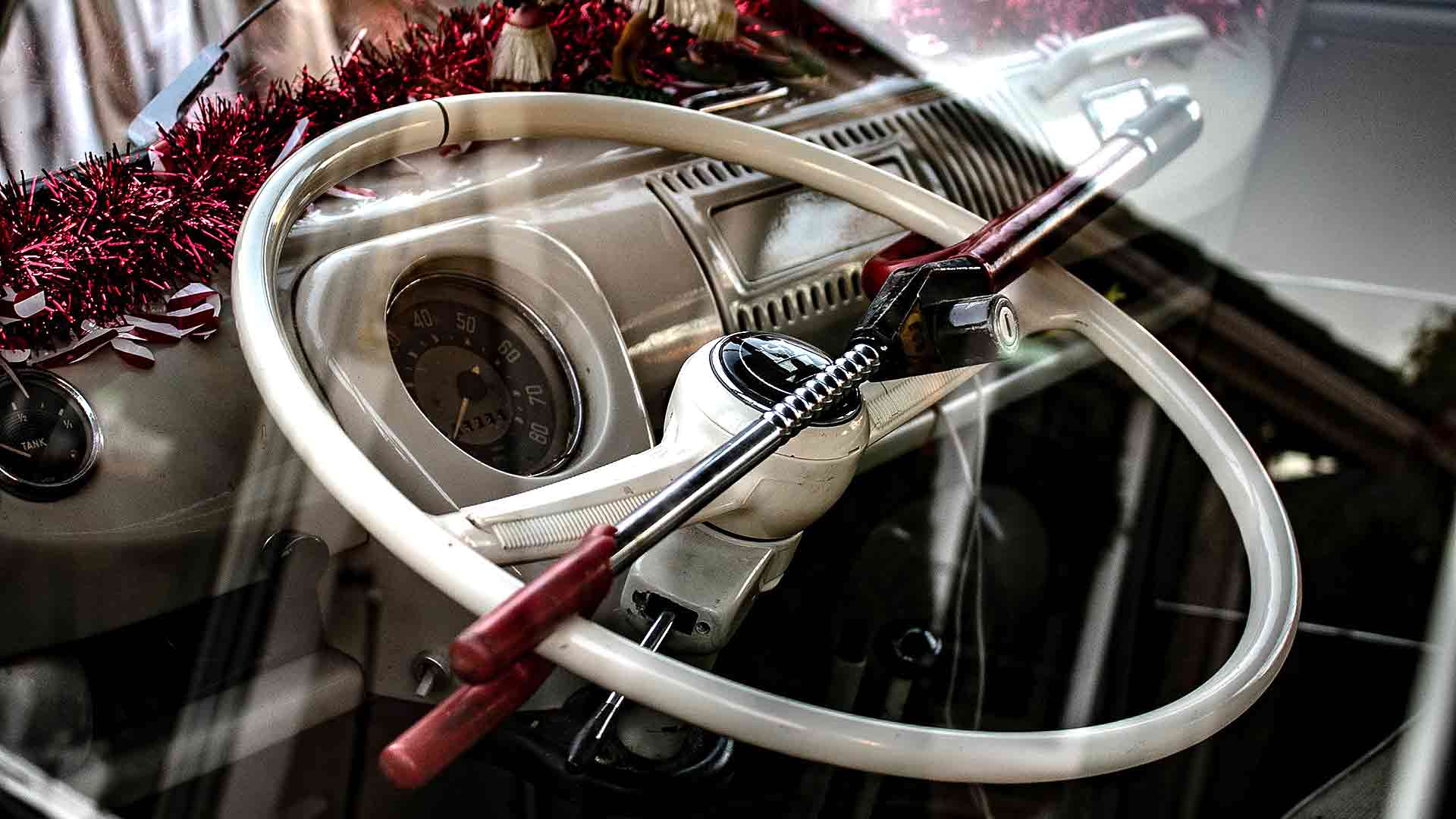
Steering wheel lock on a classic Volkswagen

Almost 55,000 MORE vehicles were stolen in 2018-19 compared to four years ago – that’s a 56 percent increase, a Freedom of Information request has revealed.

10,000 more vehicles were stolen in 2018-19 alone, compared to the year before.

More than 150,000 vehicles in total were stolen in 2018-19, with some areas recording particularly large increases.

The Freedom of Information request by RAC Insurance showed six forces recorded more than a doubling of vehicle thefts.

They were up 172 percent in Suffolk, 133 percent in Surrey and 121 percent in the West Midlands.

In terms of the number of vehicles stolen, Kent recorded a 12,550 increase to more than 40,000 vehicle thefts, a 45 percent increase.

Almost 10,000 vehicle thefts were recorded by the Metropolitan police (up 46 percent) and the 121 percent rise in the West Midlands was due to an increase of 5,677 to 10,372 vehicle thefts.

Only three regions recorded a reduction in vehicle thefts: Lincolnshire, the City of London and Police Scotland.

‘Disturbing’

RAC spokesperson Simon Williams said the picture “paints a rather disturbing picture – vehicle thefts are on the rise almost everywhere, and in some parts of the country, numbers are rocketing.

“While vehicle crime is at far lower levels today than it was in the early 1990s… it’s still concerning that so many more vehicles are being stolen than just a few years ago.”

Mr Williams said government figures reveal thieves use keys to access vehicles in around half of crimes: “Perhaps some drivers could do more to keep their keys safe.”

A rise in keyless car theft is also behind the figures.  

Thieves, he added, generally prefer stealing vehicles at night, and also favour those parked at owners’ homes.

“Three of the biggest factors that determine whether a car is stolen or not come down to how it’s secured, where it’s kept, and the time of day.”

ALSO READ

How to prevent catalytic converter theft from cars

The car brands that have NOT fixed keyless car key thefts

Car steering lock sales DOUBLE in the fight against keyless car theft

Advertisement

Motorists warned about MOT delays in predicted October peak

0

DVSA tester carrying out an MOT

Demand for car MOTs could almost DOUBLE as the first cars exit the automatic six-month extension introduced because of the coronavirus crisis.

The government introduced the temporary six-month exemption from MOTs on 30 March 2020 to help key workers and allow people to still buy essential supplies during the Covid-19 lockdown.

Cars will see the exemption period end from the beginning of October – and as lots of new cars are generally sold in March due to the registration plate change, this means a spike in demand from as many as 1.7 million motorists is forecast.

This will be on top of regular demand from two million motorists.  

Halfords Autocentres is now warning motorists they are likely to face delays.

Some may not even be able to get their cars checked before the six-month extension ends and their test expires – and they won’t be able to drive their cars until they can get a new MOT.

£1,000 no MOT fine

“October and the winter months are going to be much busier than normal when motorists will be joining millions of others who have held off getting their MOT done,” said the firm’s MD Andy Randall.

Almost 1 in 3 motorists, he added, don’t know there’s a £1,000 fine for driving a vehicle without a valid MOT.

The company is now launching a nationwide campaign urging motorists to beat the rush and get their car MOT done in the summer, well before it is due.

It is not illegal to have an MOT carried out before it is due and testers can issue an MOT certificate even months before the old one expires.

ALSO READ

Call to send six-month MOT extension ‘as soon as possible’

Simple and essential checks before your car’s MOT test

Motorists with car finance to get three-month payment freeze

Advertisement

DS is the only premium brand to escape EU emissions fines

0

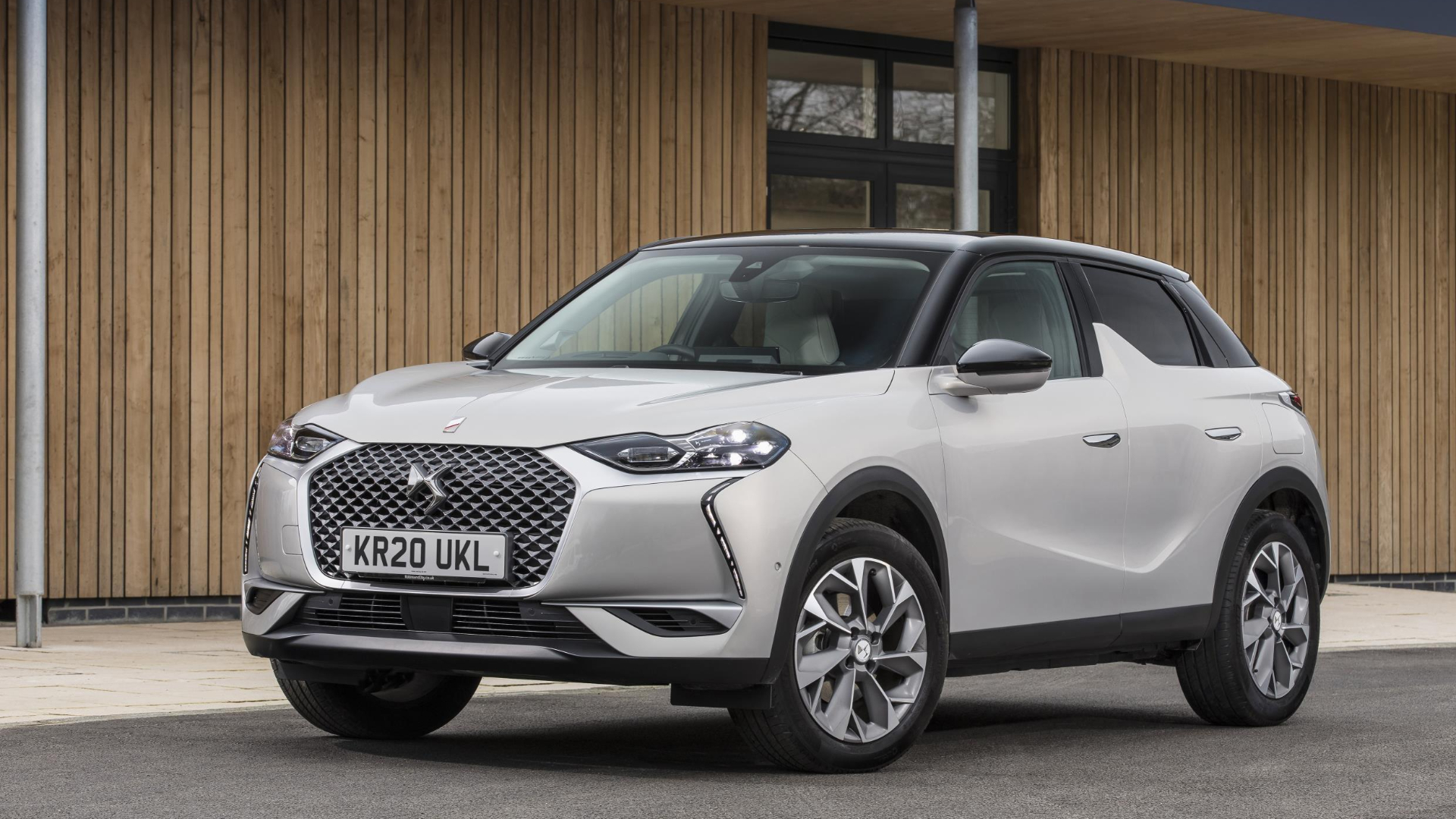
DS 3 Crossback E-TenseDS Automobiles achieved fleet-average CO2 emissions of 79.9g/km in the first half of 2020. That makes it the only premium brand to meet the EU’s ambitious 95g/km target – and avoid hefty financial penalties.
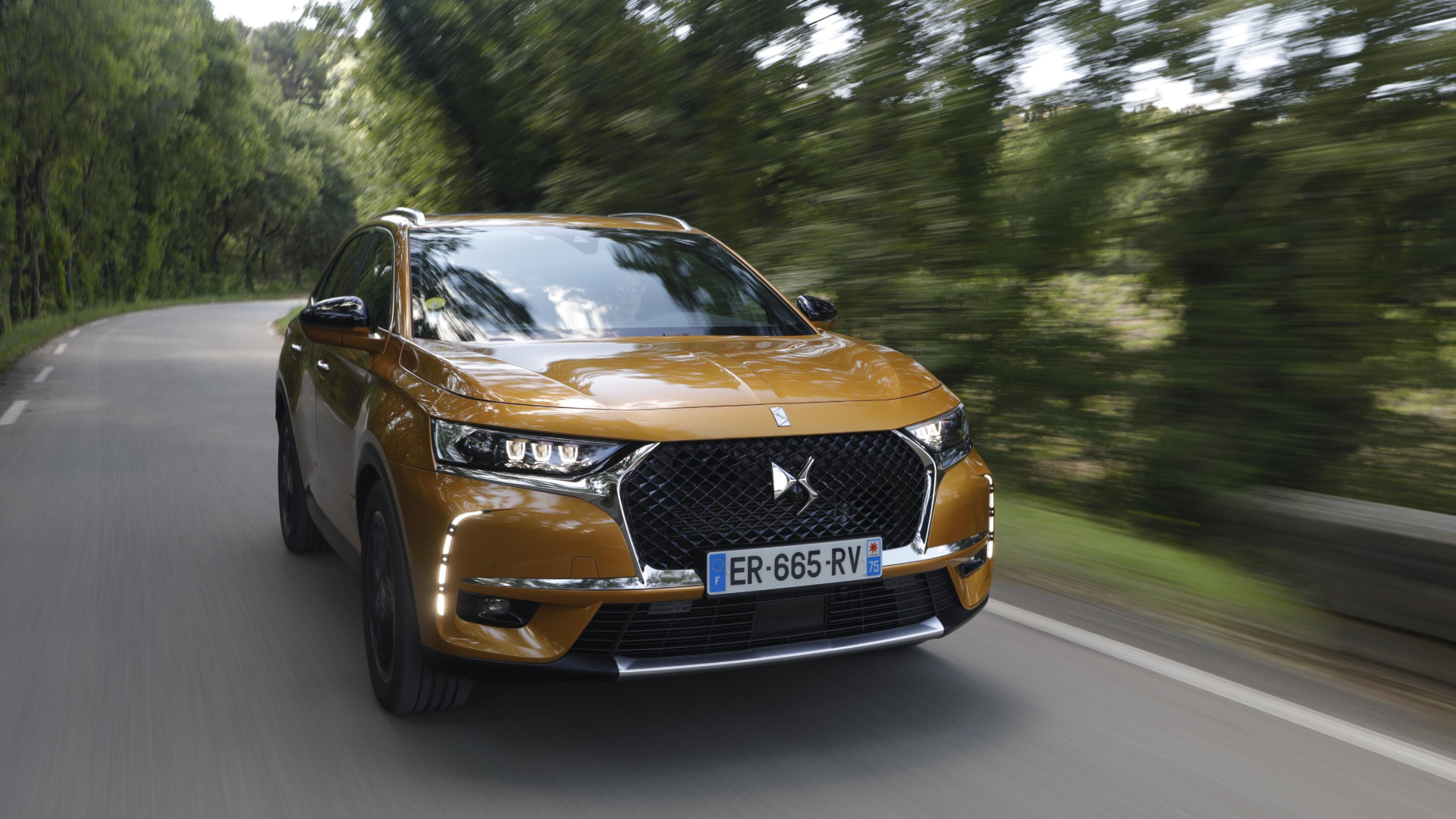
The data, confirmed by Jato, puts the French carmaker well ahead of its (predominantly German) rivals. Indeed, DS says it’s the only ‘multi-energy premium manufacturer’ with a CO2 rating of less than 110g/km.

The good result is partly due to a limited model range, which now comprises three cars: the DS 3 Crossback, DS 7 Crossback and forthcoming DS 9.

However, it’s also down to electrification. Both the DS 7 Crossback and DS 9 are available with plug-in hybrid powertrains, while the new DS 3 Crossback E-Tense is fully electric. 

Fines could add up to millions

DS 7 Crossback

For 2020, the European Commission has set a 95g/km CO2 target, which applies across 95 percent of a manufacturer’s lowest emitting cars. Next year, the same average will apply across each brand’s entire fleet.

The penalty is €95 for each g/km that the target is exceeded. And that applies for every vehicle sold, meaning potential penalties could run into millions.

Named after the iconic Citroen DS of 1955, the modern incarnation of DS was initially a Citroen sub-brand. It became the standalone DS Automobiles in 2015 and plans a range of six cars in total – each with an electrified E-Tense version. 

DS has also made its mark in Formula E racing, winning the team championship in the 2018-2019 season.

ALSO READ:

The UK has the second safest roads in Europe

New car sales still down 35% in June 2020

Electric car scrappage scheme ‘rejected’ by government

Advertisement

Revealed: the UK’s most common driving offences

0

Where you're most likely to be caught speeding

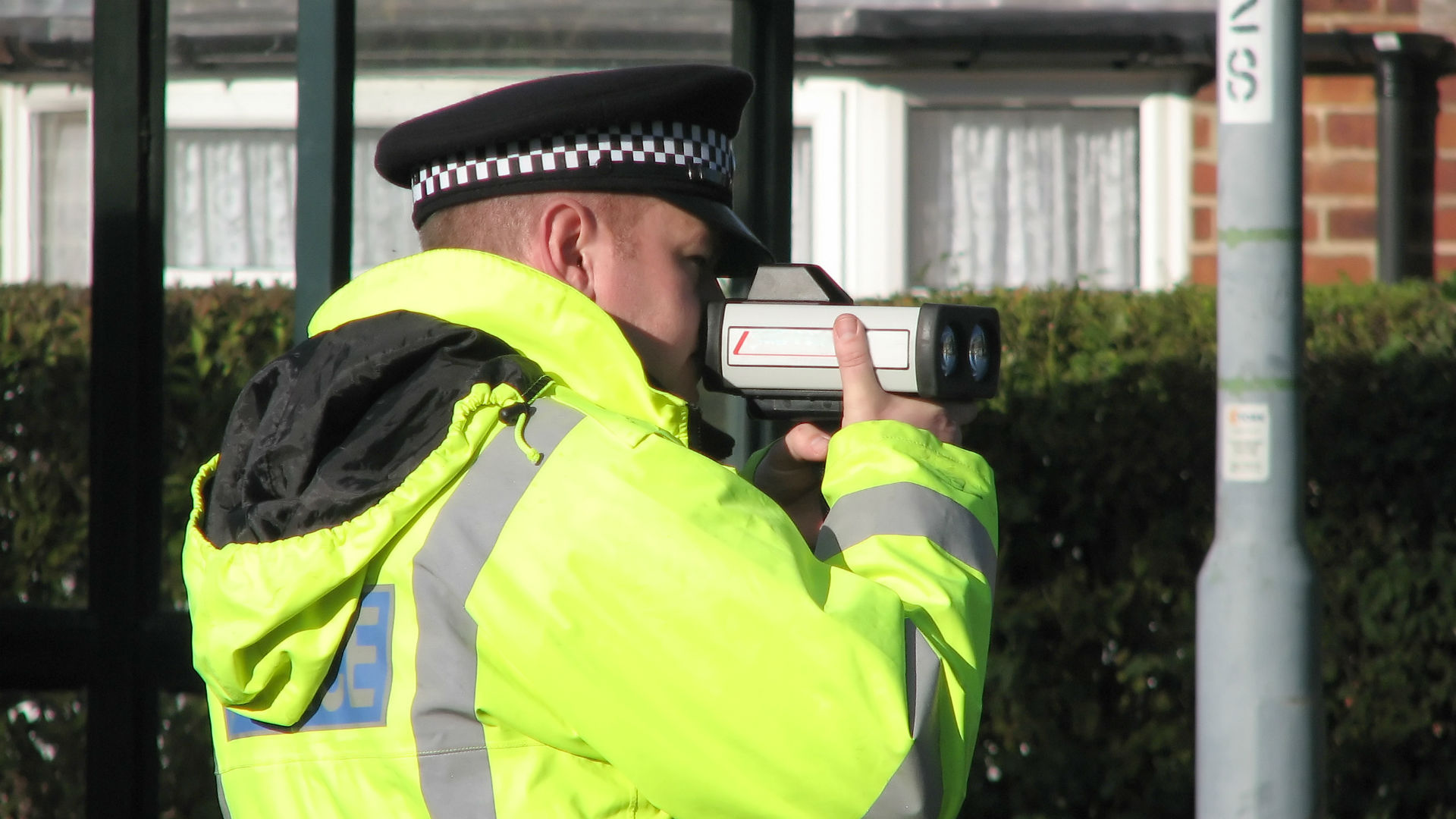
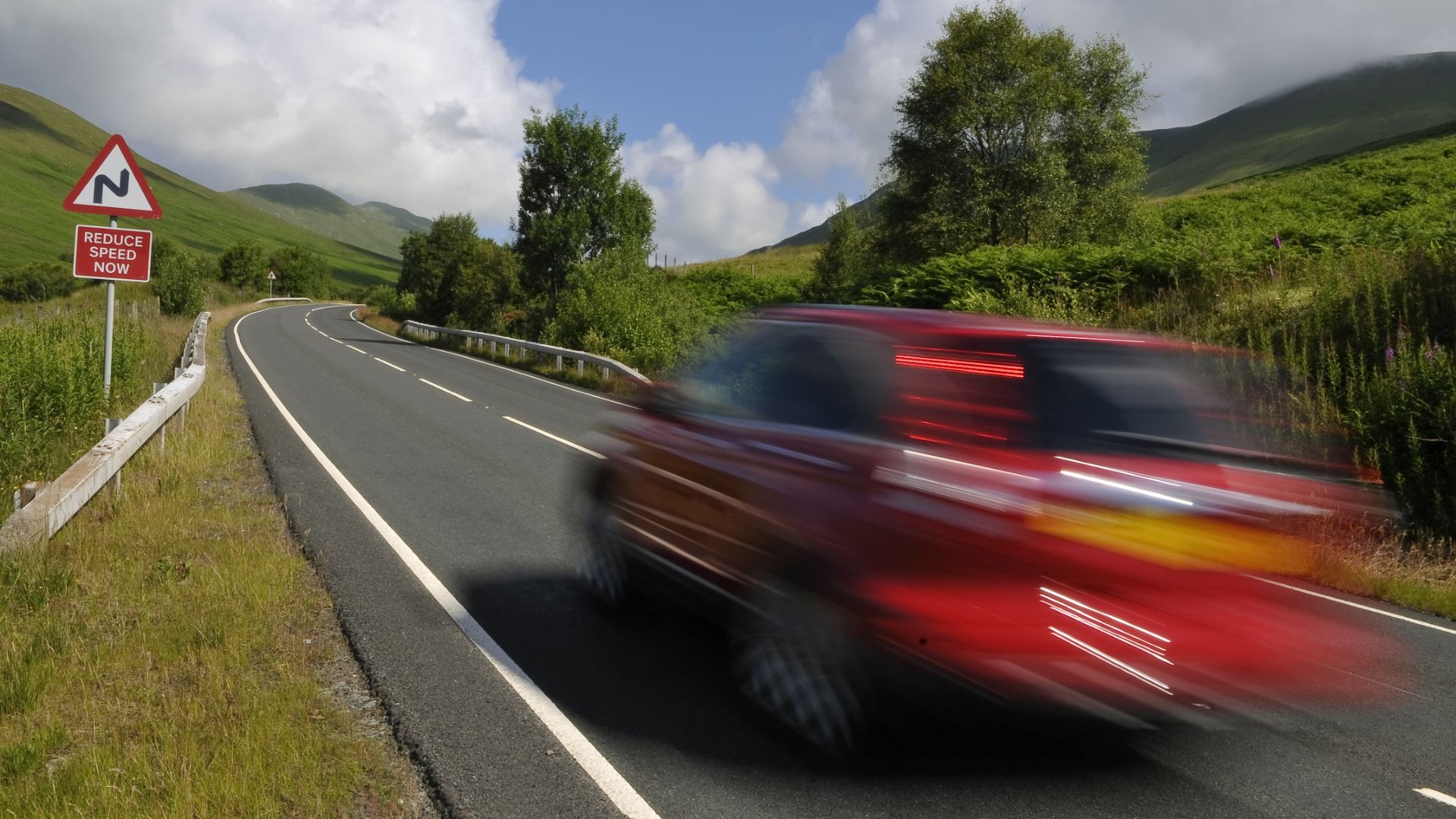
Since 2011, the number of speeding offences has increased by an average of five percent every year. This is according to new analysis of motoring offences.

Breaking the speed limit tops the list of the most common driving offences in England and Wales. In total, drivers have racked up an astonishing 15.9 million speeding offences since 2011.

It’s getting worse. In the past year, there was a driving offence for one in every 10 motorists in England and Wales. This is compared to one in 11 drivers in 2011.

A total of 13 police forces saw an increase in the speed of the fastest drivers caught during the lockdown. This is despite an overall decrease in the number of people caught speeding.

Traffic was down two-thirds as a result of people being urged to stay at home.

Hotspots for speeding in the UK

This new research, conducted by True Solicitors, reveals a wide ranging list of motoring offences in England and Wales. These offences were analysed where there were findings of guilt at all courts, fixed penalty notices and written warnings.

The research can be summarised as follows:

  • Speed limit offences: 15,904,000 (since 2011)
    • Speed limit offences.
  • Miscellaneous offences: 2,998,000
    • Neglecting road regulations (not speeding), failing to supply information.
  • Licence, insurance and record keeping offences: 2,666,000
    • Driving while disqualified, uninsured vehicles, false statements of insurance, fraud and forgery.
  • Dangerous, careless or drunk driving: 1,587,000
    • Dangerous driving, including drugs and alcohol, disqualified driving, using a mobile phone, etc.
  • Vehicle test and condition offences: 626,000
    • Defective vehicle parts and vehicle test offences.
  • Unauthorised taking or theft of motor vehicle: 55,000
    • Aggravated vehicle taking, including causing injury and damage, theft of a motor vehicle, etc.
  • Accident offences: 40,000
    • Failing to stop after an accident, failing to report and accident, etc.

How to stay safe on the roads

Hotspots for speeding in the UK

Although UK roads are among the safest in Europe, there are a number of things you can do to stay safe.

Here are some of the things to consider, according to True Solicitors:

  • Do not drive when tired. Rest and stay hydrated – especially on long journeys
  • Plan ahead. Arrange a lift or take public transport if you’re going to consume alcohol
  • Always keep a safe distance. Leave a gap to the car in front – extend the distance when it is raining
  • Remember to check for vehicles in your blind spot
  • Rest before a long trip. Take refreshments and include breaks in a long journey

Click here for more motoring advice.

Advertisement