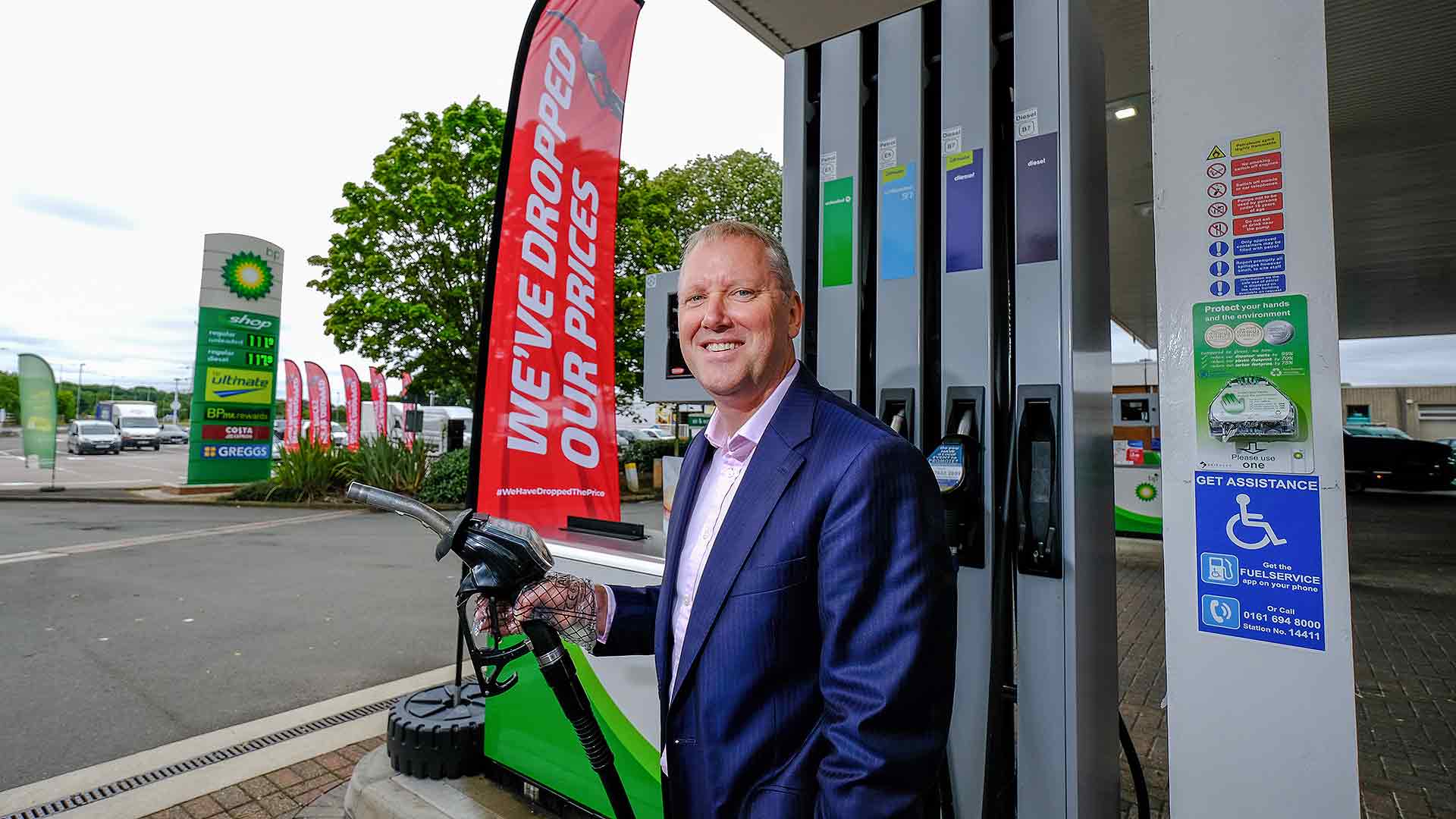
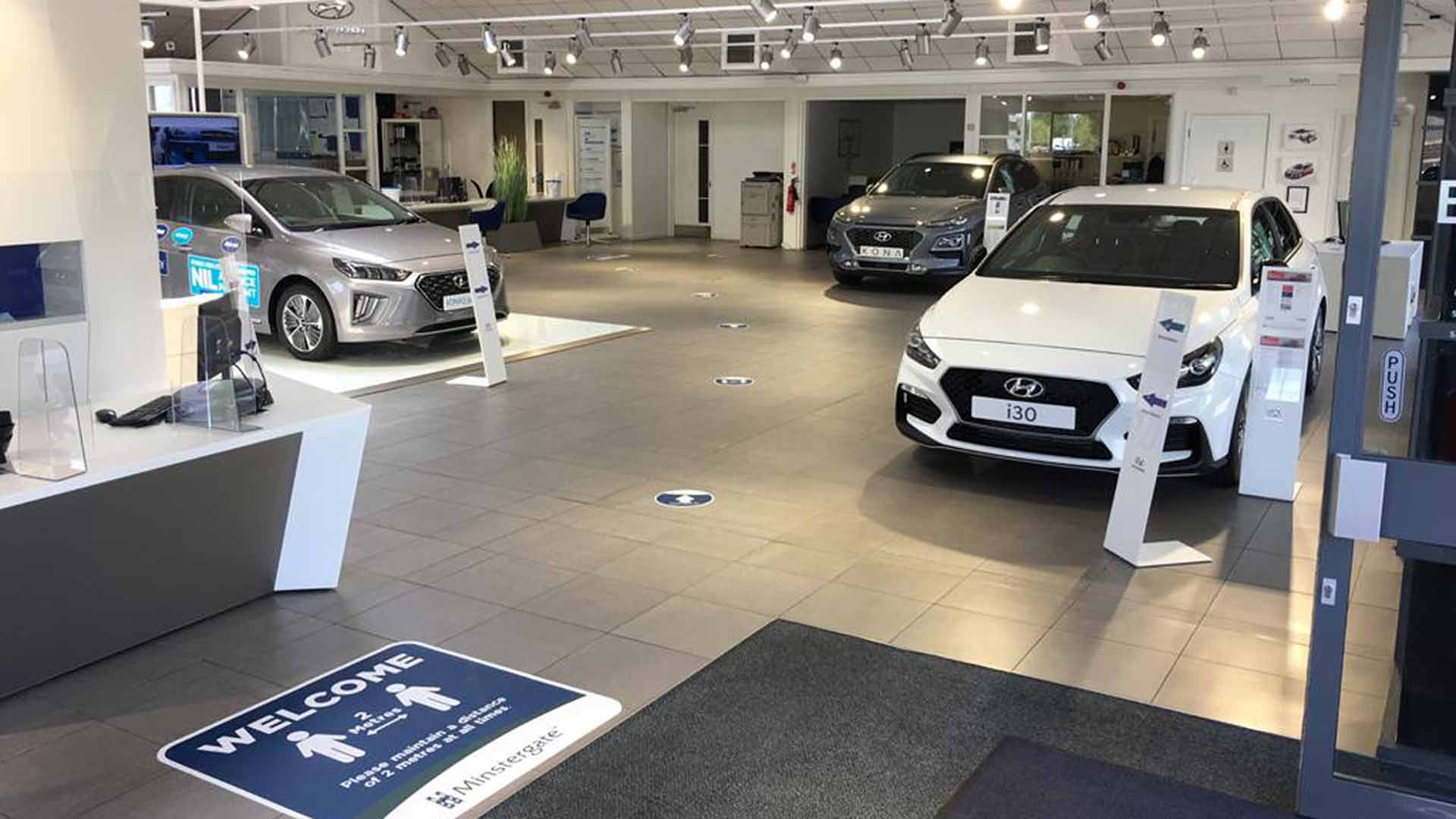
Motorway services operator Moto is trialling an 8p a litre fuel price reduction at three service stations – and if more motorists start filling up, the price drop could go nationwide.
Moto is the UK’s largest motorway service area operator, operating 47 forecourts across the country.
The trial is running at Frankley services on the M5 near Birmingham, Lancaster on the M6 and Donington Park on the M1 near Derby.
The 8p a litre price reduction matches the average price at local filling stations and is within 5p a litre of the average supermarket fuel price.
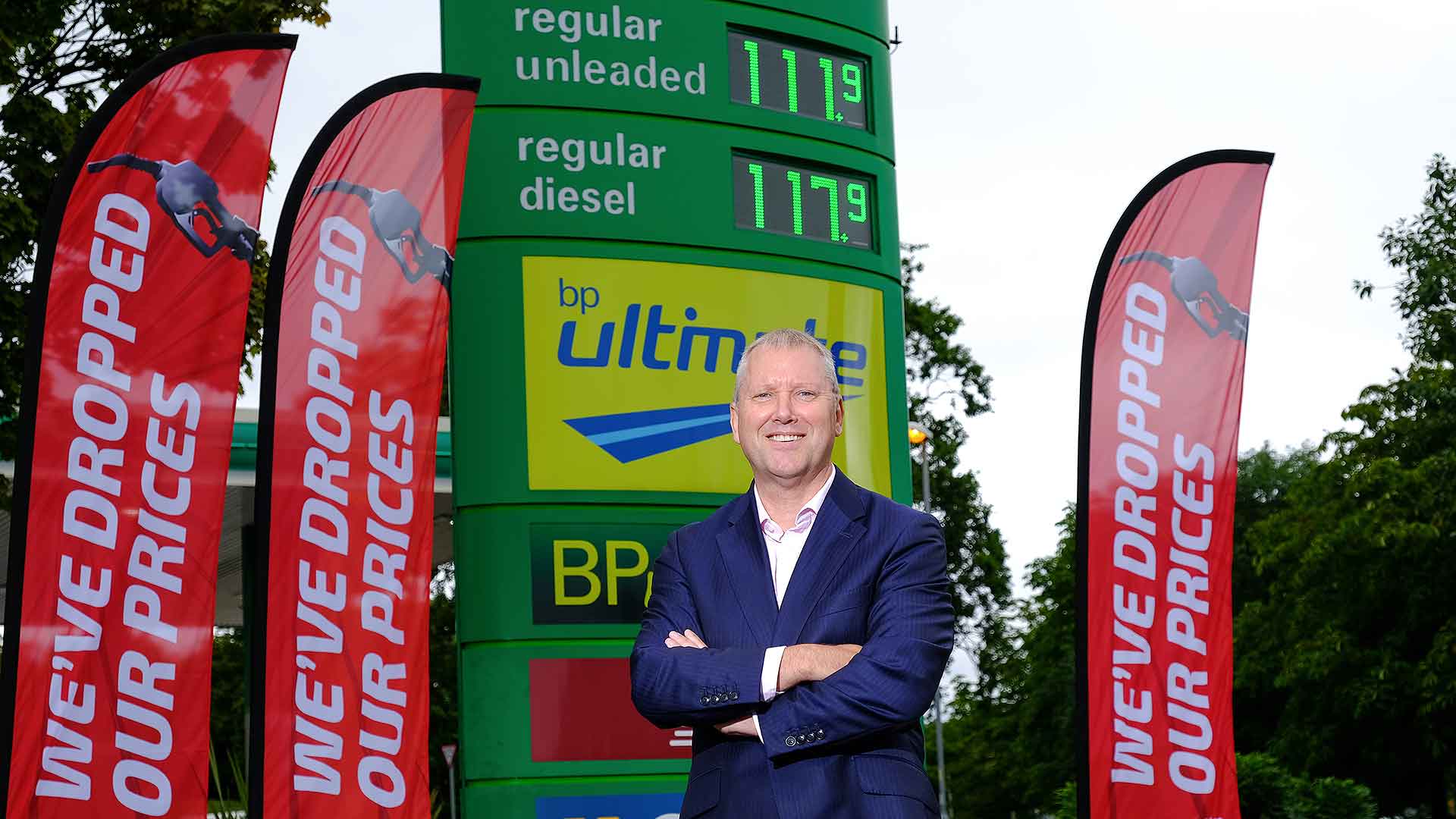
Unleaded will cost 111.9p per litre and diesel will cost 117.9p per litre.
So significant is the price reduction, Moto says it would reduce the cost of filling the average fuel tank by more than £4.
Moto chief executive Ken McMeikan said: “Times are tough, and we know from our customer insight that motorists want to see lower fuel prices to help them make their money go as far as possible.
We are hoping that, subject to a successful trial, we will be able to roll out these fuel price cuts to all our Moto-operated petrol stations.”
Cut fuel VAT
Moto’s chief executive Mr McMeikan (pictured above) has also written to Chancellor Rishi Sunak calling for a cut in VAT on fuel to match the VAT cut for the hospitality sector.
This has been reduced from 20 percent to five percent.
“A cut in VAT on fuel,” said Mr McMeikan, “would instantly put more money into people’s pockets at precisely the time they need to be travelling again for work, visiting loved ones and during the expected increase in staycations.”
Fuel duty currently accounts for 57.95p per litre of fuel, with 20 percent VAT added on top.
ALSO READ
How to find the cheapest petrol and diesel near you
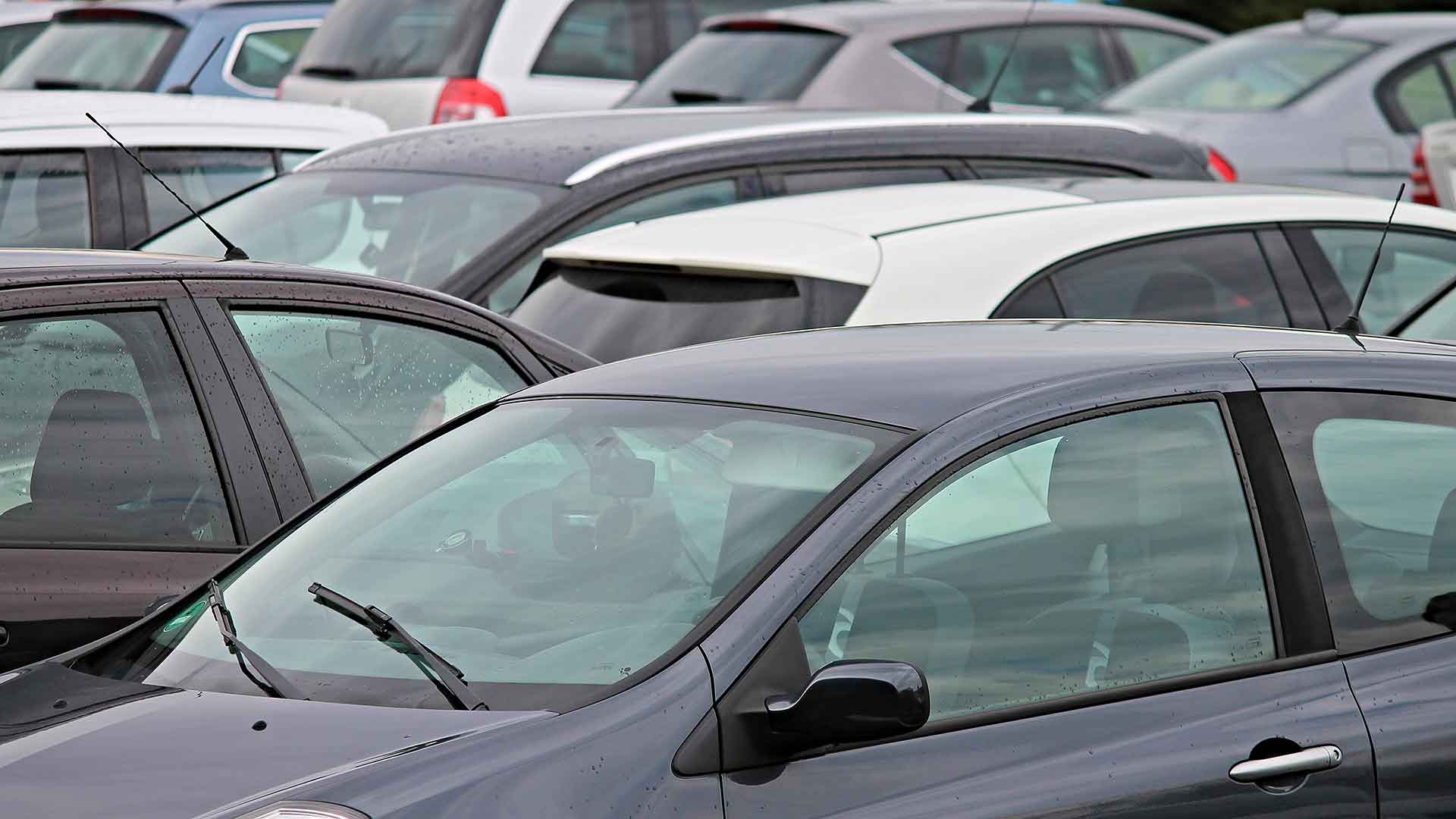
Covent Garden has been named the least safe place to park your car in an analysis of 200 of the UK’s busiest car parks. Of the car parks in the top 10, three are in London and three are in Bristol.
The figures reveal a staggering 368 vehicle crimes per year in Covent Garden. That’s more than one a day.
Meanwhile, the car park at Exeter St David’s is the safest. There was just one recorded crime between April 2019 and March 2020.
Four out of the 10 safest car parks in the UK are attached to a railway station. This suggests a higher level of security at these locations.
USwitch, the company behind the research, looked at a range of vehicle crimes when collating the data. The list includes aggravated vehicle taking, theft of a motor vehicle, theft from a motor vehicle, interference with a motor vehicle, and theft from vehicle other than a motor vehicle.
Aside from Bristol, the least safe car parks are concentrated in the South East. On the other hand, there’s a wider geographic spread for the safest car parks.
Here is some advice on how to keep your car safe in a car park. The information is based on official guidance issued by the Met Police:
Lock your doors and close your windows
Secure the number plates and alloy wheels
Protect external items
Hide personal belongings and devices
Consider a comprehensive insurance policy for your car
Choose your car park wisely and prioritise well-lit areas
Never leave documentation in the vehicle
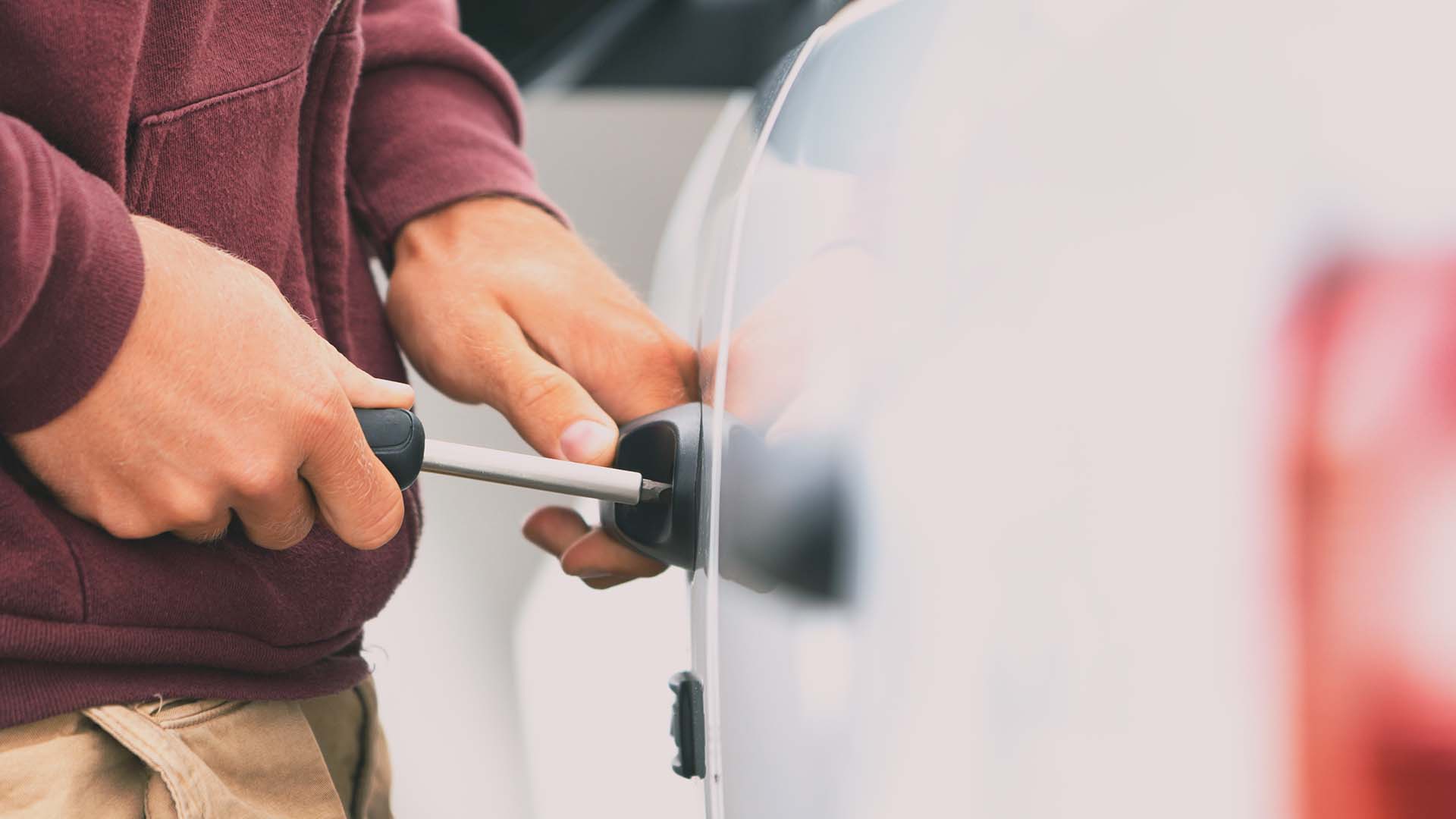
We’d also add the purchase of a steering wheel lock to the list. This highly visible security device could deter opportunist thieves. It’s also effective against keyless car thieves.
The average UK car insurance premium is £755 a year, so it pays to shop around. But beyond using a price comparison website, what can you do to reduce the cost of car insurance?
Firstly, never accept the renewal quote from your existing provider. There’s little reward for loyalty in the world of car insurance, so take a mercenary approach when your policy expires.
New research shows how the price of a car insurance policy can change when altering just one factor at a time. Some of the findings might surprise you.
Higher or lower car insurance?
Does reducing the annual mileage lower the premium? Yes, but the research by Moneyshake shows that reducing cover to 5,000 miles a year results in a discount of just £17.
Decreasing your voluntary excess to £250 will save you 25 percent. Increasing it to £500 or £1,000 could actually result in a more expensive policy.
Improving car security could increase the price. By adding a tracking device and locking wheel nuts, you’re modifying your car, which could result in a more expensive policy. Talk to your insurance provider.
A third-party, fire and theft policy could be 60 percent more expensive than comprehensive cover. You could save a massive £448 by going ‘fully comp’.
Drivers with a PassPlus qualification actually spend more on their car insurance.
Be careful who you add to the policy. Naming your spouse can save you 25 percent. However, adding a child to the policy could increase the premium by 524 percent. Moneyshake’s research revealed that some policies went beyond £5,000.
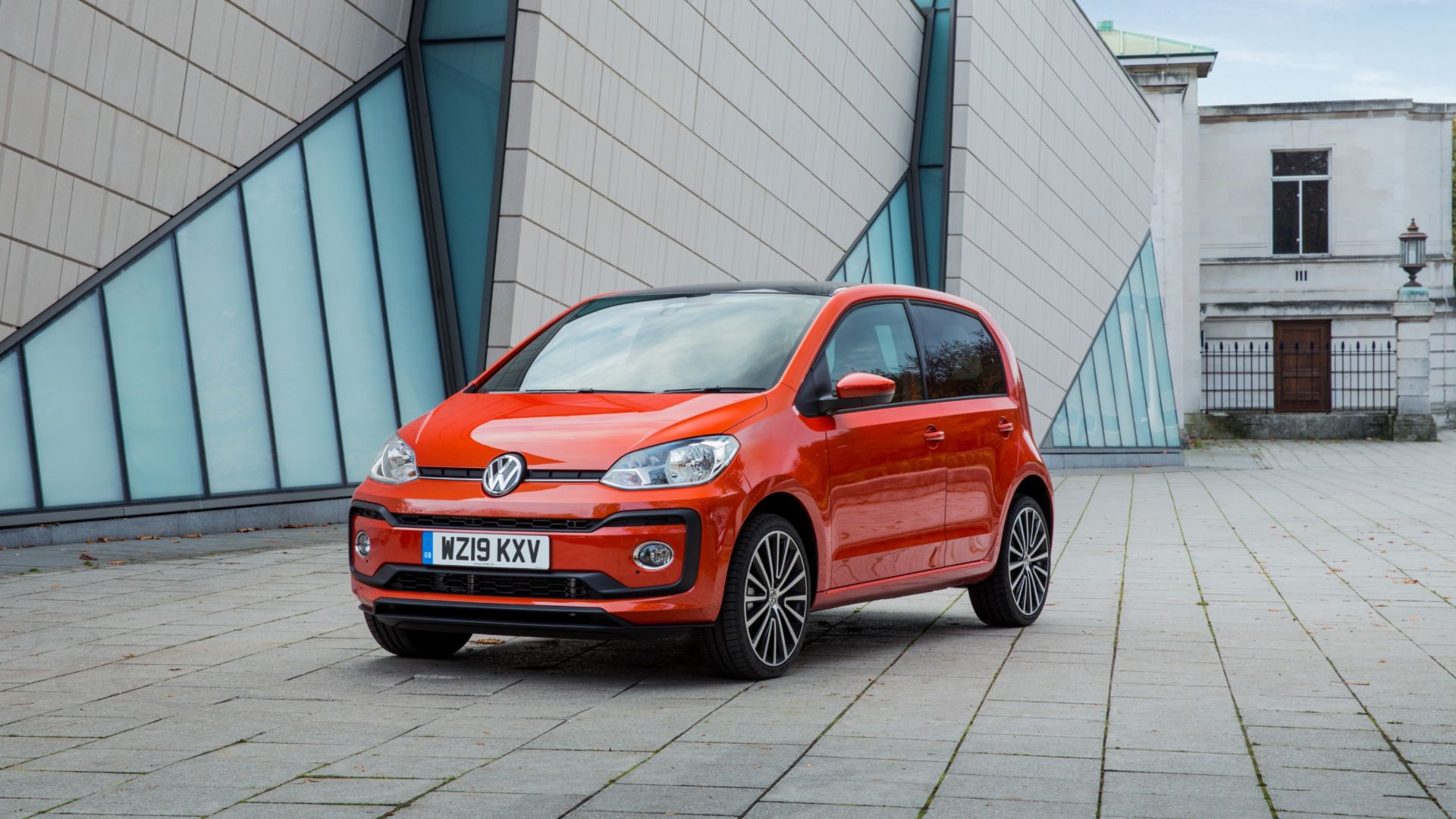
The cheapest cars to insure are the Nissan Micra, Volkswagen Up and Kia Rio.
Paying annually instead of monthly will save you £109 a year. On average, a premium paid by direct debit costs 15 percent more.
A no-claims bonus can save you £356 a year.
How to reduce your car insurance
According to Chill Insurance, here are some of the ways to reduce your car insurance premium:
Drive safely to build up a no-claims bonus
Correctly estimate the value of your car
Use an online broker to search the market for you
Estimate your mileage correctly. You’ll pay more for miles you don’t need
Young drivers will see their premium decrease when they move from a provisional to a full driving licence
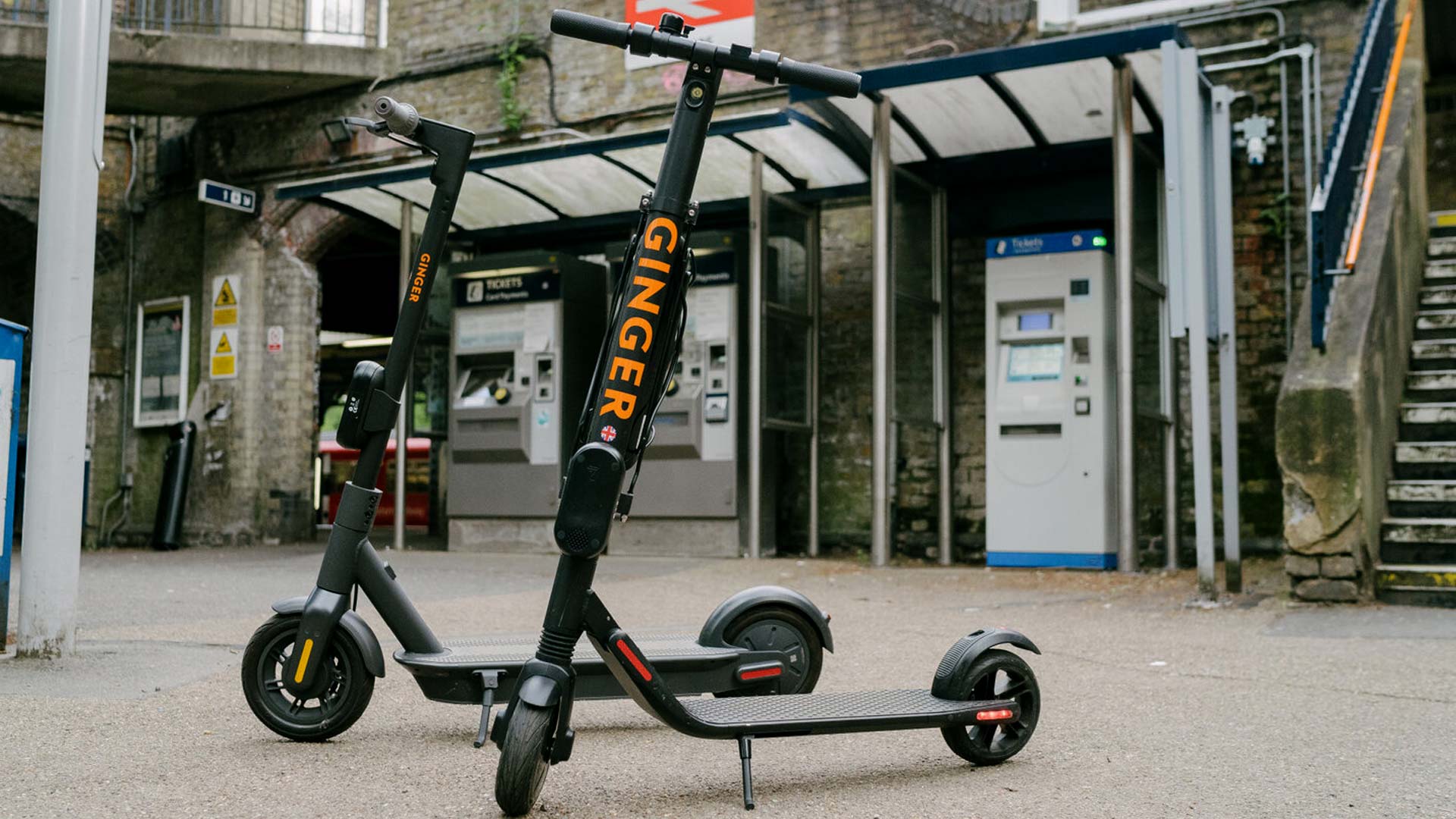
This week sees the start of the UK’s first e-scooter rental trial, with the Tees Valley in the North East the chosen location.
A collaboration between the Tees Valley Combined Authority and shared transport company Ginger offers up 50 e-scooters now available to rent.
The pilot scheme follows changes in legislation by the Department for Transport, and will test whether e-scooters could become more widespread in the UK.
Testing times ahead
The initial rollout of the e-scooter trial sees 50 made ready for use in central Middlesbrough. The number will soon increase to 500, located across Teesside and Darlington.
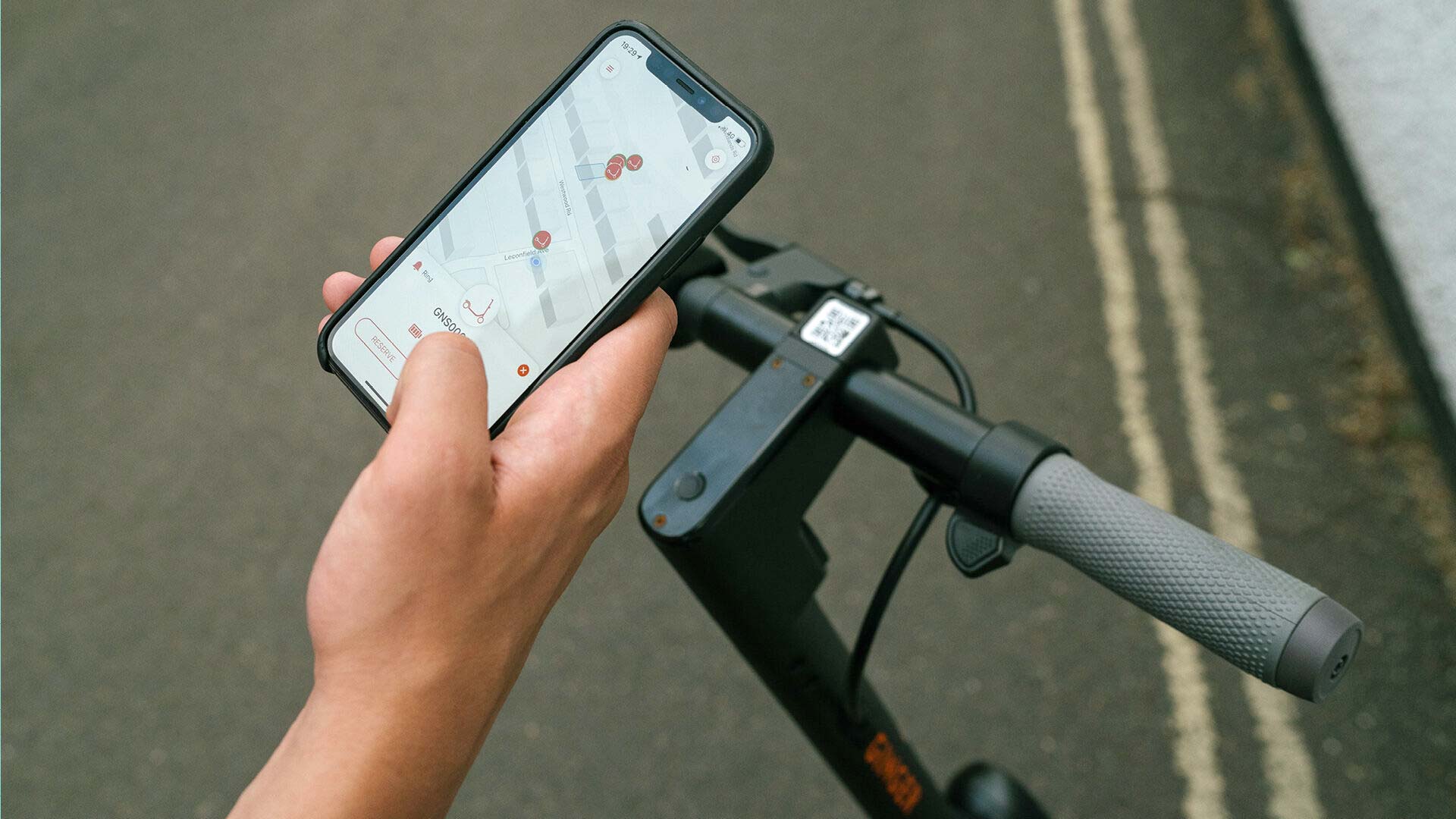
To use one of the rental e-scooters, riders need to download the specific Ginger app to their smartphone. This letsthem reserve an e-scooter at their chosen location, then unlock it by scanning a QR code.
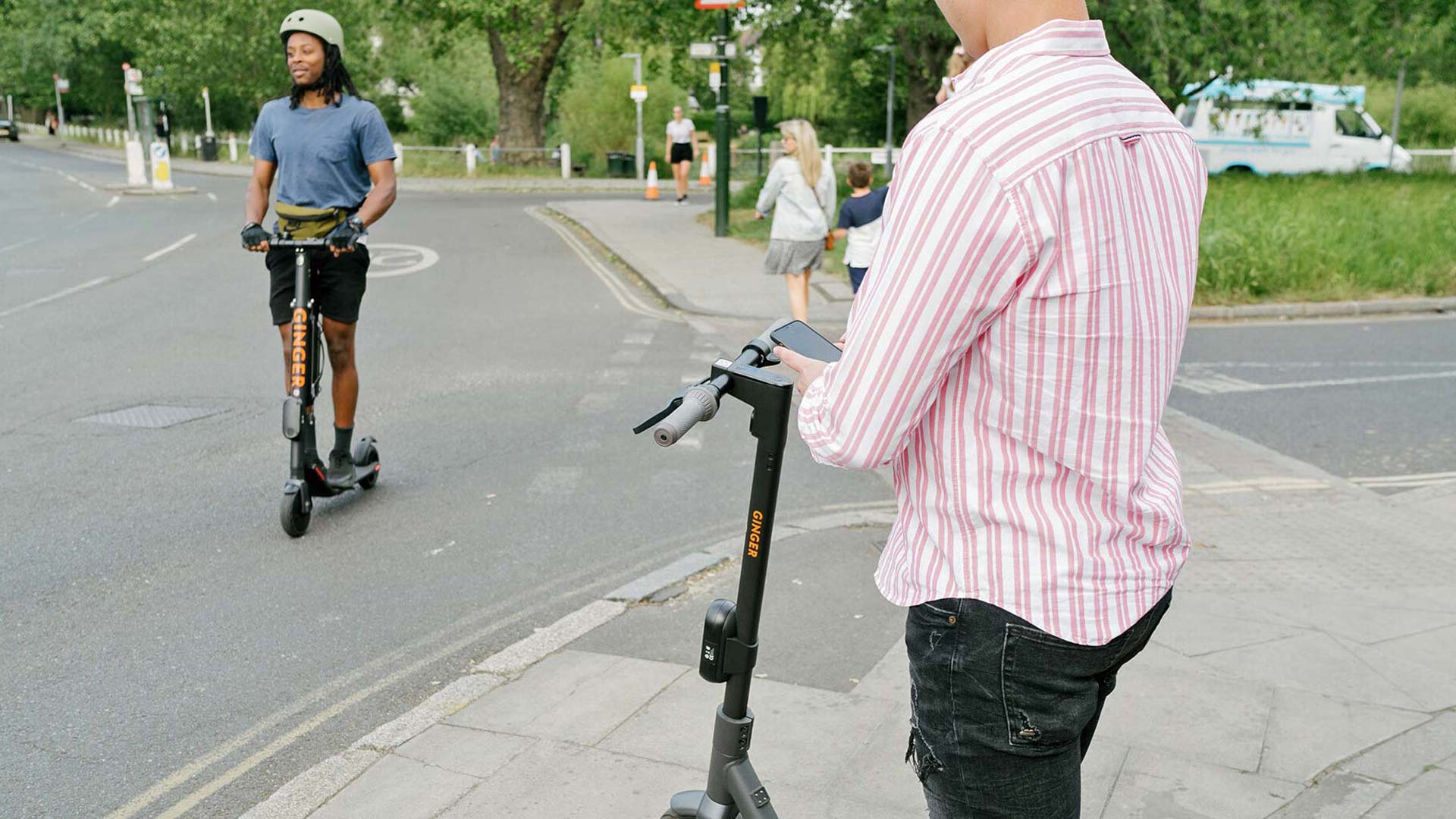
The e-scooters can only be used within the dedicated trial area. Riders have to pay £2 for 20 minutes, and must return the e-scooter to a special parking zone when done.
Legislation means trial e-scooters can be used on roads and cycle lanes, but not on pavements. Riders need to have at least a provisional driving licence, but insurance is provided as part of the rental payment.
Top speed is limited to 12.5 mph.
Keeping it legal
Research by GoCompare has found that internet searches for e-scooters increased by an incredible 376 percent during lockdown. However, GoCompare warns that only rental e-scooters inside specific trial zones are currently legal for road use.
Using a privately-owned e-scooter on roads, pavements, or cycle paths would still be against the law. Riders face a fine of up to £300, along with six points on their driving licence, if caught by police.
A number of other local authorities across the UK have already expressed an interest in hosting e-scooter trials. It means those wanting to ride one should wait until a pilot scheme appears near them.
A unique transport solution
British-based Ginger is responsible for ensuring the e-scooters are charged each day. The company will also look to introduce on-street docking stations as the pilot progresses.
Paul Hodgkins, CEO of Ginger, commented: “I strongly believe micro e-mobility offers unique solutions to today’s transport challenges. It is great that the Tees Valley Mayor and the Transport Secretary are making this public pilot the first in the UK, choosing to work with Ginger, a British innovator and transport provider.”
Tees Valley Mayor, Ben Houchen, added: “I have been a big fan of e-scooters for a very long time, and when the Government announced their plans to fast-track their introduction, it was obvious that our region should be the first trial area.”
Local authorities should make car parking free in order to encourage shoppers back to the High Street, new research has found.
More than 85 percent of motorists want local authorities to either lift car parking charges, or continue waiving them if they’ve already done so.
This could help High Street retailers who have been particularly badly hit by the coronavirus crisis.
Thousands of jobs have already been lost from shops, and thousands more are predicted to disappear in the coming months.
Encouraging shoppers back with the convenience and cost-savings of free car parking could help stem the losses, suggests the analysis by car supermarket Motorpoint.
Almost £900m is normally raised each year by local authorities from car parking fees. However, a collapse in High Street trade risks costing much more than that, which is why so many think lifting car parking charges would make sense.
It also follows official government advice to avoid public transport wherever possible.
Motorpoint CEO Mark Carpenter said the results “clearly show the strength of feeling that people have for their local High Street.
“While free parking in itself won’t draw people back to the shops, it will certain incentivise more people to make that trip into their local town.”
‘Tax doesn’t have to be taxing’. The words of Adam Hart-Davis in an old advertising campaign for HM Revenue and Customs. Maybe so, but car tax can be a confusing business.
Not that it’s called ‘car tax’ or even ‘road tax’. Although these are the common terms for vehicle taxation in the UK, it’s actually called Vehicle Excise Duty (VED). In short, VED is a tax on vehicle ownership.
It’s one of two ways the government taxes you for using a vehicle. The other is in the form of fuel duty. This is a tax on vehicle use. The more you use a car, the more tax you pay.
VED is different. It’s a fixed annual tax which is charged on every ‘mechanically propelled vehicle’ used or kept on a public road. Although some cars are exempt from VED, the only way to avoid paying vehicle tax is to remove the car from the road and declare a SORN.
Since March 2001, the rate of VED has been based on a car’s carbon dioxide (CO2) emissions. The lower the CO2, the less you’ll pay for VED. In 2010, the government introduced a new ‘first year’ rate of taxation, which was as much as £950 for the most polluting cars. This continues today and might be referred to as ‘showroom tax’.
The paper tax disc was abolished on 1 October 2014. Today, motorists can pay annually, biannaully or monthly.
Because the VED bands have changed so much, particularly since the introduction of rates based on CO2 emissions, it can be hard to work out how much tax you’ll pay. Here, we’ll attempt to cut through the tax jungle, helping you to see the wood from the trees.
Buying a new car
If you’re buying a new car, the first year of VED will be included in the price of the vehicle in the form of a ‘showroom tax’. There are three rates:
Diesel cars that meet the RDE2 standard and petrol cars
Only two types of vehicle are exempt from VED: electric cars and alternative fuel vehicles emitting up to 50g/km CO2. All other cars incur a rate of £10 to £2,175, depending on the CO2 emissions.
The ‘showroom tax’ covers the vehicle for 12 months. From year two, the rate drops to a flat rate of £150 for petrol or diesel cars, £140 for alternative fuel vehicles, or nothing for electric cars.
However, you have to pay an extra £325 a year for a car with a list price of more than £40,000. This is charged ON TOP of the standard flat rate for five years from the second time the vehicle is taxed.
In other words, a petrol or diesel car with a list price of more than £40,000 will cost £475 to tax from year two. There’s a £5 discount for alternative fuel vehicles, but the ‘premium’ tax was scrapped for new and existing electric vehicles in 2020.
Motorists paying this ‘premium’ tax for an electric car registered because 1 April 2020 will no longer have to pay the surcharge. The exemption is set to continue until 31 March 2025, as the government continues to encourage the purchase of zero emission vehicles.
Buying a used car registered on or after 1 April 2017
Because the ‘showroom tax’ is only relevant in the first year, the figures in the table above do not apply to used cars. That’s because all cars revert to the flat rate of VED from year two.
In other words, you’ll pay £150 for a petrol or diesel car, £140 for an alternative fuel car, or nothing for an electric vehicle. VED can be paid for annually, biannually or monthly, although there’s a small surcharge if you decide to pay biannually or monthly.
[av_table purpose=’pricing’ pricing_table_design=’avia_pricing_default’ pricing_hidden_cells=” caption=” responsive_styling=’avia_responsive_table’ id=” custom_class=” av_uid=’av-1252at1n6′] [av_row row_style=’avia-heading-row’ av_uid=’av-zx1uhhjm’][av_cell col_style=” av_uid=’av-yz112nte’]Fuel type (petrol, diesel, alternative or electric)[/av_cell][av_cell col_style=” av_uid=’av-xcpo9wya’]Single 12 month payment of VED in full[/av_cell][av_cell col_style=” av_uid=’av-x22bi2he’]Single 12 month payment by Direct Debit[/av_cell][av_cell col_style=” av_uid=’av-vhupim8i’]Total of 12 monthly payments by Direct Debit[/av_cell][av_cell col_style=” av_uid=’av-307r2p3m’]A single 6 month payment (half the entire VED)[/av_cell][av_cell col_style=” av_uid=’av-sophzez6′]Single 6 month payment of VED by Direct Debit[/av_cell][/av_row] [av_row row_style=” av_uid=’av-rt0d5y8i’][av_cell col_style=” av_uid=’av-q4m99x1u’]Petrol or diesel[/av_cell][av_cell col_style=” av_uid=’av-p3s27x1u’]£150[/av_cell][av_cell col_style=” av_uid=’av-notnbdaq’]£150[/av_cell][av_cell col_style=” av_uid=’av-mn2vdfki’]£157.50[/av_cell][av_cell col_style=” av_uid=’av-klacf2c2′]£82.50[/av_cell][av_cell col_style=” av_uid=’av-jmhkto9e’]£78.75[/av_cell][/av_row] [av_row row_style=” av_uid=’av-iy9csfte’][av_cell col_style=” av_uid=’av-htt63d02′]Electric[/av_cell][av_cell col_style=” av_uid=’av-fy7woufm’]£0[/av_cell][av_cell col_style=” av_uid=’av-ex05fedu’]N/A[/av_cell][av_cell col_style=” av_uid=’av-dij3nzte’]N/A[/av_cell][av_cell col_style=” av_uid=’av-ccbqn24y’]£0[/av_cell][av_cell col_style=” av_uid=’av-b7xvao0i’]N/A[/av_cell][/av_row] [av_row row_style=” av_uid=’av-9zoezs7m’][av_cell col_style=” av_uid=’av-8k8b1f6a’]Alternative[/av_cell][av_cell col_style=” av_uid=’av-7nklw042′]£140[/av_cell][av_cell col_style=” av_uid=’av-5fqrptzm’]£140[/av_cell][av_cell col_style=” av_uid=’av-4j5vs3rm’]£147[/av_cell][av_cell col_style=” av_uid=’av-2z3ed11u’]£77.00[/av_cell][av_cell col_style=” av_uid=’av-1n2hy0sy’]£73.50[/av_cell][/av_row] [/av_table]
Remember, the £325 ‘premium’ tax applies for five years from the second time the vehicle is taxed. You should check the original list price before buying a used car, because the difference between the tax on a car costing £39,999 and one costing £40,001 could be as much as £1,625 over five years.
Buying a used car registered between 1 March 2001 and 31 March 2017
The rate of VED for vehicles registered between 1 March 2001 and 31 March 2017 is based on fuel type and CO2 emissions. You can find the CO2 emission details on the car’s V5C registration certificate.
It’s worth paying close attention to the rate, especially if you’re looking at cars registered around the time of the switch to a new fee structure at the end of March 2017 and the beginning of April 2017.
Take a petrol or diesel car with CO2 emissions up to 100g/km and registered on 31 March 2017. The car is exempt from VED. The same car, registered a day later, could cost £10 to £135, depending on the CO2 figure. That’s because only zero emission cars are exempt from VED.
Buy a petrol or diesel car with CO2 emissions over 255g/km and you’ll pay £580 a year. In broad terms, a petrol or diesel car emitting up to 140g/km will cost the same or significantly less than an equivalent car registered on or after 1 April 2017. Anything beyond that figure will cost more.
*Includes cars with a CO2 figure over 225g/km, but registered before 23 March 2006.
Buying a used car registered before 1 March 2001
For cars registered before 1 March 2001, the rate of VED is based on the engine size. The cost is £165 for engines not over 1,549cc, or £270 for engines over 1,549cc.
The following vehicles are exempt from VED. In other words, it’s free to tax them:
Vehicles used by a disabled person
Disabled passenger vehicles
Mobility scooters and powered wheelchairs
Historic vehicles
Electric vehicles
Mowing machines
Steam vehicles
Vehicles used for agriculture, horticulture and forestry
It’s important to remember that you must tax a vehicle, even if it is exempt from VED. Failure to do so could result in a fine of up to £1,000. If you do not intend to use the vehicle, declare a SORN and remove it from the road.
Taxing historic vehicles
You do not need to pay car tax if your classic car was built before 1 January 1980. If you do not know when your vehicle was built, but it was first registered between 1 and 7 January 1980, you do not need to pay VED.
However, you must apply for a vehicle tax exemption to stop paying tax. This is called putting a vehicle into the ‘historic tax class’.
This is a rolling exemption scheme. You may be able to apply for exemption from 1 April in any given year if it was built before 1 January 40 years ago. In other words, a car registered in February 1980 will be classed as an historic vehicle from 1 April 2021.
What else do you need to know?
The VED is reviewed annually as part of the Budget. The combination of pressure to meet air quality targets and a shift towards electrified vehicles should mean VED remains free for electric cars. If nothing else, VED is likely to get more expensive for the most polluting diesel and petrol vehicles.
That said, there will be a point at which sales of new electric cars outnumber those of what we currently view as conventional vehicles. There’s no guarantee that zero emission cars will remain free of VED forever, but you should take advantage of the exemption while it’s still in place.
The new guidelines say car finance companies should automatically contact customers who have already taken out a payment freeze, asking if they can resume payments.
If they are able to do so, they should then work out a plan on how the missed payments can be made. If they cannot, payments can be frozen or reduced for a further three months.
Payment freeze extensions can be requested up until 31 October 2020. Those who haven’t requested a payment freeze up to now will can still do so up to 31 October 2020.
A ban on repossessions will also be extended until 31 October 2020.
“Our measures will ensure that people who are still facing temporary payment difficulties because of this pandemic continue to have access to the help they need,” said FCA interim chief executive Christopher Woolard. “However, if you can afford to start making repayments, you should.”
Even if they are only partial repayments, the FCA says it is in customers’ best interests to begin doing so.
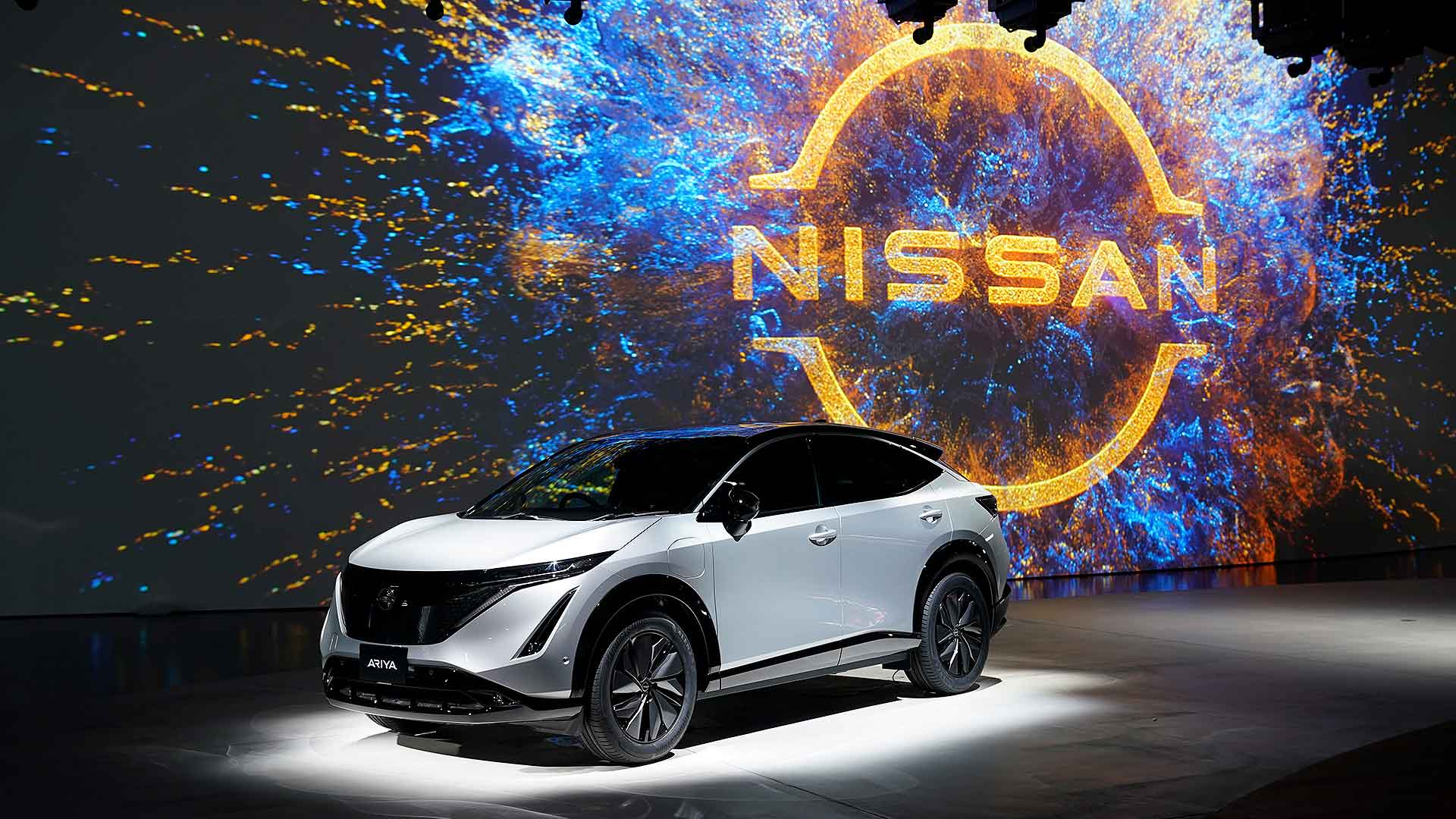
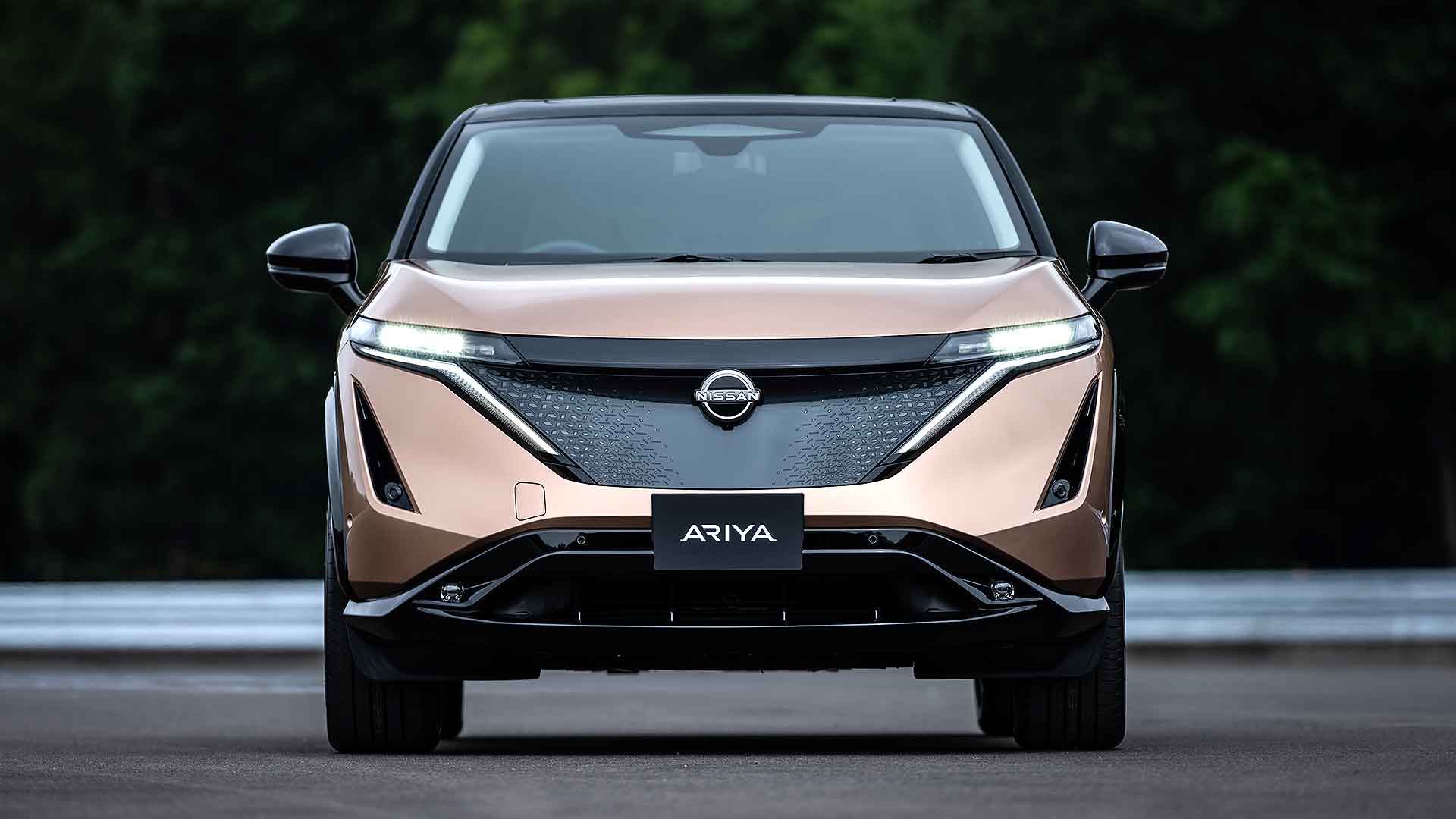
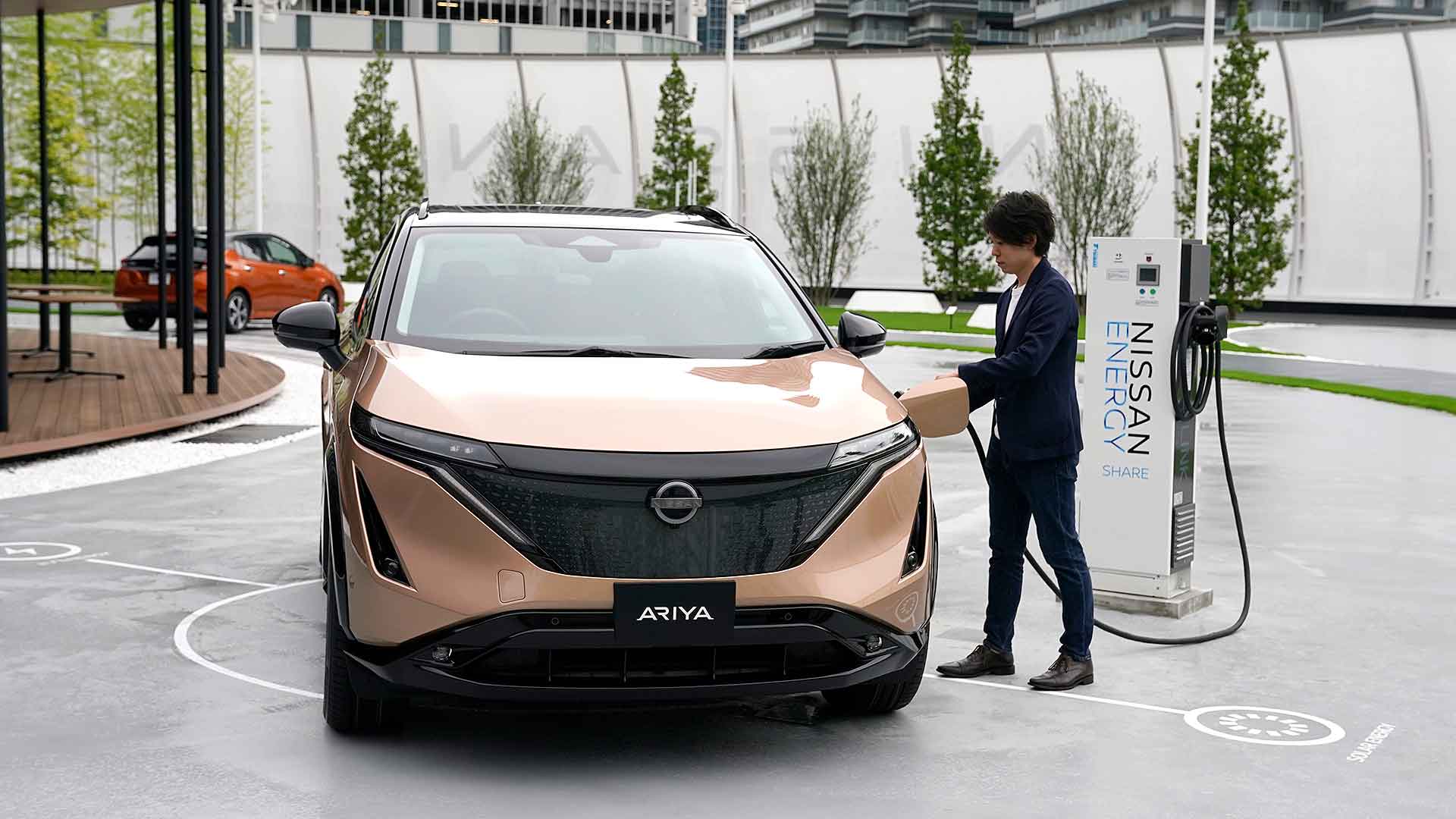
The Nissan Ariya is a new pure electric SUV with a range of up to 310 miles and futuristic styling that aims to kickstart the struggling Nissan brand.
It also comes in a surprise high-performance range-topping version with 394hp, 0-62mph in 5.1 seconds and an all-wheel drive system inspired by the Nissan GT-R supercar.
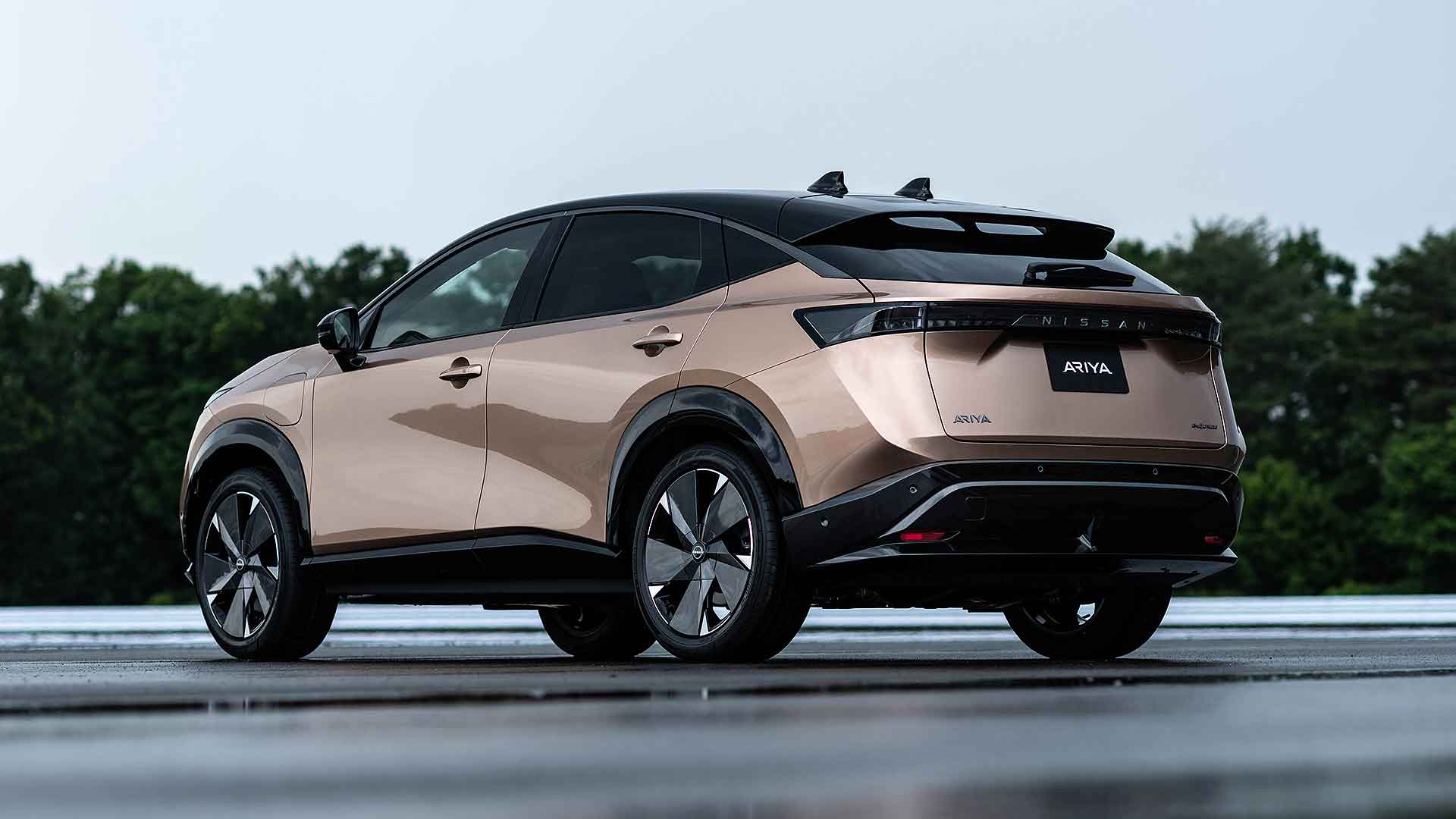
Built on an all-new electric car architecture, the Ariya has a distinctive front end with an LED-framed ‘shield’ and the first appearance of Nissan’s simplified new logo.
The sides are sleek and striking, and the rear has a distinctive rake and eye-catching LED lights.
Nissan says the short overhangs, coupe-like roofline and big wheels (19 inches are standard) are all a by-product of the 100 percent bespoke electric car underpinnings.
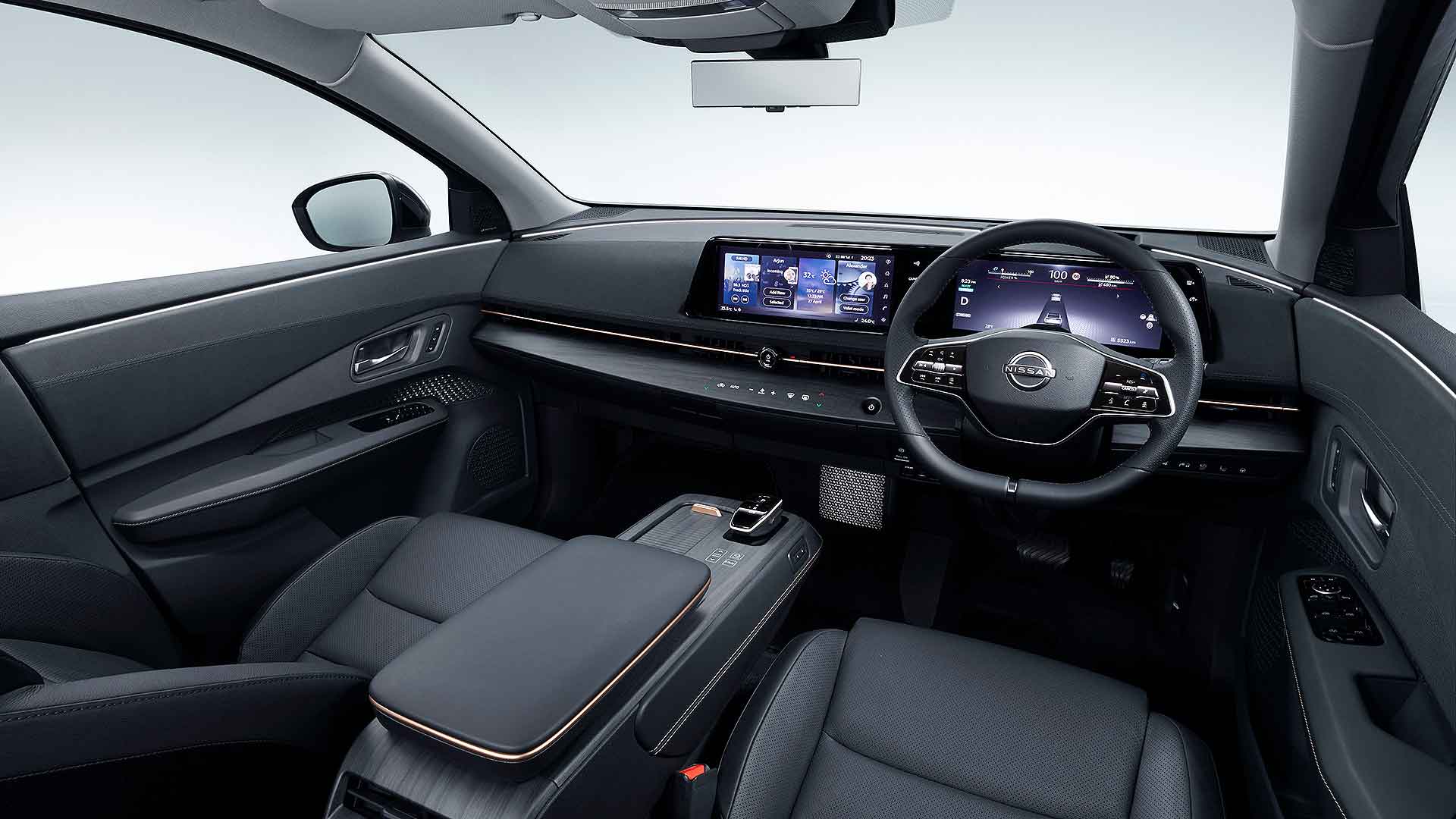
The interior is radical for a Nissan too, the firm likening it to a ‘café lounge on a starship’.
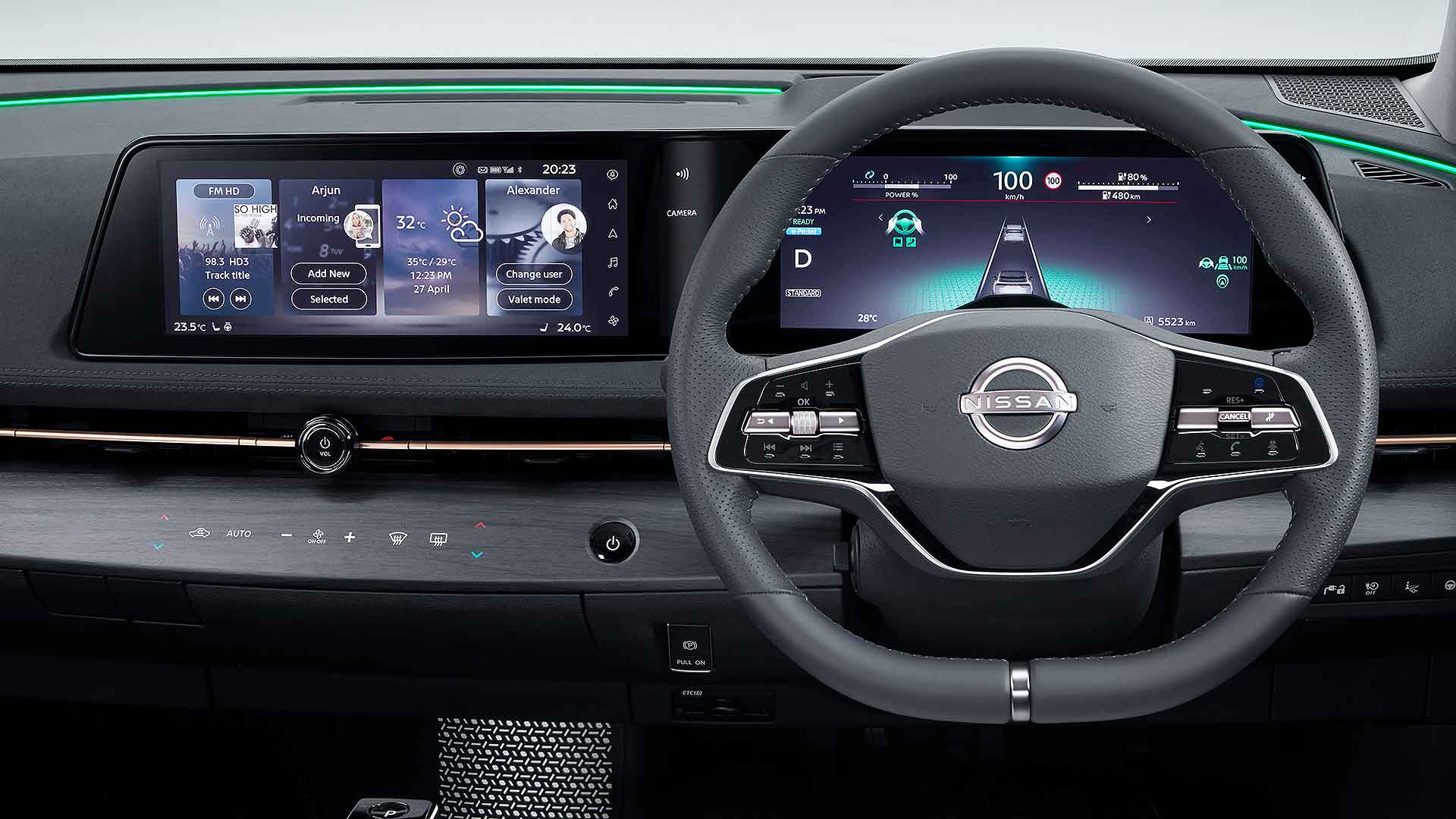
It has button-less haptic controls, dual 12.3-inch widescreen infotainment displays and slim ‘Zero Gravity’ seats that give plentiful space front and rear.
The roomy cabin allows those in the rear to cross their legs, while those in the front have a slide-out table in the centre of the dash that turns the car into a mobile office.
Ariya tech
Nissan is offering the Ariya in both two-wheel drive and all-wheel drive guises: the latter is called ‘e-4orce’.
Both drive types come with either a 63kWh battery or an 87kWh battery, and the e-4orce is also available in more powerful 87kWh Performance version with greater output.
Bizarrely, there are five different power outputs in total:
2WD 63kWh: 217hp
2WD 87kWh: 242hp
AWD e-4orce 63kWh: 278hp
AWD e-4orce 87kWh: 306hp
AWD e-4orce 87kWh Performance: 394hp
The fastest Ariya does 0-62mph in just 5.1 seconds, making it a seriously fast performance SUV. Even the standard version does it in 7.5 seconds, though.
The e-4orce versions ‘feature Nissan’s most advanced all-wheel control technology’ inspired by the Nissan GT-R supercar’s amazingly able system.
It’s easy for EVs to deliver quick 0-62mph times, said Nissan development chief Makoto Fukuda.
“The Ariya is also fast in a straight line, but it provides maximum, usable performance in a wide range of driving conditions such as on a snowy mountain road or on wet city streets.”
The twin electric motors even improve ride quality, claims Nissan.
Ariya range
The electric car range is plentiful too, with up to 310 miles on offer:
2WD 63kWh: 223 miles
2WD 87kWh: 310 miles
AWD e-4orce 63kWh: 211 miles
AWD e-4orce 87kWh: 285 miles
AWD e-4orce 87kWh Performance: 248 miles
Quick charging from CCS chargers is promised: 63kWh versions have a 7.4kW onboard charger, while 87kWh versions have a 22kW three-phase charger.
Rapid charging up to 130kW is supported.
Nissan’s second all-electric vehicle, which will sit above the Nissan Leaf, arrives in the UK in 2021, and is set to compete with vehicles such as the Tesla Model Y and forthcoming Volkswagen ID4.
Prices are to be confirmed but are expected to start well in excess of £30,000.
For more all-electric motoring news, visit our sister site MotoringElectric.com.
If you have spent any time on social media in the past few days, you may have seen and heard a lot of attention being placed on the new Ford Bronco.
Launched to great fanfare with a glossy video extravaganza, the 2021 Bronco has had Blue Oval fans on the edge of their seats for months.
Stick with us as we explain why it matters so much, and highlight some of the impressive features the new must-have four-wheel drive has.
Why is the Ford Bronco such a big deal?
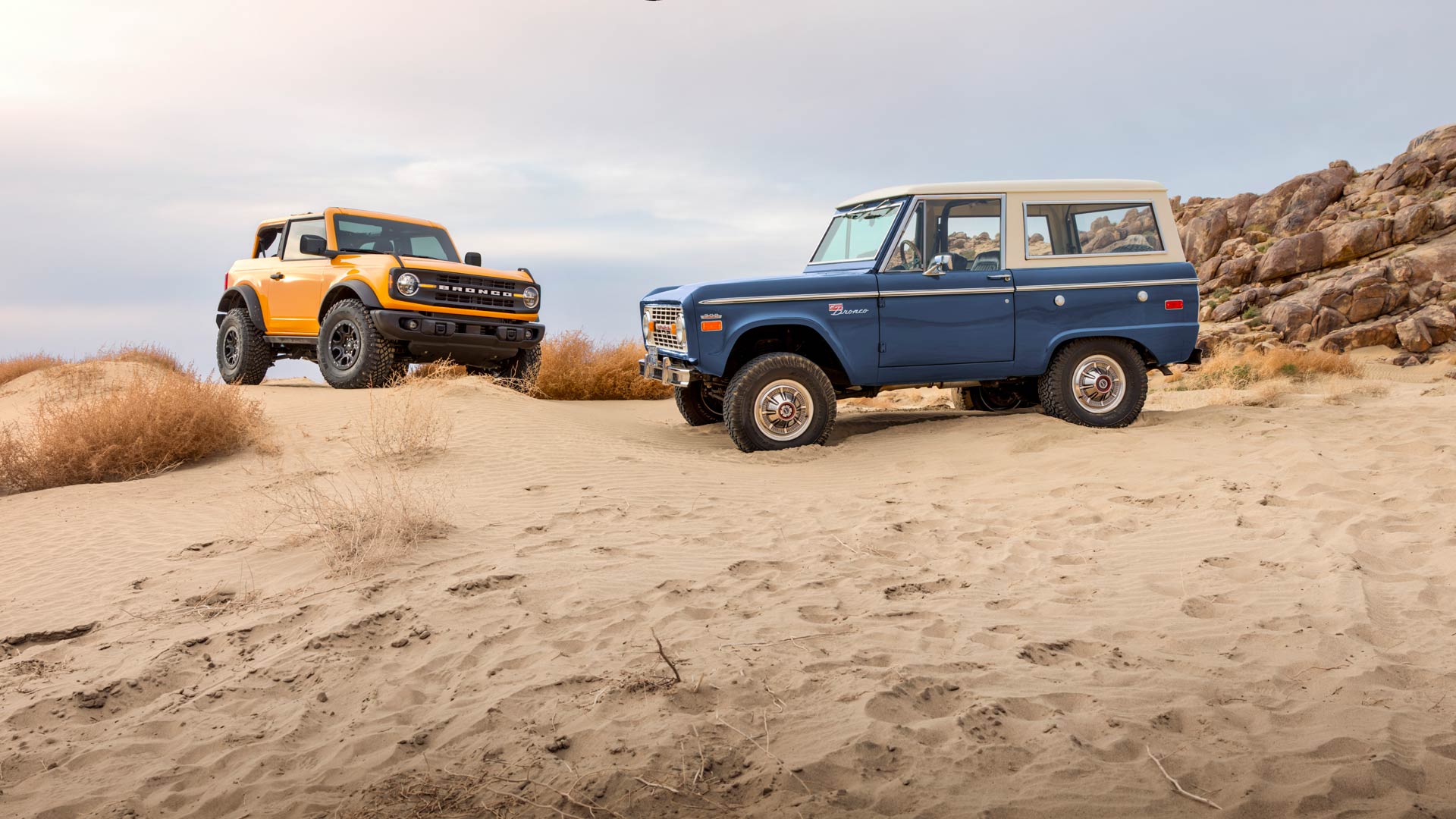
Although the name might not mean much in the UK, for North American buyers the Bronco is a legendary vehicle. The original version, launched in 1966, is credited with helping create the SUV sector we know and love.
Ford sold thousands of examples of the Bronco, across five different generations, until production ended in 1996.
It combined a practical body with standard four-wheel drive, making it the perfect SUV. The Bronco made a debut not long after the Ford Mustang, and was meant to channel the same degree of fun into a go-anywhere vehicle.
For those outside North America, a white Bronco gained infamy by being used in the 1994 O.J. Simpson police chase. That was not the reason Ford axed the Bronco two years later – the market had simply moved on from buying two-door off-roaders.
OK, but why the hype for another new SUV?
Rumours of a new Bronco have been circulating for years, ever since Ford displayed a concept version at the 2004 Detroit Auto Show.
What we are seeing now is a combination of excitement for a brand-new model, combined with decades of nostalgia for the original versions.
Classic examples of the Ford Bronco have become seriously collectable in recent years. Values have increased, with restored examples of the first-generation model demanding more than $300,000 (£240,000).
I assume the new Bronco will be cheaper than that?
Oh, indeed. Being built on the Ford Ranger pickup platform, rather than as a standalone model, has kept production costs down.
Pricing will begin at $29,995 (£24,000) for the entry level two-door model. That aims it squarely at the Jeep Wrangler, which will be the biggest competitor for the Bronco.
Moving further up the Bronco family sees things become much more costly. The range-topping First Edition version runs to a considerable $60,800 (£48,500).
The smaller Bronco Sport will be slightly cheaper to buy, priced from $28,155 (£22,500).
Who exactly is part of this Bronco family?
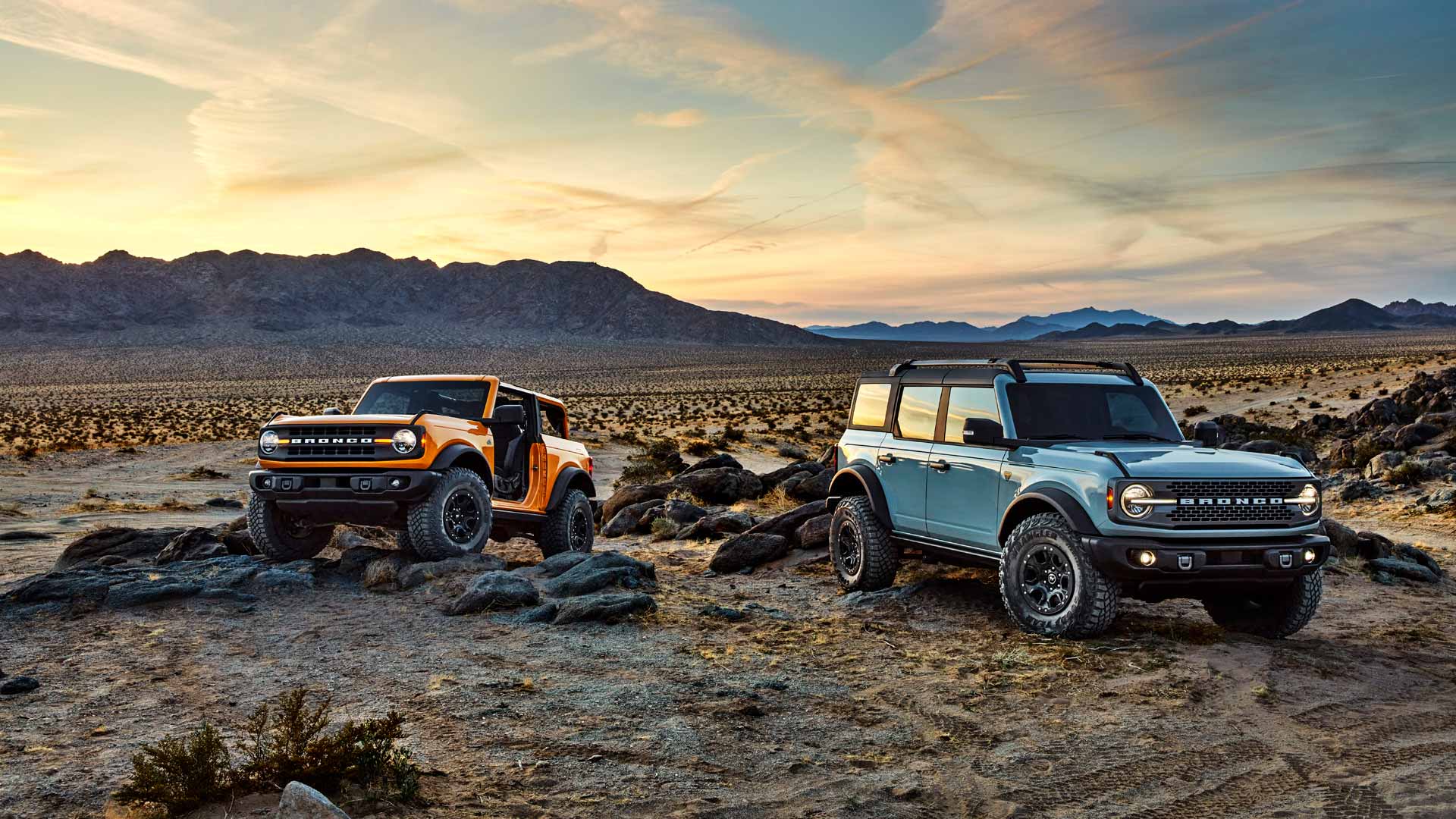
Ford has gone against the grain with the new Bronco, and launched three different styles of car in one big hit. Usually manufacturers would feed these in over time, but the Blue Oval has gone all out for the Bronco.
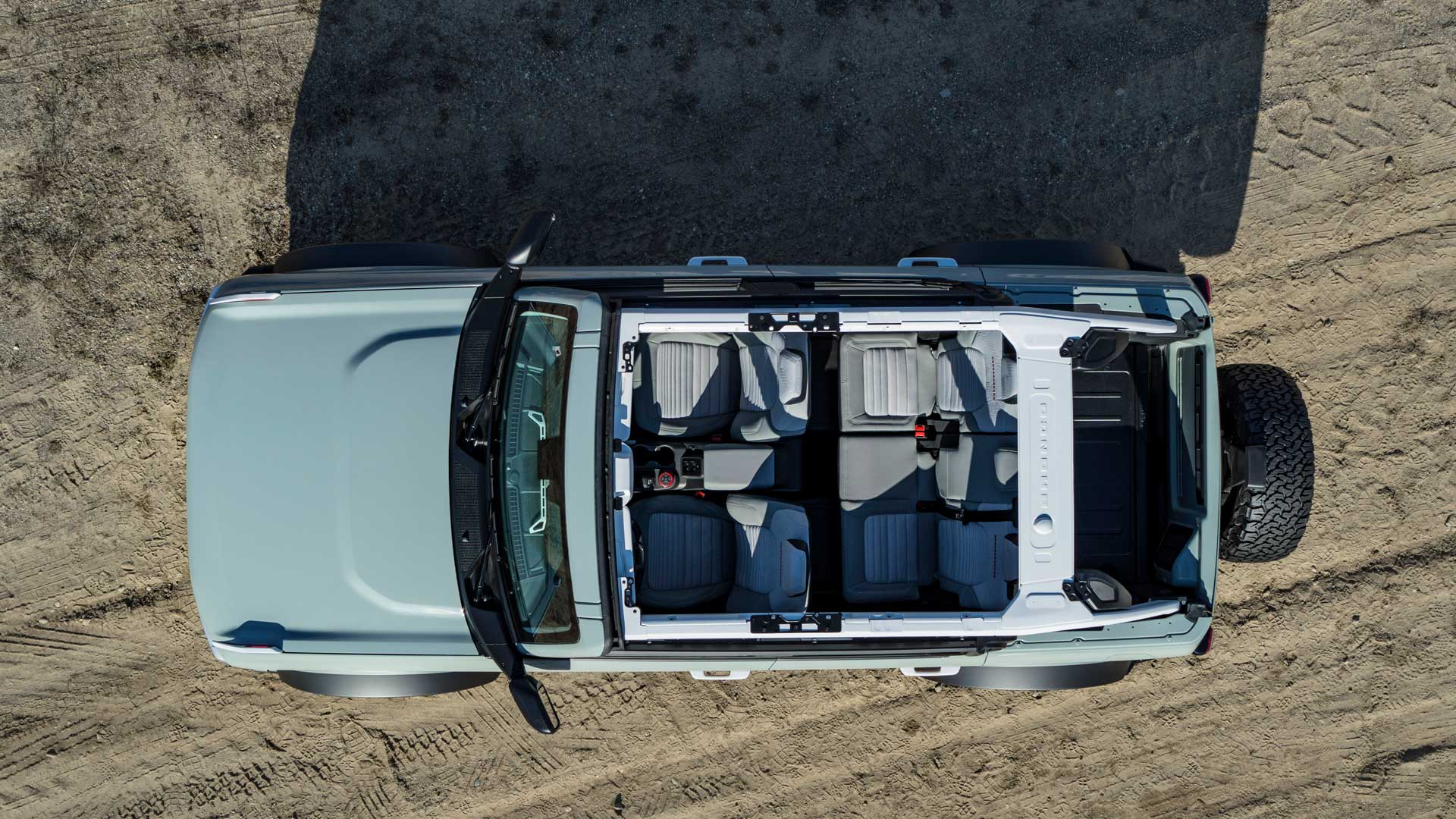
The range starts with a compact two-door model, which looks to have been directly inspired by the 1966 original Bronco. It comes with frameless doors, and removable roof panels, to bring the outside in.
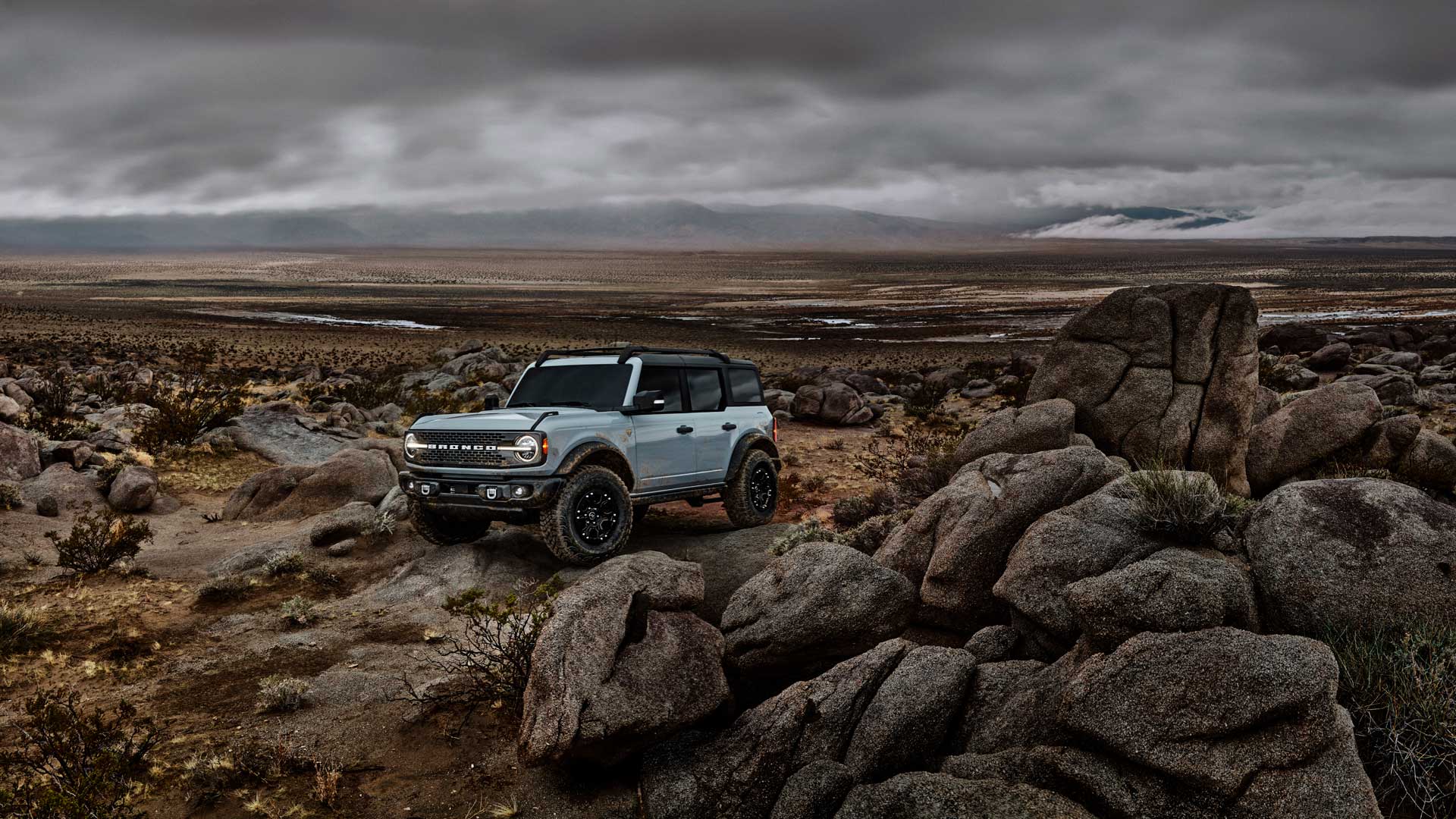
A larger four-door version of the Bronco comes with a standard soft-top roof, along with similar removable roof panels. It boasts greater interior space, but Ford says it does not compromise on ability.
What about the Bronco Sport?
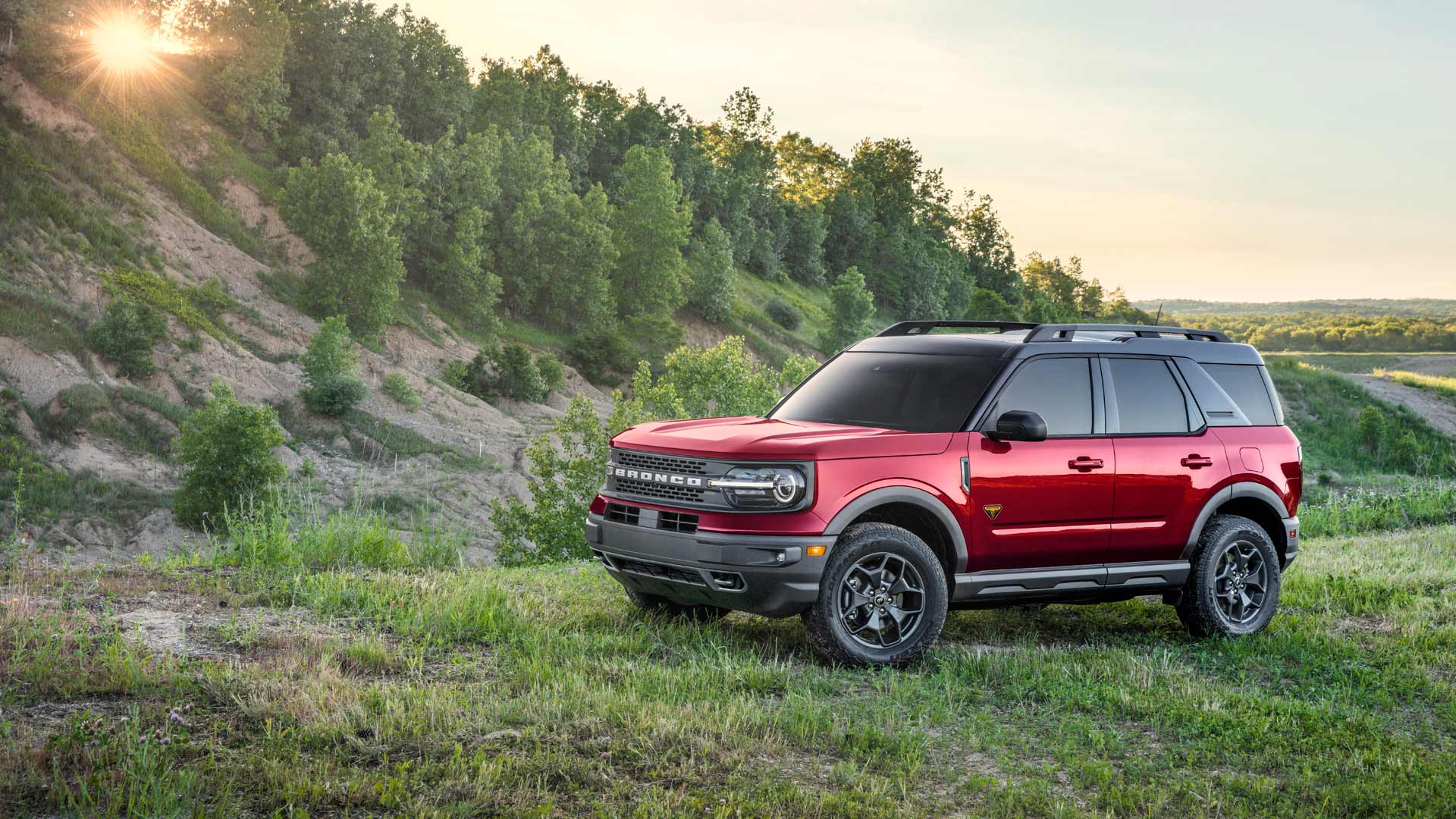
Alongside the traditional two- and four-door off-roader versions of the Bronco, Ford has also launched the Sport model. It is smaller than the other members of the family, and looks a lot more like what we would now consider a normal family SUV.
The interior is designed to be more refined, and there are no giant removable roof panels. Although the rear window does flip-up separately to allow access to the boot.
Ford is adamant the Bronco Sport will still cut it in the rough stuff, packing it with the same technology as found in its bigger brothers. It just delivers all this in a more user-friendly package.
Are the engine options all gigantic V8s?
On the contrary, Ford has shied away from big V8 engines with the Bronco. Instead, there are more examples of its EcoBoost turbocharged petrol range.
The entry-level engine is a 2.3-litre four-cylinder, producing 270 hp and 310 lb-ft of torque. Two-door versions come with a seven-speed manual gearbox, including a special low-speed ‘crawler gear’ for better control when off-roading.
A ten-speed automatic gearbox is fitted to four-door models as standard.
On the options list is a more powerful 2.7-litre EcoBoost V6, offering 310 hp and 400 lb-ft of torque.
Under the bonnet of the Bronco Sport is a 1.5-litre EcoBoost engine on lower-spec models, with a 2.0-litre EcoBoost unit on fancier versions. An eight-speed automatic is standard on all.
Will it really go off-road?
If the promotional videos are anything to go by, the new Bronco looks to be a serious mud-plugging machine. Ford has fitted it with seven different G.O.A.T. (Goes Over Any Terrain) modes, allowing the Bronco to adjust to whatever environment it is in.
Selectable four-wheel drive is fitted to all Broncos, with a low-range transfer box for when the going gets tough. Electronic locking differentials can be added, whilst the cruise control has a special ‘trail mode’ to help control speed in tricky conditions.
The acronyms continue with H.O.S.S. (High-Performance, Off-Road Stability Suspension), that includes trick Bilstein dampers. A huge ride height allows the Bronco to wade through 33.5-inches of water, and gigantic 35-inch Goodyear tyres are on the options list.
In short, Ford has thrown every off-road trick in the book at the new Bronco.
But is the interior a basic stripped-out affair?
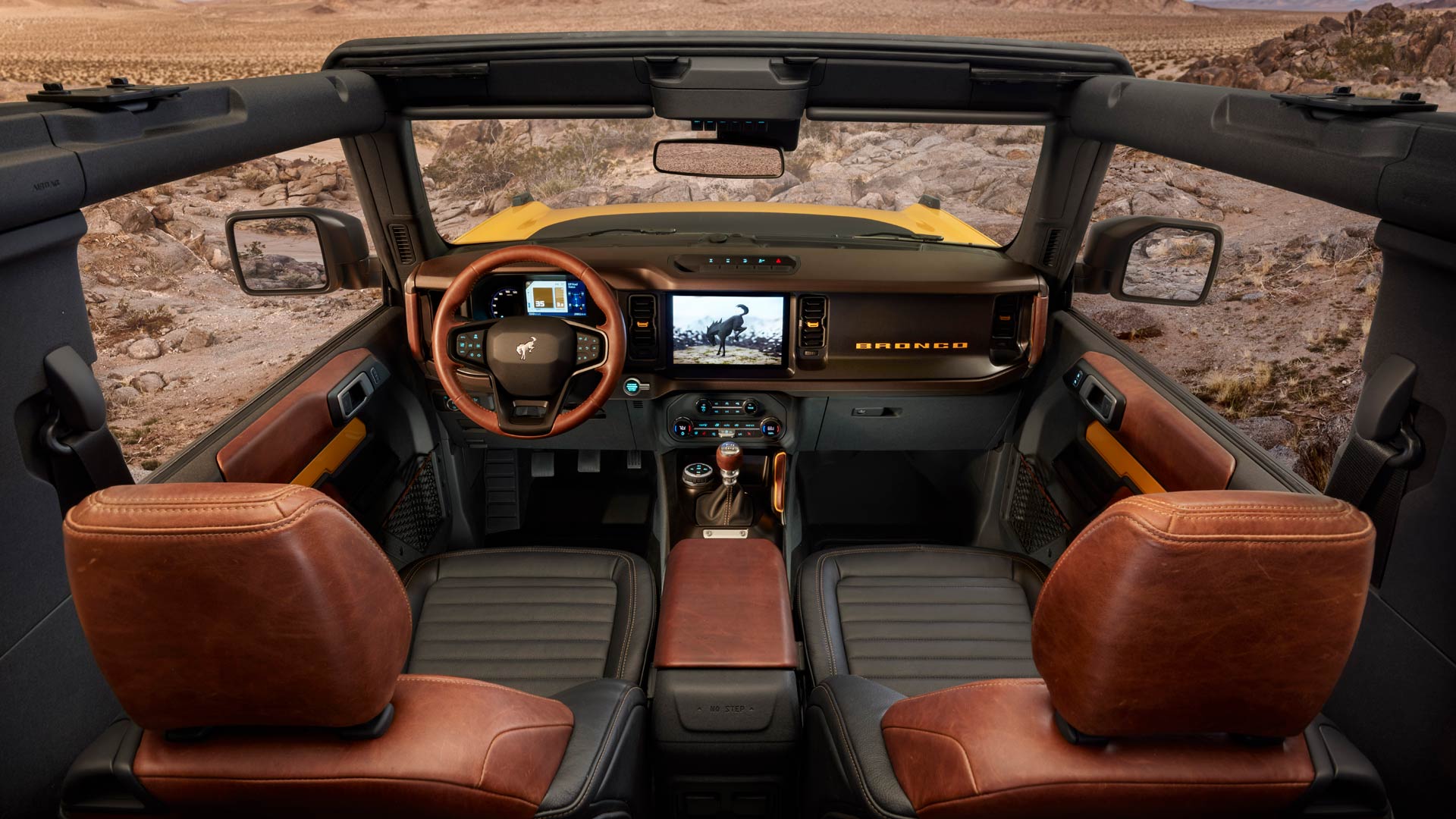
Although the inside of the new Bronco may look utilitarian, it is actually crammed with modern technology. There are cloth seats and floor carpets on base models, but the hardcore ‘Black Diamond’ version does have marine-grade vinyl seats and rubber flooring that you can wash out.
Climate control, an 8-inch multimedia screen, LED headlights, and an integrated roll cage with curtain airbags are some of the interior features on all versions. Luxury models can even be fitted with a powerful B&O stereo system, so be careful where you aim that hosepipe.
You will also find numerous hidden Bronco badges and emblems throughout the cabin, and neat details like MOLLE attachment points for your outdoor gear.
You’ve got me sold. When is it coming to the UK?
Not anytime soon. Sorry. Ford is very much focused on the North American market with the new Bronco. It is based on the Ranger pickup that is sold here, so that adds a faint glimmer of hope.
Given the excitement, we can also expect to see specialist dealers importing examples of the Bronco. But they will likely come with a premium price tag attached.
American customers are currently able to reserve their new Bronco for $100 (£80). The first deliveries are expected this time next year.
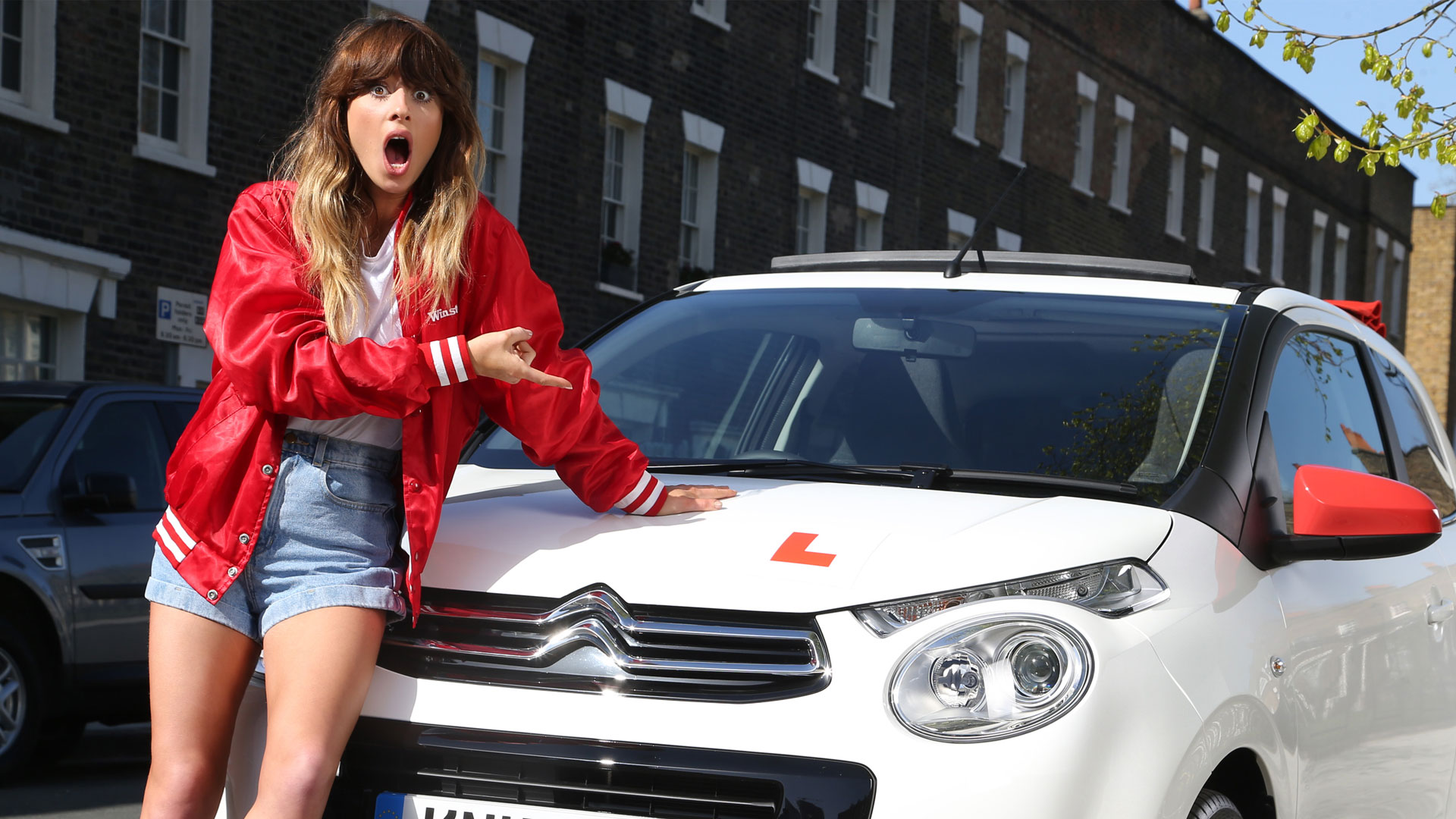
Learner drivers lost more than £1 million as a result of the lockdown. This is according to a recent Freedom of Information (FOI) request.
The figure is based on the number of expired theory test certificates during the pause in driving tests. The FOI shows that 35,937 theory test certificates expired between 23 March and 20 June – the proposed date for practical tests to resume. A certificate costs a non-refundable £23.
Based on the data from the 90-day period, 399 certificates expired daily. This is an average loss of £9,177 per day.
Car driving tests will resume in England on Wednesday 22 July. This 32-day extension equates to an additional average loss of £293,664. Using DVSA data, Marmalade car insurance estimates a loss of £1,120,215 for learner drivers.
Commenting on the data and what this means for learner drivers, CEO of Marmalade, Crispin Moger said:
“I don’t doubt that there will have been many learner drivers that were planning to take their test during this period and now will have lost out due to the lockdown. Learners whose certificates have expired will need to take the test and pass it again before they can take their practical driving test adding yet more time to their wait.
“For some this is just another roadblock to gaining freedom and will be a hindrance to many where a driving test pass was at the centre of their plans.
“That’s why we have launched a petition to ask the Government to extend these certificates by three months to allow learners the chance to qualify as drivers as soon as it’s possible, something which will also ease waiting times and pressure on theory test centres once they reopen.”
At the time of writing, around 600 people have signed the petition calling for a three-month extension of the theory test certificate once practical driving tests resume. You can sign the petition here.
Theory tests restarted in England on 4 July, with social distancing measures in place to help stop the spread of the coronavirus. Driving lessons, theory tests and driving tests are still suspended in Scotland and Wales. There are also different dates for Northern Ireland.