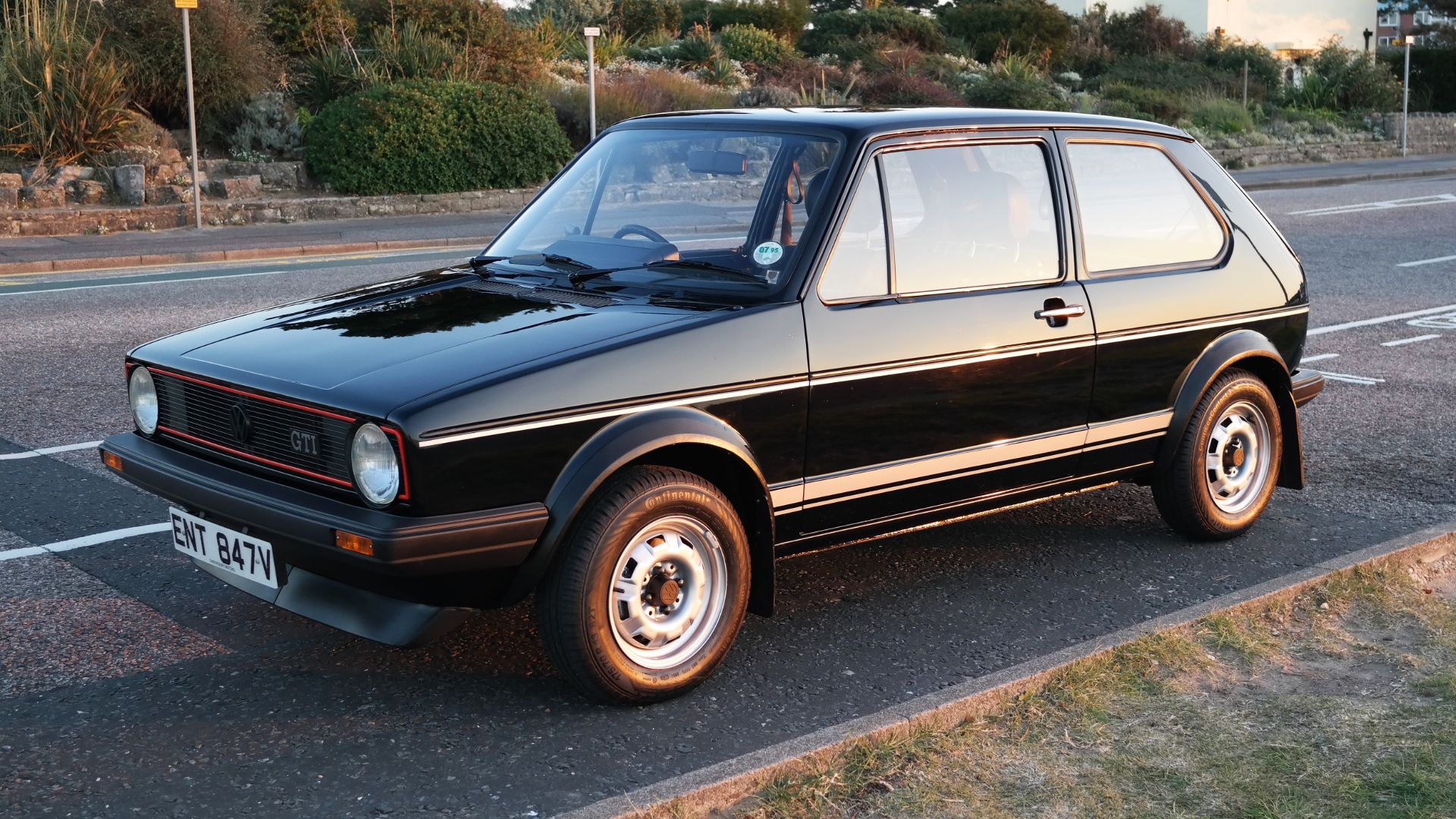
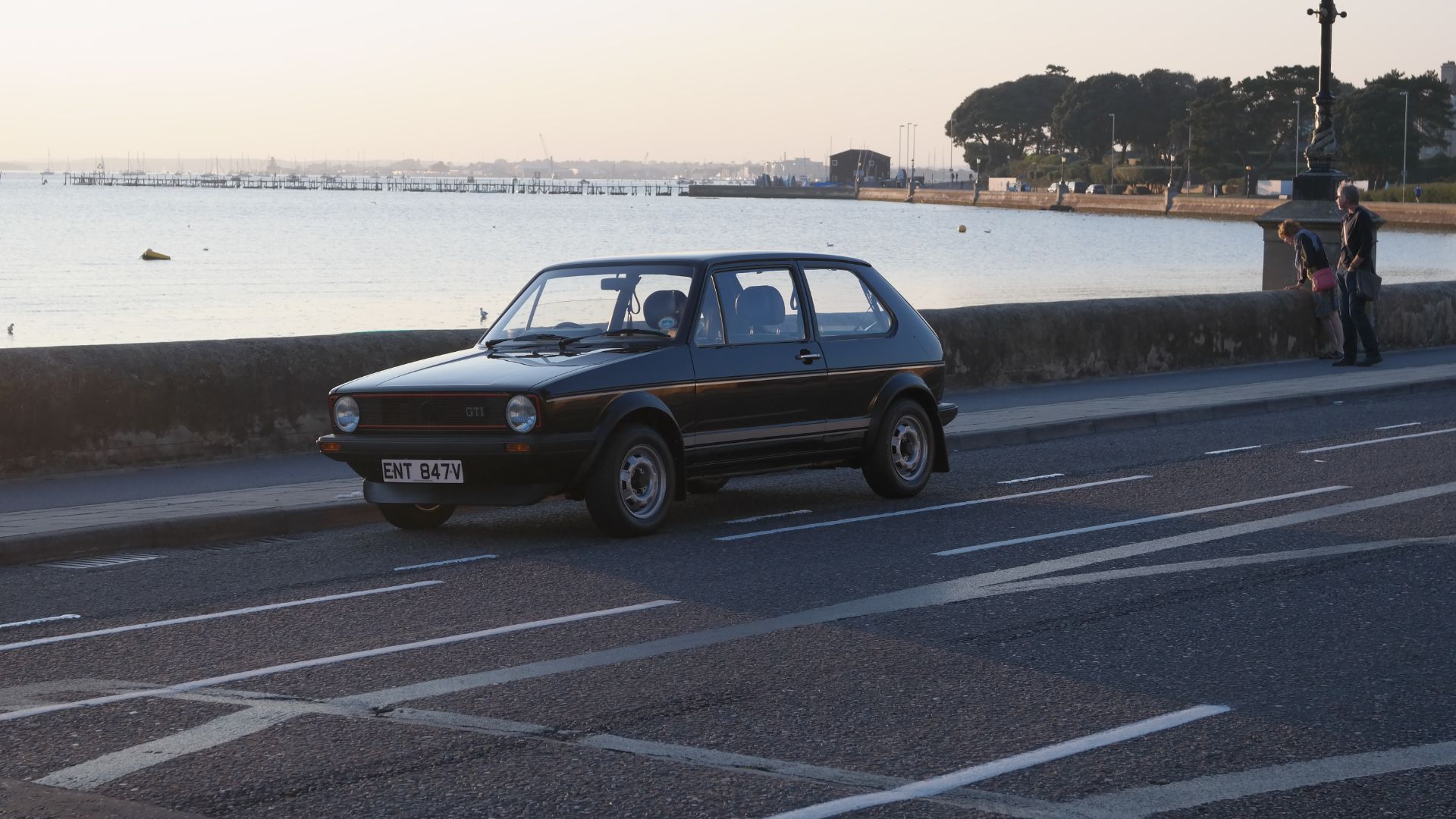
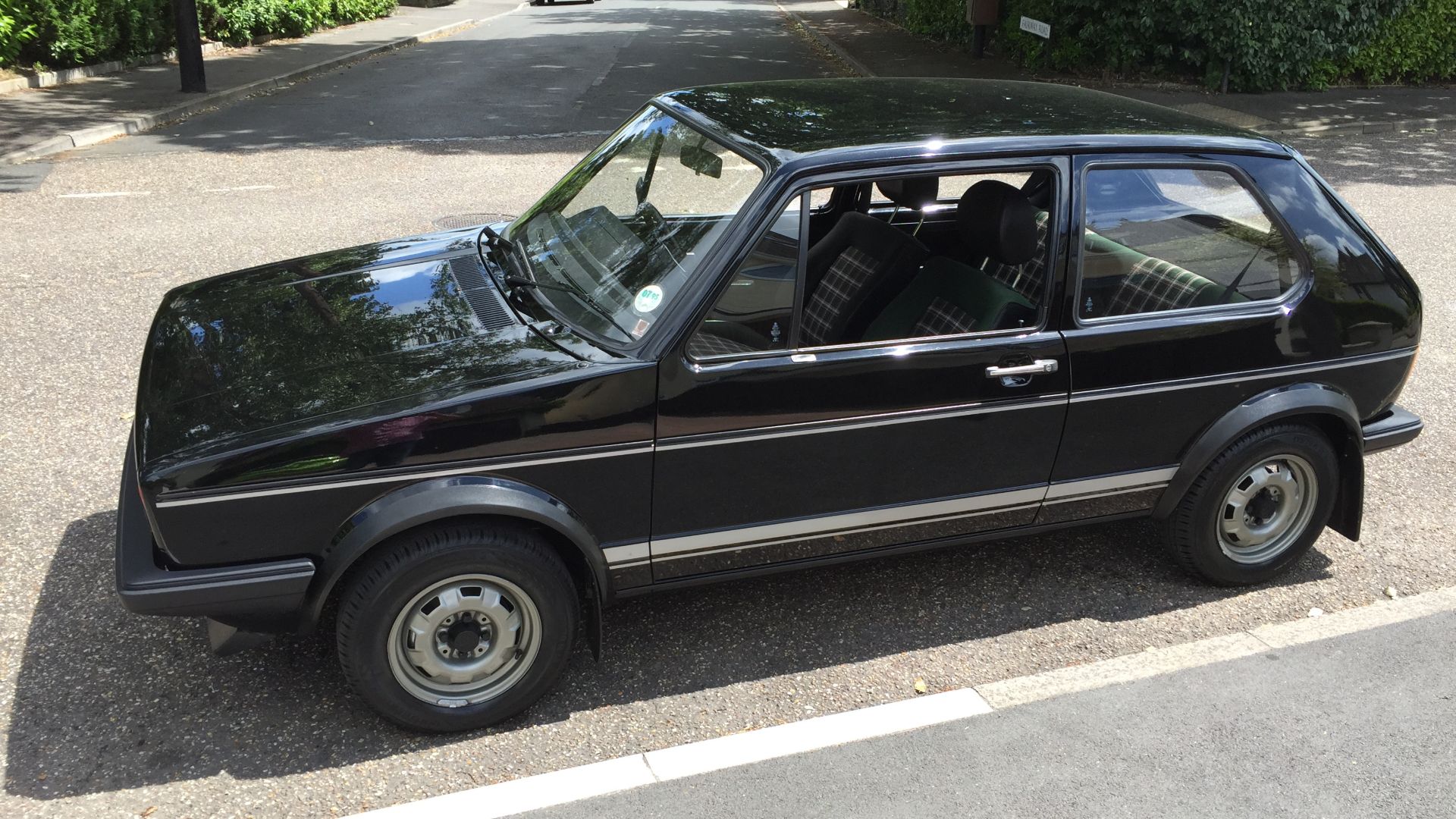
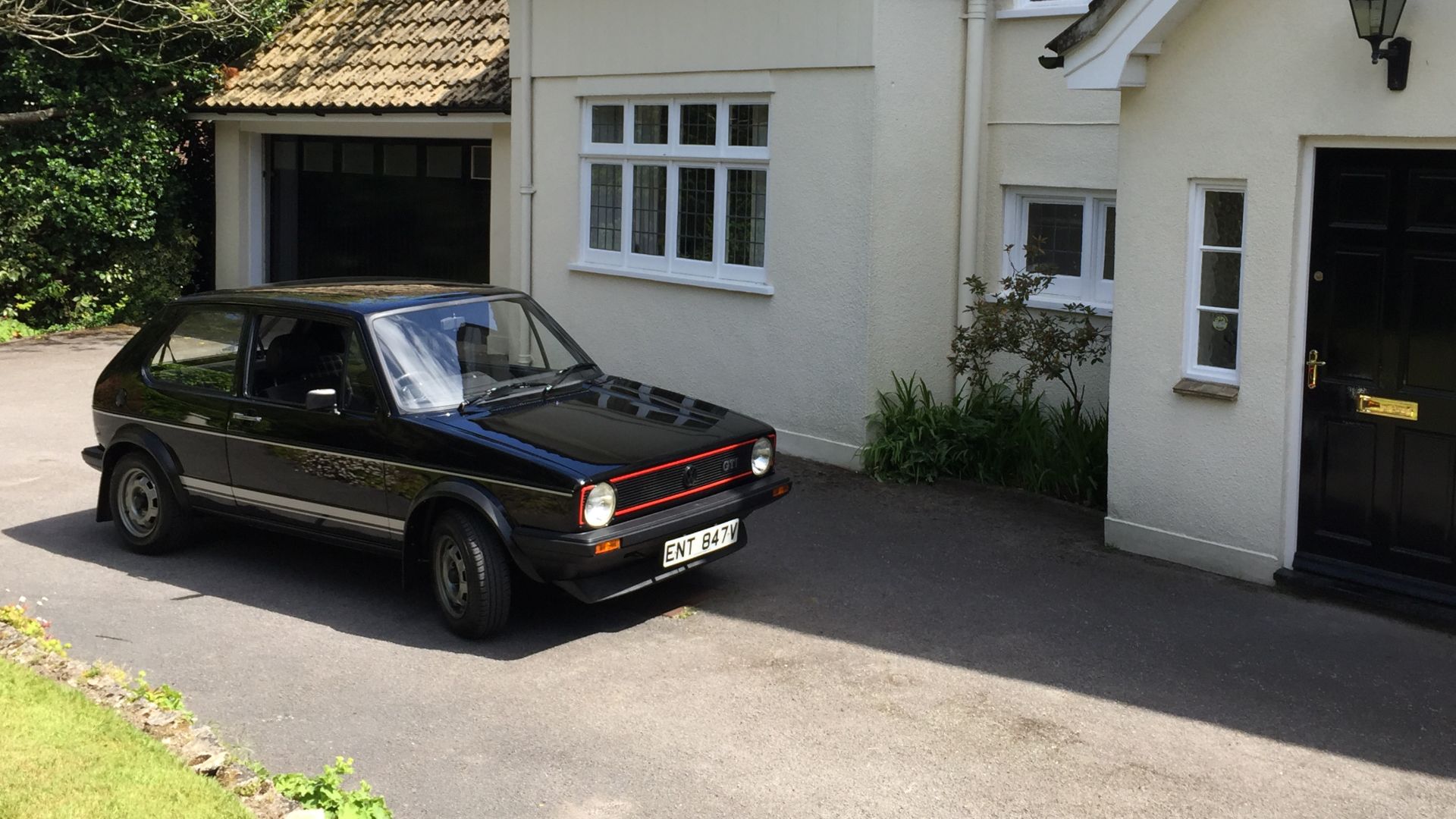
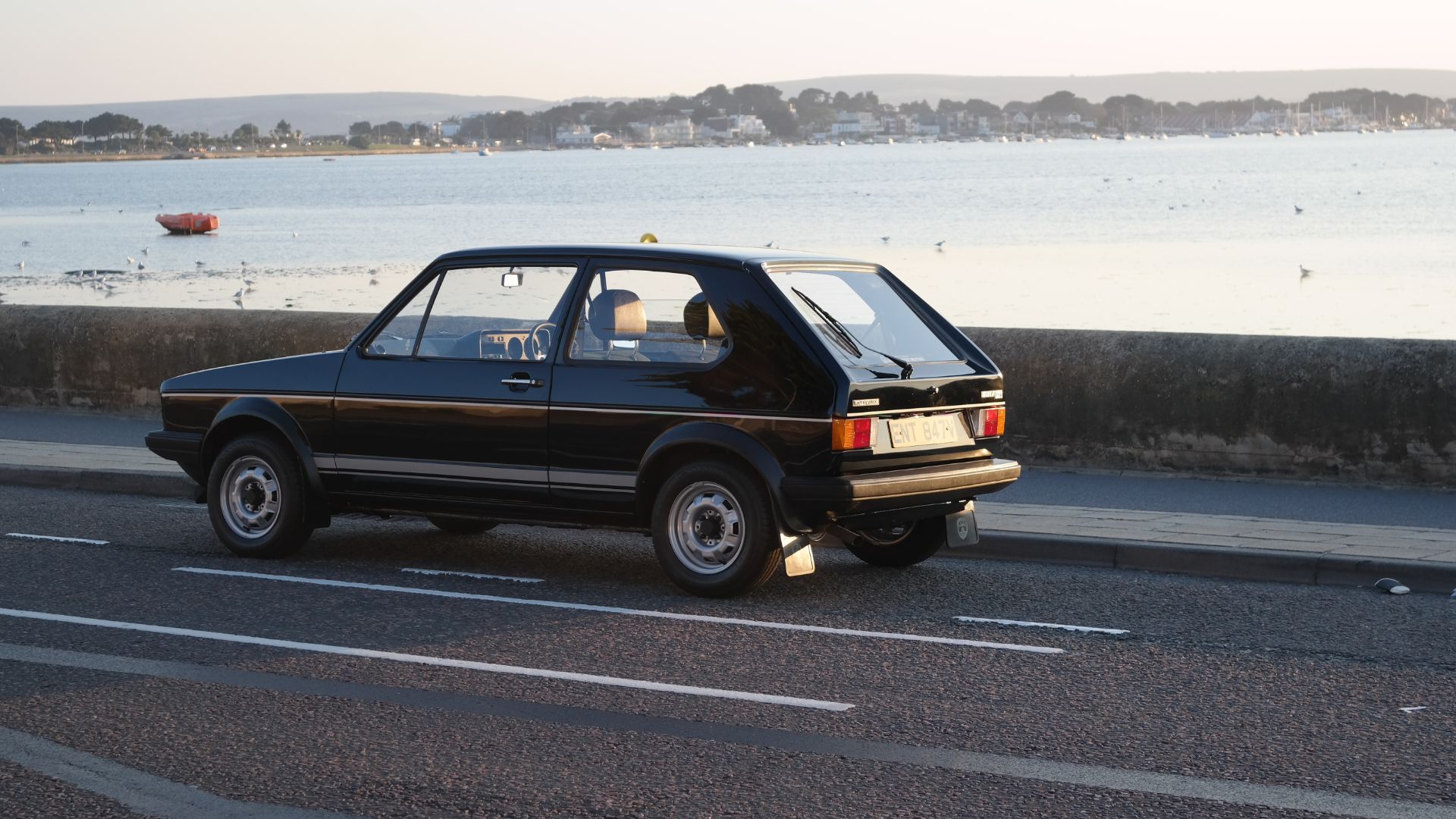
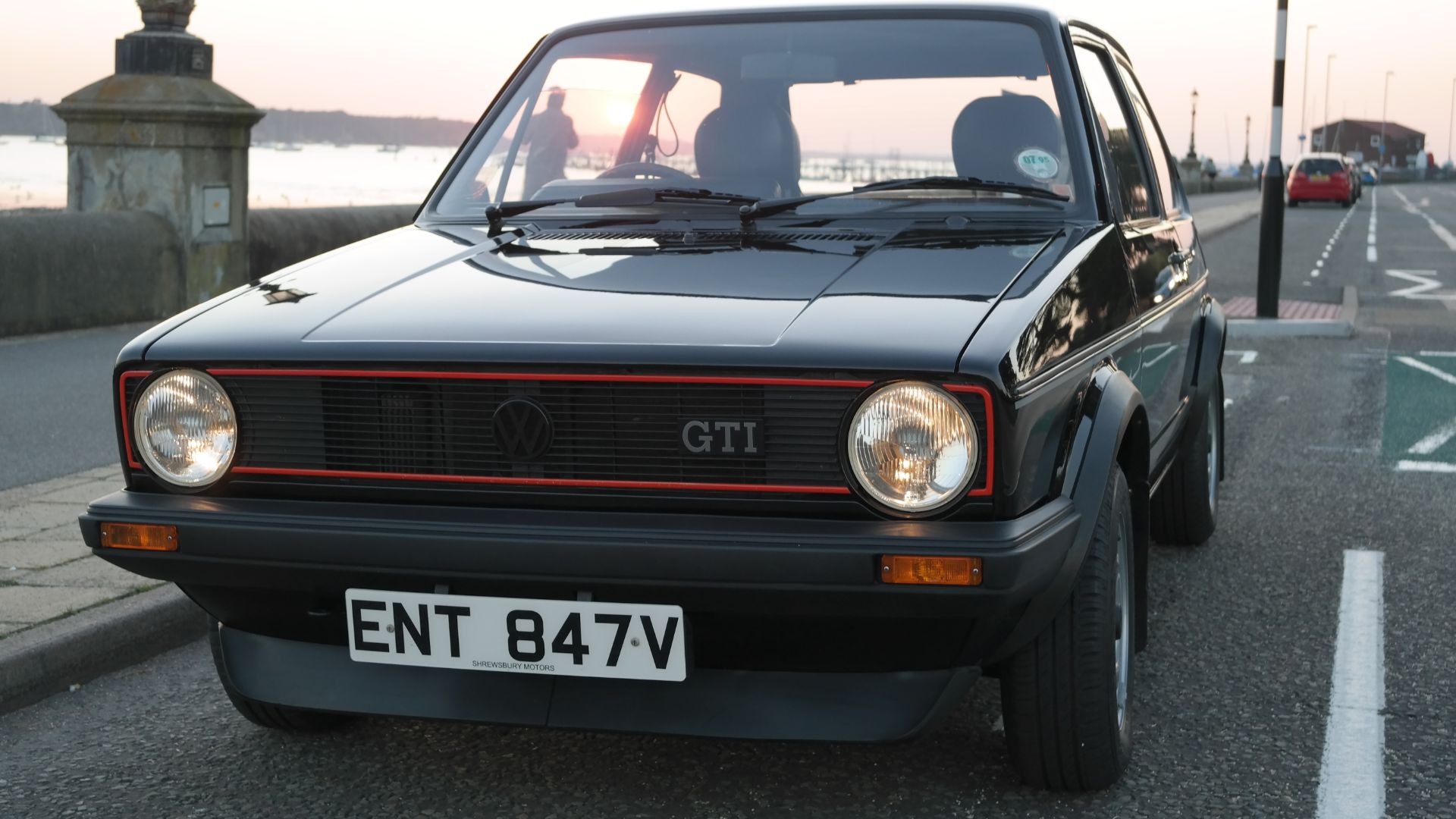
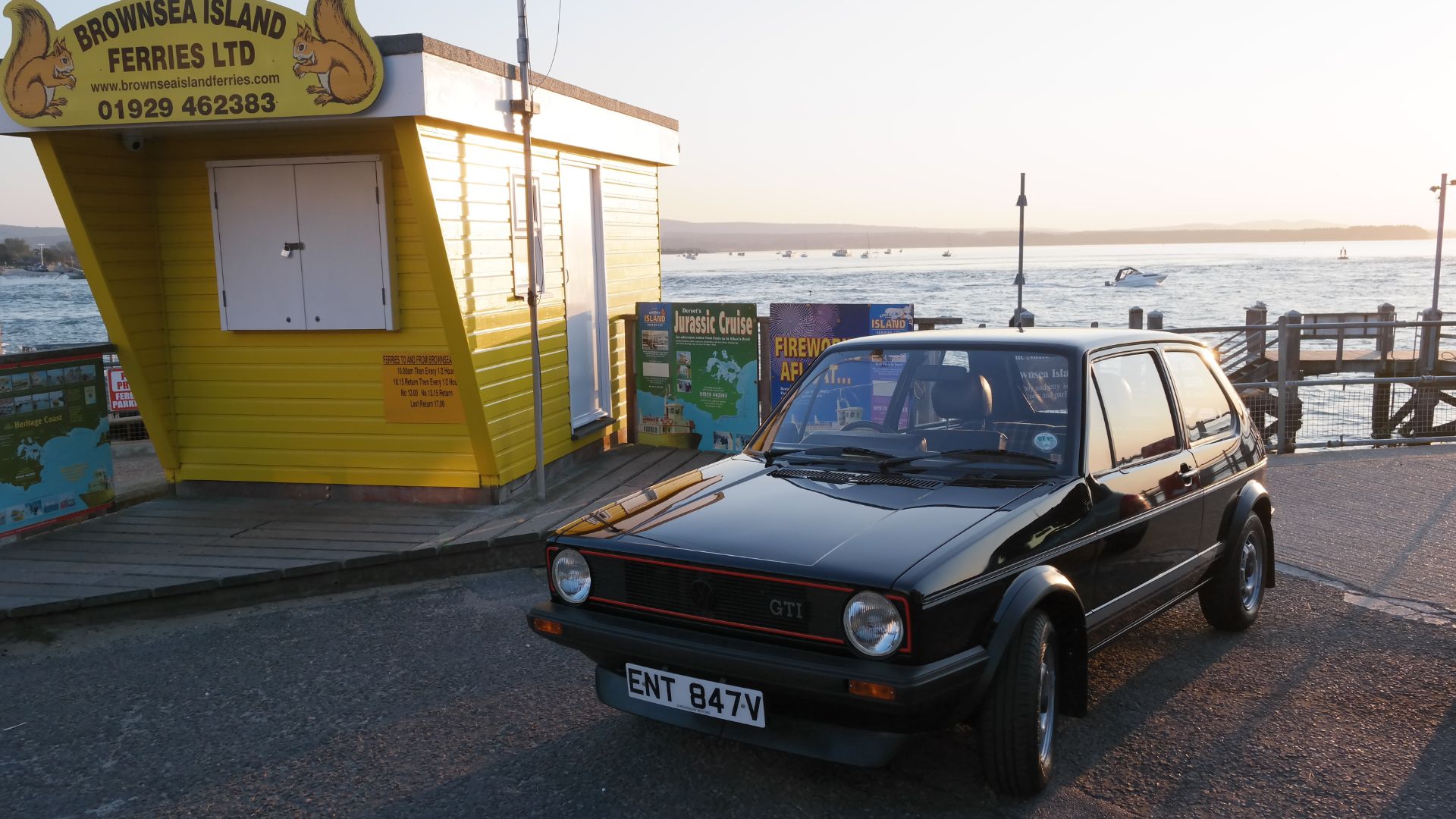
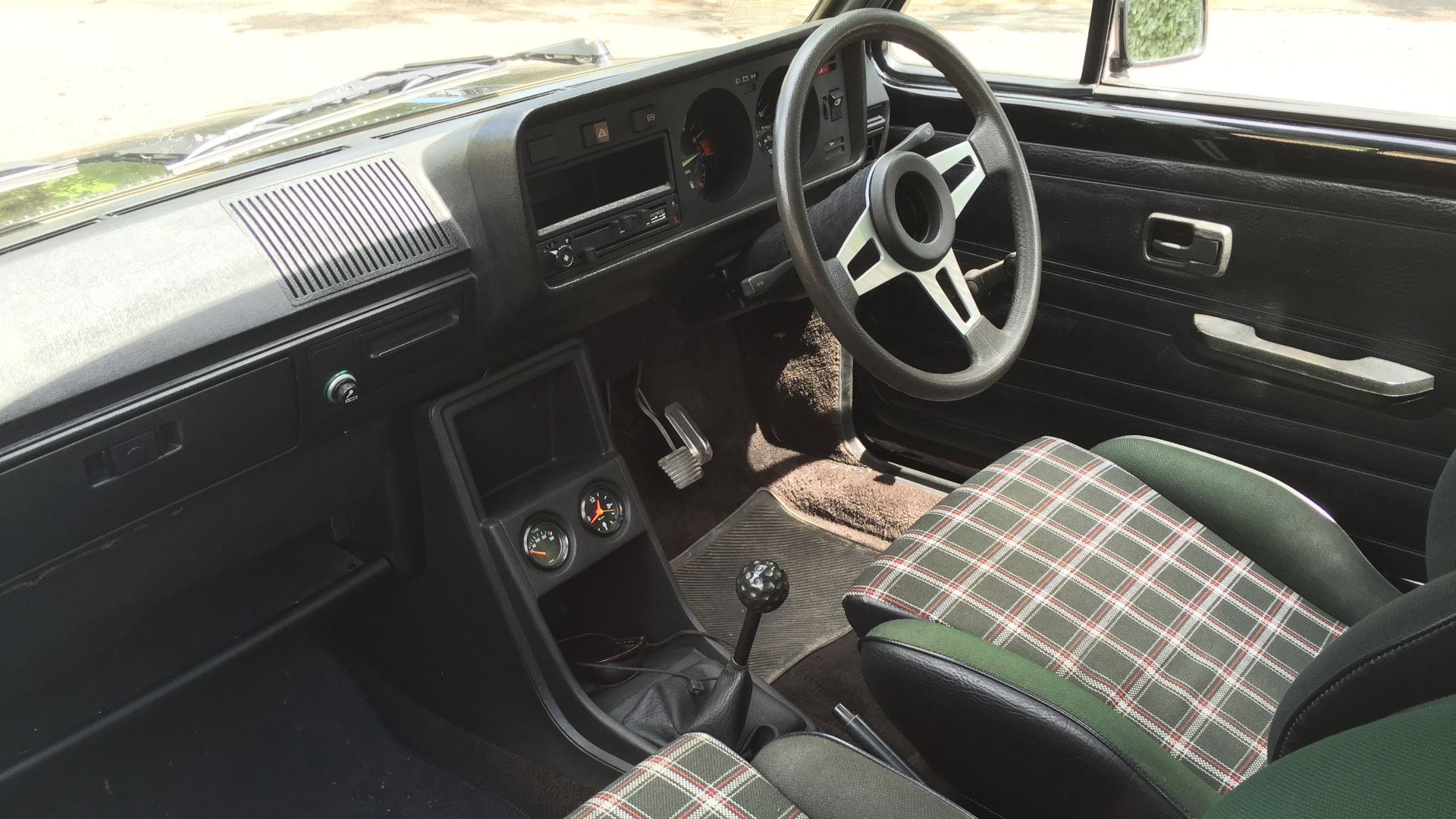
One of the best-preserved and most original Volkswagen Golf GTIs is for sale. This 1979 right-hand-drive Mk1 has covered just 17,000 miles from new, and could be yours for between £31,000 and £42,000.
The rare four-speed example is available through online auction platform The Market, with the sale taking place between March 19 and March 25.
On top of being in near-immaculate condition, this Golf also has a claim to fame. Appearing in a number of magazines, it’s also one of the cars featured on the BBC’s The Car’s The Star’ TV show, with this particular episode broadcast in May 1995.
It also featured on Clarkson’s Car Years in June 2000. On the programme, presenter Jeremy Clarkson declared the Golf GTI the “car of the century”.
2020 Volkswagen Golf GTI revealed: the history of a hot hatch
If none of that sells it to you, perhaps the inclusion of its very own bespoke Corgi scale model will. Along with all the service history and documentation you could ever want.
Four-speed cars were sold for just three months in the UK in late 1979, before the five-speed manual gearbox was introduced. This very basic car also goes without a sunroof, rear fog lamp, radio, aerial or passenger door mirror.
The car was restored in 2015 by Mk1 GTI specialist Crazy Quiffs, at a total cost of more than £7,000. The underside was stripped and restored, with key components replaced. The engine was cleaned, while the gearbox was rebuilt and the clutch assembly was renewed.
2020 Volkswagen Golf GTI revealed: the history of a hot hatch
“This is possibly the last opportunity that any of us will ever have to own what is still an essentially brand-new, unrestored, reference quality Golf GTI Mk1 – and not just any GTI, but the very purist, earliest model of the car that blazed a trail for everything that came thereafter,” said Tristan Judge, director of The Market.
“This is a true collector’s car and a genuinely unrepeatable opportunity. It is also road-ready. We believe this amazing Golf GTI will be hard fought over when the auction takes place, potentially providing the opportunity to set a new record price for the model.”
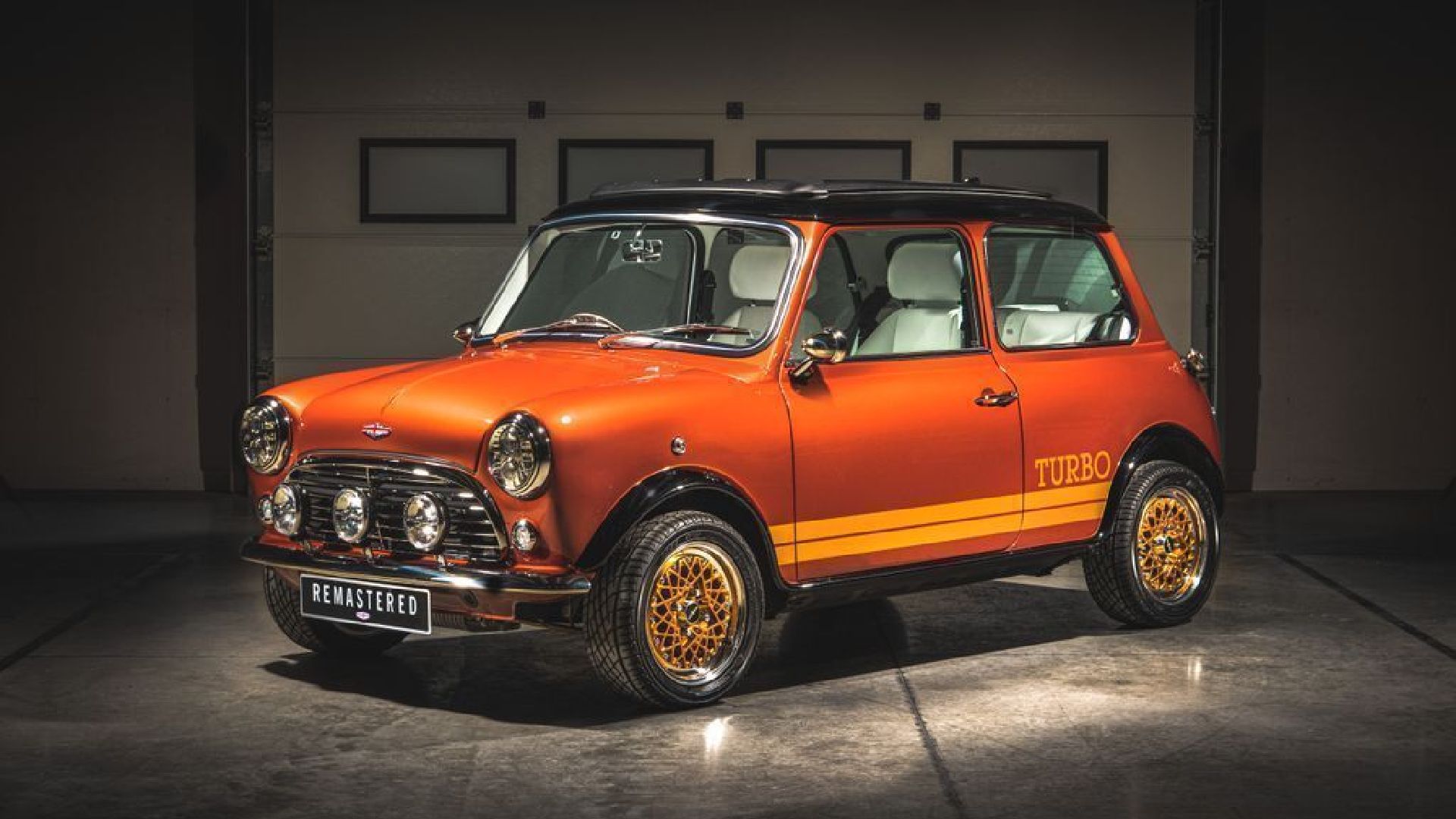
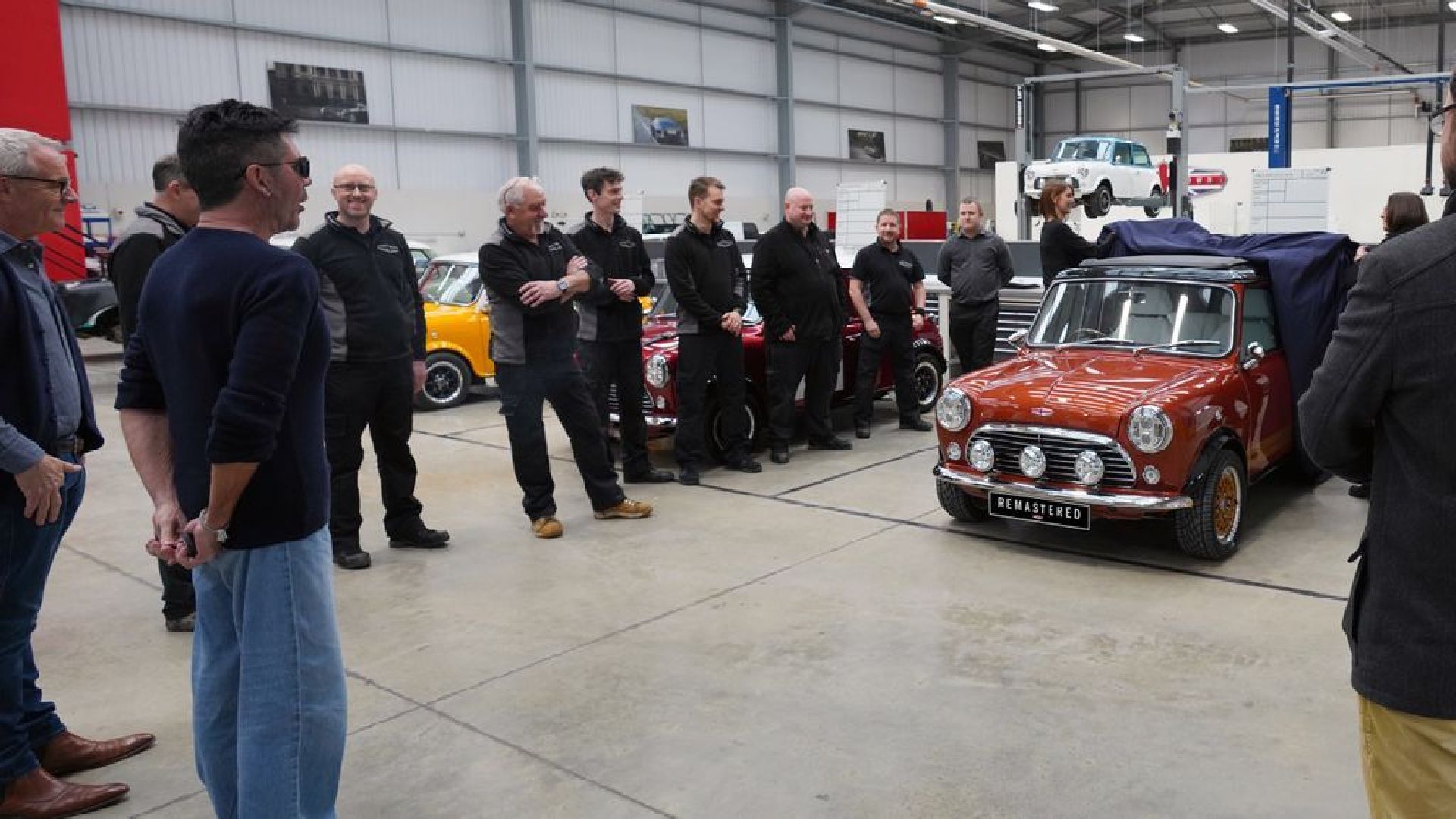
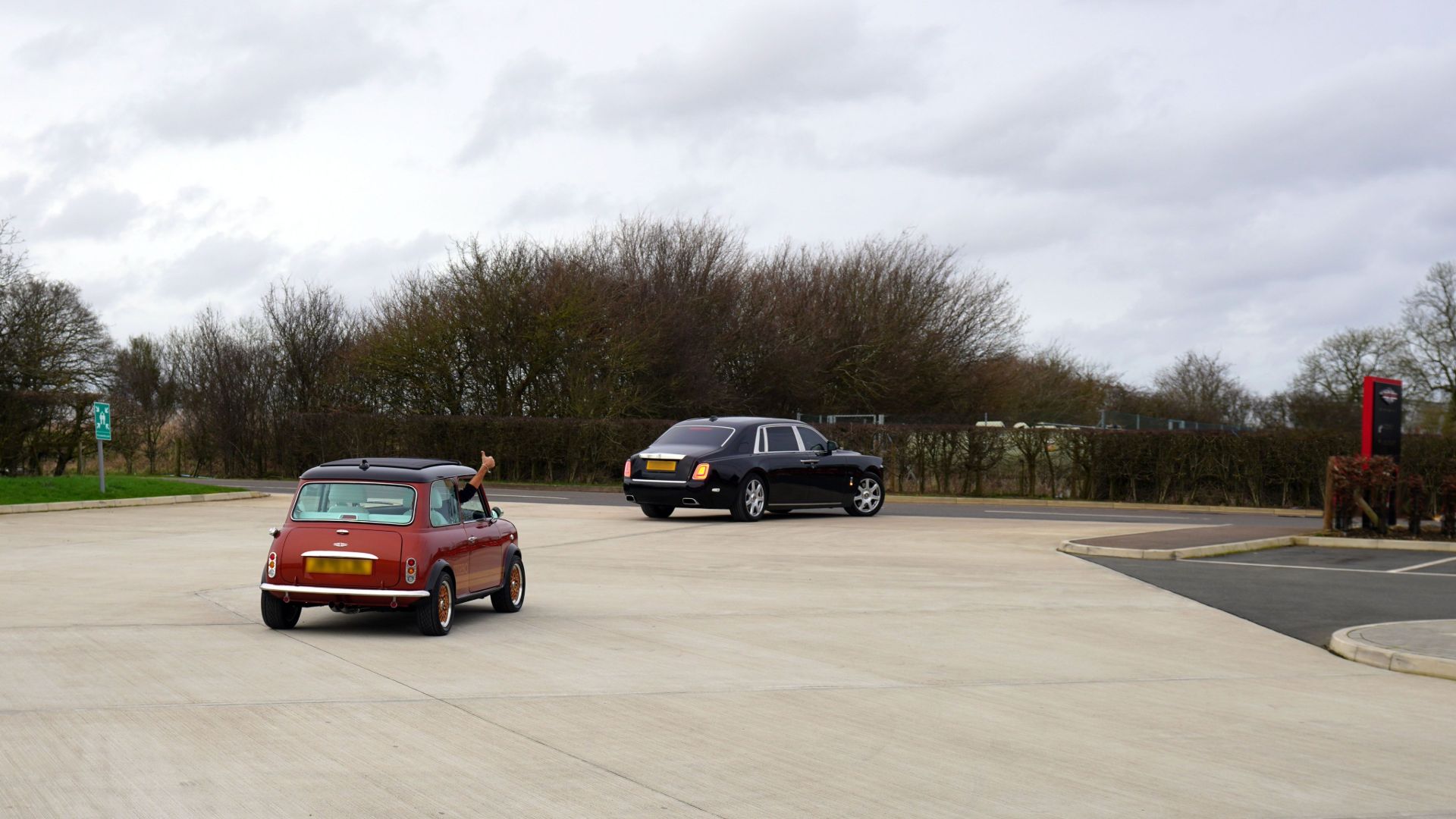
The latest Mini Remastered build by David Brown Automotive is an absolute showstopper. Whatever you think of the price of these little hot rods, you just can’t put a number on cool.
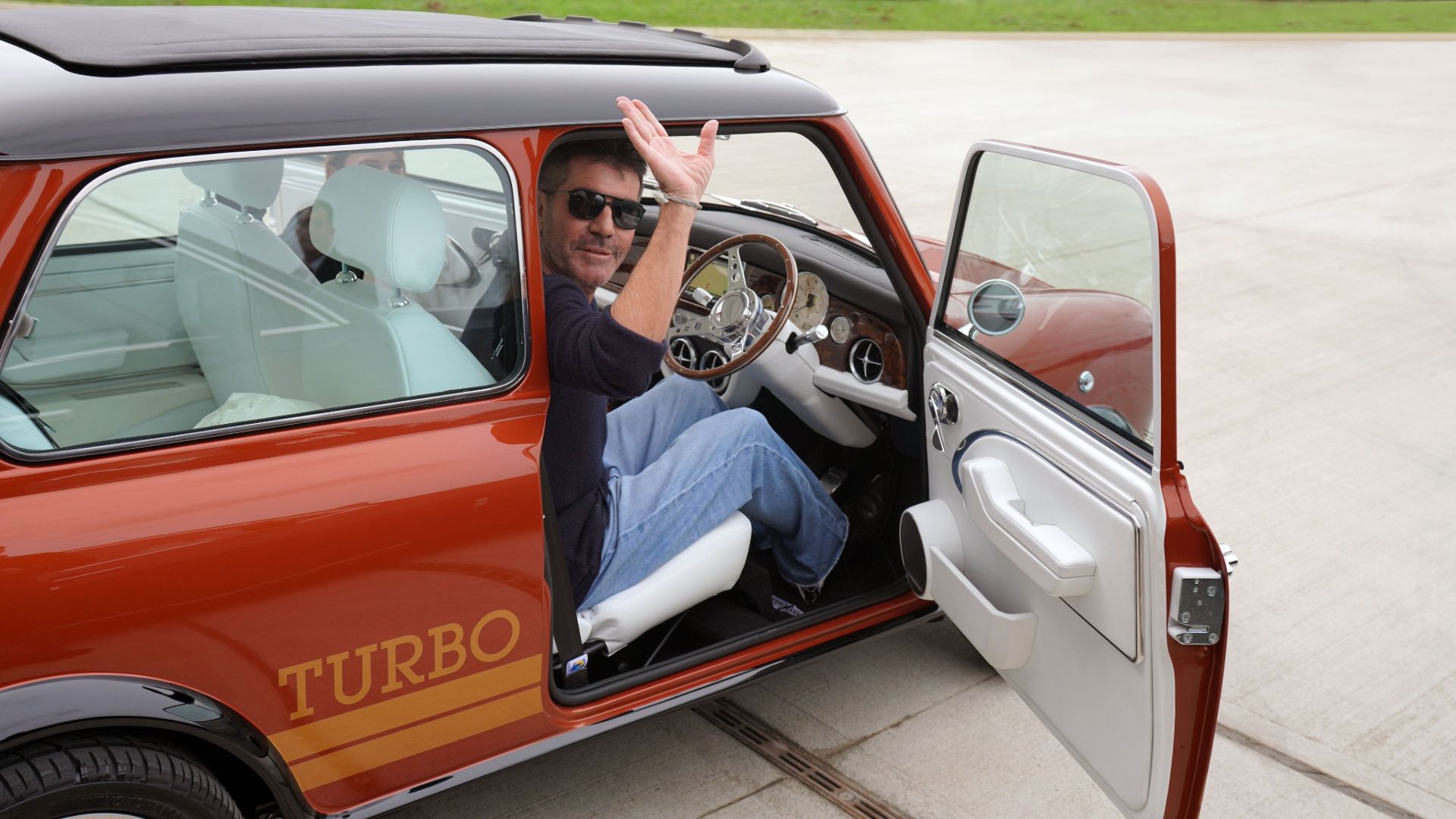
It’s the Mini you’d spec if you had the resources of Simon Cowell.
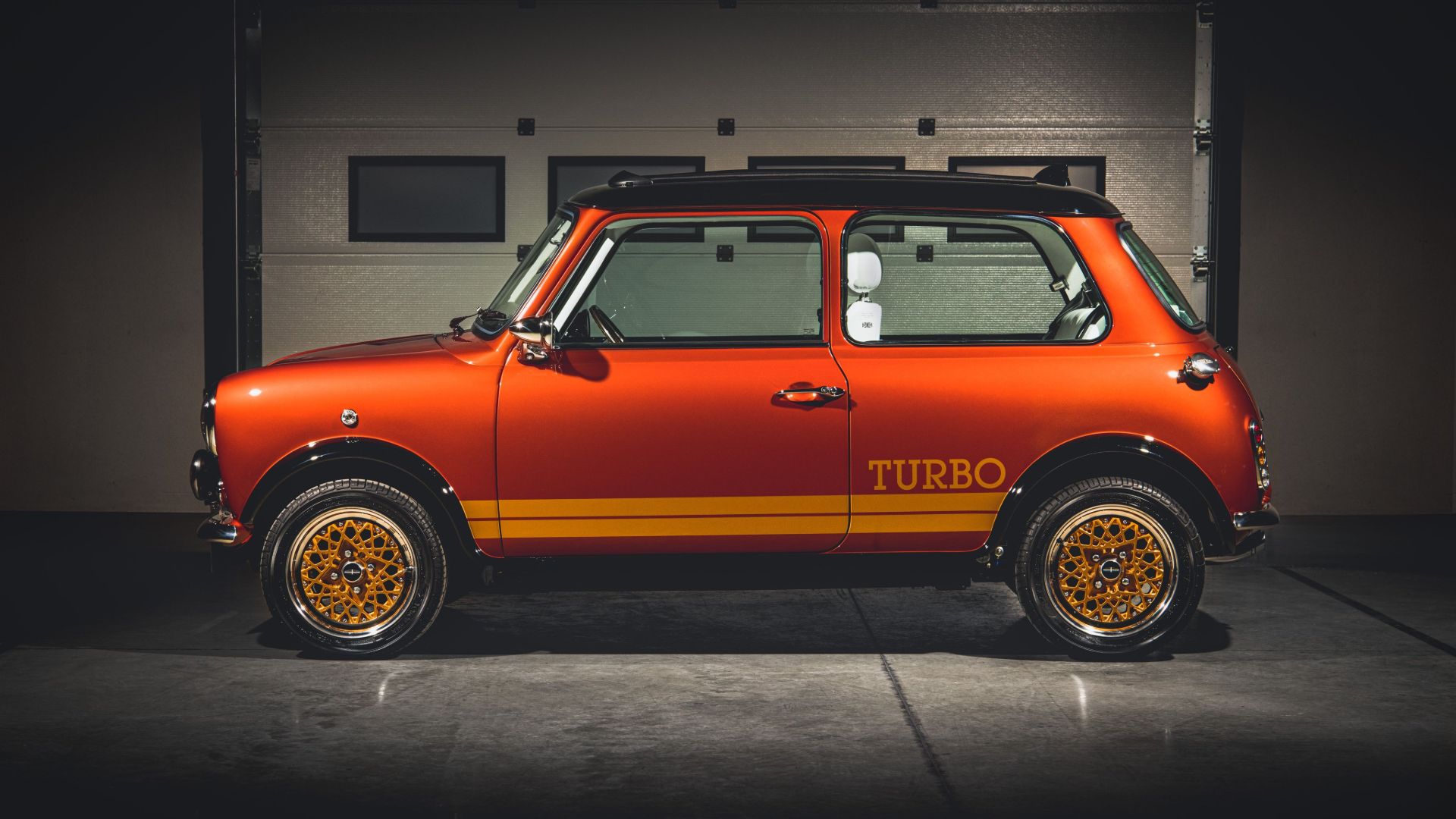
It takes inspiration from the Lotus Esprit Turbo used in the James Bond film, For Your Eyes Only. That means bespoke ‘Copper Glow’ paint over DBA’s ‘Fade to Black’ wheel arches and roof.
Even the ‘Turbo’ graphic from the original Esprit features down the side, along with gold striping.
As for whether there is actually a turbocharger fitted to this Mini, DBA claims the standard 1,330cc remastered A-series remains, sans boost.
Matching the stripes are the wheels, painted in Sahara Gold with a silver rim, again like the Lotus. Unlike the Lotus, there isn’t a set of skis on the top, perhaps due to fears they would cause the little Mini to take off. They are an option, however.
The wheels are 13-inch items and hide black brake callipers. At the front, this Mini is mission-ready, with an arsenal of lighting, from the standard LED headlights, to the bumper-mounted auxiliary driving lights.
The interior is trimmed like one of Mr Cowell’s Britain’s Got Talent suits. That’s to say, the leather is a striking ‘Arctic White’, contrasting the ‘Dark American Burr Walnut’ dash.
Adding to the high-spec Remastered Mini are the LED-illuminated Smiths dials and up-to-date seven-inch touch screen with Apple CarPlay, Android Auto and Bluetooth connectivity. The six-speaker audio system should give Mr Cowell a clear listening experience when he’s critiquing demos on his travels.
“The notion of a £90,000 Mini is crazy, of course, yet the demand is clearly there. And after a few hours criss-crossing the capital, I’m also in thrall to its charm. Roger Daltry hoped to die before he got old, but the Mini has life in it yet”.
The verdict, then? Practicality and sensibility aren’t the order of the day with a Mini worth over £90,000. But we don’t blame anyone for falling for its charms, and finding it impossible to resist.
When the likes of Simon Cowell and his kin do take the plunge, we all get to enjoy incredible builds like this. Power to him, and anyone else that drinks the Mini Remastered coolade. It looks delicious.
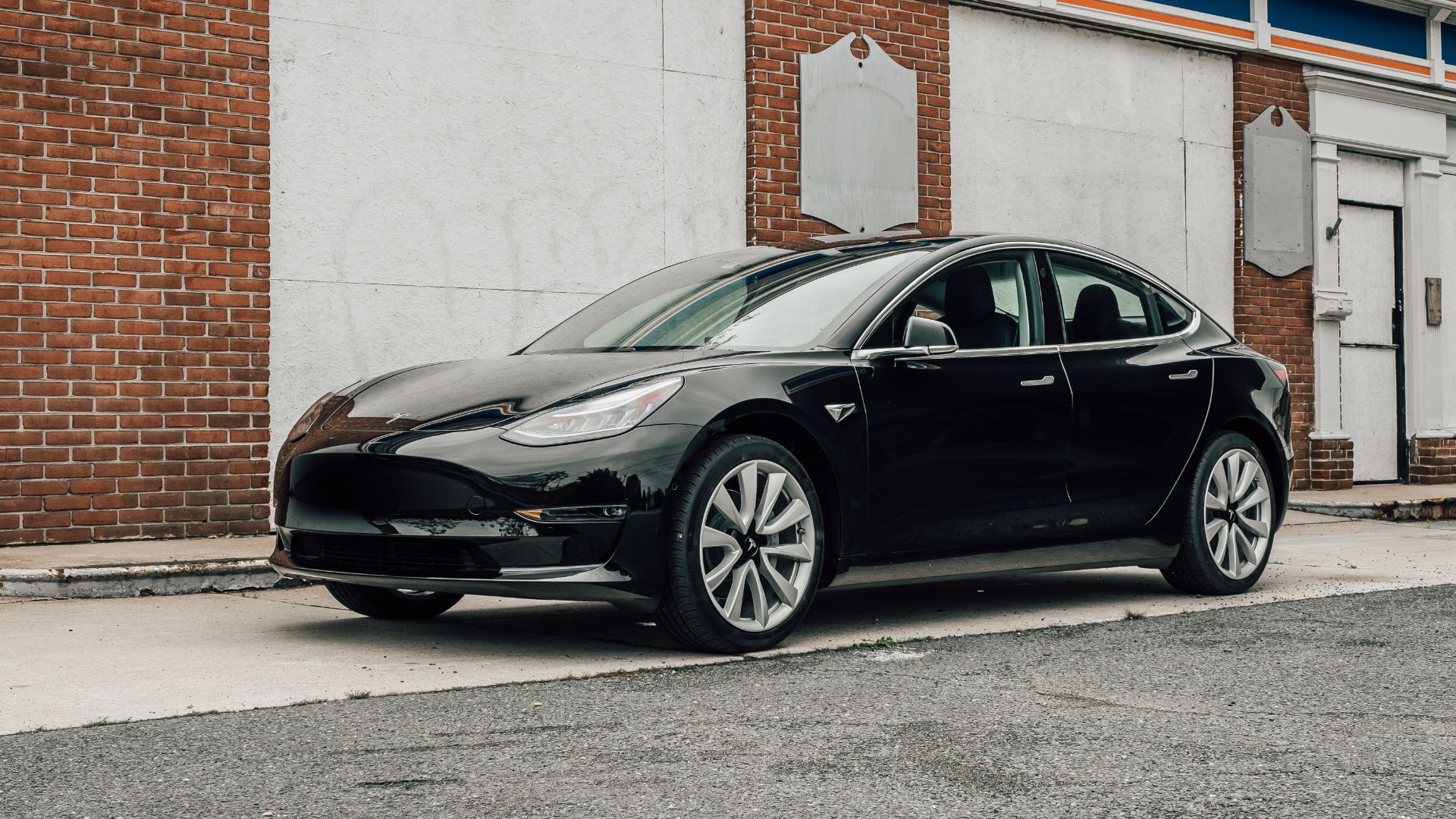
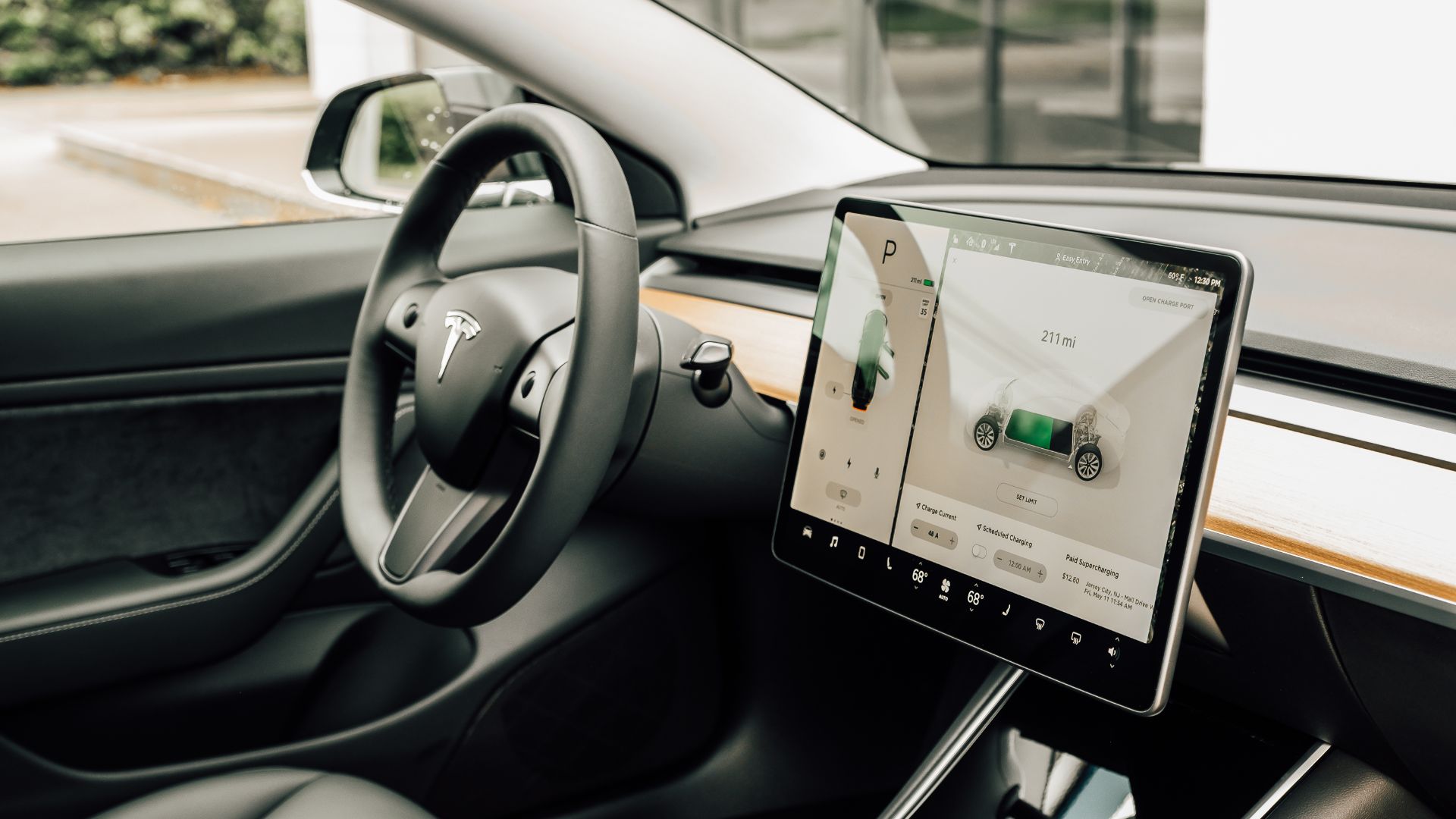
Thatcham Research has released its first Consumer Security ratings of the year. It’s a poignant topic, given that thefts are up five percent overall, as keyless hacking continues to proliferate. One of the surprise losers in Thatcham’s research is the Tesla Model 3. It achieved only a ‘Basic’ rating.
Thatcham says that the Tesla Model 3, along with models from Hyundai and MG, is “missing some basic security features”. Features like an immobiliser, alarm, double locking system and wheel security are minimum insurer requirements.
That said, the Tesla is a very different type of car and might not require some of these features given its advanced connectivity capabilities.
“Thatcham Research has been working closely with Tesla on the security features on the Model 3,” said Richard Billyeald, chief technical officer, Thatcham Research.
“Their ability to enhance security functionality via advanced connectivity across all vehicles is a huge advantage.”
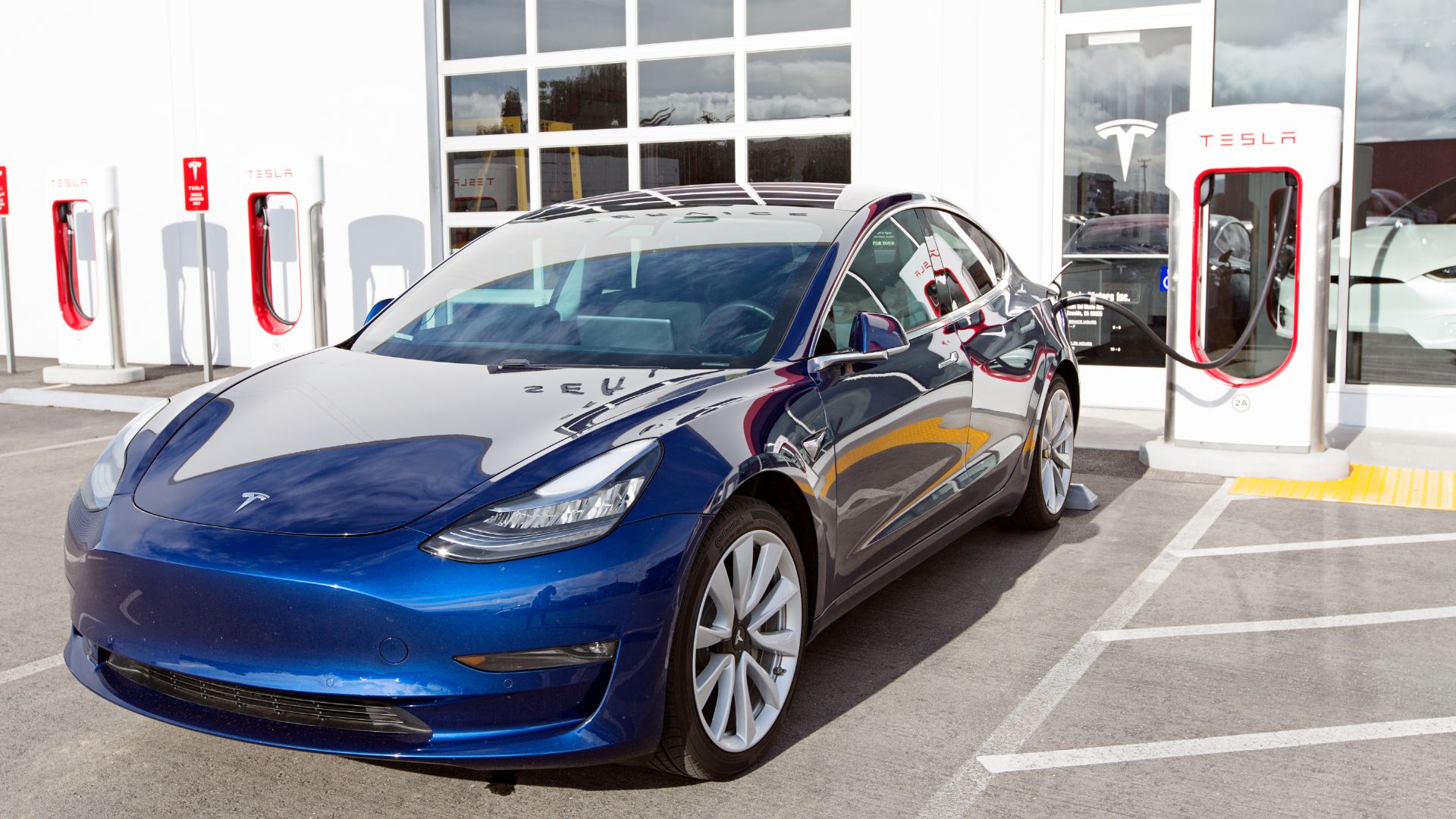
Given the problem of keyless theft and relay attacks at the moment, the Model 3 also enjoys an advantage. Unlike many other cars, with signal-based keyless systems, the Tesla uses NFC (near field communications), which requires a key card to be ‘tapped’ against the car. This means it’s not susceptible to relay attacks.
There is also Tesla’s Sentry Mode to consider, which has not been mentioned in Thatcham’s summary. This is likely because it’s an opt-in security feature that drivers need to activate.
Geneva show week is almost over. This year, floodlit motor show stands were replaced by video streams due to the threat of coronavirus. New supercars have debuted from McLaren, Koenigsegg, Pagani, Aston Martin and more. But which cars of past Geneva shows past have stood their buyers in best stead? Here are the 10 greatest Geneva climbers.
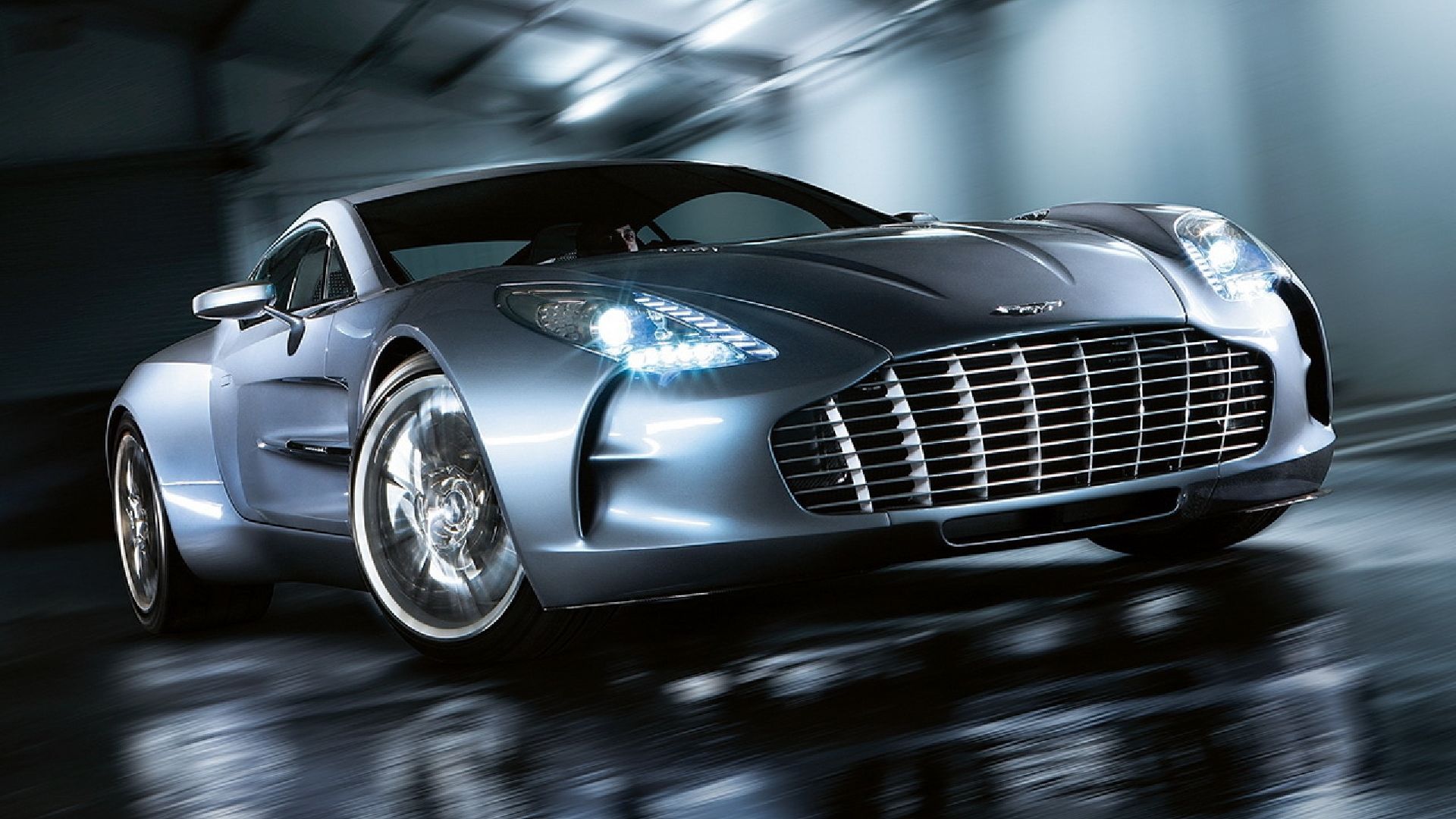
Aston Martin One-77 – up 25 percent
This list comes courtesy of JBR Capital, which has compared the price of the cars now with when they were new (not accounting for inflation), then calculated the percentage increase in value. In ascending order, we start with the Aston Martin One-77. While an Aston Martin hypercar seems to be revealed every other month these days, the One-77 was the first. With a 7.3-litre V12, carbon fibre tub and 215mph+ top speed, you could be forgiven for imagining an Italian mid-engined supercar. But it’s a traditional front-engined, long-bonneted grand touring Aston, albeit taken to the extreme.
Aston Martin One-77 – £1,500,000
When it debuted in 2009, one of the 77 One-77s produced would have cost you £1.2million. Given how limited it is, it sounds like a surefire way to make serious money. The increase is more modest than you’d imagine, though: it’s up 25 percent to £1,500,000.
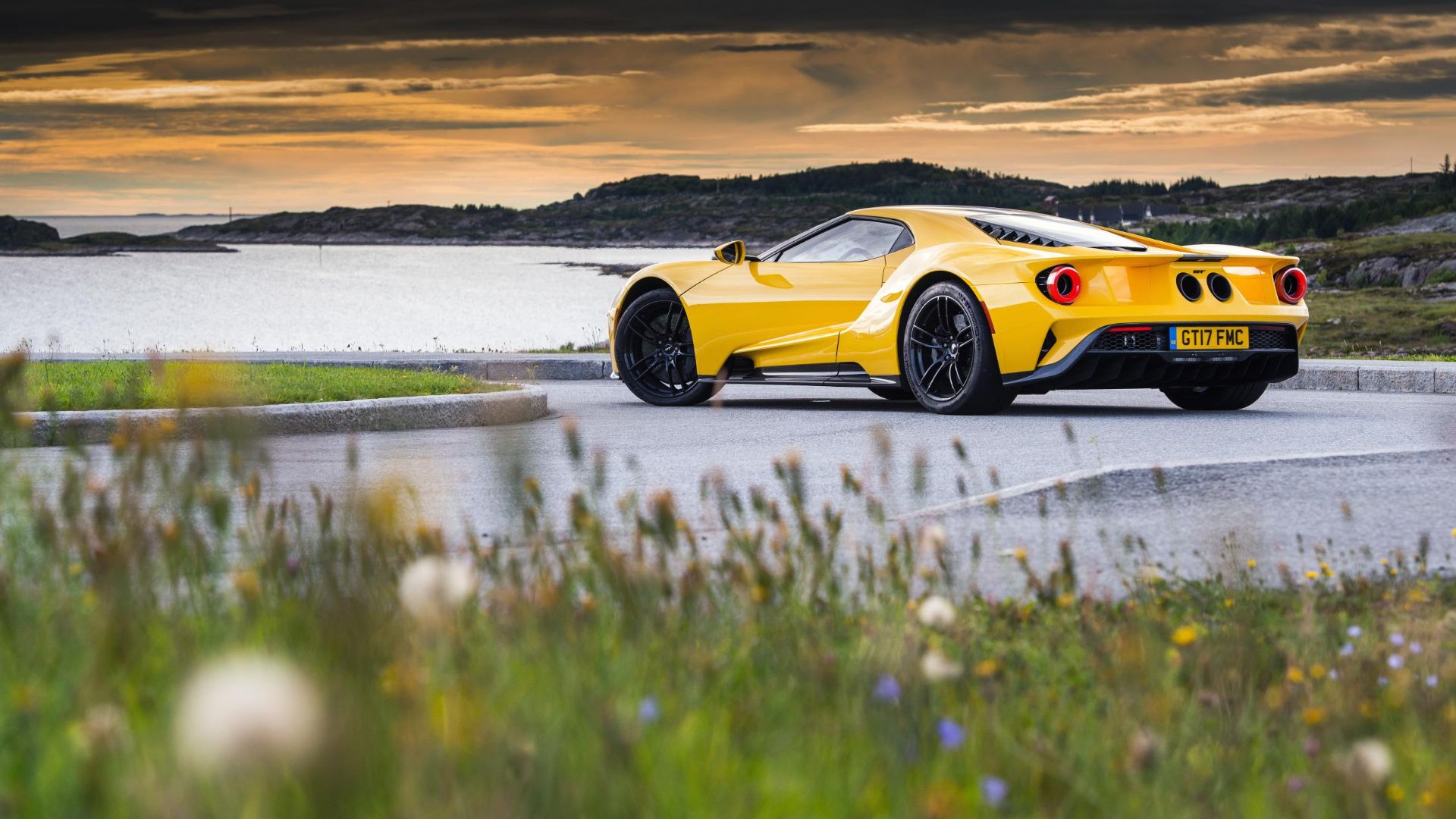
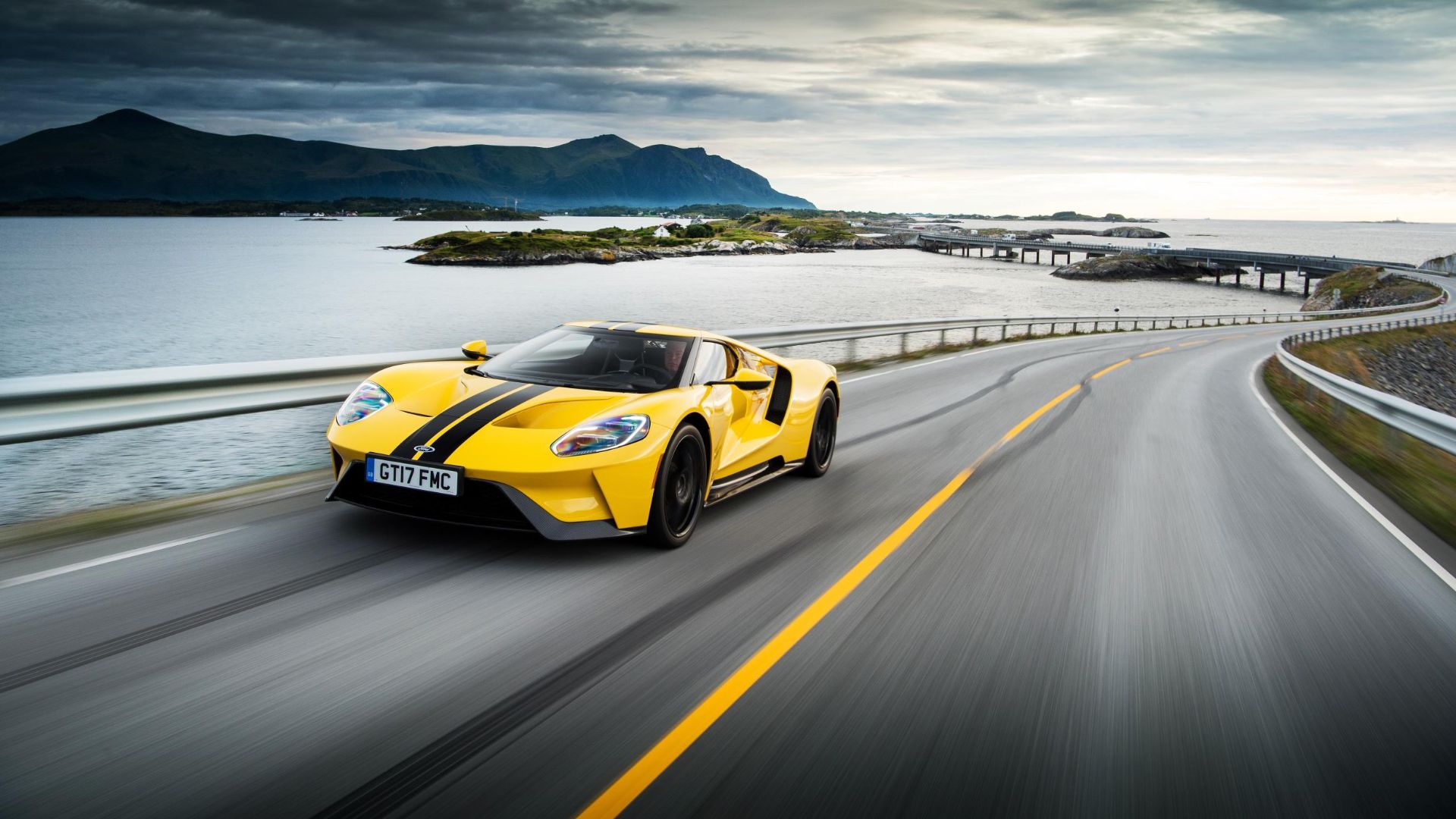
Ford GT – up 77 percent
The newest debut on this list, Ford was critical of buyers of its Le Mans class-winner who tried to sell for a profit. There was even talk of legal action against the so-called ‘flippers’.
Ford GT – £800,000
We can’t blame these owners, though. The 650hp GT cost from £450,000 at launch. Cars that went to market when availability was scarce approached seven figures. Their average value now, five years on, is £800,000 – up 77 percent. A tidy profit and a good investment for those who want to move their GT on.
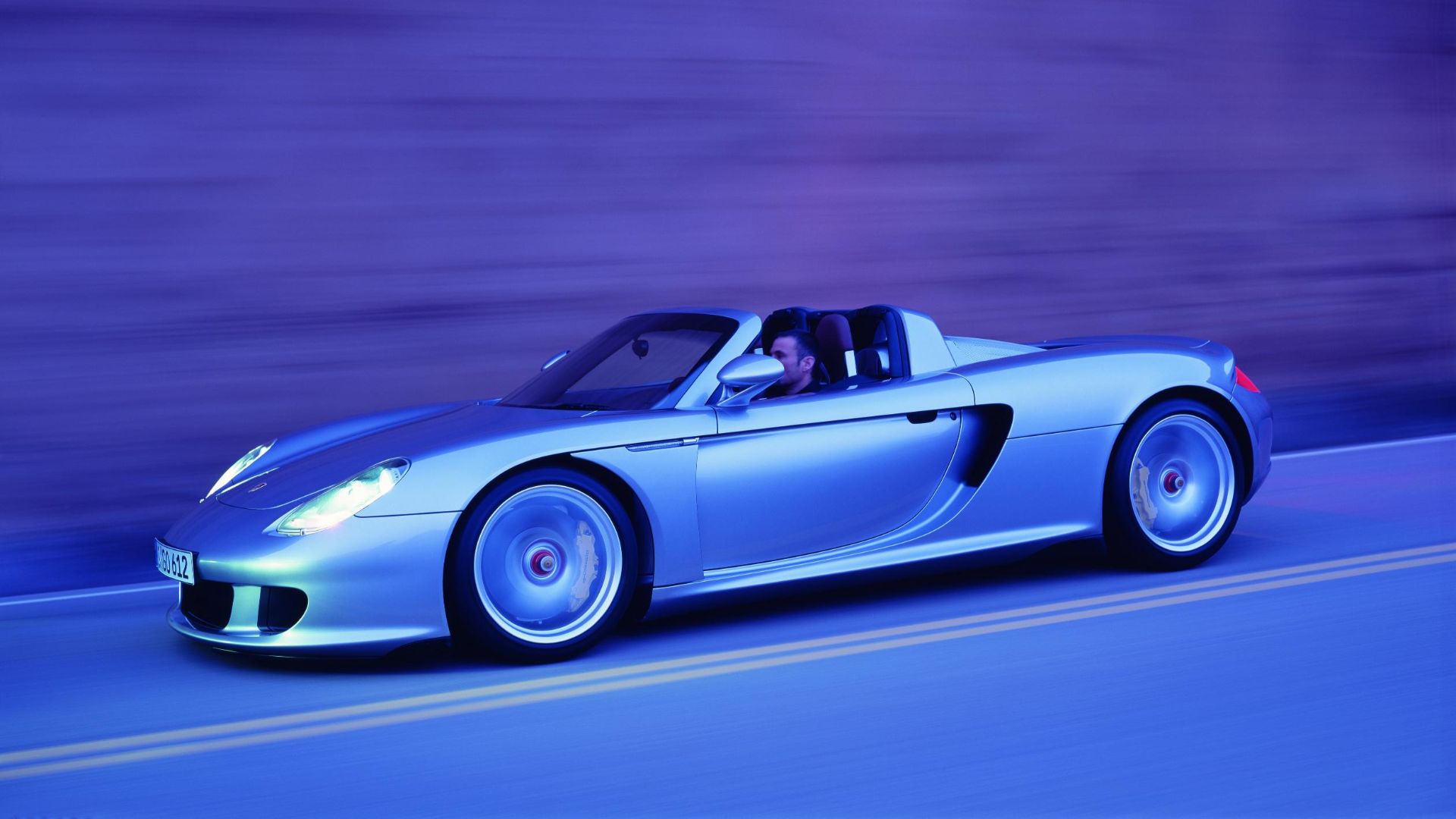
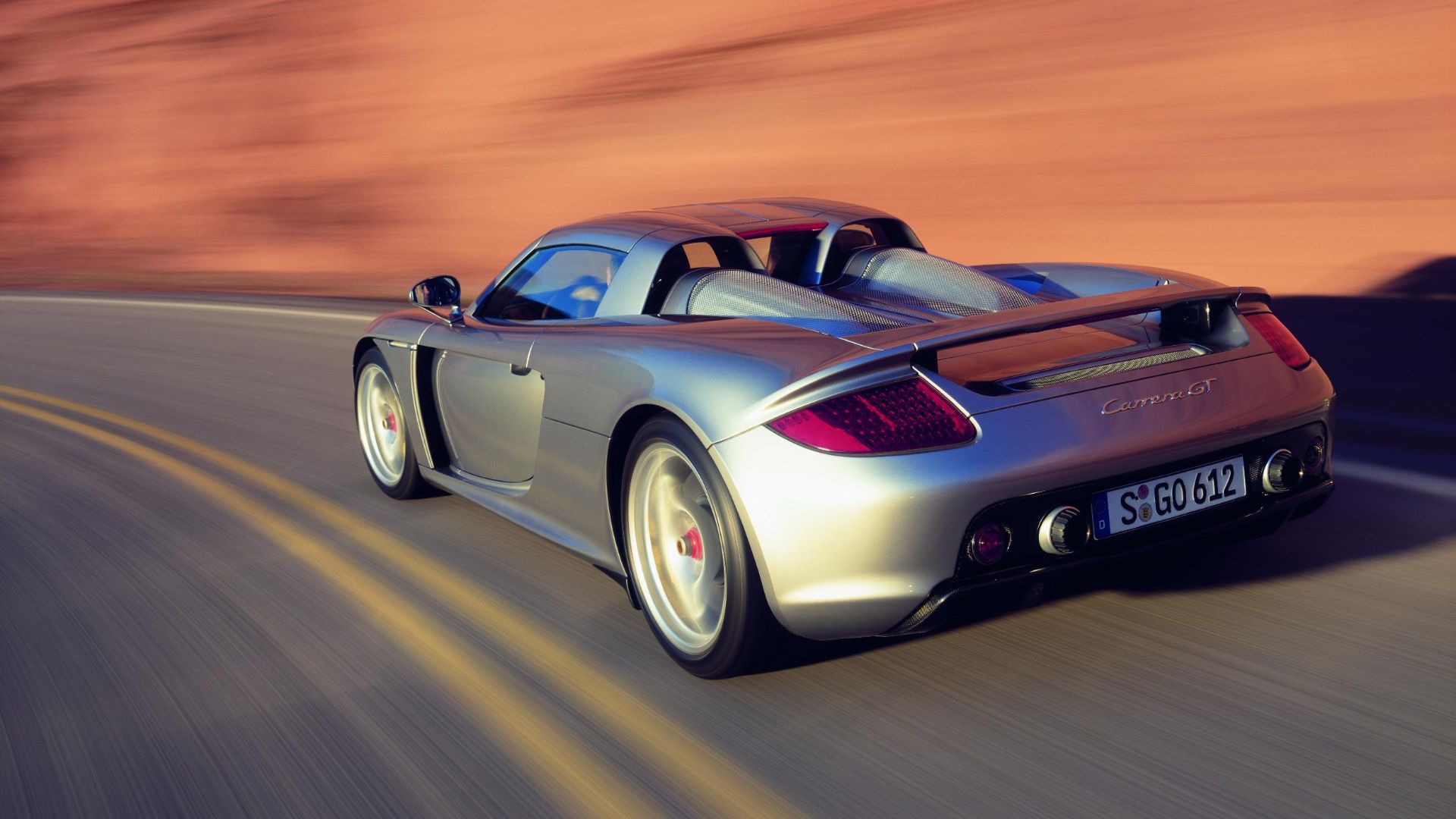
Porsche Carrera GT – up 96 percent
The Carrera GT is considered to be one of the greatest Porsche road cars of all time. With a high-revving 600hp V10 hooked up to a manual transmission, in a carbon cradle with a carbon tub, it’s a hero of analogue evangelists. It was part of a star-studded era for hypercars, joining the Pagani Zonda, Koenigsegg CC, Ferrari Enzo, Mercedes-Benz SLR McLaren, Maserati MC12 and Bugatti Veyron. They dominated Monaco car parks and the bedroom walls of 10-year-olds alike.
Porsche Carrera GT – £650,000
In spite of the critical acclaim, the Carrera GT was criticised for its cost when new in 2003, at a then-shocking £330,000. If those first buyers kept their cars, they could well have doubled their money. CGTs now go for £650,000 or more, and could soon break seven figures.
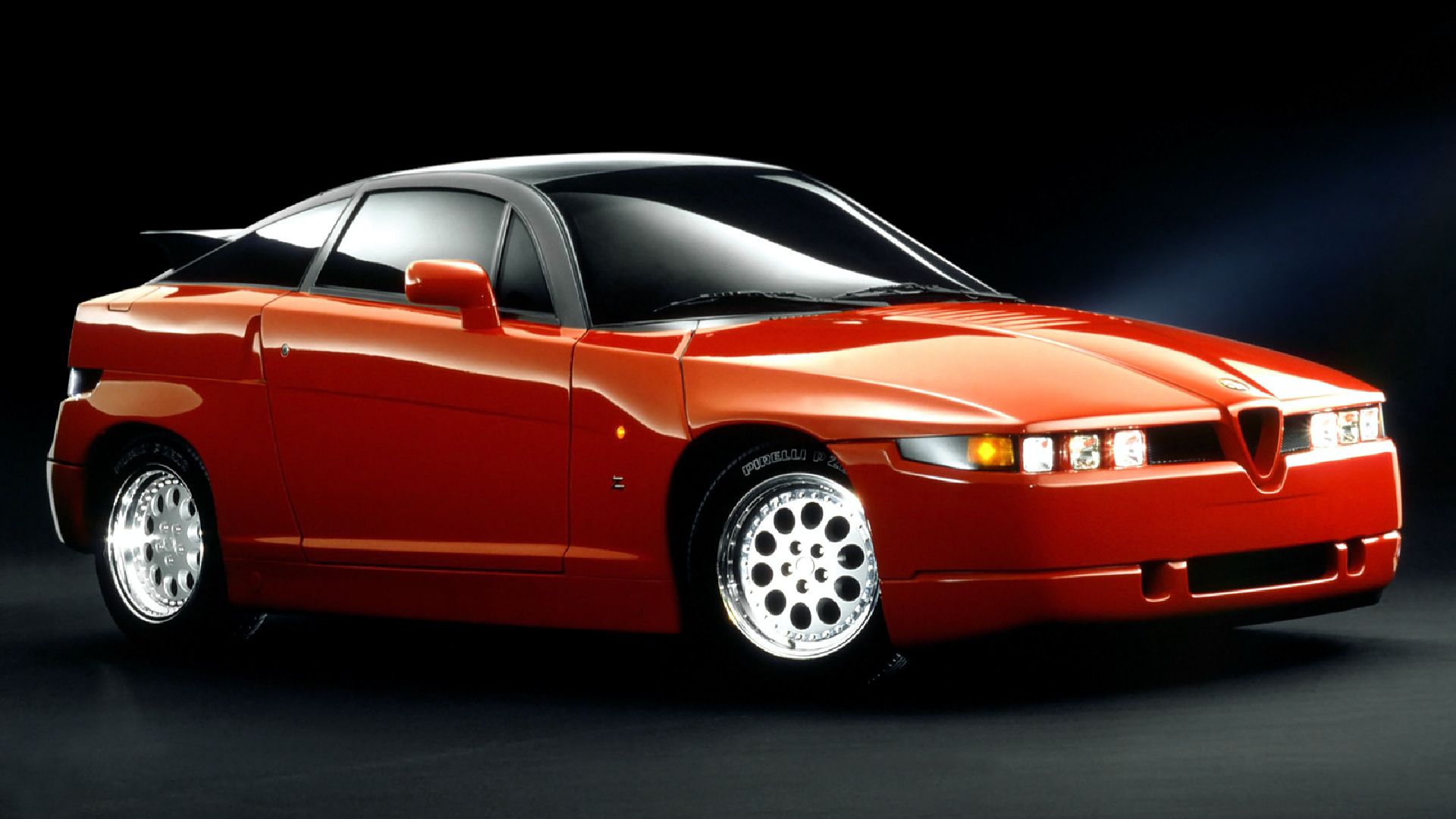
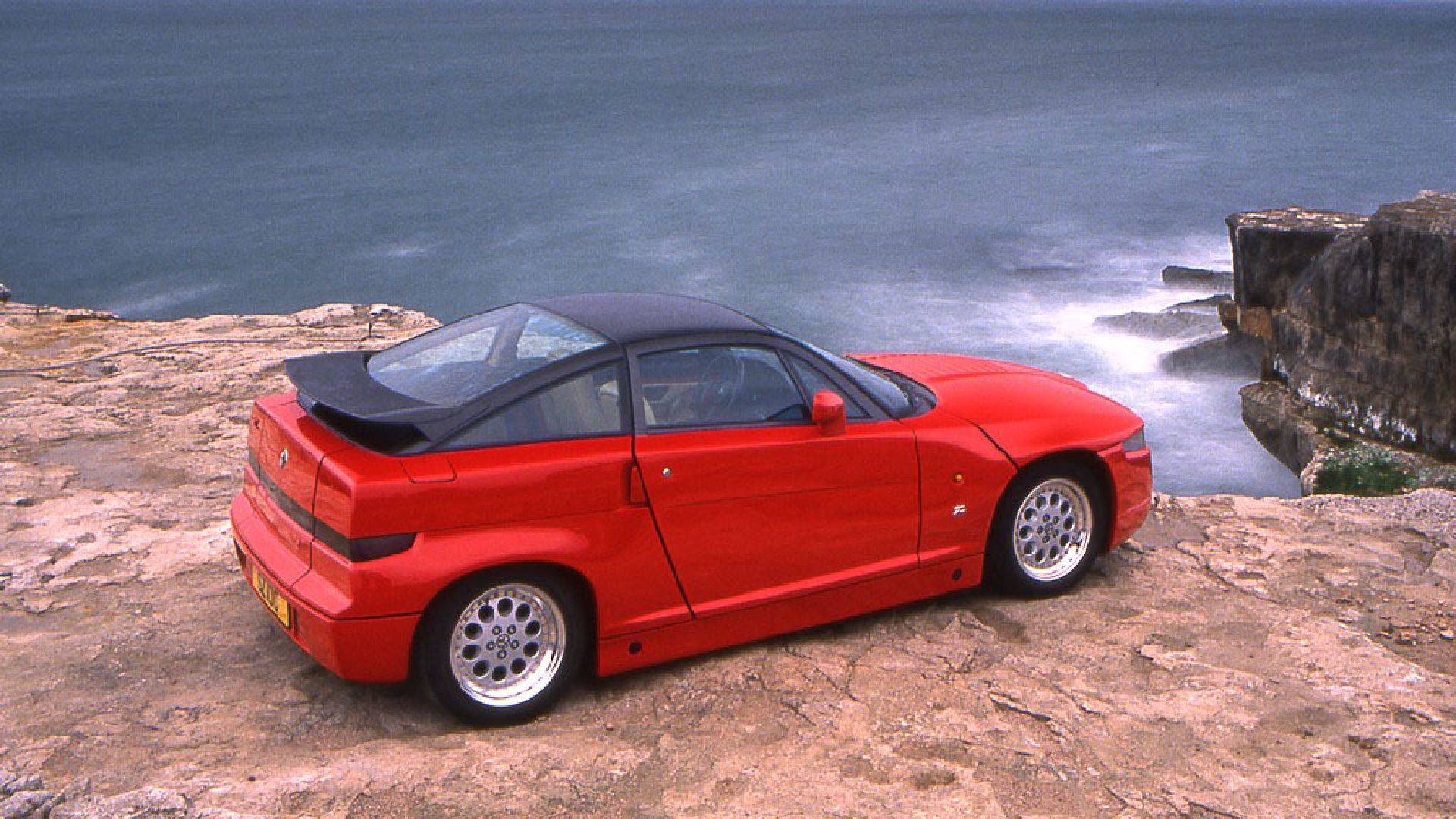
Alfa Romeo SZ – up 100 percent
Now for something more Italian and more affordable. The Alfa Romeo SZ was controversial at first, but today is almost universally loved. Now more than 30 years old, the Sport Zagato has doubled its money.
Alfa Romeo SZ – £70,000 or more
In the early 1990s, £35,000 was a lot of money to spend on something so odd. But an SZ can now go for more than £70,000, having increased in value by 100 percent.
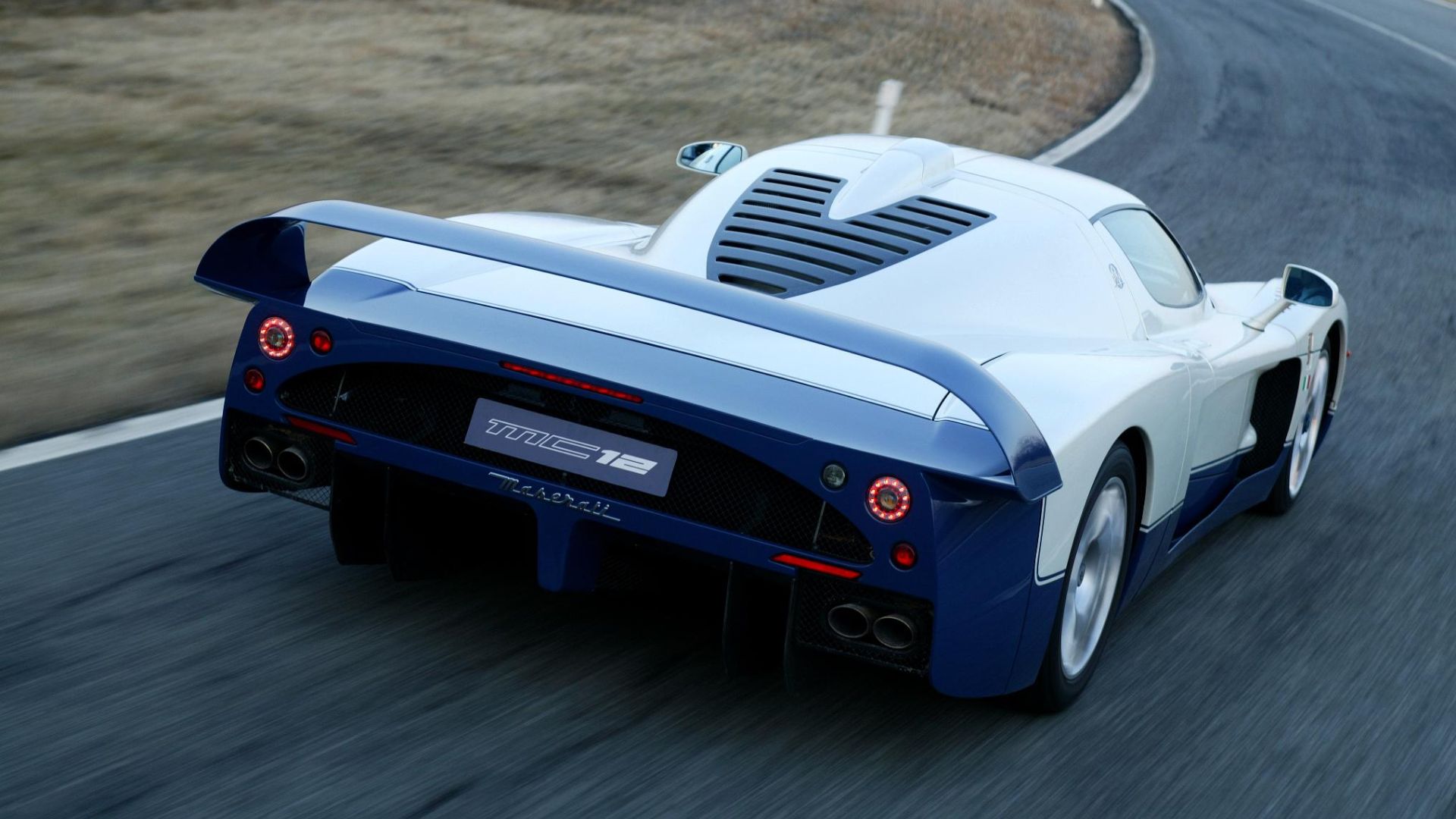
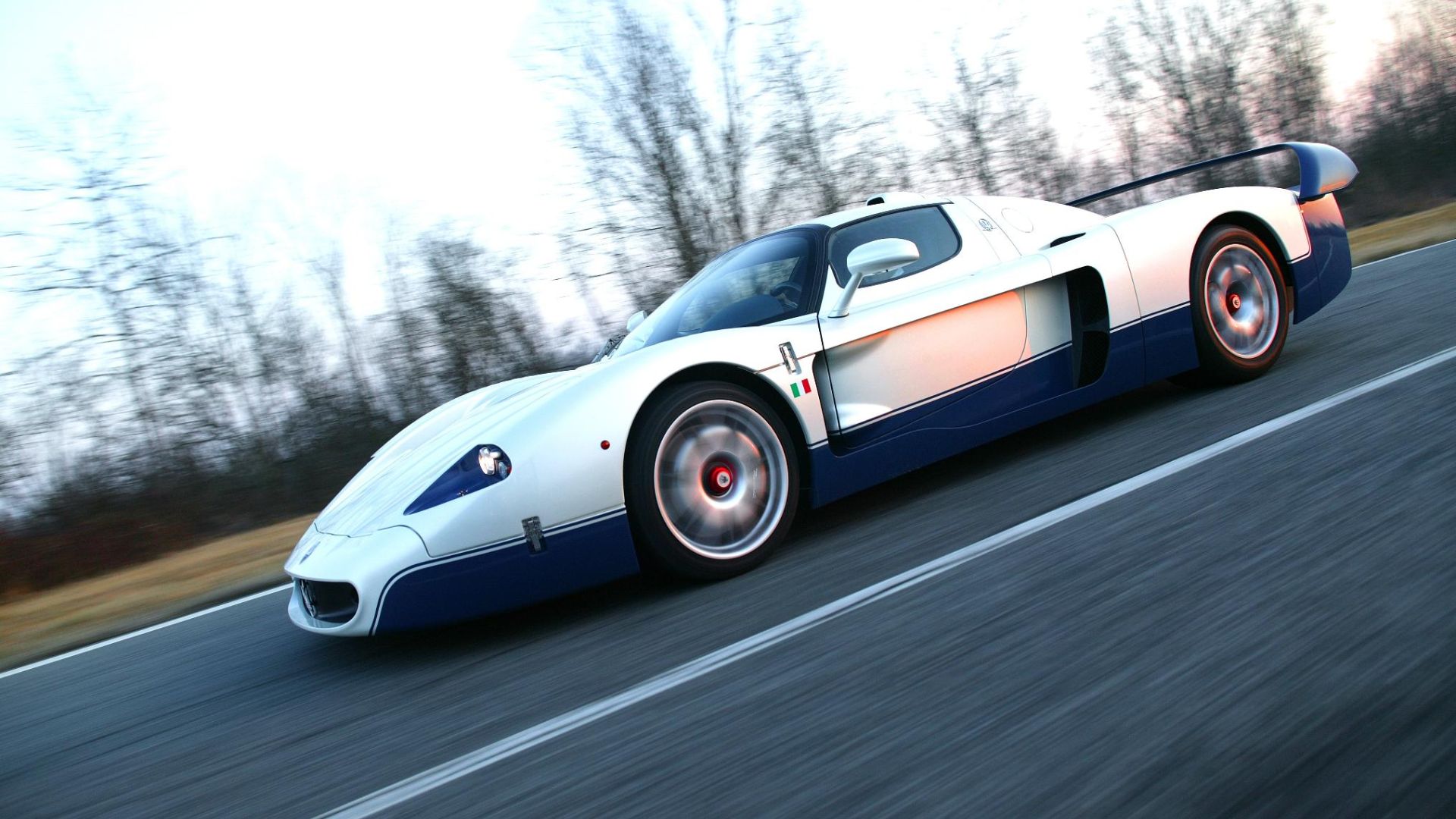
Maserati MC12 – up 300 percent
Maserati’s incredible hypercar reclothed Ferrari Enzo underpinnings and swapped the prancing horse for a trident. It was Maserati’s shot at Le Mans GT racing glory. To homologate the racer, a limited run of 50 road cars was made.
Maserati MC12 – £2,000,000 or more
If the Carrera GT was shocking with its £330,000 price in 2003, the MC12 was unbelievable in 2004. Each car cost £500,000, and you couldn’t even have your own custom specification. But this exotic gem, 20 times rarer than the Porsche, has now increased in value by 300 percent, with prices starting at £2,000,000.
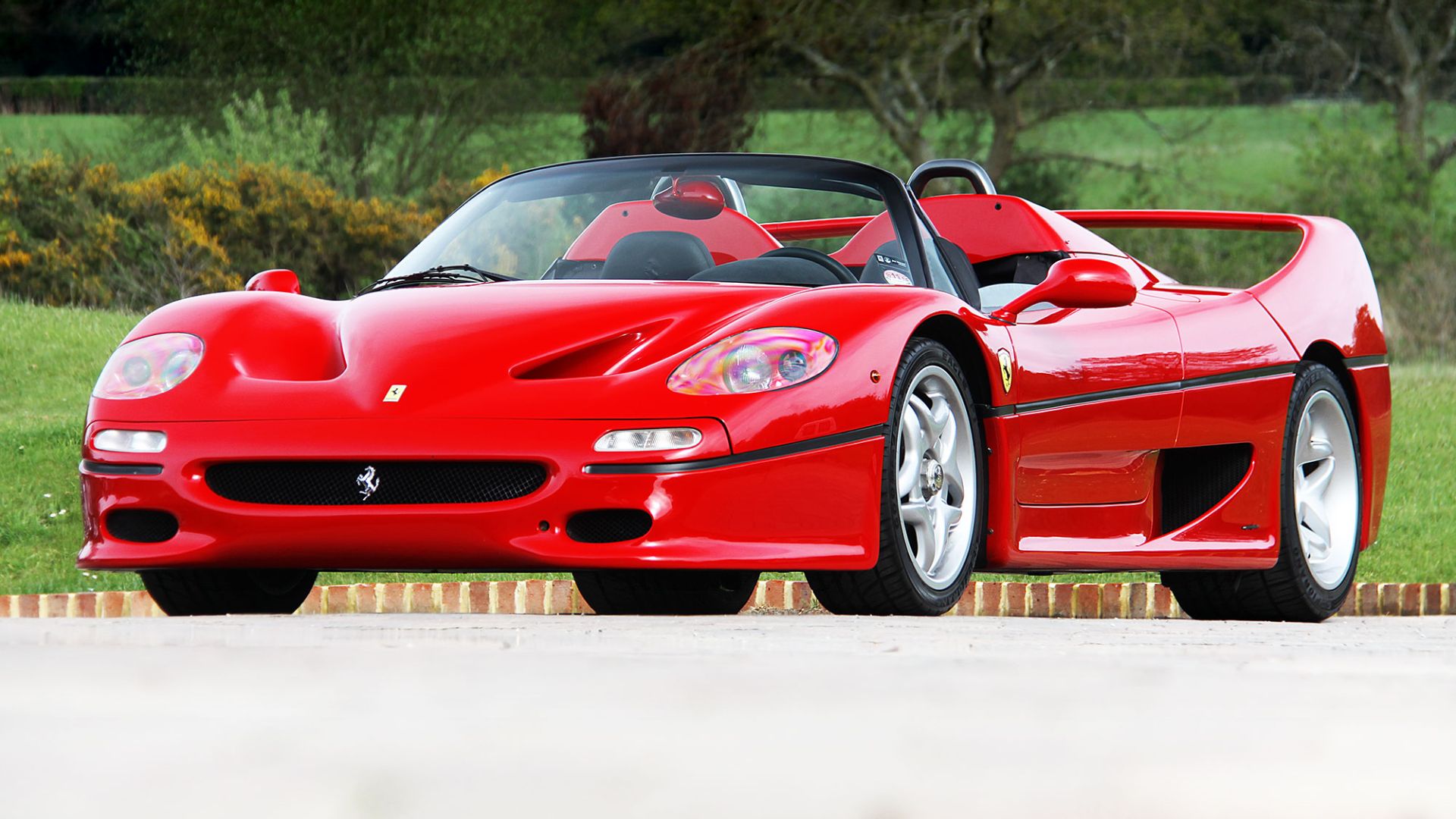
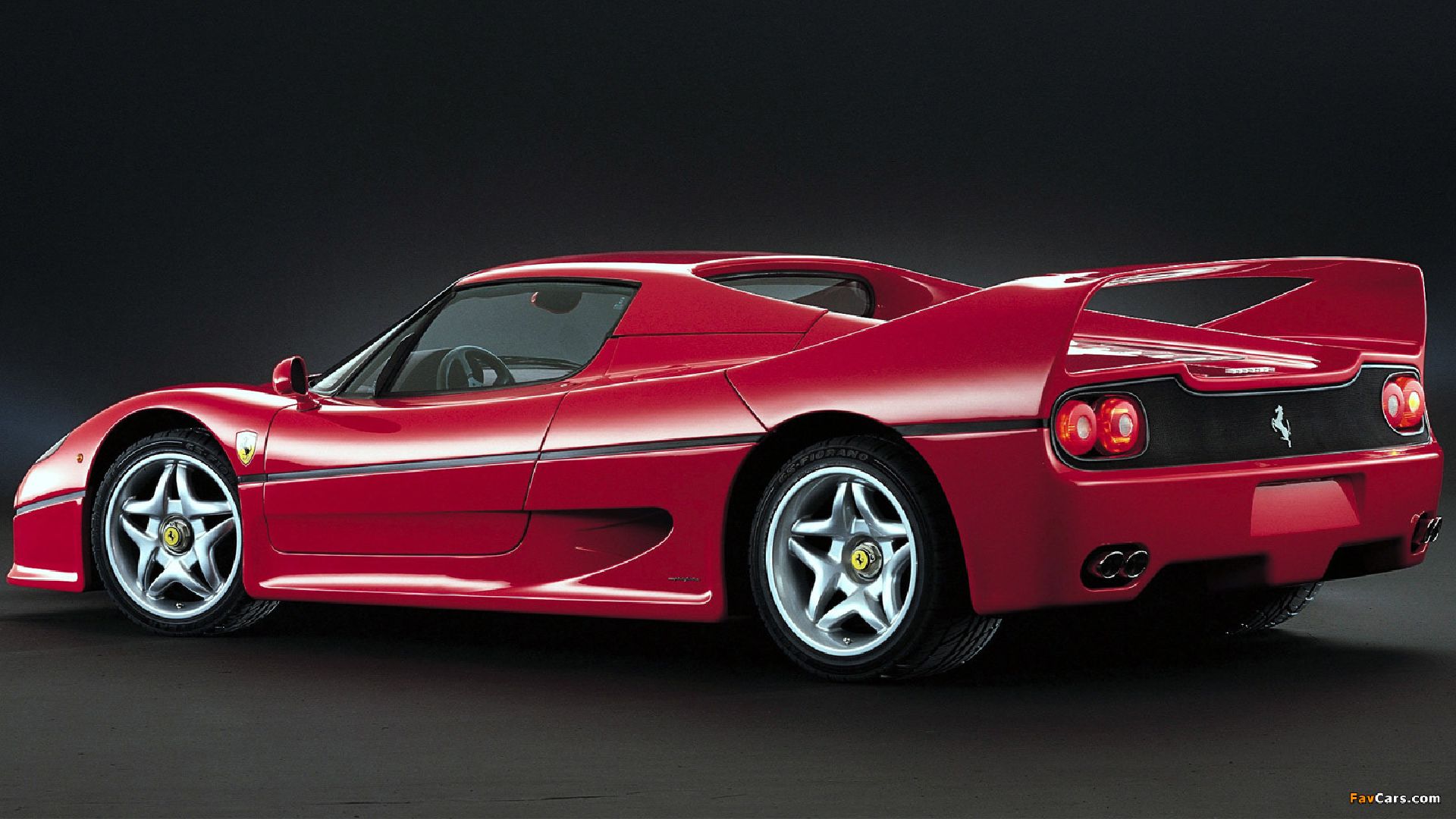
Ferrari F50 – up 328 percent
Like the Porsche, the Ferrari F50 is another analogue hero. With an F1-derived V12, carbon chassis and open-gated manual gearbox, it’s a near-irresistible recipe. Unfortunately, it suffered in the shadow of its predecessor: the legendary F40.
Ferrari F50 – £1,500,000
How wrong we were at the time, though, and what a win for those that bought in. Yes, £350,000 was a lot of money in 1995. But F50s now sell for upwards of £1,500,000.
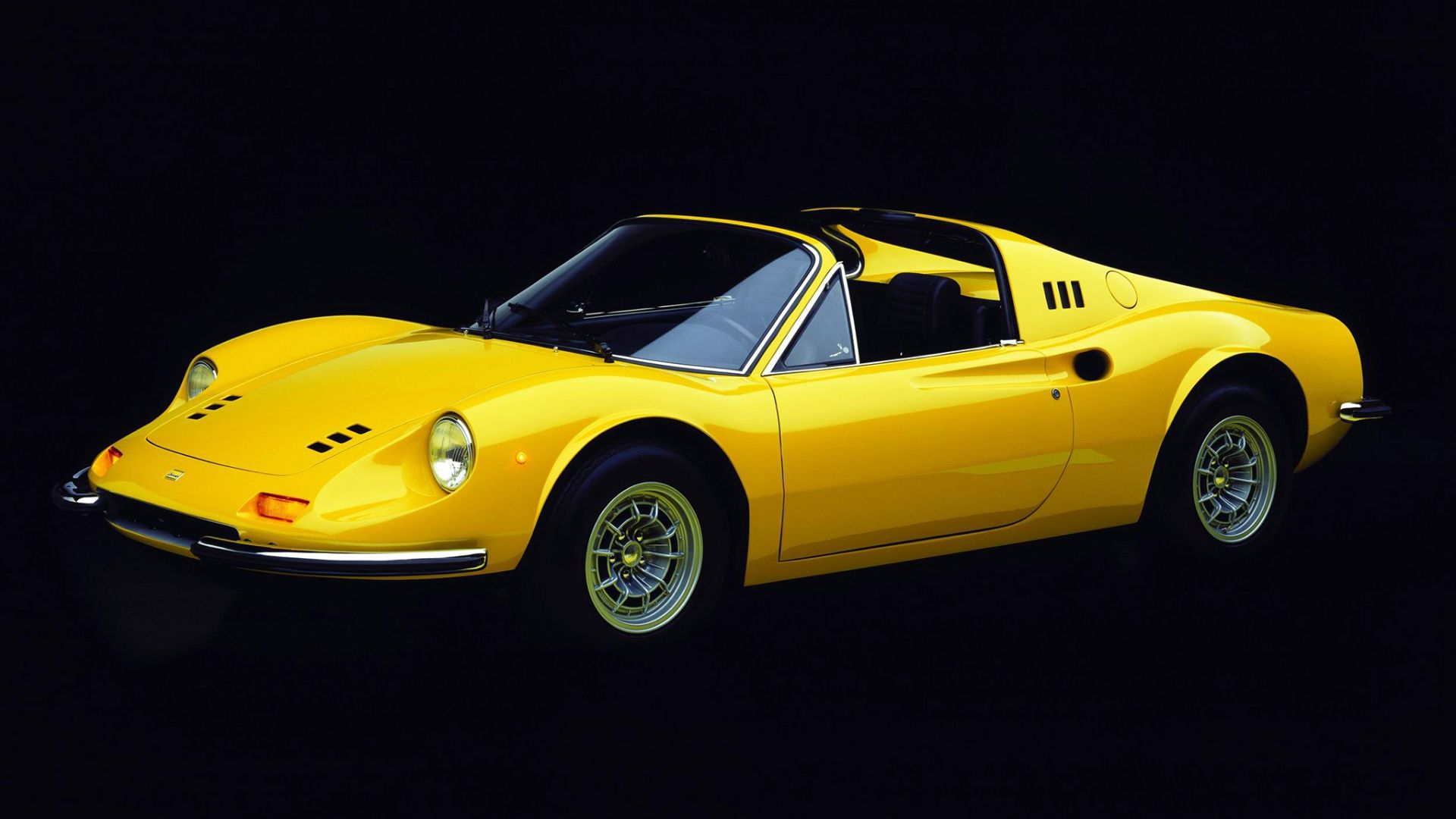
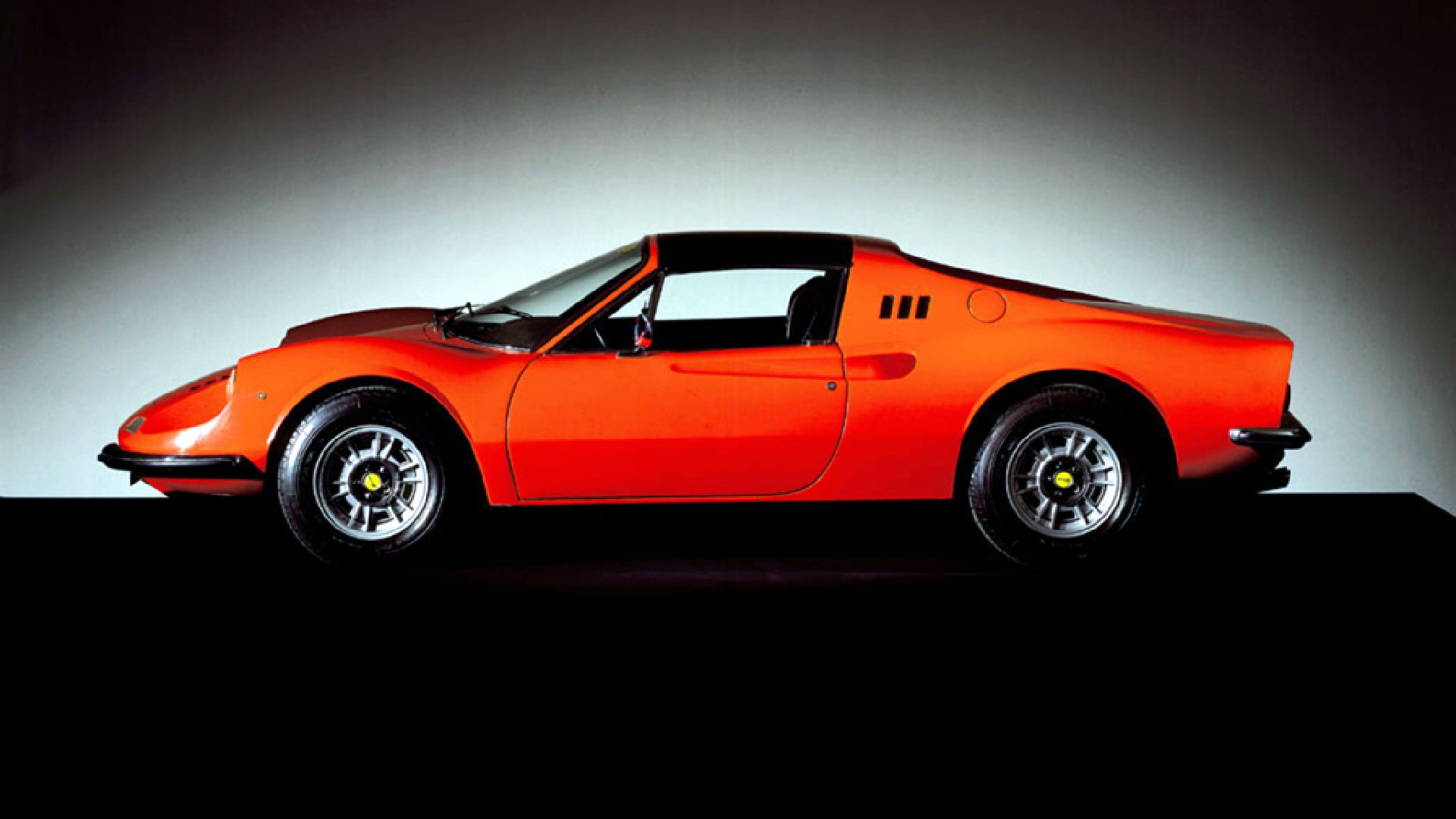
Ferrari Dino 246 GTS – up 2,172 percent
We’re now looking at cars that have leapt up in value by thousands of percentage points. The first is the Ferrari 246 Dino GTS. This represented the genesis of the so-called ‘affordable’ Ferrari. It remains one of Maranello’s most iconic machines.
Ferrari Dino 246 GTS – £250,000 or more
Named after Enzo Ferrari’s son Dino, who passed away at a very young age, the Dino became a near-instant pin-up. While a GTS would’ve set you back £11,000 in 1972, you’ll be lucky to find one for less than £250,000 today. That’s a jump of more than 2,000 percent, not considering inflation.
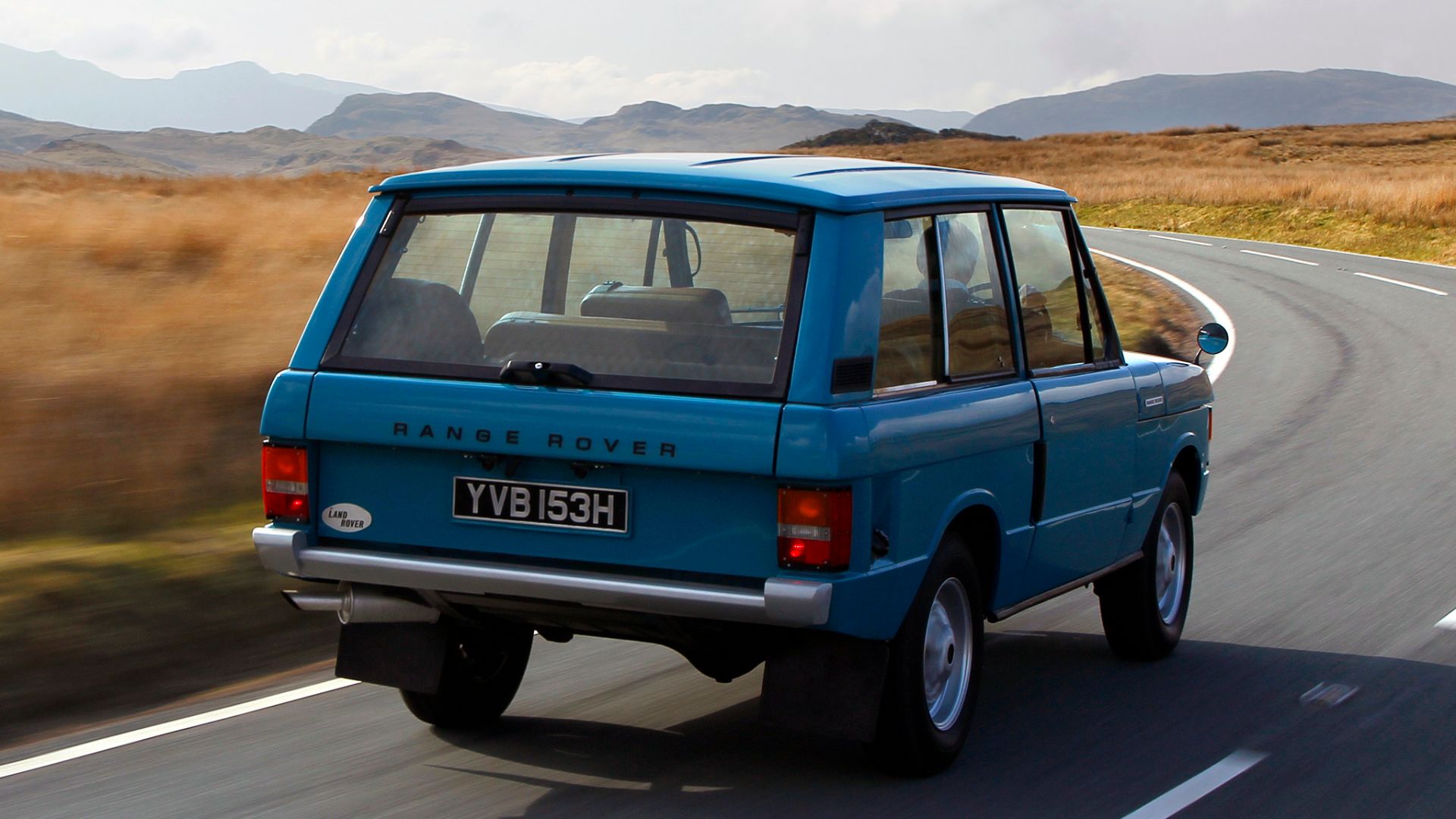
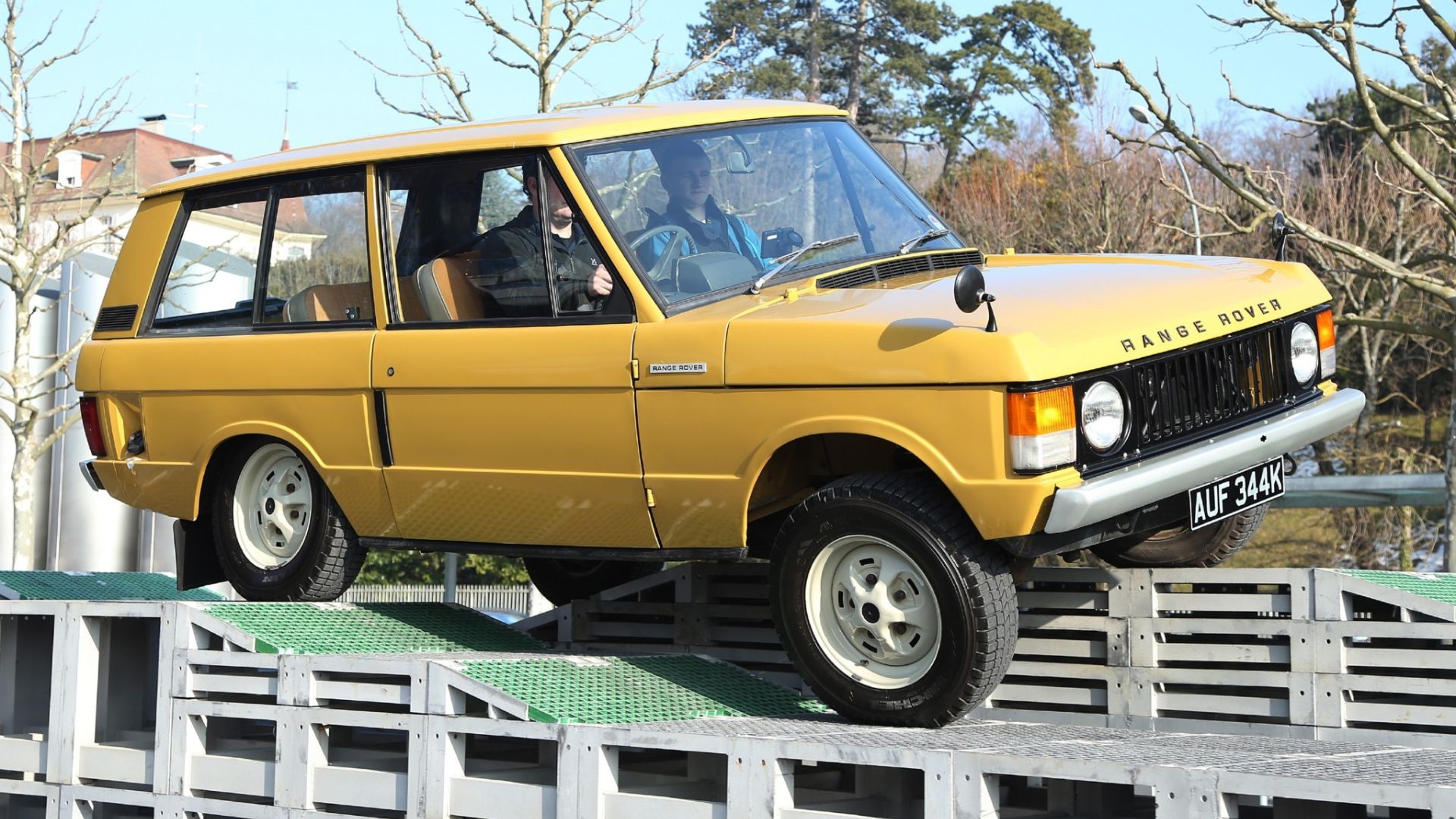
Range Rover – up 5,135 percent
The Range Rover has to be one of the most iconic debuts in Geneva show history. Indeed, this year, it’s 50 years since the Range Rover’s 1970 Geneva reveal. What the modern Range Rover certainly isn’t known for is earning its owners money. Quite the opposite, in fact. The original, however…
Range Rover – £80,000
This Range Rover has rocketed in value. Contrast the £1,528 it cost when new to the price of a classic Range Rover in restored condition today: around £80,000. That’s a jump of more than 5,000 percent. If a current Range Rover does that, in 2070 it’ll be worth more than £8 million.
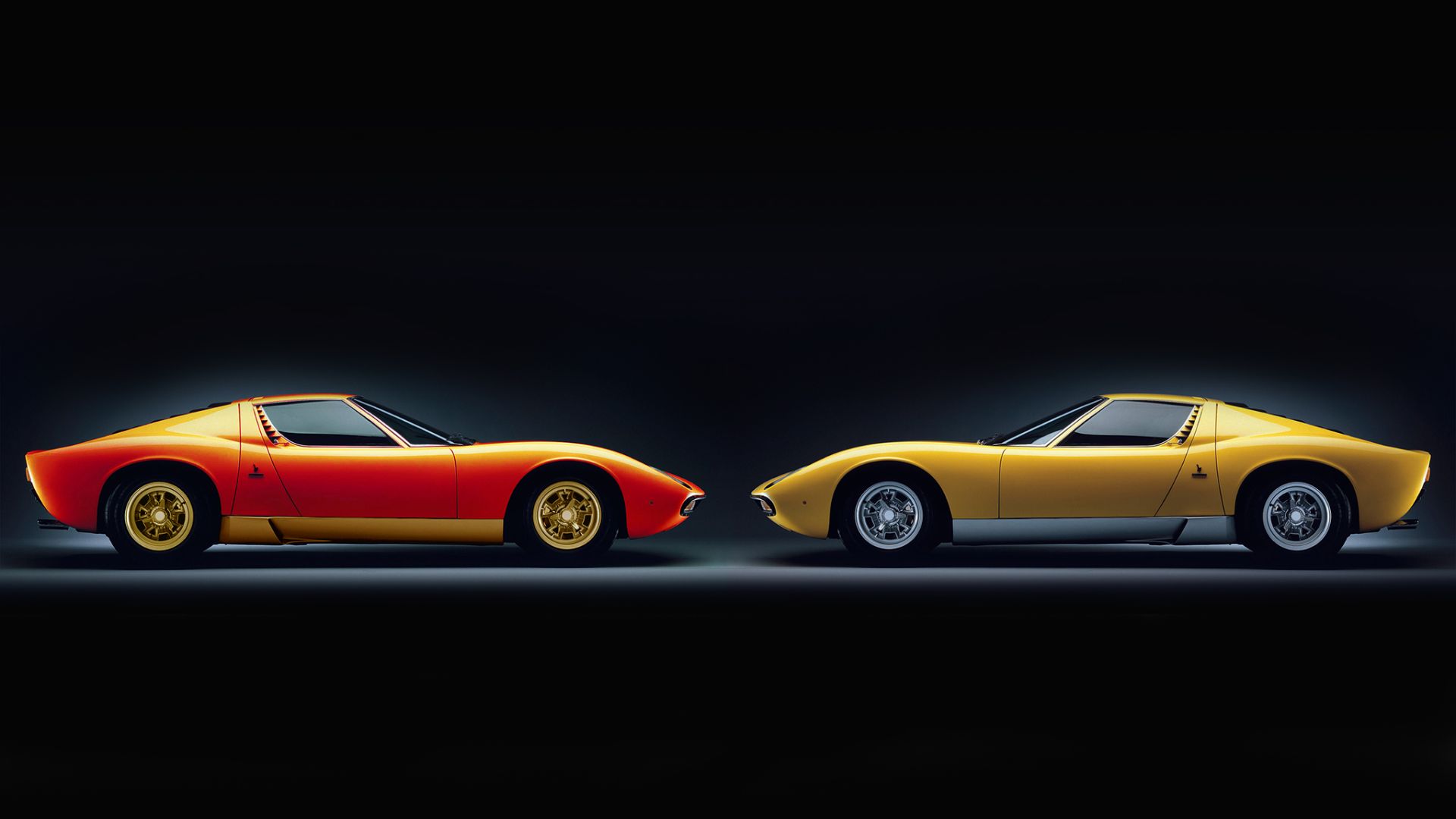
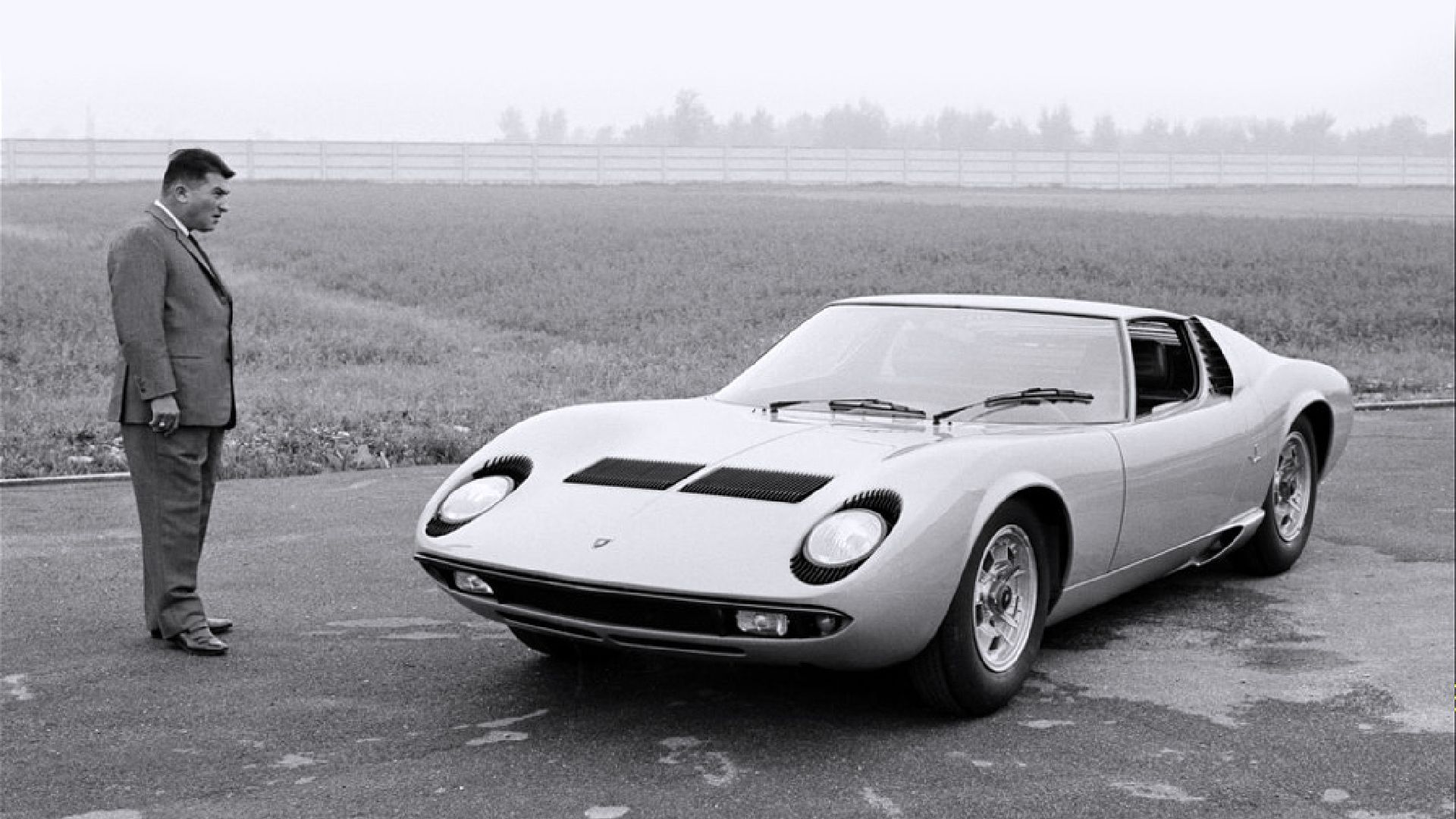
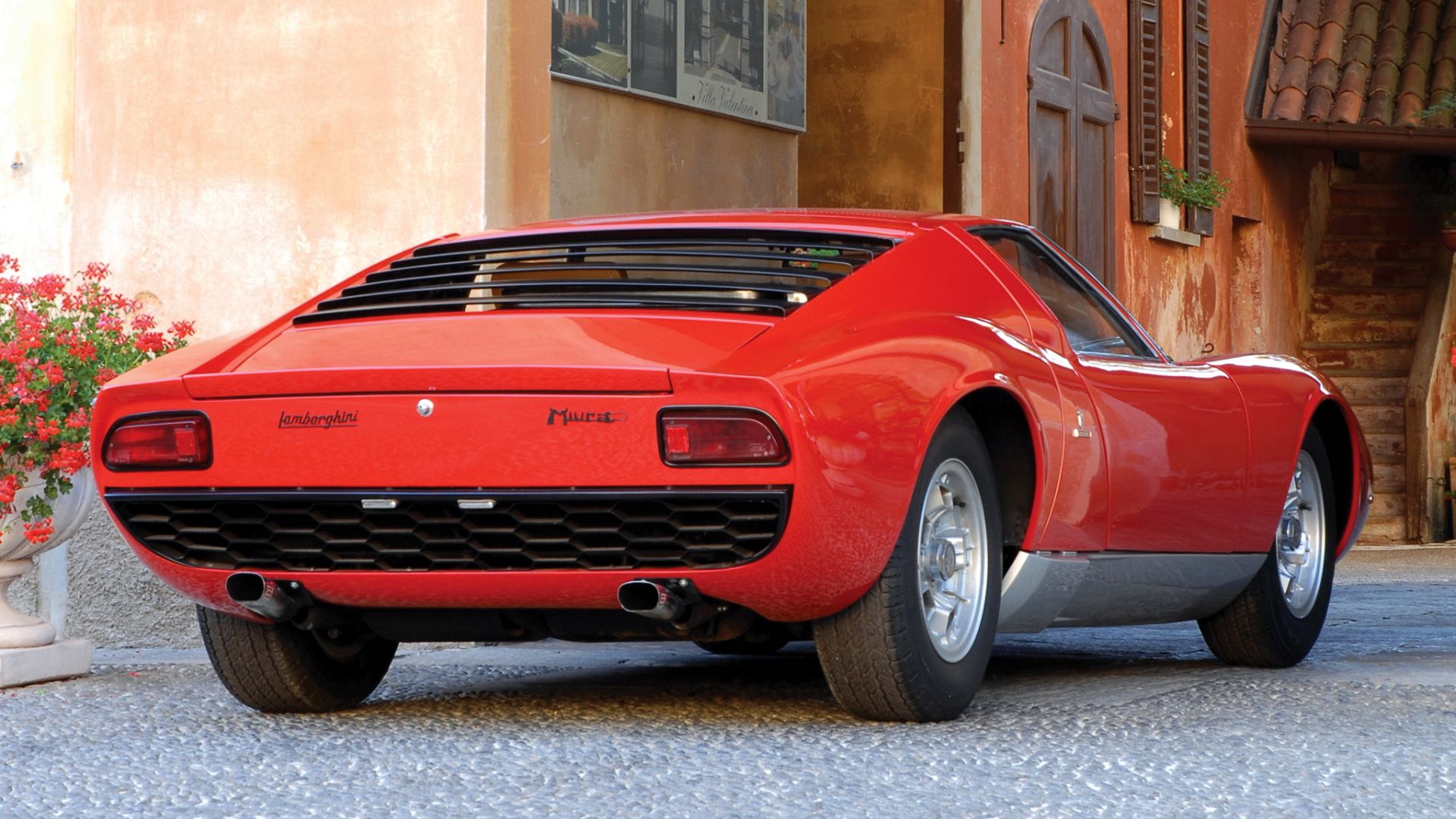
Lamborghini Miura P400 – up 6,566 percent
The Lamborghini Miura is considered by many to be the original supercar. Gandini’s masterpiece debuted at Geneva in 1966, and set the precedent for more than 50 years of V12 flagships for the raging bull. It’s also one of the most beautiful cars ever made. Little surprise, then, that it’s gone up quite spectacularly in value over the decades.
Lamborghini Miura P400 – £1,000,000 or more
By ‘spectacularly’, we mean it’s up over 6,000 percent on its 1966 list price of £15,000. You’ll be spending seven figures for the privilege of a Miura in your garage.
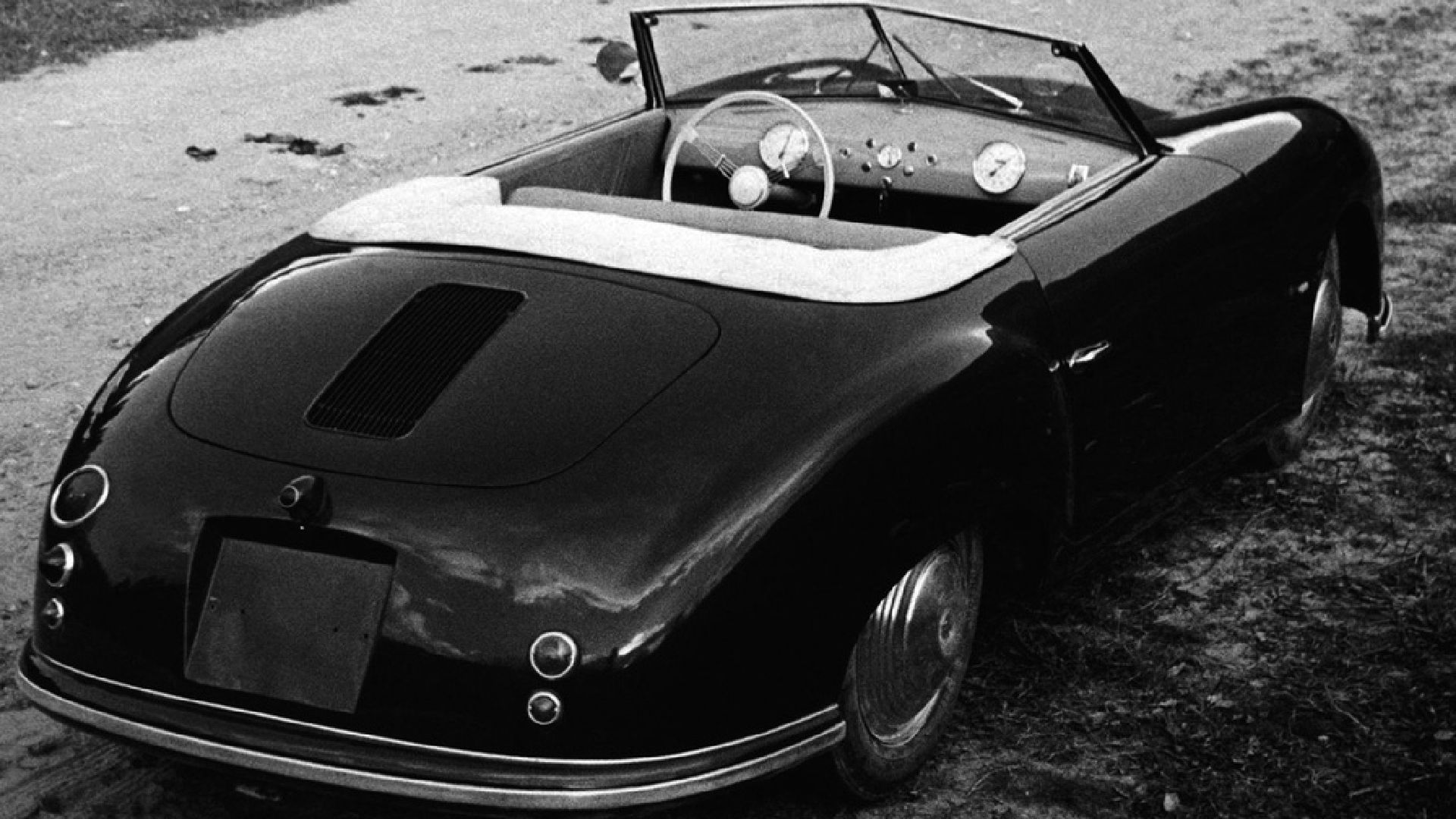
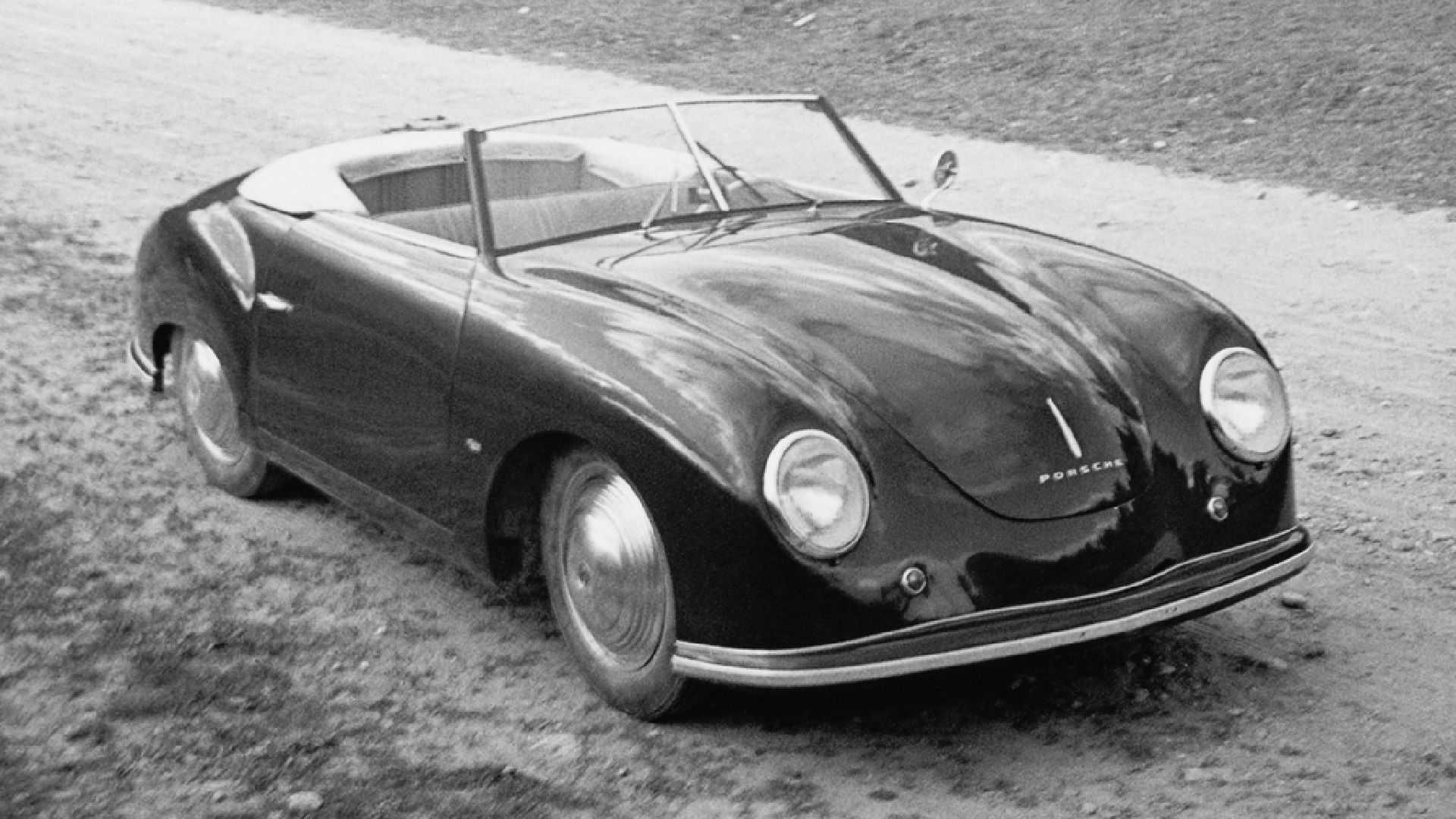
Porsche 356/2 – up 26,566 percent
Porsche is often at the heart of speculation when it comes to making money with cars. The 911, nevermind being an iconic sports car, has also become a staple of auction houses. But there would be no 911 without the 356: Porsche’s first model. The 356/2 variant debuted in 1949 at the Geneva Motor Show.
Porsche 356/2 – from £800,000
Back then, a 356/2 would have set you back £3,000. Today, if you spot one at auction, you’d better have at least £800,000 burning a hole in your pocket. That is a 26,566 percent value jump. Cripes.
McLaren Automotive admits it still has work to do in terms of brand awareness, but the company is outperforming expectations in one important channel – digital.
“We have 12-year-olds bringing their dads into our showrooms, saying they must check out the new McLaren,” said Jolyon Nash, global sales and marketing director.
“Their dad might not be fully aware of us, but I’ve anecdotally heard of some ending up buying a McLaren instead of a rival supercar.”
Mr Nash says the brand’s extensive exposure in video games, “which are mainly played by teenagers,” is leading to heightened brand awareness in the younger generation.
Other age groups, however, perform less well. “Target buyers in certain regions of the world are still not aware that McLaren makes supercars at all.”
The British brand’s focus for the foreseeable future is therefore doubling down on reaching these groups, rather than broadening out into other luxury sectors outside of automotive.
“It’s old fashioned hard marketing: talking to customers, getting people into the product – basic hard graft.
“We are still a young automotive brand; we only took our first car to market in mid-2011.
“We’ve enjoyed good growth, but we still have work to do in the broader car market.”
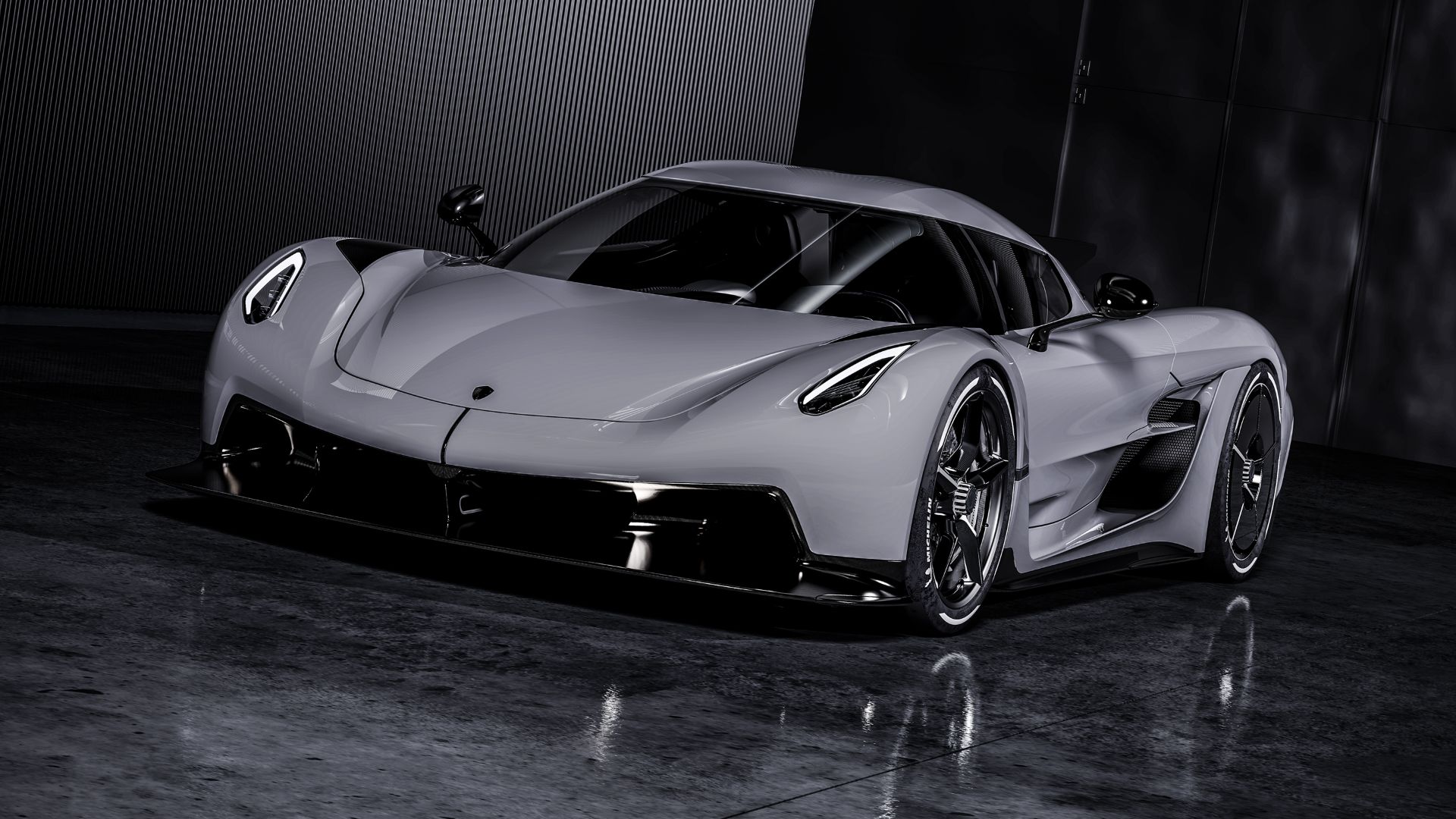
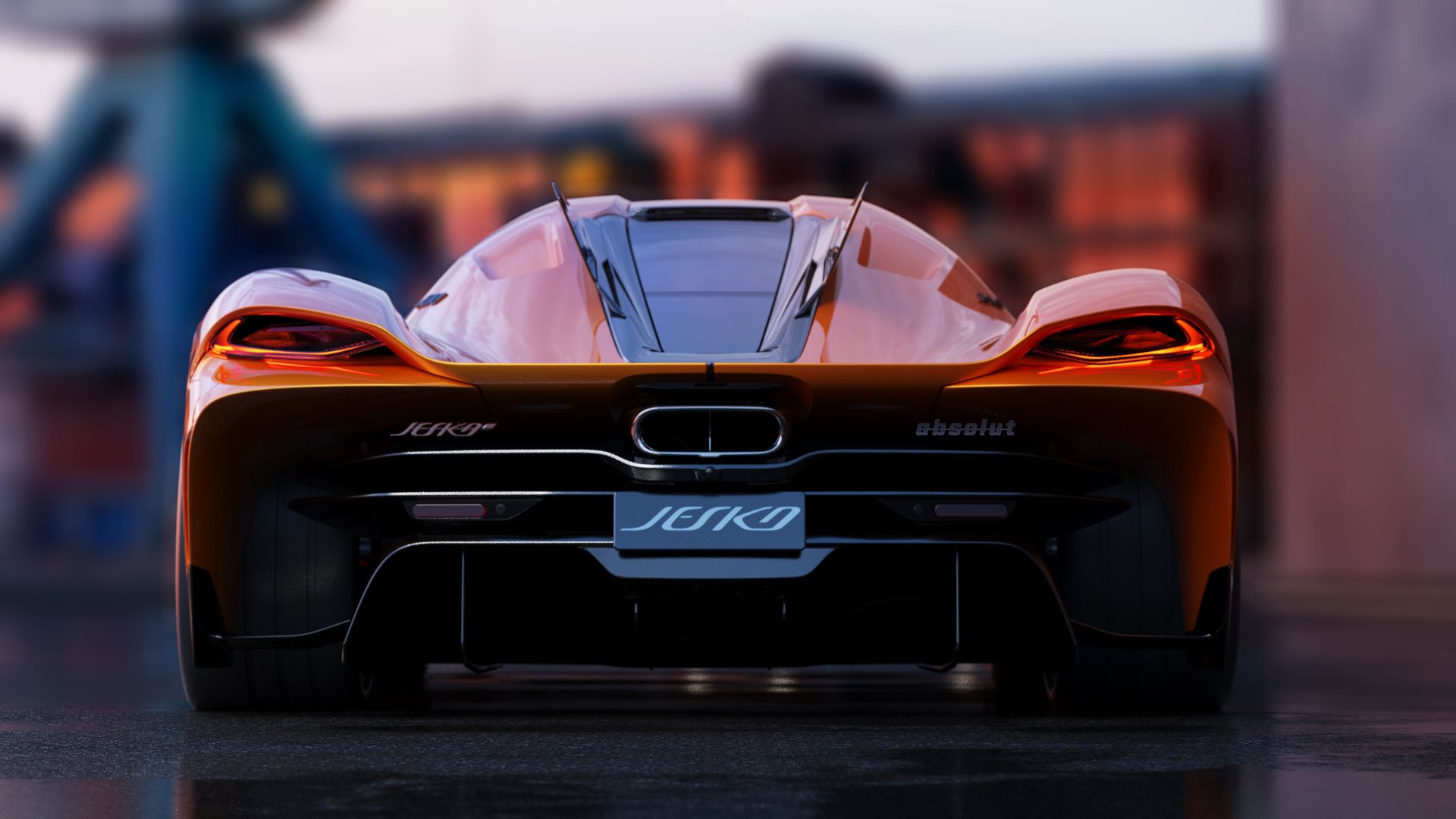
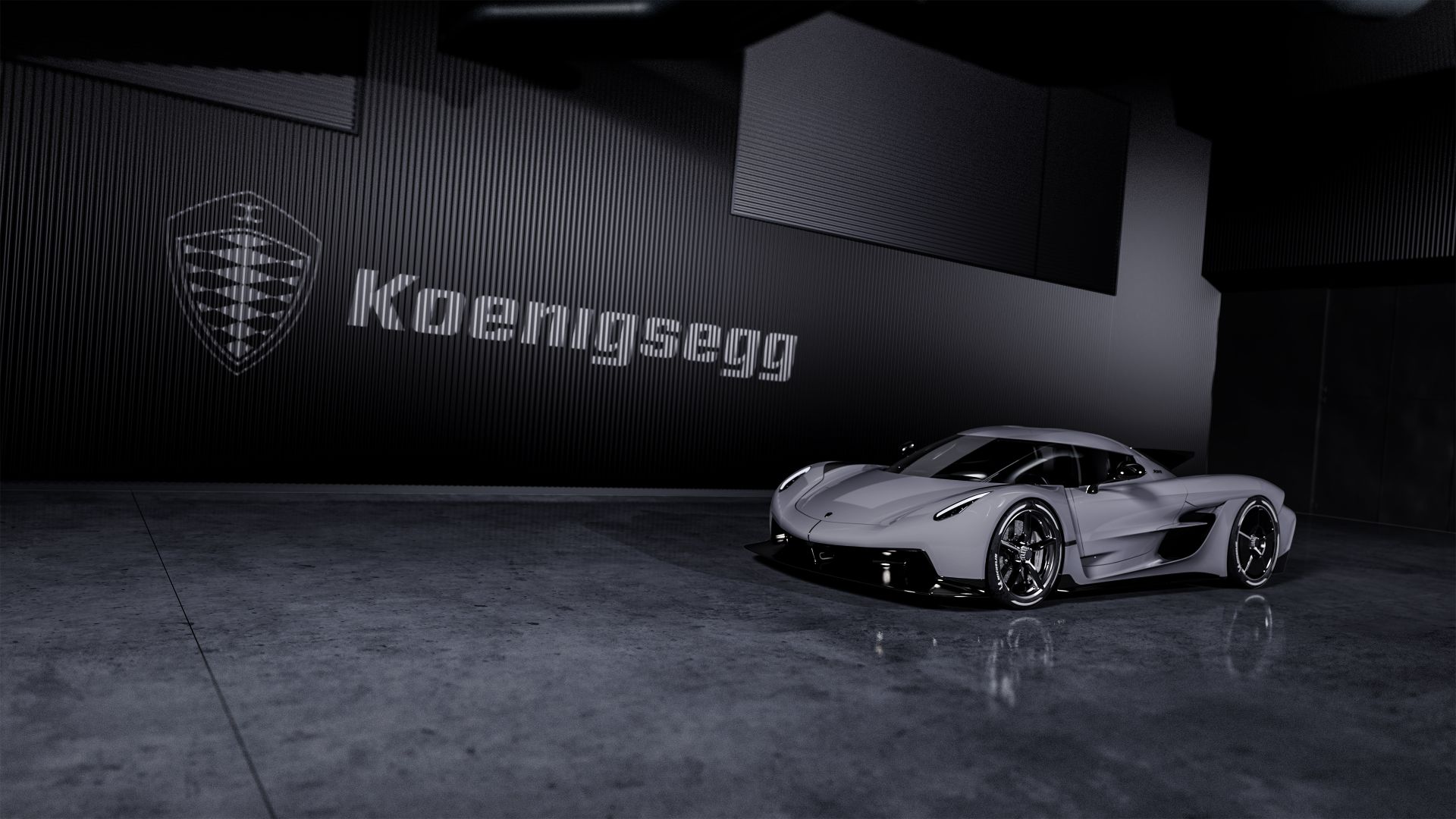
Perhaps the biggest ever Geneva Motor Show for Koenigsegg was dominated by both the debut of the Gemera, and the fact that its presentation had to be online, due to the show being cancelled over coronavirus fears.
We say ‘definitive’ because it will be the last Koenigsegg geared towards top speed. This is a big thing for the Swedish marque; for the last 25 years, its bread-and-butter has been VMAX potential, chasing the McLaren F1 and Bugatti Veyron.
But the pursuit is evolving, from an engineering challenge to a question of safety for Koenigsegg.
CEO Christian von Koenigsegg spoke in his Geneva presentation of the dangers of the Nevada run the Agera RS made in 2017, reaching a 284mph maximum and a two-way average of 276mph.
Following on, he said that while the Absolut will be Koenigsegg’s fastest car yet, it will also be the company’s fastest ever car, period. Koenigsegg follows Bugatti in exiting the top-speed race, with the latter announcing its intentions following the reveal of the 300mph+ Chiron Super Sport.
No doubt, the decision to bow out of the race won’t have been taken lightly, and the company built on engineering and speed will want to take its leave with a bang.
So what exactly is the Jesko Absolut capable of? Well, in a recent interview with Dina Pengar, Christian said of the Jesko Absolut, that “it’s the Koenigsegg we do that will be the fastest ever. It has the potential to drive faster than 530kph (329mph)”.
Rumour had it before the Geneva show that the version of the Jesko geared for top speed would look to set a record of 310mph (a nice even 500kph). According to Christian himself, then, that initial estimate was rather conservative.
Adding to the speculation, in a video with YouTuber Shmee150 Christian claimed that “with this kind of power, with 1,600hp, with this gear ratio and that drag, anyone with a little bit of math skill can check out the rpm limits, and all these factors, to see how potentially fast it can go. We were blown away [in simulator testing]”.
“To prove it a reality, we need to find a road, some friendly policemen that shuts it down, and good weather. We all know how difficult that is. But if we do, this thing is going to prove itself as the fastest Koenigsegg ever.
“We actually don’t have any plans whatsoever to try to drive faster,” he continued, joking that “no one should even do this, in a way. This is the last hurrah”.
Doing the maths
So, with the challenge (and the method) explained by Christian, forum members of the ‘Koenigsegg 4 Life’ Facebook group set to doing the ‘math’. Here’s what forum member Clint Domine calculated:
“I calculated that at theoretical top speed…
So V = cube root( 2*power/pCdA)
Where we know [the] following:
Power= 1193120 watts
Cd = 0.278
p = 1.225 kg/m3 (air density)
A = 1.88 m2 (frontal area)
So V = 155m/s or 558kph (346mph)
Now, this doesn’t account for tyre rolling resistance but still, this figure is quite crazy!”
Quite crazy indeed. So Koenigsegg himself said it could “drive faster” than 329mph, and the above calculation, save for the rolling resistance variable, results in 346mph.
Remember that the fastest car in the world just six months ago topped 284mph. Maybe it is time to hang up the top speed overalls, before this gets out of hand…
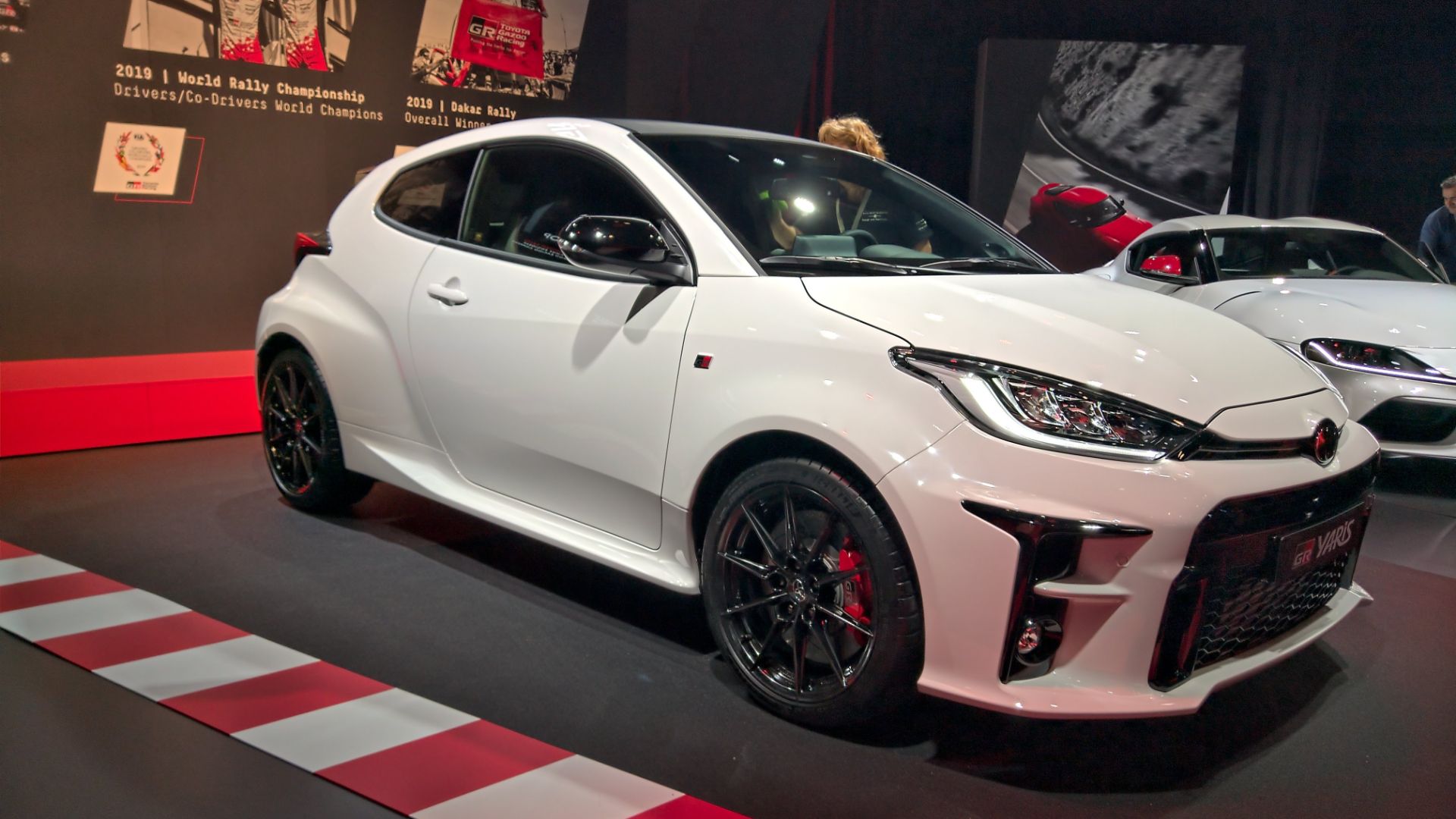
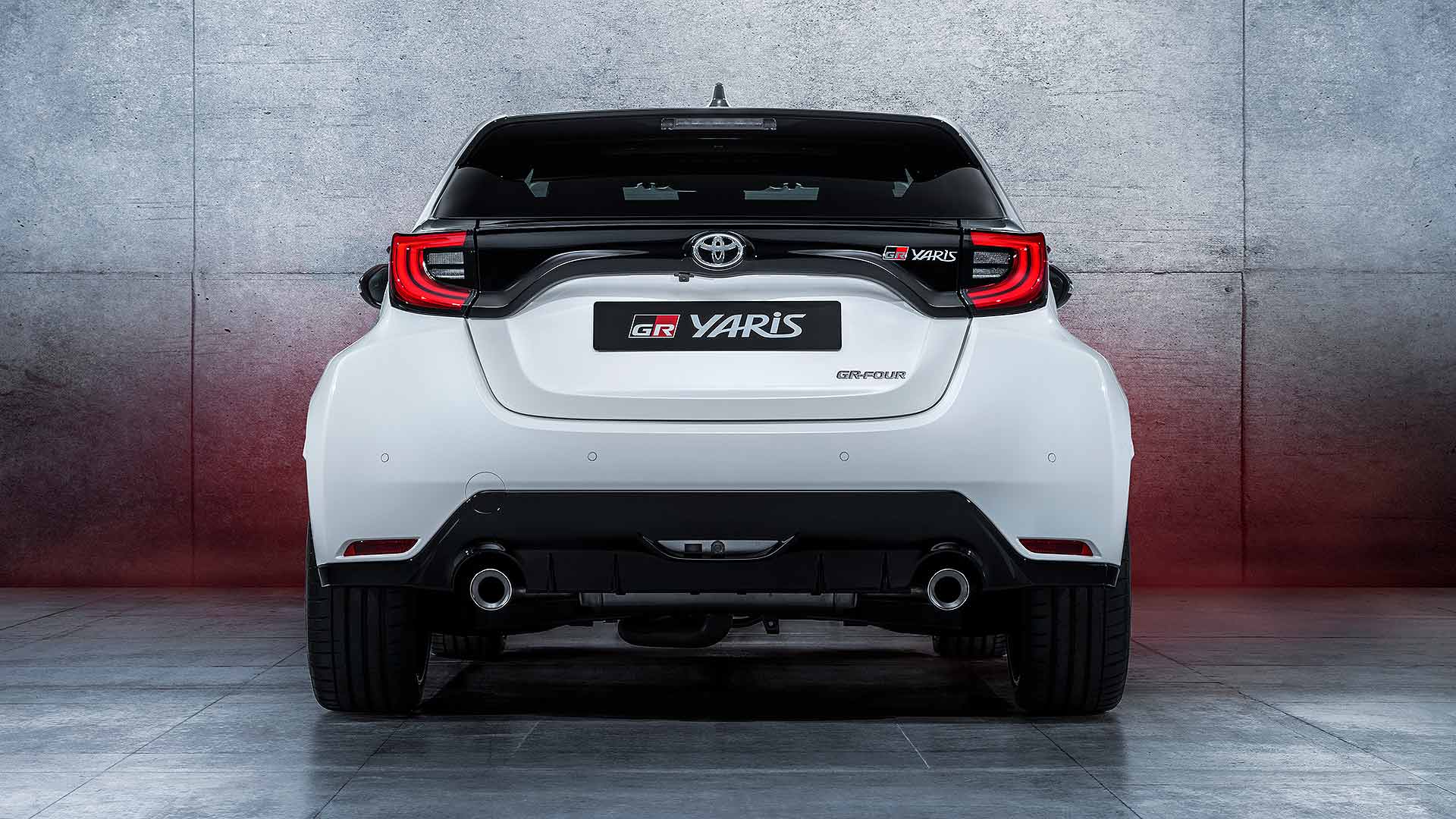
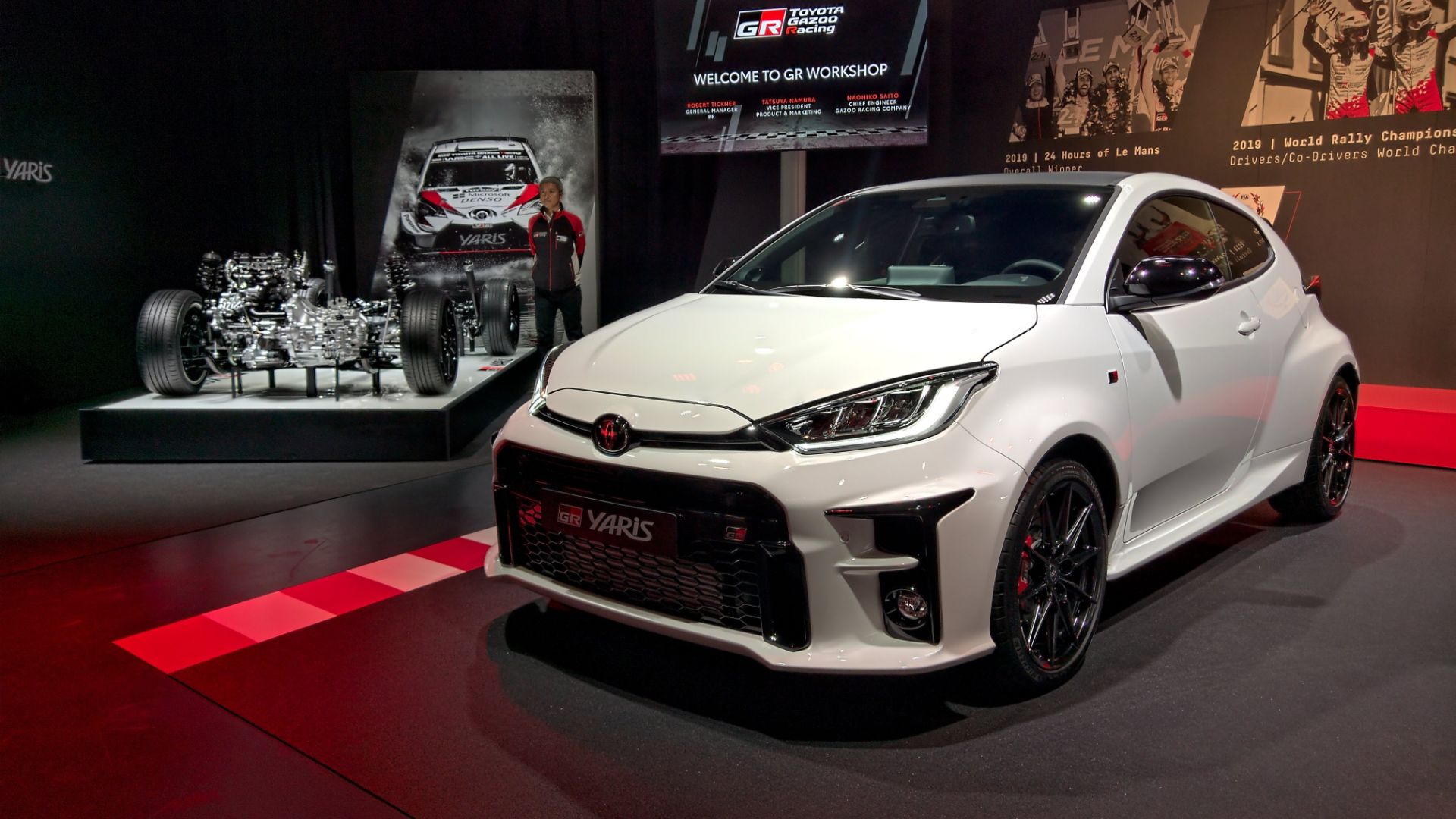
Toyota has finally put a price on its GR Yaris hot hatch. And at £29,995, it’s cheaper than many expected
The all-wheel-drive Yaris, born to homologate Toyota’s next rally car, is a near-bespoke creation, so a high price was predicted – although not by us.
Our last estimates put it around £30,000, and we weren’t far wrong. The GR Yaris will start from £29,995 for the standard version. For the Circuit pack, featuring more kit for track driving, you’ll pay £33,495.
Additional specs and details will come in due course, but those keen for more GR Yaris news can sign up to Toyota’s ‘keep me informed’ service. First deliveries are expected in November this year.
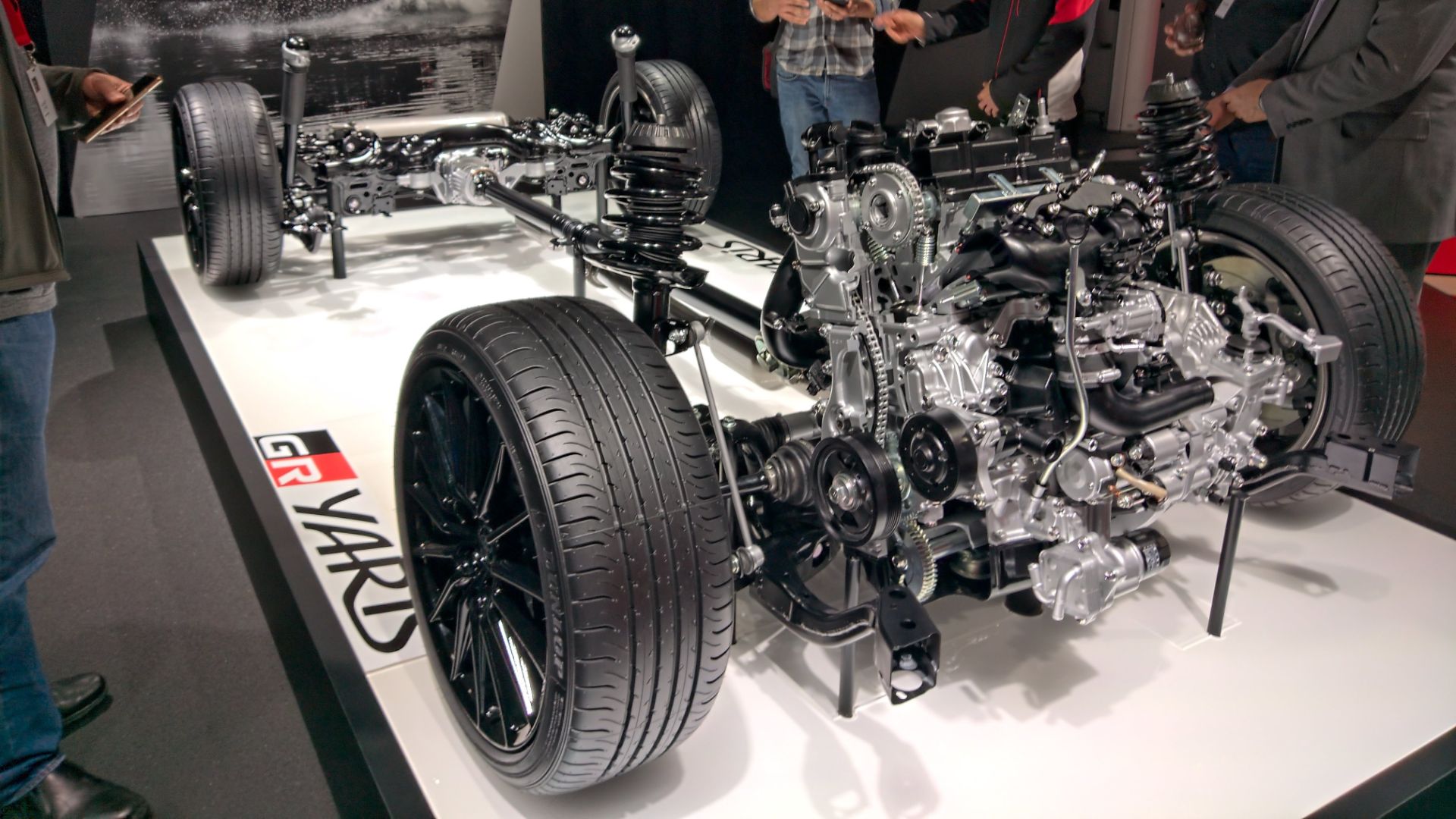
The GR Yaris really is almost completely bespoke. The chassis is a mash-up of Yaris and Corolla, while the bodywork is entirely new, save for the lights. Even the roof is much lower than a standard Yaris.
Packed inside is Toyota’s new GR-Four all-wheel-drive system, with limited-slip differentials at each axle. And powering it is a new 260hp 1.6-litre three-cylinder turbo engine. It’s claimed to hit 62mph in 5.5 seconds.
Also, let’s factor in how GR Yaris will be built. There’s an entirely new Gazoo Racing production facility in Motomachi, Japan, where it’ll be made largely by hand.
So it could have been very expensive. But it seems Robert Tickner, general manager of communications at Toyota Motor Europe, was telling the truth when he said it wouldn’t be “a million miles away” from the Japanese equivalent price of £27,000.
The only question now is, do you take a GR Supra or a GR Yaris and a load of change?
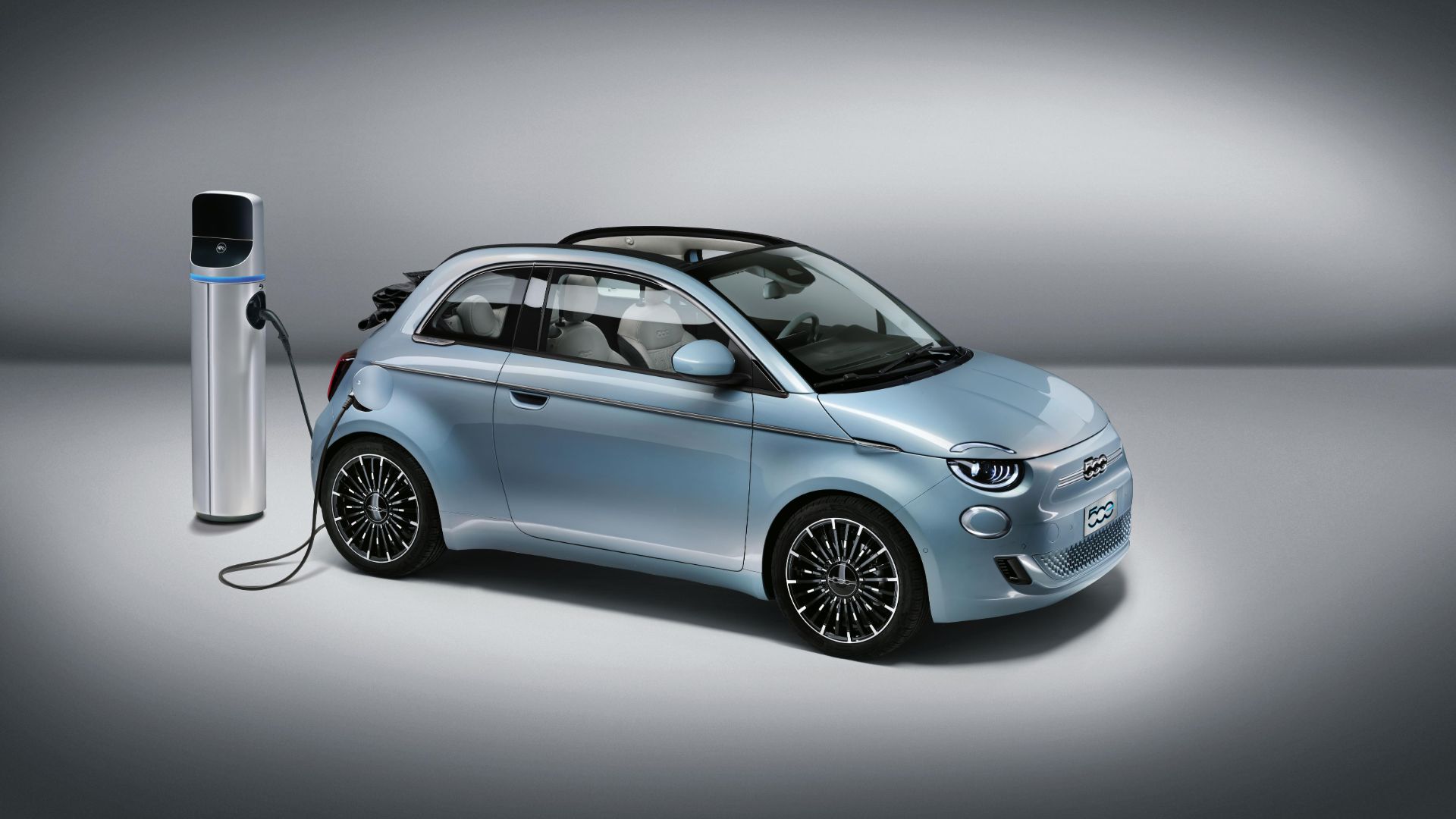
Say ciao to the 2020 Fiat 500. It still looks retro, but is all-new beneath the skin – including an electric drivetrain with a 199-mile range. Here’s everything you need to know.
The new Fiat 500 comes not a moment too soon. As the outgoing car enters its 13th year on sale, Fiat faces growing pressure to modernise, reduce emissions and electrify. The new car has that covered, but also needs to deliver what buyers want. And buyers really wanted the old 500.
From the moment it went on sale in 2007, the retro-styled 500 has been an unmitigated success. Between 2008 and 2014, European sales ranged from a low of 145,000 in 2012 to a high of 180,000 in 2014 – and they’ve hardly declined since. Needless to say, there’s a lot riding on the new 500.
2020 Fiat 500: the headlines
All-new platform
All-electric
199 miles of range
Modernised inside and out
You can pre-book one of the 500 Launch Editions now
Optional 7.4kW Easy Wallbox, full charge at home in six hours
87kW electric motor
0-62mph in nine seconds
93mph top speed
As standard, the Easy Wallbox charges at 3kW, without the need to be professionally installed. And the 500 also comes with a Mode 3 cable for 11kW public charging speeds.
Three driving modes optimise the car and how it preserves power. ‘Sherpa’, ‘Range’, and ‘Normal’. Sherpa limits you to 50mph, manages accelerator response and deactivates the climate control and heated seats. Like a ‘Himalayan sherpa’, this mode is designed to get you home.
Normal is as it sounds, while Range activates the ‘one-pedal drive’, with added regenerative braking to slow the car down when you lift off the throttle.
It’s a bold move to go electric-only. Fiat hopes to build 80,000 new 500s a year at its Mirafiori factory.
It’s the Fiat 500’s trump card. The outgoing car owes much of its success to its irresistible style.
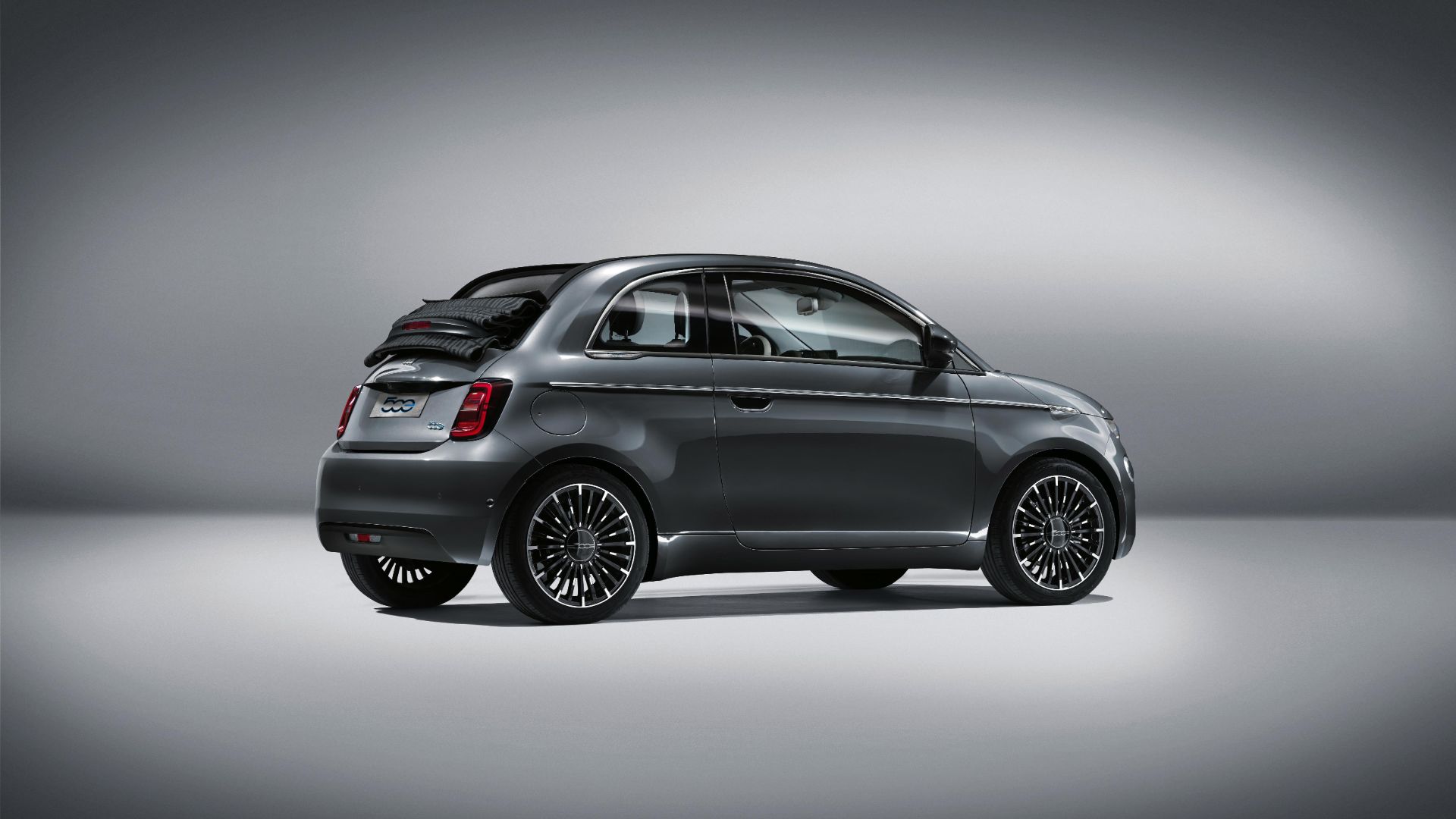
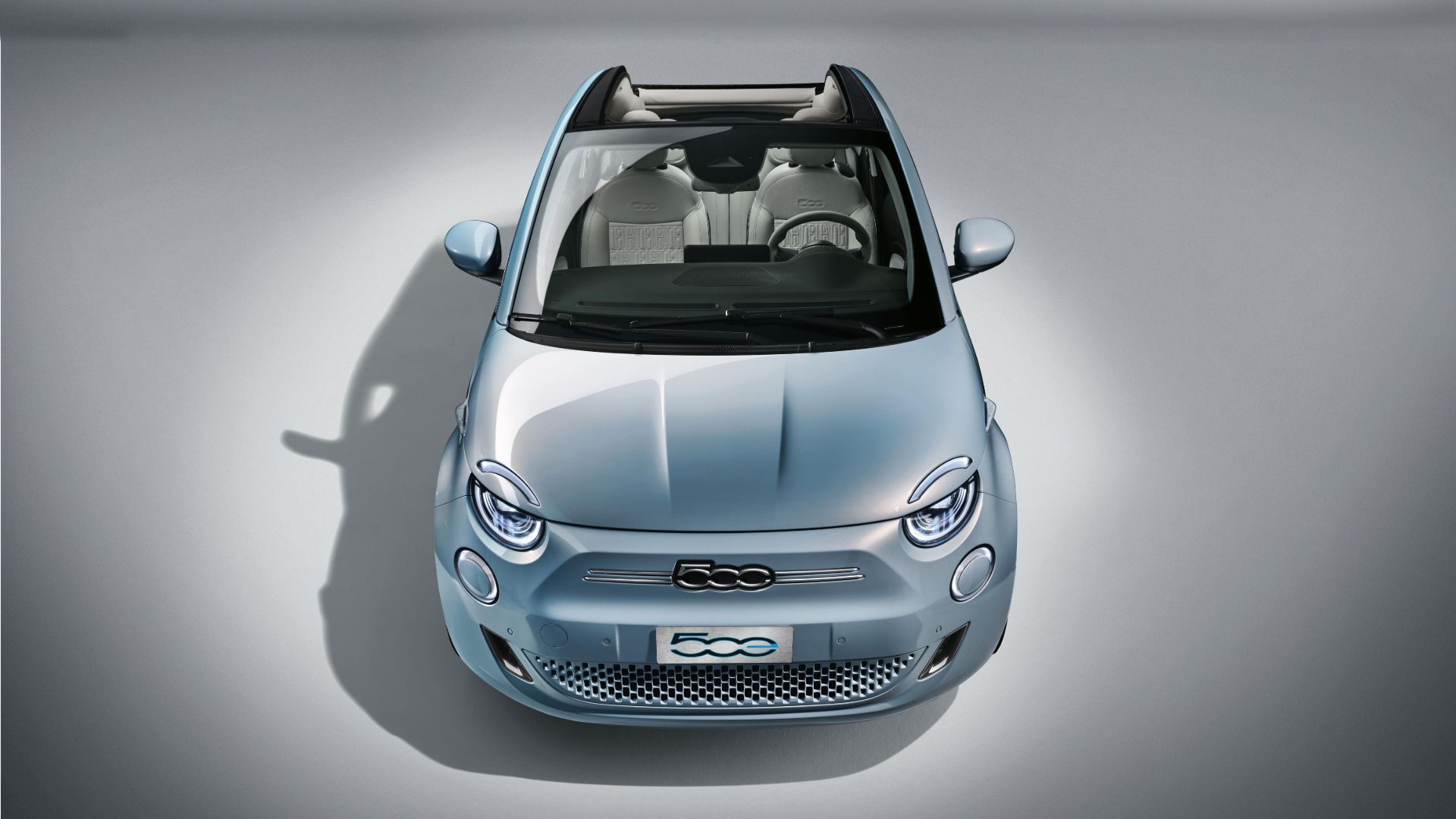
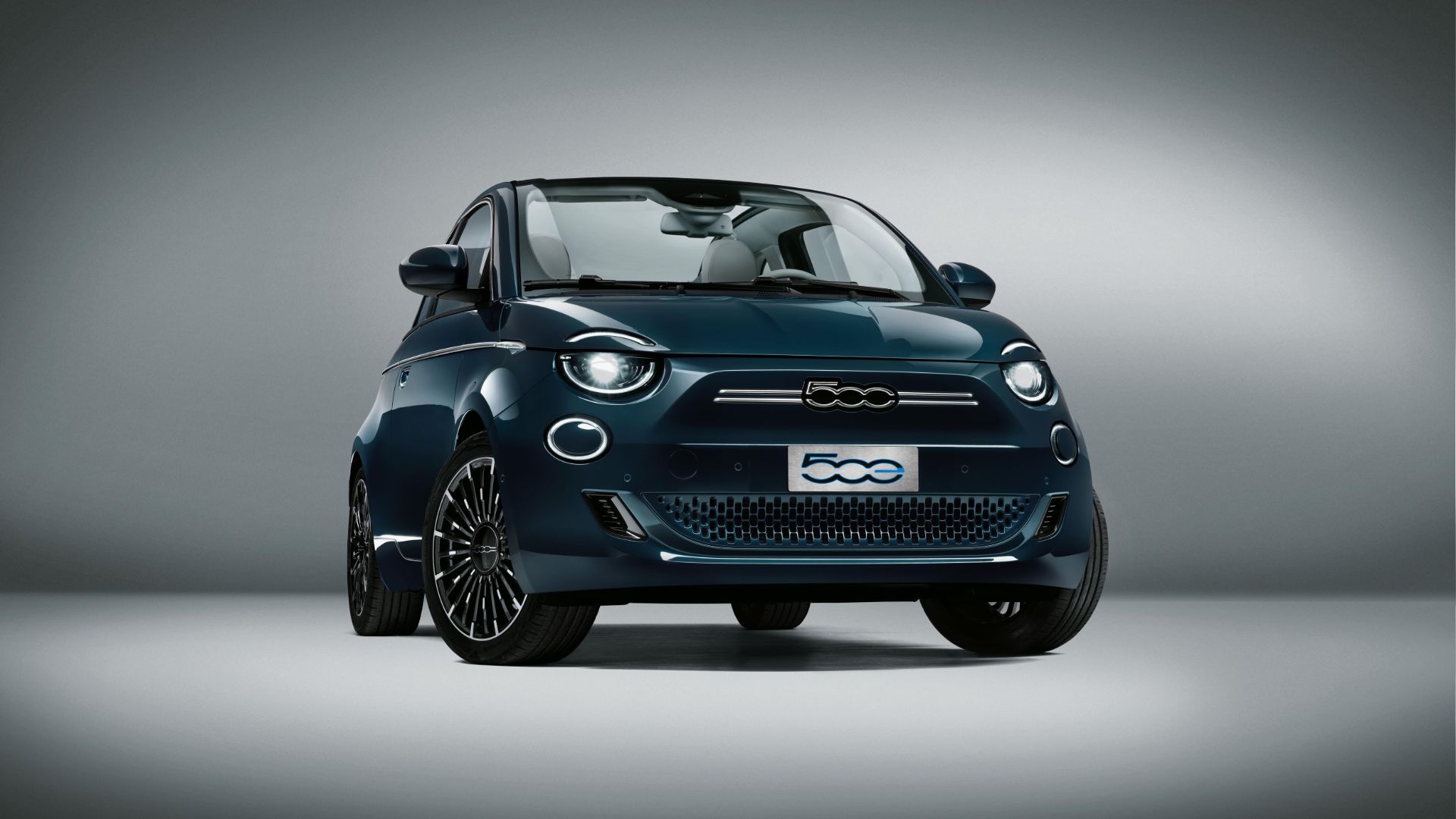
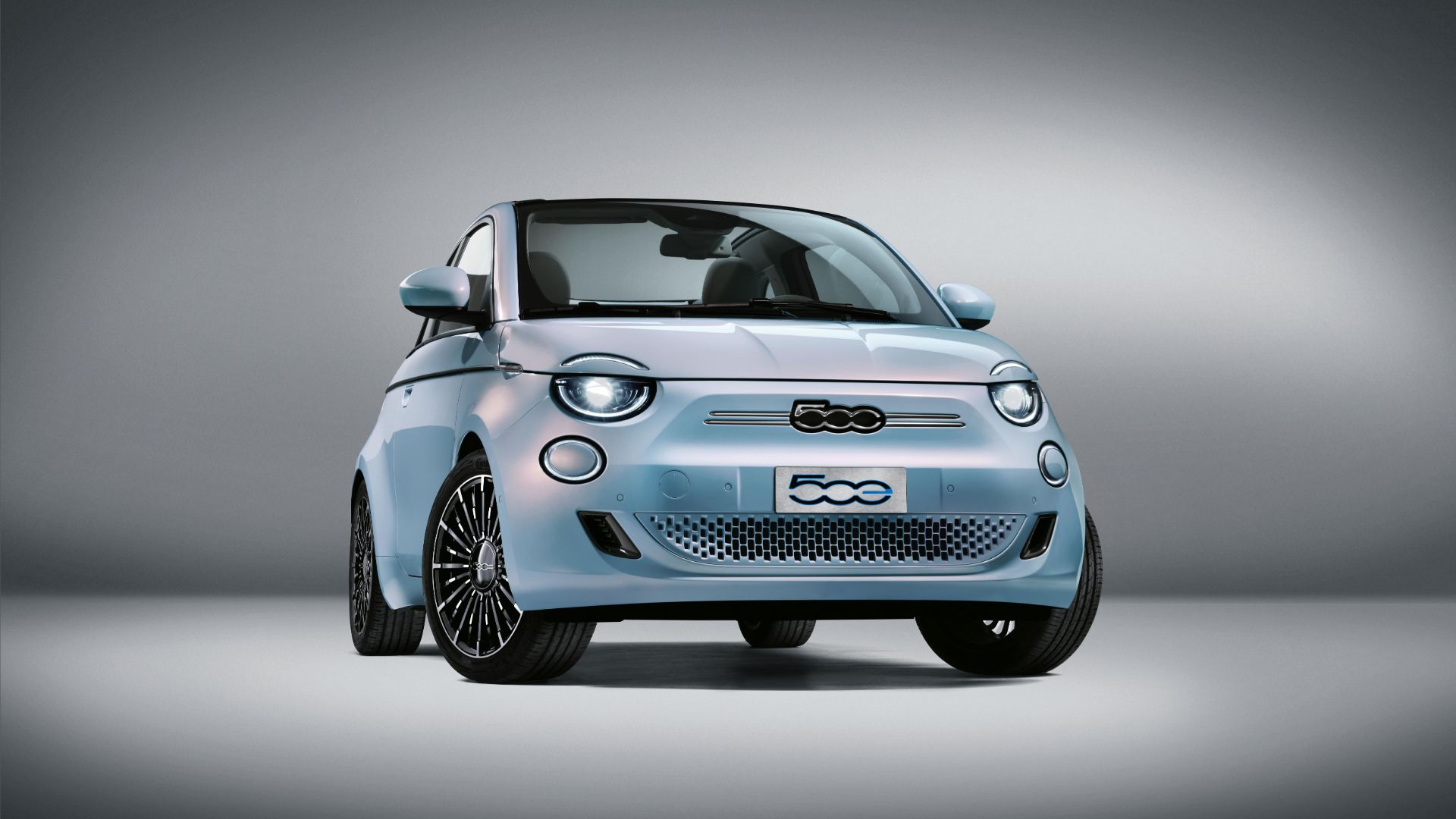
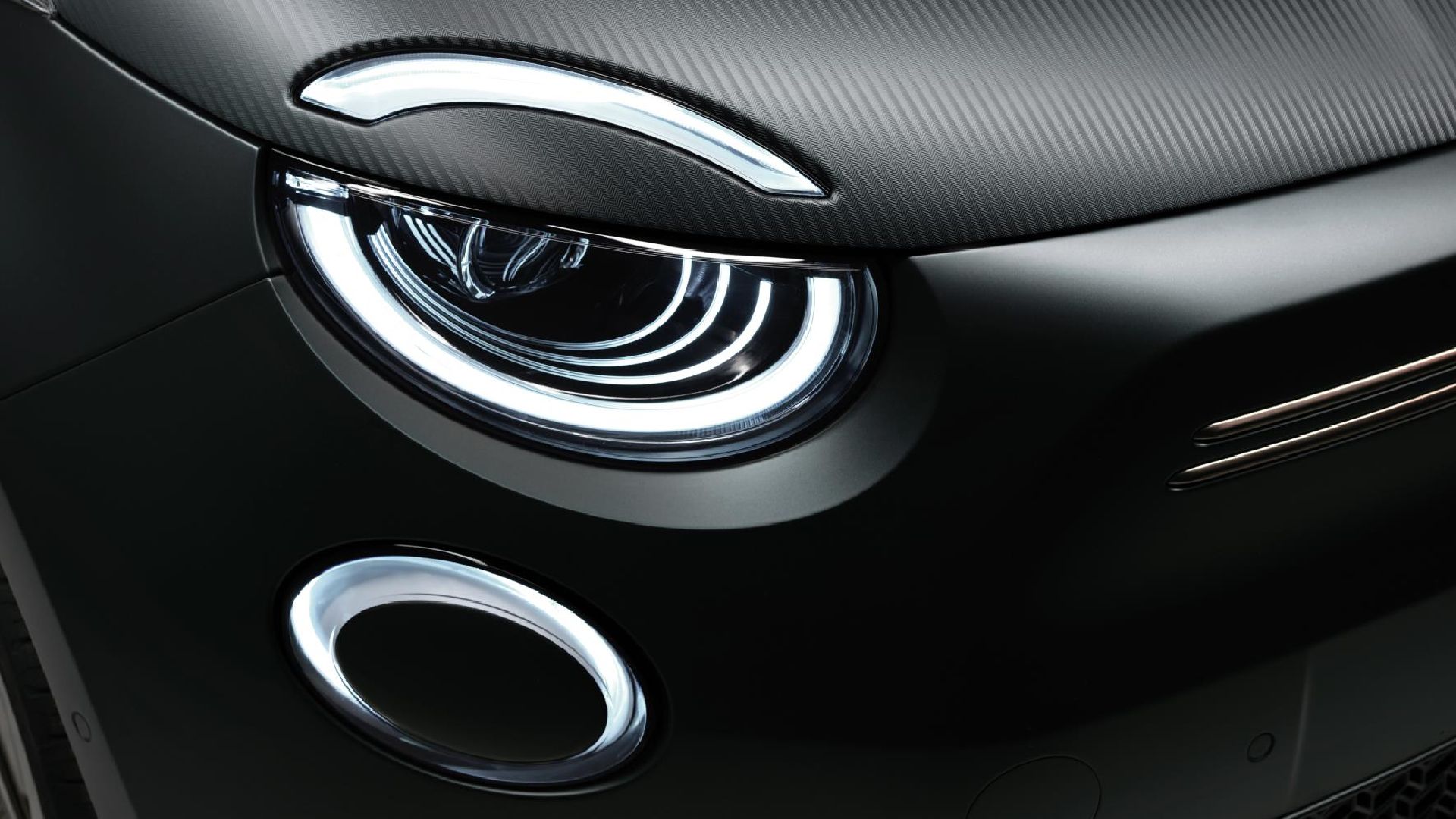
The new silhouette is almost identical, and all the lovable cues are still there. The front bumper design is claimed to mirror the 1957 original. There are, however, new LED headlights that are modular and elliptical. The circular shape has been re-interpreted, with the shape completed by an arc in the bonnet.
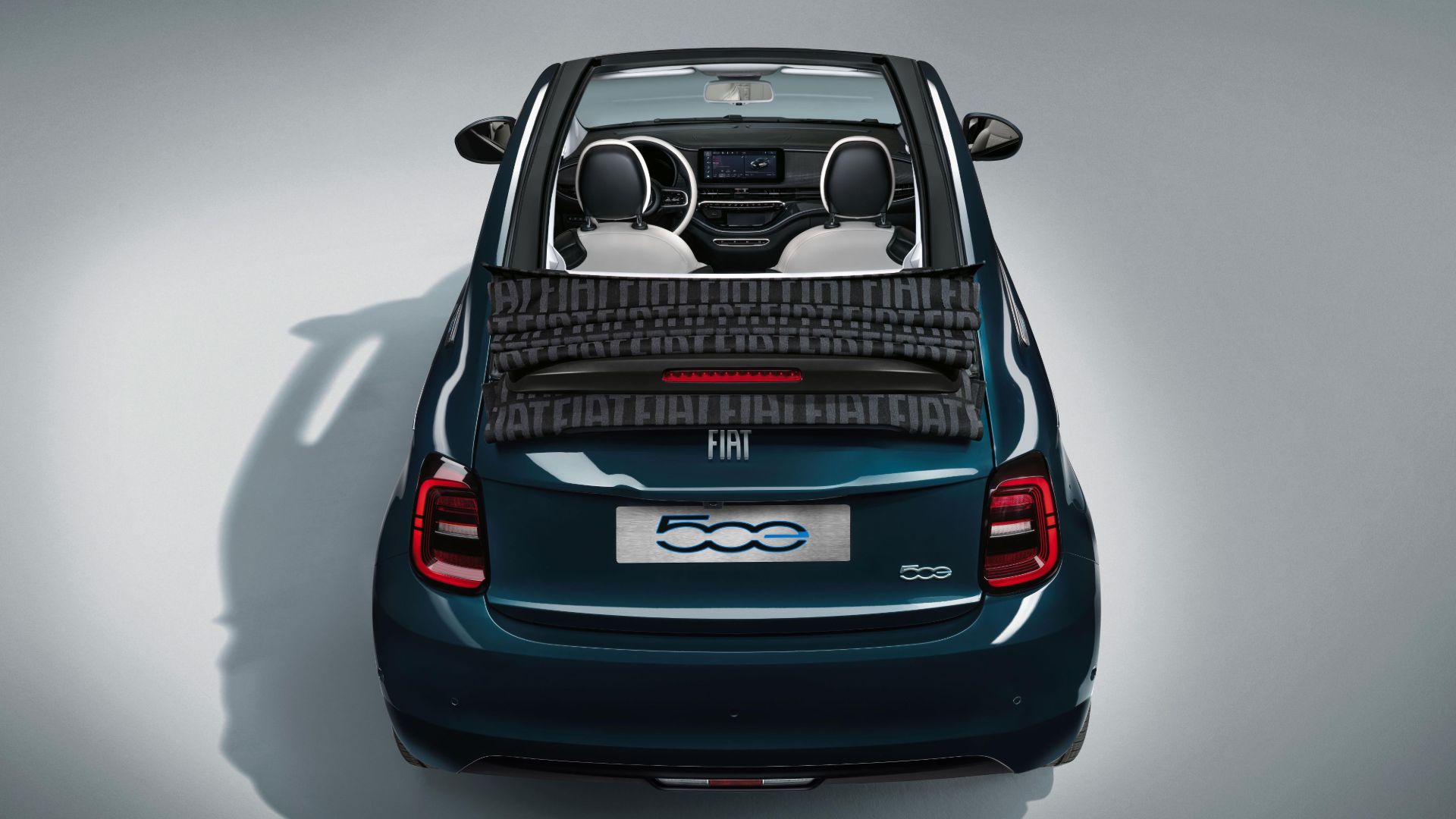
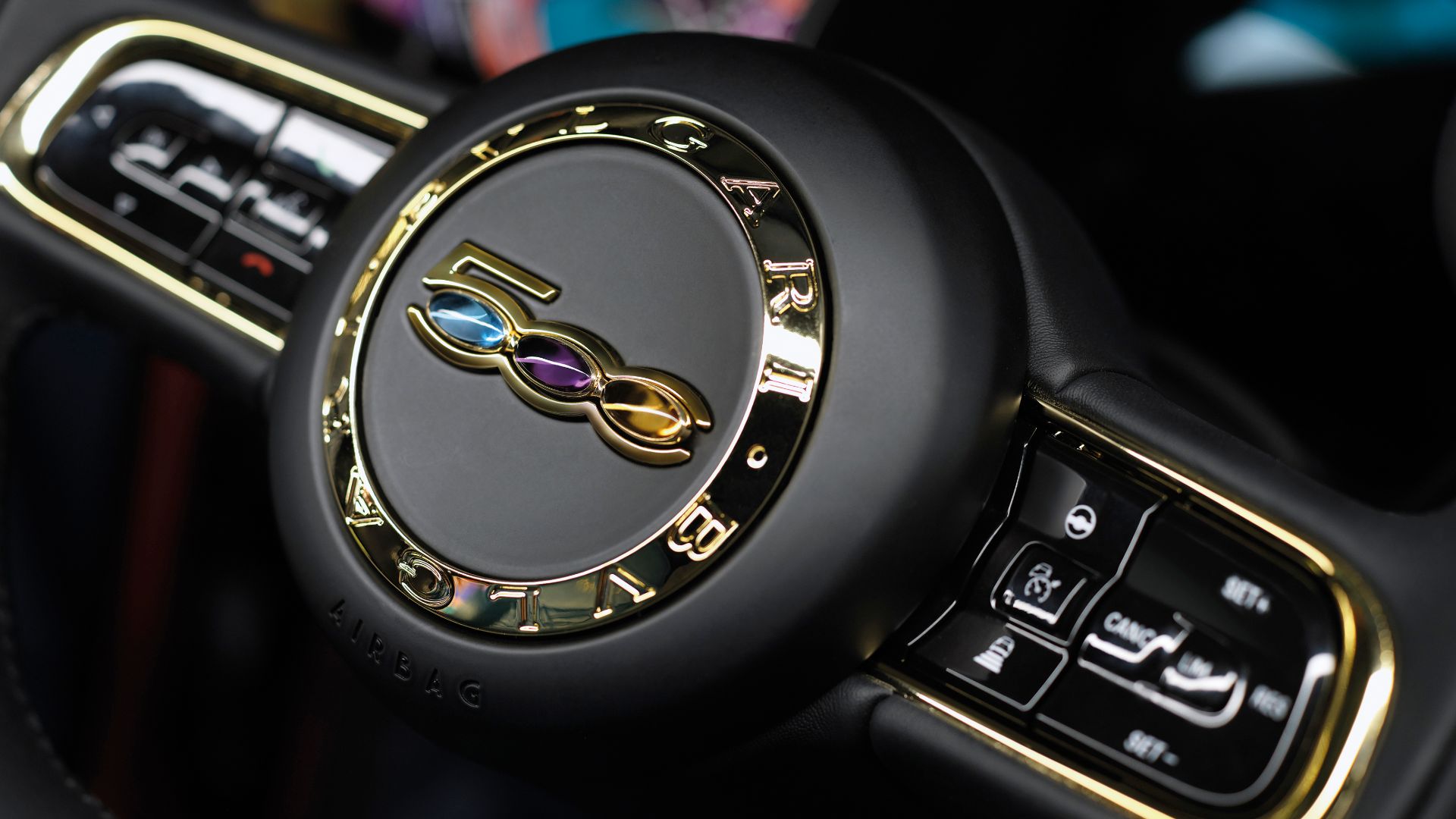
The Fiat logo has been replaced by the premium-looking 500 badge, almost defining it as a brand of its own. The badge has also been modified for the all-electric sequel, with the final ‘0’ changed into an ‘e’.
The car is larger by six centimetres, both in width and length, while the wheelbase grows by two centimetres. The net result is that it retains the squat, rounded proportions of the outgoing car.
At the back, the minimalist look continues. The lights remain the same shape, with new LED innards. In all, if it’s been revolutionised underneath, it’s evolved on the surface. The 500 has been modernised without corrupting any of that best-selling style.
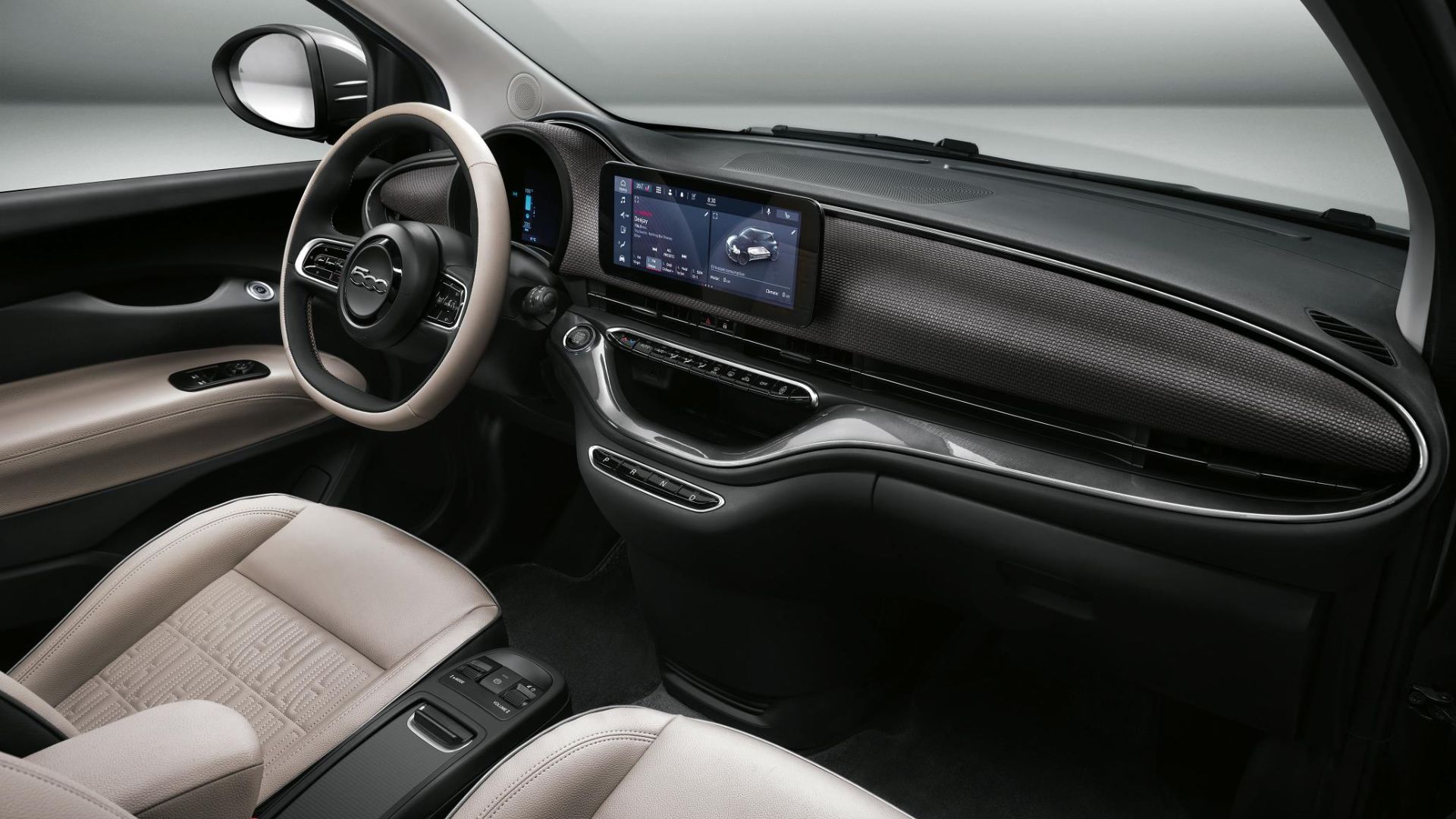
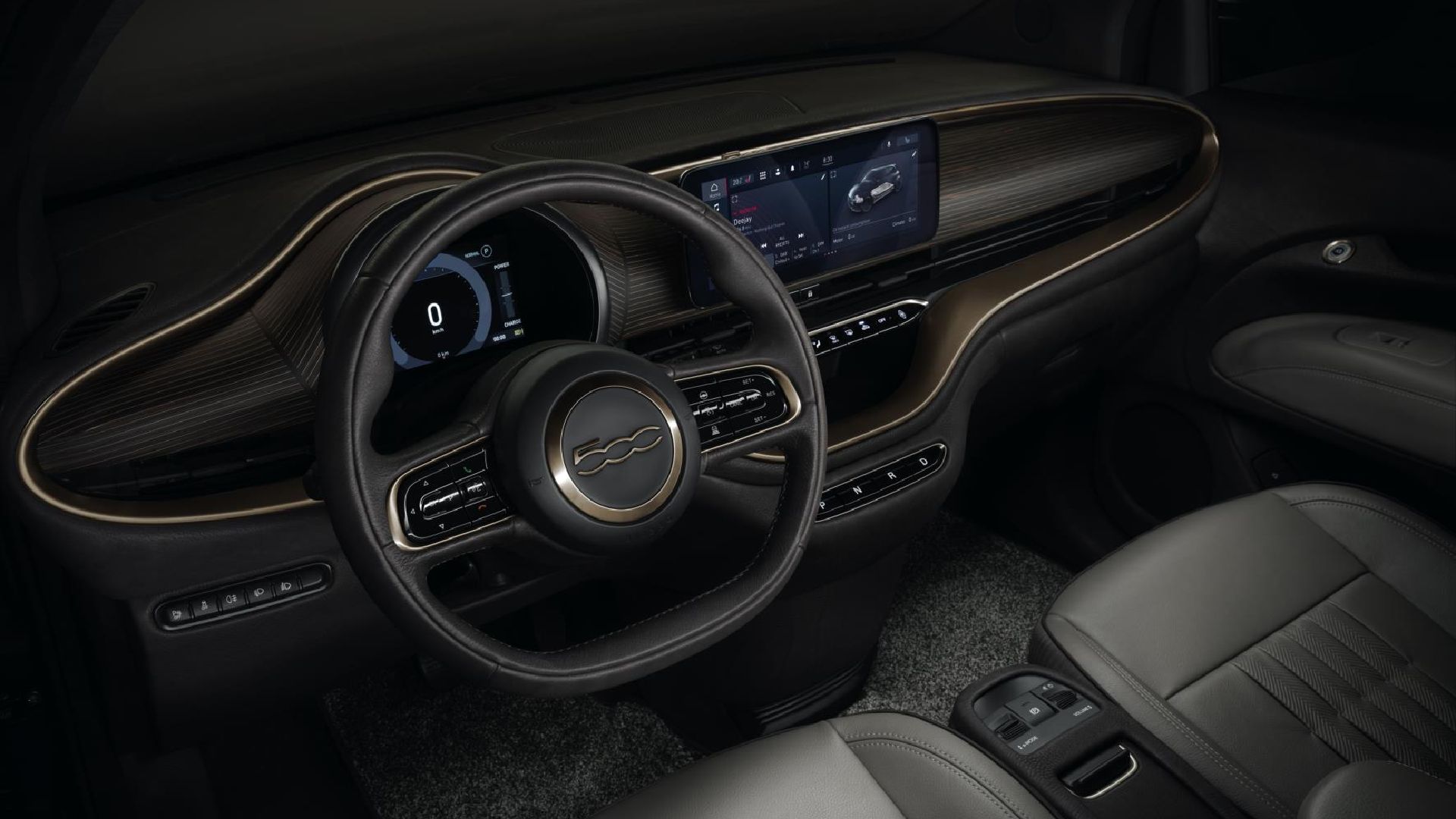
The 500 has been in need of a comprehensive tech update for some time. The new UConnect 5 media system runs through a seven-inch TFT display, plus a 10.25-inch touchscreen with navigation, DAB radio, wireless Apple CarPlay and Android Auto.
Uconnect 5 offers advanced smartphone connectivity. Buyers will be able to check their car’s battery status, set navigation routes and climate control settings from the comfort of their local coffee shop.
Passengers can connect up to eight devices to the in-car wi-fi, too. The launch car will also have a natural language interface system, allowing voice control for many features.
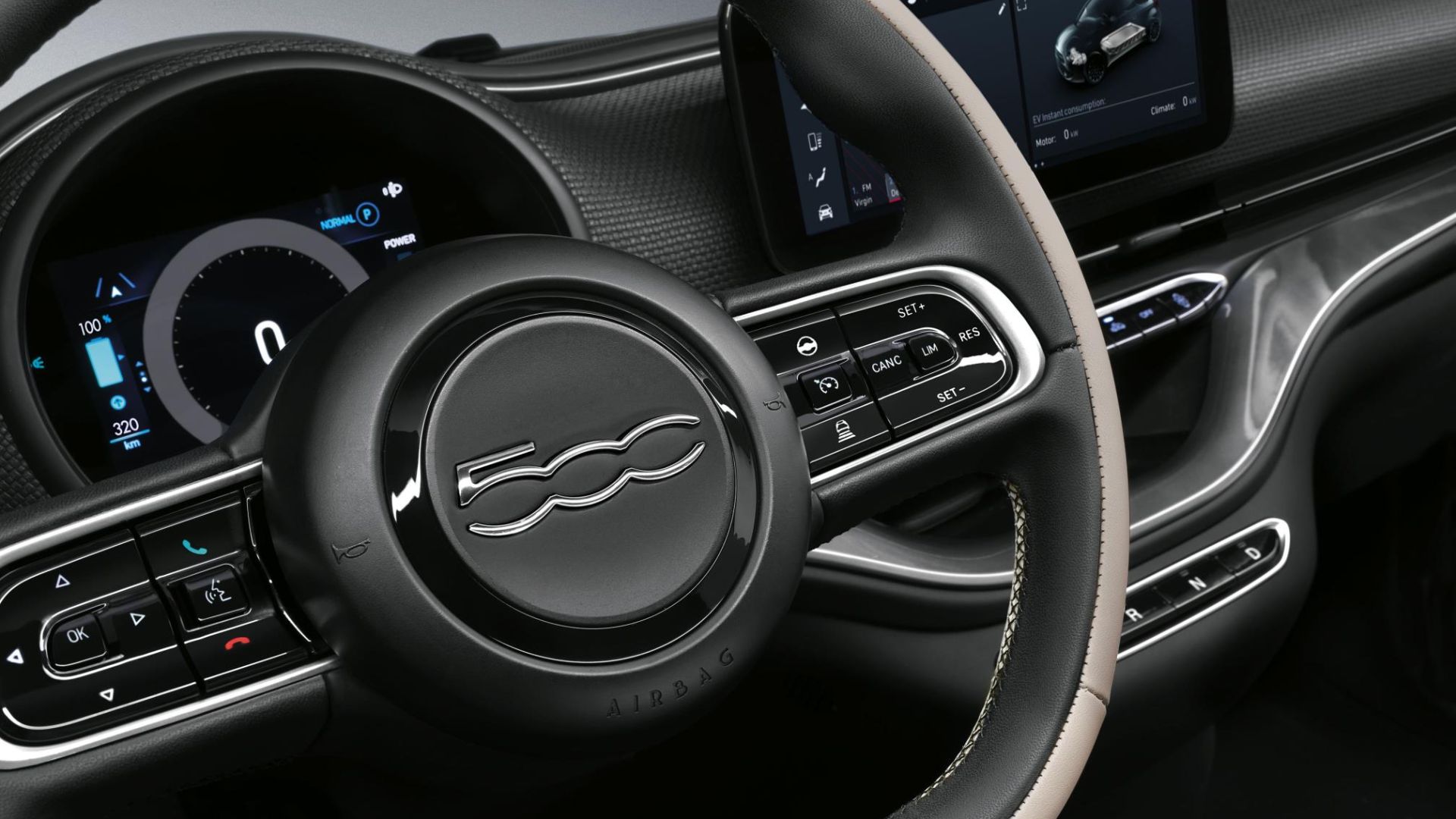
Yet with all this modernisation, once again, the 500 retains its inimitable style. The screen, while large, isn’t the only draw for the eye, and the wheel is nicely retro and high-tech at the same time.
There are plenty of reminders of what you’re in, too, with ‘500’ badges throughout. It should also be pleasingly practical, with lots of storage between the front seats. These can be trimmed in ‘Seaqual’ yarn, which is made of recycled sea plastic.
2020 Fiat 500 La Prima: prices revealed
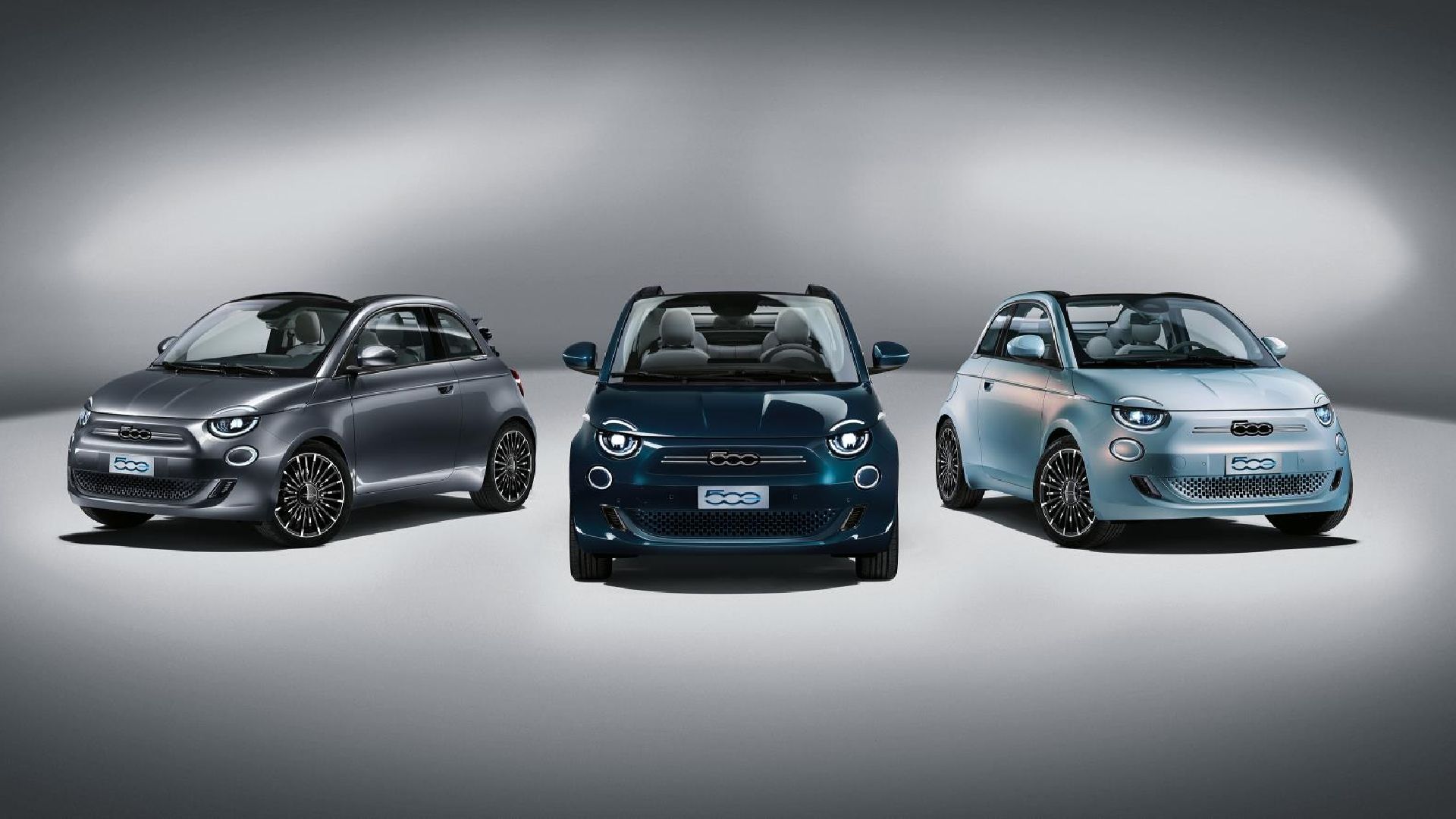
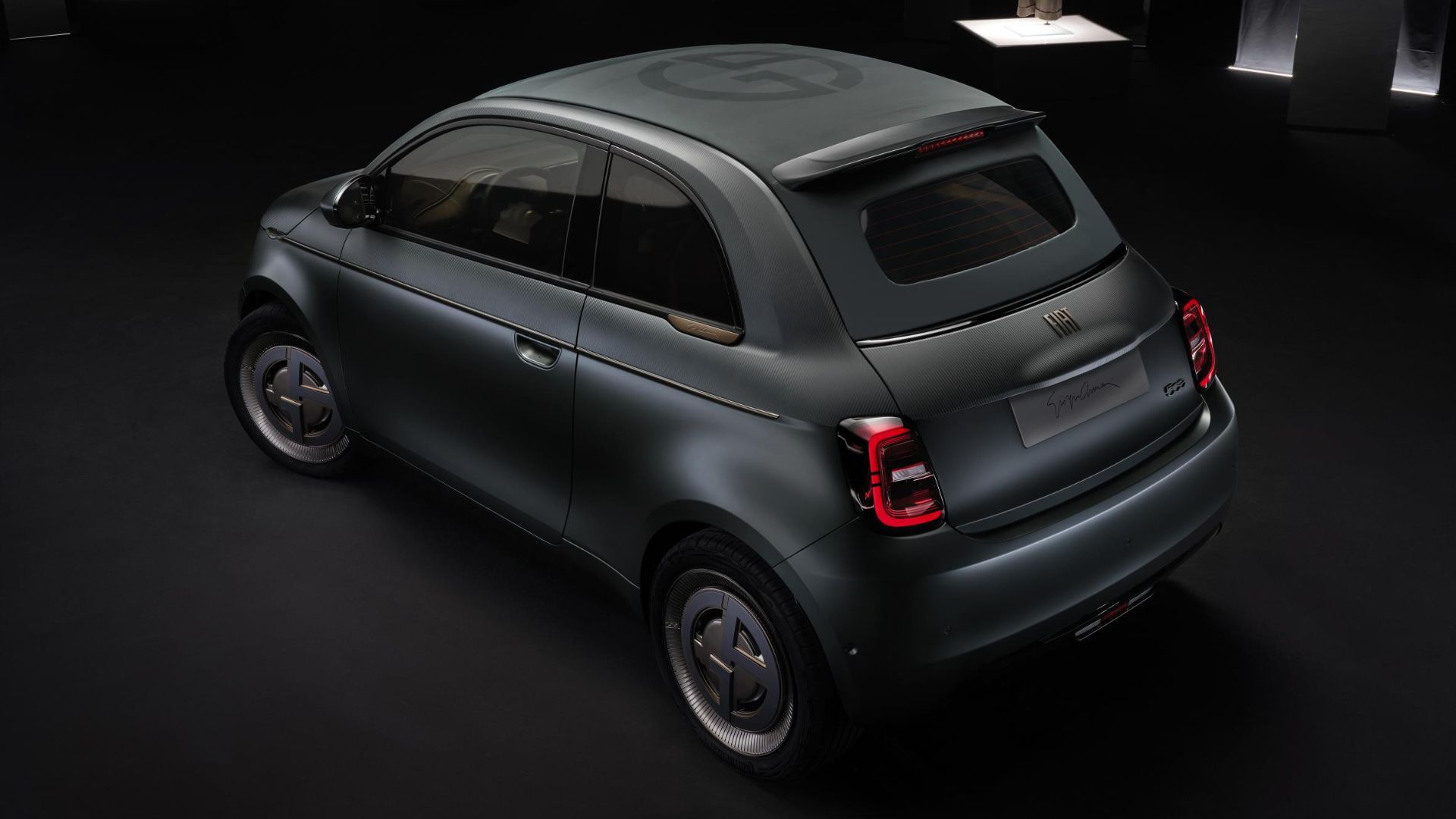
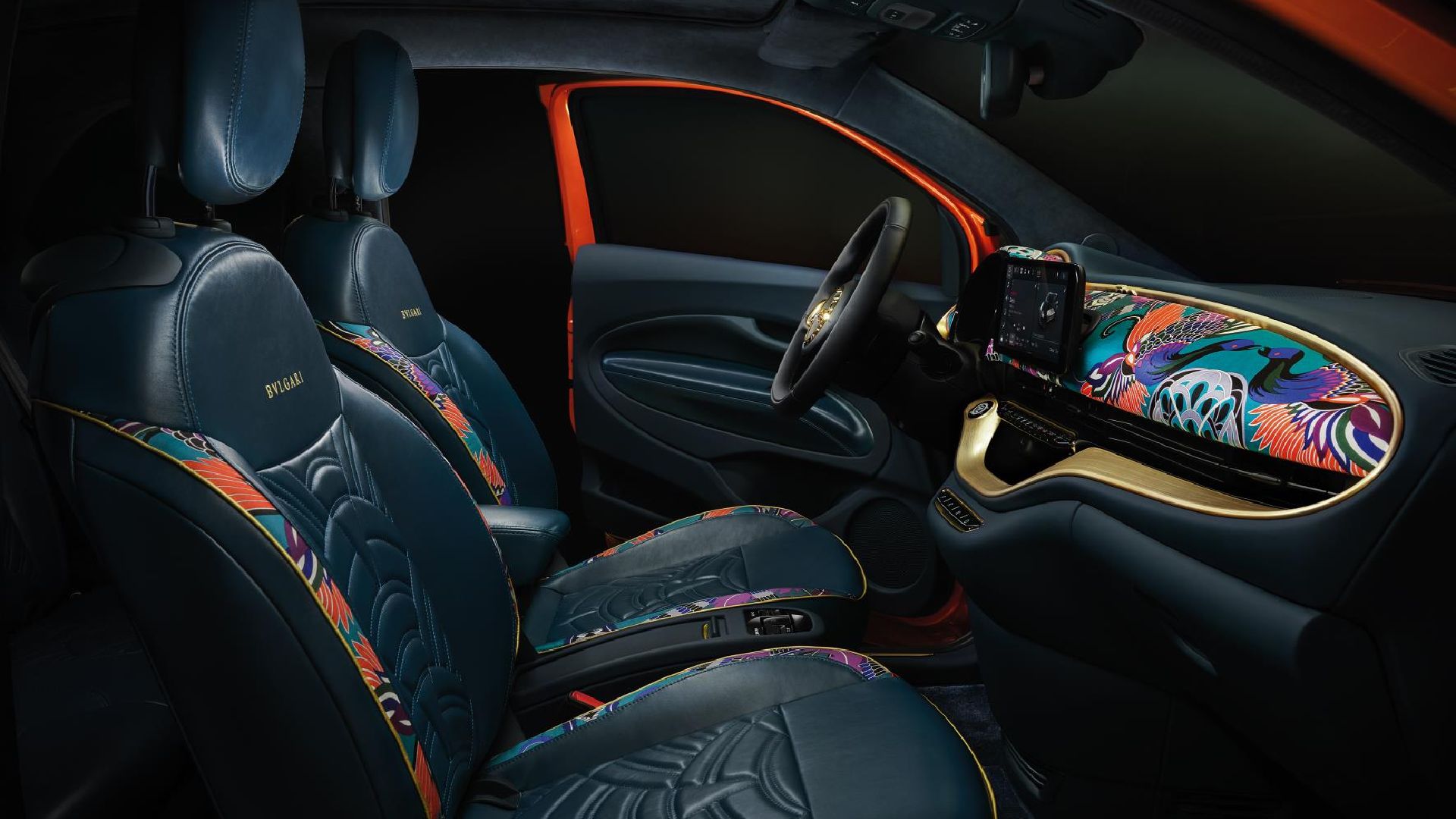
The La Prima launch edition is available in Mineral Grey, Ocean Green or Celestial Blue, with full LED lights, eco-leather upholstery, 17-inch wheels and chrome trim. It’s also a soft-top (the first ever four-seat electric convertible) and you can pre-order one now.
One of the 500 La Prima launch edition models will set you back £29,000, after the government Plug-in Car Grant is deducted. That’s a fair amount more than the 500 used to be – and a bit more than the Mini Electric, too. But it does offer more range than the latter car, and indeed the new Honda e.
People will certainly want this new 500. Whether they’ll be able to afford one is another question.
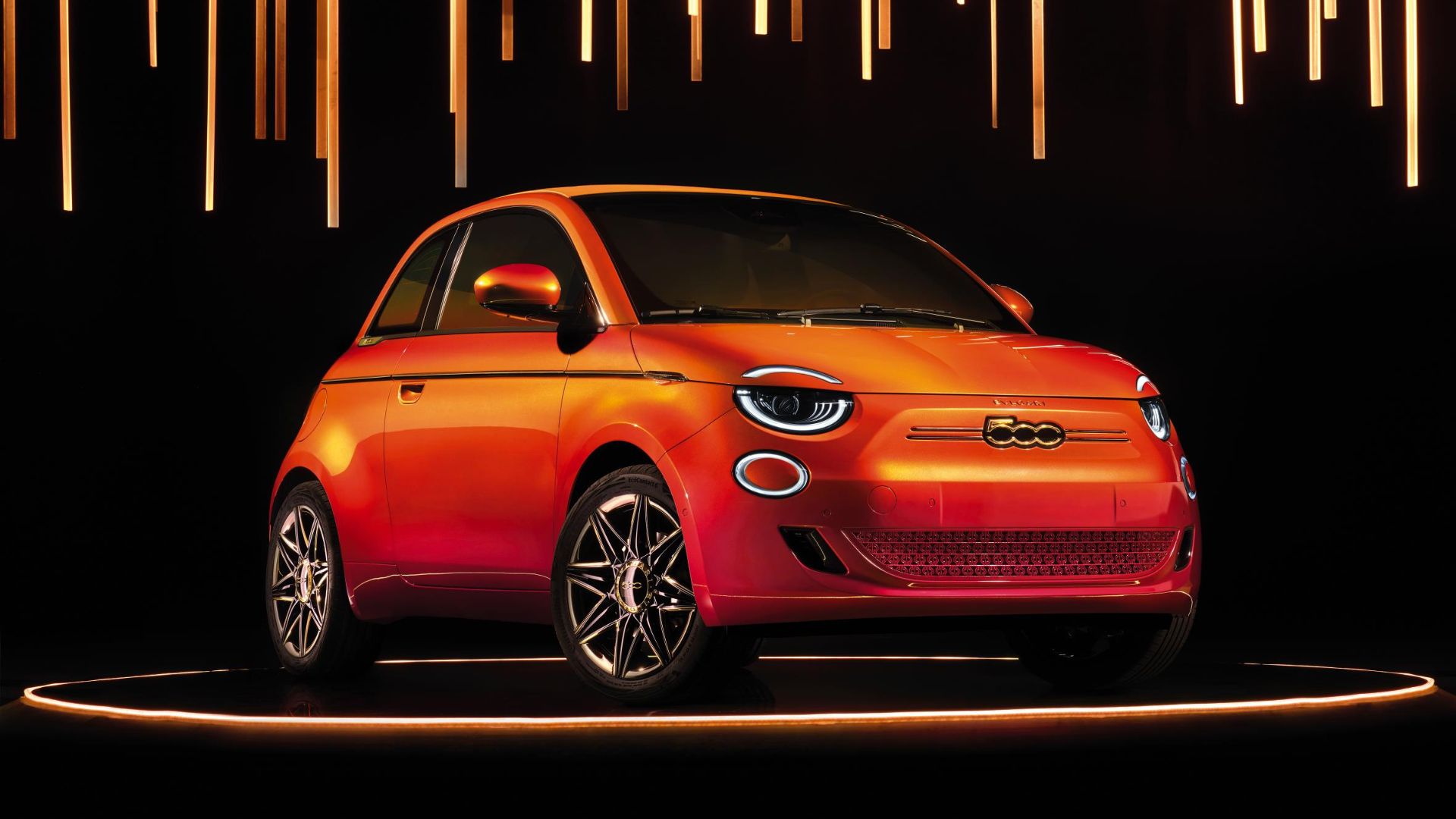
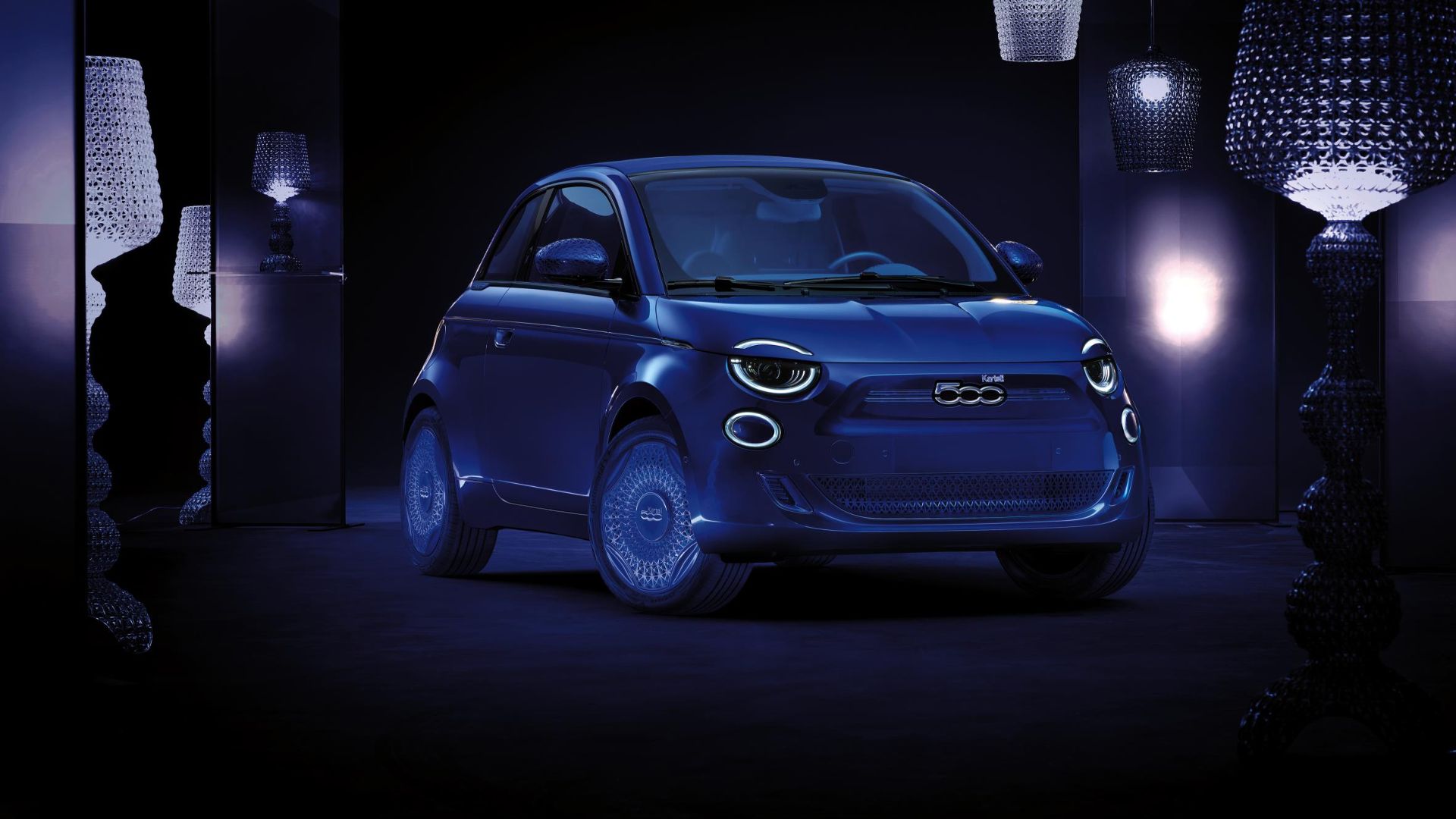
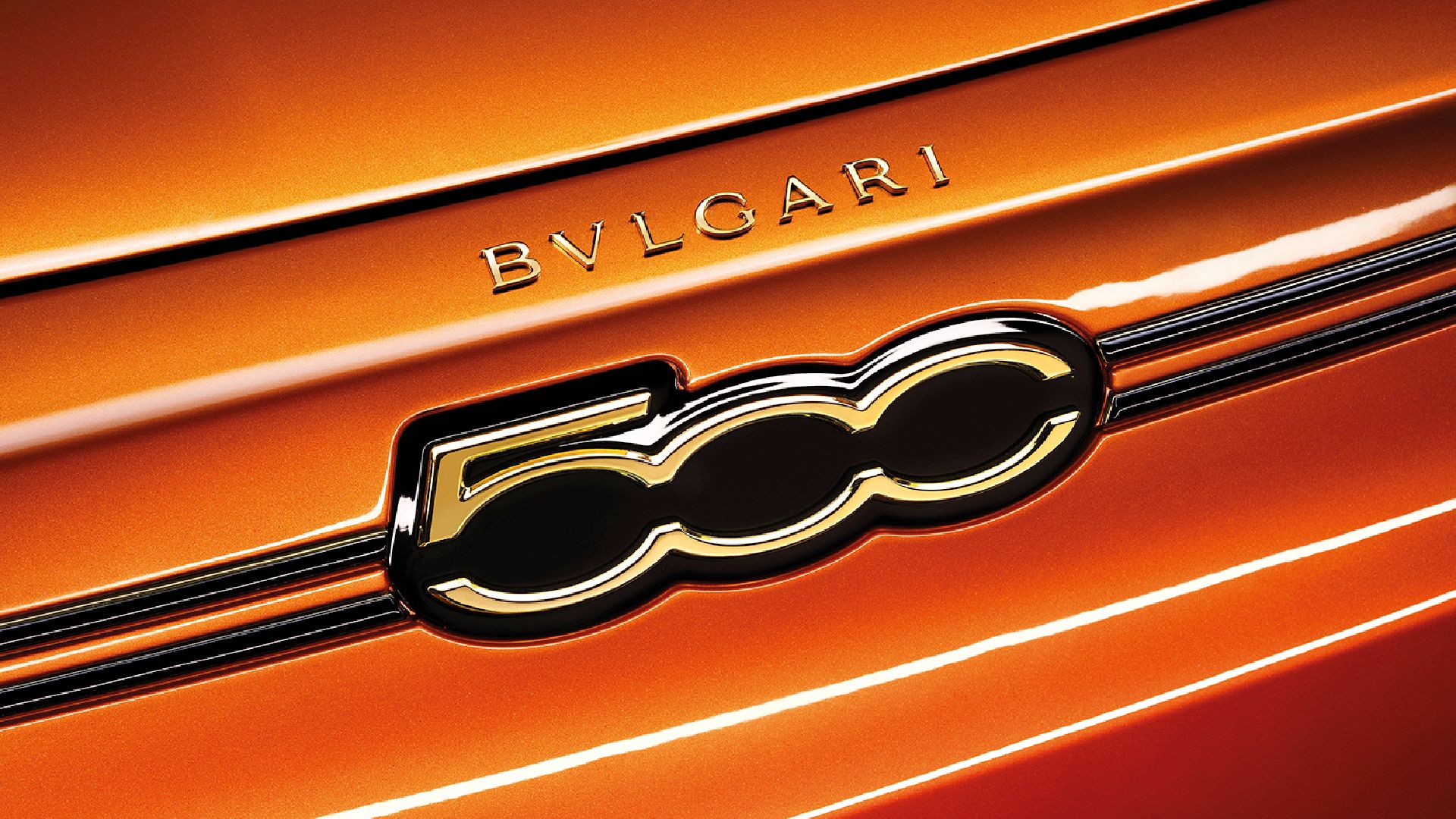
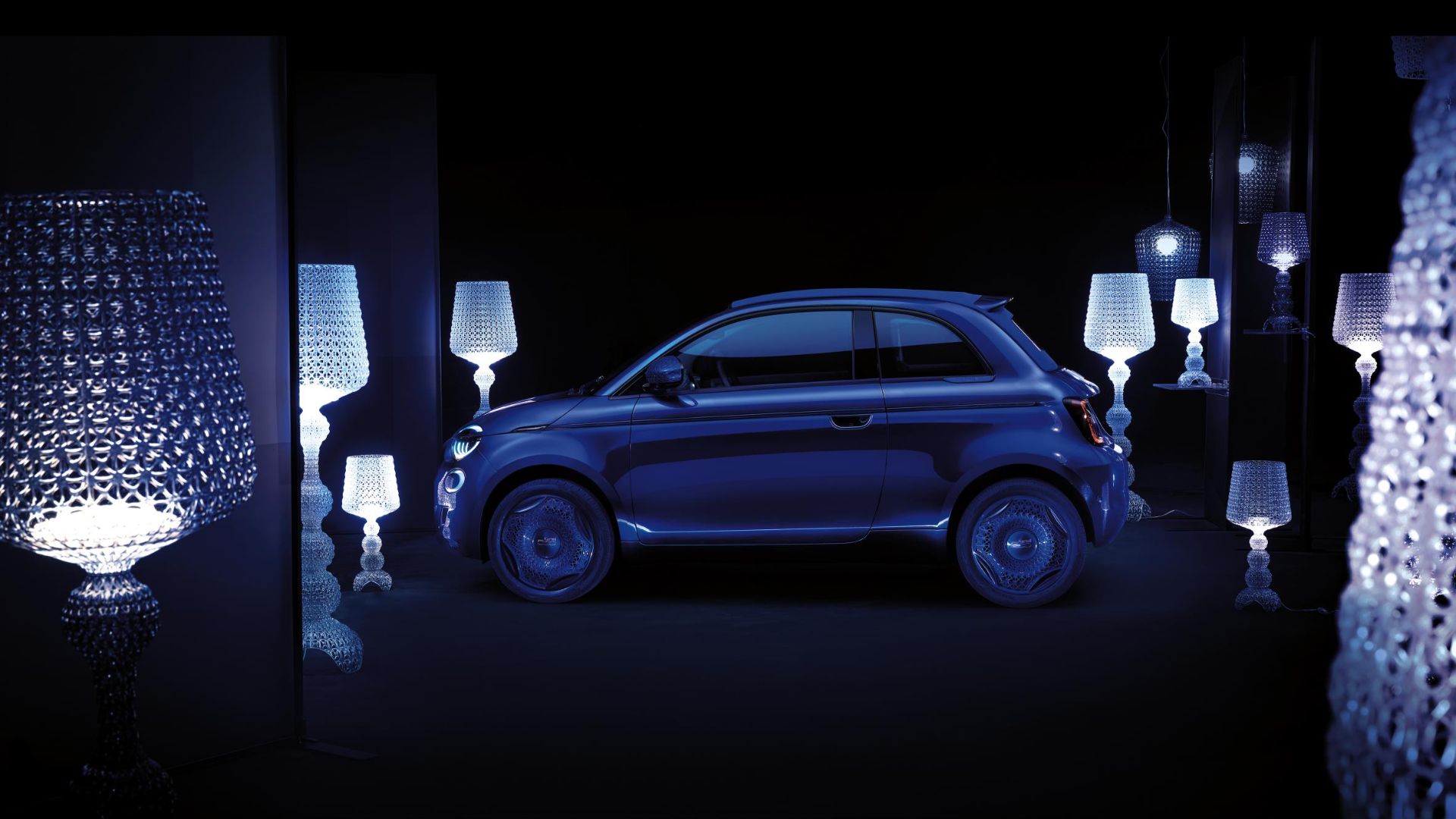
One-off 500s for charity: Armani, Bvlgari and Kartell
To celebrate the new car’s release, Fiat has created three one-offs in collaboration with three fashion brands (very in-keeping with the car’s customer base).
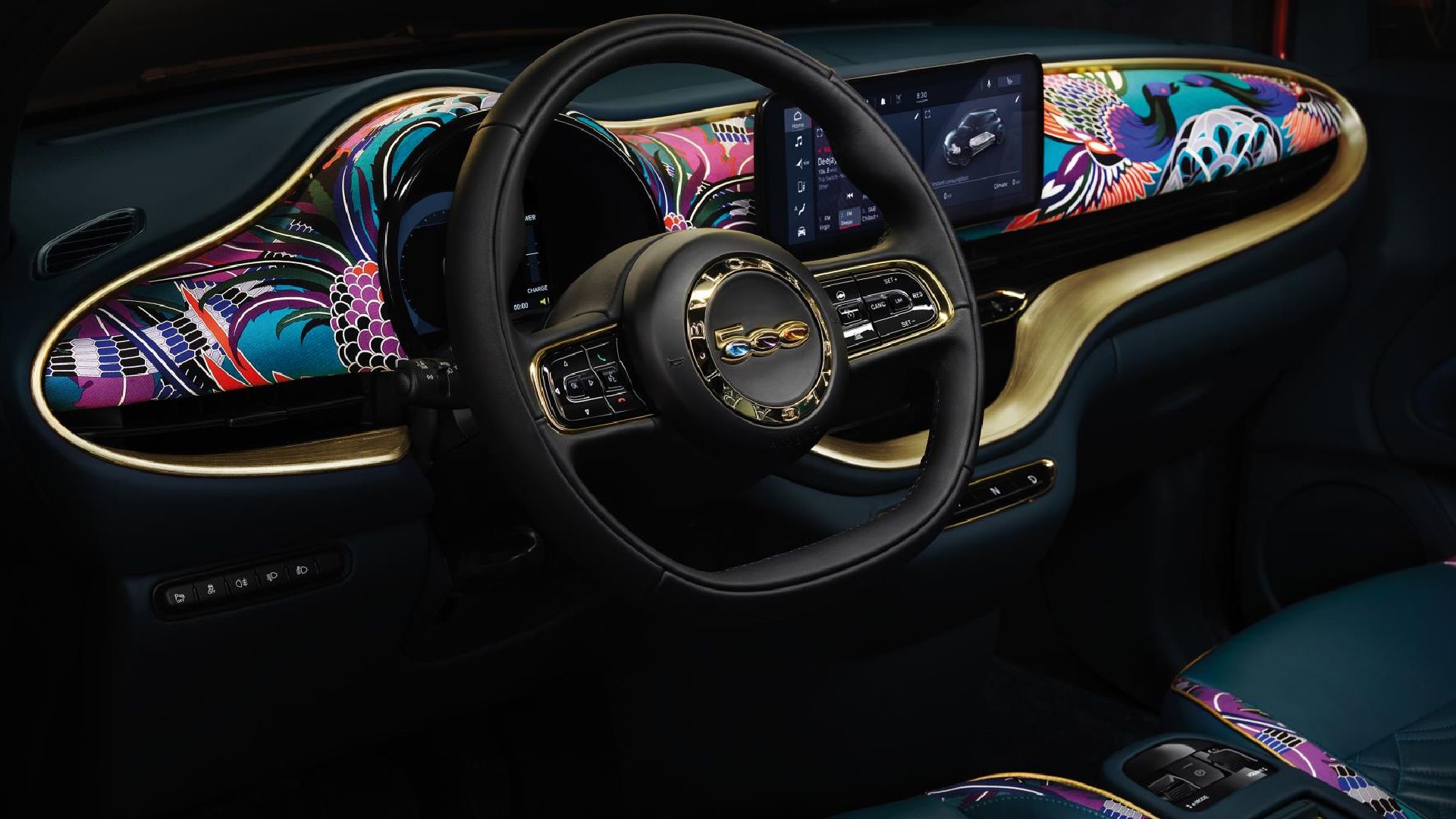
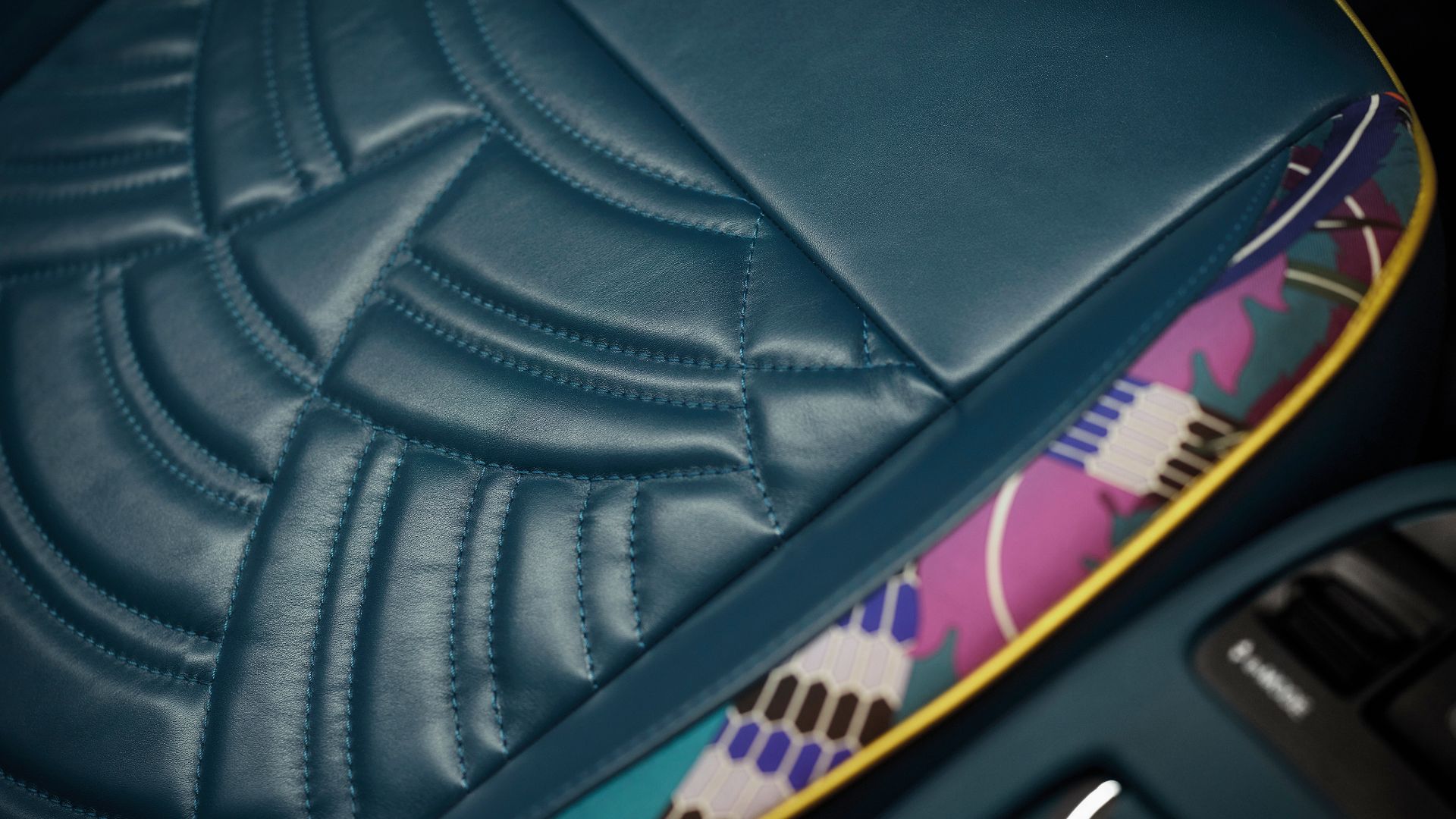
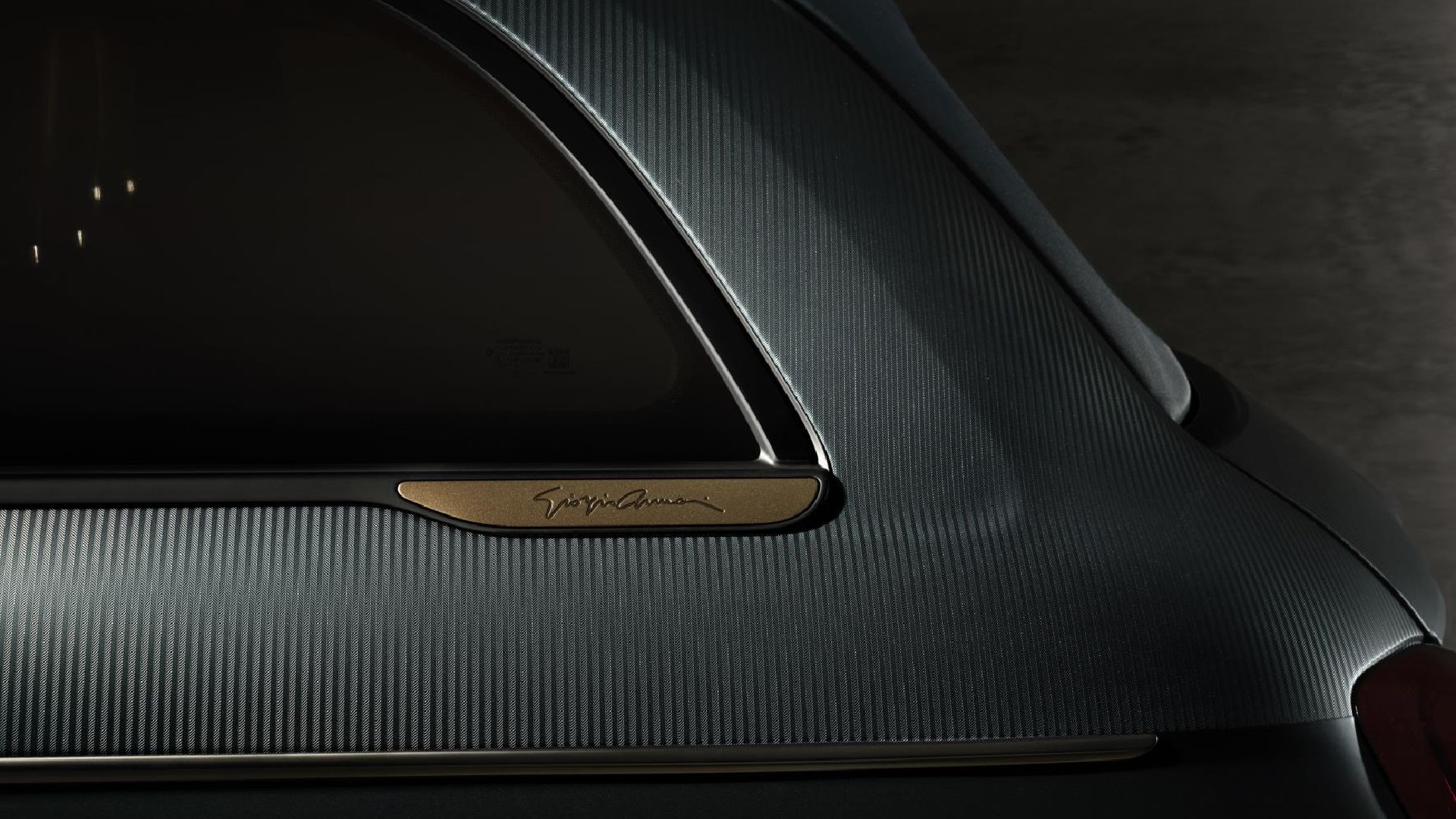
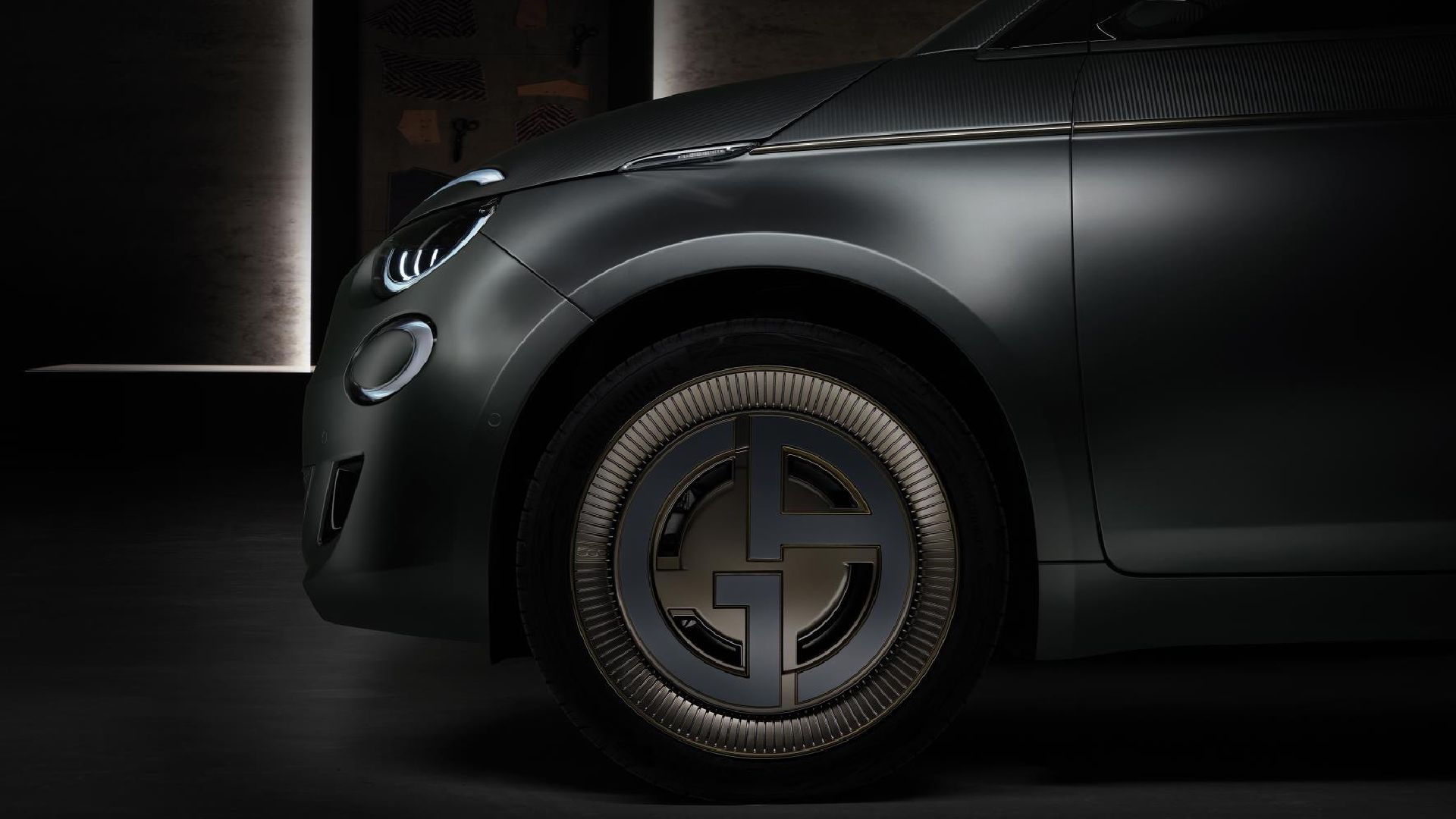
These are the 500 Giorgio Armani, the B.500 with Bvlgari, plus the 500 Kartell. If you simply must have one, they’re due to be auctioned for charity.
“It won’t be deployed physically on cars… the existing logo remains in use there.”
BMW’s new logo is intended for media branding and will be used in addition to the existing classic logo.
The new design is described as better suited to the digital age: it is “pared-down… [which] conveys openness and clarity”.
It is more transparent, deleting the black ring surrounding the ‘BMW’ lettering, which the company says future-proofs its online and offline identity.
“With visual restraint and graphic flexibility, we are equipping ourselves for the vast variety of touchpoints in communication at which BMW will be present,” said senior vice president Jens Thiemer.
The transition to the new logo will take place between now and the end of May 2021. All online and offline communications will switch to it, including at trade fairs, motorshows and events.
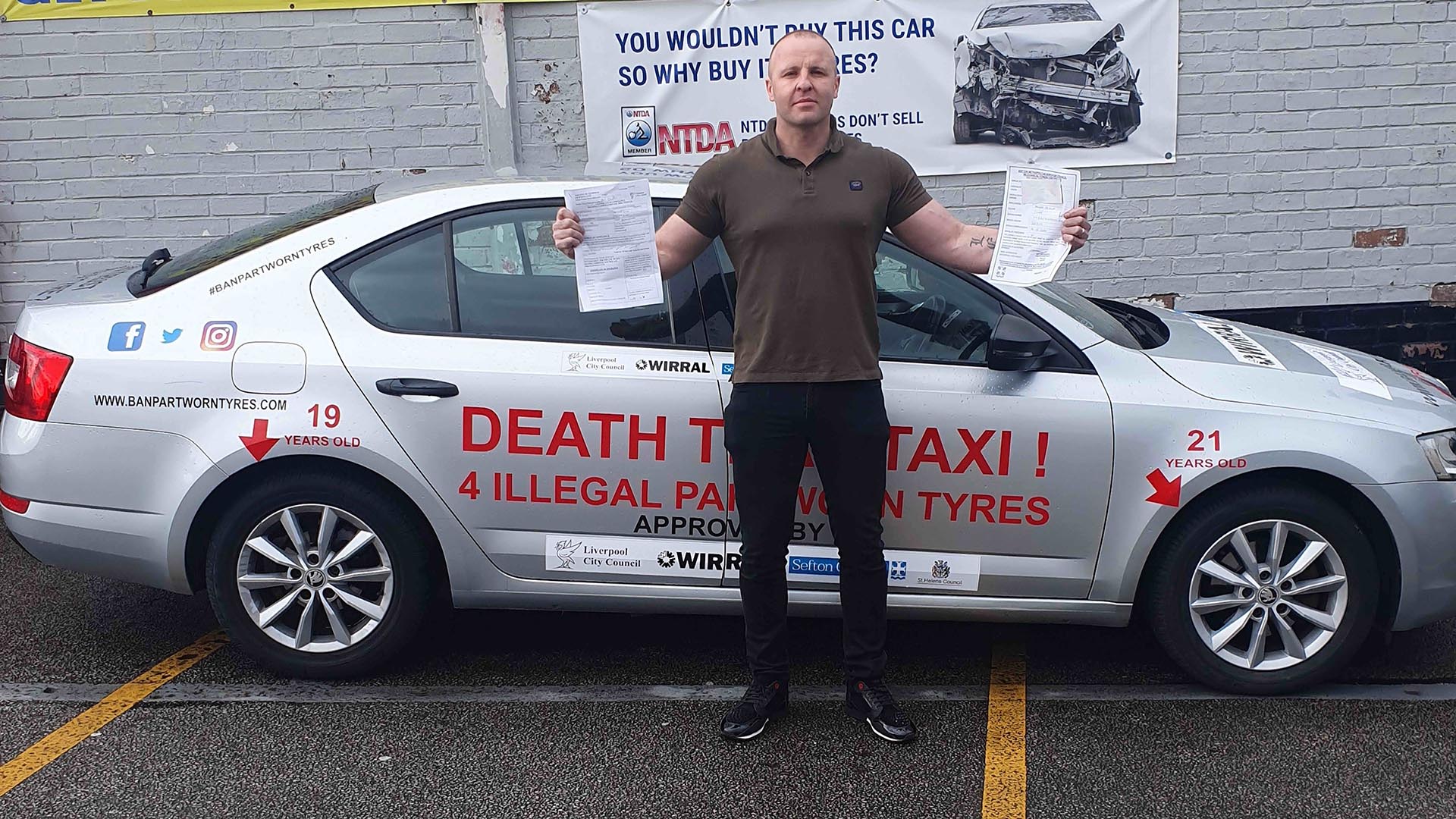
Four councils in the North West of England have been exposed for issuing licenses for a taxi fitted with unsafe tyres.
Liverpool, St Helens, Wirral and Sefton council-approved test centres passed the vehicle, despite the risk. The car in question was fitted with illegal unmarked and unsafe part-worn tyres.
The case has been branded a ‘scandal’ by the National Tyres Distribution Association (NTDA).
John Stone, owner of Stone Tyres in St Helens, fitted a Skoda Octavia with four illegal tyres. Three were part-worn tyres dating from 1999, 2001 and 2003. The fourth was an illegal part-worn winter tyre imported from Germany in 2010. None of the tyres were labelled ‘PART-WORN’ as they should be by law. The letters must be permanently and legibly applied in letters at least 4mm high.
Despite this, each test centre passed the Octavia as safe for use. John Stone says this “raises serious questions” over taxi passenger safety in the North West and the across the UK.
‘It is a disgrace’
“Part-worn tyres are not safe, yet some councils are awarding licenses to vehicles running on illegal and potentially unsafe tyres – it is a disgrace and the licensing of vehicles running illegal part worn tyres needs to be stopped now,” said Stone.
“Full credit to St Helens council as when I approached them with my findings they took the issue with great seriousness and decided there and then that this wouldn’t be allowed to happen again. I’m pleased to say that on the back of this campaign St Helens [council] has already agreed to ban the use of part-worn tyres on all licensed vehicles. They should be applauded for such a pragmatic and positive response, which ensures the safety of the public.”
Although it is not illegal to sell and fit part-worn tyres, their use is governed by the Motor Vehicle Tyres (Safety) Regulations 1994. It is an offence for anyone to sell a part-worn tyre that does not meet the following requirements:
The structural integrity must not be compromised.
It should be free of large cuts, any bulges or lumps both internally and externally.
No plies or cords should be exposed.
Tyres must have passed an inflation test prior to sale.
The original grooves must still be clearly visible in their entirety and must be to a depth of at least 2mm across the full breadth of the tread, around its entire circumference.
Part worn tyres which have not been re-treaded must clearly show the relevant ‘E’ mark alongside which ‘PART-WORN’ must be permanently and legibly applied in letters at least 4mm high.
These words cannot be hot branded or cut into the tyre.
The NTDA, which represents the UK’s national and independent tyre distributors, is calling for an outright ban on part-worn tyres due to safety concerns.
‘Beyond belief’
Stefan Hay, NTDA chief executive said: “As we have advised the Department for Transport on a number of occasions part-worn tyres should not be fitted to vehicles, full stop. John has exposed a serious flaw in taxi licensing testing procedures in not one, but four, areas in the North West and we are extremely concerned that the practice is nationwide.
”The combined age of those four different makes of tyre was 67 years old, they had illegal repairs, different speed ratings and no part-worn mark. This really is beyond belief! John is to be applauded for the incredible work he has done to expose this shocking situation, but it is appalling that it has taken his personal efforts to uncover such apathy towards passenger safety.
“Inspections carried out over several years into the sale of part-worn tyres have shown serious safety breaches, including dangerous and unsafe repairs, exposed cords, bead damage and evidence of run-flat damage. We call on these councils to review their procedures without delay.”