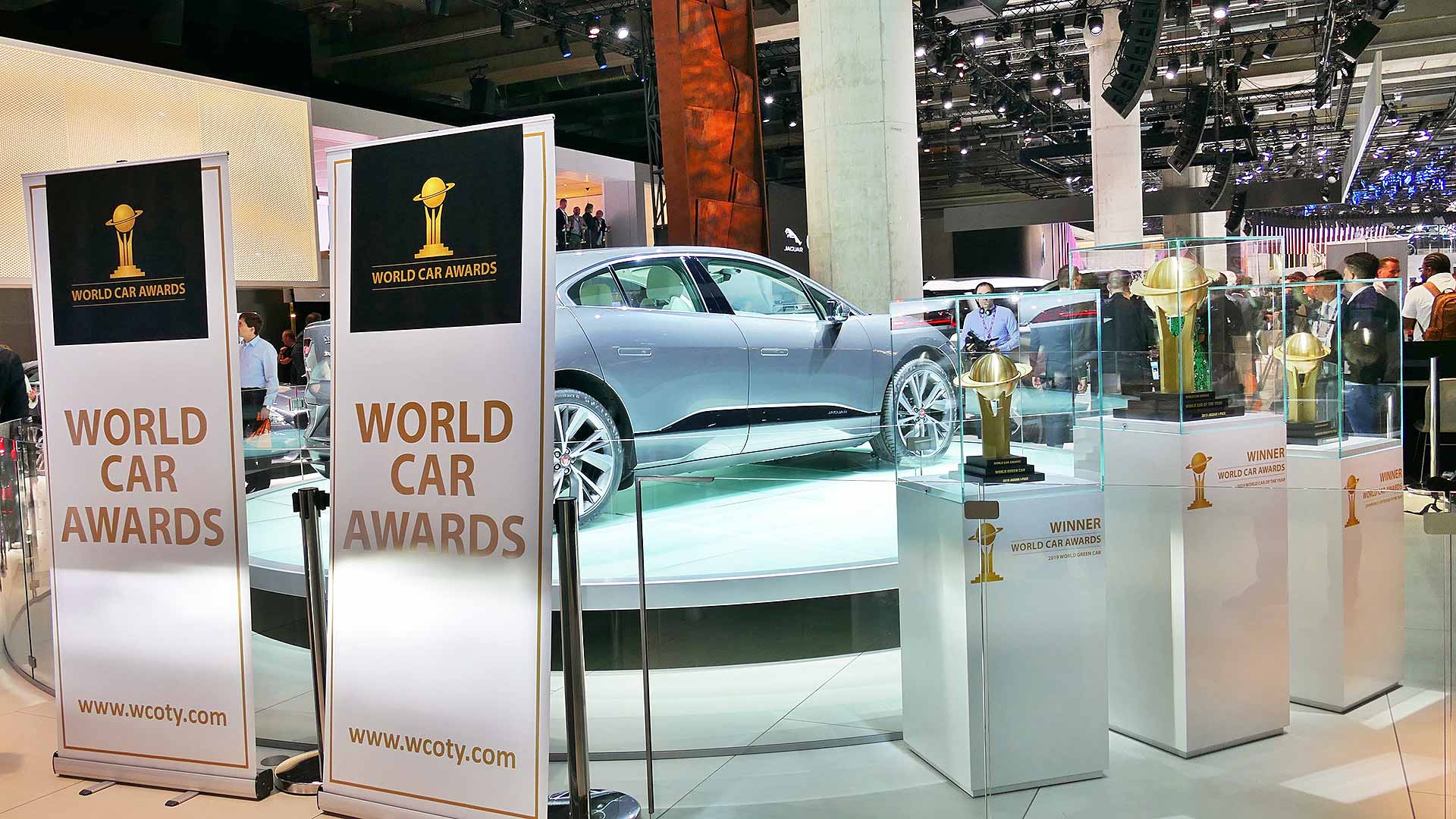
World Car Awards jurors have named the ‘Top Three in the World’ finalists for 2020 – with several brands dominating their categories.
It’s an all-Porsche trio for the World Performance Car – and the German sports car maker also scoops two of the final three World Luxury Car places.
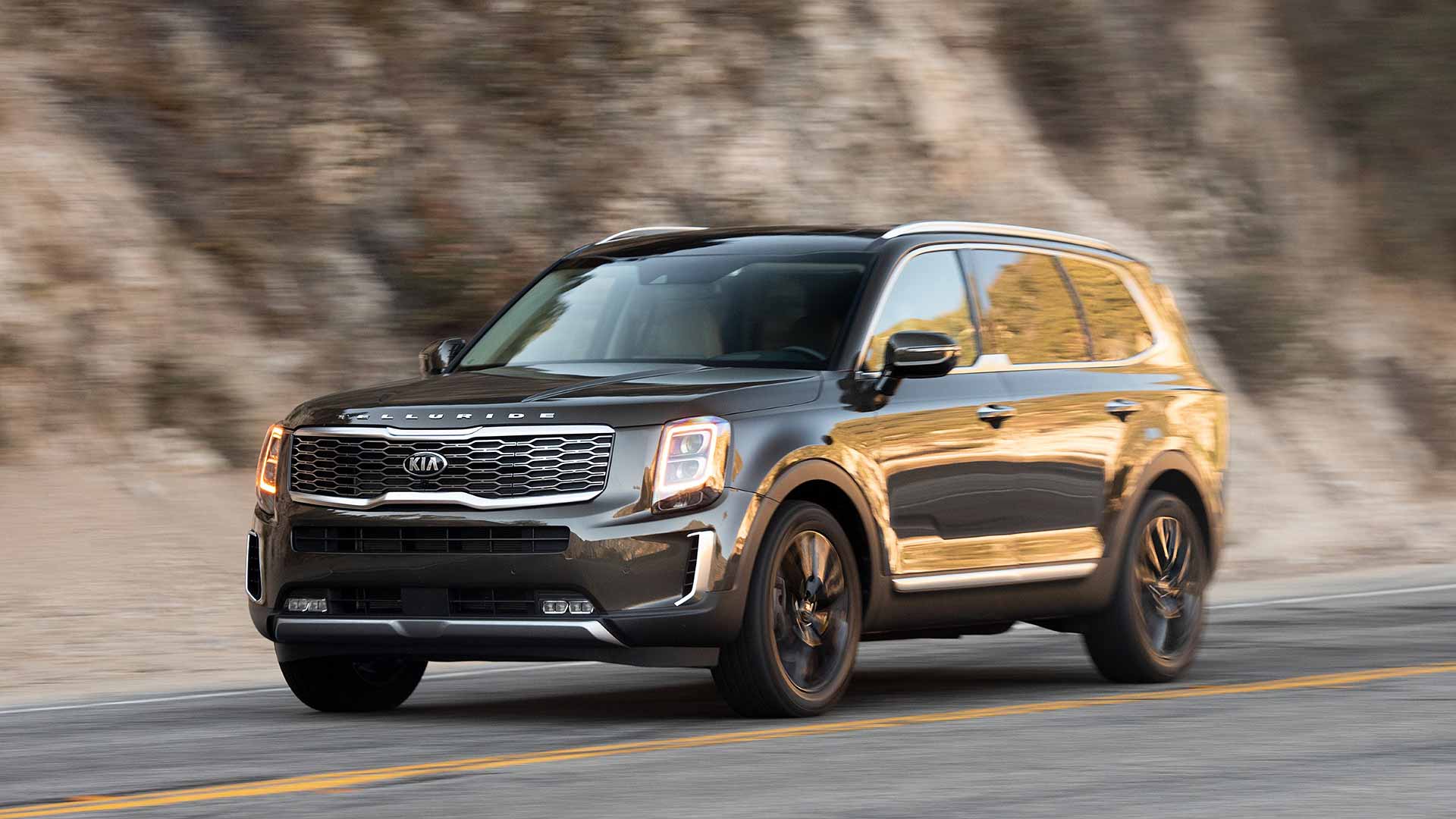
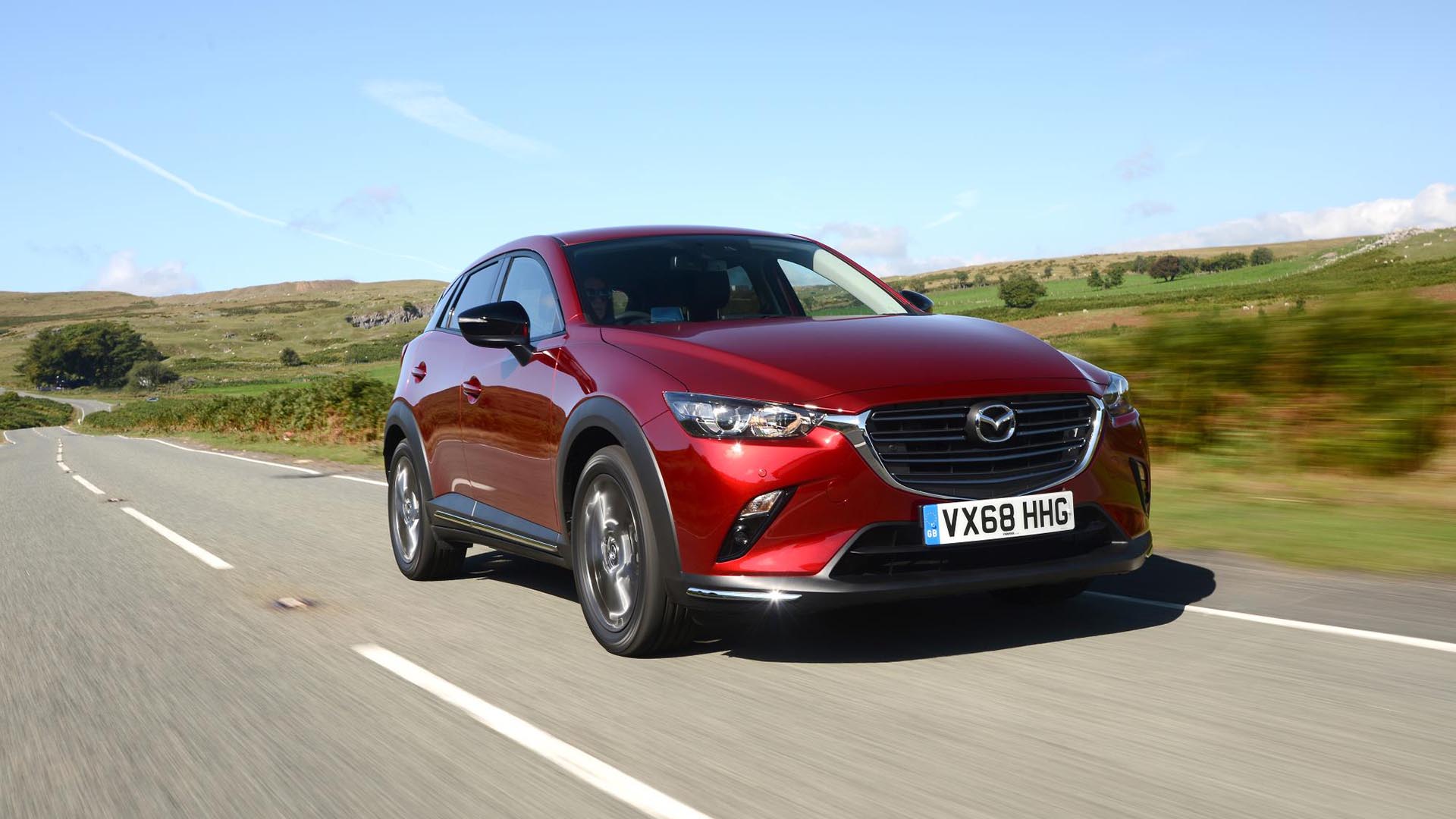
Meanwhile, the prestigious 2020 World Car of the Year award will go to either the Kia Telluride SUV (pictured above), the Mazda CX-30 crossover, or the Mazda3 hatchback.
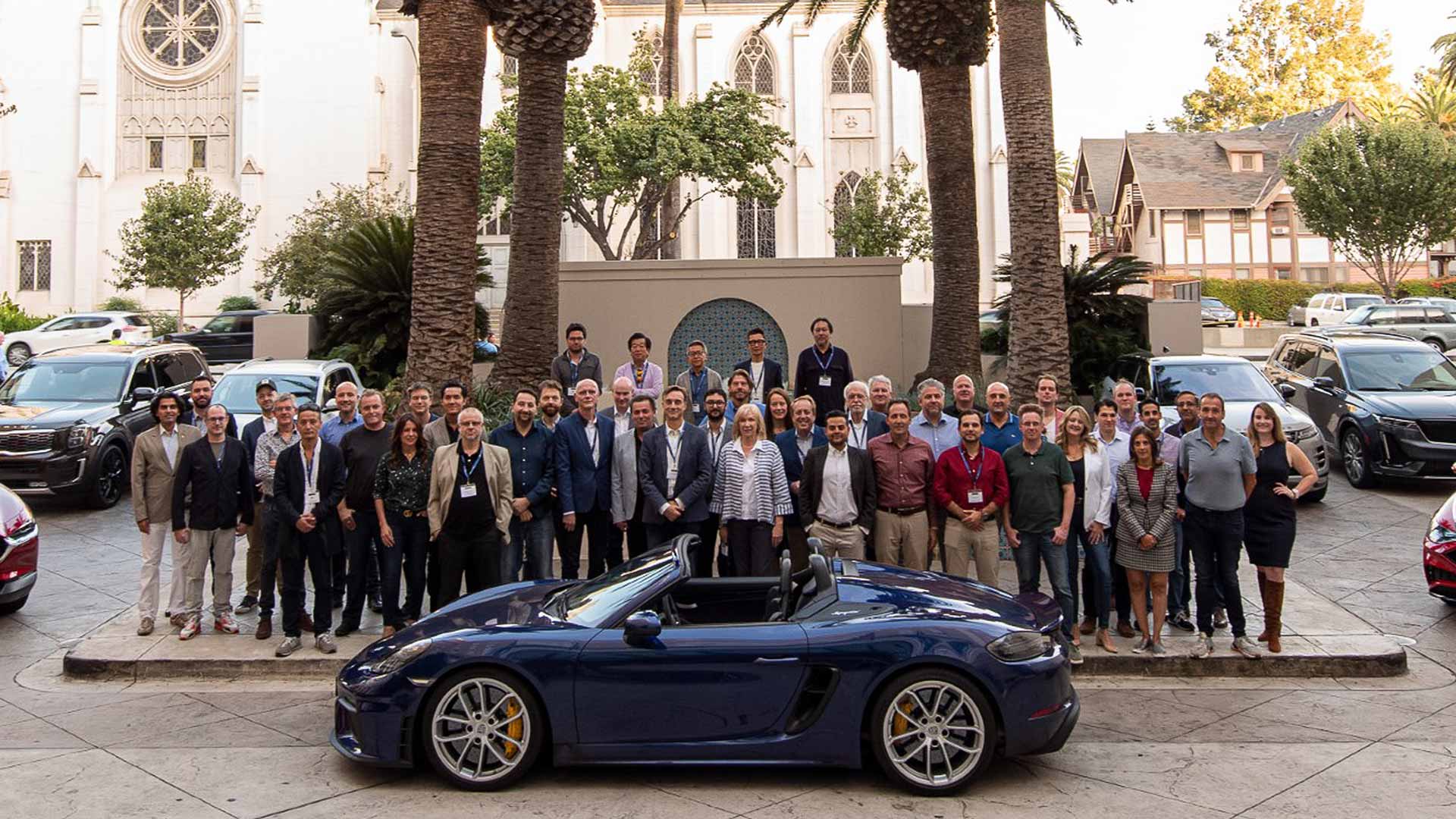
A total of 86 jurors from around the world named the 15 finalists, in voting overseen by KPMG.
The overall winners in the five awards categories will be named at the 2020 New York International Auto Show in early April.
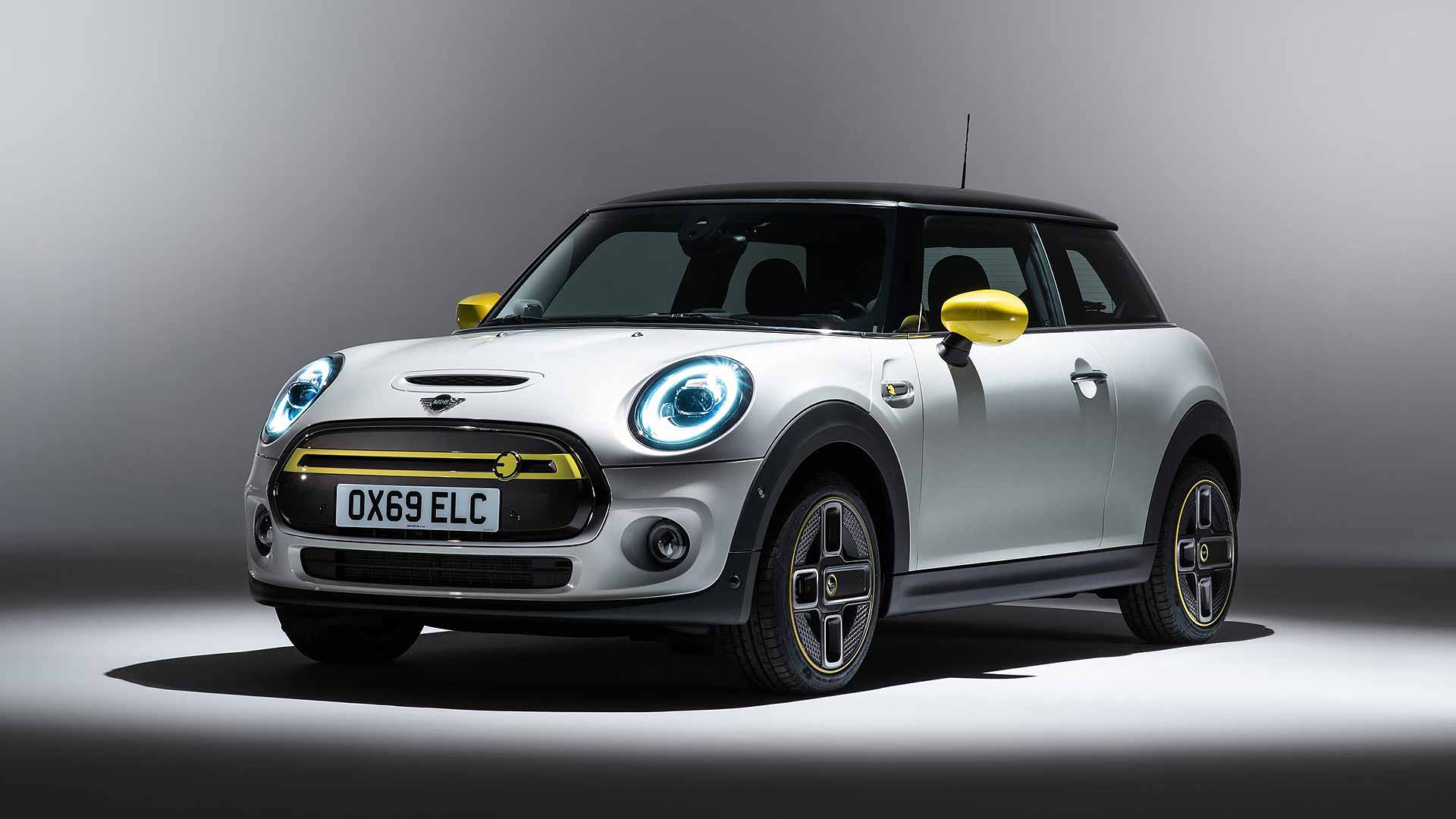
Electric cars again feature heavily in several categories. For the World Urban Car, the zero-emissions Kia Soul EV and Mini Electric (pictured above) go up against the Volkswagen T-Cross.
The all-electric Mercedes-Benz EQC and Porsche Taycan square up to the Porsche 911 in the World Luxury Car category.
Even in the World Performance Car category, the classic Porsche 718 Spyder and Cayman GT4, plus the Porsche 911, line up alongside the electric Porsche Taycan.
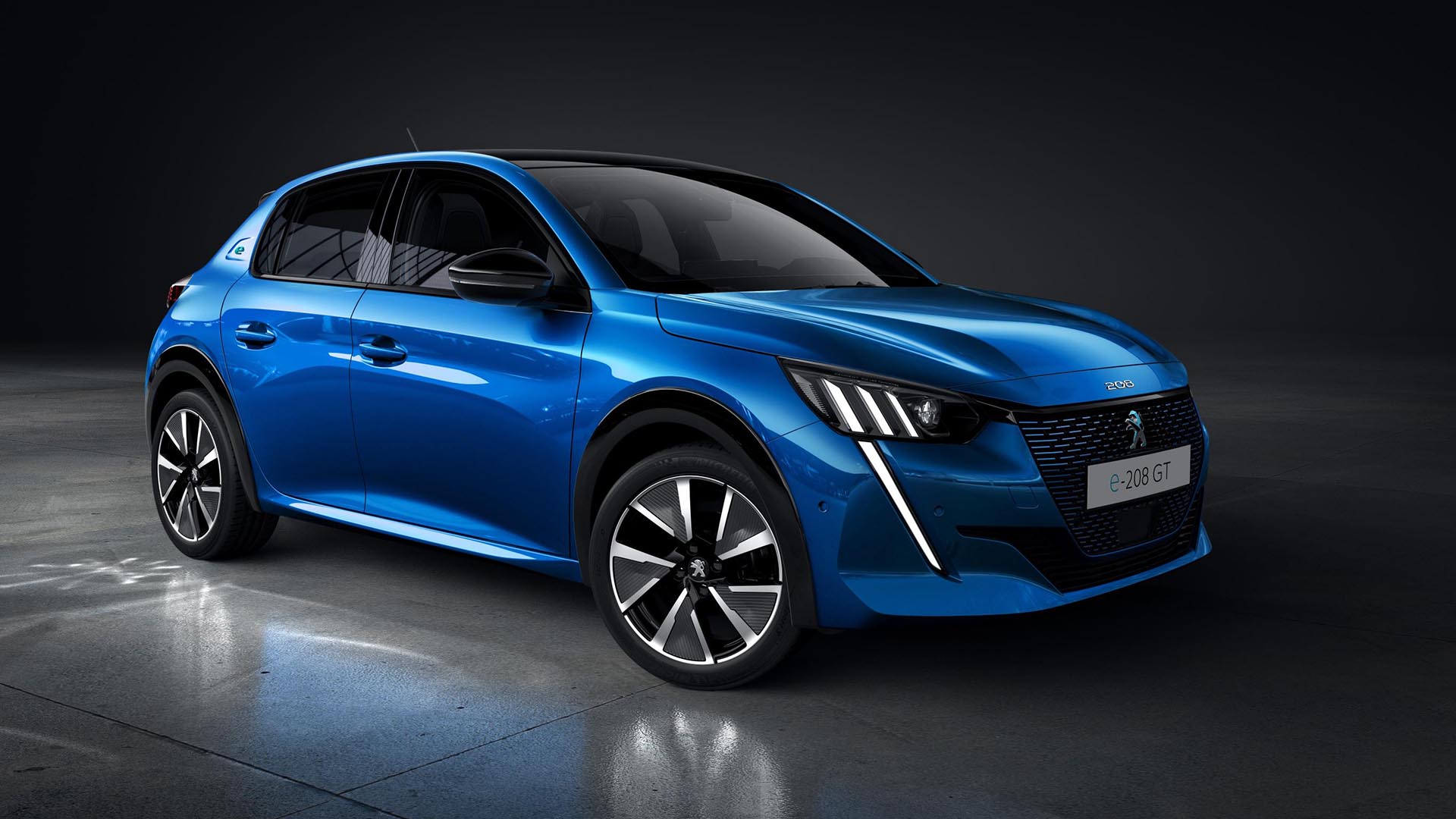
The top three World Car Design of the Year contenders are the Mazda3, Peugeot 208 and Porsche Taycan.
All cars must be sold in at least five countries, or at least two continents, making it a genuinely global prize.
Mazda has won the overall World Car Award honour several times, most recently in 2016 with the MX-5.
This year, two takes on family motoring go up against one another – the sportier Mazda3 versus the more practical CX-30.
Kia, however, has never won World Car Awards overall, and 2020 is the first time it has been named as a finalist.
Will this be its year, with the luxurious but good value Telluride? We will find out on Wednesday 8 April…
Motorists in urban areas who drive for less than nine hours a week could save money by selling their car and joining a car club. That’s the conclusion of a study that looked at the costs of owning a car, compared with paying for membership of a car club.
For example, a Ford Focus owner using their car for nine hours a week, and covering 2,000 miles a year, would pay around £3,000 over the course of 12 months. That includes insurance, servicing, an MOT, and actually buying the car.
By comparison, the same amount of use as a member of a car club would cost around £2,750. Someone driving for only four hours a week would pay half that, thus making for a saving of £1,663.
“If you only use your car for occasional use, you could save hundreds of pounds a year by getting rid of your car altogether and using a car club,” said Ernesto Suarez, CEO of iCarhireinsurance, the company responsible for the study.
“Car clubs are a great option for people who live in cities and urban areas with good public transport who do not need a car for everyday use. The costs are surprisingly reasonable, so you can just access a car when you need one without all the hassle and costs that comes with owning one.”
Car insurance ‘renewal tax’ costs motorists £674million
The example used in the study was a £5.60 hourly rental over nine hours per week. Add on a £60 car club annual membership fee, plus £69.99 in excess insurance, and you get the £2,750 figure.
By comparison, running a car for a year would cost £226 a year in fuel alone. In an urban setting, with the car overnight on a driveway, insurance is nearly £1,000. An MOT costs £55 (assuming the car goes through issue-free), a service is £159 and breakdown cover is £50.
Finally, factor in the cost of the car, which for a 2015 Focus was calculated at £1,498 over five years, and the cost nears or surpasses £3,000 annually.
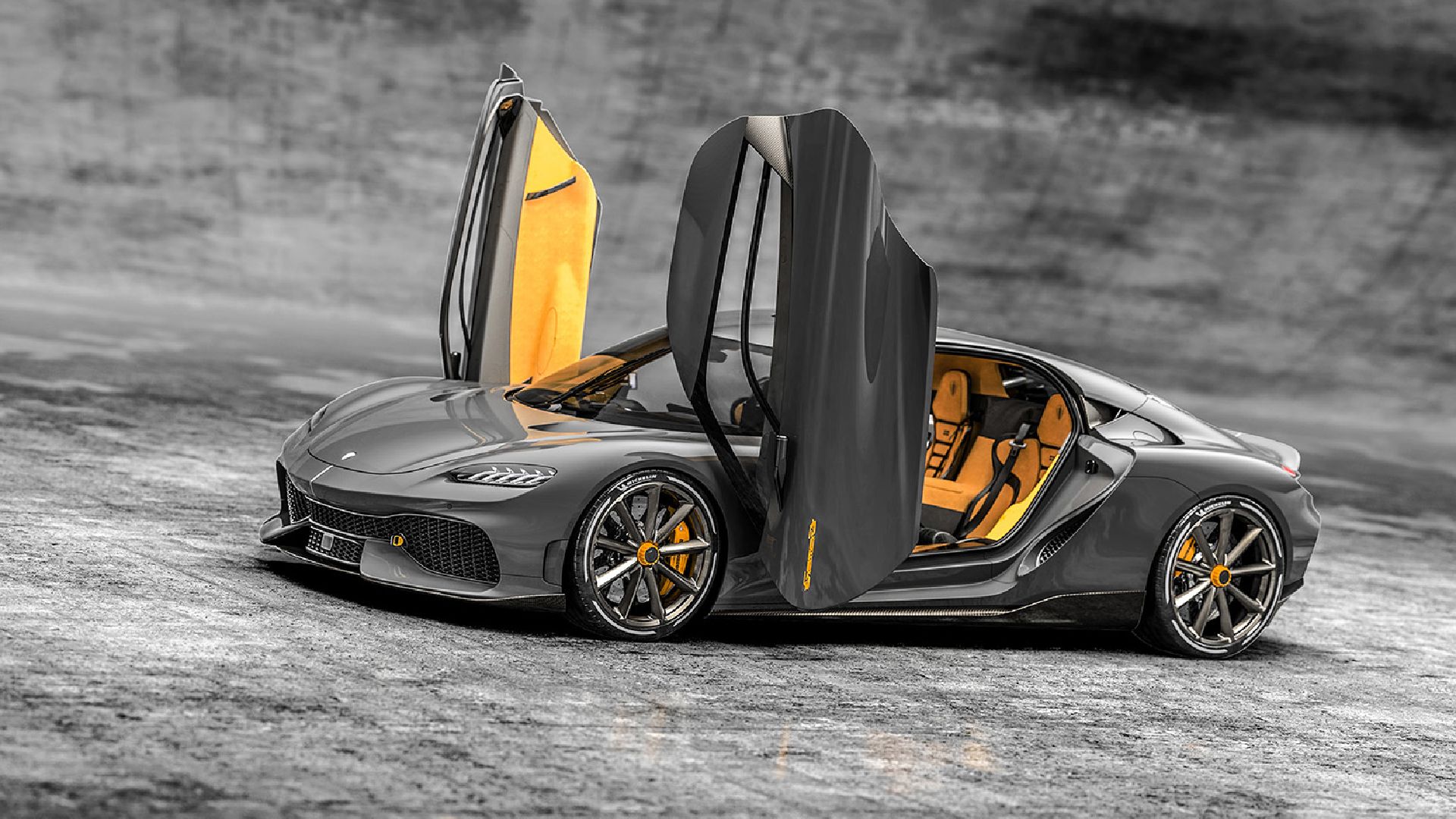
With a stand more than three times the size the company usually gets, a potential future record-breaker, plus an all-new car designed to save the internal combustion engine, Koenigsegg decided to steal Geneva back. It’s the last brand standing.
CEO Christian Von Koenigsegg presented the cars on-stand via a live-stream, at an uncharacteristically quiet and crowd-free Palexpo, where the Geneva show was originally to be held. Not letting the lack of flashing cameras or clamouring journalists trouble him, Koenigsegg’s presentation is a masterclass of traditional motor show glamour, pageantry and, truthfully, a little bit of cringe.
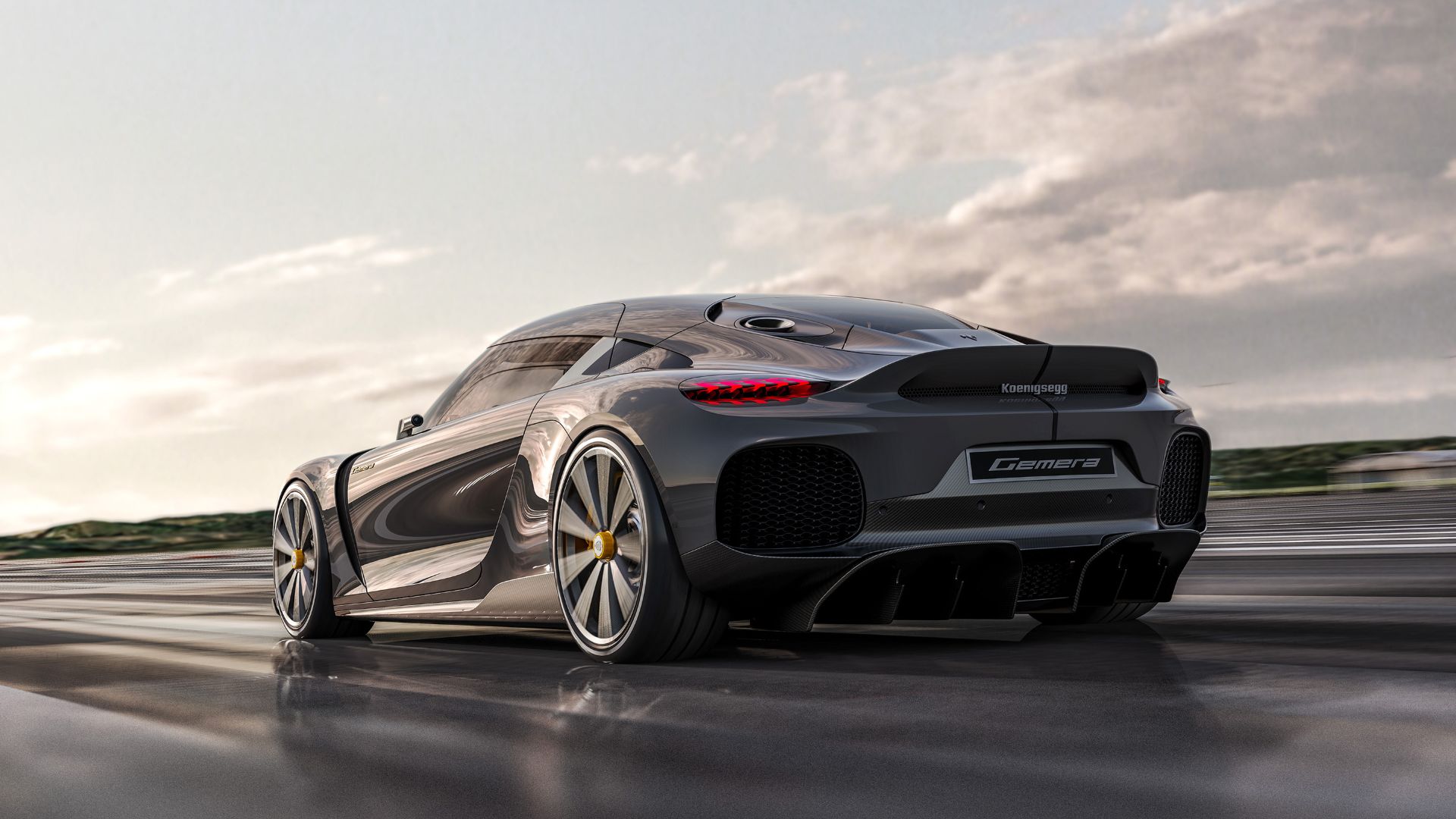
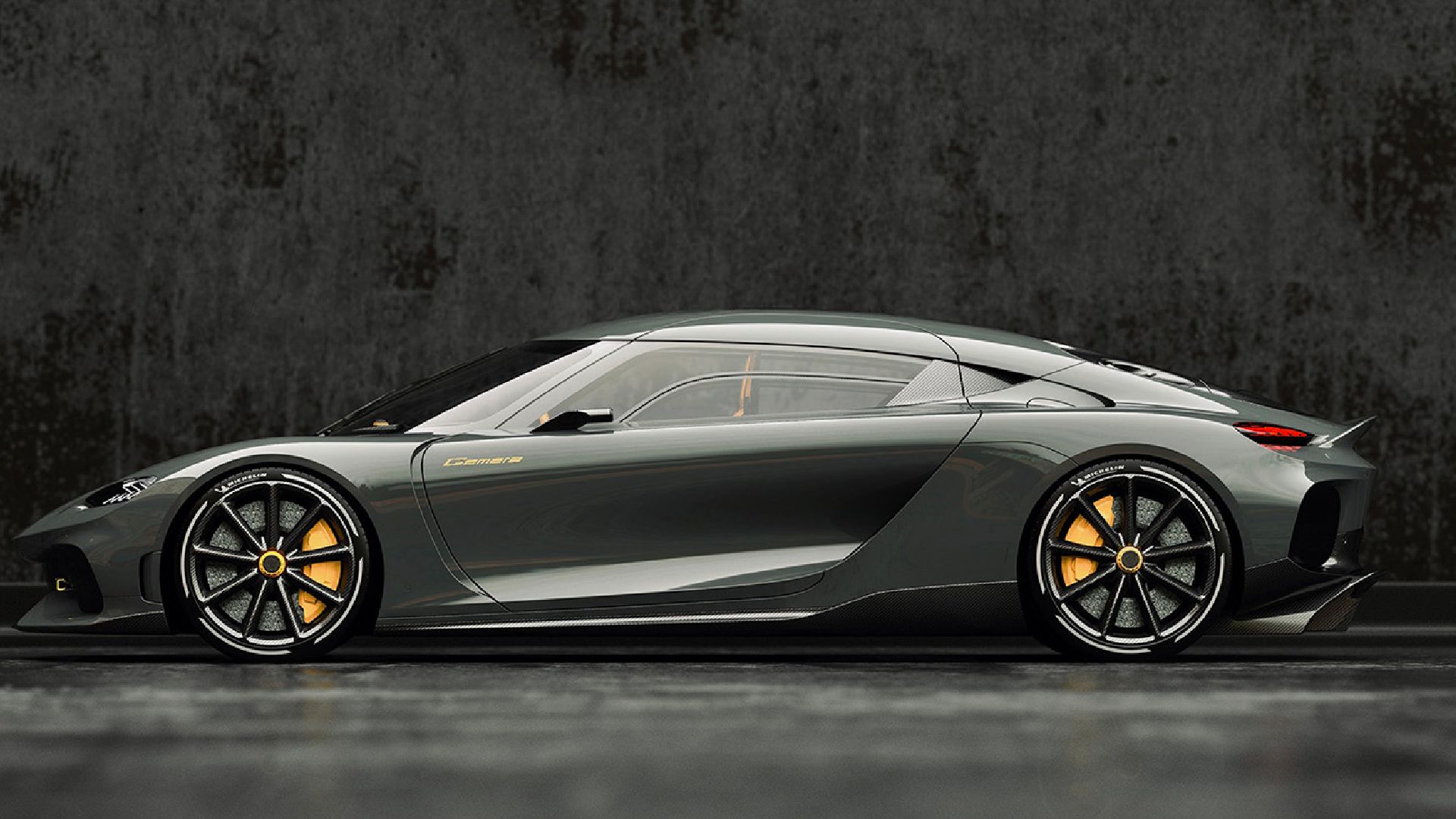
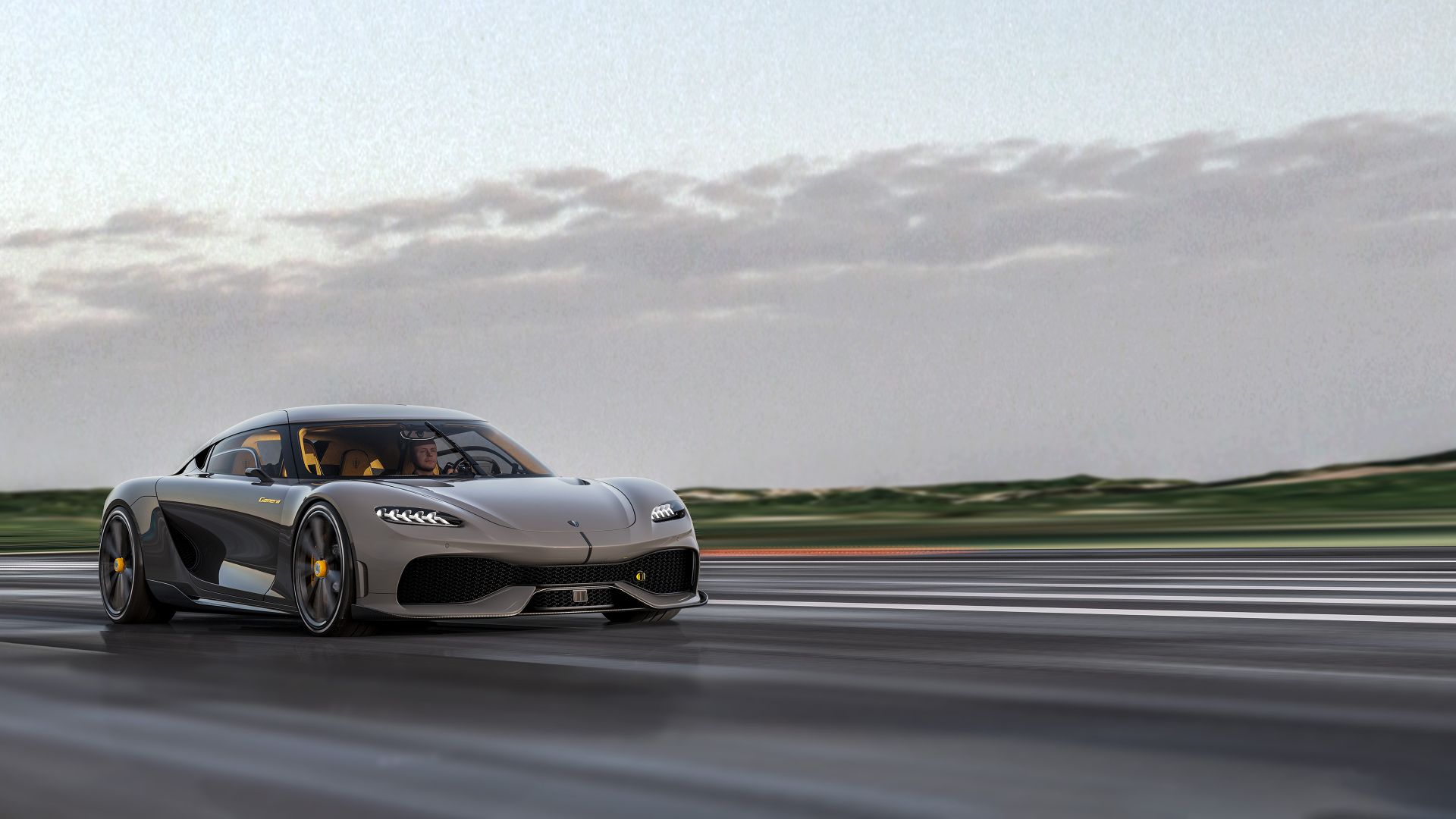
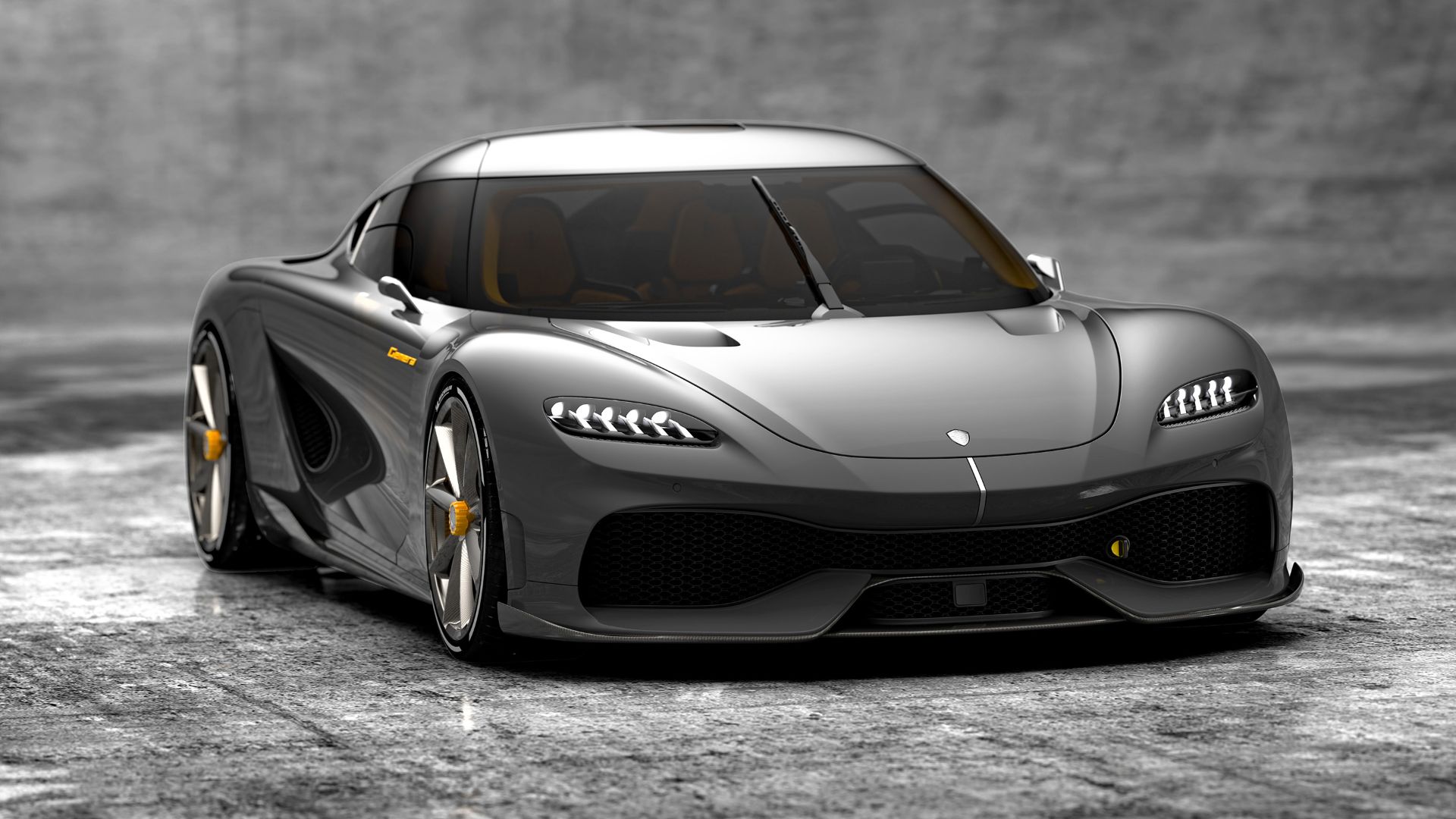
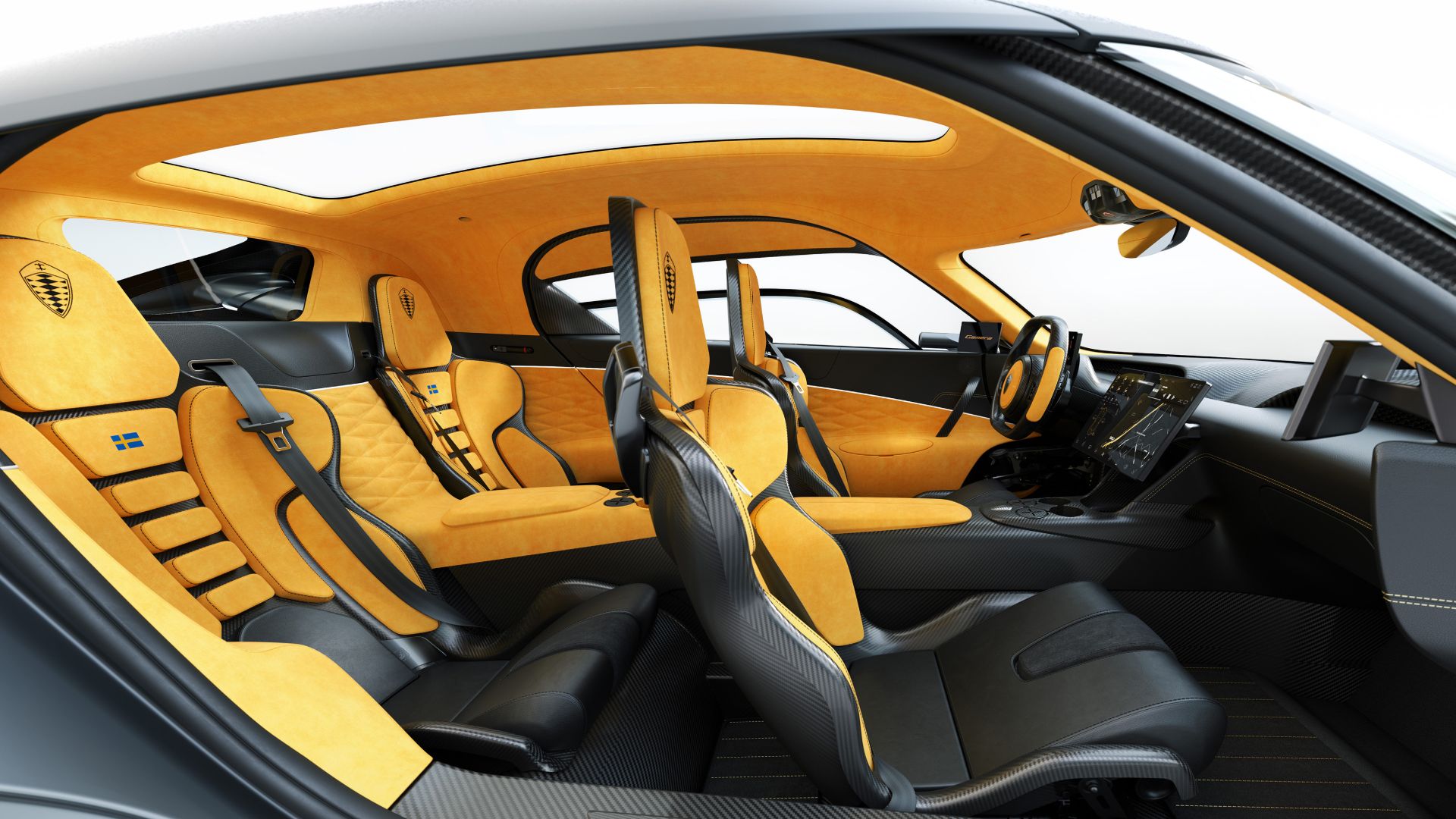
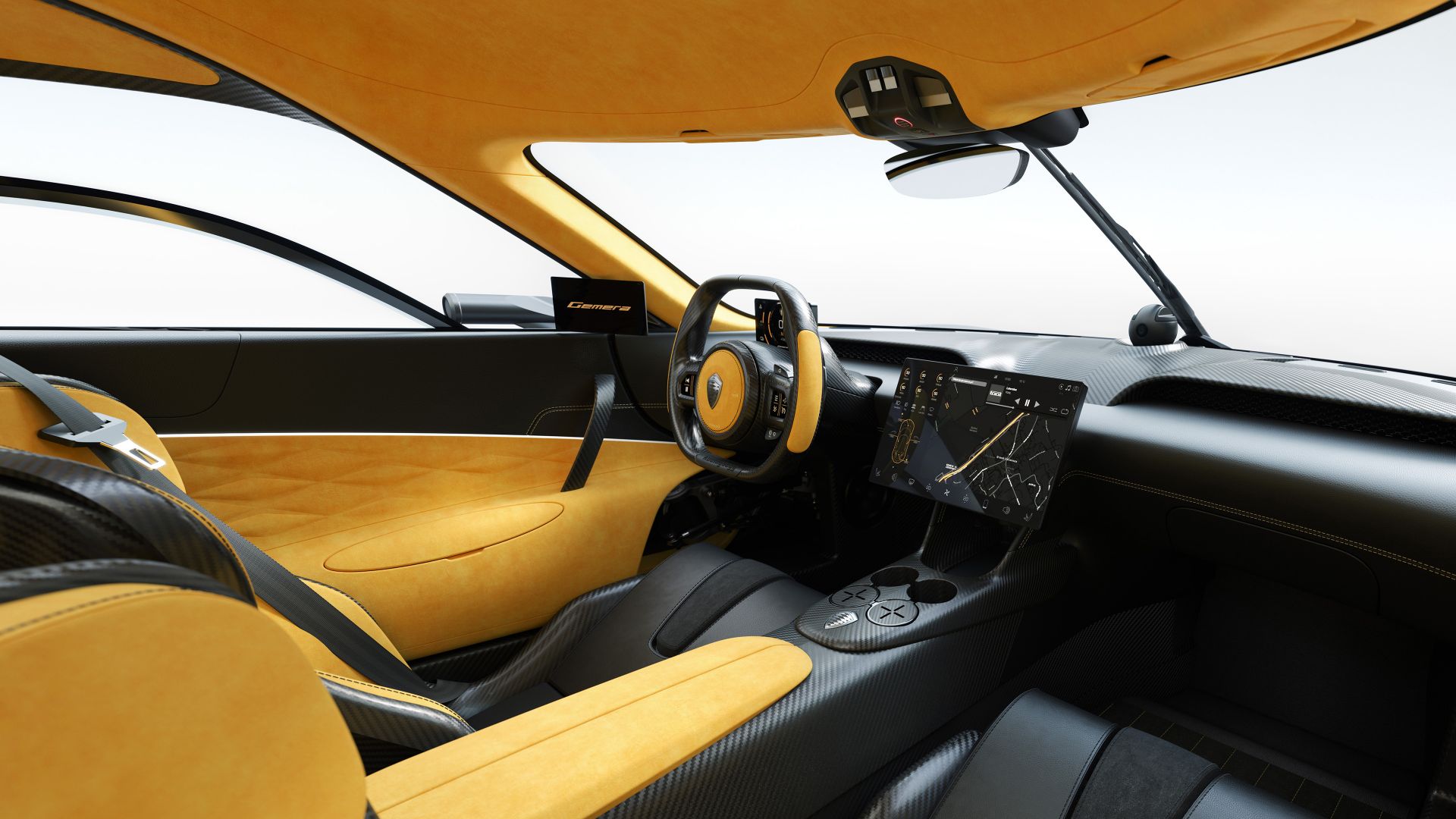
We’ll get to the Jesko Absolut in a moment. A 300mph+ capable ‘megacar’ it may be, but the Gemera was the main event. ‘Gemera’ is a contraction of two Swedish words, meaning to ‘give more’.
It’s a four-seat, two-door car that Koenigsegg calls ‘the world’s first Mega GT’. It’s something all-new for the marque, and perhaps for the automobile in general.
The ‘Tiny Friendly Giant’ engine
That’s because the so-called ‘Tiny Friendly Giant’ (TFG) engine features Koenigsegg’s free-valve technology, in production for the first time. The engine is a three-cylinder, 2.0-litre unit with two turbochargers. Diminutive though that sounds, it delivers more than 600hp, with a redline of 8,500rpm.
The big news, though, is that free-valve tech. With computer control – instead of a solid camshaft – the engine fuel efficiency and emissions improve by up to 20 percent versus a normal 2.0 turbo petrol engine. Independent control of the valves allows faster warm-up and a more efficient idle, too.
Koenigsegg says that it wants to ‘end fossil fuel dependency in combustion engines’. To do that, the Gemera can also run on renewable fuels, including E100, methanol and ‘sun fuel’, and be functionally particulate and emissions-free.
Indeed, Koenigsegg claims that with its state-of-the-art particulate filters and renewable fuel, the car could clean London’s air as it drives around. The synthetic fuel point is one that Koenigsegg really wants to push, as a solution to dirty fossil fuels.
Why is it called the Tiny Friendly Giant? Koenigsegg spoke of how it has a “deep guttural grunt” thanks to the comparatively large capacity for just three cylinders, plus its special Akrapovic exhaust. He called it “a little monster of an engine”.
Gemera is a 1,700hp AWD hybrid
It doesn’t matter how clever an engine is, though. In Koenigsegg-land, 600hp is small potatoes. Fear not, the Gemera benefits from the assistance of three electric motors and four-wheel drive. Two 500hp motors at the rear work with a 400hp crank motor and the TFG. Total functional output is 1,700hp and 2,581lb ft. While the motors at the back allow for full torque vectoring, there’s also clutch-controlled torque vectoring at the front.
The gearbox is Koenigsegg’s gearless direct drive unit that features in the Regera. Think of it as a really clever combination of a CVT and torque converter ‘box. Rear-wheel steering also helps the Gemera be “steady as a freight train on the autobahn,” while being agile in corners.
Why not go full electric? Well, pure electric silence is a big jump from the blood-curdling noise Koenigsegg customers are used to. And that would be a bit too simple, and a bit crude, for Christian. With a target weight of less than 1,900kg, it’s 30 percent lighter than an equivalent EV. All while being functionally as clean and efficient as one.
Koenigsegg said in the stream that “electric cars are great, but there aren’t enough charging stations, and you can’t produce enough adequate cells, quickly enough, for worldwide implementation”. The Gemera is a “parallel track”, offering the best of both worlds.
A practical four-seater GT
Speaking of the best of both worlds, fully fuelled and charged up, it’ll go for 621 miles. “The only reason you should have to stop, is for your own personal needs,” Koenigsegg joked in the stream. Is there something unremarkable about the Gemera? Well, its electric-only range isn’t game-changing: just 31 miles.
Koenigsegg rather boldly claims that the Gemera has more space inside than any GT car seen before. There’s no need to move the seats when getting in, with the car able to carry four adults in comfort. The driver and front passenger will also find a large Tesla Model 3-style tablet in the middle, and screens working with cameras in the place of traditional mirrors.
Yes, to allow four people easy entry, the doors are enormous. They open as Koenigsegg doors do, but sensors can detect if they’re about to hit your garage roof or wall, at which point they stop.
What about practicality? Koenigsegg presented the car, with both its rear boot and its ‘frunk’ open, carrying four suitcases in total. Luggage enough for driver and passengers, then.
We almost forgot about the Regera and Jesko. The former is being built, with one car completed every week. The 80-off hypercar will complete its production run soon. Before it bows out, the Regera will also take another crack at its own 0-400kmh-0 record.
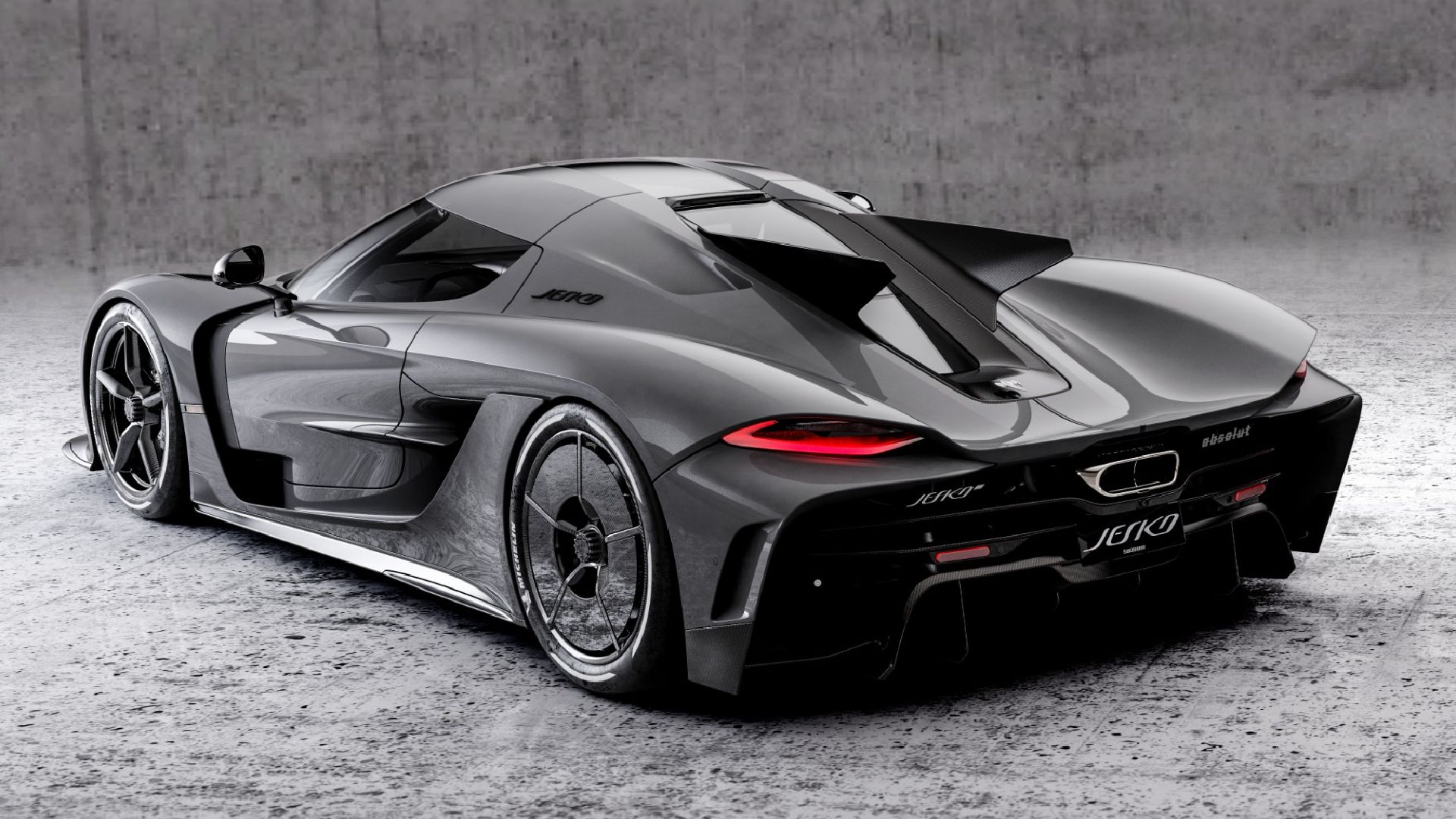
Sandwiched in the middle is the Jesko Absolut. While the Jesko debuted last year, bewinged and ready for track work, the Absolut has the Bugatti Chiron 300+ in its sights. This is a top speed monster, pared back and lengthened, gunning for 500kph (311mph). With 1,600hp and a drag coefficient of 0.278, we believe it’ll do it.
Interestingly, like Bugatti, Koenigsegg also claimed that it would be the marque’s fastest ever car, and remain so. ‘Absolut’ refers to that status. Koenigsegg will be hanging up its top speed overalls thereafter.
What was, quite literally, Koenigsegg’s Geneva show has presented a new era for the Swedish marque. The company made famous by speed will now focus its energies on changing the car as a whole.
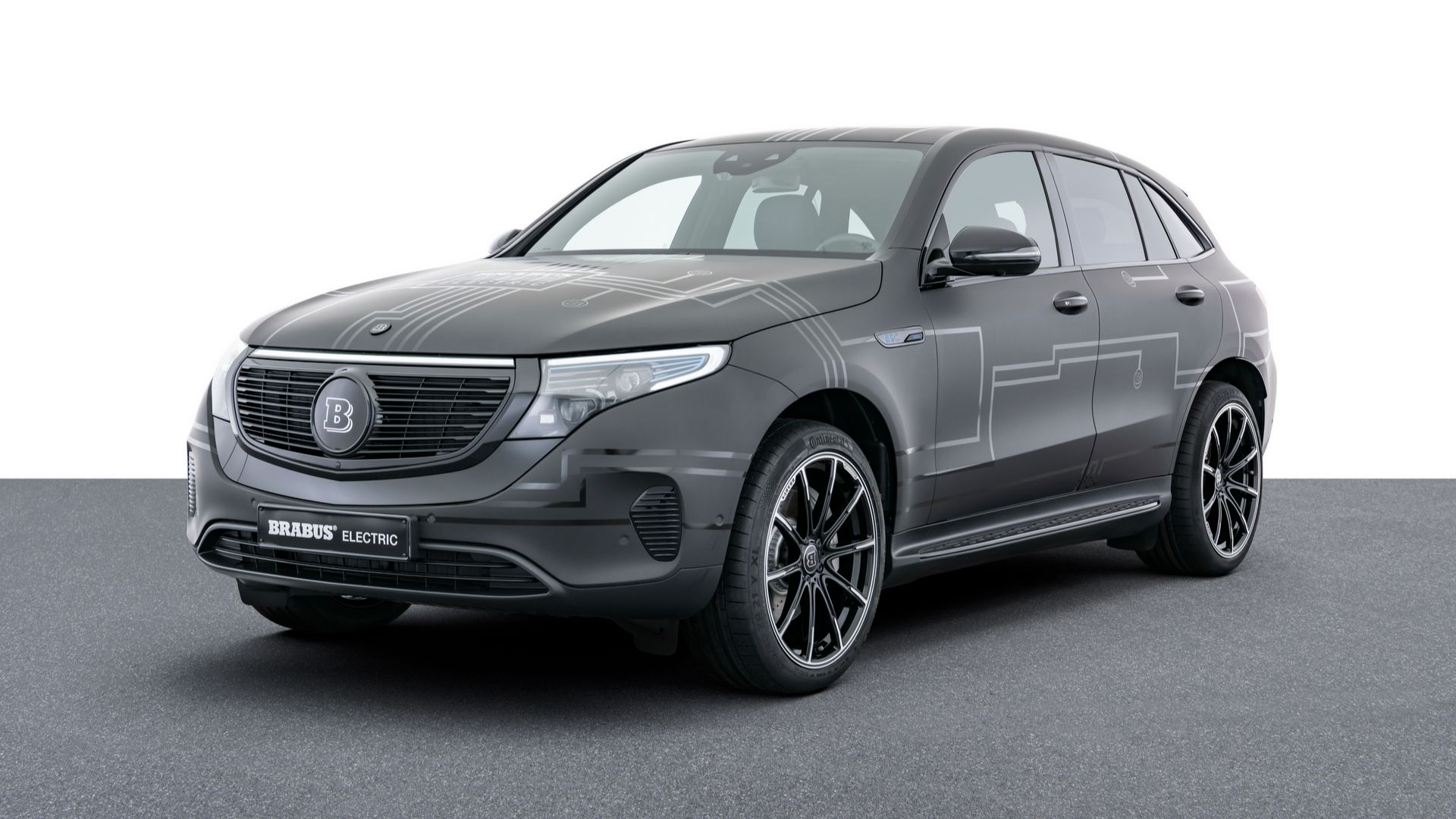
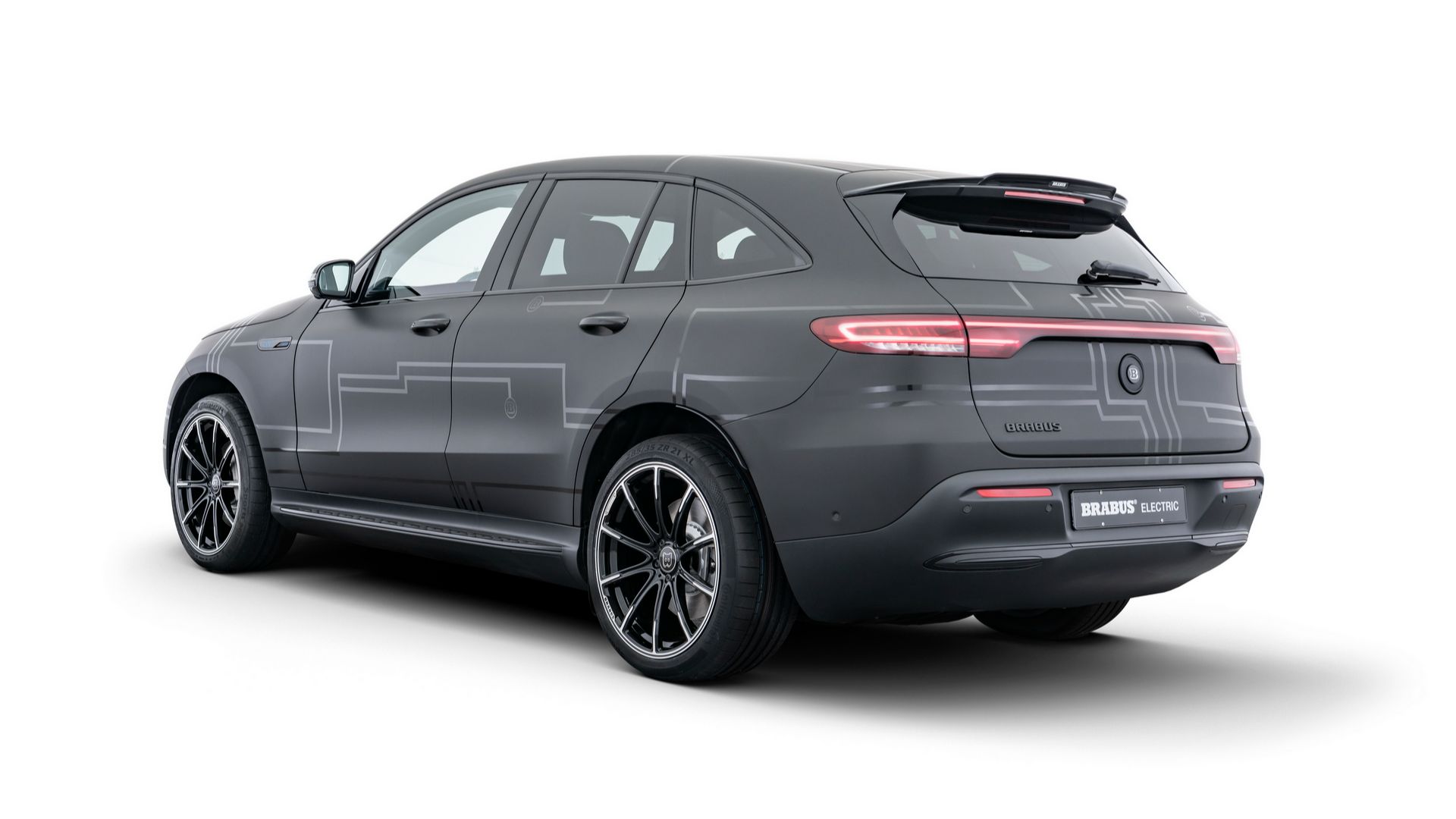
Brabus has been experimenting with tuning new electric models from Mercedes-Benz. This concept for the Mercedes EQC 400 4Matic teases what could come next.
The car is a first step for Brabus into the silent world of electric performance, after a history of fettling V8s and V12s.
Interestingly, the EQC is, for the most part, a technical exercise. Brabus’ visual work isn’t yet complete for the car, but it does want to show off its E-PowerXtra performance upgrade.
This allows the EQC, when in ‘S’ mode on the dynamic select switch, to deploy 422hp – up from 408hp. The car also sports a torque increase from 561lb ft to 612lb ft.
Zero to 62mph in S mode is cut to 4.9 seconds, although top speed remains limited to 112mph.
Quite how all this new power level will affect the car’s range is not yet known.
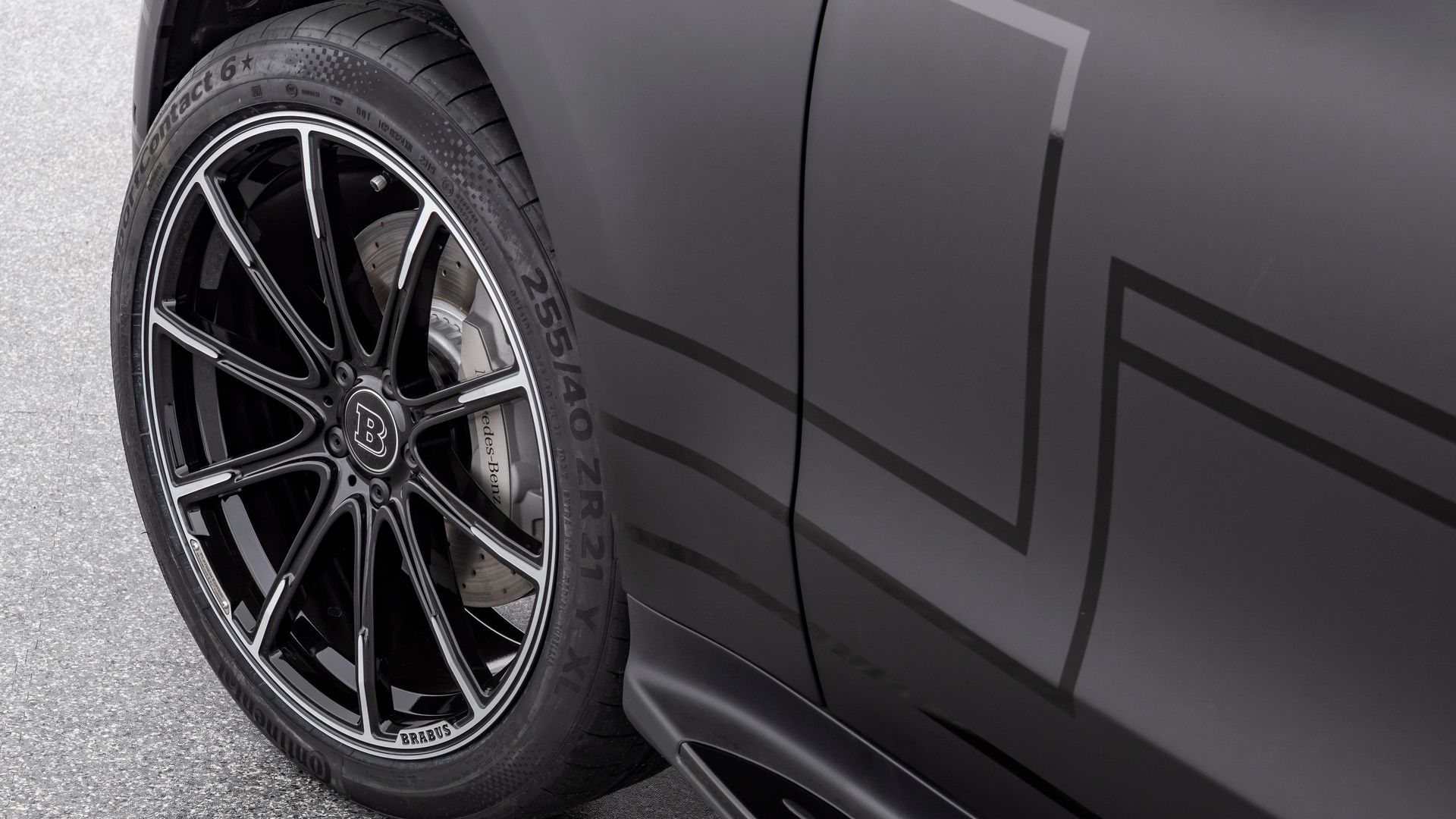
Of course, it’s not all under-the-skin upgrades. While the bodywork remains largely standard, there are a couple of visual cues. EQC owners can already buy the new Monoblock Z wheels, in 20- or 21-inch sizes.
There are also special Platinum Edition Monoblock Z rims available, which are lighter and stronger thanks to a high-tech forging process.
Bodywork upgrades are coming, but the rear spoiler is also ready. Completing the look of this prototype on the outside is matte black paint with ‘Brabus Electric’ livery, as well as a selection of Brabus badges.
The German tuner is in the business of enhancing Mercedes-Benz interiors, too. From entire retrims in bespoke colours to custom accessories in alloy, carbon fibre and more, the only limit is your budget.
The latest RAC Fuel Watch data gives some cause for celebration for motorists. Fuel prices have fallen at a speed not seen since the year 2000.
The decline is due to fears about the coronavirus, says the RAC. Over the course of February, unleaded petrol fell by around 3p per litre, while diesel fell by 4.2p per litre.
That means the average petrol car with a 55-litre tank is now £1.61 cheaper to fill than it was in January. A typical diesel car is now £2.33 cheaper to fill.
Average prices for petrol and diesel sit at 124p per litre and 127p per litre respectively, down from 127p and 131p.
Not only are these the sharpest drops since 2000, they’re actually on the leaderboard for all-time declines. The drop in petrol is the 19th fastest ever recorded, while the diesel drop ranks 11th.
So why the cheaper fuel? The price for a barrel of oil dropped by a sixth in the last 10 days of the month. Again, this is attributed to the coronavirus.
That left the end-of-month wholesale price of petrol at 90p per litre, with diesel at 92p per litre.
The ultimate guide to finding cheaper fuel
Petrol-scented candle comes top in poll of nicest smells
Because of this, the RAC is calling for fuel prices to drop further still. The last time wholesale prices were that low, petrol and diesel were 5p and 8p per litre cheaper at the pumps than they are now.
“February was a good month for drivers with two rounds of supermarket price cuts,” said RAC fuel spokesman Simon Williams.
“These resulted in 3p being shaved off the average price of petrol and 4p off diesel. While it is good drivers are benefiting from lower forecourt prices, in reality, the wholesale price is such that the big four supermarkets, which dominate UK fuel retailing, should cut their prices again.
“The oil price has slumped due to the spread of the coronavirus prompting fears of slower global demand. This may well lead to a move from oil producer group OPEC and its allies to restrict production when they stage an extraordinary meeting in Vienna on Friday. If they decide to take action to prop up the barrel price it would very likely put an end to falling forecourt fuel prices.”
Last year, average CO2 emissions across European markets were at their highest recorded levels since 2014. That’s according to new figures released by Jato Dynamics. The average for 23 European markets totalled 121.8g/km, which is up from 120.5g/km the previous year. Here, we reveal the top 20 best-selling car companies in Europe, ranked by average CO2 emissions. The results are presented in reverse order.
20. Mercedes-Benz – 140g/km CO2
If you boast the largest range of SUVs, there’s a good chance you also have the highest CO2 emissions in Europe. As a result, Mercedes-Benz is propping up the table with CO2 emissions of 140.9g/km – up 1.3g/km on the previous year. Overall, the average CO2 emissions for all SUVs was 131.5g/km, which was higher than city cars (107.7g/km), superminis (109.2g/km), family hatchbacks (117.9g/km) and executive cars (131g/km).
19. Mazda – 135.4g/km CO2
Felipe Munoz, global analyst at Jato Dynamics, said: “As expected, the combination of fewer diesel registrations and more SUVs continued to have an impact on emissions. We don’t anticipate any change to this trend in the mid-term, indeed these results further highlight the industry’s need to adopt EVs at a rapid pace to reach emissions targets.” Mazda’s figure is virtually unchanged, with the company remaining in 19th position.
18. Volvo – 133.8g/km CO2
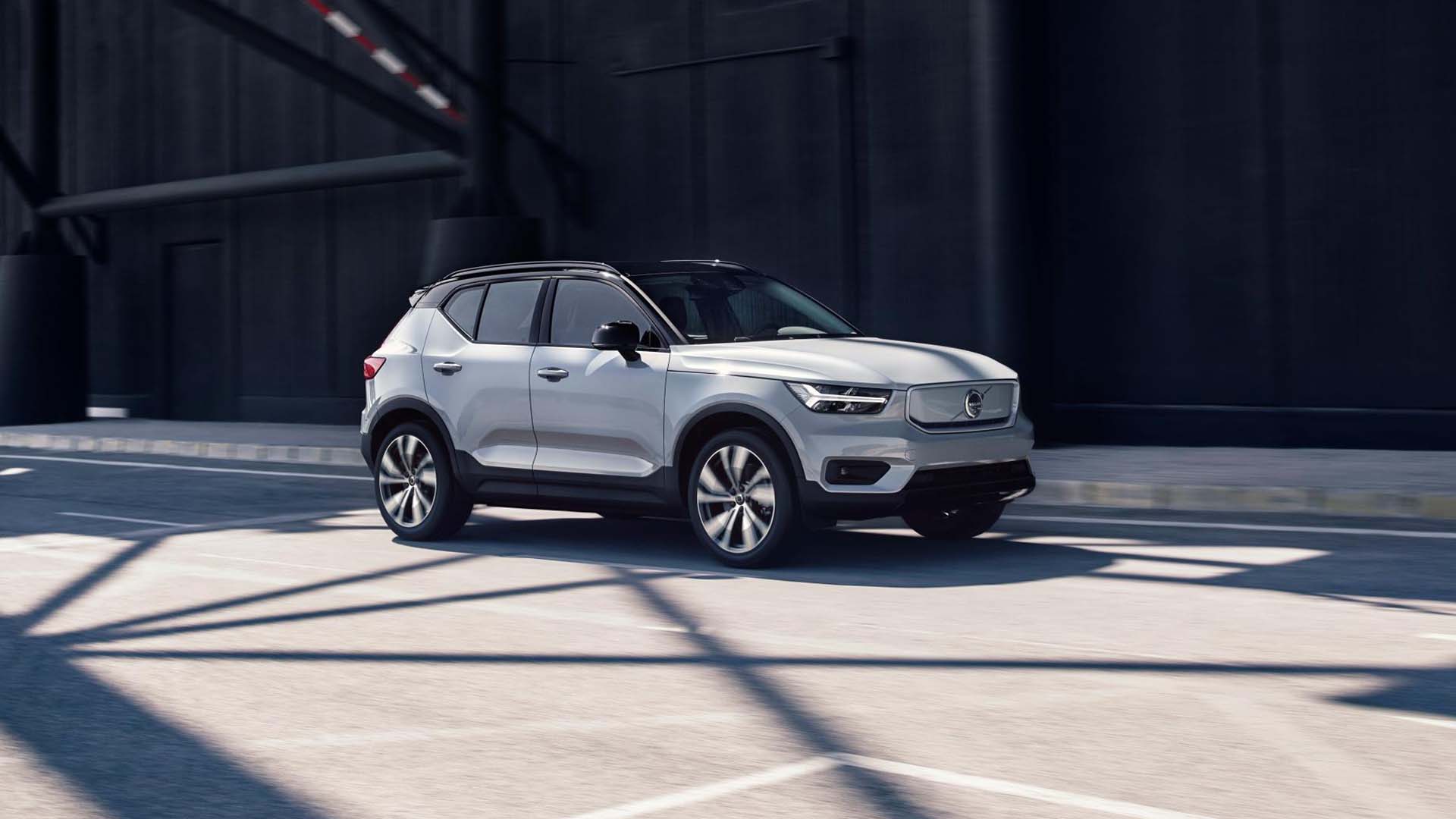
Although Volvo has a number of plug-in hybrids in its range, the company is in desperate need of an all-electric car. It claims that by 2025, 50 percent of its new cars will be fully electric, kicking off with the XC40 Recharge. The compact SUV features a 78kWh battery to provide a range of around 200 miles. Meanwhile, Volvo’s CO2 emissions are up 1.2g/km.
17. Audi – 130.3g/km CO2
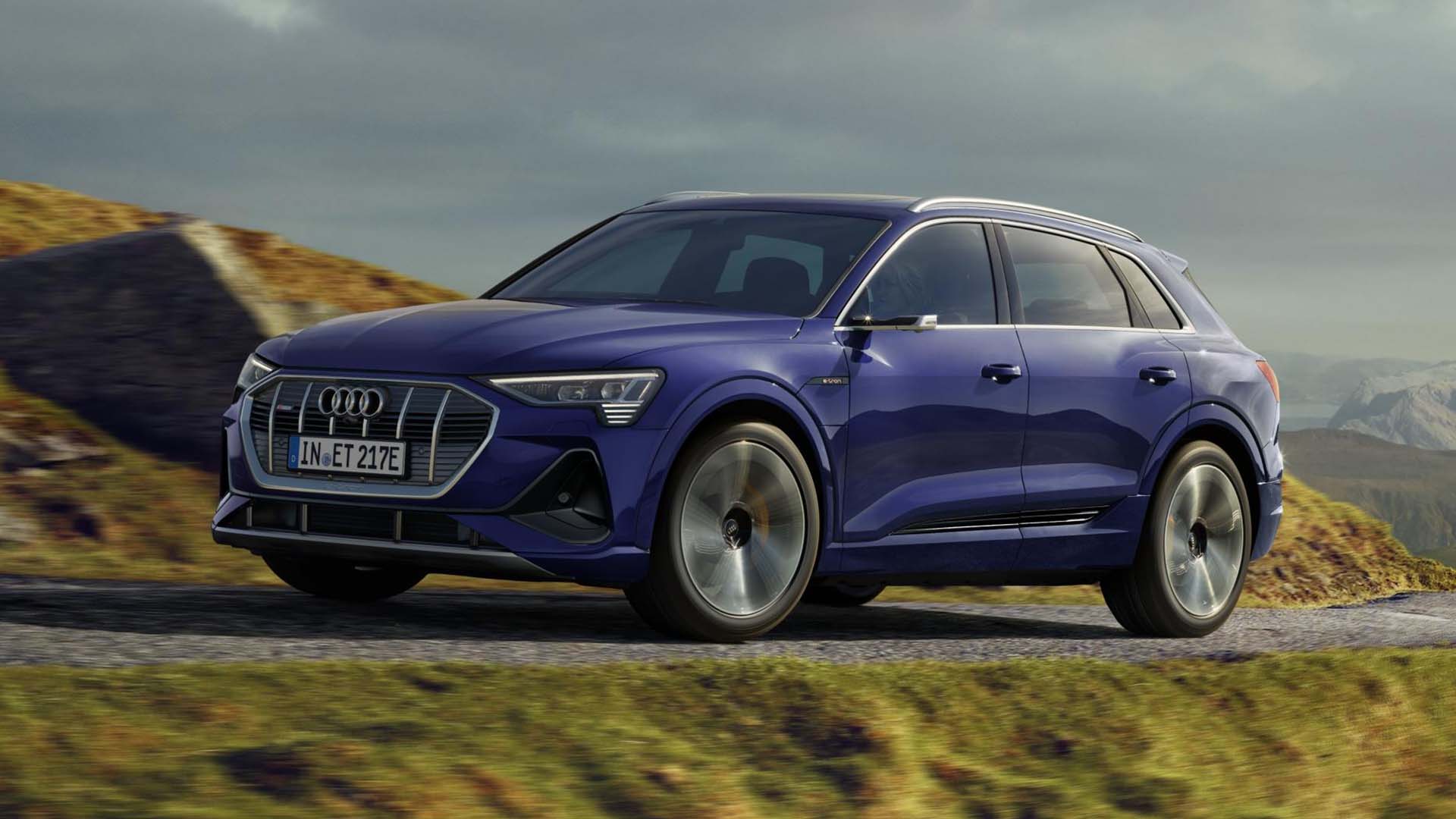
Audi is another company with a large number of SUVs, including the Q2, Q3, Q5, Q7 and Q8. It also boasts a range of performance vehicles, headlined by the flagship R8 with its enormous V10 engine and CO2 emissions of 299g/km. There’s only so much the E-Tron SUV can achieve when it comes to balancing CO2 emissions across the range.
16. BMW – 129.0g/km CO2
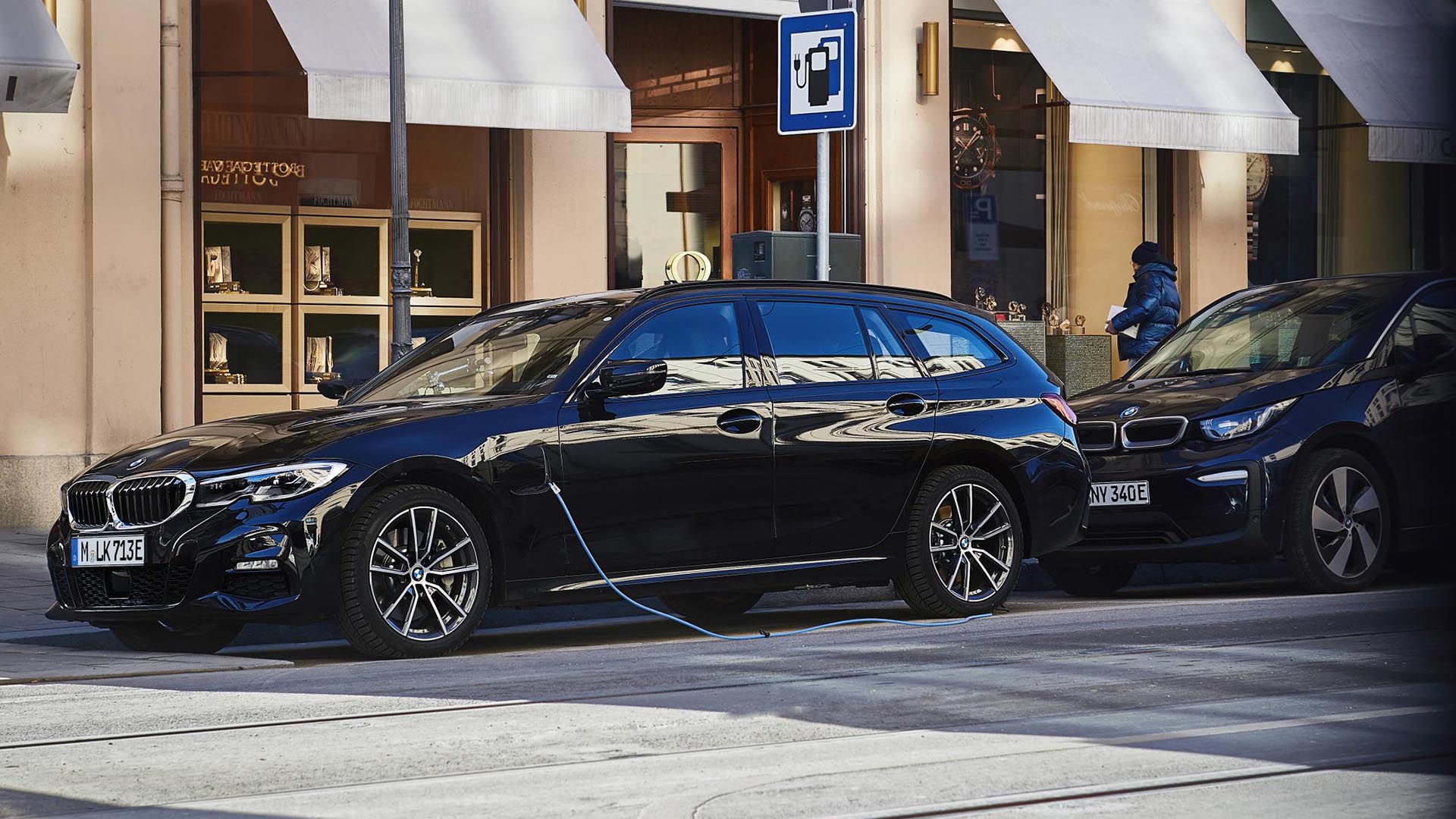
Only four companies in the top 10 have managed to reduce their CO2 emissions. One of these companies is BMW, which climbs one place up the table in the process. Interestingly, of the countries that publish new WLTP data rather than older NEDC values, the Netherlands is the best performing nation, with average CO2 emissions dropping 5.9g/km. The country finishes top of the table with an average of 100.1g/km CO2.
15. Ford – 128.5g/km CO2
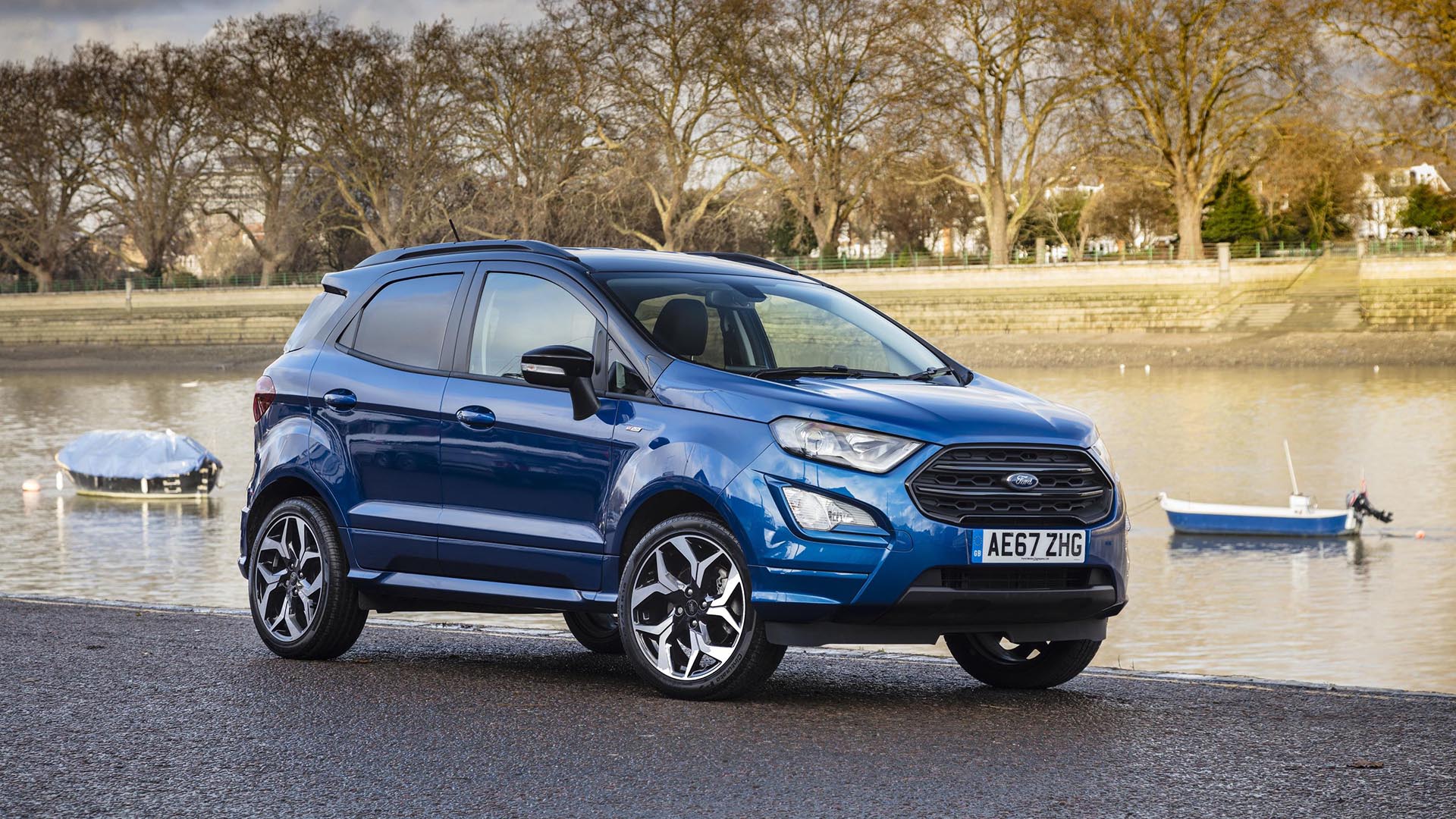
Some other nations of note include the United Kingdom, where CO2 emissions have risen to 127g/km. Sweden is DOWN 3.6g/km to 122g/km, while Greece recorded the biggest increase, up 4.6g/km to 116g/km. Meanwhile, Ford’s CO2 emissions went up by 4.9g/km in 2019.
14. Hyundai – 126.5g/km CO2
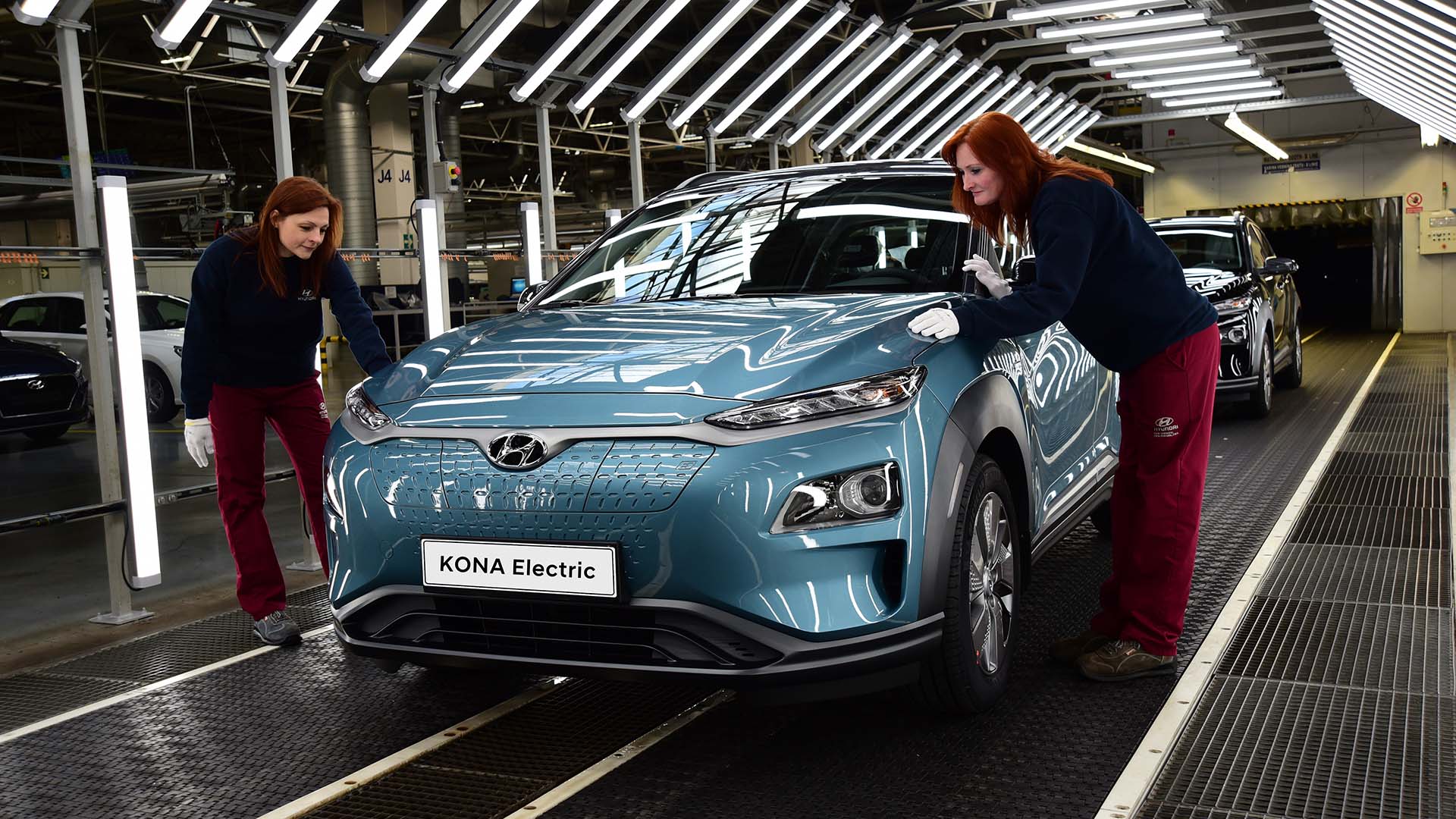
Hyundai has a small range of electric cars, headlined by the Kona and Ioniq. Its biggest problem has been with supply, although a new factory in the Czech Republic will result in more Kona Electric models becoming available in 2020. Average CO2 emissions are up 2g/km to 126.5g/km.
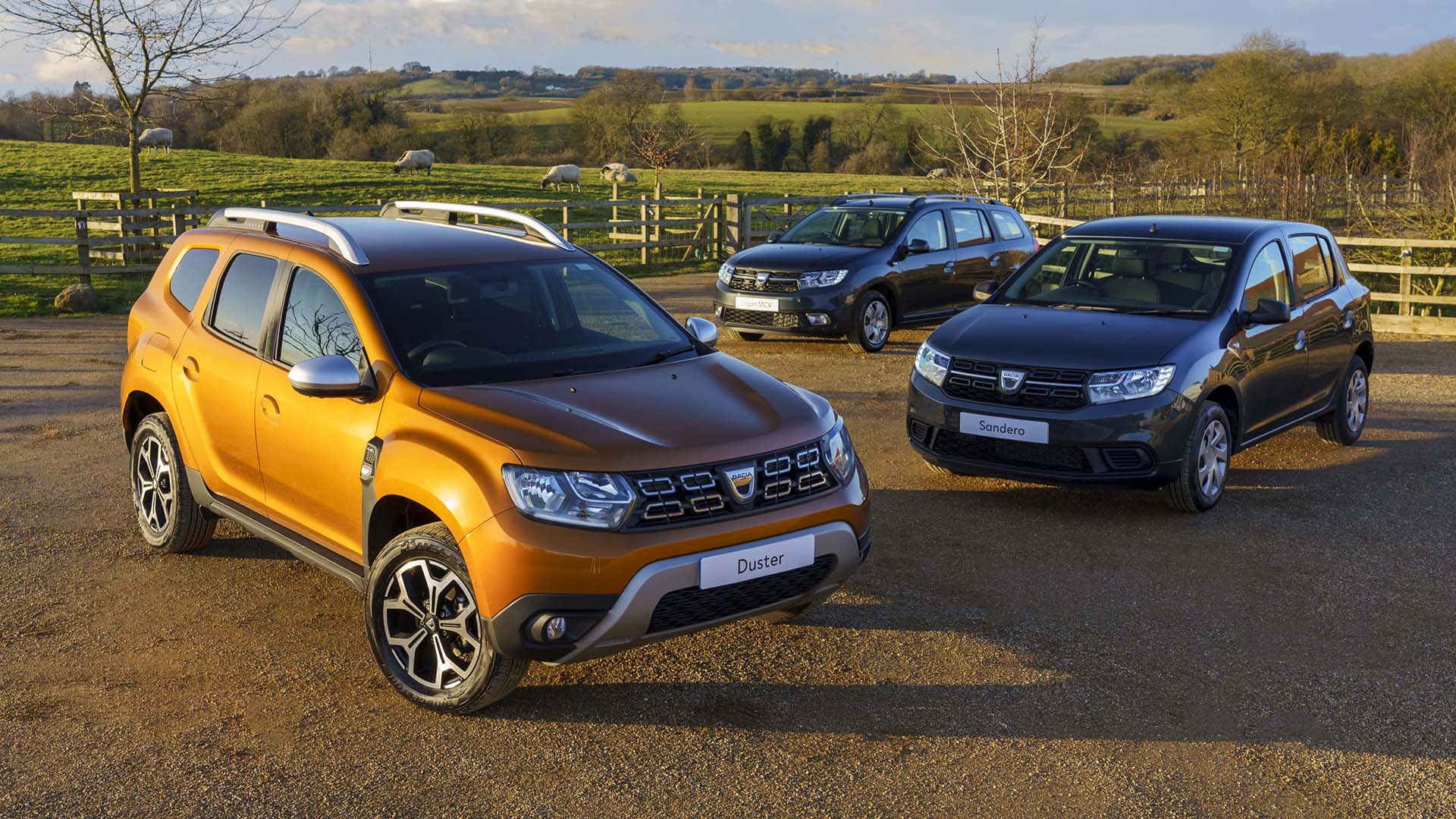
13. Dacia – 125.6g/km CO2
With a greater focus on budget prices than on fuel economy, Dacia will always struggle in this area. That said, the company unveiled an all-electric concept at the virtual Geneva Motor Show, promising to deliver the most affordable electric car in Europe in 2021. This, combined with the new range of Bi-Fuel LPG models, should help to reverse a 4.7g/km increase in CO2 emissions.
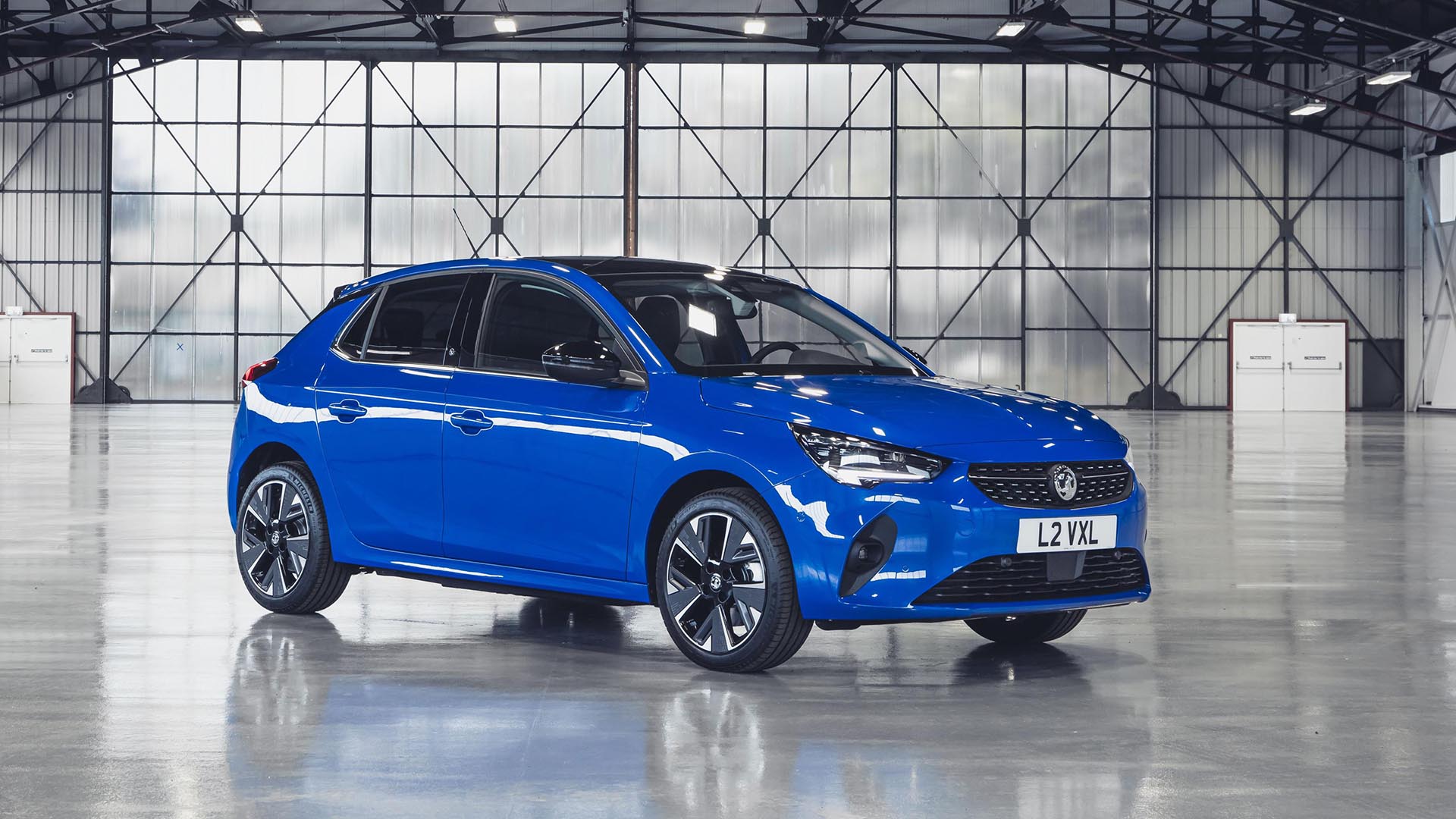
12. Opel and Vauxhall – 124.9g/km CO2
Now under the ownership of the PSA Group, some of the French influence is rubbing off on Vauxhall and Opel. Although a figure of 124.9g/km keeps the companies outside the top 10, it does represent a 1.1g/km improvement. The arrival of the all-electric Vauxhall Corsa-e will also improve things.
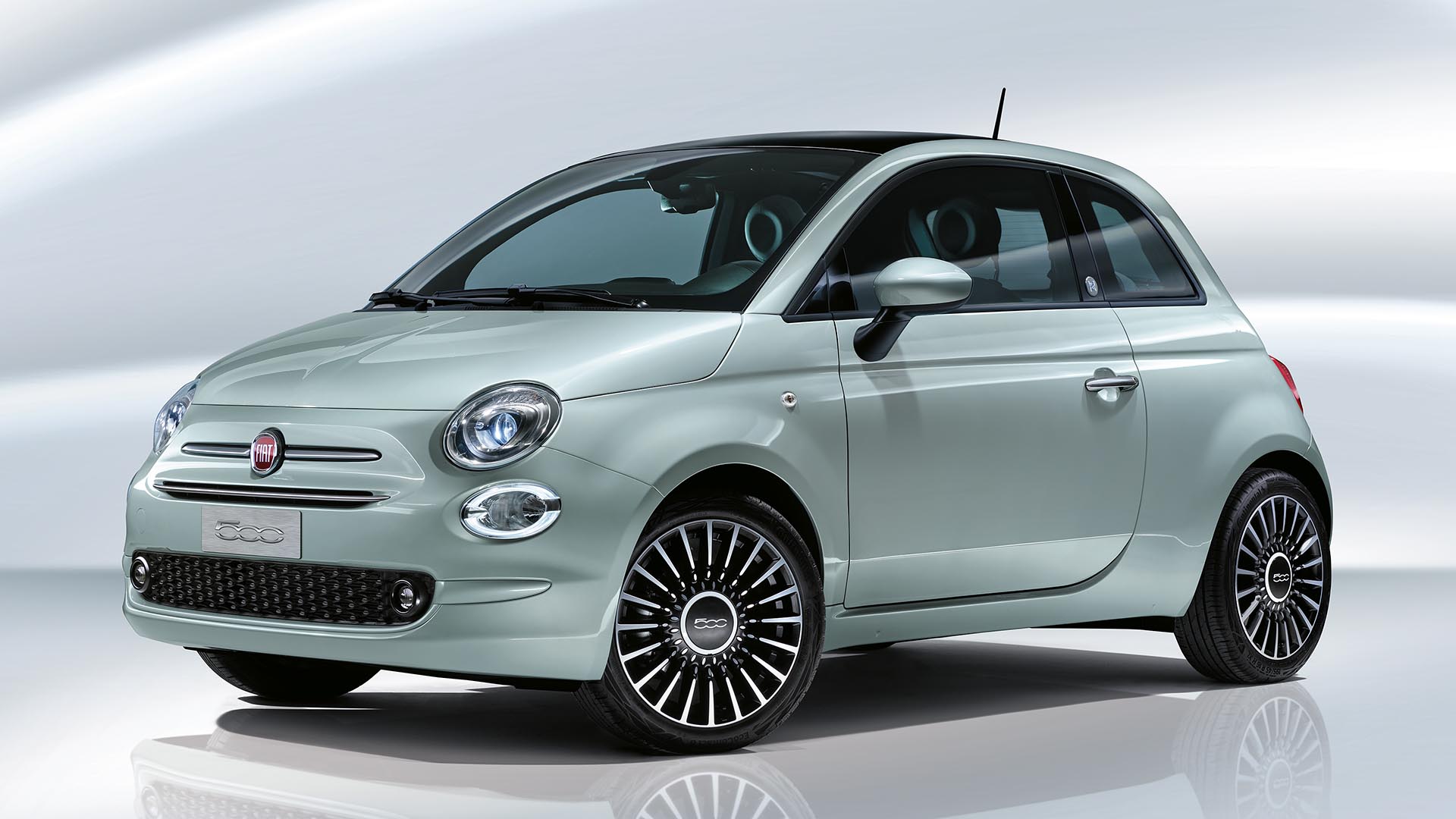
11. Fiat – 123.7g/km CO2
Fiat is yet another company with a new electric car up its sleeve. An all-electric Fiat 500 was expected to be unveiled at the Geneva Motor Show, but it looks like we’ll have to wait a little longer for official photos and information. In the meantime, Fiat’s elderly product range means that CO2 emissions are up 4.7g/km.
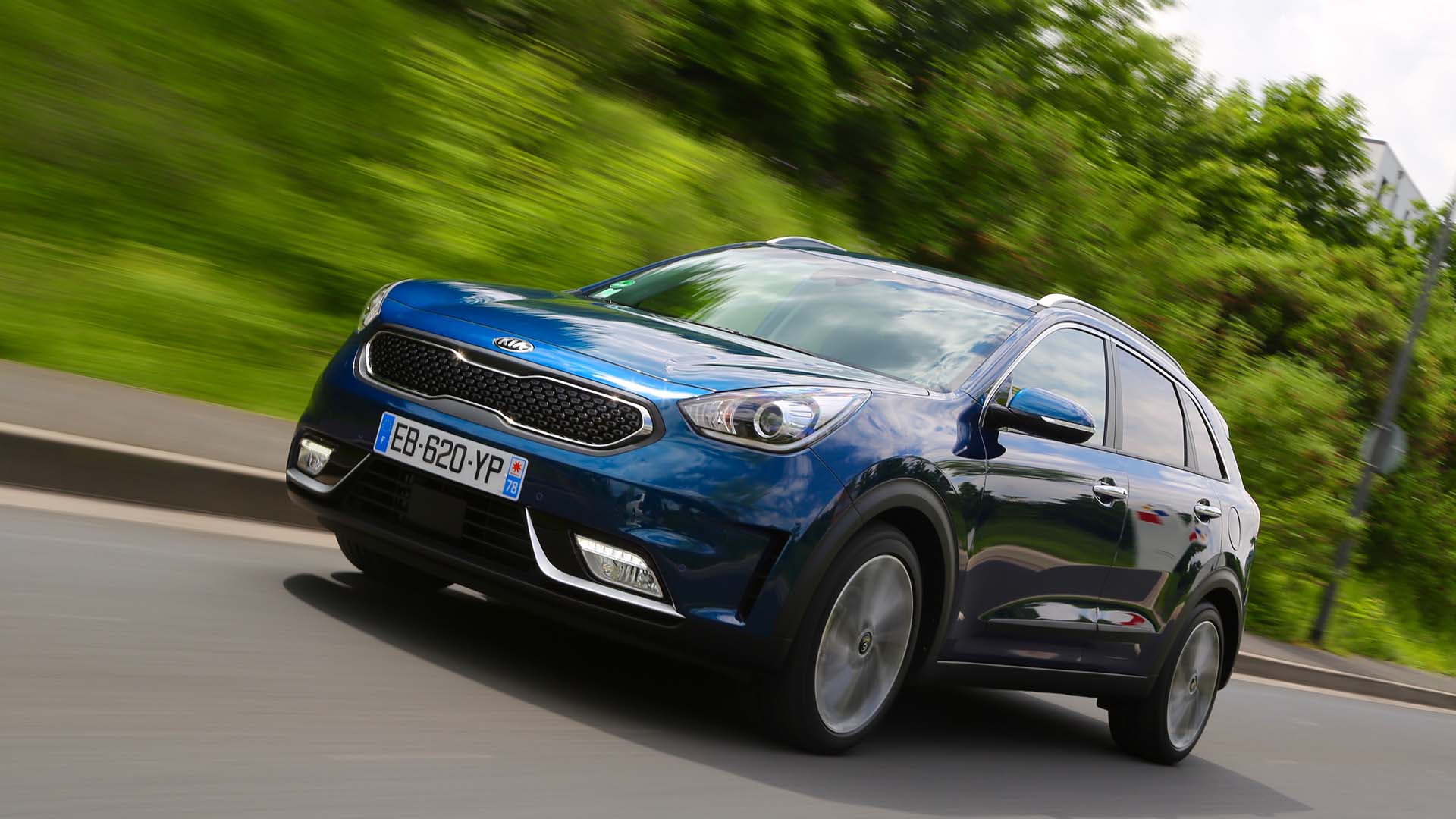
10. Kia – 121.8g/km CO2
Kia offers a large range of cars with an increasing number of plug-in variants. You can buy plug-in hybrid versions of the XCeed, Ceed Sportwagon and Niro, plus all-electric versions of the Soul and Niro. They’re much needed, because CO2 emissions are up 0.2g/km.
9. Volkswagen – 121.2g/km CO2
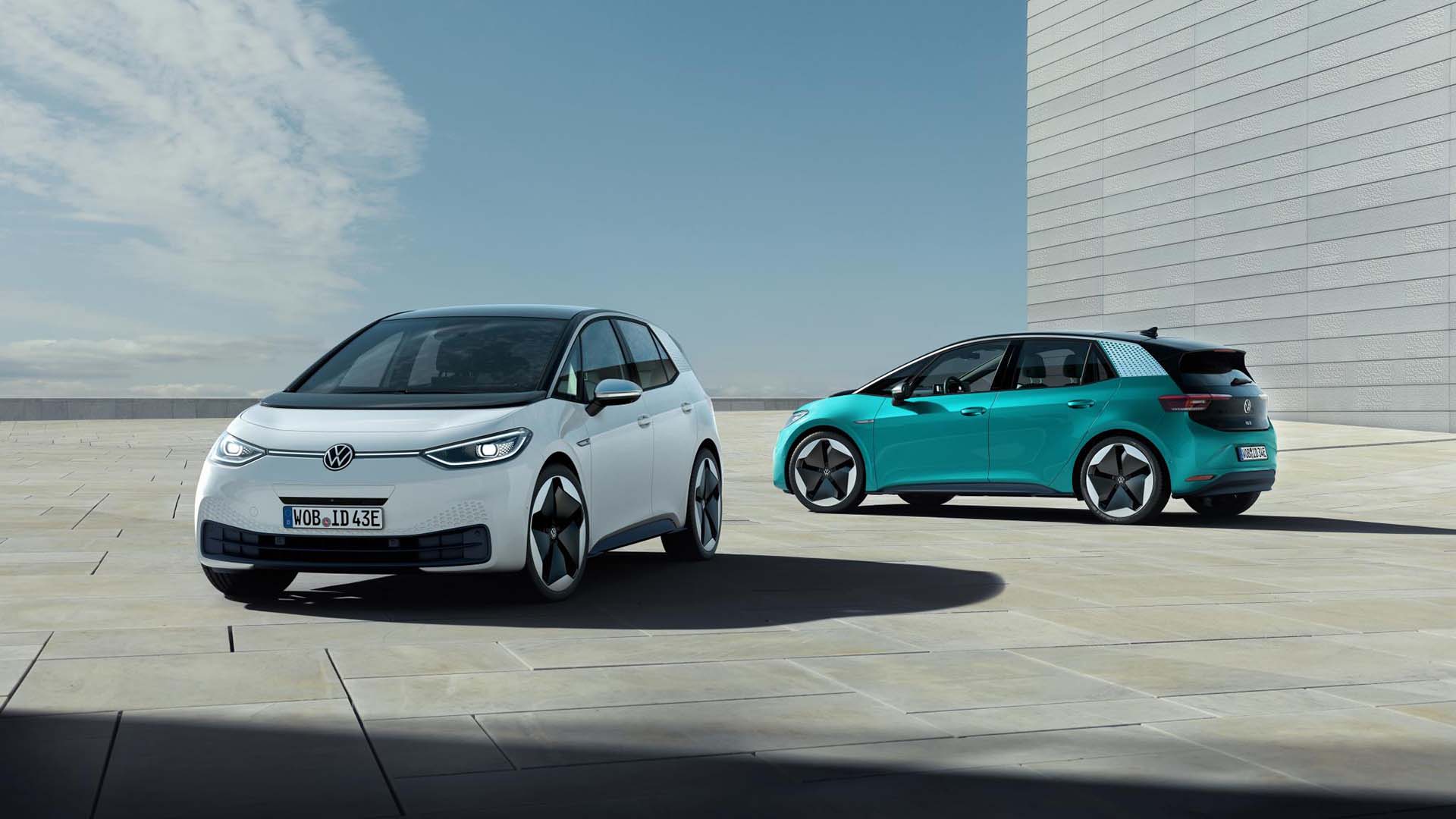
Although Volkswagen finished the year in ninth place, we’d expect the company to climb the table over the next couple of years. The ID.3 has the potential to thrust the EV into the mainstream and it will be followed by the ID.4 SUV. You can also buy an electric version of the Up, which is an affordable way to see if electric motoring works for you. CO2 emissions are up 2g/km.
8. Suzuki – 120.6g/km CO2
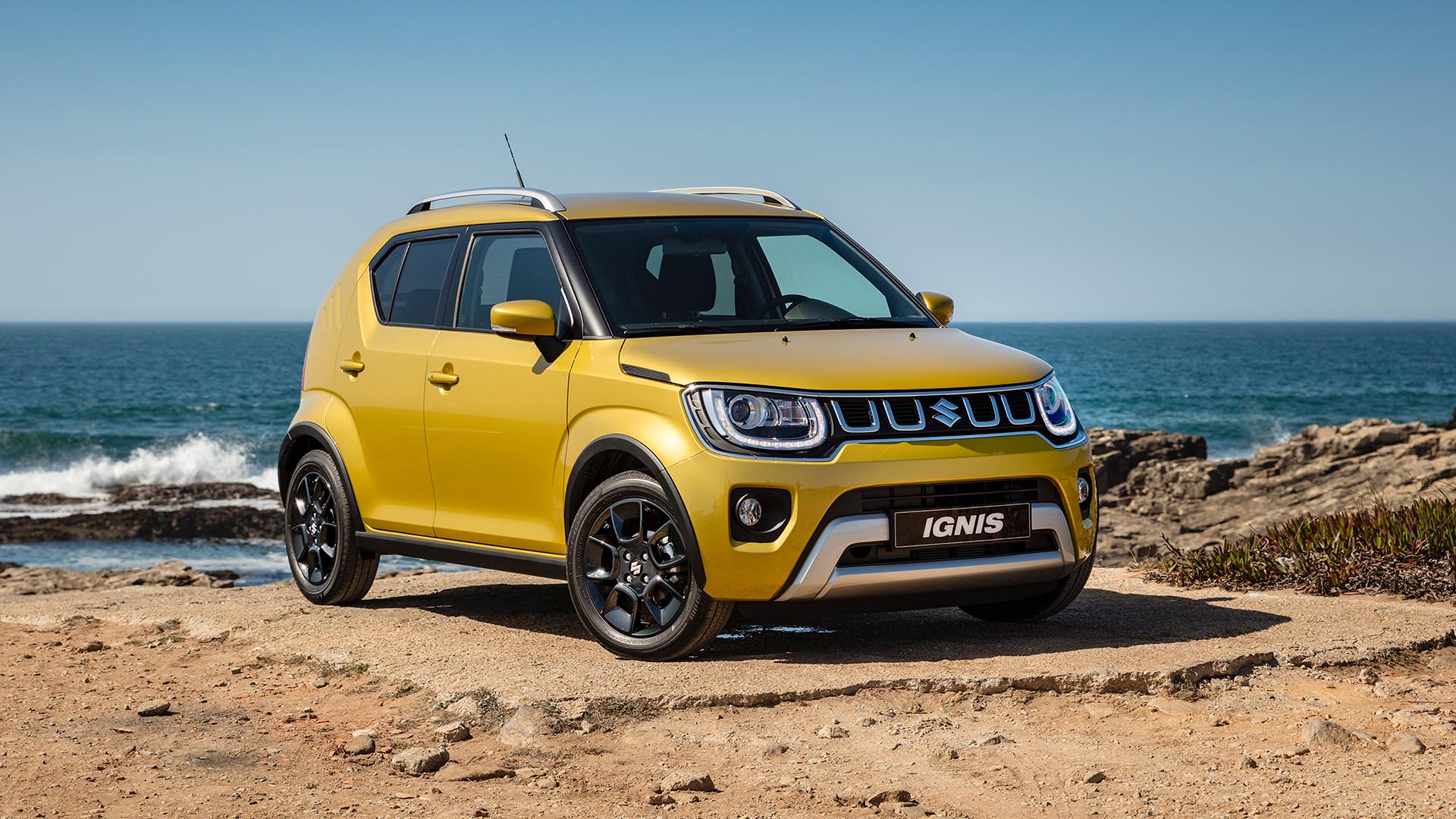
Thanks to EU regulations, each manufacturer must soon achieve an average of 95g/km CO2 across its entire range, which poses a problem for Suzuki. It’s why the Jimny, which emits at least 154g/km CO2, is under threat. A new Ignis is on the way, but although it will offer a slight improvement in emissions, it won’t be enough to offset the Jimny. Average CO2 emissions are up 6.3g/km.
7. Seat – 118.1g/km CO2
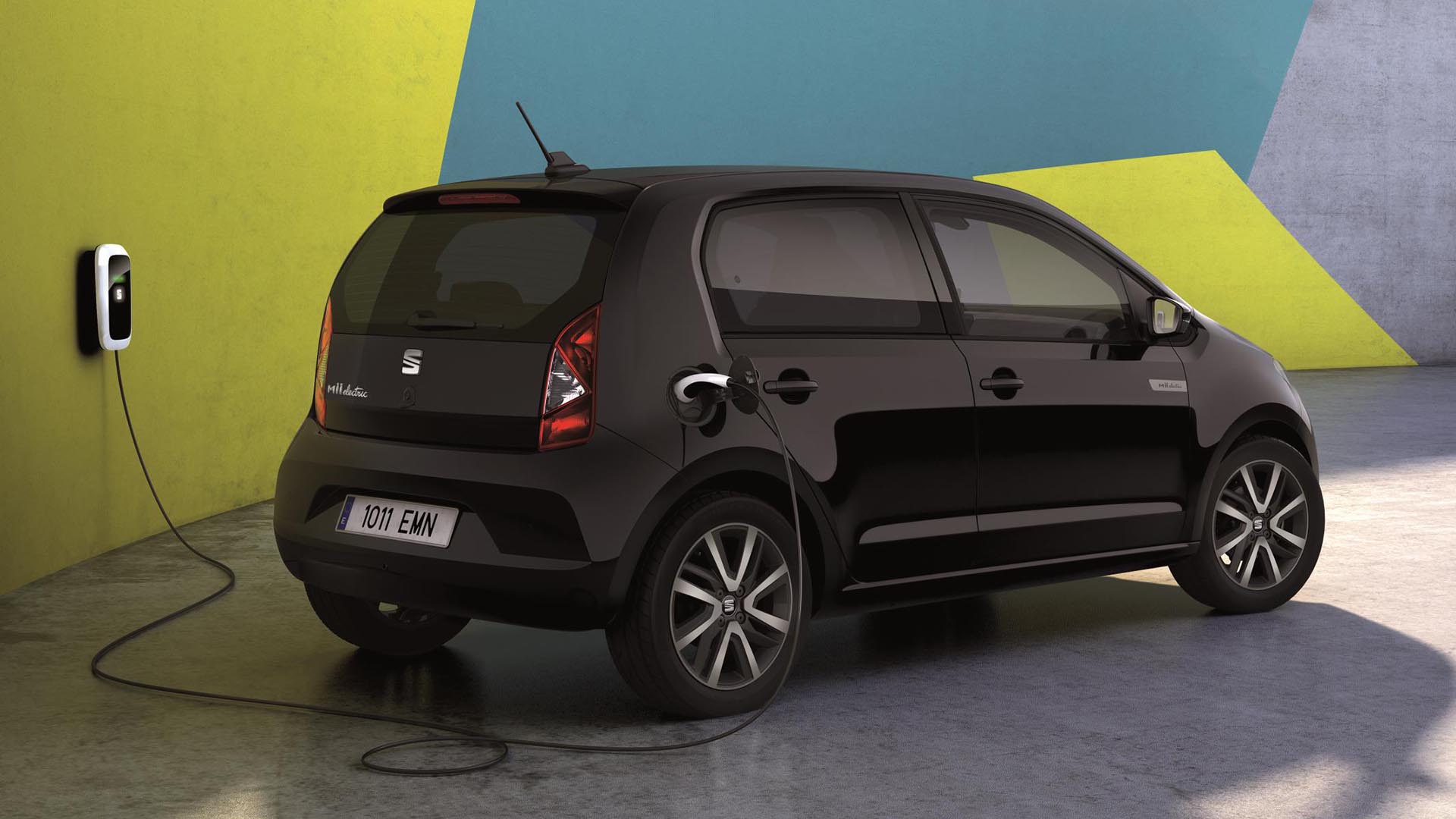
Seat is the first company on the list to break the 120g/km barrier. The Spanish arm of Volkswagen offers a range of excellent SUVs, and the success of these vehicles has resulted in a small increase in CO2 emissions. The launch of the Mii Electric will help, as will the new El-Born electric car.
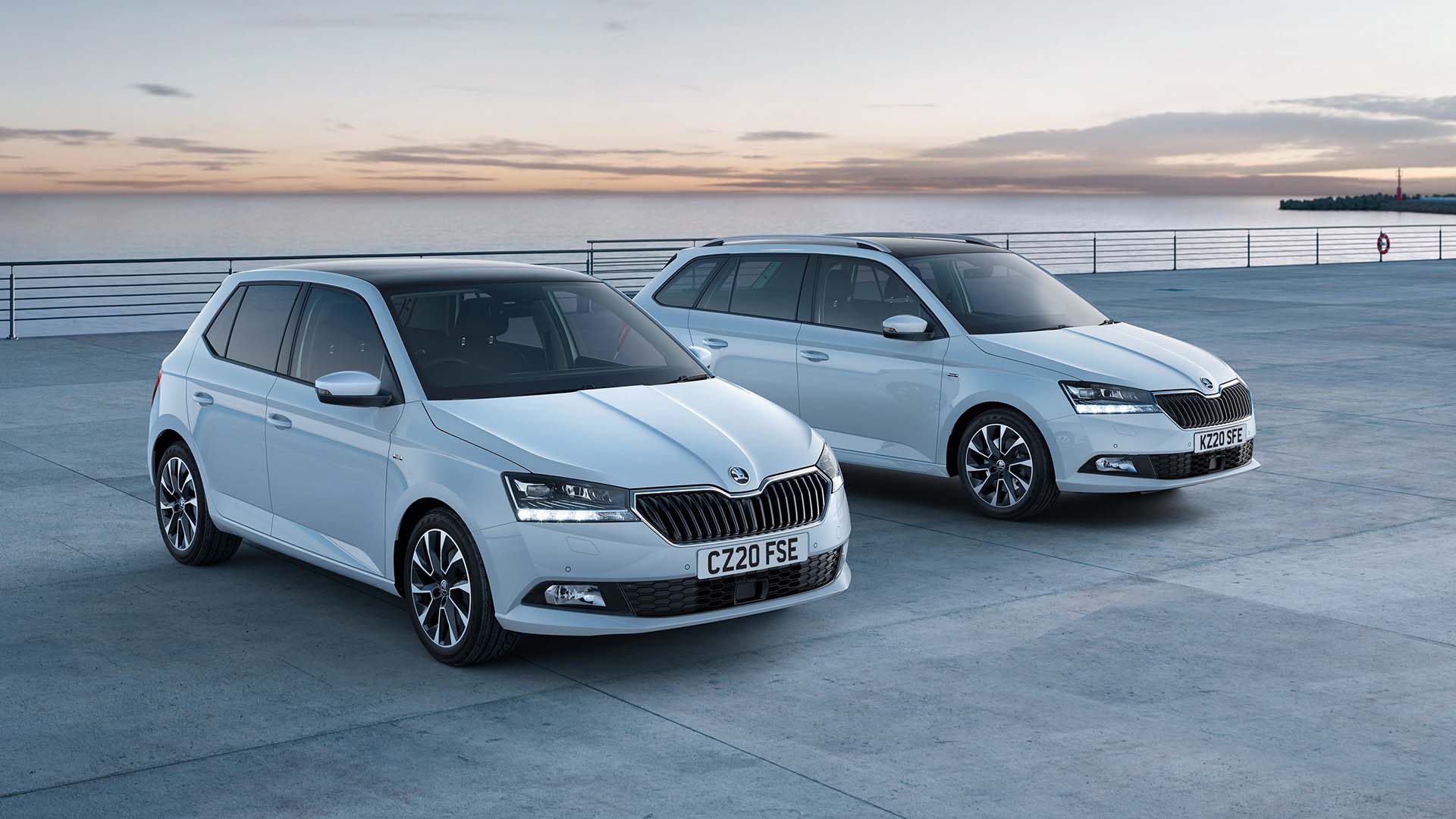
6. Skoda – 118.1g/km CO2
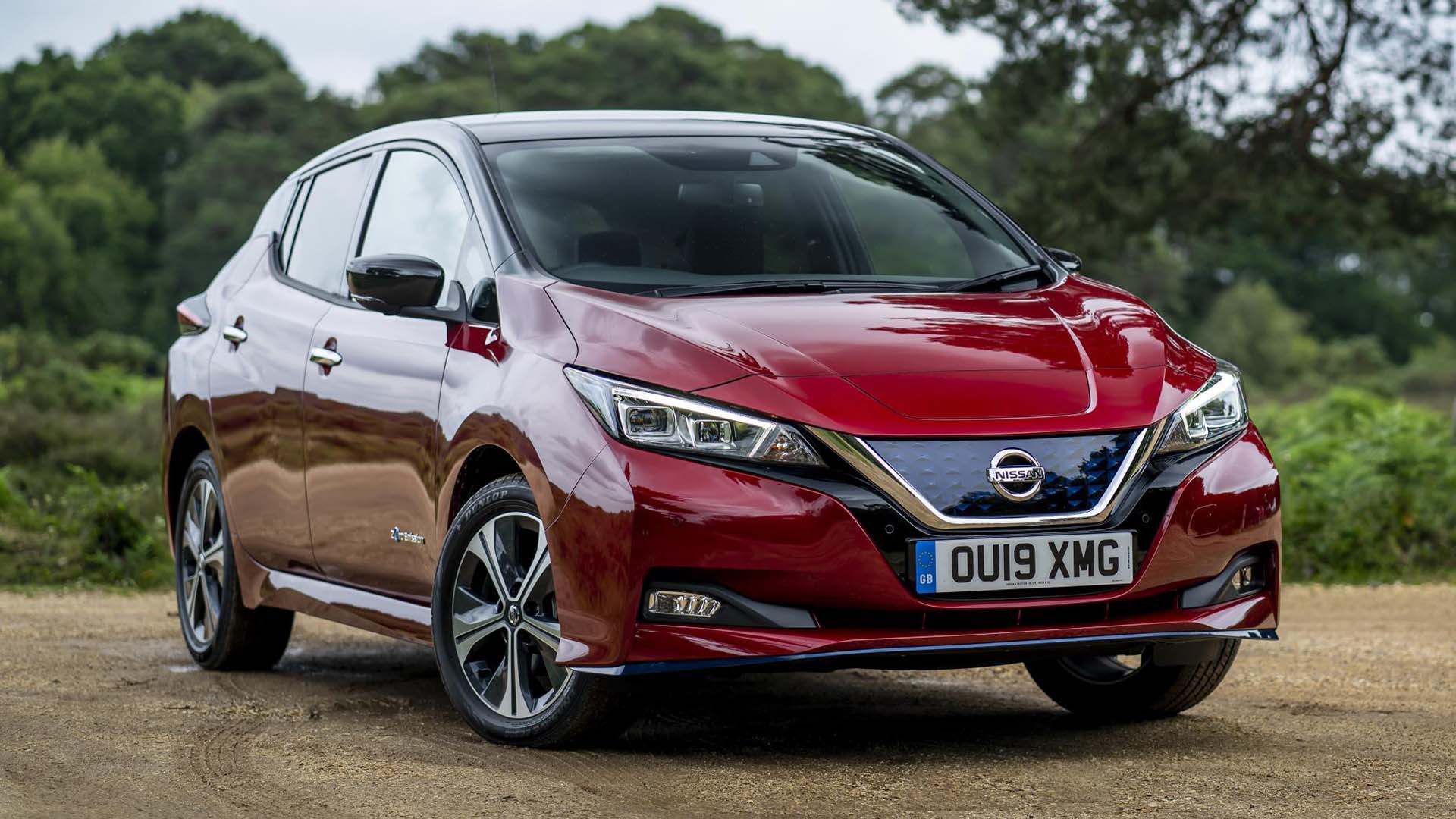
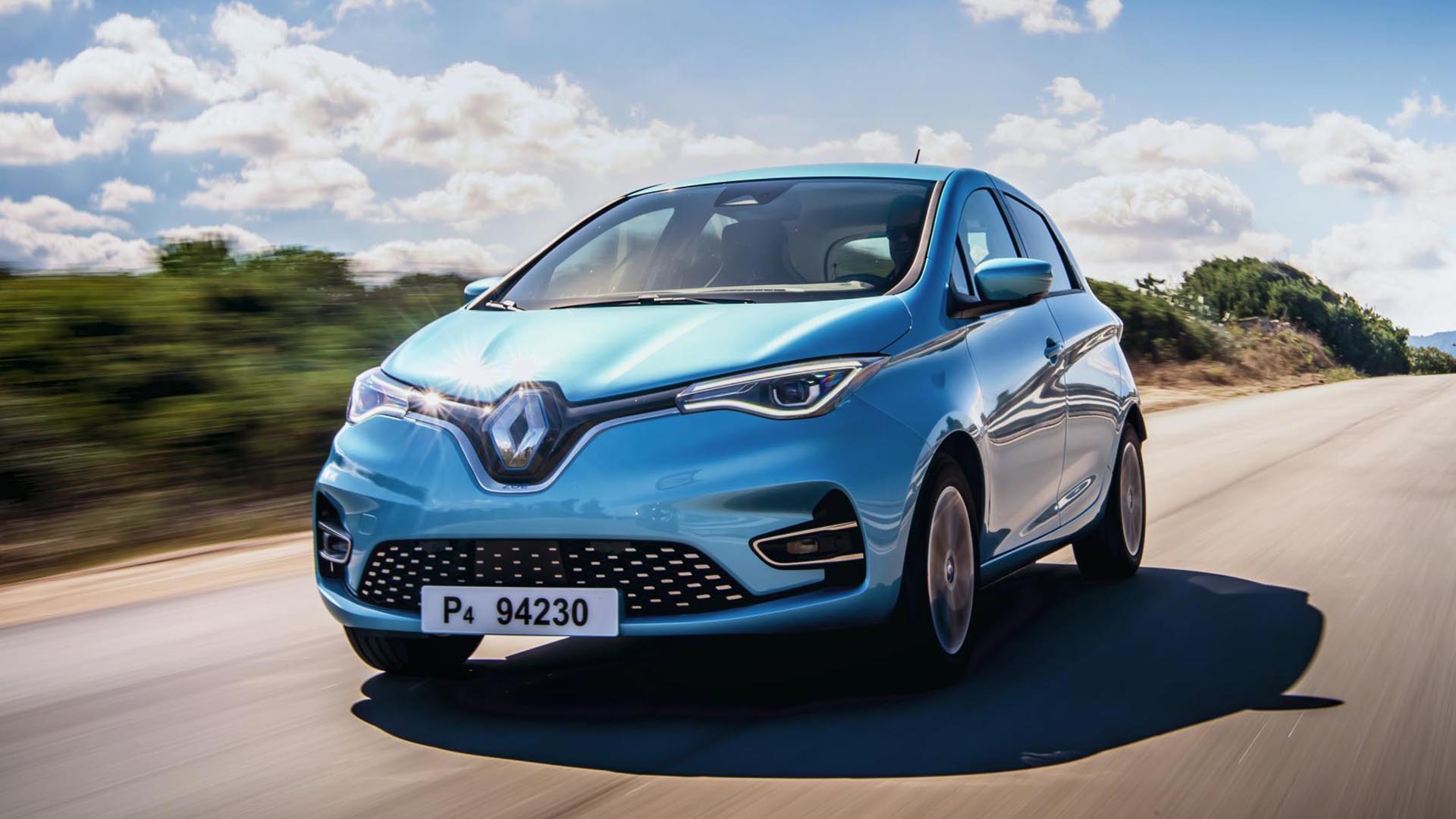
Figures from Jato Dynamics show that pure electric cars have a two percent market share in France – the highest share among the five major markets. The success of the Renault Zoe has helped, while the arrival of the Peugeot e-208 will push things to the next level. Felipe Munoz said: “Neither the Germans nor the Italians offer pure electric subcompacts within their product line up. These cars can make a huge difference to consumer attitudes.”
5. Nissan – 115.4g/km CO2
The CO2 emissions of the 370Z and GT-R are offset by the Leaf, Micra and Juke. It’s also fair to say that the Qashqai and X-Trail are efficient members of their respective classes. That said, CO2 emissions are up 1.4g/km.
4. Renault – 113g/km CO2
It’s a similar story over at Renault, where CO2 emissions are up 3.4g/km. It just goes to prove that a Renault Zoe can only do so much, although an average of 113g/km is a good result for a volume brand.
3. Peugeot – 108.2g/km CO2
Peugeot’s CO2 figure is up 0.3g/km, but the arrival of the e-208 should help to reverse this in 2020. The company has also launched an electric version of its popular 2008 crossover, along with a hybrid version of the 508 executive car.
2. Citroen – 106.4g/km CO2
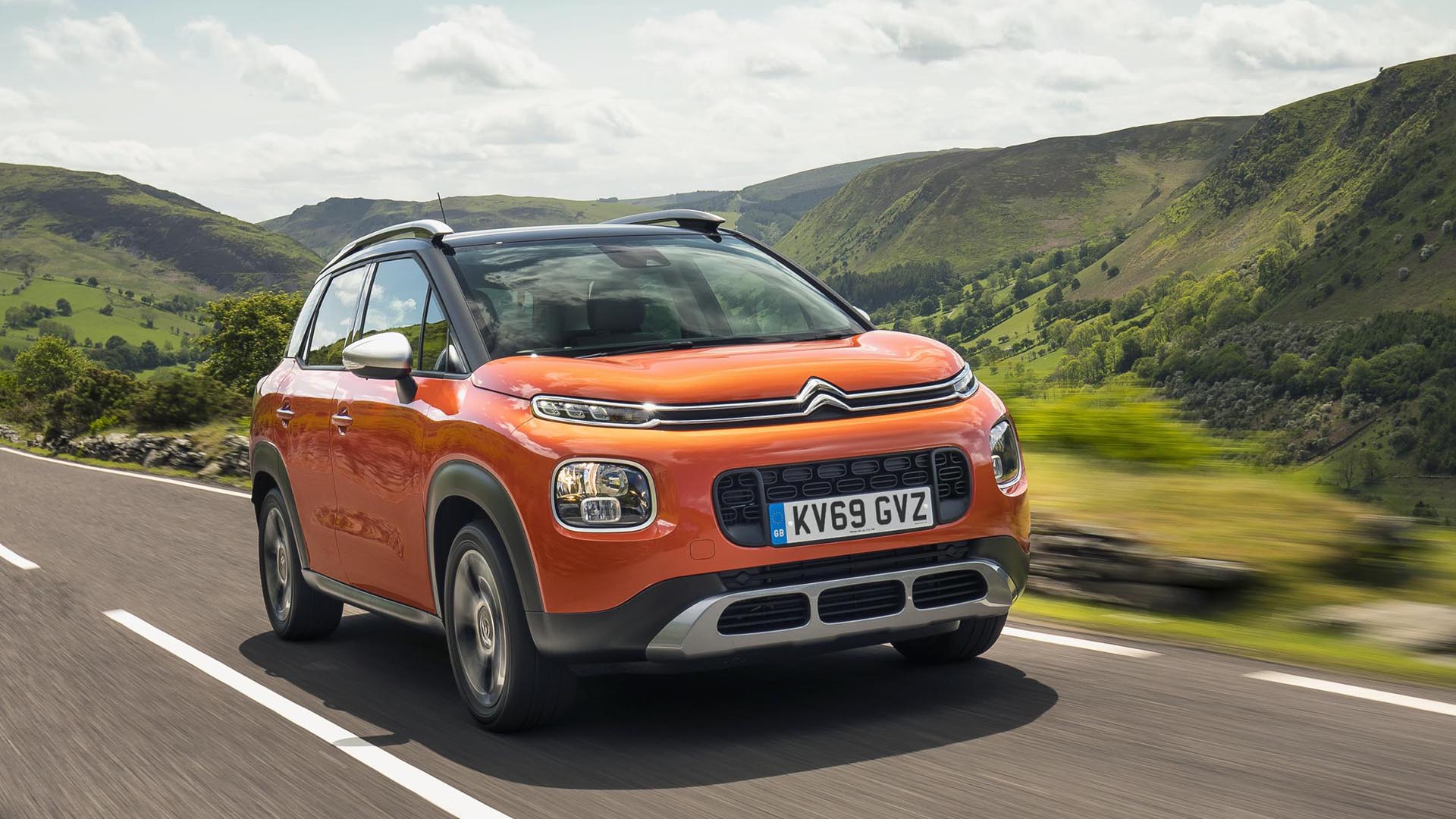
As pointed out by Jato Dynamics, the success of Citroen is noteworthy, as the 1.7g/km improvement was due to the efficiency of its petrol engines, rather than the adoption of electrified units. The C3 (-5.1g/km) and C3 Aircross (-4.5g/km) helped to offset the arrival of the C5 Aircross SUV.
1. Toyota – 97.5g/km CO2
Toyota holds its position as the top 20 best-selling company with the lowest CO2 emissions in Europe. The average fell by 2.3g/km. Felipe Munoz said: “Toyota is a pertinent case, particularly considering they don’t offer pure electric cars but are still ahead of their European peers who still have more electrification plans than actual products”.
A warning has come from the Petrol Retailers Association (PRA) regarding free-to-use ATMs at fuel stations. Sadly, they could soon be a thing of the past.
PRA members have told the association that ‘pay to use’ policies are being introduced, sometimes without prior warning. These cost users £1.99 for every cash withdrawal made.
The move is due to the decline of cash in monetary transactions, with just three out of 10 seeing paper and coins change hands. ATM operators, as a result, are ‘facing new economic realities’.
Consumer group Which? found that in the 129 postcodes with just one cashpoint, 84 charge a fee.
At present, there are around 3,750 ATMs at small fuel stations, with 67 percent being free to use. The PRA reckons that is about to fall dramatically, as fees paid to cash machine operators are cut.
Brian Madderson, Chairman of the PRA, has appealed to the Competition Markets Authority, as well as chancellor Rishi Sunak, regarding the issue of pay-to-use ATMs.
“ATM usage fees now pose a major concern for the UK economy, as access to cash – particularly amongst low-income households or those in rural areas – becomes ever more restricted,” said Madderson.
The ultimate guide to finding cheaper fuel
Auto Trader saw ‘all-time record‘ car buying interest in January
It’s worth noting that ATMs at busy sites like supermarkets are less likely to succumb to charging fees. There is, therefore, an inequality, especially for urban versus rural consumers. Madderson highlights this in his letter to the chancellor, saying “we want equality and a uniform price for all withdrawals”.
“There should not be one rule for big business and another for smaller operators. There is a cost to providing this service and so if ATMs must have a transaction fee, then it should be the same for all machines.”
Swedish hypercars and a barrage of new EVs not your thing? Is Geneva virtual reveal fatigue setting in? Here’s some welcome respite.
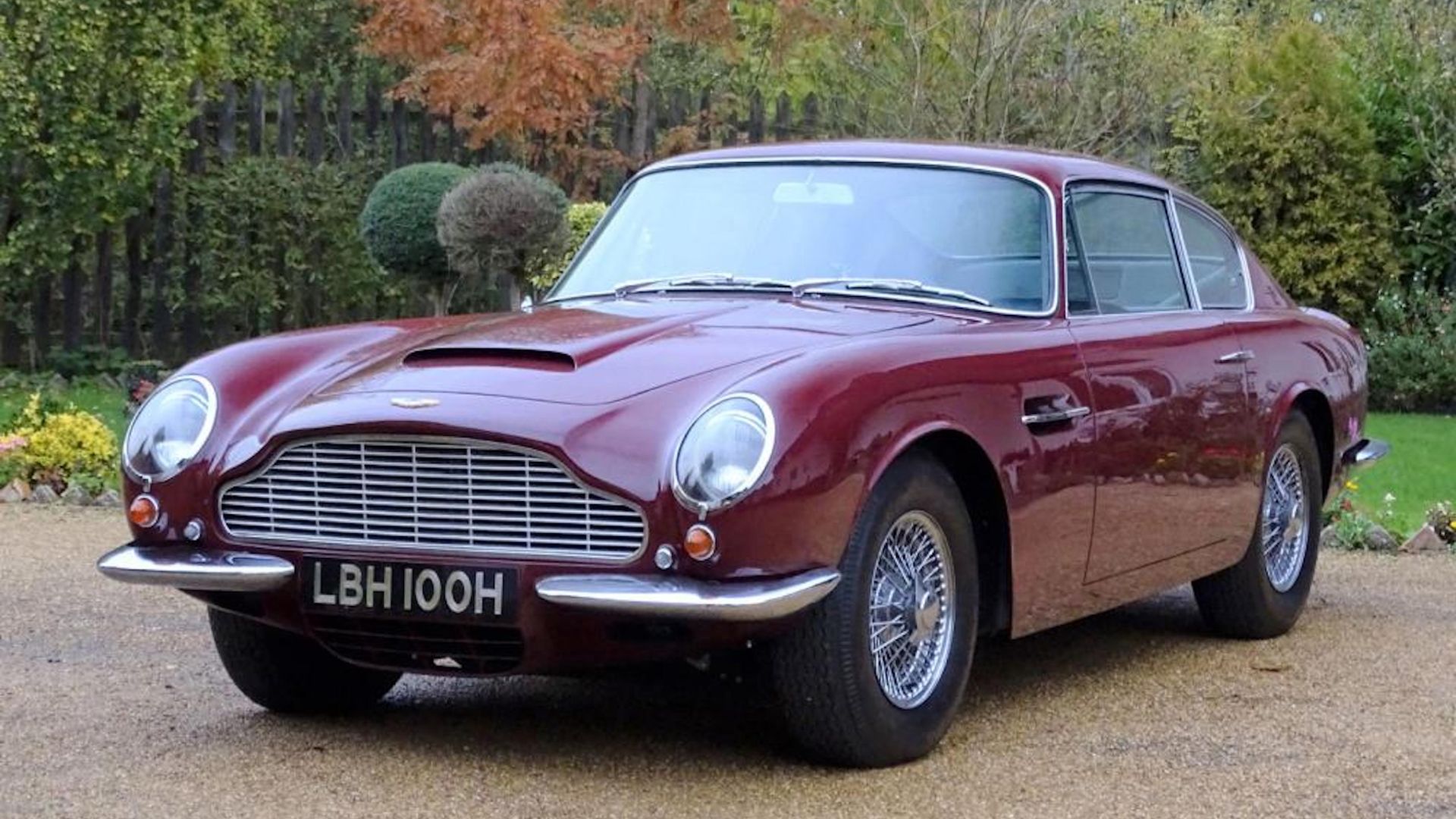
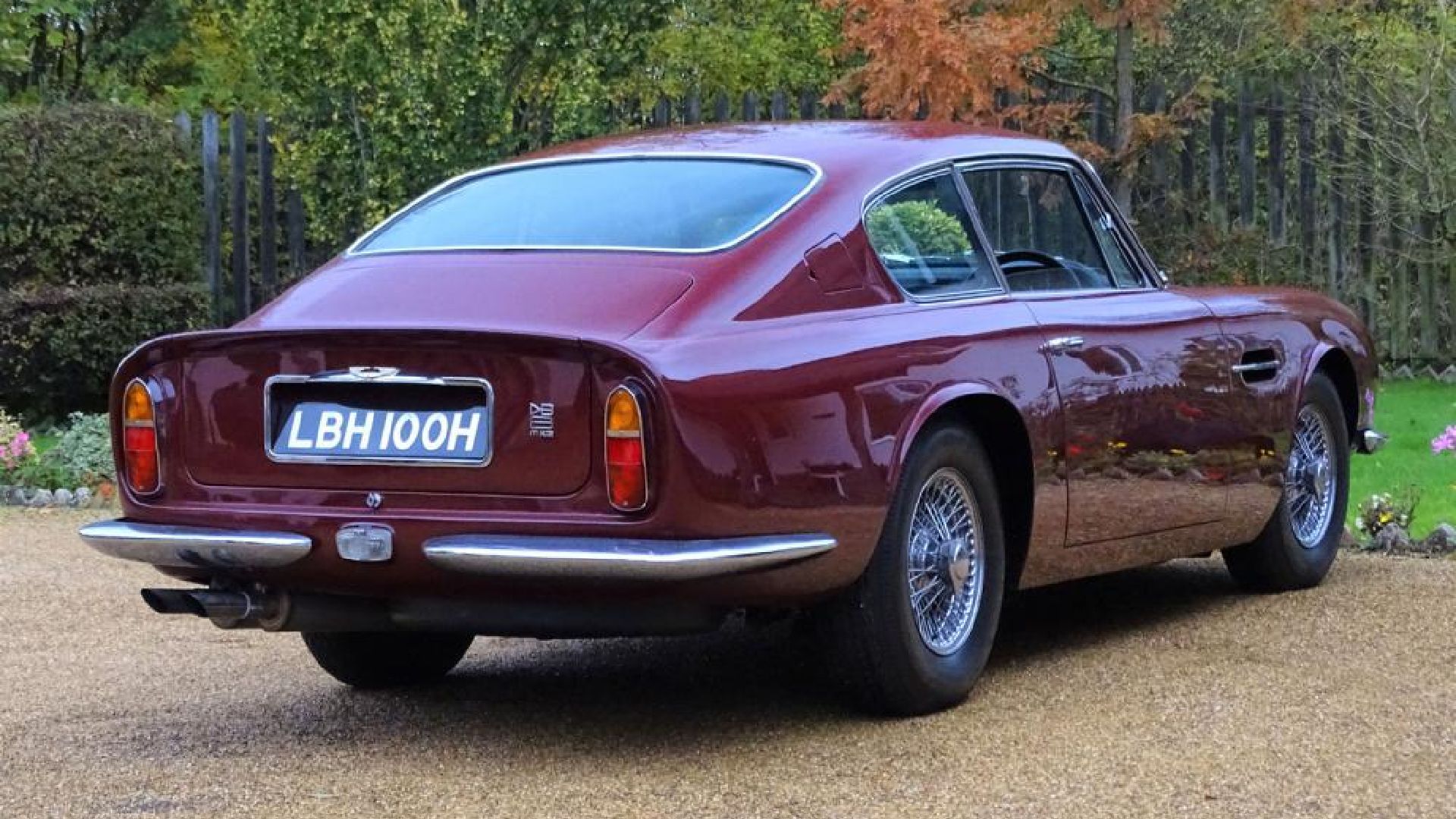
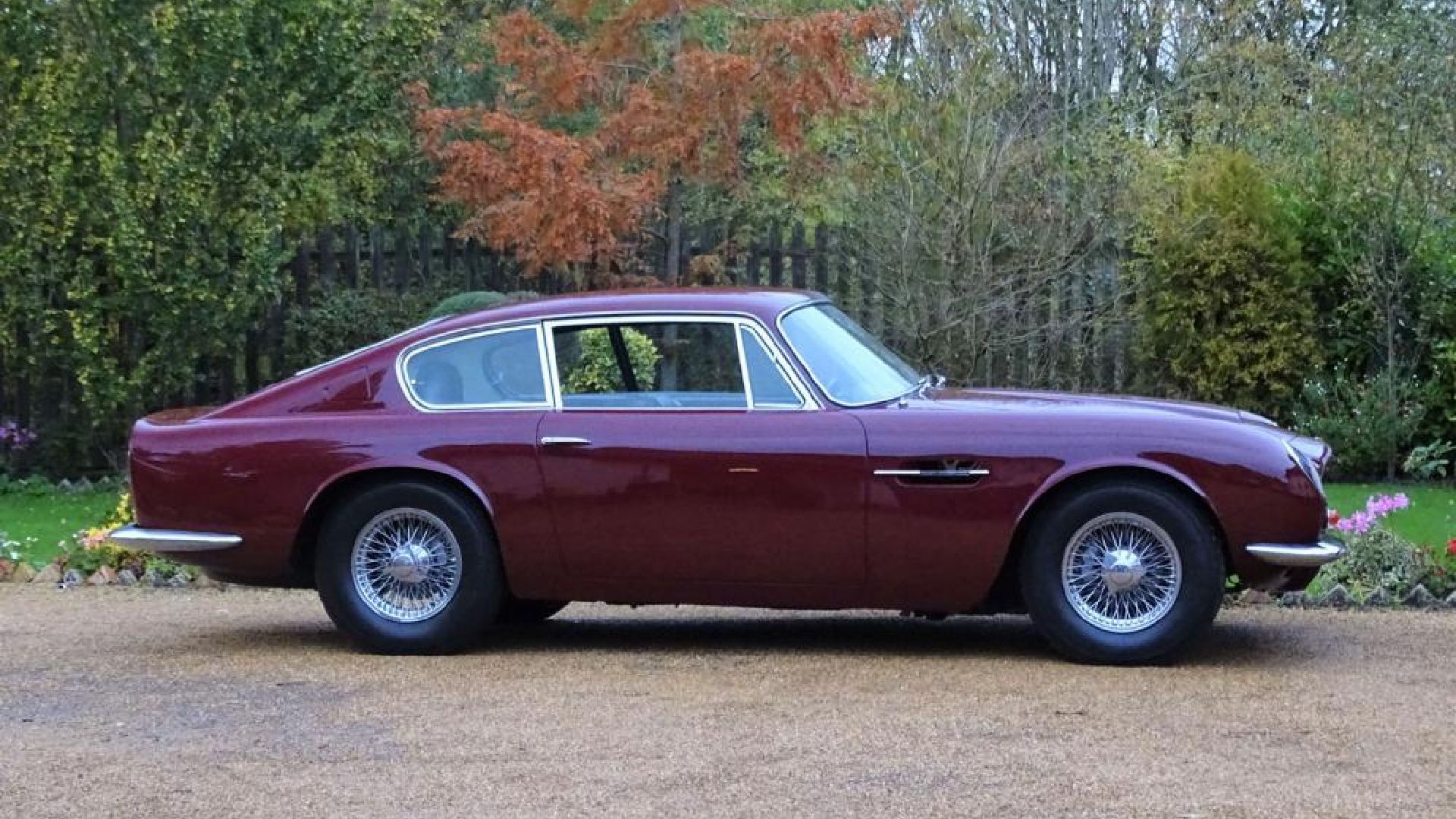
It’s an Aston Martin DB6 Vantage, once used regularly by Prince Charles when his Aston was being repaired. And it’s for sale.
The 1969 example was likely the courtesy wheels for the future king when his DB6 Volante was off the road. That car most recently served as wedding wheels for William and Kate.
This DB6 is what the Aston Martin Heritage Trust calls a ‘Works Demo’. At least, that’s what the green book entry for chassis 4107/R says.
“It’s common to see ‘BH’ number plates on Works cars,” said the AM Heritage Trust registrar, Tim Cottingham.
“So it’s possible even probable that HRH would have driven the car at some point. You would never find proof, but it’s believable I would say.”
In period, the car made the rounds. In addition to its likely royal duties, it was a star of the marque’s press photography. With a Vantage engine and a five-speed gearbox, it spent a year working hard at HQ, in the service of celebrities, royals and the company itself.
Now, it’s been in the same family ownership since 1975, and its odometer currently shows 83,400 miles. It’s covered just 600 miles since a full restoration in the early 2000s, however.
That included a bodywork refurb, a respray in original Dubonnet Rosso, plus the installation of a handling kit. The engine was also overhauled, with the triple SU carbs refreshed and displacement enlarged to 4.2 litres.
So perhaps this Aston is a classic with the best of both worlds. A good bit of history accompanies a well-used car that’s not museum piece, but in good order and ready to be enjoyed.
Of course, being a Vantage, it would be an appropriate purchase in this, the 70th year since Aston first used the Vantage name.
The price? H&H Classics estimates it will make between £260,000 and £300,000 when offered for sale at the Imperial War Museum on March 18 2020.
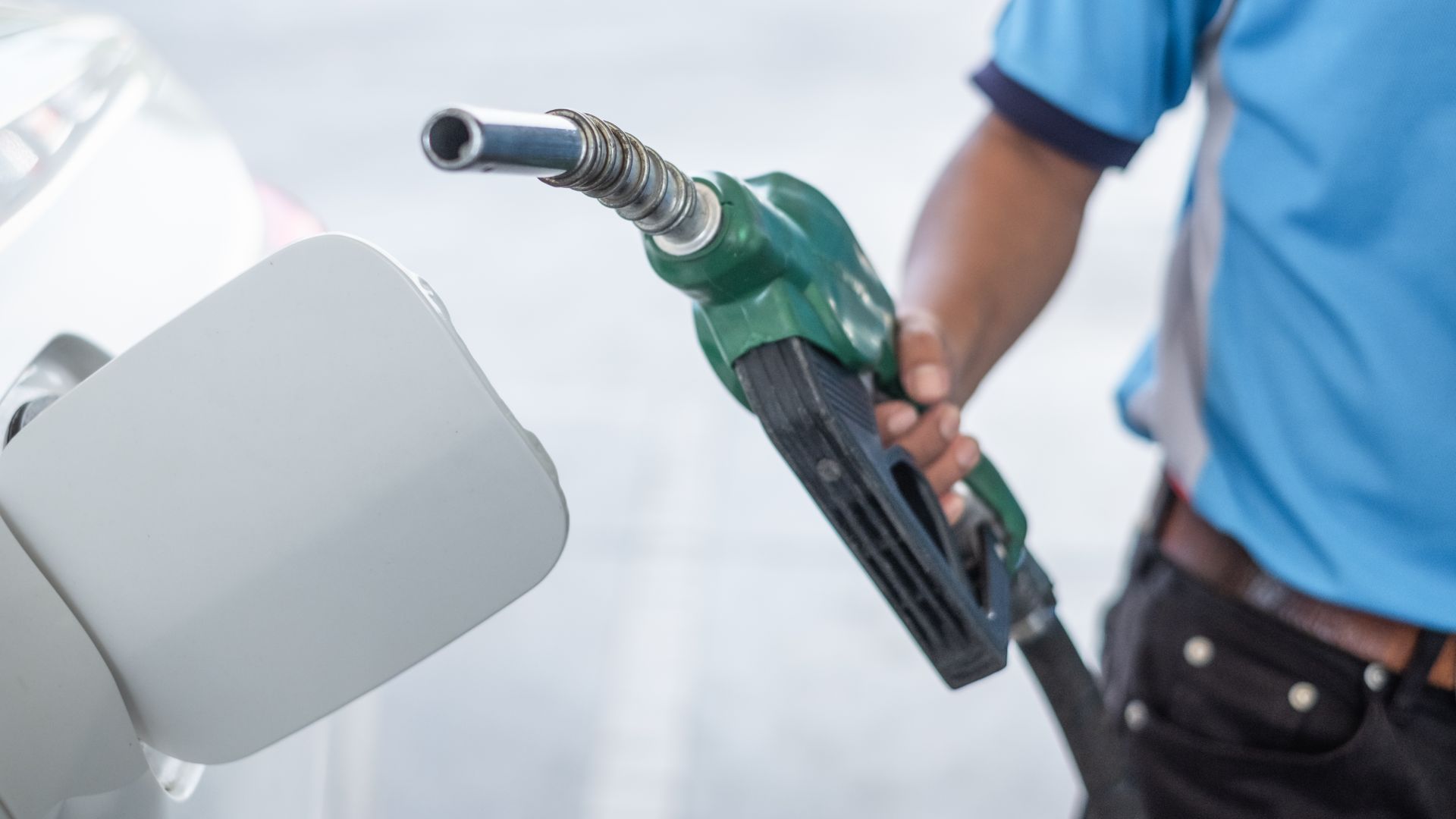
Petrol and diesel have been renamed at filling station pumps. You’ll now find petrol labelled ‘E5’ and diesel labelled ‘B7’.
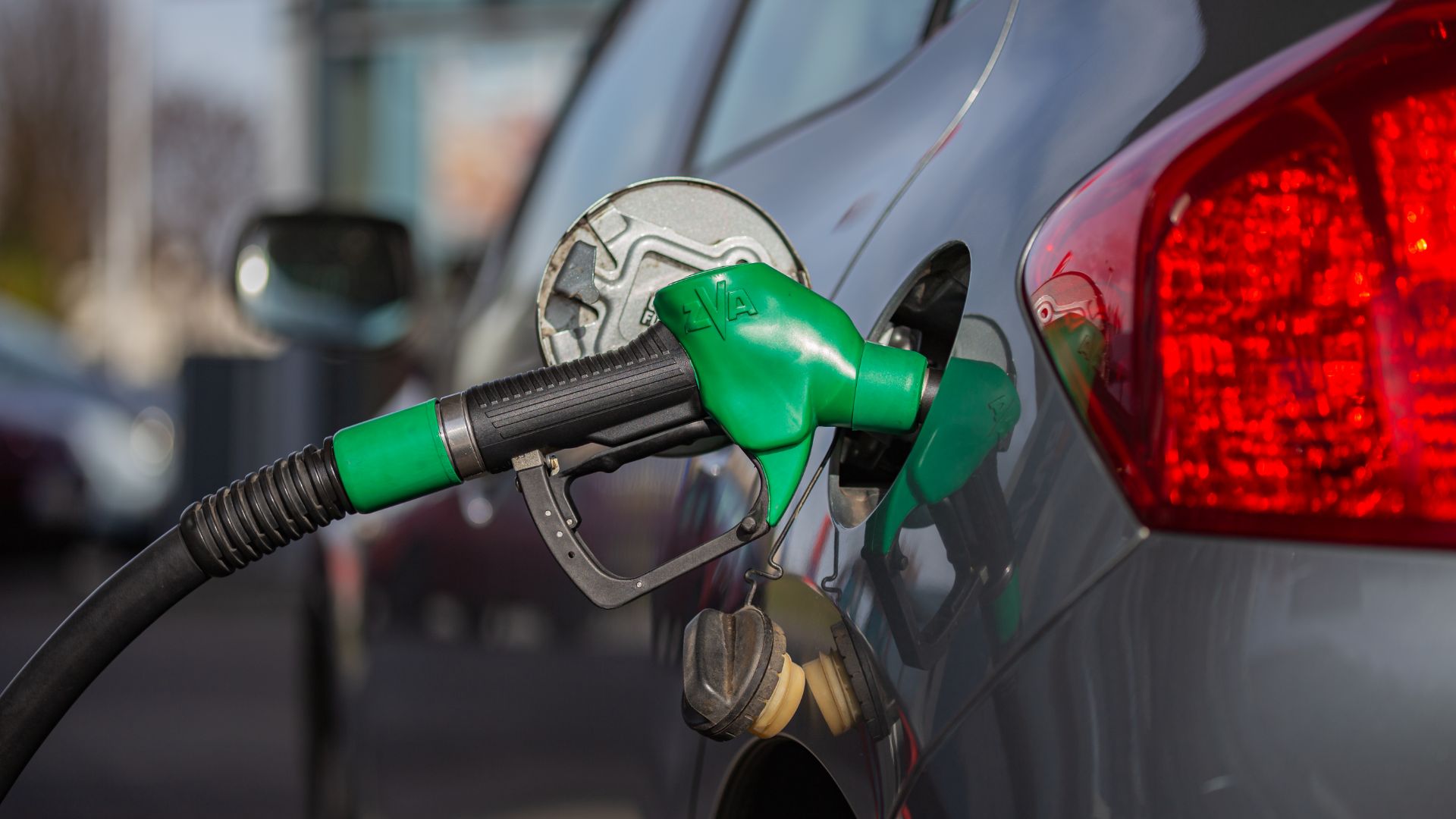
Fear not, though: it remains obvious exactly which is which: unleaded nozzles are green, diesel are black.
Pumps themselves (and other signage, including the all-important fuel price displays) keep the ‘unleaded’ and ‘diesel’ labels, too.
How to find the cheapest petrol and diesel near you
What are the new fuel labels?
What does it all mean? For petrol, E stands for ethanol, while 5 is a percentage, referring to how much of the ethanol is synthetic.
Similarly, in B7 diesel, the B stands for biodiesel and the 7 stands for the percentage of it that’s renewable.
In short, the letter refers to the renewable element of the fuel, and the number is the percentage of it.
The labels will be in their own distinct shapes, to avoid confusion. E5 will be circled, while B7 is in a square.
Why are renewable fuels added?
Aside from eco credentials, the addition of renewable fuels cuts carbon dioxide (CO2) production.
According to government figures, blending renewable fuels reduces CO2 emissions equivalent to taking a million cars off the road.
E10 and ‘no biodiesel’ – explained
You may also see E10 fuel, with a higher amount of renewable ethanol. It’s fine for any modern car, but we’d suggest you avoid putting it in your classic.
It can be bad for fuel tanks, lines and fuel containment/distribution equipment not originally designed for it.
The government says nearly all cars homologated since 2000 should be okay to fill with E10. Not that it matters much to us, given the UK hasn’t yet joined the USA, Europe and Australia in offering it.
If your car has a sticker saying ‘no biodiesel’, B7 is still fine. B7 is normal diesel. What you mustn’t fill up with are high biodiesel blends or 100 percent biodiesel.
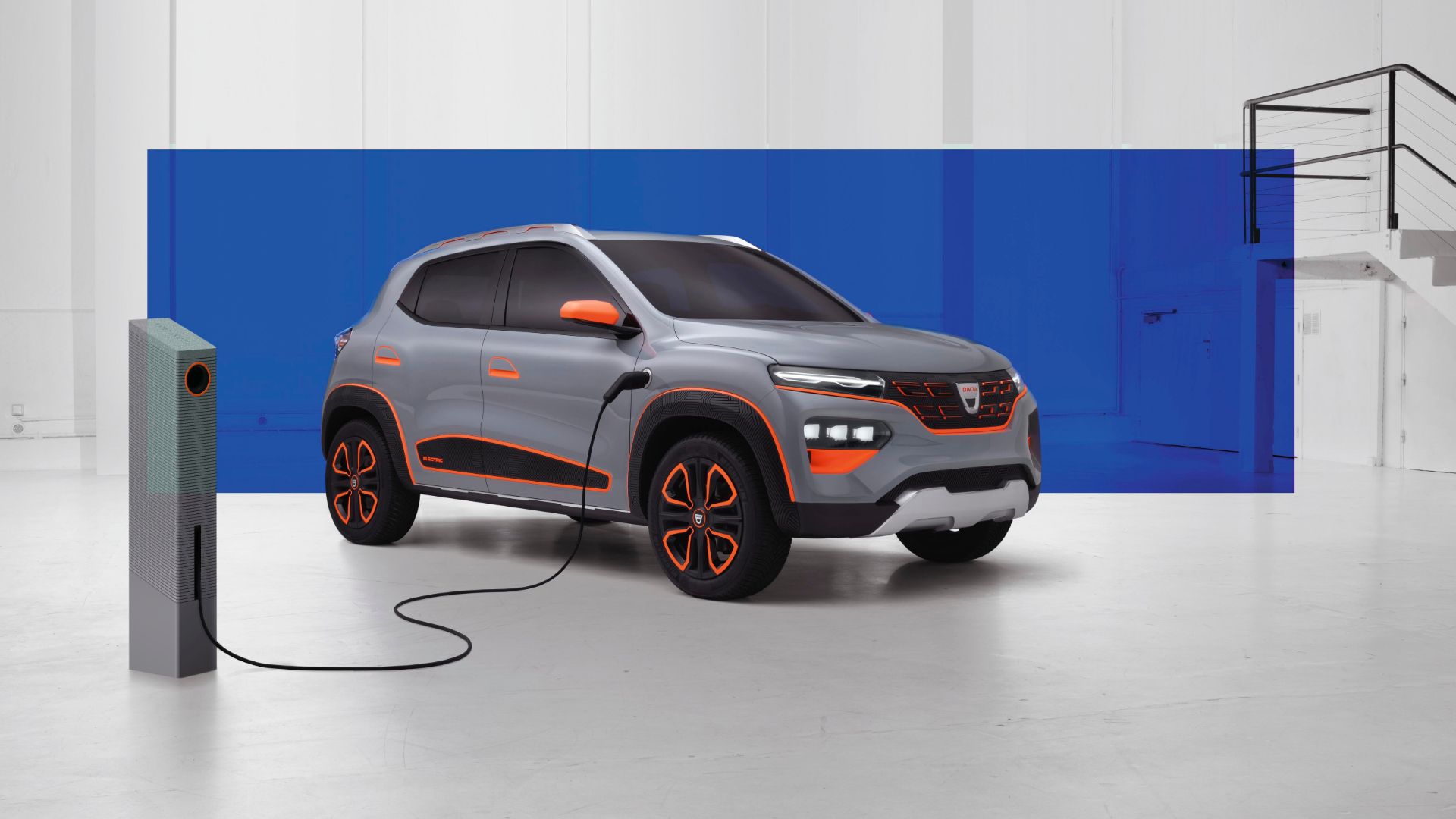
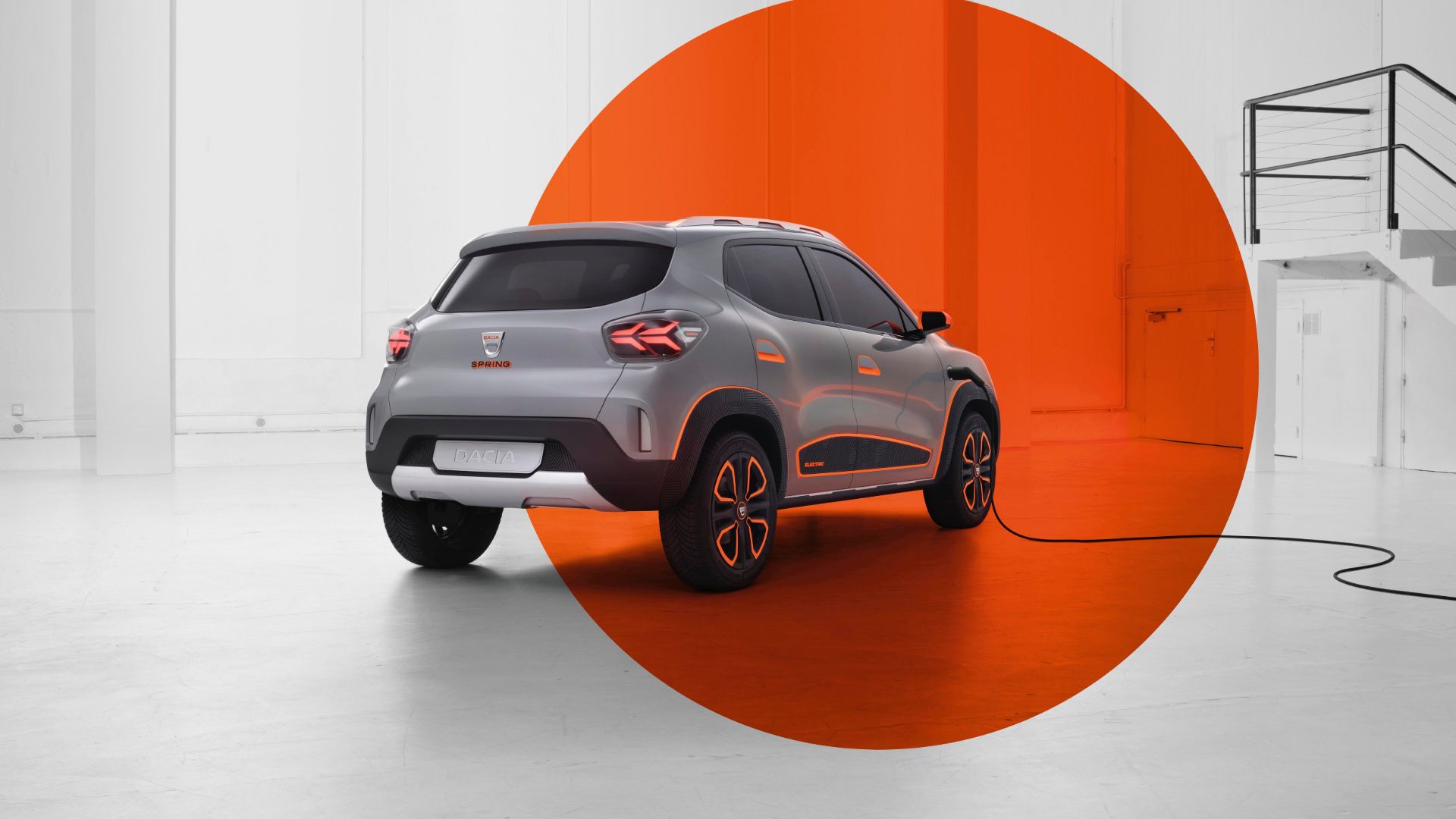
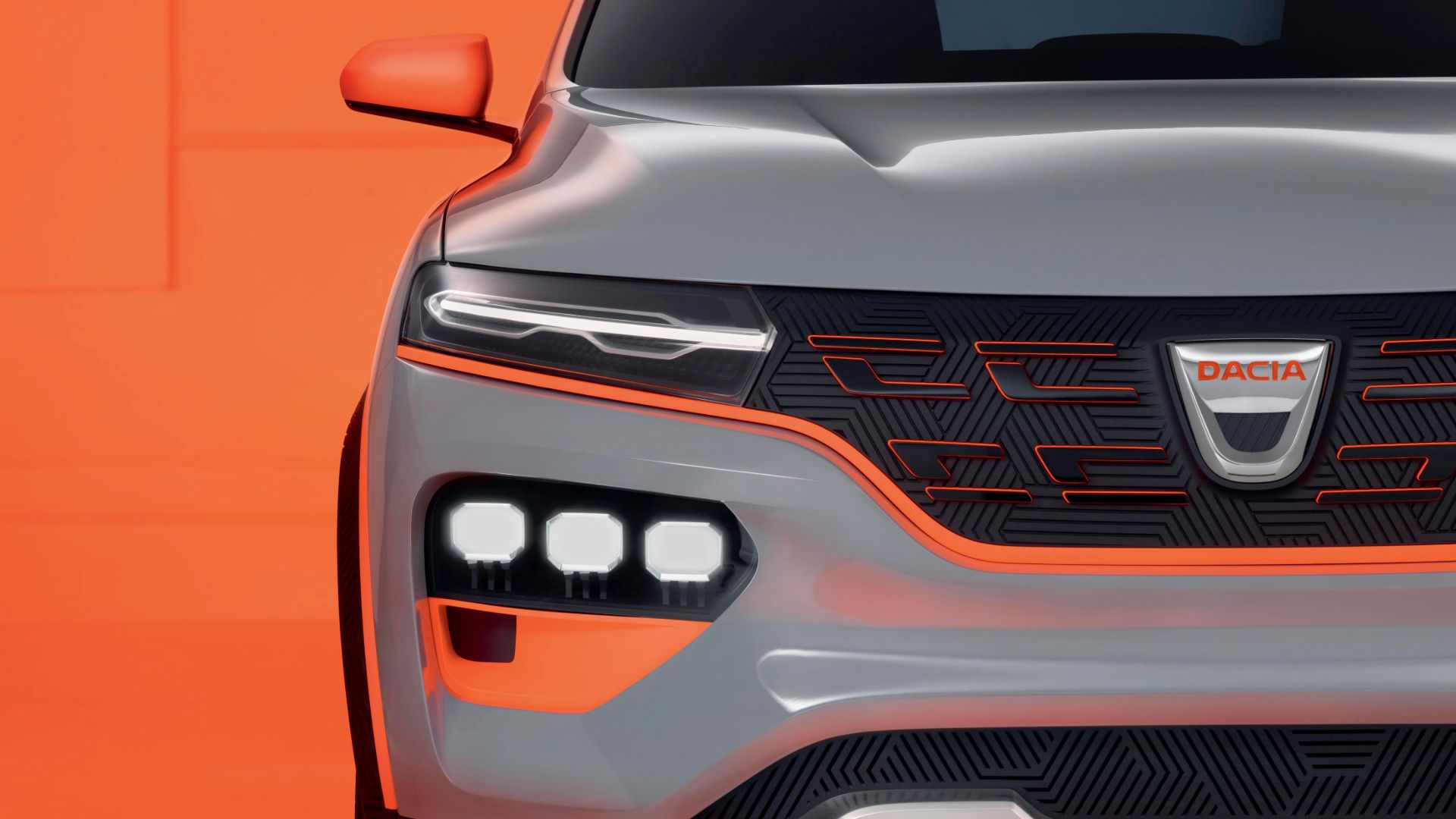
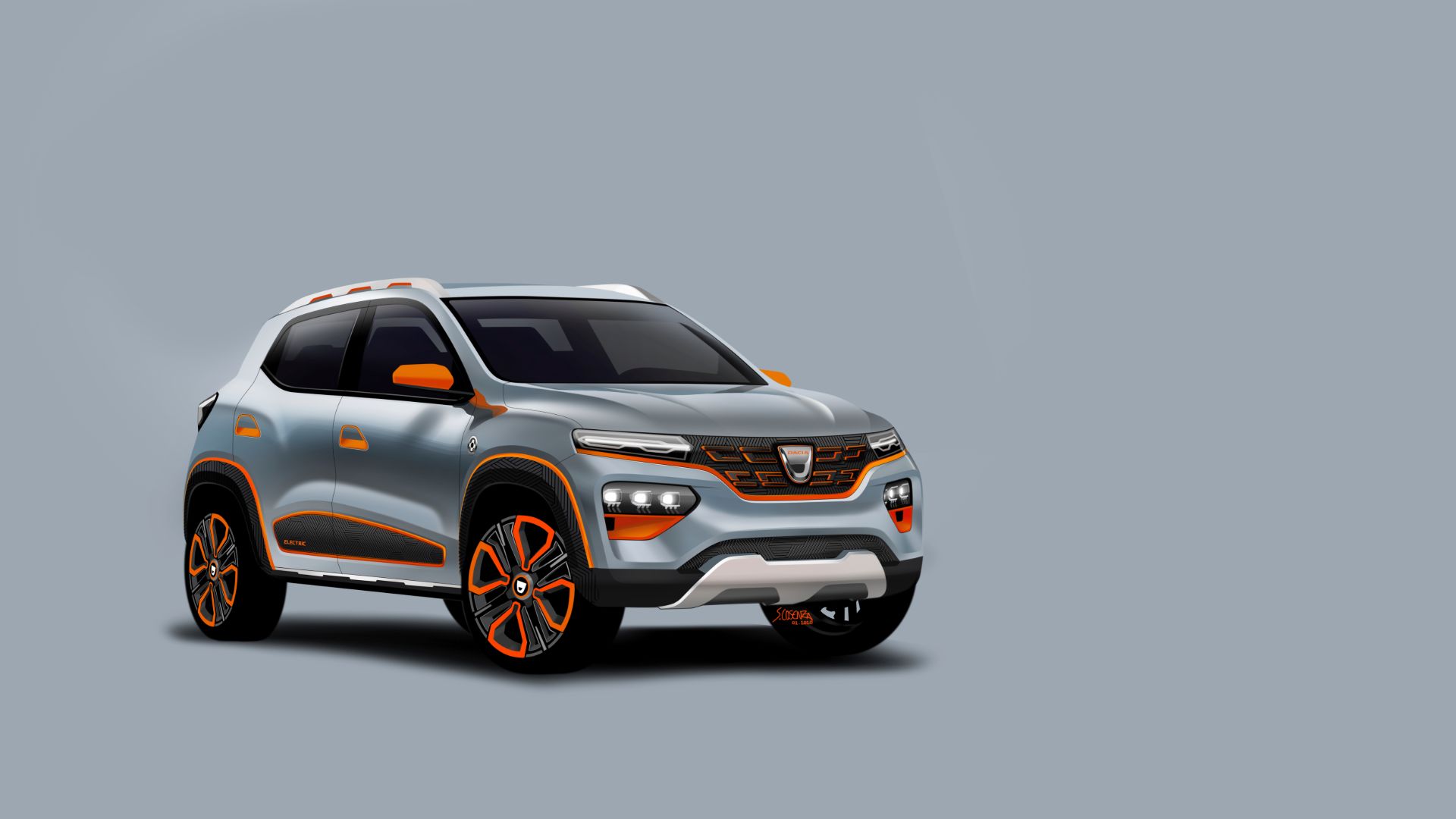
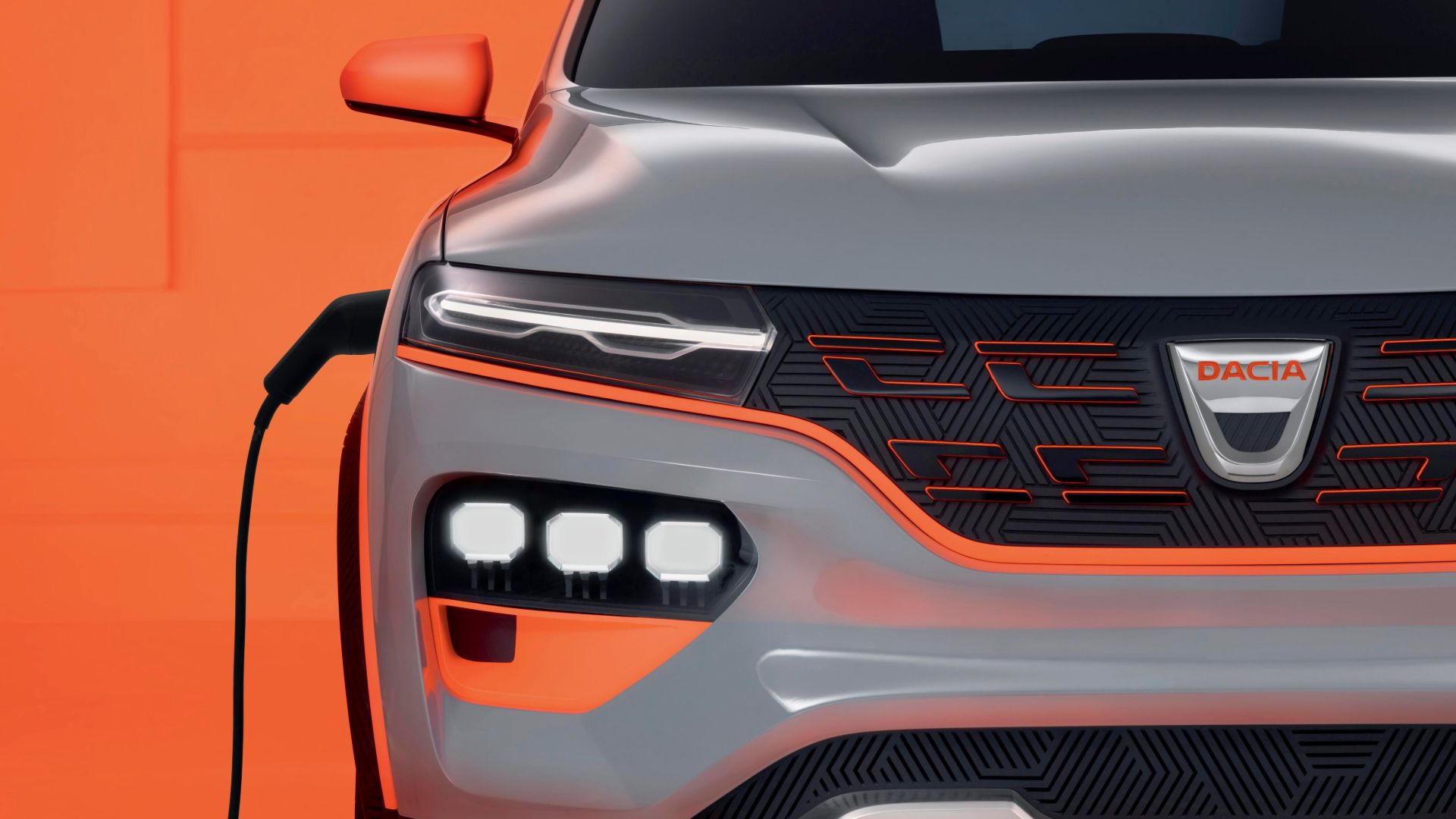
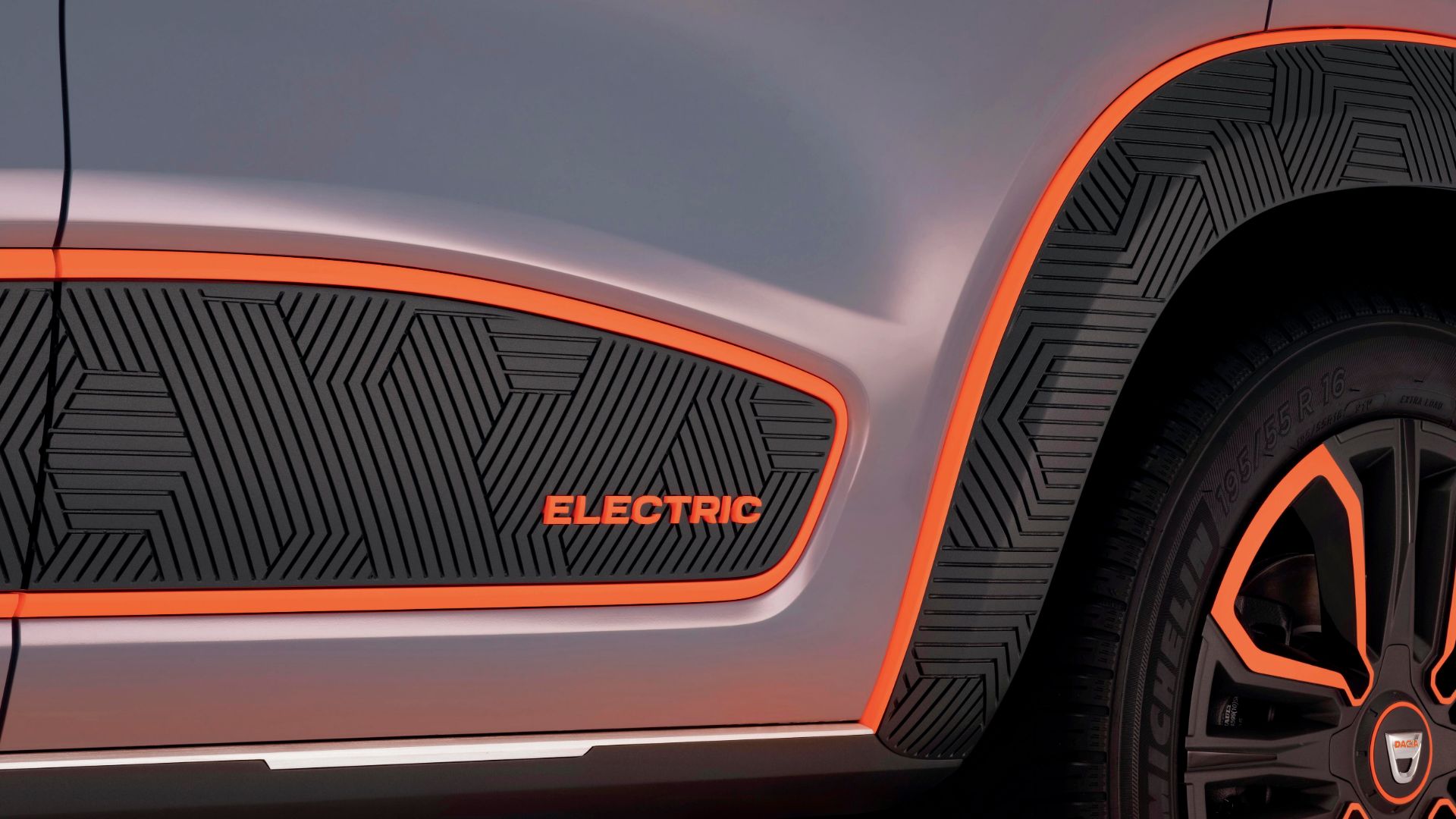
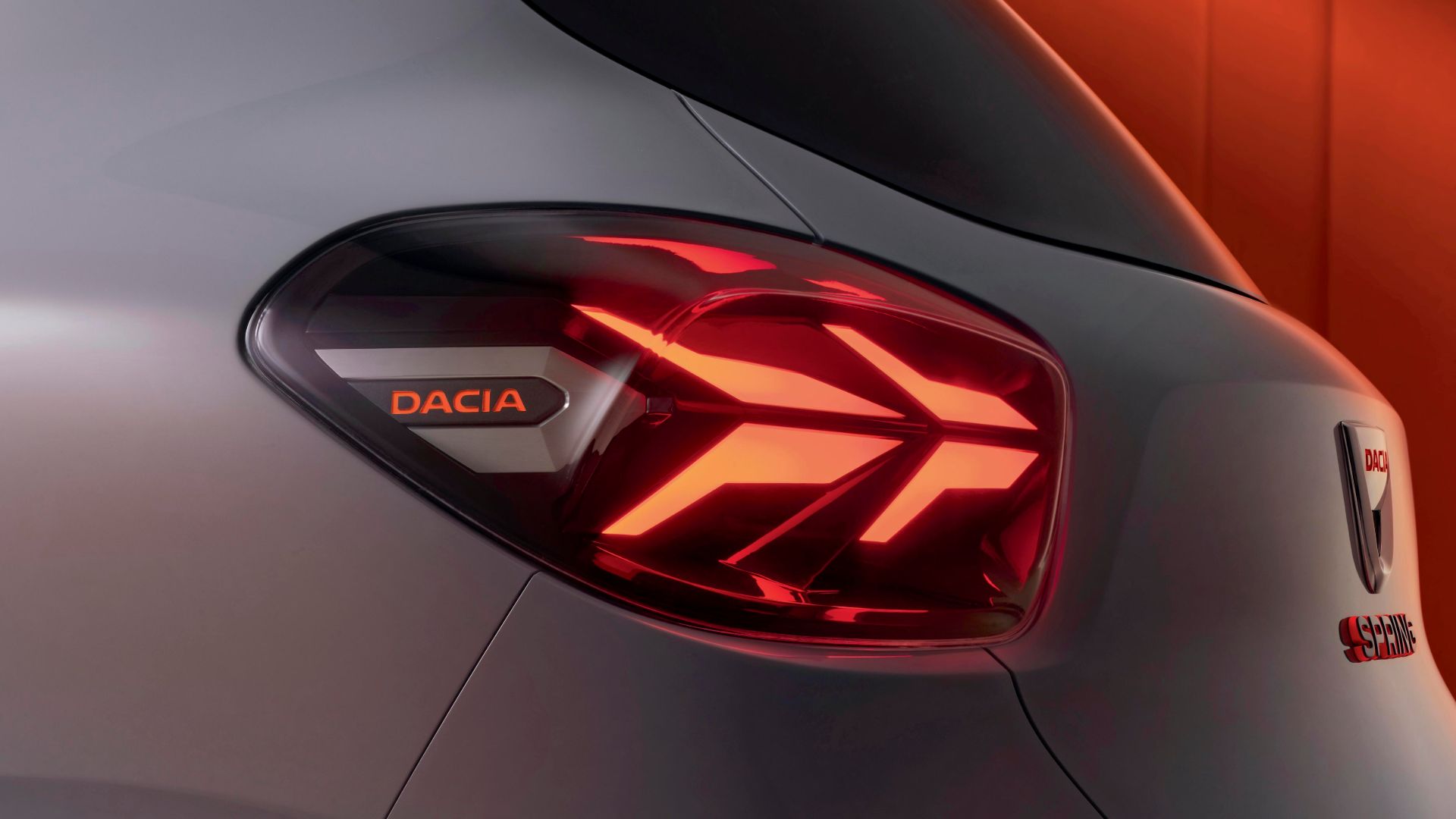
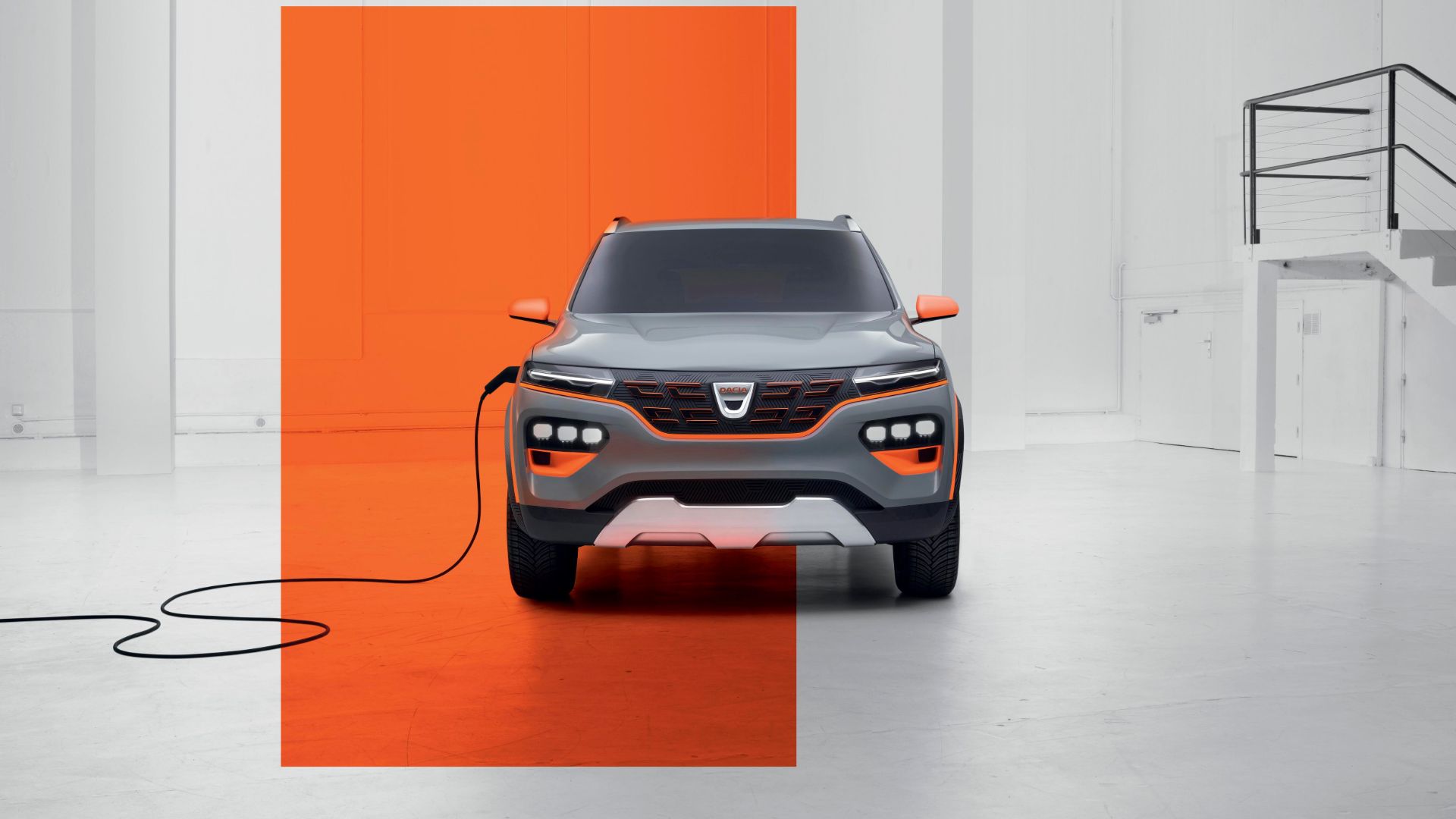
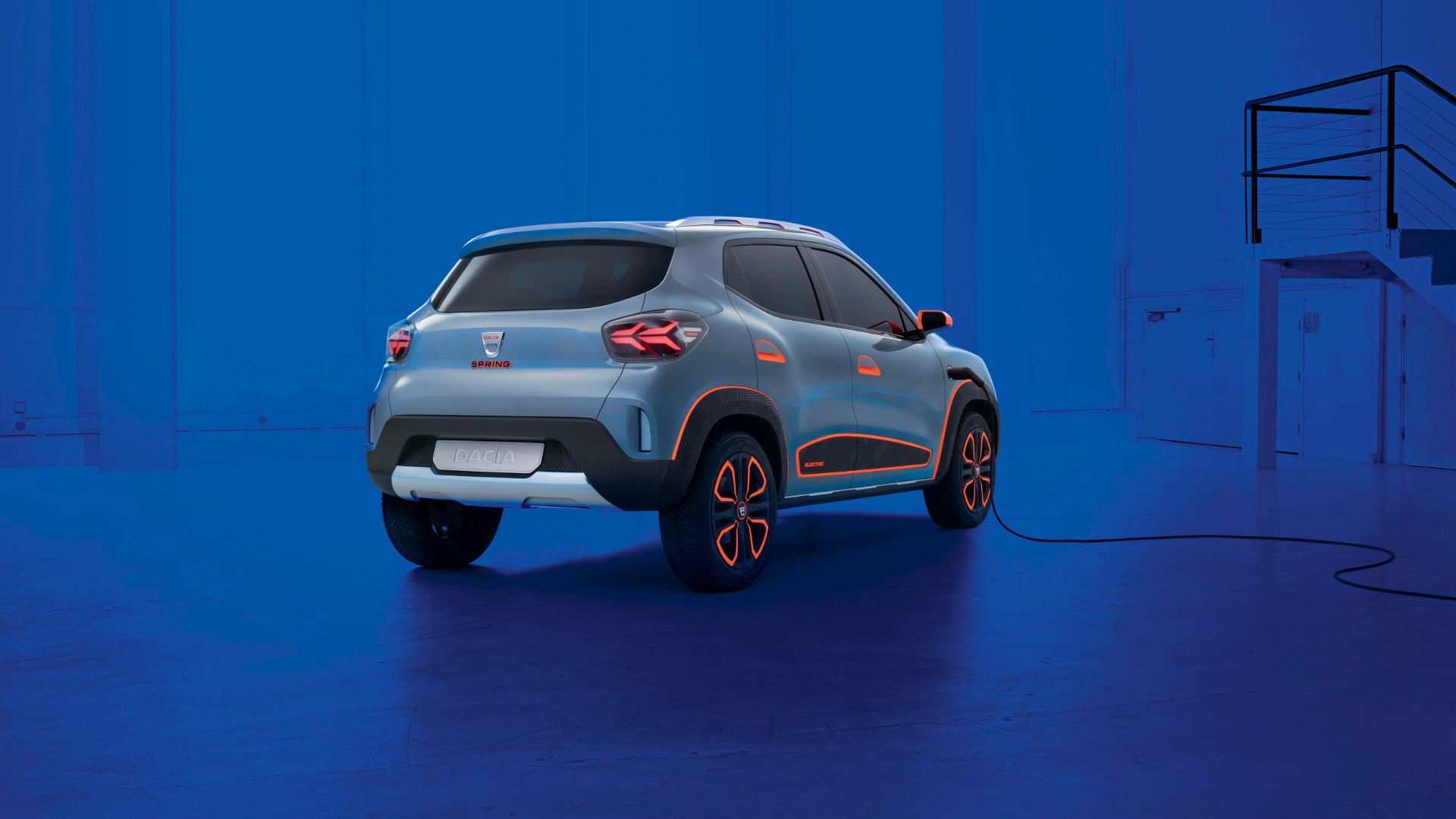
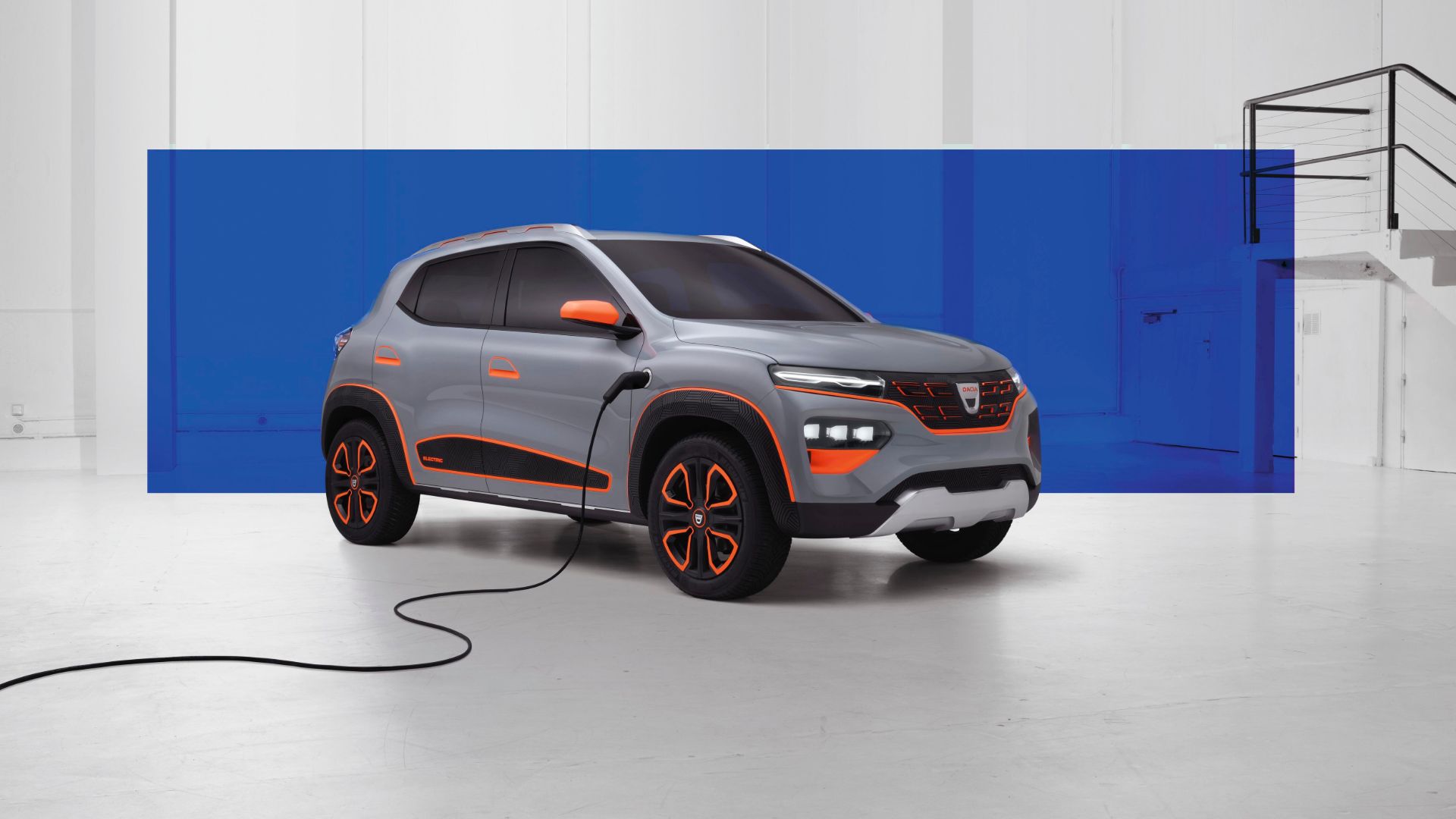
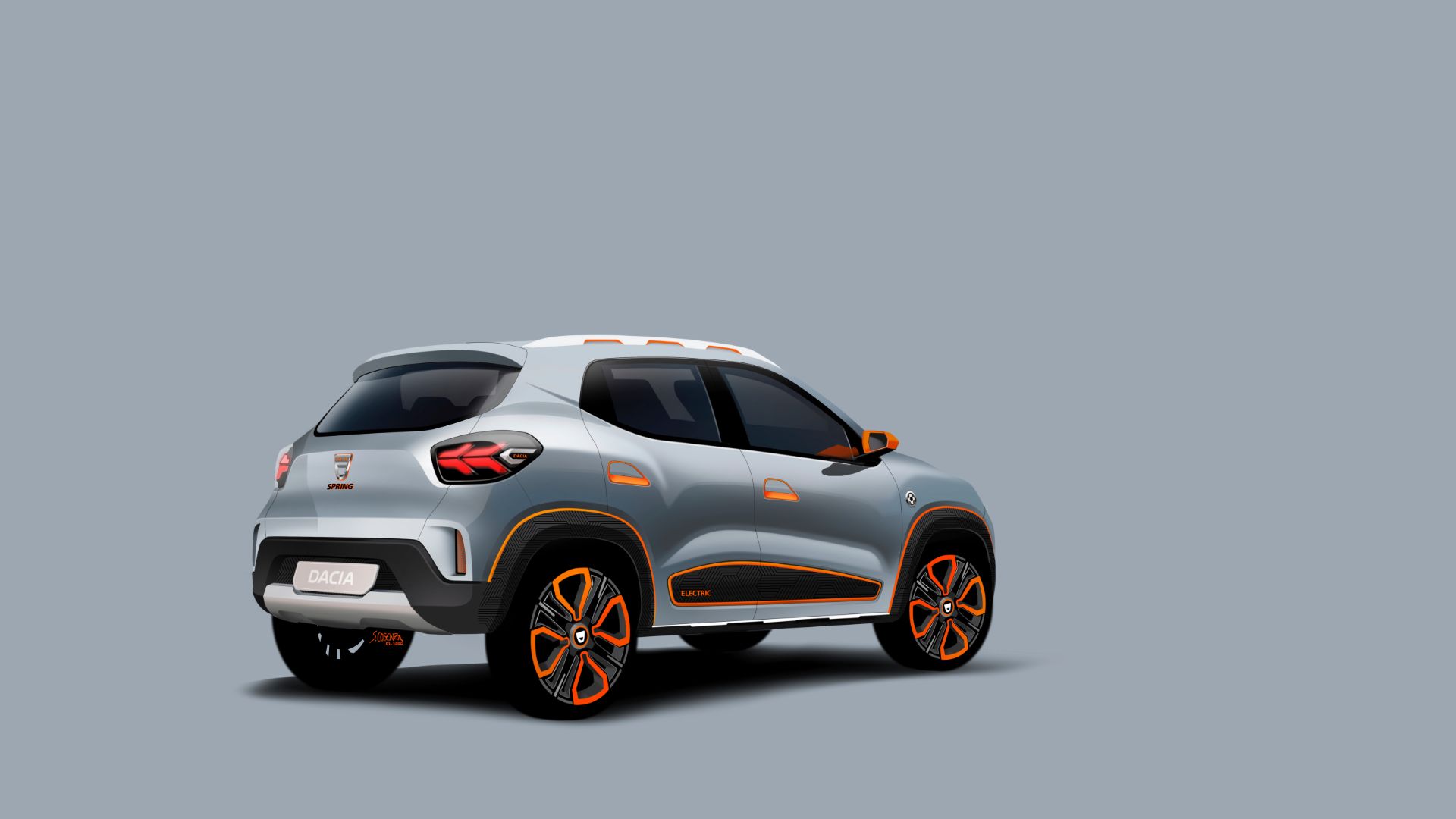
Dacia has unveiled what might be the most important concept car of the Geneva non-show. The Spring previews Europe’s most affordable electric car, with a production version due in early 2021.
‘Spring’ is an appropriate name, then, given it could launch many motorists into their first electric car. Dacia says it ‘utilises Group Renault’s 10-year experience as pioneer and leader in electric mobility’.
Reading between the lines, you might wonder if the Spring shares much with Renault’s popular Zoe EV.
It’ll actually be a much closer relation to Renault’s City K-ZE. Indeed, Dacia’s claim that the Spring will be good for ‘more than 124 miles’ based on the WLTP test procedure, sounds closer to the K-ZE’s NEDC-rated 168-mile range.
Dacia says the Spring will be ‘perfect for urban and suburban use’. If its charging specifications match the K-ZE, it’ll juice up to 80 percent in 50 minutes using DC fast charging. The K-ZE uses a 26.8 kWh lithium-ion battery, with a 44hp electric motor up-front. That could be improved for Western markets.
As the concept car shows, the Spring will be a robust yet compact SUV. It’s more stout, but no less stylish, than the sleeker, sportier new Ford Puma.
The Spring could prove to be a very well-timed low-budget EV entry, given the planned expansion of London’s Ultra Low Emissions Zone October 2021 – and, of course, the introduction of others like it.
And itcould be genuinely cheap, too. In overseas markets, the K-ZE sells for a quarter of the price of the cheapest Tesla. In the UK, our conservative guess is that will translate to an entry price of less than £15,000.
While the grey and orange contrast colours of the prototype seem like they’ll be the preserve of the (virtual) motor show floor, don’t discount some of the concept’s quirks making it to production.
The only thing that’s as much of a surefire win in dealers as small SUVs, is customisation. We anticipate the production Spring, while not as loud and proud as the concept, won’t be drab or dreary.