Home Blog Page 6

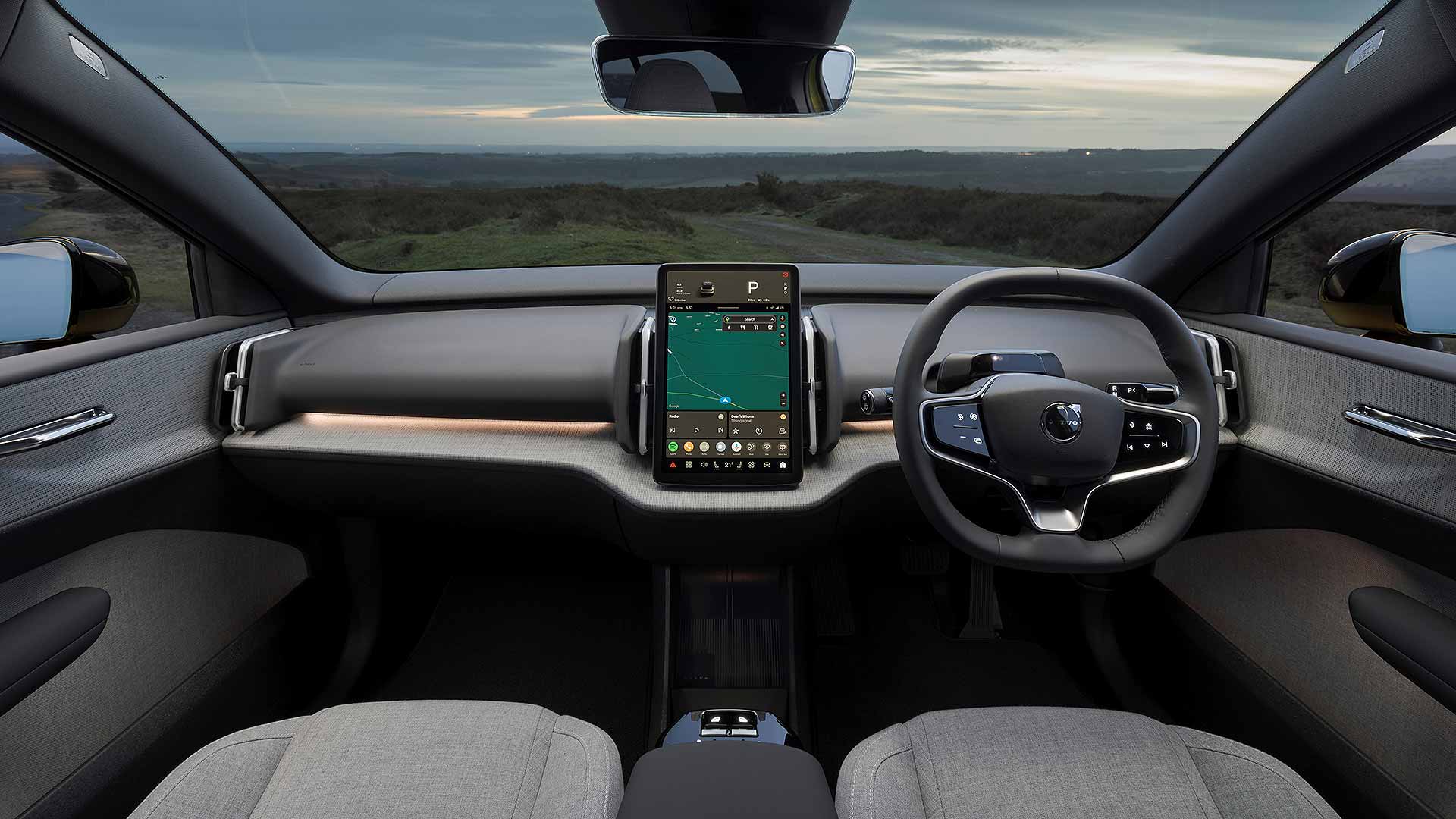
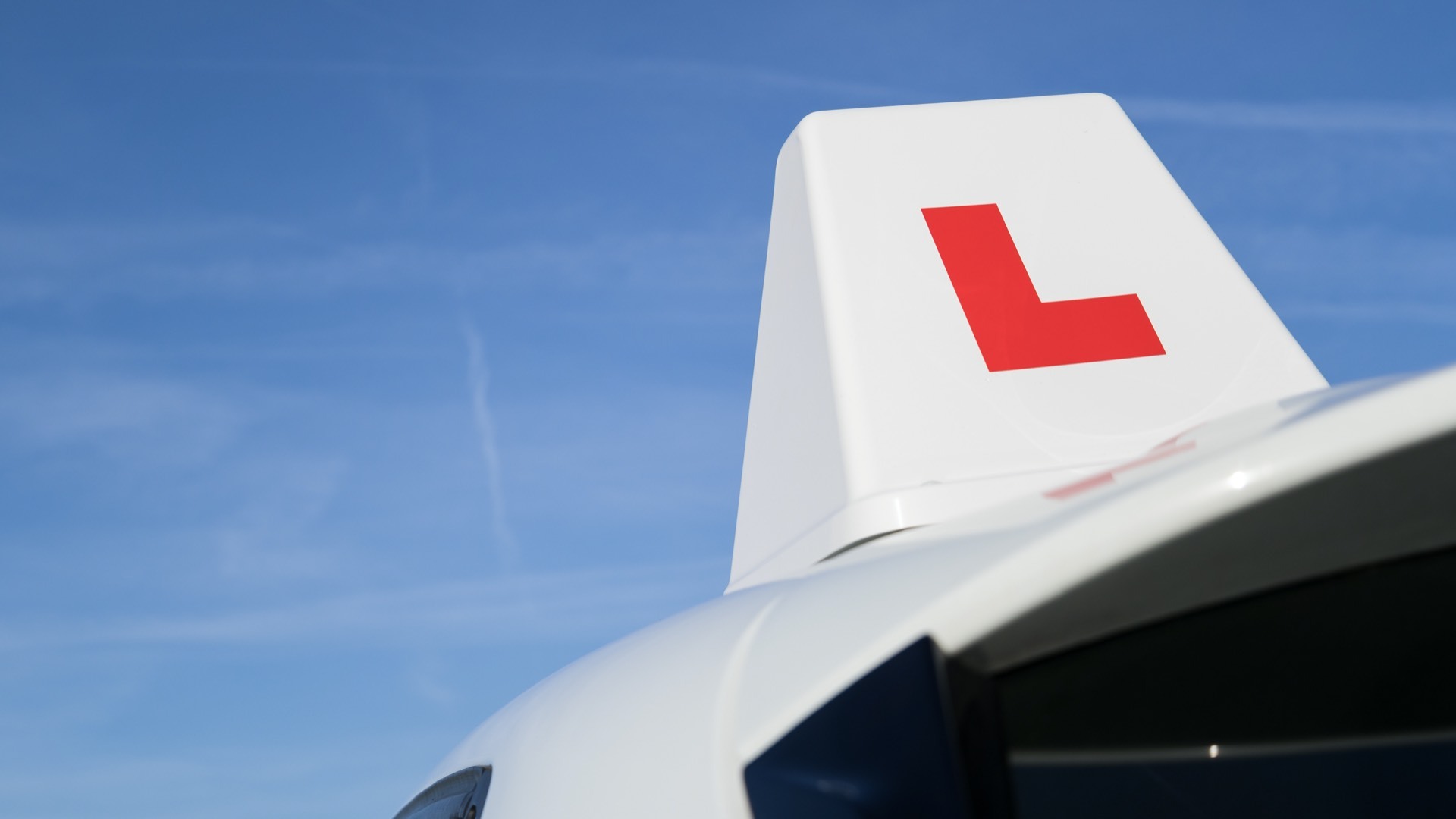
Automatic and EV learners are less likely to pass a driving test

0
Choosing a 10:00am driving test slot, for a Monday in August, is statistically likely to result in the best chance of success

New data reveals the best and worst days for passing a driving test, along with the optimal choice of vehicle for success. 

With the waiting list for driving tests now at an average of 22 weeks, according to the National Audit Office, maximising the chance of a pass is arguably even more important. 

Analysis of test data from the Driver and Vehicle Standards Agency (DVSA) identifies that the day chosen, along with the time and even the month, can all affect a driver’s likelihood of being successful.

Choosing Monday for your driving test could offer a slight edge. Some 49.6 percent of tests taken on the first day of the week resulted in a pass, just ahead of Tuesday on 49.1 percent. 

Statistically, Friday, Saturday and Sunday are the hardest days to pass a driving test. Only 45.1 percent of tests taken on a Sunday are successful, the lowest rate across the week.

Start the week with a driving test
Electric Vehicle Driving Test

The time of day chosen can also impact driving test outcomes. Opting for a 10am slot means the best chance of passing, perhaps due to quieter, post-rush-hour traffic. 

Given the waiting list for driving tests, choosing by month is a luxury many learners won’t have. However, August offers the greatest opportunity for a pass, with 50.7 percent of tests taken that month having a positive outcome.

This may be due to better weather, and lower traffic levels due to the school summer holidays – both producing optimal conditions for learners to pass their test. 

By contrast, February has the lowest typical pass rate, with only 46.8 percent of learner drivers being successful that month.

How to tilt the test odds in your favour
Electric Vehicle Driving Test

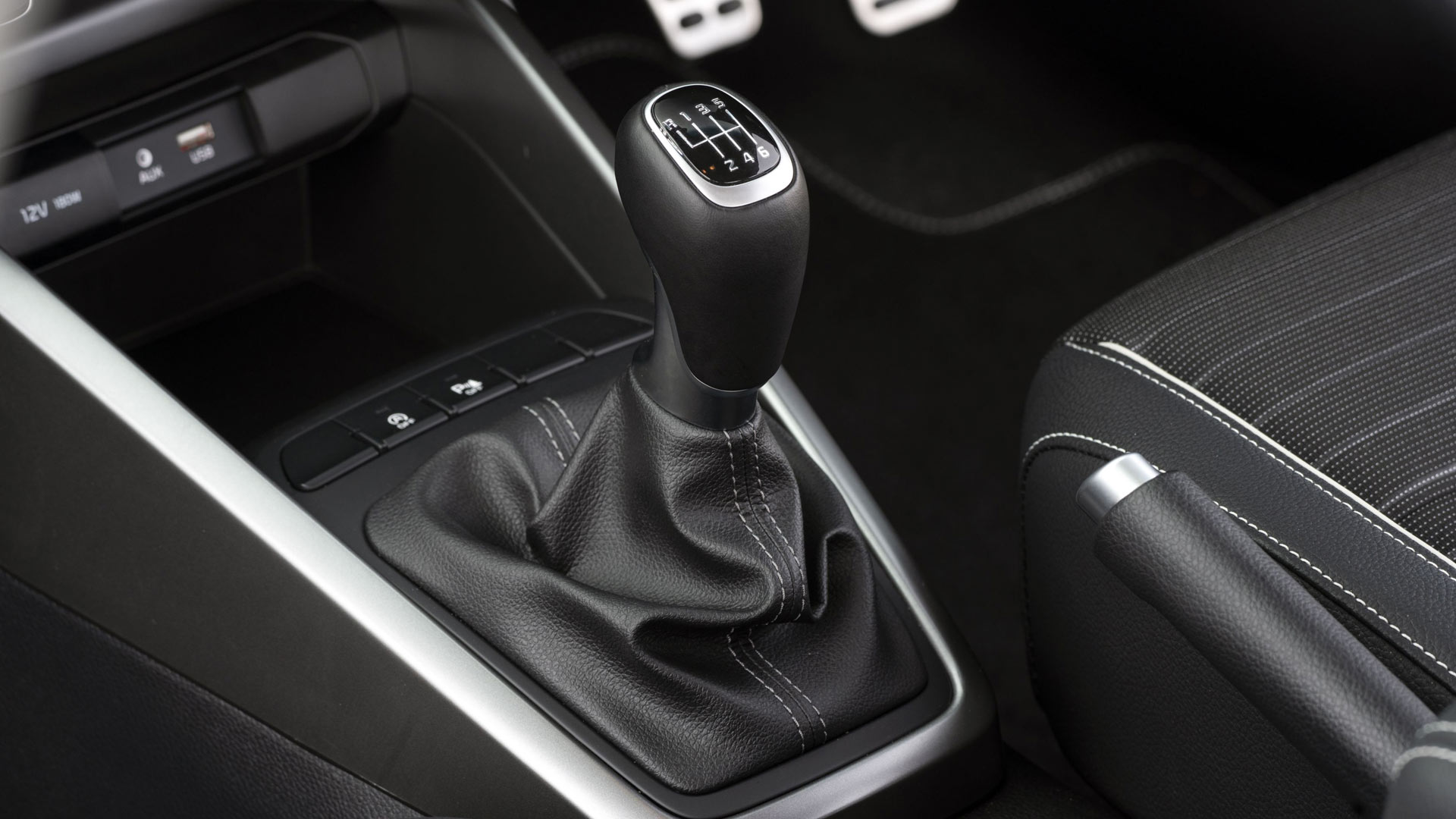
LeaseCar, which undertook the analysis, also found that taking a driving test in a car with a manual gearbox sees an average pass rate of 50.4 percent.

Despite being easier to drive, automatic cars, including electric vehicles, have a lower pass rate – at just 43.9 percent. 

Tim Alcock, director at LeaseCar, commented: “We know how much pressure learners are under right now. These stats show you can actually tilt the odds in your favour. While many think an EV is a shortcut to a pass, the numbers suggest that manual learners are still more successful on the day. 

“Snagging a mid-morning Monday slot in the summer remains the smartest move a learner can make to increase chances of success.”

The DVSA recently confirmed changes to driving test bookings in a bid to crack down on the reselling of slots. Drivers will now be limited to just two changes, making finding the optimum time and date even trickier.

ALSO READ:

World Car Awards 2026: Top Three in the World finalists revealed (full list)

EV charging signs should be as visible as those for petrol stations

Cadillac Escalade and other XXL American SUVs land in the UK

Advertisement

EV charging signs should be as visible as those for petrol stations

0
A silver electric SUV charges at Ionity station, surrounded by charging units, under a cloudy sky and power lines in the background.

Leaders in the electric car industry are urging the government to give EV charging the same visibility enjoyed by petrol stations on major roads across the UK.

The coordinated response follows a call from the Office for Zero Emission Vehicles (OZEV) for evidence on electric vehicle signage. The companies believe action here could fix ‘one of the most overlooked barriers to EV uptake’.

InstaVolt, char.gy, Electric Vehicles UK and Octopus Electric Vehicles want to see clear and consistent EV charging on motorways, A-roads and residential streets – ‘and for EV charging to be treated on an equal footing with petrol in national road sign regulations’.

Informing this view is a 2025 poll that showed more than half of EV drivers actively look for roadside signs to locate EV chargers.

Nine in 10 also say physical signage is important – and a lack of it means the sheer scale of the UK’s ever-growing EV charging infrastructure may be going unnoticed.

Real, reliable and ready today

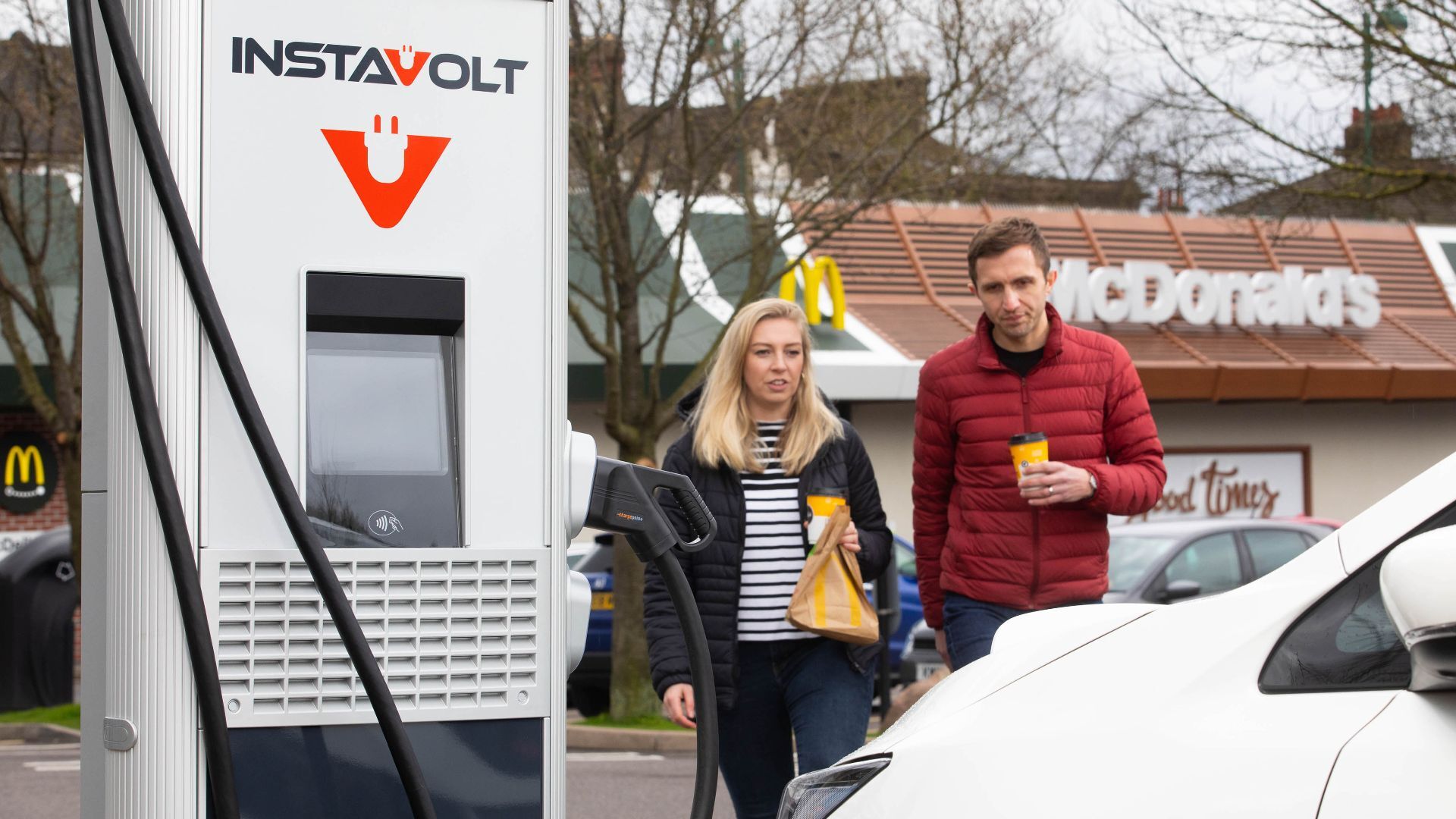
McDonalds InstaVolt Milestone

“Right now, EV charging locations are treated very differently to petrol stations in the rules that govern road signs,” said InstaVolt CEO Delvin Lane.

“That means thousands of high-quality public chargers are installed, operating… but not obviously signposted from key routes.

“This is a low-cost, high-impact intervention. Better signage increases use of the chargers we already have, and sends a powerful public signal that the UK’s charging network is real, reliable and ready today”

A simple fix

Vauxhall On-Street Free Charging

“Drivers cannot use infrastructure they cannot see,” said CEO of Electric Vehicles UK, Tanya Sinclair. “Charging must be signposted as clearly and consistently as petrol.

“Clear, consistent signage makes charging feel normal and navigable. It’s why many countries have moved quickly to standardise it – but the UK has not.

“That lack of progress is frustrating, because this is one of the simplest and lowest-cost ways government could support driver confidence and accelerate adoption.”

The OZEV consultation, which is open now, aims to build evidence for future policy related to EV signage. As well as boosting the visibility of EV chargers, some are also calling for cost per kWh to be displayed, in the same way petrol and diesel prices are clearly shown.

The consultation closes on 11 March 2026.

ALSO READ:

Used EV battery health ‘far better than many assume’

Transformational BMW chief named World Car Person of the Year 2026

Car battery shock: 1 in 4 are at risk of failure

Advertisement

World Car Awards 2026: Top Three in the World finalists revealed (full list)

0
World Car Awards trophies

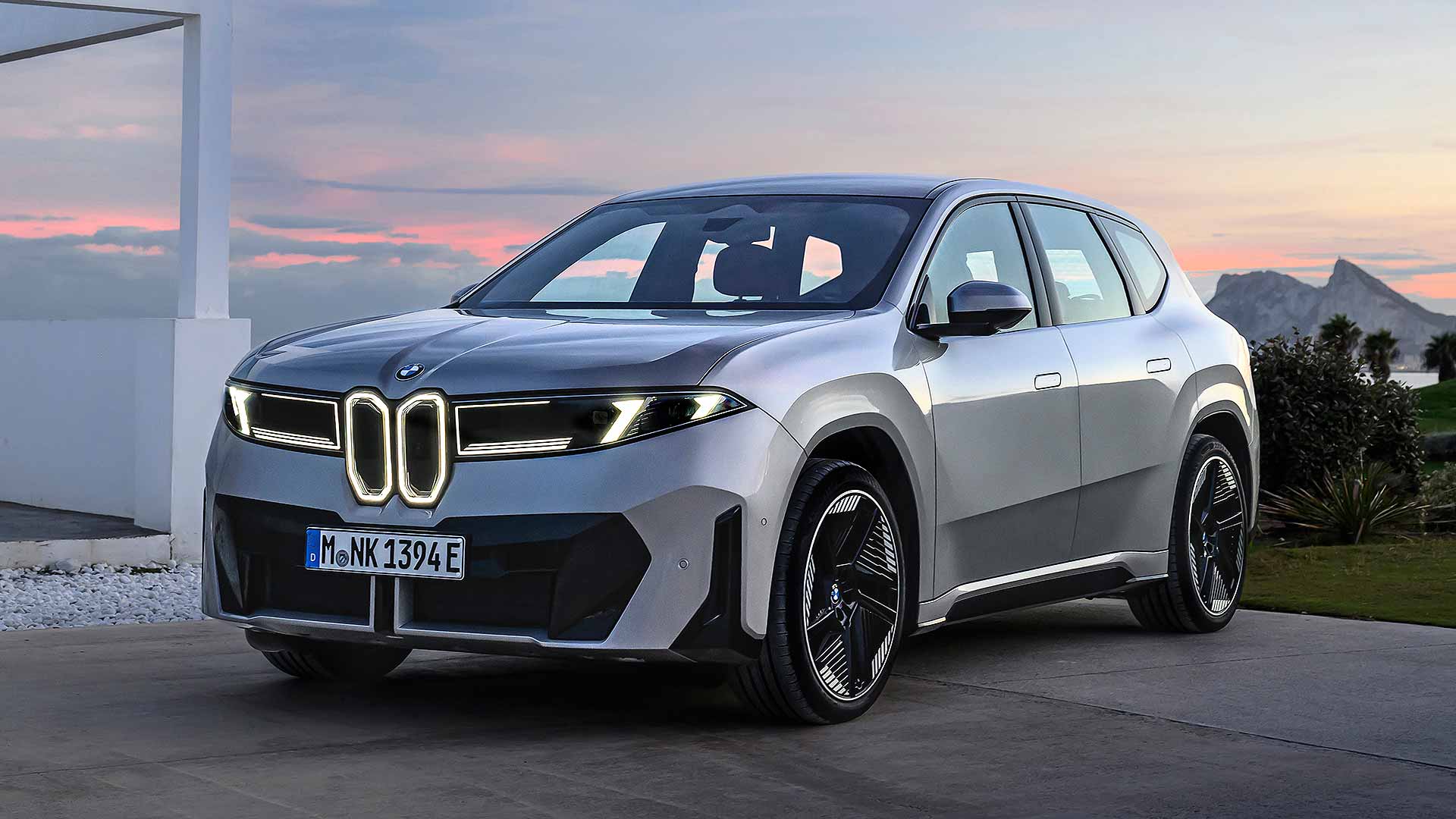
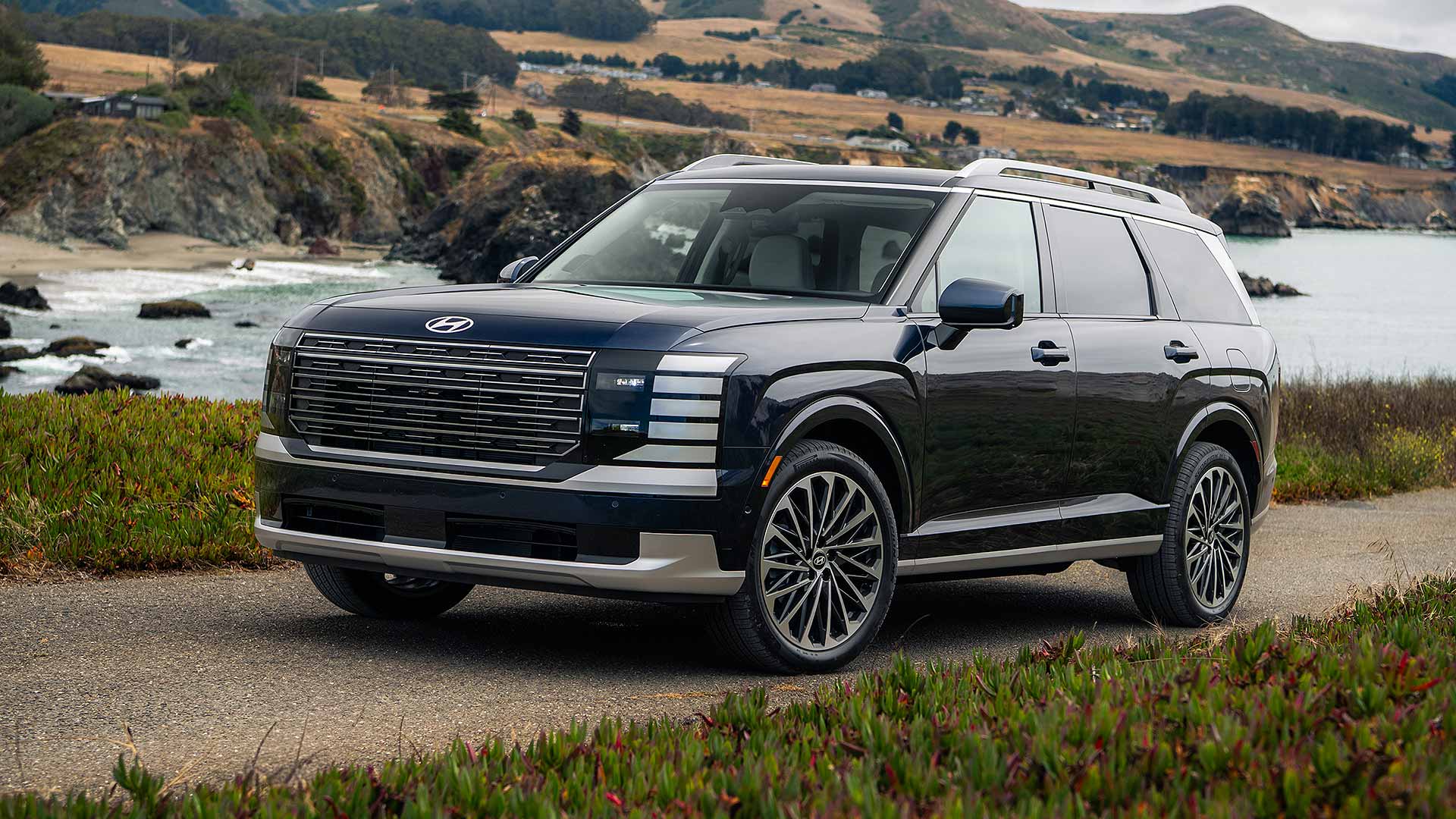
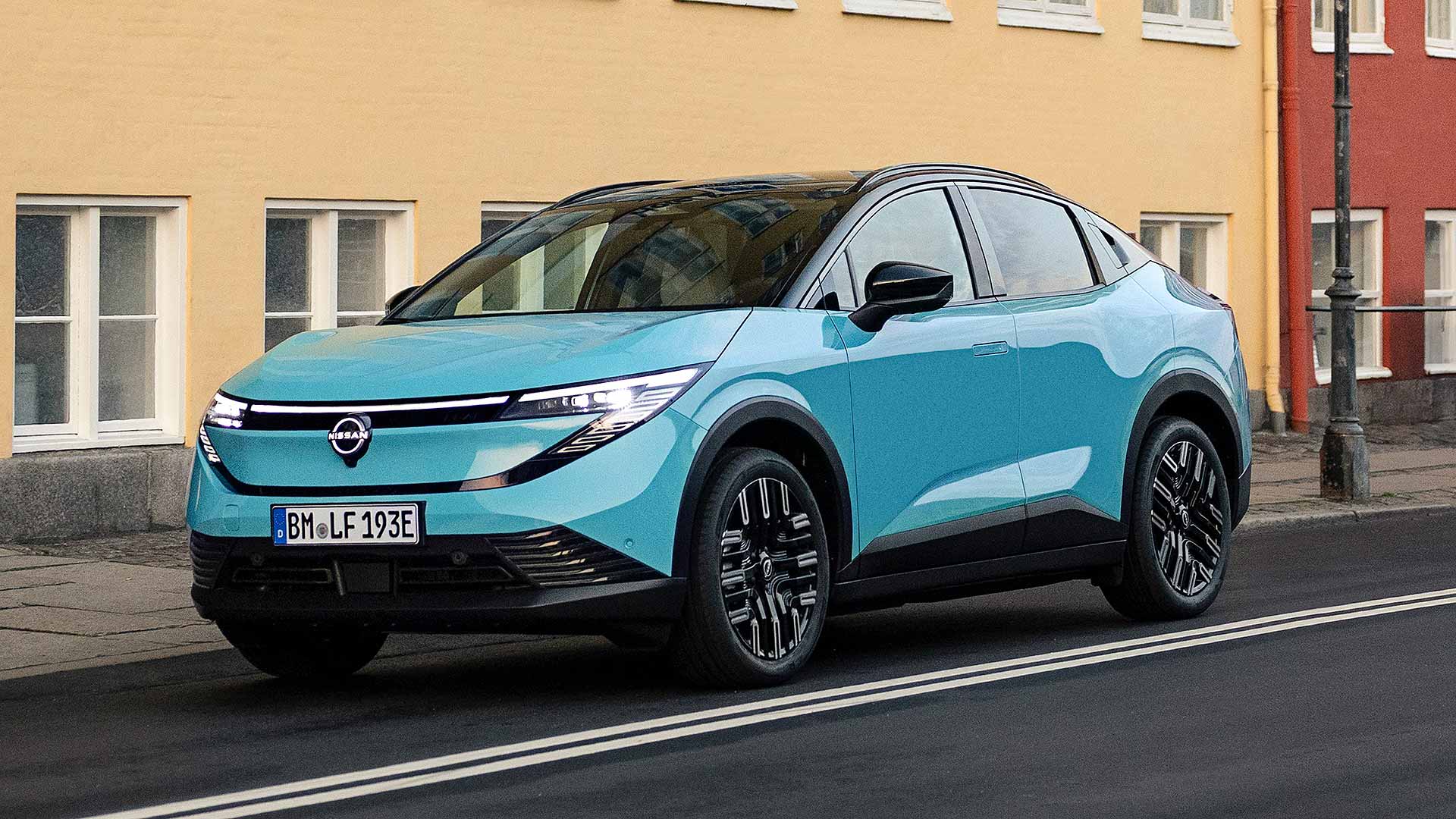
The BMW iX3, Hyundai Palisade and Nissan Leaf have been named Top Three in the World finalists for the World Car Awards’ prized World Car of the Year 2026 honour.

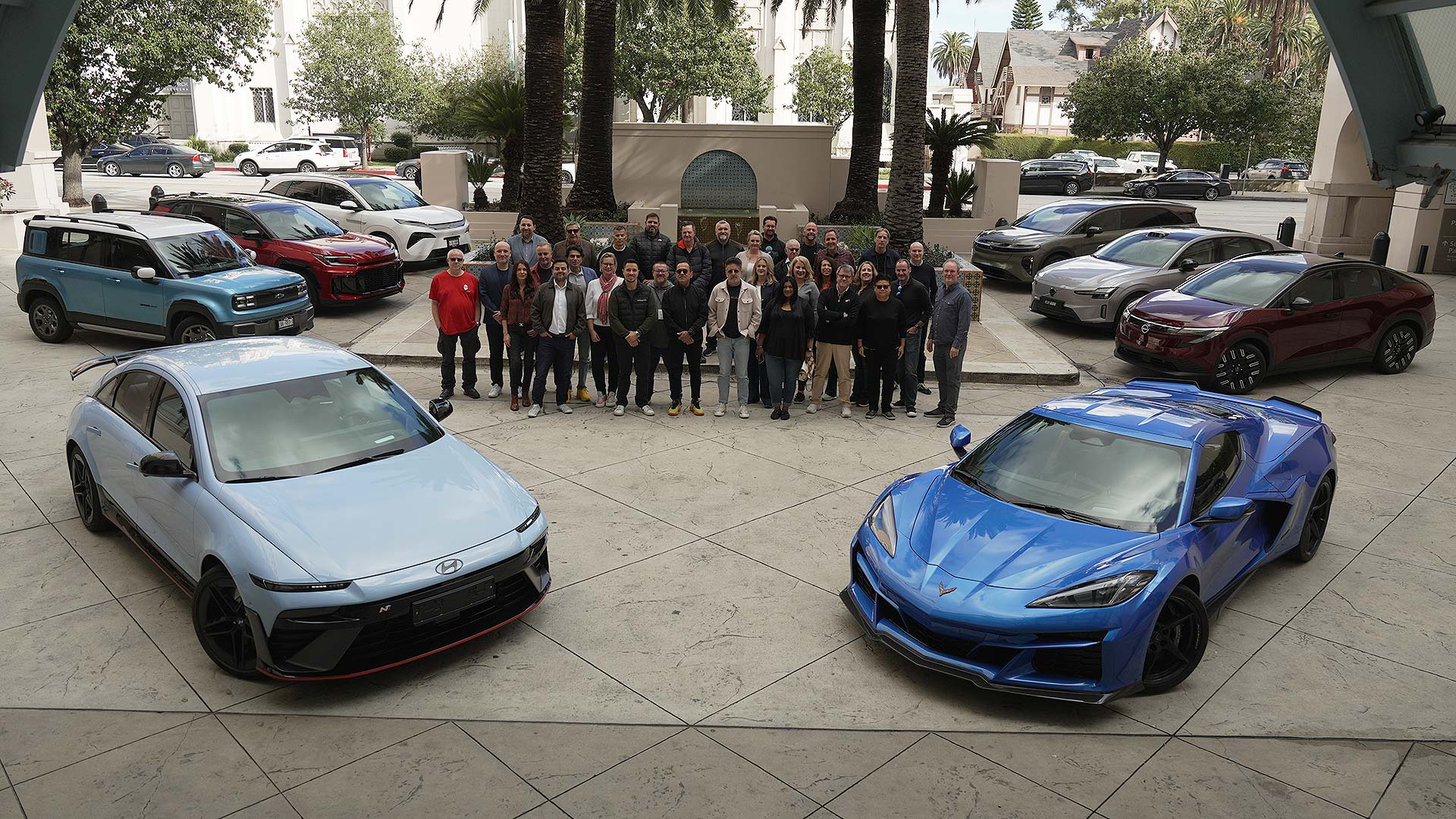
Top Three in the World finalists in five other categories have also been announced as part of the 2026 World Car Finals.

Notably, two of the World Car of the Year finalists are also in the running for World Electric Vehicle 2026.

The winners will be announced live at the 2026 New York International Auto Show during an awards ceremony that’s part of the opening gala.

A jury of 98 international automotive journalists from 33 countries – including Motoring Research’s Richard Aucock – selected the Top Three in the World finalists by secret ballot.

The results are tabulated by KPMG and follow the top 10 and top five finalists being announced in January 2026.  

The reigning World Car of the Year 2025 is the Kia EV3.

World Car Awards’ Top Three in the World 2026: full list

World Car of the Year 2026

  • BMW iX3
  • Hyundai Palisade
  • Nissan Leaf

World Electric Vehicle 2026

  • BMW iX3
  • Mercedes-Benz CLA
  • Nissan Leaf

World Luxury Car 2026

  • Cadillac Vistiq
  • Lucid Gravity
  • Volvo ES90

World Performance Car 2026

  • BMW M2 CS
  • Chevrolet Corvette E-Ray
  • Hyundai Ioniq 6 N

World Urban Car 2026

  • Baojun Yep Plus / Chevrolet Spark EUV
  • Firefly
  • Hyundai Venue

World Car Design of the Year 2026

  • Kia PV5
  • Mazda 6e / EZ-6
  • Volvo ES90

Why is World Car Awards so important?

World Car Awards 2026 jurors

Acknowledged as ‘the one to win’, World Car of the Year is the biggest prize in automotive media.

World Car Awards has consistently remained the biggest automotive awards initiative in the world. Being honoured by the jury is sought-after seal of approval for car firms.

“The anticipation surrounding this year’s contenders reflects the innovation, performance and vision shaping the future of mobility,” said NYIAS president Mark Schienberg.

“We extend our congratulations to the finalists and to the World Car organisation for its continued leadership.”

World Car Person of the Year 2026

Oliver Zipse BMW iX3

Transformational BMW chief Oliver Zipse has already been named World Car Person of the Year 2026.

Under his leadership, BMW has undergone a radical transformation and is launching a bold ‘Neue Klasse’ range of cars – of which the BMW iX3 is the first to go on sale.

“Oliver Zipse has had a remarkable career at BMW,” said World Car Awards chair emeritus Jens Meiners, “steering the business through the most turbulent of times to become the strong, forward-thinking, financially secure company we see today.

“The current BMW Group product line-up is just about the best it has ever been, and BMW continues to be the brand that other carmakers look up to.

“Much of that is down to Oliver Zipse’s leadership, and therefore we are delighted to announce him as the 2026 World Car Person of the Year.”

Motoring Research’s Tim Pitt is currently driving the new BMW iX3 in the UK. Come back next week for his full car review.

ALSO READ:

Transformational BMW chief named World Car Person of the Year 2026

Advertisement

Barry Sheene’s title-winning 1977 Suzuki RG500 heads to auction

0
Barry Sheene 1977 Suzuki RG500 XR14
© Kelsey Media

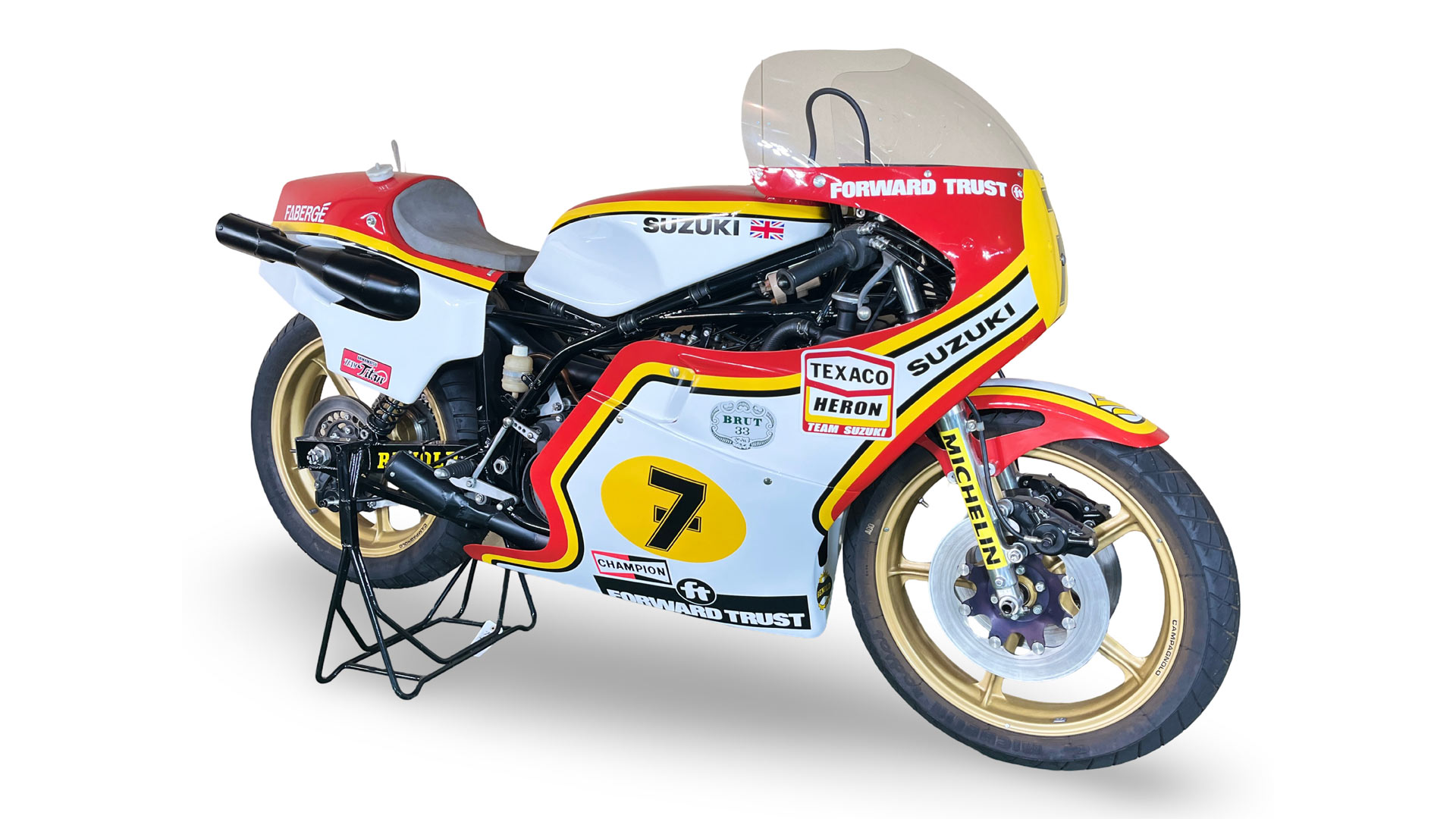
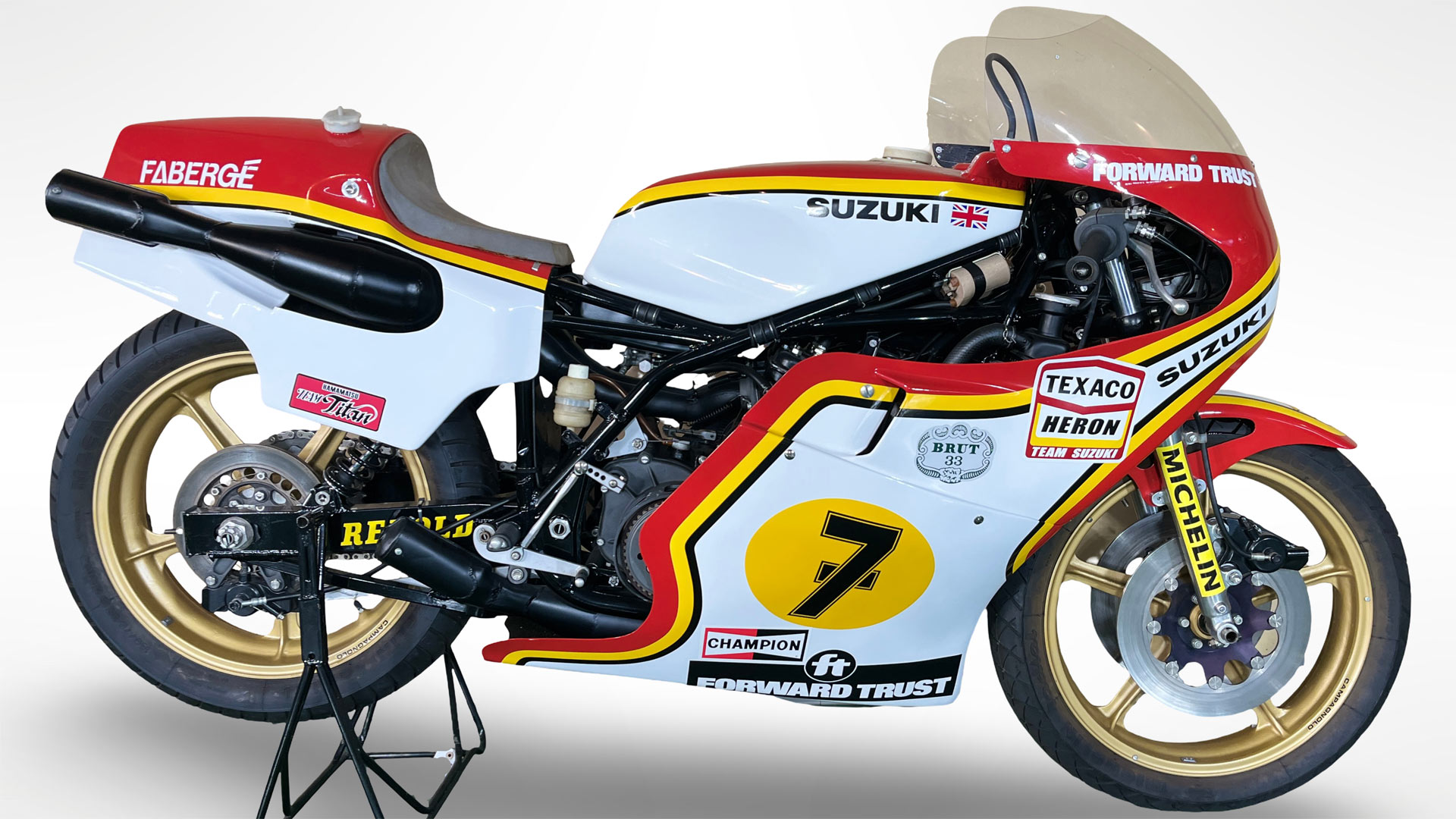
Barry Sheene’s 1977 championship-winning works Suzuki motorcycle is heading to auction next month.

Used by the late London-born rider to claim his second 500cc world title, the 1977 Suzuki RG500 XR14 will be for sale at the International Classic Motorcycle Show.

Being sold for the first time in almost 40 years, the Suzuki will be auctioned by Bonhams alongside 90 other special machines. These include motorcycles from the prominent Rex Judd Collection.

It represents one of just two RG500 XR14 chassis raced by Sheene during 1977, and the actual bike he crossed the finish line on to claim the championship. 

Barry Sheene remains the most recent British rider to win a championship in the top class of Grand Prix or MotoGP competition.

An icon of British motorsport

Barry Sheene remains the most recent British rider to win a championship in top-tier Grand Prix racing

Barry Sheene was an icon of motorcycle racing during the 1970s, with an image and reputation on a par with Formula 1 World Champion, James Hunt.

Despite Suzuki announcing plans to end motorcycle Grand Prix racing at the start of 1976, a last-minute deal put the Texaco-sponsored RG500 on the grid.

It would prove a wise decision, as Sheene won the 500cc class in the first three rounds, then added a further two victories later in the season. This gave him, and Texaco Heron Team Suzuki, the 500cc Grand Prix Championship.

Sheene would be even more dominant the following year. He won six of the 11 rounds, giving him the world championship title with a total of 107 points – 27 points ahead of his nearest rival.

The title-winning Suzuki RG500

Barry Sheene 1977 Suzuki RG500 XR14

Chassis 1201 was the motorcycle Barry Sheene used to claim his second 500cc Grand Prix title, instantly making it a piece of motorsport history. 

By 1980, it was in the possession of Peter Agg, the chairman of UK importer Heron Suzuki GB. Agg had convinced the Japanese manufacturer to continue with Grand Prix racing, making him an important player in Sheene’s success. 

In early 1987, chassis 1201 was acquired by its current vendor, who has stored it as part of a collection ever since.

Now on the market for the first time in nearly 40 years, the Suzuki RG500 has been given a pre-auction estimate of between £160,000 and £200,000.

A ‘once-in-a-generation opportunity

Barry Sheene 1977 Suzuki RG500 XR14

Ben Walker of Bonhams commented: “The sale of Barry Sheene’s 1977 World Championship-winning works Suzuki RG500 is a once-in-a-generation opportunity for the most discerning two-wheel collector.

“It represents a truly exceptional chance to acquire a fully documented works Suzuki RG500 XR14 and, crucially, the actual bike that Barry Sheene won the final race of the 1977 season on and therefore, the world championship. Machines of this calibre and importance rarely come onto the market, let alone one belonging to the late, great Barry Sheene.”

The Bonhams International Classic MotorCycle Show sale will take place on 26 April 2026 at the Staffordshire County Showground.

Other significant lots listed for auction include an MV Augusta ridden by Mike Hailwood and Giacomo Agostini.

ALSO READ:

Cadillac Escalade and other XXL American SUVs land in the UK
Skoda’s new Dragon Skin paint is a winner on Instagram

Honda Prelude 2026 review

Advertisement

Skoda’s new Dragon Skin paint is a winner on Instagram

0
The Skoda Octavia celebrates its 30th birthday in 2026, having been sold across four different generations

Skoda enthusiasts in the UK can order a dramatic new paint colour for the Octavia vRS from next month.

Available from 4 March 2026, ‘Dragon Skin’ was chosen as a new hue for the flagship Octavia vRS hatchback and estate. 

Dragon Skin emerged as the most wanted colour in a poll of Skoda enthusiasts on social media. The new option is part of Skoda UK’s celebration of 30 years of the Octavia in 2026.

The startling shade previously appeared as ‘Dragon Green’ on the Skoda Superb Sportline. However, this marks the first time it has been offered for the smaller Octavia.

Skoda enthusiasts go for bold

Skoda Octavia vRS Dragon Skin

Skoda fans were able to vote for their preferred new colour via the company’s Instagram page, along with its Facebook and LinkedIn accounts. 

Dragon Skin was a narrow winner in the poll, chosen ahead of Storm Blue and the equally bright Tangerine Orange

Storm Blue has also appeared on the Skoda Superb, while Tangerine Orange was offered on the fourth-generation Octavia when it was first launched.

Dragon Skin will be added to the list of paint colours for the 265hp Octavia vRS from 4 March, at an additional cost of £885. 

Both hatchback and estate body styles will be available in Dragon Skin, highlighting the sportier styling of the vRS performance model.

Limited edition Octavia coming soon

Skoda Octavia vRS Dragon Skin

Although Dragon Skin emerged as the winning paint in Skoda’s poll, two other fan-favourite shades will also join the options list.

Waterworld Green and Space Violet were voted the top choices by Skoda vRS fans in a 2025 online poll. At the time, these two colours managed to defeat Hot Chilli Red and Plum Blue.

However, Dragon Skin will not be restricted solely to the Octavia vRS during this anniversary year. 

To honour the Octavia’s 30th birthday, a limited-production run of 130 examples of the Octavia SportLine will be offered later this year. 

A host of other Skoda colours, including Waterworld Green, Space Violet and Royal Green will be available for the special SportLine.

We expect more information on the Octavia SportLine anniversary model soon, including specification details and prices.

ALSO READ:

Skoda celebrates 130 years with the fastest Fabia ever

New Skoda Octavia vRS police car is ready to catch criminals

The best new cars to buy in 2026

Advertisement

Rolls-Royce celebrates 10 years of Black Badge cars

0
Rolls-Royce launched its Black Badge range in 2016, beginning with the debut of the Wraith and Ghost models

Rolls-Royce is marking the 10th anniversary of its Black Badge models, first introduced at the Geneva Motor Show in 2016. 

The Rolls-Royce Ghost saloon and Wraith coupe were the first cars to receive the stealthier Black Badge treatment.

The British marque subsequently used the 2016 Goodwood Festival of Speed to demonstrate the vehicles’ added performance and dynamism. A Wraith Black Badge set the fastest Goodwood hillclimb time ever recorded by a Rolls-Royce, beating multiple mid-engined sports cars. 

The public performance helped cement Black Badge models into the Rolls-Royce lineup, where they have been a permanent fixture ever since.

The spirit of subversion

Rolls Royce Black Badge 10th Anniversary

The signature Rolls-Royce Black Badge look of a darkened ‘Pantheon’ front grille and matching Spirit of Ecstasy figurine has a history stretching back almost 100 years

In 1928, a Rolls-Royce 20 HP Brewster Brougham was commissioned by J.E. Aldred. As one of the founders of Rolls-Royce of America, Aldred opted to have the Spirit of Ecstasy and radiator grille finished in black, rather than traditional chrome. 

This idea was recreated for the Black Badge range, which has become the favoured option for Rolls-Royce bespoke commissions. Among these was the Black Badge Ghost Gamer – a one-off tribute to classic video games.

For the ‘boldest and most audacious’

Rolls Royce Black Badge 10th Anniversary

Today, the Rolls-Royce Ghost saloon, Cullinan SUV and Spectre coupe are all available in Black Badge specification. 

Notably, Rolls-Royce chose launch the Spectre Black Badge to a select group of customers in secrecy, such was the demand for this version of its first EV.

Compared to the regular Spectre, the Black Badge model gains a 122hp boost in power, deploying 659hp through its front and rear axle motors. The result is the most powerful production Rolls-Royce to date, capable of 0-60mph in 4.1 seconds.

Deploying full power in the Spectre Black Badge requires the driver to press the ‘Infinity Mode’ button on the steering wheel. Inspired by historical water-speed records, the modern Rolls-Royce infinity symbol ensures maximum output is available immediately.

More Black Badge models to come

Rolls Royce Black Badge 10th Anniversary

Such has been the success of the Black Badge range, Rolls-Royce intends to expand the ‘experience for those who continue to shape luxury on their own terms’.

Chris Brownridge, chief executive of Rolls-Royce Motor Cars, commented: “From the outset, Black Badge was created to welcome a new generation of clients into Rolls-Royce: individuals who express their success unapologetically and with conviction. 

“By serving them with the care and precision that defines the wider Rolls-Royce experience, we have made the marque relevant to many clients who may never have previously considered it.”

Brownridge added: “Proof of its success is also evident beyond our own performance: Black Badge has established an aesthetic and experiential template that echoes throughout the luxury sector. I am excited to drive the further evolution of Black Badge in the years ahead.”

ALSO READ:

Cadillac Escalade and other XXL American SUVs land in the UK

Retro supercar: new Ferrari 355 by Evoluto is ready for the road

Best luxury cars to buy in 2026

Advertisement

Cadillac Escalade and other XXL American SUVs land in the UK

0
The Cadillac Escalade-V, powered by a 682hp supercharged 6.2-litre V8, will be the flagship of the new GMSV UK range

British motorists can order a variety of new American SUVs and pickup trucks, following the launch of GM Speciality Vehicles (GMSV) UK.

From the high-performance Cadillac Escalade-V SUV, to the practical Chevrolet Silverado pickup, all the vehicles will be supplied and supported by General Motors.

Cars such as the Cadillac Escalade were previously only available in the UK only as personal imports. However, GMSV UK’s role means all vehicles will come fully homologated, and backed by a warranty and aftersales package.  
London-based independent dealership Clive Sutton, which has a long history of importing American vehicles, will handle the initial phase of orders and vehicle preparation. GMSV UK then intends to expand its operation, creating a wider retail network across the country.

General Motors has exported its US model lineup beyond North America before, offering SUVs and pickup trucks in Australia and New Zealand.

Cadillac, Chevrolet and GMC

GM Special Vehicles in UK

The GM Speciality Vehicles UK range will include models from Cadillac, Chevrolet and GMC, with an initial focus on premium SUVs.

Cadillac’s offerings will include three versions of the Escalade SUV, starting at £149,950 for the Premium Luxury model with a 420hp 6.2-litre V8 engine. 

Opting for the potent 682hp Escalade-V, capable of 0-60mph in 4.3 seconds, will cost from £199,950. The long-wheelbase Escalade ESV is priced from £180,000.

Chevrolet-badged SUVs include the full-size Suburban, which boasts the longest-running vehicle nameplate in the world. In range-topping High Country trim, and powered by a 6.2-litre V8, the seven-seat Suburban is priced from £100,000. 

The (relatively) smaller Chevrolet Tahoe SUV will retail at £86,000.

V8-powered practicality from GMC

GM Special Vehicles in UK

Less well-known in the UK is the GMC brand, which has a lineage dating back to 1911. It is now positioned as an upmarket alternative to Chevrolet. 

The GMC Yukon is the premium counterpart to the Chevrolet Tahoe. In luxurious Denali specification (named after the highest mountain in North America), the Yukon will cost £110,000.

GMC-branded pickup trucks are also available, including the Sierra 1500 lineup. Capable of towing more than 6,000kg, UK prices will start at £73,000 excluding VAT. 

Buying a Chevrolet-badged pickup will be more affordable, with the Silverado 1500 LT Trail Boss available from £66,000 plus VAT.

Each GM vehicle will come with a three-year, unlimited-mileage warranty, extendable to five years at extra cost. Finance, custom orders and part-exchange services will be offered, too.

A taste of American life

GM Special Vehicles in UK

All GMSV UK vehicles will be supplied in left-hand-drive configuration. However, from Clive Sutton’s experience of importing American vehicles, the extra height of SUV and pickup models makes LHD less of an issue. 

Company founder Clive Sutton said: “This is an exciting moment for UK customers who have long admired GM’s premium and performance lineup.

“We are delighted to be the first GM Specialty Vehicles franchise in the UK, and to lead development of the nationwide network.” 

Jean-Pierre Diernaz, managing director of GM Europe, added: “We’re excited to be working with Clive Sutton to bring to UK customers our iconic North American vehicles. 

“We’ve selected incredible vehicles from our global brands – Cadillac, GMC and Chevrolet – through a dedicated GM facility in North West London. A nationwide network of retailers is set to follow.”

ALSO READ:

Clive Sutton VIP Class taxi review

Chevrolet Corvette E-Ray 2025 review

The most important American cars and trucks of all time

Advertisement

Ford Focus saloon will race in BTCC for 2026

0
The fourth-generation Ford Focus saloon was not sold in the UK, instead being targeted at China and Eastern Europe

The NAPA Racing UK team will field a saloon version of the Ford Focus in the 2026 British Touring Car Championship (BTCC). 

Having used the fourth-generation Focus in hatchback guise for five seasons of BTCC racing, the NAPA team has switched to the four-door model. 

Although the front of the saloon is identical to the Focus hatchback, and it shares the same wheelbase, the booted rear end should boost the car’s performance.

Having a longer tail will reduce drag, aiding the car’s top speed. The saloon body shell is also said to be lighter than the hatchback. 

NAPA Racing UK considered several different cars for its 2026 BTCC campaign, but elected to stick with Ford thanks to changes in the rules.

A wider range of cars in BTCC

2026 BTCC NAPA Ford Focus Saloon

Last year, the BTCC announced new technical regulations, aimed at allowing race teams to choose from a wider range of vehicles. 

Previously, teams could only field cars sold in the UK, but this has been broadened to cover the vehicle brand only. It means that, although this fourth-generation Focus saloon was never offered in the UK, it can be eligible for racing as the Ford brand sells vehicles here. 

Notably, Ford ceased production of the entire Focus range at the end of 2025.

The BTCC initially intended to bring the new rules into force for the 2027 season. However, the revised homologation requirements were brought forward by a year, following unanimous approval by race teams and organisers. 

Declining sales of traditional hatchback and saloon models, in the face of continuing SUV market dominance, prompted the BTCC organisers to take action.

The return of saloon car racing?

2026 BTCC NAPA Ford Focus Saloon

Saloon cars were omnipresent throughout the 1990s in BTCC racing, being most associated with the ‘glory days’ of the Supertouring era. As manufacturers have pivoted to SUVs, four-door models have disappeared from many ranges. 

The 2026 BTCC grid will feature four different saloon cars, however. In addition to the Ford Focus, the BMW 330i M Sport, Mercedes-AMG A35, and Audi A3 will all be represented in four-door format.

Speaking at the new Focus saloon’s debut, Antonio Carrozza, lead engineer at NAPA Racing UK, said: “This is an exciting time for the entire team. It was a lengthy process to come to this decision, such were the options we had, but we feel like the saloon version of the Focus is the way to go.

“The ultimate goal is to reduce aerodynamic drag. We highlighted that as an area we wanted to address last season, and this move to a different shape allows us to do just that. There are many elements that remain the same; however, there will be some fine-tuning required.”

Following pre-season testing at Croft and Brands Hatch, the new Kwik Fit British Touring Car Championship will commence at Donington Park circuit on the 18th and 19th of April 2026.

ALSO READ:

Should fleets remove ‘touchscreen only’ cars on safety grounds?

Bertone Runabout: the retro roadster inspired by a 1969 concept car

The best motoring events for car enthusiasts in 2026

Advertisement

Should fleets remove ‘touchscreen only’ cars on safety grounds?

0

Company car fleets should consider removing touchscreen-only cars from choice lists on safety grounds, says a major automotive fleet expert.

FleetCheck warns of the corporate safety risks of cars where some major controls are only available through a touchscreen.

The warning comes after iPhone designer Jony Ive declared touchscreens “the wrong interface for cars” because they force drivers to remove their eyes from the road.

Ive recently led the design of the new Ferrari Luce interior, which contains physical controls including buttons and toggles.

“While there are early signs of a move away from placing everything on touchscreens, there are still some popular company cars included on choice lists that are touchscreen-only,” said FleetCheck CEO Peter Golding.

“It is probably time for fleets to consider whether this is the right thing to do. These vehicles are inherently risky, and there are plenty of alternatives that provide safer access to vehicle controls.”

‘Distracting for drivers’

Golding pointed to “a whole slew of credible studies showing they [touchscreens] are distracting for drivers and interrupt concentration to an unacceptable degree”.

Given how many modern driver assistance (ADAS) systems can only be adjusted or disabled via a touchscreen, “it’s a situation has been created almost inadvertently, where many drivers now spend a lot of time jabbing at touchscreens”.

Golding disagreed with claims that voice control options on touchscreen-heavy cars compensate for the lack of buttons.

“Studies show voice control is probably less dangerous than touchscreen use, but is still highly mentally distracting for the driver. Anyway, it often serves as a general annoyance, simply because many systems don’t work that well.”

ALSO READ:

Lepas L8 SUV is the first UK model from new Chinese car brand

1 in 10 motorists now scared of driving at night

Lamborghini Lanzador EV cancelled due to ‘collapsing demand’

Advertisement

Used EV battery health ‘far better than many assume’

0
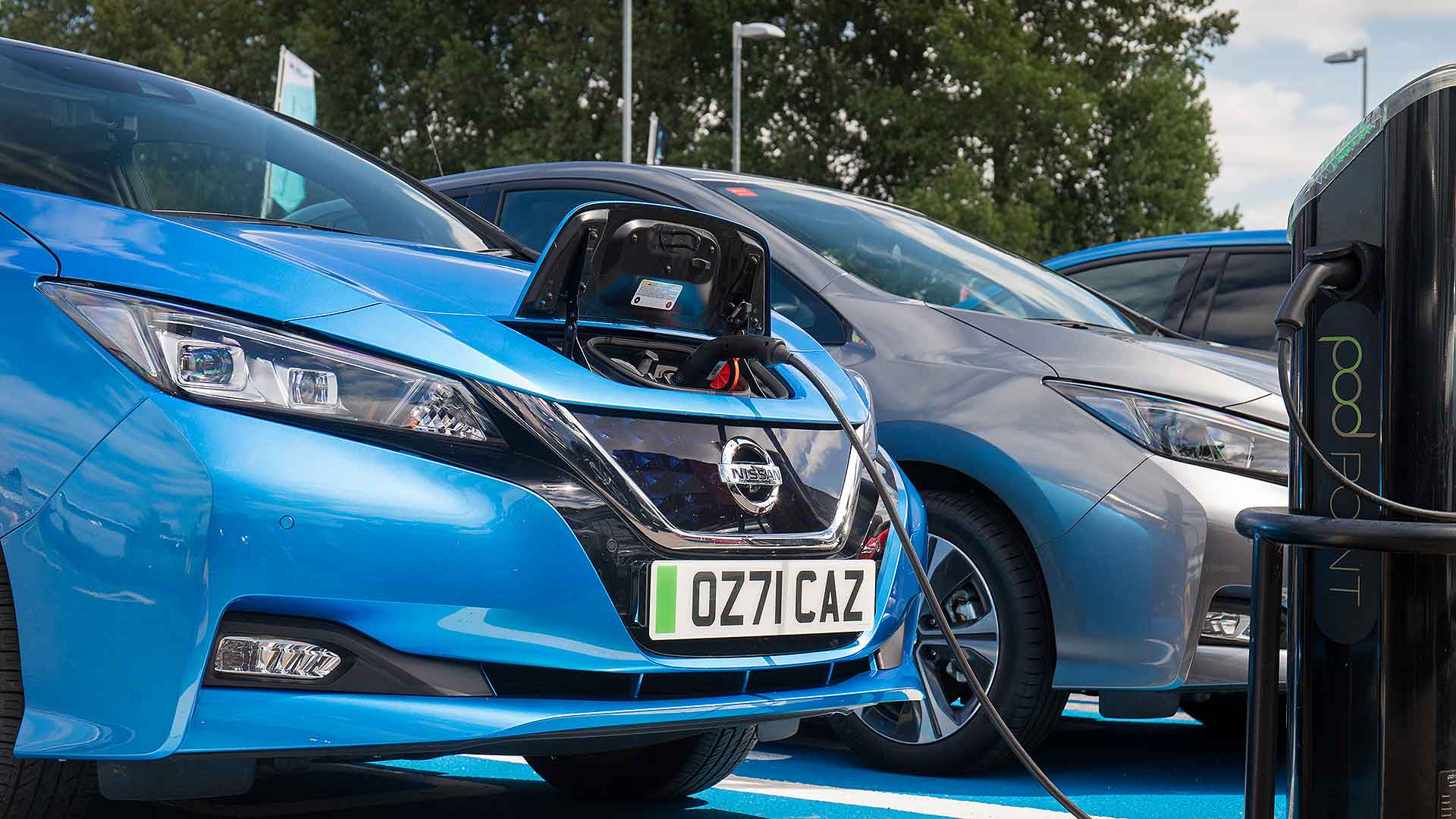
Blue Nissan electric car charging at a Pod Point station, surrounded by other parked cars, outdoors with trees in the background.

Used electric car batteries are proving the doubters wrong, with research showing them to be far more long-lasting than many people expected.

The UK’s largest used EV battery report to date tested thousands of vehicles, discovering that average battery health stands at an impressive 95.15 percent of ‘new’ range.

Even older EVs are holding up well, with eight- and nine-year-old vehicles retaining an 85 percent state of health – well above the 70 percent guaranteed by many EV battery warranties.

High mileages are not proving a hurdle either, with 100,000-mile-plus EVs frequently returning 88-95 percent battery health.

The Generational 2025 Battery Performance Index, which analysed more than 8,000 electric cars and vans, “definitely shows that EV batteries are performing far better than many consumers have been led to believe,” said Generational CEO Oliver Phillpott.

“With an average state of health of over 95 percent, and even older vehicles comfortably exceeding warranty thresholds, the underlying fundamentals are extremely strong.”

Clear benchmarks for batteries

Inside a spacious warehouse, rows of Tesla cars are neatly parked. Industrial design with ample lighting and visible Tesla branding.

The Generational report aims to establish new benchmarks for used EV battery health. Via extensive battery testing, above average, typical and underperforming battery degradation can be highlighted. For example:

  • Among four- to five-year-old vehicles, bottom-performing percentile battery health sits at 91.64 percent, compared to a median of 93.53 percent and a top-performing percentile of 96.49 percent
  • For eight- to 12-year-old vehicles, the bottom, median and top are 82 percent, 85.04 percent and 90 percent respectively

The spread clearly widens with age, showing that while averages remain strong, “variance increases materially over time – creating a growing performance gap between well-maintained vehicles and underperformers”.

In other words, battery degradation is not the systematic risk once assumed. Rather, it’s uncertainty around condition that is the key factor in used EV confidence, performance, risk and residual values.

It means that a three-year-old fleet vehicle with 90,000 miles may have better battery health than a six-year-old car with 30,000 miles, depending on usage and charging behaviour.

“By establishing clear benchmarks for what is typical, above and below average… we are giving the market the reference points it needs to price risk accurately, strengthen residual values and accelerate adoption,” said Phillpott.  

What it means for used EV buyers

A modern car showroom with bright yellow lighting displays a sleek vehicle. The windows feature futuristic graphics and the word "Lotus."

The Generational Battery Performance Index provides clear evidence that, in most cases, EV batteries are likely to exceed the lifespan of the car itself.

The key to unlocking this information is robust used EV battery health testing, as “battery transparency is fast becoming as fundamental as service history or mileage verification”.

In other words, if you are shopping for a used EV, look out for a battery health report as part of each car’s sale description. It’s a useful way to compare and contrast used EVs – and may even help you pick out a high-mileage, above-average battery health bargain.

ALSO READ:

Charging an electric car: what you need to know

Best electric cars to buy in 2026

Your EV questions answered on Motoring Electric

Advertisement