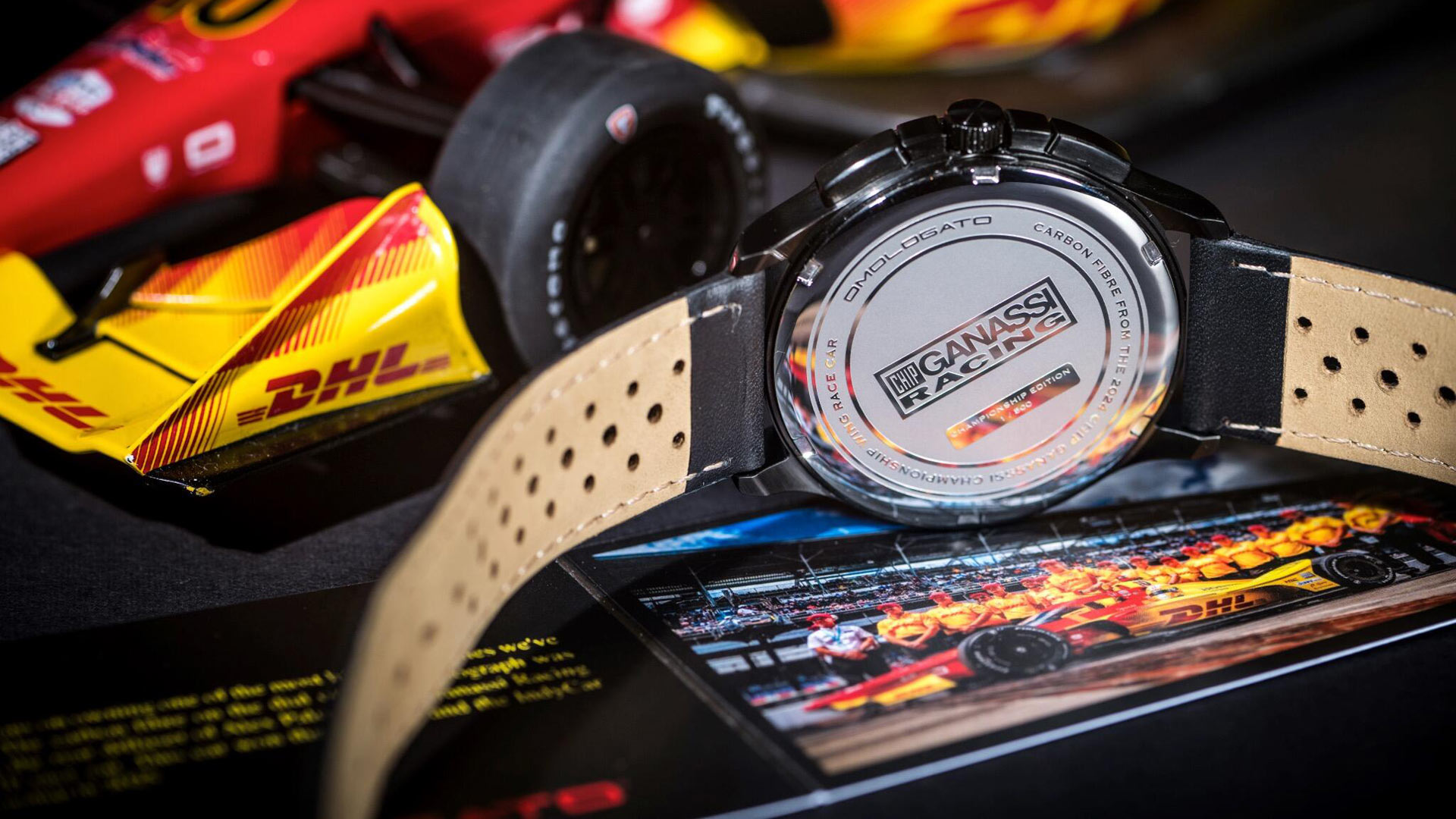
IndyCar fans have the chance to own a wristwatch featuring a genuine piece of Alex Palou’s victorious 2025 No.10 Chip Ganassi race car.
Created by UK-based watchmaker Omologato, the Alex Palou CGR Race Car Chronograph will be limited to 500 examples.
Each watch includes a piece of lightweight carbon fiber bodywork removed from Palou’s Chip Ganassi Racing Dallara DW12 Honda.
The Alex Palou CGR Race Car Chronograph is part of an ongoing partnership between Omologato and Chip Ganassi Racing, following the end of this year’s IndyCar season.
A piece of championship-winning history
Three sections of carbon fiber from Alex Palou’s all-conquering car were shipped by Chip Ganassi Racing to Omologato’s workshop in England.
The British company shaped and milled the carbon fiber parts to the correct design, plus the 1mm width needed to fit inside a watch case.
Omologato says this process caused some of the carbon fiber to crack, but it was eventually able to craft 500 pieces for inside each chronograph.
Every piece of carbon fiber is said to be unique, though, and there may be natural imperfections – such as oil or track debris – on the dial.
The design of the Alex Palou CGR Race Car Chronograph is said to have been inspired by early Indycar gauges, which were made by Smiths in the UK.
Available to reserve now
The Alex Palou CGR Race Car Chronograph will cost $1,002.45 in the United States. Customers can choose a black leather or fabric strap.
Omologato is accepting reservations for the wristwatch now, with a deposit required to secure one of the 500 examples.
The 2025 IndyCar season saw Alex Palou claim eight race wins, including a victory in the Indianapolis 500. Five other podiums helped the Spanish-born driver to secure his fourth IndyCar chanmpionship with ease.
The UK’s less familiar parking laws could catch out even experienced drivers. And failing to heed them could mean an ticket on your windscreen, or a fine issued through the post.
“We expect the majority of motorists know not to park on double yellow lines or in disabled bays without a Blue Badge,” said Tim Alcock from LeaseCar, who compiled this list. “But it’s likely that fewer drivers know that allowing your parked car to build up dirt could leave you open to prosecution, as having an unreadable number plate is illegal.
“Similarly, the Highway Code says that you can’t park anywhere that may restrict access for emergency services, such as leaving a residential road too narrow for a fire engine.”
Remember, if you are issued a ticket that you believe is unfair, you can appeal. Details of the process are usually found on the ticket itself – or the letter that accompanies it. You can also follow Motoring Research’s advice guide, which lists the legitimate reasons for an appeal.
Parking laws you might be unaware of
Here are 11 UK parking rules that you might have forgotten or never known in the first place. Read them to help you stay on the right side of the law…
1. Using the horn while a car is stationary is against the law. This includes when the vehicle is parked.
2. Parking on the zig-zags either side of a pedestrian crossing or outside a school, or in a cycle lane, is not permitted.
3. Parking to load or unload on double yellow lines is only allowed if the load is of sufficient volume, weight or difficulty.
4. You cannot park anywhere that may restrict access for the emergency services.
5. A vehicle must display parking lights when parked on a road – or a lay-by on a road – with a speed limit greater than 30mph.
6. Parking more than 50cm away from the kerb could lead to an on-the-spot fine.
7. A car is not considered ‘in’ a designated parking space if the wheels are over any lines. The driver risks a parking ticket.
8. Parking on a dropped kerb could result in a Fixed Penalty Notice (FPN).
9. Using cones, wheelie bins or other obstacles to reserve a parking space is not permitted. It could be interpreted as causing an obstruction, leading to a fine.
10. The car’s engine should be switched off if it’s left for an extended period of time on a public road.
11. Allowing a parked car to get dirty could result in a fine if the number plate isn’t clean.
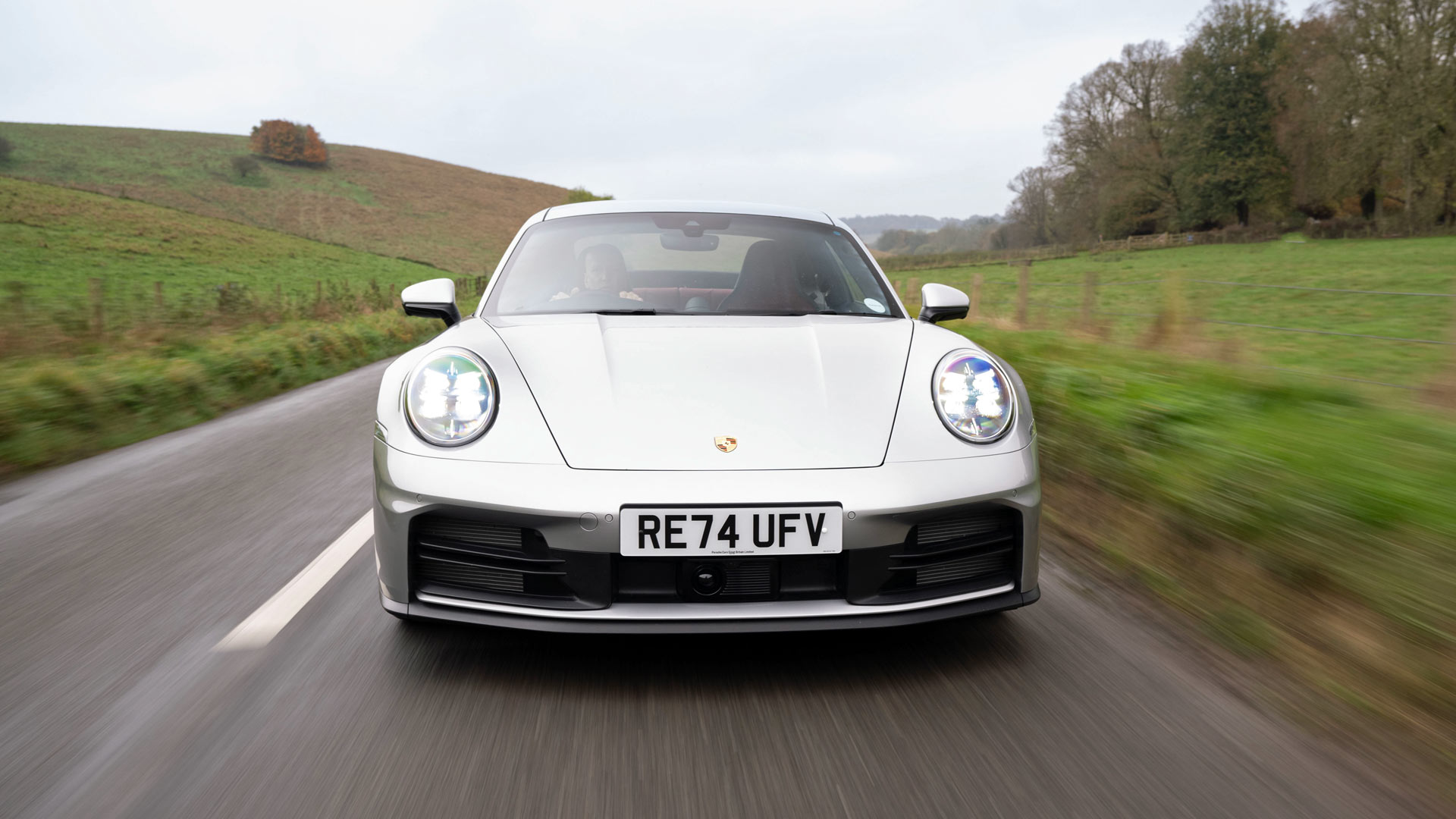
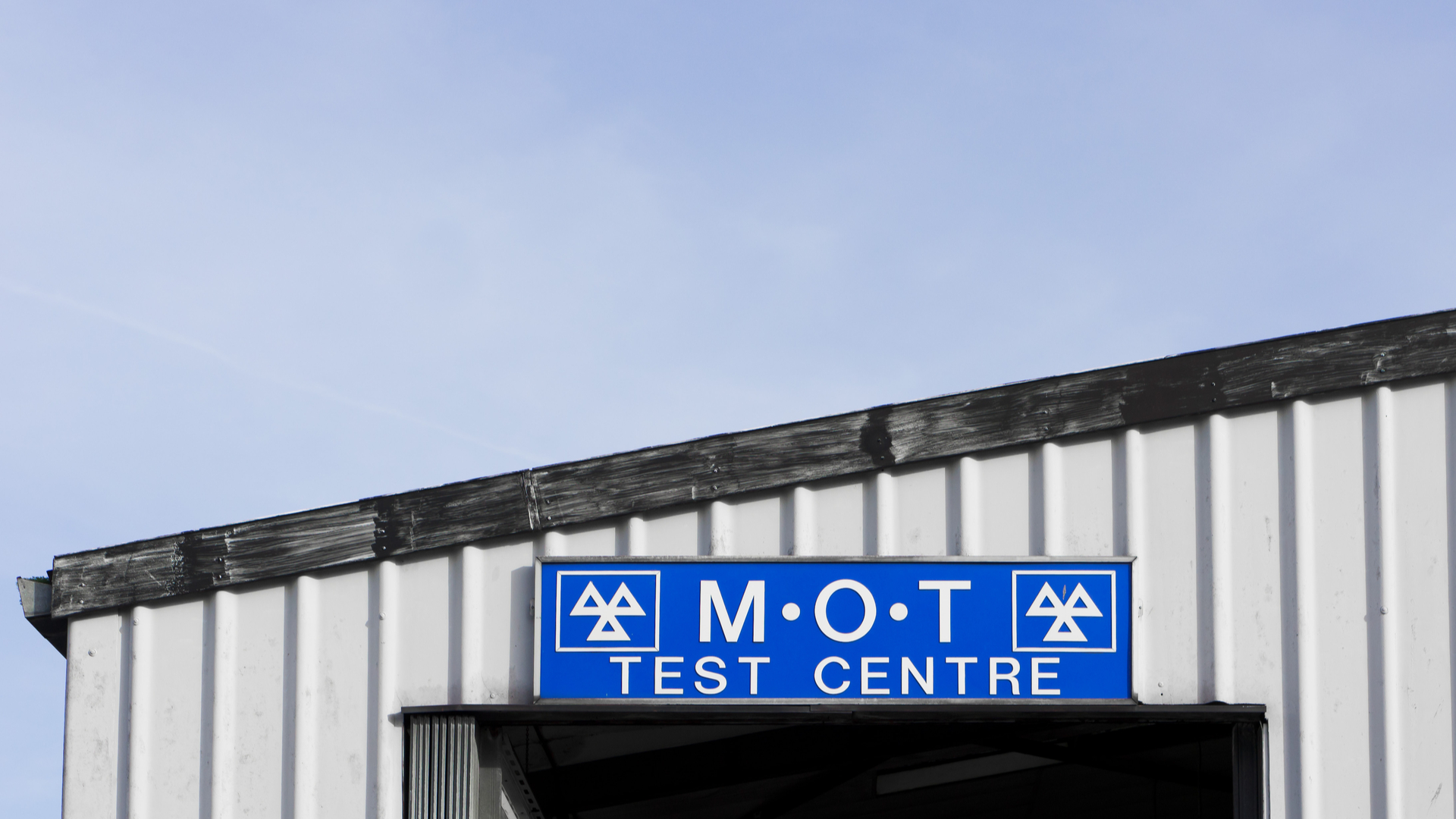
The UK’s least organised drivers are likely to be behind the wheel of a Porsche, according to new MOT testing data.
A study of the 30 most popular car brands revealed owners of the German sports cars and SUVs were most likely to leave booking an MOT until the last minute.
Almost one in 20 (4.76 percent) of Porsche drivers made a test appointment with just 48 hours remaining before their current MOT expired.
MG drivers were just behind on 4.51 percent. Mercedes-Benz drivers rounded out the top three, with 4.25 percent running their MOT down to the wire.
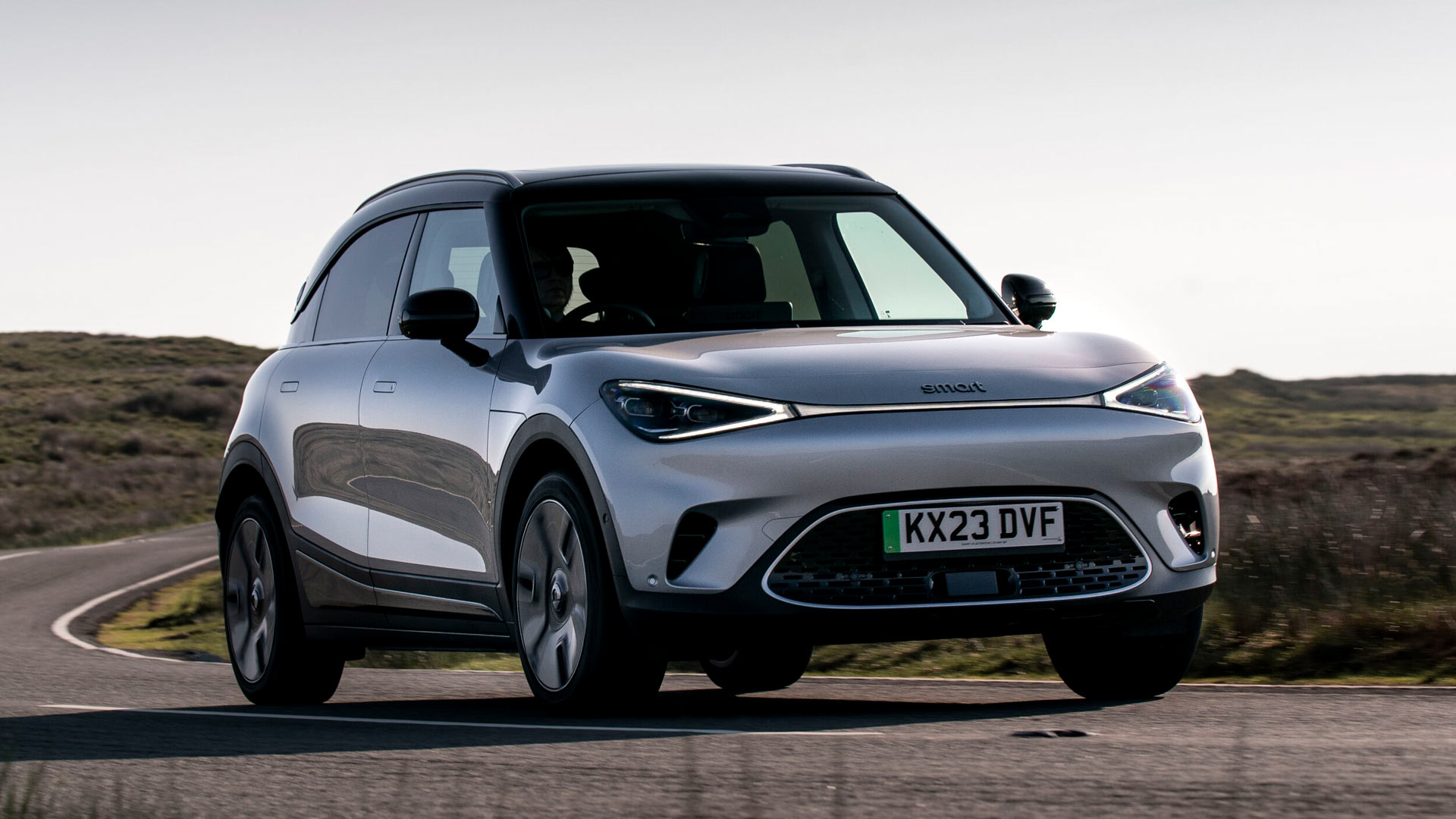
Smart owners have the MOT smarts
At the other end of the scale, Smart owners were the most organised according to the study. Only 2.35 percent made an MOT appointment with 48 hours to go.
Skoda drivers take the silver-medal position with 2.76 percent, while Citroen owners complete the best-organised podium.
BookMyGarage completed the analysis of MOT bookings during 12 months from December 2024. It also examined which regions of the country were the least and most organised.
Drivers in Leicester were the worst for last-minute bookings, with 6.43 percent of motorists leaving it until the final two days. Conversely, with only 1.12 percent making a late booking, Sandhurst was home to the best-prepared drivers.
Book in advance to avoid a fine
For anyone looking to make an urgent MOT booking, December is typically the calmest month for appointments. Busier months, such as September, can cause extra pressure if garages are fully booked.
Jessica Potts, chief marketing officer at BookMyGarage, said: “If you only book your MOT in the final 48 hours before it expires, you’re giving yourself very little flexibility.
“Once your MOT has expired, you can only legally drive your car to a pre-booked MOT test or a garage for repairs. And it still needs to be insured while you do so.
“Driving without a valid MOT can lead to a £1,000 fine and may also invalidate your insurance if you are stopped or involved in an accident. To avoid these complications, it’s best to book your MOT well in advance. We find that the average car owner books their MOT test 27 days ahead of expiry, so try to aim for something like this.”
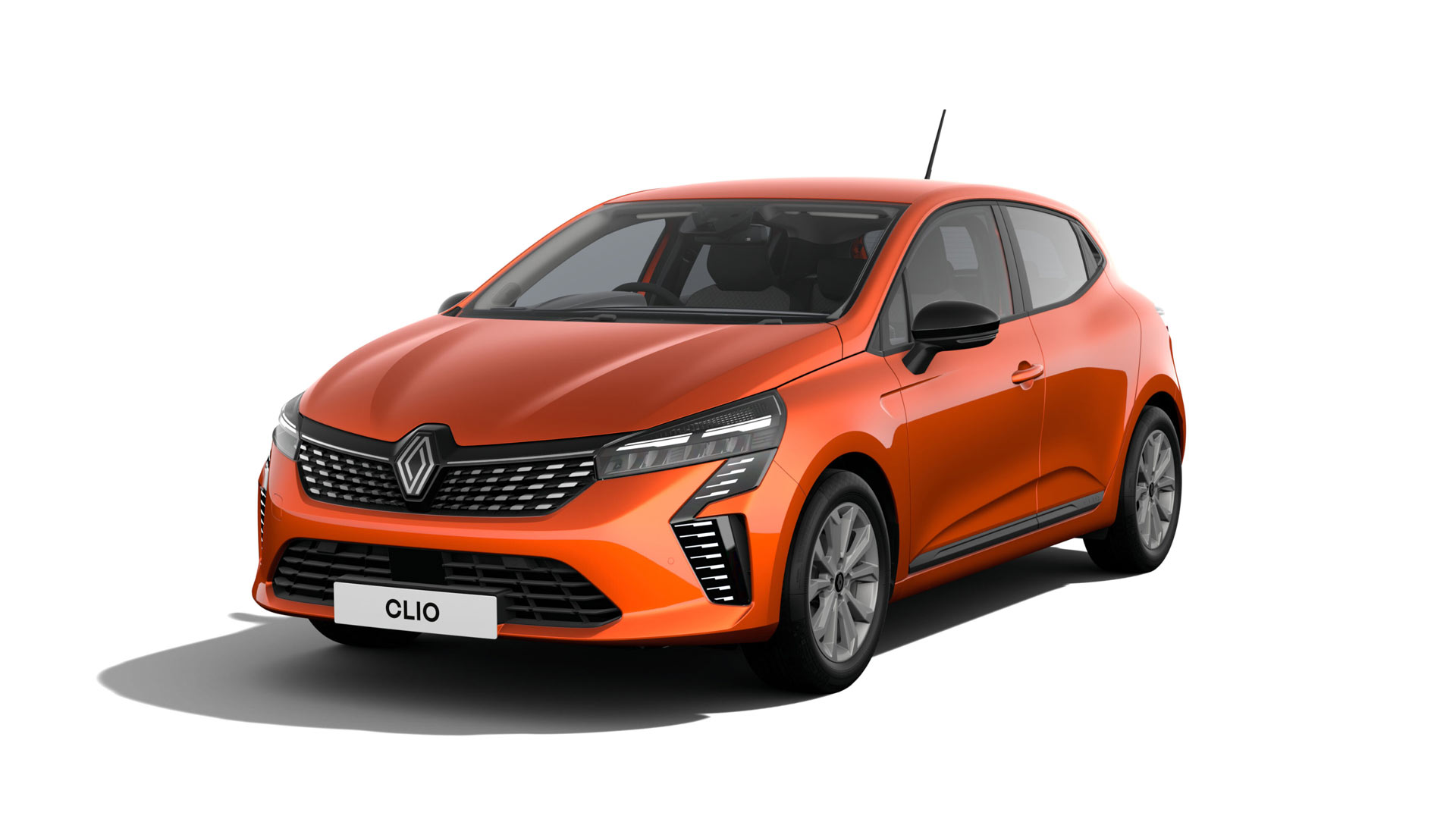
Renault has revealed prices and specifications for the updated version of its Clio supermini. A price cut of £1,000 for the entry-level Generation model means the cheapest Renault Clio now costs £17,995.
It makes the revised Clio something of a bargain in the current car market, where finding a new vehicle for less than £20,000 is a challenge.
However, this refreshed version of the existing Renault Clio arrives in the UK just as other European markets welcome the all-new sixth-generation Clio. The latter will not reach British shores until at least 2027.
Bargain prices, generous spec
Despite its budget pricing, the updated Renault Clio Generation comes with automatic climate control air-con, front and rear parking sensors, a rear-view camera and integrated navigation, plus wireless Apple CarPlay and Android Auto connectivity.
Along with the most affordable Generation, the revised 2026 Clio will be offered in three additional trim levels.
Starting at £19,495, Techno+ brings 17-inch diamond-cut alloy wheels, wireless smartphone charging, heated front seats and chrome exterior trim.
Techno Esprit Alpine trim, priced from £20,995, is inspired by the sporting Alpine marque, and gains bespoke alloy wheels, a larger 9.3-inch touchscreen, a 10.0-inch digital instrument panel and aluminium pedals.
Available to order now
Topping the range at £24,795 is the Clio Iconic Esprit Alpine. It comes fully loaded with a Bose audio system, adaptive cruise control, a 360-degree parking camera, blind-spot monitoring and a heated faux-leather steering wheel with blue stitching.
Depending on the trim level chosen, the Clio will use either a 90hp three-cylinder turbocharged petrol engine or a 145hp hybrid petrol/electric powertrain.
Buyers can select from six different paint colours: Glacier White, Ceramic Grey, Shadow Grey, Diamond Black, Valencia Orange and Iron Blue.
Orders for the updated Clio range can be placed at Renault dealerships now. The first deliveries are expected in early 2026.
Thousands of drivers could see their speeding fines cancelled after National Highways identified an error that caused cameras to be triggered incorrectly.
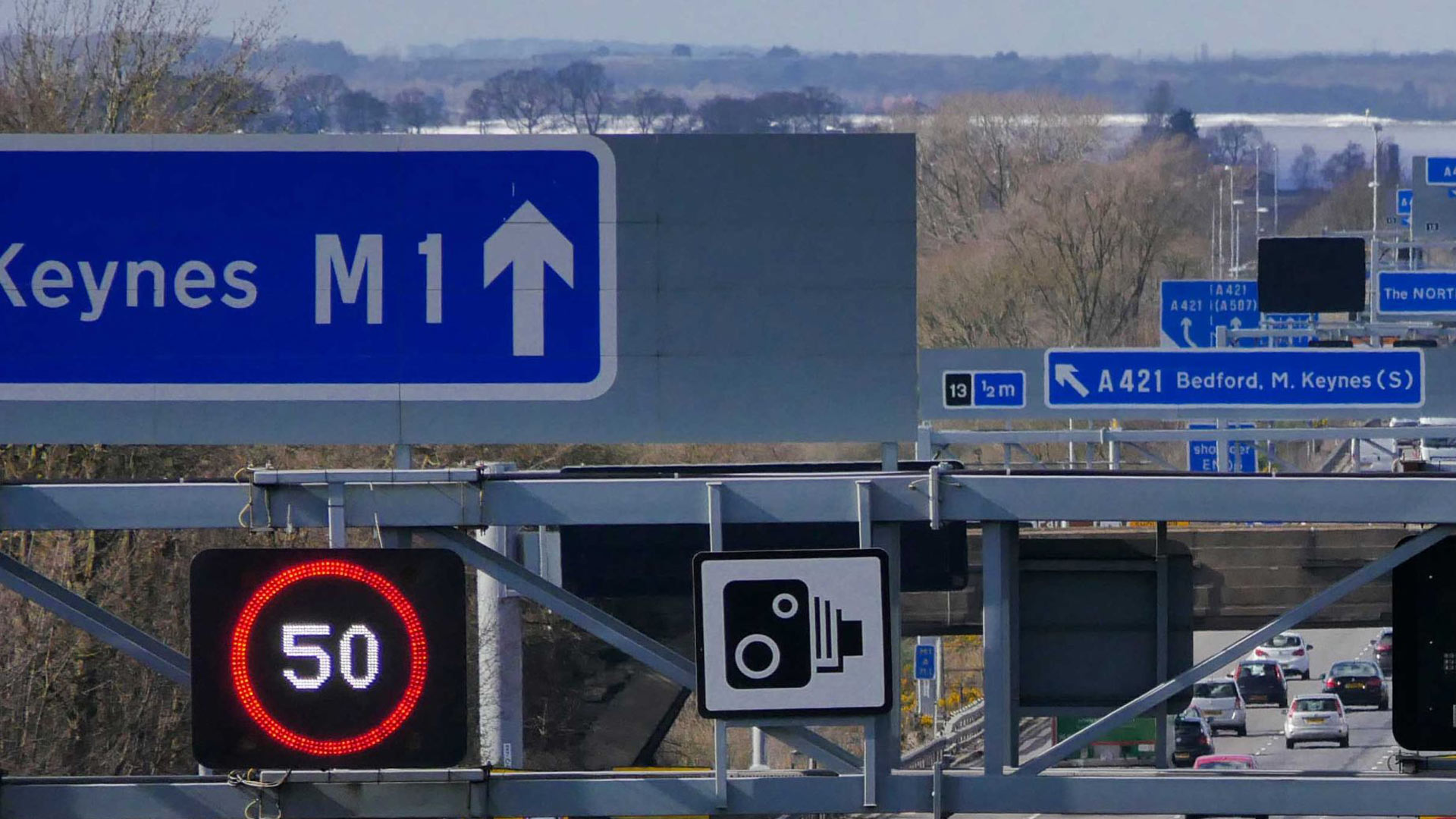
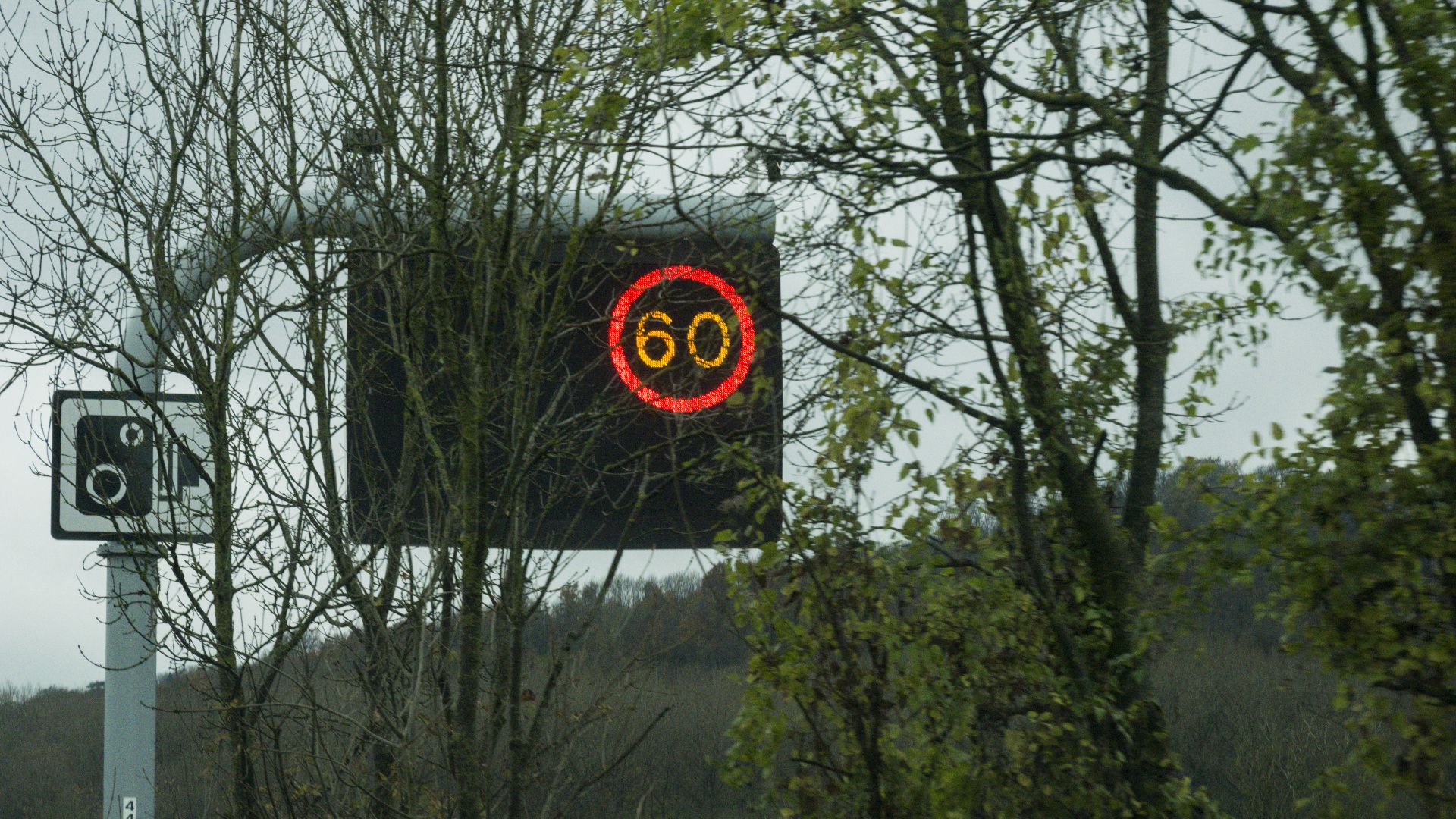
The issue applies to speed cameras covering motorways and major A-roads with variable speed limit signs, including smart motorways.
In many of the identified cases, the cameras activated too soon after the variable speed limit had changed, leaving drivers with no reasonable chance to react.
Around 2,650 instances of incorrect speed camera activations have been uncovered since 2021. However, more could be found following a further review ordered by the government.
Fines to be repaid and points removed
In a written statement to parliament, Simon Lightwood MP, Parliamentary Undersecretary of State for Transport, apologised to drivers who had been affected by the erroneous speeding enforcement.
National Highways has now passed the information on cases identified to the police, who will rectify the enforcement action taken against drivers.
This will include speeding fines being reimbursed, penalty points removed from driving licences, and the potential for financial compensation for those who were incorrectly prosecuted.
Simon Lightwood has also instructed National Highways to make a further investigation into the issue, dating back to 2019.
This coincides with the start of upgrades made to speed cameras on England’s Strategic Road Network, which are believed to have triggered the incorrect speeding penalties.
Drivers should observe ‘posted speed limits’
During the time period currently identified by National Highways, more than six million speed camera activations took place. As a result, the incorrect enforcement action represents just 0.1 percent of all penalties issued.
However, until the issue can be fully resolved, police forces will not be enforcing penalties from cameras that cover variable speed limits.
A written statement to parliament says this means ‘tens of thousands of people’s speed awareness courses are being cancelled, and thousands of historic fixed penalty notices and criminal justice prosecutions are being discontinued’.
Instead, the police will use other enforcement methods on motorways and A-roads, such as average speed cameras and more mobile patrols.
National Highways chief executive, Nick Harris, said: “Safety is our number one priority and we have developed a fix for this technical anomaly to maintain the highest levels of safety on these roads and make sure no one is wrongly prosecuted.
“All drivers should continue observing the posted speed limits as normal. Anyone who has been impacted will be contacted by the relevant police force.”
Electric vehicle charging provider Gridserve has signed up famed interior designer, Laurence Llewelyn-Bowen.
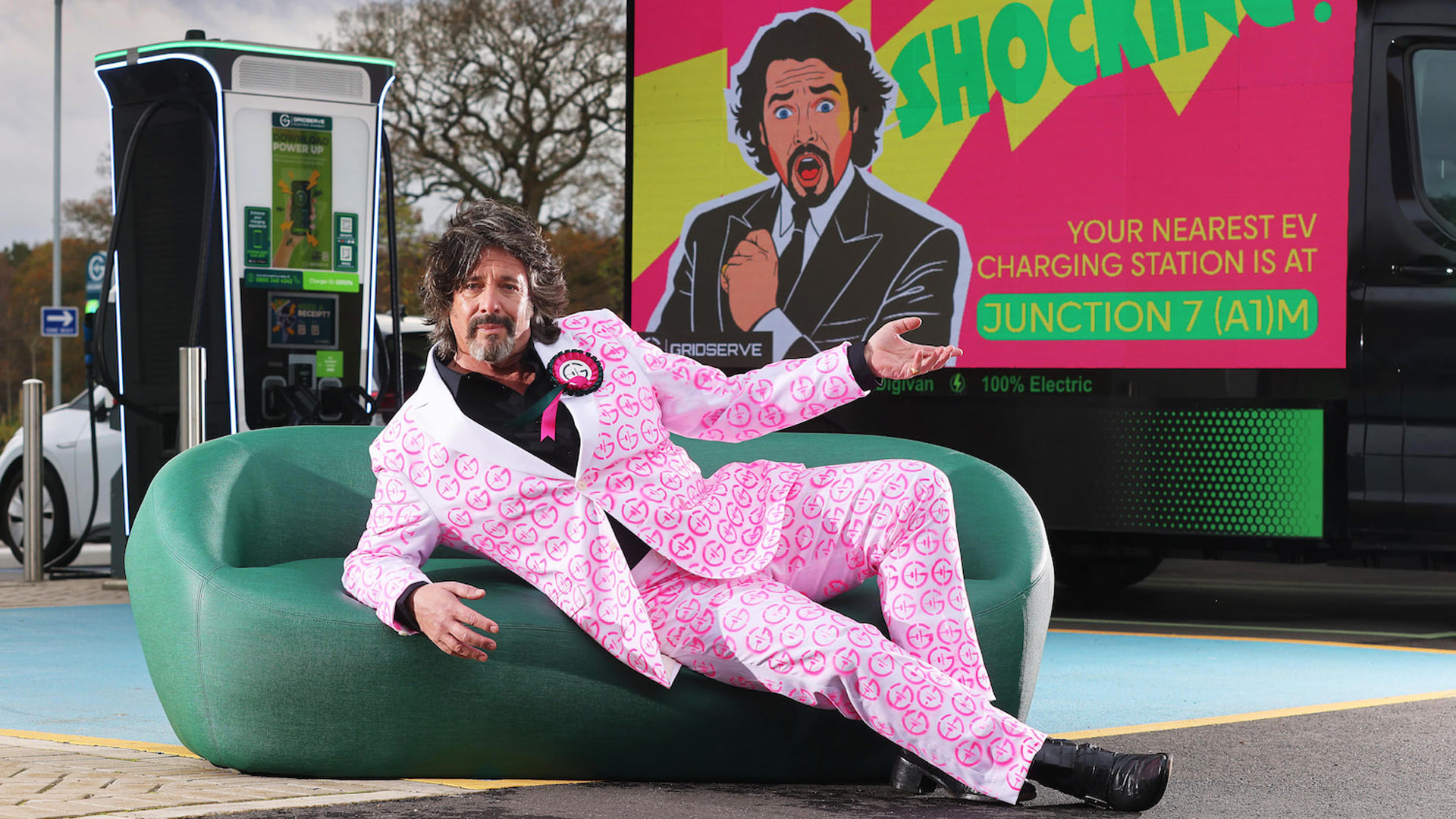
Best known for presenting the home makeover TV show, Changing Rooms, Llewelyn-Bowen has been appointed as Gridserve’s ‘Chief Visibility Officer’.
Thankfully, there is no evidence of any terracotta paint, MDF or rag-rolling in the EV charging company’s plans.
Instead, Llewelyn-Bowen will take on a far more serious task of ensuring that British drivers can locate EV charging infrastructure.
A bold approach to EV charger visibility
Research by Gridserve discovered that more than half of adults underestimate the level of electric vehicle charging provision in the UK.
In fact, there are now more than 87,000 charging devices available. However, Gridserve believes that outdated signage and poor placement makes many of them hard to find.
Laurence Llewelyn-Bowen will ensure there is no chance of missing public charger locations. Indeed, the flamboyant designer arrived for his Gridserve photoshoot wearing a highlighter-yellow suit.
His suggestions included the addition of fake flamingos to Gridserve’s Electric Forecourts, along with a mobile digital advertising van.
Solving range anxiety through awareness
Despite the tongue-in-cheek approach, Gridserve says increasing awareness of EV charging is key to boosting confidence among potential electric car owners.
Knowing that charging devices are easy to find should ‘reduce range anxiety, help drivers make quick decisions on the road, and turn charging from an uncertain task into an intuitive part of everyday travel,’ the company says.
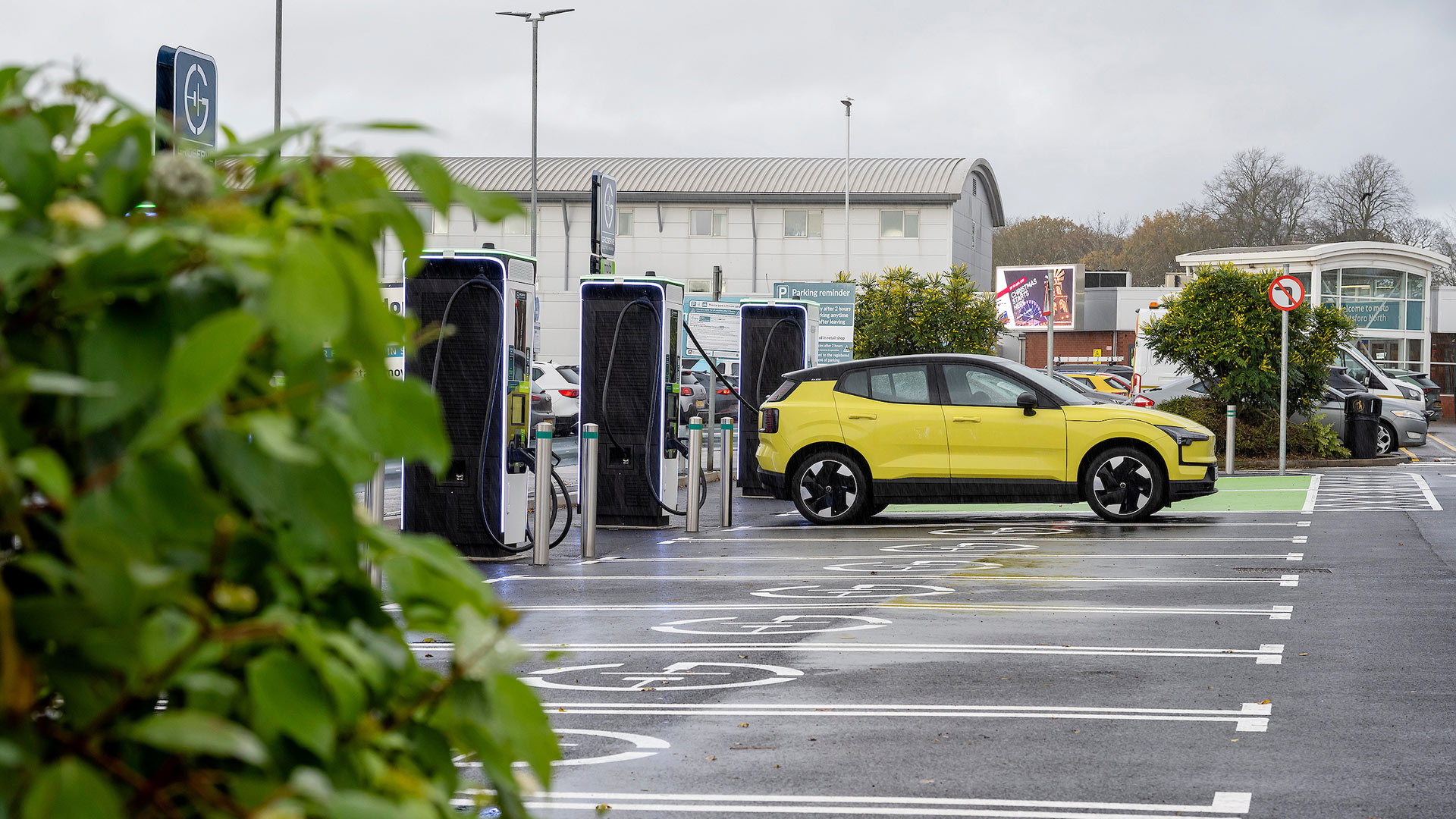
Gridserve’s campaign comes after it added new 400kW devices to a charging station at Centaurus Park in Bristol.
Capable of recharging two vehicles at once, the ABB E-mobility A400 devices can, with compatible cars, add more than a hundred miles of range in under 10 minutes.
Remarkably, that’s even less time than it would take Handy Andy to knock-up a set of MDF shelves on Changing Rooms…
Mitsubishi Motors has confirmed the first two models to be sold in the UK next year, after the marque announced an unexpected comeback.
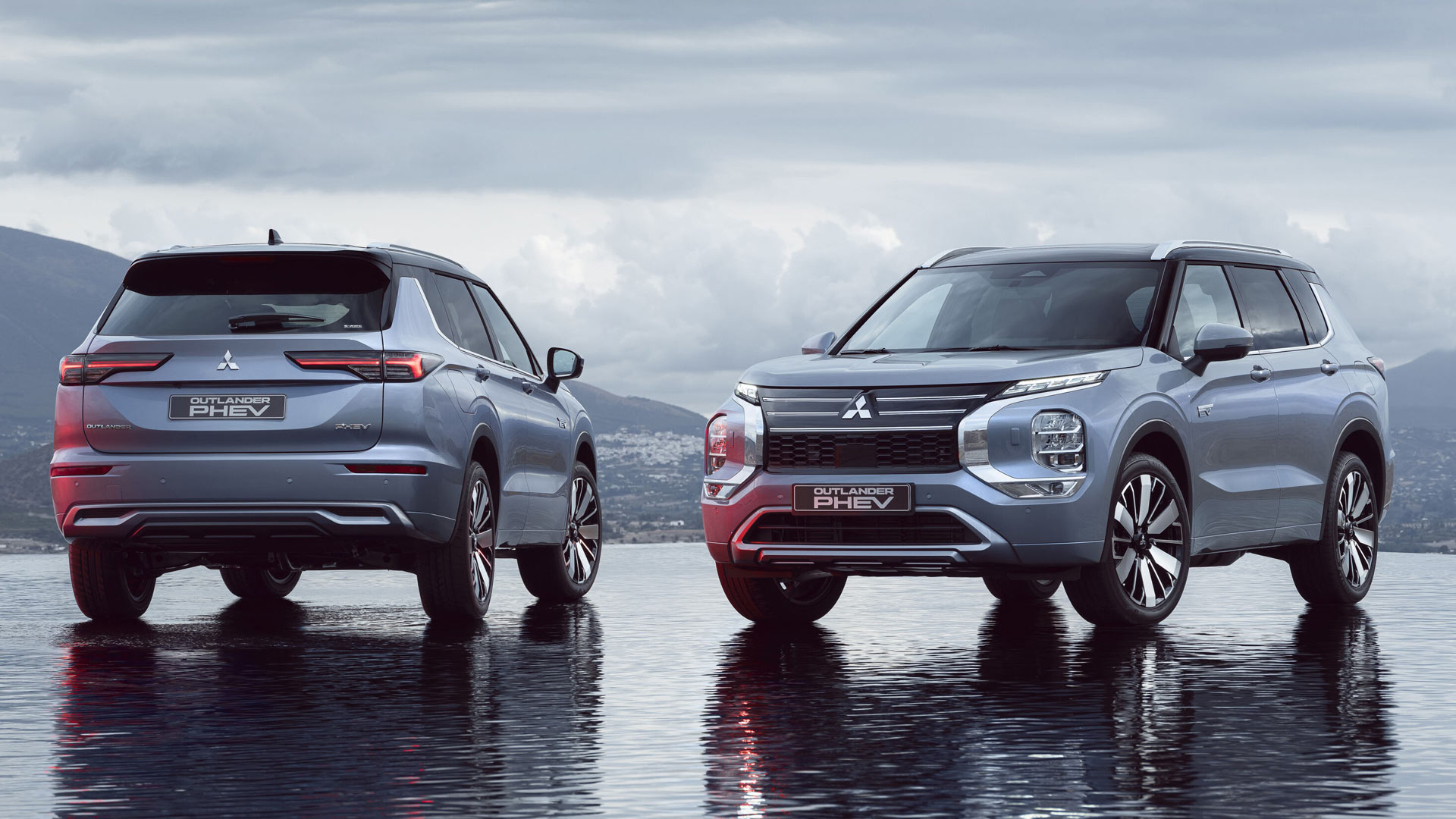
The Mitsubishi model range will include the latest-generation Outlander PHEV SUV, along with the L200 Series 7 double-cab pickup truck. Both will be available from summer 2026.
A limited number of vehicles will be offered at first, with Mitsubishi seemingly testing the waters with its previous best-sellers. The company had previously exited the UK in 2021.
Sadly, there is no mention of any Lancer Evolution-style performance car, not least because the 4WD saloon left the Mitsubishi lineup in 2016.
Family SUV and a hard-working truck
Mitsubishi sold more than 50,000 examples of the original Outlander PHEV when it was launched in 2014. It became one of the most popular plug-in hybrid vehicles at the time.
The latest 2026 Outlander PHEV boasts a larger platform, a 2.4-litre petrol engine and two electric motors. Up to 300hp is on offer, handled by a rally-bred Super-All Wheel Control (S-AWC) system.
When the Outlander PHEV returns to the UK in 2026, it will be available in seven-seat SUV guise for the first time.
Joining the Outlander will be the L200 Series 7 double-cab pickup, which features a 2.4-litre diesel engine and selectable four-wheel drive.
Return of ‘much-loved’ Mitsubishi models
Following the model reveal, Sharon Townsend, head of Mitsubishi Motors in the UK, commented: “We are excited to announce the two new Mitsubishi models that will go on sale in the UK in summer 2026.
“While the Mitsubishi Outlander PHEV and the Mitsubishi L200 are familiar, much-loved and respected names in the UK, we will be introducing the very latest models, which feature significant design, technology and performance upgrades over their predecessors.”
UK launch dates for the Outlander PHEV and L200, along with prices and exact vehicle specifications, will be announced next year.
The Dacia Spring’s position as the UK’s most affordable electric car has just been reinforced, thanks to a new £3,750 Electric Car Grant from Dacia.
The grant is effectively a deposit contribution, which the firm illustrates on a four-year PCP finance deal. It reduces the price of the entry-level 2026 Dacia Spring to just £12,240.
With a customer deposit of £2,776, Dacia’s additional £3,750 brings monthly payments down to £129 – by modern car finance standards, an absolute bargain.
“With the introduction of our Dacia Electric Car Grant, it makes buying and owning a Spring even more affordable,” said Dacia UK brand director Luke Broad.
“We’re in the business of making electric mobility accessible for all, and with our track record of delivering best-in-class value for best-in-class cars, it really doesn’t require a leap of faith to go electric.”
Save money on 2026 Dacia Spring
Orders for the new improved Dacia Spring are open now, ahead of deliveries beginning in spring 2026.
The Spring is available in two guises: the £15,990 Expression 70 and £16,990 Extreme 100. Both prices are pre-grant, and the numbers indicate the power output of their electric motors.
The 2026 Dacia Spring has an updated chassis, suspension and brakes, while a new 24.3kWh battery provides a driving range of up to 140 miles.
Dacia has added a 40kW onboard DC charger, which will boost the battery from 20-80 percent capacity in 29 minutes.
Interior trim quality has been improved, and all models get a 7.0-inch driver display. The plusher Spring Extreme features a 10.1-inch touchscreen with wireless Apple CarPlay and Android Auto phone connectivity.
All 2026 Dacia Spring models also come with air conditioning, rear parking sensors and electric front windows. Extreme specification adds copper-accented styling, electric rear windows, electric door mirrors, front parking sensors and a reversing camera.
Opting for the more powerful Extreme 100 also cuts the Dacia Spring’s 0-62mph acceleration time from 12.3 seconds to a zippier 9.6 seconds.
By comparison, England, Wales and Northern Ireland all have a higher limit of 35 micrograms of alcohol per 100 millilitres of breath.
None for the road
During the whole of 2024, Police Scotland prosecuted 4,427 motorists for being over the drink-drive limit, with 4,260 of them being convicted: a 96 percent conviction rate.
Although the overall number of drivers prosecuted in Scotland for drink-driving fell last year compared to 2023, it still marked a 15 percent increase compared to a decade ago.
In 2023, 10 people were killed by a drink-driver on Scottich roads, while 300 were injured. This number remains “unacceptably high”, says Hunter Abbott, managing director of personal breathalyser firm, AlcoSense.
“With Scotland’s lower drink-drive limit, even small amounts of alcohol can put you over the legal threshold,” notes Abbott.
Police Scotland taking action
Police Scotland’s festive drink-driving campaign will run until 2 January 2026, with targeted patrols in known hotspots such as Glasgow, North Lanarkshire, the Highlands, South Lanarkshire and Edinburgh.
Under Scottish law, being caught driving over the prescribed limit for alcohol will result in a minimum driving ban of 12 months. A prison sentence of up to six months is also possible, along with a maximum fine of £5,000.
Hunter Abbott commented: “The only reliable way to know you’re safe and legal to drive is to self-test with a personal breathalyser. Particularly the morning after a night out, when alcohol can remain in your system for many hours.”
WIN an AlcoSense Excel breathalyser
To help drivers stay safe and legal during the festive season, we have an AlcoSense Excel personal breathalyser to give away.
Worth £99.99, the award-winning AlcoSense Excel uses a similar sensor to those found in police-specification breathalysers, warning you when it isn’t safe to hit the road.
To be in with a chance to win, all you need to do is sign up to our weekly Motoring Research newsletter by 5pm on Thursday 18 December, using this link.
We will then draw one lucky winner at random from our newsletter subscribers, and notify them using email address they signed up with – so they can receive their AlcoSense Excel device in time for keeping safe on the road during the festive season.
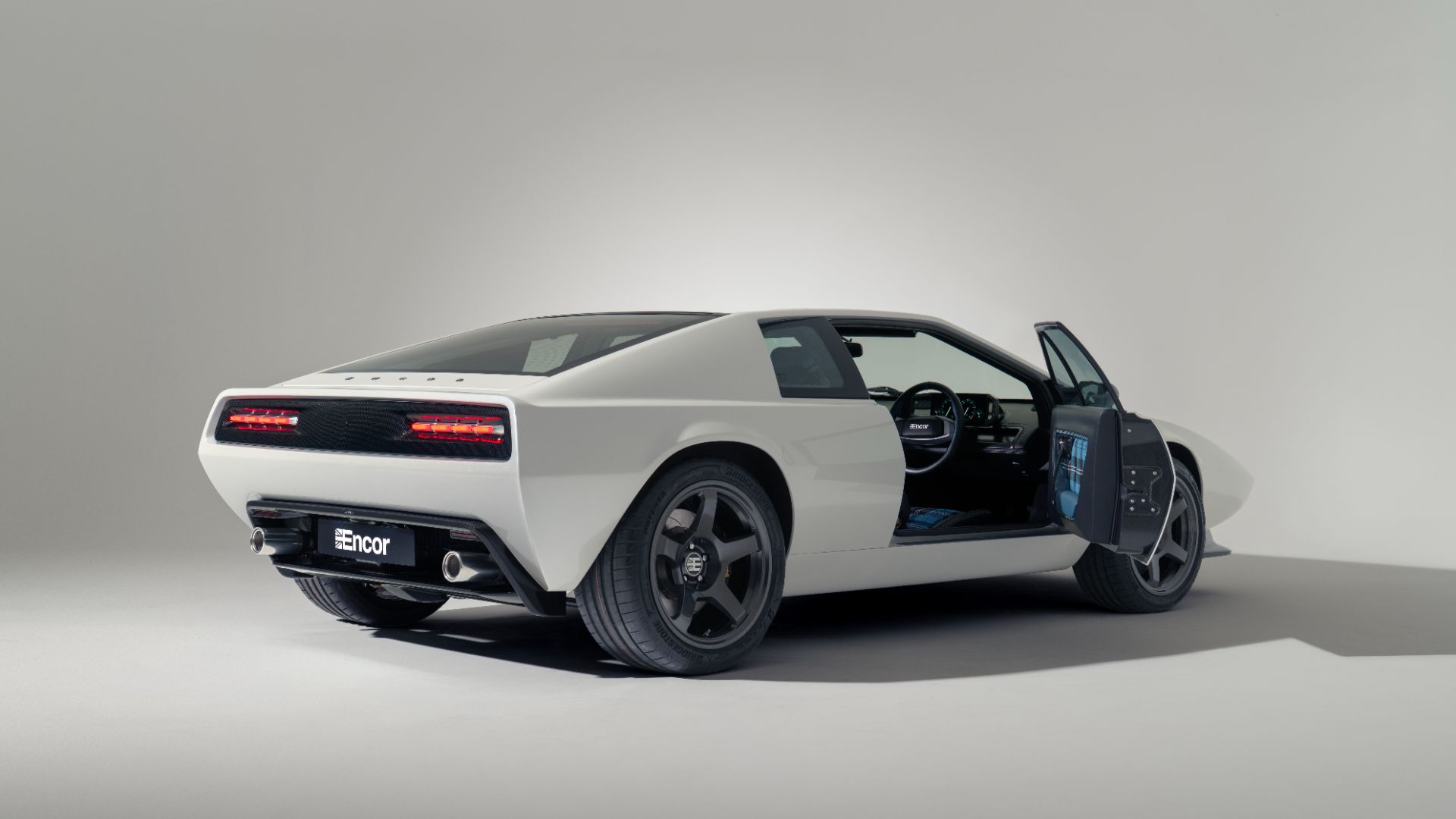
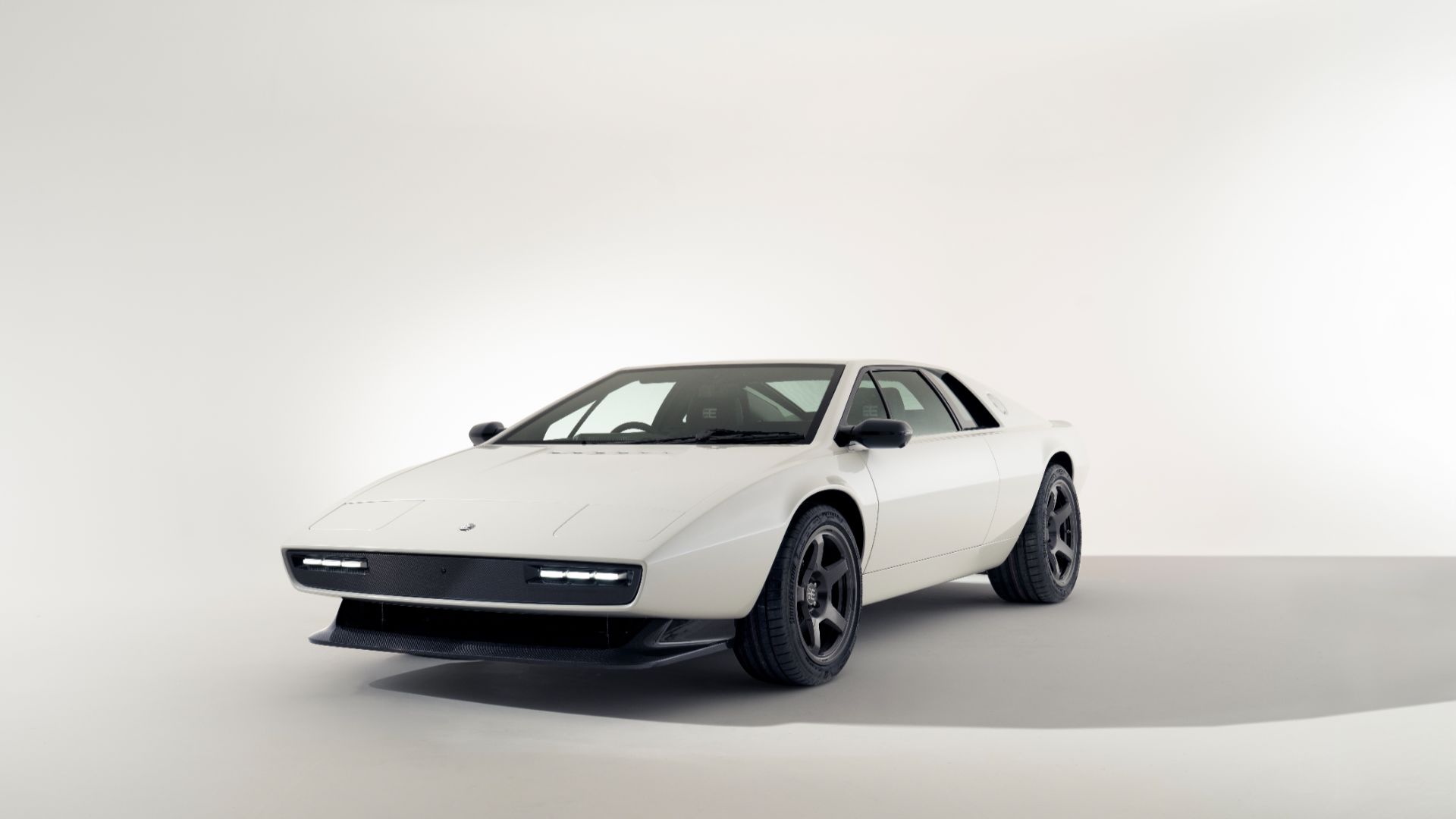
This is the Lotus Esprit as you’ve never seen it before. Fifty years after its debut at the Paris Motor Show, the classic British sports car has been resurrected for the 21st century. Forget Noel and Liam, this is the biggest comeback we’ve witnessed all year.
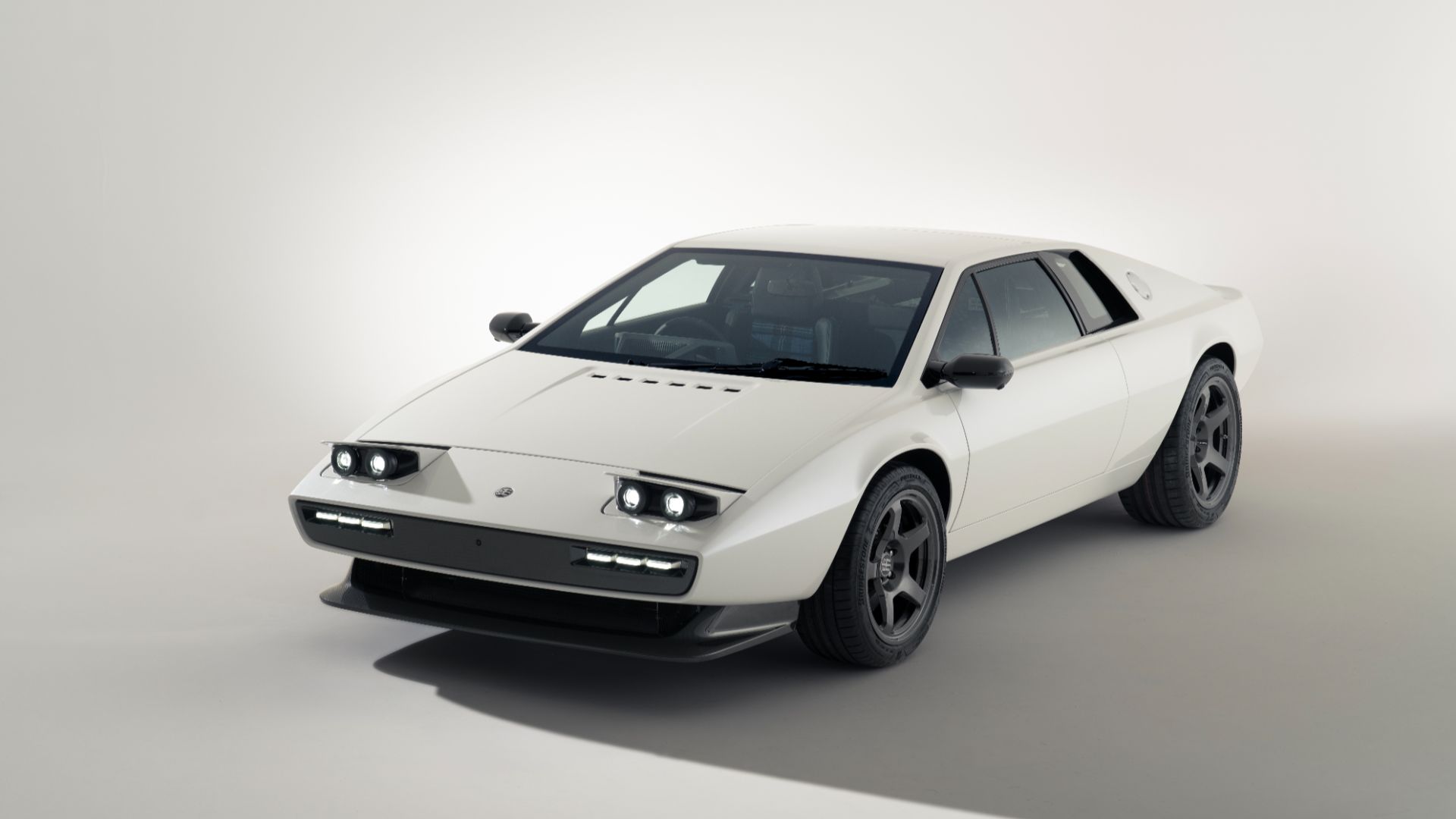
Encor’s stated aim with its new Series 1 restomod was ‘respectful enhancement – to approach the Esprit not as a blank canvas, but as a piece of cultural heritage’. To that end, the car combines a carbon fibre body that evokes the 1975 original with the chassis and powertrain from a late-model Esprit V8. It’s unmistakably a Lotus Esprit, but almost every detail is different.
Encor plans to build 50 examples of the Series 1 to mark the 50th anniversary of the Esprit. I visited the company’s production facility in Chelmsford, Essex, to explore the car and meet the team behind it.
Driving a wedge
Some prefer the sumptuous curves of the 1960s, but nothing screams SUPERCAR like a 1970s wedge. The Lancia Stratos, Lamborghini Countach and DeTomaso Pantera were all prime examples of the breed, but the original Esprit was equally worthy of space on any bedroom wall.
Indeed, while the word ‘icon’ gets overused when talking about classic cars, a starring role in two James Bond films – including as the submarine ‘Wet Nellie’ in The Spy Who Loved Me – made the Lotus a genuine legend in its own lifetime.
‘Remastering’ the Esprit was thus a responsibility that Daniel Durrant, former lead designer for the Lotus Emira, took very seriously. “We’ve simplified the aesthetic and upped the quality”, he explains. “Every line we’ve refined, every decision we’ve made, is about honouring the original’s intent.”
Clothed in carbon fibre
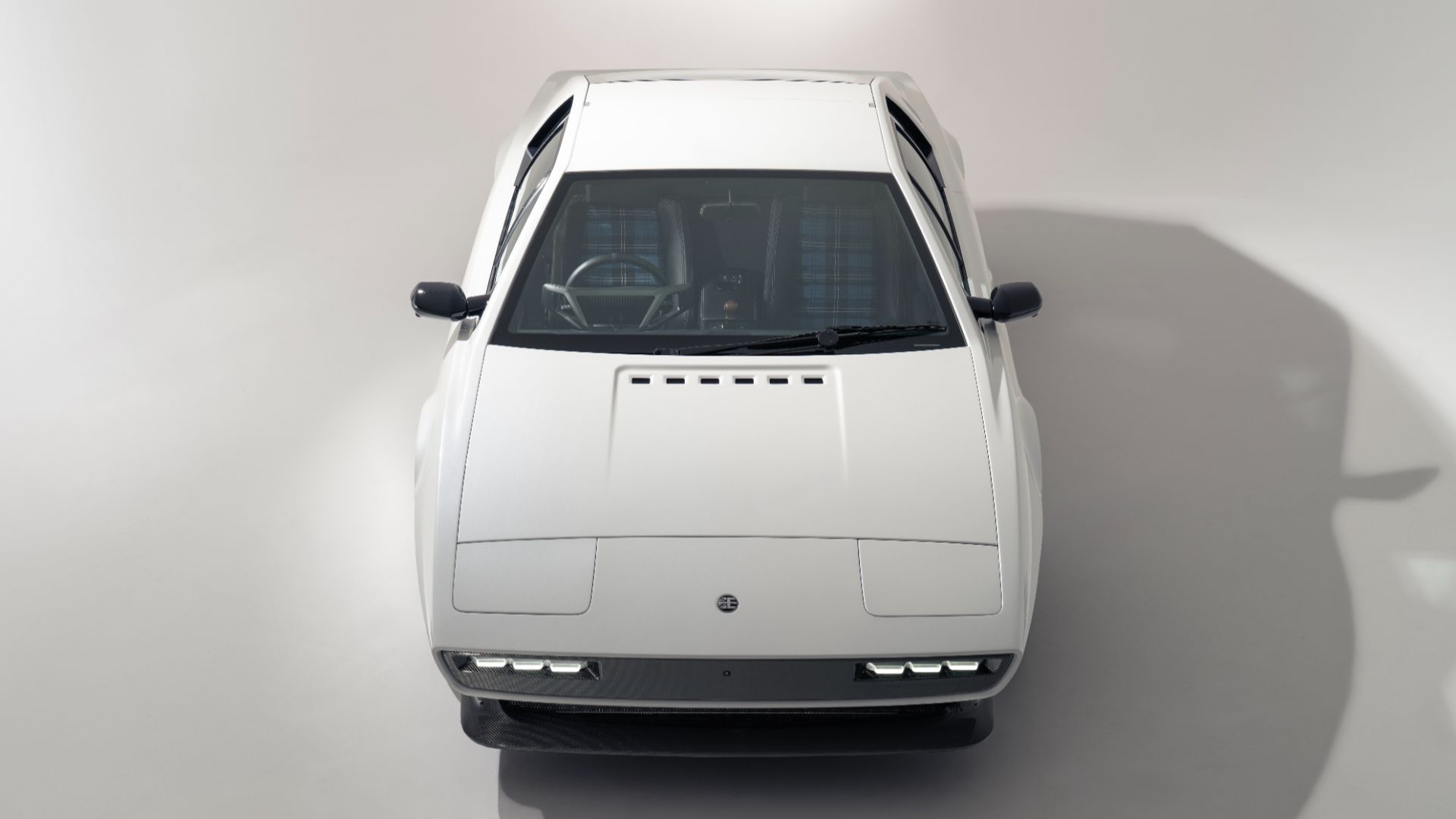
While the classic Esprit was made from fibreglass, the Encor is fully clothed in carbon fibre. That meant Durrant could remove the black line around the car’s midriff where the upper and lower moulds were joined. The result is a cleaner look that seems to accentuate the Esprit’s angularity.
Other aspects of Giorgetto Giugiaro’s original design have been modernised, too. All the glass now sits flush, the bumpers are integrated and the door handles – previously borrowed from the Morris Marina – are solenoid switches hidden inside the air intakes.
Thankfully, Encor hasn’t done away with the Esprit’s pop-up headlights, but they’re now much brighter LED projectors. Billet aluminium housings conduct heat away from each of the lamps. “We wanted to make function beautiful,” Durrant says.
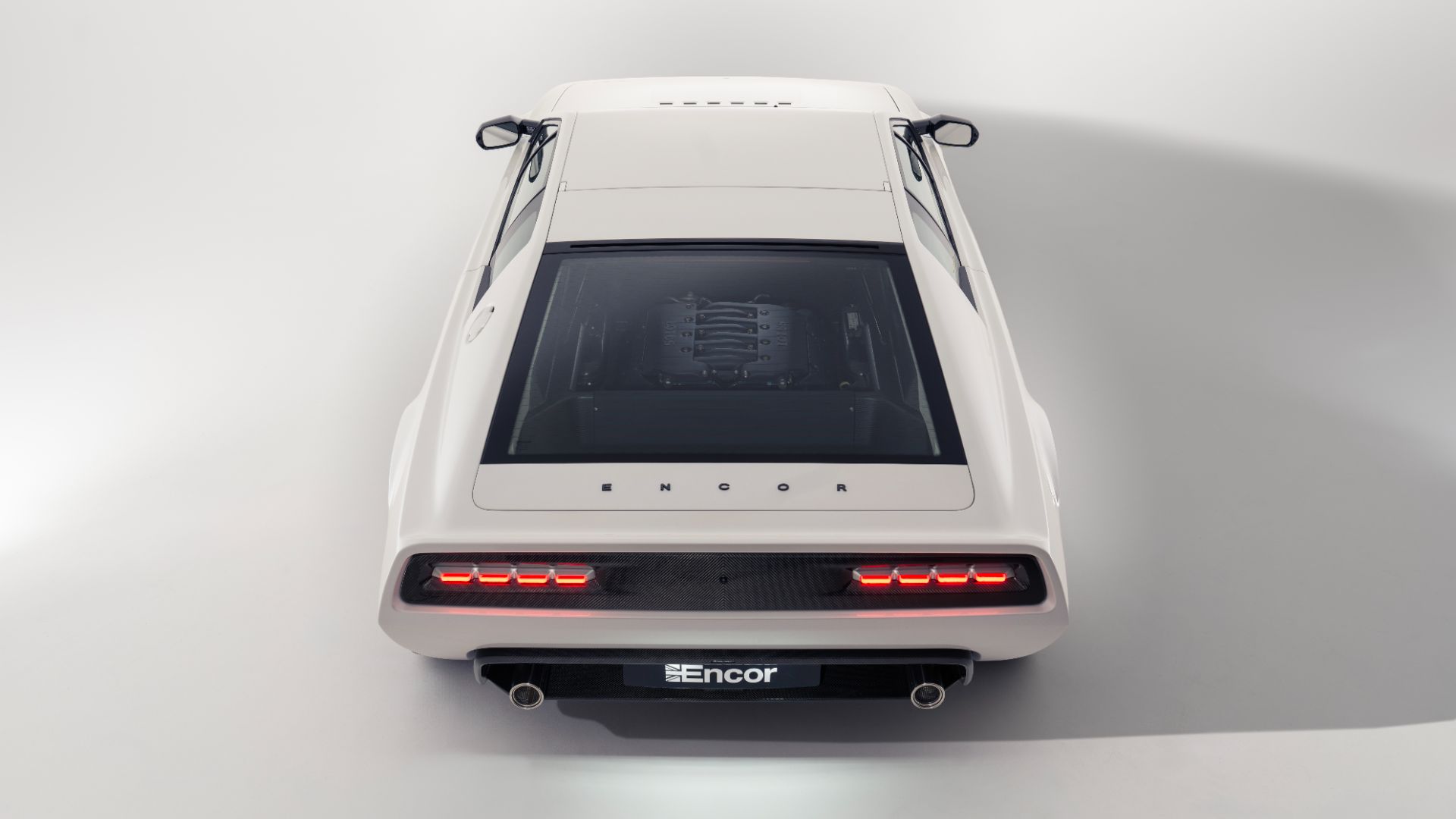
The Series 1 has a wider, more purposeful stance on 17-inch wheels forged and machined in-house by Encor. However, the biggest difference becomes apparent when you peer through the rear window…
Opting out of the arms race
Each Series 1 restomod begins life as a post-1998 Lotus Esprit V8. You can supply your own donor vehicle, or ask Encor to source one for you. Worried about original cars being wiped out? “Our 50 cars will represent about three percent of Esprit V8 production,” says Encor co-founder William Ives. “Many of them wouldn’t otherwise be cost-effective to restore.”
Ives owns a stunning Esprit Sport 350 (one of 50 final edition cars built in 1999) that is also parked in Encor’s workshop, along with an Evora GT430, so his love for Lotus clearly runs deep. “I can remember walking home from school in 1996 and seeing a red Esprit V8 parked on somebody’s driveway,” he recalls. “I was hooked straight away.”
The mid-mounted V8 in the Series 1 is rebuilt with forged pistons, bigger injectors, a new servo-controlled throttle body, improved cooling, a stainless steel exhaust and a modern ECU. It now produces around 400hp – 50hp more than Esprit in ultimate Sport 350 spec – and 350lb ft of torque. “We’re not chasing horsepower,” adds Ives. “We don’t want to join the supercar arms race.”
Drive goes to the rear wheels via a five-speed manual gearbox with all-new internals, a twin-plate clutch and a helical limited-slip differential. With a target kerb weight of less than 1,200kg (the Esprit V8 weighed in at 1,380kg), Encor predicts a 0-62mph time of four seconds and a top speed of 175mph.
Inside the Encor Series 1
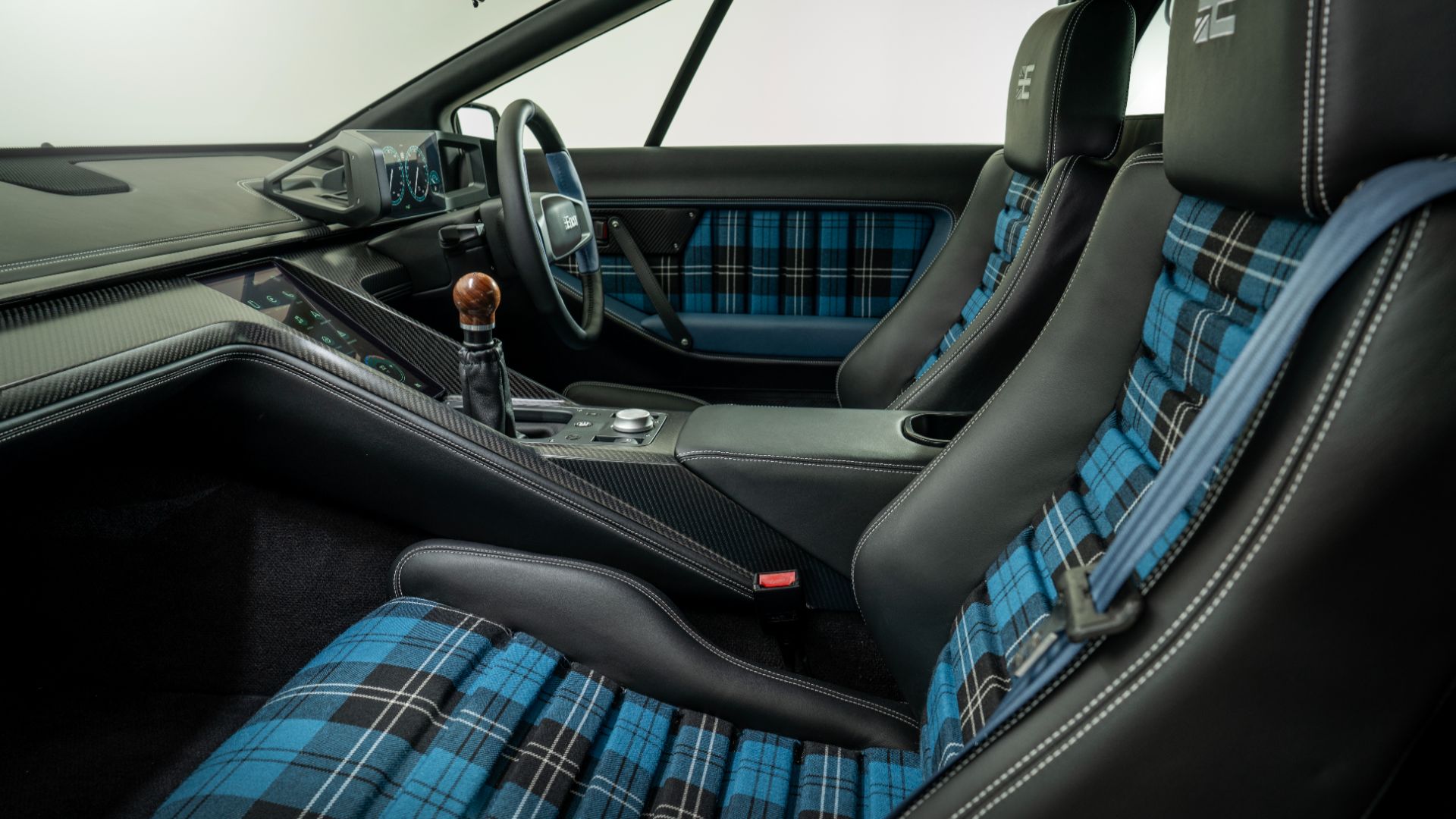
The Encor’s interior also riffs heavily on the classic Esprit, including a two-spoke steering wheel and tartan trim – although the ‘Ramsay Blue’ fabric seen here isn’t so eye-popping as the green and orange plaid used in the 1970s. The tartan isn’t compulsory, either. “Pretty much anything on the car can be bespoke,” says Encor co-founder Simon Lane, who previously led the Advanced Performance division at Lotus.
In place of British Leyland-derived switchgear, the Series 1 has a portrait-oriented touchscreen with Apple CarPlay phone connectivity. The software is supplied by Encor’s sister company, Skyships Automotive, which is an OEM supplier to Lotus and Pagani, among others. “We wanted to marry that wonderful 1990s analogue driving experience with modern convenience and technology,” Ives explains.
Further 21st-century touches include a 360-degree parking camera, two USB-C charging ports and a cupholder. Structural carbon fibre is visible on the door sills and rear bulkhead, which was made from plywood in the original Esprit.
Digital and analogue
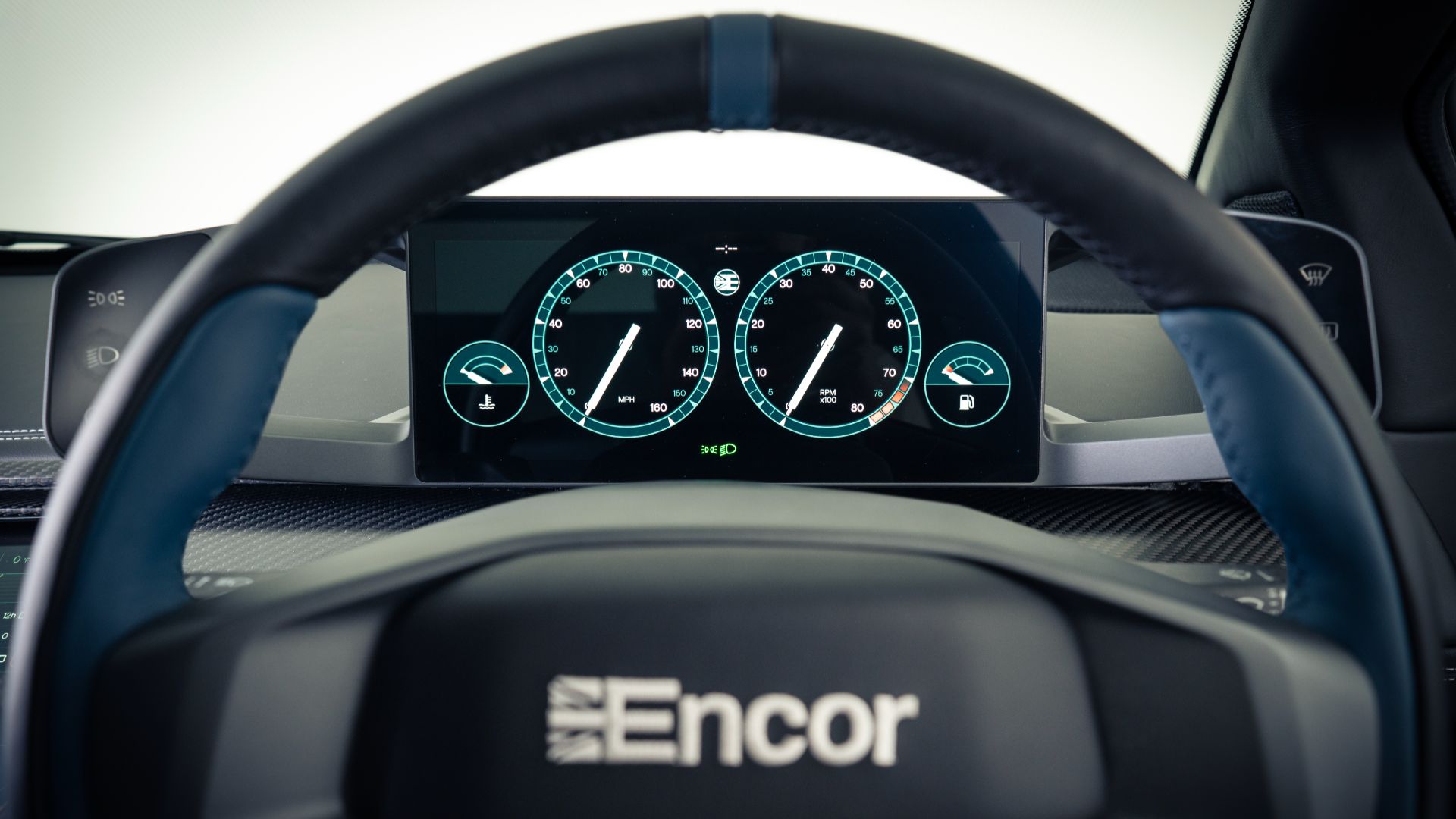
Perhaps the most striking element of the Encor’s cabin is the floating digital instrument cluster. Machined from a single billet of aluminium, it showcases the car’s lightweight, minimalist ethos. Touch-sensitive controls are located on the outer edges, within fingertip-reach from the steering wheel – including the button to pop up the headlights.
From behind the wheel, the Series 1 feels snug and low-slung, with good visibility for a mid-engined sports car. The seats are well-padded – no hard-shell carbon buckets here – and material quality is leagues ahead of any production Esprit. The V8 engine is visible in the rear-view mirror, too.
So how will it drive? Hydraulic power steering and suspension rebuilt to Sport 350 specification should ensure the Esprit’s Hethel-honed handling remains intact, albeit with the higher limits afforded by wider Bridgestone Potenza tyres and AP Racing brakes. We hope to find out for sure in spring 2026.
A blast from the past
No doubt, the Series 1 is expensive; that price of £430,000 excludes taxes, a donor car and any extras you decide to add. A quick play on the Encor configurator reveals the sheer number of options available.
Looking ahead to when the 50 cars are completed, William Ives and Simon Lane hope to produce more vehicles in the spirit of ‘British remastered’. Might that include other marques? “Lotus will be the backbone of what we do,” affirms Ives. “As a start-up, credibility is everything. That’s why we haven’t come to market with CGI renders, but with a fully functional prototype.”
In a market full of ever-more-extreme supercars, the Encor Series 1 could be a breath of fresh air. One thing is certain: the wedge is back. And it looks just as cool as it ever did.