Instead of using a mix of numbers and names for model grades, the Kia Picanto adopts Pure, GT-Line and GT-Line S names.
Pure has the same level of equipment as the outgoing ‘2’ grade.
Prices for the Kia Picanto Pure start from just £16,695. GT-Line models cost from £17,845, and GT-Line S is from £19,545.
All will be offered with a 1.0-litre petrol engine, and either a manual gearbox or, for £700 more, an automated manual.
It means there are fewer Kia Picanto variants to choose from, and the line-up is easier for customers to understand at a glance.
Despite the decline in UK city car contenders, the Kia Picanto remains an important model for the firm. It is the sector’s second best-selling car so far in 2025 – and the best-selling model to private customers.
The Kia Picanto represents 12 per cent of the firm’s UK sales so far in 2025.
The Kia Picanto, which was facelifted in July 2024, is also its third-oldest model name in the UK, after Sportage and Sorento.
Kia XCeed simplified too
The Kia XCeed crossover hatchback range has also been simplified – again, down to Pure, GT-Line or GT-Line S.
Prices start from £25,165.
Kia has phased out the regular Kia Ceed hatchback and Sportswagon estate.
The Kia XCeed Pure model receives an equipment boost over the old ‘2’ version, adding features such as climate control, electric folding door mirrors, black cloth and artificial leather upholstery and an auto-dim rear-view mirror.
There’s a new 1.0-litre turbo engine too, replacing the old 1.5-litre turbo. This is more economical and reduces CO2 emissions.
The Kia XCeed accounts for around 1 in 3 Kia Ceed range sales in 2025, “and is a crucial part of Kia’s three-pronged approach in the C-SUV market, alongside Sportage and Niro”.
To fill the gap in its range, the core Kia Ceed is expected to be replaced by a new hatchback, already known in the US as the Kia K4.
Kia adds that other petrol and hybrid models will switch to the simplified model range in due course, “to ensure consistency across the range”.
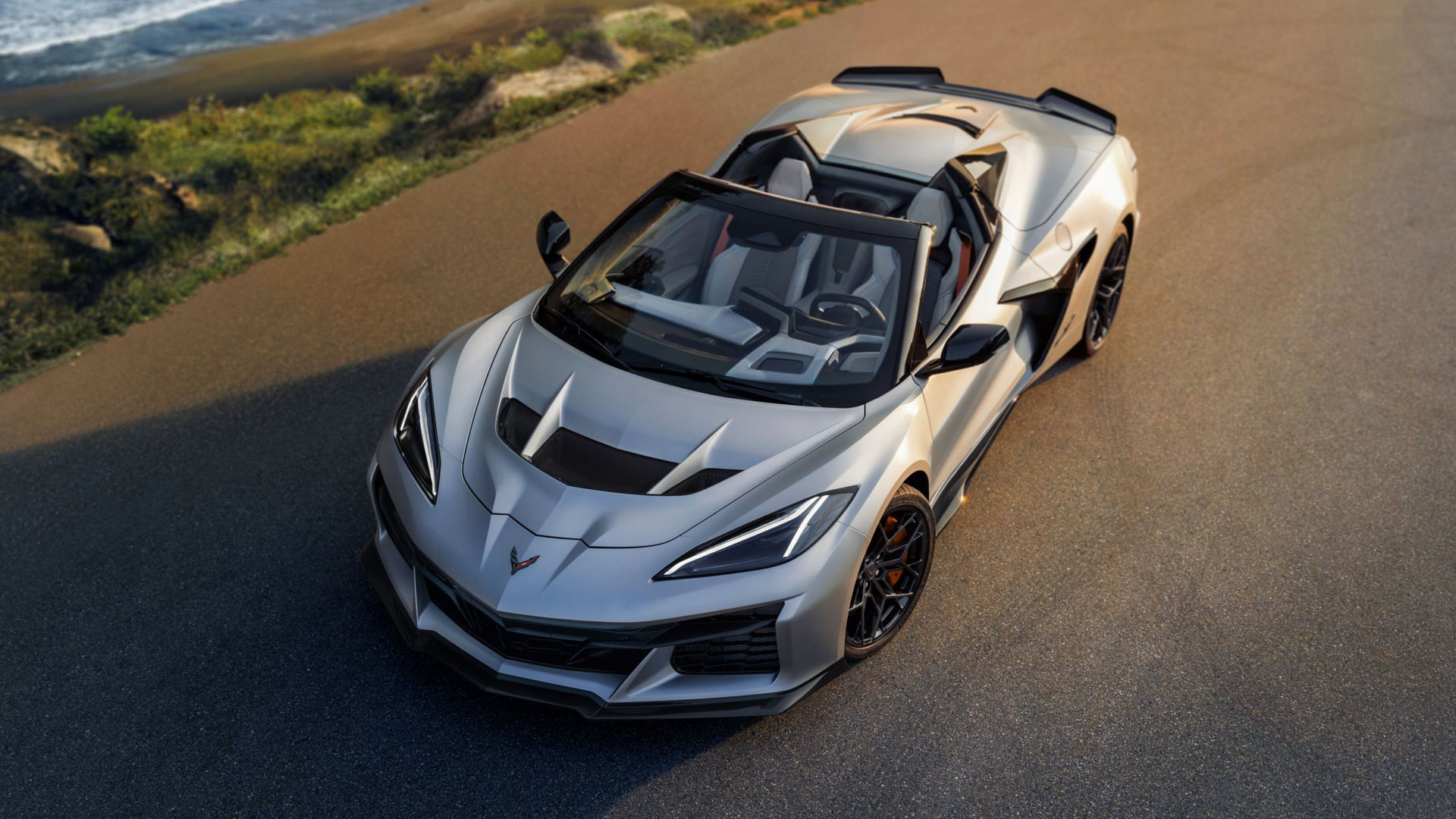
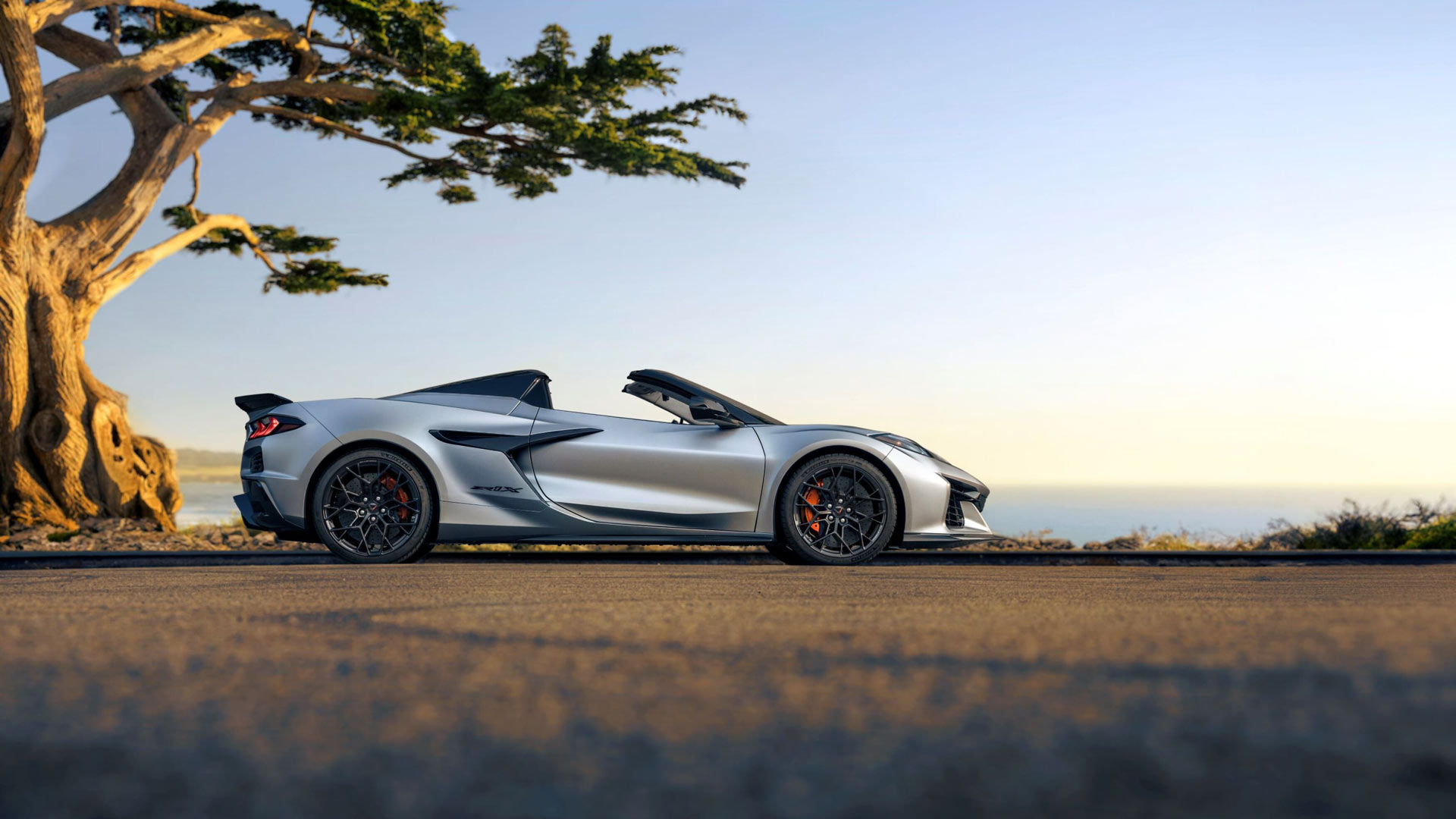
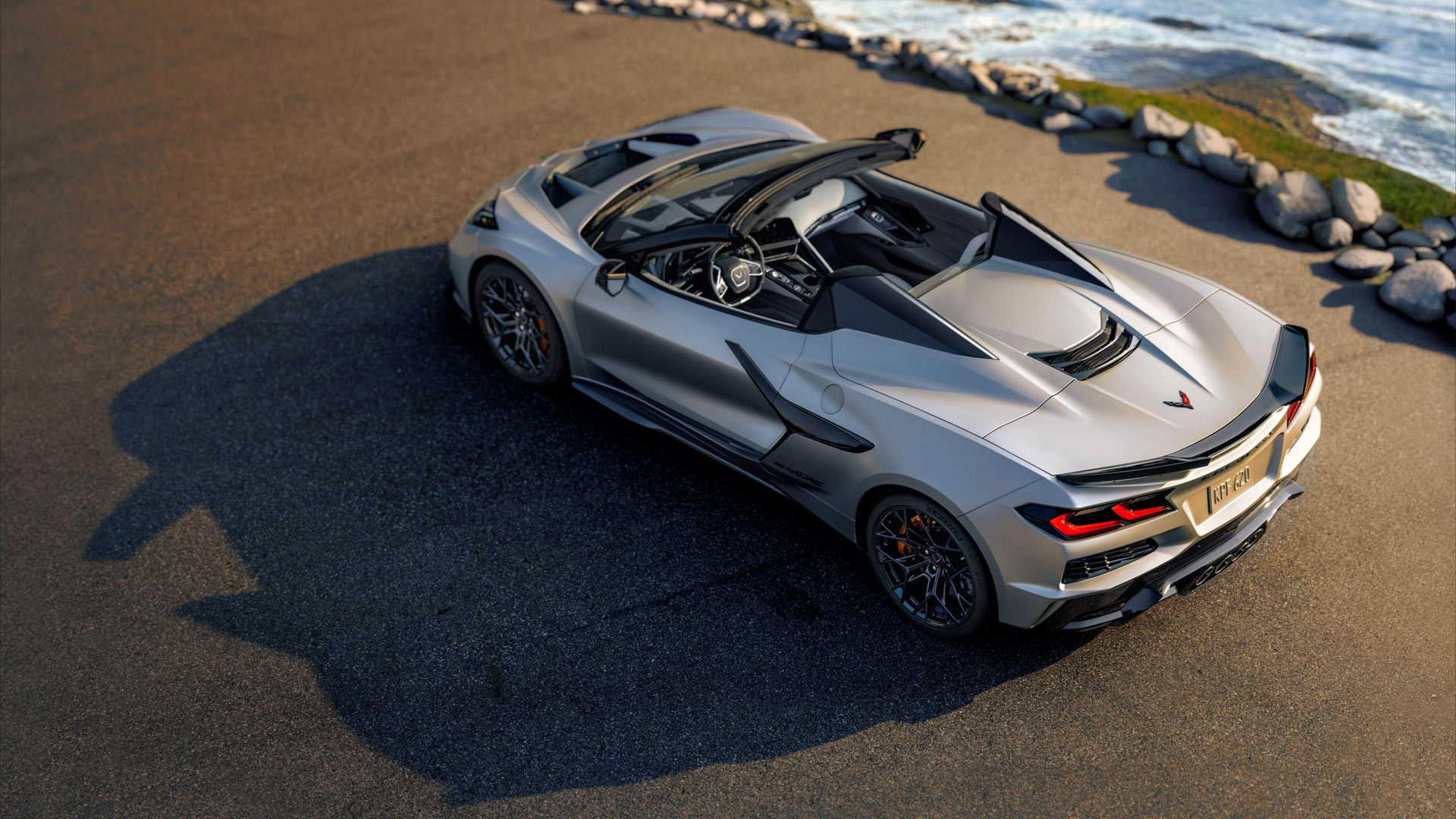
Chevrolet has announced prices for the most powerful production Corvette in history, fresh from it making history at the Nurburgring.
Powered by a 5.5-liter twin-turbocharged “Gemini” V-8 engine, combined with an electric motor, the all-wheel-drive Corvette ZR1X delivers a mighty 1,250 horsepower.
This allows for a top speed of 233 mph, along with a 0-60 mph time of less than 2.0 seconds, elevating the ZR1X into true hypercar territory.
Despite its tremendous performance, the 2026 Chevrolet Corvette ZR1X will cost a relatively modest $207,395 in 1LZ Coupe guise. Opting for the convertible ups the price to $217,395.
Hypercar pace, bargain price
A higher-spec Corvette ZR1X 3LZ coupe, with GT2 performance seats and a 14-speaker Bose Performance audio system, will start from $218,395. Again, choosing the convertible adds $10,000 to the price tag.
A special-edition package for the ZR1X 3LZ convertible will be revealed at ‘The Quail, A Motorsports Gathering’, in Carmel, California this month.
Named after the prestigious event, which forms a part of Monterey Car Week, the ZR1X Quail Silver Limited Edition package features the Corvette’s first use of matte paint since the 1960s.
Blade Silver Matte is said to inspired by the Inca Silver paint color, offered on the Chevrolet C1 Corvette between 1957 and 1959.
Designed for Corvette collectors
The ZR1X Quail Silver Limited Edition package also has a Sky Cool and Medium Ash Gray interior, combined with Habanero accents. This new color scheme is available on all 2026 Corvette models.
Orange-painted brake calipers, black exhaust tips, and carbon painted mirrors are all included in the package. Each completed car will also feature a serialized build plaque.
Prices for the Corvette ZR1X Quail Silver Limited Edition package start from $241,395. A ZTK Performance Package can be specified, too.
“Corvettes are the pride and joy of their owners – this has been true since we first began selling the nameplate more than 70 years ago. They honor its craftsmanship and design as much as its engineering excellence,” said Scott Bell, VP of Global Chevrolet.
“The ZR1X Quail Silver Limited Edition presents a highly exclusive option for Corvette customers looking for a collectible item.”
San Marino-based restomod specialist Eccentrica will reveal three new vehicles at Monterey Car Week in California.
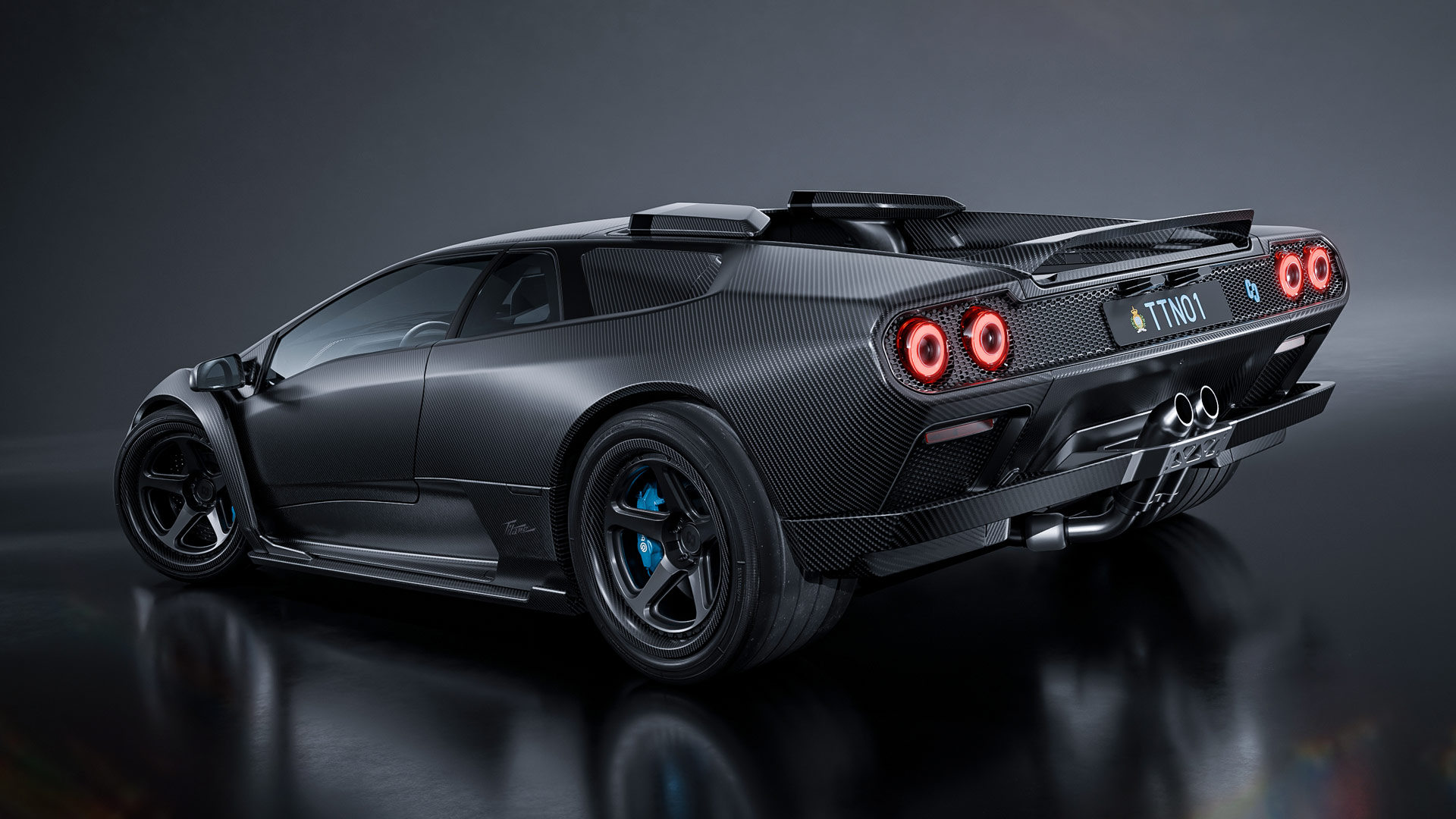
Central to Eccentrica’s presentation, which uses the prestigious The Quail, A Motorsports Gathering as its backdrop, is the new Diablo Pacchetto Titano.
Eccentrica revealed its V12-engined Diablo restomod in Monterey last year, but has returned with a lighter, more hardcore of the classic supercar.
The company says the Pacchetto Titano (Titanium Package) is capable of ‘delivering a focused yet elegantly track-oriented package for enthusiasts who seek heightened engagement without compromising on road-going refinement’.
Bringing the noise
Eccentrica plans to produce 19 examples of the Pacchetto Titano, each powered by a tuned version of Lamborghini’s naturally aspirated 5.7-litre V12 engine.
Last year, Eccentrica said its enhanced engine would generate 550hp, plus 443b ft of torque. Although some limited-edition Diablos generated higher peak outputs in period, this V12 develops more power across a broader rev range.
For the Pacchetto Titano version of the Diablo, Eccentrica says a remapped ECU sharpens throttle response for an even more intense experience.
Motorsport style, inside and out
One notable change for the V12 Pacchetto Titano is the addition of a fixed rear spoiler. Designed to increase downforce, it is matched with the exposed carbon fibre bodywork.
Suspension upgrades include stiffer springs and recalibrated adaptive dampers. New forged alloy wheels with carbon fibre elements help to reduce unsprung weight. Brembo brakes are fitted as standard, too.
On the inside, Eccentrica has given the V12 Pacchetto Titano a motorsport look, with carbon fibre detailing and a built-in fire-suppression system.
Along with Alcantara trim for the seats, a racing-style three-spoke steering wheel is wrapped in the grippy fabric. A light blue marker indicates the 12 o’clock position.
An amplified driving experience
“With the Pacchetto Titano, our objective was clear,” said Emanuel Colombini, founder of Eccentrica.
“We wanted to create a package that genuinely amplifies the driving experience without overshadowing the core essence of our car. This evolution speaks confidently, maintaining the spirit of the original design while sharpening its purpose and performance.”
As with any good restomod, customers will be able to tailor their V12 Pacchetto Titano to their exact specification.
This potential for customisation will be demonstrated by the other two Eccentrica cars on display in Monterey: one in a bespoke triple-layer Rose Gold livery, and the other with a Verde Chartreuse pastel exterior.
When I visited the – sadly now closed – Conservatoire Citroen, the curator kindly asked if I’d like to drive a couple of the exhibits. My response was immediate and obvious. The hardest part was narrowing the choice down from 400 cars… to just two.
Opting for the Maserati-engined Citroen SM and hot-footing it down to the French Alps was a highly tempting prospect. As was spending the day leisurely touring the back roads of Provence in a Citroen DS 23.
Perhaps selfishly, though, nostalgia won the day and I selected two cars from my youth: a Citroen Dyane and a GS.
Dad’s Citroens
I can’t quite figure out if my late father was a Saab or Citroen man, as our family owned an equal number of cars from each marque. But one thing’s for sure: he wasn’t a fan of mainstream motors, preferring the charms of the more eccentric and individual carmakers. And it’s the French connection that left a lasting impression, as I currently own three Citroens and can put my name to just two Saabs.
Outside the Conservatoire, I was given strict instructions not to drive at speeds in excess of 30kph (a little under 19mph). Oh, and forget visions of Provence and the Cote d’Azur, as I wasn’t permitted to drive beyond the confines of the old Aulnay-sous-Bois plant on the northern fringes of Paris.
No matter, because my sole experience of both the Dyane and GS was from the comfort of the back seats. A chance to play grown-up in the front was something I had waited too long to experience. If only my father was still around to share the experience with me.
His Dyane was the plusher and more powerful Dyane-6, registration mark: XEL 32S. Ask me anything about my school days and I’ll respond with a Gallic shrug, but I’ll happily reel off a list of number plates attached to the cars of my childhood.
Dad’s Citroen GS was a 1976 Pallas, registration mark: LDY 935P. In both cases, the Citroens have long since departed for the big French scrapyard in the sky; the GS was last taxed in 1984, the Dyane in 1991. Shame.
Oh, Dyane…
First up for my trip down memory lane was the Dyane. “That’s the sound of my childhood,” I said to the Citroen PR man, as the twin-cylinder, air-cooled engine burst into life, before sputtering to a halt before it had left the shadowed coolness of the Conservatoire.
“That’s also the sound of my childhood,” I said once again, as the Conservatoire resident mechanic tried in vain to get the Dyane restarted. With no joy, the Dyane was pushed unceremoniously back into line. Easy work when the car weighs about the same as a dozen packets of Gitanes.
Enter plan B: a 1979 Citroen GS X3. By the time this particular car had rolled out of the factory in Rennes, the GS was into its ninth year of production, and yet it remained a technical tour de force in its segment. It was also preparing to make way for the more practical GSA, which would live on until 1986.
Once again, the GS fires into life with the unmistakable sound of an air-cooled engine, only this time it’s a 1,299cc flat-four unit, the same one soon to be powering the forthcoming GSA. With 65bhp on tap, a top speed of 99mph was possible. Not that I would be demonstrating this in the old factory workers’ car park.
Settle into the supremely comfortable seats and it doesn’t feel like a car dating back to 1970. The GS hallmarks are there – single-spoke steering wheel, dash-mounted handbrake and wonderful circular display of dashboard lights – but it’s a measure of Citroen’s forward-thinking that it felt new and fresh, not least in 1979.
It’s also incredibly easy to drive. All the controls are neatly positioned and the all-round visibility would shame even a modern convertible. Even in temperatures approaching 30deg C, there’s a sense that you could drive this car all day, every day, although I wasn’t about to test this theory on the Peripherique ring-road.
Let’s remember, the GS featured a simplified version of the Citroen’s famous hydropneumatic suspension, along with all-round disc brakes and an aerodynamic body that must have seen otherworldly in a segment of three-box saloons. That the GS didn’t feature a hatchback was a wrong put right by the GSA.
There’s no power steering – it doesn’t need it – but even at the permitted low speeds (I did top 40kph, but shhh!), it turns in neatly and is utterly predictable. The clutch is light, the four-speed gearbox is smooth, with everything combining to create an effortless driving experience.
The highlight, of course, is the suspension, which smooths away the imperfections of Aulnay-sous-Bois and makes even low speed cornering an absolute joy. Quite what it must be like on a French ‘Bis’ road is something I’ll have to imagine and plan for another day.
While some cars might be thrown off line by potholes and drain covers, the GS behaved impeccably, steadfastly refusing to ‘hop’ in the same way I’d experienced in the C3 test car I’d driven to Paris. In fact, the GS completely outclassed the C3 in the comfort department. So much for progress.
The brakes are also excellent, with a strong initial bite that gets more progressive with more force. Once again, I’m left with a feeling that the GS could be driven daily, although the rarity factor might encourage you to save it for high days and holidays. But what a tremendous thing to have parked in the garage.
With the all-too-short test drive complete, I return the GS to the Conservatoire, pull the handbrake from the dashboard and switch off the engine. The suspension creaks as it returns to its resting position, as I relive my youth by climbing into the back seat. I don’t remember the legroom being so restrictive as a seven-year-old…
Talkin’ ’bout Dyane
The Dyane is in the workshop, bonnet open, Yannick Billy hunched over the engine. My chances of grabbing a drive are slim, as time was ticking and we had strict orders to vacate the building by noon. But just as I was about to search for a GS on (French classified website) Leboncoin, Monsieur Billy wanders over with a split hose in his hand and a thumbs up. The drive was on.
Although it is claimed that the Dyane was designed to replace the 2CV upon which it is based, it was certainly seen as model to occupy the space between its more utilitarian sibling and the Ami. Contemporary press photos show a more youthful clientele, with trendy young things doing whatever trendy young people do.
Launched in 1967 as the 425cc Dyane-4, the 602cc Dyane-6 was unveiled at the 1968 Brussels Motor Show. Power was increased from 21bhp to 28bhp, raising the top speed from 63mph to a dizzying 71mph. Comically, the speedo on this Dyane-4 displays a rather optimistic 130km/h (81mph), which might be possible if you’re descending the hill into Cherbourg. It’s what the escape lanes were invented for.
I distinctly remember our Dyane-6 struggling to climb the one-in-four Devil’s Staircase on the Abergwesyn Pass, but feeling totally at home on the motorway. Thanks to its low weight, it didn’t require much in the way of power to give it a decent burst of acceleration.
Citroen was keen to press home the price and practicality of the Dyane, with headlines such as ‘The lowest-priced four-door car has five doors and a sunshine roof’. The hatchback certainly gives the Dyane a practical advantage, although the full-length canvas roof is straight out of the 2CV book.
If the GS felt like something from the future, the Dyane was very much of its time. The cabin is stripped of all but the bare essentials, with a pair of benches to provide seating. It’s sparse, but certainly not stark. In fact, its simplicity is totally charming and a welcome antidote to the tech-laden, screen-tastic cabins of today. The Dyane was a car you could run on a shoestring, as there was very little to go wrong.
To start, you twist the key and press a little red button situated beneath the top of the dashboard. The push-pull-twist gear lever protrudes from the centre of the dash and takes a while to get used to. I’m not ashamed to admit I stalled the Dyane – twice – and managed to shift from first to fourth, which made the car stall. Again.
But once you’re accustomed to the procedure, it’s little short of brilliant. Soon I was touring the car park without drama, gathering enough pace to warrant third gear. I’d forgotten about the speed limit by then.
Thank you, dad and Citroen
Again, it’s the handling that shines through. The Dyane leans to almost comical levels when cornering hard, but the skinny tyres hold firm, enabling you to maintain terrific pace through a series of chicanes.
But just as I was getting carried away – and having thoughts of attempting a lunchtime drive through the centre of Paris – an almighty clunk was heard from the back of the Dyane and I limped back to the Conservatoire. Yannick gave it a knowing look as he drove the Dyane back into the workshop for another repair job.
Needless to say, it would have been a quick and easy fix, because that was the beauty of the Dyane. Here was a car that could be repaired by one of the countless number of independent Citroen specialists dotting the land before the rise of the franchised dealer. A car that sips fuel like your grandma nursing a Babycham at a Christmas party.
Maybe the Citroen Dyane was ahead of its time after all. Sadly, it died in 1985, five years earlier than the 2CV. Total sales of 1,443,583 put it firmly in the shadow of the hugely successful ‘Tin Snail’, which amassed sales of 8,756,688 over a 42-year period.
My drives were all-too-brief, but I’m left with the overwhelming sense that my father knew a good car when he saw one. Time spent in the back of these wonderfully eccentric and idiosyncratic machines shaped my love of motoring. And that’s something for which I can thank Citroen and my father.
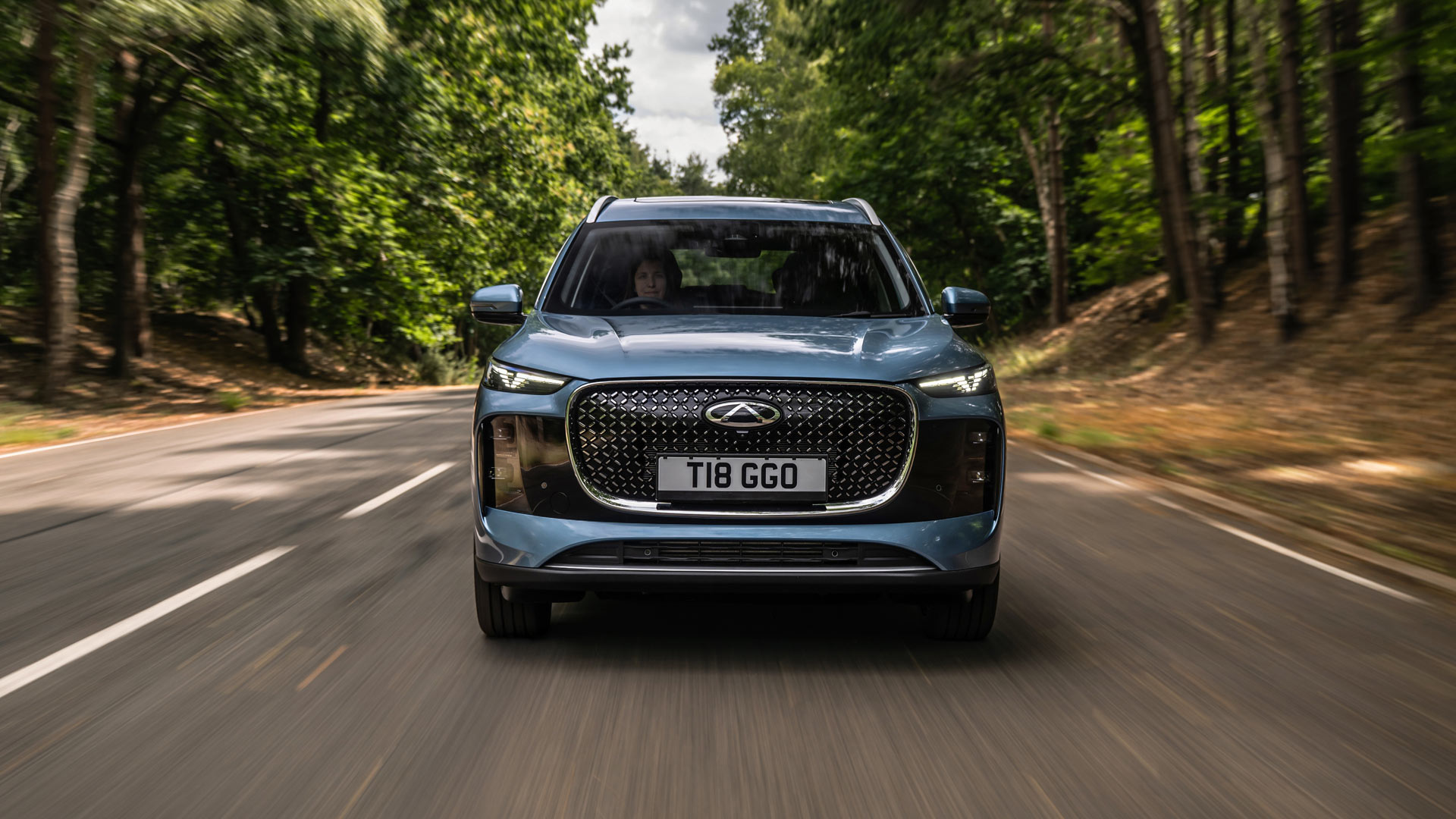
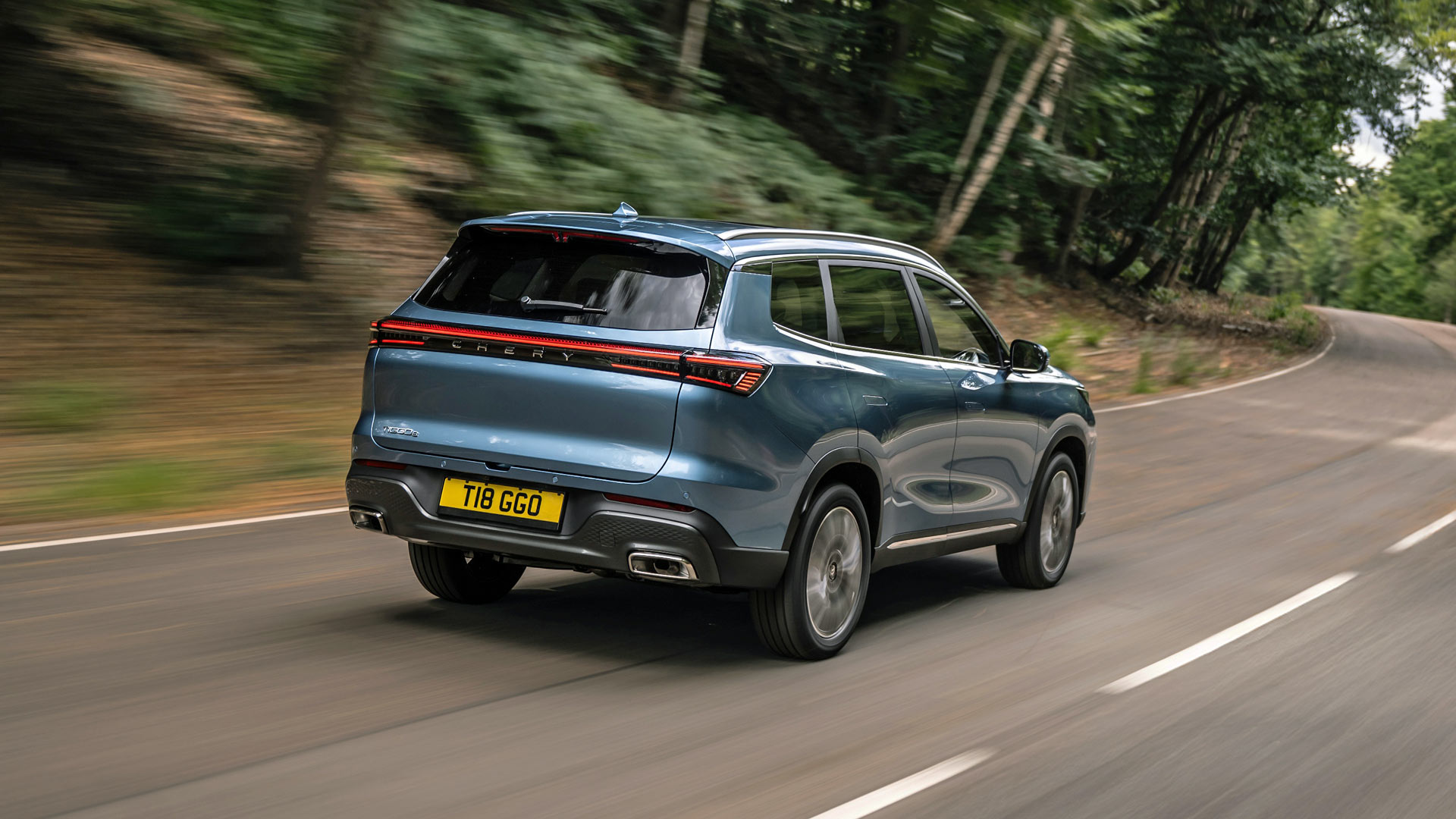
Chery is the latest Chinese car manufacturer to enter the UK market. Orders for the Tiggo 8 seven-seat SUV are already being taken.
The parent company of the Omoda and Jaecoo brands, Chery was the fourth-largest vehicle manufacturer in China last year.
UK specifications and prices for the Tiggo 8 have been announced. It will significantly undercut most family SUV rivals, with a starting price of just £28,545.
Compared to established seven-seat SUVs such as the Skoda Kodiaq and Mazda CX-80, the Tiggo 8 could save buyers at least £10,000.
Up to 745 miles of hybrid range
The entry-level version of the Chery Tiggo 8 comes equipped with a 147hp 1.6-litre turbocharged petrol engine. It can accelerate from 0-62mph in 9.7 seconds.
Priced from £33,545, the Tiggo 8 Super Hybrid has a plug-in hybrid powertrain. Combining a 1.5-litre petrol engine with an electric motor results in 202hp – and a swifter 0-62mph time of 8.5 seconds.
Fitted with an 18.4kWh battery, the Tiggo 8 Super Hybrid has an estimated total range of up to 745 miles, and can travel 56 miles in fully electric mode.
All models have plenty of standard safety equipment, including a 540-degree camera, adaptive cruise control, traffic jam assist and collision warning.
Tiggo 8 orders are open
Two trim levels are offered for the Chery Tiggo 8. Aspire specification includes heated seats, a 15.6-inch central touchscreen and an air-cooled wireless smartphone charger, along with Apple CarPlay and Android Auto phone connectivity.
Summit adds electrically adjustable, heated and ventilated front seats with a massage function, plus a panoramic sunroof, ambient interior lighting and a 12-speaker Sony audio system.
The Tiggo 8 will come with a seven-year or 100,000-mile warranty as standard. RAC Home Start breakdown cover is included, too.
Chery is currently in the process of expanding its UK dealer network, but orders for the Tiggo 8 can be placed now. The first deliveries are expected from 1 September 2025.
We’ve listed all 13 newly-added cars below. The £1,500 discount will automatically be applied. This takes the price of the in-demand new Renault 5 E-Tech down to just £21,495.
The new Nissan Micra also now starts from just £21,495. The new Vauxhall Frontera starts from £22,495 – which is £1,760 less than its petrol hybrid equivalent.
Rather than replacing official discounts, car firms are adding the Electric Car Grant onto their own deals.
Looking at the Renault 5 E-Tech again, it means the new retro EV is available from just £219 a month on a four-year PCP deal.
The Vauxhall Corsa Electric, which receives the £1,500 grant, adds on a £1,500 deposit contribution for its 0% finance PCP – with an extra £500 for a home charger or public charging on top.
‘Cheaper to go electric’
“With discounts on 17 car models announced this week alone,” said transport secretary Heidi Alexander, “We’re delivering on our promise to make it easier and cheaper for families to go electric.”
The grants are provided as part of the government’s £650m ECG scheme.
They are automatically applied, with no paperwork required from customers.
Cars costing up to £37,000 are eligible, meaning the ECG is focused on more affordable models, rather than premium EVs.
“More models are expected to be approved in the coming weeks as manufacturers’ applications are assessed against the scheme’s sustainability standards.”
Sustainability standards
To be eligible for the Electric Car Grant, car manufacturers must hold an official science-based sustainability target from the Science Based Institute.
If they have one, the environmental credentials of each EV is assessed. Factors include the production location of the car, and its battery.
This is intended to encourage greener EVs made more locally, and penalise cars and batteries produced in China, where production is perceived to be less eco-friendly.
The fact no model has yet received the full ECG indicates the cars so far are green – but could be greener still, perhaps by using batteries made in Europe rather than further afield.
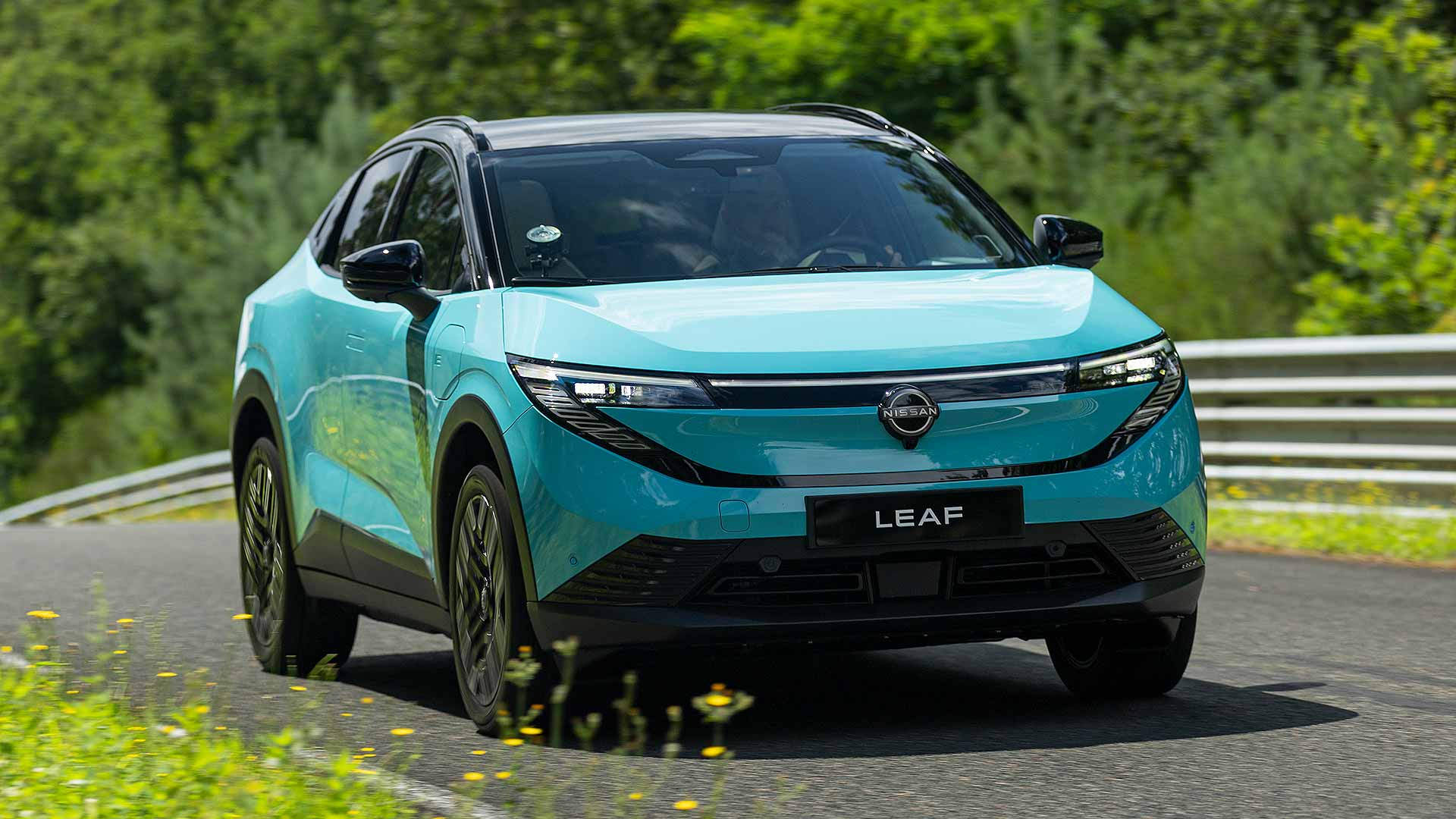
It is anticipated the new Nissan Leaf (pictured above), which is made in the UK with batteries assembled here too, will qualify for the full £3,750 ECG. The new model will be launched later this year.
Restomod specialist Kamm has revealed the new 912T, aimed at those who want a classic Porsche to enjoy every day.
Following the launch of the purist Kamm 912C, the Hungarian company has built a retro sports car designed for more than Sunday drives.
Kamm intends for the 912T to be ‘thrilling to drive hard one moment’, but then allow its owner to ‘relax and enjoy the journey the next’.
Performance and comfort combined
Miklós Kázmér, Kamm founder and CEO, explained: “The Kamm 912C is our ultimate interpretation of the iconic 912 for those who desire performance on both the road and track. But when we were asked if we could build a more relaxed, touring version, we were excited to create the 912T.”
“The 912 is a timeless classic and in the 912T we have re-imagined it as a sports tourer that delivers elevated comfort without diluting the pure joy of driving.”
Lightweight construction is still central to Kamm’s philosophy, but the extra comforts of the 912T add around 100kg compared to the 912C. However, a kerb weight of 860kg still makes the Touring substantially lighter than the original Porsche.
Kamm’s use of carbon fibre bodywork, manufactured in-house, has kept weight down – and is used for the bumpers, wings, bonnet and engine lid. Glass windows aid refinement, compared to the polycarbonate parts found on the 912C.
Coupe or Targa body styles
A 2.0-litre air-cooled flat-four engine serves up 163hp, its 6,500rpm redline slightly lower than in the 912C. The exhaust system has been tuned for quieter cruising, with the five-speed manual gearbox also revised.
Kamm’s adjustable TracTive suspension has been retuned for extra ride comfort, while still retaining plenty of analogue feel and feedback.
Brembo brakes are fitted as standard. Buyers can choose between 15-inch Fuchs alloy wheels or retro steel-look rims.
There is also a choice of coupe or open-top Targa body styles, the latter with a lift-out roof panel.
Book your build slot now
Shapely sports seats by Fusina feature extra padding for long-distance comfort. A set of bespoke Smiths gauges and a Fusina Racing steering wheel complete the interior.
Available options include an audio system with Bluetooth connectivity, along with wireless smartphone charging.
Prices for the Kamm 912T will start at €245,000 (approximately £214,000), excluding the cost of a donor car. Build slots can be reserved now with a deposit of €10,000 (£8,800).
Production of the 912T will be in batches of five cars, with the first vehicles scheduled for build in early 2026.
Nearly one in five future car buyers think they will never make the switch to an electric car, a new ‘EV Transition Tracker’ has revealed.
However, the research also highlighted a stark lack of familiarity with EVs. Some 43 percent of the UK public have never driven or been a passenger in an electric car.
Positivity towards EVs shifts dramatically when only those who have tried an electric car are quizzed. A total of 44 percent of people who have been a passenger feel positive towards EVs. This is true of 74 percent who have charged one and, strikingly, nine in 10 of those who own one.
Motability Operations, which created the EV Transition Tracker, is now encouraging an acceleration of EV test drives and charging demonstrations to help shift opinion about electric cars.
It comes as the UK automotive sector gears up for a continued acceleration of more EVs in the new car market, ahead of the 2030 ban on the sale of new petrol and diesel vehicles.
The Motability Scheme is well placed to offer advice and guidance, too. Twice as many Motability customers have driven an EV as wider UK motorists. And almost half say they would consider one in the next three years.
‘With every experience of an EV, people are more likely to feel positive about them and more likely to consider one,’ said the report.
Supporting EV drivers
“The UK car market is approaching a period of strong tension,” said Motability Operations CEO Andrew Miller. “Now more than ever, it is vital that those who can benefit from the shift to electric feel supported and ready to switch.
“Failing to do so will not only place manufacturers on a dangerous cliff edge, but will mean many drivers are unprepared for the shift as the availability of new ICE vehicles declines.”
Motability Scheme customers face extra challenges when switching to electric, said Miller, but they are not being left behind. “We offer EV test drives and charging demonstrations, to assess whether an EV could be right for them – and where they aren’t, we work to find solutions that will meet their needs.”
Hybrid stepping stone
The findings also highlighted the role hybrid cars have in helping people make the switch to electric.
Almost half of hybrid drivers looking to buy a new vehicle say they would be likely to choose an EV in the next three years. What’s more, 50 percent of people view hybrids positively, a figure second only to petrol cars at 57 percent.
Miller added: “Hybrids could provide an important middle ground for drivers and manufacturers, helping drivers feel comfortable with electric technology and automakers meet ZEV targets.”
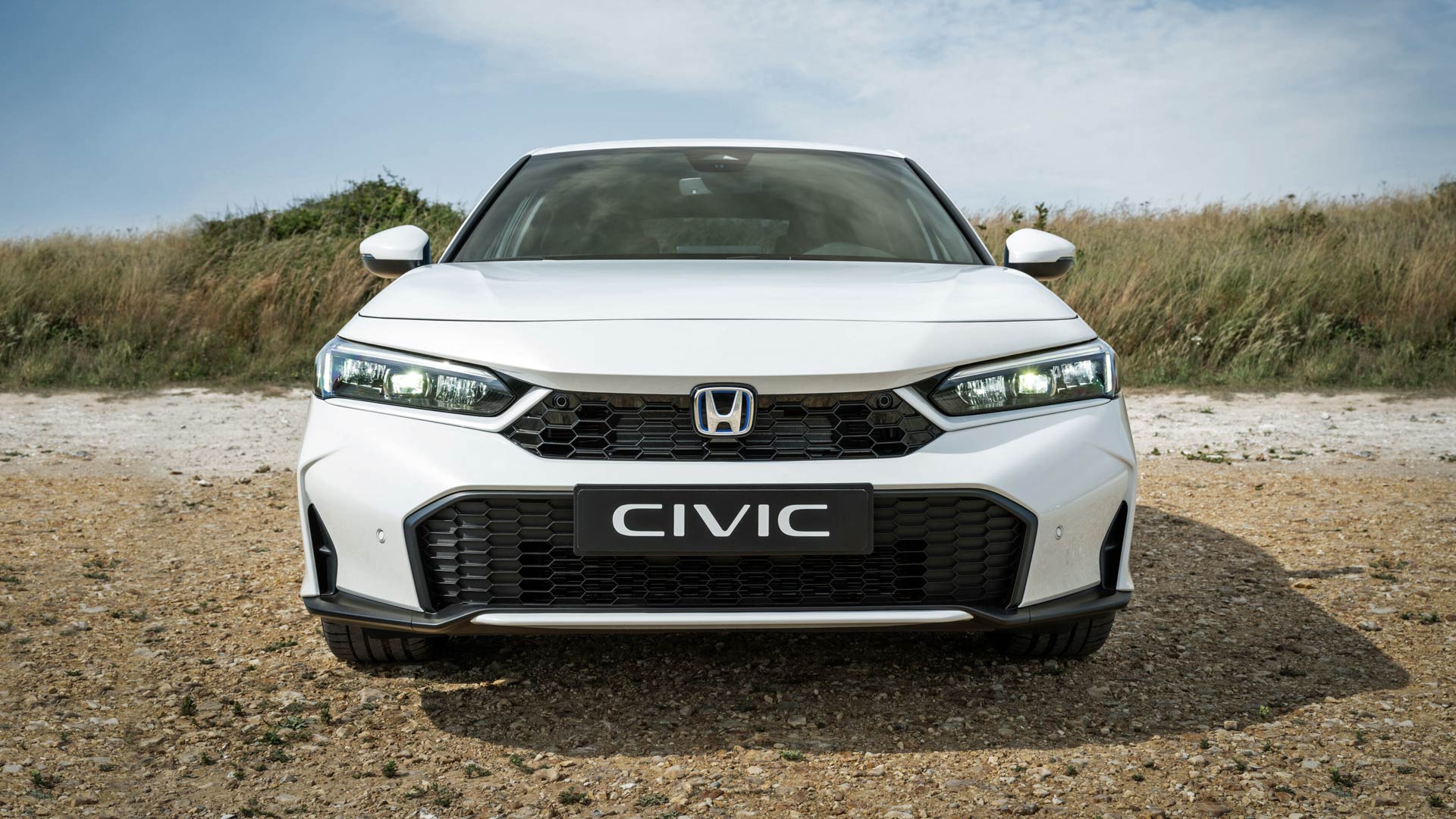
An updated version of the Honda Civic hatchback has been announced. But you’ll need to be a true enthusiast to spot the difference.
Honda has taken an evolutionary approach to the 2025 Civic’s exterior and interior. It has also left the car’s hybrid powertrain untouched.
Making minor adjustments seems sensible, however, given the 11th-generation Civic had already found a five-star formula.
Reviewing the Civic e:HEV in 2022, we said: ‘Overall, the Civic is a reminder of how good a family hatchback can be, particularly when the focus is on clever engineering instead of gimmicks’.
A mild makeover
All new Civics feature a redesigned front bumper with gloss black inserts. The front fog lights have been removed to give the car a smoother look, with the LED headlights enhanced to compensate accordingly.
The Civic’s front splitter is now body coloured, with more gloss black used to highlight the upper and lower grilles. New diamond-cut 18-inch alloy wheels are painted grey on Advance models, or black for the Civic Sport.
Honda has replaced the Premium Crystal Blue paint colour with a new Seabed Blue finish, but retained the colour options of Platinum White Pearl, Crystal Black Pearl, Sonic Grey Pearl and Premium Crystal Red Metallic.
2025 Civic open for orders
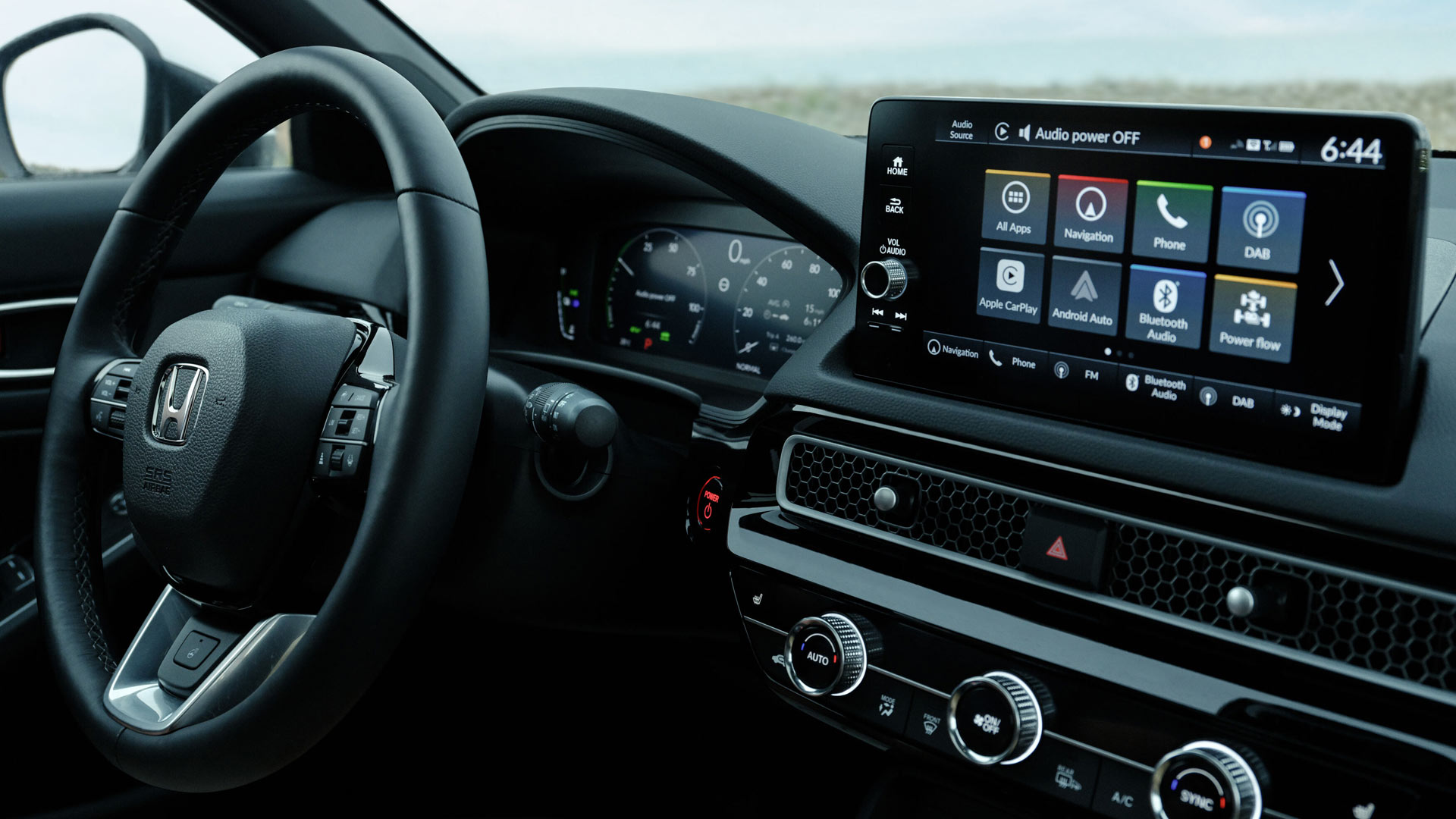
On the inside, all versions of the Civic e:HEV now have a black headlining, along with new matte chrome detailing around the air vents.
Cars in Elegance trim gain wireless smartphone charging, while the Advance benefits from enhanced interior illumination with footwell lights. Opting for the Civic e:HEV Sport adds a 10.2-inch digital instrument panel and heated steering wheel.
The Civic’s clever 184hp two-motor hybrid setup continues as before, offering an impressive blend of performance and efficiency.
Available to order now, the Civic starts from £33,795 in Elegance trim, with the Sport model priced at £35,395. Topping the range is the Advance, now priced at £38,695.
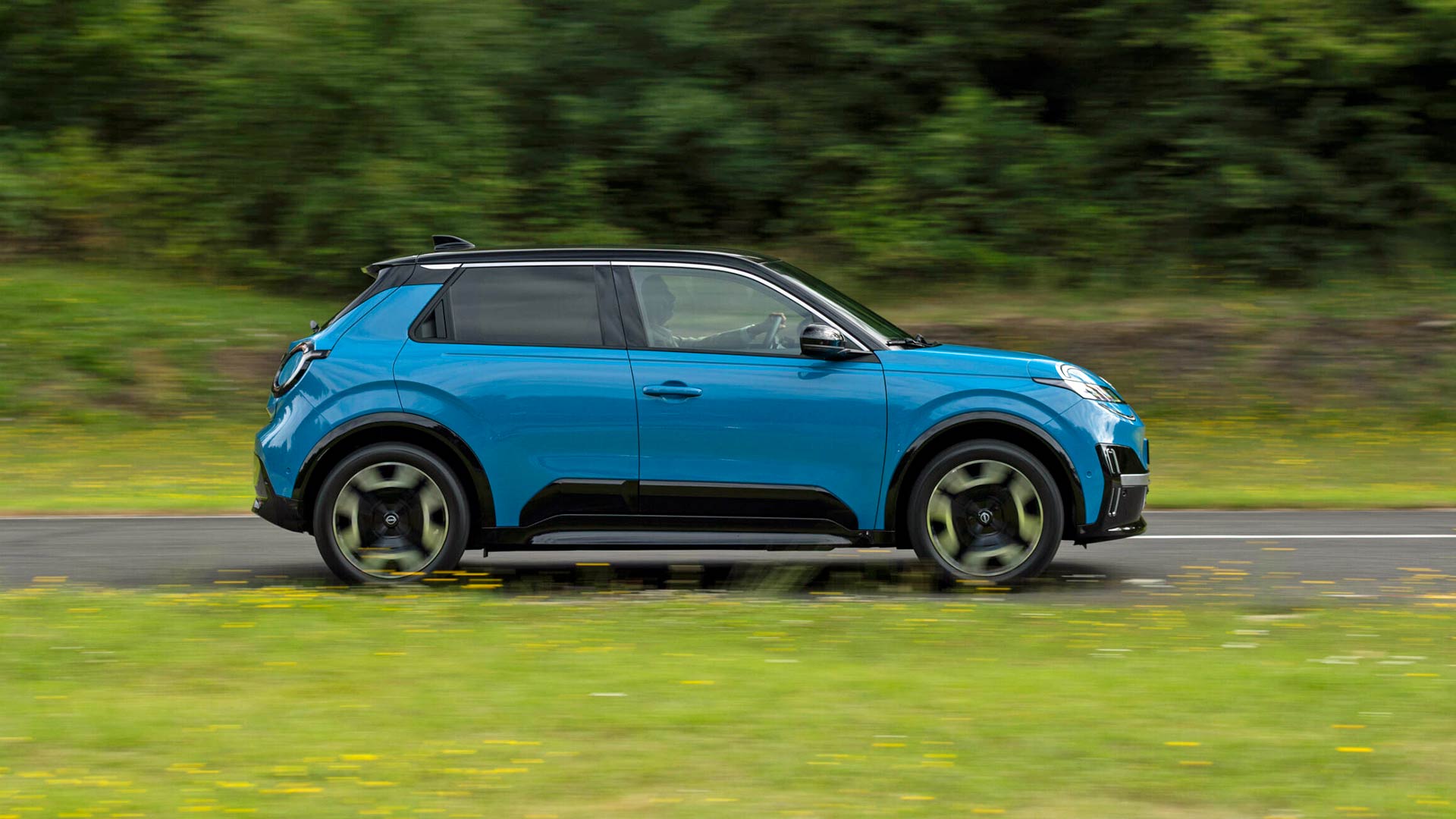
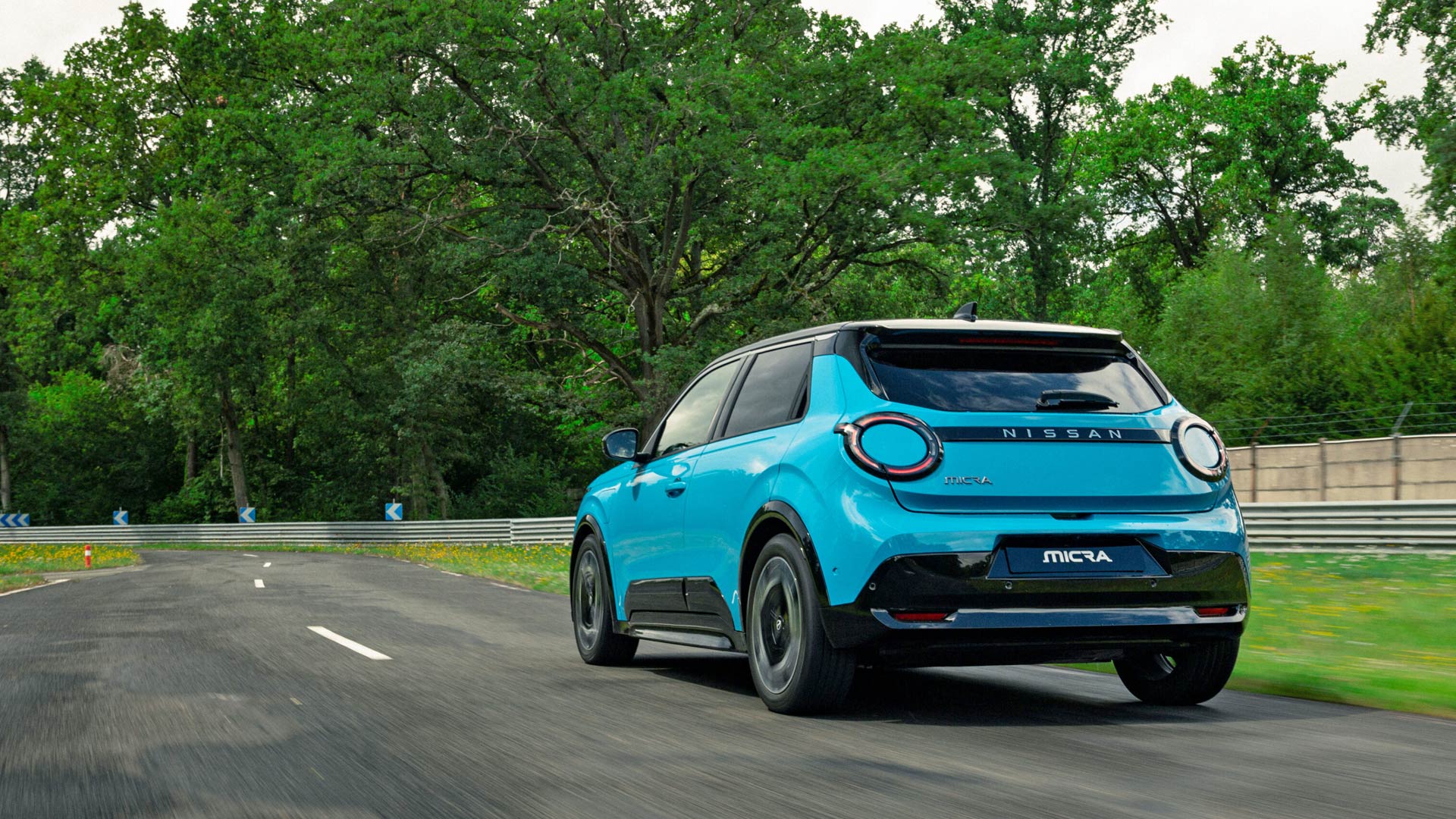
UK prices and specifications have been announced for the new 2025 Nissan Micra, ahead of the order books opening next month.
Reborn as a fully electric supermini, the sixth-generation Micra will offer a competitive starting price of £22,995.
Significantly, this means the entry-level Micra costs exactly the same as the Renault 5 E-Tech, which has donated its platform and powertrain to the new Nissan.
An additional £1,500 could also be cut from the Micra’s list price, should it be confirmed as eligible for the UK government’s Electric Car Grant. Nissan is confident the Micra will qualify.
More range as standard
Engage trim is the starting point for the new Micra range, with the £22,995 price netting a 40kWh battery that offers an official range of up to 198 miles – further than previously anticipated.
Standard equipment for the Nissan Micra Engage includes 18-inch wheels, climate control air-con, a 7.0-inch digital instrument panel and a 10.1-inch infotainment touchscreen.
Moving up to Advanced trim requires £24,995 for a Micra with a 40kWh battery, or £26,995 for the larger 52kWh battery. The latter boosts the car’s range to 260 miles when fully charged.
Advanced spec also includes 18-inch alloy wheels, wireless phone charging, front parking sensors, a rear-view camera and built-in Google navigation.
Nissan’s electric evolution
Topping the Micra lineup is the Evolve model, priced from £29,865 and offered solely with the 52kWh battery pack.
A Harman Kardon sound system, 18-inch Sport alloy wheels, two-tone paint and heated front seats mark out this flagship version.
All new Nissan Micras will come equipped with a heat pump to aid efficiency. The ability to recharge at speeds of up to 100kW means a 15 to 80 percent top-up could take 30 minutes.
James Taylor, managing director of Nissan GB, said: “Micra is the first of four new fully electric models to arrive on the Nissan lineup and we are incredibly excited to be pricing it so competitively. Micra is a key strategic model for Nissan, and based on the positive reviews, exciting design, attractive price and a class-leading product, I am looking forward to seeing lots of new Micras on the road soon.”