Home Blog Page 41

What is the sensor behind my car’s windscreen for?

1
Windscreen sensors explained

Today’s new cars are loaded with clever technology designed to make life easier and safer for drivers.

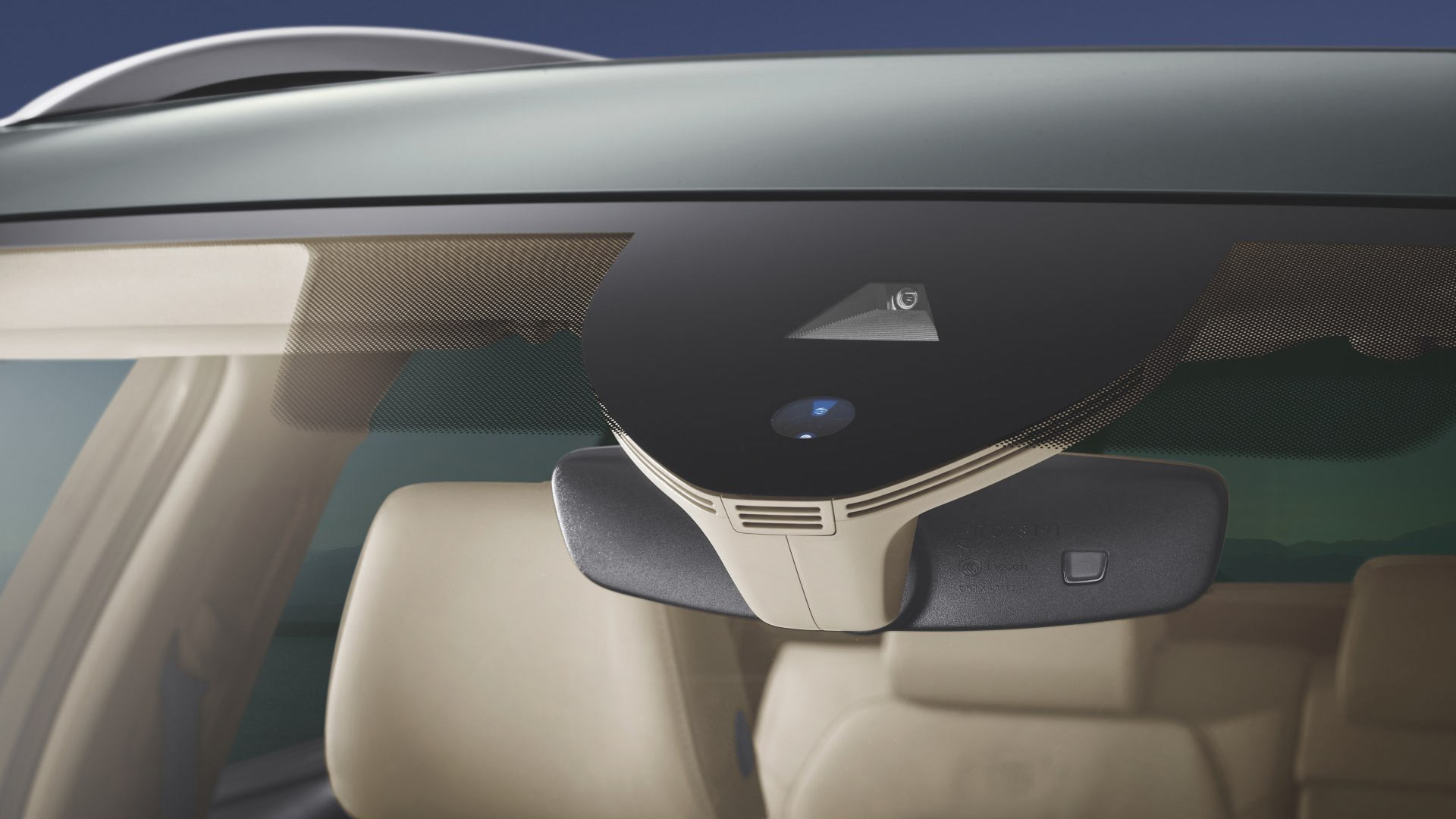
Many of a car’s sensors are mounted behind the windscreen, between the rear-view mirror and the glass. This gives them the perfect vantage point to keep an eye on the road and the weather conditions outside. 

If you ever wondered what all those sensors are doing, and how they could benefit you, allow us to explain…

An enlightening lesson
Windscreen sensors explained

They may seem like recent ideas, but sensors that react to weather or light conditions are actually nothing new. 

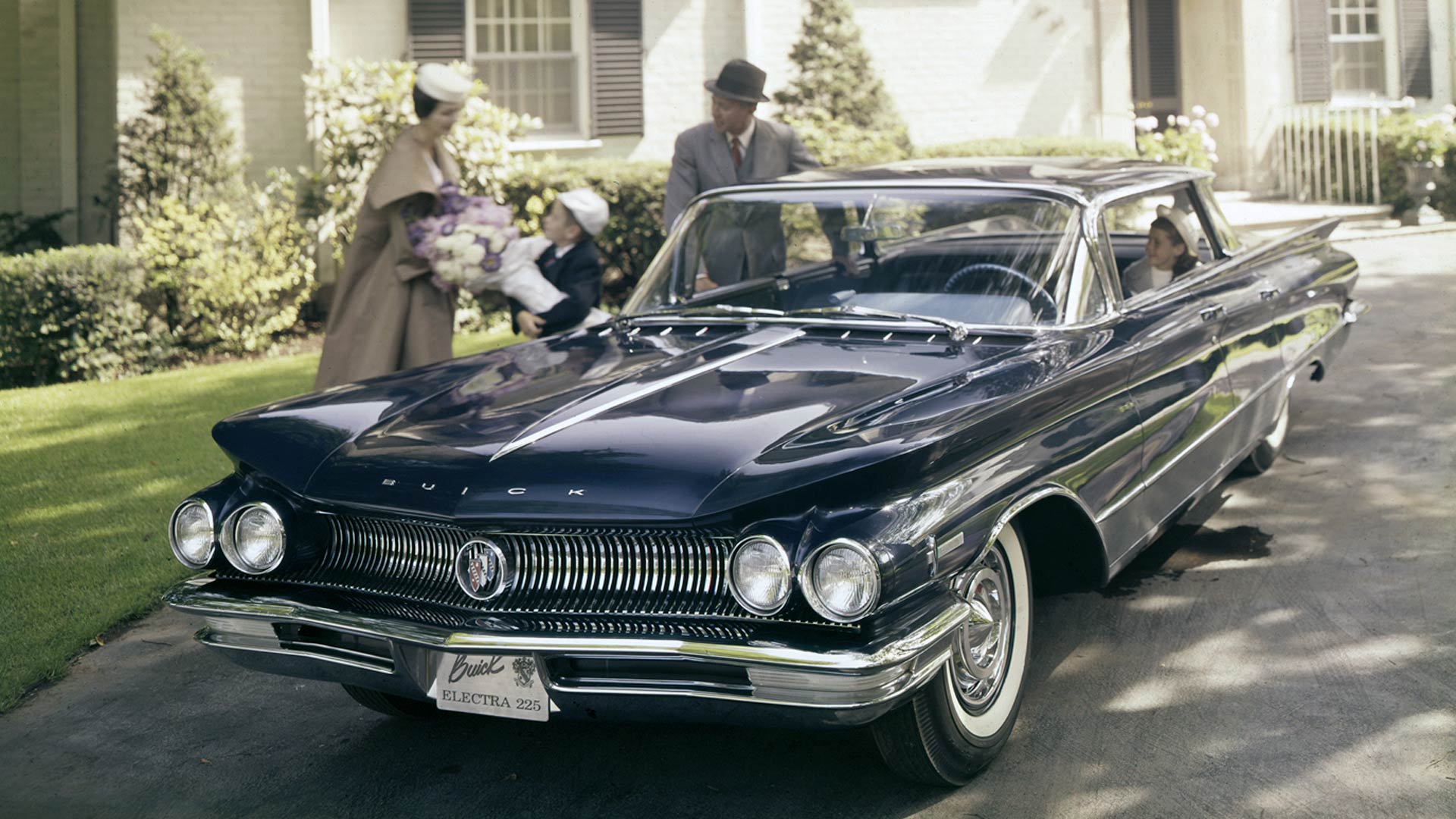
General Motors pioneered automatically dipping main beam headlights as far back as 1952. The ominously named Autronic Eye sensor was made available for Oldsmobile and Cadillac models as an option.

Buick continued the GM innovations with its Twilight Sentinel. This could detect darkness, then automatically turn on the car’s exterior lights. 

Rain sensors are not a contemporary innovation either. Cadillac created a version of the luxurious 1958 Eldorado convertible that was able to sense raindrops and close its roof automatically.

Lights, camera, action
Windscreen sensors explained

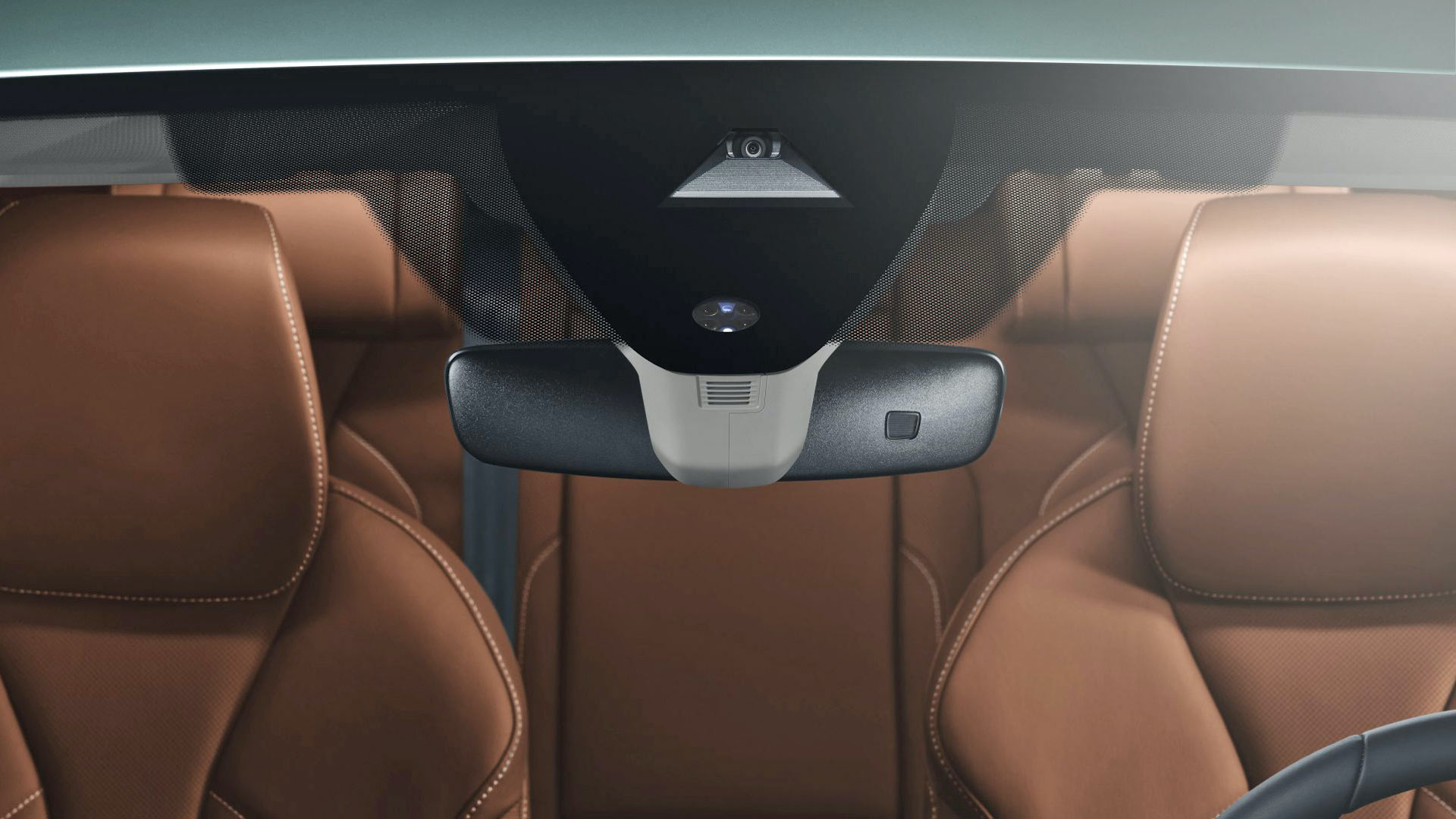
Although there are variations between individual manufacturers, the sensors used in most modern cars have a similar design. 

For example, Skoda uses a sensor package officially known as the RLFS, which comes from the German wording Regen-Licht-Feuchte-Sonne

This translates into English as ‘Rain-Light-Moisture-Sun’, giving a clue as to what the most common sensor modules can do.

Sensing the rain
Windscreen sensors explained

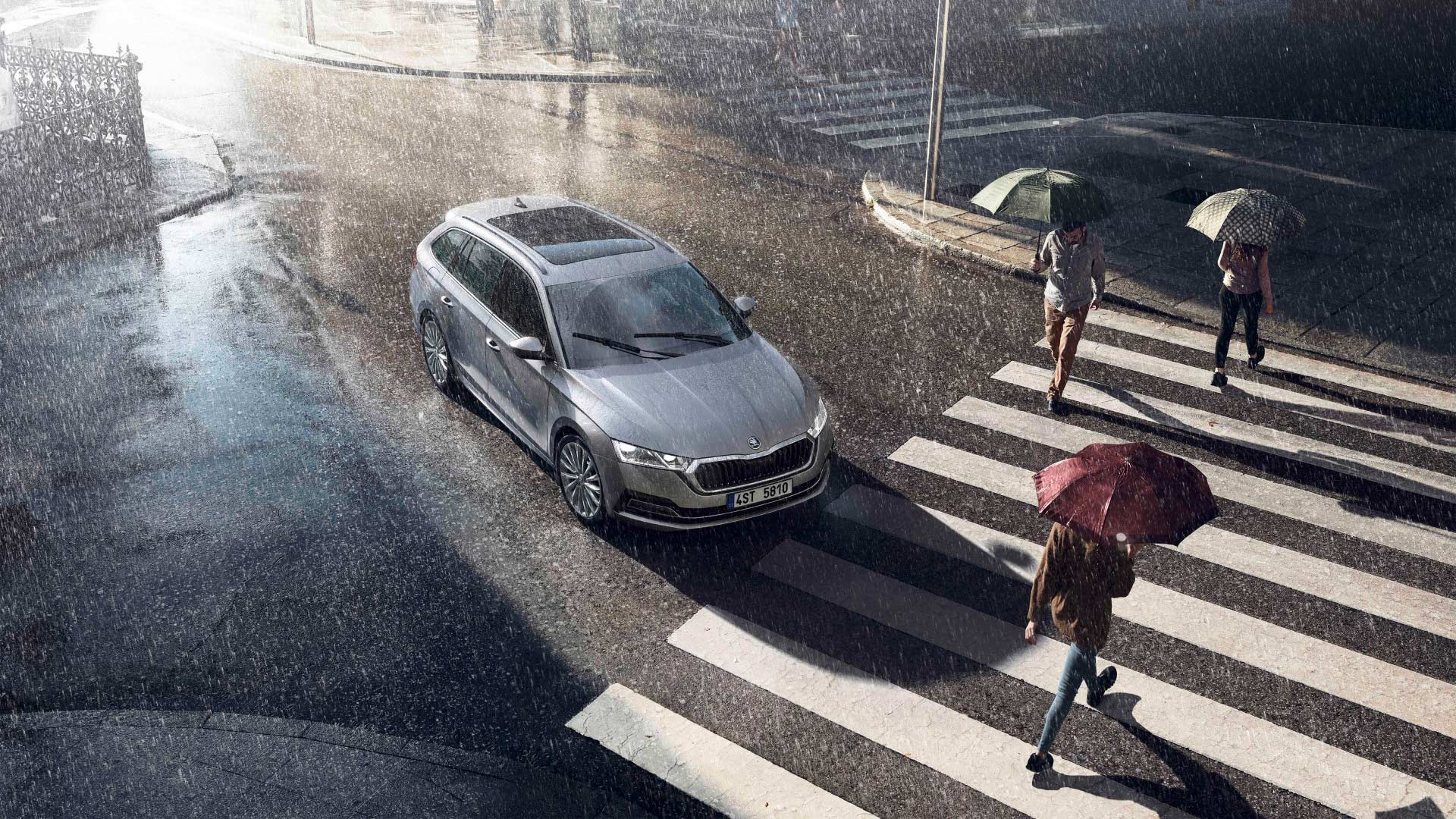
One of the most useful features offered by an RLFS module is the control of rain-sensing automatic windscreen wipers. 

To do this, the sensors measure the amount of moisture on the windscreen. Too many raindrops mean a signal is sent to the wipers to start sweeping. 

All the driver needs to do is leave the control stalk in the ‘Auto’ position. They can also adjust the level of sensitivity to rainfall that the sensor allows.

It’s getting hot in here

Windscreen sensors explained

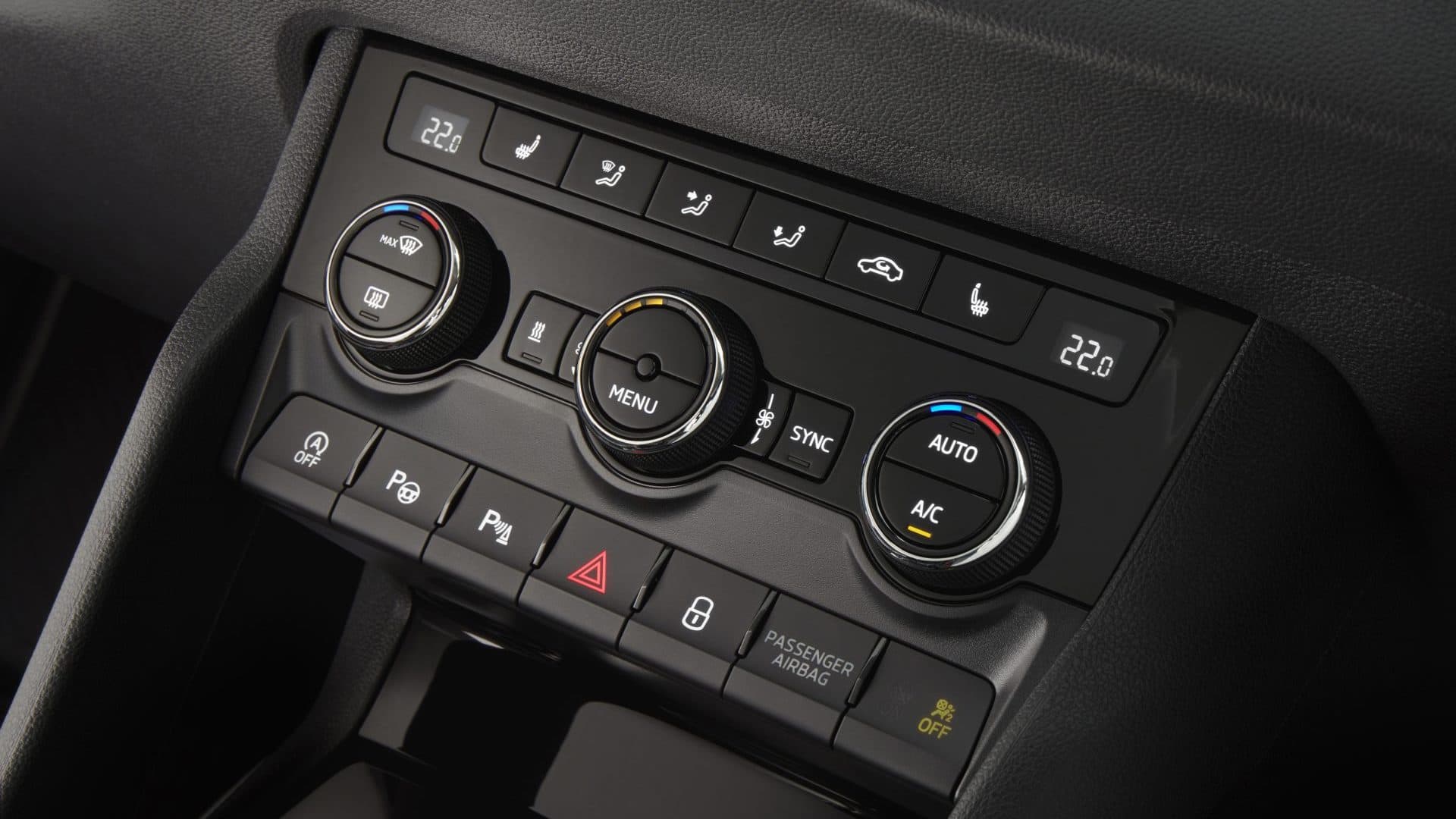
Another important part of the RLFS package is the ability to monitor the level of humidity inside the car. 

The sensor does this along by monitoring the level of sunlight and interior temperature. This allows the climate control system to function as efficiently as possible.

The latest sensors can even tell which side of the car the sunlight is strongest on, then adjust the level of cooling between left and right sides of the cabin.

Lighting up the dark
Windscreen sensors explained

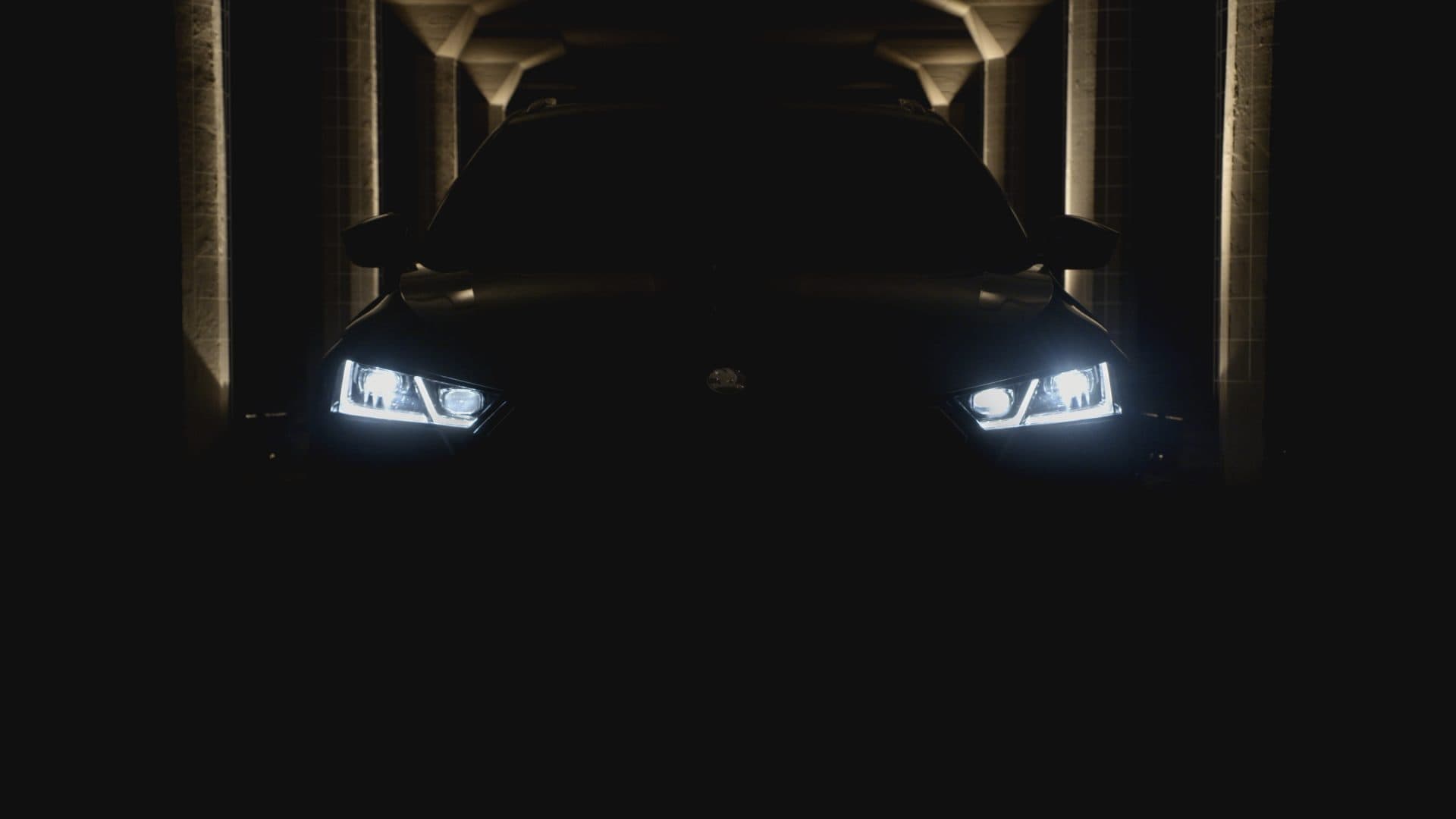
From their origins in the 1950s, light sensors have progressed to become standard equipment in many modern cars. 

Monitoring the level of daylight, and turning the headlights on when it gets dark, can be a huge benefit to road safety. The latest RLFS sensors can differentiate between entering a tunnel and simply driving along a tree-lined road when deciding whether to turn on the headlights. 

Emulating the Autronic Eye created by General Motors, such sensors can also control main-beam headlights. Cameras can spot oncoming traffic, then automatically dip the headlights to avoid dazzling others.

What else is behind the rear-view mirror?
Windscreen sensors explained

The pace of innovation means manufacturers are incorporating more technology into the prime piece of real estate behind the interior mirror.

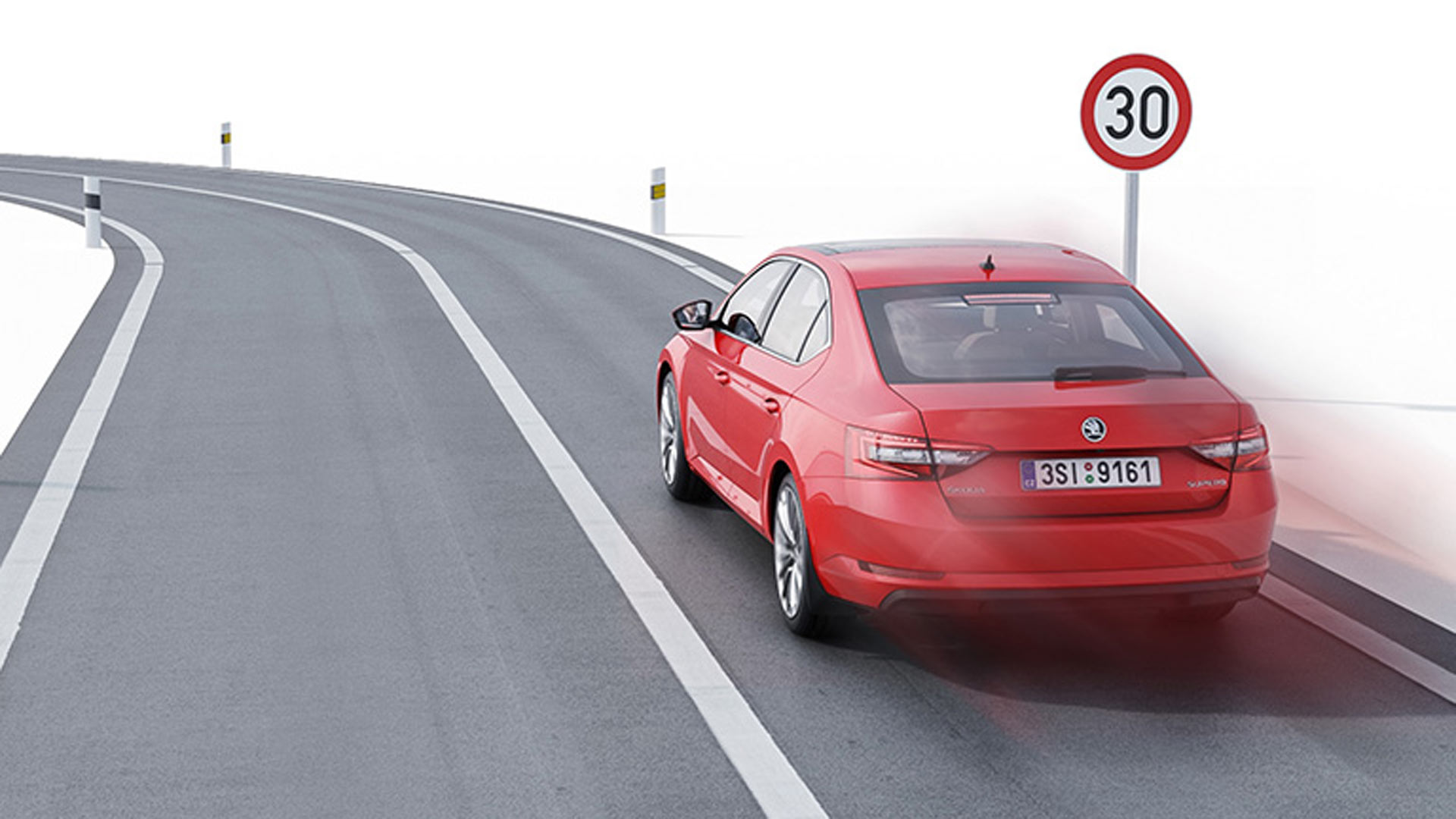
Forward-facing cameras are now frequently added to complement sensor packages, extending the range of functions. This includes using a camera to read road signs as you pass. 

This can be used to update a speed limit setting for the automatic cruise control, or create a warning for pedestrian crossings. Sensors are often mounted within or alongside the car’s front grille, too.

Keeping an eye on safety
Windscreen sensors explained

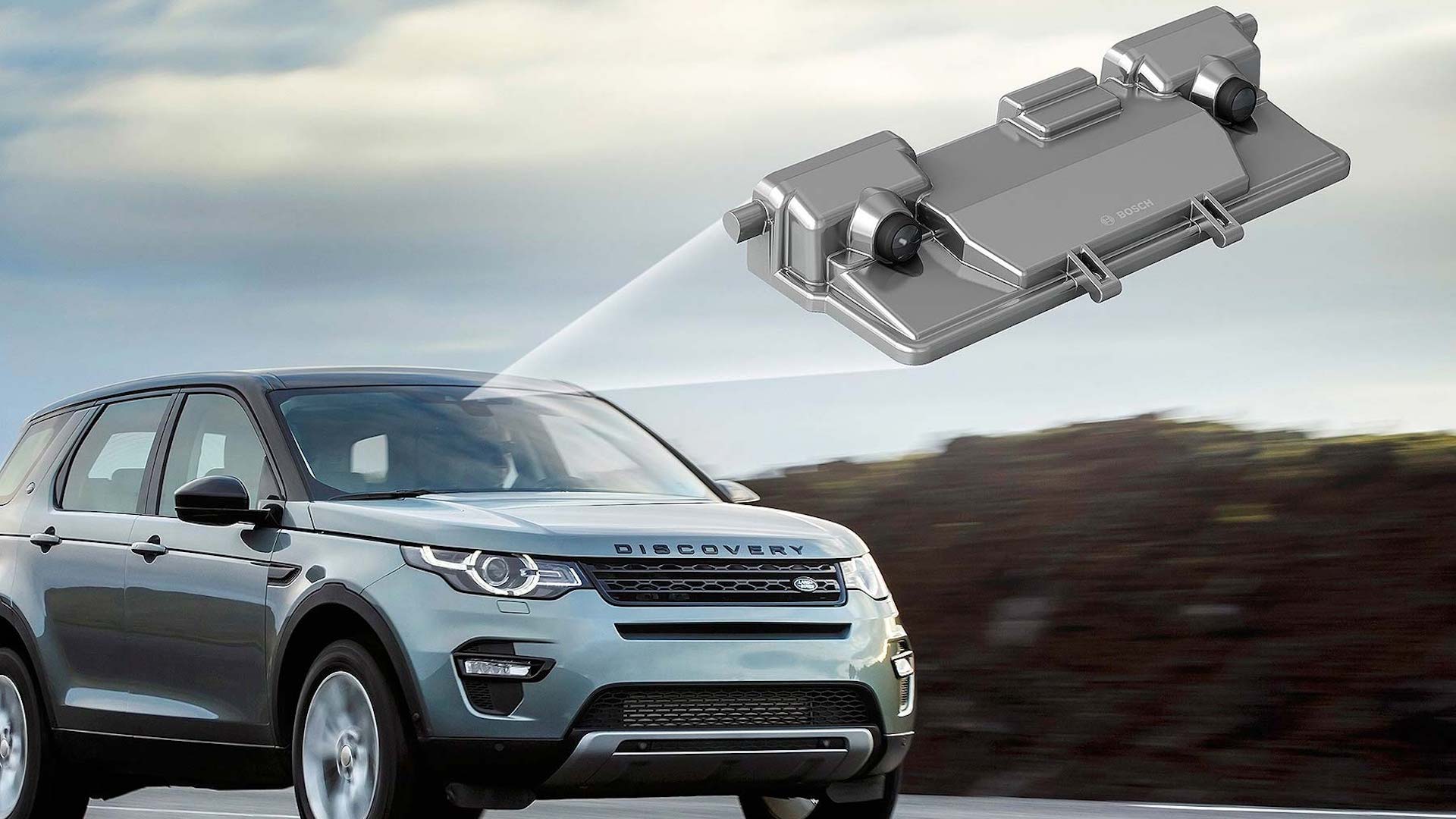
On certain cars, cameras are used to scan for potential collision hazards, and take action accordingly. This includes autonomous emergency braking systems, like the ‘stereo’ camera setup used by Jaguar Land Rover. 

Subaru introduced a camera-based adaptive cruise control system in 1999. The company now incorporates emergency braking functionality as part of its EyeSight range. 

Mercedes-Benz also offers camera technology to scan the road ahead for bumps and dips. On some models, it can preemptively adjust the air suspension to reduce body movement as much as possible.

What if my windscreen needs replacing?
Windscreen sensors explained

Having so much complex technology crammed behind the windscreen means extra care must be taken if and when the glass needs replacing. 

Before replacing or refitting a windscreen, companies should check whether the car has any special sensors installed. 

A layer of gel separates the sensor components from the actual glass, and needs to be replaced with the windscreen. 

More importantly, cars with features such as automatic emergency braking need to have the sensors and cameras recalibrated after new glass is fitted. This ensures they operate as intended, keeping the driver and other road users safe.

ALSO READ:

Zapmap launches new charging card to help EV drivers

The best new cars to buy in 2025

Your EV questions answered on Motoring Electric
Advertisement

2026 Porsche 911 Turbo S blasts back as a 711hp hybrid

0
2026 Porsche 911 Turbo S

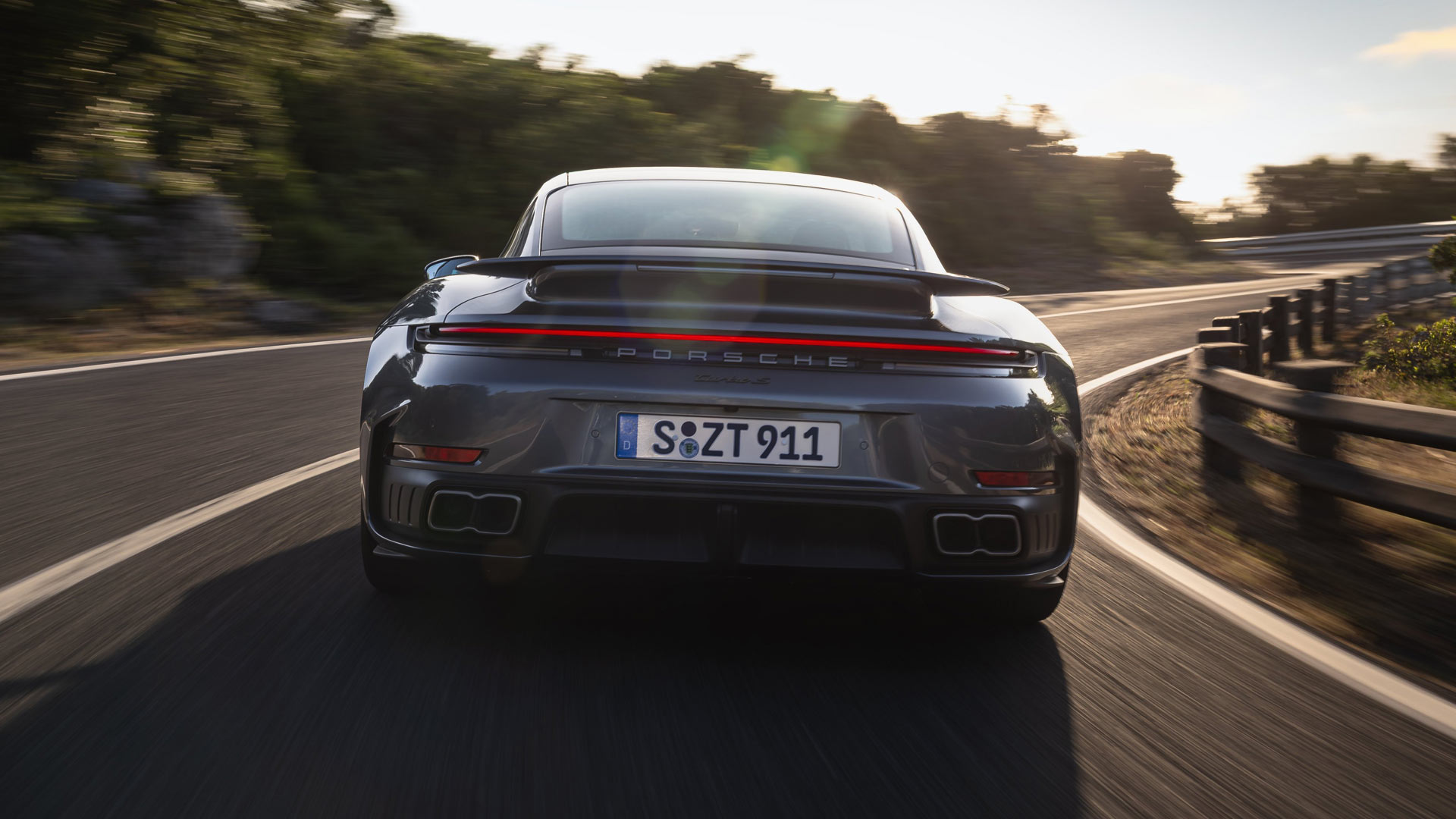
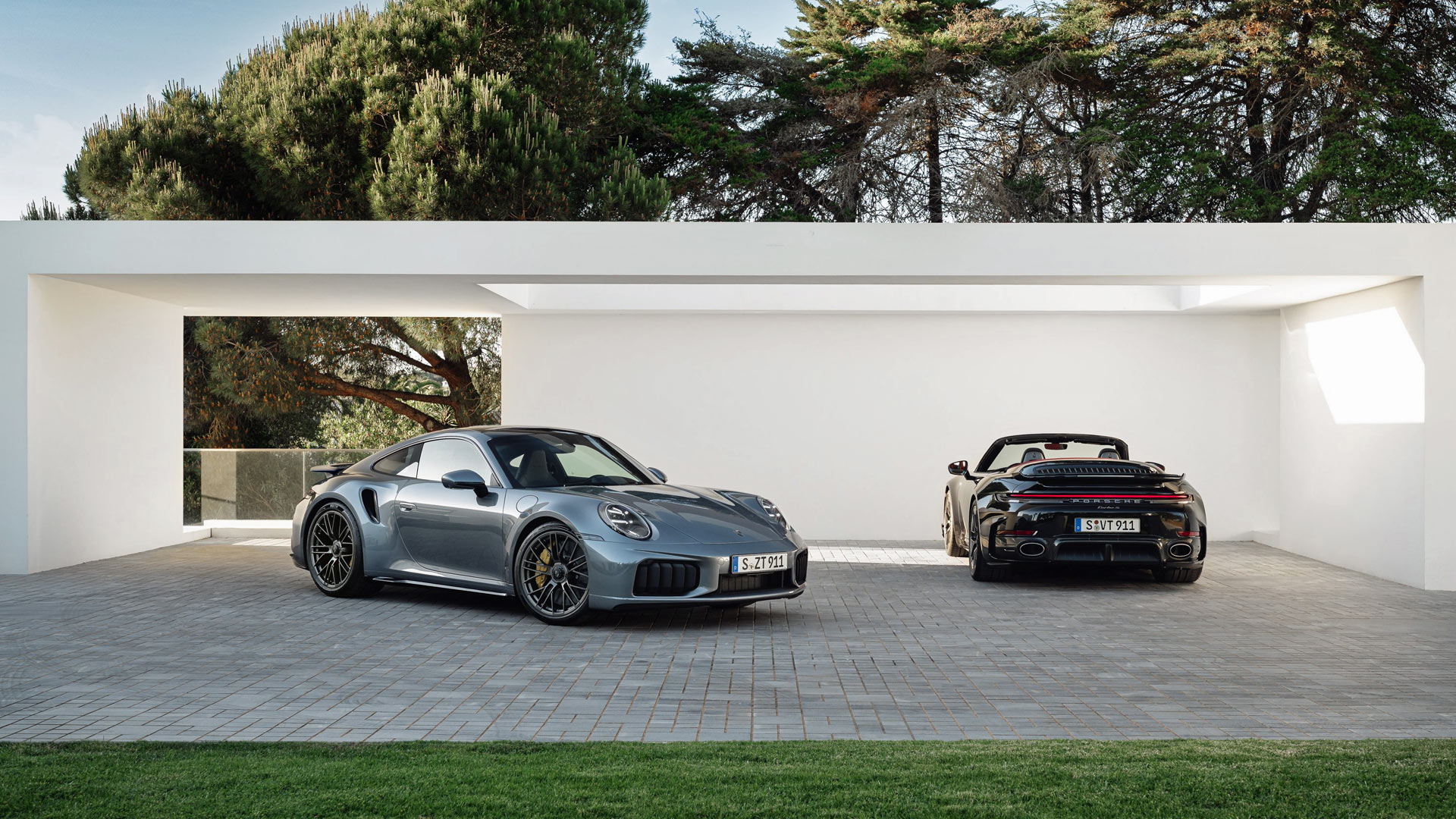
Porsche has revealed its most powerful production 911 to date, ahead of the car’s debut at the 2025 Munich Motor Show.

The new Porsche 911 Turbo S combines two electrically assisted turbochargers (eTurbos) with a water-cooled 3.6-litre flat-six engine. The mid-range 911 GTS T-Hybrid uses the same engine with a single turbo.  

With a grand total of 711hp, combined with 590lb ft of torque from just 2,000rpm, the latest 911 Turbo S has gained 61hp over its predecessor

Despite an extra 85kg in weight, the jump in power and instant response of the eTurbos mean this 992.2-generation of Turbo S is 14 seconds quicker around the Nürburgring circuit than the outgoing model.

A true bahnstormer

2026 Porsche 911 Turbo S

In terms of raw performance, the 911 Turbo S Coupe now accelerates from 0-62mph in 2.5 seconds – and requires only 8.4 seconds to hit 124mph. Find a quiet autobahn and a top speed of 200mph is possible. 

Aiding performance is an eight-speed PDK dual-clutch auto transmission, including an extra electric motor, which is mated to Porsche’s all-wheel-drive system

Active aerodynamics direct cooling air to the components that need it the most. The front diffuser flaps also close in wet weather to keep the huge carbon-ceramic brake discs dry.

Porsche has added a new titanium sports exhaust and – for a not-inconsiderable £1,078 – can even fit windscreen wipers with arms made from weight-saving carbon fibre.

The everyday supercar

2026 Porsche 911 Turbo S

Various exterior elements are finished in Porsche’s exclusive Turbonite colour, including the Stuttgart crest on the bonnet and Turbo S-specific inserts in the rear spoiler. Alloy wheel choices include centre-lock rims with a Turbonite finish. 

More Turbonite trim can be found throughout the interior, including on the steering wheel, dashboard and centre console. 

“The 911 Turbo S is the most complete and versatile way to drive a Porsche 911,” said Frank Moser, vice president of the 911 and 718 model lines. “Whether in daily use, on long motorway drives or on the racetrack – we have been able to make the new 911 Turbo S even more comfortable, more individual and significantly faster than its predecessor.”

Available to configure now on the Porsche website, UK prices for Porsche’s everyday supercar start at £199,100 for the 911 Turbo S coupe. The Turbo S Cabriolet costs from £209,100.

ALSO READ:

Porsche 911 GT3 2025 review

Kamm 912C Full Carbon 2025 review

The full Monte: An amazing Porsche 911 road-trip

Advertisement

Honda Prelude returns with hybrid power and Type R tech

0
2026 Honda Prelude Hybrid

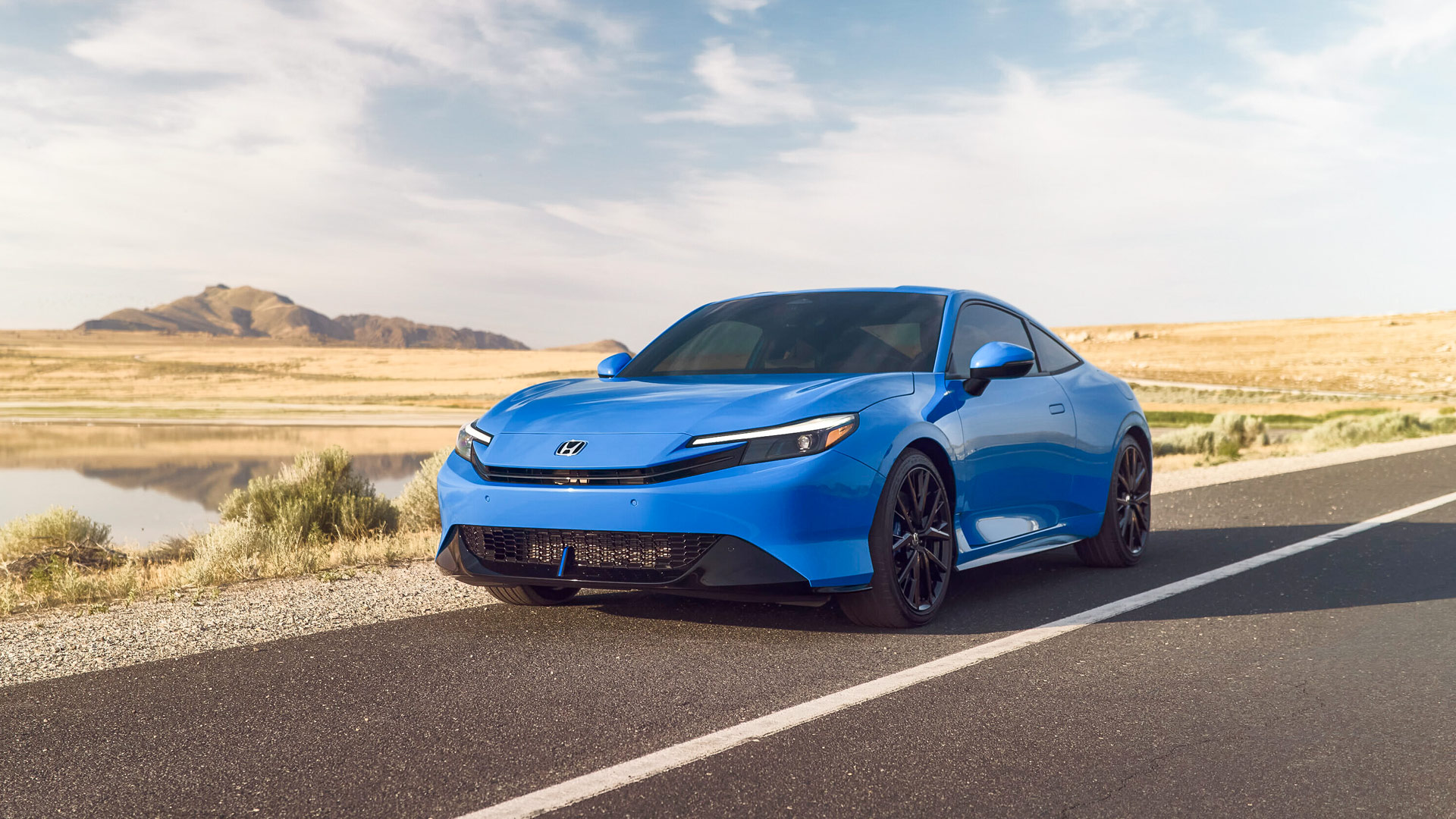
The all-new 2026 Honda Prelude has officially been revealed. It marks the return of a famous automotive name after more than two decades. 

First revealed at the Tokyo Auto Show in 2023, Honda has spent the past two years displaying the Prelude Concept at events around the world. 

However, the wait is finally over, as the production-spec sixth-generation Prelude makes its North American debut.

Going on sale later this year, Honda promises the Prelude will offer a combination of hybrid efficiency and handling inspired by the Civic Type R.

Cuts cleanly through the air

2026 Honda Prelude Hybrid

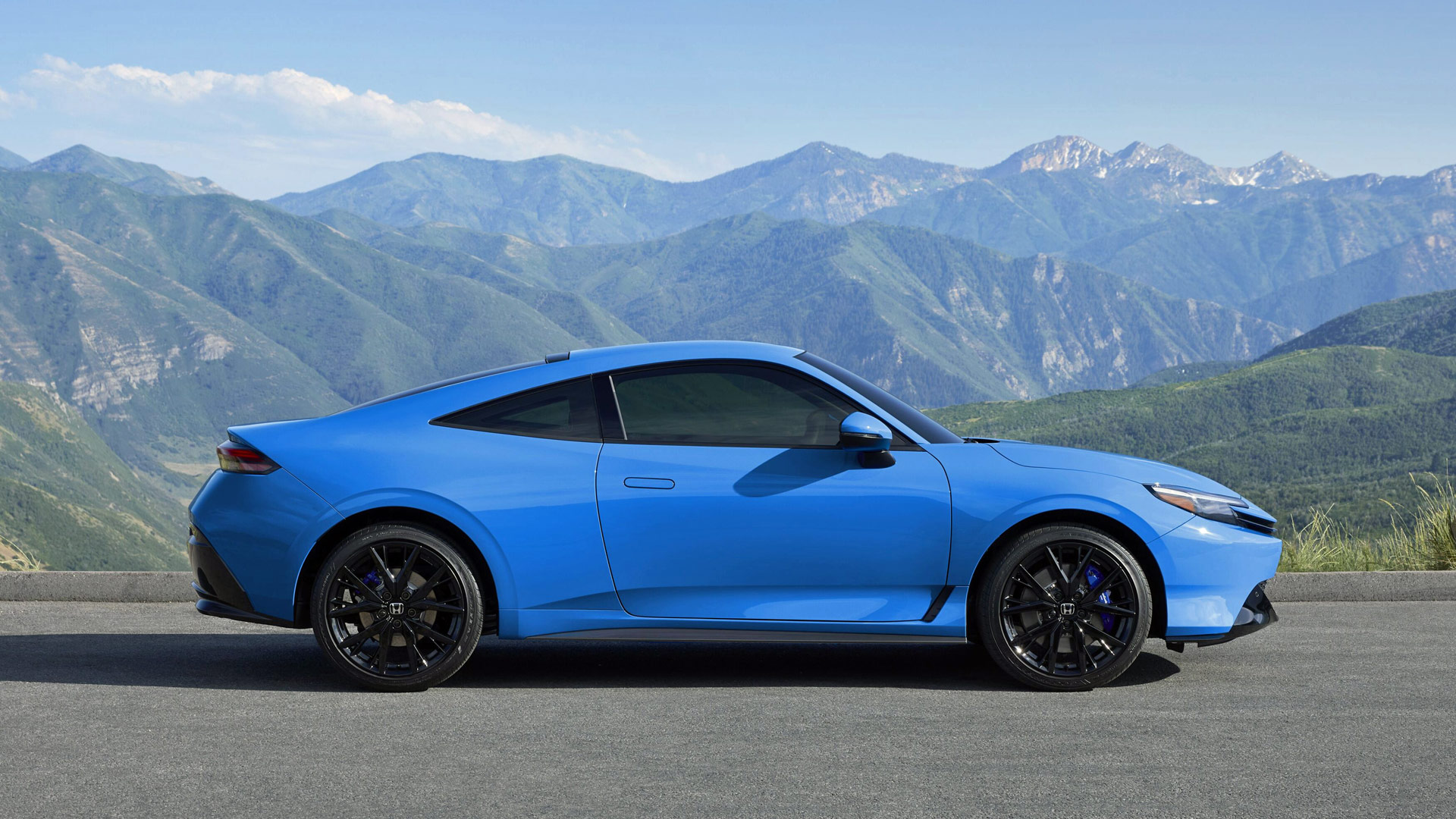
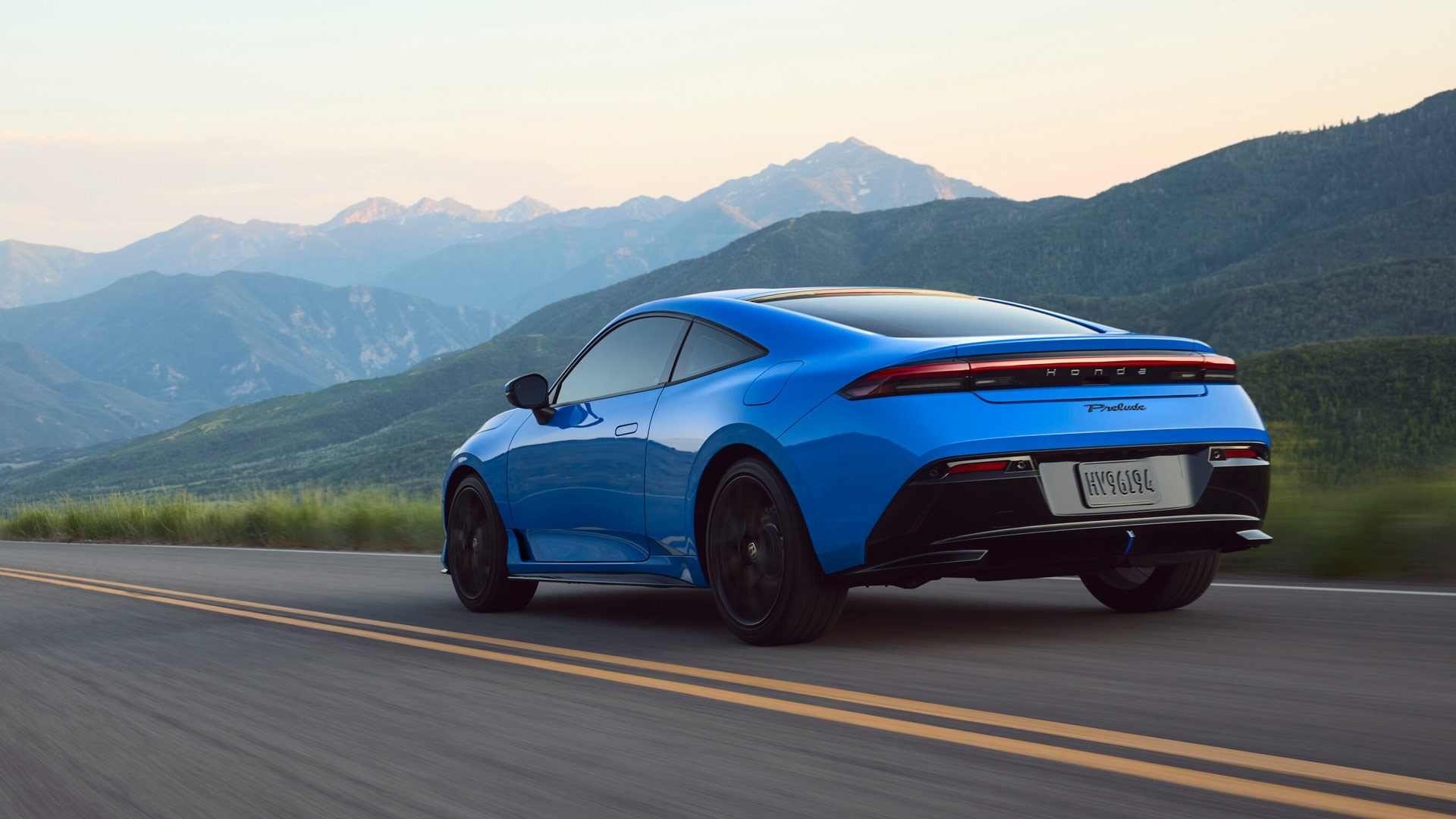
Styled by Honda in Japan, the Prelude is focused on cutting through the air cleanly. Aiding its aerodynamic design is a spoiler integrated into the rear edge of the liftgate, along with a wide front splitter.

There is also a distinctive “double-bubble” roof, as found on classic sports cars. Black 19-inch alloy wheels sit within flared fenders.

Prelude customers will be able to choose from five paint colors, including Meteorite Gray Metallic, Crystal Black Pearl, Rally Red, and Boost Blue Pearl. A new Winter Frost Pearl shade can be combined with a black-painted roof. 

A range of accessories will also be available, with Honda’s Mugen tuning division offering a sharper look for the reborn Prelude.

Efficiency and performance together

2026 Honda Prelude Hybrid

Powering the Prelude will be Honda’s gasoline-electric hybrid engine, as found in the current Civic. This combines two electric motors with a 2.0-liter four-cylinder engine, resulting in a total of 200 horsepower and 232 lb-ft of torque. 

The new coupe marks the first use of Honda’s S+ Shift transmission. This uses steering wheel-mounted paddles to simulate the sound and feel of shifting through gear ratios. 

Honda’s hardcore Civic Type R has donated its dual-axis strut front suspension setup, along with adaptive dampers and a range of selectable driving modes. 

Brembo brakes are included for good measure, with two-piece 13.8-inch diameter front rotors gripped by four-piston calipers. The latter come painted in the Prelude’s signature blue.

New Prelude arrives this fall

2026 Honda Prelude Hybrid

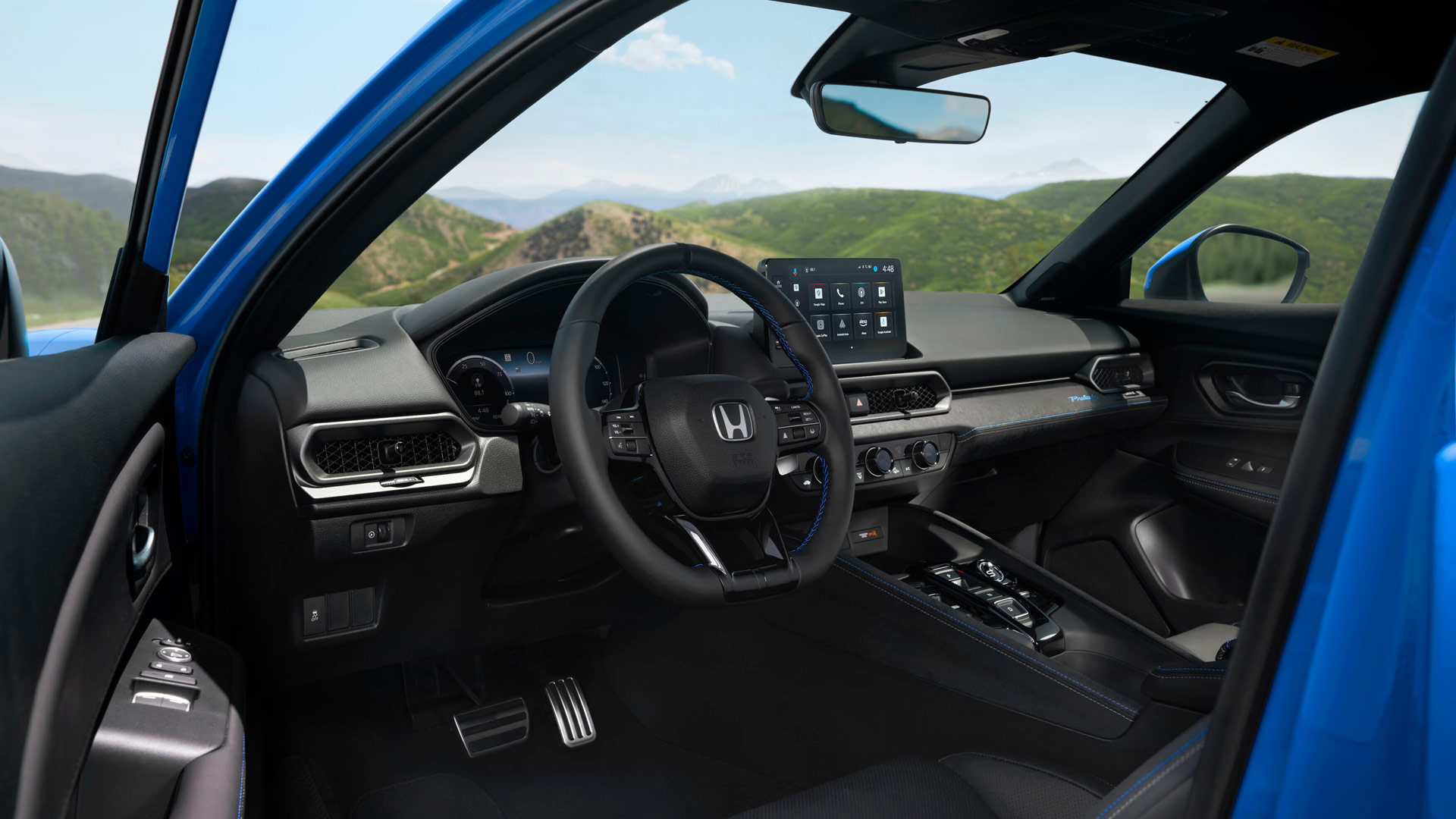
Honda says the Prelude’s 2+2 seat cabin is “driver-focused”, including bucket-style sports seats complete with integrated head rests. There is also a flat-bottomed steering wheel wrapped in leather, plus sporty aluminum pedals. 

Just one trim level will be offered for the Prelude, but standard equipment is comprehensive. It includes a 10.2-inch digital instrument display, and a 9.0-inch central touchscreen with wireless Apple CarPlay and Android Auto connectivity. 

Wireless smartphone charging, an eight-speaker Bose sound system, and a wealth of safety technology will also be part of the package. 

The 2026 Prelude is expected to appear in Honda dealerships later this fall, with prices to be confirmed soon.

ALSO READ:

Acura and Honda EV drivers can now use Tesla Superchargers

Dramatic Audi Concept C previews the new electric TT

Aston Martin Vantage S is F1’s new official safety car

Advertisement

Over 12,500 UK streets demand urgent access to EV charging

0
Vauxhall Electric Streets Progress

Thousands of UK motorists are demanding better access to on-street charging for electric vehicles.

More than 12,500 drivers have registered a need for accessible public charging devices via Vauxhall’s Electric Streets scheme

First launched in 2023, the Electric Streets campaign aims to identify locations with the greatest need for EV charging provision. 

In particular, Vauxhall wants to help the 40 percent of UK households without access to a driveway or off-street parking, which limits their home charging options.

Discovering areas of EV demand

Vauxhall Electric Streets Progress

Vauxhall invited UK drivers to register their home street via a dedicated website, creating a national database of places that require charging provision. 

The car comapany has then shared this information with charging partners, including Char.gy, Connected Kerb and SureCharge. 

Local authorities are also able to access the list of requests, helping them direct EV charger funding to the areas that desire it most

Recent Freedom of Information (FOI) research by Vauxhall has found the number of councils with a dedicated policy officer for EV charging has risen from 31 percent in 2023 to 51 percent in 2025.

In addition, 44 percent of UK councils said they had installed at least one on-street charger by August 2025. This compares to 31 percent in 2023.

Local authorities need to do more

Vauxhall Electric Streets Progress

However, Vauxhall has identified a need for local authorities to do more to keep pace with electric vehicle takeup. Some 22.9 percent of British households who need EV infrastructure are now within a four-minute walk of a charging point, versus 19.6 percent in 2024.

Nonetheless, at current rates, some 110,000 extra public charging devices will be needed in the right places to meet demand by 2030. 

Steve Catlin, managing director at Vauxhall, said: “Not only have we seen a huge rise in the number of public chargers, but more importantly their installation is increasingly being deployed tactically for drivers who need them on a local level.

“While the ongoing rise in councils who have policy officers dedicated to overseeing charging is encouraging, the 12,500 registrations we have received to Electric Streets shows there is no silver bullet to provide a quick fix for drivers. We need to make sure all parties are pulling in the same direction to maintain the momentum we have seen over the past two years.”

ALSO READ:

Zoopla and Vauxhall team up to find homes with EV charging

New Porsche Cayenne Electric will offer wireless charging

Your EV questions answered on Motoring Electric
Advertisement

Meet Colton Herta: America’s newest F1 star

0
Colton Herta Cadillac Formula 1 Team

The fledgling Cadillac Formula 1 Team has announced that IndyCar racer Colton Herta will serve as its official test driver for 2026.

It marks a substantial change for a driver who has spent seven seasons competing in North America’s premier single-seater championship.

However, 25-year-old Herta has persistently been linked with Formula 1, and is now much closer to achieving this career goal.

Who is Colton Herta?

Colton Herta Cadillac Formula 1 Team

Born in Santa Clarita, California, Colton Herta is the son of Bryan Herta – and is thus part of a famous motorsport family.

Bryan Herta had a long racing career in the IndyCar and Champ Car series. He founded the eponymous Bryan Herta Autosport team in 2009. 

For Colton, this meant a career in motorsport was almost guaranteed, beginning with karting championships in 2010. He progressed to become the highest-paid driver in the NTT IndyCar series.

How successful is Colton Herta in IndyCar?

Colton Herta Cadillac Formula 1 Team

Colton Herta burst onto the IndyCar scene in 2019, aged just 19, claiming two wins in his first full rookie season.

Such promise at a young age, along with a famous racing father, set particularly high expectations for Herta. 

Subsequent seasons have seen Colton claim more victories, peaking with a second place in the 2024 IndyCar Drivers’ Championship standings.

However, the dominant success of Alex Palou made wins harder to achieve in 2025, which may have contributed to Herta’s decision to move.

Has Colton Herta won the Indy 500?

Colton Herta Cadillac Formula 1 Team

The Indianapolis 500 is the greatest prize in the IndyCar series. It is considered part of the ‘Triple Crown’ of motorsport, along with the 24 Hours of Le Mans and the Monaco Grand Prix. 

Colton Herta has contested the Indy 500 seven times, and started from second place for the 2021 race. 

Sadly, this has never translated into an overall victory, with eighth place in 2020 being Herta’s Indy 500 highlight.

Has Colton raced outside of North America?

Colton Herta Cadillac Formula 1 Team

In contrast to many North American racing drivers, Colton Herta decided to compete in Europe early on in his career. 

This began with the 2015 MSA Formula Championship in the UK, where he took third place in a series won by current McLaren Formula 1 driver, Lando Norris

The following year saw Herta claim second place in the Spanish Formula 3 series, along with a third-place finish in the Euroformula Open Championship.

Herta later returned to the United States, but his experience arguably makes him well placed for a career in Formula 1.

Has Colton Herta driven a Formula 1 car before?

Colton Herta Cadillac Formula 1 Team

Herta was first linked to Formula 1 in 2021, during Andretti Autosport’s attempt to buy the Sauber team. However, Andretti’s bid collapsed, leaving Herta without a drive. 

In July 2022, Herta undertook a multi-day test session in Portugal with the McLaren Formula 1 team, delivering impressive lap times.

Red Bull’s junior AlphaTauri team then began pursuing Herta to drive for them in the 2023 season. Unfortunately, Herta lacked the points to obtain an FIA Super License, which is required to race in Formula 1. 

The FIA refused to make an exception for Colton, preventing him from a move into F1.

Is Colton Herta likely to get a Formula 1 seat?

Colton Herta Cadillac Formula 1 Team

At present, Herta has 35 of the 40 points needed to secure an FIA Super License. 

Acting as Cadillac’s test driver in the 2026 Formula 1 season would allow him to take part in several Friday practice sessions, with each earning one Super License point. 

However, Herta is more likely to combine his testing duties with a drive in the supporting Formula 2 championship. Finishing eighth or higher in the F2 series would secure Colton the 40 points needed to race in motorsport’s top echelon.

Who is racing for Cadillac Formula 1 in 2026?

Colton Herta Cadillac Formula 1 Team

For its inaugural season in Formula 1, Cadillac has turned to the experienced pairing of Sergio Perez and Valtteri Bottas.

Both have previously served as reliable number-two drivers in top F1 teams. The duo have more than 525 race-starts between them. 

With Perez now aged 35, and Bottas 36, neither are likely to be long-term options for Cadillac though. This opens the door for the American team to put an American driver in its race car with Colton Herta.

What is the reaction to Colton Herta’s new role?

Colton Herta Cadillac Formula 1 Team

Following the announcement, Herta said: “This is a dream opportunity, and one I’ve been working towards for a long time. To be part of Cadillac F1’s entry at such a pivotal time is something I couldn’t pass up. 

“My dream has always been to race in Formula 1, and I see this move as a huge step towards that goal. For now, my focus is on giving everything I can to Cadillac F1, helping build a competitive team.”

“We are delighted to welcome Colton Herta as a test driver,” said Graeme Lowdon, principal of the Cadillac Formula 1 Team

“Colton is an exceptionally talented racer with proven speed, race craft, and maturity well beyond his years. His experience in top-level American motorsport as part of the TWG Motorsport family makes him an ideal fit for this role, and he will bring valuable and fresh insight, perspective, and energy to our team as we continue to build for the future.”

ALSO READ:

The new IndyCar video game: what we know so far

Opinion: Is IndyCar’s Alex Palou now too good for F1?

Aston Martin Vantage S is F1’s new official safety car

Advertisement

New Porsche Cayenne Electric will offer wireless charging

0
Porsche Wireless EV Charging

Porsche has announced that the forthcoming Cayenne Electric will be able to use wireless charging.

Essentially, this means the new SUV can replenish its battery pack without the need to plug in. Instead, it uses a bespoke charging pad. 

Removing the need to connect to a wallbox should make charging the Cayenne Electric more convenient. The Porsche wireless charging plate can deliver electricity at up to 11kW. 

The announcement of wireless charging capability is also an excuse for Porsche to preview the Cayenne Electric in prototype form.  Partially disguised with dramatic illuminated fluorescent paint, it will be on display at this month’s Munich Motor Show.

Smartphone-style car charging

Porsche Wireless EV Charging

Research by Porsche found that 75 percent of charging for its electric vehicles takes place at home. Making domestic life easier for Porsche owners has thus been an important area of focus. 

Available to be installed in a garage, carport or even in the open, the charging plate comes with wireless internet connectivity. This allows it to receive over-the-air updates. 

In order to make use of smartphone-style wireless charging, Porsche customers will need to select this option when ordering a new Cayenne Electric. 

This will add a receiver unit mounted between the car’s front wheels, which is protected from stone chips and fully weatherproofed.

Making EV charging easier

Porsche Wireless EV Charging

To start charging, the Cayenne Electric simply needs to be parked above the wireless plate. Porsche’s luxury SUV will then lower its suspension automatically, reducing the distance between the charger and receiver.

The Cayenne Electric’s surround-view parking system comes with a dedicated setting to help align the Porsche with the charging plate. The batteries will start to be replenished once the handbrake is applied. 

“Ease of use, suitability for everyday use and charging infrastructure are still the decisive factors when it comes to the acceptance of electric mobility,” said Porsche board member for development, Michael Steiner. 

“We are proud that inductive charging will soon be available in series production at Porsche. Charging an electric car at home has never been so easy and convenient.”

ALSO READ:

Porsche Cayenne E-Hybrid 2025 review

Porsche Taycan 2025 review

Your EV questions answered on Motoring Electric
Advertisement

The famous Citroen H-Type van is back – as an EV

0
Electric Citroen Type H Van

The iconic Citroen H van has made a comeback, with a conversion based on the modern e-Relay model.

Officially licensed by Citroen,  and featuring a comprehensive bodykit made by Italian manufacturer Caselani, the new electric H-Type is available now.

It means mobile coffee shops and artisan bakers now have a reliable and comfortable alternative to the classic Citroen van.

Supplied by TypeH, a division of popular Citroen specialists The 2CV Shop, the reborn H van is also offered with traditional diesel power.

Classic style, modern tech

Electric Citroen Type H Van

More than 470,000 examples of the original Citroen H-Type van were made between 1947 and 1981. Making use of corrugated body panels, similar to the earliest examples of the 2CV, the H-Type was designed as a low-cost utility vehicle for post-war France. 

The Caselani-designed bodykit recreates the style of the original H-Type, including a prominent front grille, corrugated-look side panels and a tailgate that resembles the three-piece design of the original.

Unlike a real H-Type, there are no ‘suicide-opening’ front doors. Being based on Citroen e-Relay means features such as air conditioning, rear parking sensors and a reversing camera are included, too. 

The e-Relay’s powertrain includes a 110kWh battery pack, offering a potential range of up to 260 miles. It also ensures the modern H van can recharge at speeds of up to 150kW.

A whole retro van range

Electric Citroen Type H Van

Mirroring the Citroen e-Relay range means the new H van comes in a host of panel van configurations, along with a base chassis cab version. Depending on the model chosen, payload capacity is up to 1,385kg.

Prices for the electric H van start from £51,995 plus VAT in chassis cab form. The smallest L3 H2 panel van costs from £63,495 plus VAT.

Alternatively, TypeH is able to convert an existing Citroen e-Relay van to the H-Type style, with prices from £24,595 plus VAT. 

Available to order now, each van comes with a full Citroen warranty, offering cover for three years or 100,000 miles.

TypeH also offers a host of other classic-inspired Citroen vans, including the Berlingo-based Fourgonnette. Even the tiny Ami quadricycle can receive a retro makeover.

ALSO READ:

Citroen is first to announce Electric Car Grant eligibility

Falling in love again: driving the classic Citroens my dad owned

Best restomods to buy in 2025

Advertisement

Toyota has built a V-8 GR Supra – but there’s a catch

0
Toyota GR Supra Supercar Launch

Toyota has revealed a new GR Supra powered by a V-8 engine, but the car is eligible for competition use only. 

Developed for the Supercars Championship in Australia, Toyota’s GEN3 GR Supra features a 5.2-liter quad-cam V-8 derived from the engine found in the Lexus RC F. 

It marks the latest racing effort for the GR Supra, which has competed in championships as diverse as NASCAR and drifting challenges. 

The announcement is a bittersweet one for Australian Toyota enthusiasts, however, as it comes less than two weeks after Toyota Australia confirmed it would no longer be taking orders for the GR Supra. Some 1,400 examples have been sold in the country since 2019.

Thunder from Down Under

Toyota GR Supra Supercar Launch

Toyota has committed to compete in the Supercars Championship for the next five years, beginning with the 2026 season.

This will see the GR Supra square up against American-bred muscle in the form of the Ford Mustang GT and Chevrolet Camaro ZL1.

Current Supercars Championship rules mean that all cars must be powered by a V-8 engine and use a rear-wheel-drive layout. Each manufacturer nominates a single engine builder, with the allocations to teams randomized to ensure fairness. 

Similar to the NASCAR Cup series, Supercars Championship organizers work to ensure parity between the competing cars. This should help the GR Supra be competitive from the outset when it hits the track in 2026.

A new motorsport era for Toyota

Toyota GR Supra Supercar Launch

The Supercars Championship has become a hotbed for international motorsport talent. Scott McLaughlin dominated the series before his move to IndyCar, with NASCAR Cup driver Shane van Gisbergen also a triple champion.

Walkinshaw Andretti United (WAU) will be the team responsible for homologating the GR Supra, acting as Toyota’s launch partner. Ryan Wood and Chaz Mostert will drive the GR Supra for WAU. 

Brad Jones Racing will field a further four cars. The line-up of drivers will be confirmed closer to the start of the 2026 season.

WAU director Ryan Walkinshaw said: “What a moment today is, as the covers come off the GR Supra Supercar. A huge thank you must start with everyone at Toyota, for their trust, their belief, and their support of Walkinshaw Andretti United.”

ALSO READ:

Toyota is making parts for the classic Supra again

Sporty spice: Toyota Supra Wasabi teases the ‘ideal’ modified Supra

Toyota GR Supra Final Edition to debut at Long Beach Grand Prix

Advertisement

First look at electric Volkswagen ID. Polo due next year

1
Volkswagen ID Polo Naming

Volkswagen has announced a new naming convention, giving its classic model badges a modern electrified twist.

Kick-starting the new strategy is the ID. Polo – the production version of 2023’s ID. 2all electric supermini concept car. 

Due in 2026, the battery-powered Volkswagen ID. Polo will be sold alongside a petrol-powered version. The Polo name celebrated its 50th anniversary this year

The hope is that combining traditional Volkswagen badges with the electric ‘ID.’ prefix will make the German marque’s model lineup easier to understand for customers.

The start of a new era

Volkswagen ID Polo Naming

Thomas Schäfer, CEO of the Volkswagen brand, said: “Our model names are firmly anchored in people’s minds. 

“They stand for a strong brand and embody characteristics such as quality, timeless design and technologies for all. That’s why we’re moving our well-known names into the future. The ID. Polo is just the beginning.” 

Volkswagen will transfer more legacy names to the electrified ID. portfolio as it continues to update its model range with each generation. 

Introduced in 2018, the ID. electric sub-brand now encompasses seven different models sold across the globe. These range from the compact ID.3 hatchback through to the executive ID.7 fastback and estate.

Making EV motoring accessible

Volkswagen ID Polo Naming

As part of the upcoming Munich Motor Show, taking place from 8-14 September 2025, Volkswagen will unveil the still-camouflaged ID. Polo and ID. Polo GTI models

A preview night ahead of the main show will also see the new ID. Cross Concept revealed. The compact SUV is expected to arrive in late 2026, and will be the battery-powered counterpart to the Volkswagen T-Cross

Martin Sander, member of the Volkswagen board for sales and marketing, said: “Our cars often accompany people for many years – they shape memories and stages of life. A model like the Polo shows just how powerful a name can be: it stands for reliability, personality and history. 

“That’s precisely why we are again giving our ID. models names that arouse emotions and are anchored in people’s everyday lives. Electric mobility should not only be progressive, but also accessible and personal.”

ALSO READ:

VW Polo Edition 50 celebrates five decades with extra equipment

Volkswagen Polo at 50: We drive the Mk1 that started it all

Your EV questions answered on Motoring Electric
Advertisement

Dramatic Audi Concept C previews the new electric TT

0
2025 Audi Concept C

Unveiled in Milan, the new Audi Concept C is a dramatic statement of intent for the future of the German marque

With both the TT sports car and R8 supercar now retired from Audi’s model range, the Concept C demonstrates how a new battery-powered roadster could look.

Due to be displayed at the forthcoming Munich Motor Show, the Concept C pays homage to classic models from Audi’s past, including the 1936 Auto Union Type C.

The result is a design that its maker says ‘embodies athletic minimalism with a purity of form, precision, and solidity’.

Progress through technology

2025 Audi Concept C

Compared to Audi’s recent designs the most noticeable change for the Concept C is a shrunken front grille. However, being a battery-powered roadster, the ‘vertical frame’ is used solely to house sensors for an extensive array of technology, rather than being needed for cooling.

The use of minimal body decoration, along with strong lines, is likely to invite comparisons to the radical Jaguar Type 00 concept. Audi says the new design language is inspired by the marque’s past achievements. 

Audi CEO Gernot Döllner explained: “Our history is marked by bold leaps in innovation and state-of-the-art technology combined with an uncompromising focus on clarity in design. Our most legendary models perfectly embody this combination.”

Minimalist design, premium features

2025 Audi Concept C

Other notable exterior details include a new LED lightning signature, the bespoke ‘Titanium’ body colour and a retractable hard-top roof. The latter makes its first appearance on an Audi roadster, and contributes to an R8-esque roofline

On the inside, there are hints of the first-generation Audi TT, with a minimalist design and foldable 10.4-inch central infotainment screen. A tiny digital instrument panel is recessed into the dashboard. Audi has also gone big on the use of real metal components to enhance the premium feel.

Audi is saying little about what role a production Concept C could play in its range. Being positioned closer to the space formerly occupied by the TT seems most likely, though. 

With Audi’s commitment to have a battery electric vehicle in every core model segment by 2027, it should only be a short wait to find out.

ALSO READ:

Audi R8 V10 GT RWD review

Audi RS E-Tron GT Performance review

1996 Audi RS2 review: Retro Road Test

Advertisement