Home Blog Page 292

Which UK region has the most electric car charging points?

0

10,000 charging locations in the UK

New research has revealed the regions of the UK that are best-placed to deal with the current and near-future population of electric cars in their area.

There are now 10,500 electric charging points in the UK, which is far more than the 8,394 petrol stations. If you look at the road length of Britain, there is now a charging location every 23.35 miles. By comparison, there is a petrol station every 29.39 miles.
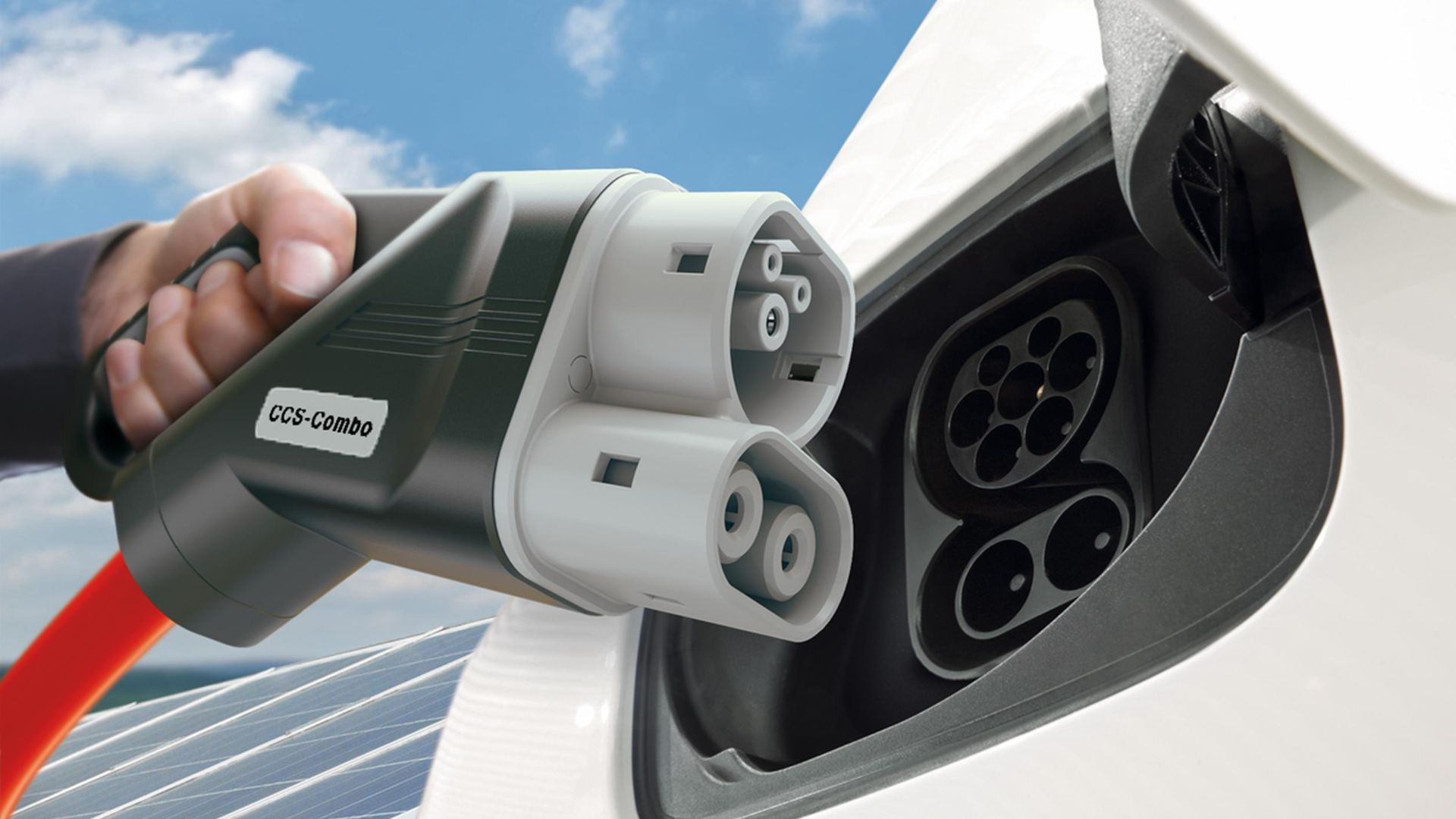
10,000 charging locations in the UK

However, one criticism of the infrastructure, aside from its density, is the number of rapid chargers. Just 23 percent of connectors offer higher charging speeds that are a more appealing proposition to EV drivers.

“More investment in rapid charging devices and connectors also needs to be made, so motorists feel comfortable driving long distances without worrying they may encounter travel delays,” emphasises Tim Schwarz, Head of marketing at Moneybarn.

Where is the best electric car-to-charger ratio?electric car drivers charging habits

While you might imagine London to be well in the lead, a strong number of chargers feeds a strong demand. It’s Scotland that’s in the lead for EVs per charging connector, with 3.32. The North East and London aren’t far behind, with a respective 3.39, and 3.79. London is still high up the list, in spite of a higher volume of EVs and the introduction of the ULEZ. Wales and the North West round out the top five, with 4.65 and 5.21 respectively.

Below the top five, things take a bit of a dive. The East Midlands in sixth, has 6.95, while Yorkshire & Humber in seventh and the South West in eighth have close to ten. The bottom three regions are the South East, East and West Midlands, with 11.53, 14.89 and 17.4.

# Region No. of EVs per charging connector
1 Scotland 3.32
2 North East 3.39
3 London 3.79
4 Wales 4.65
5 North West 5.21
6 East Midlands 6.95
7 Yorkshire &
Humber
9.66
8 South West 9.95
9 South East 11.53
10 East 14.89
11 West Midlands 17.4

“It’s great to see the UK continuing to develop its EV infrastructure ahead of its Road to Zero deadline,” Schwarz continues.

“However, with the Government keen to accelerate its ban on petrol and diesel cars, it’s clear areas like the West and East Midlands and the South East, need to improve their current EV facilities.”
Advertisement

The AA: ‘Scrap VAT on electric cars to boost sales‘

0

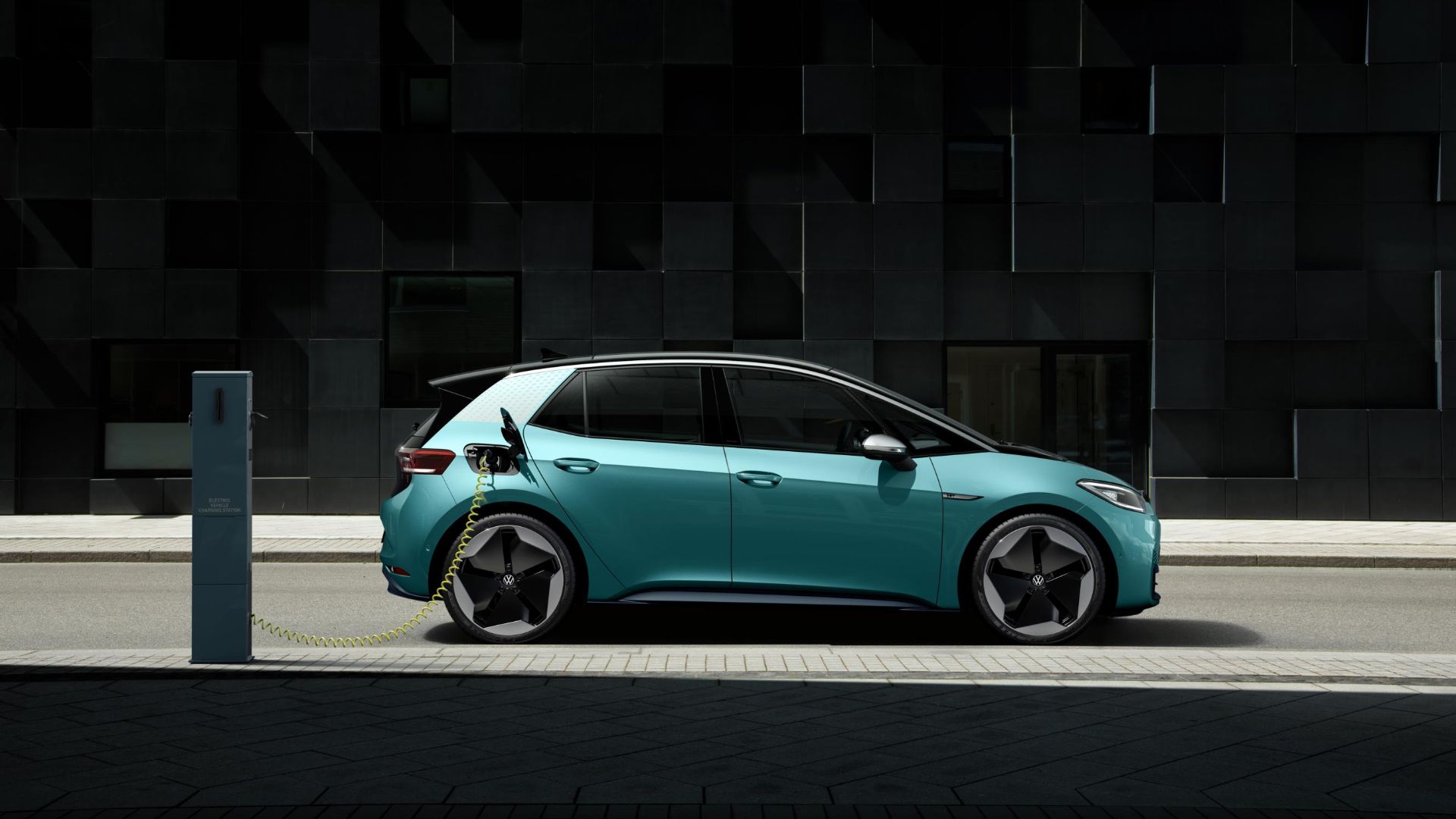
Volkswagen electric car production

The AA says the electric car market needs a “shock to the system”. It’s proposing this should come in the form of VAT being scrapped on EVs.

New research by the AA, based on a survey of 17,500 drivers, has revealed that 61 percent of motorists said they’d be more inclined to buy an electric car if the VAT was scrapped. At present, VAT is 20 percent of the car’s value, added as value-added tax. Current electric cars carry a significant premium over equivalent internal combustion vehicles.

Experts say that’s not going to change for years to come. The AA’s proposed VAT cut would make electric cars far more competitive on price, especially in combination with the current EV grant.

VAT should be cut on electric cars, says AA

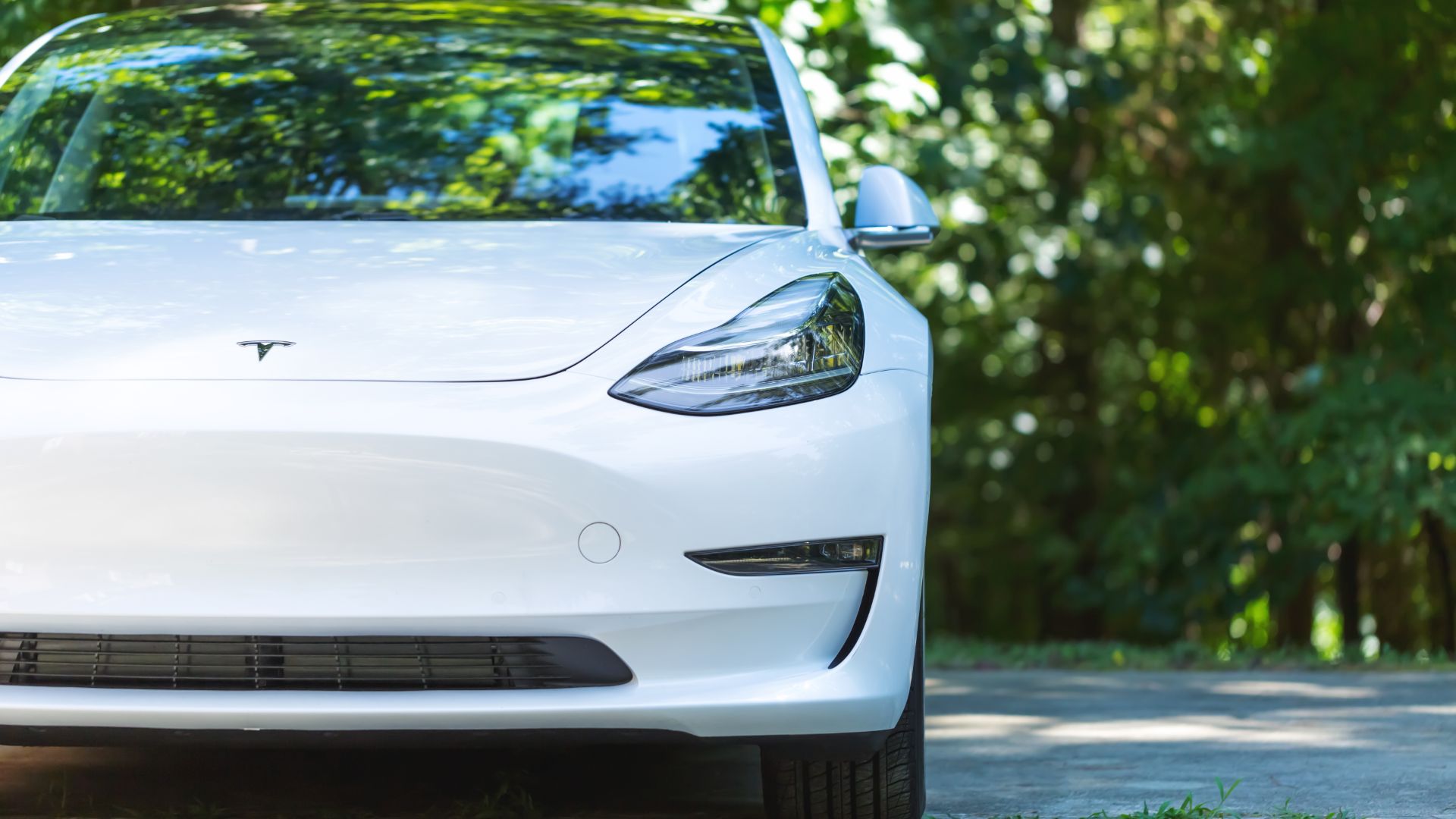
Take a Tesla Model 3. If you pay £48,000 for the car, £8,000 of that is VAT. The AA is proposing that the VAT be taken off, in addition to the EV grant.

On a mid to high-range Model 3 costing £48,000 before a VAT cut, or the addition of the grant, the post-grant, post-VAT discount price would be £36,500. The Model 3’s current pre-grant entry price of £39,500, could be reduced to £31,600, which could drop below £30,000 with the grant. That’s a saving that could incentivise many buyers to hang up their internal combustion allegiance.

“A combination of the climate change emergency and local councils setting up vastly different clean air zones, means that many drivers feel under pressure to change but can’t, no matter how much they try,” said AA president Edmund King.

“With electric vehicles making up just 0.2 per cent of the nation’s cars, there is a long way to go to meet the official target of at least half of new car sales to be ultra-low emission by 2030. Our proposal would help to achieve that goal more quickly.”

VAT should be cut on electric cars, says AA

Following Norway’s example

There is a precedent for dropping VAT on electric cars. Norway, with the highest proportion of electric cars of any European country, has zero VAT on EVs. EV drivers also drive road tax-free, and can use bus lanes for free. Last year, electric car sales jumped by 144 percent.

According to the Norwegian government, an electric car was sold once every 20 minutes in 2019, with 37,850 drivers plugging in. All that said, EVs still made up just 1.2 percent of sales in 2019, and overall make up just 0.2 percent of cars on the road.

Advertisement

Norway finds Lexus ‘self-charging hybrid’ adverts misleading

0

Norway deems Lexus ‘self-charging’ adverts misleading

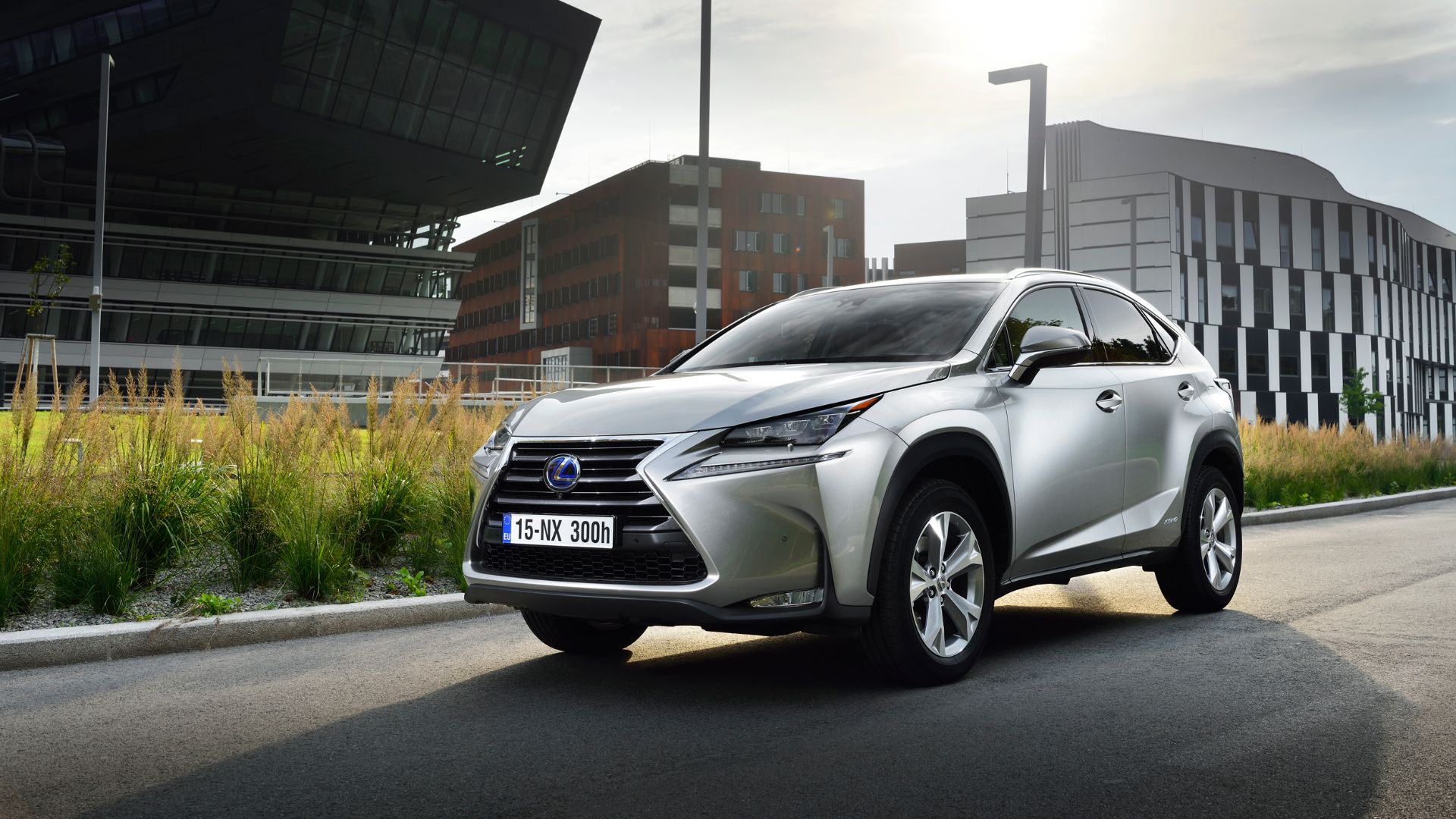
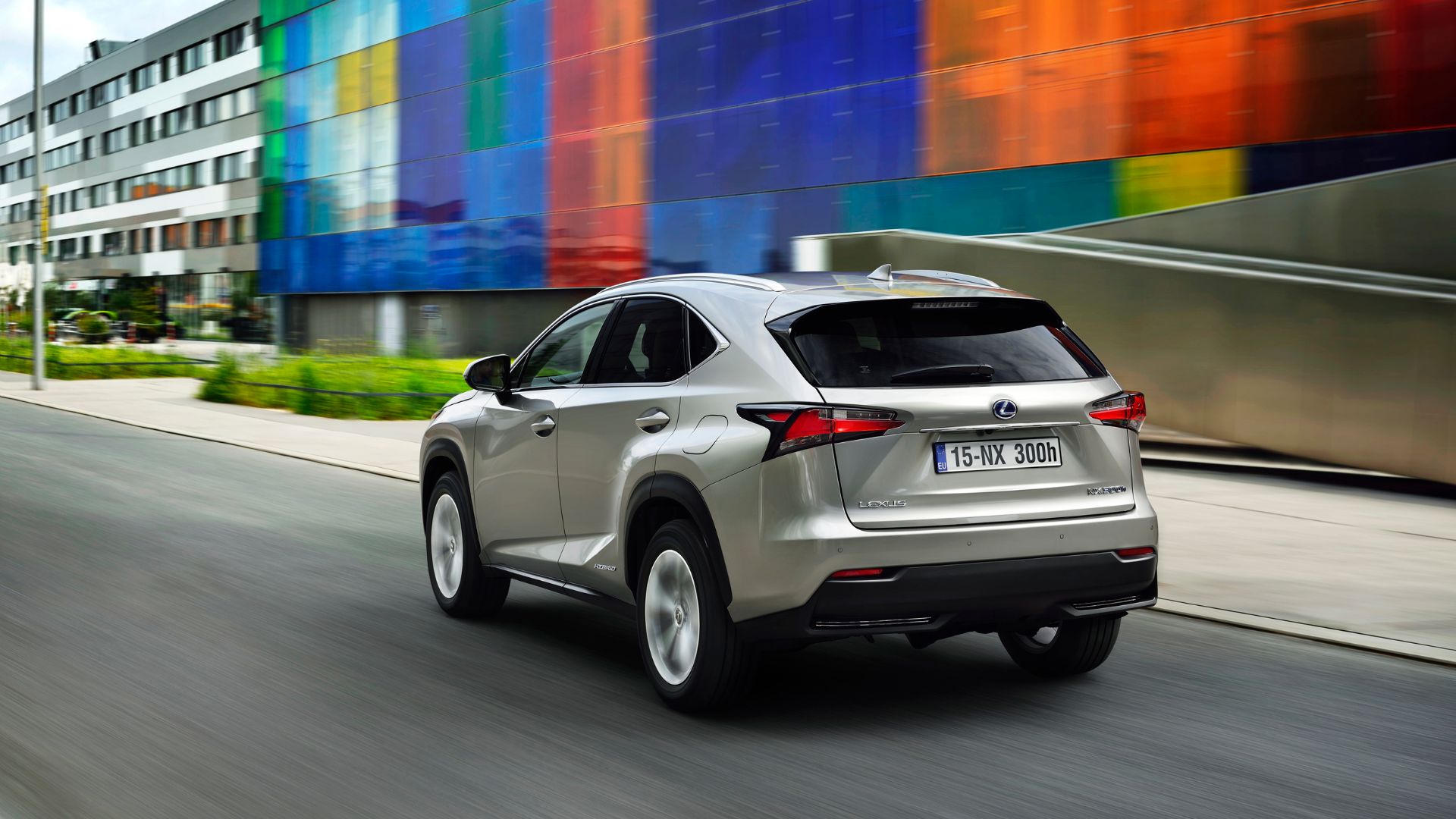
Lexus’s ongoing battle over its self-charging hybrid advertisements has taken a new northern-European turn. Norway’s Consumer Authority has deemed the advertisements misleading.

Complaints about adverts in magazines referenced the claim that the car could charge itself, without a cost to the driver.

One of the ads translates in English to: “In hybrid form Lexus, the power (always costs) absolutely nothing”. Another phrase used in ad copy that has been contested read: “Lexus offers the power”.

The Norway decision contrasts with an earlier ruling by the UK’s ASA that Lexus self-charging hybrid ads are not misleading

Self-charging – a “spiked lie”?

A Lexus owner said that: “Lexus and Toyota market their hybrids heavily as self-recharging, without notifying the customer that all energy used for recharging comes from the combustion of gasoline.

“In its latest ads, Lexus even uses the phrase, ‘Lexus offers the power’. This is purely [a] spiked lie.”

So the issue is not necessarily that self-charging is misleading. The cars do indeed charge themselves using regenerative braking, the recuperation of energy lost in braking.

The problem is when that recuperated energy is implied to be “free”. In reality, that energy came from the burning of fuel, which cost the driver money.

Norway’s Consumer Authority has therefore taken issue with the claim that the energy recuperated didn’t cost anything.

This idea is reiterated in a variety of ad copy, including lines like “produce power itself; charges when you release the gas, when you slow down, yes, even while driving.” (Again, for clarity, we’ve run a literal translation here.)

Norway deems Lexus ‘self-charging’ adverts misleading

The country’s marketing act prohibits false, misleading or unreasonable claims in advertisements, which aspects of the ‘self-charging’ claim fall under. 

Authorities concluded that Lexus’s ads could lead customers to believe that their car generates free electricity. It claims this marketing content could have influenced customers to buy the car under this false claim.

Advertisement

Diesel car particulate emissions spike up to 115% during DPF cleaning

0

Diesel particulate emissions

Diesel car particulate filters (DPFs) catch and collect harmful particulate emissions – but when they are periodically auto-cleaned, tailpipe emissions spike, something ignored in official EU emissions tests.

Researchers discovered particulate emissions from a Nissan Qashqai and Vauxhall Astra were between 32 percent and 115 percent over the legal limit during DPF cleaning.

Emissions of more harmful ‘ultrafine’ particulates spiked even higher, up to 184 percent.

However, NOx emissions did remain within legal limits during the tests.

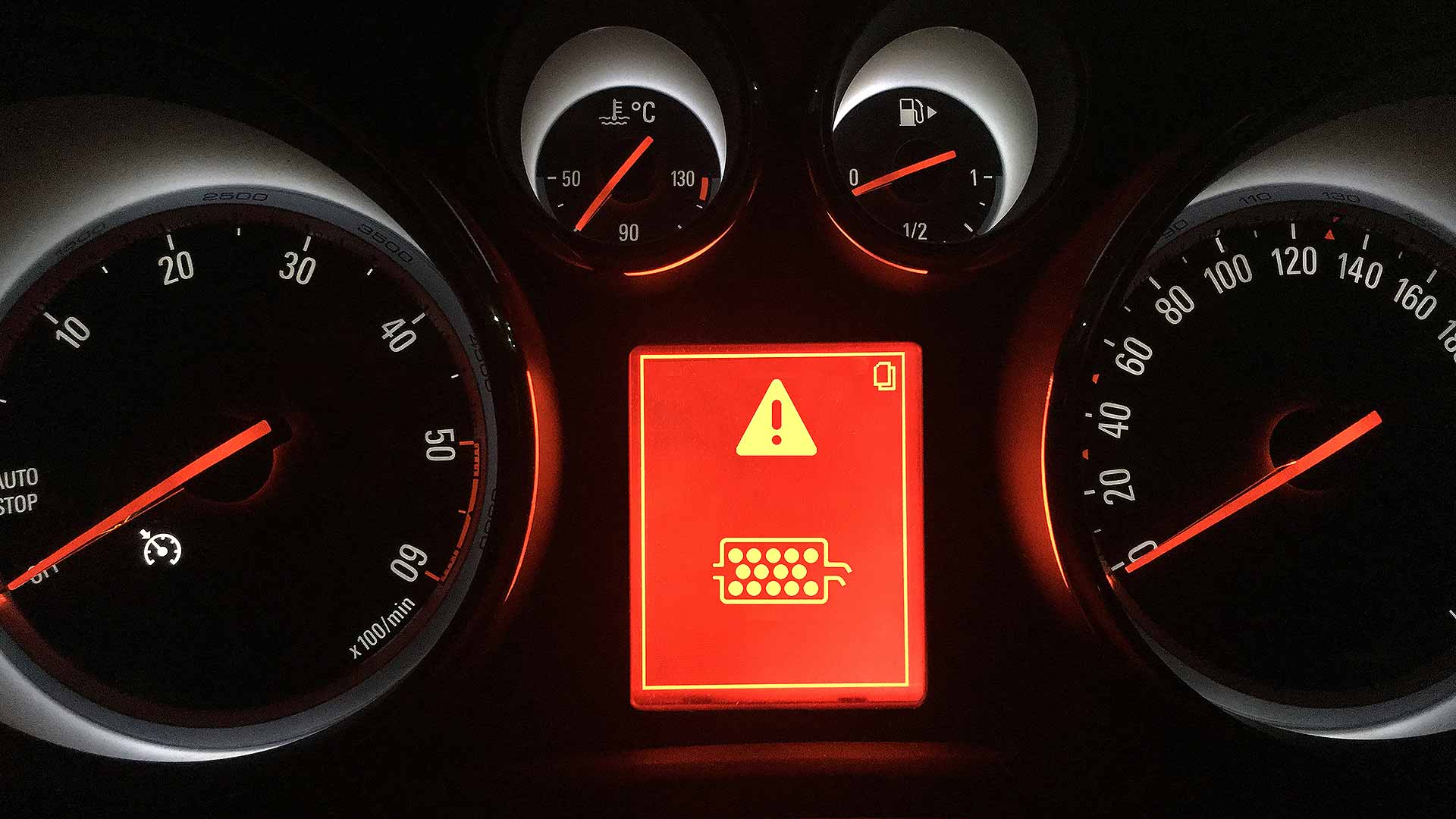
Diesel particulate filter dashboard icon

Diesel particulate filters trap and store particulates produced by an engine, so they are not constantly released into the atmosphere. However, they have a finite capacity and are emptied during a cleansing or ‘burning off’ process. 

The cleaning process happens periodically, automatically, and can last for over nine miles at a time, claims lobby group Transport & Environment.

A loophole, says the group, means official tests are ignored and restated if DPF cleaning occurs during the process.

There are 45 million cars equipped with DPFs in Europe, carrying out 1.3 billion filter cleanings a year, it claims.

“These tests show that new diesels are still not clean,” said T&E emissions engineer Anna Krakinska. “In fact they are spewing out highly-dangerous levels of particles in our towns and highways everyday.”

She said the next Euro emissions standard should close the loophole and set firm limits for all pollutants.

The European Commissions should also require authorities to check cars already on the road – like the U.S. Environmental Protection Agency (EPA) does.

“The endgame is a standard that demands zero emissions from cars on our roads.”

A Nissan spokesman said: “All Nissan vehicles and DPF device fitted in our vehicles fully comply with today’s emissions legislation.

“We support the evolution of emissions standards as well as the WLTP and Real Driving Emissions (RDE) homologation tests and have introduced a range of drivetrains to meet them.”

Advertisement

BMW stakes claim as 2019’s best-selling premium brand

0

BMW is 2019 best-selling global premium brand

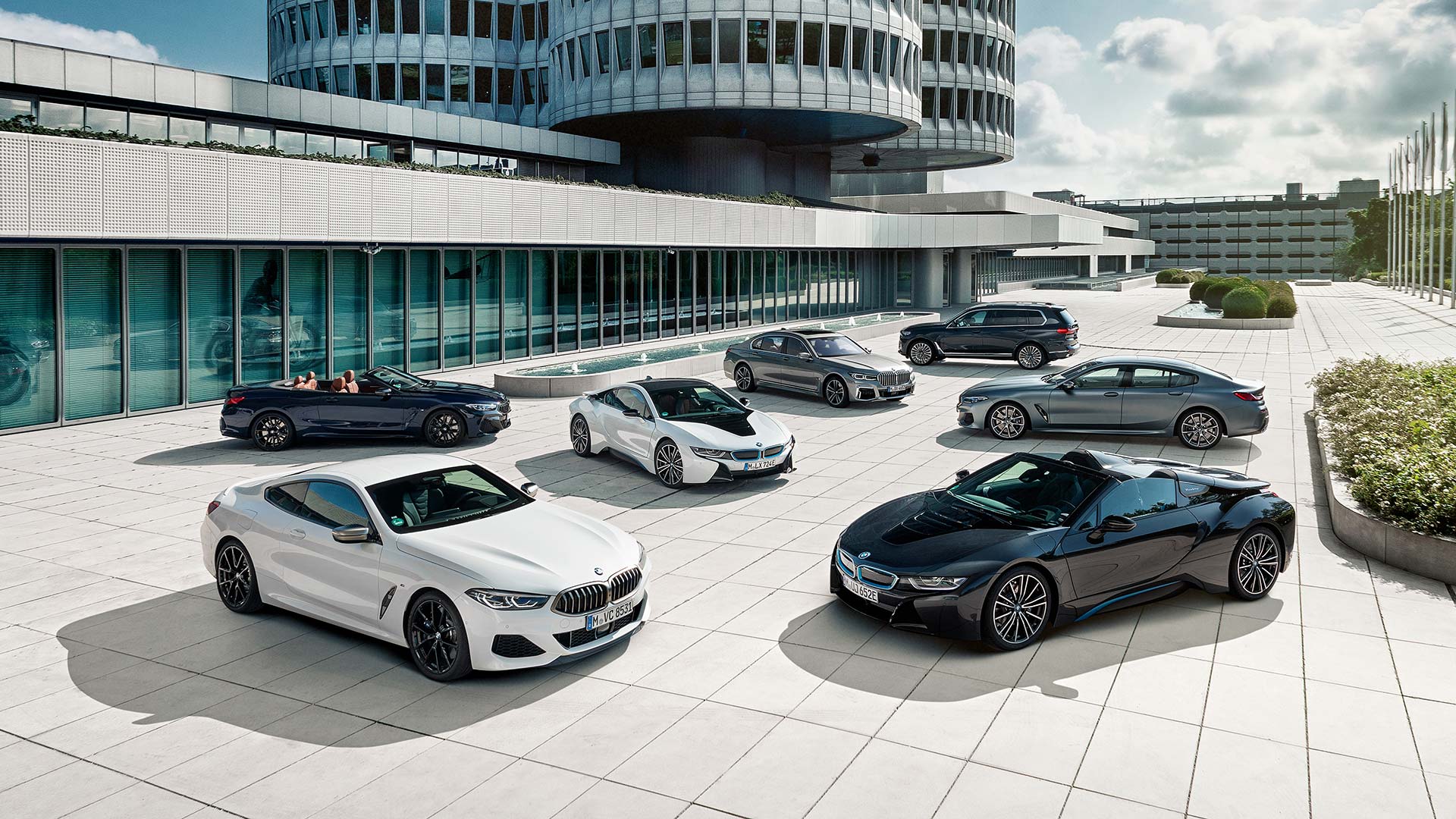
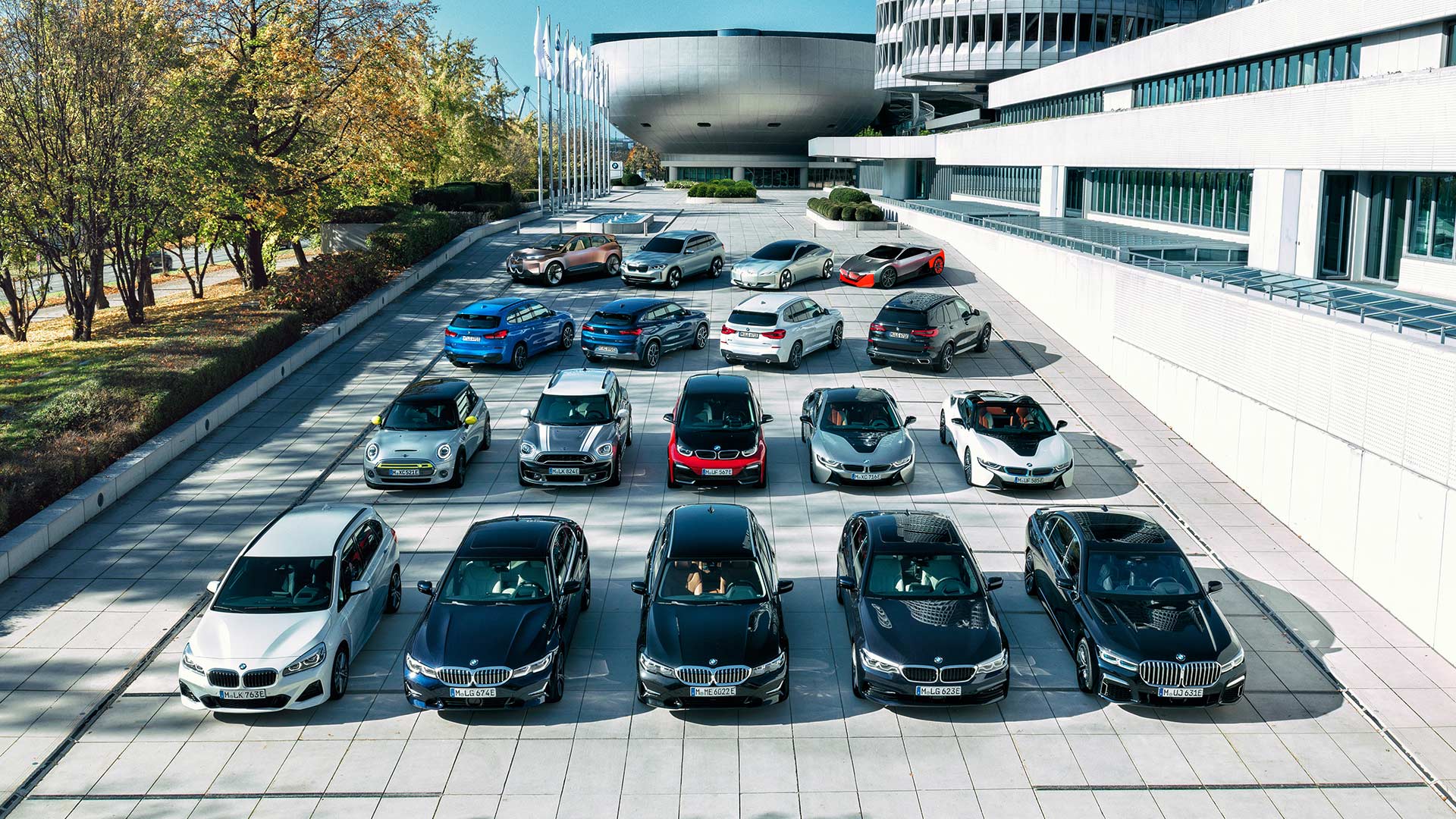
Growth in worldwide sales for the BMW Group during 2019 helped secure it the position as the best-selling premium car brand.

With total sales from the various BMW Group brands topping more than 2.5 million vehicles for the year, this represented an overall increase of 1.2 percent compared to 2018.

A strategy of offering increasing choice to customers, a move called the “power of choice” by BMW, saw a particular focus being paid to SUV models.  

More BMW SUVs, more performance models 

BMW is 2019 best-selling global premium brand

Cars and SUVs wearing the BMW badge were the biggest sellers overall, with a grand total of 2,168,516 new vehicles sold during 2019. This represented a 2.0 percent increase when compared to sales the previous year. 

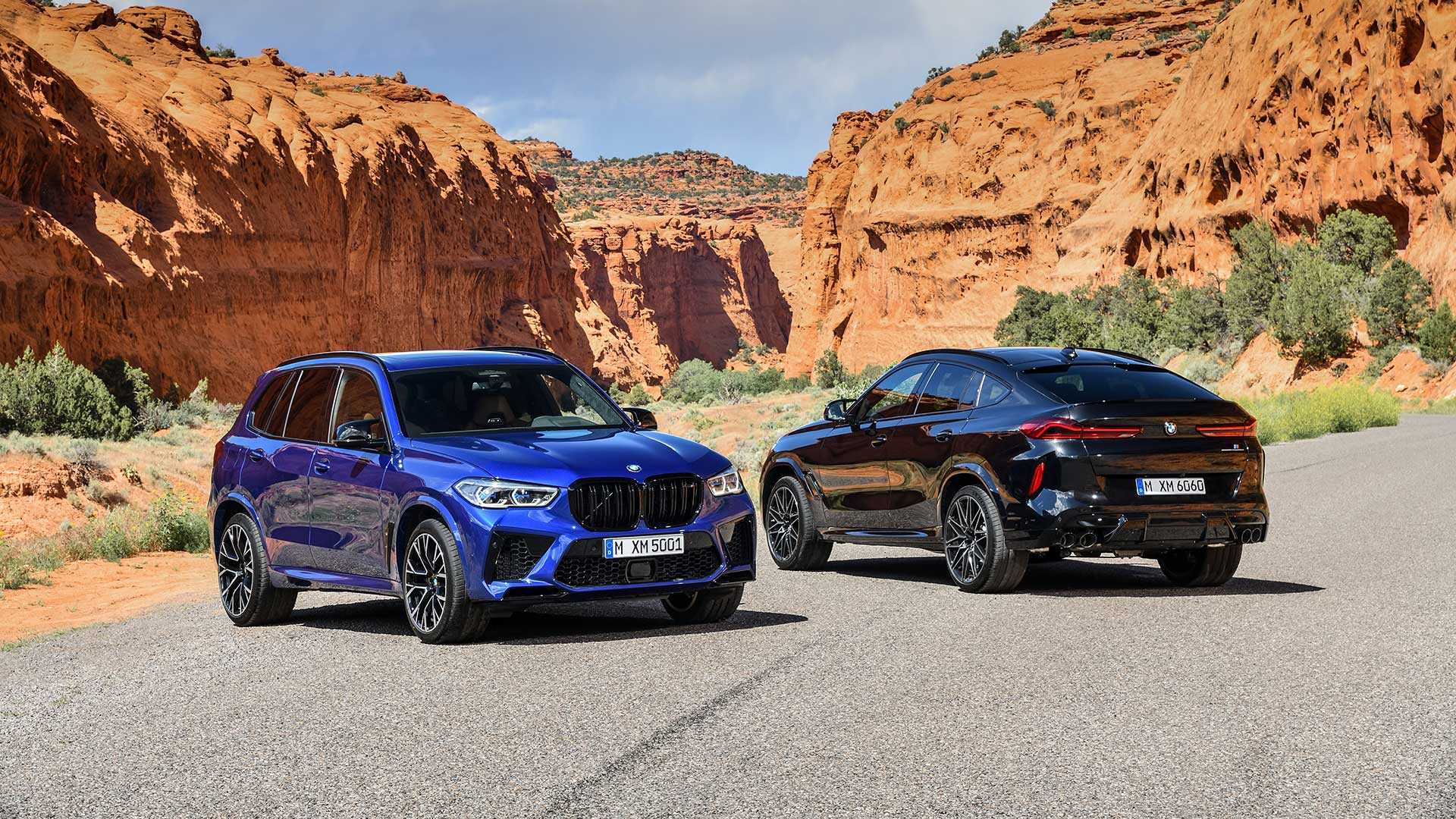
BMW’s X-range of SUVs saw substantial growth, with 21 percent more of them sold during 2019. Across the world, 958,732 high-riding BMW models found themselves in the hands of new owners.

Performance models were also in demand, with 135,826 M-badged models being sold. This is the best-ever sales results in the nearly five decades of M products being sold, and demonstrated a hefty 33.2 percent increase compared to the year before. 

Growing demand for luxury

BMW is 2019 best-selling global premium brand

BMW also noted that the range-topping 7 Series, 8 Series, and brand-new X7 contributed to a gigantic 66 percent increase in sales of luxury models. A total of 105,331 new vehicles were sold in this category, and works towards BMW’s plan to double luxury sales between 2018 and 2020.

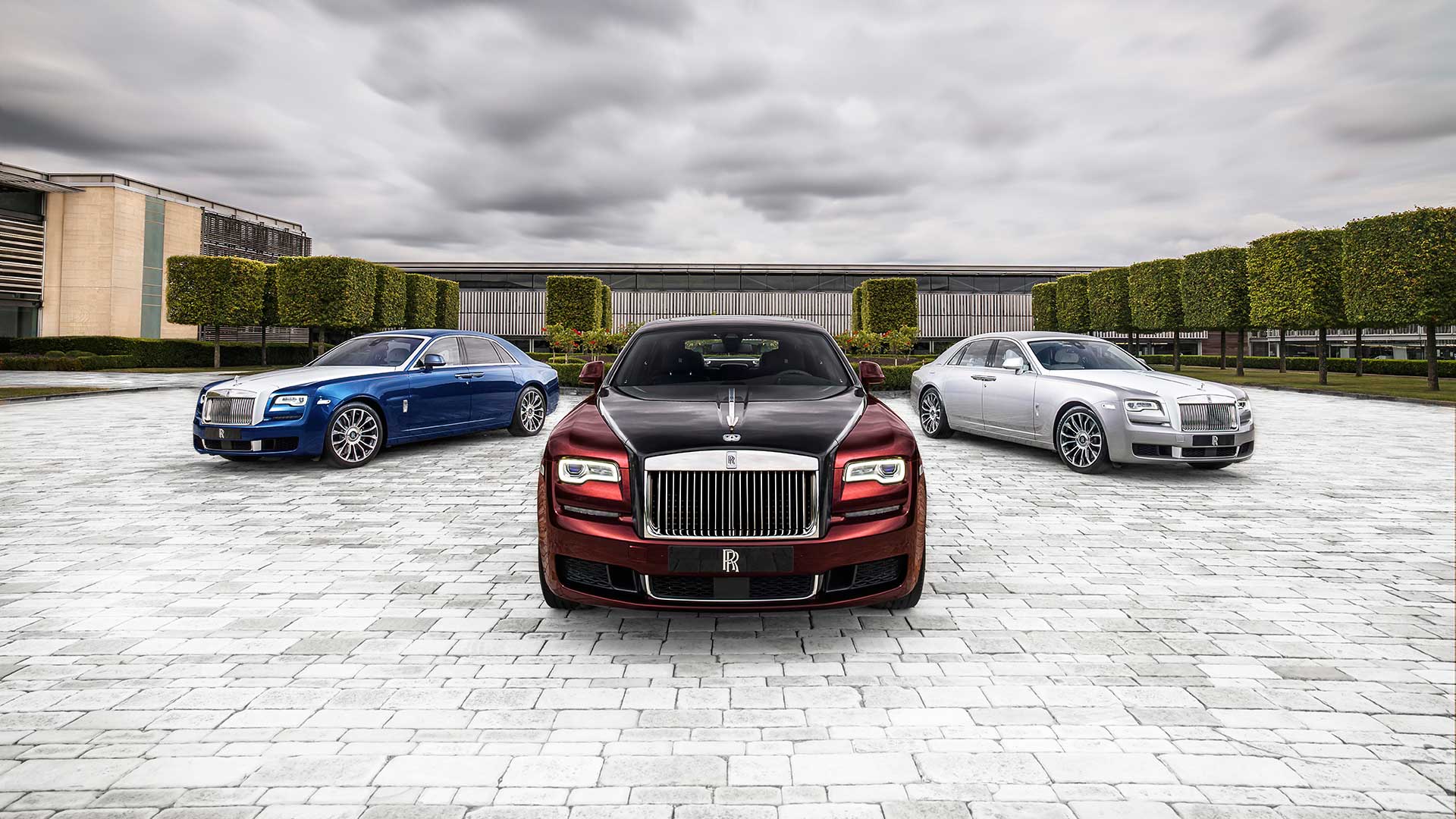
Rolls-Royce also saw unprecedented sales and growth, with particular success attributed to the brand-new and controversial Cullinan off-roader. The company sold more cars than ever before in its 116-year history, delivering 5,152 of them during 2019 for a 25.4 percent increase. 

Buyers of Rolls-Royce models also showed an increased interest in bespoke custom cars, taking advantage of the numerous options to add a personal touch to their new vehicle. 

Mini sales shrink, electric charging up

BMW is 2019 best-selling global premium brand

The only brand in the BMW Group not to show a sales growth, instead reporting a 4.1 percent decrease in 2019, was Mini. Whilst hot John Cooper Works models were still in demand, a total of 346,639 Mini models were delivered last year. 

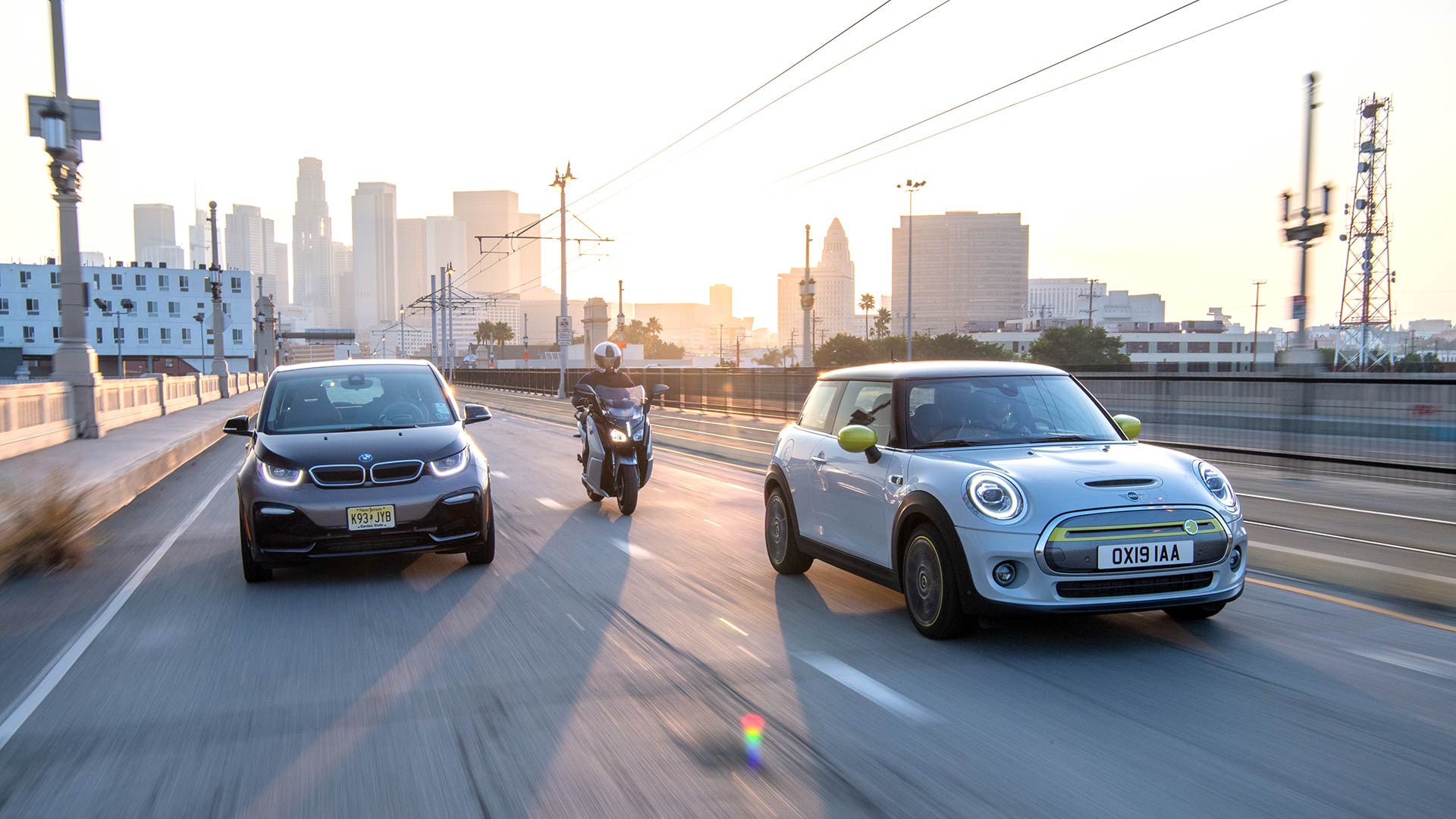
Mini is pitching hopes on electric and plug-in hybrid models for the future. More than 90,000 potential customers registered their interest in the battery-powered Mini Electric, which went on sale late in 2019. 

Overall, the BMW Group delivered 145,818 electrified models during 2019, representing a 2.1 percent increase against 2018. BMW’s electric i brand saw improved sales, with the i3 and outgoing i8 selling 12.1 percent more units than the year before. 

BMW tops the table for premium German brands

BMW is 2019 best-selling global premium brand

The BMW Group’s total sales of 2.52 million cars and SUVs in 2019 does place it comfortably clear of its two biggest German rivals. 

Audi did show an increased growth of 1.8 percent in 2019, delivering 1.85 million cars and setting a new sales record for the company in North America. 

Mercedes-Benz, when including cars sold under the Smart brand, ran BMW closer by delivering 2.46 million vehicles last year. Growth was lower, demonstrating only a 0.7 percent increase against 2018, and hurt by a 9.3 percent fall in Smart sales.

Advertisement

Bid to win this SEMA-built 1966 Ford Bronco in a charity auction

0

SEMA WD40 1966 Ford Bronco

Ford Bronco fever continues amongst enthusiasts, as the reveal of the all-new model gets ever closer. 

Whilst buyers have been busy snapping up classic examples, now there is a chance to purchase a unique custom Bronco and help a charity. 

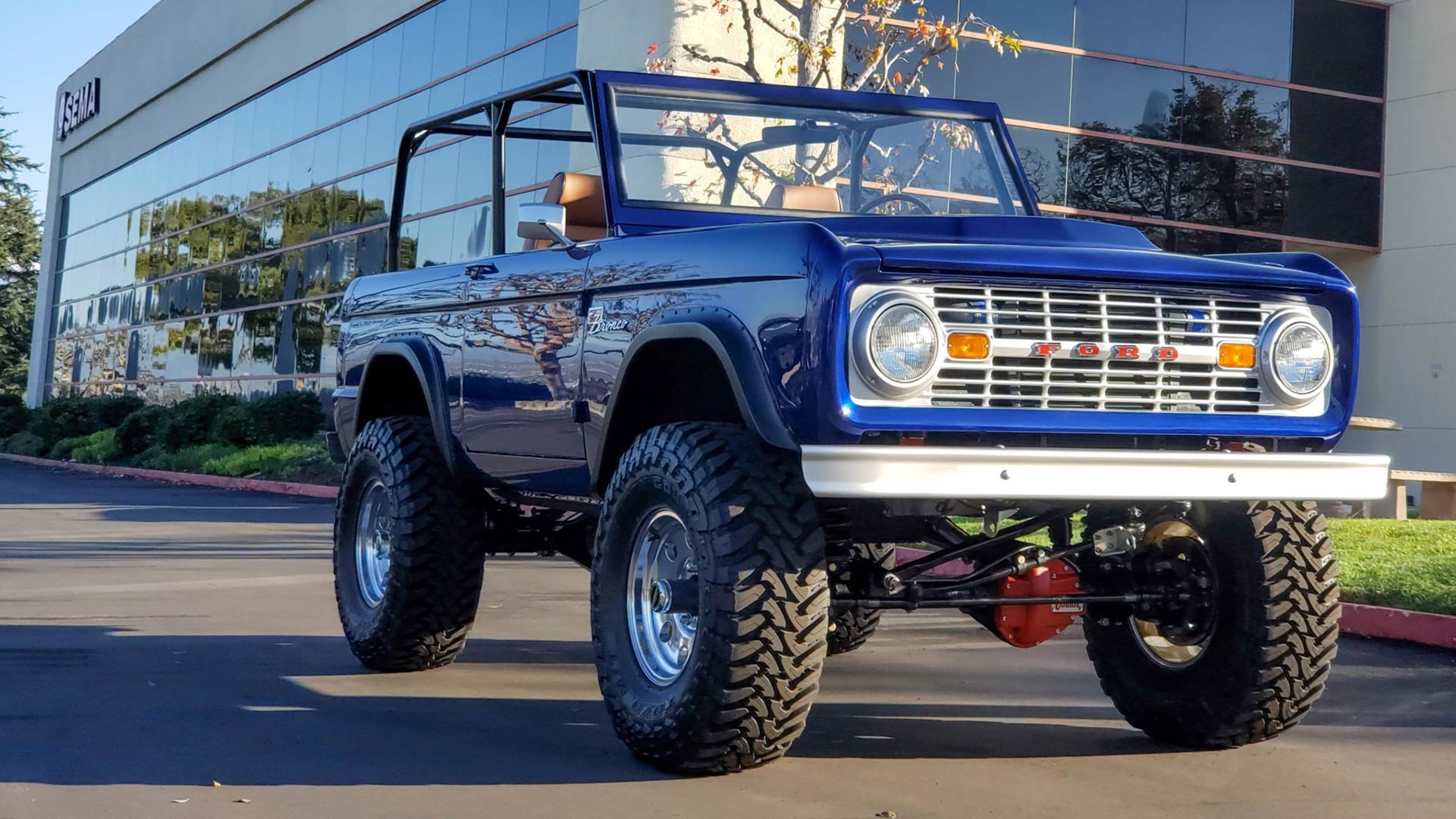
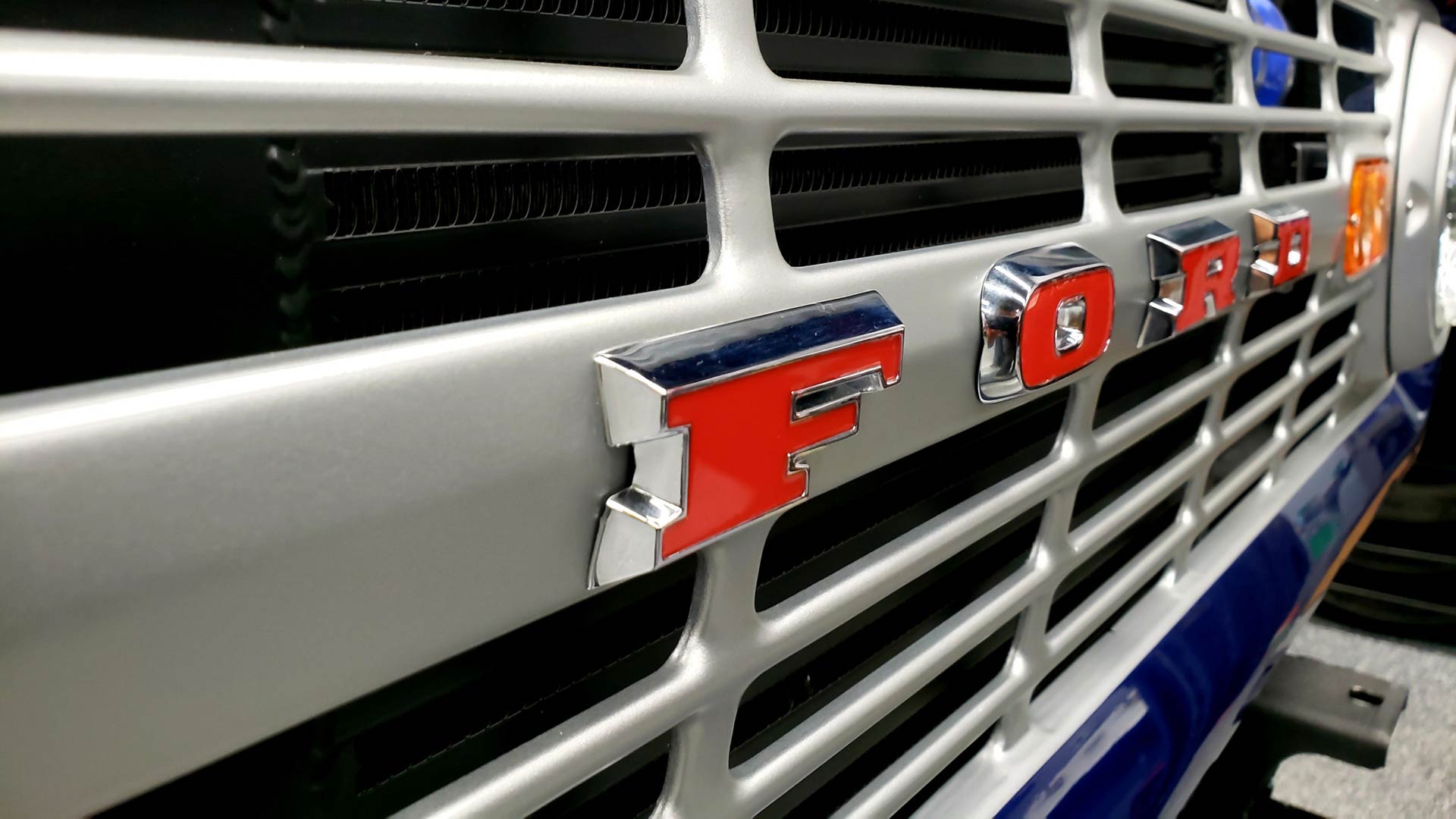
Auction website Bring a Trailer is currently featuring the sale of a special 1966 Bronco, which appeared at the world-famous SEMA Show in 2019. 

SEMA WD40 1966 Ford Bronco

The story of this Bronco began when the WD-40 Company, of eponymous lubricating spray fame, found the classic SUV in Florida. 

In need of restoration, WD-40 sponsored the Bronco build process, with the work itself being undertaken at SEMA’s very own in-house garage. 

With 15,000 sq ft of space, and filled with close to $2 million of equipment, the SEMA Garage in Diamond Bar, CA was the perfect place to turn the Bronco into a reborn hero. The build took three years, with meticulous attention to detail paid. 

SEMA WD40 1966 Ford Bronco

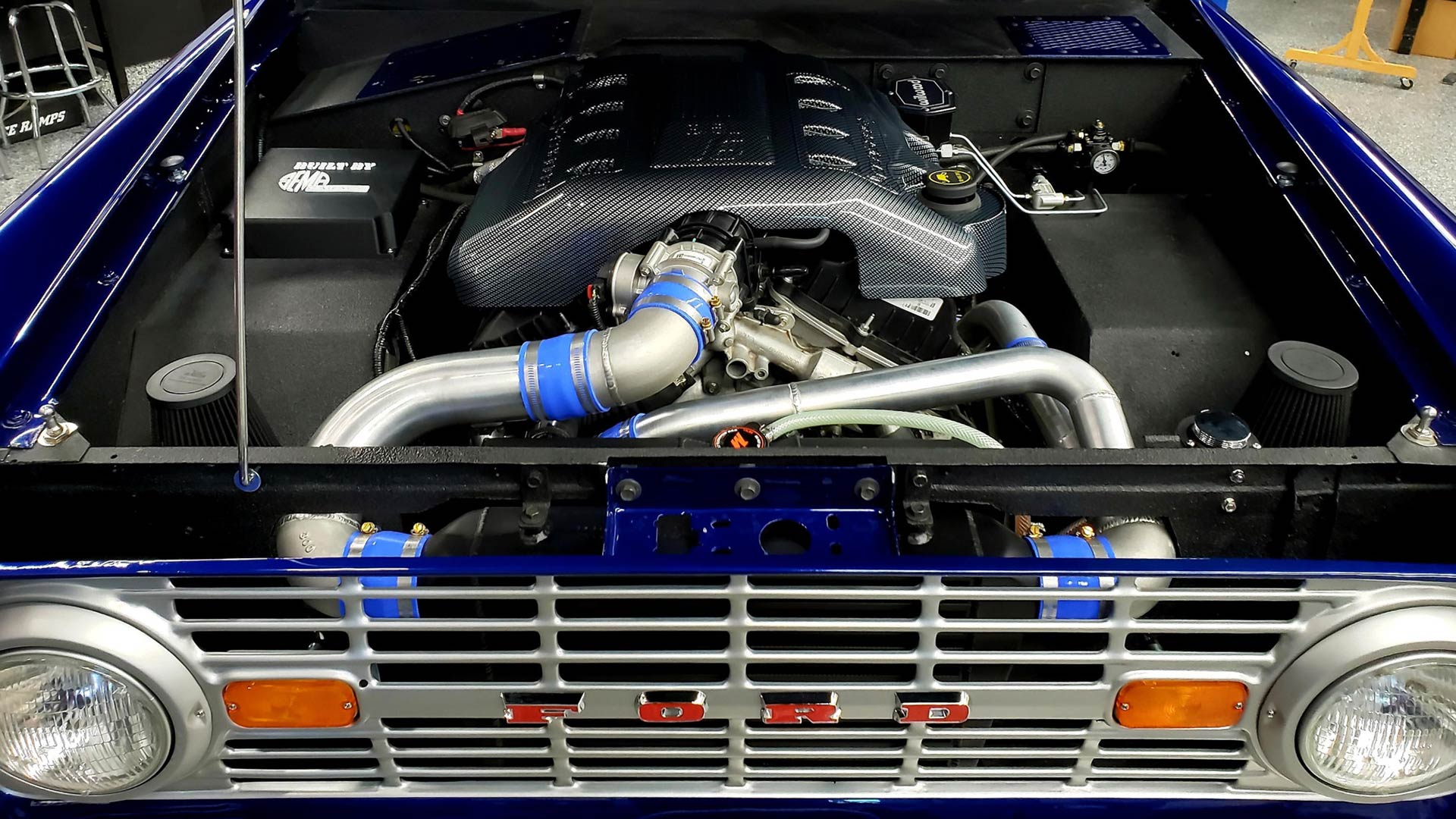
Marking the biggest change to the Bronco was the introduction of a brand-new Ford 3.5-liter EcoBoost V-6 engine. The same unit as used in the F-150 pickup truck, here the turbocharged gasoline engine produces 375 horsepower and 450 lb-ft of torque. 

Helping fit the EcoBoost engine into the Bronco is custom pipework from GReddy, connected to an Mishimoto intercooler. The engine cover itself is also a custom item, whilst the dual-exit exhaust system was supplied by MagnaFlow. 

A six-speed automatic transmission is connected to Tom Wood’s custom driveshafts and Currie Enterprises axle, sending power to all four wheels. A Dana 44 differential is fitted to the front axle, with a Ford 9-inch item at the rear.

SEMA WD40 1966 Ford Bronco

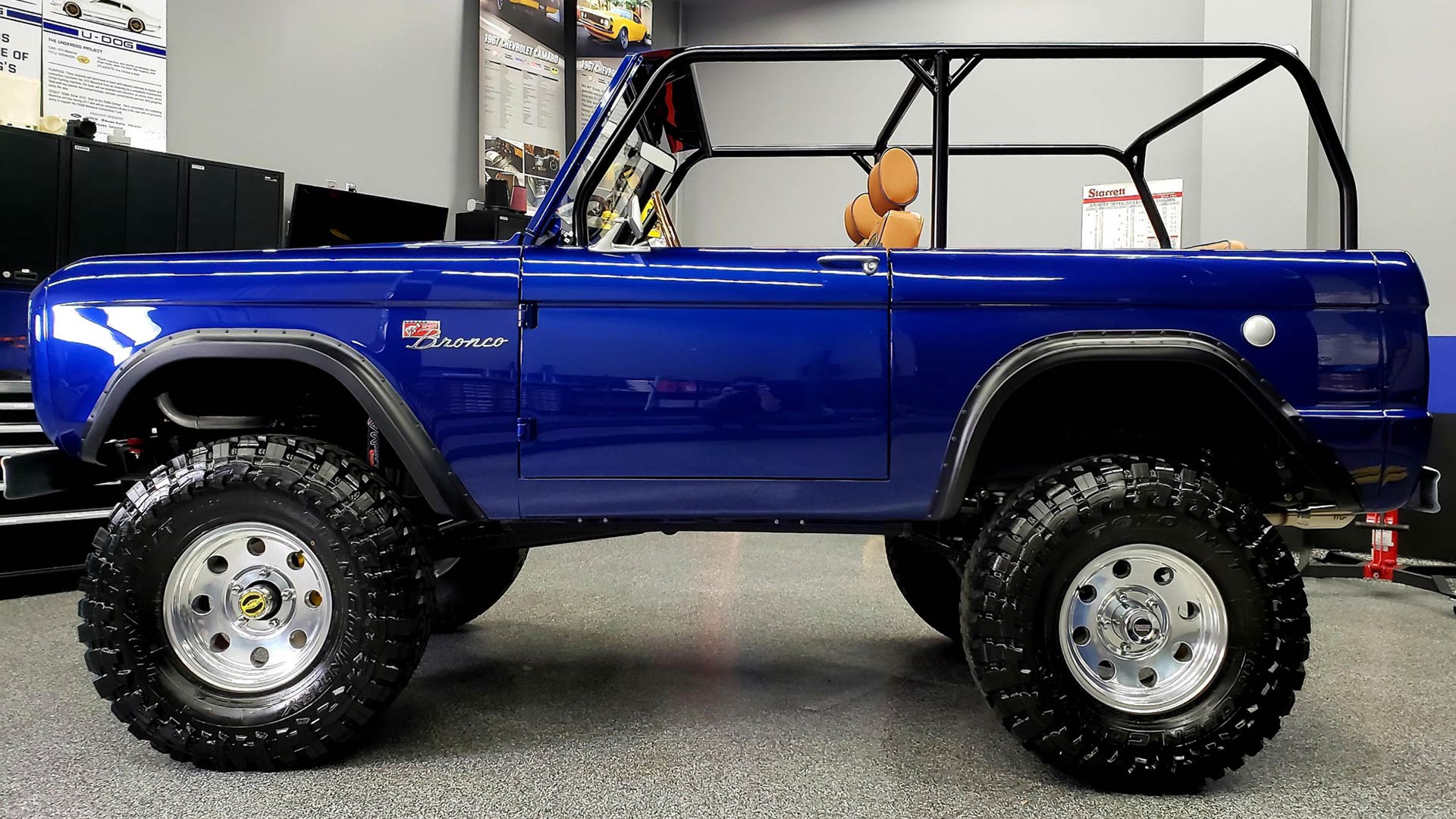
A 5-inch suspension lift comes courtesy of a Skyjacker kit, along with other components supplied by Hellwig and Solo Motorsports. American Racing wheels have 35-inch Toyo tires mounted on them, with Wilwood brakes hiding behind them. 

Bodywork repairs were undertaken, with the Bronco being repainted in the distinctive blue color. A six-point roll cage, new exterior trim, and a powered side steps have been fitted in the transformation.

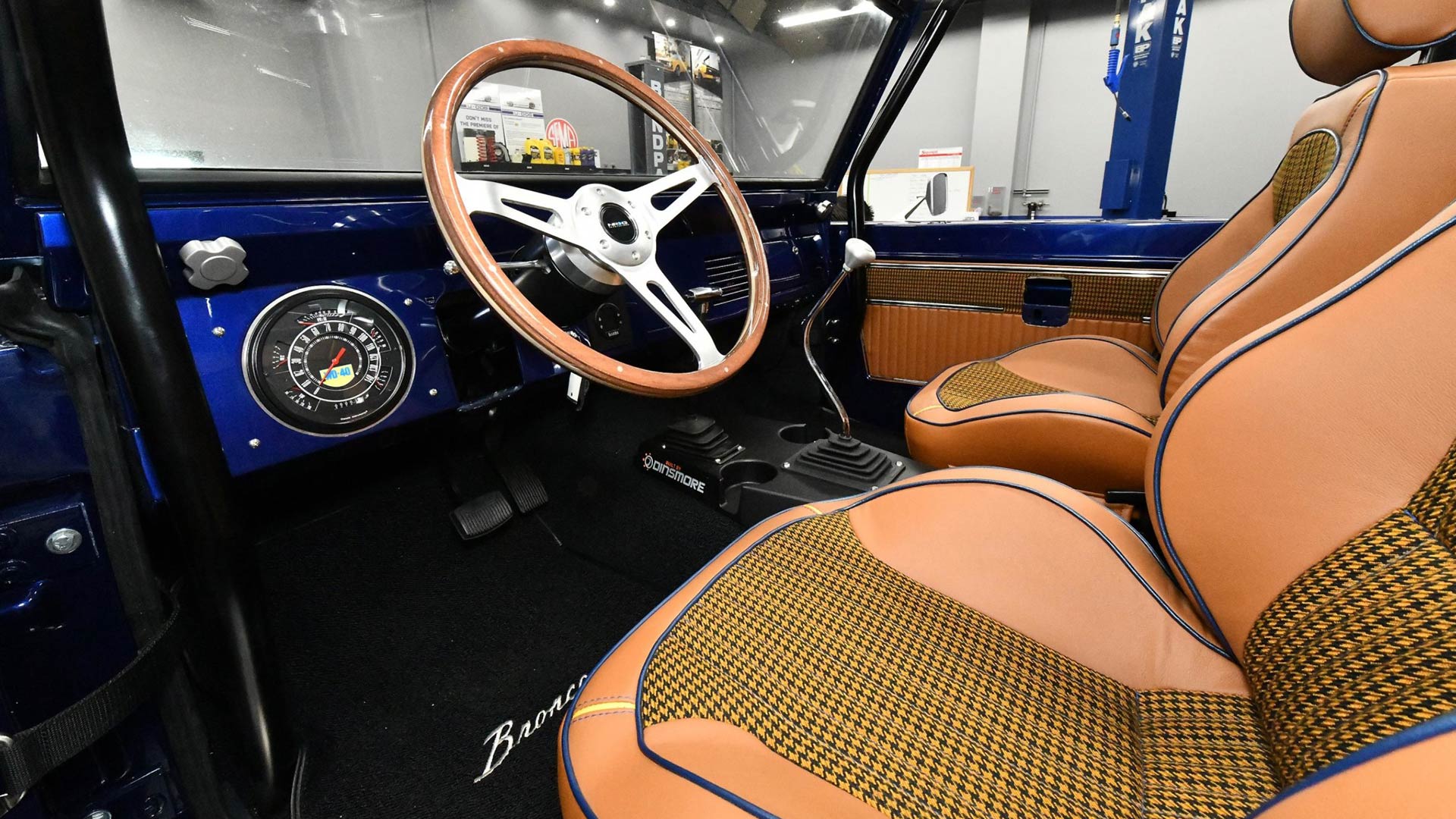
Inside, the Bronco now has seats covered tan leather with contrasting inserts. Piping inspired by WD-40 colors is also present, along with instruments wearing the WD-40 branding. An NRG Innovations wood-rimmed steering wheel has been fitted, too.

SEMA WD40 1966 Ford Bronco

The modifications have created a classic SUV good enough to star at the SEMA Show in Las Vegas, and produced a deeply desirable machine. 

This will hopefully result in an impressive sale price, with all proceeds being donated to the Childhelp non-profit organization. Bring a Trailer will also donate the buyer’s fee to the charity as well.

Bring a Trailer bidders have already shown their interest in the Bronco, with many more bids expected before the auction ends on Monday, January 13th.

ALSO READ

Replacement for notorious A428 Black Cat roundabout gets green light

1 in 10 vehicles will be self driving by 2030

Triumph pairs up with location app What3Words

Advertisement

Ford ‘Bullitt’ Mustang GT hero car sells for incredible $3.4 million at auction

0

Original Bullitt Mustang sells at Mecum Auction

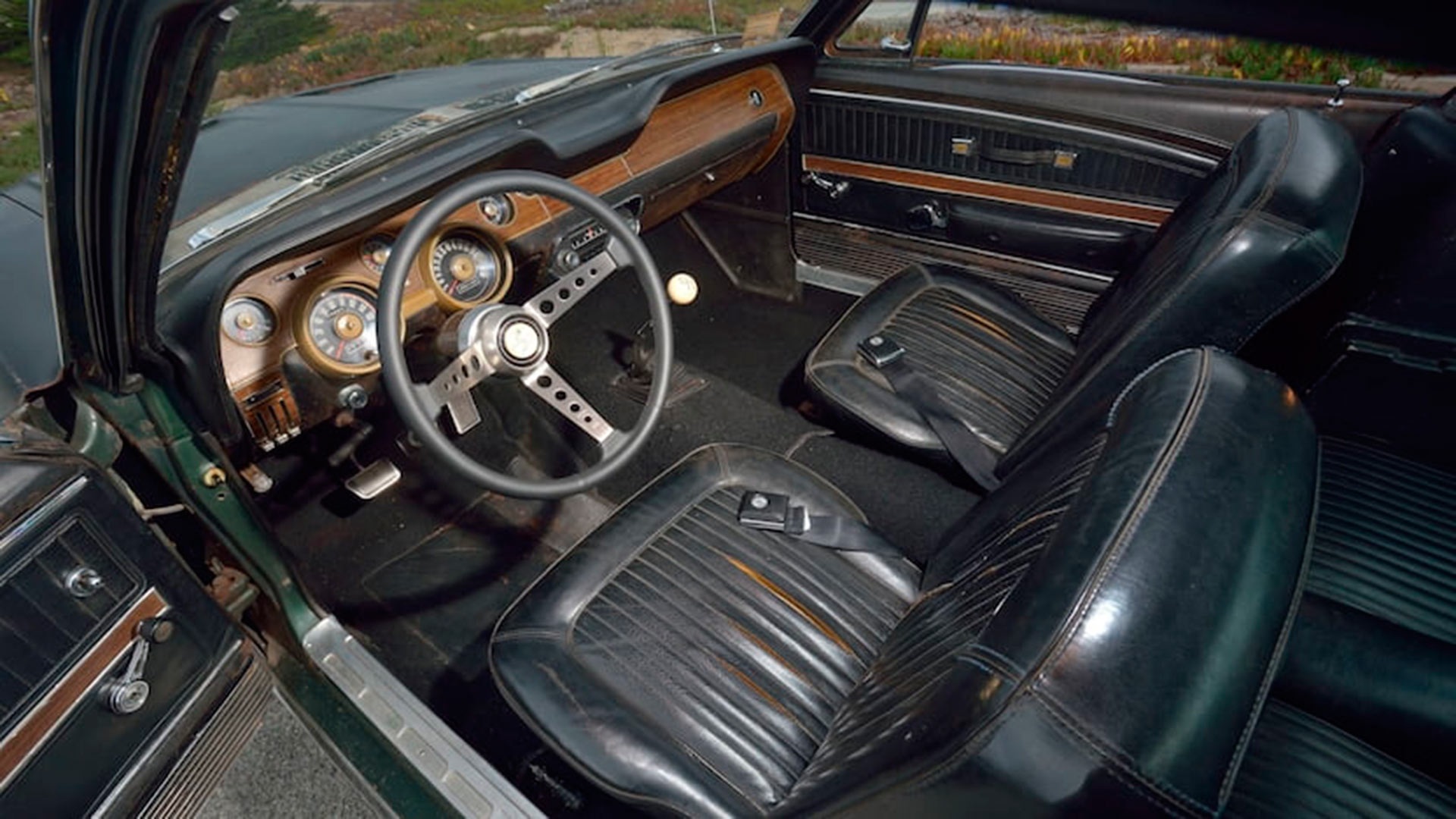
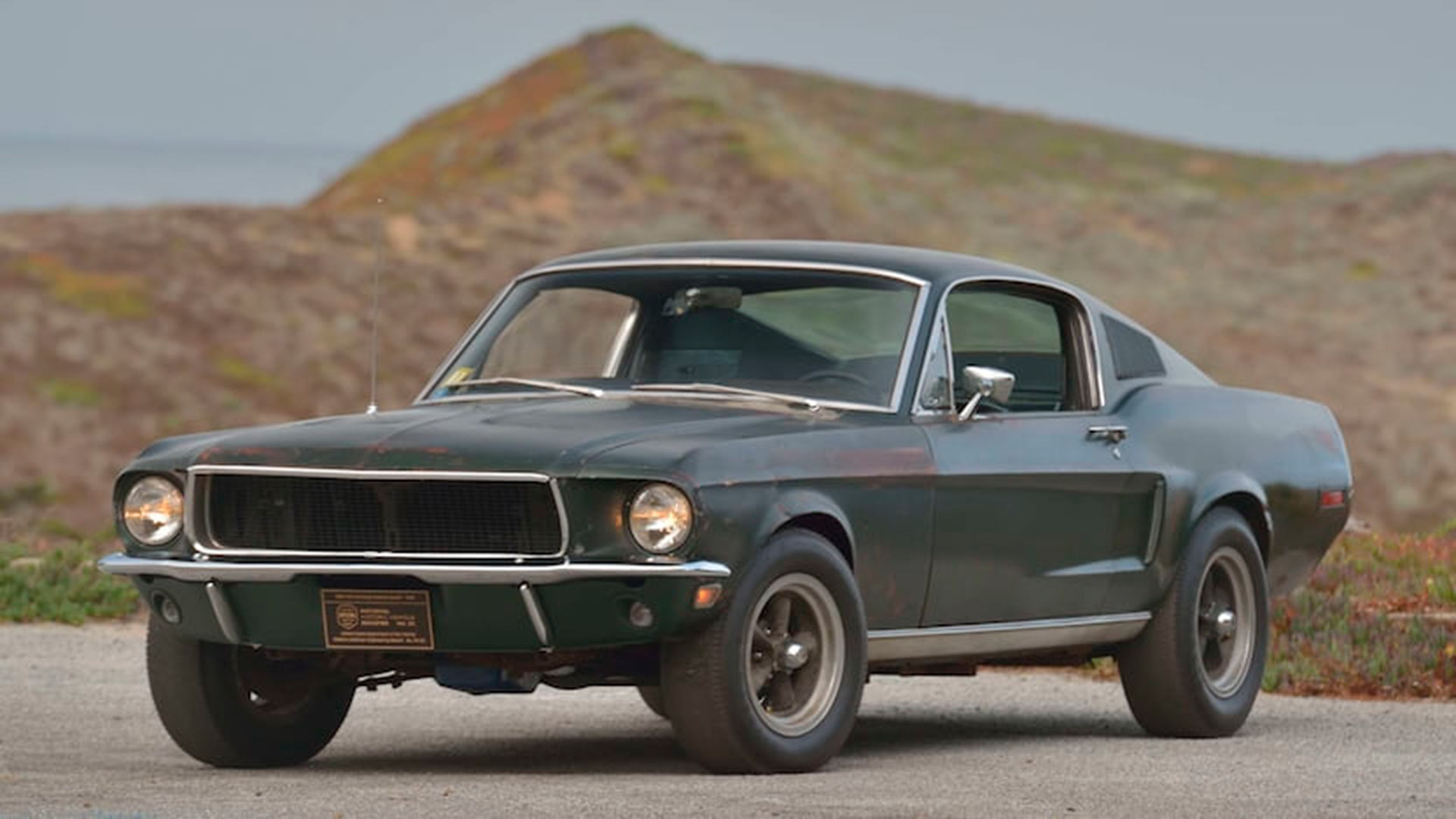
Considered to be one of the most famous movie cars ever seen on screen, the Ford Mustang GT hero car from the 1968 film ‘Bullitt’ has a new owner after a high-profile sale. 

Bidding was intense at the Mecum Kissimmee auction, with huge speculation in advance as to what the car could achieve. The final sale price was an amazing $3.4 million (£2.6 million).

The no reserve auction began at $3,500 – the amount the car was originally bought for in the 1970s – but climbed rapidly, with a $1 million bid within seconds.

Original Bullitt Mustang sells at Mecum Auction

Steve McQueen is reported to have deliberately picked the Mustang GT as the car driver by his character in the film, and undertook much of the stunt driving during the epic ten minute-long car chase scene.

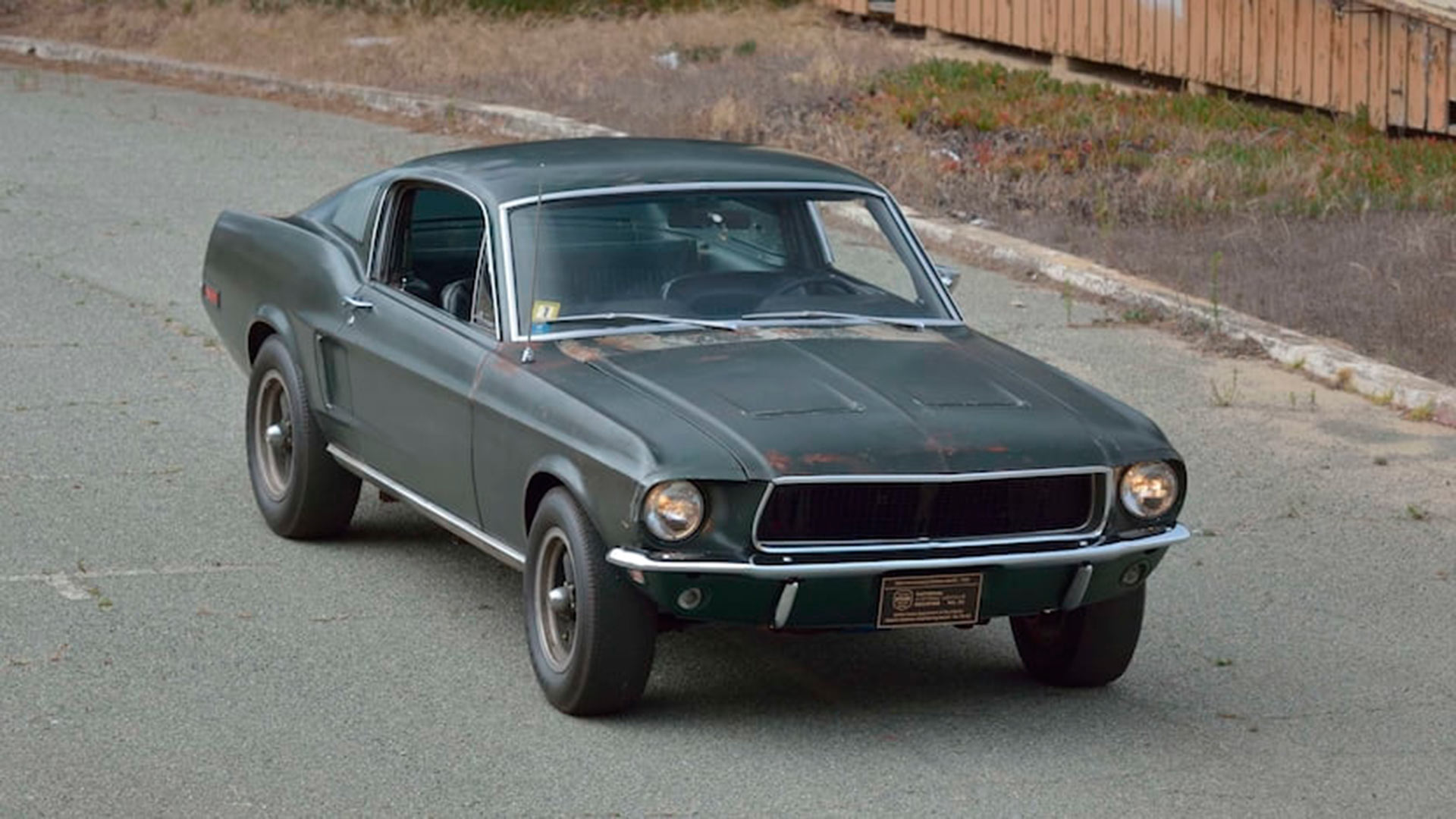
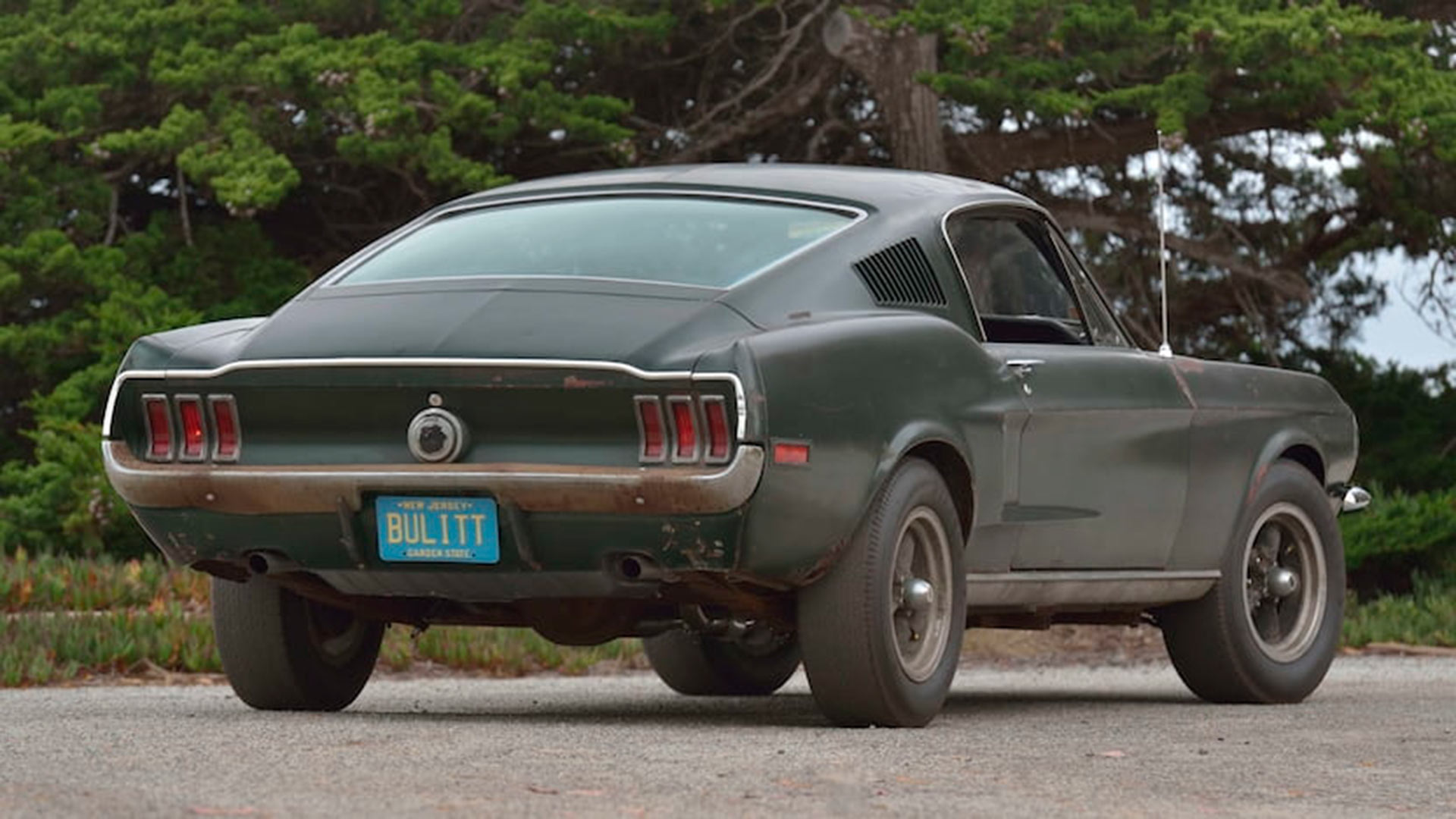
Two Mustang GT Fastbacks in Highland Green were ordered for the film, with chassis number ‘559 the one used most by McQueen as the hero car. That was the car up for auction in Kissimmee. 

After filming, chassis ‘559 changed hands several times, before being bought by the late Robert Kiernan of New Jersey.

Original Bullitt Mustang sells at Mecum Auction

Despite the famous past, the Kiernan family used the ‘Bullitt’ Mustang as their sole daily driver from purchasing it in 1974, up until the early 1980s, when it was laid up. Robert Kiernan even turned down an offer from Steve McQueen himself to buy the car back.

Whilst Mustang enthusiasts hunted for the ‘lost’ Mustang, the Kiernans kept it hidden away until choosing to reveal it to the world to coincide with the 50th anniversary of the film. By then the car was still in original unrestored condition. 

The car’s role in Bullitt, the association with Steve McQueen, and the secret story behind its whereabouts made it an obvious contender for inclusion on Historic Vehicle Register. It also contributed to the huge speculation about how much it would achieve at auction.

Original Bullitt Mustang sells at Mecum Auction

Putting the Bullitt Mustang up for sale has been a tough decision for the Kiernan family with Robert’s son, Scott, appearing in person to start the bidding in Kissimmee. The impressive sale price will certainly help, as will seeing the ‘Stang attract major media attention. 

Most significantly the car that even the ‘King of Cool’ himself drove, but could not buy, has finally been sold at auction. With the 10% buyers’ fees added on, the new owner, named Frank, will have paid out a total of $3.74 million for the car. 

Whether the new owner plans to restore the Bullitt Mustang, or leave it as kept by the Kiernans, will remain to be seen. 

Advertisement

Brexit barrier on M20 motorway to be dismantled

0

Operation Brock in Kent

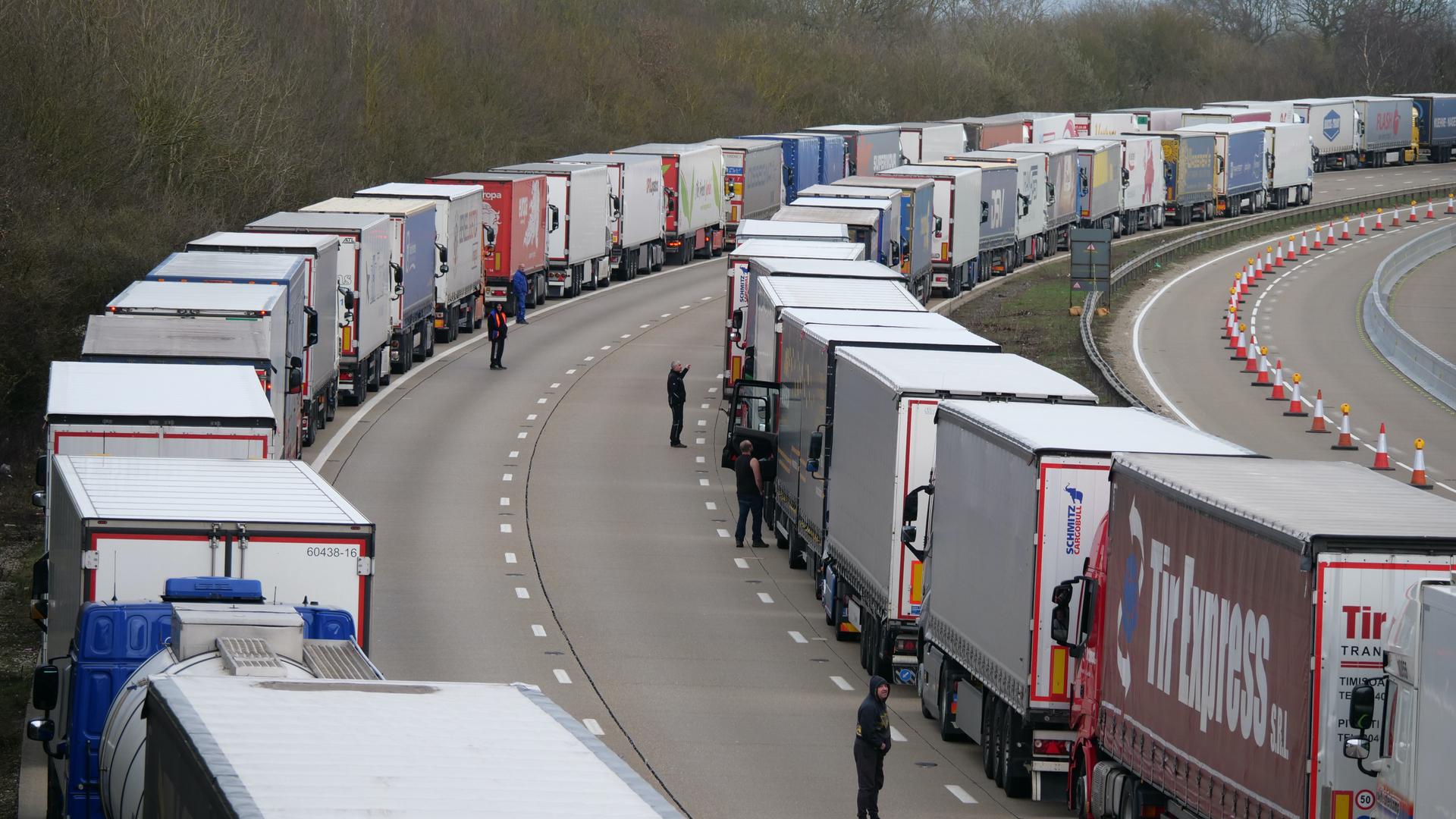
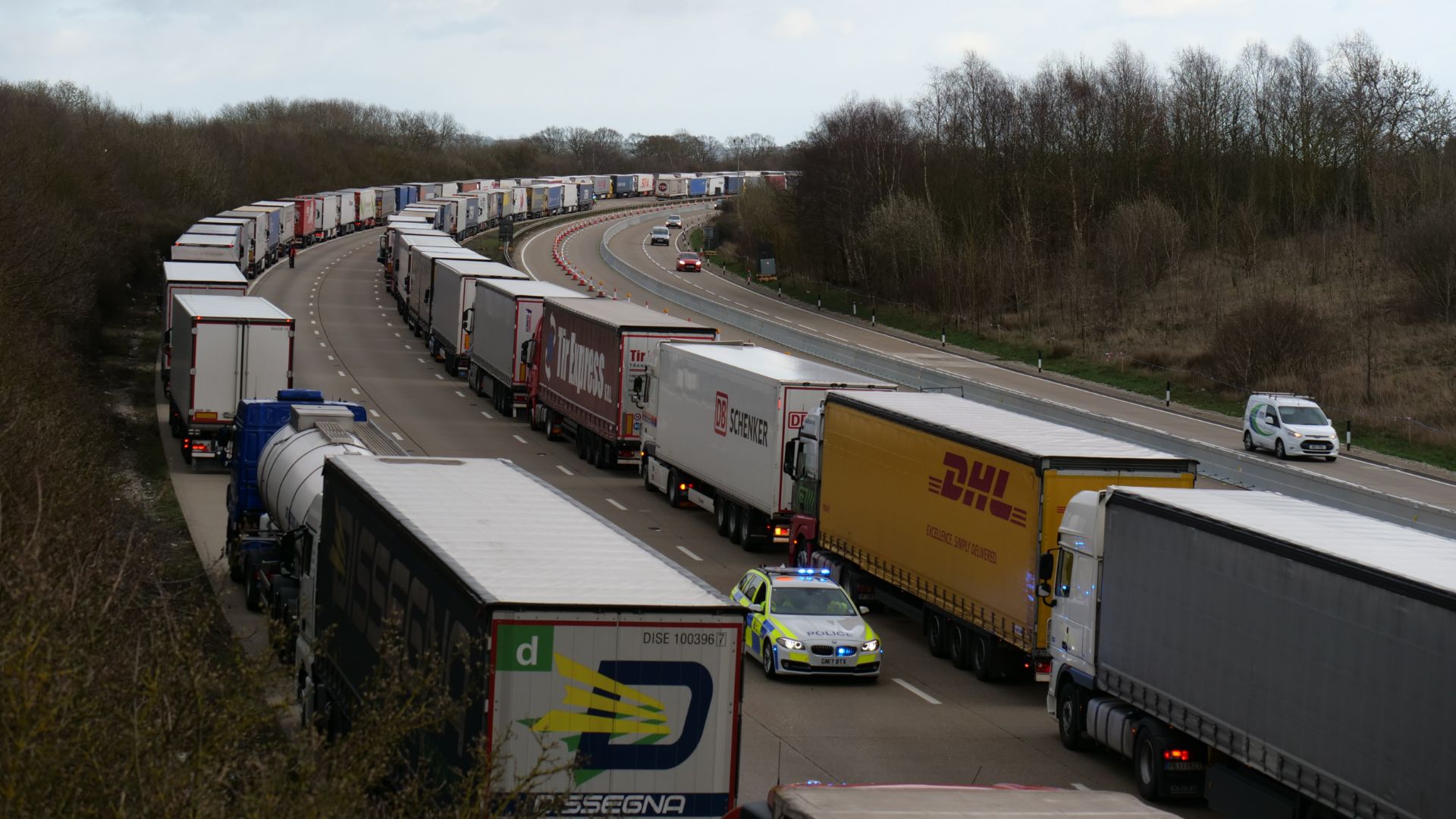
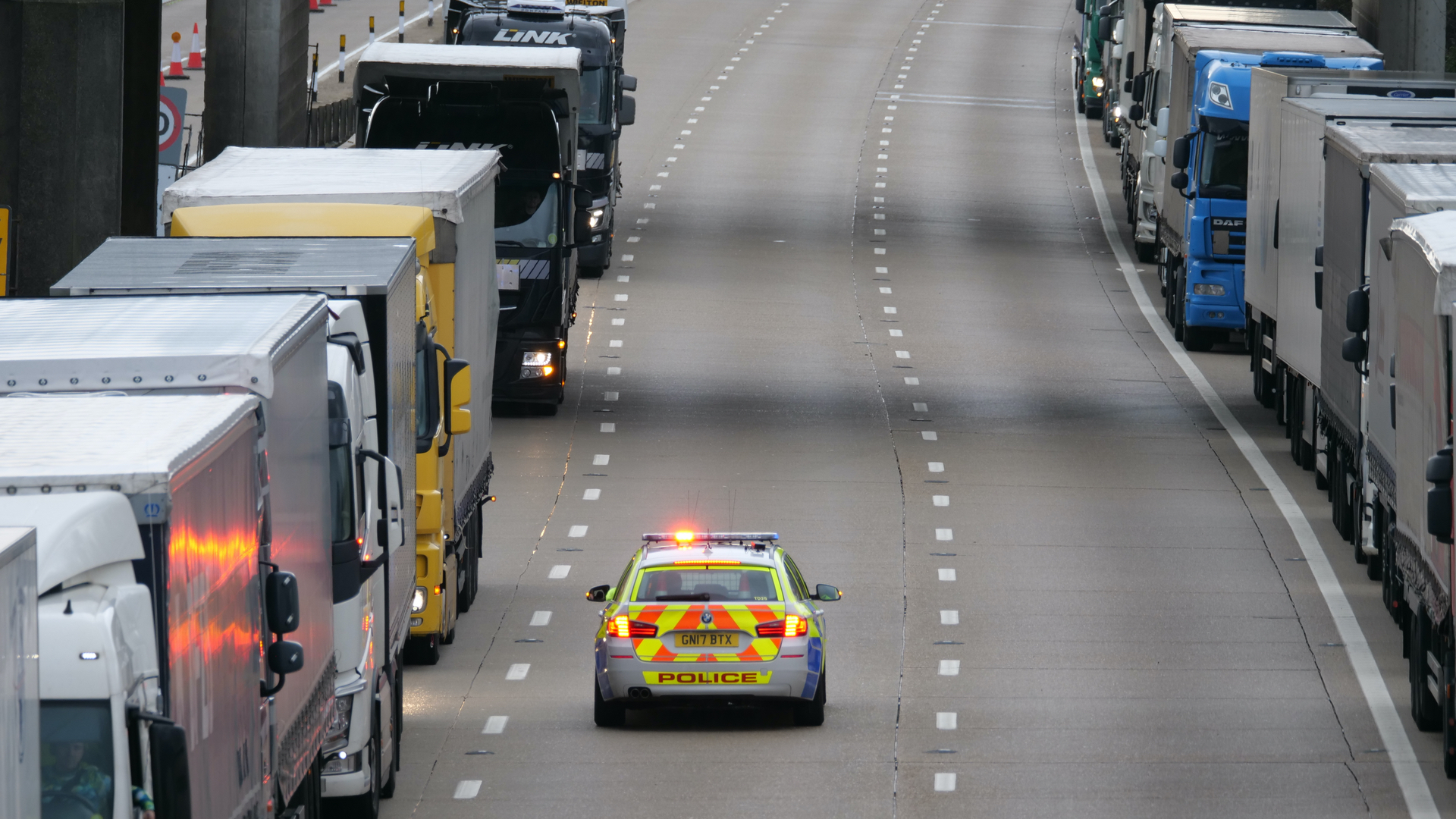
Highways England has confirmed the steel ‘Brexit barrier’ on the M20 in Kent will be removed from Monday.

The barrier had separated three full-width lanes London-bound on the motorway for 15 miles, between Maidstone at junction eight and Ashford at junction nine.

The goal was to create a separate lane for the movement of goods vehicles, the flow of which was expected to be heavily interrupted by a bumpy Brexit. It had been in place since March 2019.

Operation Brock Brexit October

“Removing the Operation Brock barrier is good news for drivers and the people of Kent and reflects the decreased risk of disruption to cross-channel services in the coming months,” said Highways England project director Nicky Potts.

“Operation Brock has provided people  living, working and travelling in and around  Kent with a scalable set of measures to help  limit the impact  to  the county in the event of disruption to services across the English Channel.

“We are grateful for people’s patience  while the barrier has been in  place, and  are looking forward to restoring the motorway to full capacity.”

Taking down the Brexit barrierOperation Brock to go live before Brexit

Things will get worse before they get better, however. The M20 will be closed in both directions on Monday January 13. Then an overnight closure from Tuesday, between 8pm and 6am, will continue for a further 15 nights. The final overnight closure is due on January 28.

Parts of the motorway will be slowed to a 50mph limit, while other areas will get lane restrictions until the work is complete. Highways England expects around 1,500 metres of barrier to be taken down each night.

Advertisement

Electric buses come to Glasgow as city aims for ‘net zero’ emissions

0

Electric buses coming to Glasgow

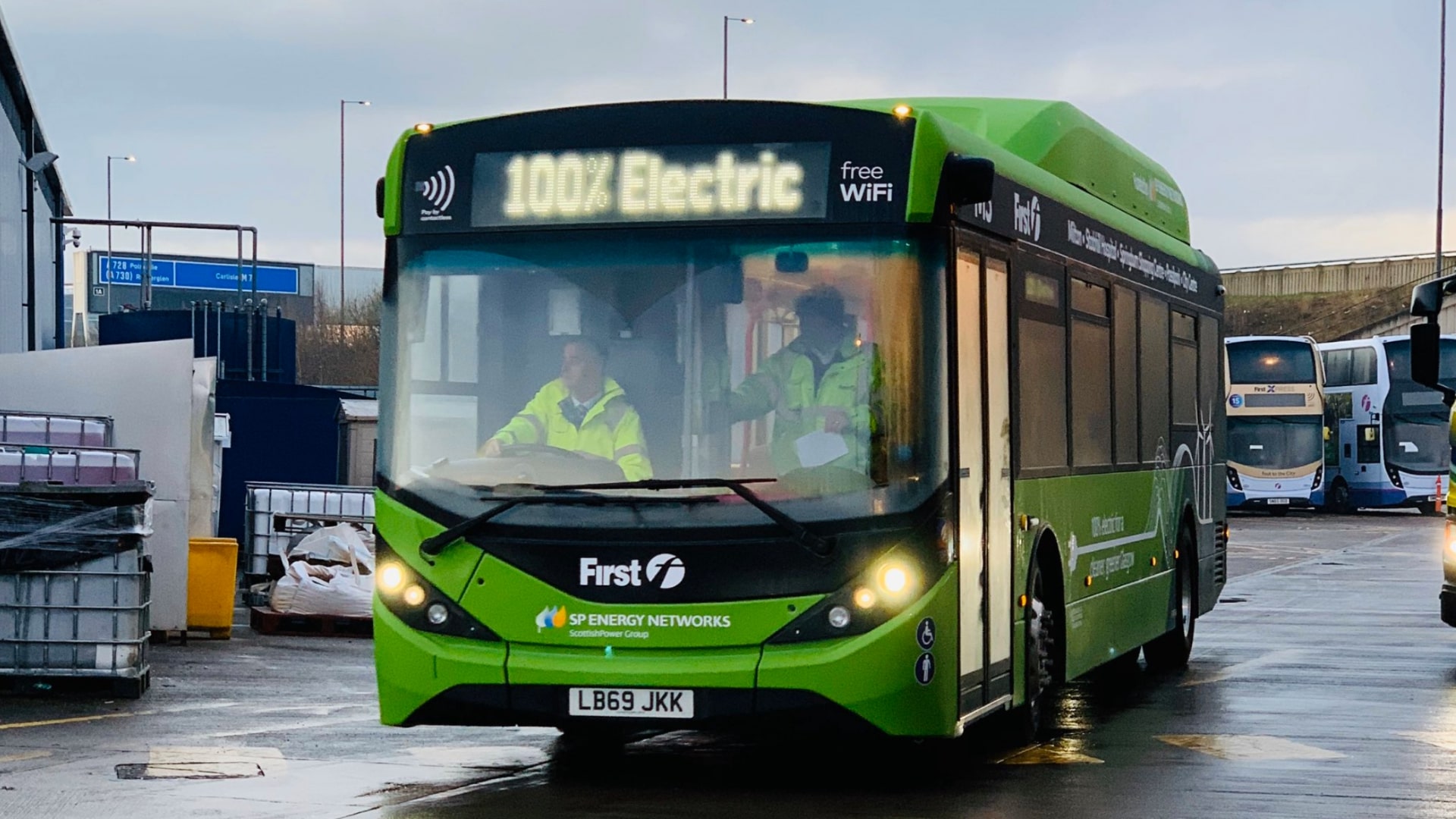
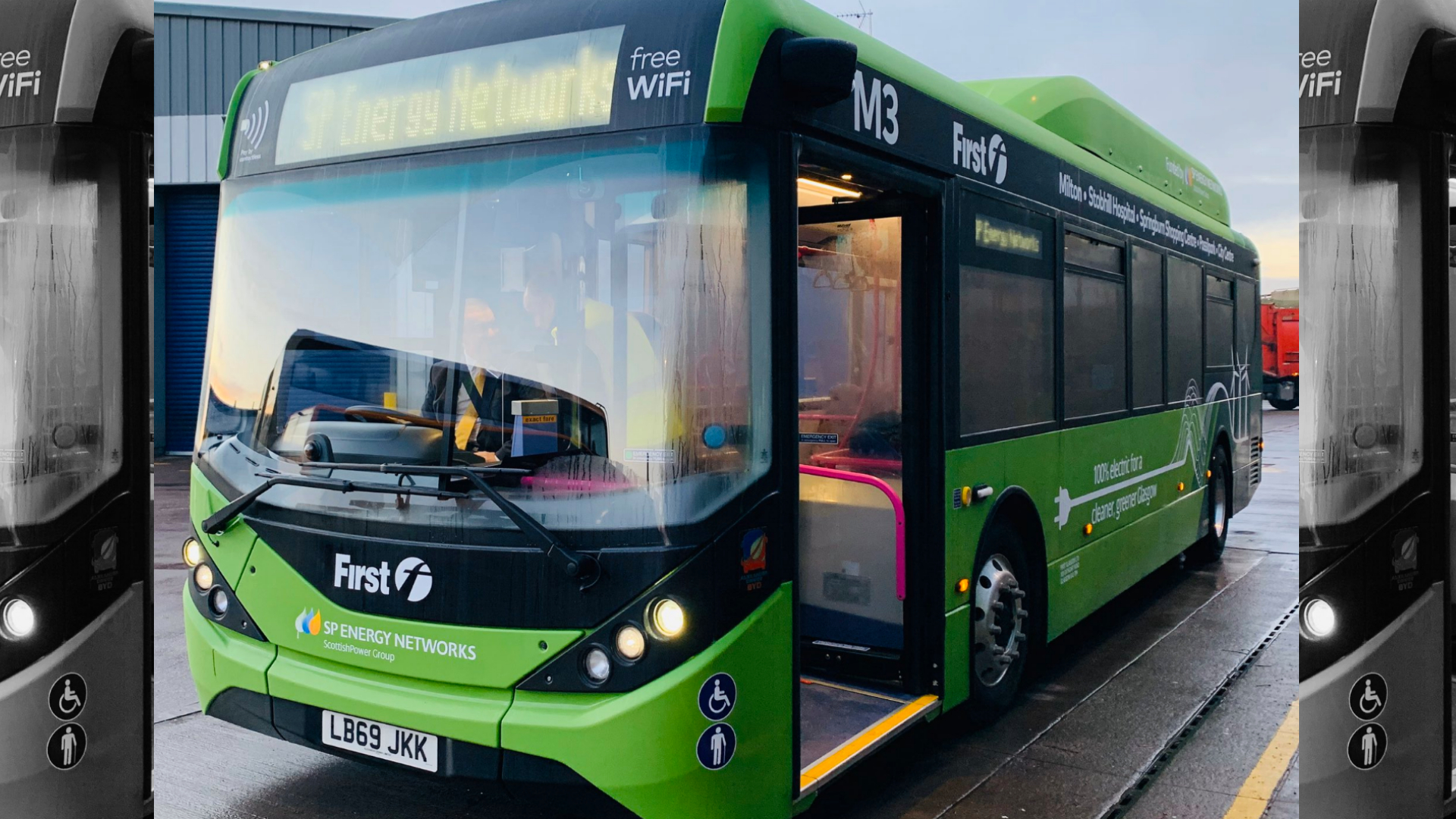
Bus company First Glasgow will launch electric buses in the Scottish city, as it looks to reach ‘net zero emissions’ status.

The buses were funded by SP Energy Networks and built by Alexander Dennis for First Glasgow. They are described as ‘state of the art’, negating the need for wing mirrors with ‘mirrorless smartvision technology’. HD cameras and a cabin screen improve all-round vision by eliminating certain blind-spots. Passengers will benefit from USB charging points and wi-fi.

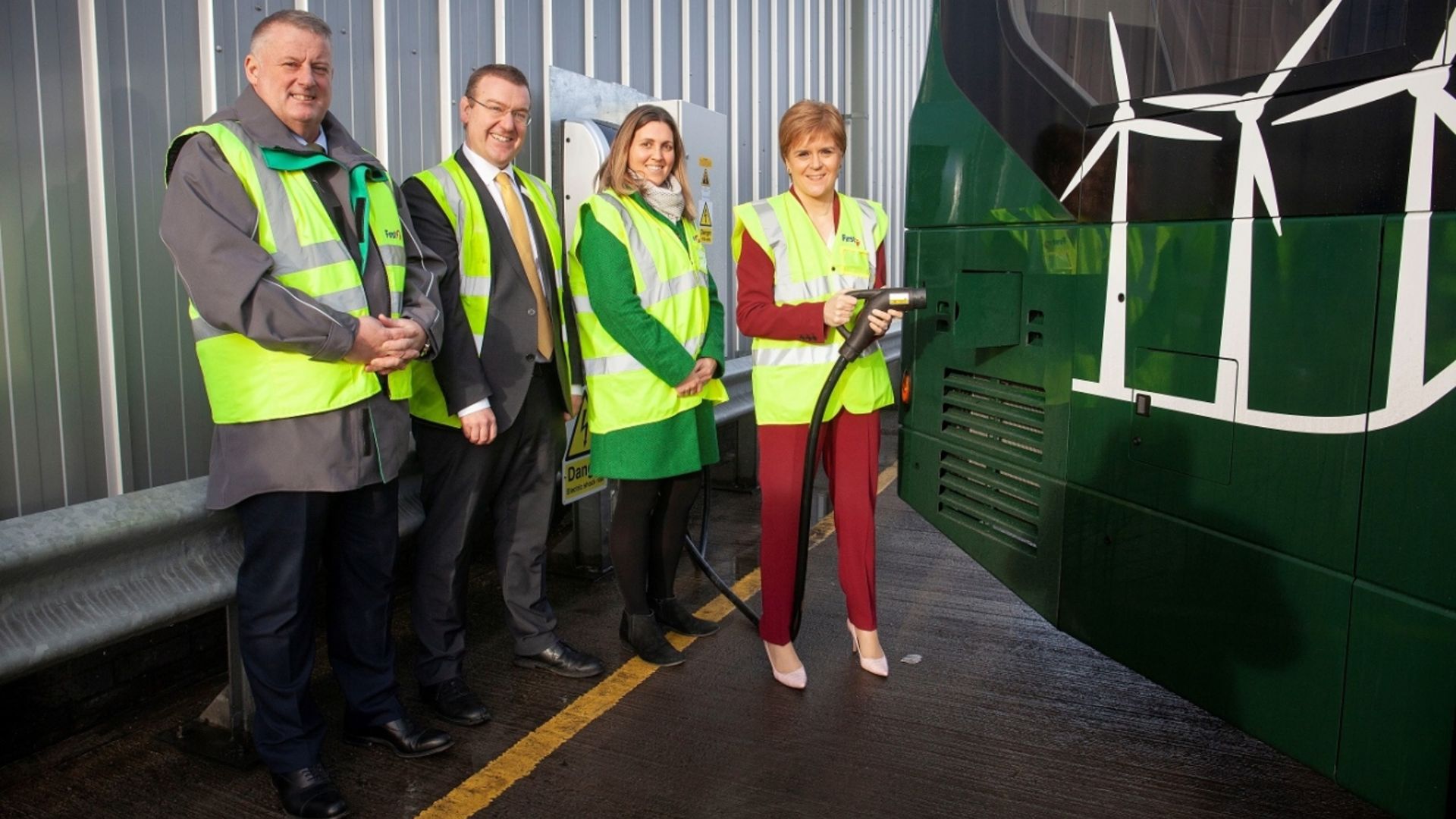
A £20 million Green Economy fund also backs the installation of 22 electric vehicle charging points at the bus company’s depot in Glasgow.

Catering to Glasgow’s low-emission zoneElectric buses coming to Glasgow

  • Google Maps can help you locate the right electric car charger

The buses are well-timed, given Glasgow will be the first Scottish city to implement a low-emissions zone – due in December 2022. The first bus goes into service on Monday (13 January).

“We are delighted to launch the city’s first conversion of a commercial bus service to fully electric operation,” said First Glasgow managing director, Andrew Jarvis.

Electric buses coming to Glasgow

“Every customer journey on the route will save around 2kg of CO2 compared with driving on your own in an average car, making bus the best choice in reducing the impact on the planet.”

“As a business, one of our main goals is to make buses part of the solution when it comes to improving air quality in the city. We’ve already invested £31 million in the last two years.

“We plan to make great strides forward in doing our bit to improve the city’s air quality and making Glasgow a cleaner and greener place to live and work.”

Not the first electric bus in GlasgowElectric buses coming to Glasgow

Glasgow was actually well ahead of the curve. Electric buses have been running on and off in the city since the 1960s. Trolley buses existed there as early as 1949.

The latter were effectively trams with a bit more steering agency – a normal bus, but connected to an electric power supply. In 1967 they were phased out, believe it or not, because diesel was seen as the future. If only they had known…

Advertisement

Toyota is making parts for the classic Supra again

0

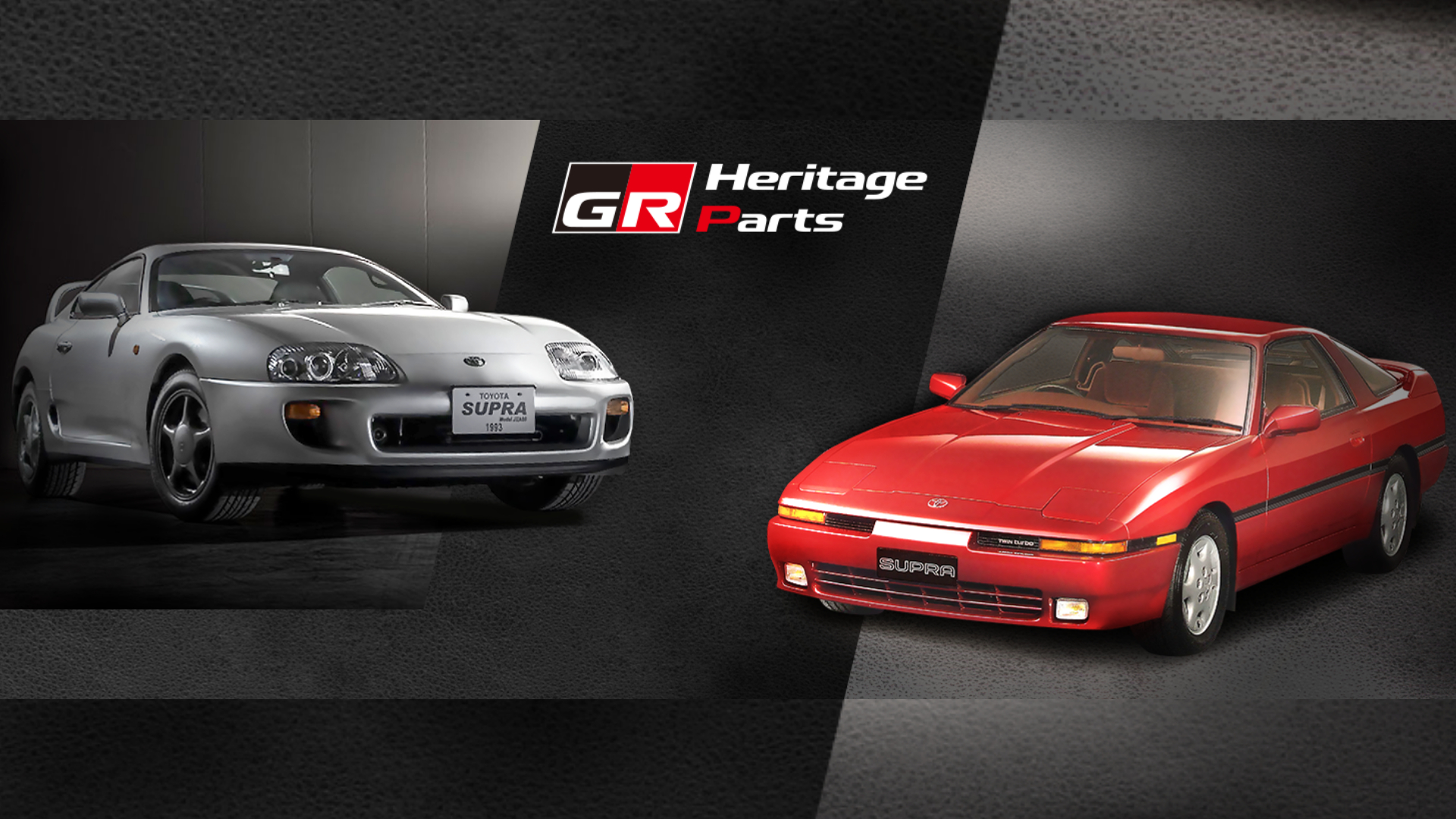
Toyota GR Heritage reproducing Supra parts

News that Toyota plans to reproduce parts for the previous two generations of Supra will be music to the ears of owners. The marque follows Nissan and Mazda in announcing remanufactured parts support for classic models.

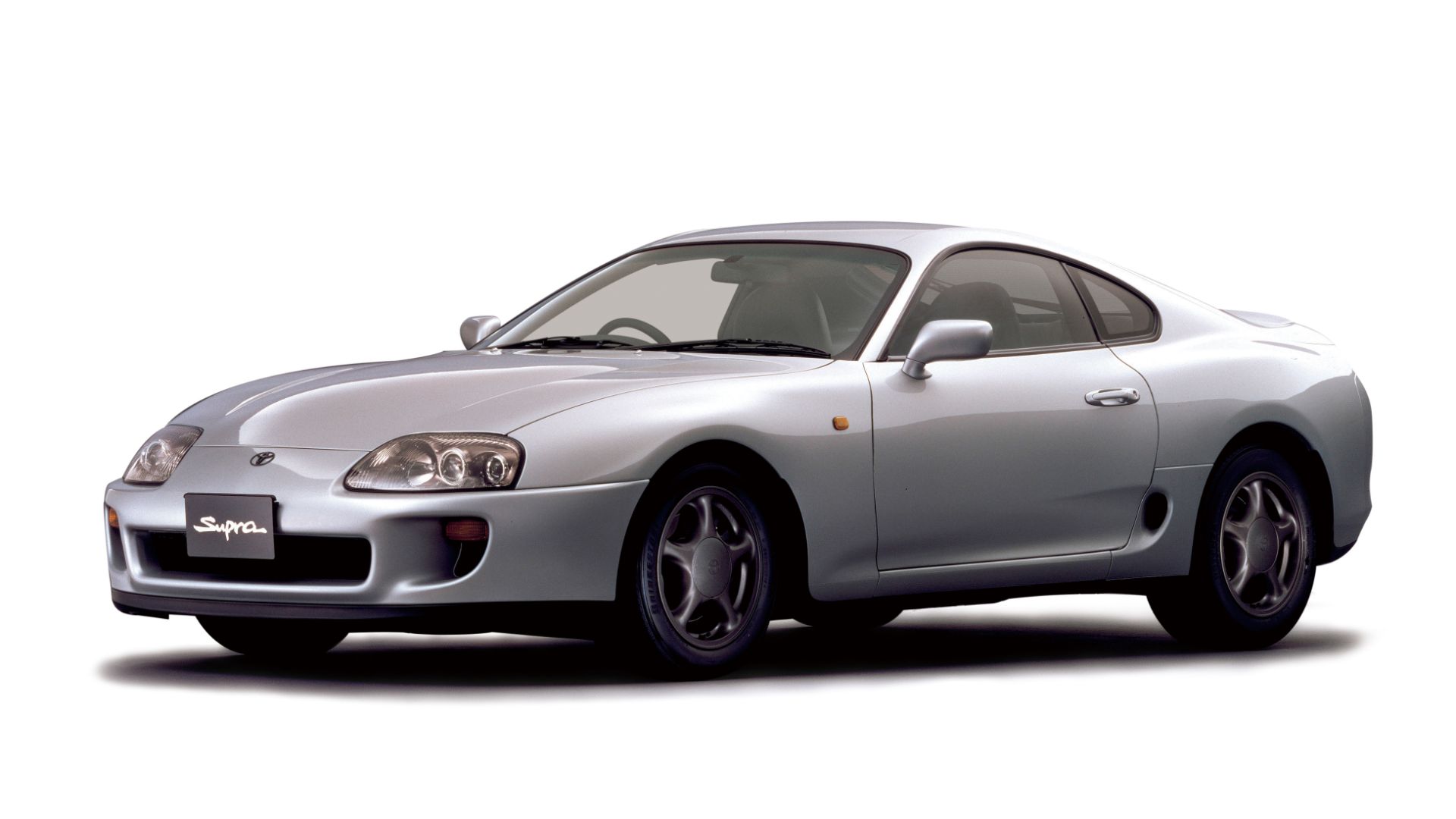
Specifically, parts will be reproduced for the A70 (1986-1993) and A80 (1993-2002) generations of Toyota Supra. These will be sold domestically and in overseas markets, including America and Europe.

Toyota also says the parts will be available to order and pick up from dealerships.

Which classic Supra parts can you buy?Toyota GR Heritage reproducing Supra parts


  • Would you pay £385,000 for a 20-year-old Toyota Supra?

All parts will be going into production in 2020. The part numbers aren’t yet announced, but deliveries could begin next year.

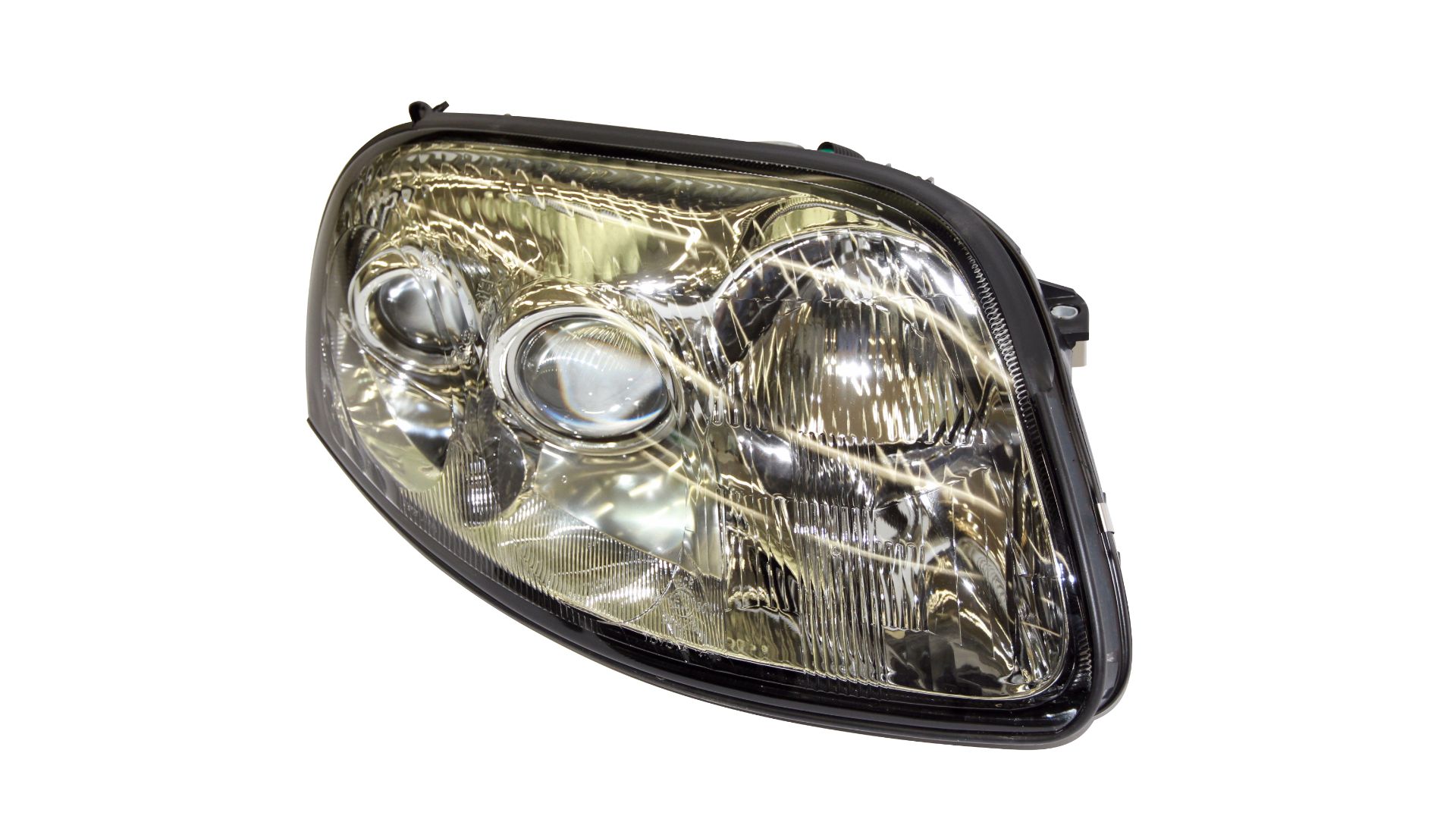
The first batch will include door handles for both the A70 and A80. Propeller shafts, fuel sender gauges, weather strips and front emblems will be available for the A70. For the A80, headlamps and brake boosters will be joining the door handles initially.

If you’re worried that list isn’t exactly exhaustive, fear not. As an owner, you can fill in a form and request the parts you need. Don’t bet on Toyota going all the way and putting the 2JZ twin-turbo straight-six engine back into production, though.

Toyota GR Heritage reproducing Supra parts

‘Tell us about the spare parts you want to see reproduced,’ the Toyota Gazoo Racing website reads.

‘Let us know which parts you require to ensure your beloved vehicle can continue to run. Your feedback will motivate us in our efforts to produce the next batch of reissued parts.’

Toyota will be exhibiting GR Heritage Parts at the Tokyo Auto Salon in Makuhari Messe. You’ll be able to check them out for three days, from 10-12 January.

Advertisement