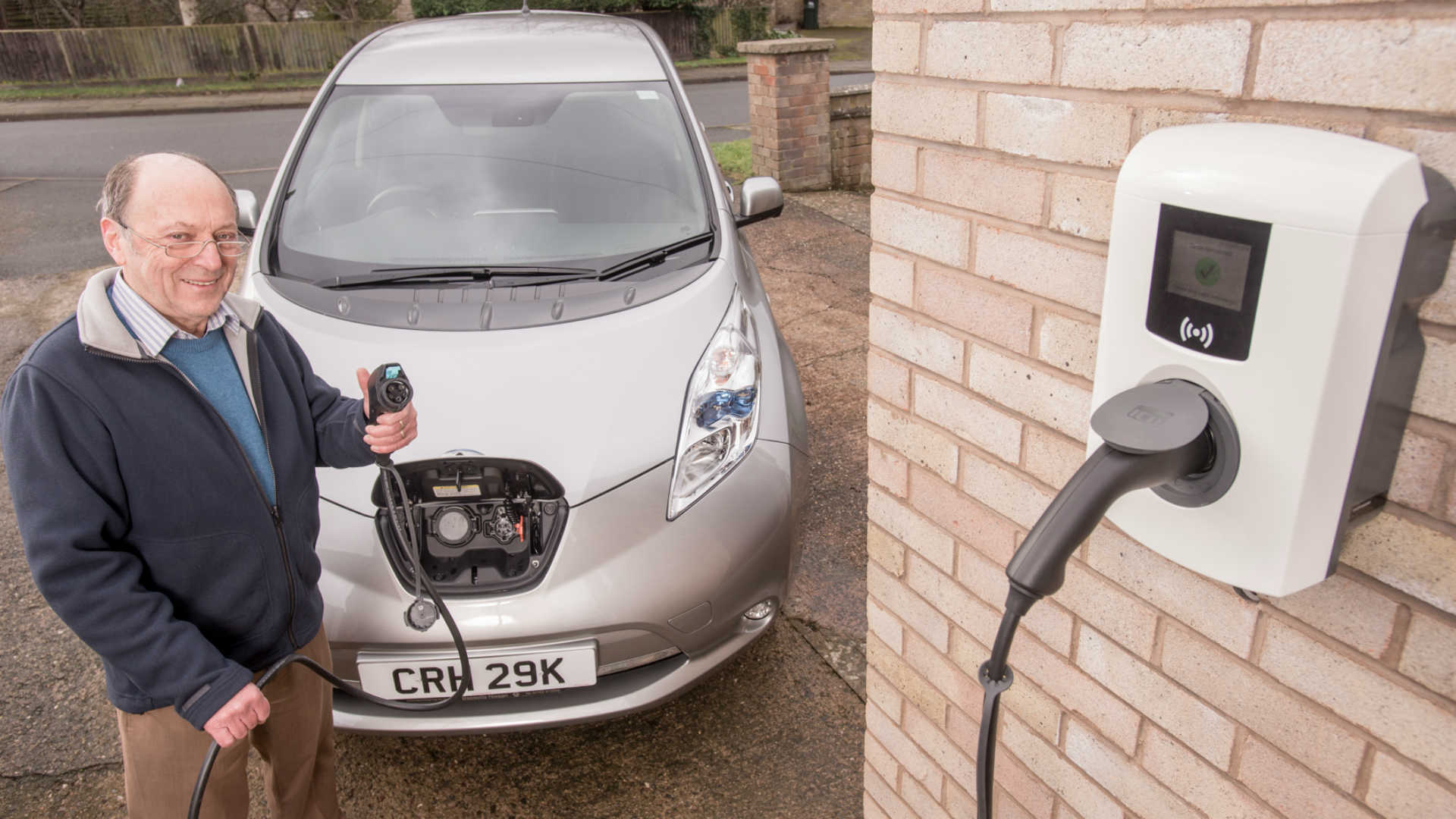
From 1 July 2019, all electric car home chargers backed by the government’s Electric Vehicle Homecharge scheme must use ‘smart’ technology.
The government made the announcement in December 2018, but the roads minister Michael Ellis has reiterated the requirements ahead of the new legislation coming into force.
It means that home chargers must have the ability to be remotely accessed and capable of receiving, interpreting and reacting to a signal. Smart charging reduces high peak electricity demand and minimises the impact of EV on the grid, says the government.
‘In the driving seat’
Michael Ellis said: “The government wants the UK to be the best place in the world to build and own an electric vehicle, with leadership and innovation helping us pave the way to a zero emission future.
“We’re in the driving seat of the zero emission revolution. Our new requirements for charge points could help keep costs down, ensuring the benefits of green transport are felt by everyone.”
Approximately 200 home chargers from 25 manufacturers have been confirmed as being eligible after 1 July, with each one marked on the government website.
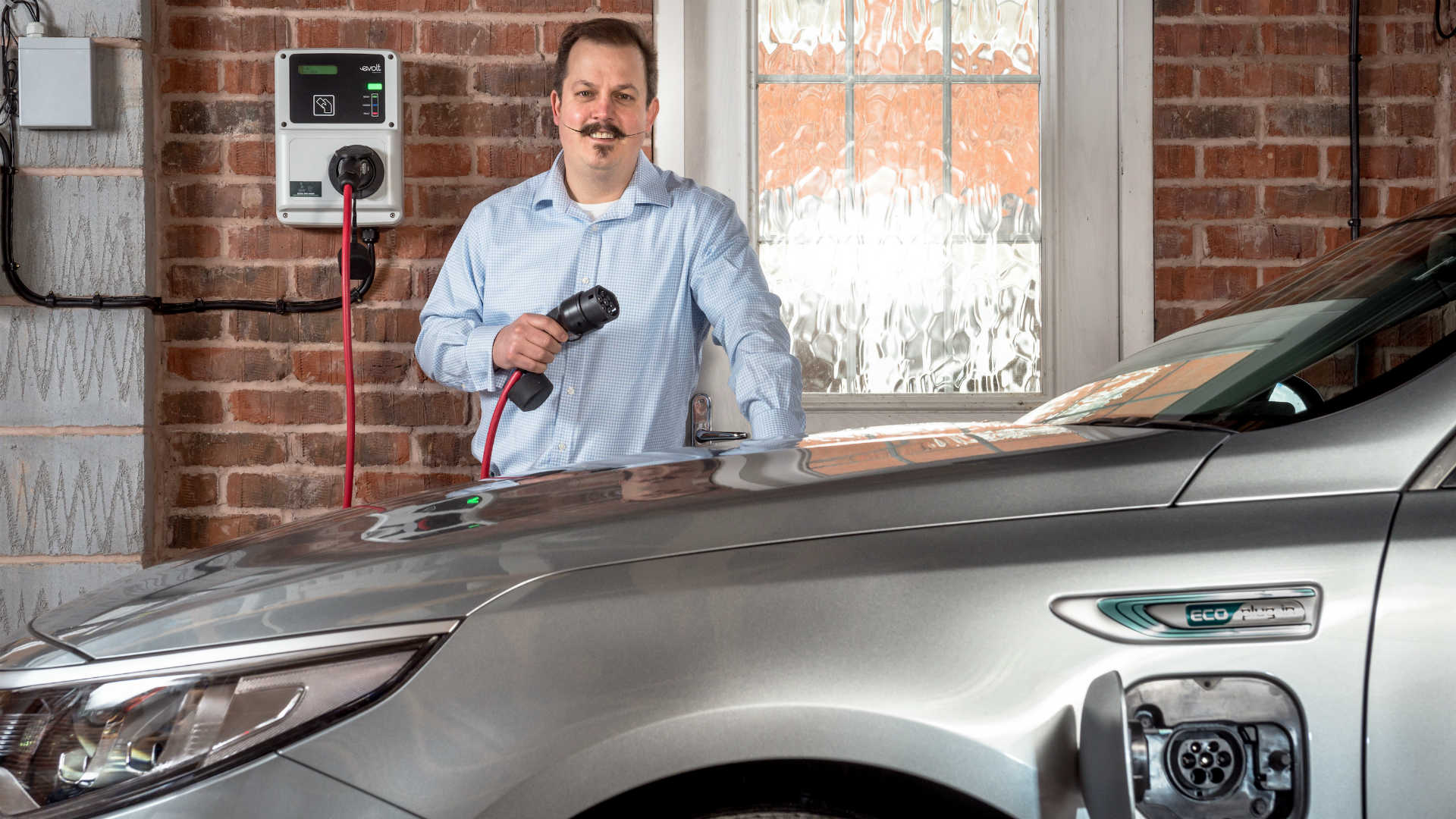
Daniel Brown, policy manager at the Renewable Energy Association, welcomed the news but urged the government to extend the legislation to the workplace.
He said: “As more of our power comes from renewable technologies such as wind and solar, it’s key that we increase the ‘flexibility’ of our energy system.
“Smart charging will be an important part of this in the future, allowing homes to benefit from new tariffs and from bill-reducing technologies such as rooftop solar and battery storage.
“We welcome this move and hope the government go a step further in the future, by mandating the smartness of all new charge points including those installed in workplaces and in public locations.”
‘Allow the grid to cope’
Edmund King, AA president, added: “Three-fifths (59 percent) of drivers agree that domestic charging points should automatically default and delay charging a vehicle until energy prices are at their lowest. As well as keeping bills down, it will also allow the grid to cope with the new demand.
“However, there are occasions when drivers will need to override the system and charge their cars immediately. Three-quarters (75 percent) want this option as part of the new system and we are pleased it is in place ahead of the new installations.”