Home Blog Page 272

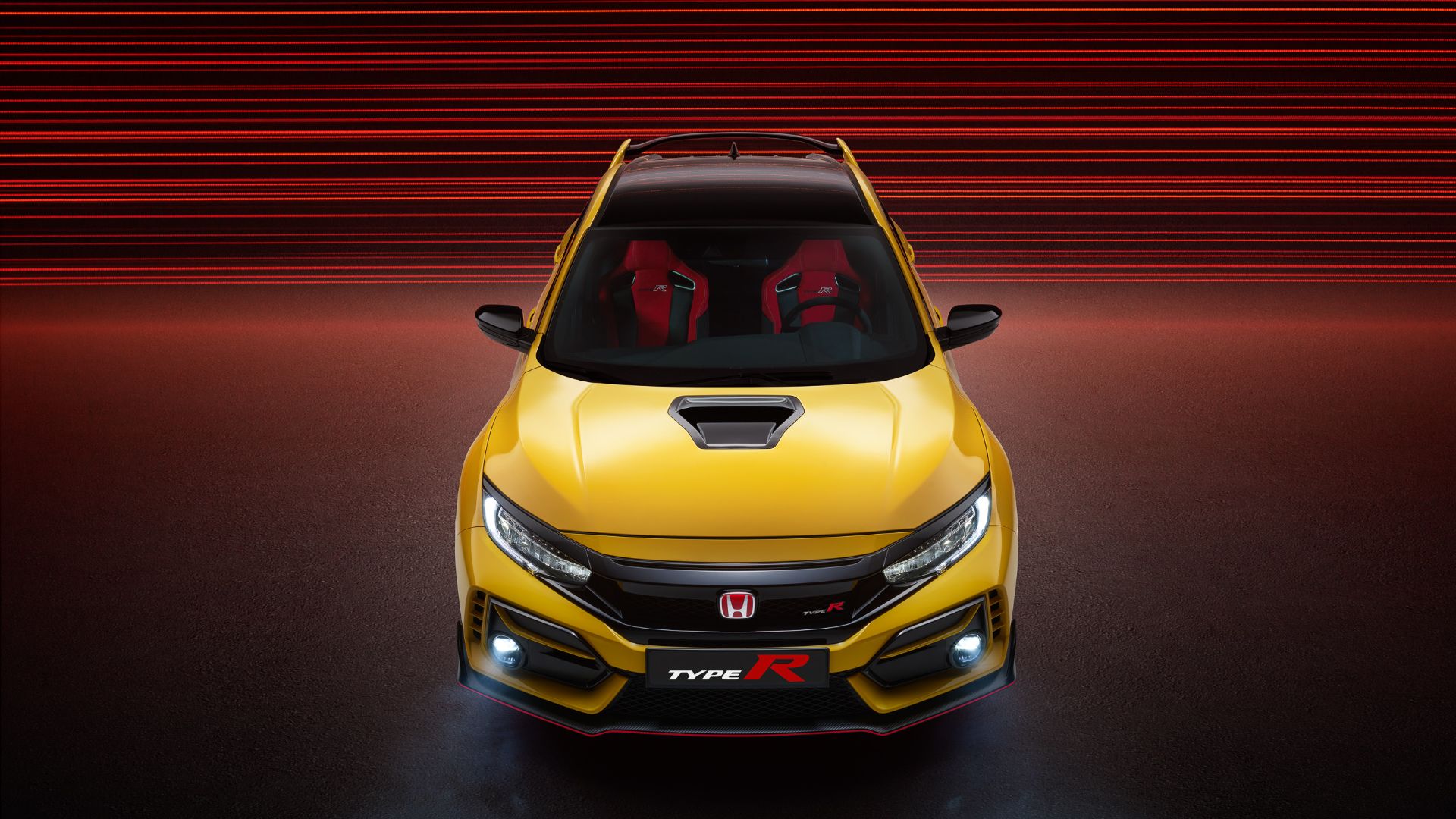
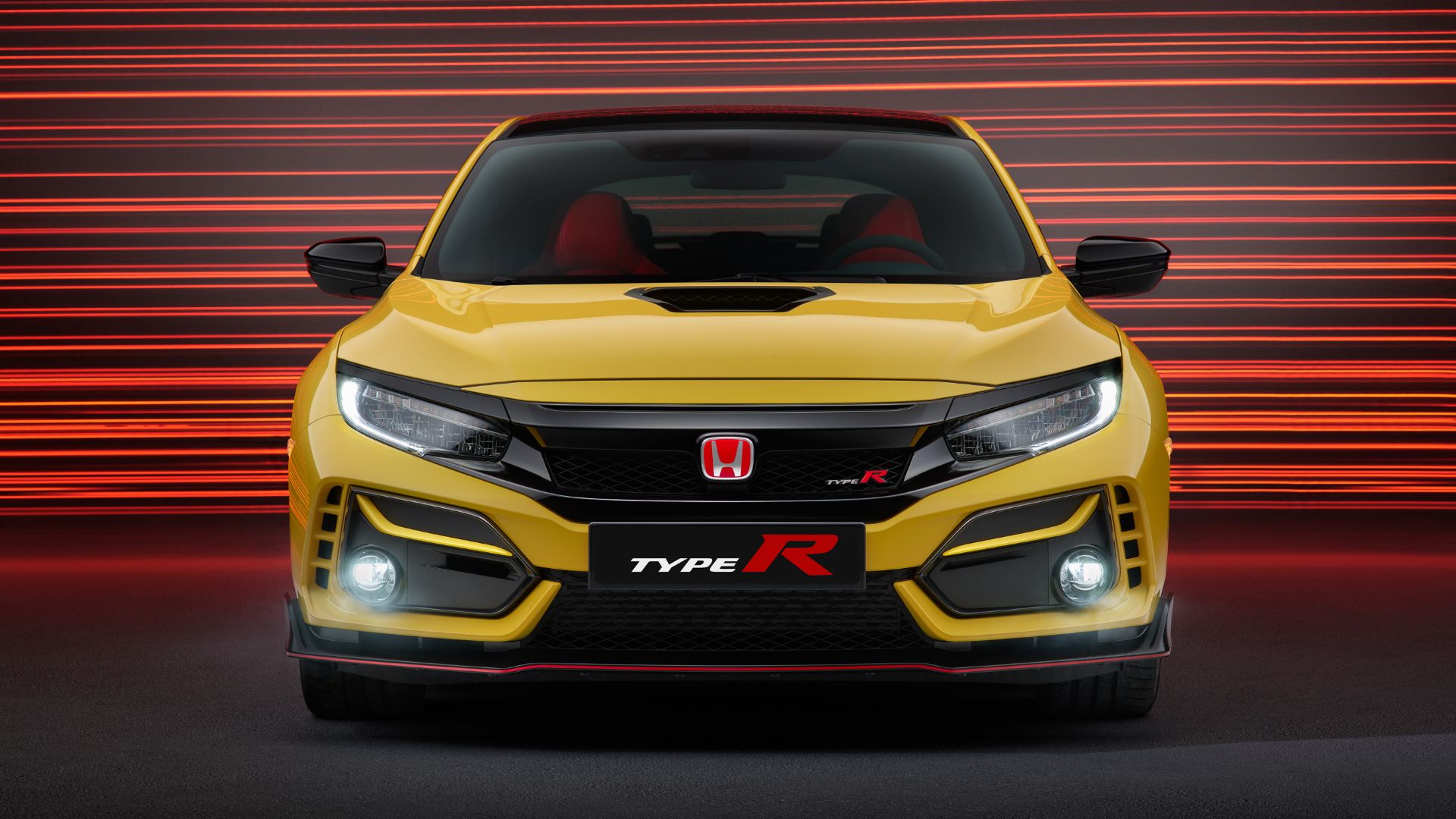
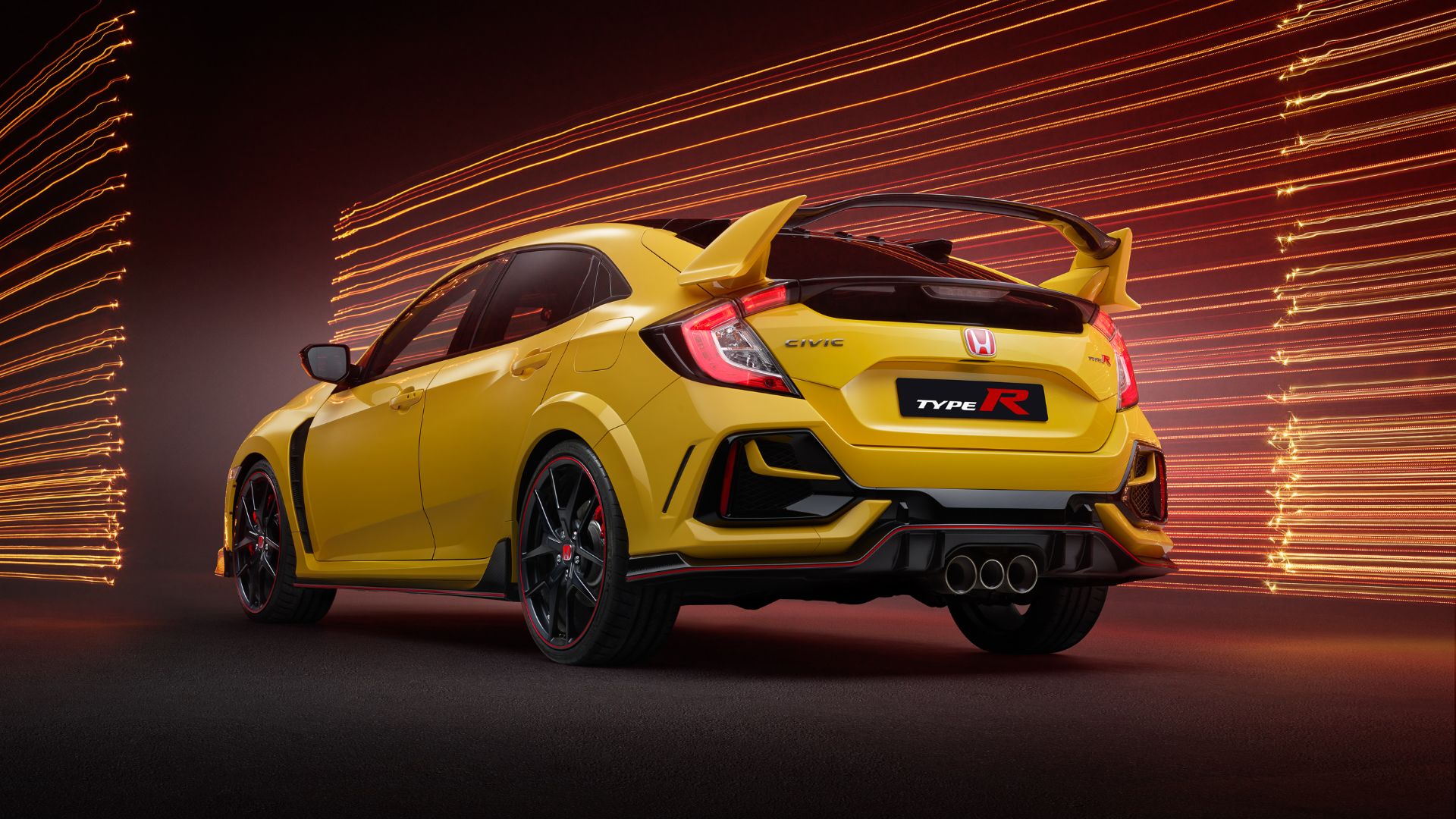
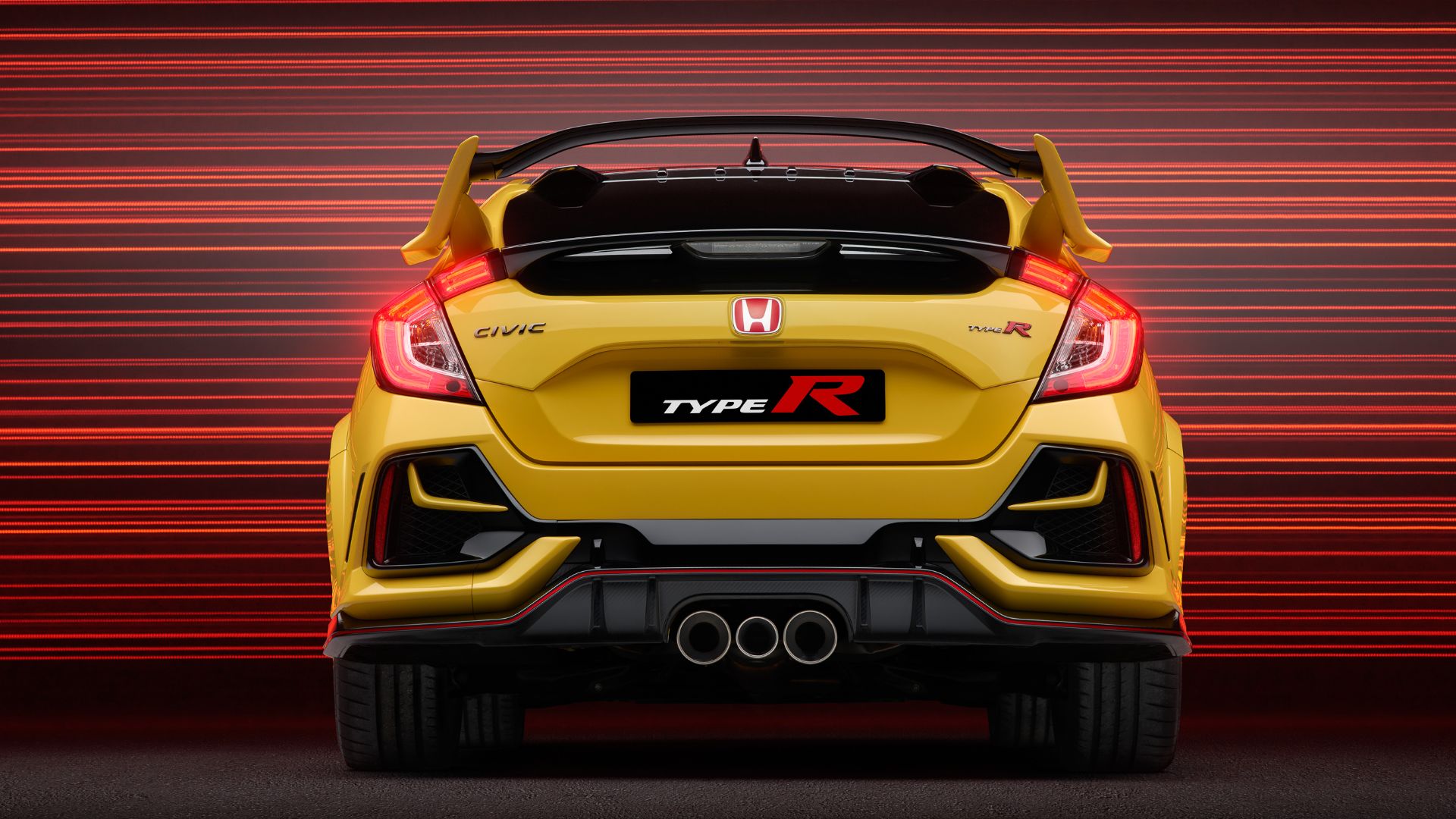
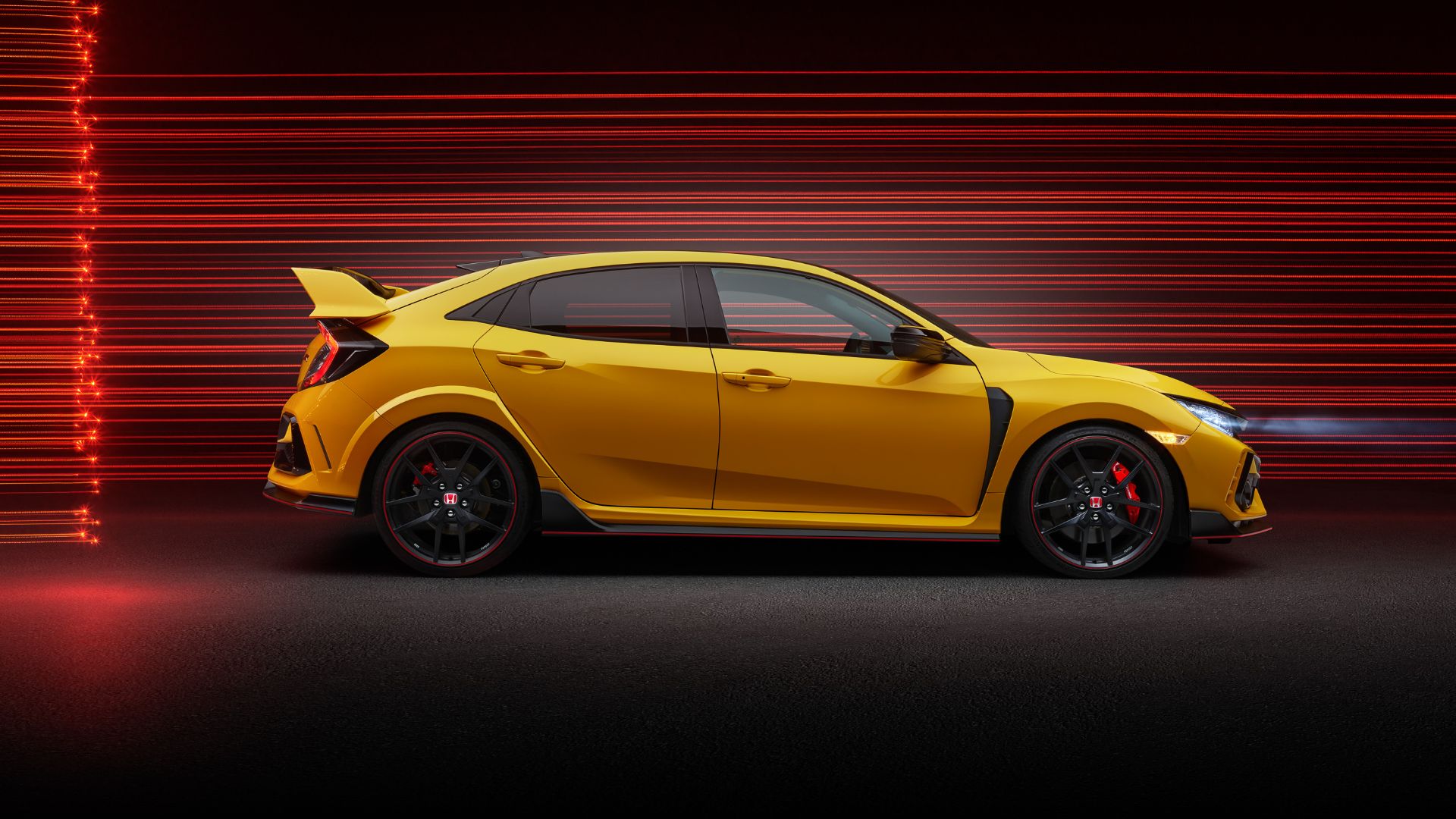
Honda reveals 2020 Civic Type R, including hardcore ‘Limited Edition’

0

Civic Type R Range 2020

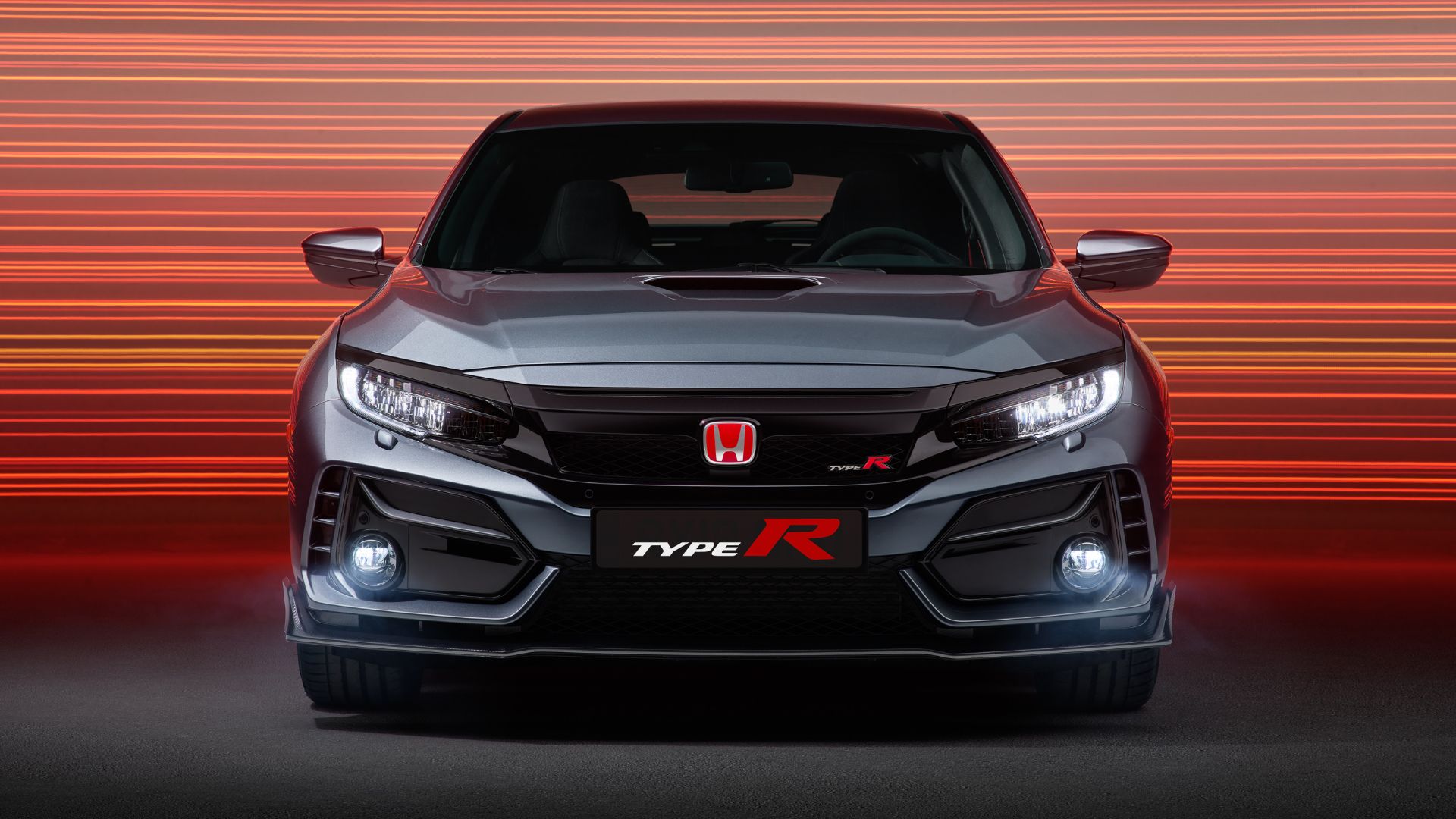
Honda has treated its Civic Type R hot hatch to a mid-life update, and introduced two special variants. Meet the track-focused Limited Edition and wingless Sport Line.

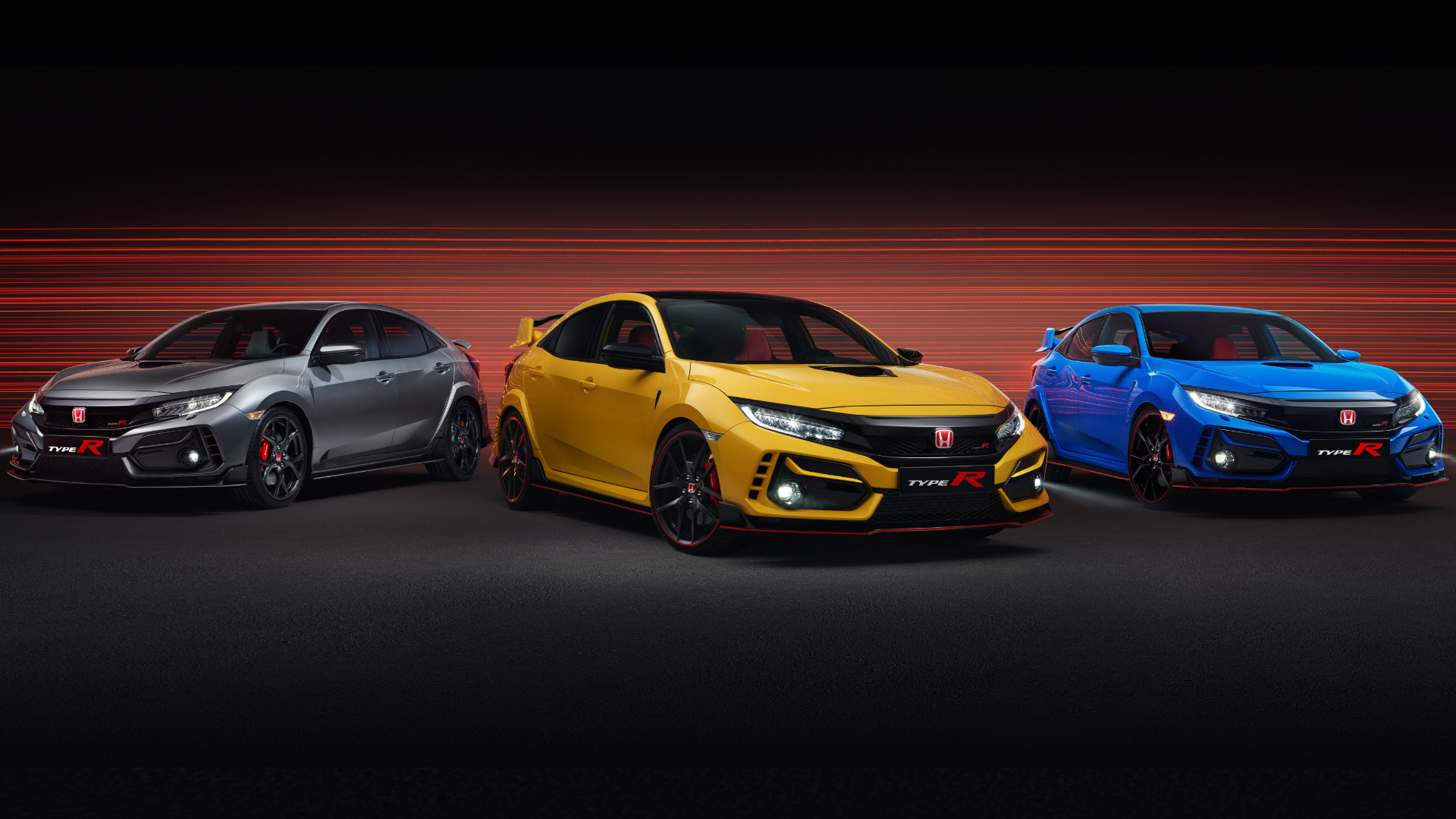
While the Type R range gets a mild visual update, these new versions expand its appeal. At one end of the scale, the unmissable Limited Edition is the most extreme Type R yet. At the other, the Sport Line offers a more subtle take.

Civic Type R Limited Edition: not-so-mellow yellow
  • Honda Integra Type R review: I predict a riot

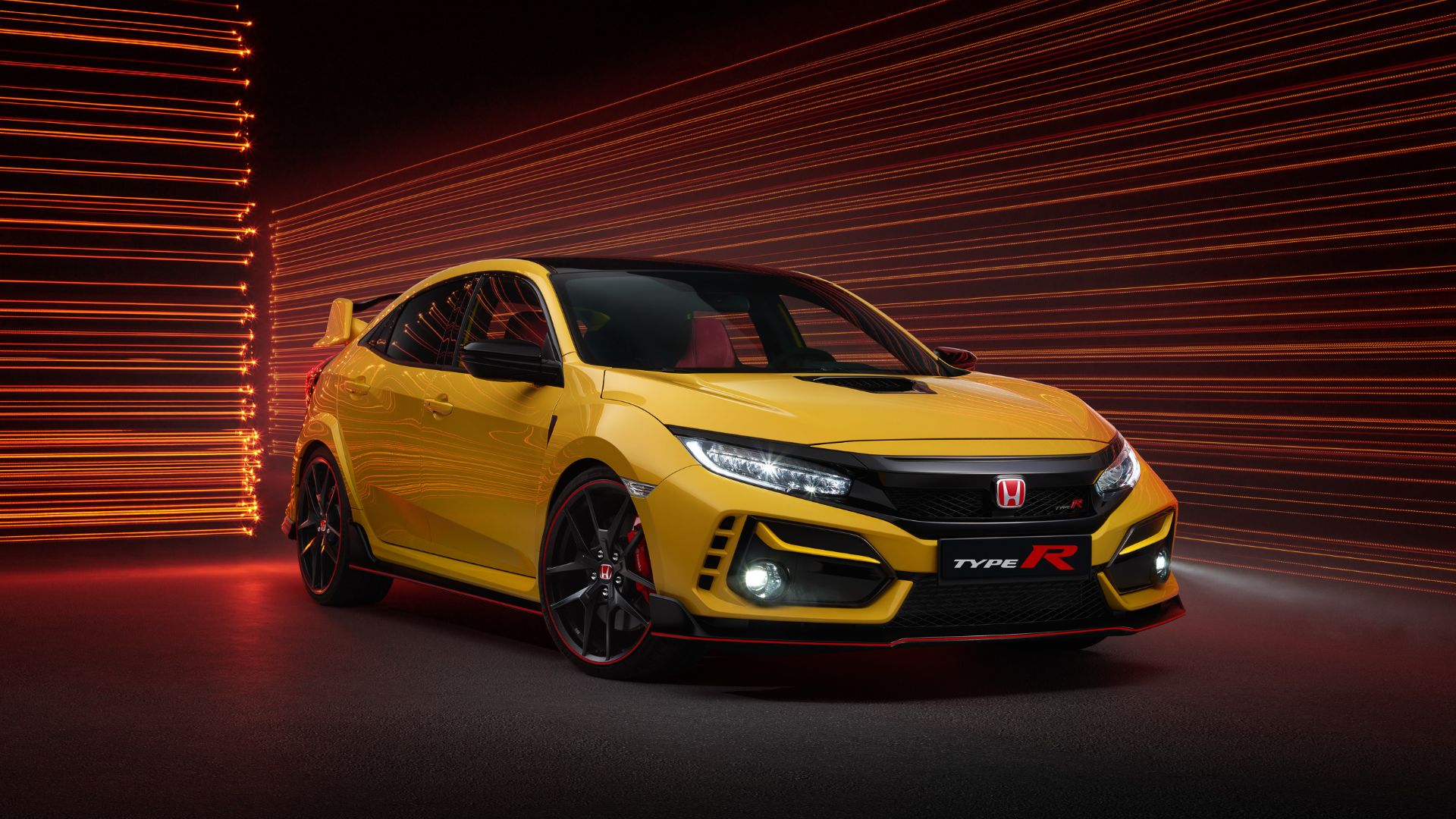
The Limited Edition has been developed with track performance firmly in mind. As the name suggests, it’ll be limited, to just 100 examples for Europe. That’ll make this Civic hot property, but will it be worth getting into scraps over it at your Honda dealer?

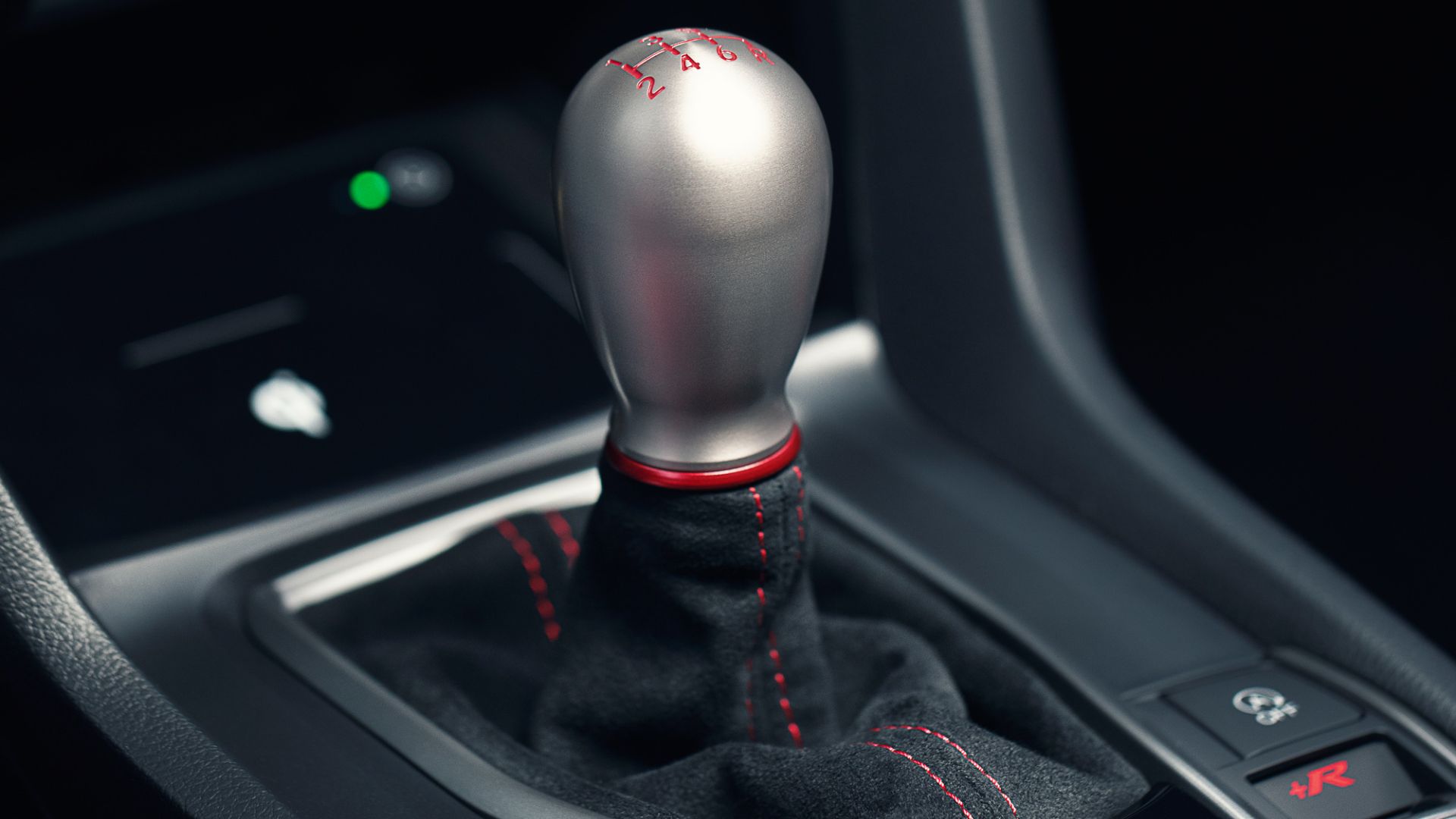
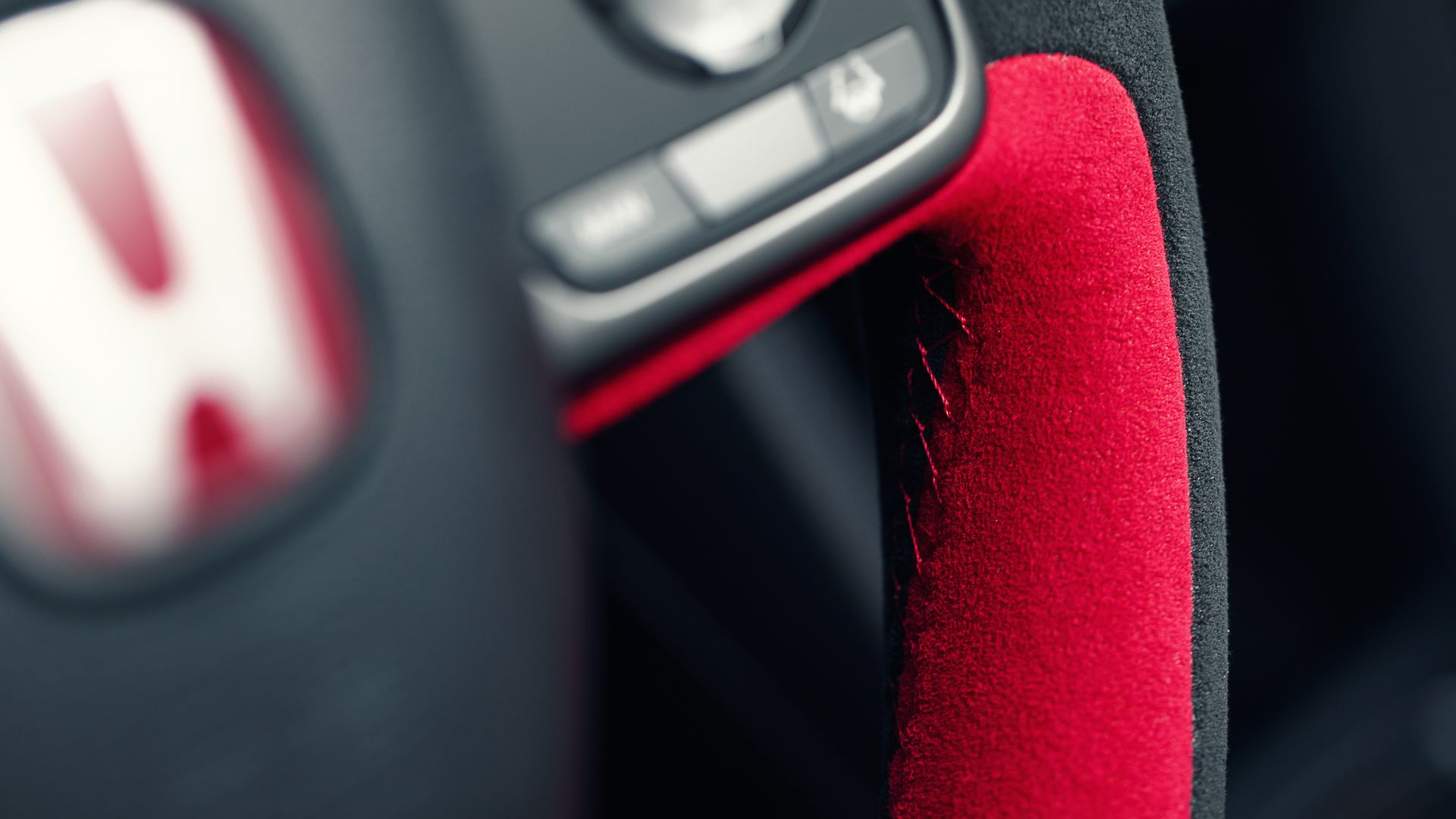
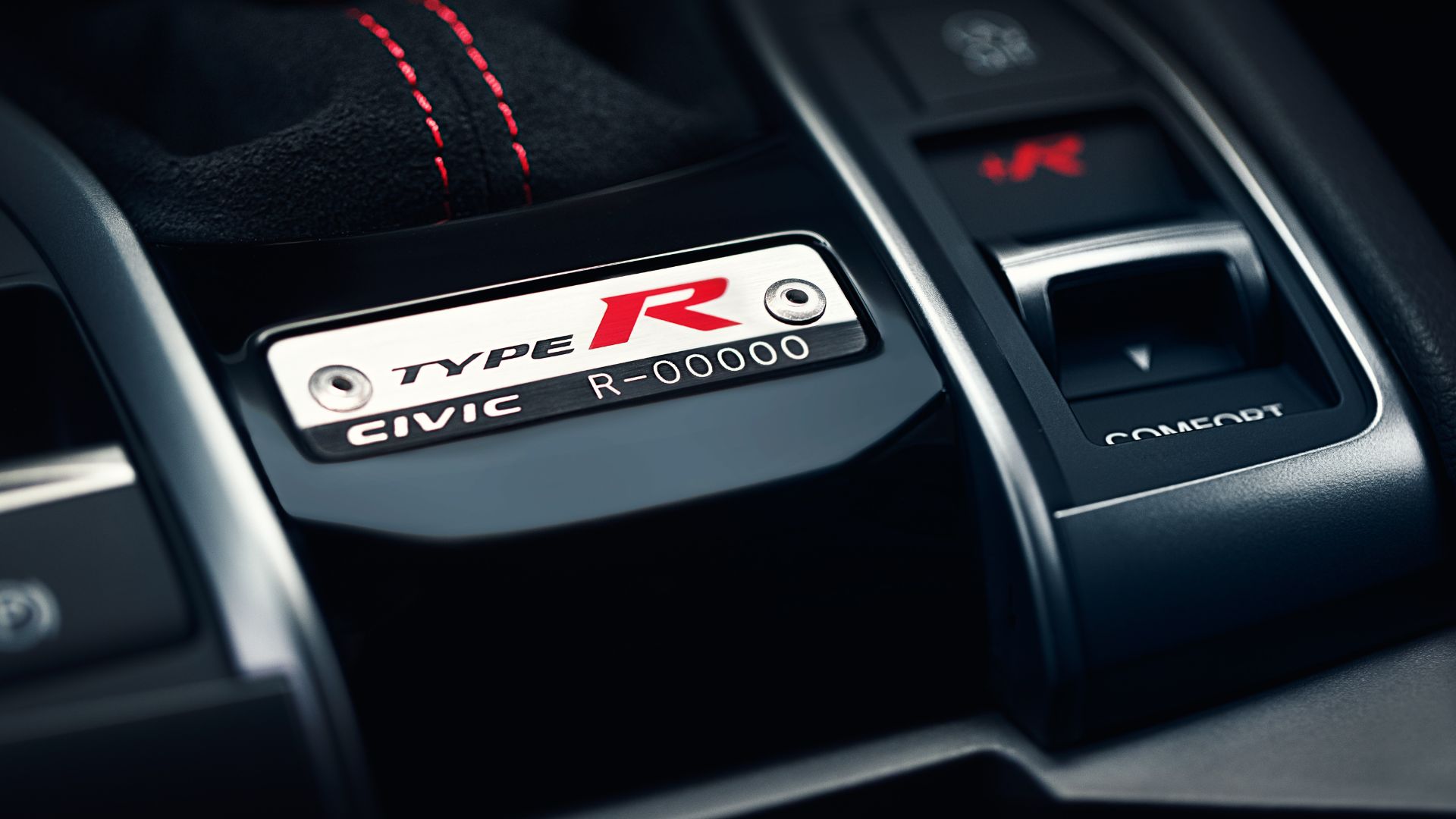
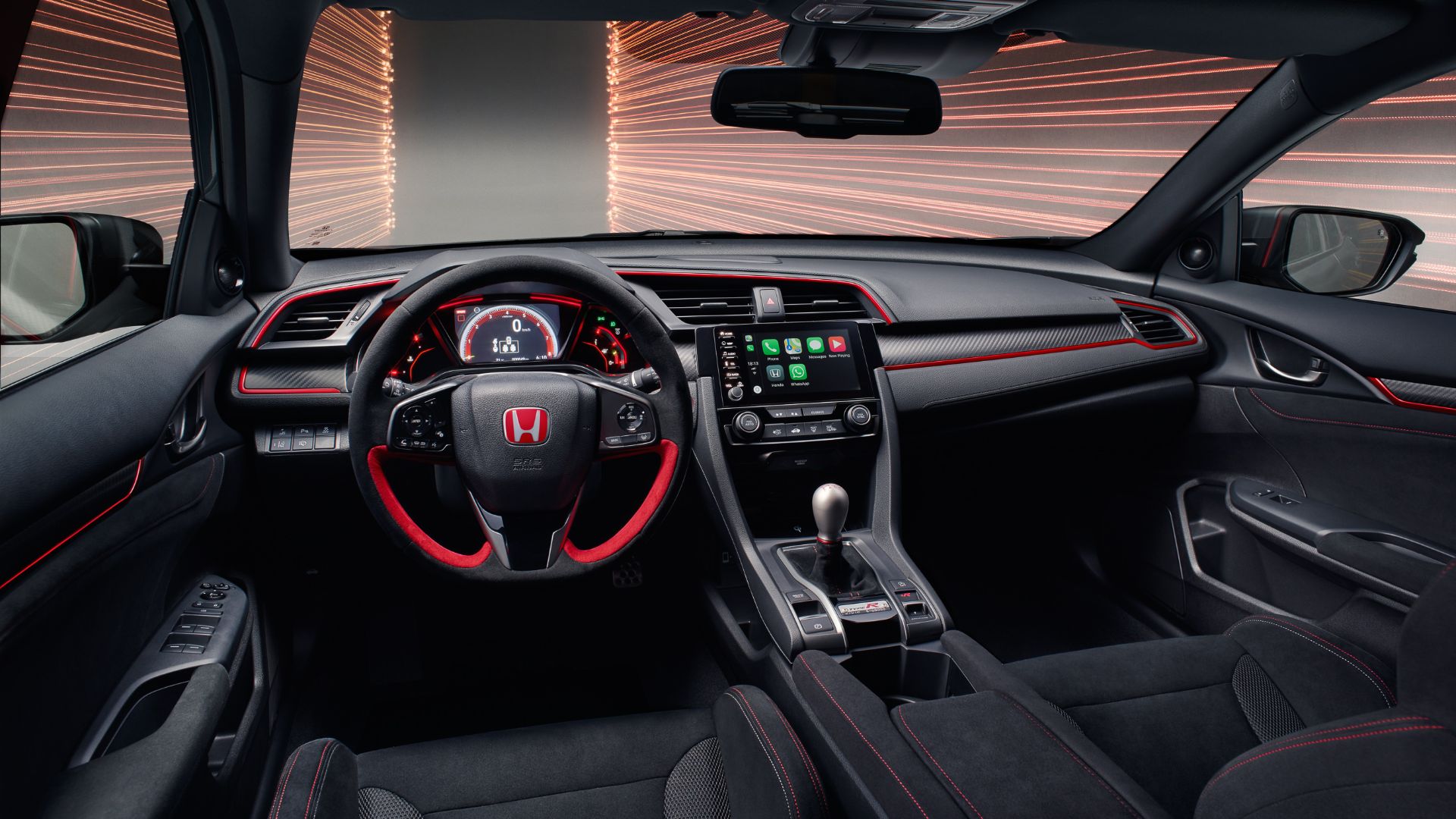
Potentially, although we don’t advocate that kind of behaviour. The LE adds lightweight BBS alloy wheels, Michelin Cup 2 tyres and modified dampers. On the inside, the Alcantara-trimmed wheel, bucket seats and classic Type R metal teardrop gear shifter spice things up. As will a 47kg saving made by removing the infotainment system, air conditioning and a chunk of sound deadening.
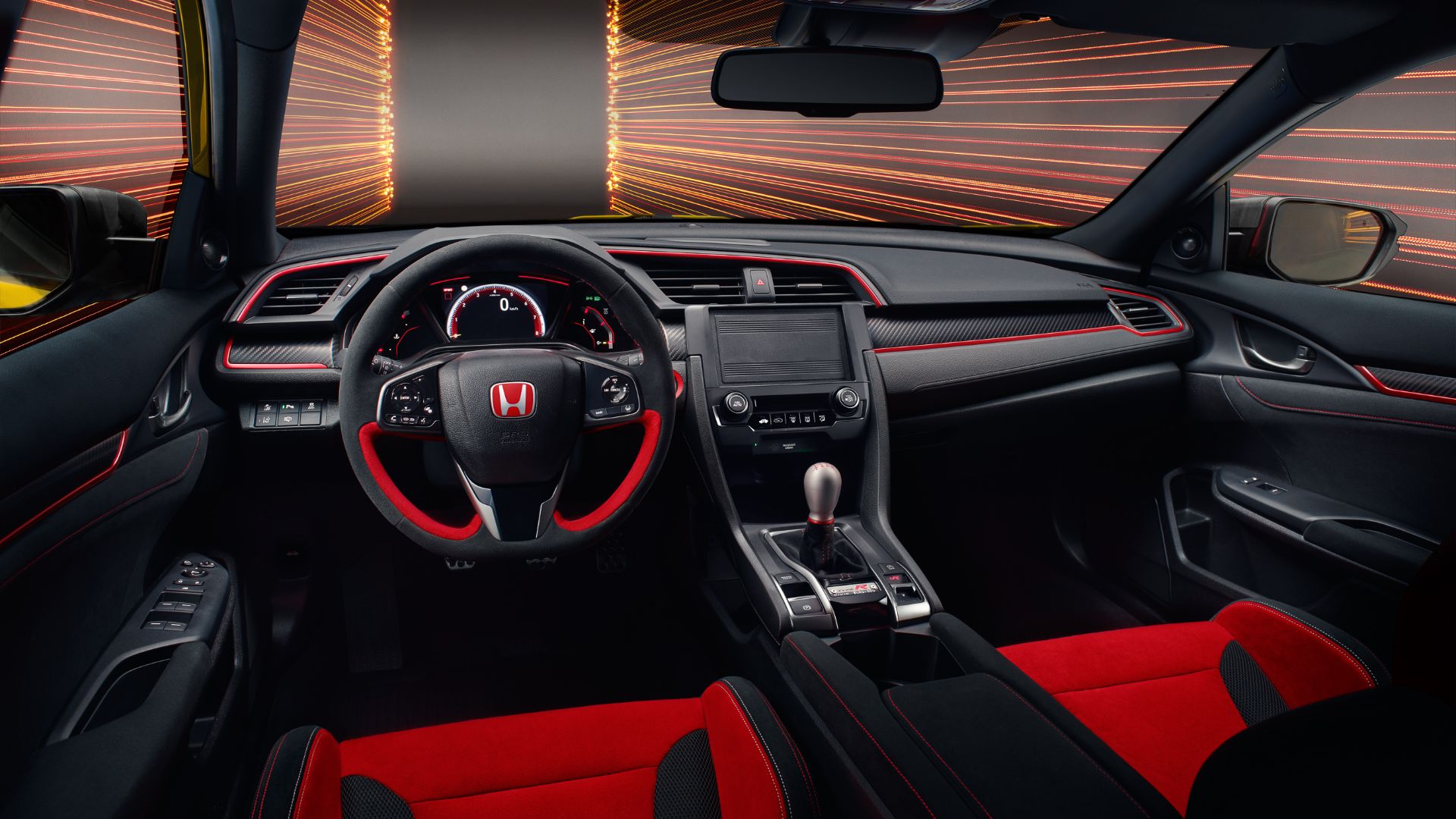
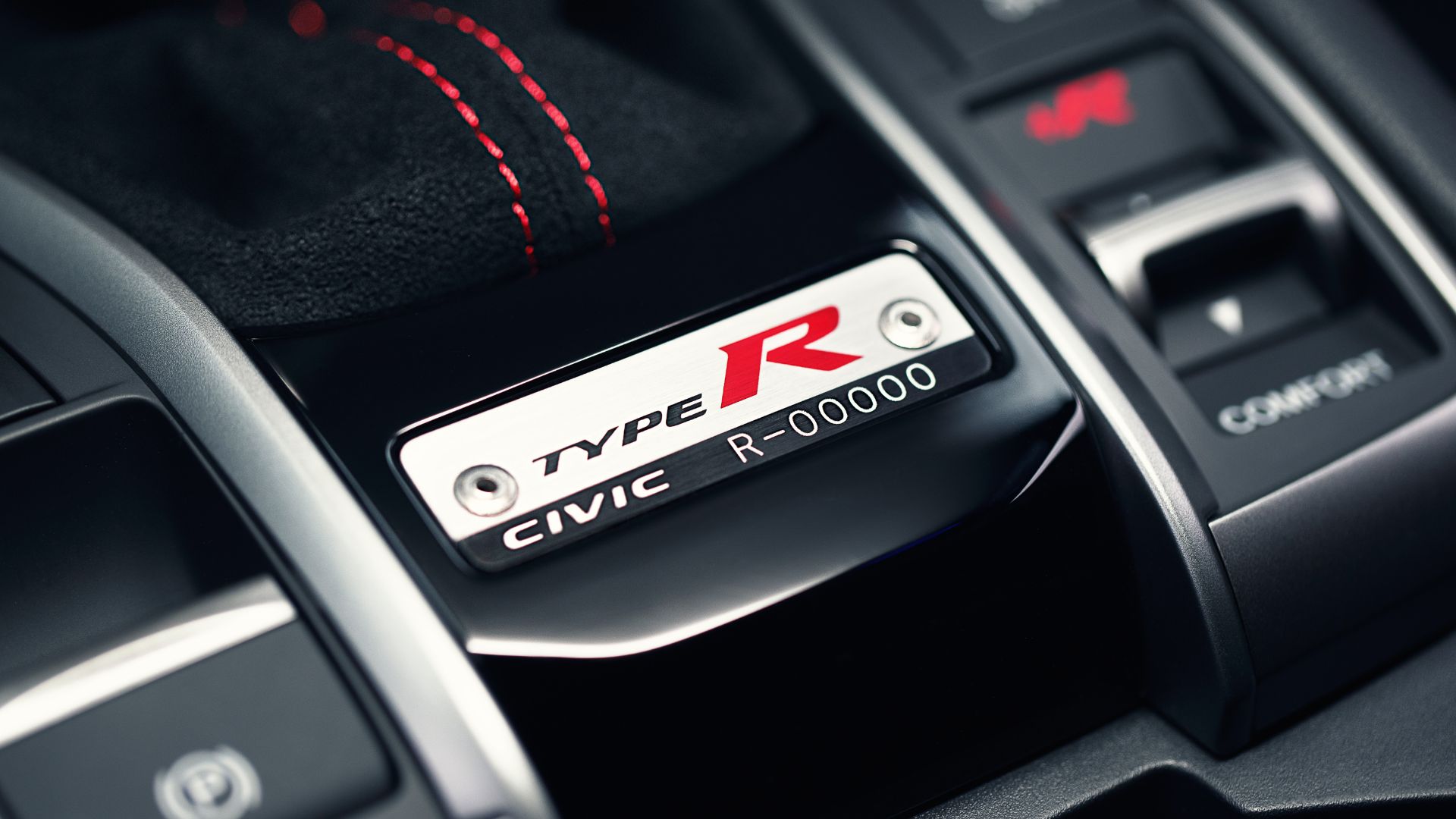
Honda takes a dig – presumably at the very expensive Renault Sport Megane Trophy R – by saying ‘unlike other brands’ track-focused performance hatchbacks, the Limited Edition retains its rear seats’.

The Type R Limited Edition gets to 62mph in 5.7 seconds. Finally, the colour: it’s called Sunlight Yellow, presumably to remind you of what will be cooking you with the lack of air conditioning.

Civic Type R Sport Line: wingless wonder
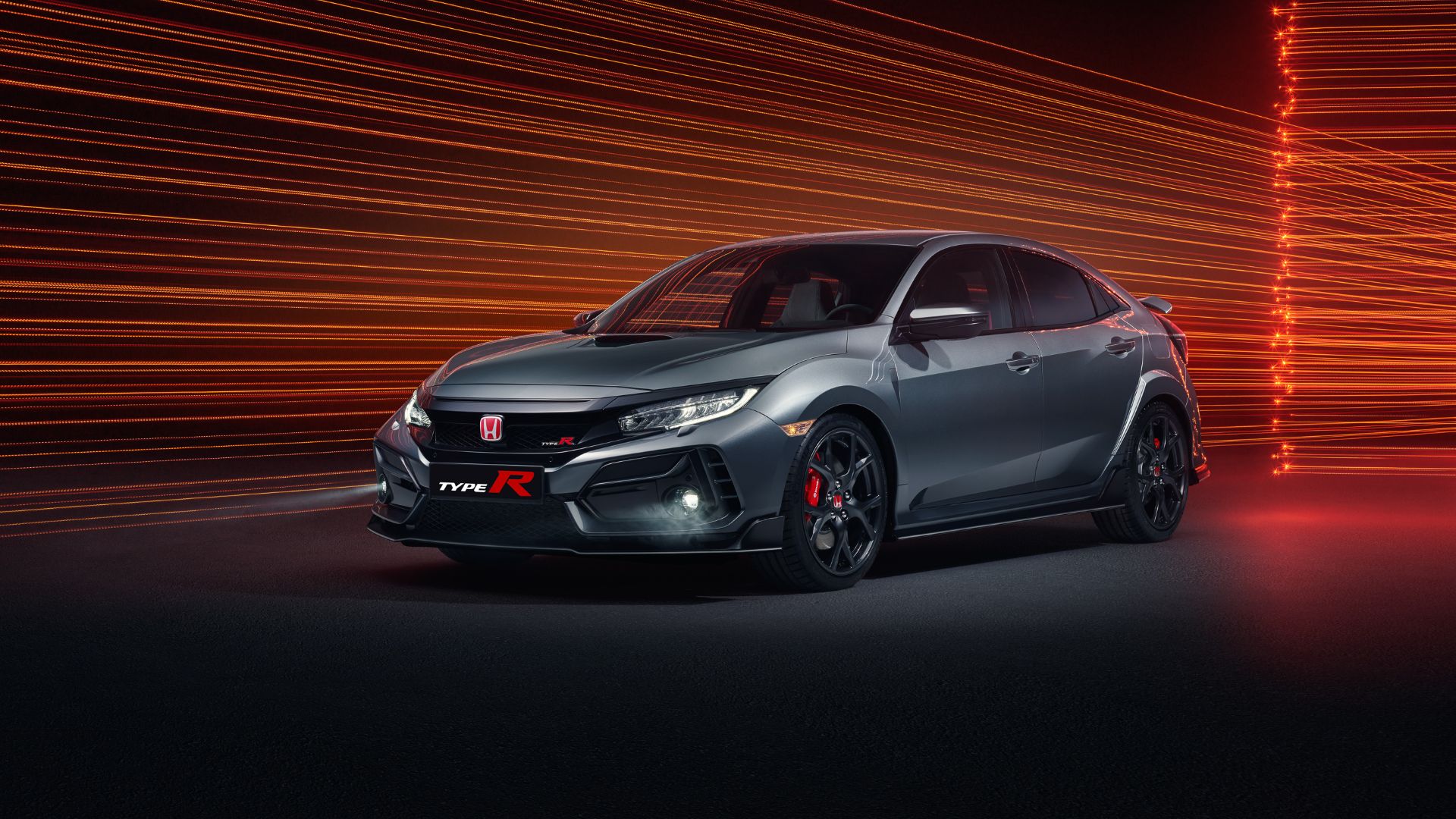
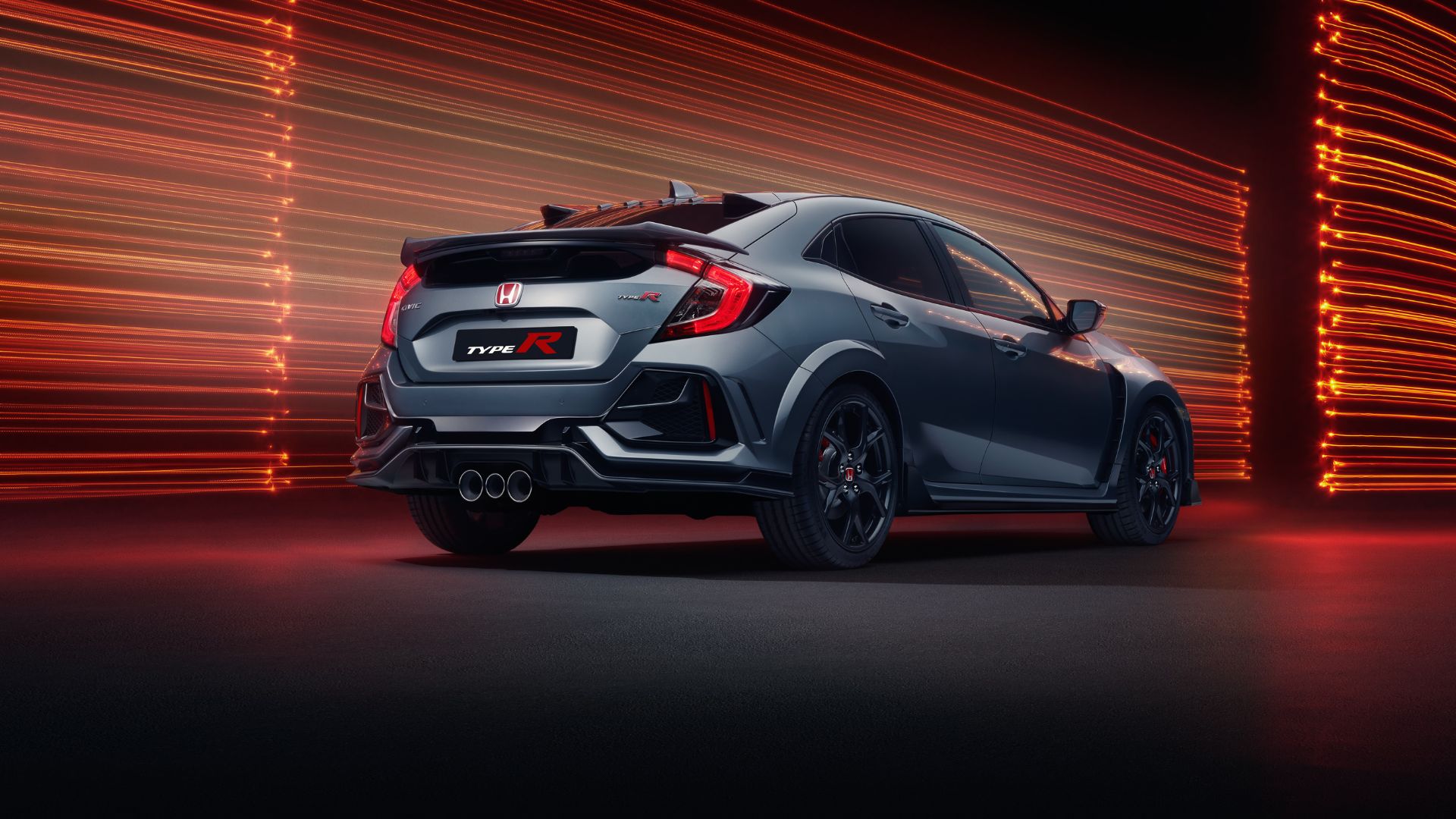
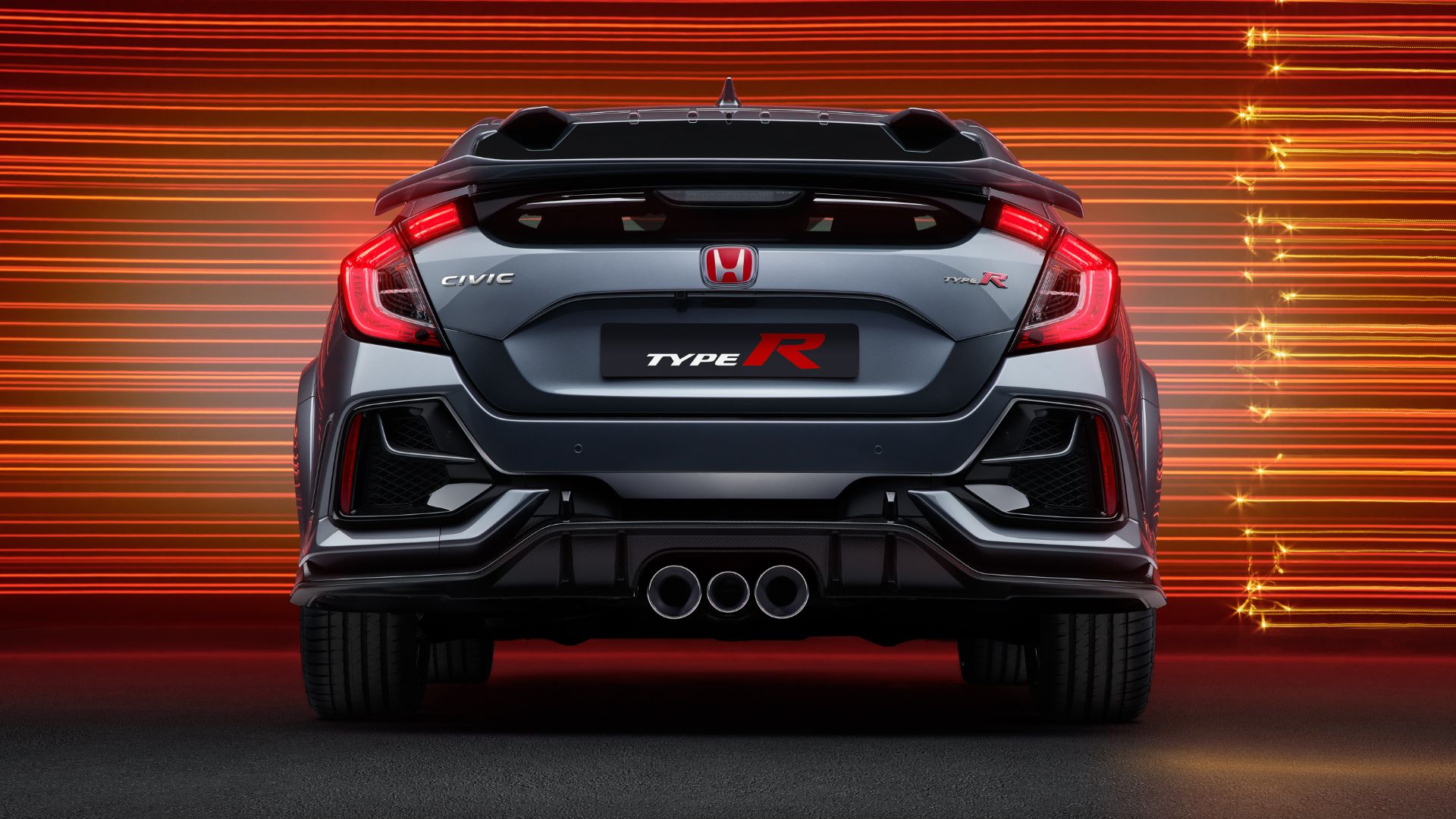
The Type R Sport Line takes a different tack to the hardcore Limited Edition. Most obvious is the absence of the huge rear wing, for added slipperiness and subtlety. Honda also says the Sport Line offers a more refined ride.

Extra refinement comes courtesy of new 19-inch alloy wheels with soft-sidewalled Michelin Pilot Sport 4S tyres, designed to combat noise vibrations and harshness. The Sport Line adds sound deadening, too.

Don’t worry, this isn’t a ‘diet’ version of the Type R. All the important stuff remains, like the VTEC turbo engine and bucket seats. The old-school EK9-style shift knob also features on the inside.

Given it’s the softer sibling, the Sport Line also retains the infotainment system, which, for this update, spans seven inches and incorporates DAB, Apple CarPlay and Android Auto as standard.

New Civic Type R: overall updates
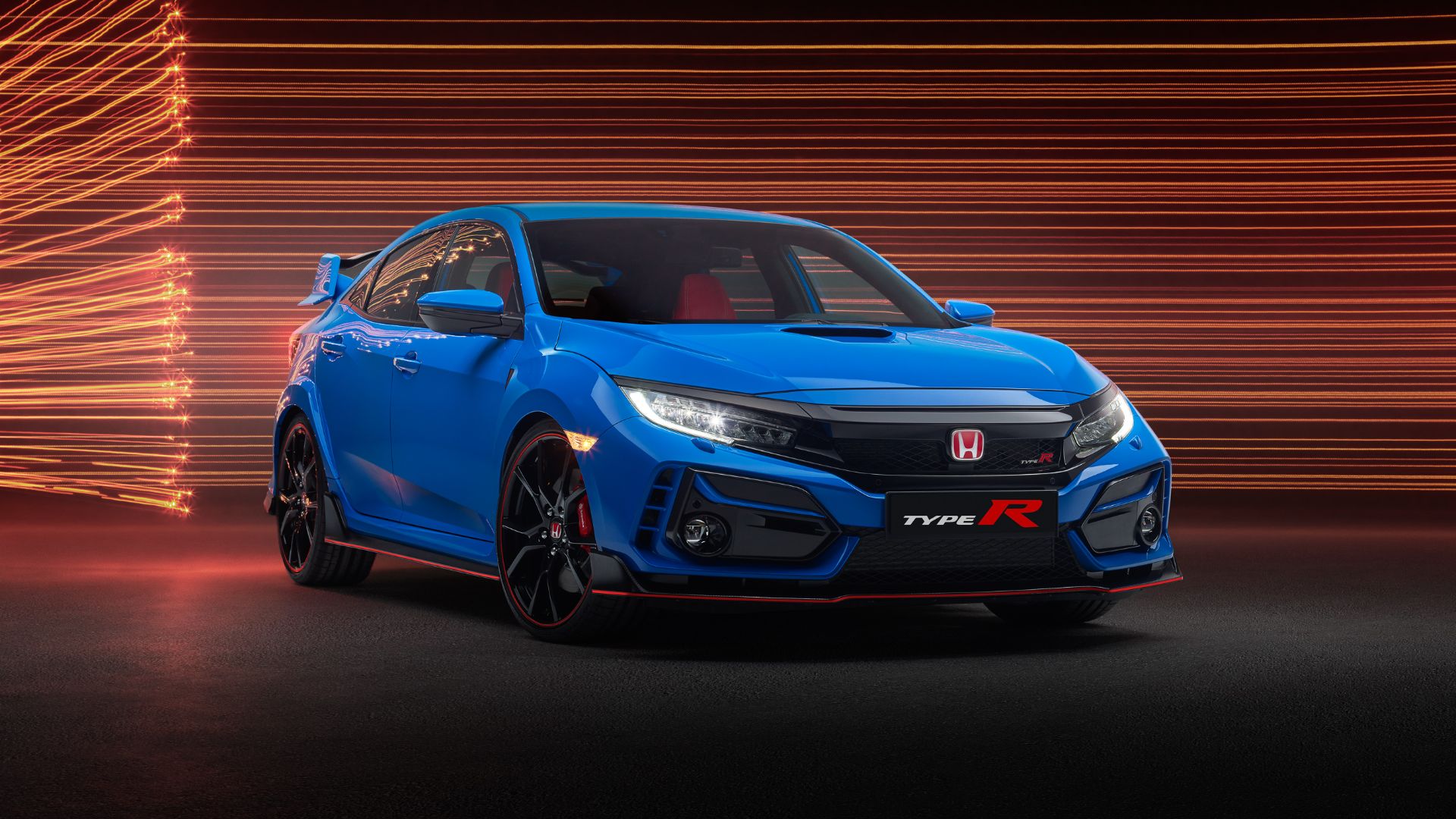
Honda Civic Type R 2020

The whole Civic Type R range has been breathed on for 2020. Those subtly updated looks aren’t just for show. The intake has a 13 percent larger opening, which helps toward a 10-degree reduction in coolant temperature. If you’re worried how this affects the Civics famed functional aerodynamics, the downforce deficit has been countered with a redesigned air dam. 

Subtle updates to the suspension should make it a sharper, more responsive steer, while updated brakes reduce unsprung weight at the front by 2.5kg. The brake pedal also has 15mm less travel, for more precise control. 
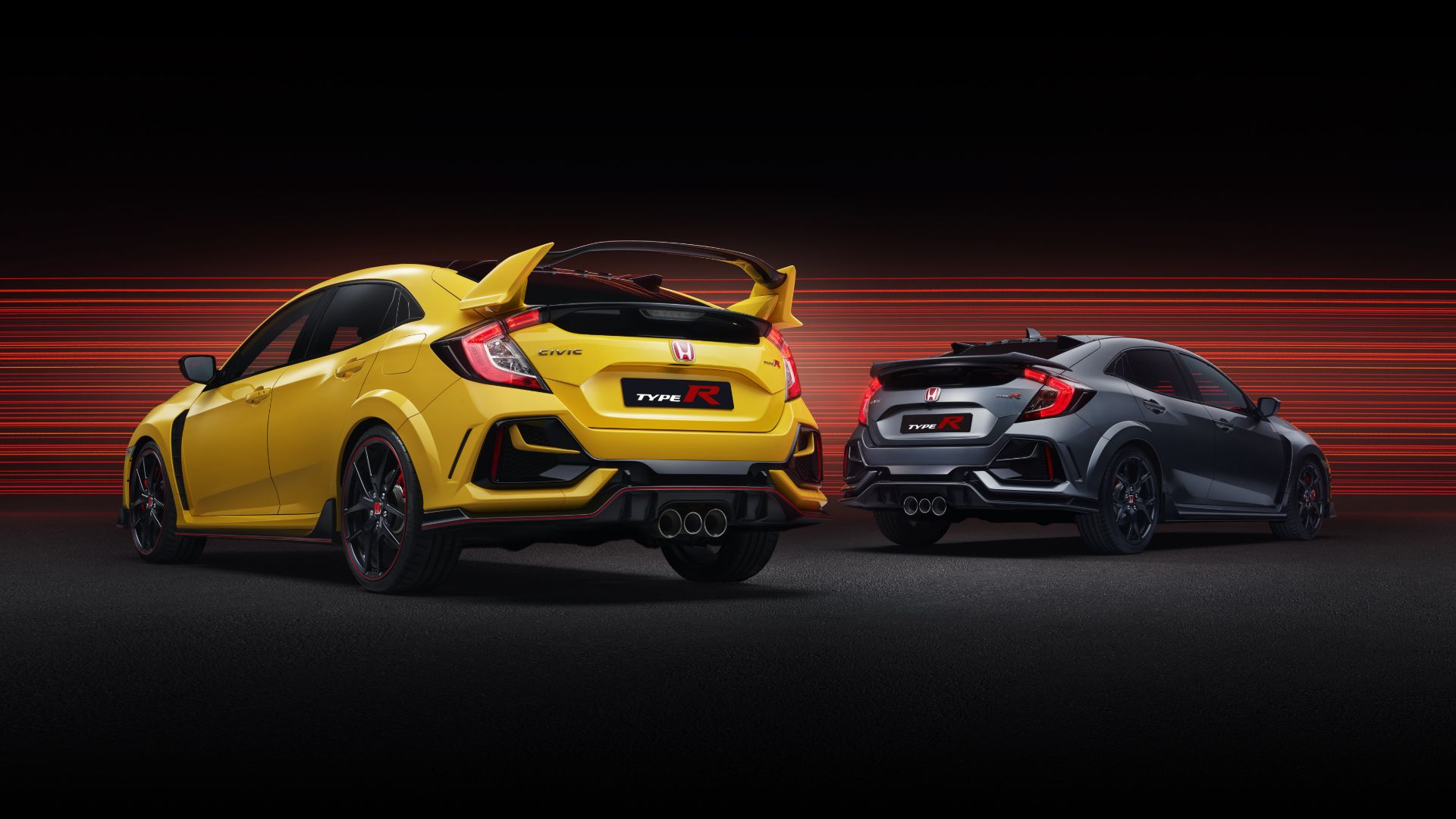
Honda Civic Type R 2020

Finally, the infotainment now includes the Honda LogR data-logger. It works with the car’s sensors as well as an app on your phone to record your performance driving, and help improve it. 

Performance Monitor allows you to monitor key vehicle parameters, like coolant and oil temperatures, oil pressure and air intake temperature. It can also display a G-force meter or a 3D view of the car’s on-road behaviour.

Log Mode will help you get the best lap times. It uses GPS to track you, in combination with the car’s sensors. It can then encourage you with colour-coded racing lines, not unlike on a racing game. The aim is to improve driving smoothness, both on a circuit and on the road.

Auto Score mode takes that performance, as well as your driving habits over time, and compares it with an ‘expert driver’ baseline.

Advertisement

Loyalty cars: Are brands losing their polish?

0

Do you haggle when buying a new car? One in seven buyers don't – because they think it's RUDE

When choosing a new car, price and availability are more important than the brand. That’s according to the results of a new car leasing study.

It found that just 4 percent of customers rated brand as a crucial consideration when searching for a new car. Meanwhile, 15 percent claimed they had not considered the brand at all.

Nationwide Vehicle Contracts says car manufacturers spend an average of £775 per vehicle on advertising alone, so is this money well spent?

Of the 3,058 leasing customers surveyed, 28 percent said price was a crucial factor, making it the most important consideration. Ten percent said vehicle availability was a crucial consideration.

We tend to live in the here and now, with customers accustomed to having immediate access to music, films, games and food. Having to wait weeks, even months, for a new car isn’t an option for some. Opting for a delivery via physical stock is preferable, even if it means forgoing some personalisation options.

‘No bad cars nowadays’

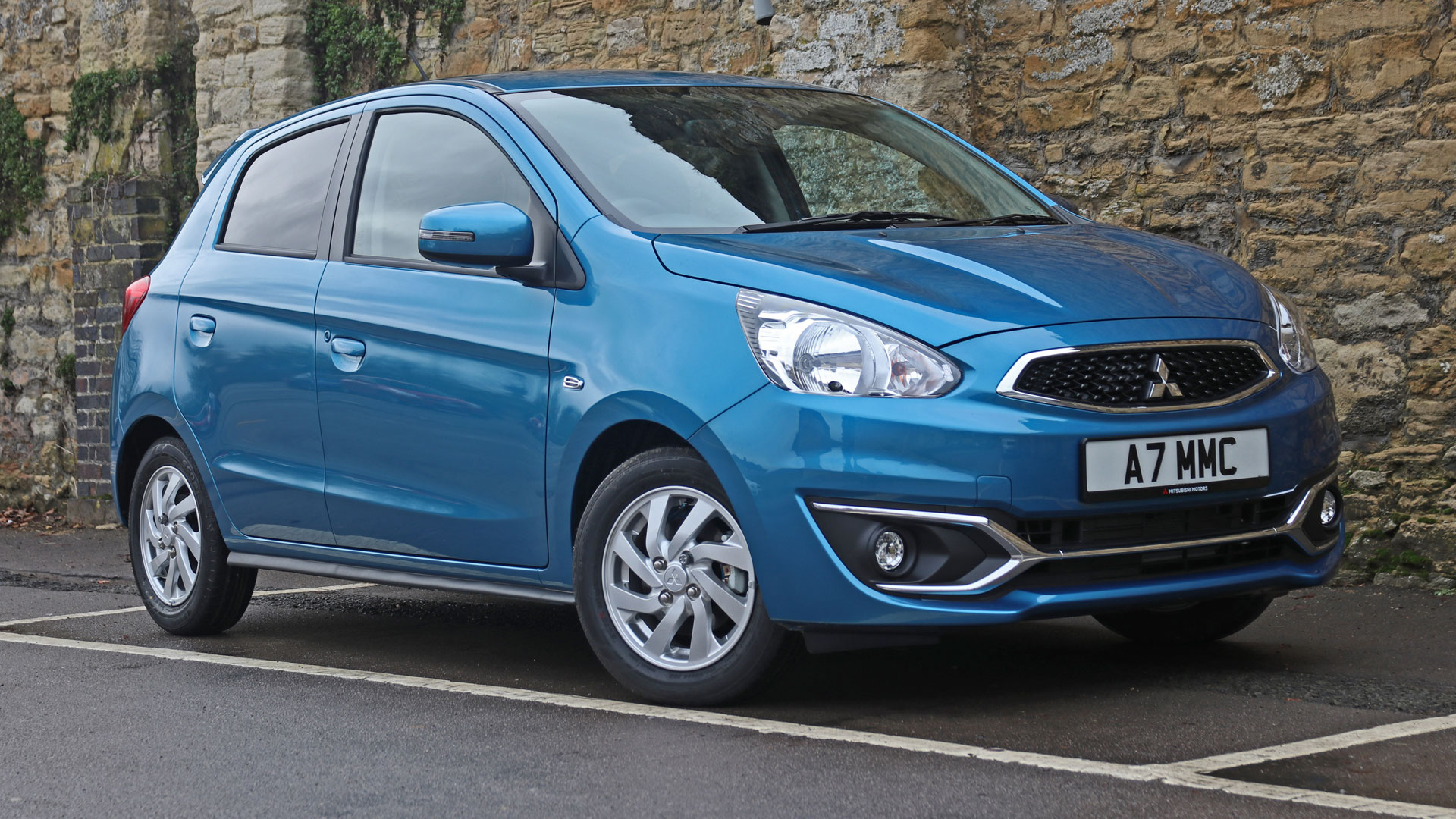
Mitsubishi Mirage 2019

Keith Hawes, a director at Nationwide Vehicle Contracts said: “These results suggest that many of our customers are not as loyal to a particular brand as perhaps they once were. There really are no bad cars nowadays, and most share similar technology, platforms and features. Our customers often have a specific budget in mind and, their priority is to get the best possible value for their money.

“Last year, over 70 percent of the vehicles we delivered were via physical stock, proving vehicle availability remains a key driver for our customers.

“More than ever, customers are craving quicker transactions and delivery lead times. They simply don’t want to wait around for a car. Customers are instead picking a vehicle that suits their needs in terms of both availability and price.”

But don’t be too quick to dismiss brand as an unimportant factor in the car buying journey. Around a fifth (19 percent) of those survey said brand was still important to them, even if the study implies a decline in motivation towards a specific brand. Maintaining a positive and appealing brand profile remains important, even if it’s to ensure the name stays on the shortlist for the next car.

The fact that the BMW 3 Series and Mercedes-Benz A-Class are two regulars in the top ten sales charts suggests that brand still has a vital role to play. This is particularly true in the UK, where premium brands remain popular. 

Advertisement

Ford recalls new Puma SUV due to airbag fault

0

The Ford Puma is being recalled

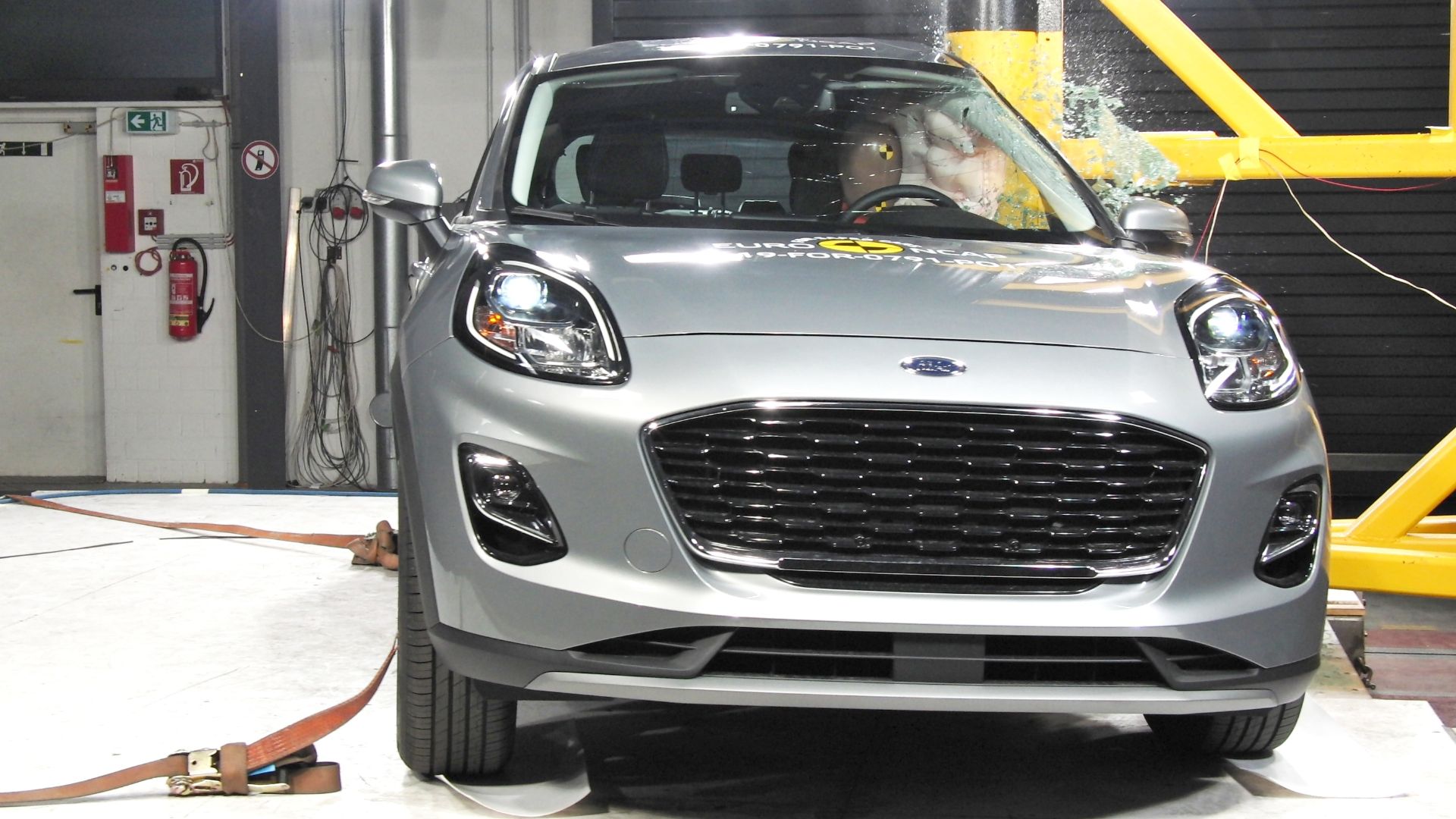
Deliveries are barely underway, but the new Ford Puma is being recalled due to a fault with its airbag system. Pending deliveries have been suspended.

The problem relates to the airbag retention springs. In an accident, they could allow the safety device to detach from the wheel when it activates.

The fault isn’t down to Ford, apparently, but a third-party parts supplier.

Ford Puma being recalled

“A number of Puma vehicles have been built with driver’s airbag retention springs that may be outside of Ford Motor Company manufacturing specification,” a Ford spokesperson told Autocar.

“Under certain conditions, it is possible that the airbag is not retained in the steering wheel after it has been deployed. The performance of the airbag in case of an accident with airbag deployment will still meet regulatory requirements and provides sufficient protection for the driver.

“Ford has issued a sales hold of all affected vehicles in dealer stock and will immediately exchange the airbag retention spring.”

ALSO SEE: Celebrating 50 years of classic Fords

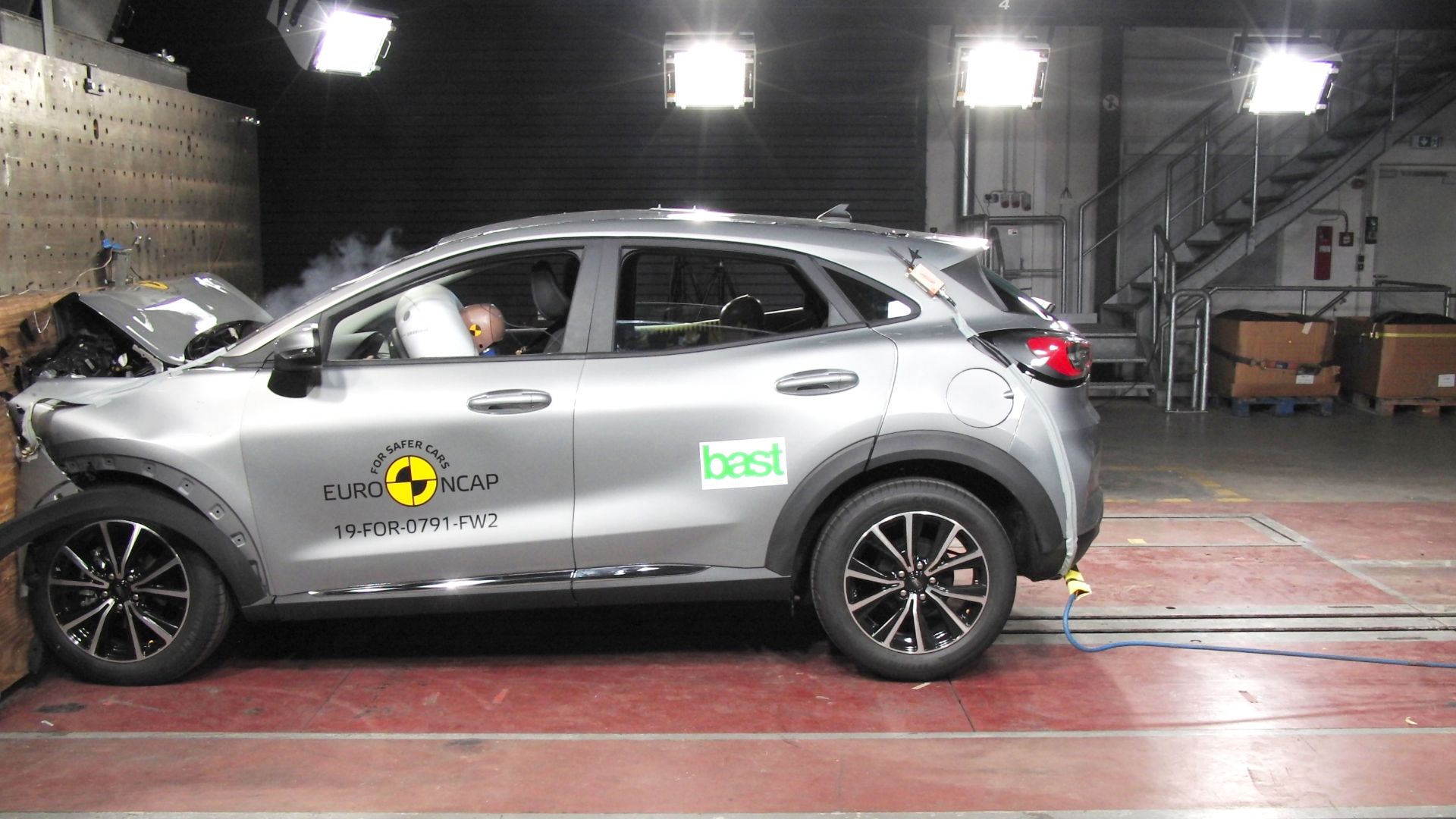
In Euro NCAP’s crash testing, the Puma did exceptionally well. It scored five stars overall, making it ‘one of the safest choices in the lower price segment’.

This comes just as Ford dealers begin to take stock of Pumas. They have been instructed to retain the cars until the issue is fixed.

Around a third of the affected vehicles are thought to have already been delivered to buyers. They are being notified of the recall immediately. 

ALSO SEE: Ford boss: 2032 petrol and diesel ban would be ‘hugely ambitious’

Ford Puma being recalled

It’s a blow for a car that is expected to be a breakout success. Sporty looks, clever features, critical acclaim and attractive pricing make the Puma an appealing choice.

In his review of the new Ford Puma, MR’s Tim Pitt said “The Puma’s sportier bent may not suit everyone, but it certainly should be on your radar if you like this type of car. This time, I think Ford has a hit on its hands”.

Advertisement

Concrete barrier will keep M20 motorway traffic moving

0

Concrete barriers to be used on M20

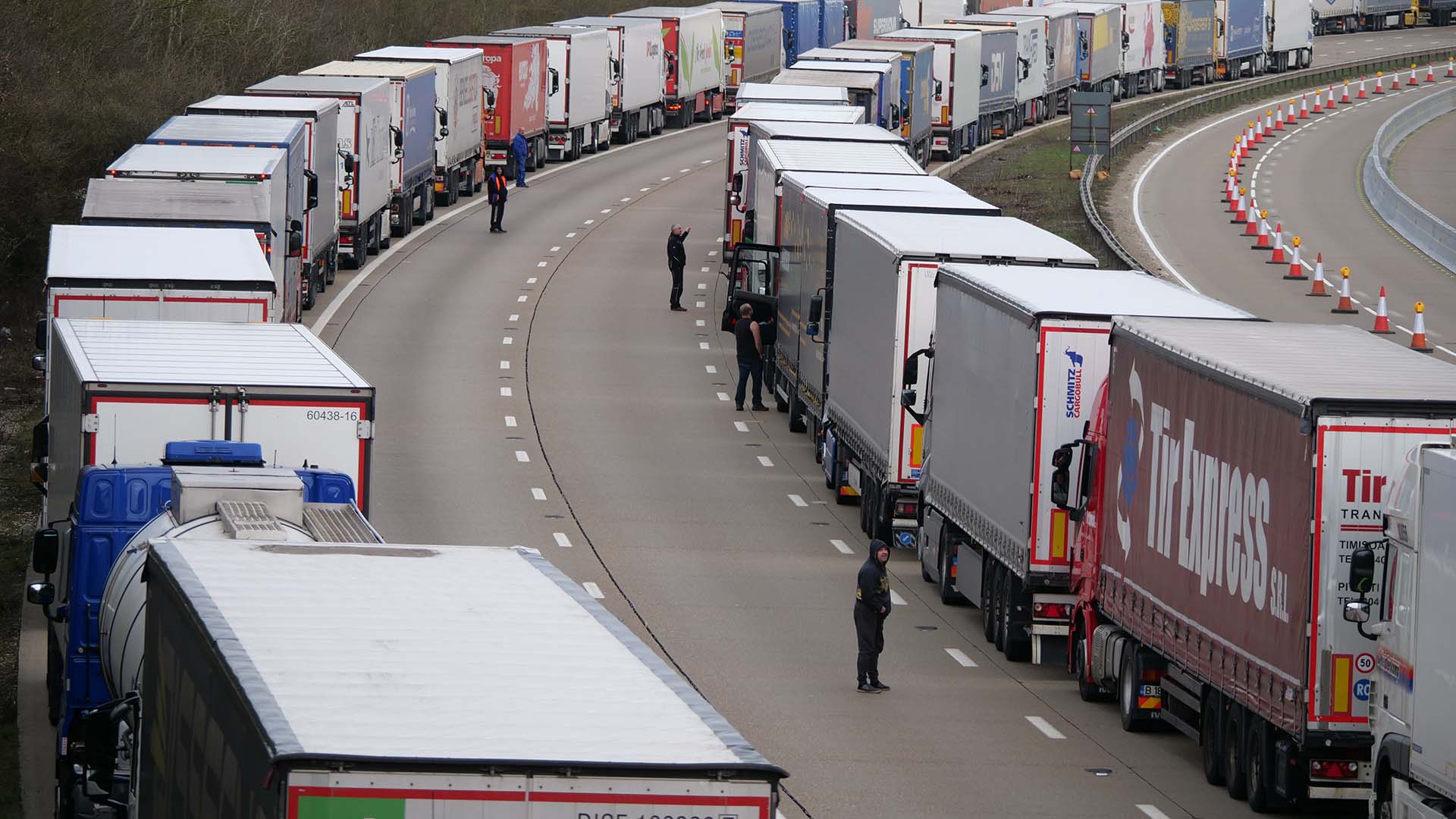
Highways England will use a moveable concrete barrier to manage the flow of traffic in Kent. It will be deployed on the M20 motorway at times of cross-channel disruption.

It’s claimed the new system can be in place ‘within hours’, rather than the month of overnight closures required for Operation Brock. During normal traffic conditions, the new scheme allows the motorway to retain three lanes, a hard shoulder and 70mph speed limits in both directions.

The now redundant Operation Brock was designed to keep the M20 open in the event of no-deal Brexit disruption, but it’s no longer active after the government’s decision to stand down contingency planning for this scenario.

SEE ALSO: Brexit barrier on M20 motorway to be dismantled

Work on the moveable concrete barrier between junctions 8 and 9 of the M20 will commence in the summer and is expected to cost £60 million. A temporary solution will be complete in December 2020, with a permanent system finished in 2022. 

Moveable barriers are already in use in cities such as Auckland, Sydney, San Francisco and Vancouver. 

The new solution means work on an ‘off road’ replacement for Operation Stack has been replaced, as have plans for a lorry holding area in Kent.

‘Boost Kent’s resilience’

Grant Shapps

Transport secretary Grant Shapps said: “After listening to frustrated residents and businesses affected by Operations Brock and Stack, we’ve invested in a new solution to boost Kent’s resilience and keep its vital road network moving, even at times of disruption.

“This state-of-the-art technology can be deployed quickly, simply and safely, ensuring motorists across the county can get to where they need to be with minimum fuss, whatever the circumstances.”

The Freight Transport Association’s policy manger for the south east, Heidi Skinner, added: “No operator wants to be stuck in slow moving or stationary traffic, and today’s announcement will come as a welcome respite for those concerned about the impact of potential delays on the UK’s supply chain from the continent, as well as on businesses and residents in Kent.

“However, there is more to be done to ensure that the new system will work in the best way possible and manage the congestion any form of cross-channel disruption can cause, and we look forward to working with Highways England and Department for Transport on this.”

Advertisement

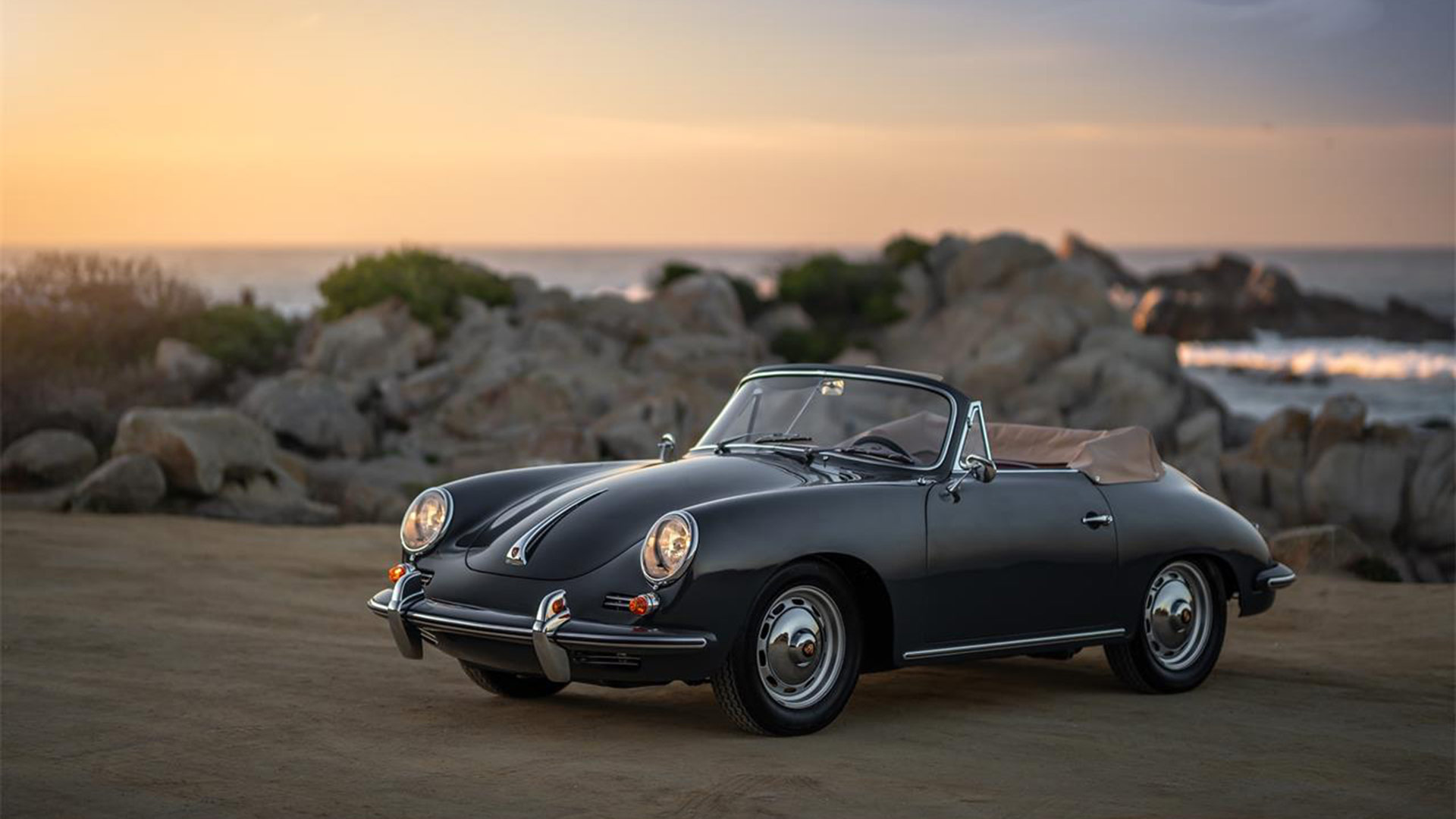
Get beach ready with this 1963 Porsche 356 B Cabriolet up for sale

0

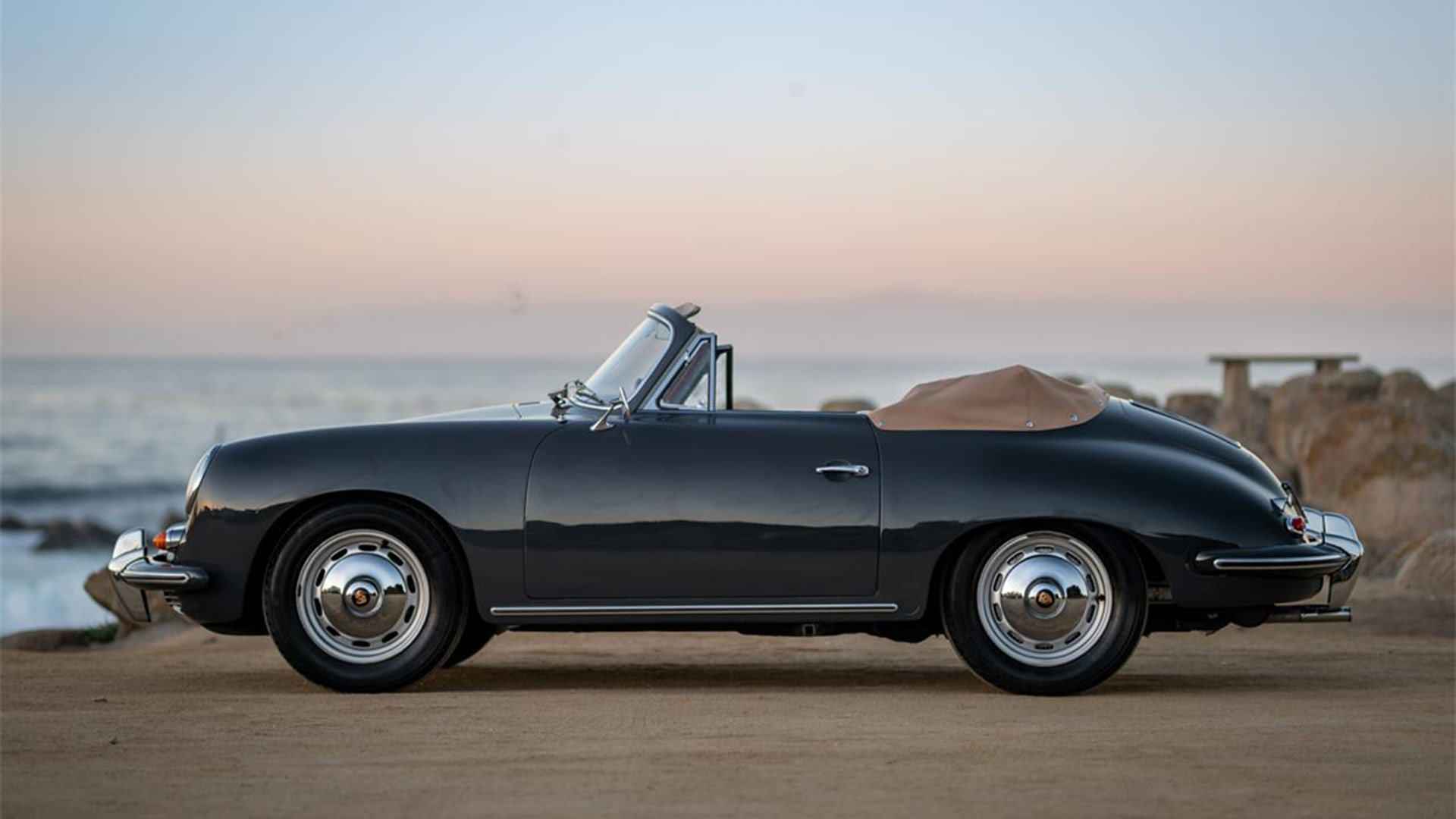
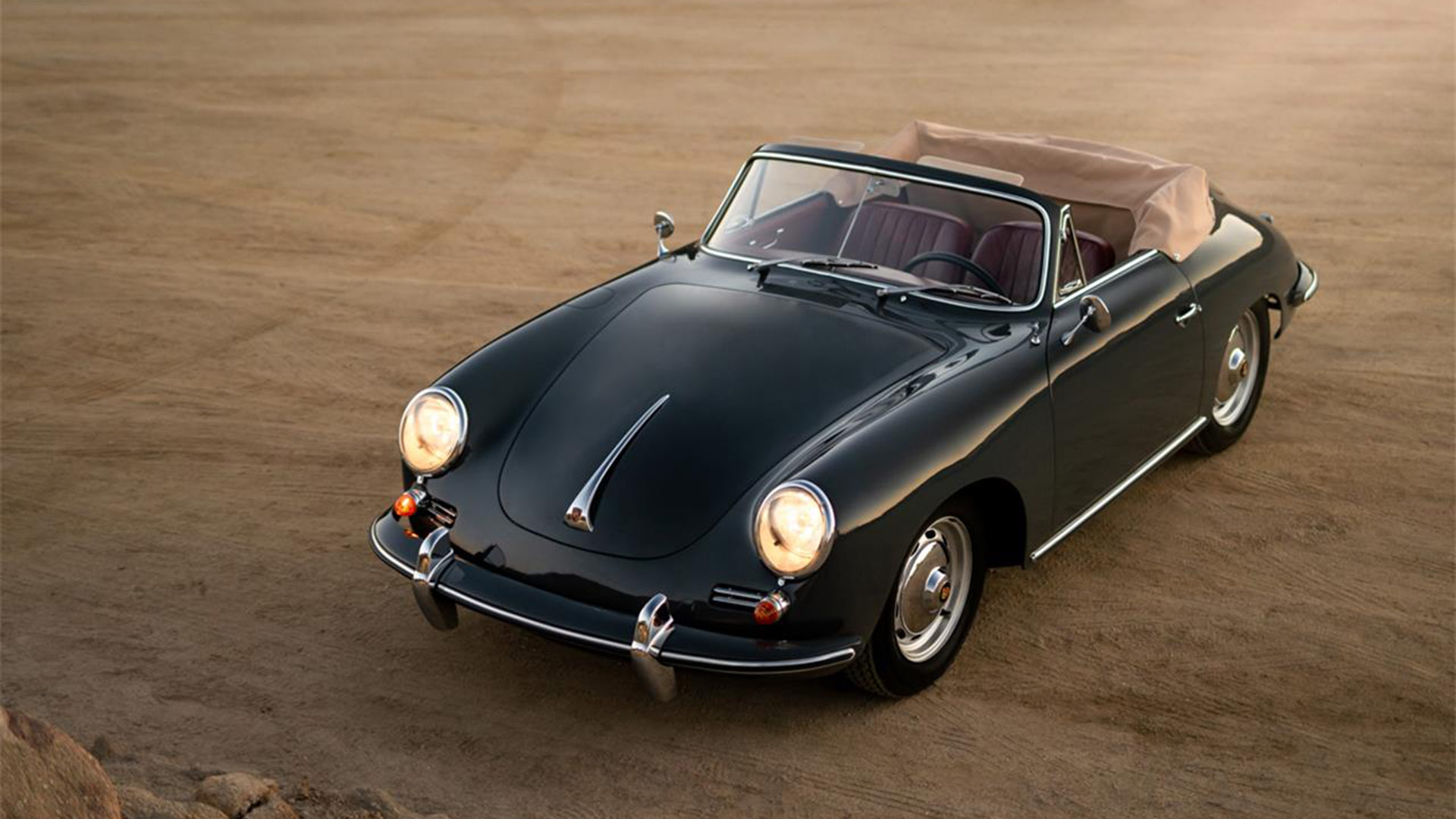
1963 Porsche 356 B Cabriolet

With the Northern Hemisphere still gripped by winter, cruising along the beachfront in a classic convertible might seem like a distant dream

But, if you like to be prepared for summer fun, you could start planning ahead by adding a new sports car to your garage. 

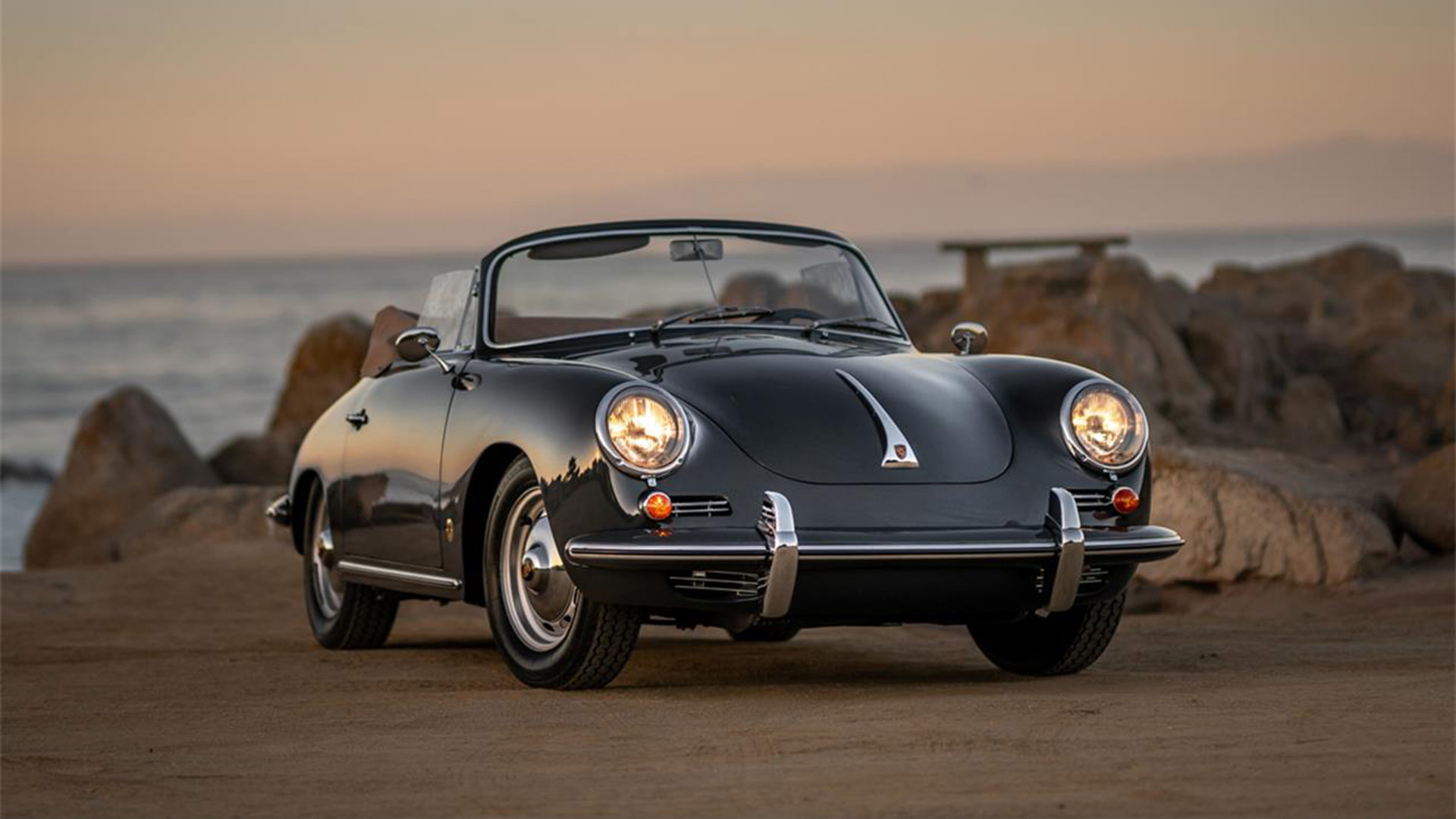
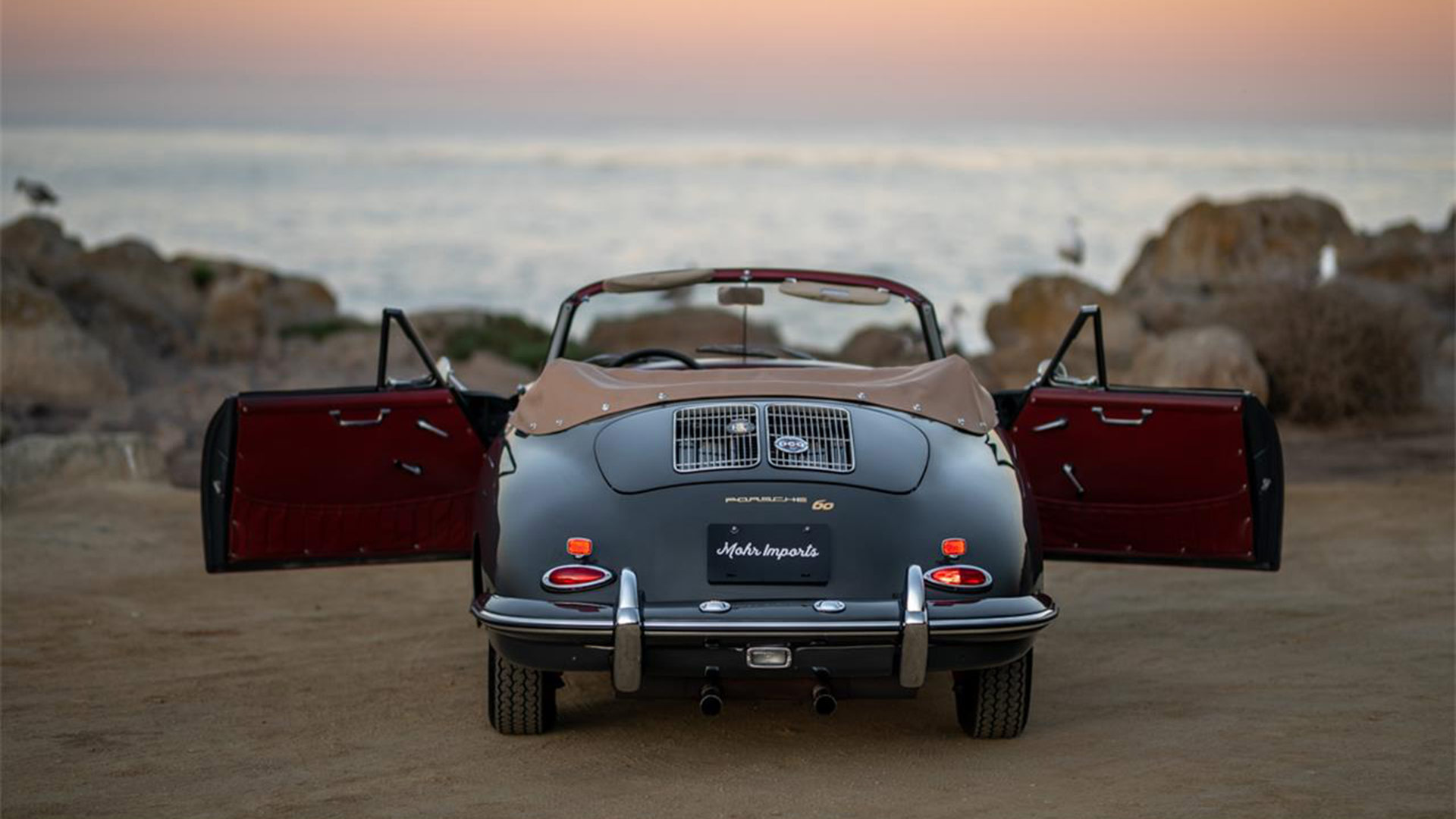
Currently listed for sale by Mohr Imports on ClassicCars.com at $149,500, this 1963 Porsche 356 B Cabriolet could certainly help achieve those summertime goals. 

From Stuttgart with love

1963 Porsche 356 B Cabriolet

Porsche 356 models have established themselves as a dependable option for those investing in classic cars. Values have remained constant in recent years, avoiding the decline seen by other collector models.

It means that whilst some may baulk at the idea of paying more than double the price of a new 2020 Porsche Boxster, this 356 B is at least on par with expected prices.

Helping justify the price tag is the ground-up restoration work that the car was subject to. This work was commissioned by a previous owner, with documents recording this included. 

1963 Porsche 356 B Cabriolet

Being a 356 B makes the one of the later examples in a Porsche family that spanned two decades. Introduced for 1960, the rear-engined 356 B gained numerous styling tweaks to distinguish it from previous versions.

A fuel-filler cap mounted in the front fender, and an engine cover with twin grilles, were some of the alterations. Porsche also added raised headlights for the 356 B, along with details such as a bigger handle to open the front trunk.

Cabriolet versions of the rear-engined 356 B were relatively rare and expensive. The folding soft top roof and wind-up side windows pushed the starting price to more than that of a Chevrolet Corvette. 

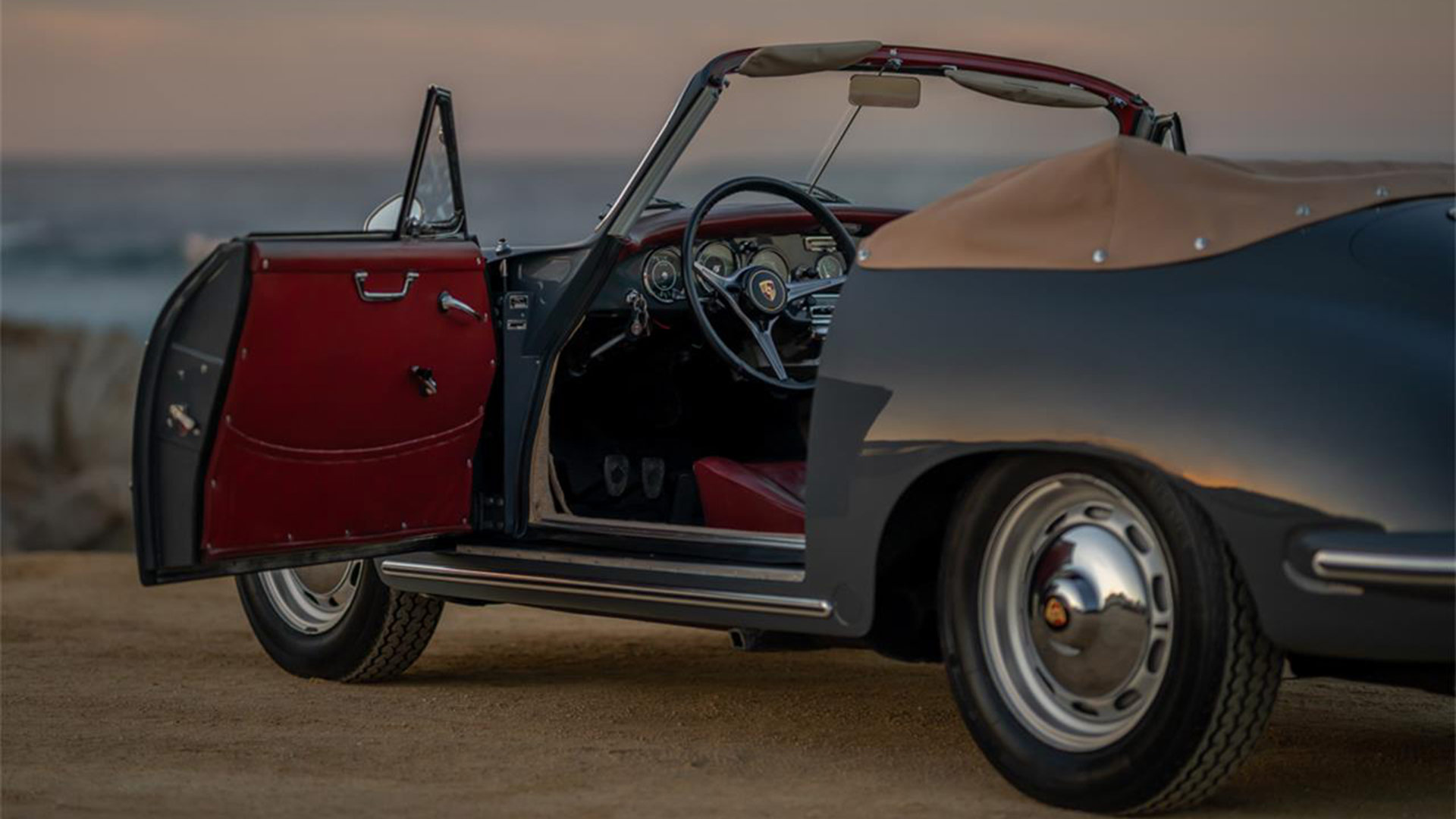
Grey body, red heart

1963 Porsche 356 B Cabriolet

This particular car has retained its original ‘Normal’ 1.6-liter flat-four engine, as confirmed by the Porsche Certificate of Authenticity. The four-speed transmission has been replaced by a unit from an earlier car.

A disc brake conversion has been undertaken on the front axle, replacing the standard drums. The seller notes that this helps the car perform better in modern traffic, and that 356 B feels planted on the road. 

Continental tires have been fitted, with the spare wheel in the front trunk also present. 

1963 Porsche 356 B Cabriolet

According to Mohr Imports, the Slate Grey paintwork matches the original color code, and has been recently resprayed. Chrome brightwork is said to be generally good, with only minor evidence of wear. New wing mirrors have been added, too. 

One of the notable features of this 356 B is that it comes with a rare matching factory hardtop. Other fitted options include a Blaupunkt radio with two speakers. 

The red leather upholstery appears to have been dyed previously, looking a deeper color than Porsche’s usual hue. Some minor wear can be found inside, but no parts are cracked or broken.

California dreamin’ on such a winter’s day

1963 Porsche 356 B Cabriolet

Mohr Imports are based in Monterey, California. It means the 356 B could be a perfect option for Monterey Car Week action later this year. 

Being a desirable Cabriolet will undoubtedly help attract interest in this classic Porsche. The inclusion of a hardtop roof also means it could be used for more than just the summer.

Given the investment status of Porsche 356 B models, a new owner may just want to keep it tucked away in a garage. However, that would be a waste of an attractive open-top cruiser.

Advertisement

This Porsche collector has a penchant for bright colours

0

Porsche collector loves bright colours

When life leads your passion for speed away from racehorses, where do you go? Super sports cars aren’t a bad place to start. One might look to Modena to keep the equestrian link alive, less obvious is Stuttgart, translated literally as ‘Stud Garden’. There you’ll find Porsche, with a bucking stud on its crest not unlike that of its Italian rivals.

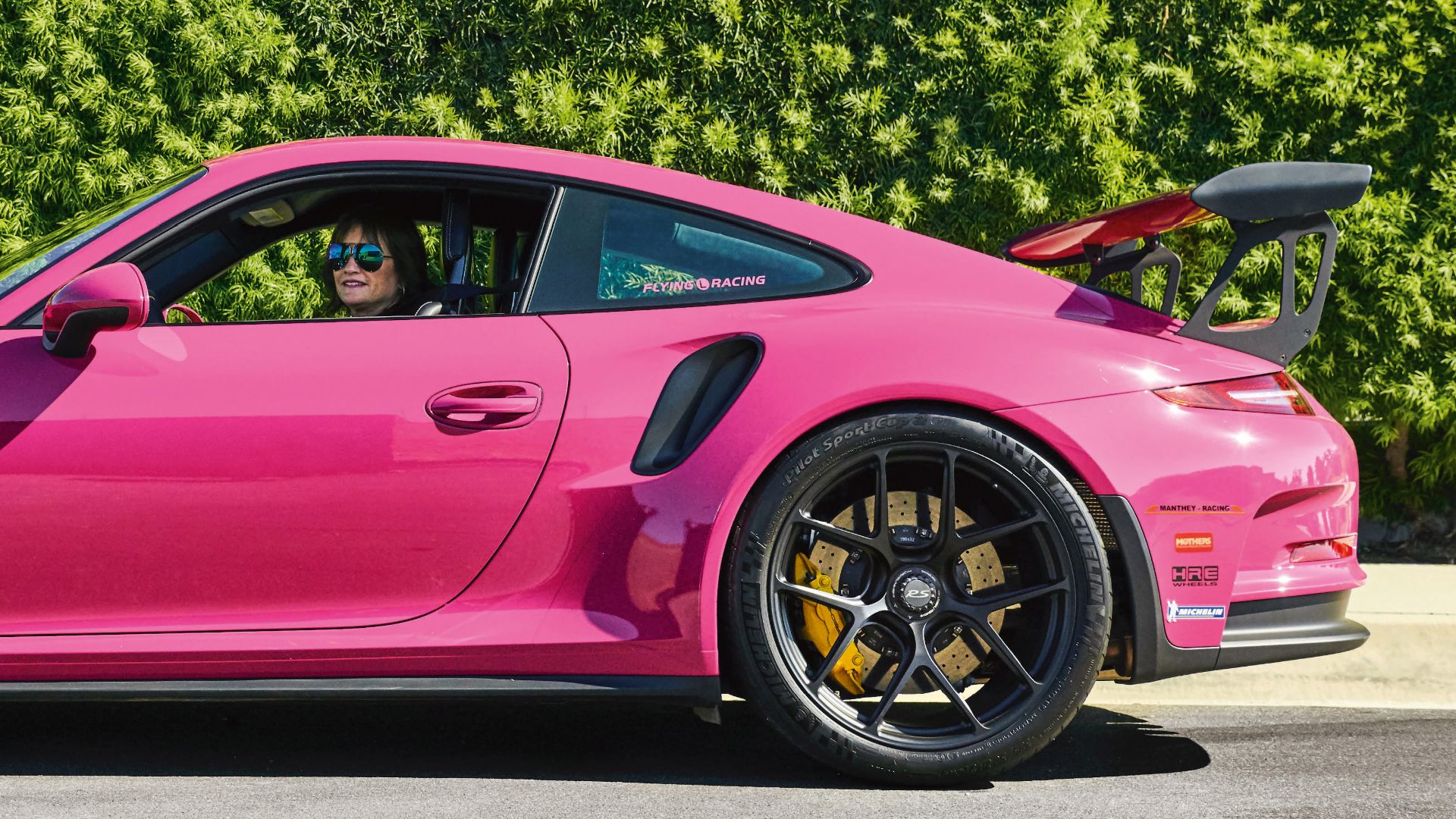
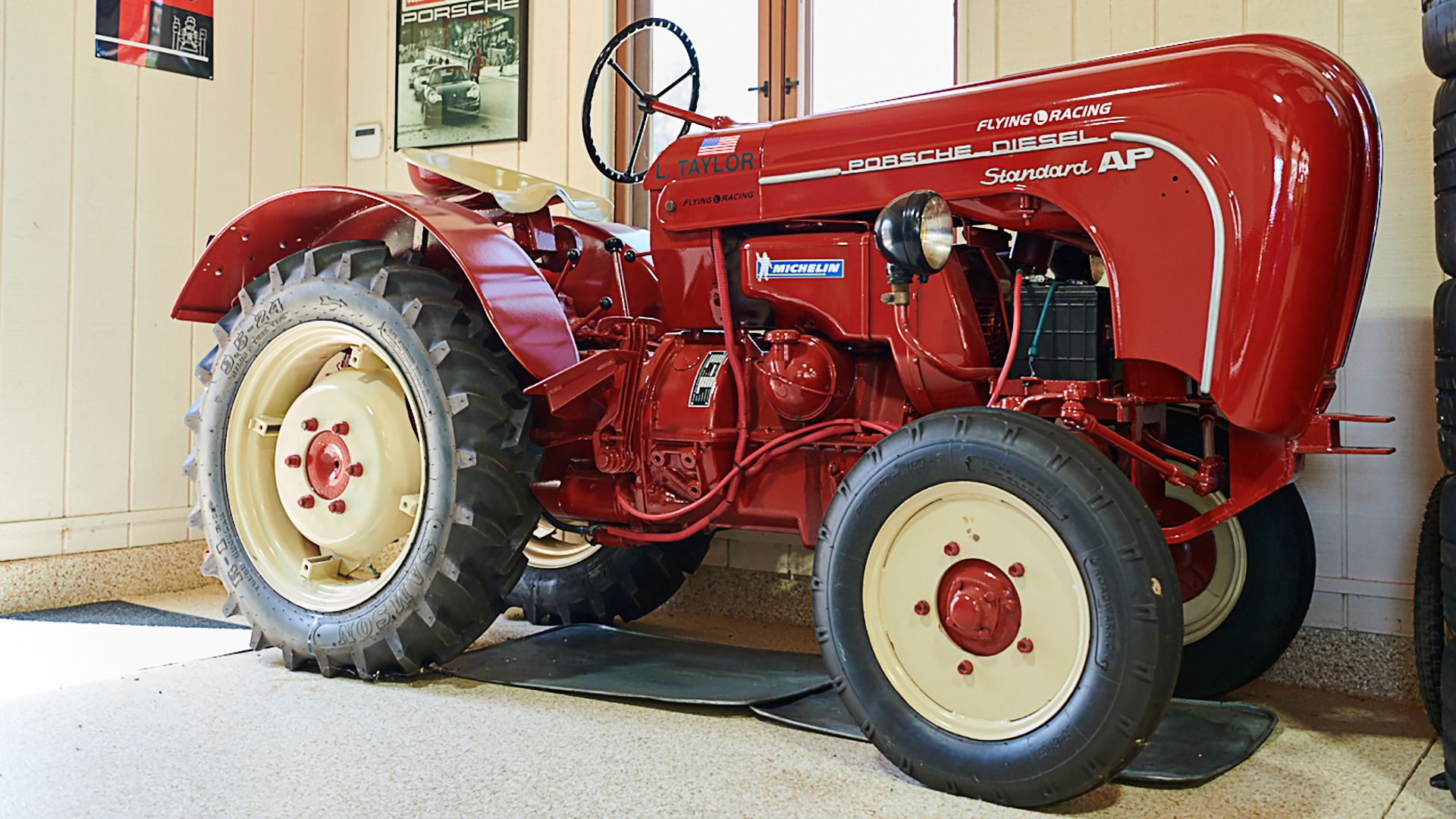
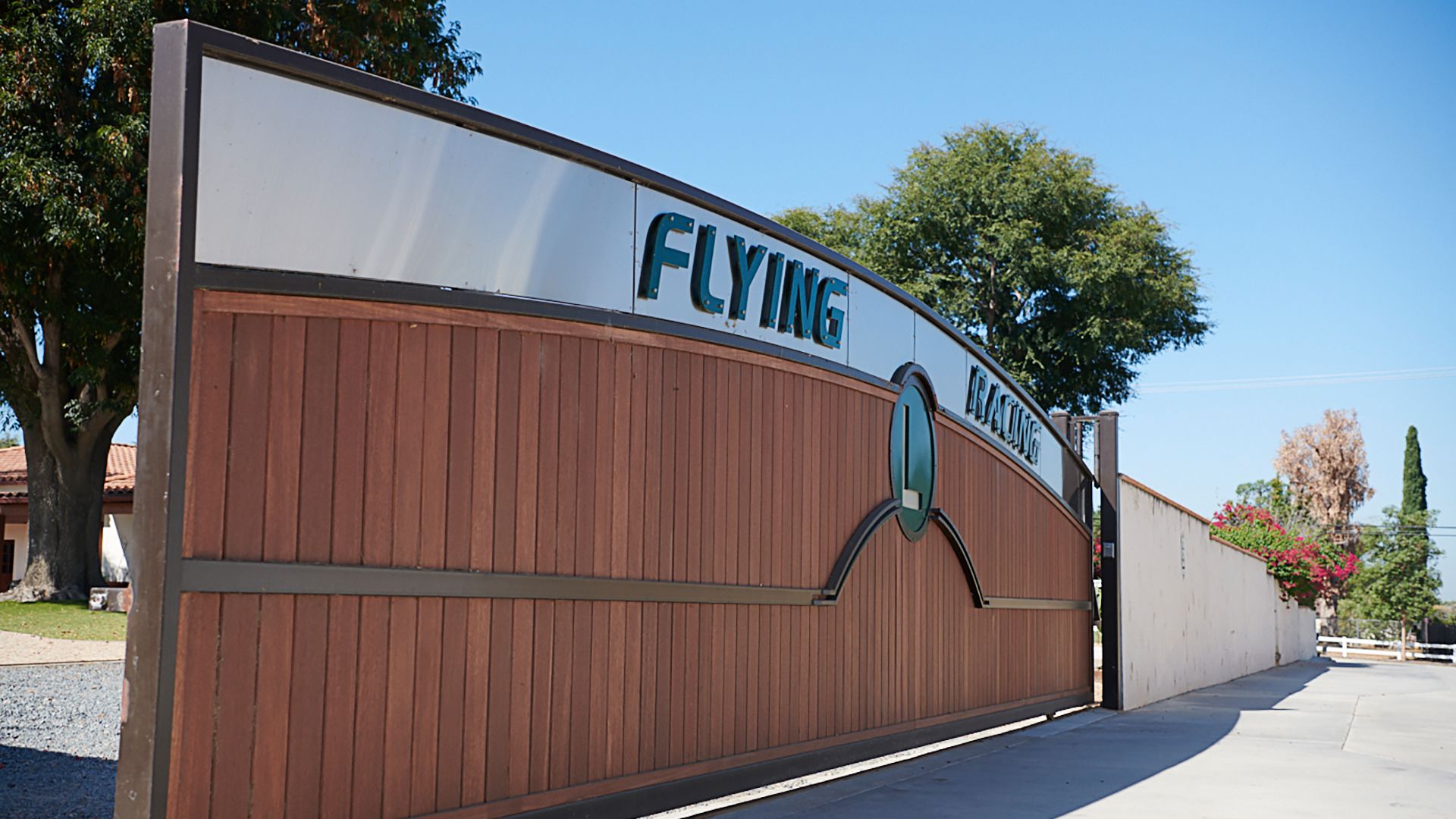
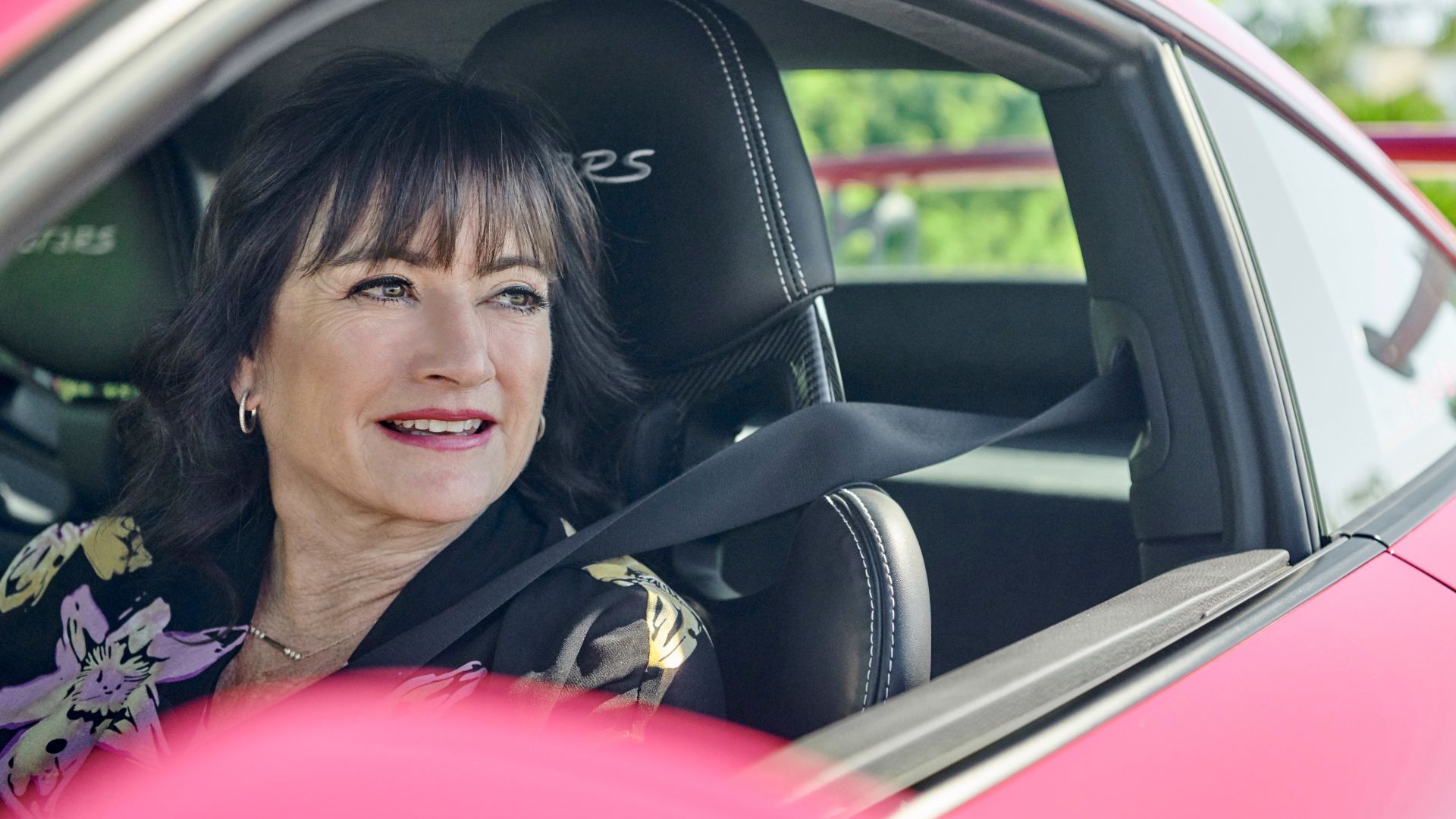
Lisa Taylor had to give up her equine vocation following a riding accident. By day, she’s vice president of the aerospace company her car-mad father started in 1970, working with her two siblings. Wild speculation is not required regarding where she got her love of cars from. Racing is still in the blood, so she partakes in autocross racing and has a side gig as a Porsche driving instructor.

Porsche collector loves bright colours

She used to run her very own ‘stud garden’, but has since swapped out the fast four-legged creatures for those of a wheeled (and often bewinged) variety, and they aren’t subtle.

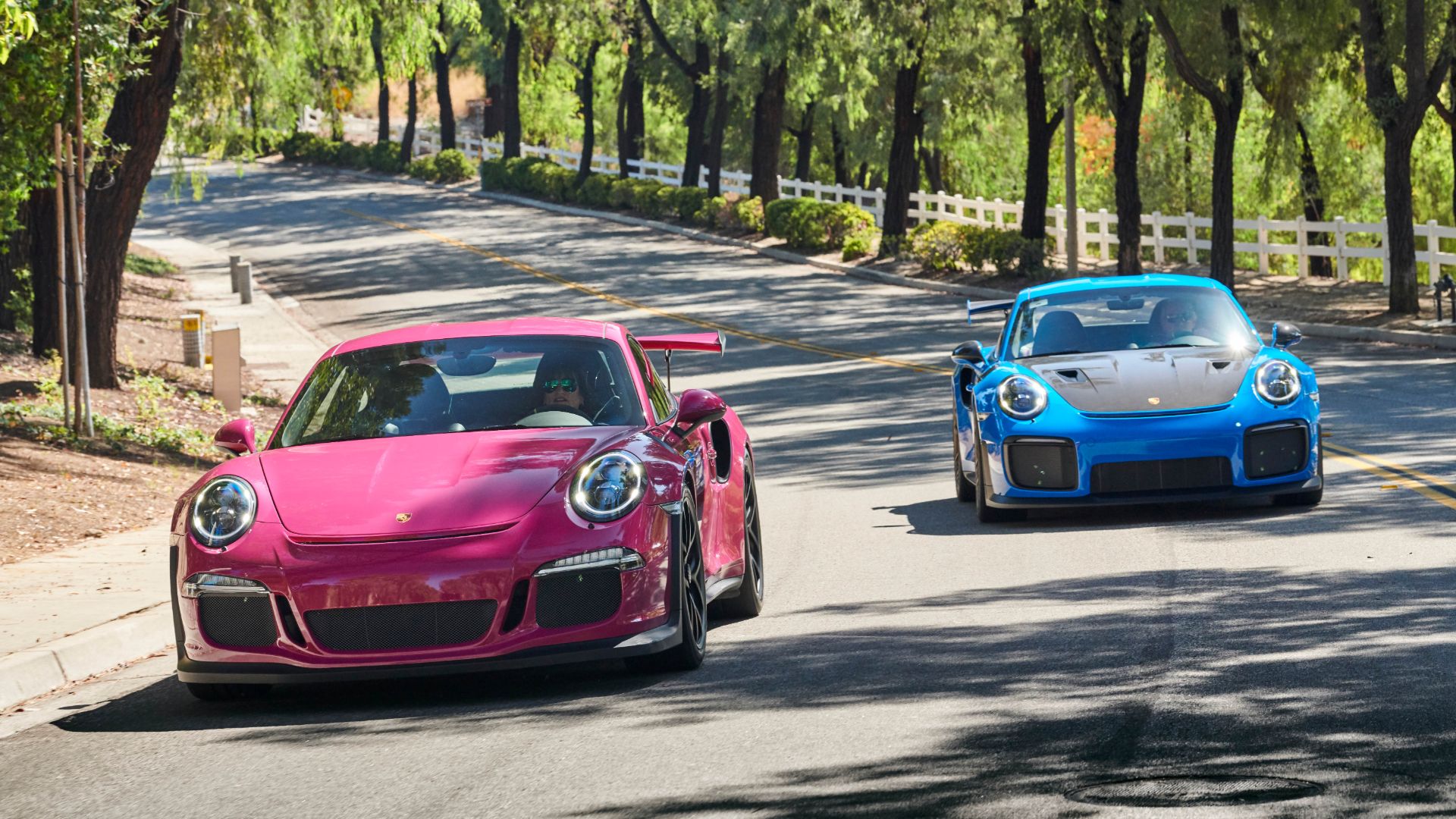
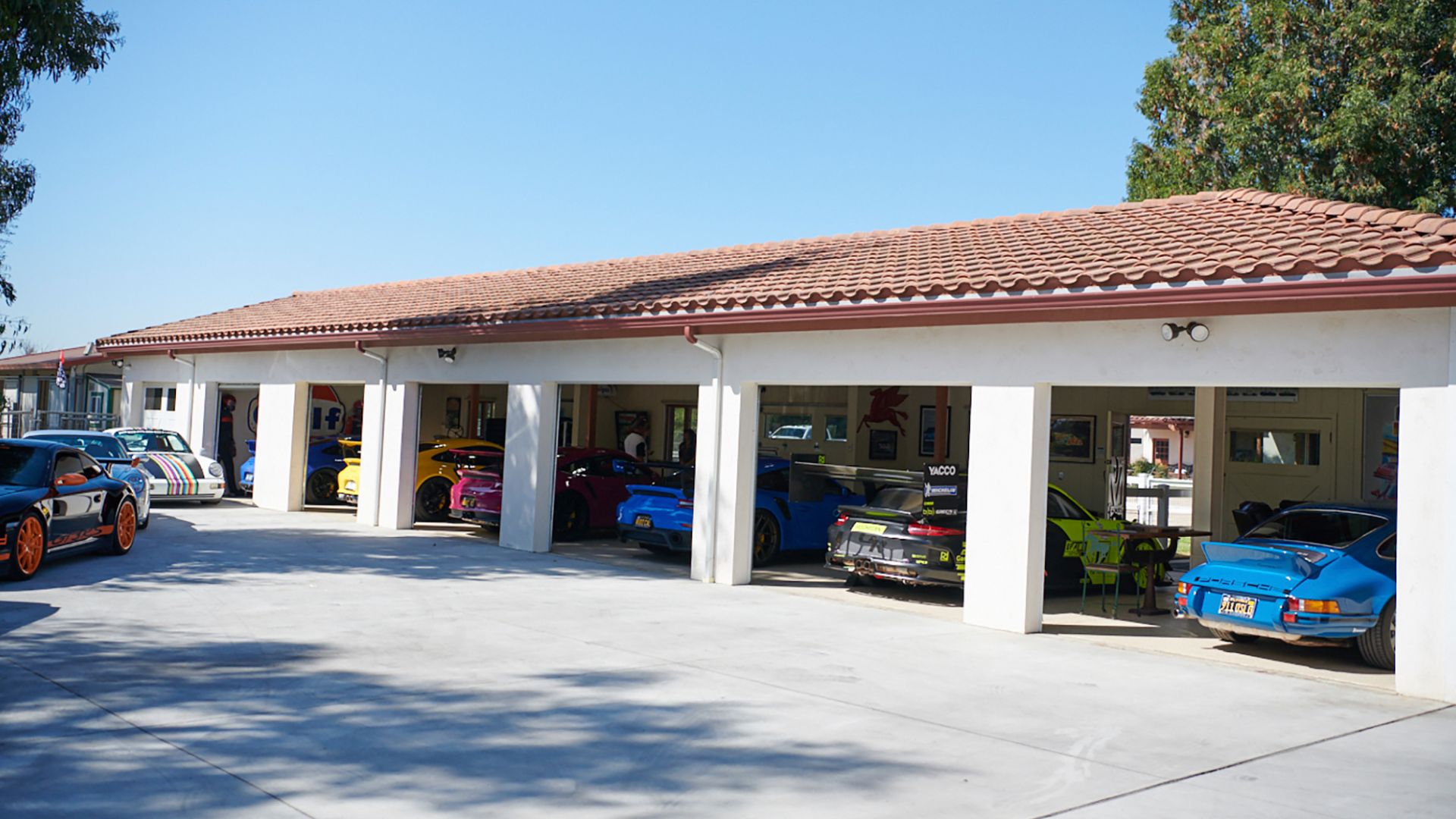
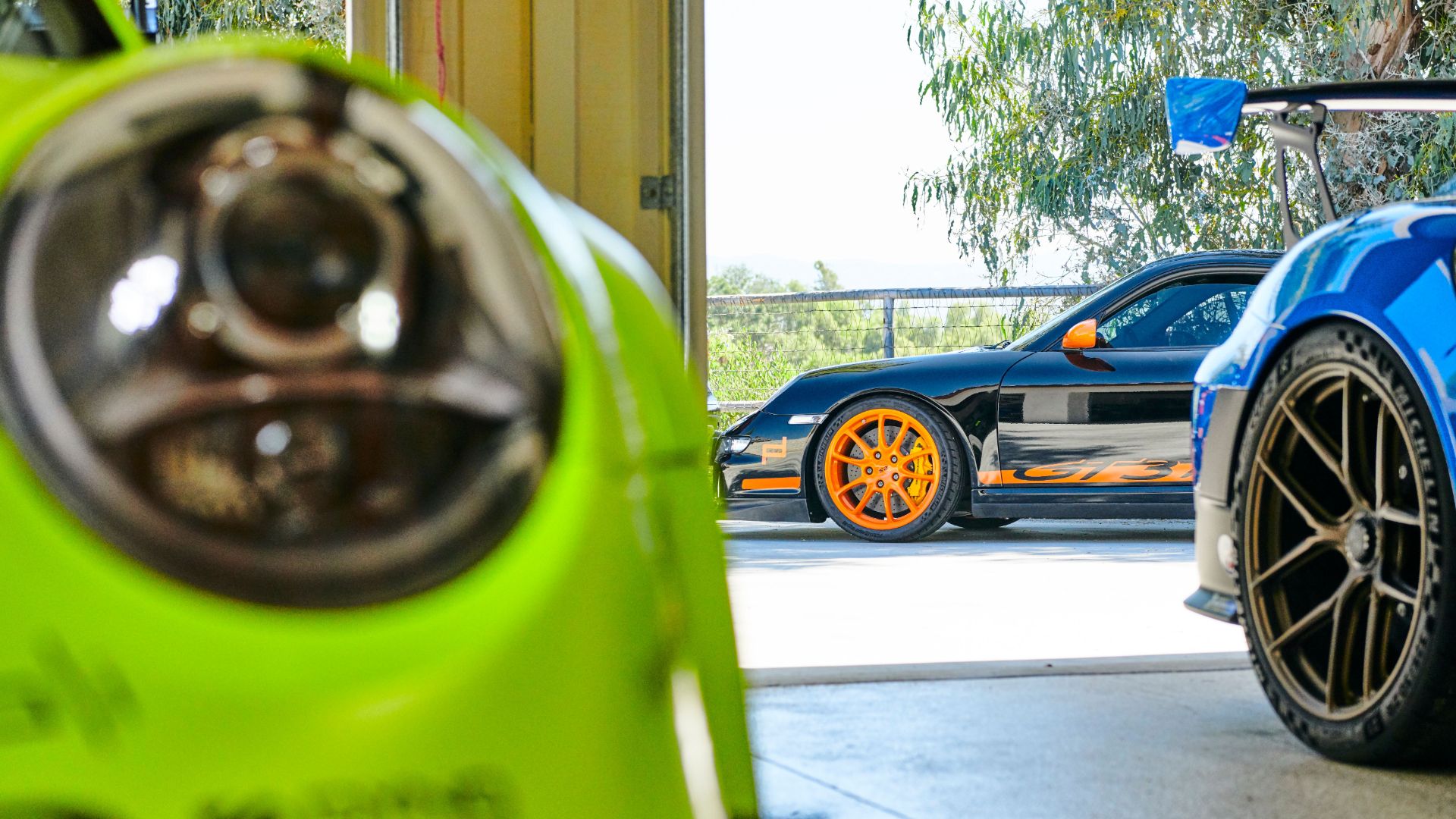
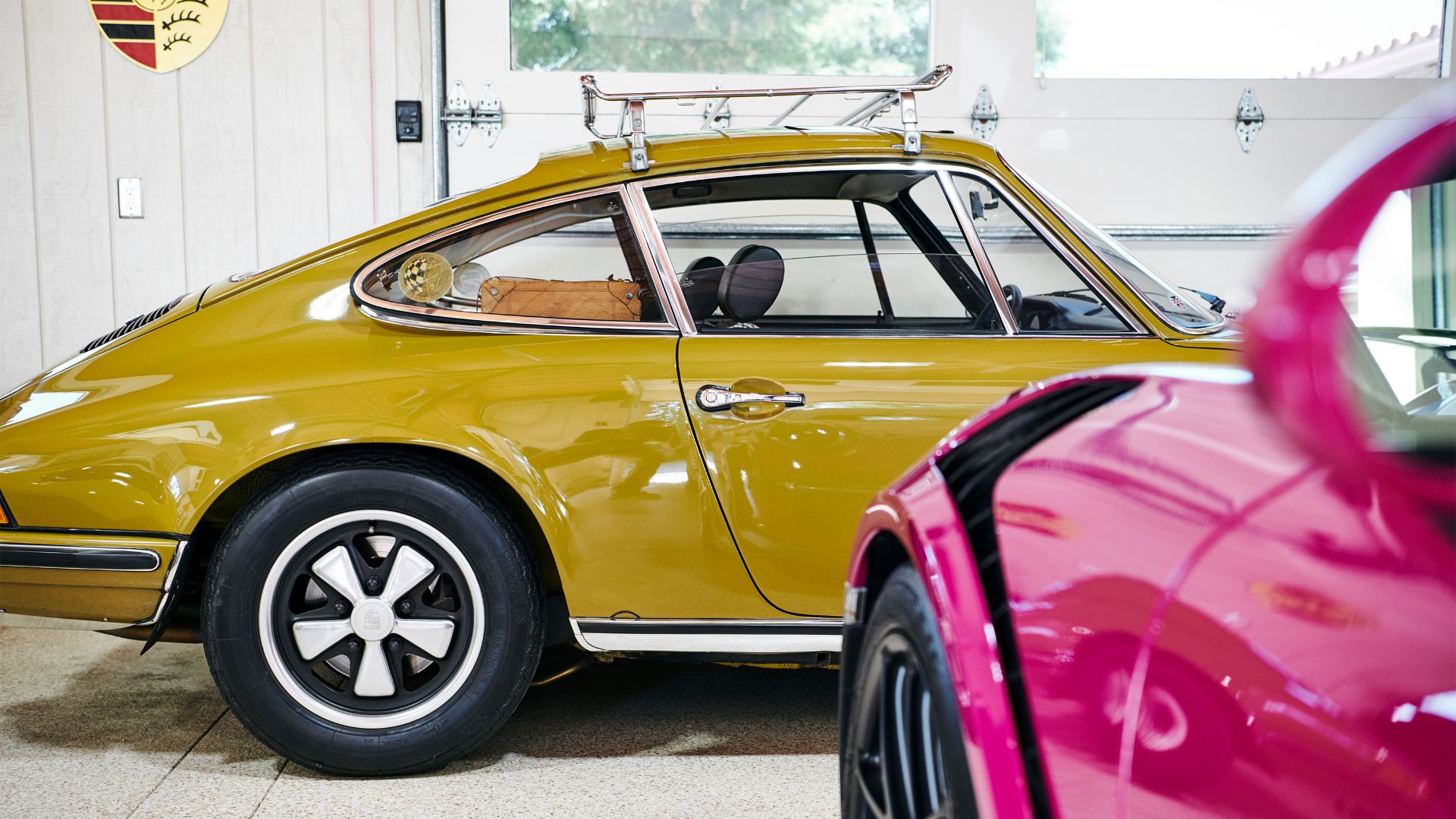
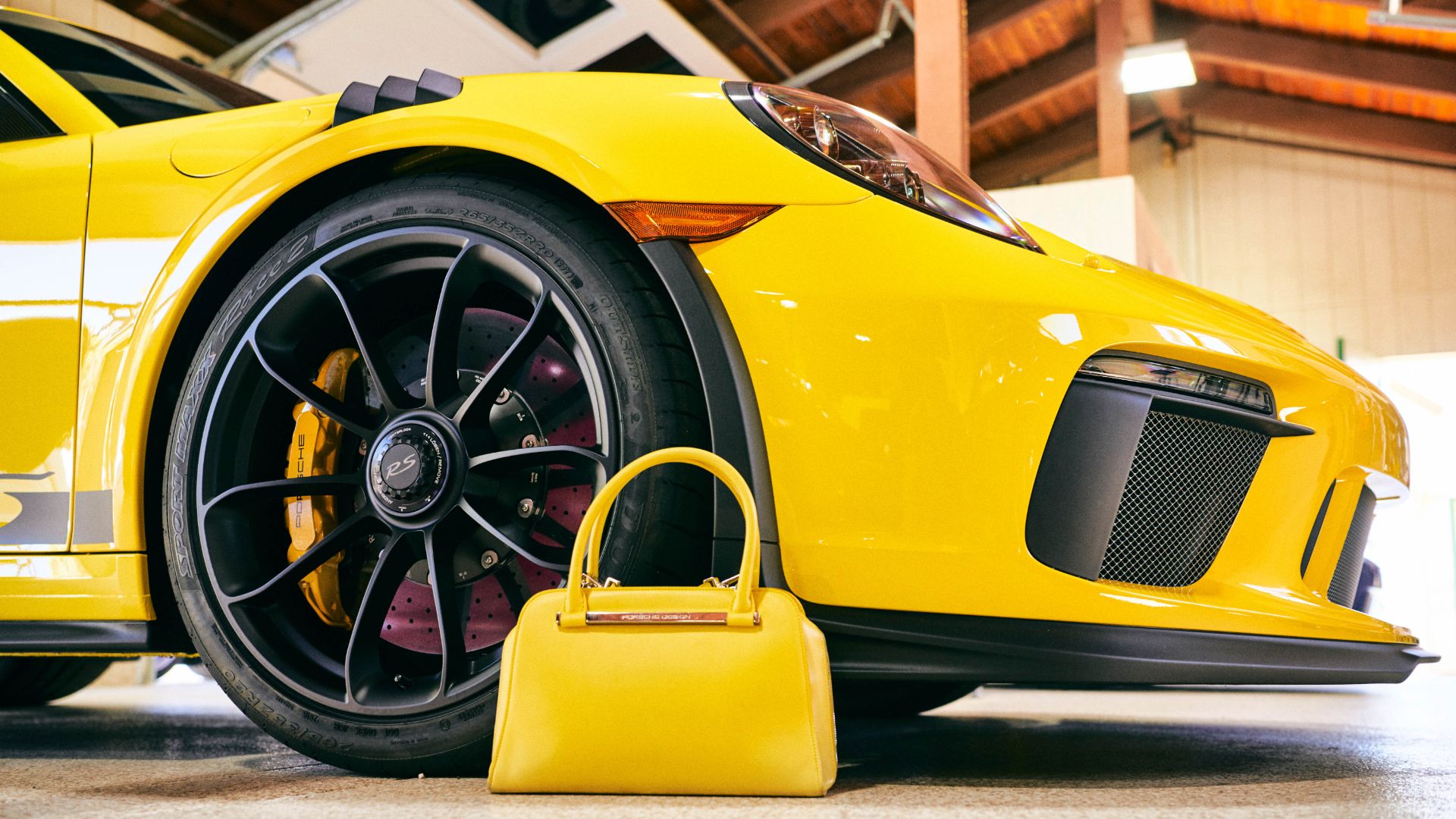
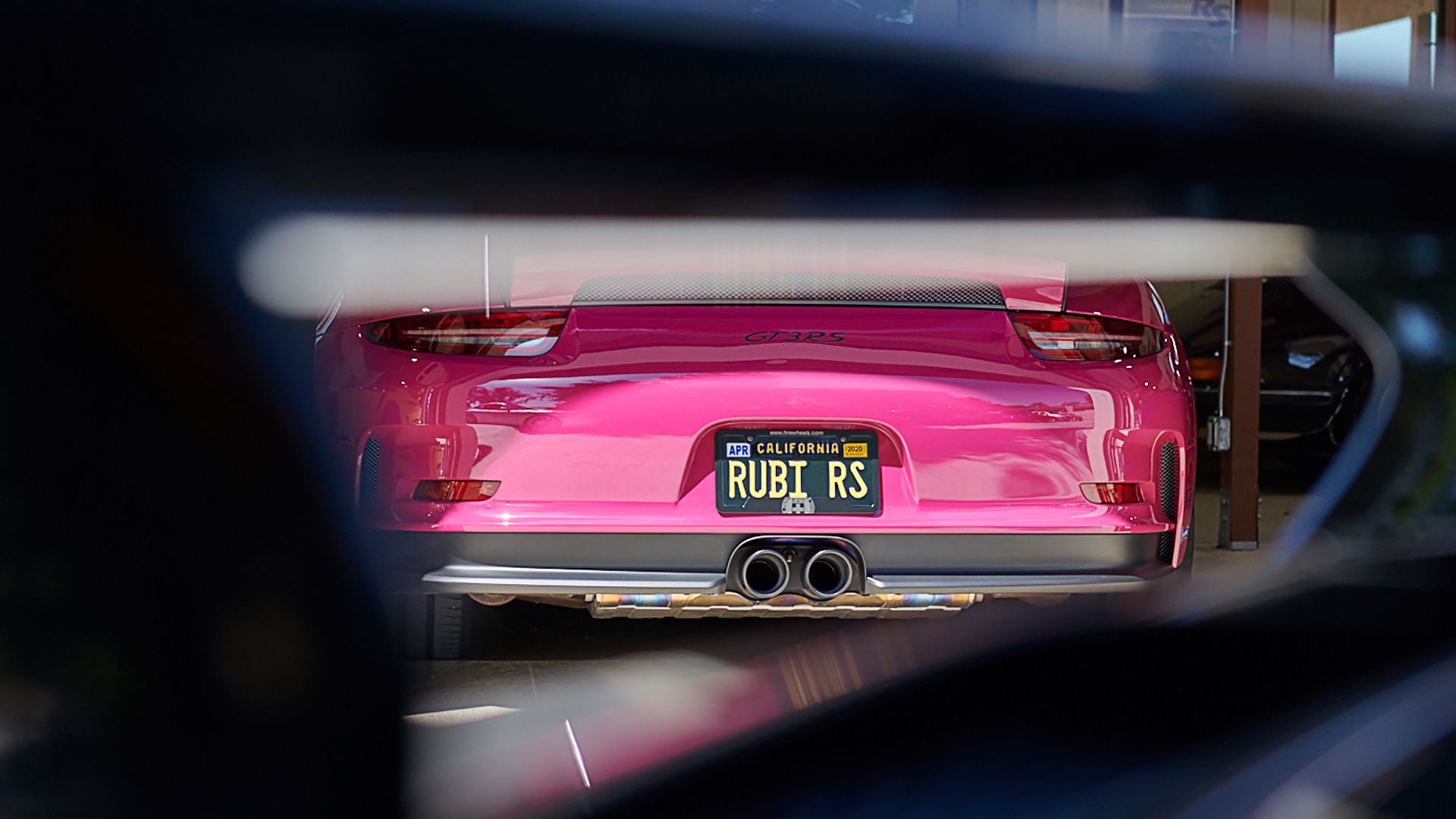
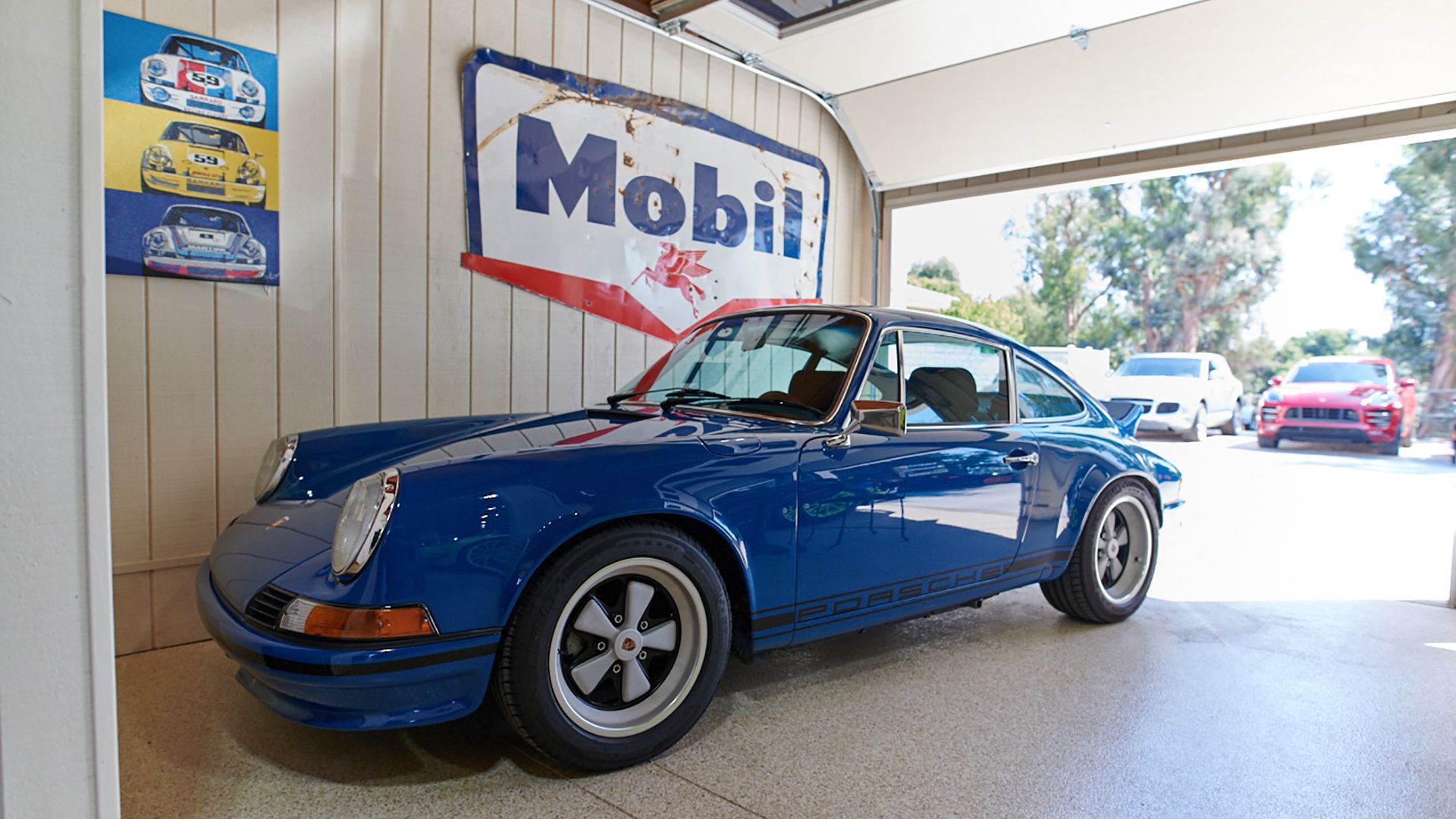
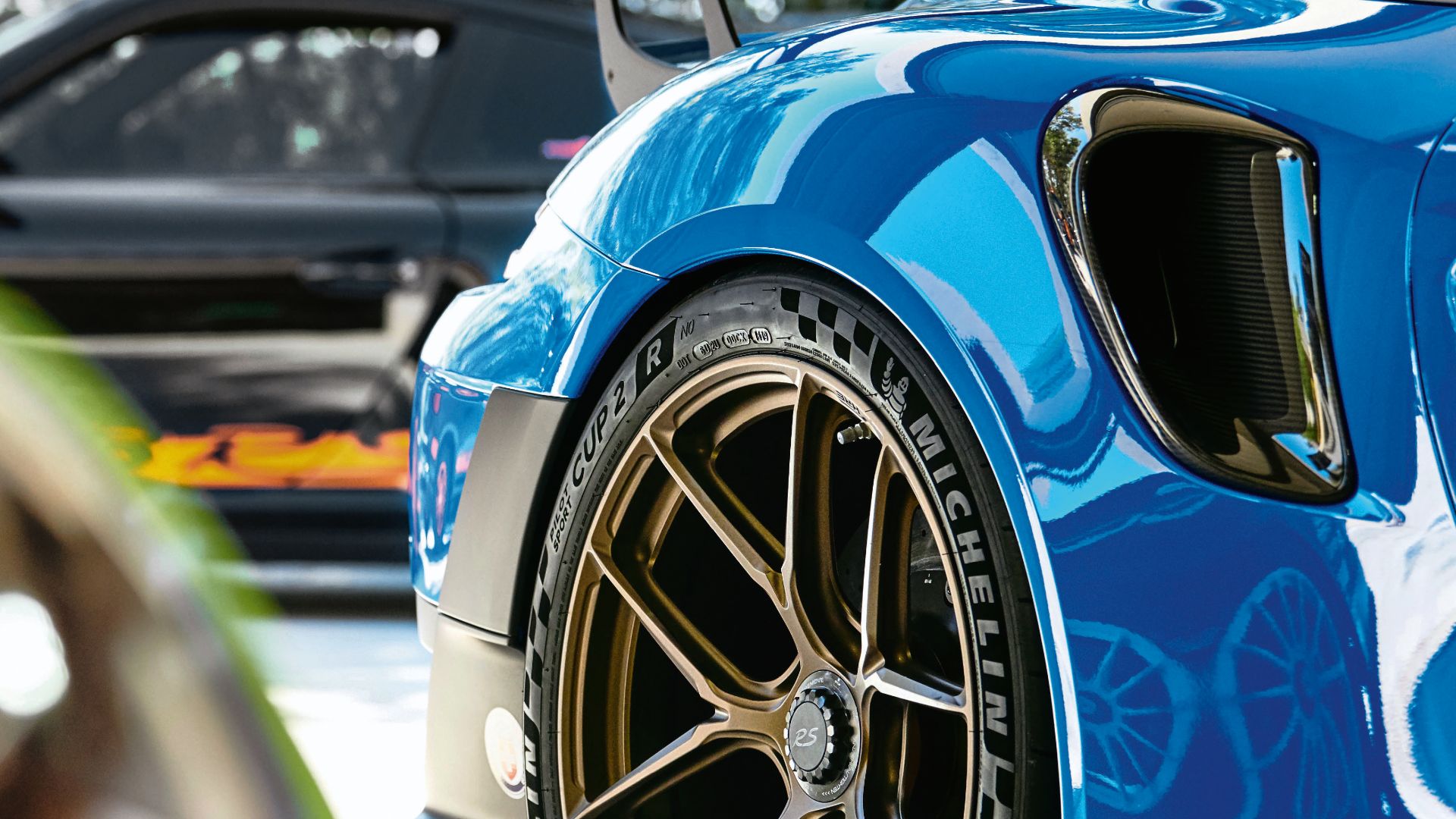
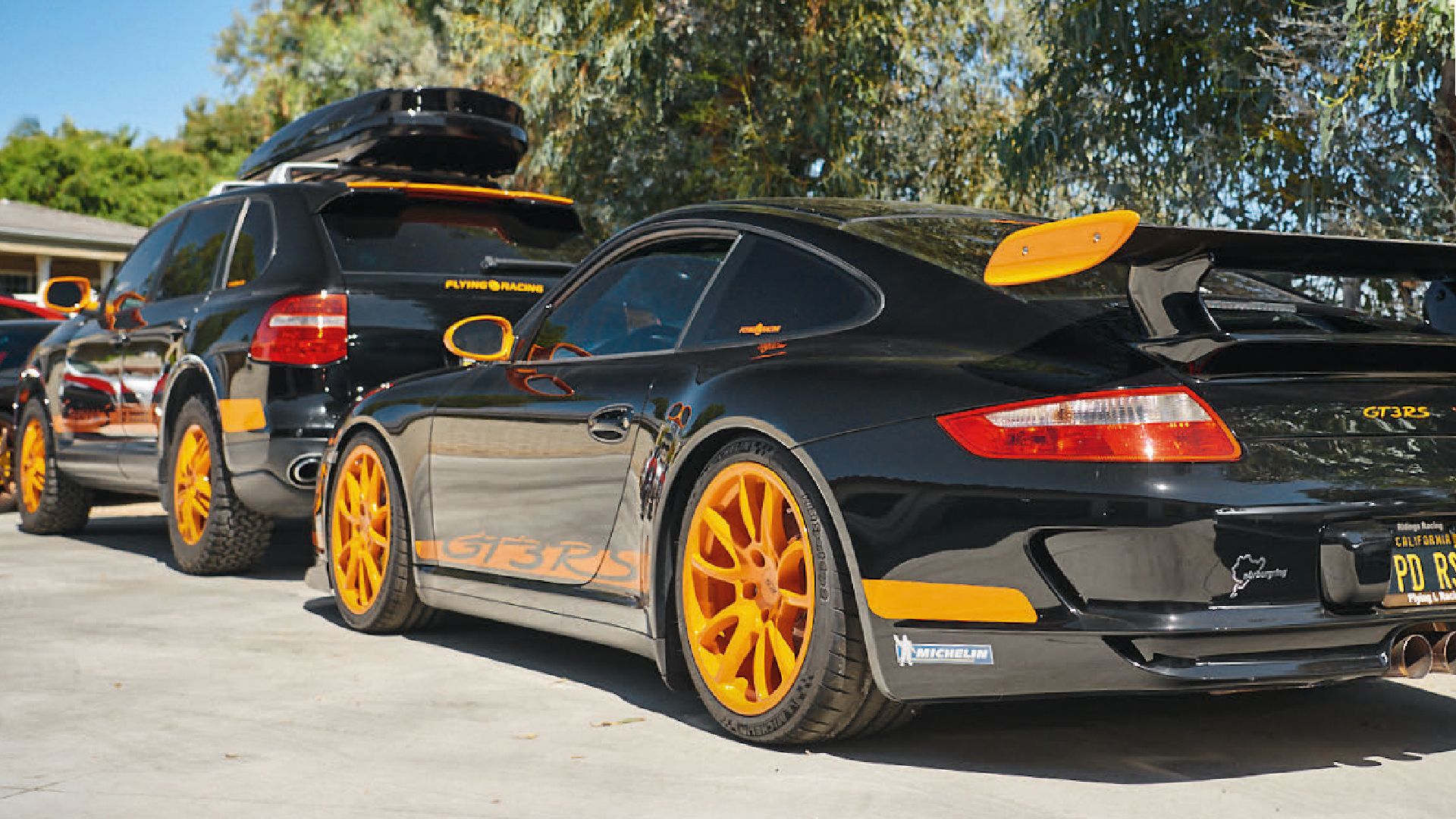
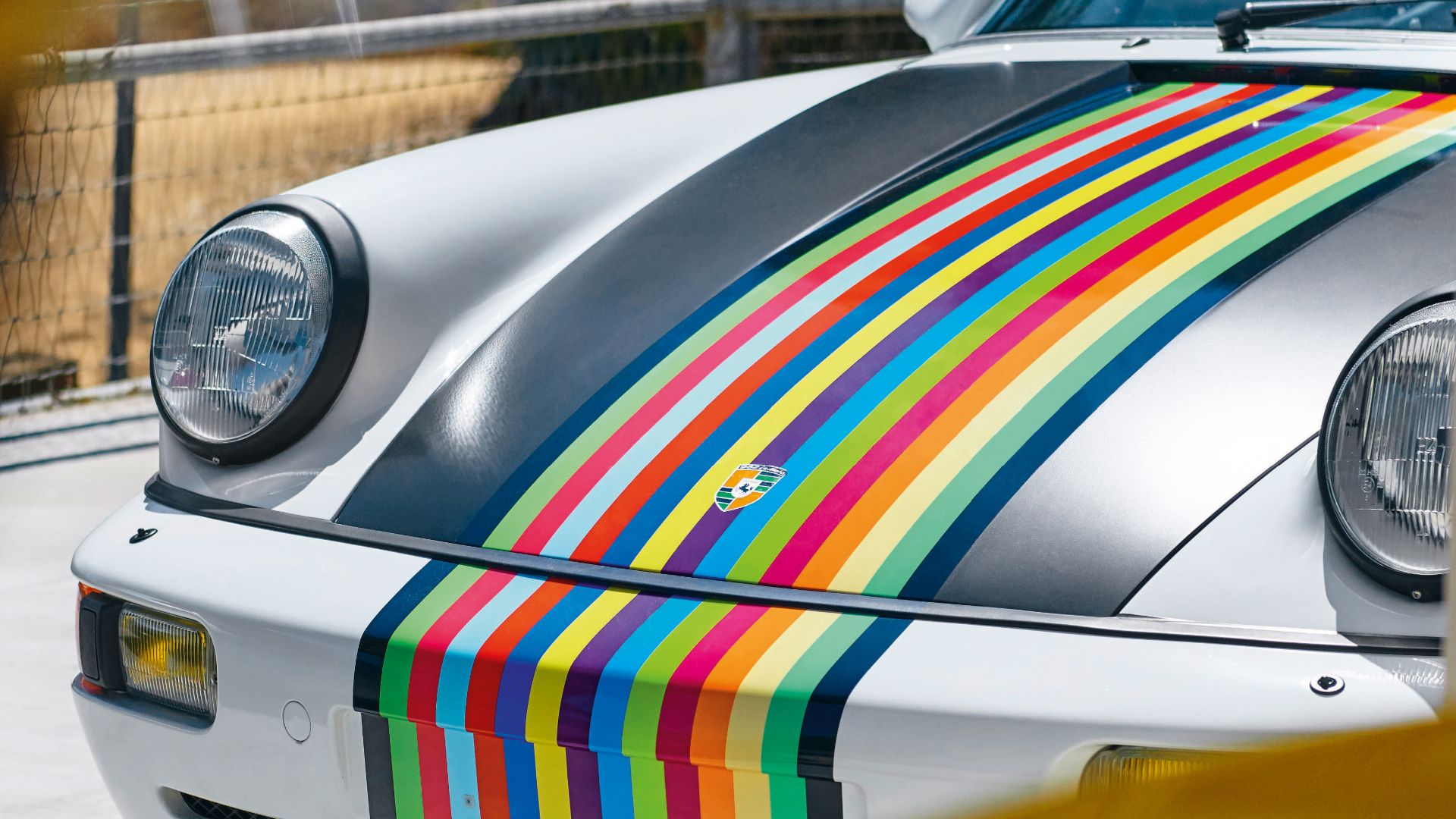
“The paint has to match the character of the model,” she says. And match her paint choices do. Open the doors to the repurposed stable she calls her ’barnage’, and the arresting Star Ruby, Maritime Blue and Racing Yellow hews of a slice of her Porsche collection will greet you. The vibrant Star Ruby pink is worn by a 2016 991 GT3 RS. If you wince, either at the sight or the potential depreciation, believe it or not you’re behind the curve. A friend of Lisa’s offered her $100,000 over the sticker price when she took delivery, purely for the colour.

Joining ‘Rubi’ are ‘Vudi’, the Voodoo Blue 991 GT2 RS, ‘Mari’, the Maritime Blue GT3, ‘Bumble Bee’, the Racing Yellow 2019 991 RS, and ‘Ame’, the Amethyst Metallic 911 Turbo S.

Porsche collector loves bright colours

That Turbo S is the subject of some very fond memories for Lisa. Having picked it up from the factory at Leipzig, she headed straight for some laps at the Nurburgring. Because running-in periods are best spent on the ’Green Hell’…

She’s been very persistent as a Porsche customer, robbing one Will Smith of a very specific production number for his 911 GT2 RS. Yes, that Will Smith. Fortunately, the ‘Bad Boys’ and ‘Fresh Prince’ actor wasn’t as insistent on having 107 as Lisa was. Similarly, she pestered comedian and prominent Porsche collector Jerry Seinfeld until he sold her his 2004 Cayenne Turbo. Not a collector’s Porsche by any stretch of the imagination, but for some reason, she had to have that one.
  • 15 percent of the new Porsche 911 isn’t new

Porsche collector loves bright colours

Rally-ready Porsche 911 is the perfect commuter car

She has a love for older Porsche’s too. The car to turn her into a ‘Porsche girl’ in 1981 was a 911 Carrera Targa. One drive in that sealed the deal. “I was so impressed by the handling and the power that I sold my Mazda RX-7 the very next day and bought a 911 Targa in Guards Red”. A prominent classic in her collection today is a 1973 911 Carrera RS 2.7, which she used in the Steve McQueen Rally.

How many Porsches does she have, exactly? “Not even my parents know the exact number,” she says. As for what’s coming next, there’s a new Speedster and a Taycan Turbo S with her name on it.

Advertisement

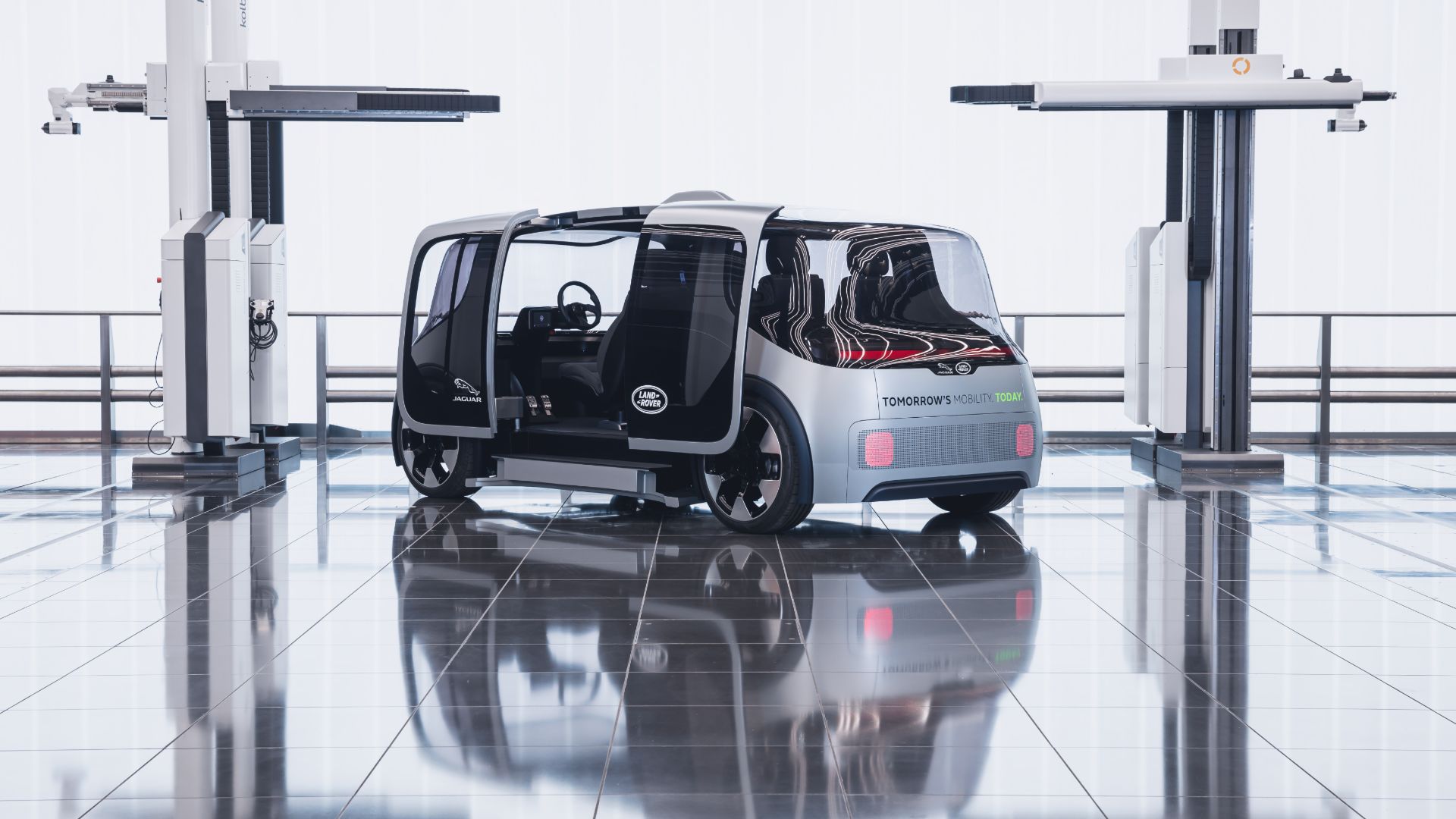
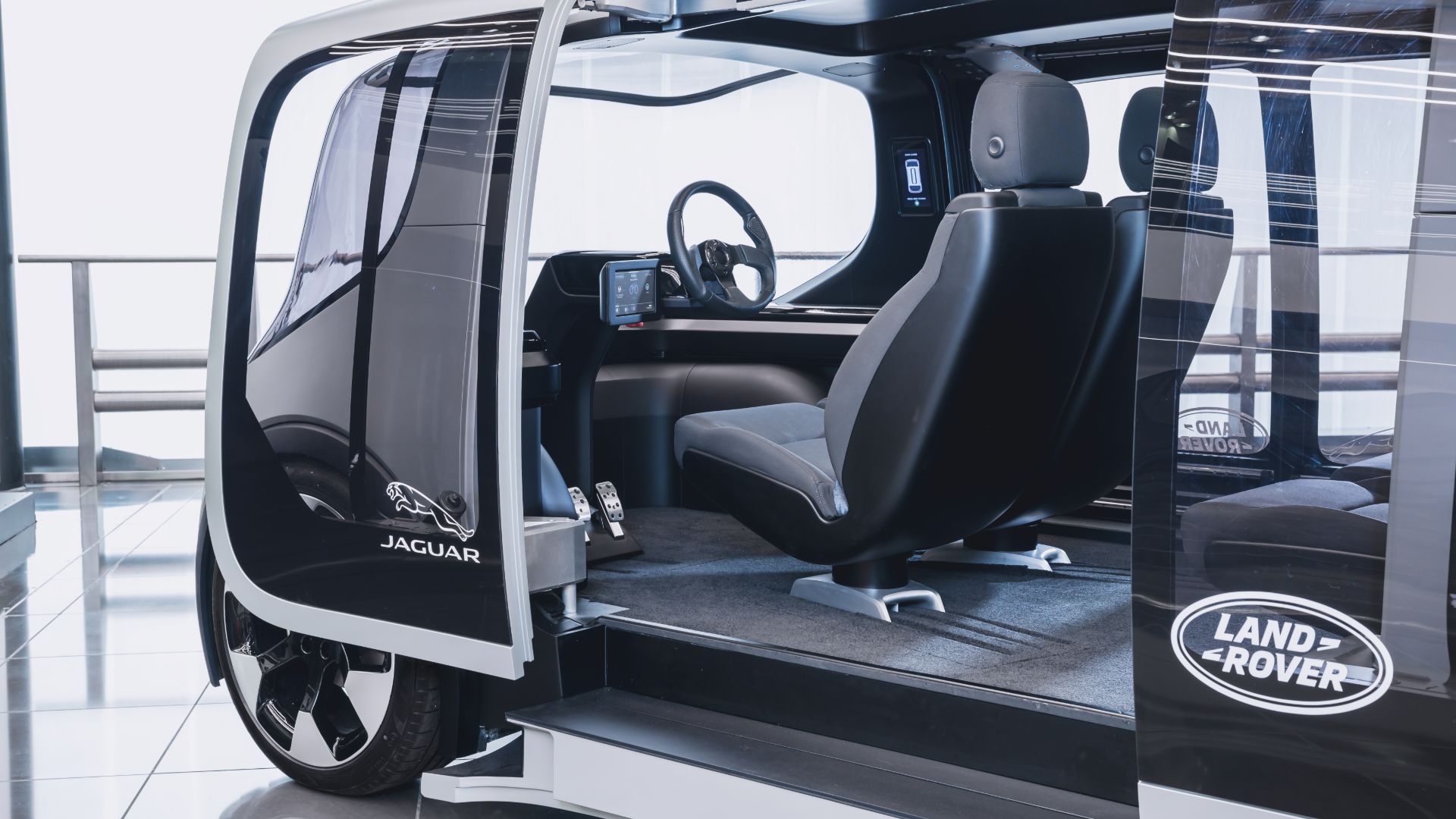
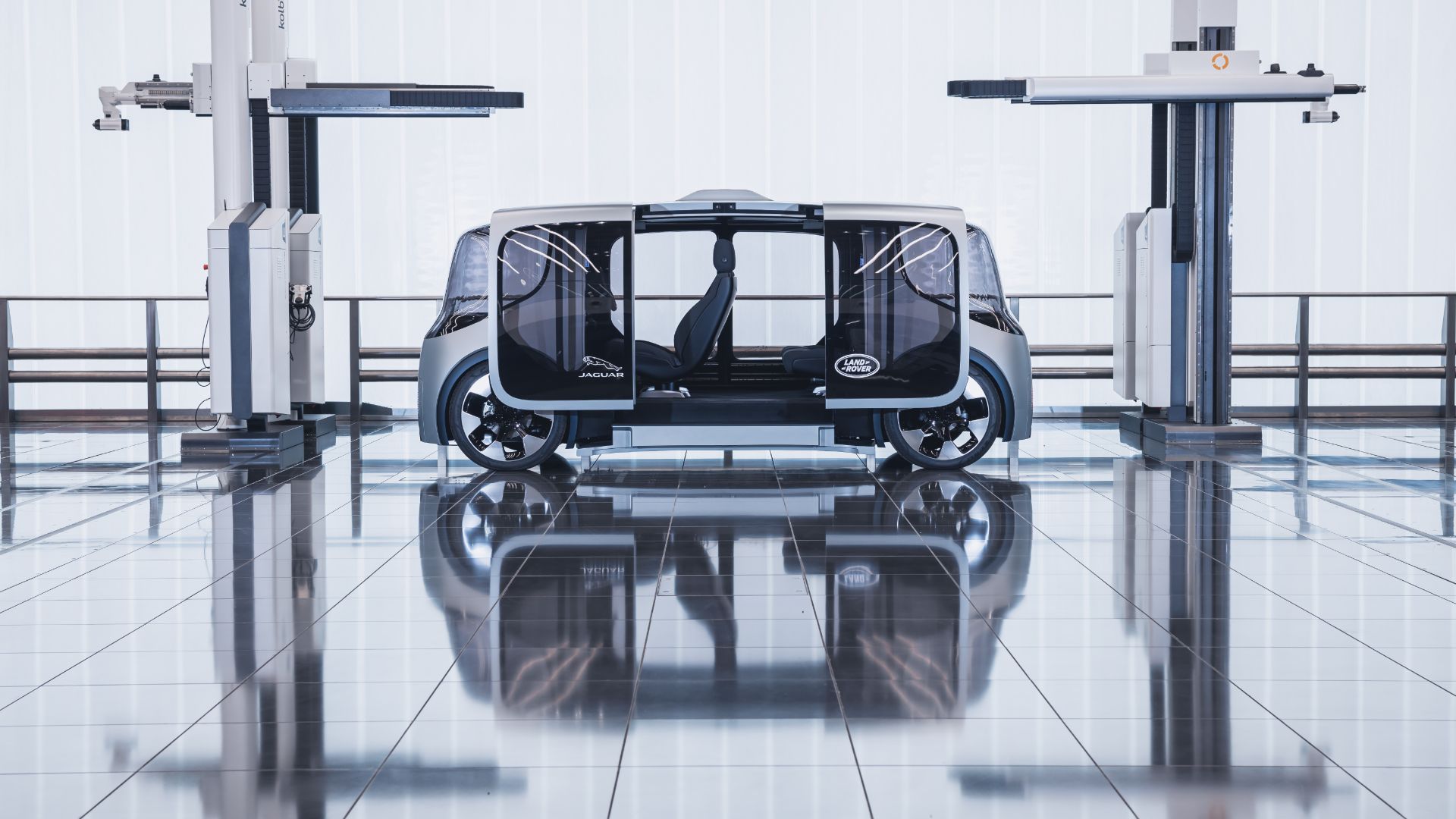
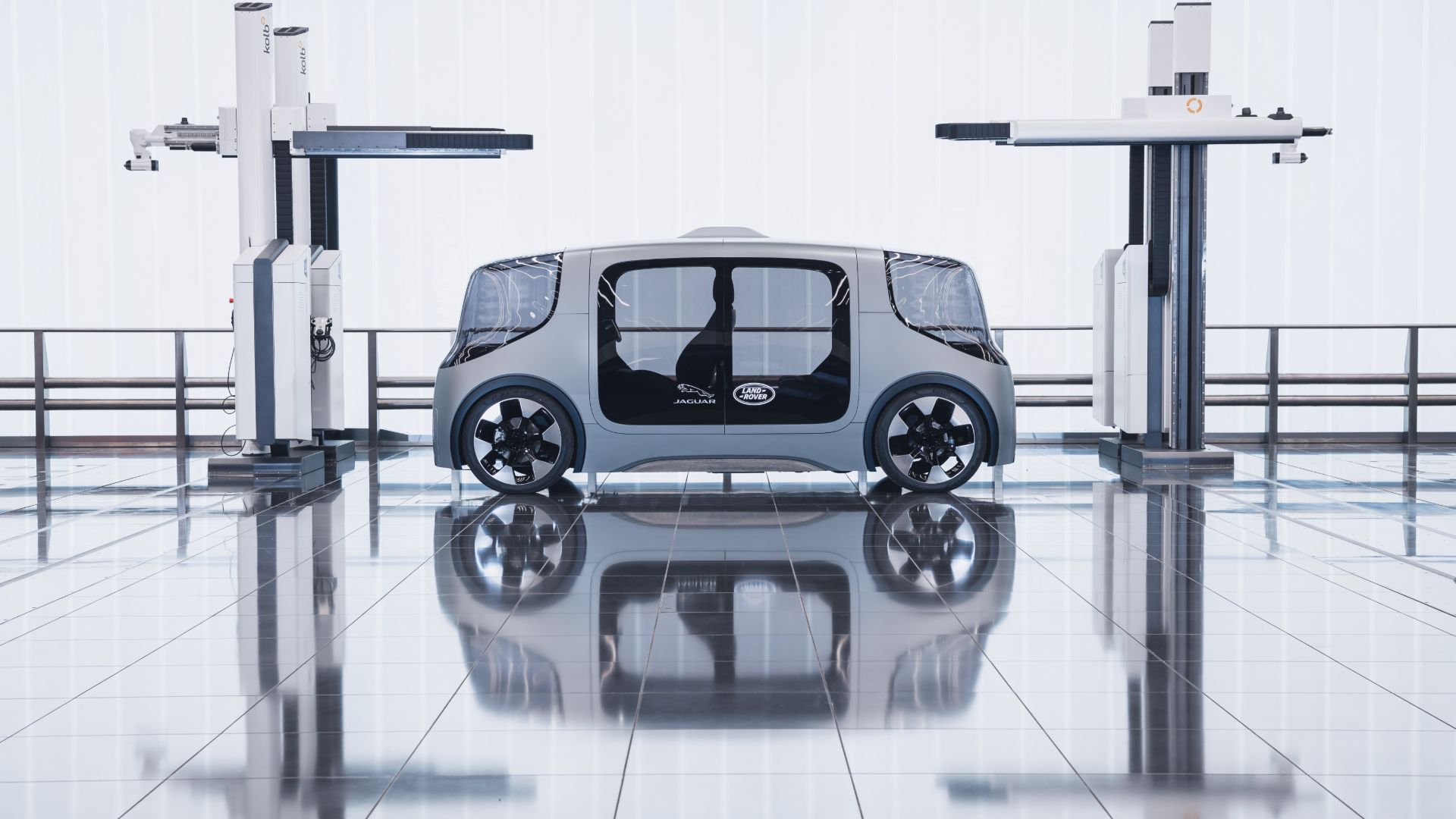
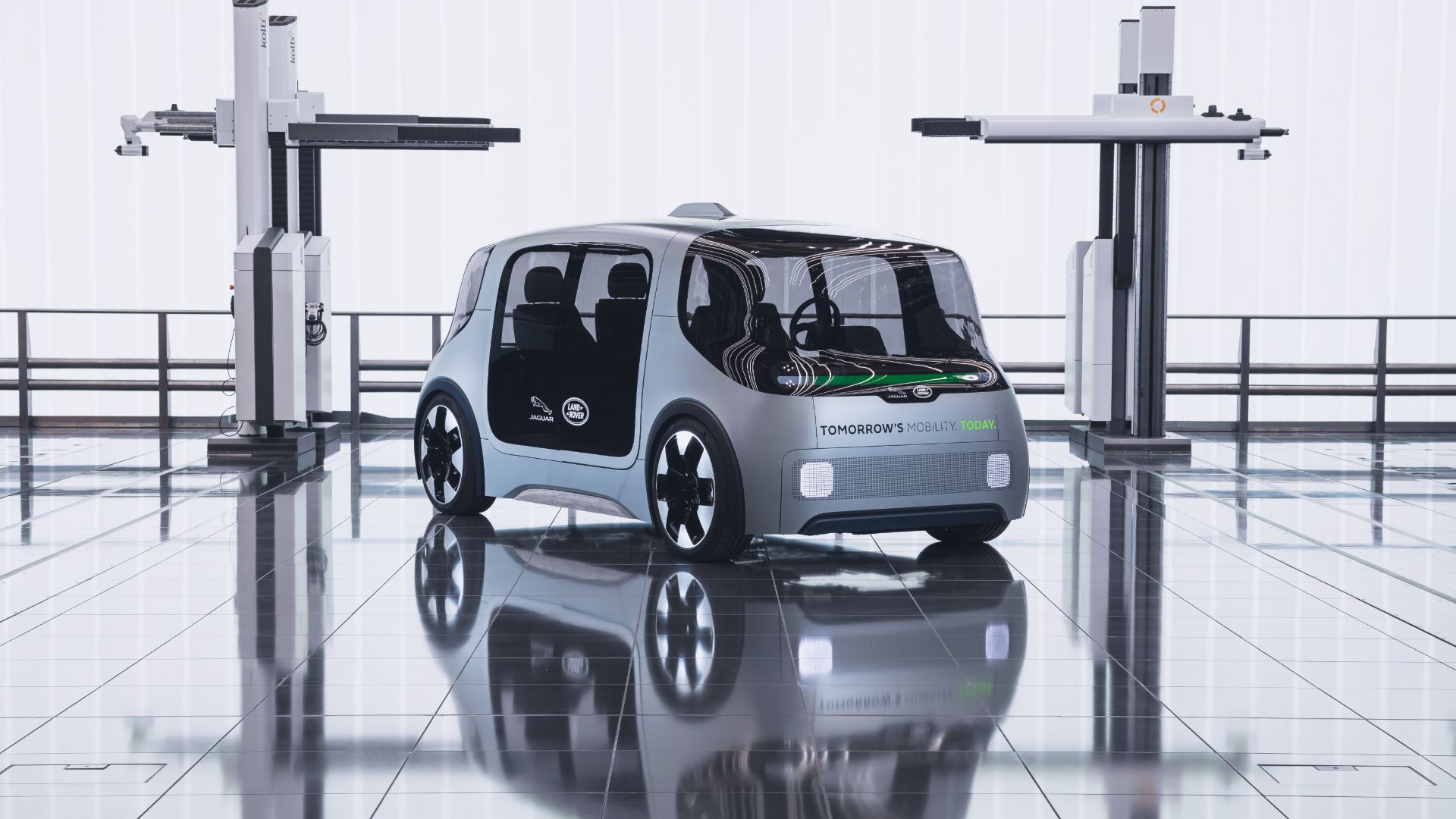
Project Vector is JLR’s autonomous pod of the future

0

JLR Project Vector, autonomous pod for the future

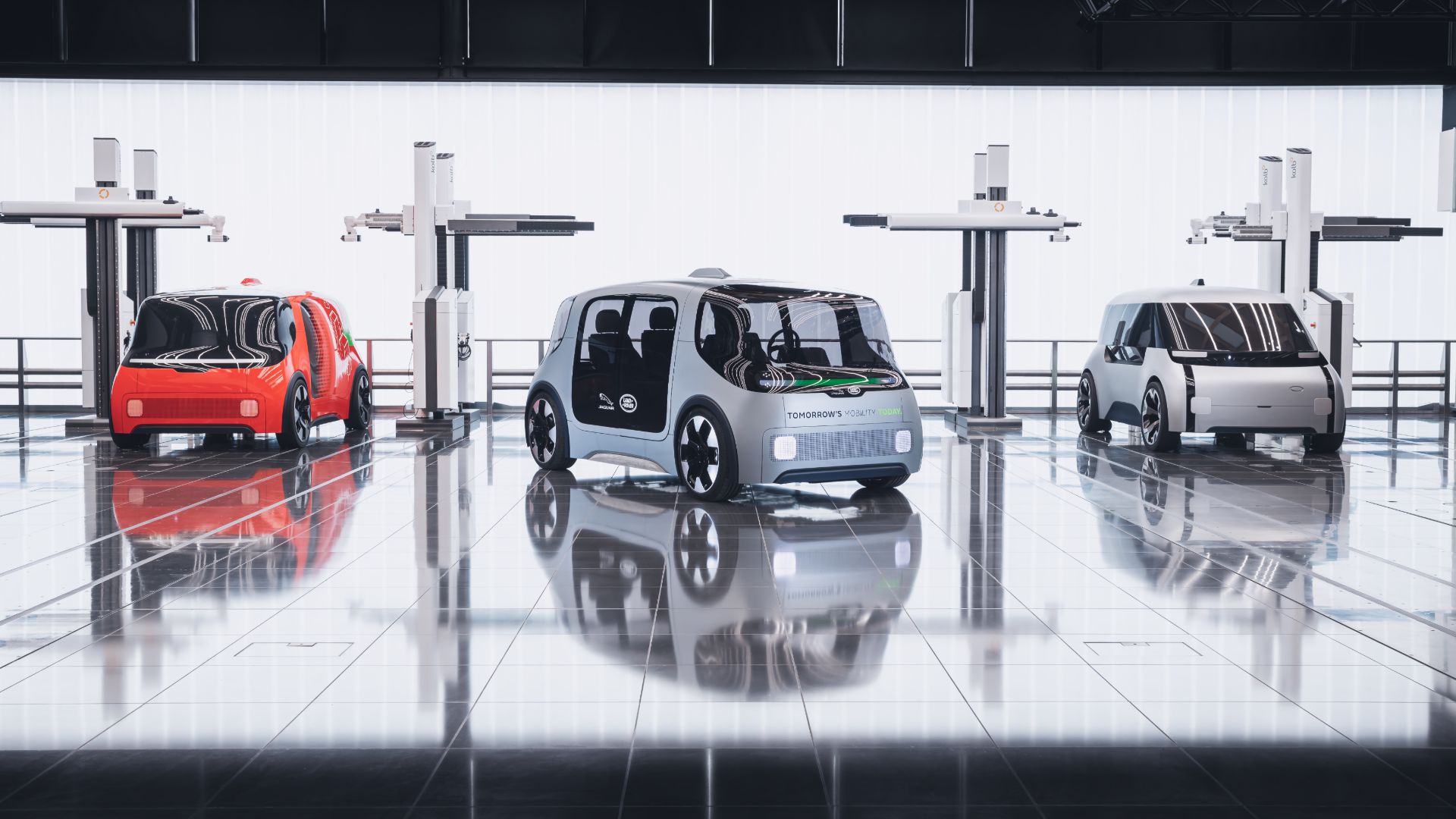
Jaguar Land Rover has unveiled its Project Vector concept, a pod-like vehicle that envisions how it would address demand for autonomous vehicles in future urban infrastructure. You might see it testing in Coventry sooner rather than later.
JLR describes Project Vector as how it’s “developing tomorrow’s mobility, today”, and is a key next step in its Destination Zero plan. Indeed, this is not a future replacement for the upcoming all-electric XJ.

Rather, it’s a proposal for a mobility solution in parts of the world that are looking to evolve beyond the traditional driven car, as we know it today. It’s JLR’s vision of “an autonomous, electric, connected future for urban mobility”. 

JLR Project Vector, autonomous pod for the future

“Future urban travel will be a composite of owned and shared vehicles, access to ride-hailing and on-demand services as well as public transport,” explained Dr. Tim Leverton, project director.

“Shared and private vehicles will share spaces with and be connected to public transit networks, so you can travel on demand and autonomously. That is a complex task, best achieved by working together with partners across the spectrum of vehicles, infrastructure and the digital world.

”Our vision shows the vehicle as a flexible part of the urban mobility network that can be adapted for different purposes.”

JLR Project Vector, autonomous pod for the future

  • DPD targets 1 in 10 electric van mix with new Nissan deal

Its battery down-low ‘skateboard’ design means that the platform can be very versatile. It measures just four metres in length, while the cabin allows for multiple configurations and uses.

These range from luxurious personal transit, to being a shared shuttle, and even a ‘last-mile’ delivery vehicle. Think of it as the next Addison Lee, Uber Luxe and DPD van, with a splash of urban tram, all rolled into one.

This experimental vehicle is also part of JLR’s study on how customers will connect with future mobility, and how the infrastructure will grow to meet it.

  • The Uniti One wants to be YOUR first electric car

JLR Project Vector, autonomous pod for the future

“It’s a unique opportunity,” explained chief engineer Professor Dr Gero Kempf.

”A concept platform designed and engineered around urban-centric use cases by a major car maker as a blank canvas, for developing tailored services and apps in the ecosystem of a smart city.”

JLR’s ‘living laboratory’ in Coventry

JLR Project Vector, autonomous pod for the future

The most interesting part is that JLR wants Vector to go beyond many ‘future mobility’ concepts we’ve seen, which are at best a drawing board vision made 3D. Project Vector might well be put into action, with a collaboration planned with Coventry City Council and the West Midlands Combined Authority. 

The plan is for a mobility service from late 2021, as a “living laboratory for future mobility on the streets of Coventry”. Put simply, JLR might be deploying something like Project Vector in Coventry as some sort of futuristic tram for the road network. It’s how park and ride services across the UK could look ten years from now. Obviously, there is potential for more bespoke applications.

‘The brightest minds in academia’

JLR Project Vector, autonomous pod for the future

“Project Vector shows Jaguar Land Rover as a leader in innovation to make our societies safer and healthier, and the environment cleaner,” said JLR CEO, Sir Ralf Speth.

”Through this project, we are collaborating with the brightest minds in academia, supply chain and digital services, to create connected, integrated mobility systems – the fundamental building blocks for Destination Zero.

“Project Vector is precisely the brave and innovative leap forward needed to deliver on our mission.”

Advertisement

New Jaguar models to get integrated Spotify

0

Jaguars with SOTA get integrated Spotify

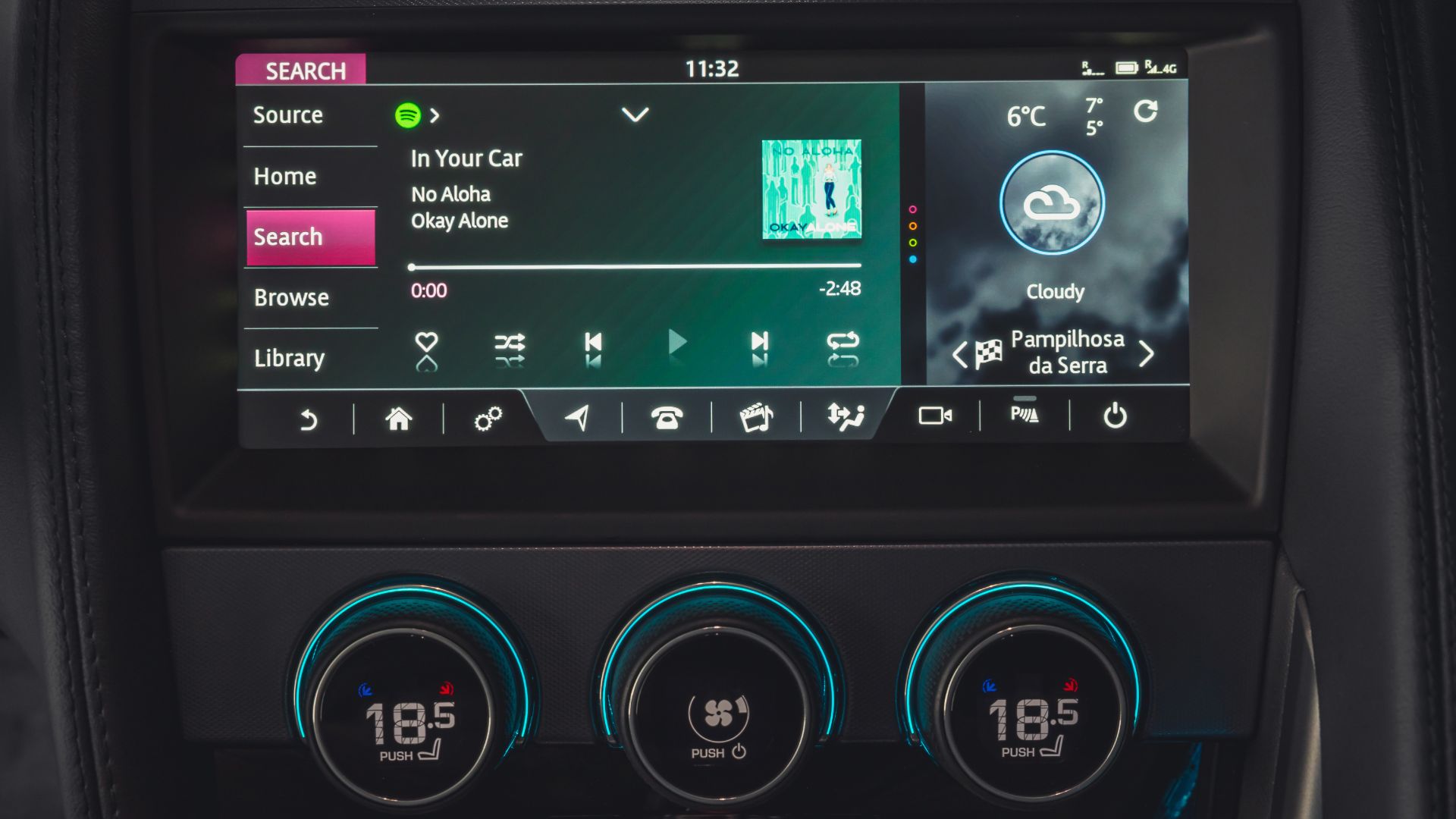
The latest update for software-over-the-air capable Jaguar models is an embedded Spotify app. Not sent via your phone or Bluetooth, but integrated into the car’s infotainment system.

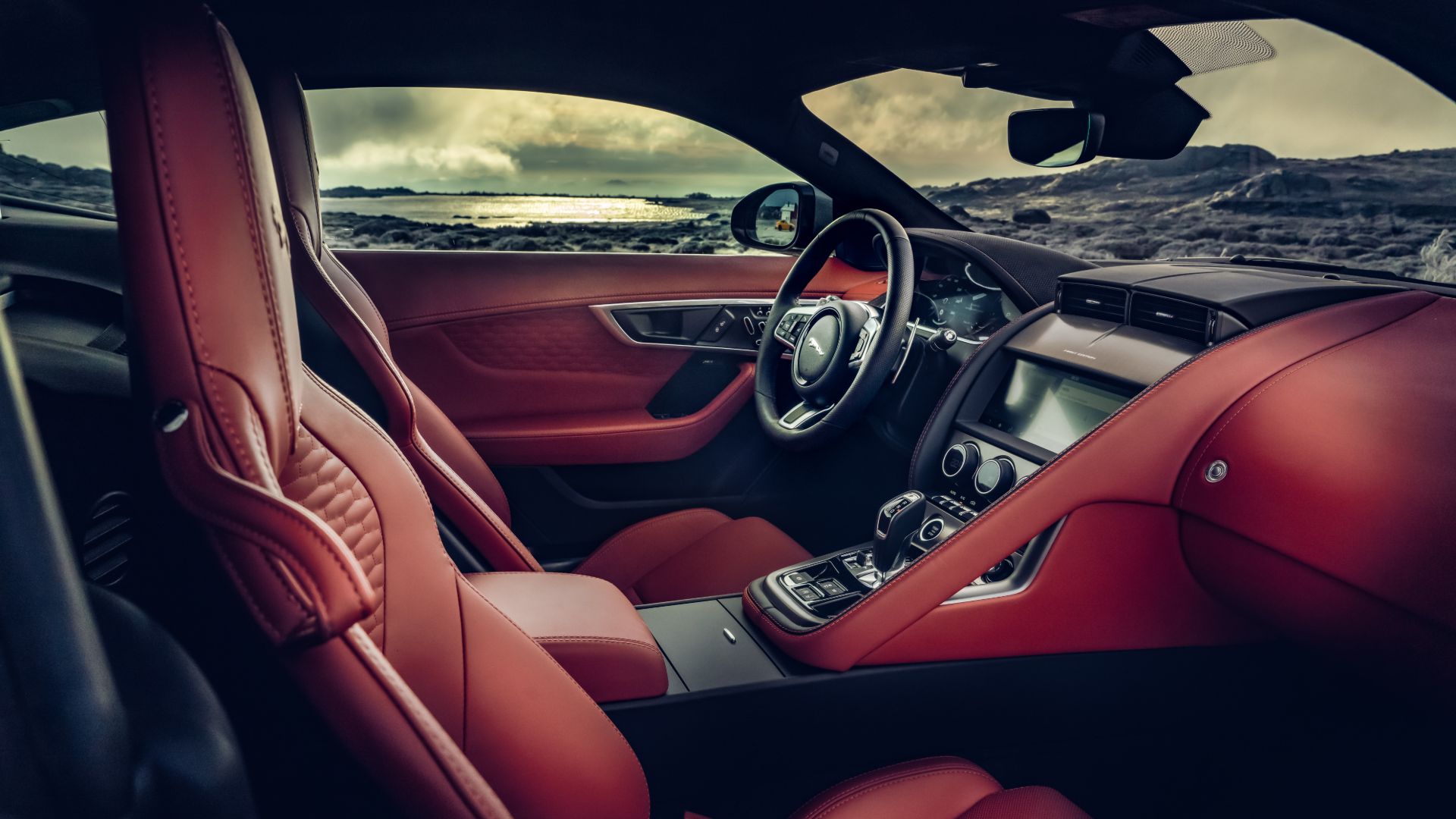
It’ll debut on the new Jaguar F-Type, with the app integrated into its latest Touch Pro infotainment system. Jaguar worked with Spotify to develop the software specifically to work natively in Jaguar’s infotainment. That means no plugging in or pairing: your Spotify Premium library is ready and waiting, after a simple login process.

With Spotify Connect, drivers who had been listening on their mobile device should enjoy seamless continuation of playback in the car once they get in. 

Jaguars with SOTA get integrated Spotify

SEE ALSO: Cadillac Boogie: The Spotify app coming to your next car

Jaguar isn’t the only manufacturer to boast an integrated Spotify facility on its cars. It joins the likes of Cadillac, Tesla and Volvo with the integration of the music service. Volvo actually integrated Spotify back in 2016, and Tesla in 2015.

“Our customers expect the latest infotainment and connectivity technology, and the new F-Type’s embedded Spotify app has been developed to offer them exactly that,” said Alan Volkaerts, vehicle line director for the F-Type.

“Our engineers have worked closely with Spotify to integrate this app into the Touch Pro infotainment system, and as a result our customers can have access to a huge library of music without needing to connect their phones. And the seamless playback between devices in the home to the car – and back again – makes the new F-Type even more enjoyable to drive.”

SEE ALSO: Kaiser Chiefs star Ricky Wilson and Example test new in-car Spotify app

Jaguars with SOTA get integrated Spotify

F-Type buyers can enhance the connectivity of their new sports car with the optional Smartphone Pack. This includes Android Auto and Apple CarPlay. Audiophiles should take a shine to the Meridian Audio system, too.

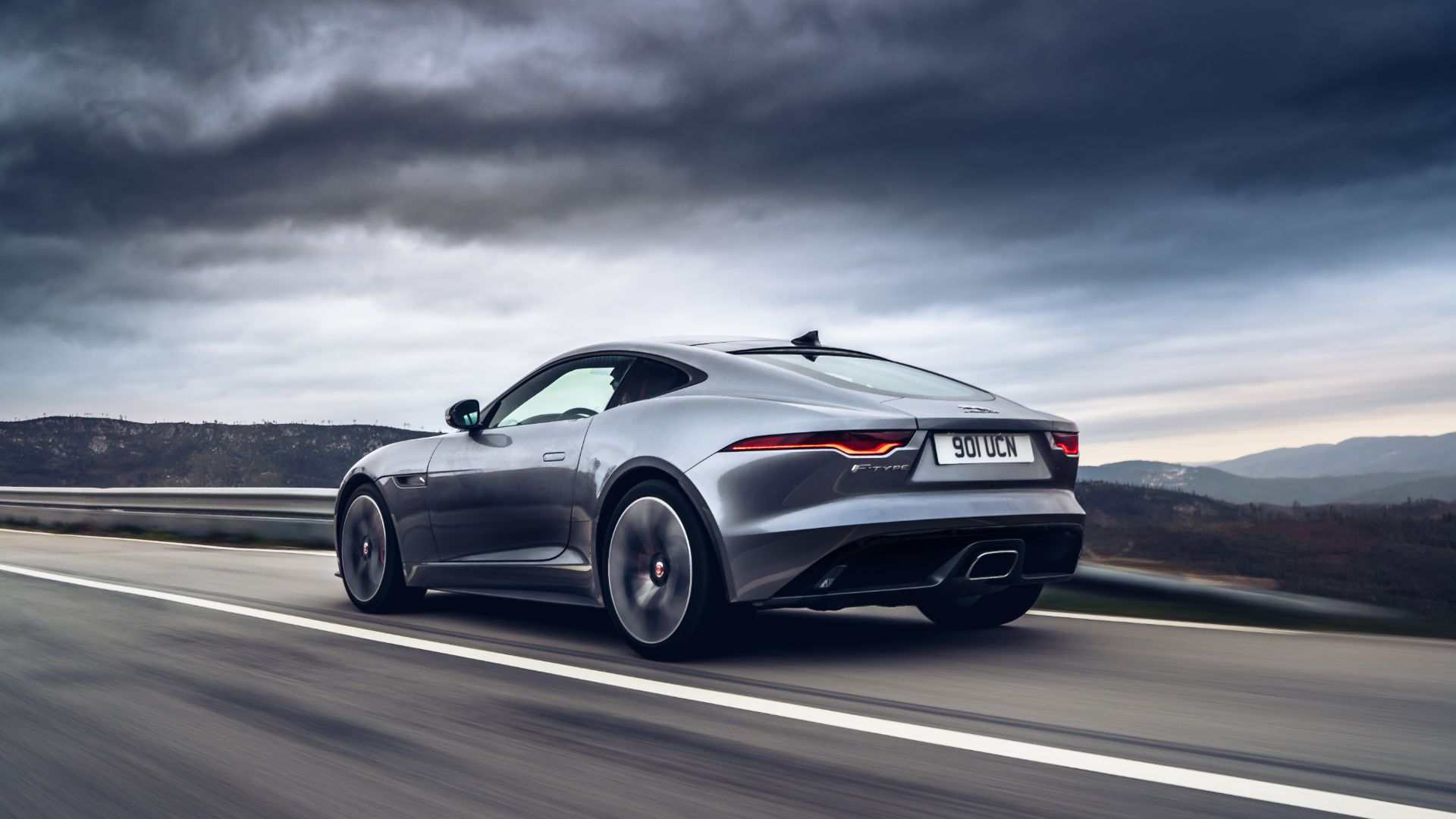
The latest Jaguar F-Type launched with a new face, and lost some of its engine options. Slender lights and a stretched-out snout are welcome, but the loss of the supercharged V6 is a shame. The supercharged V8 remains, though, both in 450hp convertible form, and 575hp R coupe form. So should the new Spotify update have any teething problems, you’ll still have something nice to listen to.

Advertisement

New Aston Martin Valkyrie prototypes get F1 drivers’ stamp of approval

0

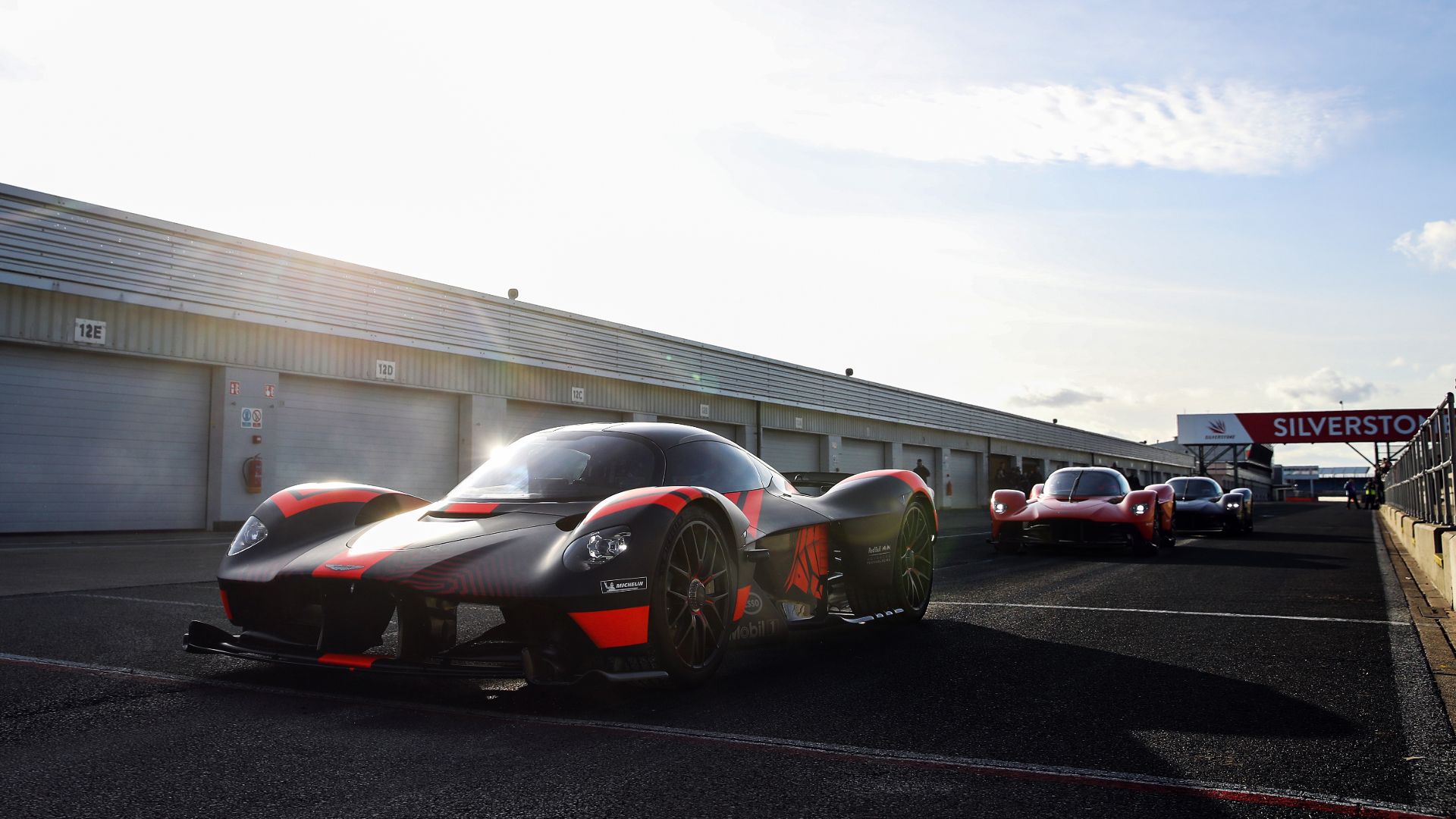
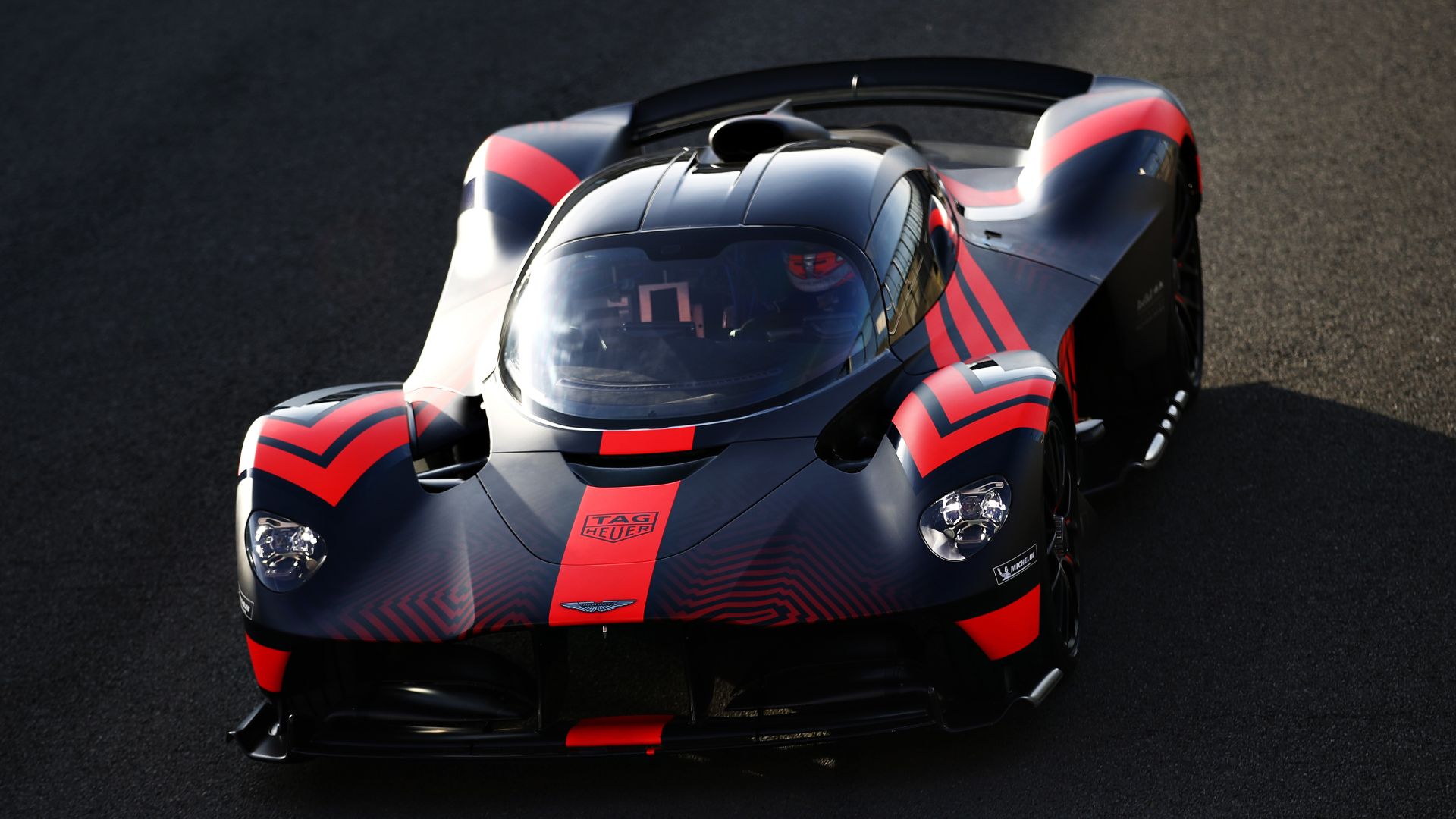
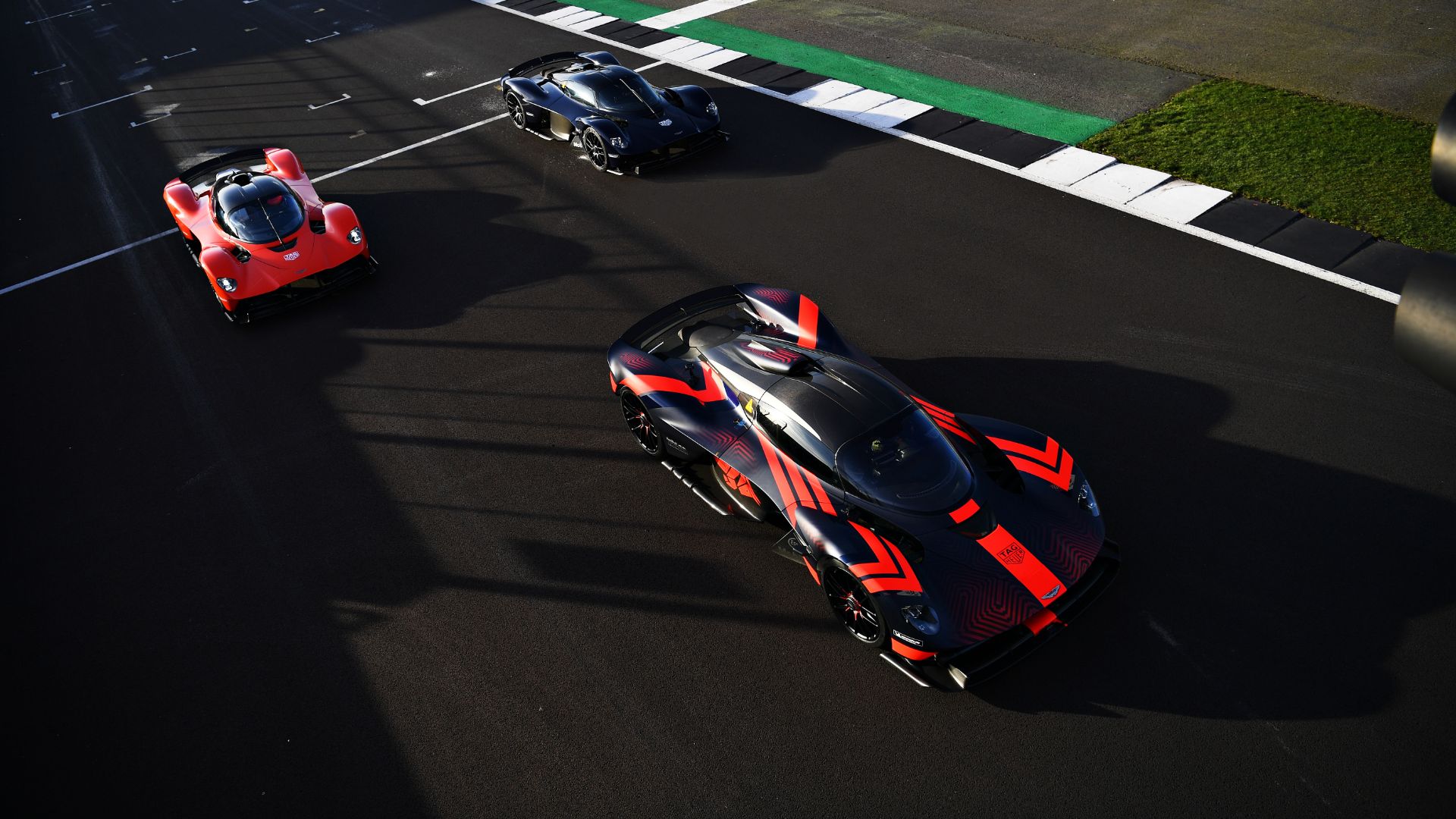
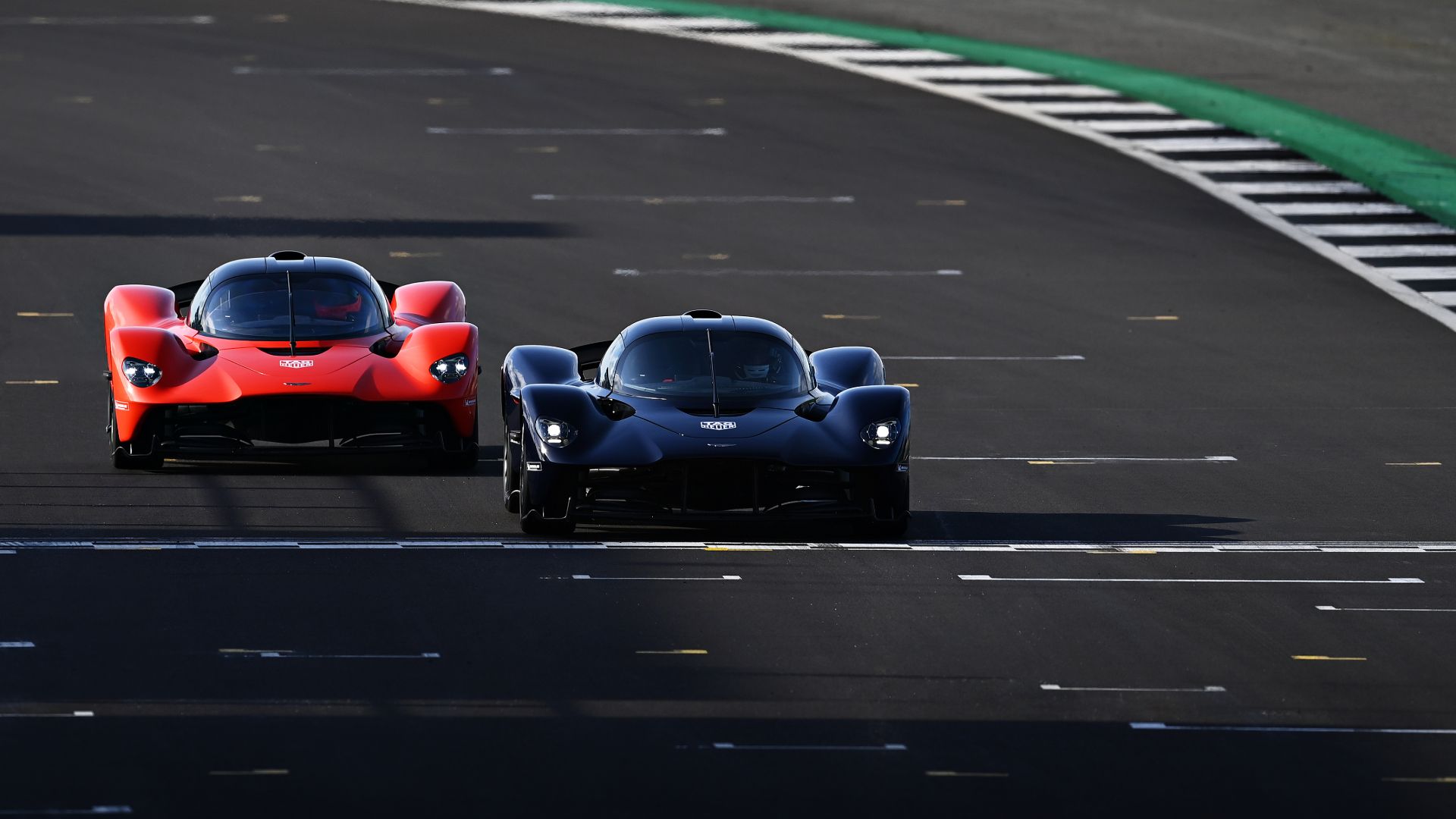
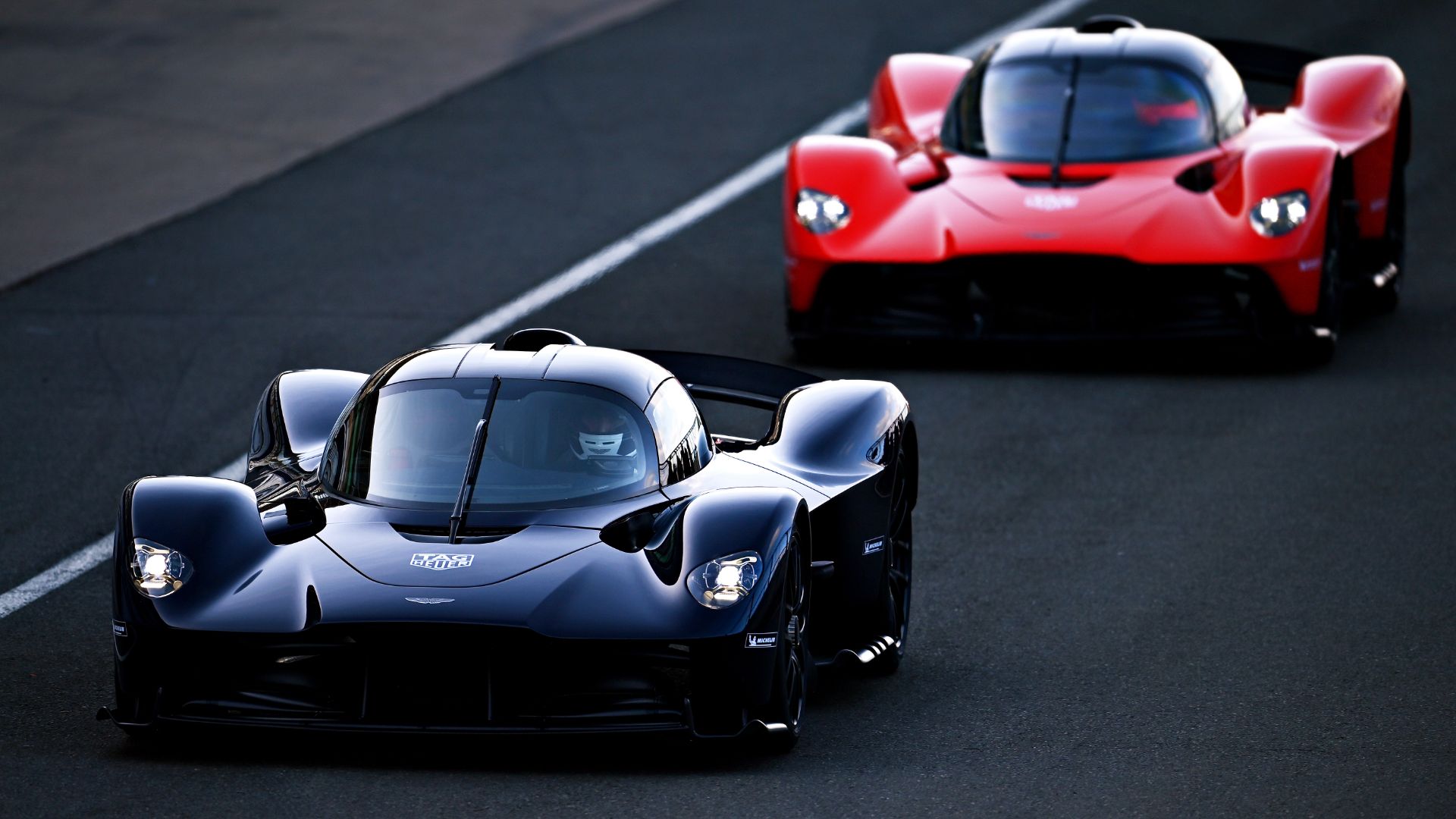
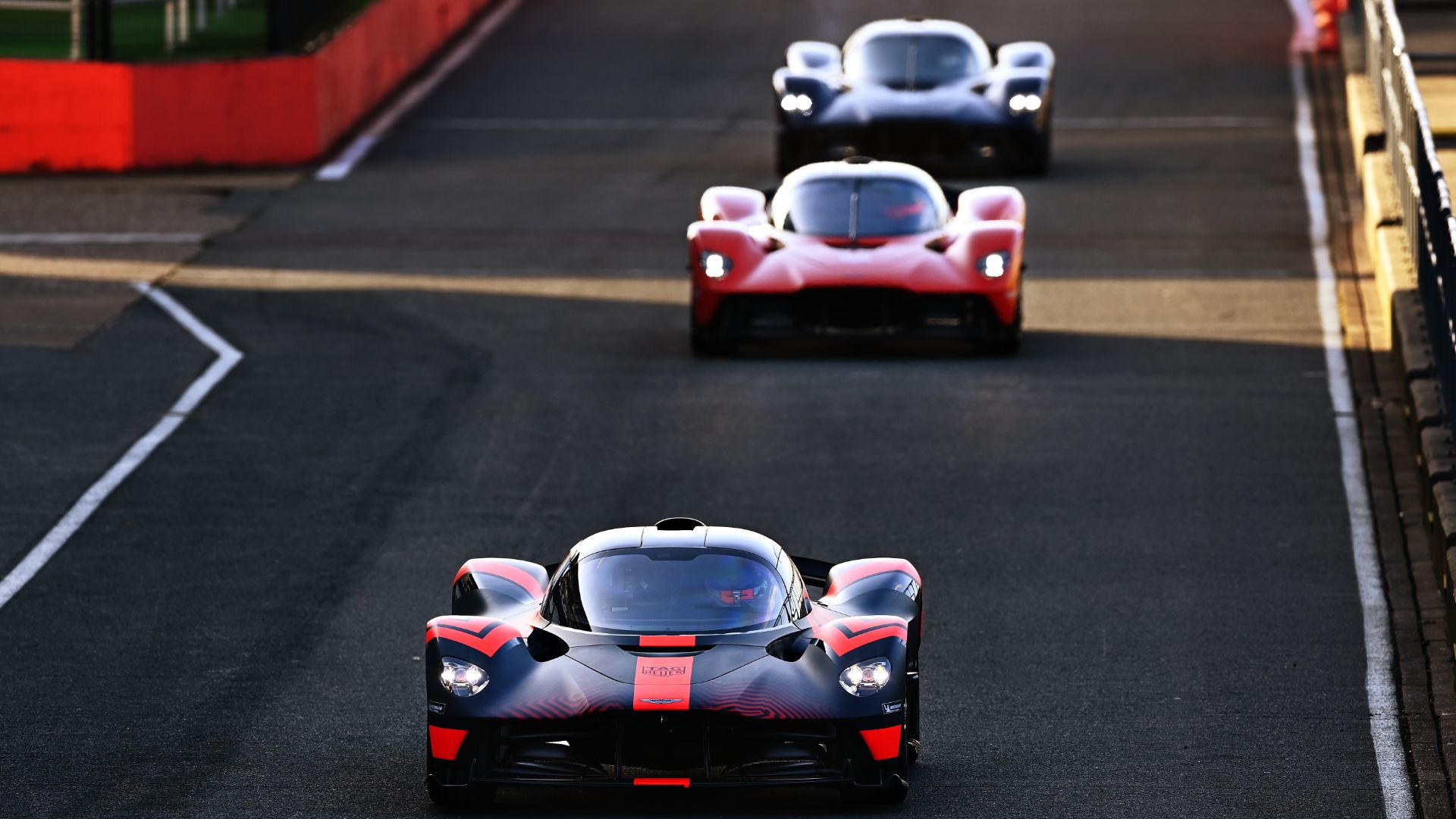
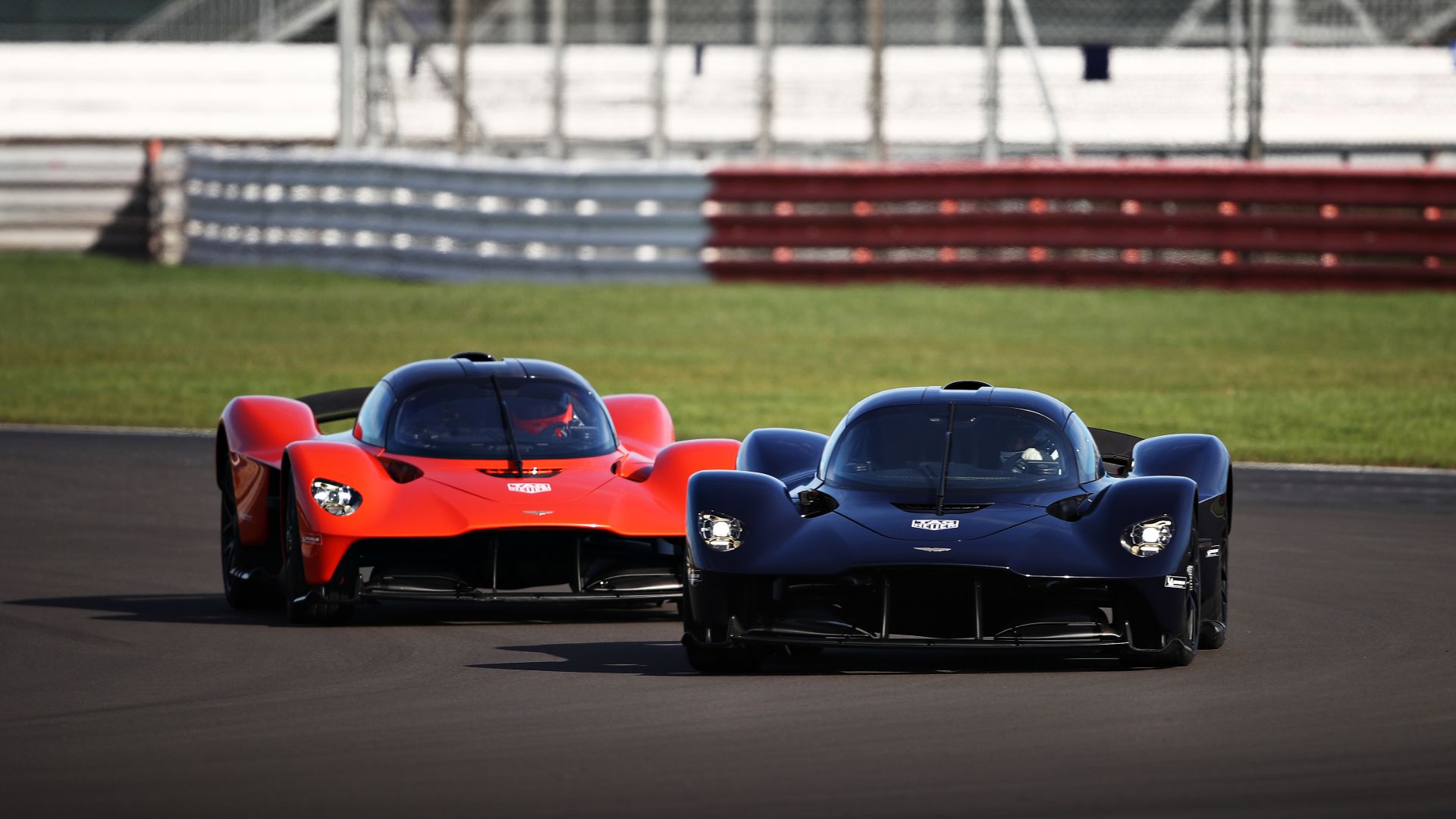
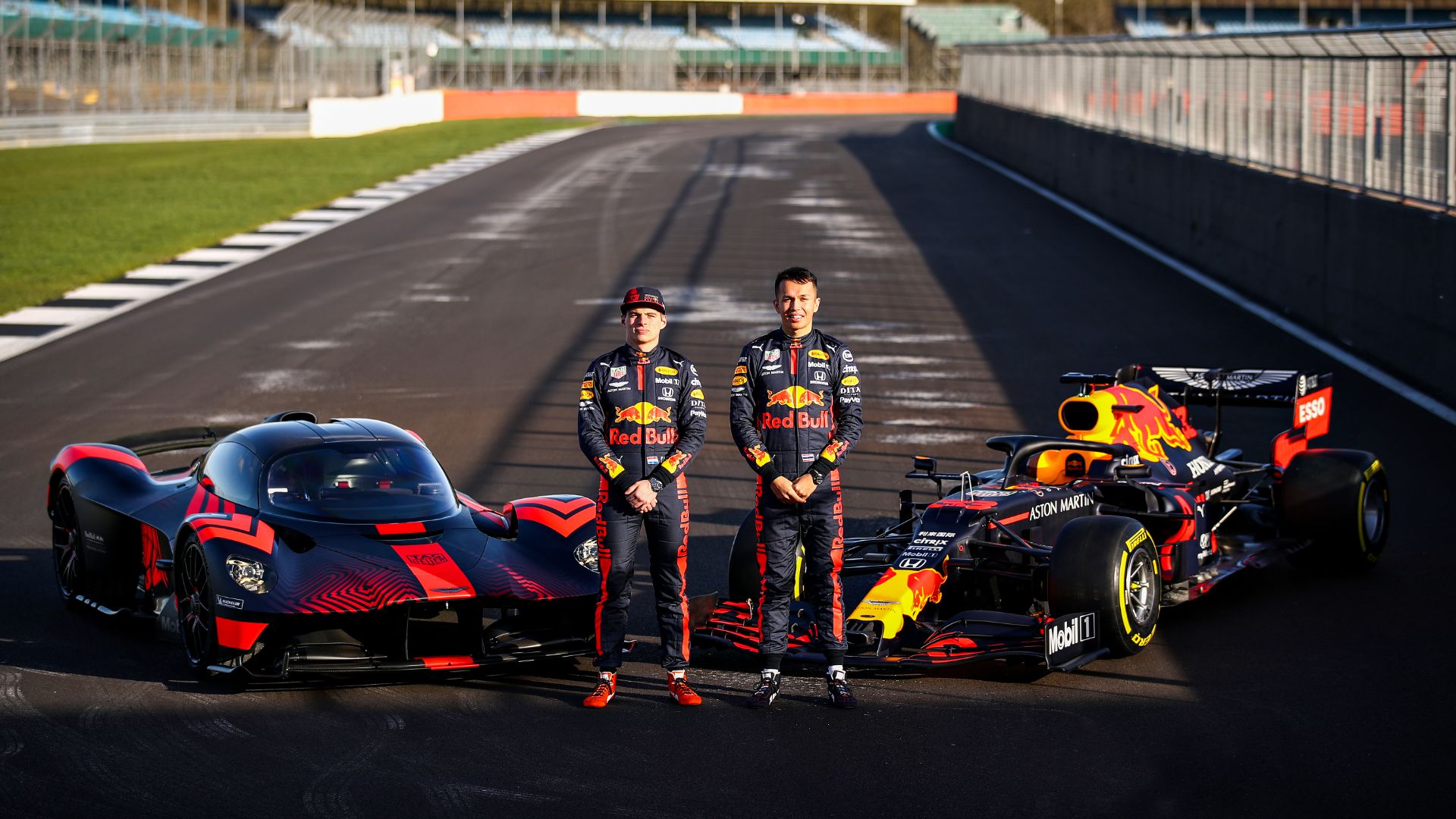
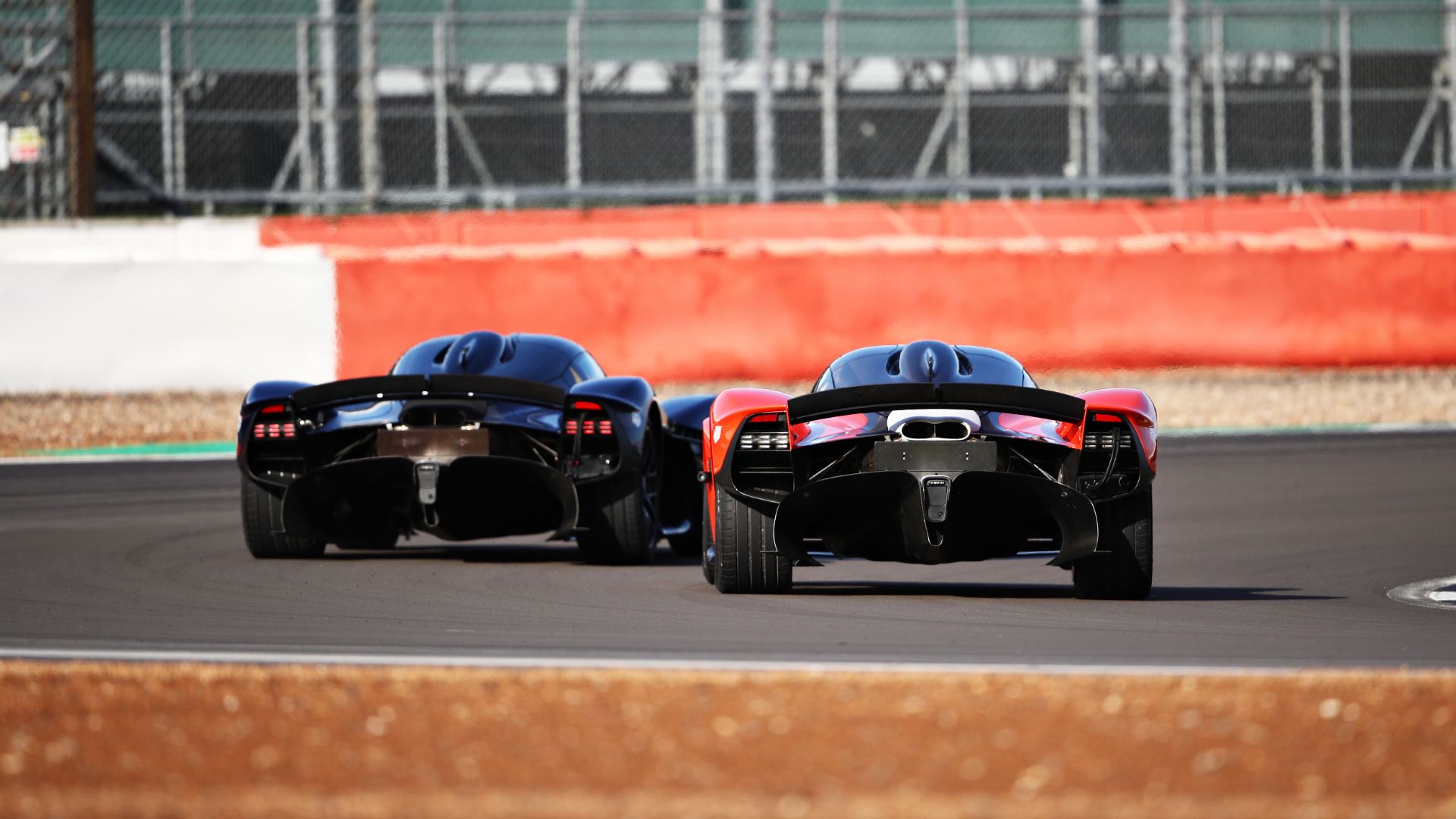
Aston Martin Valkyrie prototypes tested by F1 drivers at Silverstone

If those who doubted Aston Martin would go through with the Valkyrie project hadn’t already eaten their words, they will now. Two new verification prototypes, VP2 and VP3, have joined VP1 in the physical testing program for the new hypercar.

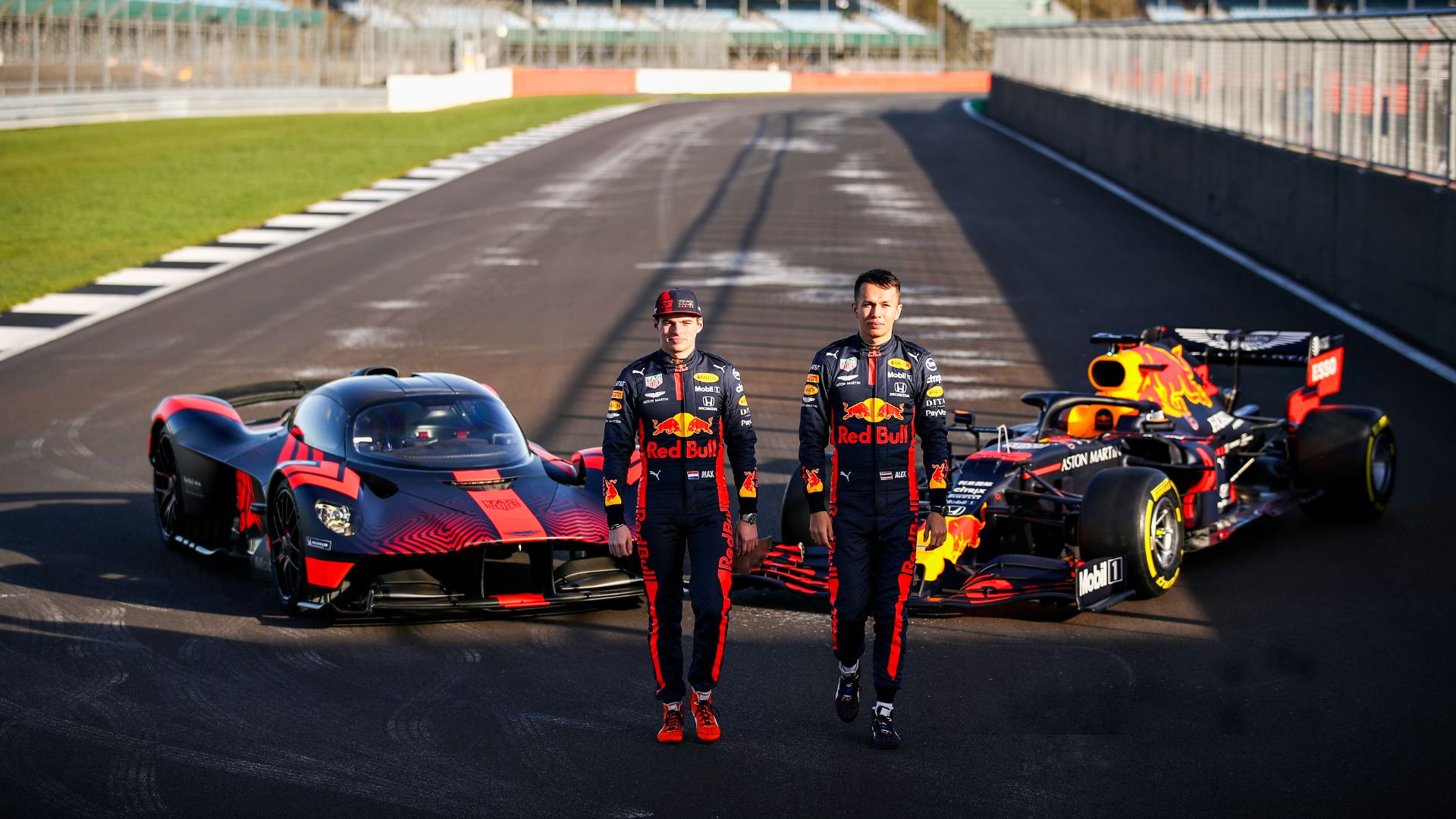
And to get a second opinion on how the cars are coming along, Aston enlisted the help of Red Bull Racing’s finest F1 helmsmen, Max Verstappen and Alex Albon.

The three prototypes took to Silverstone, with Verstappen and Albon getting their first taste of the hypercar. Chief test driver Chris Goodwin was also on hand to shake down the new prototypes, as were Aston Martin WEC drivers Darren Turner and Alex Lynn.

Aston Martin Valkyrie prototypes tested by F1 drivers at Silverstone

Verstappen spoke of his initial experience with the Valkyrie, saying “to be one of the first guys to drive an insane car like this was really exciting. It was amazing to get a first taste of it”.

“Of course it’s still in the development phase but you can already feel the pace, which compared to a normal car is… pretty different!”

Aston Martin plans on completing testing with eight verification prototypes to assess different facets of the program for the car.

Sadly, we expect one or more of the prototypes to be used in crash safety testing.

Aston Martin Valkyrie prototypes tested by F1 drivers at Silverstone

“This event has been an incredibly important step in Aston Martin Valkyrie’s story,” said Aston Martin high-performance development driver, Chris Goodwin.

“To have three cars now running will see the rate of physical development for this exceptional hypercar increase exponentially.

“Both Max and Alex were both really positive of the direction that we’re currently taking and could see that the ingredients for an exceptionally high-performing car are already there ready to be untapped.

“To have that second opinion and validation doesn’t mean the hard work is done already, but this is a great step on our journey”. 

Deliveries are targetted to begin in the second half of this year. That’ll make for just under a four-year turnaround, from the reveal of the initial design buck, to keys in customers hands. Not bad given the ambitiousness of the project.

You could sum up that ambitiousness with a passing reference to the Valkyrie’s Cosworth V12 and its five-figure rev limit. You can hear that being put to the test in the embedded raw Instagram video below, shared by Aston’s Director of Design, Miles Nurnberger, or Red Bull’s video above, of the F1 drivers having a go.

The goal for the Adrian Newey-designed hypercar was for it to be, literally, generations ahead of anything else in terms of performance. Initial claims were of lap times comparable to Formula 1, and downforce comparable to LMP1 Le Mans prototypes. 

In performance terms, Vertappen’s assessment that it’s “pretty different” could be something of an understatement. Alex Albon’s claim that “it definitely reacts closer to an F1 car than a normal road car,” is probably more like it. 

We now know the Aston will be putting its fastest foot forward in the Le Mans Hypercar class in the WEC, the replacement for LMP1. It’s likely no coincidence, then, that the Valkyrie’s first outings onto a real-world race track happen to be the track where it will get its competitive debut.

It’s due to line up on the grid of the 2020 Silverstone Six Hours in September for its first taste of racing, and our first taste of the eagerly-awaited Le Mans Hypercar class.

Advertisement

Crash test highlights vehicle safety ‘double standard‘

0

NCAP safer cars for Africa

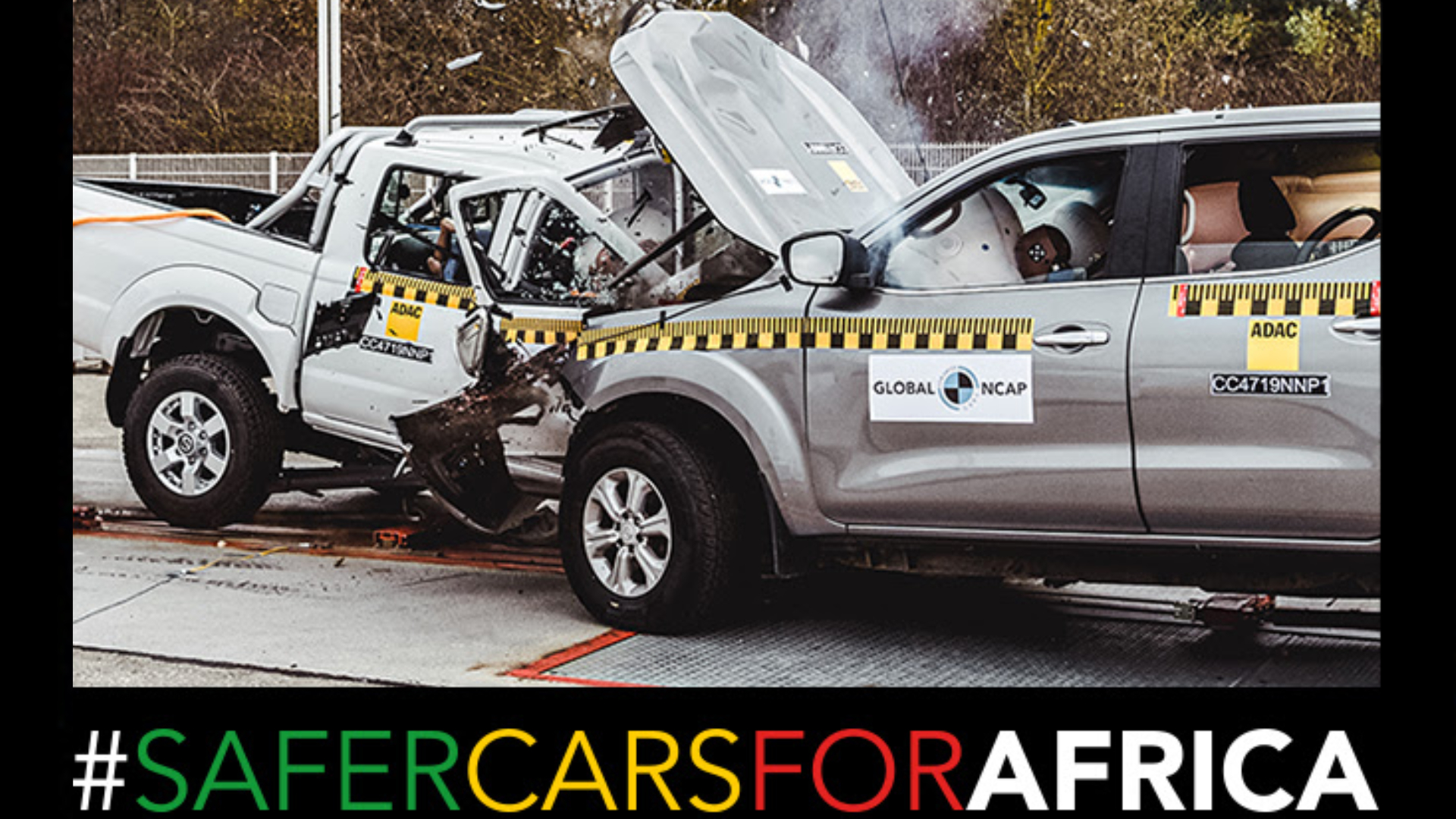
A new crash test has highlighted the ‘double standard’ in vehicle safety between models sold in Europe and Africa.

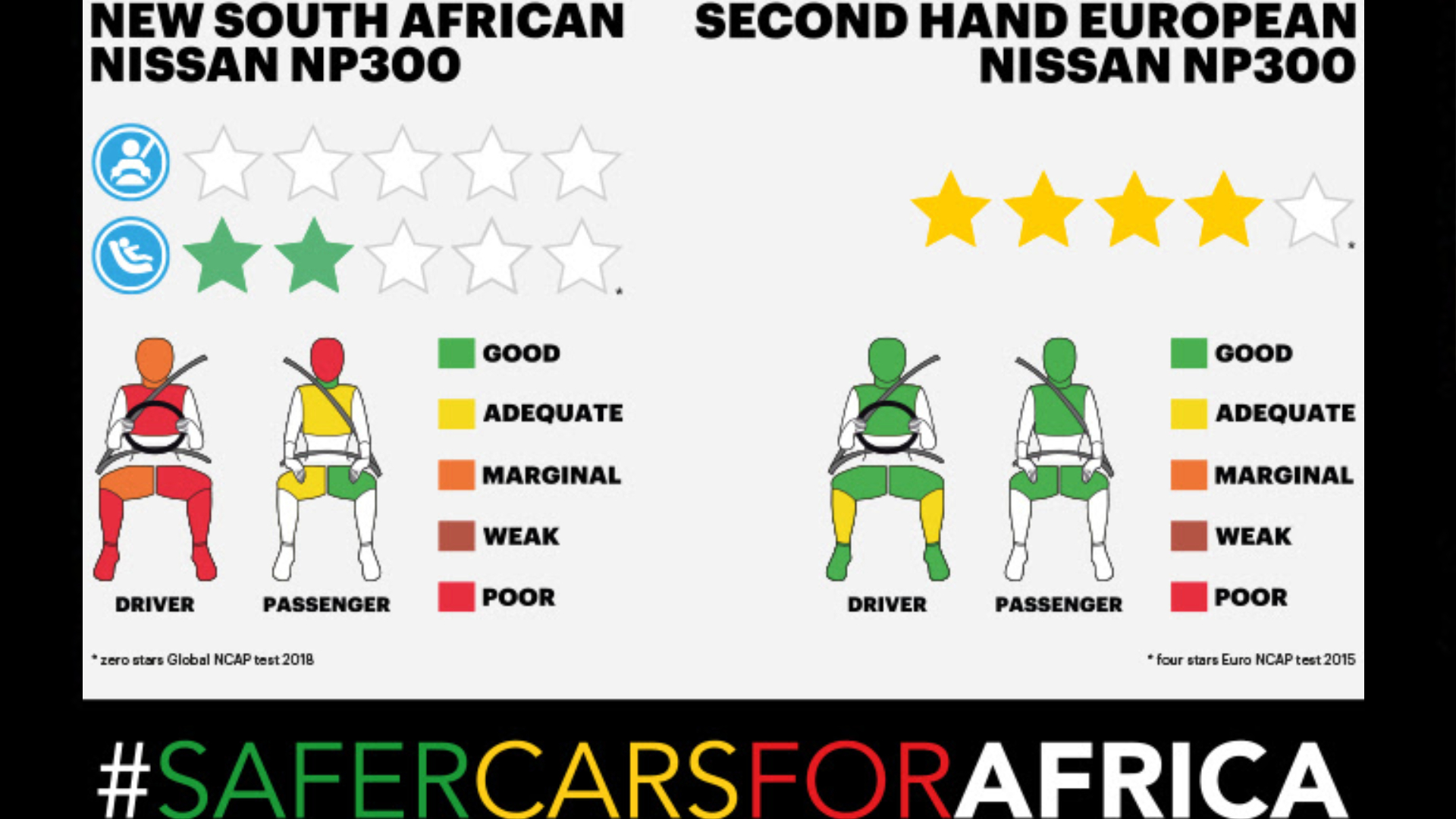
Global NCAP crashed a 2019 Nissan NP300 pickup from Africa into a 2015 European Navara NP300. The results are shocking, with the difference in safety labelled ‘a matter of life and death’.

Overall, the second-hand European Navara got four stars. In terms of occupant protection, the African car got zero stars, while infant protection earned it a lowly two stars.

SEE ALSO: Safety first: the history of Euro NCAP crash tests

The result isn’t surprising, given that the ‘new’ African market vehicle is the D22 generation of the Nissan truck, that’s been off sale in Europe for over ten years. It’s a design that first appeared in 1997. The European variant is the D23, two generations ahead, launched in 2014.

‘Would have likely died’

“This is a very dramatic car to car crash test which uniquely illustrates the double standard in vehicle safety performance between models sold in Europe and those sold in Africa,” said David Ward, CEO and president of Global NCAP.

“The difference in crashworthiness is extraordinary. The new Nissan Hardbody performs significantly worse than the second-hand Nissan Navara, to the extent that the driver in the new African Nissan would likely have died from their injuries but the driver from the second-hand European Nissan would have walked away. 

“A new car in Africa is not necessarily a safer car. Second-hand imported cars from regions with tougher regulatory requirements for safety, and environmental performance, can offer consumers much greater protection. 

“Our aim in publishing this crash test result to coincide with the Global Ministerial Conference in Sweden is very clear. As we approach the end of the first UN Decade of Action for Road Safety, and set an agenda for the next ten years, the double standard demonstrated by an auto manufacturer such as Nissan with the NP300 in Africa is utterly unacceptable.” 

‘Shocking safety gap’

NCAP safer cars for Africa

Global NCAP’s Safer Cars For Africa campaign is being launched to coincide with the Global Ministerial Conference on Road Safety in Sweden. Both crashed cars will be displayed to the public as part of the ‘People’s Exhibition’ in Stockhom Central Railway Station. Overall the goal is to halve road deaths and serious injuries by 2030.

“Does Nissan believe an African life is worth less than a European life?” asked Saul Billingsley, executive director of the FIA Foundation.

“If not, how does the company explain the shocking safety gap between these two vehicles demonstrated by Global NCAP. If we are to meet the 2030 target of halving road deaths we must stamp out this kind of unethical behaviour by some in the car industry.”

Advertisement