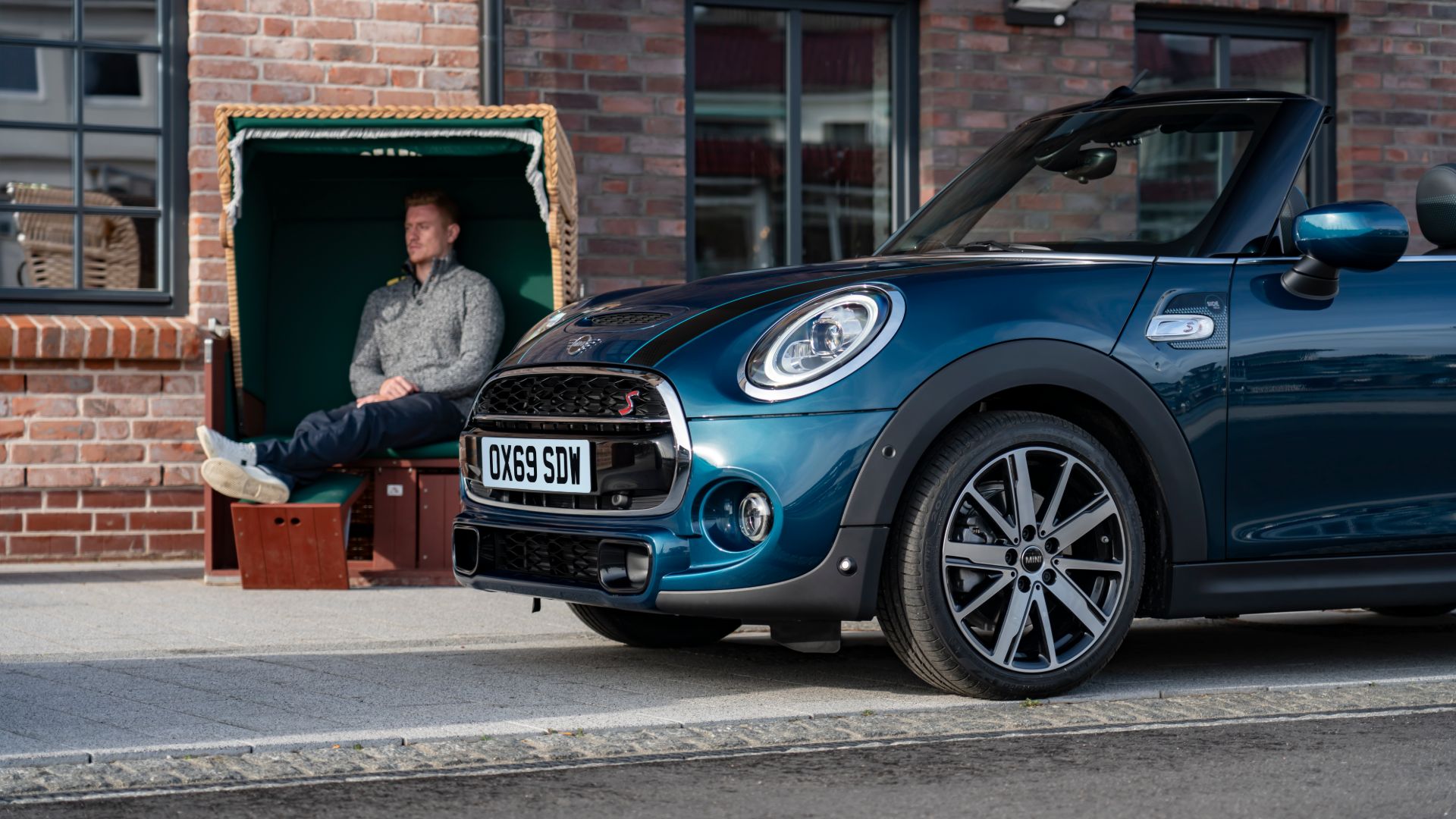
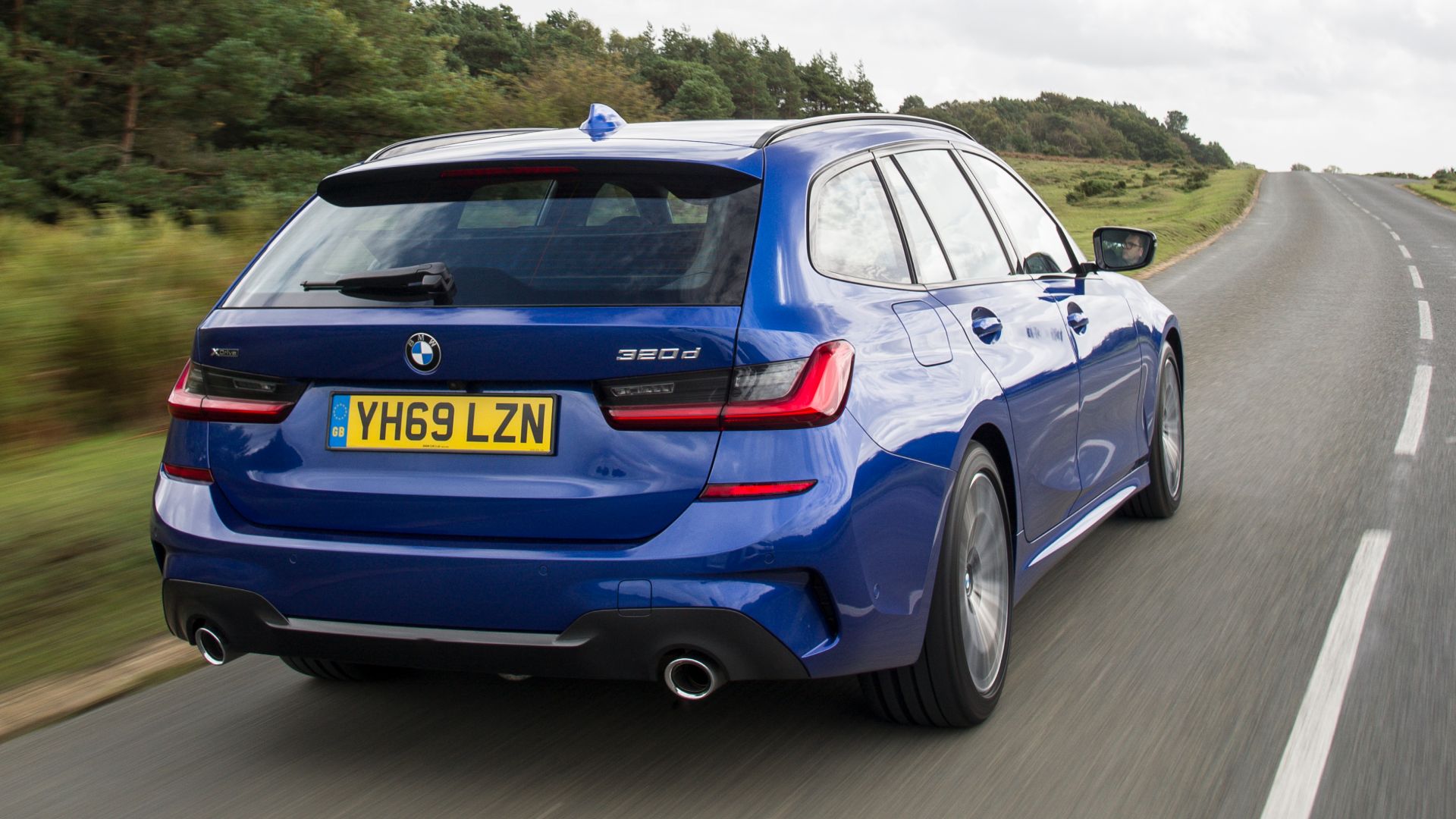
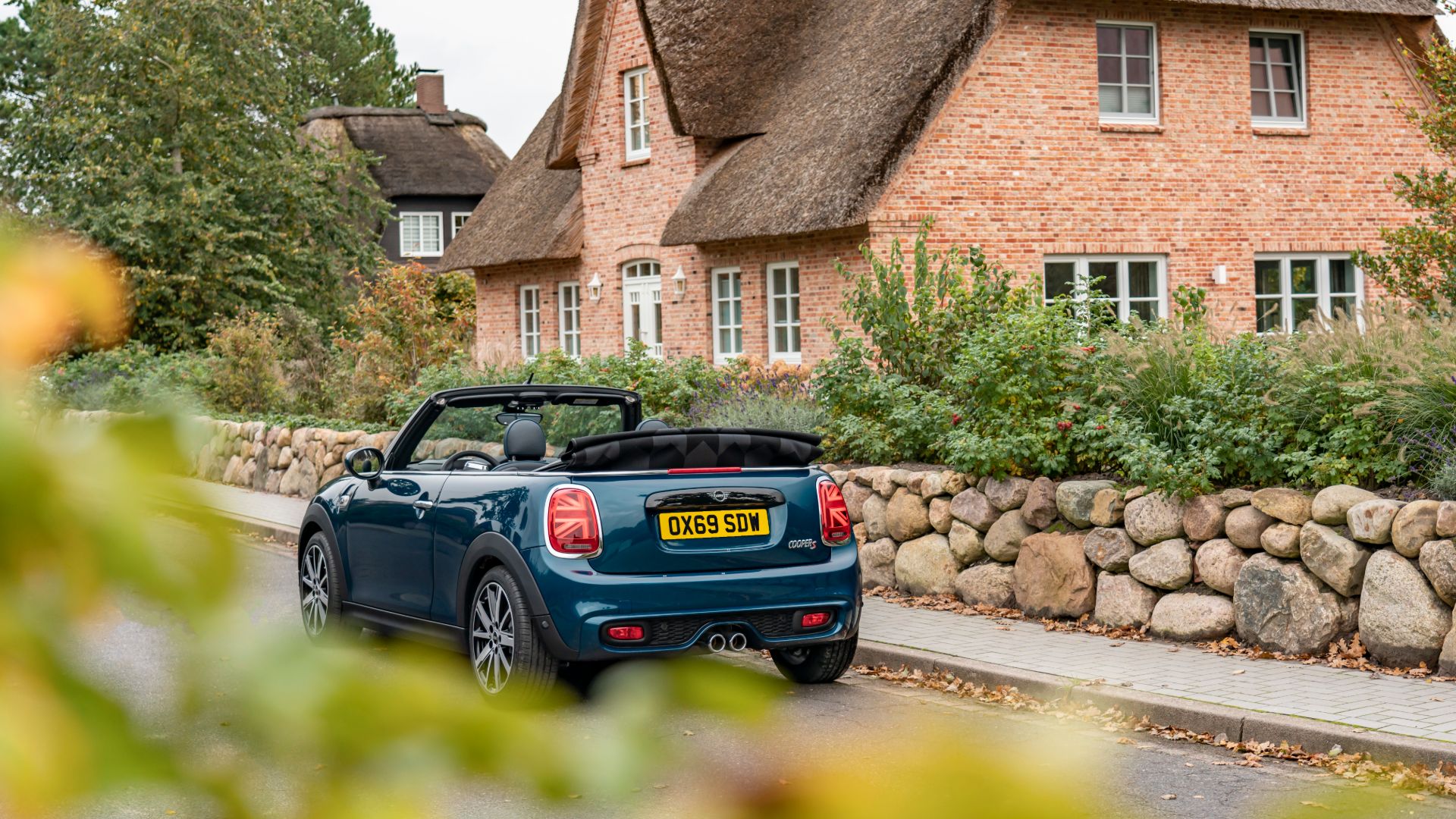
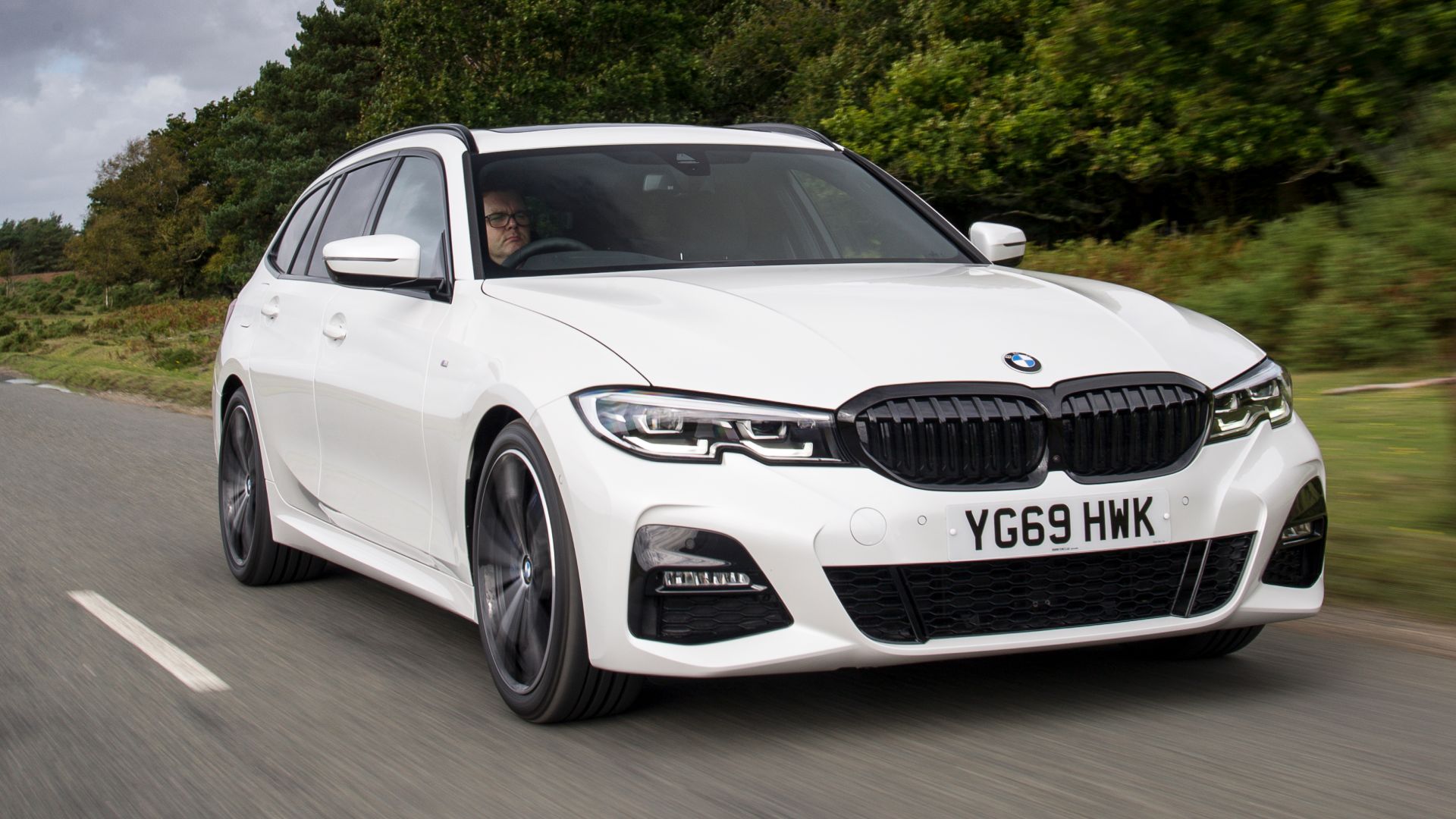
New research has revealed that a quarter of potential new car buyers are waiting for the 69-plate period to elapse before they take the plunge. The reason: they’d rather own a car with the more ‘vanilla’ 20-plate.
The 20-plate change is due next month, with the ‘more family-friendly’, as Carwow calls it, number 20.
Auto Trader saw ‘all-time record‘ car buying interest in January
If you’re wondering whether sales figures have been impacted, don’t worry: the poll also revealed that just under 33 percent of the respondents to the survey said that the 69-plate made new cars more appealing than usual.
Which means sales might be up. Registration figures should be revealed in the coming months, after the 20-plate change. Needless to say, we’ll only be able to speculate on the effects of the 69-plate on sales figures. Even when the numbers laid bare.
“Despite having six months to get acclimatised to seeing this arguably suggestive plate on the roads, it’s interesting to see that some drivers of the general public still haven’t particularly adjusted,” said Vix Leyton, consumer expert at Carwow.
“Drivers often look for ways to add a personal touch to their cars, either through colours, optional experts or with a personalised number plate. Despite almost a quarter being put off by the association of the number 69, our research in August ahead of the release found that just under a third of Britons were, in fact, MORE likely to buy a car, maybe enjoying the novelty of being able to get their hands on an inadvertently suggestive number plate that the DVLA typically don’t allow.”
Indeed, the DVLA often goes to great lengths to neuter rude plate options. It’s actively made sure certain suggestive or rude personal plate combinations are not in circulation.
That said, as Carwow reveals, some do slip through the net, with prices ranging from between £2,245, and £120,000. You’d either need too much money to care, or be a particularly eager beaver for your own risque plate…
The government is to review the potential hazards that electric cars can pose on UK roads. Concerns have been raised over how electric cars can be moved when they breakdown, given that many cannot be towed.
Transport Minister Baroness Vere said that she was ‘astonished’ to learn that electric cars slow to a stop comparatively quickly, rather than coasting to a stop like a normal car. There are also concerns that electric cars are more difficult, and therefore slower, to remove.
The debate in the House of Lords comes amid the current ongoing discussion around smart motorways.
“When an electric vehicle ceases to function, it stops; it does not coast in the way that other vehicles do,” said Barnoness Randerson, Lib Dem transport spokesman, during the debate.
“Smart motorways are supposed to be the future, but the future is electric. Those vehicles stop very suddenly. They also cannot be towed; they have to be put on a low-loader, which is a much more complex and longer process that will put rescue teams in greater danger.
“So can we have special consideration for how these new motorway layouts will operate when there are lots of electric vehicles on the road?”
“When I first heard this, I was absolutely astonished,” Baroness Vere said in response.
“Quite frankly, this is applicable not just to smart motorways but to every single road. We will need to be able to move electric vehicles, wherever they happen to stop or end their days…“
If you imagine trying to move an internal combustion car when it’s off, while still in-gear, or in park in the case of an automatic, and you’re unable to get it out of gear, or park, you won’t be far off. Towing an electric car when it’s off can cause damage to the expensive electric motors, as well as other components.
The AA has also highlighted the issue. It said that the problem with electric car manoeuvrability when they’re either out of battery or malfunctioning is another in a growing list of reasons that emergency refuge areas should be more frequent on smart stretches of motorway.
“You can’t flat tow some electric vehicles more than 800 metres, some you can’t flat tow at all,” said Edmund King, president of the AA.
“So the problem is they will take longer to get off the motorways.”
Baroness Vere concluded, saying that “work is underway to look at short-term measures to make sure we can get electric vehicles off to places of safety as quickly as possible, on whichever road, because that certainly would be a large drawback to the introduction of electric vehicles“.
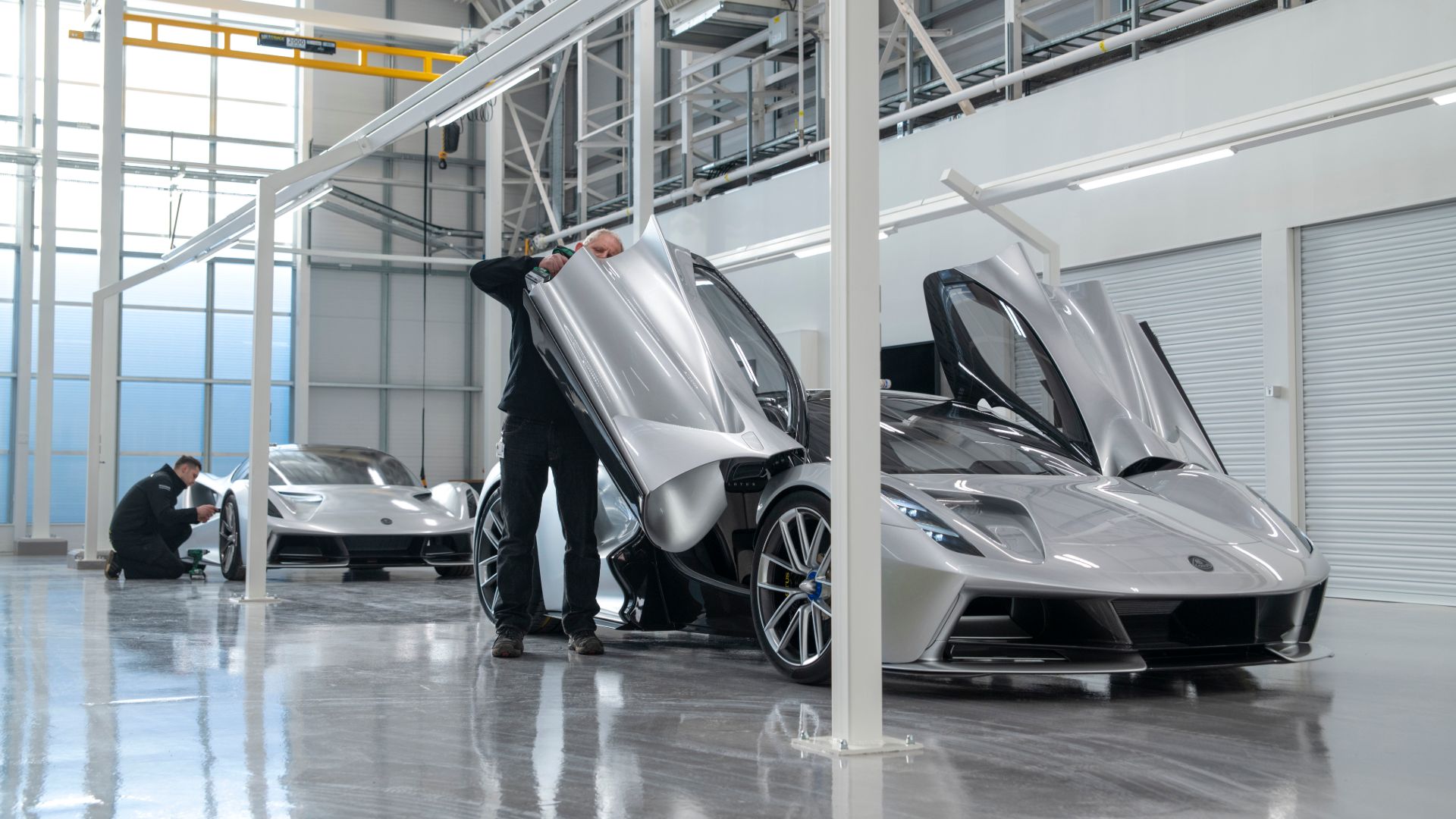
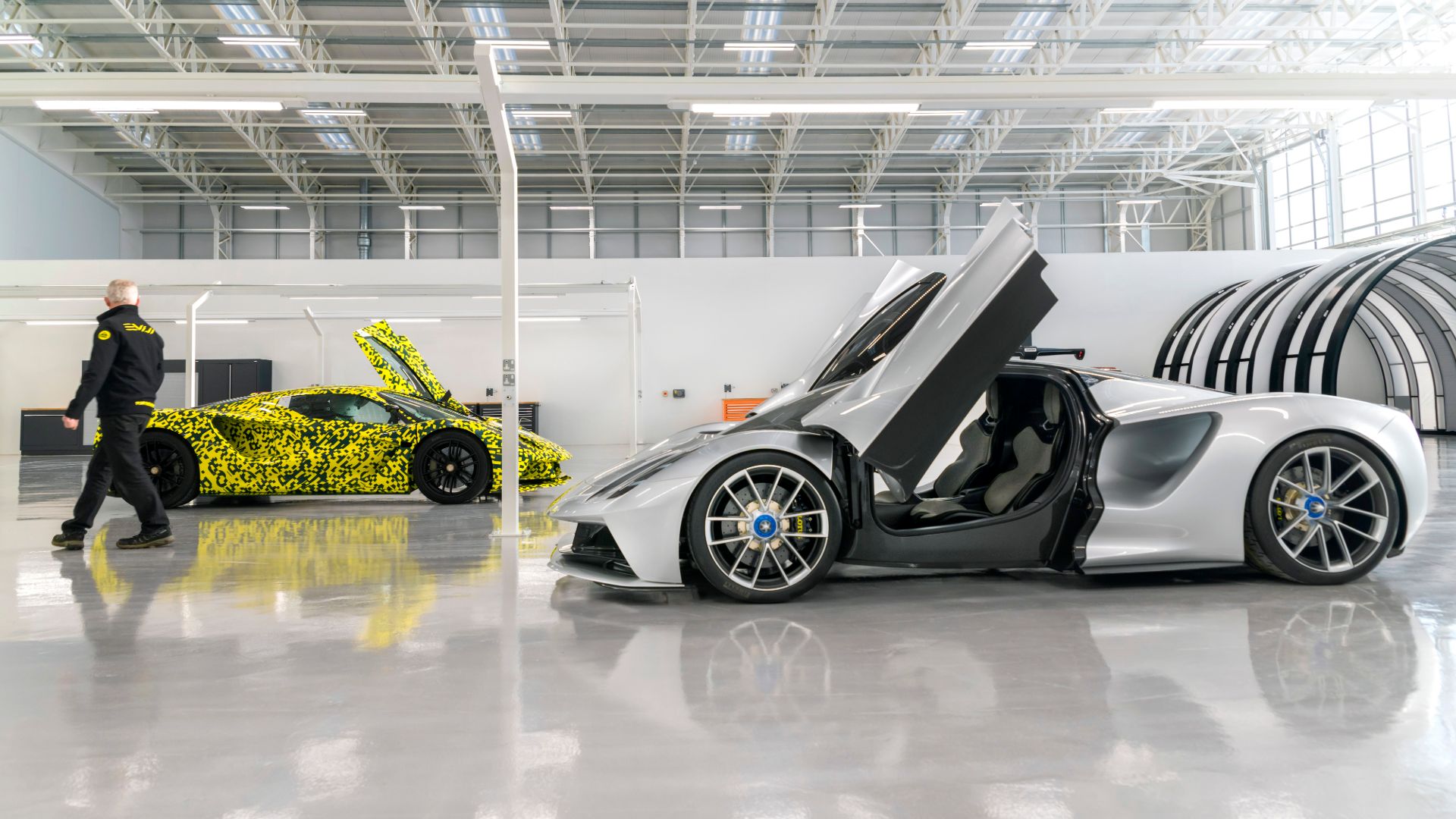
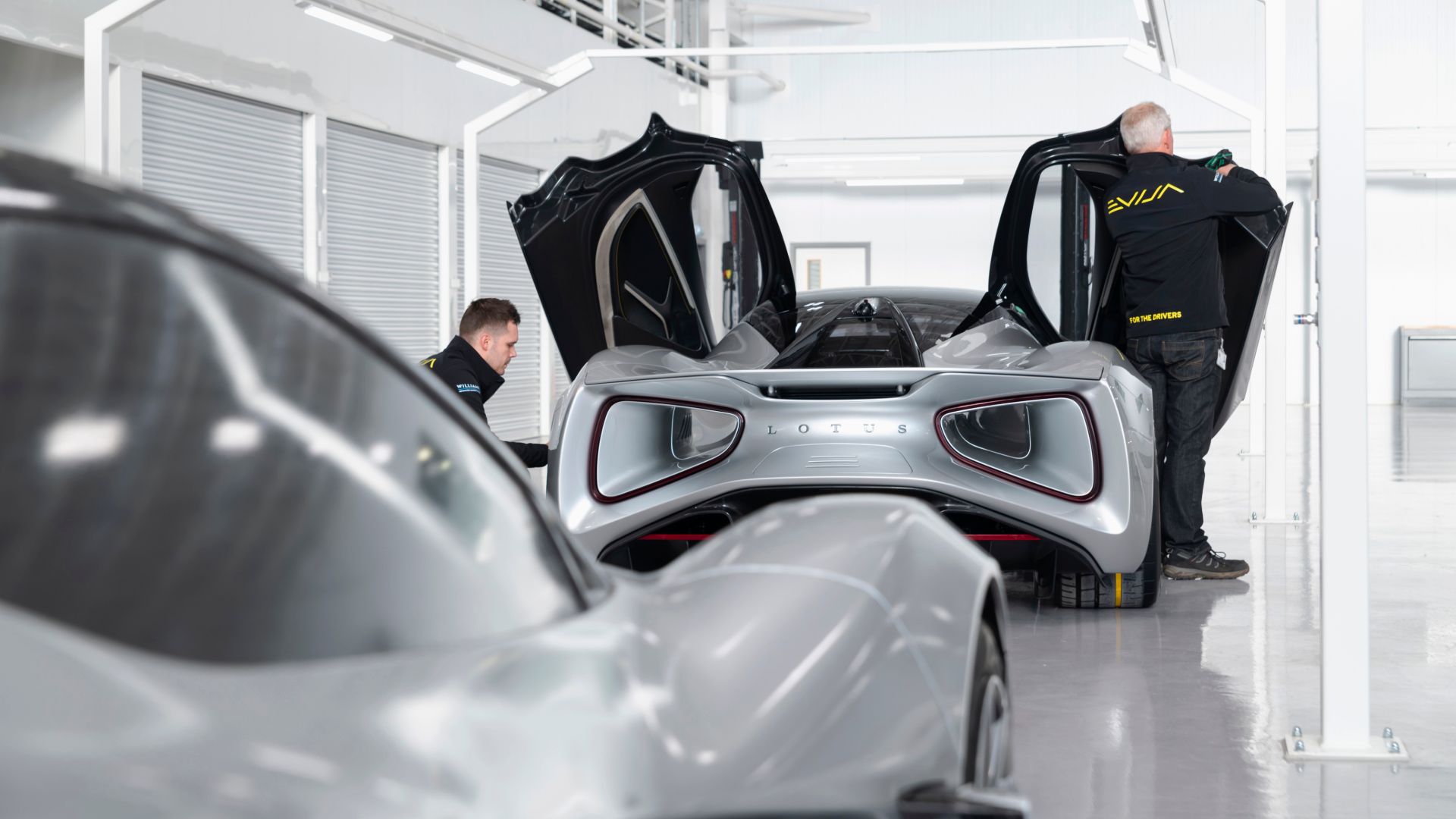
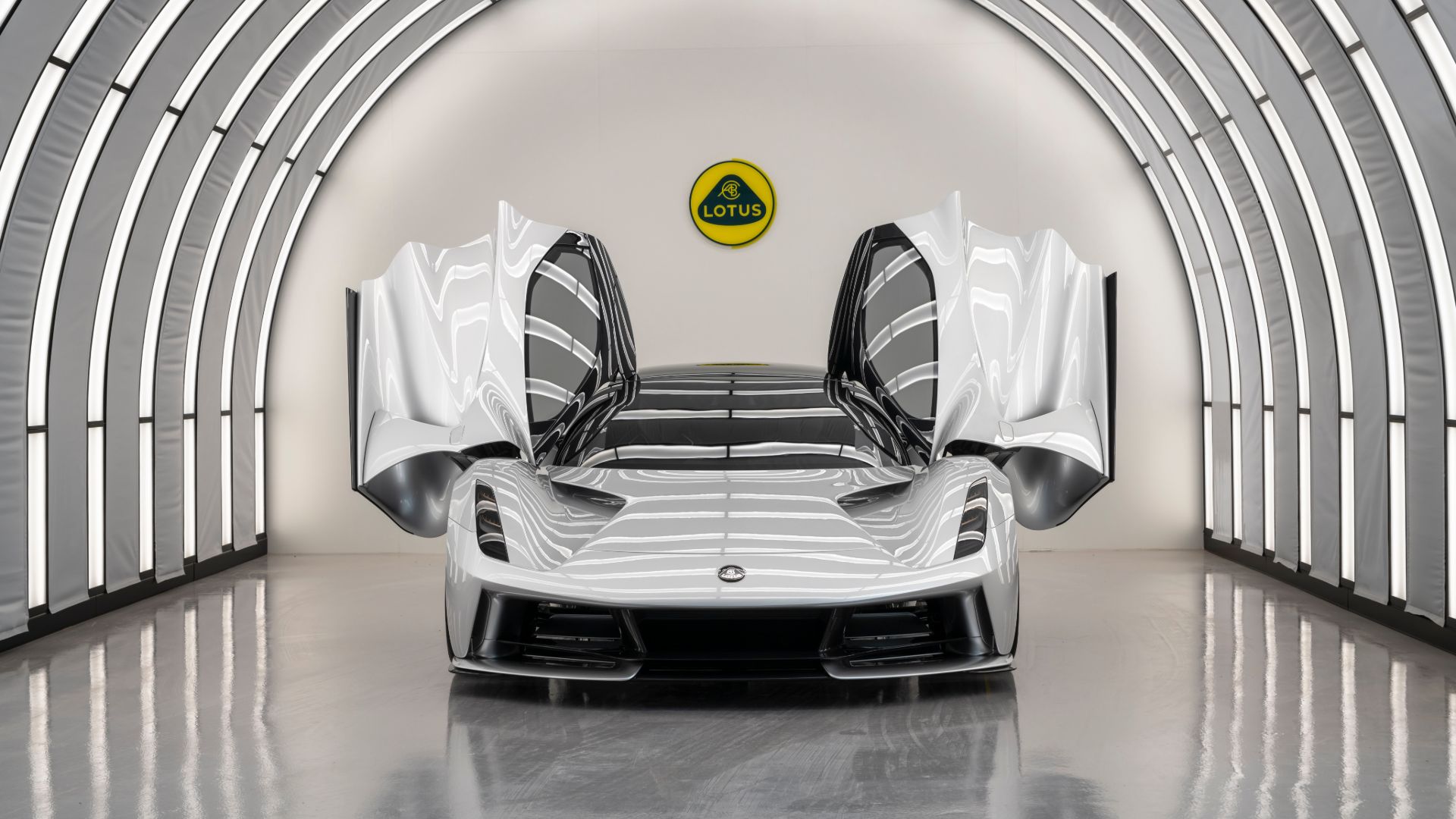
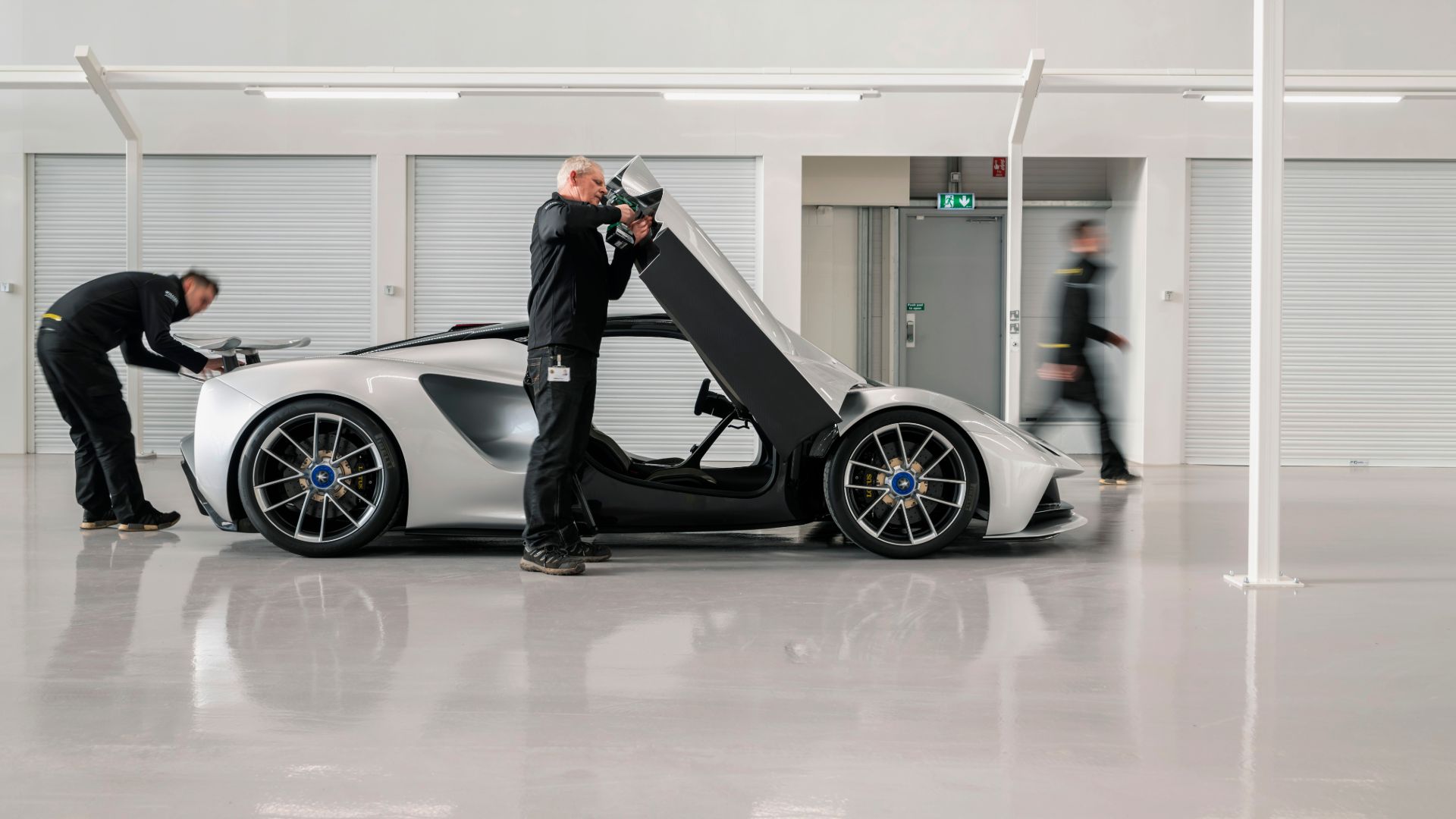
Lotus is in the final stages of completing its high-tech new assembly hall for the 2,000hp all-electric Evija hypercar. Production should begin this summer.
First, though, final prototypes will need to be assembled on the line for the last round of testing and quality control. Following this, customer cars will be built and delivered.
The ‘hall’ as Lotus calls it, was unveiled by Lotus CEO Phil Popham in front of 1,400 employees in Hethel, Norfolk. The facility nears completion after work began in summer of 2019, making this a quick turnaround. It has three sides, with gantries that frame the build stations. There’s an overhead crane, plus vehicle lifts and a wheel alignment ramp.
Watch the 2,000hp Lotus Evija drift in video debut
Not wanting to leave its skilled hypercar assembly team in the dark, Lotus had 30,000 LED lights installed to illuminate the facility. Before venturing out into the world, all Evijas will be subject to inspection in a new light tunnel. They’ll then head out onto the marque’s very own 2.2-mile test track for dynamic validation.
Lotus wants to hand-build 130 examples of the Evija at the facility – and the first year’s allocation of cars is sold out. There are, however, cars left to sell. If you want your very own example of what is currently the world’s most powerful hypercar, get your name down.
“With our new factory ready, we are ahead of the pack in the emerging EV hypercar segment and 100% ready for some healthy competition,” said Popham
“This is now the newest car production facility in the world, and to witness it move from the drawing board to reality has been deeply satisfying. It’s testament to the commitment of all involved, and is the perfect sleek and high-tech production home for the Evija at our iconic Hethel headquarters.”
Evija and a reborn Lotus
The Evija is the first all-new model to come from Lotus following its acquisition by Chinese company, Geely. It’s the first of many electric Lotuses to come, with more affordable models to follow.
Four electric motors, one for each wheel, deliver 500hp apiece. The 0-62mph sprint takes less than three seconds, with 186mph in less than nine. Top speed is projected to be over 200mph.
The battery is capable of being charged in under 10 minutes at maximum speed, with a driving range of 250 miles. The Evija name means ‘the first in existence’.
Phil Popham told MR’s Tim Pitt the ‘For The Drivers’ tagline is “more than just a marketing statement. It also defines how we develop new models. Lotus is all about the enjoyment of driving”.
Lotus is alive and well, then, with its identity intact and real money behind it. Exciting times indeed.
Finally, if you didn’t already know, it’s pronounced ‘Ev-eye-ya’.
The opening of a farm shop shouldn’t generate many column inches beyond the parish news or local rag. But most farm shops aren’t owned by Jeremy Clarkson.
His ‘unheated and meat free’ farm shop has now fully opened. As a result, you can expect the roads in and around the Oxfordshire village of Chadlington to be rather busy.
In a tweet on Friday 21 February, The Grand Tour presenter and farmer said: “My farm shop opens tomorrow afternoon. Twitter friendly as it’s unheated and meat free. Do drop in if you’re in the Chipping Norton area.”
When pressed for a precise opening time, Clarkson said: “The afternoon; like I said.” Form an orderly queue around lunchtime…
My farm shop opens tomorrow afternoon. Twitter friendly as it’s unheated and meat free. Do drop in if you’re in the Chipping Norton area.
Last year, Jeremy Clarkson was forced to defend plans to build a shop at Diddly Squat Farm. Locals said the farm shop would have a “negative impact on the landscape”. At the time, Clarkson told the BBC: “I really know I’m not doing anything wrong or anything that would hurt the village.”
West Oxfordshire District Council granted planning permission last year, with approval granted on the proviso that the shop can only sell produce grown on-site or by West Oxfordshire producers. When asked whether he has grown the produce himself, Clarkson tweeted: “All of it.”
Top Beer
This comes ahead of Clarkson’s new Amazon show which has the working title of ‘I Bought The Farm’. The eight-part series will see the former Top Gear presenter and “inept townie” attempting to run the 1,000-acre working farm.
In a video released in October 2019, Jeremy Clarkson said: “Good news! I can finally confirm that I’m going to be spending the next year, in the rain, making a show about farming.
“This means people all over the world will be able to watch me using a thousand acres of the Cotswolds to make thousands of tons of beer, and bread, and vegetable oil, and lamb chops, and jumpers.”
Needless to say, the grand opening is likely to have been filmed for Amazon. For those who attended, it could be their chance to meet a star at a reasonably priced farm shop…
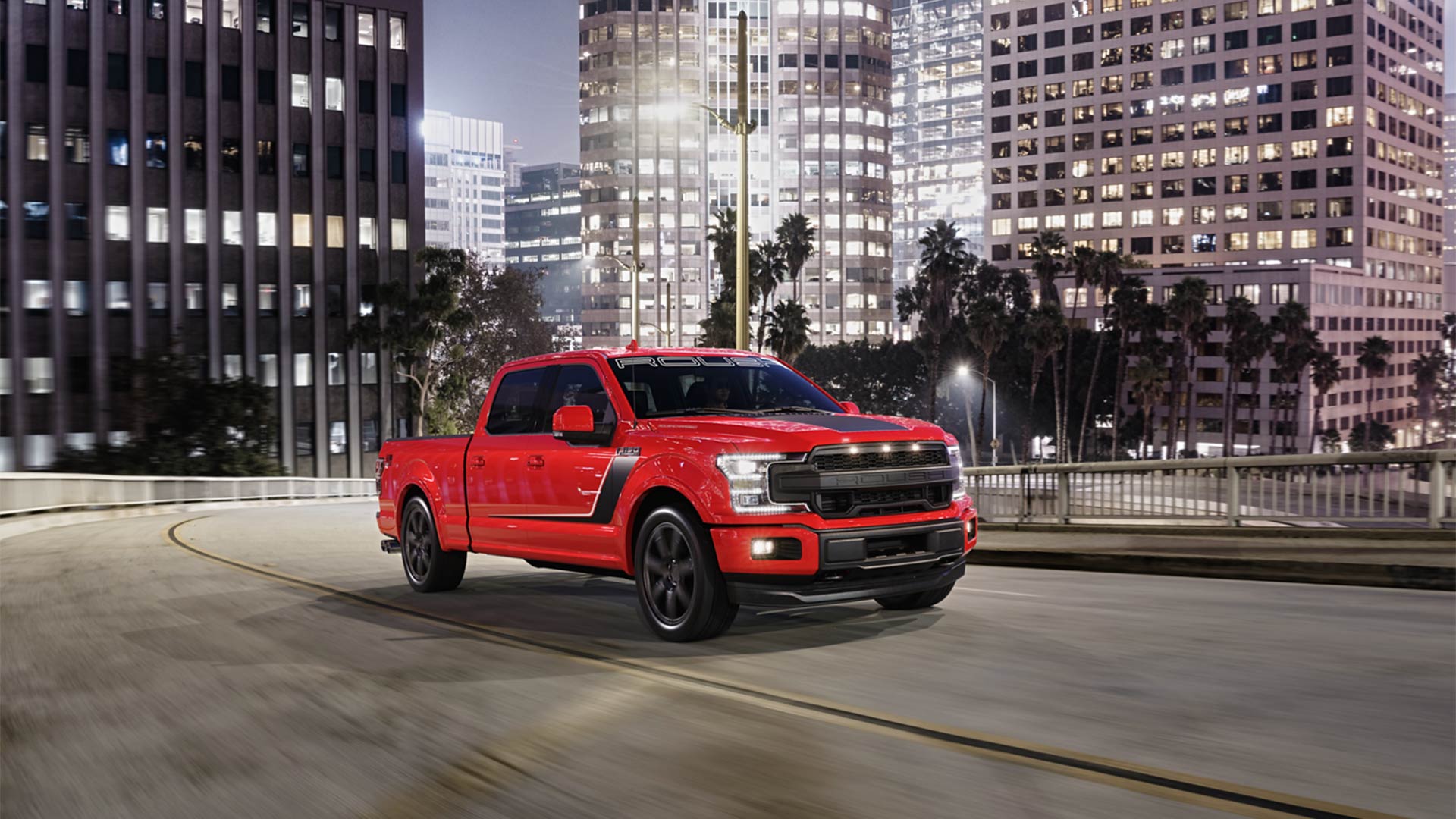
Roush Performance has confirmed details of its Ford F-150 pickup truck offerings for 2020, with two versions available to order now.
A supercharged V-8 engine provides the power for both of the pairing, but Roush has tailored the vehicles to suit different tastes.
Both will offer impressive power and performance, but buyers will be able to pick whether they prefer to enjoy it on the street or in the dirt.
Rumble in the jungle
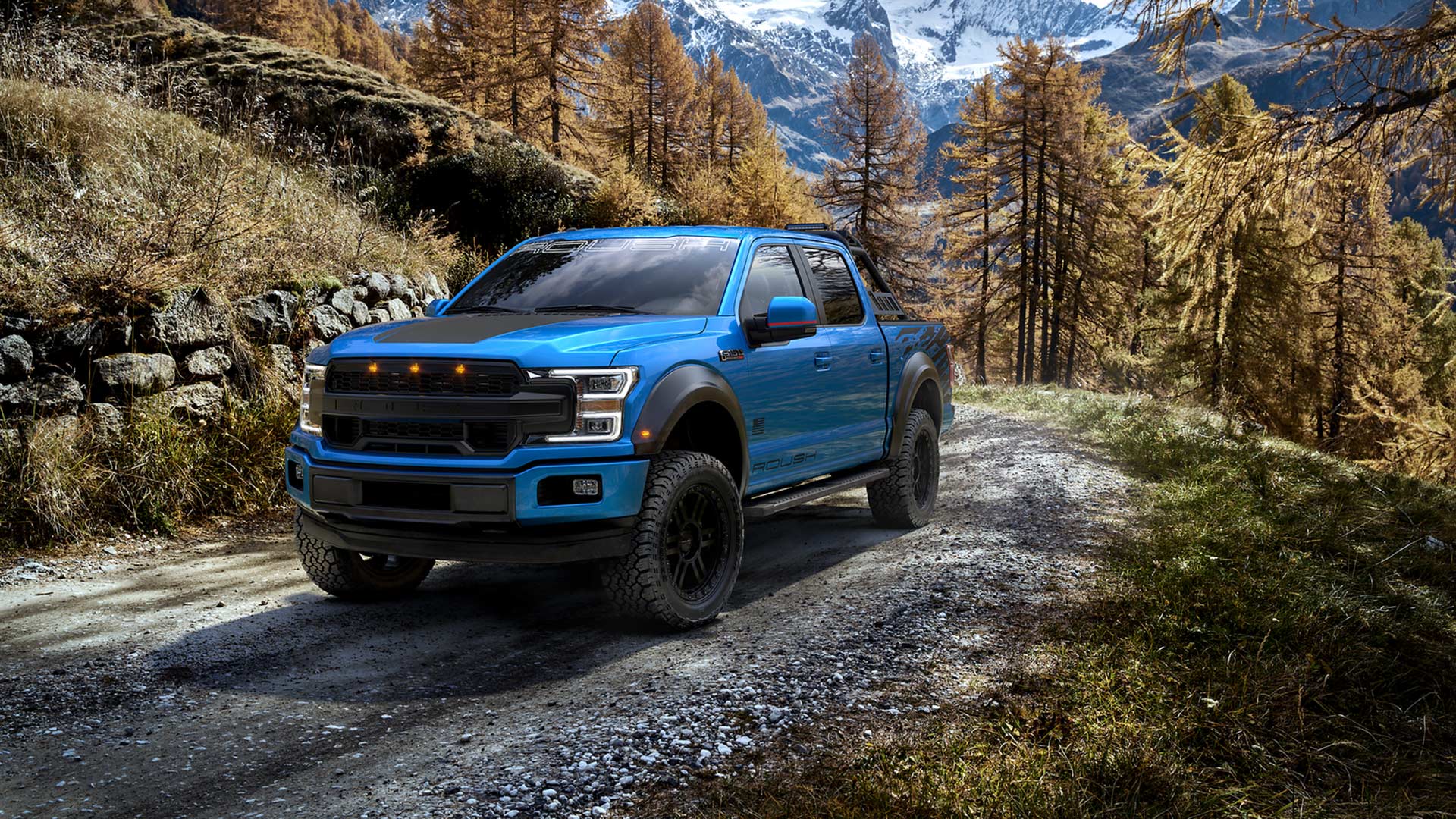
Getting ready to kick it in the rough stuff is the 2020 F-150 SC. Designed as an all-purpose off-roader, the SC has features to enable it to make the most of its supercharged engine.
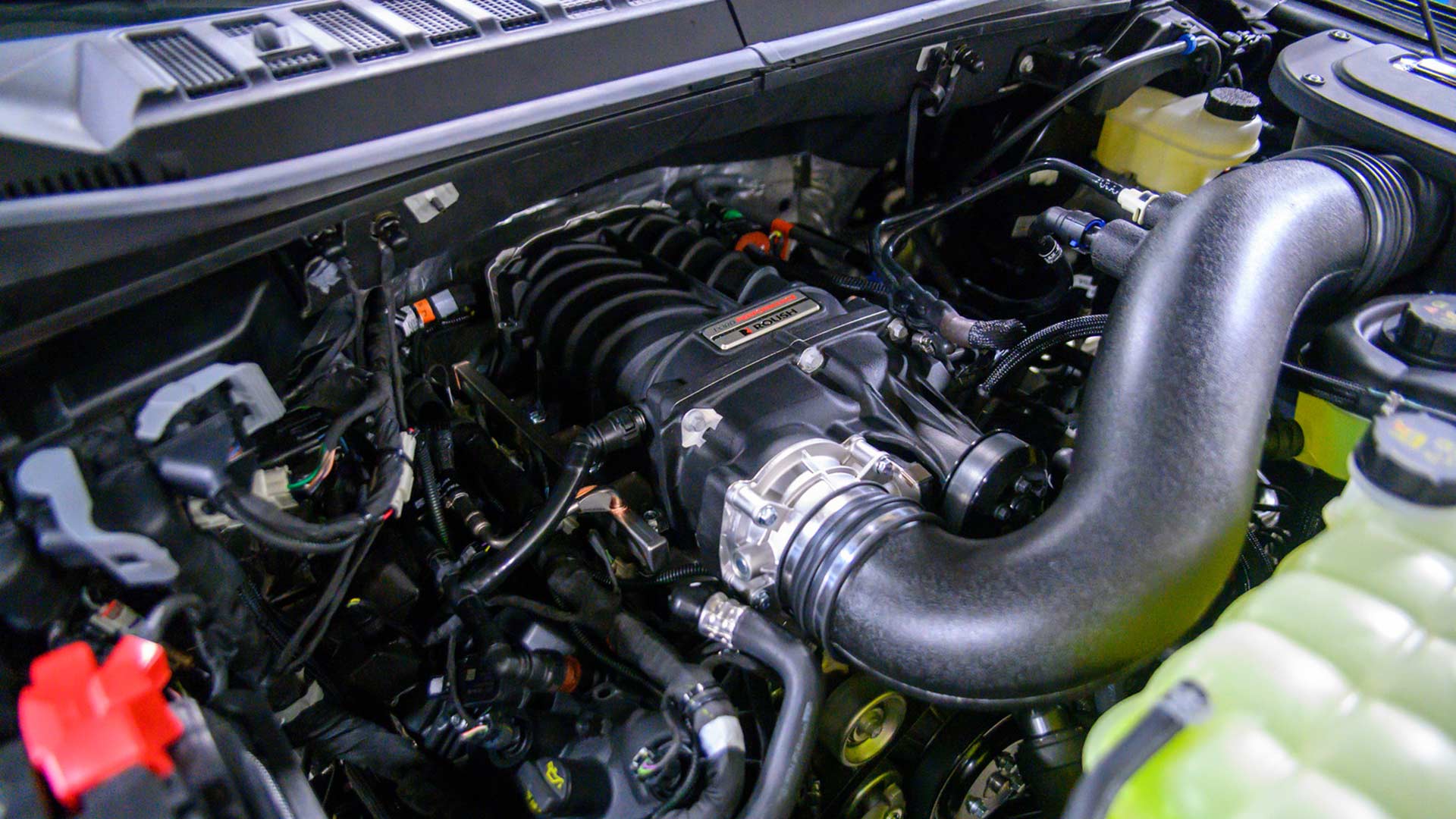
At the heart of the SC is Ford’s 5.0-liter V-8 engine, but fitted with Roush’s TVS R2650 supercharger system. This boosts output to an impressive 650 horsepower, with 610 lb-ft of torque.
A Roush cat-back exhaust with sporty dual-tips is also standard, helping the engine breathe better, while enhancing its sound. Buyers can also pay extra for an active exhaust, controlled by a switch inside the cabin.
Roush has also tuned the Fox 2.0 suspension system, and fitted Grabber ATX 305/55 tires mounted on special 20-inch alloy wheels.
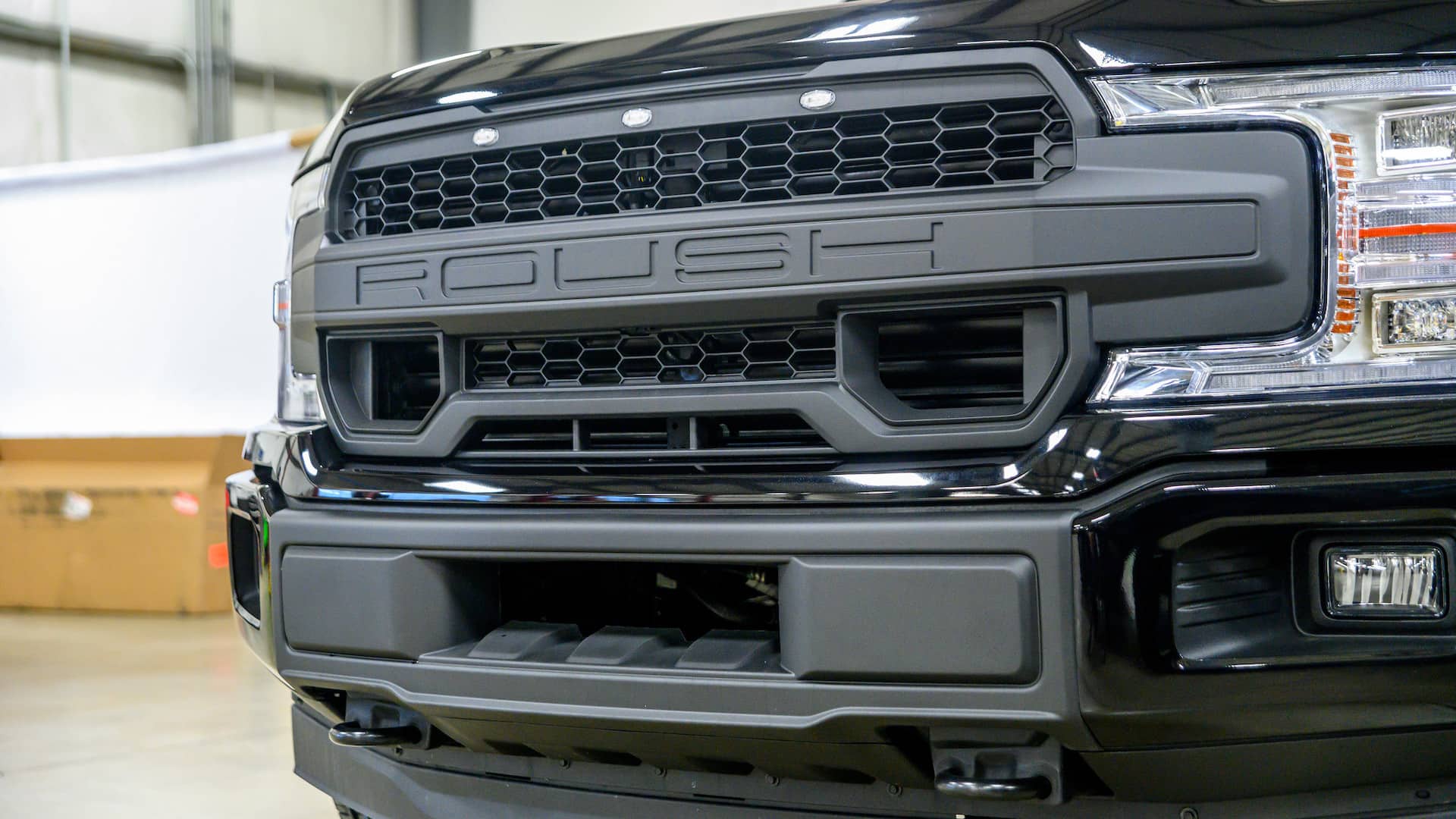
Exterior changes include a custom front bumper, Roush-branded front grille with special lighting, and flared fenders. Roush badges inside and out, plus a special graphics package are also included in the $24,000 price over the donor vehicle.
Optional extras include a premium leather interior, and a Baja-inspired exterior rack with light bars. A console vault to safely store your possessions can also be added.
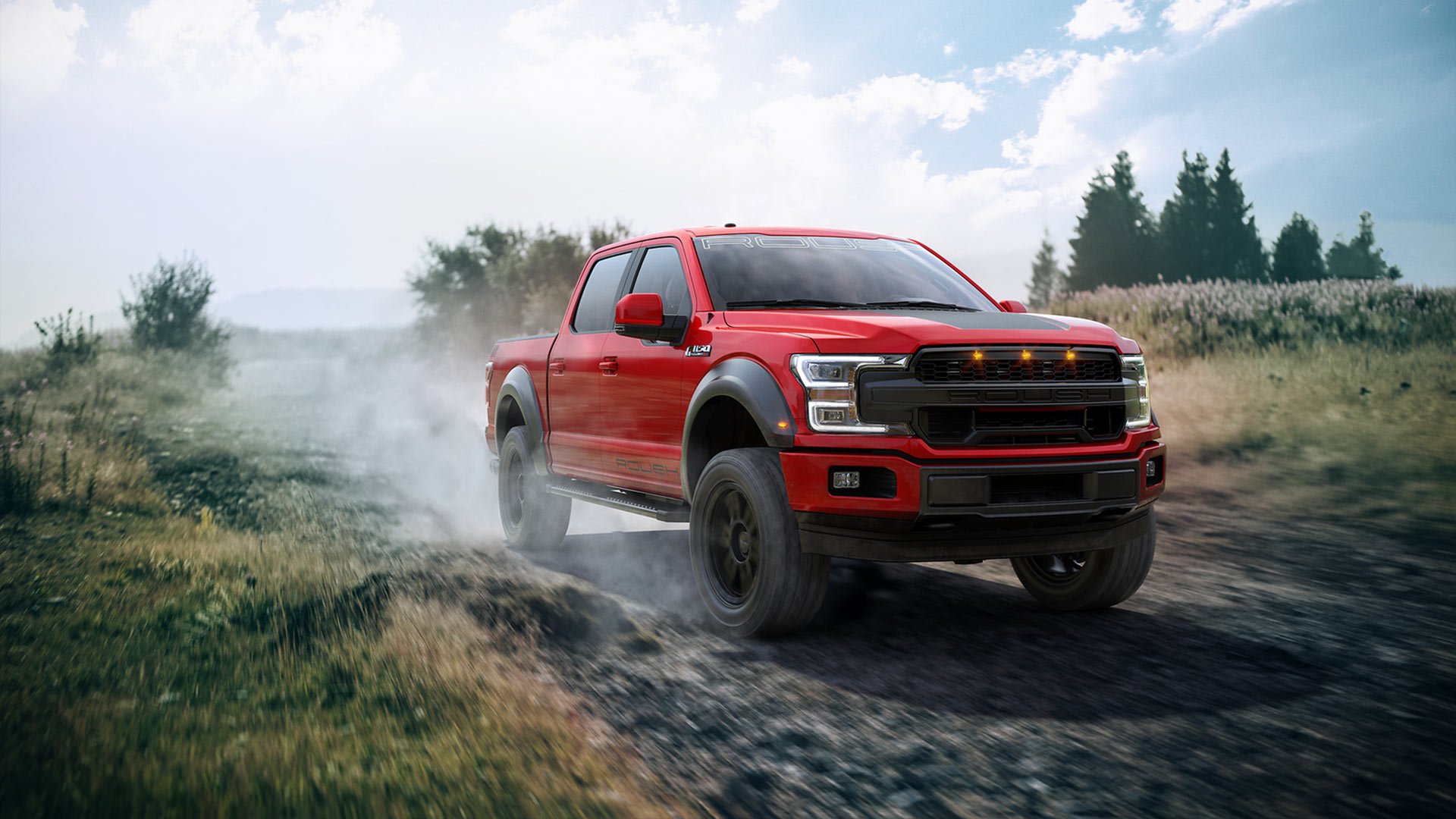
Ready for the drag strip
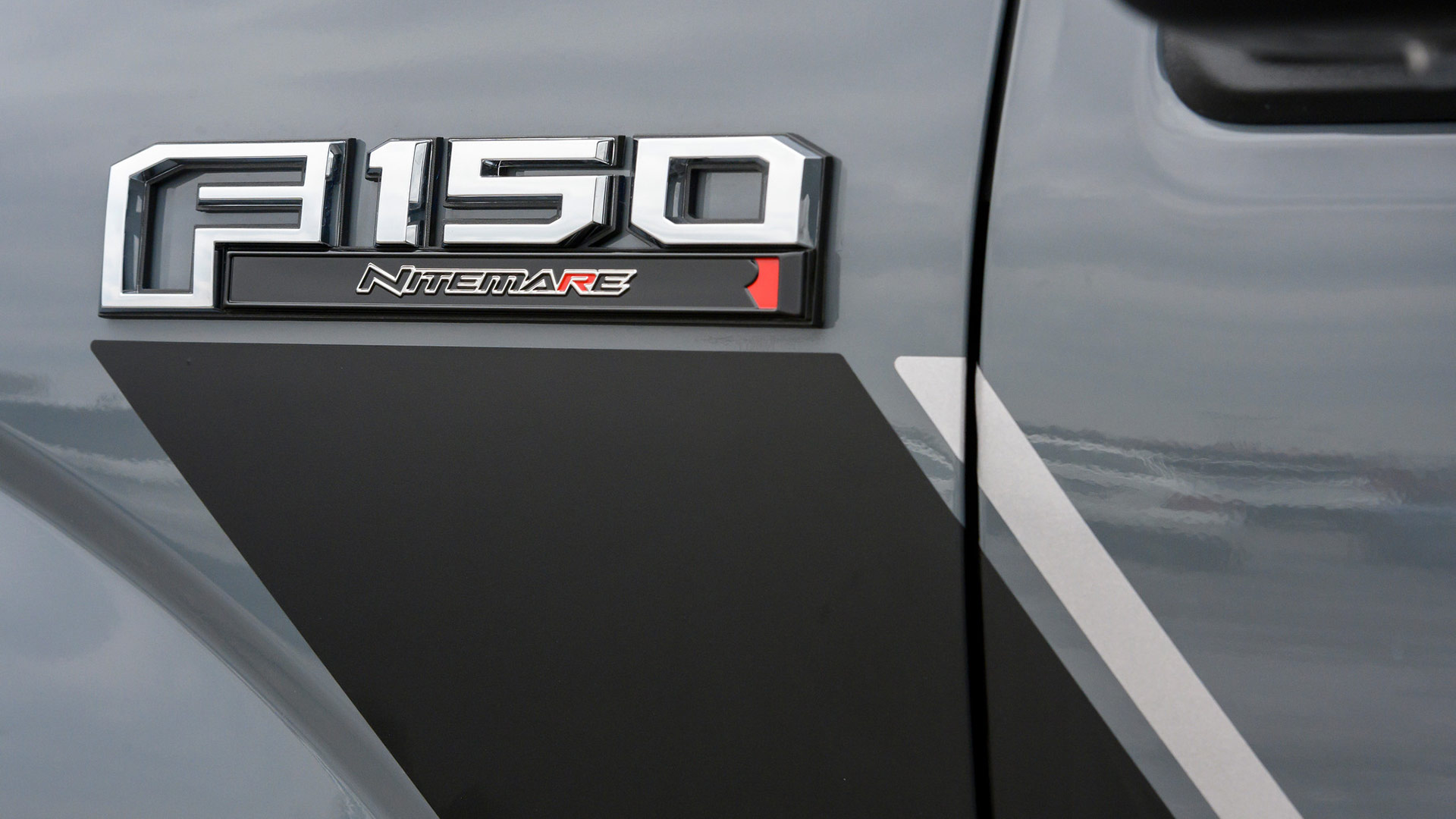
Last year saw Roush claim the title of the quickest pickup in the world, using the F-150 Nitemare to set a new record. Independent testing saw the truck accelerate from 0-60 mph in 3.9 seconds when configured in Regular Cab format.
Like the SC, the Nitemare uses the supercharged 5.0-liter Ford V-8, producing 650 horsepower and 610 lb-ft of torque. A dual-tip sports exhaust is standard.
Aiding the greater acceleration of the Nitemare are 22-inch satin black wheels, wrapped in sticky Continental CrossContact rubber. A suspension lowering kit also allows it to sit lower to the floor, making this an asphalt-orientated truck.
Exterior changes include a Nitemare-specific front grille, which Roush states still works with Ford’s active cruise control system. Bold graphics include a hockey stick stripe for the sides, and a blackout panel for the tailgate.
The interior features a serialized Roush build plaque, whilst each example also comes with a certificate of authenticity from the factory. Despite the speed, the Nitemare is actually cheaper than the SC, with prices beginning at $19,150 above the donor vehicle.
Buyers can again opt for a full leather interior, or specify that center console storage vault if needed. Like all Roush vehicles, the SC and Nitemare come with a three-year / 36,000-mile warranty.
Serious horsepower and serious capability
According to Jack Roush Jr., the 2020 duo are designed to aid customers who want “serious horsepower and serious capability” in their pickup truck.
He also added that both “the Nitemare and the F-150 SC are a thrill to drive – whether you’re on the street, towing your boat, or enjoying the trails off-road”.
The two trucks join the recently announced Roush F-150 5.11 Tactical Edition, along with the upgraded 2020 Phase 2 Mustang.
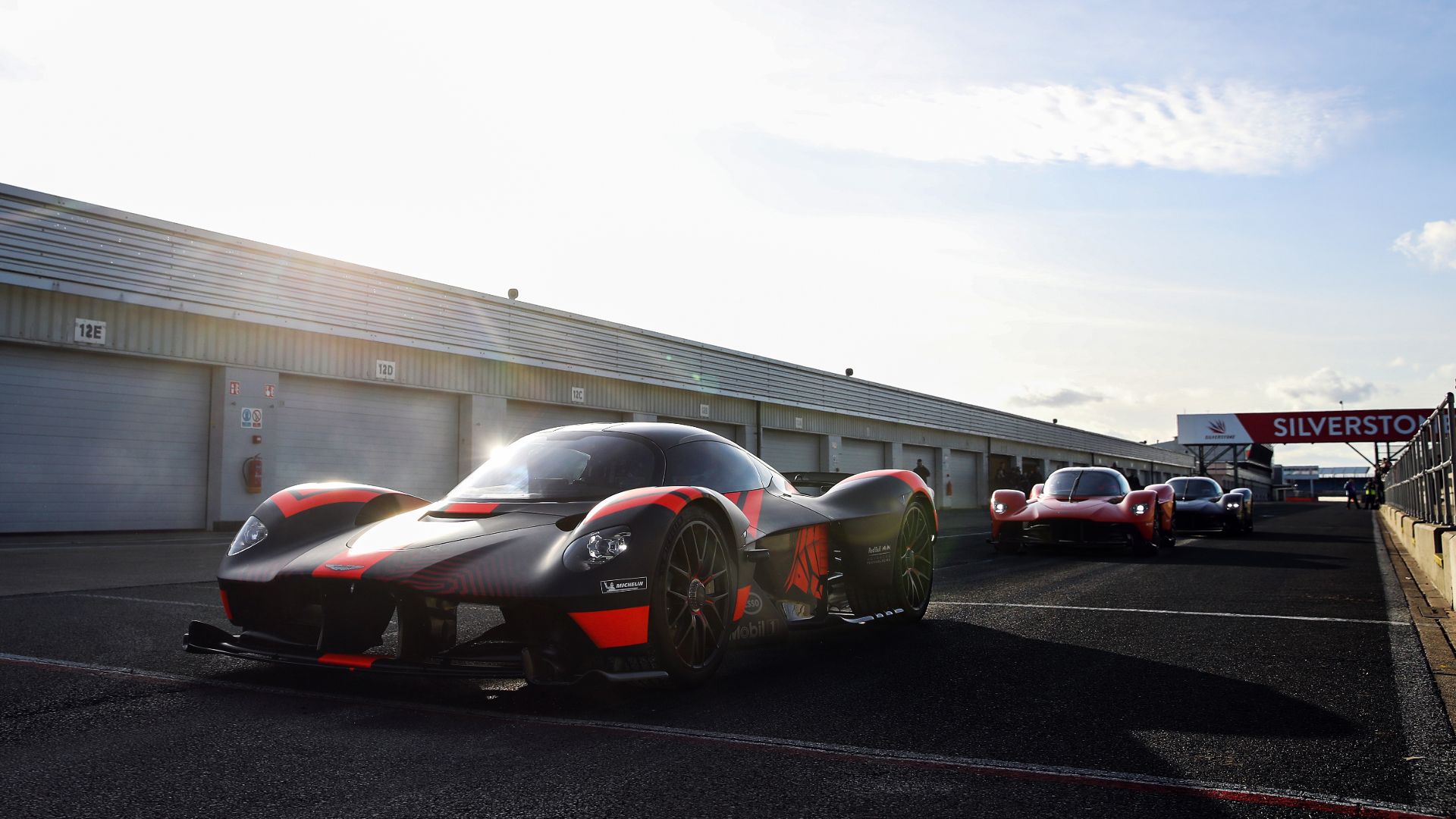
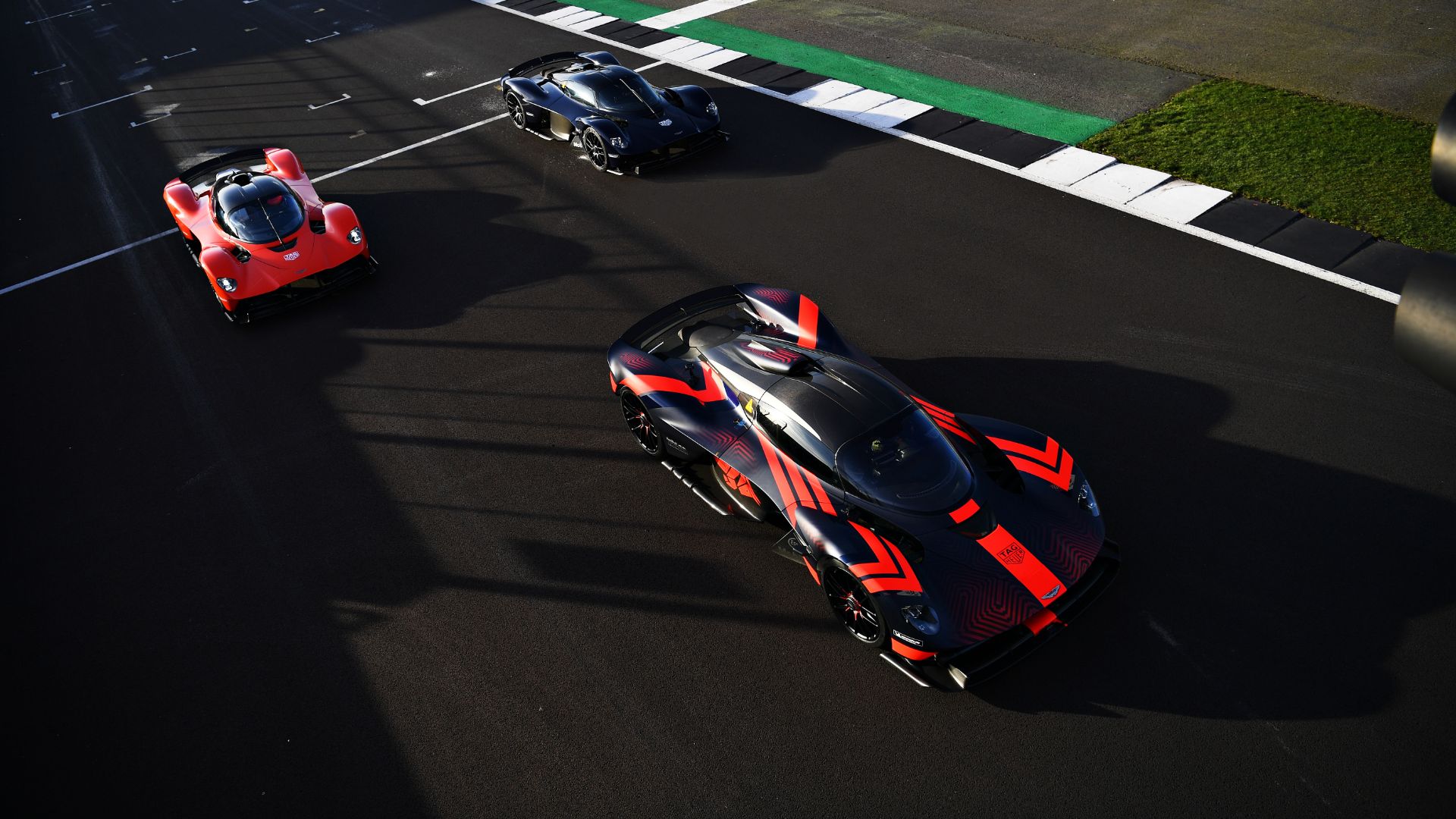
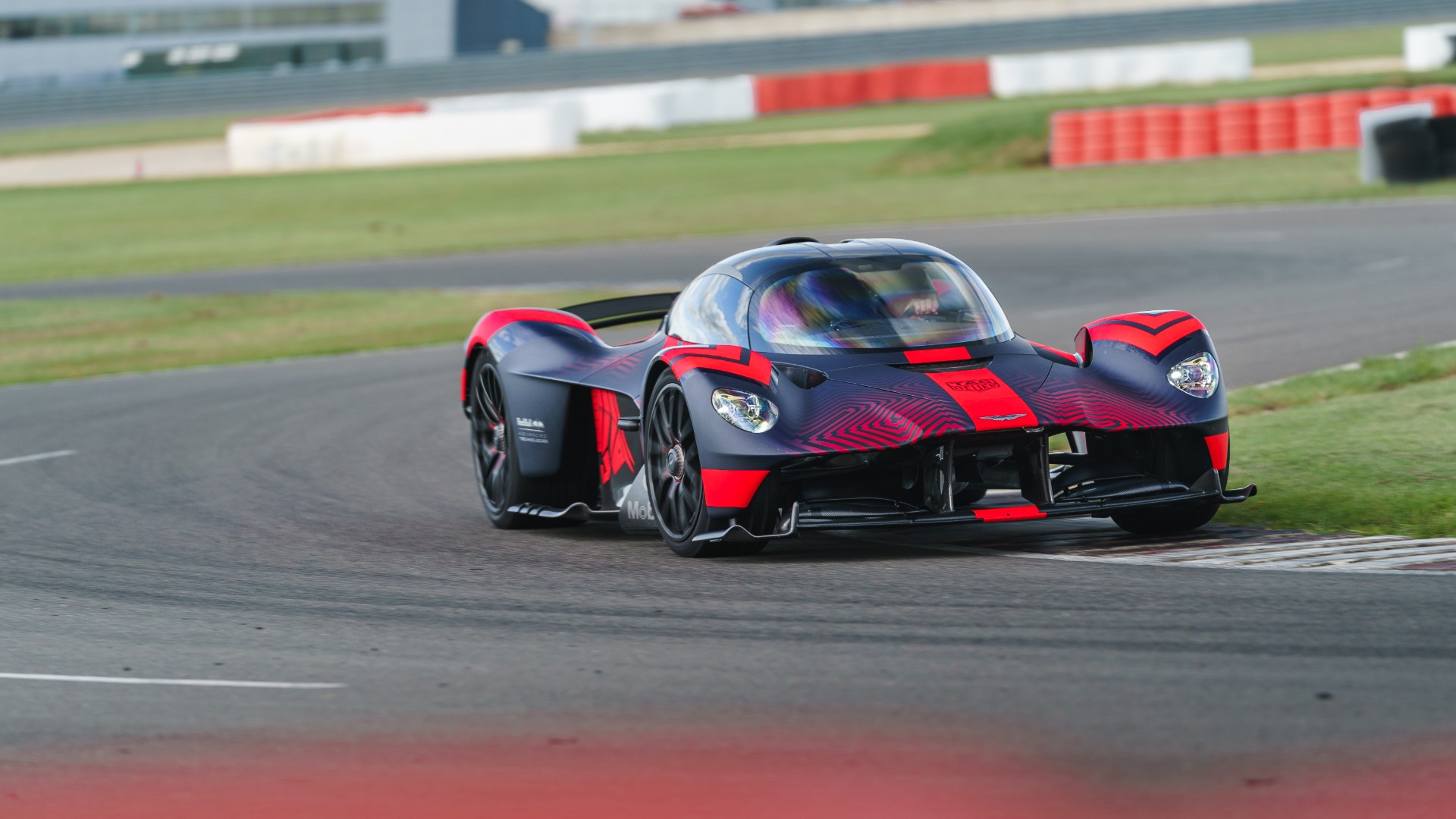
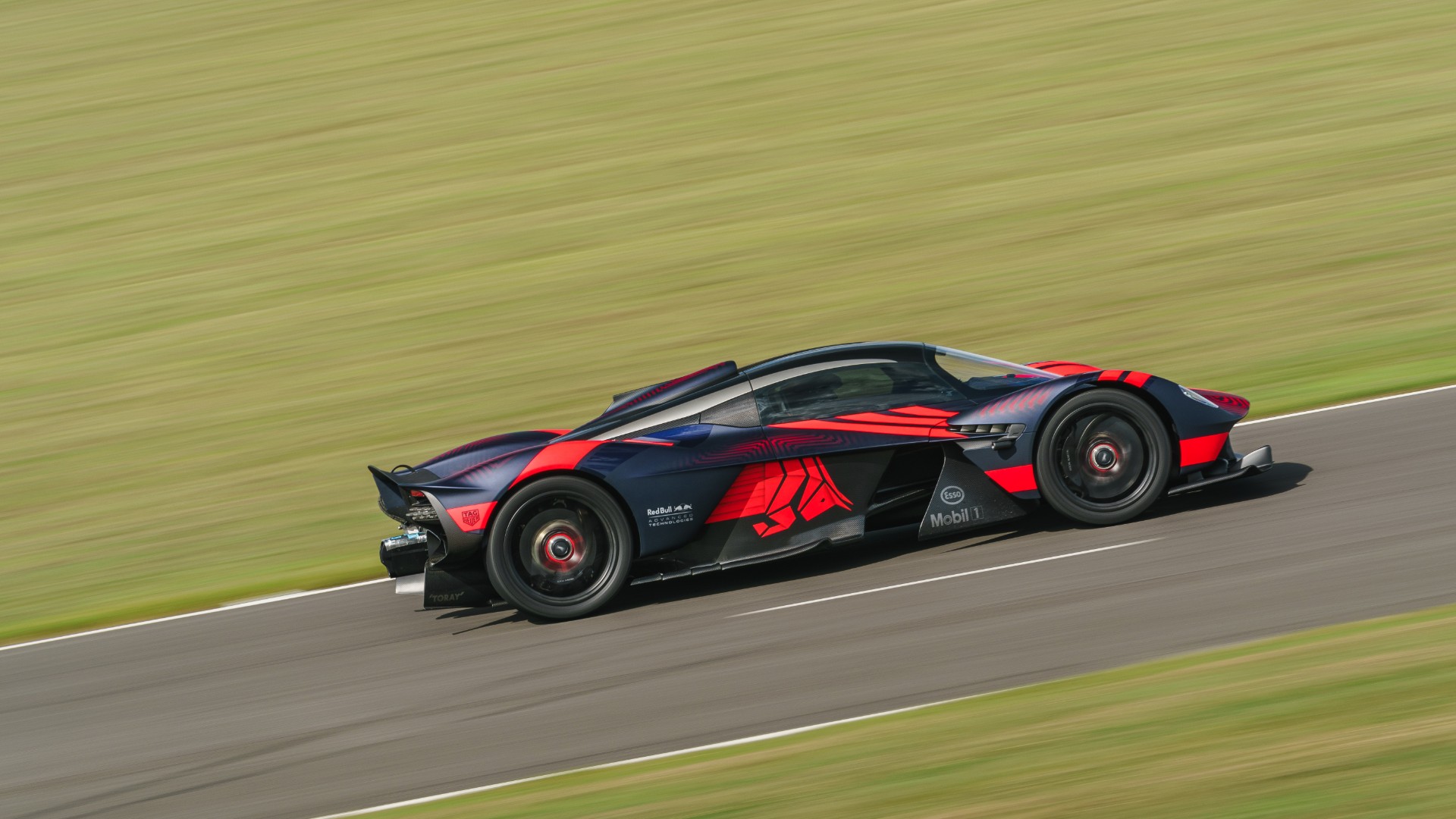
It was previously reported that Aston Martin is shelving its Valkyrie Le Mans Hypercar project. The news came uncomfortably soon after we witnessed two new prototypes of the road car taking their first steps, with Red Bull F1 aces Max Verstappen and Alex Albon. Fear not, however, as it’s now thought to be more of a delay, rather than a cancellation.
Reports from Autosport said the project is likely to be on hold for at least one year. In an official statement, Aston has confirmed that it will not start the season at Silverstone in 2020, or race at Le Mans in 2021.
The marque has stated that the decision to allow the racing Hypercar class to include LMDh IMSA prototypes has caused the delay.
In a statement regarding the combination of the classes, the company said ‘Aston Martin Lagonda has postponed development of its World Endurance Championship (WEC) Hypercar race entry, following the recent decision by the Automobile Club de l’Ouest (ACO) and the International Motor Sport Association (IMSA) to harmonise the Hypercar class with the so-called LMDh prototype category in the WEC from 2021 and the US-based WeatherTech Sportscar Championship from 2022’.
It went on to say that it will ‘pause’ while it ‘considers whether to continue in any future prototype class’. The silver lining, however, is that the onus is now on the rule-makers to get the harmonization of the two classes right, and keep Aston in the loop. ‘Aston Martin remains open to working with both organisations to find a suitable pathway for any future participation.’
Following the initial announcement of the Valkyrie racing project, Aston went quiet. Delays to the confirmation of the rules aside, it was already on a tight schedule, given the car is due to line up at Silverstone in September.
The recent buy-in to Aston by F1 mogul Lawrence Stroll is thought to be a factor here. His cash injection will at first lead to the Racing Point F1 team being rebranded as Aston Martin at the beginning of the 2021 season.
At that point, Aston will end its sponsorship of the Red Bull F1 team. Red Bull has, however, said the separation will not affect development of the Valkyrie.
It was under Red Bull that Valkyrie designer and F1 design legend Adrian Newey first began conceptualising his vision of the ultimate road car. This was before any partnership with Aston Martin on the project, with the marque originally working on its own vision for a flagship hypercar.
Hypercars stumbling at the start
Bond boost: demand for Aston Martin drives leaps ahead of movie release
With Aston out until proven otherwise, that leaves Toyota with its GR Super Sport alone at the head of the grid for the Silverstone Six Hours.
Peugeot should also be joining the fray before long, although it recently announced it was undecided on whether to develop under LMDh or Hypercar specifications.
Many other marques are rumoured to be toying with an entry, including McLaren and Ferrari. For now, though, this blow for Aston is also a major blow for the class.
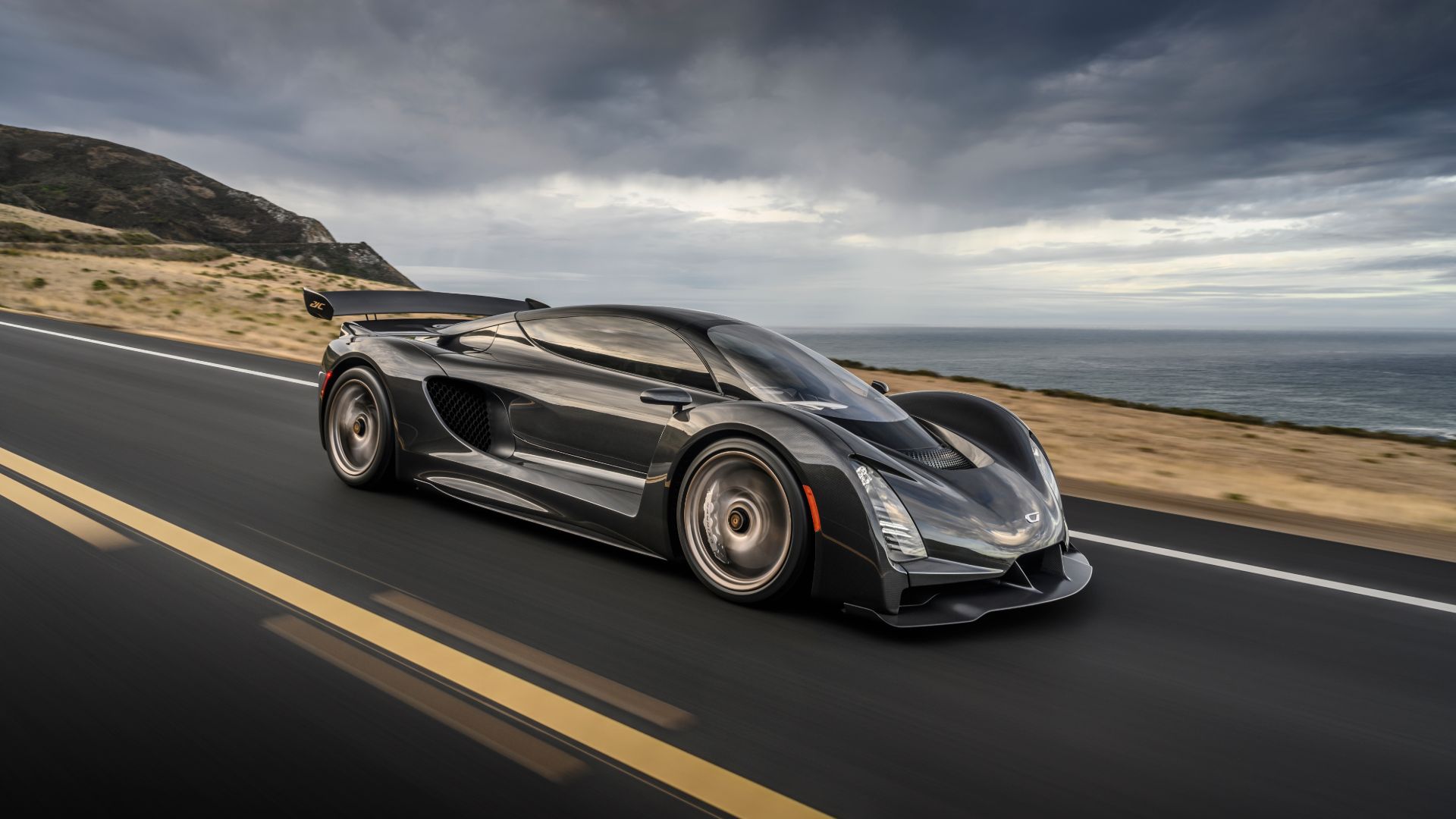
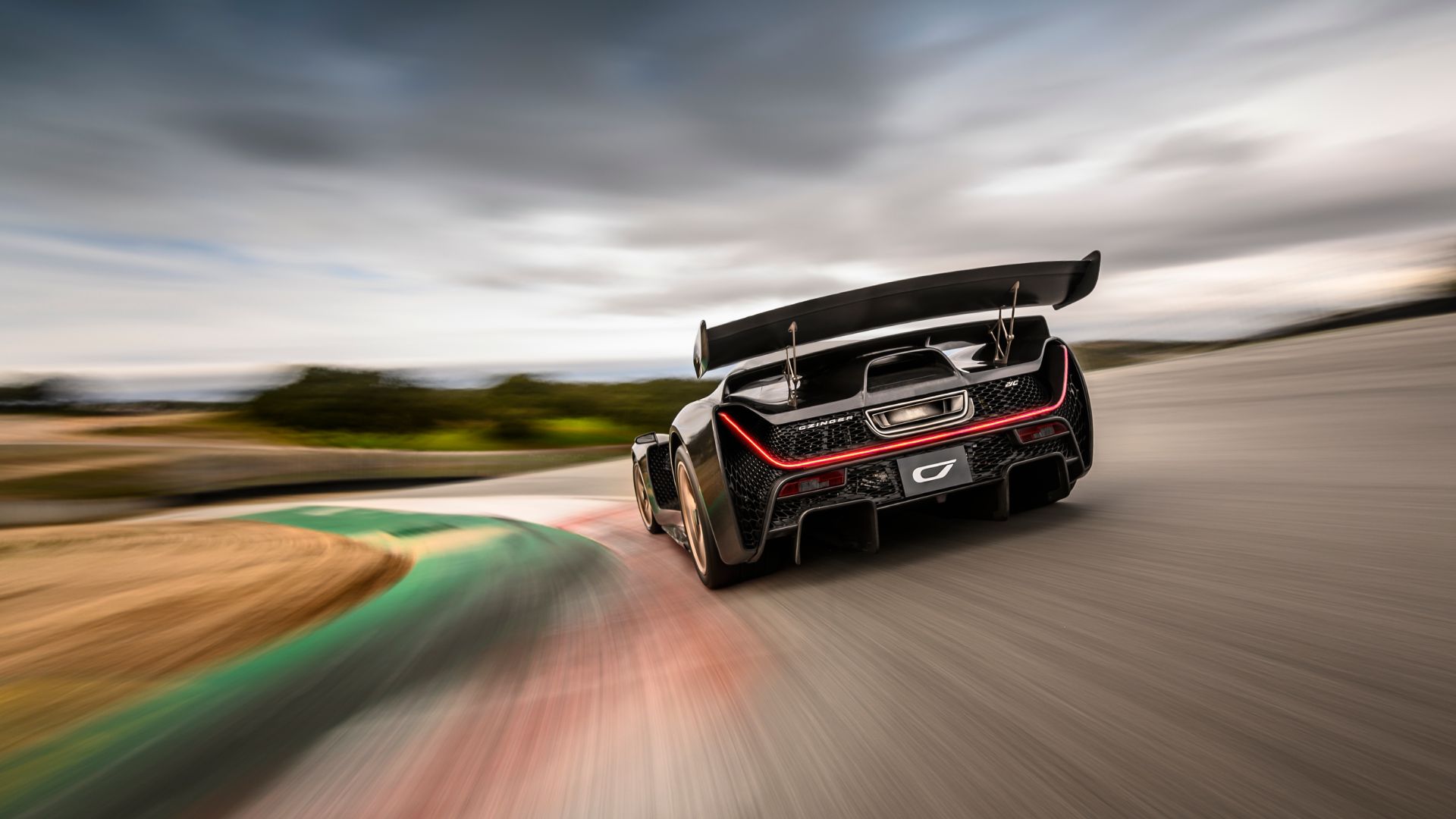
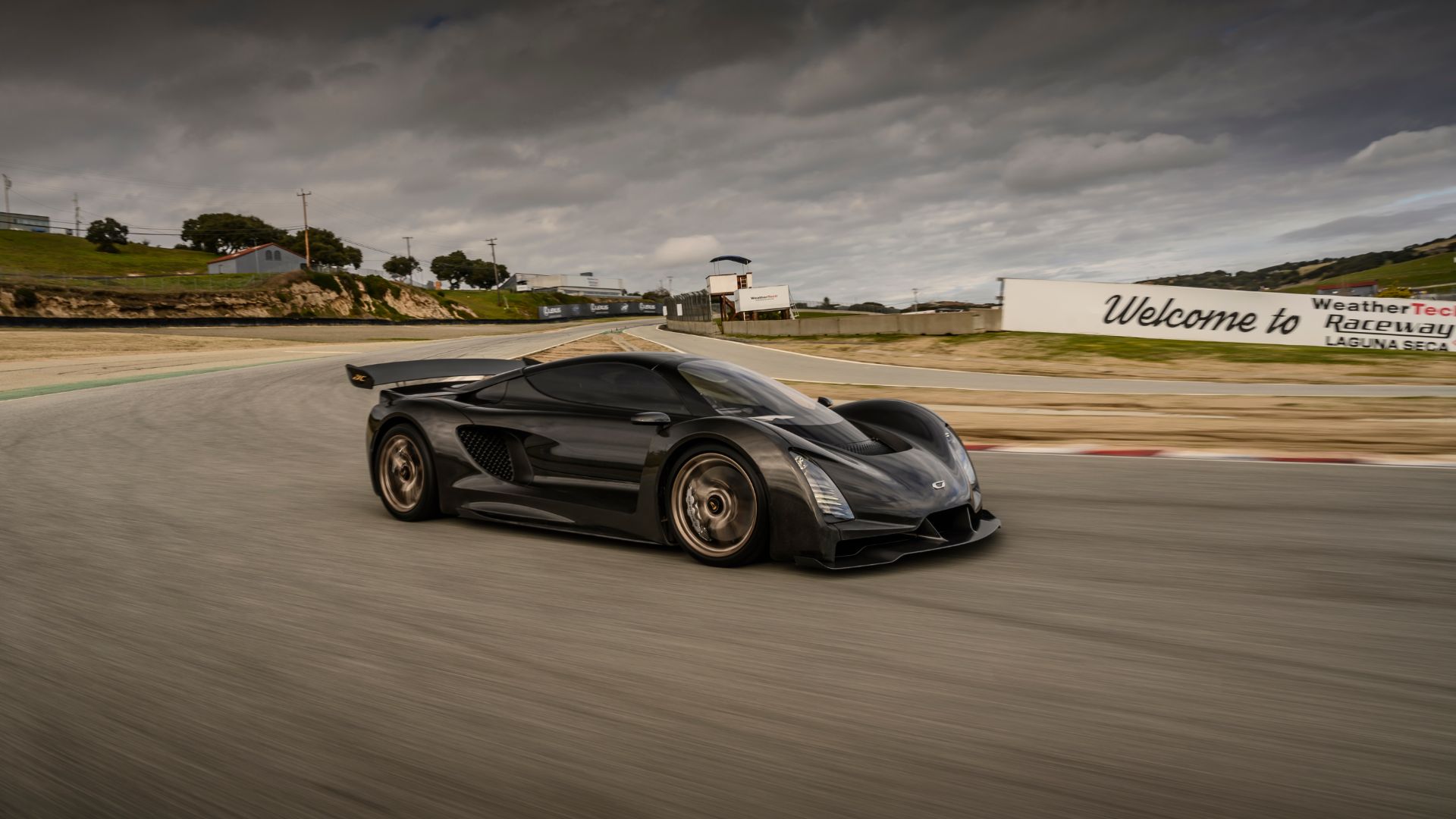
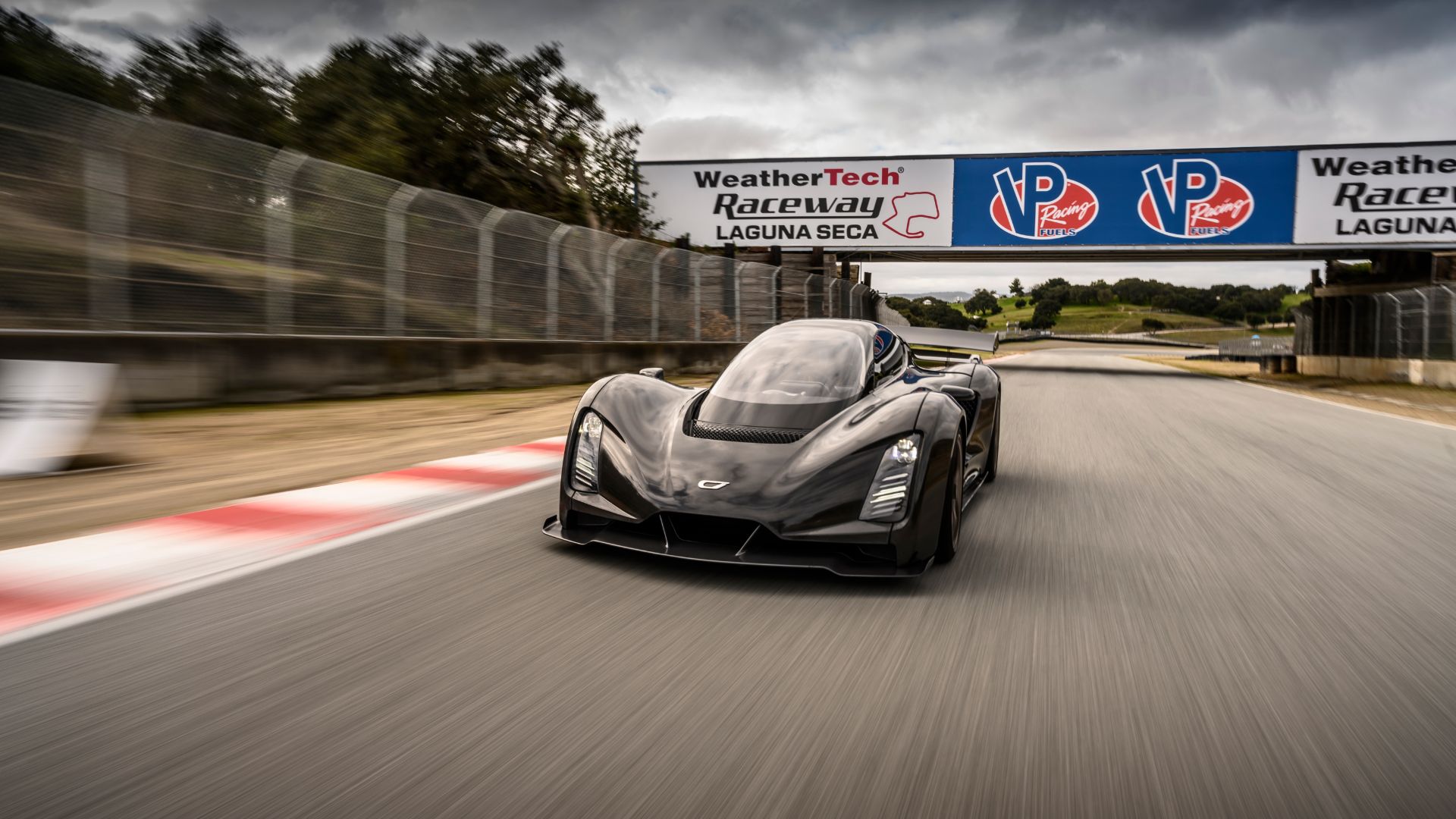
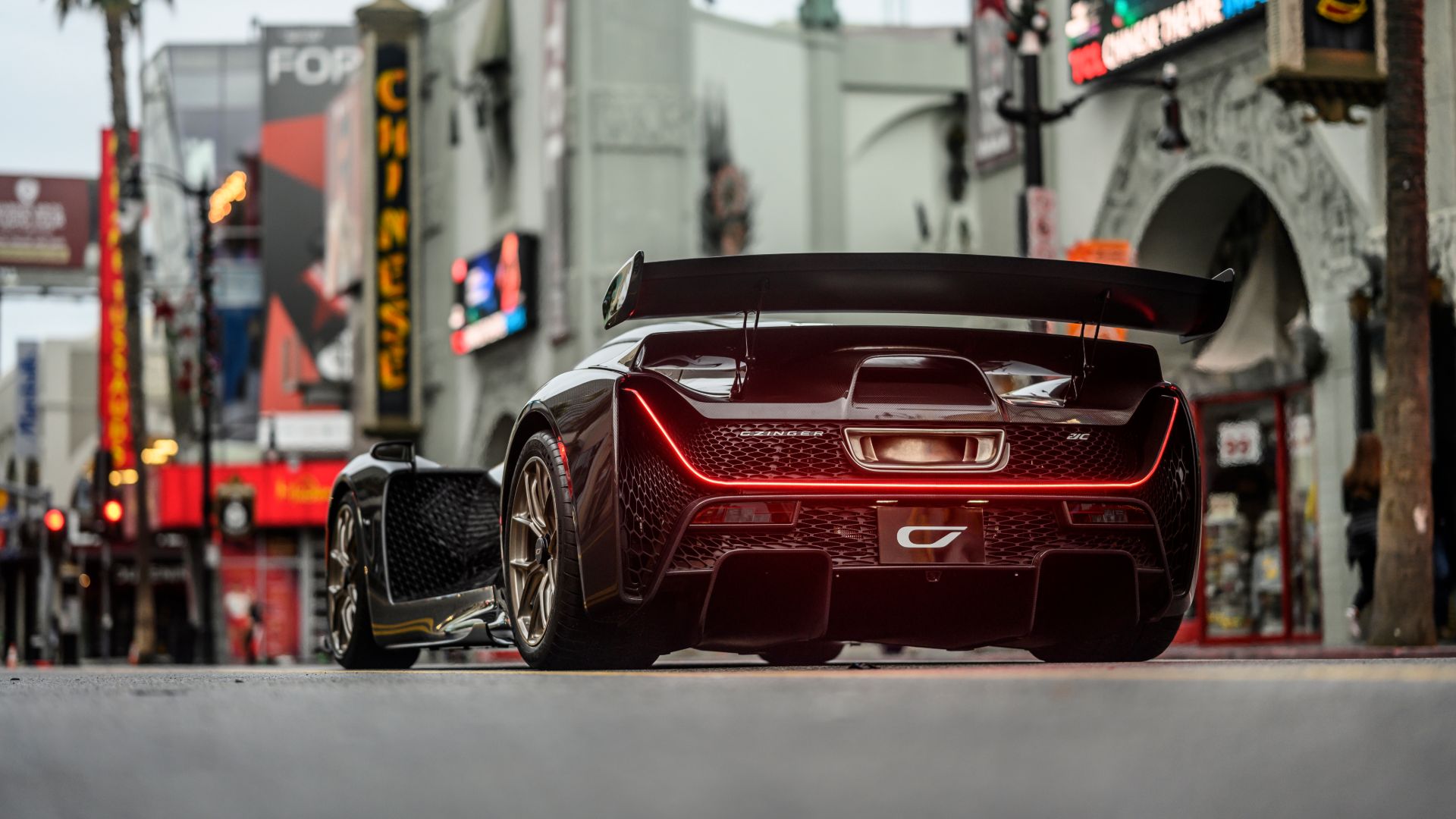
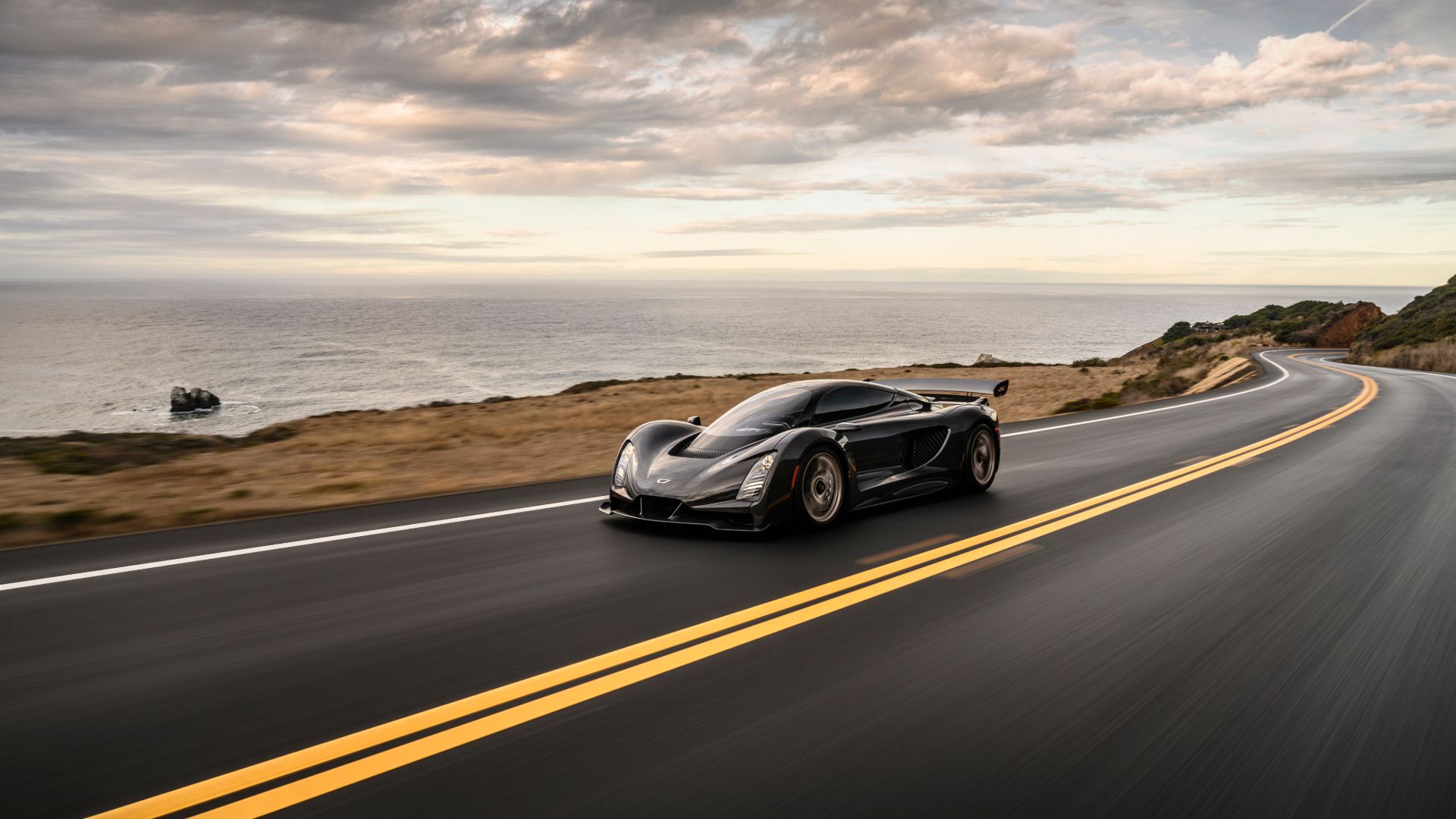
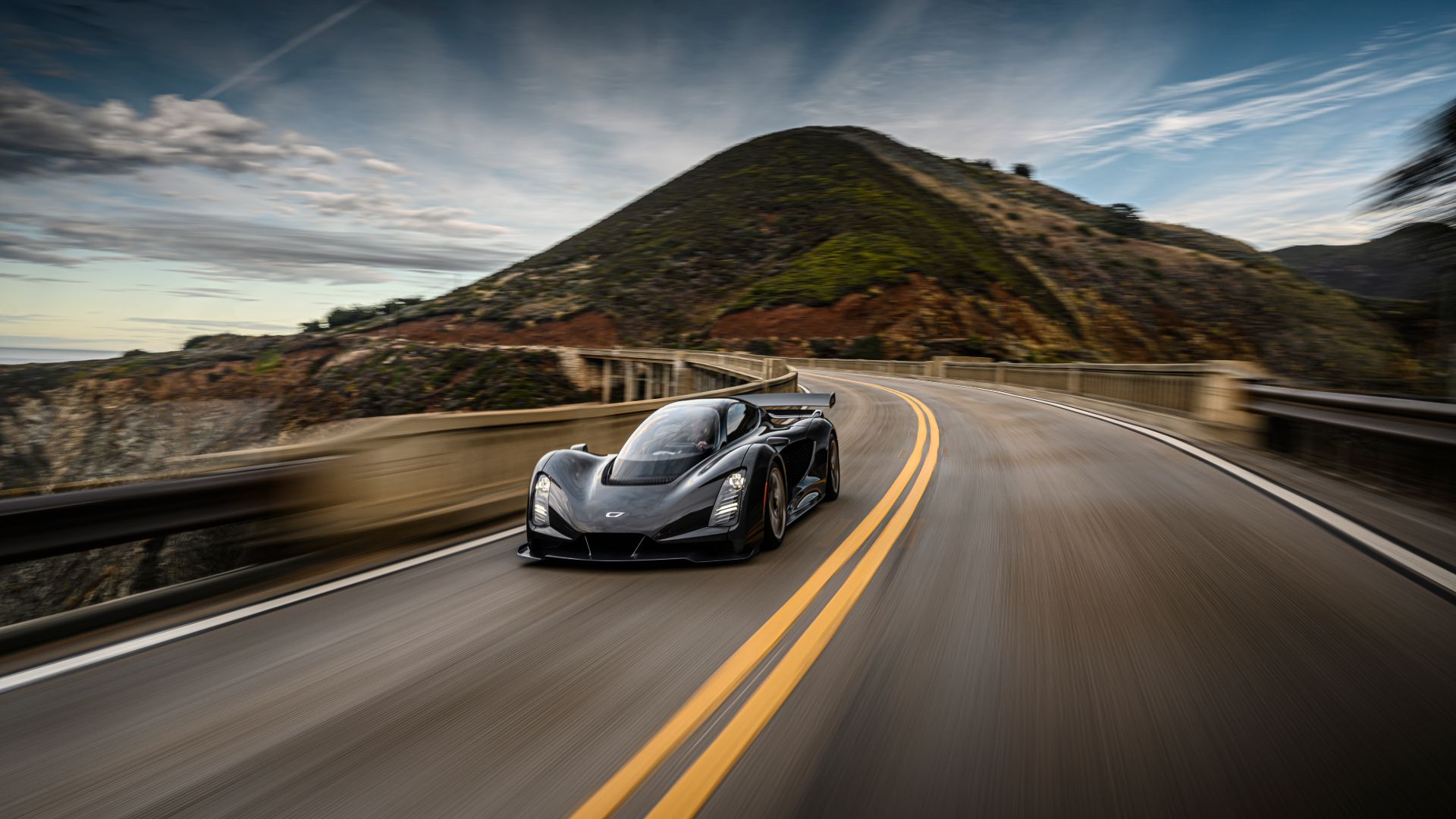
One of the biggest mysteries around this new hypercar was exactly what powers it. In teaser videos, it didn’t sound like your average turbocharged small-block V8, or an exotic Italian V12. It had the tone of a racing car, and indeed, the spec sheet reads like something from motorsport.
It’s a 2.88-litre twin-turbocharged flat-crank V8 revs to a dizzying 11,000 rpm. It produces 1,250 hp, which means the 1,250 kg 21C has a power to weight ratio of one horsepower per kilogram.
Debuting Czinger Vehicles and the 21C.
Ready for some stats? Achieving a true 1:1 power to weight ratio: 1250 hp, 1250 kg wet: powered by a 2.88-litre, flat-plane crank V8 with twin turbos located mid-vehicle, two electric motors on each front wheel to do a 8.1s quarter mile. pic.twitter.com/b97zqg2J83
It’s not just the V8 creating that power, though. Augmenting it are two high-output electric motors, one for each front wheel, with full torque-vectoring capability. Powering those are very high-tech lithium-titanate batteries.
Putting the engine’s oomph to the rear wheels is a seven-speed automated manual transmission. Those familiar with old Ferrari F1 gearboxes and the original Aston Martin Vanquish may quiver in fear at the thought of that.
Fear not, it is a new proprietary design by Czinger, so we expect it’ll whip-crack shifts like the very best dual-clutchers.
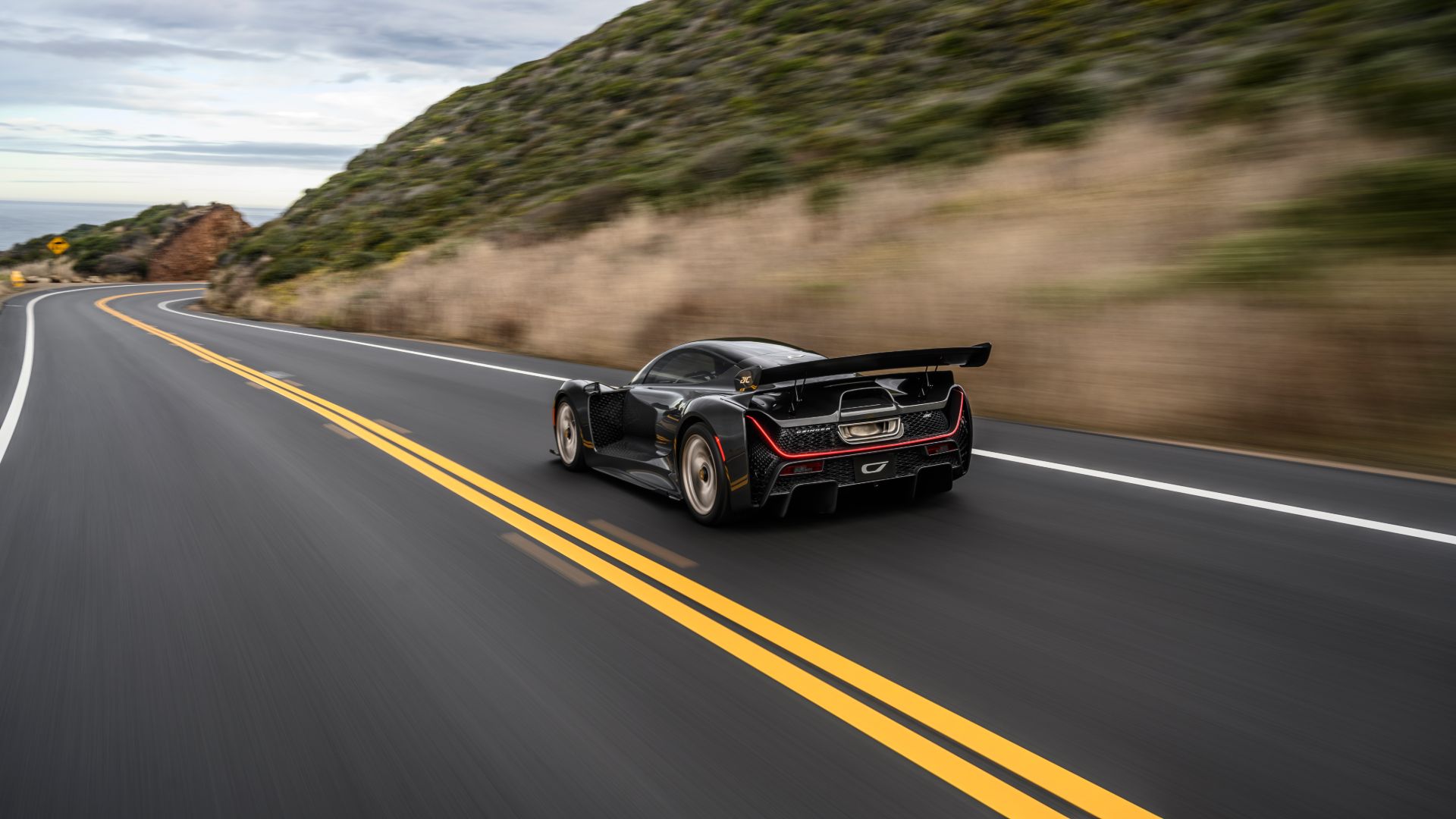
So what does it all add up to? Well, some seriously impressive figures. Czinger claims the 21C will get to 62mph in 1.9 seconds, and a quarter-mile time of 8.1 seconds. Have that, Dom Toretto.
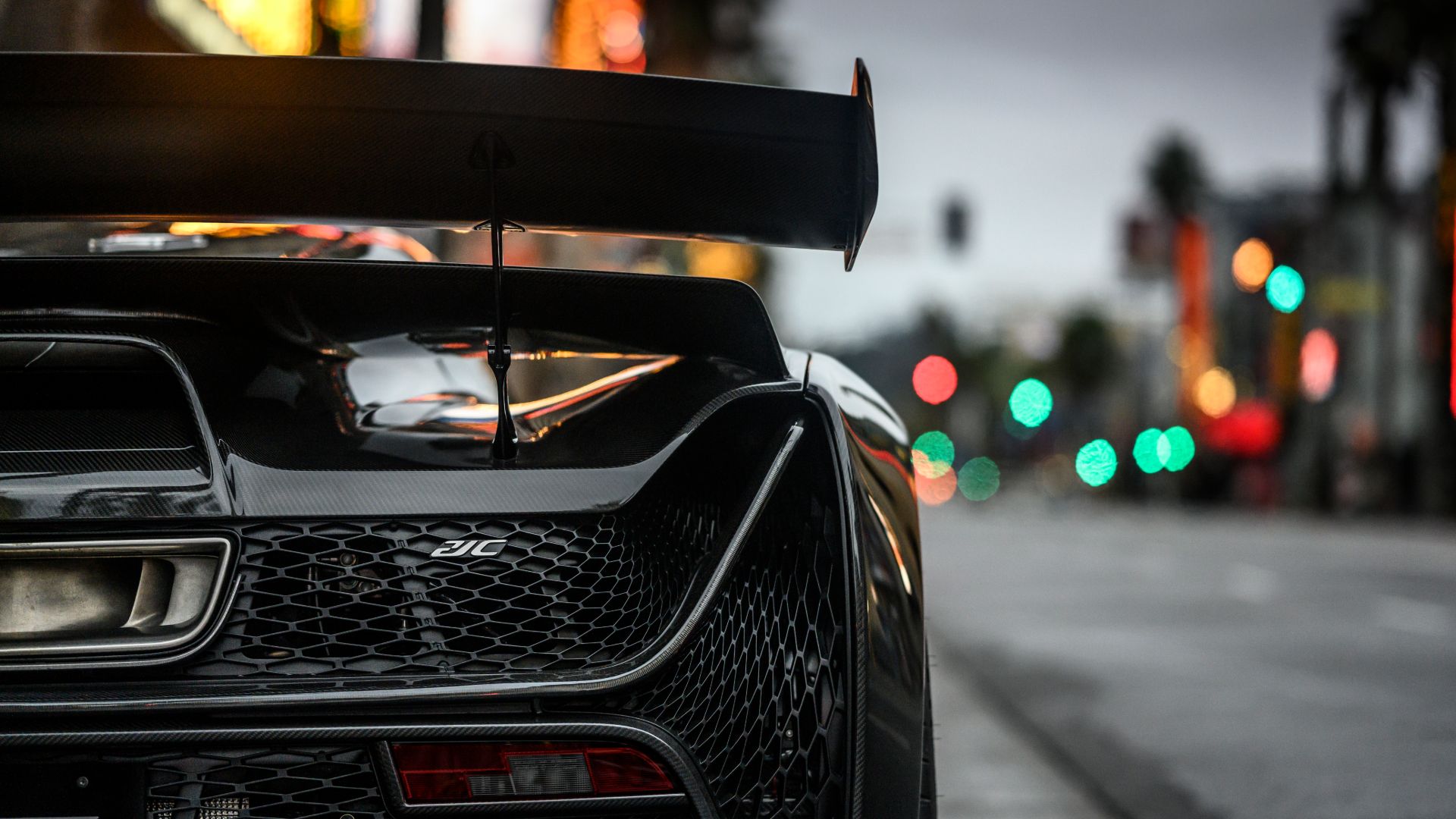
It’ll also do 0-186-0mph in 15 seconds, and 0-248-0 mph in 29 seconds. Top-end, it’ll be stomping (some) Bugattis at 268mph. Dizzying stuff. That jutting bodywork creates downforce of up to 250 kg at 155 mph, although that’s just for the standard car…
With what Czinger calls ‘Lightweight track configuration’, it can produce more than three times that: 790 kg at 155 mph. Top speed is reduced, however, to a lowly 236 mph.
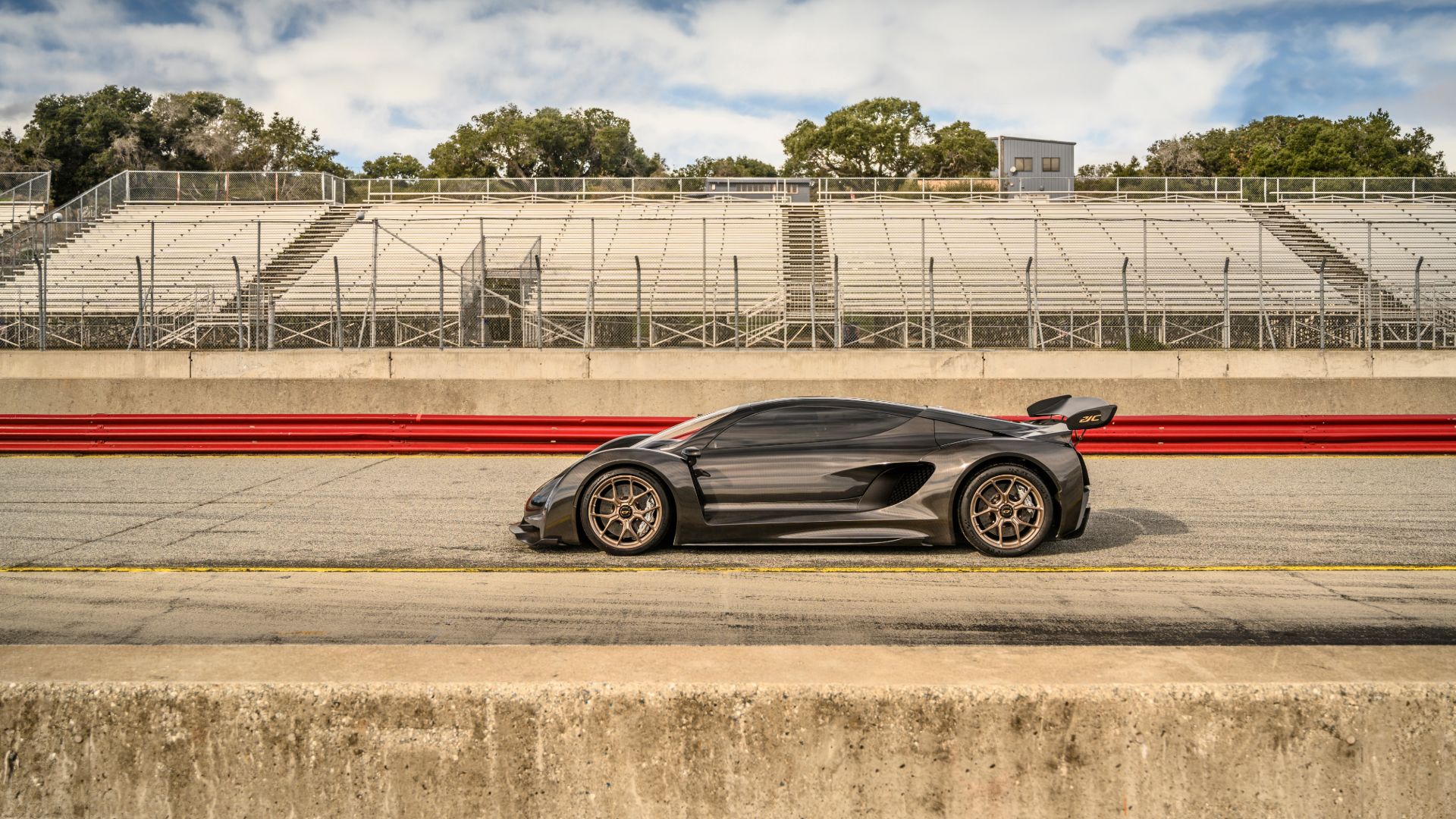
Joking aside, that’s impressive for a high-downforce car. That’s because both benefit from the two seats being in-line in the middle of the car, allowing for a slim glasshouse and improved aerodynamics.
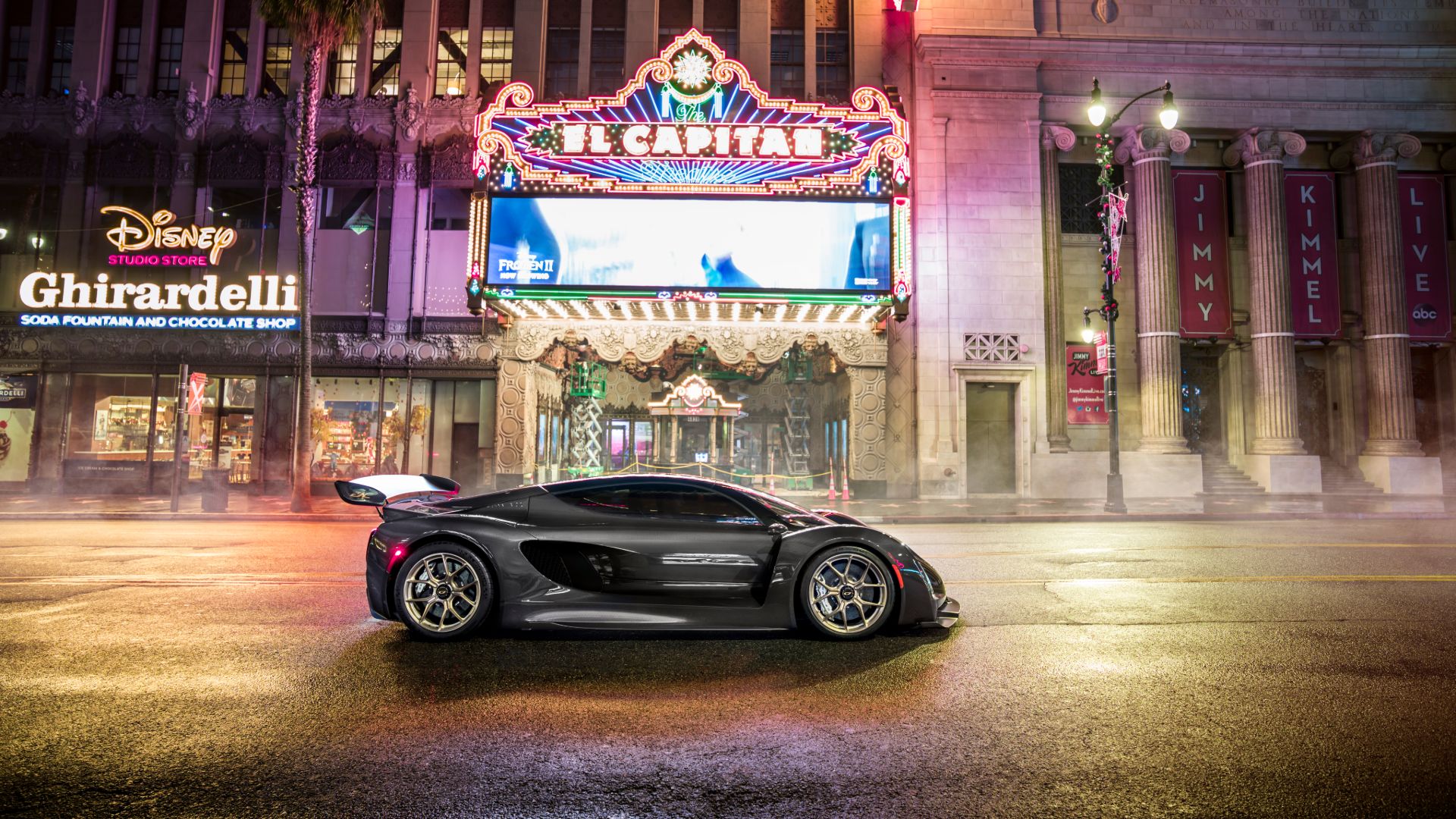
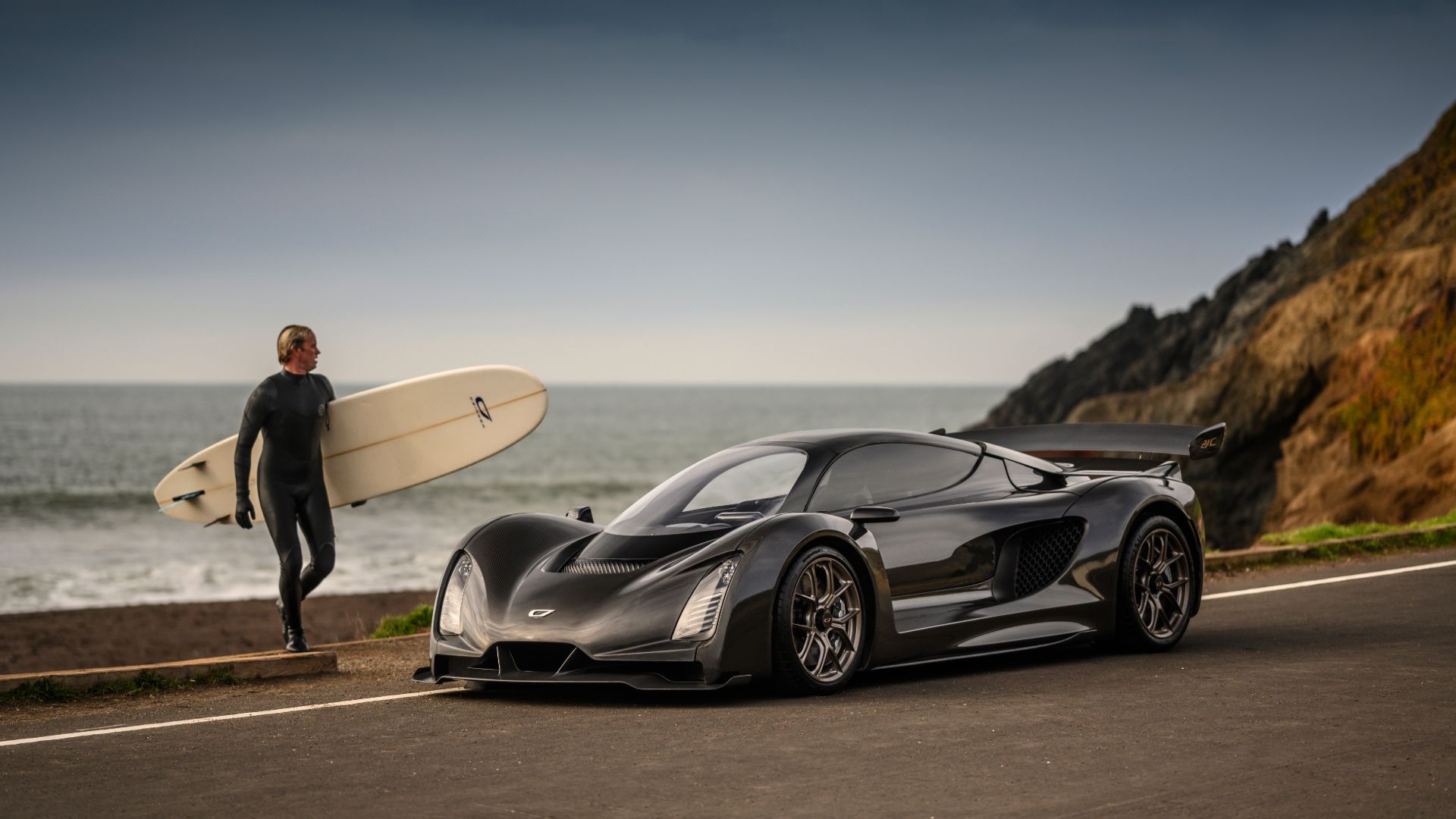
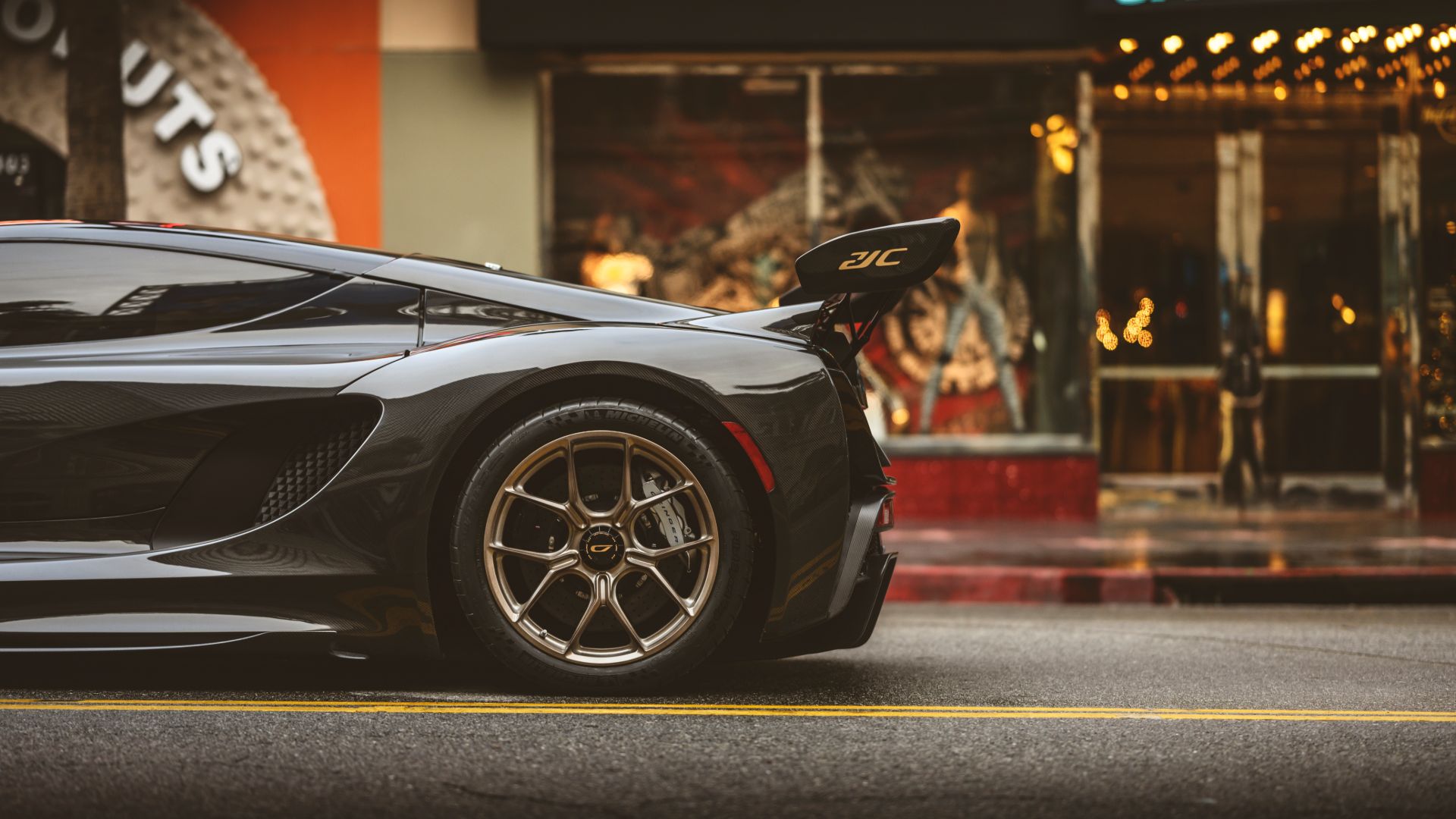
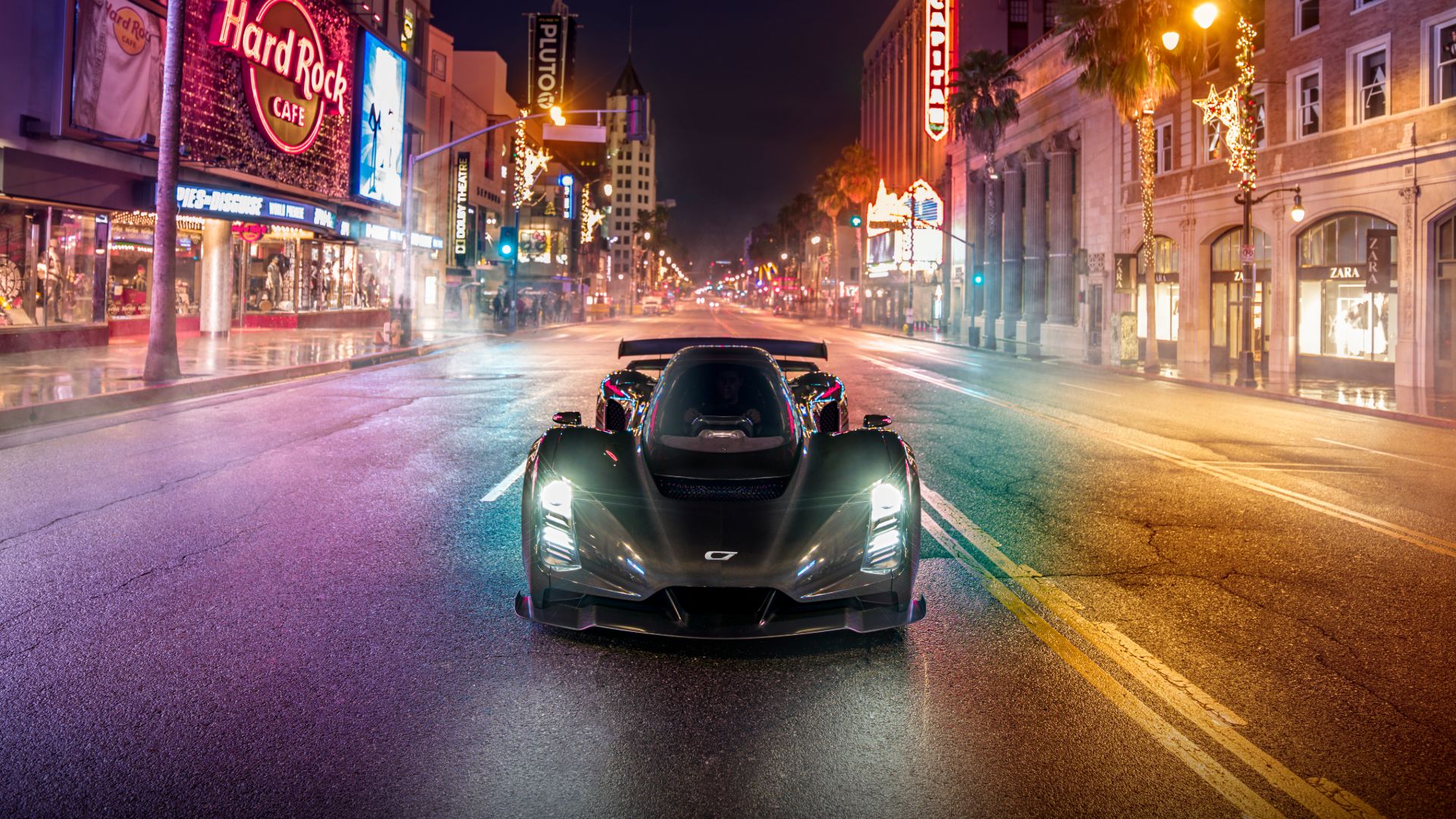
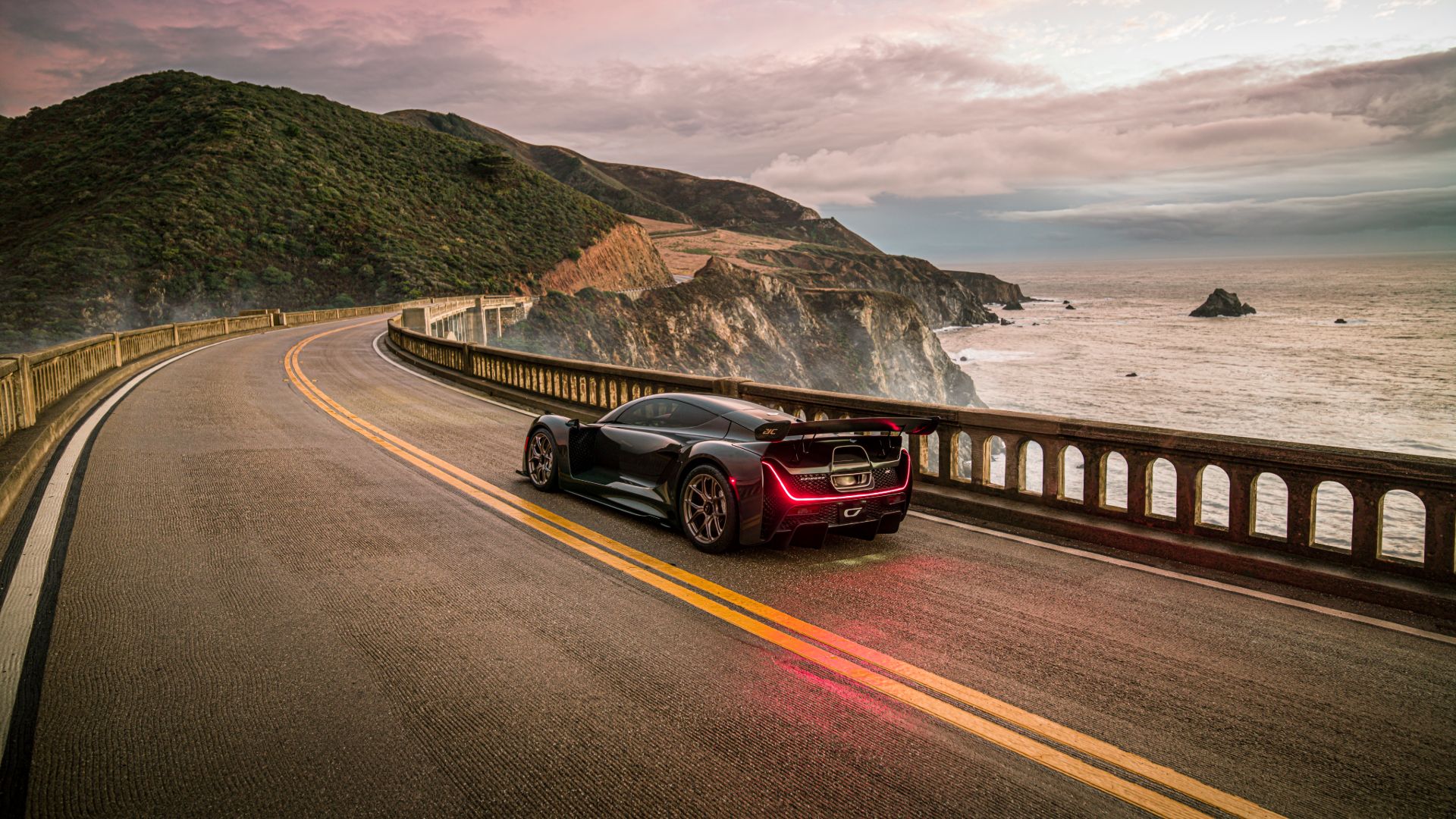
What do you make of the looks? As we’ve said before regarding the teaser shots, it resembles a Grand Theft Auto reimagining and amalgamation of multiple supercars. On the flip side, it does have its own unique silhouette thanks to that seating layout.
Czinger says the design originates from the concept of functional art. ‘Line logic’ is how the cuts and lines in the car all connect, to serve a function. It certainly, as Czinger says, ‘looks like nothing else on the planet’. For us, Minority Report meets McLaren P1 about sums it up.
As for how that cockpit looks and feels? We’ll have to find out at the Geneva Motor Show, where Czinger will be taking orders for the limited run of 80 cars. Speaking of, one number we don’t know yet is price. Needless to say, it won’t be cheap…
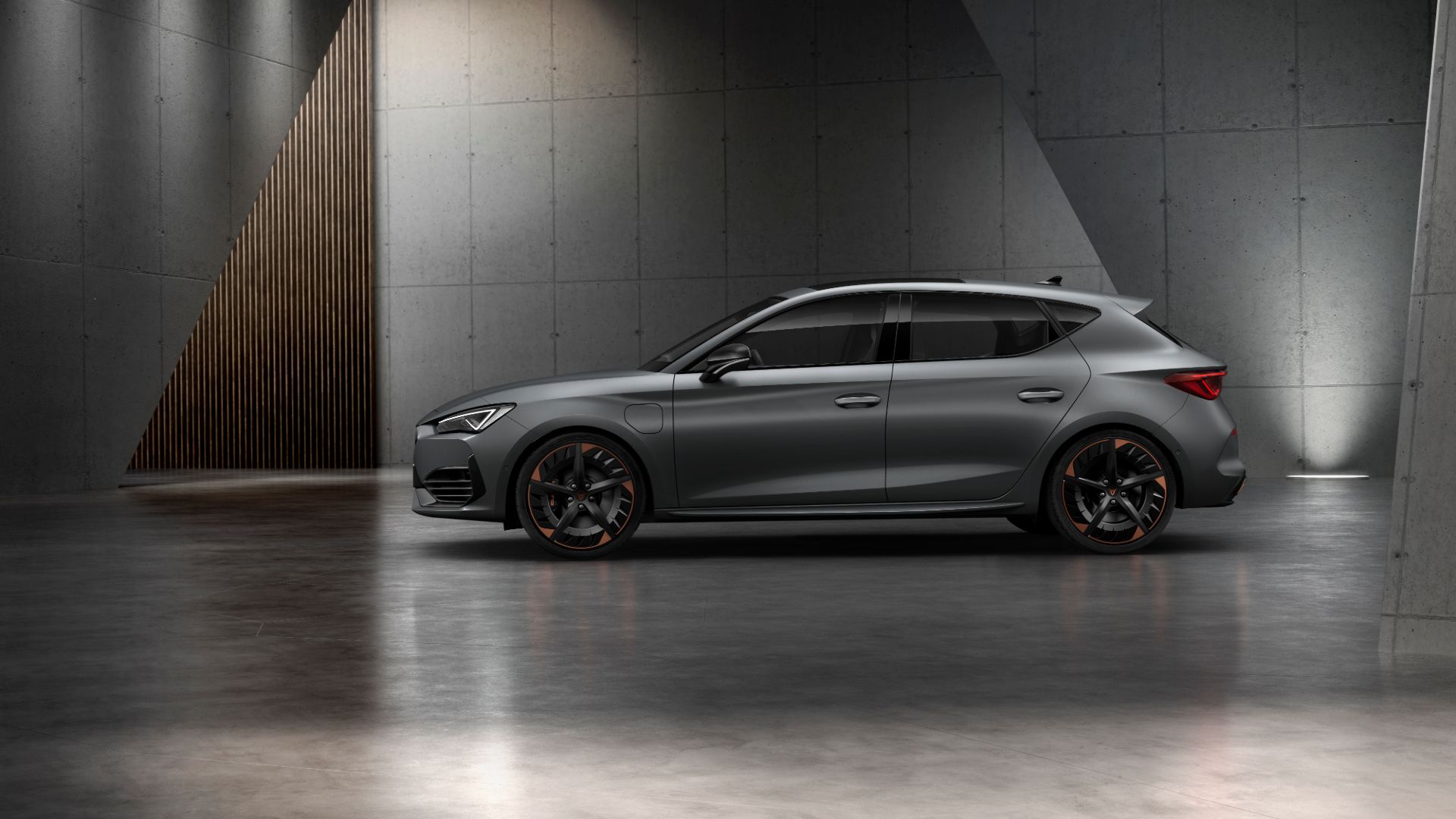
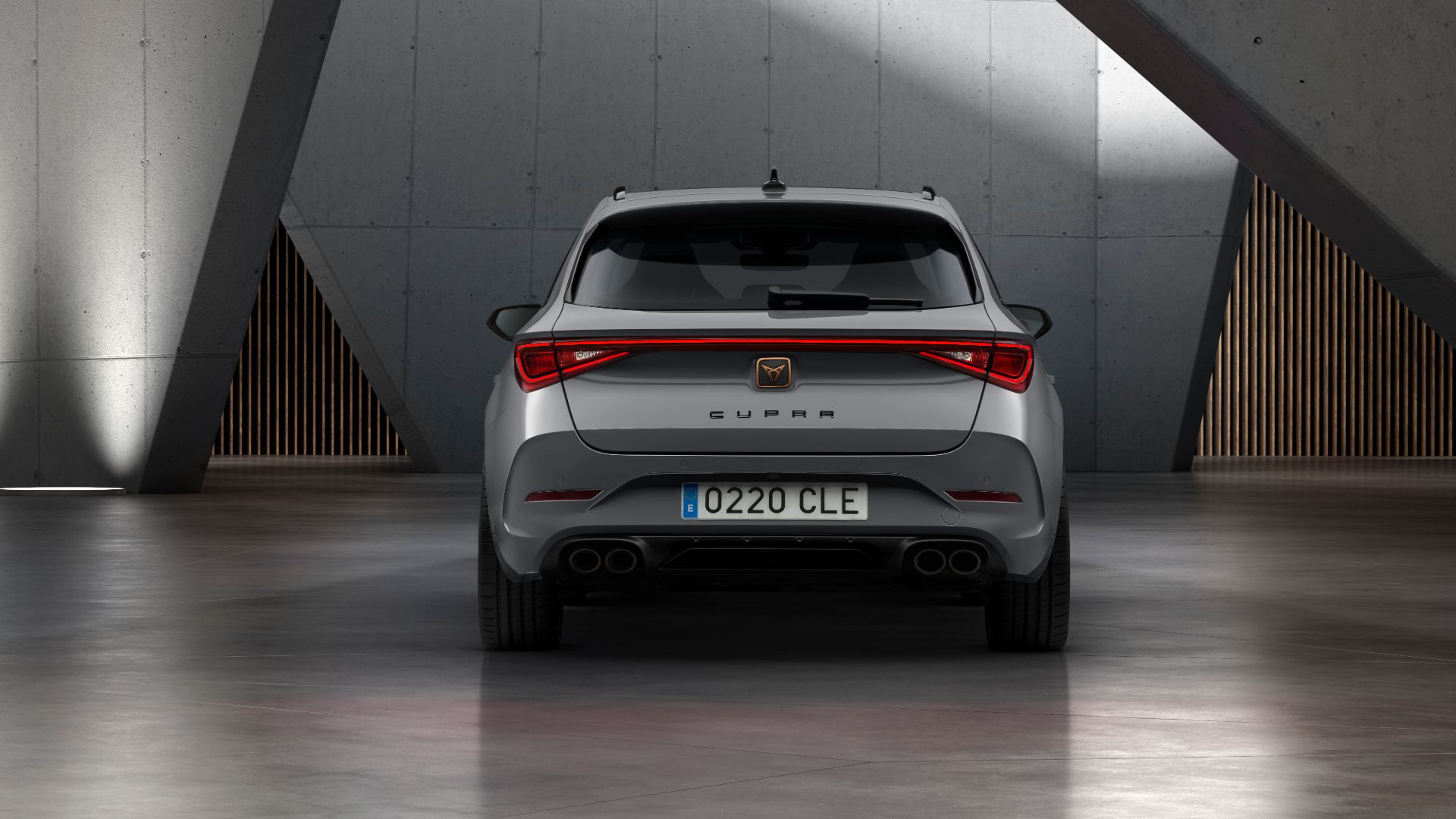
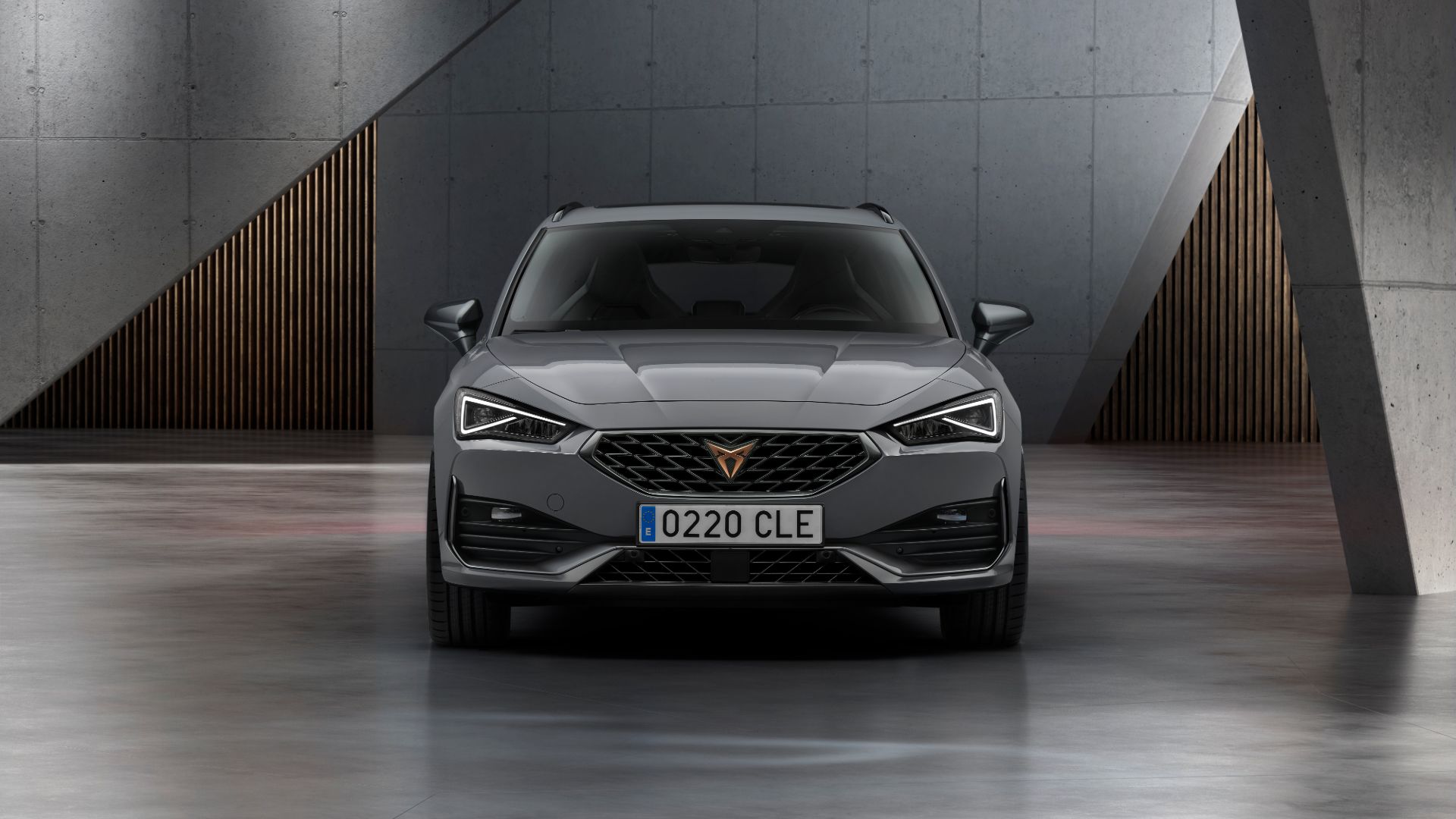
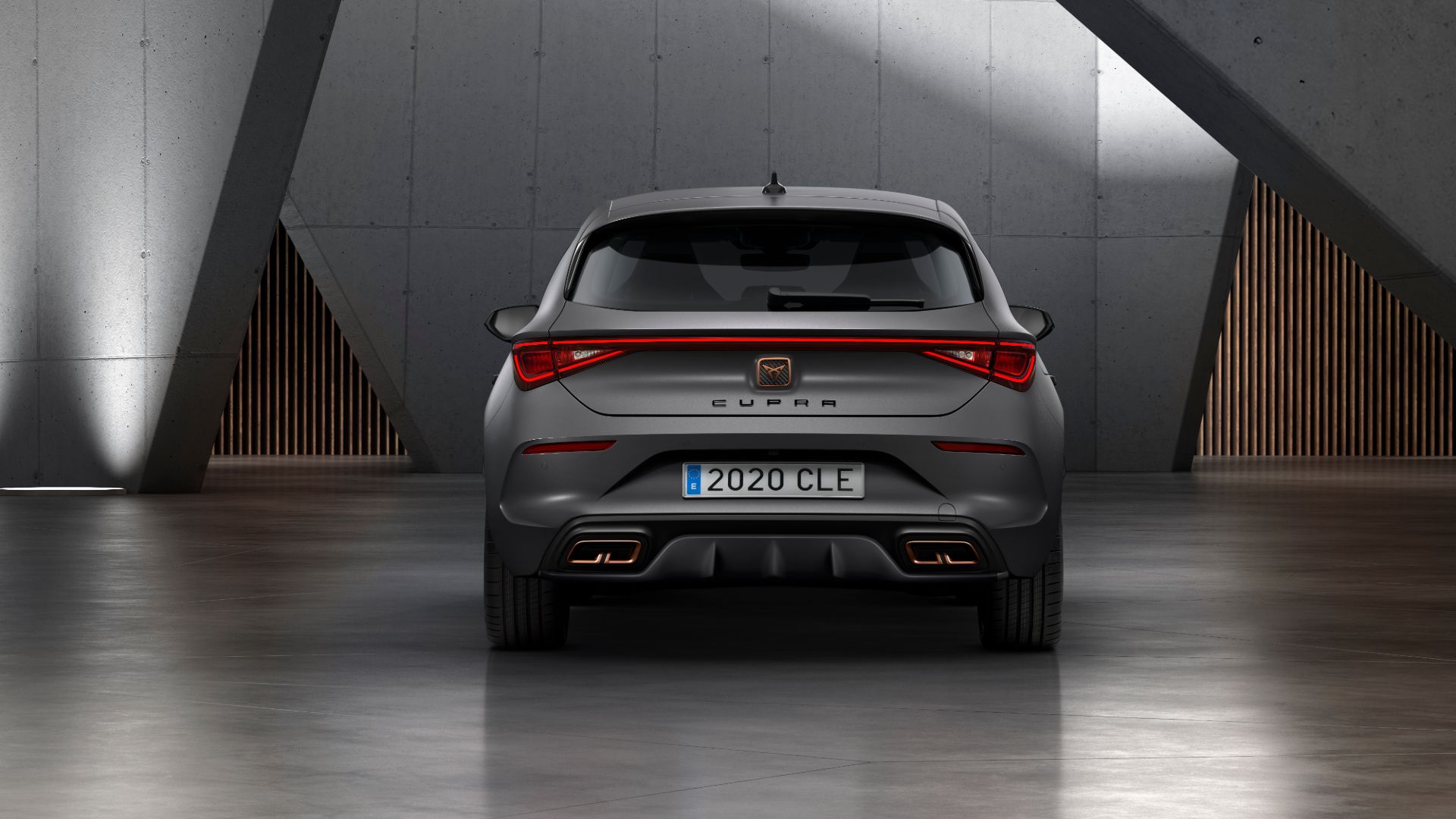
Hot on the heels of the new fourth-generation Seat Leon comes the racy Cupra version, now sold under the separate Cupra sub-brand. And the big news is a fast and efficient plug-in hybrid version.
Firstly, a brief look back at the car it replaces. The last Leon Cupra – still a Seat – was highly rated by enthusiasts, offering Golf R-beating power and Renault Sport-rivalling lap times, plus value that was difficult to knock. The new car has big shoes to fill.
“The Leon Cupra has been a bestseller, with close to 44,000 units sold in the last generation”, said Wayne Griffiths, Cupra CEO.
“With the launch of the new Cupra Leon, we will strengthen the Cupra brand, by giving a new identity to a very emblematic car. The new Cupra Leon is the king of Leons.”
Cupra Leon: up to 310hp, no manual gearbox
Cupra builds banked racetrack on Paris rooftop
So, what do you want to know? How powerful and how fast, of course. Like the last Leon Cupra, the new car will be available with a number of power outputs. This time, though, that power range is much broader: from 245hp to 310hp.
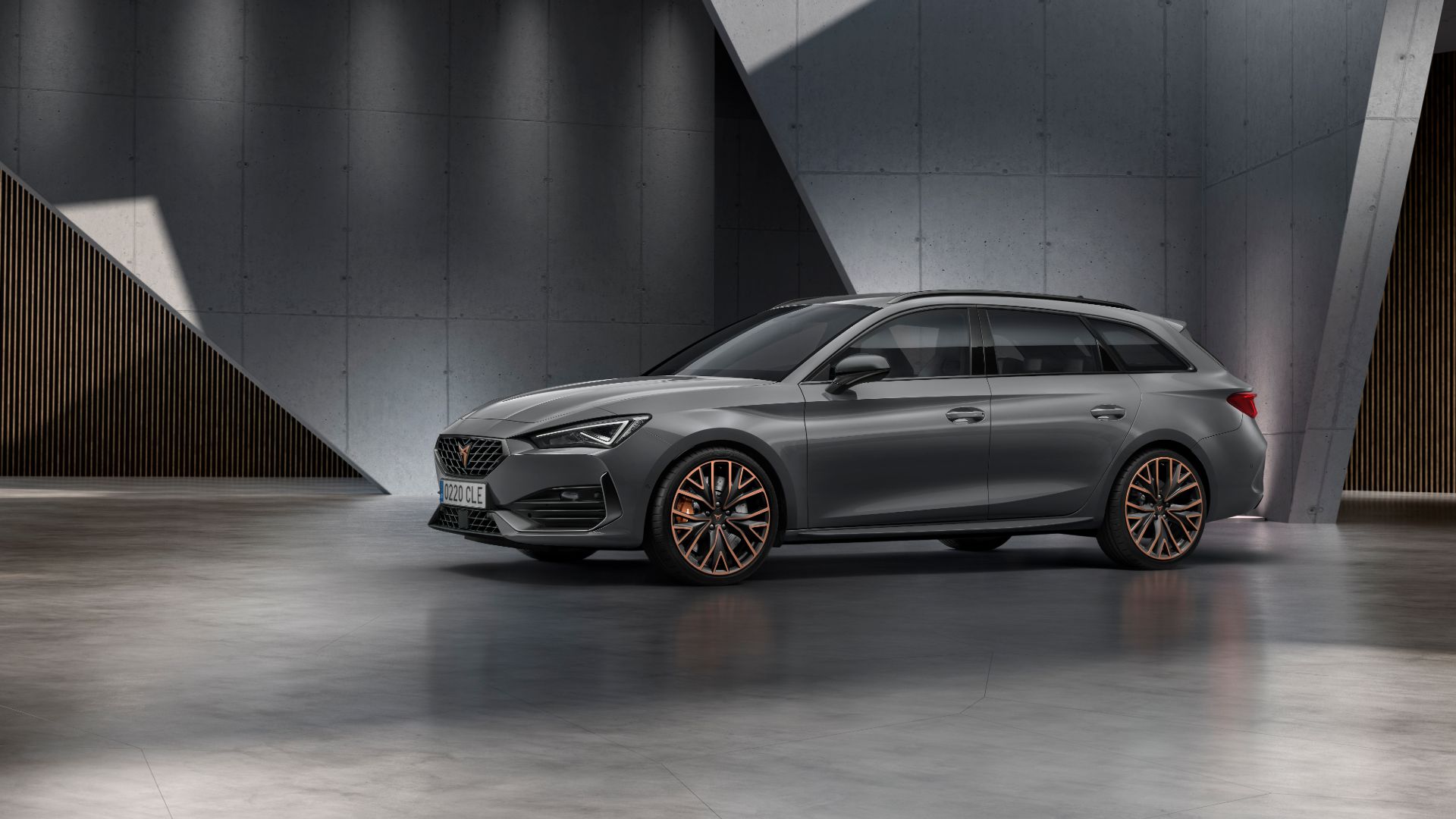
For fans of the old-school, the 310hp variant runs a familiar 2.0-litre turbocharged petrol engine, which is non-hybridised, but only offered in the Cupra Leon ST (estate). There, it’s combined with 4Drive all-wheel drive.
The estate, as well as the hatch, can also be had with 245hp and 300hp versions of that same engine, sending power to the front wheels exclusively. Happily, those who opt for the lower power level aren’t short-changed in terms of supporting hardware. Both also come with an electronic limited-slip diff.
Unfortunately for those who crave that little bit more interactivity, the manual gearbox is no more. Gone the way of the three-door body style, the manual leaves only the DSG twin-clutch paddle shift transmission.
Speaking of going digital, the plug-in hybrid eHybrid version comes complete with a name borrowed from Porsche.
Overall, it produces 245hp, combining a 150hp 1.4-litre TSI petrol engine with a 115hp electric motor. The latter draws power from a 13kWh lithium-ion battery. That means 37 miles of all-electric range (WLTP) and a full charge in three-and-a-half hours from a 3.6kW wall box, or six hours from a 230v domestic socket. As a result, this has the potential to be a very eco-friendly hot hatch, with official CO2 emissions of 50g/km.
Keep it charged up and you could commute on EV power during the week, then tackle the finest Welsh B-roads at the weekend with all the petrol you saved.
There aren’t comprehensive acceleration figures yet. Cupra gives a solitary, yet impressive, 0-62mph time of 4.8 seconds. It’s not clear which version this refers to, although the 300hp or 310hp AWD models are a safe bet. A 155mph top speed is achievable by all Cupra Leons.
The last hot Leons weren’t one-trick ponies. Powerful though they were, they could put that muscle down well, and got you grinning in the corners. Happily, with the standard electronic diff, the new one is off to a good start.
The Dynamic Chassis Control (DCC) allows the driver to tailor the new Leon’s road manners. Comfort, Sport and Cupra do as you’d expect, while Individual allows the driver to mix and match attitudes across various parts of the car. Day to day, for instance, we suspect we’d enjoy suspension in Comfort and the engine in Cupra.
The Cupra Leon is suspended on McPherson struts at the front, with a multi-link set-up at the rear. It’s also 25mm and 20mm lower than the standard Leon.
Giving the Cupra Leon attitude: styling and aero
It’s all well and good going fast and handling well, but to a majority of customers, how it looks will matter most. The last hot Leon had most rivals licked for looks. It was sharp and aggressive, but not fussy or overdone. It had exceptional proportions and well-judged extrovert angles. It made the Golf R look boring, and the Focus RS look a bit much.
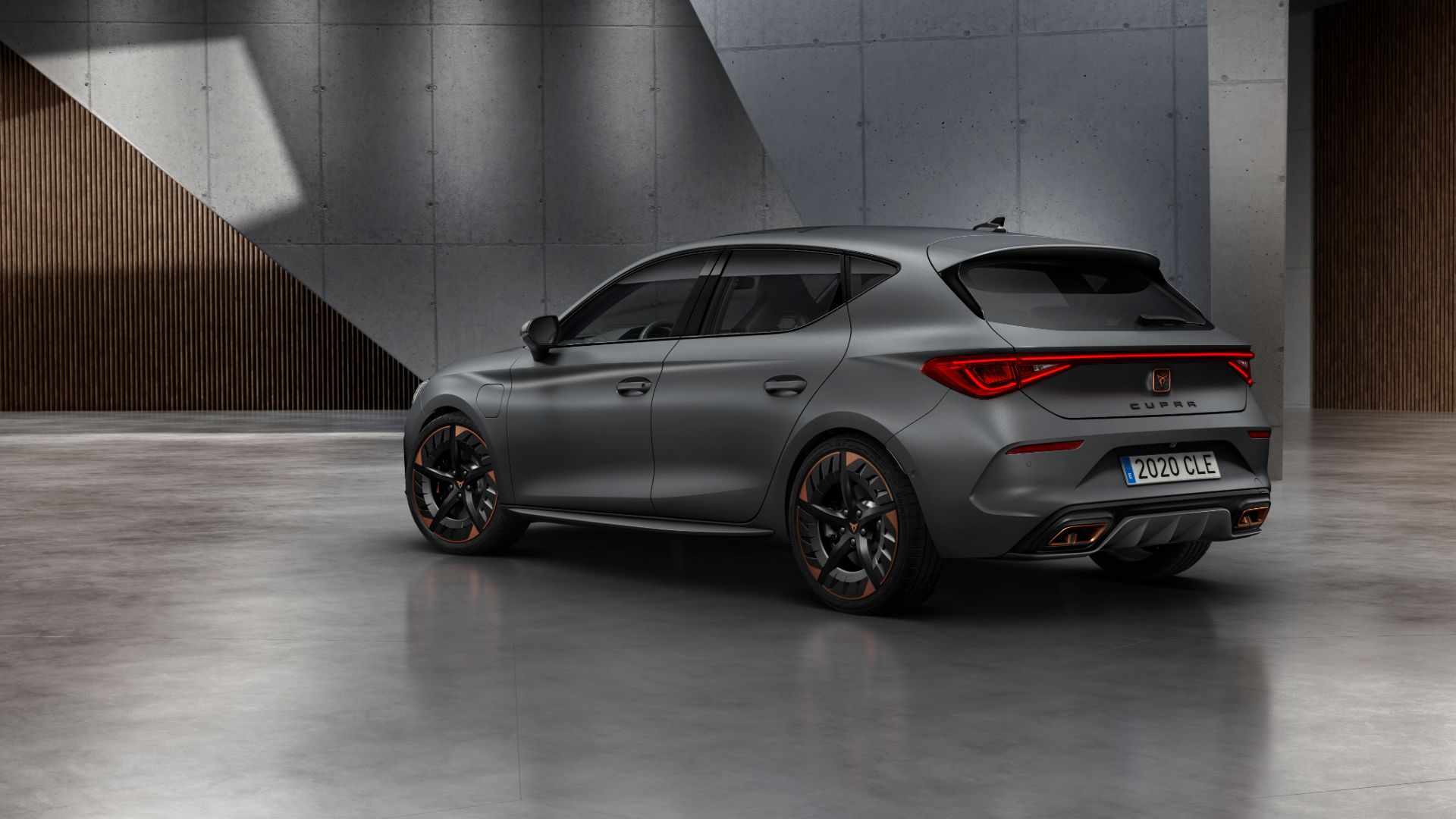
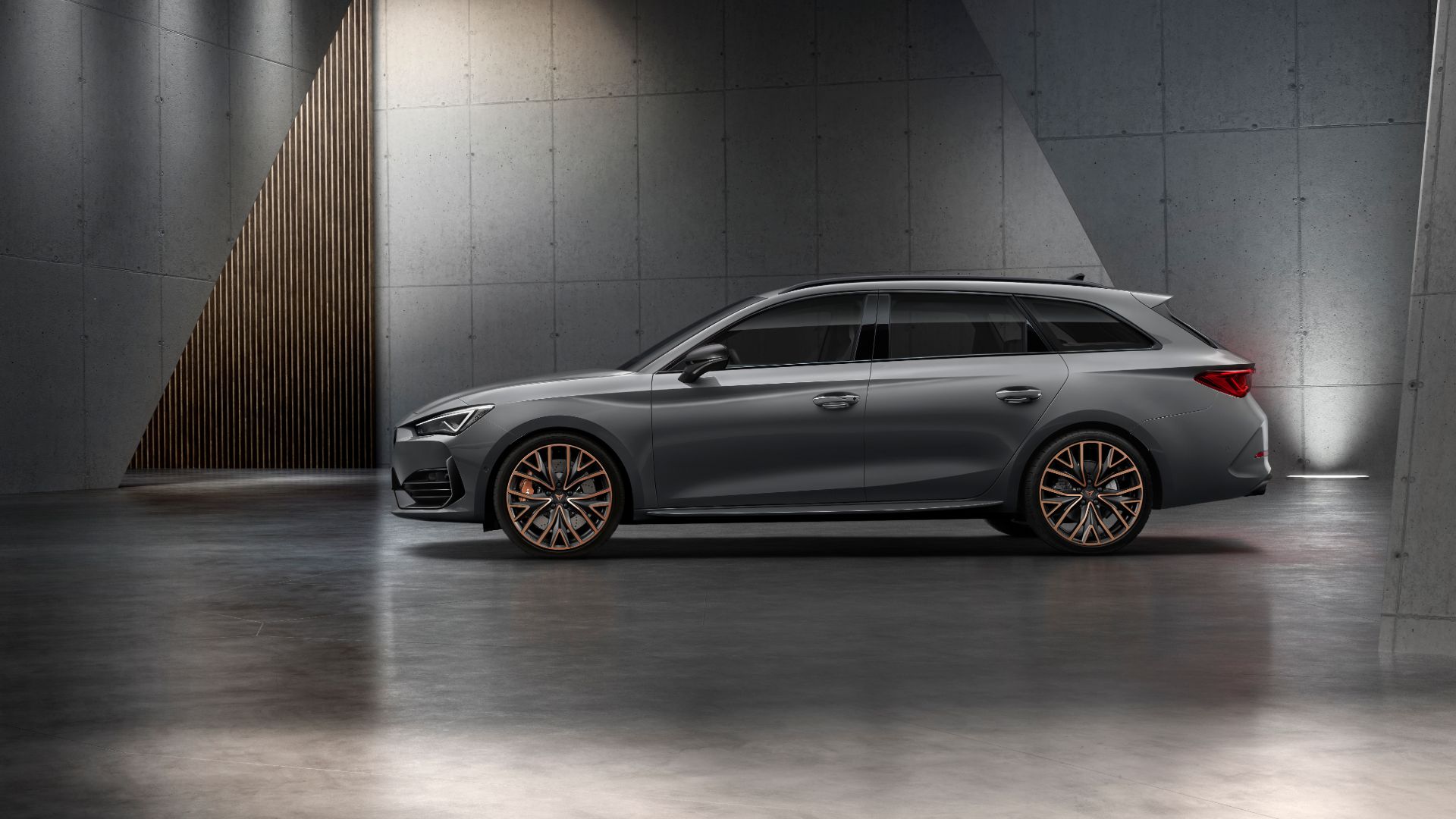
So what of the new car? Cupra is leaning on bronze as an identifier for its sportier models. This we saw back with the run-out Cupra R specials before the third-generation car’s production ended. The new Cupra badge takes the place of the old Seat logo.
There are also bigger vents, bolder side skirts, darkened brightwork and a nice spoiler. At the rear, the exhaust exits are now integrated into the diffuser, for a touch of the high-class performance look. Big wheels are a must, with 19-inchers across the range, barring the 245hp petrol, which sits on 18s. Overall, the Cupra Leon’s aerodynamic performance is eight percent improved over the outgoing car.
Finally, the colours. Magnetic Tech is what you’ll want to flaunt the Cupra-ness. It’s available in both matte and metallic finishes. Metallics also include Candy White, Midnight Black and Urban Silver, while two special finishes are Desire Red and Graphene Grey. The other matte option is Petrol Blue. The wheels can be finished in black, copper and silver, while the Brembo brake calipers are copper.
Inside the Cupra Leon
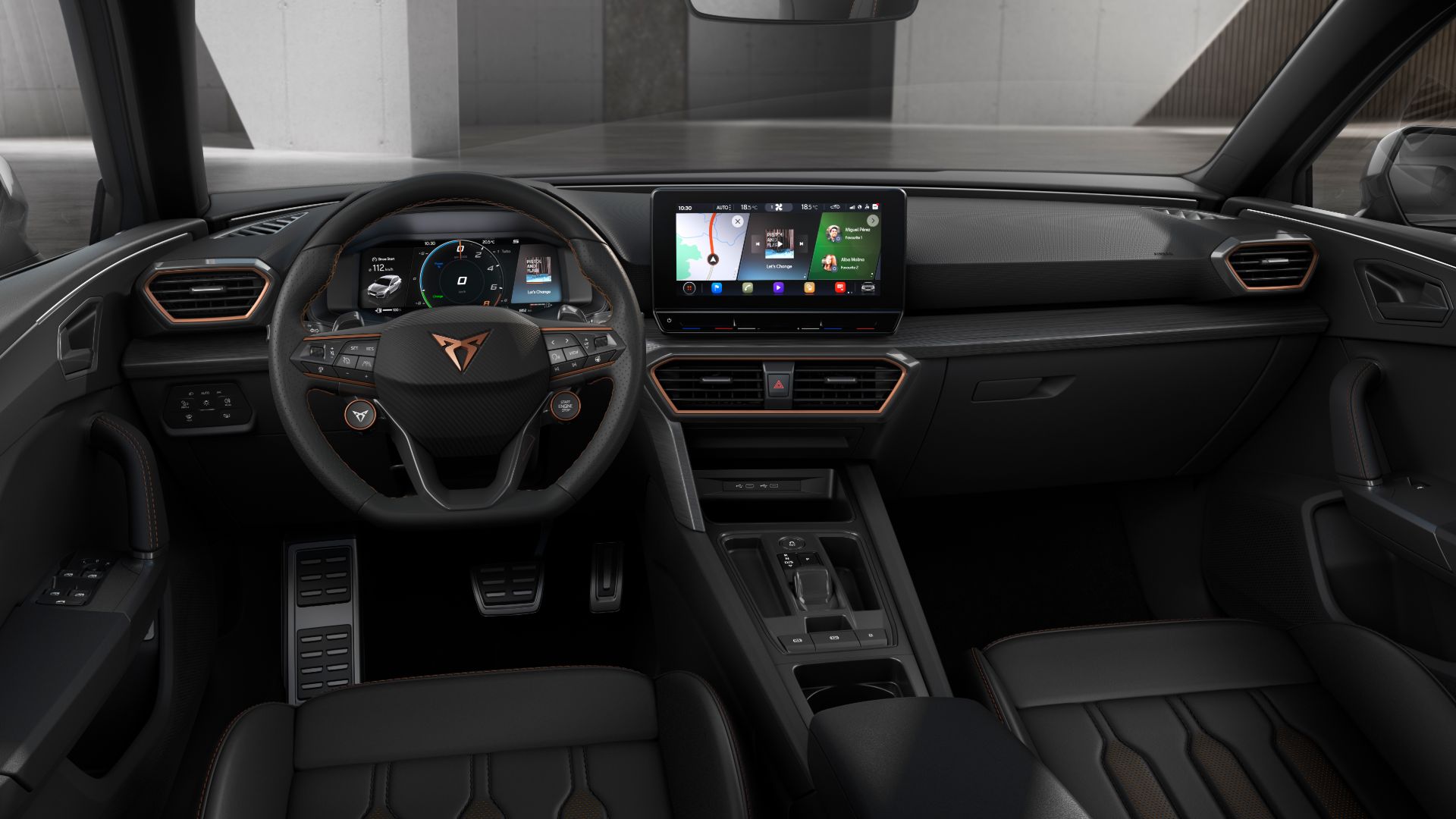
Drawn in by the performance and looks, all that’s left is the cabin. You’ll find special Cupra puddle lights, bucket seats and a Cupra steering wheel complete with drive-mode selection buttons.
The standard Leon’s digital displays are present and correct, in the middle and up ahead. Everywhere else, copper, dark chrome and brushed metal detailing add a sprinkling of sportiness.
When can I buy one, and how much?
A price list and release date have yet to be revealed. Expect conventionally-powered versions to be slightly more expensive than their predecessors. The PHEV will likely cost more still.
We expect Cupra Leon buyers to be in their cars by the end of the year.
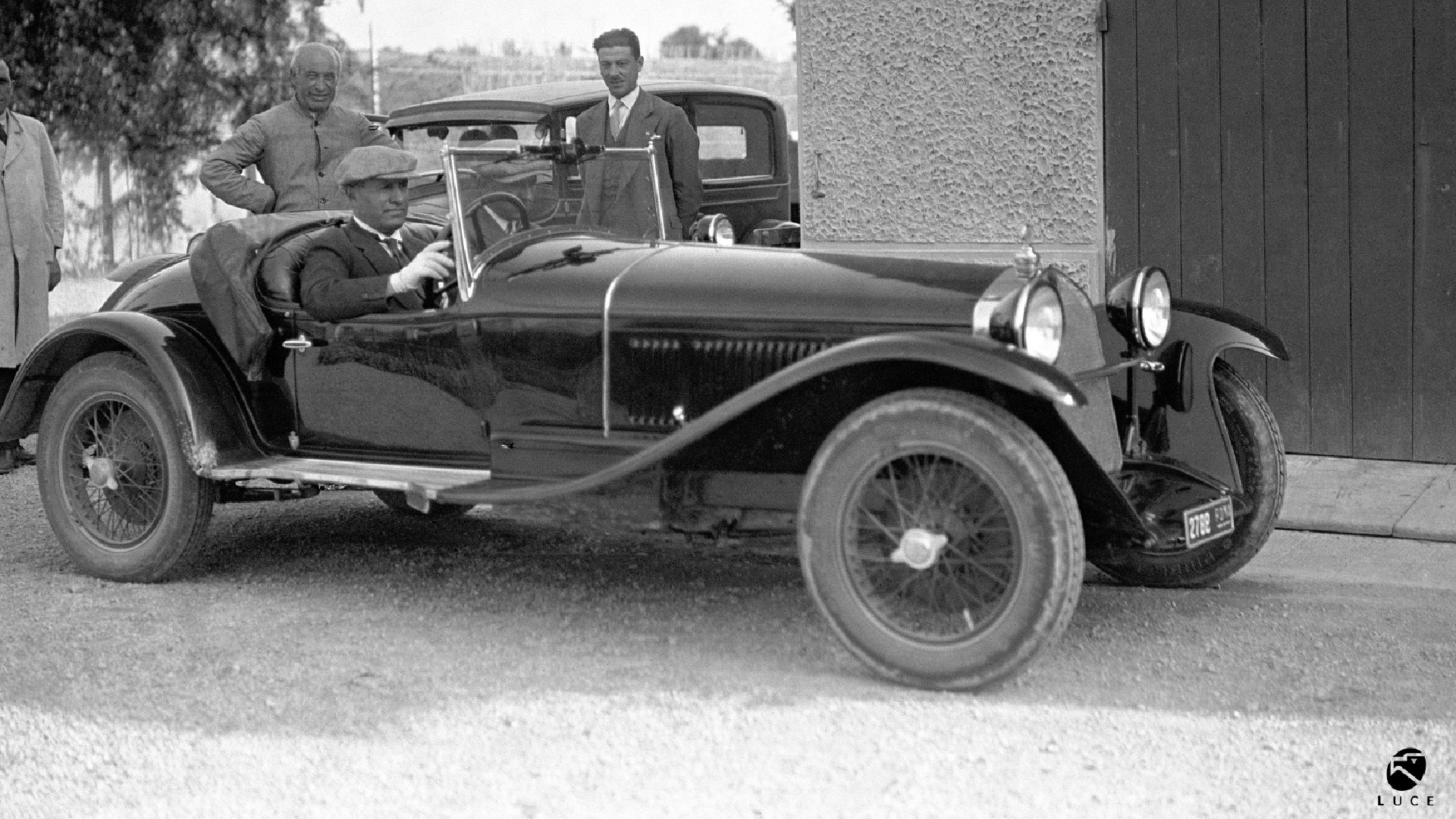
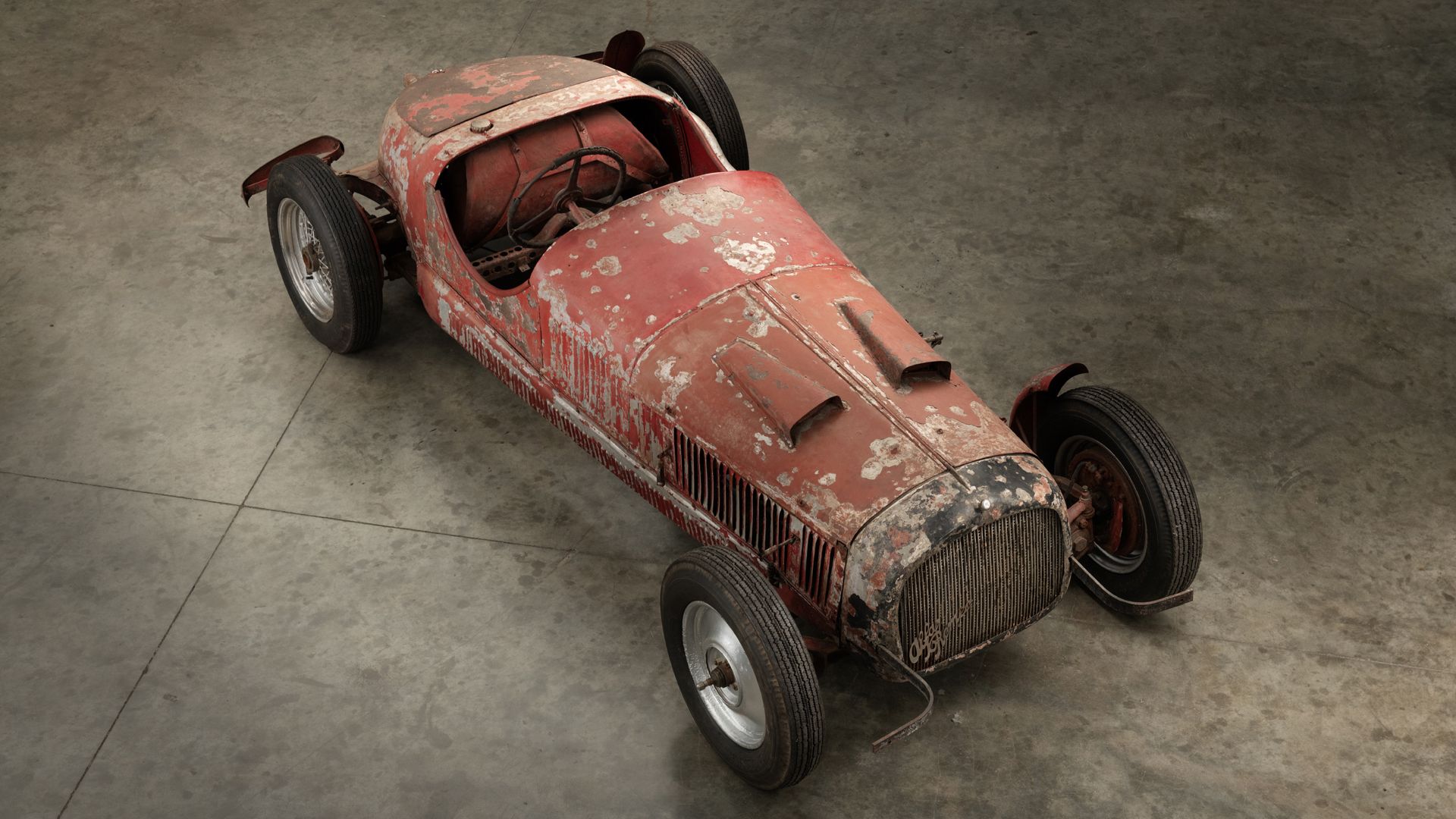
Thornley Kelham’s research has turned up an image, found in the Archivio Luce, Cinecitta’s main archive in Italy. Taken in April 1931, it shows Mussolini driving the car, and was found alongside film footage of him using it on a rally.
This material is being used as a reference for restoration. By enlarging and enhancing one of the period photos, they were able to ascertain that the car wore Stabilimenti Farina coachwork.
In period, chassis were built and sent off to be bodied by one of a number of coachbuilders, of which Farina was one. The car was at some point modified for racing, into a stripped-down style.
Much of the bodywork was removed following the car’s move to Asmara with its next owner, Renato Tigillo, in 1937. It’s believed he used it for hillclimb racing, which was common in the region at the time.
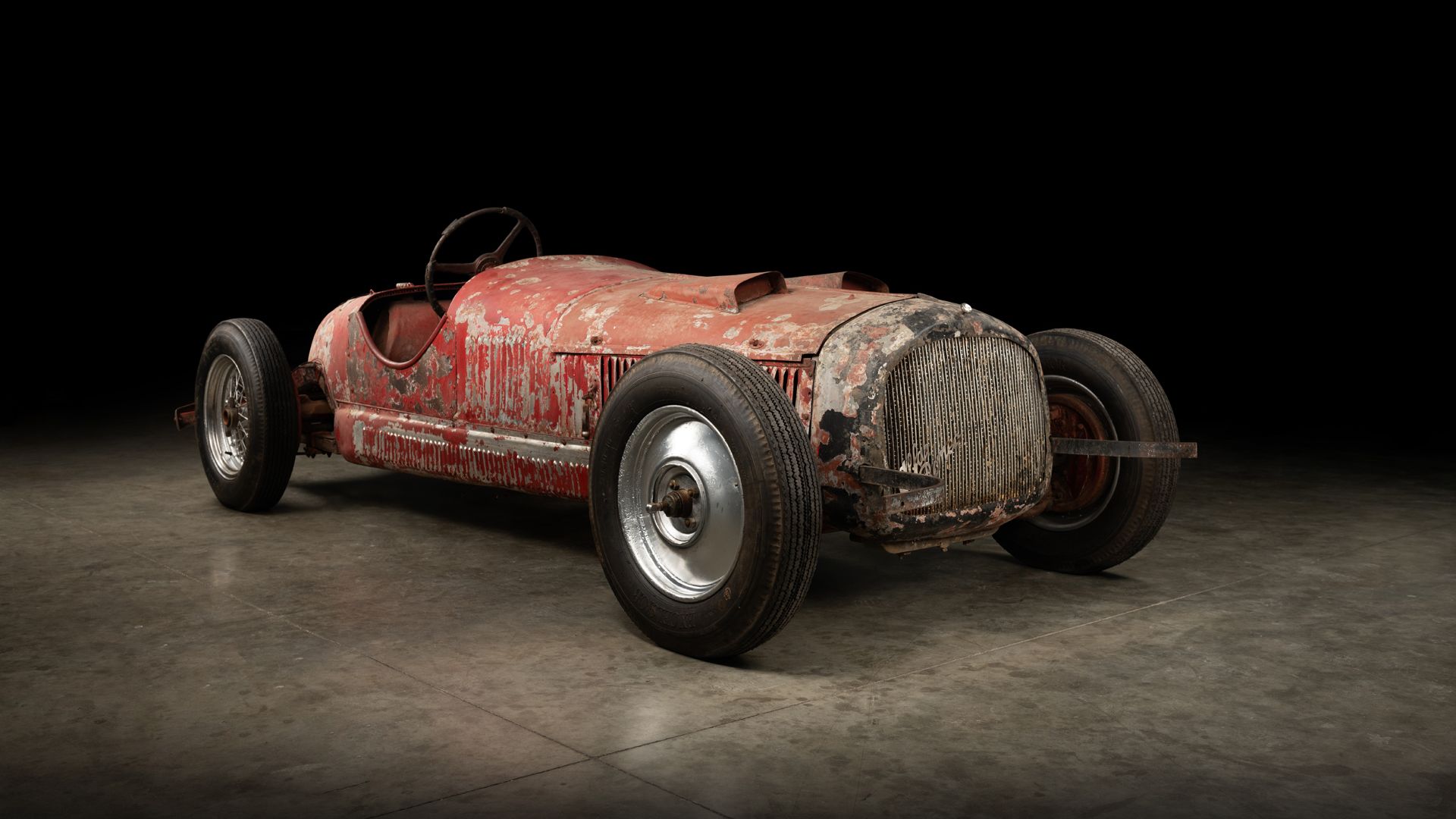
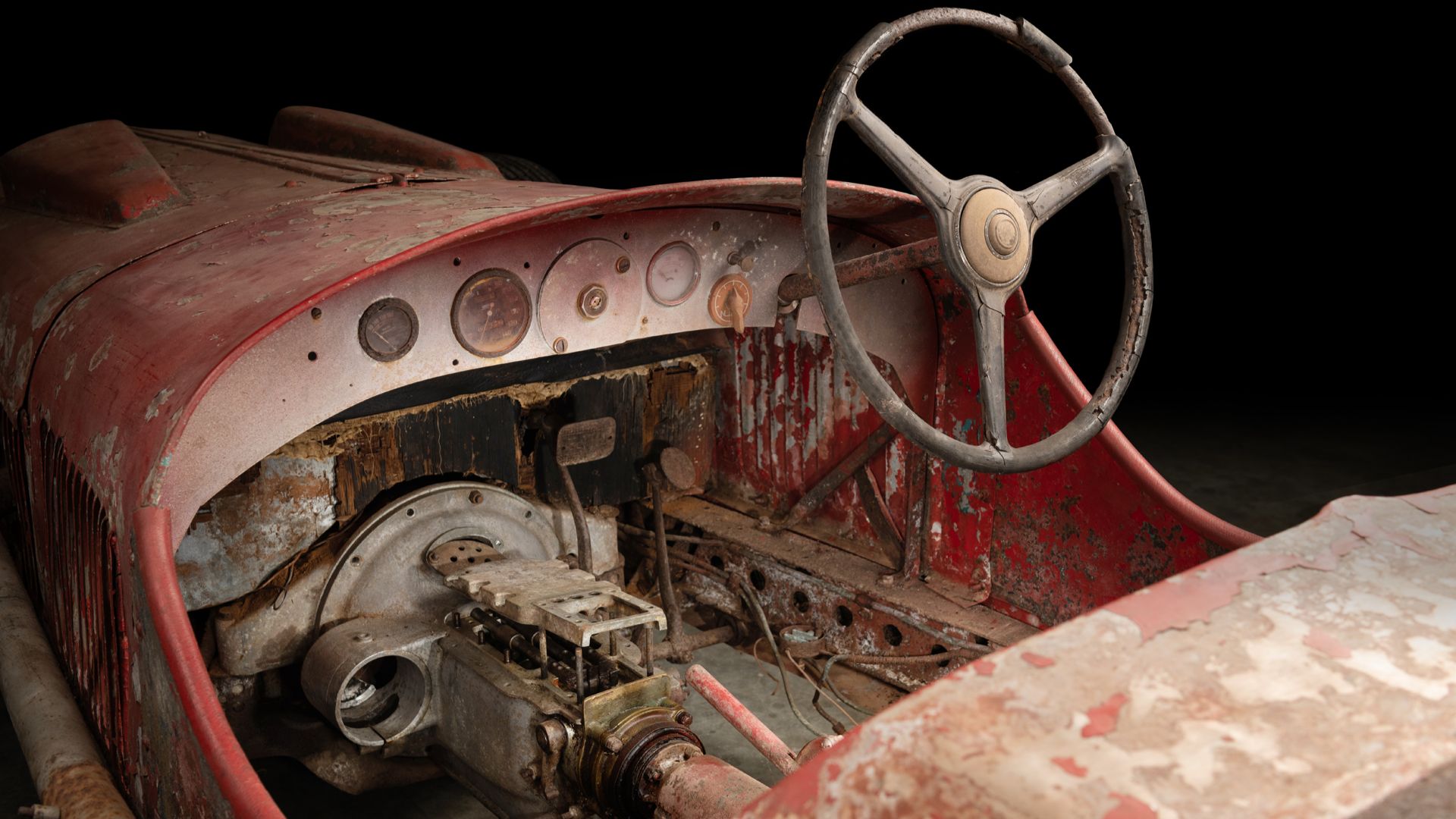
On inspection, the car bore very little resemblance to the original, with few of its authentic panels and an different grille fitted. We’d describe its current condition as ‘fascinatingly dilapidated’.
The chassis, engine and transmission are original, however. Thornley Kelham now plans to return it to its early 1930s condition, as when Mussolini drove it.
Several thousand hours of fabrication, engineering and assembly will be required by the company’s team of skilled technicians.
“We’ve undertaken many challenging restorations here at Thornley Kelham but this Alfa Romeo presents us with perhaps our greatest test to date,” said Simon Thornley, company co-founder.
“Over the course of its extraordinary life, it has been graced with a beautiful hand-crafted body from Stabilimenti Farina, owned and piloted by one of the world’s most (in)famous dictators, and stripped out for motorsport and raced on the streets of North Africa.
“Our challenge now is to restore it to the condition it first left Stabilimenti Farina’s carrozzeria, based on further painstaking research and thousands of hours of expert craftsmanship. Automotive history like this has to be preserved, and we are delighted to be involved in the latest page in its amazing story.”
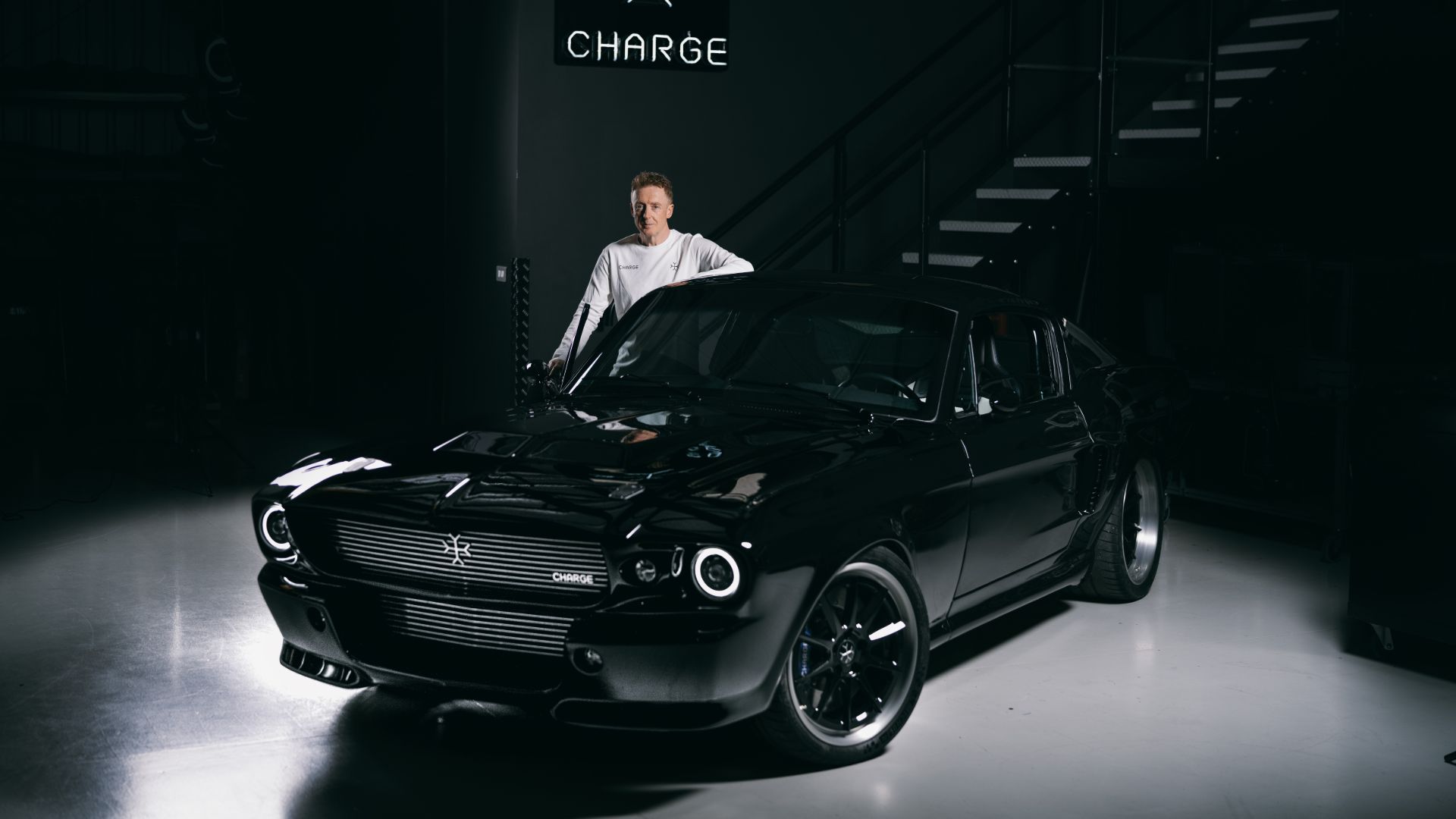
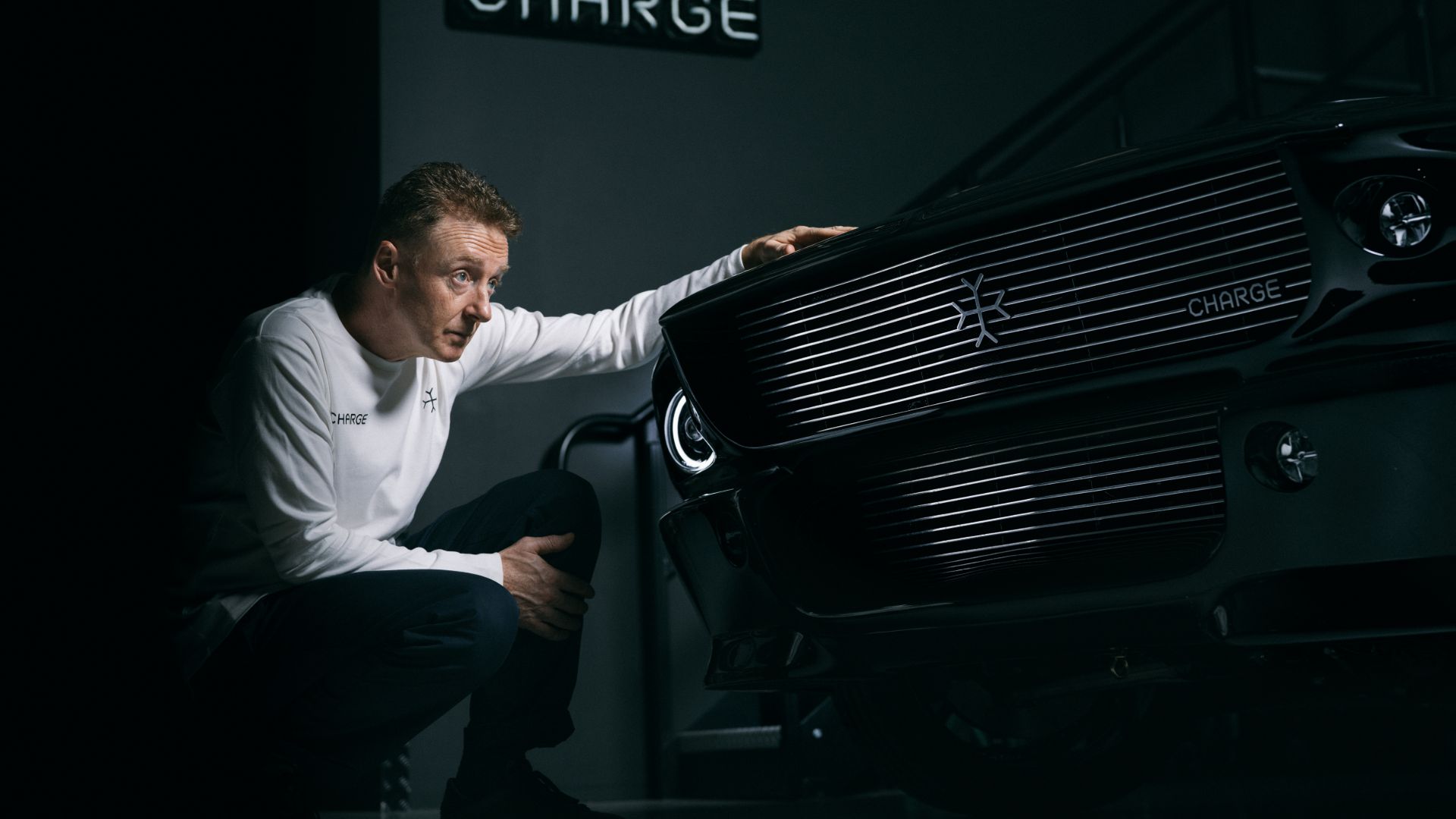
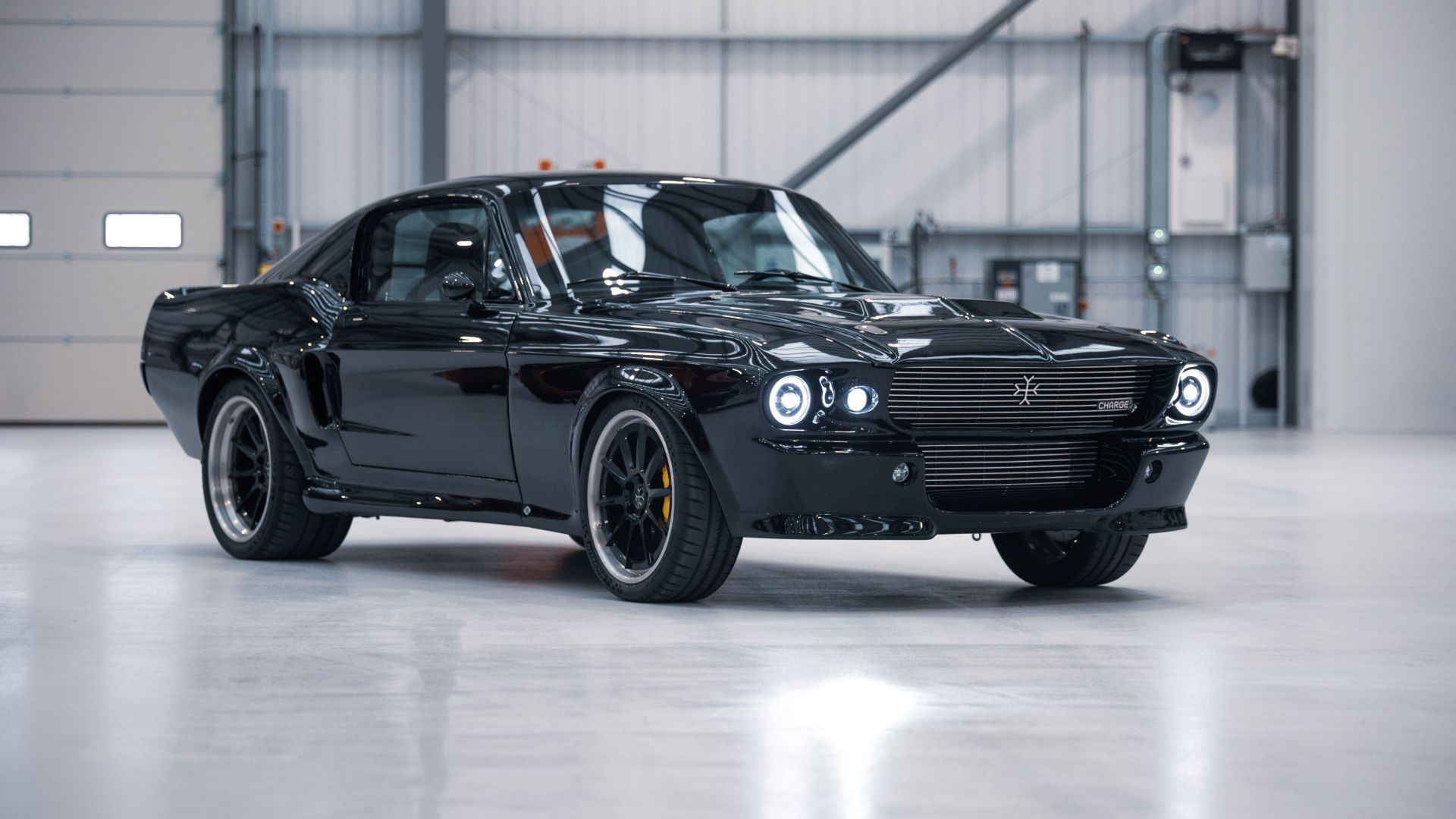
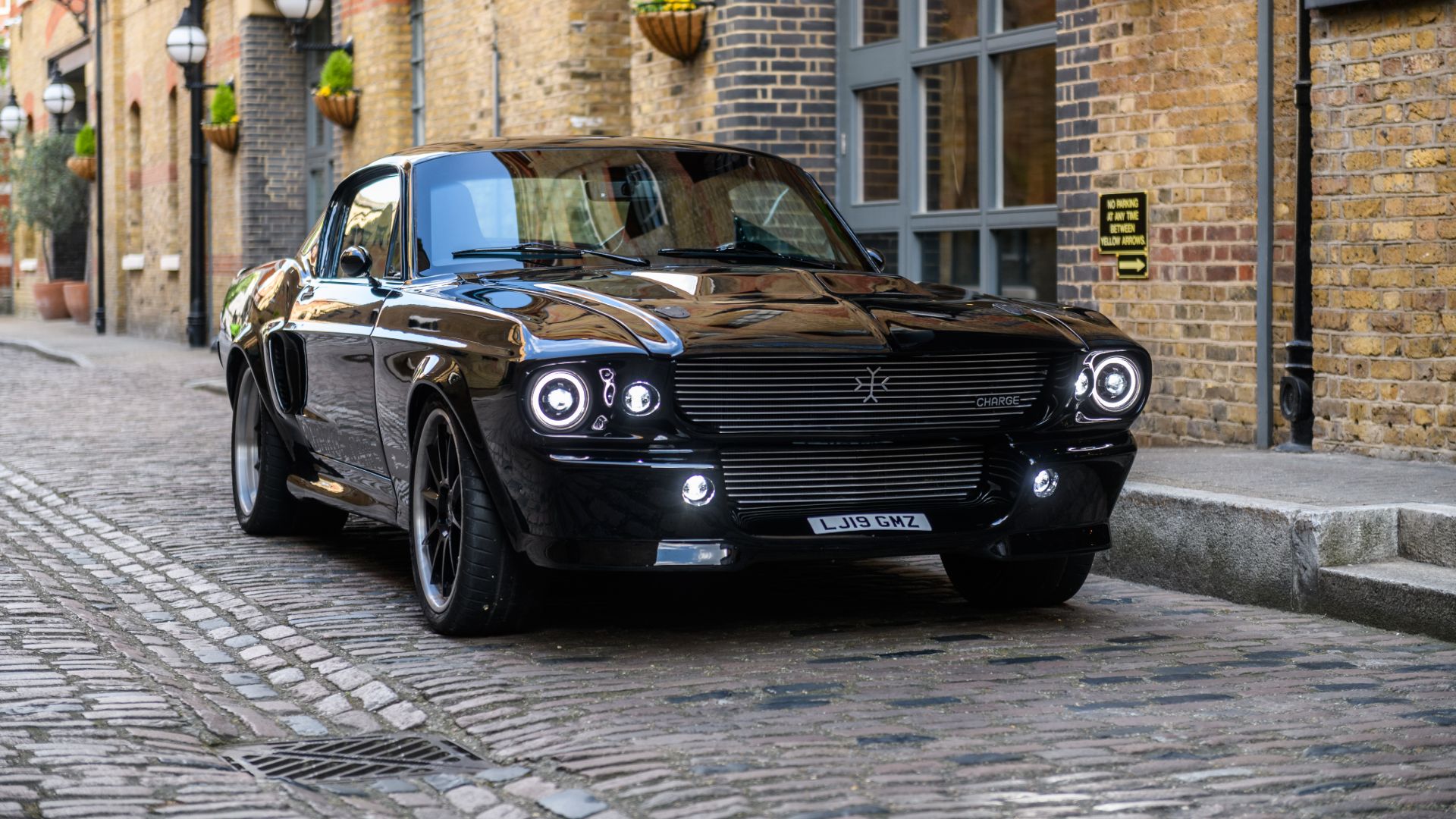
One of the founding fathers of McLaren Automotive has moved to Charge Cars, which converts classic Ford Mustangs to electric power.
Mark Roberts has been there since the beginning, joining McLaren Cars as employee number nine. He was involved with the legendary F1, and has been instrumental in the modern P1, Senna, Speedtail and new Elva.
Now he’s joined Charge Cars, with a mission to electrify classic cars – including the original Mustang of the 1960s. Roberts is Chief Creative Officer at the company.
“Charge has something really special and I felt it the moment I walked in the door – a spark and an energy that only a start-up can have,” said Roberts.
“It reminded me of when I first started at McLaren. I’ve always had a real passion for classic vehicles, and after many years working with cutting-edge technology on supercars, I love the concept of taking an iconic classic and incorporating supercar technology into it whilst always respecting the original design.
“I’m looking forward to working on electric cars with real soul that give people a way to show their personality whilst still being mindful of their carbon footprint.”
Is this a vision of the car we’ll be ‘driving’ in 2050?
Charge has partnered with Arrival, to fit classics with new electrical systems, from batteries and motors, to software and cabin user interfaces. Charge plans on building 499 of these re-engineered electrified Mustangs. They’re will have a 200-mile range, and can be reserved now with a full price of £300,000.
As for what other electrified classics could come down the pipeline? There are no specifics yet. But, as is the way with many of these things, we suspect it’ll be a case of ask, pay, and you shall receive.
“Charge Automotive is pioneering cleaner, advanced technologies for the classic and luxury car market and we are delighted to welcome Mark to join us in this vision,” said Vadim Shagaleev, CEO of Charge.
“Mark is well versed in the precise level of detail and execution required to create world-class bespoke performance vehicles and his expertise will be invaluable to the team at Charge and our customers around the world.”