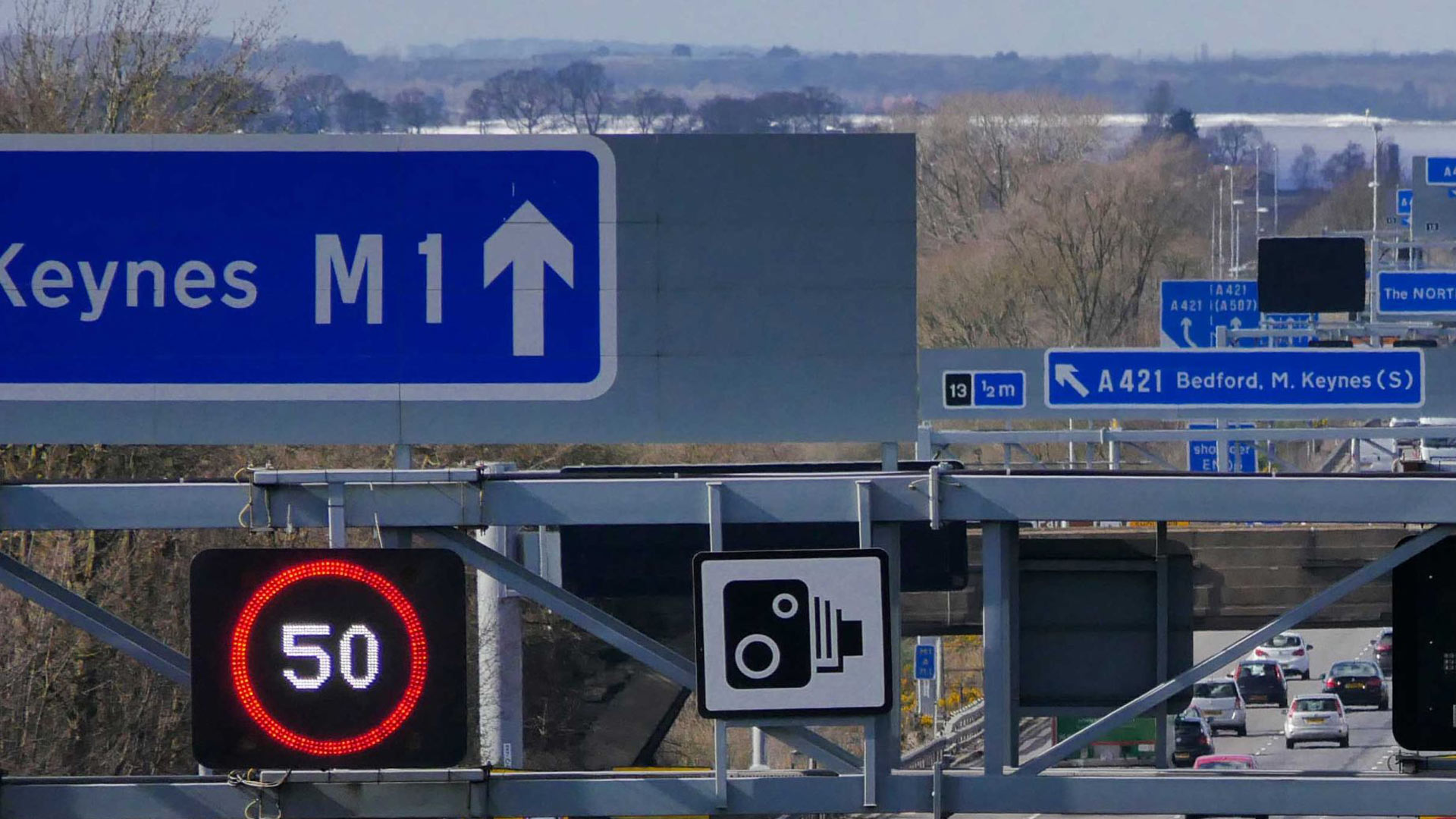
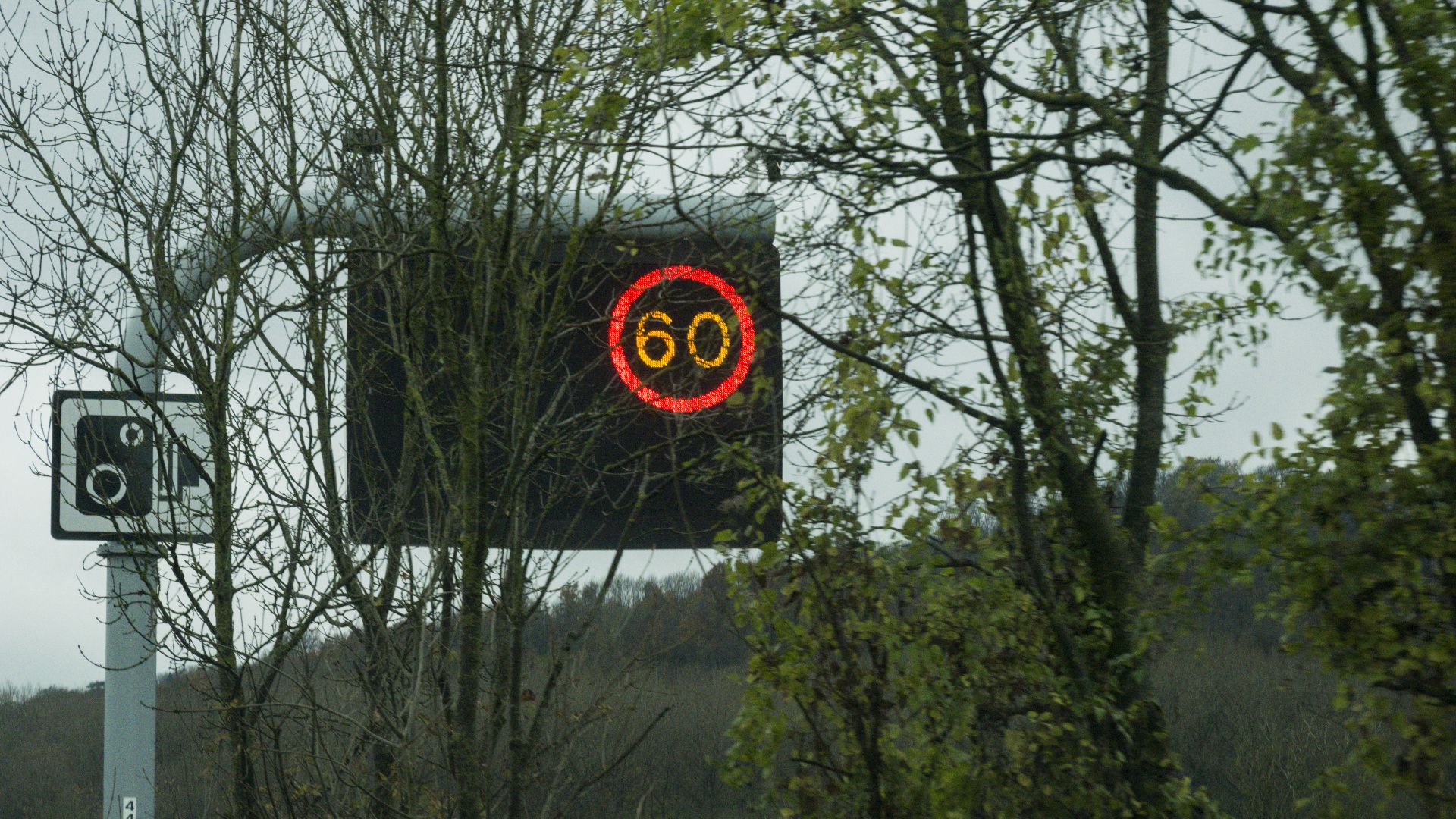
Thousands of drivers could see their speeding fines cancelled after National Highways identified an error that caused cameras to be triggered incorrectly.
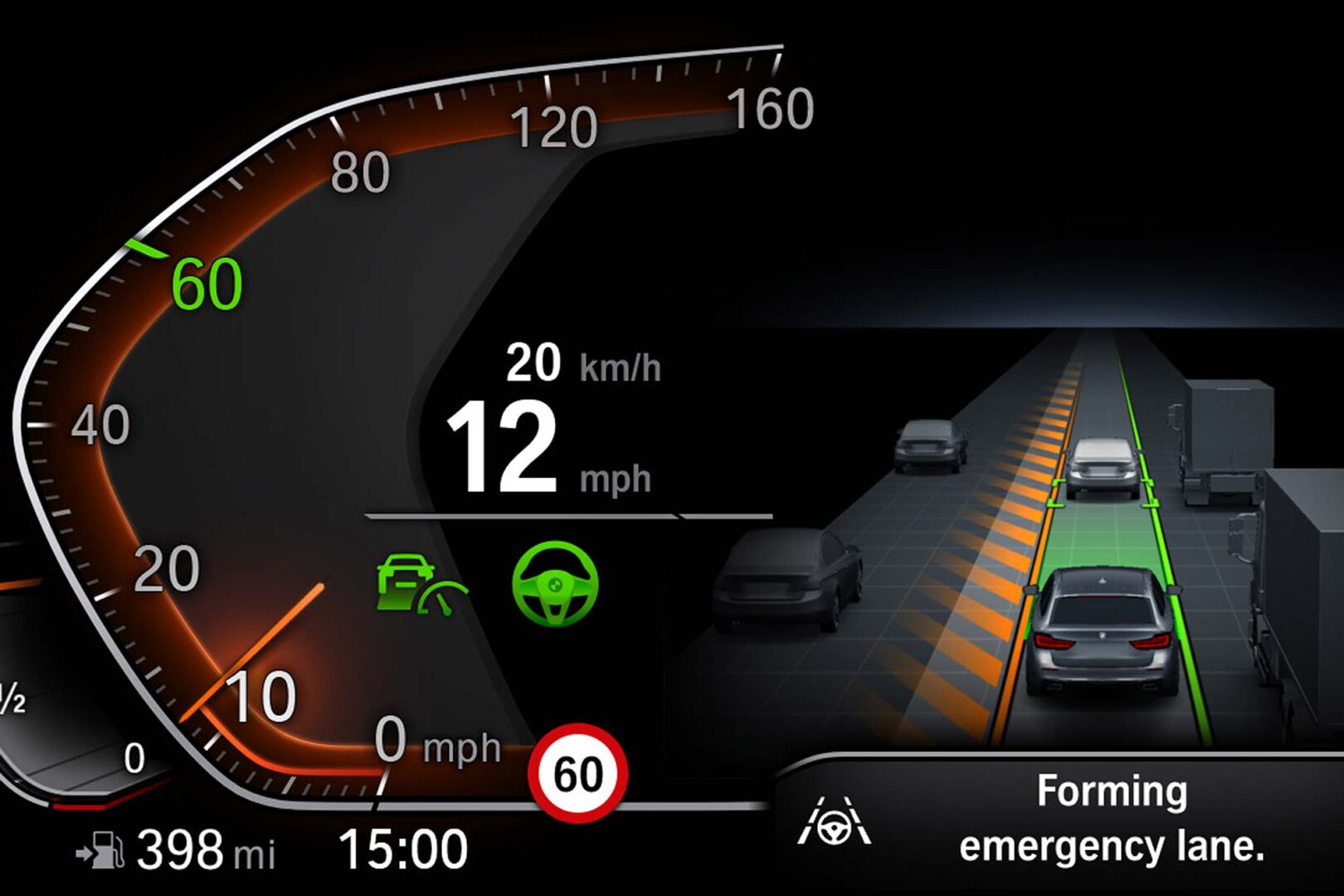
The issue applies to speed cameras covering motorways and major A-roads with variable speed limit signs, including smart motorways.
In many of the identified cases, the cameras activated too soon after the variable speed limit had changed, leaving drivers with no reasonable chance to react.
Around 2,650 instances of incorrect speed camera activations have been uncovered since 2021. However, more could be found following a further review ordered by the government.
Fines to be repaid and points removed
In a written statement to parliament, Simon Lightwood MP, Parliamentary Undersecretary of State for Transport, apologised to drivers who had been affected by the erroneous speeding enforcement.
National Highways has now passed the information on cases identified to the police, who will rectify the enforcement action taken against drivers.
This will include speeding fines being reimbursed, penalty points removed from driving licences, and the potential for financial compensation for those who were incorrectly prosecuted.
Simon Lightwood has also instructed National Highways to make a further investigation into the issue, dating back to 2019.
This coincides with the start of upgrades made to speed cameras on England’s Strategic Road Network, which are believed to have triggered the incorrect speeding penalties.
Drivers should observe ‘posted speed limits’
During the time period currently identified by National Highways, more than six million speed camera activations took place. As a result, the incorrect enforcement action represents just 0.1 percent of all penalties issued.
However, until the issue can be fully resolved, police forces will not be enforcing penalties from cameras that cover variable speed limits.
A written statement to parliament says this means ‘tens of thousands of people’s speed awareness courses are being cancelled, and thousands of historic fixed penalty notices and criminal justice prosecutions are being discontinued’.
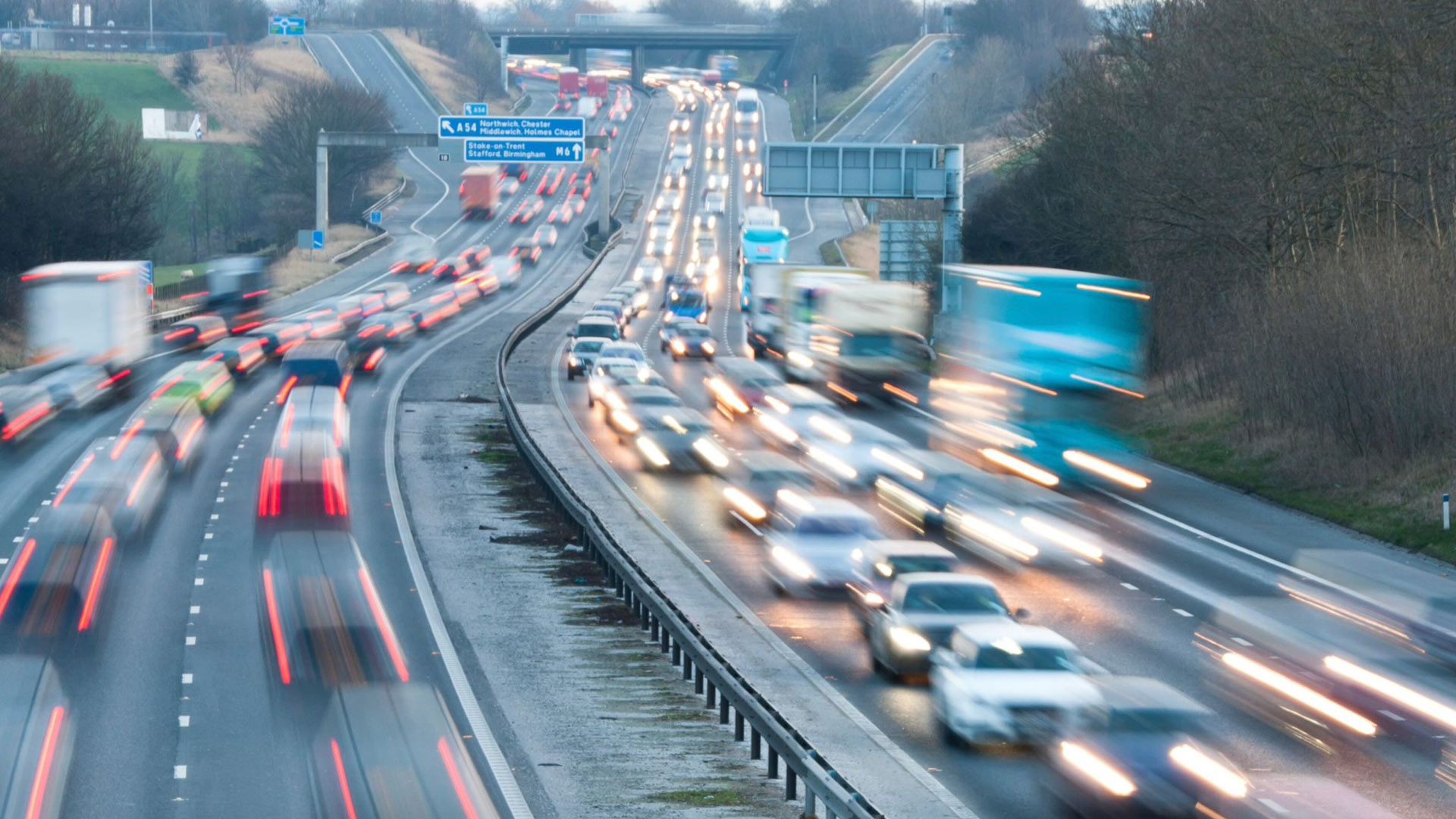
Instead, the police will use other enforcement methods on motorways and A-roads, such as average speed cameras and more mobile patrols.
National Highways chief executive, Nick Harris, said: “Safety is our number one priority and we have developed a fix for this technical anomaly to maintain the highest levels of safety on these roads and make sure no one is wrongly prosecuted.
“All drivers should continue observing the posted speed limits as normal. Anyone who has been impacted will be contacted by the relevant police force.”
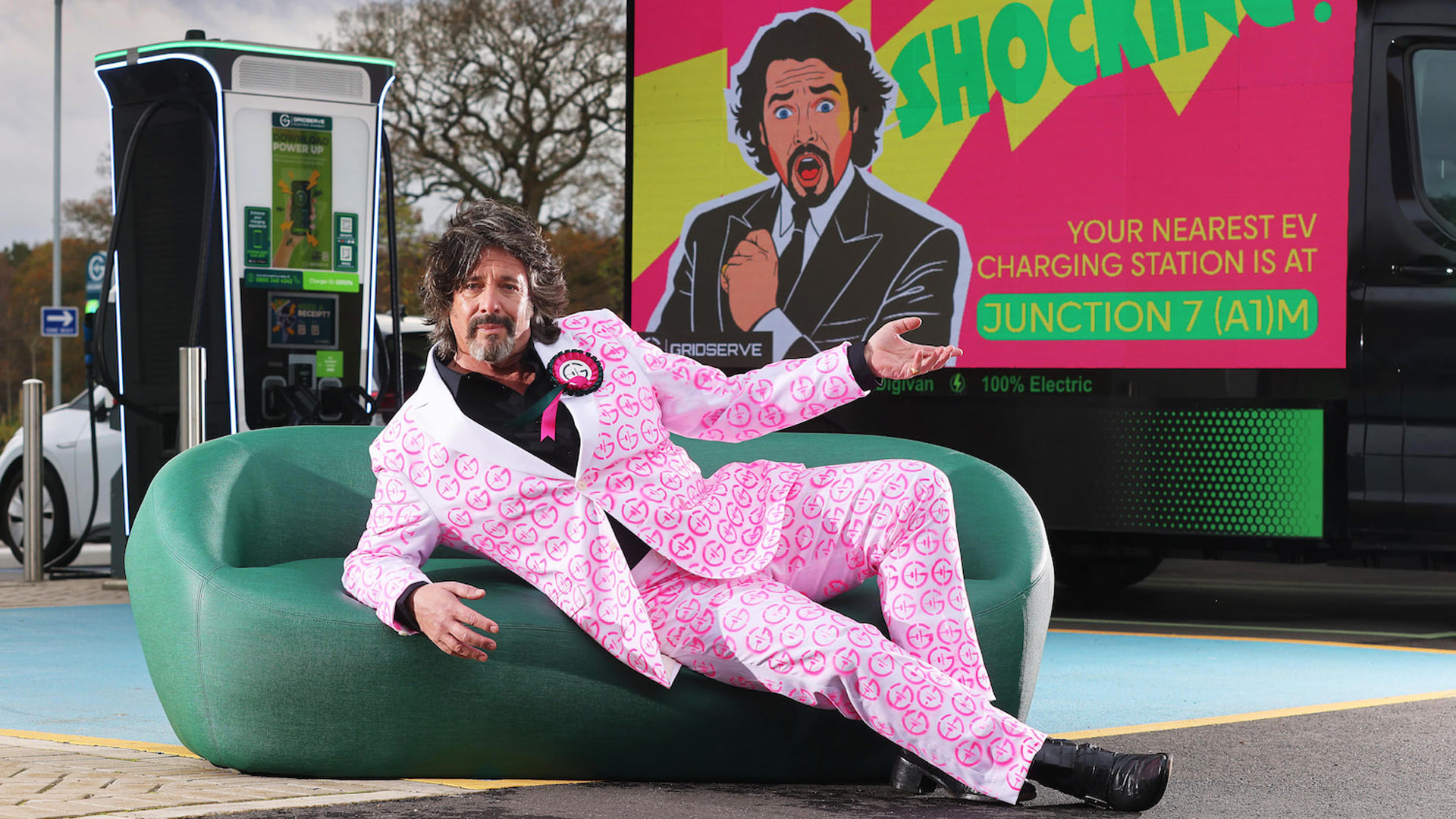
Electric vehicle charging provider Gridserve has signed up famed interior designer, Laurence Llewelyn-Bowen.
Best known for presenting the home makeover TV show, Changing Rooms, Llewelyn-Bowen has been appointed as Gridserve’s ‘Chief Visibility Officer’.
Thankfully, there is no evidence of any terracotta paint, MDF or rag-rolling in the EV charging company’s plans.
Instead, Llewelyn-Bowen will take on a far more serious task of ensuring that British drivers can locate EV charging infrastructure.
A bold approach to EV charger visibility
Research by Gridserve discovered that more than half of adults underestimate the level of electric vehicle charging provision in the UK.
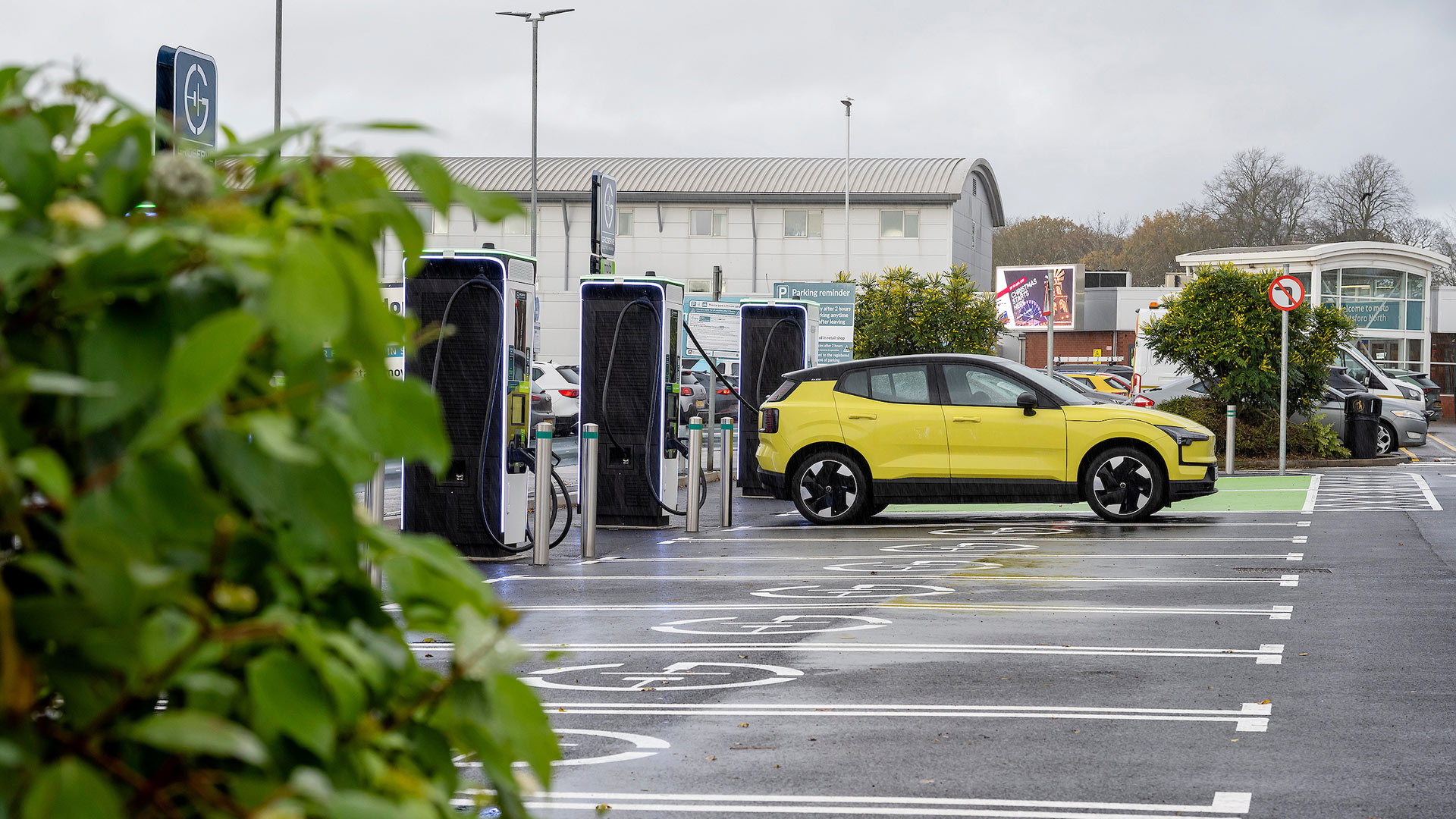
In fact, there are now more than 87,000 charging devices available. However, Gridserve believes that outdated signage and poor placement makes many of them hard to find.
Laurence Llewelyn-Bowen will ensure there is no chance of missing public charger locations. Indeed, the flamboyant designer arrived for his Gridserve photoshoot wearing a highlighter-yellow suit.
His suggestions included the addition of fake flamingos to Gridserve’s Electric Forecourts, along with a mobile digital advertising van.
Solving range anxiety through awareness
Despite the tongue-in-cheek approach, Gridserve says increasing awareness of EV charging is key to boosting confidence among potential electric car owners.
Knowing that charging devices are easy to find should ‘reduce range anxiety, help drivers make quick decisions on the road, and turn charging from an uncertain task into an intuitive part of everyday travel,’ the company says.
Gridserve’s campaign comes after it added new 400kW devices to a charging station at Centaurus Park in Bristol.
Capable of recharging two vehicles at once, the ABB E-mobility A400 devices can, with compatible cars, add more than a hundred miles of range in under 10 minutes.
Remarkably, that’s even less time than it would take Handy Andy to knock-up a set of MDF shelves on Changing Rooms…
Mitsubishi Motors has confirmed the first two models to be sold in the UK next year, after the marque announced an unexpected comeback.
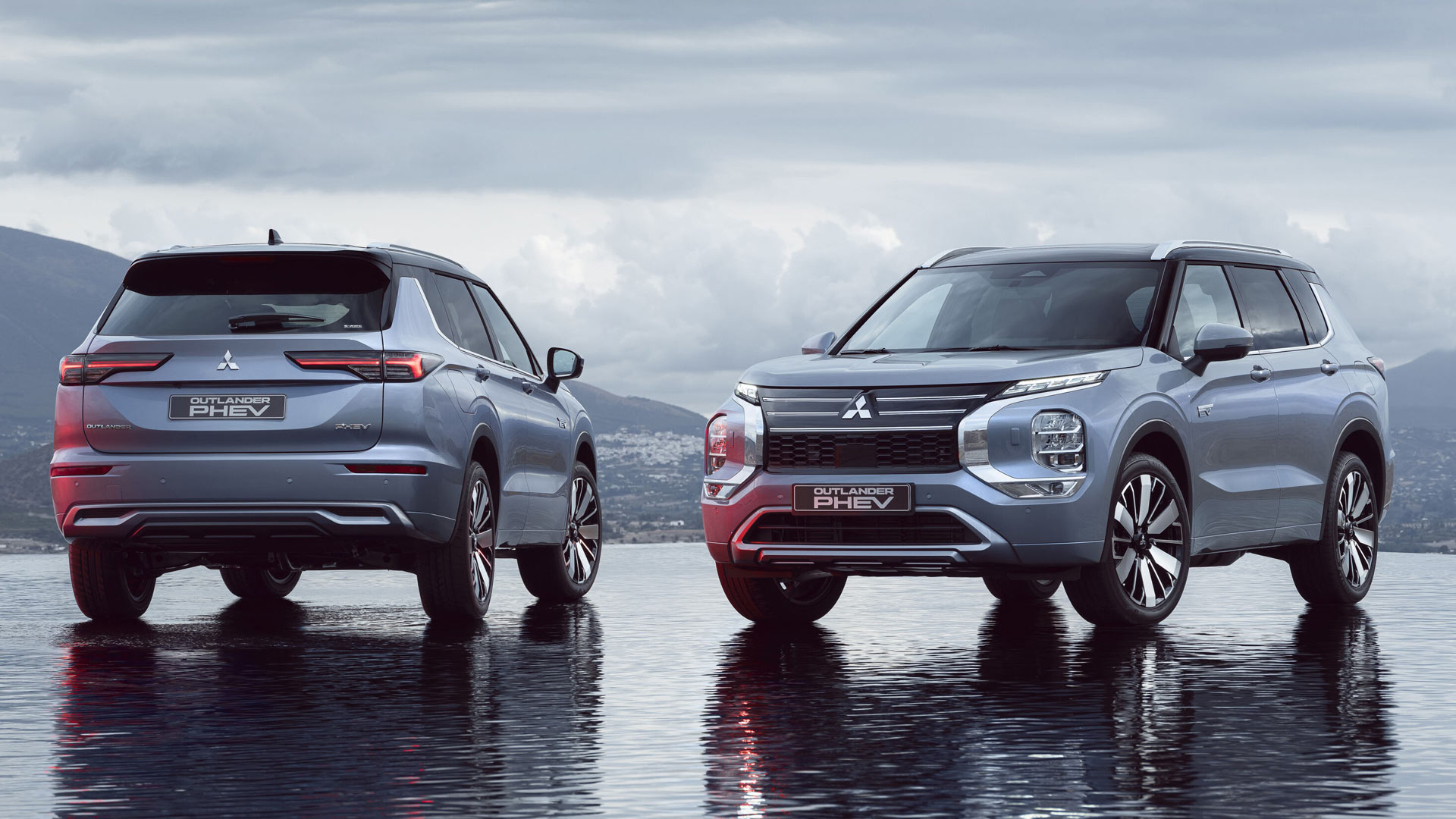
The Mitsubishi model range will include the latest-generation Outlander PHEV SUV, along with the L200 Series 7 double-cab pickup truck. Both will be available from summer 2026.
A limited number of vehicles will be offered at first, with Mitsubishi seemingly testing the waters with its previous best-sellers. The company had previously exited the UK in 2021.
Sadly, there is no mention of any Lancer Evolution-style performance car, not least because the 4WD saloon left the Mitsubishi lineup in 2016.
Family SUV and a hard-working truck
Mitsubishi sold more than 50,000 examples of the original Outlander PHEV when it was launched in 2014. It became one of the most popular plug-in hybrid vehicles at the time.
The latest 2026 Outlander PHEV boasts a larger platform, a 2.4-litre petrol engine and two electric motors. Up to 300hp is on offer, handled by a rally-bred Super-All Wheel Control (S-AWC) system.
When the Outlander PHEV returns to the UK in 2026, it will be available in seven-seat SUV guise for the first time.
Joining the Outlander will be the L200 Series 7 double-cab pickup, which features a 2.4-litre diesel engine and selectable four-wheel drive.
Return of ‘much-loved’ Mitsubishi models
Following the model reveal, Sharon Townsend, head of Mitsubishi Motors in the UK, commented: “We are excited to announce the two new Mitsubishi models that will go on sale in the UK in summer 2026.
“While the Mitsubishi Outlander PHEV and the Mitsubishi L200 are familiar, much-loved and respected names in the UK, we will be introducing the very latest models, which feature significant design, technology and performance upgrades over their predecessors.”
UK launch dates for the Outlander PHEV and L200, along with prices and exact vehicle specifications, will be announced next year.
The Dacia Spring’s position as the UK’s most affordable electric car has just been reinforced, thanks to a new £3,750 Electric Car Grant from Dacia.
The grant is effectively a deposit contribution, which the firm illustrates on a four-year PCP finance deal. It reduces the price of the entry-level 2026 Dacia Spring to just £12,240.
With a customer deposit of £2,776, Dacia’s additional £3,750 brings monthly payments down to £129 – by modern car finance standards, an absolute bargain.
“With the introduction of our Dacia Electric Car Grant, it makes buying and owning a Spring even more affordable,” said Dacia UK brand director Luke Broad.
“We’re in the business of making electric mobility accessible for all, and with our track record of delivering best-in-class value for best-in-class cars, it really doesn’t require a leap of faith to go electric.”
Save money on 2026 Dacia Spring
Orders for the new improved Dacia Spring are open now, ahead of deliveries beginning in spring 2026.
The Spring is available in two guises: the £15,990 Expression 70 and £16,990 Extreme 100. Both prices are pre-grant, and the numbers indicate the power output of their electric motors.
The 2026 Dacia Spring has an updated chassis, suspension and brakes, while a new 24.3kWh battery provides a driving range of up to 140 miles.
Dacia has added a 40kW onboard DC charger, which will boost the battery from 20-80 percent capacity in 29 minutes.
Interior trim quality has been improved, and all models get a 7.0-inch driver display. The plusher Spring Extreme features a 10.1-inch touchscreen with wireless Apple CarPlay and Android Auto phone connectivity.
All 2026 Dacia Spring models also come with air conditioning, rear parking sensors and electric front windows. Extreme specification adds copper-accented styling, electric rear windows, electric door mirrors, front parking sensors and a reversing camera.
Opting for the more powerful Extreme 100 also cuts the Dacia Spring’s 0-62mph acceleration time from 12.3 seconds to a zippier 9.6 seconds.
By comparison, England, Wales and Northern Ireland all have a higher limit of 35 micrograms of alcohol per 100 millilitres of breath.
None for the road
During the whole of 2024, Police Scotland prosecuted 4,427 motorists for being over the drink-drive limit, with 4,260 of them being convicted: a 96 percent conviction rate.
Although the overall number of drivers prosecuted in Scotland for drink-driving fell last year compared to 2023, it still marked a 15 percent increase compared to a decade ago.
In 2023, 10 people were killed by a drink-driver on Scottich roads, while 300 were injured. This number remains “unacceptably high”, says Hunter Abbott, managing director of personal breathalyser firm, AlcoSense.
“With Scotland’s lower drink-drive limit, even small amounts of alcohol can put you over the legal threshold,” notes Abbott.
Police Scotland taking action
Police Scotland’s festive drink-driving campaign will run until 2 January 2026, with targeted patrols in known hotspots such as Glasgow, North Lanarkshire, the Highlands, South Lanarkshire and Edinburgh.
Under Scottish law, being caught driving over the prescribed limit for alcohol will result in a minimum driving ban of 12 months. A prison sentence of up to six months is also possible, along with a maximum fine of £5,000.
Hunter Abbott commented: “The only reliable way to know you’re safe and legal to drive is to self-test with a personal breathalyser. Particularly the morning after a night out, when alcohol can remain in your system for many hours.”
WIN an AlcoSense Excel breathalyser
To help drivers stay safe and legal during the festive season, we have an AlcoSense Excel personal breathalyser to give away.
Worth £99.99, the award-winning AlcoSense Excel uses a similar sensor to those found in police-specification breathalysers, warning you when it isn’t safe to hit the road.
To be in with a chance to win, all you need to do is sign up to our weekly Motoring Research newsletter by 5pm on Thursday 18 December, using this link.
We will then draw one lucky winner at random from our newsletter subscribers, and notify them using email address they signed up with – so they can receive their AlcoSense Excel device in time for keeping safe on the road during the festive season.
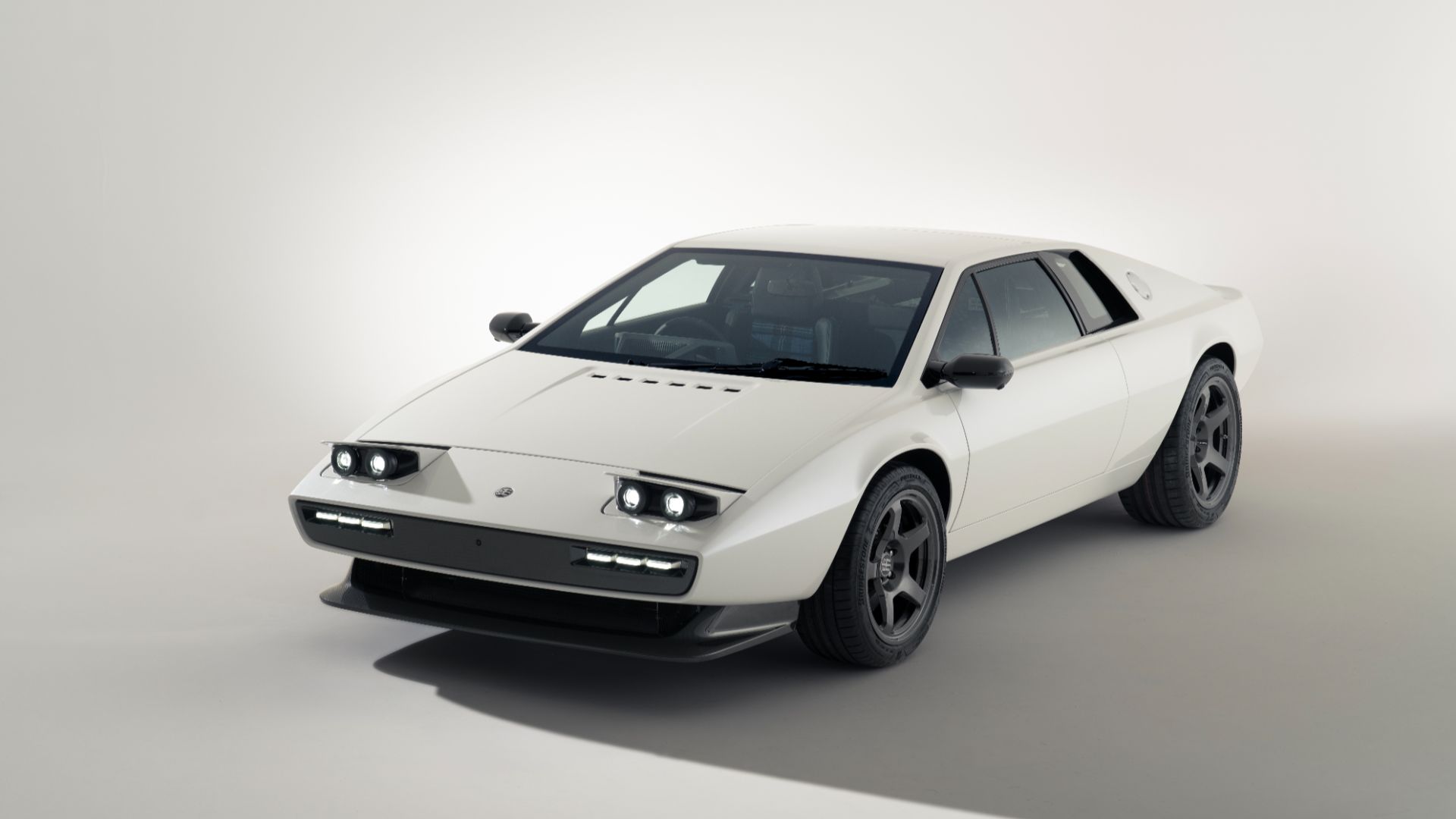
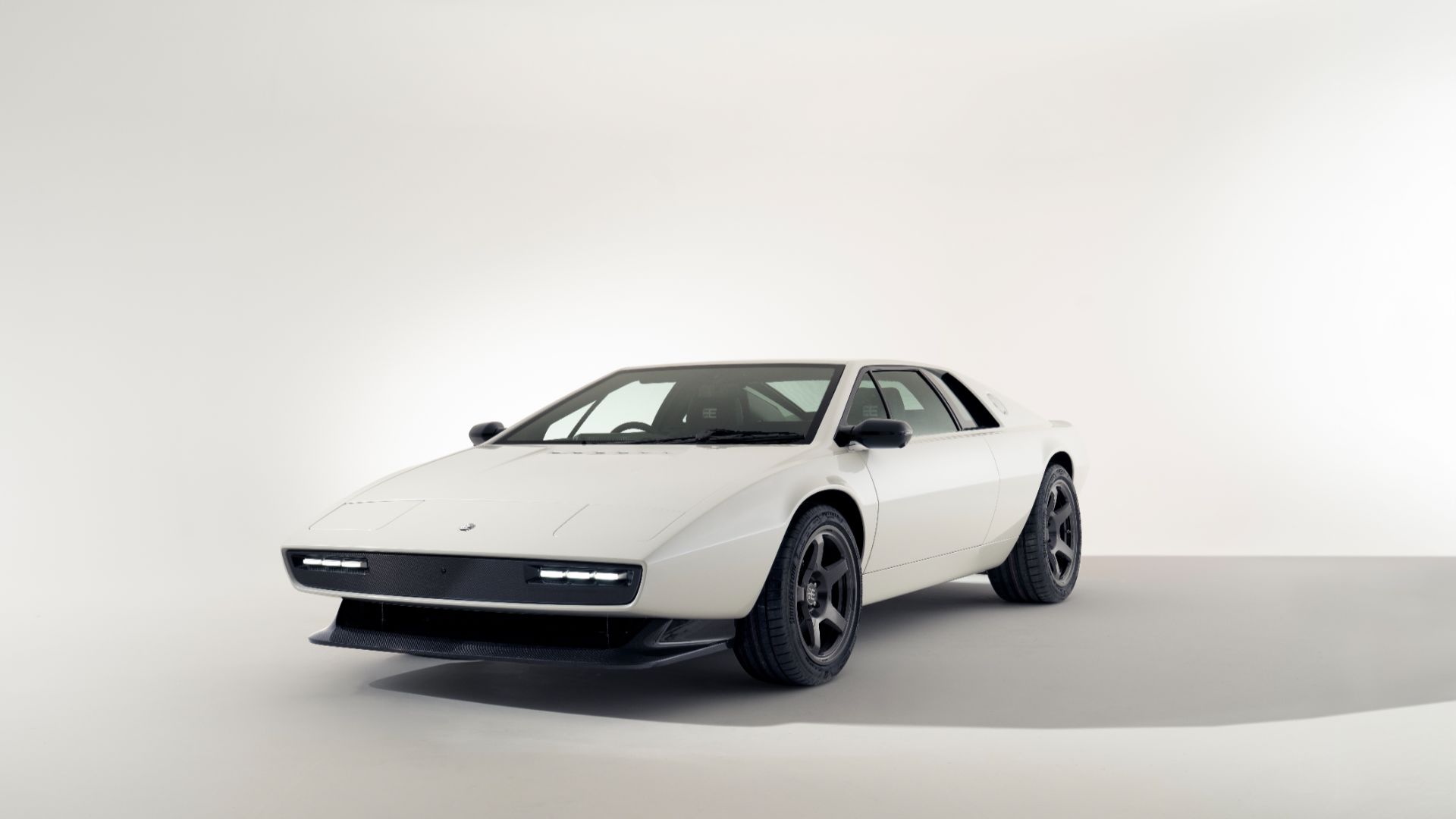
This is the Lotus Esprit as you’ve never seen it before. Fifty years after its debut at the Paris Motor Show, the classic British sports car has been resurrected for the 21st century. Forget Noel and Liam, this is the biggest comeback we’ve witnessed all year.
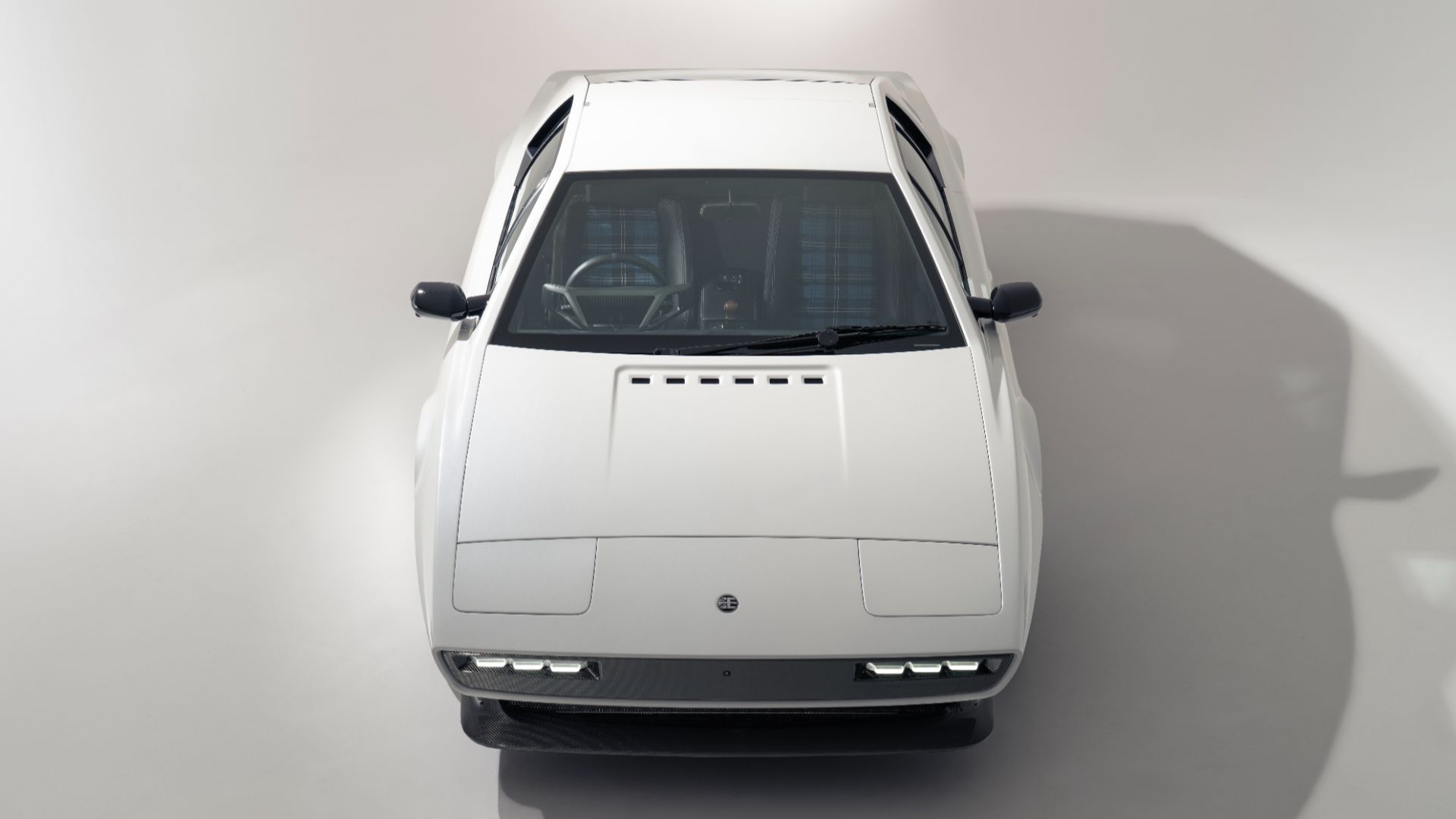
Encor’s stated aim with its new Series 1 restomod was ‘respectful enhancement – to approach the Esprit not as a blank canvas, but as a piece of cultural heritage’. To that end, the car combines a carbon fibre body that evokes the 1975 original with the chassis and powertrain from a late-model Esprit V8. It’s unmistakably a Lotus Esprit, but almost every detail is different.
Encor plans to build 50 examples of the Series 1 to mark the 50th anniversary of the Esprit. I visited the company’s production facility in Chelmsford, Essex, to explore the car and meet the team behind it.
Driving a wedge
Some prefer the sumptuous curves of the 1960s, but nothing screams SUPERCAR like a 1970s wedge. The Lancia Stratos, Lamborghini Countach and DeTomaso Pantera were all prime examples of the breed, but the original Esprit was equally worthy of space on any bedroom wall.
Indeed, while the word ‘icon’ gets overused when talking about classic cars, a starring role in two James Bond films – including as the submarine ‘Wet Nellie’ in The Spy Who Loved Me – made the Lotus a genuine legend in its own lifetime.
‘Remastering’ the Esprit was thus a responsibility that Daniel Durrant, former lead designer for the Lotus Emira, took very seriously. “We’ve simplified the aesthetic and upped the quality”, he explains. “Every line we’ve refined, every decision we’ve made, is about honouring the original’s intent.”
Clothed in carbon fibre
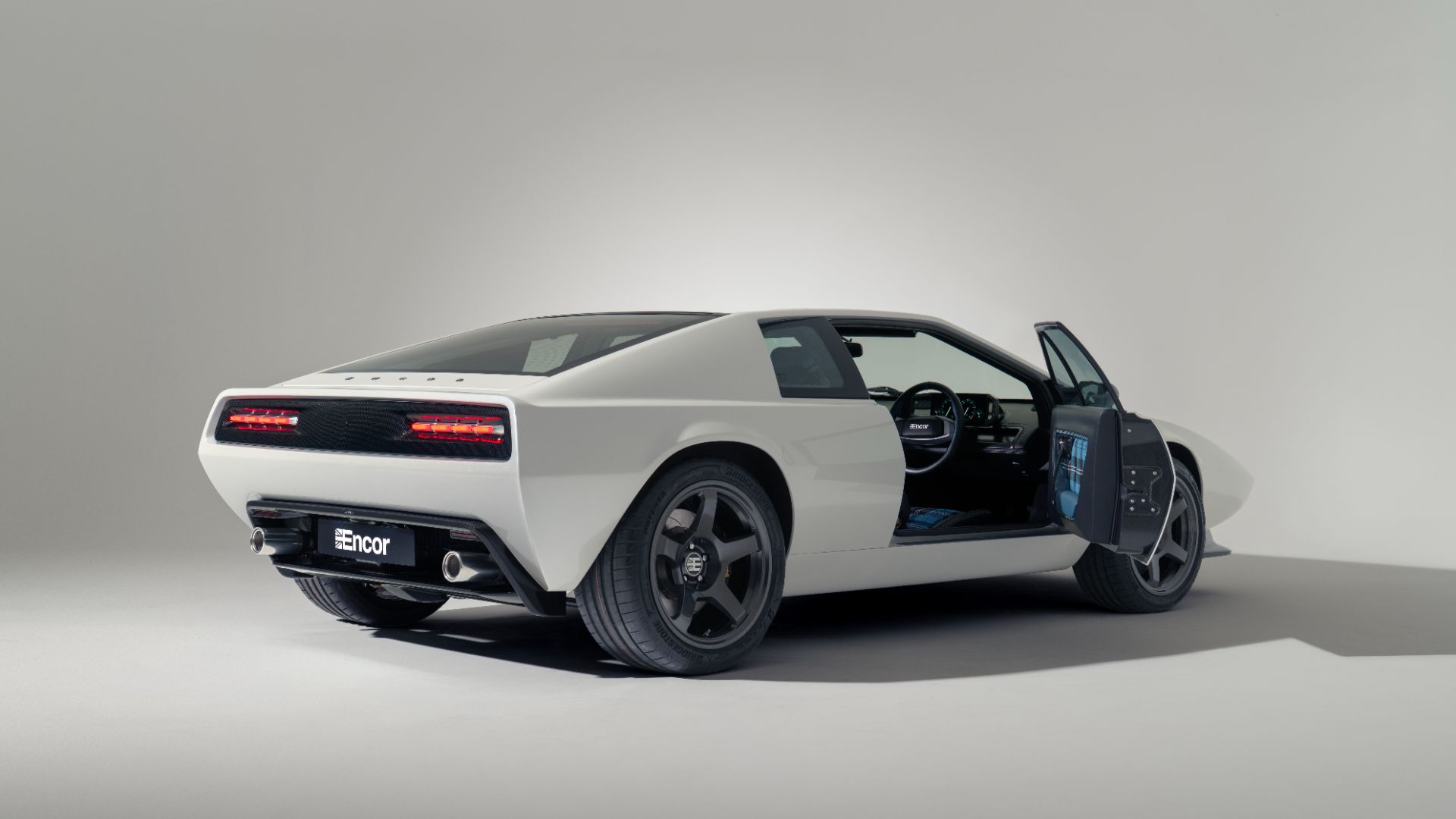
While the classic Esprit was made from fibreglass, the Encor is fully clothed in carbon fibre. That meant Durrant could remove the black line around the car’s midriff where the upper and lower moulds were joined. The result is a cleaner look that seems to accentuate the Esprit’s angularity.
Other aspects of Giorgetto Giugiaro’s original design have been modernised, too. All the glass now sits flush, the bumpers are integrated and the door handles – previously borrowed from the Morris Marina – are solenoid switches hidden inside the air intakes.
Thankfully, Encor hasn’t done away with the Esprit’s pop-up headlights, but they’re now much brighter LED projectors. Billet aluminium housings conduct heat away from each of the lamps. “We wanted to make function beautiful,” Durrant says.
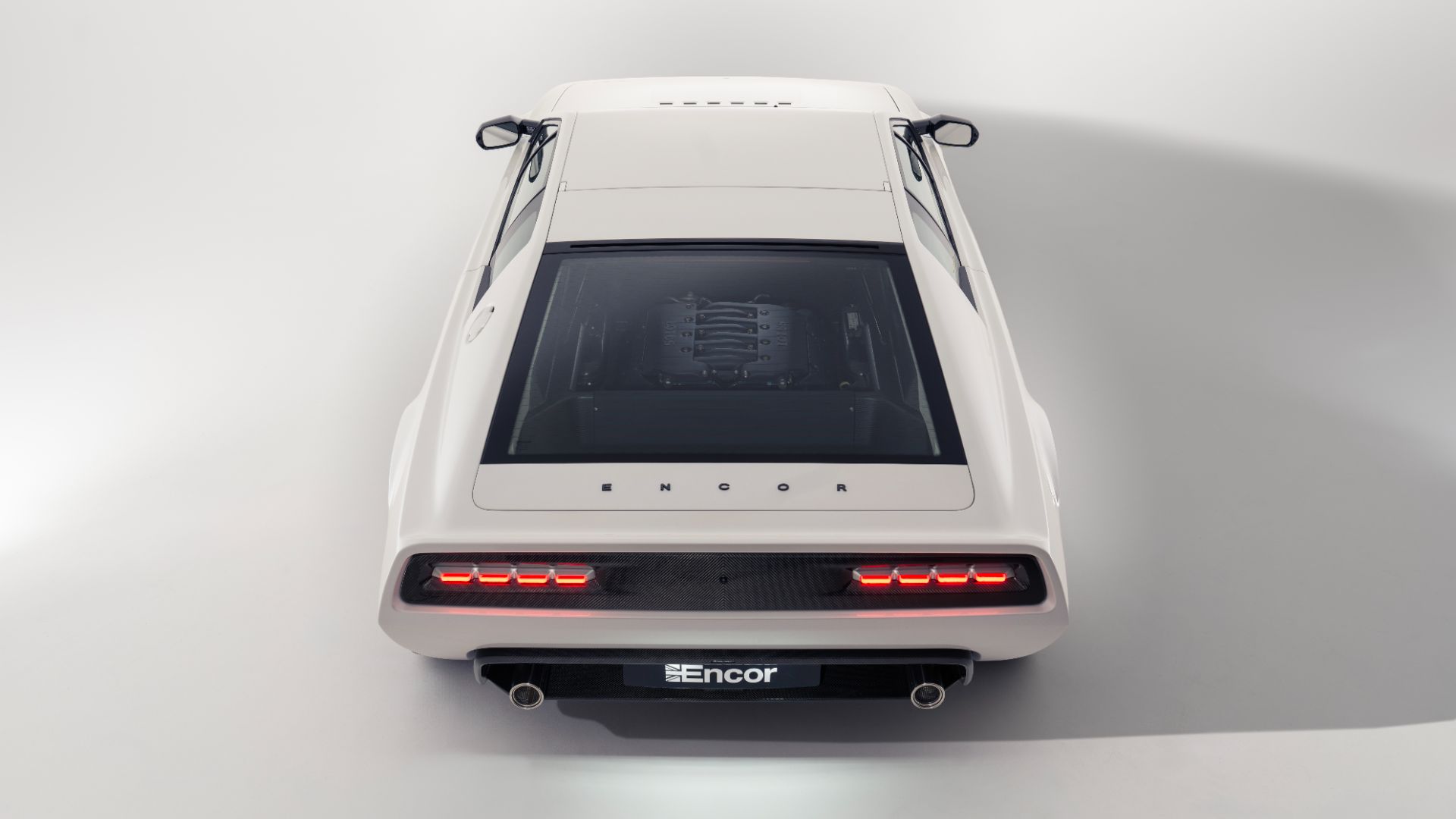
The Series 1 has a wider, more purposeful stance on 17-inch wheels forged and machined in-house by Encor. However, the biggest difference becomes apparent when you peer through the rear window…
Opting out of the arms race
Each Series 1 restomod begins life as a post-1998 Lotus Esprit V8. You can supply your own donor vehicle, or ask Encor to source one for you. Worried about original cars being wiped out? “Our 50 cars will represent about three percent of Esprit V8 production,” says Encor co-founder William Ives. “Many of them wouldn’t otherwise be cost-effective to restore.”
Ives owns a stunning Esprit Sport 350 (one of 50 final edition cars built in 1999) that is also parked in Encor’s workshop, along with an Evora GT430, so his love for Lotus clearly runs deep. “I can remember walking home from school in 1996 and seeing a red Esprit V8 parked on somebody’s driveway,” he recalls. “I was hooked straight away.”
The mid-mounted V8 in the Series 1 is rebuilt with forged pistons, bigger injectors, a new servo-controlled throttle body, improved cooling, a stainless steel exhaust and a modern ECU. It now produces around 400hp – 50hp more than Esprit in ultimate Sport 350 spec – and 350lb ft of torque. “We’re not chasing horsepower,” adds Ives. “We don’t want to join the supercar arms race.”
Drive goes to the rear wheels via a five-speed manual gearbox with all-new internals, a twin-plate clutch and a helical limited-slip differential. With a target kerb weight of less than 1,200kg (the Esprit V8 weighed in at 1,380kg), Encor predicts a 0-62mph time of four seconds and a top speed of 175mph.
Inside the Encor Series 1
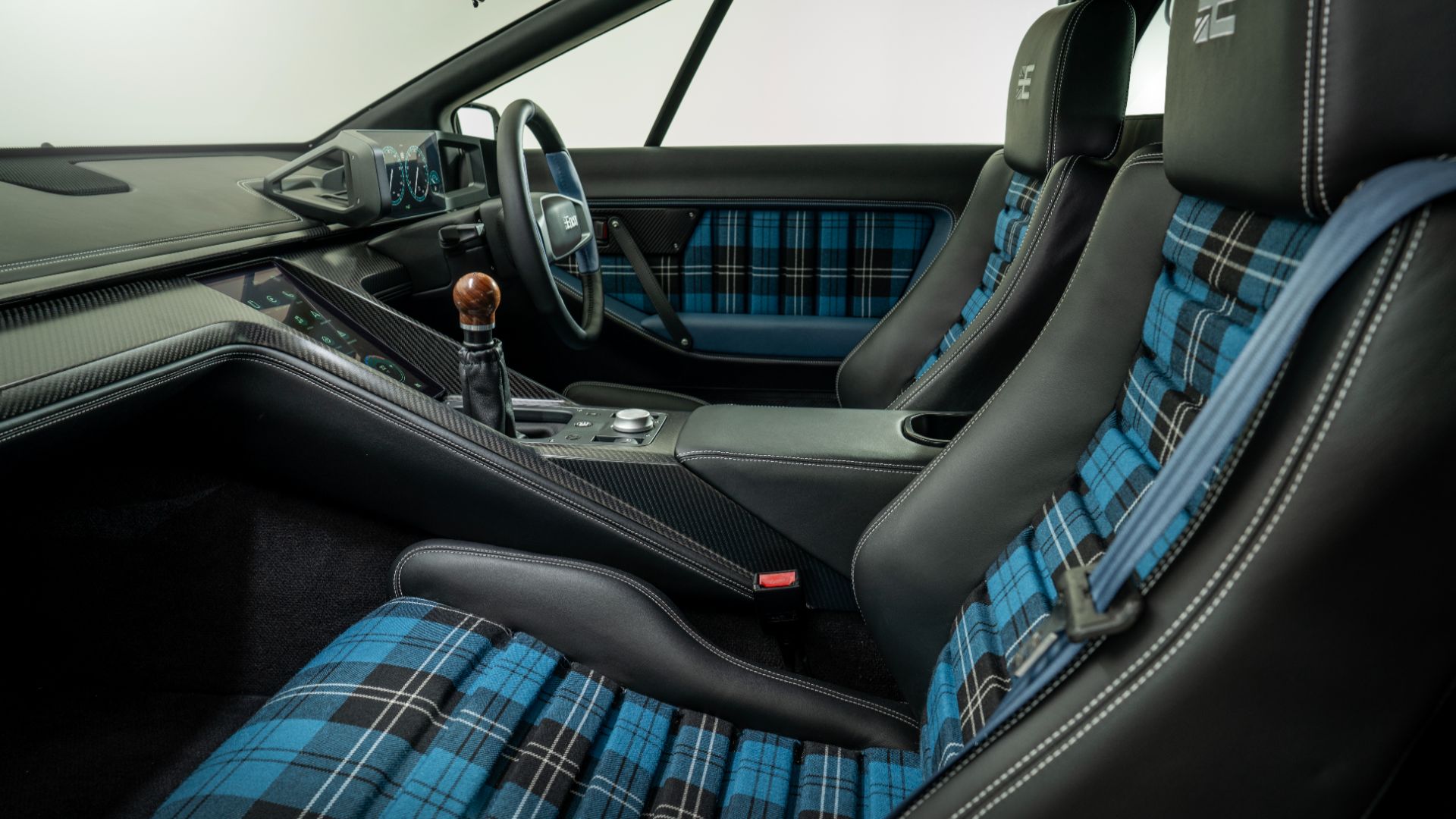
The Encor’s interior also riffs heavily on the classic Esprit, including a two-spoke steering wheel and tartan trim – although the ‘Ramsay Blue’ fabric seen here isn’t so eye-popping as the green and orange plaid used in the 1970s. The tartan isn’t compulsory, either. “Pretty much anything on the car can be bespoke,” says Encor co-founder Simon Lane, who previously led the Advanced Performance division at Lotus.
In place of British Leyland-derived switchgear, the Series 1 has a portrait-oriented touchscreen with Apple CarPlay phone connectivity. The software is supplied by Encor’s sister company, Skyships Automotive, which is an OEM supplier to Lotus and Pagani, among others. “We wanted to marry that wonderful 1990s analogue driving experience with modern convenience and technology,” Ives explains.
Further 21st-century touches include a 360-degree parking camera, two USB-C charging ports and a cupholder. Structural carbon fibre is visible on the door sills and rear bulkhead, which was made from plywood in the original Esprit.
Digital and analogue
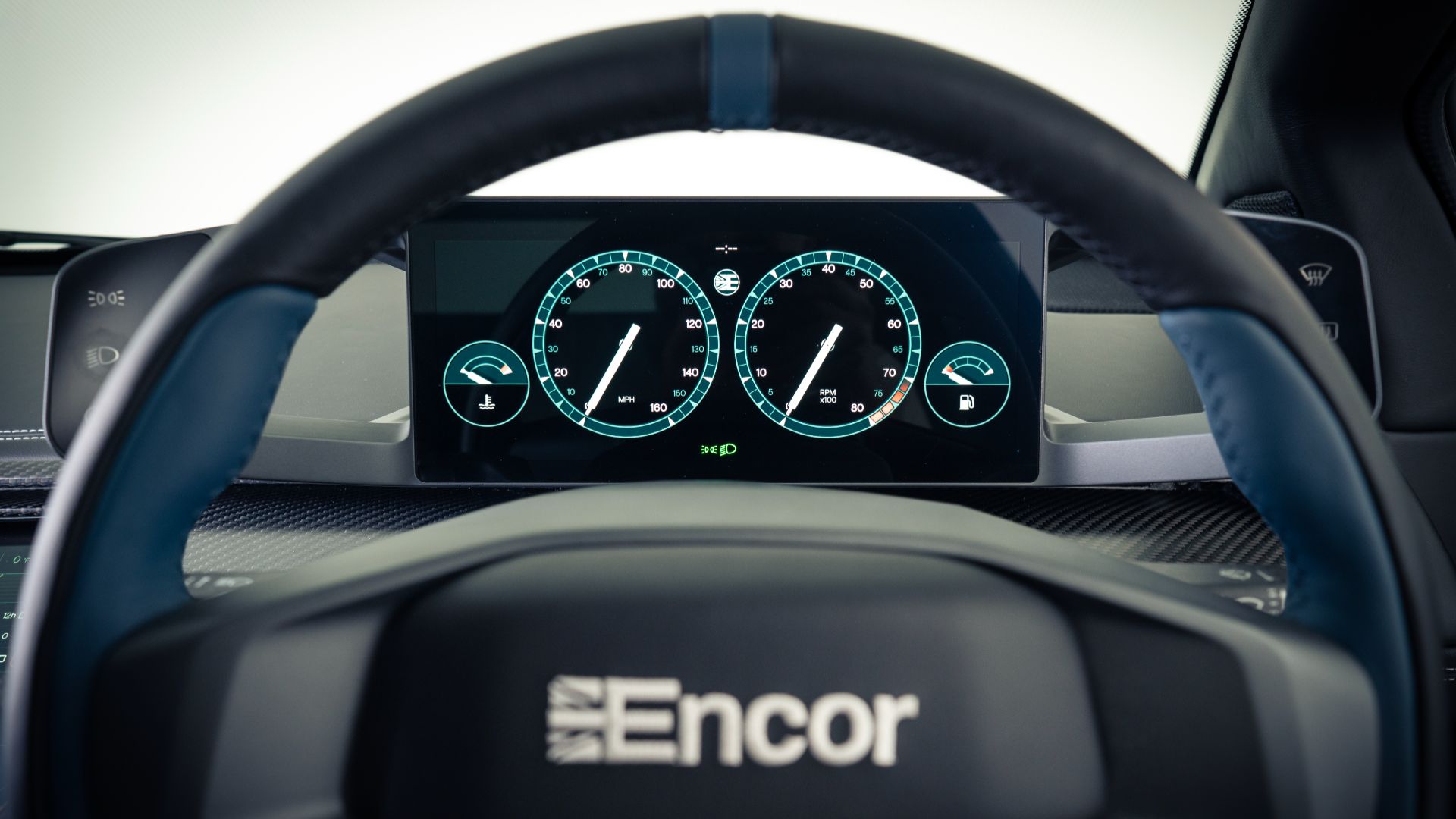
Perhaps the most striking element of the Encor’s cabin is the floating digital instrument cluster. Machined from a single billet of aluminium, it showcases the car’s lightweight, minimalist ethos. Touch-sensitive controls are located on the outer edges, within fingertip-reach from the steering wheel – including the button to pop up the headlights.
From behind the wheel, the Series 1 feels snug and low-slung, with good visibility for a mid-engined sports car. The seats are well-padded – no hard-shell carbon buckets here – and material quality is leagues ahead of any production Esprit. The V8 engine is visible in the rear-view mirror, too.
So how will it drive? Hydraulic power steering and suspension rebuilt to Sport 350 specification should ensure the Esprit’s Hethel-honed handling remains intact, albeit with the higher limits afforded by wider Bridgestone Potenza tyres and AP Racing brakes. We hope to find out for sure in spring 2026.
A blast from the past
No doubt, the Series 1 is expensive; that price of £430,000 excludes taxes, a donor car and any extras you decide to add. A quick play on the Encor configurator reveals the sheer number of options available.
Looking ahead to when the 50 cars are completed, William Ives and Simon Lane hope to produce more vehicles in the spirit of ‘British remastered’. Might that include other marques? “Lotus will be the backbone of what we do,” affirms Ives. “As a start-up, credibility is everything. That’s why we haven’t come to market with CGI renders, but with a fully functional prototype.”
In a market full of ever-more-extreme supercars, the Encor Series 1 could be a breath of fresh air. One thing is certain: the wedge is back. And it looks just as cool as it ever did.
Porsche has revealed a new limited-edition 911 GT3. The GT3 90 F. A. Porsche honours an important member of the founding Porsche family.
The late Ferdinand Alexander Porsche, better known as F.A. Porsche, would have turned 90 years old this month.
To mark the occasion, Porsche has created the special GT3 Touring, which pays tribute to the man responsible for shaping the iconic 911 sports car – and establishing Porsche Design.
On sale in early 2026, the 911 GT3 90 F. A. Porsche boasts an array of design features that were developed by Stuttgart’s bespoke Sonderwunsch (special wishes) department.
Unique design for 911 GT3 90
The unique exterior and interior of this special-edition GT3 were inspired by air-cooled 911 driven by Ferdinand Porsche during the 1980s.
This includes the exclusive ‘F.A. Green Metallic’ paint colour developed for the GT3, and based on the Oak Green Metallic of F. A. Porsche’s own 911.
Input from the Porsche family, including Ferdinand’s youngest son, Mark, helped to refine the celebratory green hue. A galvanised, gold-plated badge with a ‘90 F. A. Porsche’ logo is affixed to the engine cover.
Also unique to the 911 GT3 90 F. A. Porsche are Fuchs-style alloy wheels finished in satin gloss black. These feature the historic 1963 Porsche crest on their locking centre caps.
Porsche Design on the inside
For the cabin, a new ‘F.A. Grid-Weave’ fabric was created. Made up from the 911 designer’s favourite colours, the pattern is similar to that used on his jackets.
The F.A. Grid-Weave can also be found inside the glovebox and on the luggage compartment mat. It is matched with Truffle Brown Club Leather upholstery on the seat bolsters, doors and dashboard.
Atop the dashboard, the Sport Chrono dial is based on the original Chronograph 1 wrist watch, created as a one-off piece for F. A. Porsche.
There is also an open-pore walnut plywood gear knob featuring F. A. Porsche’s signature, plus a gold-plated commemorative plaque in front of the passenger.
A left-hand-drive GT3 only
Porsche has made no mechanical changes to the regular 911 GT3 with Touring Package, meaning 510hp from a naturally aspirated 4.0-litre flat-six that will rev to 9,000rpm.
Production of the 911 GT3 90 F. A. Porsche will be capped at 90 examples, with one car already earmarked for Mark Porsche himself.
The remaining 89 vehicles will be available to order from April 2026, priced at €351,211 (approximately £308,000). However, its left-hand-drive configuration means the GT3 won’t be sold officially in the UK.
Each car comes with an exclusive special version of the Chronograph 1 wristwatch, along with a Porsche Design bag finished in Truffle Brown Club leather.
Used car dealers report customers are being increasingly put off by second-hand vehicles fitted with Advanced Driver Assistance Systems (ADAS). These can include audible speed limit alerts and lane-keep assistance.
Some 20 percent of used car buyers are actually opting for slightly older models with fewer ADAS features as a result.
A majority of motorists are unconvinced by the safety benefits of ADAS, while 18 percent say they find them actively annoying.
“New EU regulations mandated a whole host of ADAS devices from July last year and UK cars tend to be made to the same specifications,” said Paul Burgess, CEO at Startline Motor Finance, which publishes a monthly Used Car Tracker to gauge car dealer sentiment.
“The new introductions do tend to be intrusive, such as audible warnings if you exceed the speed limit and lane departure that will take control of the steering wheel.
“Much research has gone into these devices and road safety experts believe they will have a marked effect on accident rates. However, there is little question some drivers them annoying. The vast majority of dealers think this is having a direct impact on the saleability of the cars involved.”
Is ADAS education needed?
Surprisingly, the research found none of the dealers surveyed think customers will tend to turn off the ADAS features on cars they have bought.
Theories here include disable switches being buried in submenus (and the systems default to ‘on’ each time the car is started anyway), or drivers simply becoming accustomed to ADAS over time.
“It is interesting that 55 percent of dealers think motorists are unconvinced of the safety benefits,” added Burgess. “Perhaps some form of education campaign is needed to show how cars equipped in this way will actively prevent accidents.”
Winter tyres are largely misunderstood in Britain. Put simply, there doesn’t need to be snow on the ground before drivers will feel the traction, grip and safety benefits of fitting winter tyres.
According to the Met Office, the UK has 11 days of lying snow per year, on average, although this increases 23 days a year in Scotland. If you happen to live in the Highlands, a set of winter tyres is the best way to stay mobile.
Winter tyres can be beneficial throughout the cold season as they are designed for temperatures below 7ºC, making them well suited to a typical British winter. In Birmingham, for example, average temperatures in December range from 2-7ºC: prime conditions for winter tyres.
So, cutting to the chase, you should consider fitting winter tyres if you want to drive as safely as possible between now and the spring. Read on to find out more.
Most cars are equipped with summer tyres, or ‘normal’ tyres, which are designed primarily for temperatures above 7ºC. A winter tyre differs in three ways. It has:
A softer tread compound designed to remain grippy and flexible at low temperatures
A tread pattern that collects snow and slush, because nothing sticks to snow better than snow
A number of sipes, designed to ‘bite’ into the snow
The British Tyre Manufacturers’ Association says a car fitted with winter tyres, braking from 62mph on a cold and wet road, will out-brake a car fitted with normal tyres by around five metres – the length of a Range Rover. On snowy roads at 30mph, the difference is 11 metres.
Are winter tyres expensive?
It’s certainly true that winter tyres are slightly more expensive than normal tyres. You also need to factor in the cost of second set of wheels – simple steel wheels would be perfect, rather than fancy alloy rims. But you should look at winter tyres as an investment, rather than a secondary expense.
For a start, your summer tyres will be left unused during the winter months, so you’re effectively doubling their life (assuming you store them in the correct manner). There’s also the cost associated with keeping moving when other vehicles may be left stranded, not to mention the almost priceless value of road safety.
As an added bonus, if you use steel wheels with your winter tyres, your expensive alloys will be saved from the ravages of salt, grit and wet weather.
Are winter tyres mandatory in the UK?
Anyone who has driven through Europe during the skiing season will know that winter tyres are mandatory in some countries. These include Austria, Norway and, in some conditions, Germany.
There are no such laws in the UK, leaving you free to make an informed decision. The further north you are, the more likely you are to benefit from winter tyres. For example, the Cairngorms in Scotland, where snow or sleet falls on 76.2 days of the year, is prime winter tyre territory.
When should you fit winter tyres?
Most tyre manufacturers recommend fitting winter tyres in October and removing them again in March. Their use should be driven by the temperature, though, so if the country is braced for a cold spell in April, you can leave your winter tyres on for a few extra weeks.
Murphy’s law dictates that temperatures will plunge a week after you’ve refitted your car’s summer tyres, of course…
Can you use winter tyres in summer?
The benefits of using winter tyres will diminish once temperatures start to rise, so switching to summer tyres is highly recommended.
According to Michelin, braking distance from 50mph to standstill between 11ºC to 26ºC on wet roads will be four metres shorter with summer tyres than on winter rubber.
On a dry road, braking from 31mph to zero, a car riding on summer tyres will pull up 1.5 metres shorter than the same car on winters.
Should you tell your insurer about winter tyres?
The Association of British Insurers (ABI) says the majority of insurance providers recognise that winter tyres have a ‘positive impact’ on road safety. As such, their fitment shouldn’t affect your annual premium.
However, some insurers may require you to contact them before making the switch, so check your policy details for further information. The ABI has created a winter tyres ‘commitment’, which should prove useful when you’re considering the insurance implications.
Are there any drawbacks to winter tyres?
In theory, there shouldn’t be any drawbacks associated with winter tyres, but there are a few things to consider.
Firstly, if you live in an urban area and your daily commute takes in roads that are well maintained and routinely gritted when the temperatures drop, you’ll receive less benefit from winter tyres than drivers in rural regions.
Some drivers who have used winter tyres complain of increased road noise and a decrease in fuel economy, but you should check the reviews of each individual tyre for further details.
Other factors may include a potentially lower speed rating for a set of winter tyres, the fact that you have to run winters on all four wheels, and finding the space for storing a spare set of wheels during the summer or winter.
Also, it’s worth noting that, no matter how good your tyres are, or how skilful you are behind the wheel, you’ll still have to queue behind everybody else if the conditions turn treacherous and every car on summer tyres grinds to a halt.
What are the alternatives to winter tyres?
A four-wheel-drive vehicle isn’t a viable alternative to a set of winter tyres. While it will provide better traction on ice and snow, it delivers no advantages when stopping or cornering. That said, a 4×4 riding on a set of winter tyres is arguably the ultimate cold-weather weapon.
For a cheaper alternative to winter tyres, you could consider a pair of snow socks. While they’re not a direct substitute, they work by covering the driven wheels in stretchy, grippy fabric. They could mean the difference between getting home or being left by the roadside in the snow.
A more old-school solution would be a set of snow chains, but the road must be covered in a layer of ice or snow before they can be used. Using them in other conditions risks damaging the road and could result in a fine.
Finally, you could consider a set of all-weather tyres (often called all-season tyres), which are designed to cover most conditions, providing a good balance of wet and dry performance. In theory, this should make them ideally suited to the British climate and able to tackle any snow you might encounter.
Winter tyres: a final thought
Winter tyres hit the headlines way back in 2010 when much of Britain experienced a harsh winter and most of the country seemed to grind to a halt. Demand for winter tyres far outstripped supply as motorists were alerted to their benefits.
Today, this is where some misconceptions stem from, with many consumers wrongly associating winter tyres with snow. Far better, we think to call them ‘cold weather’ tyres.
The winter of 2025-2026 is forecast to be warmer than usual, but average UK temperatures will likely still be below 7ºC. If you’re keen to fit winter tyres, it makes sense to act soon – particularly as they are a niche product, so fitters may not have your car’s size available in stock.
These are difficult times to be a car company. Cheap Chinese imports, costly US tariffs and the UK Government’s muddled approach to policymaking have all slowed sales and impacted the bottom line. And that’s before you factor in cyber attacks, semiconductor shortages, the cost of living crisis and the reluctance of many motorists to embrace EVs.
If the business outlook feels bleak, however, that isn’t the case from a product perspective. In other words, 2025 has been a great year for new cars. From an old-school V12 Aston Martin to a new-fangled electric Alpine, we’ve enjoyed a rich variety of driving experiences. Life as a motoring journalist is never dull, and we continue to be thankful for that.
What follows isn’t a definitive list of the best cars of 2025. If it was, we’d have to fill it with dull-but-worthy crossover SUVs that do everything tolerably well. Instead, this is a round-up, in no particular order, of the cars we enjoyed driving most in 2025. Some of them are flawed, impractical or expensive – several are all three – but they showcase the automotive industry at its diverse and brilliant best. Here’s to more of the same in 2026.
Lamborghini Temerario
The Lamborghini Huracan was a tough act to follow, but the new Temerario grabs the bull by the horns. Out goes the Huracan’s 5.2-litre naturally aspirated V10 and in comes a 4.0-litre twin-turbocharged V8 with three electric motors. The result is a ‘baby’ Lambo that musters a hypercar-baiting 920hp. What’s not to like?
Well, it offers more bandwidth than the Huracan – including the ability to drive in silent EV mode – but the Temerario’s engine isn’t as characterful lower down the rev range. And opportunities to wring out the full 10,000rpm are rare on the road. Even so, this is a very evocative and exciting modern supercar, and a worthy rival for the McLaren Artura and Ferrari 296 GTB.
We said: ‘With enough space to explore the upper reaches of its rev range, the Temerario comes alive. The linear rush of acceleration gains a frenzied urgency beyond 7,000rpm, accompanied by a hard-edged metallic shriek. Changing up so late feels unnatural at first – I was instinctively pulling the right paddle at about 8,000rpm – but hold your nerve and the Temerario is as unhinged as you’d hope.’
What do you get if you cross an SUV with a rally car? The answer is something like the Octa: a V8-powered Land Rover Defender that’s almost as rapid over rough terrain as it is around a racetrack. Yes, it costs twice as much as a regular Defender 110 (£148,045 to join the long waiting list), but there really is nothing else like it. The combination of ‘6D Dynamics’ air suspension and hydraulically interlinked triple-valve dampers, plus the small matter of 635hp, make the Octa feel invincible.
There aren’t many places in Britain where you can drive fast off-road, but the Octa is great fun on tarmac as well. It shrugs off potholes that would force any sports car to slow down, changing direction with an eagerness that belies its size and weight. Best of all, it still offers the comfort and practicality you’d expect from a modern Land Rover. The original Defender wouldn’t see it for dust.
We said: ‘We have seen super SUVs before, of course, but nothing that rivals the Octa for sheer breadth of capability. You might argue that only a small percentage of owners will drive this car anywhere near its limits, particularly in the UK – and you’d be right. But the bombastic Defender Octa rides roughshod over dull logic. It’s impossible not to enjoy it.’
Rather than attempting to cut weight and complexity, Hyundai boldly harnessed technology to make an electric SUV fun to drive. And against the odds, it succeeded. The Ioniq 5 can digitally recreate the sounds and sensations of a tuned four-cylinder engine with a dual-clutch gearbox, making it feel like a fast and feisty hot hatchback. You can rev it out to 8,000rpm, the power reaching a crescendo before the artificial thump of an upshift. Fail to change gear and you even feel the lurch of an ignition cut as the Hyundai bounces off its rev limiter. Or pretends to.
If all that sounds a bit contrived, it works surprisingly well in practice. The Ioniq 5 is the most entertaining EV we’ve driven: a sensible family SUV one minute, a 650hp B-road blaster the next. It’s larger than it looks, and pricey at £65,010. However, compared to premium-badged alternatives such as the Porsche Macan EV, the Hyundai offers a lot more for your money.
We said: ‘It turns in eagerly, helped by torque vectoring across the front axle, then you can get the back end rotating under power. The brakes inspire confidence and traction is immense, the four-wheel drive and instant electric torque conspiring to slingshot you out of corners.’
The Vanquish coupe was one of our favourite cars of 2024, so it’s no surprise to see the drop-top Vanquish Volante make the 2025 list. Aston Martin’s front-engined flagship isn’t flawless, but its seductive styling and sheer bombast rapidly overwhelm any sense of objectivity. Besides, we should relish such cars before they are legislated out of existence.
The Vanquish’s thumping heart is a 5.2-litre twin-turbocharged V12 that sends all its 835 horses to the rear wheels. It can be an effortless cruiser or a blood-and-thunder supercar, depending on how you drive it. Removing the roof hasn’t dented the Volante’s dynamics, either – as we discovered on a cross-country blast across North Wales. Click the link below for the full story.
We said: ‘Its demeanour is burly and aggressive, like an over-engined muscle car, but there’s a real deftness to its damping and steering response. It feels like an Aston Martin Vantage turned up to 11 – or perhaps 12 – and that’s very much a good thing.’
Think of the Chevrolet Corvette and you probably imagine a classic all-American sports car with a big-capacity V8 under its hood. Sorry, bonnet. The eighth-generation ‘C8’ model flips this on its head, though, with a mid-engined layout for the first time in the Corvette’s history. It’s also the first time the ’Vette has been officially sold in right-hand drive.
Three varieties of C8 Corvette are available in the UK, but the hybrid E-Ray is the sweet spot of the range. It combines a traditional 482hp 6.2-litre V8 with a 162hp electric motor that drives the front wheels. It might upset some Chevrolet purists, but electrified power and all-wheel drive have transformed the E-Ray into a true modern supercar: one that stands up to comparison with European rivals.
We said: ‘Hit the open road and the Corvette’s magnetically adjustable dampers start doing their thing, giving the E-Ray a staggeringly compliant ride when Tour mode is selected from the rotary controller. Engage Sport mode, or even Track mode, and the Magnetic Ride system still gamely tries to soak up the worst of British tarmac.’
Hey, it’s not only six-figure supercars that won our affections in 2025. The Kia EV3 is a well-designed, versatile and attractively priced EV that – provided you can charge it at home – could slot seamlessly into your life. It starts from £33,005 and standard equipment includes front/rear parking sensors, a reversing camera and heated seats. Buyers also get a choice of two batteries: 58kWh or 81kWh, delivering a range of up to 270 or 375 miles respectively.
On the road, the EV3 is comfortable, easygoing and quiet. It feels spacious inside and the touchscreen media system works well. There’s also a useful 460-litre boot, plus the peace of mind that comes from Kia’s seven-year or 100,000-mile warranty. If you’re looking for a sensibly-sized family vehicle, add this one to your shortlist.
We said: ‘Forget the Volkswagen ID.3: this feels like the true ‘Golf’ for the electric age. What do we mean by that? Simply that the EV3 is an accessible and thoroughly well-rounded vehicle that could slot effortlessly into many (maybe even most?) of our lives. With family cars now increasingly SUV-shaped, it has arguably become the benchmark to beat.’
We first saw the Evija prototype in 2019, but six years passed before we finally got behind the wheel. During that time, the electric hypercar went from white hot to white elephant, while anything with an old-school V12 seemed to sell out almost instantly. Nonetheless, the £2.4 million Lotus provided an experience we won’t ever forget.
For starters, it looks incredible, thanks to a ‘porous’ body that was sculpted by aerodynamics. It also sounds like no other EV we’ve driven: a high-pitched whine that seems to crackle with kinetic energy. On track at Hethel, it delivered the plentiful feedback and deft body control you’d expect of a Lotus, but everything about the Evija is overwhelmed by the tsunami of its four-motor, 2,039hp powertrain. For sheer accelerative force, no road-legal V12 can match it.
We said: ‘At lower speeds, the electric motors are limited by traction, but more torque is fed forwards as you go faster, so the dizzying, disorientating rush just keeps on building. Throttle response and acceleration at three-figure speeds are otherworldly: the Lotus seems to laugh in the face of physics.’
The latest 911 GT3 (the 992.2 for Porsche nerds) is an evolution of the car launched in 2021. It looks broadly the same and there’s no extra power, with many of the latest modifications focused on meeting emissions legislation. However, there was little wrong with this motorsport-inspired 911 to start with. And a 510hp naturally aspirated flat-six that howls to 9,000rpm is something worth celebrating in 2025.
You can have your GT3 with the fixed rear wing seen here, or order the Touring Package for a more subtle look. There’s also a choice of manual or paddle-shift PDK gearboxes, plus the option of rear seats for the first time. No matter how you spec it, though, the GT3 is sublime to drive: exhilarating on the road and exceptional around a track. The new GTS and Turbo S are better all-rounders, but this 911 – and its wild GT3 RS sibling – deliver the most memorable moments.
We said: ‘With a less-than-ludicrous 510hp, you can wring out the revs more often, revelling in the progressive power delivery and guttural six-cylinder howl. The trolls of social media will point out that their Teslas go quicker, but I promise you: drive a 911 GT3 and you will never once want for more. Or want to stop.’
If your budget stretches further than a GT3, the £595,000 GT Hypercar elevates the Porsche 911 into, well, hypercar territory. Built in Northamptonshire by motorsport specialist RML, it’s based on a last-generation (991.2) Turbo S, with a fully carbon fibre body and active aerodynamics. Tuning company Litchfield has boosted the 3.9-litre flat-six to a stonking 920hp: enough for 0-62mph in just 2.4 seconds.
This is the second car to wear an RML badge, following the Ferrari-inspired Short Wheelbase of 2022, and it’s as flawlessly finished as anything built in Stuttgart. In some ways, it picks up the baton dropped by Porsche’s now-abandoned Mission X electric hypercar, delivering enough oomph to outgun a 911 Turbo S, combined with the aero and chassis mods to outpace a GT3 RS on-track. It’s also easier to drive than you might expect, although the noisy Inconel exhaust and absence of luggage space limit its use for longer road-trips.
We said: ‘If you turned up at a track day in a GT Hypercar, little this side of a fully-fledged GT4 racer could get close. Yet there is much to enjoy on a British B-road, too. Its electric power steering is lucid and traction is plentiful, at least on dry tarmac.’
Mini has gone big on electrification, with EVs now a core part of the British-based, BMW-owned brand’s range. This includes the fourth-generation Mini hatchback, which offers customers the choice of electric or petrol power.
With 218hp and 243lb ft of torque, the electric Cooper SE is just as fast as its petrol stablemate. Interior space may be compact, but there is no doubt Mini has nailed the premium experience, with upmarket materials and a large central OLED touchscreen. It all makes for a feelgood driving experience, however fast you happen to be going.
We said: ‘The various driving profiles peak with ‘Go-Kart Mode’, complete with sci-fi noises as you push the accelerator, plus digitised ‘exhaust’ pops and bangs when you lift off. It is genuinely laugh-out-loud hilarious, and proof that electric power is no barrier to driving enjoyment.’
Hang on, the headline said ‘new cars’? Yet that’s exactly what this is: a brand new Mk1 Escort built from scratch with continuation chassis numbers and Ford Motor Company’s official blessing. Based on the Alan Mann Racing Escort that won the British Saloon Car Championship in 1968, it’s your £300,000 ticket to competing in historic motorsport. And the most exciting fast Ford in years, too.
Power comes from a 1.8-litre Lotus twin-cam engine with twin Weber 45 carbs and a straight-cut manual gearbox. A dry weight of just 795kg means 205hp is more than enough to get this classic racer sliding around. You steer it with the throttle, dancing from one corner to the next while grinning from ear to ear. The best bit? Boreham Motorworks is launching a road-legal version of its reborn Mk1 Escort in 2026.
We said: ‘The rest all comes down to feel. Whether it’s drifting around Brands Hatch in the BSCC or sliding through Welsh forests in the Lombard RAC Rally, the original Escort is celebrated for its ability to go sideways – and finding that balance at the limit of grip is key to driving it quickly.’
Aside from its starring role in the remake of The Running Man, Alpine’s A290 made headlines in 2025 by proving the venerable French hot hatchback has a future. Essentially a sportier version of the Renault 5 E-Tech, it uses a relatively small 52kWh battery to save weight, and serves up 220hp in GTS guise (as tested).
With a 0-62mph time of 6.4 seconds and a 106mph maximum, this isn’t a Megane RS-style firecracker. Yet it’s fast enough to have fun, with agile handling and a flowing gait that will encourage you to take the twisty route home. An official 226-mile range equates to less than 200 miles in the real world, though, so the chic and cheerful A290 won’t suit everyone.
We said: ‘Prod the D-for-drive button (borrowed from the A110) and the A290 feels instantly up for it. With 221lb ft going through its front tyres, this GTS version can break traction if you’re hard on the throttle out of corners. Yet it mostly feels smooth and eager, with enough punch to make swift progress.’