UK motorists believe more needs to be done to tackle the problem of drink-driving, according to new research.
A study for the RAC’s 2025 Report on Motoring found that 82 percent of drivers want tougher action to be taken.
The latest government statistics show that deaths from drink-driving have increased by seven percent during the last decade.
Drink-driving fatalities are now at their highest level since 2009, with between 260 and 300 people killed each year on Britain’s roads.
Drivers want tougher drink-drive action
Before being told that drink-driving now accounts for almost a fifth (18 percent) of road deaths, some 68 percent of survey respondents said they wanted more action taken to address the issue.
After being informed of the new government statistics, a further 14 percent said they were in favour of new legislation or tougher penalties for driving over the alcohol limit.
Those aged under 25 showed the strongest support for stricter rules, with 88 percent in approval. Yet under-25s are also the age group most likely to break current drink-drive laws.
All age categories were overwhelmingly in support of renewed action. Drivers over 65 were the least enthusiastic, however, with 77 percent in favour of more being done.
Drink-driving on the increase
The RAC’s Report on Motoring highlighted an increase in the proportion of drivers who admit to having been in control of a vehicle while under the influence.
This is now approaching pre-pandemic levels, with seven percent of drivers believing they have driven while over the drink-drive limit. A further five percent thought they had still been legally unfit to drive the morning after a night out.
The number of survey respondents who said they knew, or suspected, they had been in a car with a drunk driver has also doubled in the last year – up from eight percent to 16 percent.
Alcolocks could be a solution
RAC road safety spokesperson Rod Dennis said: “The fact a huge majority of drivers support more being done to tackle the scourge of drink-driving, coupled with the long-term trend of more lives being lost to this entirely preventable crime, sends a clear message to the government ahead of the publication of the first Road Safety Strategy in over a decade.”
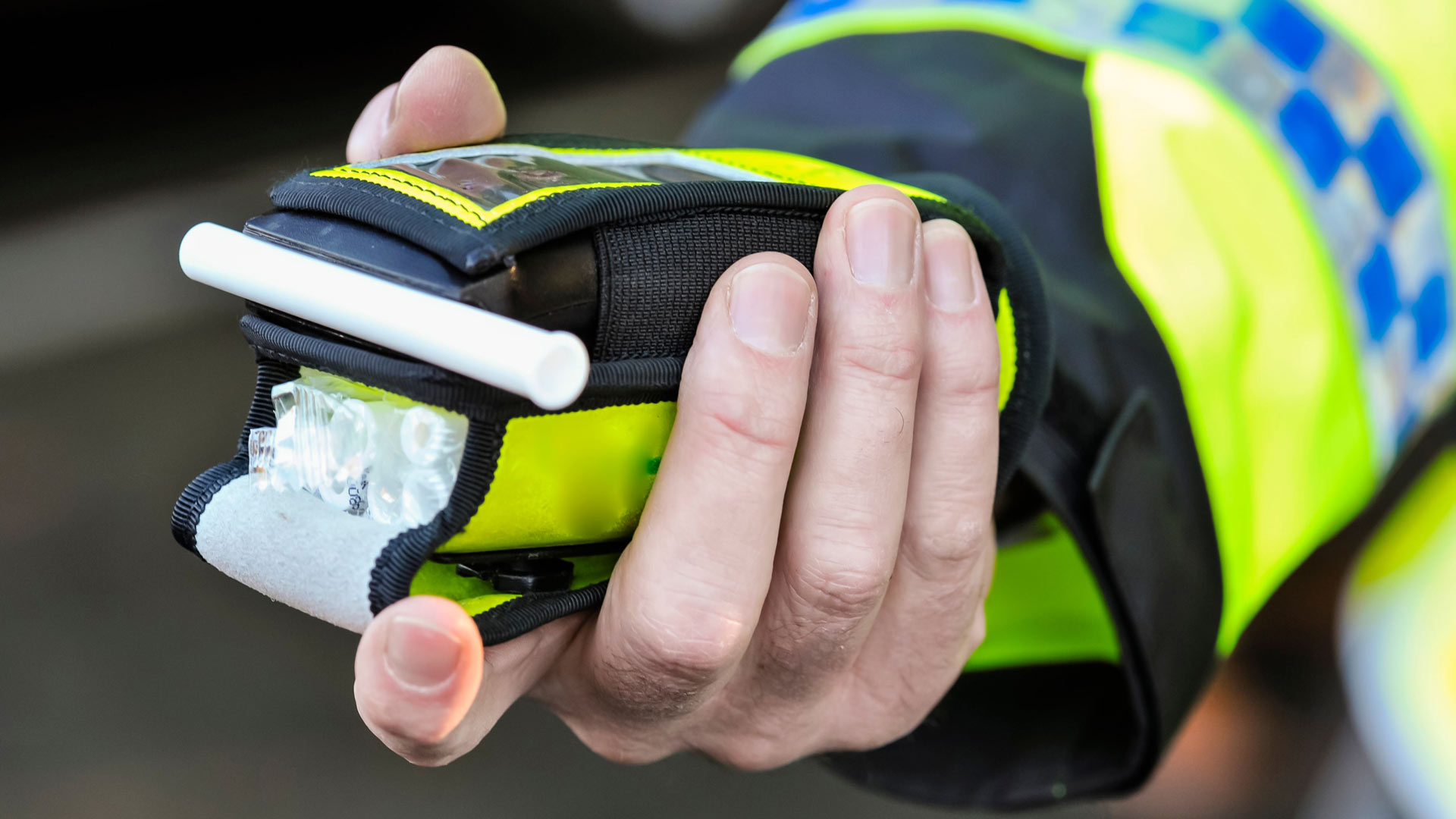
“One solution we’re in favour of is courts being given the power to mandate the fitting of alcohol interlocks [commonly known as alcolocks], which prevent offenders starting their cars without first providing a negative breath test.”
“These devices offer a practical and globally proven way to stop drink-drivers reoffending and make our roads safer. Drivers’ support for alcolocks is overwhelming, with 82 percent telling us they want to see offenders have them installed.”
Only seven percent of drivers surveyed by the RAC were against the idea of alcolocks being mandated for repeat drink-drive offenders.
The job of a car salesperson is much harder than it used to be. In times of old, a man in a camel coat would have offered you a choice of a saloon, hatchback or estate cars. And if you went to the posh dealership over the road, perhaps a coupe or convertible as well.
Today, buyers are confronted with seemingly endless sizes, shapes and sub-categories of car. So which type of vehicle is right for you?
To find out, our guide features no less than 21 different types of car, with a definition for each one. We have included a little background, plus at least one example car for each classification.
Hatchback
Europe’s love affair with the hatchback began when the Renault 4 took a bow in 1961. Its wide-opening tailgate presented estate-like loading potential, and more than eight million were produced over three decades.
Initially, the traditional saloon and estate refused to roll over and die, with innovative cars such as the Renault 16 and Austin Maxi failing to propel the hatchback into the mainstream. Things changed in the late 1970s though, when drivers finally saw the potential of the humble hatch – helped by the enormous success of the Volkswagen Golf and original Renault 5.
The Oxford English Dictionary defines the hatchback as: ‘a car with a door across the full width at the back end that opens upwards to provide easy access for loading’.
A hatchback might be classed as a three-door or five-door, depending on the configuration, with the tailgate considered a door in itself. Today, three-door hatchbacks are less popular, with designers working hard to disguise the rear doors.
Modern hatchback buyers are spoilt for choice. The VW Golf (pictured) and new electric Renault 5 are still among the best of the bunch.
Hot hatchback
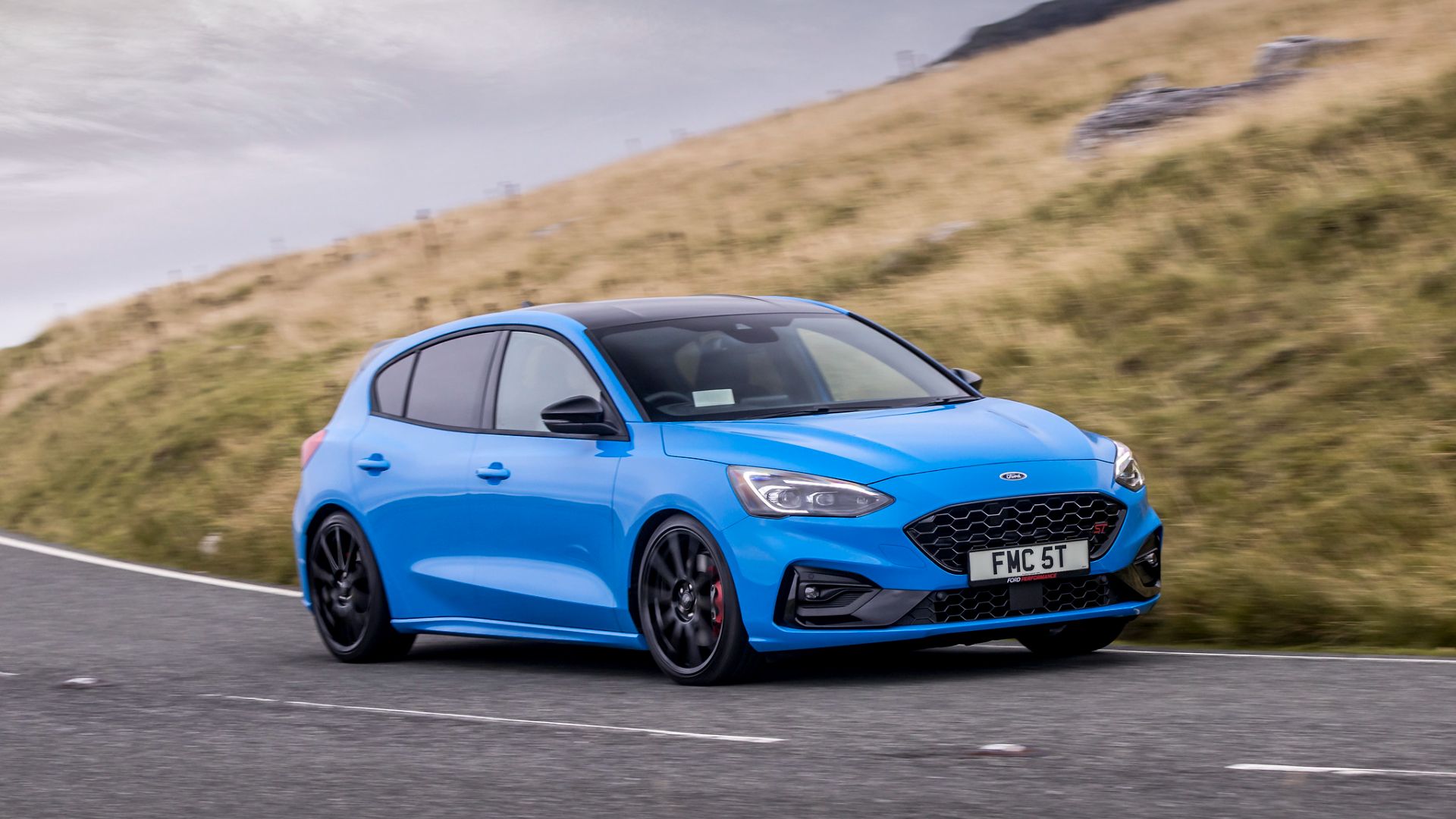
Without the hatchback, there wouldn’t be a hot hatch, which proves that practicality can be fun. Although these cars first flourished in the 1980s, there were fast hatchbacks before the term was used.
Models such as the Simca 1100 TI, Renault 16 TX, Chrysler Sunbeam TI and Renault 5 Gordini provided the necessary groundwork for the Volkswagen Golf GTI and Peugeot 205 GTI: the first cars to be labelled hot hatches.
For us, a real hot hatch needs to be usable every day, which rules out two-seat specials such as the Mini GP and Golf GTI Clubsport S. That said, a modern hot hatchback is just as likely to have five doors.
Salooncar
‘A car having a closed body and a closed boot separated from the part in which the drivers and passengers sit,’ is how the Oxford English Dictionary defines the saloon.
For generations, the family saloon was a familiar sight on Britain’s roads and the car you doodled in your sketchbook during double maths.
The boot opening is smaller than a hatchback, while the shape of the luggage area is shallower and less practical. However, many saloons are also offered in estate guise (see below).
The traditional three-box saloon might be a dying breed, but premium cars such as the BMW 3 Series, Mercedes-Benz C-Class and Audi A4 (pictured above) have kept the segment alive.
Estate car
It’s all about space in this load-lugging class. You get the same level of comfort and equipment as a hatchback or executive saloon, plus a furniture-friendly boot. Estate cars usually feel more agile than equivalent SUVs, too.
If you occasionally venture off-road, vehicles such as the Audi A4 Allroad arguably offer the best of both worlds: raised ground clearance and four-wheel drive without the weight, inferior fuel economy and social stigma of an SUV. Many also prefer the long, sleek profile of an estate car – even once-boxy Volvo wagons look stylish now.
What’s common to all is a wealth of practical touches, such as fold-flat seats, electric tailgates, boot dividers and retractabletow bars. Given the loads these cars are expected to shift, many make more sense with a diesel engine.
MPV
Whatever you call it, what we class as a minivan, people carrier or MPV (multi-purpose vehicle) can trace its roots back to the Chrysler Corporation’s Dodge Caravan and Plymouth Voyager, launched at the tail-end of 1983.
It didn’t take long for the rest of the world to catch on, with Renault blazing a trail in Europe with the Matra-designed Espace. It spawned a multitude of competitors, designed from the ground up to carry many passengers – usually five or seven – and their luggage.
Compact MPVs soon followed, often based on the platform and components of traditional family hatchbacks. Examples include the Renault Megane Scenic and Citroen Xsara Picasso.
Today’s MPVs are characterised by flexible seating arrangements and often sliding doors. There will be room for up to eight people, plus lots of clever storage space.
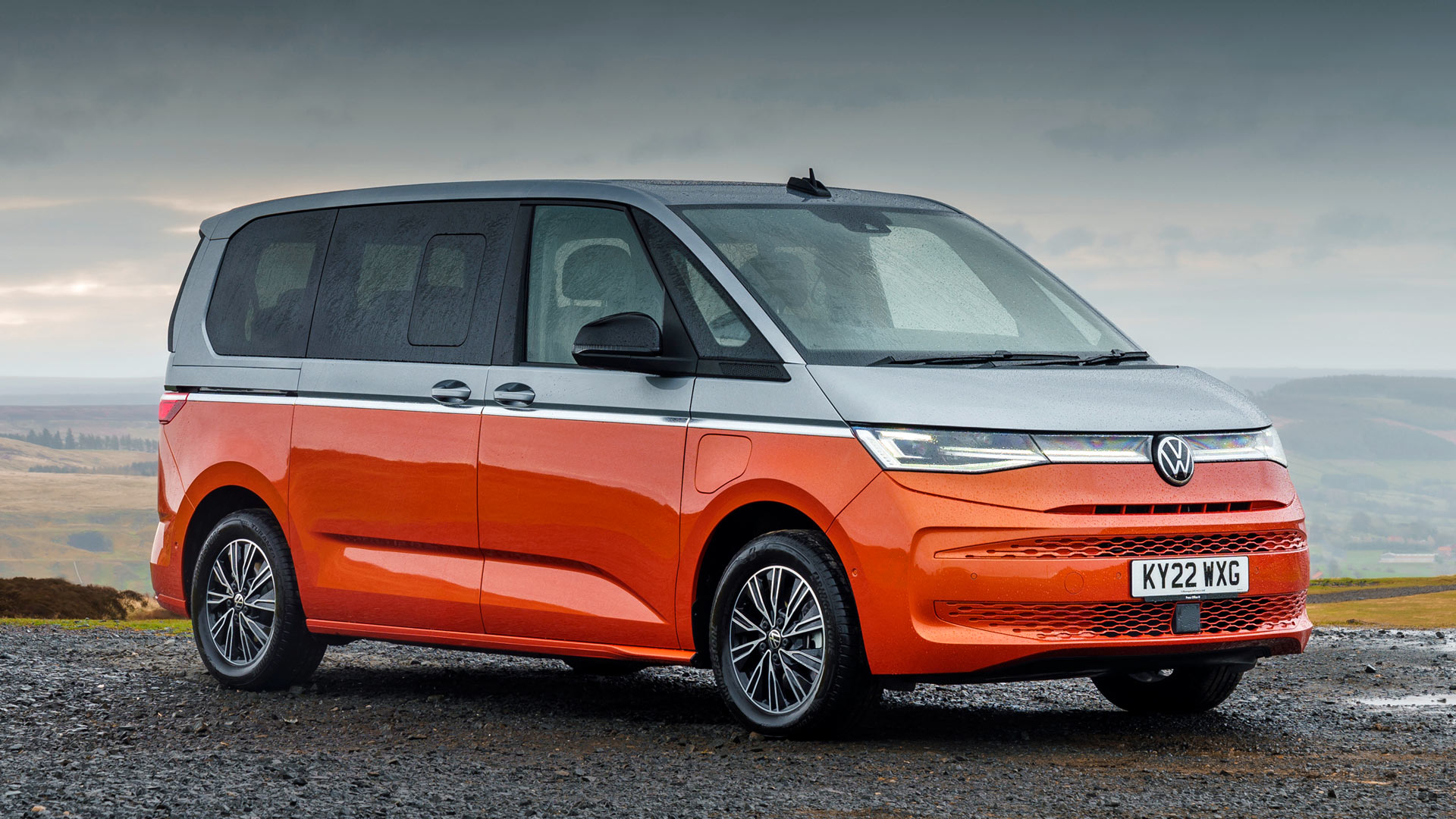
While the market is in decline, cars such as the Volkswagen Multivan (pictured above) and its more fashionable electric ID. Buzz sibling remain faithful to the concept of practicality over style.
SUV
An SUV is a Sport Utility Vehicle, a term used historically to categorise a 4×4 or off-road vehicle. The SUV has its roots in military-derived vehicles, such as the Willys Jeep and Land Rover.
As time moved on, the SUV became less workmanlike and more lifestyle-led. The Jeep Wagoneer pioneered the idea of a sport utility vehicle long before the term was first used, feeling more car-like than any other 4×4 on the market.
Other SUVs soon followed, most notably the Range Rover (pictured above), which first appeared in 1970. Early SUVs offered an off-road bias, with some feeling a tad basic and unwieldy on the road, but today we expect them to offer a perfect blend of on- and off-road capabilities.
They come in all shapes and sizes, from the compact Suzuki Jimny to the luxurious Bentley Bentayga.
To be classed as an SUV, we expect a car to offer a commanding driving position, a practical interior and some off-road skills. Not all come with four-wheel drive, but as the majority spend their time entirely on tarmac, that’s not necessarily a deal-breaker.
Crossover
In essence, a crossover is a car with the lofty suspension and practicality of an SUV, but the running costs of a family hatchback. In other words, more urban-roader than off-roader.
The lines have been blurred by the increasingly car-like and more efficient SUVs, which spend more time on the tarmac than off it.
The claim that Nissan invented the crossover with the 2006 Qashqai is nonsense, although it unquestionably led to the introduction of the term (and popularised this type of car).
With respect to front-wheel-drive crossovers, the Matra Rancho led the way, although the world wasn’t quite ready for a car with off-road styling but next-to-no off-road ability.
City car
There should be no problems describing a city car, which is a small, fuel-efficient and best suited to urban driving.
City cars are designed to carry two people comfortably up-front, but legroom can limited in the back. Expect a small boot, too. On the plus side, compact dimensions (less than four metres long) mean they can use a small engine, so fuel bills and CO2 emissions will be low.
The BMW Isetta, Fiat Nuova 500 and original Mini were early pioneers of the urban car concept. Today’s city cars might offer five doors and the level of kit you’d expect to find on something much larger and more expensive.
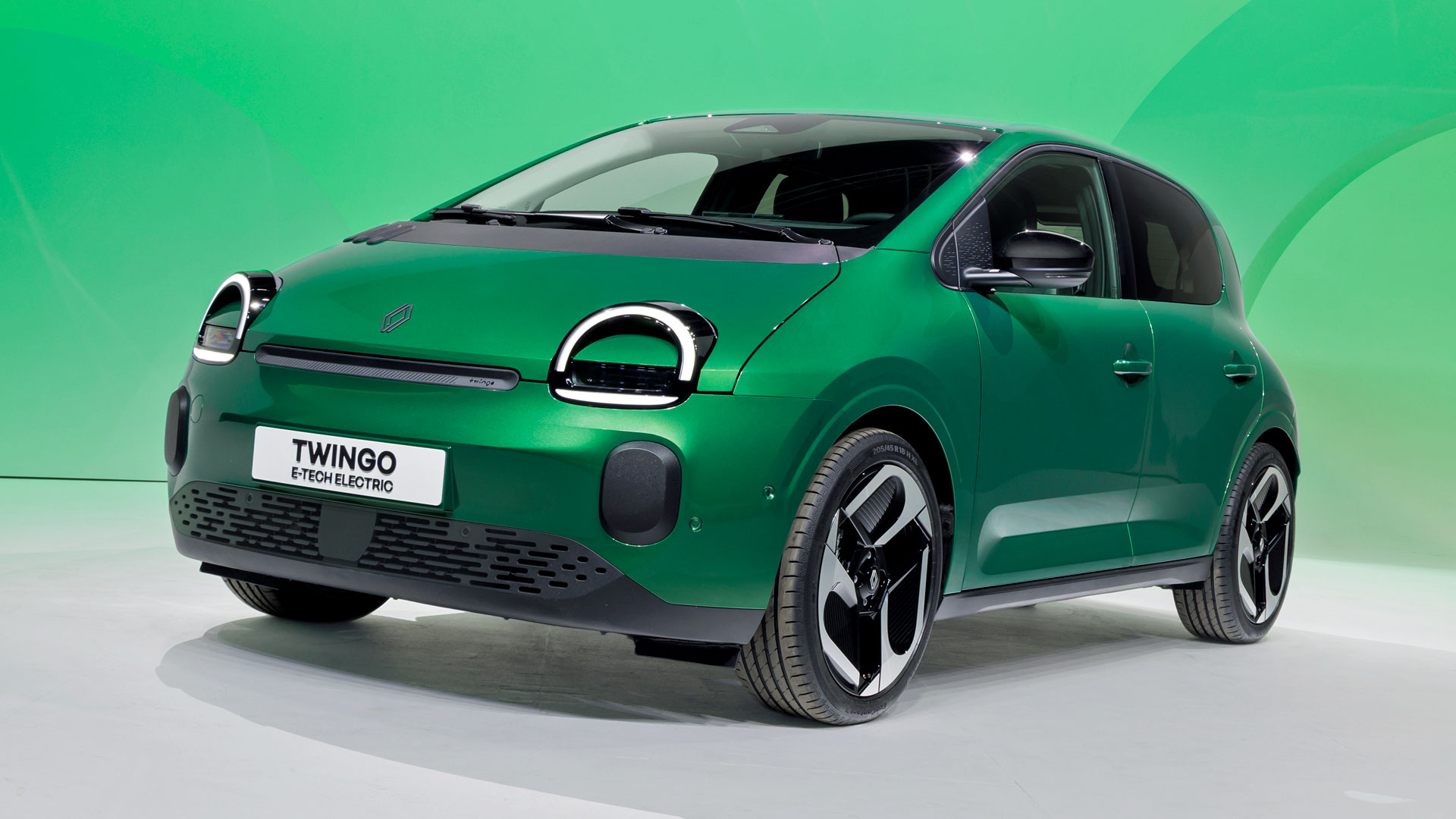
The near-identical Volkswagen Up, Seat Mii and Skoda Citigo triplets are recent examples of successful city cars. The new electric Renault Twingo E-Tech (pictured above) will be heading to showrooms soon, too.
Supermini
According to Austin 1100 Club historian, Chris Morris, the 1100 was “the first supermini, as we know them today.” You can understand the logic: here was a natural extension of the Austin Mini, with compact proportions and a roomy interior.
Today, the Ford Fiesta is one of the UK’s most familiar superminis. Sized between a city car and a family hatchback, it offers cheap running costs and is as good to drive in town as on a long journey.
Interestingly, as cars have grown larger, the perception of a supermini has changed. A modern Volkswagen Polo, for example, is larger than the original Mk1 Golf.
Coupe
A coupe is traditionally a sporty-looking two-door car with a fixed roof, either with two seats or with two additional seats in the rear (known as a 2+2).
The name itself is derived from the French word for ‘cut’, and refers to the steep angle of the rear screen, which gives the coupe its rakish good looks. Examples include the Audi A5 (picture above), BMW 4 Series and Bentley Continental GT.
Some of the German brands have attempted to stretch the definition by creating four-door coupes (such as the Mercedes-Benz CLS), but in reality, these tend to be nothing more than four-door saloons with limited rear headroom.
Convertible
In Europe, only the Germans purchase more convertibles than the British. Turns out our far-from-tropical climate is no barrier to getting the top down at any given opportunity.
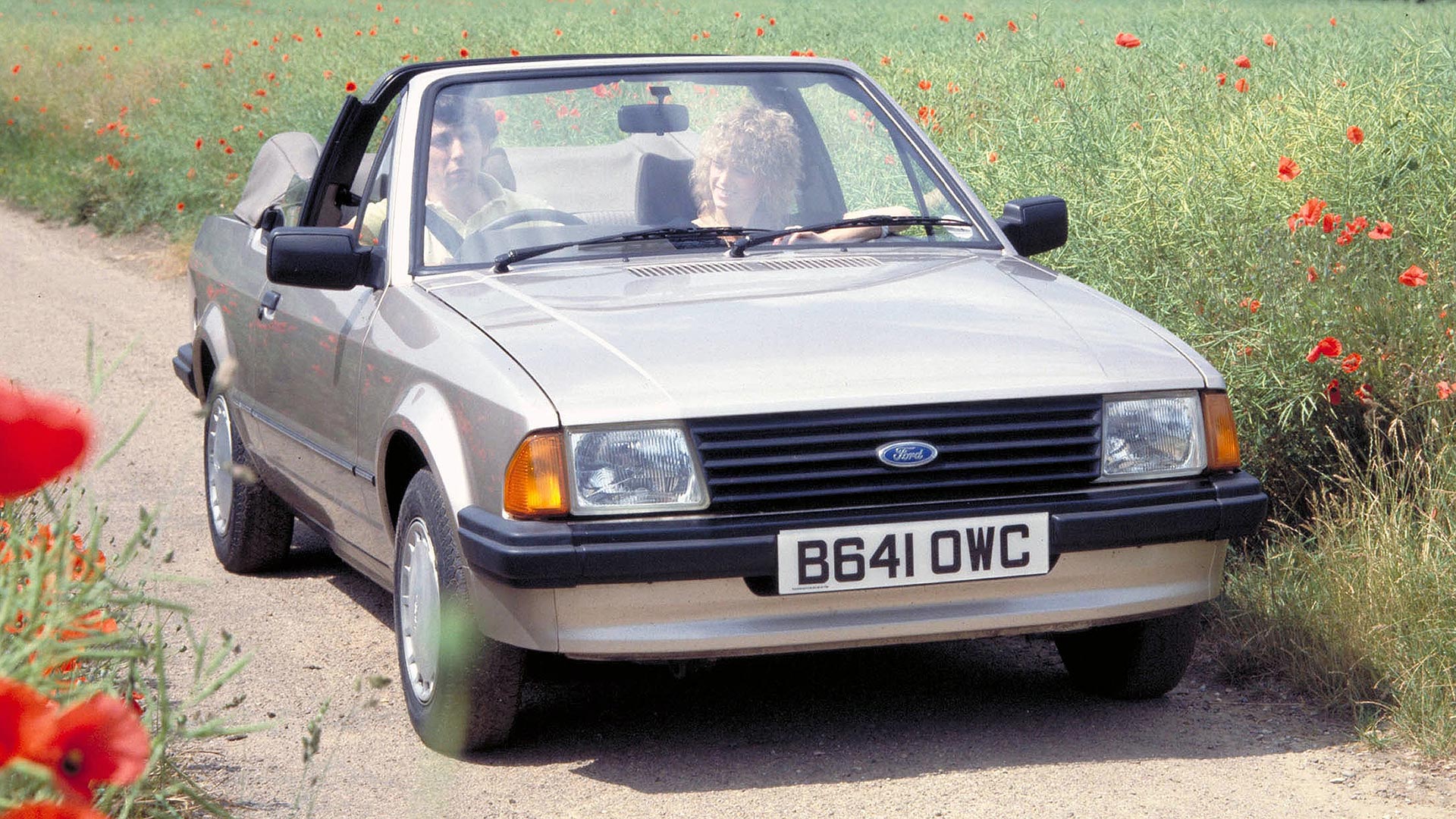
A convertible – or cabriolet – is four-seater or 2+2 with a removable or folding roof. Examples include the Mercedes-Benz E-Class Cabriolet, Mini Convertible and now-defunct Range Rover Evoque Convertible. A classic Ford Escort Cabriolet is pictured above.
The words are mostly interchangeable, with ‘cabriolet’ a French word first used in the 18th century to describe a light horse-drawn carriage. Convertible has more modern origins.
Roadster
Once again, the word ‘roadster’ has its origins in the equine world. In the 19th century, the term was used to describe a horse with an ability to draw a carriage over vast distances in a single day.
From an automotive perspective, a roadster is an open sports car with seating for two, with the MGB and Triumph Spitfire two prime examples from the past.
Today, the evergreen Mazda MX-5 is the roadster most people think of first. But we’ve chosen an Aston Martin Vanquish Volante because… well, just look at it.
Targa
A Targa top is a semi-convertible body style with a removable roof section and a full-width roll bar behind the seats.
The name was first used by Porsche when it unveiled the 911 Targa in 1965, with the German firm having the foresight to trademark the name before the launch.
The 911 wasn’t the first car to feature a Targa roof, however. In 1961, Triumph created a ‘Surrey Top’ for the TR4, with the equivalent of a rear section of a hardtop and a removable canvas to bridge the gap between the windscreen and the rear of the car.
Sports car
Things were simple in the black and white days of Terry Thomas. A sports car was an open two-seater with just enough power to perform.
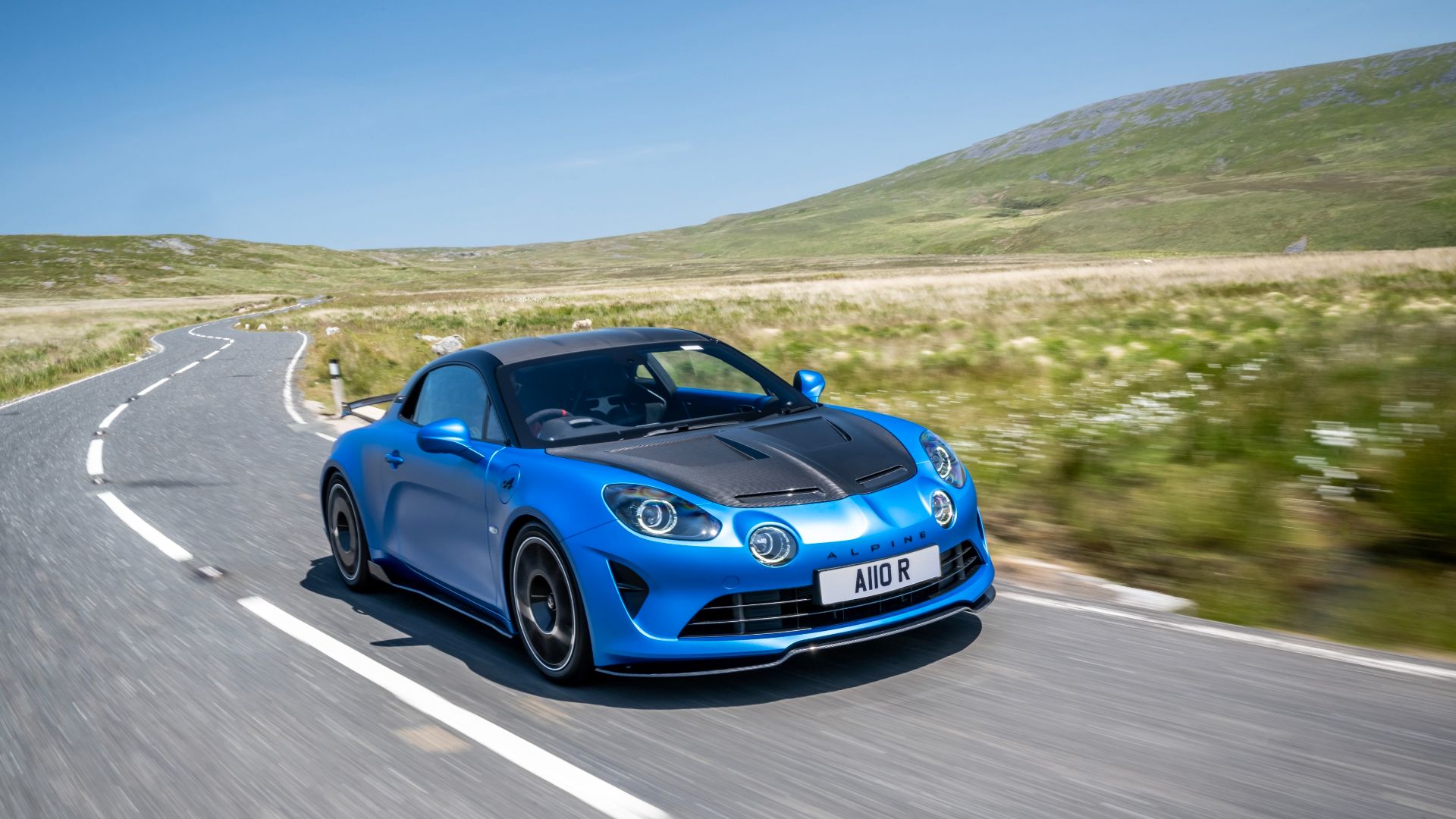
An MGB was a sports car. A Ford Capri wasn’t. An Alpine A110 (pictured above) is a sports car. A Ford Mustang isn’t. And yet all four cars were built in the name of fun, with practicality sitting further down the list of priorities.
Today, the term has been extended to include hard-top coupes such as the Toyota GR86 and Jaguar F-Type coupe. But the easiest way to define a true sports car is to drive one.
Executivecar
Safety watchdog Euro NCAP uses the ‘executive’ tag to categorise cars such as the BMW 5 Series, Jaguar XF, Audi A6 and Skoda Superb (pictured above). In other words, vehicles that are slightly larger than a typical company car.
There’s an aspirational quality to the executive car, which are a cut above the ordinary family runabout. Something for middle managers to aim for: the carrot used as a motivational tool by MDs and CEOs.
Today, as carmakers push further upmarket, the ‘executive’ tag is more far-reaching. Everything from the Peugeot 508 to the Tesla Model S can be classed as an executive car, with size no longer a barrier to entry.
That’s why the ‘exec’ label fits both the BMW 3 Series and the 5 Series, although the latter still earns you more kudos in the office car park.
Luxurycar
There’s a distinct gap between an executive or premium car and a proper luxury car.
To be considered luxurious, a car must leave little to chance in the pursuit of perfection It should offer the finest materials, impeccable craftsmanship and, in today’s world, the most cutting-edge technology.
The Mercedes-Benz S-Class, BMW 7 Series and Audi A8 are luxury cars, as is anything built by Rolls-Royce or Bentley. These vehicles are status symbols, of course, but they usually conduct their business in a refined and softly spoken way.
Quadricycle
A quadricycle isn’t technically a car. Instead, the law places these four-wheeled vehicles in the same category as mopeds, motorcycles and motor tricycles.
There are two sub-categories: light and heavy quadricycles. Nip across to France, and you’ll find a multitude of these tiny, low-powered and lightweight vehicles. The predominant brands are Aixam and Ligier. In the UK, the Renault Twizy (pictured above) and Citroen Ami are the most prominent examples.
Supercar
What was the first supercar? The Bugatti 57SC Atlantic of 1936? Maybe the Mercedes-Benz 300SL of 1954? How about the Lamborghini Miura of 1966?A tough call, but the trio helps to form a definition of what makes a supercar.
What do all supercars have in common? An expensive price tag, exhilarating performance, drop-dead gorgeous styling and the capacity to make grown men (and women) go weak at the knees.
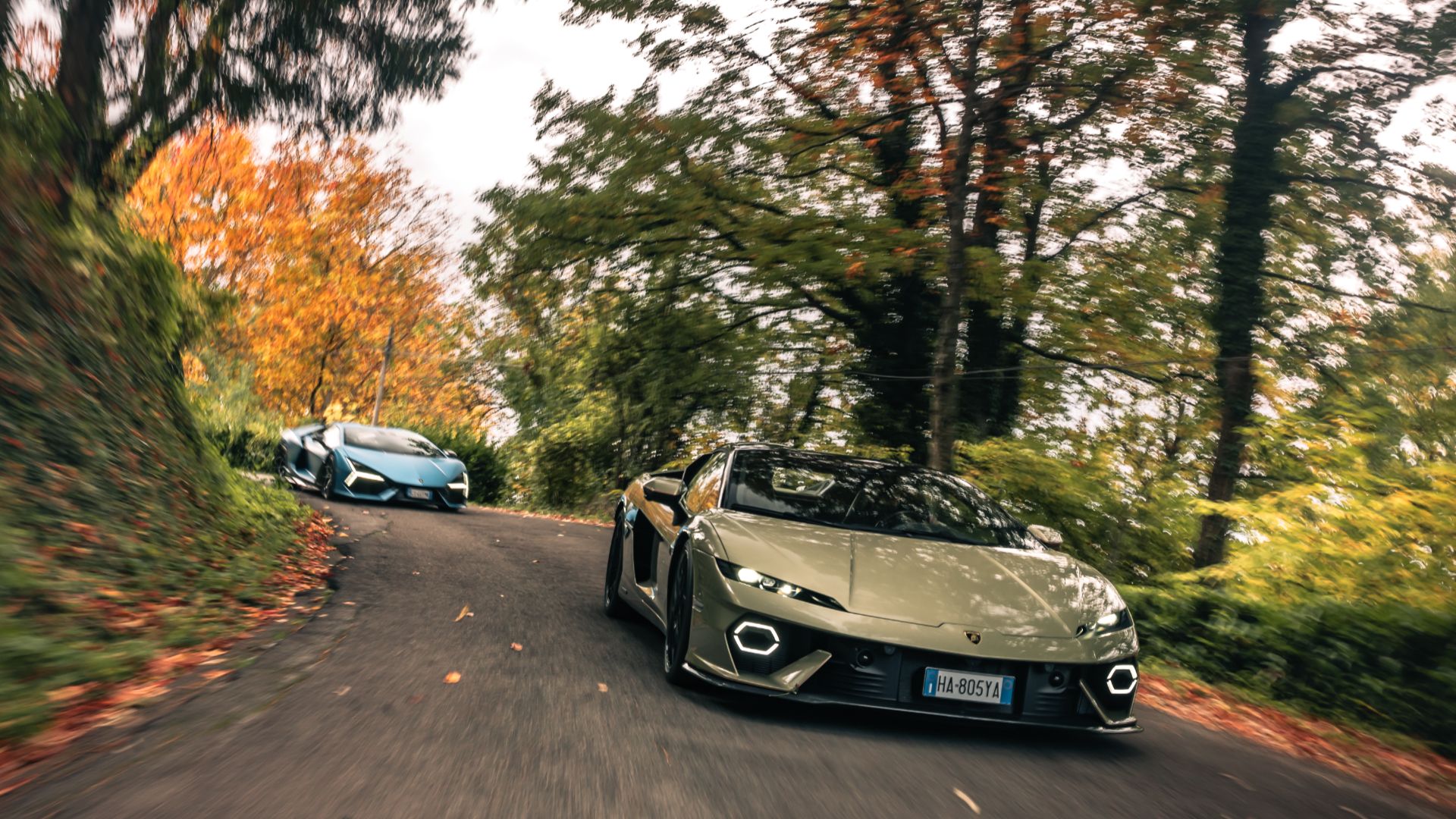
Above all else, if a child makes room on their bedroom wall for a poster of said car, then it is almost certainly a supercar. Think Lamborghini Temerario (pictured), McLaren 750S or Ferrari 12Cilindri, among many others.
Hypercar
‘We can agree that both supercars and hypercars are expensive, exotic and fast. The difference between them is really a matter of extremeness. And in the case of companies with multiple models, the car’s position in the model line.
‘No hypercar has a more expensive or more exclusive corporate sibling.’ Maxim presents a pretty decent summation of the supercar versus hypercar debate.
The website goes on to claim that the Bugatti Veyron was ‘probably the first bona fide hypercar,’ which is something many people would agree with. Although we’d also add an honourable mention for the McLaren F1.
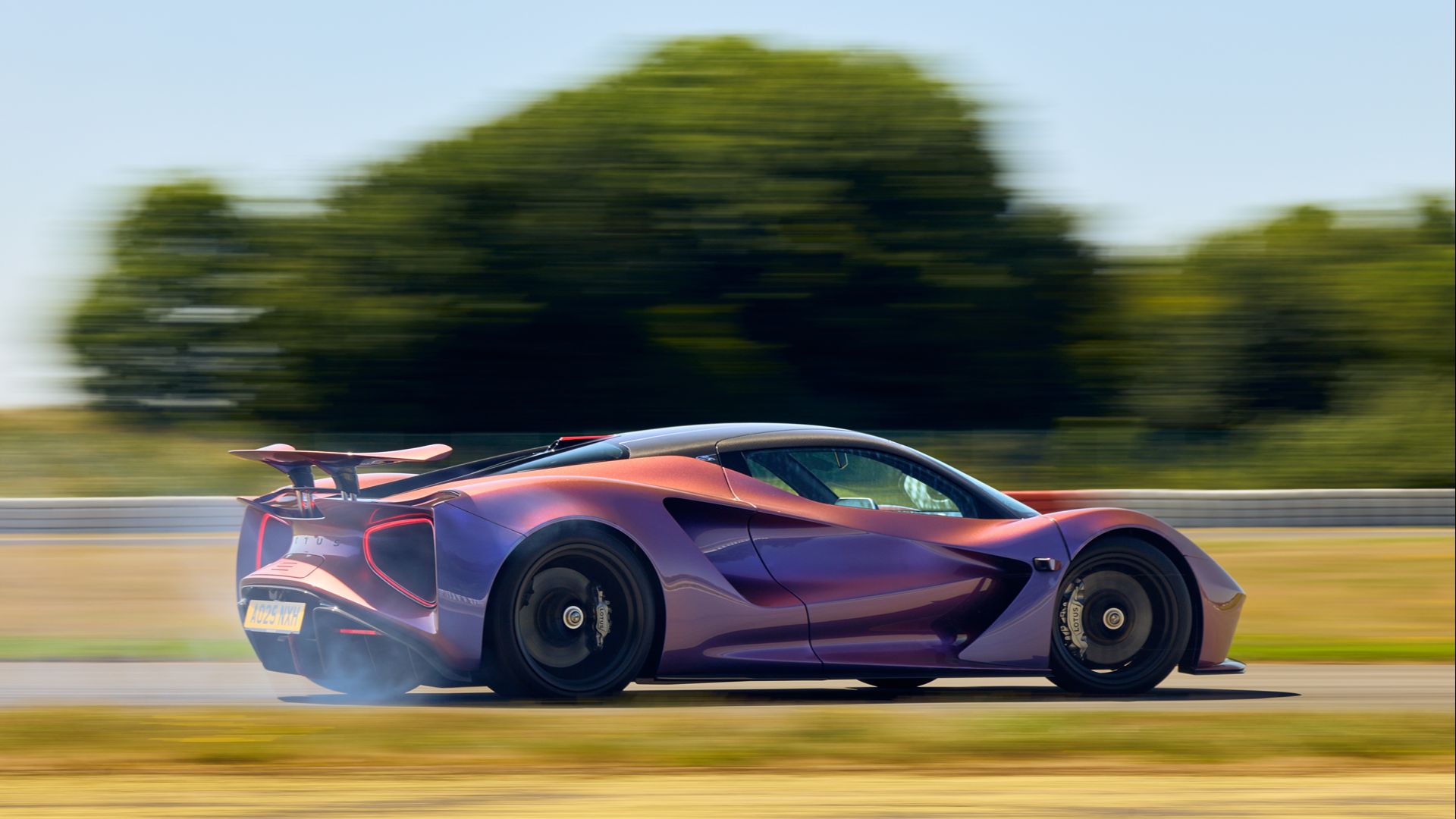
It’s all about excess and pushing the boundaries. The McLaren P1, Ferrari LaFerrari, Bugatti Chiron and Lotus Evija are 100 percent hypercar.
Shooting brake
The term ‘shooting brake’ has its origins in the history of horse-drawn carriages. In the modern era, though, it has come to mean a sleeker, more stylish – and probably also less practical – estate car.
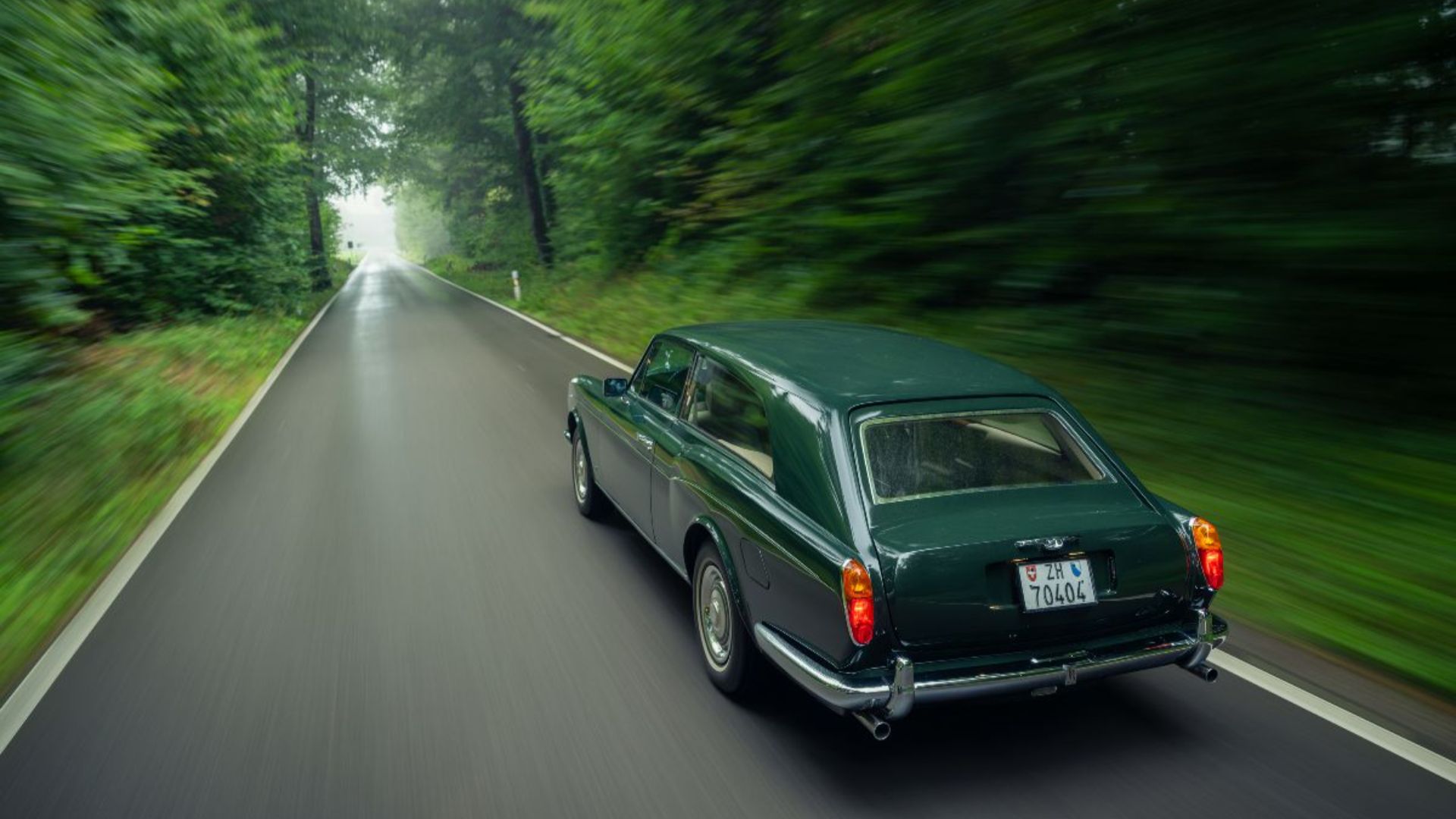
For our money, a proper shooting brake should only have three doors – like the Reliant Scimitar GTE or the custom-built Rolls-Royce Corniche pictured above. However, some car manufacturers name five-door estate cars as such – notably the Mercedes-Benz CLS and CLA Shooting Brakes.
A few sports cars arguably jump the fence into shooting brake territory, too. Potential candidates include the Ferrari FF and BMW Z3 M Coupe.
Pick-up
We conclude our rundown of the different car classifications with an easy one: the pick-up truck.
There are various types – double cab, crew cab, single cab – but thanks to the Ford F-Series (pictured above), the humble and very versatile pick-up is the best-selling vehicle in the world.
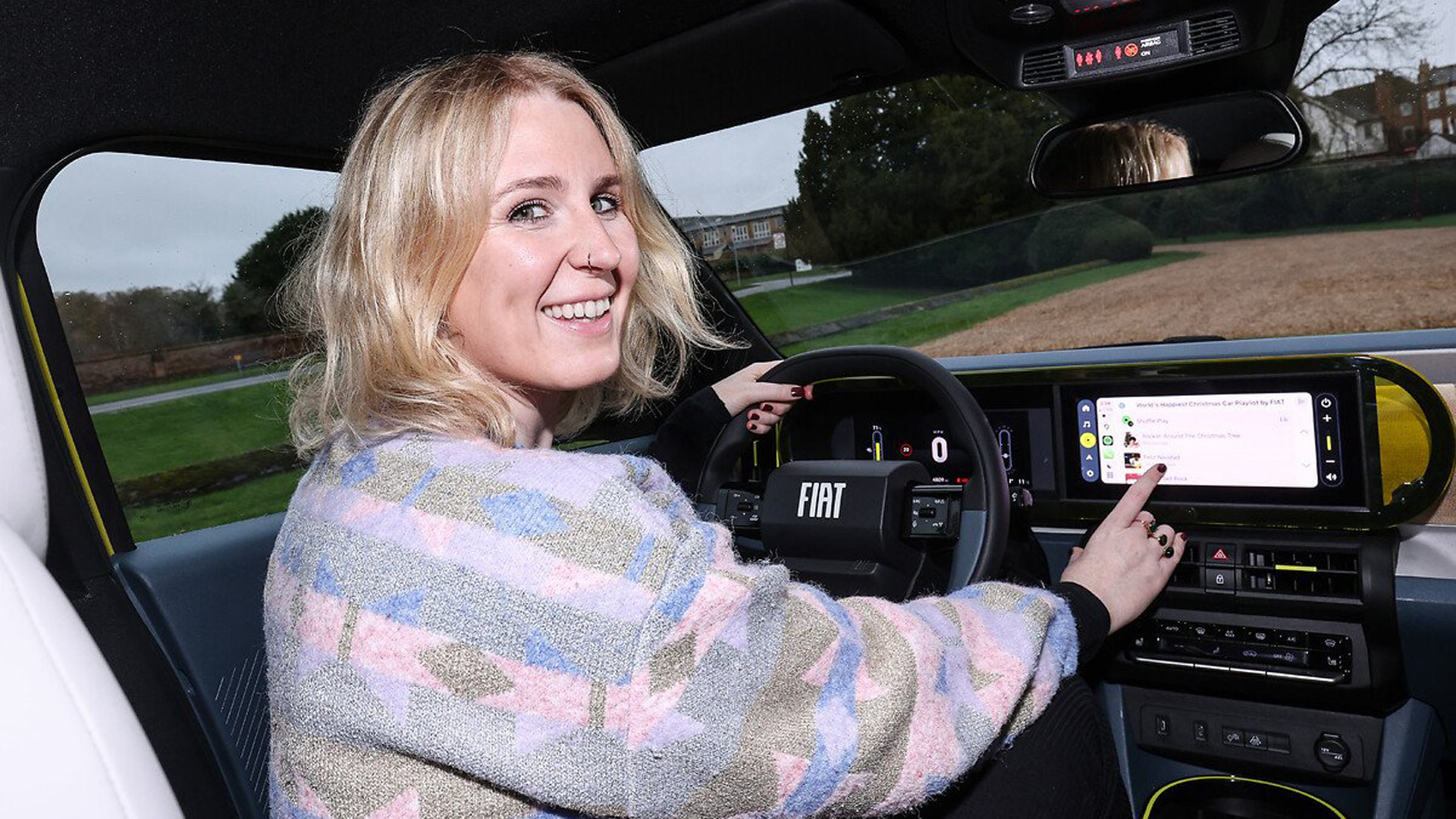
For those planning a festive road trip, Fiat has used science to create what it calls the ‘World’s Happiest Christmas Car Playlist’.
Comprising 25 songs and lasting for an hour, the playlist has been scientifically designed to promote maximum enjoyment.
It comes as a survey of 2,000 drivers by Fiat found that almost half (47 percent) said this is the most stressful time of the year to be on the road.
Christmas traffic was a worry for 75 percent of drivers, with other road users rushing to be somewhere was a concern for 66 percent.
Christmas driving brings added stress
Fiat’s research also established that three quarters (76 percent) of respondents listen to Christmas songs to keep their children entertained on seasonal journeys. Some 48 percent said they would be singing along, too.
With this in mind, Fiat turned to Dr Claire Renfrew, a music psychologist, to discover which Christmas songs bring the most joy.
Dr Renfrew’s formula for musical happiness includes a combination of a song being in a major key, with bright and energetic vocals and instruments, a tempo of 100-140 beats per minute, and a simple and catchy chorus.
A song that follows the structure of ‘verse, chorus, verse, chorus, instrumental, chorus’, was also a key component.
Get ready for a Christmas road trip
Applying this formula saw Dr Renfrew declare Brenda Lee’s ‘Rockin’ Around the Christmas Tree’, as the song that delivers peak happiness.
This was followed by ’Feliz Navidad,’ ‘Jingle Bell Rock,’ and ‘Holly Jolly Christmas,’ to make up the festive top four.
Dr Renfrew said: “It’s important that all the songs ‘work’ together, because the playlist you have can make or break your drive home for Christmas.
“Christmas songs can have a surprisingly powerful positive impact on us psychologically.”
The World’s Happiest Christmas Car Playlist
The full version of the World’s Happiest Christmas Car Playlist’ by Fiat comprises:
Rockin’ Around The Christmas Tree – Brenda Lee
Feliz Navidad – José Feliciano
Jingle Bell Rock – Bobby Helms
Holly Jolly Christmas – Michael Bublé
I Wish It Could Be Christmas Everyday – Wizzard
It’s The Most Wonderful Time of the Year – Andy Williams
Sleigh Ride – Harry Connick, Jr.
Santa Claus Is Coming To Town – The Jackson 5
Wonderful Christmastime (Edited Version / Remastered) – Paul McCartney
Underneath the Tree – Kelly Clarkson
All I Want For Christmas Is You – Mariah Carey
Winter Wonderland – Bing Crosby
Step Into Christmas – Elton John
Let It Snow! Let It Snow! Let It Snow! – Frank Sinatra
Last Christmas – Wham!
White Christmas – Bing Crosby
Merry Christmas Everyone – Shakin’ Stevens
Mistletoe – Justin Bieber
Happy Xmas (War Is Over) – John Lennon, Yoko Ono
Christmas Wrapping – The Waitresses
Santa Tell Me – Ariana Grande
Silver Bells – Dean Martin
Little Saint Nick – The Beach Boys
Do They Know It’s Christmas? (1984 Version) – Band Aid
Deck The Hall – Nat King Cole
The Fiat playlist is available to listen to now, for free, through Spotify.
With the festive season now in full swing, some drivers are covering their cars in Christmas lights.
Numerous videos have gone viral on social media apps such as TikTok (see below), featuring cars bedecked with elaborate light displays.
However, adding fairy lights to your car is a legal grey area – and may attract the attention of the police.
Drivers who decorate their cars could even receive an unwanted Christmas gift, such as points on their driving licence or a substantial fine.
What does the law say about Christmas lights on a car?
Graham Conway, managing director at Select Car Leasing, says there is ‘no specific law’ prohibiting the use of fairy lights on the exterior of a vehicle.
However, sections of the Highway Code, and other rules around car safety and construction, could potentially put drivers outside the law.
Section 148 of the Highway Code says drivers must avoid being distracted when behind the wheel. In the event of an accident, fairy lights could potentially be seen as a distraction.
In addition, distracting other road users with Christmas lights on a car could potentially lead to a charge of careless driving. This can result in up to nine driving licence penalty points, plus a maximum fine of £5,000.
What colour fairy lights are allowed on a car?
The Road Vehicle Lighting Regulations 1989 are very specific about what colour lights can be displayed on a car.
They specify that headlights must be yellow or white, with amber used for indicators and tail lights in red. The rules also make clear that only emergency vehicles can make use of blue lighting.
As such, multi-coloured fairy lights, particularly ones that include blue elements, could land drivers in trouble with the police.
Finally, adding an elaborate light display to your car would likely be classed as a modification for insurance purposes. Not declaring extra lights could see your insurance policy invalidated in the event of an accident.
Do you own a sports car or classic car that you’d rather not drive on salt-covered roads over the winter? Or perhaps just a surplus vehicle that you aren’t using at the moment?
If your car is standing idle, it might be sensible – and financially prudent – to officially take it off the road. This process is known as registering a Statutory Off Road Notification (SORN). It is free of charge and you will save money on annual car tax (VED).
You need to notify the Driver and Vehicle Licensing Agency (DVLA). You will get a refund for any full months of car tax that remain, so be sure to register before the end of a calendar month.
How do I SORN my car?
The SORN process is quick and can be done via the official UK Government website. Have your 11-digit number from your V5C (vehicle log book) handy and you can declare SORN immediately. If you do not have a log book, you can obtain a replacement from the DVLA for £25.
Alternatively, you can use the 16-digit number from your tax reminder (V11) form. This means SORN will take effect at the end of the month. With everything to hand, the process should take no more than a few minutes.
There are other ways to get a SORN notice, too: either by telephone or post. The phone number to call is: 0300 123 4321.
To use the postal service, send a V890 application form to the following address:
No, you cannot drive your car after declaring SORN. Not until you tax it again, at least. Vehicle Excise Duty (VED) is required to drive or even park a car on the road.
Because of this, you must ensure your car is already where it’s due to sit long-term – ideally in a garage – or you have a trailer or low-loader to move it. Under no circumstances should it be driven after SORN is declared.
To reiterate, the car must also be parked off the public road, such as on a driveway or in a garage. If a car remains on the road, even without moving, it has to be taxed.
How long does a SORN last?
Unlike vehicle tax, a SORN does not need to be renewed. It is ongoing until you tax the car again – be that weeks, months or until your car becomes a barn-find several decades later.
Once you are ready to drive the car again, you can apply for car tax online. You will need the vehicle log book (V5C) and a debit or credit card to hand.
American fans of the famous Caterham Seven have a new outlet to purchase one. Walt Grace Vintage, located in Miami, Florida, has been chosen as the latest official dealership for the British sports car marque.
Fittingly, Walt Grace Vintage is the seventh Stateside outlet for the Caterham Seven, as the brand continues its expansion into North America.
Enthusiasts will be able to configure a new Caterham Seven, place an order, and take delivery of their lightweight roadster through the new Miami dealership.
Welcome to Miami
Opened in 2015, Walt Grace Vintage offers a unique gallery-style showroom, focused on a combination of ‘investment-grade automobiles, watches and guitars’.
Bill Goldstein, founder of Walt Grace Vintage, commented: “We are thrilled to bring Caterham to Miami. With the Seven being such an iconic car, coupled with an incredible driving experience and competitive motorsport offering, we are honoured to become part of the Caterham story in the USA.”
The Caterham Seven 420R seen here is the first car for sale in Miami. It uses a 210 horsepower four-cylinder Ford Duratec engine and a Mazda-sourced manual transmission.
With a 0-60 mph time of 3.8 seconds, test drives in the Seven 420R will certainly be exhilarating.
A global expansionfor Caterham
Caterham’s existing US dealer network includes outlets in California, Colorado, New York and Washington state, along with Daytona Beach, Florida.
Trevor Steel, CFO at Caterham Cars, added: “Walt Grace Vintage is the perfect cultural fit for us, and we welcome them to the Caterham family. Miami has a renowned and eclectic automotive scene, and this partnership will give more USA-based enthusiasts the chance to experience the unique thrill of driving a Seven from the racetrack to Ocean Drive.
“Bill and his team at Walt Grace Vintage are driven by the same principles we have at Caterham. To be in one of the most vibrant art and cultural hubs in Florida brings an exciting new chapter for us in North America.”
Caterham continues to manufacture its vehicles exclusively in England, and now supplies 15 different markets around the world.
Along with opening a larger factory last year, the company is developing its first fully electric sports car, which will be on show at CES in Las Vegas next month.
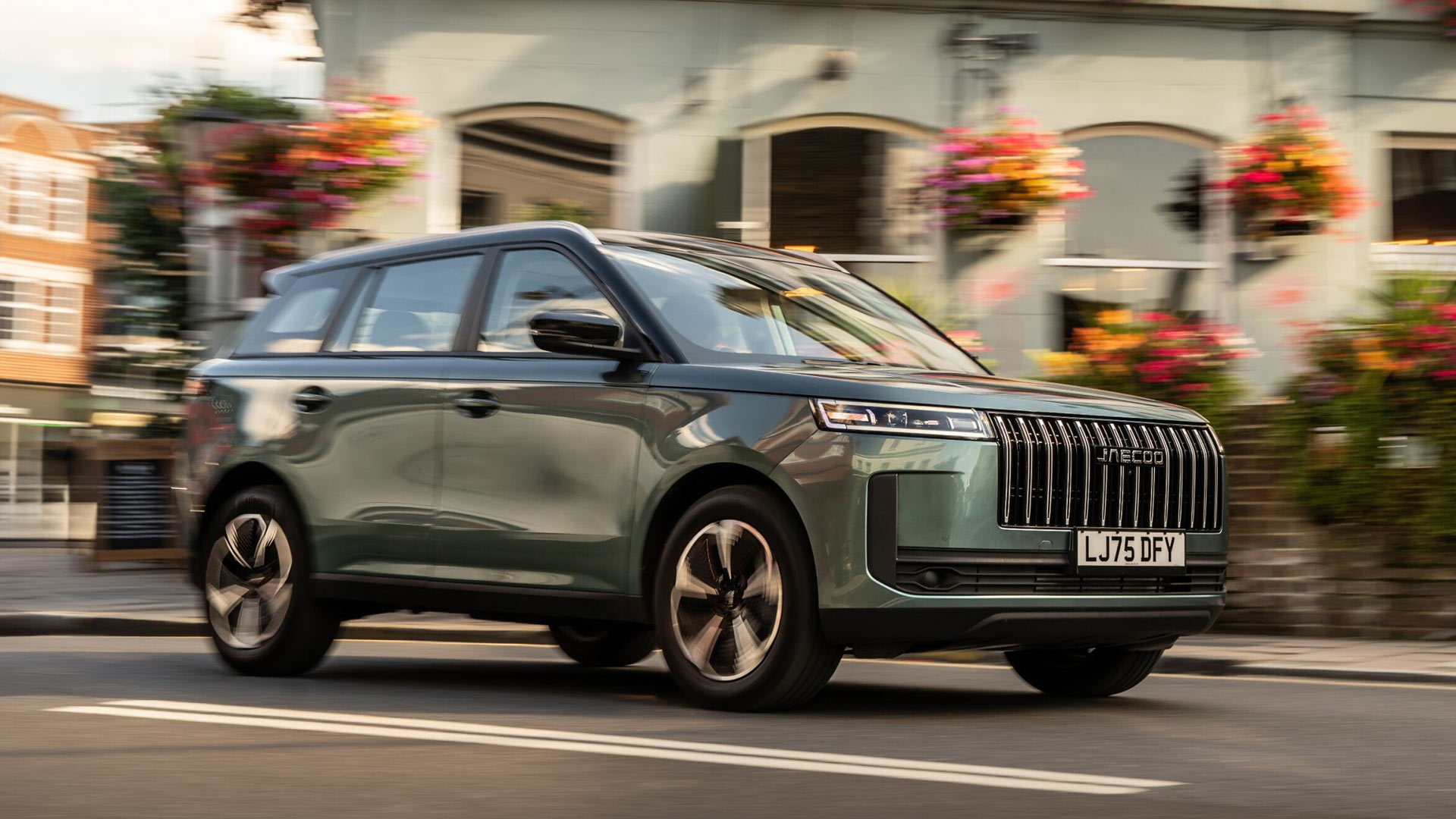
The interest in Jaecoo is remarkable given that the Chinese marque only entered the UK market at the beginning of 2025.
It has since launched an array of relatively affordable SUVs. Orders for the Jaecoo 7 had surpassed 10,000 vehicles by August 2025, and there are now more than 26,000 examples of the SUV on British roads.
Throughout the course of the year, the smaller Jaecoo 5 SUV was added to the range, along with the electric E5 version.
The Jaecoo 5’s public debut at the Goodwood Festival of Speed was a notable highlight, with an all-female team driving the SUV up the famous hill climb route.
Hitting significant milestones
Following the announcement of a pay-per-mile tax for electric cars in the budget, Jaecoo and sister brand Omoda revealed a rebate scheme to offset the cost for EV drivers.
This will see a discount on finance deals for buyers of electric Jaecoo vehicles. The company’s EV Tax Rebate is equivalent to a £600 saving.
Gary Lan, CEO of Jaecoo UK, said: “Being recognised by Google as the most searched Chinese car brand in the UK is a significant milestone for Jaecoo. It shows that British consumers are actively seeking new brands that offer distinctive design, advanced technology and all-encompassing value.
“As awareness grows, our focus remains on building trust, educating customers and delivering products that resonate with the UK market. With 2026 a big year for Omoda with the Omoda 7, we expect our sister marque [Omoda] to also have high search volumes on Google.”
The majority of British drivers are willing to pay up to £15,000 for their next used car, according to new research by CarGurus.
More than half (58 percent) of the 1,000 motorists questioned said that £15,000 was their optimum price for a cash purchase.
A similar proportion (52 percent) said that £299 would be their ideal monthly payment if they opted to use finance instead.
Around three quarters (76 percent) would prefer to buy a used car with finance, while only 21 percent were interested in buying one outright.
Ford tops the desirable brand chart
Automotive marketplace CarGurus, which conducted the survey, also found that hatchbacks were the most desirable body style for used cars.
Forty percent of respondents said they would rather have a hatchback, narrowly edging out the 37 percent who favoured a family SUV. Given the dominance of SUVs in new car sales, it shows that drivers are still open to alternatives.
From the UK’s list of best-selling marques, Ford was the most popular brand among those surveyed – rated top by 13 percent.
BMW and Volkswagen completed the top three, although close to quarter (23 percent) said they would compromise on a vehicle brand if it meant getting a car closer to their ideal price and specification.
Drivers are open to all fuel types
Drivers were also willing to compromise on a used car’s fuel type, with price and condition again considered more important. Some 28 percent would be flexible, with petrol slightly preferred overall.
Almost three quarters (73 percent) said a vehicle less than five years old would be high on their list of priorities. And 70 percent wanted it to have less than 50,000 miles on the clock.
Interior features were an area where drivers were more flexible, though. A total of 57 percent said they would compromise on technology and extras if it meant buying a car within budget.
Voice command functionality, a sunroof and a heated steering wheel were the optional extras drivers said they could manage without. But parking sensors (36 percent), a reversing camera (33 percent), and sat-nav (28 percent) were regarded as important.
‘Value and reliability are top priorities’
The number of used cars available with a manual gearbox is at its lowest point in 10 years, according to CarGurus data. It has declined by 57 percent since 2015.
Interestingly, a fifth of drivers (22 percent) said an automatic transmission would be non-negotiable for a used car.
Chris Knapman, editorial director at CarGurus UK, said: “Our research paints a clear picture of what matters most to UK drivers on their next used car purchase: age, mileage and essential technology. Interestingly, hatchbacks remain a very appealing body style for shoppers, despite the well-documented popularity of SUVs.
“While many are happy to compromise on extras like a sunroof or voice activation, buyers remain firm on the fundamentals. A budget of around £15,000 and desire for well-known brands demonstrates that value and reliability remain top priorities for used car buyers.”
Top 10 ideal used cars for UK drivers
From the criteria provided by those surveyed, CarGurus has created a list of vehicles that should fit the specification of many people searching for a used car. The 10 cars suggested are:
The ECG saving will be applied immediately to all new orders placed at Kia dealerships and PBV Centres.
Electric Car Grant takes immediate effect
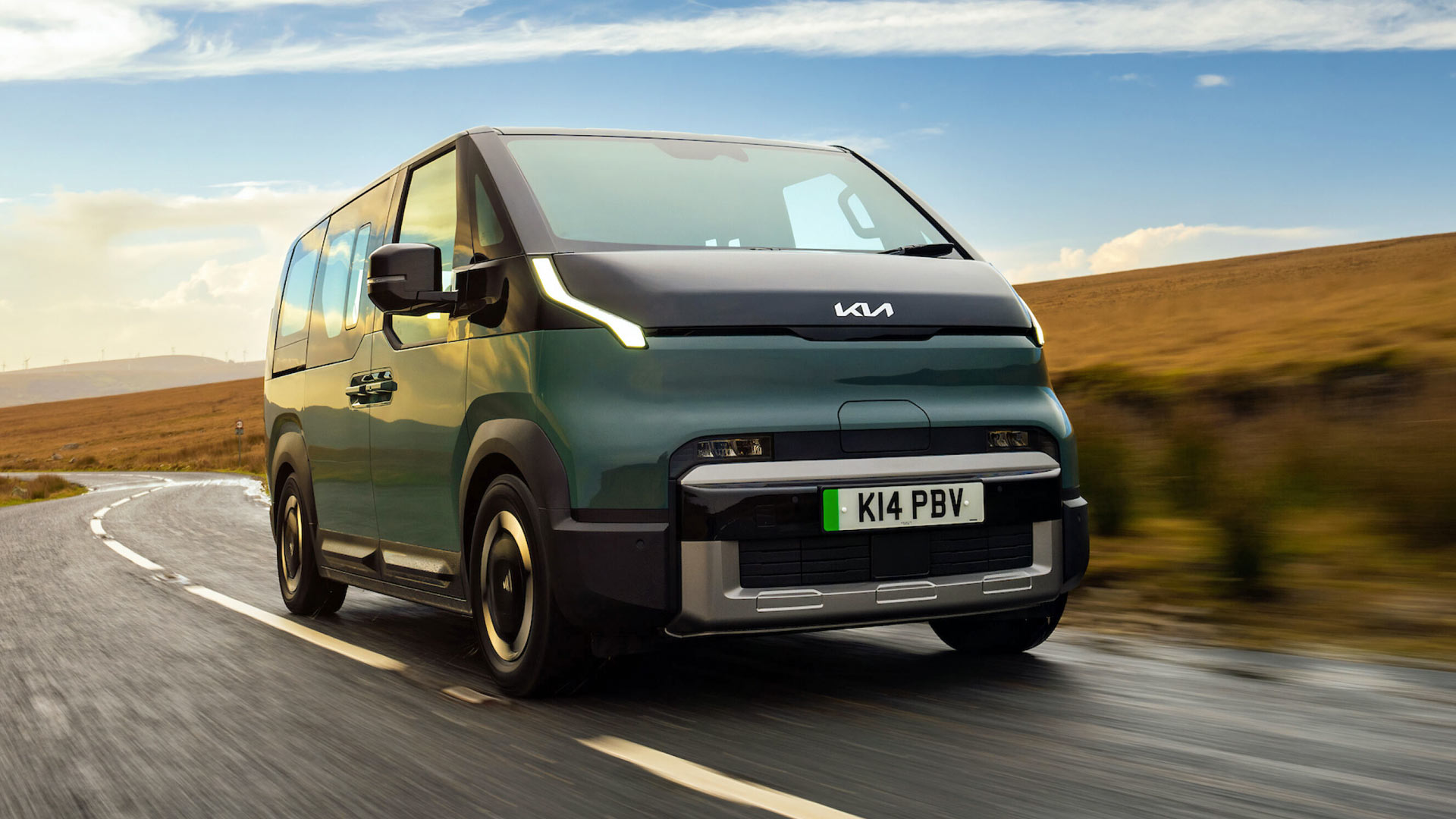
For the Kia PV5 Passenger, the ECG applies to both Essential and Plus trim levels of the new electric MPV.
Customers also have a choice of two different battery packs, with the larger 71.4kWh option offering up to 256 miles when fully charged.
Applying the ECG means the PV5 Passenger now has a starting price of £31,495.
The EV4 hatchback, which is Kia’s first fully electric model manufactured in a European factory, also comes with a choice of two battery setups. The larger 81.4kWh battery offers a potential range of 388 miles.
The ECG is only applicable to the entry-level Kia EV4 Air, however, reducing its list price to £33,245. Those using Kia’s finance schemes to purchase will receive an additional £1,000 deposit contribution.
More discounts across Kia range
Both the EV4 and PV5 Passenger are covered by Kia’s seven-year, 100,000-mile warranty. The high-voltage battery has an extended warranty for eight years.
Paul Philpott, CEO of Kia UK, said: “We are delighted that Kia customers can now benefit from the UK Government’s Electric Car Grant. This milestone demonstrates our commitment to making electric mobility accessible, practical, and affordable.
“With the support of the grant, even more drivers can experience the innovation, reliability and sustainability that Kia electric vehicles have become known for. This eligibility comes at an important time, as our nationwide network of PBV Centres become operational, delivering the new award-winning PV5 to customers”.
Kia has another finance offer for EV4 derivatives that are not eligible for the ECG. Vehicles in GT-Line and GT-Line S trims benefit from a £3,000 finance deposit contribution.
Elsewhere in the Kia range, the EV3, EV4 Fastback, EV5, EV6 and EV9 each receive a £1,500 discount when purchased through Kia’s finance schemes.
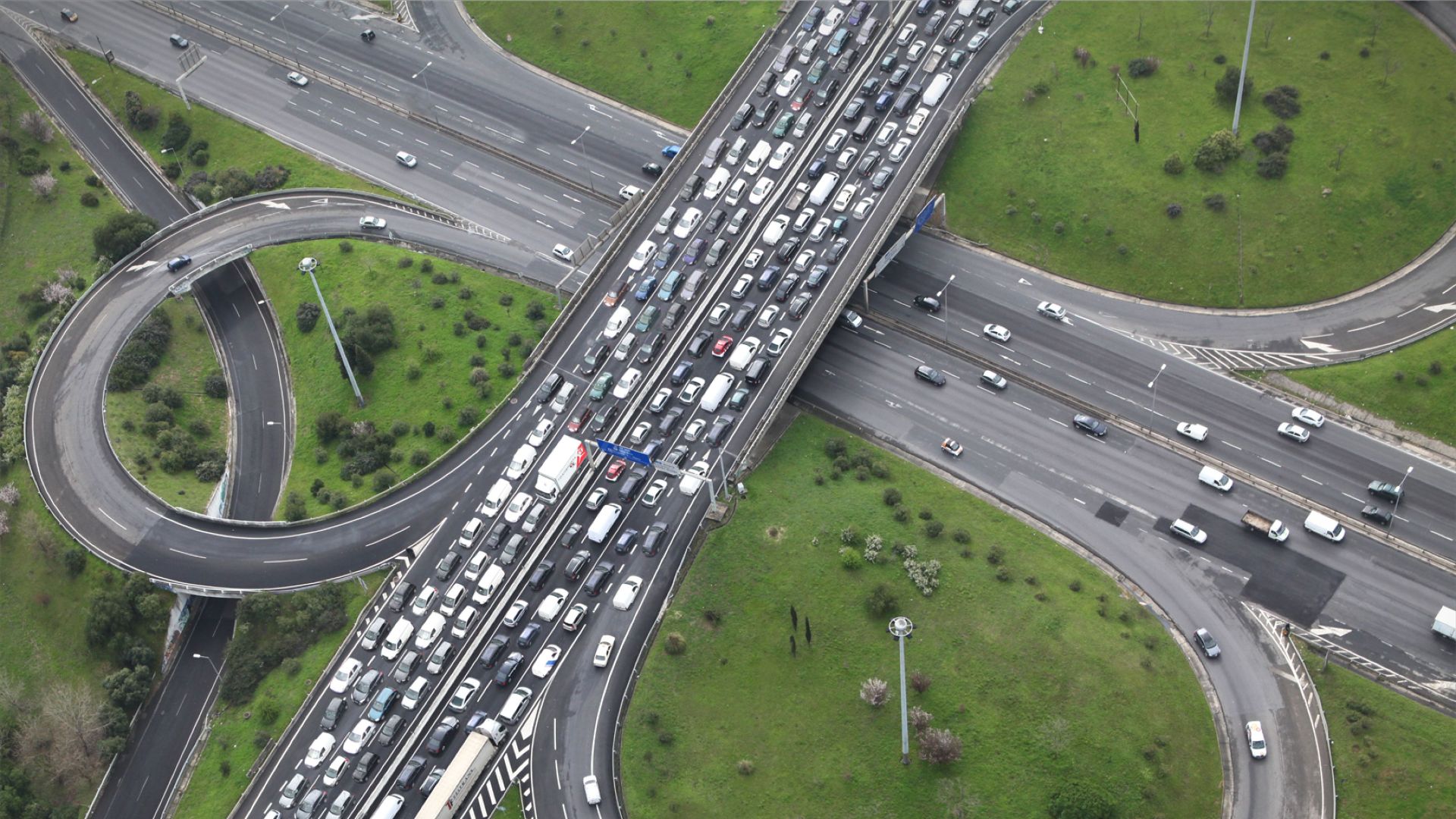
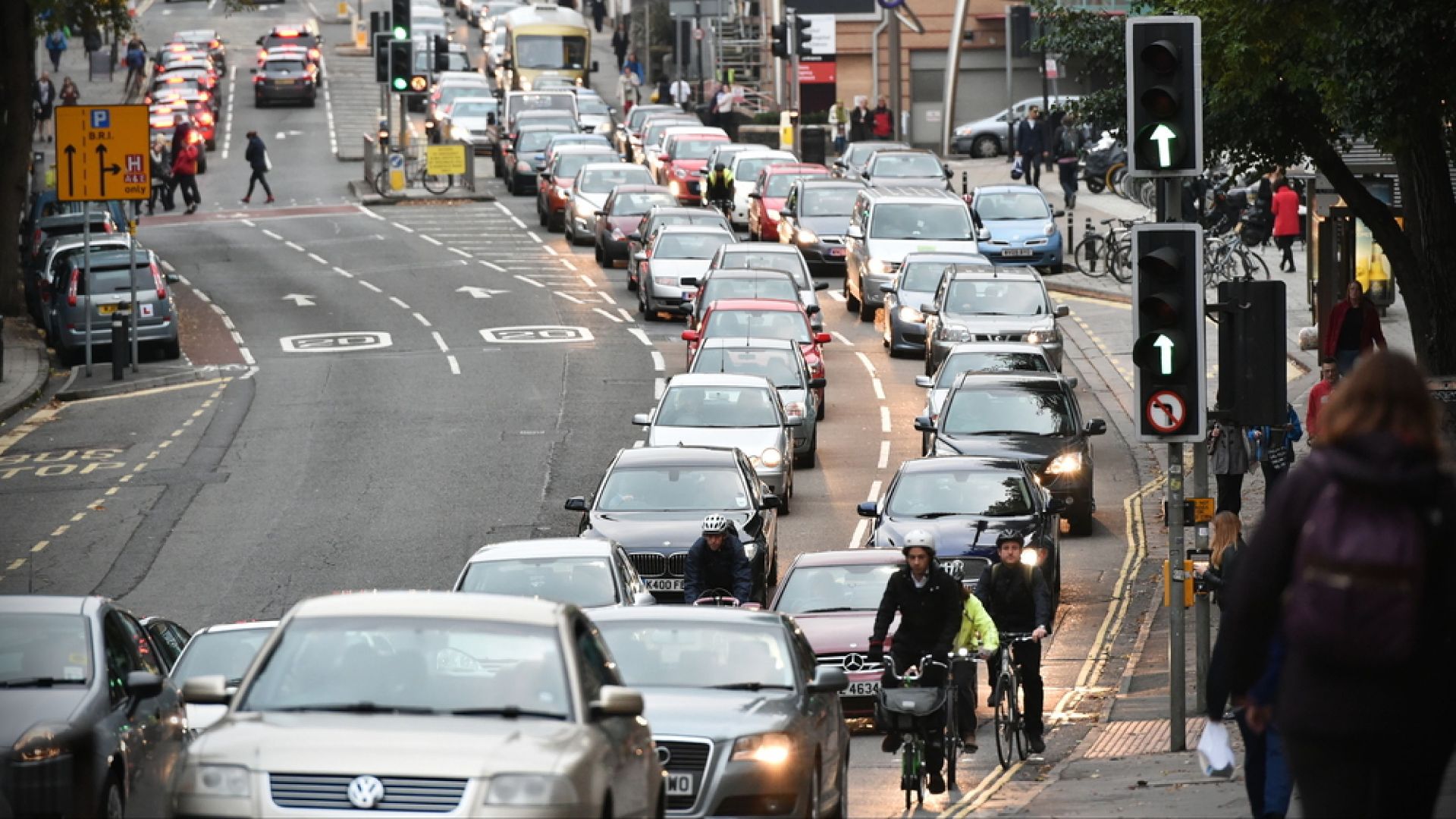
The average British driver lost 62 hours due to traffic jams last year, at an estimated cost of £581 per person.
The report by traffic data provider Inrix also ranked London just ahead of Paris as the most congested city in Europe. Drivers in the capital typically spent 101 hours going nowhere, increasing the cost of congestion to £942.
If you want to beat the jams – and who doesn’t, frankly? – there are a number of ways to find the latest traffic information. Before you set off and during your journey, here are some of the best ways to avoid a delay.
Using satellite navigation
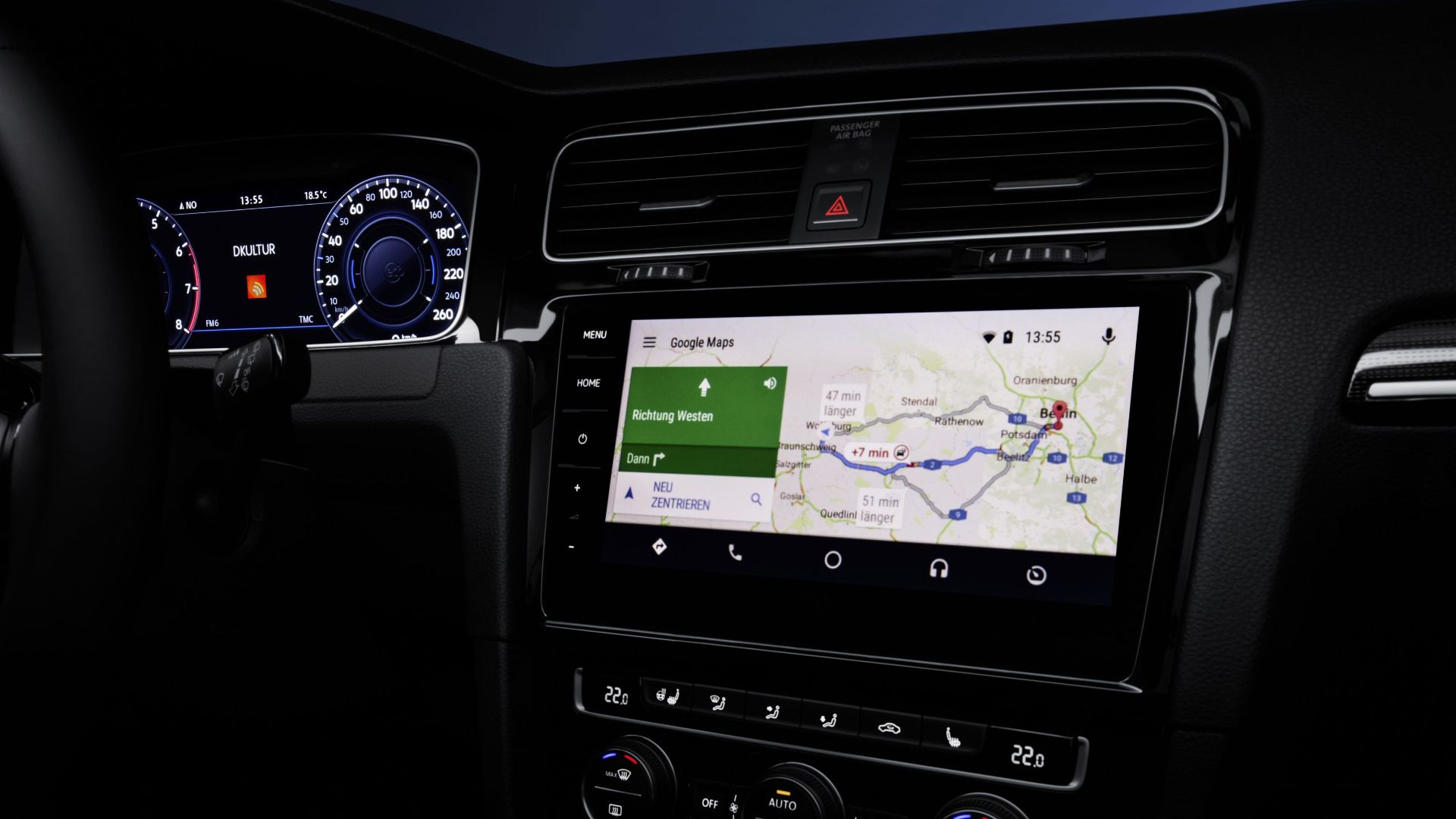
Whether you’re using a satellite navigation system built into the car, an aftermarket unit or your smartphone, having access to live traffic information can be extremely useful.
Simply set your destination, then allow the GPS technology to work its magic. Some systems will recalculate the route on the fly, while others will alert you to the problem and provide a suggested alternative. You can make the call on whether or not it’s worth making a detour.
We find Google Maps is very reliable, showing you traffic delays in real time and using red, orange or green colour-coding to explain whether your journey time is improving, staying the same or getting longer.
Download the Waze app
Waze is a community-based traffic and navigation app. In other words, the information it shares and receives is driven by its users. It collects information to provide other ‘Wazers’ with the optimal route to their destination.
Users can also report to the community on traffic, accidents, speedcameras, police speed checks, blocked roads and adverse weather conditions.
Although it’s free to download and use the Waze app, phone and carrier data rates obviously apply. You may be served some adverts as well. Note that navigating via your phone is quite data-intensive, so it could also eat through your allowance if you have a monthly data cap.
Get live traffic information
In addition to the traffic information provided by satellite navigation systems, it’s also possible to find details of jams by going online.
In England, head to the National Highways website to see a map showing real-time traffic delays on motorways and A-roads. It features a colour-coded road atlas, ranging from green for ‘moving freely’ to black for ‘not moving’. There’s also a chequered design for ‘closed’.
You can see details of the congestion, including the length and reason for the delay, along with when National Highways expects traffic flow to return to normal. Similar services are available from Traffic Scotland and Traffic Wales, along with in Northern Ireland from TrafficWatchNI.
Listen to the radio
Although it might be tempting to listen to your favourite ‘Are we nearly there yet?’ playlist or The Motoring Podcast on the way to the beach, it can help to listen to the radio.
BBC Radio 2 and BBC Radio 5 Live both provide traffic updates throughout the day, or you could listen to one of the BBC local radio stations. Alternatively, tune in to one of the many commercial radio stations across the country.
Your car radio probably has a ‘TP’ (Traffic Programme) function. This allows it to interrupt whatever you are listening to and automatically tune into nearby traffic updates.
Roadworks information
If you like to plan ahead, grab five minutes to check for any roadworks on your proposed route to a Christmas get-together. It might be worth finding an alternative route, especially during peak times, such as on Friday evenings.
Be warned: some major road improvement schemes are carried out at night, so travelling late doesn’t always pay off – as anyone who has sat in gridlock on the M25 after midnight can confirm.