Speed limits exist for a reason, and you should adhere to them as carefully as possible. However, we have all edged a few miles per hour over the limit at times – occasionally followed by a heart-stopping moment when you spot a roadside speed camera.
All speed cameras have a margin of error that allows for small excesses of speed. However, this threshold varies depending on the speed limit itself.
So what are the facts about cameras and speed limits in the UK? Read on for a simple explanation.
Speed camera tolerances
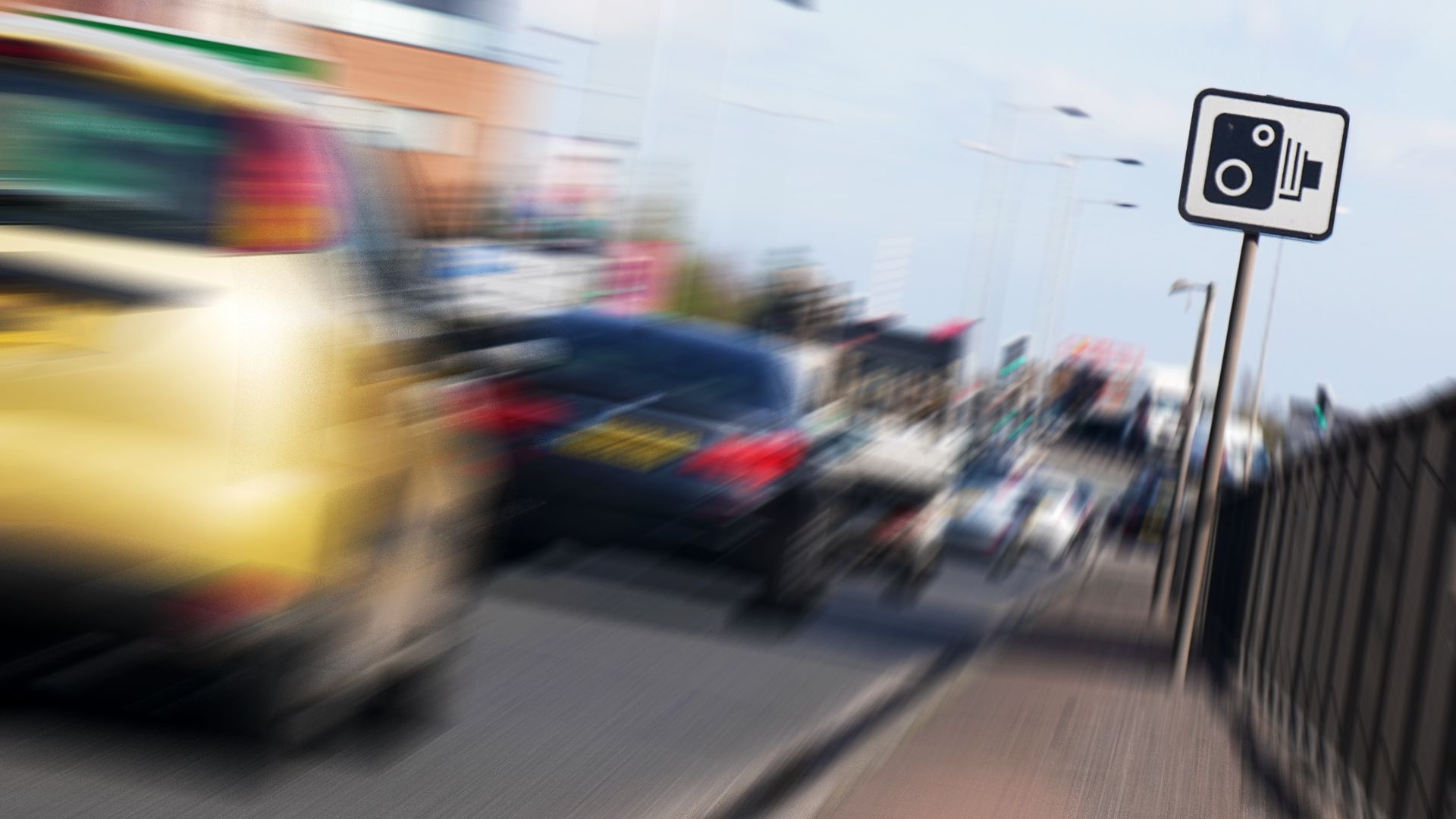
Auto Express magazine did some digging on this issue, procuring figures from many of the UK’s police forces via Freedom Of Information (FOI) requests.
Nearly all the police forces that responded quoted a threshold of ’10 percent plus 2mph’. That applies for both the ‘Gatso’ and ‘Truvelo’ style cameras, along with average speed check zones using multiple cameras at regular intervals.
Doing the maths, that means ‘accepted’ speeds (i.e. without a ticket being issued) could be as high as:
- 79mph in a 70mph limit
- 68mph in a 60mph limit
- 57mph in a 50mph limit
- 46mph in a 40mph limit
- 35mph in a 30mph limit
Note the quote marks around ‘accepted’, though. This threshold is optional for police forces and certainly shouldn’t be treated as a speed to aim for.
Interestingly, two forces who responded reported a ’10 percent plus 3mph’ threshold: Lancashire and the London Metropolitan Police. So you could add another mile per hour to each of the numbers above.
According to Auto Express, the reason for this higher tolerance in London is due to the higher traffic volume. In Lancashire, it’s just to allow a little more wiggle-room.
Why do cameras have a margin of error?

Different car speedometers display speeds to varying levels of accuracy. Some will show you’re doing 60mph when you’re actually travelling at 57mph, for example.
Construction and use regulations for cars specify that the speedo can over-read by 10 percent, but under-read by zero percent
The threshold is there, effectively, so that drivers have no excuse if caught. If you are flashed by a camera, it’s more likely you are deliberately breaking the limit than drifting just beyond it. It serves the interests of fairness and reduces workload for the justice system.
ALSO READ:
How to drive safely on the school run
Can you be fined for parking your car with the engine idling?