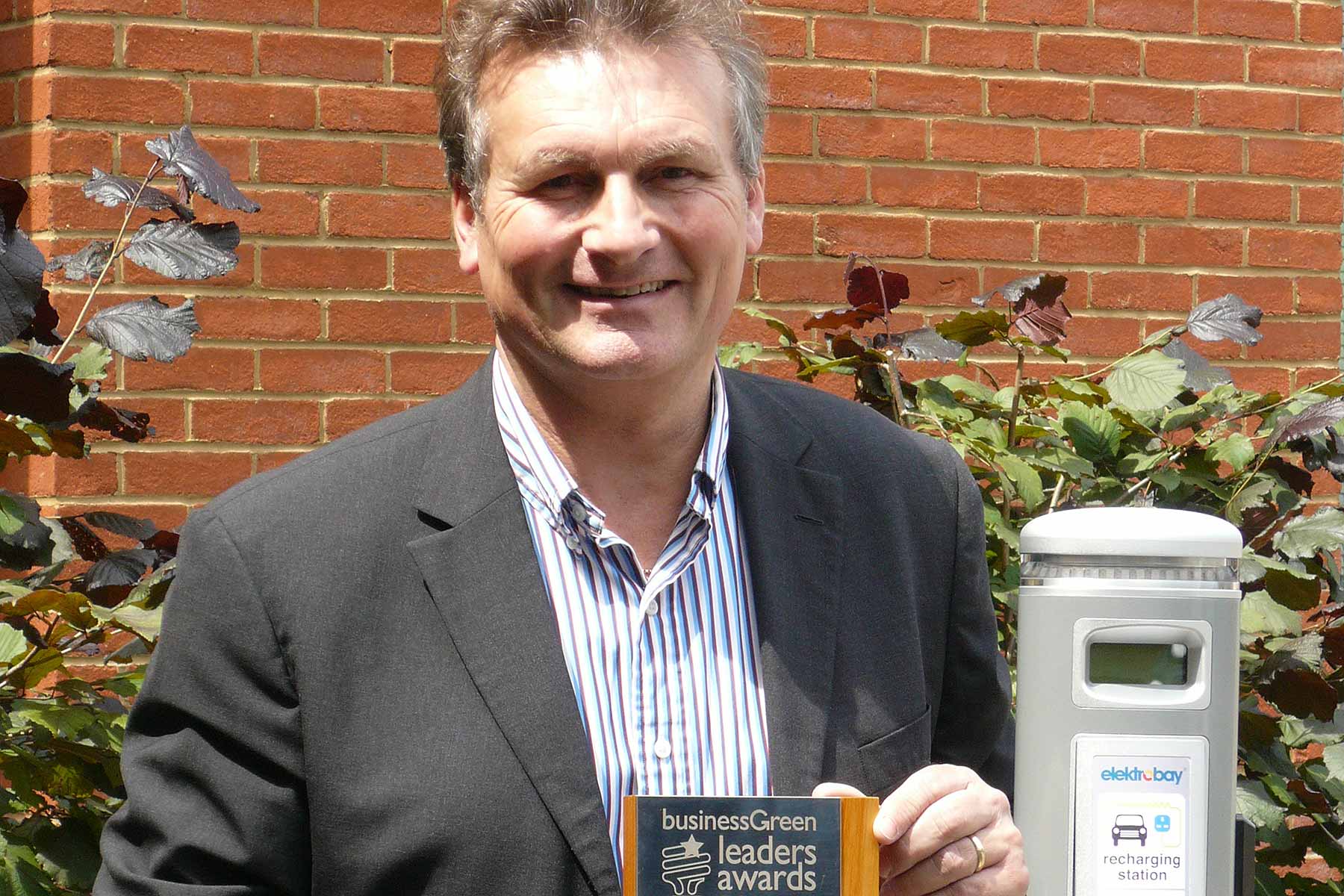
An entrepreneur who set up Britain’s first commercial electric car charging stations in London is suing BP Chargemaster, the firm he sold his business to, for unfair dismissal which resulted in a loss of share options.
Calvey Taylor-Haw claims the dismissal saw him lose a bonus package of over £1 million of share options in the company.
Taylor-Haw is described by his legal representative, Fox Williams, as a “pioneer in the electric vehicle sector”. He founded his first charging company, Elektromotive, in 2003.
In 2005, it launched London’s first commercial charging points. Growth in other areas of the UK saw it become Britain’s largest EV network.
This business (and a subsidiary, Charge Your Car) was sold in January 2017 to Chargemaster, for which Taylor-Haw received share options.
Chargemaster was then sold to BP in June 2018 for £120 million – and the unfair dismissal claim alleges Taylor-Haw’s position was “immediately” undermined by the management team.
The legal case outlines how Taylor-Haw was asked to develop new business areas for BP Chargemaster, from which he was made redundant five months later.
“During his redundancy he was repeatedly told he would be allowed to keep his share options. When the business was sold to BP, he discovered his share options had been taken away.”
The employment tribunal hearing will take place on 28-29 August 2019.
Jane Mann, a Partner at Fox Williams, a leading employment lawyer said: “We will be arguing for Calvey Taylor-Haw that there is clear evidence that he was unfairly dismissed and wrongfully deprived of his share options.
“His position was undermined and there was no proper consultation during his redundancy.”
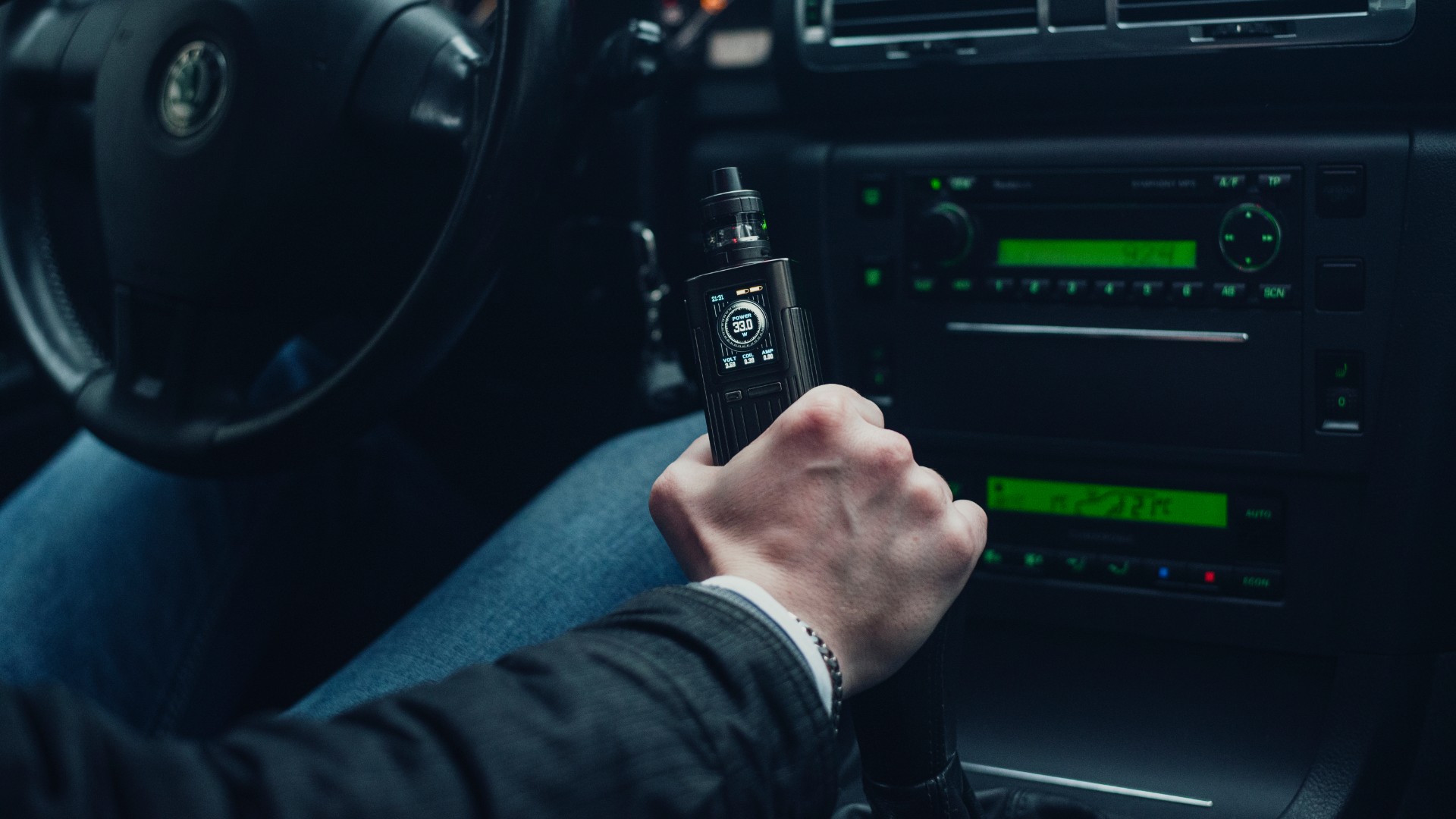
A poll has revealed that over 70 percent of motorists want vaping while driving to be banned. A total of 350 people took part in the survey on an independent car retailer’s website. At present there is nothing to stop drivers vaping behind the wheel, nor is it illegal to smoke and drive.
Similarly, smoking, along with vaping, comes under a list of things that can be considered distractions while driving. At an observing officer’s discretion, smoking or vaping can be considered distractions linked to driving without due care and attention. They join loud music, eating and drinking, and arguing with passengers or other road users on the list of distractions.
Driving without due care and attention can land you with a hefty fine. What’s more, a vape could be considered an electronic device. The former offence with the addition of an electronic vape could cost you up to £2,500, land you with penalty points or, at worst, disqualification.
Would a ban on vaping while driving create a slippery slope? Would (or should) a ban on smoking, eating or drinking while driving follow shortly thereafter? It’s an interesting question…
“While there are no laws banning vaping in this country, considering the sheer volume of traffic on our roads it is paramount that we are all in control of our cars at all times,” said Mark Carpenter, CEO of Motorpoint.
“Which is why, just like mobiles, we’re seeing a growing call from all sides for all hand-held devices that could potentially be used behind the wheel to be banned from our roads.”
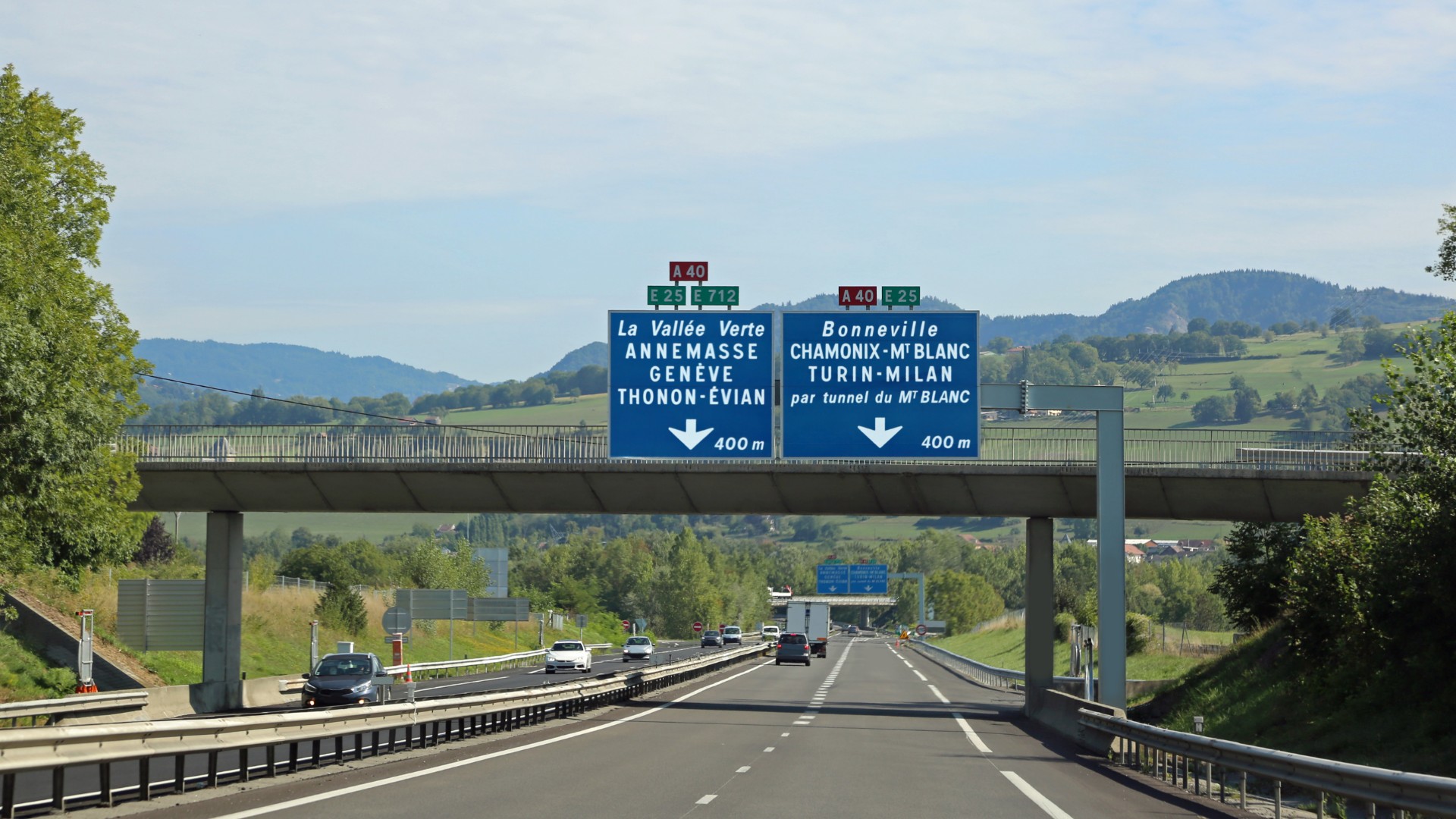
New data has revealed where British motorists are running into trouble. It may not surprise you to read that 75 percent of our European driving infractions appear to occur in neighbouring France.
Since May 2017, Britain has been a part of the Mutual Legal Assistance Agreement, which allows the European authorities to ask for the details of UK drivers. The French account for three-quarters of detail requests, or 246,000 of the 325,145 requests made between February and June this year.
The Germans came second, though it’s second by some margin, requesting details from the DVLA on 22,845 occasions. Meanwhile, Italy, Spain and Austria made 16,993, 13,442 and 6,875 requests respectively.
“British drivers clearly need to be extra vigilant when driving in France,” said Hunter Abbott, managing director of AlcoSense Laboratories, the company behind the survey.
“They must take care not to exceed the speed limit – and carry a high viz jacket for every passenger, a warning triangle, spare bulbs, headlamp beam deflectors, a GB sticker and a single-use ‘NF approved’ breathalyser.”
We know it’s exciting to drive in a new place, but patience is a virtue, especially when it comes to staving off fines and keeping points away from your licence.
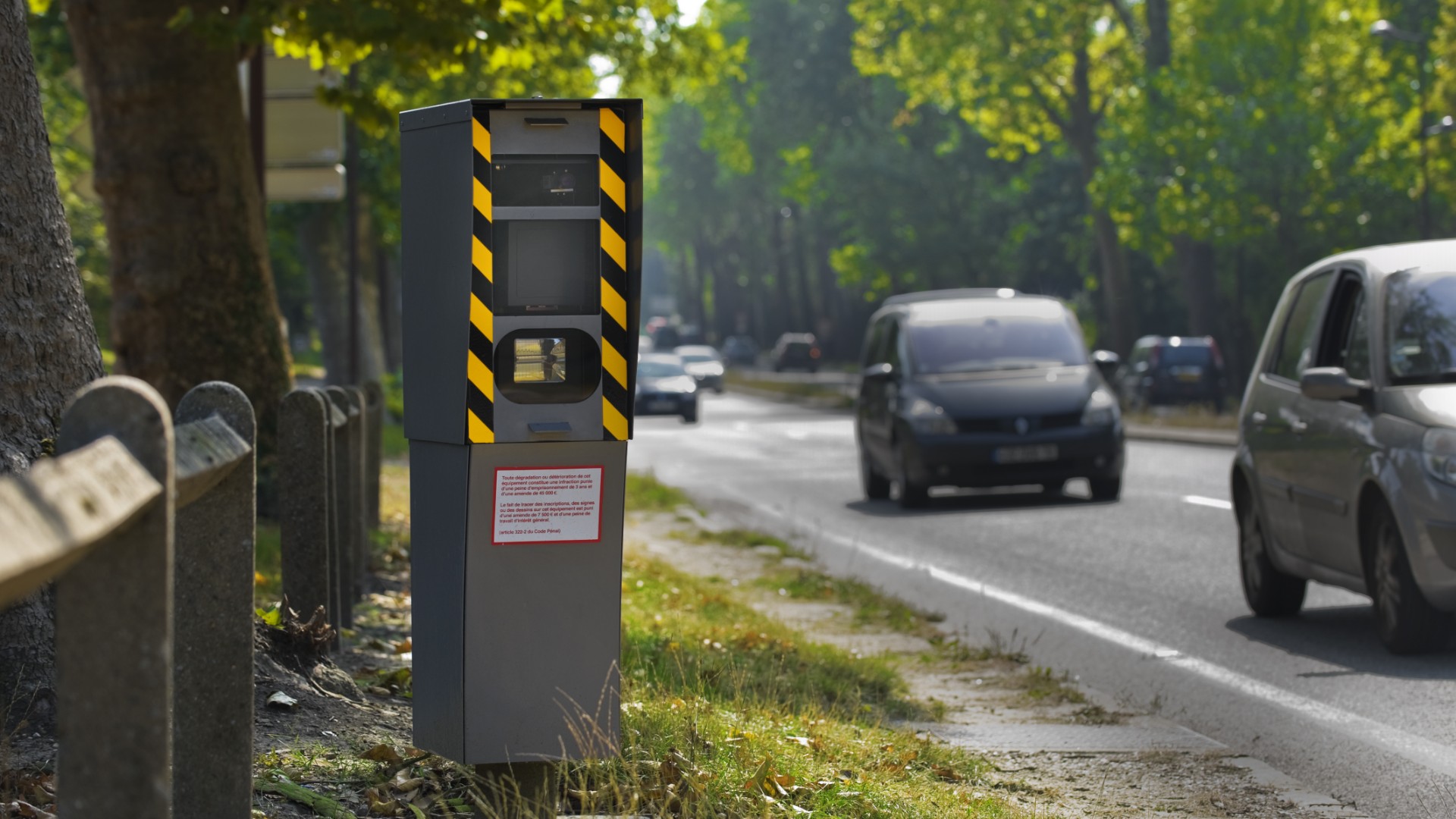
It’s worth remembering that French speed camera tolerances are lower than ours, allowing for just five percent over the prescribed speed limit. Make sure you know your key kilometre per-hour figures, too.
110km/h = 68mph (French motorway speed limit in the rain)
100km/h = 60mph
80km/h = 50mph
Steady on the ferry
If you’re taking the ferry, it’s wise to leave the miniature wines to your passengers (unless they’re sharing the drive) and get some rest. The drink-drive limit is lower in France, at 0.5mg of alcohol per mL of blood, compared with 0.8mg per mL of blood in England and Wales.
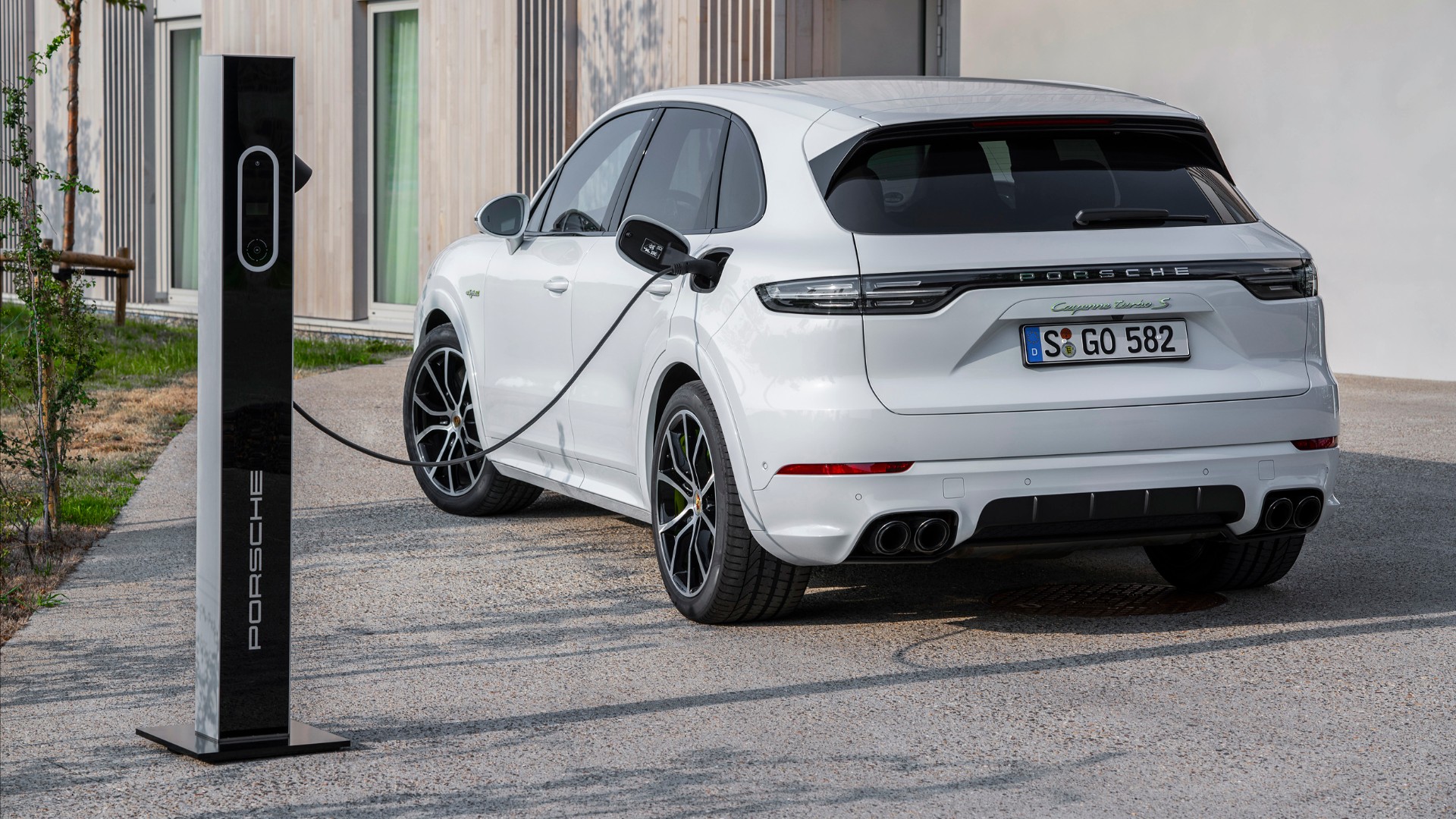
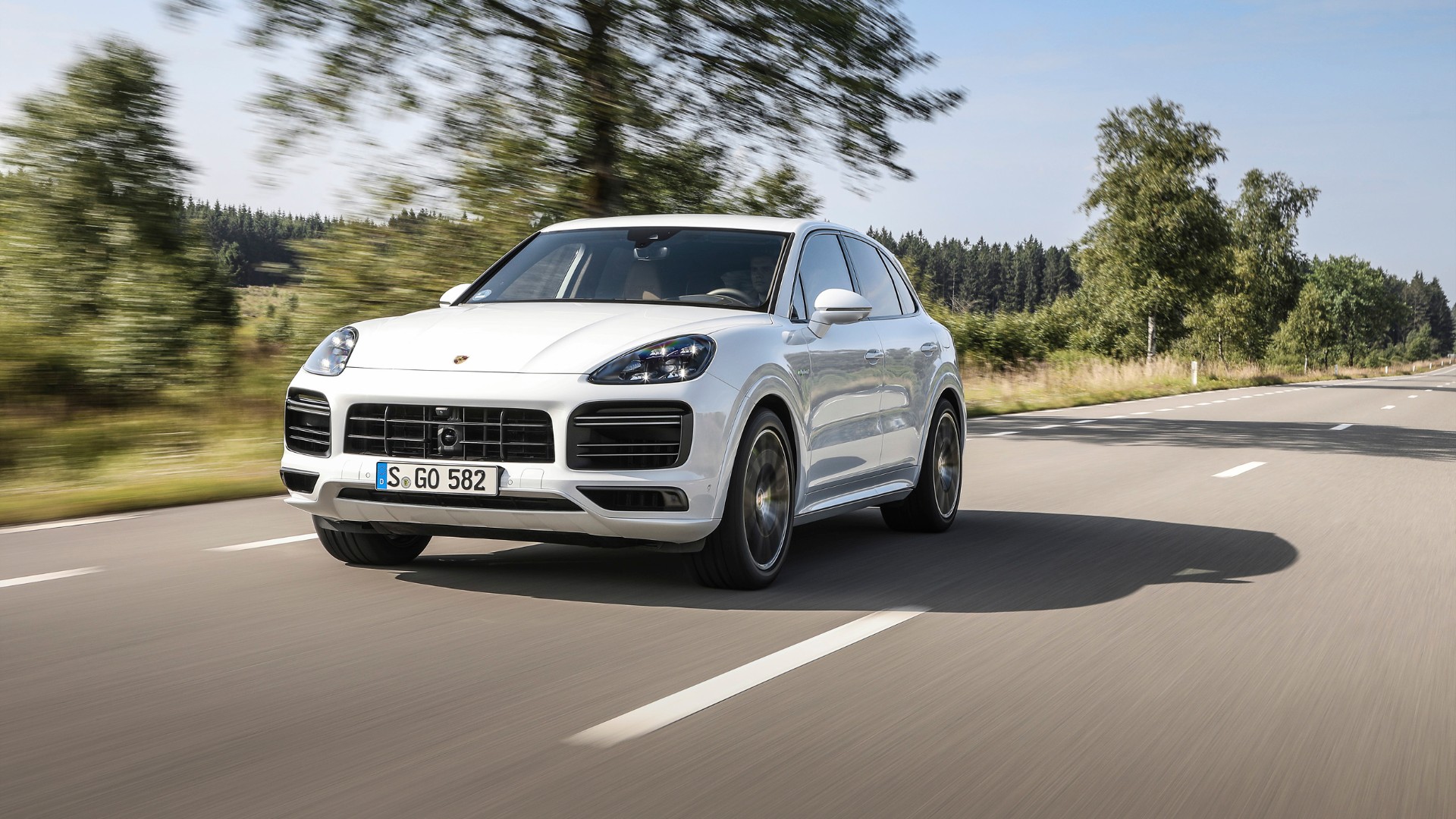
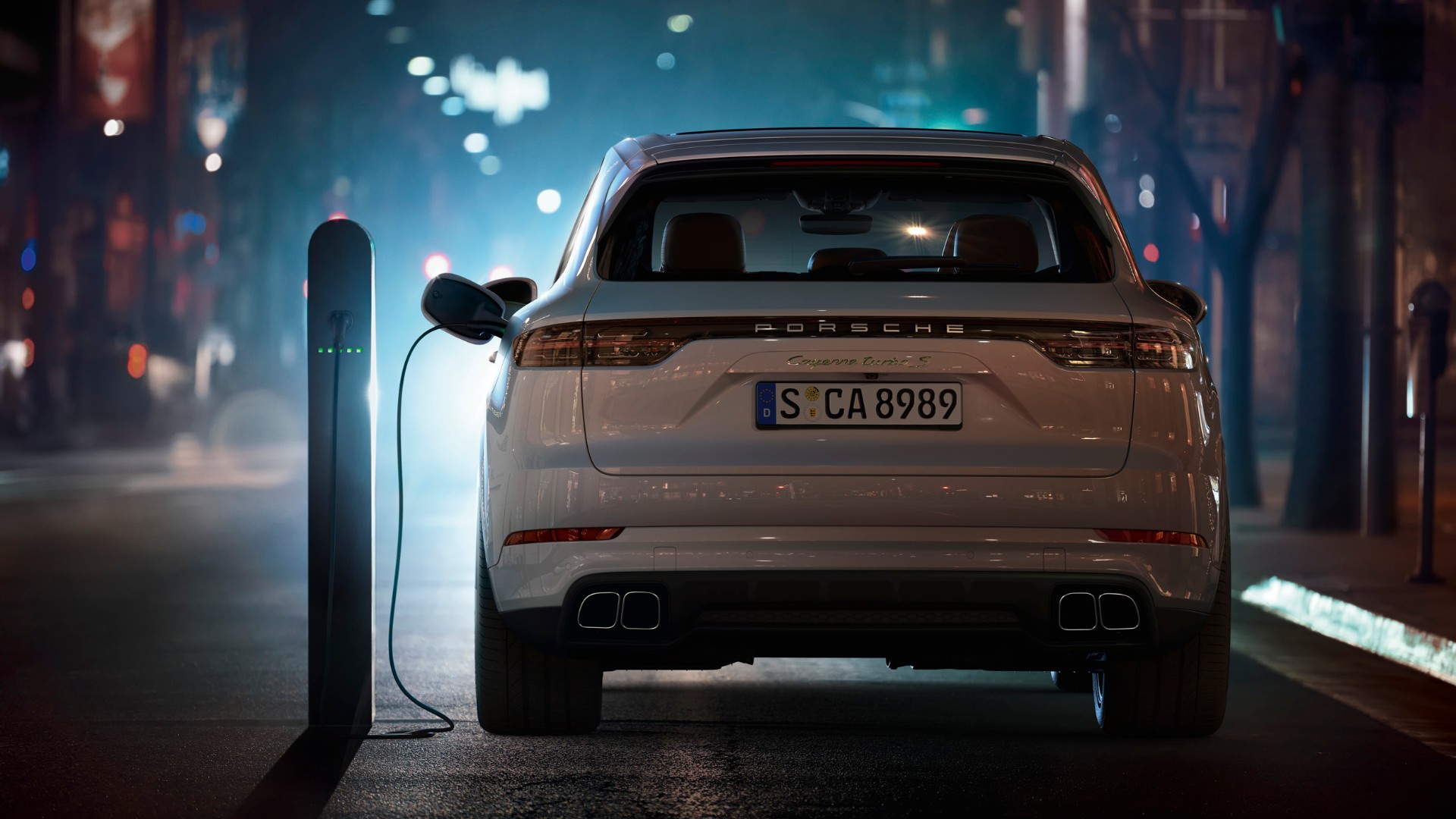
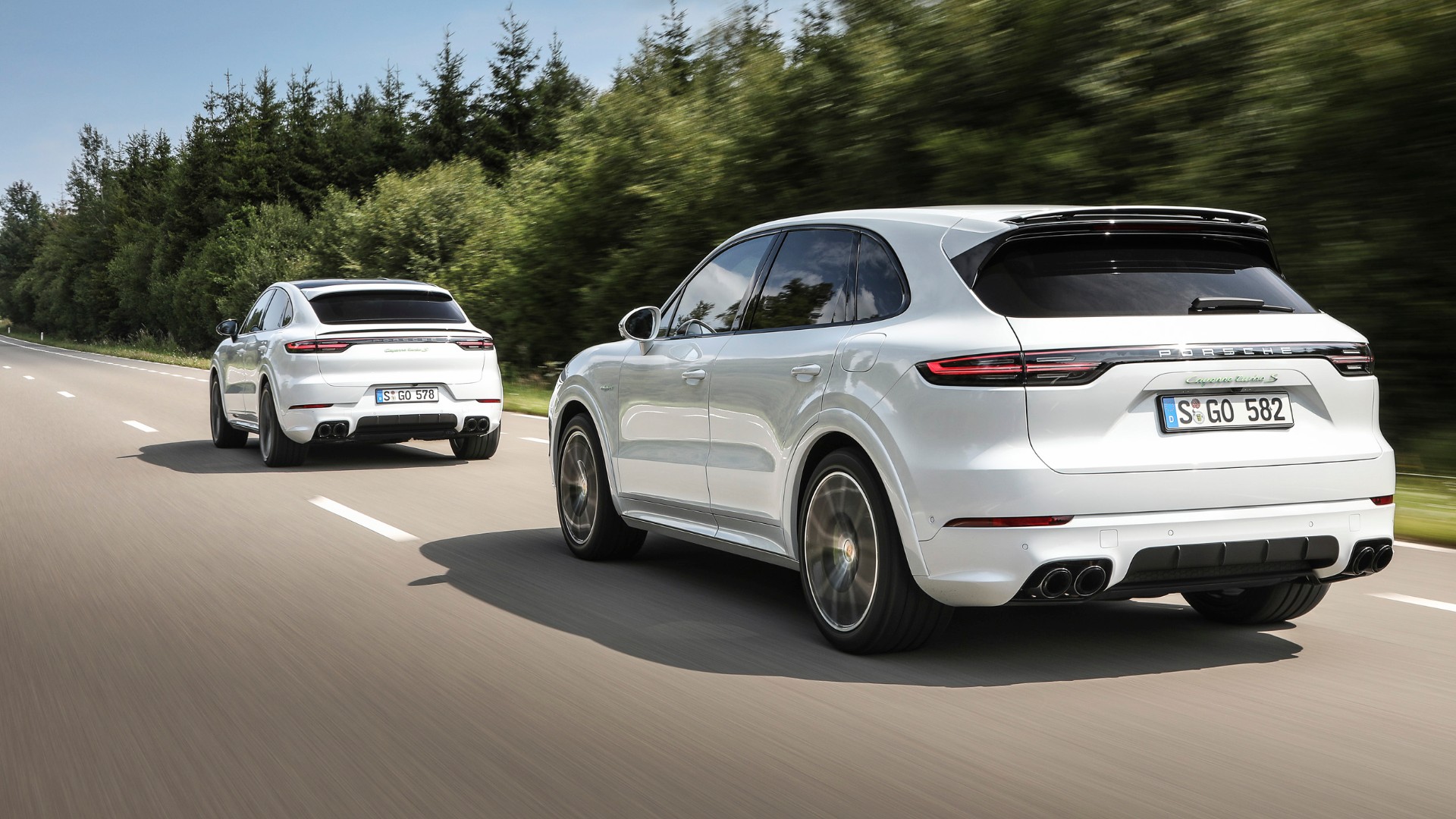
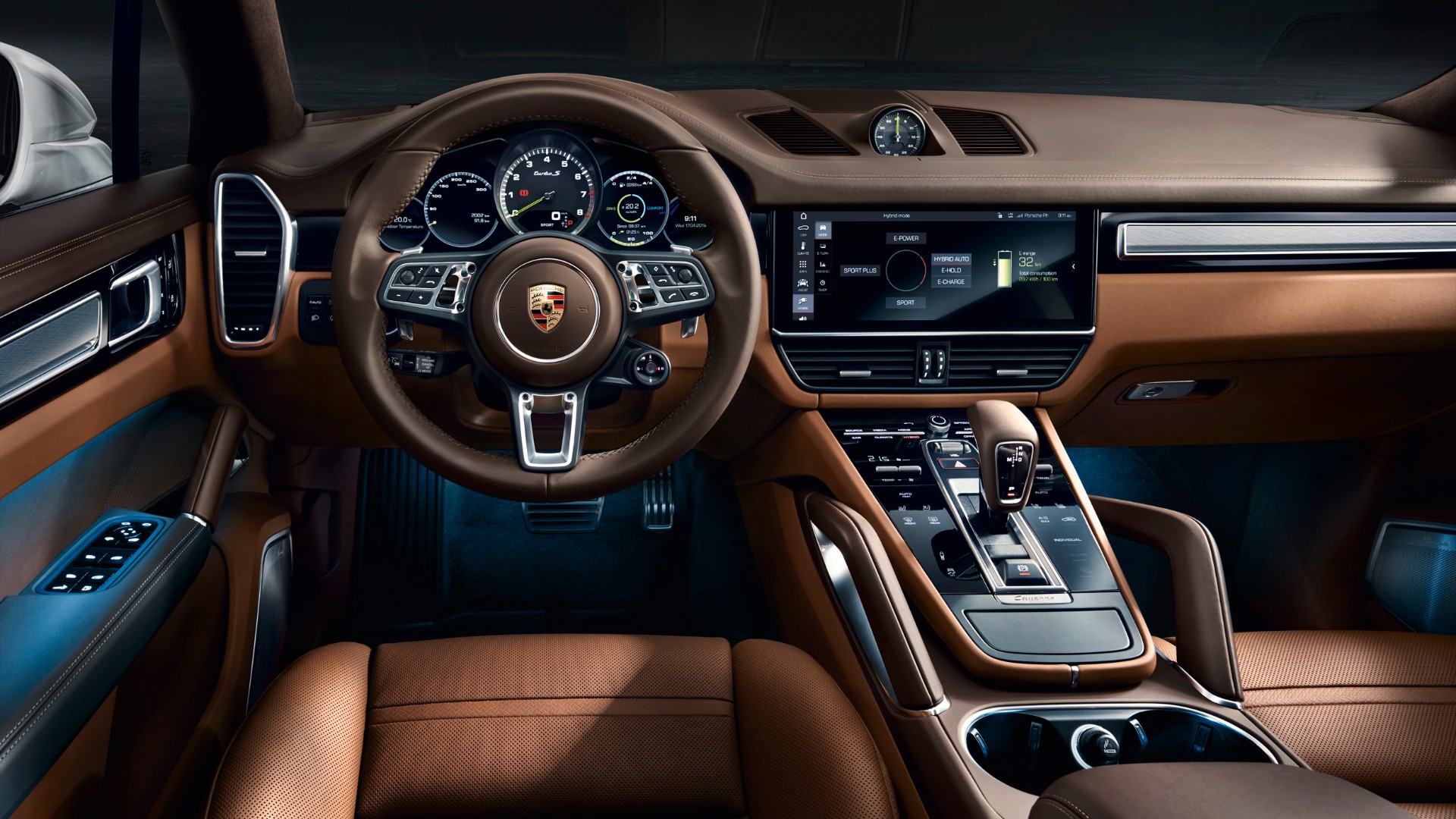
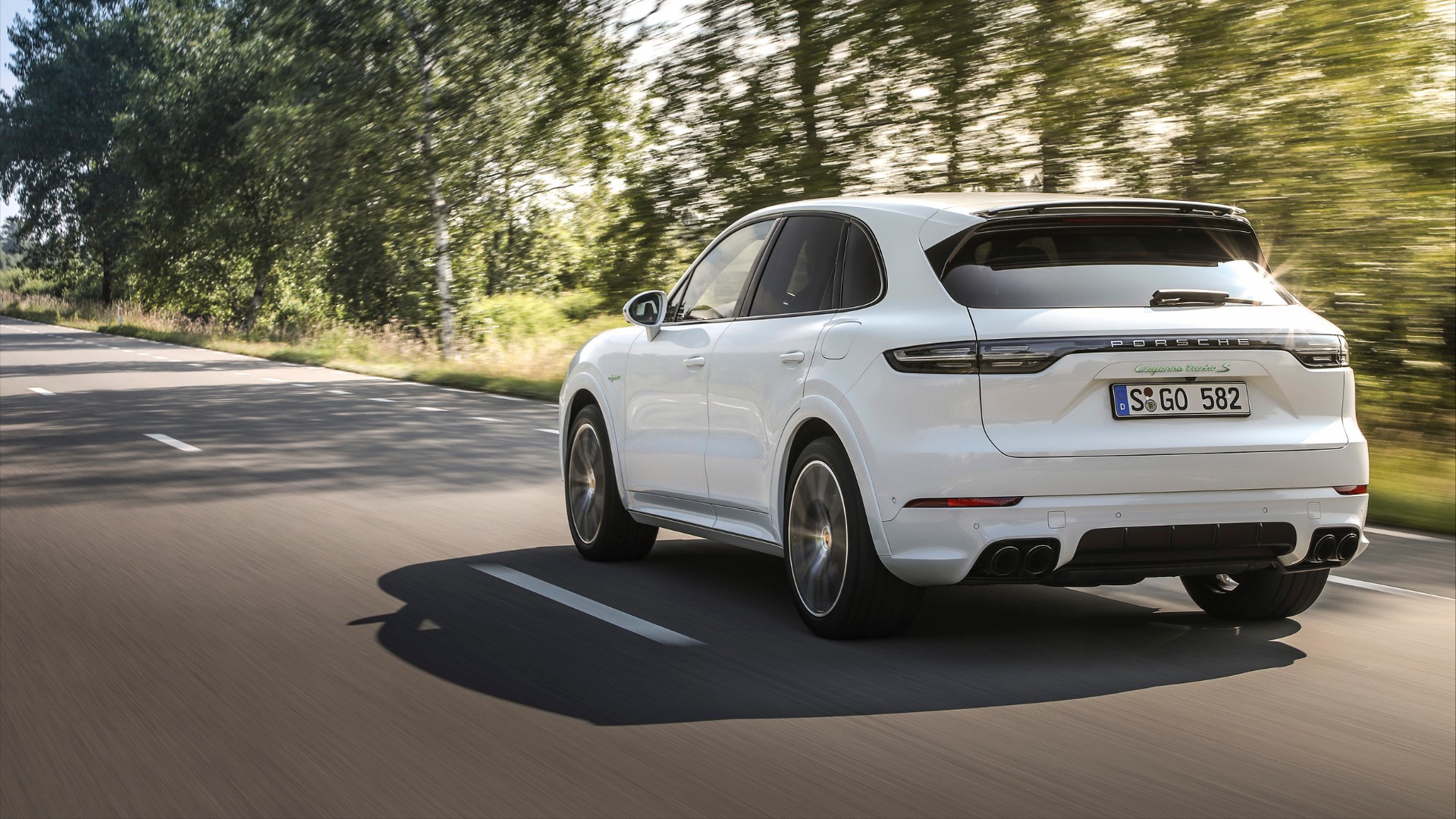
There’s a new king of the super SUVs. The Lamborghini Urus has been toppled, and its attacker comes from within the Volkswagen Group. Meet the Porsche Cayenne Turbo S E-Hybrid – an SUV with 680hp.
The flagship Cayenne also serves up a monstrous 663lb ft of torque: good for 0-62mph in 3.6 seconds and a (limited) top speed of 183mph.
Standard equipment on the Turbo S E-Hybrid includes carbon-ceramic brakes, Porsche Dynamic Chassis Control, Porsche Torque Vectoring Plus and, of course, the Sport Chrono package.
Given this rip-snorting SUV is one of the fastest cars Porsche makes, a set of supercar stoppers seems apt. What isn’t standard, however, is rear-axle steering.
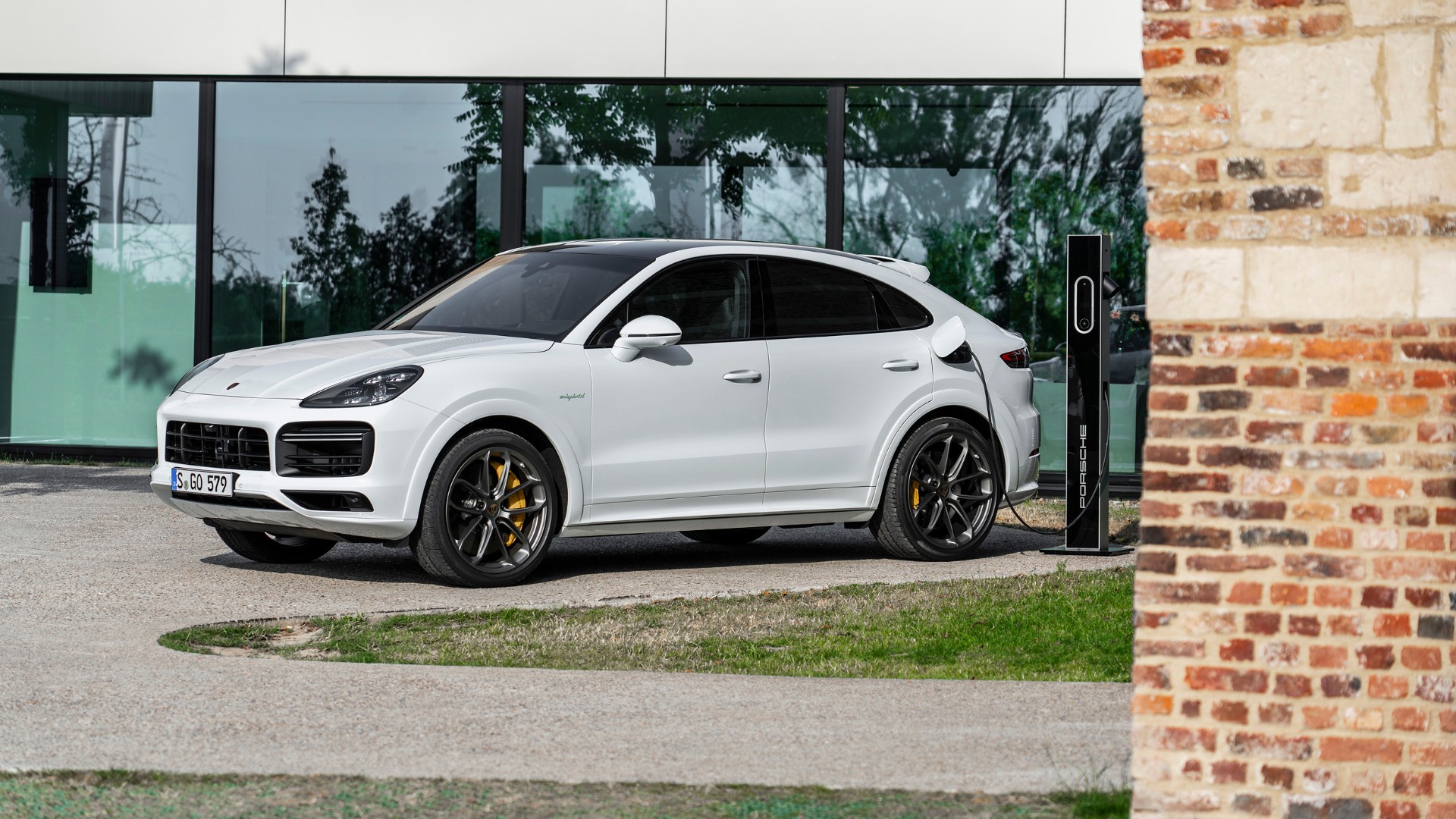
Less headline-grabbing, but no less interesting, is the fact that the Turbo S E-Hybrid will drive 25 miles at speeds of up to 84mph without using a single drop of petrol. That’s thanks to the plug-in hybrid system, which uses a 14.1kWh battery. This can be fully charged in just under two-and-a-half hours via a 7.2kW AC charger.
Indeed, while the 4.0-litre twin-turbo V8 engine provides 548hp, the electric motor serves up an extra 135hp for that 680hp total output. A couple of horses are lost in the combination process, apparently.
Three hybrid Cayennes on offer
The Cayenne also comes with a price tag befitting a supercar. For the honour of Turbo S E-Hybrid ownership, you’ll part with £123,349, and that’s before options. For comparison, the regular Cayenne Turbo is about £23,000 cheaper.
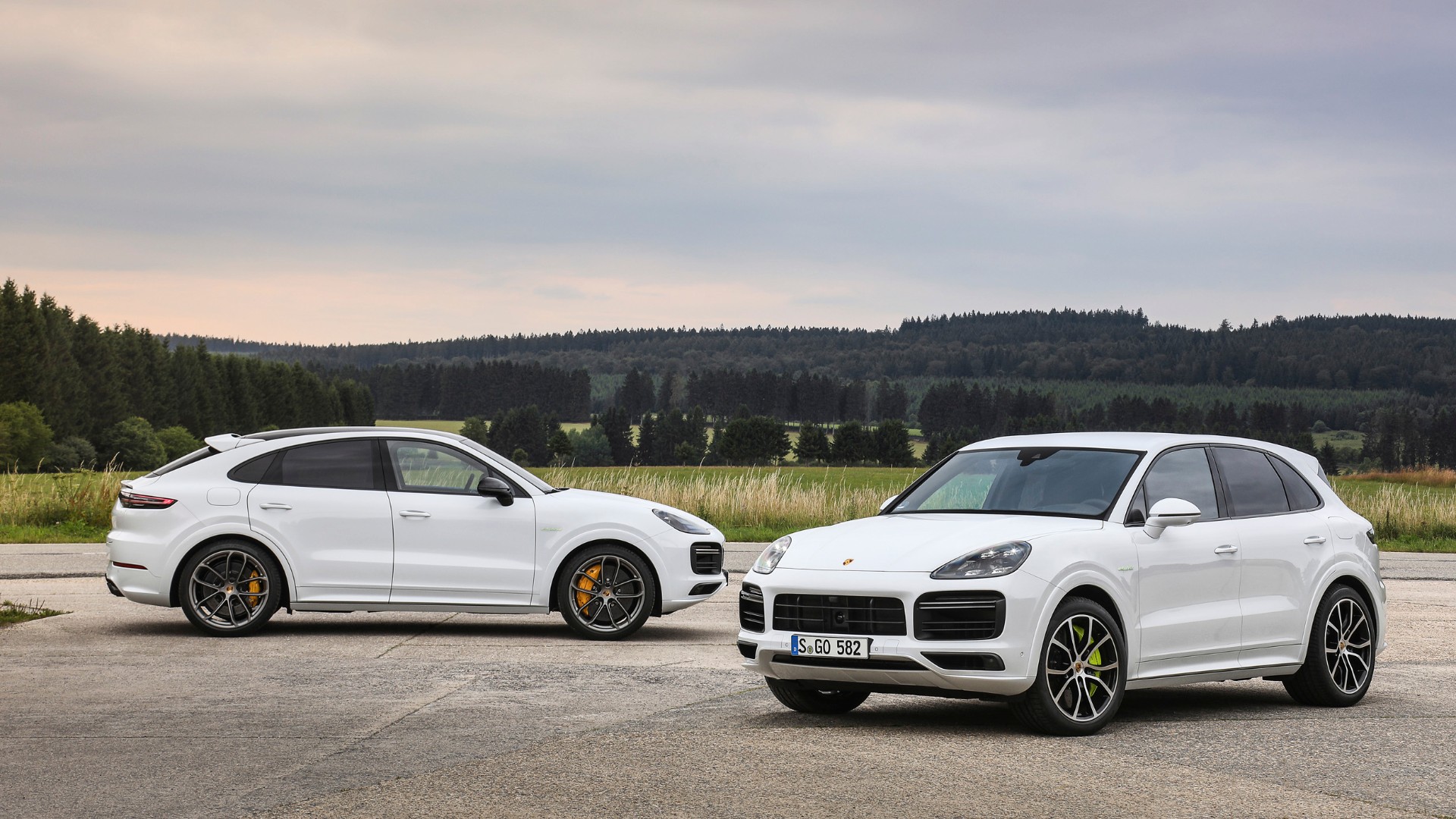
The Turbo S E-Hybrid is just one of three hybrid Cayennes revealed today, with the new Coupe variant also packing the same punch.
The standard Cayenne E-Hybrid Coupe brings up the rear, with a relatively modest 455hp from its 3.0-litre turbocharged V6 in combination with an electric motor.
In 2017, there were 773 casualties, including 43 deaths and 135 serious injuries, in collisions where a driver using a mobile phone was a contributory factor.
However, the rate of enforcement has dropped by more than two-thirds since 2011, MPs have said.
Hands-free ‘as socially unacceptable as drink-driving’
Lilian Greenwood, chair of the Transport Committee, wants the use of a mobile phone behind the wheel to be “as socially unacceptable as drink-driving”.
“Offenders also need to know there is a credible risk of being caught, and that there are serious consequences for being caught.
“There is also a misleading impression that hands-free use is safe. The reality is that any use of a phone distracts from a driver’s ability to pay full attention and the government should consider extending the ban to reflect this.”
Crucially, the report urges the government to “redefine the offence of driving while using a mobile phone to other devices so that it covers all hand-held usage, irrespective of whether this involves sending or receiving data”.
This would involve talking using a Bluetooth connection AND using smartphone mirroring technology, such as Apple CarPlay and Android Auto.
It’s not clear how MPs would enforce the ban – using a hands-free device isn’t as visible as a driver holding a smartphone. The report says the government should engage with police forces and Police and Crime Commissioners “to explore options for improving the enforcement of this offence”.
“This should include looking at opportunities for making greater use of technology.”
‘Lives are needlessly lost’
RAC head of roads policy Nicholas Lyes said: “We welcome the committee’s report and its acknowledgement of the dangers of using a handheld mobile when driving. Many lives are needlessly lost by drivers having handheld phone conversations, texting and looking at, or even posting on social media when behind the wheel.
“The RAC’s research suggests that bad habits in relation to illegal phone use while driving are on the rise once more, with a quarter admitting to making or taking a call with a handheld phone and almost one in seven admitting to taking videos or photos while driving.
“Drivers should also be aware that even if you are using a hands-free device, if you are not in proper control of the vehicle, then the police can take enforcement action.”
Claims about electric cars saving you money usually pertain to how much they cost to ‘fill up’.
Tesla’s website has a calculator that shows how much you pay for charging, allowing comparisons with a tankful of petrol or diesel. The figures are impressive, but does an electric car actually save you money overall?
MoneySupermarket has crunched the numbers to find out which fuel type ends up the cheapest over the ownership of a car. The results are interesting.
Electric versus fuel: buying and running
The overall figures are fairly damning for electric cars. At present, EVs are around £10,000 more expensive to buy than petrol-engined cars. Diesels are a bit more expensive, but still markedly cheaper than an EV upfront.
Where it gets interesting is lifetime running costs. This includes servicing and ‘fuelling’. Over the course of a year, MoneySupermarket reckons an EV could save you £500 in ‘fuel’ versus petrol, and £425 versus diesel.
Electric car servicing is cheaper, too, costing £167 on average, compared with £228 for petrol and £309 for diesel. Add up the average cost of tax, which is £143, and you’ve got an overall annual saving of £711 against petrol, and £710 against diesel.
A petrol car will cost you around £10,000 to run over six years on average, by comparison with around £6,400 for an EV. Over six years, including both purchase and running, a petrol car costs an average of £26,941. A diesel costs £36,698. Electric, meanwhile, averages out at £37,699.
Assuming that expenses stay the same, including servicing, fuel and electricity, over 12 years the saving is £7,200 in an EV. However, that still doesn’t make up the difference versus a petrol car.
In fact, it would take around 14 years for your EV to comparatively ‘pay you back’.
How to slice your monthly fuel costs
Why people haven’t switched yet
The above cost is reflected in people’s reasoning around electric cars: 51 percent would switch if they were cheaper to buy.
Inconvenience is the second major factor, with 40 percent saying they hadn’t switched to an EV because of the lack of charging infrastructure.
Then again, fuel will get more expensive and electric cars are getting cheaper. The jumping-off point is coming, sooner or later, for most car buyers. It just needs the numbers to add up – even if they don’t yet.
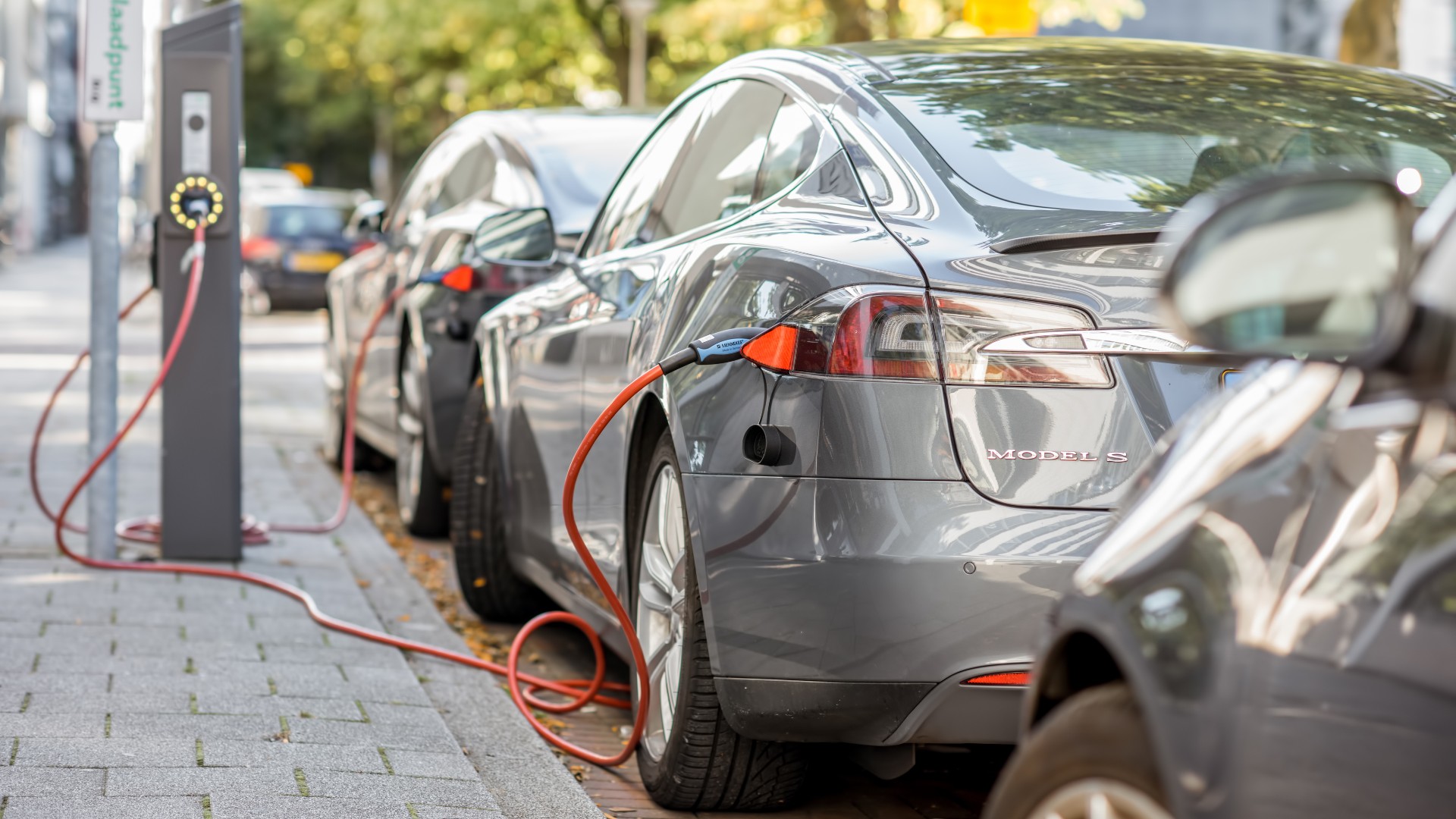
The government has allocated £2.5 million for an additional 1,000 electric car charge-points on residential streets. The funding is part of the enormous £1.5 billion Road to Zero fund.
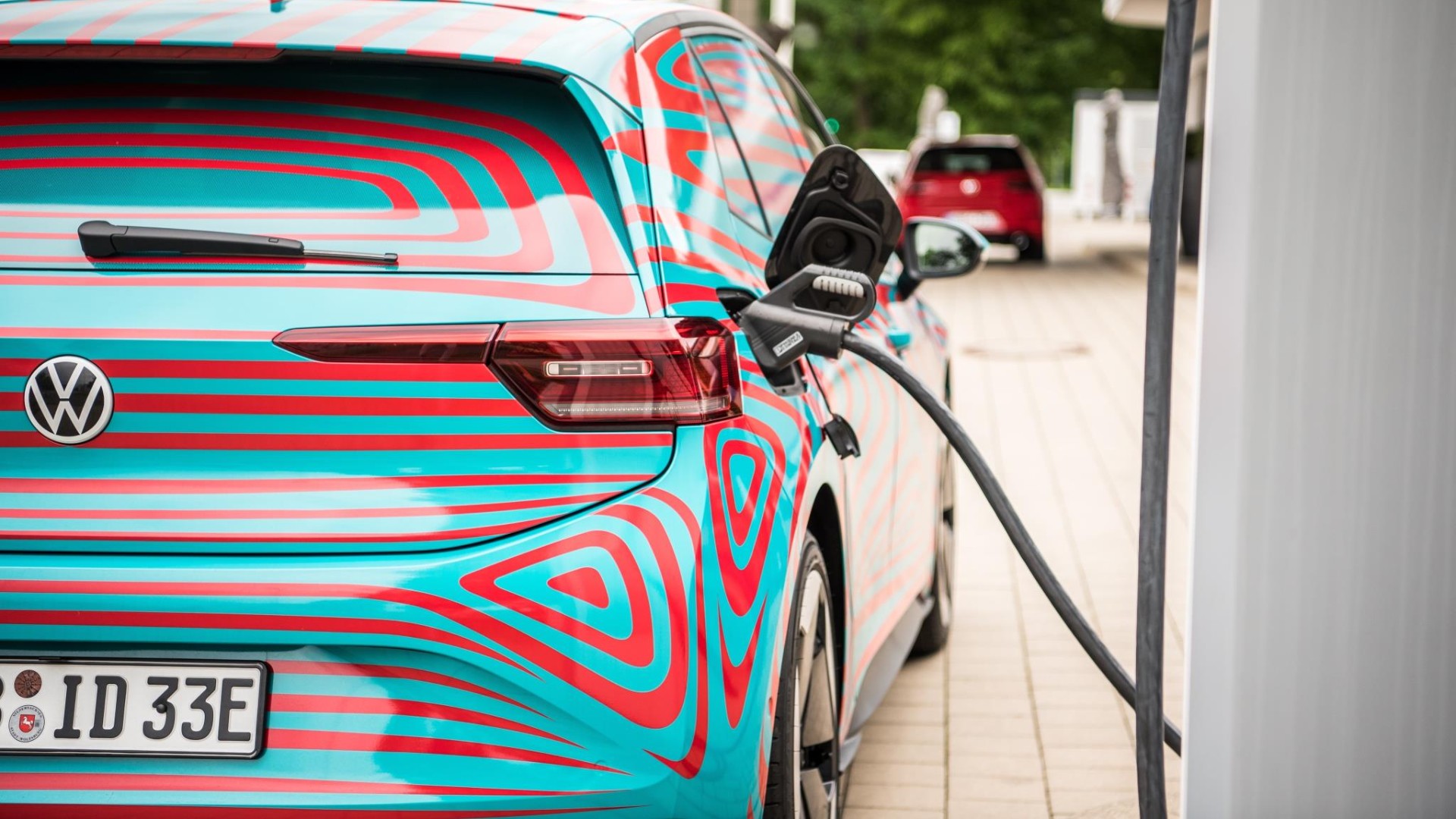
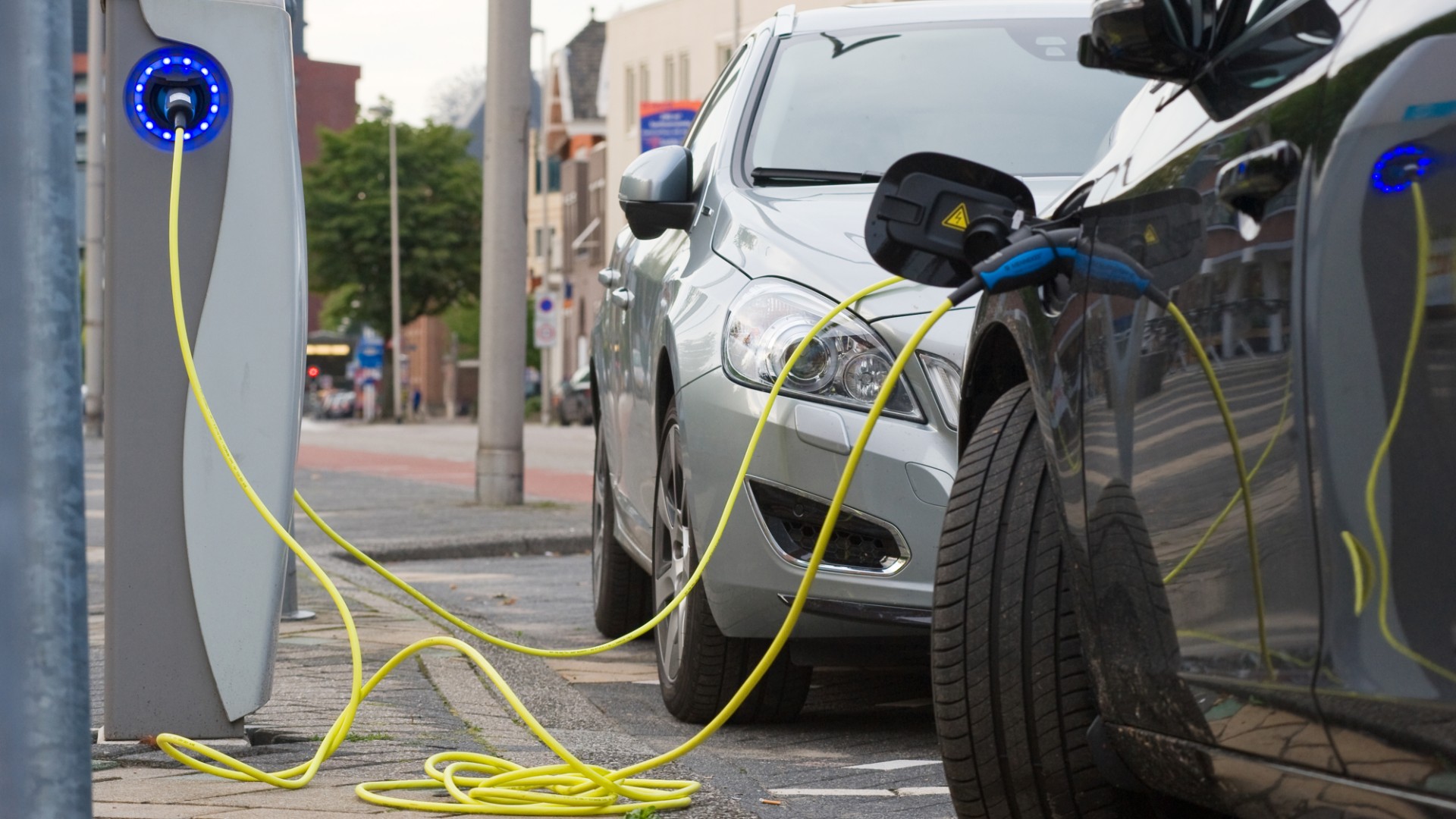
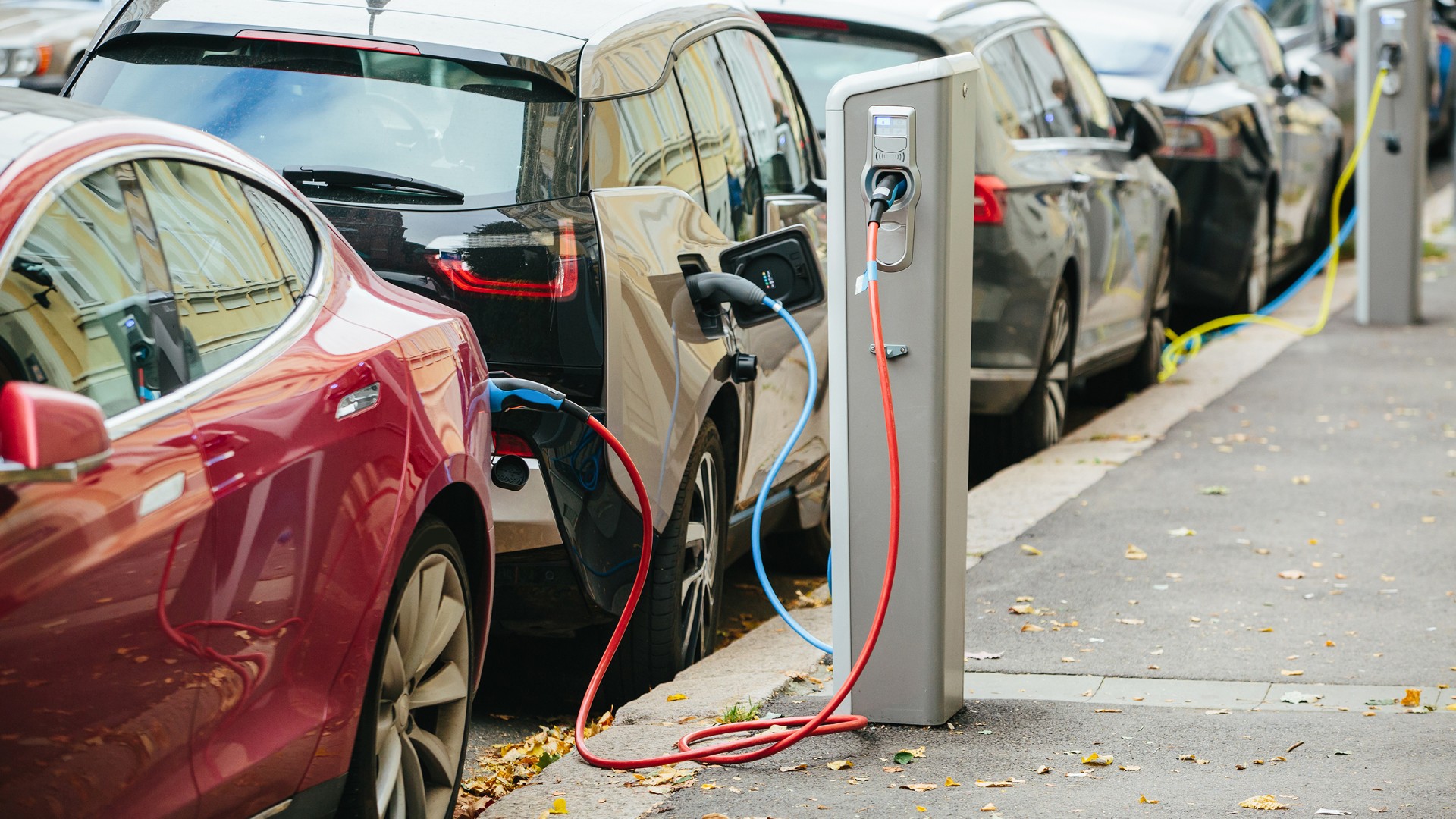
The aim is to encourage car buyers without access to off-street parking to buy EVs. A big hurdle for this demographic is the ability to charge a car when parked ‘at home’ without a drive.
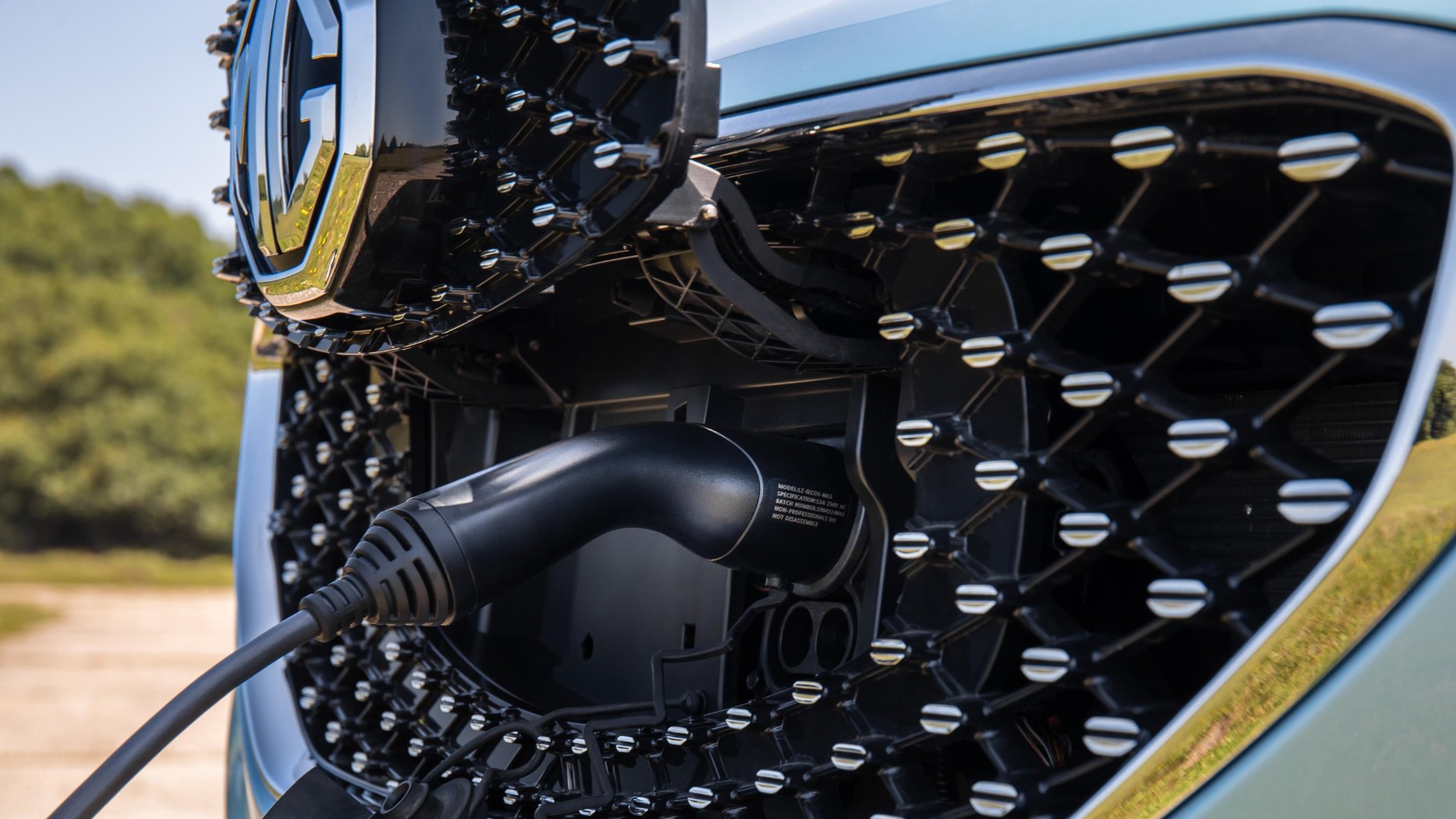
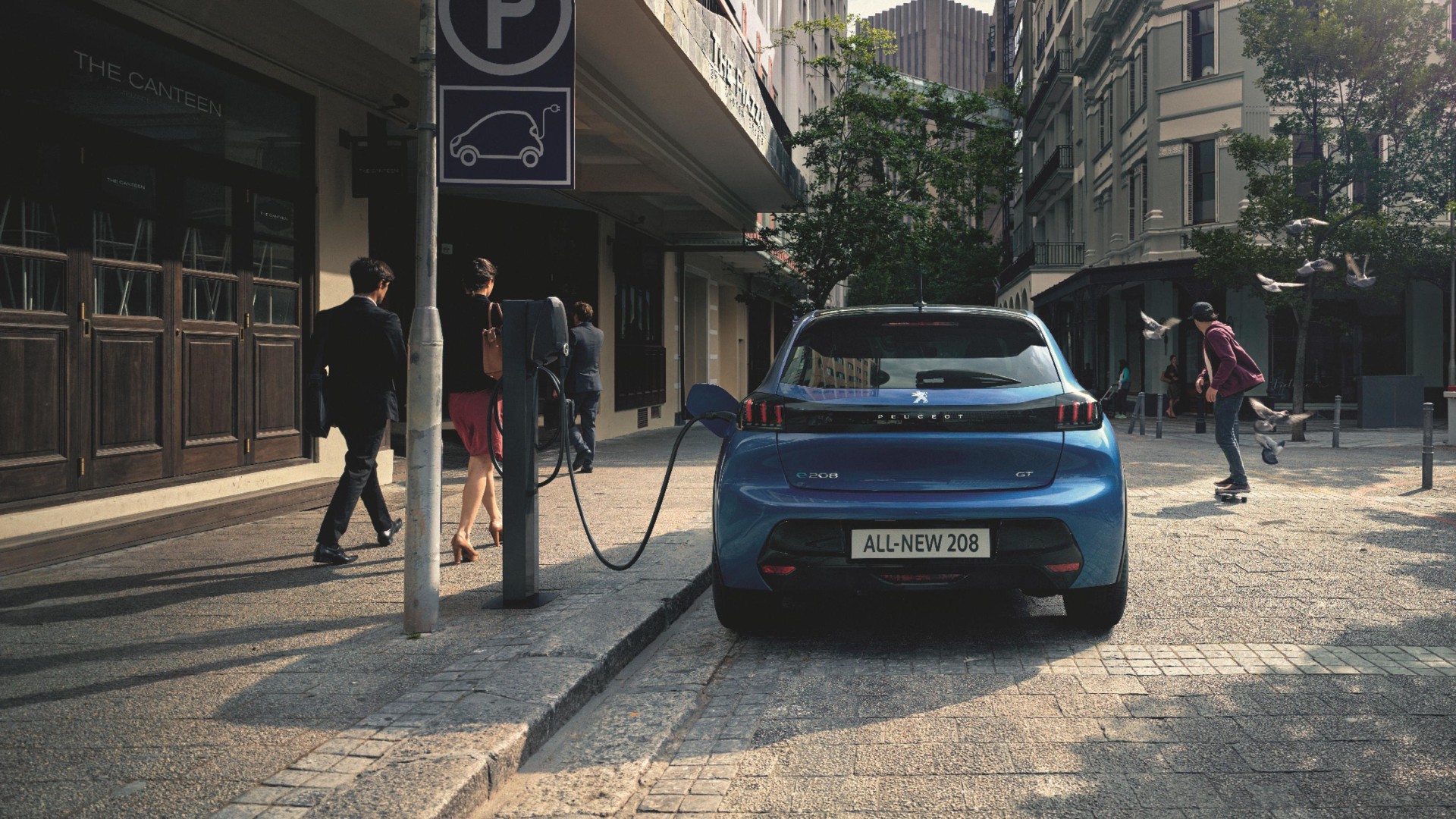
The charge-points can be built onto existing infrastructure such as lamp posts, allowing access for street-parked electric vehicles.
The added funding is a response to the 158 percent year-on-year increase in fully-electric vehicle sales as of July 2019. Research indicates that one of the main hurdles to EV adoption in the eyes of car buyers is adequate charging infrastructure.
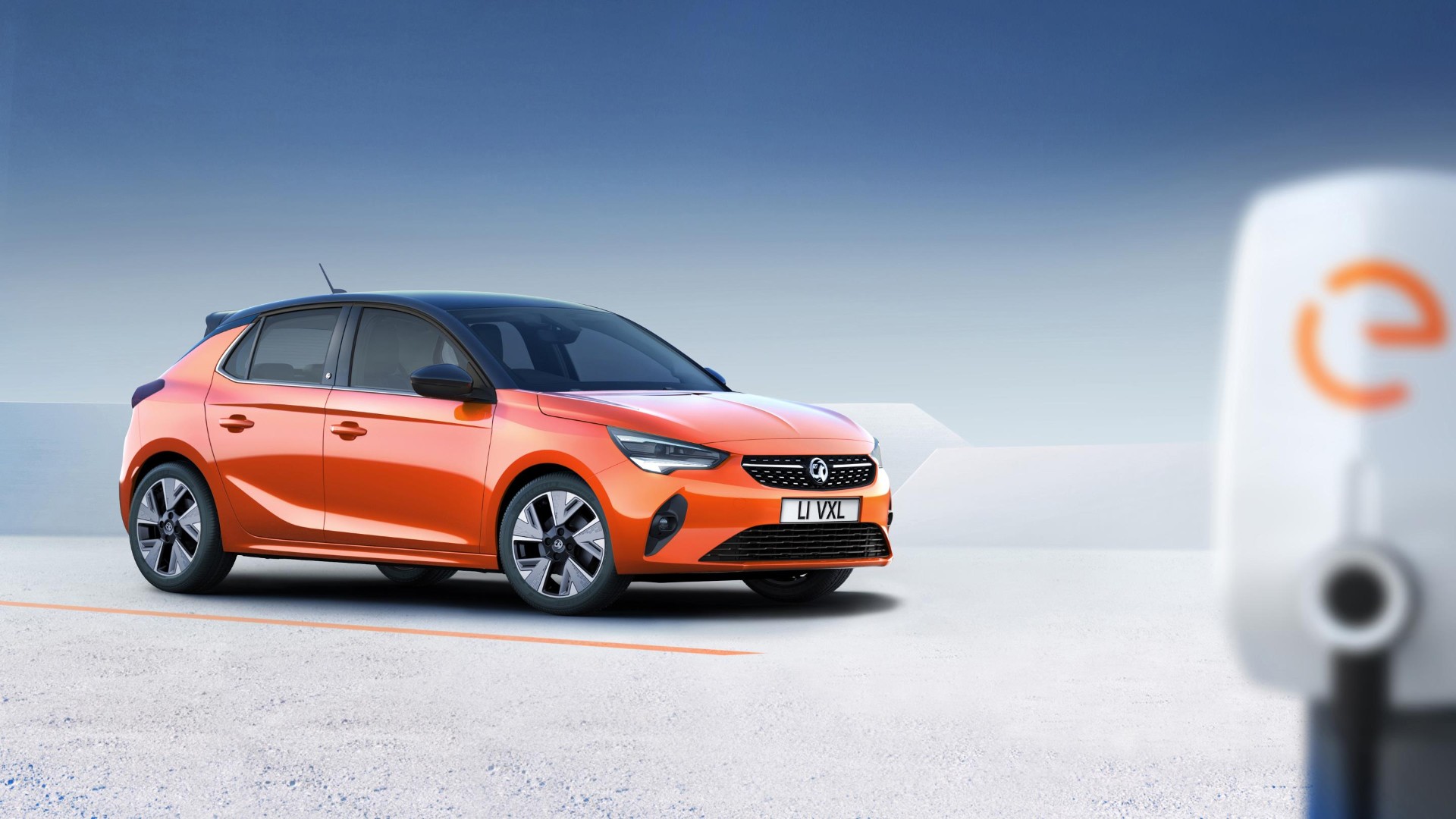
On top of this, there’s the cost of electric cars. However, a number of affordable EV models will have come to market by this time next year, including the Vauxhall Corsa-e, Peugeot e-208 and the Volkswagen ID.3. They will join affordable electric-only models from Renault, Nissan, Kia, Hyundai and MG.
Cheaper EVs should result in more accelerated uptake – hence the improved infrastructure.
“It’s fantastic that there are now more than 20,000 publicly accessible charge-points,” said the new transport secretary, Grant Shapps.
“But we want to do more. It’s vital that electric vehicle drivers feel confident about the availability of charge-points near their homes, and that charging an electric car is seen as easy as plugging in a smartphone.”
“That’s why we are now doubling the funding available for local authorities to continue building the infrastructure we need.”
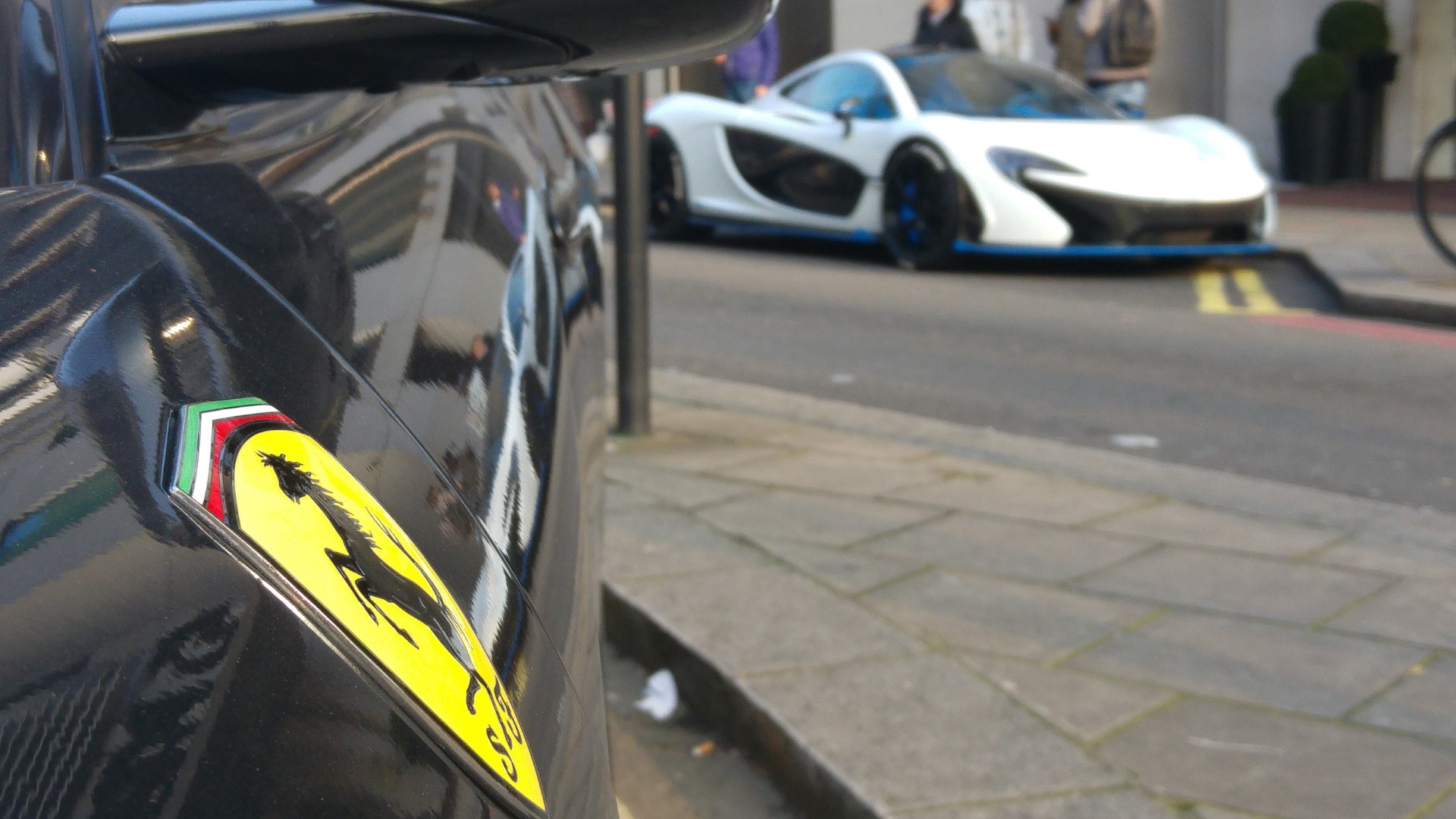
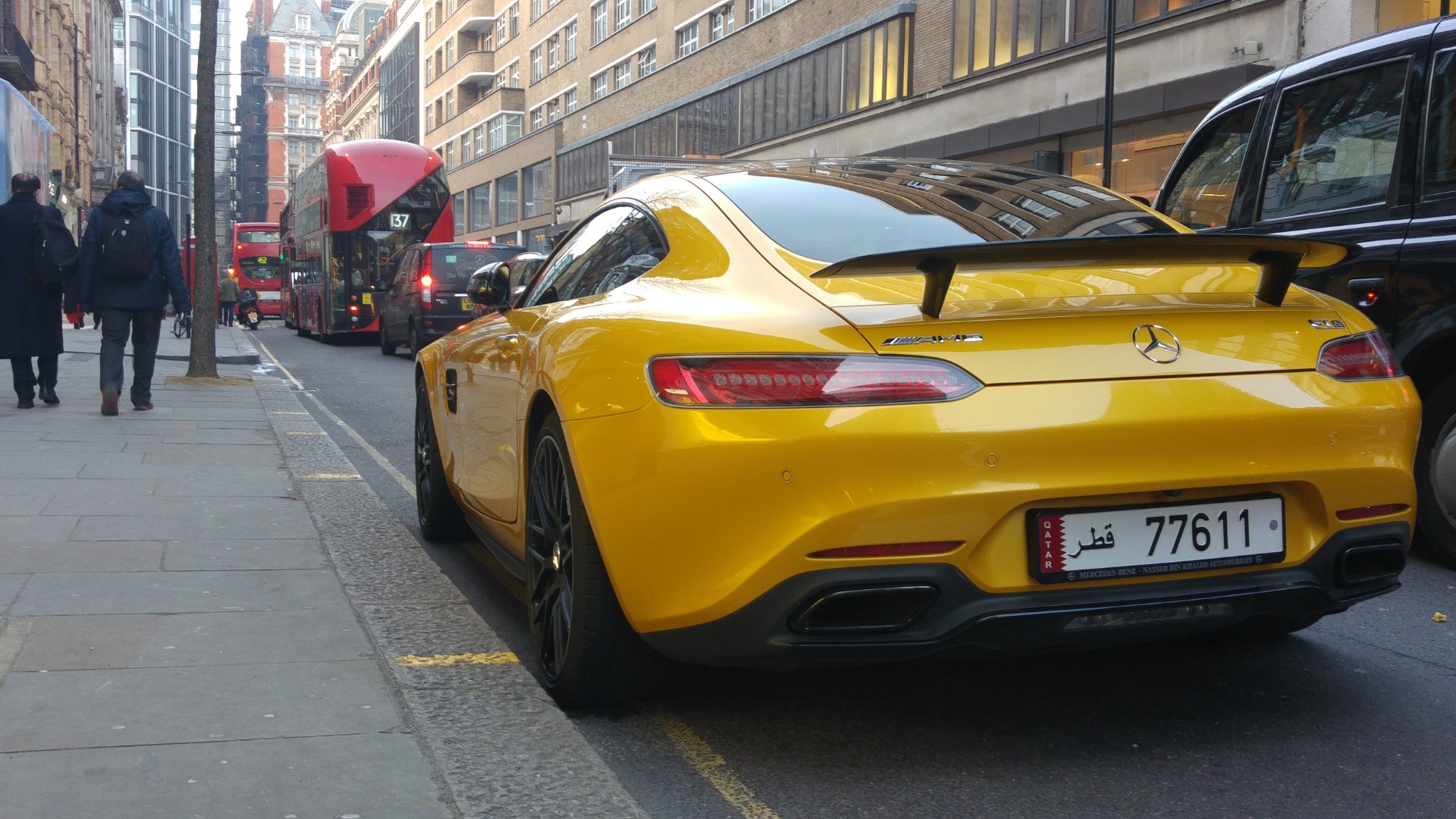
Kensington and Chelsea council wants ‘acoustic cameras’ to be trialled in the borough. The aim is to deter supercar drivers using the local areas as ‘race tracks’.
The area of London has become a popular meeting point for supercar owners, who come to show off, rev their engines and – occasionally – race in the streets.
The situation has escalated over the last 10 years and is approaching a “crisis point” according to local authorities. Kensington and Chelsea councillor Johnny Thalassites has appealed to the government to include his borough in a coming trial for acoustic cameras.
“Powerful cars need careful handling and, unfortunately, our borough has seen and heard how certain drivers mistake our streets for a car show” said Thalassites.
“This has been going on for years and it’s reaching crisis point. Acoustic cameras would give us a powerful new tool to catch drivers flouting the rules of the road.”
Instead of being triggered by speed (although they will likely sensitive to speed, too), the cameras will be triggered by excessive noise.
As supercars drive by revving, the cameras will detect the excessive decibels, beyond the legal limit of 74db for a car.
The Department for Transport announced recently that a seven-month trial for the cameras was planned. The London supercar hotspot was not on the list of regions the trials were planned for.
Even without cameras, there are measures in place to punish noisy drivers. Fines of £1,000 were introduced in 2015 for drivers making excessive noise in the area.
Nearly 150 have been given out since they were introduced, although they don’t appear to have solved the issue.
Monterey Car Week brings together auto enthusiasts from across America and beyond in a celebration of all things motoring.
Along with marquee events like Pebble Beach Concours d’Elegance and the Monterey Motorsport Reunion, collector car auctions are also a major part of proceedings.
We have information on the seven biggest sales taking place, along with highlights of the cars which will be taking center stage on the auction block.
Mecum Auctions Monterey Sale
When: Thursday August 15 through Saturday August 17 Where: Hyatt Regency Monterey Hotel and Spa, Monterey, CA Entry: $20 per day in advance, $30 per day on the door
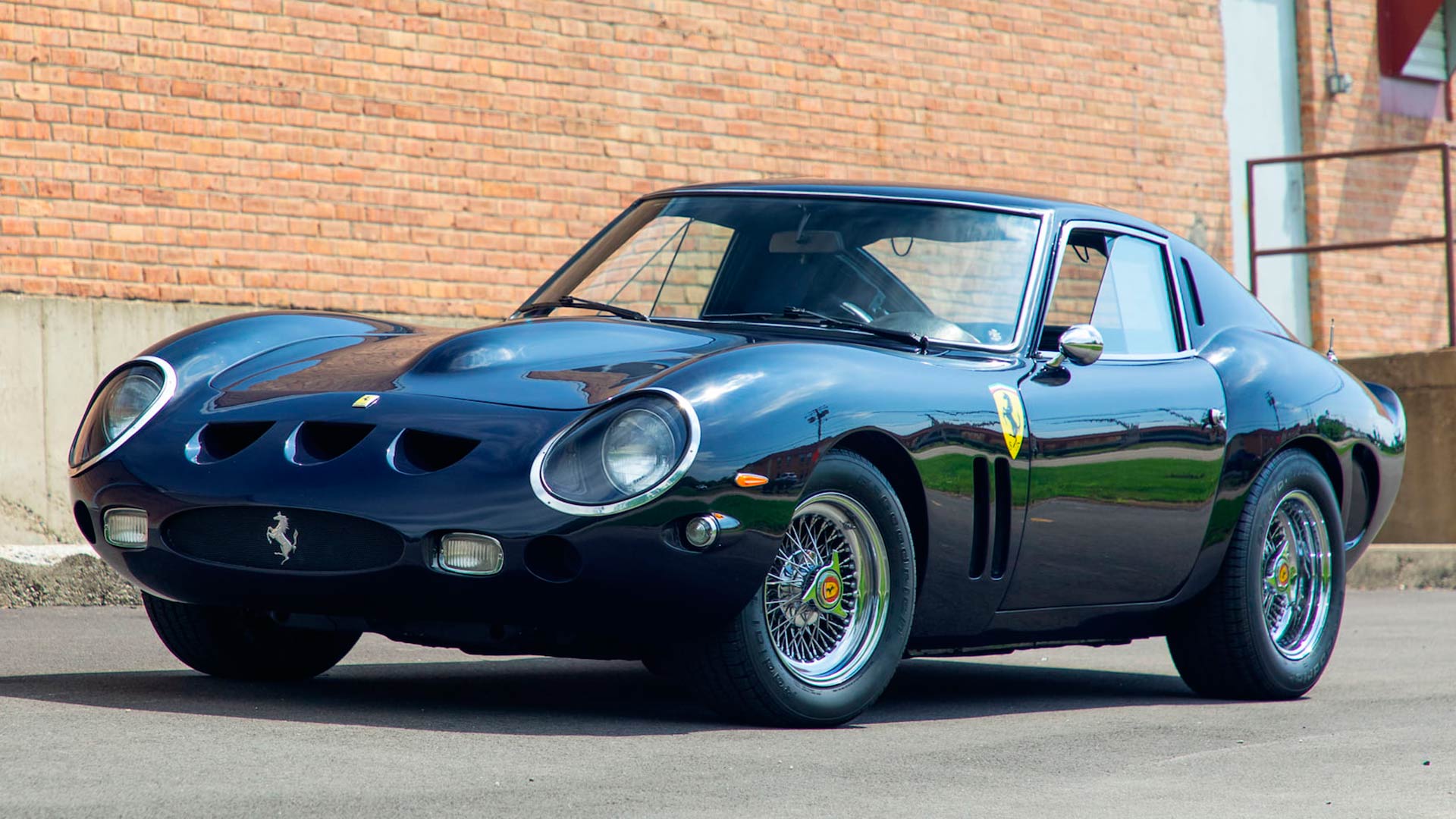
With 600 collector cars up for grabs, the Mecum Monterey sale is one of the largest by volume at Car Week. From incredible hot rods, to classic Porsches and modern hypercars, there is almost certainly something for everyone.
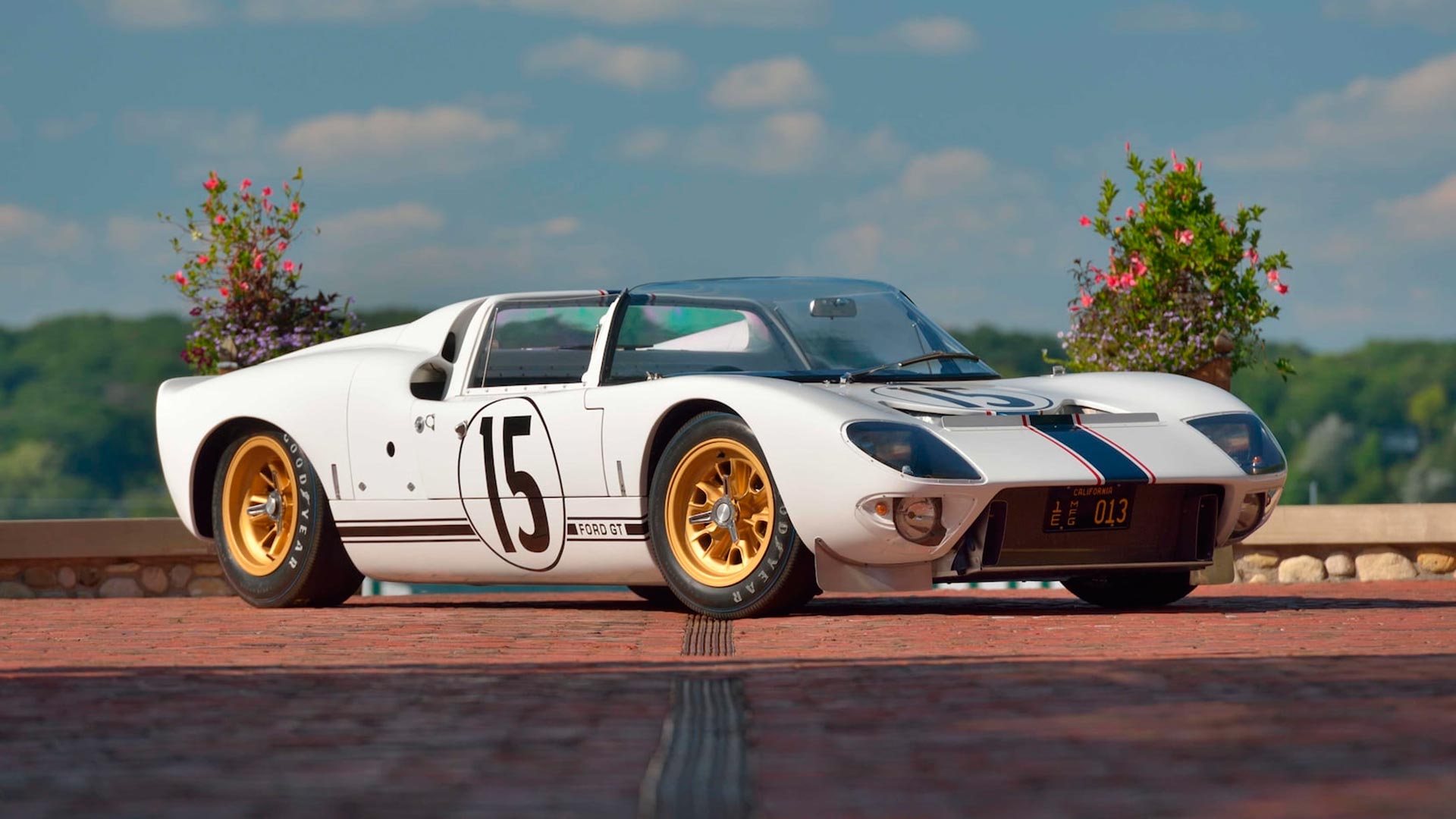
Highlights include one of the two surviving Ford GT40 Roadster prototypes, the 1956 Thunderbird driven in the film American Graffiti, and even genuine IndyCar racers.
The Alpha One GTO Coupe Ferrari 250 replica is also available, and was most famously used in the 2001 movie Vanilla Sky, featuring Tom Cruise.
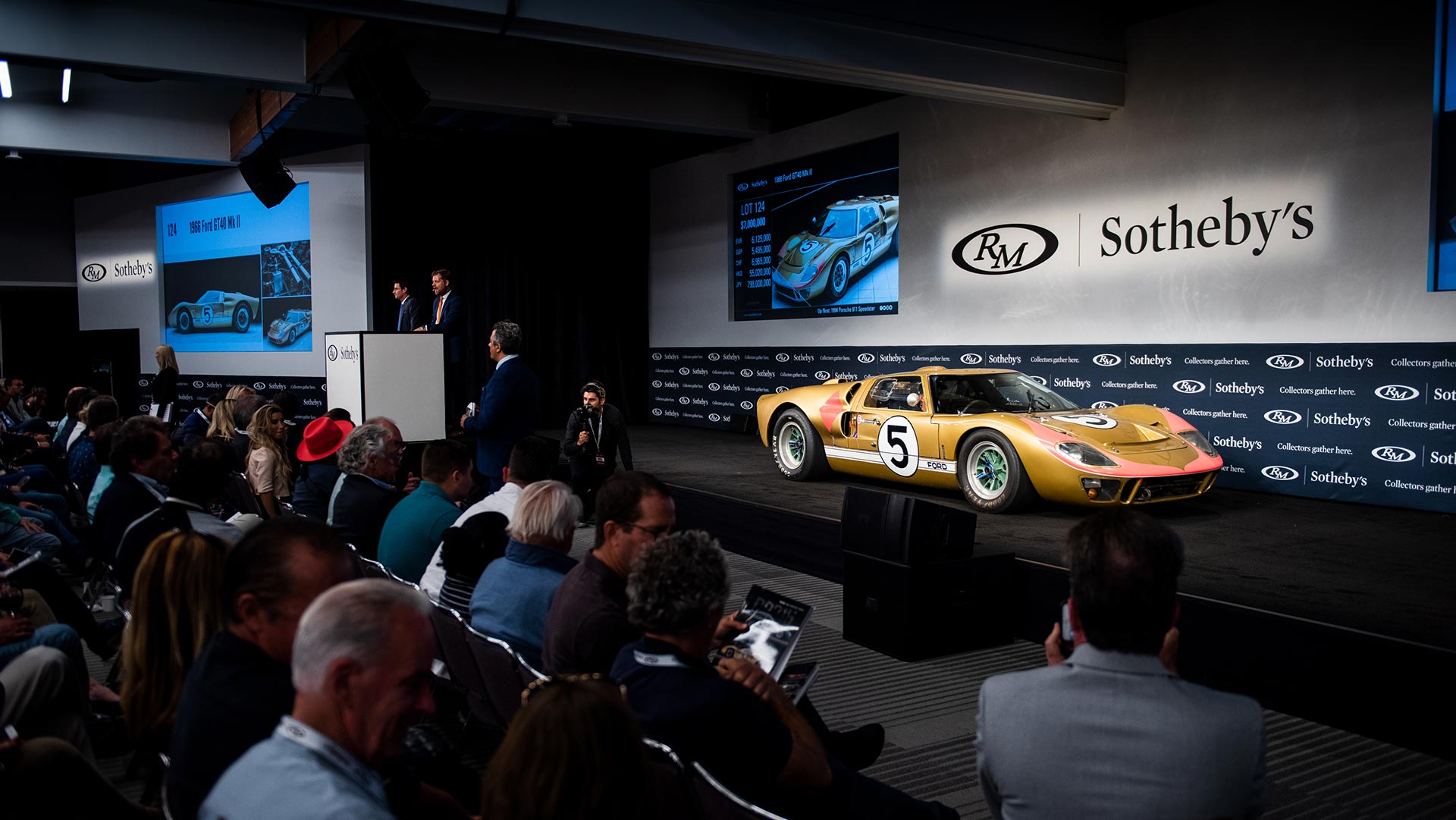
RM Sotheby’s Monterey 2019
When: Thursday August 15 through Saturday August 17 Where: Monterey Conference Center, Monterey, CA Entry: Sale for registered bidders only, $40 for public preview times
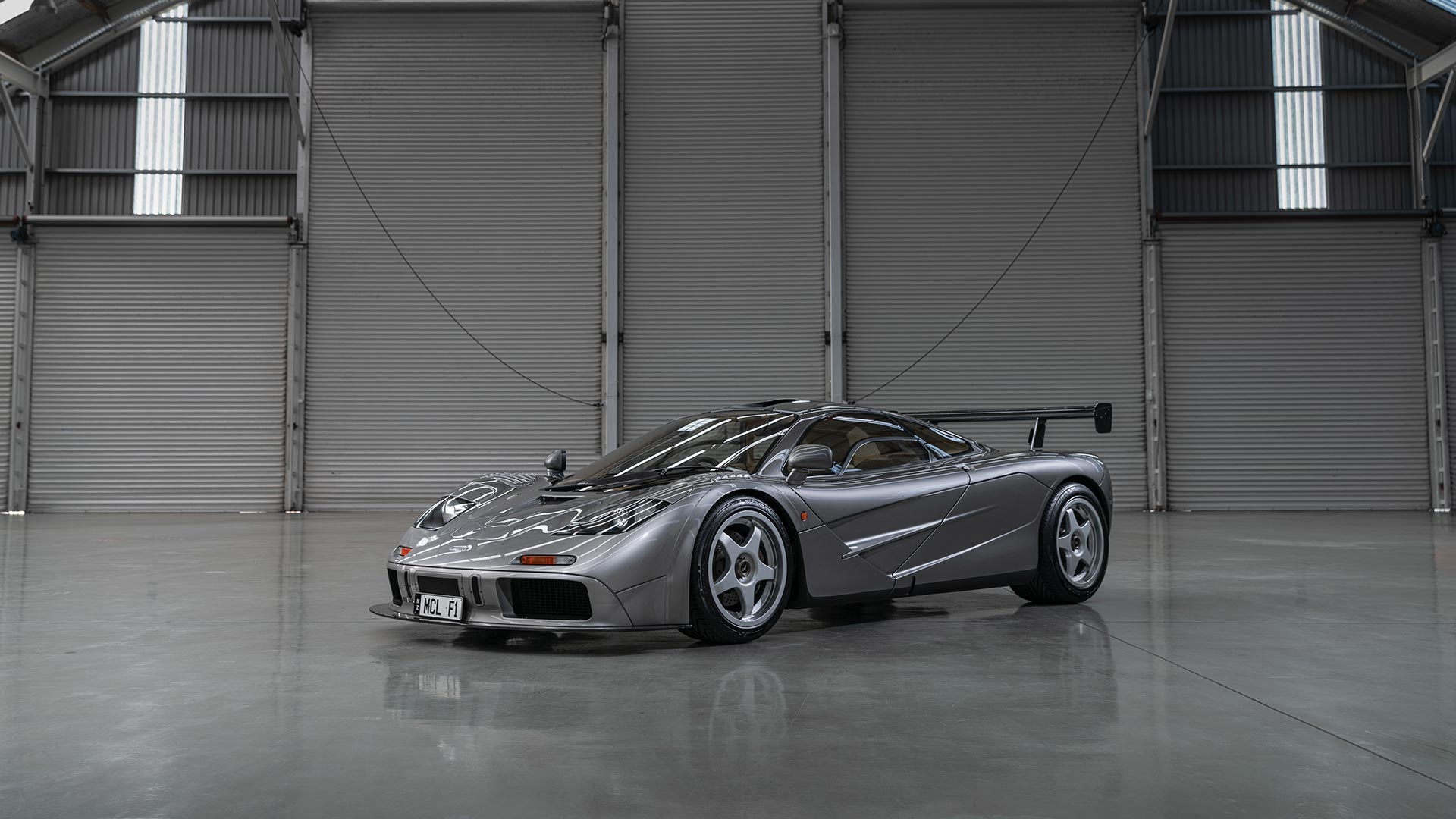
Although the RM Sotheby’s sale may have fewer cars on offer than Mecum, it certainly makes up for this in terms of estimated sale prices. The 1994 McLaren F1 is expected to achieve over $21 million, whilst a 1963 Ferrari 250 California SWB Spider holds an estimate of $10.5 million.
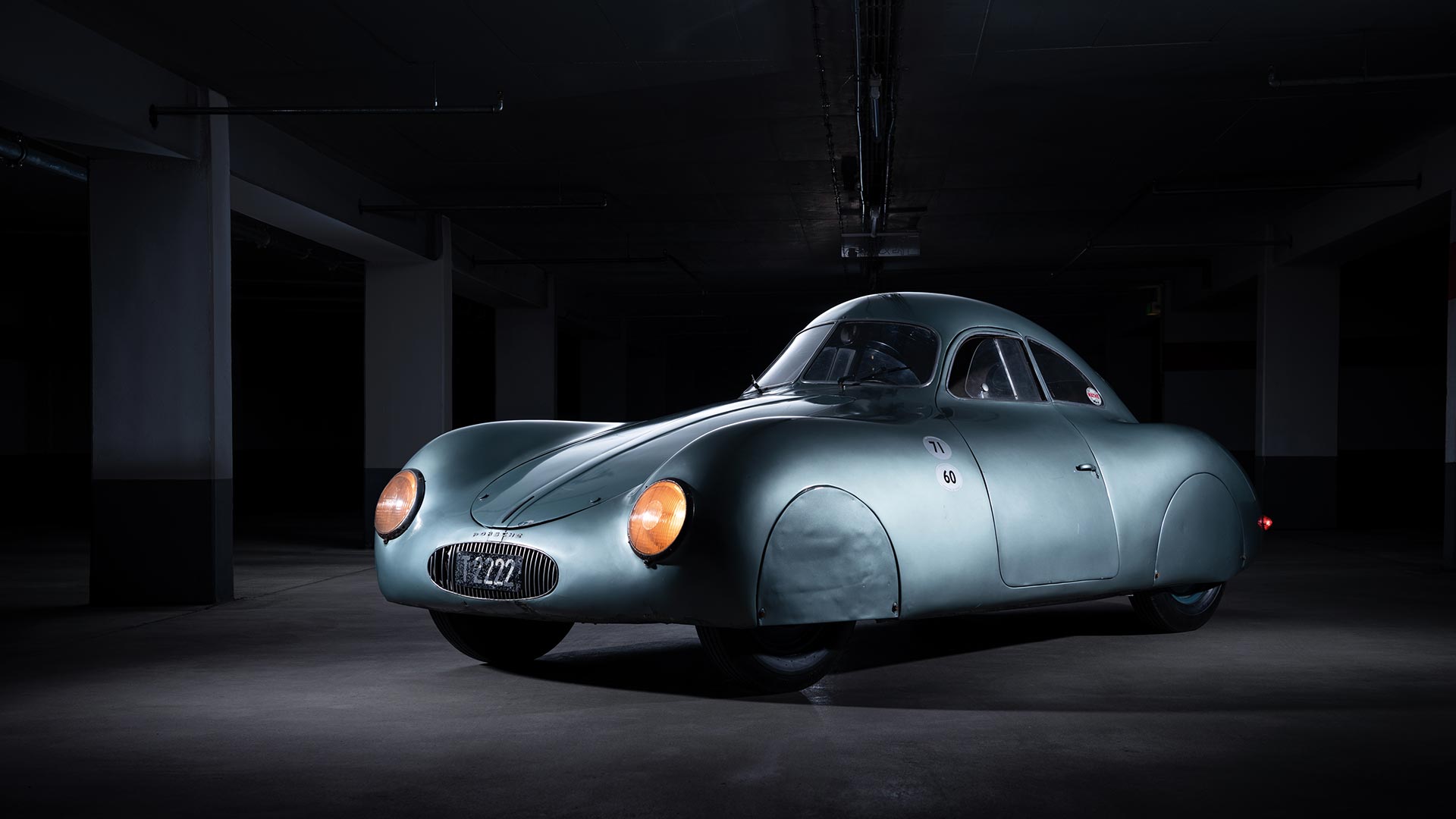
The 1939 Porsche Type 64 is regarded as the oldest, and most historically significant, car to ever wear the Porsche badge. Bidding is expected to be fierce for the chance to own this automotive origin story.
RM Sotheby’s also has a Ford GT40 Roadster Prototype on offer, in case a buyer misses out on the car being sold by Mecum.
Bonhams Quail Lodge Auction
When: Thursday August 15 through Friday August 16 Where: Quail Lodge and Golf Club’s West Field, Carmel, CA Entry: $40 general admission, $120 Quail Lodge Catalog set
Held as part of the prestigious Quail motorsport gathering, the 22nd annual Bonhams auction is designed to appeal to the most discerning of automotive collectors.
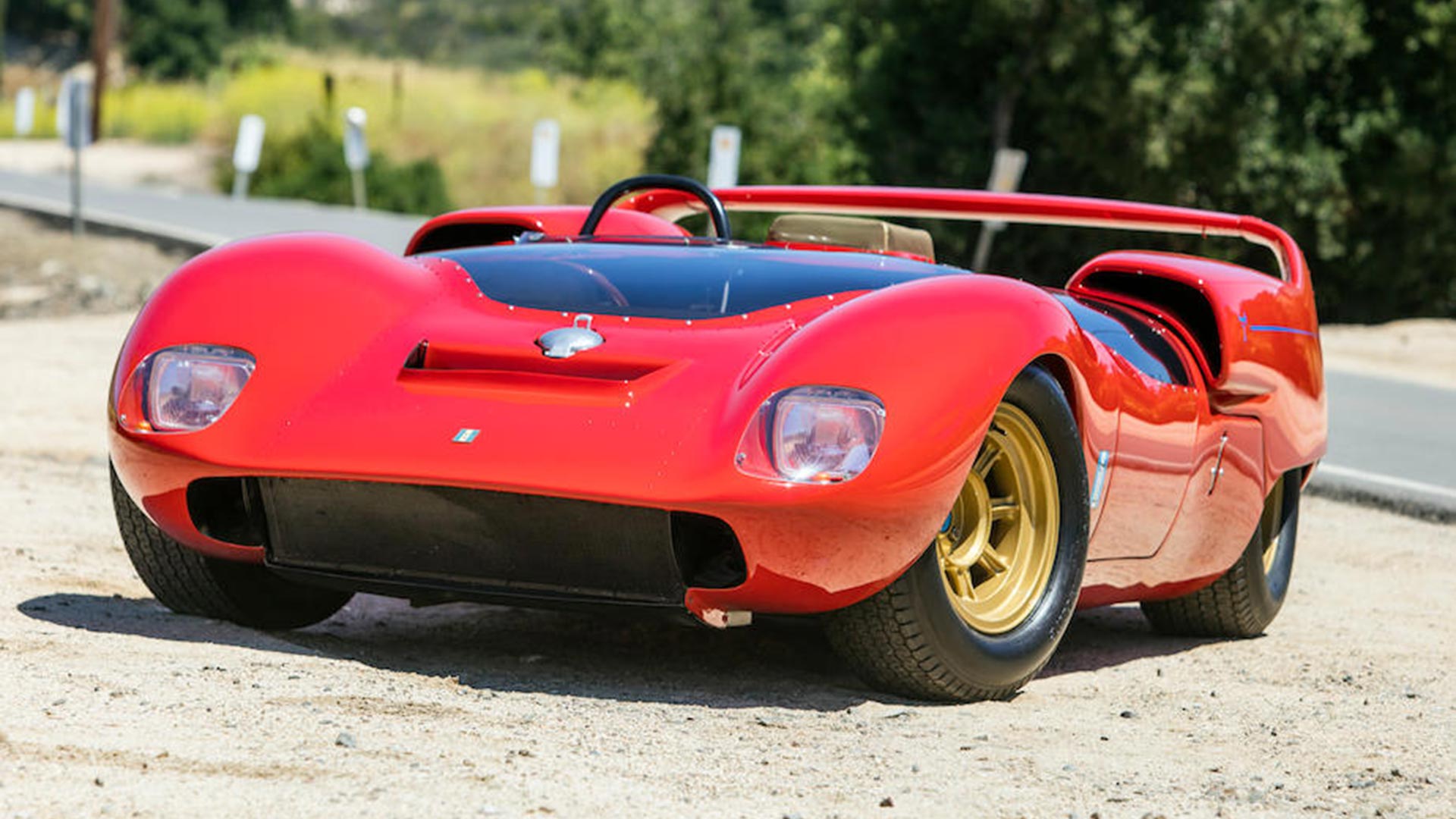
In keeping with other Monterey auctions for 2019, a Porsche is one of the stars, with a 1959 718 RSK Spyder likely to draw big money. A 1965 Shelby/De Tomaso Can-Am racer, with bodywork designed by Peter Brock, does offer an intriguing alternative.
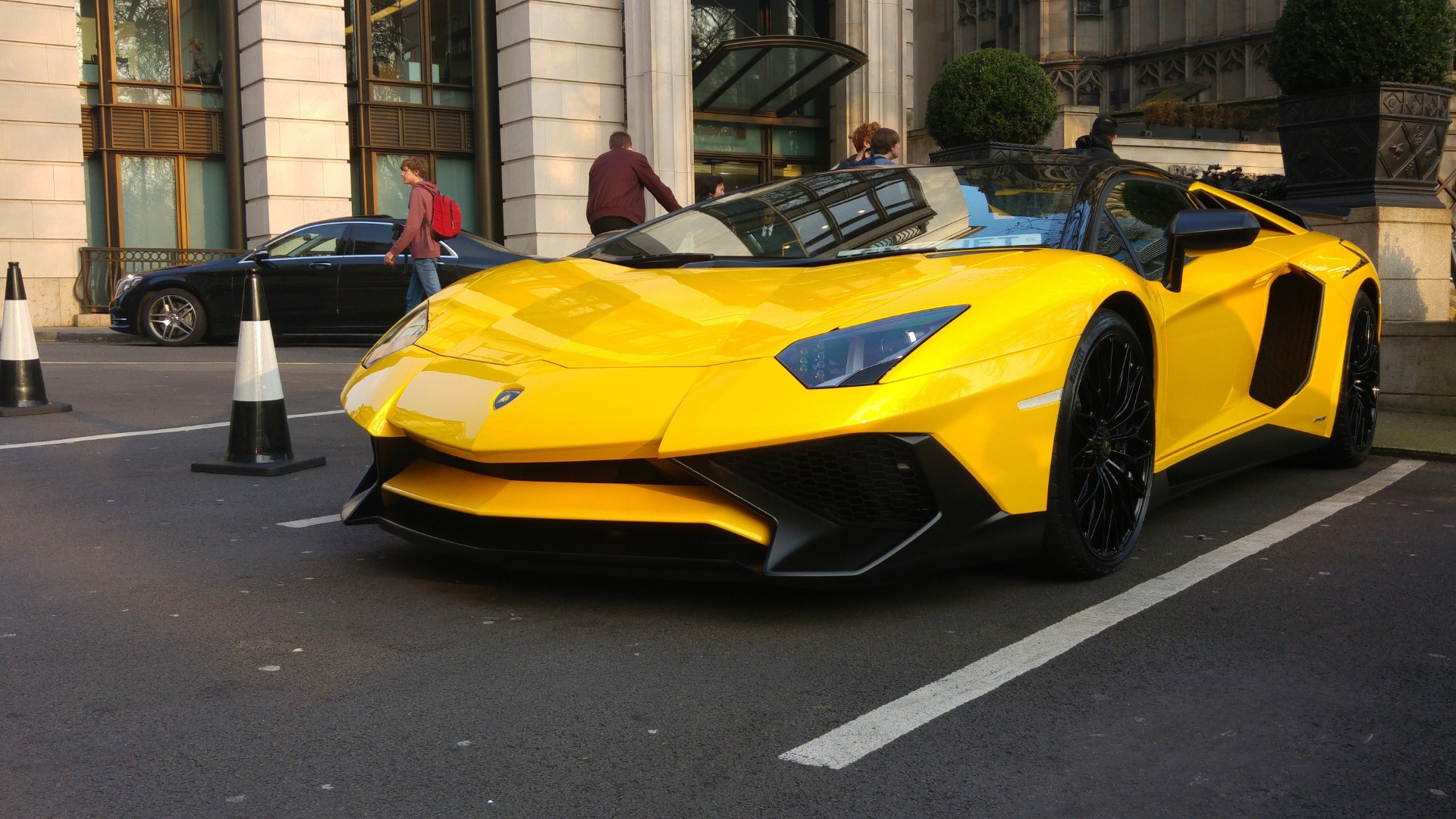
More modern supercars like the Ferrari F40 and Lamborghini Aventador are mixed with vintage offerings, whilst a $20,000 1979 Lincoln Mark V is possibly one of the cheapest cars on offer anywhere for Monterey Car Week.
Russo and Steele Monterey 19
When: Thursday August 15 through Saturday August 17 Where: 290 Figueroa Street, Monterey, CA Entry: $30 general admission
Located right in the heart of downtown Monterey, the Russo and Steele 2019 auction includes an eclectic variety of modern and classic cars.
A 1955 Mercedes-Benz 300SL Gullwing which has been owned by the same family for four decades is the major highlight. The achingly pretty 1965 Shelby Cobra 289 is also expected to generate a sale price in excess of $1.1 million.
One intriguing inclusion is the only factory 2019 Chevrolet E-COPO dragster, built by GM demonstrate that battery power can still be fun. This is the very car that was originally shown at the 2018 SEMA Show.
Worldwide Auctioneers Pacific Grove Auction
When: Thursday August 15, public preview available from Monday August 12 Where: Pacific Grove Golf Links, Pacific Grove, CA Entry: $40 on preview days, $120 VIP access for two on auction day
The catalogue for the Pacific Grove Auction may be fewer than 45 cars, but each one is likely to hold appeal to discerning collectors.
An Oldsmobile Toronado is an unlikely attendee at a Monterey auction, but the one shown here featured in the first season of the ‘Mannix’ TV show. It was custom built by the legendary George Barris for use on screen.
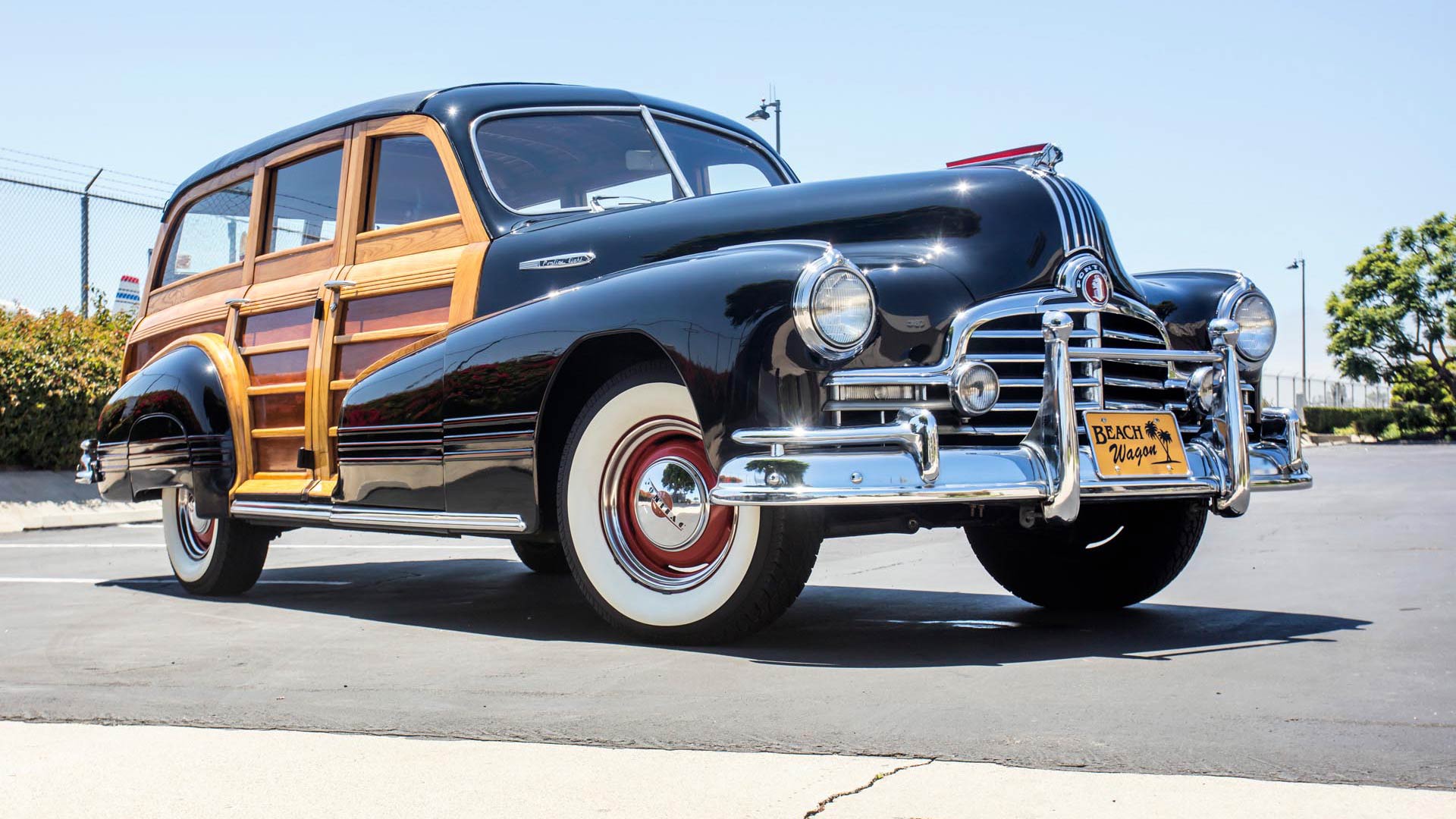
Original wood trim can be found on the 1946 Pontiac Streamliner wagon, whilst a 1973 Volvo ES1800 offers estate fans a Scandinavian option.
Gooding and Company Pebble Beach Auctions
When: Friday August 16 through Saturday August 17 Where: Pebble Beach Equestrian Center, Del Monte Forest, CA Entry: $40 general admission, $100 entry for two with catalogue
This is not just any Monterey auction, but the official sale of the Pebble Beach Concours d’Elegance event. As a result the cars on the auction list are suitably beautiful, and ready to complete the perfect car collection.
A 1958 Ferrari 250 GT Tour de France ticks both of those boxes, having previously appeared at the Concours d’Elegance event. A rare chance to own a Porsche 911 Reimagined by Singer will also attract attention.
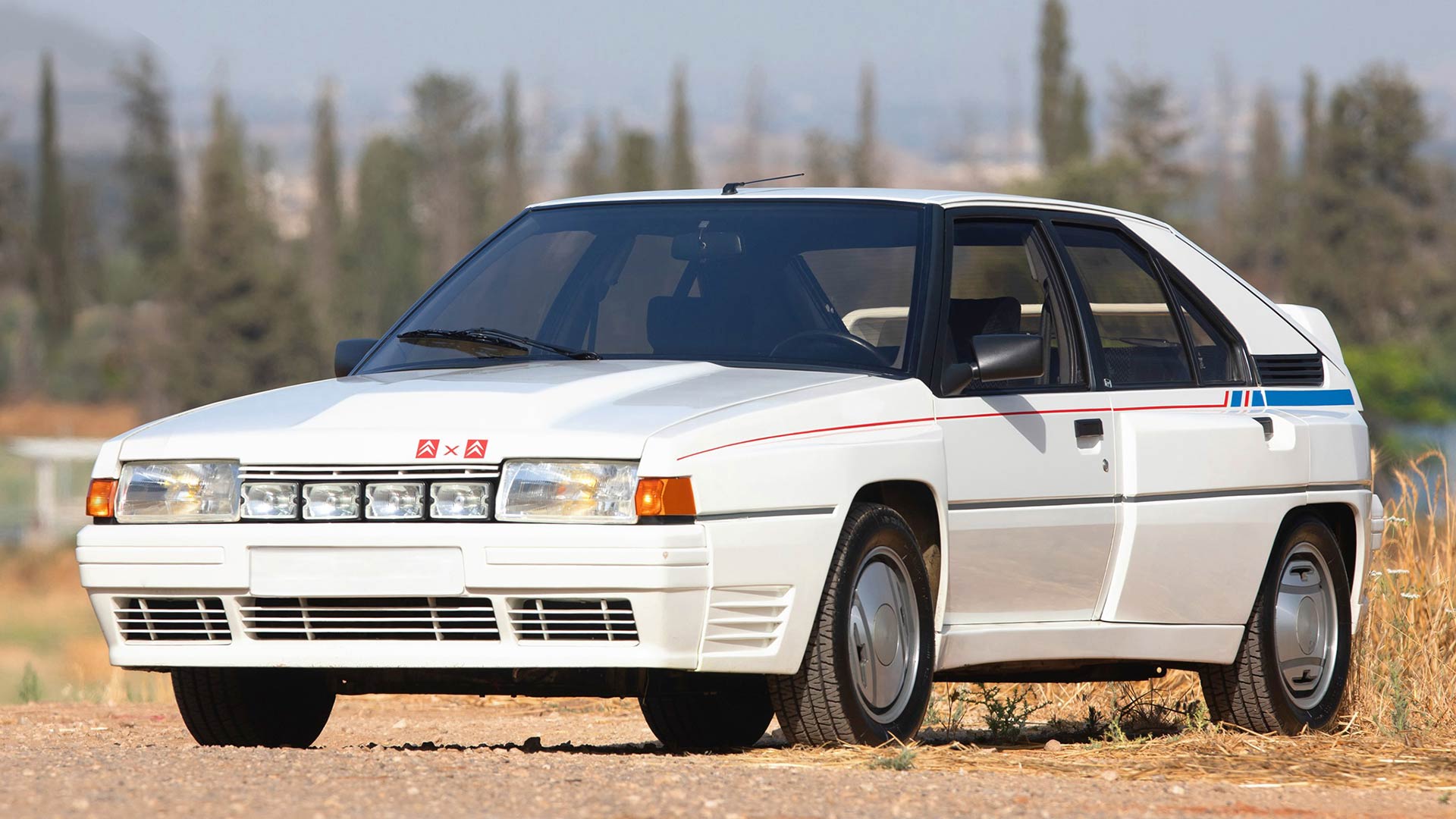
However, a collection of four road-going Group B homologation specials could be perfect for ardent fans of rallying. The Citroen BX 4TC is one of just 40 remaining in the world, and could make for a serious talking point at your local cars and coffee meet.
Bring a Trailer Monterey Reunion
Online auction website Bring a Trailer may not have a physical sale event as part of the Monterey Car Week, but it is still getting in on the action.
As part of the Rolex Monterey Motorsports Reunion at Laguna Seca, Bring a Trailer will be hosting a special Alumni Gathering event. This will bring together 80 cars owned by members of the BaT online community, with vehicles purchased through the website featuring heavily.
As part of the Premium listings on Bring a Trailer, a car featured previously at the Rolex Monterey Motorsports Reunion is currently up for auction.
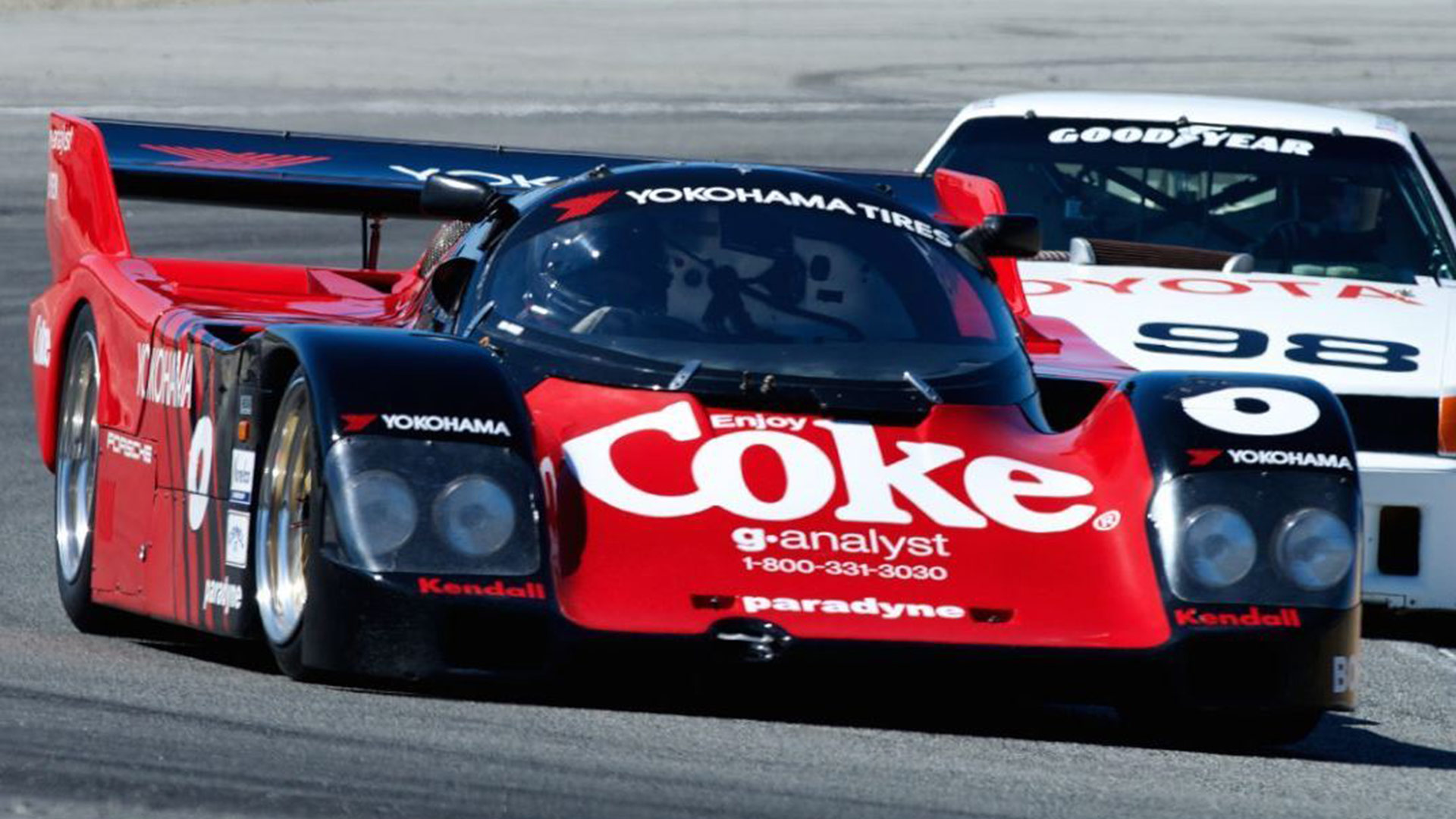
When new, this 1987 Porsche 962 competed in the IMSA GTP series and now lives a life of vintage motorsport outings. Finishing on Tuesday August 13 could let a new buyer show it off in Monterey.
Over the course of the last year, 82 percent of the UK’s busiest 22 airports have increased charges for short-term drop-off parking. That’s according to new figures from the RAC.
Stansted is the worst offender, with a 10-minute drop-off costing £4 – a 50p increase since last year. Luton follows closely behind, with 13 minutes of parking costing £4. That’s an increase of £1 in the past year.
Manchester is third, with five minutes of parking for drop-off costing £3. Although that hasn’t changed since last year, the airport remains the most expensive per minute for parking. East Midlands and London Southend are joint-fourth, costing £3 for 10 minutes of parking. The former is up by £1 over the course of a year, while Southend has removed its free-for-five-minutes policy.
Further down the list, Doncaster-Sheffield, Birmingham, Edinburgh Glasgow and Newcastle have all increased charges. Aberdeen airport costs the same, but you get five minutes waiting time.
Planes at Italian airport now get to follow a Lamborghini
Pick-up charges also increased
When it comes to pick-up charges, Stansted once again tops the list, with a £2.50 rise to £8 for 30 minutes of parking. It joins Luton as the joint most-expensive for ‘short stay’, although Luton’s prices have remained the same.
Manchester, East Midlands, Birmingham, London City and Heathrow have also increased charges, with the latter asking £4.20 for 30 minutes. The cheapest airport in the country for pick-up parking, Jersey, has put its fees up by 10p, with 30 minutes now costing 80p.
“Many airports charge drivers to drop off and pick up to keep the terminal entrances clear of traffic and to discourage long stays in car parks,” said RAC spokesman Simon Williams. “Some might also see this as a way to encourage other forms of transport to the airport, but nevertheless, these fees are still unwelcome, especially when you consider how little time most people actually spend at the airport.
“In reality, many travellers simply either do not have easy public transport access to get to the airport and even if they do, they can’t always depend on it getting them to the airport in good time.
“Many drivers dropping off their friends or family will naturally only spend a minute or two doing so which makes the experience all the more painful, especially if this is at London Stansted which charges the highest drop-off fee in the country at £4 for 10 minutes.”
Doing airport drop-offs on the fly can cost time, money and be stressful. Know where you’re going to park, including potential free parking that’s nearby if you’ve got to wait around. Have your payment to-hand so you can get the process out of the way quickly.
Plan your goodbye
Speaking of getting things out of the way quickly, spending 20 minutes hugging at the gate could be costly. If you can, get your goodbyes done before you park.
 An entrepreneur who set up Britain’s first commercial electric car charging stations in London is suing BP Chargemaster, the firm he sold his business to, for unfair dismissal which resulted in a loss of share options.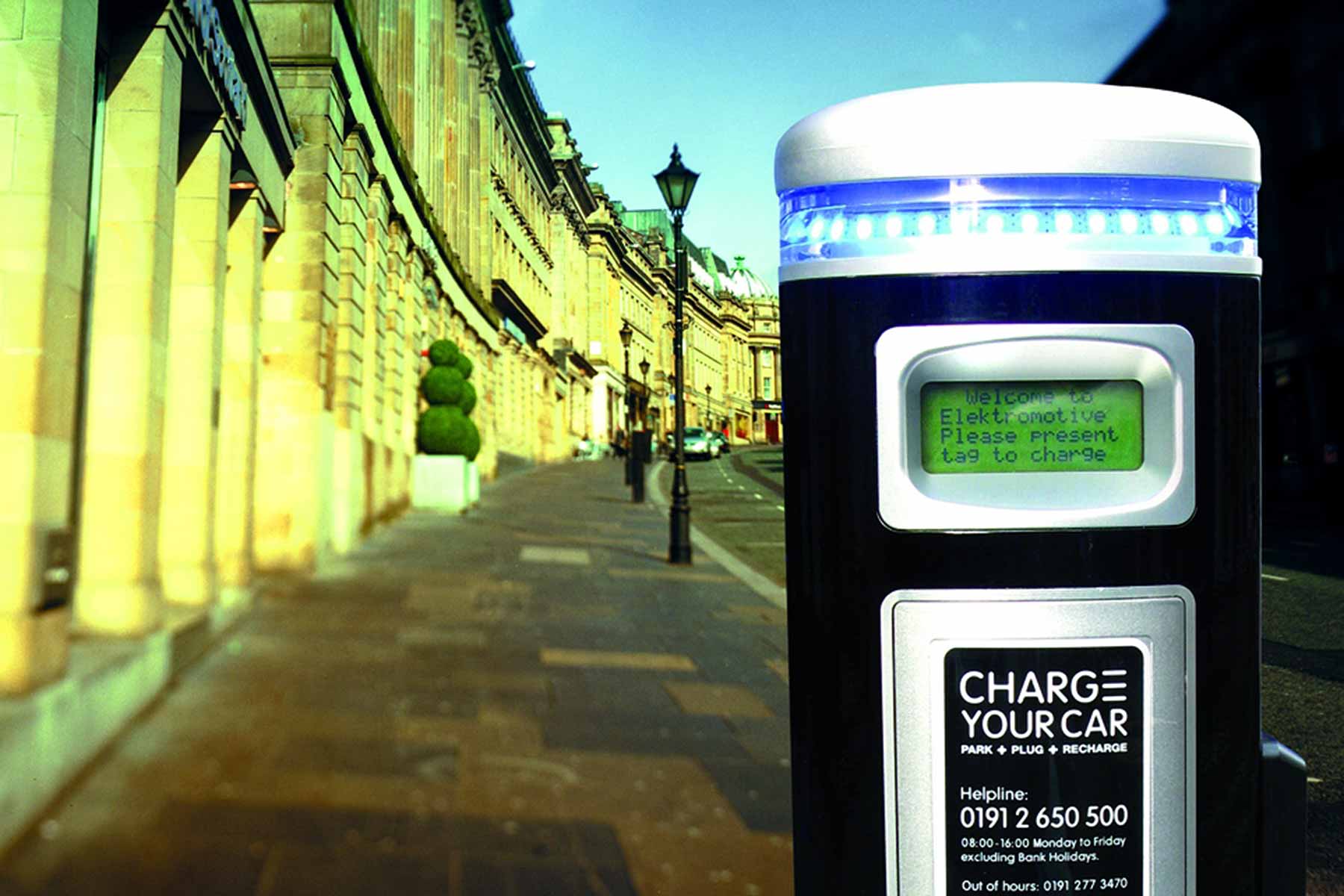




 MPs are calling on the government to ban the use of hands-free

 Monterey Car Week brings together auto
  When: Thursday August 15 through Saturday August 17
 With 600 collector cars up for grabs, the Mecum Monterey sale is one of the largest by volume at Car Week. From incredible hot rods, to
  When: Thursday August 15 through Saturday August 17
 Although the
  When: Thursday August 15 through Friday August 16
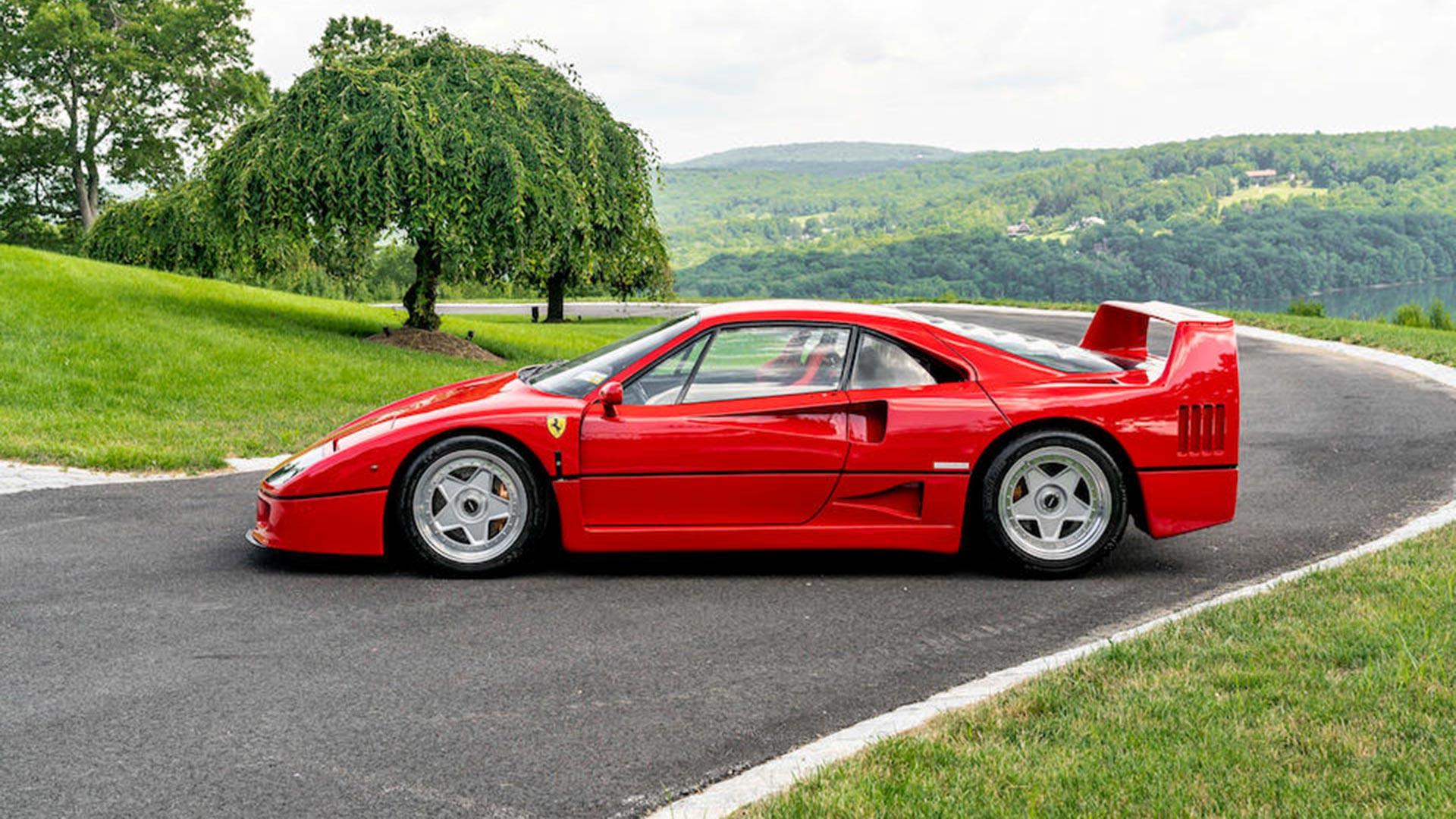 Held as part of the prestigious Quail motorsport gathering, the 22nd annual
 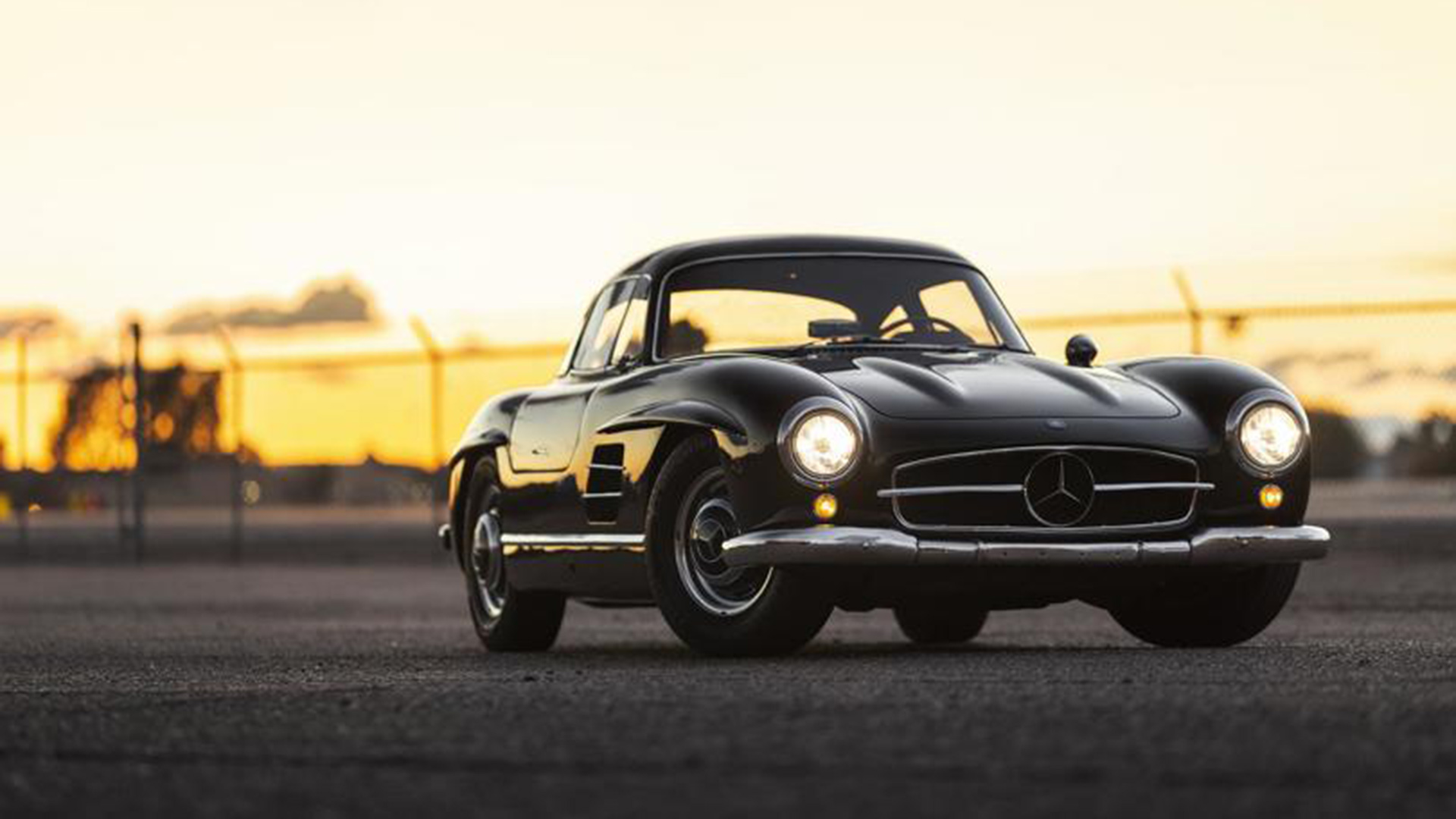 When: Thursday August 15 through Saturday August 17
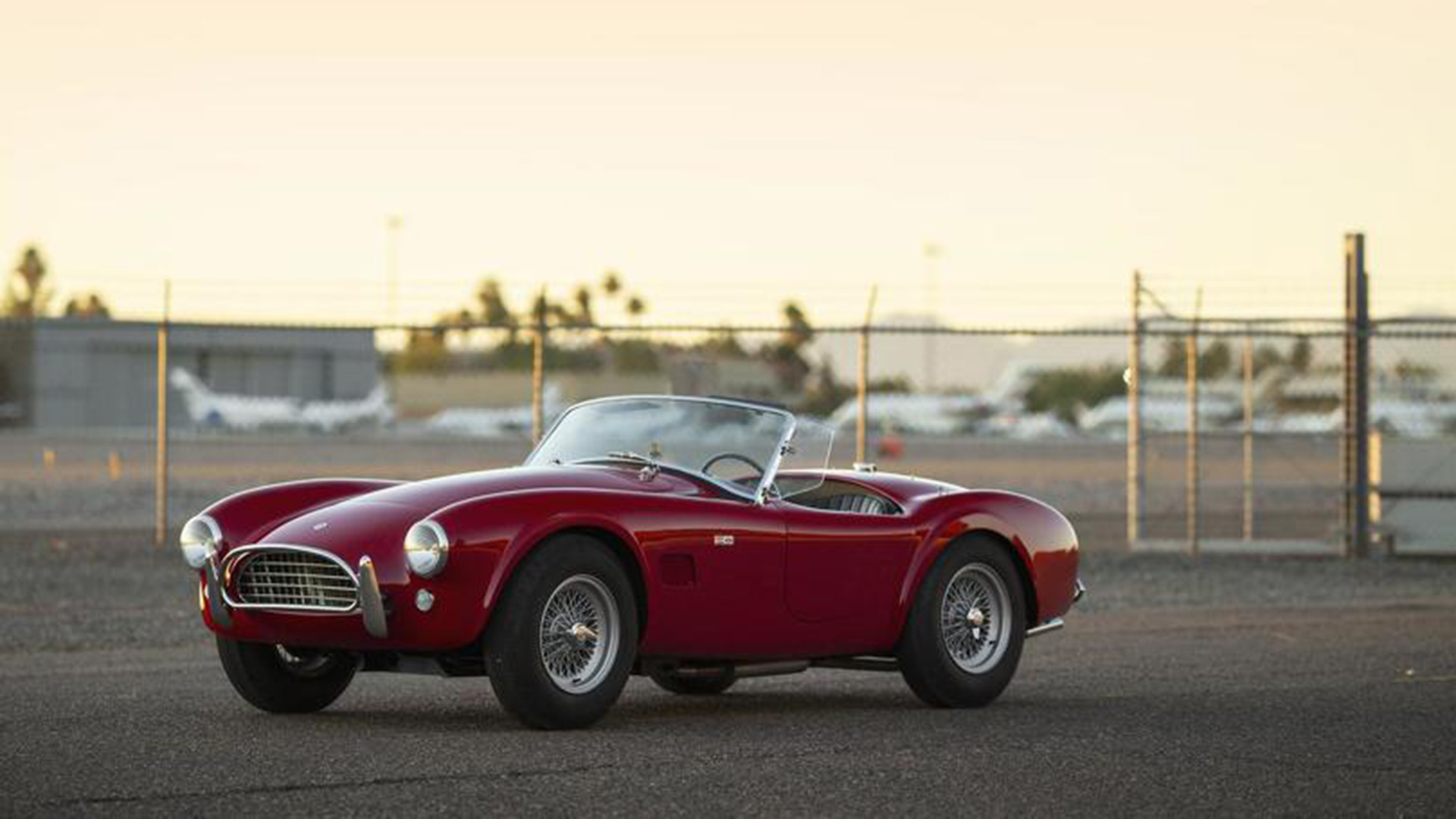 Located right in the heart of downtown Monterey, the Russo and Steele 2019 auction includes an eclectic variety of modern and classic cars.
 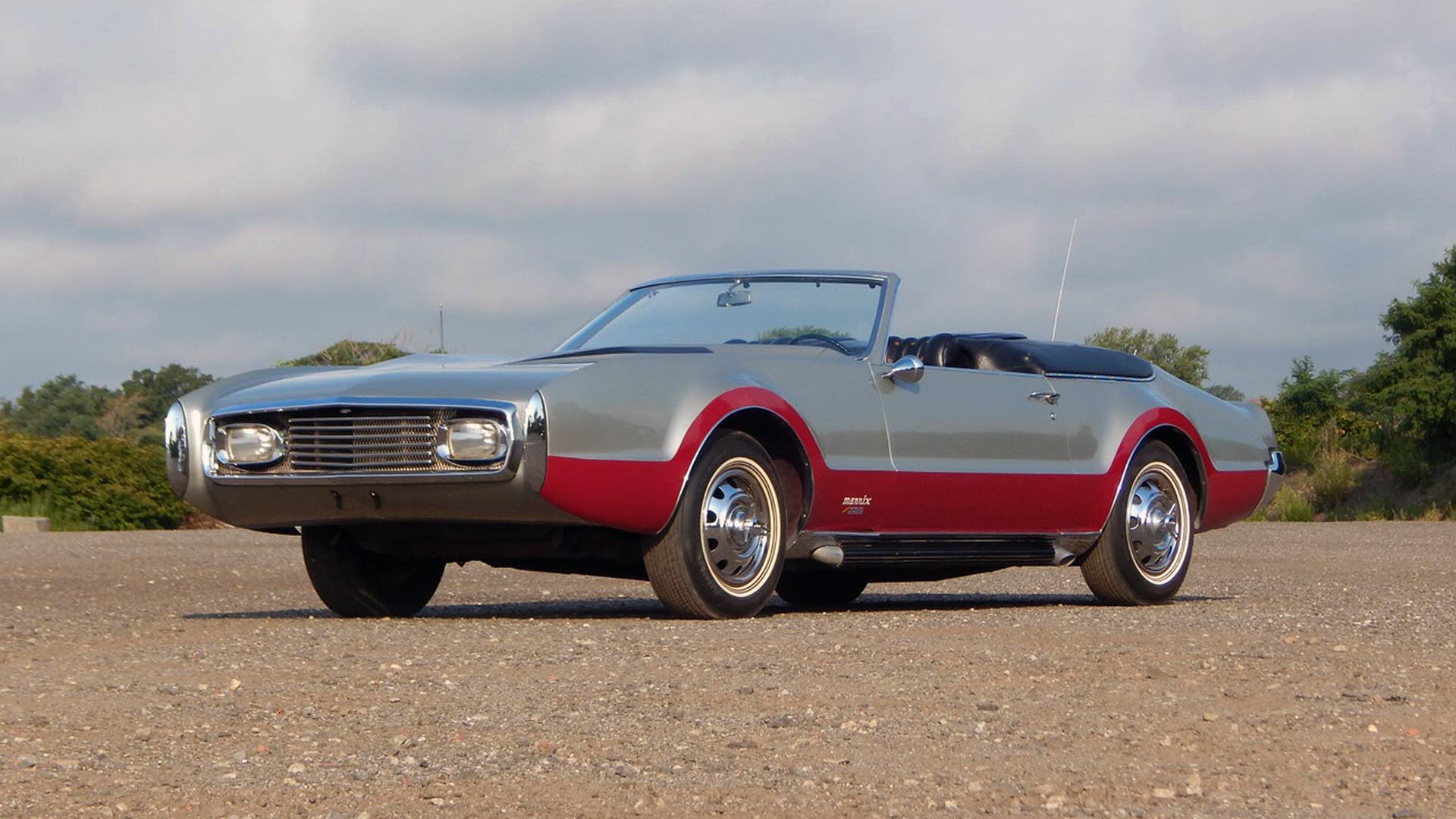 When: Thursday August 15, public preview available from Monday August 12
 The catalogue for the Pacific Grove Auction may be fewer than 45 cars, but each one is likely to hold appeal to discerning collectors.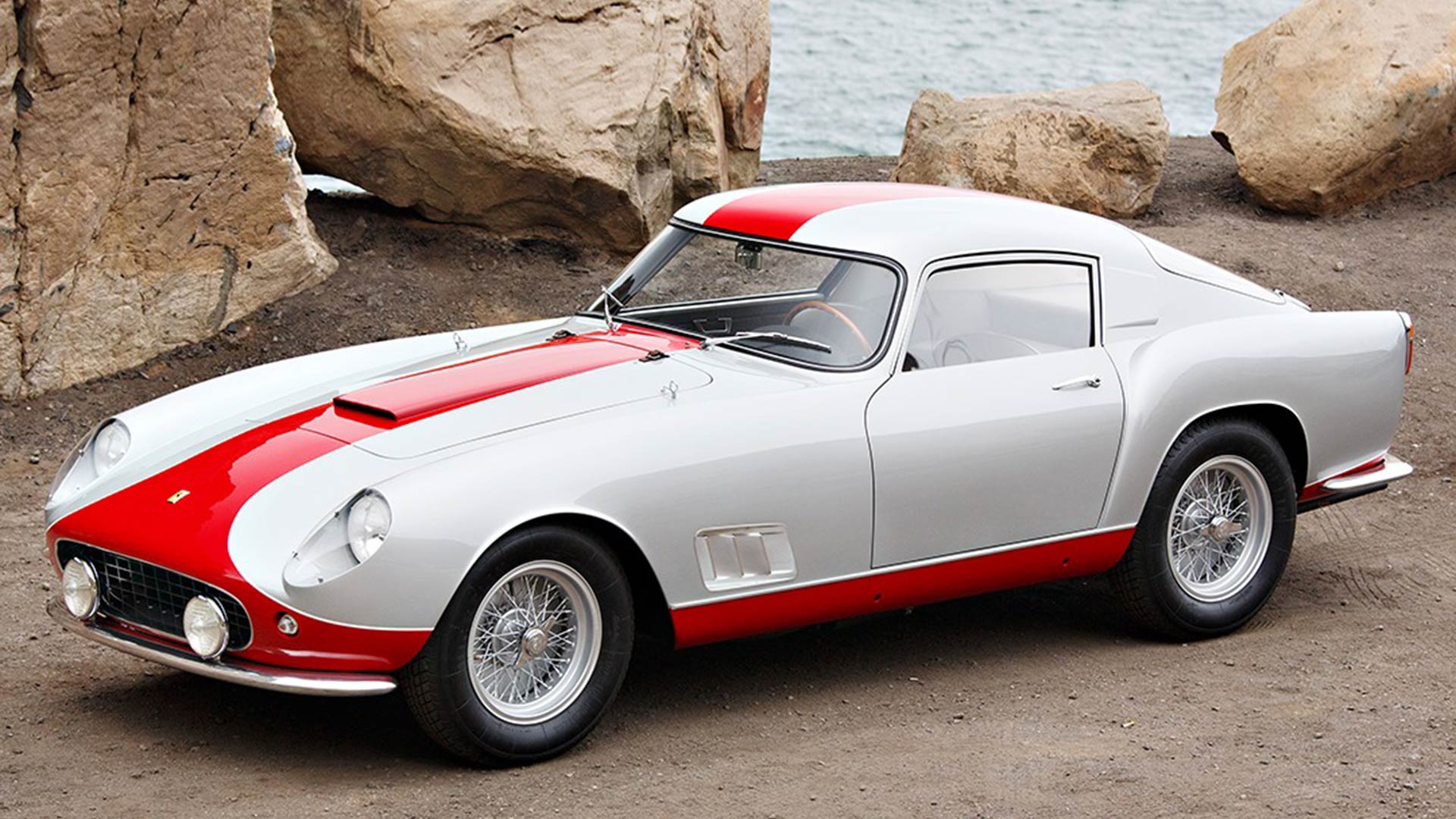
 This is not just any Monterey auction, but the official sale of the Pebble Beach Concours d’Elegance event. As a result the cars on the auction list are suitably beautiful, and ready to complete the perfect car collection.
 As part of the Premium listings on Bring a Trailer, a car featured previously at the Rolex Monterey Motorsports Reunion is currently up for auction.