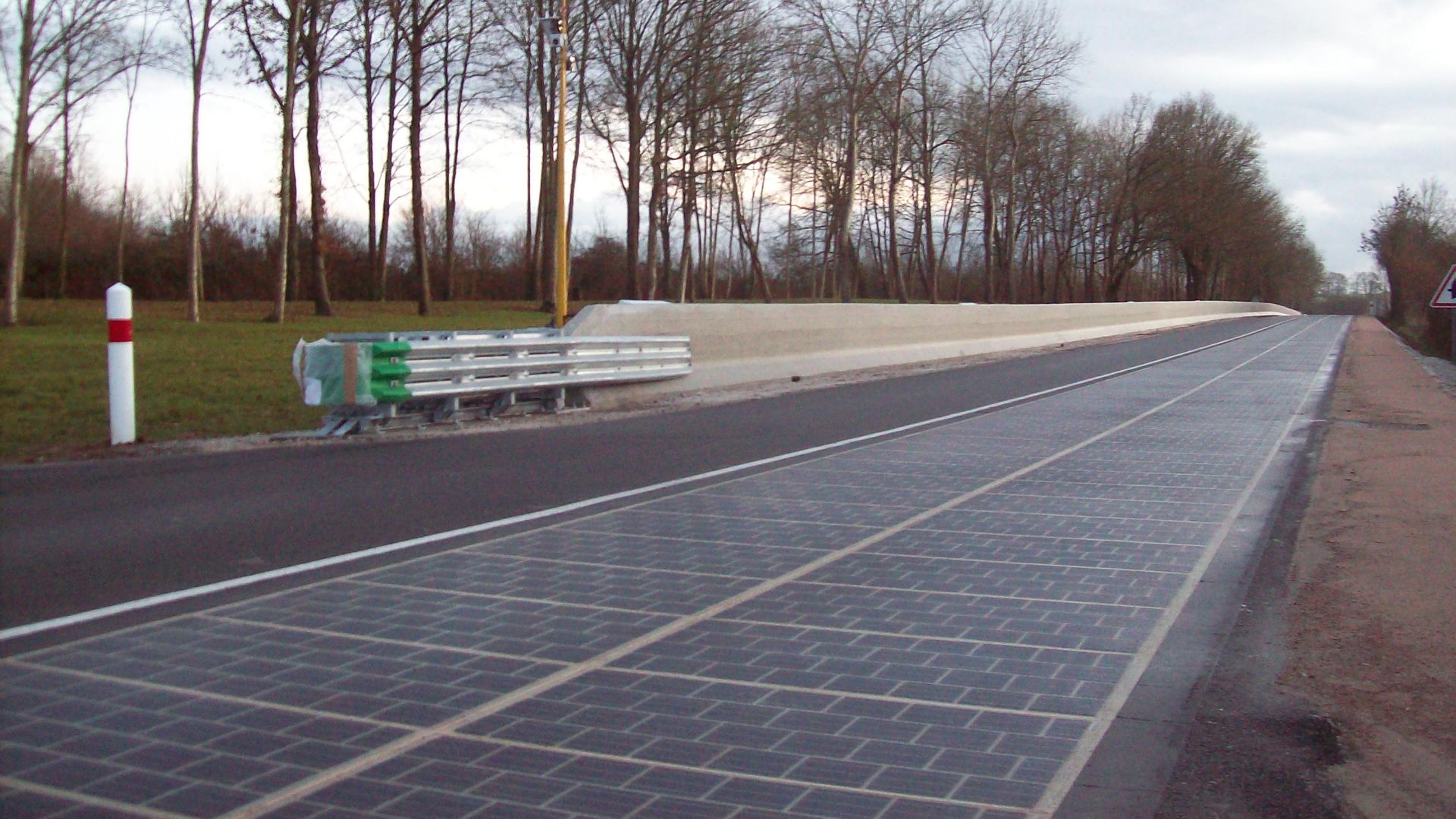
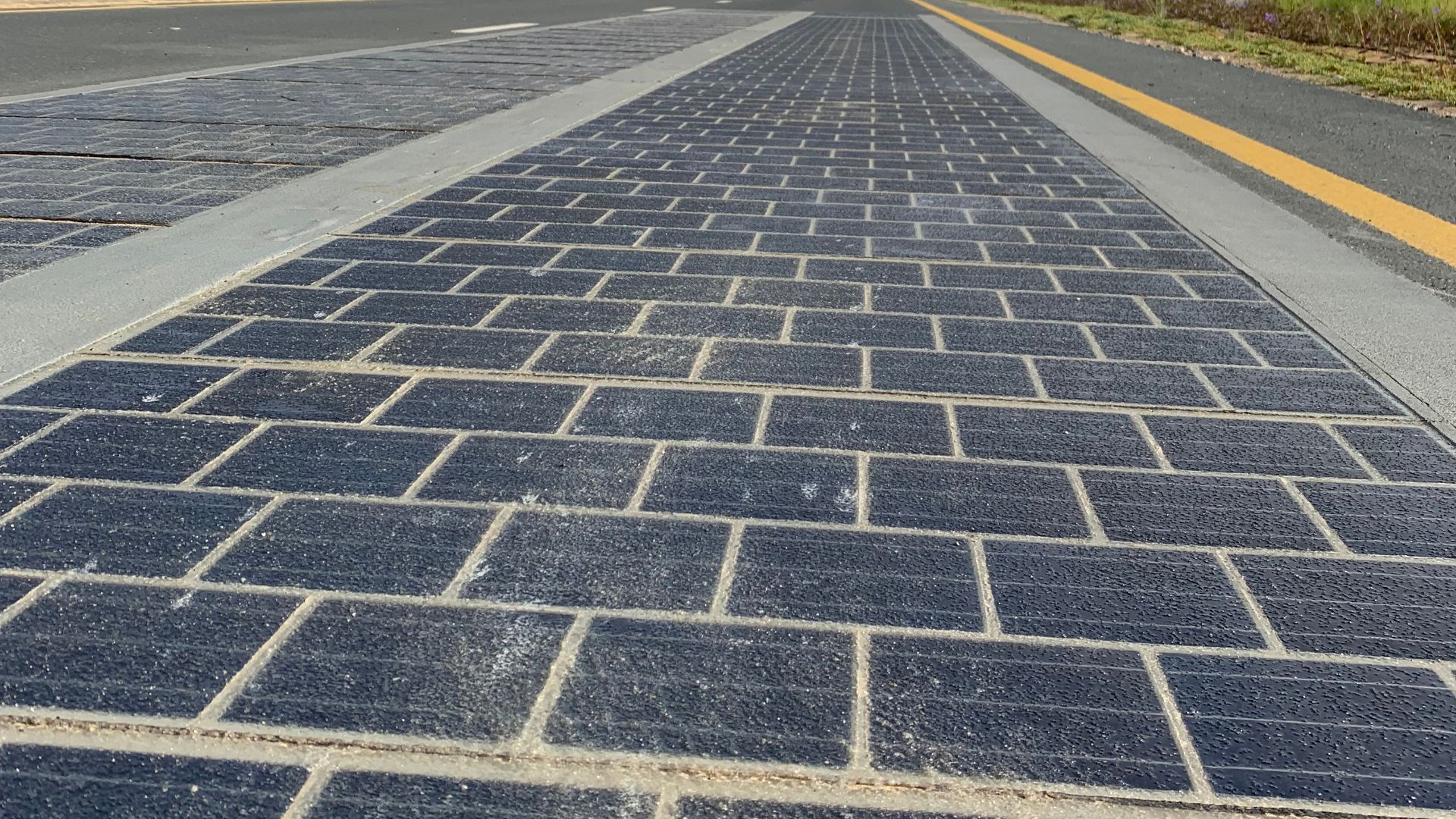
A 0.6-mile stretch of solar road paved with photovoltaic panels that was billed as ‘unprecedented’ when it was unveiled in 2016 has been all but condemned
The French government invested €5million (£4.6 million) into the Route Solaire. It contained 2,800 photovoltaic panels that could absorb solar energy to power nearby households. It was expected the ‘Wattway’ would generate as much as 790 kilowatt-hours per day, but it never reached that output.
Normal solar panels that don’t double as roads are usually pointed towards the sun. As a road, the panels had to be flat, limiting their exposure. In addition to this, dead leaves and other environmental run-off that could limit the efficiency of the panels were not accounted for.
It’s also estimated that the Tourouvre au Perche area of Normandy doesn’t get the level of solar exposure required to make a solar road worthwhile. In 2016, the area had around 40 days of strong sunshine.
Of course, the solar panels not working quite as well as the designers had hoped is one thing. The fact that the road isn’t structurally sound is quite another. Upon its completion, it was claimed that the silicon resin surface was able to withstand the weight of 18-wheelers.
Three years on, the road hasn’t been as durable as expected. The resin is splintering, the panels are peeling and the electrics are failing, locals claim.
Even when new, the road wasn’t considered fit for purpose. The road generated a high level of noise, leading to locals requesting that the speed limit be lowered to 70kmh (43mph).
M1 motorway is being resurfaced with recycled tyres
‘Should first stop cars driving on it’
Even the builder, Colas construction group, has admitted the project has been far from a success. “Our system is not mature for inter-urban traffic.
“If they really want this to work, they should first stop cars driving on it,” commented Marc Jedliczka, vice president of the Network for Energetic Transition.
As if the rising cost of car insurance wasn’t enough, motorists are also facing a dramatic rise in admin fees.
New research shows that, since 2012, the cost of making a mid-term adjustment to a policy has risen by 38 percent to an average of £28.25. A material change could include altering a name, address or occupation, or adding or removing a named driver.
Meanwhile, cancellation fees have risen 49 percent over the same period, with the average charge now standing at £60.85. Insurers are legally required to give a 14-day ‘cooling-off’ period, but an administration fee may still be applicable.
Thirty-eight percent of insurance companies even charge a set-up fee for new policies – up from 12 percent in 2012. Motorists are being charged an average £37.63 to cover the cost of arranging a policy.
‘Fees should be proportionate’
Lee Griffin, founder and CEO of GoCompare, the company behind the research, said: “The car insurance market is highly competitive, so rather than incorporating the costs of certain admin tasks into the basic premium, some insurers make other charges.
“This helps keep premiums down by ensuring that only the policyholders who change or cancel their policy, for example, pay for the additional work required to administer their policy.
“Insurers should be upfront about any admin fees they charge. These should be clearly set-out in their terms and conditions, so drivers are aware of the full costs before signing-up to a policy. Fees should also be proportionate to the cost of the company of undertaking the work.”
Motorists are advised to challenge their insurance company if they think they’ve been charged a disproportionate amount for cancellation or a mid-term adjustment. Some companies may reduce or waive the fees if it means retaining a customer.
If the fees weren’t declared prior to the policy being agrees, a customer can ask the Financial Ombudsman Service to review the case.
Car insurance admin fees overview
Adjustment fee: £28.25 (up from £20.51 in 2012)
Cancellation fee: £60.85 (up from £40.95 in 2012)
Set-up fee: £37.63 (up from £20.66 in 2012)
Duplicate documents fee: £13.85 (down from £18.58 in 2012)
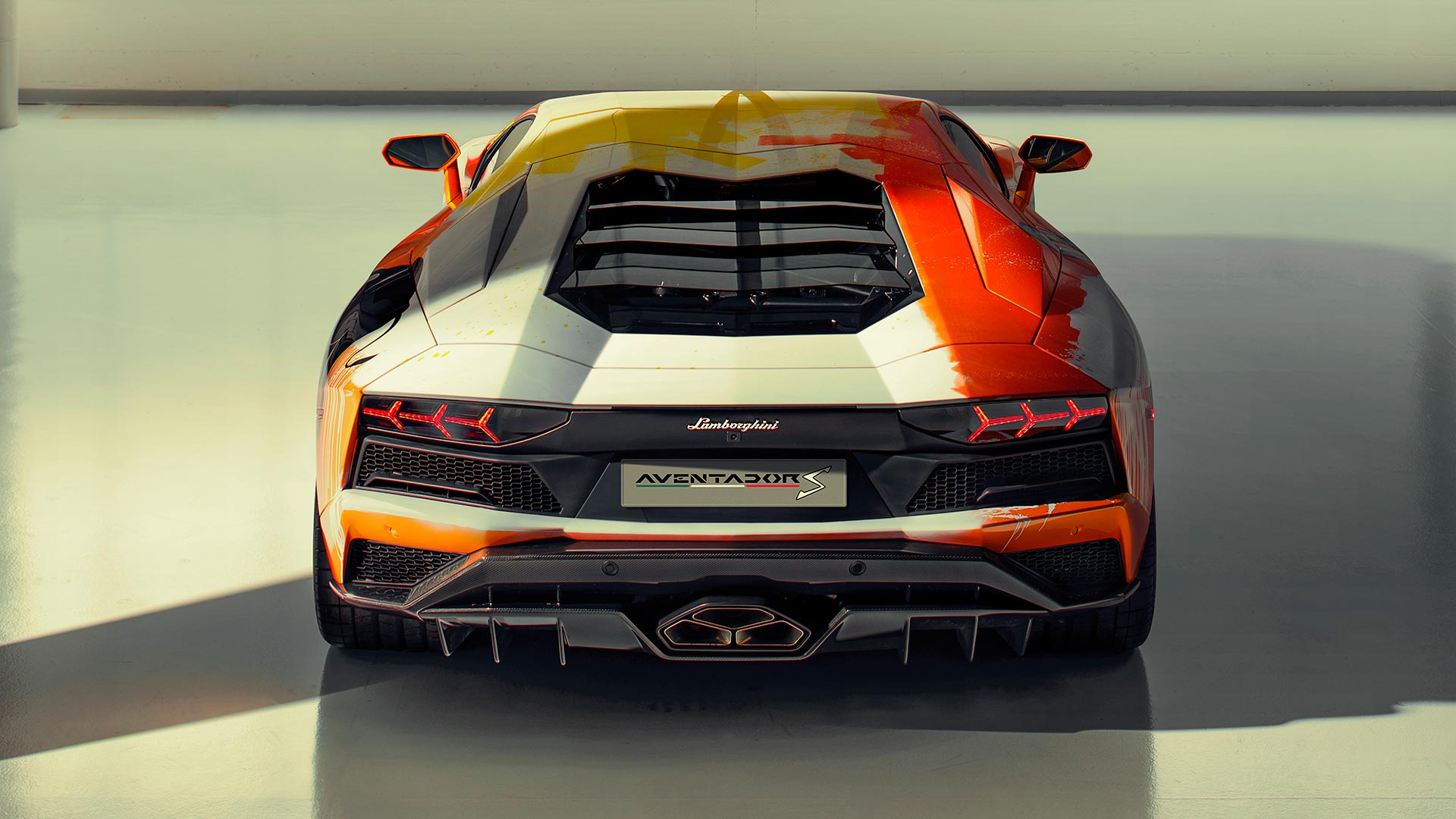
Some might argue that a Lamborghini Aventador S is already worthy of display in an art gallery, with bold lines and geometric shapes.
However, the Italian supercar manufacturer has taken things further, inviting young street artist Skyler Grey to create this bespoke collectors item.
The grand unveiling of this special Lamborghini is part of Monterey Car Week 2019, taking pride of place in the Lamborghini Pavilion at the Pebble Beach Golf Course.
A complete blank canvas
It takes a brave person to use a paint roller on a $420,000 (£342,000) supercar, but that was exactly what 19-year-old Skyler Grey did.
Lamborghini invited the young artist to its new paint facility at the Sant’Agata factory, allowing him to unleash his full arsenal of street art tools and techniques.
Along with the rollers, Grey
used air brushes, spray guns, and stencils to transform the original Arianco Atlas (orange) paintwork of the V12-powered Aventador S.
Running with the bulls
Bold splashes of yellow, orange, and white have been used by Grey to bring turn the Aventador S into something Andy Warhol would be proud of.
Planning the design concept took almost a year. Grey needed to liaise with various teams at the Lamborghini factory to ensure his vision was viable.
Actually turning his ideas into a finished creation took a total of three weeks. The artist completed the exterior design by signing his name on the bodywork.
Total stitch up
Not even the interior has been spared from a makeover, with the Grey adding an extra custom design to the real panel.
Grey has added the embroidered image of a cartoon bull, surrounded by splashes of simulated paint. Lamborghini used its skilled upholstery experts to make the design come to life.
By contrast, the remainder of the cockpit in black leather with orange stitching seems almost subtle.
Fighting the counterfeiters
Along with pushing the boundaries of cars as art, Lamborghini has used new technology in selling the finished Aventador S.
With Grey’s work already attracting an impressive following, it is perhaps unsurprising that an avid art collector has snapped up the finished mid-engine coupe.
Lamborghini has used blockchain technology to register and certify the car as authentic. The aim is to stop anyone from attempting to pass off an imitation of Grey’s work as the real deal.
Viewing gallery
Grey’s Aventador creation is the latest addition to a list of Lamborghinis turned into works of art. Earlier this year, photographer Fabian Oefner released images of a classic Miura which appeared to be exploding into component parts.
However, this special Aventador S is due to start firmly in one piece for now. The Lamborghini Pavilion at Pebble Beach will see it on display alongside other regular production models.
Lamborghini has also revealed a new roadster version of the Aventador SVJ, limited to just 63 examples. Also on show is the Huracan Evo GT Celebration, which pays homage to the endurance racing success of the brand.
Read more:
BMW is going to Coachella with art-covered i8s
Hyundai makes a bold statement with unique Tucson N Line art car
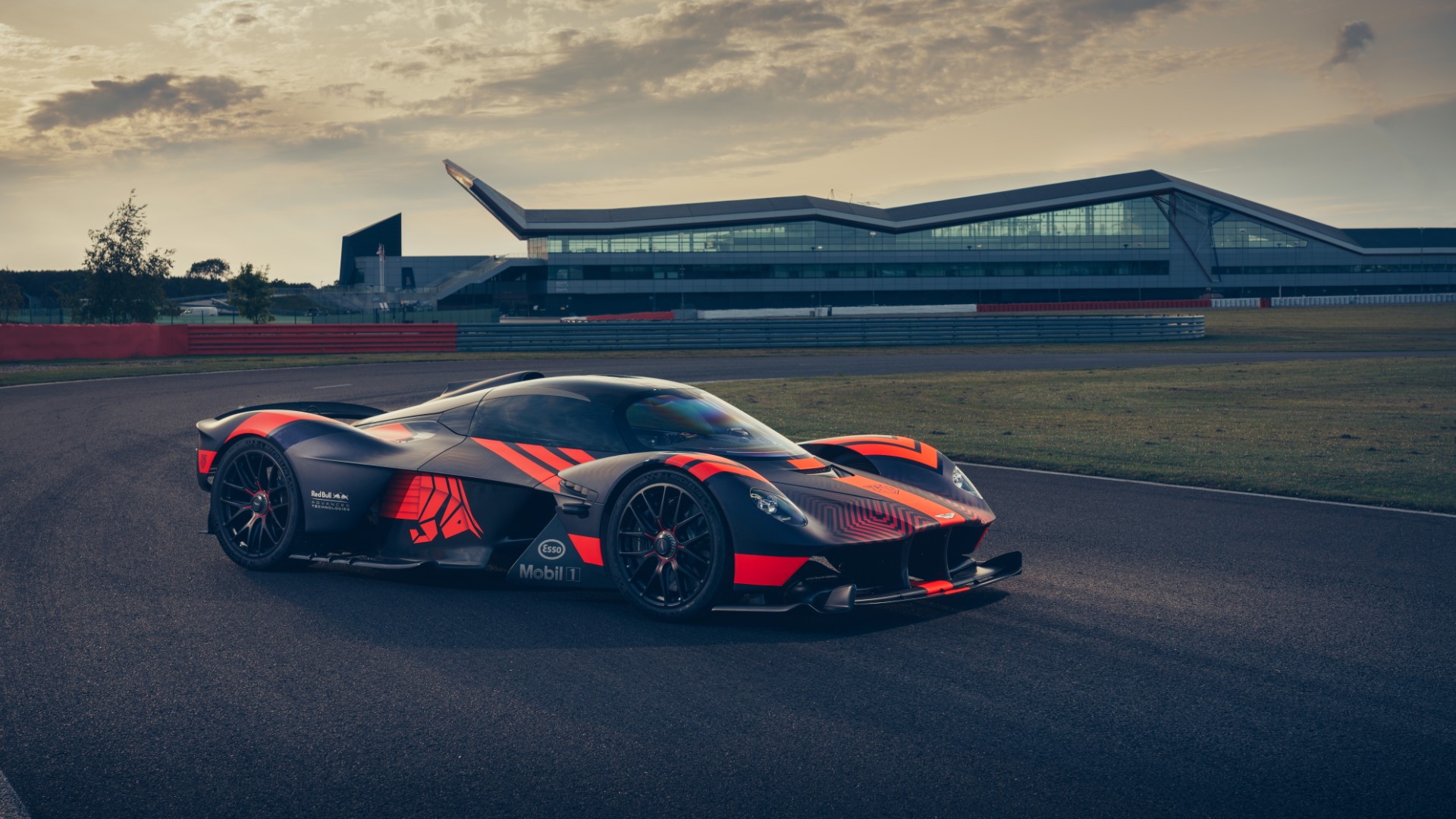
The reveal of the Aston Martin Valkyrie, formerly known as the AM-RB 001, was met with as much scepticism as it was excitement. Could Aston really make this incredible set of numbers a running, driving, selling reality?
Three years on from the launch of the AM-RB 001, the Valkyrie is almost ready for both customers and Le Mans. Not only that, there’s yet another Aston hypercar bringing up the rear, with James Bond behind the wheel…
AM-RB 001 told us exactly what Aston wanted us to know. That it was a collaboration with Red Bull, that F1 design genius Adrian Newey was the brain behind it, and that it was 001 – the first of more to come. 1,000hp, 1,000 kilograms, a naturally-aspirated V12 and track performance to rival the fastest Le Mans cars. Scarcely believable at the time.
Then they named it and got more specific on specs. The Valkyrie should beat a one horsepower per-kilogram power-to-weight ratio, but the weight figure is to be closer to 1,200kg than to 1,000kg.
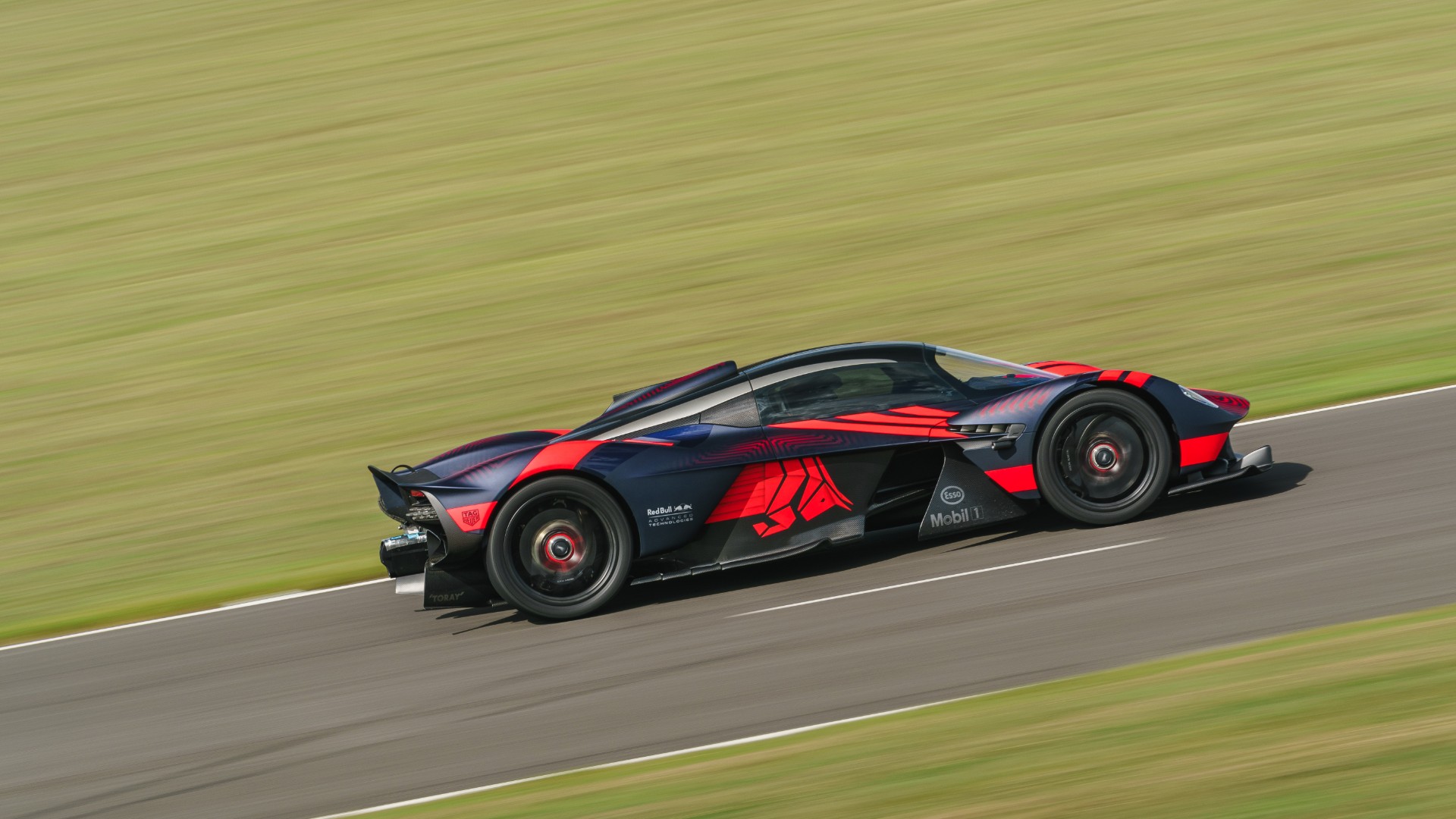
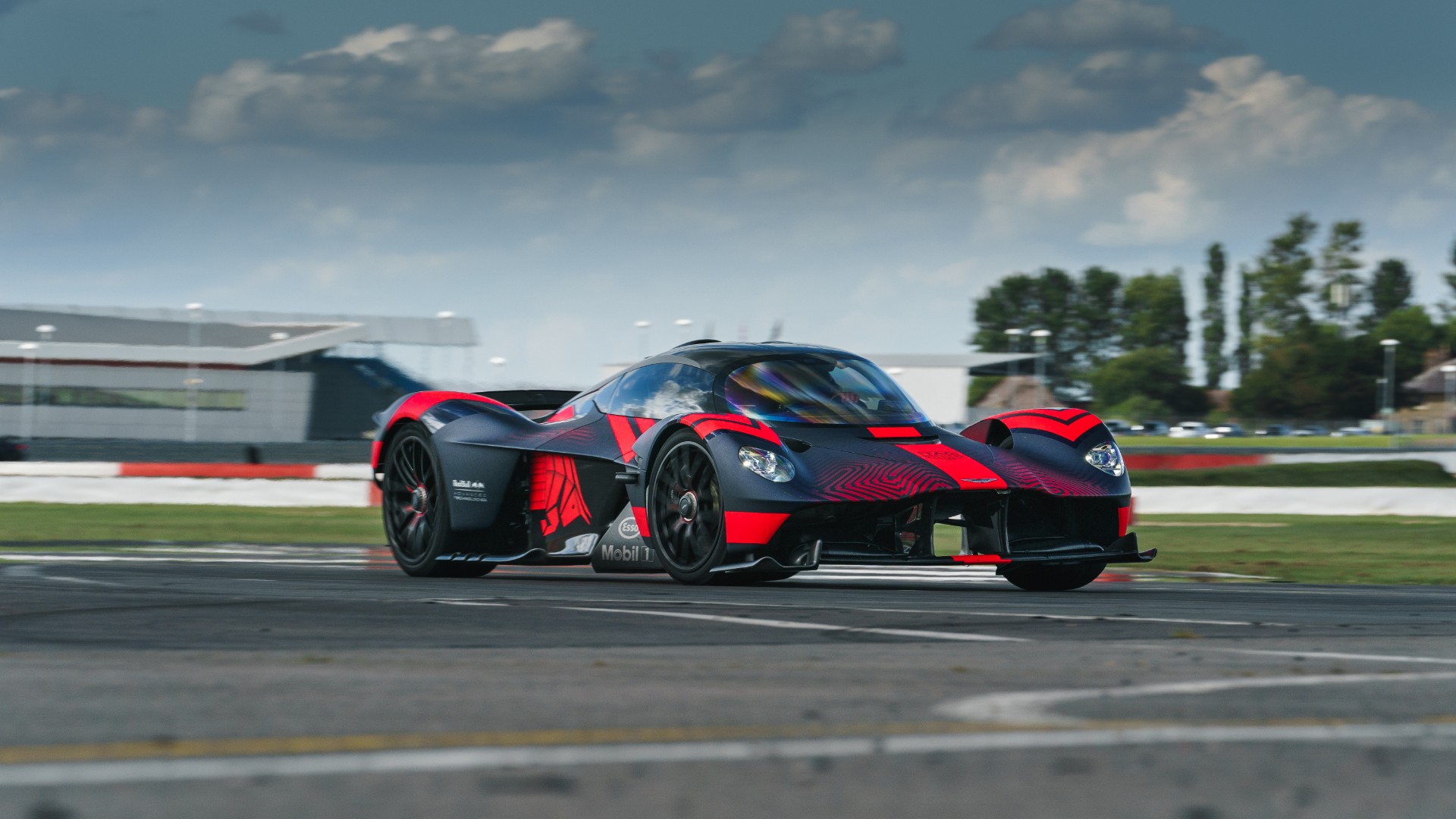
Incredibly, the Valkyrie got more extreme with the AMR Pro track-only variant. It looks like something you’d spy at the front of the grid at the start of Le Mans. Funny, that…
Around the same time, the facility that lucky buyers are using to create their dream Valkyrie was revealed. It was bittersweet to see, knowing we had neither an allocation of one of the 150 cars, nor the minimum £2 million required to make it happen.
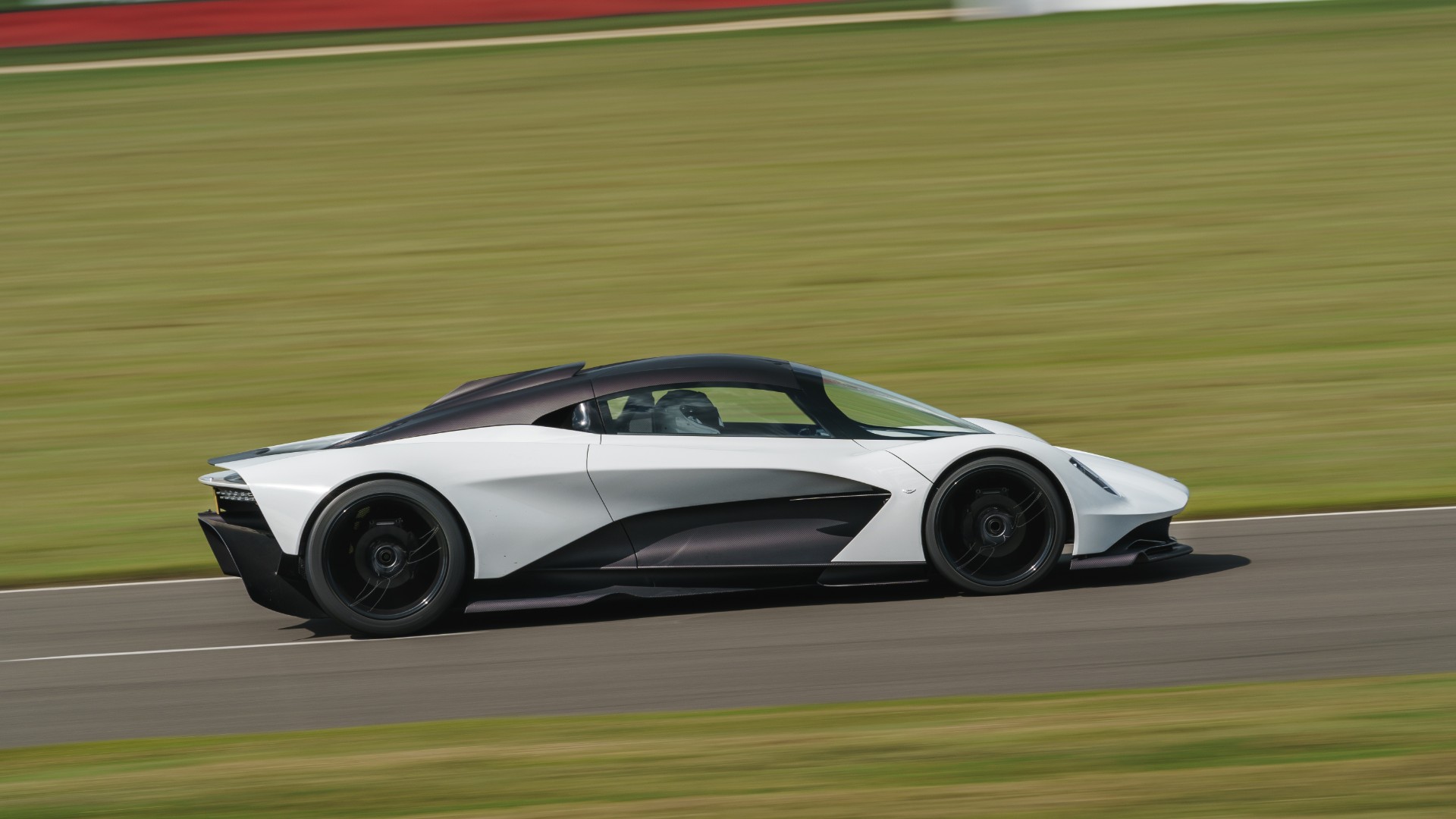
As if one 1,000hp hypercar wasn’t enough, Aston announced the 003 at the Geneva Motor Show. A car to take on McLaren’s Senna, the 003, which soon became the Valhalla, is to get a twin-turbo V6 engine mated to a hybrid system, and put out around 1,000 horsepower. We should have known better than to assume how far from reality it was.
Somehow the story of a pair of Aston Martin hypercars would feel incomplete if Bond didn’t get his hands on one. Yes, 007 should be getting a 003 as his company car. Quite how the MI6 budget stretches to such a car is a mystery. How will Adrian Newey feel about all those heavy gadgets?
Now once again Aston skeptics are eating their words. Even amidst the financial woes, it’s mighty impressive that these two enormous projects are proving the doubters wrong by going flat-out at Silverstone.
Valhalla and Valkyrie are words borrowed from Norse mythology. You might have heard them referred to in some of Marvel’s Thor comic books and movies.
Valhalla is a sort of Norse heaven, and a Valkyrie is a “chooser of the slain”. That means someone that scours battlefields looking for fallen warriors worthy of entry to Valhalla. They don’t pluck these names out of thin air, you know…
The Valhalla is still some way off. Aston refers to this running driving version as a ‘dynamic concept’. It’s a good indication of how Valhalla will look on the move, even if it’s not a verifiable representation of the finished article like the Valkyrie VP1 prototype.
This comes on the eve of the Valhalla’s North American debut at Monterey Car Week in the Quail display. It’ll be the first time Aston’s sophomore hypercar has been seen on the other side of the pond.
Aston reckons the Valhalla will be more suited to road use than its big brother the Valkyrie, even looking as it does and performing as they claim it will. “Though making greater concessions to practicality and road use, Valhalla remains true to the uncompromising engineering ethos laid down by its bigger brother.”
Even following in the wake of the incredible Valkyrie, offering over three-times as many units, Aston says the Valhalla is over-subscribed. It’s currently in the process of ‘hand-picking’ buyers to get the chance to own one of the 500 Valhallas it plans on building.
Even though this weekend arguably belongs to baby brother Valhalla, it’s worth an update on the car that started it all. This is verification prototype number one of the Valkyrie – the first fully representative running prototype. It debuted at Geneva and has been testing hard ever since.
It’s been a long road getting the Valkyrie into the hands of customers. From sketches on an F1 design genius’s desk in 2014, to a generation-defining hypercar in 2019. Valkyries are expected to arrive in buyer’s special Aston-designed garages by the end of 2019. As for the Valhalla? That’s expected to be ready in 2021. Patience is the ultimate virtue…
Only 29 percent of motorists questioned in a new study were aware they could take out a car hire excess insurance policy BEFORE they left the UK.
Holidaymakers face excesses of £500 to £2,000 in the event of an accident, with the amount pre-authorised on a credit card for the duration of the hire period. Excess insurance can be arranged at the rental desk, but it comes at a cost.
Arranging excess insurance in the UK is often cheaper than paying for an expensive, but similar, hire car company policy abroad.
The cost leaves many travellers disgruntled, with 70 percent of the motorists surveyed by the RAC describing the excess insurance offered by rental firms as “expensive”.
It’s little wonder, then, that 17 percent of British holidaymakers admit to risking it and not taking out one of the hire car company’s policies. Of those who ‘risked it’, 23 percent said they were worried about the consequences of having to pay such a large amount on their credit card.
‘Usually very costly’
RAC head of insurance Marcus Latchford said: “While rental agreements in Europe generally include collision damage waiver, theft and third-party liability insurance, customers also have to decide whether or not to protect themselves against the large damage excess amount that is temporarily held on their credit card while the car is on hire.
“Taking out the rental company’s excess insurance policy is usually very costly which leads to many travellers just taking the chance that nothing bad will happen to their hire vehicle and the excess will not be charged to their card.
“By far the best course of action is to take out specialist insurance to cover the excess amount and any additional damage repair costs incurred via a specialist policy bought in the UK. The trouble is not enough people realise this is an option so they end up losing out financially by buying expensive hire car excess insurance policies, often with a lower level of cover.
“We need to make people aware that very affordable UK alternatives exist so it becomes second nature to take out a policy before travelling.”
The RAC has launched its own car hire excess insurance, with cover available from £2.99 a day or £42.99 for an annual policy. In contrast, rental companies charge an average of £9 a day for similar cover.
A Tennessee Ford dealership has created a special Mustang, which celebrates the famous Gulf Oil racing livery.
Brown Lee Ford, based in Morrison, Tennessee, plans to offer 119 examples of the Gulf Heritage Edition ‘Stang, with buyers able to pick between coupe or convertible versions.
Just like the special Heritage Edition version of the Ford GT supercar, this Mustang pays homage to the 1968 and 1969 Le Mans-winning Ford GT40 race cars.
Retro-fantastic
Described as one of the most-recognized liveries in motorsport, the custom-painted Gulf Oil colors of blue and orange certainly make this Mustang stand out.
Along with the paint scheme, Brown Lee has also added a host of CarbonAero exterior parts. Carbon fiber is used for the front splitter, side skirts, rear diffuser, and the rear spoiler with a special Gurney flap.
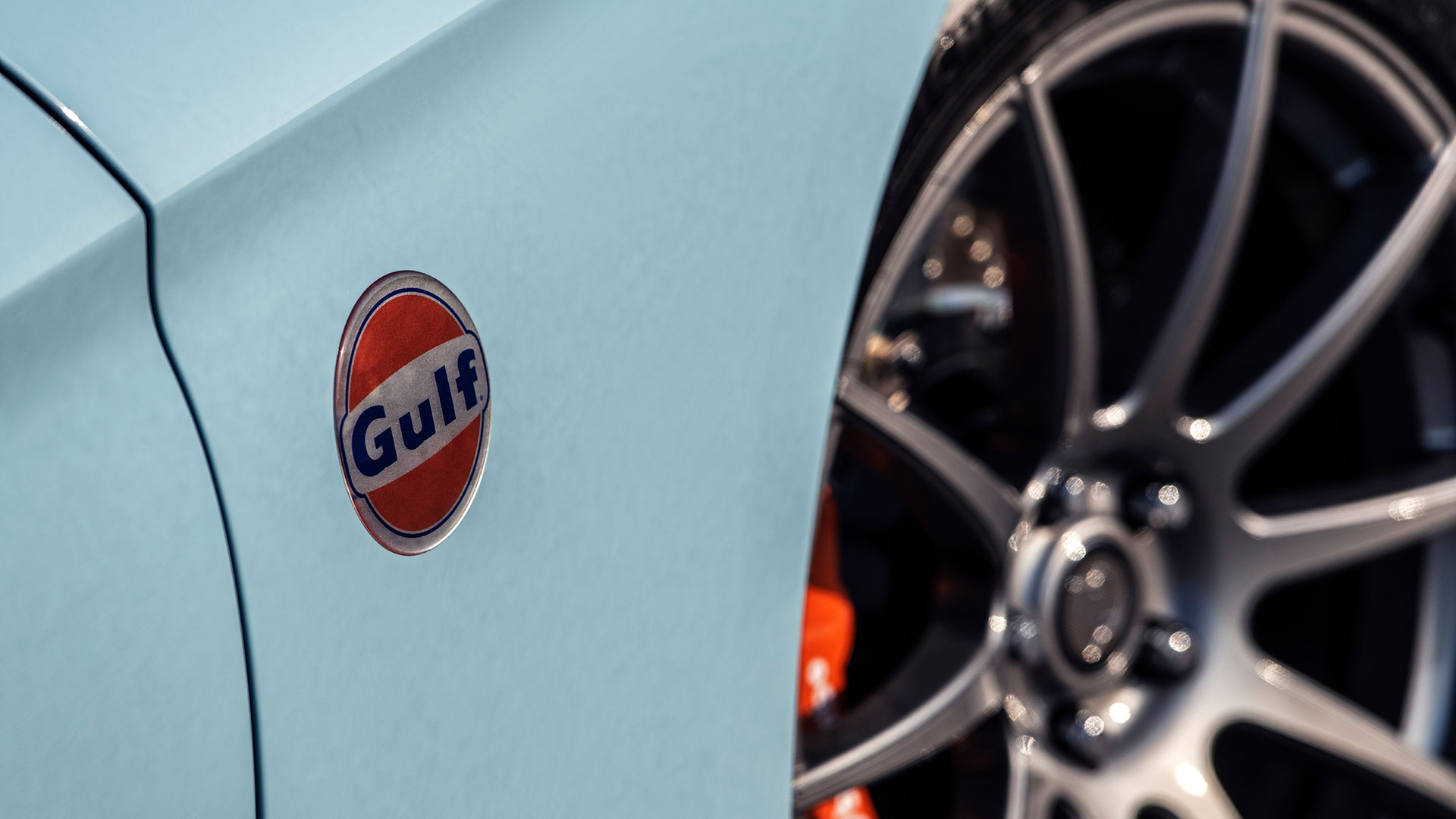
Unique Gulf Oil badging is applied to the trunk decklid, and also to the front fenders. The front grille is also badgeless, giving this Mustang a more aggressive look.
Powerful piece of history
With Brown Lee selling a range of modified Fords from tuning companies such as Roush, Hennessey, and Shelby, the Gulf Heritage Edition has gained some extras.
Under the hood, a Whipple Stage 2 supercharger sits atop the 5.0-liter V-8 engine, which also gains upgraded fuel injectors and an air-to-water intercooler system. A new air intake has been added.
Thankfully, the Gulf Heritage Edition also features Brembo brakes. These include Gulf orange-painted six-piston calipers at the front, with four-piston versions at the rear. Also included are performance Michelin Pilot Sport Cup 2 tires.
Blue and orange for all
A set of 20-inch gunmetal alloy wheels are bolted on, whilst the suspension is lowered to ensure the perfect stance. This includes full coilover suspension for Mustangs without the adjustable Magnetic Ride system.
Whilst the dealership has not quoted specific performance numbers for the Gulf Heritage Edition, each car will be subjected to a chassis dynamometer test before delivery.
Inside, the interior is finished in a combination of leather and Alcantara upholstery, with custom Gulf Oil stitching and embroidery applied. Buyers can pick between the standard sports seats, or Ford Performance Recaro versions.
An expensive anniversary gift
Like any good limited edition, each car will come with a special build plaque signifying which of the 119 units it is.
At $139,995 it represents a sizeable jump compared to price for a regular 5.0 V-8 Mustang, and almost double the $73,995 for the forthcoming 2020 Shelby GT500.
However, for those who want to celebrate the iconic Gulf Oil livery in style, this Mustang is certainly cheaper than the mid-engined Ford GT version.
Highways England is promising to keep 97 percent of its road network free of roadworks during the forthcoming Bank Holiday weekend.
More than 480 miles of roadworks will be lifted or completed on motorways and A-roads, as motorists head home on the last Bank Holiday before Christmas.
“We’re doing everything we can to make journeys as smooth as possible and that’s why we’re keeping 97 percent of the road network we manage free from roadworks,” said Melanie Clarke, Highways England’s customer services director.
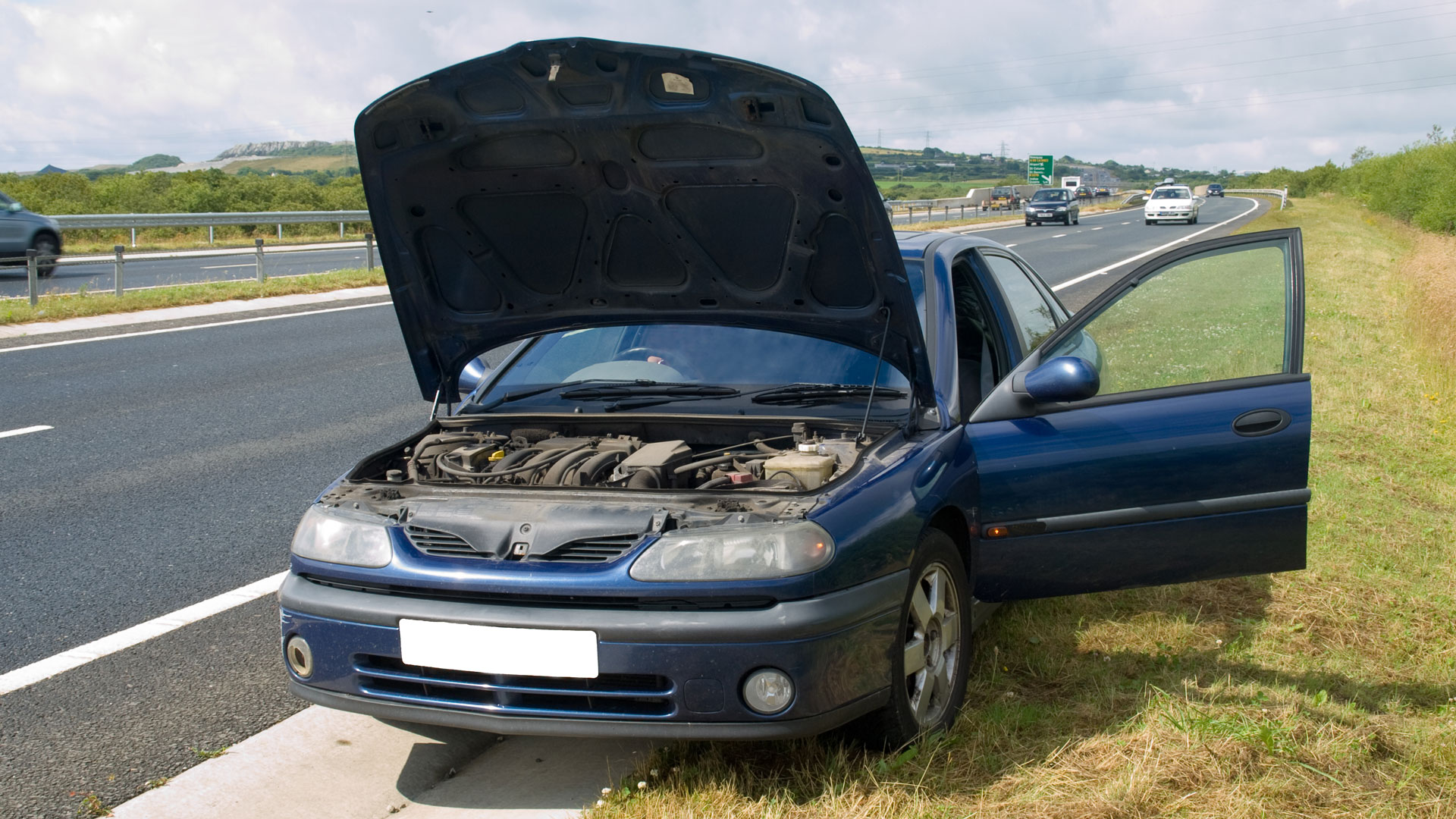
“Safety is our top priority and we know from experience that almost half of breakdowns can easily be avoided if motorists carry out simple vehicle checks before setting off over this period.”
The guide covers six key areas: oil, lights, tyre pressures, water, tyre tread and fuel.
‘Breakdowns still too common’
Richard Leonard, head of road safety at Highways England, said: “Breakdowns are still too common. We’d urge motorists to check their vehicles on a regular basis.”
Former F1 champion Nigel Mansell is a strong advocate of checking your vehicle before a long trip. He said: “It should be a weekly task for the driver to make sure all lights are working on his or her car, all glass areas are clean, wipers clear the windscreen properly, tyres at least meet legal requirements and water and oil levels are topped up.
At the start of the summer, Highways England said it was expecting to respond to an extra 700 breakdowns a week over the holiday period, taking the average number of motorway breakdowns each week to almost 5,000.
Motorists are warned to expect delays on roads in and around the nation’s tourist hotspots, with the A30 and M5 out of Devon and Cornwall likely to be busy, along with the A303, M25, M6, M40 and M1.
For the latest traffic and travel information, use the AA Traffic News website or tune into your local radio station.
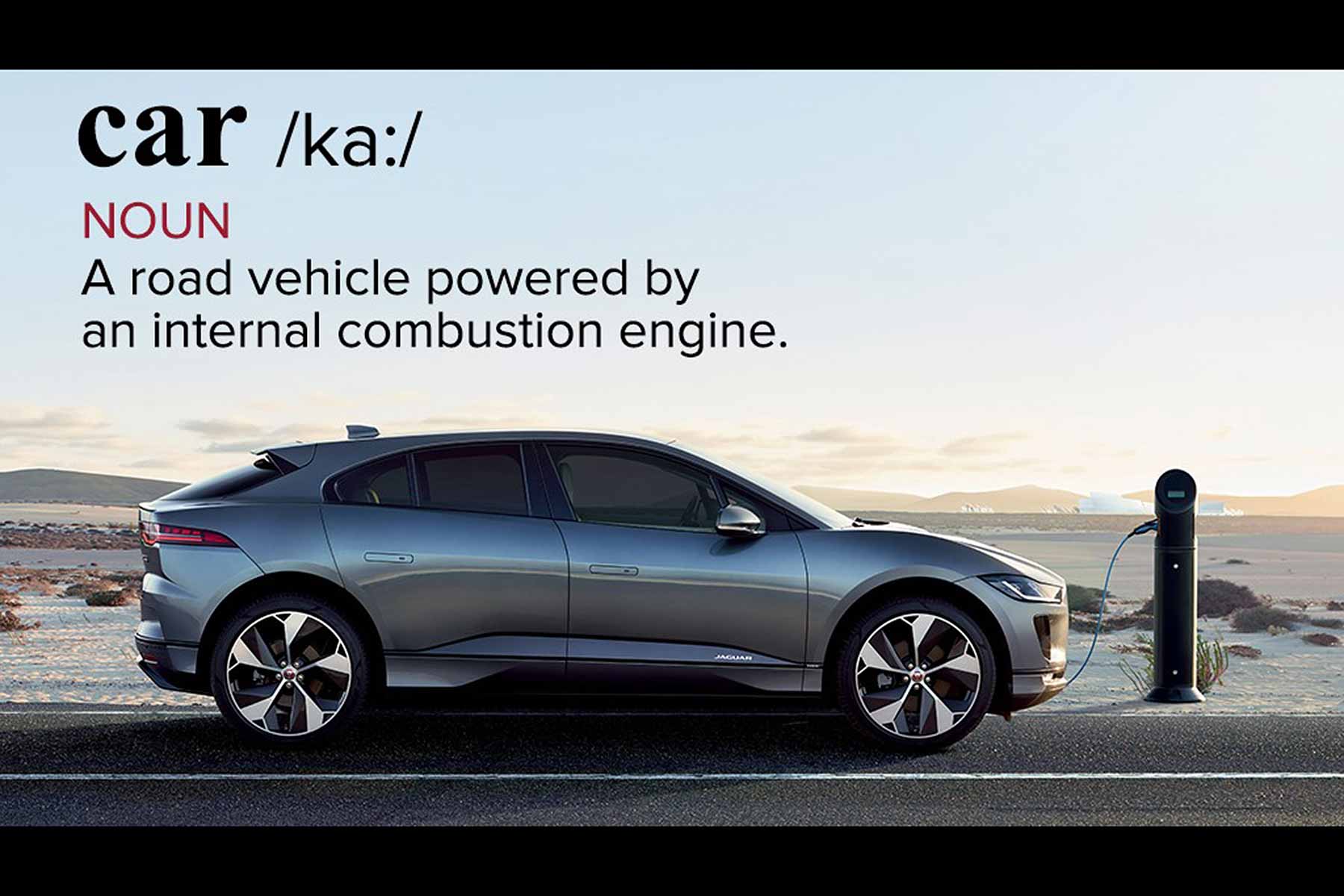
Jaguar has submitted a formal application to the Oxford English Dictionary (OED) and Oxford Dictionaries to change the official online definition of the word ‘car’.
It wants the online definitions updated to include a reference to additional powertrains, including electric vehicles. This may or may not have something to do with the fact that it has launched the I-Pace all-electric SUV and is preparing to launch an electric version of the XJ saloon.
David Browne, head of Jaguar Land Rover’s naming committee, said: “A lot of time and thought is put into the name of any new vehicle or technology to ensure it is consumer friendly, so it’s surprising to see that the definition of the car is a little outdated.
“We are therefore inviting the Oxford English Dictionary and the Oxford Dictionaries to update its online classification to reflect the shift from traditional internal combustion engines towards more sustainable powertrains.”
Presently, the OED defines a ‘car’ as ‘a road vehicle powered by a motor (usually an internal combustion engine) designed to carry a driver and a small number of passengers, and usually having two front and two rear wheels, esp. for private, commercial, or leisure use.’
The Oxford Dictionaries definition is similar: ‘A road vehicle, typically with four wheels, powered by an internal combustion engine and able to carry a small number of people.’
Vroom vroom
Of course, there are other online definitions to consider. For example, the Urban Dictionary offers multiple definitions, including: ‘A people shell with four wheels’, ‘Something that goes vroom vroom’ and ‘Men’s best companion’.
There are a couple of others, but these aren’t necessarily safe for work.
Jaguar is asking people to “get behind the campaign” by using the hashtag #RedefineTheCar on Twitter, Facebook and Instagram.
Now probably isn’t the time to point Jaguar in the direction of the Urban Dictionary’s top definition for ‘electric car’.
‘Yet another marketing scam to disguise something as environmentally friendly when it really isn’t.’ #scam #electric #car #emission #fossil
Fresh from its launch in Germany in 2017, the Heycar used car online marketplace has gone live in the UK.
Heycar is a brand owned by Mobility Trader Holding GmbH, whose shareholders are Volkswagen Financial Services AG and Daimler Mobility AG.
Around 100,000 used cars are already available on the site, all with no more than eight years on the road and 100,000 miles on the clock.
Most cars follow the manufacturer’s approved used car standard, with others using the AA’s 128-point vehicle check.
As a bare minimum, all cars come with at least 30 days’ warranty.
‘First step towards an international expansion’
“We are pleased that Heycar has now taken the first step towards an international expansion,” said Frank Fiedler, CFO of Volkswagen Financial Services AG.
“Following the positive reception of Heycar in Germany, we now want to serve dealers and customers in the United Kingdom just as successfully and thus further expand our used car business.”
Heycar says it will continue to add more vehicles to the platform as it expands its dealer network and will offer cars from nearly 50 brands. In Germany, around 400,000 vehicles are available online.
In effect, Heycar operates as a ‘middleman’ between certified dealers and the general public. Private individuals or dealers selling older cars are unable to use Heycar – this is a site for warrantied nearly-new vehicles.
‘Disrupt the industry’
Mat Moakes, CEO of Mobility Trader UK Ltd, a wholly-owned subsidiary of Mobility Trader Holding GmbH, said: The UK used car market, the second largest in Europe after Germany, works inefficiently for buyers and dealers.
“Heycar will disrupt the industry through a simple, tech-led proposition and will take market share from the incumbents to become the number one site for high quality used cars in the UK.”
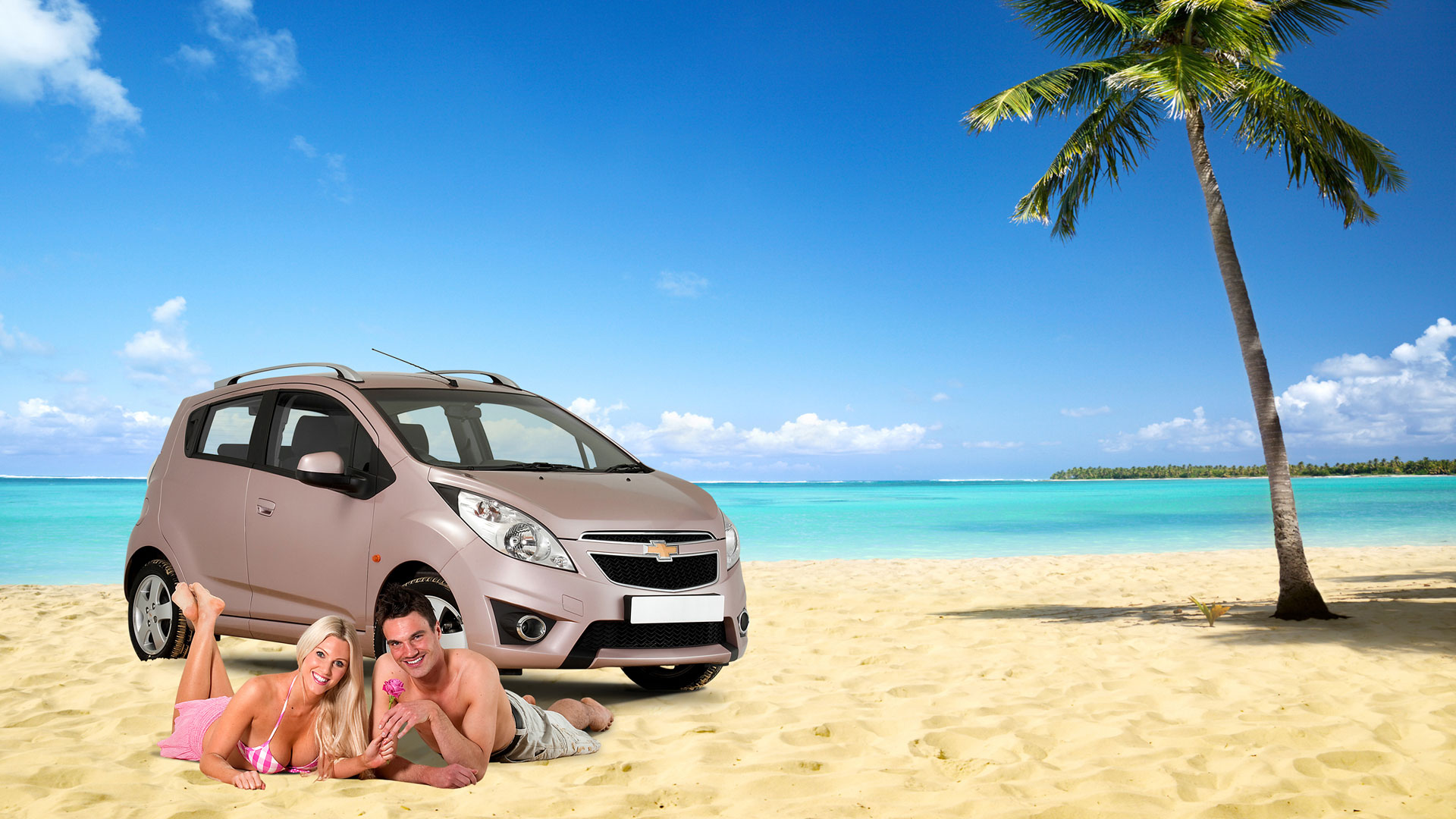
Of the 98,830 cars available now, the cheapest is a 2012 Chevrolet Spark with 53,746 miles on the clock – yours for £2,390. At a cool £1,195,000, a 2015 Porsche 918 Spyder is the most expensive vehicle, followed by a 2017 Aston Martin Vanquish for £624,950.
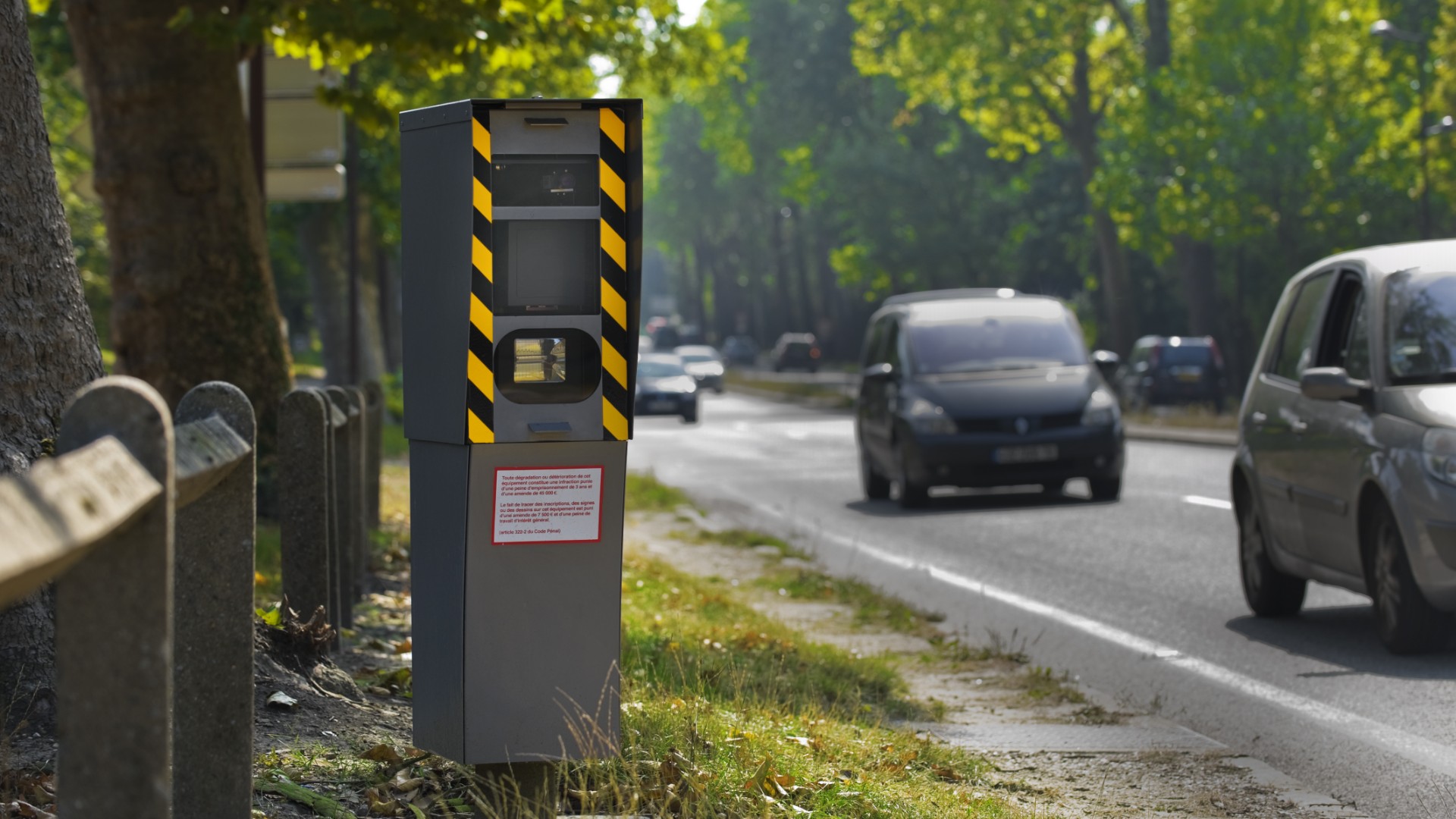
How strict are French speed cameras? A new report claims speed limit tolerances in France are much tighter than in the UK.
Over here, 10 percent plus 2 mph is generally the permitted maximum before you see a flash in your rear-view mirror. But the AA says French cameras aren’t so lenient…
French cameras can be triggered when cars pass at just five percent over the limit. That means beyond 31 mph in a 30 mph zone, or 42 mph in a 40 mph zone.
At motorway speeds, you could ‘get away’ with 79 mph in the UK (although clearly this isn’t recommended). The equivalent in France is just 73 mph.
The AA surveyed nearly 20,000 of its members and found one-in-five weren’t aware of the tighter tolerances. It estimates that almost 800,000 British drivers could be fined for speeding in France by the end of the year.
Borders won’t protect you now, either. The MLA (Mutual Legal Assistance agreement) has been in effect since May 2017, requiring all EU members to share details on those who break driving laws in other countries with the appropriate authorities.
There are over 2,000 fixed cameras on French roads
“Year in and year out, UK holidaymakers driving abroad are advised to mug up on the road laws they are visiting,” said AA president, Edmund King.
“And now we know from official statistics that the French police are on a mission to chase up fines from British drivers before Brexit. Whether you’re driving in the UK or France, if you stay within the limit you’ll keep out of trouble.”


 Some might argue that a Lamborghini
  It takes a brave person to use a paint roller on a $420,000 (£342,000) supercar, but that was exactly what 19-year-old Skyler Grey did.
 Bold splashes of yellow, orange, and white have been used by Grey to bring turn the Aventador S into something Andy Warhol would be proud of.
  Not even the interior has been spared from a makeover, with the Grey adding an extra custom design to the real panel.
  Along with pushing the boundaries of cars as art, Lamborghini has used new technology in selling the finished Aventador S.
  Grey’s Aventador creation is the latest addition to a list of Lamborghinis turned into works of art. Earlier this year, photographer Fabian Oefner released images of a classic Miura which appeared to be exploding into component parts.





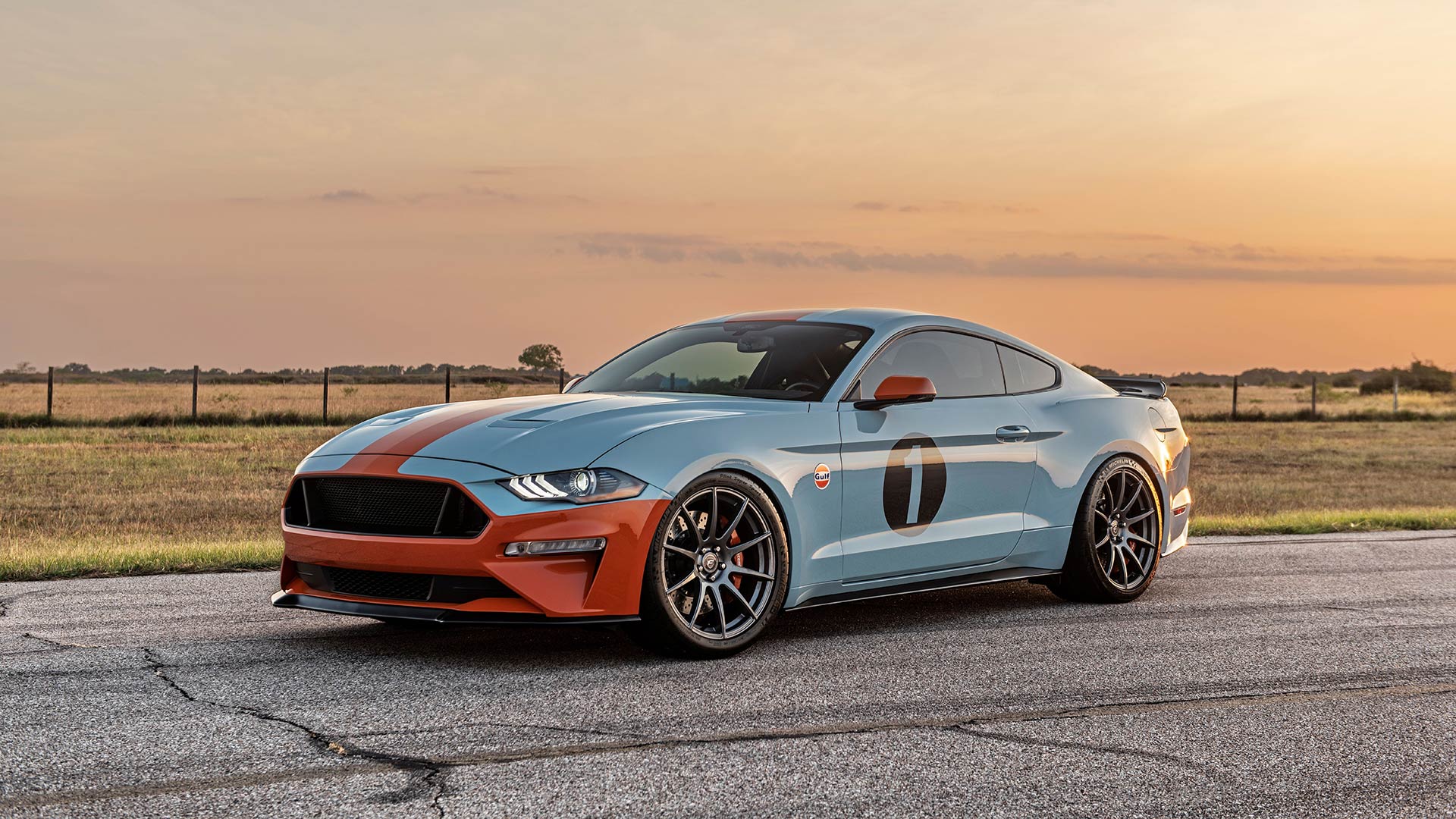 A Tennessee Ford dealership has created a
 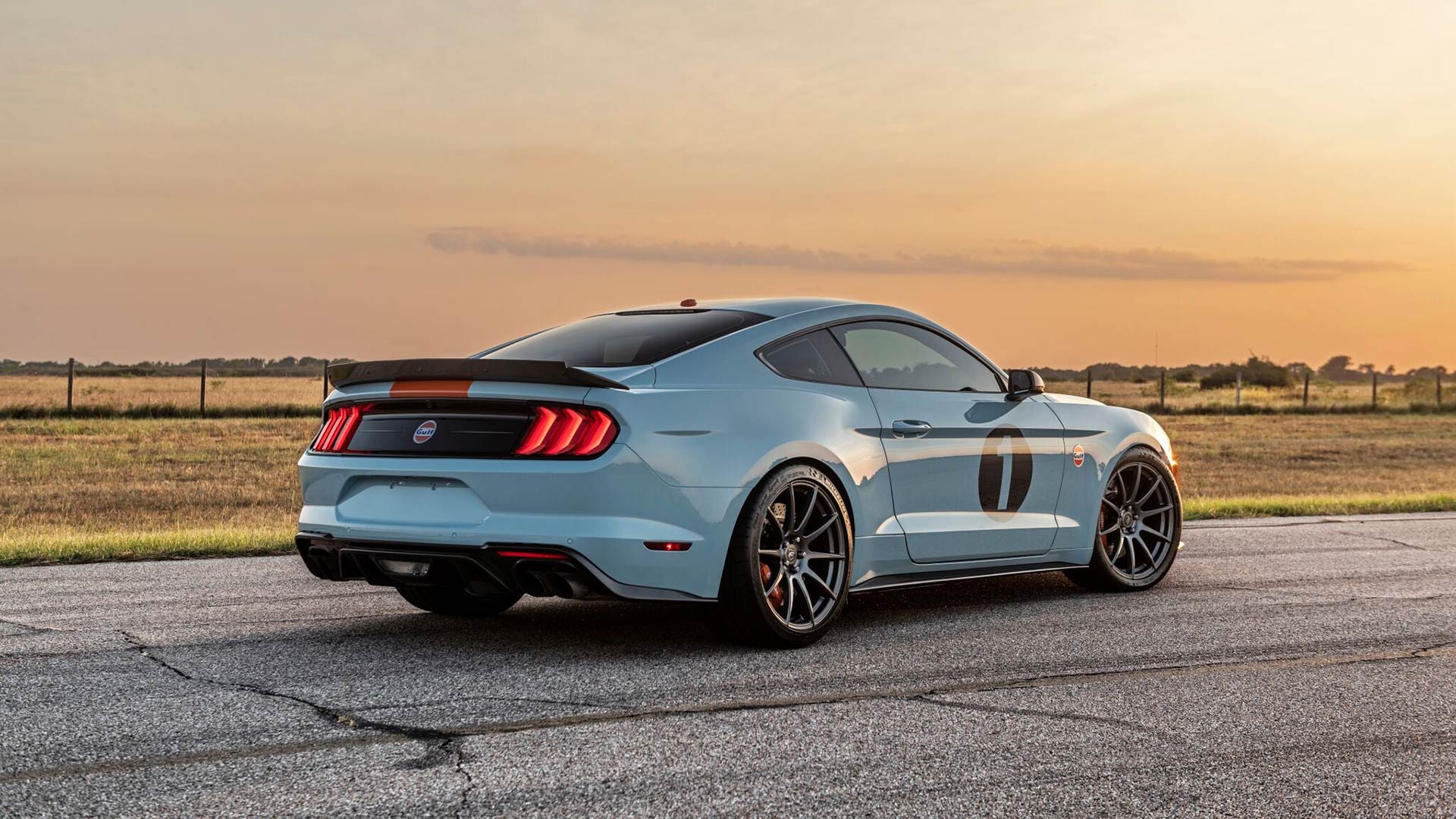 Described as one of the most-recognized liveries in motorsport, the custom-painted Gulf Oil colors of blue and orange certainly make this Mustang stand out.
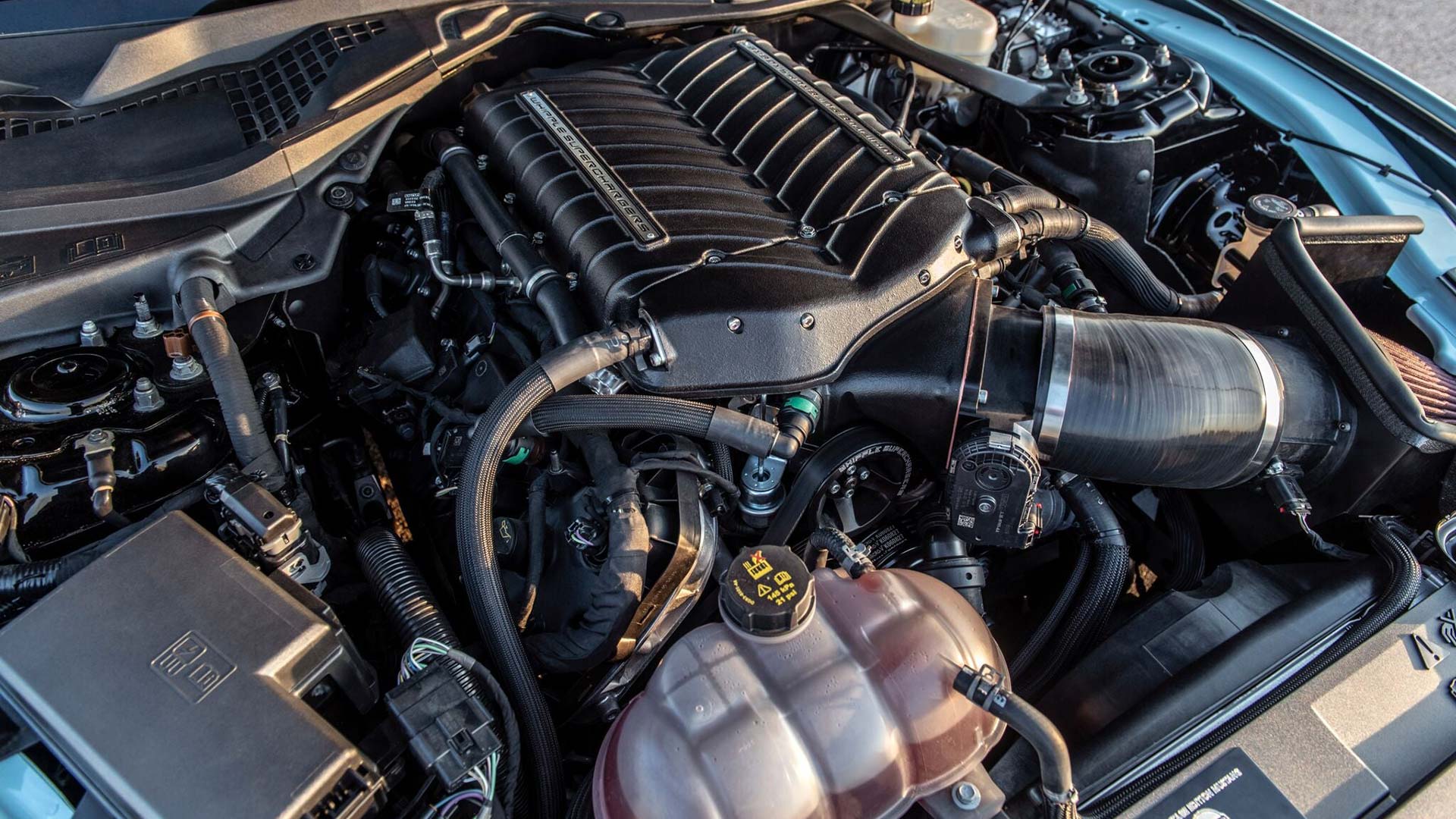 With Brown Lee selling a range of modified Fords from tuning companies
 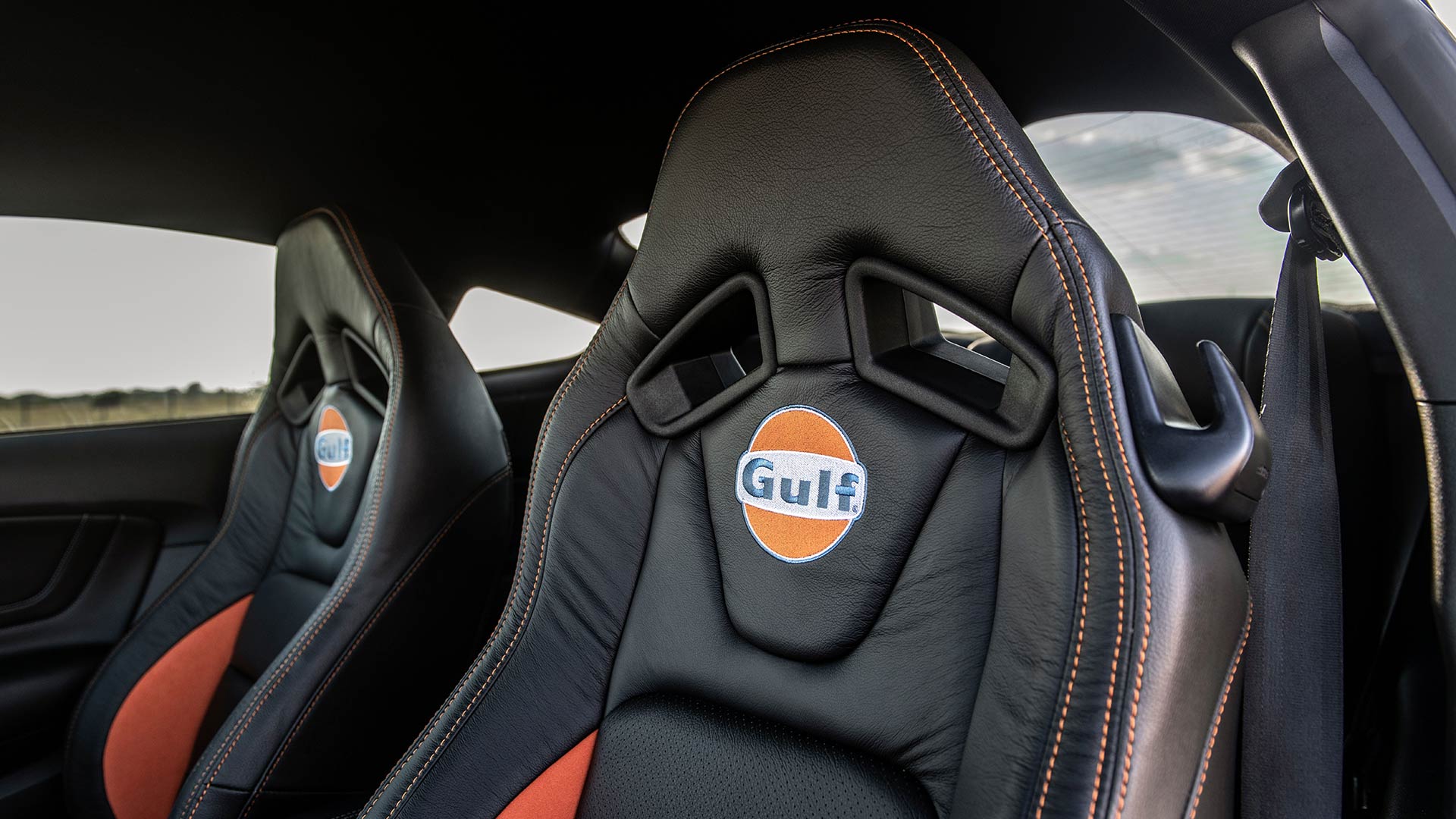 A set of 20-inch gunmetal alloy wheels are bolted on, whilst the suspension is lowered to ensure the perfect stance. This includes full coilover suspension for Mustangs without the adjustable Magnetic Ride system.
 Like any good limited edition, each car will come with a special build plaque signifying which of the 119 units it is.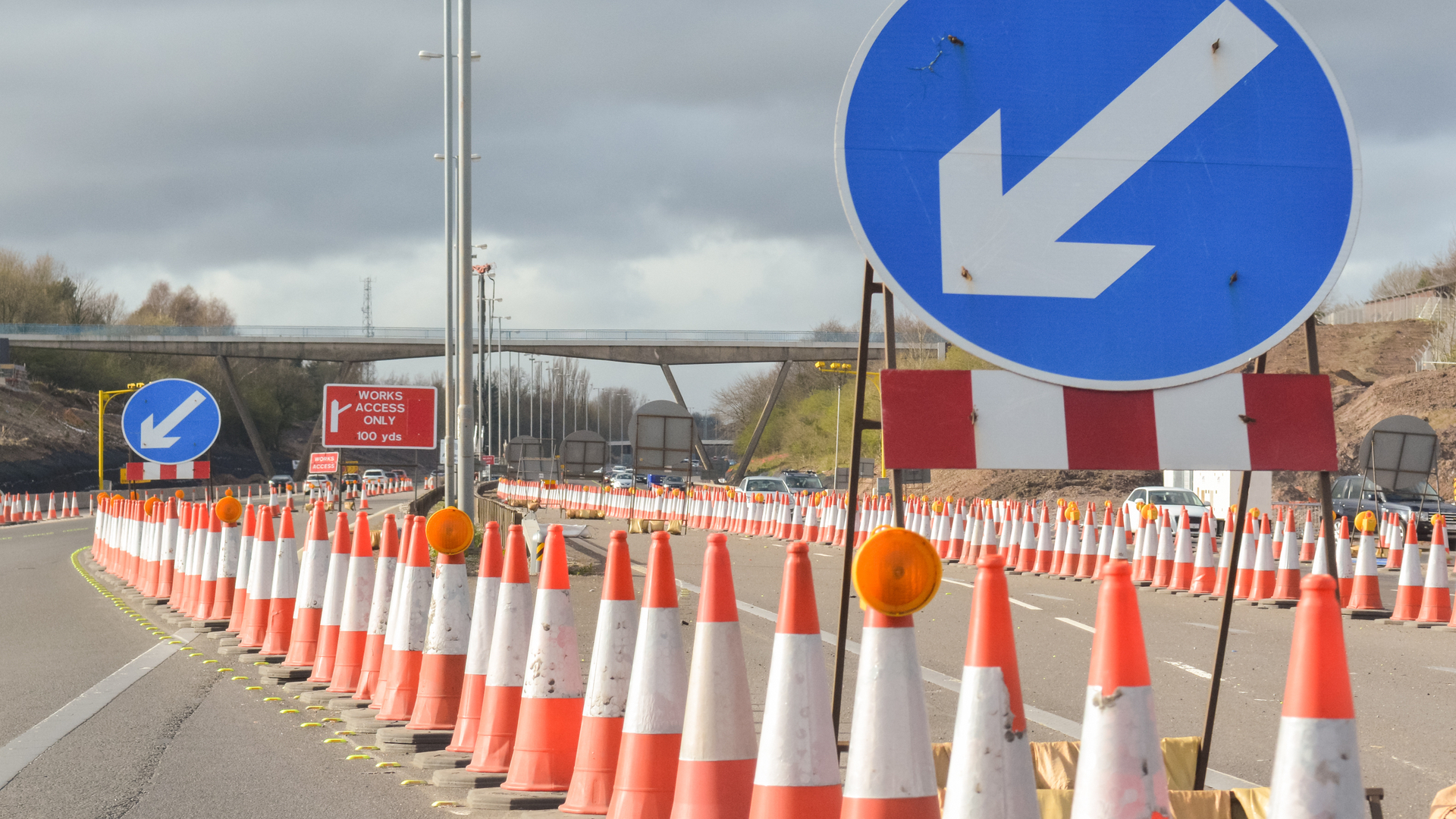
 Jaguar has submitted a formal application to the Oxford English Dictionary (OED) and Oxford Dictionaries to change the official online definition of the word ‘car’.