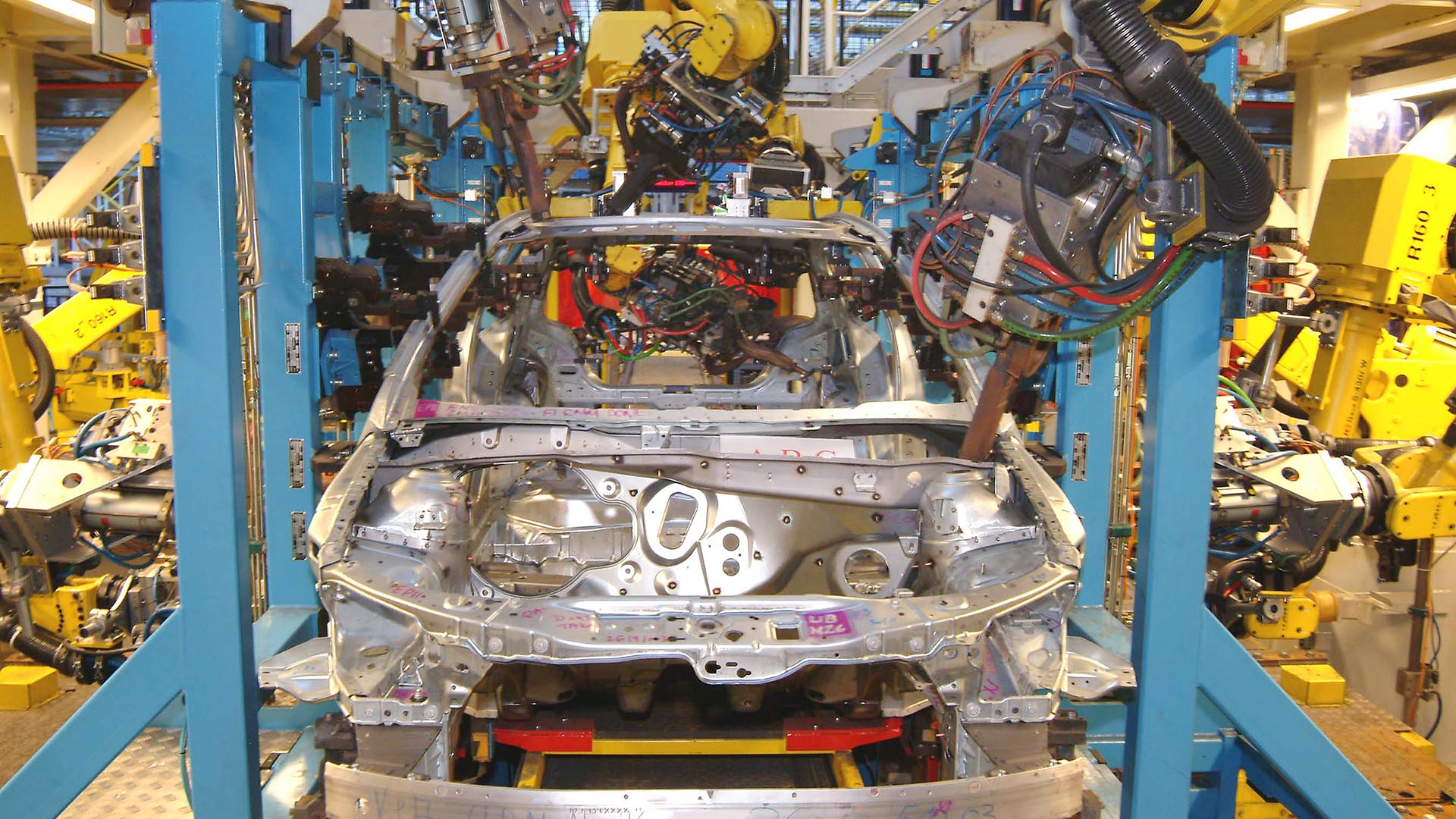
McLaren and Nissan have joined aerospace company Meggitt in the race to develop and manufacture ventilators. The equipment is desperately needed in the fight against coronavirus, which attacks the respiratory system.
Ventilators are in short supply in the UK at the moment, such that prime minister Boris Johnson has called upon industrial leaders to redirect their focus.
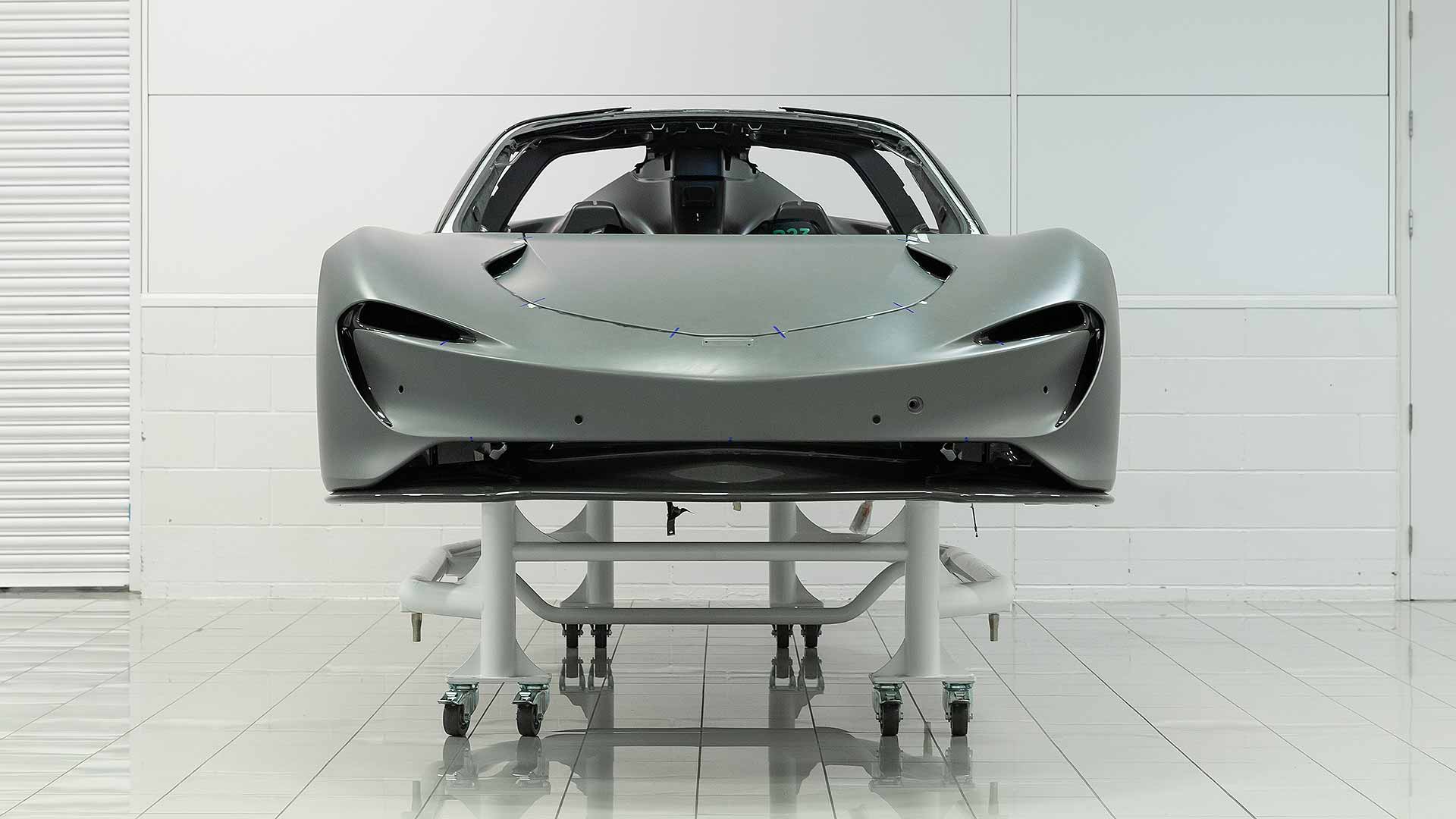
Thus McLaren, which was hard at work preparing to deliver 106 seven-figure Speedtail hypercars, is now helping make medical equipment.
The initiative is working under the leadership of Dick Elsy, chief executive of High Value Manufacturing Catapult, a Solihull-based research centre.
The target is to manufacture 5,000 ventilators as soon as possible, and follow up with a further 30,000. The UK’s current ventilator supply is around 5,000 – far short of what may be needed. The effort is targeting the manufacture of a basic prototype by next week.
At last count (Wednesday 19 March), the number of people infected with coronavirus in the UK sat was around 2,600, with more than 100 deaths.
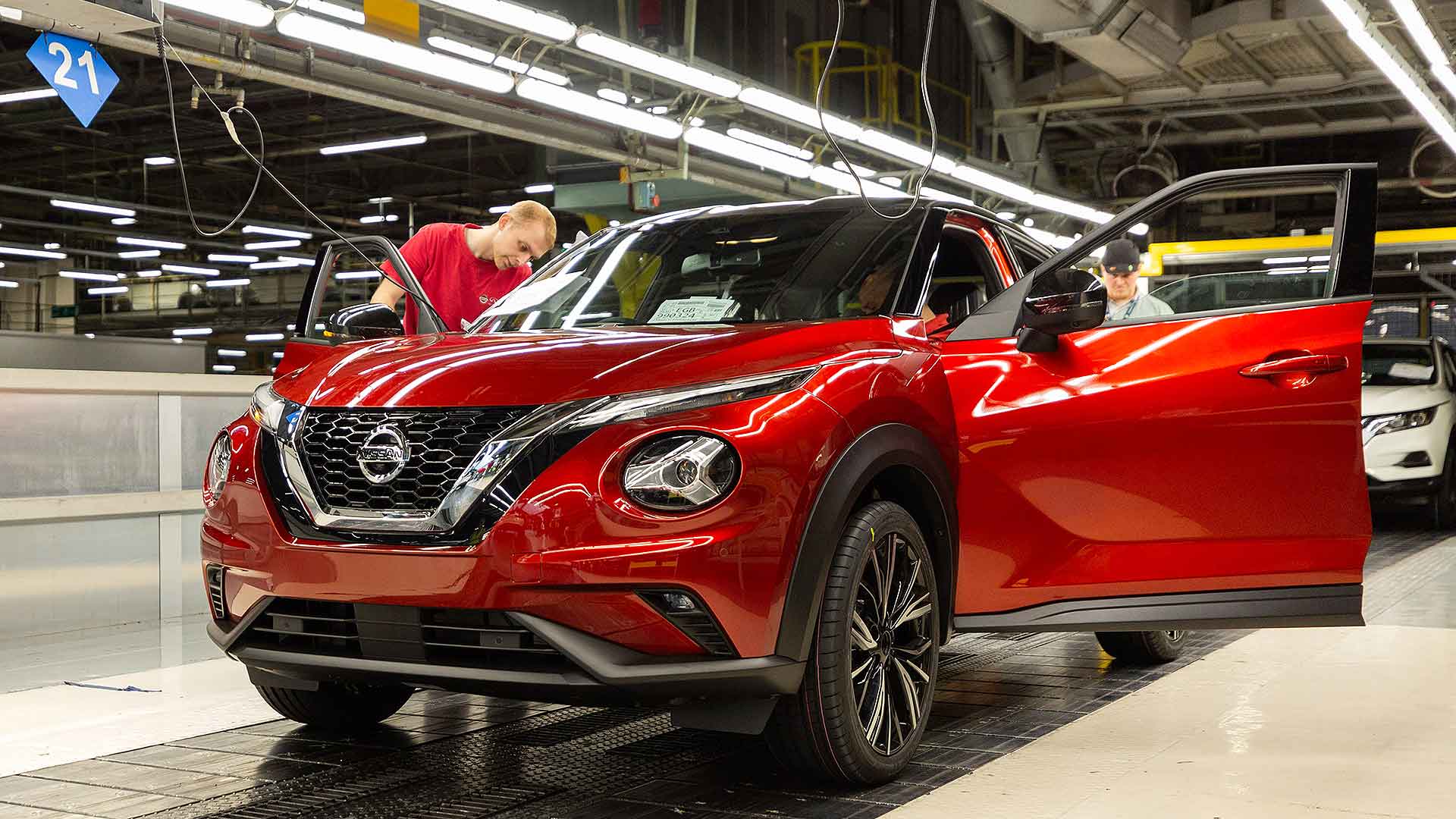
According to sources close to The Financial Times, McLaren is lending its design expertise to the effort, while Nissan is leading on the manufacturing side. Other aerospace companies working on the project include GKN, Airbus, Thales and Renishaw. Airbus, for instance, is lending its 3D printing capabilities to the project.
This follows news yesterday that Vauxhall was getting in on the ventilator effort, lending assistance with 3D printing. Jaguar Land Rover and Rolls-Royce have also said they will provide support.
Whilst many institutions may be closed to physical visitors, two California auto museums are offering ways to allow guests to see inside virtually.
Both the Petersen Automotive Museum in Los Angeles, and Oxnard’s Mullin Automotive Museum have adopted the new approach.
It aims to give virtual visitors a chance to see some of the coolest cars each museum has, and gain insights from those who look after them.
Mullin Automotive Museum
Founded in 2010 by car enthusiast and philanthropist Peter W. Mullin, the Mullin Automotive Museum hosts his extensive personal vehicle collection.
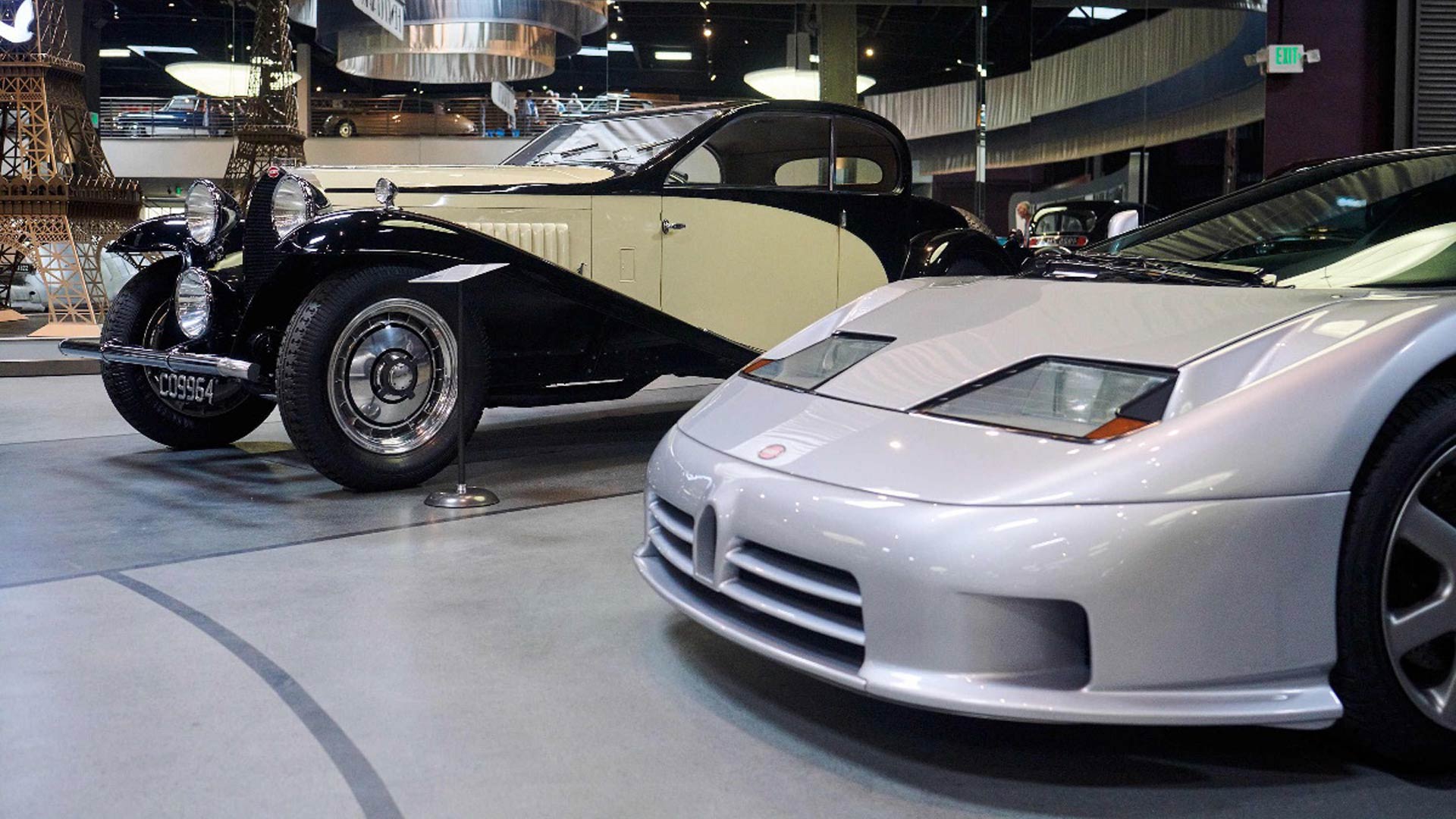
Key highlights include a wealth of Bugattis, with a particular focus on classic French cars. Many of the vehicles on display have collected awards at prestigious shows, with Grand Prix and Le Mans winners also included.
The Mullin will be offering free virtual guided tours via Instagram Live, with the next scheduled event to take place on Friday, March 20th at 10am PST.
Petersen Automotive Museum
As one of the largest automotive museums in the world, the Petersen hosts a staggering array of vehicles in its various exhibitions.
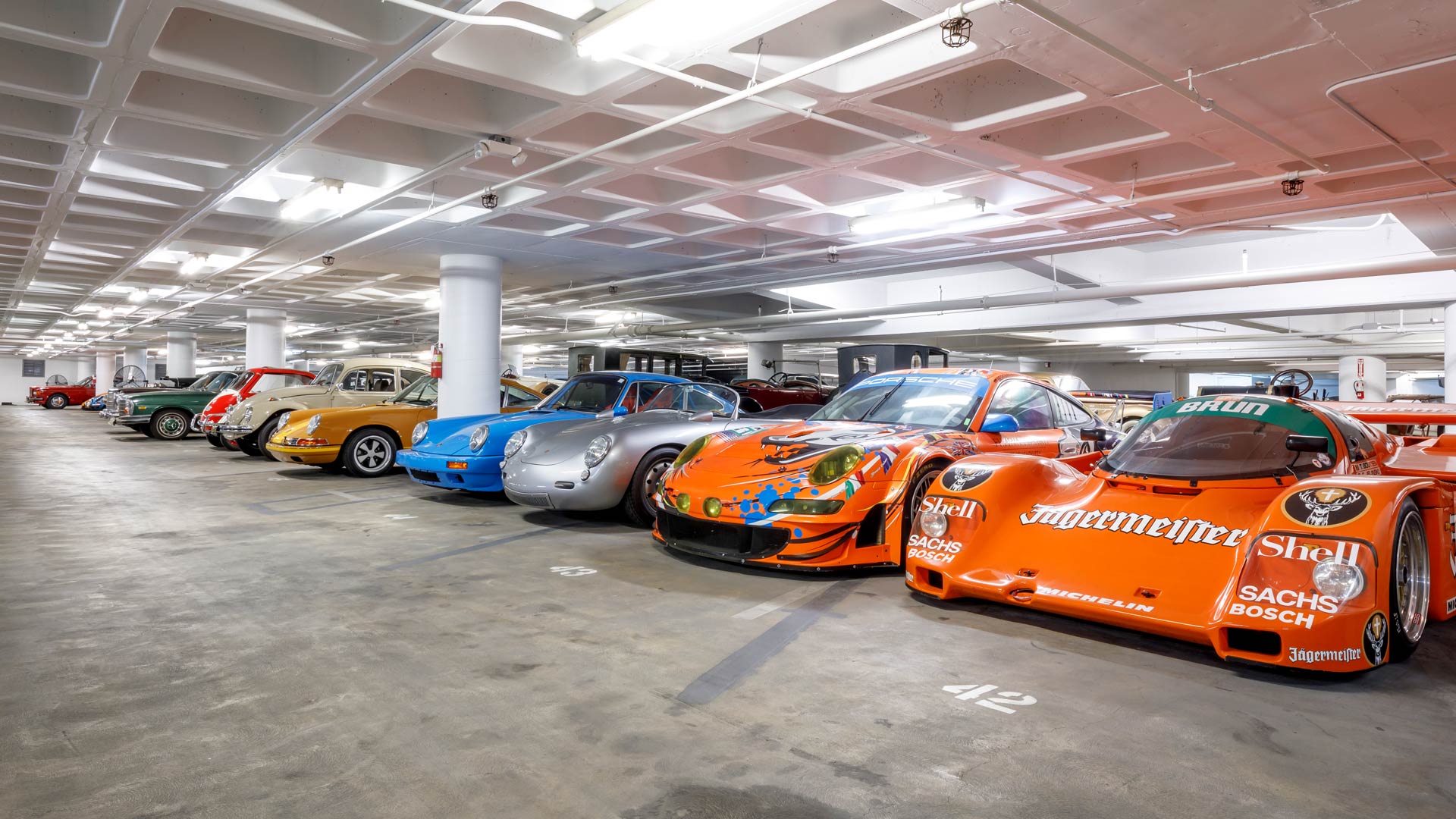
However, beneath the museum in the 60,000 sq ft ‘Vault’ are 250 other rare and iconic cars from around the world.
With the museum closed to physical visitors, the Petersen will be offering virtual guided tours of the Vault for just $3. This is an 86 percent discount on normal Vault tours, but allows the museum to cover the costs of continuing to operate.
Various time slots can be booked via the Petersen’s website for the coming few days, and will continue until March 31st.
The museum has also unveiled a range of online educational activities, designed to keep children engaged across the next few weeks.
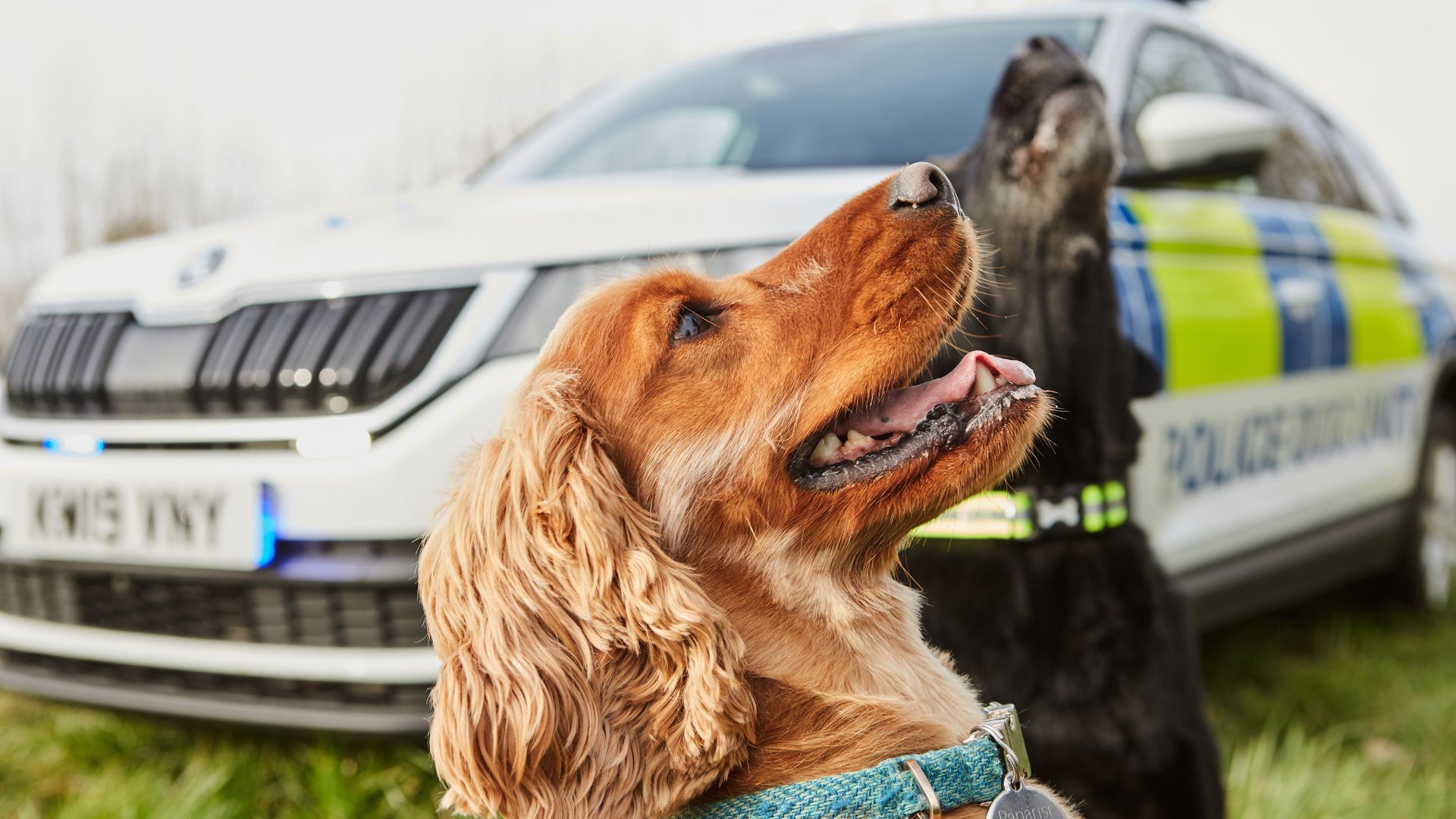
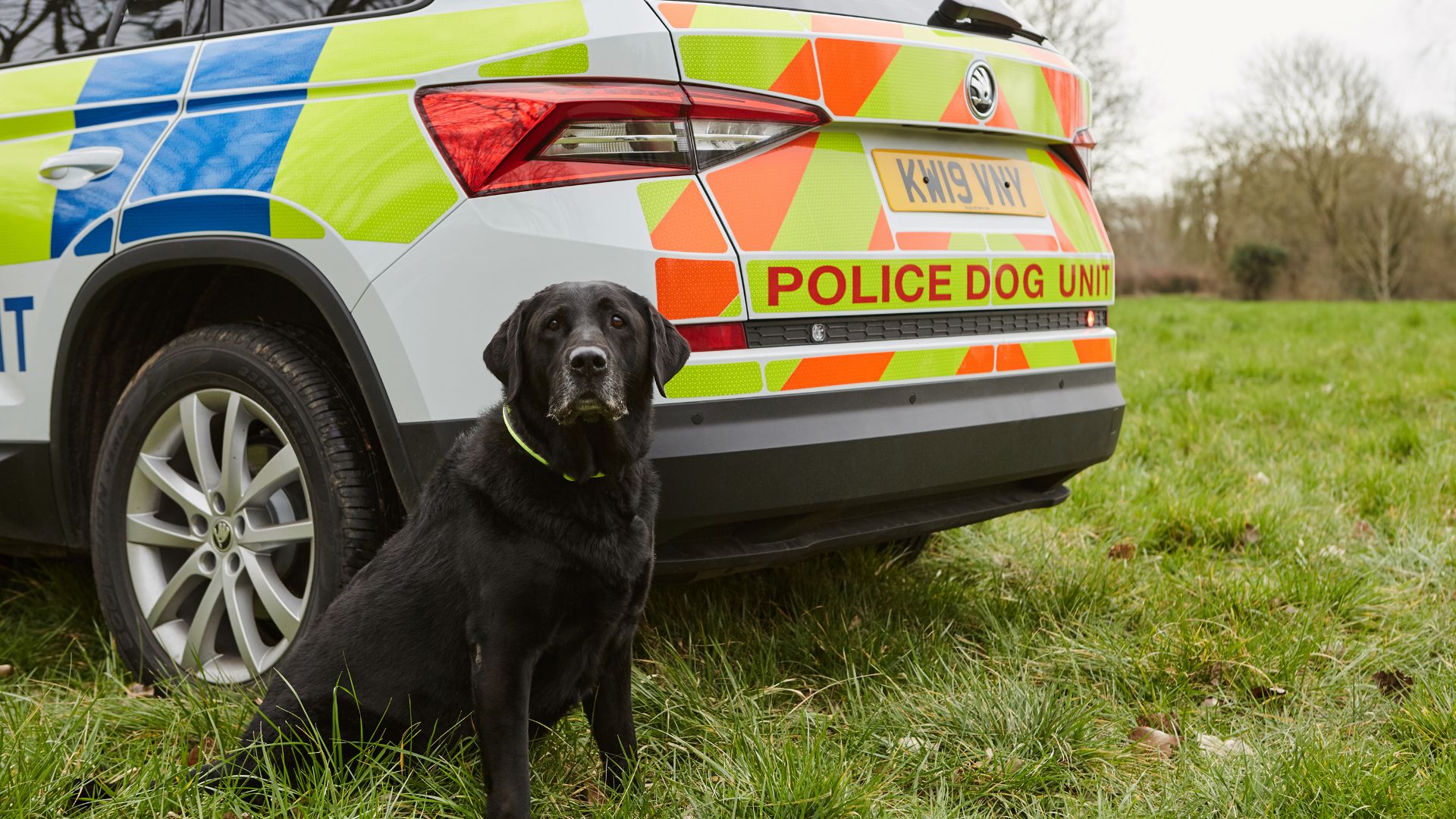
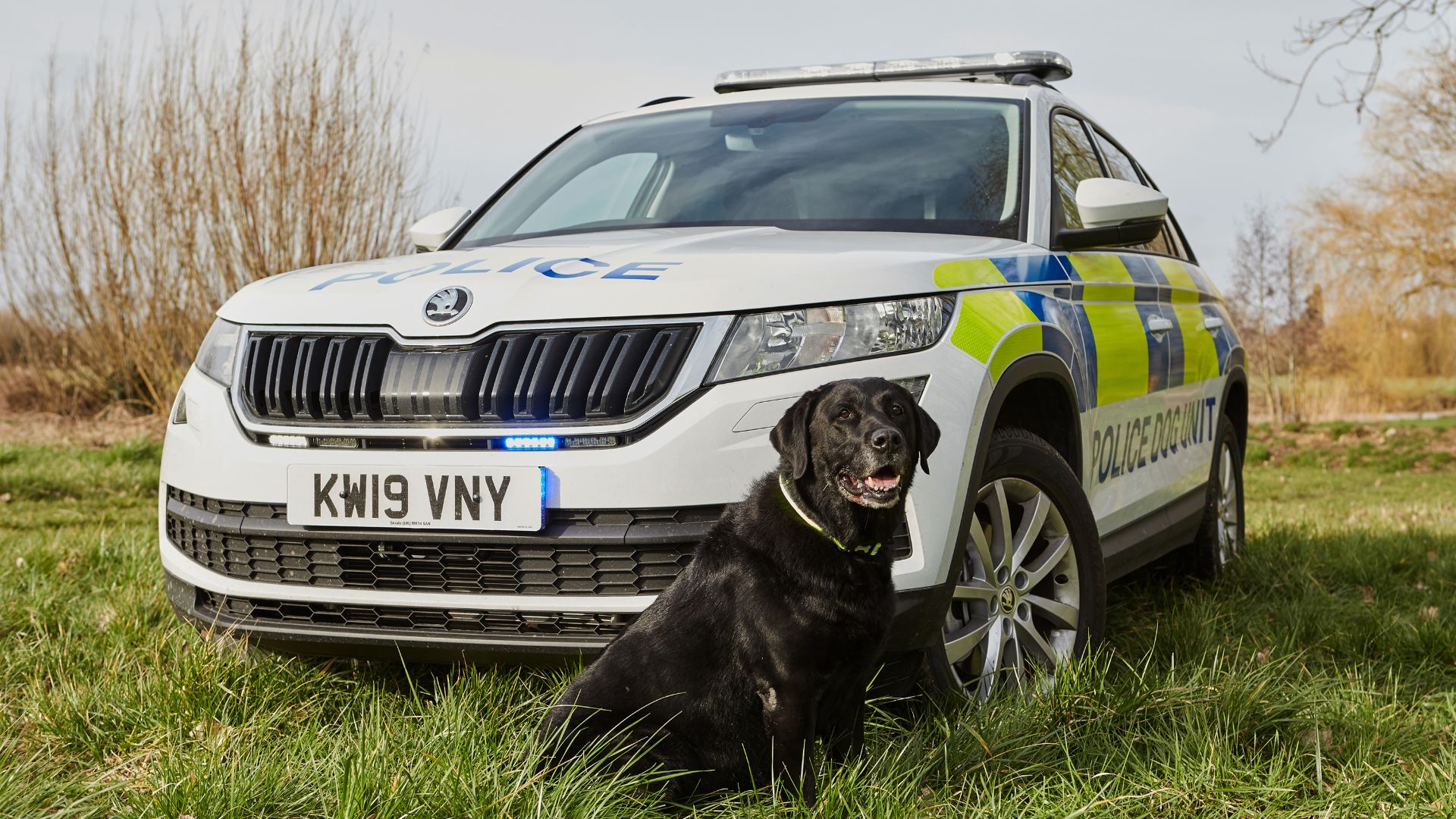
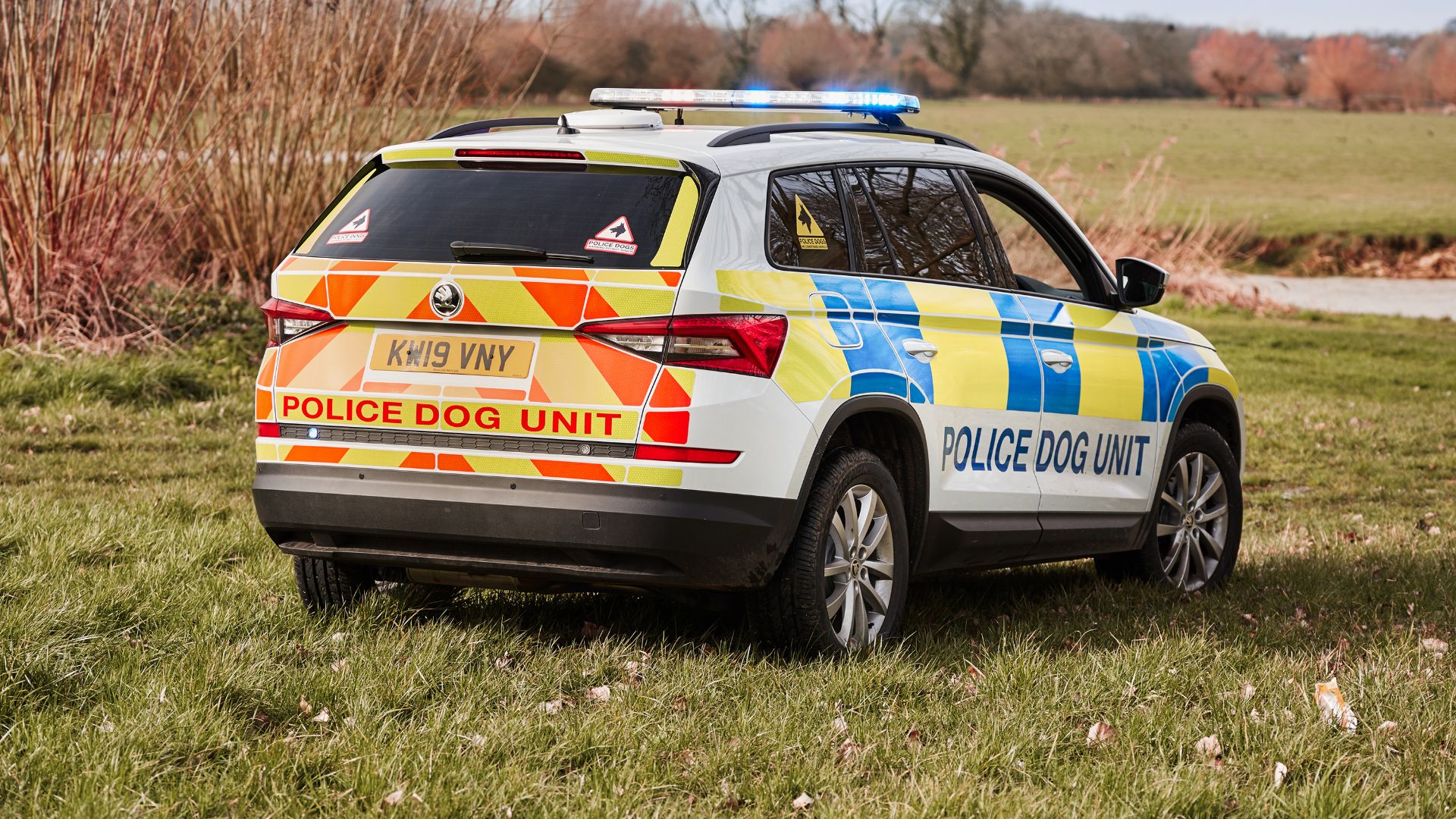
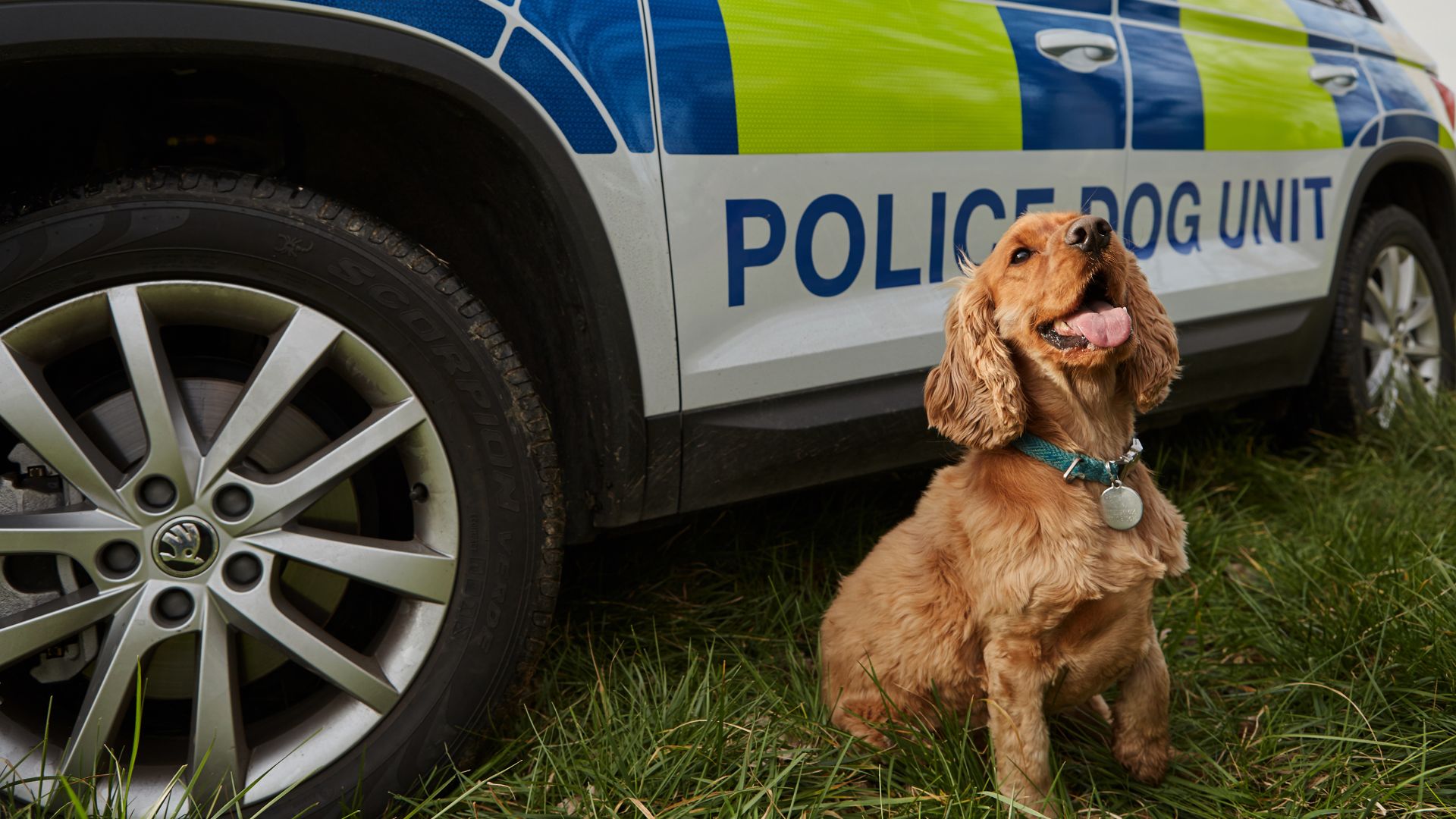
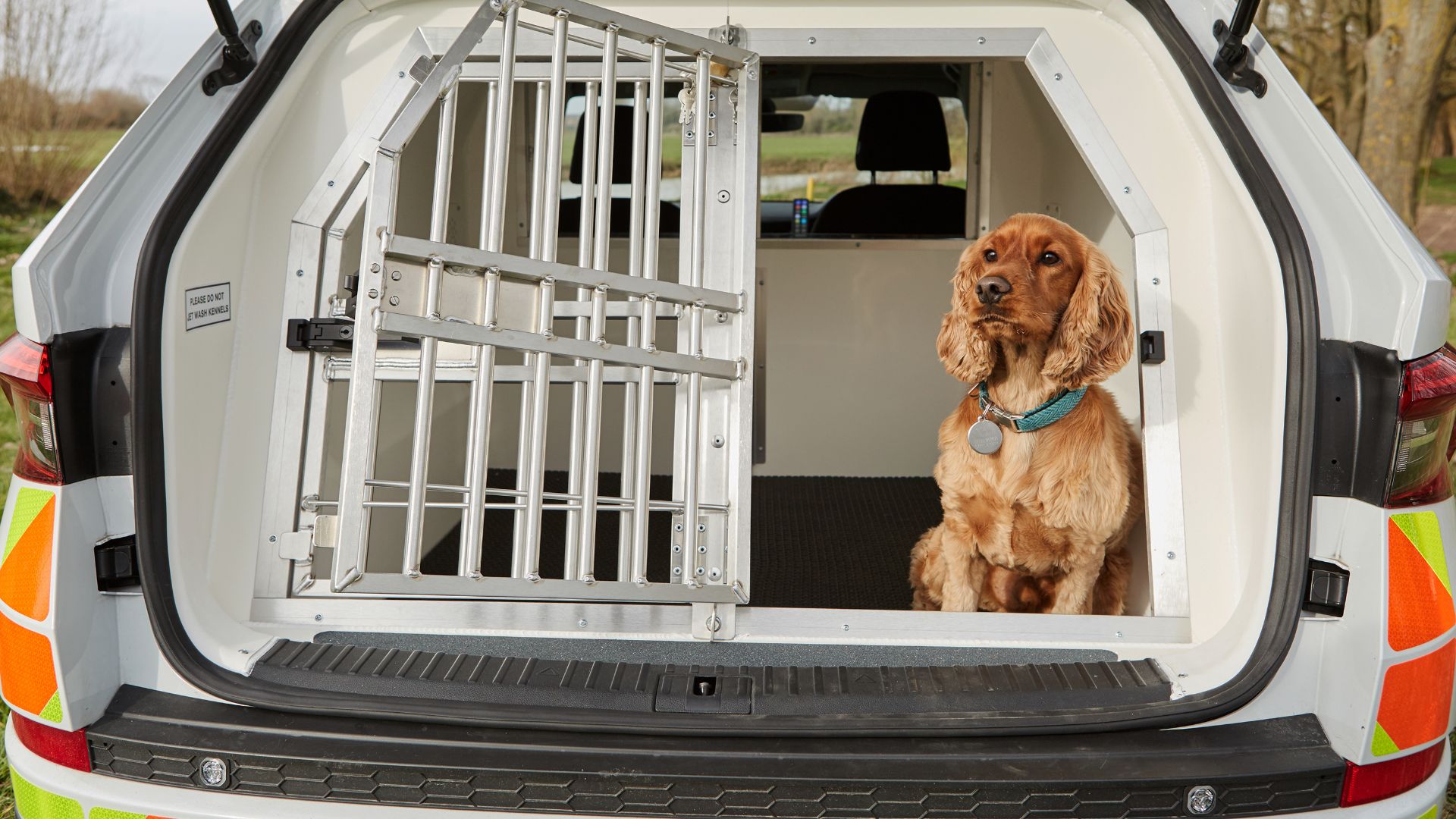
The Skoda Kodiaq is the latest vehicle to get the police dog unit paw-print of approval. Canine teams will now have the option to order the Kodiaq SUV as a dog vehicle, following its conversion and certification.
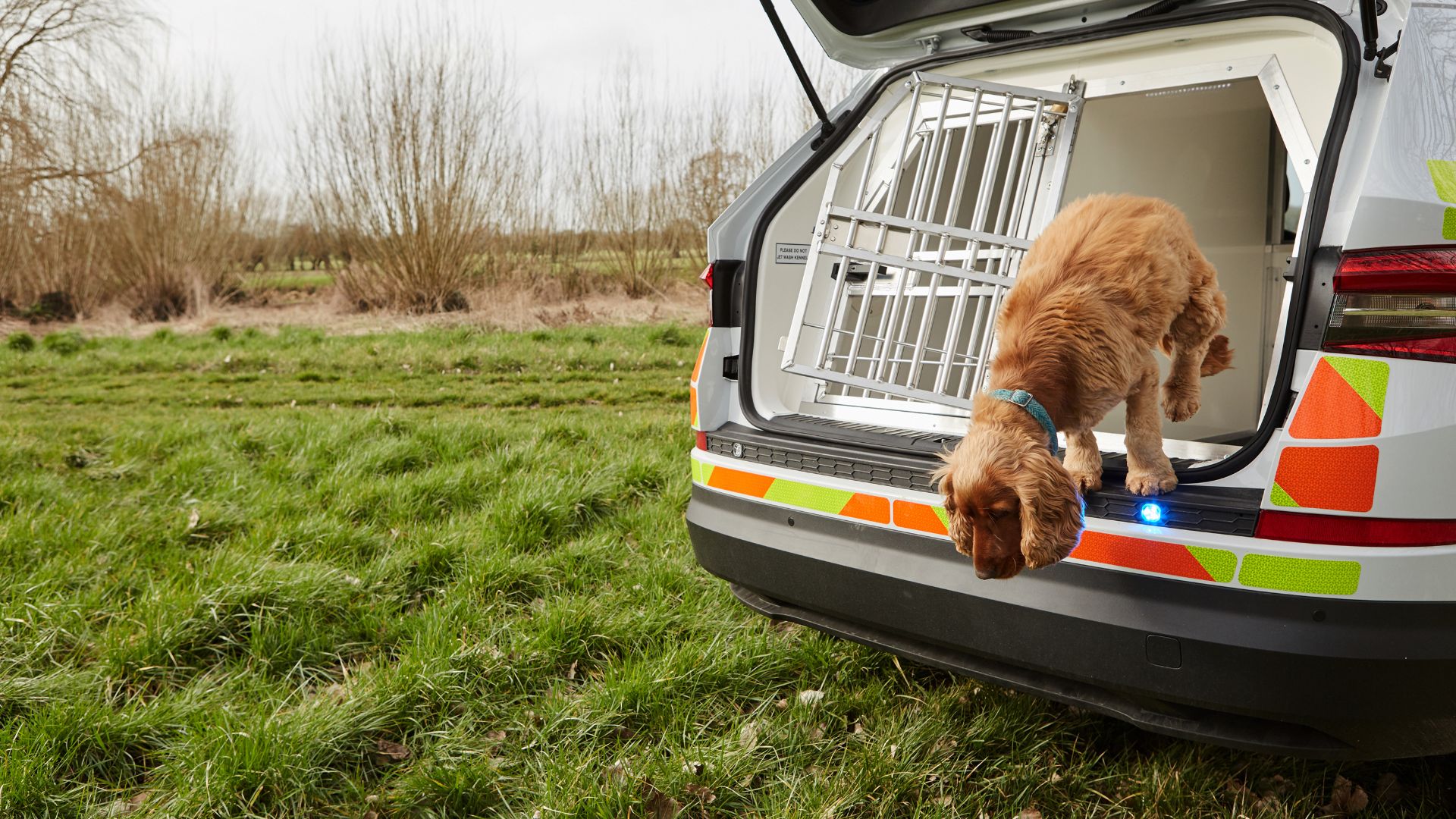
The car features two air-conditioned dog kennels with temperature monitoring. They’re built into the back of the canine-friendly Skoda Kodiaq. There is also a front escape hatch with drop glass built into each kennel. The conversion is a collaboration with the Policing Authority, and adheres to Royal Society for the Prevention of Cruelty to Animals (RSPCA) and Department for Environment, Food & Rural Affairs (Defra) standards.
Dogs are more expensive to insure than cars
“We know police dogs play a pivotal role in an emergency service response; therefore, they need an environment that provides the appropriate level of safety and comfort to get them to and from an emergency,” said Henry Williams, head of fleet, Skoda UK.
“The versatile Kodiaq police dog vehicle has all of the necessary features to ensure police dogs are well looked after when going about their vital work.”
Pedigree chum: Mazda CX-5 wins ‘Best Car for Dog Owners’ award
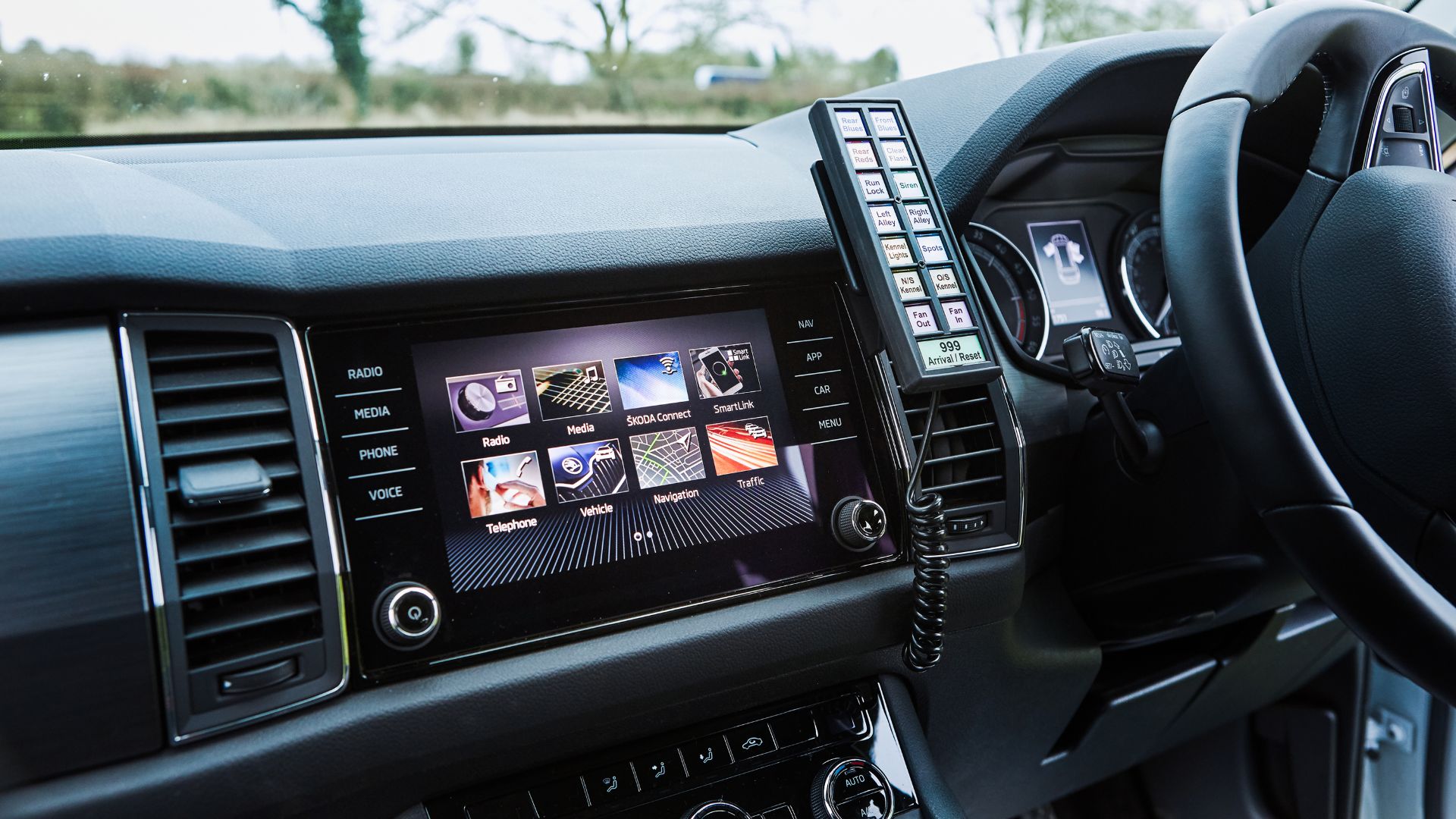
The usual blue-light conversion treatment applies, too. That means 360-degree service lighting and an engine run lock system. The latter allows the car to run, while locked, without the key in the ignition, to maintain power to the lights, sirens and other systems.
The Kodiaq is just one of the range of Skoda models that have been given the emergency services treatment. The company’s ‘blue light fleet’ includes vehicles for police, fire and rescue, ambulance services, paramedics and armoured duties.
Skoda can provide the car fully converted and ready to go. Financed vehicles should come with a complete package of breakdown recovery, service, maintenance and repair.
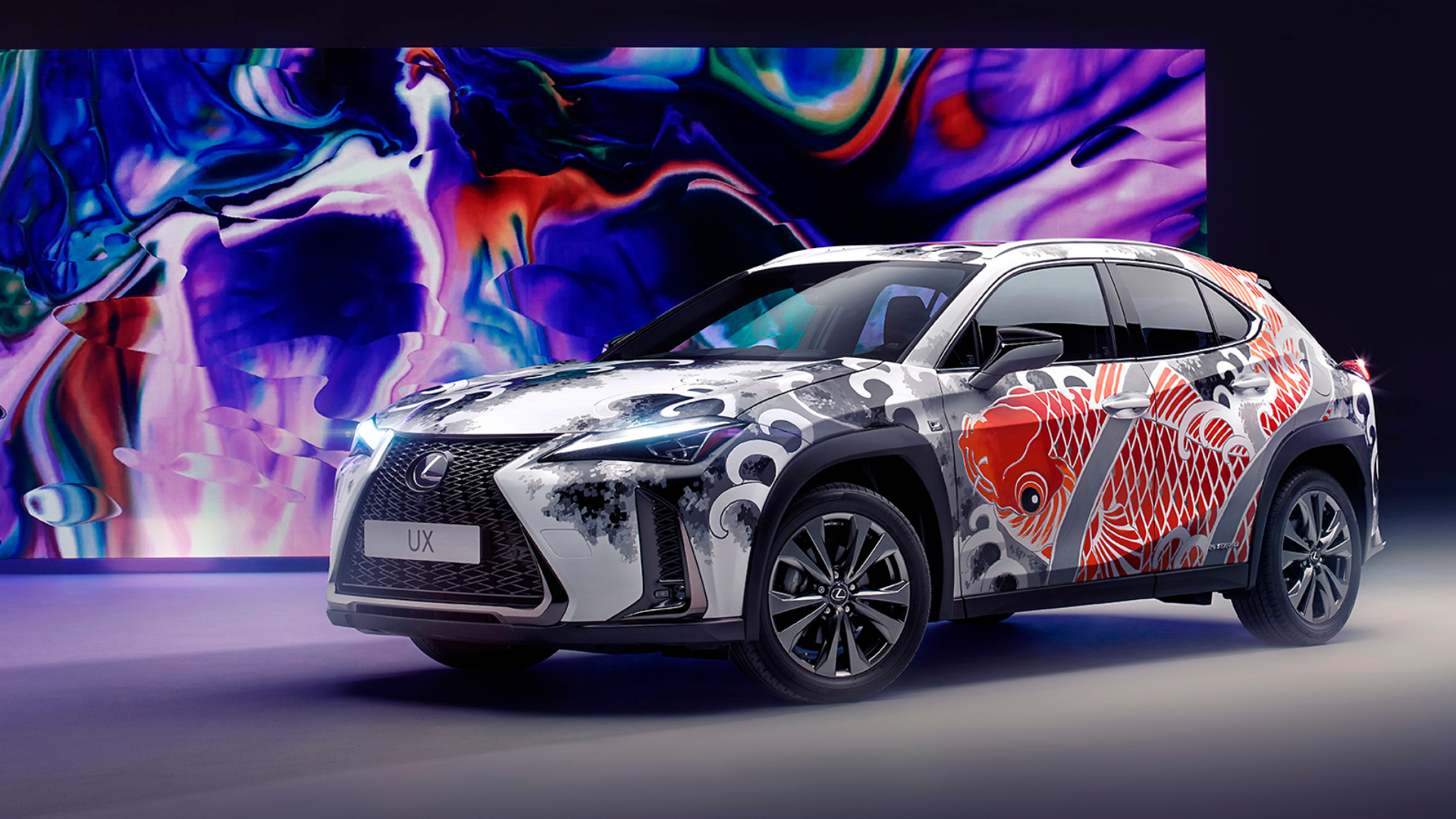
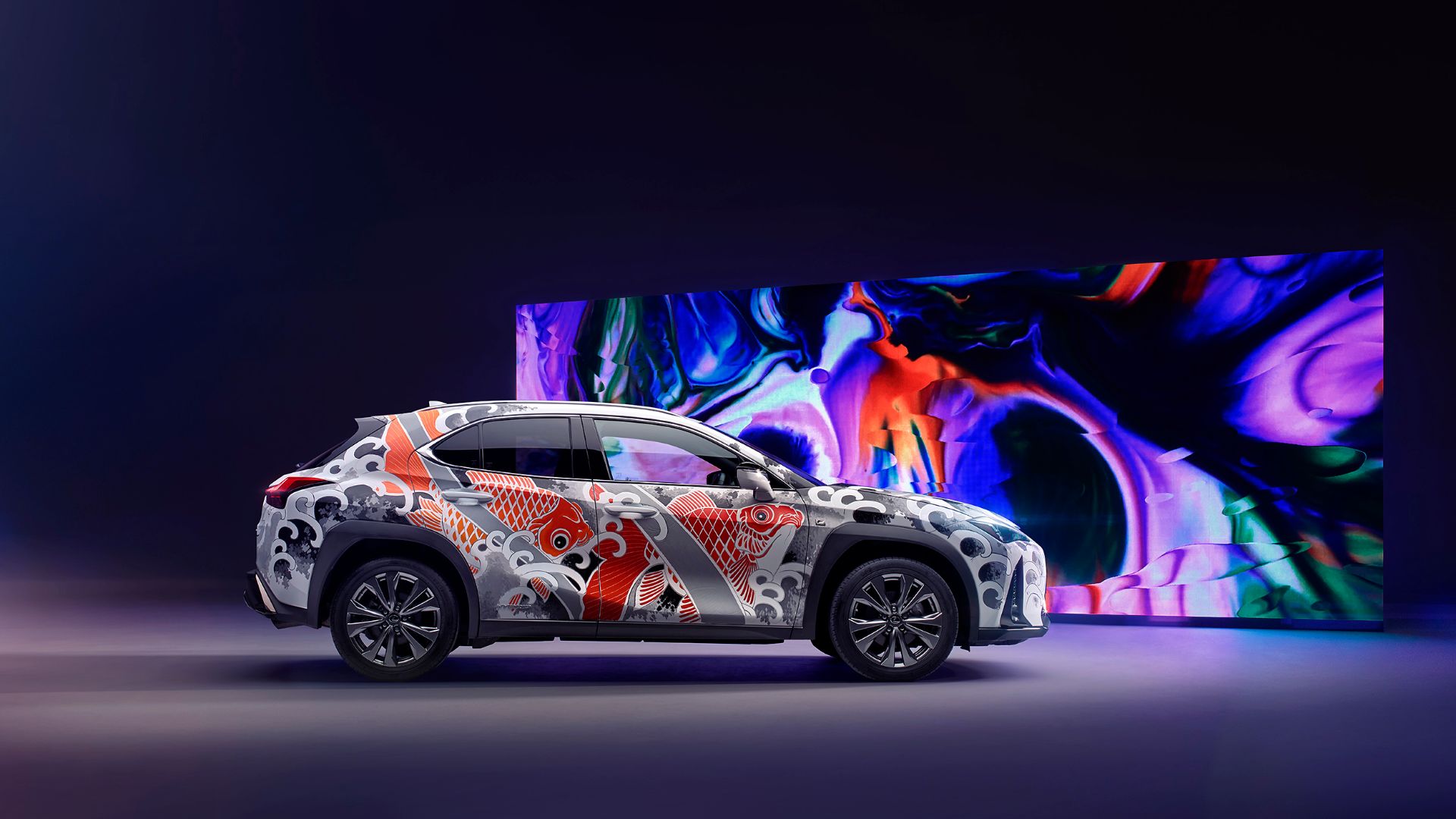
Lexus has commissioned the world’s first tattooed car, as ‘a celebration of fine craftsmanship and traditional Japanese artistry’.
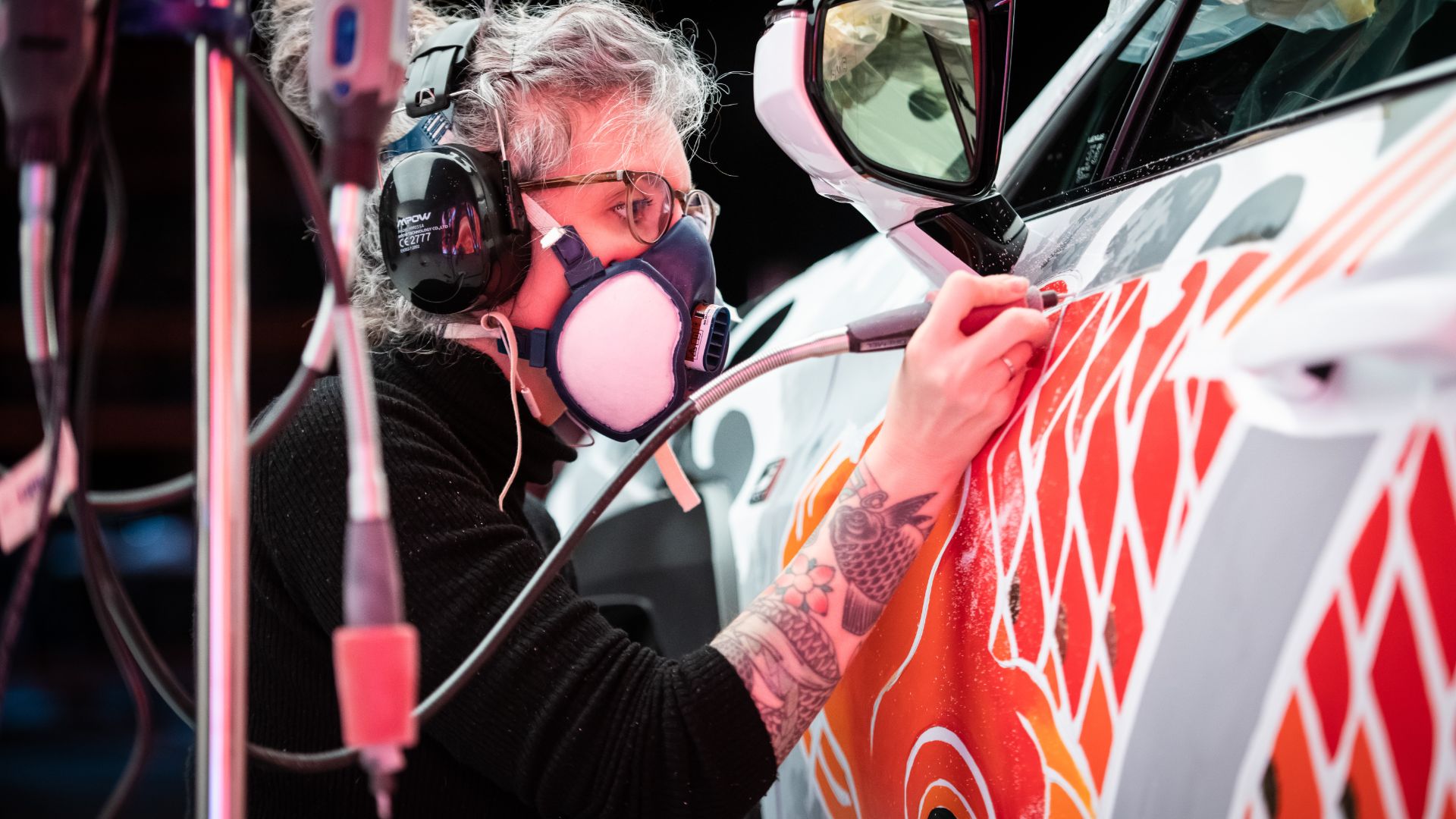
The company has partnered with leading London tattoo artist, Claudia De Sabe, to ‘ink’ a UX crossover.
With this tattoo, however, no ink was used. Instead, the white UX was drawn upon by the artist using a dremel drill. This was then painted over with high quality car paint, producing the sprawling koi artwork.
While the dremel was used to cut the outline through the paint to the metal, De Sabe added highlights using paint by hand. Gold leaf was the finishing touch, with a 3D effect.
To preserve the design, the car has been lacquered, as any new car would be, locking the artwork away from the elements.
The process, from concept to completed car, took six months. The actual work on the car took five eight-hour days. The differences for De Sabe are obvious. A car is much larger than a person, and difficult to position comfortably.
The dremel, too, also produced more vibration than a tattoo gun would. And even though the subject is larger, because the dremel engraves, even more precision was required.
While this one-off piece of art isn’t priced, the work itself is estimated to be worth more than £120,000.
You can now order digital door mirrors for your Lexus
“When you tattoo a person, you have to think about the muscles and tissue beneath the skin. With the car it was about the way the bodywork changes shape over the framework,” De Sabe said of the project.
“The best thing about tattooing the Lexus UX, and the reason why this car was ideal for the project, is its streamlined shape. Everything from the lines on the side of the body to the shape of the windows, everything is just so dynamic and beautiful. It was a perfect fit for the design and the concept itself.”
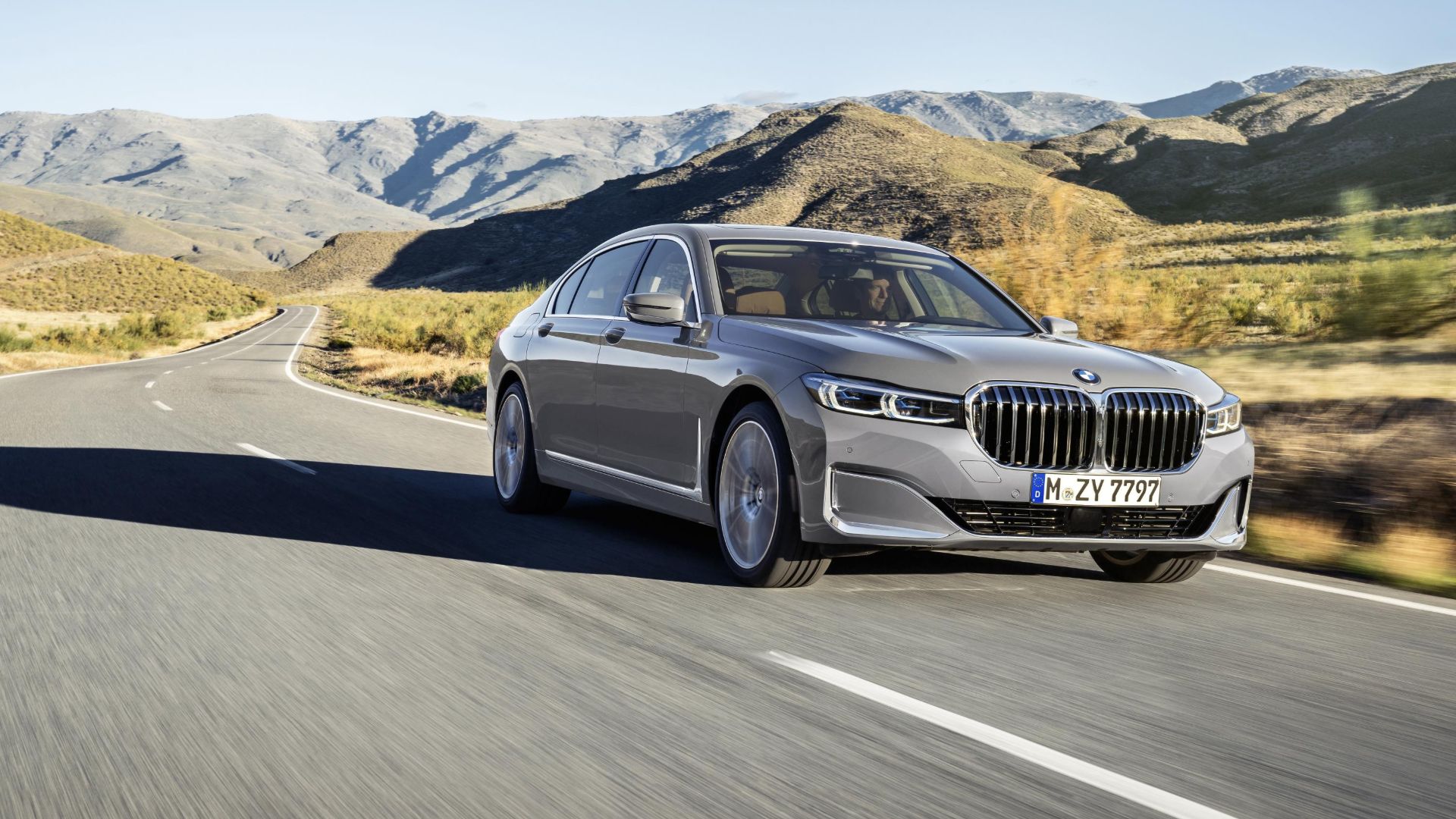
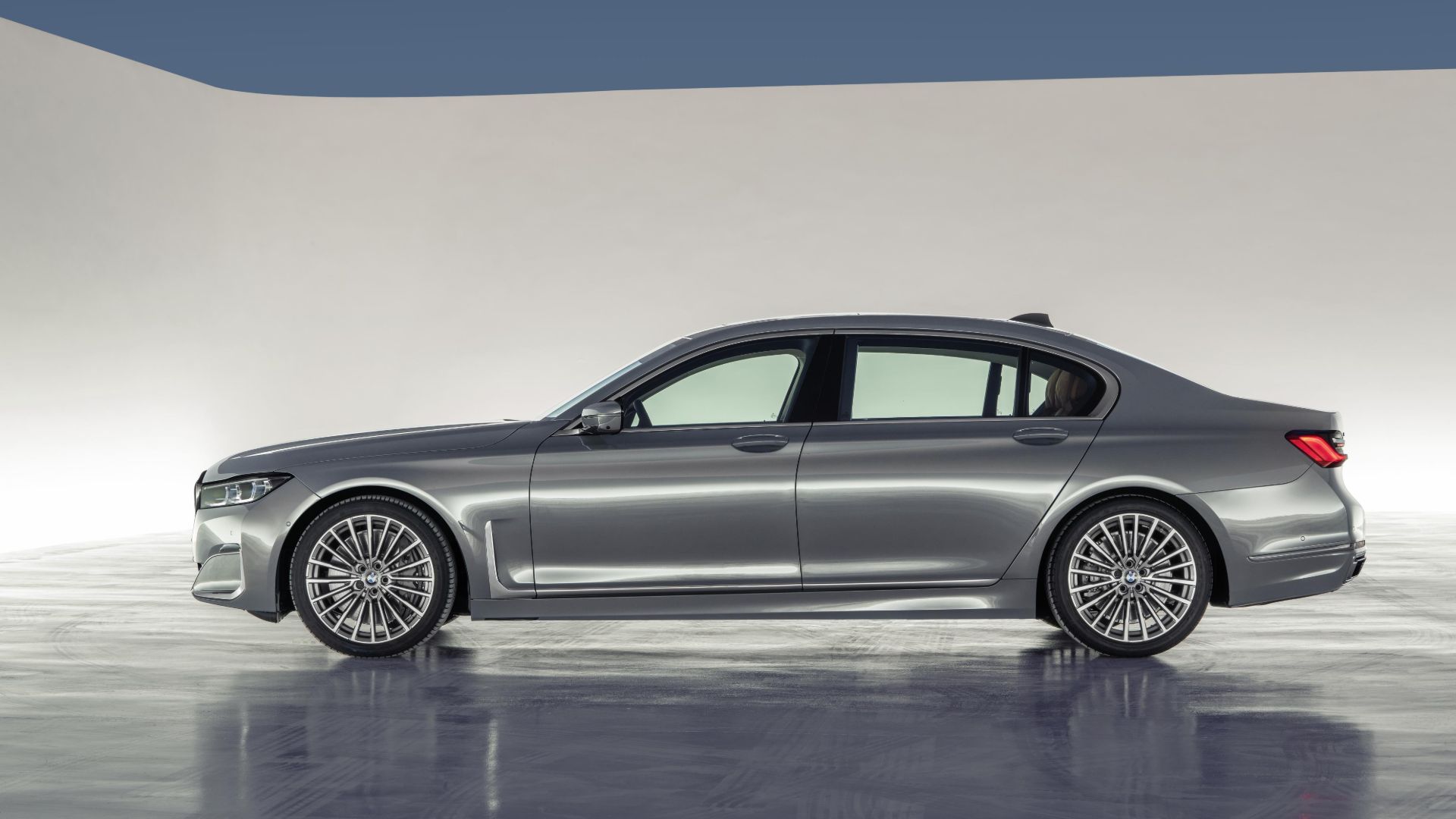
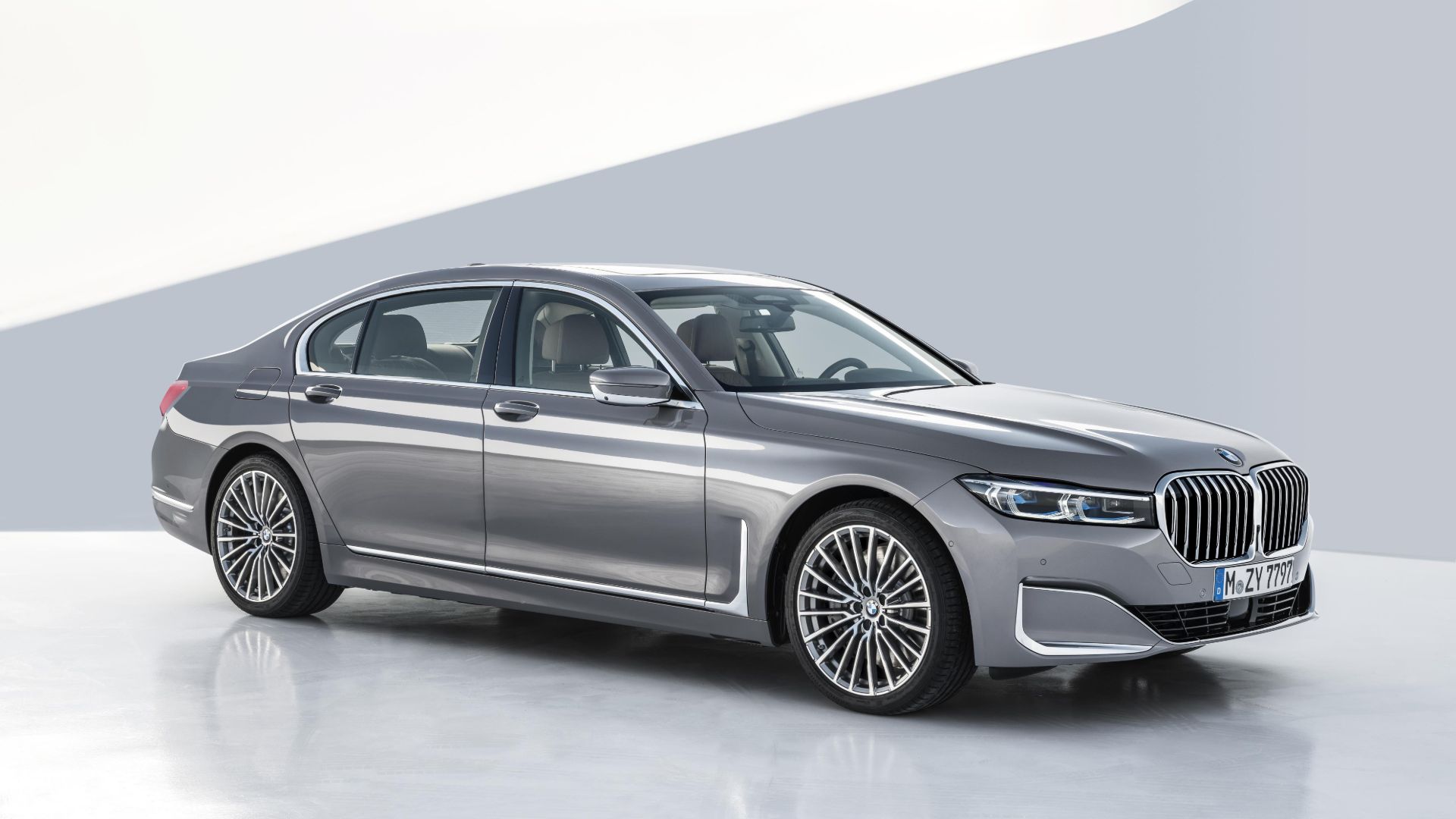
The headline is that the 7 Series will get an all-electric version. But BMW also says this will be one of four types of drivetrain: diesel, petrol, plug-in hybrid and electric. This ‘genuine power of choice’ means more buyers are catered for.
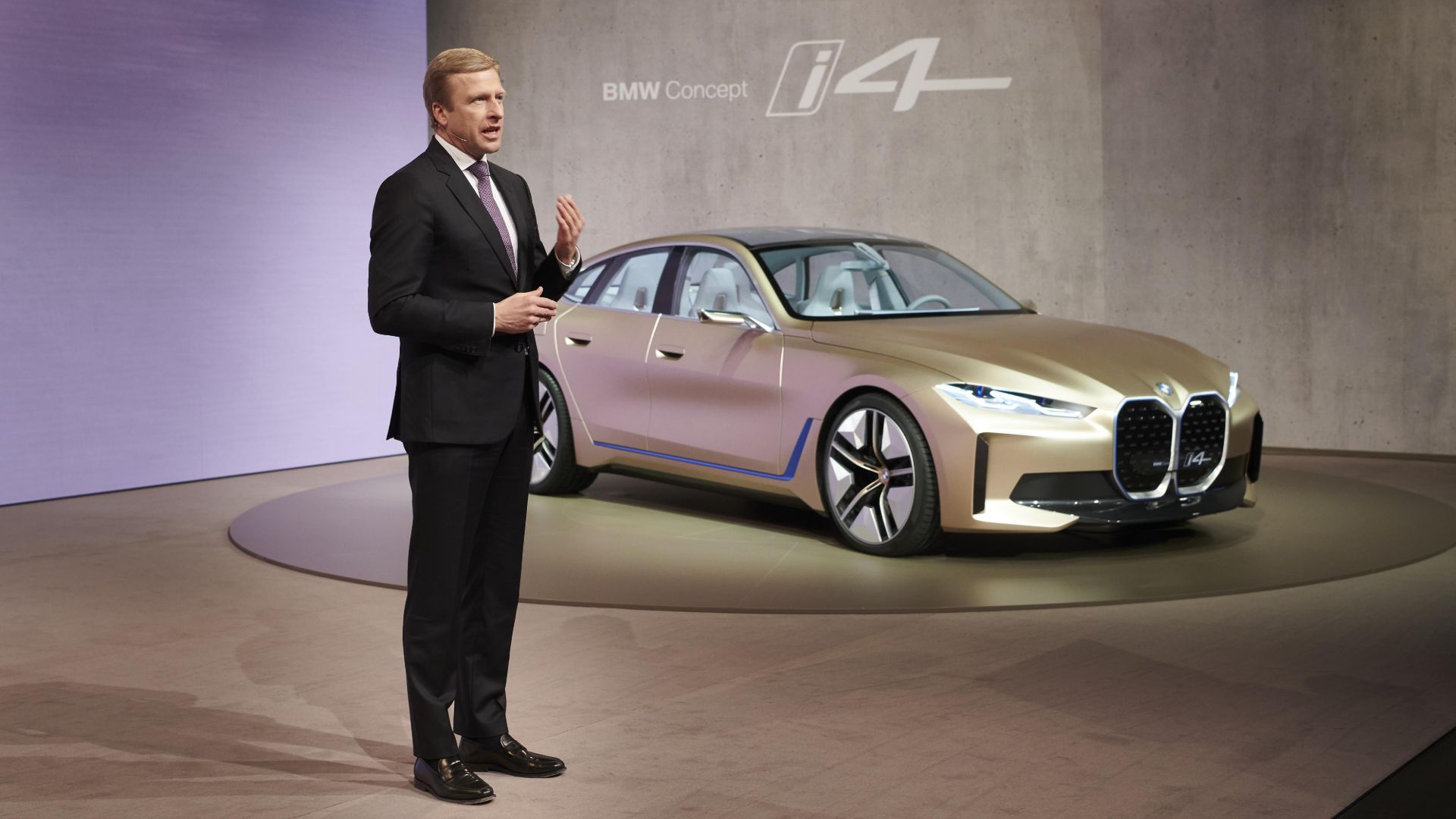
The electric 7 is due to get BMW’s fifth-generation EV powertrain. We will see this first in the iNext and i4, with the latter recently previewed and claiming a 373-mile range.
The 7 Series will lock horns with Jaguar’s imminent all-electric XJ. Mercedes-Benz will likely be joining the fray, too, with a production version of its electric EQS Concept, seen at the Geneva Motor Show last year.
Electrification of the next 7 Series is part of BMW Group’s plan to have 25 electrified models by 2023. More than half, it says, will be fully-electric.
BMW expects demand for EVs to double in 2021, compared with 2019. On the way to 2025, BMW expects sales of electric vehicles to grow by 30 percent every year.
At present, BMW’s all-electric range consists only of the Mini Electric and BMW i3. The iX3 is due to join them shortly, scheduled for production in China this year. The i4 and iNext will follow in 2021.
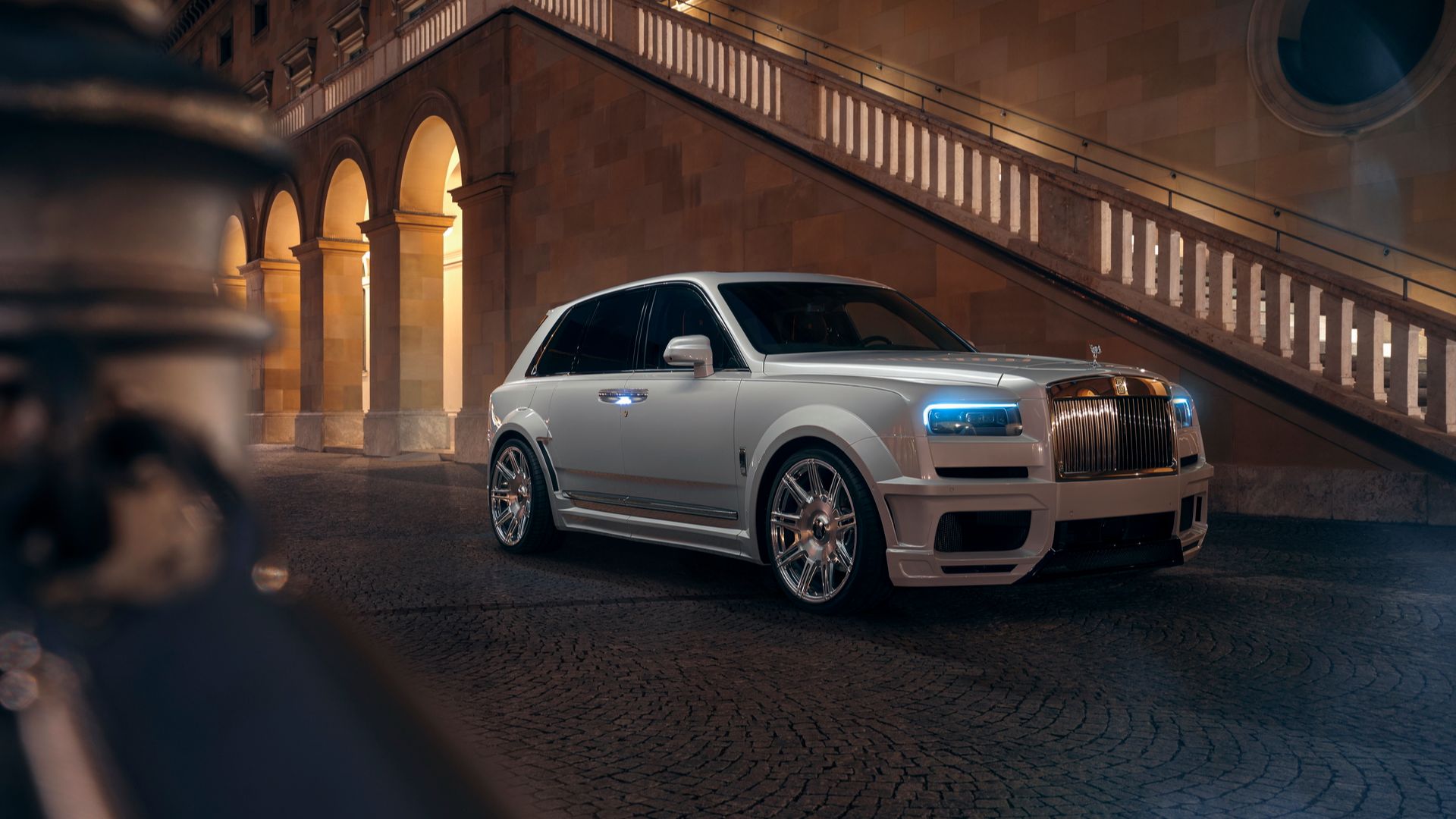
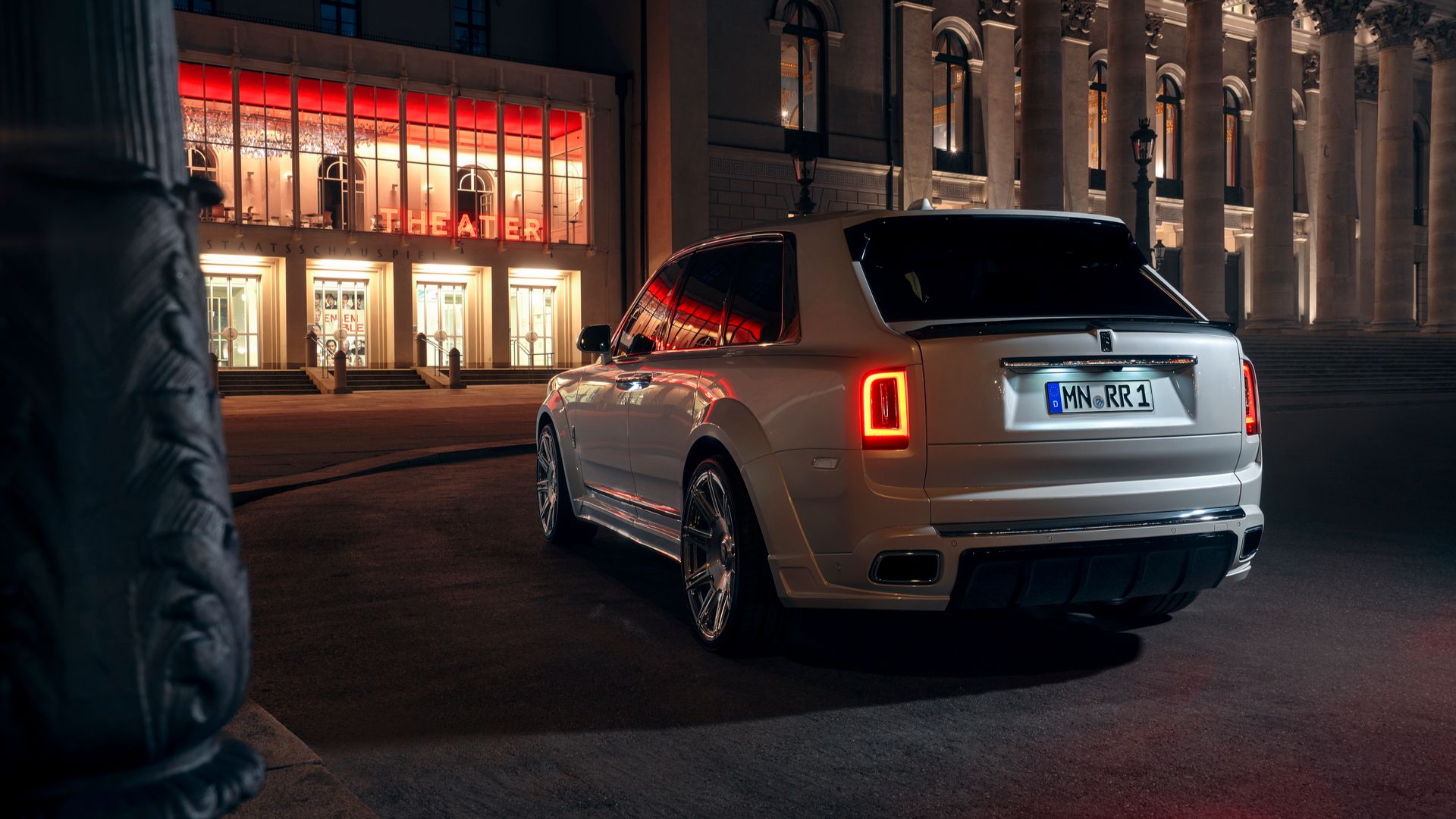
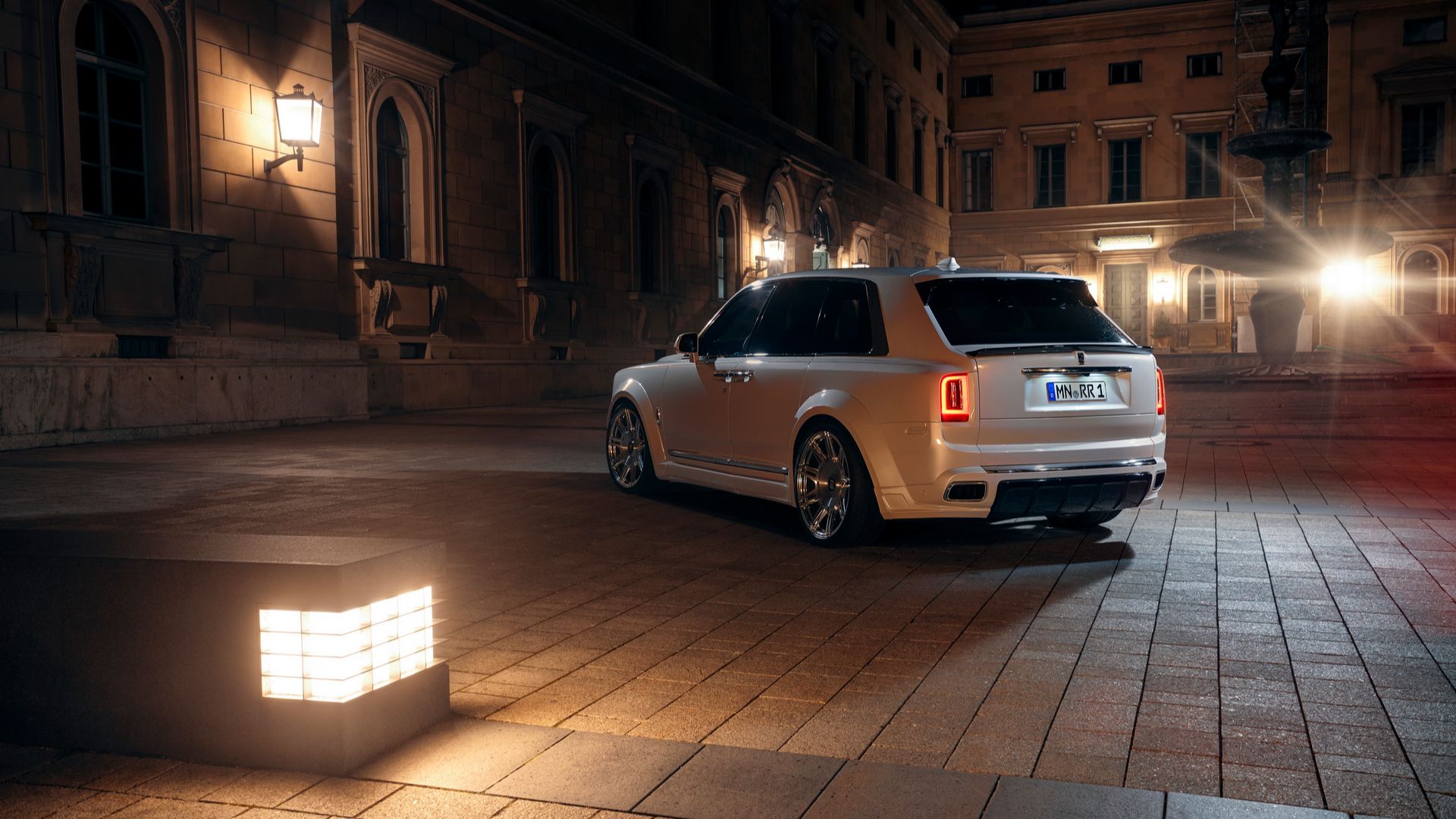
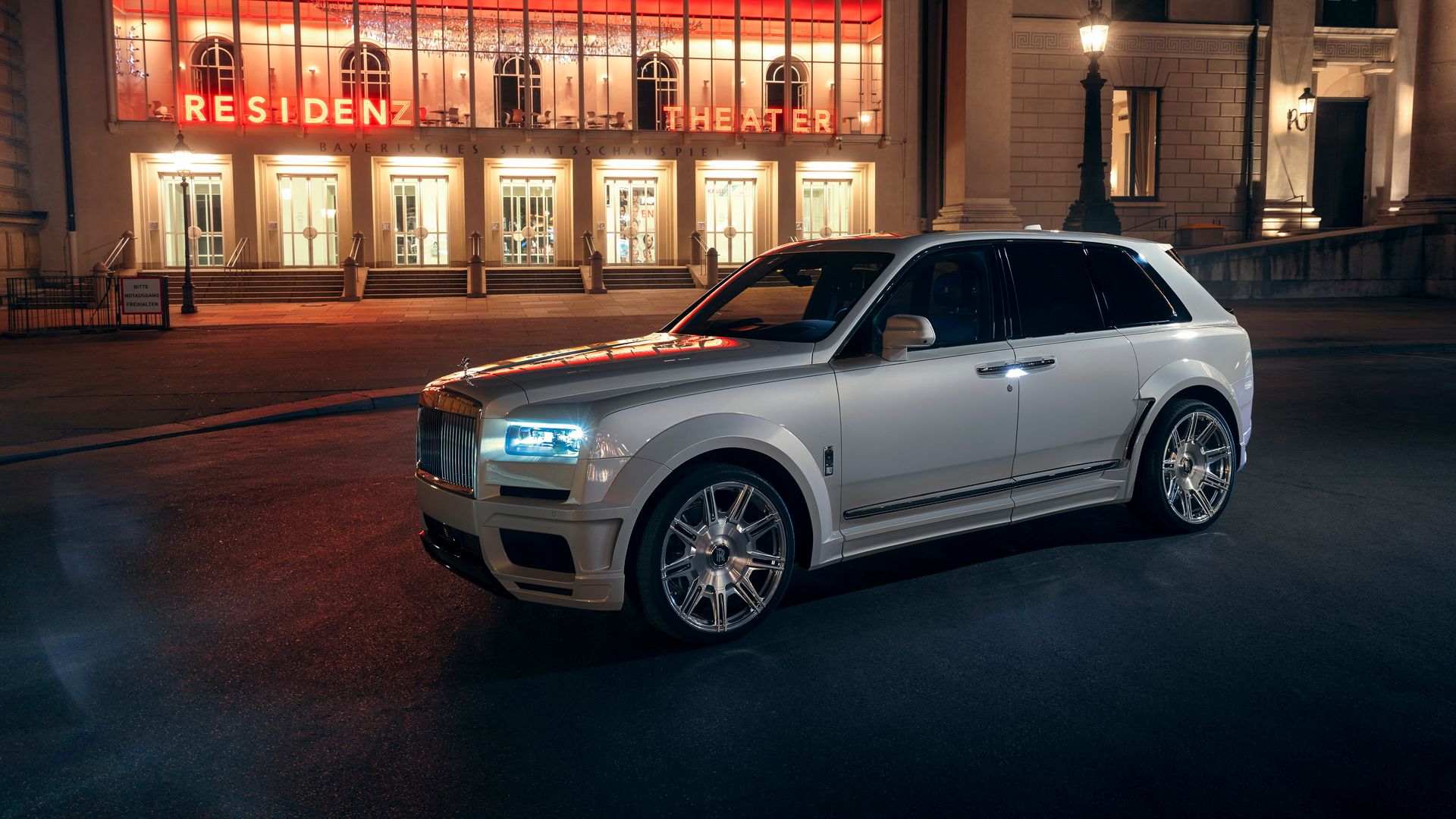
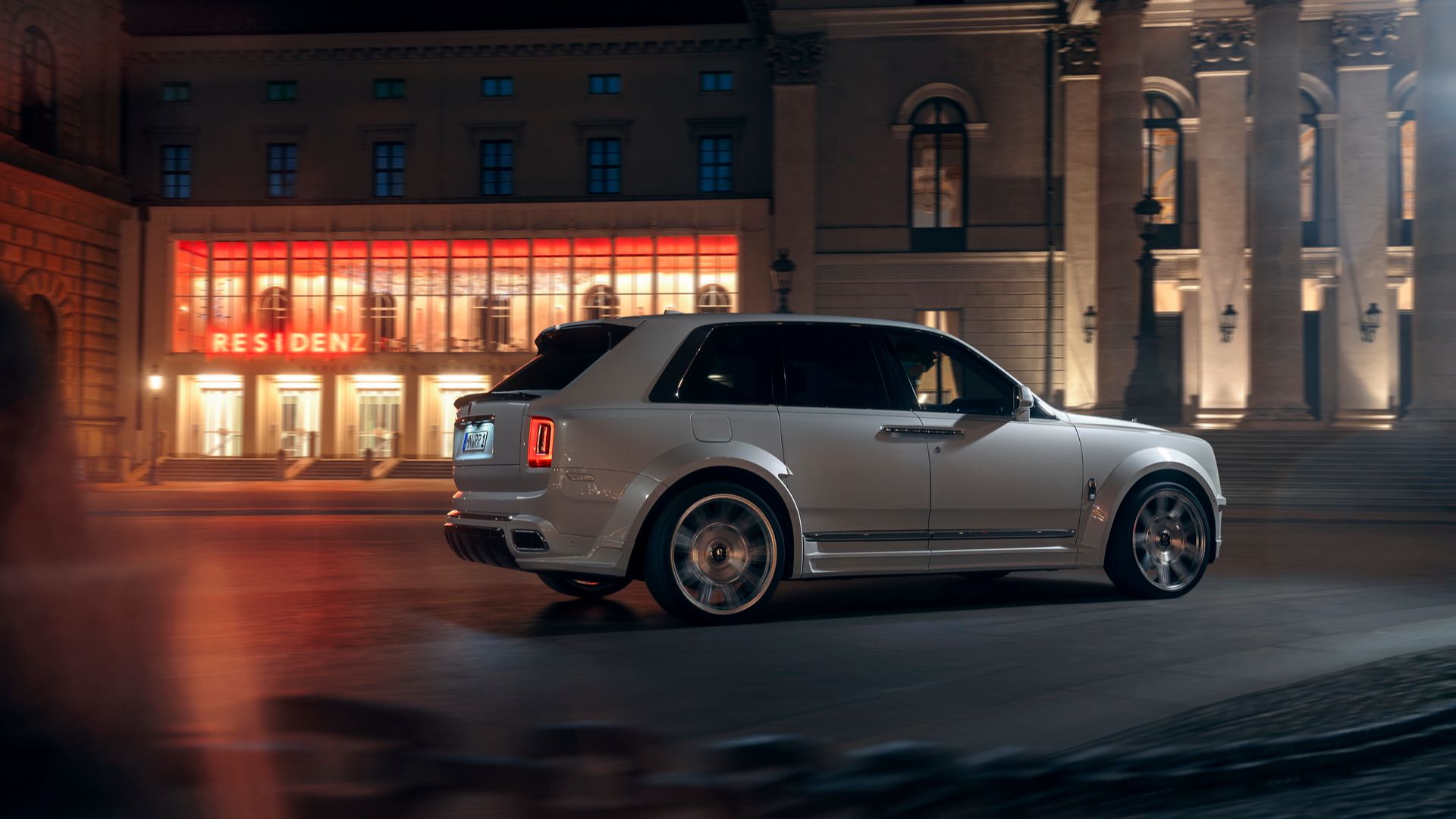
Is the Rolls-Royce Cullinan too subtle for you? Fear not, some added attitude for the luxury SUV comes courtesy of Spofec, with its Overdose kit. It’s coming to a Premier League driveway near you.
The package includes a bodykit, engine upgrades, lowered ride height, larger wheels and more.
While also modifying the Cullinan’s styling, Spofec claims it also ‘boosts the driving dynamics’.
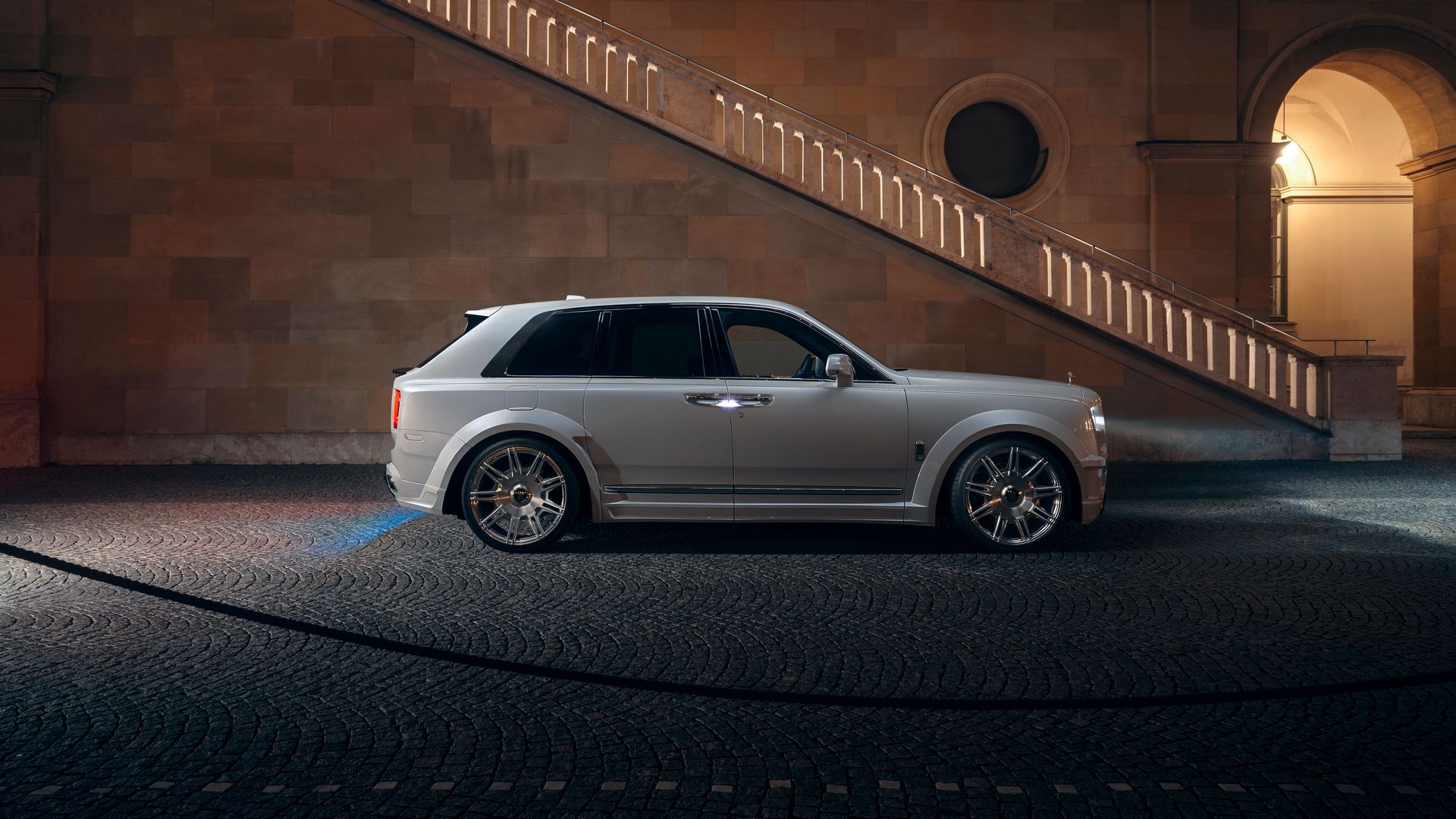
First, some numbers. The Cullinan was hardly diminutive when it left Rolls-Royce’s Goodwood factory. However, Spofec’s Widebody styling does what it says on the tin. It’s 10cm broader at the front, and 12cm at the back.
Those blistered wheelarches house new 24-inch wheels developed in collaboration with Vossen – offered in whatever finish or colour you desire.
We suspect the Cullinan’s special tyres featuring sound insulation haven’t been retained. The car sits 40mm lower, too.
Out front, an entirely new Spofec bumper is fitted to complement the arches. This apparently reduces front-end lift at high speeds.
A new diffuser replaces the centre section of the rear bumper, and accompanies a new spoiler. Spofec claims this gives its Cullinan a ‘touch of the racing look’.
We suspect it’s a little way off being liveried up in Gulf colours and shipped off to Le Mans.
All this makes for the most athletic cathedral you’ll ever see. The Spofec-fettled Cullinan will crack 62mph in 4.9 seconds.
It’ll sound better while doing it, too, thanks to a stainless steel sports exhaust. Not a very ‘Rolls-Royce’ upgrade, but it’s nice to have the option, right?
It sounds obvious to say that faulty brakes would be a leading case of accidents, but it bears repeating. Especially given they lead to 630 accidents in the UK each year, of which 15 were fatal in 2018.
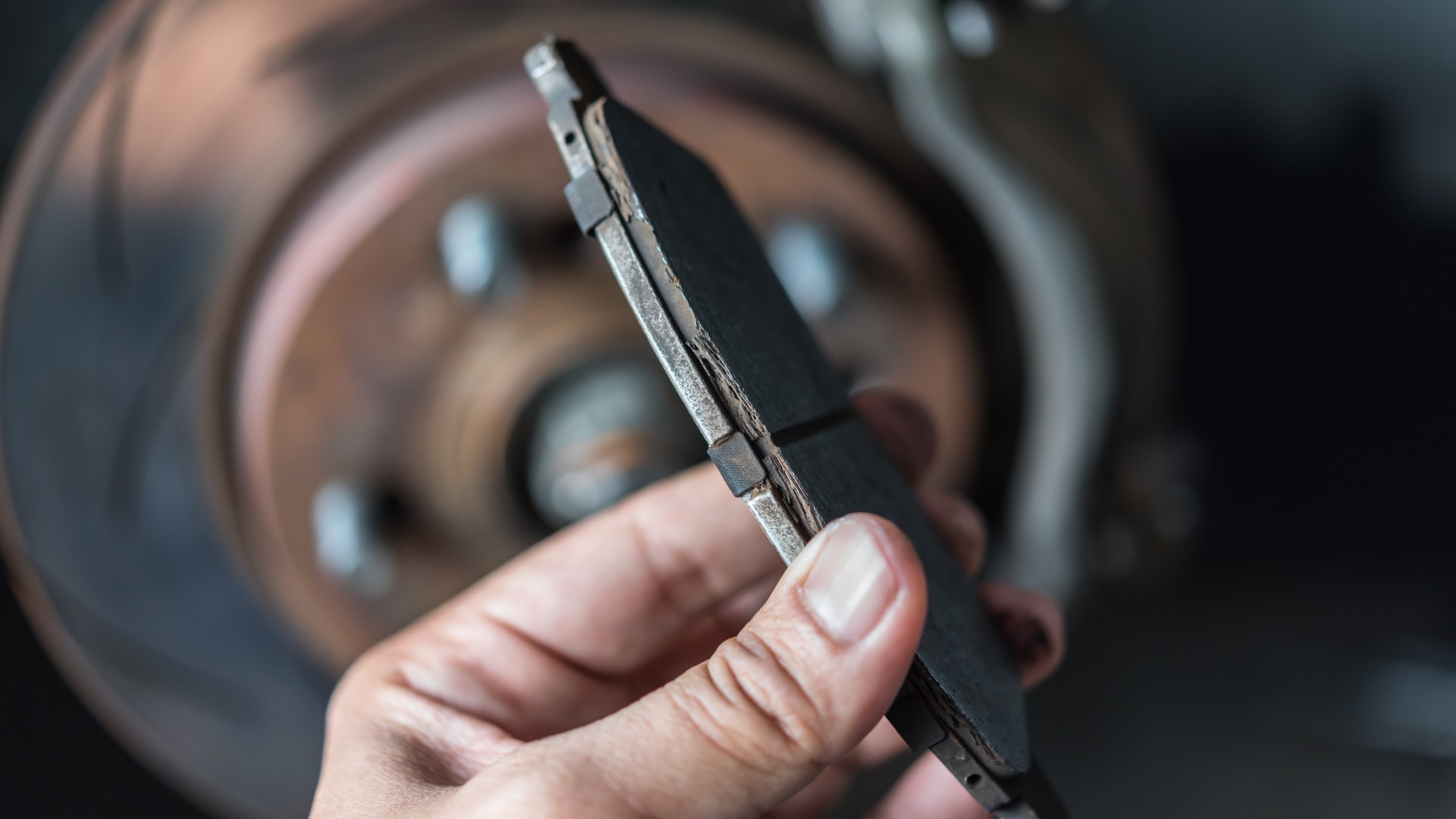
Your car’s brakes rely on a number of things. The most important components are the pads, discs and brake fluid.
The latter you should top up yourself if needed. The discs can be assessed with a visual inspection, but you’re probably best off asking a professional.
If your brake fluid reservoir is depleting regularly, it’s worth having that same mechanic check your brake lines for leaks or corrosion, too.
Worn tyres
Tyres that aren’t in suitable condition are the second-most common part to factor in accidents. They cause around 550 a year, of which 17 were fatal in 2018. They’re also a part that motorists often neglect.
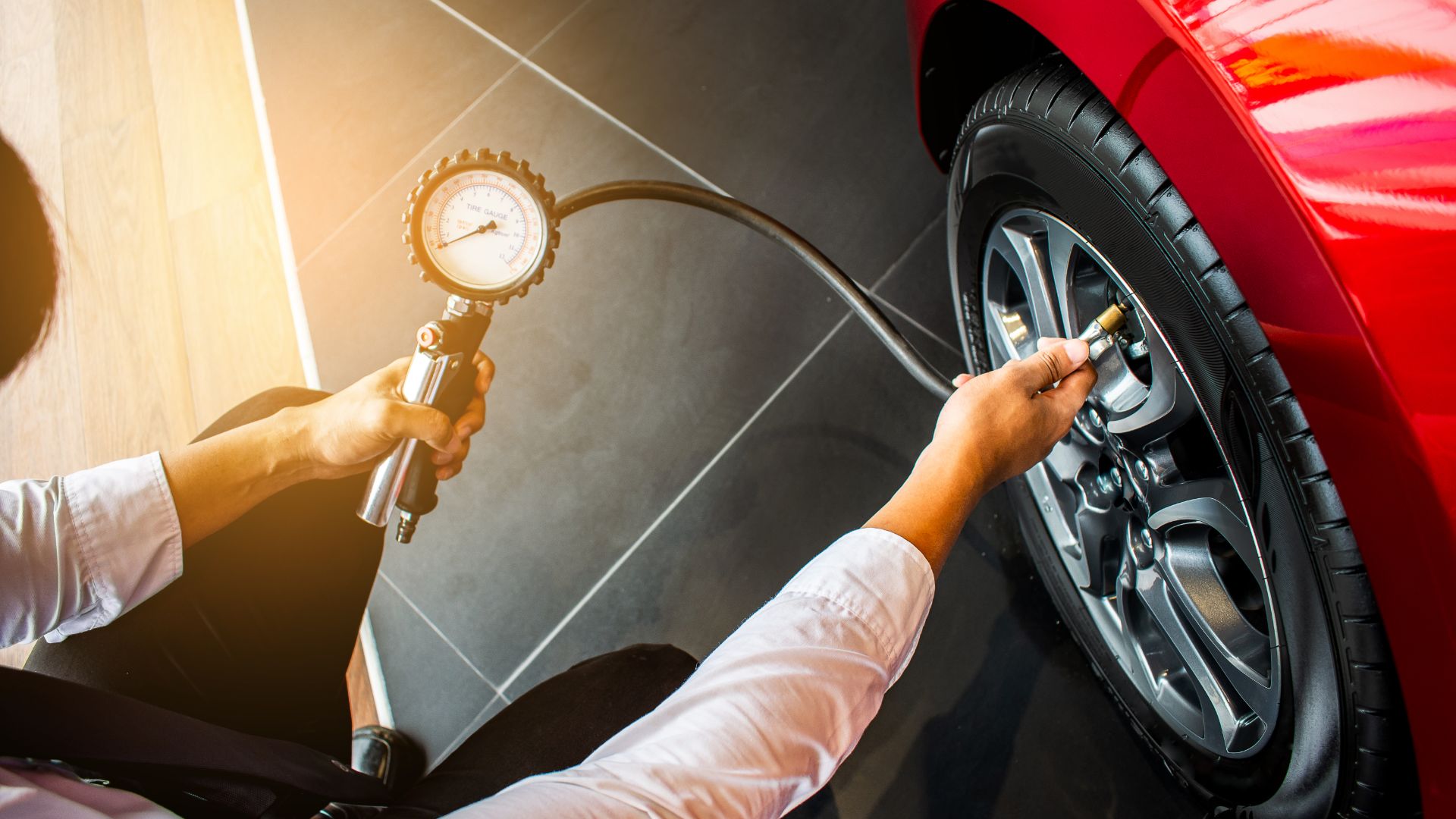
Your tyres can underperform for a number of reasons. Being over- or under-inflated will reduce their performance and increase wear on the rubber. The tread depth being too low will also reduce grip.
The minimum legal tread depth is 1.6 mm across the full width of the tyre. You can check this yourself, using a 20p to see if the tread covers the outer rim of the coin. It’s good practice to think about replacing your tyres well in advance of this point, however.
Your local garage will usually have an air compressor to check your tyre pressures. The correct pressures can be found in your car’s handbook.
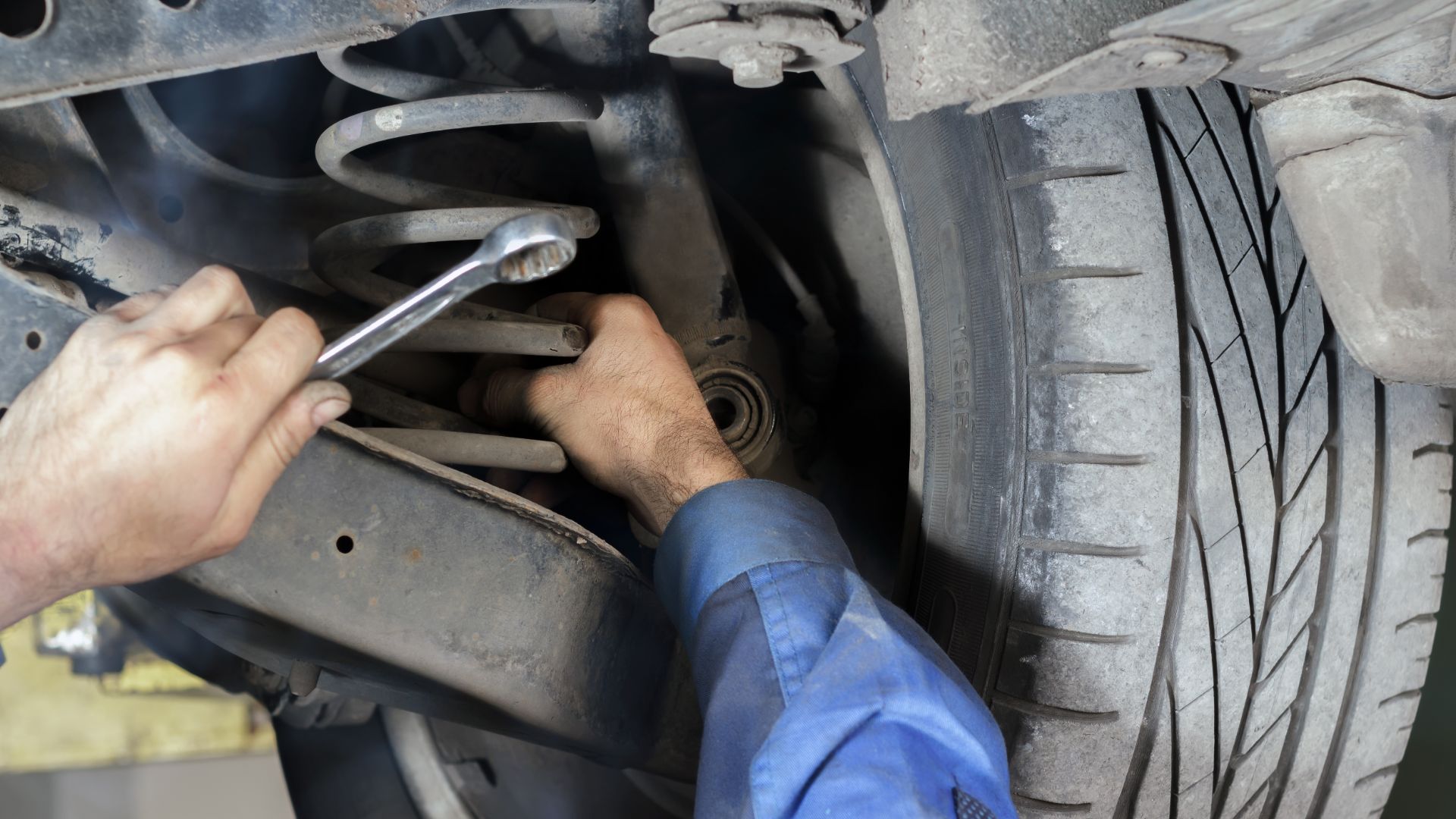
We’re getting a bit more technical now. However, with around 260 accidents a year attributed to faulty steering or suspension, it’s important to keep tabs on how your car handles the road.
Bumpy or uneven driving, as well as unevenly worn tyres, can be an indication of tired suspension. Strange noises and odd feel can indicate worn steering components. Check your power steering fluid is topped up and see a mechanic if problems persist.
Around 150 accidents every year can be linked with faulty lights or indicators. Happily, in a lot of cars, the process of replacing bulbs is easy. It’s certainly easy to check, although it’s not always the bulbs themselves that are the cause for a light being out.
If it is the bulb, access is either under the bonnet (for the front lights) or in the boot (for the rears). If the bulbs aren’t at fault, you may need to have the wiring checked.
Broken or missing mirrors
The fifth and final component is mirrors. Just 12 accidents come of someone having faulty mirrors every year, but they’re vital for keeping track of what’s going on around you.
Happily, they are the easiest item here to sort yourself. If it’s just the glass, you can buying a new mirror part and stick it over the top. If the whole unit is smashed, that could complicate things, but not too much.
“Keeping on top of basic maintenance can really help protect you and your vehicle against accidents on the road,” said Chris Barella of Euro Car Parts
“The tips we’ve provided will hopefully give people the confidence to take on some of the simpler checks themselves, but make sure to go to a garage if you’re unsure about anything.”
Supercars are mostly the preserve of bedroom poster and computer wallpaper dreams. Be savvy with your spending, though, and you can find exotica for the price of an executive saloon. These are the supercars, or pretenders to supercar status, that won’t break the bank. We’ll start with the more modern depreciators, then move on to older stuff that can be bought for less. Just remember to keep some cash in reserve for running costs…
McLaren 600LT
Crazy though it sounds, one of the best supercars of recent memory is already looking good value. We are, of course, referring to the McLaren 600LT of 2018. Mega though the track-prepped McLaren is, it hasn’t held its value well. You could easily spend more than £250,000 on one when new, but they’re now available for less than £150,000. The 600LT may have further to fall, too.
Honda NSX
The Honda NSX is a great car that simply doesn’t have the badge appeal of its Italian contemporaries. It’s also expensive to buy, at around £150,000 for a new one. However, this high-performance hybrid can be bought second-hand for as little as £90,000. Not bad for a car that can bait even the new Porsche 911 Turbo S.
Aston Martin Vanquish
The second coming of Aston’s flagship GT had a rough start. Sales were low, and it was always in the shadow of Ferrari’s fire-breathing F12. It was also very expensive, partly due to its carbon fibre bodywork, although that hardly seemed to make it lighter. Still, the fact it uses the great 6.0-litre Aston Martin V12 in its most ferocious and charismatic form is reason enough to buy one. And what was once a £180,000 car is now going for less than £65,000.
Jaguar F-Type R
Depreciators though they are, the above selections are still quite pricey. If your budget is a bit lower, here’s a legitimate modern performance marvel at a much more reasonable rate: the Jaguar F-Type R. With a roaring 542hp supercharged V8, it was a strong value proposition at £80,000 when first launched. Now, for less than £30,000, it’s almost a no-brainer.
Mercedes-Benz AMG GT
Mercedes’ sports coupe might be a 911 rival, but it certainly seems more exotic. Borrowing bits from the SLS supercar it replaced, and packing a 4.0-litre twin-turbo V8, it feels like a bona fide supercar. Priced at around £100,000 when new, it wasn’t stratospherically expensive, but is now less than £50,000 second-hand.
BMW i8
The BMW i8 was, besides its 1.5-litre three-cylinder engine, every inch a supercar. From its carbon fibre tub to its McLaren-style butterfly doors, BMW even dubbed it ‘the future of the supercar’ at launch in 2013. Once £100,000 from a dealer, this futuristic hybrid could be yours for less than £40,000.
Porsche 911 Turbo
Now we go older and cheaper. The venerable 911 Turbo has always been able to show many Ferraris and Lamborghinis its back tyres. The most affordable way to buy one is via the 996 generation, the least loved of 911s. The 1999-2005 996 Turbo is still a weapon, though, with well over 400hp and a top speed of 190mph. They’re available for less than £30,000.
Audi R8
It’s hard to believe, but the Audi R8 is now 14 years old. With sharp styling, mid-mounted V8 or V10 engines and Lamborghini DNA, it’s inarguably a supercar, if perhaps not a thoroughbred. That’s why you can now pick one up for less than £40,000.
Nissan GT-R
Thirteen years ago Godzilla returned, with the introduction of the R35 Nissan GT-R. No longer badged a Skyline, the GT-R shed its boxy saloon underpinnings in favour of a sleek coupe body. The performance from its 485hp V6 (600hp in the later Nismo) and advanced four-wheel-drive system proved problematic for many supercar owners, and still does today. You can buy one for less than £30,000, too.
Lamborghini Gallardo
Arguably Lamborghini’s first mass-produced car, the Gallardo boasts a V10 engine, more than 500hp, four-wheel drive, a near-200mph top speed and the howl of a wounded wolverine. Upwards of 14,000 were made, so it’s by no means rare, but that means it’s not too expensive. Prices were softer a few years ago, but you can still find one for less than £70,000. For reference, a bog-standard Porsche 911 now costs over £80,000.
Aston Martin DB9
Vanquish still a bit expensive? Fear not. With a rumbling 5.9-litre V12 engine, there’s very little about the DB9 that isn’t exotic. Nevertheless, you can buy one for less than £30,000: an absolute bargain in comparison to equivalent Ferraris. It’s something of a soft-focus supercar, but an absolute knockout to look at. Top speed is 186mph.
McLaren 12C
McLaren is relatively new to the supercar scene. The classy, clever and very fast 12C has struggled in the second-hand market. As a result, this most contemporary of used supercars can be yours for less than £80,000. A 600hp output (625hp in later models) and 207mph VMax sound tempting, but buy at your own risk. These haven’t got the best reputation for reliability.
Maserati Coupe
A Maserati for Micra money? Madness, surely? Nope, although the 177mph Coupe is perhaps a stretch for supercar status. For less than £15,000, though, we’d gladly take home this tuneful 390hp Italian V8. Just be ready for bills befitting a car that’s four times the price, plus a paddle-shift gearbox from the dark ages.
Ferrari 360 Modena
With a V8 engine not entirely unrelated to the Maserati’s, but mounted in the middle, here’s the 400hp, 183mph Ferrari 360 Modena. Its maker promised better reliability, easier availability and lower running costs. All told, it really isn’t a bad buy, although you want to find a good one. Best to avoid the £40,000 bottom-of-the-barrel, then, unless you feel brave.
Lotus Esprit
Lotus’ most exotic creation is long gone, but definitely not forgotten. It was also James Bond’s supercar of choice for an excursion under the waves. The Esprit’s wedge shape and delightful dynamics have aged superbly. The very cheapest can be bought for less than £20,000, although for that price you’ll get a facelifted four-cylinder, rather than a later V8. Or indeed a more iconic early example.
Dodge Viper
The ultimate American supercar? With a monstrous 8.0-litre V10 from a truck, ill-fitting fibreglass bodywork, a cabin that smelt like glue and driving dynamics tuned by the grim reaper, the 165mph Viper made 406hp feel scarier than some 1,000hp cars of today. What’s not to love, especially for less than £40,000? That is, if you can find one.
Alfa Romeo 4C
A selection of supercar ingredients don’t quite make a supercar, but the oddball Alfa 4C still appeals. With a carbon fibre tub, engine in the middle and a paddle-shift gearbox, it sounds like it should have a prancing horse on its flanks. Then you learn about its 240hp 1.75-litre four-cylinder engine. Still, how does £40,000 for a three-year-old example sound?
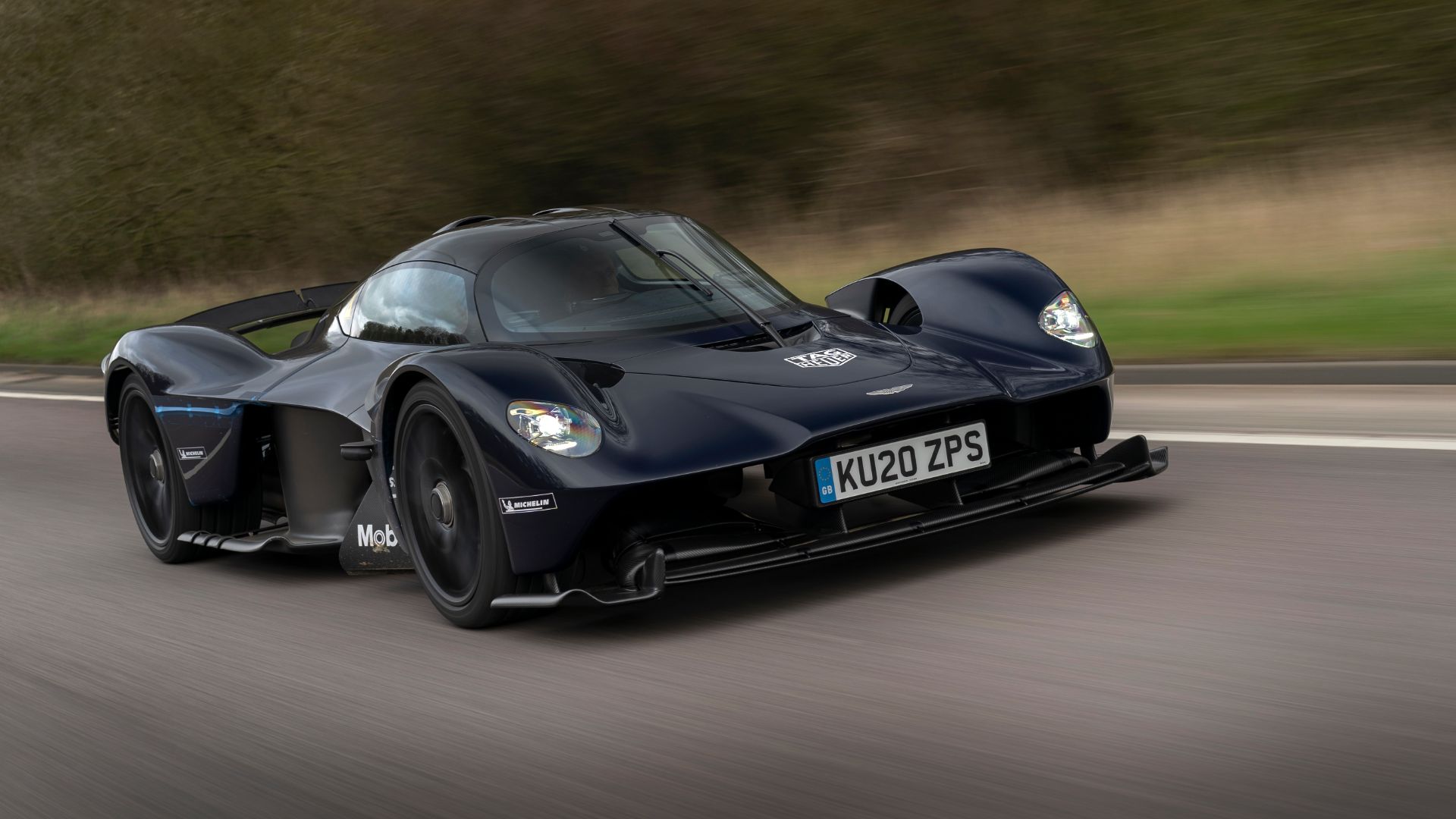
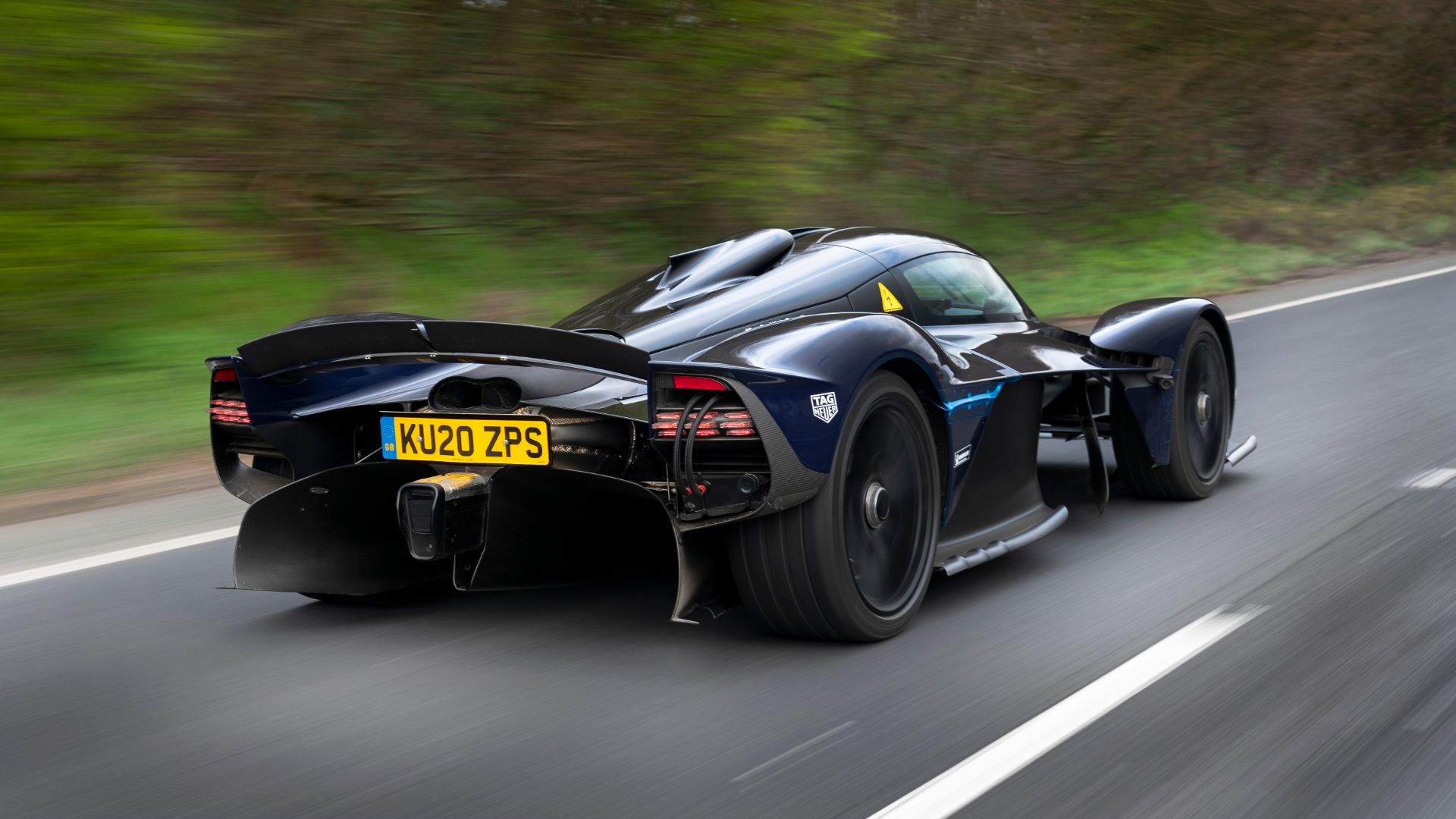
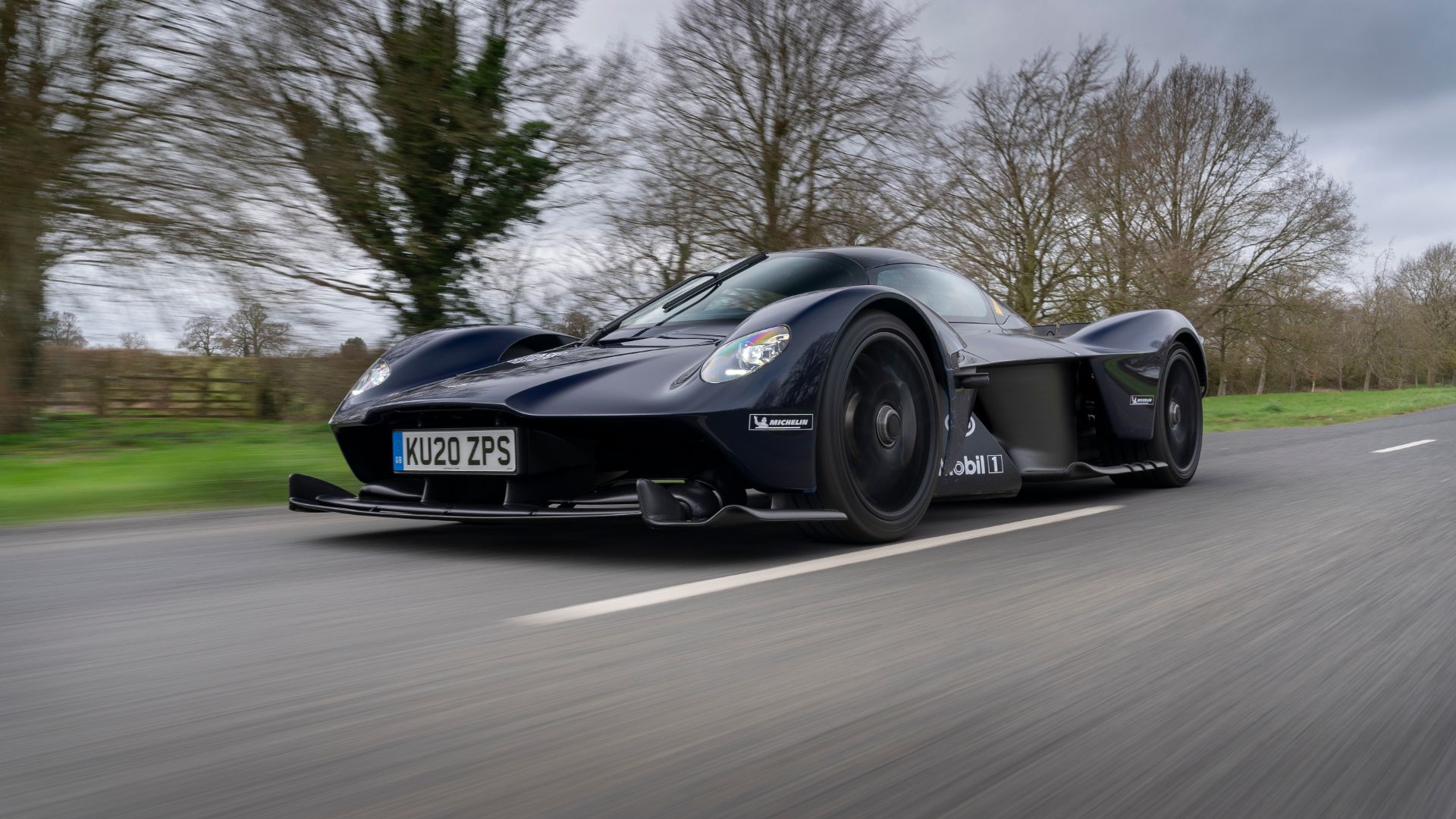
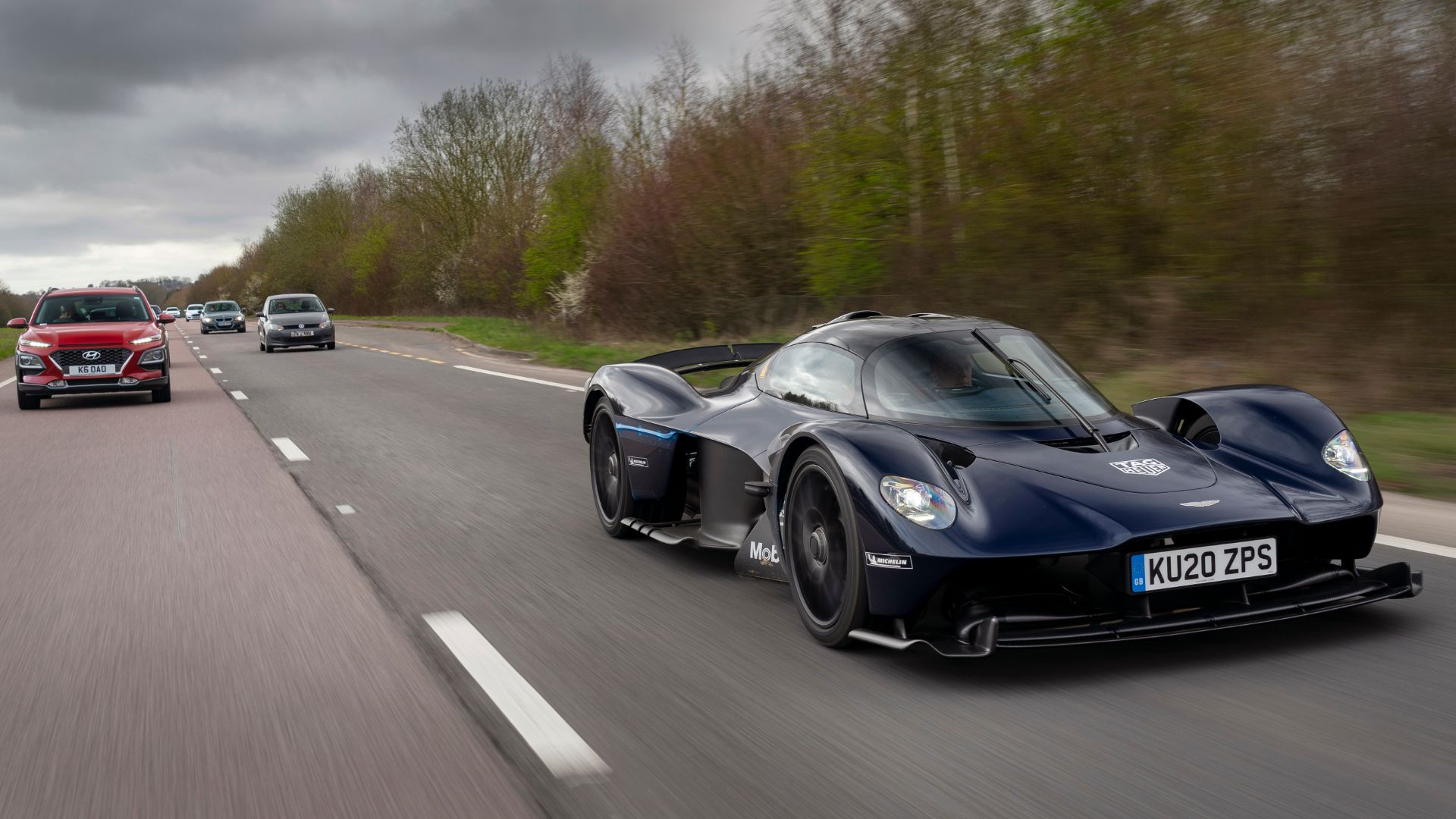
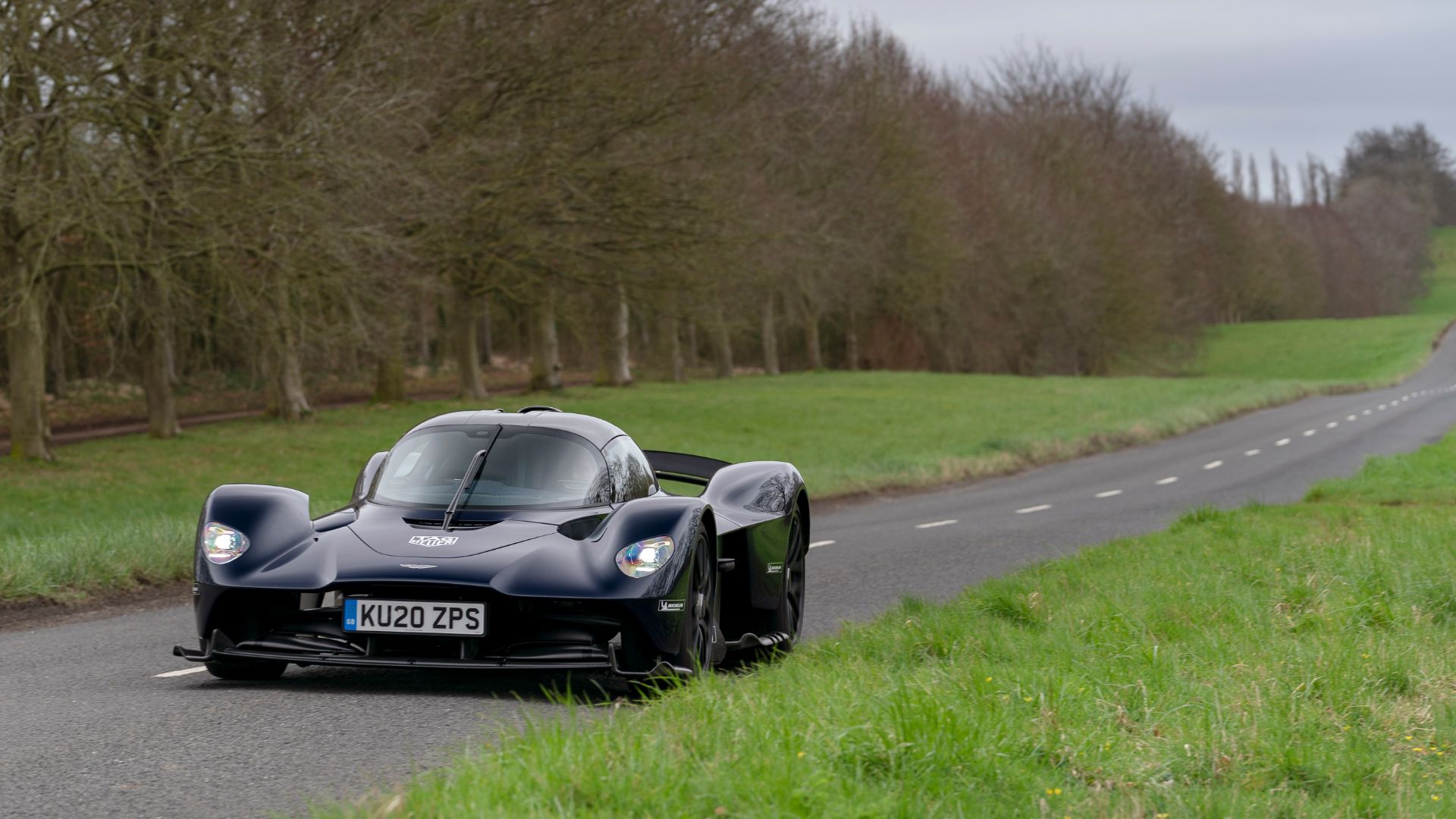
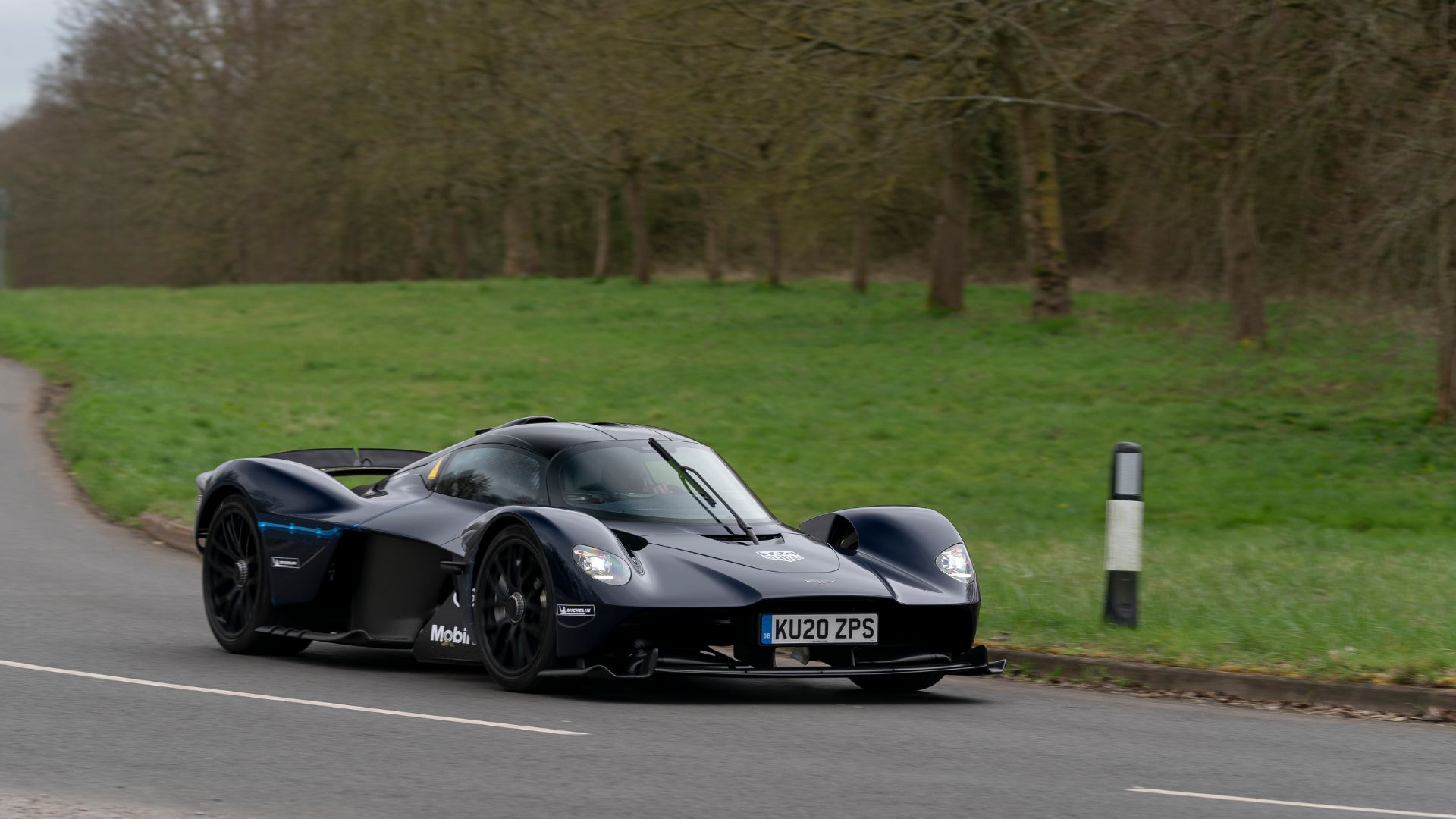
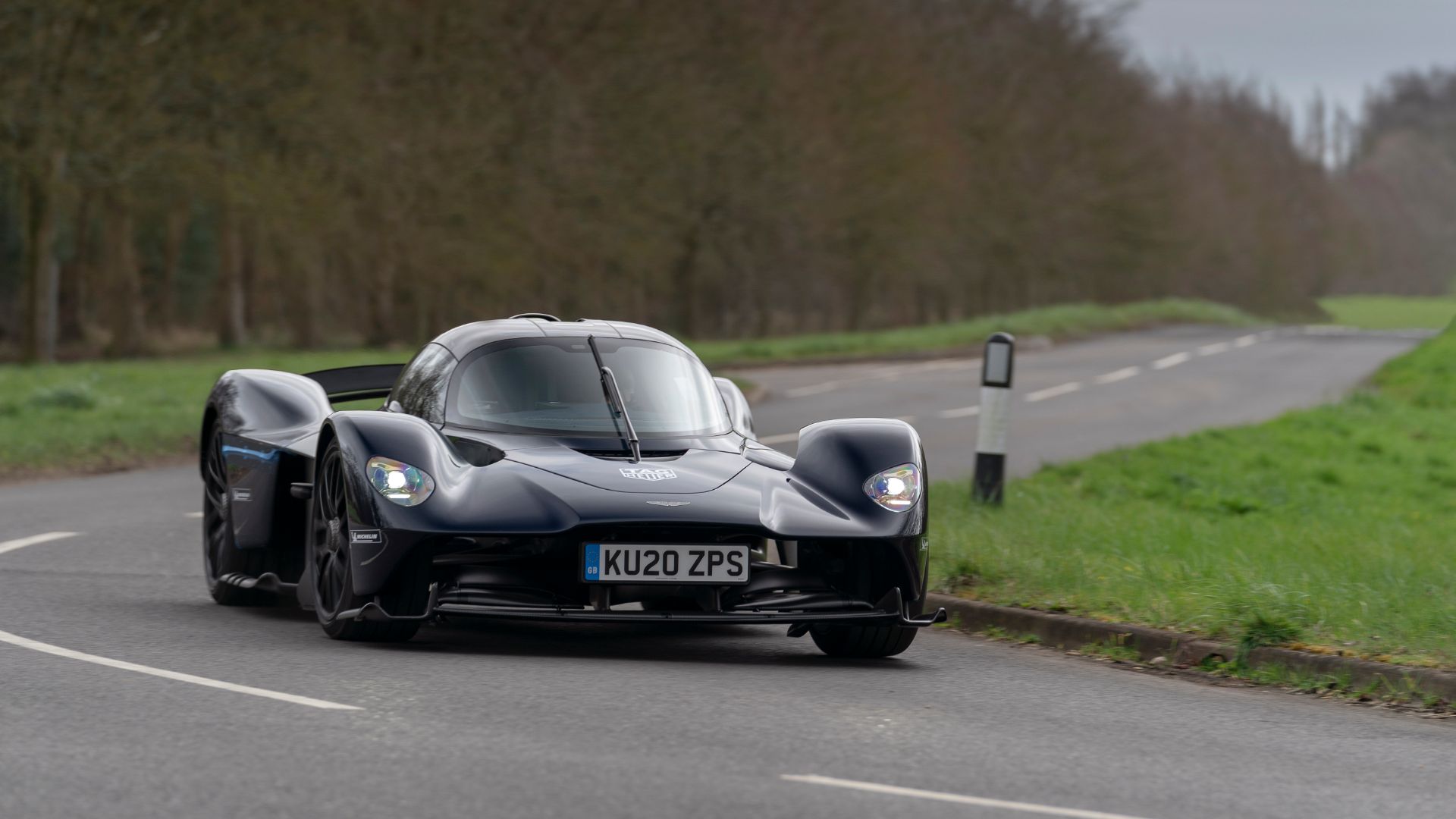
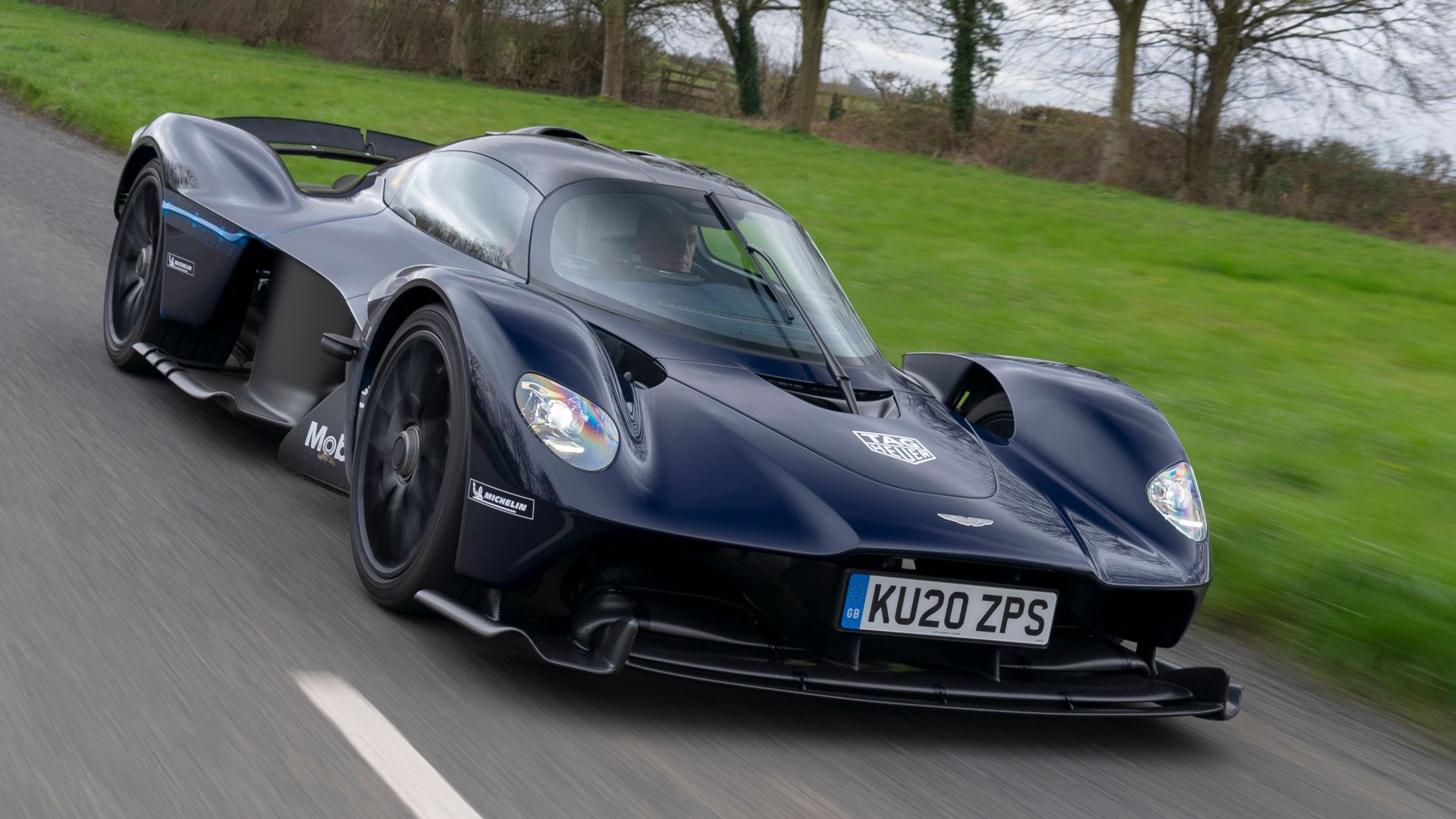
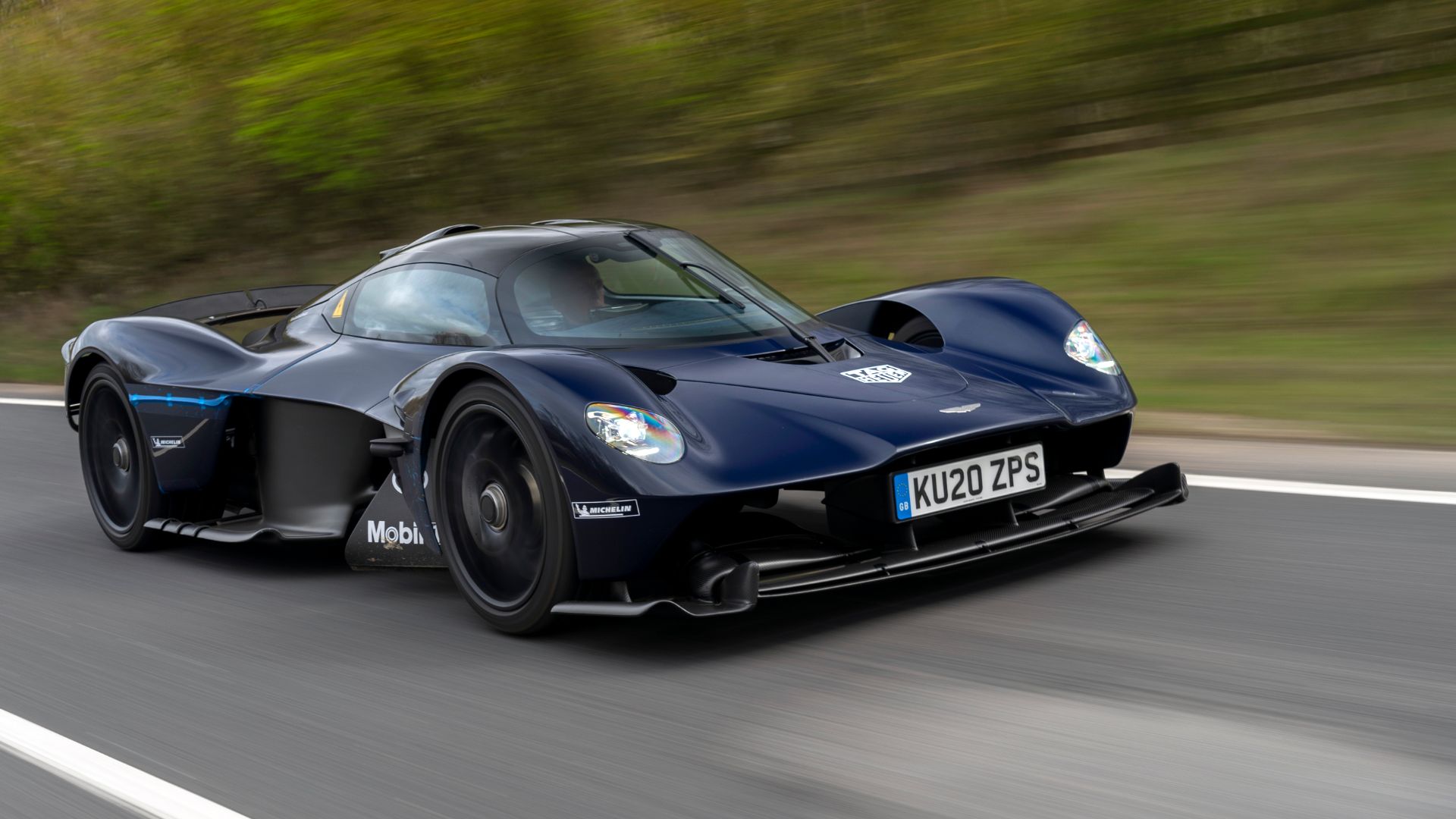
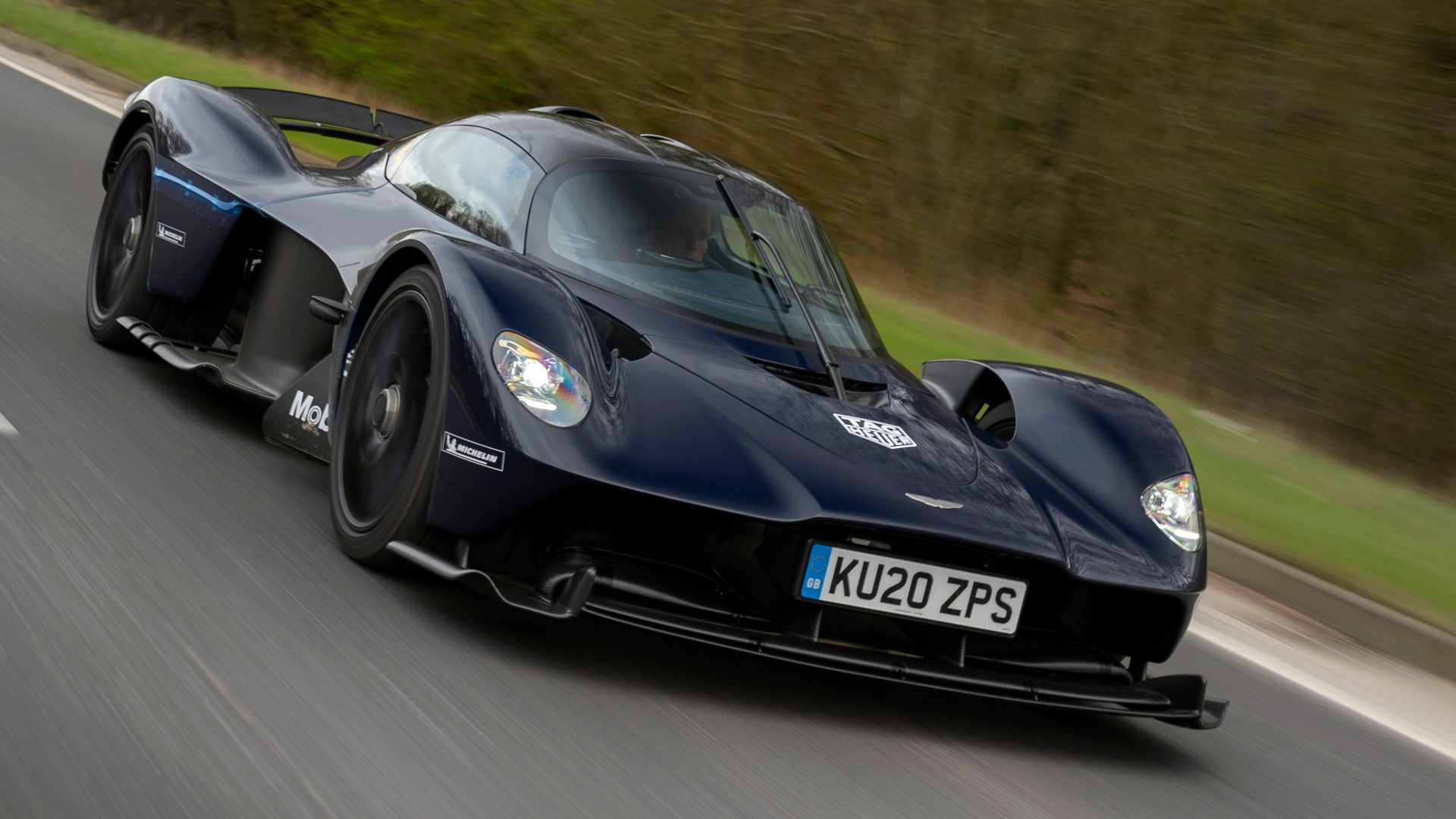
Aston Martin has started testing its incredible new Valkyrie on the road. The hypercar is now several months into dynamic testing, but this is its first outing on the public highway.
The Valkyrie is being set up by Chris Goodwin, Aston Martin’s high-performance test driver. It hasn’t strayed too far from the track, though. The chosen roads for this initial test are close to Silverstone, where the Valkyrie has been calibrated on-track.
On the road, however, the hypercar faces entirely different challenges. If the track is its comfort zone, the real challenge is to round off its rough edges and ensure refinement.
The Valkyrie needs to be able to idle comfortably in traffic, and set off smoothly from the traffic lights. That’s the kind of good behaviour Chris Goodwin and his team of Aston Martin and Red Bull Advanced Technologies engineers are working on now.
To us, this first foray onto the road feels the Valkyrie’s final act of defiance, before actual deliveries begin, against those who claimed it would be impossible to see through to production.
And production isn’t far off, either; deliveries are due in the second half of this year.
A sold-out 150 customers are eagerly awaiting delivery of their 6.5-litre V12, 11,000rpm and 1,160hp hybrid hypercar. We can’t wait to see the finished article.
More than 60 companies have responded to the government’s request to help produce 20,000 ventilators to treat coronavirus patients. Vauxhall is the latest company to step up, with Jaguar Land Rover and Rolls-Royce also saying they will provide support.
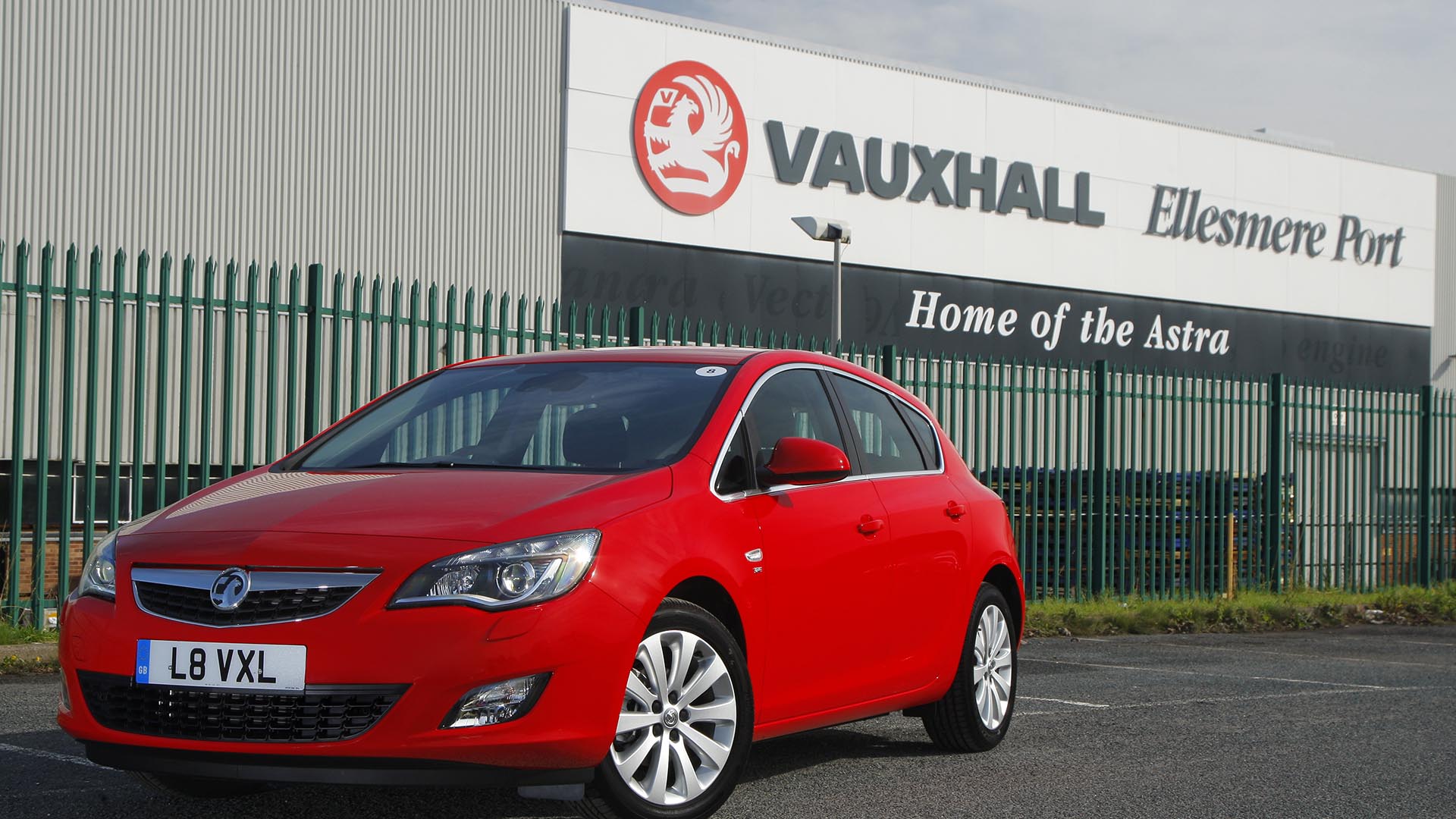
Vauxhall has offered to help with 3D printing and the production of the crucial devices. The car company, which is now owned by the French automotive giant PSA, will work from technical drawings and blueprints provided by the government.
The Department of Health says that the NHS could require up to 20,000 additional ventilators. It currently has 5,000 adult ventilators and 900 for children.
Calling all manufacturers who can support our National Effort for #coronavirus ventilator production – to help, contact Government Business Support team: 0300 456 3565 / ventilator.support@beis.gov.uk
Vauxhall’s Ellesmere Port factory is one of a number of PSA’s European plants that has closed due to the coronavirus. Ellesmere Port is likely to remain closed until 27 March at the earliest.
In a statement, the company said: “Due to the acceleration observed in recent days of serious COVID-19 cases close to certain production sites, supply disruptions from major suppliers, as well as the sudden decline in the automobile markets, the chairman of the executive board with the members of the crisis unit, decided the principle of the closure of the vehicle production sites, according to the following schedule and until March 27.”
Vauxhall’s Luton plant, which is home to the Vivaro van, is scheduled to close tomorrow (19 March).
The closure of the Ellesmere Port factory will free up capacity to make ventilators.
‘Experts at assembly’
Helen Foord, head of government relations at Vauxhall, told The Guardian: “We are experts at assembly and efficient mass production; we know how to process and we know how to make it lean.
“We’ve offered our services as an assembly plant and we have 3D-printing capability at Ellesmere Port, too.”
David Bailey, a professor of business economics at Birmingham University, warned that it could take time for car manufacturers to be in a position to build the ventilators. He said: “What’s most likely is that if there’s a manufacturer already making ventilators that wants to work 24/7, other manufacturers could help in terms of staff, components and supply chains, supporting them in that way.
“Technicians could be redeployed to operate machinery on different production lines where there are similar manufacturing processes in place.
“Longer-term it might be about production lines but it would take a while to tool up. The issues will be supply chains. Where are these components coming from and if there is disruption, can they be purchased locally instead?”