That is the finding of a new survey by AA Accident Assist, which sought the views of more than 12,500 British motorists on road safety.
Only one in 20 (five percent) of respondents said they were unaware of the Highway Code rule about leaving a safe gap to other vehicles.
However, 25 percent of those surveyed said that, while they knew about the ‘two-second rule’, they deliberately disregarded it when driving.
Mind the gap!
Rule 126 of the Highway Code says that: ‘Tailgating is where the gap between you and the vehicle in front is too small for you to be able to stop safely if the vehicle in front suddenly brakes’.
It also recommends using a fixed object to help measure a two-second gap to vehicles in front, allowing for ‘time to react and stop if necessary’.
Official National Highways data shows that 147 people are killed or seriously injured on England’s motorways and major A-roads each year due to tailgating
Statistics from AA Accident Assist found that more than half (58 percent) of repairs carried out for its customers in 2024 required a new front bumper to be fitted.
‘An avoidable motoring risk’
The AA’s latest survey shows no change in attitudes towards tailgating since the organisation conducted similar research in 2023.
Tim Rankin, managing director of AA Accident Assist, said; “It seems driver behaviour towards tailgating remains unmoved, with it being an all-too-regular experience on the roads. Regardless of motorways or local streets, drivers feel intimidated by others following too close behind.
“Our workload shows that bumpers and the technology within them are the most common repairs. As well as vehicle parts, personal injury claims due to tailgating-related crashes are being made. In many cases, these crashes could be avoided simply by backing off the car in front.
“Nobody wants to spoil their summer holidays with an avoidable collision. By allowing at least a two-second gap between yourself and the car in front, you significantly reduce the risk of crashing into that vehicle.
“Similarly, if you are being tailgated, where safe to do so, pull over and let them pass. It is better to cut them loose rather than feel frustrated and try to slow them down.”
The car insurance industry estimates that more than 1,000 low-speed collisions occur on UK roads every day. That’s a lot of potentially expensive bumps and scrapes.
Because despite the lack of speed, the average repair bill for these incidents (where they are reported) exceeds £1,500.
The issue is partly to do with the size of parking spaces, and the increasingly large cars we try to squeeze into them.Legally, a parking space can be between 7ft 6in (around 2,300mm) and 8ft 10in wide (just under 2,500mm), but most are closer to the minimum.
Compare that to the width of a typical family hatchback – 5ft 9in, or 1,800mm – and you don’t have much room left either side of the car to work with, both for parking and getting out. If you drive a large SUV, the spaces will feel even tighter.
Tips to prevent parking damage
We all want to avoid parking prangs, so read on for our quick guide – including some tips from GEM Motoring Assist. It could save you a lot of money and a massive headache…
Check your mirrors
The first thing you should do, when it comes to driving in general, is make sure your mirrors are set correctly. Maximise what you can see behind and you’ll be a better driver – and better at parking.
Spacial awareness
Cars come in all different shapes and sizes, so familiarise yourself with your vehicle. Know where its extremities are, and learn what it can do in terms of turning radius. Mainly, this comes with experience.
Take your time
Parking safely is more important than doing so quickly. Plan your journey and allow enough time for parking. Aim to travel at times you know it won’t be busy. Have in your mind exactly where you’ll be able to park as easily as possible.
Don’t fight others for parking spaces, either. That’ll just put pressure on and increase the likelihood oftempers boiling over – not to mention an accident.
Use what you’ve got
Driver aids, such parking sensors, cross-traffic alert and a reversing camera can be hugely helpful, particularly in larger vehicles. Make good use of them and you can turn from a parking pariah into a space-saver overnight.
Clear view
Make sure all your windows, mirrors and cameras (if you have them) are clean, for ease of use. It’s no good having perfectly set-up mirrors if they are covered in road grime. The same goes for your lights if parking at night.
Reverse in, drive out
We suspect a great deal of those 1,000+ parking accidents each day are due to people are reversing out of spaces without due care or a clear view behind.
Avoid this by reversing into your desired parking space. That way, you can simply look ahead when the time comes to leave. If you must reverse out of a spot, do so very slowly and carefully, ideally with the guidance of a passenger or passer-by.
The world of restomods is awash with safari-style Porsche 911 builds, transforming the classic coupe into an off-road rally car.
Many focus on older, air-cooled 911s, but Kalmar Beyond Adventure has a more modern take on the genre. Indeed, the Kalmar RS-7 is a genuine alternative to a new 911 Dakar.
Using the 997-generation of the German sports car as its starting point, the rugged RS-7 is ready to tackle snow, sand, mud and just about anything else.
The ultimate ‘safari’ restomod
Beyond Adventure is the off-road side of Kalmar Automotive, the Danish sports car company founded by former Porsche test driver, Jan Kalmar.
Fresh from launching its Porsche 959-inspired 9X9 hypercar, complete with four-wheel drive and 930hp, the company has turned its attention back to a 911 restomod.
Kalmar believes the 997 is the newest 911 ripe for conversion. Later 991 and 992 models are built from a combination of bonded aluminium and steel, making a safari-style conversion impractical.
The RS-7 joins Kalmar’s range of other off-road models, based on Porsches as diverse as the Cayenne SUV and Cayman sports car.
RS-7 is ready for adventure
The widened wheel arches of the RS-7 are combined with a more purposeful aluminium front bumper, rally-style LED light pod and ducktail rear spoiler. Beneath the new Kevlar body is full-length aluminium protection for the car’s underside.
Michelin off-road tyres and TracTive hydraulic adaptive dampers are fitted as standard. The latter allow ground clearance to be adjusted between 210mm and 240mm – standing even taller than a Porsche Cayenne.
Kalmar has left the 911’s engine unchanged, but fitted a new limited-slip differential. Extra horsepower is available on request, however.
Build your own RS-7 restomod
No restomod Porsche would be complete without an interior makeover, so the RS-7 gains Recaro CS bucket seats trimmed in classic Pepita houndstooth fabric.
Kalmar removes the climate control and infotainment to save weight, replacing the audio system with a Bluetooth speaker. A new dashboard display is used to adjust the shock absorber settings.
Kalmar Beyond Adventure is open to fully bespoke builds, saying there isn’t a ‘no’ in the company’s vocabulary. If you can imagine it (and afford it), Kalmar can probably make it happen.
RS-7 prices start from €99,997 – equivalent to £86,700 – plus the added cost of supplying a donor 997-generation Porsche 911.
Four-time World Rally Champion Juha Kankkunen, who is also the deputy principal of Toyota’s Gazoo Racing rally team, will be at the wheel of the H2 Concept.
It marks the continuation of Toyota’s experimentation with hydrogen power for racing, as the company explores options for carbon-neutral motorsport.
Zero emissions without a plug
Toyota has entered a hydrogen-powered GR Yaris hot hatch into a rally before. A previous model took part in a demonstration run as part of Rally Belgium in 2022.
This represented the first time Toyota had tested a hydrogen vehicle on public roads outside Japan. However, Toyota has now upped its game, installing the liquid hydrogen powertrain into a Rally2-specification Yaris.
On the World Rally Championship ladder, Rally2 is a step below full-blown Rally1 vehicles. It shows how seriously the Japanese marque is exploring hydrogen for motorsport.
Full WRC speed and sound
Toyota notes that using a regular internal combustion engine, but fuelled by liquid hydrogen, means the Rally2 H2 Concept delivers ‘near zero emissions’ – but with all the noise and performance of a regular rally car.
For its Finnish demonstration runs, the Rally2 H2 Concept will tackle the mixed-surface Harju stage, which acts as the opening test on day one of Rally Finland. A second appearance on day two of the event is also planned.
Between stages, Toyota will display the GR Yaris Rally2 H2 Concept alongside its hydrogen-fuelled Mirai and Tundra models.
As part of this month’s Goodwood Festival of Speed, Toyota also displayed the GR LH2 Racing Concept, a hydrogen racer based on its current GR010 Hybrid Hypercar.
The electric Skoda Enyaq family SUV can now be officially converted into a van. Developed in collaboration with Strongs Plastic Products, the Enyaq Cargo represents the first electric vehicle van conversion by Skoda UK.
The Enyaq Cargo was initially built to satisfy demand from National Grid Energy Distribution, which has ordered 70 examples of the new vehicle.
Now the Enyaq Cargo is now being offered to a wider array of fleet customers, as an electric van fully compliant with the Driver and Vehicle Standards Agency (DVSA) rules on light commercial vehicles.
From family SUV to electric van
Skoda has used the Enyaq Edition 85 and Sportline 85x passenger SUVs as the basis for its Cargo model. This gives customers a choice between rear- or all-wheel-drive layouts.
The Enyaq Cargo conversion sees the rear seats removed, with the electric windows also deactivated. Heavily tinted glass is used for the rear windows, with a new bulkhead installed behind the front seats.
Multiple load lashing points are installed in the rear of the Enyaq Cargo. There is also a bespoke storage box for the electric charging cable.
The remainder of the Enyaq Cargo is left untouched meaning that, from the outside, it looks like just another example of the award-winning electric SUV.
Ready to get to work
Mechanically, the Enyaq Cargo retains the same 82kWh battery pack as the regular SUV. That means an official WLTP range of 359 miles for the Edition 80 version, and 332 miles for the AWD Sportline 85x.
DC rapid charging is supported by both variants, allowing a 10 to 80 percent charge in just 28 minutes.
Available exclusively to commercial fleet users, enquiries for the Skoda Enyaq Cargo are being taken now. Prices for the Edition 80 start from £44,310 on the road, with the Cargo conversion package adding £1,815 plus VAT.
The Porsche 911 GT3 is already a highly desirable sports car, but now you could own a unique example designed by Dua Lipa.
A Porsche ambassador, the award-winning singer and songwriter has created her dream version of the track-focused GT3.
Unveiled at this year’s Monaco Grand Prix, Dua Lipa and her one-off Porsche also made an appearance at the 2025 Goodwood Festival of Speed.
Now, the ‘Dua Lipa Rennstall Collection 911 GT3’ is being auctioned online by RM Sotheby’s. All proceeds from the sale will be donated to charity.
‘Future Nostalgia’ guaranteed
When specifying her 2024 Porsche 911 GT3, Dua Lipa opted for subtle Arctic Grey paintwork. This has been covered with a bold wrap, in bright colours inspired by the Mediterranean.
Clearly knowing her performance Porsches, Dua ticked the box to add the Weissach Package to the 911 GT3. Using extra carbon fibre components, this saves 22kg of weight versus a regular GT3 with the Clubsport package.
Time to ‘Be the One’
Mechanically unchanged, the rear-mounted 4.0-litre flat-six engine generates 525hp, and is combined with a seven-speed PDK dual-clutch transmission. Accelerating from 0-62mph takes just 3.2 seconds, with a potential top speed of 184mph – despite the downforce generated by the aero kit.
Dua Lipa left the 911 GT3’s interior relatively simple, opting for a combination of black leather and Race-Tex upholstery, complete with Guards Red stitching.
More Guards Red is used for the tachometer and dashboard-mounted Sport Chrono stopwatch. The car also benefits from a front axle lift system.
Bringing some sunshine
The centre-lock magnesium wheels have been finished in Pyro Red, with calipers for the carbon ceramic brakes painted yellow.
All the proceeds generated by the sale of the Dua Lipa Rennstall GT3 RS will be donated to the Sunny Hill Foundation. Created by the pop superstar in 2018, the charity funds arts and culture in the Kosovan community.
The online auction for the 911 GT3 is now live on the RM Sotheby’s website and will remain open until 31 July 2025. A guide price of €400,000 (£346,000) before taxes has been set.
The government’s new Electric Car Grant (ECG) will save motorists up to £3,750 off the price of a new EV – provided they are priced at or under £37,000.
The new ECG will also focus on sustainably-built electric cars. Only cars that meet the ‘highest manufacturing sustainability standards’ will be eligible for the full £3,750 grant.
This is expected to benefit vehicles such as the latest Nissan Leaf and the future British-built electric Mini Cooper.
Some other EVs, such as those built in China, may see a lesser ECG grant applied – or might not be eligible for the Electric Car Grant at all.
Car manufacturers will be able to apply for funding from today: 16 July 2025. To provide certainty to motorists, they government has confirmed the Electric Car Grant will be available until the 2028/29 financial year.
It will be car brands, rather than car buyers, who apply for the grant, meaning the savings will be applied automatically when buying a new electric car.
Making electric cars cheaper
The £650 million incentive scheme aims to help cash-strapped retail buyers get into a new electric car. A common complaint is that EVs are too expensive.
Auto Trader figures show the average new petrol car costs £33,980 so far in 2025. However, the average electric car is £49,154.
That’s an electric car price premium of more than £15,000. The new ECG will go some way to narrowing this.
Cleverly, the ECG is pitched at or under £37,000 rather than, for example, the existing £40,000 Expensive Car Supplement.
As of this year, EVs became eligible for road tax. Buyers of electric cars costing more than £40,000 also have to pay the Expensive Car Supplement (ECS), which adds an additional £425 a year between years two and six.
Some brands, such as Vauxhall, cut prices of their EVs to dip below the £40,000 Expensive Car Supplement. There is a possibility that prices of some EVs may now be cut further to benefit from the Electric Car Grant.
An EV opportunity
Announcing the new Electric Car Grant, transport secretary Heidi Alexander said it will “not only allow people to keep more of their hard-earned money, it’ll help our automotive sector seize one of the biggest opportunities of the 21st century”.
Ian Plummer, commercial director at Autotrader, said that “affordability has consistently been the biggest barrier to electric adoption, and it’ll be great to see these grants make it easier for more people to make the switch.”
Mike Hawes, SMMT chief executive, added: “Today’s announcement of the return of government support for the purchase of electric vehicles is a clear signal to consumers that now is the time to switch.
“This announcement is a welcome response to consistent calls from the industry for more support, which will be in addition to the substantive subsidies already provided by manufacturers.
New ECG applauded by car firms
“Today’s confirmation of consumer grants,” said Ford UK chair and MD Lisa Brankin, “is great news for UK consumers and will make purchasing an electric vehicle much more affordable.
“Ford applauds the UK government for taking this step. We have been on the frontline of the conversation, highlighting the urgent need for consumer-based incentives for electric vehicles, and now they have arrived.”
Adam Wood, MD of Renault UK, which made the best-selling EV for private buyers in April and May, said: “These incentives are extremely welcome, and a much-needed signal that Government is ready to put tangible action behind the ambitious plans for the transition to electric vehicles that it has outlined.”
RAC head of policy Simon Williams said: “Three years after the arguably premature end of the plug-in car grant, this new scheme could be just the shot-in-the arm needed to help more drivers go electric.
“Within weeks, discounted cars should start appearing at dealerships across the country. And, as the biggest savings will be given to cars with the strongest ‘green’ manufacturing credentials, drivers will be picking models that are not only better for their wallets, but better for the planet too.”
We crawl through Cricklewood, battle through Brent Cross, then cruise sedately up the A1 (M). Finally, we take the exit, the traffic ebbs away and the road opens up ahead: a ribbon of empty tarmac between open fields. My overwhelming urge is to click the left paddle down a couple of gears, flatten my right foot and see just how fast this Ferrari is, but I’m sure my companion would disapprove. So, I check my mirrors, adjust my road position and accelerate gently up to the speed limit. “Nicely done,” says Graham from the passenger seat. “Nicely done.”
Graham Wettone worked for the Metropolitan Police for 30 years, including as a pursuit driver in south London, and in the Public Order Branch at Scotland Yard. He has also written a book: How To Be A Police Officer. Today, a semi-retired Graham is one of the driving assessors for Auto Vivendi, the UK’s largest supercar club, and he’s joined me for an introductory day in the Ferrari Roma Spider. “This is not about speed, it’s about making progress safely,” he explains. Duly noted.
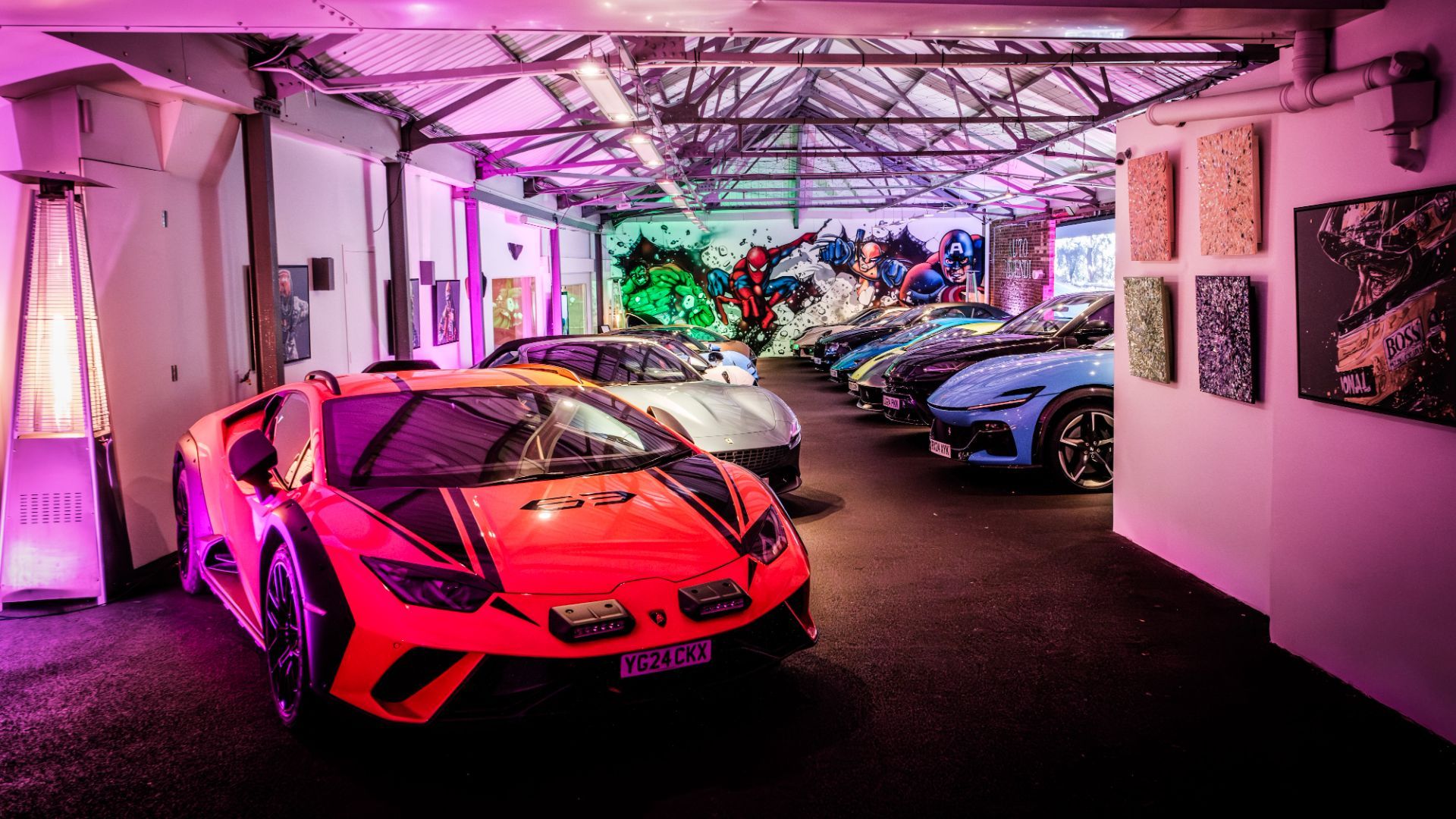
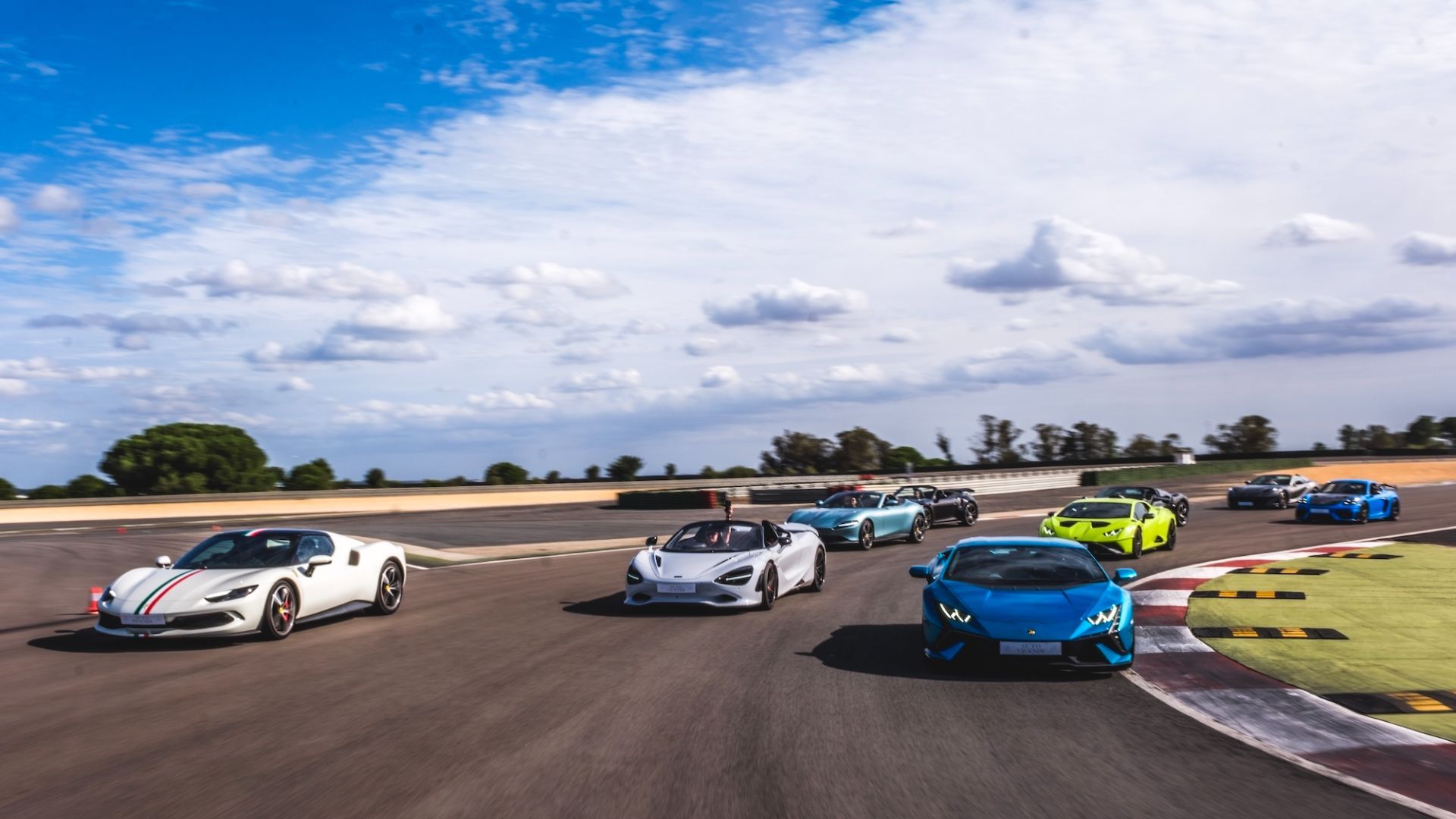
Now in its 20th year, Auto Vivendi is an exclusive club for supercar enthusiasts. It currently has 31 cars in its collection, with a combined value of more than £8 million, and a couple of new vehicles are added every month. Highlights right now include an Aston Martin Vanquish, Ferrari SF90 Spider, Lamborghini Revuelto, McLaren 750S Spider and Rolls-Royce Spectre. The new Ferrari 12Cilindri, Lamborghini Temerario and Porsche 911 (992.2) Dakar are all on order.
Ready for the Roma
Auto Vivendi members can drive its cars for anything from 20 to 365 days a year, with an annual allowance of between 1,000 and 12,000 miles. Prices start from £17,950 plus VAT for a Silver membership, which offers 20 days and 1,000 miles of driving – decent value if you add up the servicing, insurance and potential depreciation costs of owning a new supercar. A network of ‘Club Hubs’ across the UK allow members to collect cars, or they can have them delivered to home.
Tucked down a side street in leafy St John’s Wood is Auto Vivendi’s London Clubhouse, where I meet MD Craig Williams. “We hold a lot of social events and parties here,” he explains, “and we also organise track days and driving adventures. Next year, for example, we’ll go ice driving in Norway, explore the Dolomites and visit the Monaco Grand Prix.” Craig then walks me through more of the car collection: “We have a lot of members with families, so SUVs like the Mercedes-AMG G63 and Lamborghini Urus SE are popular. And we have a few classic ‘wild cards’, such as the Ferrari 355 Spider and Dodge Viper.”
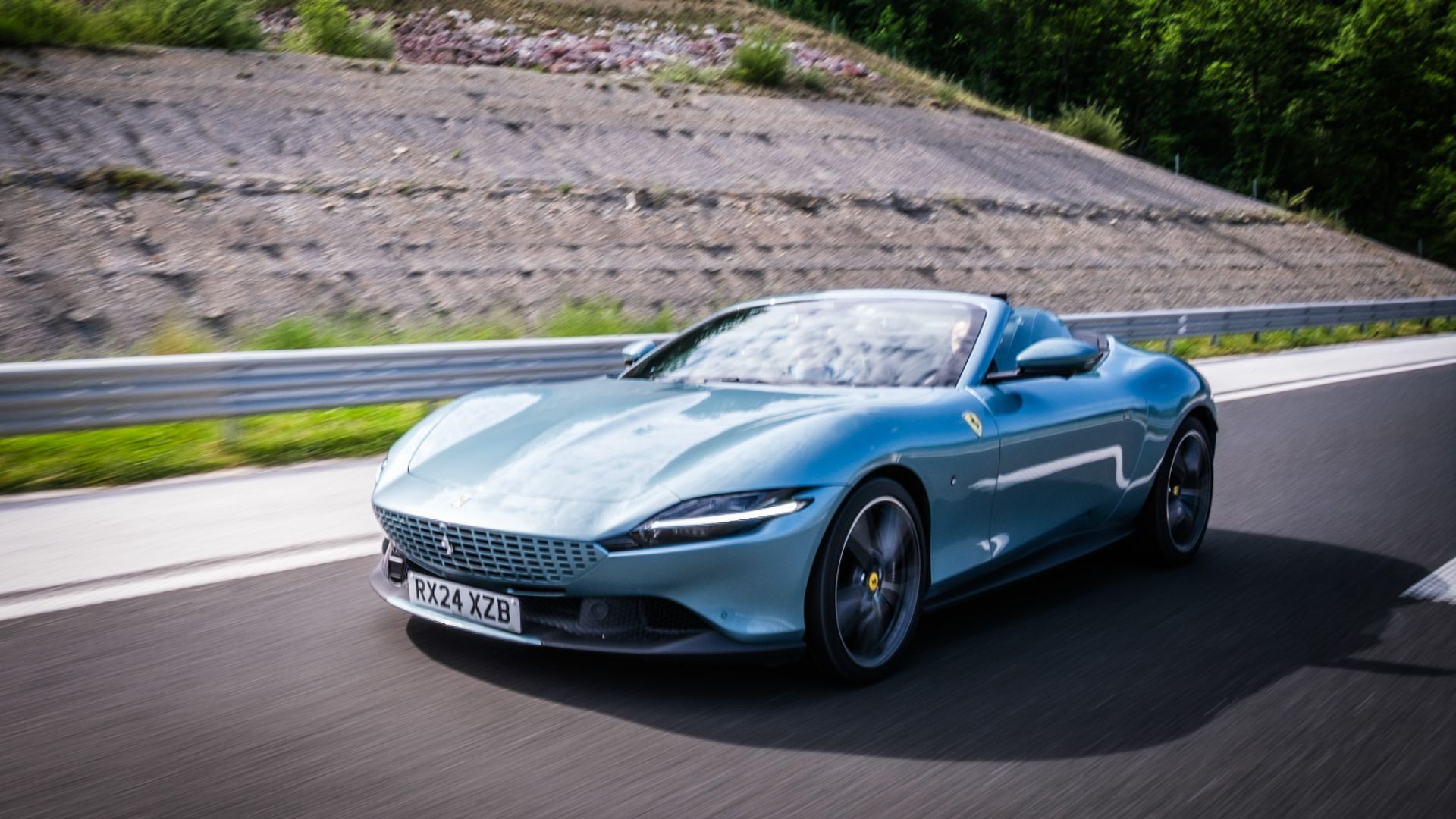
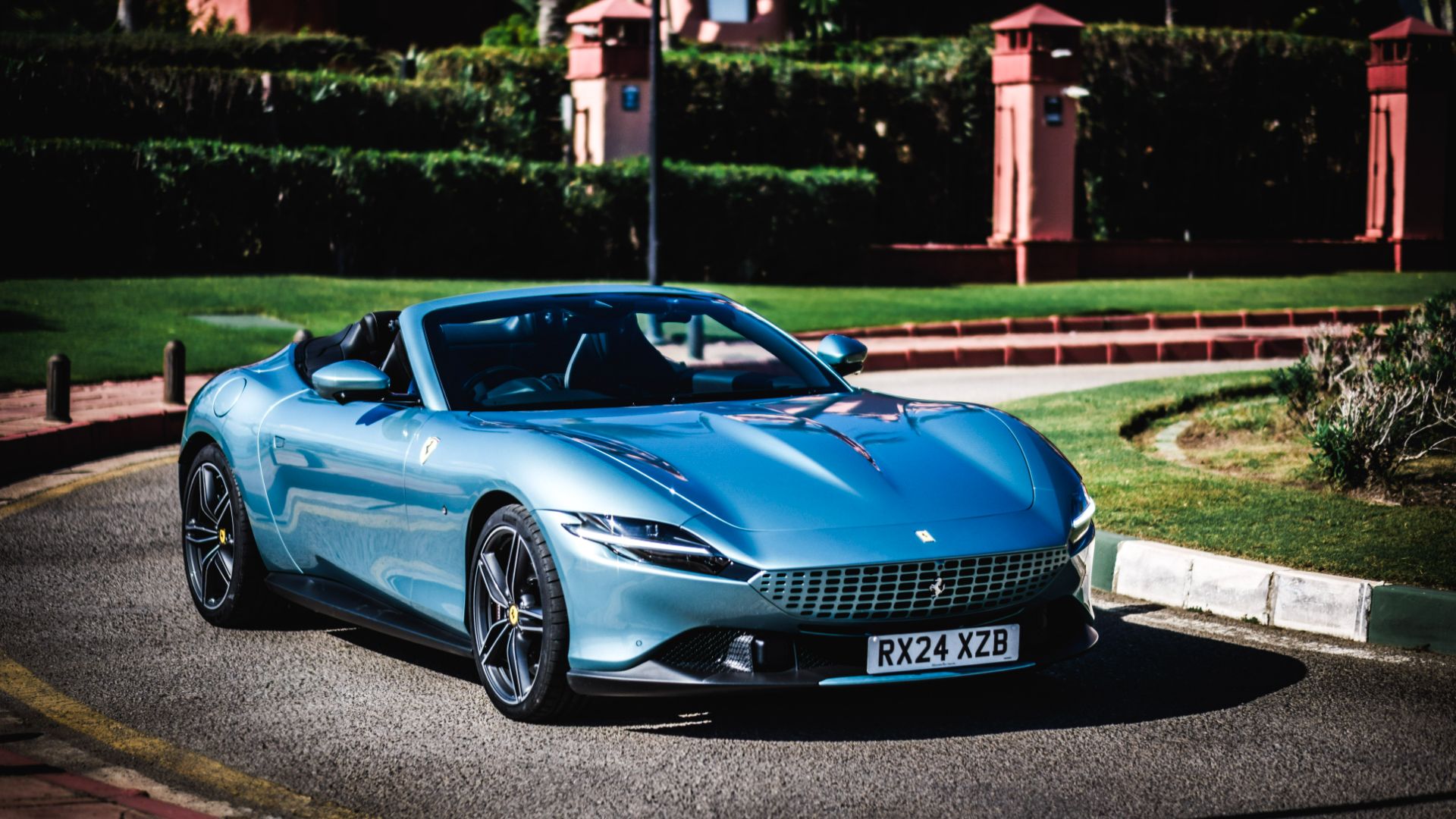
A Viper might be a tad too ‘wild’ for me, particularly with a former policeman riding shotgun, but the Roma Spider seems ideal for the job. It’s the entry-level Ferrari – soon to be replaced by the new Amalfi – and is more of a blue-blooded GT than a red-blooded supercar. A 3.9-litre twin-turbo V8 sends 620hp and 561lb ft of torque to the rear tyres via an eight-speed dual-clutch gearbox: good for 0-62mph in 3.4 seconds and 199mph. But only on a private road or racetrack. Ahem.
Escape from the city
For my money – and you’d need £210,313 – the Roma is also the prettiest Ferrari of recent times. Elegant and understated, it’s less aggressive than Maranello’s mid-engined supercars, and looks particularly lovely in drop-top Spider guise. The five-layer fabric roof follows a similar profile to the coupe, then can disappear beneath the rear deck in 13.5 seconds. Ferrari says redesigned sills and a new rear bulkhead have retained the closed car’s rigidity, too.
A driving assessment day is mandatory for all new Auto Vivendi members to ensure their safety behind the wheel. And while I have reported on many fast cars as a journalist, I’m also conscious that it’s nearly 30 years since I passed my driving test. “We all acquire bad habits,” says Graham, who then proceeds to show me a reel of supercar crash videos, usually caused by a driver attempting to show off. It’s a sobering but necessary reminder of how quickly things can go wrong.
I get comfortable in the Ferrari then prod the haptic start button on the steering wheel. The V8 barks abruptly to life and we edge out of the Clubhouse into mid-morning London. The Roma doesn’t have a front axle lift system, so one of Graham’s first tips is to mount the speed humps, rather than trying to straddle them, in order to create more ground clearance. As we join the stop-start crawl on Finchley Road, he advises leaving enough space to see the tyres of the car in front, so we won’t get stuck if they break down or decide to stop. And he stresses the importance of anticipating hazards even at slow speeds – a point made when we hear sirens and hold back from crossing a junction, allowing an oncoming fire engine to swerve onto our side of the carriageway.
Looking for limit points
As we join the A1 (M) and progress gets quicker, Graham says I should be looking much further ahead: scanning the horizon, rather than merely focusing one or two cars in front. He also suggests checking all three mirrors every 30 seconds or so, and moving to the middle or outside lane when approaching junctions to avoid clashes with oncoming traffic. At all times, his emphasis – gleaned from years of studying and teaching the police Roadcraft manual – is on planning ahead, regulating speed and positioning the car to ensure optimum visibility and minimum risk.
We peel off onto flowing rural roads that feel more like the Ferrari’s natural habitat. I click the manettino into Sport mode and enjoy the metallic rasp from the quad tailpipes. Its steering is alert and full of detail, while the adaptive Magneride dampers (standard on UK cars) make the car feel taut and tied-down. It might be a GT, but the Roma is no laid-back boulevardier. This is still a Ferrari, after all.
Graham explains how the police used to teach the shuffling ‘push-pull’ method of steering, but now a mixture of this and the ‘fixed’ technique (with hands placed at 10-to-two or quarter-to-three on the wheel) is encouraged. On winding roads, drivers should always look ahead to the ‘limit point’ – where the left and right sides of the road appear to meet – to gauge their speed into corners. Doing so, I could often simply back off the throttle, rather than needing to brake, which made for smoother progress.
A different supercar experience
My other major learning from the day concerned road positioning. Many of Britain’s B-roads are crumbling at the edges, so keeping the car out of the gutter – especially a supercar on low-profile rubber – could prevent you falling into a rut, or pinching a tyre on a pothole. “The dotted white line is there to separate traffic,” notes Graham, “but you can use all of the tarmac. If I have good visibility ahead, I will position the car right in the centre of the road.” An unintended consequence, perhaps, but using more space also means you can carry more speed.
Speaking of speed, during five hours with the Ferrari, I didn’t exceed the limit once (or certainly not by more than a few miles per hour). Yet being with Graham forced me to reassess every facet of my driving and be totally immersed in the process.
This was a very different experience to a typical supercar launch (a mountain road for the main course, a racetrack for dessert), yet it was perhaps more intense and equally enjoyable.
Re-learning to drive
Back at the Auto Vivendi Clubhouse, we grab a cold drink and Graham tells me about his police pursuit days. “We used Vauxhall Cavaliers, Ford Sierras and Rover 800s. Contrary to popular opinion, they weren’t modified to go any faster. They were just driven well.” It’s a reminder that, whether you’re in a 1980s repmobile or a brand new Ferrari, ‘driving well’ is something we can all aspire to.
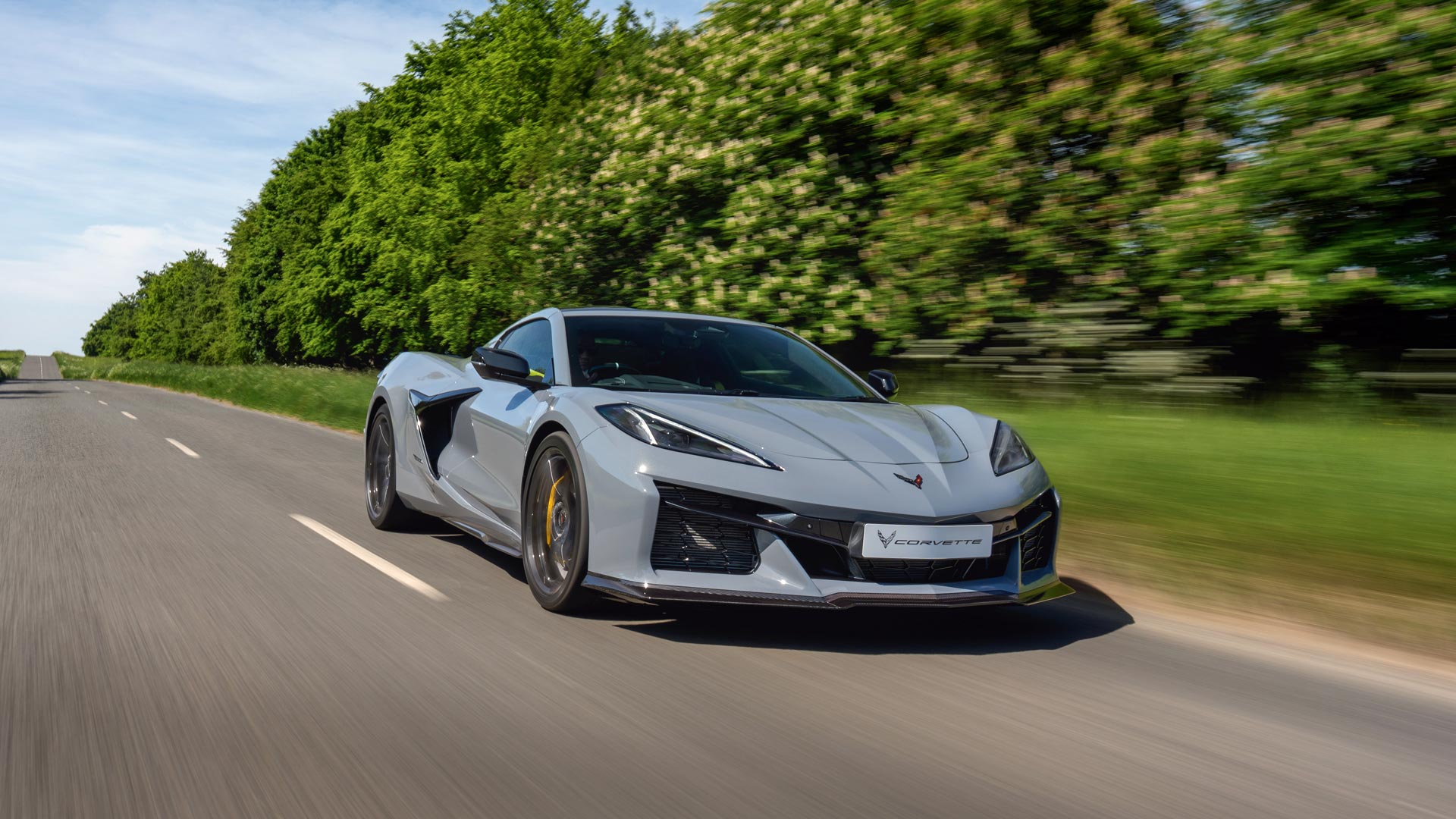
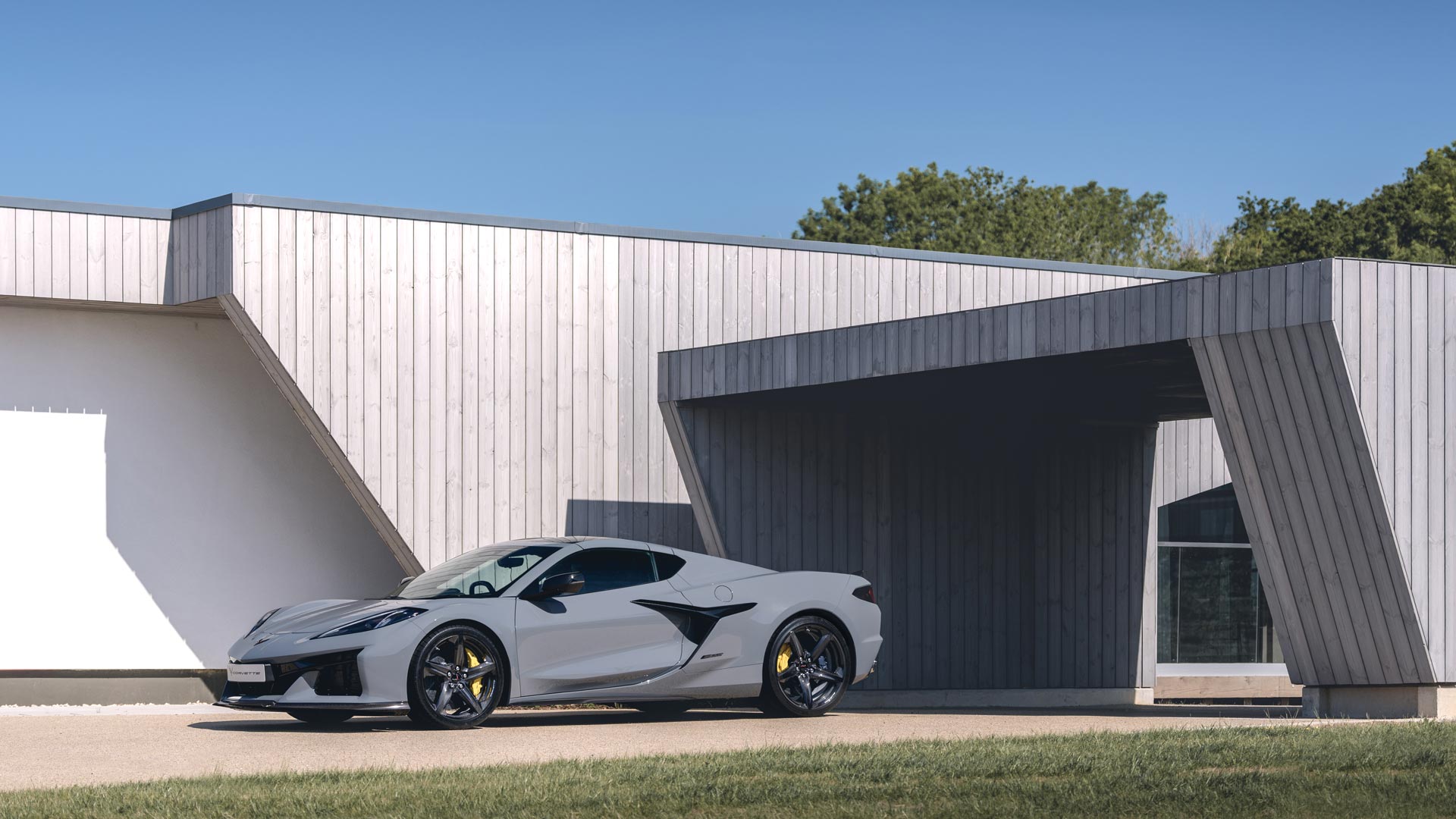
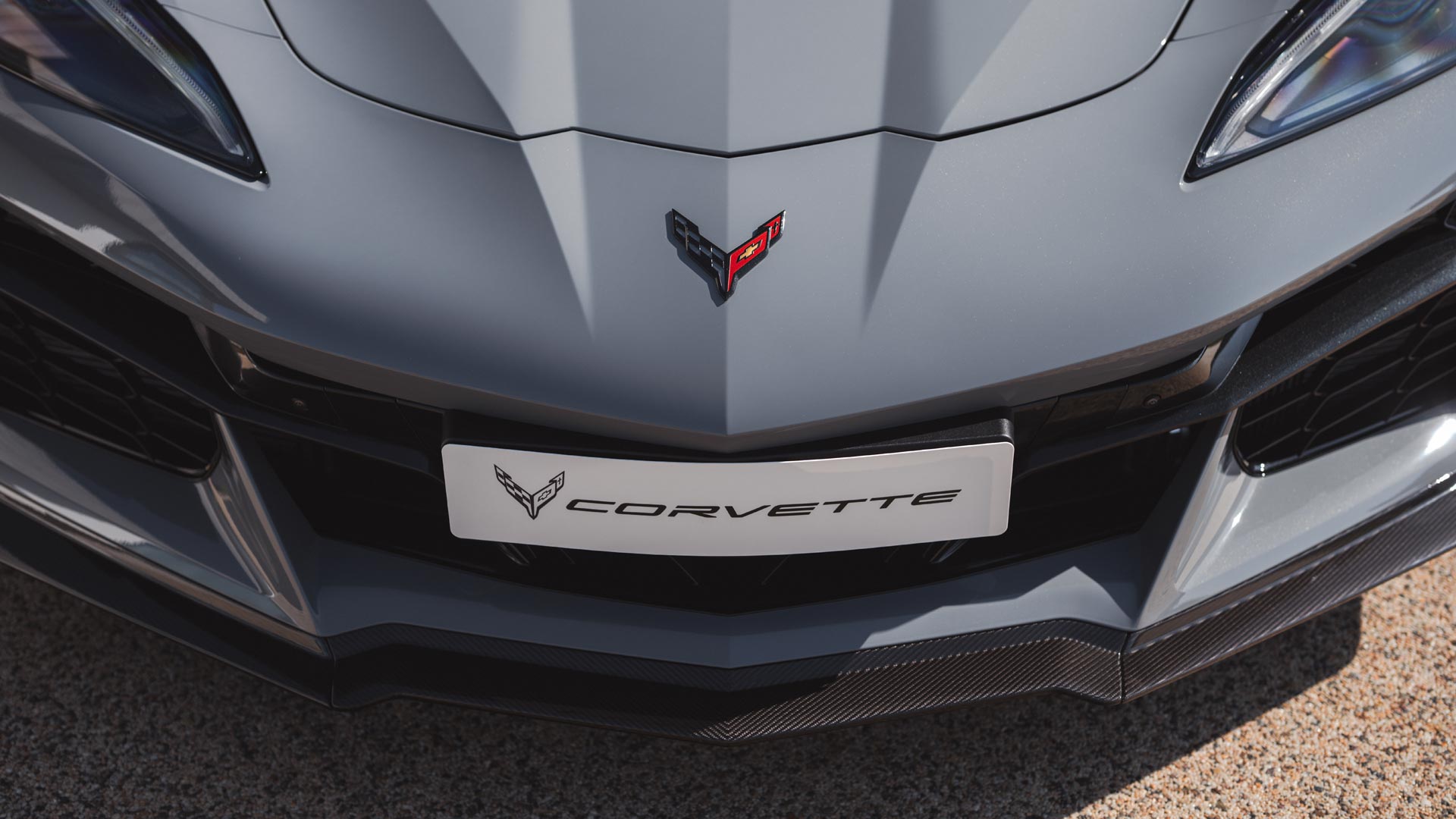
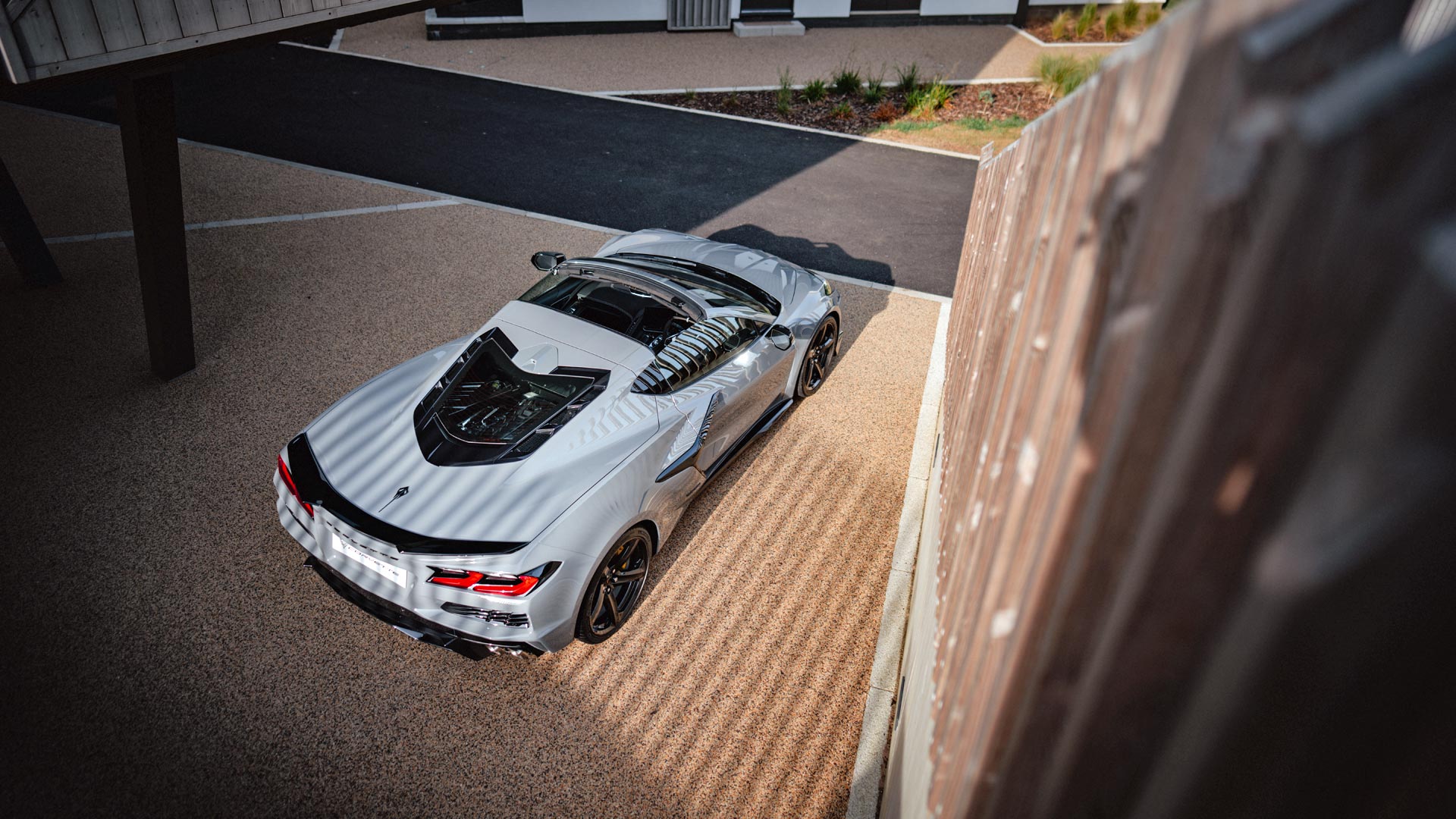
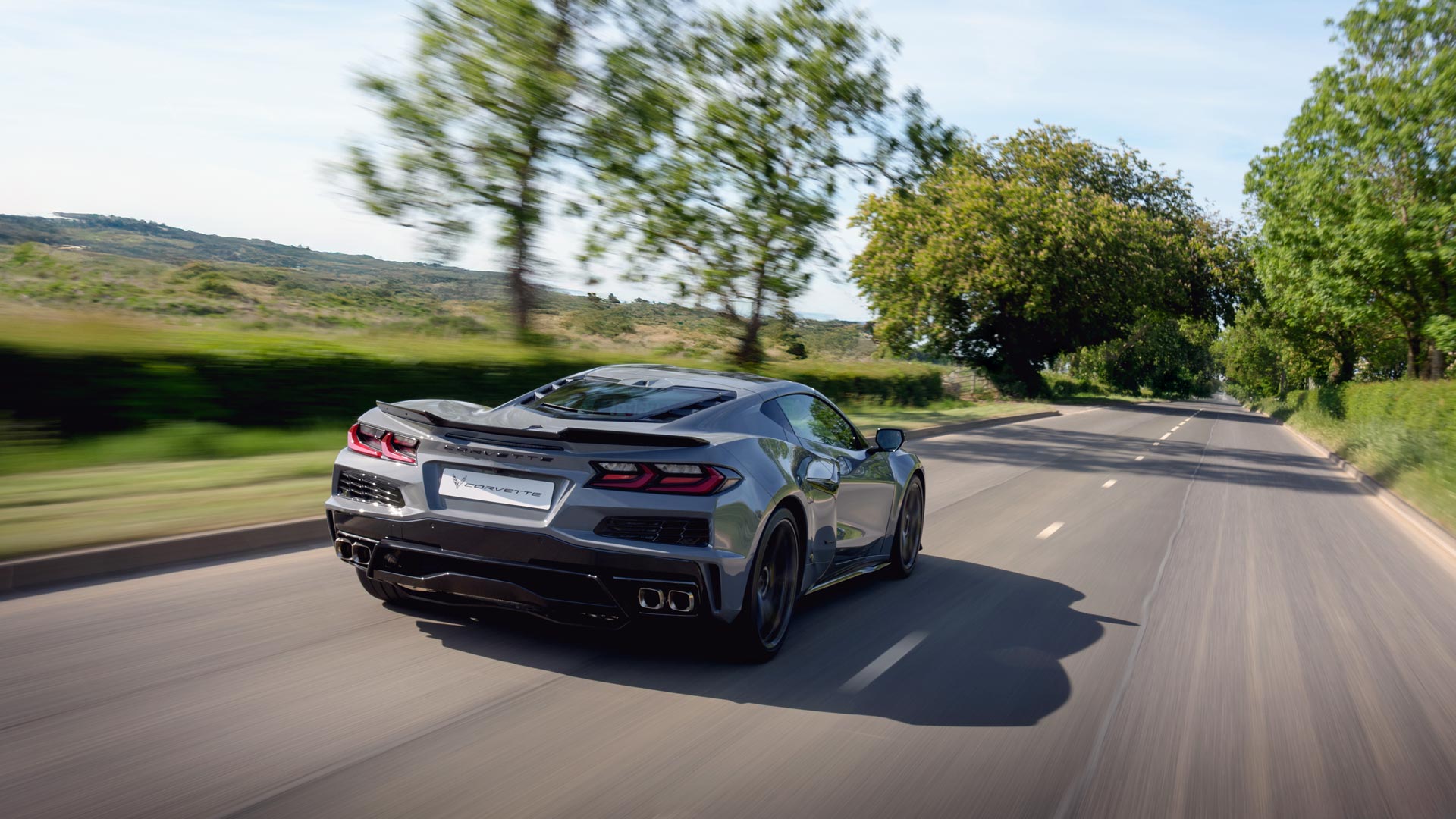
The electrified Chevrolet Corvette E-Ray is heading to the UK later this year, and it will be sold in right-hand drive.
Officially unveiled at the 2025 Goodwood Festival of Speed, the E-Ray’s hybrid powertrain makes it the quickest production Corvette to arrive on British shores.
Combining all-American V8 muscle with cutting-edge electric tech, the Corvette E-Ray promises huge performance with the assurance of all-wheel-drive traction.
Available in both coupe and convertible body styles, orders for the Corvette E-Ray can be placed now. The first deliveries are expected in September 2025.
Lightning-fast performance
A 161hp electric motor is mounted on the front axle, creating this Corvette’s electric all-wheel-drive (eAWD) capability.
Adding together both powertrains results in a supercar-rivalling 643hp, and means the E-Ray can accelerate from 0-62mph in just 2.9 seconds. Top speed is 180mph.
Power for the electric front axle comes from a 1.9kWh battery pack, which is mounted behind the driver and passenger. Charging via regenerative braking removes the need to plug in the Corvette to an electricity supply.
An eight-speed dual-clutch automatic with paddles is the only gearbox available.
Cruise suburbia in silence
The electric motor allows the Corvette E-Ray to start and drive away in ‘Stealth Mode’. So you can leave early without waking your neighbours with the rumble of V8 thunder.
Fully electric driving is possible for up to four miles, with a maximum speed of 44mph. Above this, or once the battery is depleted, the E-Ray’s engine will automatically burst into life.
Each of the Corvette’s six driving modes tailors the amount of assistance supplied by the front motor. The eAWD works with the traction control to optimise performance and stability, too.
An E-Ray Performance App on the Corvette’s recently updated infotainment system allows drivers to manage the battery charge level and monitor the car’s performance.
Not just for drag racing
Proving that the E-Ray is about more than just straight-line performance, the standard spec includes Chevrolet’s Magnetic Ride Control suspension. It also uses powerful Brembo brakes with carbon-ceramic discs.
Using the same widened body as the high-performance Corvette Z06, the E-Ray comes fitted with 20-inch alloy wheels at the front and 21-inch rims at the rear.
Four wheel designs will be available, including the option of carbon fibre wheels that save a total of 18.5kg in unsprung weight.
Michelin Pilot Sport All-Season 4 tyres are standard, but customers can choose stickier Pilot Sport 4S rubber as part of an optional performance package.
Ready to roll from September
Buyers can select from 10 different exterior colours for their Corvette, including bold hues such as Hysteria Purple and Competition Yellow. Multiple interior trim combinations are offered as well.
Following the E-Ray’s debut at the 2025 Goodwood Festival of Speed, customers can place orders through one of the four dedicated Corvette dealerships in the UK.
Prices for the E-Ray Coupe will start from £153,440, with the convertible version priced at £159,230. It makes the Corvette look something of a bargain, given the supercar-baiting performance on offer.
We can only hope that the incredible 1,064hp ZR1 is the next Corvette to cross the Atlantic…
The Range Rover SV Black is the latest model in the Land Rover family to receive the monochrome ‘noir’ treatment.
Following Black editions of the Land Rover Defender Octa and Range Rover Sport SV, the flagship Range Rover now offers a similarly stylish spec.
Clearly, the familiar ‘black edition’ concept remains popular, even as Jaguar Land Rover invests £65 million to accommodate bespoke SVO paint options.
The Range Rover SV Black will be available to order later this year, following its public debut at the 2025 Goodwood Festival of Speed.
Waiting for the blackout
Similar to Land Rover’s previous SV Black models, the Range Rover receives a liberal coating of Narvik Gloss Black paint for its exterior.
At the front, the grille is also finished in gloss black, with even the Land Rover badge and Range Rover bonnet lettering getting the treatment. A ceramic black SV badge is found on the tailgate, too.
The 23-inch alloy wheels are, of course, finished in gloss black, as are the centre caps. For the first time on a Range Rover SV, the gloss black brake calipers also have darkened lettering.
Customers can specify the Range Rover SV Black in short- or long-wheelbase body styles. Both are powered by a BMW-supplied 4.4-litre twin-turbocharged V8 engine. Hybrid assistance results in a total output of 615hp.
All about that BASS
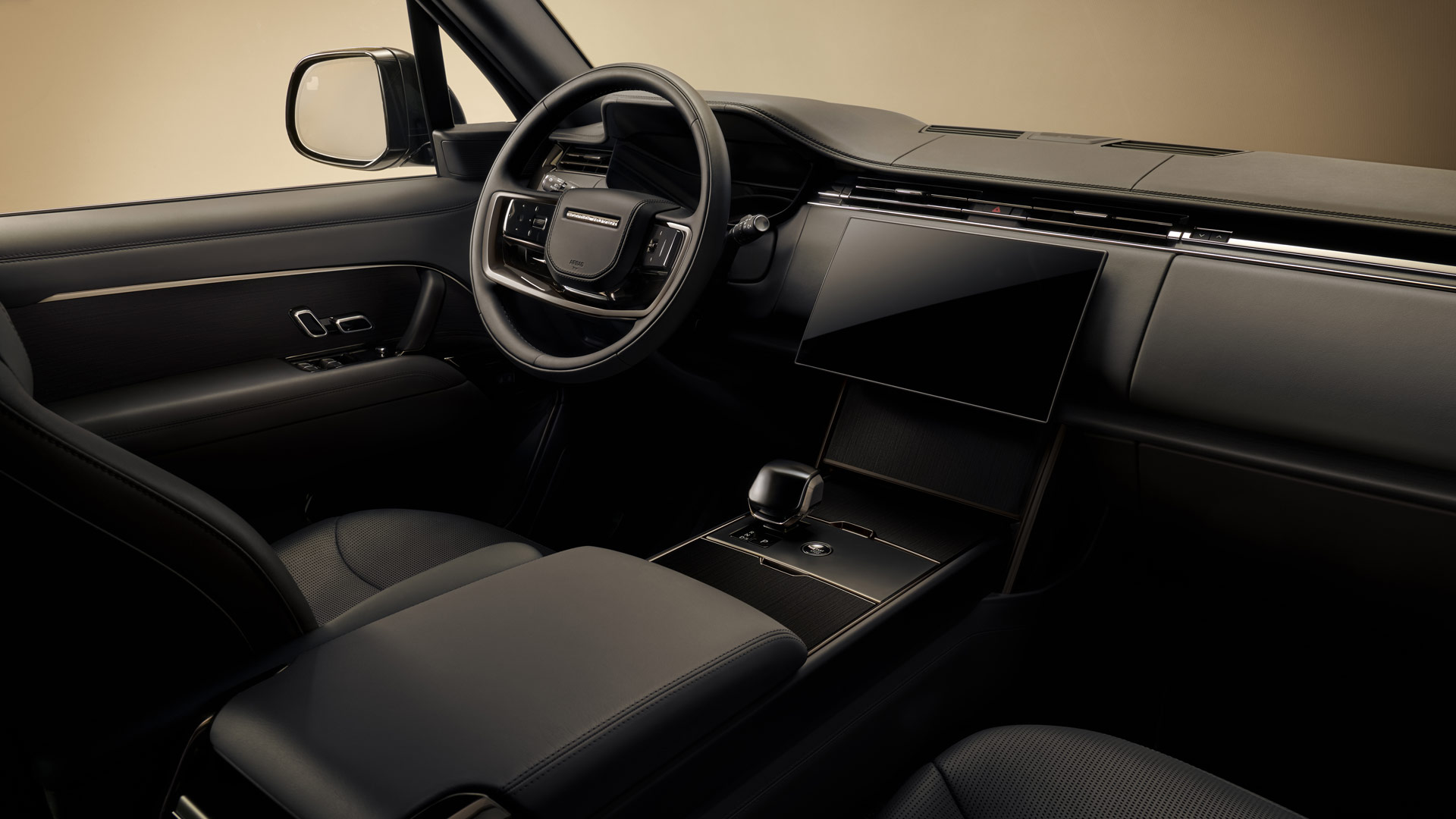
The black theme continues inside, with the use of new ‘near‑aniline’ Ebony leather on the seats and a bespoke stitching pattern.
The ‘Sensory Floor’ features transducers beneath the carpet mats to give haptic feedback directly through the occupants’ feet. This complements the BASS (Body And Soul Seat) technology, resulting in a ‘a true full‑body audio experience’.
Black birch veneer is used for the interior trim, with extended Moonlight Chrome detailing. The gear shifter is topped with satin black ceramic.
Prices for the Range Rover SV Black will start at £188,025. The long-wheelbase version requires £204,925.