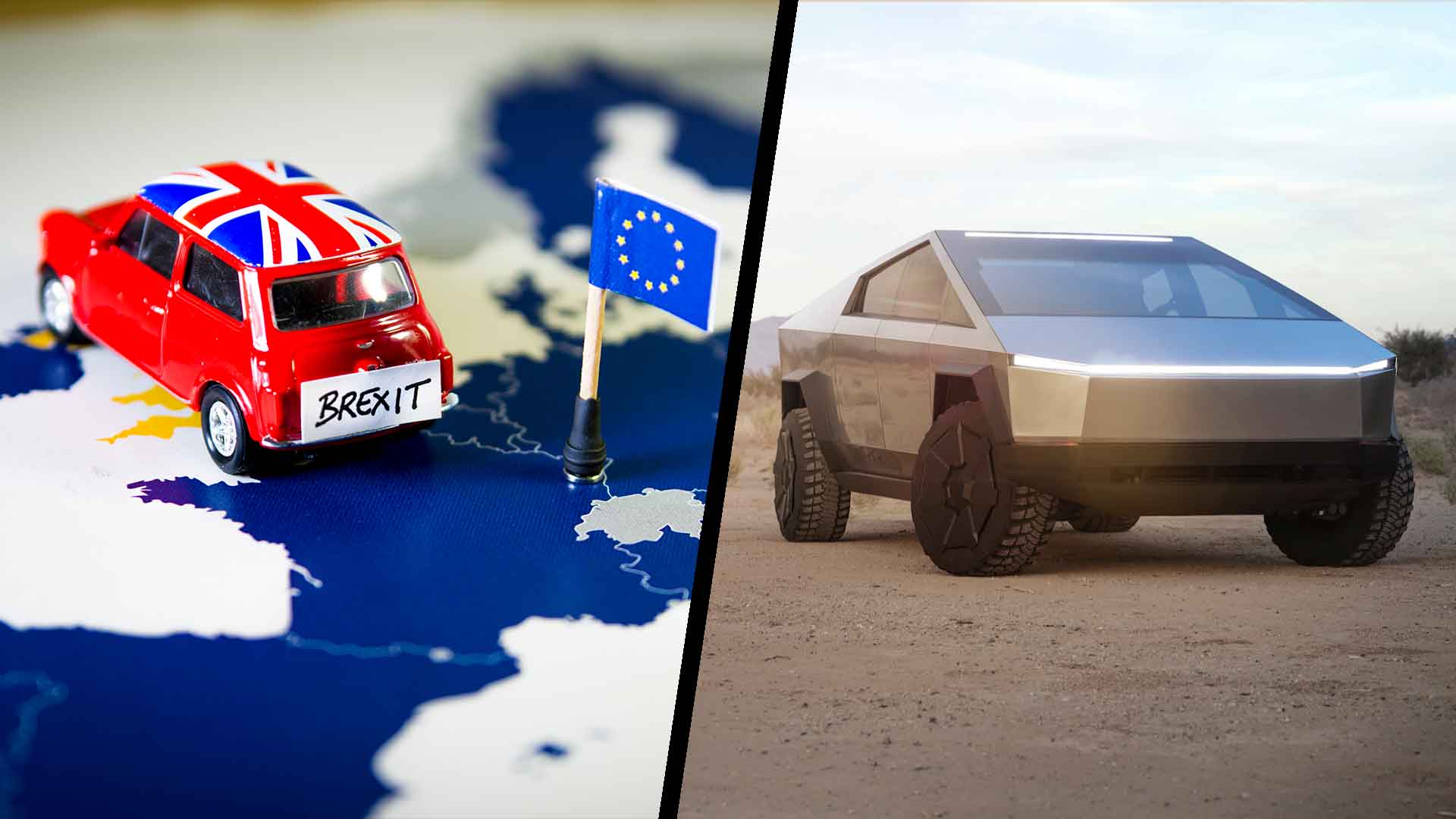
New research has looked at how the result of the EU referendum in 2016 has affected the cost of motoring in the UK. In the years since Britain voted out, motoring costs, including buying, maintainance, fuel and insurance, have all increased.
The increases may be due to both the uncertainty aroundBrexit, and how the pound has weakened as a result. Overall, average vehicle ownership costs are up 9.3 percent. That compares with a 7.3 percent rate of inflation over the same period.
In showrooms, the price of a new car has risen by an average of 12.3 percent, based on figures from the Office for National Statistics.
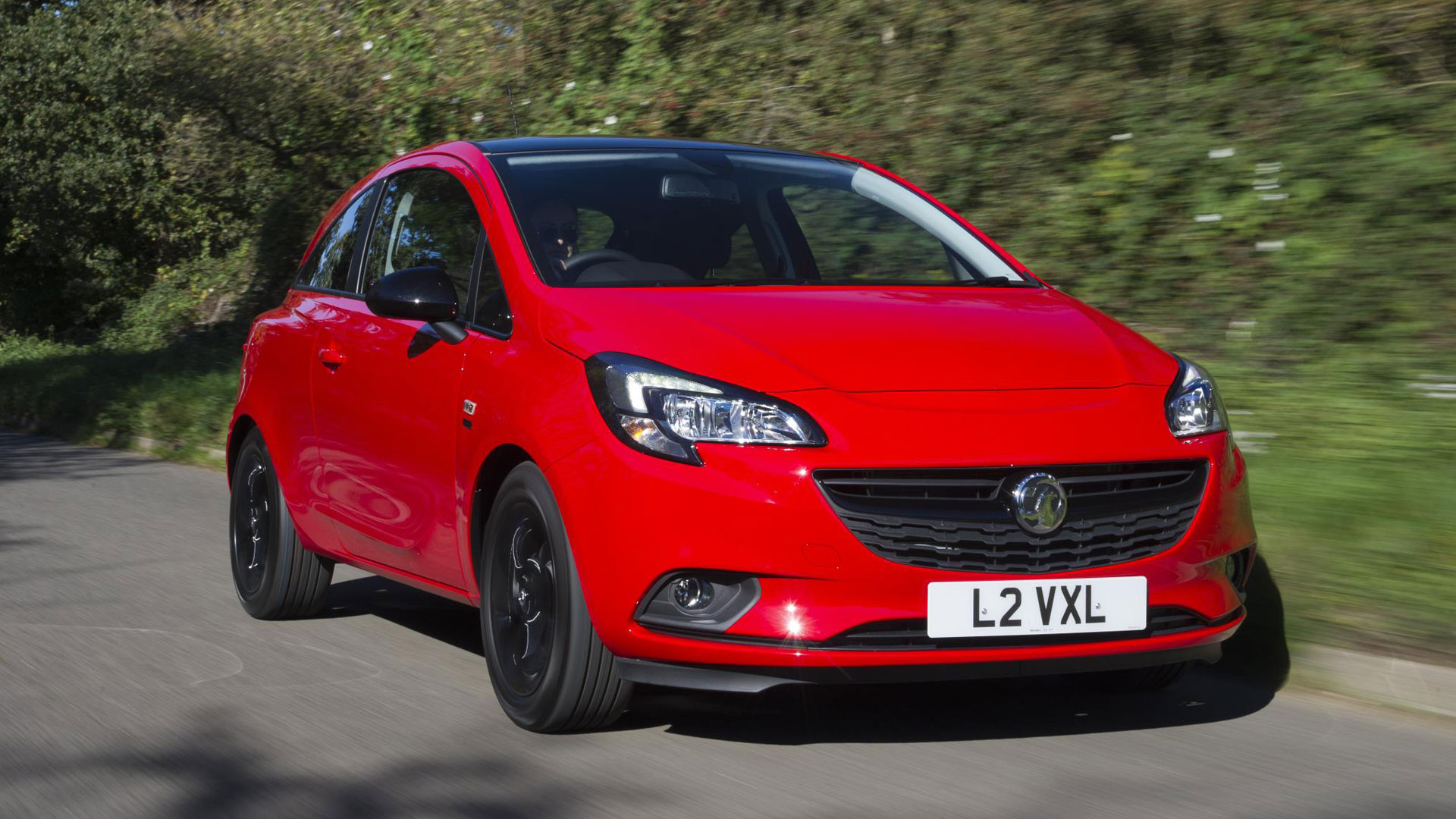
Vantage Leasing, which originally published the research, cites the Vauxhall Corsa as an example. While a 1.4i Design five-door was £12,480 in November 2016, that rose to £14,025 by June 2019. That’s a 12.4 percent increase in price.
In terms of insuring your car, the cost is also up, although not by an enormous amount. A year’s insurance in summer 2016 cost an average of £737. During the same period in 2019, the cost was £783, or £46 more. That’s a rise of 6.2 percent.
Risky business: why footballers pay the most for car insurance
Looking after your car costs more too. Vehicle maintenance and repairs have risen in price by 9.2 percent over the last three years. Spare parts are up 8.7 percent and tyres are 6.4 percent pricier.
A steady rise in the price of fuel is, however, is a phenomenon much older than the EU referendum. The normal fluctuations combined with the influence of Brexit have seen pump prices higher overall. The average price for a litre of unleaded was £1.16 at the time of the referendum. As of October 2019, the average was £1.27. That’s a jump in price of 9.2 percent.
For a 55-litre fuel tank, that’s an increase of £6.05. Diesel and super unleaded are up 11.1 percent and 11.6 percent respectively over the same period.
“Since the Brexit referendum was held three and a half years ago, there has been a gradual but very tangible increase in the cost of running a car,” said James Buttrick of Vantage Leasing.
“With so much uncertainty around the details of the UK’s departure from the EU, the automotive industry has found itself one of the worst affected. It’s hard to see that getting any better for the industry or the motoring consumer as we finally head towards Brexit.”
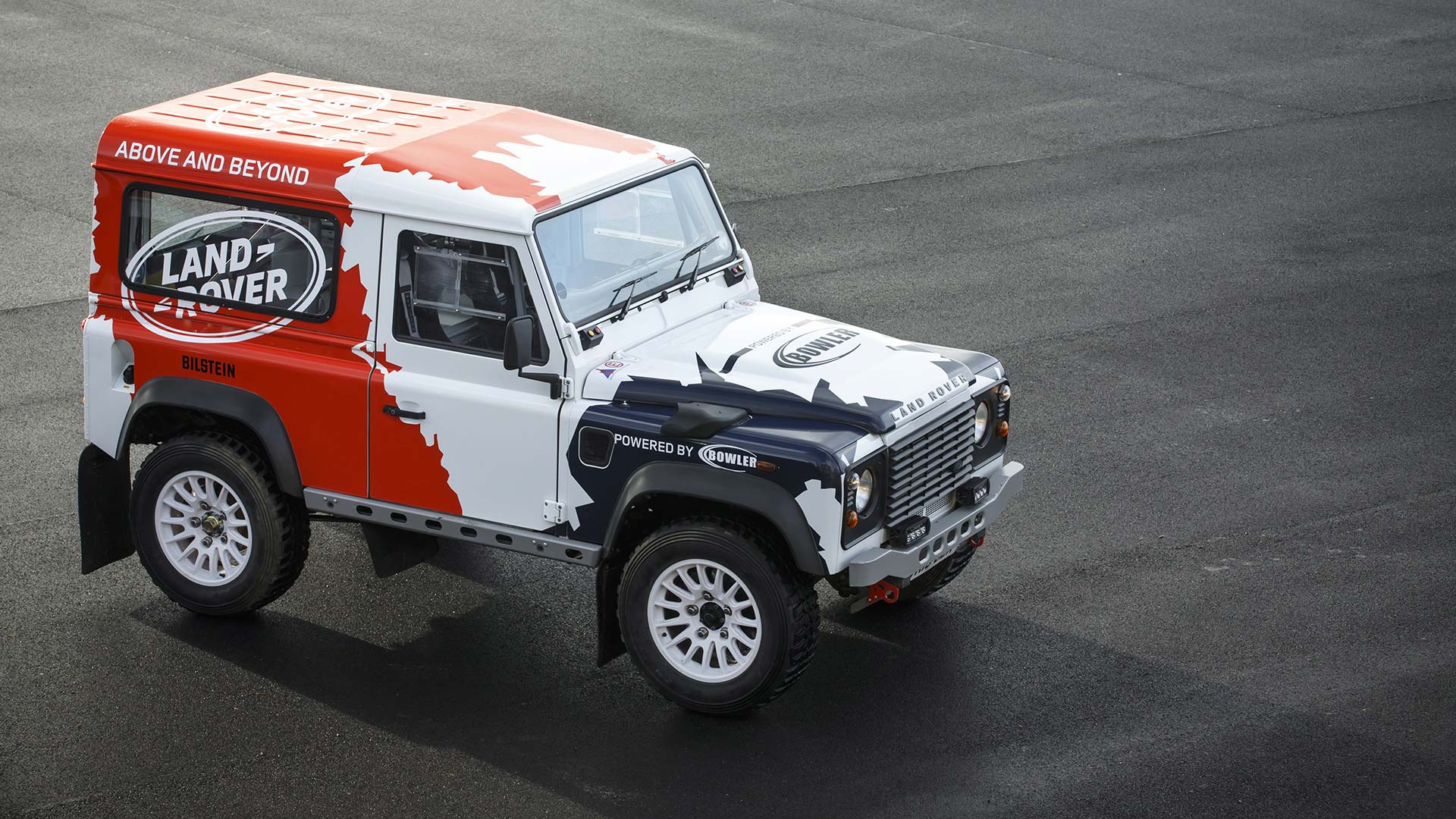
Jaguar Land Rover has confirmed that it has acquired all-terrain performance experts, Bowler.
The Derbyshire-based firm is now completely owned by Jaguar Land Rover (JLR), and will form part of its Special Vehicle Operations division.
Originally founded in 1985 by the late Drew Bowler, the company has been responsible for producing extreme off-road competition vehicles.
Powered by Land Rover
The two companies had previously formed a formal brand agreement in 2012, adding “Powered by Land Rover” branding to the Bowler EXR rally car. Bowler has solely used Land Rover powertrains to produce its bespoke off-roaders.
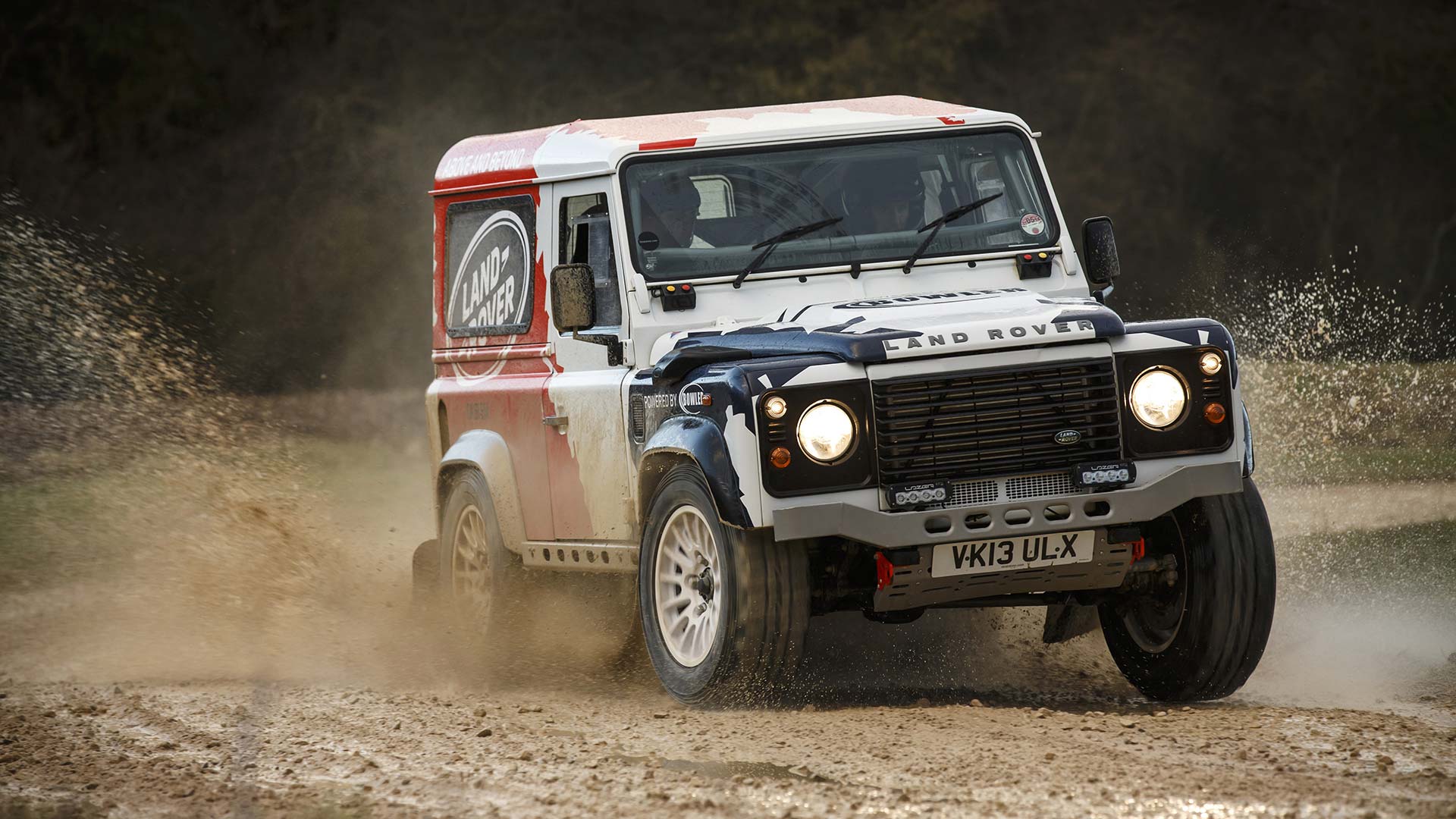
Between 2014 and 2016, Bowler was responsible for running the Defender Challenger competition. This saw teams making use of specially prepared Land Rover Defenders in UK-based rallies, with the aim of readying them for the legendary Dakar Rally.
The unexpected death of founder Drew Bowler in 2016 shocked the company, but other members of the family have helped the business continue.
A key step in strategy
Despite the purchase of Bowler, JLR has stated that the company will continue to operate as normal from its headquarters in Belper.
Michael van der Sande, Managing Director of Jaguar Land Rover Special Vehicle Operations confirmed that the “immediate focus is on ensuring continuity of support for Bowler employees and customers during this transition to Jaguar Land Rover”.
Exact details on what JLR plans for Bowler are yet to be confirmed, van der Sande added that the acquisition is “a key step in our strategy to create an exciting and diverse portfolio of products and businesses within Special Vehicle Operations”.
The motorsport expertise of Bowler could be a precursor to JLR formally entering the Land Rover brand into off-road competition.
“I am a driving God!”
Bowler is perhaps best known to the general public for inspiring one of Richard Hammond’s most infamous Top Gear quotes.
During the second series of the revised format, Hammond drove a V8-powered Bowler Wildcat, leading him to exclaim that he was “a driving God”. Despite the mockery from Jeremy Clarkson and James May, the feature did highlight the incredible abilities of Bowler products.
More recent highlights for Bowler have included winning both the British Baja National Championship, and the French Baja, in 2006. Last year saw Bowler entrants claim first, second and fourth positions overall on the fearsome Tuareg Rallye.
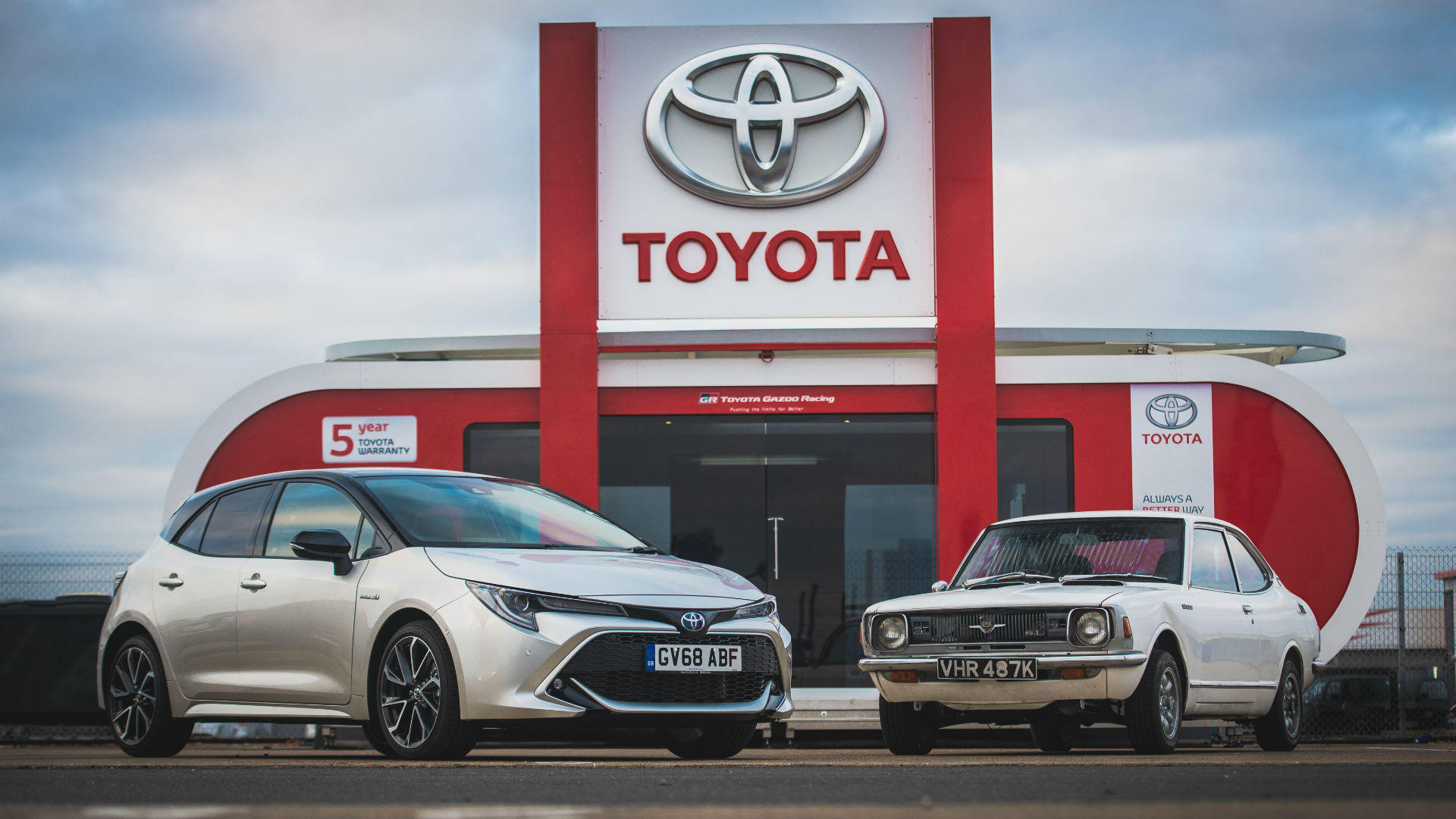
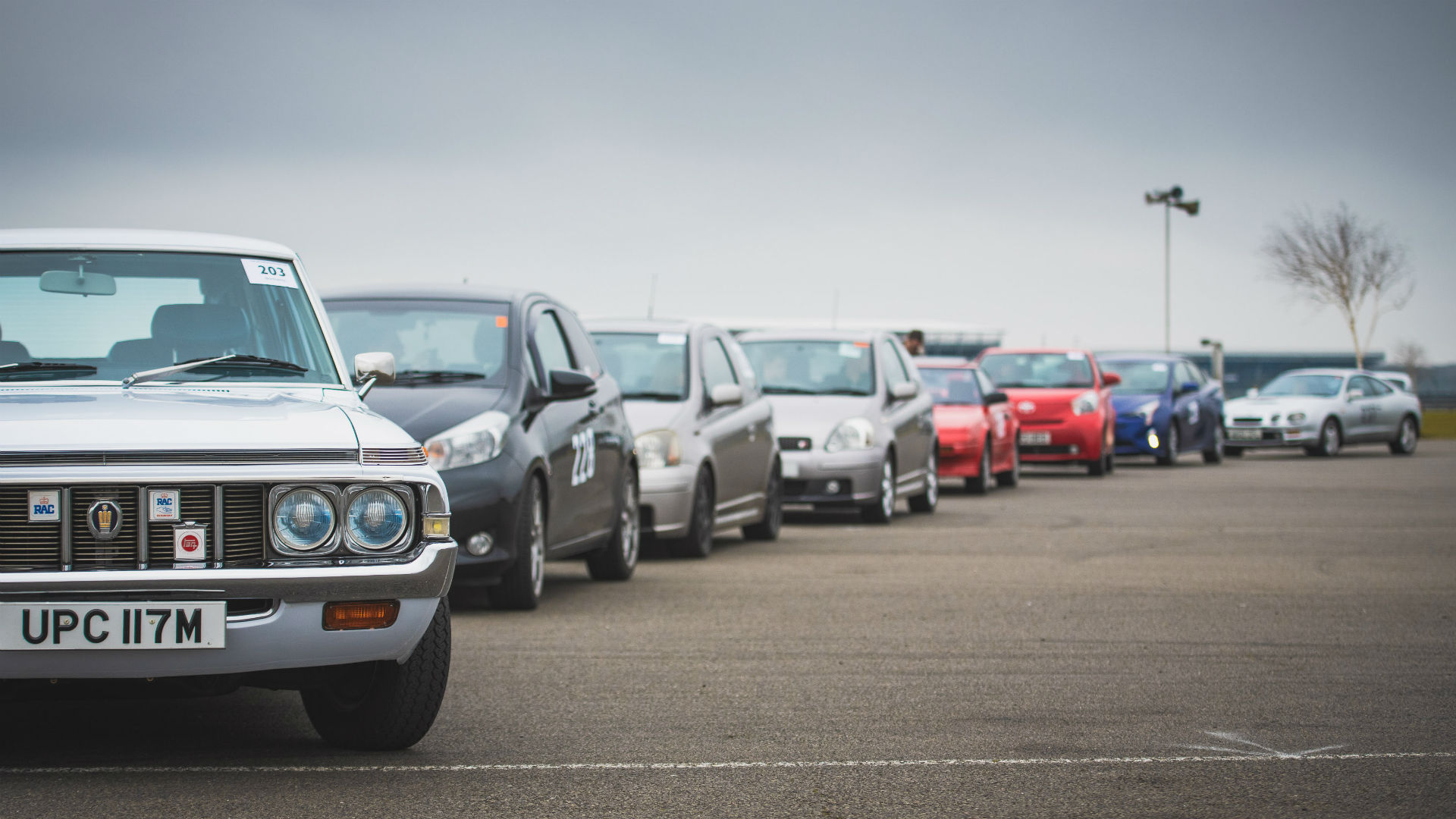
Entries are now open for the 2020 Toyota Parallel Pomeroy Trophy at Silverstone.
Toyotas of all shapes, sizes and ages are invited to attend to the event. Everyone has a chance of driving home in a blaze of glory.
In theory, an ageing Avensis or Camry could upstage a Supra or GT86. Rising Starlets should form an orderly queue…
Entrants must complete the same series of driving tests, but the results are calculated taking factors such as the car’s age and engine size into account.
As a result, a Toyota iQ scooped the Parallel Pomeroy Trophy in 2019. The tiny city car finished ahead of a Toyota Celica GT-Four and a Yaris GRMN in second and third place.
All cars must be road-legal, while all participants must hold a valid UK driving licence. Entries cost £30, with proceeds donated to Guide Dogs for the Blind.
‘There’s no other manufacturer event like it’
Scott Brownlee, head of press and social at Toyota GB, said: “Last year’s event proved a hugely popular success, with all kinds of Toyotas in action.
“This year we’re ready to welcome even more owners to join in the fun and celebrate the amazing variety of Toyota models from across the years. There’s no other manufacturer event like it and we’re keen to see as many cars as possible taking part.”
Next year’s event will take place on 15 February 2020 at the Silverstone circuit in Northampton. In addition to the competition, drivers will be invited to take to the circuit in a special parade lap.
More information, event regulations and downloadable entry forms can be found on the Vintage Sports Car Club (VSCC) website.
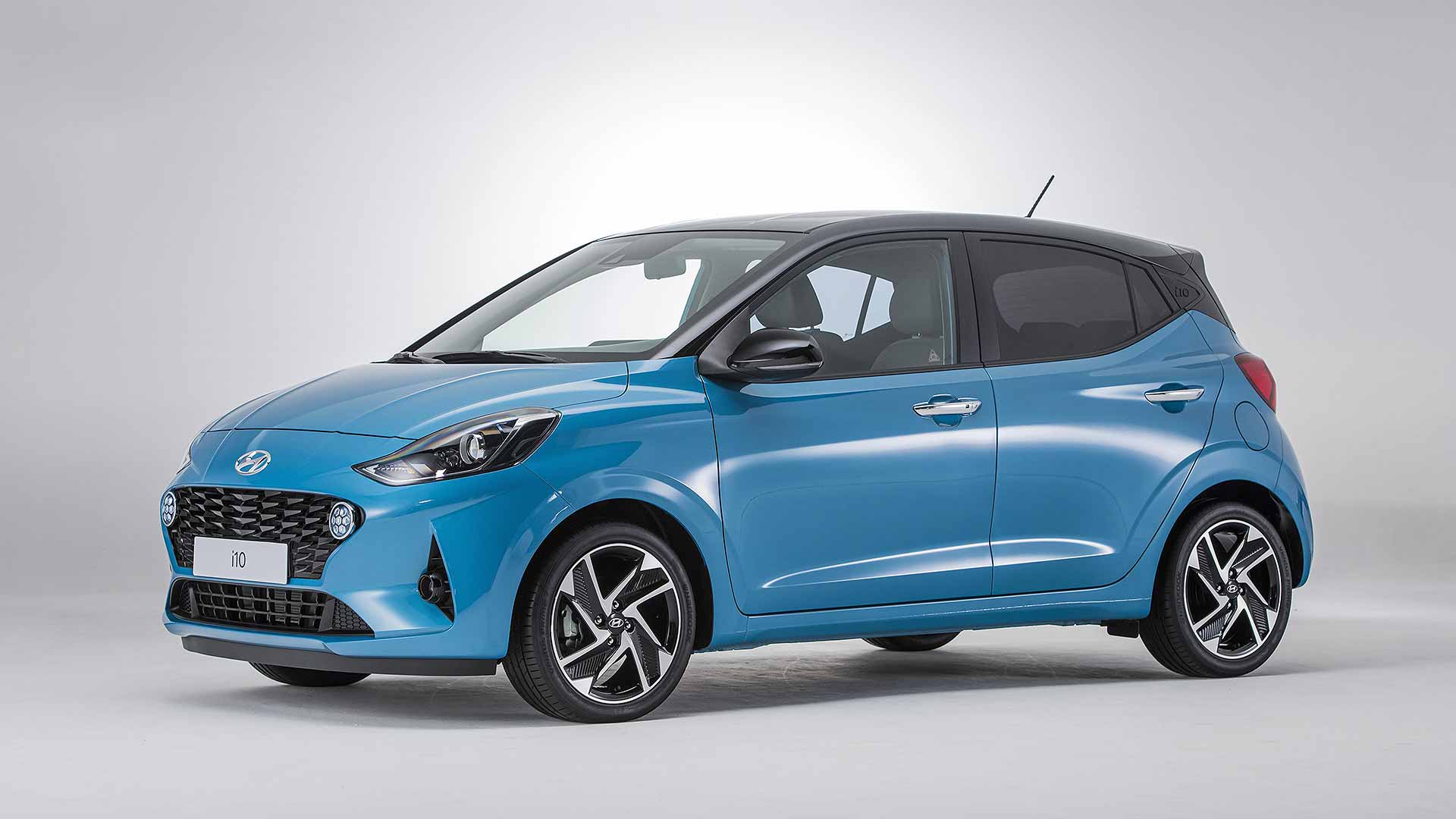
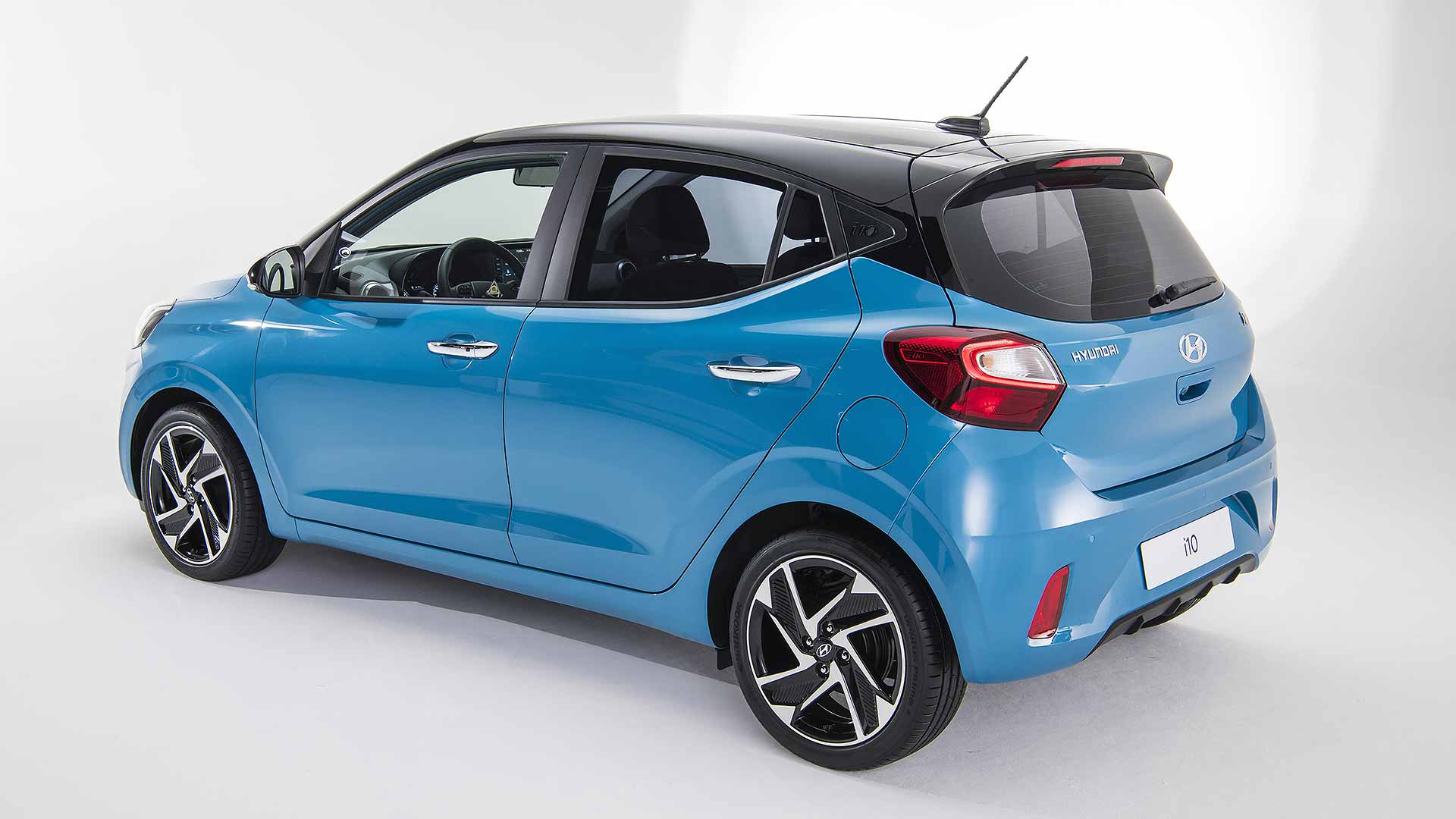
The all-new Hyundai i10 is now on sale. With prices starting from £12,495, the firm has repositioned the car within the entry-level segment.
Hyundai is longer chasing bargain-basement sales, and elevating the i10 to a more upmarket and tech-packed specification should give the car a market USP. Or so it hopes.
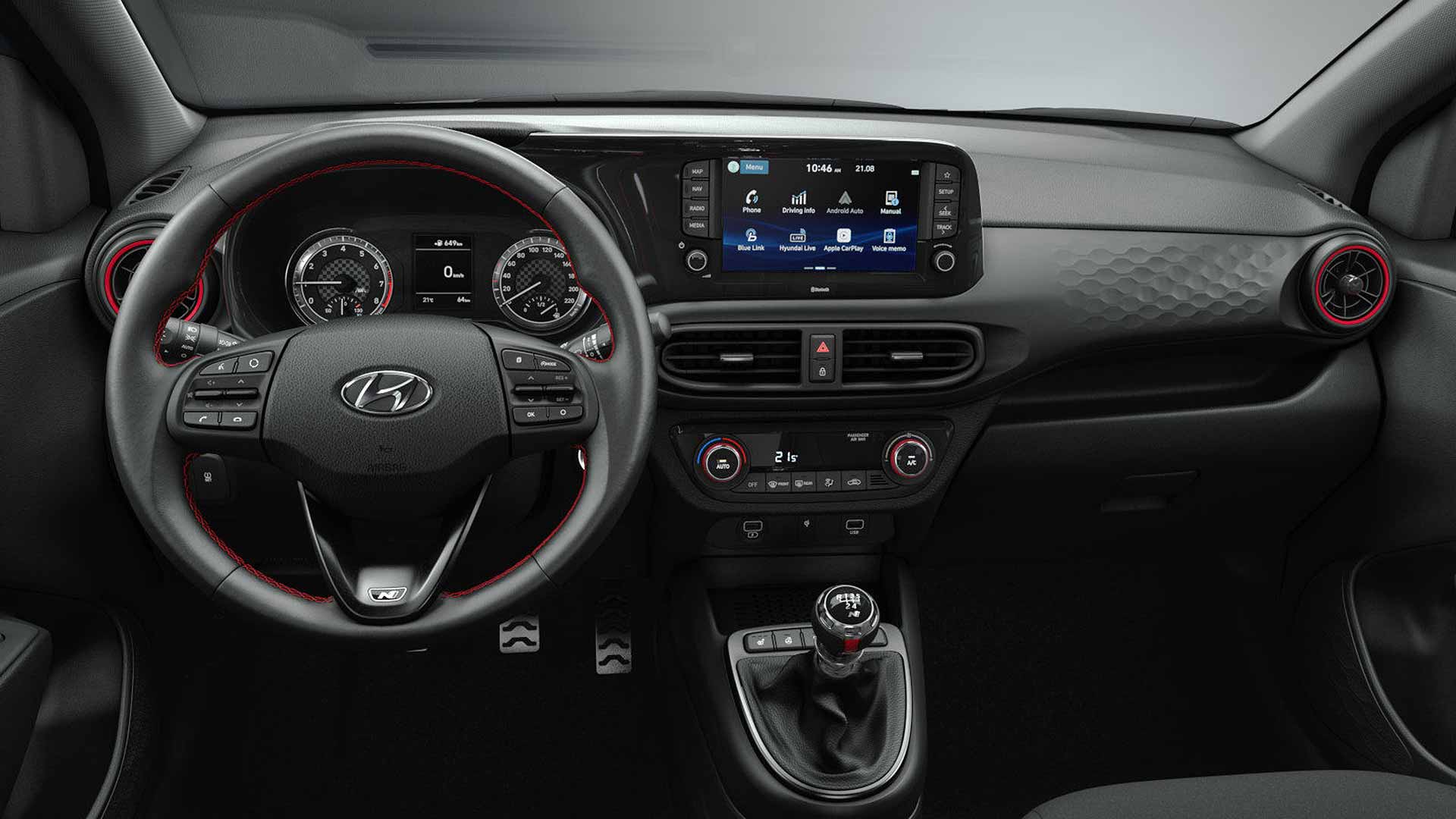
The i10 has ‘segment leading connectivity and safety features’. All cars come with a forward collision warning system, autonomous emergency braking and lane-keep assist.
Air con, cruise control, Bluetooth and DAB radio are also standard across the range.
Every i10 variant apart from the cheapest SE has an eight-inch touchscreen with Apple CarPlay and Android Auto, voice control and a built-in rear-view camera.
On the top-spec Premium, a £1,000 optional extra pack brings touchscreen navigation, Hyundai Bluelink remote telematics and wireless smartphone charging.
The best used cars on sale in every category
Hyundai adds that, unlike some four-seat city car rivals, the new i10 is a genuine five-seater, with a trio of three-point rear seatbelts.
Buyers can choose from either a 67 hp 1.0-litre engine, or an 84 hp 1.2-litre. The smaller engine averages 56.5 mpg, while the bigger motor isn’t far behind on 55.4 mpg.
CO2 emissions are also low – 101 g/km and 105 g/km respectively.
The city car lives on
Several brands have withdrawn their smallest city car models in recent months. The Ford Ka+ is no more, Vauxhall has ditched the Adam and Viva, and Renault has withdrawn the Twingo.
Instead of pulling out of the sector, Hyundai Motor UK MD Ashley Andrew says the firm is repositioning the i10 from a pure value-for-money car into something that miniaturises technology and safety from the sectors above.
“We are confident that there is still a significant number of new car buyers looking for a vehicle with city car manoeuvrability and high equipment levels, a combination that the all-new i10 is perfectly positioned to offer.”
And although ditching the base S version does raise entry-level prices, Andrew says improved retained values will help with competitive PCP and contract hire rates – for a “bigger, smarter, safer and better-looking car”.
Hyundai even offers an automatic gearbox option for a meagre £500 – although don’t expect thrilling performance if you combine it with the base 1.0-litre engine: 0-62 mph takes a yawning 17.3 seconds…
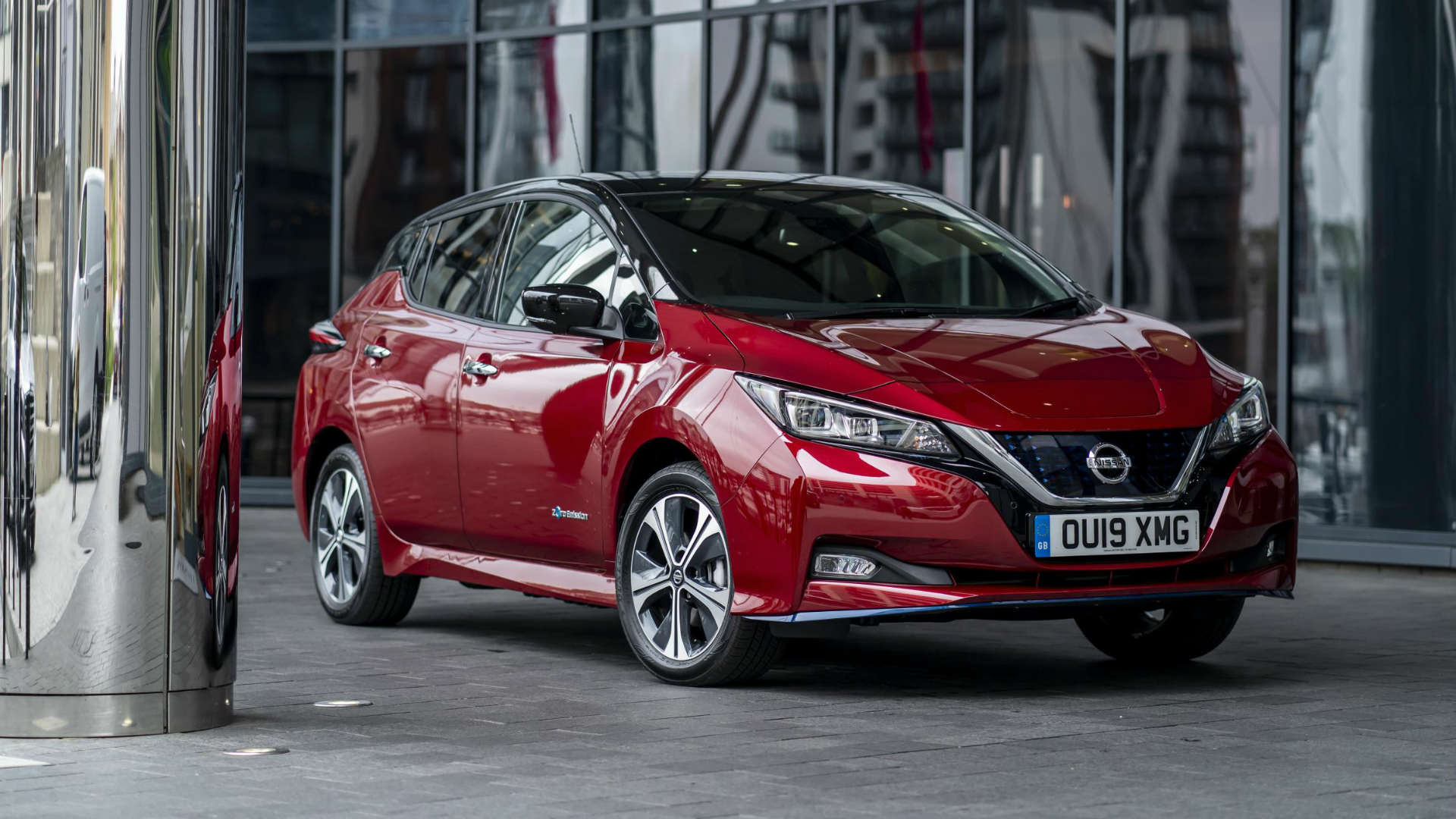
Nissan has reduced the price of its Leaf electric car by £1,650 across the range.
As a result, prices now range from £26,345 for the Leaf 40kWh in Acenta trim, rising to £29,345 for the flagship Tekna. These prices include the £3,500 Plug-in Car Grant discount.
Crucially, this puts the entire 40kWh Leaf range within the sub-£30k P11D price point, making it more appealing for company car drivers. From April 2020, there will be a zero percent benefit-in-kind (BIK) tax on electric vehicles.
Nic Verneuil, marketing director of Nissan Motors GB, said: “Nissan is always improving the competitiveness of its vehicles, ensuring customers enjoy a better buying and ownership experience.
“We’ve not only secured additional factory production to make Leaf more accessible, but as a result we’ve also been able to significantly lower the price tag of the car in market.
“If customers are ready to make the switch, they shouldn’t have to wait to get behind the wheel of an electric vehicle.”
Leaf in a fortnight
This is a thinly-veiled reference to the 12 months some customers are forced to wait for their new electric car. Nissan claims the waiting times for a new Leaf are as short as two weeks.
The Nissan Leaf now comes with two rear USB ports, while Tekna models also gain LED fog lights with a cornering function. The lights are optional on N-Connecta versions.
Earlier this year, the Leaf e+ was added to the range. The more expensive model boasts a 62kWh battery to deliver a range of up to 239 miles.
“It could well be the EV that convinces newly-receptive car buyers that electric cars are the way to go. Once you add in low running costs, and retained values that now mirror conventional cars, and Nissan’s feature-packed smartphone app that makes operating one as painless as possible, the advantages over petrol or diesel stretch.
“There are still foibles. Practicality could still be better, for example. The infotainment system is aged, the driving position compromised. But they’re not deal-breaking deterrents. Overall, the new Leaf is an impressive machine that delivers exactly what it needed to do, on time, for a competitive price. The electric car for normal people is here.”
“For 70 years, Honda has provided to customers worldwide motorcycles that make life easier and enjoyable,” said Honda Motor Co CEO Takahiro Hachigo.
Honda is far from resting on its laurels, though. It is pressing ahead developing a range of zero-emissions electric motorcycles, including the lightweight, simple and affordable Honda V-Go.
The ambition is to quickly start selling very high volumes of affordable electric bikes. It is also developing clever swappable battery technology.
“We will continue to do our best to provide attractive products that meet the needs and dreams of our customers worldwide,” said Hachigo-san.
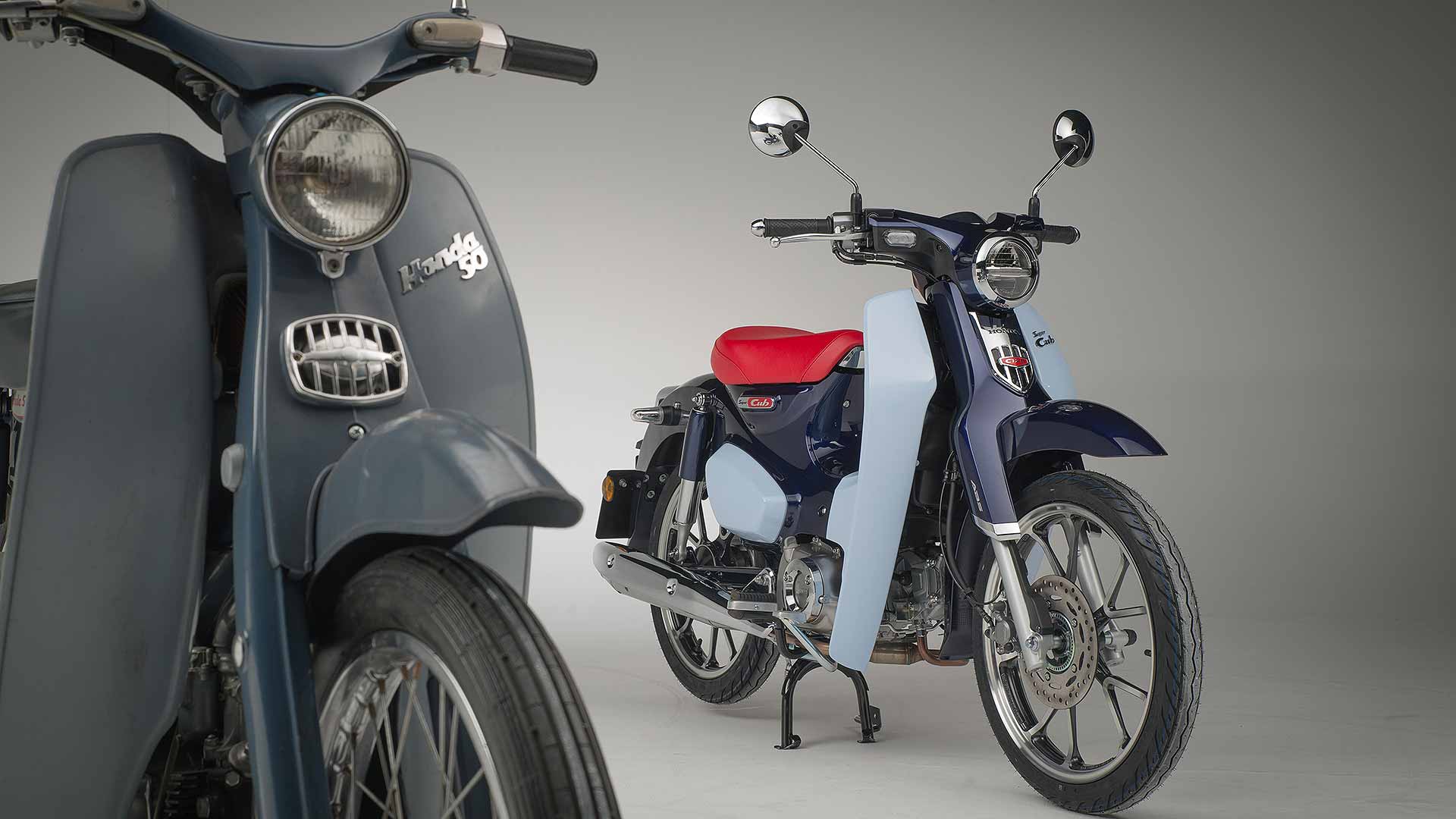
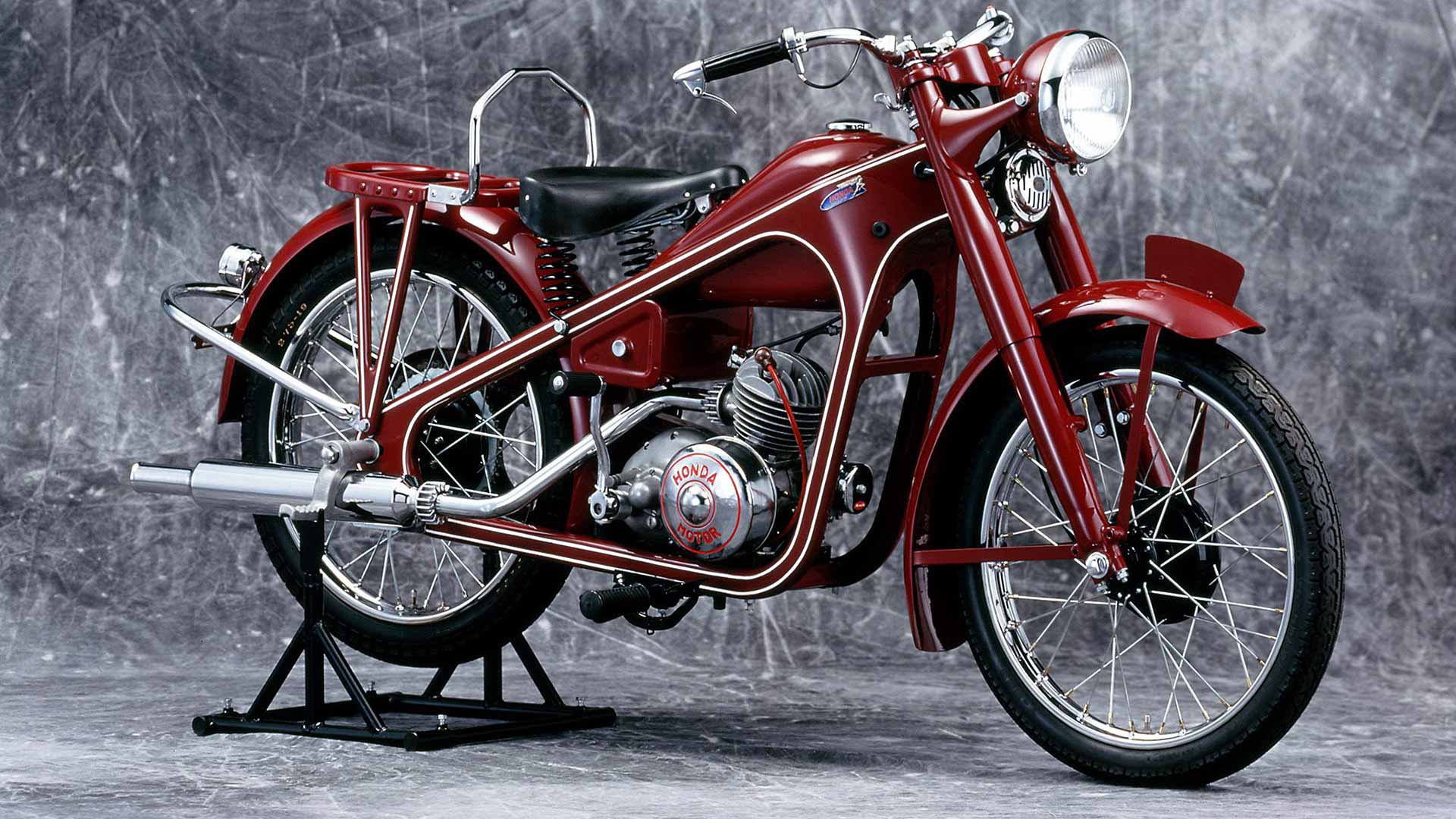
Honda’s first motorcycle was the 1949 Dream D-Type (pictured above). The world-famous (and now trademark-protected) Super Cub was launched in 1958 and, a decade later, it had made 10 million motorcycles.
The 100 million mark was reached in 1997 and Honda hit the 200 million milestone in 2008.
Even today, demand is still rising and Honda continues to develop new machines and factories with its 2030 strategy of ‘expanding life’s potential’.
By which time, it is on course to have built over 600 million motorcycles…
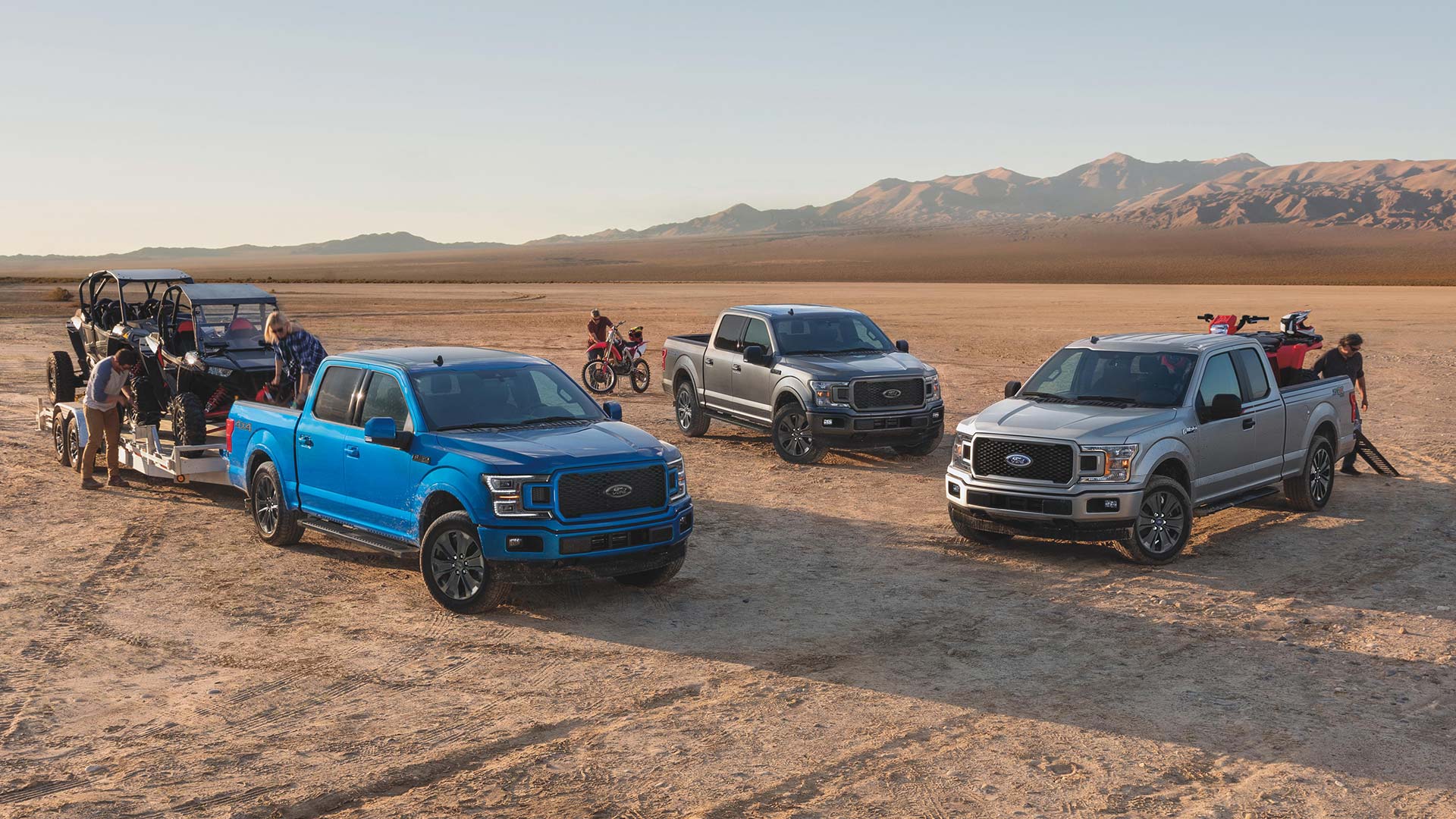
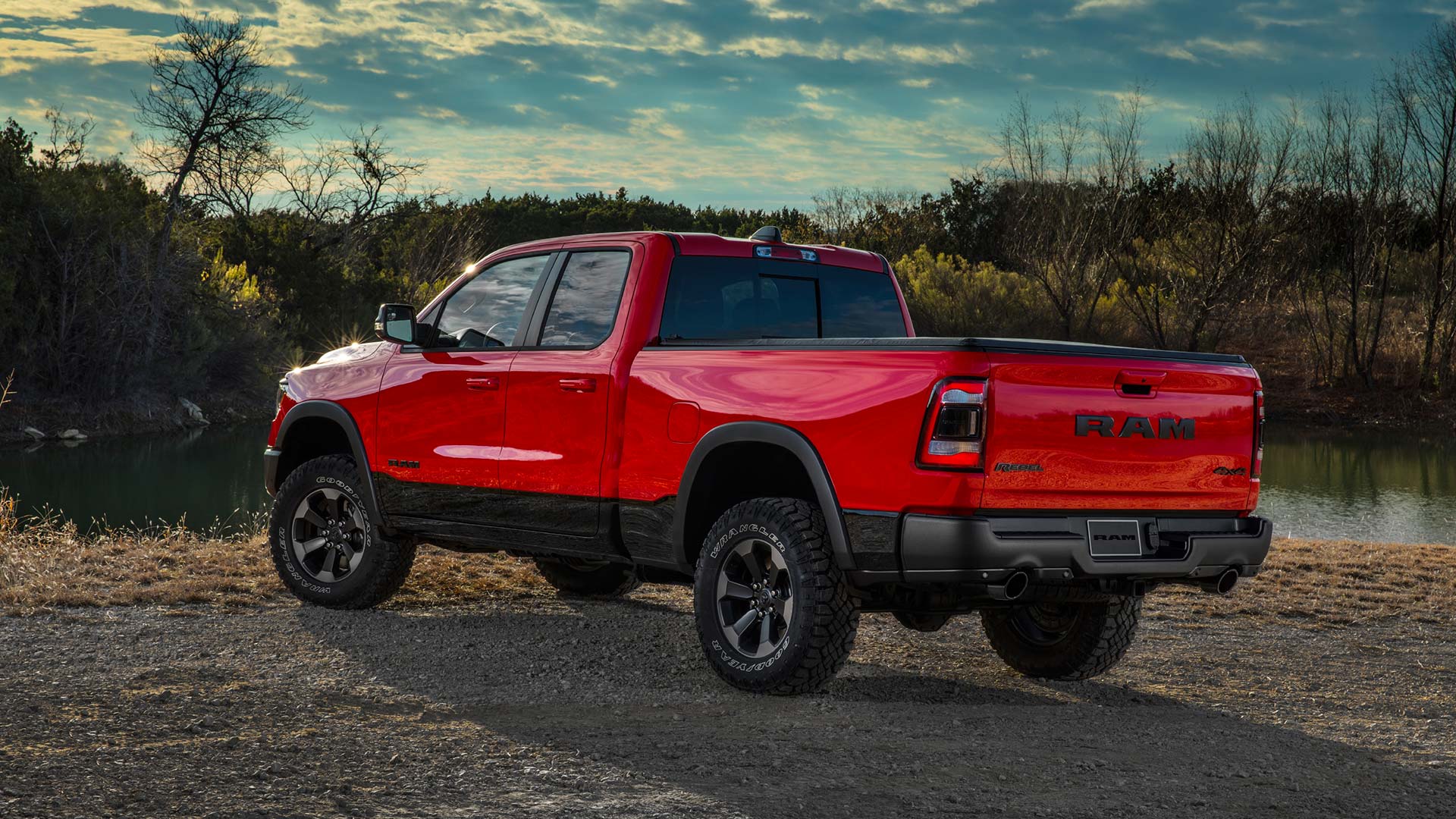
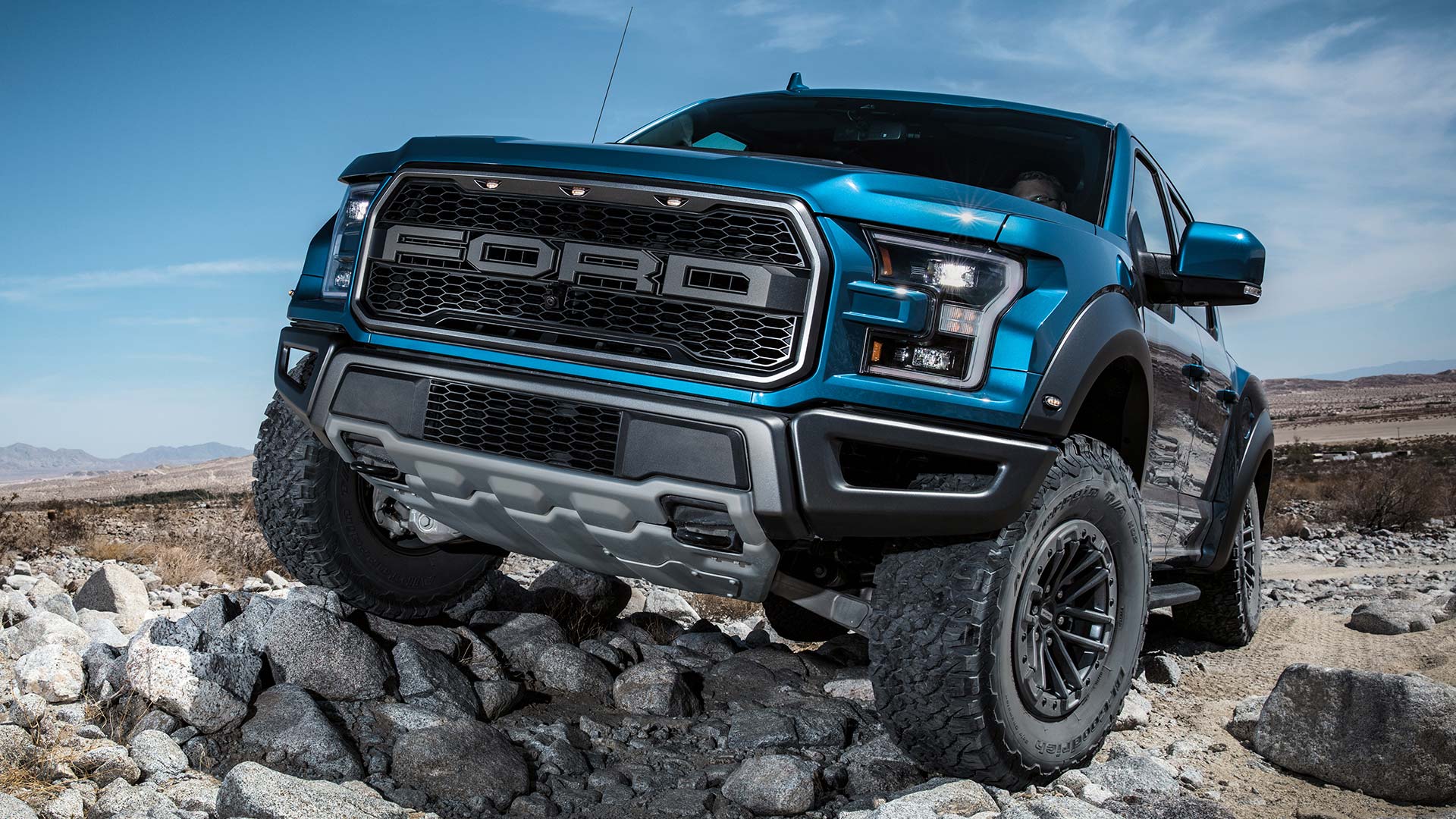
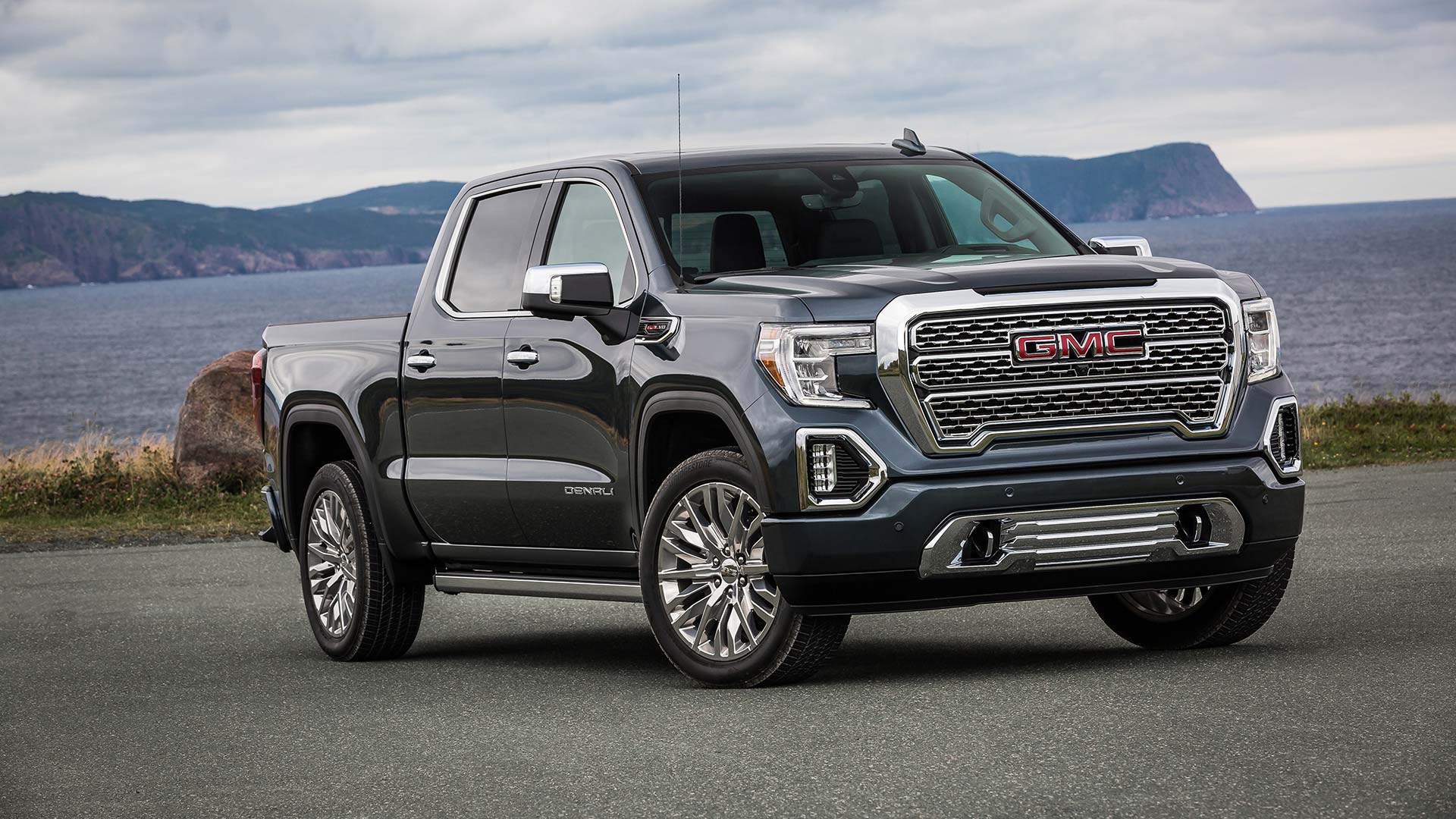
It might seem obvious, but new data has proven that Americans really do still love their pickup trucks.
More specifically, they love buying new ones, and have been doing so at an increased rate throughout the 2010s.
This continued loyalty comes despite the substantial increase in the popularity of SUVs, plus the ever-growing prices of new pickup trucks
Keep on truckin’
The statistical research, undertaken by JATO Dynamics, found that 13.1% of vehicles sold in the United States in 2010 were pickup trucks. Fast-forward to 2019, and the proportion has managed to increase to an impressive 16.8%.
In the same time period, the sales of hatchbacks have dropped from 7.0% to 4.8%, with sedans falling from 38.9% to 22.1%. Somewhat predictably, SUVs have increased their market share from 27.3% to a huge 46.8%.
This trend demonstrates why auto makers like Ford are rapidly abandoning traditional cars, and instead focussing on selling trucks and SUVs.
Ford is still King of the truck world
Ford will be happy with the F-150 being the best-selling vehicle in the United States during the decade. The Blue Oval has found new homes for some 5.2 million units of the popular truck.
That F-150 figure accounts for more vehicles than Subaru has sold from its entire range throughout the same period of 2010 to 2019.
Buyers north of the border have also continued the pickup love, with trucks now accounting for 18.2% of the Canadian new vehicle market.
More money, more luxury
The enhanced proportion of truck buyers come despite the fact prices for new pickups have increased between 2010 and 2019. Whilst a base model truck had an average MSRP of $32,595 at the start of the decade, now buyers can expect to pay $44,039 for the same.
This 35.1% increase in average prices is more dramatic, when compared to the fact that average SUV prices have only been raised by 16.4% in the same timeframe.
JATO does note that leather seats are now standard in 27.3% of all trucks, whilst 18.0% have high-end branded audio systems. A decade ago only 17.8% and 5.1% had the same items fitted respectively.
Not everything has been about excess though. Average engine displacement has fallen from 5.0-liters to 4.9-liters, whilst average gas mileage has improved from 14.6 mpg to 17.8 mpg.
When it comes to car insurance, the telematics black box is considered a bit of a last resort for many young drivers. They’re popular, though, given the cost savings that can be made.
Should we all have black boxes in our cars, then? That’s what new research by MoneySuperMarket has looked into, and the results are curious. It seems black boxes aren’t a universal friend of insurance premiums.
If you’re under 30, black boxes do usually lower insurance costs. For those aged 17-19 and 20-24, the effect is substantial: a respective 41 and 28 percent saving on the average premium cost.
That means the youngest drivers can save just under £800 on their typical premium of £2,079. For 20-24 year-olds, a black box could get their premium down below £1,000, from £1,380 to begin with.
For 25-29 year-olds, the returns diminish. A mere 2.4 percent can be saved on average if you’re in this age bracket. That represents a measly £20.
Things take a dramatic nose dive with older drivers. Among 30-39 year-olds, premiums increase by 22 percent – from £590, on average, to more than £700.
It gets so much worse, too. Premiums for those aged 40-49 jump 46 percent with telematics, from £435 to £634. If you’re 50 or older, don’t even think about it: a black box could add a massive 71 percent, or 77 percent if you’re over 65.
No surprise, then, that it’s ‘starter’ cars black boxes are fitted to the most – Vauxhall Corsas (12 percent of black boxes) and Ford Fiestas (nine percent).
“If you’re under the age of 24, our research reveals that telematics could be a good option, with potential savings of up to £855,” said Rachel Wait, consumer affairs spokesperson at MoneySuperMarket.
“If you’re an older driver, however, a telematics policy may not be the most cost-efficient way to take out a car insurance policy, which is why shopping around is so important.”
It’s been a big year for new cars and motoring news. In between stories about how Brexit is going to drag the British motor industry into the dark ages, new cars, new challenges and new ideas have permeated our online pages. Here’s a snapshot of 2019 on Motoring Research.
Ferrari to the borders
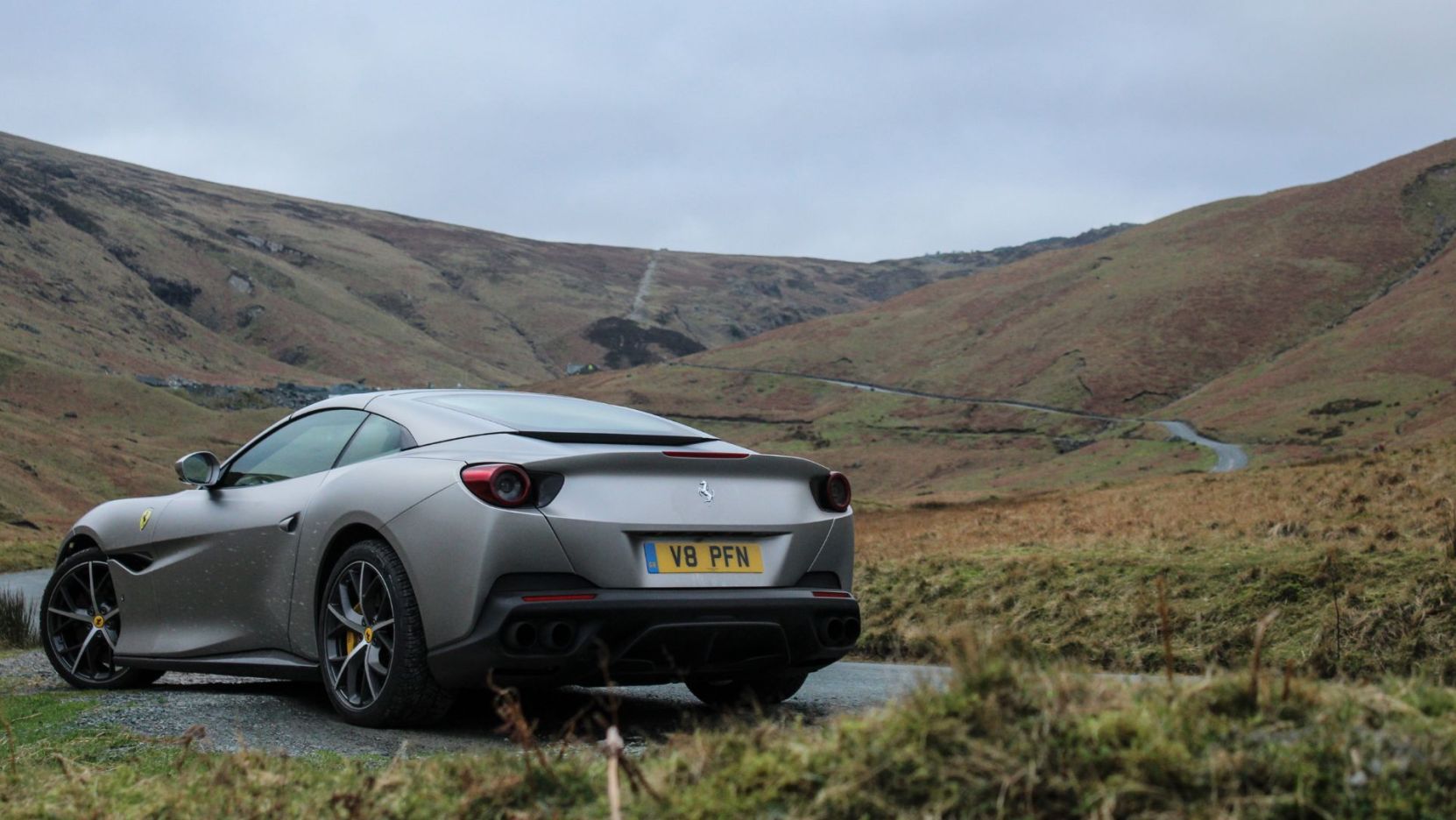
We started 2019 in the best way you possibly could: in a Ferrari, on a road trip. The car in question was a Portofino, with nearly 600hp. A sub-zero foray into the Lake District and up to the Scottish border was obviously the sensible thing to do for a first-time Ferrari driver. We had an absolute ball.
“The Portofino isn’t the most spine-tingling of sports cars,” I concluded. “It will put a smile on your face if you take the scenic route and let that muzzled 488 lump off its lead. The rest of the time, it really is a car for all seasons: a well-judged entrance into Ferrari ownership and a supremely accomplished GT. The smallest horse in the stable is still a prize steed, by my reckoning, a worthy introduction to this most prestigious of automotive marques.”
2019 Toyota Supra
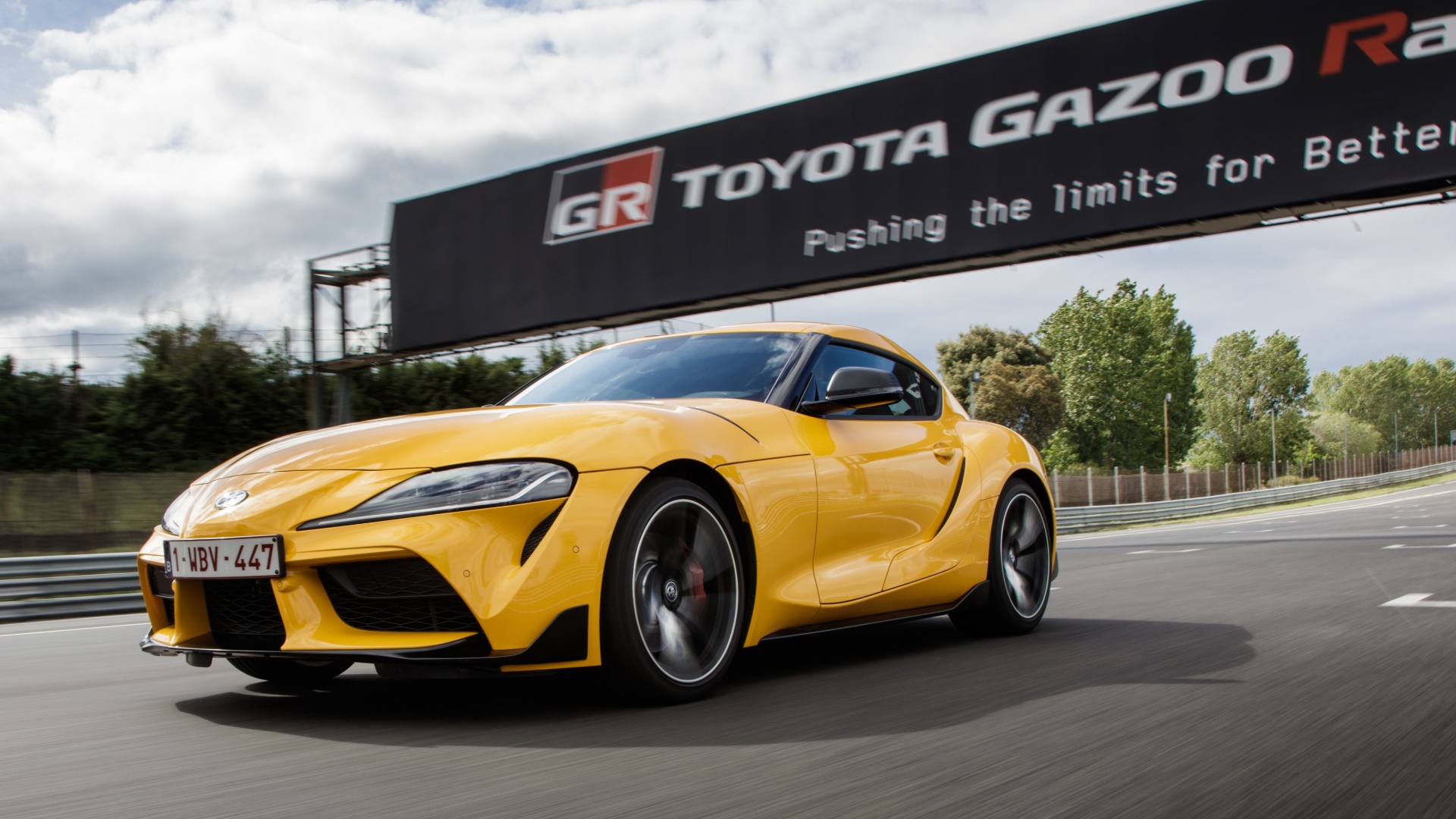
The Supra was the first of several icons to be overhauled in 2019. It joins the Land Rover Defender and the Chevrolet Corvette – the former in terms of being revived and reinvented, and both in causing an uproar about how it was carried out.
MR’s Tim Pitt was impressed by the tightened sports car the new Supra has become, saying “It feels malleable and confidence-inspiring, rewarding commitment yet forgiving mistakes. You can do your best Tokyo Drift impression (and I did), but side-on isn’t its preferred angle of attack. It’s too tenacious for that”. And the BMW thing? It’s your bone to pick. Although quite BMW-ey, Tim reckons “It feels closer to a well-sorted M car than a Z4 – and that alone shows the depth of Toyota’s input”. Would you really rather the Supra never came back at all?
Brexit, Brexit, Brexit…
Like it or not (who does at this point?) but Brexit was the buzzword of 2019 in the motor industry and, of course, far beyond. It was hardly a chirpy way to open the year, but on January 15 we reported on SMMT chief executive Mike Hawes warning of the “catastrophic consequences” of leaving without a deal in March. That didn’t come to pass, with Brexit at the time being delayed until autumn. And we all know how that went… You can find all of our Brexit coverage here.
Aston Martin on a roll
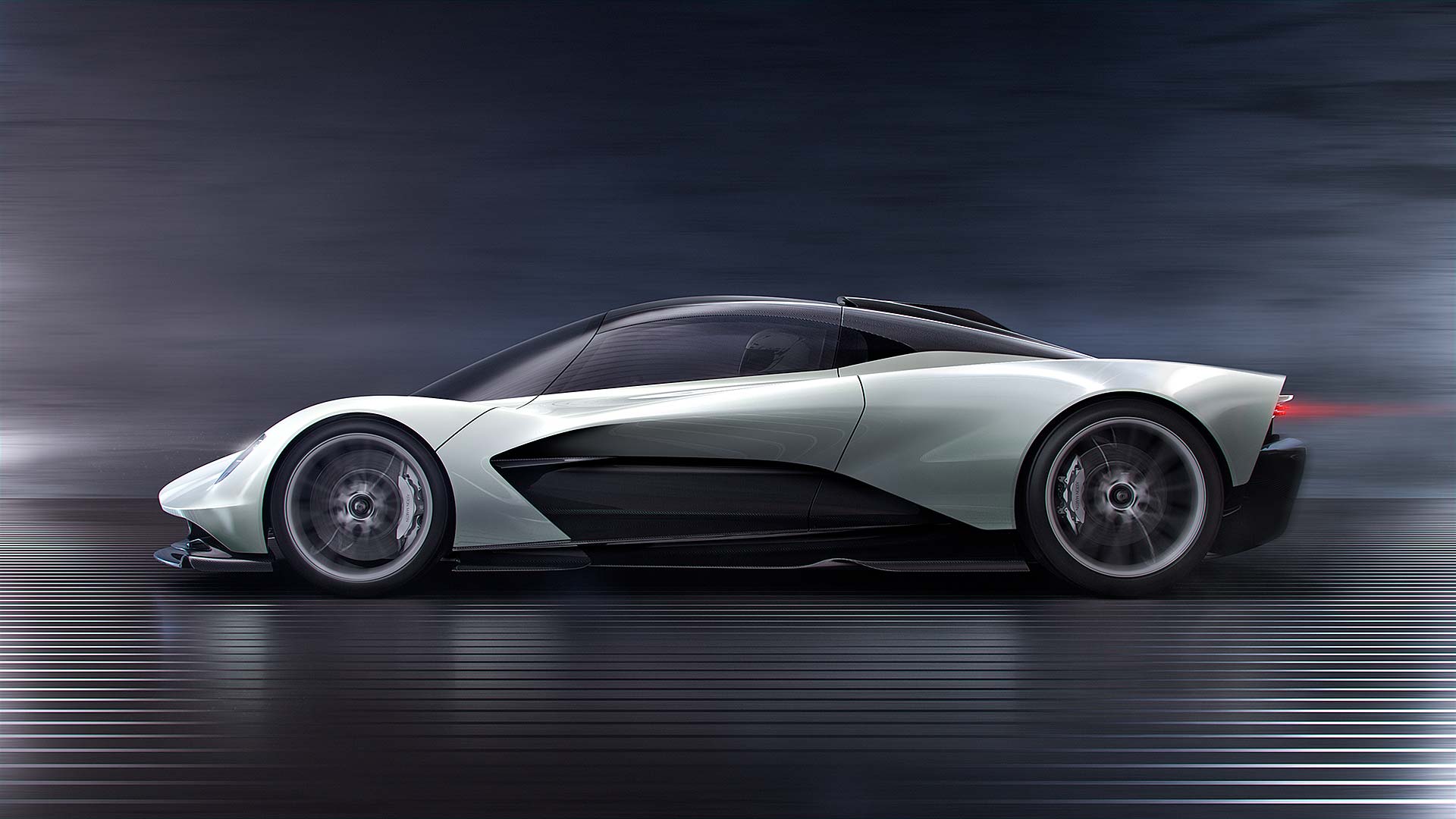
Happily, Aston Martin was at the Geneva Motor Show in March to show the world Britain still has an ambitious streak. As well as showing off the first running Valkyrie hypercar, it introduced what we now know is the Valhalla hypercar, as the AM-RB 003. Most surprisingly, though, it showed a concept for the forthcoming mid-engined Vanquish. Its Lagonda brand also revealed a concept for a lovely all-electric luxury SUV. MR’s Richard Aucock summed up Aston’s supercar assault at Geneva: “Stay tuned, because what we’re watching unfold is the remarkable expansion of Bond’s favourite GT brand into a bona fide supercar and hypercar maker.”
The ULEZ comes to London
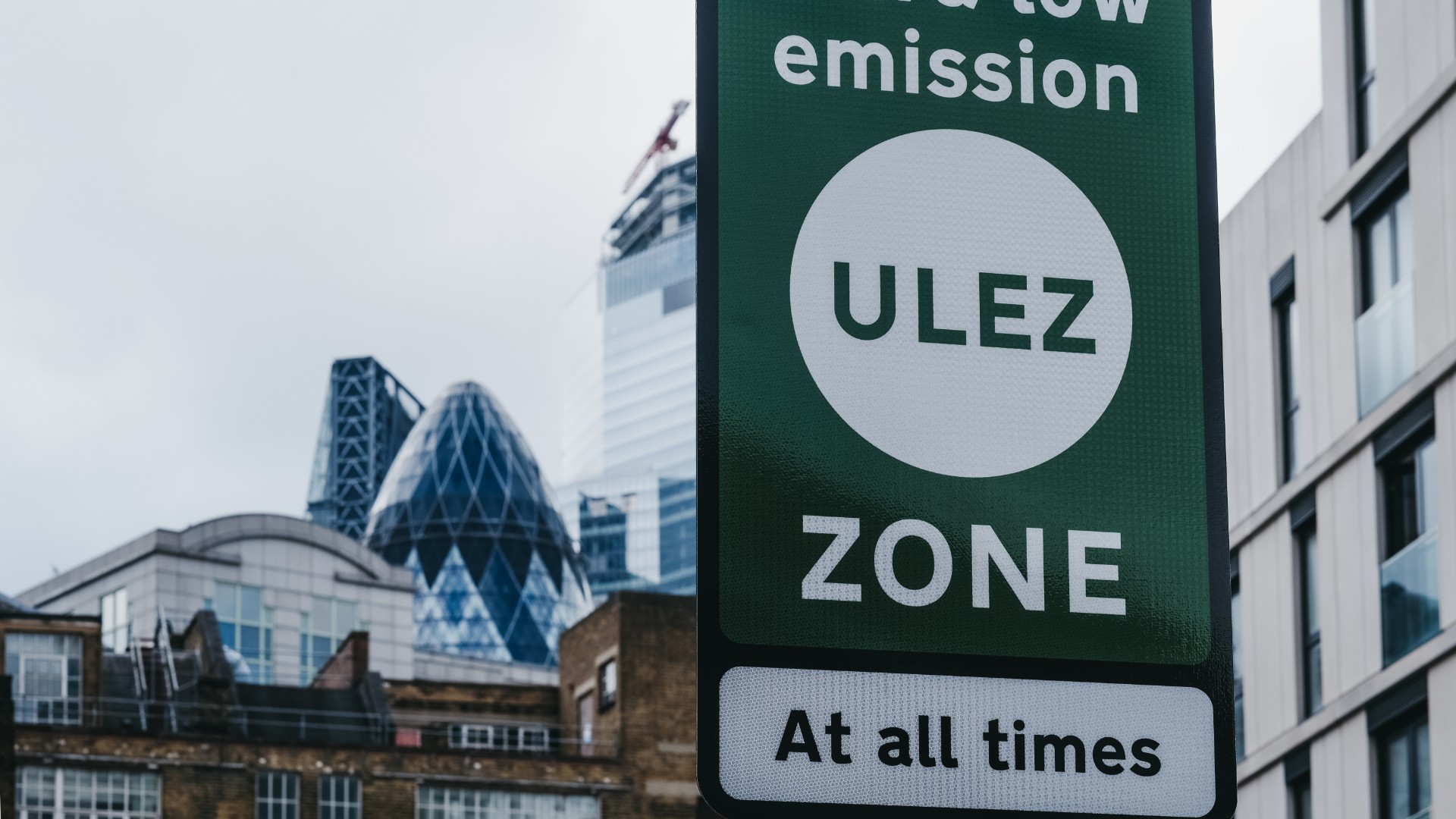
In April, the Ultra Low Emissions Zone (ULEZ) happened in London. It’s the beginning of a revolution on the road, as we are encouraged to ditch our dirty gas-guzzlers and move into ultra-low emission cars. The long and the short of it? If your car isn’t new and clean enough, and you drive into central London, you pay a charge, And that’s on top of the Congestion Charge, 24/7 and 365 days of the year. Find out more about the ULEZ here, and whether you have to pay.
Electric Peugeot 208
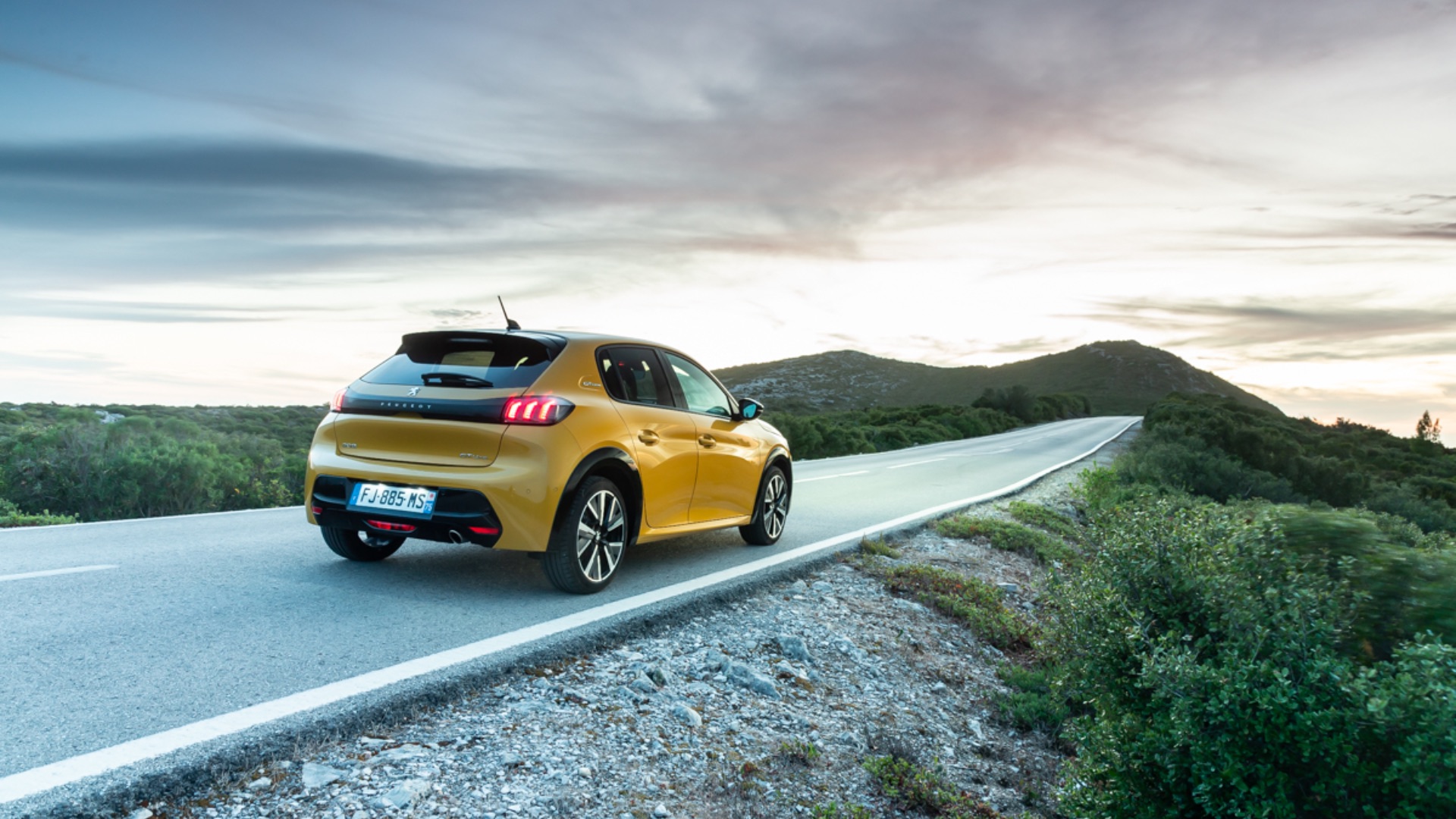
The perfect car for the ULEZ, or indeed the Congestion Charge zone? The new Peugeot 208 is available as a full EV, with more than 200 miles of range. The car was the first of a number of ‘attainable’ EVs to debut in 2019. When Tim Pitt drove it, he said “If you have a charger at home or work, the e-208 offers few compromises and several notable benefits – not least the environmental kudos of driving an EV”. It didn’t quite win him over though, given he concluded the more affordable petrol was his 208 of choice.
Electric Vauxhall Corsa
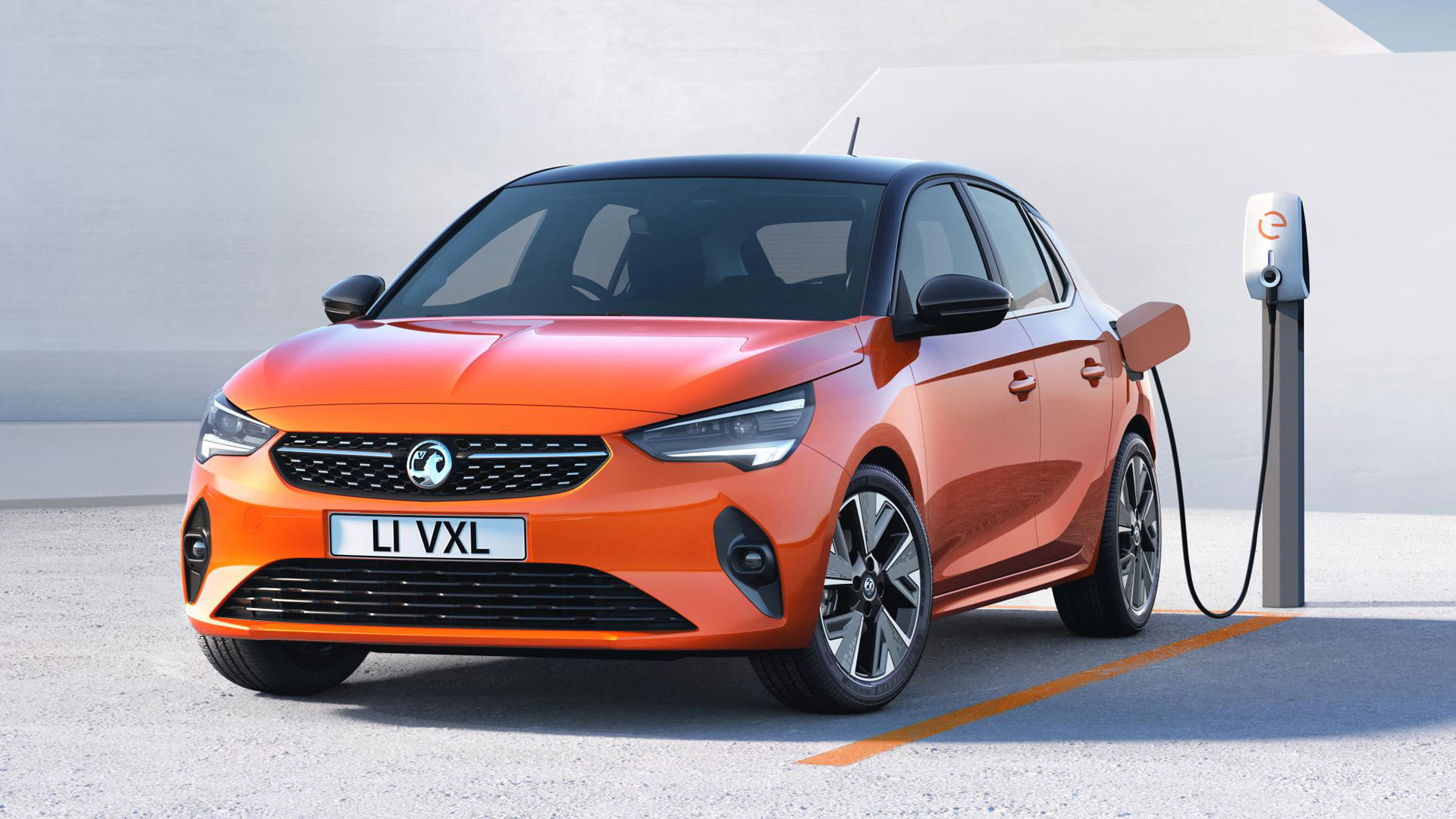
Hot on the 208’s heels was the new Vauxhall Corsa, which shares the same platform. So that means there’s also an all-electric Corsa. You can pick it up next year for £270 a month, albeit with a deposit of more than £5,000. The Corsa is a bit pricier than the Pug, starting from around £1,500 more.
Electric Mini
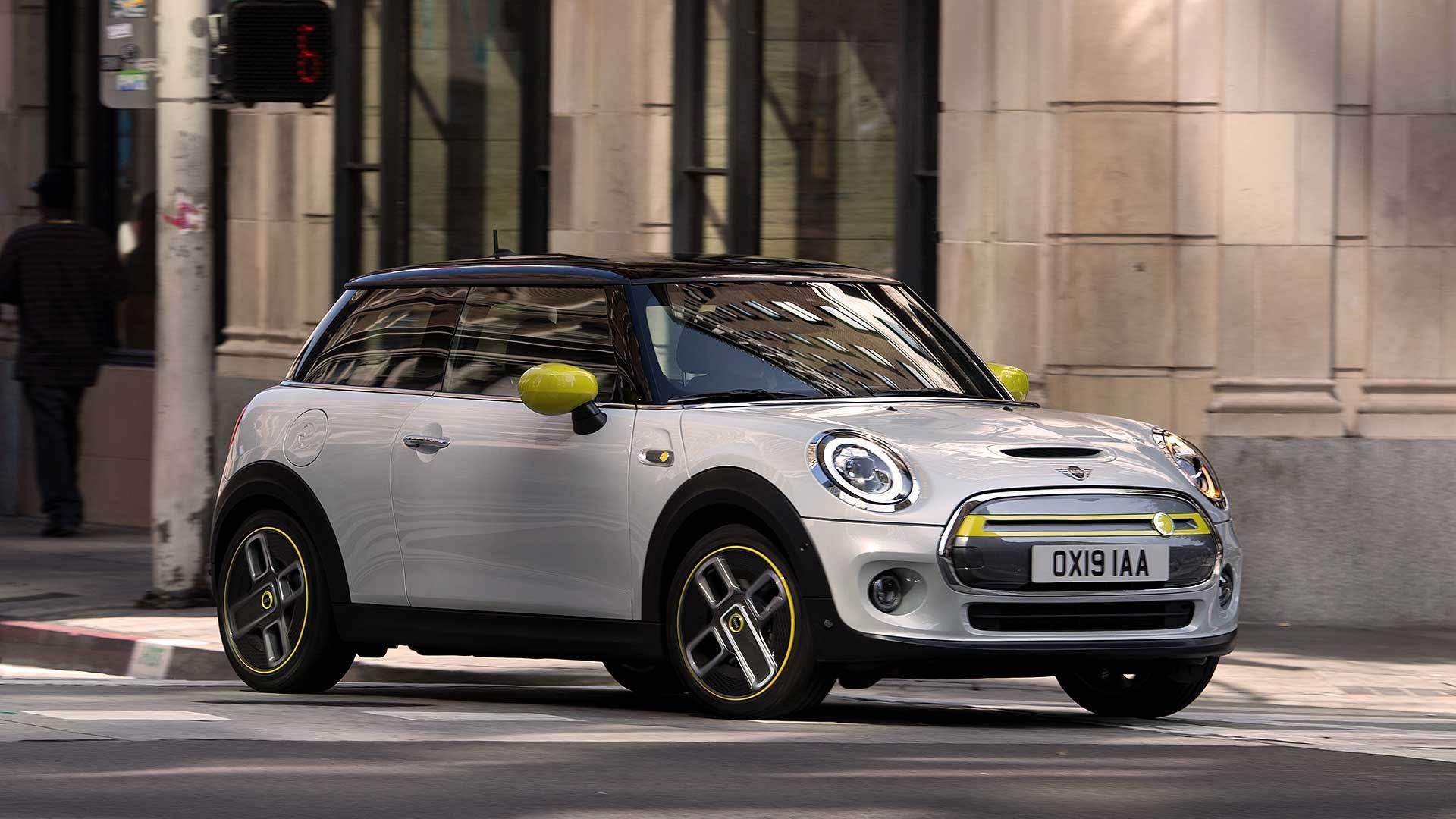
It’s not just PSA getting in on the electric small car action either. The original miniature marque – Mini – launched its Mini Electric, complete with a 144-mile range and a £24,400 start price (including government grants). Yours for £229 a month, and deliveries begin in March 2020.
Honda E
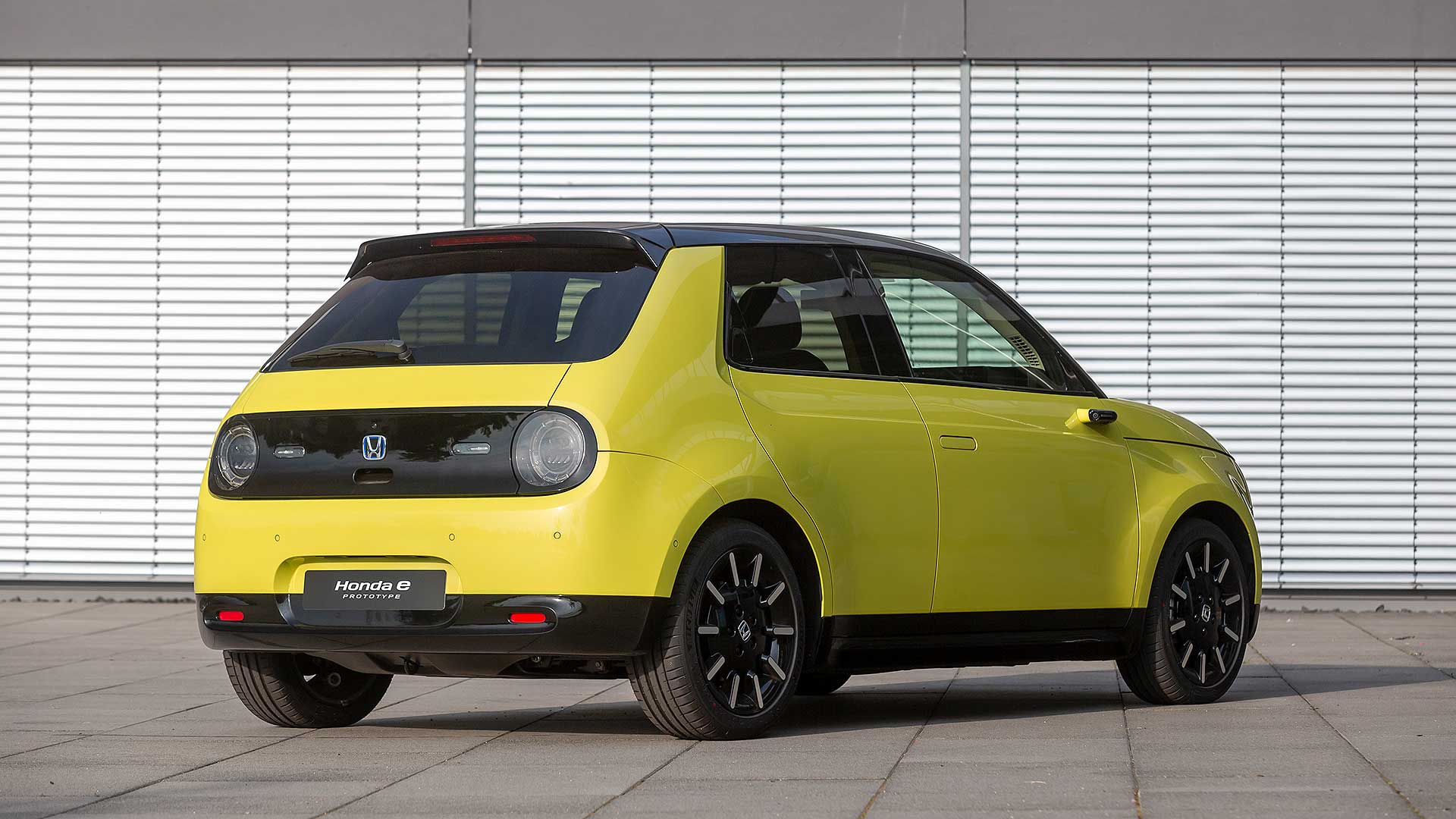
This is the last of 2019’s small electric cars, we promise. But this year really has been the year of the EV. With a 134-mile range and a £30,000+ price, the Honda is a tough sell. But just look at it! It drives well, too, according to MR’s Richard Aucock. “An early taster of the Honda e Prototype suggests it will be as appealing to drive as it is to look at and sit in. It looks characterful, and its on-road performance is distinctive, particularly the comfort, the quietness and the turning circle.”
Can an electric car really save you money?
At the end of the day, when considering spending £25,000 on an electric hatchback, you have to ask yourself: ‘Can an electric car really save you money?’. Clearly people want to know, because this was one of our biggest stories of the year. To buy, they’re quite expensive, but you’ll save on ‘filling up’ – at least for now. Electric cars will get cheaper, too. As I summed up in the piece: “The jumping-off point is coming, sooner or later, for most car buyers. It just needs the numbers to add up – even if they don’t yet.”
Keyless car theft – the scourge of 2019?
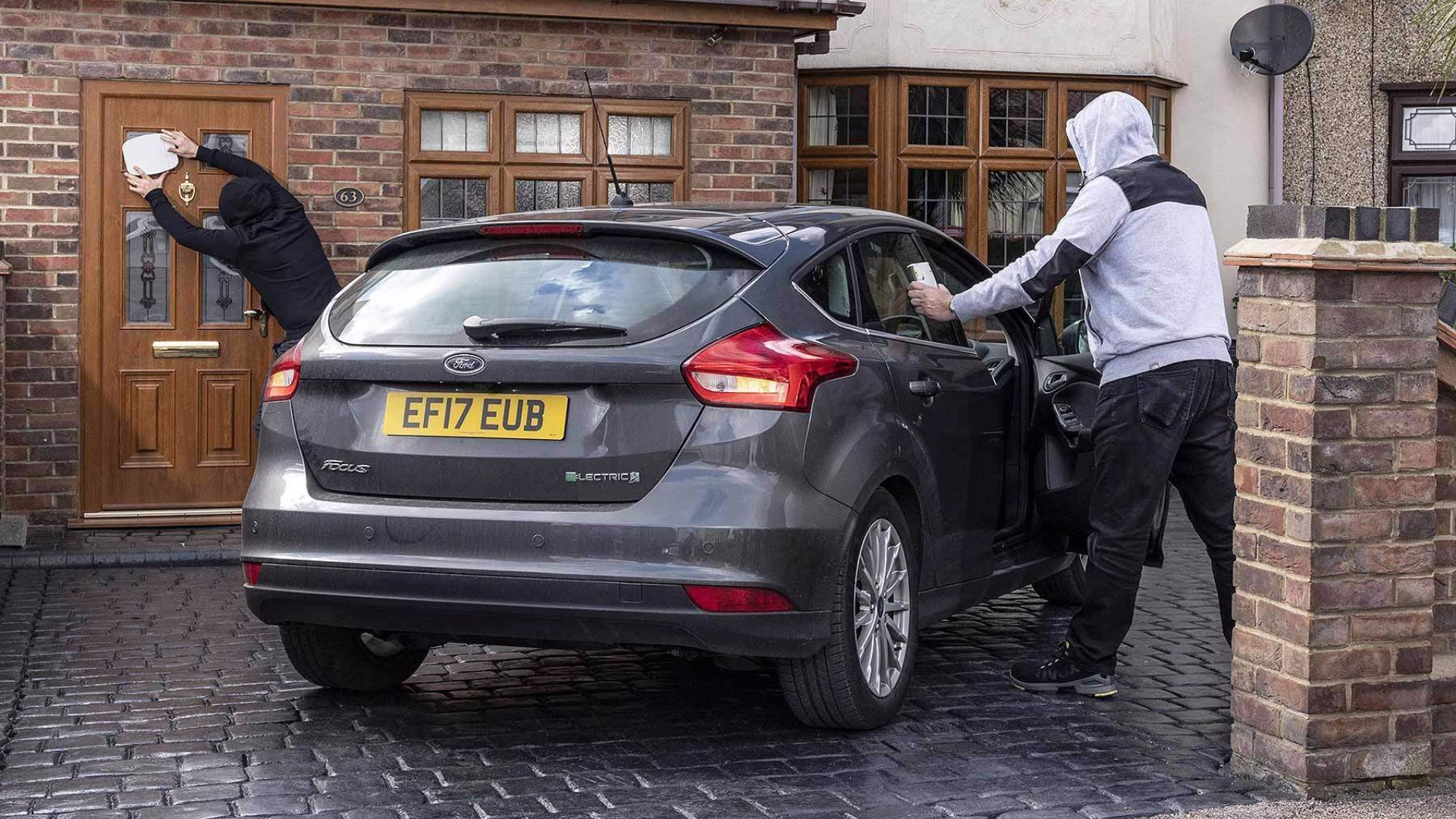
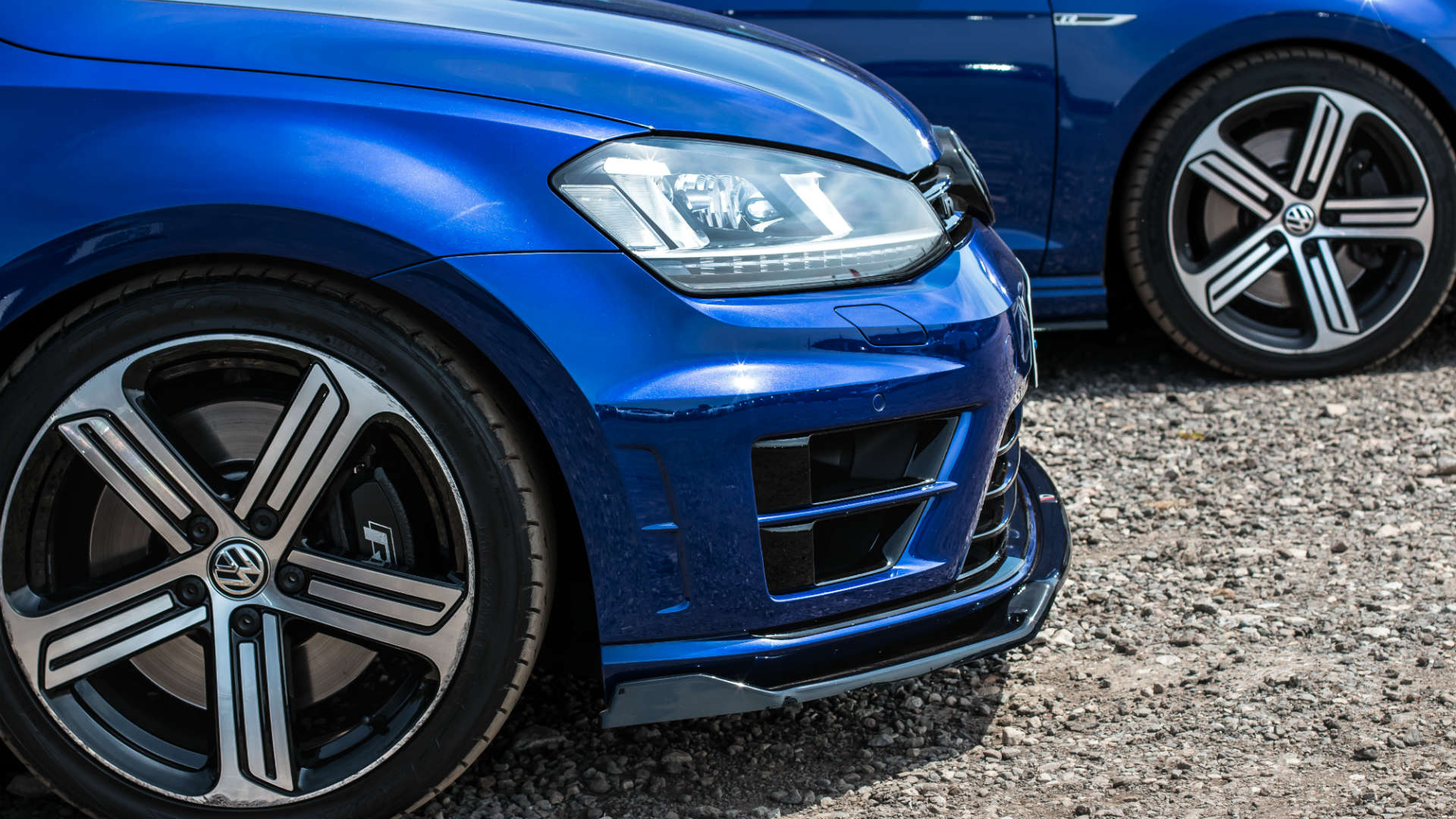
One of 2019’s biggest topics in the car world is keyless theft. Owners of recent and current models with keyless go have faced hackers ‘hijacking’ the signal from their cars. This lets them open, start and drive away, even with your keys hung up indoors. We have a rolling piece on the best ways to stay safe from keyless car theft, but we also reported on numerous keyless theft stories. Will the industry nip this nasty spike in 2020? It’s become such a problem that MR’s Gav wrote an opinion piece comparing the Volkswagen Golf R to the classic Ford Sierra Cosworth in terms of thievability…
Volkswagen Golf R – the new Sierra Cosworth?
Gav noted a tweet from Harry Metcalfe, which highlighted the fact that a third of cars stolen in his area were Golf Rs. Like the Sierra and other fast Fords back in the day, the Golf R is hot property for car thieves. Could it become ‘uninsurable’ as the Ford was?
“It’s easy to draw comparisons between the Cossies of the past and the Golf R of the present. Scary times if you’re an owner,” Gav said. “Would you consider selling yours to buy something less likely to be stolen?”
Mid-engined Corvette
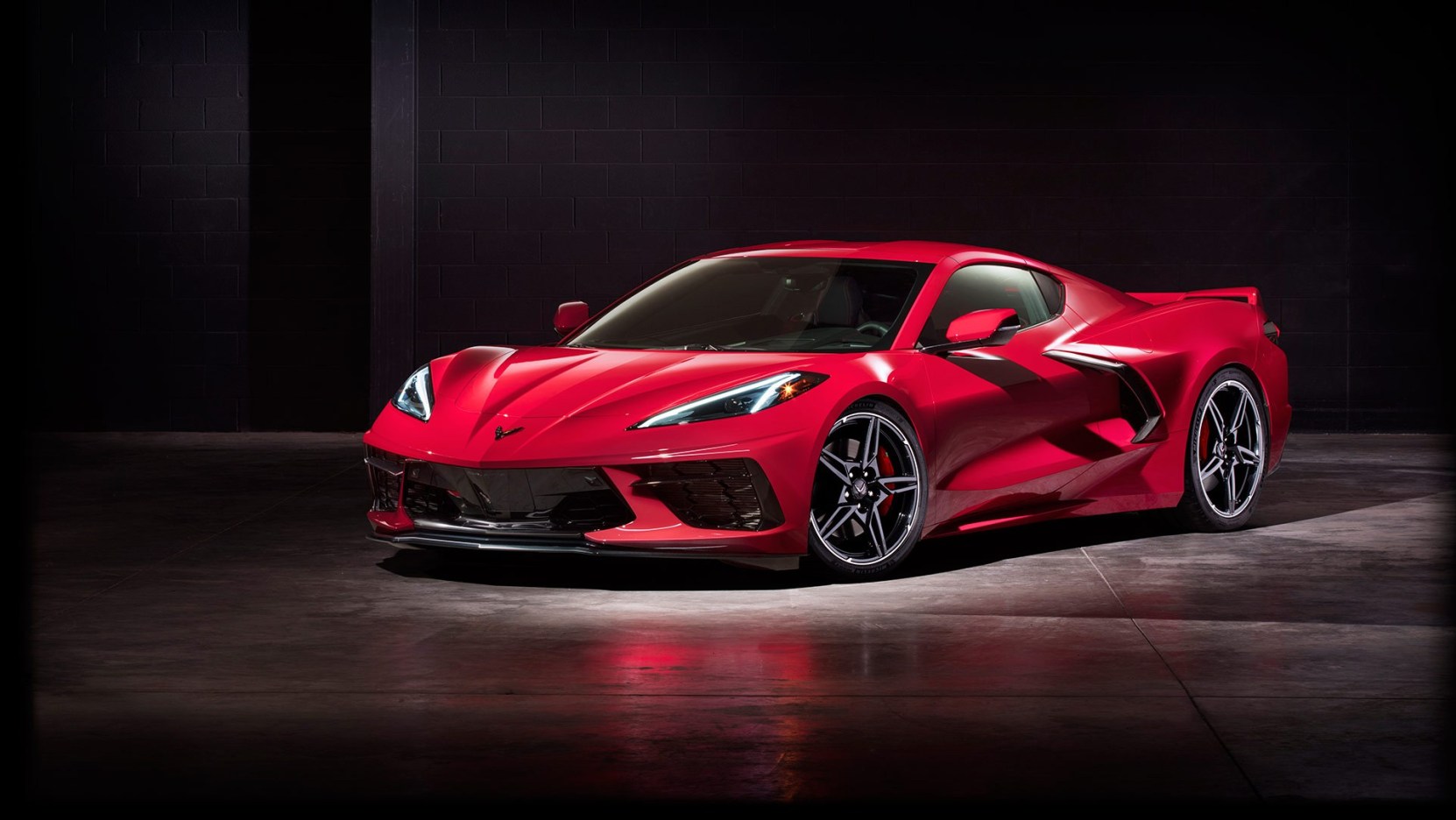
Back to some of the year’s most important car reveals. Probably the most dramatic overhaul of an icon in 2019 is the new Corvette, which is going mid-engined for the first time (in production form, at least). The latest Corvette also brings dual clutch-only shifting, improved cabin quality, much higher potential performance and even the possibility of right-hand drive. What the Corvette retains is its iconic pushrod V8 and, amazingly, a low entry price, which actually renders it unprofitable at first. You can pick up a base ’Vette, now a near-500hp pseudo-supercar, for less than the price of a Porsche Cayman in America.
Bugatti Chiron Super Sport 300+
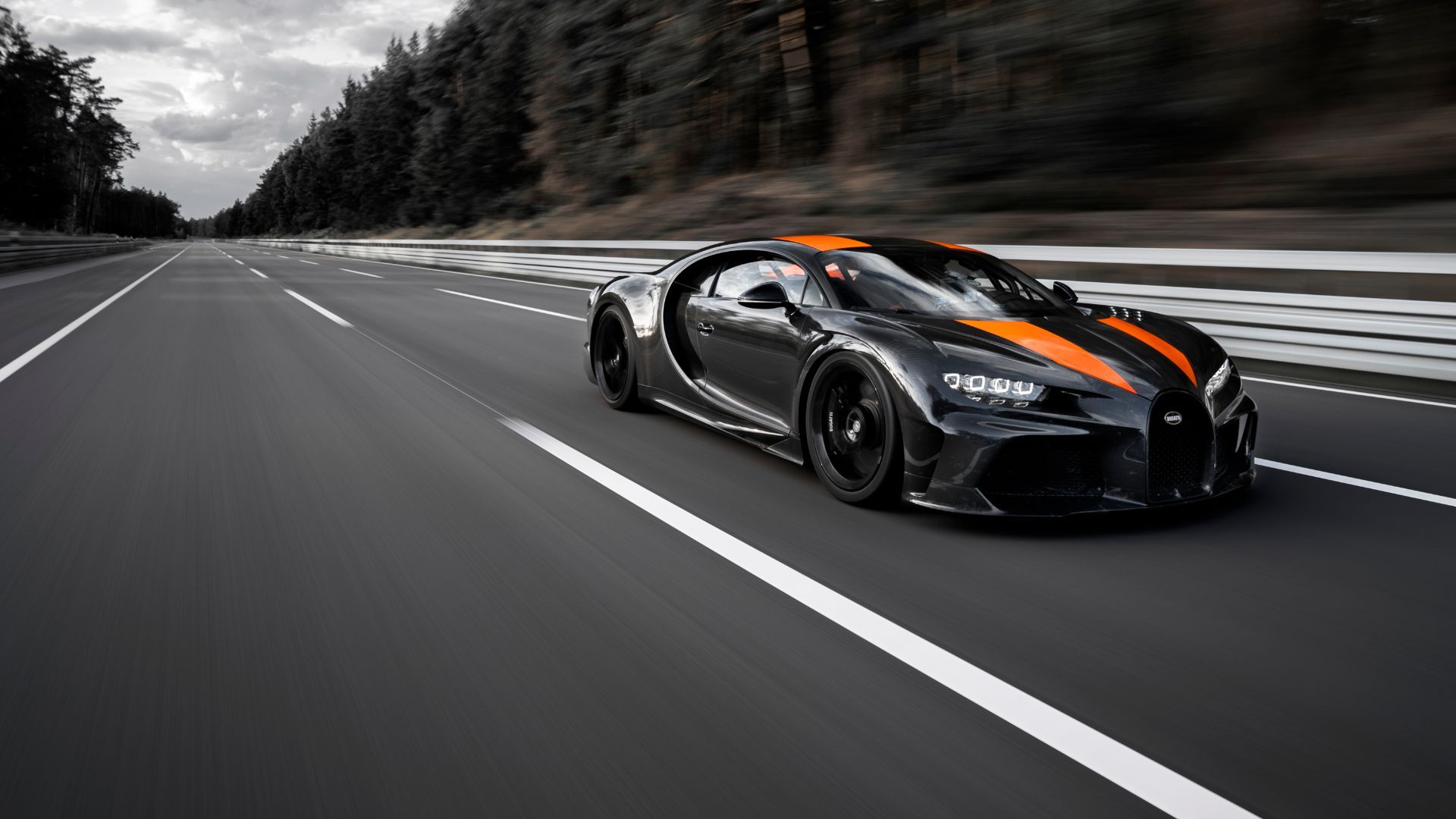
This year, a road-going car passed the 300mph barrier. Of course, the champion of speed for the new millennium, Bugatti, was the one to do it, with a specially-prepared Super Sport version of the Chiron hitting 304mph. A production variant was later announced, called the Chiron Super Sport 300+. There was a great deal of debate, both about whether the record was legitimate, with the car being a pre-production prototype, and whether top speed is still relevant. In my opinion piece, I argued aggressively in favour.
Green number plates
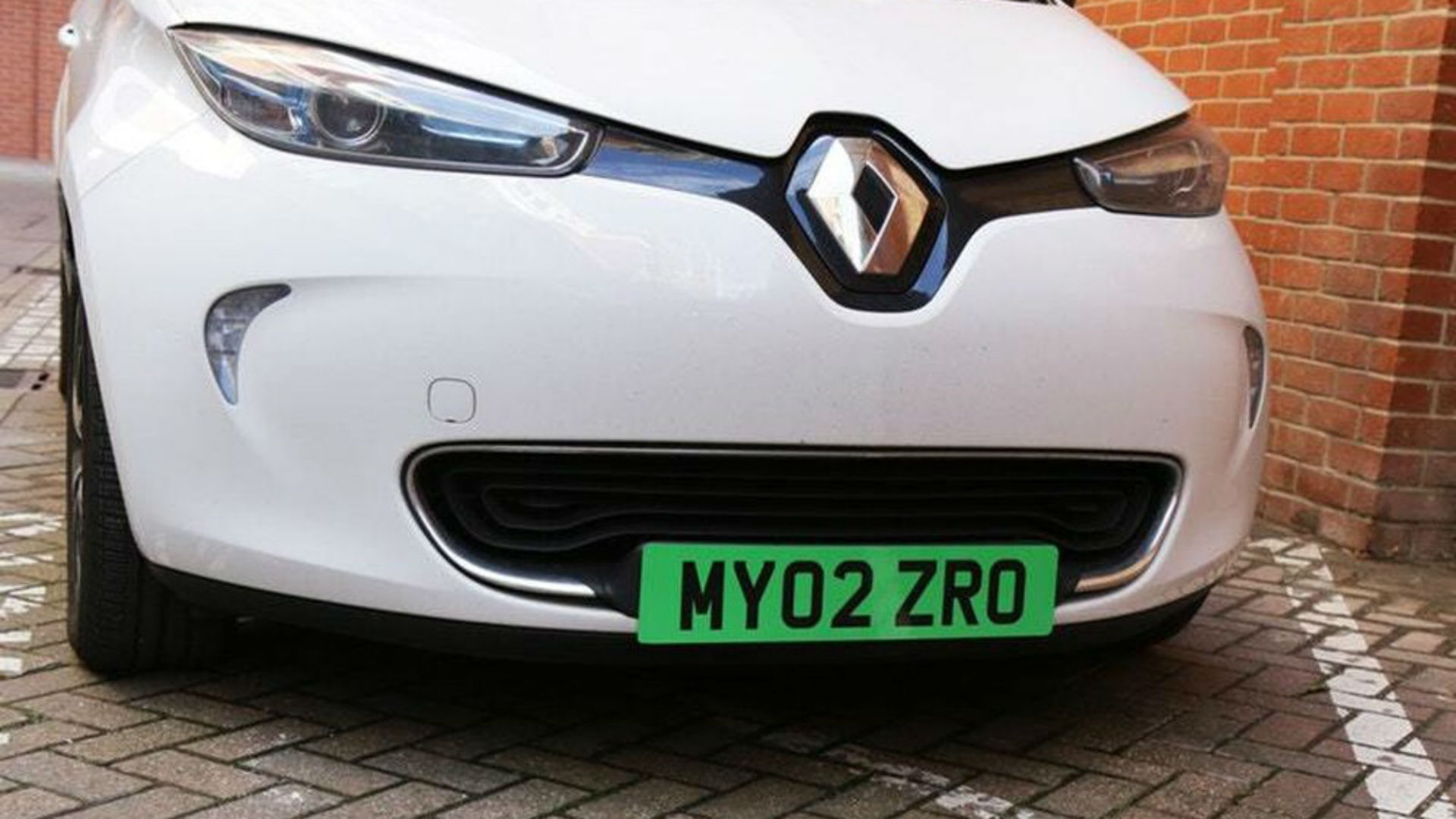
It wouldn’t be a year of motoring stories without a weird idea from the government. Green number plates, anyone? They were touted as a ‘very visible way of distinguishing [ultra-low emission] vehicles and raising their profile’. There’s also the possibility of giving these clean cars extra privileges on the road, including access to bus lanes and zero-emission zones. MR’s Gavin Braithwaite-Smith wondered if green number plates were the answer to a question nobody asked. The public seems to think so, with only one in five drivers liking the idea.
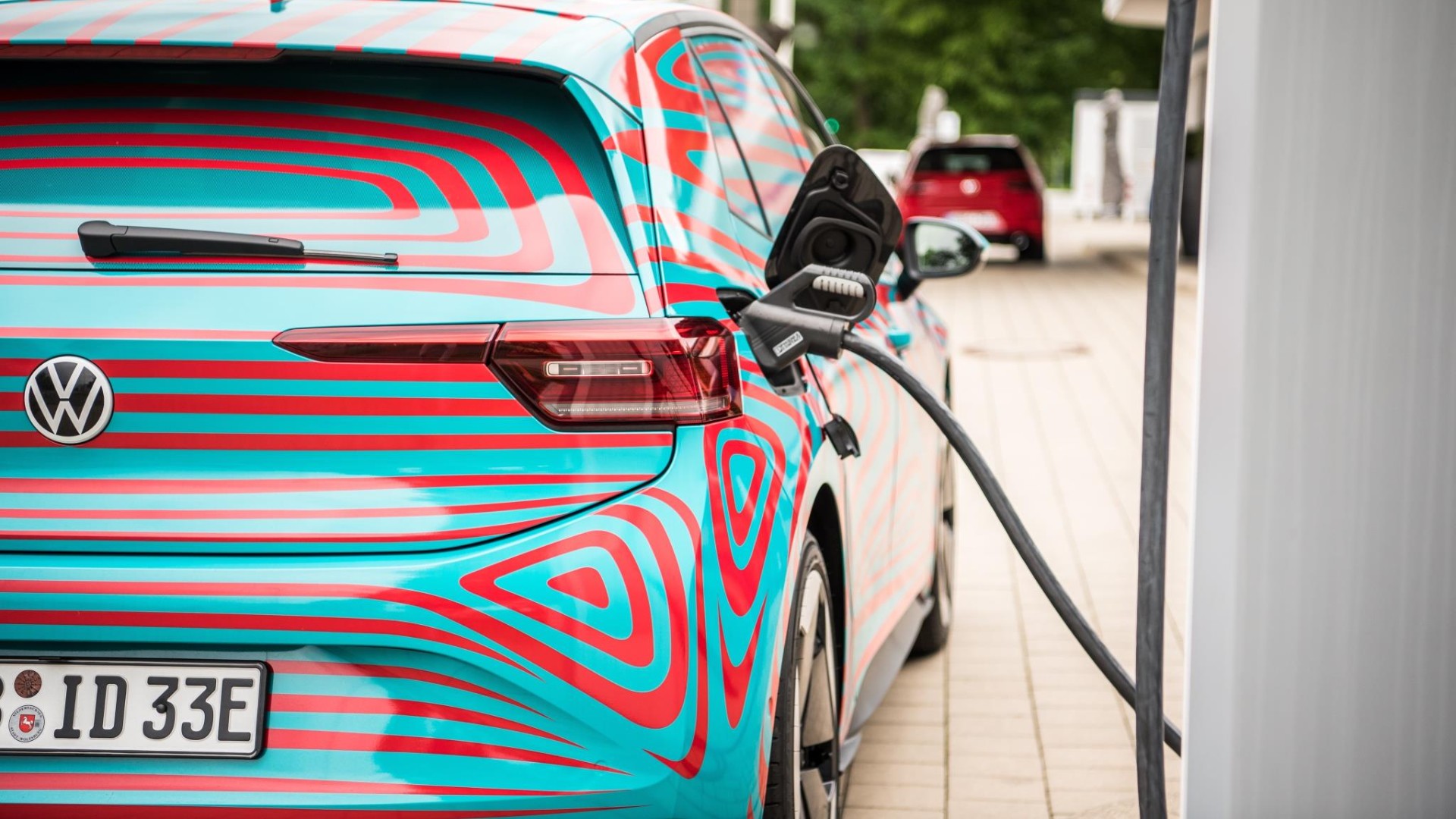
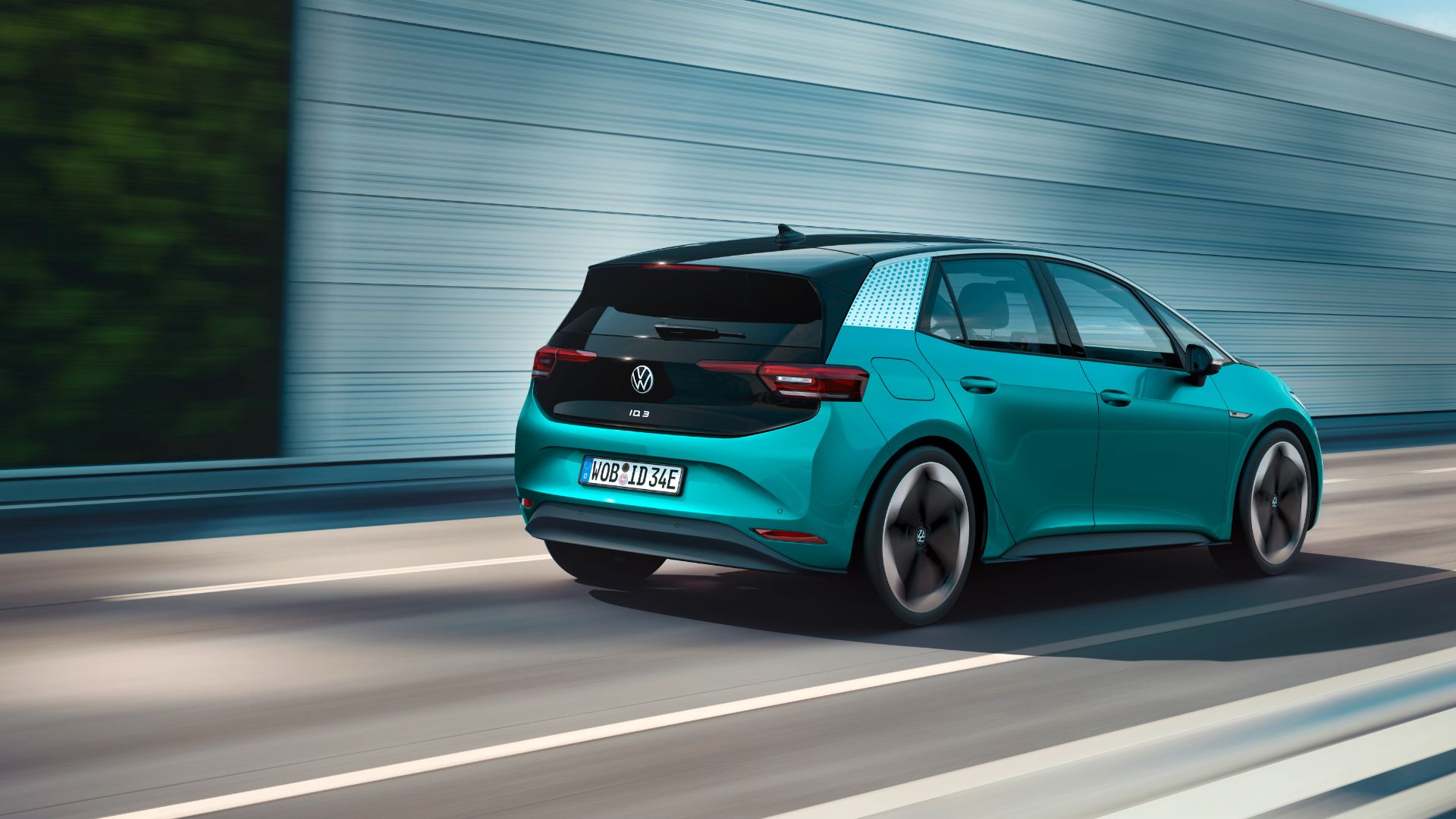
Volkswagen ID.3
Joining the Porsche Taycan at the Volkswagen Group’s Frankfurt EV showdown was the long-awaited Volkswagen ID.3. ‘ID’ is the marque’s new electric sub-brand, while ‘3’ refers to the third chapter of the ‘people’s car’, following the Golf and Beetle.
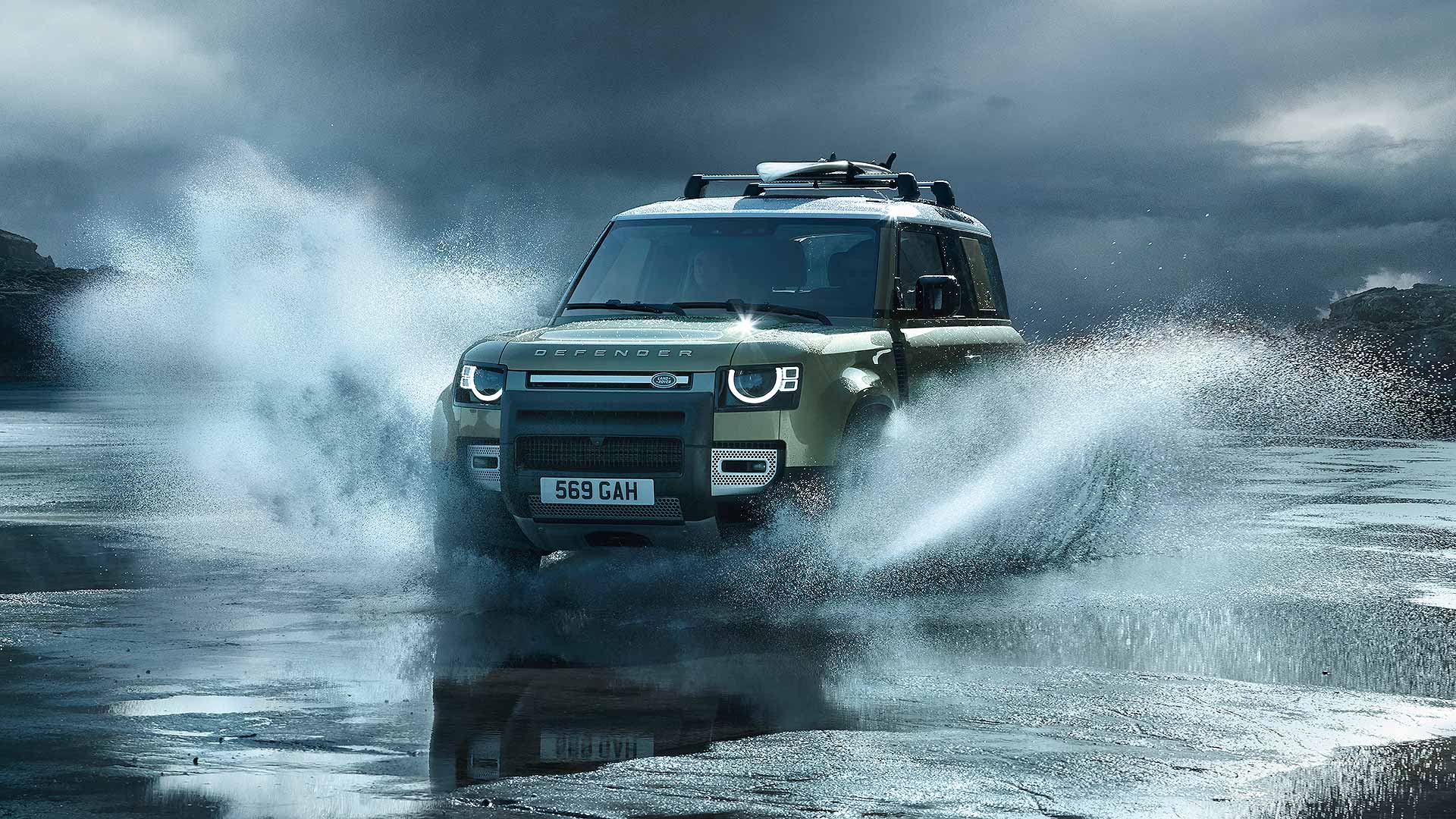
Land Rover Defender
We’d been waiting an age. And unlike Toyota with the Supra, Land Rover kept the new Defender tightly under wraps. Its return at the 2019 Frankfurt Motor Show was probably the reveal of the year. The Defender is all-new, but retains much of the original’s rugged looks. It will be, by far, Land Rover’s best off-roader, with short overhangs for impressive approach and departure angles, plus a massive 900mm wading depth. Unlike the original, it should also be a good road car, with independent suspension, a new monocoque chassis and up-to-date infotainment. Available in three- (90) and five-door (110) guises, it won’t be cheap. The 90 starts at £40,000, while the 110 opens at £45,000. We can’t help but love it, but for now we can only afford the Lego version.
Brexit, Brexit, Brexit…
We asked whether keyless theft was the scourge of 2019 for motorists. For the motor industry, however, it was Brexit. We’ve covered it, but because leaving the EU was put off again in the autumn – and now until January – we’re reminding you that all of our Brexit coverage can be found here.
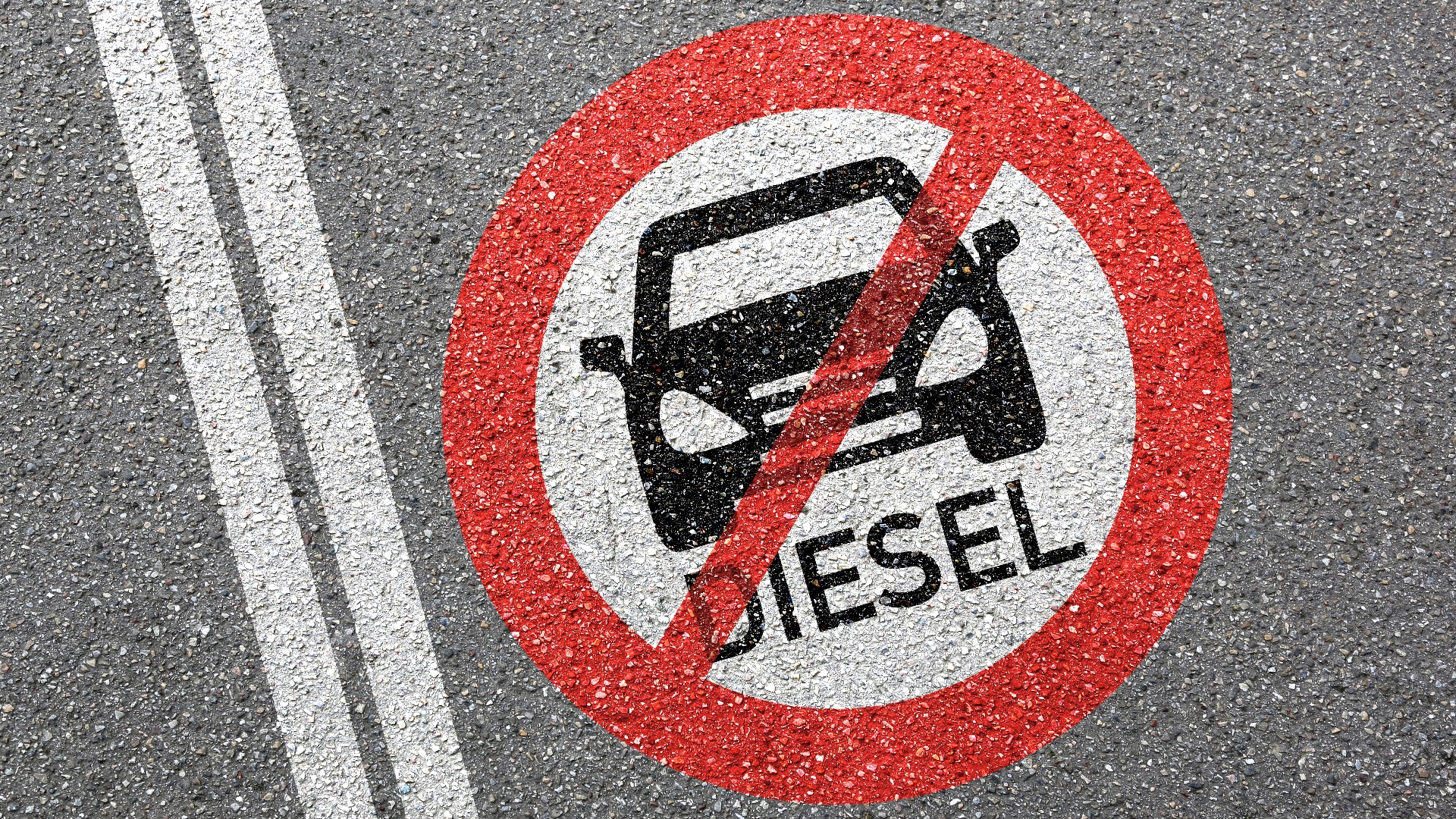
Bristol diesel ban
It’s official: the war on diesel is hotting up. Bristol is the first city in the UK ban diesel cars from certain areas. Yes, that means certain smoggy petrol cars from when emissions regulations were a pipe-dream still have access, while the very latest, cleanest diesels don’t. And there’s no ULEZ-style charge you can pay. The SMMT criticised the move, with chief exec Mike Hawes saying “we need a clear and consistent national approach to clean air zones that incentivises uptake of the latest, low emission vehicles, including new Euro 6 diesels”.
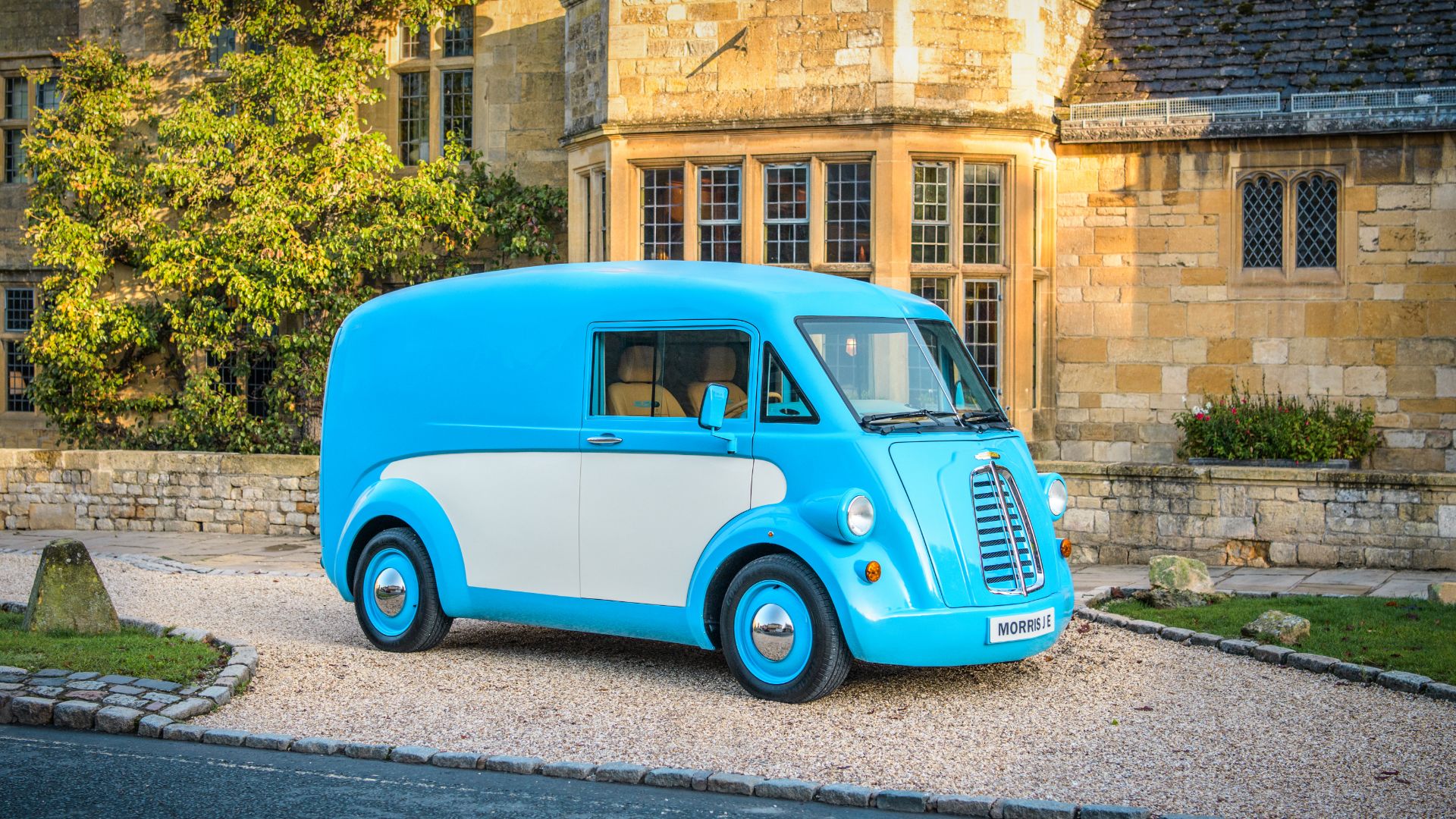
Morris J van
If the vendetta against diesel concerns you, don’t worry: the reborn Morris has got it covered. Of course, it might not, given its new J-type JE electric van will cost more than £60,000. MR’s Gav, often a classic evangelist, didn’t put on his rose-tinted spectacles. He has some strong opinions on the JE. “What’s the obsession with reimagining stuff from our past?” he asks. “What next, a reimagining of other distinctive elements of 1950s Britain, such as polio, pea-soupers and women tied to the twin-tub washing machine?”
Aston Martin DBX
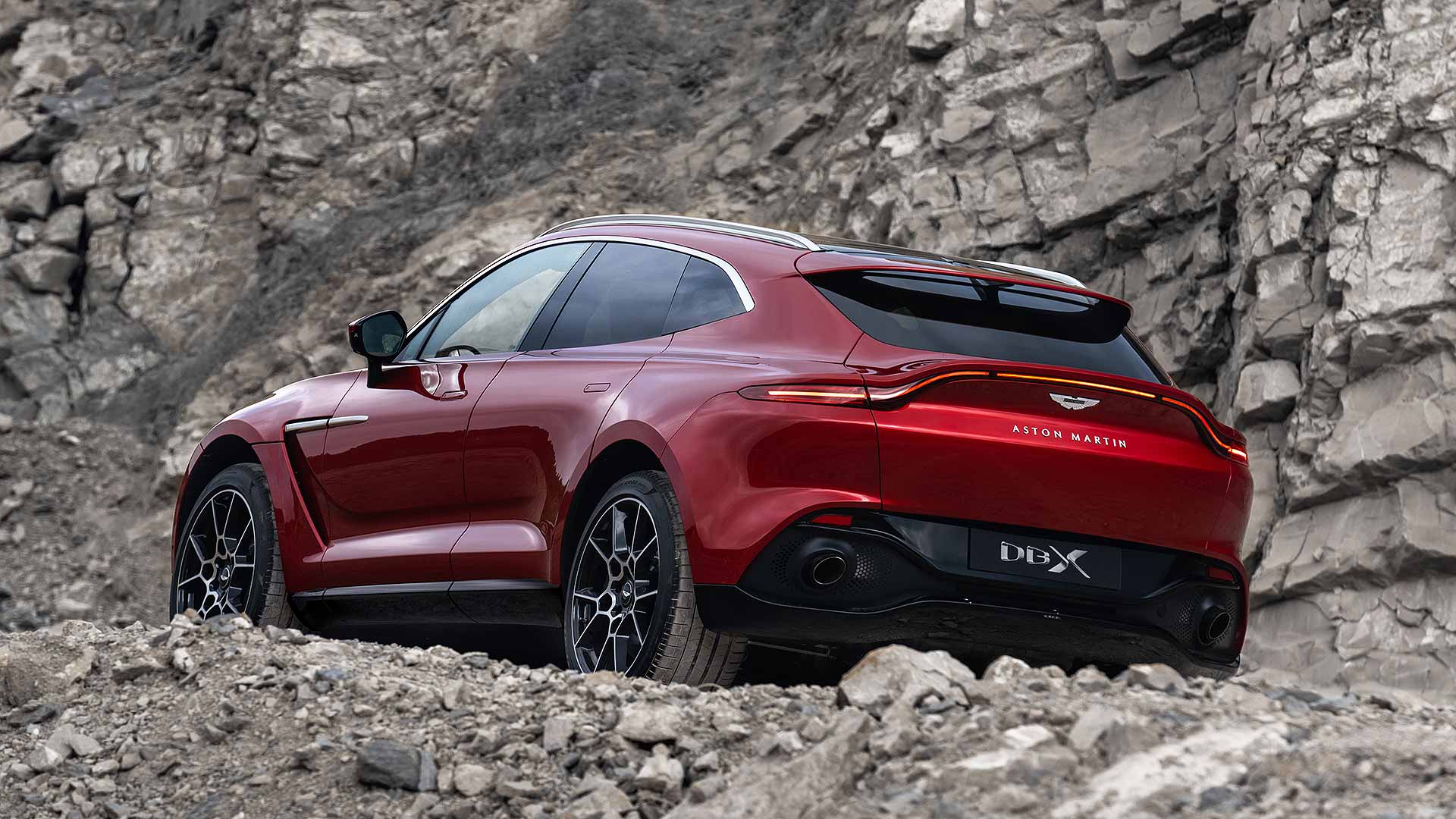
Another year, and another sports car manufacturer has gone to the dark side. We live in a world where Porsche, Bentley, Alfa Romeo, Rolls-Royce, Maserati, Lamborghini, and now, Aston Martin, make SUVs. Happily, the DBX is, for an SUV, quite a tidy looking thing. MR’s Richard Aucock called it “striking, stylish and suitably sporty. The DBX is a standout SUV that eschews boxy blockiness for a more elegant and exotic profile. Can SUVs be beautiful? This lays a greater claim to it than most.”
The cabin is gorgeous – by far Aston’s best of late – and it borrows Mercedes’ very talented twin-turbo V8, in 550hp guise. It’s a pricey thing, mind, starting from £158,000, but the super-SUV marketplace is surprisingly crowded. Leave the Urus, forget the Cullinan ever existed and swap out the Bentayga: if it drives as good as it looks, the DBX is the new king of the high-riders.
Tesla Cybertruck
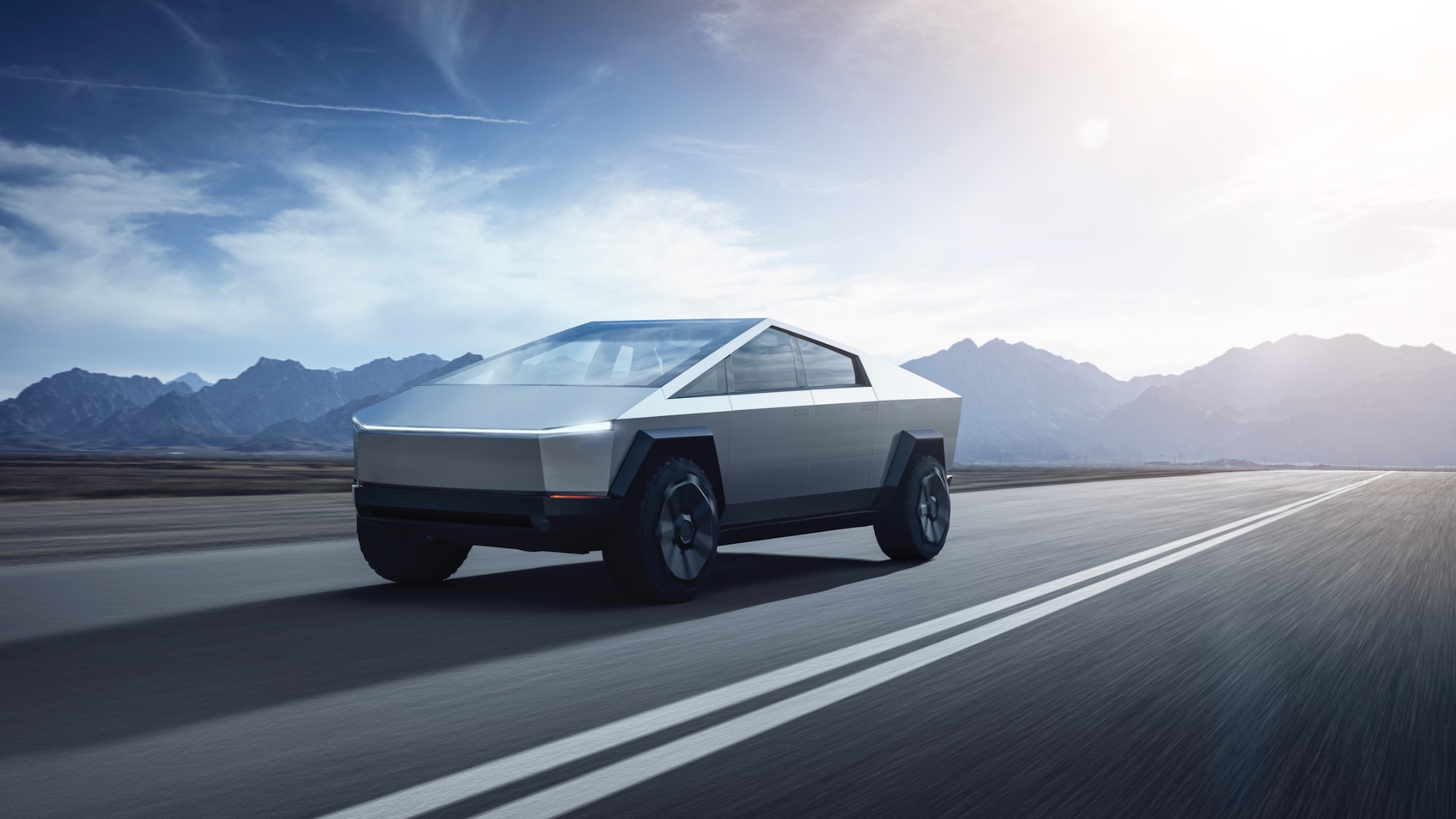
Next to this, the DBX is a veritable pin-up. Where to begin with Elon Musk’s latest ‘market disruptor’? We’ve covered the Star Wars prop department reject that is the Tesla Cybertruck extensively, from the reveal, to Elon’s accepting of Ford’s challenge for another rematch. More than 200,000 people have paid $100 for a reservation. How many will follow through? Will Tesla actually be able to deliver? Will you eventually be able to hit its ‘Armor Glass’ with a sledgehammer and not smash it? All burning questions, about one of 2019’s most polarising cars. The 2022 launch can’t come soon enough.
Uber loses its licence
Uber has been the subject of many a harsh headline over the past couple of years, but it all came to a head in late 2019. It has officially lost its licence to operate in London, one of its busiest marketplaces. We covered that licence loss, which was due to poor security, as well as the taxi alternatives.
FCA and PSA become one
Our final big story of 2019? It’s the combination of FCA and PSA, bringing 13 brands under one roof, ranging from Peugeot and Citroen, to Jeep and Dodge, through to Maserati, Alfa Romeo, and Vauxhall. It’s hard to imagine. On the plus side, it does slightly increase the chances of a new Maserati-engined Citroen SM. We can but dream.
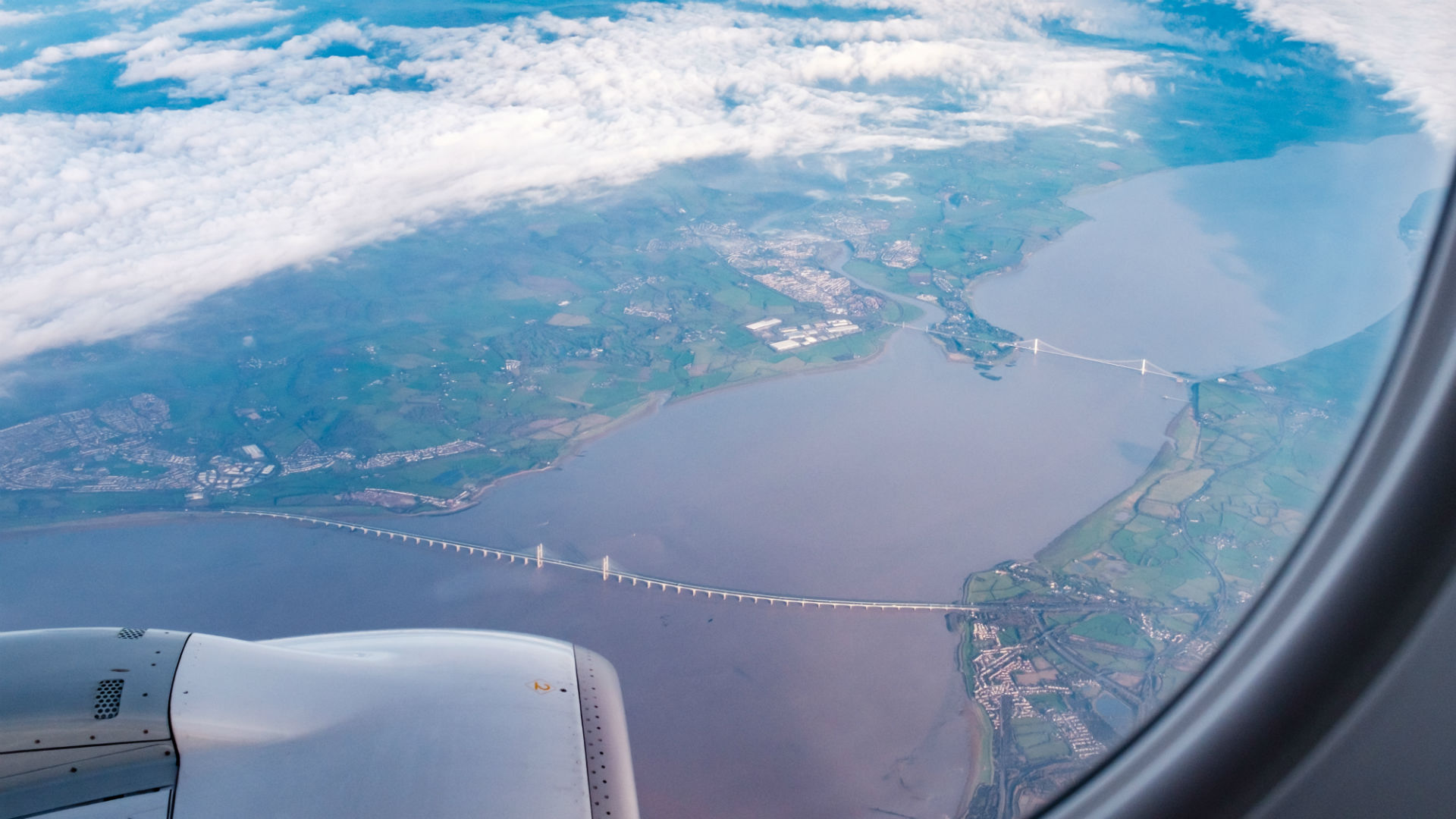
Until the toll was abolished, drivers were paying £5.60 to travel westbound into Wales. The move has saved commuters as much as £1,400 a year.
As a result, journeys into Wales over the Prince of Wales Bridge have increased by 16 percent, with an average 39,000 journeys being made each day.
The Prince of Wales Bridge – also known as the Second Severn Crossing – opened in 1996 to ease the pressure on the original Severn Bridge.
It cost £332 million to construct, but the overall cost, including debt repayments, interest and tax, spiralled to more than £1.3 billion.
When announcing the end of the tolls, the Welsh secretary Alun Cairns said: “The decision to abolish the Severn tolls next year sends a powerful message to businesses, commuters and tourists alike that the UK government is committed to strengthening the Welsh economy.
“By ending tolls for the 25 million annual journeys between two nations, we will strengthen the links between communities and help to transform the joint economic prospects of south Wales and the south-west of England.
“I want to ensure that visitors and investors know what Wales has to offer socially, culturally and economically. Most importantly, I want the world to know how accessible we are to business.”
It is thought that people have paid to cross the Severn Estuary since the 12th century, be it on a ferry, on a train, or in a car.
‘Paying dividends‘
Government minister for Wales David TC Davies said: “Over the last year, drivers have reaped the benefits of free road travel into Wales, which is paying dividends for businesses across both sides of the Severn.
“We are better connected economically as a result and through the Western Gateway initiative we will harness the joint strengths of these two regions while respecting our distinct identities and traditions.
“The UK Government is committed to boosting Wales’ transport infrastructure and connectivity which is central to ensuring we raise our game economically and boost our productivity as a result.”