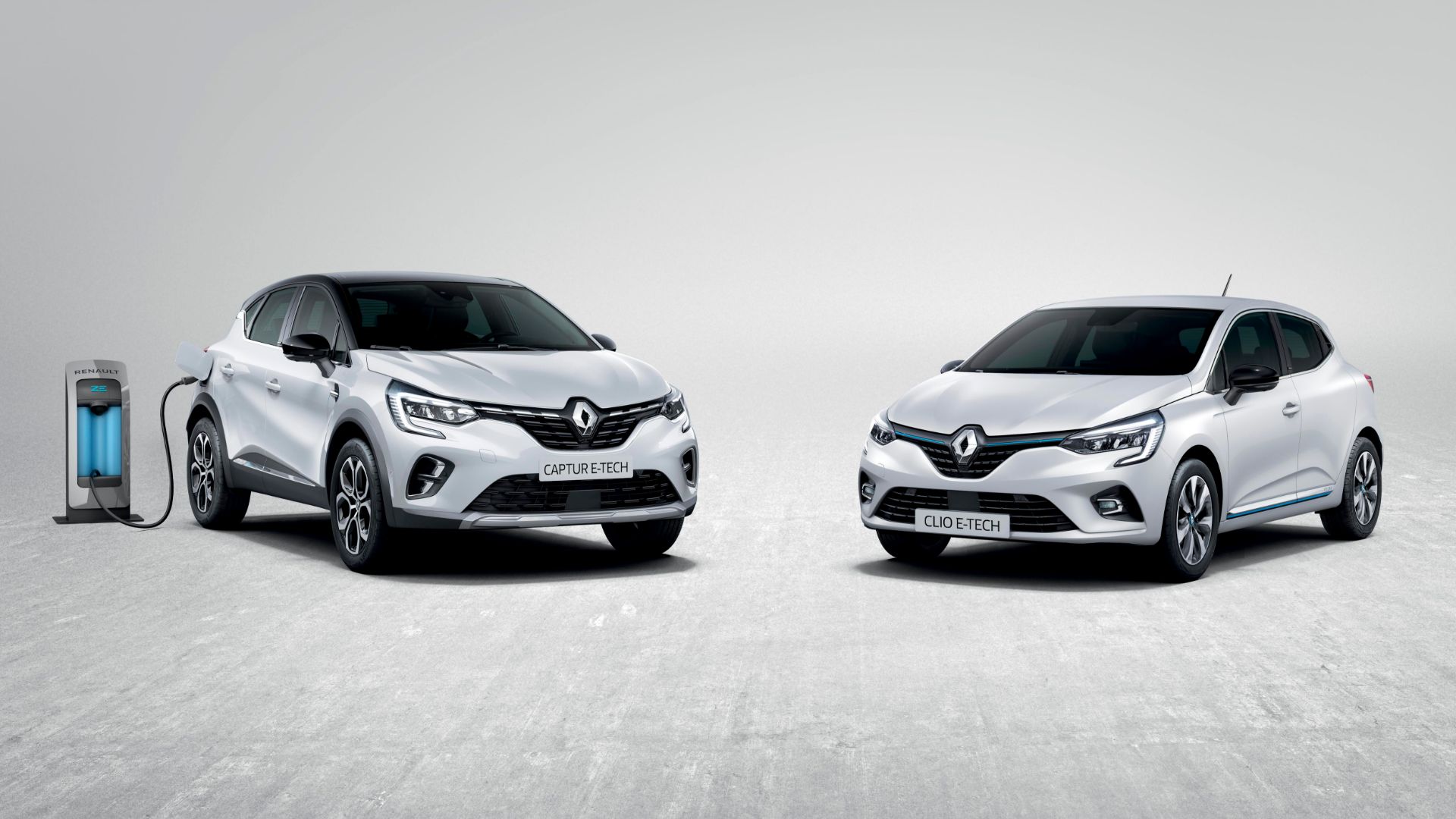
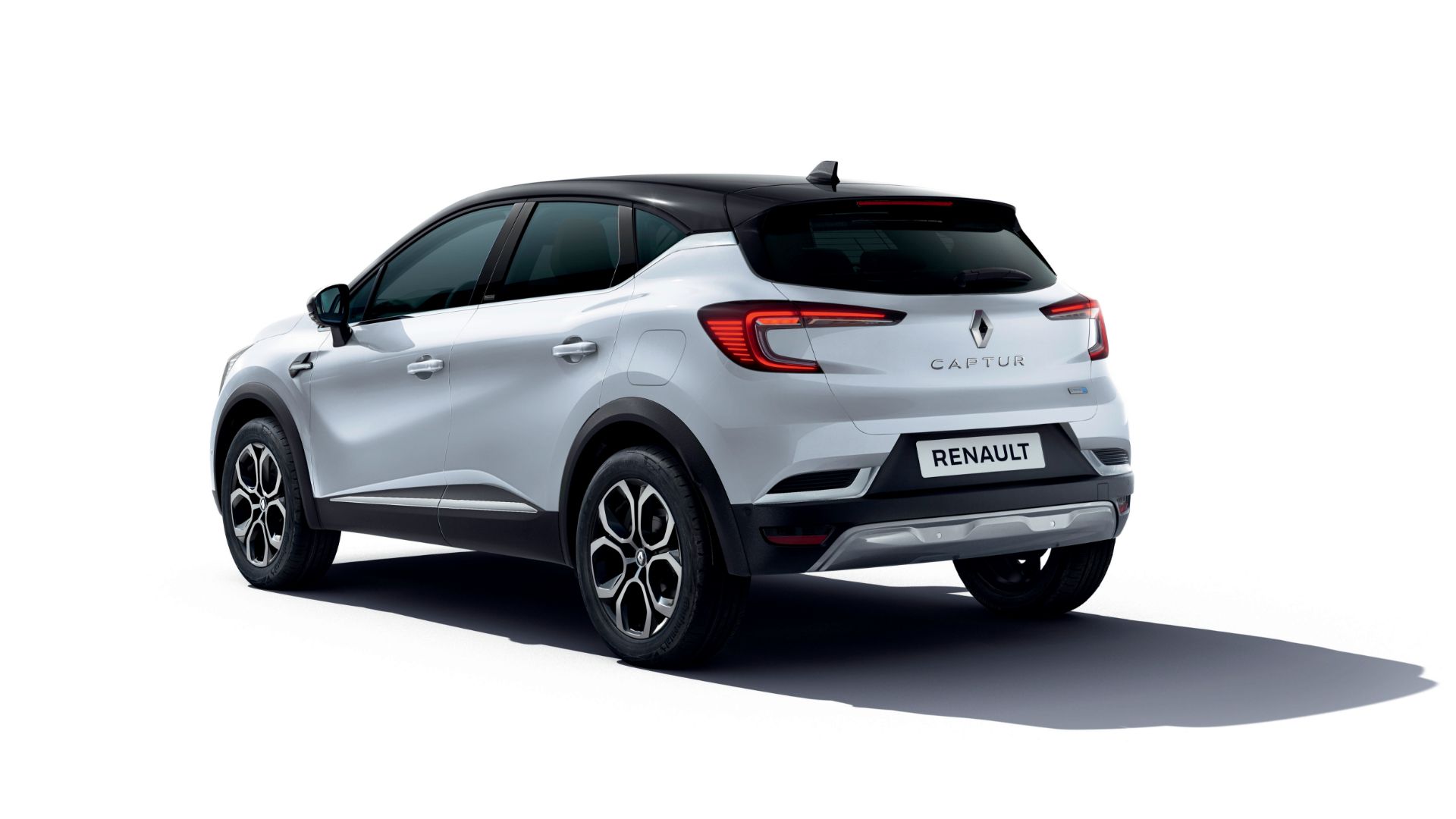
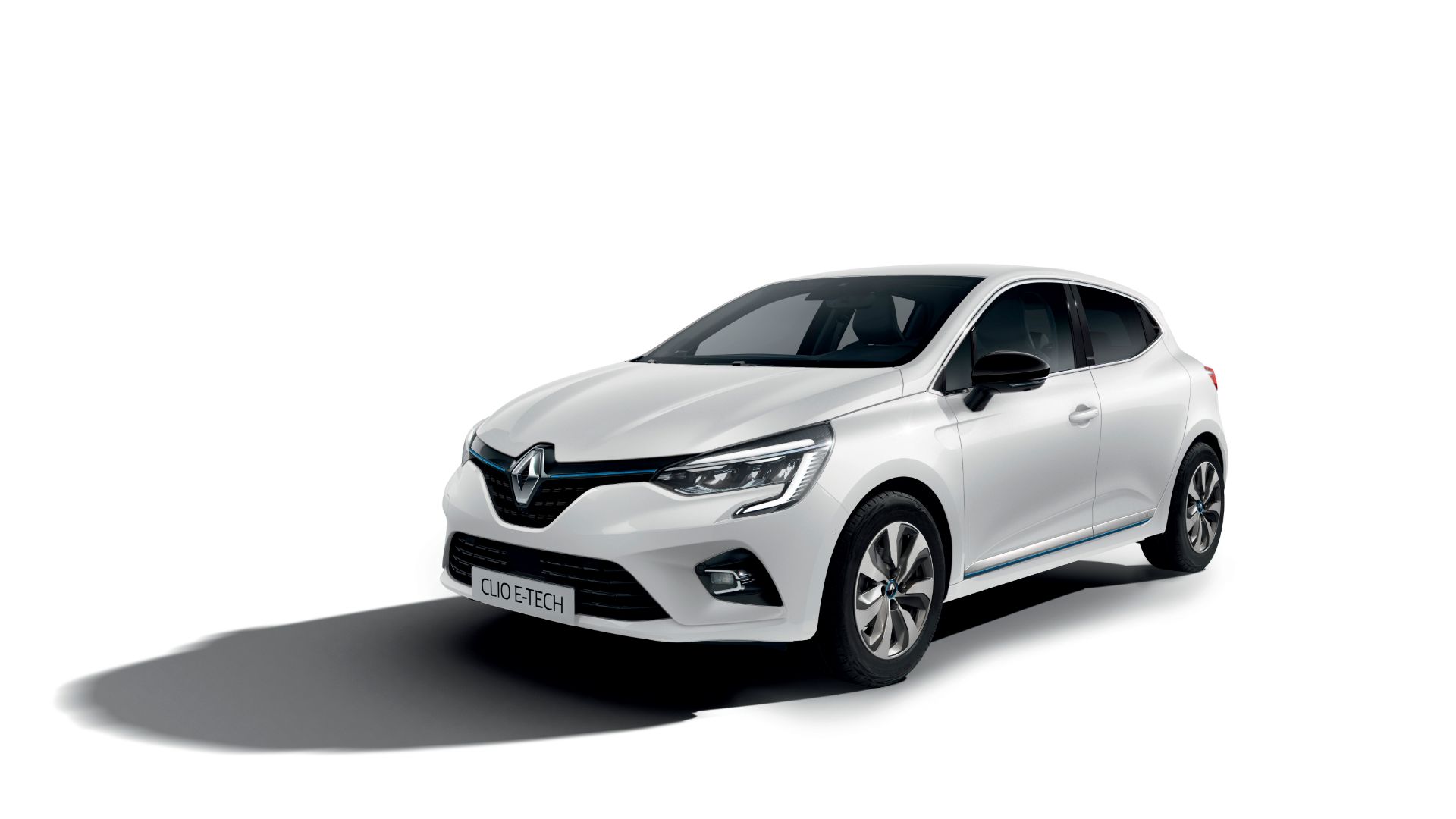
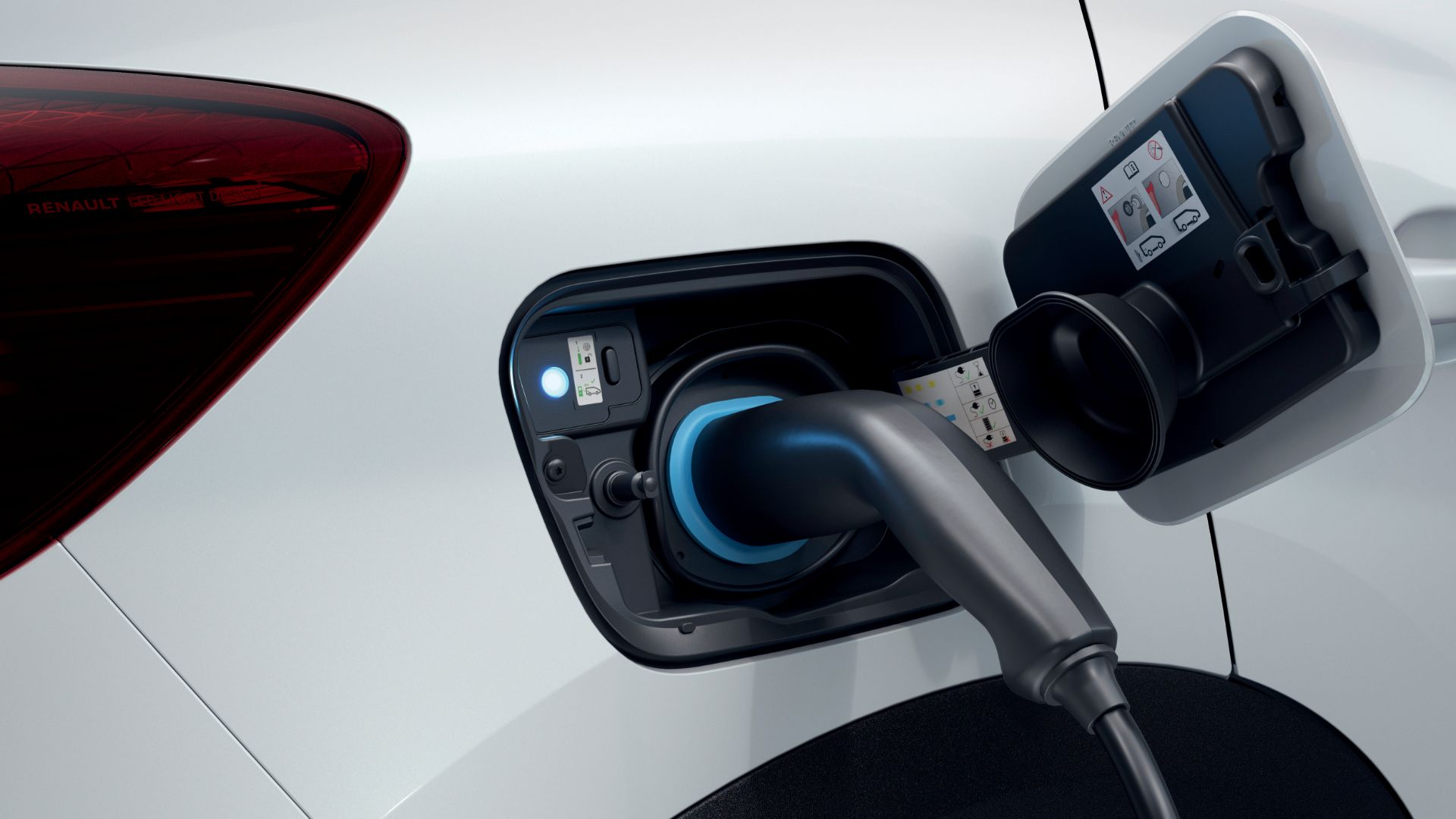
Renault has unveiled a pair of new hybrids at the 2020 Brussels Motor Show. Meet the Clio and Captur E-Tech. Still want that Zoe?
With the arrival of the E-Tech derivatives, two of Renault’s best-selling cars now have the option of being electrified. An E-Tech variant of the Megane will follow soon.
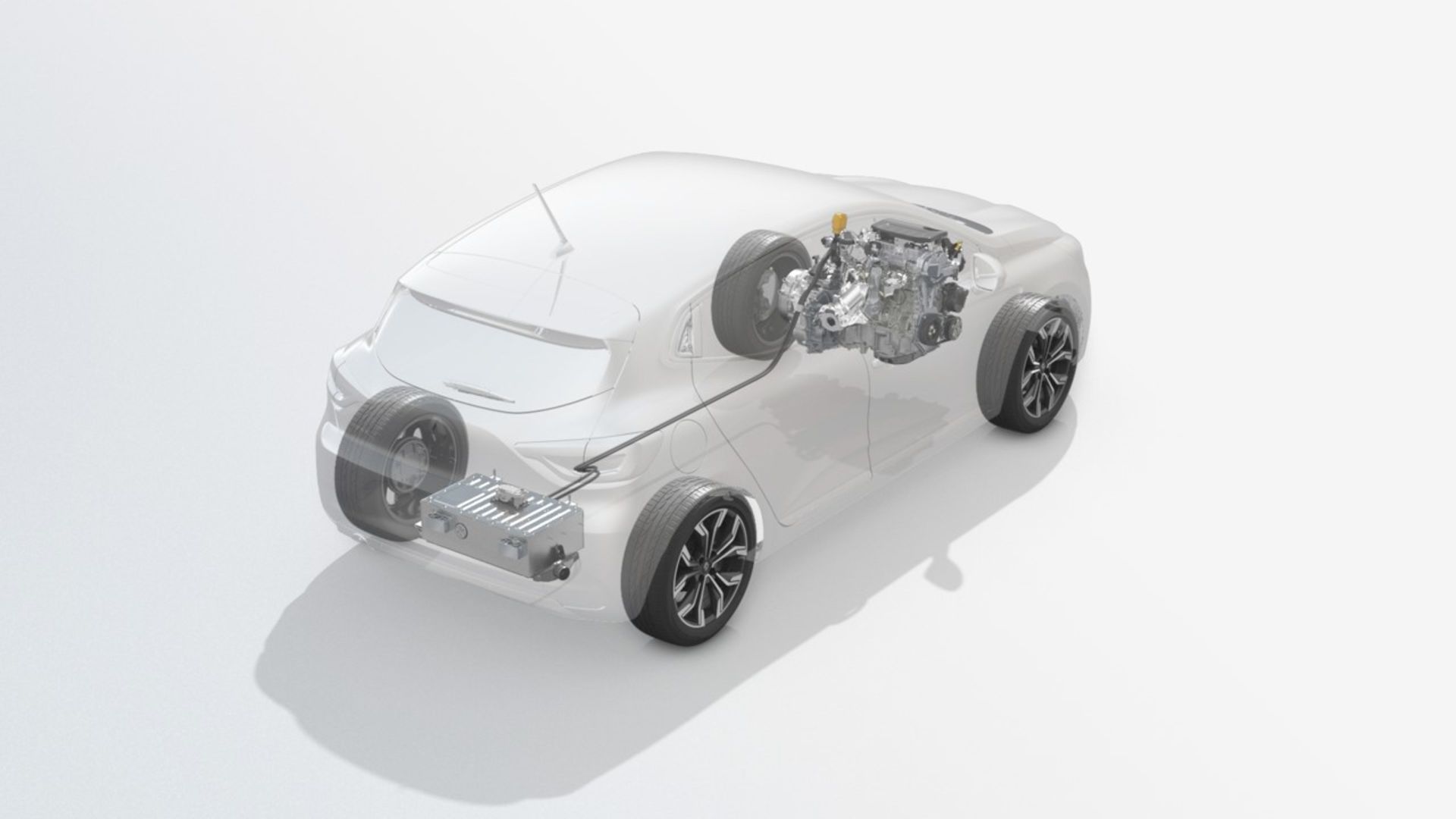
The Clio and Captur E-Tech both use a 1.6-litre naturally aspirated petrol engine, in combination with two electric motors. In the Captur, the battery is 9.8kWh with plug-in capability. The Clio can’t be plugged in, and has a 1.2kWh battery.
This allows the Captur an electric driving range of 30 miles (final WLTP certification pending) plus an electric-only top speed of 85mph. The plug-in crossover should be good for 188mpg and emit 34 g/km of CO2, although this requires ‘optimised usage of the 100 percent mode’.
Exact figures for the Clio have yet to be released What we do know is that, impressively, the E-Tech hybrid weighs just 10kg more than a Clio dCi 115 diesel. Renault says it should yield ‘significant reductions in fuel use and CO2 emissions, for up to 80 percent of urban driving time in 100 percent electric mode’.
The Clio is still very much urban-oriented, with a top speed in electric-only mode of just 38mph. A fuel saving of 40 percent in comparison with conventional cars is estimated.
Renault says it has put Formula 1 learnings to use in developing the E-Tech platform. Specifically, the new clutch-less transmission is directly influenced by F1 efforts. It allows for a pure electric start, plus a reduced gap in acceleration during gear changes.
Various levels of battery regeneration can be selected, but the electric motor will always recover power when coasting. When braking, the car operates regen first, with the pads and discs only coming in to assist. ‘Brake’ mode allows for one-pedal driving, similar to the Zoe.
A new Pure driving mode in the Captur allows for all-electric driving. In Sport mode, a full press of the accelerator kicks both the electric motor and the petrol engine into action, for a combined acceleration effort.
E-Save is another new mode, which conserves power, and allows the petrol engine to charge the battery. A minimum of 40 percent is always kept in reserve.
The series-parallel architecture means the cars can run in various states of hybridisation. Fifteen operating combinations are available and switched between automatically, depending on power requirements and battery charge state.
Adding hybrid power to the Clio might seem like a sideways step for Renault, given it has offered the similarly-sized Zoe for some time. However, its plan is wholesale electrification, in one form or another. By 2022, Groupe Renault wants eight fully electric models, and 12 electrified (hybrid) models in its line-up.
Unlike new car sales, UK new motorcycle registrations grew in 2019, partly thanks to commuters and youngsters buying ever-greater numbers of scooters.
107,408 new motorcycles were sold in Britain last year. That’s a fraction of the 2.31 million new cars sold, but the figure is still growing, albeit at just 1.5 percent.
High-powered superbike riders aren’t driving the growth, though. Sales of such extreme machines were down an eye-watering 16.9 percent during 2019.
Instead, it’s the gradual growth of three key sectors that’s helping the motorcycle sector expand – with Britain’s second-favourite type of motorcycle, the scooter, up 2.1 percent.
So-called ‘naked’ bikes – stylish machines with minimal bodywork – are our top ride of the moment, with 2.2 percent growth taking the numbers sold last year to over 34,000.
Adventure sport bikes, such as the BMW GS used by Charley Boorman and Ewan McGregor in the Long Way Round, are the fastest-growing sector, up 5.9 percent last year, and Britain’s third-favourite type of bike.
Motorcycle trade body the MCIA believes it will be further growth in the scooter sector that powers the industry in the near future.
“With their light weight, ease of parking, and ultra-low or zero emissions, more and more people are realising that powered light vehicles (PLVs) represent a perfect alternative to traffic-bound cars and vans,” said MCIA spokesman Nick Broomhall.
“In addition, many electric PLVs feature removable batteries that can be charged at home or work, from a conventional wall socket.”
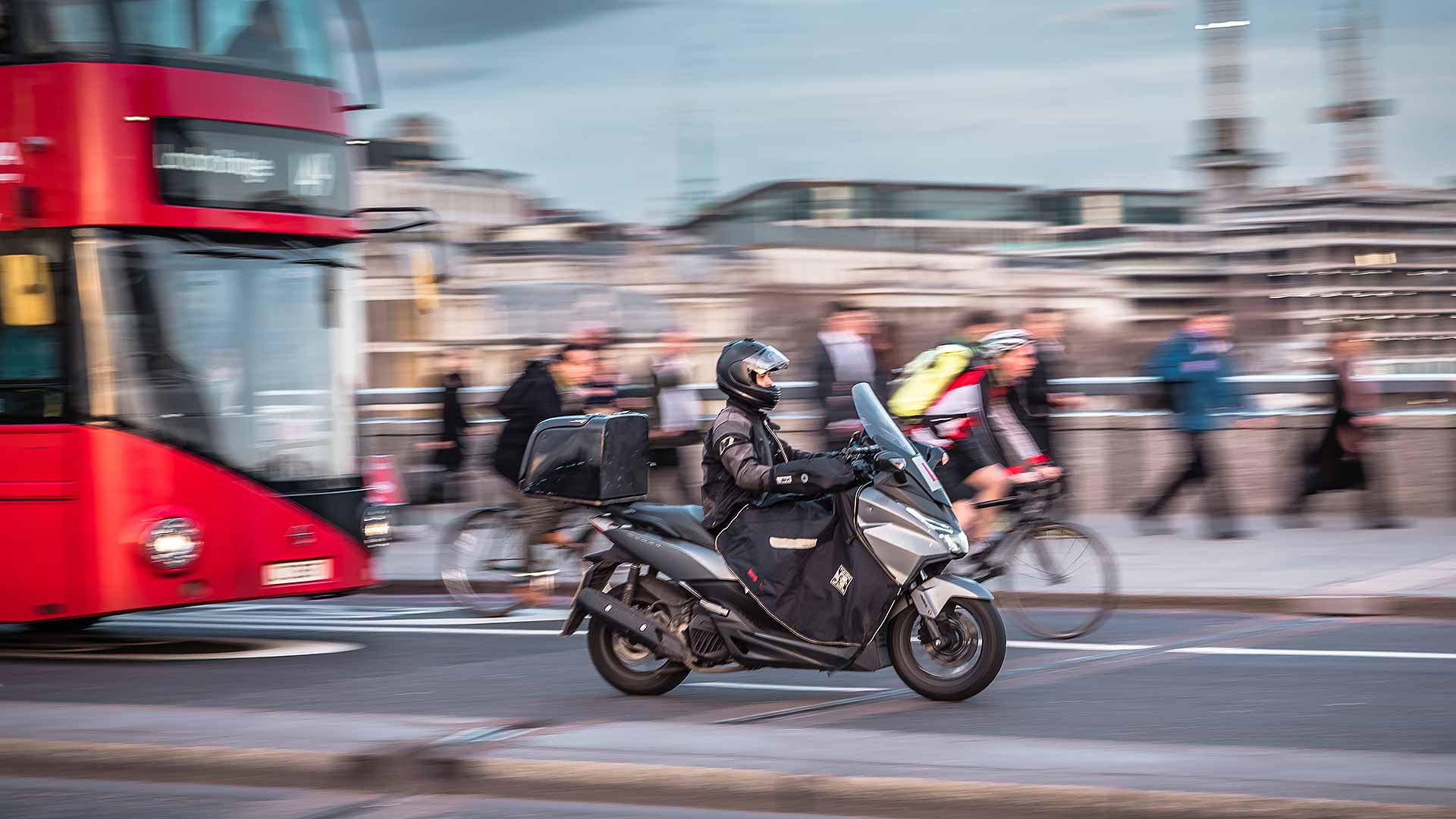
In December 2019, the best-selling scooter in Britain was the Yamaha NMax 125, pictured above. It can be bought new from £3,174, officially averages 122.8 mpg and emits just 52 g/km CO2.
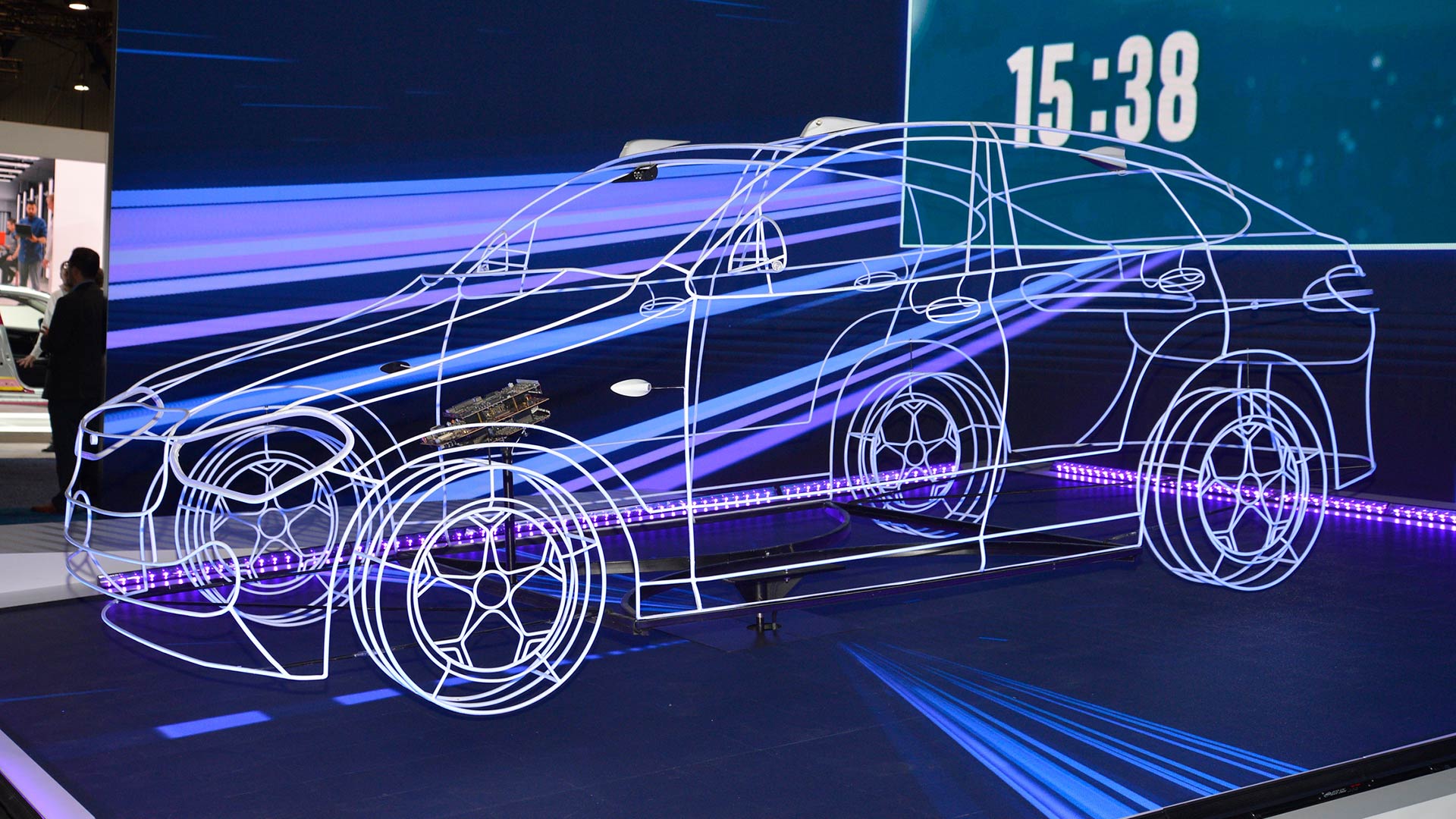
CES (formerly known as the Consumer Electronics Show) is one of the biggest technology events of the year. Held in Las Vegas, CES has become a beacon for car manufacturers and suppliers, as they seek to integrate ever-more technology into new vehicles.
Join us as we investigate the biggest automotive announcements at CES 2020.
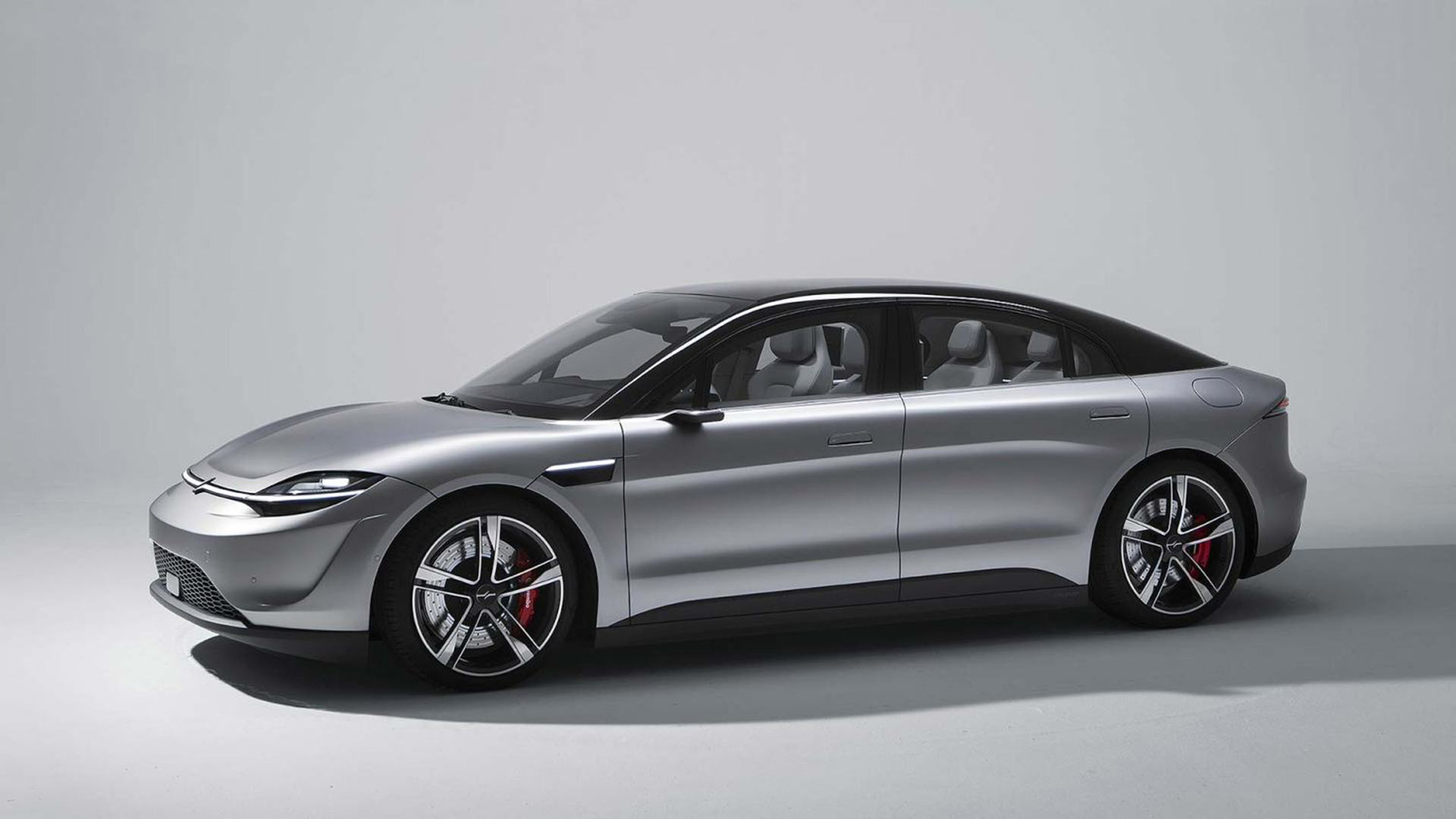
Sony’s Vision-S is a concept car from the tech giant
One of the biggest surprises at CES 2020 was the unveiling of a concept car by Sony. The Japanese technology company has created its own electric vehicle, designed to show what technology it foresees appearing in future cars.
Safety is high on the agenda, with 33 sensors throughout the Vision-S to give a 360 degree ‘safety cocoon’ for driver and passengers. A panoramic display stretches the entire width of the dashboard, whilst audio speakers are integrated into the seats.
Sony states this is only a concept vehicle, but the details make it look like production might not be an impossible dream.
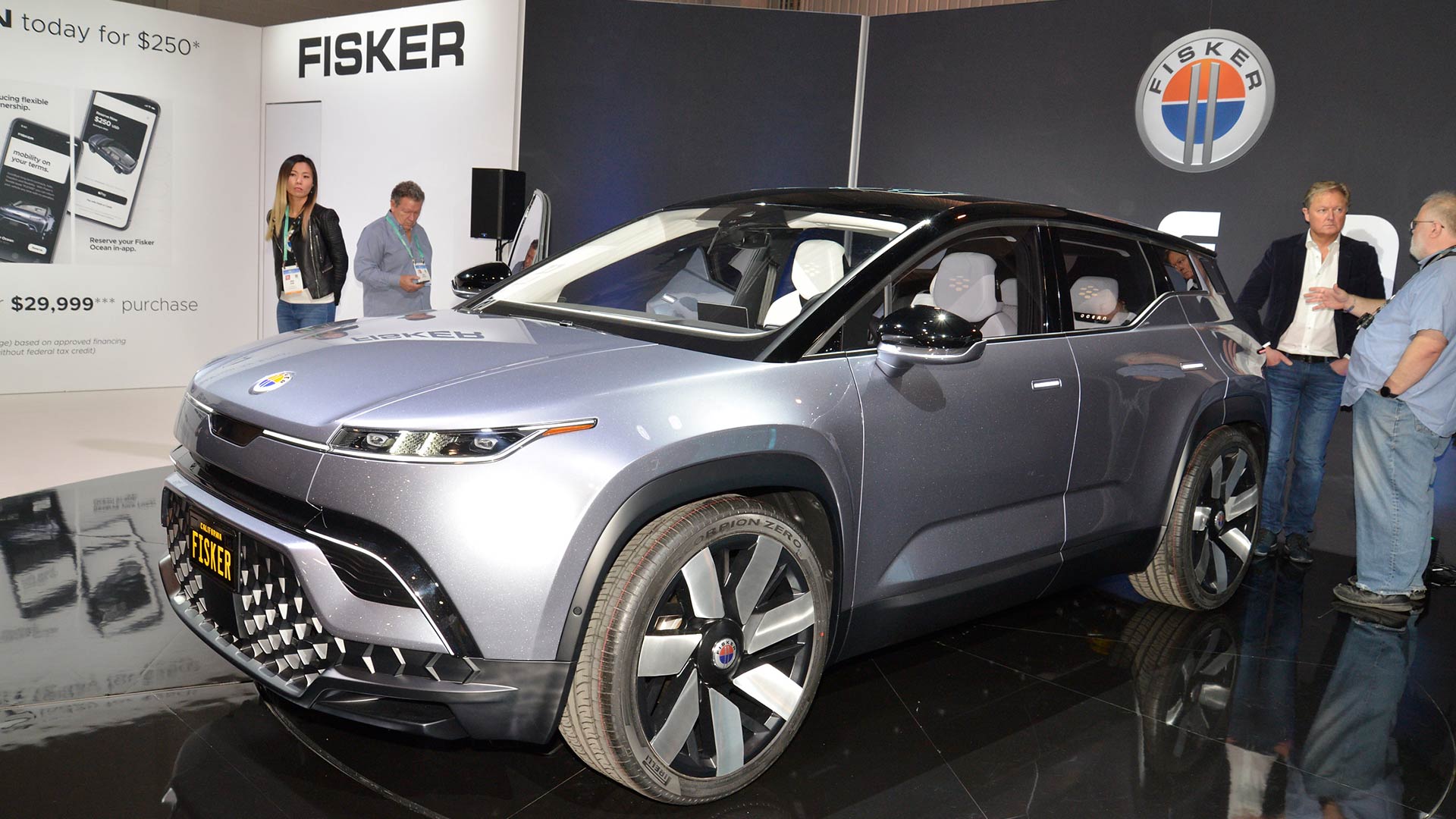
Could the Fisker Ocean be the electric SUV we need?
Having been teased for months, CES 2020 is where Fisker Inc. finally launches the Ocean electric SUV. With federal tax credits the Ocean will be priced in the United States from $29,999 (£22,600), undercutting the Tesla Model Y.
Competitive and flexible leasing deals are also promised for the Ocean, which features a range of up to 300 miles from its 80 kWh battery pack. Fisker also wants the Ocean to be the most sustainable car ever made, with carpets made from recycled materials, a vegan interior, and a roof incorporating a full-length solar panel.
Production is scheduled for late 2021, with the first deliveries to customers in 2022.
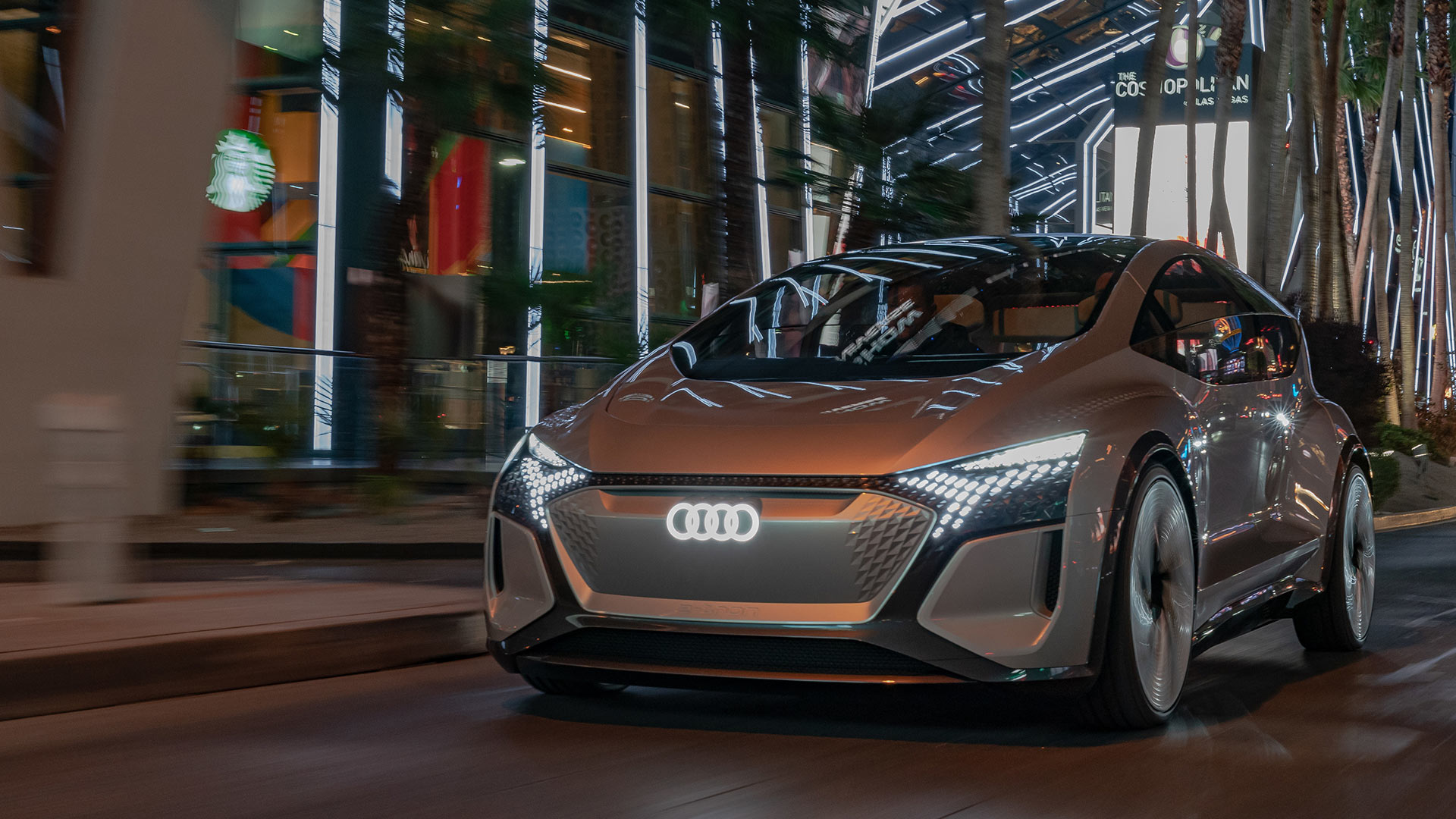
Meet the high-tech rush hour refuge – the Audi AI ME
Dealing with the daily commute can be a grind, but Audi wants the AI:ME to offer a break from the stresses of gridlock. Billed as being an ‘empathetic car’, the AI:ME is able to pick an interior lighting scheme based upon how the driver is feeling. It can also learn climate control preferences, and even which air freshener scent is most liked.
Passengers in the AI:ME can wear VR goggles to experience a ‘wellness experience’ of a mountain view, whilst the car orders takeaway food to be delivered on time. The AI:ME also routes drivers the best way to avoid traffic, helping further reduce stress.
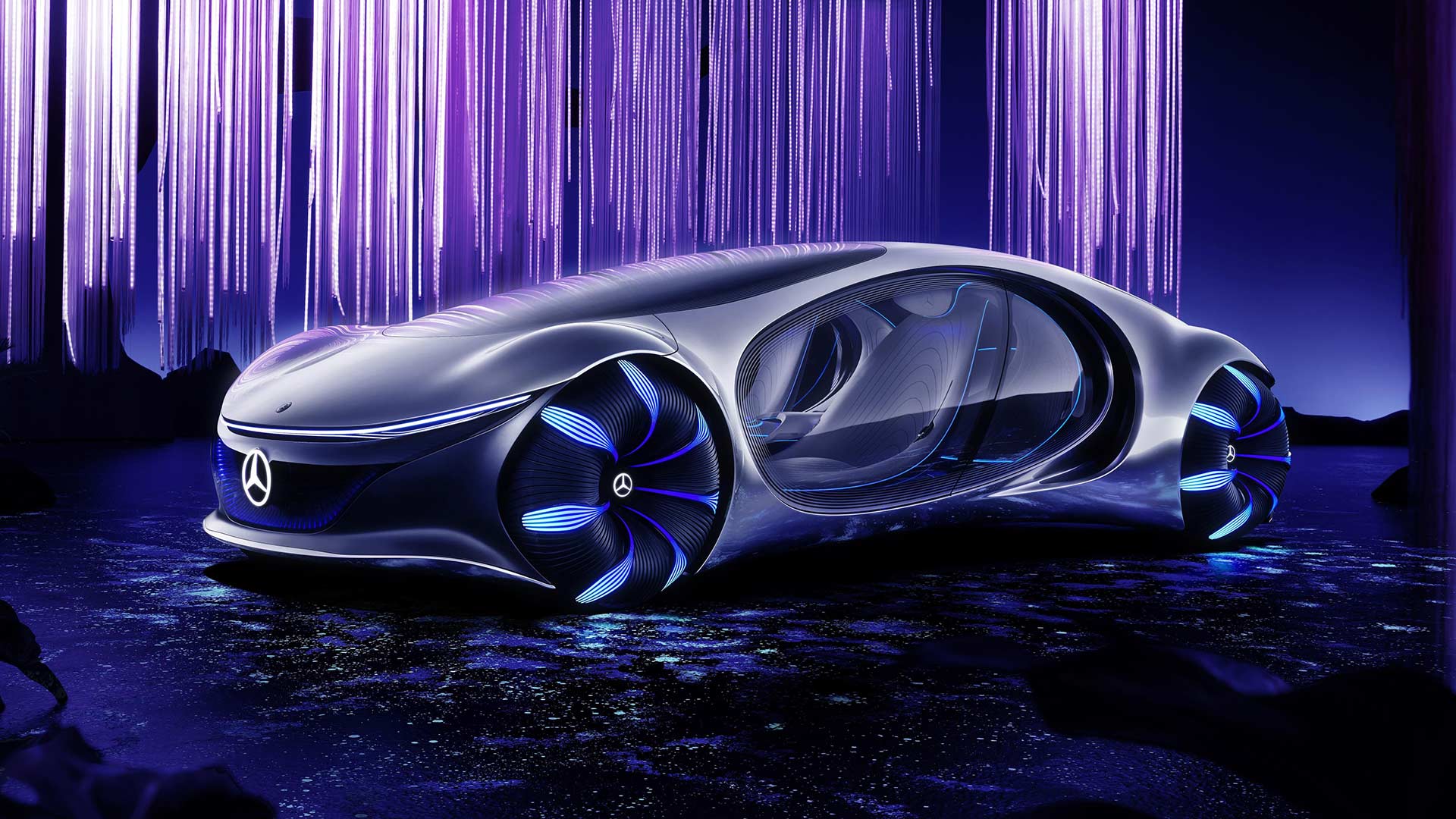
Mercedes-Benz and James Cameron team up for AVTR concept
Developed with the people responsible for the Avatar movie, this Mercedes-Benz concept is intended to display the car as a living creature. The wheels took inspiration from the Tree of Souls from AVATAR, whilst the rear of the AVTR has 33 ‘bionic flaps’ that can move independently. These flaps can communicate with the driver, and the wider outside world.
Beneath the reptile-like exterior is a new graphene-based battery system, created without precious metals. Mercedes-Benz states the batteries are fully recyclable, aiding the sustainability of the AVTR. Vegan Diminica leather, and rattan flooring, add to the eco-credentials for this concept.
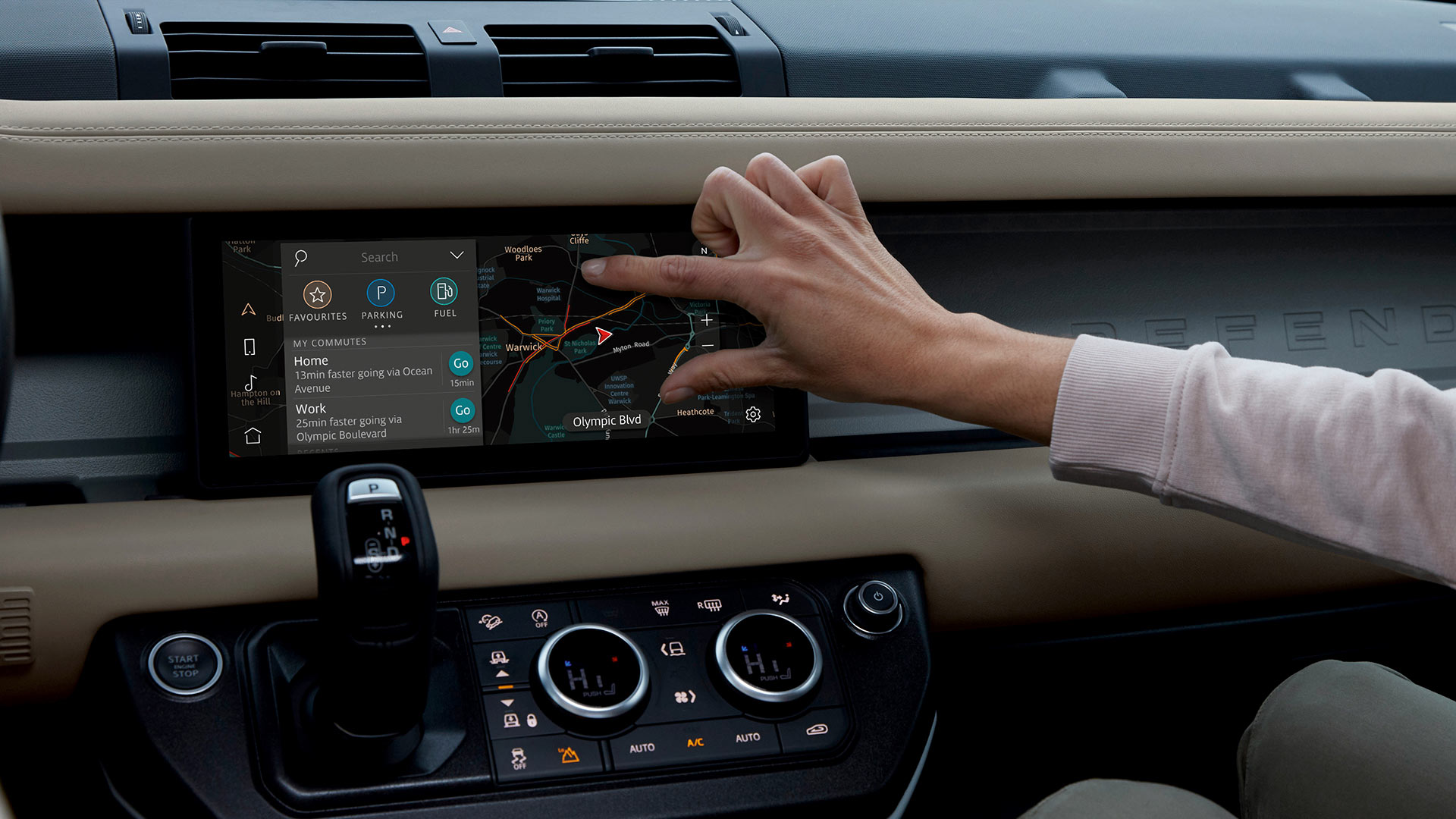
Jaguar Land Rover Pivi Pro is inspired by smartphones
An all-new infotainment system for future Jaguar Land Rover models has made a debut at CES 2020, ahead of being rolled out for the new Defender. Named Pivi Pro, the system shares its appearance, and technology, with modern smartphones.
Said to be ‘ultra-fast’ courtesy of the BlackBerry QNX Hypervisor platform controlling it all, Pivi Pro can also has the world’s first dual-modem, dual-eSim in-car technology. One eSIM is dedicated to software updates, whilst the other focuses on streaming music and uploading information to the cloud to be used later.
OnePlus Concept One phone uses clever McLaren glass tech
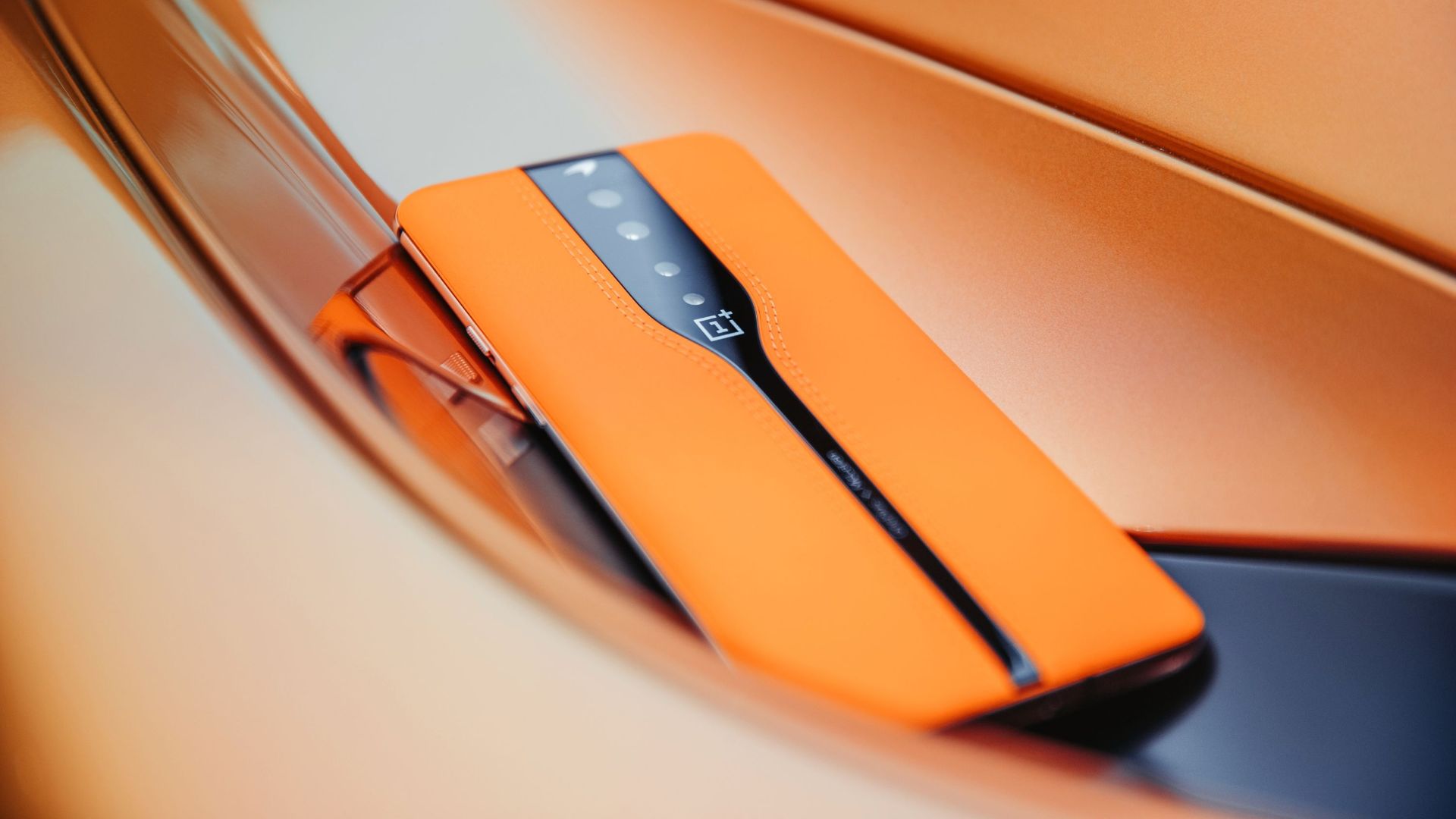
The McLaren 720S Spider uses clever electrochromic tech in its glass roof, that switches it from solid black to see-through clear glass in an instant. The technology means the firm doesn’t have to fit sunshades to its open-top supercars, saving weight… and it’s so clever, a smartphone manufacturer has now taken it up.
High-end brand OnePlus debuted the Concept One phone at CES 2020, which has miniaturized the tech to use it on its camera lenses. They switch from ‘hidden’ to ready for use in less than the time it takes to open the camera app itself. Set off with a rich McLaren Papaya Orange leather case, the phone is sadly just a concept – for now, at least…
Sennheiser and Continental make Ac2ated speakerless audio
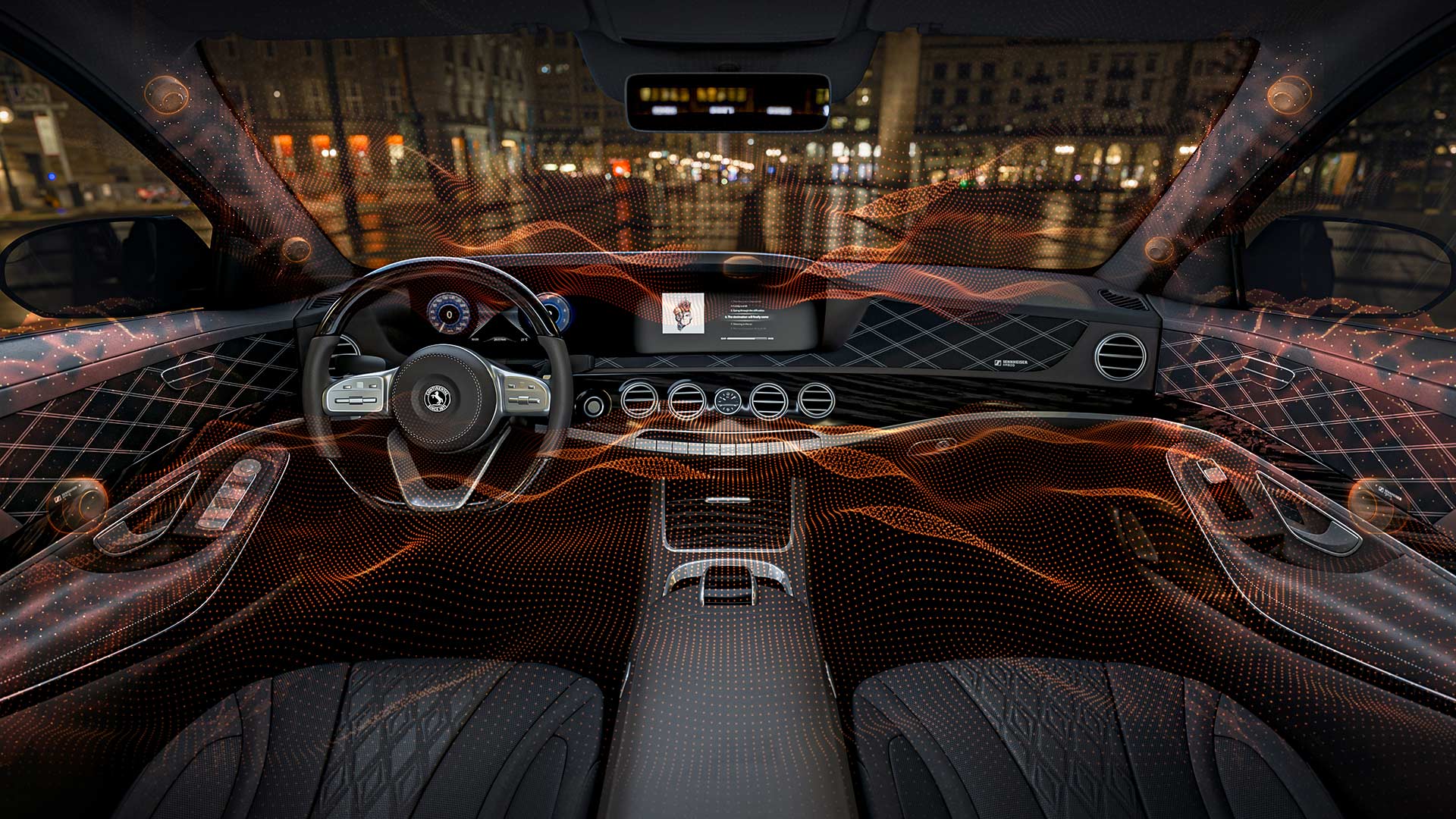
A collaboration between audio company Sennheiser and Continental has resulted in a sound system that needs no speakers. Instead, specific surfaces throughout the interior of the vehicle are used to create sound, taking inspiration from classical music instruments.
Along with the promise of incredible 3D sound, the system also reduces weight by 90% compared to traditional speaker setups. Other benefits include car designers having more freedom to sculpt interiors, without needing to worry about speaker placement.
The BMW i3 Urban Suite is inspired by boutique hotels
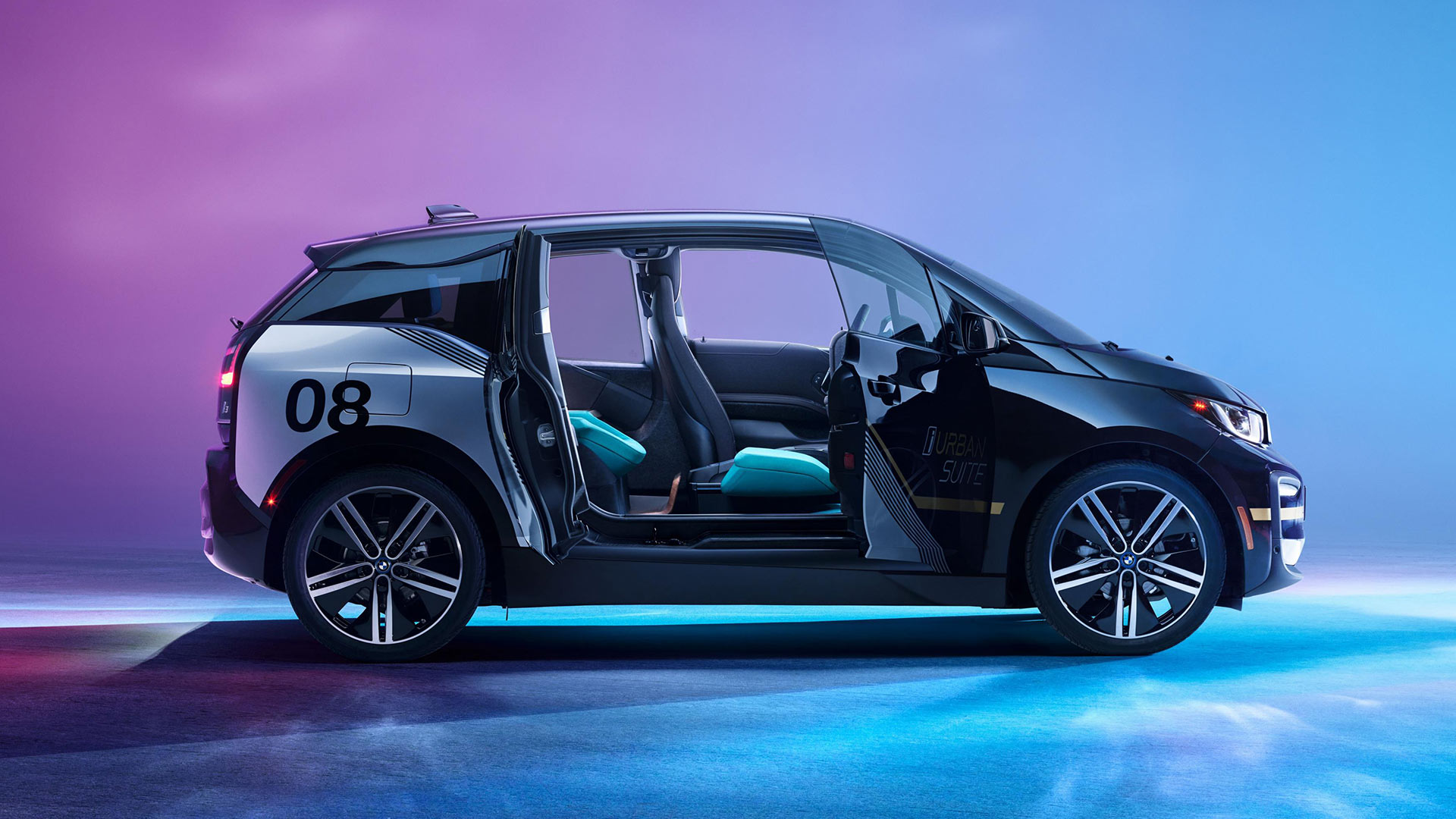
BMW has a number of concepts on display at CES 2020, including a version of the electric i3 designed to offer passengers a luxurious experience. BMW admits that boutique hotels have provided the interior influence, which includes a large seat and a footrest.
A screen can be deployed from the headliner, whilst passengers benefit what BMW describes as being a personal ‘Sound Zone’. In keeping with many of the exhibits as CES 2020, BMW has used sustainable materials inside the i3 Urban Suite, including olive-tanned leather upholstery.
BMW X7 ZeroG Lounger – is this the comfiest car seat, ever?
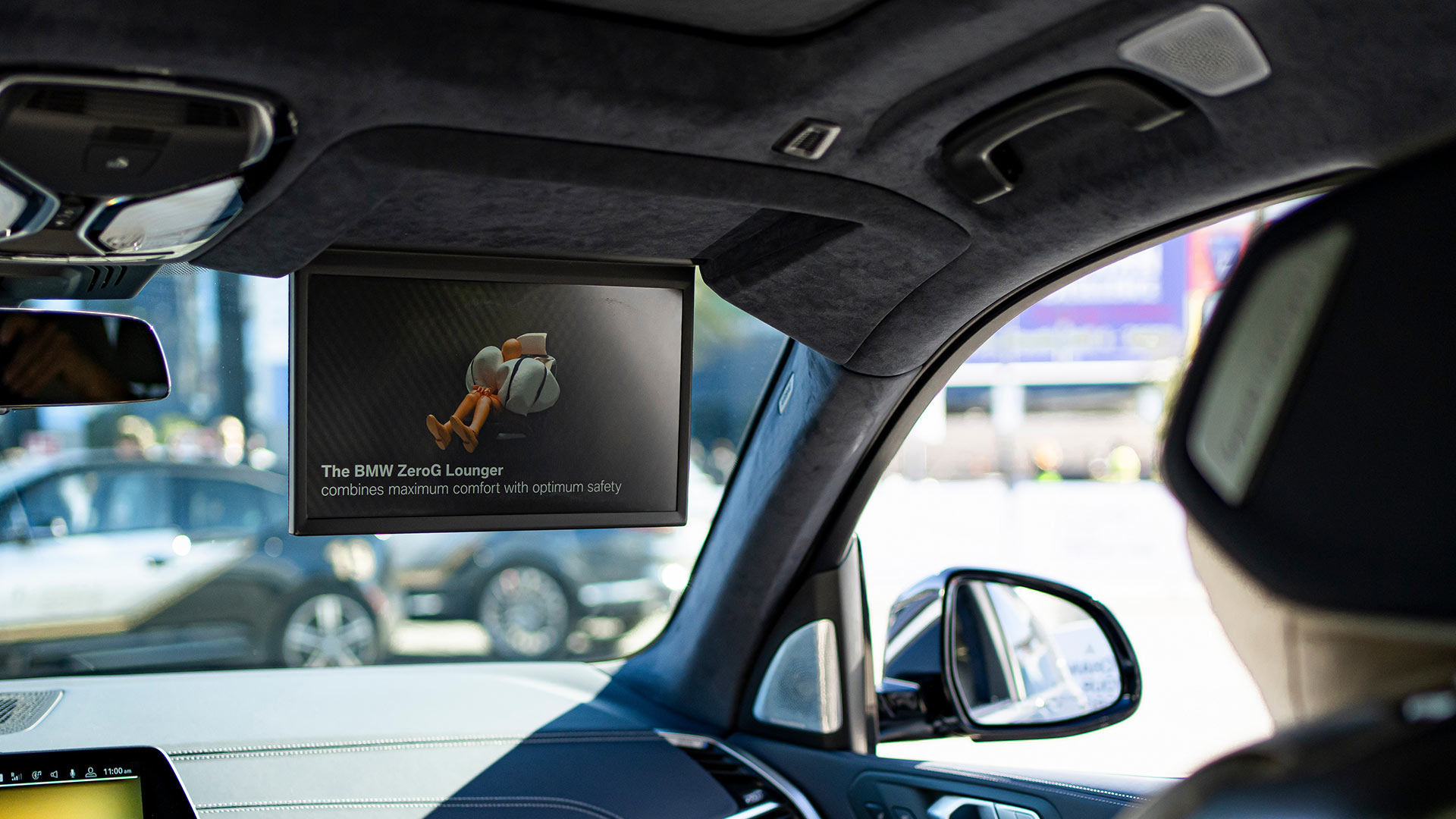
Whilst many of the ideas on show at CES 2020 are radical ideas of the future, BMW does have at least one creation slated for future production. The X7 ZeroG Lounger will be ready for sale in around five years, and aims to seriously upgrade your car seat experience.
With an integrated seat belt and airbag system, the ZeroG Lounger allows passengers to recline up to 60 degrees, but also meet all safety requirements. A screen can also be mounted to the headliner, allowing passengers to still keep watching the infotainment display whilst reclining.
Keep it quiet with Nissan’s new acoustic meta-material
It might not be the most exciting product being previewed at CES 2020, but Nissan’s lightweight meta-material aims to make car cabins quieter whilst improving efficiency. Instead of traditional heavy insulation, the meta-material use plastic film and a lattice structure to control air movement.
This material helps deaden wide frequency band noise, such as road or engine sounds, but weighs only 25% of the equivalent contemporary insulation. Nissan also promises that its low cost, and thin size, means even economy cars will be able to benefit from the lightweight noise insulation in future.
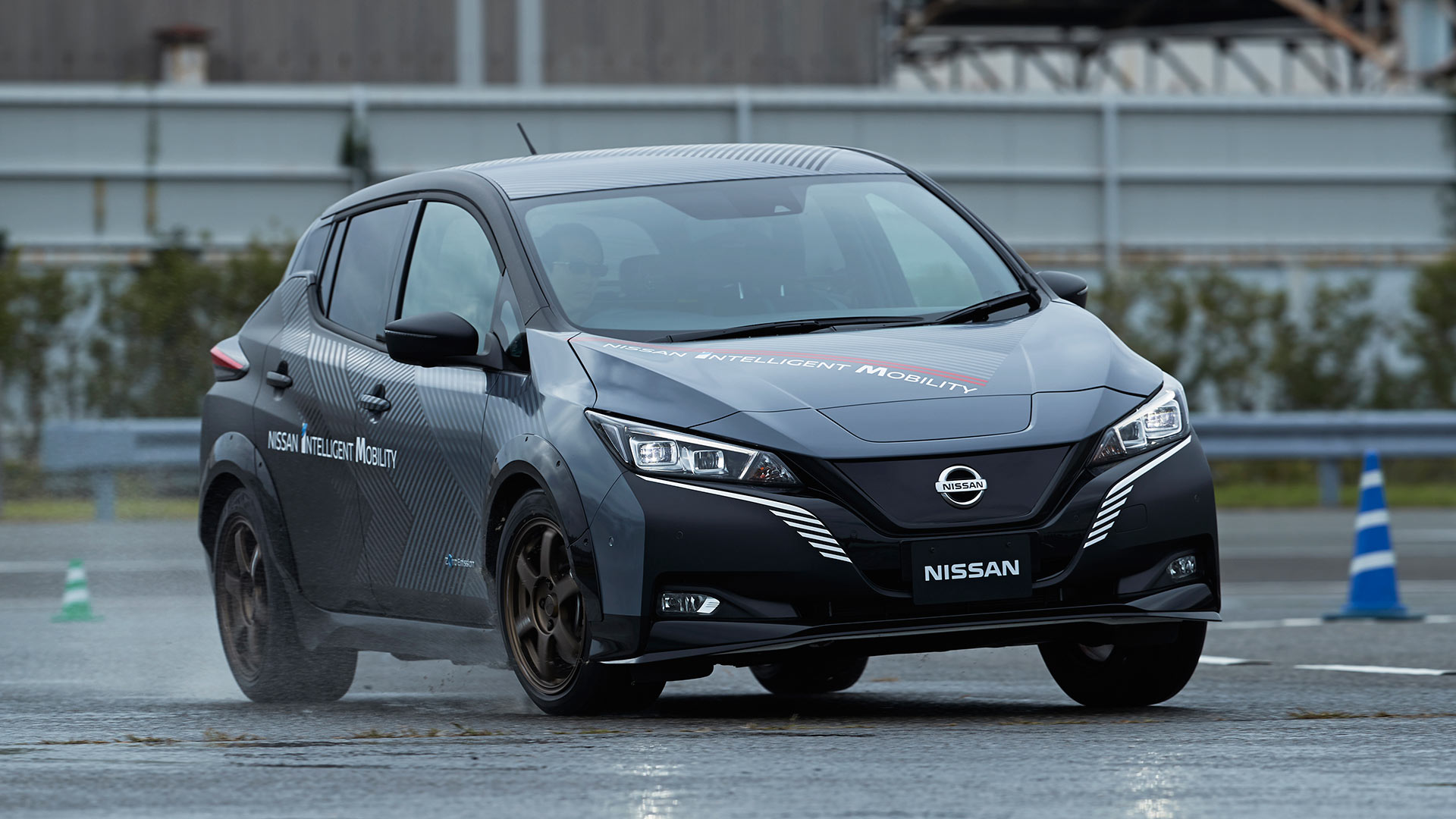
Nissan electric twin-motor all-wheel drive technology
Using lessons learned from the performance GT-R supercar, and Patrol off-roader, Nissan has developed an electric motor system that provides instant torque to all four wheels. It boasts that handling and power delivery can be on par with dedicated sports cars, but with all the efficiency of electric power.
The 4ORCE system juggles torque between each wheel, and also helps contribute to overall passenger comfort. The level of regenerative braking can be automatically adjusted in urban situations, making stop-start traffic seem less dramatic.
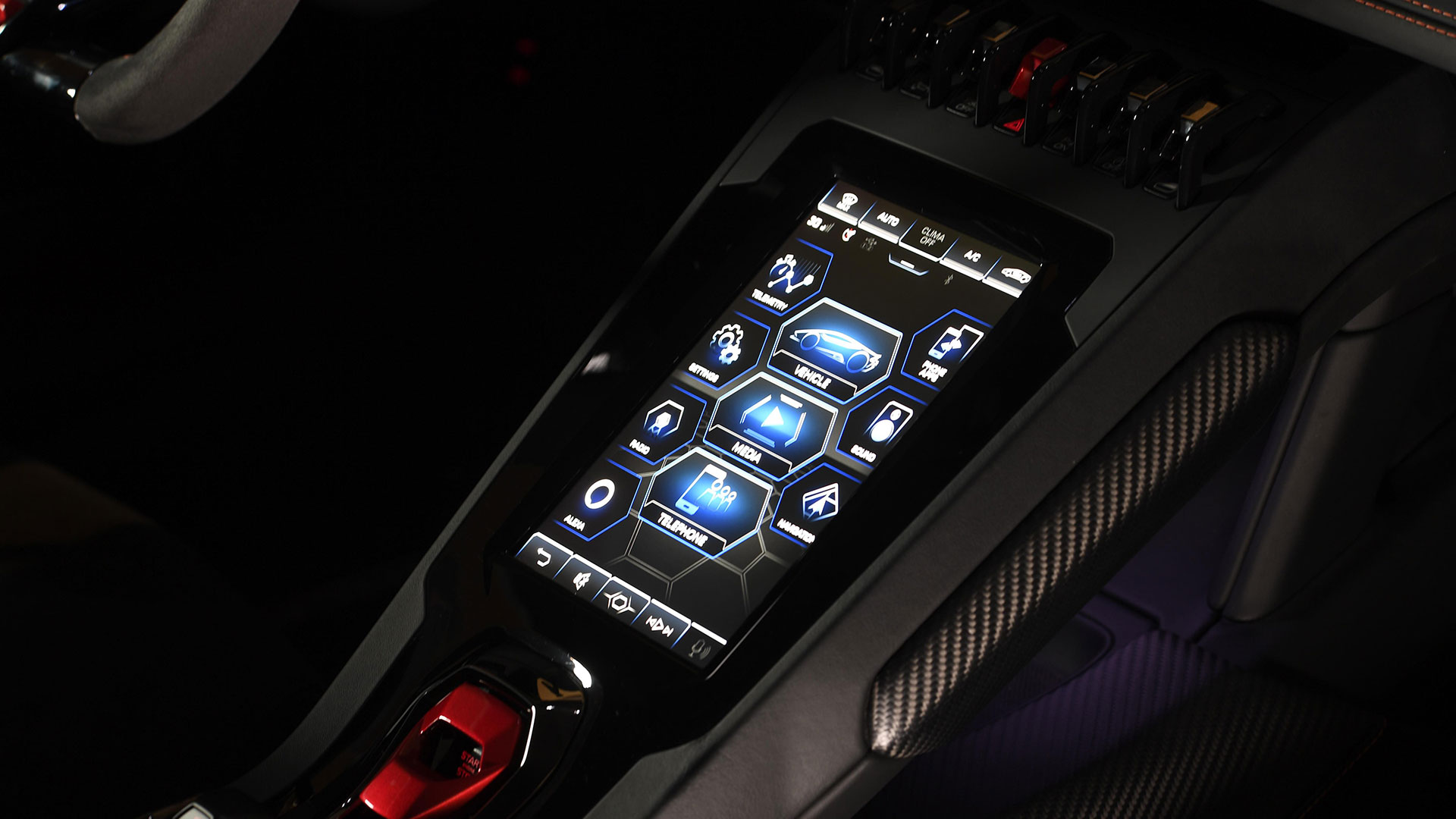
Lamborghini is first for full Amazon Alexa control
Supercar manufacturer Lamborghini has become the first car manufacturer to offer full integration with Amazon’s Alexa service. The new Huracan Evo’s infotainment and climate control systems can be adjusted purely using voice commands, alongside asking for navigation data or weather updates.
Using Alexa inside a Lamborghini also allows external Alexa-connected devices, such as gates or garage doors, to be controlled through voice commands. Amazon and Lamborghini are committed to increasing the number of opportunities for Alexa to assist drivers, letting them concentrate on having fun behind the wheel.
Uber and Hyundai combine to build flying taxi
Forget ride-sharing in just a car, as the future will see a fleet or air taxis transporting passengers to their destination. That is the vision according to Hyundai and Uber, who have made a full-scale flying machine to display at CES 2020.
The all-electric S-A1 is claimed to have a potential range of up to 60 miles, and can travel at a top speed of 180 mph. Recharging will take mere minutes, whilst the cabin can accommodate four passengers and small amounts of luggage.
This is not just idle fantasy – initial flight tests are planned for later this year, with deployment possible by 2023.
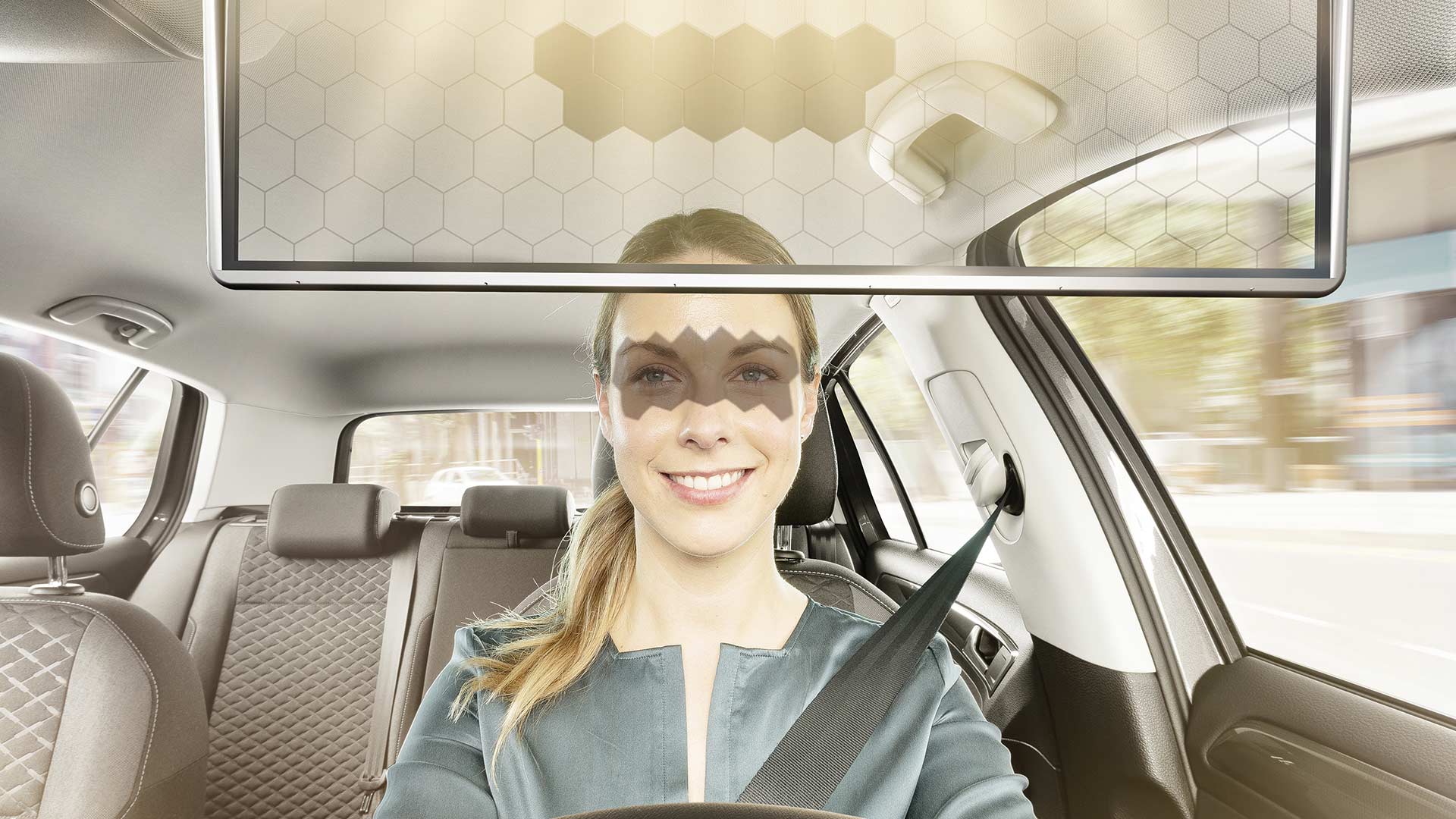
Bosch developing virtual sun visors
Already chosen as the Best of Innovation in the CES 2020 Innovation Awards, Bosch’s Virtual Visor is said to be a sun visor fit for the future. Instead of traditional materials, the Virtual Visor uses an LCD screen fitted with a camera to monitor the driver or passenger.
Artificial intelligence monitors facial landmarks, and then reacts to darken sections of the LCD screen to block out light from the driver’s eyes. As the car moves, the visor adjusts to maintain coverage, whilst the remainder of the visor remains transparent.
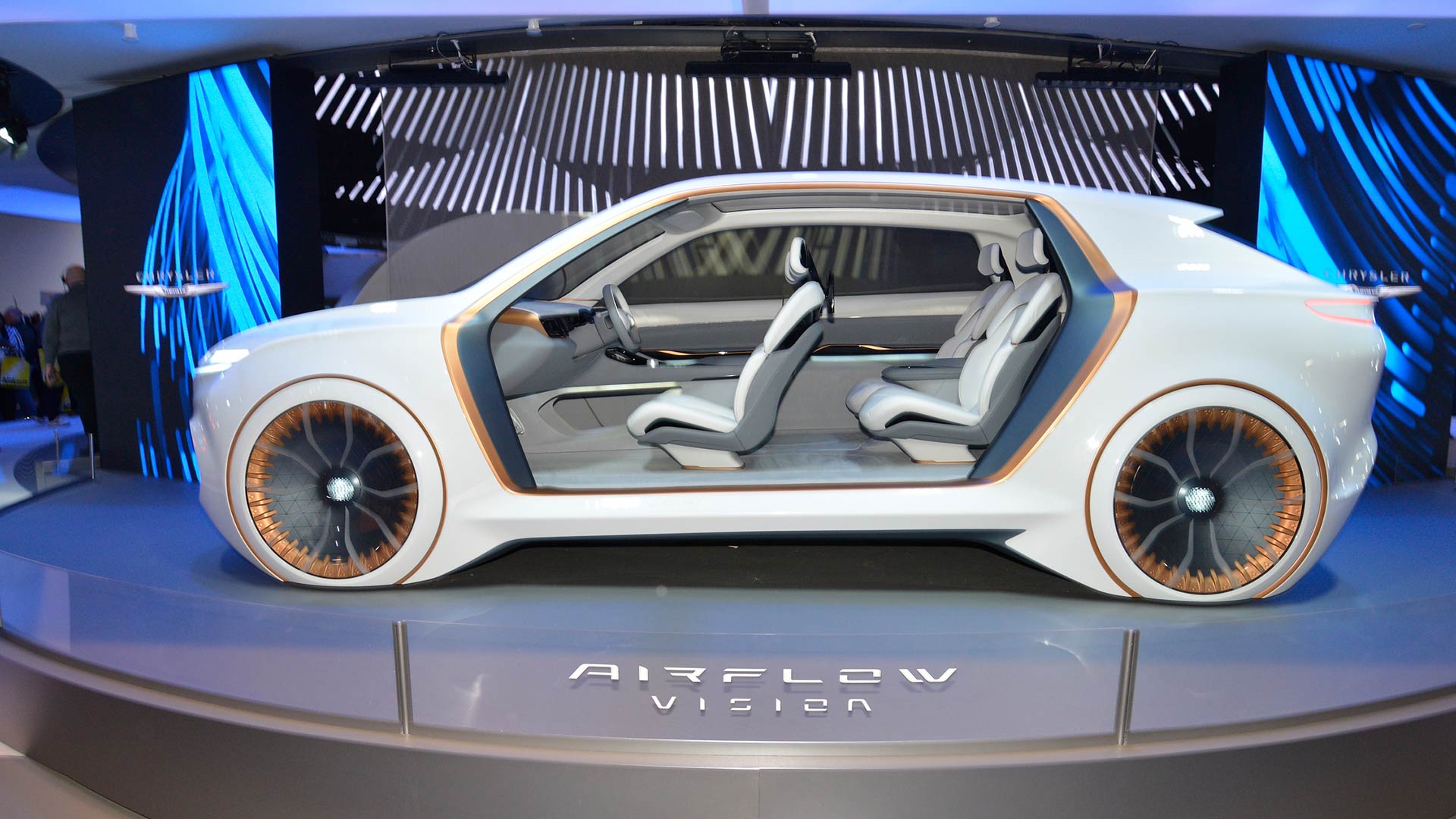
Chrysler has a special Airflow Vision concept car
Taking a name from a radical Chrysler produced in the 1930s, the Airflow Vision is a demonstration of how car and driver will interact in the future. Based on the Chrysler Pacifica Hybrid, the flat floor of the interior is aimed at maximizing space, along with materials chosen for their calming hues.
Multiple display screens can be tailored to suit the driver and passenger, whilst Chrysler promises they will also be easy and safe to use on the move. Other intriguing elements include the use of LED crystal lighting, plus wheels said to have been inspired by the insides of an electric motor.
Jeep is making three plug-in hybrid models
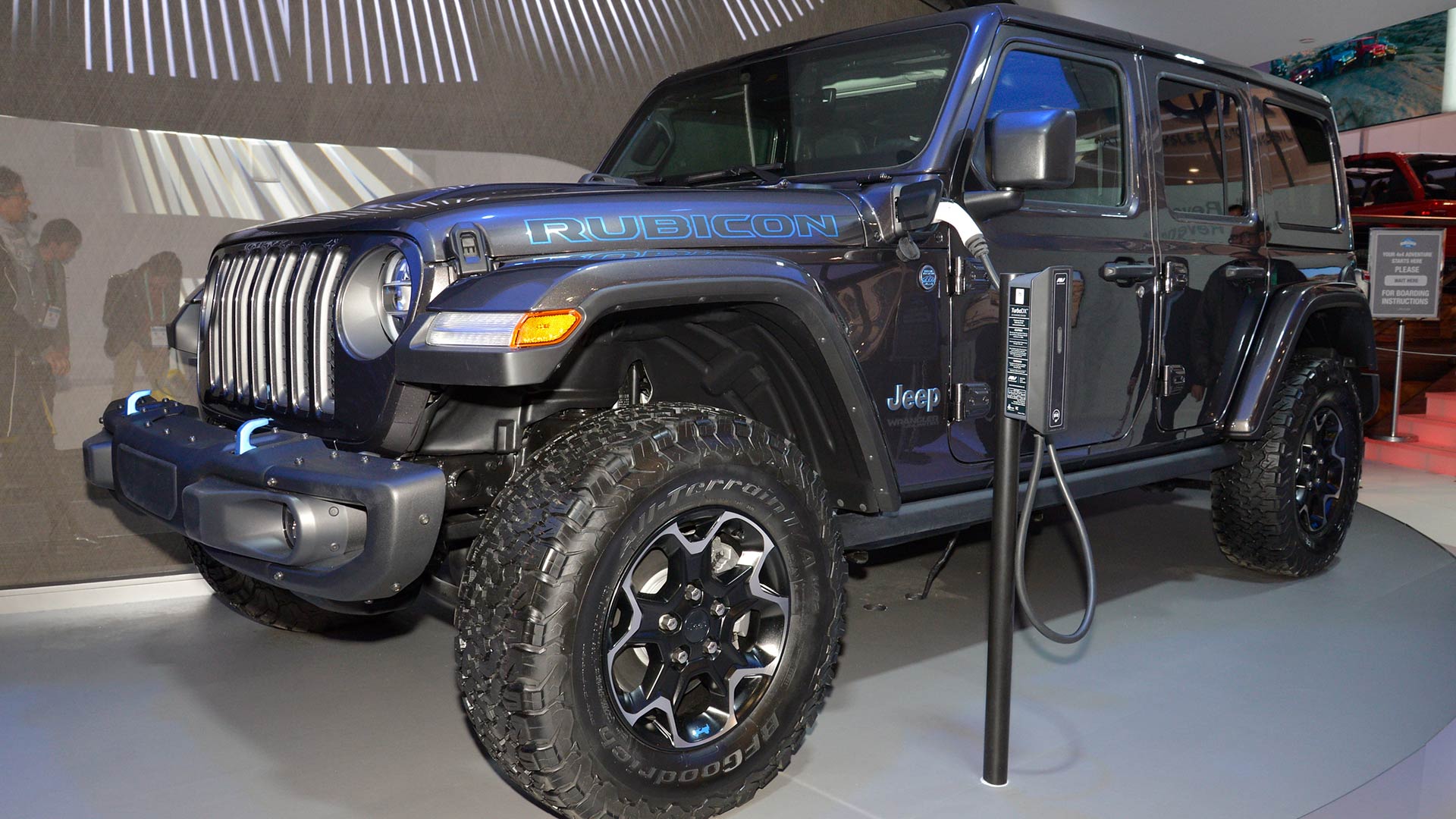
More conventional, but still important, Jeep is previewing three new plug-in hybrid models at CES 2020. Electrification has been seen as vital to the future of the 4×4 brand, with the company aiming to offer electric options for all models in the range by 2022.
Plug-in versions of the Wrangler, Renegade, and Compass are first to be released. All will be badged as ‘4xe’, highlight the new electric drivetrain elements. Jeep plans to release more information at motor shows throughout 2020.
Toyota wants to build a prototype connected city
Forget building cars, or even integrated transport, as Toyota wants to build an entire city of the future. Using a 175-acre site at the base of Mount Fuji, Toyota’s ‘Woven City’ will be home to 2,000 inhabitants who want to help test the technology for the next generation.
Woven City will include homes integrated with robots, AI to monitor the health of residents, and transport said to be fully zero-emissions ready. Plans for the city are already well in development, with Toyota promising to break ground on the project in 2021. Danish architect Bjarke Ingels will be responsible for the design of the city.
Harman Voice-Sensing Volume Fade to make conversations better
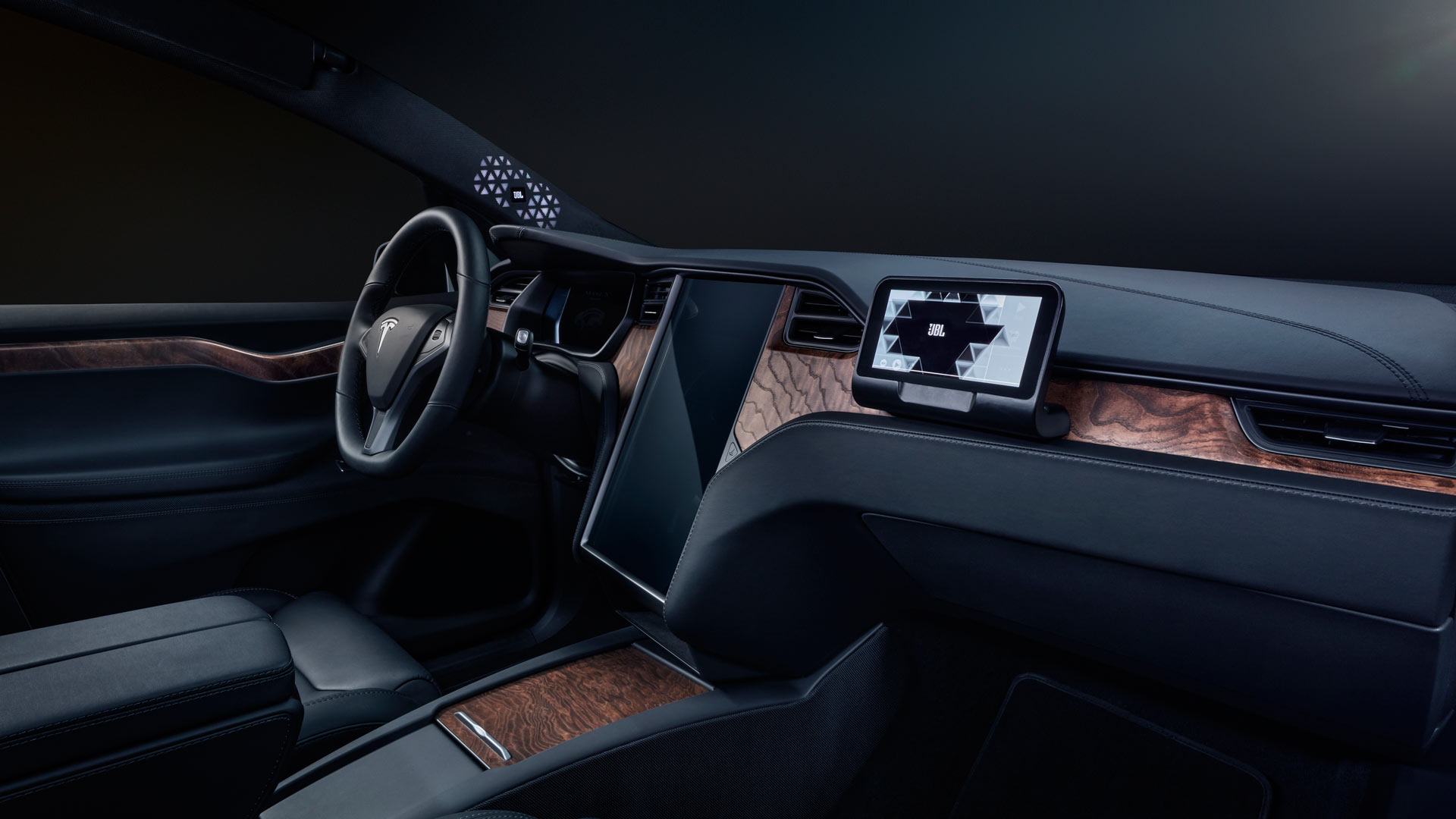
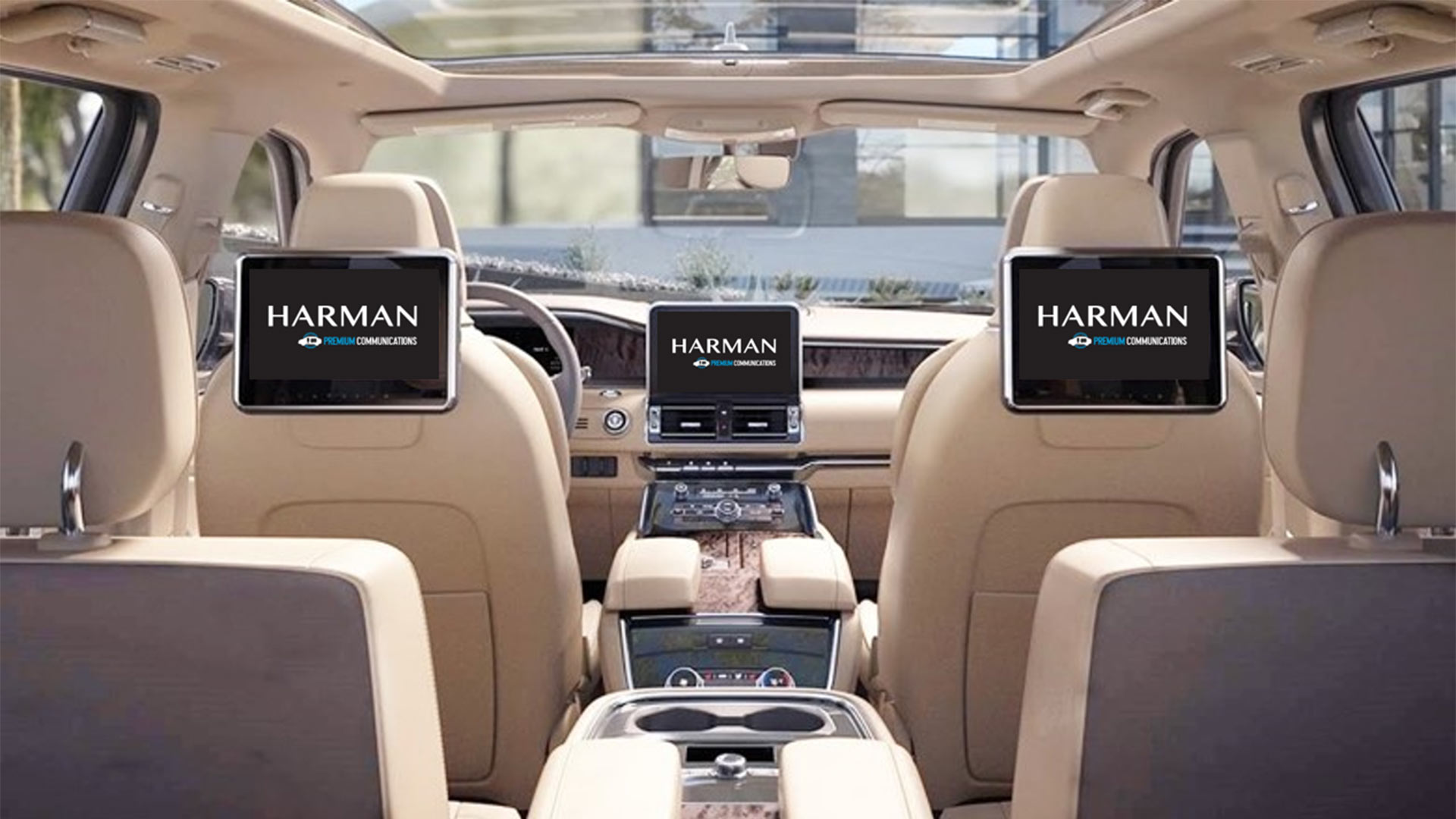
Turning down the volume on your car stereo could become a thing of the past, thanks to new technology from Harman. As part of its EV Plus+ Solutions package, Harman has included Voice-Sensing Volume Fade, which automatically detects when conversations are happening in the cabin.
The volume is reduced during the conversation, and then returned to normal once the talking stops, meaning no need to manually fiddle with knobs and switches. EV Plus+ Solutions is now available to car manufacturers, and allows drivers to download new software to their car as desired.
Harman 5G technology to look around corners and through objects
Another important development being shown at CES 2020 by Harman makes use of 5G communications technology. Called vehicle-to-pedestrian, the safety system is able to make use of peer-to-peer 5G signals to detect the presence of people or cyclists.
This could allow a car to automatically brake before a corner, knowing that a pedestrian is crossing the street around the bend. Pedestrians and cyclists can also receive warnings when carrying a 5G-enabled device.
NAWA Technologies crazy Racer electric bike
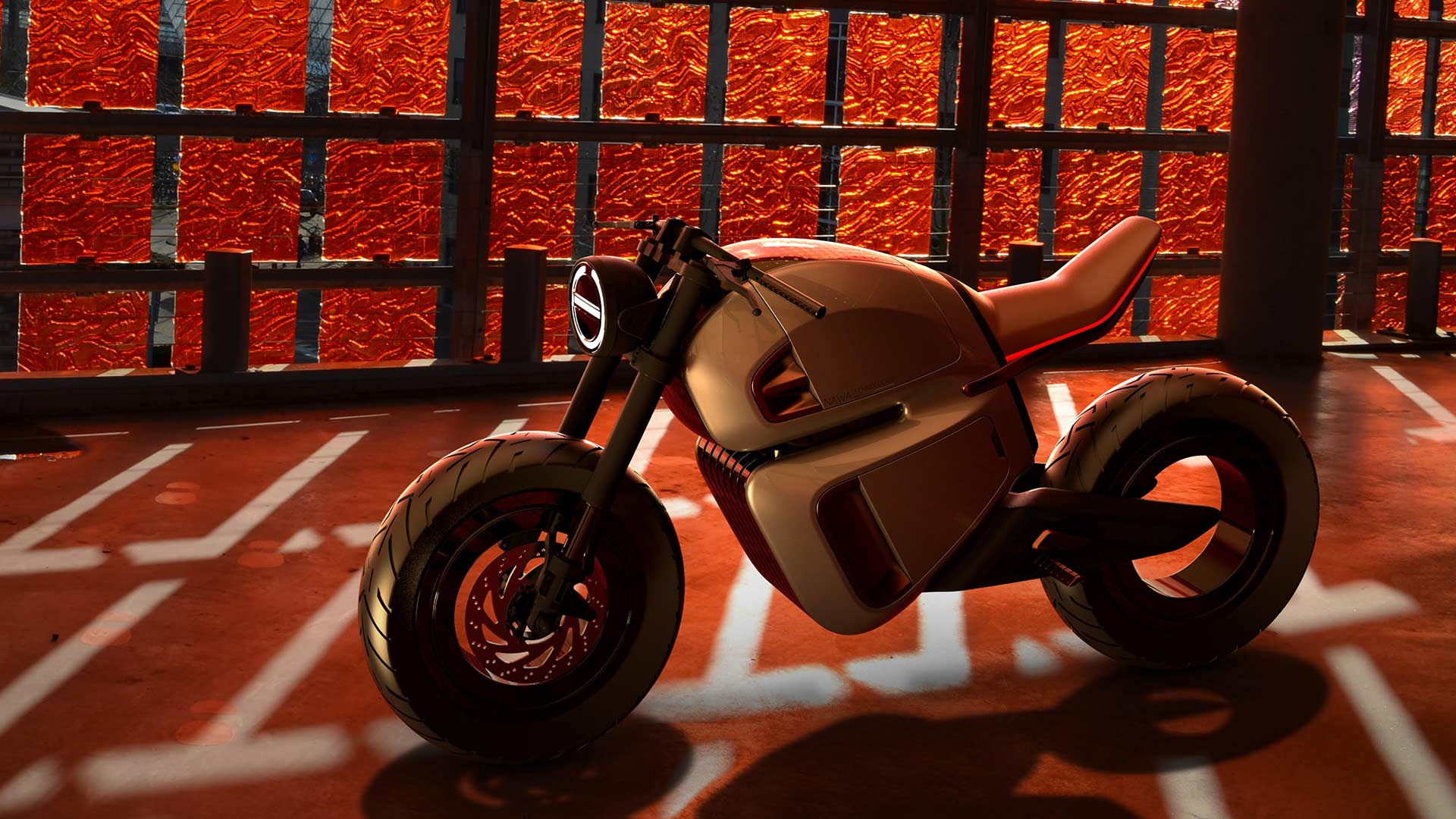
Based in France, NAWA Technologies has made an all-electric motorbike currently on display at CES 2020. What makes it special is a world-first hybrid battery system, which combines a lithium-ion battery with ultracapacitor technology. This is said to offer ten times more power than traditional batteries, along with improved efficiency.
Despite having only a 9 kWh battery, the NAWA Racer can cover up to 93 miles on a full charge. It can also hit 0-62 mph in 3 seconds, and power on to a top speed in excess of 100 mph. Sadly the Racer exists to solely to demonstrate NAWA’s ultracapacitor technology, meaning there are no plans for a production version.
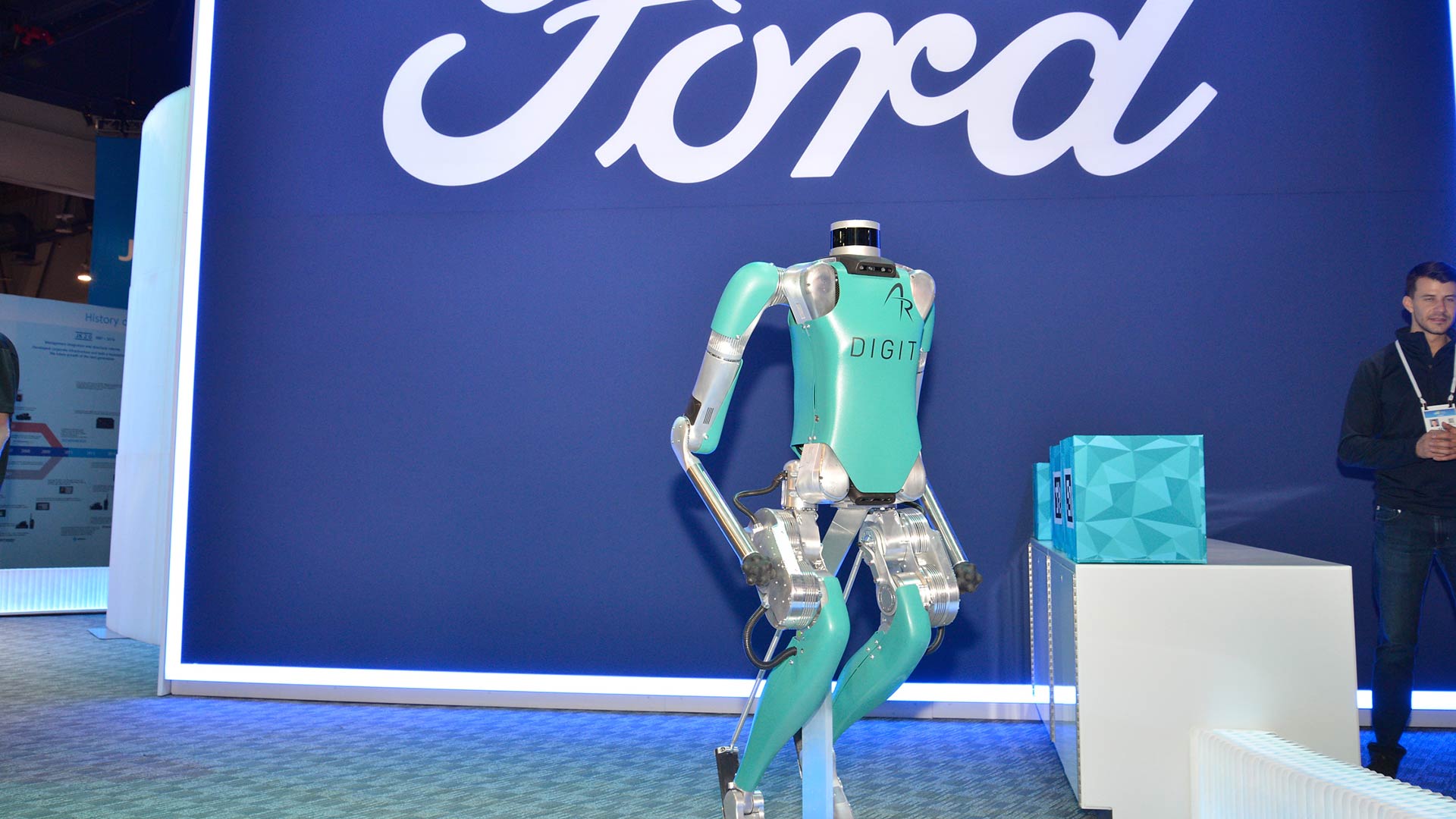
Ford is the first customer to get Digit robots
Your next Ford might not come with a Digit robot, but you may find it delivering your packages in future. The Blue Oval has worked with Agility Robotics on its bipedal robot, which can hold parcels and carry them along routes to homes. It can also react to instructions on where to leave items, and ask for help if needed.
Ford views this as important for building the next-generation of commercial vehicles. Self-driving delivery trucks and vans could incorporate Digit into their design, allowing robots to undertake the final process of handing over your latest e-commerce order.
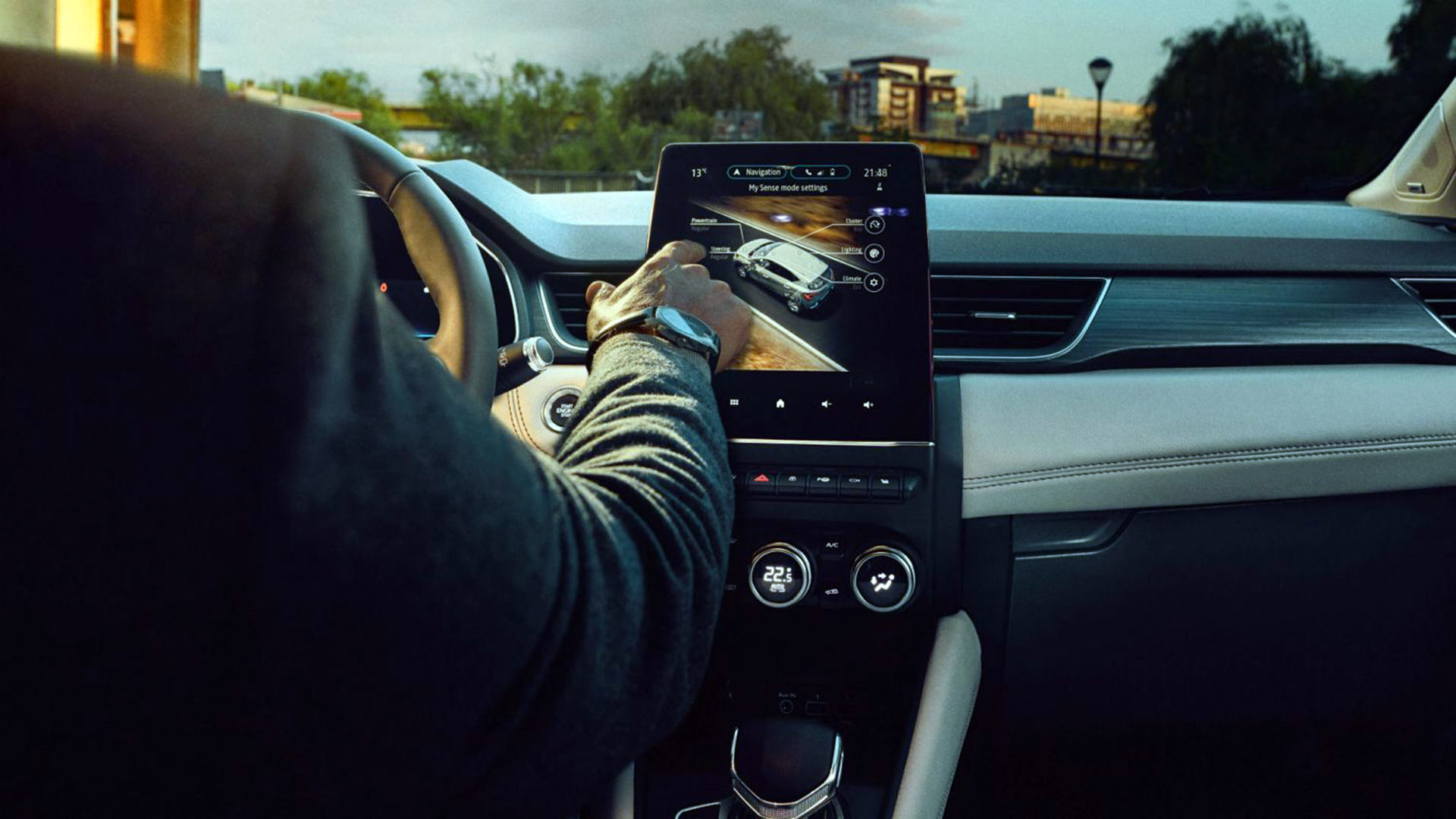
Control your home with a Renault
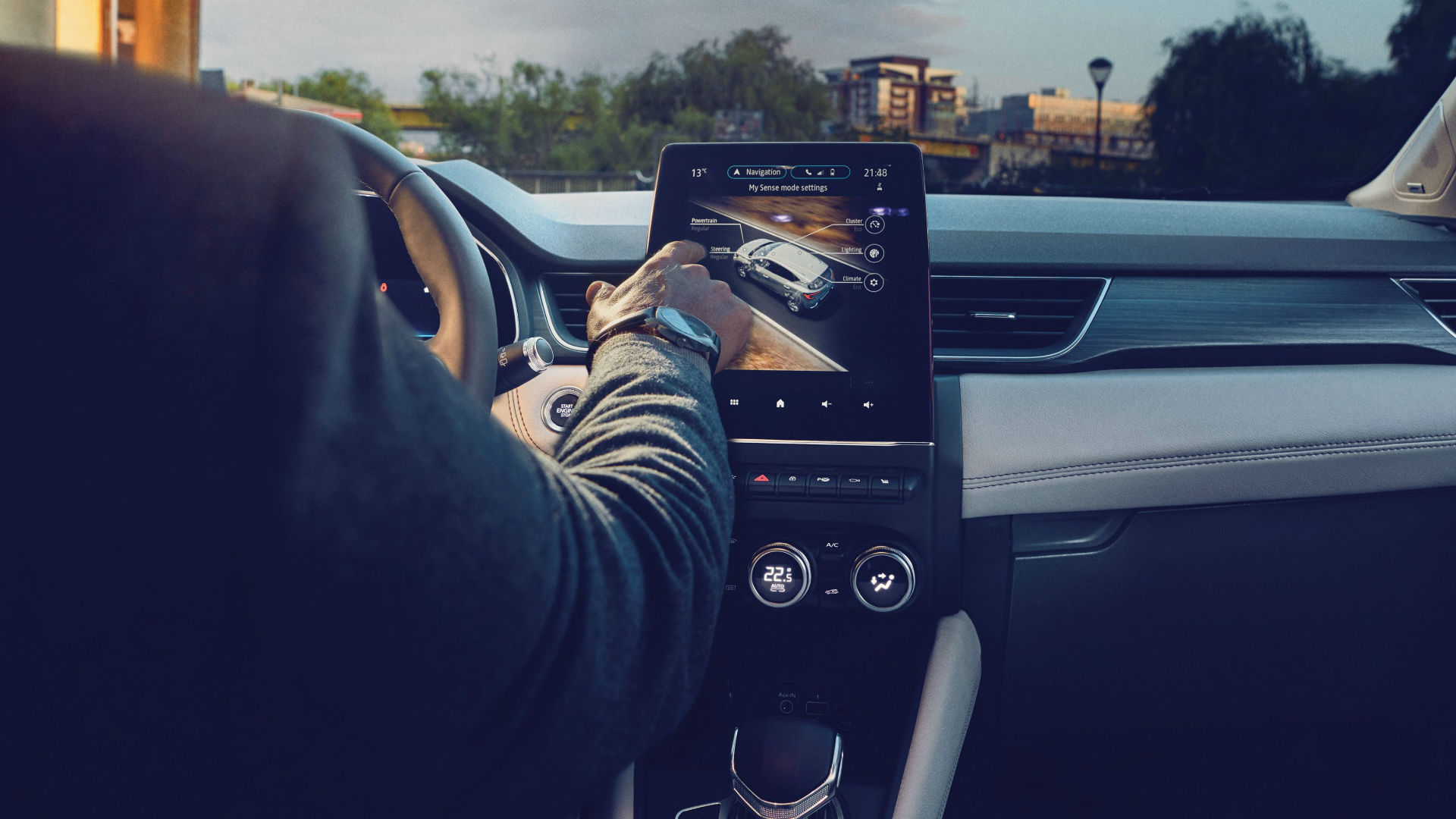
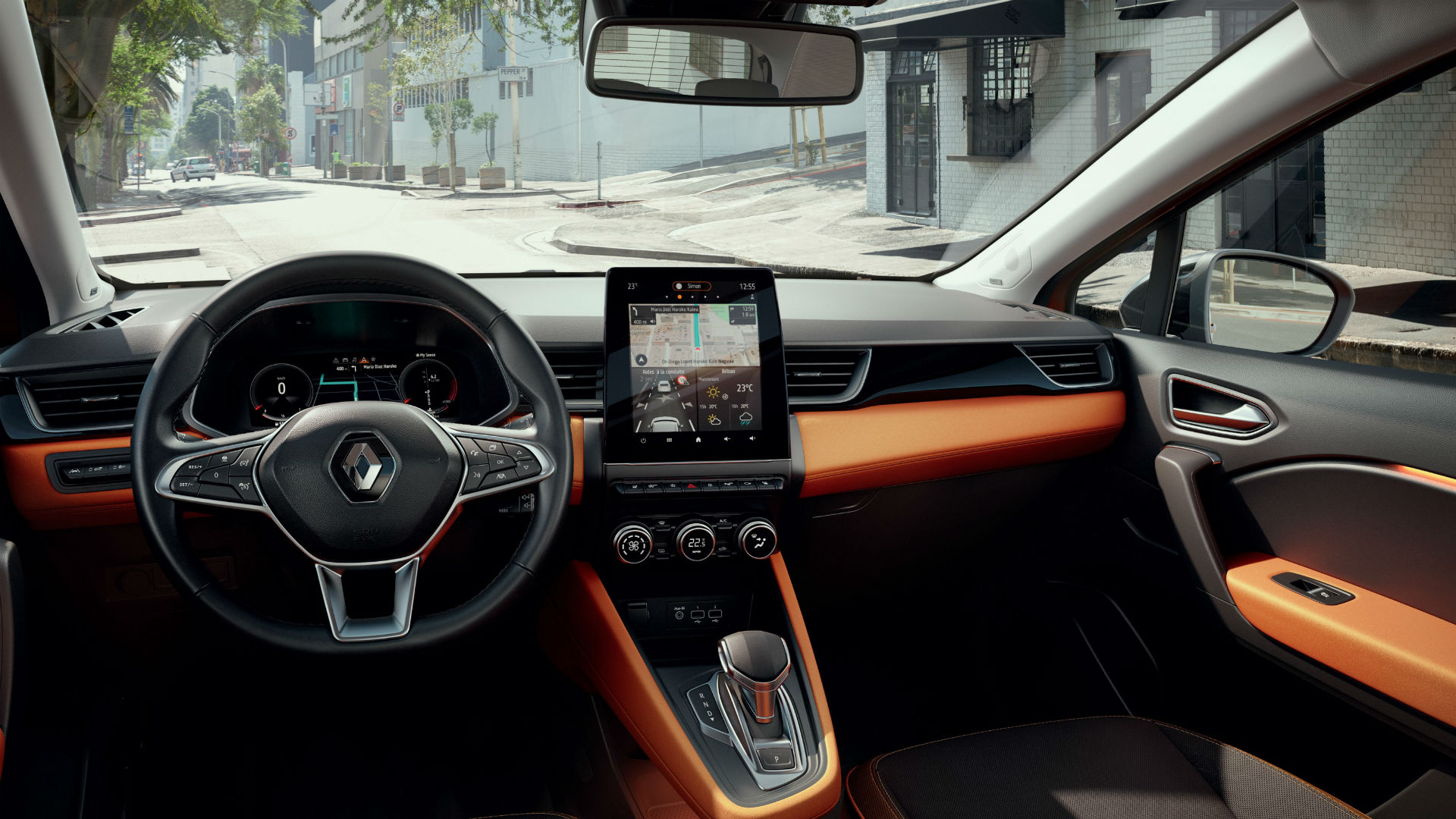
Owners of select Renaults across Europe will soon be able to control their automated homes from the comfort of their car. A partnership with French company Otodo allows for instructions to be based between car and home, for models fitted with the Easy Link system.
Instructions could include a ‘Leaving Home’ function, which turns off the lights and puts the heating system into energy-saving mode. On returning home, the driver can use the touchscreen to send commands to prepare the house for their arrival. The software will be rolled out to cars later in 2020.
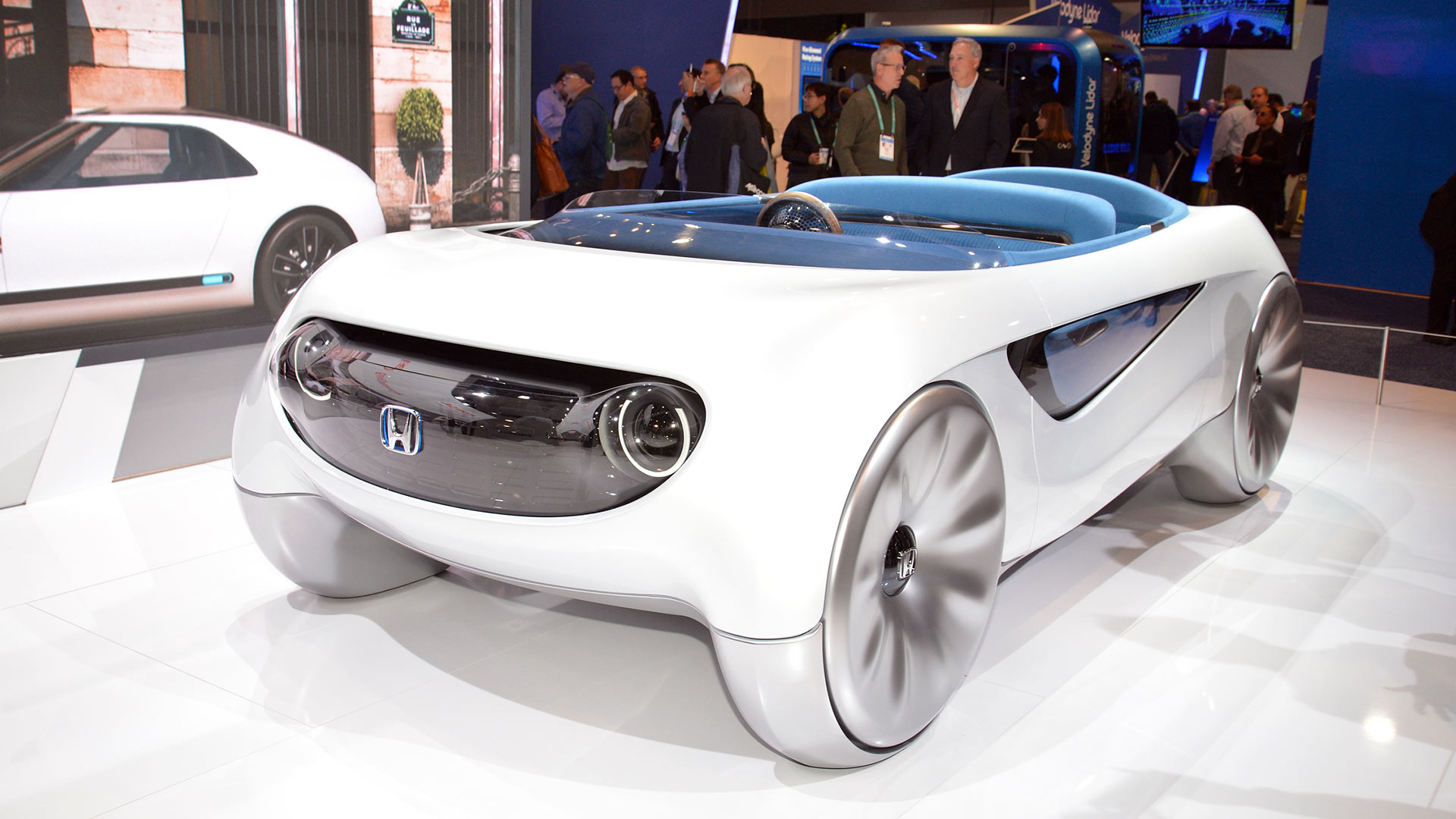
Honda’s Augmented Driving Concept
Fully-autonomous vehicles are still in development, but Honda is already thinking about how drivers will react when they finally become a production reality. Enter the Augmented Driving Concept car, which demonstrates how drivers would be able to switch between manual and self-driving modes.
The Augmented Driving Concept is constantly ready to take control should it need, and lets the driver use switches to choose between eight levels of autonomous assistance. The concept also previews a new steering wheel, which operates more like a joystick in allowing the driver to control acceleration and braking by pushing and pulling on it.
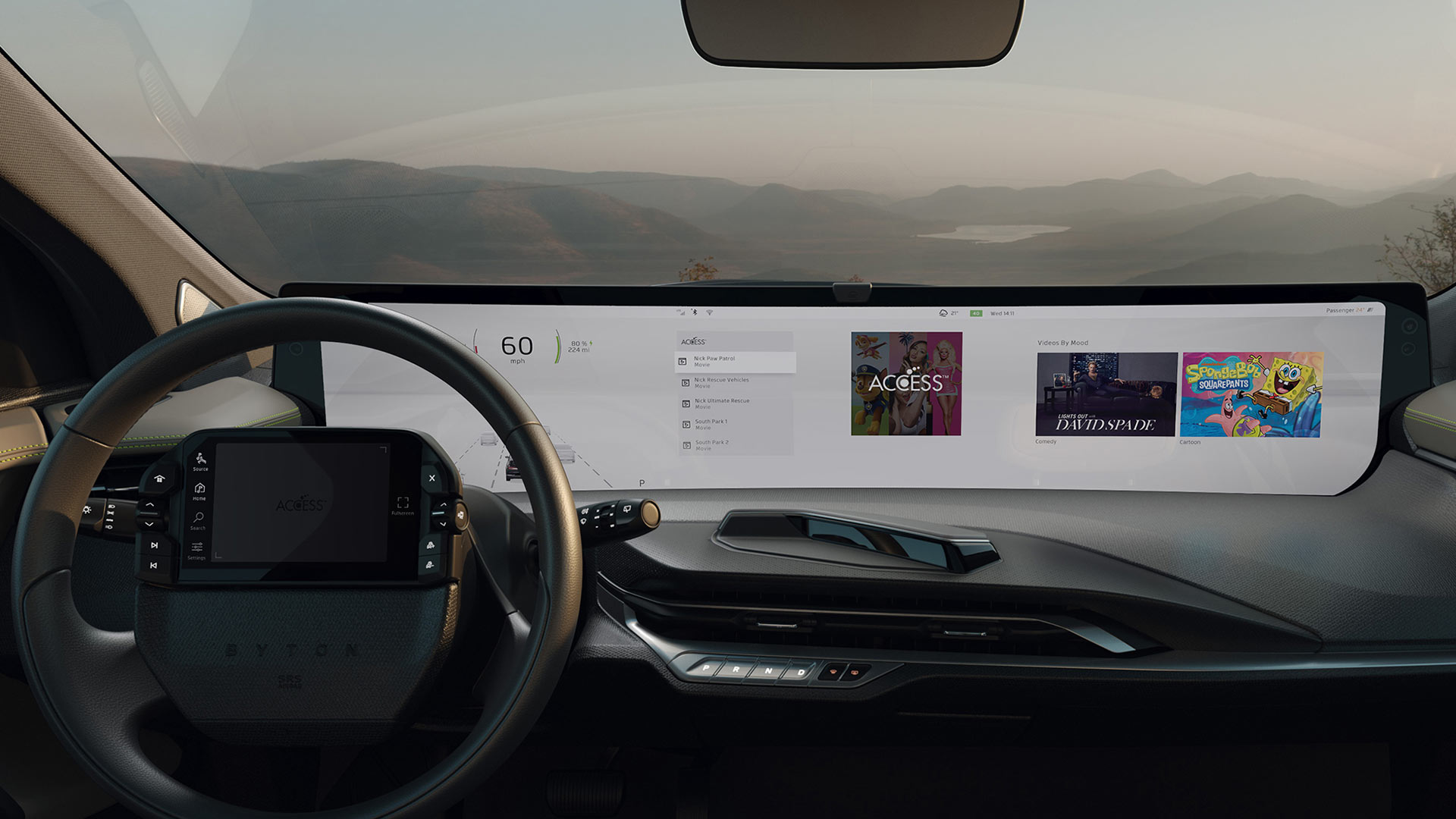
The electric Byton M-Byte is now ready for production
One of the shocks at CES 2018 was the concept version of the M-Byte from Chinese manufacturer, Byton. The reason for the surprise was the giant 48-inch wide multimedia screen, spanning the full width of the dashboard. Now the production version is here, and the huge screen has made the journey to reality.
The reason for the big screen is a number of partnerships with companies like ViacomCBS, allowing for TV shows to be streamed directly to the M-Byte. Weather data from AccuWeather can also be displayed, and Byton is now seeking more brands to develop apps for the M-Byte SUV. The company is accepting reservations for the finished vehicle.
The United States collector car market is preparing for the annual Arizona auction period, which sees numerous major sales taking place.
Amongst the hundreds of cars set to cross the block in the winter sun is a rare and valuable Land Rover Defender 90, listed for the Gooding & Company Scottsdale 2020 auction.
Should it achieve the estimated sale price of $200,000 to $250,000 (£150,000 to £190,000), it would become one of the most expensive Defenders ever sold.
Land Rover experimented with limited imports of the Defender to North America in the early 1990s, having previously sold utility vehicles there until 1974.
The first Defenders, sold for the 1993 model year, consisted of 500 examples of the long-wheelbase 110 for the United States, with a further 25 going to Canada. All were painted white, and powered by a 3.9-V8 engine.
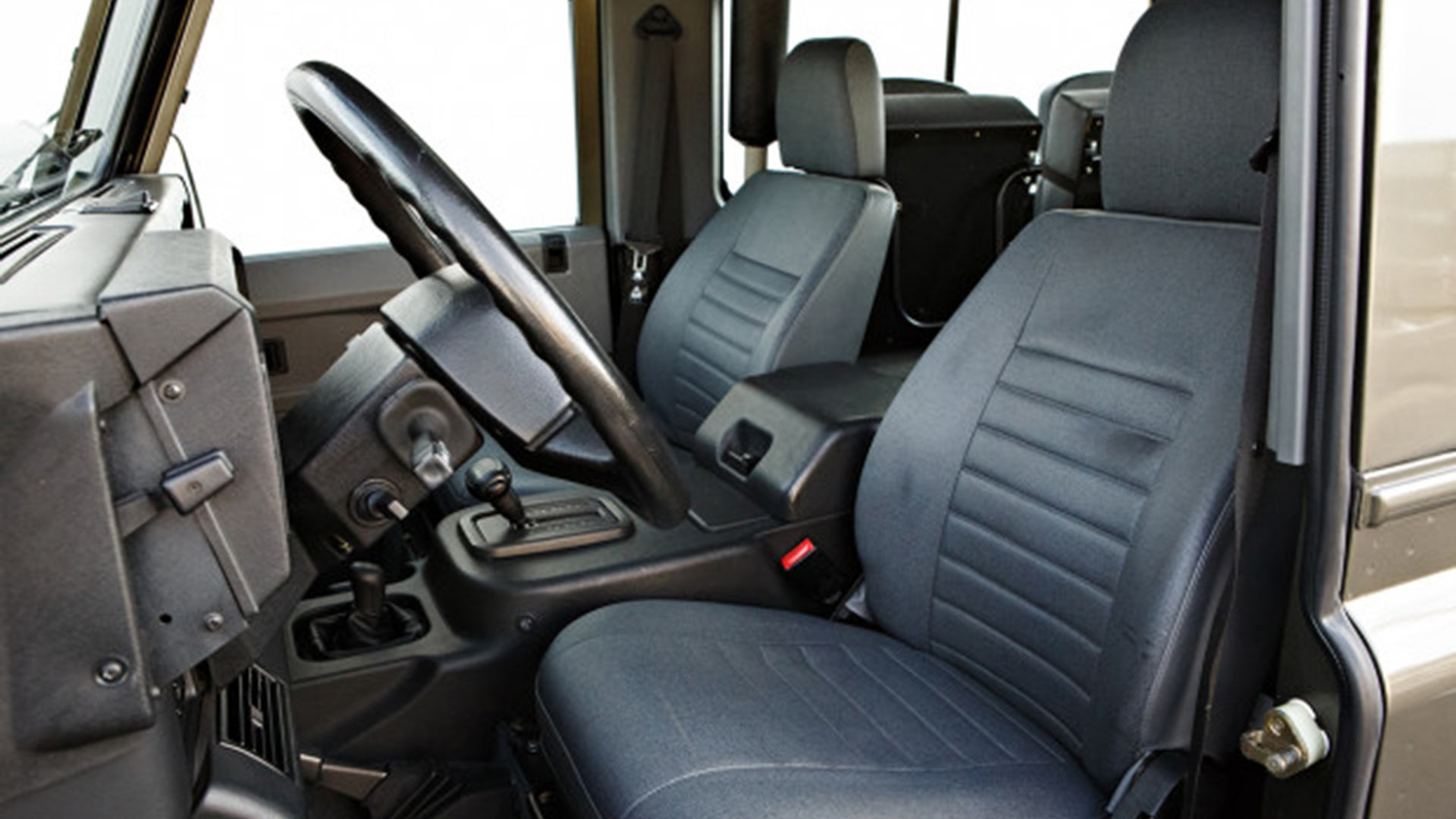
Later, Land Rover also introduced the Defender 90 to North America, built specifically to cater for the market. Air conditioning was fitted as standard, as was an external roll cage and a soft-top roof.
American customers would also have the chance to buy a proper Defender 90 Station Wagon with a hard-top metal roof, but the roll cage and V8 engine remained constant factors.
However, by 1997 Land Rover faced the challenge of changes to federal safety requirements. To continue selling the Defender in the USA, airbags would need to be fitted along with side-impact protection.
Modifying the Defender for these changes was uneconomical, with Land Rover deciding instead to conclude North American sales with a limited edition run of 300 units.
All 300 of the Limited Edition Defenders like this one were painted in Willow Green with a white Station Wagon roof. Power came from an upgraded 4.0-V8 engine, whilst an automatic transmission was fitted as standard.
The final North American Defenders featured numbered build plaques, and this is number 300 of 300 – the very last one made.
Despite being owned by seven people across the United States, the last Defender Limited Edition has covered just 36,000 miles from new. The impressive roof rack, front A-bar, driving lights, and Warn winch were all accessories specified by the original owner.
Low numbers and an interest in classic off-roaders has seen demand for Defenders in the U.S. increase dramatically in recent years. News that the all-new Defender will be sold there has only fanned the flames.
Even if this Defender 90 sells for the maximum estimated price, it will still not be the most expensive one ever sold. That honour was taken in 2015, with £400,000 ($525,000) paid for the two-millionth Defender produced.
The Gooding & Company auction takes place in Scottsdale, Arizona on the 17th and 18th of January., with more than 150 other classic vehicles on offer.
New research reveals which UK regions have the highest number of speeding fines. Greater Manchester tops the table, with 123,103 speeding offences in 2018-2019. That’s a jump of three percent on the year before.
Government figures show 52 percent of drivers admit to speeding on 30mph roads. Meanwhile, 46 percent say they breach the limit on motorways.
Risky business: why footballers pay the most for car insurance
Following Greater Manchester are London and Surrey. A total of 121,483 speeding offences were recorded by London’s Metropolitan Police in the same period, which is down eight percent on the previous year. Surrey Police racked up 90,018 tickets. The West Midlands and West Yorkshire complete the top five, with 66,658 and 61,623 respectively.
The research concluded that drivers were less likely to comply with speed limits on lower-limit roads.
“Exceeding the speed limit is always dangerous, but at this time of year when weather conditions are treacherous and there are more vehicles on the road, it’s even more important to stick to the limits,” said a spokesperson from Car Parts 4 Less, which pulled together the data.
The bottom five areas for speeding offences are quite a contrast, with just 4,961 for Durham. Gwent is second-lowest, with 8,050 offences recorded. Suffolk gets into five figures, with 11,975, and Leicestershire isn’t far ahead on 12,076. Sussex rounds out the lowest five, with 14,433 offences.
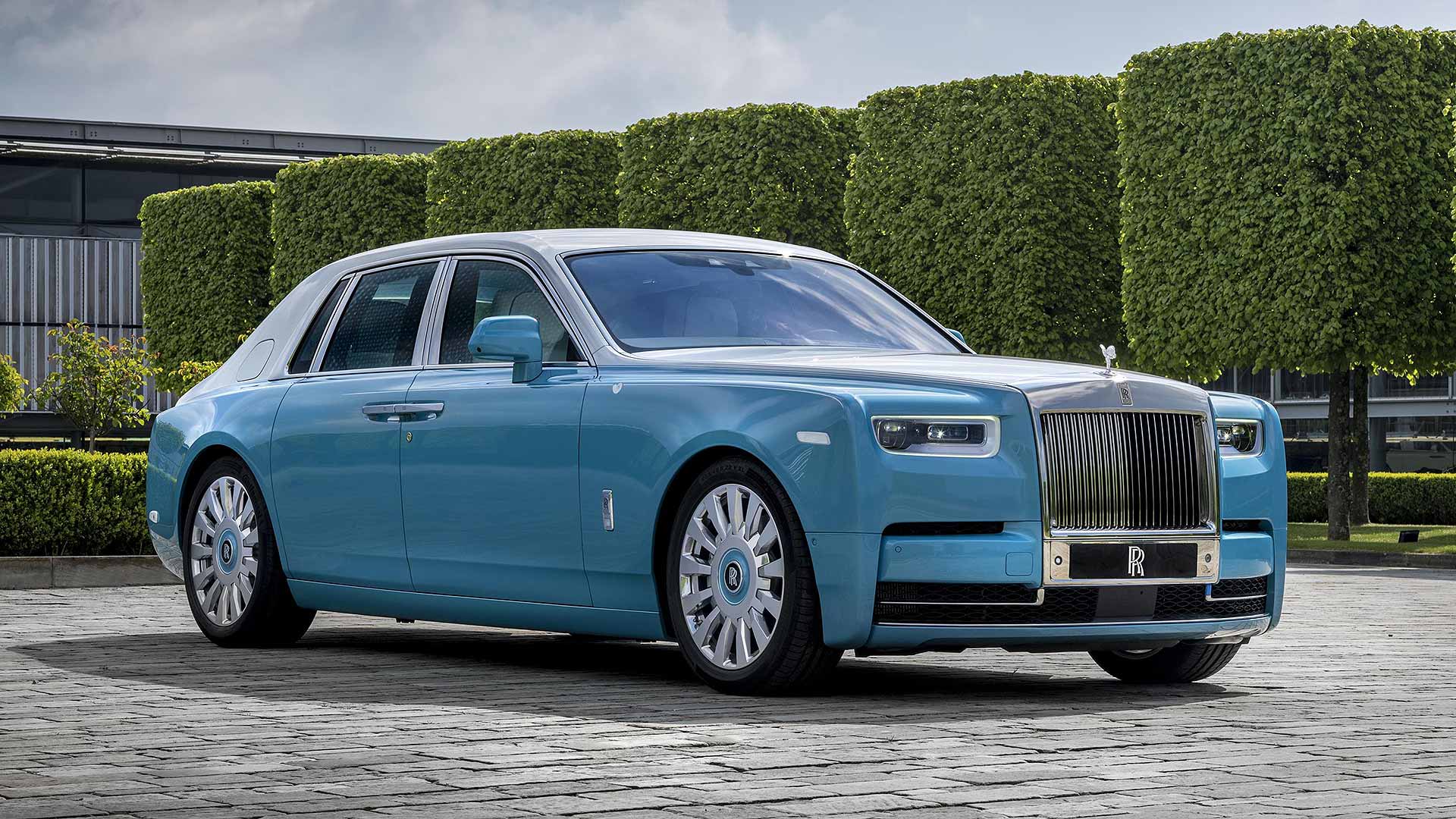
The Rolls-Royce Cullinan SUV hasn’t found favour with everyone, but it’s hitting the mark where it matters – amongst Rolls-Royce customers.
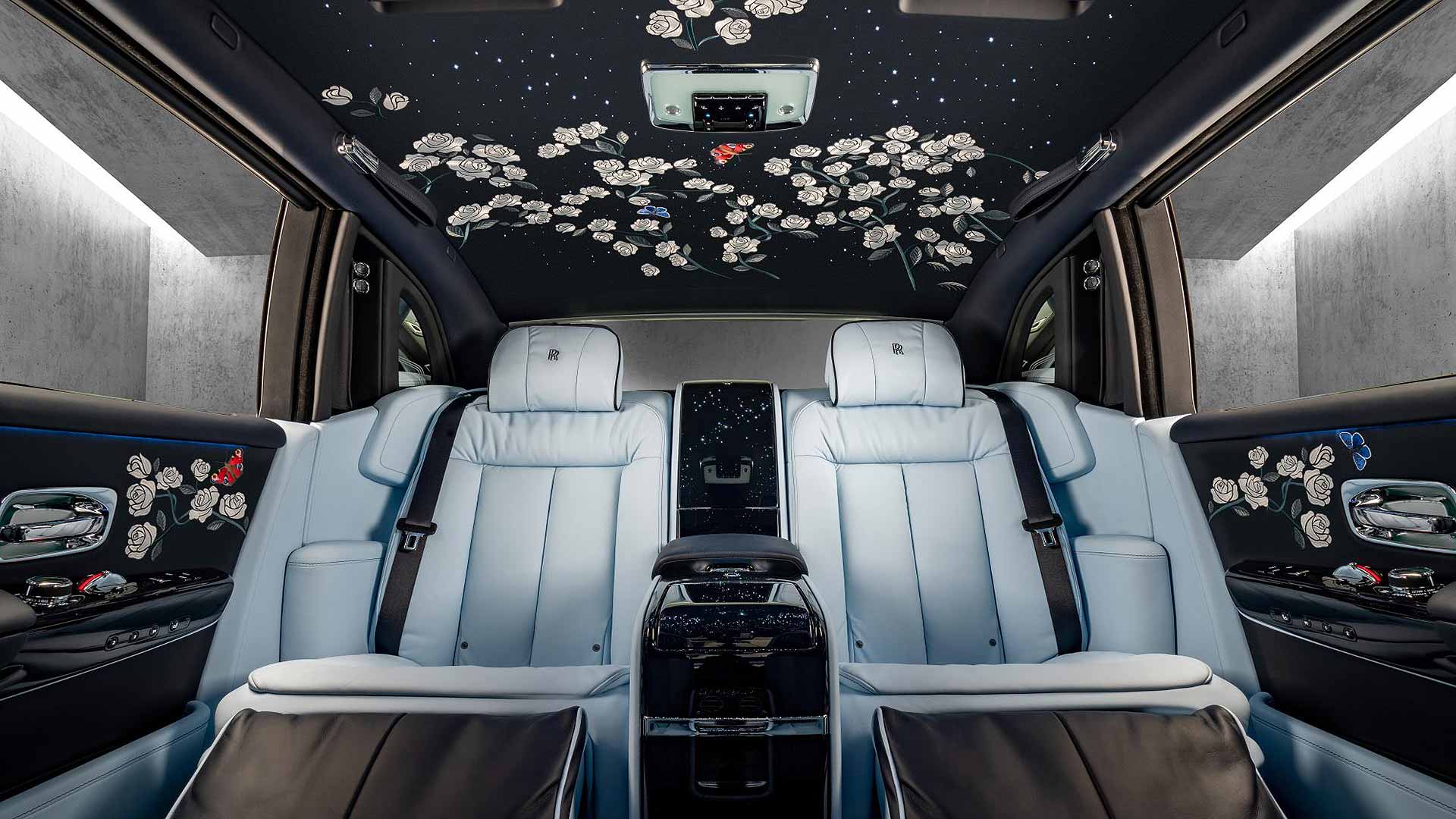
The introduction of the Cullinan has lifted 2019 Rolls-Royce sales by 25 percent over 2018, to the highest in its 116-year history.
Rolls-Royce sold 5,152 new cars last year. Which isn’t bad when you think even the cheapest costs upwards of £235,000.
The Cullinan costs from £256,000 and pretty much every customer adds extras on top of that, pushing the transaction price even higher.
“This performance is of an altogether different magnitude to any previous year’s sales success,” said Rolls-Royce Motor Cars CEO Torsten Muller-Otvos.
However, he admits he doesn’t actually want sales to rise much higher. “We are conscious of our key promise to our customers, to keep our brand rare and exclusive.”
Demand, he said, “is expected to stabilise in 2020”.
Rolls-Royce top countries
Rolls-Royce sells its cars in 50 markets worldwide, from 135 global retailers.
North America is the biggest market for Rolls-Royce, taking one in three cars built. China is next, followed by Europe.
Record sales were also achieved in Russia, Singapore, Japan, Australia, Qatar and South Korea.
New retailers opened in Brisbane and Shangnai – and, in 2020, a new Rolls-Royce flagship dealership in Berkeley Street, London, is due to open.
It is more than twice the size of Rolls-Royce’s previous London dealer.
While all focus was on the Cullinan in 2019, production of another Rolls-Royce, the Ghost, actually stopped.
Don’t worry though, adds the firm. The best-selling Rolls-Royce in the history of the marque, launched back in 2009, will be coming back. The new Ghost is due in mid-2020, ahead of sales beginning in the winter.
In the meantime, let’s see how long it takes for the Cullinan to become the ‘new’ best-selling Rolls-Royce…
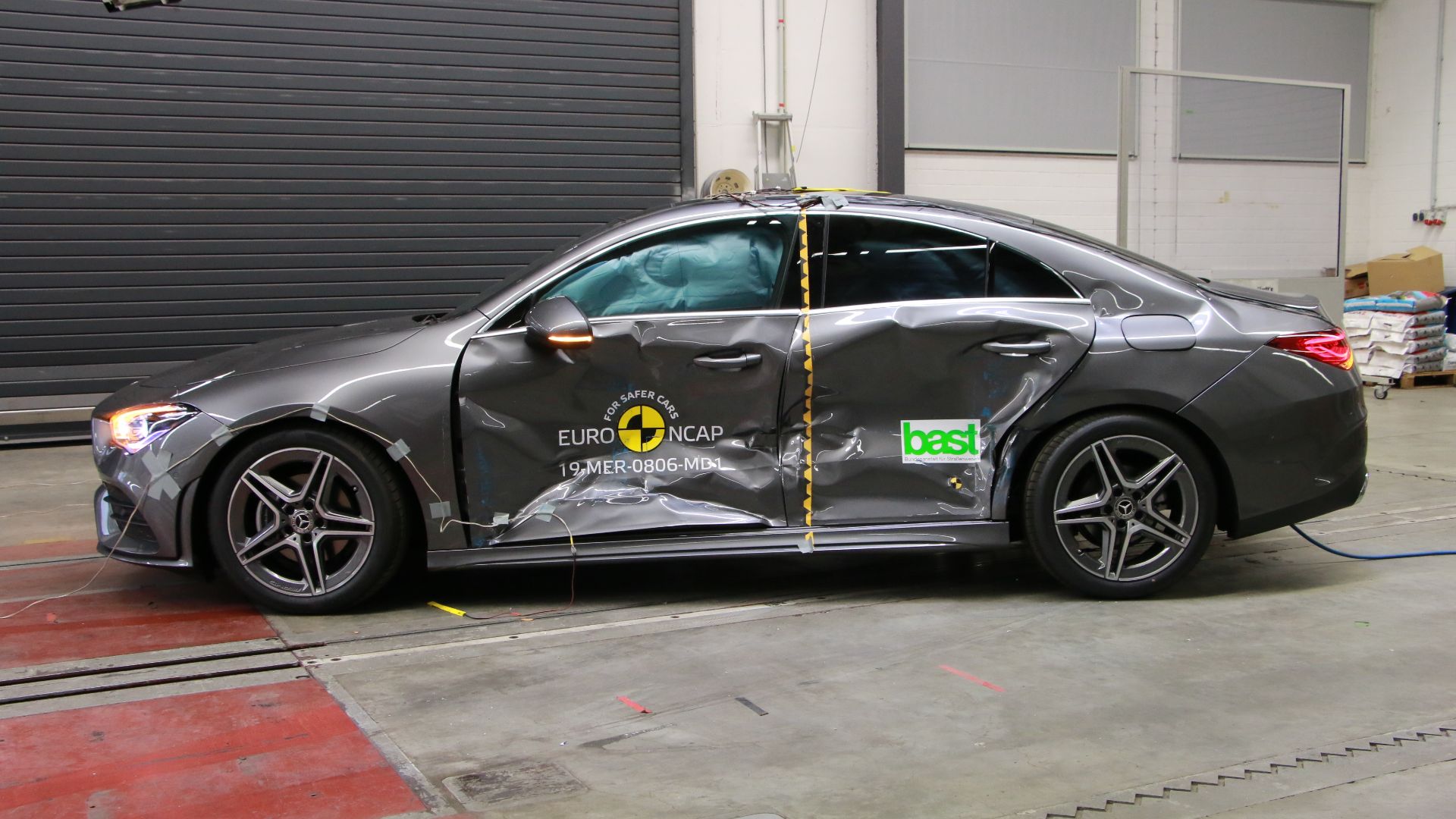
Car safety watchdog Euro NCAP has published a list of star performing cars from recent tests. Of the 55 new cars crashed last year, 41 earned a full five stars. That makes 2019 one of the most impressive years on record since Euro NCAP started testing.
So which cars stood out among such a broad selection of top performers? The Mercedes-Benz CLA gets a special shout-out for scoring more than 90 percent in three of the four categories. It delivered the best overall rating of the year, and was the first of six Mercedes models to get five stars.
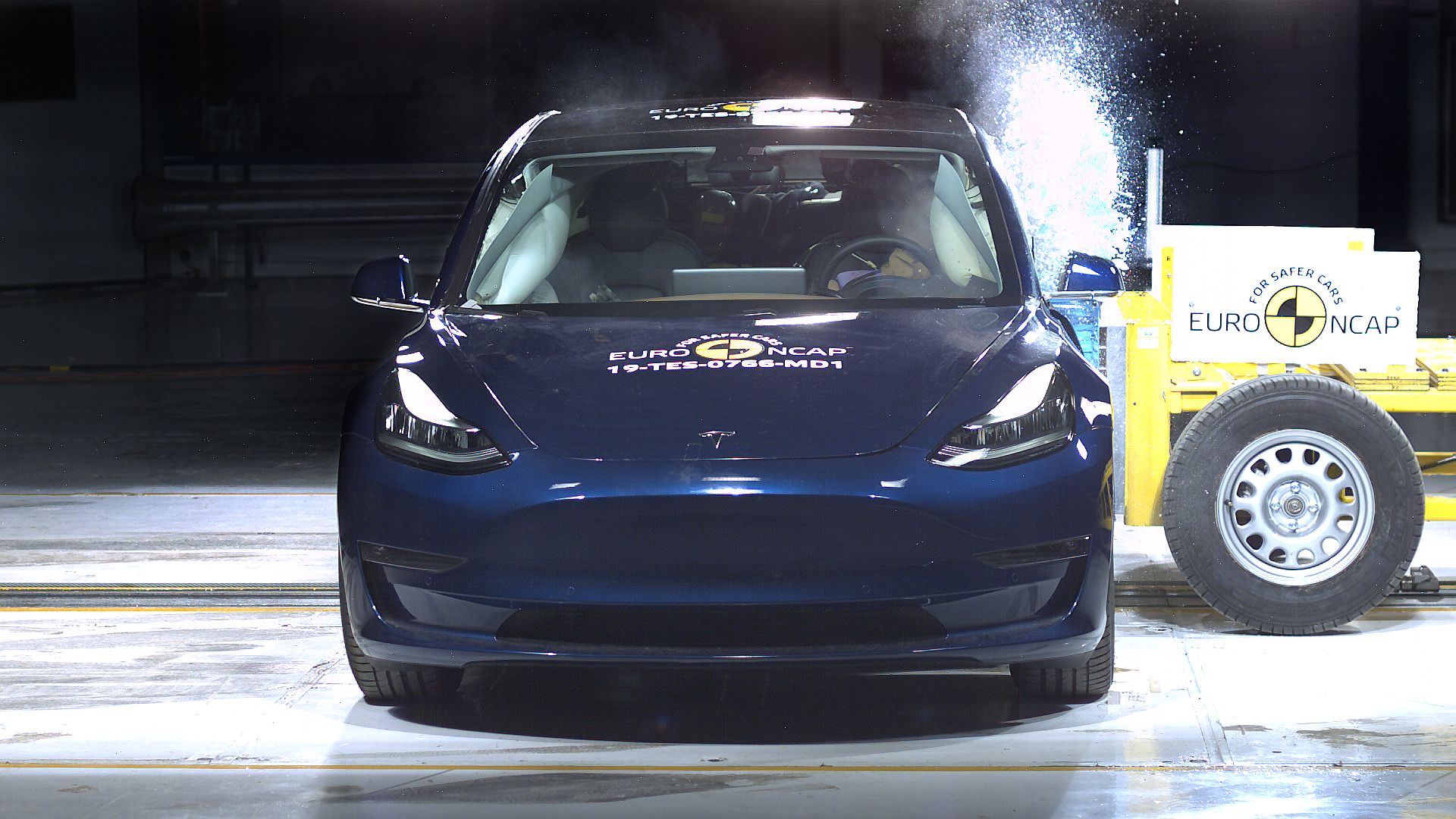
Also, 2019 was the year that two new models from Tesla were tested. The Model X and Model 3 both performed outstandingly. The X took best in class for the Large Off-Road category, beating the Seat Tarraco. The Model 3 took the top spot in the Electric and Hybrid class, in addition to holding the joint-best slot in Large Family, in tandem with the new BMW 3 Series.
The Model 3 and BMW 3 Series came out with identical scores, save for pedestrian protection and safety assist. The BMW edged the Tesla for pedestrian protection, while the Tesla nosed ahead for safety assist.
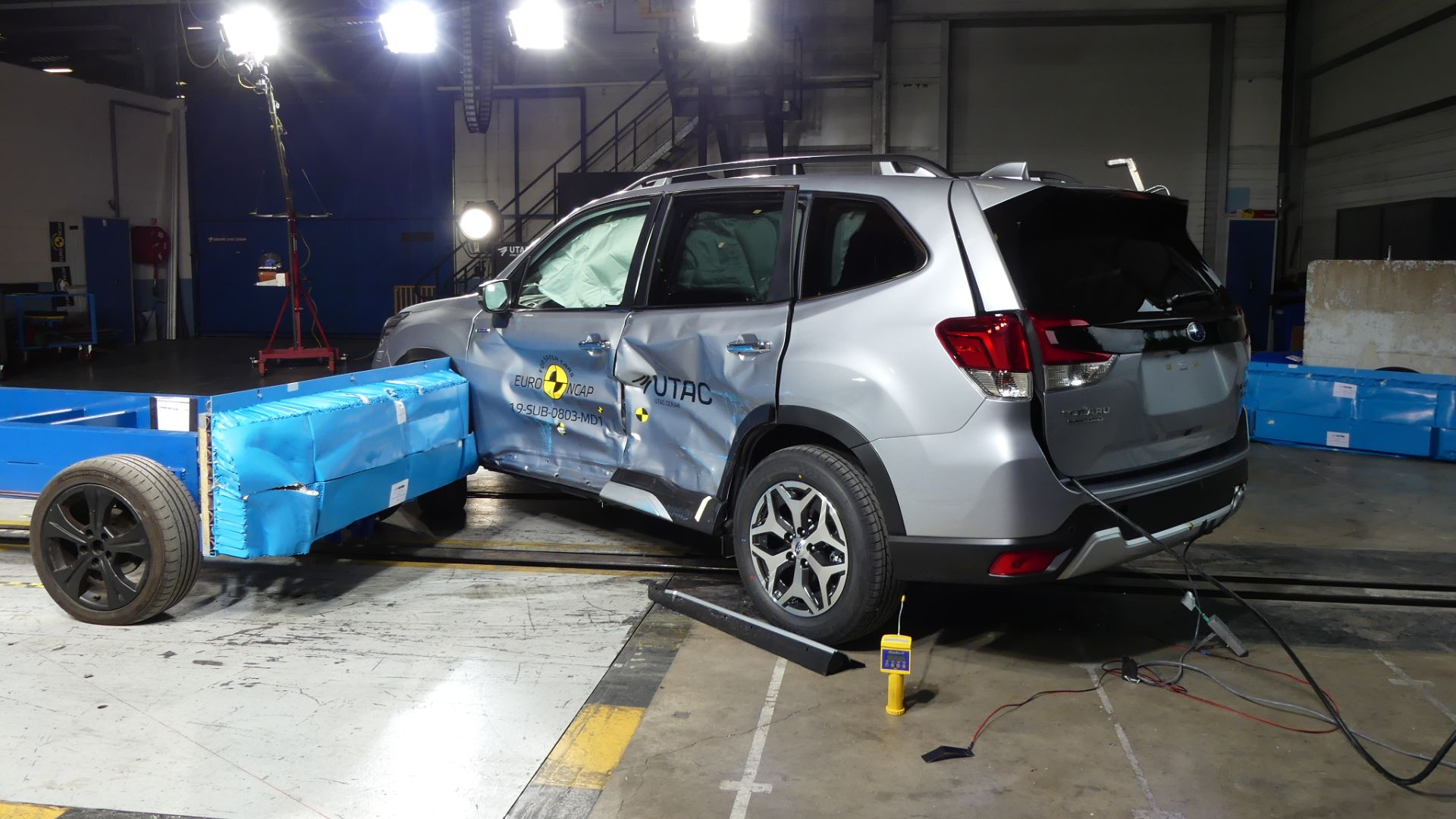
In the Small Off-Road and Small MPV classes, Subaru’s new Forester fended off stiff competition from the Mazda CX-30 and Volkswagen T-Cross.
Mazda had a good 2019 overall. Its new 3 family hatchback took second place behind the Mercedes CLA and was commended for ‘exceptional performance in adult occupant protection’.
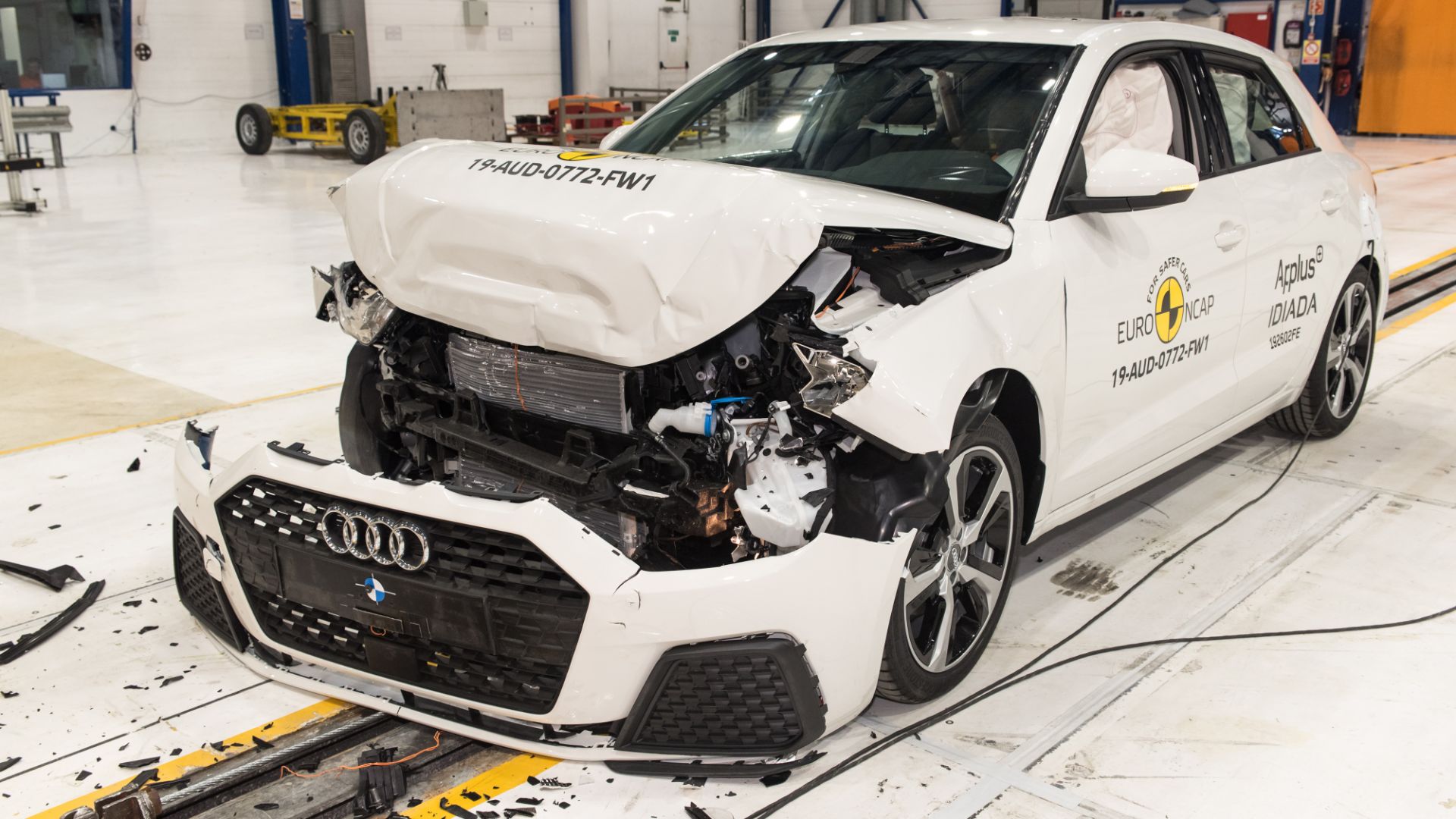
In the world of the supermini, 2019 was a busy year. The new Renault Clio and Audi A1 took joint top honours, beating the new Ford Puma.
The BMW Z4 was the only roadster to be tested in 2019. It put in what NCAP calls an ‘outstanding performance’, which ‘unquestionably has set a new safety benchmark for the segment’.
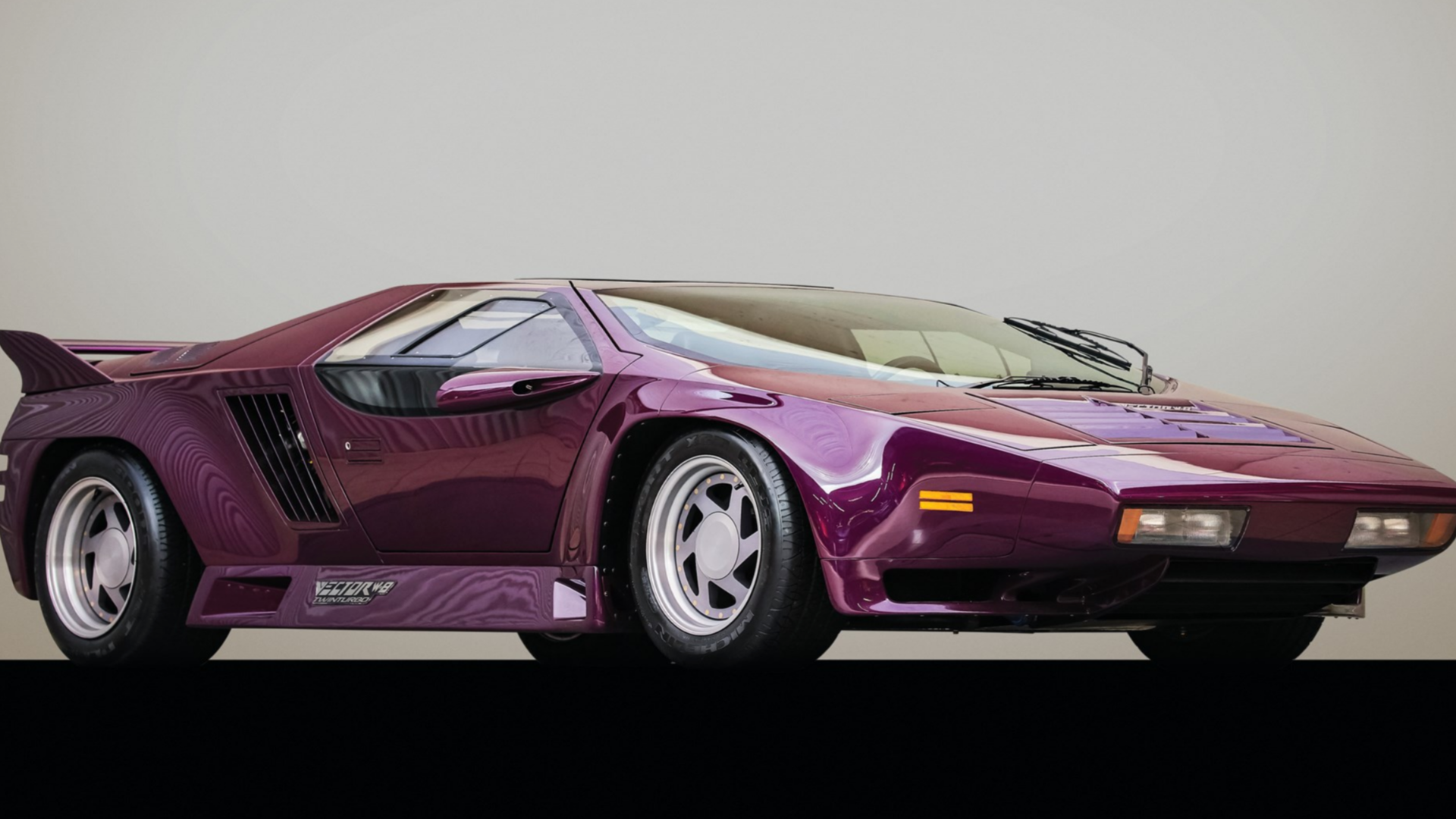
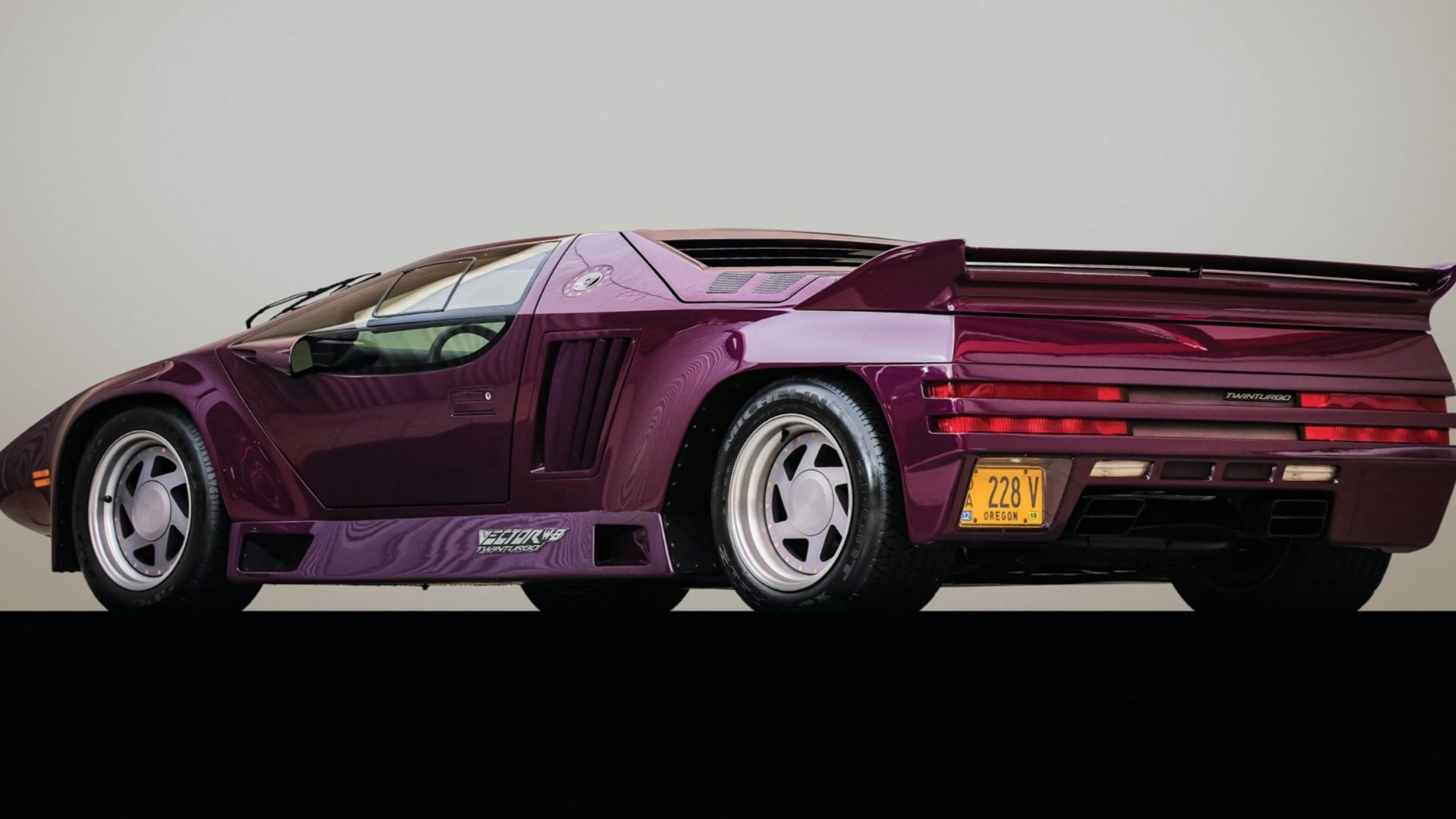
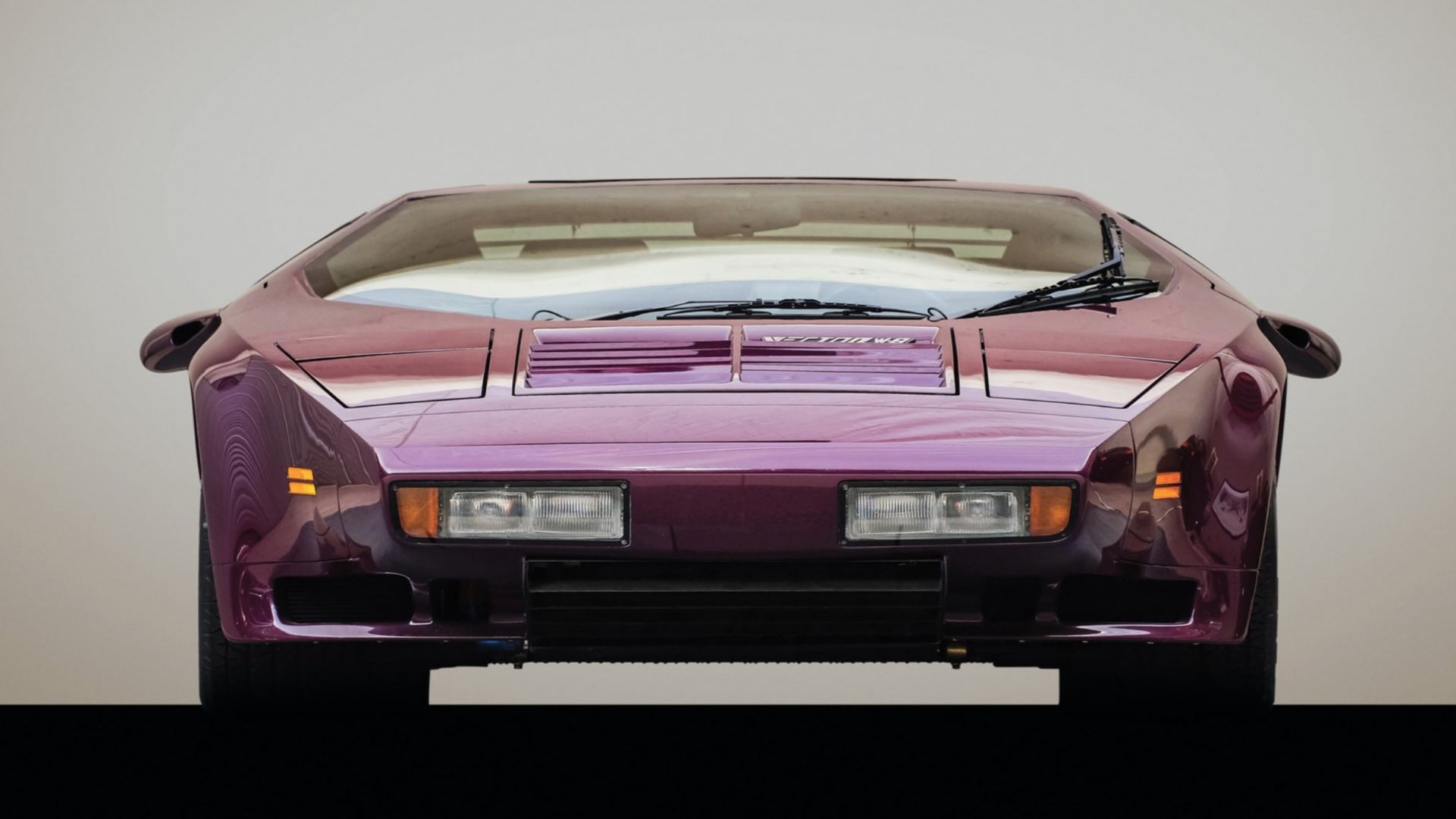
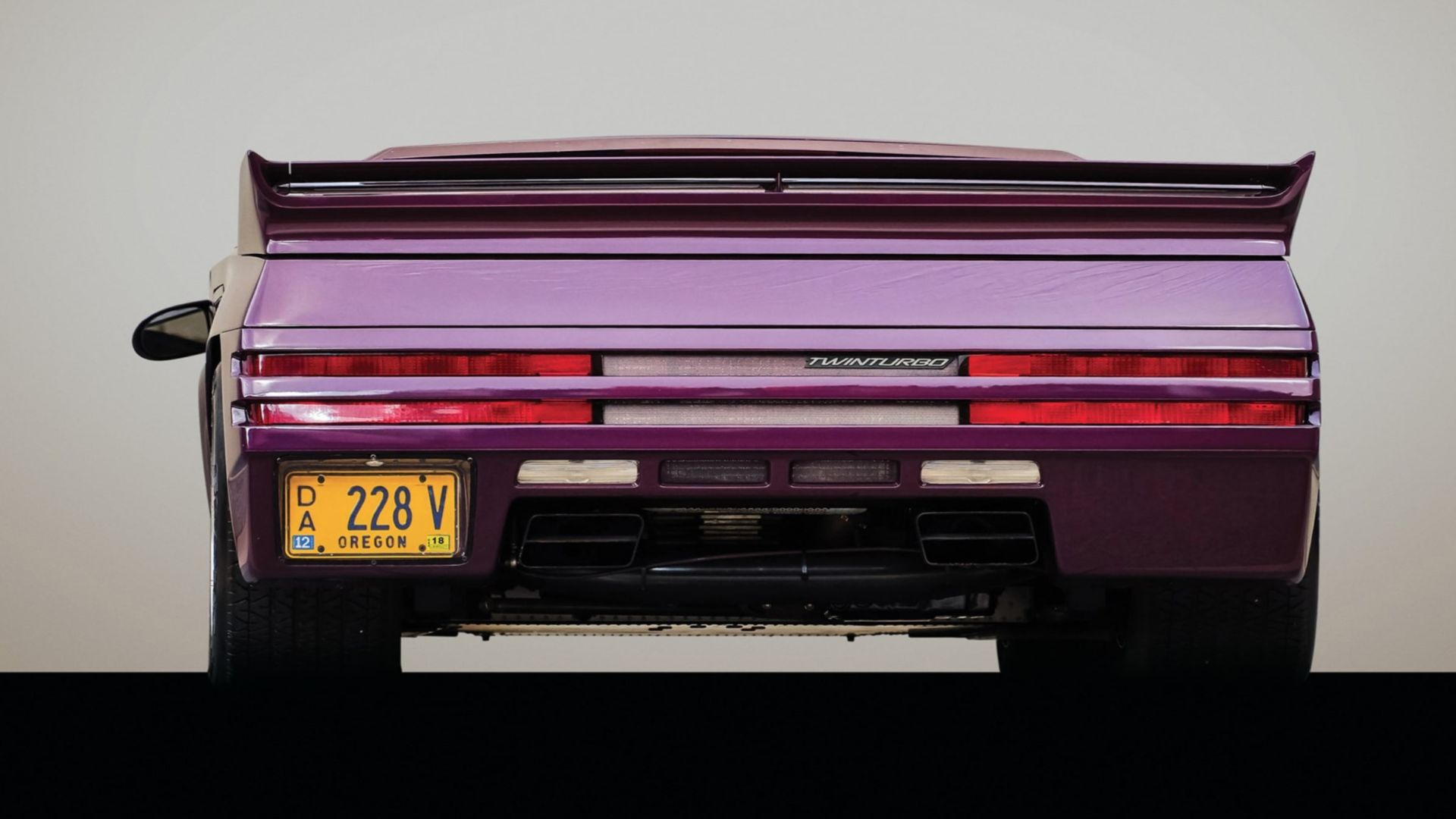
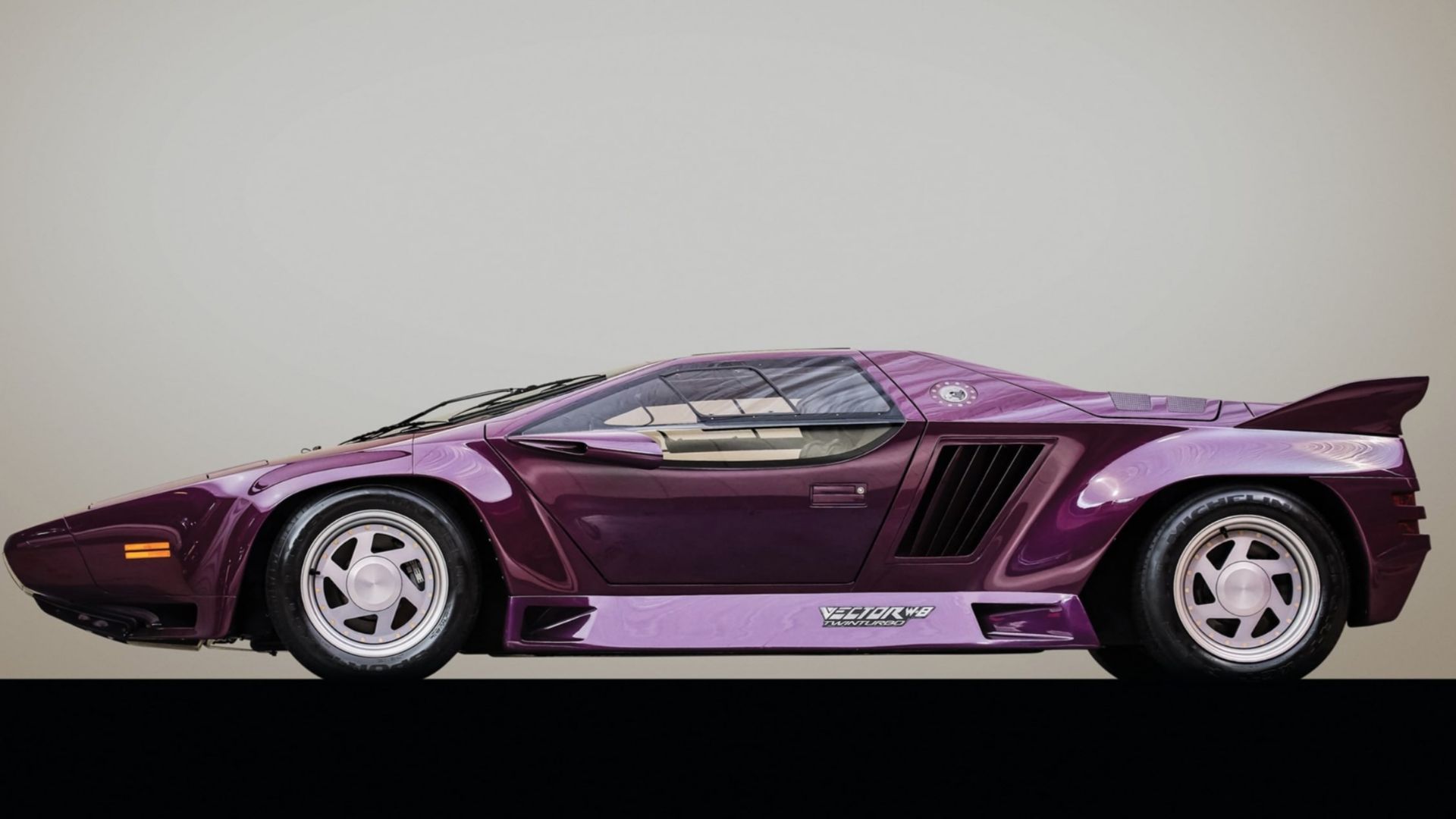
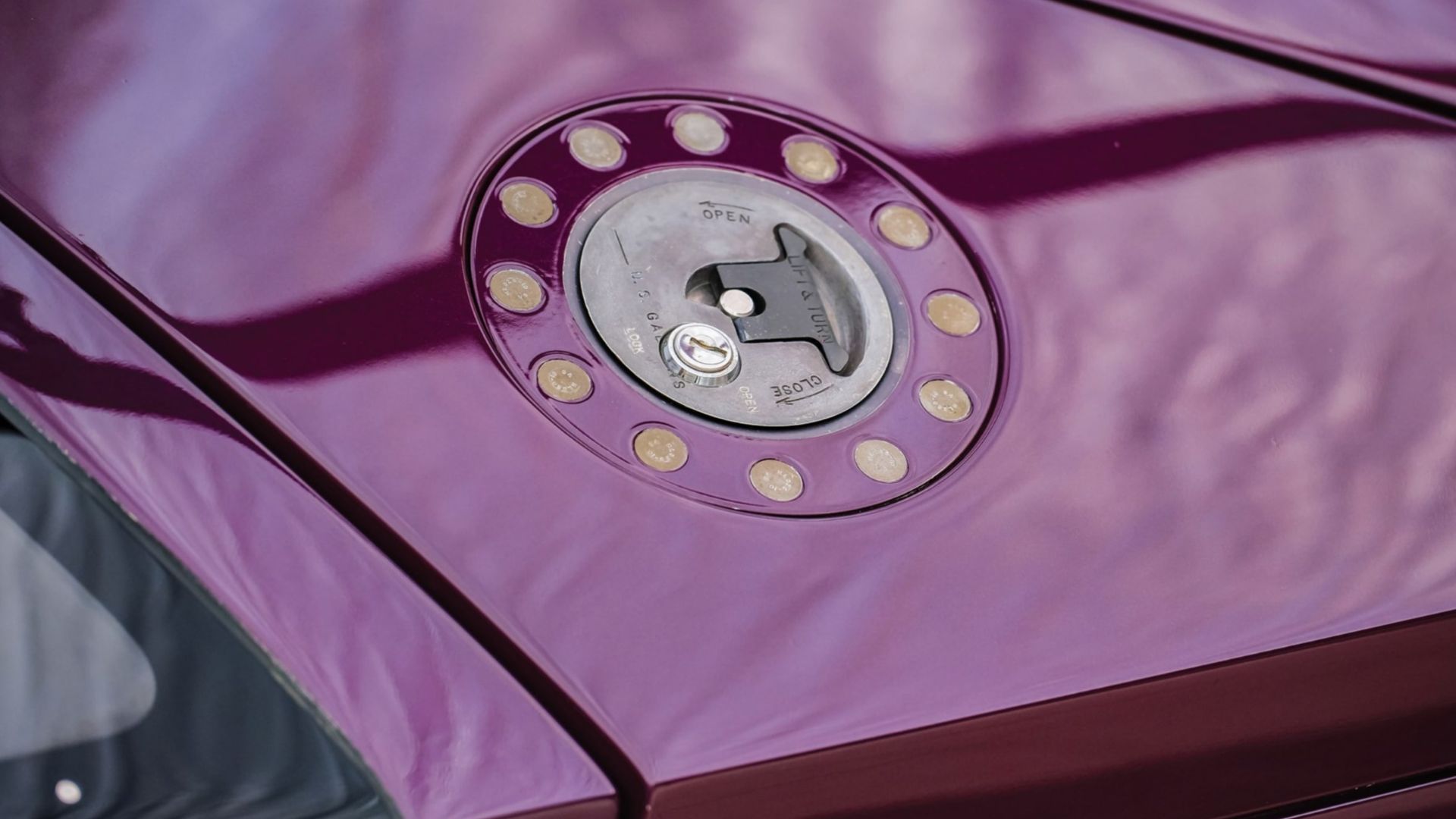
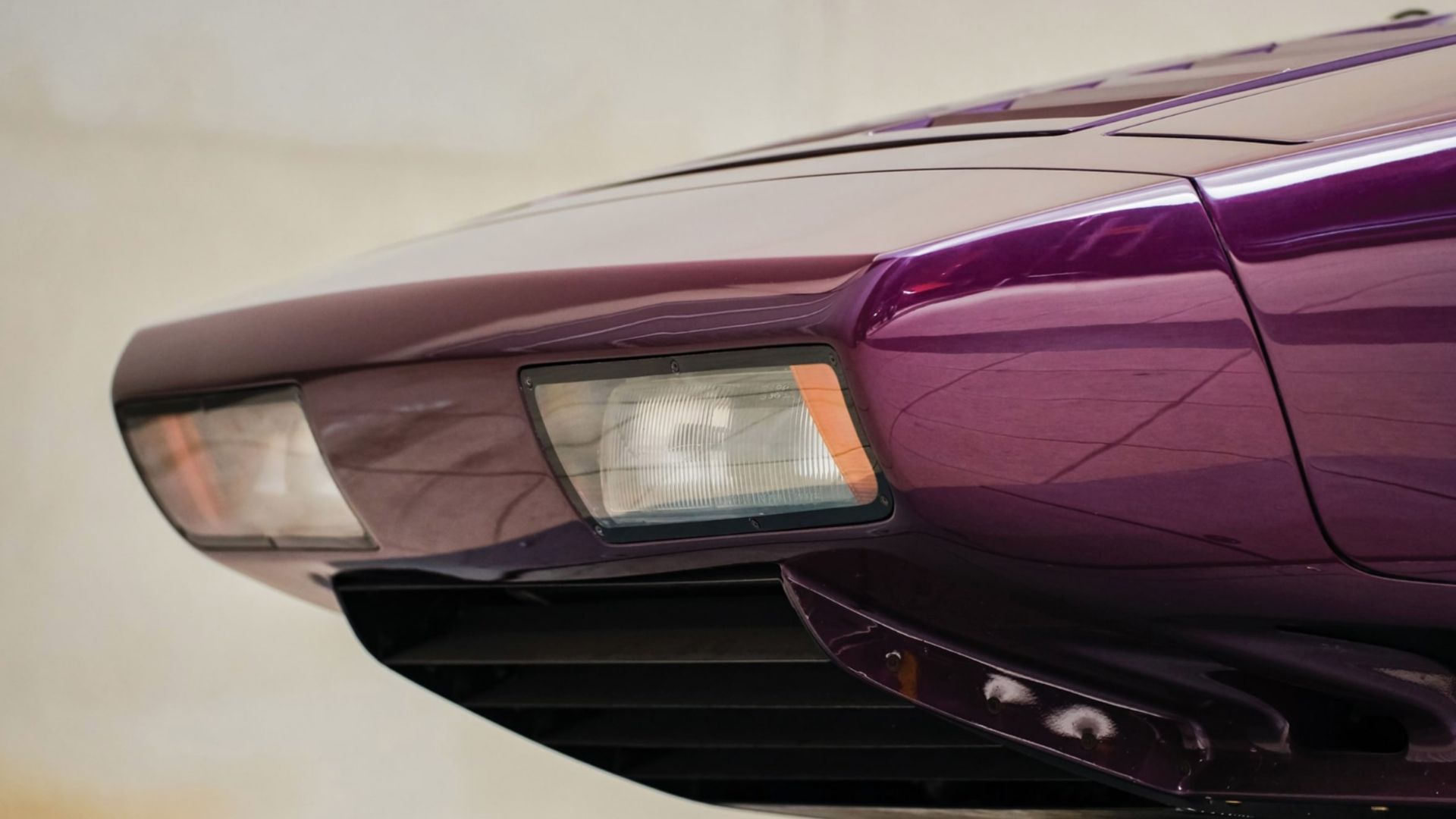
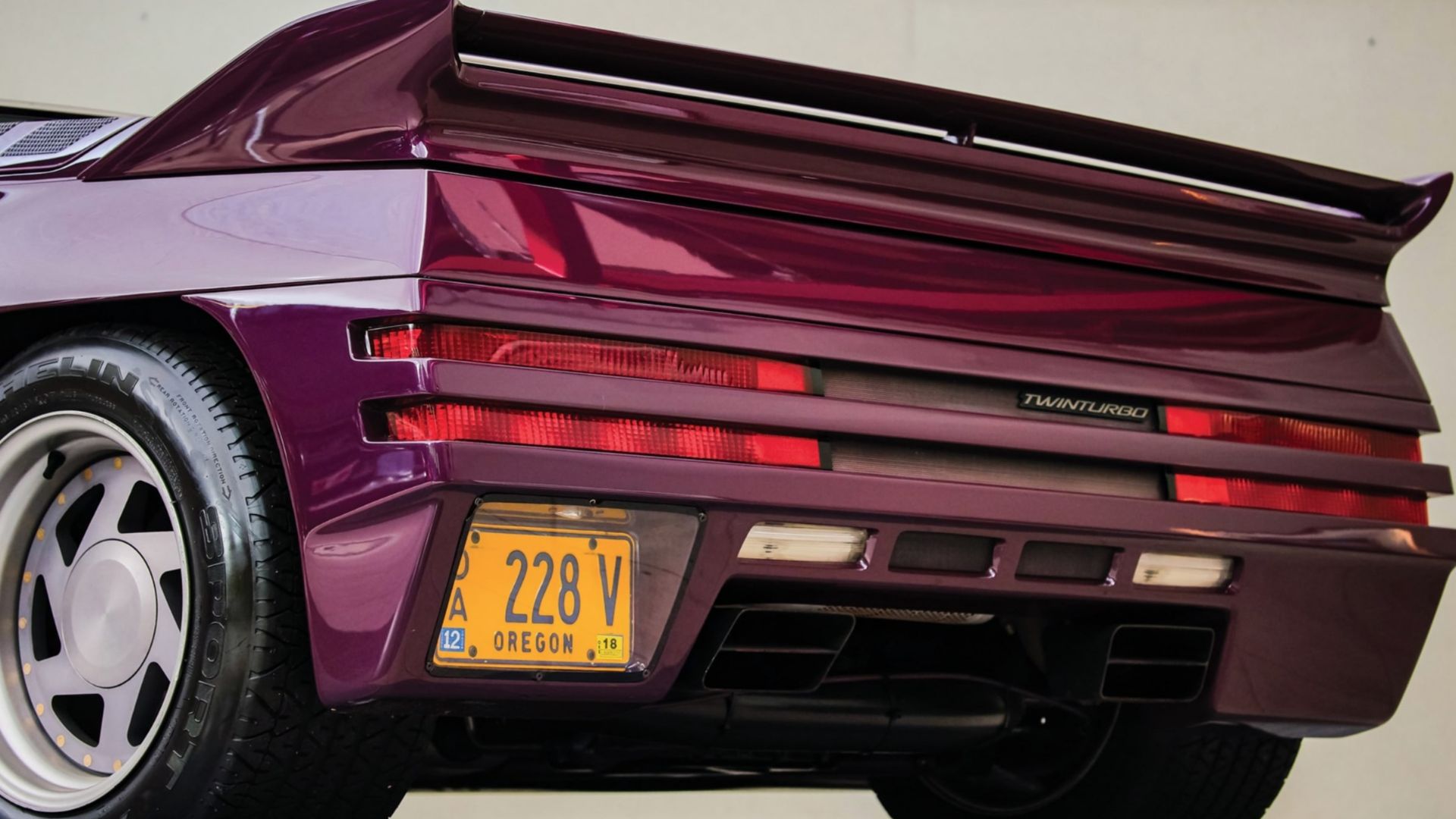
America’s craziest ever supercar is up for auction with RM Sotheby’s in Arizona later this month. The Vector W8 Twin Turbo could be yours for £230,000 ($300,000). That’s a quarter of what you’ll pay for a similarly aged – and much more common – Ferrari F40, making the Vector a bit of a bargain.
Offered from a private collection, this is number nine of just 17 produced in the late 1980s and early 1990s. It’s had one owner since 1991 and covered just 2,268 miles. When new, its original buyer paid £135,000 ($178,000).
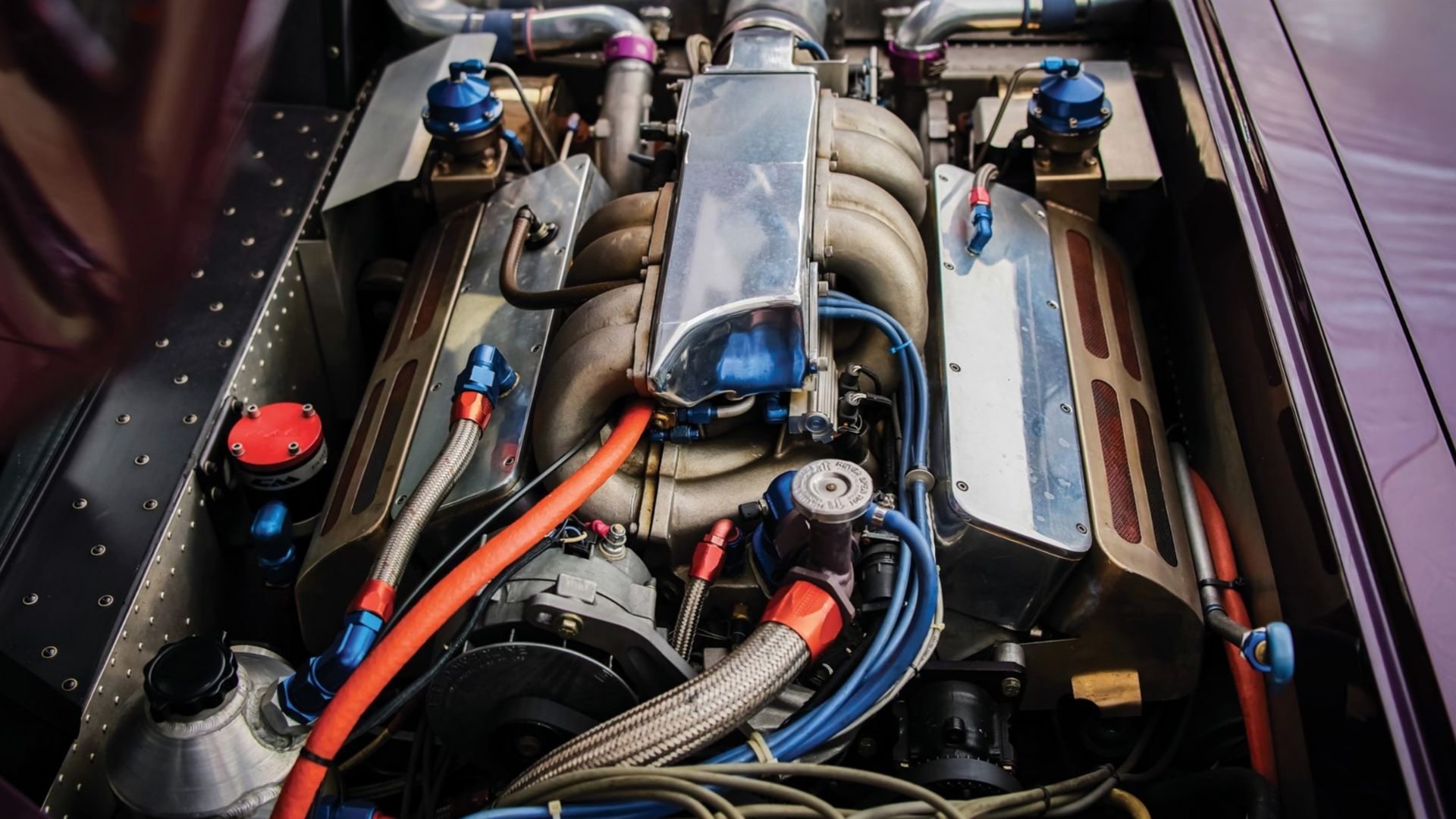
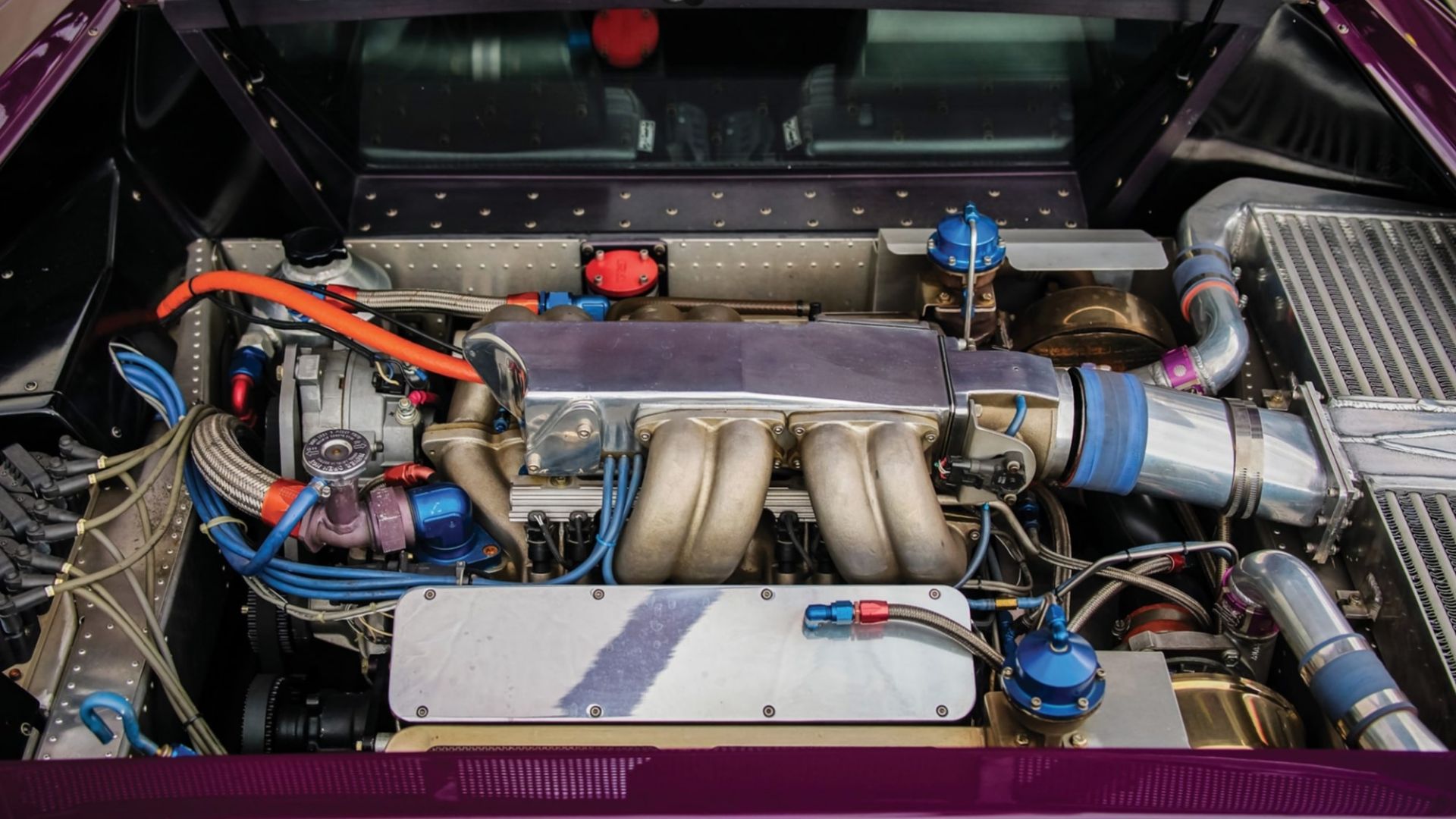
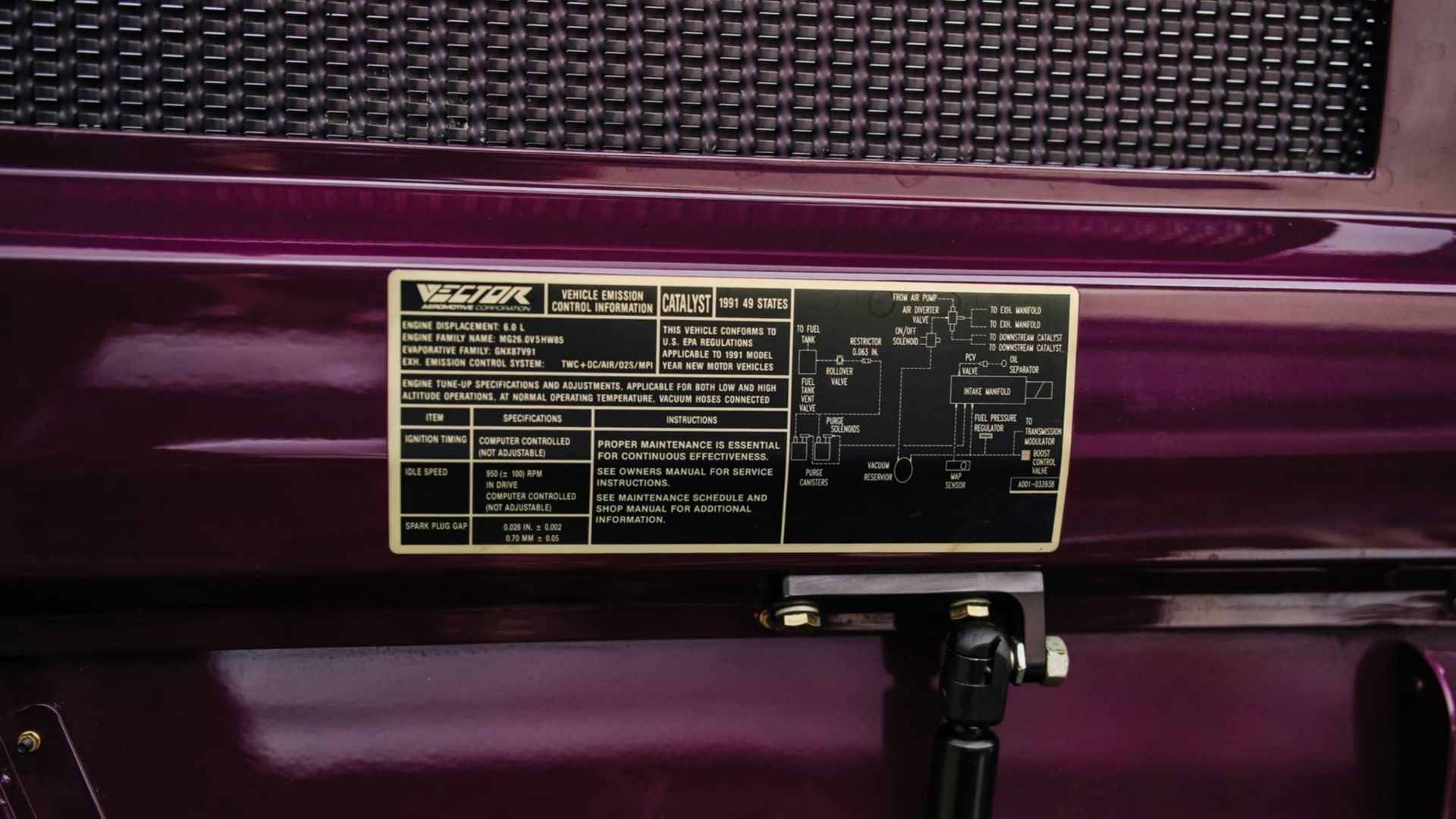
With a 6.0-litre twin turbo V8, the W8 produces 625hp. With some tuning, however, tests saw power boosted beyond 1,200hp.
Lamborghini patents revolutionary electric car tech with university
Standard performance figures were impressive enough, with a 0-62mph time of 4.2 seconds, and a claimed top speed of 242mph. A quarter-mile took 12 seconds, with a terminal speed of 124mph. That was amazing at the time, besting the Ferrari Testarossa by two seconds.
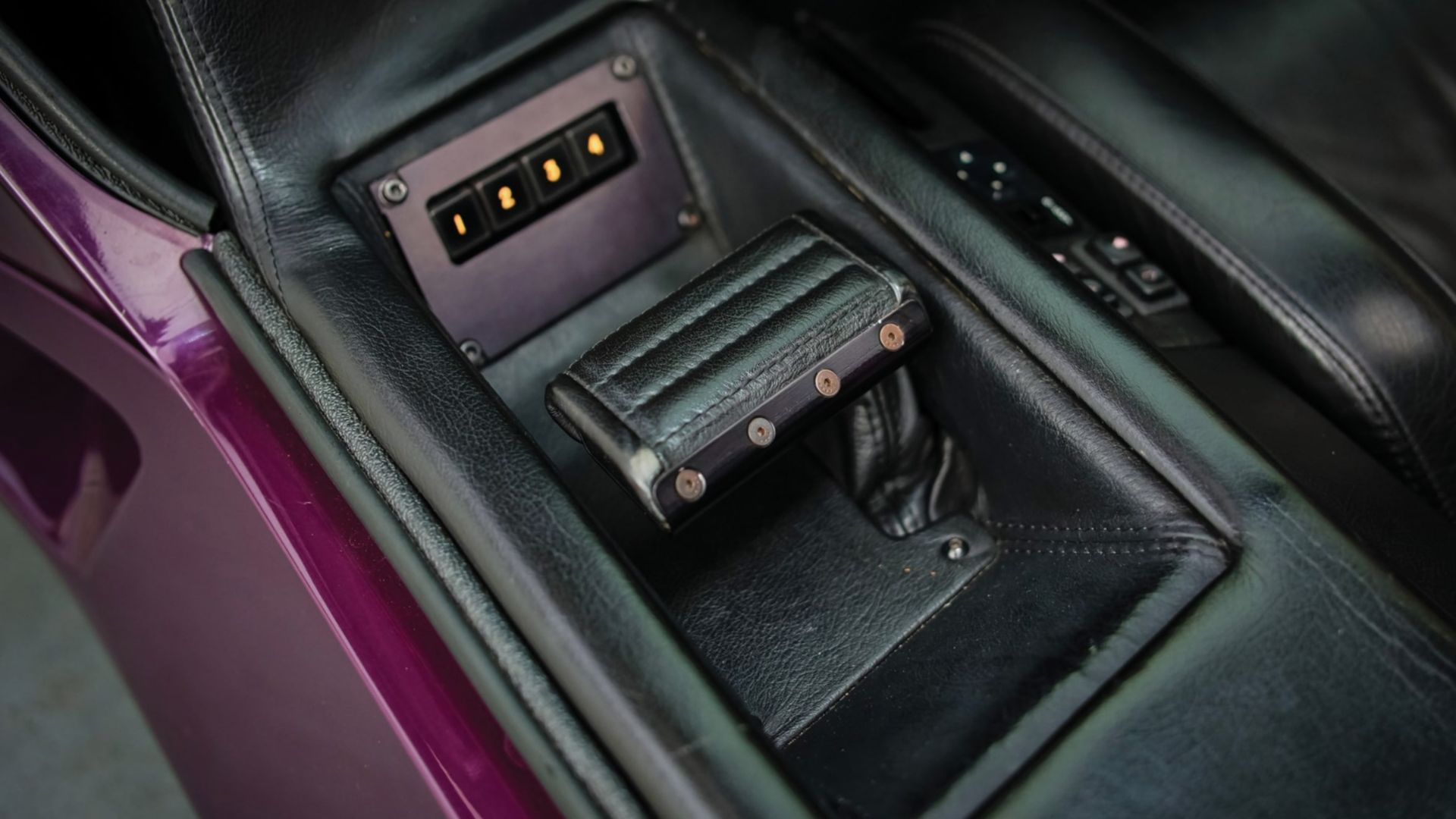
As well as its V8, the Vector borrows its three-speed automatic transmission from General Motors. Yes, a three-speed auto. Everything else is quite sophisticated, though.
And just look at the thing. It’s very much inspired by fighter jets, and intended to resemble one. Vector even called itself an ‘aeromotive’ company at the time.
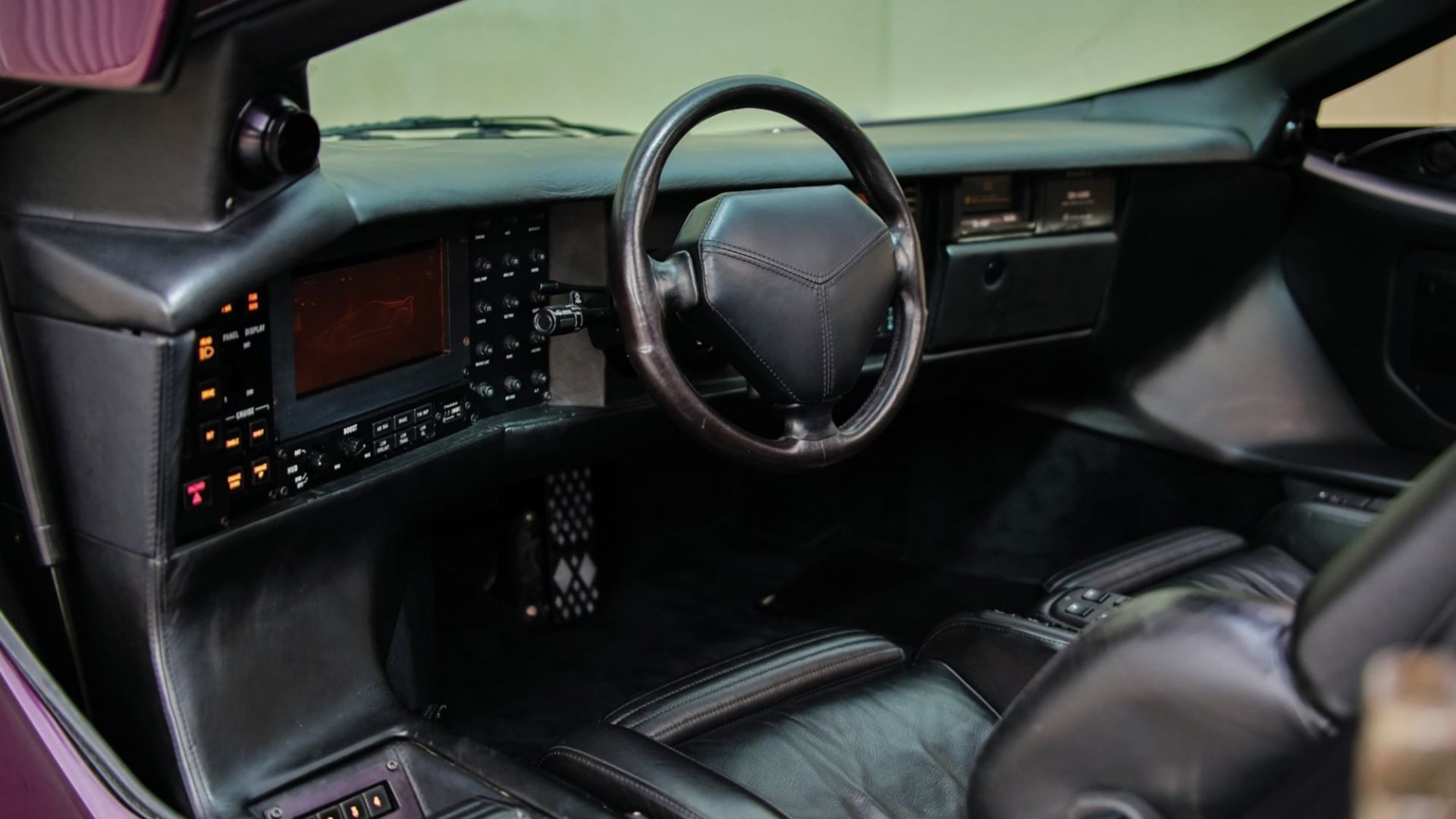
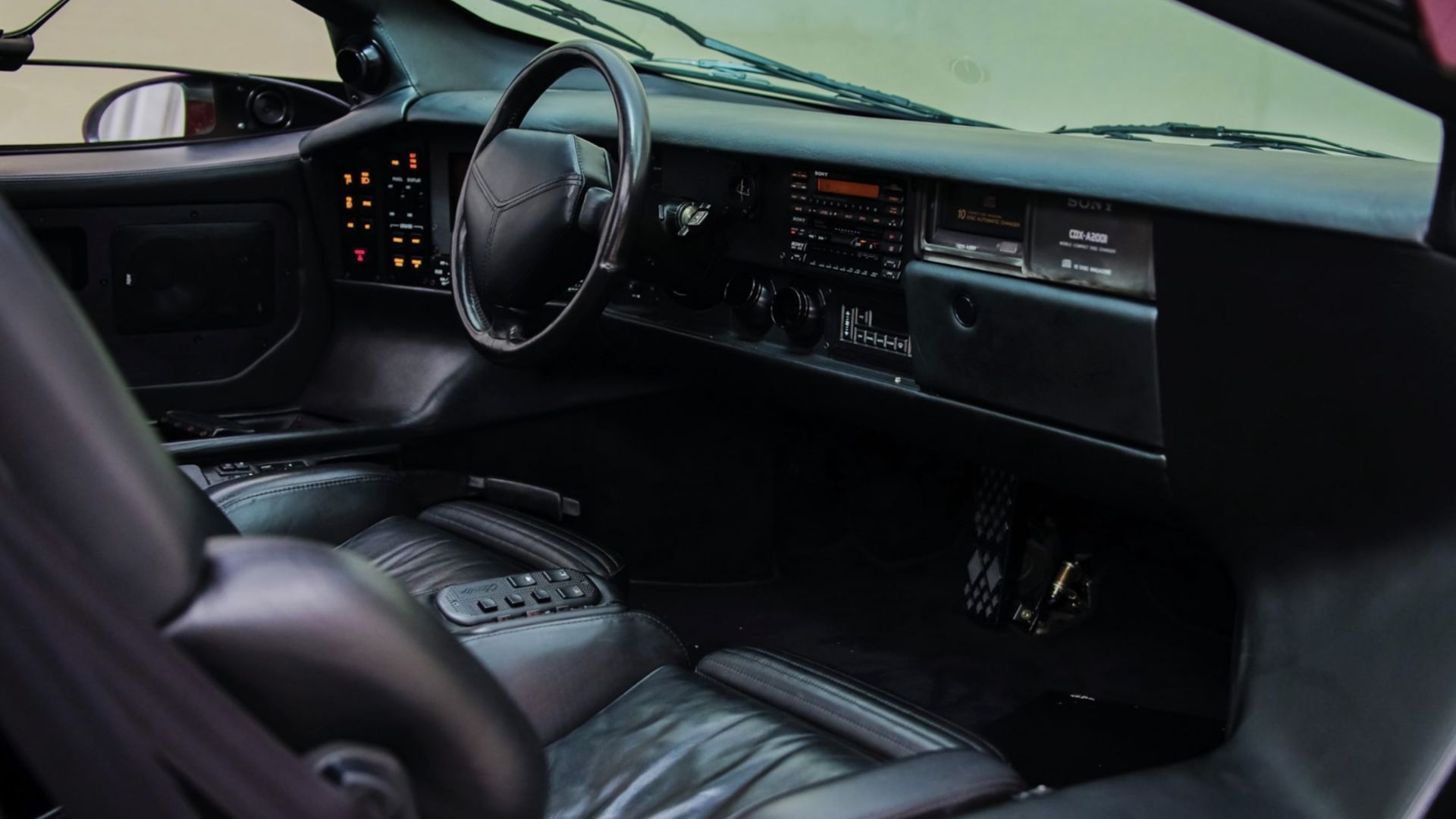
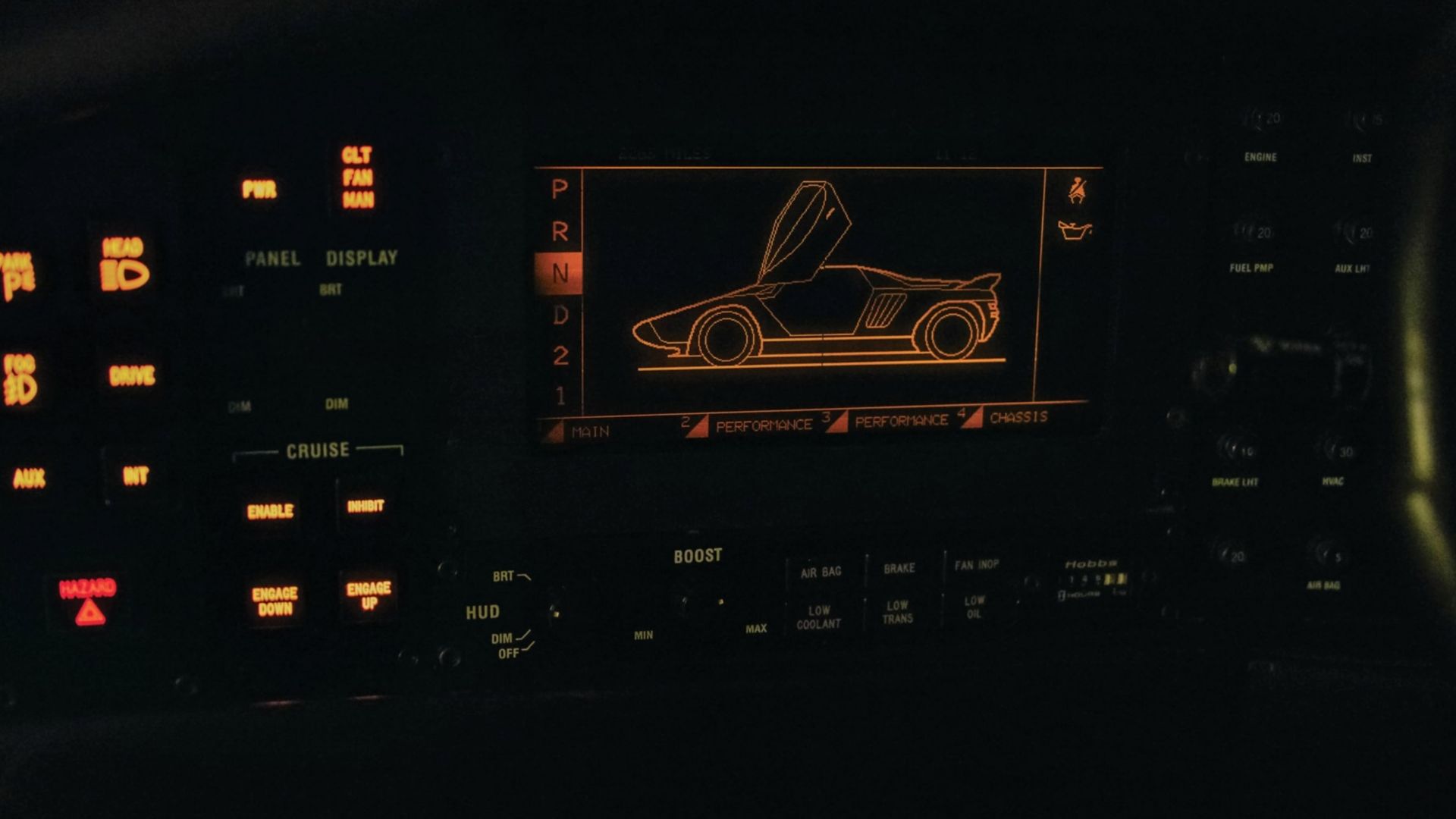
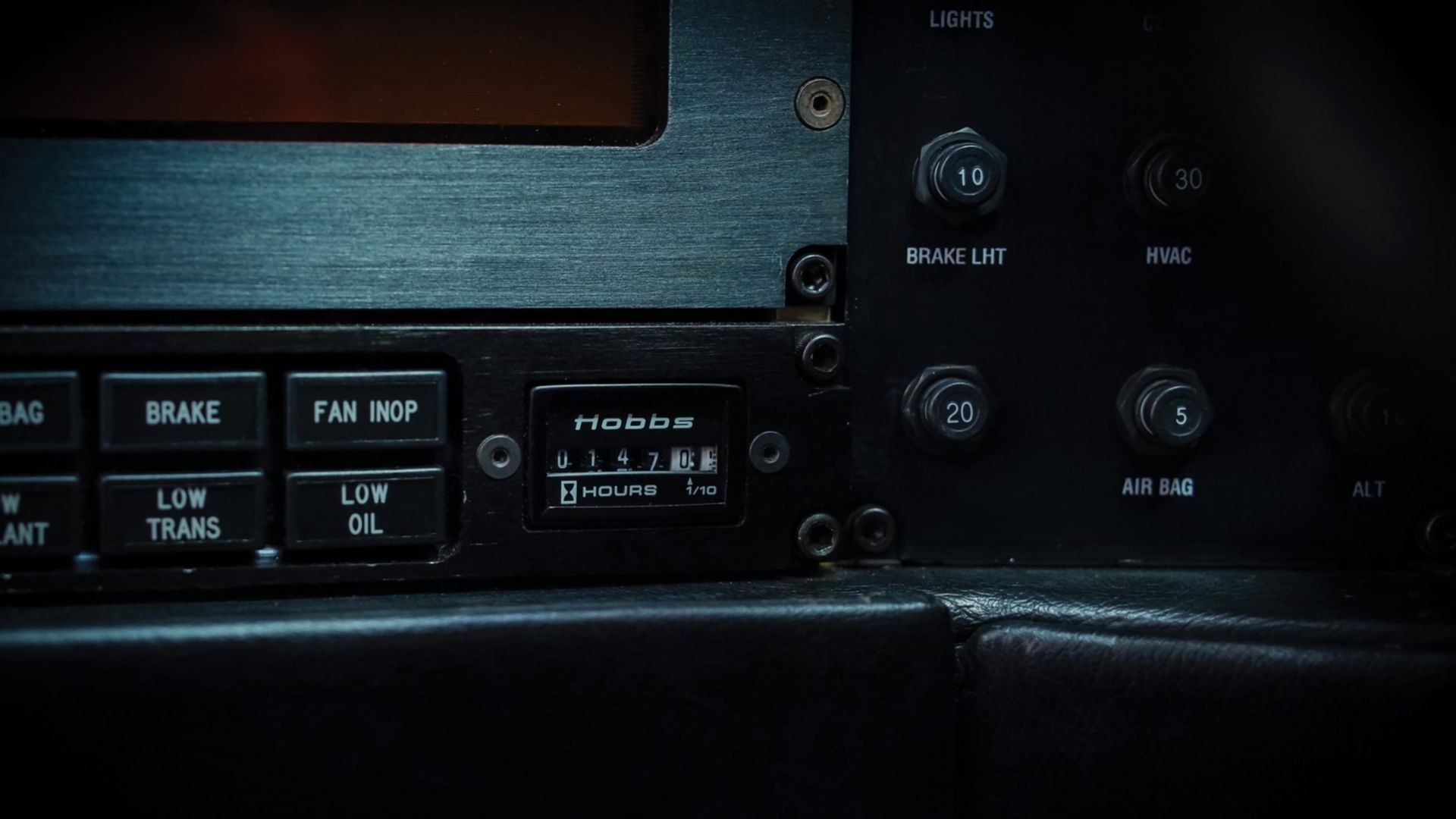
On the inside, the fighter jet theme continues, with toggles and displays not unlike what you’d find in a fighter cockpit. There’s even a big digital display, years before the infotainment screens of today. One readout shows how many hours the engine has been running, like those showing flight hours in aircraft.
Vector’s time in business was short-lived due to financial woes. No matter, according to founder Gerald Wiegart, who had achieved his goal of shocking the automotive industry.
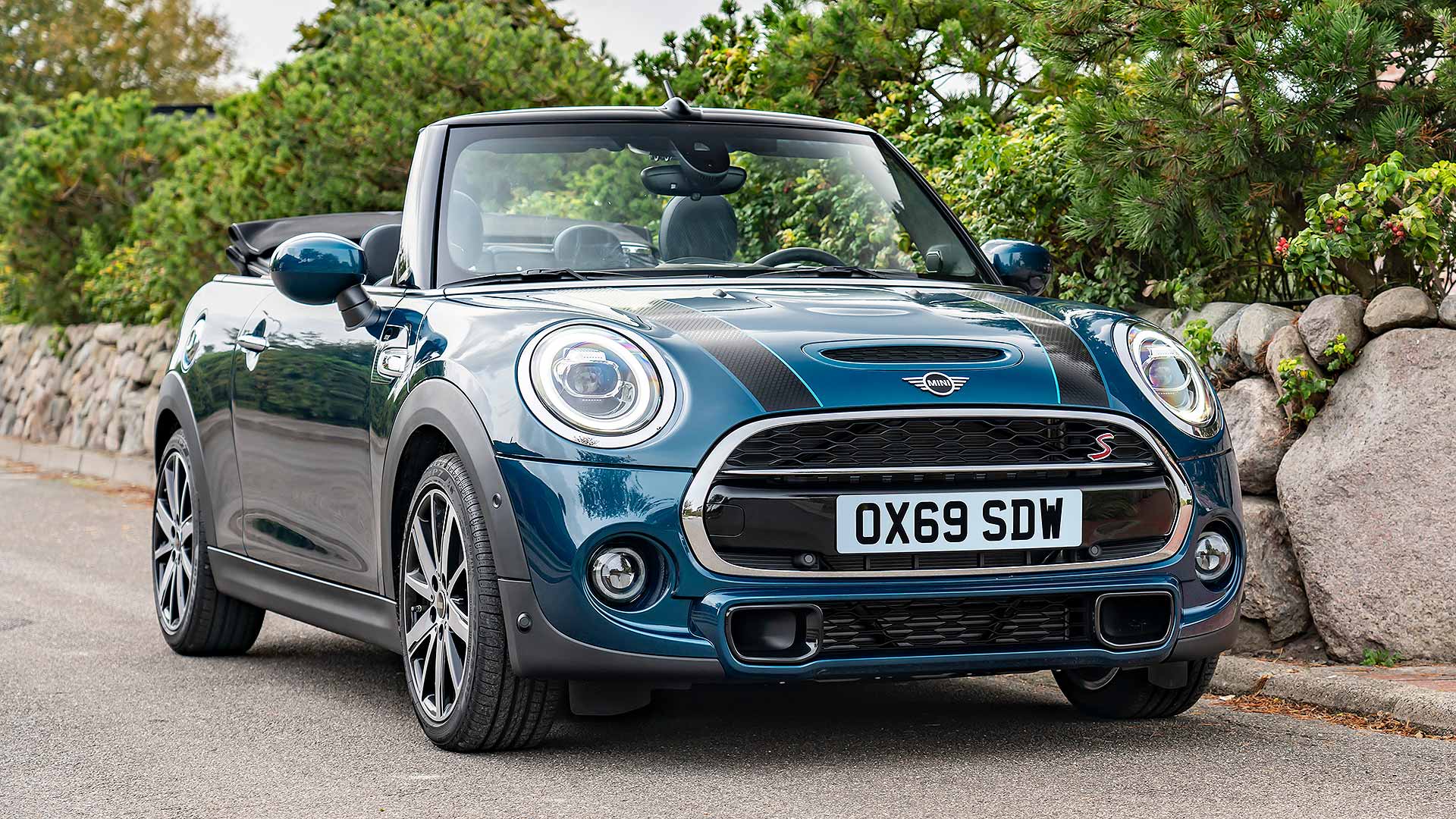
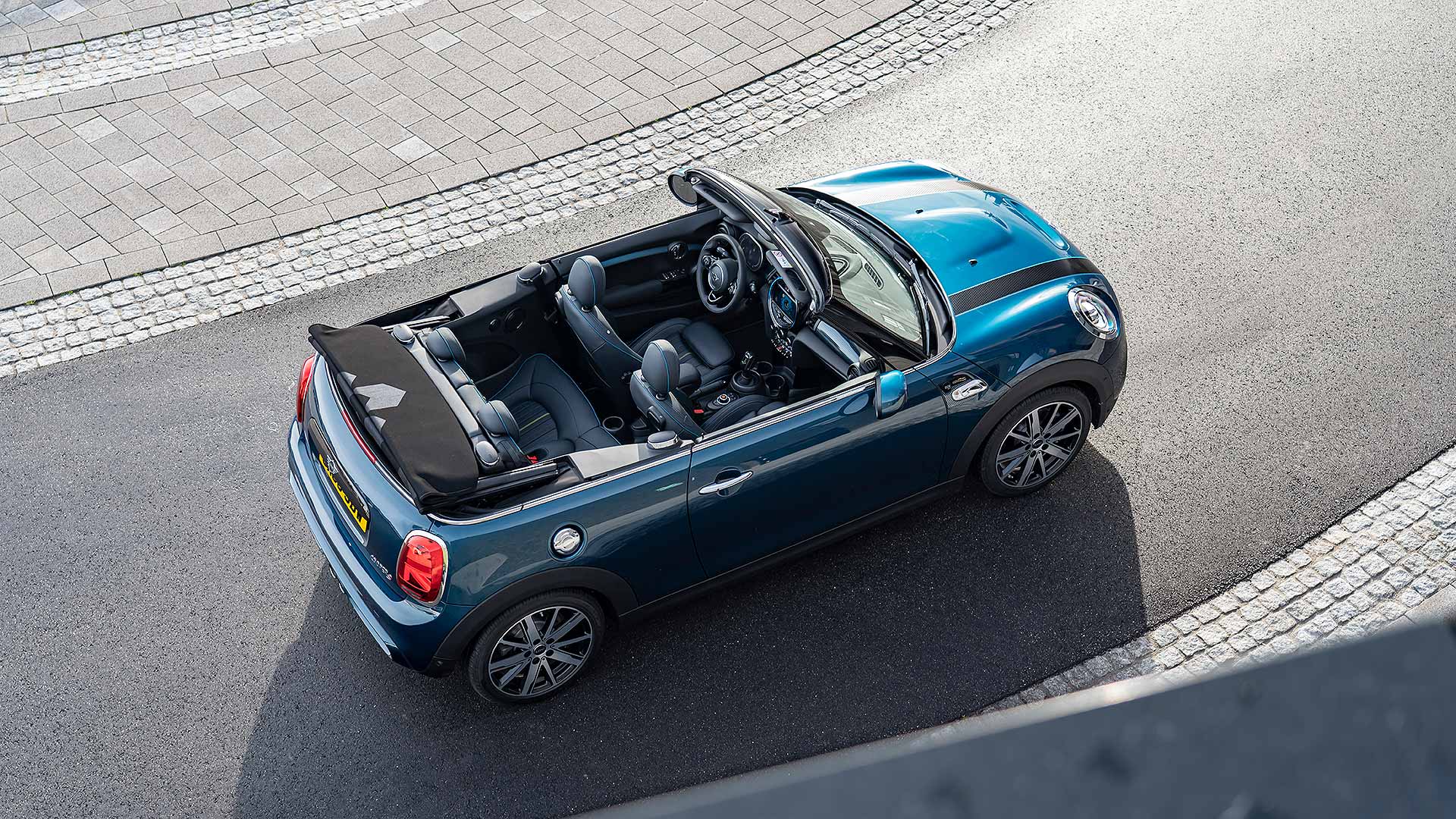
Whereas the 1995 Mini Sidewalk didn’t even have central locking or electric windows, the new special edition builds out modern Mini luxuries with an avalanche of extras.
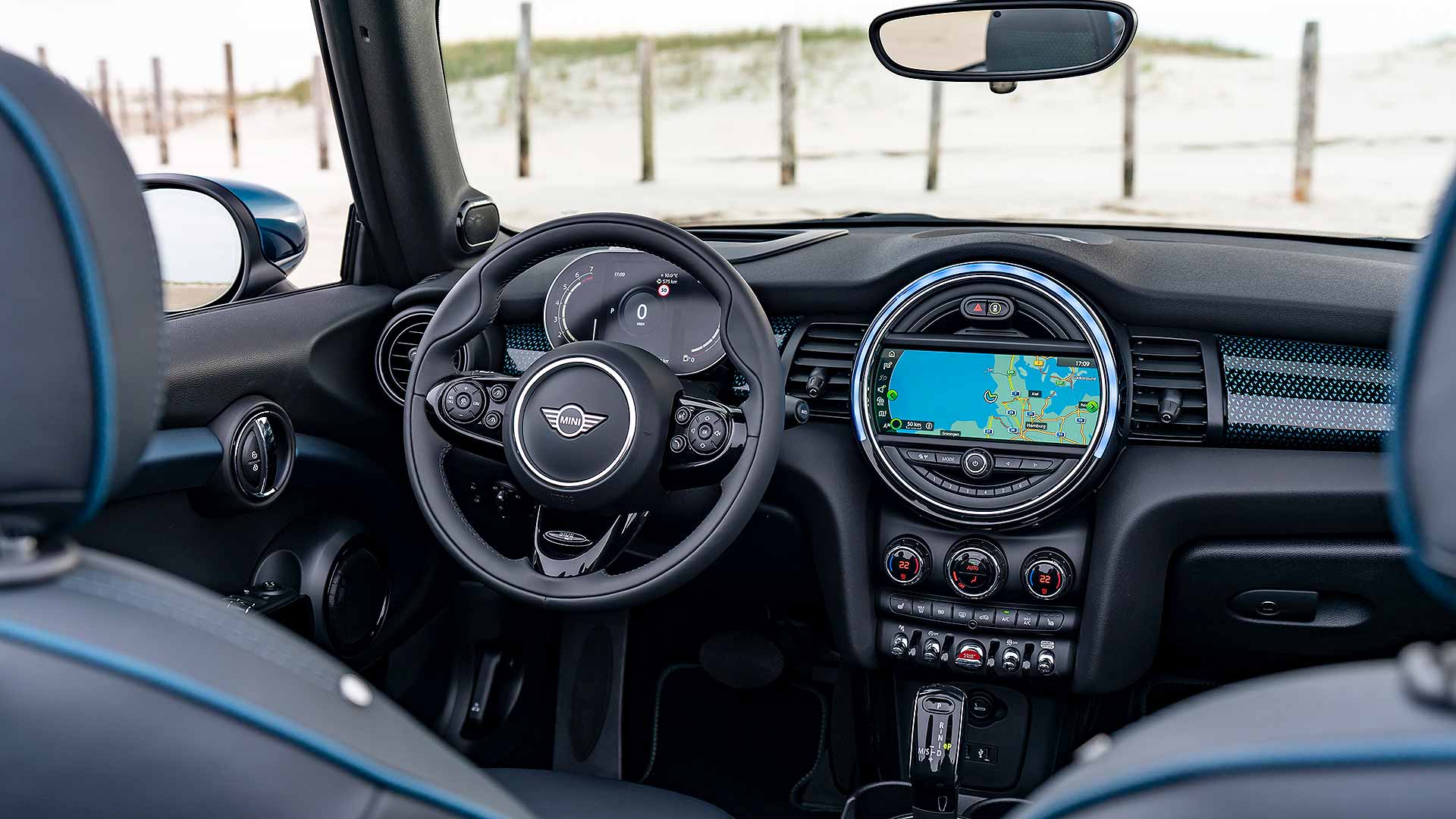
Fitted as standard is a head-up display, Harman Kardon premium audio, a seven-speed automatic gearbox with paddleshifters, plus touchscreen sat have with built in Amazon Alexa functionality.
Heated seats, rear-view camera and wireless smartphone charging are standard.
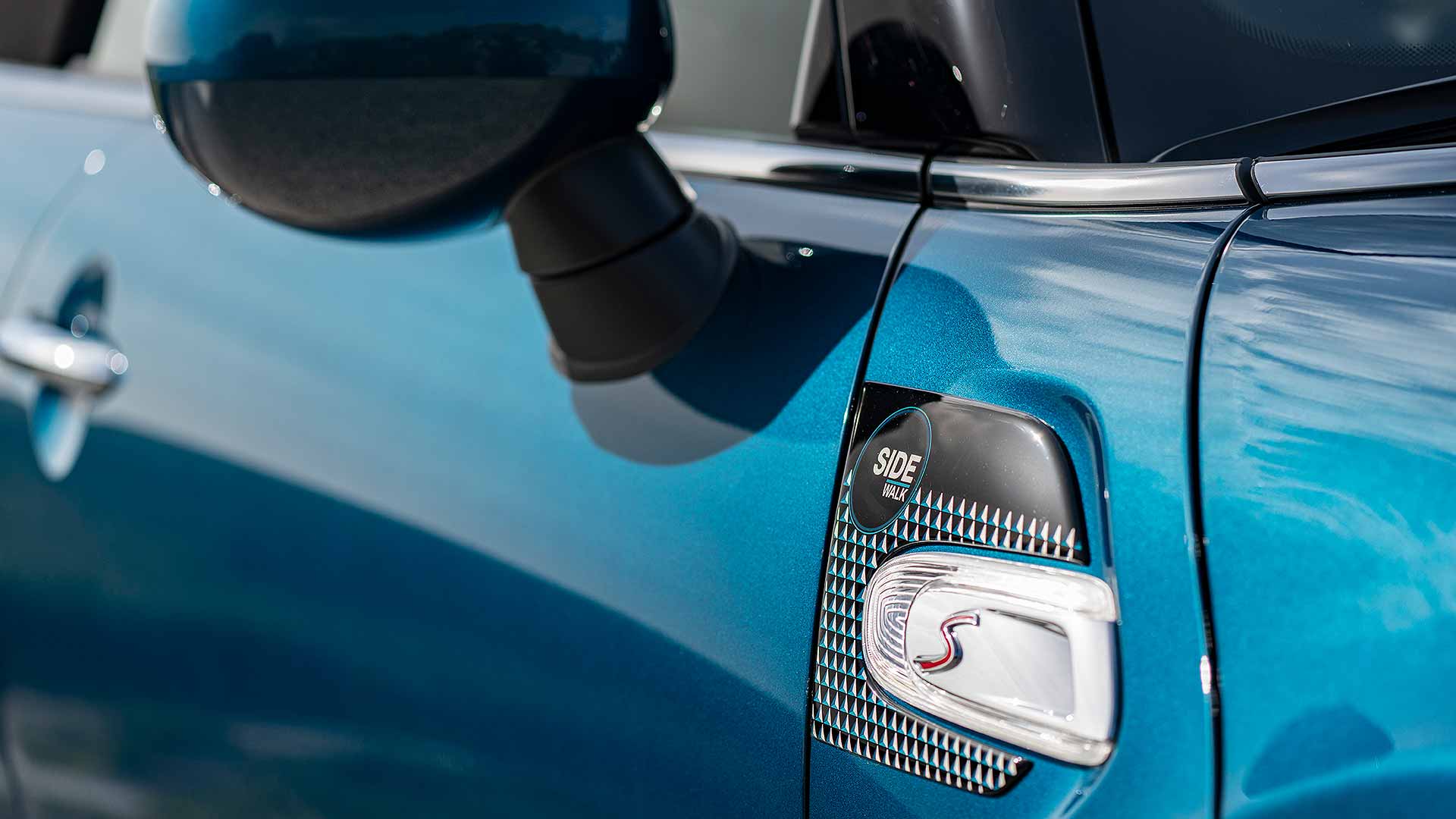
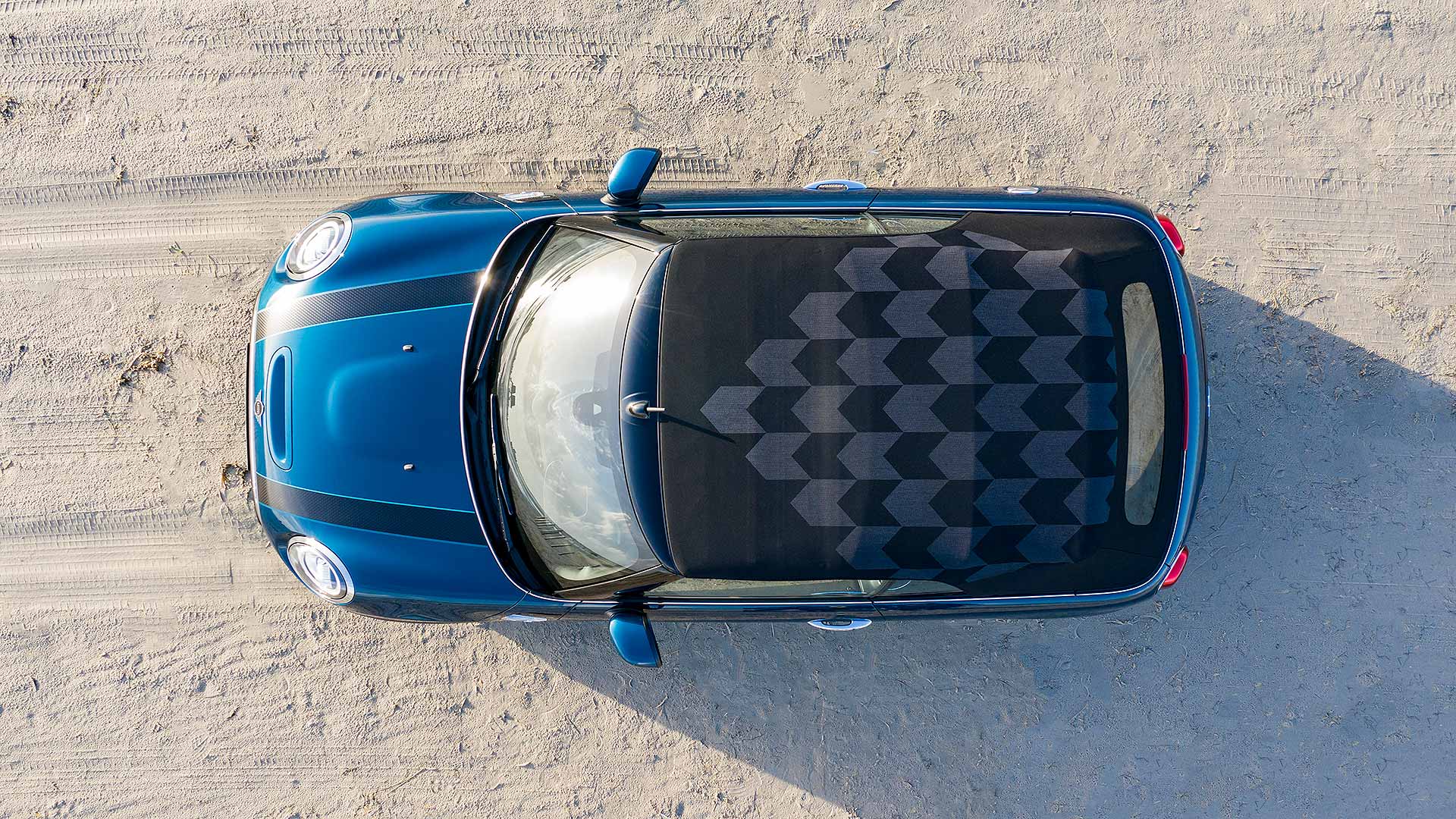
Mini’s given the Sidewalk Convertible a unique paint job, called Deep Laguna. There are also special pin-lined bonnet stripes and Sidewalk graphics on the side.
The electric convertible roof gets a bespoke ‘arrow’ design and the 17-inch two-tone alloys are unique.
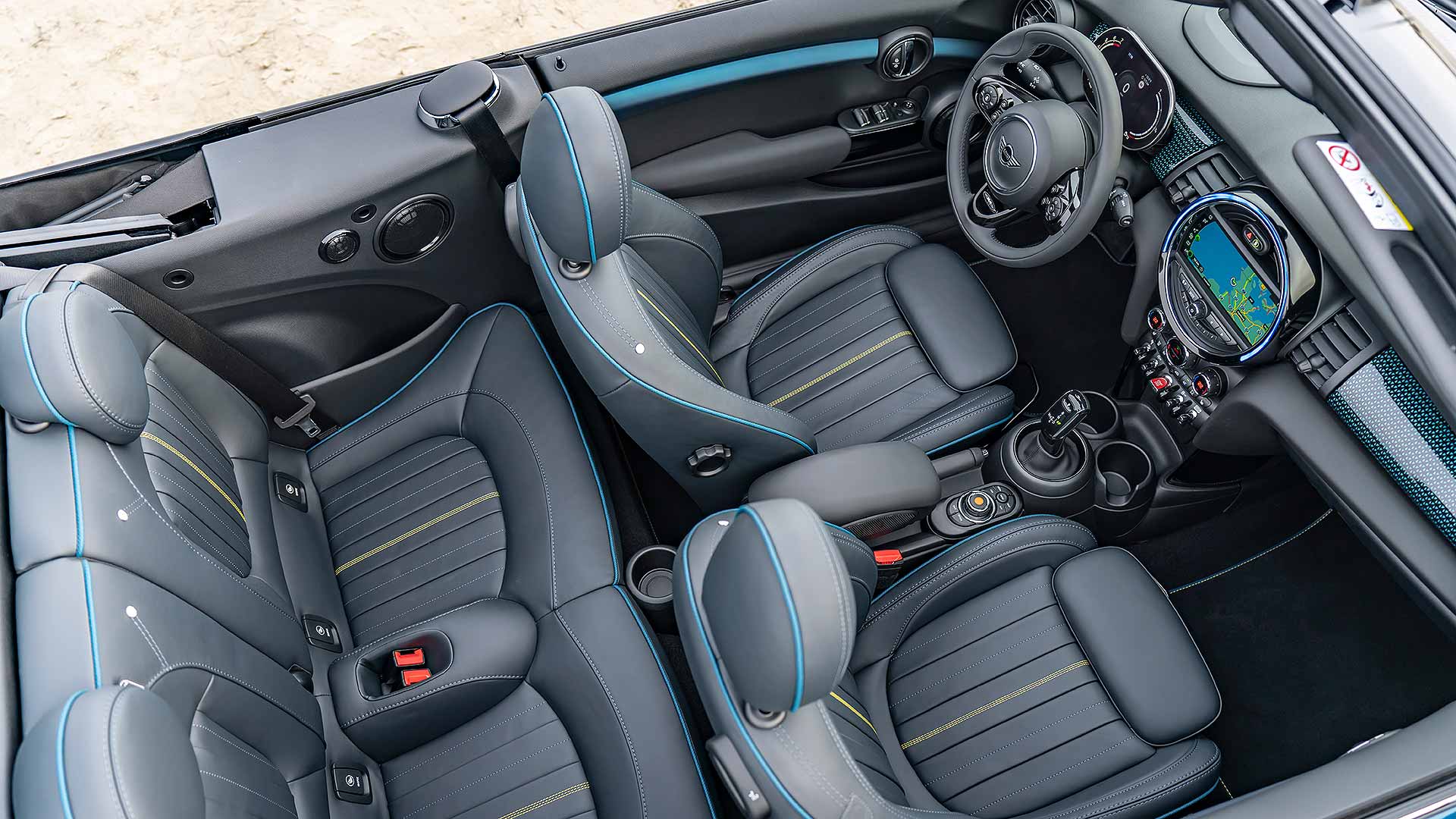
Inside, the firm’s best ‘Mini Yours’ leather covers the seats, which carry ‘Sidewalk’ badging and contrast blue and yellow seams. These carry through to the Sidewalk-branded steering wheel.
Mini’s even fitted unique piano black dash trim with contrast accents.
Keen to be one of the 150 British buyers of the limited-run Mini Sidewalk Convertible? Get your order in now while stocks last; production begins in March 2020, just in time for the new ’70-plate’ registration.
Owners of selected Renault cars can now control various objects of their home from inside their car.
New cars equipped with the latest Easy Link connected system will offer the service, which uses technology developed by Otodo, a French company specialising in smart homes.
As well as controlling household items, Renault owners will be able to send instructions from their home to a connected vehicle via a smartphone or connected speaker.
There are two available scenarios, with different instructions associated with each. These are:
Leaving Home – puts the home into ‘sleep’ mode. This could include switching the central heating to energy-saving mode, closing the shutters and turning off the lights
Arriving Home – ‘wakes’ the home. Drivers will be prompted to activate the scenarios based on the distance between the vehicle and home
Users must press ‘OK’ on the Renault’s touchscreen to activate a scenario. The instructions are sent to the home automatically and simultaneously.
Renault home tech a ‘trailblazing experience’
Jean-Francois Labal, marketing and partnership head for connected cars and services at Groupe Renault, said: “Cars need to blend into our digital lives. With this service, we’re offering our customers a trailblazing experience and a completely secure system to connect their home’s connected objects to their vehicle.
“The interface to set it up is very intuitive and it comes with two advantages: it’s automatic so it makes life simpler and it saves energy by switching lights and heating on and off as needed.”
Eric Denoyer, CEO at Otodo, added: “Our platform has enabled Groupe Renault to create a simple and universal link between smart cars and smart homes, that works across brands and technologies. Very soon, everyone will be able to use this platform to organise their daily life from their car.”
The connected technology will be previewed at CES Las Vegas from 7 to 10 January, before rolling out on the all-new Clio, Captur and Zoe electric car later in 2020.